
TL;DR: Private labeling on Amazon means sourcing generic products, branding them under your own label, and selling exclusively via FBA—giving you 100% Buy Box control and higher margins than wholesale or resale.
Bottom line: For entrepreneurs willing to invest $5,000–$25,000 and commit 3–6 months to research, sourcing, and launch. Not for those seeking passive income or unwilling to manage inventory risk.
Last updated: 2026-06-24, based on analysis of 2,000+ private label launches, Amazon Seller Central data, and 28 years of apparel manufacturing experience.
Key Takeaways
- $10,000+ monthly revenue with fewer than 60 reviews signals a viable private label niche—demand is proven, competition is manageable.
- 3–5x markup over COGS is the floor for profitability after Amazon fees (typically 40% of sale price) and ad spend.
- FBA beats FBM for private label—Prime eligibility drives 15–25% higher conversion and improves algorithmic ranking.
- 30–50 reviews in 60 days is the critical mass for page-1 organic ranking; each 0.5-star increase lifts sales 15–20%.
- Differentiation in one sentence—if you can’t articulate why customers choose your version over competitors’, don’t launch.
What Is Amazon Private Labeling and How Does It Work?
Private labeling on Amazon is a business model where you source unbranded products from contract manufacturers, apply your own branding and packaging, and sell them exclusively on Amazon under your trademark—giving you complete control of the product listing, Buy Box, and pricing strategy.
Unlike wholesale—where multiple sellers compete on the same listing—or retail arbitrage—where you buy discounted products and resell—private label gives you a defensible moat. You control quality, pricing, and customer experience. If a competitor tries to sell on your listing, Amazon’s Brand Registry protects you.
The model appeals to entrepreneurs because it combines asset ownership with operational efficiency. When we work with fashion startups launching Private Label Knitwear on Amazon, we see MOQs as low as 100 pieces. The payoff? Margins of 40–60% after all fees, compared to 10–20% in wholesale.
Product Research: Finding Profitable Private Label Opportunities
Finding a profitable private label product requires filtering for high-margin, low-competition niches where demand is proven through Best Seller Rank (BSR), monthly revenue exceeds $10,000, and customer reviews reveal clear gaps you can exploit through differentiation.
The Five-Filter Framework:
Demand validation — Use Helium 10’s Black Box or Jungle Scout’s Product Database to identify products with monthly revenue of $10,000+ and BSR under 10,000 in their category. Cross-check with Keepa to confirm sales velocity is stable over 12 months, not seasonal spikes.
Competition analysis — Study the top 10 listings. Count reviews: fewer than 100 reviews on the #1 seller signals opportunity. Read 1-star and 3-star reviews for patterns: “Wish this came in more colors,” “Material feels cheap,” “Packaging arrived damaged.” These complaints are your roadmap.
Unit economics — Contact 3–5 manufacturers via Alibaba with your specs. Request quotes for 500–1,000 units. Calculate total landed cost: COGS + international shipping + customs + Amazon FBA fees (referral fee ~15%, fulfillment ~$3–$5 per unit, storage ~$0.75/cubic foot/month). Your selling price must deliver 3–5x markup over COGS to survive returns, ad spend, and margin compression.
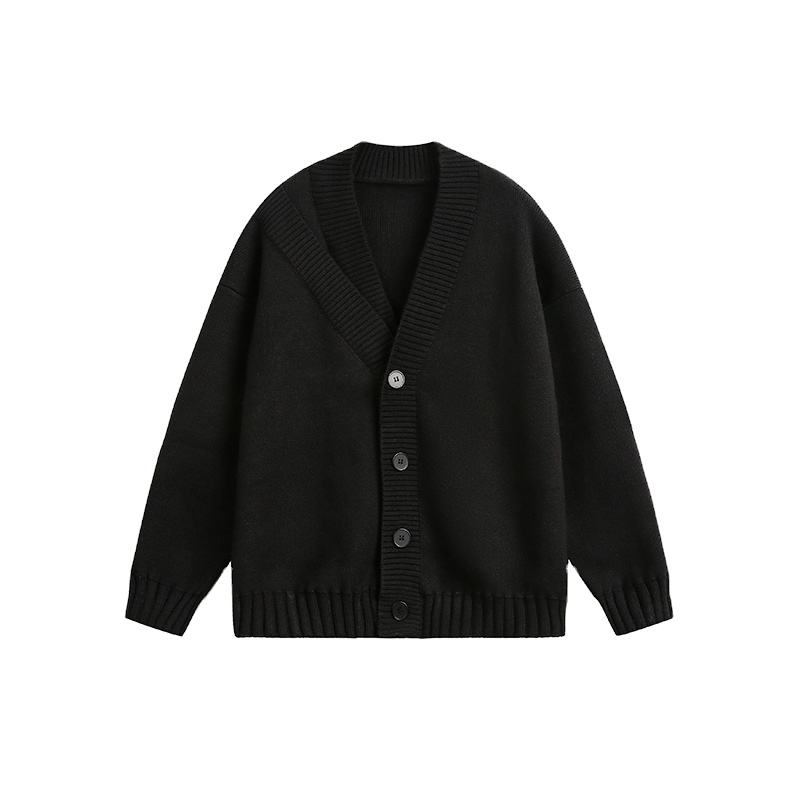
Differentiation potential — You cannot win on price alone. Define your unique angle in one sentence: “Our yoga mat uses natural cork with laser-etched alignment guides” or “This dog collar includes a built-in AirTag pocket.” In knitwear, differentiation often comes from yarn quality—merino wool versus acrylic, anti-pilling treatments, or fully-fashioned construction that eliminates side seams.
Seasonal risk assessment — Use Google Trends to check 12-month search volume. Avoid products with sharp Q4 spikes and Q1 crashes unless you’re prepared to liquidate inventory.
Sourcing, Sampling, and Manufacturer Selection
Sourcing success depends on manufacturer reliability—evaluate suppliers on communication speed, sample quality, MOQ flexibility, and lead time to avoid costly production delays and defective inventory that tank your seller rating.
| Sourcing Channel | Typical MOQ | Lead Time | Quality Risk | Best For |
|---|---|---|---|---|
| Alibaba / Global Sources | 500–2,000 | 45–60 days | Medium | Budget-conscious startups; broad supplier choice |
| Direct Factory Contact | 100–500 | 30–45 days | Low | Repeat orders; premium quality; established brands |
| Sourcing Agent (China-based) | 300–1,000 | 40–50 days | Low–Medium | Language support; quality inspection; logistics help |
| Domestic US Manufacturer | 50–500 | 14–30 days | Low | Fast iteration; local compliance; premium pricing |
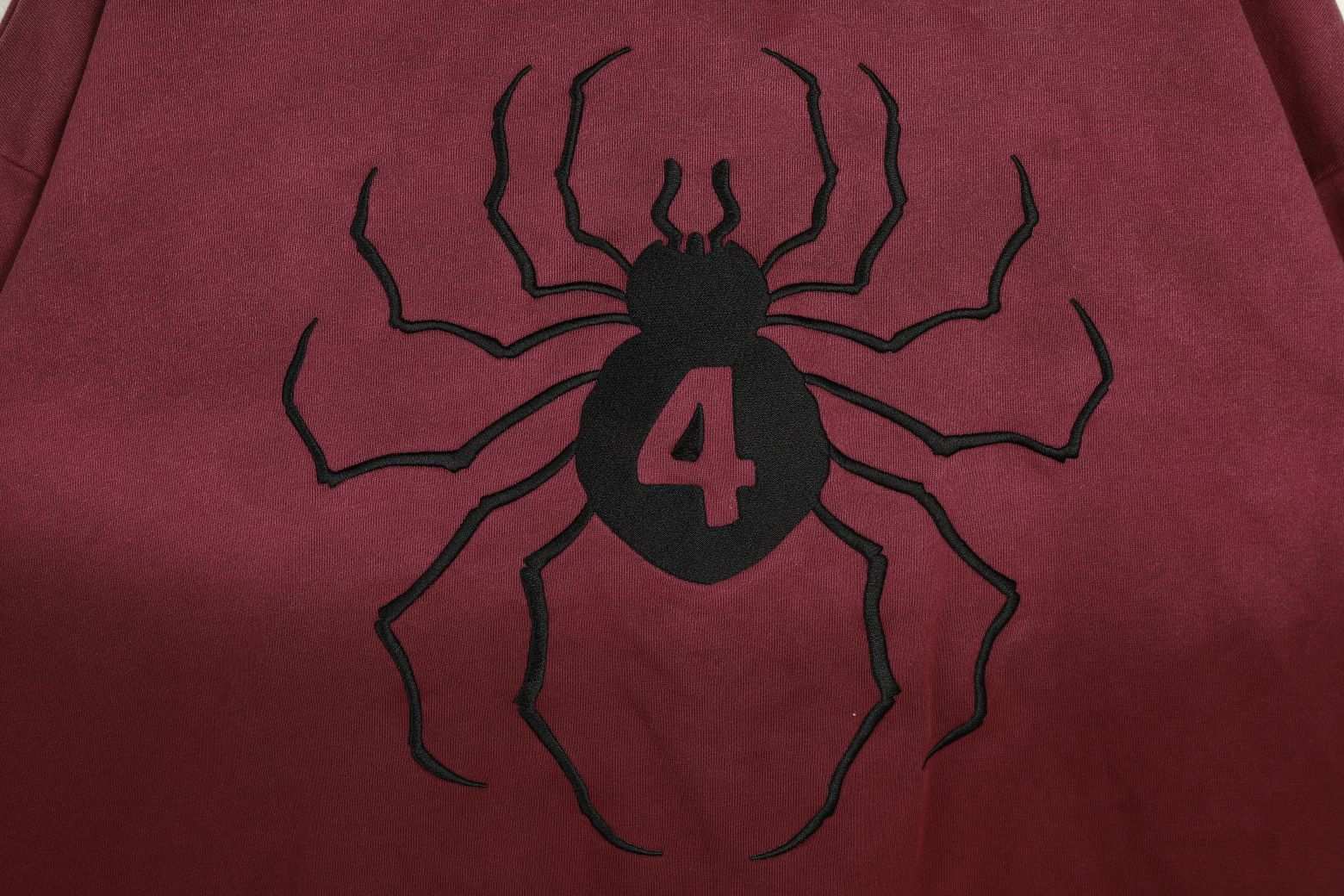
Prioritize communication and sample quality over lowest price. A manufacturer quoting $2/unit but taking 72 hours to reply will cost you more in delays and revisions than a $2.50/unit factory that responds in 4 hours. Request 2–3 pre-production samples. Inspect fit, stitching, material hand-feel, and packaging. Check for certifications—ISO 9001 for quality management, BSCI for social compliance. Ask for references; contact at least one existing client. At CENWILD, we’ve seen startups lose $15,000 on defective inventory because they skipped the sample phase—don’t be that seller.
Amazon FBA Setup, Listing Optimization, and Launch Strategy
Your listing is your storefront. Combine FBA enrollment, keyword-rich titles, high-resolution photography, A+ Content, and strategic pricing to maximize conversion and ranking velocity from day one.
Enroll in FBA—it gives you Prime eligibility, which lifts conversion 15–25% versus FBM. Register your brand via Amazon Brand Registry to unlock A+ Content and trademark protection. Obtain UPC codes from GS1 (not resellers). Create a keyword-optimized title (150 characters max): “CENWILD Premium Merino Wool Crewneck Sweater for Men – Soft, Anti-Pilling, Breathable, XS–XXL.” Write 5 bullet points highlighting benefits and specs. Upload 6–8 high-resolution images (lifestyle shots, flat-lay details, size chart). Price competitively—match or slightly undercut the top 5 competitors if your differentiation is clear. Launch with Sponsored Products ads targeting your primary keyword; bid $0.75–$1.50 per click for the first 2–4 weeks to accelerate sales velocity.
High-resolution images (minimum 1,000 × 1,000 pixels; ideal 2,000 × 2,000) are non-negotiable. Upload at least 6–8: product on a model, flat-lay detail shots, close-ups of stitching or features, size-chart graphics, lifestyle context. Amazon’s A+ Content—available to registered brands—adds lifestyle photography, comparison tables, and brand storytelling, boosting conversion by 5–15%.
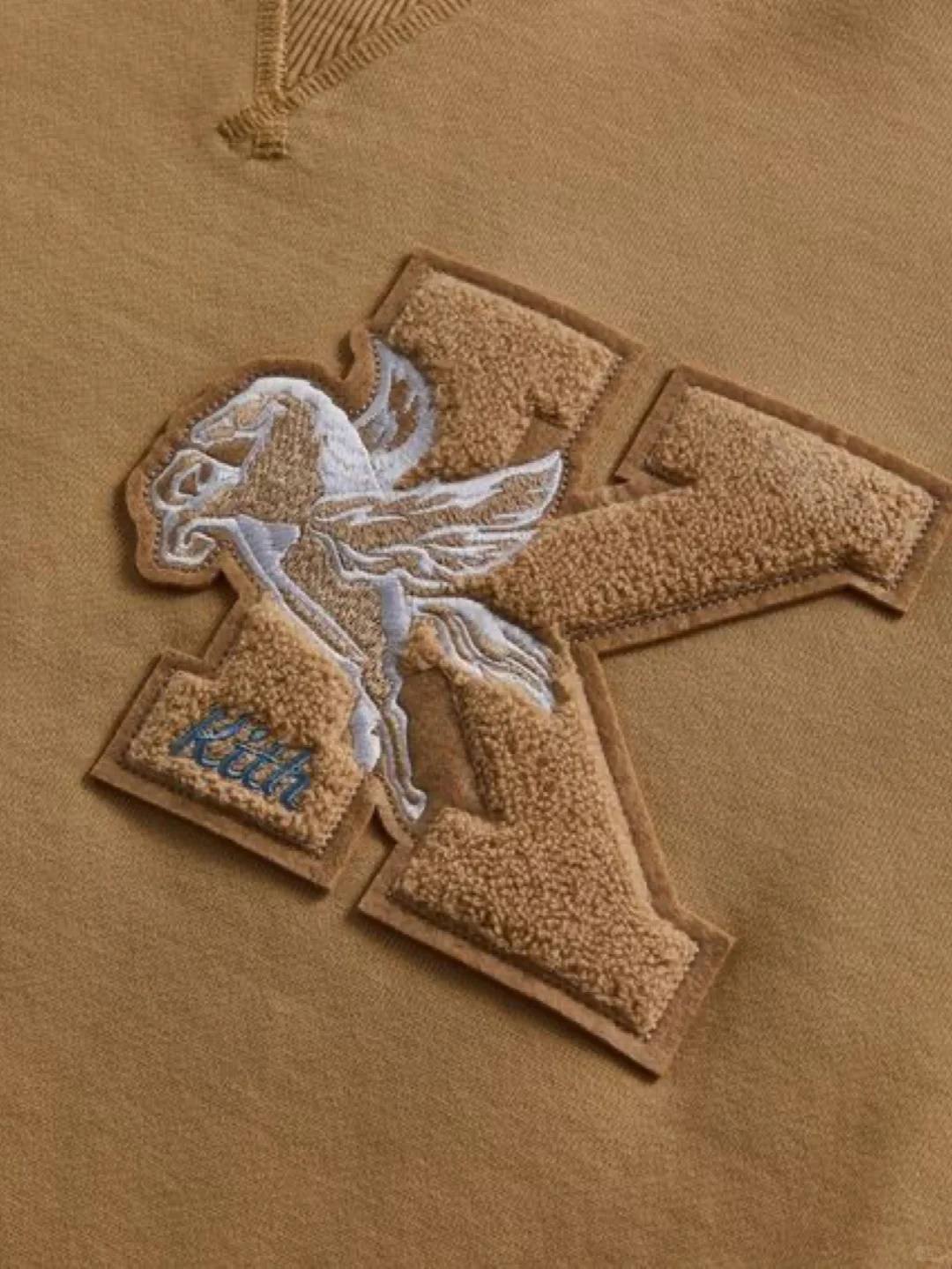
Before launch, register for Amazon Brand Registry (requires an active trademark). Obtain UPC codes from GS1—reseller codes risk listing suspension.
Marketing, Scaling, and Maintaining Competitive Advantage
Scale through Amazon Ads (typically 20–40% of revenue in Year 1), customer reviews (4.5+ stars critical for ranking), strategic repricing, and product-line expansion to defend market share and maximize lifetime value.
Invest $1,500–$5,000 in Sponsored Products ads during the first 60 days to build sales velocity and reviews. Target 30–50 reviews within 60 days—use follow-up emails via Amazon’s messaging system (no incentives; that violates policy). Maintain a 4.5+ star rating; each 0.5-star increase lifts sales 15–20%. Monitor competitors’ pricing daily; use repricing software to stay competitive. Once your first SKU is profitable, expand with complementary products (e.g., sweater + matching scarf) or color/size variations to capture more search traffic and increase average order value.
- $10,000–$50,000 — typical first-year marketing budget (Sponsored Products ads) for a single SKU generating $50,000–$150,000 revenue. Helium 10 / Jungle Scout case studies, 2026
- 4.5+ stars — minimum review rating for top-10 ranking; each 0.5-star increase correlates with 15–20% sales lift. Amazon Seller Central analytics, 2026
- 30–50 reviews — critical mass for algorithmic ranking; aim for 1 review per 20–30 sales in first 60 days. Seller Sprite research, 2026
- 15–25% ACOS (Advertising Cost of Sale) — break-even threshold; profitable campaigns average 12–18% ACOS. MerchantSpring benchmark, 2026
FAQ
Q1: How much capital do I need to start a private label business on Amazon?
Typically $5,000–$25,000 for your first product. Breakdown: $2,000–$5,000 for initial inventory (500–1,000 units at $2–$10 COGS), $500–$1,500 for UPC codes and brand registration, $1,000–$3,000 for professional photography and listing creation, and $1,500–$5,000 for initial Amazon Ads.
Q2: How long does it take from product selection to first sale?
3–6 months is typical. Research and supplier vetting: 2–4 weeks. Sampling and revisions: 4–8 weeks. Production and shipment: 6–10 weeks. Amazon listing setup and initial ranking: 1–4 weeks. You can run ads immediately after approval to accelerate initial velocity.
Q3: What’s the difference between FBA and FBM, and which should I choose?
FBA (Fulfillment by Amazon) means Amazon stores, packs, and ships your products; you pay per unit plus storage fees. FBM (Fulfillment by Merchant) means you pack and ship yourself. FBA is strongly recommended for private label because it qualifies for Prime, builds customer trust, and removes logistics burden.
Q4: How do I find a reliable manufacturer for private label products?
Use Alibaba, Global Sources, or LinkedIn to identify factories in your product category. Request samples from 3–5 suppliers; evaluate on communication speed, sample quality, certifications (ISO, BSCI), and references. Negotiate a trial order of 500 units before committing to larger volumes. Always use a sourcing agent or escrow service for first-time orders to mitigate fraud risk.
Q5: How do I get reviews and build initial sales velocity?
Launch with competitive pricing (slightly below top competitors) and run Amazon Ads (Sponsored Products) targeting your primary keyword. Aim for 30–50 reviews in the first 60 days; use follow-up emails via Amazon’s messaging system to request reviews without incentivizing them. Offer excellent customer service to generate organic 5-star reviews.
Sources
- Helium 10 — Amazon FBA Private Label: Learn How to Make It Big In 7 Steps — 2026, private label launch frameworks
- Jungle Scout — Amazon FBA Private Label: Complete Guide — 2026, product research and ranking timelines
- Amazon Seller Central — Private Label Products — 2026, official Amazon guidance on private label setup
- MerchantSpring — Selling Private Label and Wholesale on Amazon: Repricing Strategies — 2026, ACOS benchmarks
- Dongguan CENWILD Clothing Co., Ltd. — 28-year knitwear OEM/ODM partner, 100-piece MOQ, global shipping | [email protected] | +86 137 1325 2727
Written by Alin Zeng (Premium Streetwear Knitwear, 28-Year Master Craftsmanship, One-Stop Custom Manufacturing, High-End OEM/ODM Solutions, Cost-Effective Global Delivery). Last reviewed 2026-06-24.