
Fine Gauge Knitwear: Smooth Texture, Superior Drape from 100 Pieces
CENWILD manufactures custom fine gauge knitwear and wholesale sweaters with refined detail and luxurious hand-feel. OEM, ODM, and private label production with 28+ years of Dongguan expertise.
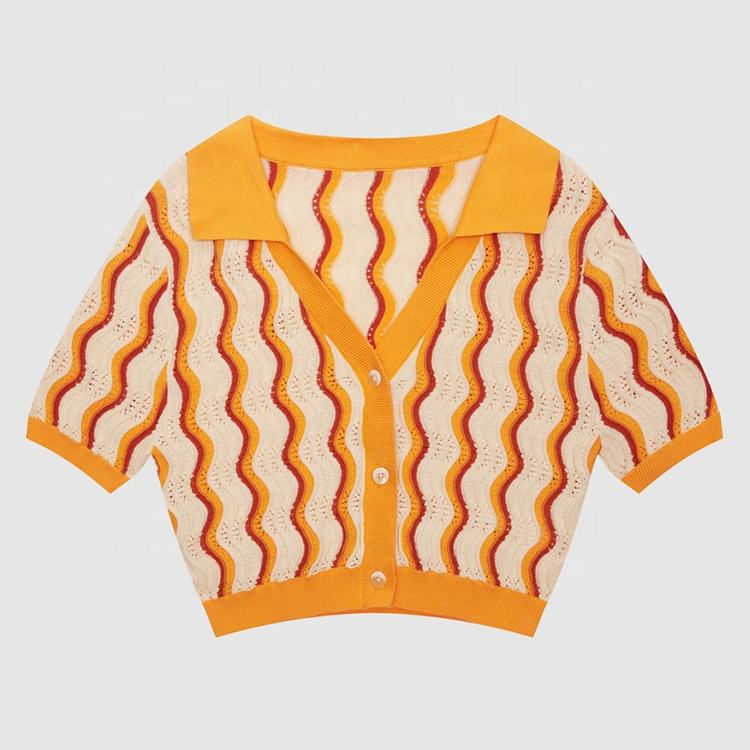
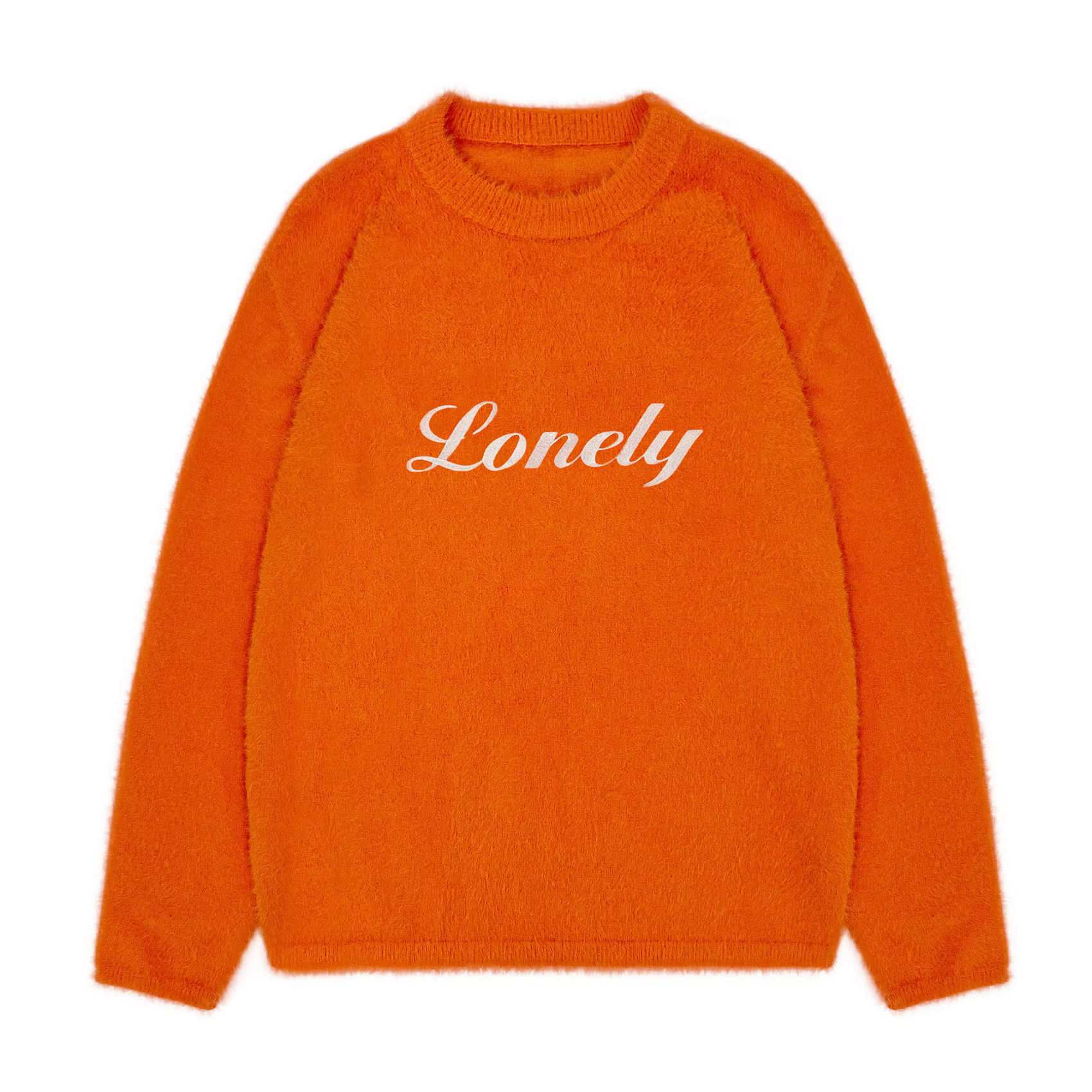
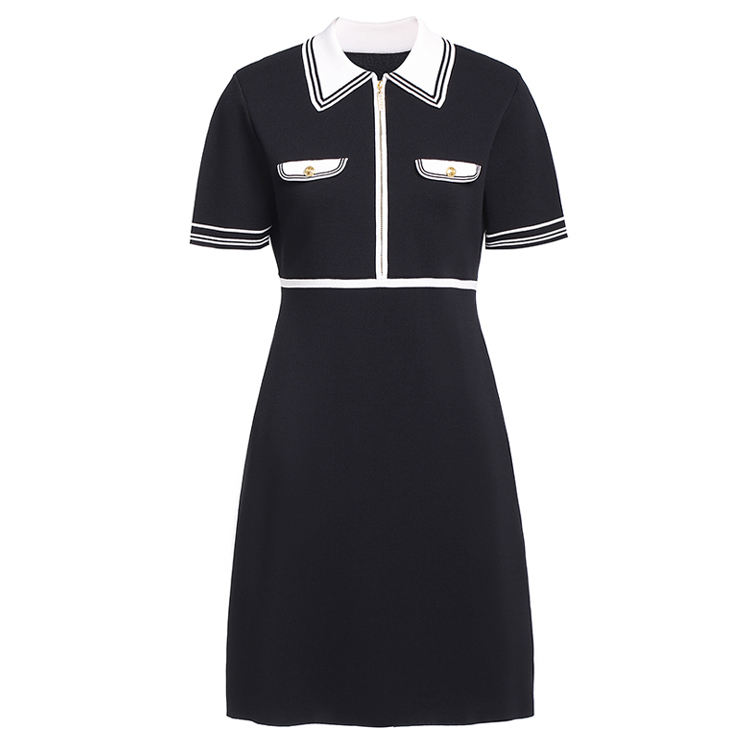
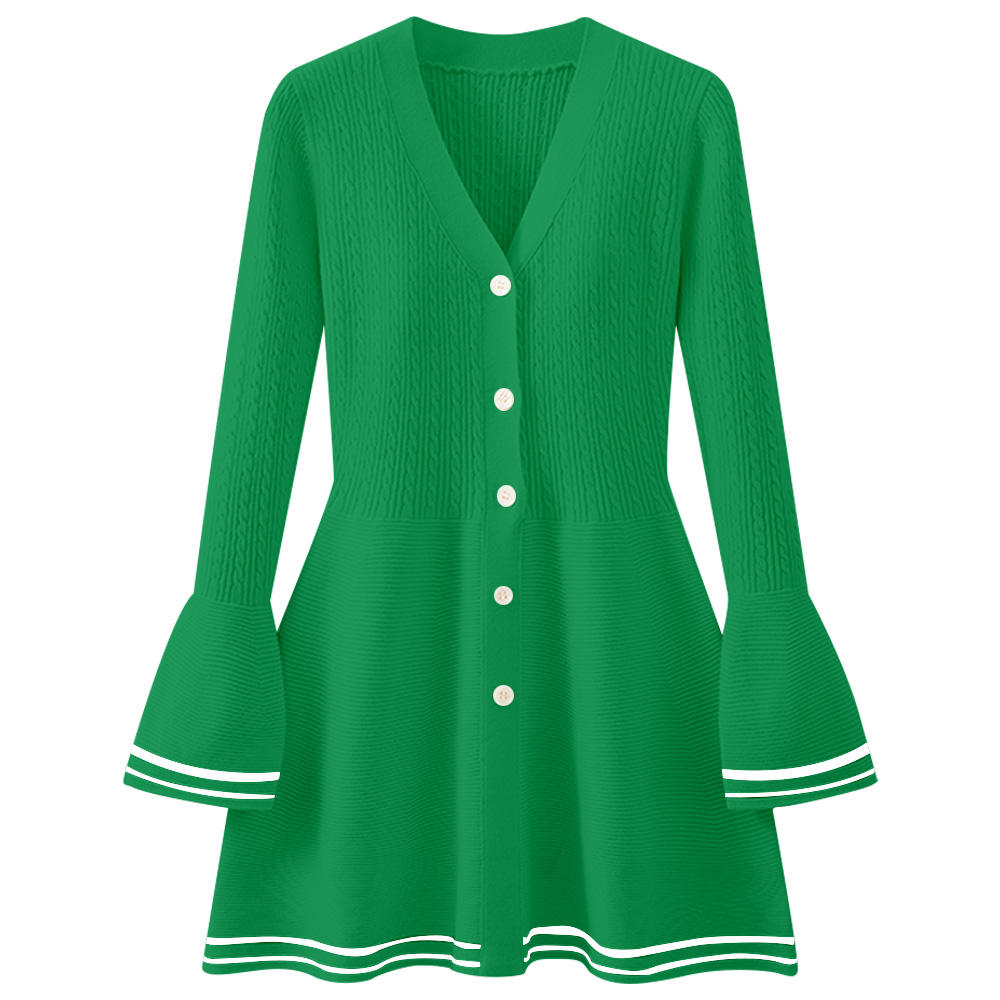
Fine Gauge Knitwear Samples
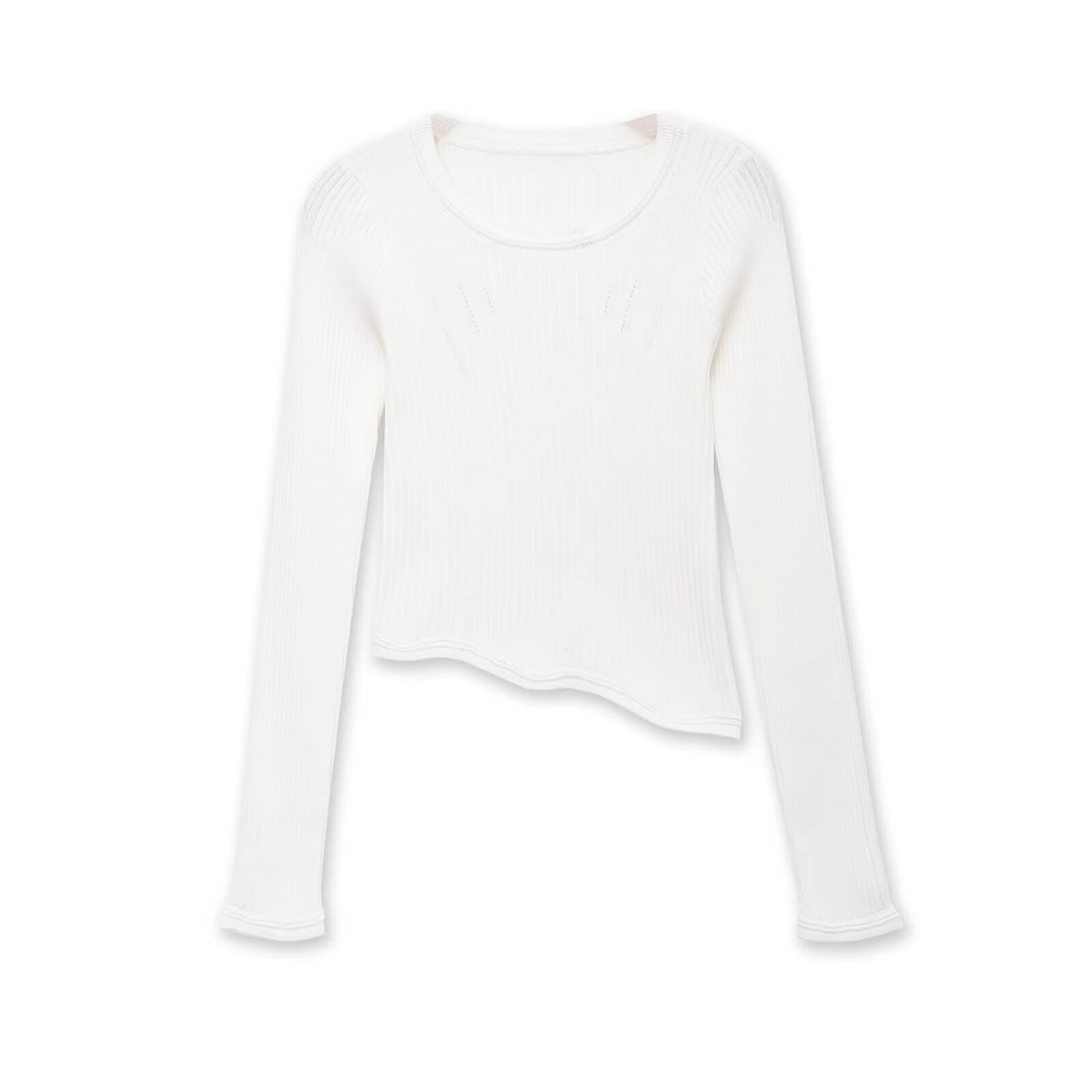
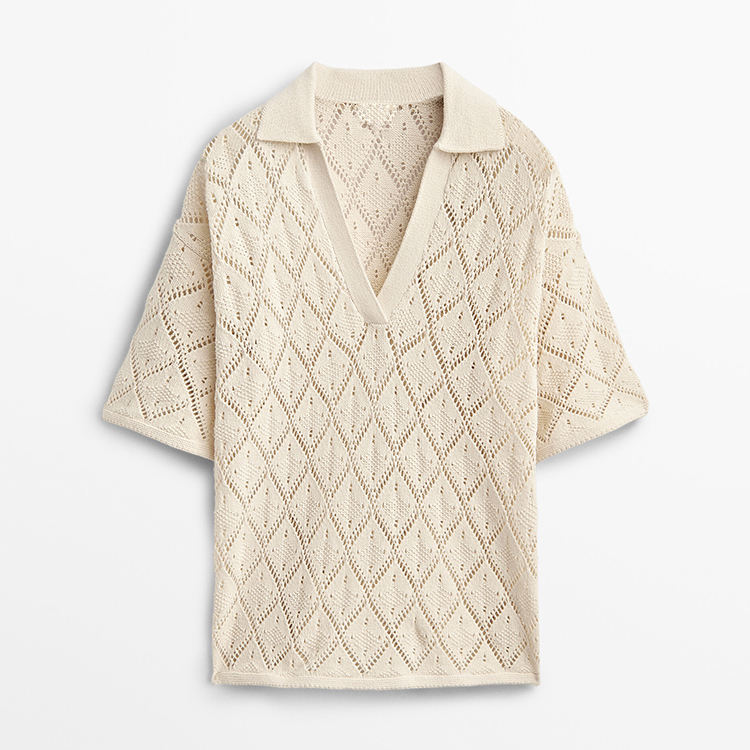
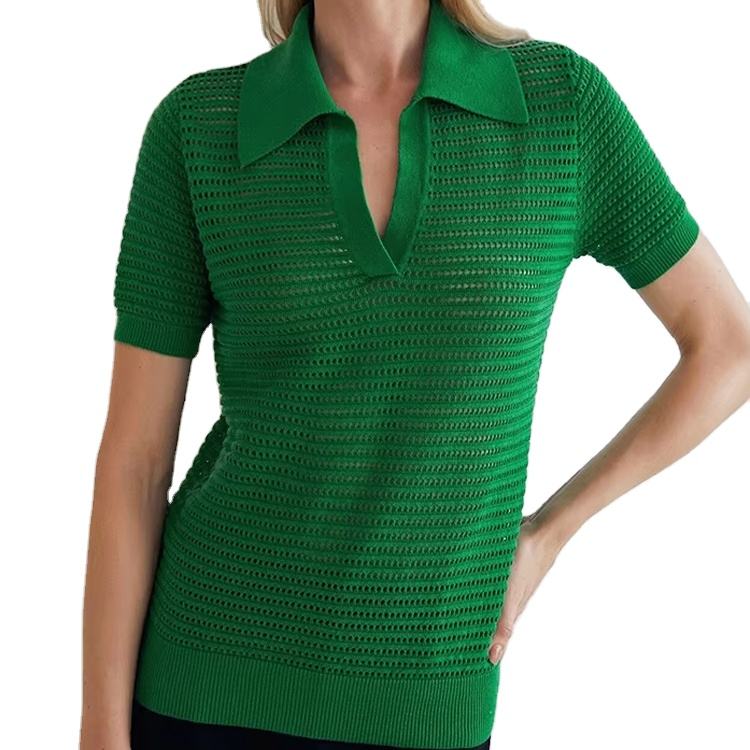
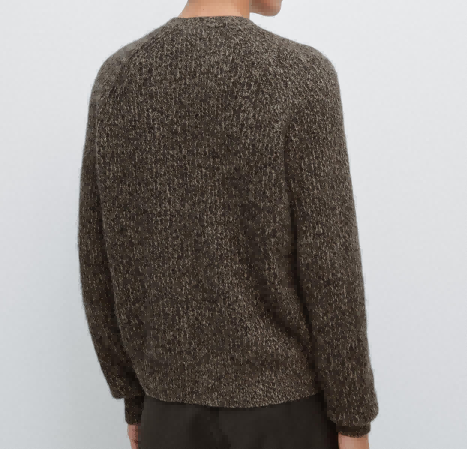
What Makes Fine Gauge Knitwear Distinctive
Higher Stitch Density
Fine gauge knitwear delivers more stitches per inch, creating a tighter, more refined fabric structure with superior durability and shape retention.
Smoother Surface Finish
The tighter knit produces an exceptionally smooth hand-feel and polished appearance, elevating the perceived quality of every garment.
Superior Color Definition
Fine gauge construction renders intricate patterns, jacquard motifs, and intarsia details with sharper edges and more vivid color transitions.
Ideal for Layering
Thinner profile and refined drape make fine gauge sweaters perfect base layers or elegant toppers that never add bulk.
Supports Complex Design
From delicate pointelle to multi-color jacquard, fine gauge unlocks design intricacy that coarser gauges simply cannot achieve.
Premium Hand-Feel
Luxurious softness and drape position fine gauge knitwear as the choice for high-end collections and discerning customers.
Related Gauge Options & Knitwear Techniques
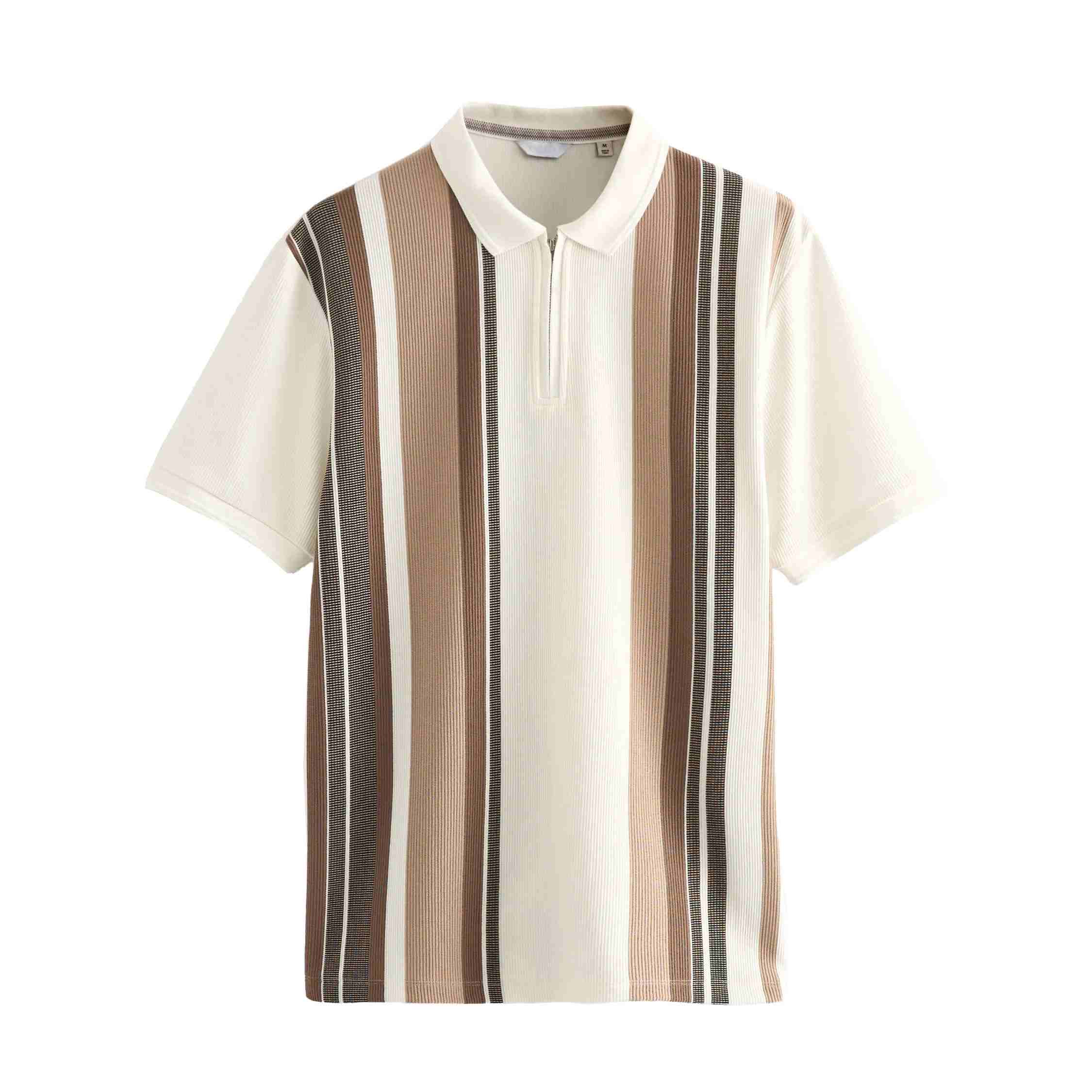
Knitting Techniques
CENWILD masters the full spectrum of knitting techniques across 3GG–14GG computerized flat-knitting machines, from fine-gauge lightweight fabrics to chunky textures. Our in-house team programs 3D knit files, produces knit-down swatches, and guides brands in choosing the right gauge and stitch structure for each design, ensuring optimal drape, hand-feel, and manufacturability at scale.
Get a Quote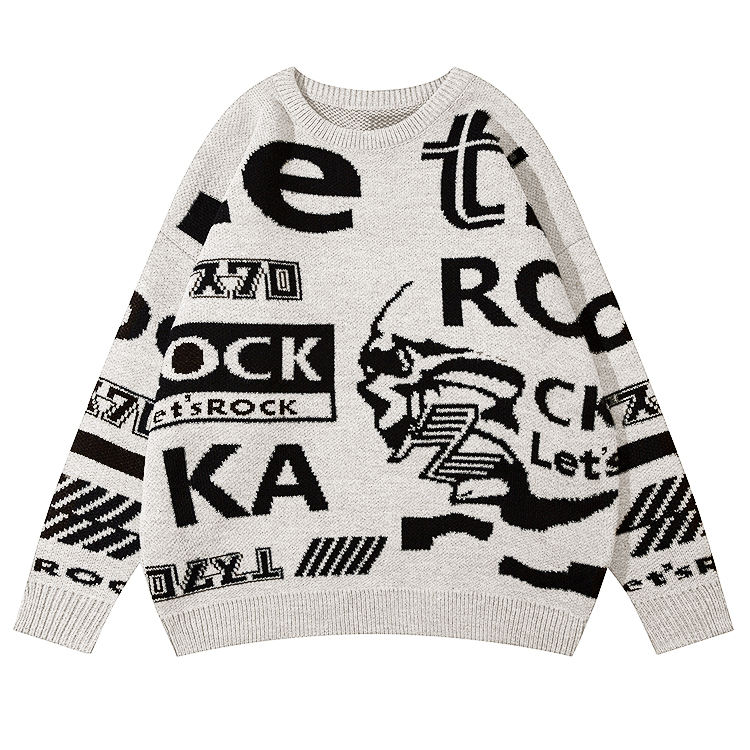
Intarsia Knitting
Intarsia knitwear features individual color blocks knitted directly into the fabric without floats on the reverse, ideal for bold graphics, logos, and color-blocking. CENWILD’s intarsia capability spans cardigans, pullovers, and sweater vests in cotton, wool, cashmere, and blends, with MOQ from 100 pieces and full design support from sketch to production-ready tech pack.
Get a Quote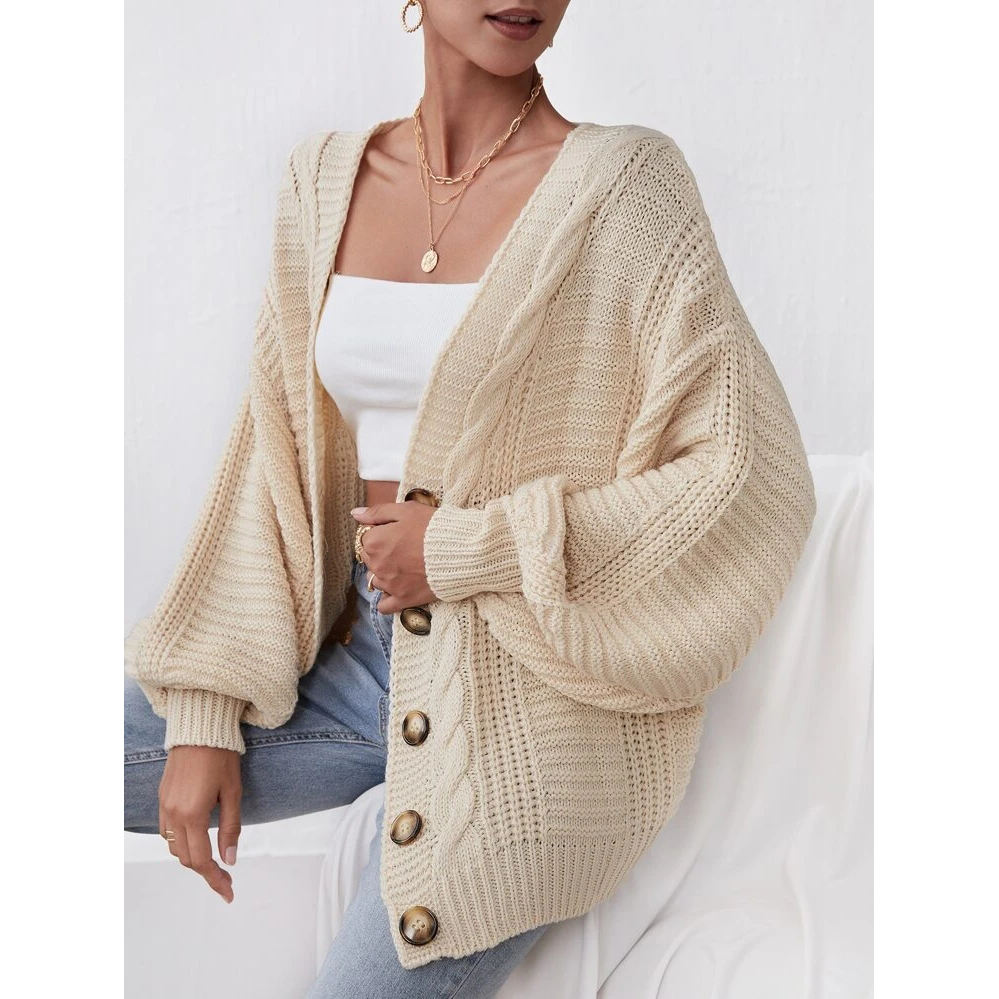
Jacquard Knitting
Jacquard knit sweaters use a float-backed technique to create intricate multi-color patterns, Fair Isle motifs, and repeating designs across the entire garment. Our computerized jacquard programming supports up to six colors per row, perfect for seasonal collections, personalized Christmas sweaters, and heritage-inspired knitwear in merino wool, alpaca, acrylic, and custom yarn blends.
Get a Quote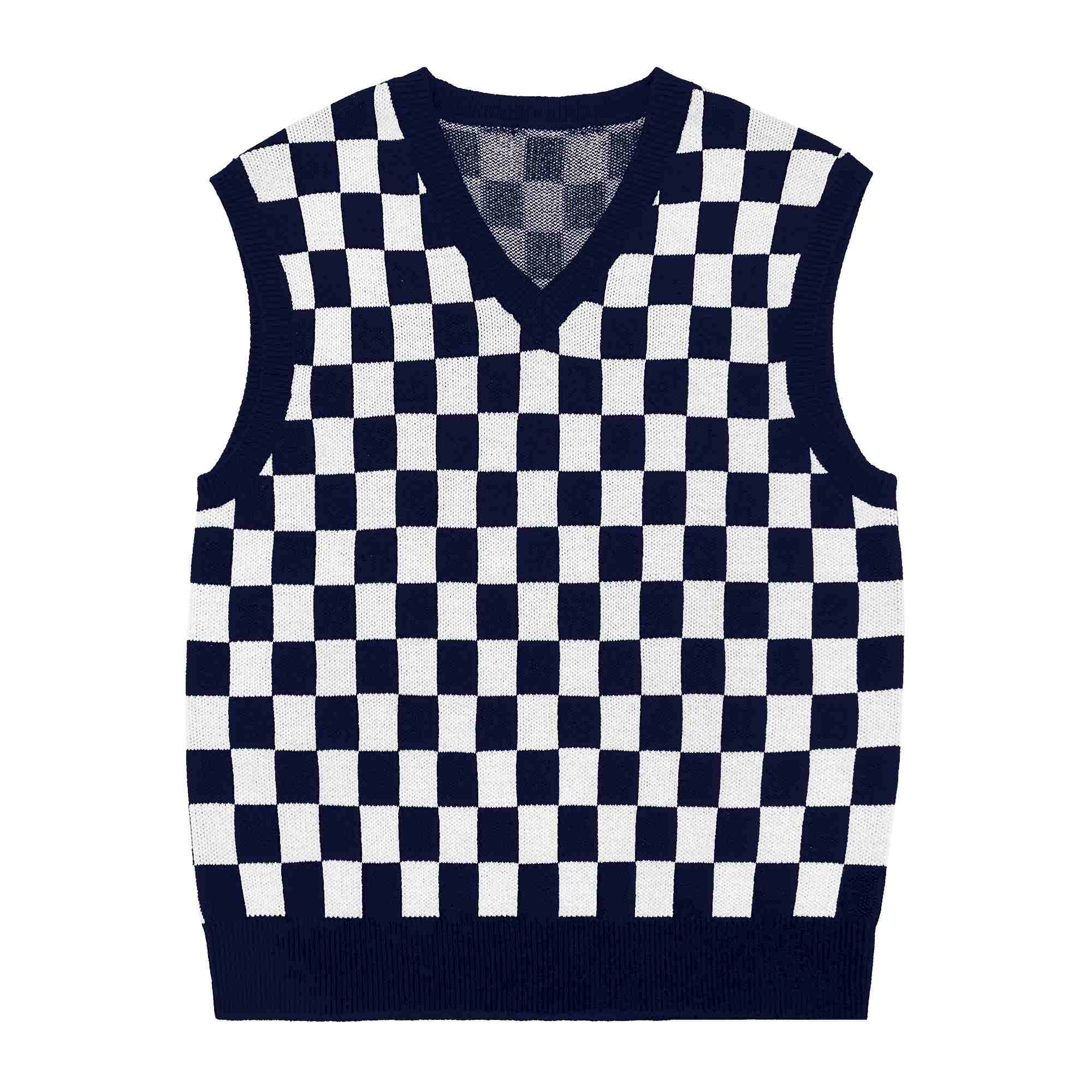
Cable Knit
As a cable knit sweater manufacturer, CENWILD produces classic twisted-stitch textures, Aran patterns, and dimensional relief structures in wool, cashmere, cotton, and recycled fibers. Cable techniques are available across pullovers, cardigans, turtlenecks, and knit dresses, with in-house sampling, grading, and full ODM design development for brands at any stage.
Get a Quote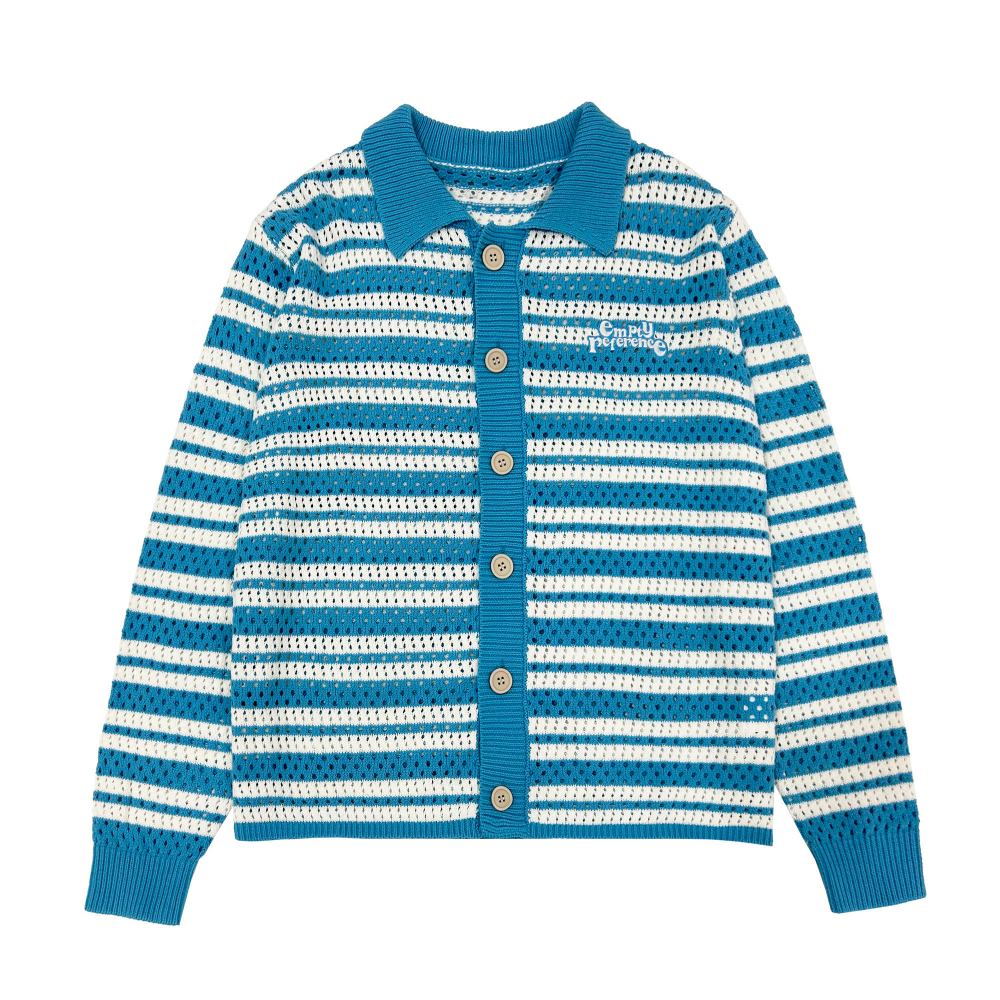
Ribbed Knit
Ribbed knit sweaters offer stretch, recovery, and a clean vertical texture, commonly used in cuffs, hems, necklines, and full-body constructions. CENWILD knits 1×1, 2×2, and custom rib patterns in merino, Pima cotton, and blended yarns, supporting quarter-zip styles, mock necks, fitted pullovers, and knit sets with consistent gauge control and anti-pilling finishing.
Get a Quote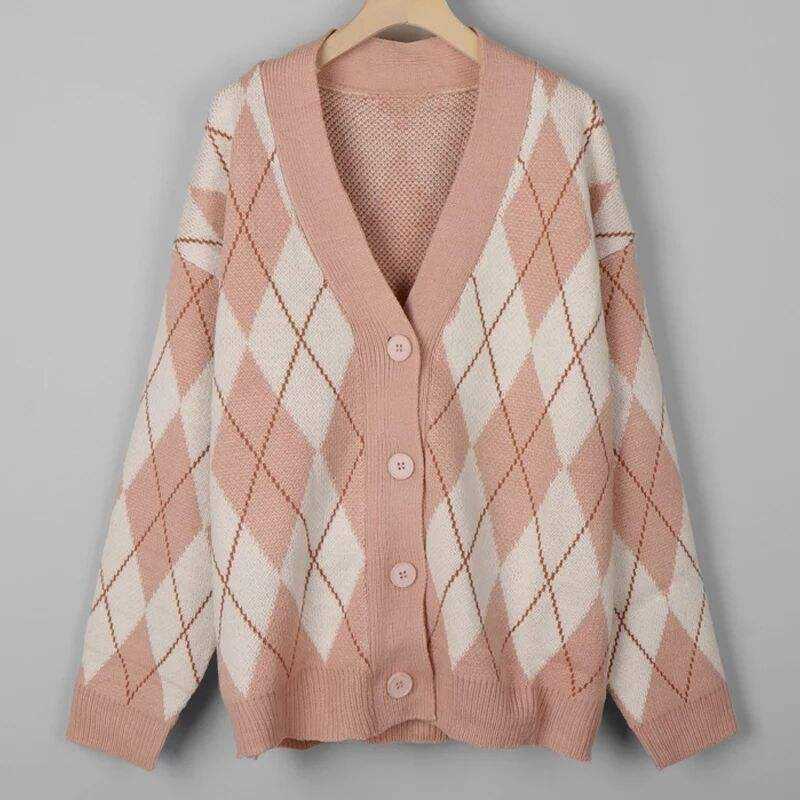
Pointelle Knit
Pointelle knit sweaters feature delicate openwork patterns and eyelet details, adding femininity and breathability to lightweight spring and summer knitwear. Our pointelle capability spans fine-gauge cardigans, turtlenecks, knit dresses, and layering pieces in cotton, linen blends, and fine merino, with MOQ from 100 pieces and full private label and ODM support.
Get a Quote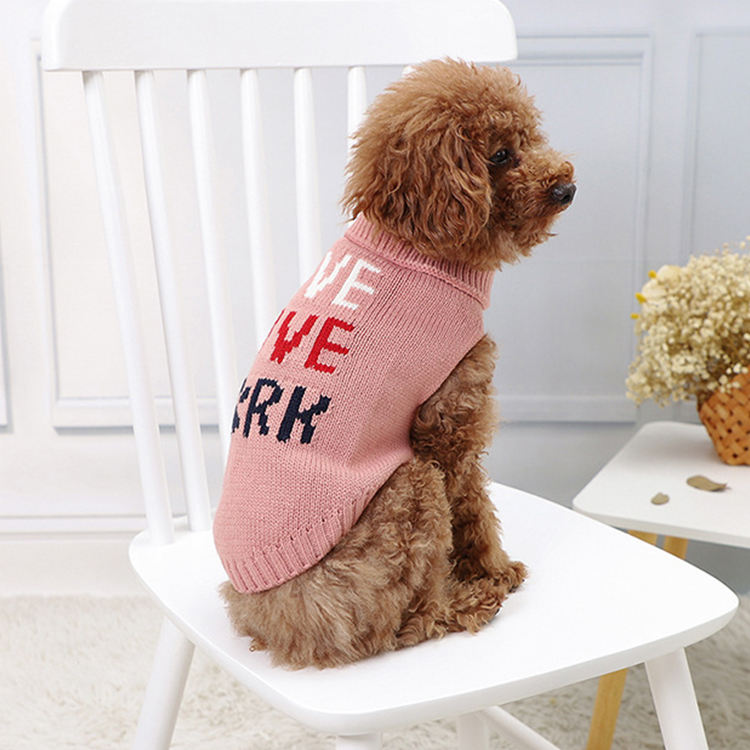
Fully Fashioned Knitting
Fully fashioned knitwear is knitted to shape panel by panel, eliminating fabric waste and creating clean, finished edges without cutting or sewing side seams. CENWILD’s fully fashioned process reduces material cost, improves garment fit, and supports sustainability goals, available across all gauges and yarn types for brands seeking premium construction and responsible manufacturing.
Get a Quote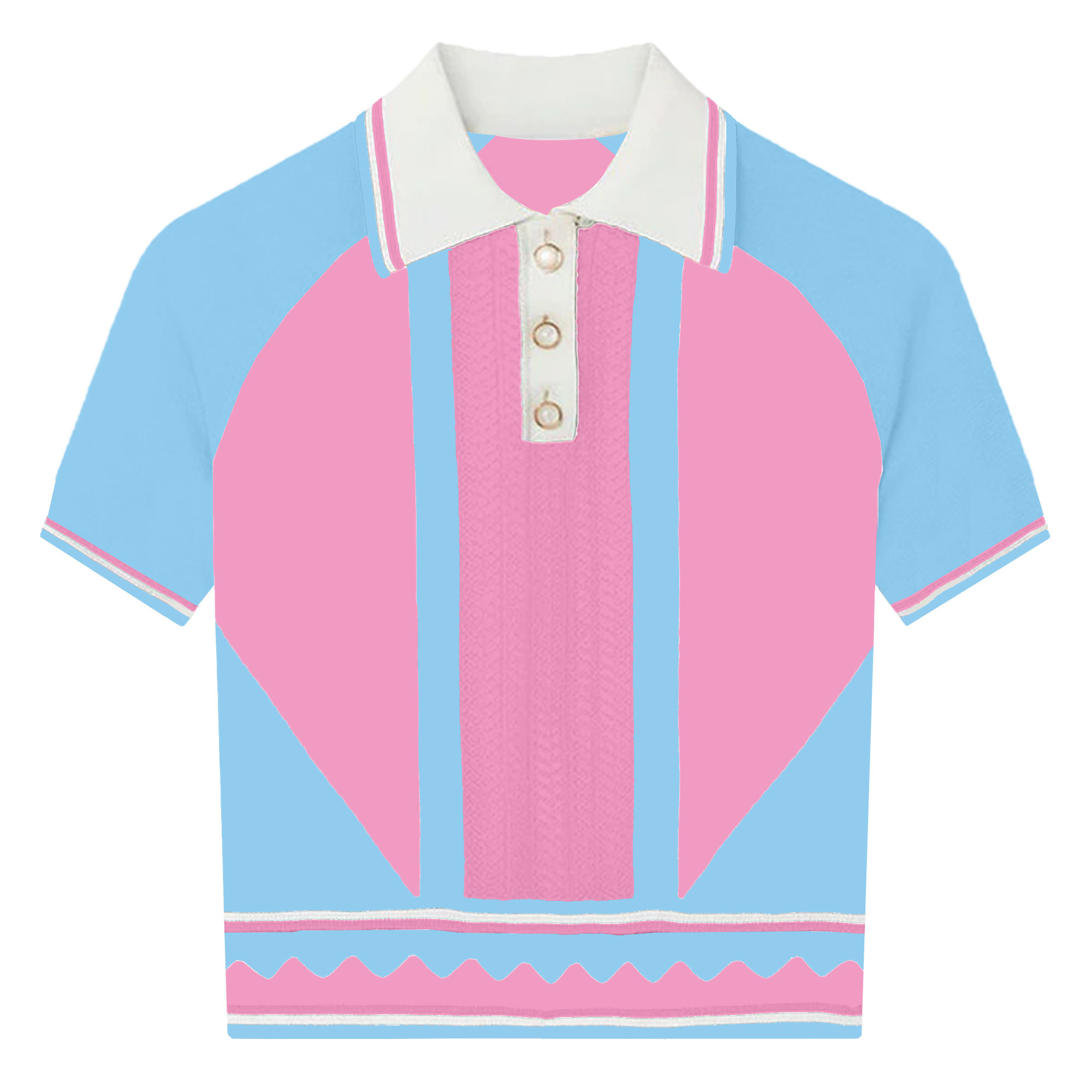
Hand Knit and Crochet
As a hand knit sweater manufacturer, CENWILD offers artisan hand-knitting and crochet services for chunky, textured, and one-of-a-kind pieces that cannot be replicated on machine. Hand techniques include oversized cardigans, granny-square crochet, fringe details, and specialty trims, with flexible MOQ, custom yarn sourcing, and integration into broader OEM and private label collections.
Get a Quote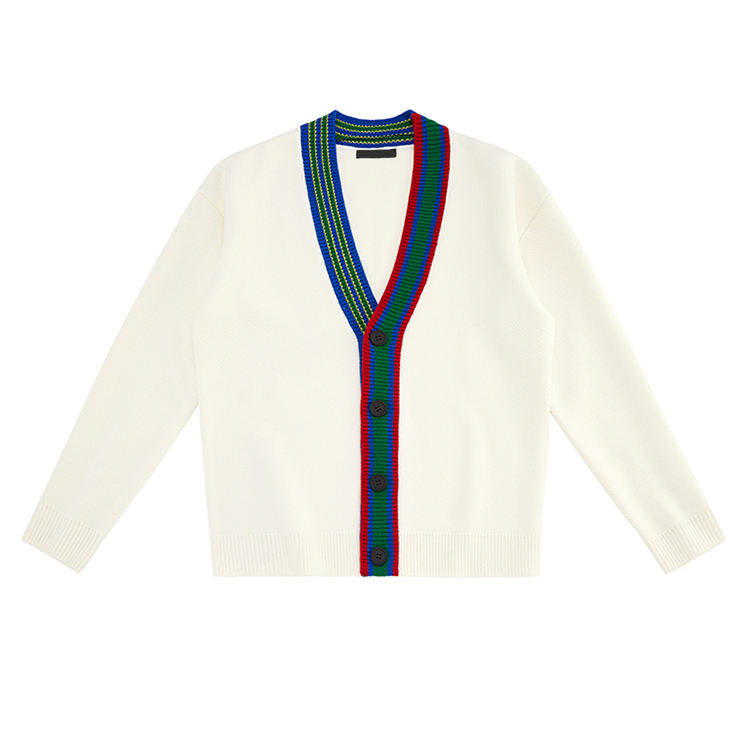
Custom Cardigan
Custom cardigan production at CENWILD spans button-front, zip-front, open-front, and belted styles in any gauge, yarn, or decoration technique. From cropped fashion cardigans to longline dusters and matching knit sets, we support full ODM design, intarsia or jacquard patterns, embroidery, and private label packaging, with MOQ from 100 pieces and 28+ years of Dongguan expertise.
Get a QuoteCENWILD's Fine Gauge Knitwear Expertise
Since 1998, CENWILD has specialized in fine gauge knitwear production from our Dongguan manufacturing base — the heart of China’s knitwear industry. Our computerized flat-knitting machines span 7GG–14GG for fine gauge work, optimized for the smooth textures, refined drape, and precise stitch control that define fine gauge sweaters for discerning fashion brands worldwide.
With over 28 years of experience and a dedicated in-house design and sampling team, we’ve served more than 2,000 brands across the United States, Europe, Australia, and beyond. Our 80,000-piece monthly capacity supports both emerging designers starting at just 100 pieces and established labels scaling seasonal collections, all backed by OEM, ODM, and private label capabilities.
What sets CENWILD apart in fine gauge knitwear is our complete vertical integration: yarn sourcing, 3D knit programming, knit-down sampling, production, finishing, and export logistics — all under one roof. We don’t just manufacture sweaters; we partner with brands to bring fine gauge concepts to life with precision, speed, and consistent quality.
Fine Gauge Knitwear: Stitch Count, Yarn Selection & Finishing
Needle Count & Stitch Density
Fine gauge knitwear is defined by higher needle counts—typically 12GG to 14GG—that create tighter stitch density, smoother surface texture, and refined drape. CENWILD’s computerized flat-knitting machines deliver precise tension across every stitch, ensuring consistent fabric weight and dimensional stability from sample to bulk production.
- 12GG–14GG needle gauges for ultra-smooth, refined texture
- Tight stitch density delivers superior drape and shape retention
- Computerized tension control ensures consistency across every piece
- Ideal for lightweight layering, dress shirts, and luxury sweaters
Yarn Weight Pairing & Fiber Selection
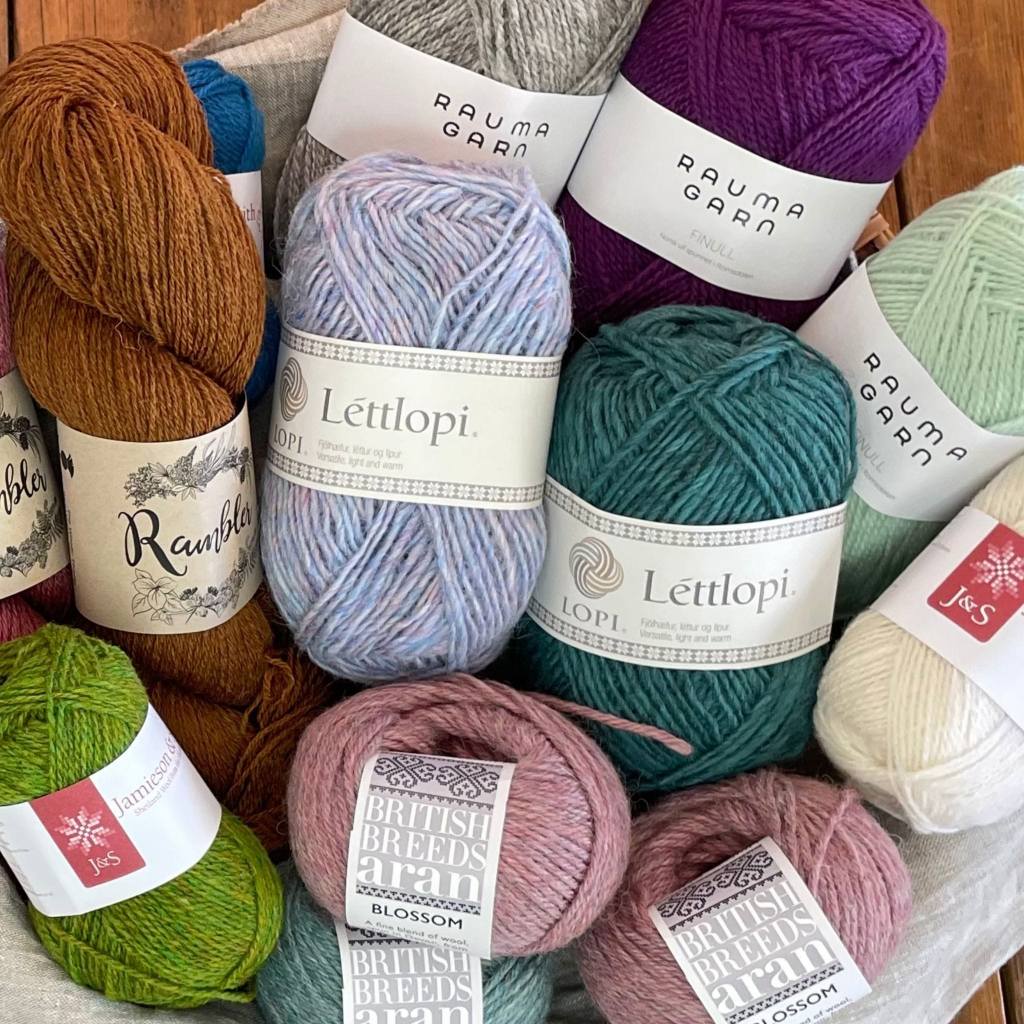
Fine gauge knitting demands precise yarn-to-needle pairing. CENWILD sources 2/26–2/48 count yarns in cashmere, merino, Pima cotton, silk blends, and recycled fibers, ensuring each strand feeds smoothly through high-gauge needles without splitting or pilling. Our in-house team validates every yarn lot before knitting begins.
- 2/26–2/48 yarn counts matched to 12GG–14GG needle beds
- Cashmere, merino, Pima cotton, silk, and recycled fiber options
- Pre-production yarn testing for tensile strength and surface finish
- No splitting, snagging, or premature pilling during knitting or wear
Tension Control & Knit Programming
Every fine gauge knitwear piece begins with 3D knit programming that maps stitch-by-stitch tension, loop length, and transfer sequences. CENWILD’s technicians calibrate machine parameters to prevent ladder runs, uneven edges, and stretch-out, delivering fabric that holds its shape through washing, folding, and long-term wear.
- 3D knit programming maps tension and loop length per stitch
- Calibrated parameters prevent ladder runs and uneven edges
- Shape retention through washing, folding, and repeated wear
- Graded patterns ensure consistent fit across all size runs
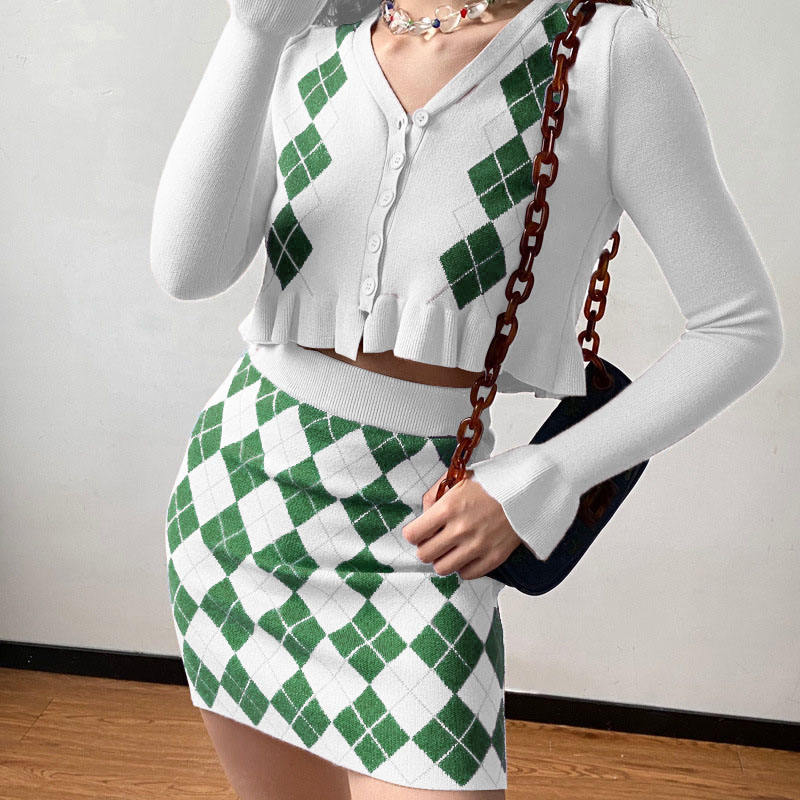
Finishing Techniques for Fine Gauge
After knitting, CENWILD applies specialized finishing—softening enzymes, anti-pilling treatments, garment dyeing, and steam blocking—to preserve the delicate texture and drape of fine gauge knitwear. Each process is calibrated to fiber type, ensuring color fastness, hand feel, and durability without compromising the refined surface.
- Softening enzymes enhance hand feel without weakening fibers
- Anti-pilling treatments protect surface smoothness over time
- Garment dye for seamless color consistency across all panels
- Steam blocking locks in shape and eliminates residual tension
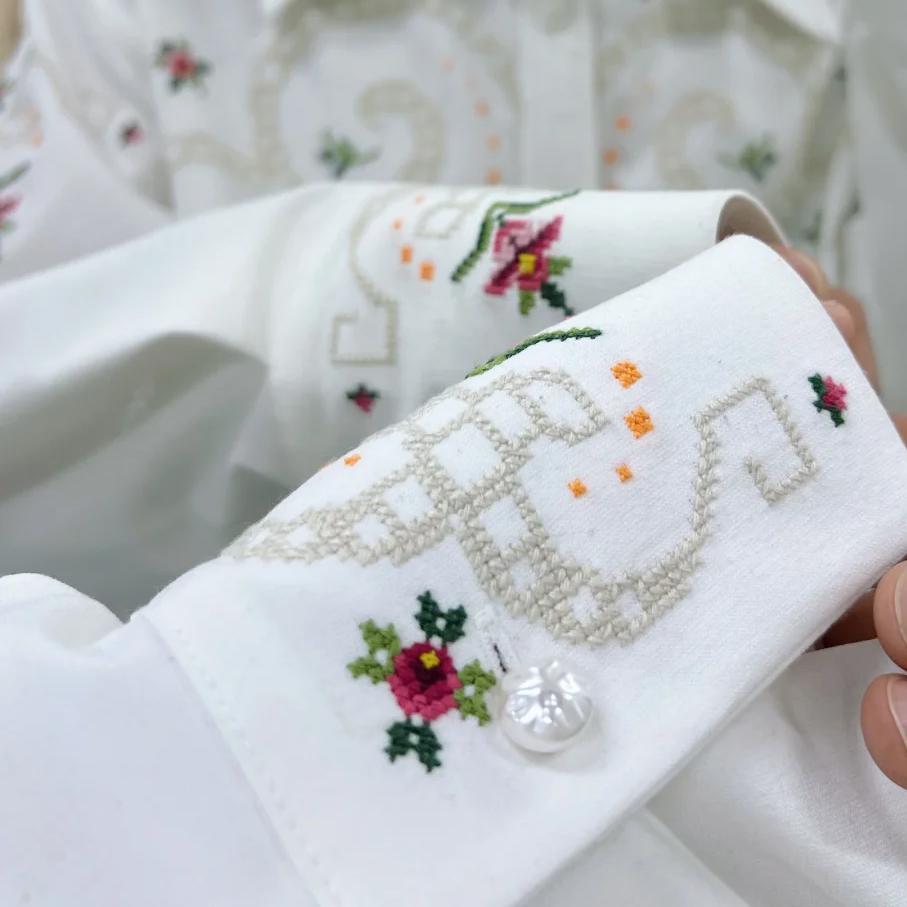
Fine Gauge Knitwear vs. Medium & Coarse Gauge
Understand the trade-offs between gauge ranges so you can choose the right knit structure for your fabric hand, design detail, and price point.
← 左右滑动查看 →
Fine Gauge Knitwear Production Process
From yarn selection to final inspection, every phase of our fine gauge knitwear manufacturing is calibrated for smooth texture, superior drape, and lasting quality.
Yarn Sourcing & Preparation
We select fine-count yarns—merino, cashmere, cotton, or blends—and pre-condition them for tension stability, ensuring consistent feed and minimal pilling in high-stitch-count fabrics.
Machine Setup & Tension Calibration
Computerized flat-knit machines (12GG–14GG) are programmed with your pattern, and needle tension is calibrated to achieve the tight, even loops essential for fine gauge drape.
Knit-Down Sampling & Approval
A full prototype is knit in your chosen yarn and stitch design, measured for gauge accuracy, hand-feel, and drape, then sent for your sign-off before production begins.
Linking, Seaming & Assembly
Fully-fashioned panels are linked stitch-by-stitch on specialized equipment to preserve the smooth surface and elasticity, avoiding bulky seams that compromise fine gauge aesthetics.
Garment Finishing & Washing
Pieces undergo softening, anti-pilling treatment, steam blocking, and optional garment dyeing to lock in color evenness and enhance the luxurious hand-feel fine gauge buyers expect.
Quality Inspection & Packaging
Every sweater is inspected under controlled lighting for dropped stitches, tension variance, and color consistency, then folded, bagged, and labeled to your private-label specifications before shipment.
How to Order Custom Fine Gauge Knitwear from CENWILD
From design concept to delivery, our streamlined process makes commissioning fine gauge knitwear simple — with MOQ from just 100 pieces and flexible payment terms that grow with your partnership.
Submit Your Design Brief
Share your tech pack, sketch, reference image, or concept. Our design team will review your fine gauge knitwear requirements and recommend yarns, gauges, and construction details.
Approve Your Knit-Down Sample
We produce a physical sample using your specified stitch, yarn, and finishing. You review fit, drape, texture, and quality before any production commitment is made.
Confirm Order and Payment
Lock in your order from 100 pieces minimum. Pay deposit via T/T, PayPal, credit card, or USDT — terms ease to 30% for returning partners.
Track Production and Quality Checkpoints
Your fine gauge knitwear enters our computerized flat-knitting lines. We conduct in-process inspections, final QC, and share progress updates throughout the 28–45 day cycle.
Receive and Inspect Your Shipment
Finished garments are packed to your spec and shipped worldwide. Balance payment is due before dispatch; you receive full documentation and tracking for every order.
Fine Gauge Knitwear Success Stories
CENWILD’s 12-gauge fine gauge knitwear delivered the luxury hand-feel our customers expect. We saw a 34% increase in repeat purchases on our merino collection compared to our previous supplier’s medium gauge.
The intricate jacquard pattern we needed was only possible in fine gauge. CENWILD nailed the design complexity on the first knit-down sample and delivered all 850 pieces two weeks ahead of our fall launch deadline.
Switching to fine gauge elevated our brand positioning overnight. Customer feedback highlighted the refined drape and smooth texture. CENWILD’s sampling speed let us test three colorways in under 10 days before committing to production.
Fine Gauge Knitwear FAQ
What is the minimum order quantity for fine gauge knitwear?
Which fabrics work best for fine gauge knitwear?
What is the typical lead time for custom fine gauge knitwear production?
Can I combine embroidery or printing with fine gauge knitwear?
How many colors can be used in fine gauge knitwear designs?
Is fine gauge knitwear durable and machine washable?
What file formats do you need for custom fine gauge knitwear artwork?
How much does sampling cost for fine gauge knitwear?
The Complete Buyer’s Guide to Fine Gauge Knitwear for Fashion Brands
Navigate the world of fine gauge knitwear with confidence. This guide delivers a proven decision framework, supplier selection criteria, material comparisons, and the most common sourcing mistakes to avoid when launching your custom sweater line.
1. What Is Fine Gauge Knitwear?
Fine gauge knitwear is defined by stitch density of 12 gauge or higher, measured by the number of needles per inch on a flat-knitting machine. Industry standard classifications place 12–14 gauge in the fine category, while ultra-fine gauges reach 16–18 and beyond. This tight needle spacing produces lightweight fabrics with smooth, refined surfaces and minimal visible texture.
The difference lies in fabric weight and drape. Fine gauge knitwear typically weighs 180–280 GSM, compared to mid-gauge (7–9 gauge, 300–400 GSM) and chunky knits (3–5 gauge, 450+ GSM). The tighter stitch creates a sleeker hand feel, sharper pattern definition for intarsia and jacquard, and superior shape retention after washing.
Common applications include luxury crewneck and V-neck pullovers, turtleneck layering pieces, knit dresses, and dress-weight cardigans in cashmere, merino wool, and Pima cotton. For fashion brands, fine gauge knitwear signals premium positioning, appeals to consumers seeking versatile year-round pieces, and supports intricate logo work and colorwork that mid-gauge fabrics cannot achieve cleanly.
2. The Evolution of Fine Gauge Knitwear in Fashion
Hand-knitting traditions in Scotland and Italy established fine gauge knitwear as a luxury hallmark by the 17th century, with Scottish Fair Isle and Italian intarsia techniques setting early quality benchmarks. These artisan methods produced tight, smooth fabrics that draped elegantly and retained warmth without bulk.
The Industrial Revolution introduced mechanized flat-bed knitting frames in the 1800s, enabling consistent gauge control and faster production while preserving intricate patterning. Jacquard patterning technology, adapted from weaving looms, allowed multi-color motifs without hand-linking, and seamless fully-fashioned construction eliminated side seams for superior fit and comfort.
Modern computerized flat-bed machines — spanning 3GG to 14GG gauges — now combine heritage craftsmanship with digital precision, programming complex cables, pointelle, and intarsia in minutes. Today’s buyers leverage this evolution by positioning fine gauge knitwear with European heritage cues (Scottish lambswool, Italian merino) while meeting demand for sustainable fibers like organic cotton and recycled blends, and athleisure crossover styles such as performance-knit quarter-zips and seamless activewear.
3. Types of Fine Gauge Knitwear for Your Collection
Fine gauge knitwear spans six core silhouettes, each serving distinct seasonal windows and customer segments. Understanding MOQ and positioning for crew-necks, cardigans, turtlenecks, vests, polos, and hoodies helps you build a balanced collection across retail channels.
Crew-Neck Pullovers
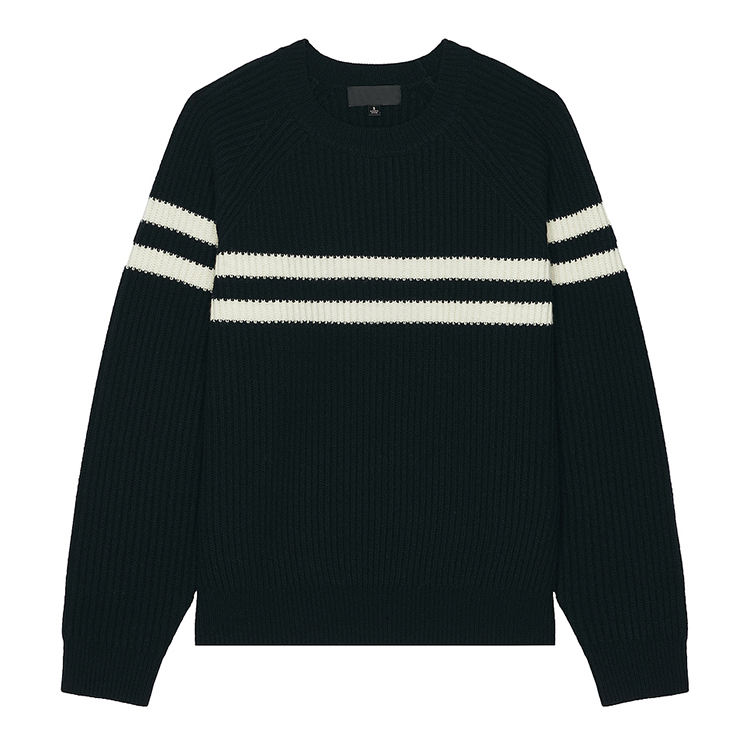
Crew-neck pullovers anchor year-round collections with clean lines and broad appeal. Gauges from 7GG to 12GG deliver refined drape in merino, cotton, or cashmere blends.
Target everyday-luxury customers and corporate-casual segments. MOQ typically starts at 100 pieces per colorway, making crew-necks ideal for capsule launches and private-label programs.
Cardigans
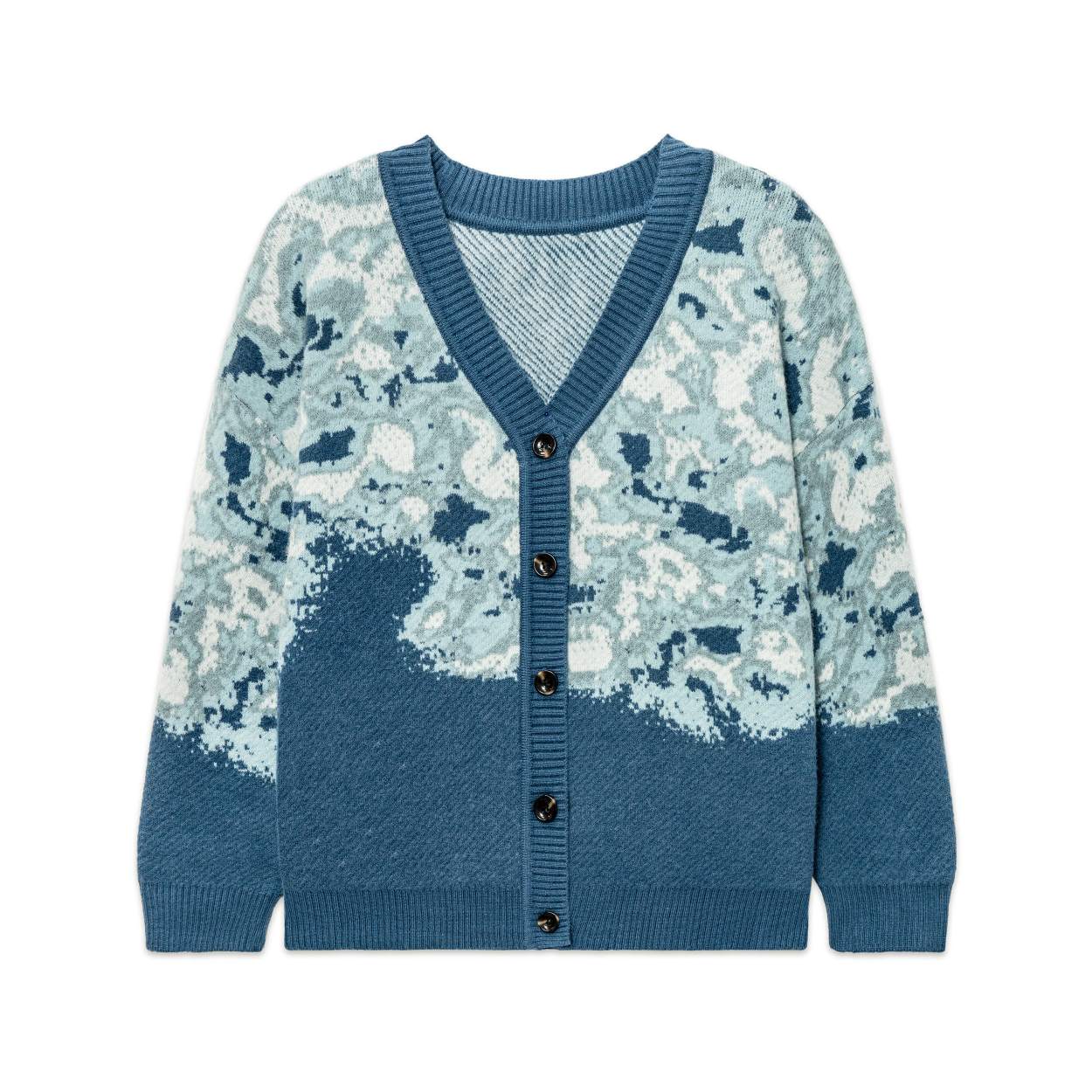
Cardigans add versatility through button or zip closures and extended sizing. Fine-gauge versions in 9GG–12GG work for transitional seasons and layering-focused brands.
Ideal for women’s contemporary lines and resort collections. Minimum orders of 100–200 pieces accommodate boutique retailers testing new styles without heavy inventory risk.
Turtlenecks and Sleeveless Vests
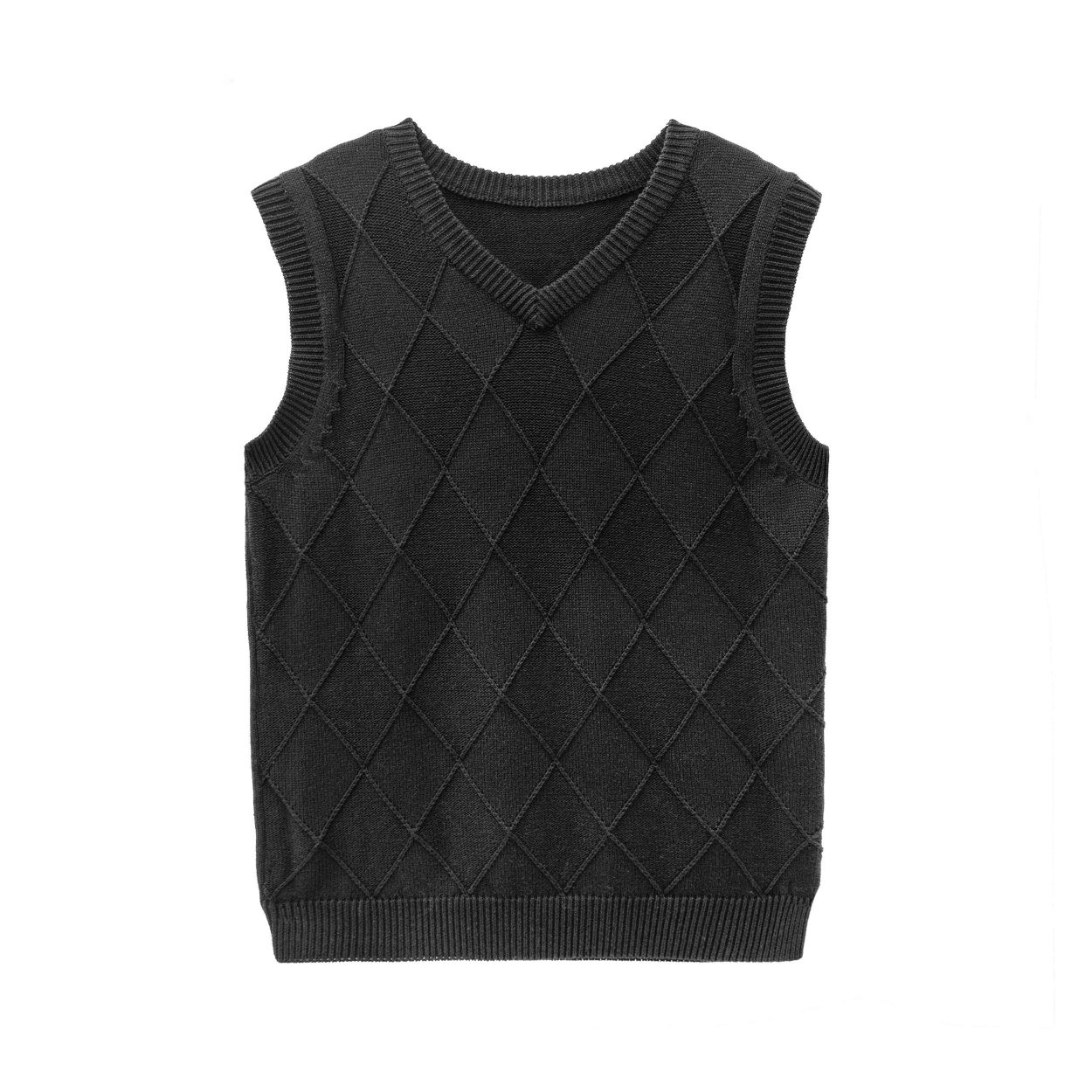
Turtlenecks deliver cold-weather essentials in 7GG–10GG, while sleeveless vests serve layering and athleisure crossover. Both styles suit premium positioning and influencer collaborations.
Vests appeal to younger, style-conscious buyers; turtlenecks target heritage and minimalist brands. Low MOQs of 100 pieces support seasonal capsules and limited drops.
Polo Knits and Fine-Gauge Hoodies
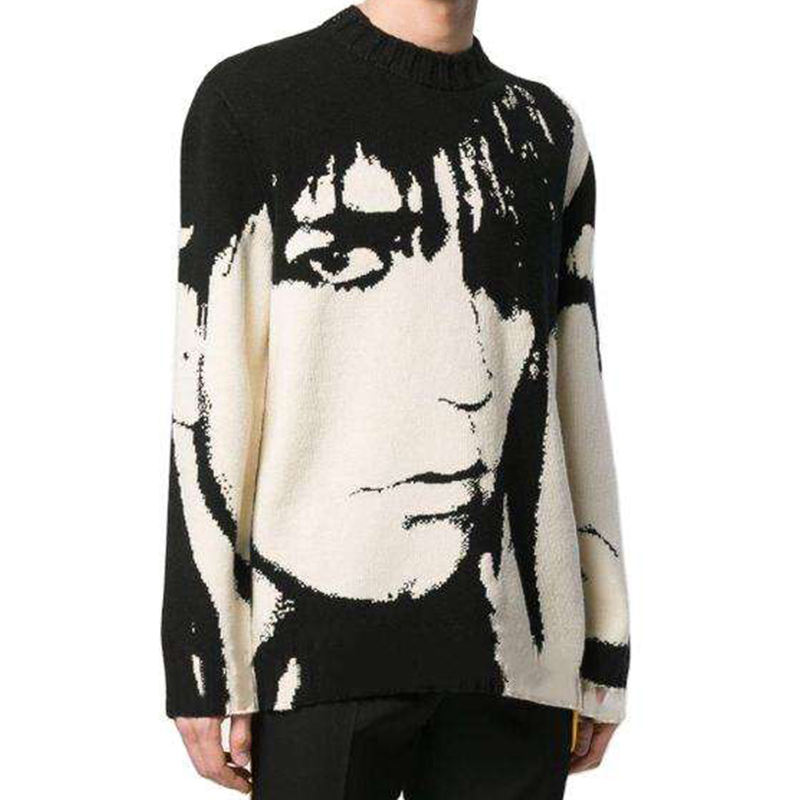
Polo knits bridge smart-casual and sportswear in 9GG–12GG with ribbed collars and plackets. Fine-gauge hoodies elevate athleisure with refined yarns and tailored fits.
Polos suit golf, tennis, and country-club channels; hoodies target streetwear and contemporary menswear. Both start at 100-piece minimums, enabling test runs for emerging brands and seasonal collaborations.
4. Materials and Yarn Selection for Fine Gauge Knitwear
Yarn choice governs hand-feel, drape, price, and brand positioning in fine gauge knitwear. CENWILD works with natural, cellulosic, and synthetic fibers across 3GG–14GG gauges, each suited to different market tiers and care expectations.
| Material | Gauge Range | Price Tier | Care | Best Use |
|---|---|---|---|---|
| Merino wool | 7GG–14GG | Mid | Hand or delicate wash | Luxury basics, layering |
| Cashmere | 12GG–14GG | Premium | Dry clean / hand wash | High-end collections |
| Silk blends | 12GG–14GG | Premium | Dry clean recommended | Evening, drape-focused styles |
| Cotton | 7GG–12GG | Budget–Mid | Machine washable | Casual, warm-weather knits |
| Bamboo / Tencel | 10GG–14GG | Mid | Gentle machine wash | Sustainable, soft basics |
| Nylon / polyester | 10GG–14GG | Budget | Machine washable | Performance, activewear |
Fiber Certifications and Traceability
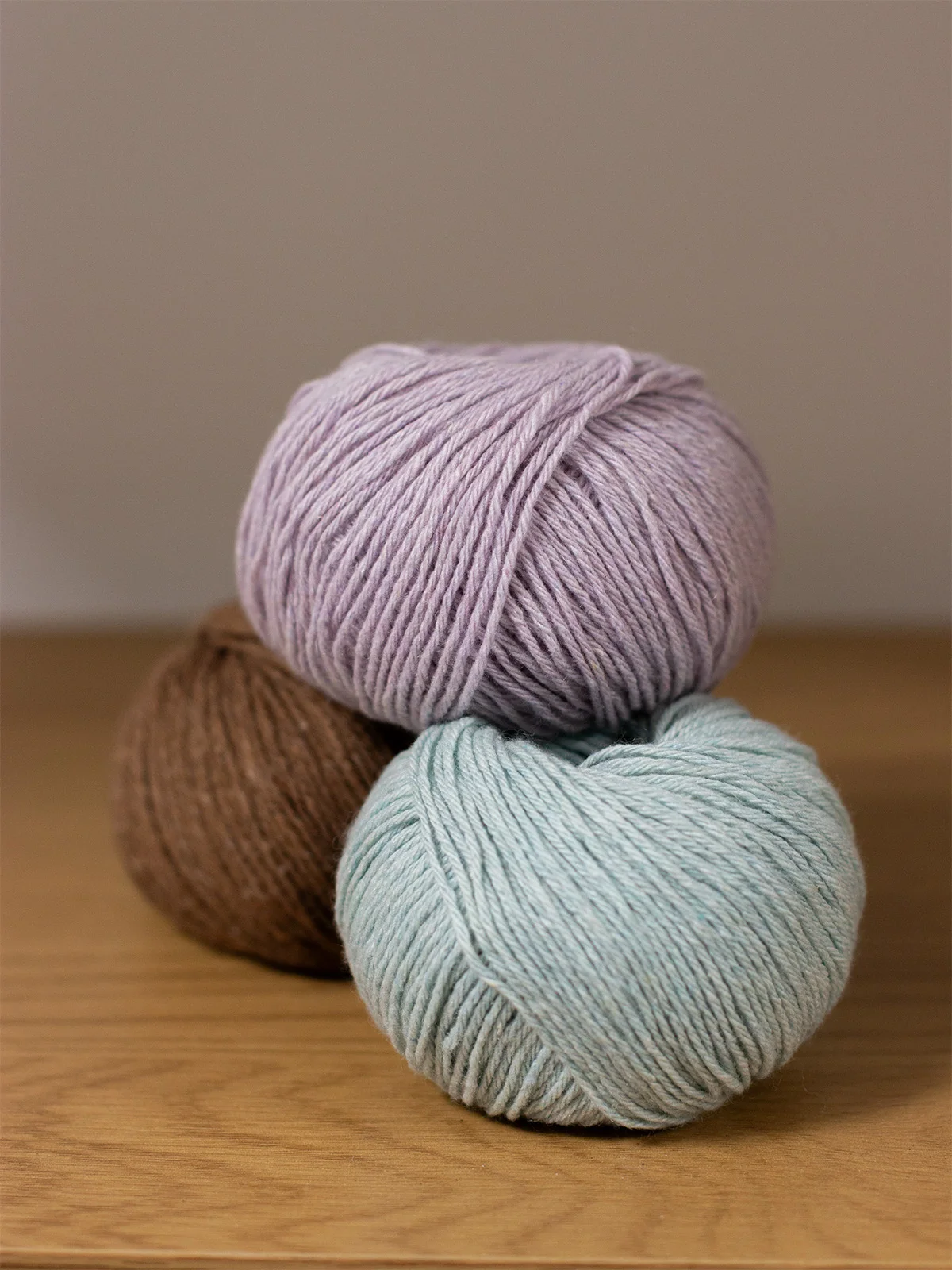
Sustainability-focused brands require third-party verification: GOTS (organic cotton, wool), RWS (Responsible Wool Standard), and GRS (recycled content). CENWILD sources certified yarns and provides mill documentation for full traceability.
Certified fibers typically add 15–30% to yarn cost but unlock premium retail positioning and meet EU, UK, and North American compliance expectations for eco-conscious labels.
5. Customization and Branding Options for Fine Gauge Knitwear
Fine gauge knitwear offers a wide canvas for decoration and branding, from knit-in graphics to post-production embellishments. Each technique carries distinct cost, durability, and visual trade-offs that directly influence brand perception and retail pricing.
| Technique | Setup Cost | Per-Unit Cost | Minimum Order | Lead-Time Impact |
|---|---|---|---|---|
| Intarsia / Jacquard | $0 (programming included) | $0 (knit-in) | 100–200 pcs | +3–5 days |
| Embroidery | $20–$80 digitizing | $0.50–$3.00 | 100 pcs | +1–2 days |
| Woven Label | $50–$100 setup | $0.10–$0.30 | 200 pcs | +7–10 days |
| Printed Label | $20–$50 setup | $0.03–$0.10 | 500 pcs | +7–10 days |
Knit-In Techniques: Intarsia and Jacquard
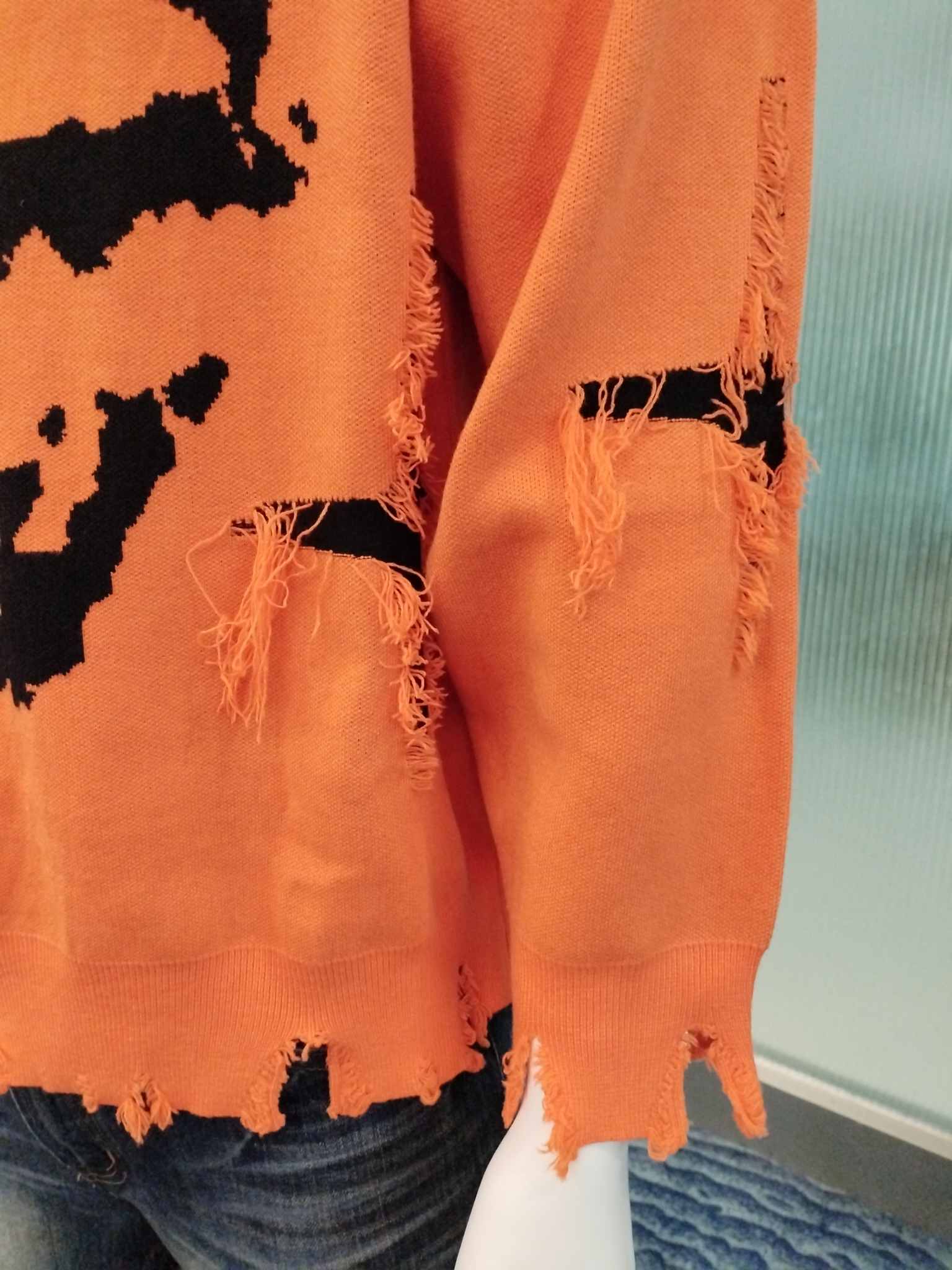
Intarsia and Jacquard weave color and pattern directly into the fabric during knitting, eliminating surface appliqué. Intarsia produces bold, graphic blocks ideal for logos, with yarn ends hand-linked on the reverse; Jacquard creates allover repeating patterns using a float-stitch structure.
Both methods add no weight or stiffness, survive unlimited wash cycles without fading or peeling, and command premium retail positioning. Setup requires 3D knit programming; lead time extends 3–5 days, and minimum orders typically start at 100–200 pieces per colorway.
Embroidery and Appliqué
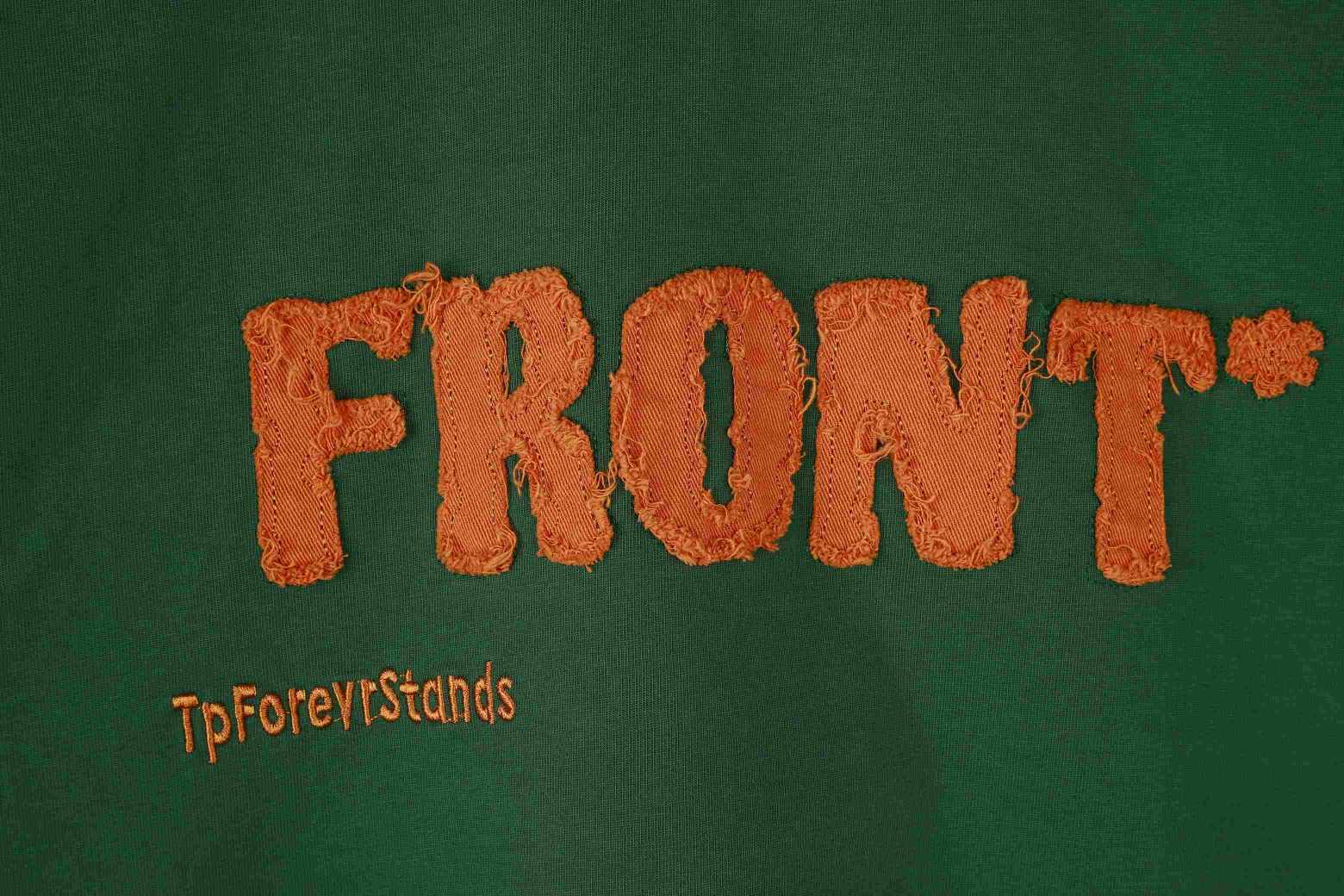
Flat, 3D puff, chain-stitch, sequin, and appliqué embroidery add texture and dimension post-knitting. Setup costs range from $20–$80 per design for digitizing; per-piece costs run $0.50–$3.00 depending on stitch count.
Embroidery performs well through 30+ wash cycles when backed correctly, suits small logos and fine detail, and adds perceived value at mid-to-premium price points. Lead time impact is minimal—1–2 days—making it ideal for low-MOQ test runs starting at 100 pieces.
Labels, Hang-Tags, and Packaging
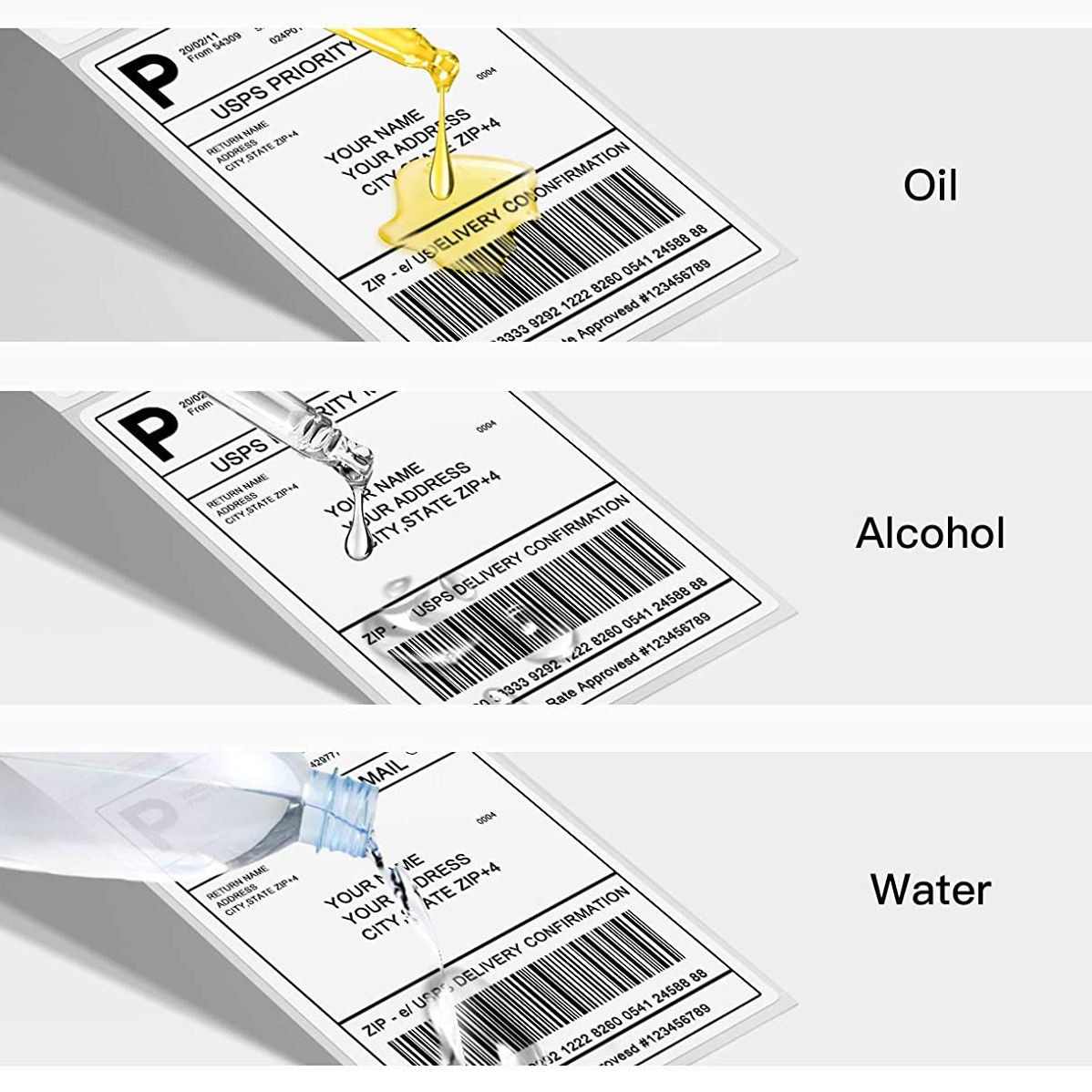
Woven labels, printed satin labels, custom hang-tags, and branded poly bags complete the brand experience. Woven labels cost $0.10–$0.30 each with 200-piece minimums; printed labels start at $0.03 with 500-piece runs.
Hang-tags and custom packaging—folding cards, tissue, stickers—add $0.20–$1.50 per unit and reinforce premium positioning. Lead time for custom trim is 7–10 days; CENWILD coordinates all branding elements in-house to streamline timelines and maintain quality control.
6. Key Quality Indicators in Fine Gauge Knitwear Manufacturing
Fine gauge knitwear demands precision inspection at every stage. Professional buyers audit construction details, seam integrity, and fabric stability to ensure consistent quality across production runs of 100 to 80,000 pieces.
Stitch Consistency and Gauge Accuracy
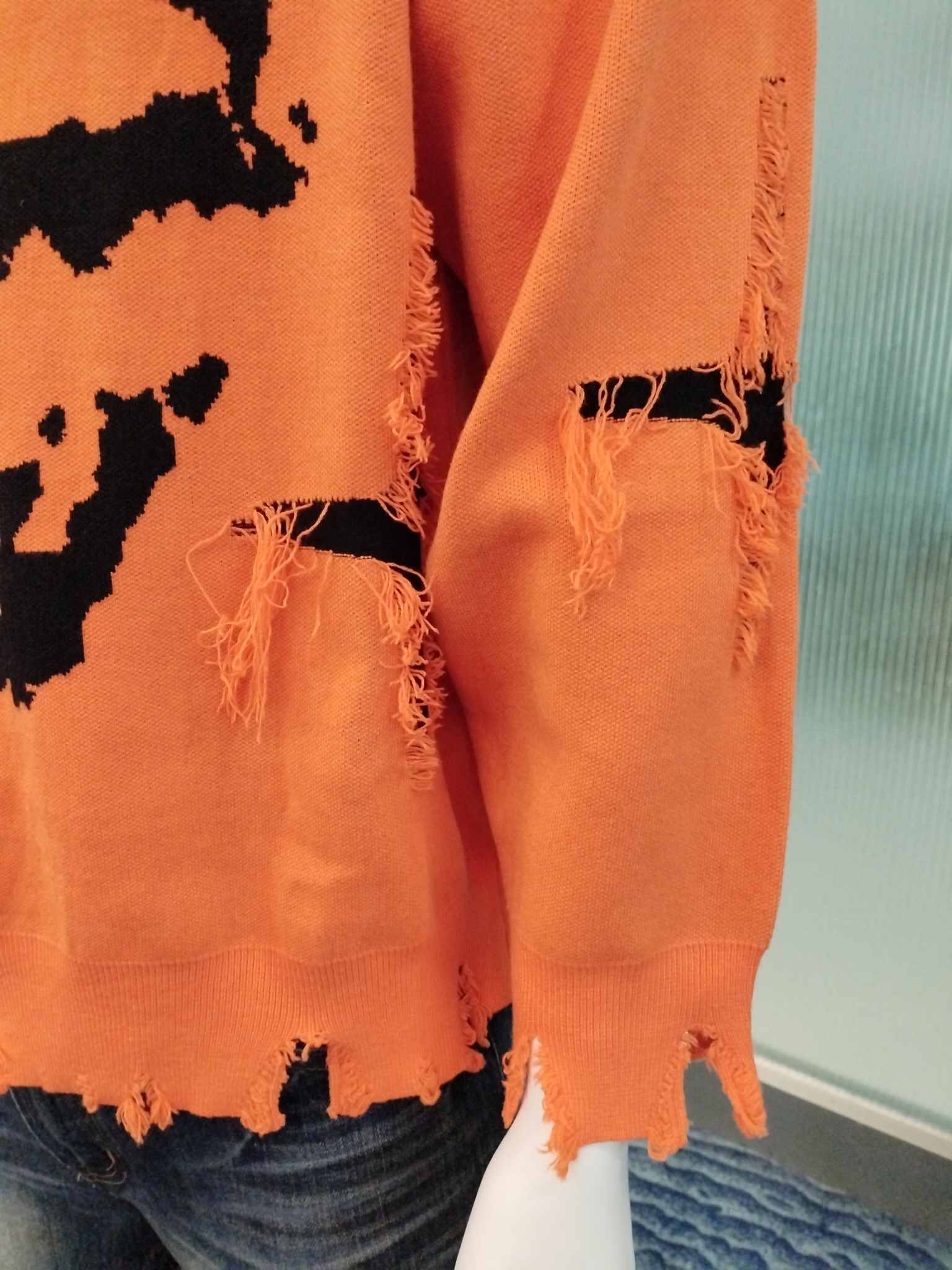
Computerized flat-knitting machines running 7GG–14GG must hold tight tolerance across panels. Check stitch density with a gauge swatch: count needles per inch and compare against your tech pack specification.
Inconsistent tension shows as uneven rows or wavy edges. CENWILD’s knit-down sampling process locks stitch programming before bulk production, ensuring every piece matches the approved prototype.
Seam Finishing: Linking vs. Overlock
Fully-fashioned fine gauge sweaters use linking (loop-to-loop seaming) for invisible joins at shoulders, sides, and sleeves. Overlock stitching is faster but creates a visible ridge and bulk.
Inspect seams under tension: linked seams stretch with the fabric and lie flat, while overlock may pucker. High-end cashmere and merino pieces require linking to preserve drape and hand-feel.
Sample Audit Checklist
Before approving bulk production, verify pilling resistance (Martindale ≥20,000 cycles for wool blends), color-fastness (grade 4+ to washing and light), and dimensional stability (shrinkage ≤3% after three washes). Measure neckline and cuff ribbing recovery, check for yarn slubs, and confirm all trims match your tech pack.
- Stitch count per 10 cm matches approved swatch
- Seam type (linking/overlock) per tech pack
- Ribbing tension: 10–15% negative ease
- No pilling after 5,000 Martindale cycles
- Color deviation ΔE ≤1.0 under D65 light
7. How to Choose a Fine Gauge Knitwear Manufacturer
Selecting a fine gauge knitwear manufacturer requires methodical evaluation of technical capability, transparency, and partnership flexibility. The right partner combines precision machinery, proven quality systems, and responsive collaboration to bring your designs to market.
Assess Machine Capabilities and Gauge Range
Confirm the factory operates computerized flat-knitting machines across the gauge spectrum you need — 7GG to 14GG for fine gauge knitwear. Ask whether production is seamless (fully-fashioned) or cut-and-sew; seamless construction reduces waste and offers a cleaner finish.
Request samples that demonstrate intarsia, jacquard, cable, and pointelle techniques if your designs require them. A manufacturer with 3GG–14GG range can handle both chunky and ultra-fine projects under one roof.
Review Certifications and Compliance
Verify current ISO 9001, WRAP, BSCI, or OEKO-TEX certifications to ensure labor standards and product safety. Certifications signal consistent quality control and ethical manufacturing practices, critical for brand reputation and retail partnerships.
Evaluate Sampling Speed, Cost, and Yarn Transparency
Ask for sampling lead times (typically 7–14 days) and whether samples are charged or credited against production orders. Confirm the factory sources yarn directly or through vetted suppliers, and request mill certifications for cashmere, merino, or organic fibers to verify authenticity.
Verify Capacity, Lead Times, and Facility Access
Check monthly production capacity — a mid-sized factory should handle 50,000–100,000 pieces — and typical lead times (45–60 days for fine gauge). Request a facility video tour or schedule an in-person visit to inspect knitting floors, QC stations, and finishing areas.
Key Questions for Your RFQ
Clarify minimum order quantities (100–500 pieces per style is flexible; 1,000+ is rigid), payment terms (deposit ratios and accepted methods), quality control protocols (AQL standards, inline vs. final inspection), and how many design iterations are included before sampling fees apply.
8. Common Mistakes When Sourcing Fine Gauge Knitwear
Even experienced buyers stumble when sourcing fine gauge knitwear. Six recurring mistakes account for most cost overruns, quality disputes, and missed delivery windows — yet each is preventable with clear specifications and early testing.
Choosing Gauge Incompatible with Yarn Weight
Pairing 12GG machinery with heavy worsted yarn or 7GG with fine 2/26 count creates uneven tension and pilling. The result: rejected samples and wasted weeks. Always match gauge to yarn — 12GG–14GG suits 2/26–2/48 counts, while 7GG–9GG handles chunkier plies.
Underestimating Sampling Costs and Lead Time
Intarsia and Jacquard weave color and pattern directly into the fabric during knitting, eliminating surface appliqué. Intarsia produces bold, graphic blocks ideal for logos, with yarn ends hand-linked on the reverse; Jacquard creates allover repeating patterns using a float-stitch structure.
Both methods add no weight or stiffness, survive unlimited wash cycles without fading or peeling, and command premium retail positioning. Setup requires 3D knit programming; lead time extends 3–5 days, and minimum orders typically start at 100–200 pieces per colorway.
Ignoring Shrinkage and Wash Testing
Cashmere and merino blends shrink 3–8% without pre-wash trials. Skipping garment-wash testing means your size M ships as size S. Require wash-test reports for every yarn blend before bulk production begins.
Skipping Fit Trials Across Size Range
Approving only one sample size leaves XS and XXL unverified; grading errors appear at scale. Demand fit samples in at least three sizes — typically S, M, XL — to confirm proportional sleeve length, body width, and neckline placement.
Neglecting Clear Tech-Pack Specifications
Vague sketches produce mismatched stitch patterns and incorrect trim placement. A complete tech pack lists gauge, stitch type, measurements, colorways, and trim details. CENWILD’s design team converts rough ideas into production-ready specs, eliminating guesswork.
Failing to Negotiate IP Protection
Custom intarsia patterns and proprietary colorways need written IP clauses. Without them, your design may appear in competitor catalogs. Include non-disclosure and exclusivity terms in your contract, especially for signature styles that define your brand identity.
9. Steps to Launch Your Fine Gauge Knitwear Brand
Launching a fine gauge knitwear brand typically requires 90–120 days from initial design to delivery, with budget checkpoints at sampling, deposit, and final payment. Each step builds toward a scalable, quality-driven collection that meets your target market’s expectations.
Define Target Customer and Price Positioning
Start by identifying your customer demographic, retail price range, and margin goals. A luxury cashmere crewneck targeting $200+ retail demands different yarn and construction than a $60 cotton blend pullover.
Price positioning determines every downstream decision — yarn grade, gauge selection, trim quality, and decoration complexity. Lock this framework before sampling to avoid costly revisions.
Select Core Styles and Colorways
Choose 3–6 foundational silhouettes (crewneck, cardigan, turtleneck) and 4–8 seasonal colorways. Fine gauge knitwear shines in versatile, repeatable styles that build brand recognition.
Limit your first collection to manage inventory risk and sampling costs. CENWILD’s 100-piece MOQ allows you to test multiple SKUs without overcommitting capital.
Develop Tech Packs with Graded Specs
A complete tech pack includes flat sketches, stitch details, yarn specifications, colorways, graded measurements (XS–XXL), and trim callouts. CENWILD’s design team can convert a photo or sketch into production-ready specs with 3D knit programming and grading.
Accurate grading prevents fit issues across sizes. Budget 1–2 weeks for tech-pack finalization and manufacturer review before sampling begins.
Order and Approve Pre-Production Samples
Pre-production samples confirm yarn hand-feel, fit, stitch pattern, and color accuracy. Expect 10–15 days for knit-down samples and 2–3 revision rounds if adjustments are needed.
Approve samples in writing before production. This signed-off sample becomes your quality benchmark for in-line and final inspections.
10. Fine Gauge Knitwear Pricing and Cost Breakdown
CENWILD’s 100-piece minimum order quantity opens fine gauge knitwear production to independent designers and emerging brands, with FOB unit costs scaling predictably across four quantity tiers. Cotton and acrylic blends anchor the entry price point, while cashmere and merino wool add 40–80% to unit cost depending on ply and micron count. Intarsia colorwork, jacquard patterns, and cable structures require additional knitting time and programming, typically adding 15–25% versus plain stockinette or simple rib constructions.
Sampling cost covers yarn, knit-down labor, and 3D programming; most clients order two rounds before bulk production. Setup fees are waived for plain styles; complex jacquard or multi-color intarsia incurs pattern digitization and machine setup charges that amortize quickly above 500 pieces. Lead time compresses as order size grows and repeat clients benefit from faster turnarounds due to archived patterns and established yarn channels.
Payment terms ease with partnership maturity: 100% deposit on first orders, scaling down to 30% for stable long-term clients, with balance due before shipment across all tiers.
| Quantity Tier | FOB Unit Cost (USD) | Sampling Cost | Setup / Tooling | Lead Time (Weeks) |
|---|---|---|---|---|
| 100 pcs | $18–35 | $150–300 (2 samples) | $0–200 | 5–6 |
| 500 pcs | $14–28 | $150–300 (2 samples) | $0–150 | 4–5 |
| 1,000 pcs | $12–24 | $150–300 (2 samples) | $0–100 | 4–5 |
| 2,500 pcs | $10–20 | $150–300 (2 samples) | $0 | 3–4 |
Start Your Fine Gauge Knitwear Project Today
From concept to finished garment — submit your design brief, request a free fine gauge swatch, or get a custom quote with MOQ from just 100 pieces.