Garment Dye Knitwear — Vintage-Faded Sweaters with Soft, Natural Color
Post-dye finishing that delivers authentic sun-washed aesthetics and tactile softness. Custom garment dye knitwear from 100 pieces, backed by 28+ years of Dongguan expertise.
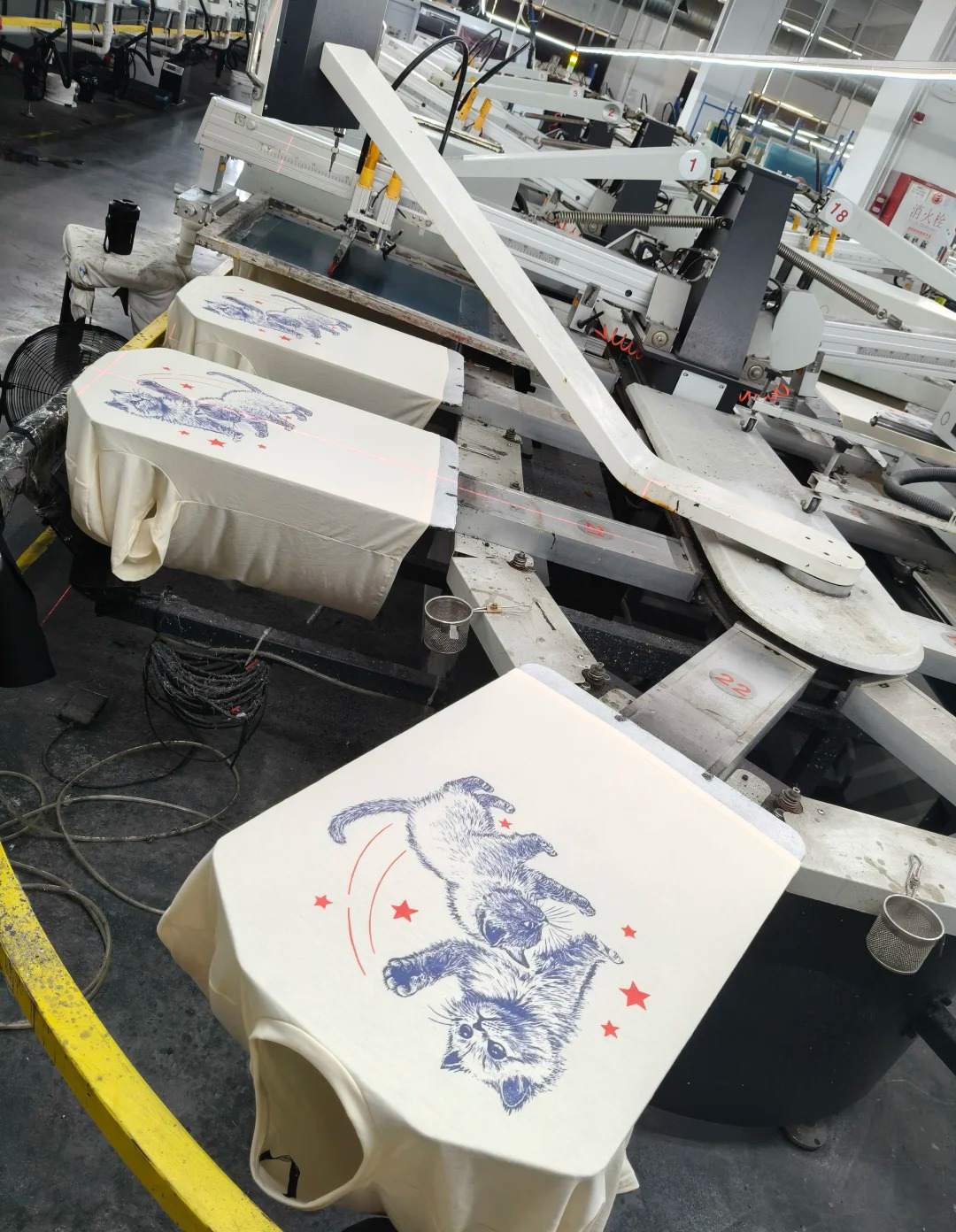
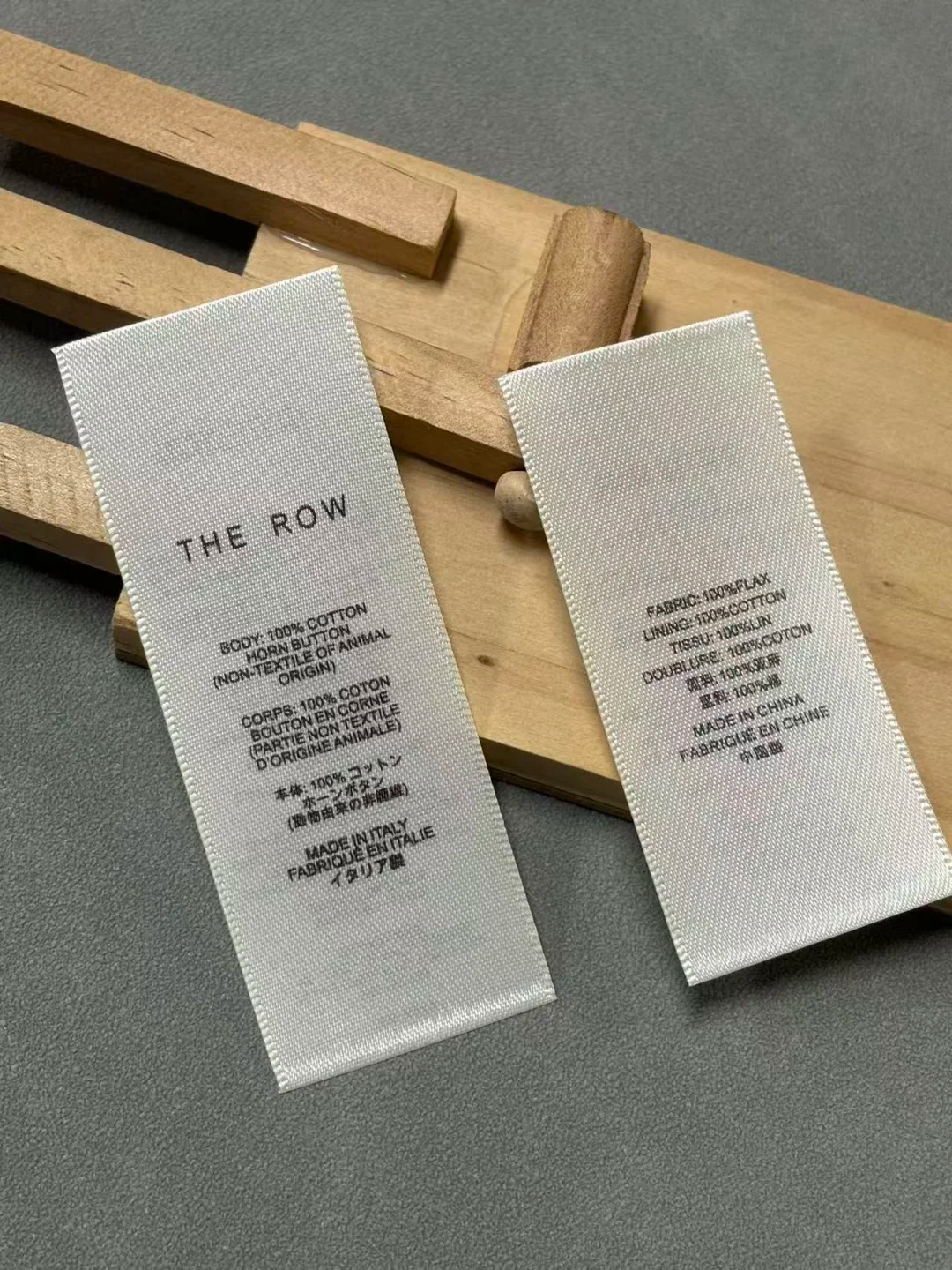
Garment Dye Knitwear Samples
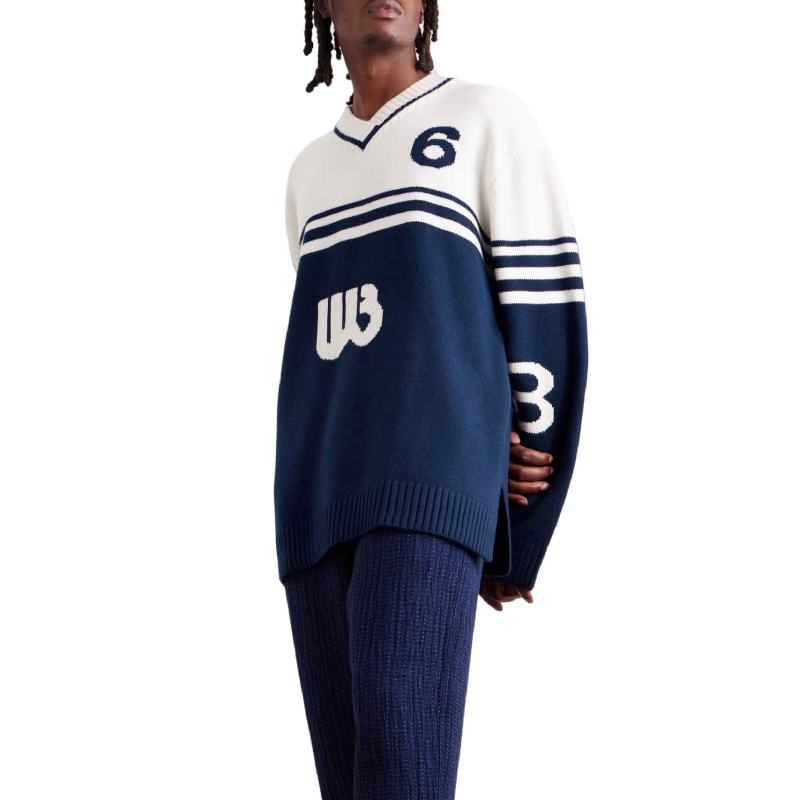
What Makes Garment Dye Knitwear Distinctive
Softer Hand Feel
Dyeing finished sweaters relaxes fibers and removes residue, creating a plush, lived-in texture customers love from the first wear.
Natural Color Variation
Each garment absorbs dye uniquely, delivering subtle tone shifts and vintage character impossible to replicate with yarn dyeing.
Authentic Vintage Aesthetic
Garment dye knitwear delivers the faded, washed-down look of heritage pieces, perfect for retro and contemporary streetwear collections.
Superior Color Penetration
Dyeing the finished knit ensures even saturation through every stitch, seam, and trim for consistent, long-lasting color payoff.
Excellent Wash Durability
Pre-shrunk and color-set during the garment dye process, sweaters resist fading and distortion through repeated home laundering.
Overdye Existing Inventory
Transform unsold or off-shade stock into fresh colorways without reknitting, reducing waste and unlocking new revenue streams.
Related Techniques, Services & Product Lines
Washing and Finishing
Explore CENWILD’s complete washing and finishing suite—softening, anti-pilling enzyme wash, garment dyeing, brushing, and specialized treatments that transform knit texture, hand-feel, and color. Over 28 years of in-house post-production expertise ensures every sweater meets your brand’s exact tactile and visual standards before shipment.
Get a Quote
Garment Wash and Softening
Achieve the soft, lived-in hand-feel your customers expect. CENWILD’s garment wash and softening processes relax fibers, reduce stiffness, and enhance drape across wool, cotton, cashmere, and blended knitwear. Ideal for casual cardigans, pullovers, and everyday pieces that prioritize comfort and wearability from the first wear.
Get a Quote
Enzyme Wash Anti-Pilling
Extend garment longevity and reduce customer returns with enzyme wash anti-pilling treatment. CENWILD applies controlled bio-polishing to wool, acrylic, and blended sweaters, removing surface fuzz and preventing pilling without compromising color or structure. Essential for high-traffic styles like crewnecks, turtlenecks, and school or workwear knitwear collections.
Get a Quote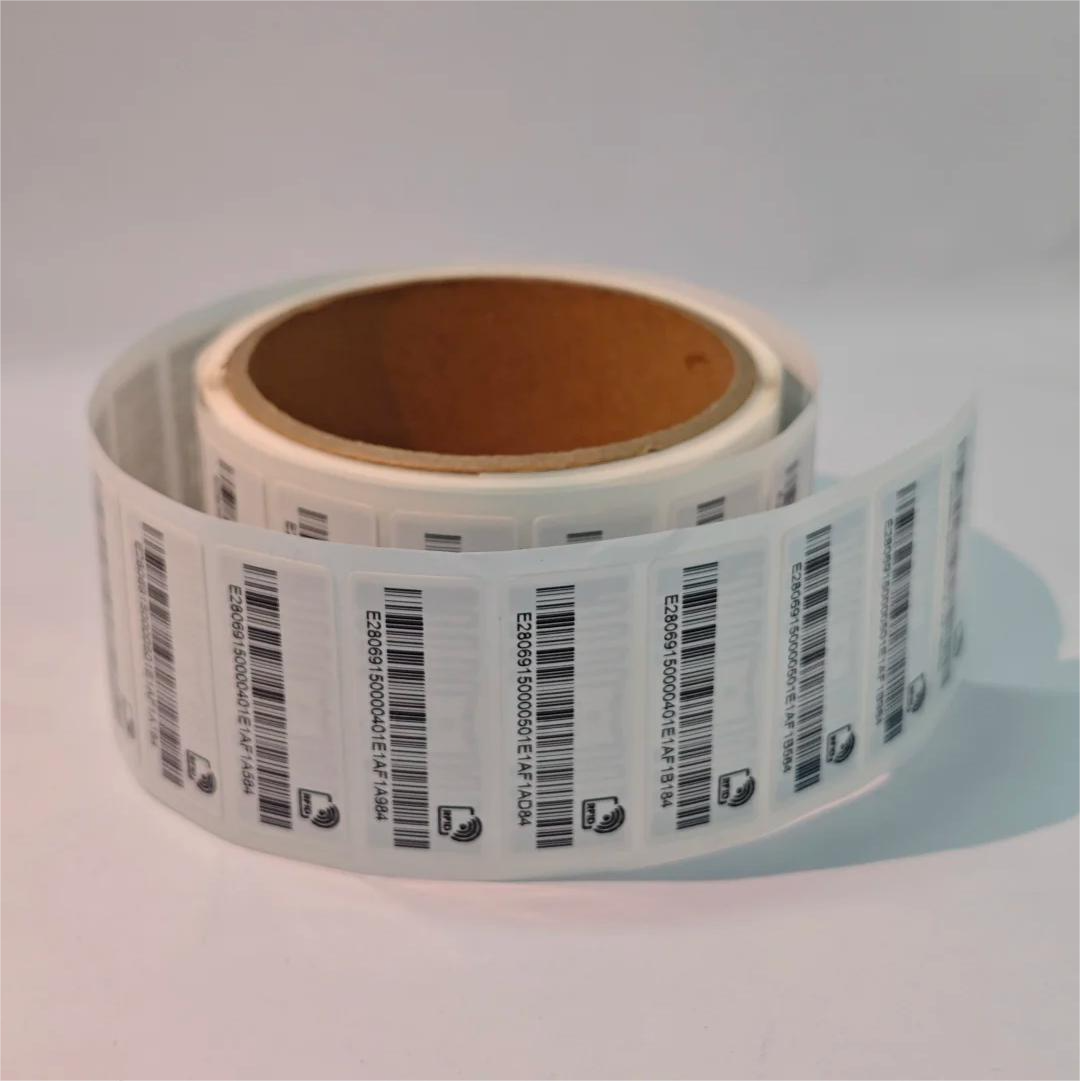
Brushing and Napping
Create plush, cozy textures with brushing and napping finishing. CENWILD’s mechanical brushing lifts fiber surfaces on wool, alpaca, mohair, and cotton knits to produce soft, warm hand-feel and a subtle halo effect. Perfect for fall-winter cardigans, oversized pullovers, and tactile statement pieces that demand rich, inviting texture.
Get a Quote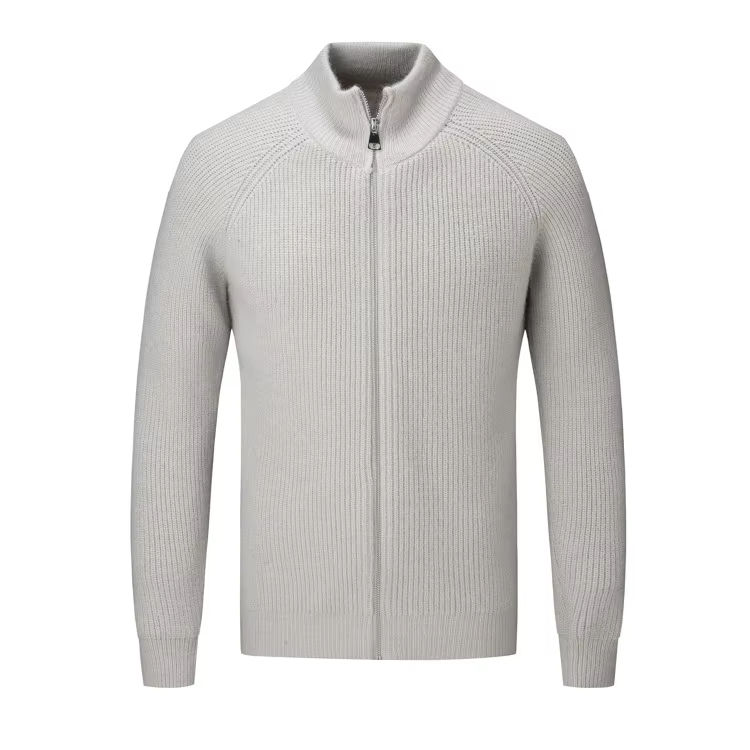
Custom Cardigan
Design and produce custom cardigans tailored to your brand’s vision. CENWILD’s ODM and OEM services cover stitch design, gauge selection, button and trim sourcing, and full sampling from 100 pieces. Whether you need classic cable-knit, intarsia graphics, or minimalist ribbed styles, our Dongguan facility turns concepts into production-ready cardigan collections.
Get a Quote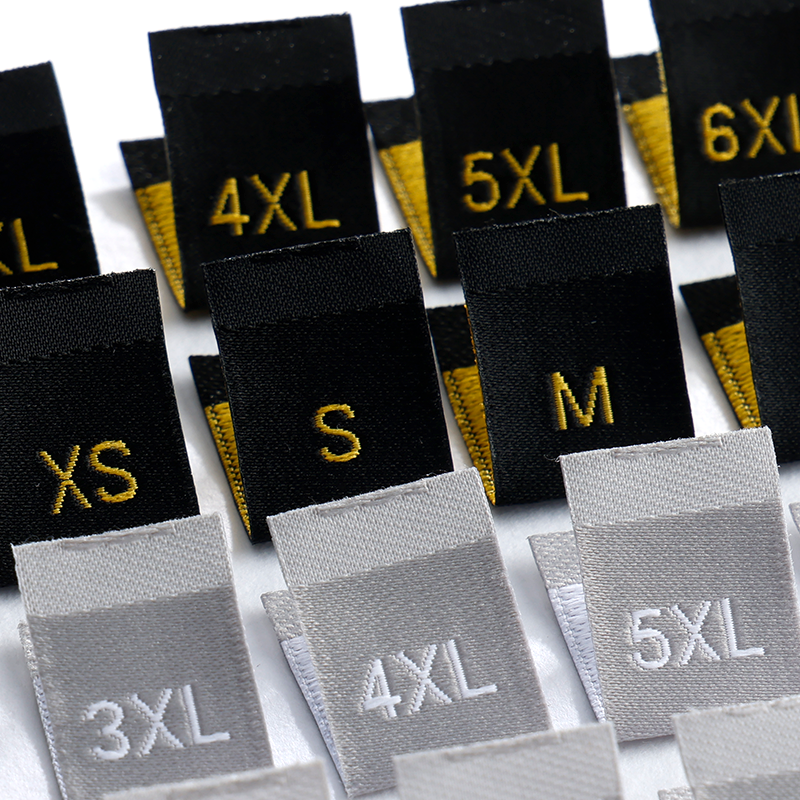
Cardigan Sweater Manufacturer
Partner with a dedicated cardigan sweater manufacturer offering 28 years of specialized knitting expertise. CENWILD operates 3GG to 14GG computerized flat-knitting lines with monthly capacity exceeding 80,000 pieces. We produce cardigans in cashmere, merino, cotton, alpaca, and recycled blends for brands, retailers, and wholesalers across North America, Europe, and beyond.
Get a Quote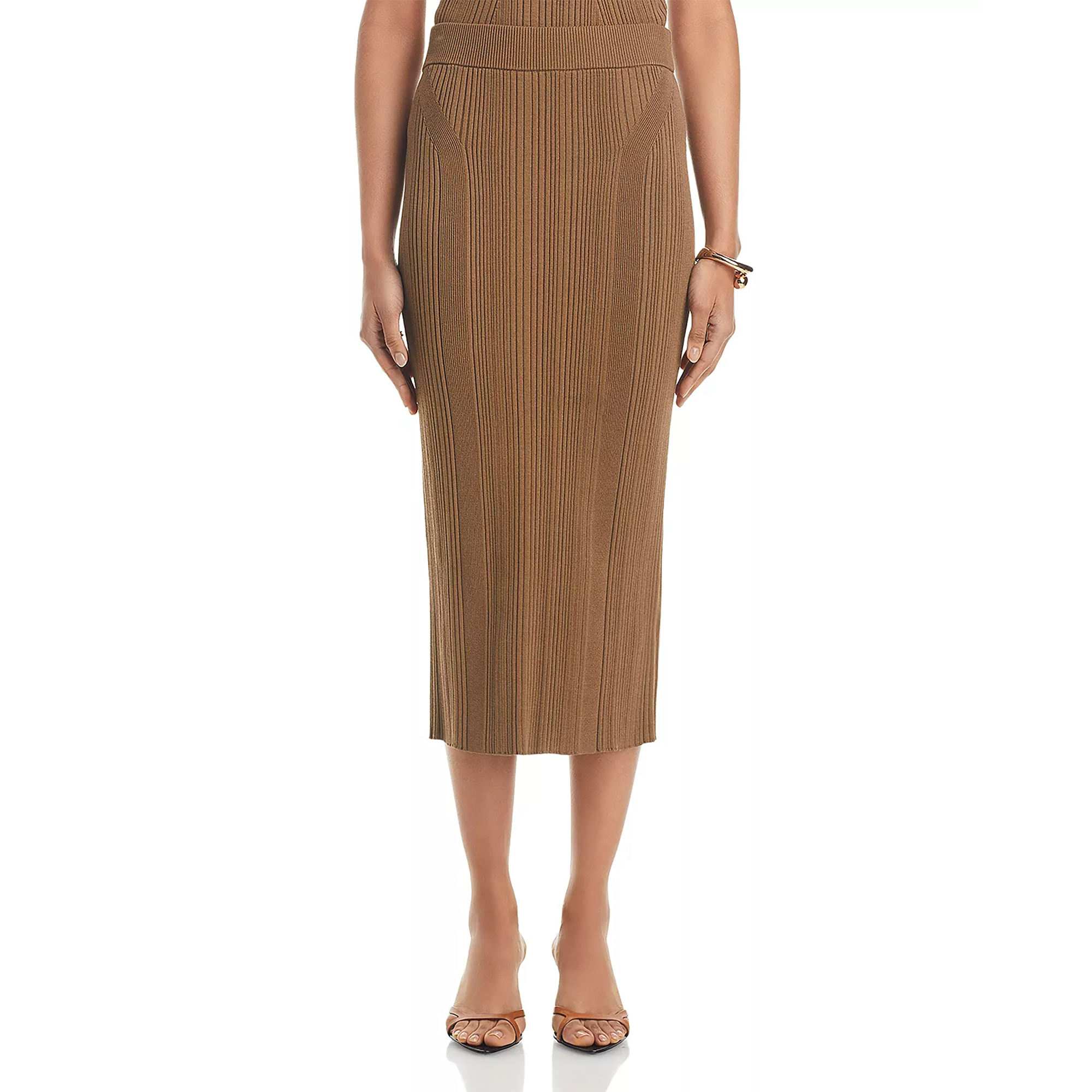
Wholesale Cardigan Sweaters
Source wholesale cardigan sweaters with flexible MOQ from 100 pieces and scalable production for growing orders. CENWILD supports private label programs, seasonal collections, and fast-turnaround restocks. Payment via T/T, PayPal, credit card, and USDT. Deposit terms ease to 30 percent for established partners, enabling predictable cash flow and inventory planning.
Get a Quote
Garment Dye Sweaters
Garment dye sweaters deliver rich, saturated color with vintage character and unique tonal variation. CENWILD dyes finished knit pieces after assembly, allowing neutral-base production and late-stage color decisions. Ideal for sustainable collections, limited drops, and brands seeking authentic, lived-in aesthetics across pullovers, crewnecks, and oversized silhouettes.
Get a Quote
Garment Dye Cardigans
Garment dye cardigans combine post-production dyeing with the versatility of open-front knitwear. CENWILD dyes completed cardigan bodies, sleeves, and trims together for cohesive color and soft, broken-in hand-feel. Perfect for heritage-inspired lines, custom colorway services, and retailers who need flexible inventory with on-trend, artisan-quality finishes.
Get a Quote28+ Years of Garment Dye Knitwear Expertise
Since 1998, CENWILD has specialized in garment dye knitwear, partnering with certified dye houses in Dongguan to deliver vintage-faded sweaters with unmatched softness and color consistency. Our garment dyeing process uses Oeko-Tex Standard 100 certified chemistry, and for organic blends we work with GOTS-certified partners, ensuring every piece meets global safety and sustainability standards.
Our monthly capacity exceeds 80,000 pieces, with dedicated rotary drum dye machines and automated pH-controlled systems that guarantee repeatable color across production runs. From heavyweight cashmere cardigans to lightweight cotton pullovers, we’ve mastered garment dye finishing for every fiber—merino, alpaca, Pima cotton, and recycled blends—delivering the soft hand feel and lived-in aesthetic fashion brands demand.
Whether you’re launching 100 garment-dyed sweater vests or scaling to thousands of custom crewnecks, CENWILD’s in-house sampling, knit programming, and post-dye quality control ensure your garment dye knitwear arrives on-brand, on-time, and ready to wear. We don’t just dye sweaters—we engineer color, texture, and durability into every stitch.
The Garment Dye Knitwear Process — Color Chemistry & Softness
Dye Chemistry Selection for Every Fiber
CENWILD matches dye class to fiber content—acid dyes for protein fibers like wool, cashmere, and alpaca; fiber-reactive dyes for cellulose such as cotton and linen; and disperse dyes for synthetics. This precision ensures deep penetration, colorfastness, and the soft vintage hand that defines garment dye knitwear.
- Acid dyes for wool, cashmere, merino, and alpaca sweaters deliver rich, even color with excellent wash durability
- Fiber-reactive dyes bond chemically to cotton and cellulose blends, preventing fading and color bleed
- Disperse dyes for polyester and acrylic ensure vibrant hues on synthetic and blended knitwear
- Every dye batch is tested for pH compatibility and fiber affinity before production dyeing begins
Temperature, pH, and Dwell Time Control
Consistent color and finish demand strict process control. CENWILD monitors water temperature to within ±2°C, adjusts pH for optimal dye uptake, and calibrates dwell time by fabric weight and construction. These parameters prevent streaking, uneven tone, and fiber damage across every garment dye knitwear order.
- Temperature ramps are programmed by fiber type—wool at 85–95°C, cotton at 60–80°C—to prevent felting or shrinkage
- pH is buffered with acetic acid or soda ash to match dye chemistry, ensuring maximum color yield and uniformity
- Dwell time ranges from 30 to 90 minutes depending on gauge, yarn count, and desired depth of shade
- Real-time monitoring logs every cycle, enabling full traceability and repeatable color matching for reorders
Multi-Stage Rinsing and Color Fixation
After dyeing, CENWILD runs a multi-stage rinse sequence—hot wash to remove unfixed dye, warm rinse to stabilize color, and cool rinse to close fibers. This protocol locks in hue, prevents backstaining, and prepares garment dye knitwear for finishing without compromising the soft, lived-in feel.
- Hot rinse at 70–80°C purges excess dye and leveling agents, preventing color migration in storage or wear
- Warm rinse with mild detergent removes residual salt and alkali, protecting skin-sensitive customers
- Cool final rinse closes fiber scales on wool and sets twist in cotton, enhancing drape and dimensional stability
- Optional color-fixation agents are applied in the last bath for maximum wash-fastness on deep or vibrant shades
Post-Dye Softening and Anti-Pilling Finish
The final step transforms dyed knitwear into premium garment dye knitwear. CENWILD applies silicone or bio-based softeners for a luxurious hand, then runs anti-pilling enzymes or mechanical treatments to reduce surface fuzz. Every piece emerges retail-ready, with color, texture, and durability aligned to your brand standards.
- Silicone micro-emulsion softeners deliver a smooth, cashmere-like touch without waxy buildup or yellowing over time
- Enzymatic anti-pilling removes protruding fibers and minimizes pilling on wool, cotton, and blended constructions
- Mechanical tumbling in controlled humidity relaxes yarns and sets the garment's final shape and drape
- Quality inspection checks color consistency, hand feel, and surface finish before packaging and export
Garment Dye Knitwear vs. Yarn-Dye & Piece-Dye
Understanding which dyeing method suits your collection helps you achieve the exact color, hand-feel, and design flexibility your brand needs. Here’s how garment dye knitwear compares to the most common alternatives.
← 左右滑动查看 →
Garment Dye Knitwear Production Flow
From knit-down to final packaging, every stage of garment dye knitwear is controlled for color consistency, shrinkage tolerance, and the soft, vintage finish your brand demands.
Knit & Assembly
Pieces are knit to specification on computerized flat-knitting machines, then linked and seamed. Pre-dye construction ensures consistent shrinkage and fit across the entire batch.
Pre-Dye Quality Inspection
Every garment is inspected for knit defects, loose stitches, and construction integrity before entering the dye bath to eliminate waste and ensure uniform results.
Dye Bath Preparation
Dye formulas are mixed and tested for pH, temperature, and color match. Each batch is calibrated to brand-approved lab dips and swatches for repeatable accuracy.
Garment Dyeing & Monitoring
Sweaters are dyed in controlled industrial machines with real-time temperature, time, and pH checkpoints. Technicians monitor color penetration and shrinkage throughout the cycle.
Rinse, Soften & Dry
Garments are rinsed to remove excess dye, treated with softening agents for the signature hand-feel, then tumble-dried or laid flat under controlled conditions to lock in shape.
Final Inspection & Packaging
Post-dye inspection checks color uniformity, dimensional stability, and finish quality. Approved garment dye knitwear is pressed, folded, tagged, and packaged to your brand specifications.
How to Order Garment Dye Knitwear from CENWILD
From design concept to finished sweaters with vintage-faded color, our streamlined process ensures color accuracy, soft hand feel, and controlled shrinkage every step of the way.
Submit Your Design & Specifications
Share your tech pack, sketch, or reference photo with Pantone color targets, fabric content, desired hand feel, shrinkage tolerance, and any anti-pilling or softening requirements.
Approve Your Knit-Down Sample
Review construction, fit, and stitch quality on a greige sample knitted in-house. Confirm sizing, gauge, and fabric weight before dye development begins.
Review Dye Strike-Off & Color
Evaluate garment-dyed color strike-offs against your Pantone reference. Approve final shade, vintage fade effect, hand feel, and any special finishing treatments.
Confirm Bulk Production Order
Lock in quantities from 100 pieces per style. Production begins with computerized flat-knitting, followed by garment dyeing, washing, quality control, and finishing.
Receive & Inspect Your Shipment
Your finished garment dye knitwear is packed, labeled, and shipped. Full export logistics support ensures on-time delivery to your warehouse or fulfillment center.
Customer Stories — Garment Dye Knitwear Success
CENWILD’s garment dye knitwear delivered perfect color consistency across our 5,000-piece fall collection. The vintage aesthetic resonated with our customers and drove 42% higher sell-through compared to our standard knits.
We tested the garment-dyed sweaters through 50+ commercial washes and the softness and color held beautifully. CENWILD’s finishing expertise gave us the exact lived-in feel our brand needed from day one.
On-time delivery of 2,400 garment dye knitwear pieces for our holiday launch, even with custom color matching. The natural faded tones became our best-selling sweater line that season.
FAQ: Garment Dye Knitwear
What fabrics work best for garment dye knitwear?
Can I garment dye 100% acrylic knitwear or only natural fibers?
How durable is the color after washing garment dye knitwear?
Can I combine garment dye knitwear with embroidery or screen print?
What is the MOQ for garment dye knitwear orders?
What is the lead time for garment dye knitwear production?
Can I order a sample of garment dye knitwear before production?
What Pantone colors are available for garment dye knitwear?
How much shrinkage should I expect with garment dye knitwear?
The Complete Buyer’s Guide to Garment Dye Knitwear for Fashion Brands
Learn how to source premium garment-dyed sweaters with confidence. This guide walks you through quality criteria, material selection, manufacturer vetting, pricing benchmarks, and the most common sourcing mistakes—so you can launch or scale your knitwear line profitably.
1. What Is Garment Dye Knitwear?
Garment dye knitwear is knitwear dyed after complete assembly — seams, trims, and all finishing are done first, then the finished sweater is immersed in dye. This post-construction dyeing creates a soft, lived-in hand feel and subtle color variations that yarn-dyed or piece-dyed methods cannot replicate.
Yarn-dyed knitwear uses pre-dyed yarn before knitting, delivering uniform color but a crisper, less relaxed texture. Piece-dyed knitwear dyes individual knit panels before sewing, offering moderate softness but limited aesthetic variation. Garment dye produces gentle fading along seams, hems, and high-wear zones, mimicking natural wear and delivering the relaxed aesthetic premium casualwear and streetwear labels demand.
Over the past five years garment dye knitwear has surged among brands targeting the $80–$250 retail price bracket. The technique allows a single greige inventory to be dyed on-demand in seasonal colorways, reducing lead times by 10–15 days and minimizing overstock risk. CENWILD’s garment-dye finishing includes softening, anti-pilling, and brushing treatments to amplify the vintage, broken-in look buyers expect.
2. The Evolution of Garment Dye Knitwear
Garment dye knitwear originated in post-war military surplus and workwear, where undyed or natural-colored knits were dyed in bulk lots after assembly to simplify inventory and achieve unique, worn-in color variation. By the 1980s sportswear brands like Champion adopted garment dyeing for their reverse-weave fleece, capitalizing on the soft hand and subtle color irregularities that became a signature of premium casual wear.
Stone Island elevated garment dye knitwear into high fashion during the same decade, treating entire finished sweaters with reactive and pigment dyes to create depth and texture impossible with yarn-dyed or piece-dyed methods. Their innovation demonstrated that controlled garment dyeing could deliver consistent, repeatable results at scale while preserving the artisanal aesthetic.
Modern dyeing technology — including computerized temperature control, low-liquor-ratio machines, and fiber-reactive chemistries — has reduced shrinkage to under 3 percent and tightened batch-to-batch color variance to ΔE < 1.0. These advances make garment dye knitwear viable for brands ordering from 100 pieces upward, combining premium finish with predictable production timelines.
3. Types of Garment Dye Knitwear
Garment dye knitwear spans six core silhouettes, each suited to different weight ranges, styling roles, and dye chemistries. Matching the right construction to your collection ensures color consistency and the intended hand feel.
Crewneck Sweaters
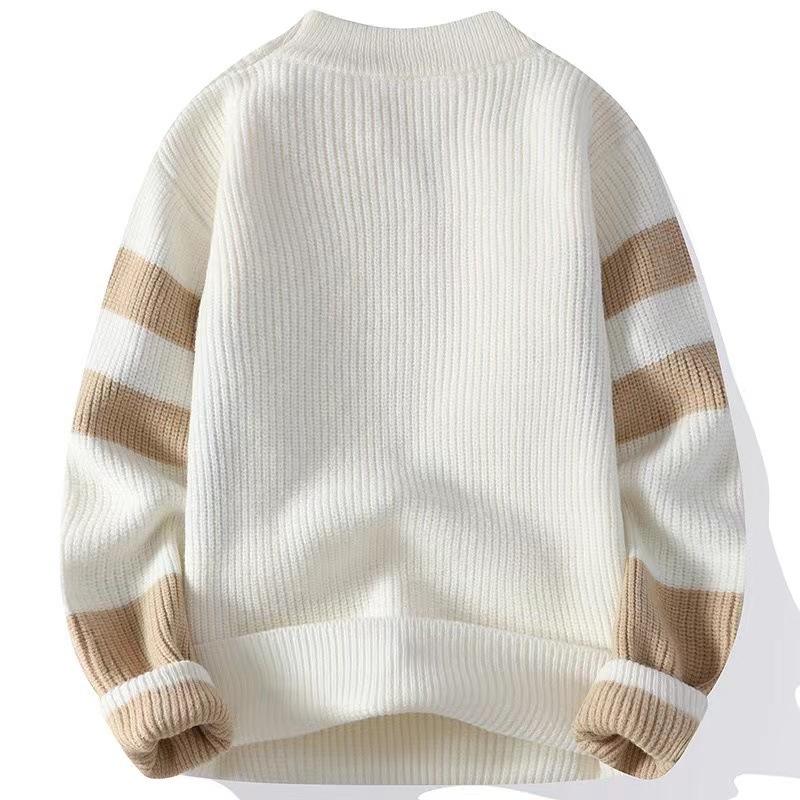
Crewneck pullovers typically range from 240–320 GSM and serve as versatile layering pieces or standalone casualwear. Reactive dyes deliver the deepest saturation on cotton and cotton-blends, while pigment dyes yield vintage, lived-in hues ideal for streetwear collections.
Cardigans
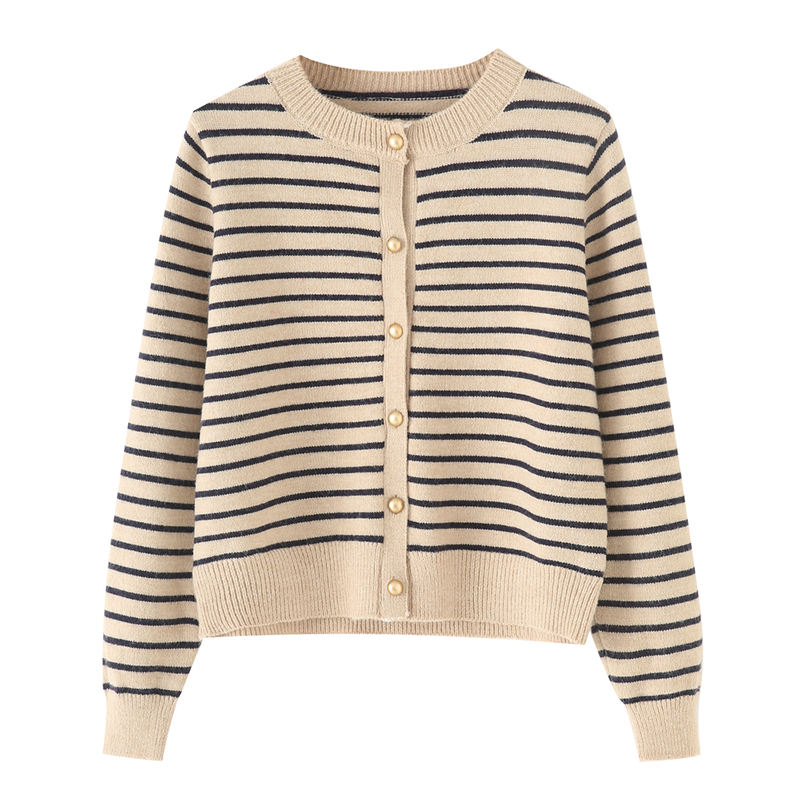
Cardigan weights span 200–300 GSM, balancing drape with structure for open-front layering. Vat dyes work well on heavier gauges, offering excellent wash fastness; lighter cardigans in merino or cashmere benefit from reactive processes to preserve softness.
Polo Sweaters
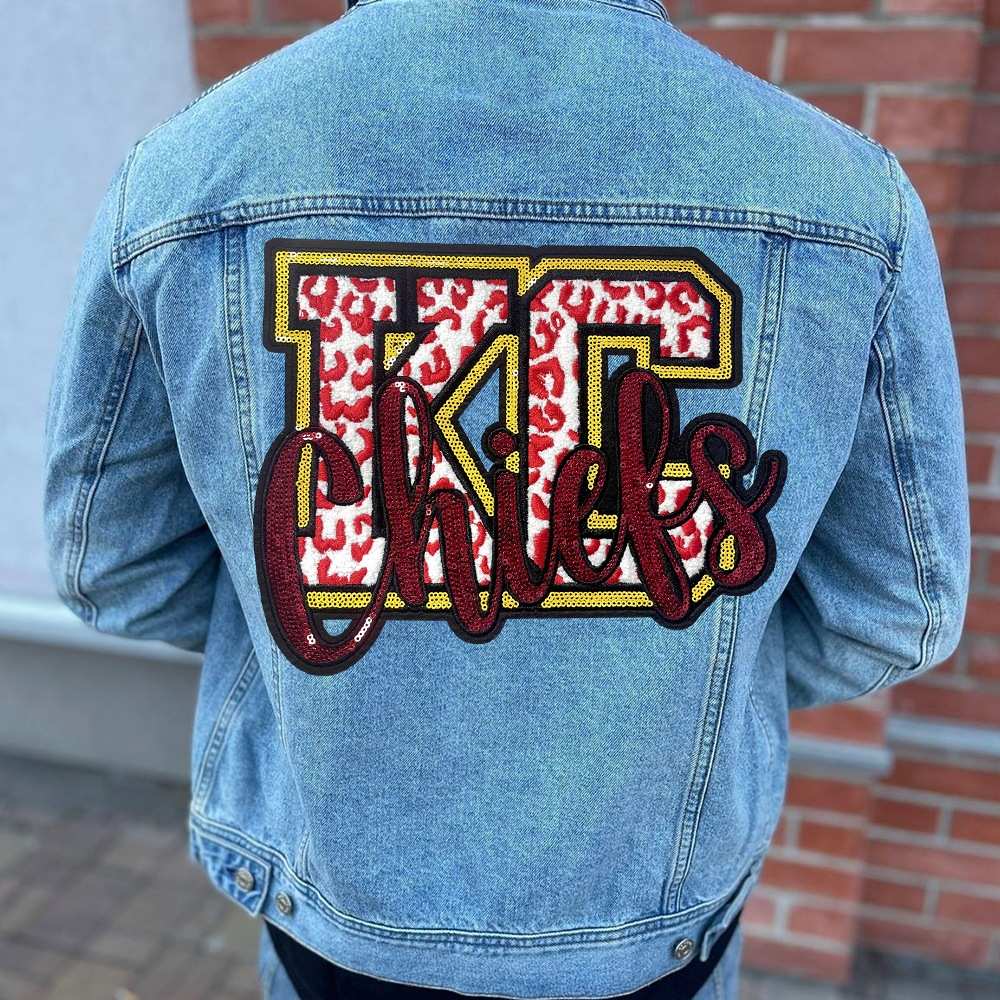
Knit polos sit at 220–280 GSM, blending smart-casual appeal with breathability. Reactive dyes on cotton piqué or jersey maintain crisp collar definition, while pigment dyes add a relaxed, sun-faded aesthetic for resort and summer lines.
Oversized Sweatshirts
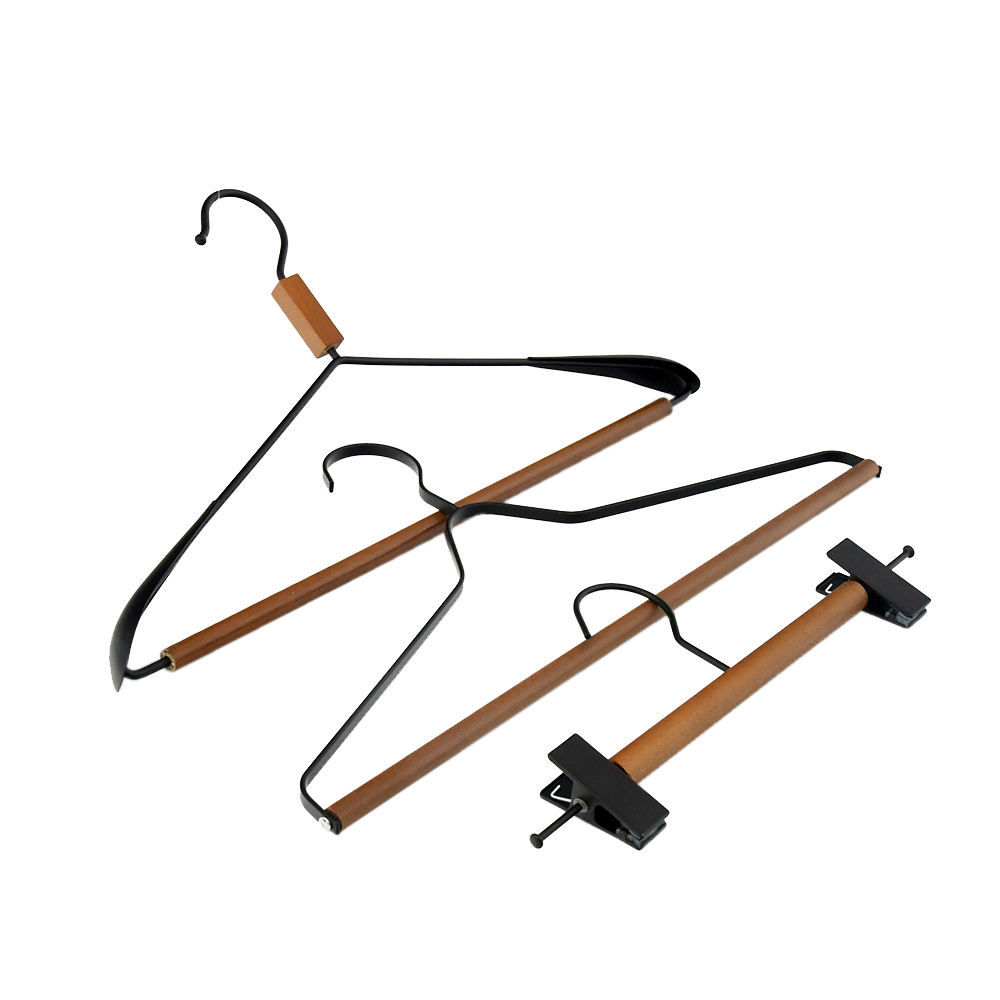
Oversized silhouettes run 280–360 GSM, designed for relaxed fits and streetwear styling. Pigment dyeing is the go-to method, creating uneven, vintage color that enhances the casual, worn-in character buyers expect in this category.
4. Materials and Fabrics for Garment Dye Knitwear
Fiber choice determines dye absorption, shrinkage behavior, and final hand feel in garment dye knitwear. Natural fibers like cotton accept reactive dyes deeply but shrink more; blends stabilize dimensions at the cost of slightly muted color. Pre-shrunk fabrics yield predictable sizing, while non-pre-shrunk bases deliver richer vintage texture after the dye bath.
| Fabric Type | Typical GSM | Dye Compatibility | Best Use Case |
|---|---|---|---|
| Ring-spun cotton | 180–220 | Excellent, deep saturation | Premium crewnecks, turtlenecks |
| Cotton-poly blend | 200–240 | Good, heathered tones | High-volume pullovers, quarter-zips |
| French terry | 240–280 | Excellent (100% cotton) | Casual sweaters, knit sets |
| Fleece-back terry | 280–320 | Good, slight pile variation | Warm cardigans, hoodies |
| Loopback jersey | 200–240 | Excellent, even uptake | Lightweight knit polos, dresses |
Cotton: Ring-Spun, Combed, and Organic
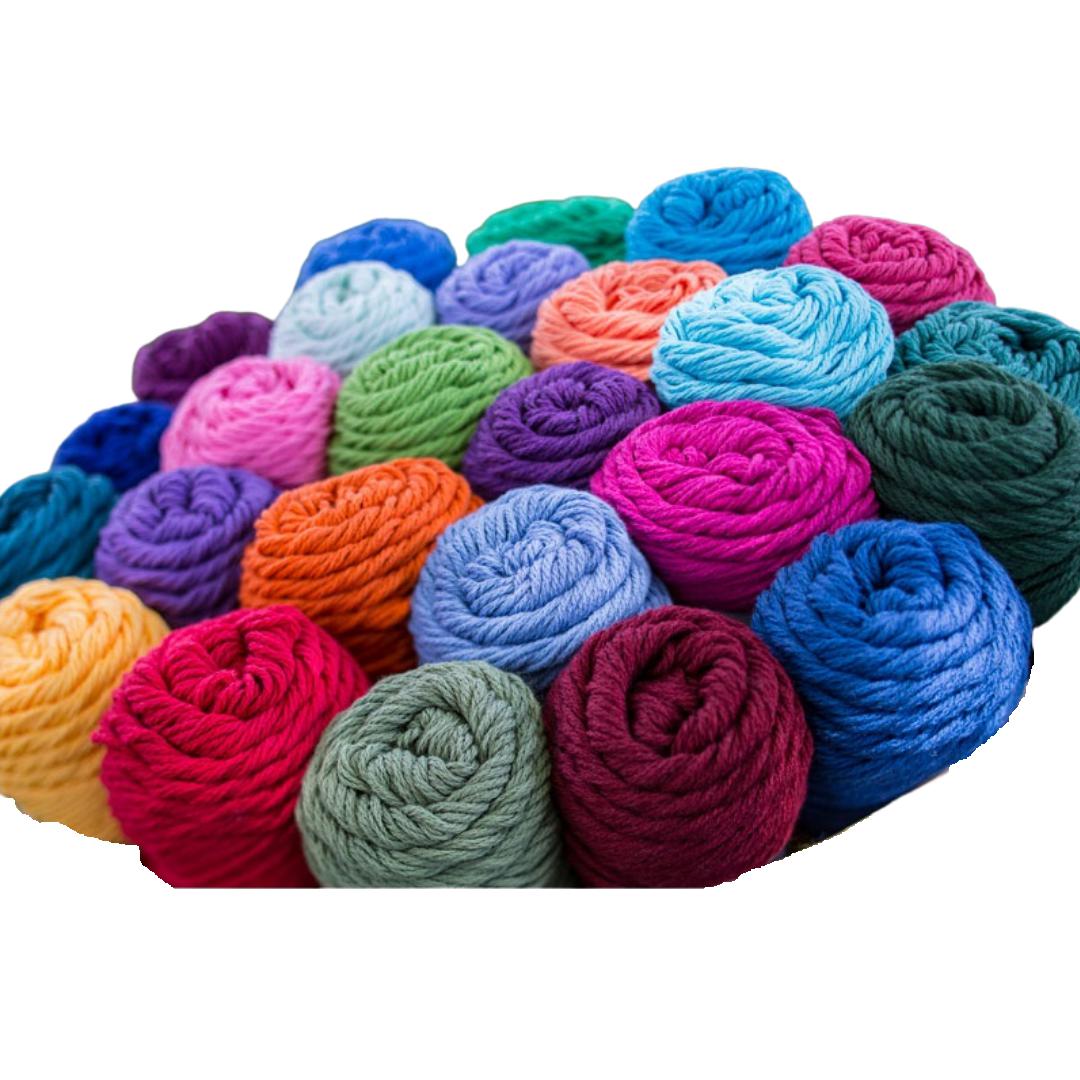
Ring-spun cotton uses long, aligned fibers for a smooth hand and strong yarn; combed cotton removes short fibers for even finer consistency. Organic cotton carries GOTS certification and appeals to sustainability-focused brands.
All three absorb reactive dyes evenly but shrink 3–5% in a hot garment-dye cycle unless pre-shrunk. Ring-spun and combed bases are ideal for premium crewnecks and turtlenecks where drape and softness matter.
Cotton-Poly Blends
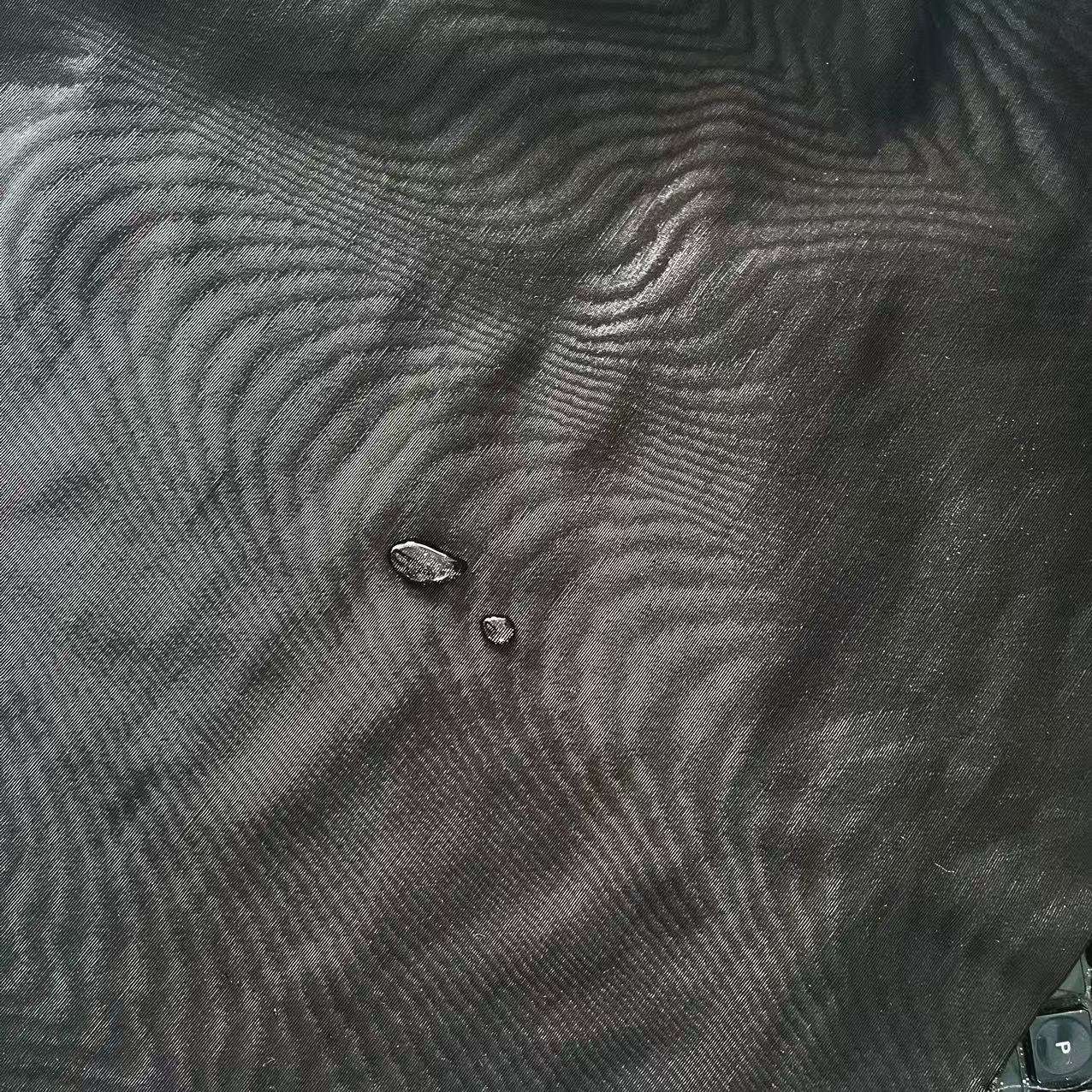
Blends of 60/40 or 50/50 cotton-polyester reduce shrinkage to under 2% and speed drying, but polyester fibers take dye less intensely, yielding heathered or vintage tones.
They suit high-volume basics — pullovers, quarter-zips, sweater vests — where dimensional stability and lower cost outweigh pure color saturation.
French Terry, Fleece-Back Terry, and Loopback Jersey
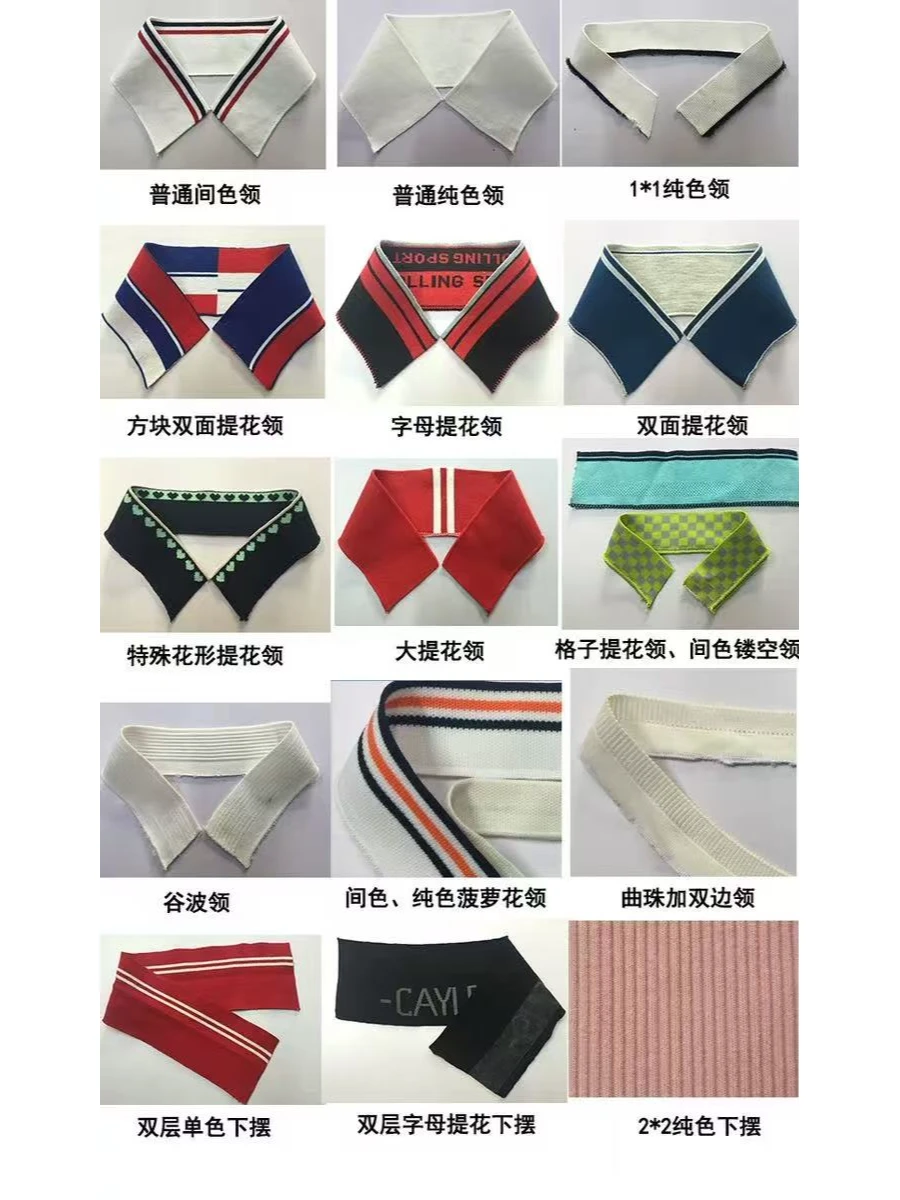
French terry features a flat face and looped reverse, typically 240–280 GSM; fleece-back terry brushes those loops into soft pile for warmth. Loopback jersey is lighter, around 200–240 GSM, with a smoother loop structure.
All three accept garment dye well when 100% cotton, though fleece-back may show slight color variation between face and pile. Pre-shrinking is critical to maintain loop integrity and prevent puckering.
5. Customization and Decoration Options for Garment Dye Knitwear
Garment dye knitwear demands careful sequencing of decoration. Because the entire finished piece is dyed, every branding technique must be planned for either pre-dye or post-dye application to preserve color integrity and durability.
| Technique | Timing | Durability | Cost Tier |
|---|---|---|---|
| Embroidery (pre-dye) | Before dye | Excellent | Mid |
| Embroidery (post-dye) | After dye | Excellent | Mid |
| Discharge print | After dye | Very good | Mid–High |
| Water-based print | After dye | Good | Low–Mid |
| Heat transfer / DTF | After dye | Good | Low |
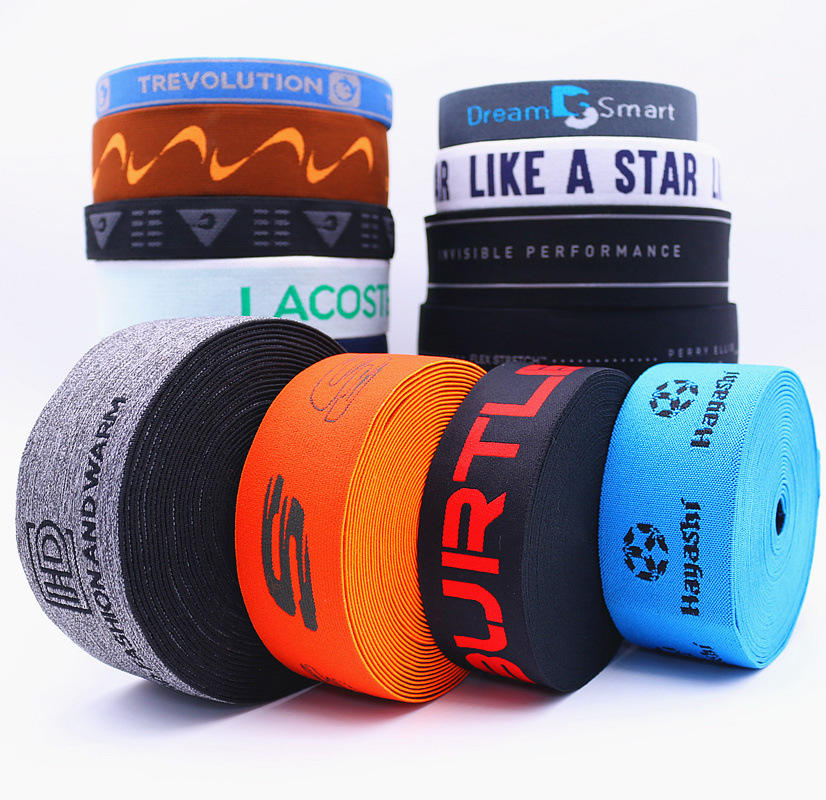
| Woven label | After dye | Excellent | Low |
Embroidery: Pre-Dye and Post-Dye Options
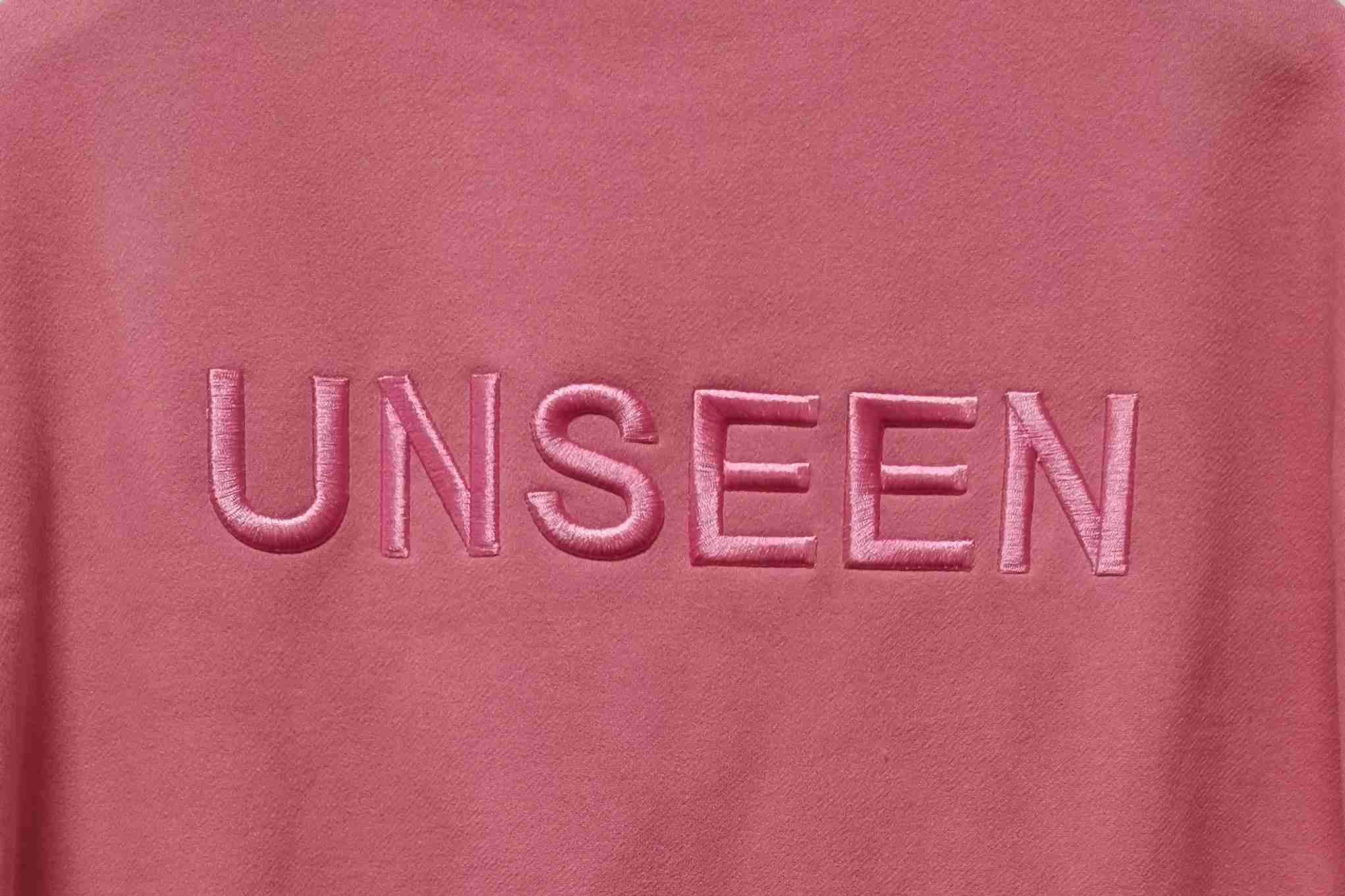
Embroidery can be applied before or after garment dyeing. Pre-dye embroidery absorbs dye alongside the base fabric, creating a tone-on-tone or subtly contrasted effect ideal for tonal branding. Post-dye embroidery uses color-fast polyester threads that resist further dye uptake, delivering vivid logos and sharp contrast.
CENWILD offers flat, 3D puff, chain-stitch, appliqué, sequin, and patch embroidery, with thread weight and stitch density adjusted to prevent puckering on dyed knits.
Screen Printing: Discharge vs. Water-Based Inks
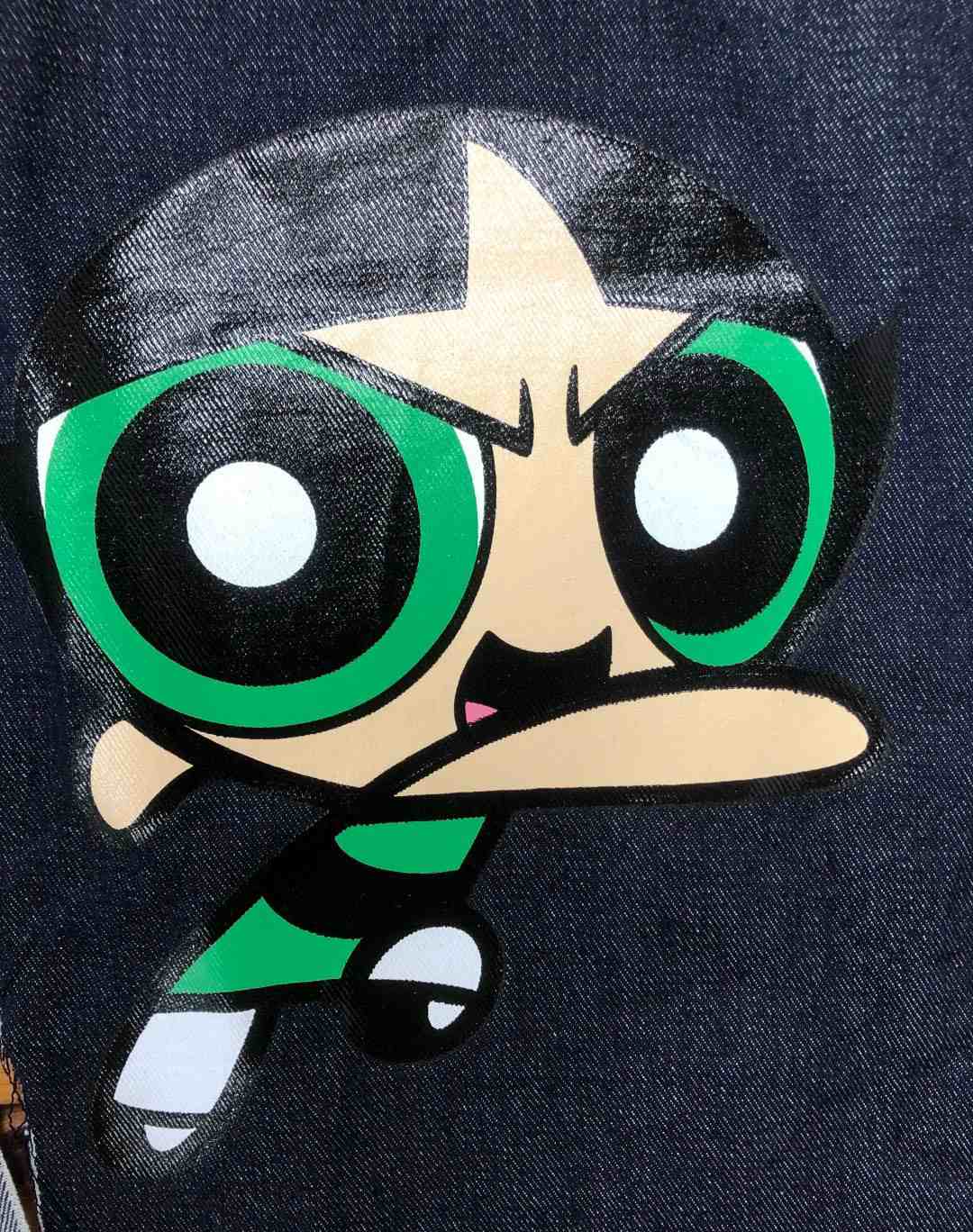
Discharge printing removes dye from garment-dyed fabric, leaving a soft, breathable print with no hand feel — ideal for large graphics on dark knitwear. Water-based inks sit atop the dyed surface, offering vibrant color but slightly firmer hand.
Both methods are applied post-dye. Screen printing works best on tightly knit gauges (7GG and finer) to prevent ink bleed through open stitches.
Labels, Patches, and Heat Transfers
Woven labels and heat-transfer patches are always applied post-dye to preserve artwork clarity. Heat transfers (DTF, sublimation) bond well to cotton and blends but require controlled temperature to avoid scorching dyed fibers.
Appliqué patches — fabric shapes sewn or bonded onto the garment — can be pre-dyed separately for color-blocking effects or applied post-dye for clean contrast.
6. Key Quality Elements in Garment Dye Knitwear
Garment dye knitwear demands rigorous inspection before production scales. Because dyeing occurs after construction, every structural weakness and finishing flaw becomes visible under color, making pre-shipment sample evaluation critical for brands.
Stitch Density and Gauge Consistency
Check that gauge matches the tech pack — 7GG, 12GG, or 14GG — and remains uniform across panels. Uneven stitch density causes patchy dye uptake. Run your hand across the fabric; tight, regular loops indicate proper tension during knitting.
Seam Reinforcement and Finishing
Coverstitch seams lie flat and stretch with the garment, ideal for shoulders and side seams in garment dye knitwear. Overlock seams are faster but may pucker after washing. Inspect inside-out for loose threads and consistent stitch count per inch.
Ribbing, Cuffs, and Hem Integrity
Ribbed cuffs and hems should snap back after stretching and show no wavy edges. Poor ribbing loses shape after the first wash, especially in garment dye processes that add mechanical stress. Measure rib width and recovery on samples.
Color Fastness and Dye Penetration
Request wash-fastness (ISO 105-C06, grade 4 minimum) and rub-fastness tests (ISO 105-X12, dry and wet). Inspect garment interiors for even color; white or pale streaks signal incomplete penetration. Repeat washing three times to verify no bleeding or fading.
7. How to Choose a Garment Dye Knitwear Manufacturer
Selecting the right partner for garment dye knitwear requires evaluating both technical capability and service flexibility. Full-package manufacturers handle design, knitting, dyeing, finishing, and logistics under one roof, while cut-make-trim (CMT) shops require you to supply materials and coordinate dyeing externally.
MOQ Flexibility and Production Scale
Minimum order quantities for garment dye knitwear typically range from 100 to 1,000 pieces per style per color. Factories with computerized flat-knitting lines (3GG–14GG) and monthly capacity above 50,000 pieces can scale with your brand while accommodating smaller trial runs.
Startups and independent designers benefit from MOQ-flexible partners who offer 100–300 piece minimums without sacrificing quality or finish consistency.
In-House Dyeing vs. Outsourced Facilities
Manufacturers with in-house garment dye facilities control color consistency, shrinkage rates, and turnaround time. Ask whether dyeing is done on-site or subcontracted — outsourced processes add 7–14 days and increase risk of dye lot variation.
Request samples from the same dye batch and verify that the factory tracks lot numbers, water chemistry, and post-dye dimensional stability for every production run.
Certifications and Compliance
OEKO-TEX Standard 100 confirms dye chemistry is free from harmful substances; GOTS certifies organic fiber chains; ISO 9001 covers quality management systems. These certifications signal investment in process control and traceability.
For U.S. and European markets, confirm that the manufacturer maintains test reports for colorfastness (AATCC 61, ISO 105) and formaldehyde limits.
Sample Turnaround and Communication
Full-package suppliers should deliver knit-down samples with garment dye finish in 10–15 days. Evaluate responsiveness: factories that reply within 24 hours, provide detailed tech packs, and assign dedicated account managers reduce costly miscommunication.
Ask for references from brands in your category and request lab-dip approvals, shrinkage guarantees in writing, and a clear color-matching process tied to Pantone or physical standards.
8. Common Mistakes When Sourcing Garment Dye Knitwear
Garment dye knitwear demands tighter process control than piece-dyed or yarn-dyed goods. Five recurring mistakes cost brands time, money, and customer trust when sourcing from any manufacturer.
Skipping Pre-Production Samples
Approving production from digital mock-ups alone hides fit shifts and color variation. Garment dyeing can relax rib structures by 5–10%, altering necklines and cuffs.
Request a full knit-down sample in greige, then dye it to your target shade. CENWILD provides knit-down samples before bulk so you confirm stitch tension, weight, and final dimensions after washing.
Ignoring Shrinkage Allowances
Dyeing at 60–95°C shrinks most natural fibers 3–8% lengthwise. Skipping shrinkage tests breaks size grading and triggers returns.
Build shrinkage into your tech pack: specify finished measurements post-dye and request lab reports. CENWILD pre-shrinks swatches and adjusts knitting dimensions so final garments hit spec.
Choosing Incompatible Decoration
Embroidery and patches applied before dyeing can pucker or fade unevenly. Heat-transfer vinyl may delaminate in hot dye baths.
Schedule embroidery, screen printing, and appliqué after dyeing and finishing. CENWILD sequences decoration post-wash to preserve detail and color integrity across all 80,000+ monthly pieces.
Underestimating Lead Time
Garment dyeing adds 7–14 days for batch processing, drying, and quality checks. Tight timelines force rushed QC and mis-matched lots.
Add three weeks to standard knit lead times and confirm dye-house capacity early. CENWILD integrates dyeing into production schedules, ensuring on-time delivery without sacrificing fastness testing.
Failing to Specify Color-Fastness Standards
Omitting wash-fastness grades (ISO 105 C06, AATCC 61) lets dye bleed ruin mixed loads and damage brand reputation.
Require lab-dip approvals with fastness certificates—minimum grade 4 for wash, 3–4 for light. CENWILD tests every dye lot and shares reports before shipment, protecting your quality promise.
9. Steps to Launch Your Garment Dye Knitwear Line
Launching a garment dye knitwear line requires coordinated steps from concept to first shipment. A structured five-phase roadmap keeps timelines on track, budgets predictable, and quality consistent from the first 100-piece pilot through scaled production.
Define Your Aesthetic and Target Customer
Start by documenting your brand’s color palette, silhouette preferences, and price tier. Map demographics — age, geography, retail channel — to inform fabric weight, decoration complexity, and MOQ feasibility.
CENWILD’s design team supports brands at any starting point, whether you arrive with a finished tech pack or only a sketch and target retail price.
Select Fabrics and Silhouettes
Choose yarn composition (cashmere, merino, cotton, acrylic blends) and gauge (3GG–14GG) based on drape, season, and dye uptake. Pair each fabric with silhouettes — crewnecks, cardigans, turtlenecks — that suit your aesthetic.
Request yarn swatches dyed to your target shades to confirm color tolerance before committing to knit-down samples.
Request and Evaluate Samples
Order knit-down samples in your selected yarn and gauge, dyed to preliminary colorways. Assess hand-feel, shrinkage, and color consistency across sizes.
Allocate 15–20 days for sampling and revision cycles; budget sample costs separately from production MOQ to preserve cash flow for the pilot run.
Finalize Tech Packs with Dye Specs
Lock grading, stitch patterns, and garment-dye formulas in production-ready tech packs. Specify acceptable color deviation (ΔE ≤ 1.0 or custom tolerance), shrinkage limits, and finishing treatments (softening, anti-pilling).
Include Pantone references and physical dye swatches to align factory and brand expectations before the pilot order.
Place Pilot Order and Plan QC Checkpoints
Start with CENWILD’s 100-piece minimum to test the full workflow — knitting, dyeing, finishing, packing — before scaling. Schedule inline inspections at knit completion, post-dye, and pre-shipment.
Reserve 30–40 days lead time for a pilot run and budget 30–50% deposit (easing to 30% for returning clients), with balance due before shipment.
10. Pricing and Cost Breakdown for Garment Dye Knitwear
FOB pricing for garment dye knitwear scales with order volume, fabric weight, and finishing complexity. A 100-piece order of mid-gauge cotton typically ranges $18–$28 per unit, while 1,000-piece runs drop to $12–$18 FOB Shenzhen, with lead times shortening from 35 days to 25 days as production batches consolidate.
Fabric weight and yarn type drive the largest cost variance: 12GG cashmere or merino pieces run 40–60% higher than 5GG acrylic blends, and garment-dye processing adds $1.50–$3.00 per piece depending on dye method (reactive, pigment, or enzyme wash). Decoration layers—embroidery, patches, or screen printing—add $0.80–$2.50 per placement.
Standard FOB includes knit-down sampling, polybags, and basic hangers. Custom woven labels, swing tags, individual gift boxes, and branded packaging incur setup fees of $80–$200 plus $0.30–$1.20 per unit. Payment terms ease from 100% deposit on first orders to 30% for stable partners, with balance due before shipment.
| Quantity Tier | Price per Unit (FOB) | Lead Time |
|---|---|---|
| 100 pcs | $18–$28 | 30–35 days |
| 300 pcs | $15–$22 | 28–32 days |
| 500 pcs | $13–$19 | 25–30 days |
| 1,000+ pcs | $12–$18 | 25–28 days |
Start Your Garment Dye Knitwear Project Today
From 100 pieces, 28+ years of expertise, fast color strike-offs. Submit your design, Pantone reference, or artwork for a custom sample.