
Premium Cashmere Yarn Wholesale for Custom Knitwear
Source cashmere yarn wholesale direct from a 28-year Dongguan sweater manufacturer. OEM/ODM ready, low MOQ from 100 pieces, full knitting and sampling in-house.
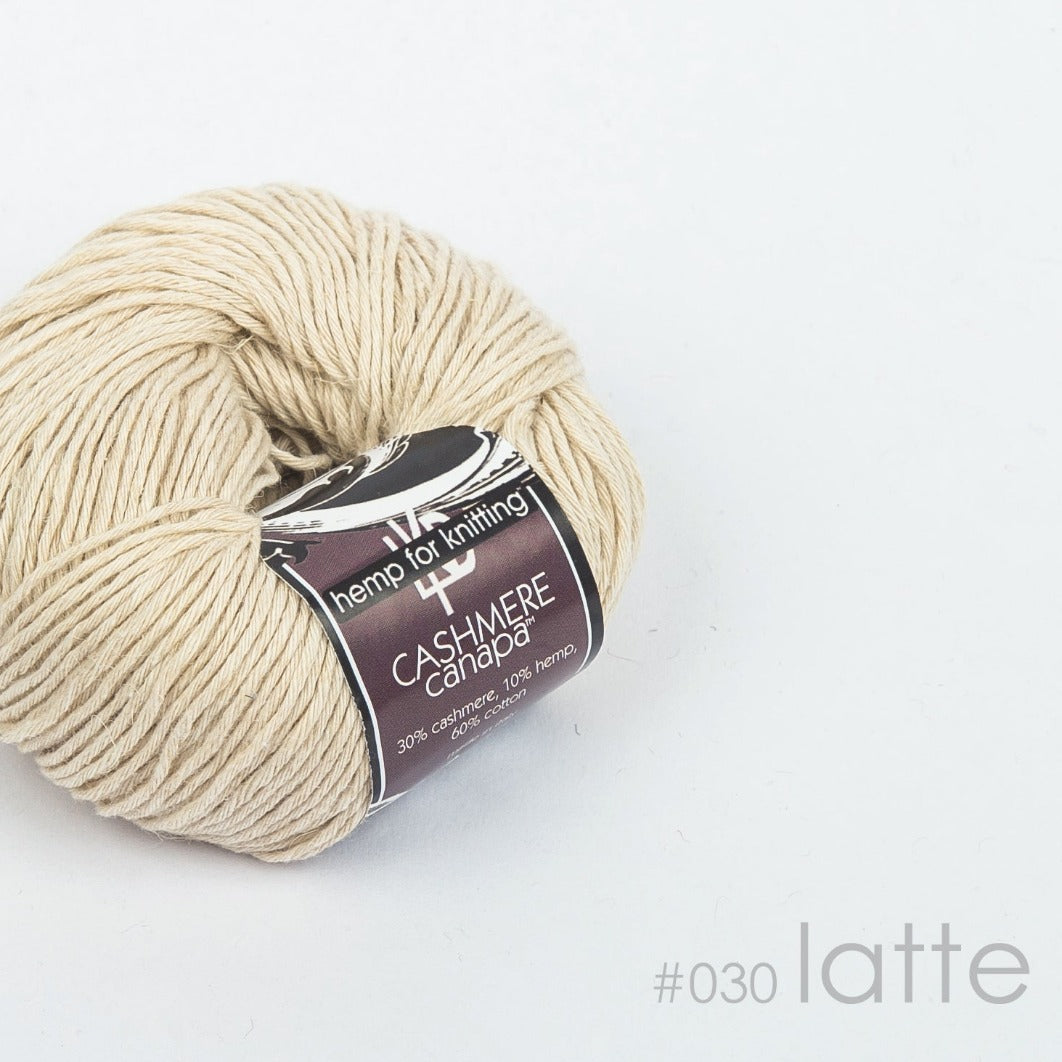
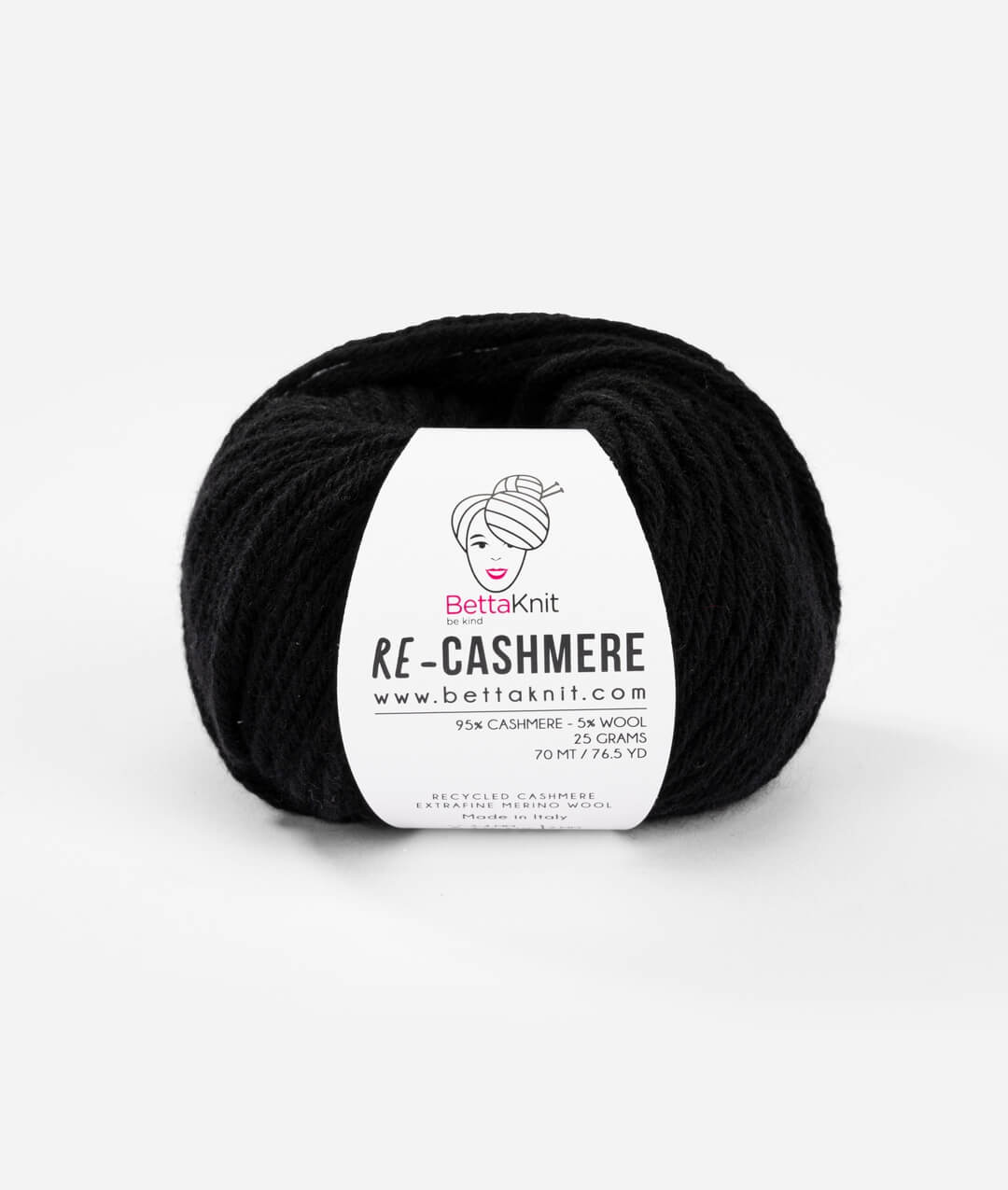
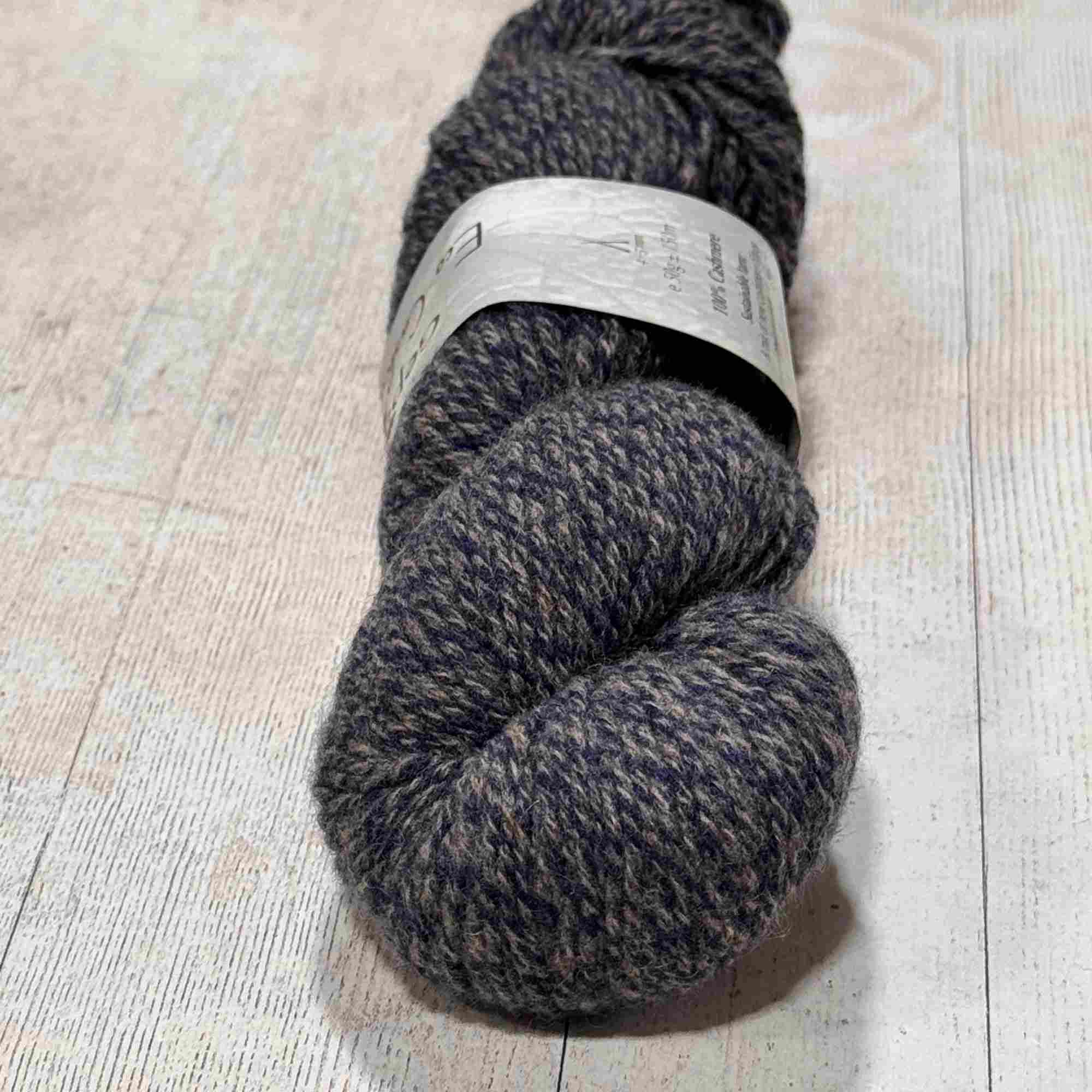
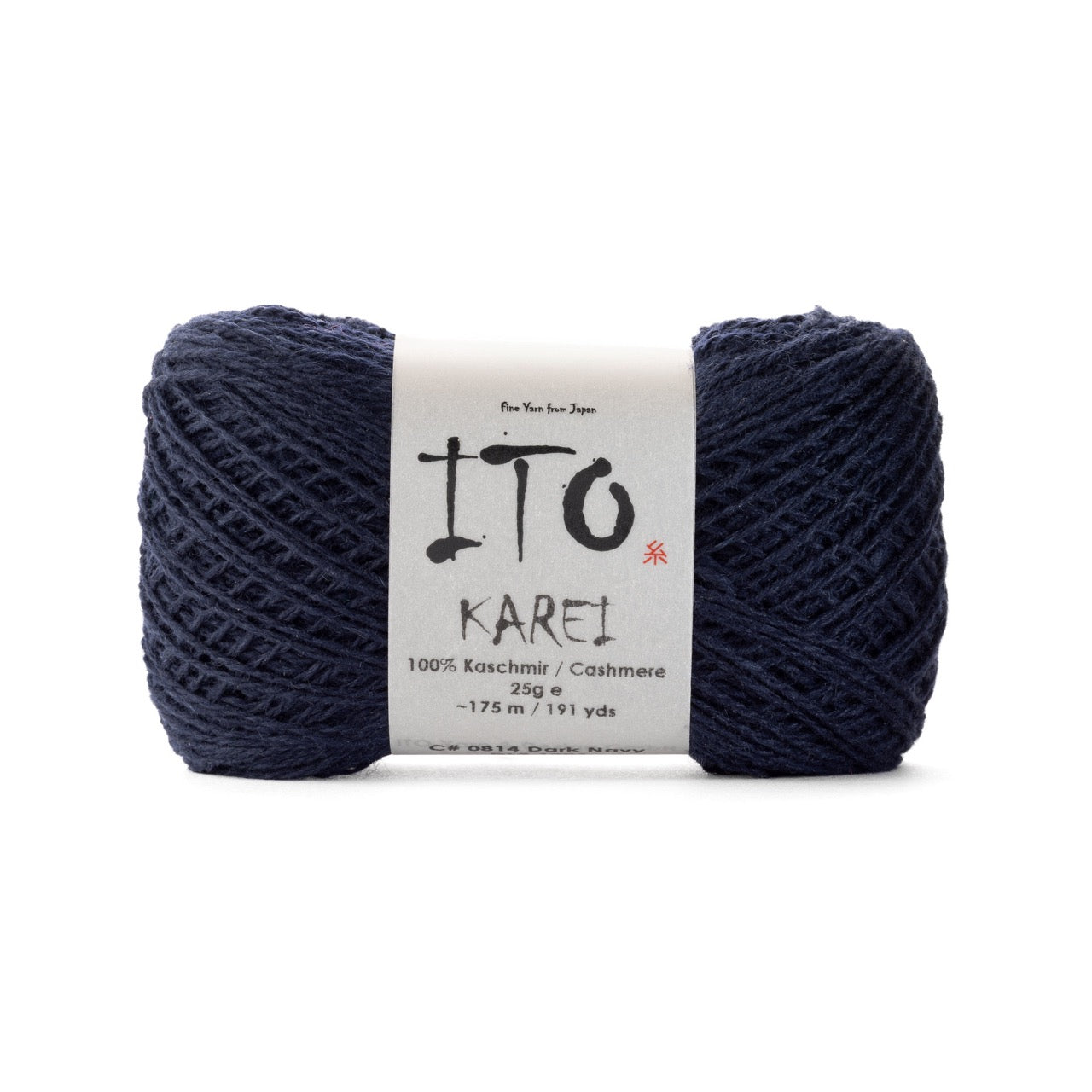
Cashmere Yarn Grades & Fiber Blends
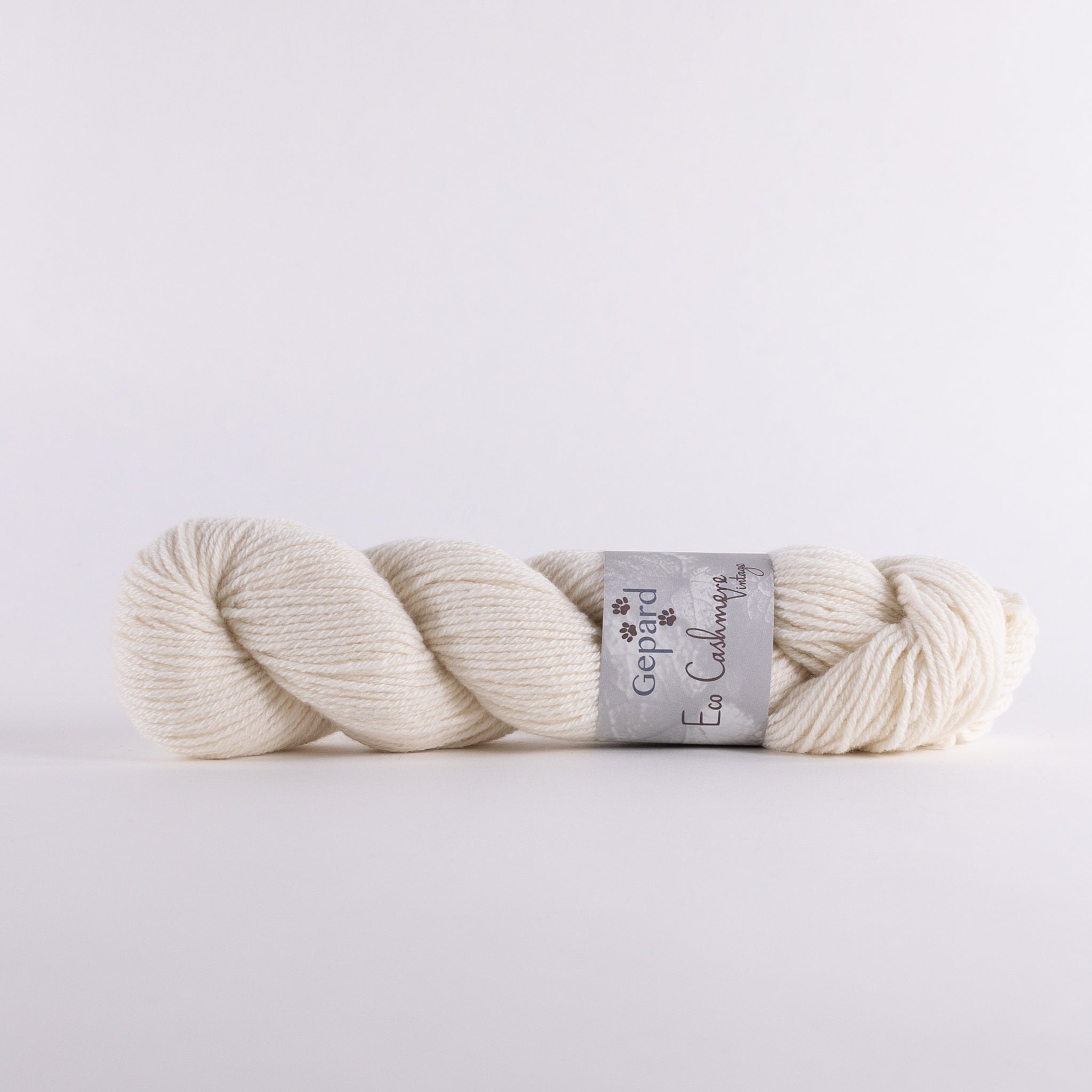
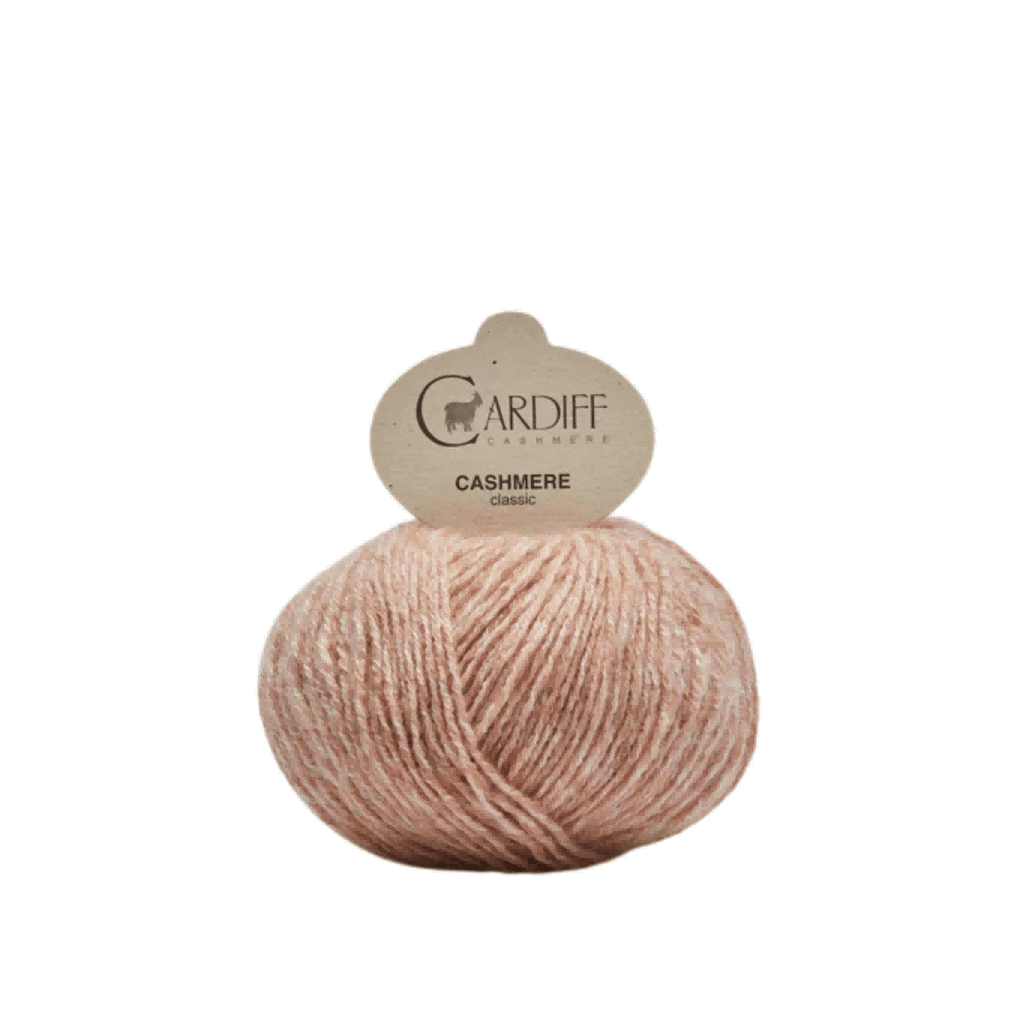
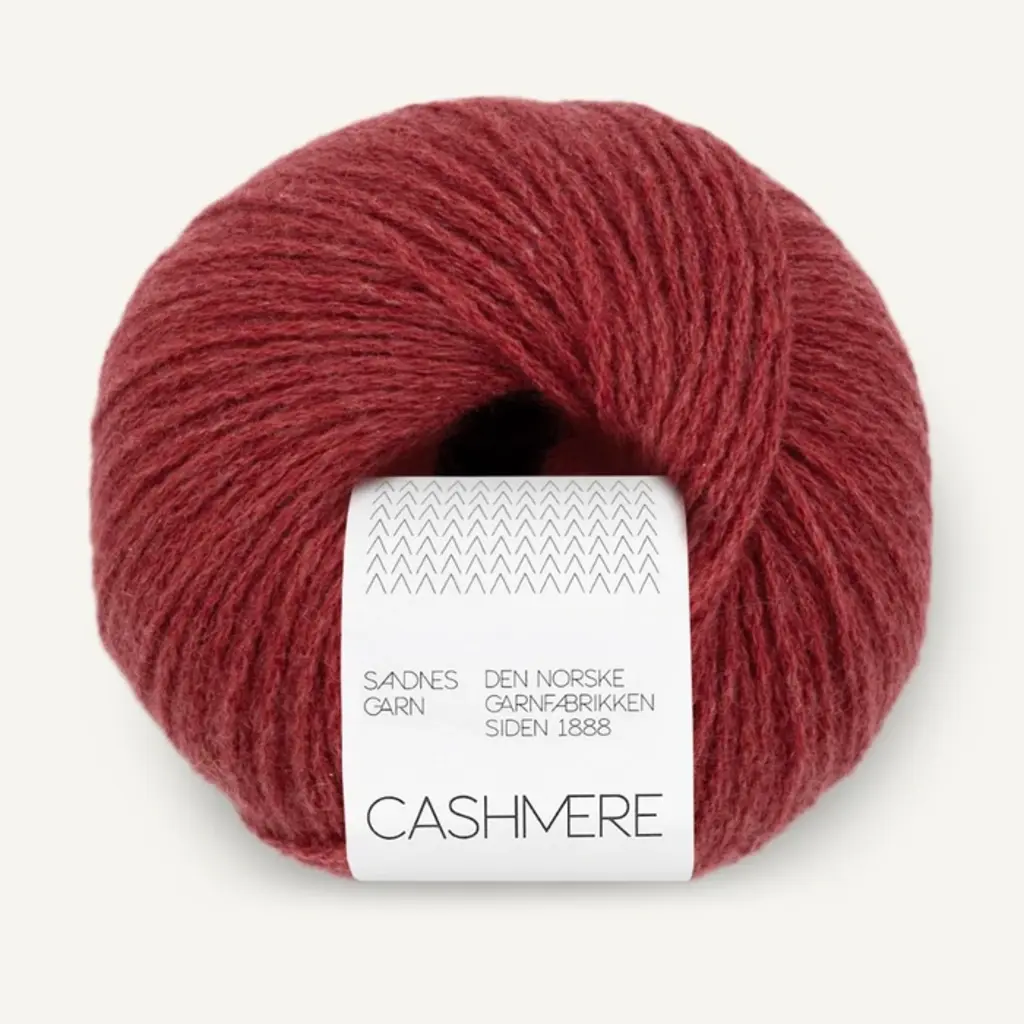
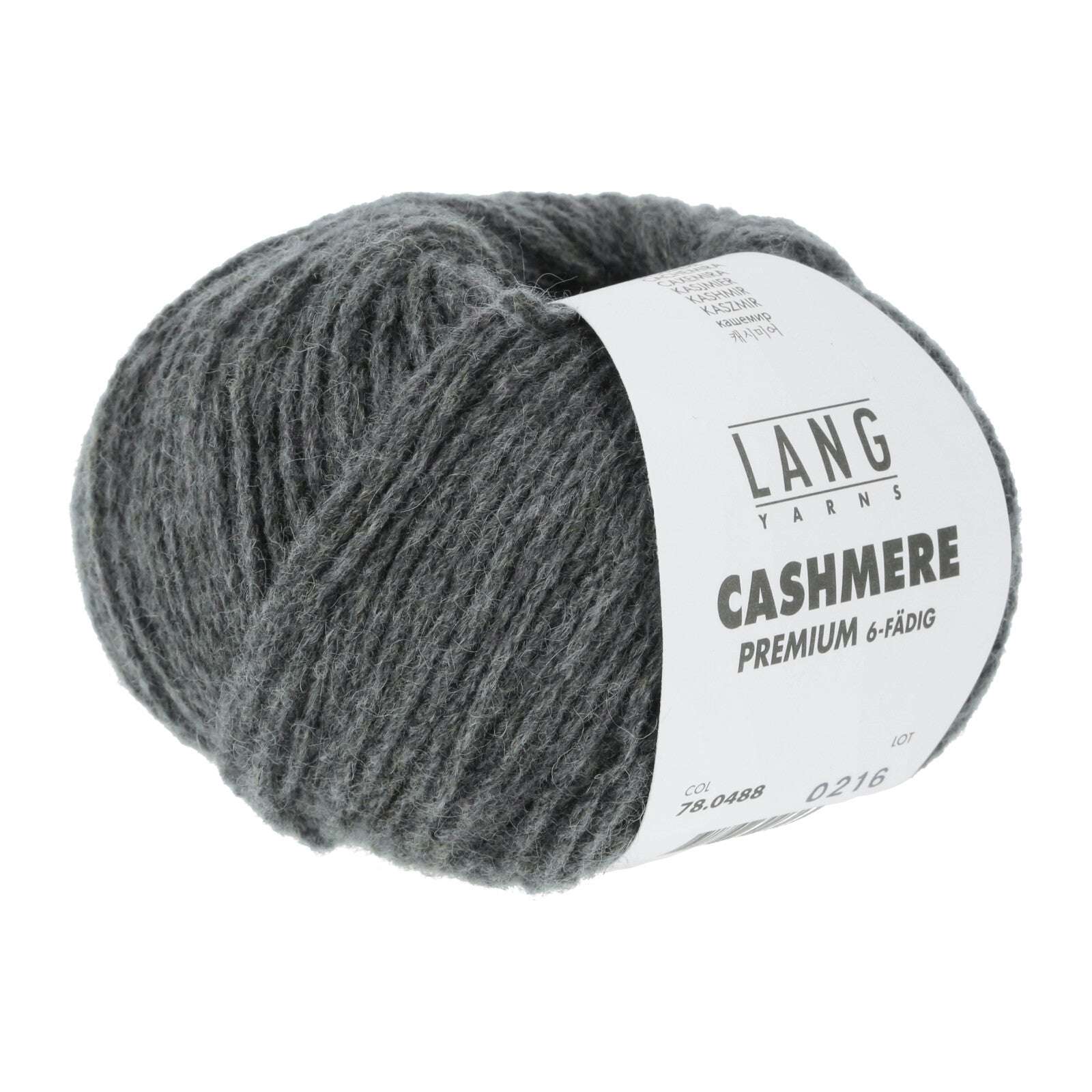
Why Choose CENWILD Cashmere Yarn Wholesale
Direct Premium Fiber Access
Source authentic cashmere yarn directly from Dongguan’s leading knitwear hub with verified suppliers and transparent grading standards for every order.
In-House Knitting & Sampling
Test your cashmere yarn in real production conditions with our computerized flat-knitting machines and knit-down swatches before committing to volume.
Consistent Quality Control
Every cashmere yarn batch undergoes rigorous inspection for fiber length, micron count, and color consistency backed by 28 years of manufacturing expertise.
Custom Fiber Blends
Differentiate your brand with tailored cashmere blends mixing merino, silk, cotton, or recycled fibers to balance luxury, performance, and price point.
Low MOQ from 100 Pieces
Launch cashmere collections without massive inventory risk thanks to flexible minimums designed for independent designers, startups, and growing fashion brands.
OEM & ODM Partnership
Go beyond yarn supply with full design development, stitch programming, private label production, and end-to-end knitwear manufacturing under one roof.
Cashmere Yarn & Related Knitwear Materials
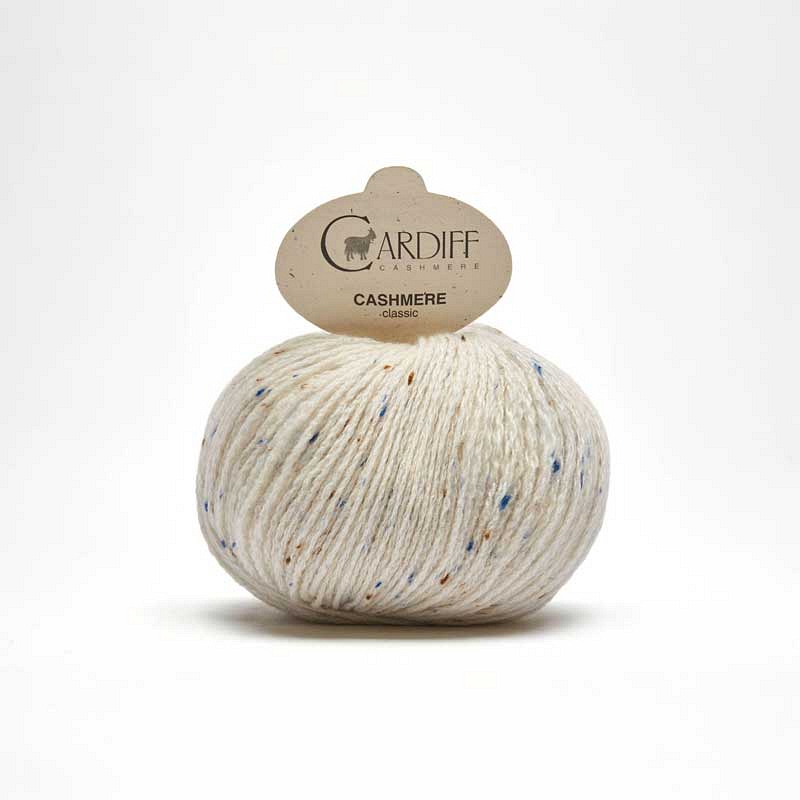
Yarn and Materials
CENWILD sources and knits with a comprehensive range of knitwear yarns including cashmere, merino, lambswool, cotton, alpaca, mohair, acrylic, and blended fibers. Each material is selected to match your brand positioning, performance needs, and price point, supported by in-house sampling and 28+ years of yarn knowledge across 3GG to 14GG gauges.
Get a Quote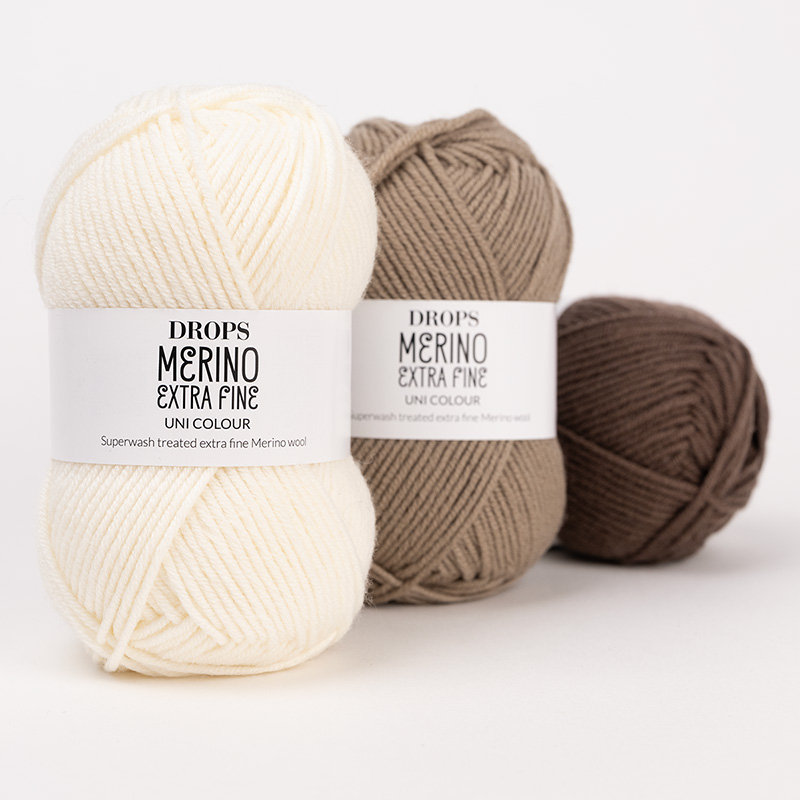
Merino Wool Yarn
Merino wool yarn delivers natural softness, breathability, and temperature regulation ideal for year-round knitwear. CENWILD works with fine-gauge merino in multiple micron counts for lightweight pullovers, base layers, and performance sweaters, with full ODM support to develop styles that balance comfort, durability, and brand aesthetic for men, women, and children.
Get a Quote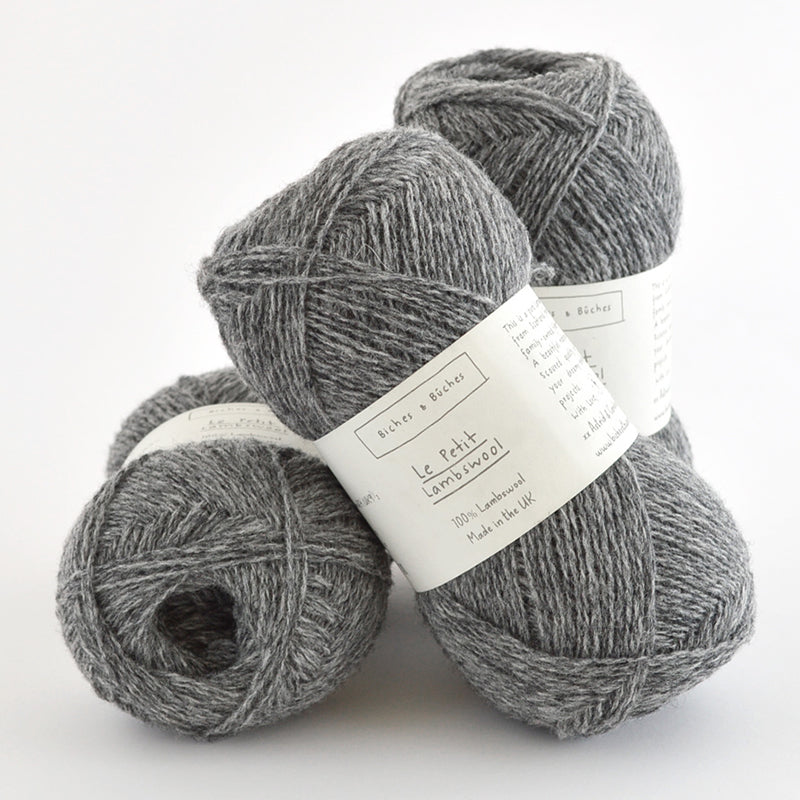
Lambswool
Lambswool yarn offers warmth, resilience, and a slightly textured hand at an accessible price point. CENWILD knits lambswool into classic cardigans, crewnecks, and cable styles for brands targeting heritage or casual collections, with MOQ from 100 pieces and full decoration capabilities including intarsia, jacquard, embroidery, and custom garment finishing.
Get a Quote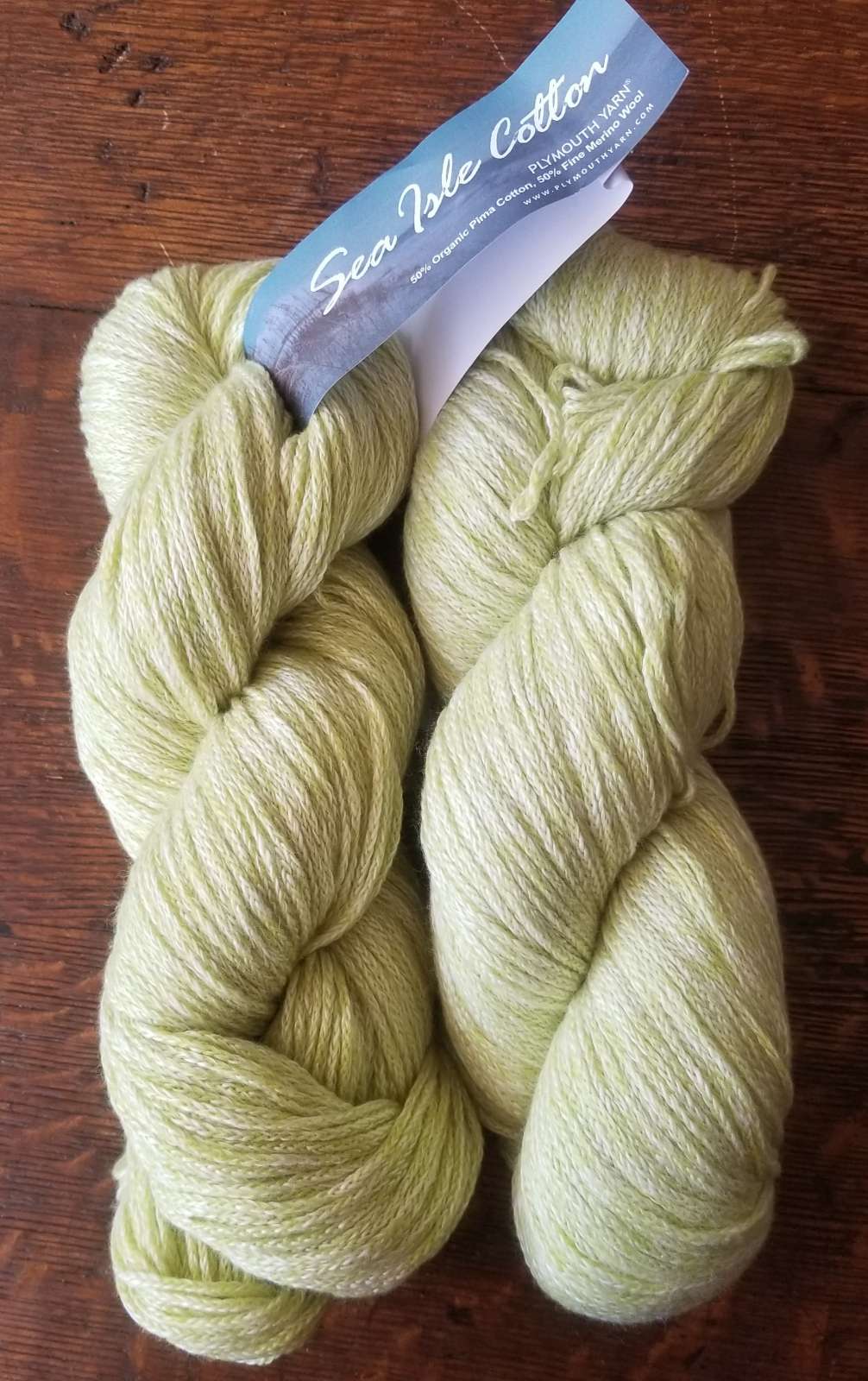
Cotton Pima Yarn
Pima cotton yarn is prized for its extra-long staple, resulting in smooth, strong, and lustrous knit fabrics. CENWILD manufactures Pima cotton sweaters, polos, and lightweight knit dresses ideal for spring, summer, and transitional collections, with options for organic certification, garment dyeing, and private label production tailored to premium casual and contemporary brands.
Get a Quote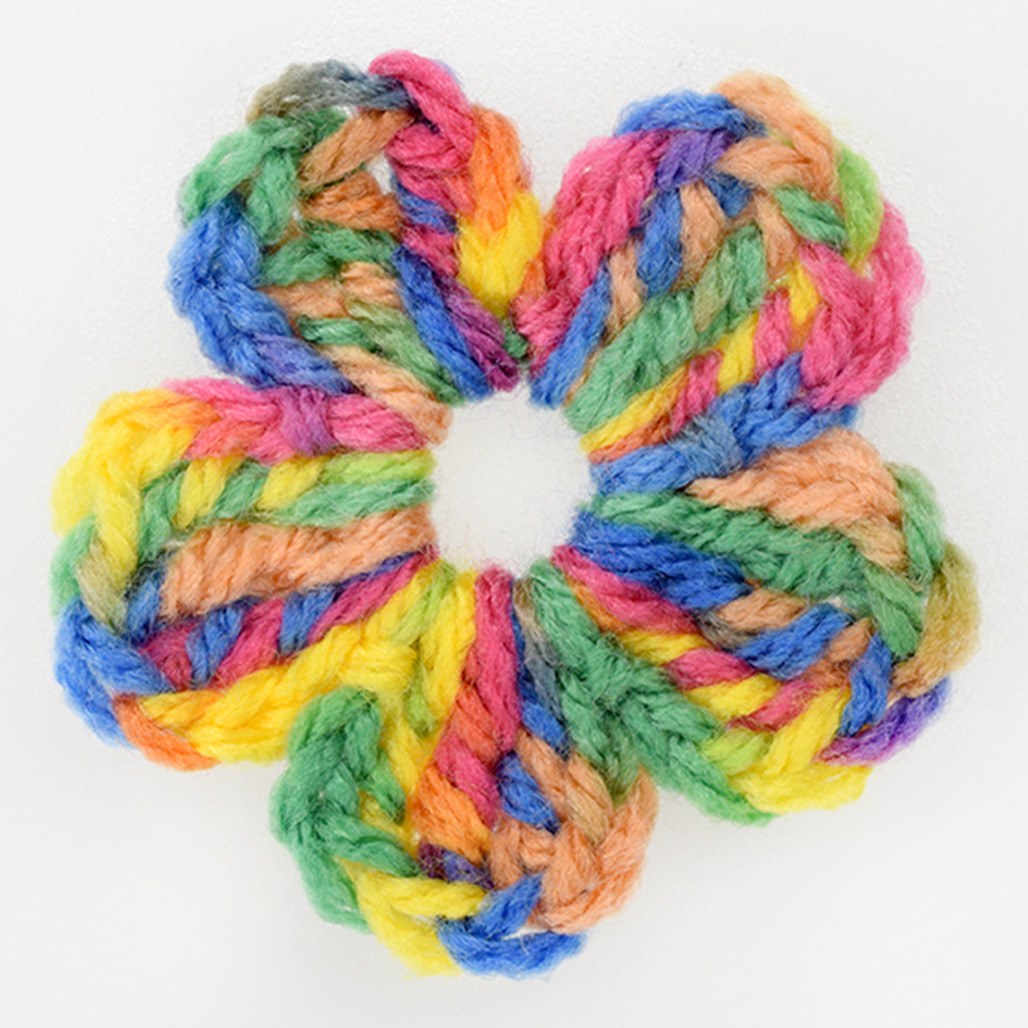
Acrylic Yarn
Acrylic yarn provides cost-effective warmth, colorfastness, and easy care, making it the go-to choice for high-volume programs, promotional knitwear, and accessible fashion lines. CENWILD knits acrylic and acrylic blends across all gauges with full jacquard, intarsia, and embellishment options, supporting brands and retailers who need reliable quality, fast turnaround, and flexible MOQ from 100 pieces.
Get a Quote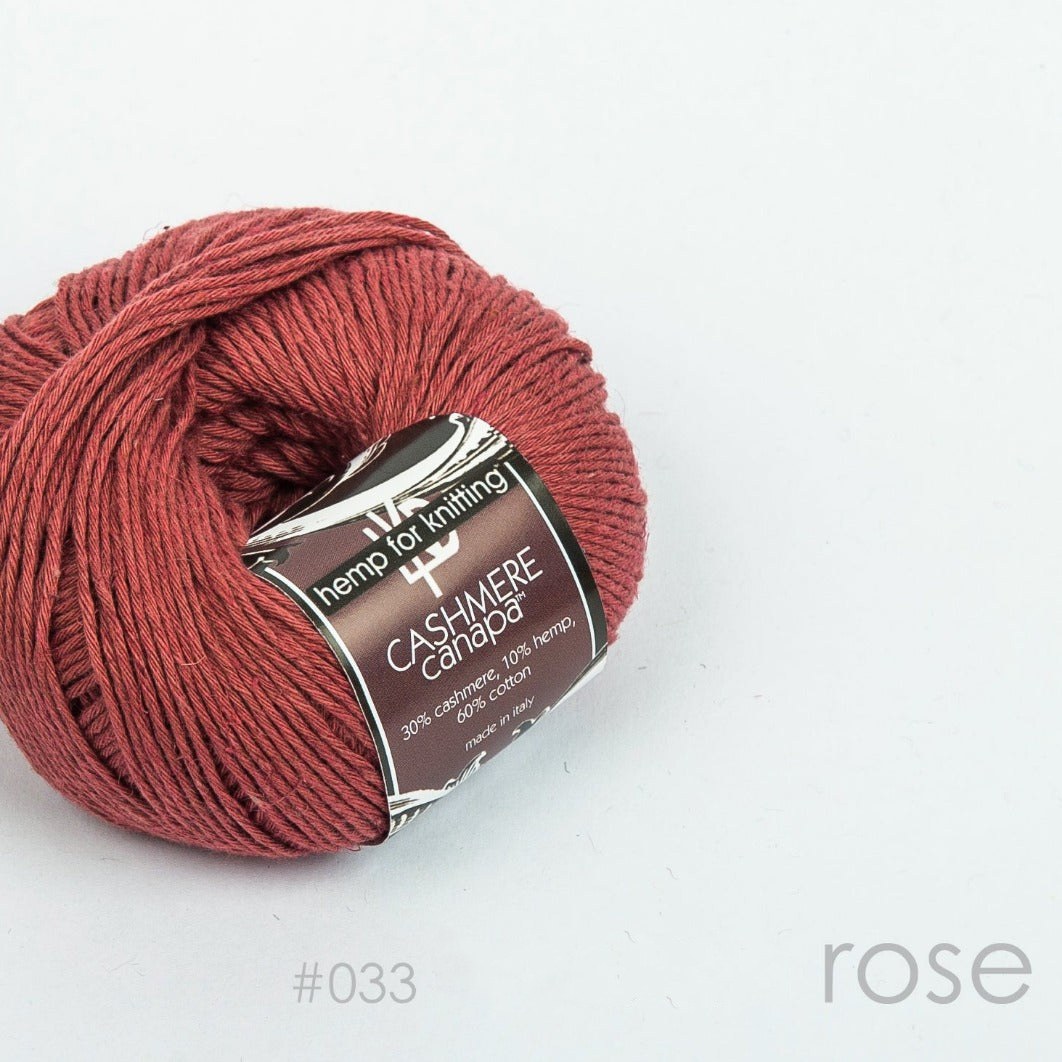
Alpaca Yarn
Alpaca yarn is exceptionally soft, lightweight, and hypoallergenic, offering luxury warmth without the weight of traditional wool. CENWILD sources baby alpaca and alpaca blends for premium knitwear collections including pullovers, turtlenecks, and knit sets, with OEM and ODM services to help designers and brands position alpaca pieces as signature items within their seasonal assortments.
Get a Quote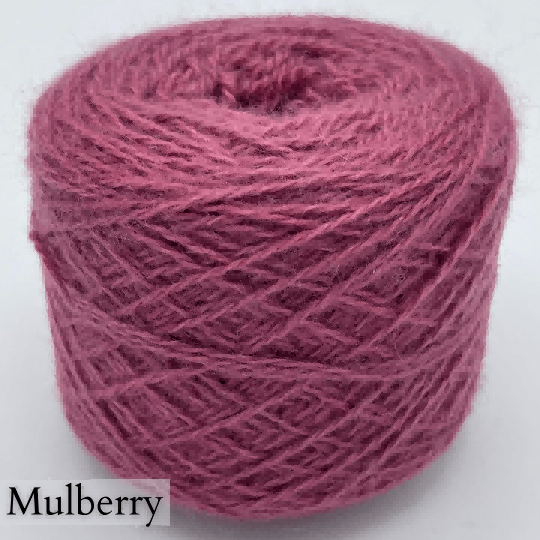
Recycled Organic Yarn
Recycled and organic yarn options allow fashion brands to meet sustainability goals without compromising quality or design. CENWILD manufactures knitwear using GRS-certified recycled polyester, recycled cotton, organic cotton, and other eco-conscious fibers, with full traceability, low MOQ from 100 pieces, and the same in-house knitting, sampling, and finishing capabilities applied to every material type.
Get a Quote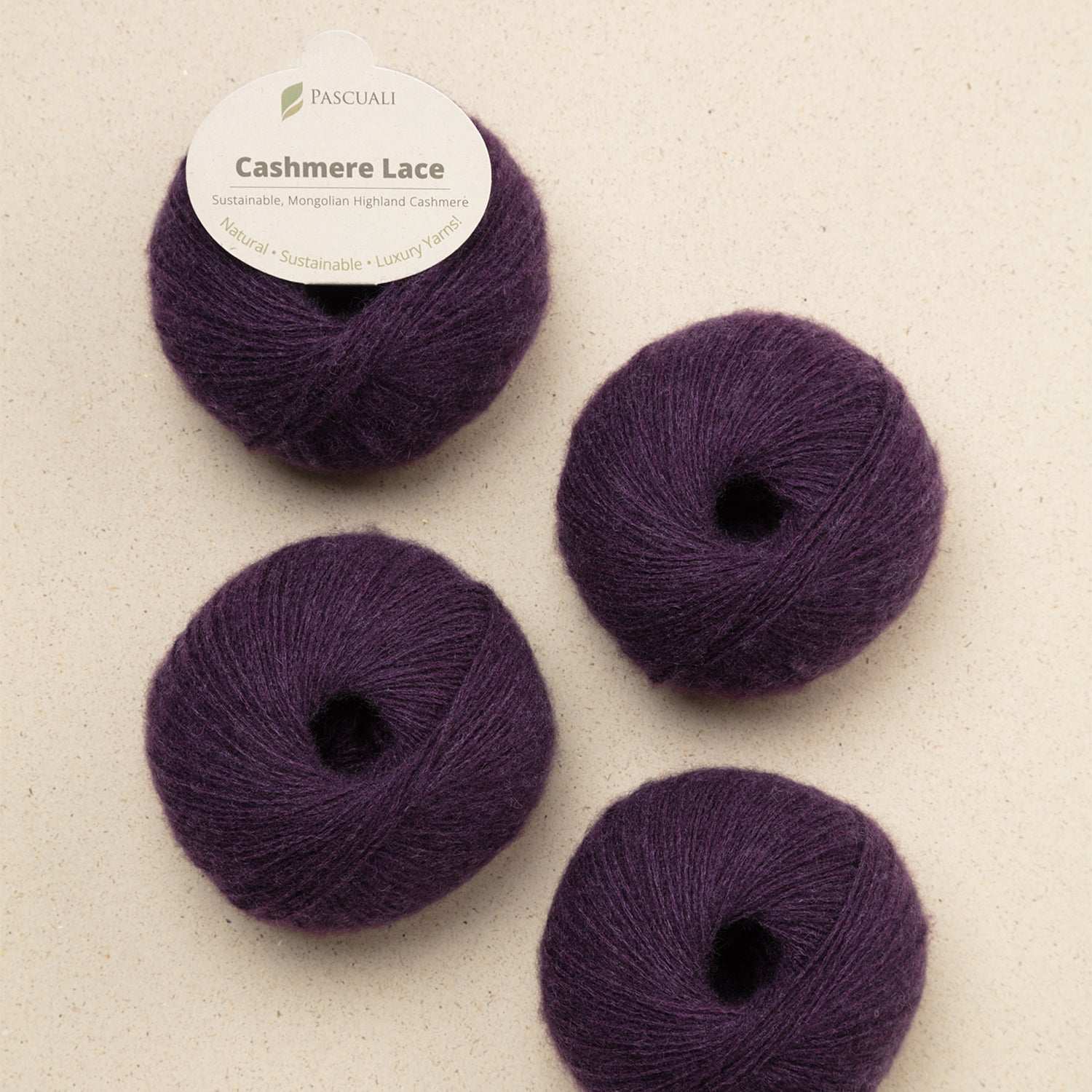
Custom Cardigan
Custom cardigans are among the most versatile and brand-defining pieces in any knitwear collection. CENWILD manufactures button-front, zip, open-front, and oversized cardigan styles in any yarn, gauge, stitch pattern, and decoration, from concept sketch to finished garment, with ODM design support, knit-down sampling, and private label production starting at just 100 pieces per style.
Get a Quote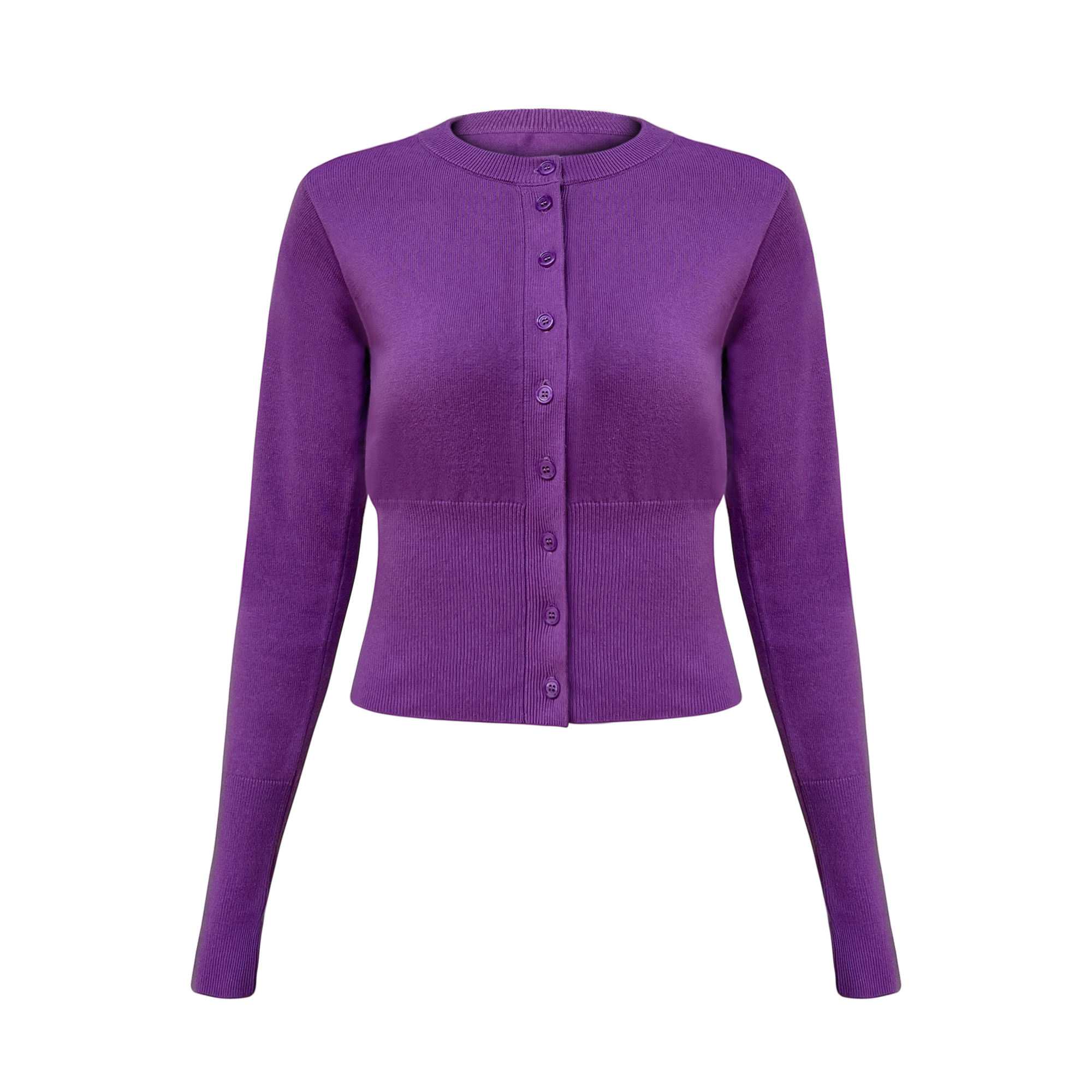
Cardigan Sweater Manufacturer
As a dedicated cardigan sweater manufacturer, CENWILD brings 28+ years of Dongguan expertise to brands, retailers, and designers worldwide. From classic V-neck cardigans to contemporary oversized silhouettes, CENWILD handles OEM and ODM production, in-house knitting across 3GG to 14GG, embroidery, printing, garment finishing, and full export logistics with flexible MOQ and payment terms that scale as your partnership grows.
Get a Quote28+ Years of Cashmere Yarn Wholesale Expertise
Founded in 1998 in Humen, Dongguan — the heart of China’s premier knitwear manufacturing region — CENWILD has spent over 28 years building deep relationships with premium cashmere mills and fiber suppliers. What started as a family knitting workshop has grown into a full-service sweater manufacturer serving over 2,000 fashion brands across the United States, Europe, Australia, and beyond.
Today CENWILD operates computerized flat-knitting machines across 3GG–14GG gauges with monthly capacity exceeding 80,000 pieces, supported by a team of more than 200 skilled employees. Our in-house design, sampling, and quality-control teams work directly with cashmere and luxury fiber suppliers to source the exact yarn grade, blend, and color your brand needs — from pure Mongolian cashmere to merino-cashmere blends and recycled options.
Unlike brokers or trading companies, CENWILD controls every step: yarn sourcing, knit-down sampling, production, finishing, and export logistics. Whether you need 100 pieces or 10,000, our OEM and ODM capabilities, flexible MOQ from just 100 units, and private-label services make us the long-term manufacturing partner behind growing fashion brands worldwide.
Cashmere Yarn Wholesale Quality Standards
Fiber Micronage & Grade Selection
CENWILD sources cashmere yarn wholesale in 15.5–19 micron grades, matching fiber diameter to your brand’s hand-feel and price positioning. Each lot is tested for micron consistency and crimp before spinning to ensure luxurious softness and durability across every production run.
- 15.5–16.5 micron ultra-fine cashmere for luxury collections
- 17–19 micron mid-grade fibers for accessible premium lines
- Lab-tested micronage reports available on request
- Sourced from Inner Mongolia and Xinjiang trusted mills
Ply Construction & Twist Density
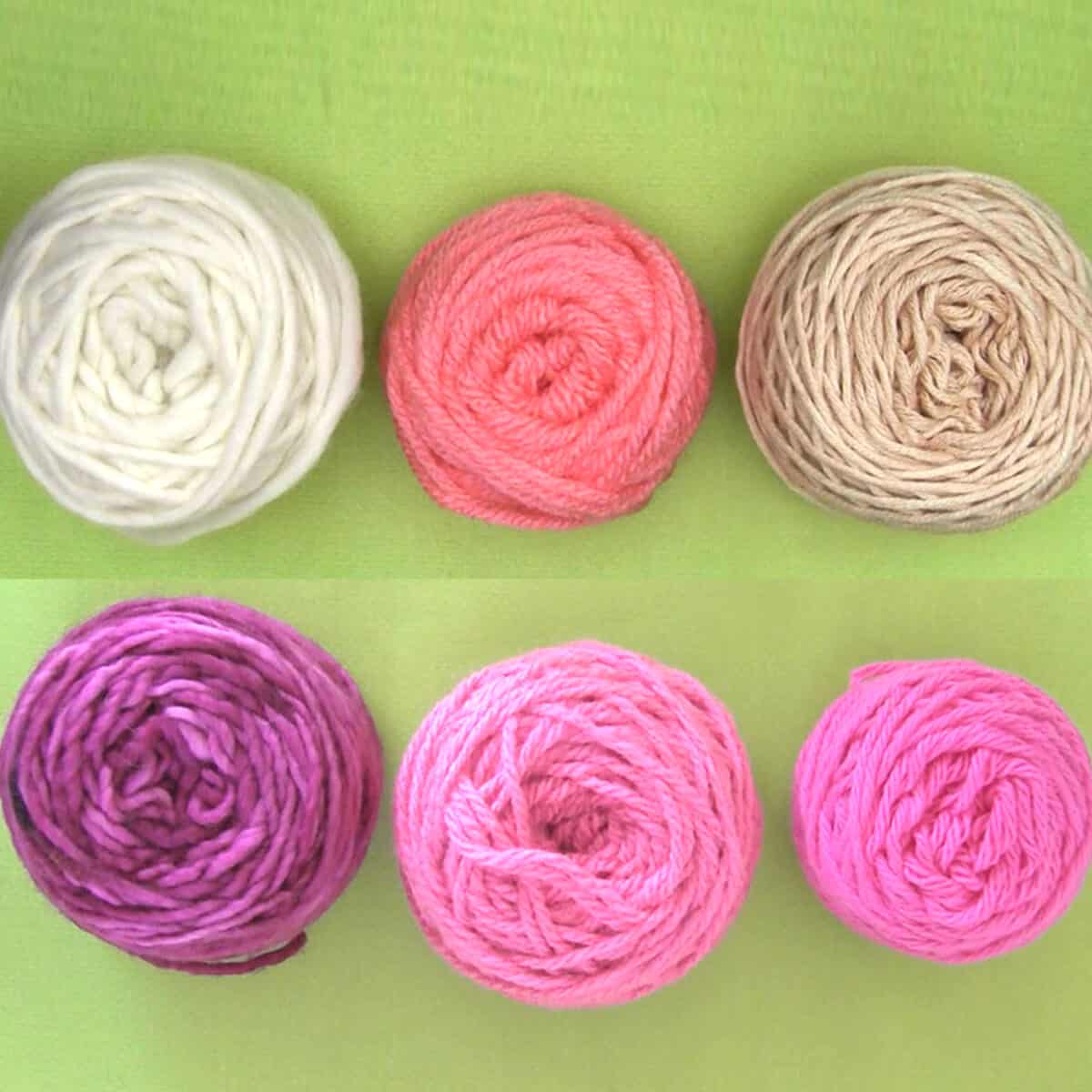
Whether you need 2-ply for lightweight elegance or 4-ply for structured warmth, our yarn partners calibrate twist per inch to balance loft, strength, and pilling resistance. CENWILD validates every ply configuration with knit-down swatches before bulk ordering.
- 2-ply, 3-ply, and 4-ply cashmere configurations
- Optimized twist density to minimize pilling and shedding
- Knit-down swatch testing for drape and gauge confirmation
- Custom blends with merino, silk, or recycled fibers available
Shrinkage Control & Finishing
Raw cashmere yarn undergoes pre-treatment washing and steam-setting to lock in dimensions. CENWILD’s QC team measures relaxation shrinkage on every new yarn lot, adjusting knit programming and garment specs so your finished sweaters hit target measurements reliably.
- Pre-washed yarn to stabilize shrinkage before knitting
- Steam-set fibers for dimensional consistency
- Lot-by-lot relaxation shrinkage testing and documentation
- Grading adjustments built into tech packs for repeatability
Supplier Audits & Traceability
Every cashmere yarn wholesale supplier in CENWILD’s network is vetted for ethical sourcing, color-fastness standards, and batch traceability. You receive yarn origin certificates, dye-lot records, and fiber-content reports that support transparency and compliance in your supply chain.
- Vetted mills with ethical sourcing certifications
- Dye-lot and batch traceability for every order
- Fiber-content and color-fastness test reports included
- Support for GRS, OEKO-TEX, and RCS documentation requests
Cashmere Yarn Wholesale vs. Other Premium Fibers
Understanding how cashmere yarn compares to merino wool, lambswool, alpaca, and blended alternatives helps you choose the right fiber for your brand’s quality standards, price point, and customer expectations.
← 左右滑动查看 →
Cashmere Yarn Wholesale Sourcing & Production Flow
From fiber selection to knit-ready yarn, CENWILD‘s 28-year expertise ensures every skein meets the standards your custom knitwear demands.
Fiber Selection & Mill Sourcing
We source premium cashmere fiber from certified mills in Inner Mongolia and China’s leading yarn suppliers, selecting grades by micron count, staple length, and color consistency to match your project specifications.
Quality Testing & Inspection
Each incoming lot undergoes fiber fineness testing, strength analysis, and visual inspection for neps and impurities. Only yarn meeting our Quality First standard advances to inventory for OEM and ODM production.
Ply Construction & Twist Control
Yarn is constructed to your required ply count—2-ply, 3-ply, or custom—with precise twist per inch calibrated for the gauge and stitch pattern of your sweater design, ensuring durability and hand feel.
Dye-Lot Consistency & Color Matching
For dyed cashmere yarn, we coordinate dye lots with our finishing partners to guarantee batch-to-batch color uniformity across your entire production run, critical for private label consistency and low MOQ flexibility.
Knit-Down Sampling & Gauge Verification
Before full production, we knit sample swatches on our 3GG to 14GG computerized flat-knitting machines, verifying yarn performance, hand feel, stitch definition, and dimensional stability in your chosen knit structure.
Integration into Production Workflow
Approved cashmere yarn is staged for your order, synchronized with our monthly 80,000-piece capacity, and tracked through knitting, linking, finishing, and quality control to ensure on-time delivery for your brand.
How to Source Cashmere Yarn Wholesale for Your Order
CENWILD guides you through every step of cashmere yarn selection, from fiber grade to knit-down swatches, ensuring your custom knitwear meets exact specifications.
Choose fiber grade and blend
Select from premium cashmere grades and blends tailored to your quality, hand-feel, and price point. CENWILD sources fibers to match your brand positioning.
Confirm color and ply specifications
Specify yarn color via Pantone, physical swatch, or custom dye. Choose ply count and twist to achieve the weight and drape your design requires.
Request knit-down swatches
Receive physical swatches knitted from your chosen cashmere yarn wholesale selection. Review stitch definition, gauge, and fabric behavior before committing to production.
Integrate yarn into production timeline
Lock in yarn sourcing, MOQ from 100 pieces, and lead times. CENWILD coordinates fiber procurement, knitting, finishing, and export as one seamless process.
Brands Trusting CENWILD Cashmere Yarn Wholesale
CENWILD sourced premium cashmere yarn for our winter collection and delivered 850 pieces in just 6 weeks. The fiber quality exceeded our expectations and our customers noticed the difference immediately.
We switched to CENWILD for cashmere yarn wholesale after quality issues elsewhere. Their MOQ of 100 pieces let us test three colorways, and we saw a 40% increase in repeat orders on those styles.
As an independent designer, finding a manufacturer who understands cashmere yarn sourcing and offers low MOQ was game-changing. CENWILD handled everything from yarn selection to final garment with zero compromises on quality.
Cashmere Yarn Wholesale FAQ
What fiber grades are available for cashmere yarn wholesale orders?
Can I customize colors when ordering cashmere yarn wholesale?
What cashmere yarn wholesale blends does CENWILD offer?
How does cashmere yarn wholesale sourcing affect production lead time?
Is cashmere yarn wholesale compatible with intarsia and jacquard knitting?
What care instructions apply to garments made from cashmere yarn wholesale?
Can I order multiple cashmere yarn wholesale blends in one production run?
Does CENWILD test cashmere yarn wholesale for fiber content and quality?
The Complete Buyer’s Guide to Cashmere Yarn Wholesale for Fashion Brands
Navigate the cashmere yarn wholesale market with confidence. This guide delivers a proven decision framework, essential supplier criteria, quality benchmarks, and the most common sourcing mistakes to avoid when building your knitwear collection.
1. What Is Cashmere Yarn Wholesale?
Cashmere yarn wholesale refers to bulk purchasing of cashmere fiber yarn directly from mills or trading houses, typically in quantities starting at 50–100 kilograms per color or blend, packaged on industrial cones rather than retail skeins. Unlike retail yarn sold by the skein for hand-knitters, wholesale cashmere yarn is priced per kilogram and designed for commercial knitting machines, enabling fashion brands and sweater manufacturers to produce hundreds or thousands of garments from a single order.
Knitwear brands, sweater manufacturers, independent designers, and ODM partners purchase cashmere yarn wholesale to control fiber quality, customize color palettes beyond stock offerings, and secure unit costs 40–60% below retail equivalents. Wholesale orders are typically structured as full cones (1.5–3 kg each) with minimum order quantities tied to dye-lot efficiency: 50 kg for stock shades, 100–200 kg for custom Pantone matching.
This procurement model unlocks better gross margins, ensures consistent lot-to-lot color, and allows brands to negotiate fiber micron count, ply construction, and blend ratios — critical levers that retail yarn buyers cannot access.
2. The Evolution of Cashmere Yarn in Global Trade
Cashmere fiber originated in the high plateaus of Inner Mongolia and Kashmir, where herders have combed goats each spring for centuries. By the early 19th century, European merchants began importing raw fiber to Scotland and Italy, where mechanized spinning mills transformed hand-processed down into consistent yarn for luxury knitwear.
The 1950s–1980s saw Italian spinners in Biella and Scottish mills in the Borders refine ring-spinning and worsted techniques, establishing quality benchmarks still referenced today. During the same period, China invested heavily in dehairing and spinning infrastructure across Inner Mongolia and Ningxia, and by the 1990s controlled over 70% of global cashmere processing capacity.
Today China remains the dominant processor, supplying cashmere yarn wholesale to brands worldwide at scale and competitive pricing. Recent buyer demand for traceability has driven mills to adopt fiber-origin certification and sustainable herding partnerships, reshaping procurement practices.
This history explains why cashmere yarn wholesale now balances heritage spinning expertise with Chinese manufacturing efficiency, and why traceability and fiber provenance have become standard supplier selection criteria for fashion brands.
3. Types of Cashmere Yarn Wholesale
Cashmere yarn wholesale orders are classified by fiber composition, ply structure, weight, and spinning technique. Each axis directly impacts hand-feel, drape, and unit cost, guiding designers toward the right specification for cardigans, pullovers, or knit dresses.
Pure Cashmere vs. Blends
100% cashmere delivers maximum softness and warmth but commands the highest price per kilogram. Cashmere-silk blends (70/30 or 80/20) add luster and drape for evening wear, while cashmere-merino (50/50) balances cost and performance in commercial collections.
Cashmere-cotton blends suit transitional seasons, offering breathability at a lower price point. Blend ratios shift MOQ economics: pure cashmere often requires 200–300 kg minimum dye lots, whereas blends may drop to 100 kg.
Ply Count: 2-Ply to 12-Ply
Ply refers to the number of single strands twisted together. 2-ply yarn is the industry standard for lightweight sweaters and fine-gauge knits (12GG–14GG). 4-ply and 6-ply yield mid-weight cardigans with better structure, while 12-ply creates chunky, cable-knit styles on 3GG–5GG machines.
Higher ply counts improve durability and stitch definition but increase material cost and knitting time per piece.
Yarn Weight Categories
Yarn weight ranges from lace (400–600 m/100 g) through fingering, sport, worsted, to bulky (60–100 m/100 g). Lace and fingering weights suit delicate shawls and fine-gauge knitwear, sport and worsted serve classic crewnecks and V-necks, and bulky weights drive oversized, textured designs.
Weight selection dictates gauge compatibility and fabric hand; finer weights drape softly, heavier weights stand away from the body.
4. Materials & Fiber Quality in Cashmere Yarn Wholesale
Cashmere yarn wholesale quality hinges on three measurable factors: grade, micron count, and fiber length. Understanding these specifications allows fashion brands to align material cost with product positioning and retail price points.
| Fiber Type | Micron Range (μm) | Typical Use | Relative Cost |
|---|---|---|---|
| Grade A Cashmere | 14–16 | Luxury pullovers, high-end cardigans | High |
| Grade B Cashmere | 16–17 | Mid-tier knitwear, branded collections | Medium |
| Grade C Cashmere | 17–19 | Accessible lines, cashmere blends | Low |
| 70% Cashmere / 30% Wool | 15–17 | Durable luxury, everyday wear | Medium-Low |
Fiber Grading and Micron Count
Grade A cashmere measures 14–16 microns with fiber length ≥36 mm, delivering maximum softness and durability for luxury knitwear. Grade B ranges 16–17 microns with slightly shorter fibers, balancing quality and cost for mid-tier collections. Grade C sits at 17–19 microns, suited to accessible price points or blends where cashmere is a secondary fiber.
Micron count directly affects hand feel: every micron below 16 increases softness perception and wholesale cost by approximately 15–25 percent.
White Versus Brown Cashmere
White cashmere accepts dye evenly across Pantone ranges and commands a 10–20 percent premium over brown fiber. Brown cashmere works well for natural, undyed colorways or heathered blends but limits pastel and bright shades without pre-bleaching, which adds cost and weakens fiber.
Blend Ratios and Performance
Pure 100% cashmere offers prestige but pills more readily than blends. A 70% cashmere / 30% merino wool blend improves durability and reduces cost by roughly 30 percent while retaining luxury positioning. Blends below 50% cashmere lose the fiber’s signature drape and are better labeled as ‘cashmere-touch’ rather than true cashmere knitwear.
5. Customization Options for Cashmere Yarn Wholesale Orders
Cashmere yarn wholesale orders unlock significant customization beyond off-the-shelf stock. Mills offer custom dyeing, ply configurations, twist directions, winding formats, and private labeling — each with distinct MOQ thresholds and lead-time implications that brands must plan for.
| Customization Type | Typical MOQ | Lead-Time Impact | Cost Premium |
|---|---|---|---|
| Pantone custom dye | 50–100 kg/color | +7–14 days | +10–15% |
| Heathered / mélange | 100–200 kg | +10–14 days | +15–20% |
| Custom ply/twist | 100 kg | +5–7 days | +5–10% |
| Private label packaging | 500–1,000 units | +3–5 days | $50–150 setup |
Custom Dyeing and Color Matching
Pantone-matched custom dyeing typically requires 50–100 kg per color, adding 7–14 days to lead time. Heathered and mélange effects demand higher minimums — 100–200 kg — due to fiber blending before spinning.
Supply digital Pantone TPX references and physical yarn swatches when available. Mills produce lab dips for approval before bulk dyeing, with 2–3 iterations standard.
Ply and Twist Configuration
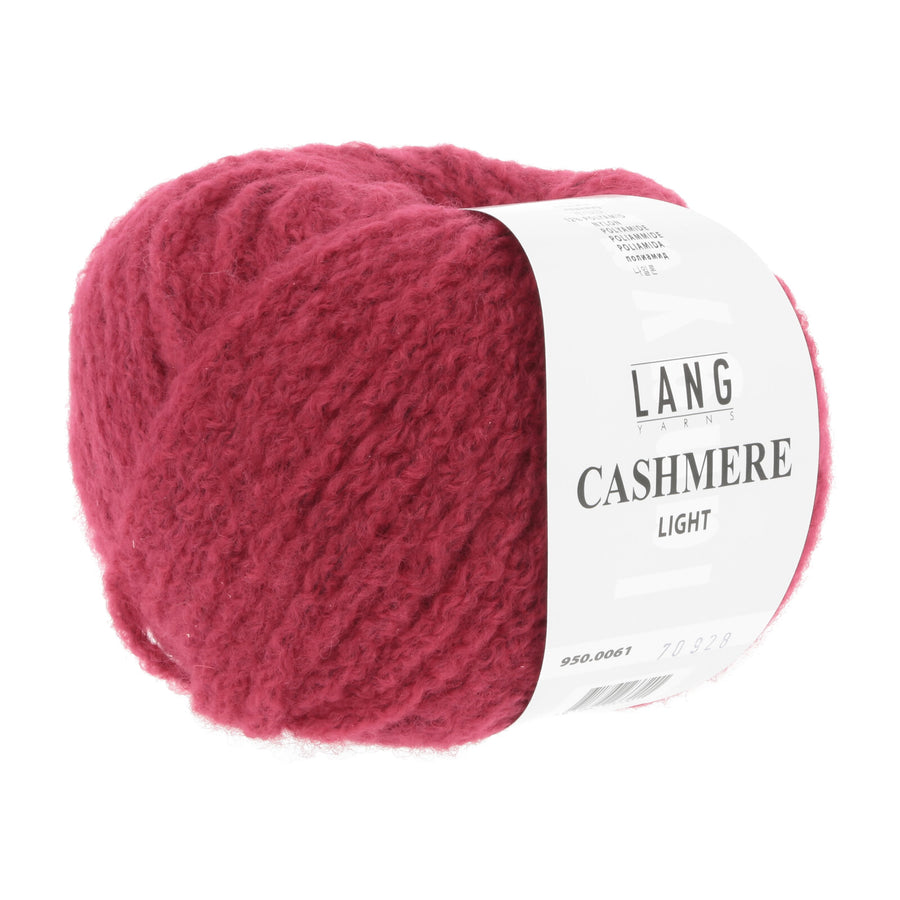
Two-ply and three-ply cashmere yarn can be specified with S-twist or Z-twist direction, affecting drape and surface texture. Custom ply configurations add 5–10% cost premium and require 100 kg minimum per specification.
Communicate twist-per-inch (TPI) targets and intended gauge to ensure compatibility with your knitting equipment and desired fabric hand.
Winding and Packaging Options
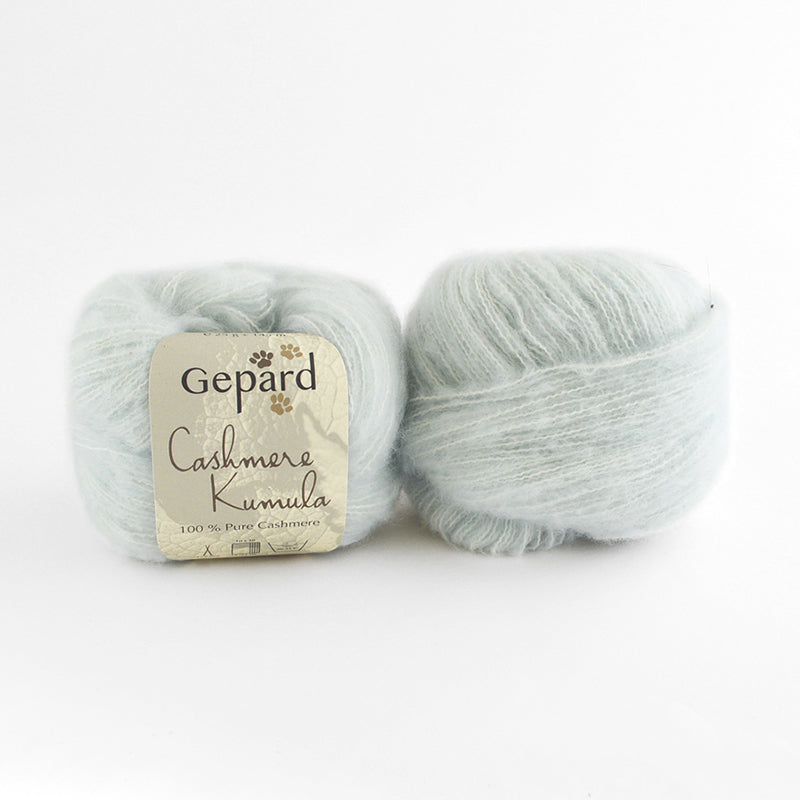
Yarn is supplied on cones (standard for machine knitting) or skeins (hand-knit retail). Cone weights range from 100 g to 500 g; custom weights require 200 kg minimum. Private labeling — branded belly bands, hangtags, or carton printing — starts at 500–1,000 units with setup fees of 50–150 USD.
6. Key Quality Indicators in Cashmere Yarn Wholesale
Before committing to bulk cashmere yarn wholesale orders, buyers must verify fiber quality through measurable indicators and third-party testing. CENWILD supports clients with pre-production samples and lab reports that confirm yarn meets brand standards for softness, durability, and color stability.
Fiber Micron and Length Distribution
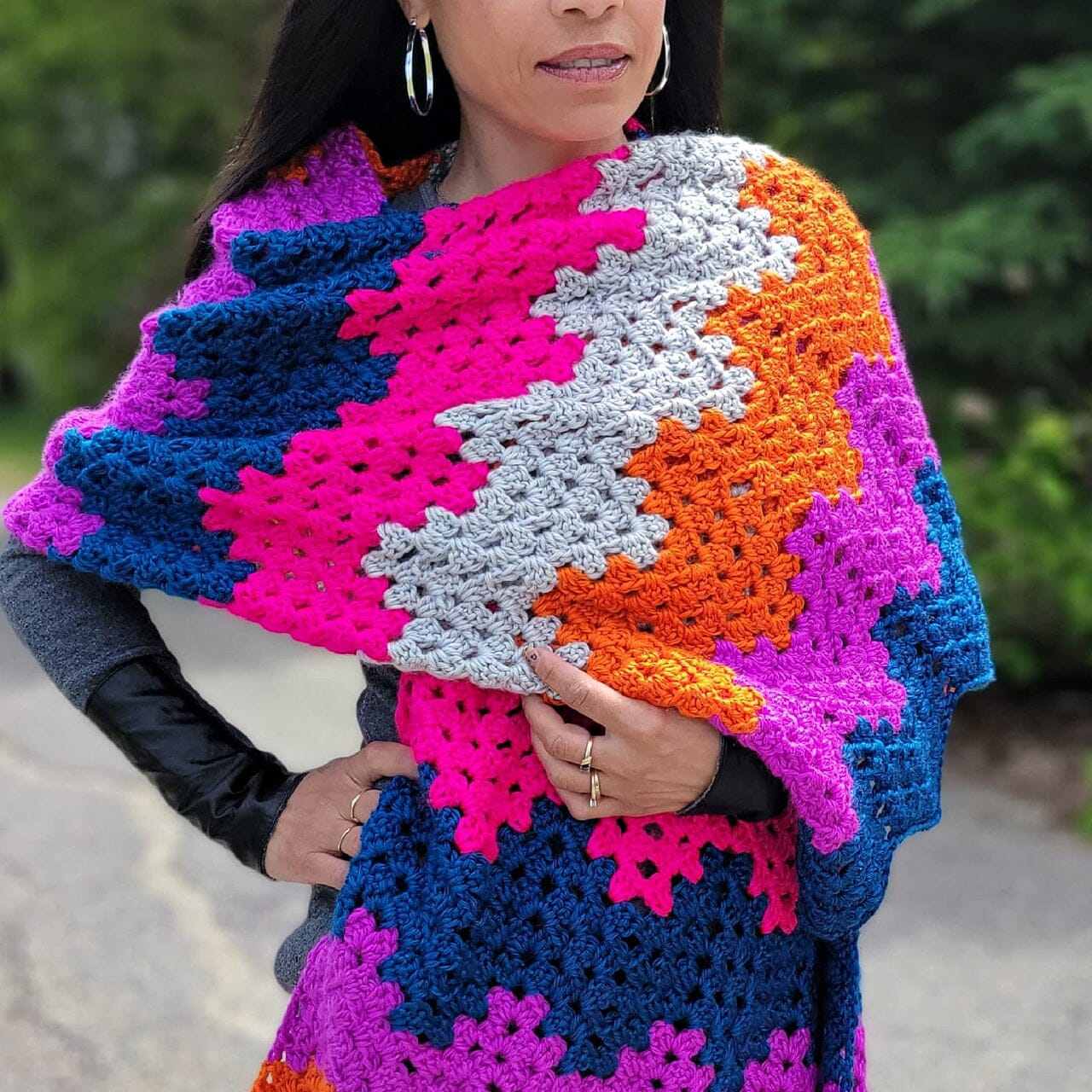
True cashmere measures 14–19 microns in diameter; premium grades sit at 15.5 microns or finer. Length distribution should show fibers ≥ 34 mm to ensure strength and minimal shedding.
Request micron-analysis certificates from suppliers before sampling. Yarn blended with coarser fibers will test above 19 microns and sacrifice the signature softness that defines cashmere knitwear.
Evenness, Twist, and Pilling Resistance
Consistent twist (typically 400–600 turns per meter for 2/26 Nm yarn) prevents weak spots and pilling. Evenness is measured by the Uster Evenness Tester; a CV % below 12 indicates high-quality spinning.
Pilling resistance is tested via the Martindale or ICI method; cashmere yarn should achieve grade 3–4 after 5,000 cycles to ensure garments maintain a clean surface through wear and washing.
Dye Fastness and Certifications
Dye fastness to washing, rubbing, and light should meet ISO 105 standards at grade 4 or higher to prevent color bleeding and fading. Request lab reports for each dye lot.
OEKO-TEX Standard 100 certifies yarn is free from harmful chemicals. GRS (Global Recycled Standard) validates recycled cashmere content and responsible processing, essential for brands targeting sustainability-conscious markets.
7. How to Choose a Cashmere Yarn Wholesale Supplier
Selecting the right cashmere yarn wholesale partner determines product quality, delivery reliability, and long-term profitability. A structured evaluation across sourcing transparency, capacity, terms, and communication separates capable manufacturers from intermediaries or unreliable vendors.
Mill vs. Trading Company
Direct mills control fiber grading, spinning, and dyeing, ensuring consistent quality and shorter lead times. Trading companies add markup and communication layers but may lack technical depth.
Verify production facilities through video tours or third-party audits. Ask for spinning-machine specifications and monthly yarn output to confirm manufacturing capability rather than resale operations.
Fiber Sourcing and Traceability
Transparent suppliers specify cashmere origin (Inner Mongolia, Xinjiang, or imported), grade (15.5–16 micron premium vs. 16–17 micron standard), and blend ratios. Request fiber-test certificates from SGS or similar labs.
Vague descriptions like ‘high-quality cashmere’ without micron data or origin signal low-grade or mixed fiber. Traceable sourcing protects brand reputation and supports ethical claims.
Red Flags and Green Flags
Red flags: prices 30% below market average, no physical samples, refusal to share client references, vague lead times, and no audit reports. Green flags: transparent fiber grading, knit-down sampling at 100-piece MOQ, technical design support, flexible payment terms (30% deposit for established partners), and responsive communication within 24 hours.
8. Common Mistakes When Sourcing Cashmere Yarn Wholesale
Even experienced buyers make costly errors when sourcing cashmere yarn wholesale. Recognizing these pitfalls early protects brand reputation, budget, and production timelines.
Prioritizing Price Over Fiber Quality
Choosing the lowest-priced yarn often means accepting higher micron counts (above 16μm), shorter fiber lengths (under 34 mm), or blended substitutes. These compromise softness, durability, and pilling resistance.
Request micron and fiber-length certificates before committing. CENWILD sources premium-grade cashmere and provides full traceability to ensure every batch meets agreed specifications.
Skipping Pre-Production Sampling
Ordering bulk quantities without knit-down samples risks discovering dye mismatches, gauge incompatibility, or poor hand-feel only after production begins. A 100-piece MOQ still represents significant investment.
Always order lab-dip swatches and knitted test pieces. Verify color under daylight, test wash performance, and confirm stitch definition before scaling.
Ignoring Lead Times for Custom Dye Lots
Custom Pantone matching and dye-lot preparation add 10–15 days to standard lead times. Underestimating this window delays seasonal launches and strains retail commitments.
Build dye and sampling phases into your production calendar. Communicate final color approvals early to keep manufacturing on schedule.
9. Steps to Launch Your Knitwear Brand with Cashmere Yarn Wholesale
Launching a knitwear brand with cashmere yarn wholesale requires tight coordination between your yarn supplier and garment manufacturer. CENWILD’s integrated model simplifies this by sourcing yarn, knitting samples, and scaling production under one roof, eliminating the risk of miscommunication and version control errors common when working with separate vendors.
Define Product Line and Price Point
Start by sketching your first collection: two to four core styles (crewneck, cardigan, turtleneck) in two to three colorways each. Target retail price points guide yarn grade — a $120 retail pullover supports 2/26 Nm pure cashmere at approximately $18–22 wholesale cost of goods, while a $60 piece may require 30/70 cashmere-merino blend.
CENWILD’s design team translates sketches, reference photos, or mood boards into technical specifications, stitch patterns, and 3D knit programs, ensuring your vision aligns with yarn selection and production feasibility before sampling begins.
Calculate Yarn Quantities and Request Samples
A women’s size-M crewneck sweater in 12GG typically consumes 350–450 grams of 2/26 Nm cashmere yarn; men’s styles or chunky 5GG gauges require 500–700 grams. Request 200–500 gram hanks or cone samples in your target colors to assess hand feel, pilling resistance, and dye consistency.
CENWILD knits test swatches on the same gauge machines used for bulk production, so you evaluate the final fabric structure — not just raw yarn — before committing to a trial order of 100–300 pieces per style.
Negotiate Terms and Place Trial Order
First-time buyers typically pay 100 percent deposit; CENWILD reduces this to 50 percent after one successful order and as low as 30 percent for long-term partners, with balance due before shipment. Payment methods include T/T, PayPal, credit card, and USDT.
A trial order of 100 pieces per style — CENWILD’s minimum — lets you test market demand, refine sizing, and validate quality without tying up capital in excess inventory. Lead time runs 25–35 days from deposit to ex-factory.
Plan Inventory for Scaling
After validating sell-through on your trial run, reorder best-sellers in multiples of 100–300 pieces, phasing in new colorways or styles one at a time. CENWILD’s 80,000-piece monthly capacity supports both small restocks and seasonal surges without requiring you to switch manufacturers as you grow.
Maintain a six-to-eight-week inventory buffer to cover production lead time plus shipping, and coordinate reorder timing with your yarn supplier’s dye-lot schedules to ensure color consistency across drops.
10. Cashmere Yarn Wholesale Pricing & Cost Breakdown
Cashmere yarn wholesale pricing ranges from $45 to $180 per kilogram depending on fiber grade, ply count, and order volume. Pure cashmere commands premium pricing, while 30/70 or 50/50 cashmere-wool blends reduce cost by 40–60% while maintaining softness and drape.
Fiber grade drives the largest cost delta: Grade A (14–15.5 micron) from Inner Mongolia or Tibet costs 50–70% more than Grade C (17–19 micron). Ply count affects both price and lead time — 2/26 or 2/48 worsted yarns require additional twisting and quality control compared to single-ply. Custom dyeing adds $3–8 per kilogram and extends lead time by 7–10 days for Pantone or lab-dip matching.
Order volume unlocks economies of scale: MOQ tiers at 100, 500, and 1,000 kilograms yield progressively lower per-unit costs and faster turnaround. Long-term partners at CENWILD benefit from reduced deposit terms (30% vs. 100%) and priority allocation during peak seasons, improving cash flow and production predictability for growing brands.
| Quantity Tier (kg) | Price per kg (USD) | Lead Time (days) | Typical Grade |
|---|---|---|---|
| 100–300 | $120–180 | 25–30 | Grade A pure or 70/30 blend |
| 300–500 | $85–120 | 20–25 | Grade A/B pure or blends |
| 500–1,000 | $60–90 | 18–22 | Grade B pure or premium blends |
| 1,000+ | $45–75 | 15–20 | Grade B/C or high-volume blends |
Start Your Cashmere Yarn Wholesale Project Today
Submit your specifications, request a free knit-down swatch, or get a custom quote for your cashmere knitwear order—MOQ from 100 pieces.