Custom Sweater Vest Manufacturing — OEM/ODM from 100 Pieces
CENWILD delivers custom sweater vests tailored to your brand with low 100-piece MOQ, full OEM/ODM service, and 28+ years of Dongguan knitwear expertise.
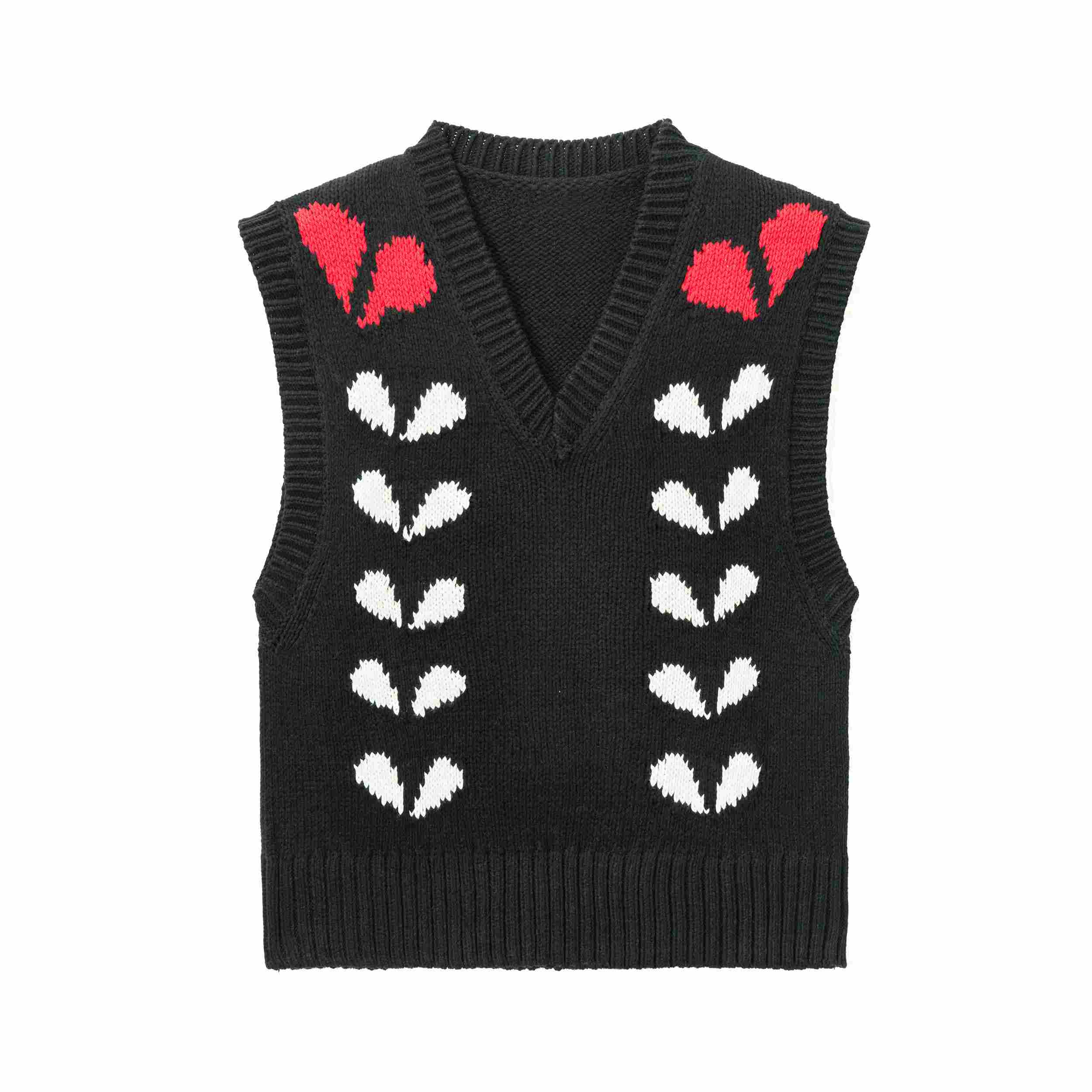
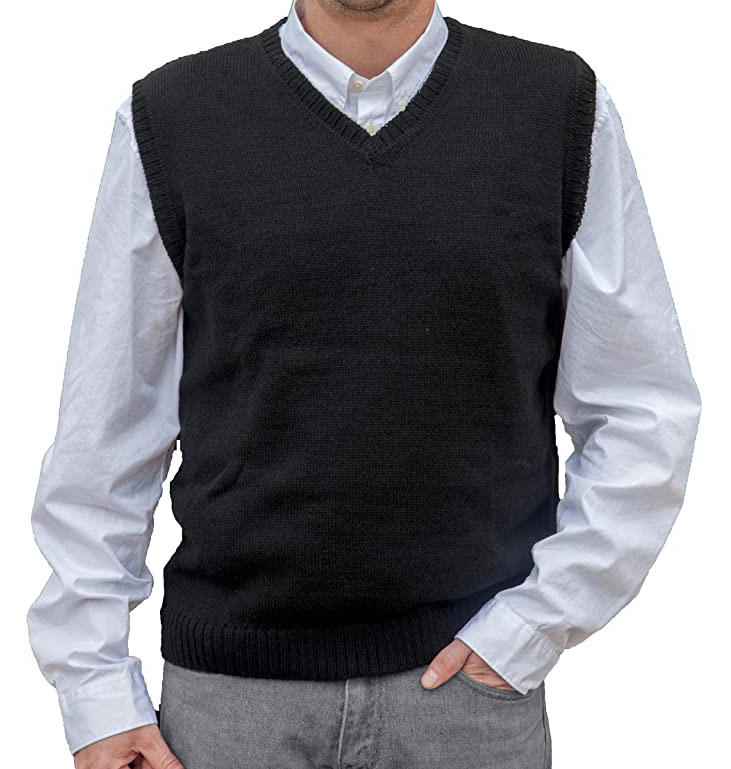
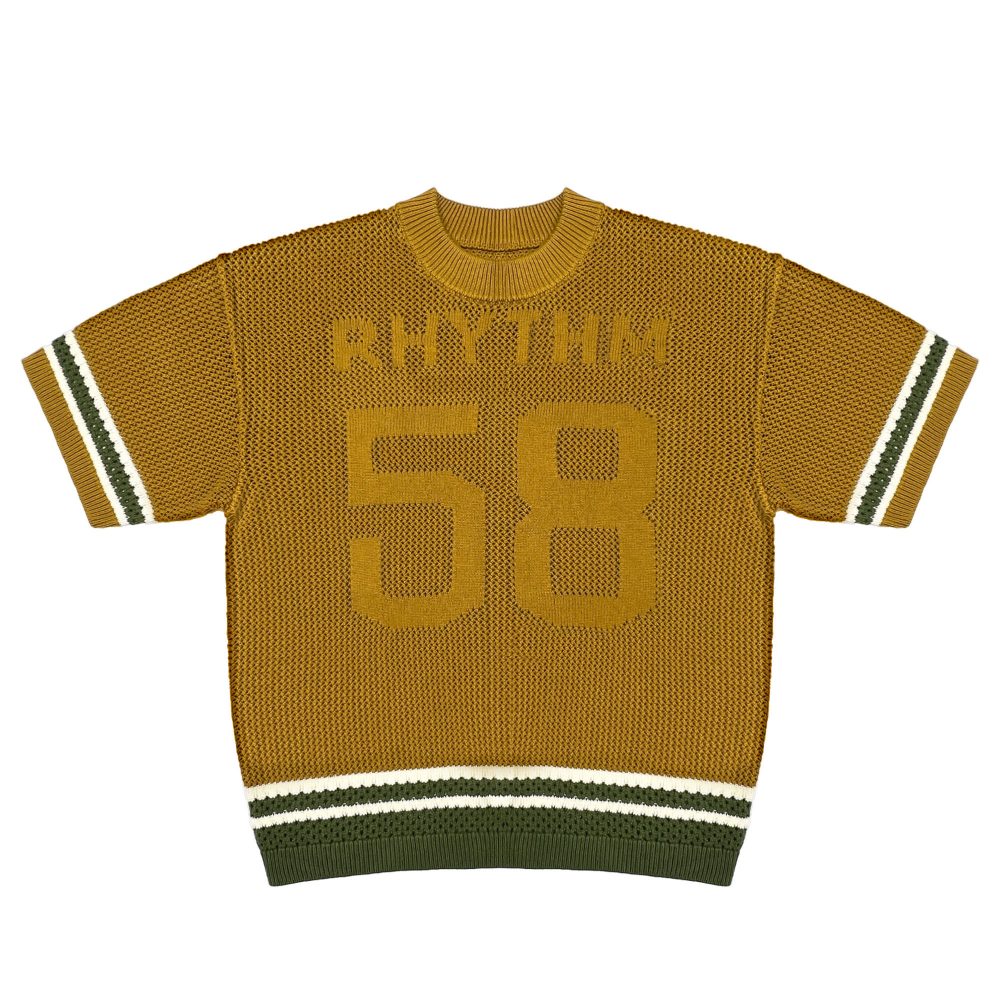
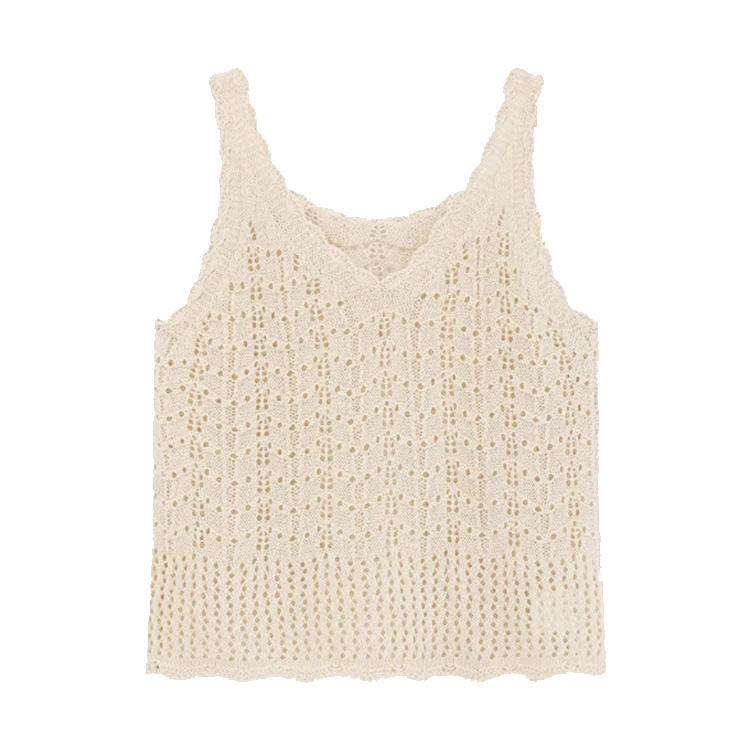
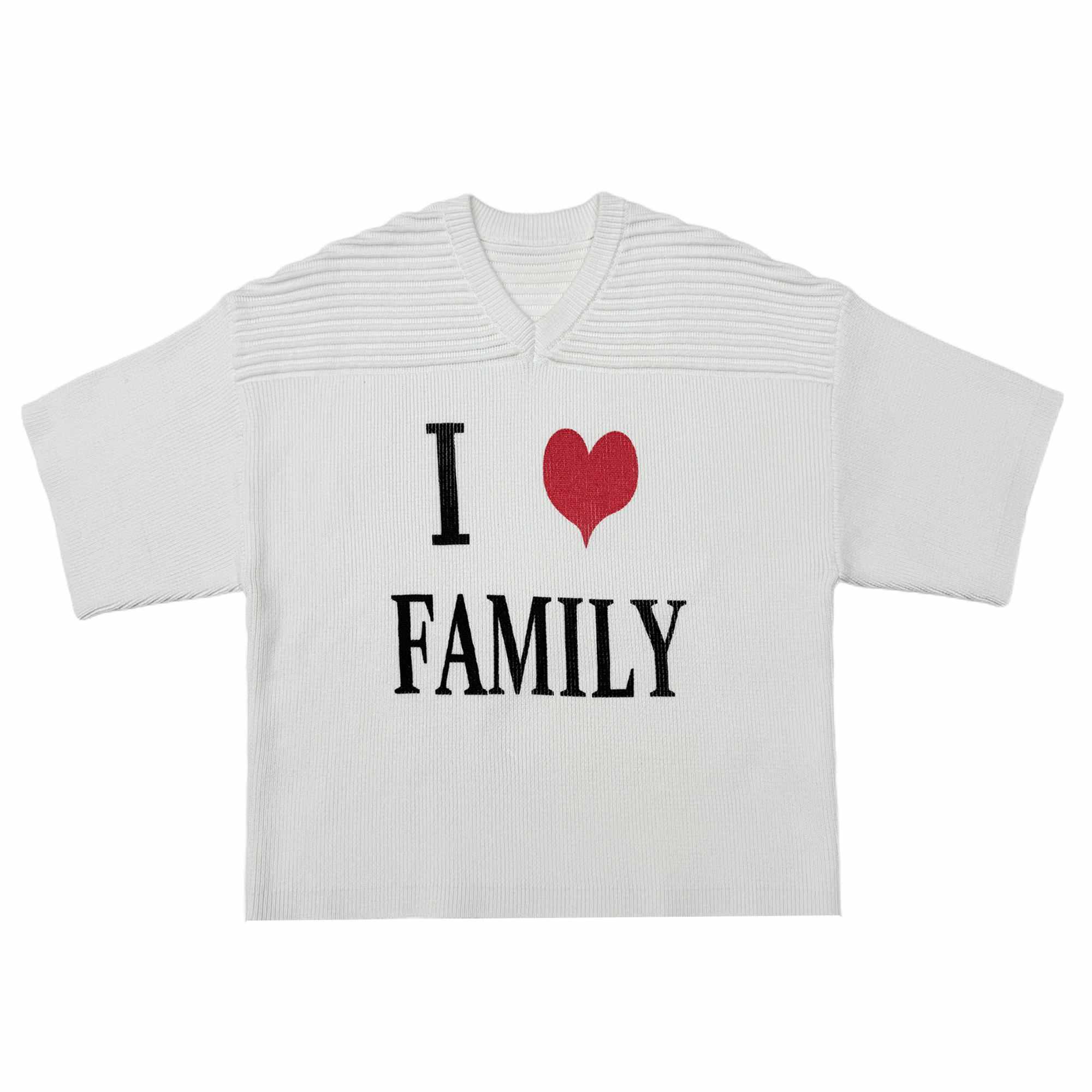
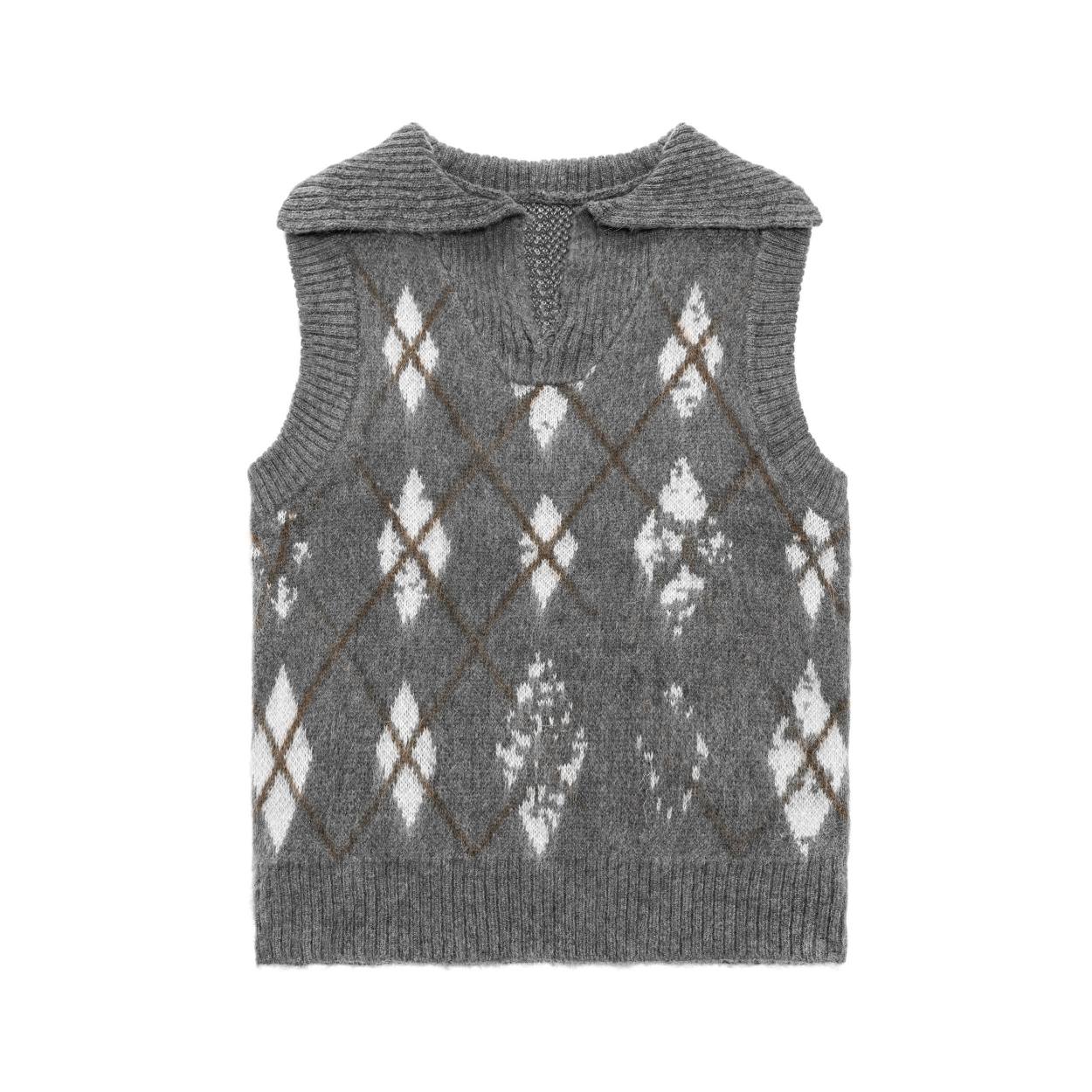
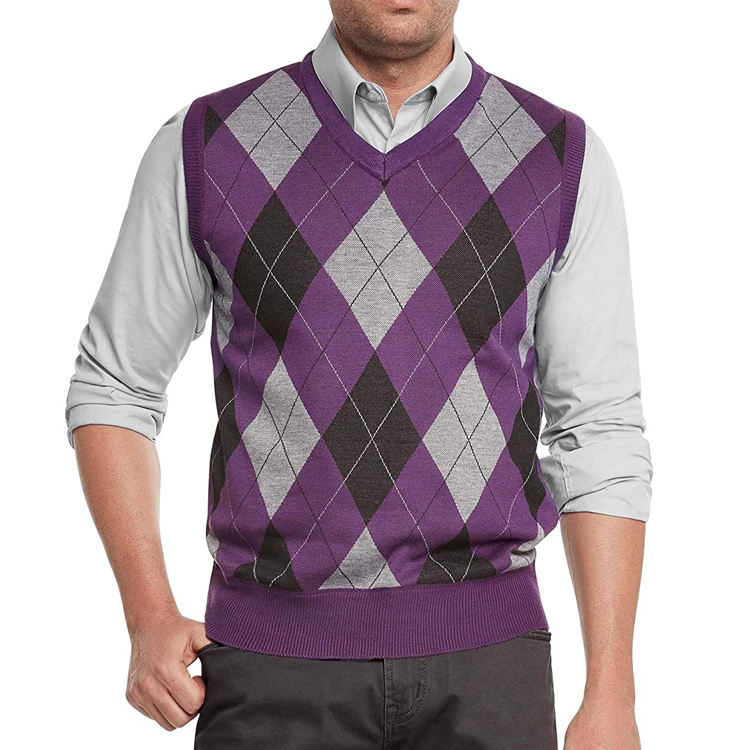
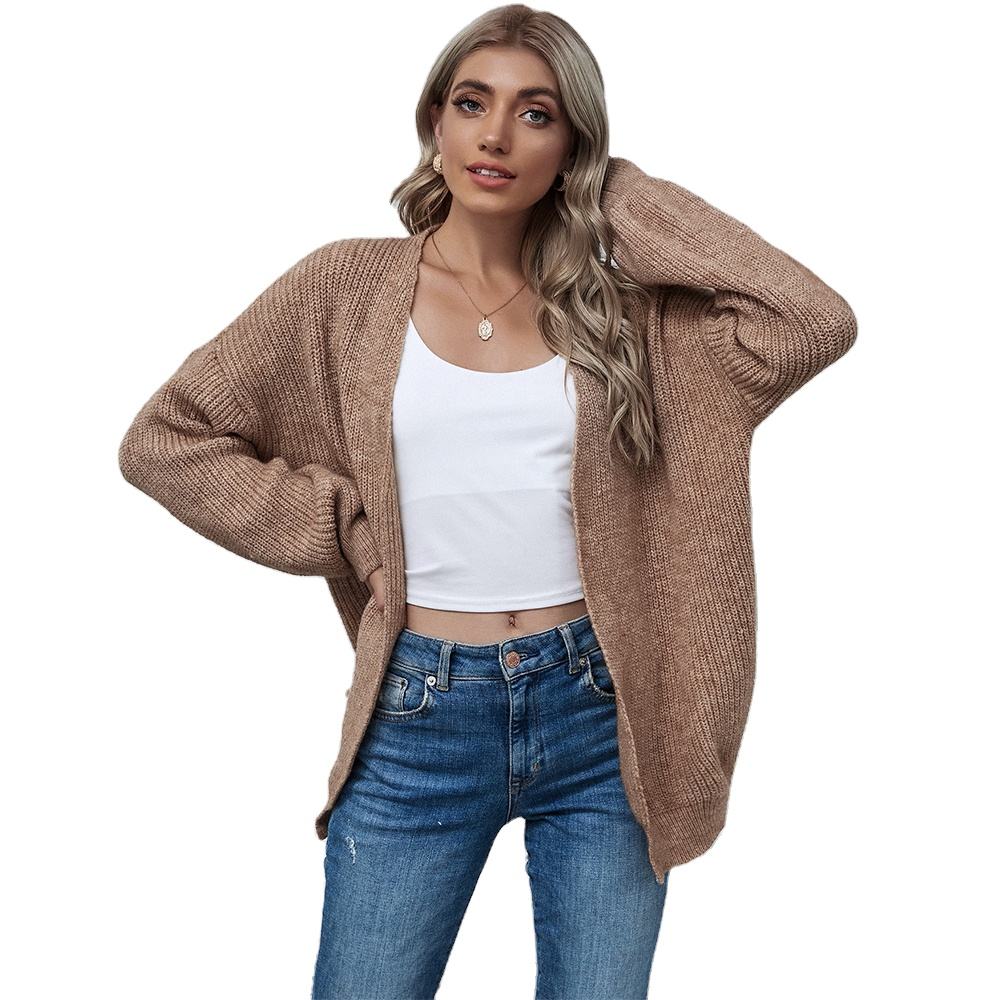
Custom Sweater Vest Gallery
Why CENWILD for Custom Sweater Vest Manufacturing
100-Piece Low MOQ
Launch your custom sweater vest line without massive inventory risk. We start production from just 100 pieces per style.
Fast Knit-Down Sampling
In-house computerized knitting machines produce accurate samples quickly, so you can approve and move to production faster.
28+ Years OEM & ODM
Since 1998 in Dongguan’s knitwear hub, we’ve manufactured custom sweater vests for over 2,000 fashion brands worldwide.
200+ Skilled Knitwear Team
Dedicated designers, technicians, and production specialists turn your concept into finished custom sweater vests with precision.
80,000+ Monthly Capacity
Scale confidently with our computerized 3GG–14GG flat-knitting lines, supporting both small launches and large wholesale orders.
Full Design & Tech Support
Bring a tech pack, sketch, or idea. Our team handles stitch design, 3D programming, grading, and production-ready development.
Custom Knitwear Built for Your Brand
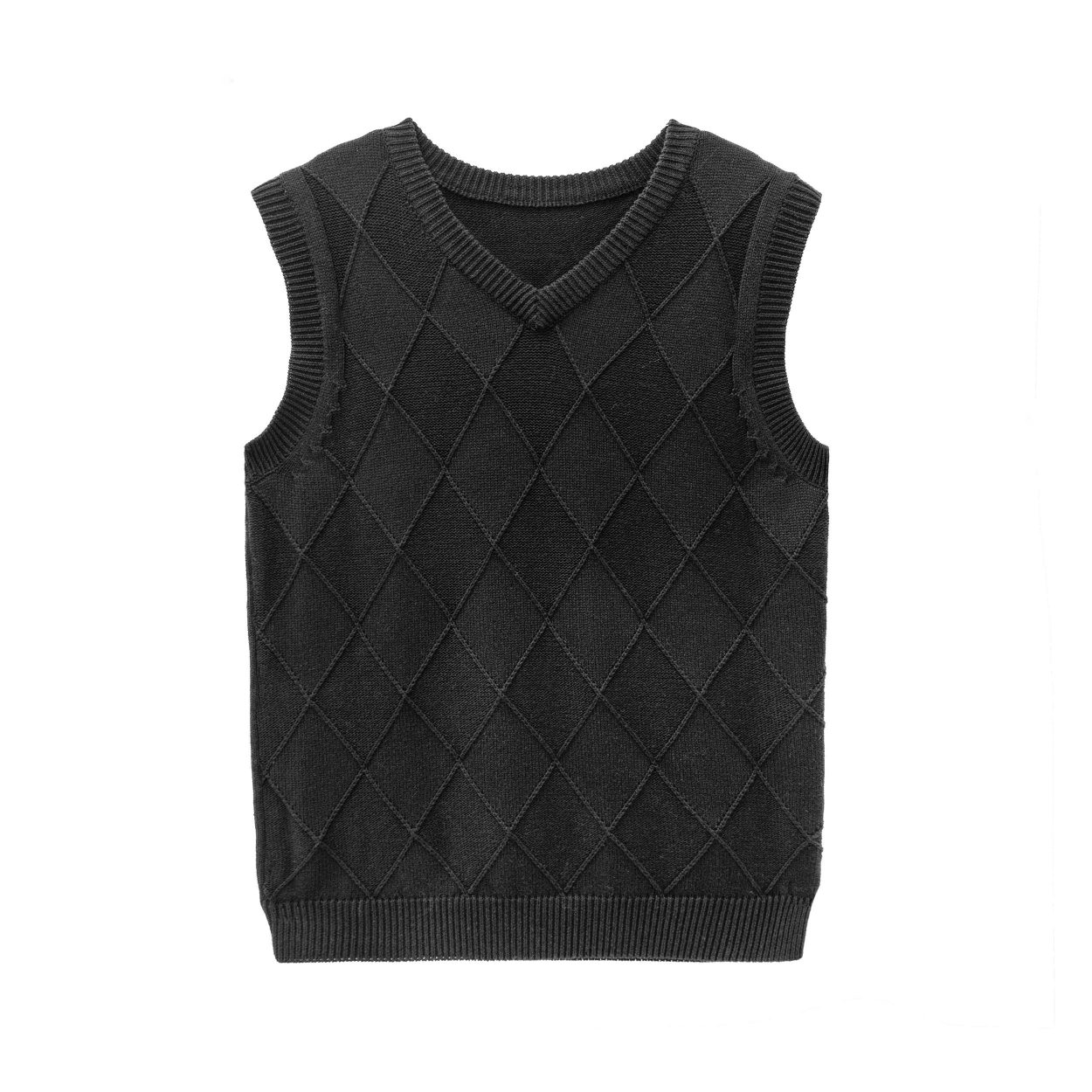
Wholesale Sweater Vests
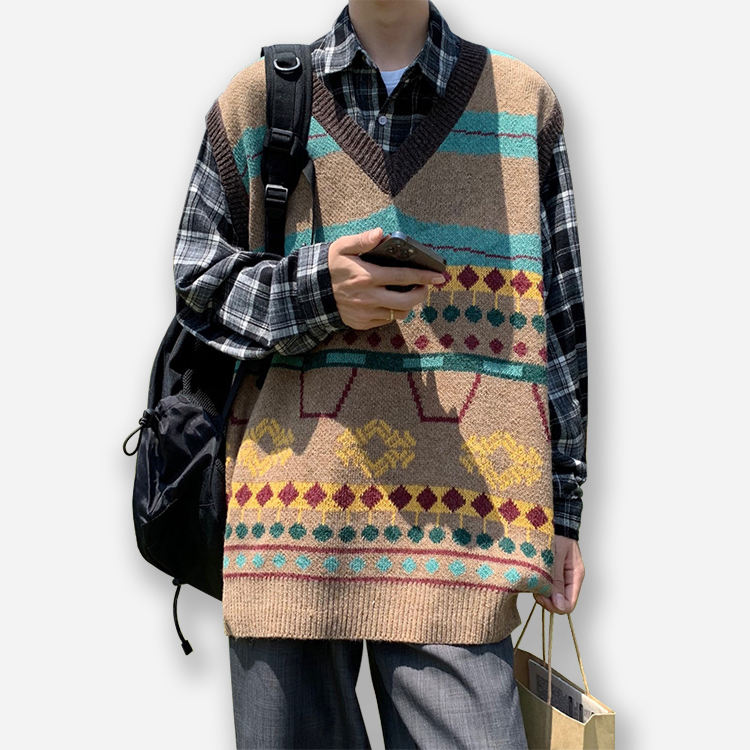
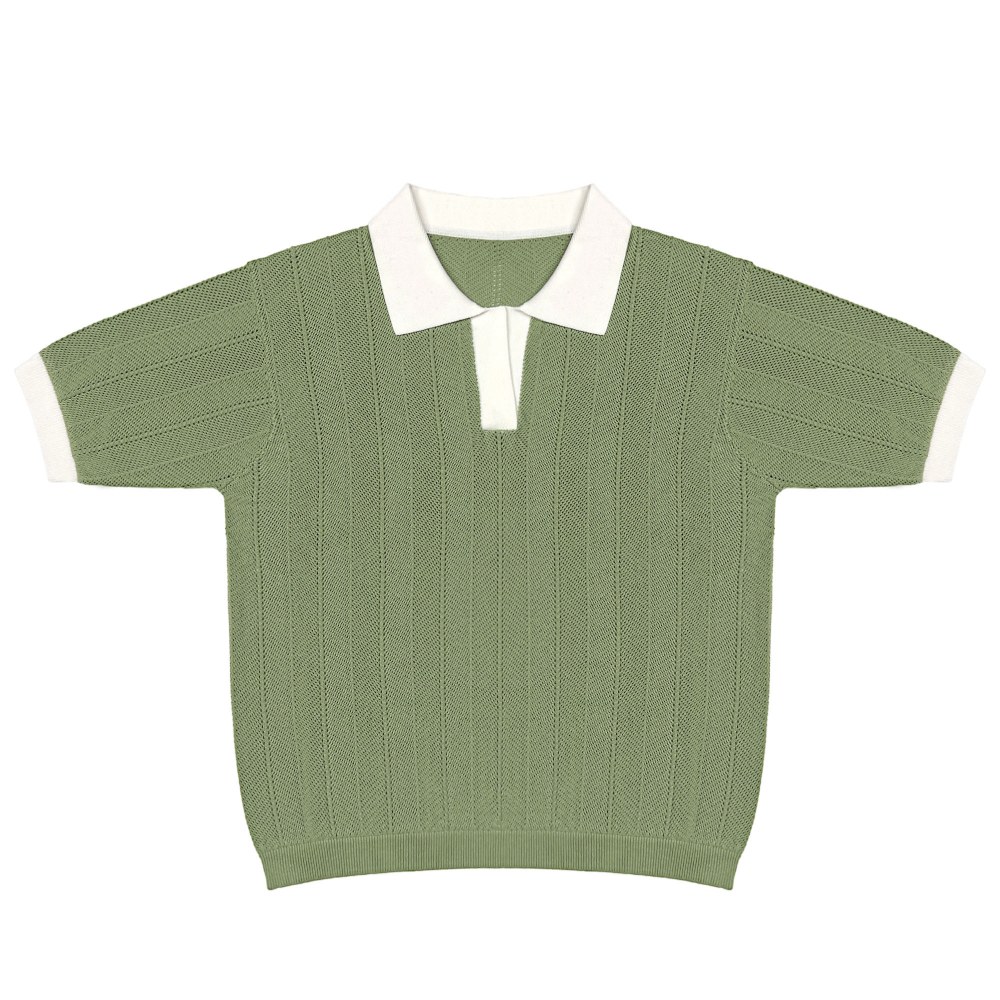
Wholesale sweater vests manufactured with flexible MOQ from 100 pieces. CENWILD produces sleeveless knit styles in cable, ribbed, jacquard, and intarsia across 3GG to 14GG gauges, using cashmere, merino, lambswool, cotton, acrylic, and blends. Ideal for fashion retailers, corporate branding, school uniforms, and private-label collections requiring consistent quality, scalable volume, and reliable lead times from our Dongguan facility.
Get a Quote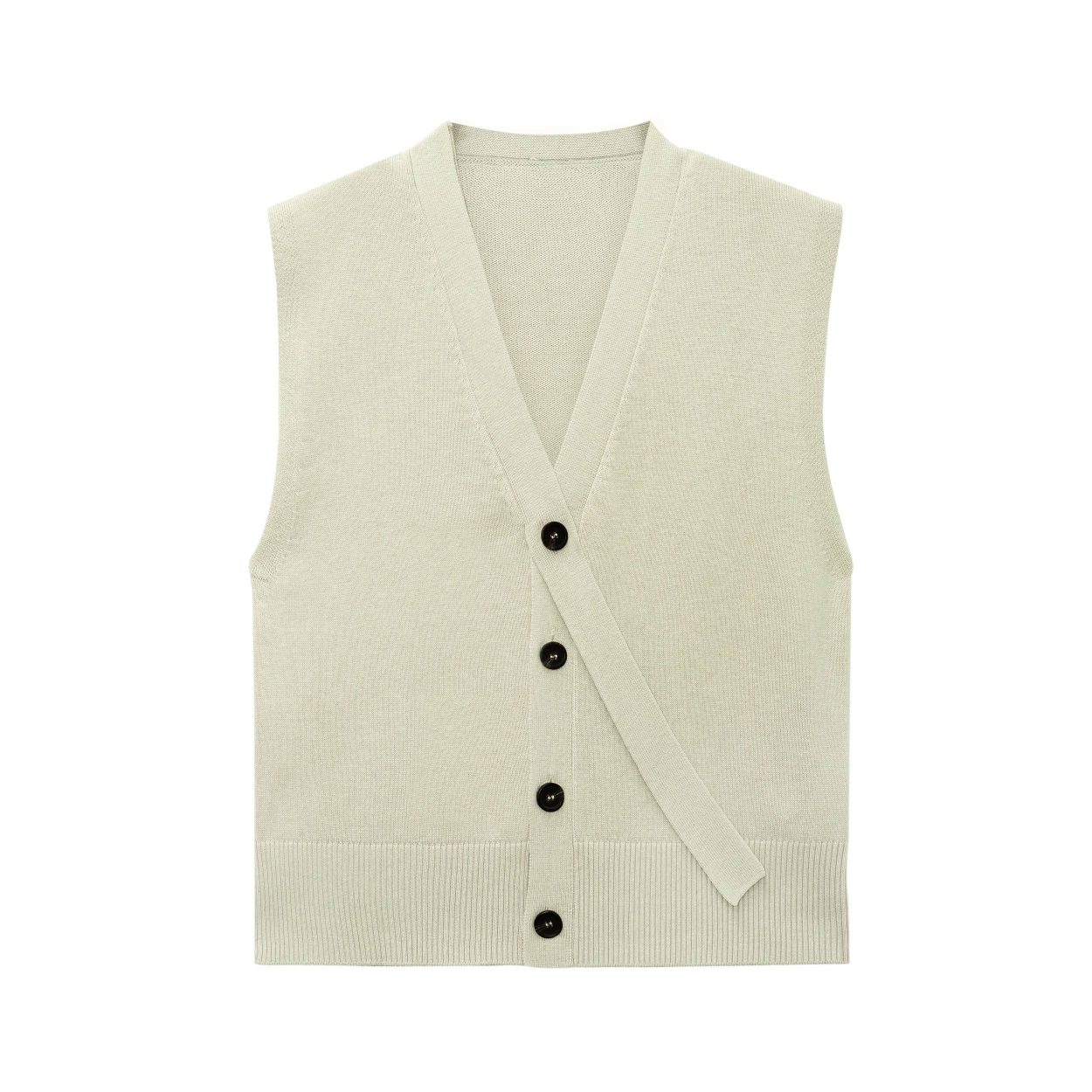
Custom Knitted Vest
Custom knitted vests designed and manufactured to your specifications. Our in-house team translates tech packs, sketches, or concepts into fully-fashioned, knit-down samples with original stitch programming, embroidery, jacquard logos, and garment finishing. OEM and ODM capabilities support independent designers, brands, and influencers launching signature vest styles with low minimums and end-to-end production control backed by 28 years of knitwear expertise.
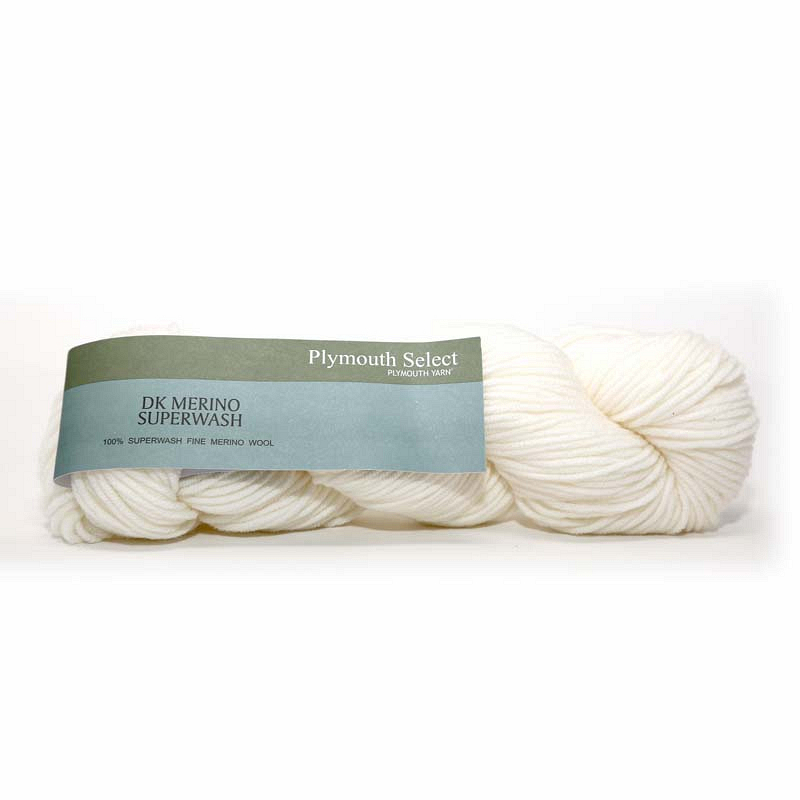
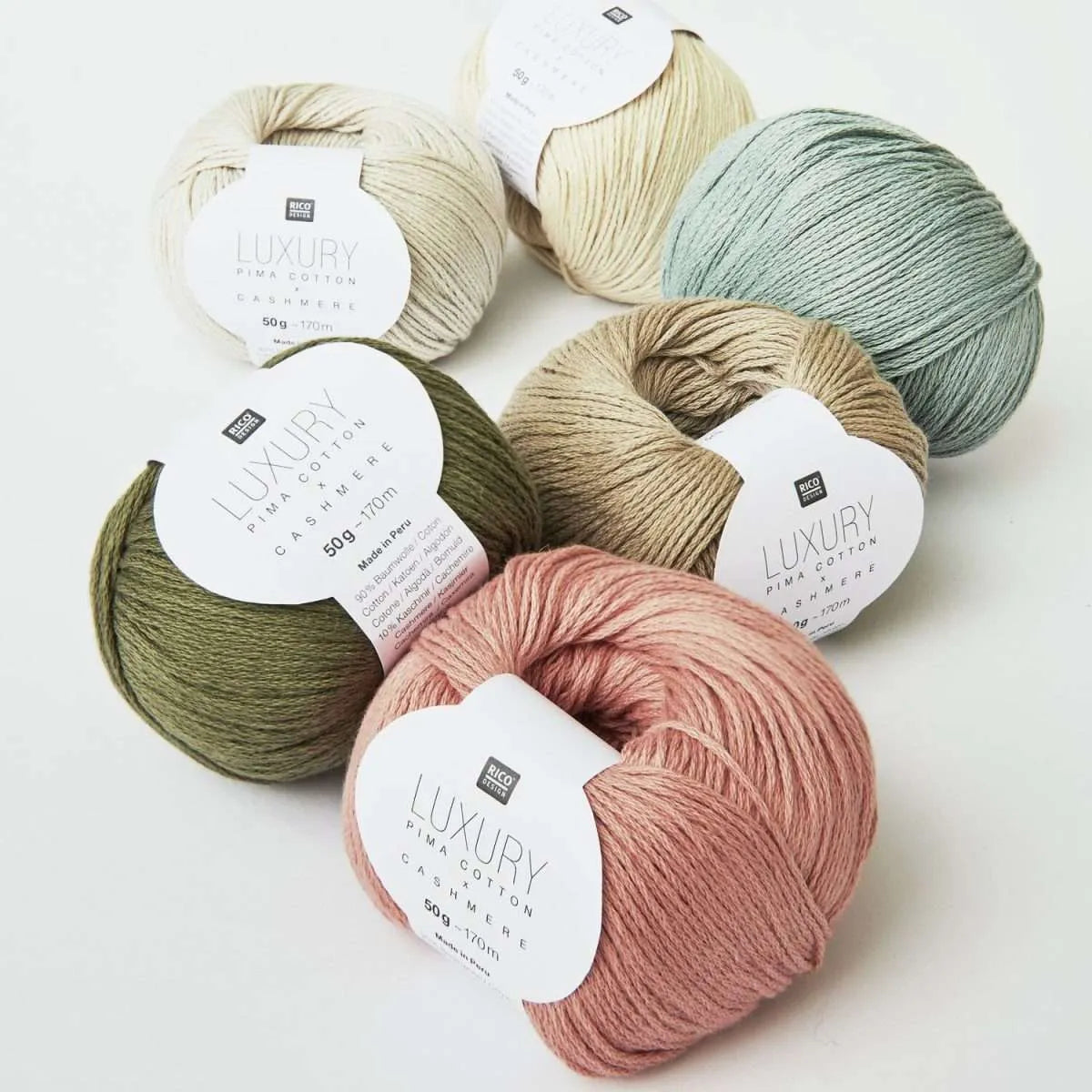
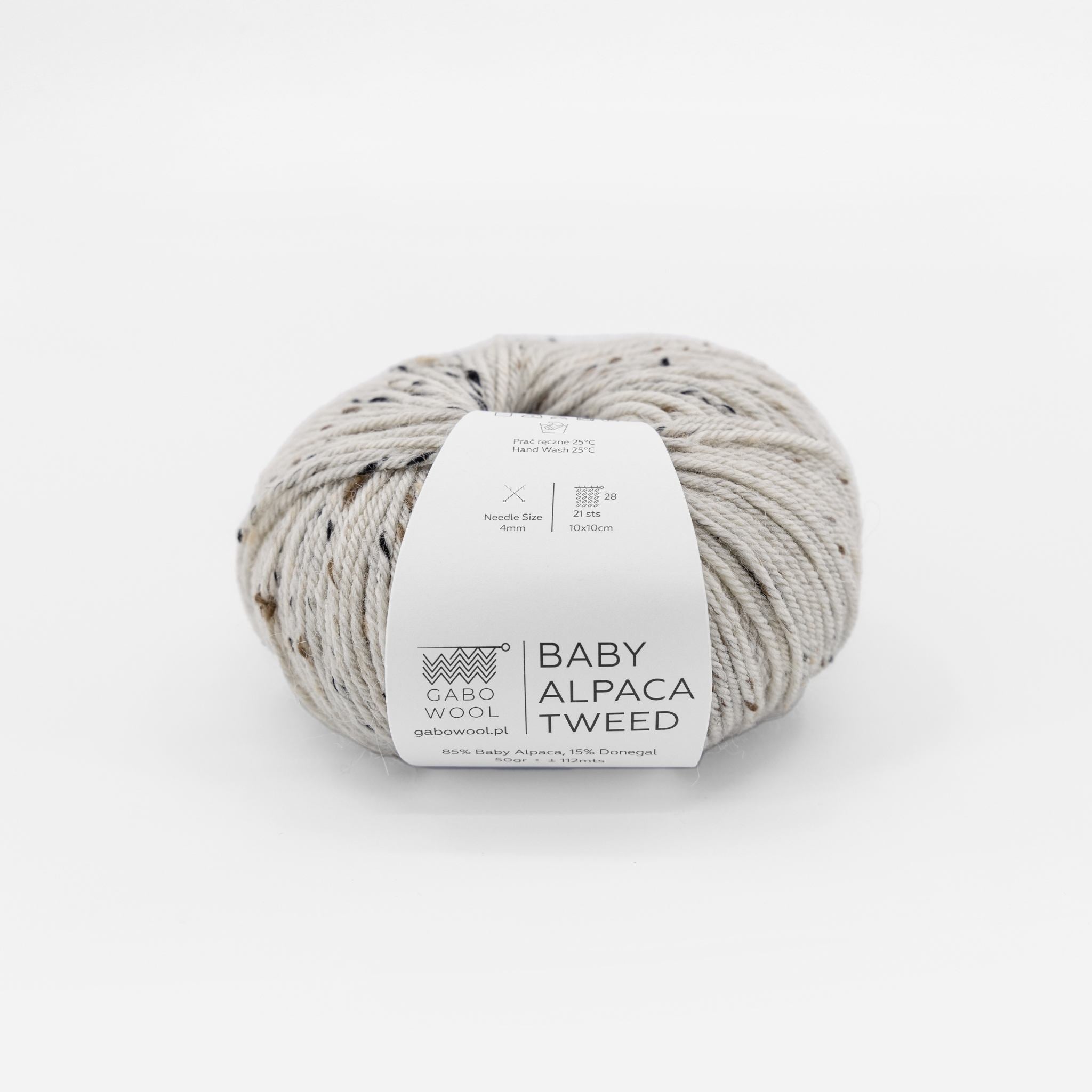
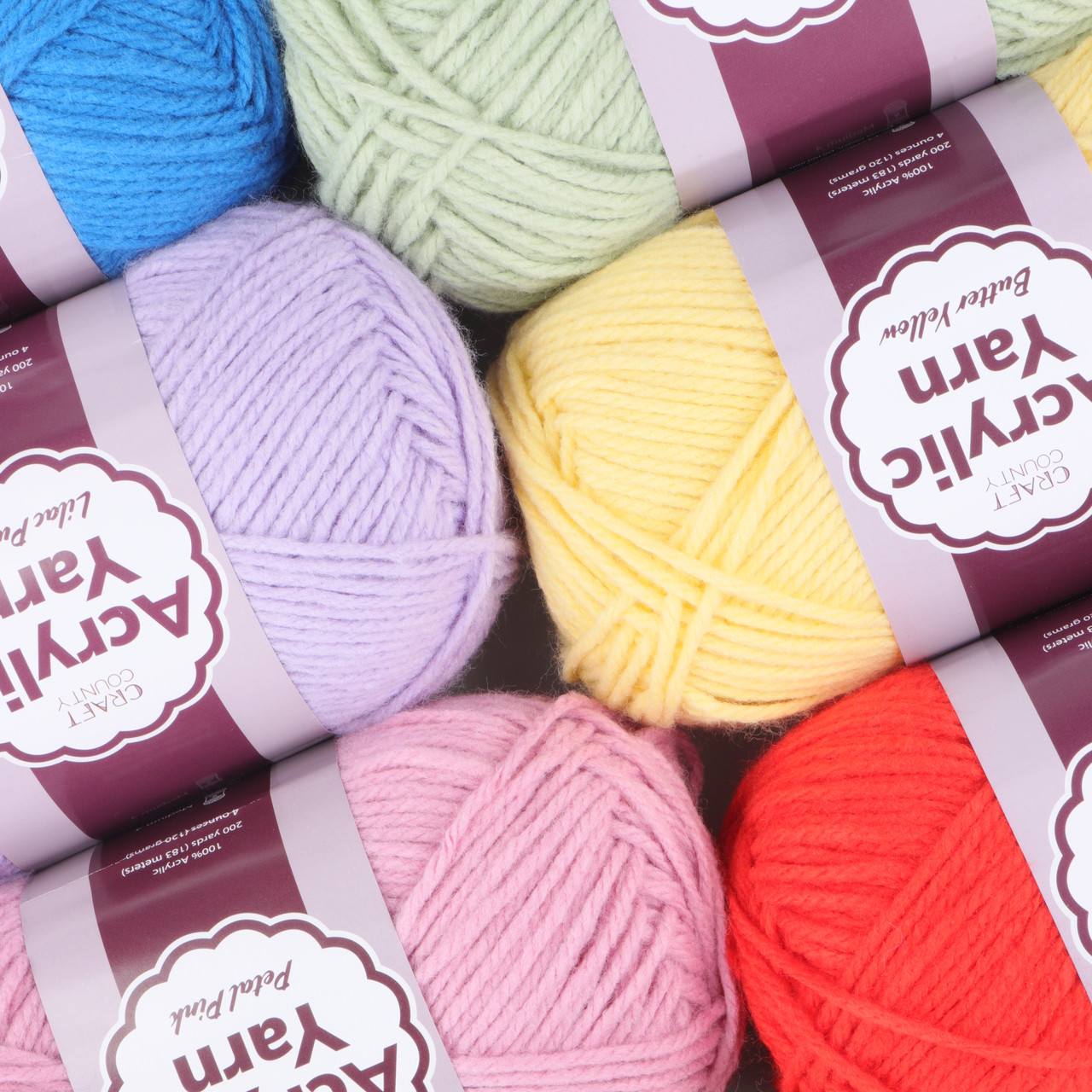
Get a QuotePremium Materials for Your Custom Sweater Vest
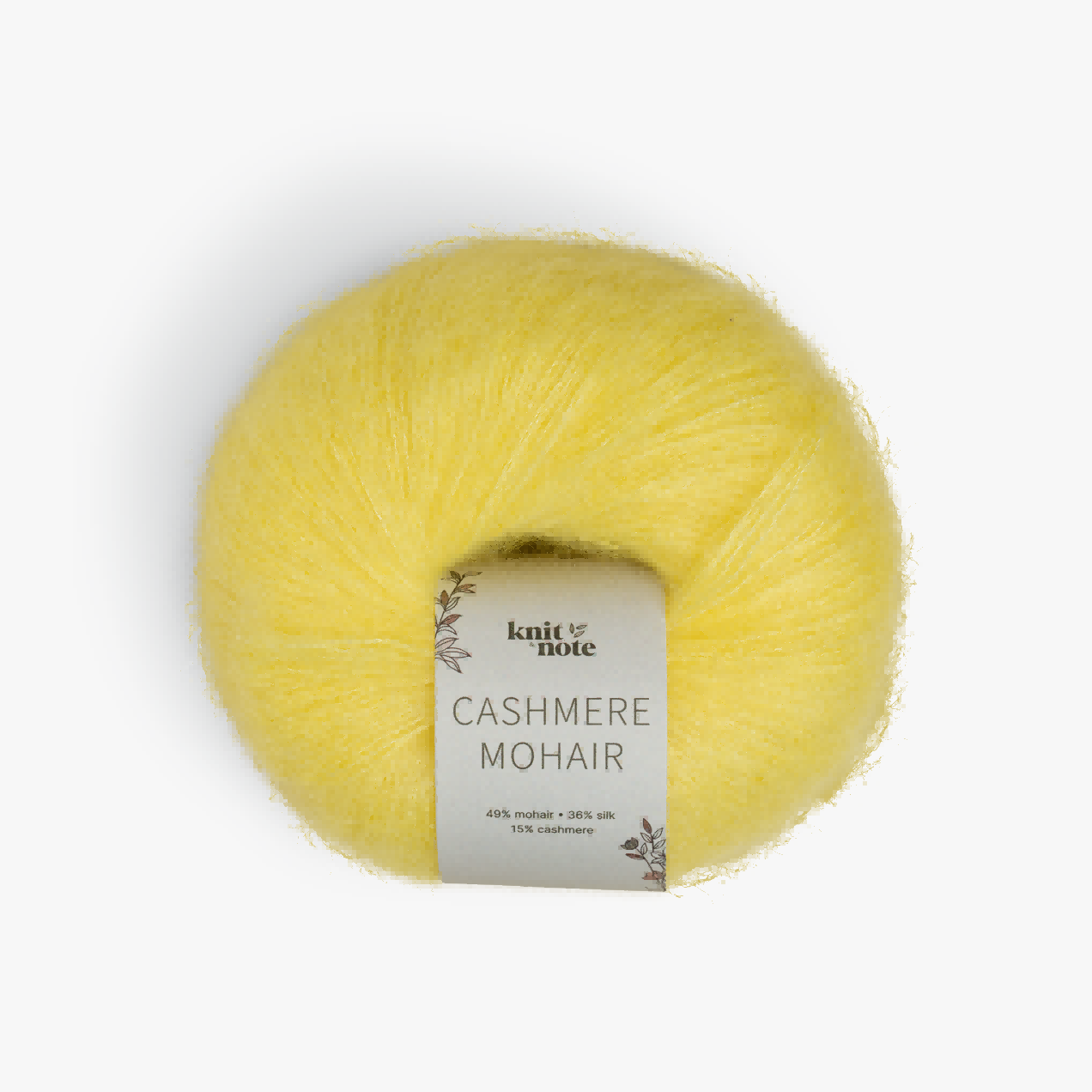
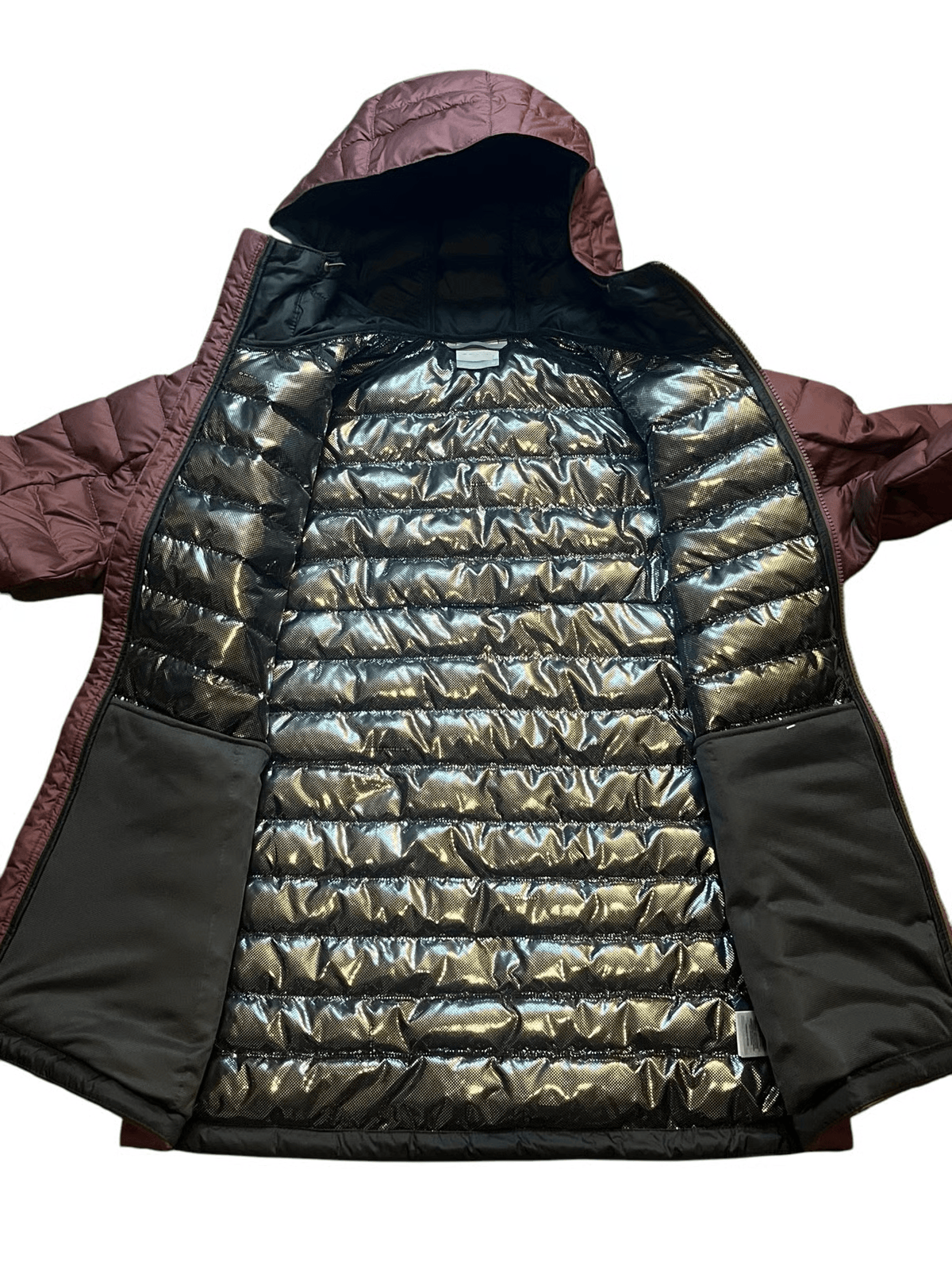
Knitting Techniques for Your Custom Sweater Vest
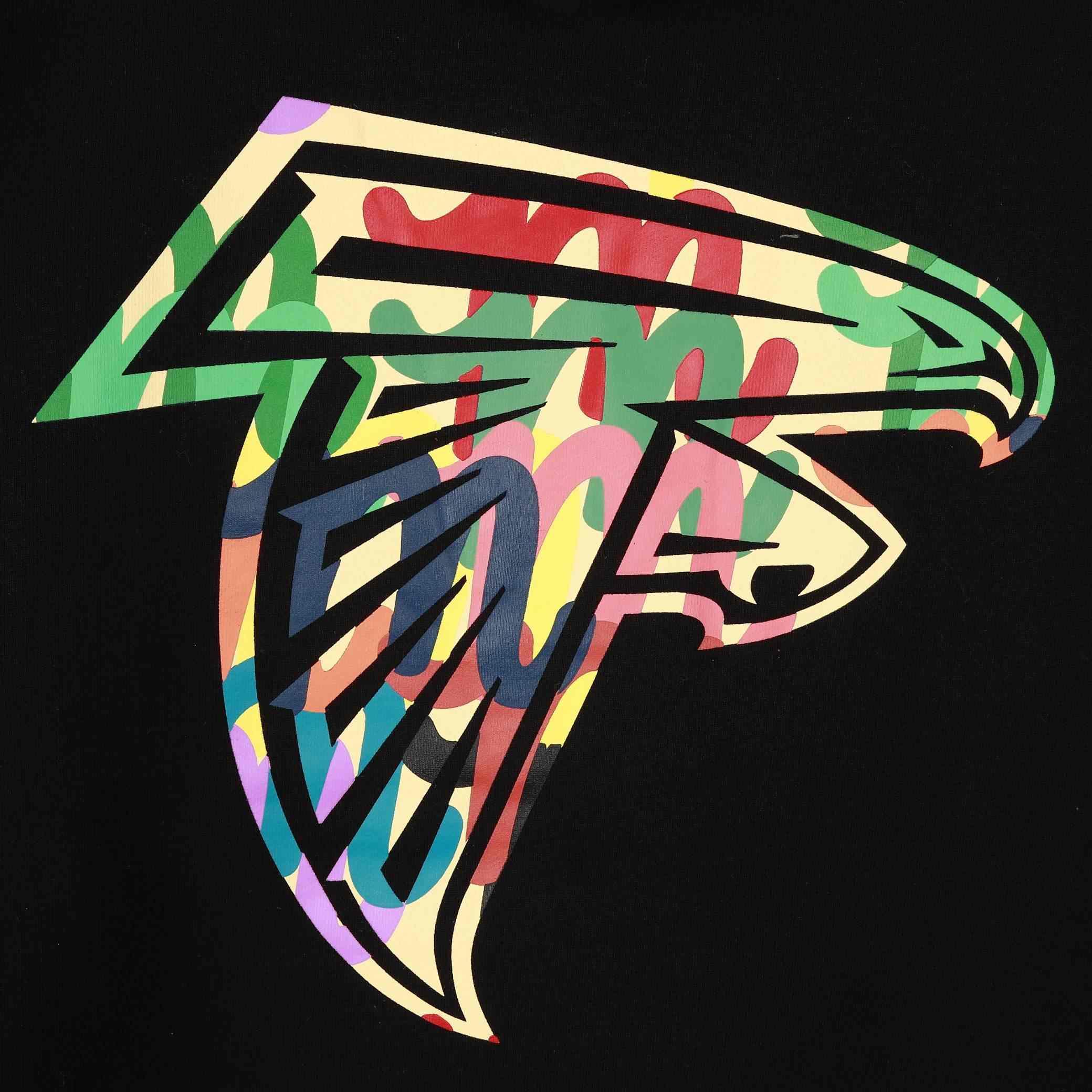
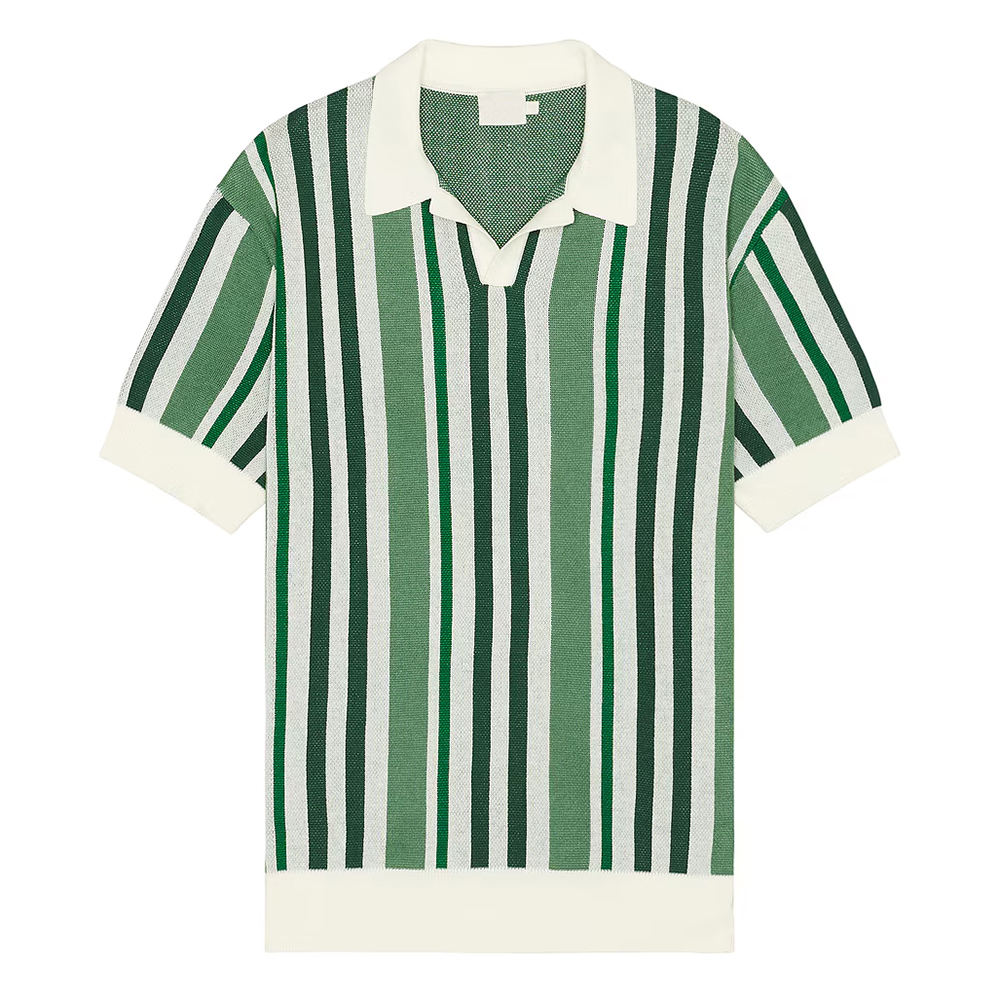
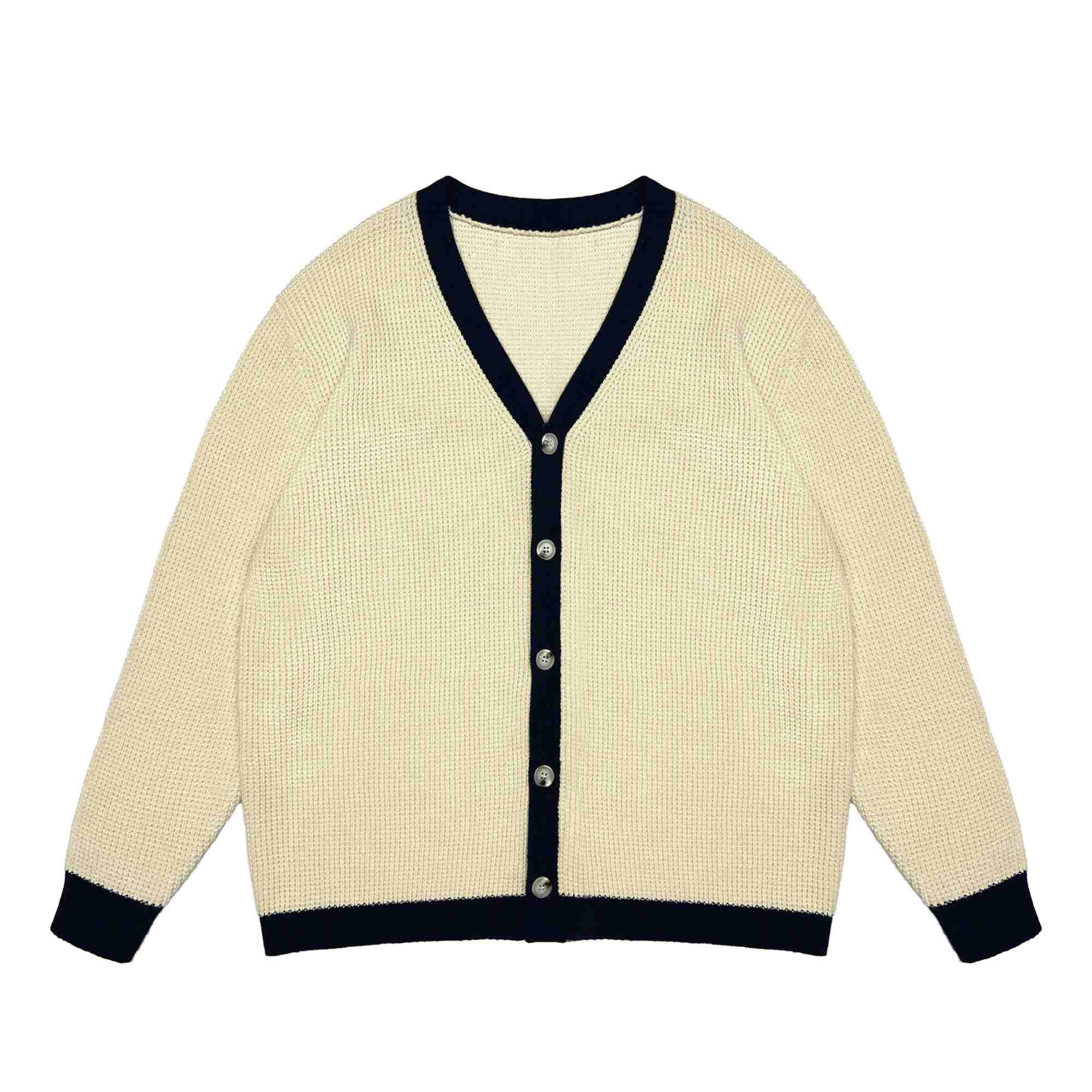
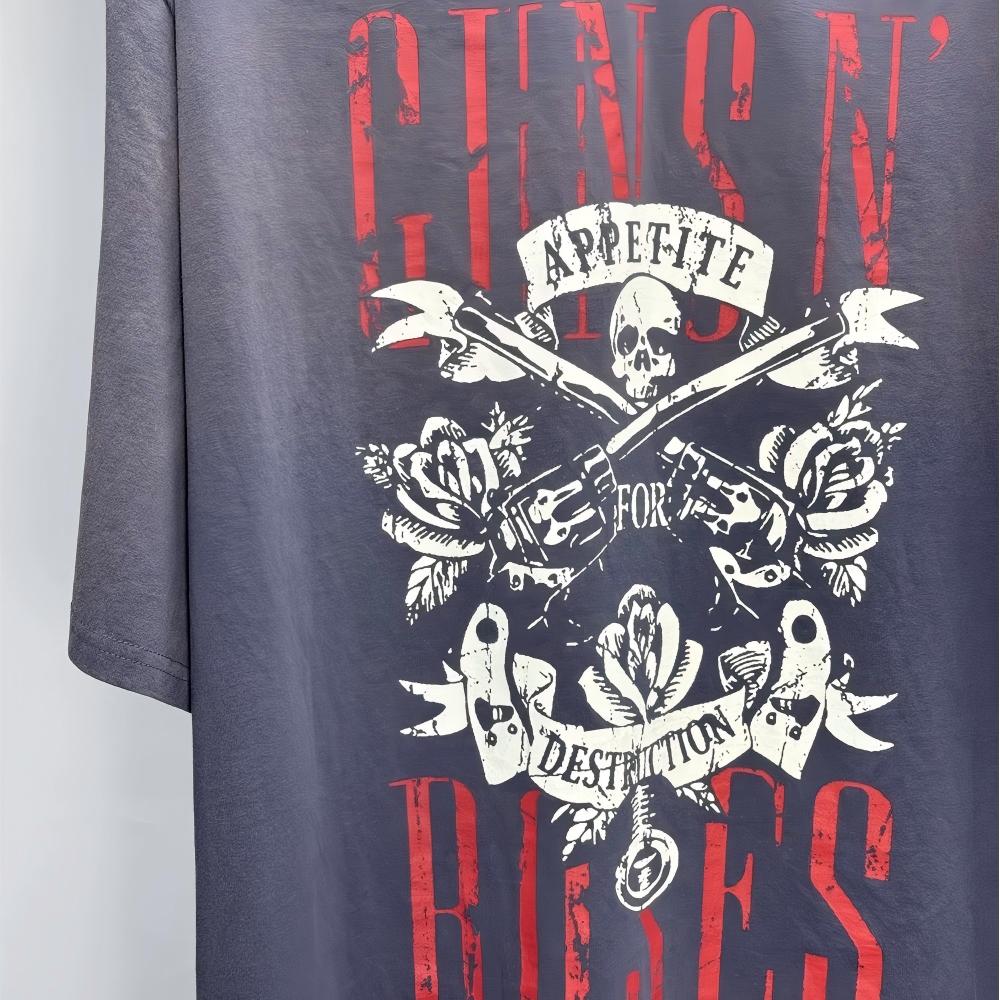
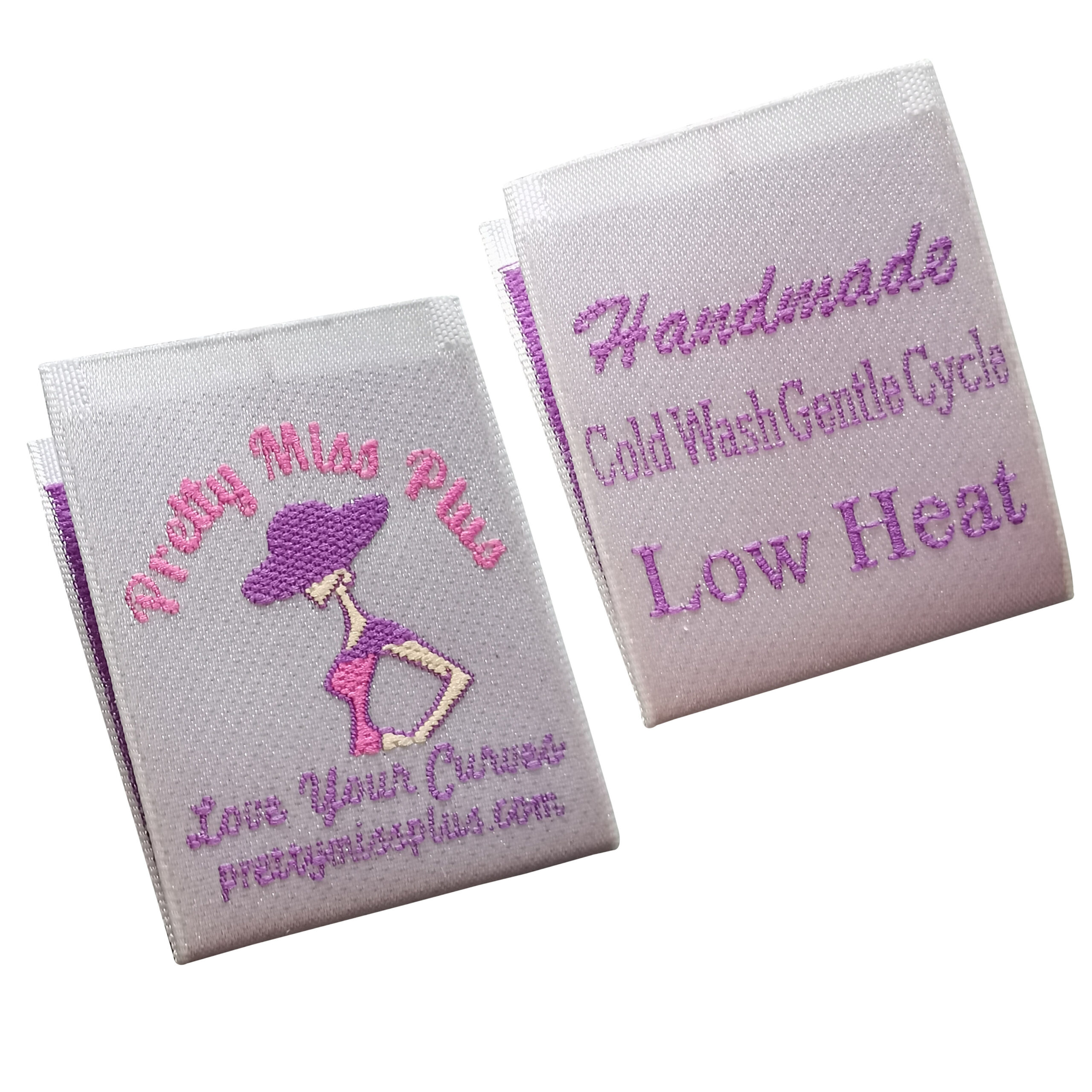
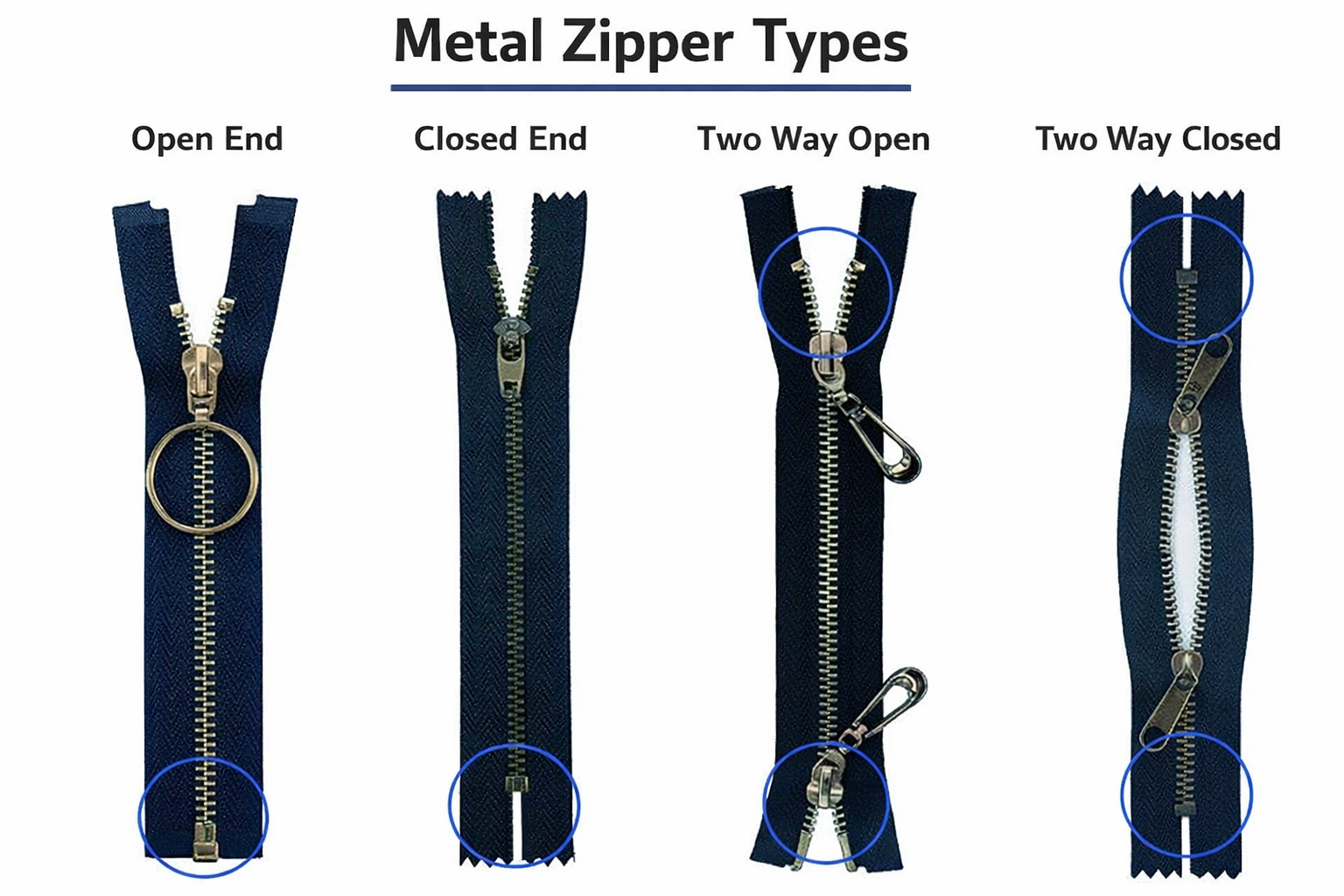
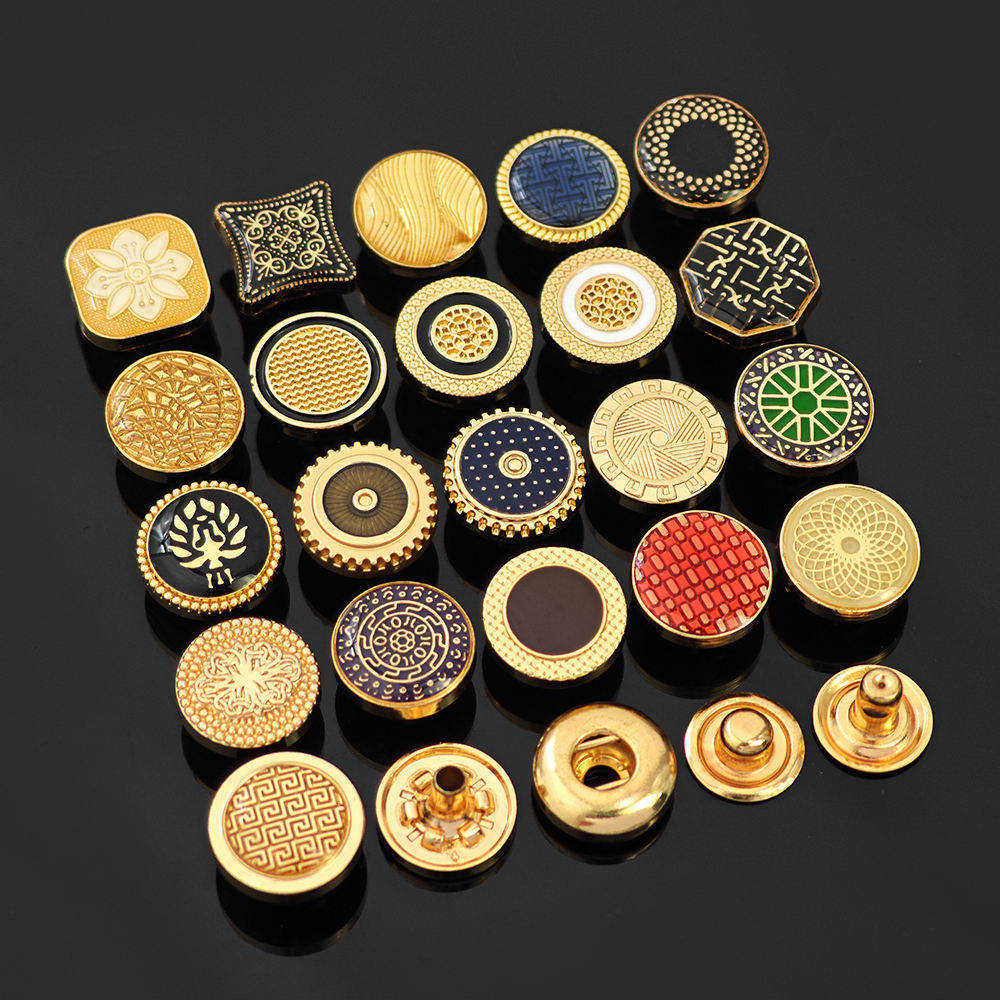
Decoration & Trim Options for Your Custom Sweater Vest
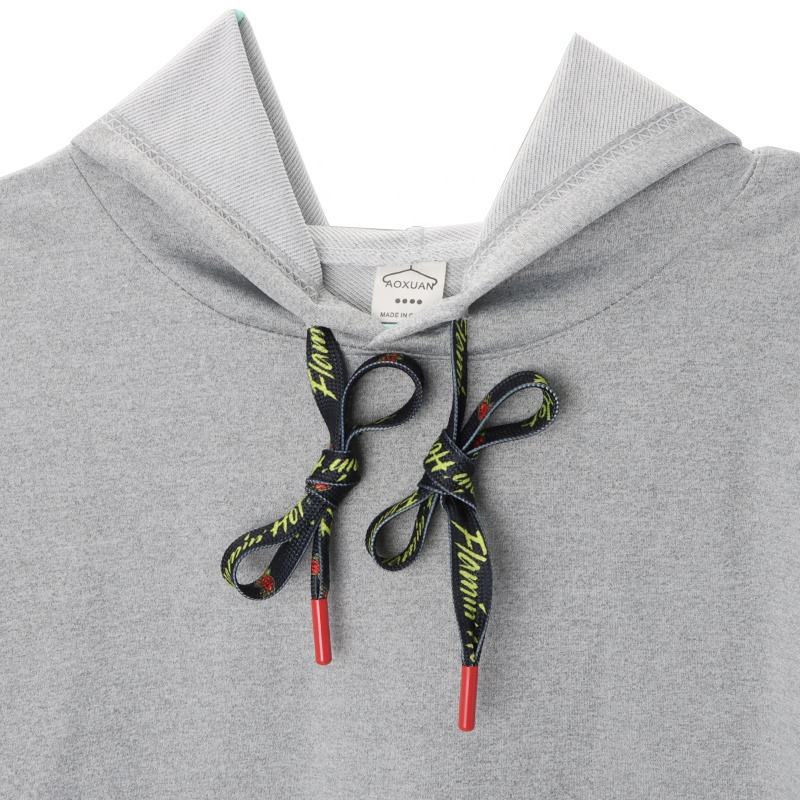
About CENWILD — 28 Years of Knitwear Expertise
Founded in 1998 in Humen, Dongguan — the heart of China’s knitwear manufacturing region — CENWILD began as a small family knitting workshop and has grown into a full-service OEM and ODM custom sweater vest manufacturer. Today, our team of over 200 skilled employees operates a complete production ecosystem, from yarn sourcing and design development to knitting, finishing, and export logistics.
We serve fashion brands, retailers, wholesalers, and independent designers across six continents, with over 2,000 clients trusting us to bring their knitwear visions to life. Our monthly capacity exceeds 80,000 pieces, yet we welcome startups and emerging labels with flexible MOQs starting from just 100 pieces. Every partnership is guided by our core values: Quality First, Customer Growth, Innovation, and Responsibility.
What sets CENWILD apart is our one-stop approach: an in-house design team that transforms sketches or ideas into production-ready tech packs, computerized flat-knitting across 3GG to 14GG gauges, comprehensive decoration and finishing services, and flexible payment options including T/T, PayPal, credit card, and USDT. We position ourselves as the manufacturing backbone behind growing fashion brands worldwide.
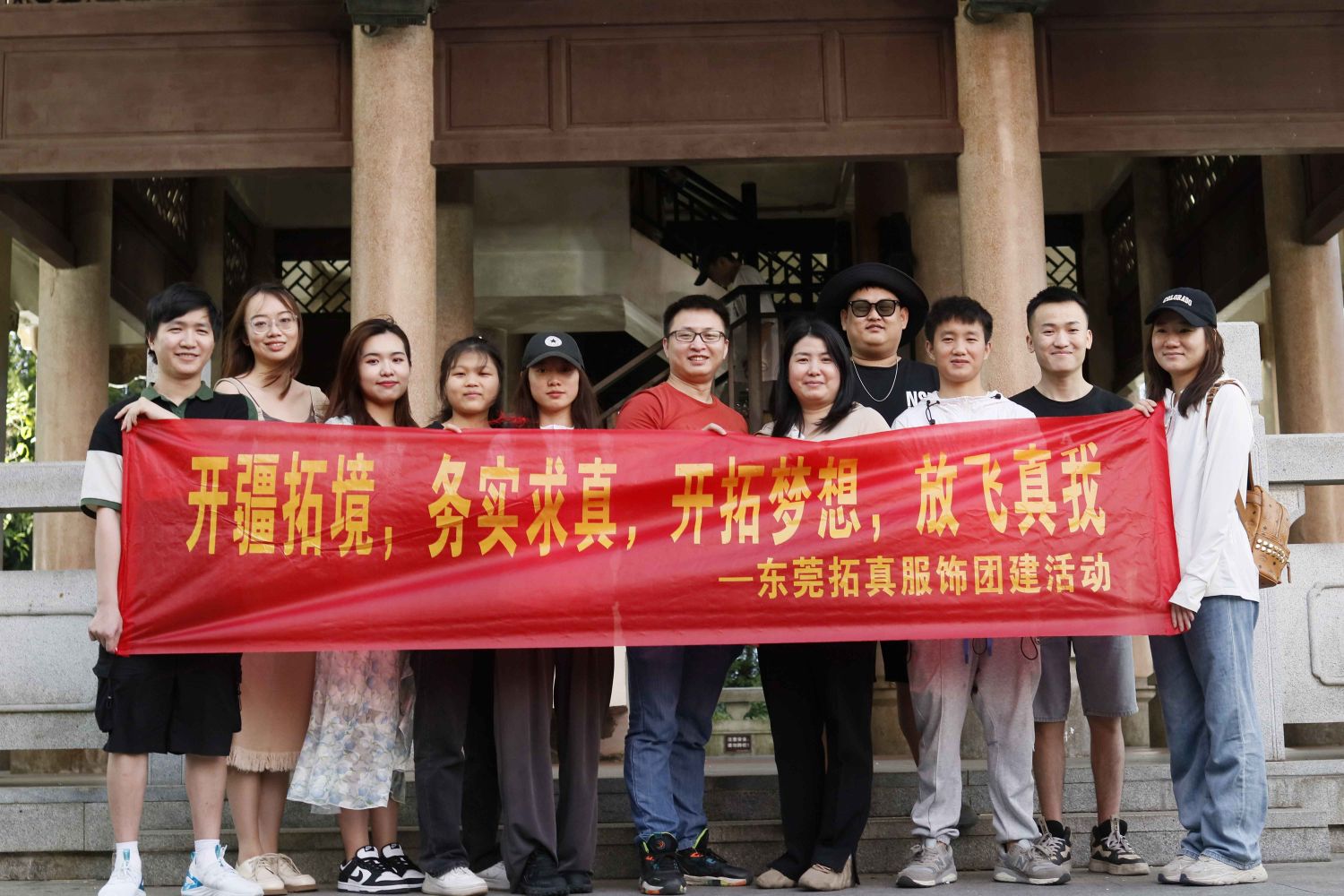
Core Manufacturing Capabilities for Custom Sweater Vests
In-House Knit-Down Sampling & Design
Our dedicated design team transforms your concept—tech pack, sketch, photo, or idea—into production-ready custom sweater vest samples. We create original stitch designs, 3D knit programming, grading, and physical knit-down swatches in-house before production begins.
- Tech pack development from any starting point
- Original stitch design and 3D knit programming
- Physical knit-down samples for approval
- Full grading and fit refinement services
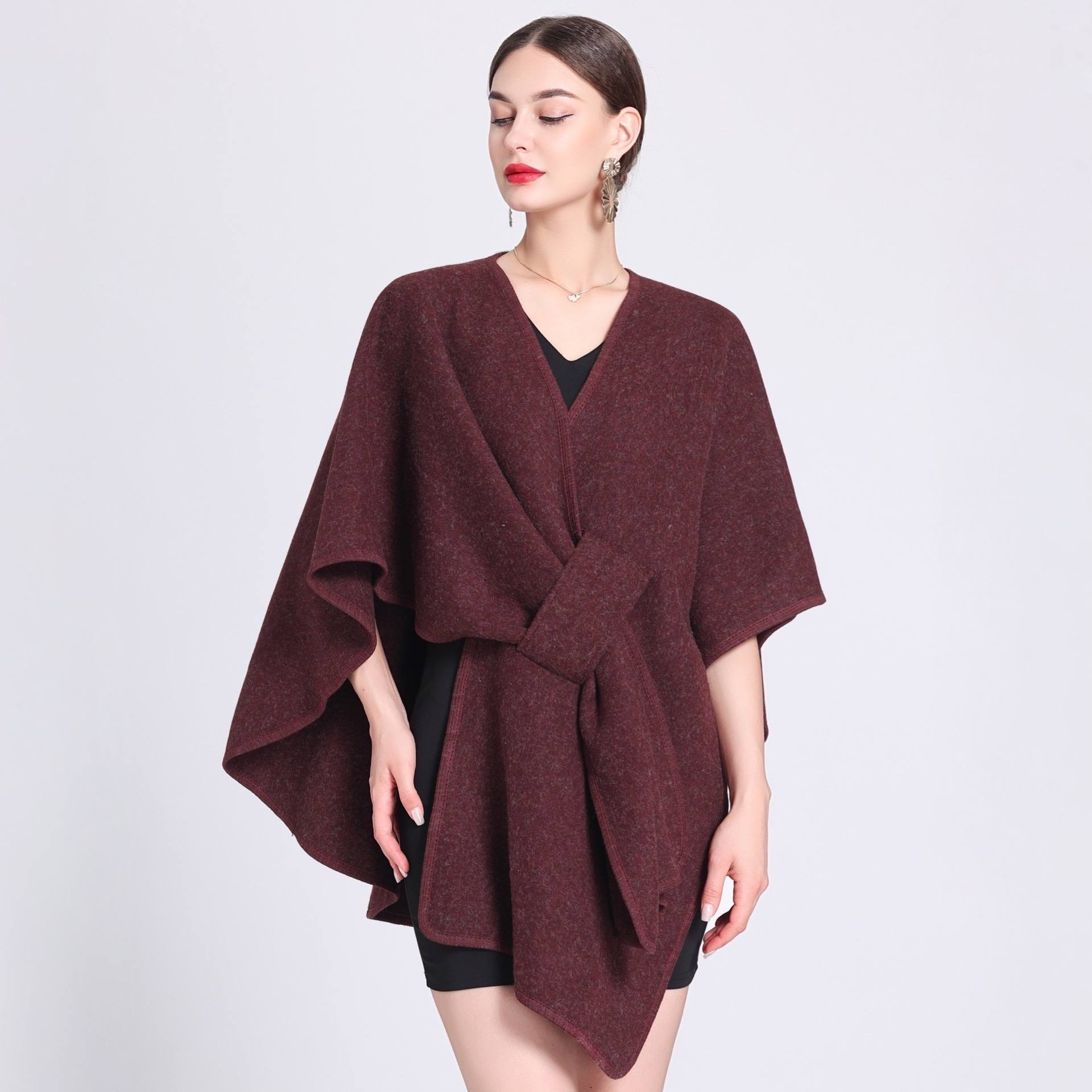
Computerized Flat-Knitting 3GG–14GG
CENWILD operates computerized flat-knitting machines spanning 3-gauge through 14-gauge, enabling everything from chunky statement vests to fine-gauge corporate styles. Our monthly capacity exceeds 80,000 pieces, backed by over 200 skilled employees and 28+ years of Dongguan expertise.
- 3GG–14GG gauge range for any design
- 80,000+ piece monthly production capacity
- Intarsia, jacquard, cable, and fully-fashioned techniques
- 28+ years of precision knitting experience
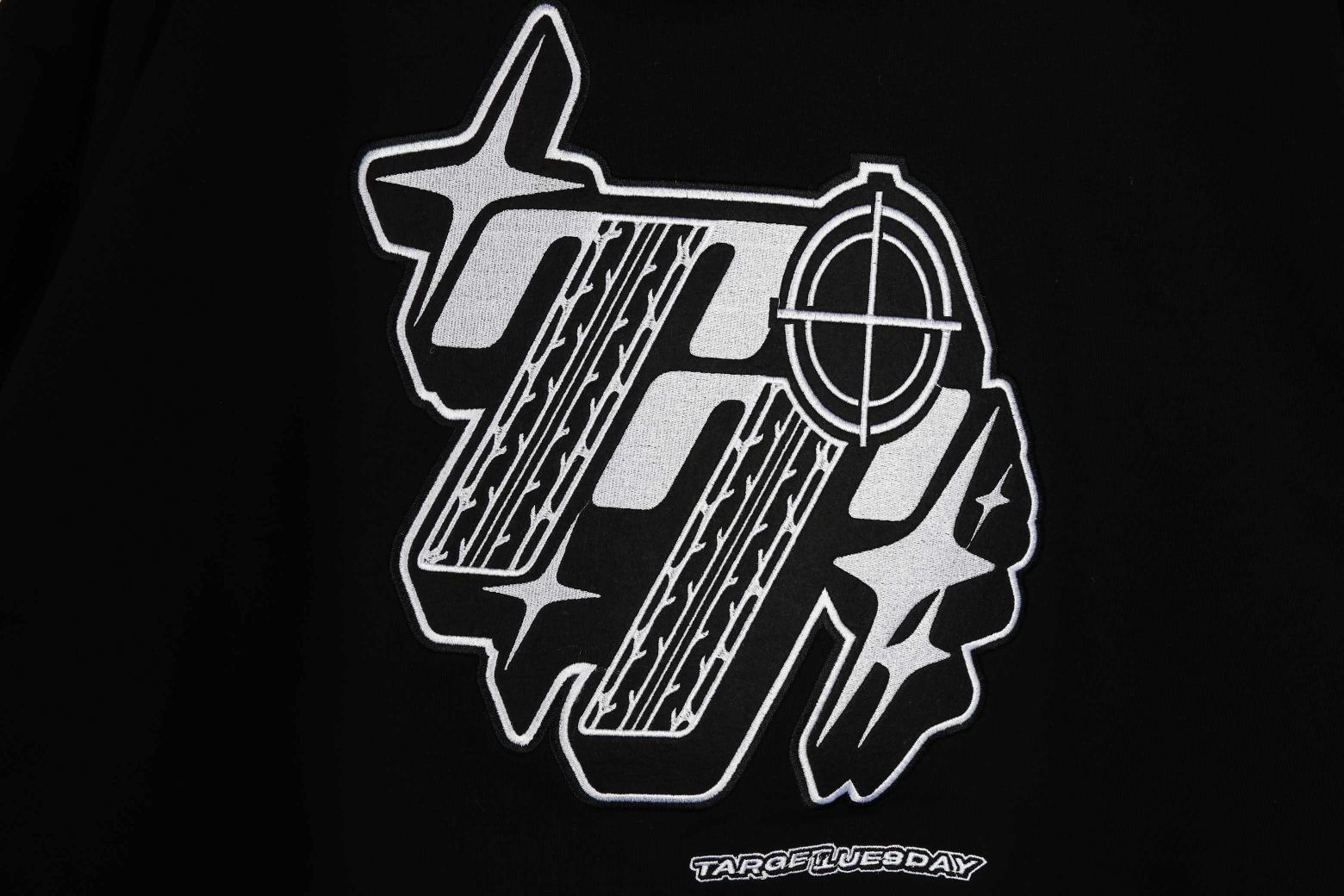
Full Decoration & Embellishment Suite
Beyond knitting, we offer comprehensive decoration in-house: flat, 3D puff, chain-stitch, appliqué, sequin, and patch embroidery; screen, heat-transfer, DTF, and sublimation printing—so your custom sweater vest carries your brand identity exactly as envisioned.
- Embroidery: flat, 3D, chain-stitch, appliqué, sequin, patches
- Printing: screen, heat transfer, DTF, sublimation
- Logo and artwork placement services
- All decoration managed under one roof
Garment Finishing & Washing
Every custom sweater vest receives professional finishing—softening, anti-pilling treatment, garment dyeing, and brushing—to ensure the hand-feel, drape, and durability your customers expect. Quality control checks every piece before it leaves our Dongguan facility.
- Softening and anti-pilling treatments
- Garment dye and brushing services
- Comprehensive quality control inspection
- Export-ready packaging and logistics support
CENWILD vs. Typical Custom Sweater Vest Suppliers
See how our 28 years of Dongguan knitwear manufacturing experience, flexible MOQ, and full in-house capabilities set us apart from conventional sweater vest factories.
← 左右滑动查看 →
Our Custom Sweater Vest Production Process
Every custom sweater vest order moves through six proven quality gates, combining 28+ years of Dongguan manufacturing expertise with transparent timelines and in-house control at every step.
Yarn Sourcing & Approval
We source your specified yarn—cashmere, merino, cotton, or blends—and ship swatches for color and hand-feel approval before any knitting begins.
Knit-Down Sampling & Design Finalization
Our design team programs your stitch patterns, creates knit-down samples on 3GG–14GG machines, and refines fit, gauge, and construction with you.
Bulk Knitting Production
Approved samples move to our computerized flat-knitting lines with a monthly capacity of 80,000+ pieces, ensuring consistent quality at scale.
Decoration & Embellishment
In-house embroidery, printing, appliqué, and sequin work are applied to your custom sweater vest designs, followed by trim attachment and detail finishing.
Quality Control & Garment Finishing
Each piece undergoes multi-point inspection, garment washing, anti-pilling treatment, and pressing to meet CENWILD’s Quality First standard before packing.
Packing & Export Logistics
Final cartons are prepared to your specifications, export documentation is completed, and shipments depart on schedule with full tracking and support.
How to Order Your Custom Sweater Vest
From design concept to finished garment, CENWILD makes custom sweater vest production straightforward. Follow these five steps to bring your vision to life with our 28-year manufacturing expertise.
Submit Your Design or Idea
Share your tech pack, sketch, reference image, or concept. Our design team will review your custom sweater vest requirements and confirm feasibility within 24 hours.
Receive Quote and Sample Timeline
Get a detailed quotation covering materials, decoration, MOQ pricing, and knit-down sample lead time. We’ll answer all questions about your custom sweater vest project.
Approve Your Knit-Down Sample
Review a physical pre-production sample knitted in-house. Request adjustments to fit, stitch, color, or trims until your custom sweater vest meets your standards.
Confirm Bulk Order and Deposit
Place your production order with flexible deposit terms. First-time clients pay full deposit; returning partners enjoy reduced terms as low as thirty percent.
Production, QC, and Shipment
Your custom sweater vest enters our controlled production line. Every piece is inspected, finished, packed to spec, and shipped with full export documentation and tracking.
Certifications & Industry Standards for Custom Sweater Vest Production

Custom Sweater Vest Success Stories
CENWILD delivered 1,200 custom sweater vests in just 7 weeks for our fall retail launch. The intarsia logo work was flawless, and their 100-piece MOQ let us test three colorways before scaling up.
We started with a 100-piece sample order of custom vests and scaled to 4,500 pieces within six months. Their ODM team helped us refine the cable-knit pattern, and quality stayed consistent across every production run.
Their 28 years of experience showed immediately. CENWILD turned our rough sketches into production-ready custom sweater vest samples in under 3 weeks, complete with embroidered patches and garment-dyed finishes that matched our brand perfectly.
Custom Sweater Vest Manufacturing — Frequently Asked Questions
What is the minimum order quantity for custom sweater vests?
How long does it take to produce custom sweater vests?
Can I get a sample before placing a bulk order for custom sweater vests?
What payment methods do you accept for custom sweater vest orders?
How much does it cost to manufacture custom sweater vests?
Do you handle shipping and logistics for custom sweater vest orders?
Will my custom sweater vest designs and brand information be kept confidential?
What customization options are available for custom sweater vests?
Do you offer bulk pricing discounts for larger custom sweater vest orders?
The Complete Buyer’s Guide to Custom Sweater Vest Manufacturing and Sourcing
Navigate fabric choices, decoration methods, and supplier selection with confidence. This guide delivers a proven decision framework, quality benchmarks, and the most common pitfalls fashion buyers encounter when sourcing custom sweater vests.
1. What Is a Custom Sweater Vest?
A custom sweater vest is a sleeveless knitted garment manufactured to a buyer’s exact specifications — design, yarn, color, fit, gauge, and decoration — rather than selected from existing inventory. Unlike off-the-shelf stock, custom production allows brands to control every element: stitch pattern, neckline shape, hem length, logo placement, and even proprietary colorways matched to Pantone standards.
Custom sweater vests serve four primary use cases. Corporate uniforms and hospitality brands order vests with embroidered logos for front-line staff; schools and universities commission spirit wear featuring mascots, stripes, and team colors; fashion labels develop seasonal collections with original intarsia or jacquard patterns; and promotional campaigns distribute branded vests as merchandise or event giveaways.
Brands choose custom over stock for three reasons: differentiation (no competitor carries the identical piece), brand consistency (exact color and logo fidelity across all touchpoints), and margin control (factory-direct pricing typically 40–60% below wholesale stock). Minimum order quantities start as low as 100 pieces per design with manufacturers like CENWILD, making custom accessible even to independent designers and emerging labels.
2. Evolution and History of the Sweater Vest
The sweater vest emerged in the 1910s as practical sportswear for golfers and cricket players who needed freedom of arm movement without sacrificing warmth. By the 1920s, it had crossed into Ivy League campuses, becoming a staple of collegiate style layered over Oxford shirts and ties.
The 1950s through 1980s cemented the vest’s preppy identity, popularized by country clubs, academic institutions, and brands like Brooks Brothers. During the same decades, punk and new-wave subcultures appropriated the argyle and cable-knit vest ironically, pairing it with leather and distressed denim to subvert its conservative image.
The late 1990s and early 2000s saw the vest fade, only to roar back in the 2020s through Y2K nostalgia and streetwear collaborations. Platforms like TikTok and Instagram drove demand for oversized, cropped, and graphic-heavy versions worn solo or layered over hoodies.
Custom sweater vest production grew as brands sought differentiation through unique colorways, jacquard patterns, embroidered logos, and limited-edition capsules. Manufacturers like CENWILD adapted by offering low-MOQ programs, intarsia and embroidery capabilities, and design support to help brands translate trend insights into proprietary knitwear.
3. Types of Custom Sweater Vest Styles
Custom sweater vest orders typically fall into six core silhouettes, each defined by neckline, fit, and stitch construction. Understanding these categories helps brands match design intent to target demographics and retail price points.
Classic V-Neck Vest
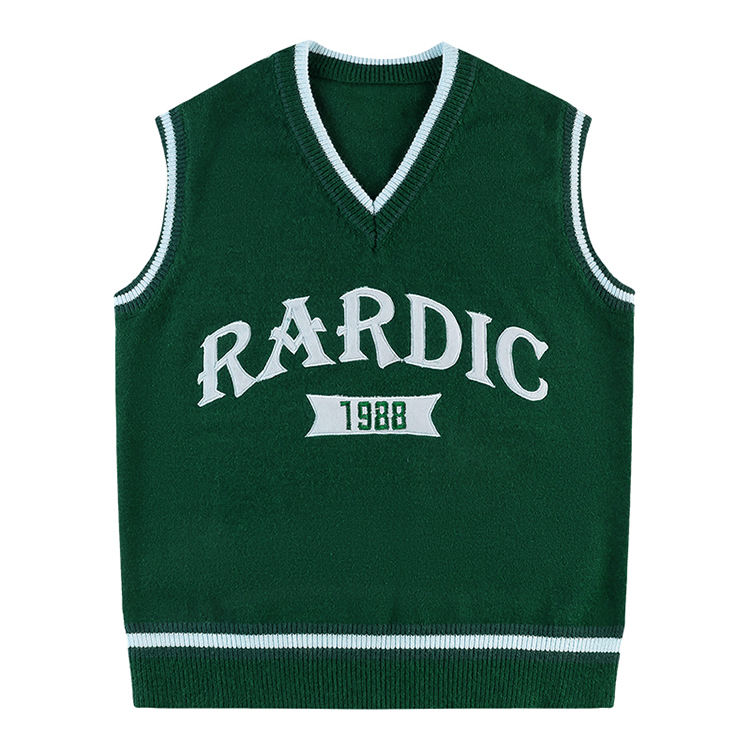
The V-neck remains the most requested custom sweater vest silhouette for corporate, school, and preppy casual lines. Typically knit at 7GG–12GG gauge in medium-weight merino or cotton blends, it features 1×1 or 2×2 rib at armholes, hem, and neckline. Target markets include uniforms, collegiate apparel, and heritage menswear.
Crewneck Sleeveless Pullover
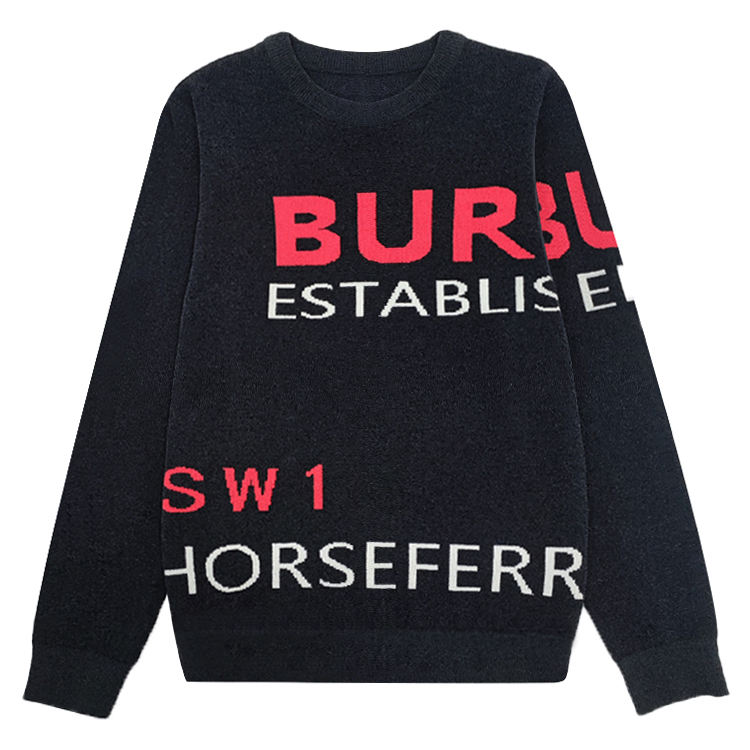
Crewneck vests offer a sportier, layering-friendly alternative popular in women’s contemporary and unisex streetwear. Knit at 5GG–9GG with the same rib finish as V-necks, they pair well with oversized shirting. Brands targeting Gen Z and millennial casual markets favor this silhouette.
Argyle and Jacquard Pattern Vests
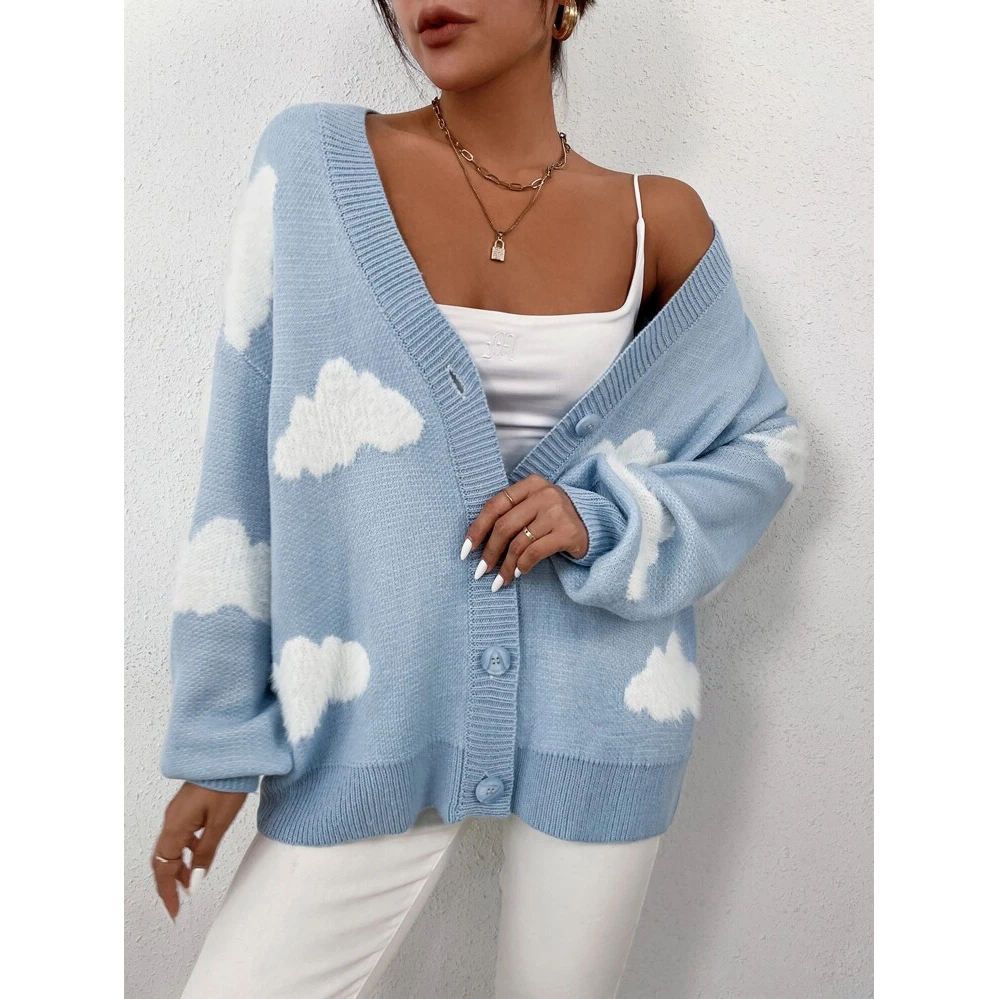
Argyle and multi-color jacquard vests require intarsia or jacquard programming on computerized flat-knit machines. Yarn weight ranges from fine 12GG for dress styles to chunky 5GG for vintage-inspired designs. These styles command higher retail margins in golf apparel, holiday collections, and nostalgic fashion capsules.
Cable-Knit and Textured Vests
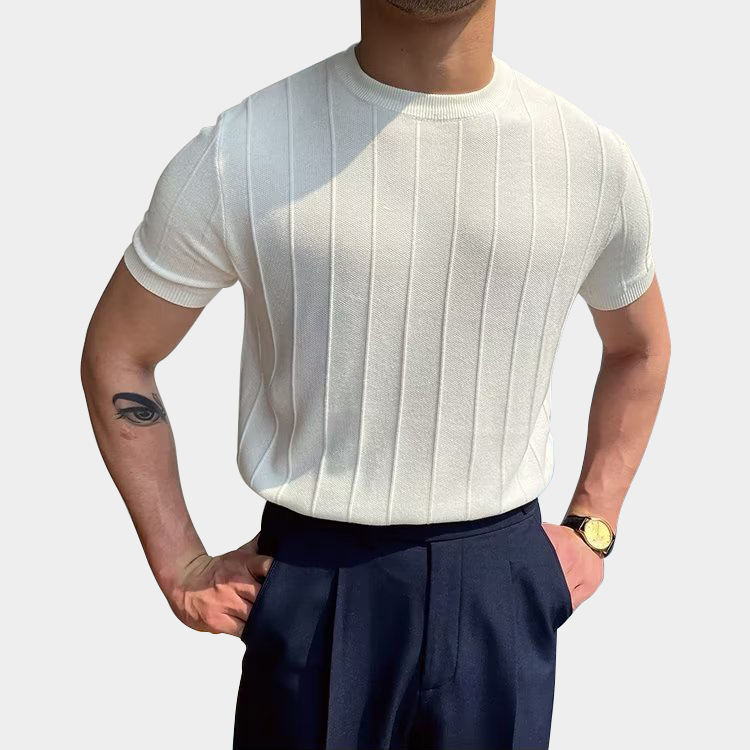
Cable, honeycomb, and basket-weave textures add dimension without color complexity. Typically produced at 5GG–7GG in wool or acrylic blends, these vests appeal to outdoor, heritage, and autumn/winter collections. The heavier gauge supports the stitch definition required for visible texture.
Oversized Streetwear and Cropped Fashion Fits
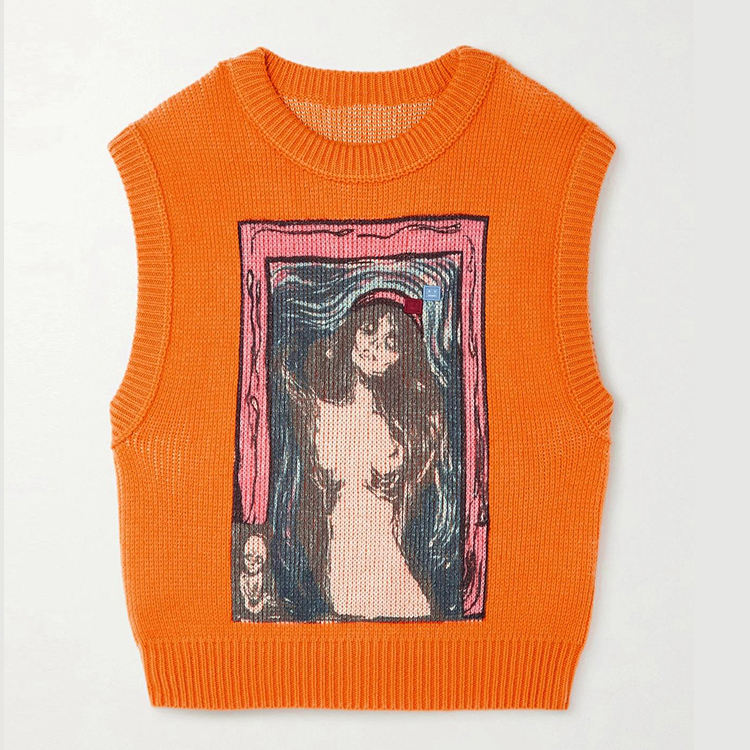
Oversized, boxy, and cropped vests dominate contemporary women’s and unisex lines. Knit at 3GG–7GG with dropped armholes and minimal ribbing, these styles use relaxed grading and often pair with high-waisted bottoms. Influencer and independent designer brands drive demand in this category.
Sleeveless Cardigan Vests
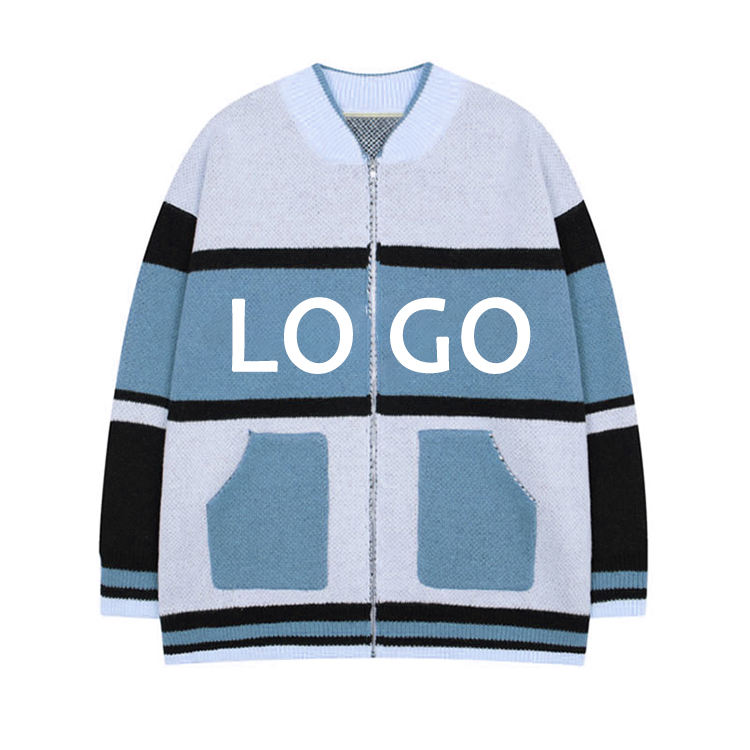
Sleeveless cardigans feature button or zip closures and function as layering pieces in transitional seasons. Produced at 7GG–12GG with full-length plackets, they serve workwear, maternity, and modest fashion markets. Rib or rolled edges at armholes prevent curling and improve durability.
4. Materials and Fabrics for Custom Sweater Vests
Material choice drives cost, performance, and brand positioning for every custom sweater vest. CENWILD works with cashmere, merino wool, lambswool, cotton, Pima, alpaca, mohair, acrylic, and recycled or organic blends across gauges from 3GG to 14GG, matching fiber to target retail price and care profile.
| Fiber Type | GSM Range | Hand Feel & Warmth | Pilling Resistance | Price Bracket | Best Use |
|---|---|---|---|---|---|
| Cashmere | 180–240 | Luxuriously soft, high warmth | Moderate; improves with longer fibers | Premium ($$$) | High-end collections, gift sets |
| Merino Wool | 200–280 | Soft, breathable, excellent warmth | Good with tight twist | Mid-High ($$–$$$) | Year-round layering, office wear |
| Lambswool | 220–300 | Warm, slight crimp, durable | Very good | Mid ($$) | Outdoor, heritage styles |
| Cotton / Pima | 180–260 | Cool, breathable, minimal warmth | Excellent | Budget–Mid ($–$$) | Spring/summer vests, casual |
| Acrylic | 200–280 | Soft, lightweight, moderate warmth | Fair; prone to static | Budget ($) | Fast fashion, high-volume retail |
| Recycled Polyester Blends | 180–240 | Smooth, moisture-wicking | Good | Mid ($$) | Sustainable lines, activewear crossover |
| Organic Cotton | 180–260 | Soft, breathable, GOTS certified | Excellent | Mid ($$) | Eco-conscious brands, certifications |
5. Customization and Decoration Options
A custom sweater vest becomes a branded signature through decoration techniques that range from knit-in structures to surface embellishment. Each method balances visual impact, durability, cost per piece, and minimum-order economics, so choosing the right approach depends on design complexity, budget, and production volume.
| Technique | Durability (Washes) | Setup Cost | Per-Piece Cost | Lead Impact |
|---|---|---|---|---|
| Jacquard / Intarsia | Permanent | $0 (programming) | +$1–$3 | +3–5 days |
| Flat Embroidery | 50+ | $15–$50 | $0.80–$3.00 | +2–3 days |
| Screen Print | 30–40 | $25–$75/color | $0.50–$2.00 | +1–2 days |
| Heat Transfer | 30–40 | $0 | $1.50–$4.00 | +1–2 days |
Jacquard and Intarsia Knit-In Patterns
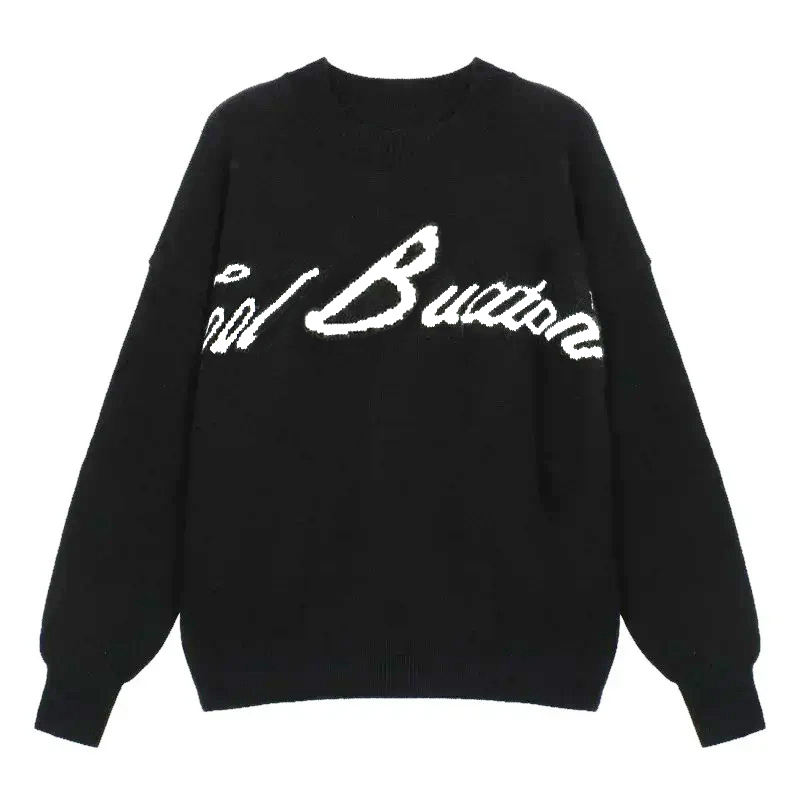
Jacquard weaves multicolor patterns directly into the knit structure during production, ideal for repeating motifs, argyle, or Fair Isle designs. Intarsia creates solid color-blocked sections—logos, lettering, or geometric panels—by knitting each color area separately and linking them seamlessly.
Both techniques eliminate surface decoration, so patterns never crack, peel, or fade. Setup requires 3D knit programming and may add 3–5 days to sampling. Per-piece cost rises with color count; jacquard typically supports 4–6 colors per row, while intarsia handles larger single-color zones with minimal premium at 100-piece MOQ.
Embroidery: Flat, 3D Puff, and Appliqué
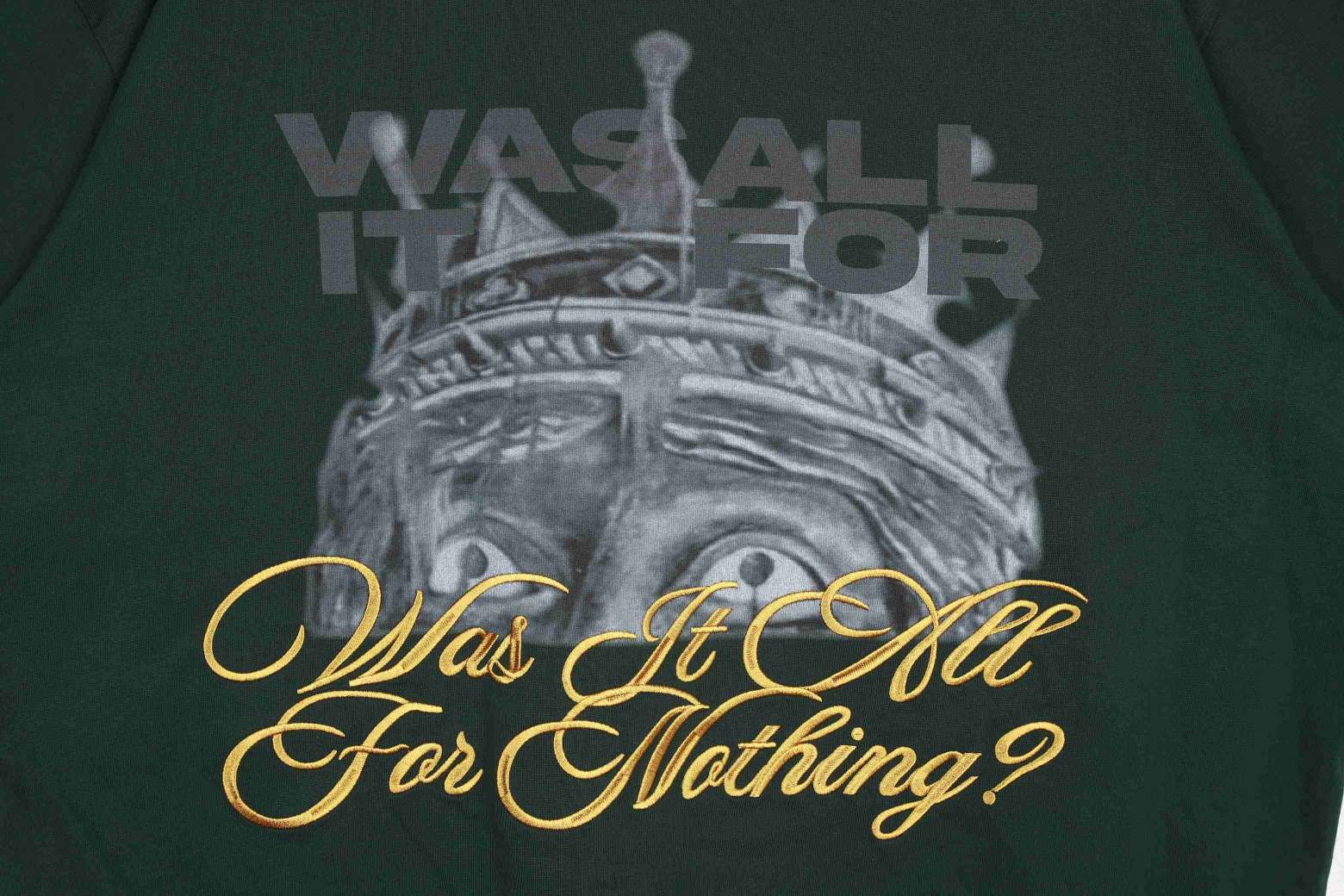
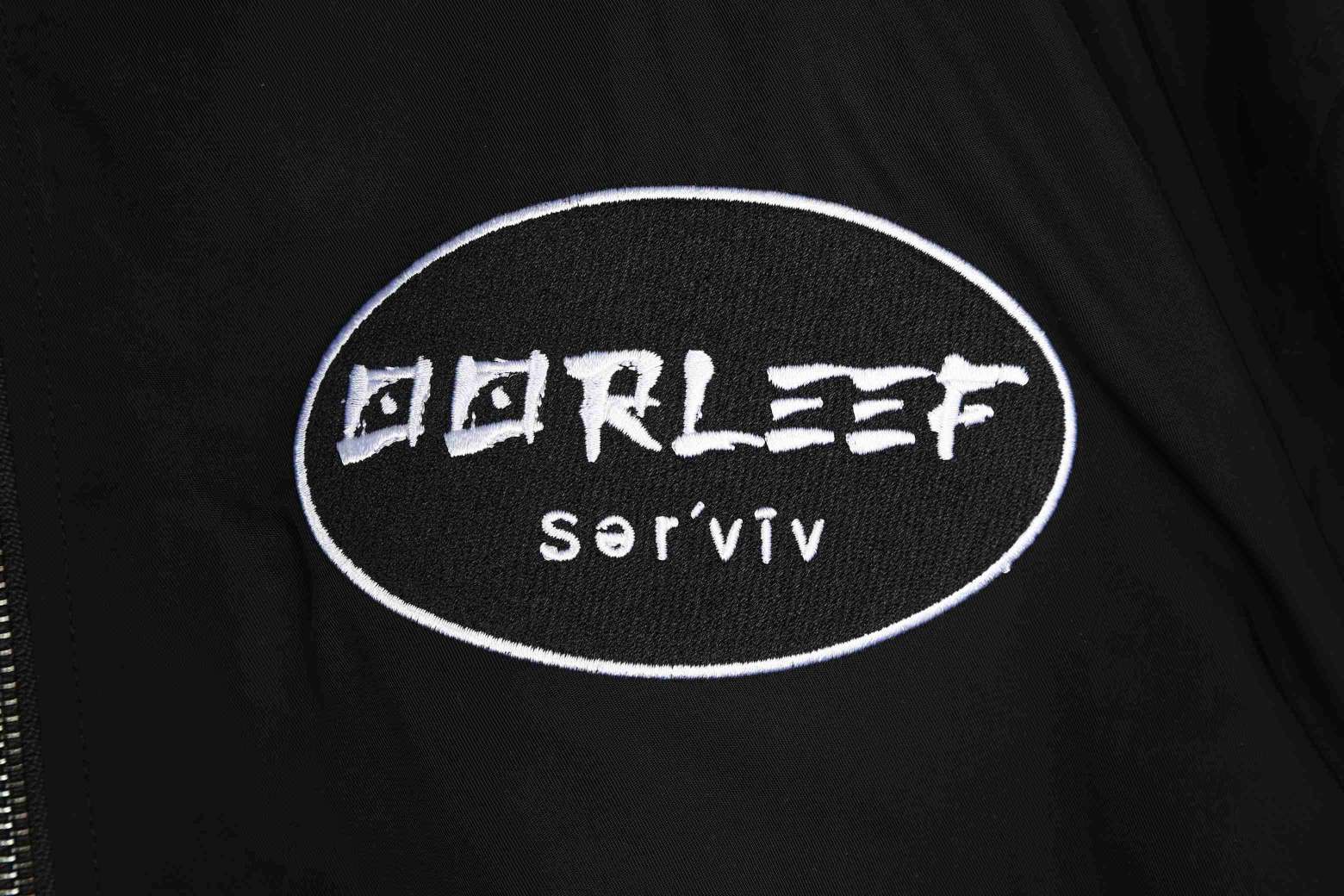
Flat embroidery delivers crisp logos and text with thread densities from 0.4 mm to 0.8 mm, suitable for chest crests or sleeve badges. 3D puff embroidery uses foam underlays for raised, tactile branding. Appliqué stitches fabric patches—chenille, felt, or twill—onto the vest for varsity or heritage aesthetics.
Digitizing setup costs $15–$50 per design; per-piece embroidery runs $0.80–$3.00 depending on stitch count. Embroidery withstands 50+ industrial washes without fraying. Lead time adds 2–3 days for sampling and 1–2 days in bulk.
Screen Print and Heat Transfers
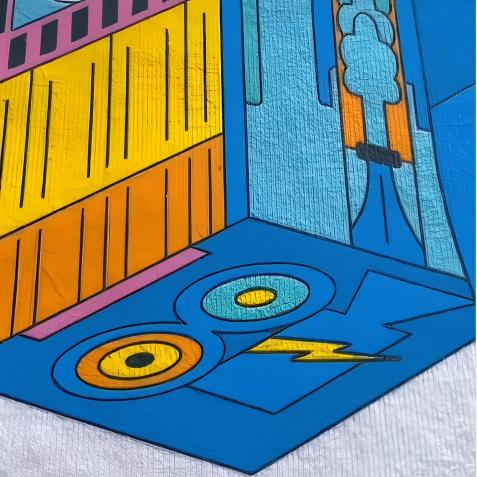
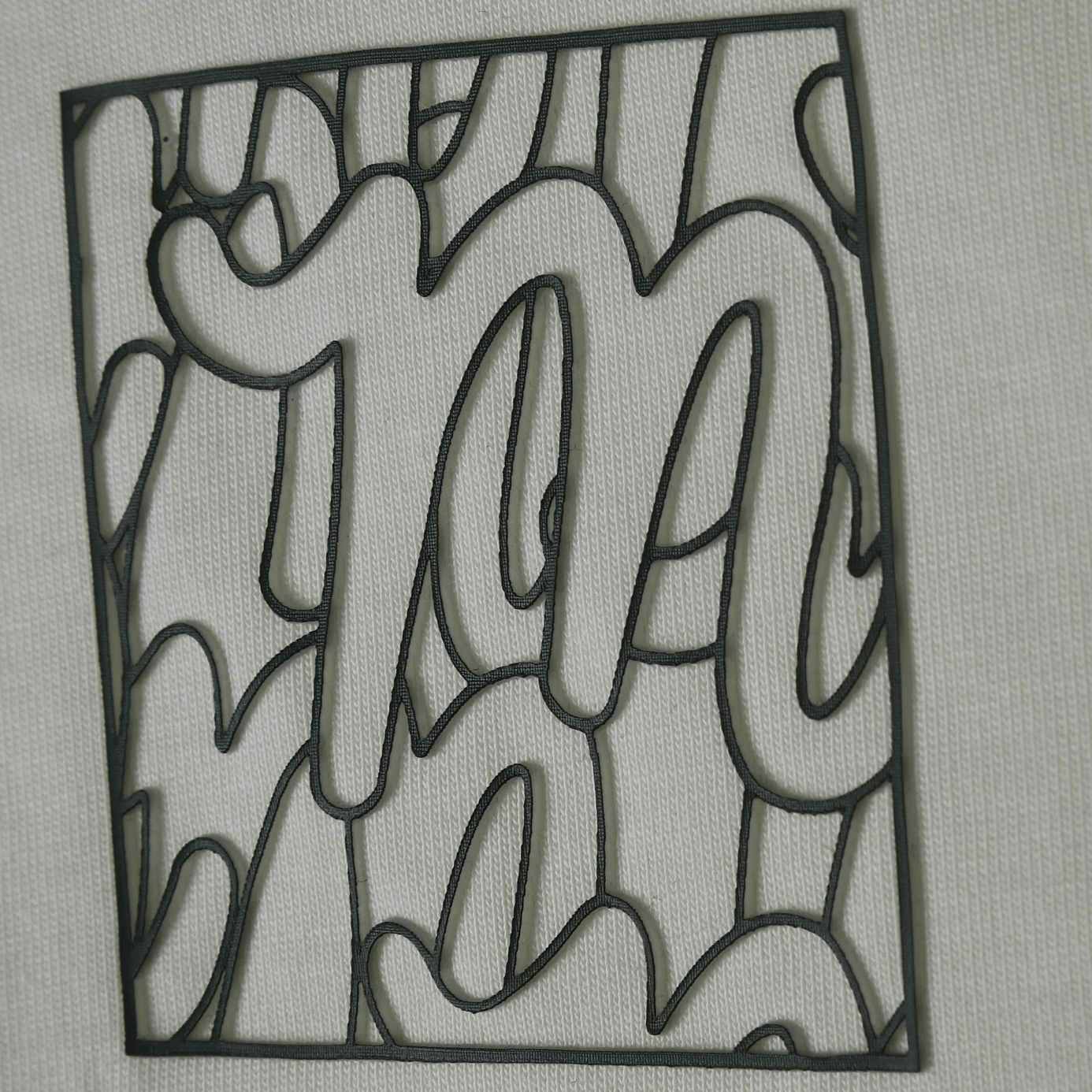
Screen printing applies plastisol or water-based ink through mesh screens, best for large graphic placements or photorealistic art on smooth-knit vests. Heat transfer (DTF or sublimation) bonds printed film under heat and pressure, enabling full-color gradients without screen setup.
Screen setup costs $25–$75 per color; per-piece cost drops to $0.50–$2.00 at 100+ units. Transfers cost $1.50–$4.00 with no setup but may crack after 30–40 washes. Both add 1–2 days to production and work best on cotton or cotton-blend fabrics.
6. Key Quality and Construction Elements
A custom sweater vest’s durability and customer satisfaction hinge on five construction checkpoints that separate professional manufacturing from budget shortcuts. Each element directly impacts garment lifespan, return rates, and repeat purchases.
Gauge Consistency
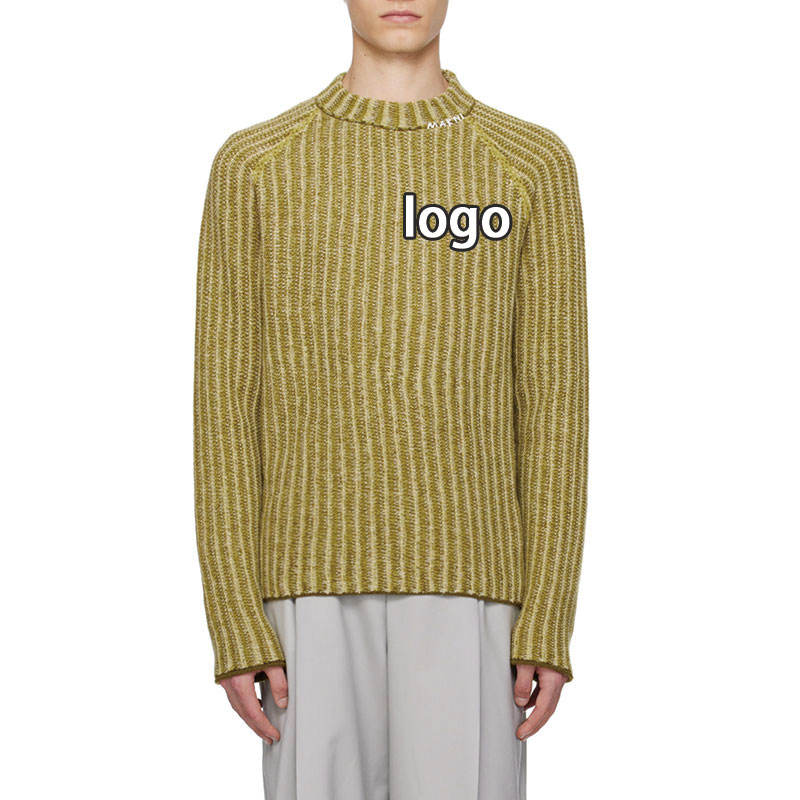
Gauge — measured in needles per inch (3GG to 14GG) — must remain uniform across every panel. Inconsistent tension creates uneven hand-feel, distorted patterns, and size variation between pieces. CENWILD’s computerized flat-knitting machines maintain repeatable stitch density across 80,000+ monthly pieces.
Seam and Shoulder Reinforcement
Shoulder seams and armholes bear the highest stress in a vest. Reinforced linking or flatlock stitching prevents separation after repeated wear. Double-stitched shoulder tape and clean armhole binding extend garment life by 30–50% compared to single-pass construction.
Rib Elasticity at Hem and Neckline
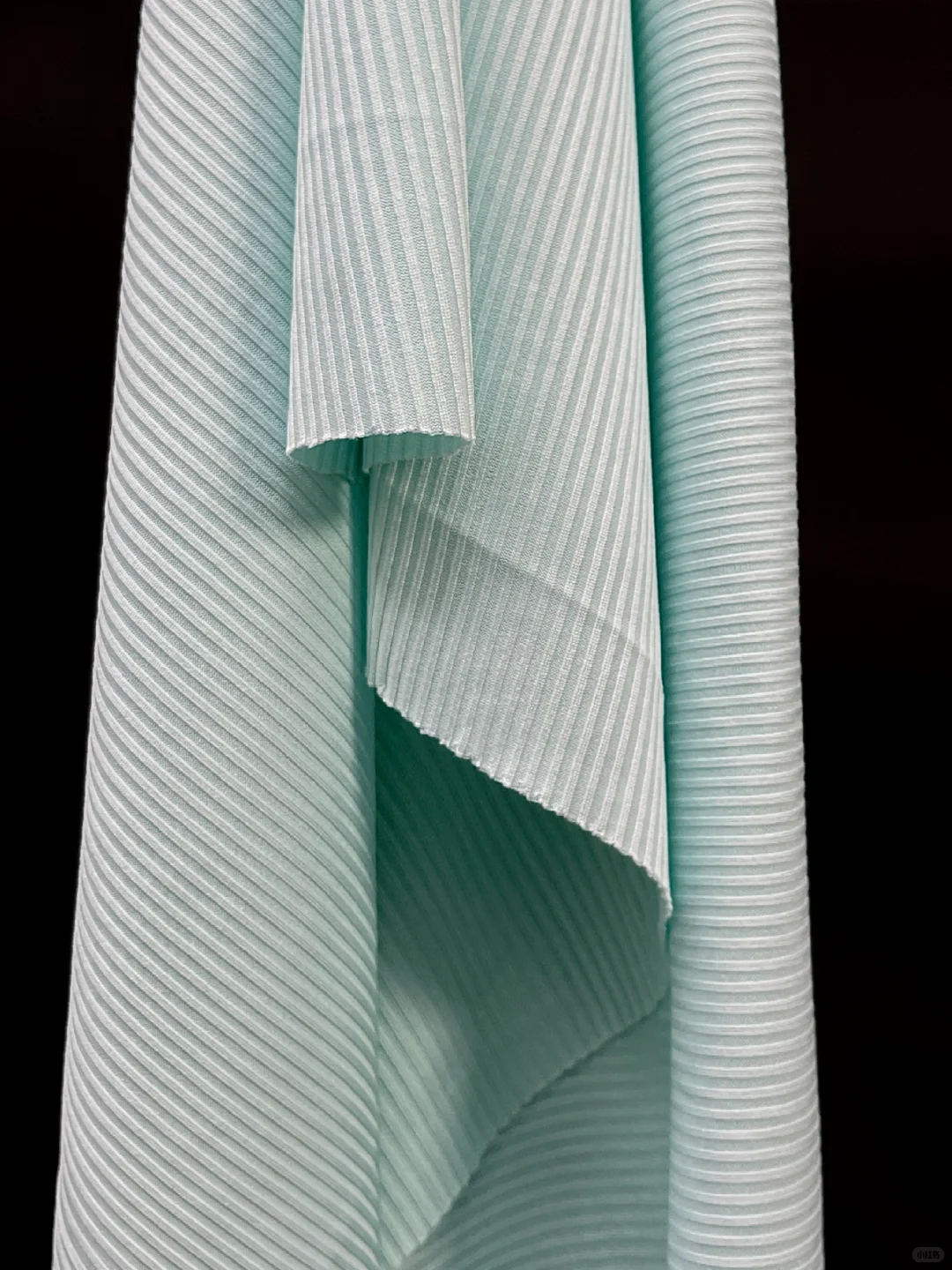
Rib-knit hems and necklines require elastane or spandex content (typically 2–5%) to recover shape after stretching. Poor rib recovery leads to sagging necklines and rolled hems within five washes, the top driver of customer complaints in knitwear returns.
Yarn Twist, Ply, and Colorfastness
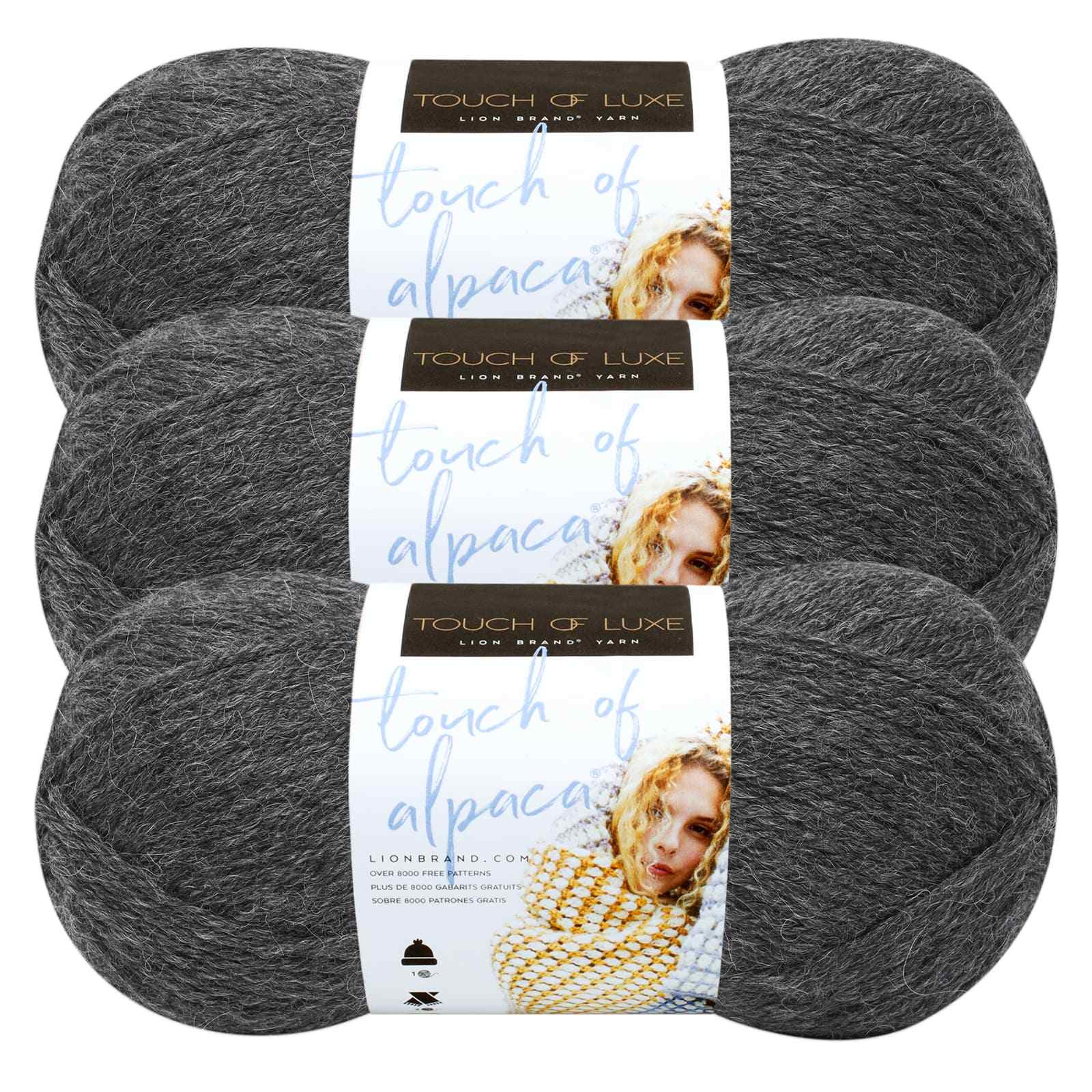
Two-ply or three-ply yarns resist pilling and breakage better than single-ply. Yarn twist (measured in TPI) and dye fastness grade 4 or higher ensure color stability through washing. CENWILD sources yarns with anti-pilling treatments and verifies colorfastness before bulk production.
7. How to Choose a Custom Sweater Vest Manufacturer
Vetting a knitwear partner requires more than price comparison. Look for verifiable production capacity, ethical certifications, and transparent communication protocols that match your brand’s growth trajectory.
MOQ Flexibility and Capacity
Minimum order quantities reveal a factory’s willingness to grow with emerging brands. CENWILD’s 100-piece MOQ accommodates startups and test collections, while monthly capacity exceeding 80,000 pieces supports scaling.
Ask for gauge range (3GG–14GG covers most commercial sweater weights) and monthly throughput. Factories running 50+ computerized flat-knitting machines typically handle mixed-style orders without bottlenecks.
Certifications and Compliance
BSCI, WRAP, and Oeko-Tex Standard 100 certifications confirm social and chemical compliance for EU and North American markets. Request current audit reports and certificate numbers; valid Oeko-Tex certificates include a unique ID traceable at oeko-tex.com.
Factories in Dongguan’s Humen district often hold multiple certifications due to export volume. Verify that certificates cover the specific product categories you plan to order.
Sampling Process and Lead Times
A structured sampling workflow includes knit-down swatches, first proto, fit sample, and pre-production approval. Expect 7–10 days per sample round for fully-fashioned sweater vests.
Production lead times of 25–35 days after approval are standard for orders under 3,000 pieces. Factories offering 3D knit programming and in-house yarn inventory can shorten development cycles by one to two weeks.
Communication and Payment Terms
Stable manufacturers support T/T, PayPal, and increasingly USDT for international settlements. CENWILD offers dedicated VTB Bank channels for Russian clients and reduces deposits from 100% (first order) to 30% for repeat partners.
Request English-speaking account managers, CAD tech-pack review, and order tracking dashboards. Response times under 12 hours during business days indicate robust client infrastructure.
8. Common Mistakes When Ordering Custom Sweater Vests
Even experienced brands stumble when ordering custom sweater vests. Understanding common pitfalls — from shrinkage miscalculations to rushed timelines — saves costly rework and protects your brand reputation.
Skipping Pre-Production Samples
Approving production without a knit-down sample is the fastest path to off-spec garments. Yarn behaves differently on 7GG versus 12GG machines, and stitch tension affects drape and fit.
CENWILD provides pre-production samples to lock gauge, color, and construction before bulk cutting. Budget 10–14 days for sampling and two revision rounds to ensure the final piece matches your tech pack.
Ignoring Shrinkage Allowances
Natural fibers — wool, cashmere, cotton — shrink 3–8% after washing. Failing to account for this results in undersized finished goods and customer returns.
Specify wash-care protocols in your tech pack and request a laundered sample. CENWILD tests shrinkage on every yarn lot and adjusts knit dimensions accordingly, ensuring post-wash measurements hit your size chart.
Choosing Yarn on Price Alone
Cheap acrylic or low-twist wool pills within three wears, eroding perceived value. Yarn cost represents 30–40% of garment cost; cutting here amplifies quality complaints.
Balance fiber content, ply count, and hand-feel against target retail price. CENWILD’s design team recommends yarn blends — such as 80% merino / 20% nylon — that deliver softness and durability within budget.
Unrealistic Lead Times
Expecting 100-piece orders in two weeks ignores sampling, yarn procurement, and QC. Standard lead time for custom sweater vests is 30–45 days after sample approval.
Plan collections 60–90 days ahead of your launch window. Rush fees add 15–25% to unit cost and compress quality checks, increasing defect risk.
9. Steps to Launch Your Custom Sweater Vest Collection
Launching a custom sweater vest collection requires a structured workflow from initial concept to warehouse delivery. CENWILD’s 28-year production system breaks the process into six clear phases, each with defined deliverables and realistic timelines to keep your launch on schedule.
Market Research and Trend Forecasting
Analyze your target demographic, price tier, and seasonal delivery window before sketching a single design. Review trend reports from Pantone, WGSN, or trade shows like Première Vision to identify stitch patterns, colorways, and silhouettes gaining traction.
CENWILD’s design team can share recent order data and seasonal forecasts to validate your direction. Allocate 1–2 weeks for this phase.
Sketch and Tech-Pack Creation
Translate concepts into production-ready tech packs: front and back flats, stitch callouts, trim placements, grading rules, and Pantone references. CENWILD accepts finished tech packs, hand sketches, reference photos, or even verbal briefs.
The in-house team will generate 3D knit programs, original stitch designs, and grading charts within 3–5 days of brief approval.
Material and Trim Sourcing
Select yarn (merino, cashmole, recycled cotton), gauge (5GG–12GG for vests), and trims (buttons, zippers, woven labels, hang tags). CENWILD maintains stock relationships across Jiangsu and Zhejiang mills for fast sampling.
Clients may supply own-brand trims or approve factory-sourced options. Sourcing typically runs parallel to tech-pack finalization, adding 3–5 days.
Sampling and Fit Approval
CENWILD knits a pre-production sample in your chosen yarn, gauge, and decoration. Review fit, hand-feel, stitch tension, and colorway accuracy. Request adjustments to armhole depth, ribbing width, or intarsia placement as needed.
First samples ship within 7–10 days; revision rounds add 5–7 days each. Budget 2–3 weeks total for sampling and sign-off.
Bulk Production and Quality Inspection
Once samples are approved, production begins at CENWILD’s 80,000-piece monthly capacity. Knitting, linking, decoration, washing, and finishing follow ISO-standard SOPs with in-line and final AQL 2.5 inspections.
Bulk lead time ranges 25–35 days for orders of 500–5,000 pieces, depending on gauge complexity and decoration density.
Logistics and Delivery
CENWILD coordinates FOB Shenzhen/Guangzhou or door-to-door shipping via sea, air, or express. Carton dimensions, weight, and HS codes are provided for customs clearance. Balance payment clears before shipment.
Sea freight to the U.S. West Coast averages 18–22 days; air express 5–7 days. Total concept-to-delivery spans 8–12 weeks.
10. Pricing and Cost Breakdown
FOB unit prices for a custom sweater vest vary by fiber, order quantity, and decoration complexity. Acrylic vests start at the lowest tier, cotton blends occupy the mid-range, and wool commands premium pricing due to raw-material and finishing costs.
Most manufacturers waive setup fees at 500 pieces or more; below that threshold, expect a one-time tooling charge of $150–$300 to cover knit programming, grading, and first samples. Decoration add-ons — embroidery, jacquard patterns, or appliqué — typically add $1.50–$4.00 per unit depending on stitch count and placement.
Lead times compress as order size grows: 100-piece runs require 35–45 days from approved sample to shipment, while 3,000-piece orders benefit from optimized machine scheduling and ship in 28–35 days. Payment terms ease with relationship maturity — 100% deposit on first orders, scaling down to 30% for established partners, with balance due before shipment.
| Quantity Tier | Acrylic (FOB) | Cotton Blend (FOB) | Wool (FOB) | Setup Cost | Lead Time (days) |
|---|---|---|---|---|---|
| 100 pcs | $8.50–$11.00 | $12.00–$15.50 | $18.00–$24.00 | $150–$300 | 35–45 |
| 500 pcs | $7.00–$9.00 | $10.00–$13.00 | $15.00–$20.00 | $0–$150 | 30–40 |
| 1,000 pcs | $6.00–$7.50 | $8.50–$11.00 | $13.00–$17.00 | $0 | 28–35 |
| 3,000 pcs | $5.00–$6.50 | $7.50–$9.50 | $11.00–$15.00 | $0 | 28–35 |
Ready to Launch Your Custom Sweater Vest Line?
Partner with a 28-year Dongguan manufacturer. Low 100-piece MOQ, full OEM/ODM support, and our team responds within 24 hours.