Custom Knitted Vest Manufacturing — OEM/ODM from 100 Pieces
Partner with a 28-year Dongguan manufacturer for private-label knitted vest production. Full design support, in-house knitting, and flexible MOQ for fashion brands worldwide.
Knitted Vest Styles & Samples Gallery

Why Choose CENWILD for Your Knitted Vest Production
Low MOQ from 100 Pieces
Launch your knitted vest line without massive inventory risk. We support emerging brands and designers with flexible minimum order quantities starting at just 100 pieces.
28+ Years Manufacturing Experience
Since 1998, CENWILD has produced knitwear in Dongguan’s premier knitting hub. Our deep expertise ensures every knitted vest meets exacting quality and construction standards.
In-House Sampling & Knitting
Full control from concept to production. Our computerized flat-knitting machines and design team create knit-down samples and production-ready patterns under one roof.
Full Customization Capabilities
Intarsia, jacquard, cable knit, embroidery, appliqué, printing, and more. Customize every detail of your knitted vest with our comprehensive decoration and finishing services.
Fast Turnaround & Capacity
Monthly capacity exceeding 80,000 pieces across all knitwear styles. Efficient workflows and experienced teams deliver your knitted vest orders on schedule without compromise.
Flexible Payment Terms
T/T, PayPal, credit card, USDT, and VTB Bank for Russia. Deposits ease from 100% to 30% as partnership grows, supporting your cash flow.
Knitted Vest Styles We Manufacture
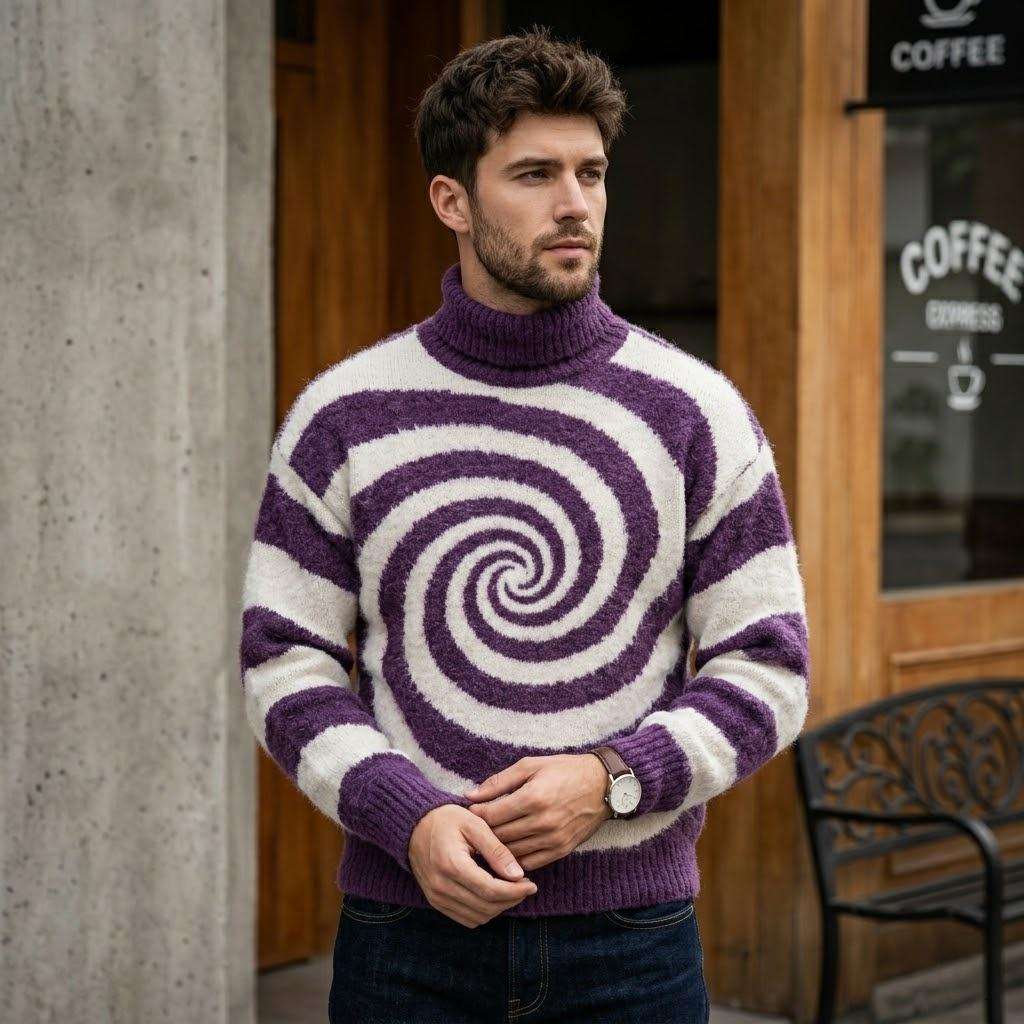
Sleeveless Pullover Vests
CENWILD produces sleeveless pullover vests in crewneck, mock-neck, and turtleneck styles across gauges from 3GG to 14GG. We deliver production-ready samples in two weeks with full ODM support, from your sketch to graded tech pack. MOQ starts at 100 pieces.
Get a Quote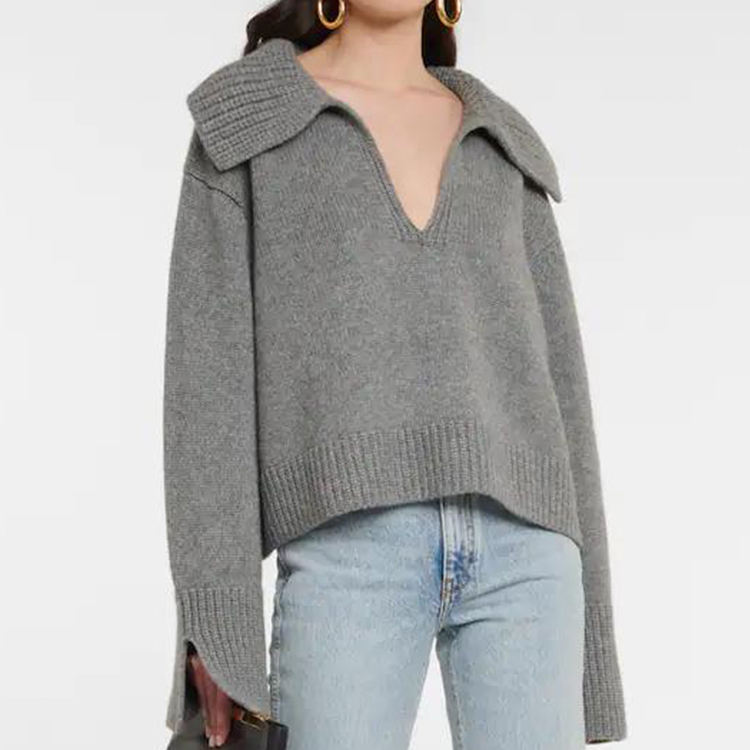
V-Neck Knit Vests
Our in-house team engineers clean V-neck vest necklines and stable shoulder construction across wool, cotton, cashmere, and blends. We handle intarsia logos, jacquard patterns, and embroidered branding. Low MOQ and private label ready.
Get a Quote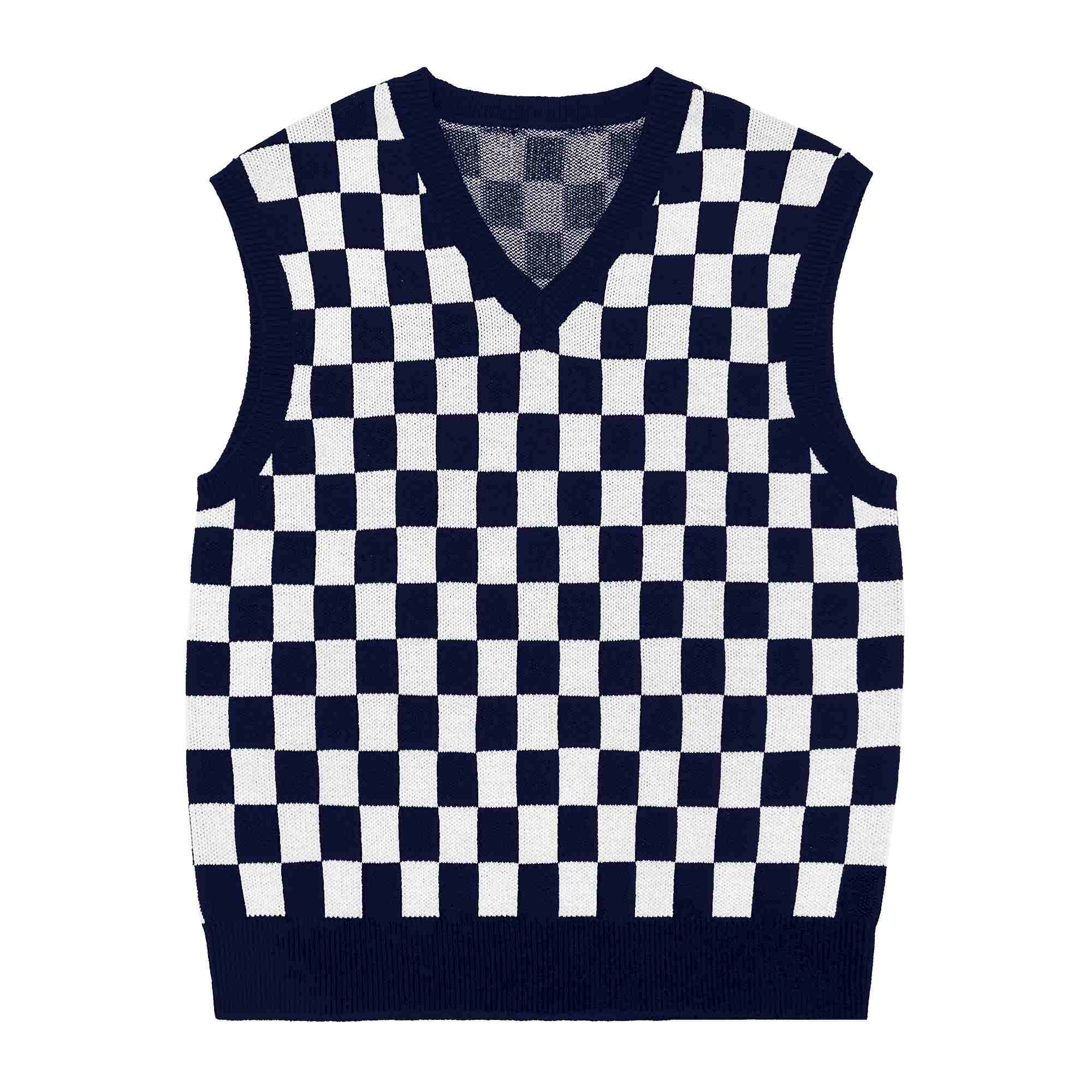
Cable Knit Vests
CENWILD knits cable vests with precision-programmed stitch patterns—traditional Aran, modern mini-cables, or original designs. Fully-fashioned shaping ensures consistent fit across your size run. Sampling and production under one roof in Dongguan.
Get a Quote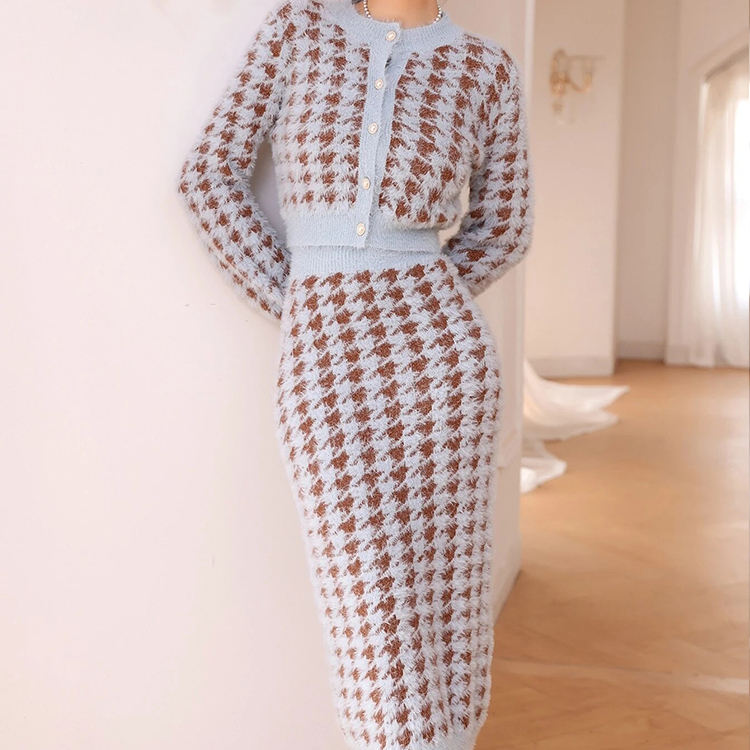
Sweater Vest Sets
We manufacture matching sweater vest and bottom sets, or vest-and-shirt pairings, with consistent yarn dye lots and finish. Ideal for influencer capsules, retail exclusives, and private label lines. Full ODM design support included.
Get a Quote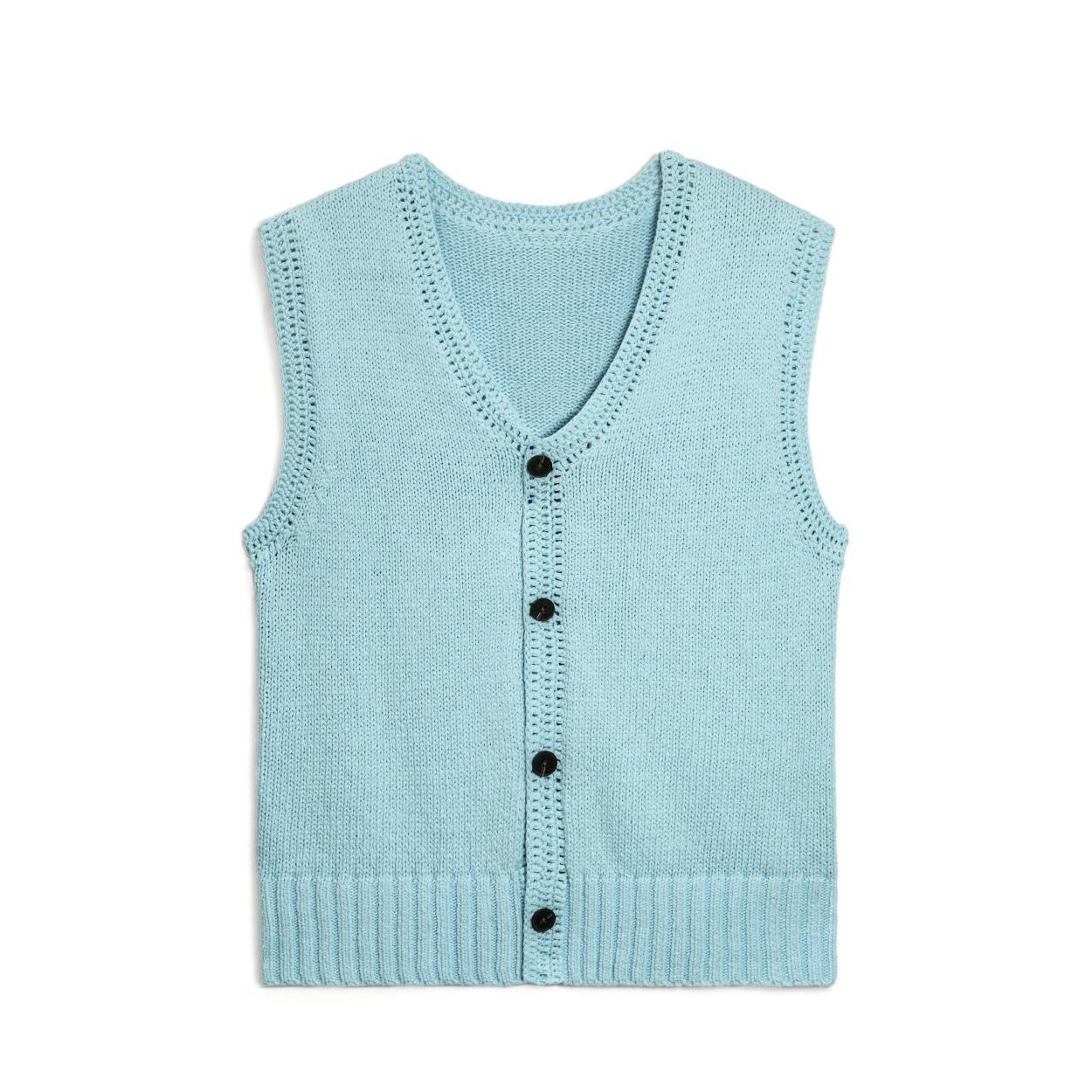
Oversized Knitted Vests
Our 28 years of pattern engineering deliver intentional oversized silhouettes with drop shoulders, extended hems, and relaxed armholes that photograph well and fit predictably. Available in chunky gauges, brushed finishes, and sustainable fiber blends. MOQ from 100.
Get a Quote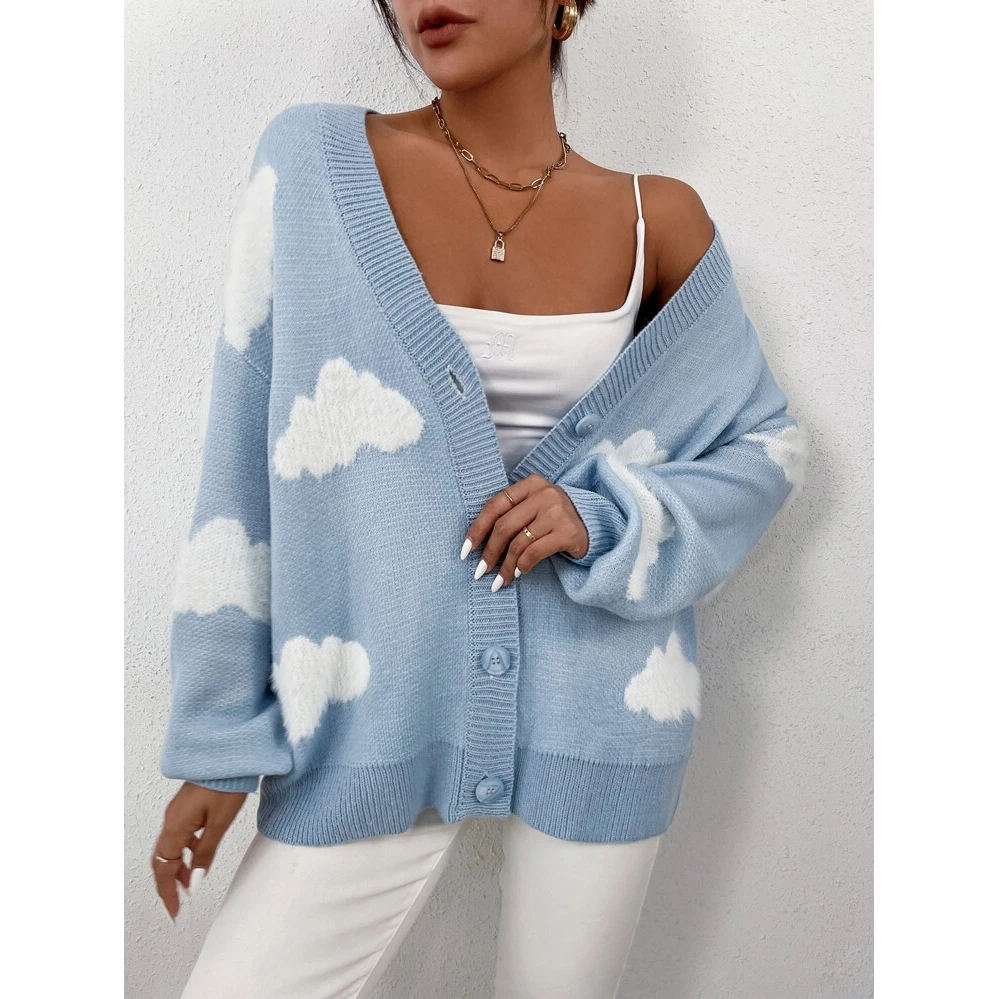
Argyle Pattern Vests
CENWILD programs multi-color intarsia and jacquard argyle vests with clean color transitions and minimal float yarn. We source coordinated yarn palettes and provide knit-down swatches before bulk production. OEM and private label welcome.
Get a Quote
Cropped Knit Vests
We engineer cropped vest styles with shorter body lengths and stable hems—ribbed, rolled, or raw-edge finishes—and adjust armhole depth for contemporary proportions. Our design team translates your reference images into production-ready specs within days.
Get a Quote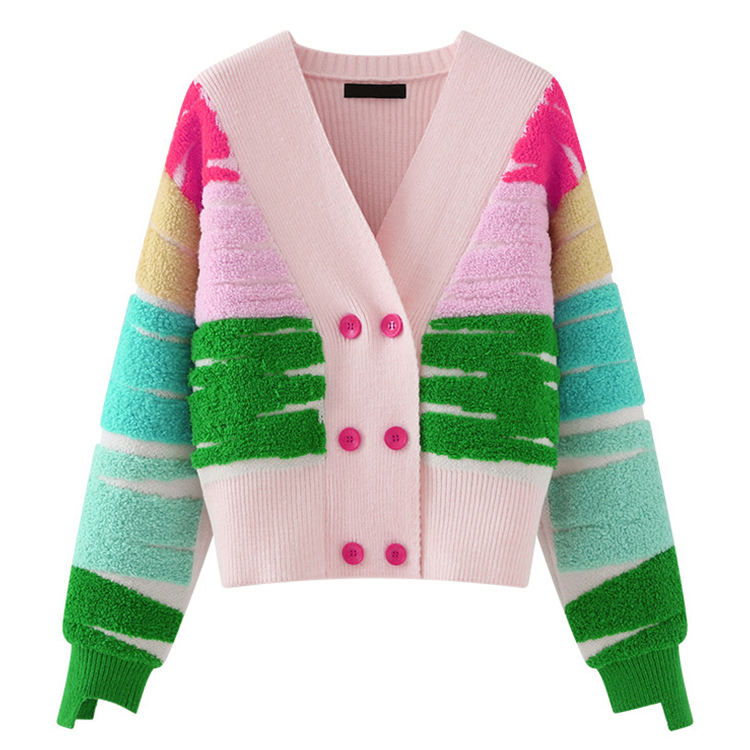
Buttoned Vest Cardigans
CENWILD manufactures sleeveless button-front cardigans with reinforced button bands, custom button sourcing, and options for rib, garter, or seed-stitch edges. We handle embroidery, woven labels, and hang-tag packaging. Low MOQ, flexible payment terms.
Get a Quote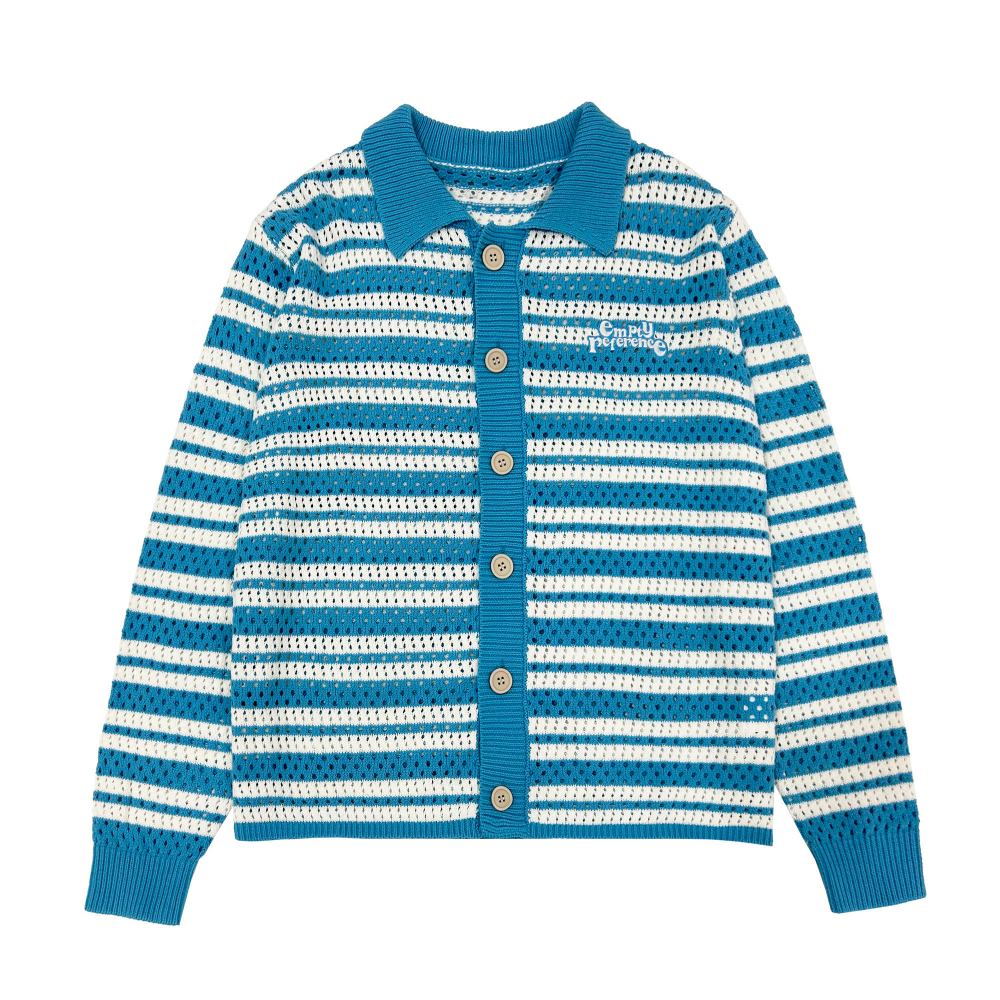
Ribbed Knit Vests
Our computerized machines knit 1×1, 2×2, or engineered rib structures with excellent recovery and drape. Choose from merino, Pima cotton, or recycled blends. Full quality control, garment washing, and anti-pilling finishing in-house.
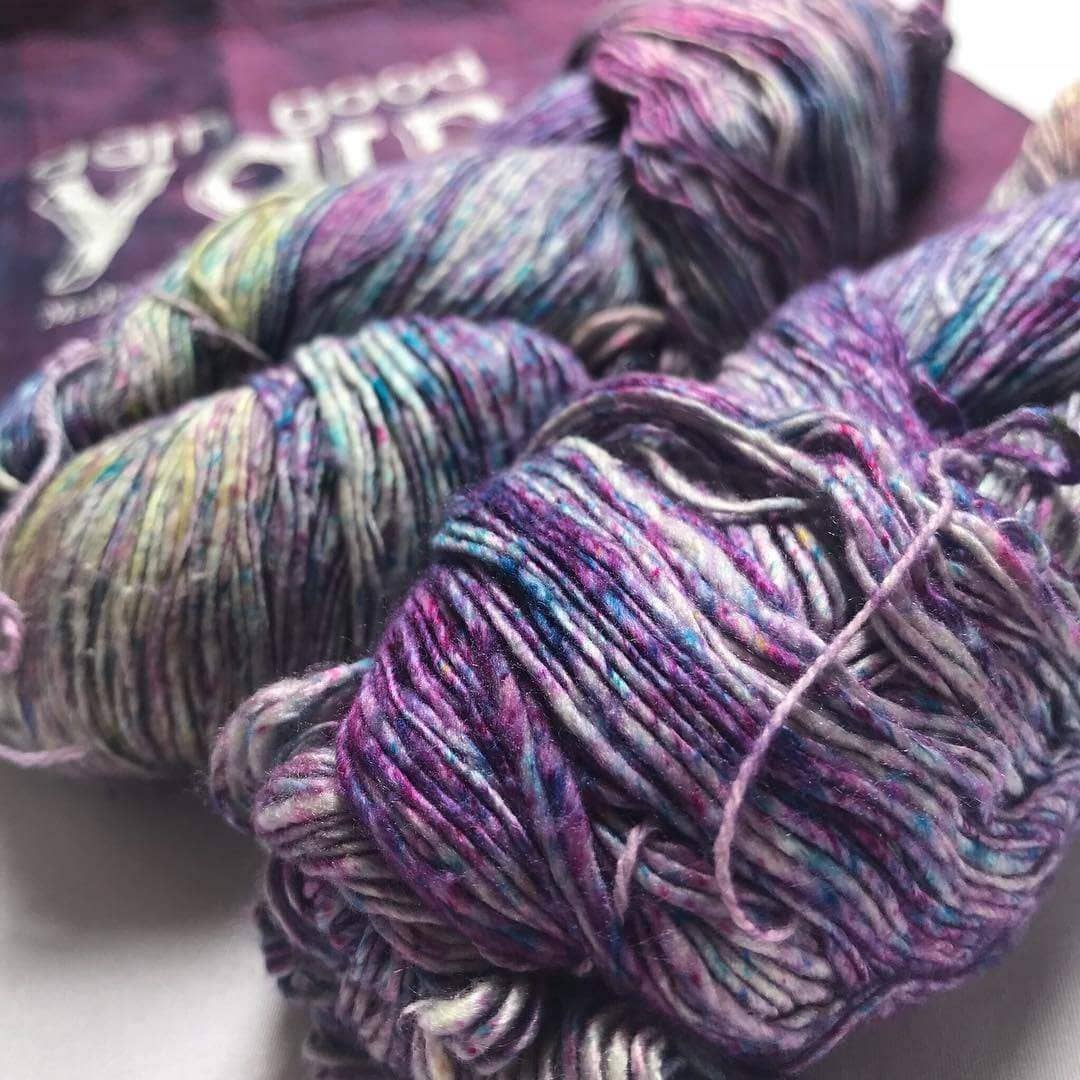
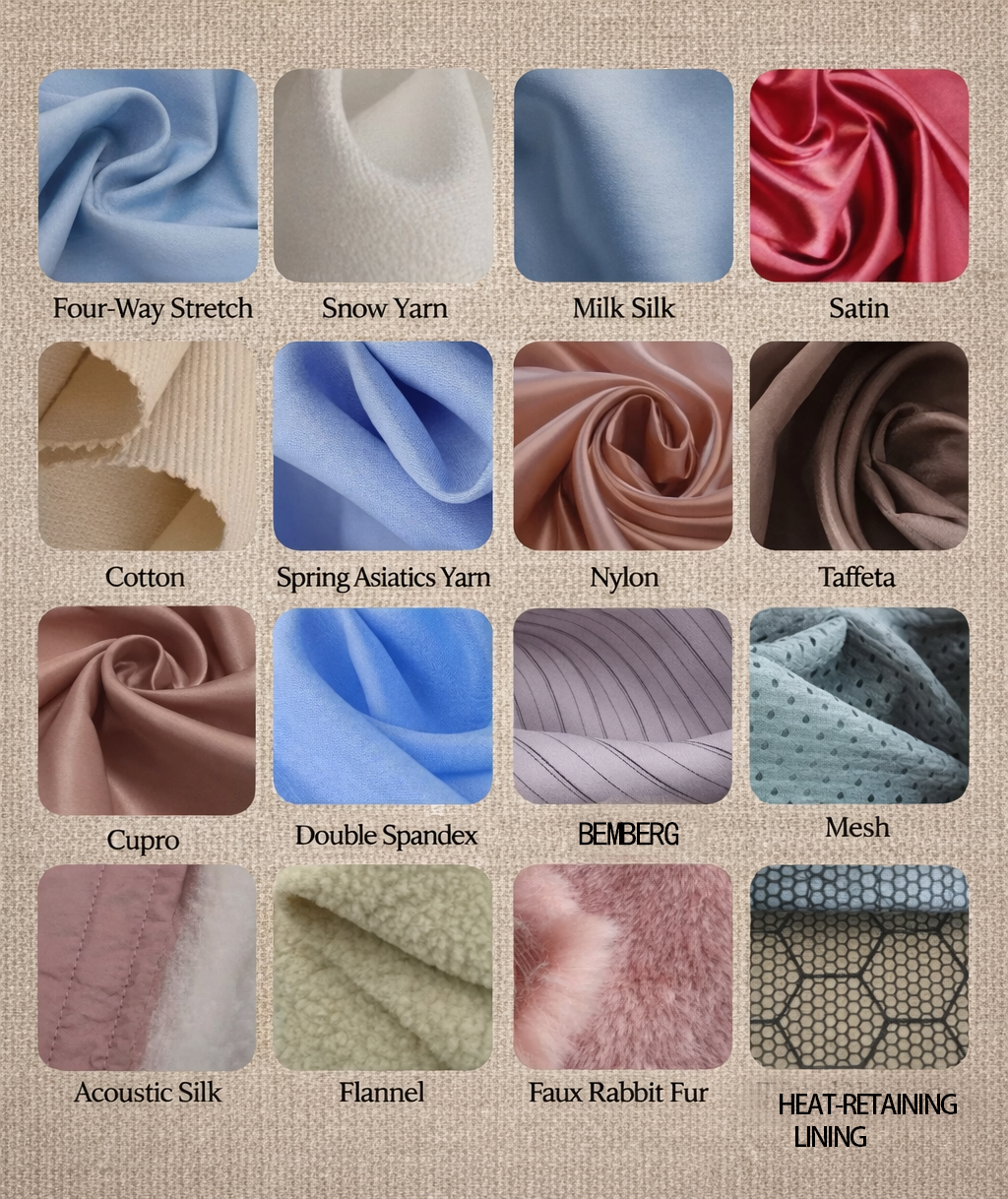
Get a QuotePremium Yarn & Fiber Materials for Every Knitted Vest
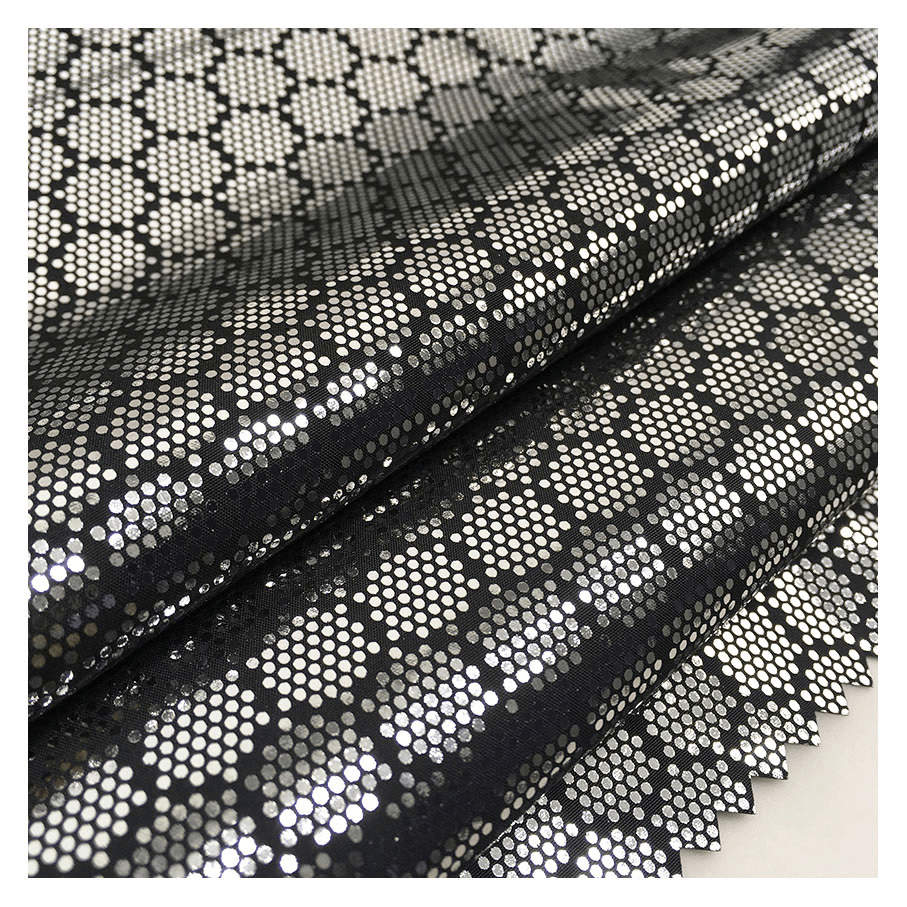
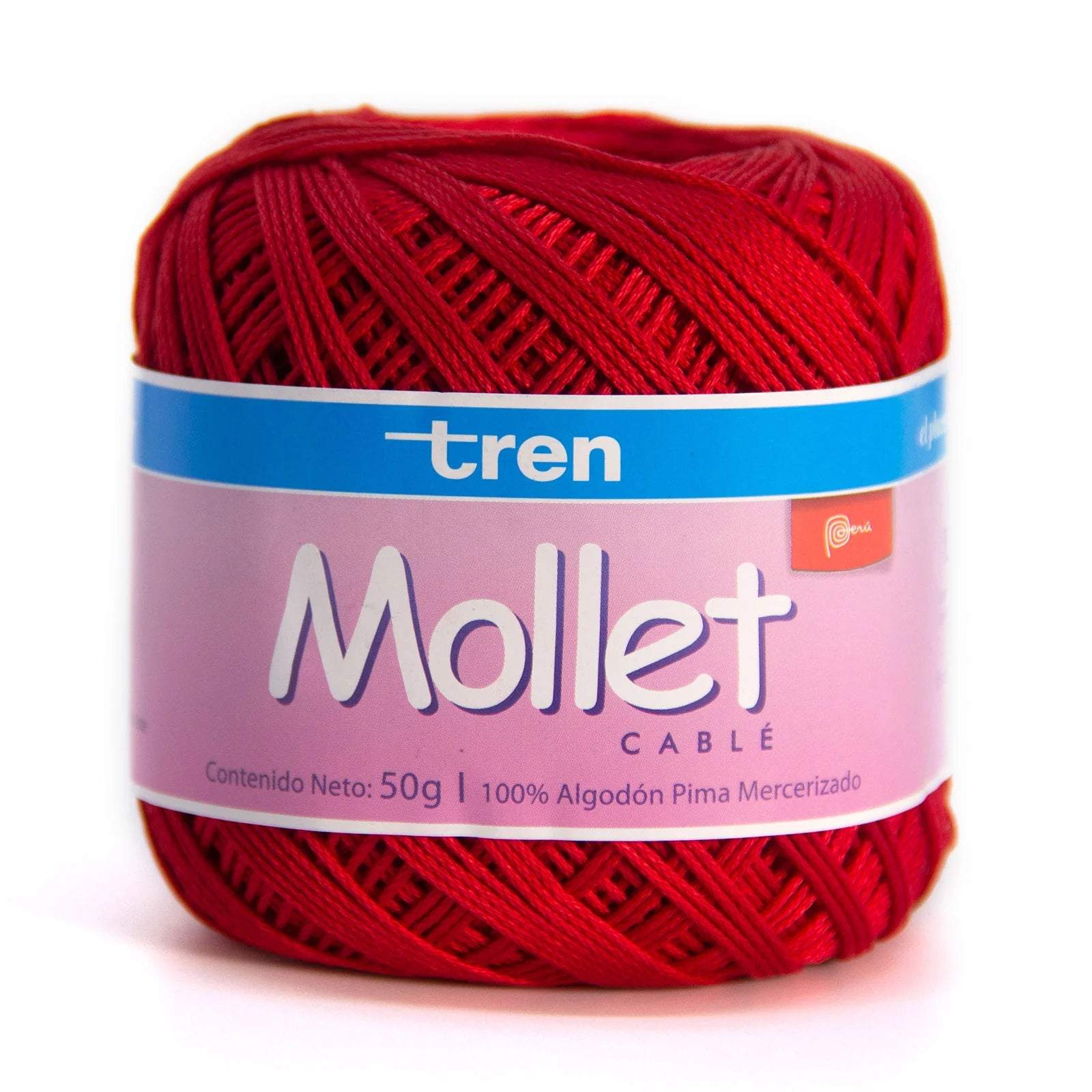
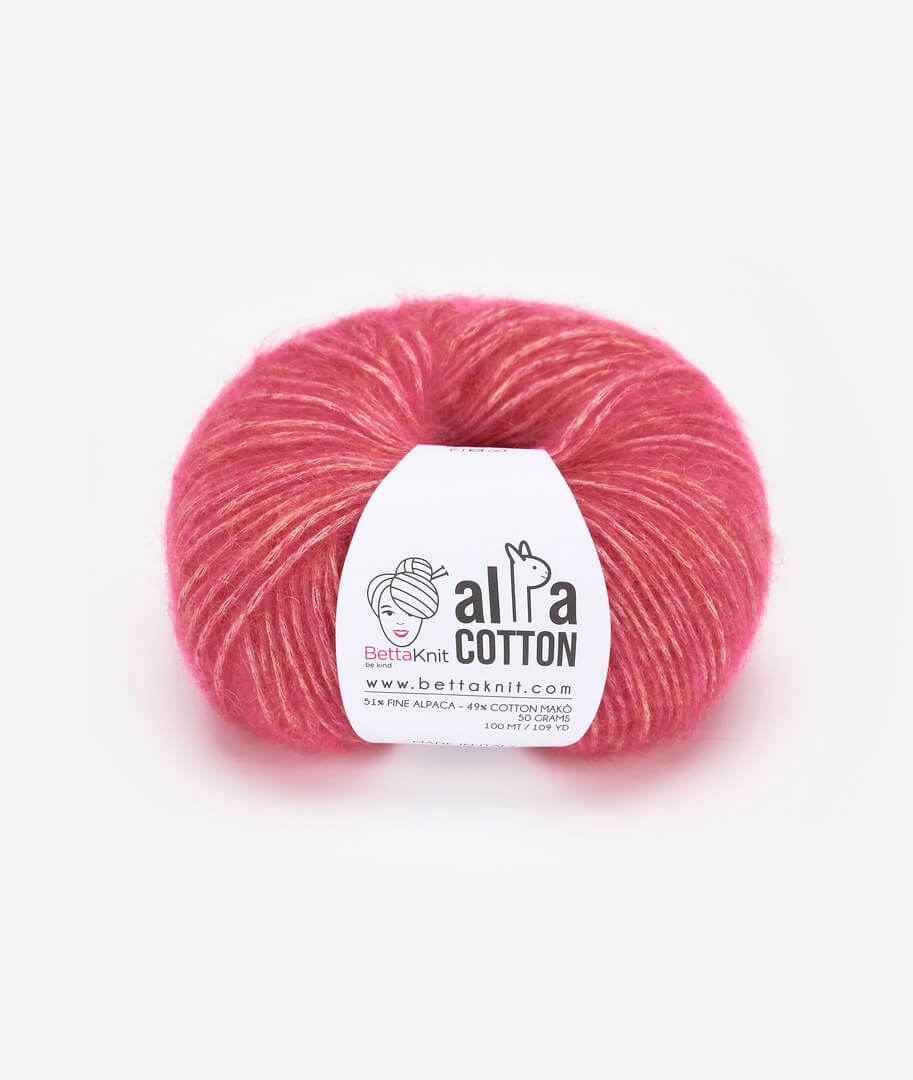
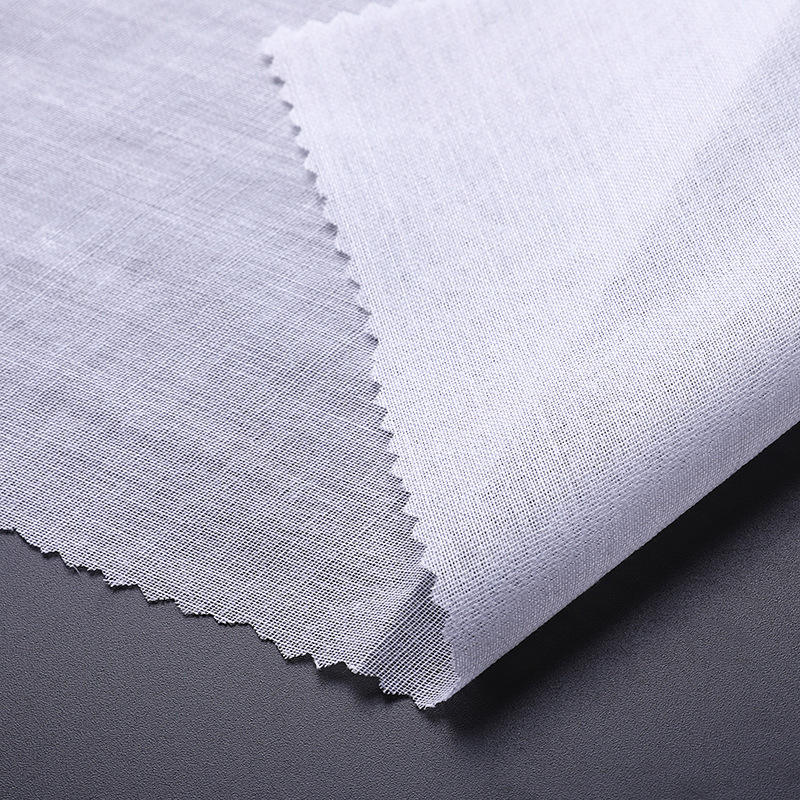
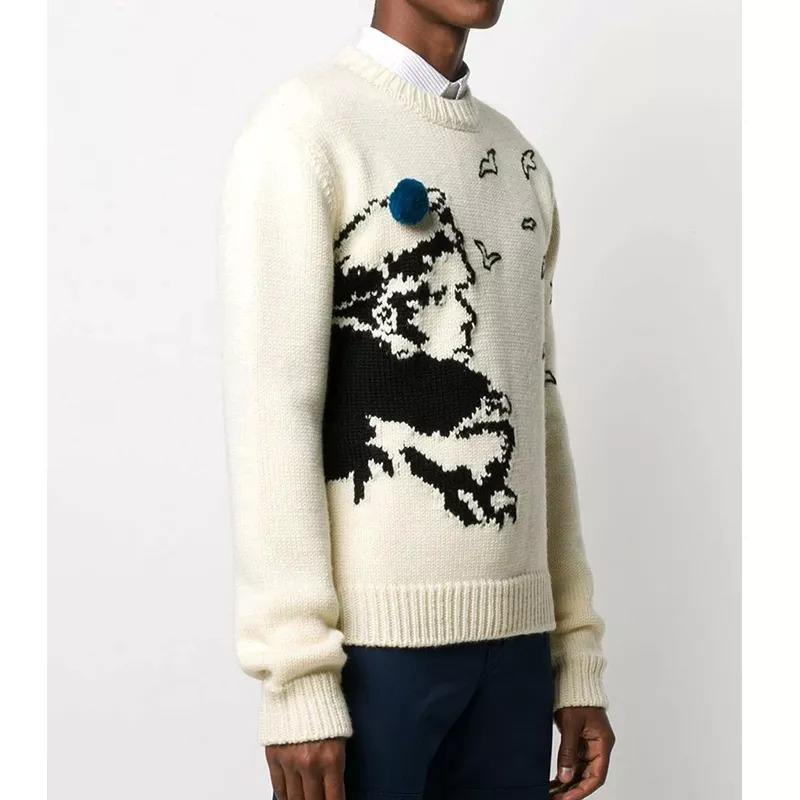
Advanced Knitting & Finishing Techniques for Every Knitted Vest

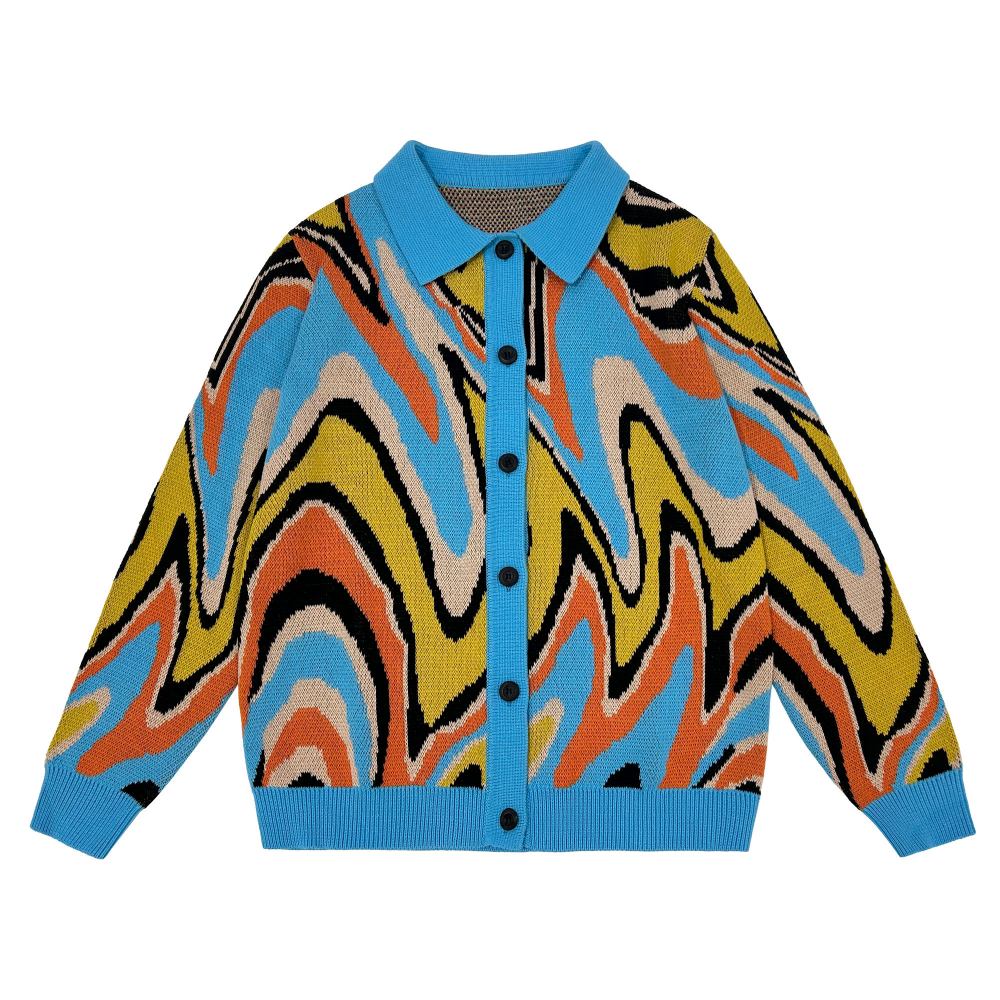
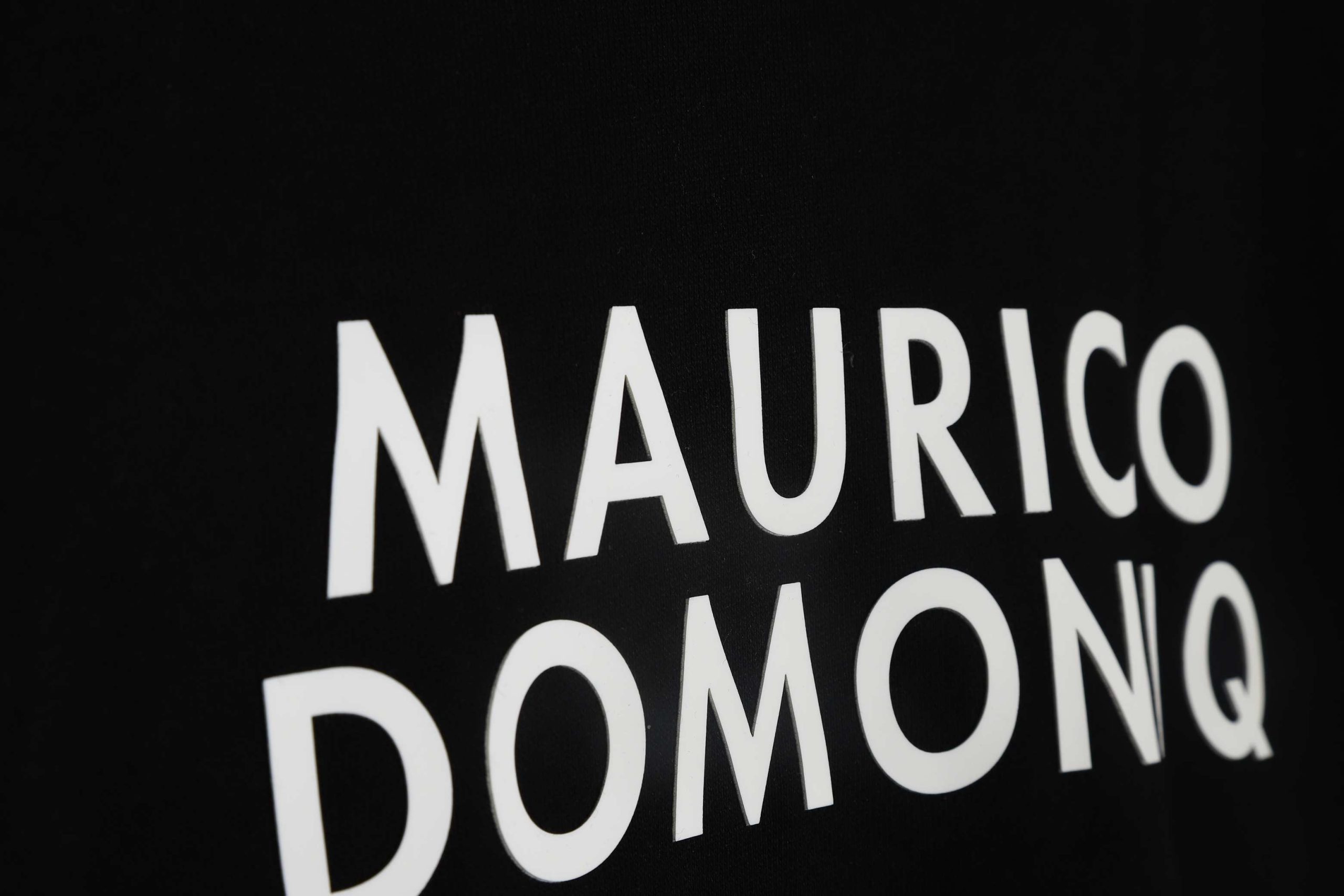
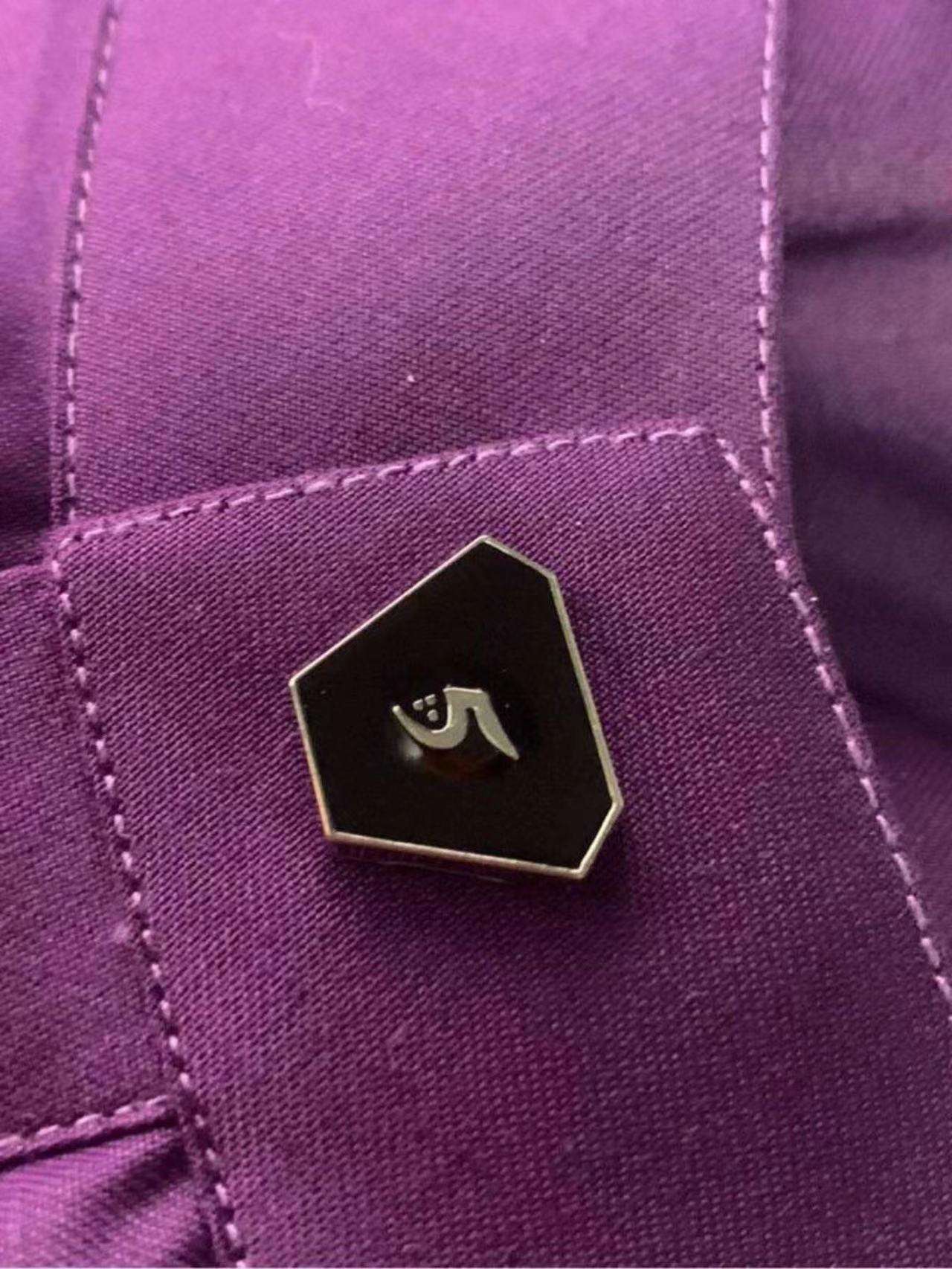
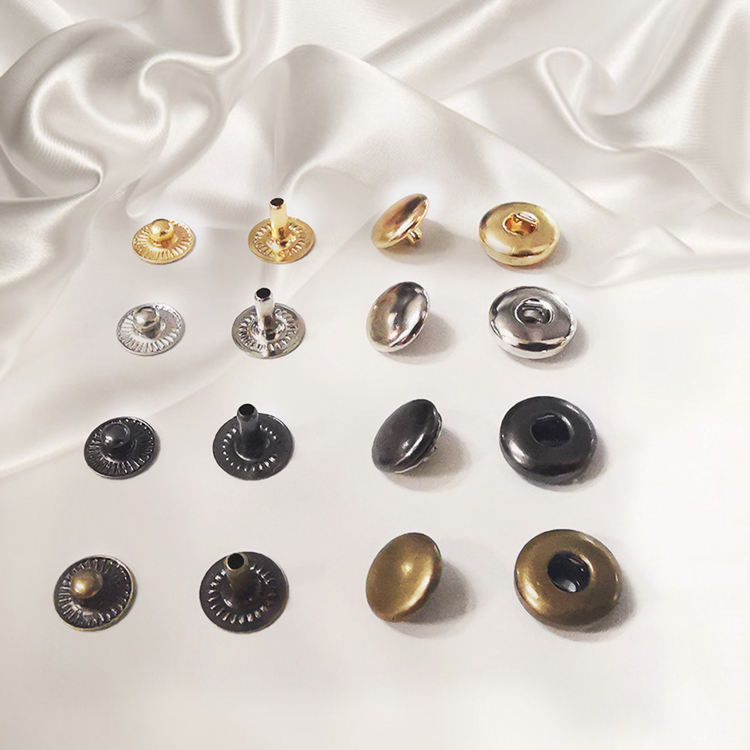
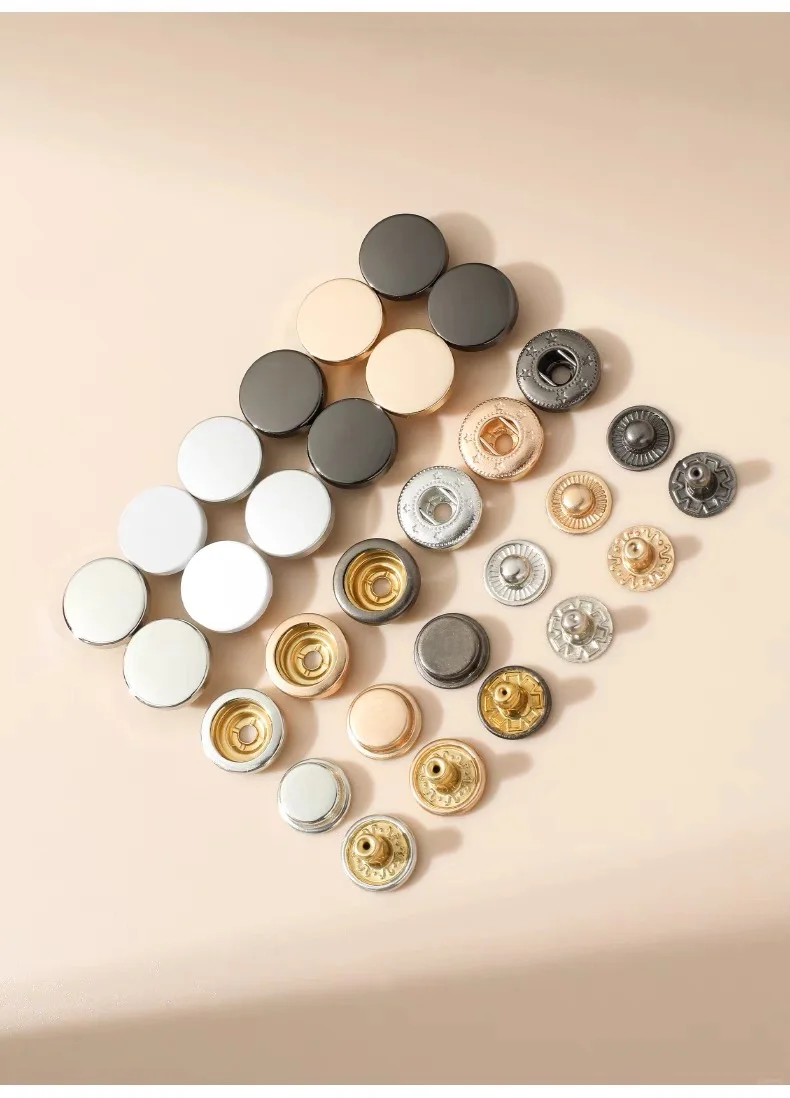
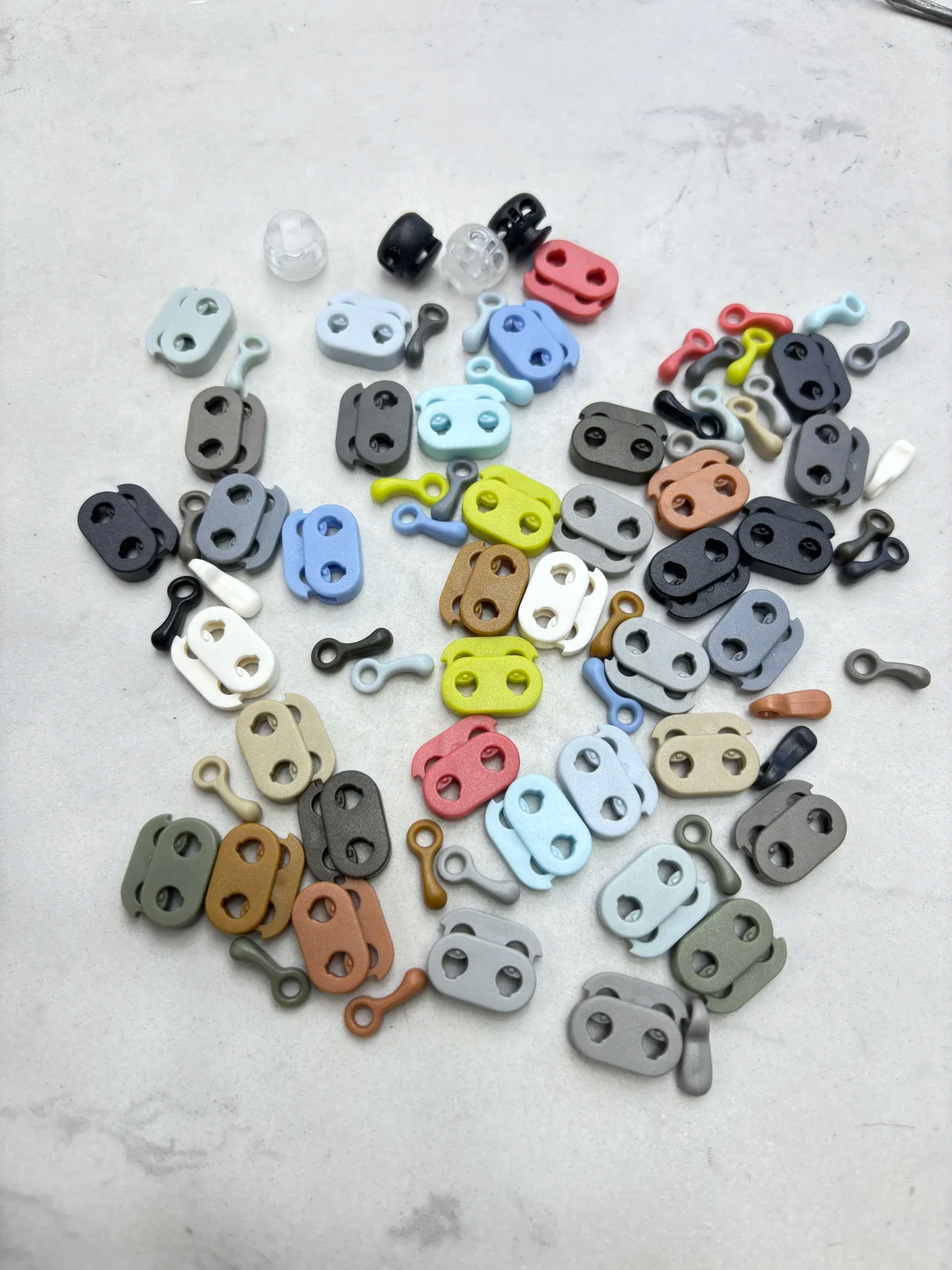
Trims, Labels & Decoration for Every Knitted Vest
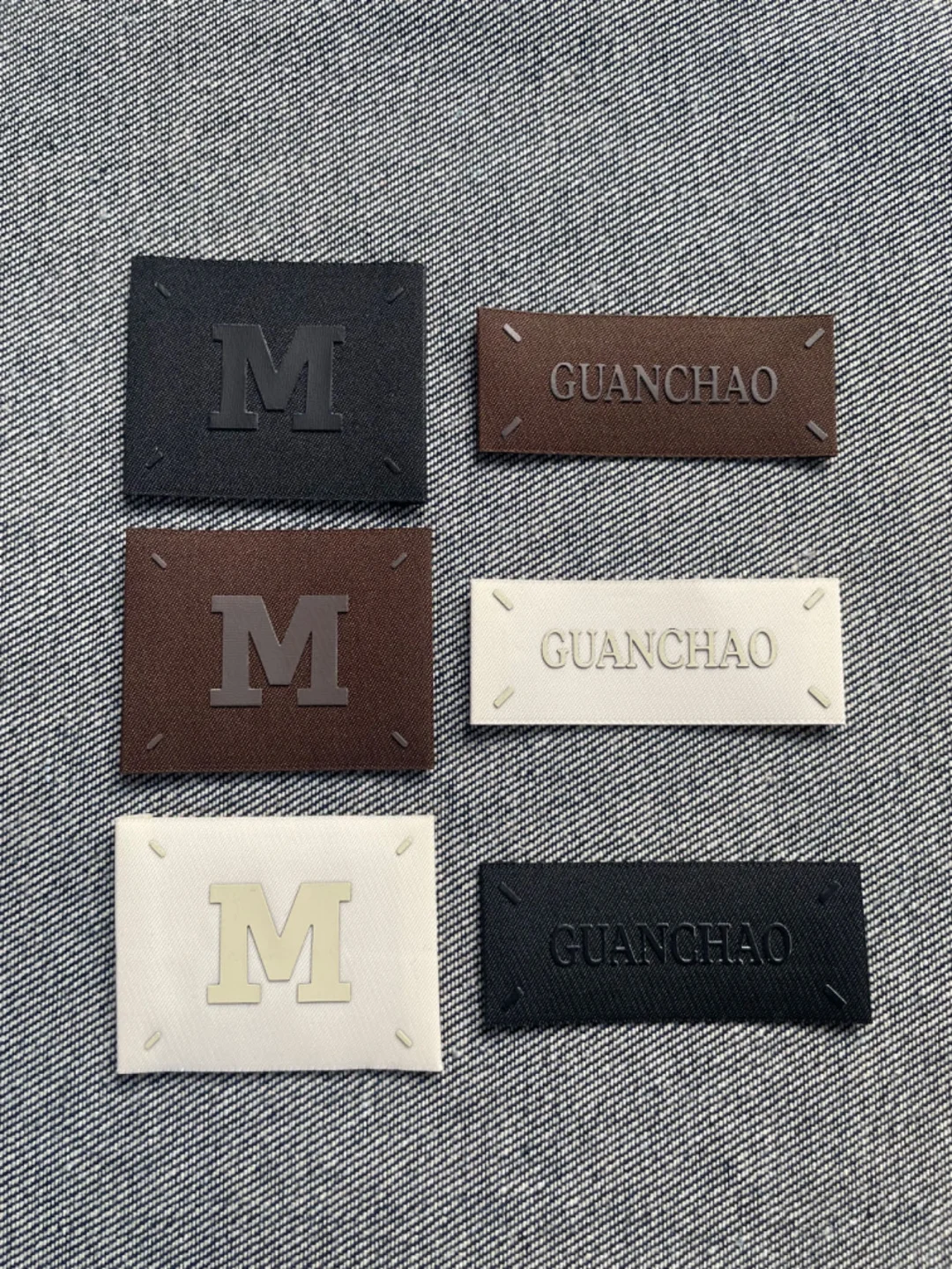
About CENWILD — 28 Years of Knitwear Expertise
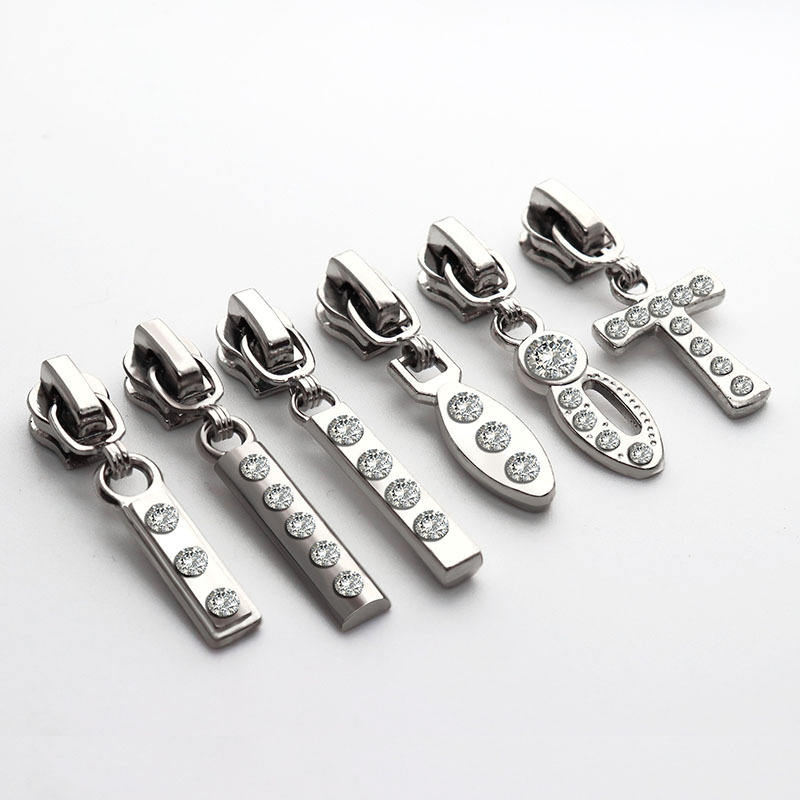
Founded in 1998 in Humen, Dongguan — the heart of China’s most influential knitwear manufacturing region — CENWILD began as a small family knitting and linking workshop. Today, we are a full-service OEM and ODM partner to over 2,000 fashion brands worldwide, specializing in custom knitted vest production and comprehensive sweater manufacturing with flexible MOQs from just 100 pieces.
Our 200+ skilled employees operate advanced computerized flat-knitting machines across multiple gauges, delivering a monthly capacity of more than 80,000 pieces. From design development and yarn sourcing to knit-down sampling, production, quality control, decoration, packaging, and export logistics, we provide end-to-end support for fashion brands, retailers, wholesalers, independent designers, and influencers across North America, Europe, Australia, Russia, and the Middle East.
What sets CENWILD apart is our commitment to partnership, not just production. We guide clients from concept to bulk order — whether you arrive with a finished tech pack or just an idea — backed by decades of craftsmanship in intarsia, jacquard, cable knitting, embroidery, printing, and garment finishing. Quality First, Customer Growth, Innovation, and Responsibility are the values that drive every knitted vest and sweater we manufacture.
Knitted Vest Manufacturing Capabilities: From Concept to Bulk Production
Design & Sampling Expertise
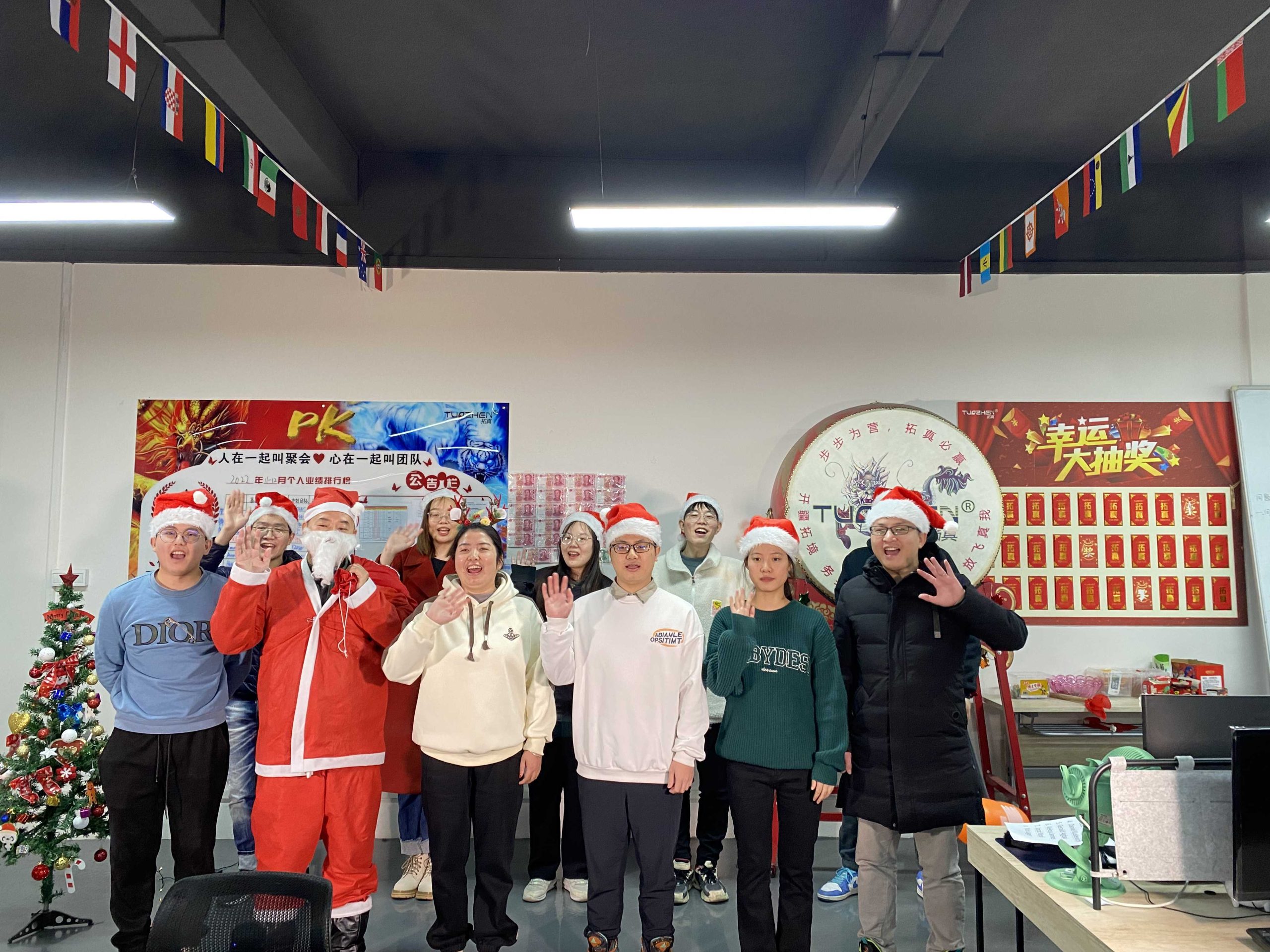
Our in-house design team transforms your knitted vest concept into production-ready samples in as fast as two weeks. Whether you arrive with a complete tech pack, a sketch, or just an idea, we deliver knit-down swatches and prototypes that match your vision.
- Tech pack development and 3D knit programming for any vest style
- Knit-down sampling with precise stitch design and gauge matching
- Pattern grading and fit adjustments across all size ranges
- Design consultation from sketch to finished prototype

Advanced In-House Knitting Machinery
CENWILD operates computerized flat-knitting machines spanning 3GG to 14GG gauges with a monthly capacity exceeding 80,000 pieces. This range enables us to produce everything from chunky, textured knitted vests to fine-gauge, lightweight styles with consistent quality at scale.
- 3GG–14GG computerized flat-knitting for all vest weights and textures
- Monthly production capacity of 80,000+ knitwear pieces
- Fully-fashioned knitting for minimal waste and superior fit
- Cable, ribbed, intarsia, jacquard, and pointelle techniques in-house
Full Customization & Decoration
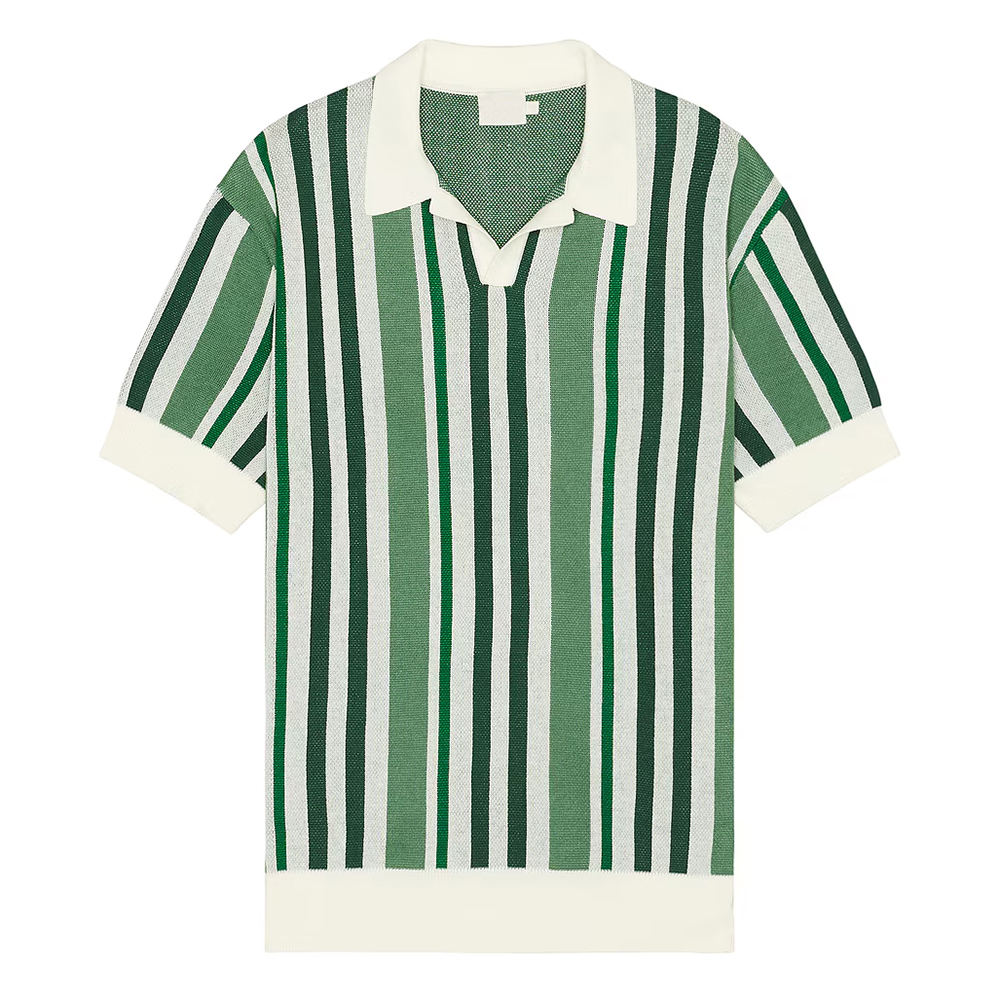
Every knitted vest order can be tailored with our comprehensive decoration services. From intricate intarsia patterns and jacquard logos to embroidery, printing, and custom trims, we bring your brand identity into every stitch and finish.
- Intarsia and jacquard knitting for patterns, logos, and colorwork
- Embroidery: flat, 3D puff, chain-stitch, applique, sequin, patches
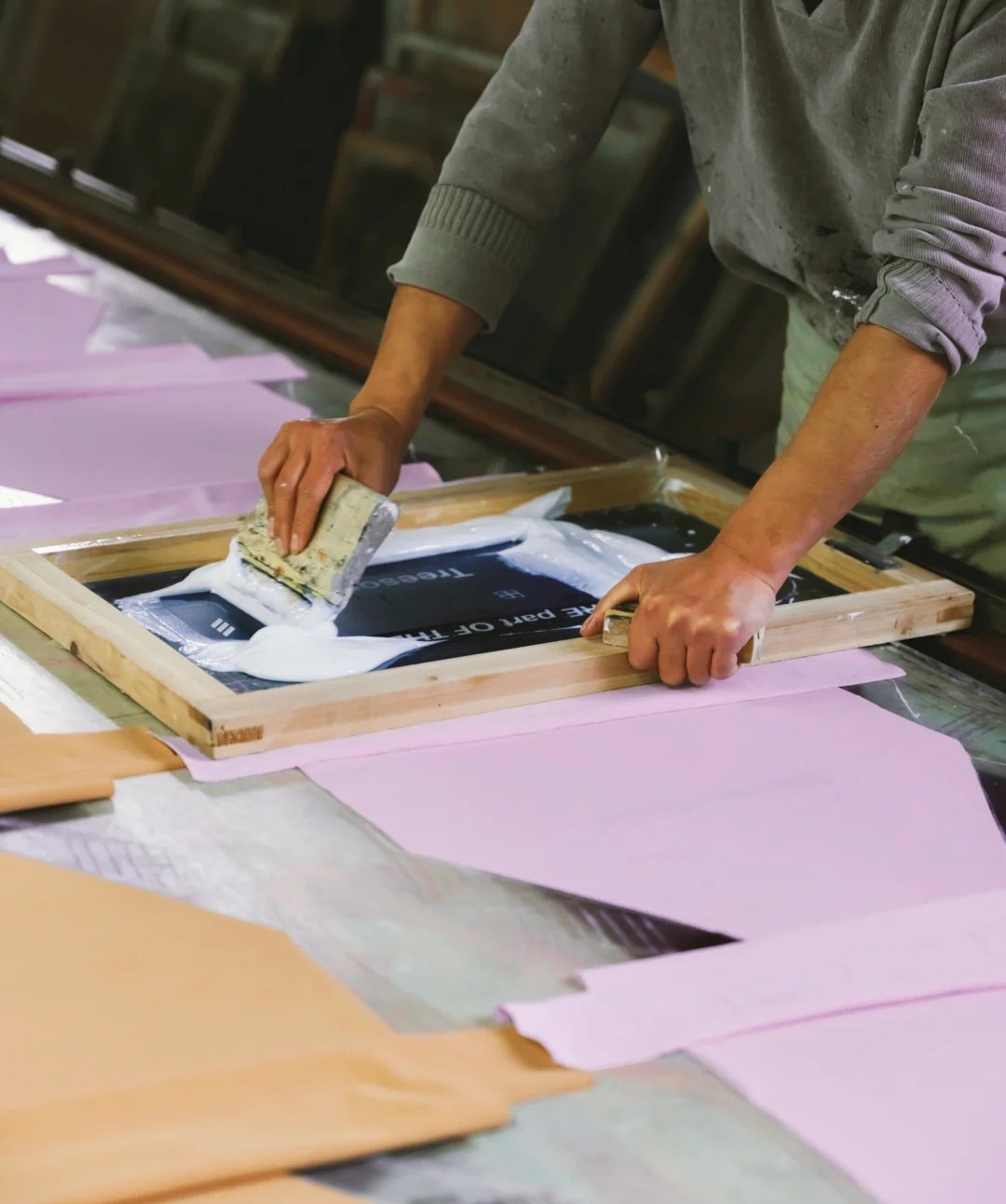
- Printing: screen, heat transfer, DTF, and sublimation options
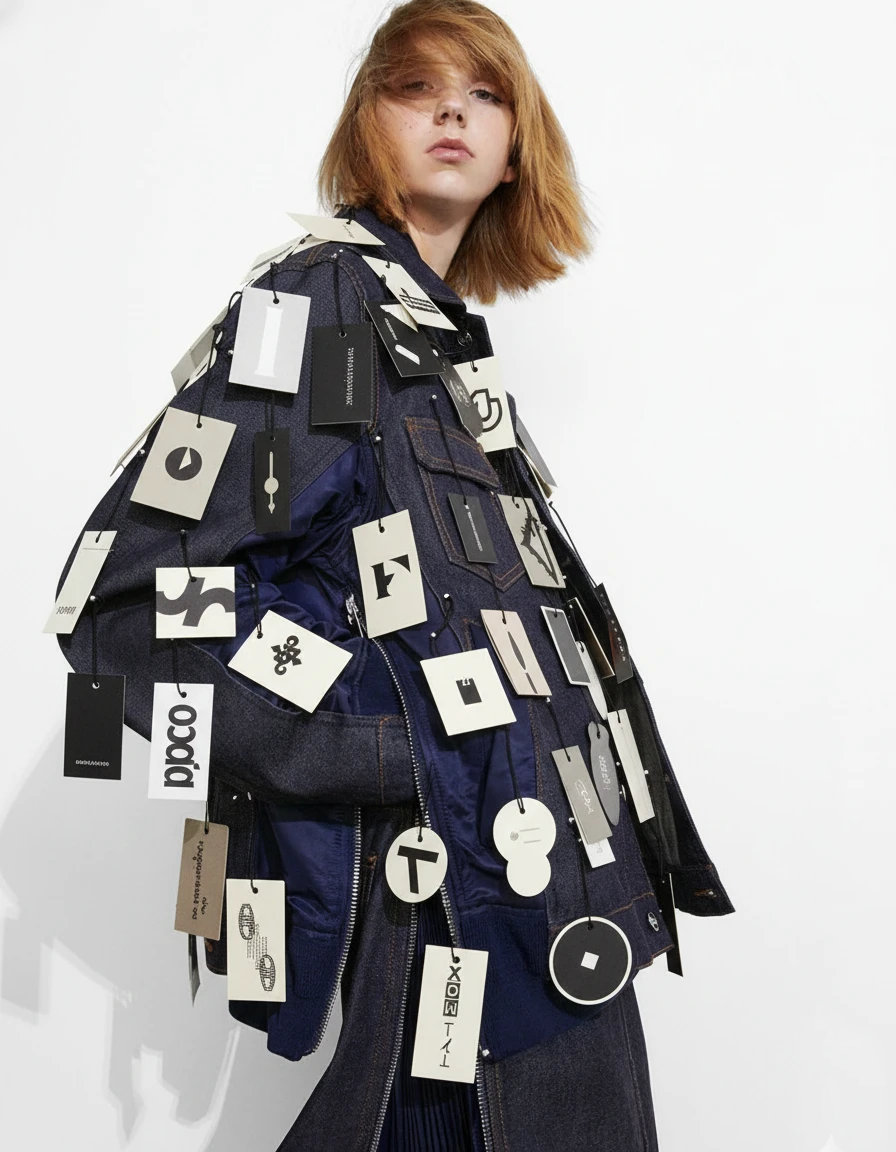
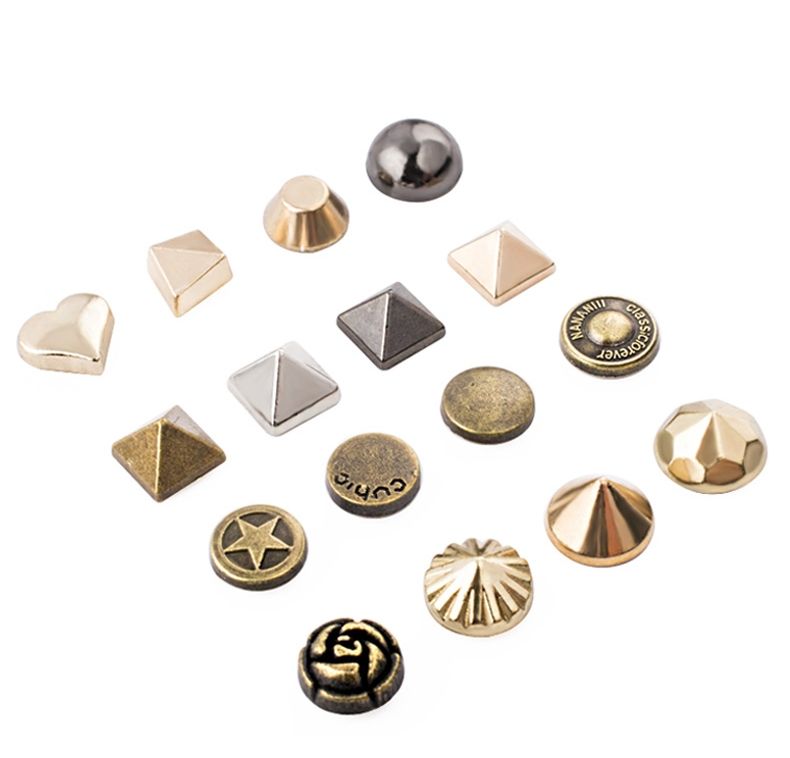
- Custom labels, hang tags, buttons, zippers, and trim accessories
Quality Control & Garment Finishing
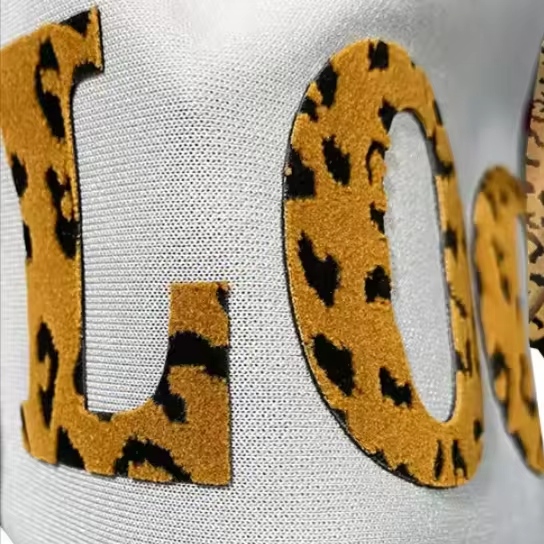
Before any knitted vest leaves our Dongguan facility, it passes through rigorous quality inspections and finishing processes. Garment washing, anti-pilling treatment, softening, brushing, and garment dyeing ensure every piece meets brand standards and feels premium.
- Multi-stage quality control from yarn inspection to final garment check
- Garment washing and finishing: softening, anti-pilling, brushing, garment dye
- Precise measurements and fit verification against approved samples
- Professional packaging and export-ready preparation for global shipment
CENWILD vs. Typical Knitted Vest Suppliers
See how our 28 years of experience, flexible MOQ, and full in-house capabilities give your brand the production edge it needs.
← 左右滑动查看 →
Our Knitted Vest Production Process
From tech pack to finished garment, every knitted vest moves through six quality-controlled phases designed to deliver consistent results at scale.
Tech Pack & Design Review
Our team reviews your specifications, stitch patterns, and fit requirements to create production-ready knit programs. We confirm yarn gauges, measurements, and decoration placements before sampling begins.
Yarn Sourcing & Knit-Down Sampling
We source your chosen fibers—merino, cashmere, cotton, or blends—and knit physical swatches to validate stitch quality, hand feel, and color accuracy before bulk production.
Bulk Knitting & Linking
Computerized flat-knitting machines across 3GG–14GG gauges produce your knitted vest panels, followed by precision linking to create seamless, fully-fashioned construction with minimal waste.
Decoration & Embellishment
Embroidery, screen printing, heat transfer, or appliqué are applied according to your design. All logos, patches, and custom graphics are positioned and secured with care.
QC & Garment Finishing
Every knitted vest undergoes multi-point quality inspection, then garment washing, anti-pilling treatment, softening, or brushing to achieve the final hand and appearance you specified.
Packing & Shipment
Finished vests are pressed, folded, and packed with your custom labels, hang tags, and poly bags. We coordinate export logistics to deliver on time to your warehouse or fulfillment center.
How to Partner with CENWILD for Your Knitted Vest Order
From your first design brief to finished bulk production, our streamlined process makes custom knitted vest manufacturing simple and transparent—even for first-time buyers.
Submit Your Design Brief
Send us your tech pack, sketch, photo, or concept. Our design team reviews every knitted vest inquiry and helps refine specifications, yarn selection, and stitch details.
Receive Quote & Sampling Proposal
Within 24–48 hours you’ll get a detailed quotation, timeline, and knit-down sampling plan tailored to your MOQ—starting from just 100 pieces.
Approve Your Knit-Down Swatch
We produce a physical knit-down sample so you can confirm fit, gauge, stitch pattern, and color before committing to bulk production.
Place Your Bulk Order
Finalize quantities, colors, and sizes. Pay your deposit and our production team schedules your knitted vest order into our manufacturing calendar.
Production, QC & Shipment
Your vests move through knitting, linking, finishing, decoration, and multi-stage quality control. Once approved, we handle export documentation and arrange shipment to your door.
Certifications & Compliance for Knitted Vest Manufacturing
Knitted Vest Success Stories from Our Brand Partners
CENWILD reduced our knitted vest sample time by 52% and delivered our first 300-piece private label order in just 6 weeks. Their design team turned our sketches into production-ready tech packs seamlessly.
We scaled from 500 to 4,200 knitted vests per order in 18 months thanks to CENWILD’s capacity and consistent quality. Their low MOQ let us test new colorways risk-free before committing to bulk production.
Launched our men’s knitted vest collection in under 8 weeks with only a 100-piece minimum. CENWILD’s intarsia and jacquard capabilities gave us the premium finishes our boutique clients demand at wholesale pricing.
Frequently Asked Questions About Custom Knitted Vest Manufacturing
What is the minimum order quantity for a custom knitted vest?
How long does it take to produce a knitted vest from sampling to bulk delivery?
Do you charge for knitted vest samples, and is the cost refundable?
What are your payment terms for custom knitted vest orders?
How do you handle shipping and logistics for international knitted vest orders?
How do you protect my designs and intellectual property for custom knitted vests?
What customization options are available for knitted vests at CENWILD?
Can CENWILD source specific yarns for my knitted vest project?
Do you offer rush or expedited production for knitted vest orders?
The Complete Buyer’s Guide to Knitted Vest Manufacturing and Sourcing
Navigate custom knitted vest production with confidence. This guide delivers a proven decision framework, essential supplier criteria, quality benchmarks, and the critical mistakes to avoid when sourcing from OEM manufacturers.
1. What Is a Knitted Vest?
A knitted vest is a sleeveless garment constructed entirely from knitted yarn — not woven fabric — making it fundamentally different from tailored woven vests in drape, stretch, and recovery. The term ‘sweater vest’ is often used interchangeably, though in manufacturing it specifically refers to the sleeveless variant of a pullover sweater, produced through either fully-fashioned or cut-and-sew methods.
Fully-fashioned knitted vests are shaped panel by panel on computerized flat-knitting machines (typically 3GG to 14GG gauge), then linked at the shoulders and side seams for a seamless finish and minimal waste. Cut-and-sew vests start as knitted fabric yardage, then are cut and sewn like woven garments — faster for simple designs but with more material loss and less shape retention.
Brands choose knitted vests for versatility: they layer over shirts in corporate uniforms, anchor capsule collections as transitional pieces, and serve as statement items in seasonal drops. A 100-piece minimum order quantity at CENWILD makes testing colorways or adding a knitted vest to an existing line commercially viable for emerging and established labels alike.
2. Evolution and History of the Knitted Vest
Hand-knit waistcoats appeared across Europe by the 1700s as layering pieces under tailored jackets, often featuring intricate cable or Fair Isle patterns. By the early 1900s, knitted vests migrated from workwear into sportswear, worn on golf courses and cricket pitches for warmth without restricting movement.
The 1920s through 1950s saw argyle and diamond-pattern sweater vests become staples on American and British college campuses, cementing the preppy aesthetic. Ivy League students paired them with Oxford shirts and chinos, and this silhouette remained a menswear classic through the mid-century.
In the 1990s and early 2000s, knitted vests gained traction in women’s fashion as cropped, fitted styles, often layered over tees or blouses. The Y2K revival starting around 2019 brought oversized, boxy knitted vest silhouettes back into streetwear, driven by social media and nostalgia for early-2000s fashion.
Today demand spans both heritage cable-knit styles for traditional brands and relaxed, chunky-gauge or colorblock designs for contemporary collections, with manufacturers like CENWILD supporting MOQs from 100 pieces to serve emerging and established labels alike.
3. Types of Knitted Vest Styles
Knitted vest styles vary by neckline, closure, and silhouette, each serving distinct customer segments and seasonal windows. CENWILD produces all major categories across 3GG–14GG gauges to match brand positioning from heritage prep to contemporary streetwear.
Classic V-Neck Knitted Vest
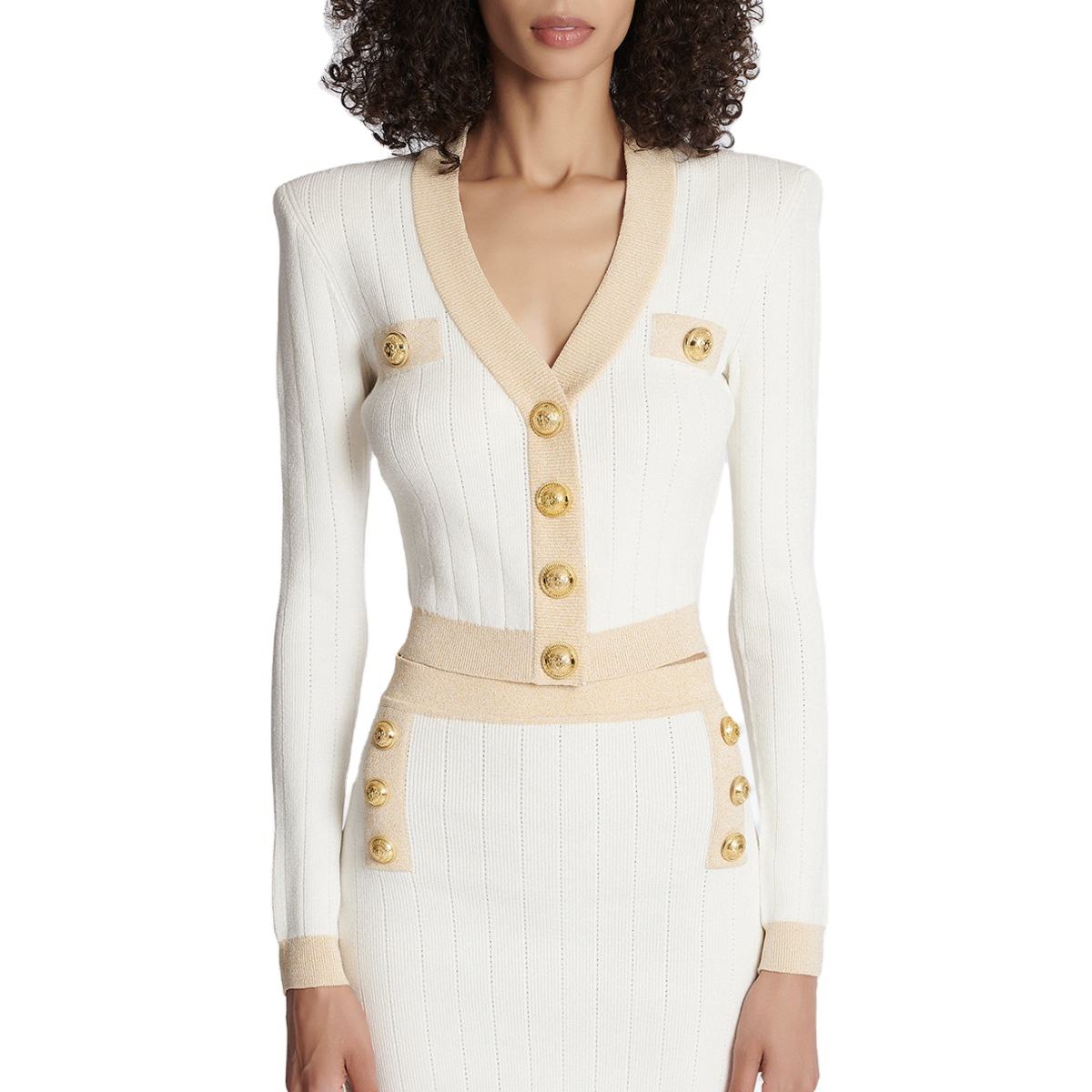
The V-neck sweater vest remains the anchor style for preppy, collegiate, and smart-casual lines. Typically knit at 7GG–12GG, it layers cleanly over dress shirts and polo collars.
Target customers include menswear brands, school-uniform suppliers, and heritage labels. Peak demand runs August through November for back-to-school and fall layering.
Crew-Neck and Mock-Neck Vests
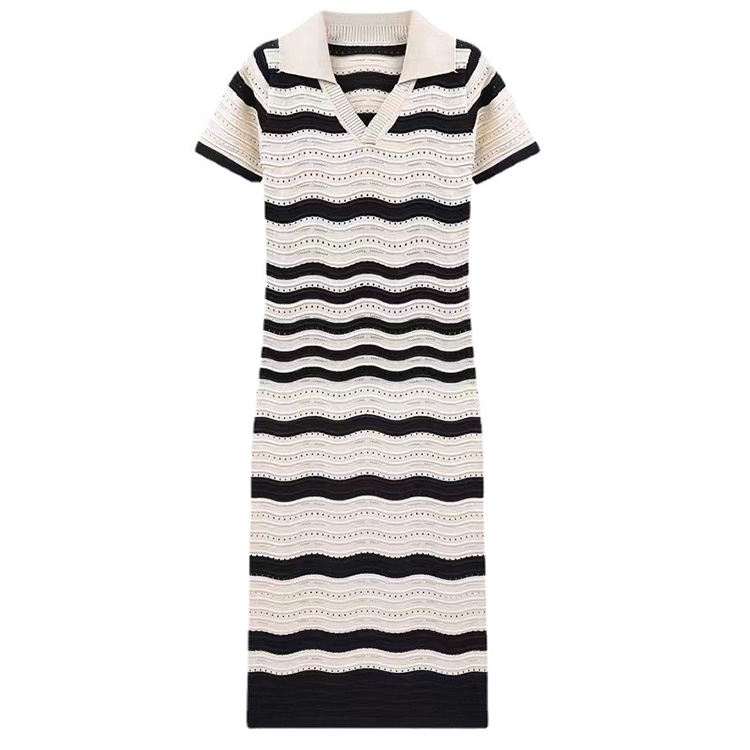
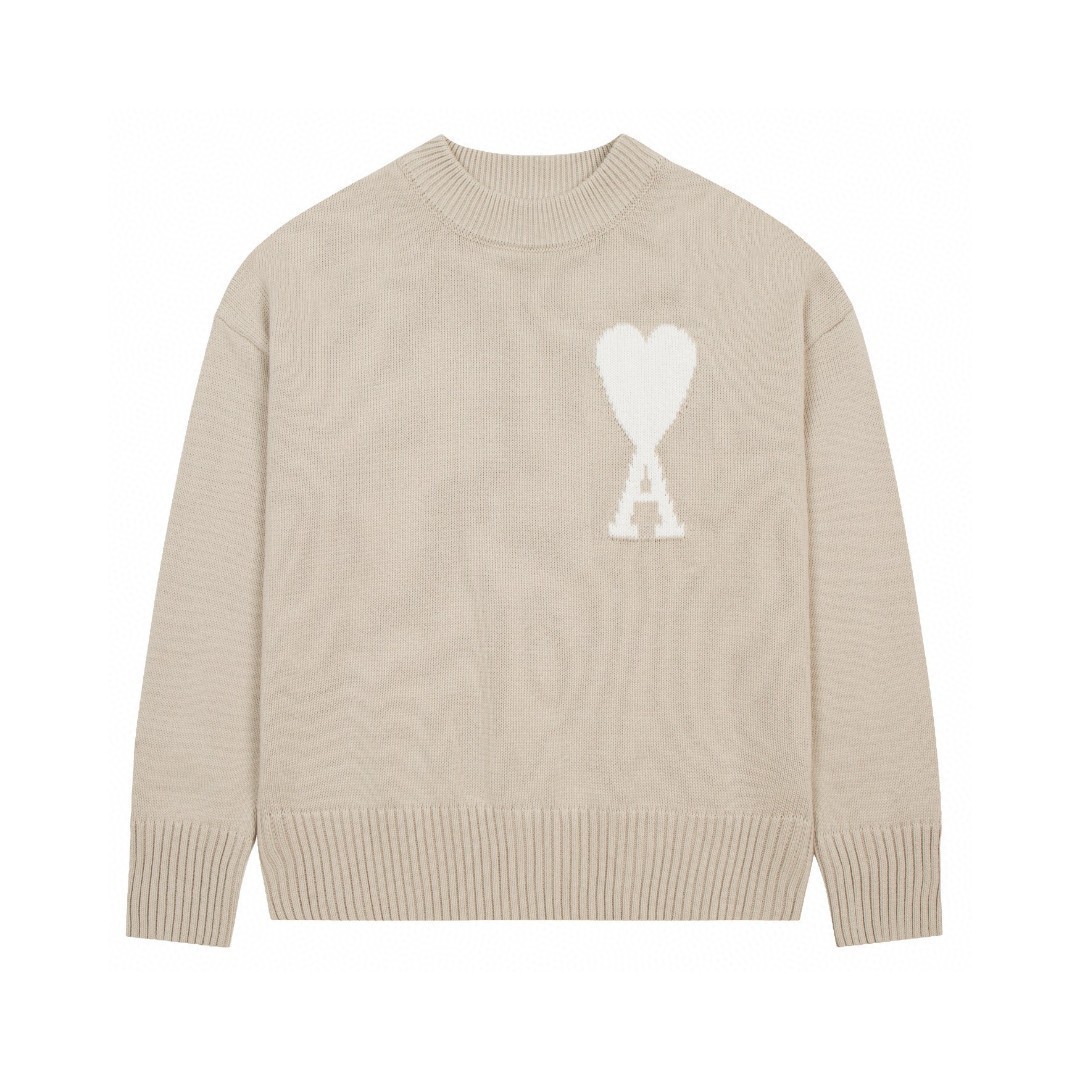
Crew-neck and mock-neck vests offer a cleaner, minimalist silhouette popular in womenswear and contemporary unisex collections. 5GG–9GG gauges deliver structure without bulk.
These styles suit modern workwear, athleisure crossover, and Scandinavian-inspired brands. They sell year-round as transitional layering pieces.
Sleeveless Cardigans (Button-Front Vests)
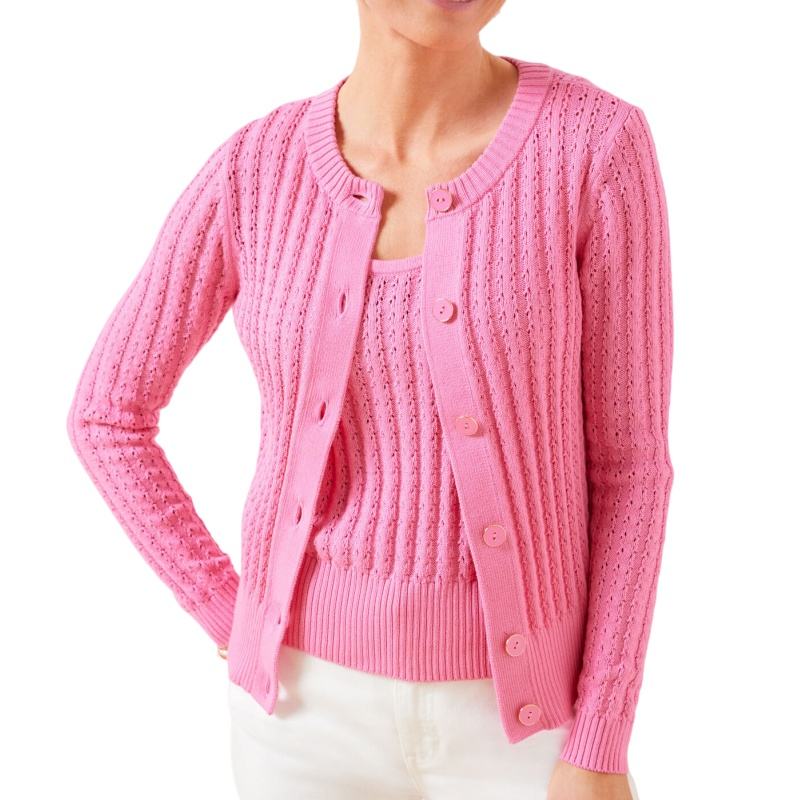
Button-front knitted vests function as sleeveless cardigans, adding versatility to capsule wardrobes. Ribbed bands and 3GG–7GG gauges provide drape and ease.
Ideal for bohemian, lifestyle, and plus-size brands seeking non-restrictive layering. Spring and fall are peak seasons, with lightweight cotton or linen blends extending into summer.
Oversized and Cropped Fits
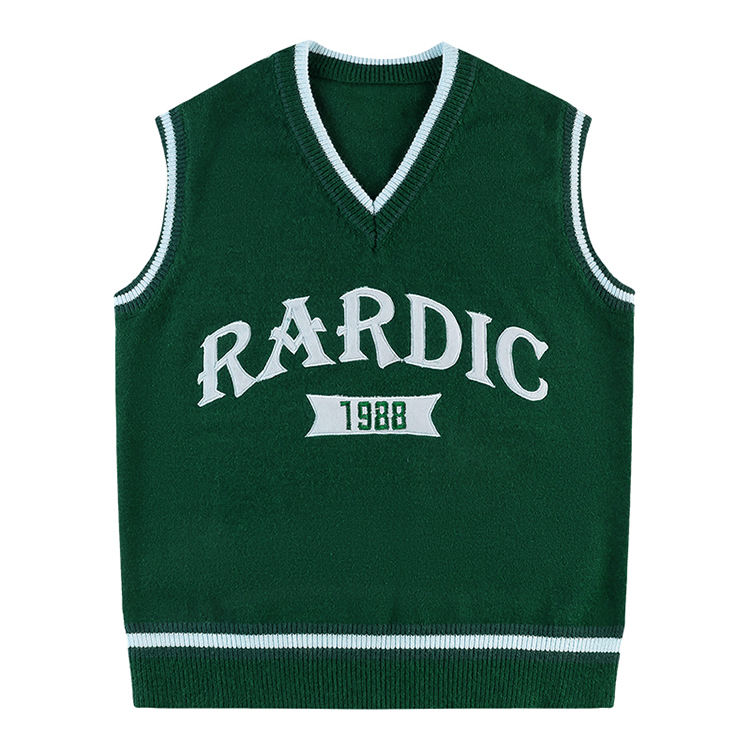
Oversized vests in 3GG–5GG chunky gauges and cropped lengths dominate Gen-Z and influencer-driven collections. Wide armholes and dropped hems create relaxed, editorial silhouettes.
Target customers include streetwear startups, Instagram brands, and fast-fashion retailers. Seasonal peaks align with fall launches and holiday gifting.
4. Materials and Yarn Options for Knitted Vests
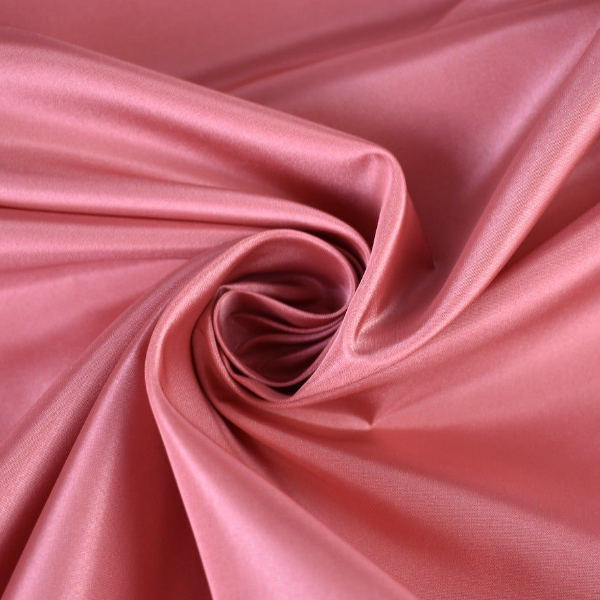
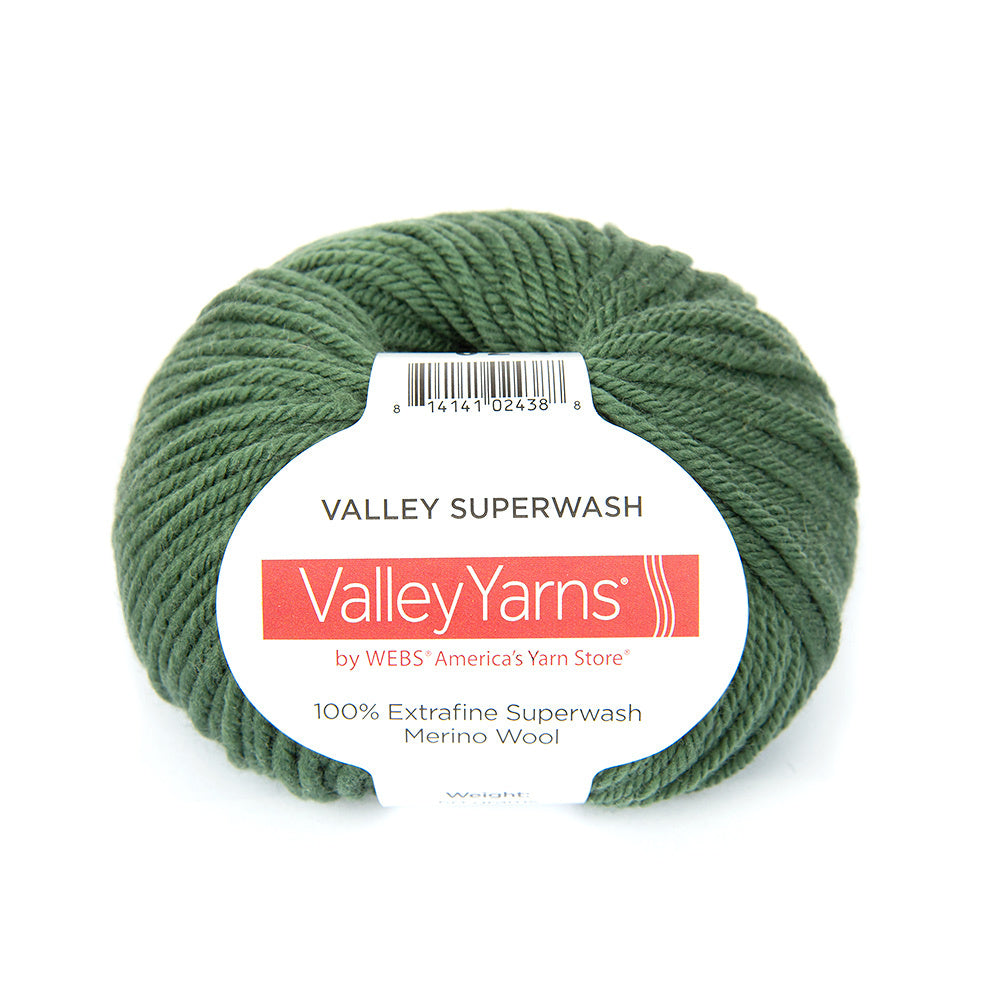
Yarn choice defines drape, warmth, cost, and care requirements. CENWILD stocks merino wool, cashmere, cotton, acrylic, alpaca, mohair, recycled polyester, and organic blends across gauges 3GG–14GG to match every price point and season.
| Yarn Type | GSM Range | Price Tier | Seasonality | Ideal Use Case |
|---|---|---|---|---|
| Merino Wool | 200–350 | Mid–High | Fall/Winter | Premium layering, athleisure |
| Cotton | 180–280 | Low–Mid | Spring/Summer | Casual, machine-wash collections |
| Acrylic | 200–320 | Low | Year-round | Budget lines, promotional vests |
| Cashmere Blend | 220–300 | High | Fall/Winter | Luxury capsules, gift sets |
| Recycled Polyester | 190–290 | Mid | Year-round | Sustainable brands, activewear |
Common Fiber Types and Trade-Offs
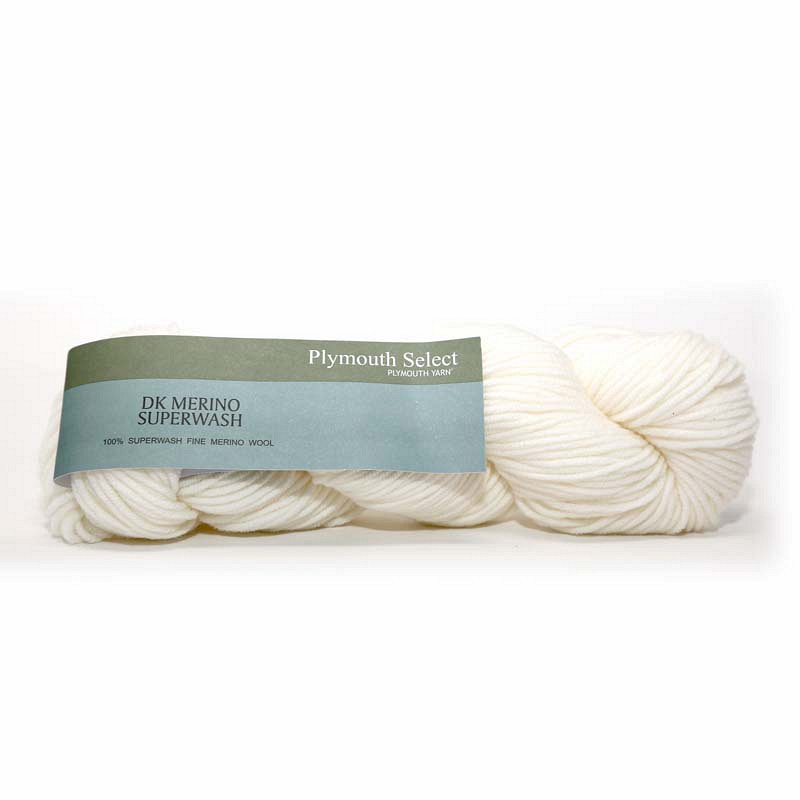
Merino wool delivers superior warmth-to-weight, natural elasticity, and moisture wicking but requires delicate care. Cotton offers breathability and machine washability at lower cost, ideal for spring/summer vests. Acrylic mimics wool’s bulk at a fraction of the price, resists pilling, and launders easily — perfect for high-volume programs.
Cashmere blends (typically 30–50% cashmere with nylon or wool) add luxury hand-feel while controlling cost. Recycled polyester and organic cotton meet sustainability demands with minimal performance compromise.
Yarn Weight and Garment Texture
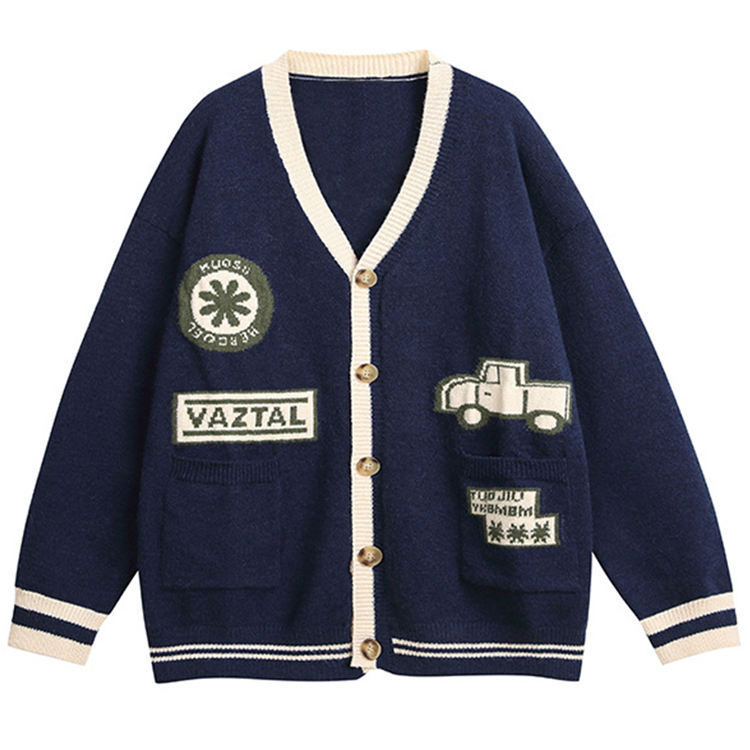
Fingering (2-ply) and DK (double knitting, 3–4-ply) weights yield lightweight, drapey vests under 250 GSM for layering. Worsted (4–5-ply) creates medium-weight structure (250–350 GSM) suited to classic V-neck styles. Bulky (6-ply and above) produces chunky, textured pieces above 400 GSM with pronounced stitch definition and warmth.
5. Customization and Decoration Options for Knitted Vests
A knitted vest becomes a brand signature through decoration and structural design choices. Each technique carries distinct MOQ, setup, and lead-time implications that shape both unit cost and production scheduling.
Jacquard and Intarsia Patterns
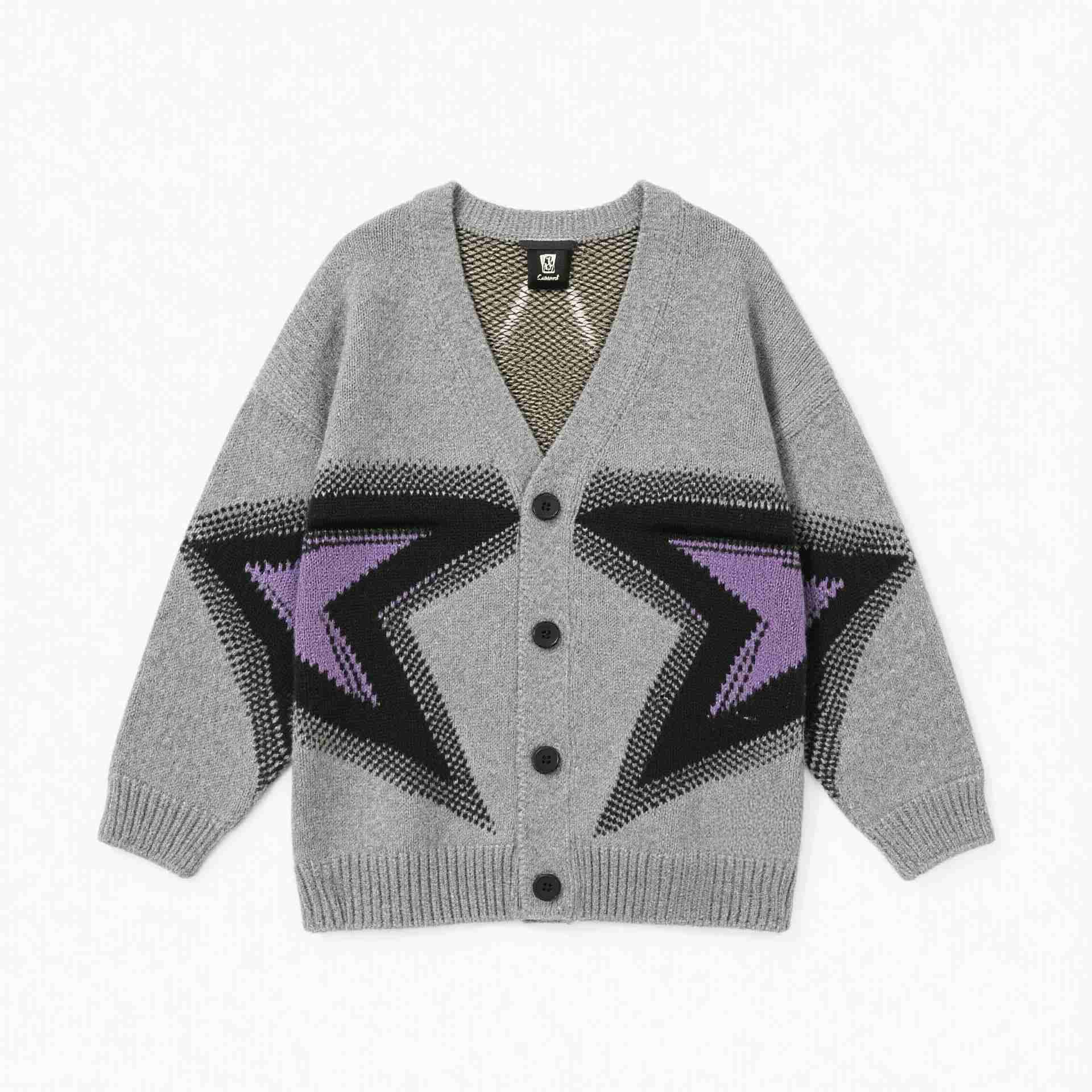
Jacquard and intarsia embed multi-color motifs directly into the knit structure. Jacquard uses float yarns on the reverse, ideal for geometric or repeating patterns; intarsia isolates each color block with no floats, suited to large logos or pictorial designs.
Both require 3D knit programming and knit-down sampling, adding 5–7 days to pre-production. Setup costs range $50–$150 per colorway, and complex patterns may lift unit price 15–30% over plain knits.
Cable, Rib, and Textured Stitches
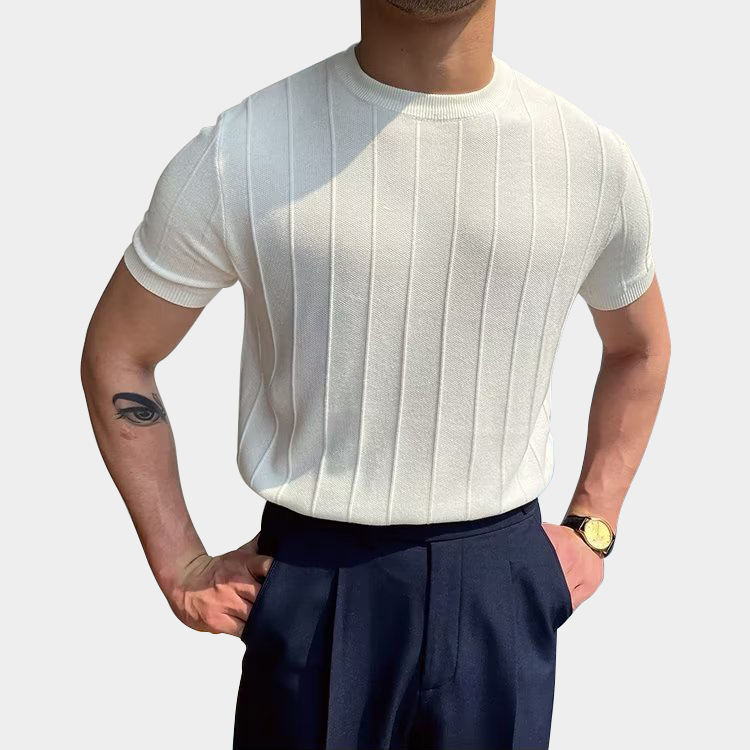
Cable, rib, pointelle, and other relief textures are programmed into the knitting sequence with no added decoration cost. These techniques consume more yarn and machine time, raising piece price 10–20% but requiring no minimum beyond the standard 100-piece MOQ.
Textured panels add perceived value and tactile interest without separate embellishment steps, keeping lead times shorter than embroidery or print workflows.
Embroidery and Appliqué
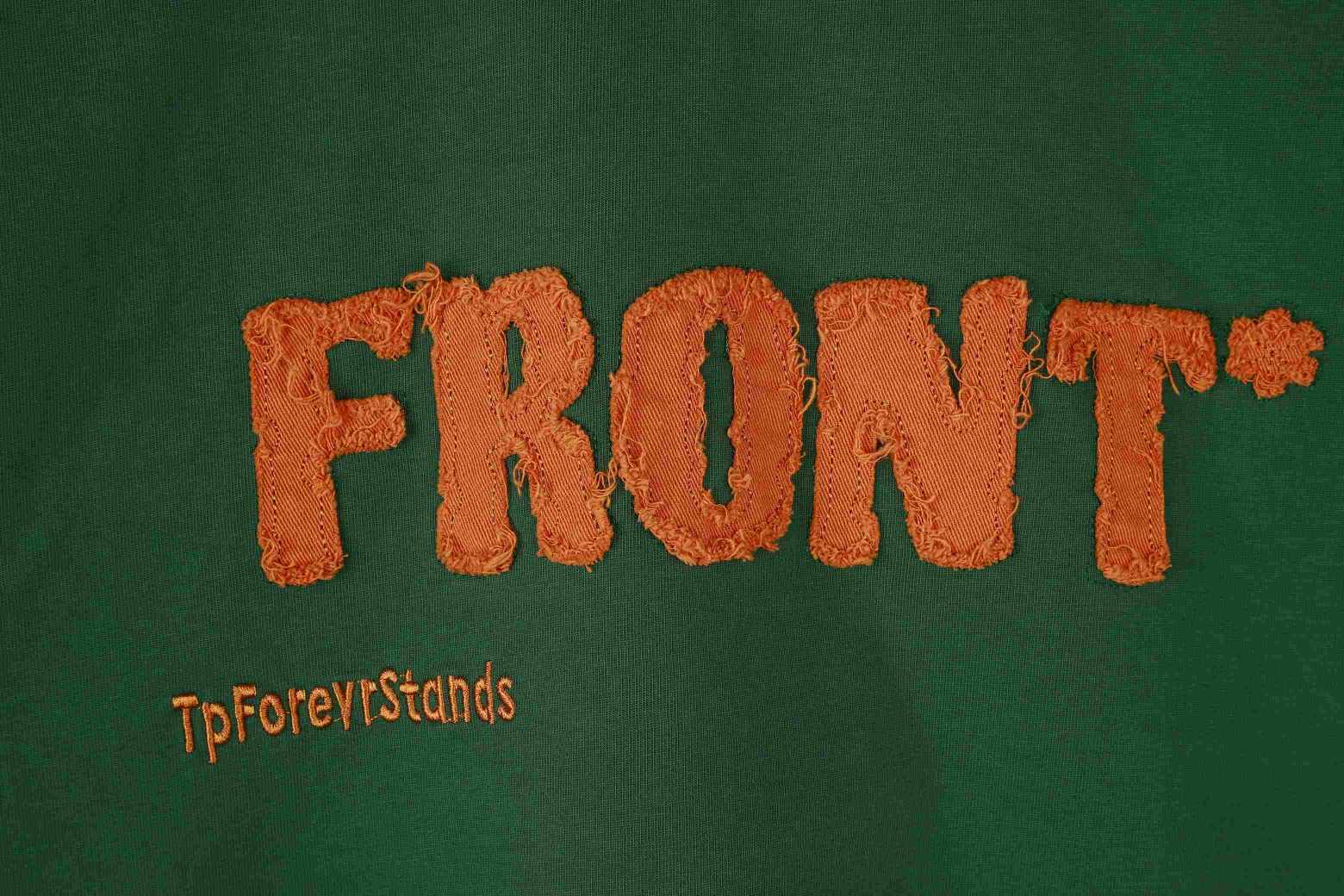
Flat, 3D puff, chain-stitch, sequin, and appliqué patches are applied post-knit. Digitizing fees run $20–$80 per design; embroidery adds 3–5 days and $1.50–$4.00 per placement depending on stitch count.
Appliqué patches and chenille logos suit varsity or collegiate styles. Because embroidery is a separate process, it scales independently of knit MOQ but benefits from consolidated runs to minimize machine changeovers.
Branded Trims and Hardware
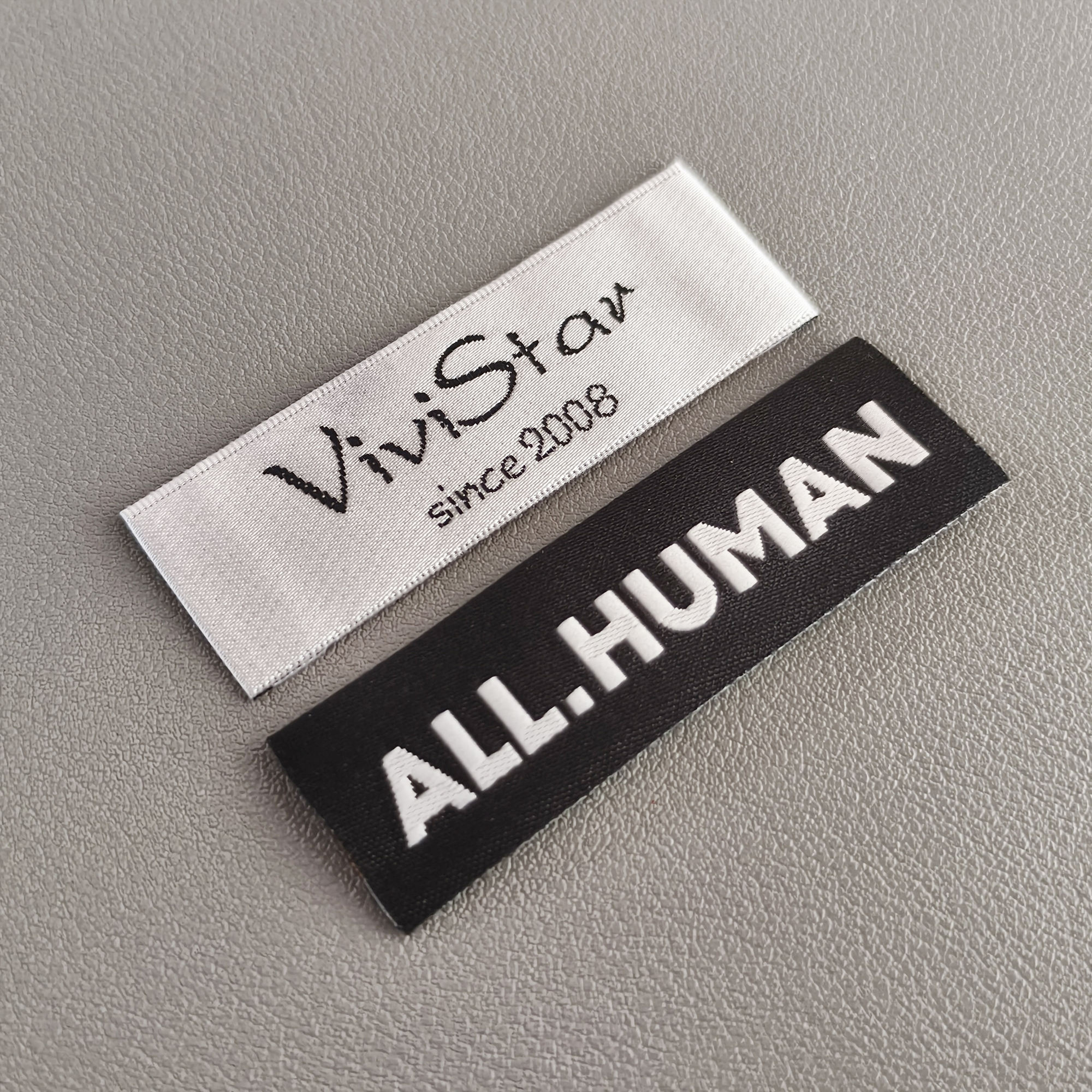
Woven labels, printed neck tapes, metal badges, and custom zipper pulls reinforce brand identity. Woven-label MOQs typically start at 500–1,000 pieces; metal badges at 300–500, each with tooling fees of $50–$200.
CENWILD coordinates trim sourcing within the 100-piece garment MOQ, but dedicated trim minimums may require multi-style planning or stock inventory for future collections.
6. Key Quality and Construction Elements
A knitted vest’s longevity and perceived value hinge on six measurable construction criteria. Buyers who specify tolerances in tech packs before sampling — rather than reacting to defects after bulk production — save both time and margin.
Stitch Density and Gauge Consistency
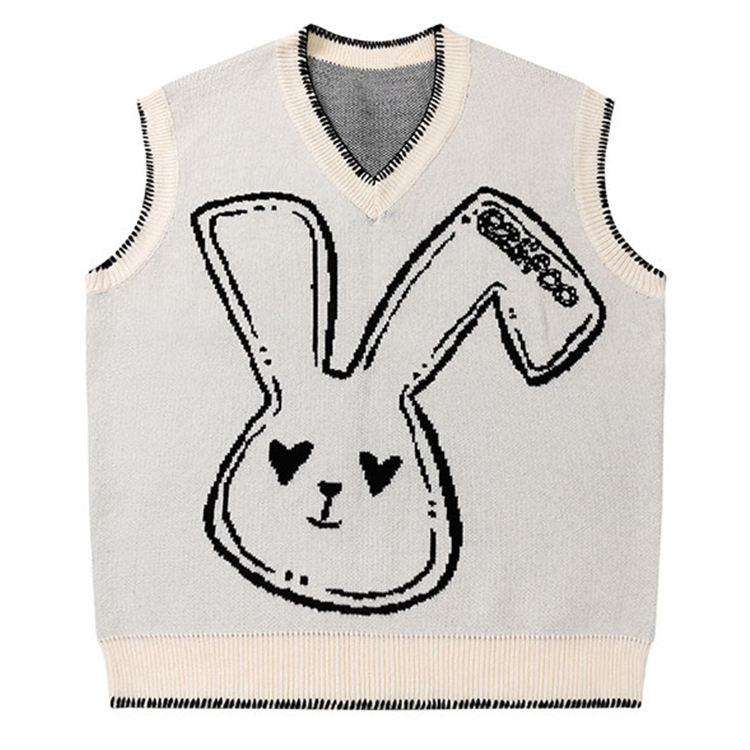
Gauge is measured in stitches per inch (or per 10 cm) and dictates fabric weight, drape, and dimensional stability. A 7GG machine produces roughly 7 needle beds per inch; tighter gauges (12GG–14GG) yield finer, denser fabrics ideal for merino or cashmere vests, while 3GG–5GG suits chunky cable styles.
Request a 10×10 cm swatch with your specified gauge and verify stitch count under magnification. Variance beyond ±5 % signals machine calibration issues that will compound across panels.
Seam Finish: Linking vs. Overlocking
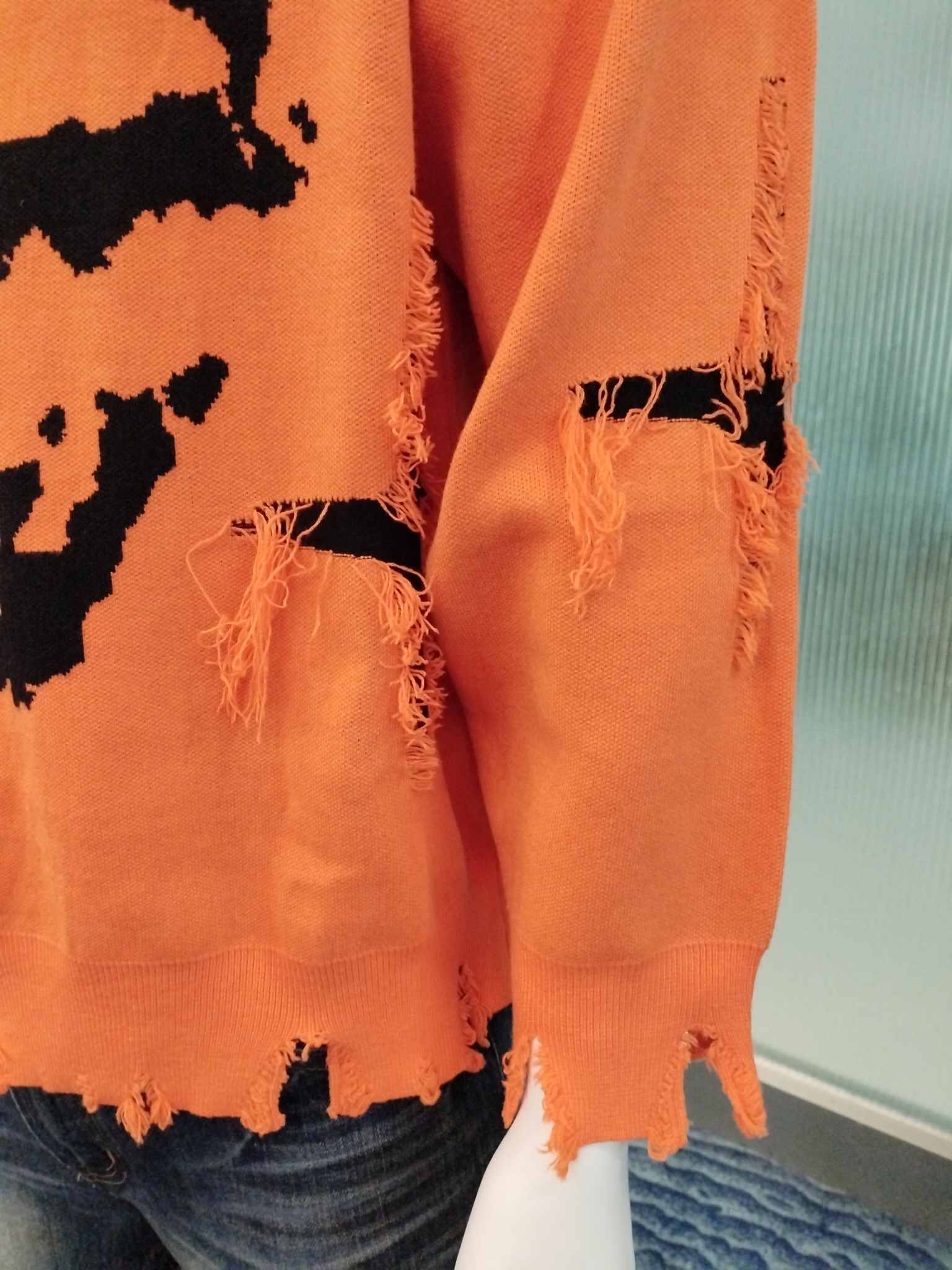
Linking (or looping) joins two knit edges stitch-by-stitch on a Rosso or SHIMA linking machine, creating an invisible, flat seam preferred for shoulder, side, and armhole closures on premium vests. Overlocking uses a serger to bind raw edges with thread; it is faster and cheaper but bulkier and visible on the inside.
Spec linking for all visible seams in tech packs; reserve overlocking only for hem facings or internal linings where bulk is acceptable.
Neckline and Armhole Binding Durability
Necklines and armholes endure the highest stress during wear and laundering. Ribbed bindings should be knit in 1×1 or 2×2 rib at one gauge finer than the body to maintain recovery. Alternatively, single-jersey bindings must be stabilized with a narrow tape or clear elastic sewn into the seam allowance.
Test by stretching the binding to 150 % of its relaxed width for 30 seconds; it should return to within 5 % of original length. Specify stitch type (e.g., 301 or 504) and seam allowance width (typically 1–1.5 cm) in your tech pack.
Pilling Resistance and Finishing
Pilling occurs when short fibers migrate to the fabric surface and tangle into balls. Yarn twist, fiber length, and post-knit finishing all influence resistance. Merino and cashmere blends benefit from enzymatic or resin anti-pill treatments; acrylic and cotton typically require mechanical brushing or shearing.
Request Martindale abrasion testing (ISO 12945-2) with a minimum of 20,000 cycles for premium vests, 10,000 for mid-tier. Specify the finish — softener, anti-pill enzyme, or garment wash — and acceptable pilling grade (≤3 on a 1–5 scale) in your quality-control checklist.
Dimensional Stability and Colorfastness
Knitted vests can grow or shrink 3–8 % in length and width after the first wash if yarn has not been pre-relaxed. CENWILD’s garment-wash and steam-pressing protocols pre-shrink fabric and lock dimensions before shipment. Always request a pre-production wash test per AATCC 135 (dimensional change) with tolerances of ±3 % length, ±2 % width.
Colorfastness to washing (AATCC 61), crocking (AATCC 8), and light (AATCC 16) should meet grade 4 minimum for darks, grade 3–4 for pastels. Specify test standards and pass/fail grades in your purchase order to ensure dye-house accountability.
7. How to Choose the Right Knitted Vest Manufacturer
Selecting a knitted vest manufacturer requires evaluating technical capabilities, flexibility, and partnership readiness. The right factory balances machinery range, order minimums, compliance, and post-production support to match your brand’s scale and timeline.
MOQ Flexibility and Order Scalability
Minimum order quantities for knitted vests typically range from 100 to 500 pieces per style per colorway. Factories with 100-piece MOQs suit independent designers and test collections, while 300–500-piece tiers fit established brands scaling production.
Confirm whether MOQ applies per design, per color, or per size run, and ask about deposit terms — first-order deposits often sit at 50–100 percent, easing to 30 percent for repeat partners.
Machinery Capability and Gauge Range
Flat-bed knitting machines (3GG–14GG) produce fully-fashioned, shaped vest panels with minimal seaming, ideal for fine-gauge cashmere or structured jacquard designs. Circular knitting yields tubular fabric cut-and-sew vests at higher speed but lower shape precision.
Verify the factory’s gauge inventory and whether they program intarsia, cable, or pointelle in-house to ensure your design complexity is achievable without outsourcing.
Sampling Turnaround and Design Support
Knit-down sampling for a custom knitted vest typically requires 10–15 days after yarn and pattern approval. Factories offering in-house 3D knit programming and stitch libraries can shorten iteration cycles and reduce costly remakes.
Ask whether the design team works from tech packs, sketches, or reference photos, and confirm revision limits and sample costs before committing.
Compliance Certifications and Audits
BSCI social-compliance and OEKO-TEX Standard 100 yarn certifications are baseline requirements for brands selling into North America and Europe. GOTS or GRS certification becomes essential for organic or recycled fiber claims.
Request current audit reports, factory photos, and third-party inspection access during virtual or in-person factory tours to verify labor standards and chemical safety.
Communication and Post-Production Services
Responsive communication — reply within 24 hours, English fluency, and shared project-management tools — prevents costly delays. Confirm time-zone overlap and whether a dedicated account manager will coordinate sampling, production, and shipping.
Post-production services such as custom woven labels, hang tags, polybag packing, and carton marking should be handled in-house to consolidate logistics and maintain quality control through final export.
8. Common Mistakes When Sourcing Knitted Vests
Even experienced buyers encounter costly pitfalls when sourcing knitted vests. Each mistake cascades into chargebacks, returns, or production delays that erode margin and reputation.
Underestimating Shrinkage Allowances
Knitted fabrics typically shrink 3–8% after washing, depending on fiber and gauge. Failing to account for shrinkage in pattern grading results in finished vests that run small, triggering returns and chargebacks.
Request knit-down swatches washed to your care label specs before finalizing dimensions. CENWILD provides pre-washed samples so grading reflects true post-wash measurements.
Ignoring Yarn-Dye vs. Piece-Dye Cost Differences
Yarn-dyed production costs 15–25% more than piece-dyeing but delivers richer color and pattern clarity for jacquard or intarsia designs. Choosing piece-dye for multi-color knitted vests forces you to compromise design or overspend on rework.
Clarify dye method during sampling. For solid colors, piece-dye cuts cost; for patterns, yarn-dye is non-negotiable.
Skipping Pre-Production Samples
Approving production from photos or sketches alone hides stitch tension, hand-feel, and fit issues until bulk arrives. Chargebacks for off-spec goods often exceed the sample investment many times over.
Always order knit-down samples in your final yarn, gauge, and size range before committing to a production run.
Unclear Grading Specs for Sizes
Vague grading instructions—’industry standard S–XL’—yield inconsistent fit across manufacturers. Returns spike when customers receive vests that don’t match your size chart.
Provide a detailed spec sheet with point-of-measure tolerances (±1 cm is typical). CENWILD’s design team can grade from a single approved sample to ensure consistency.
9. Steps to Launch Your Knitted Vest Collection
Launching a knitted vest collection requires coordination across design, sampling, production, and logistics. CENWILD’s 28 years of experience support brands from concept to container, with typical first-order timelines of 8–12 weeks from deposit to shipment.
Trend Research and Concept Development
Start with mood boards that capture your target season, color palette, and silhouette direction. CENWILD’s design team reviews fashion-week trends, Pantone forecasts, and retail analytics to align your knitted vest styles with market demand.
Share reference images, sketches, or competitor samples; the team translates ideas into stitch structures, gauge recommendations (3GG–14GG), and yarn blends suited to your price point and brand positioning.
Tech-Pack Creation and Yarn Selection
A production-ready tech pack specifies measurements, stitch patterns (cable, rib, intarsia), trims, and decoration placements. CENWILD can build the pack from your sketch or refine an existing file to match knitting capabilities.
Yarn selection follows: cashmere and merino for premium lines, cotton or acrylic blends for accessible price tiers. Color-matching uses Pantone references or physical swatches, with lab-dip approval before bulk yarn orders.
Sample Approval and Production Timeline
Knit-down samples arrive in 7–10 days. Review fit, hand-feel, stitch clarity, and decoration quality; request revisions until the sample meets your standard. Once approved, production begins with a 30–50% deposit (easing to 30% for repeat partners).
Bulk lead time ranges from 25–35 days depending on order size, decoration complexity, and seasonal capacity. AQL 2.5 inspections cover measurements, stitch integrity, and trim placement before final packing and export logistics coordination.
10. Pricing and Cost Breakdown
CENWILD’s knitted vest pricing starts at 100-piece MOQ, with FOB Dongguan unit costs scaling by volume, yarn type, gauge complexity, and decoration. A basic 7GG acrylic vest at 300 pieces typically runs $8–12 FOB, while a 12GG merino or cashmere style in the same quantity may reach $18–28 depending on yarn grade and stitch intricacy.
Setup and sampling fees apply to first orders: knit-down samples cost $50–150 per colorway, and one-time jacquard or intarsia programming adds $80–200. Decoration — embroidery, screen print, or appliqué patches — adds $0.50–3.00 per placement depending on stitch count and method.
Lead time shortens with higher volume: 100-piece runs require 25–30 days after approval, while 1,000+ pieces stabilize at 20–25 days. Payment terms ease as partnership matures, starting at 100% deposit for new clients and dropping to 30% deposit plus balance before shipment for long-term accounts.
| Quantity Tier | FOB Price per Unit (Basic Style) | Setup & Sampling | Lead Time |
|---|---|---|---|
| 100 pcs | $12–18 | $150–300 (first order) | 25–30 days |
| 300 pcs | $8–14 | $100–200 | 22–28 days |
| 500 pcs | $7–12 | $80–150 | 20–25 days |
| 1,000+ pcs | $6–10 | Waived or reduced | 20–25 days |
Ready to Launch Your Knitted Vest Line?
Get expert design support, fast sampling, and flexible low-MOQ production from a trusted Dongguan manufacturer with 28+ years of experience.