Custom Sweater Factory — OEM/ODM, 100-Piece MOQ, 28+ Years
Partner with a proven sweater factory in China’s knitwear heartland. Full-service OEM and ODM production, private label support, and flexible low minimums for brands worldwide.
Sweater Styles & Samples
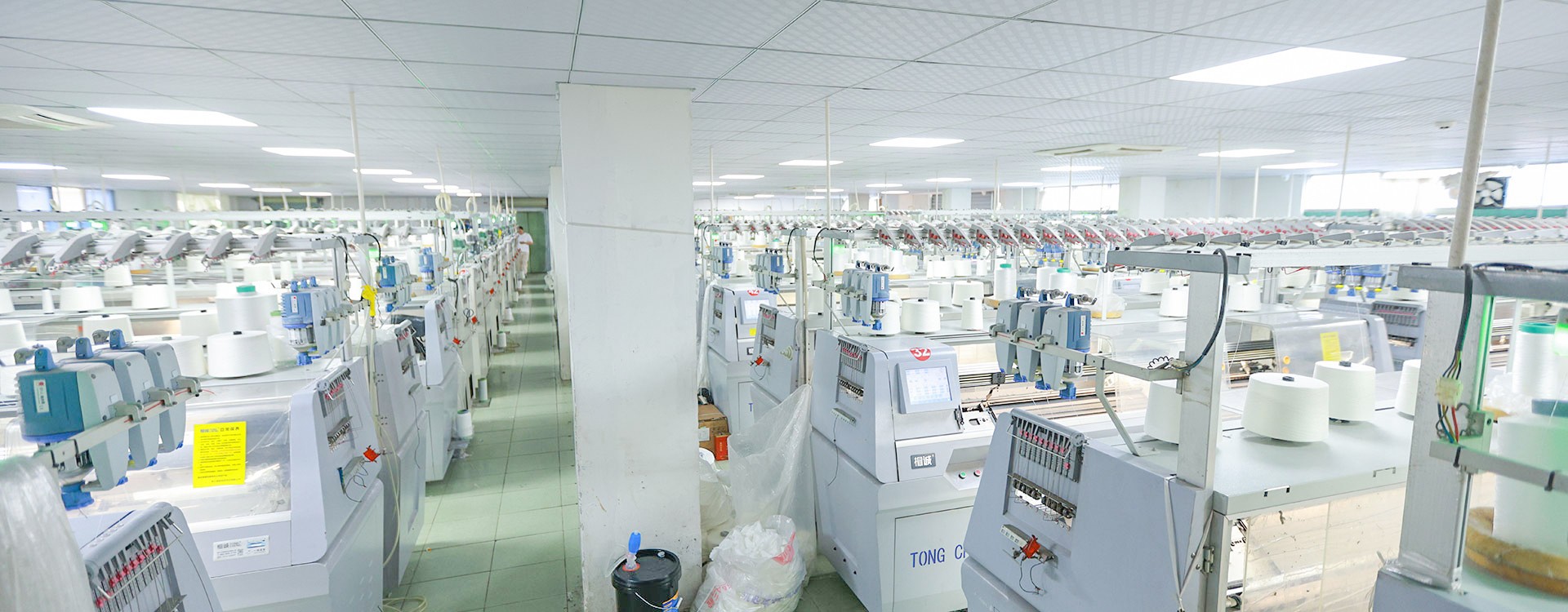
Why Our Sweater Factory Stands Out
Low MOQ from 100 Pieces
Start your knitwear line without massive inventory risk. We welcome startups, independent designers, and growing brands with flexible minimum orders.
Fast Knit-Down Sampling
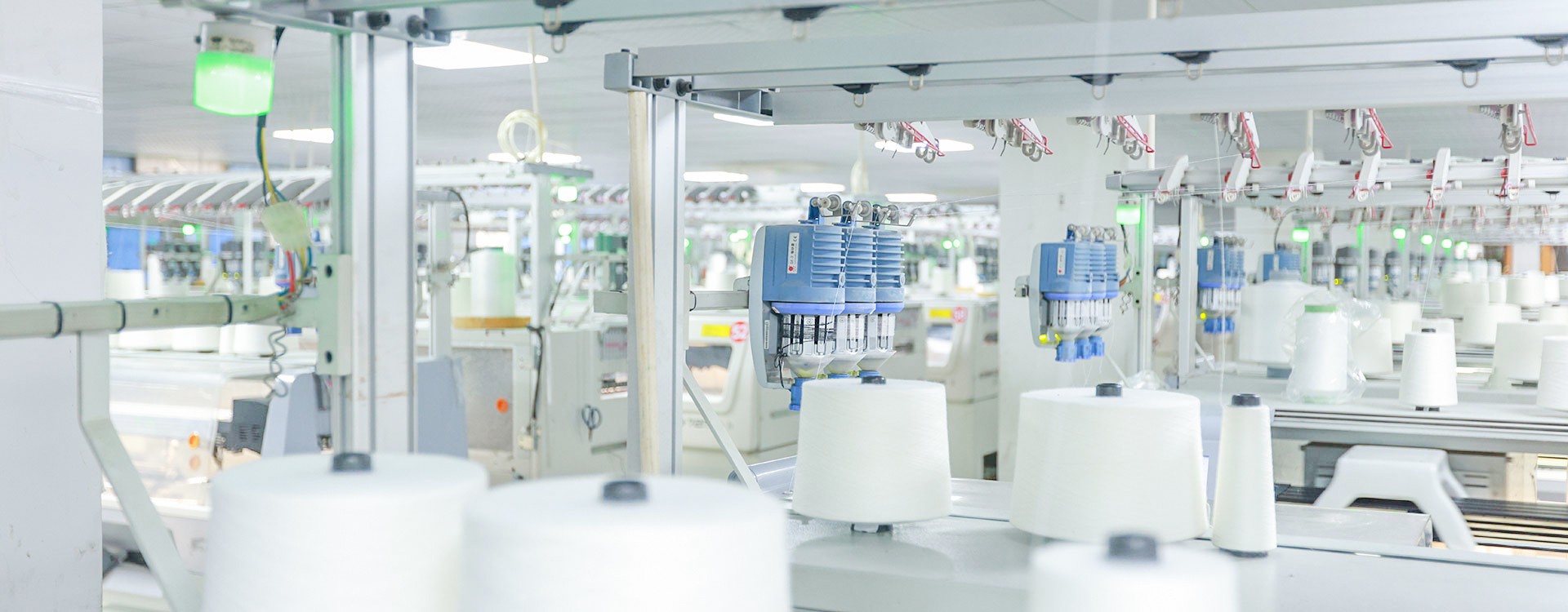
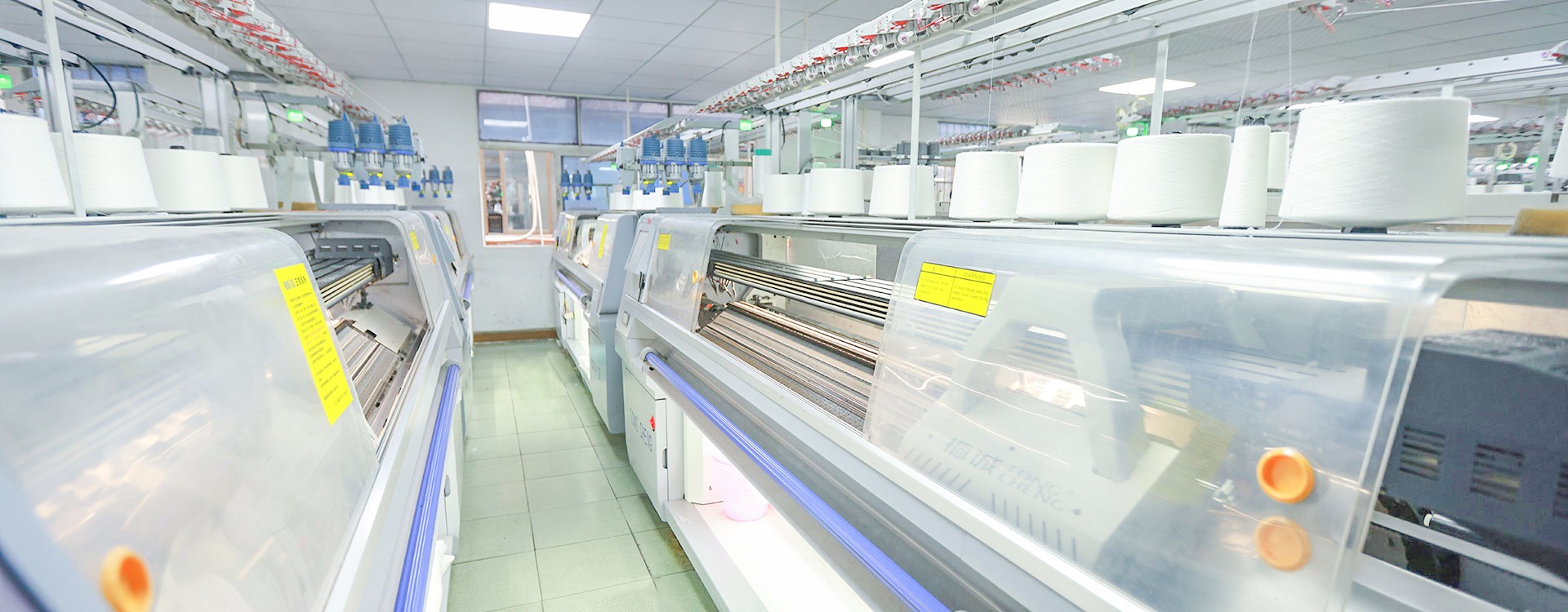
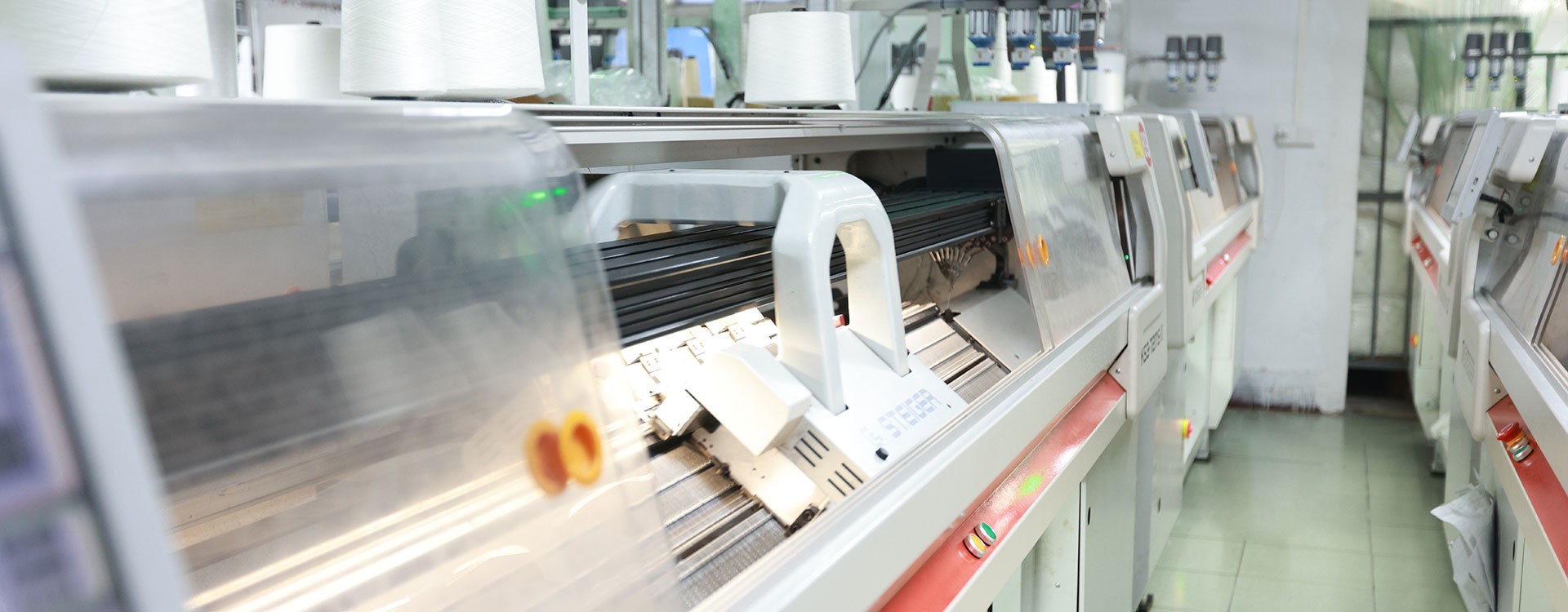
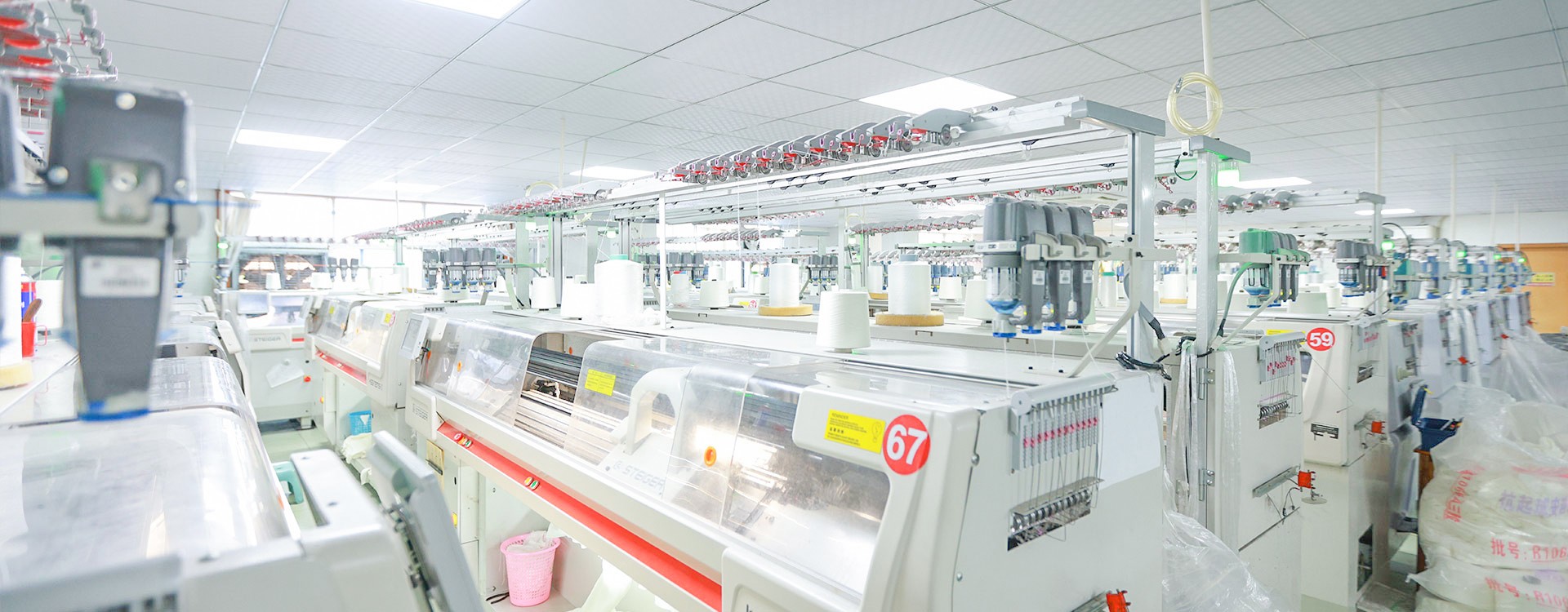
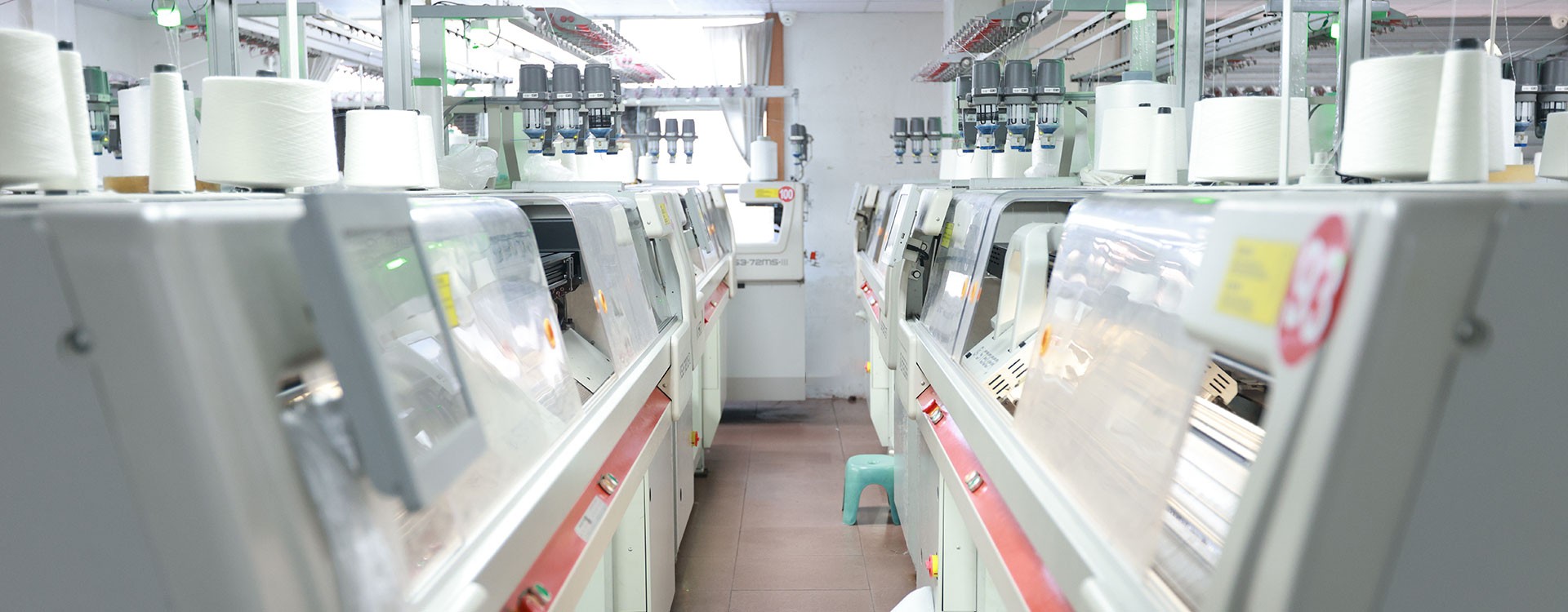
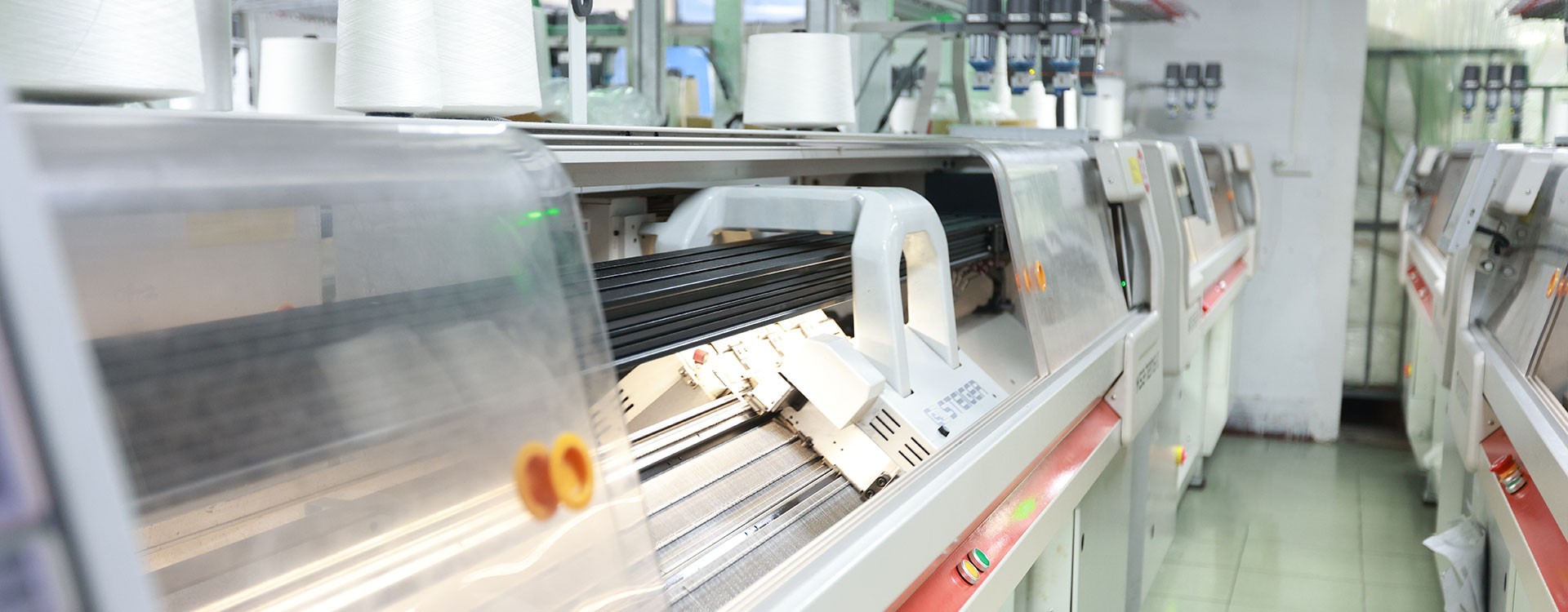
In-house flat-knitting machines and sampling team deliver production-ready prototypes quickly, so you can test designs and go to market faster.
Full OEM & ODM Flexibility
Bring your tech pack or just an idea. Our design team develops original stitch patterns, grades sizing, and engineers every detail.
28+ Years Manufacturing Experience
Since 1998 in Dongguan’s knitwear hub, we’ve refined every step—from yarn sourcing to export logistics—for over 2,000 fashion brands worldwide.
200+ Skilled Team Members
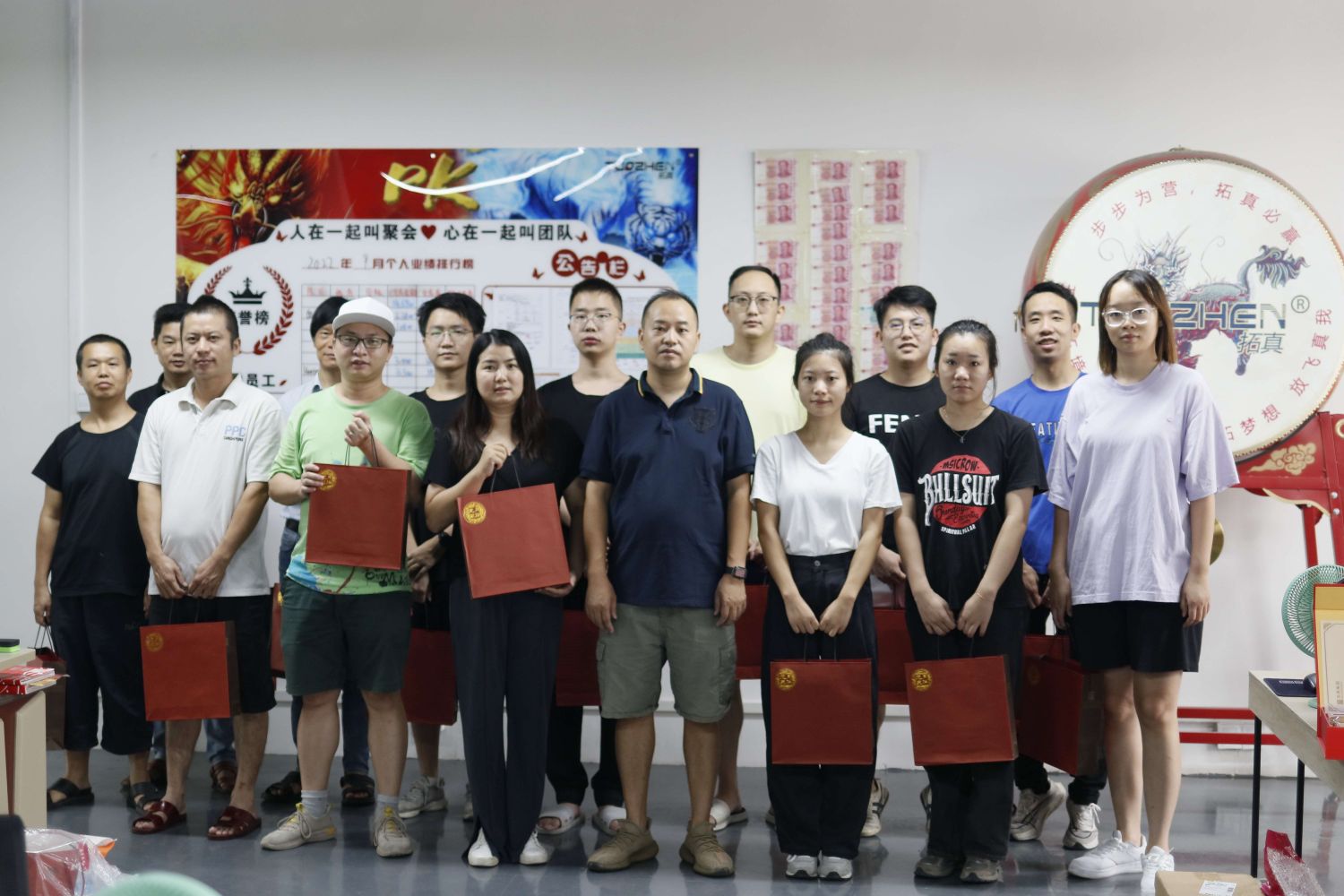
Our experienced knitters, technicians, quality inspectors, and designers ensure consistent craftsmanship across every order, large or small.
80,000+ Pieces Monthly Capacity
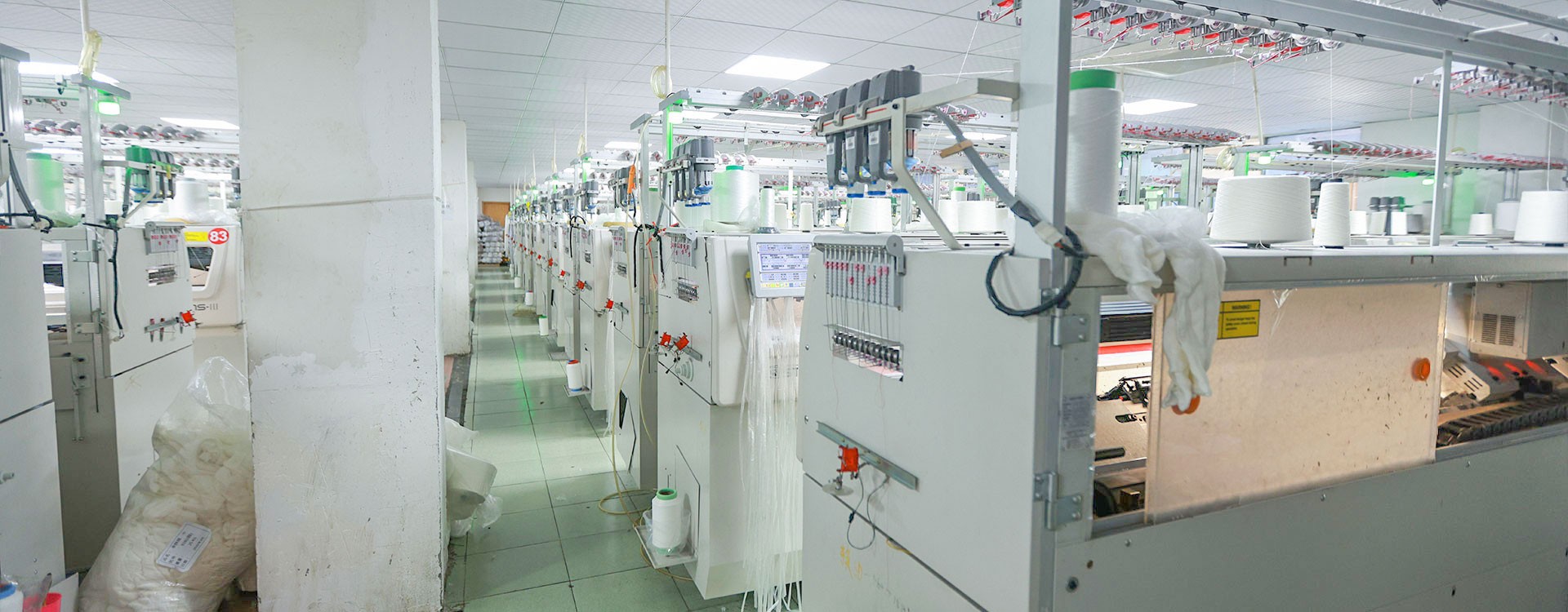
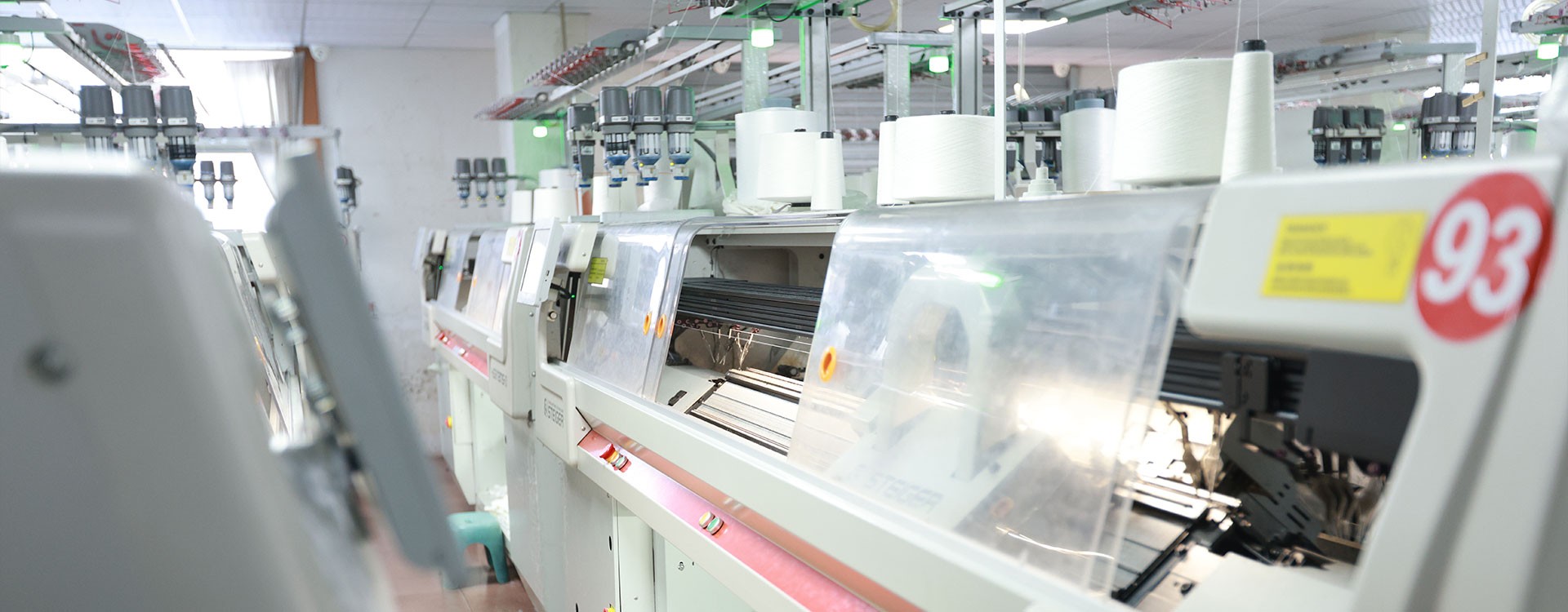
Computerized flat-knitting machines across 3GG to 14GG gauges give you the scale to grow without switching factories as demand rises.
Knitwear Categories We Manufacture
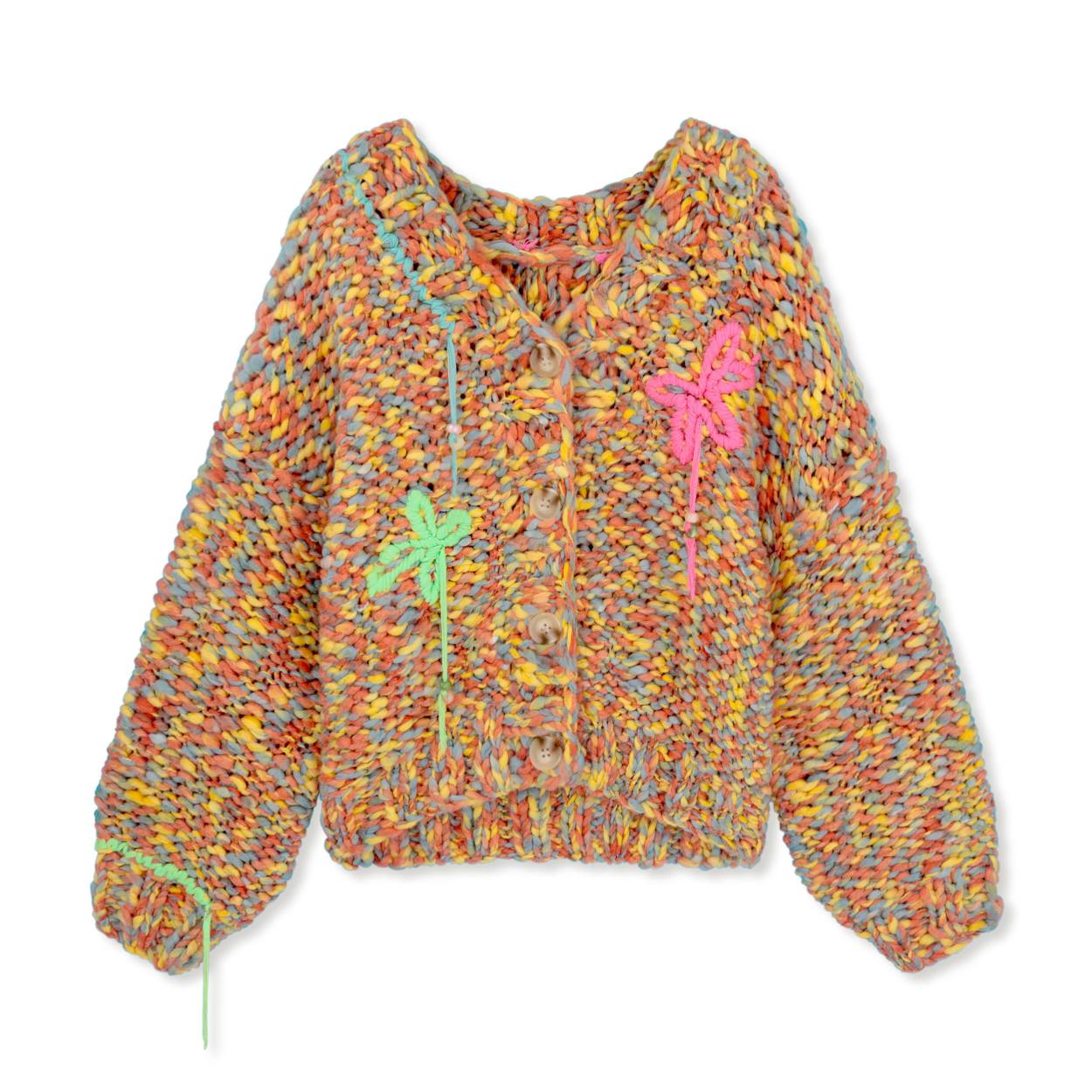
Custom Knit Sweaters
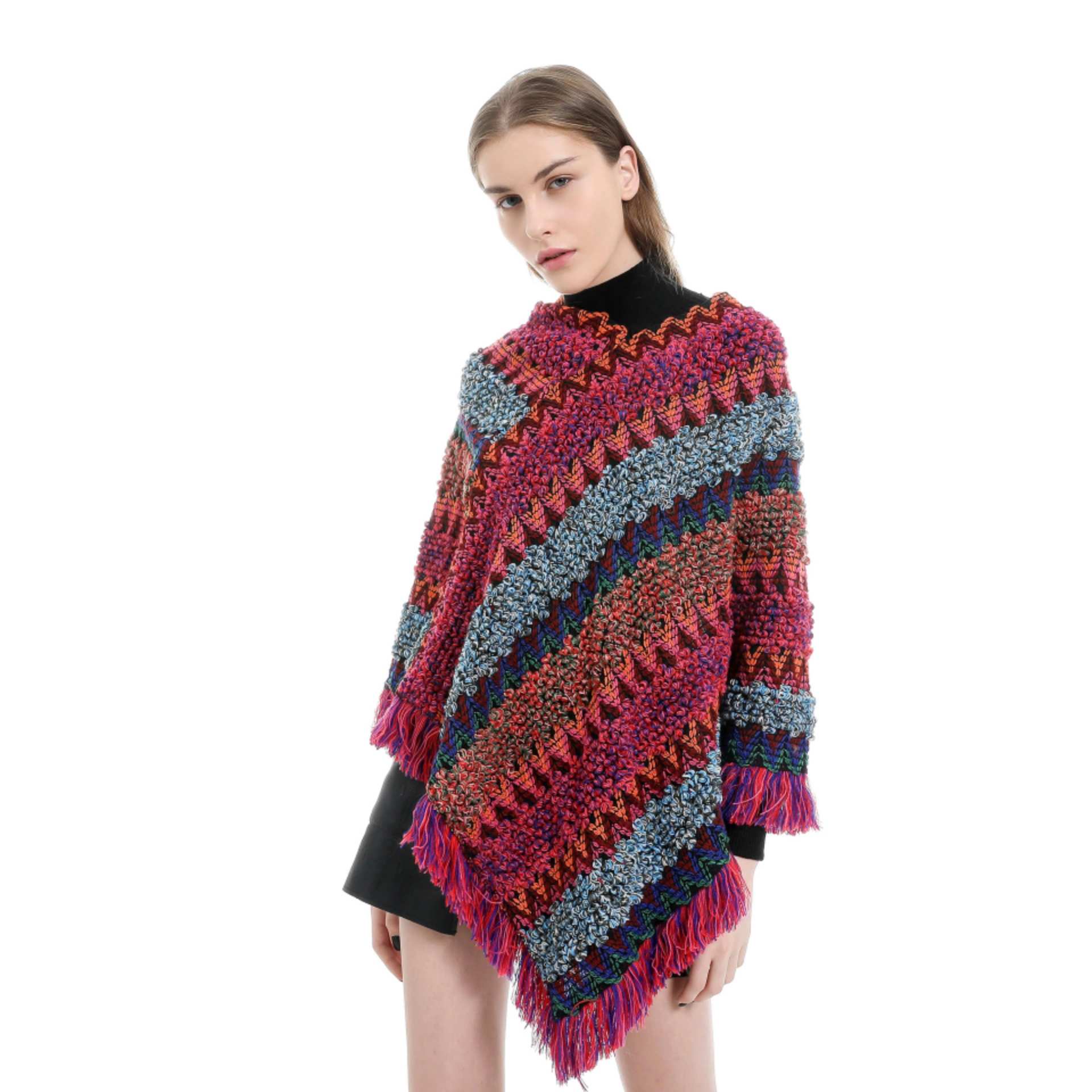
Fully bespoke sweater development from concept to finished garment. CENWILD’s design team translates your sketches, tech packs, or ideas into production-ready knitwear with original stitch programming, intarsia, jacquard, cable work, and embroidery or print decoration across 3GG to 14GG gauges in any yarn blend.
Get a Quote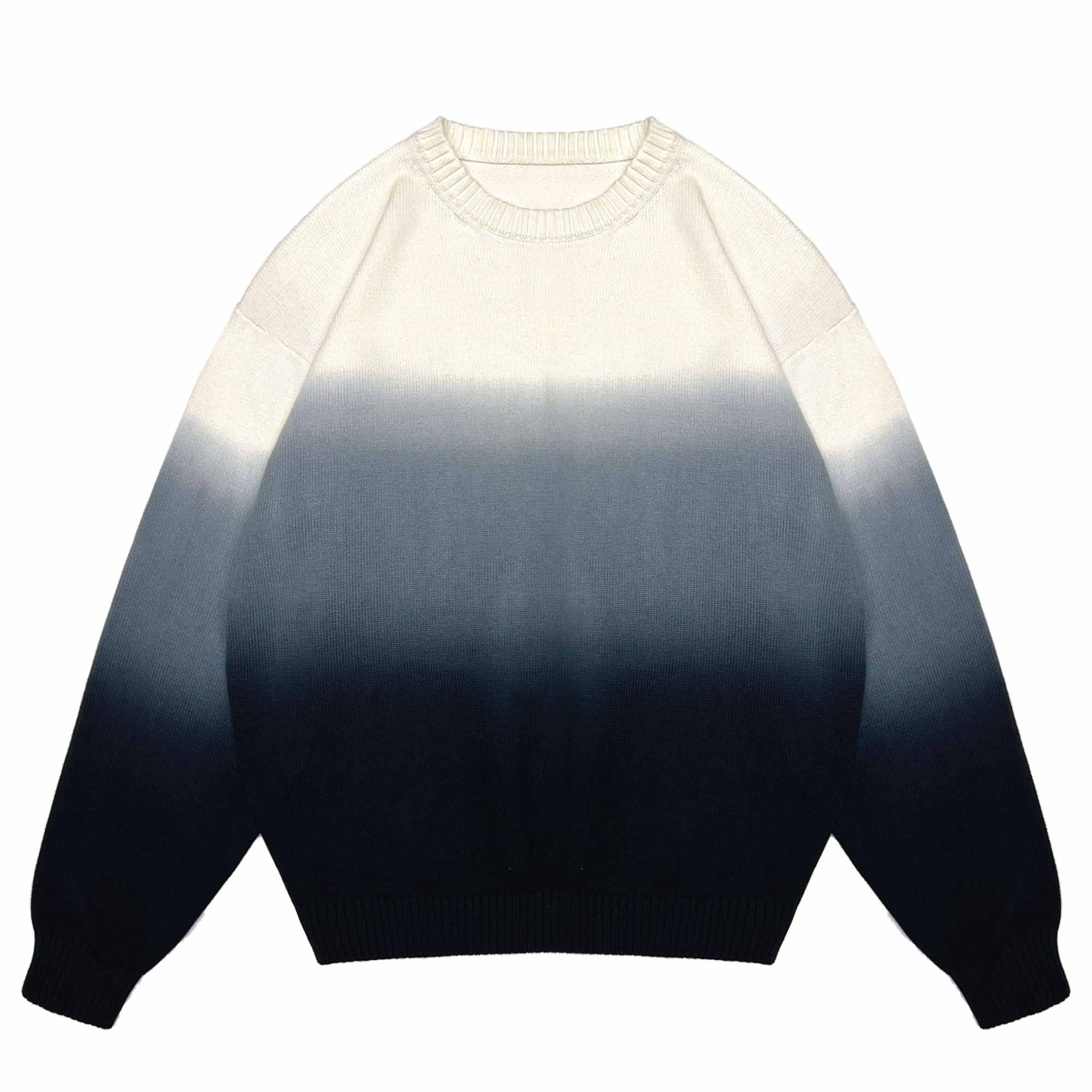
Private Label Sweaters
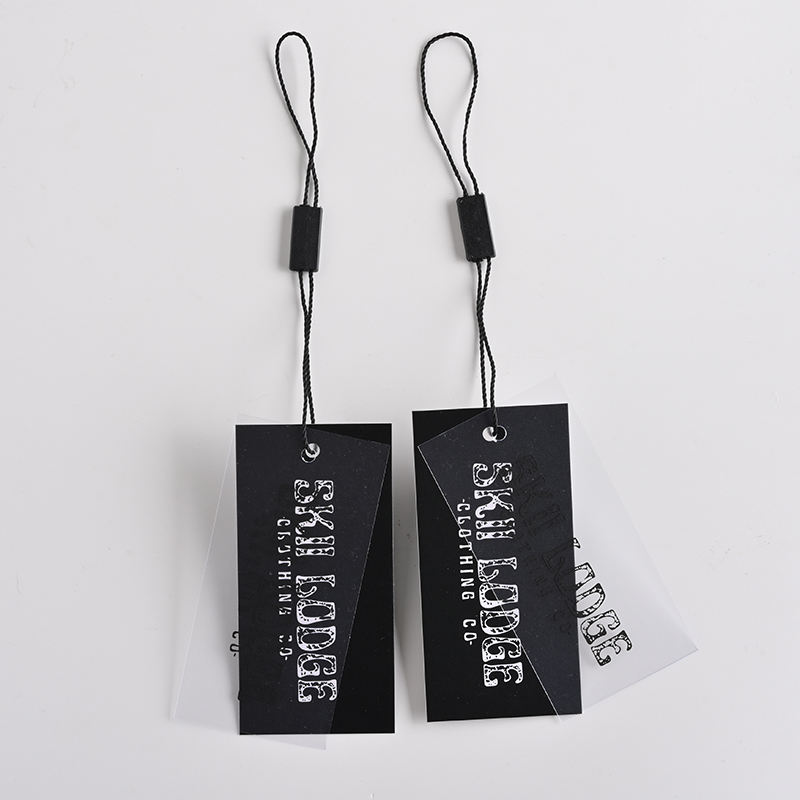
Turn-key sweater manufacturing under your brand name. We handle design adaptation, yarn sourcing, sampling, bulk production, quality control, custom labeling, hang tags, packaging, and export logistics so you can launch or scale your knitwear line without in-house manufacturing infrastructure.
Get a Quote
OEM Sweater Manufacturing
Original Equipment Manufacturing for brands with finished tech packs and specifications. CENWILD executes your designs precisely using computerized flat-knitting, in-house linking, washing, and finishing across cashmere, merino, cotton, and blended yarns with monthly capacity exceeding 80,000 pieces and 28 years of Dongguan expertise.
Get a Quote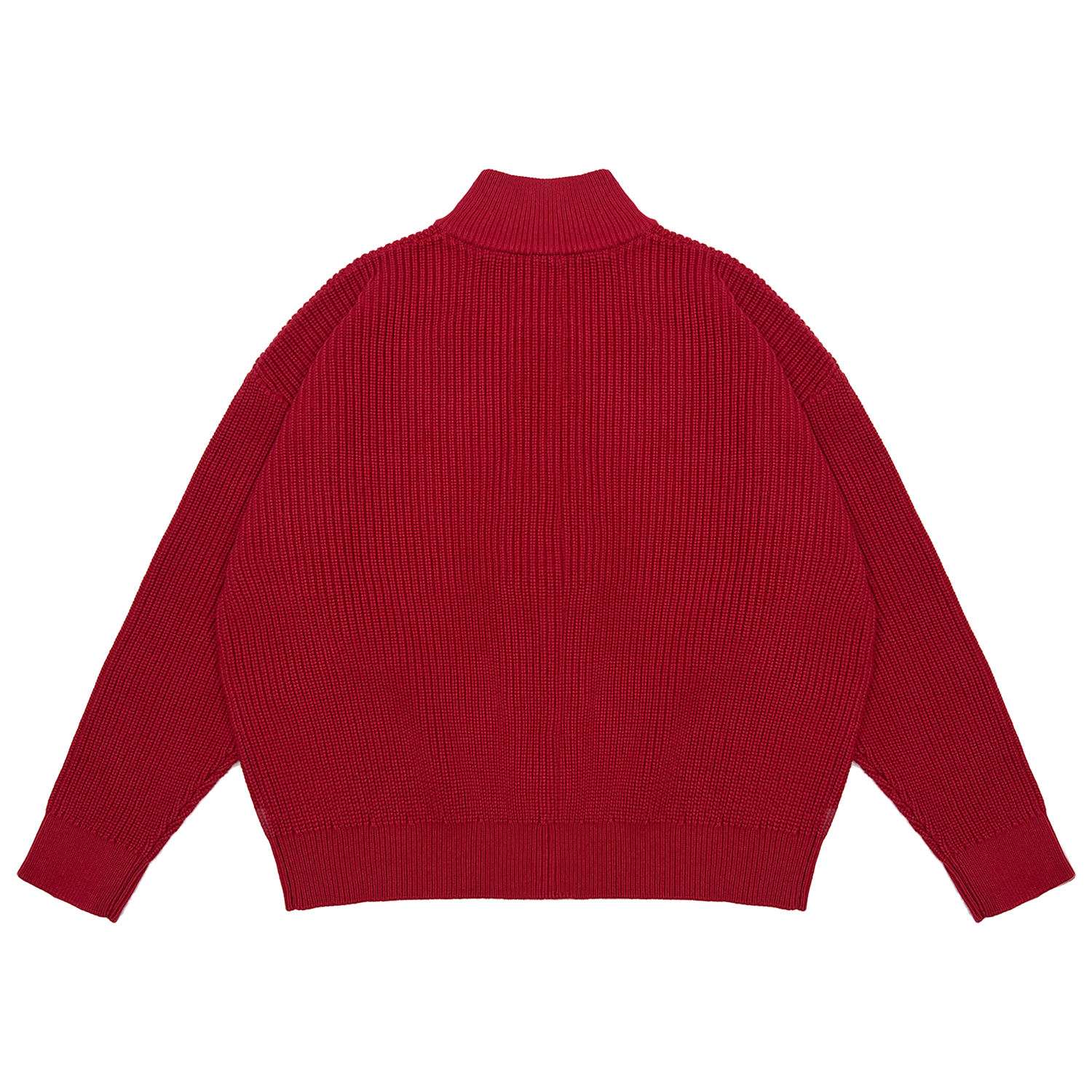
ODM Sweater Production
Original Design Manufacturing with full creative and technical support. Our team develops original sweater styles, stitch structures, colorways, and trims based on your brief or market direction, then produces knit-down samples and bulk orders, ideal for brands seeking design partnership and speed to market.
Get a Quote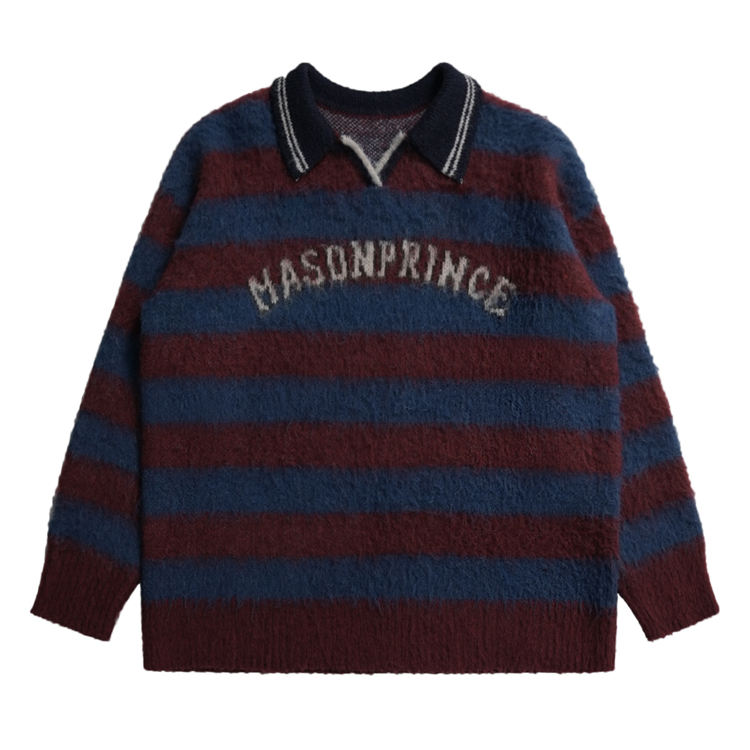
Pullover Sweaters
Crewneck, V-neck, turtleneck, mock neck, and novelty pullover styles in all gauges and constructions. Manufactured in merino wool, cashmere, cotton, alpaca, mohair, or recycled blends with cable, rib, pointelle, or fully-fashioned detailing for men’s, women’s, and children’s collections across casual to luxury price points.
Get a Quote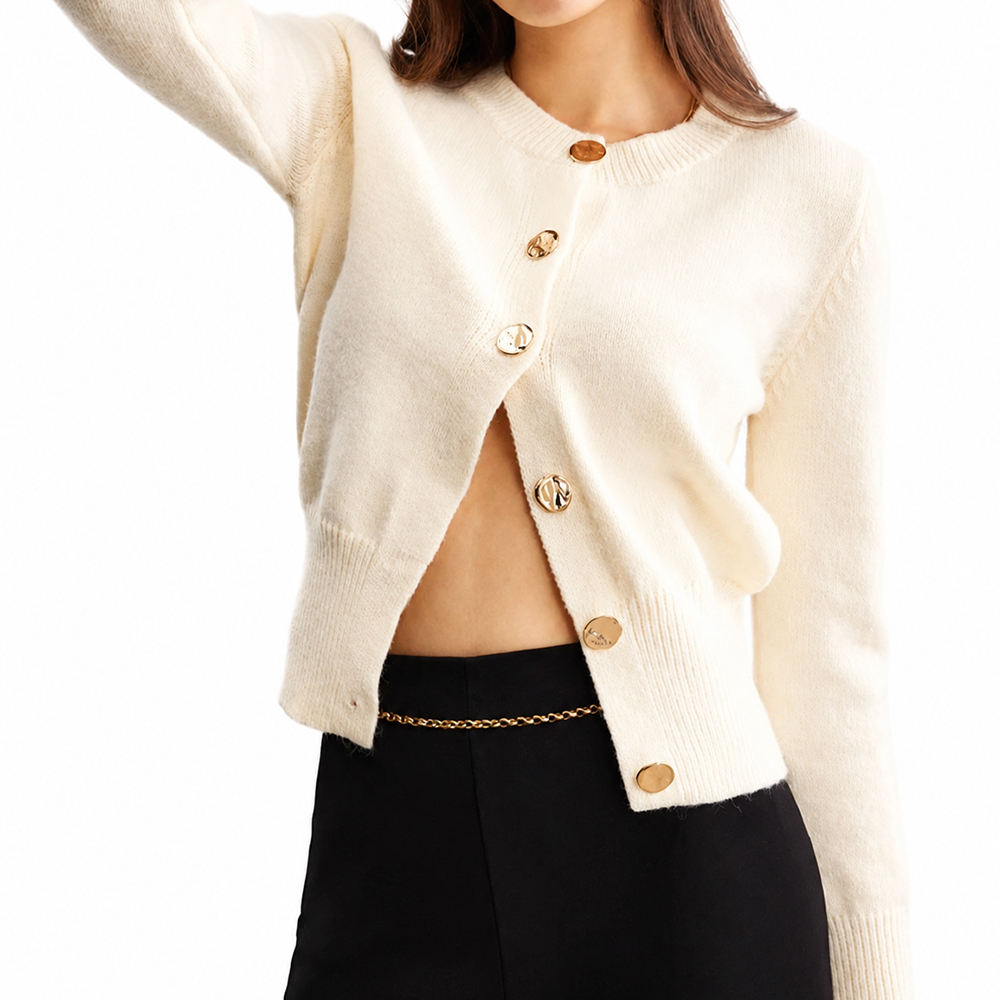
Cardigan Sweaters
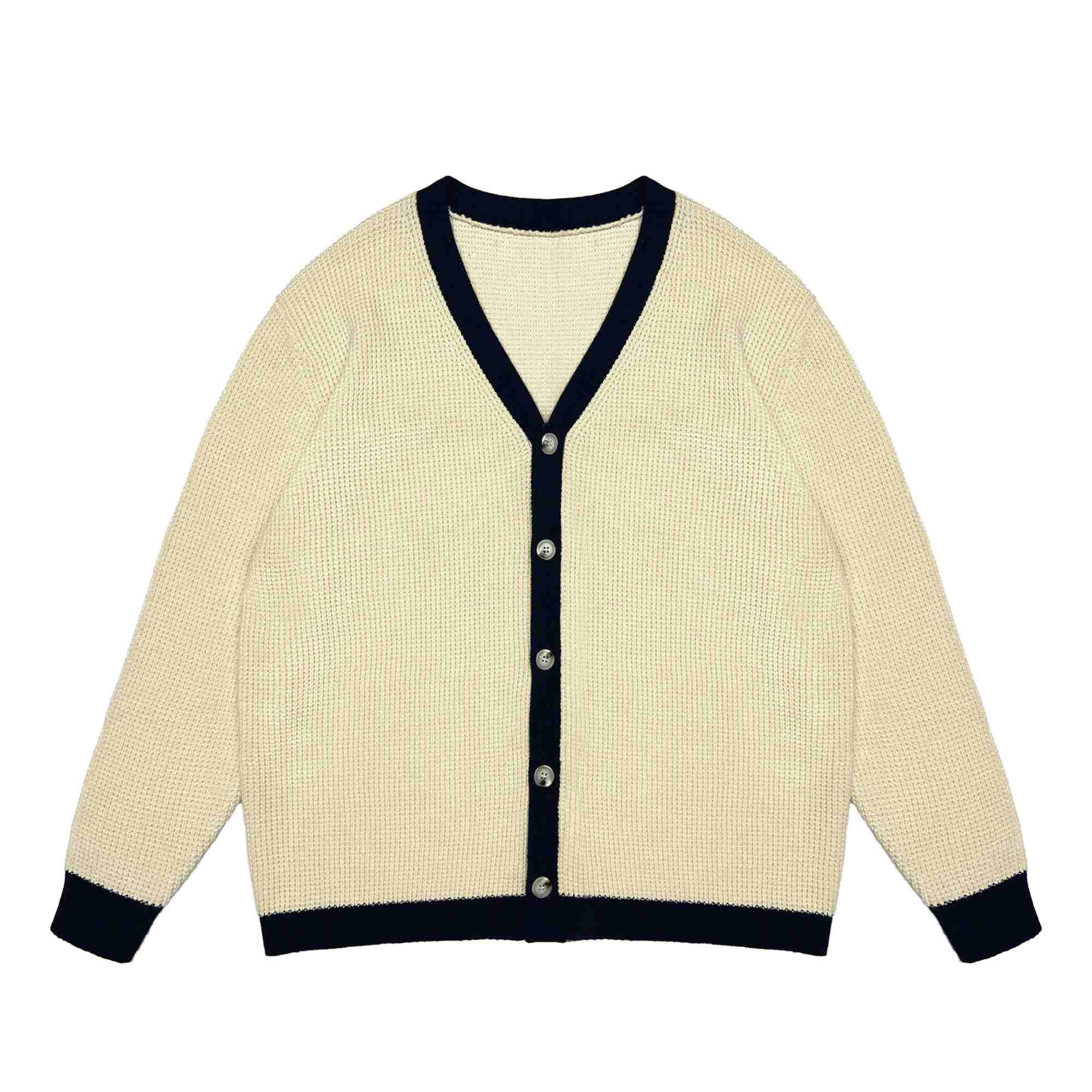
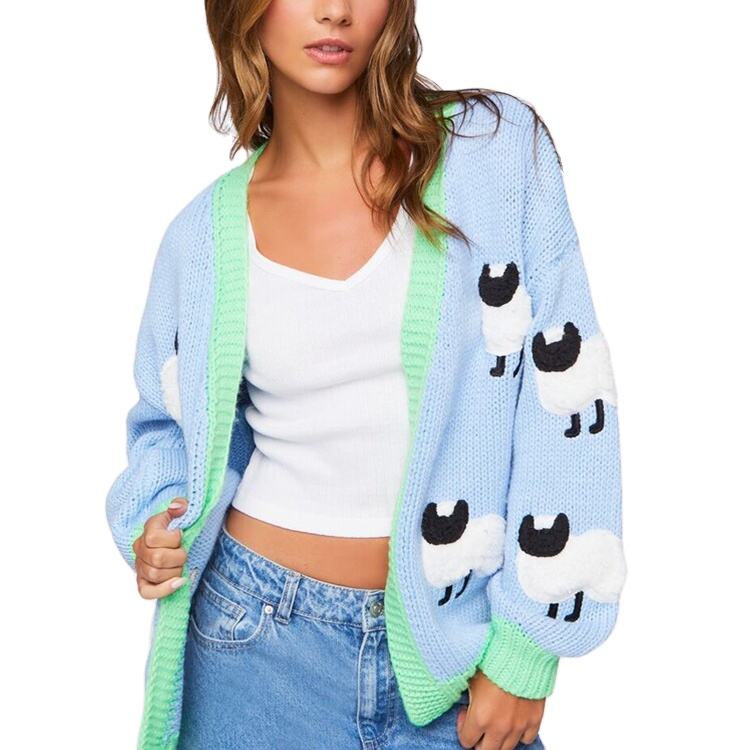
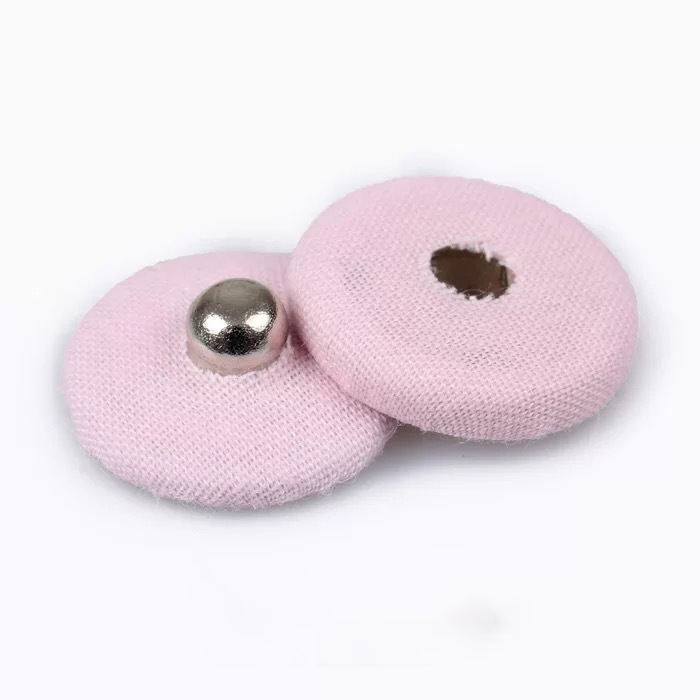
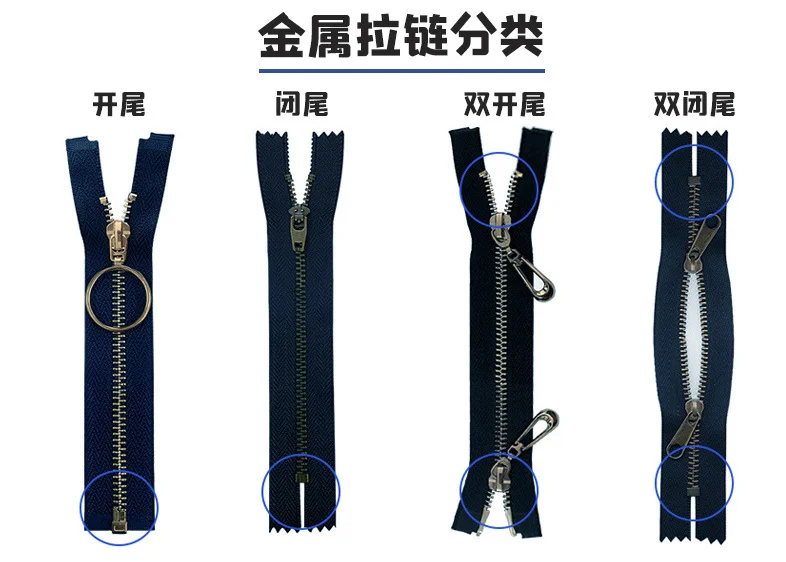
Button-front, zip, and open-front cardigan sweaters in classic and contemporary silhouettes. CENWILD knits cardigans with ribbed trims, pockets, custom buttons, embroidered logos, and jacquard patterns, supporting both timeless wardrobe staples and seasonal fashion pieces with flexible order quantities from 100 pieces.
Get a Quote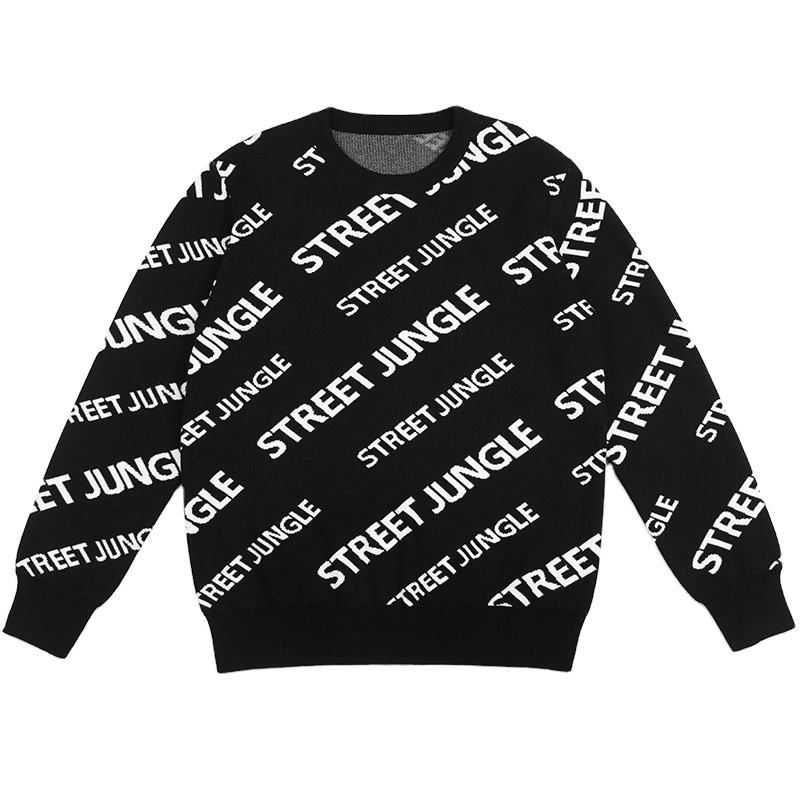
Sweater Sampling Services
Knit-down prototype and pre-production sample development before bulk commitment. We produce wearable samples with accurate stitch, fit, yarn hand, and decoration so you can approve construction, adjust grading, test the market, or present to buyers, with typical turnaround under three weeks depending on complexity.
Get a Quote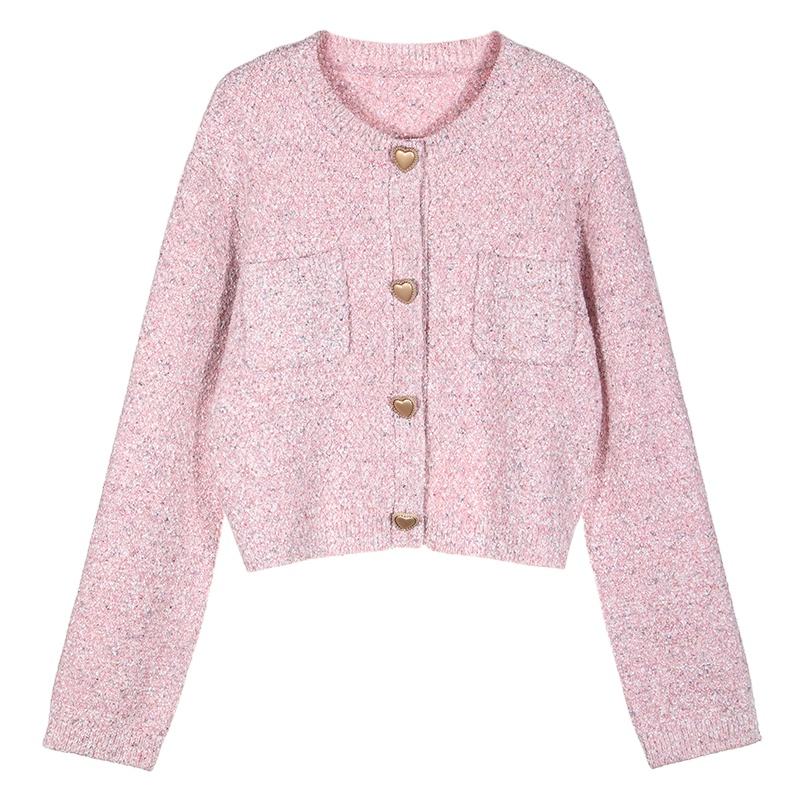
Low MOQ Sweaters
Sweater production starting from just 100 pieces per style and color. Purpose-built for independent designers, influencer brands, boutique retailers, and emerging labels, CENWILD’s low-minimum structure includes full OEM and ODM services, in-house sampling, and the same quality standards applied to larger wholesale orders.
Get a Quote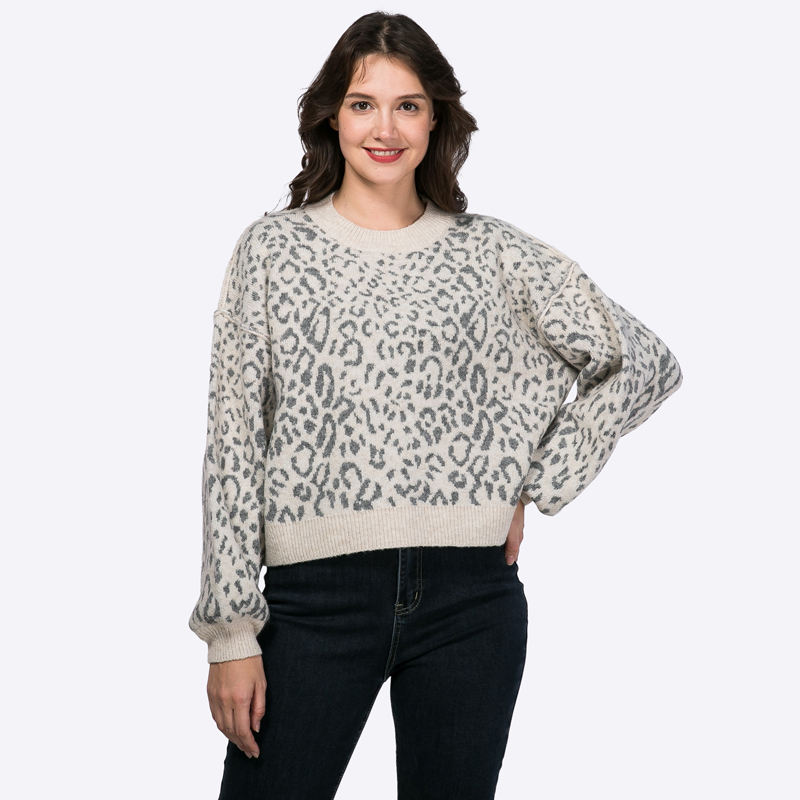
Wholesale Knitwear Production
High-volume knitwear manufacturing for retailers, distributors, and multi-brand platforms. CENWILD coordinates yarn procurement, production scheduling, inline and final inspection, carton packing, and container logistics for orders from hundreds to tens of thousands of pieces, with scalable capacity and stable lead times across peak and off-peak seasons.
Get a QuotePremium Yarns & Fiber Blends From Our Sweater Factory
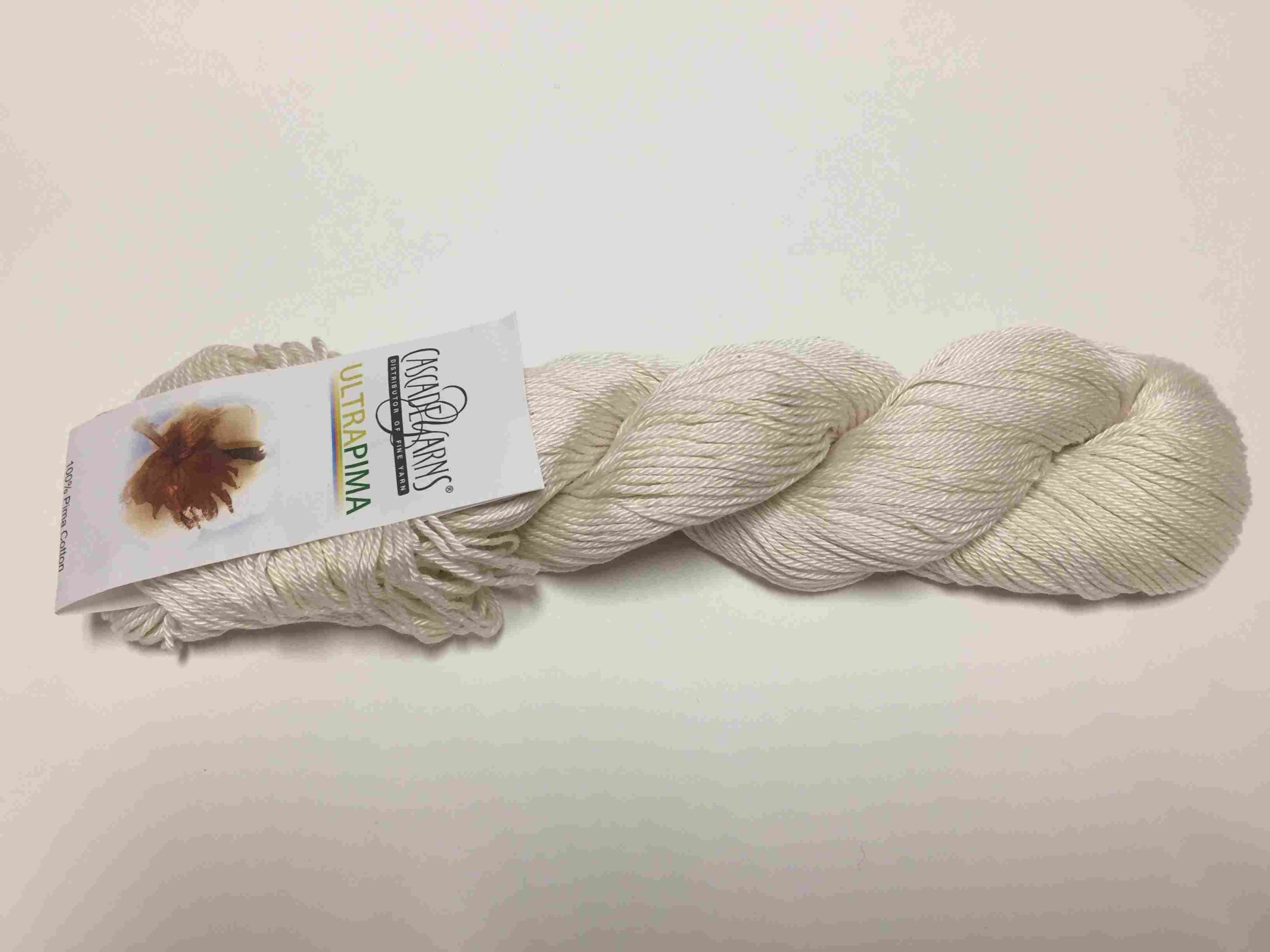
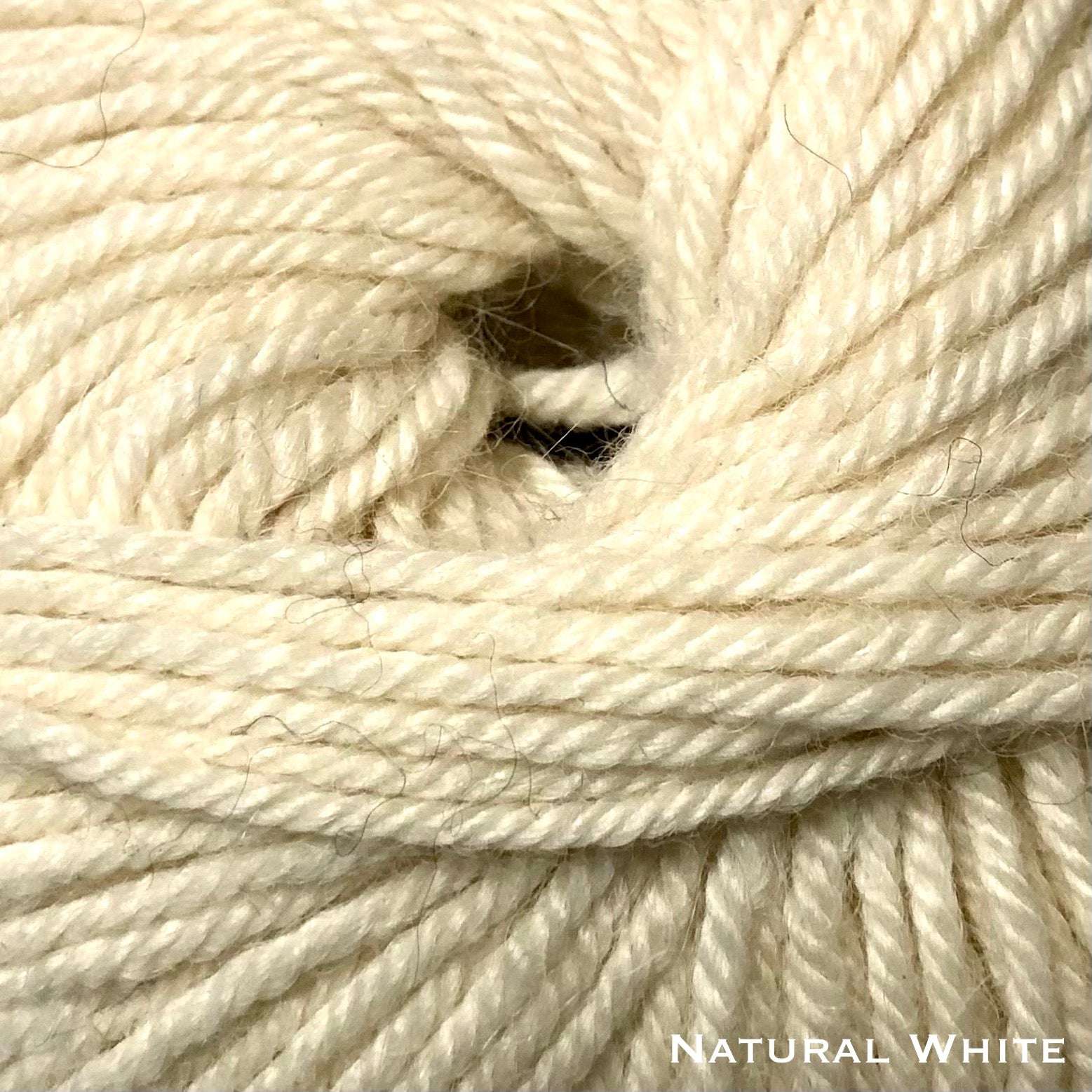
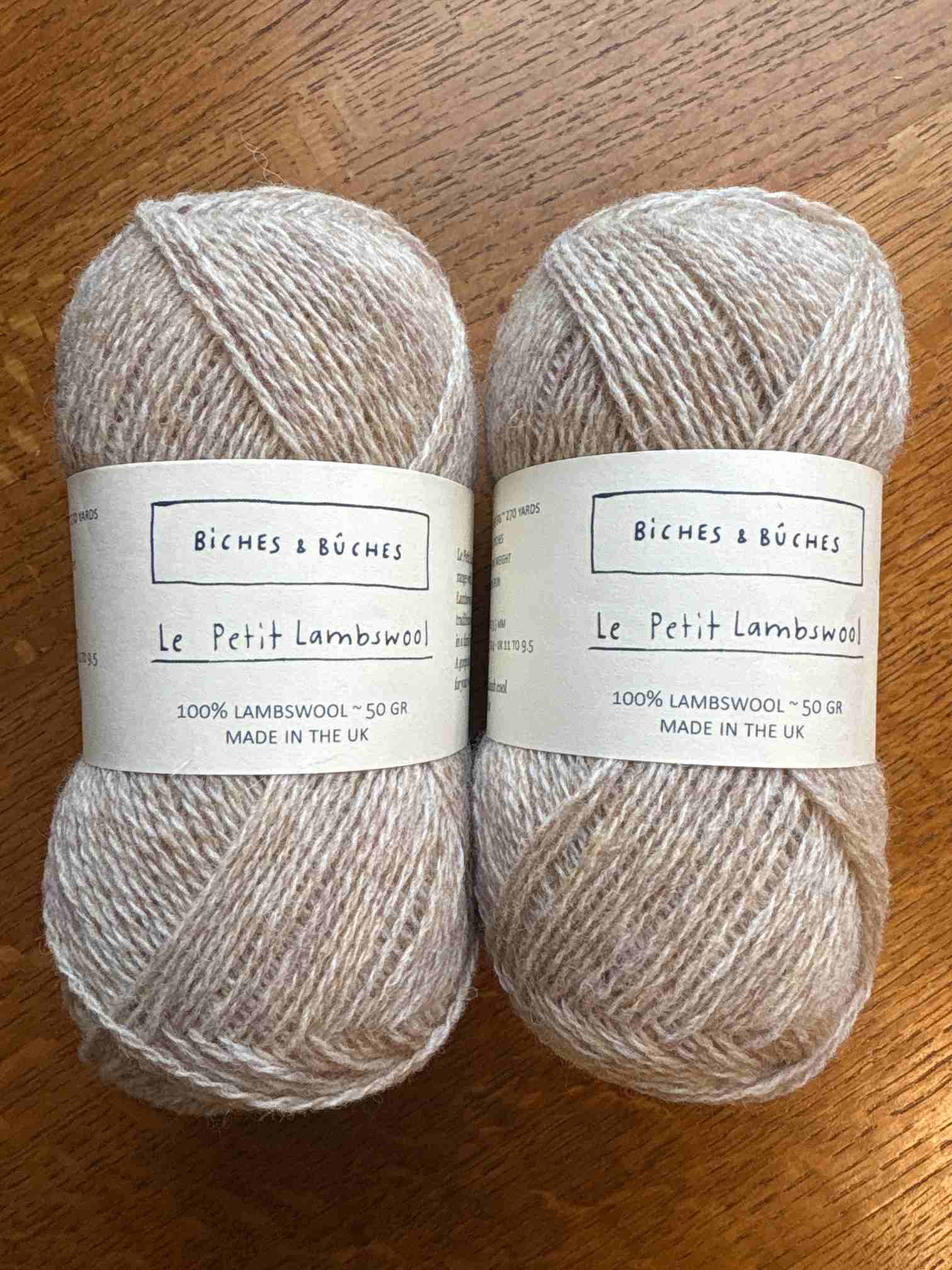
Sweater Factory Knitting & Finishing Techniques
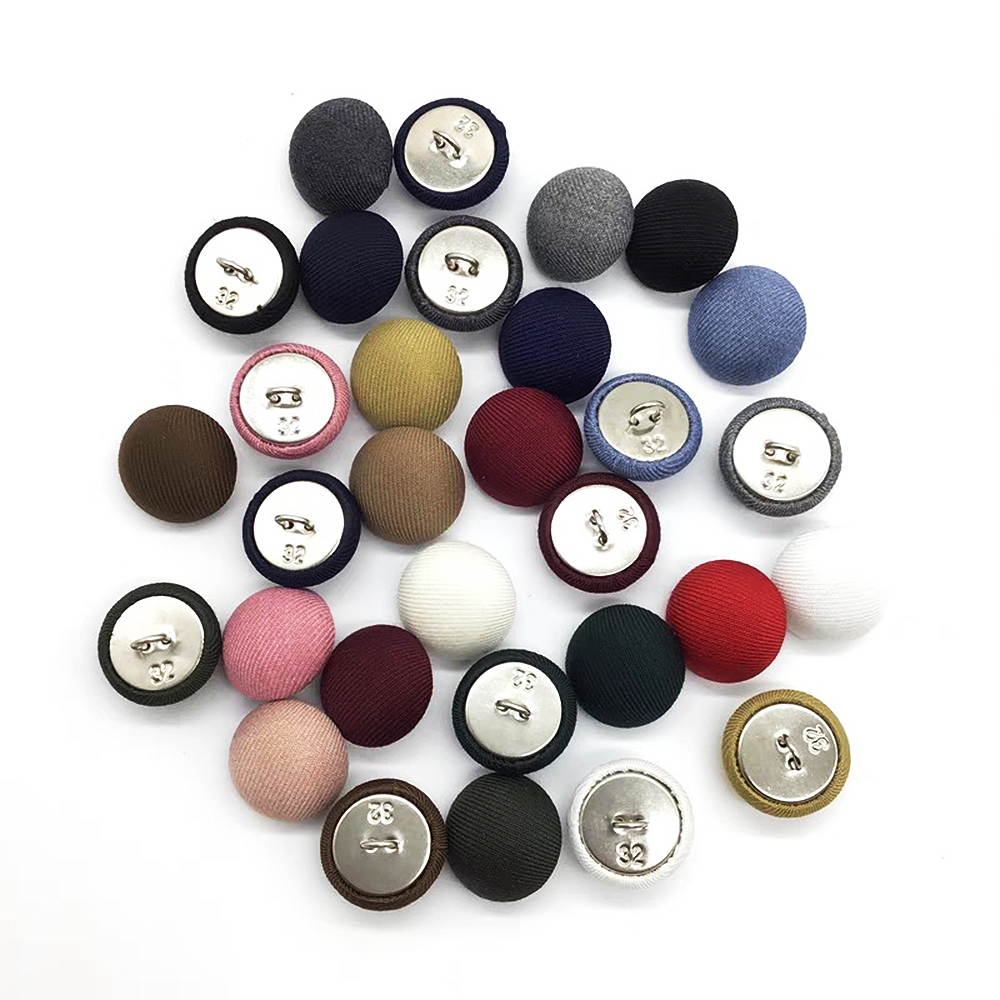
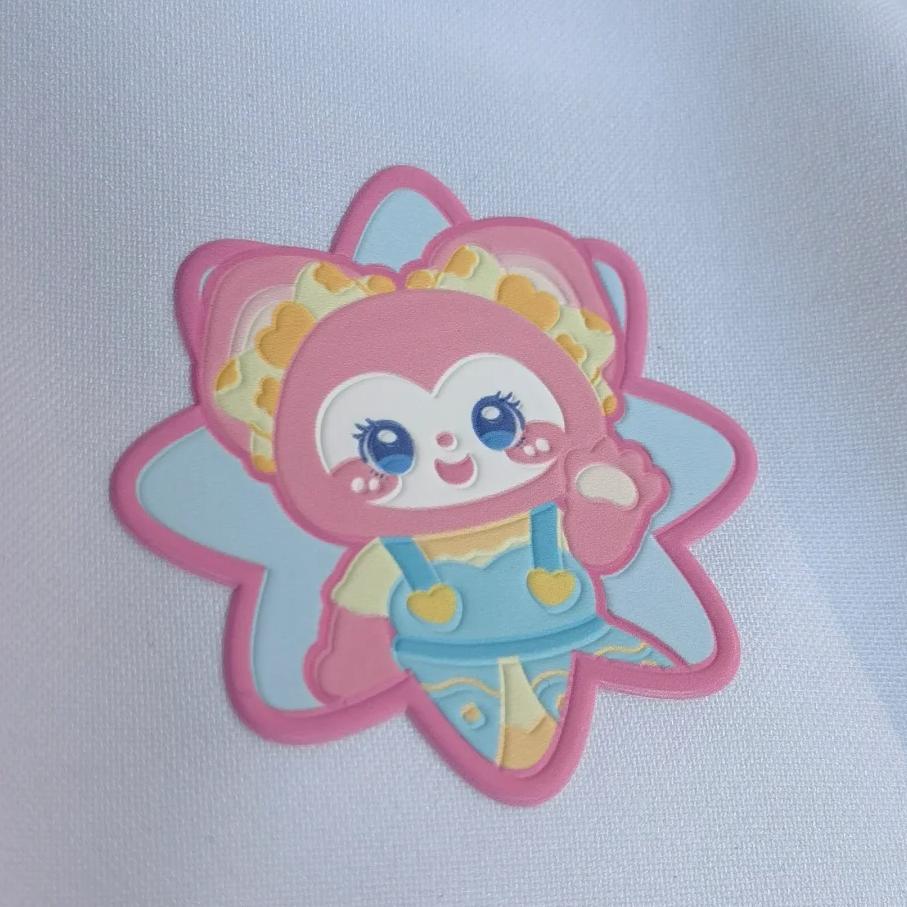
Trims, Labels & Embellishments From Our Sweater Factory
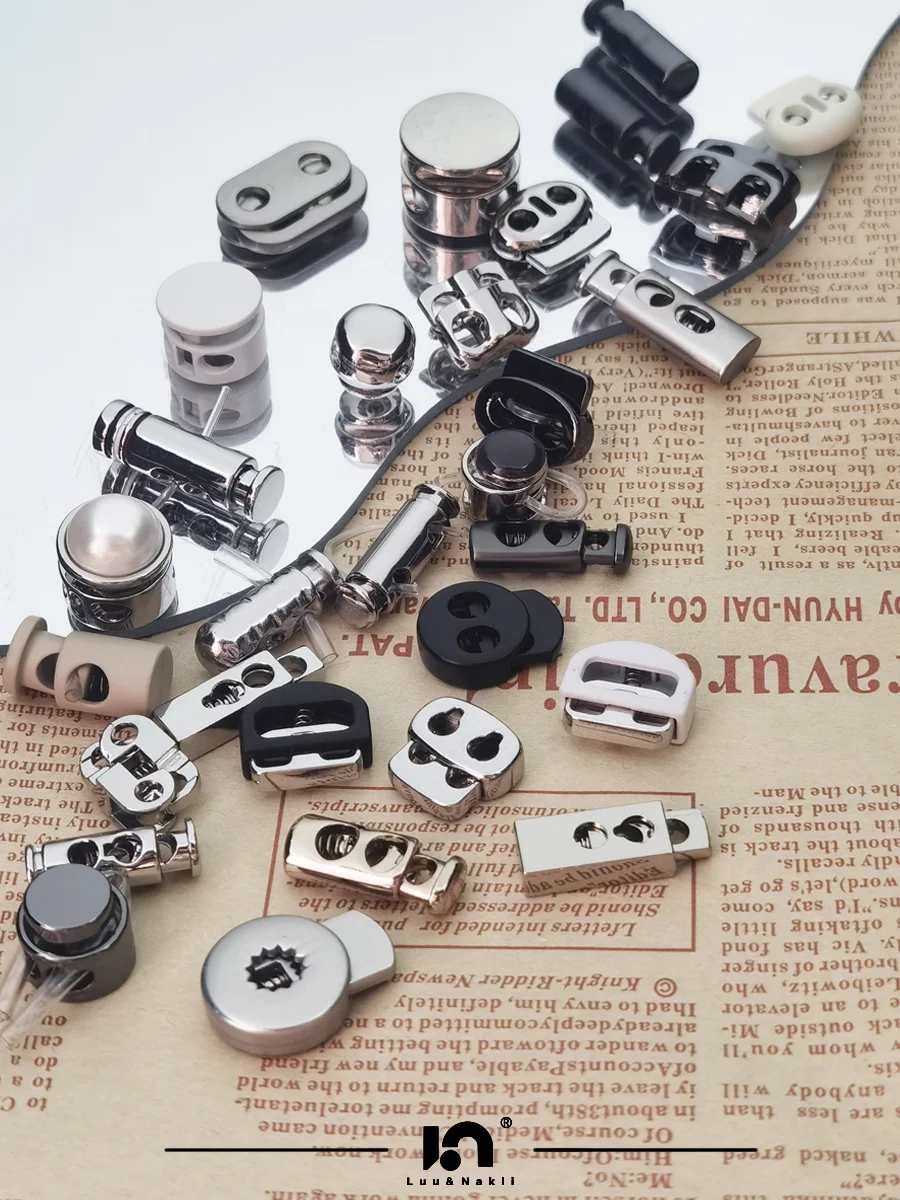
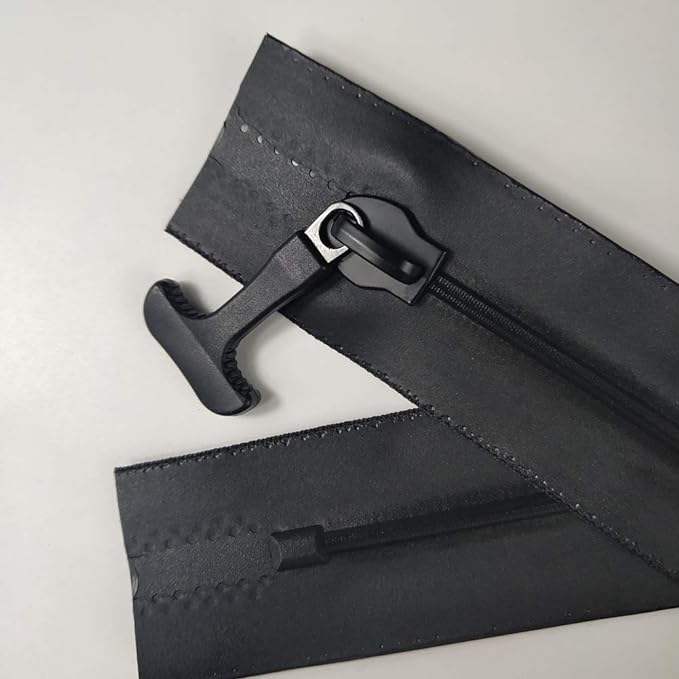
Drawcords & Tipping
Round, flat, or custom-dyed drawcords with metal or plastic aglets and tipping details. Used in hooded cardigans, half-zip pullovers, and adjustable-fit knitwear to add function and visual interest.
Your Trusted Sweater Factory Since 1998
Founded in 1998 in Humen, Dongguan — the heart of China’s knitwear manufacturing hub — CENWILD began as a small family knitting workshop and has grown into a full-service sweater factory serving fashion brands, retailers, and designers worldwide. Our mission is simple: to be the reliable manufacturing backbone behind growing brands, delivering custom knitwear with exceptional quality, flexible MOQs, and true partnership.
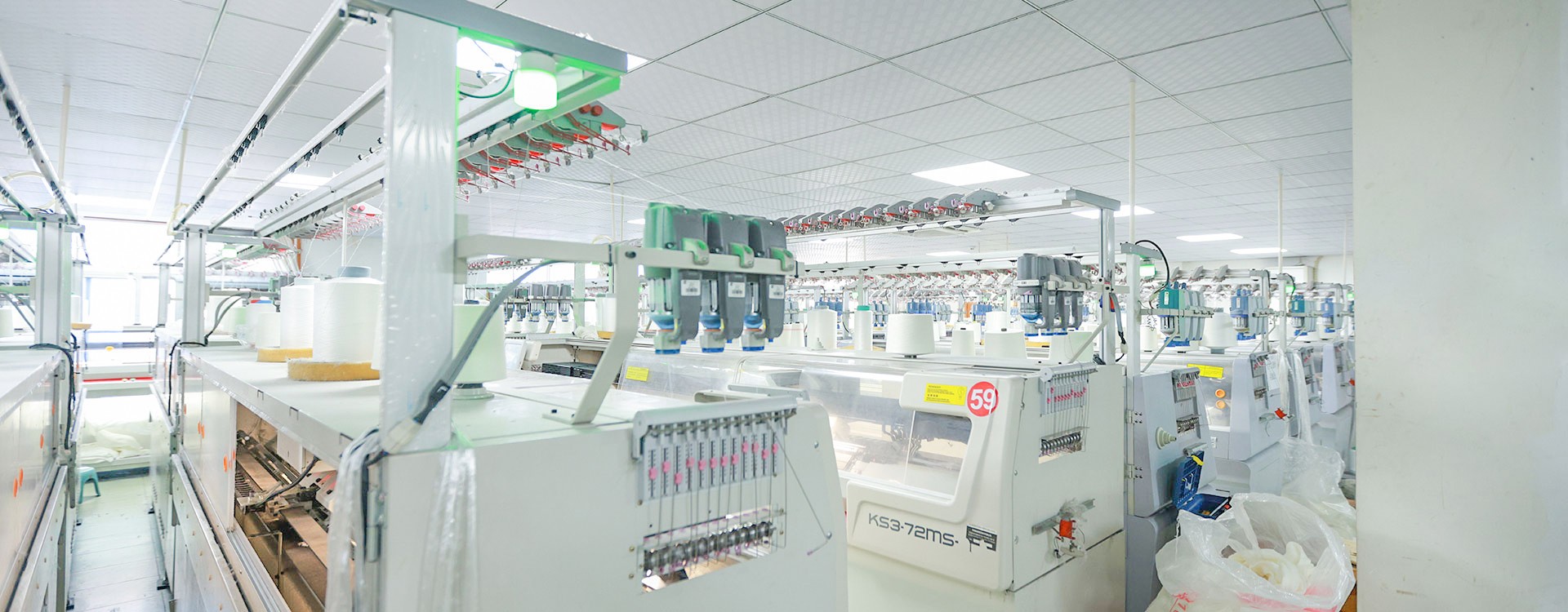
Today our sweater factory operates with over 200 skilled employees and computerized flat-knitting machines spanning 3GG to 14GG gauges. We produce more than 80,000 pieces monthly and have partnered with over 2,000 brands across the United States, Canada, Europe, Australia, Russia, and the Middle East. From design development and yarn sourcing to knit-down sampling, production, finishing, and export logistics, we handle every step in-house.
What sets CENWILD apart is our combination of deep manufacturing expertise, low-MOQ flexibility starting at just 100 pieces, and a full OEM/ODM and private label service model. Whether you arrive with a finished tech pack or just an idea, our dedicated design team and decades of knitwear craftsmanship turn your vision into reality — on time, on budget, and built to last.
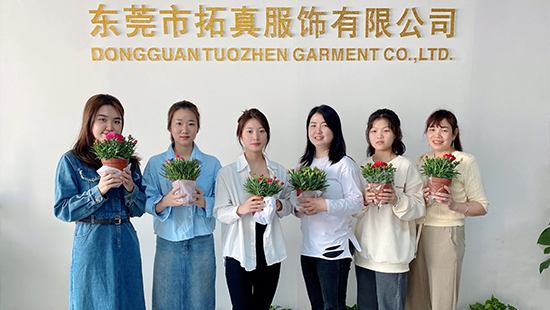
Sweater Factory Core Capabilities in Depth
Design & Sampling Studio
Our in-house design team transforms your ideas, sketches, or tech packs into production-ready knitwear. We provide original stitch design, 3D knit programming, grading, and physical knit-down samples so you see and feel your sweater before committing to full production.
- Dedicated designers with 28+ years of knitwear expertise
- Knit-down sampling in your chosen yarn and gauge
- Original pattern development, intarsia, jacquard, and cable design
- Support from concept to finished tech pack
OEM & ODM Flexibility
Whether you arrive with a complete spec or just an inspiration photo, CENWILD adapts. Our OEM service manufactures to your exact design, while our ODM team develops original styles, recommends yarns, and engineers construction details tailored to your brand and market.
- OEM: produce your finished designs with precision
- ODM: co-create exclusive styles and constructions
- Low MOQ from 100 pieces per design
- Private label and white-label programs available
Quality Control & Inspection
Every sweater passes through multiple checkpoints—from yarn inspection and knit tension monitoring to linking, sewing, washing, and final garment audit. Our 200+ skilled employees follow strict QC protocols to ensure consistent fit, color accuracy, and durability across every piece in your order.
- Incoming yarn and trim inspection
- In-line knitting and linking quality checks
- Pre-shipment garment measurement and appearance audit
- Detailed photo reports and approval process
Logistics & Export Support
CENWILD manages the full export journey—from custom packaging and labeling to freight forwarding and customs documentation. We ship worldwide to the United States, Canada, UK, Europe, Australia, Russia, and the Middle East, with flexible payment options including T/T, PayPal, and USDT.
- Custom polybags, hang tags, and carton branding
- Door-to-door shipping and freight coordination
- Full export documentation and compliance support
- Flexible payment: T/T, PayPal, credit card, USDT, VTB for Russia
CENWILD Sweater Factory vs. Other Sweater Suppliers
See how CENWILD‘s 28+ years of Dongguan manufacturing experience, flexible MOQ, and full in-house capabilities compare to typical high-MOQ factories, offshore middlemen, and domestic-only makers.
← 左右滑动查看 →
Sweater Factory Production & Quality Process
From tech pack to finished garment, every order follows our proven six-phase workflow built on 28+ years of knitwear manufacturing expertise.
Tech Pack Review
Our design team reviews your specifications, sketches, or samples. We clarify construction details, stitch patterns, gauge, and yarn requirements to ensure production readiness.
Yarn Sourcing & Sampling
We source the exact fibers—cashmere, merino, cotton, or blends—and knit initial swatches to confirm color, texture, gauge, and hand feel before full sampling.
Knit-Down & Approval
A complete prototype is knit in-house on our computerized flat-knitting machines. You review fit, finish, and details, and we refine until approval is confirmed.
Bulk Production
Approved styles enter our production floor with monthly capacity exceeding 80,000 pieces. Every sweater is knit, linked, and assembled by our skilled 200-person team.
QC & Finishing
Each piece undergoes multi-point quality inspection. Garment washing, softening, anti-pilling treatment, and any embroidery or printing are completed to your specifications.
Packing & Shipping
Finished sweaters are folded, tagged, and packed per your requirements. We coordinate export logistics and deliver directly to your warehouse or fulfillment center worldwide.
How to Partner With Our Sweater Factory
From your first inquiry to finished goods, CENWILD guides you through every stage of custom knitwear production with clarity and support.
Submit Your Tech Pack or Brief
Share your design specs, sketches, or reference images. Our team reviews your requirements and confirms feasibility for OEM or ODM production.
Receive Sampling Quote & Timeline
Within 24–48 hours, you’ll get a detailed quote covering knit-down sample costs, lead time, and any yarn or trim sourcing notes.
Approve Your Knit-Down Sample
We produce a physical prototype at our Dongguan facility. Review fit, stitch, color, and quality before moving to bulk production.
Confirm Production Details & Deposit
Lock in quantities from 100 pieces, finalize colors and sizes, and submit your deposit to schedule your production slot on our lines.
Quality Inspection & Shipment
Every garment passes in-house QC. Once approved, we handle export documentation and ship directly to your warehouse or fulfillment center.

Sweater Factory Partners Share Their Results
CENWILD’s sweater factory reduced our time-to-market by 40%. We launched 8 custom cardigans in just 10 weeks, from first sketch to warehouse delivery. Their in-house sampling and low 100-piece MOQ gave us the agility we needed.
We scaled from 500 to 4,200 units per order in 18 months without switching factories. CENWILD’s capacity, consistent quality, and flexible payment terms have been essential to our brand’s growth across North America and Europe.
Their ODM team turned our rough mood board into 12 seasonal styles in under 6 months. Every piece hit our margin targets, and reorders have been flawless. CENWILD is the manufacturing backbone we always needed.
Sweater Factory FAQ — Your Questions Answered
What is the minimum order quantity at your sweater factory?
How long does sampling and bulk production take at a sweater factory?
Do you charge for samples, and is the cost refundable?
What payment terms does your sweater factory offer?
Can your sweater factory source specific yarns or must I supply them?
How do you protect my designs and intellectual property?
What shipping and logistics options are available?
Are there any limits to customization at your factory?
The Complete Buyer’s Guide to Choosing the Right Sweater Factory
Navigate the complexities of sweater manufacturing with confidence. This guide delivers a proven decision framework, essential supplier criteria, quality benchmarks, and the most common sourcing mistakes fashion brands make when partnering with a sweater factory.
1. What Is a Sweater Factory?
A sweater factory is a specialized manufacturing facility that produces knitted garments using computerized flat-knitting machines, typically across gauges ranging from 3GG to 14GG. Unlike cut-and-sew factories that assemble pre-woven fabrics, knitting facilities construct each garment panel loop-by-loop directly from yarn, enabling intricate patterns, fully-fashioned shaping, and seamless construction that general garment manufacturers cannot replicate.
Production scope inside a dedicated sweater factory spans design development, yarn sourcing, knit-down sampling, bulk production, finishing (garment washing, anti-pilling, brushing), quality control, decoration (embroidery, printing), and export logistics — a true one-stop workflow. Capacity varies widely: small-batch workshops may accept orders from 100 pieces with flexible MOQ, while large-scale OEM/ODM operations handle monthly outputs exceeding 80,000 pieces for global brands.
Brands source from dedicated sweater factories because knitwear demands specialized equipment, programming expertise for jacquard and intarsia, and process control over tension, gauge, and linking — capabilities absent in general apparel plants focused on woven or cut-and-sew construction.
2. Evolution of Sweater Factory Manufacturing
Hand-knitting guilds dominated European sweater production until the 1589 invention of the stocking frame, which mechanized basic knit structures. The Industrial Revolution brought steam-powered flatbed machines in the 1850s, centralizing production in British and Scottish mills that could produce dozens of garments daily versus one per week by hand.
Computerized jacquard machines emerged in the 1980s, enabling intricate multi-color patterns and intarsia designs programmed digitally rather than hand-manipulated. Seamless knitting technology followed in the 1990s, reducing labor costs and material waste by knitting entire garments in one piece on machines spanning 3GG to 14GG gauges.
Globalization shifted sweater factory hubs from the UK and Italy to China and Bangladesh by the early 2000s, driven by lower labor costs and integrated supply chains. Dongguan, established as a knitwear epicenter since the 1990s, now houses manufacturers like CENWILD with over 28 years of experience and monthly capacities exceeding 80,000 pieces.
Current trends favor sustainable materials — organic cotton, recycled fibers, and responsible wool — alongside on-demand manufacturing and low-MOQ models starting from 100 pieces, empowering independent designers and influencers to launch collections without traditional 1,000-piece minimums.
3. Types of Sweater Factory Operations
Not all sweater factory partners operate the same way. Understanding the six main production models helps you match your brand stage, budget, and creative control to the right manufacturing partner.
Full-Package OEM Factories
Full-package OEM factories handle everything from yarn sourcing and sampling to final packaging and export logistics. Brands provide a tech pack or design brief; the factory manages material procurement, knitting, finishing, decoration, and quality control.
Ideal for established brands seeking turnkey production without managing separate suppliers. MOQ typically ranges from 500 to 3,000 pieces per style.
ODM Factories with In-House Design
ODM factories maintain design teams that create original styles, develop stitch patterns, and offer seasonal collections for brands to select and customize. Clients can modify colorways, trims, and branding on existing templates.
Best for startups and influencers without dedicated design resources. CENWILD’s 28-year design archive and 3D knit programming support brands at any creative starting point.
Low-MOQ Boutique Factories
Boutique sweater factory operations accept orders from 100 to 500 pieces, enabling independent designers and emerging brands to test styles without heavy inventory risk. These facilities prioritize flexibility over volume efficiency.
CENWILD’s 100-piece minimum and PayPal payment options lower barriers for first-time knitwear brands.
4. Materials and Yarn Options in Sweater Factory Production
A sweater factory’s fiber library determines every downstream attribute — hand, drape, price, and care. Natural fibers (cashmere, merino, alpaca, mohair, cotton) deliver breathability and luxury; synthetics (acrylic, polyester, nylon) offer cost efficiency and easy care; blends balance performance and price.
| Fiber | GSM Range | Price Tier | Care | Best Use |
|---|---|---|---|---|
| Cashmere | 180–280 | Premium | Dry clean or hand wash cold | Luxury collections, high-margin pieces |
| Merino wool | 200–350 | Mid-High | Hand wash cold, lay flat | Performance knitwear, everyday luxury |
| Cotton | 180–320 | Low-Mid | Machine wash warm | Casual pullovers, summer knits |
| Alpaca | 220–300 | Mid-High | Hand wash cold | Premium outerwear, textured styles |
| Acrylic | 200–400 | Low | Machine wash, tumble dry | Fast fashion, high-volume basics |
| Blends (wool/acrylic) | 200–350 | Mid | Machine wash cold | Branded retail, balanced price-performance |
5. Customization and Decoration Techniques
A sweater factory offers branding and decoration techniques that differentiate private-label collections from commodity knitwear. Choosing the right method balances visual impact, durability, and minimum-order economics.
| Technique | Setup Cost (USD) | Durability (Washes) | Typical MOQ (pcs) |
|---|---|---|---|
| Jacquard / Intarsia | 0 (yarn only) | 100+ | 200–300 |
| Embroidery | 50–150 | 50+ | 100 |
| Screen Print | 30–80 per color | 30–40 | 300 |
| Heat Transfer / DTF | 0–20 | 20–30 | 100 |
Knit-In Pattern Techniques
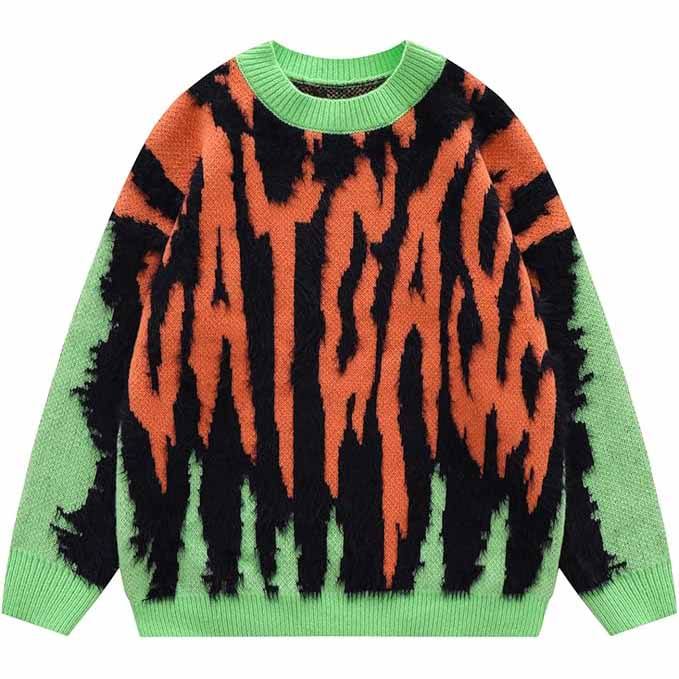
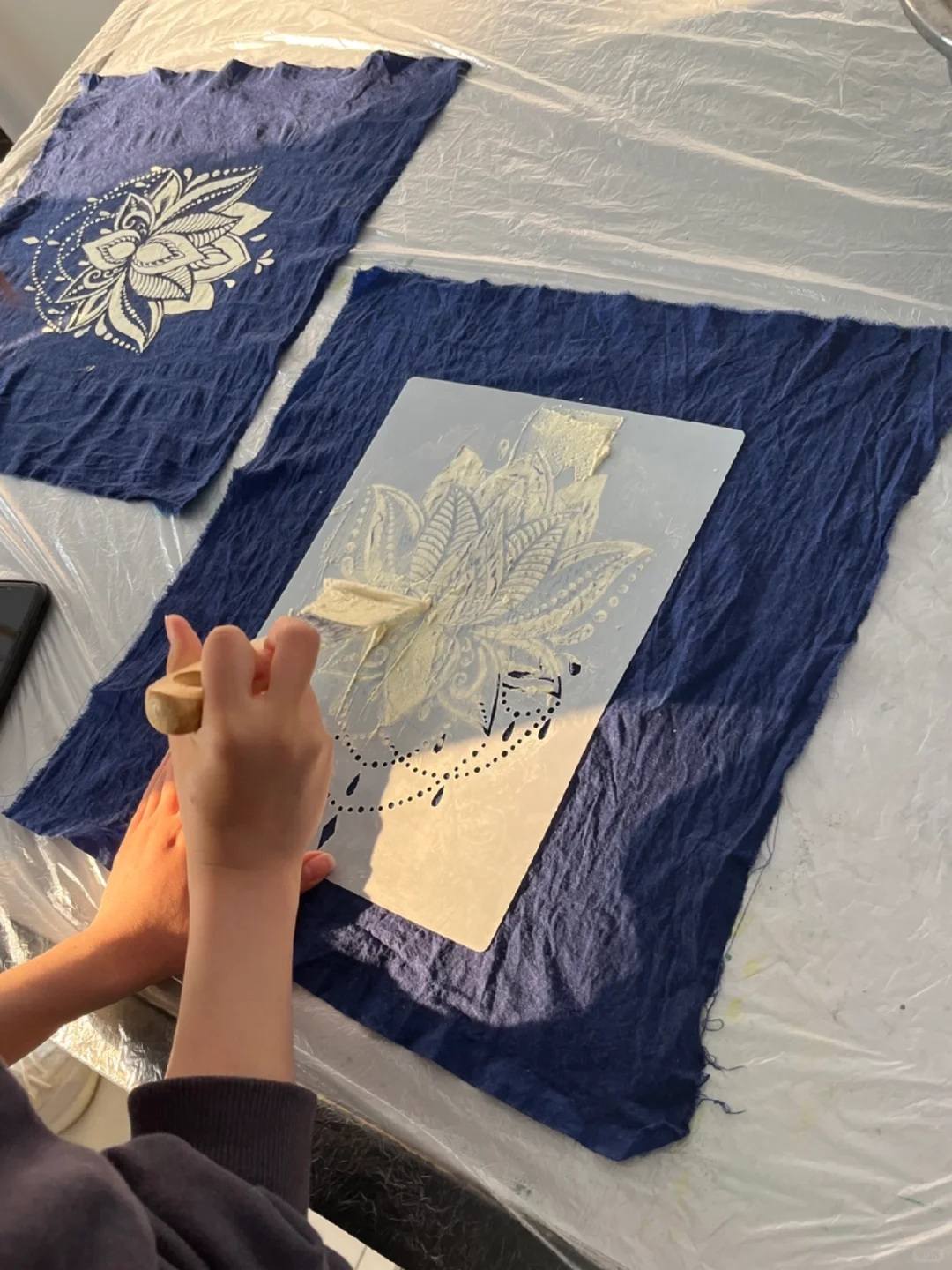
Jacquard and intarsia weave color and design directly into the fabric during knitting, eliminating surface embellishments. Jacquard suits repeating geometric or fair-isle patterns across 3–7 colors, while intarsia creates large color-block motifs without floats on the reverse.
Both techniques carry no per-piece decoration fee but require yarn in each color, often raising MOQ to 200–300 pieces per colorway to minimize yarn waste.
Embroidery and Appliqué
Flat, 3D puff, chain-stitch, sequin, and appliqué embroidery add logos, monograms, or decorative motifs post-knitting. Setup includes digitizing (typically 50–150 USD per design) and thread changes.
Embroidery withstands 50+ industrial washes without fading. MOQ impact is minimal—factories often accept embroidery on runs as low as 100 pieces, making it ideal for test launches.
Printing and Heat Transfer
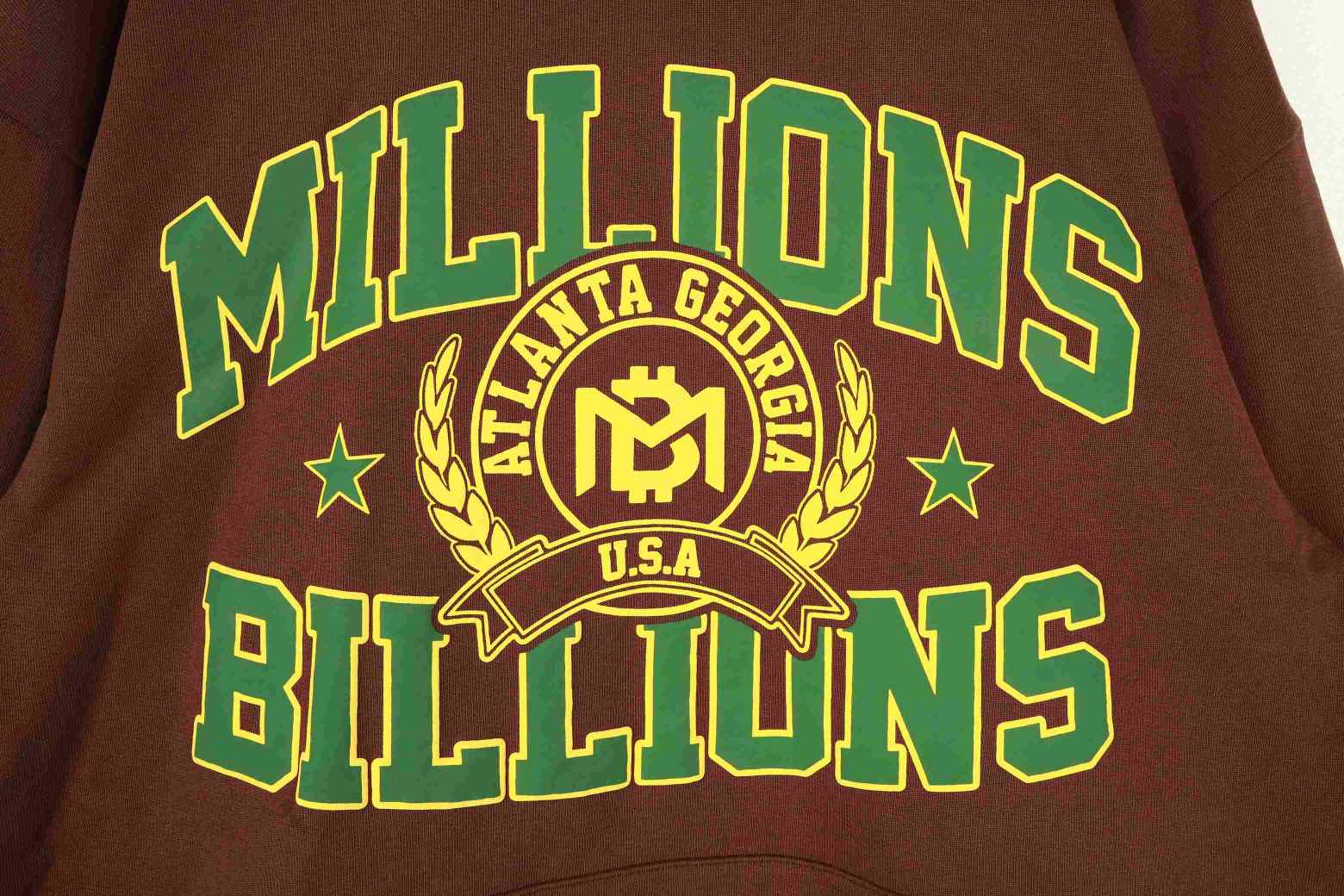
Screen printing, heat transfer, DTF (direct-to-film), and sublimation apply graphics to knit surfaces. Screen printing requires a separate screen per color (setup 30–80 USD each), favoring orders above 300 pieces per design.
Heat transfers and DTF eliminate screen costs and support full-color artwork at MOQs from 100 pieces, though durability is lower—expect 20–30 washes before cracking on high-friction areas.
6. Key Quality Indicators in Sweater Factory Output
Professional sweater factory output is measured against six non-negotiable checkpoints. Understanding these indicators — and how to verify them — protects your brand from costly returns and reputation damage.
Gauge Consistency and Stitch Density
Gauge is measured in stitches per inch and needles per inch (3GG to 14GG for most knitwear). A factory running 7GG machines must hold ±0.5 stitch variance across every panel. Inconsistent gauge creates visible stripes, puckering, and fit drift between sizes.
CENWILD calibrates computerized flat-knitting machines daily and logs tension settings per yarn lot to ensure uniform stitch structure across 80,000-piece monthly runs.
Seam Strength: Linking vs. Overlocking
Linking (loop-to-loop joining) is the gold standard for sweater seams, delivering invisible joins and stretch recovery. Overlocking is faster but creates visible stitching and stress points. Seam strength should exceed 15 lb-force in ASTM D1683 tests.
Request linking for shoulder, side, and sleeve seams on premium styles; overlocking is acceptable only for interior trims or budget lines.
Pilling Resistance and Martindale Testing
Pilling — surface fiber balls — ruins perceived quality. The Martindale abrasion test measures cycles to visible pilling; merino and cashmere should exceed 20,000 cycles, acrylic blends 30,000+. Factories using inferior yarn or skipping anti-pilling treatments fail below 10,000.
CENWILD applies enzymatic anti-pilling washes and sources Grade-A yarn to meet retail durability standards.
Dimensional Stability After Washing
Knitwear should shrink or grow no more than ±3% in length and ±5% in width after three home washes per AATCC 135. Factories that skip pre-shrinking or steam-blocking deliver garments that distort after the first customer wash.
Pre-production samples must be wash-tested and measured; inline QC should re-verify every 500 pieces.
Color Fastness Standards
Color fastness to washing (AATCC 61), crocking (AATCC 8), and light (AATCC 16) must reach Grade 4 minimum for apparel. Dye migration, bleeding, and fading signal poor dyeing or finishing. Request lab reports for every colorway, especially darks and brights.
Factories using certified dye houses and controlled pH in finishing baths consistently pass third-party audits.
Finishing Details and Red Flags
Inspect hems, cuffs, and necklines for even ribbing, secure yarn tails, and straight topstitching. Loose threads, skipped stitches, or uneven hems indicate rushed QC. A factory’s willingness to provide detailed QC reports, pre-production samples, and inline inspection photos is the clearest quality signal.
Vague answers, refusal to share test data, or pressure to skip sampling are immediate red flags.
7. How to Choose the Right Sweater Factory for Your Brand
Selecting a sweater factory requires a systematic evaluation of credentials, capabilities, and partnership terms. A structured checklist ensures you avoid costly mismatches and build a reliable manufacturing relationship.
Verify Certifications and Compliance
Request copies of ISO 9001, WRAP, BSCI, or OEKO-TEX certificates to confirm quality systems and ethical labor standards. Third-party audits validate claims that factory websites cannot.
For brands targeting U.S. or European retail, compliance documentation protects your reputation and simplifies due diligence for buyers.
Assess Machinery and Technical Capacity
Confirm the gauge range of computerized flat-knitting machines — 3GG to 14GG covers chunky to fine-gauge styles. Manual linking limits design flexibility; computerized systems enable jacquard, intarsia, and fully-fashioned construction.
Ask for monthly capacity figures and peak-season lead times to ensure the factory can scale with your growth.
Review Portfolio and Client References
Request samples and case studies from brands in your segment. A sweater factory with experience in your price tier and style category will understand your quality expectations and retail calendar.
Direct references from current clients reveal communication responsiveness and on-time delivery performance.
Confirm MOQ, Sampling, and Payment Flexibility
Startups need MOQs below 500 pieces per style; factories offering 100-piece minimums reduce inventory risk. Clarify sampling fees, knit-down swatch policies, and deposit structures — many suppliers ease terms from 100% to 30% as the relationship matures.
Negotiate IP protection clauses and payment methods (T/T, PayPal, credit card) that suit your cash flow.
8. Common Mistakes When Sourcing from a Sweater Factory
Even experienced brands stumble when partnering with a sweater factory for the first time. Seven common mistakes account for most production delays, cost overruns, and quality disputes in knitwear sourcing.
Ignoring Yarn Sourcing Transparency
Failing to confirm yarn origin and pricing locks upfront leads to surprise cost increases mid-production when cotton or wool markets shift. Always request written yarn specifications and fixed-price quotes valid through your production window.
Skipping Sample Approval Stages
Rushing from sketch to bulk production without knit-down samples causes costly remakes when fit, gauge, or stitch structure miss the mark. Require a physical pre-production sample and sign off in writing before any bulk cutting begins.
Underestimating Lead Times for Custom Gauges
Complex intarsia, jacquard, or fine-gauge (12GG–14GG) programs demand longer machine setup and sampling cycles than basic stockinette. Add two to three weeks to standard lead times for any fully-fashioned or multi-color knit design.
Failing to Specify Wash-Care Standards
Omitting shrinkage tolerances, pilling resistance (Martindale cycles), and colorfastness grades invites customer returns and chargebacks. Include ISO or AATCC test methods and acceptable pass thresholds in your tech pack from day one.
9. Steps to Launch Your Knitwear Line with a Sweater Factory
Launching a knitwear line with a sweater factory follows a predictable eight-step workflow, each with its own timeline and deliverables. Understanding these milestones — from concept to fulfillment — helps brands budget time, cash flow, and inventory planning accurately.
Concept and Design Development
Begin with sketches, reference images, or a finished tech pack specifying stitch patterns, silhouette, and trims. A sweater factory design team translates concepts into 3D knit programming and grading files.
Expect 3–5 business days for initial feedback and knit-down swatches if you supply clear references; a full tech-pack iteration adds another week.
Material Selection and Yarn Sourcing
Choose fiber content — cashmere, merino, cotton, acrylic, or blends — and confirm gauge (3GG–14GG) and weight. The factory sources yarn, dyes to Pantone references, and provides physical yarn cards.
Yarn procurement typically requires 7–10 days; custom dye lots may extend to two weeks.
Pre-Production Samples and Approval
Request one or more prototypes to verify fit, stitch quality, color accuracy, and decoration placement. Approve or request revisions in writing before bulk production begins.
Sampling averages 2–3 weeks; each revision cycle adds 5–7 days.
Pricing, Deposit, and Production Kickoff
Finalize unit cost, MOQ (often 100 pieces), and payment terms. First-time clients typically pay 100% upfront; repeat partners may negotiate 30–50% deposits with balance due before shipment.
Production starts within 1–2 days of deposit confirmation; bulk manufacturing spans 4–6 weeks depending on order size and decoration complexity.
Quality Control and Shipping
Conduct in-line and final random inspections (AQL 2.5 standard) or arrange third-party QC. Once approved, the factory packs, labels, and coordinates freight — air (5–7 days) or sea (20–35 days).
Plan an additional week for customs clearance and domestic delivery to your warehouse or 3PL partner.
10. Pricing and Cost Breakdown
CENWILD’s sweater factory pricing starts at 100-piece MOQ, with unit costs declining sharply as volume grows. A basic cotton crewneck at 100 pieces typically ranges $18–$24 per unit with a 25–30 day lead time, dropping to $12–$16 at 1,000 pieces and $10–$13 at 3,000 pieces over 35–40 days. Complex intarsia or jacquard designs add $3–$7 per piece depending on stitch count and color changes.
Setup costs are one-time investments: knit-down sampling runs $50–$150 per colorway, custom gauge or stitch programming costs $100–$300, and embroidery digitizing fees range $30–$80 per logo. These amortize quickly across larger runs.
Yarn type drives base cost. Cotton averages $4–$6 per kilogram and adds roughly $2–$4 to garment cost; merino wool runs $12–$18/kg, adding $6–$10; cashmere sits at $60–$90/kg, lifting unit price by $25–$40. Trims—zippers, buttons, custom labels—contribute another $1–$5 per piece, making final landed cost a function of volume, yarn grade, decoration complexity, and hardware specification.
| Quantity Tier (pcs) | Unit Price Range (USD) | Typical Lead Time (days) |
|---|---|---|
| 100 | $18–24 | 25–30 |
| 500 | $14–19 | 30–35 |
| 1,000 | $12–16 | 35–40 |
| 3,000 | $10–13 | 35–40 |
| Setup: Sampling | $50–150 per colorway | — |
| Setup: Gauge/Stitch Programming | $100–300 one-time | — |
| Setup: Embroidery Digitizing | $30–80 per logo | — |
Ready to Launch With Your Sweater Factory Partner?
From 100 pieces to full collections — get a quote from CENWILD’s OEM/ODM team and start your custom knitwear production today.