
Sequin Embroidery for Custom Knitwear — Dazzling Finishes, 100-Piece MOQ
Add eye-catching sequin embroidery to sweaters, cardigans, and knit dresses. Premium decoration, fast sampling, and flexible production from a 28-year Dongguan manufacturer.
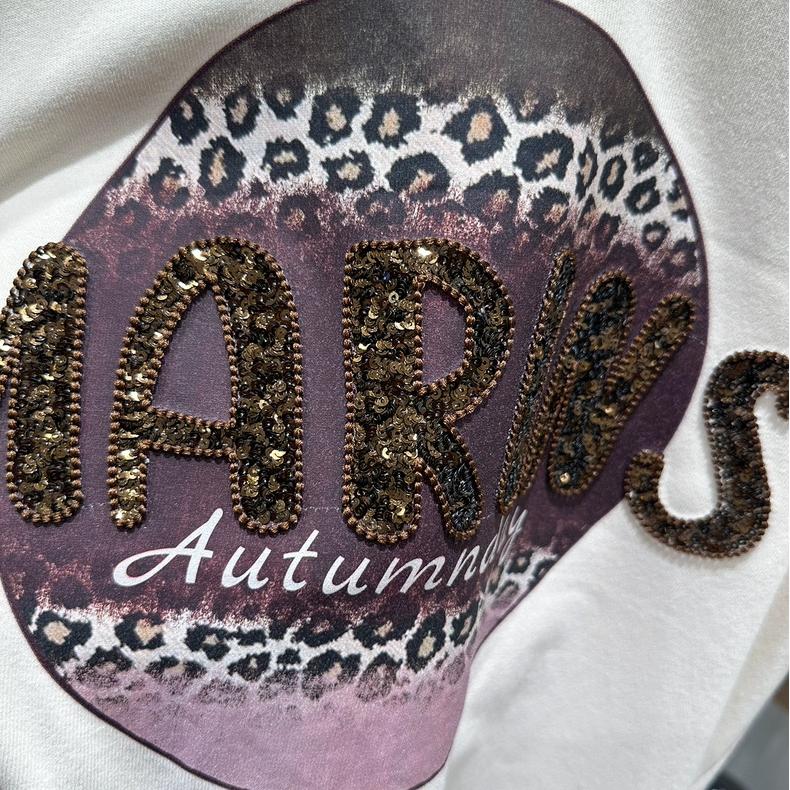
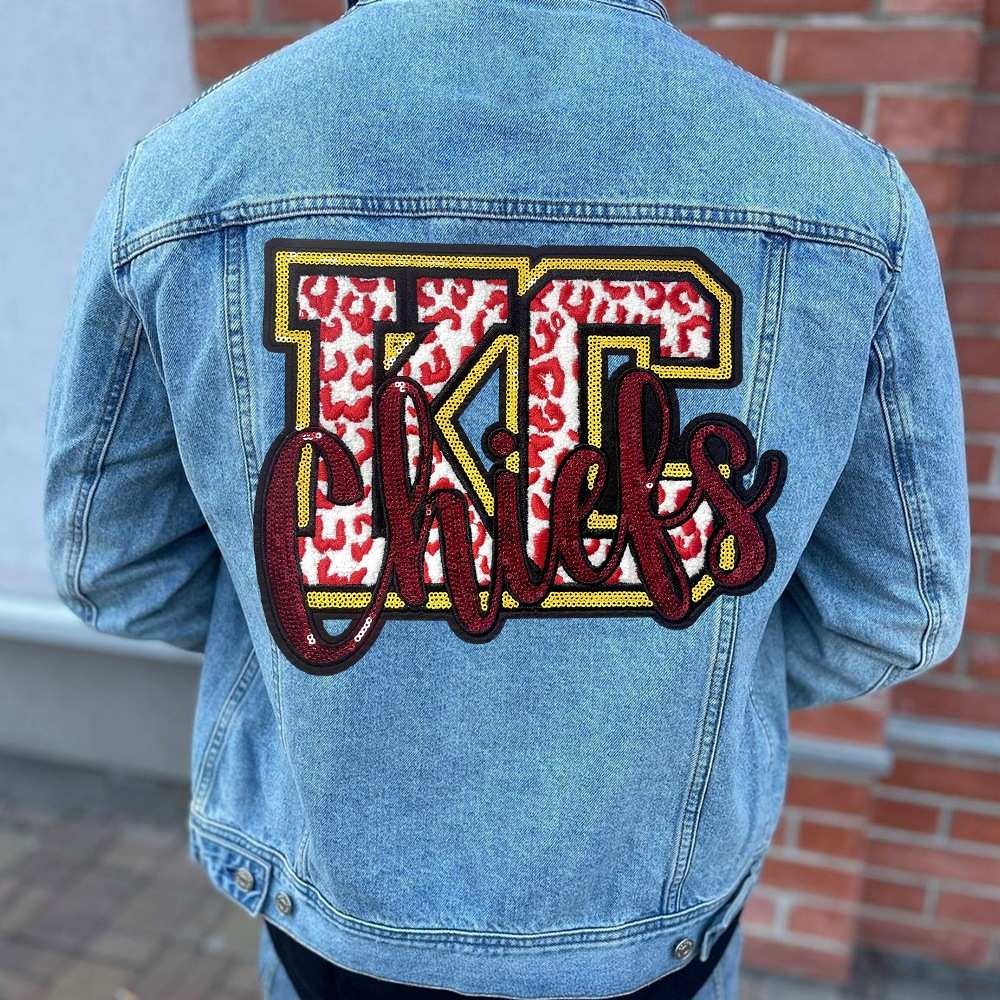
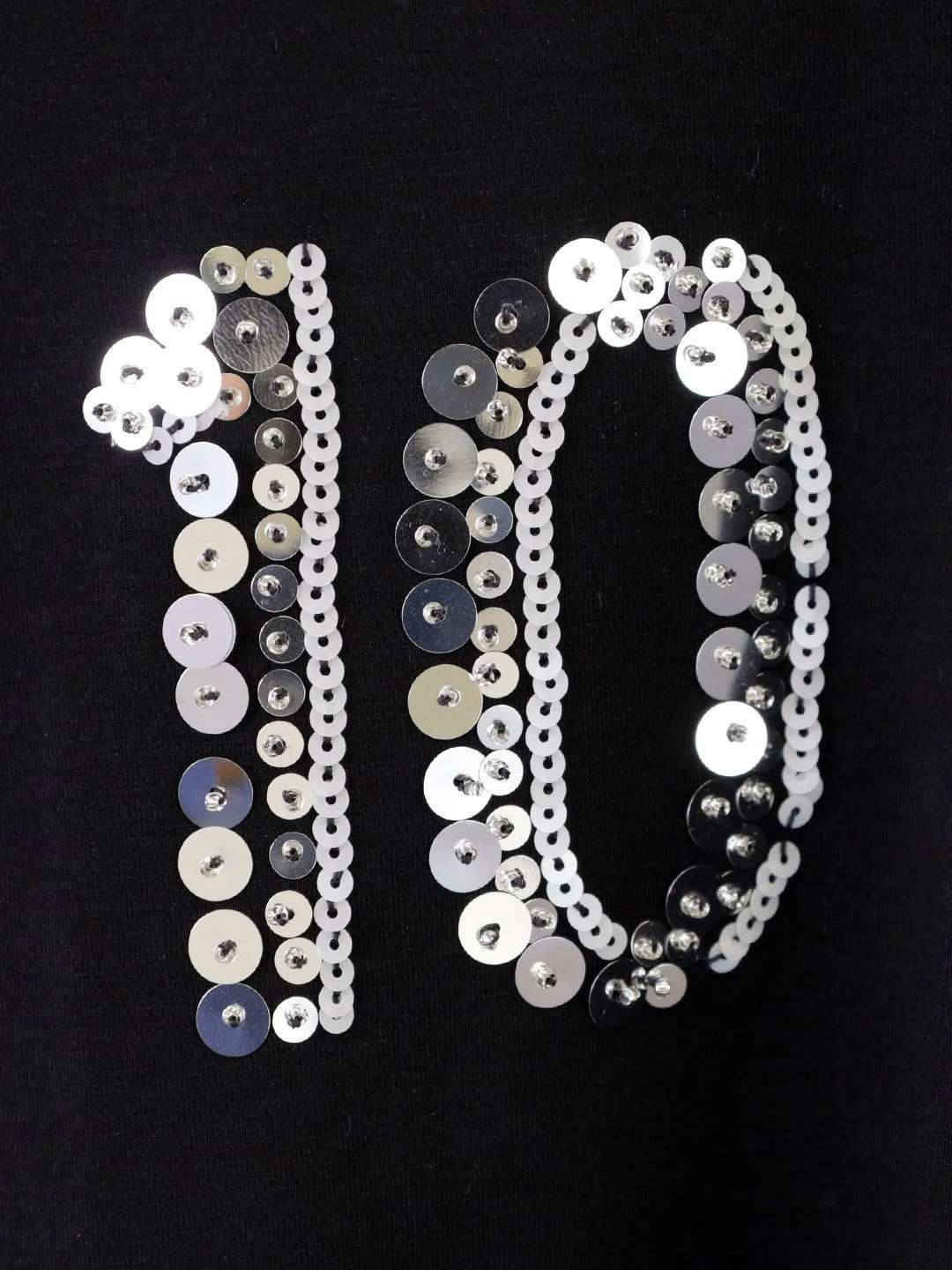
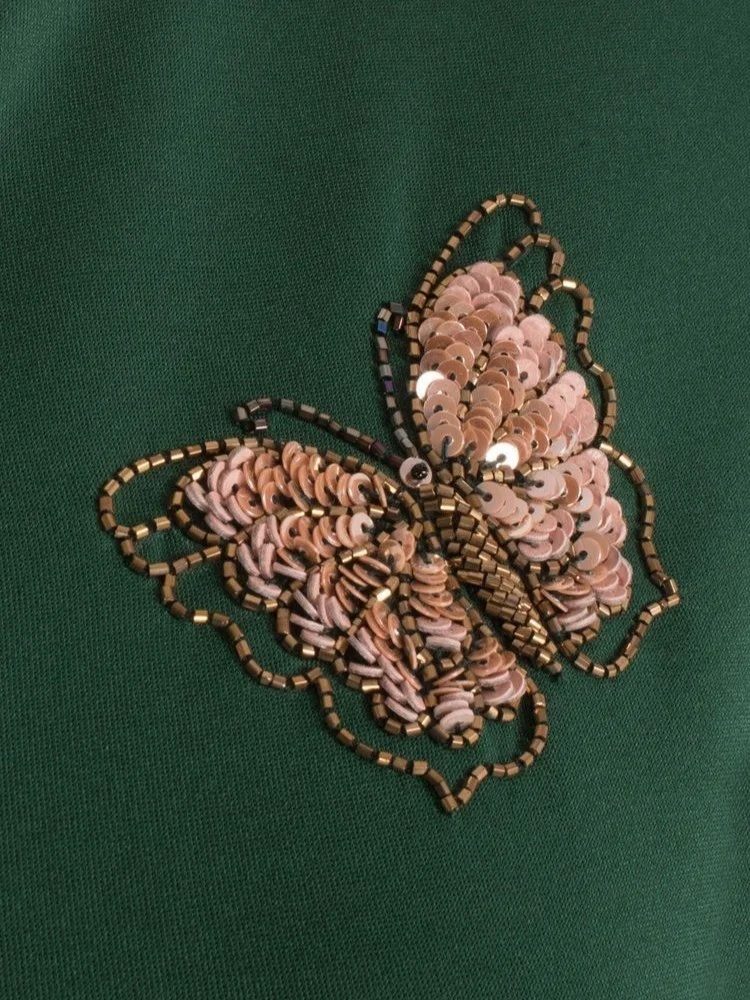
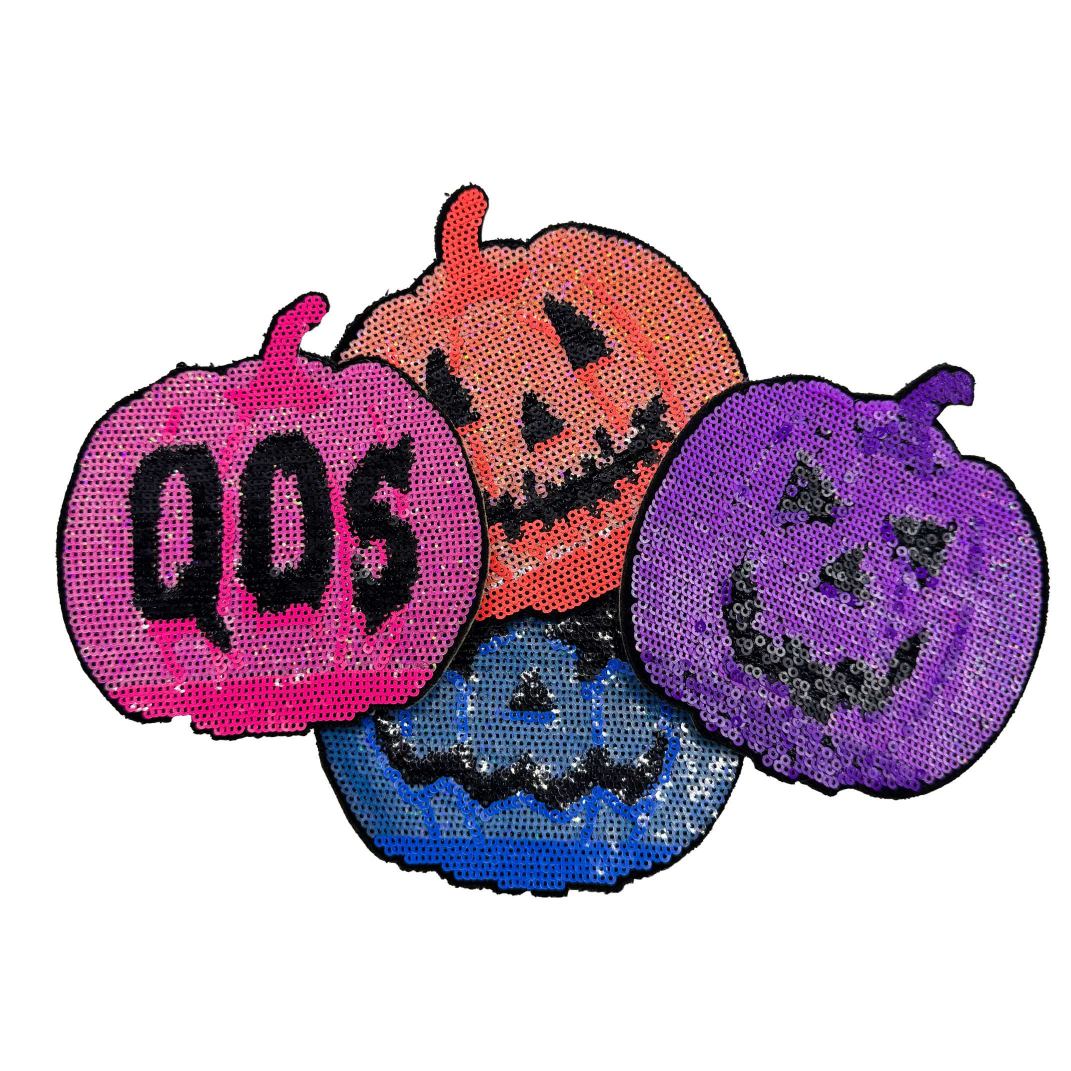
Sequin Embroidery Samples & Finished Pieces
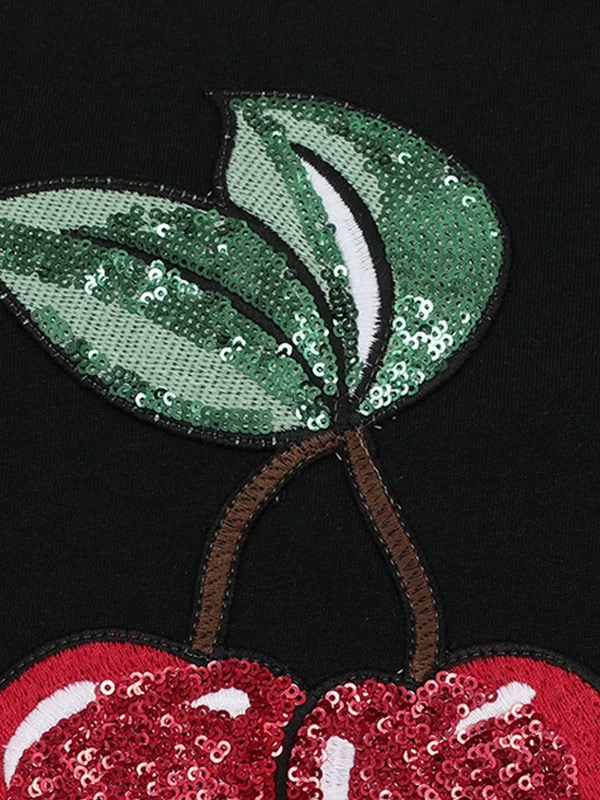
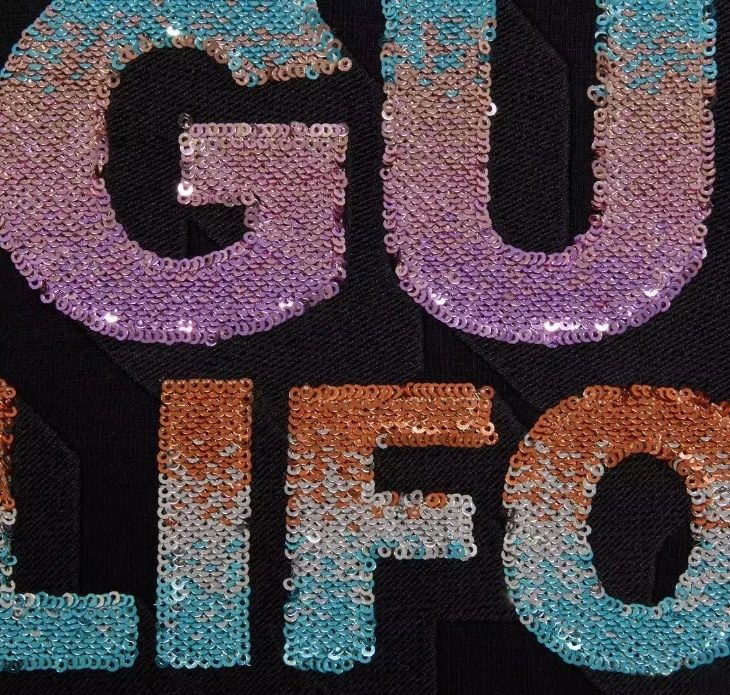
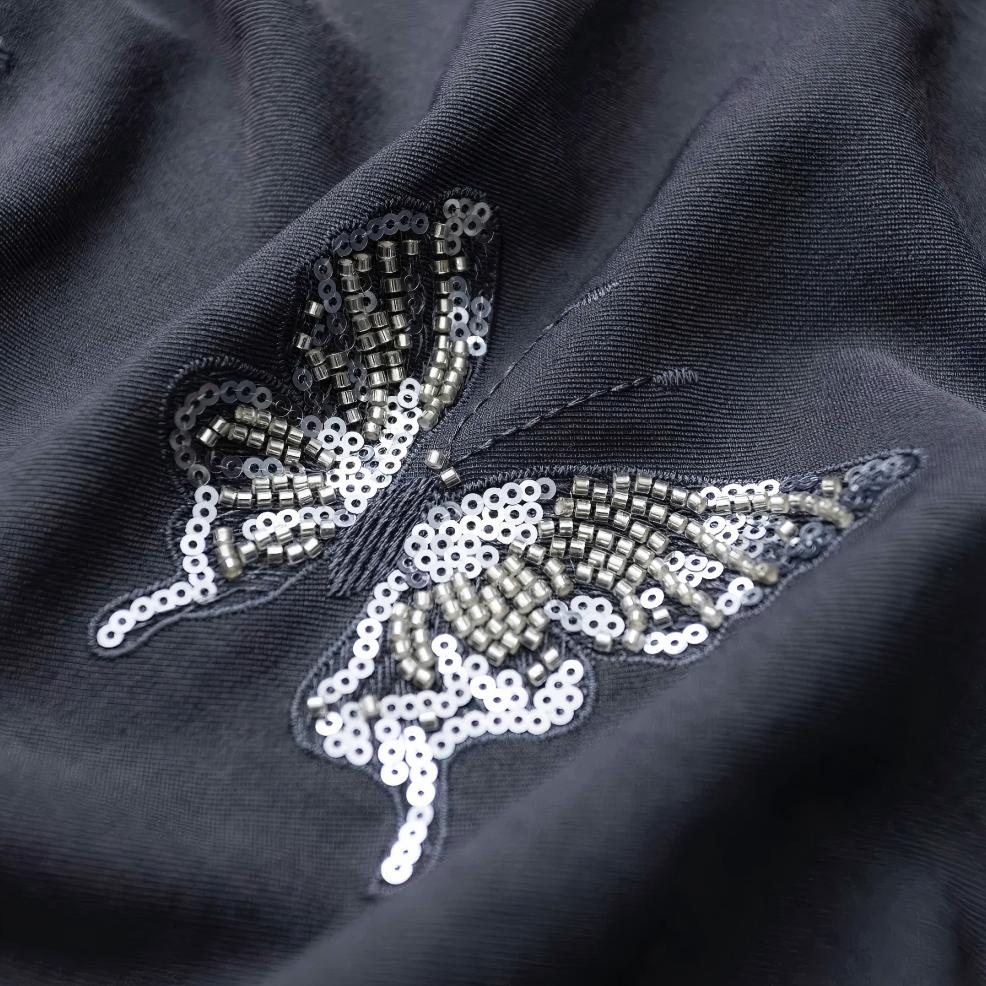
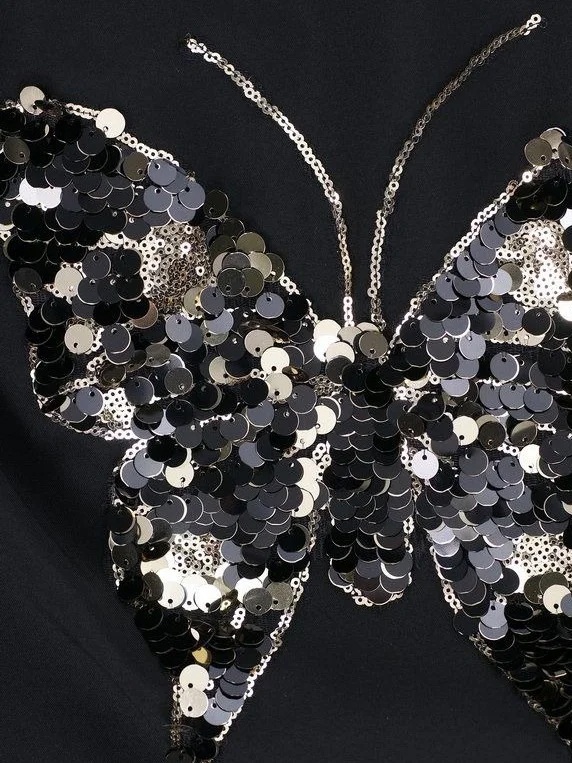
What Makes Sequin Embroidery Stand Out
Light-Catching Sparkle & Shimmer
Sequin embroidery reflects light from every angle, creating eye-catching movement and dazzle that flat embroidery and printing cannot replicate.
Unlimited Color & Finish Options
Choose from matte, metallic, holographic, and iridescent sequins in hundreds of colors to match your brand palette and design vision.
Dimensional Texture on Knit Fabric
Sequins add tactile, three-dimensional detail to sweaters and knitwear, elevating perceived value and creating premium visual interest.
Durable & Wash-Safe Application
CENWILD secures every sequin with reinforced stitching, ensuring your embroidery withstands repeated washing and wear on knit garments.
Precision Placement & Custom Patterns
From scattered accents to full logo coverage, sequin embroidery offers flexible design placement and intricate pattern programming.
Low MOQ from 100 Pieces
Add sequin embroidery to your custom knitwear with CENWILD’s accessible minimum order quantity, perfect for emerging brands and capsule collections.
Related Embroidery & Decoration Techniques
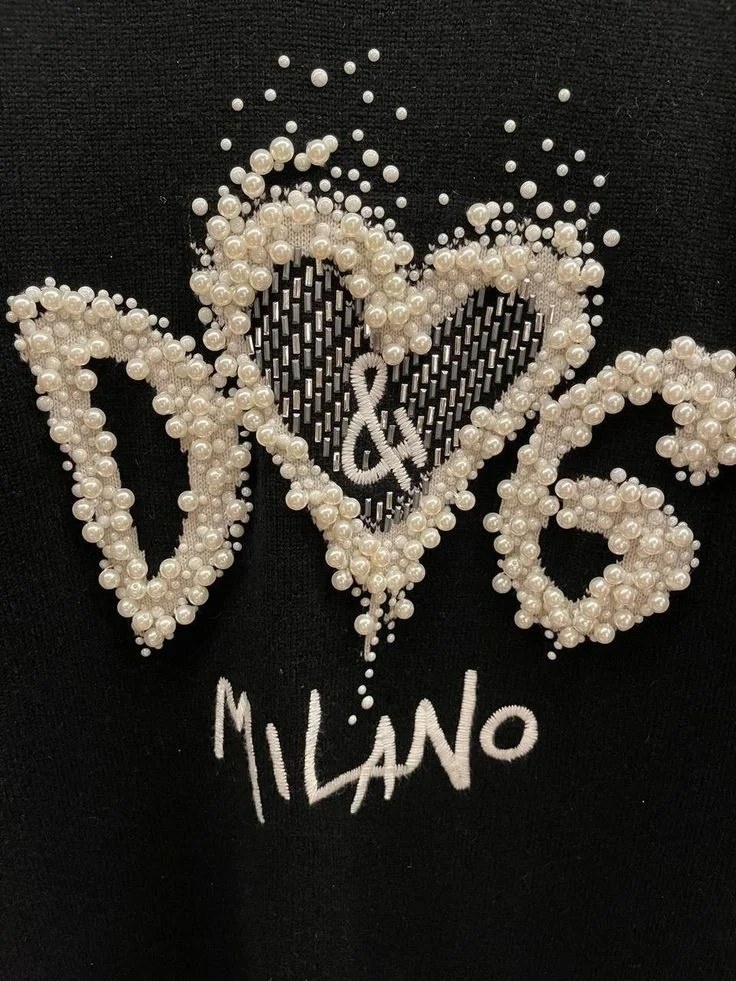
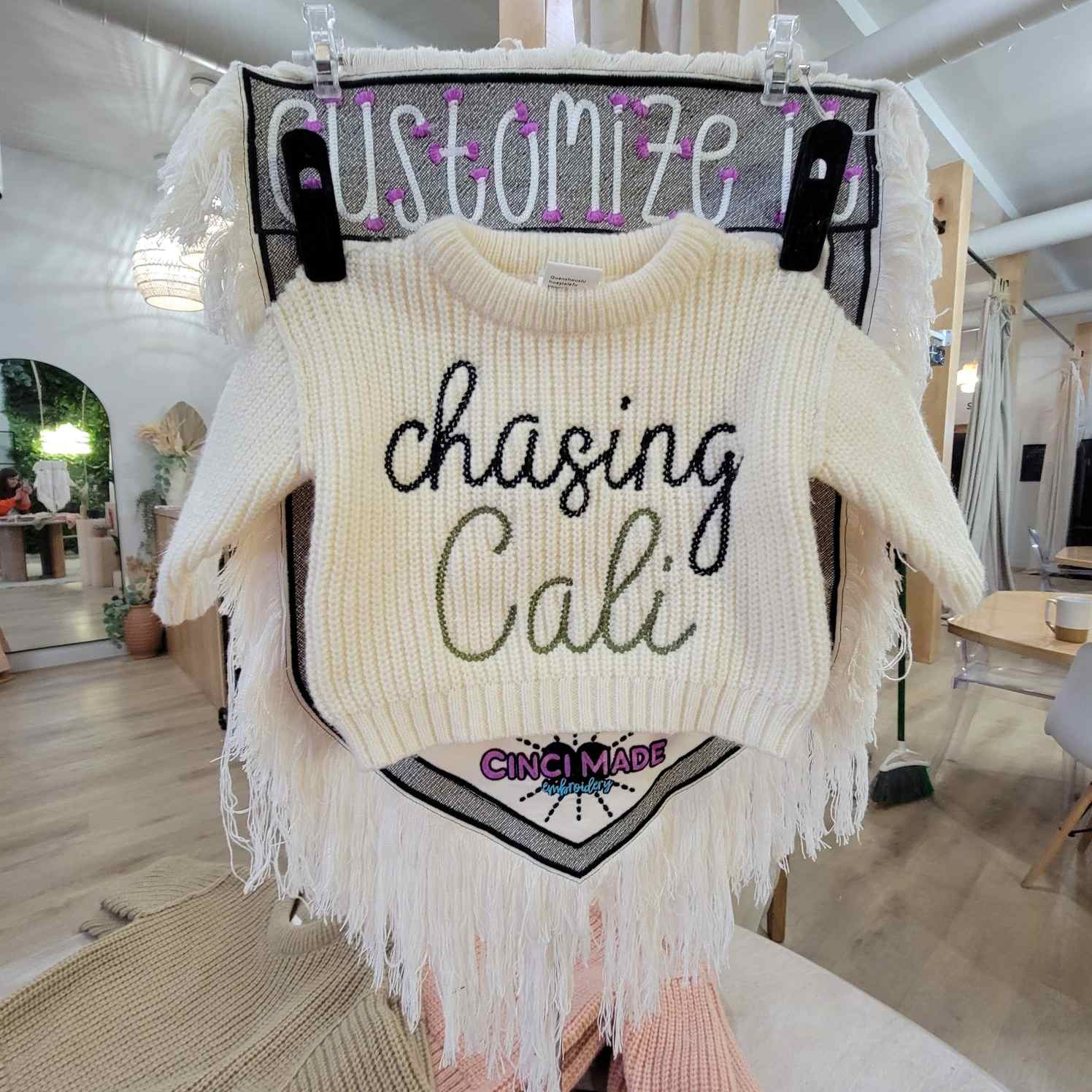
Embroidery on Knitwear
CENWILD offers full-service custom sweater embroidery across all knitwear styles. Our in-house embroidery workshop handles flat, 3D puff, chain-stitch, appliqué, sequin, and patch decoration, integrated directly into production so your embroidered sweaters move from knitting to finishing under one roof with consistent quality control and faster turnaround.
Get a Quote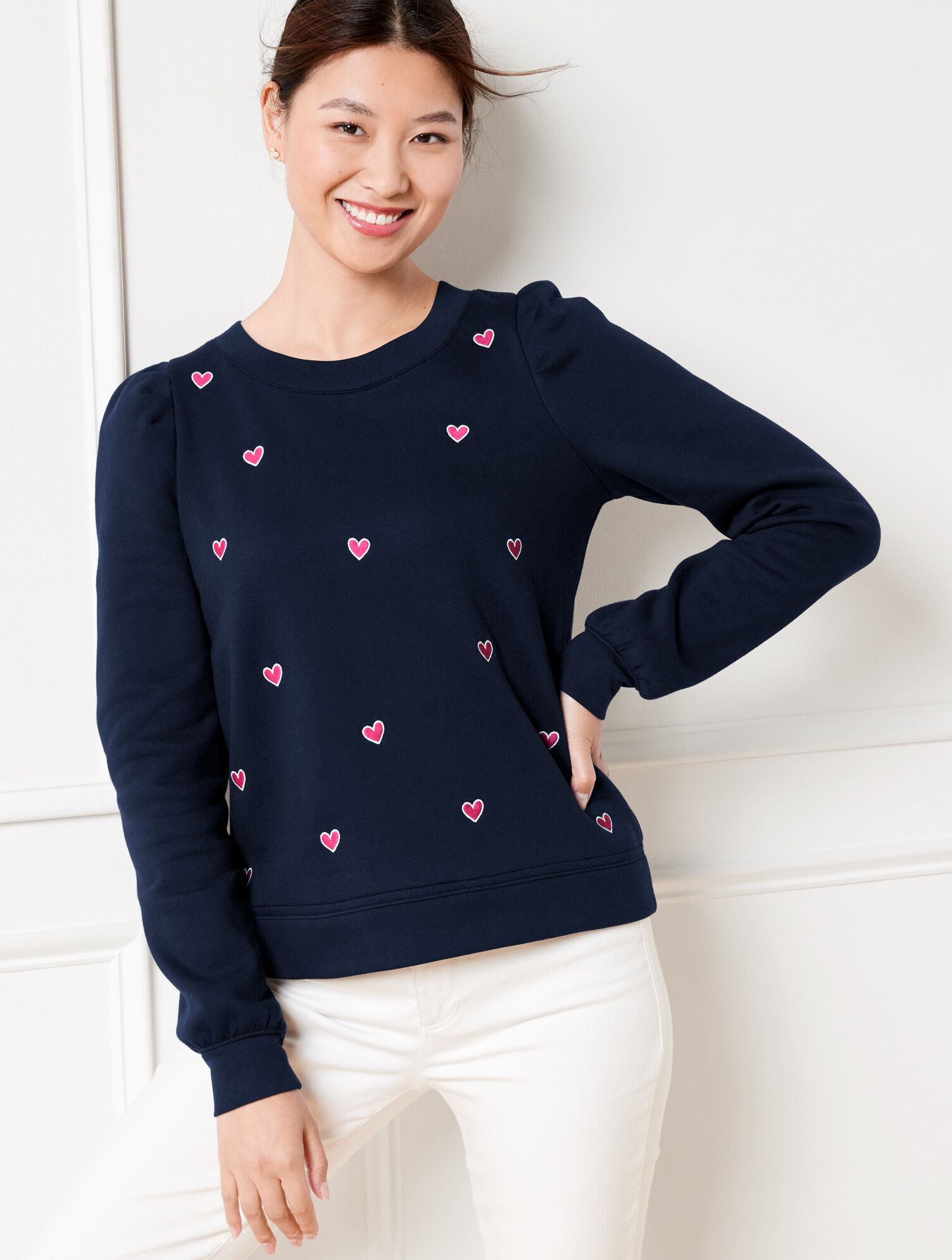
Flat Embroidery
Flat embroidery delivers clean, professional logo and graphic decoration on sweaters, cardigans, and knit garments. Ideal for brand names, monograms, and detailed artwork, our flat embroidery sweater service uses precision digitizing and thread-matching to ensure crisp, durable results on cashmere, merino, cotton, and blended knitwear from 100-piece MOQ.
Get a Quote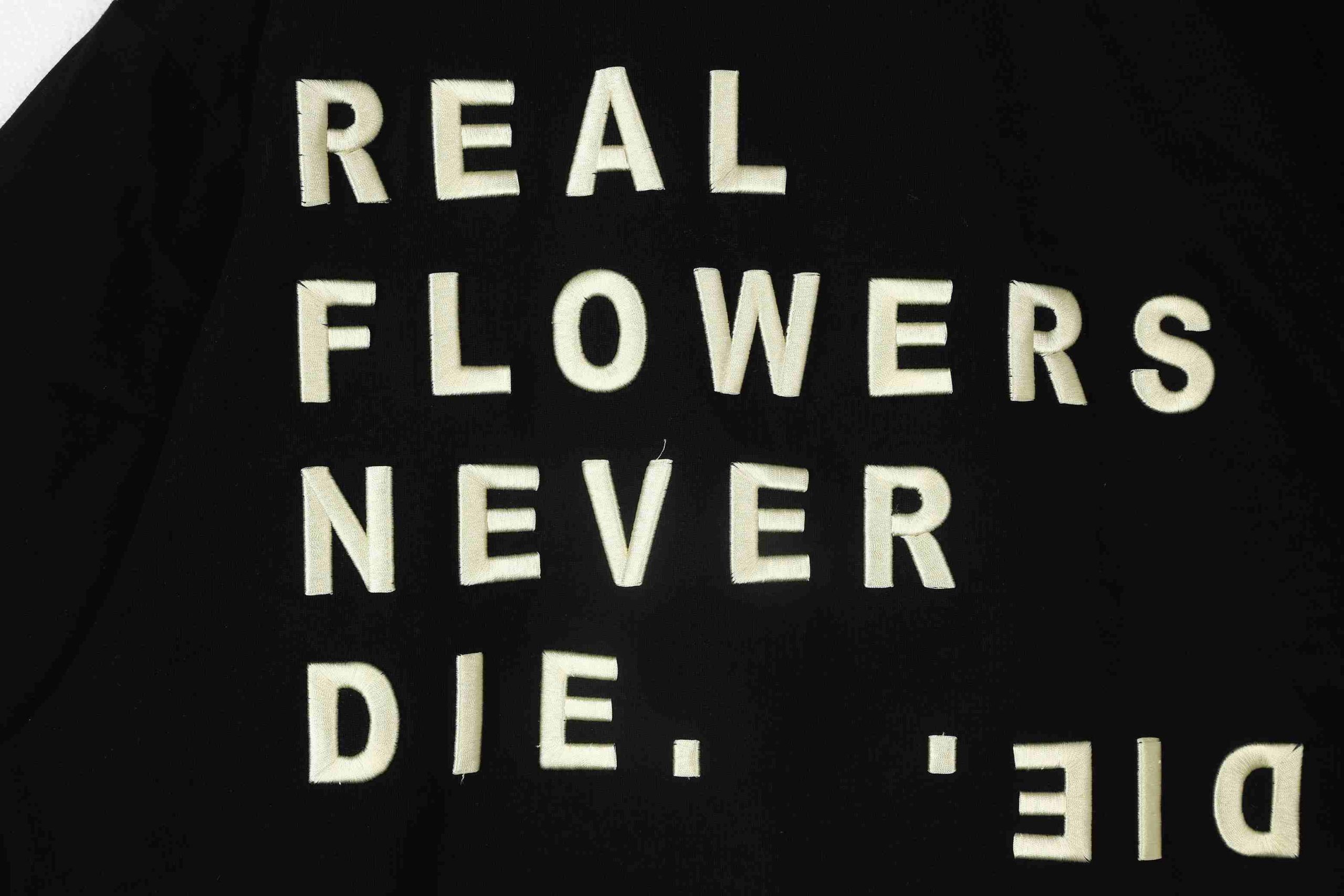
3D Puff Embroidery
Add dimension and texture with 3D puff embroidery on sweaters and knitwear. This raised-foam technique creates bold, tactile logos and lettering perfect for streetwear, team apparel, and branded collections. CENWILD’s 3D puff embroidery sweater capability is available on pullovers, hoodies, cardigans, and knit polos across all gauges and yarn types.
Get a Quote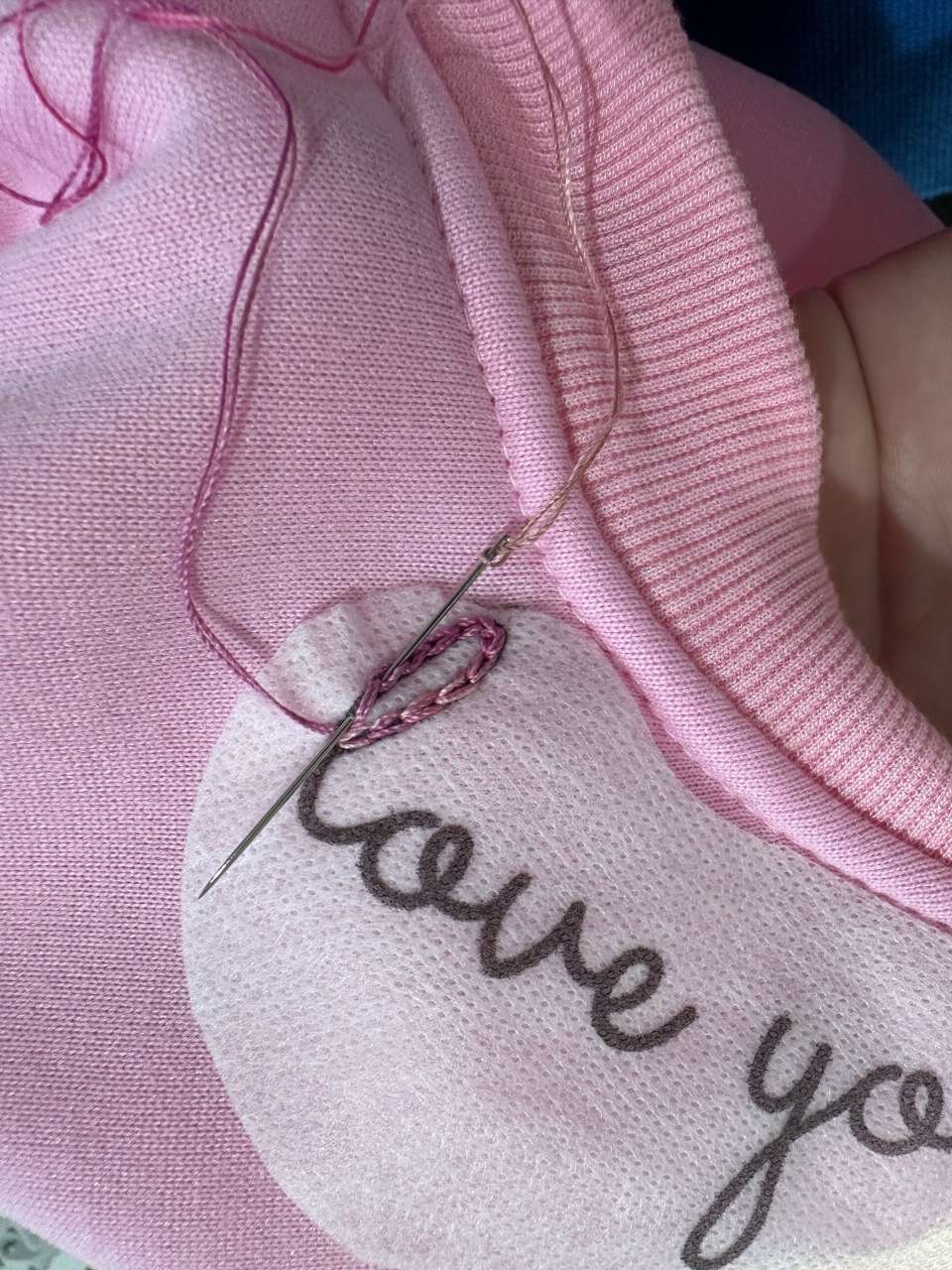
Chain Stitch Embroidery
Chain stitch embroidery brings a vintage, handcrafted aesthetic to knitwear with its distinctive looped texture. Popular for retro logos, varsity lettering, and decorative borders, our chain stitch embroidery service suits fashion-forward brands seeking unique character on sweaters, cardigans, and knit outerwear with flexible low-MOQ production from our Dongguan facility.
Get a Quote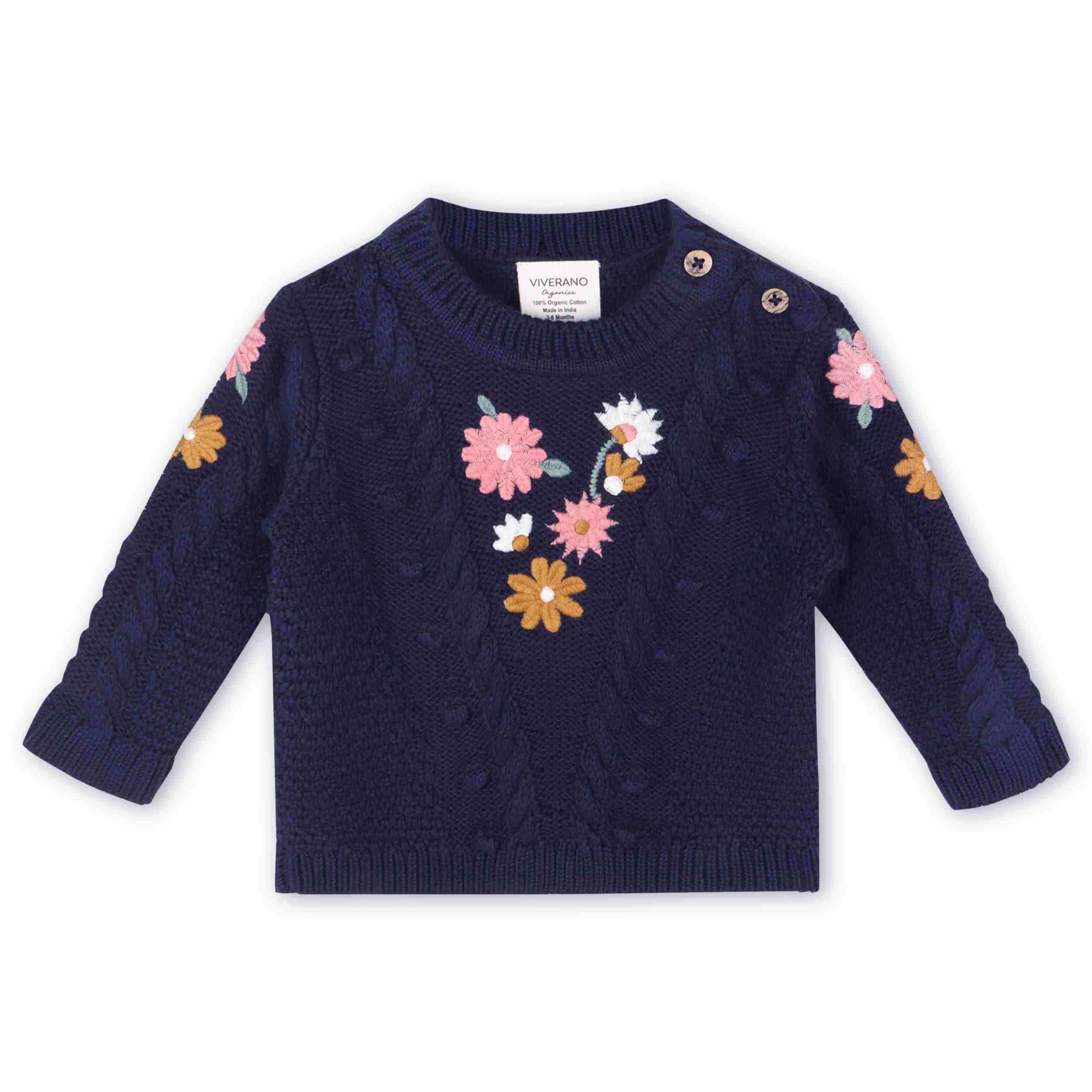
Applique Embroidery
Appliqué embroidery combines fabric cutouts with embroidered borders for bold, layered graphics on sweaters. This technique reduces stitch density on heavy designs, protects delicate knitwear, and delivers standout branding. CENWILD’s applique embroidery sweater service spans felt, chenille, twill, and custom materials across OEM and private-label orders from 100 pieces.
Get a Quote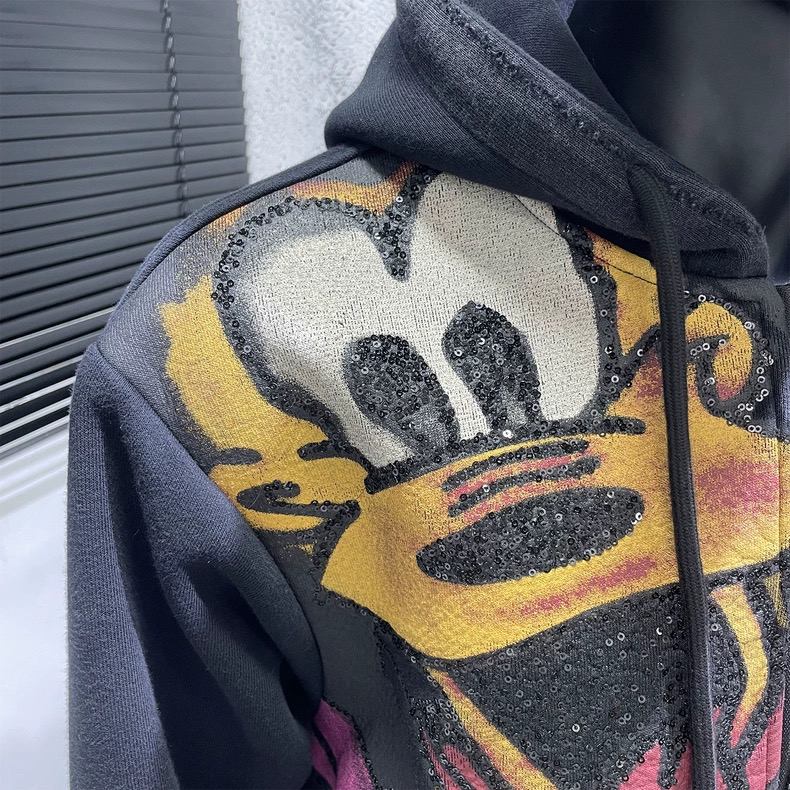
Custom Embroidered Patches
Custom embroidered patches offer modular branding for knitwear collections. Manufactured in-house and applied via heat-seal, sew-on, or Velcro backing, our custom embroidered patches work across sweaters, cardigans, and knit accessories. Ideal for limited editions, team orders, and multi-SKU lines, with matched production timelines and unified quality standards.
Get a Quote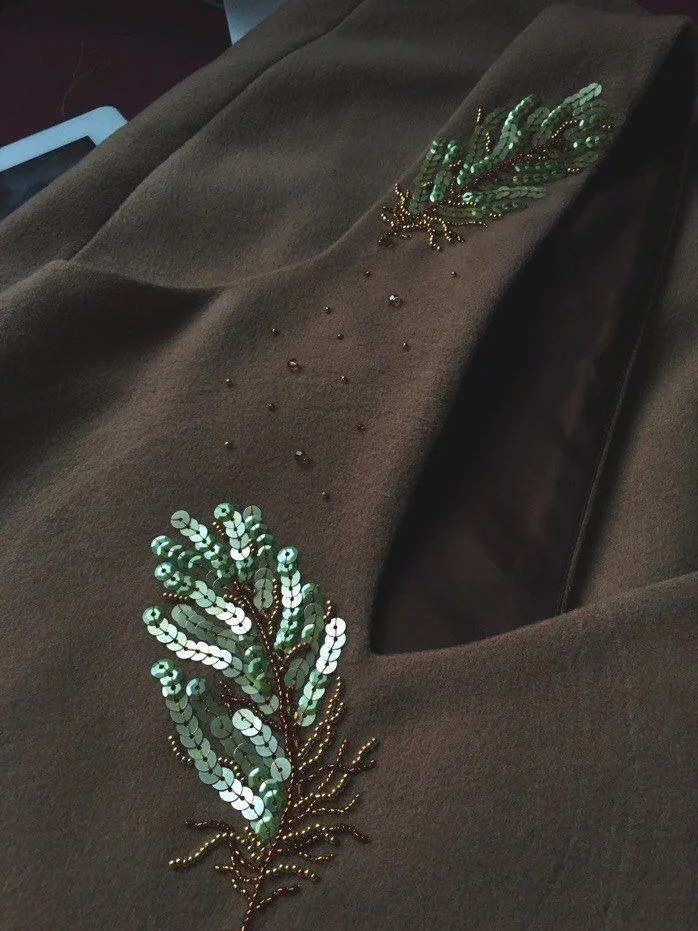
Logo Embroidery on Knit
Integrate your brand identity seamlessly with custom logo sweater embroidery. CENWILD’s design team digitizes artwork, selects thread colors, and programs placement across chest, sleeve, hem, or back. Whether subtle tone-on-tone or bold contrast, our custom logo service supports OEM, ODM, and private-label knitwear from concept through export.
Get a Quote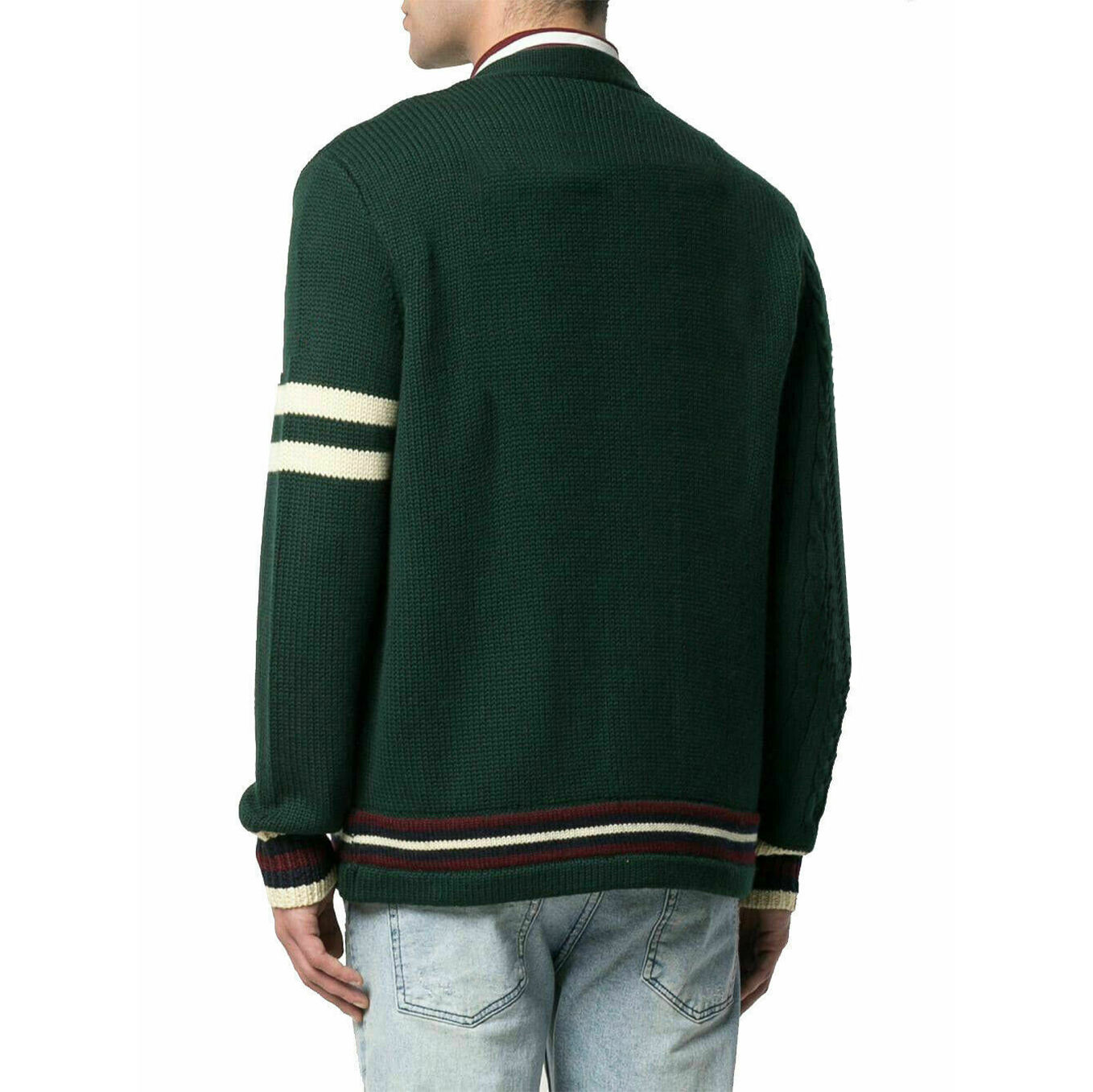
Custom Cardigan
Design and manufacture custom cardigans tailored to your brand specifications. CENWILD produces button-front, zip, and open cardigans in any gauge, stitch pattern, yarn blend, and decoration—including embroidery, printing, and trims. From tech-pack execution to original design development, our custom cardigan service starts at 100 pieces with full ODM support.
Get a Quote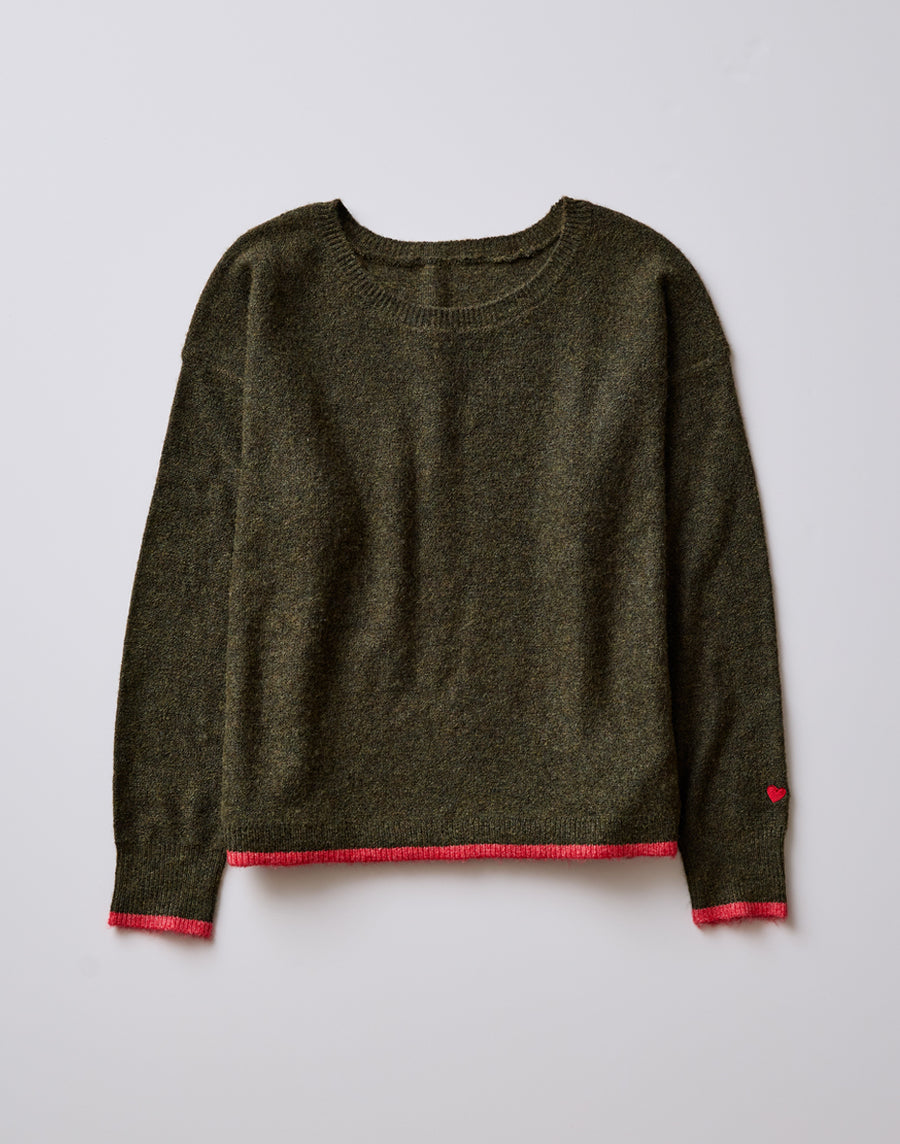
Cardigan Sweater Manufacturer
Partner with an experienced cardigan sweater manufacturer rooted in Dongguan’s knitwear heartland. With 28+ years in OEM and private-label production, CENWILD knits, finishes, decorates, and exports cardigans for fashion brands worldwide. Flexible MOQ from 100 pieces, in-house sampling, and end-to-end quality control from yarn to shipment.
Get a QuoteCENWILD's Sequin Embroidery Expertise
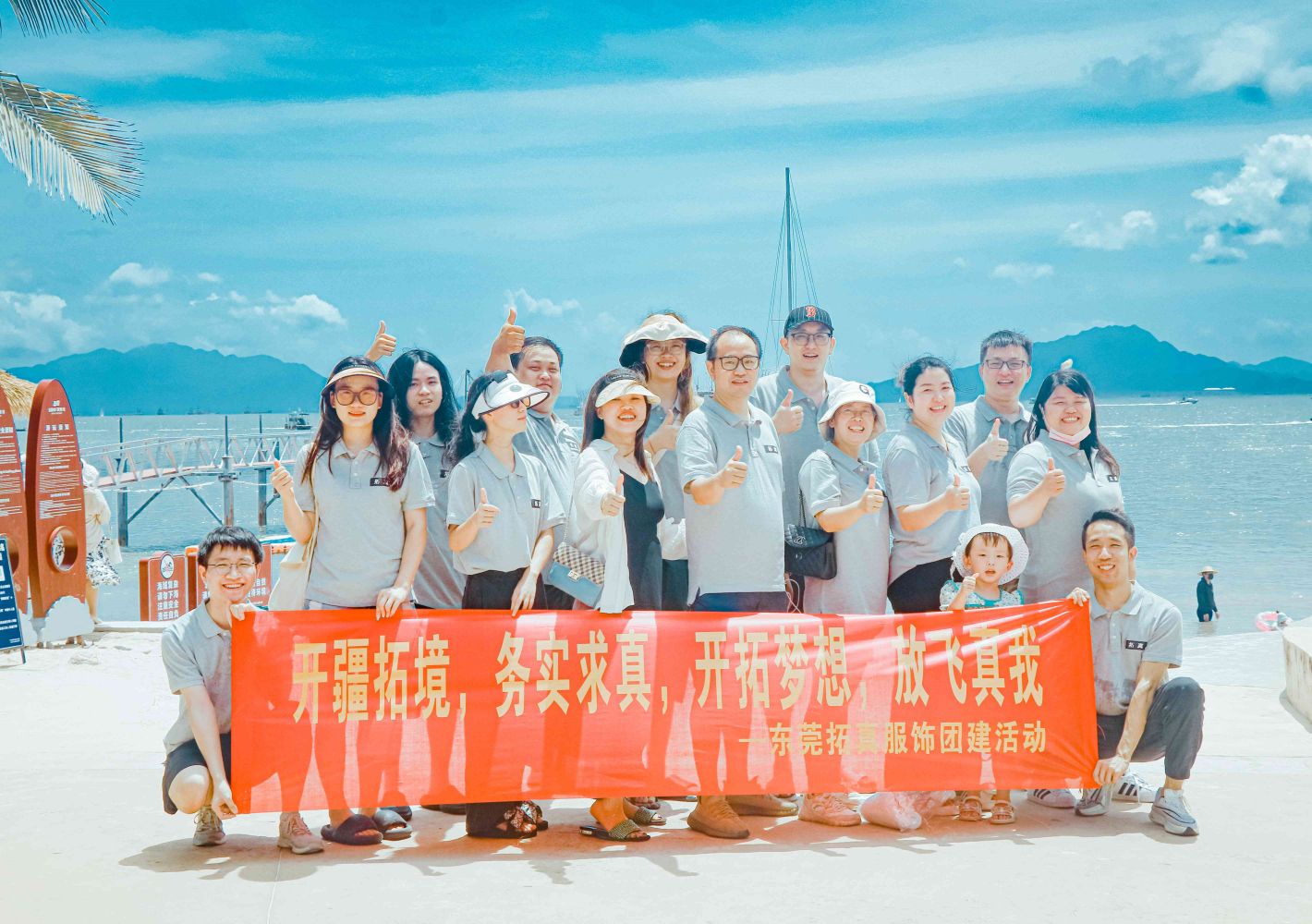
Founded in 1998 in Humen, Dongguan—the heart of China’s knitwear manufacturing hub—CENWILD has spent 28 years perfecting custom sweater production and advanced decoration techniques, including sequin embroidery. What started as a small family knitting workshop has grown into a full-service manufacturer with more than 200 skilled employees and in-house embroidery capabilities that bring dazzling, precision-placed sequins to life on knitwear.
Today CENWILD operates a monthly capacity exceeding 80,000 pieces and has partnered with over 2,000 fashion brands, retailers, and designers worldwide. Our sequin embroidery services span flat sequin application, 3D puff sequin, chain-stitch sequin, and custom logo work—all executed in-house to ensure quality, turnaround, and creative control from yarn to finished garment.
Whether you’re launching a capsule collection or scaling a private-label line, CENWILD supports your vision with flexible MOQs starting at just 100 pieces, OEM and ODM capabilities, and a dedicated design team ready to translate your sequin embroidery concepts into production-ready knitwear that stands out on the rack and on social media.
Sequin Embroidery Techniques & Quality Standards
Sequin Types & Selection Expertise
CENWILD sources cup, flat, and faceted sequins in sizes from 3 mm to 15 mm, selecting the optimal shape, finish, and material for each design. Our team evaluates weight, drape, and knit compatibility to ensure sequins enhance rather than distort your garment.
- Cup sequins for maximum light reflection and dimension on statement pieces
- Flat sequins for subtle shimmer and comfortable all-day wear
- Faceted and holographic finishes for premium fashion-forward collections
- Color-matched or contrast sequin palettes aligned with your brand aesthetic
Precision Attachment & Stitch Programming
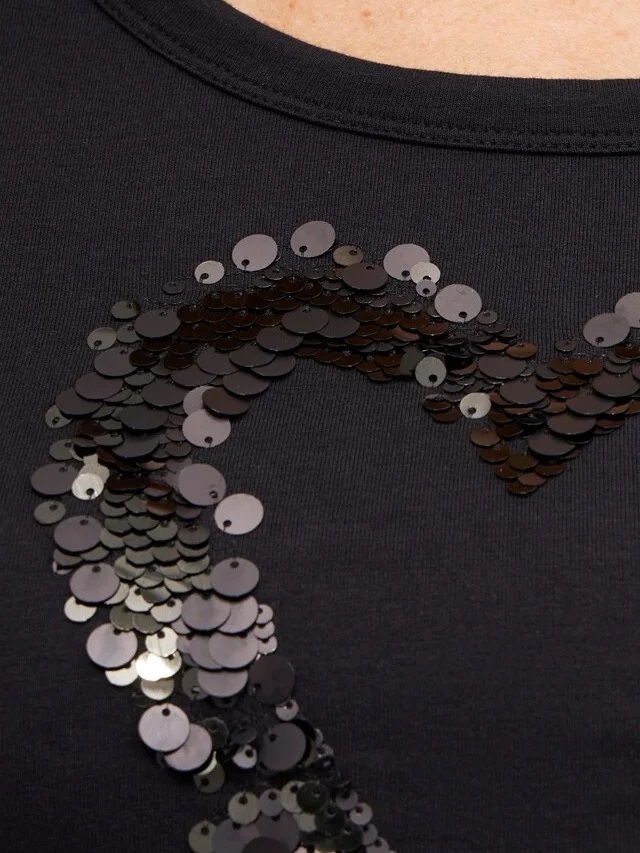
Every sequin is secured with computerized embroidery machines programmed for consistent placement and tension. Thread type, stitch count, and sequin overlap are calibrated to the knit gauge and yarn composition, preventing puckering, shifting, or thread breakage during wear.
- Center-hole or edge-hole attachment methods tailored to design intent
- Polyester or nylon thread selected for strength, flexibility, and colorfastness
- Stitch density optimized to balance security with fabric integrity
- Pre-production test runs on knit swatches to validate settings before full production
Knit-Specific Quality & Durability Checks
Sequin embroidery on knitwear demands stricter quality protocols than on wovens. CENWILD inspects sequin adhesion, thread tension, and fabric recovery after every production batch, and conducts wash testing to confirm sequins remain secure through commercial and home laundry cycles.
- Visual inspection for loose, missing, or misaligned sequins on every garment
- Stretch and recovery tests to ensure embroidery flexes with the knit without distortion
- Tumble-dry and hand-wash simulations per care-label specifications
- Final audit before packing to guarantee sequin embroidery meets your brand standards
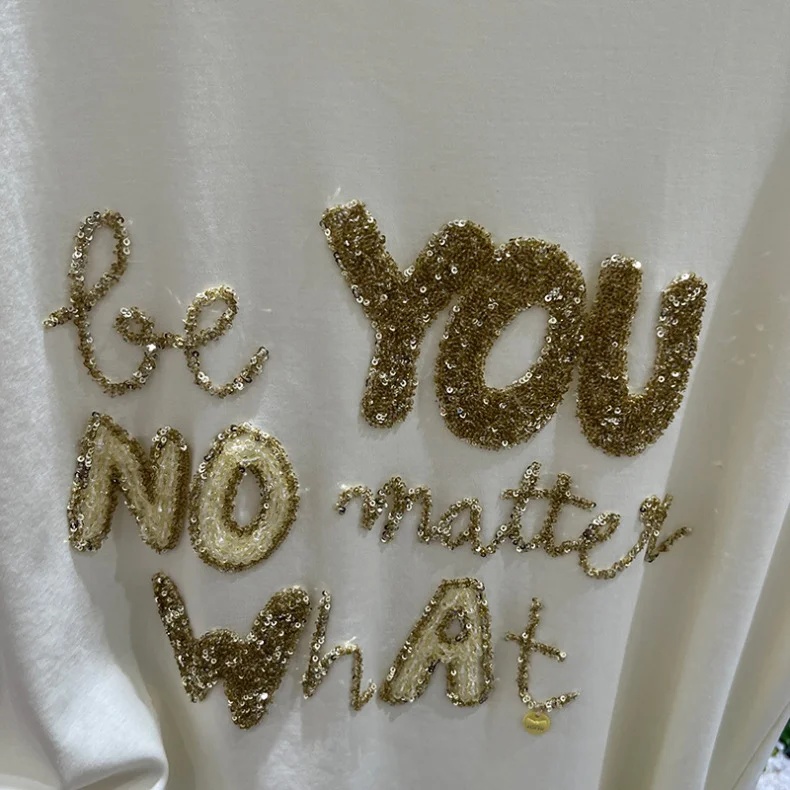
Sequin Embroidery vs. Flat Embroidery on Knitwear
Understanding the differences helps you choose the right decoration technique for your custom sweater collection. Compare sequin embroidery to traditional flat embroidery across key production and design attributes.
← 左右滑动查看 →
Sequin Embroidery Production Process
From design digitization to final inspection, CENWILD‘s controlled six-phase workflow ensures every sequin embroidery detail on your custom knitwear is executed flawlessly and consistently across every piece.
Design Digitization & Programming
Your artwork is converted into machine-readable embroidery files, with sequin placement, density, and stitch paths programmed to match your design vision and knitwear substrate.
Sequin & Thread Sourcing
We source sequins in your specified size, color, finish, and material—PVC, PET, or eco-friendly options—alongside matching embroidery threads from trusted suppliers.
Machine Setup & Sampling
Multi-head embroidery machines are loaded with sequin feeders and thread. A knit-down sample is embroidered first to verify placement, tension, and visual impact before production.
Production Embroidery Execution
Approved designs are embroidered across your knitwear order. Each garment is hooped carefully to prevent stretch or distortion, ensuring sequins align perfectly on every piece.
Quality Inspection & Trimming
Every embroidered piece undergoes visual inspection for loose sequins, thread breaks, or misalignment. Jump stitches are trimmed and any defects are corrected or re-embroidered.
Finishing & Packaging
Completed knitwear is steamed, folded, and packaged to your specifications—poly bags, hangers, custom labels—ready for shipment to your warehouse or fulfillment center.
How to Order Sequin Embroidery Knitwear from CENWILD
From design file to finished sweaters, CENWILD guides you through every step of custom sequin embroidery production with transparent timelines and low 100-piece minimums.
Submit Your Design & Requirements
Share your sequin embroidery artwork, placement specs, and tech pack. Our team reviews sequin type, density, garment style, and confirms your 100-piece MOQ order details.
Approve Knit-Down Sample & Embroidery
CENWILD produces a full knit-down sample with actual sequin embroidery in 7–10 days. You review stitch quality, sequin finish, and garment fit before production begins.
Confirm Production & Pay Deposit
Once the sample is approved, confirm your order quantity and colorways. First-time clients pay 100% deposit; returning partners enjoy flexible terms as low as 30%.
Track Manufacturing & Quality Control
Your sequin embroidery knitwear enters our 25–35 day production cycle. Every piece undergoes in-line and final inspection to ensure embroidery durability and garment consistency.
Receive Shipment & Launch Collection
After final payment, CENWILD arranges export logistics and ships your finished sequin-embellished sweaters. You receive ready-to-sell, quality-checked knitwear for your fashion brand or retail line.
Customer Success Stories: Sequin Embroidery Projects
CENWILD’s sequin embroidery on our holiday sweater collection was flawless. Zero sequins lost after 5 wash cycles, and the placement accuracy matched our tech pack 100%. Our customers loved the sparkle.
We ordered 150 sequin-embroidered cardigans with a tight 4-week deadline. CENWILD delivered on time with perfect sequin density and color matching. Our boutique sold out in 10 days.
The sequin embroidery detail on our private label sweater vests exceeded expectations. Clean finish, no puckering, and the sequins stayed secure through our entire QC process. Reordered 300 more pieces immediately.
Sequin Embroidery FAQs
What is the minimum order quantity for sequin embroidery on custom knitwear?
Can sequin embroidery be applied to all knitwear fabrics?
What is the maximum design size for sequin embroidery on sweaters?
How durable is sequin embroidery after washing?
How many sequin colors can I use in one embroidery design?
Can I combine sequin embroidery with other decoration techniques like intarsia or appliqué?
What lead time should I expect for sequin embroidery knitwear production?
What art file formats do you need for sequin embroidery designs?
Is there a sampling cost for sequin embroidery on knitwear?
The Complete Buyer’s Guide to Sequin Embroidery for Custom Knitwear
Navigate sourcing decisions with confidence. This guide delivers a proven framework for evaluating sequin embroidery suppliers, quality benchmarks that separate premium from budget work, and the five costliest mistakes fashion brands make when ordering custom embellished knitwear.
1. What Is Sequin Embroidery?
Sequin embroidery is a decorative technique that applies small reflective plastic or metal discs — typically 3 mm to 8 mm in diameter — to knitwear using thread stitched through a center hole. Each sequin is secured by machine embroidery or hand needlework, creating patterns that catch light and add dimension to pullovers, cardigans, sweater vests, and knit dresses.
The process runs on multi-head embroidery machines equipped with sequin feeders that position and stitch discs in programmed sequences, or by artisans who hand-tack sequins for couture-level detail. Machine application supports production volumes from 100 pieces upward, making sequin embroidery accessible to independent designers and emerging brands working with manufacturers like CENWILD.
Fashion brands choose sequin embroidery to elevate custom sweaters with shimmer, texture, and premium appeal — ideal for holiday collections, evening wear, and statement pieces. The technique suits both minimalist logos (a single-color sequin monogram) and bold all-over designs, aligning with brand aesthetics from understated luxury to maximalist streetwear at scalable production volumes.
2. Evolution and History of Sequin Embroidery
Sequin embroidery traces back more than 4,000 years to ancient Egypt and India, where artisans stitched small metal disks and coins onto garments to signal wealth and status. By the 1920s, flapper dresses draped in hand-sewn sequins defined the Jazz Age, though labor costs kept the technique exclusive to couture.
The invention of lightweight plastic sequins in the 1930s slashed material costs and opened sequin embroidery to ready-to-wear. Mechanization arrived in the 1980s when computerized multi-head embroidery machines automated sequin placement, cutting application time from hours to minutes and enabling consistent quality at scale.
Today sequin embroidery is surging in luxury knitwear and streetwear, driven by social media’s appetite for texture and movement under camera flash. Advanced CNC sequin heads and lower MOQs — CENWILD starts at 100 pieces — now give independent brands and influencers access to the same embellishment technology once reserved for high-volume factories, democratizing a centuries-old craft for the digital fashion era.
3. Types of Sequin Embroidery Techniques
Production scale, budget, and aesthetic determine which sequin embroidery technique delivers the best return. Each method balances speed, cost, and finish differently.
Hand-Sewn Sequin Embroidery
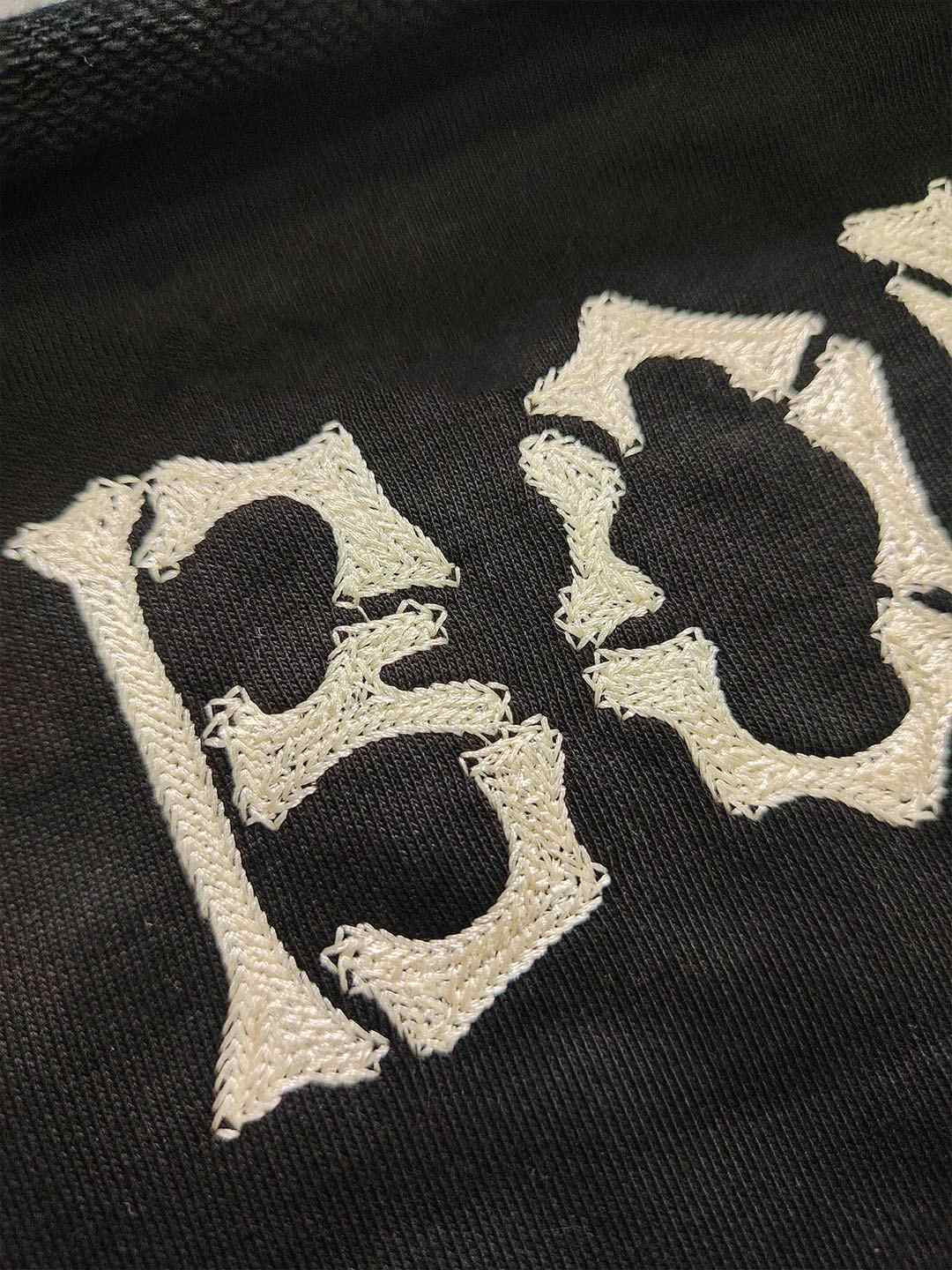
Artisans stitch each sequin individually, achieving unmatched detail and irregularity prized in luxury knitwear. MOQ typically starts at 50–100 pieces; cost is 3–5× machine rates. Durability is highest when knotted properly. Best for couture collections and limited capsules where hand-crafted provenance justifies premium pricing.
Single-Head Machine Embroidery
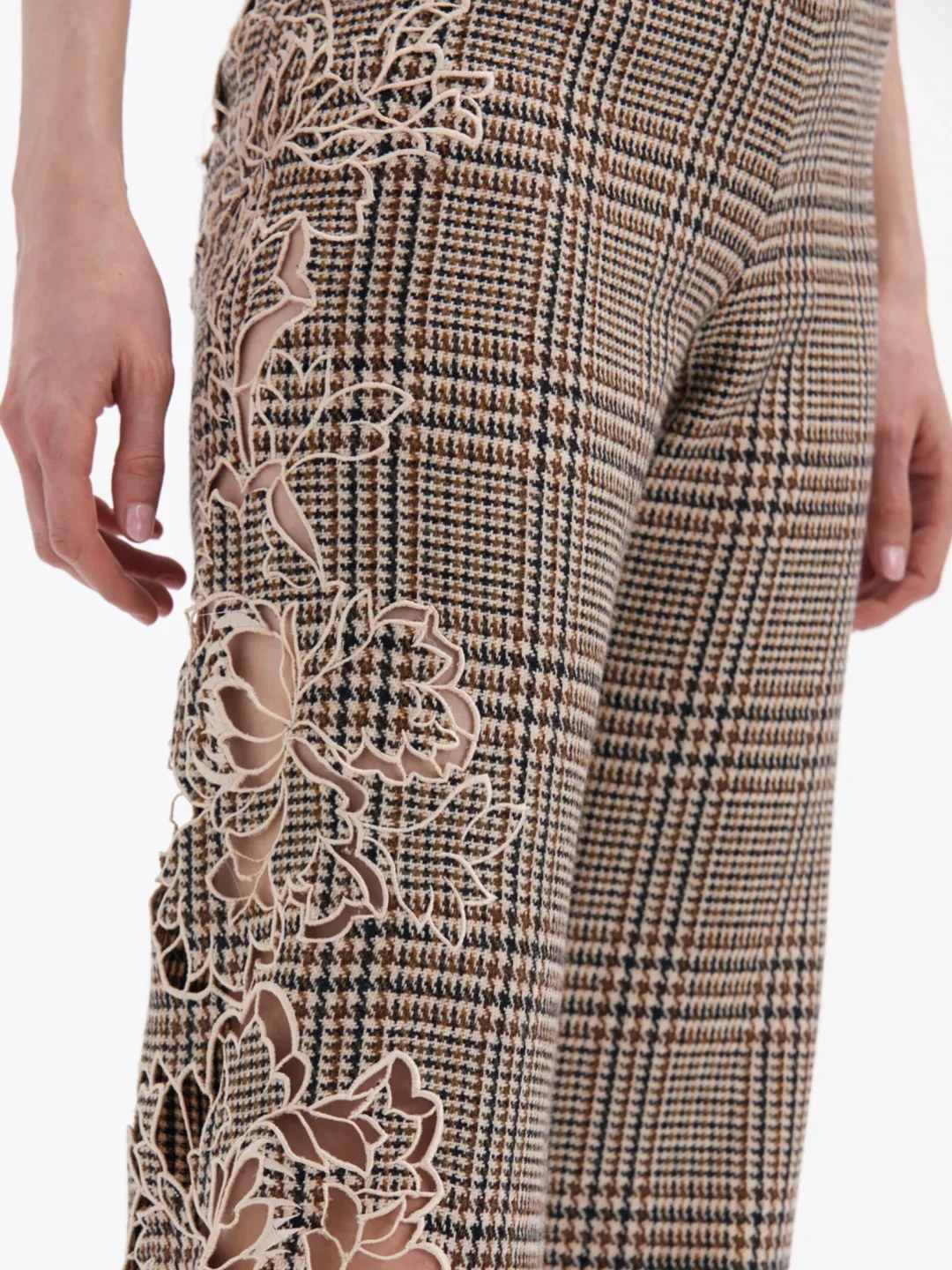
One computerized head applies sequins at 600–800 stitches per minute, ideal for sampling and short runs of 100–500 pieces. Cost sits mid-tier; durability matches multi-head output. Perfect for independent designers testing designs before scaling or influencer drops requiring fast turnaround without bulk commitment.
Multi-Head Machine Embroidery
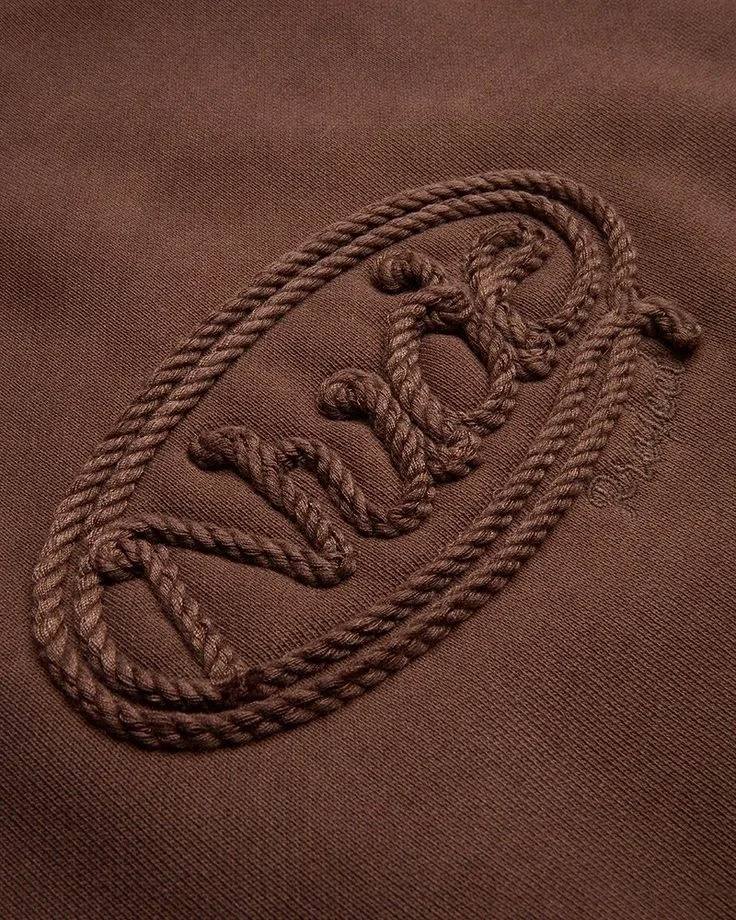
Six to twelve heads run simultaneously, delivering consistent sequin placement across thousands of garments. MOQ from 500 pieces; cost per piece drops 40–60% versus single-head. Durability is excellent with lock-stitch backing. The backbone of fast-fashion and wholesale programs demanding repeatable quality at volume.
Chenille Sequin Embroidery
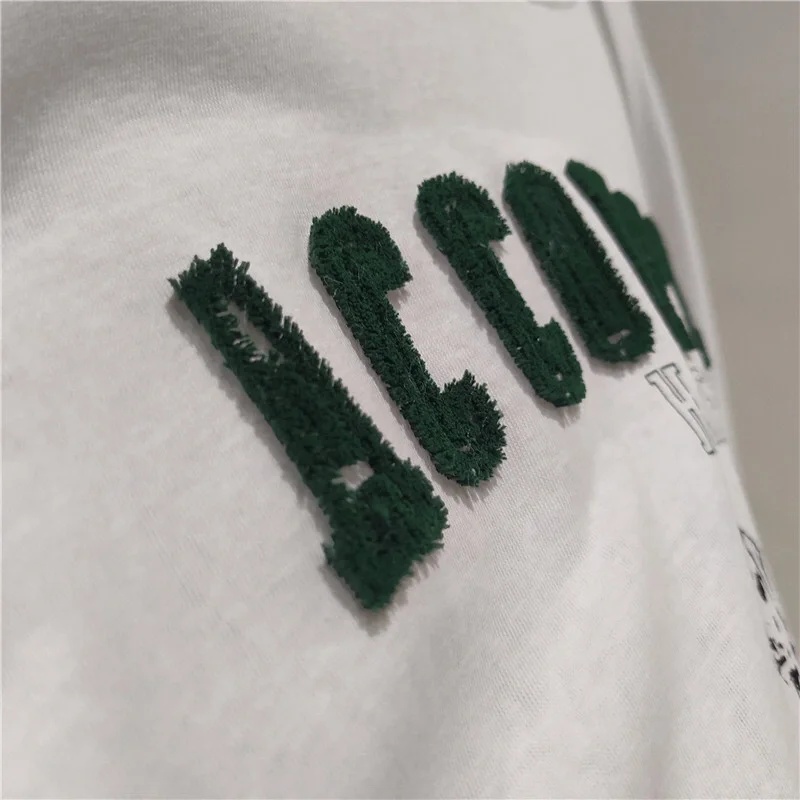
Combines raised chenille yarn with flat sequins for dimensional texture popular in varsity and retro styles. MOQ typically 300–500 pieces; cost 20–30% above flat sequin work. Best for streetwear and collegiate collections where tactile contrast drives brand identity.
Laser-Cut Sequin Appliqué
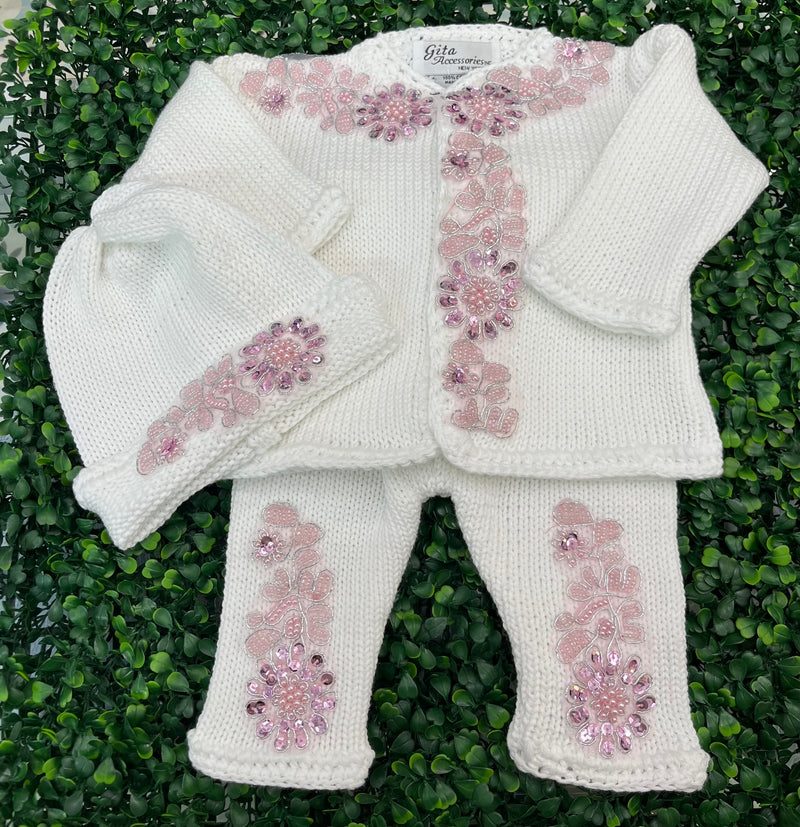
Pre-cut geometric sequin shapes are heat-bonded or stitched onto knitwear, enabling sharp edges and modern minimalism. MOQ 200+ pieces; mid-tier cost. Durability depends on adhesive quality. Ideal for contemporary brands prioritizing clean lines and fast production cycles over traditional hand-feel.
4. Materials and Fabrics for Sequin Embroidery
Sequin embroidery performance depends on matching sequin material to base fabric. PVC, PET, metal, holographic, and matte sequins each bring distinct weight, washability, and color-fastness profiles that interact differently with merino wool, cotton blends, acrylic, and cashmere knit structures.
| Fabric Type | Best Sequin Material | Durability | Care | Cost Impact |
|---|---|---|---|---|
| Merino wool | PET, matte | High | Hand wash, low heat | +20–30% |
| Cotton blend | PVC, PET, holographic | Medium-high | Machine gentle, air dry | +15–25% |
| Acrylic | PVC, metal | Medium | Machine warm, tumble low | +10–20% |
| Cashmere | PET, matte | High | Dry clean only | +30–40% |
Sequin Material Properties
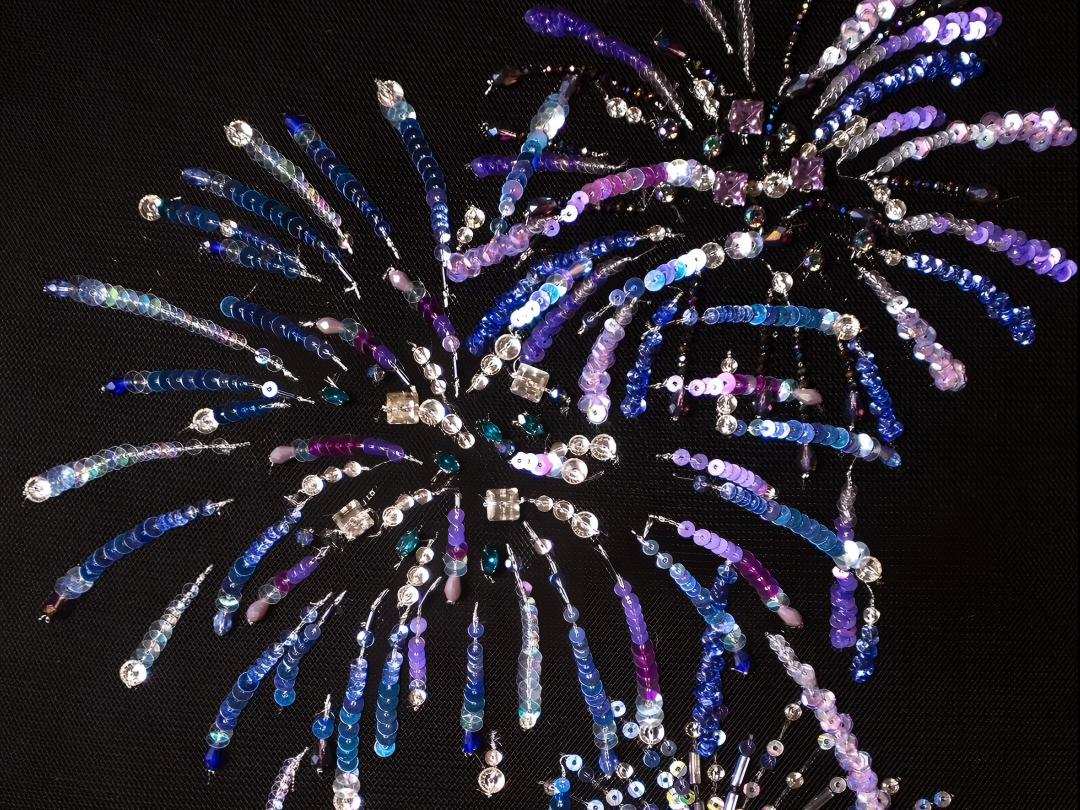
PVC sequins are lightweight and cost-effective but fade faster under UV and repeated washing. PET (polyester) sequins offer superior color-fastness and resist cracking, making them ideal for garments requiring frequent laundering. Metal sequins deliver premium shimmer yet add weight—typically 15–25 g/m² more than PVC—and require gentler care to prevent tarnish. Holographic and matte finishes are usually PET-based, balancing visual impact with durability.
Base Fabric Compatibility
Tighter knit structures—1×1 rib, 2×2 rib, and cable—anchor sequin stitches securely, minimizing thread pull-through. Single jersey and looser gauges (3GG–5GG) risk distortion under sequin weight unless stabilized with backing. Merino wool and cashmere require lower tension and finer needles to avoid fiber damage. Cotton blends and acrylic tolerate higher stitch density, supporting denser sequin coverage without puckering.
5. Customization Options for Sequin Embroidery
Translating a design concept into a factory-ready spec sheet requires clarity on six core variables: sequin size, shape, color, density, placement, and backing treatment. CENWILD’s sequin embroidery capabilities span 3mm accent sequins to 15mm statement pieces, with each parameter affecting both visual impact and production complexity.
| Customization Level | Setup Cost Impact | Lead-Time Addition |
|---|---|---|
| Standard sequin (6mm round, solid) | Baseline | +1–2 days |
| Custom shape or iridescent | +15–25% | +2–3 days |
| Full-coverage or die-cut | +30–50% | +4–5 days |
Sequin Size, Shape, and Color Choices
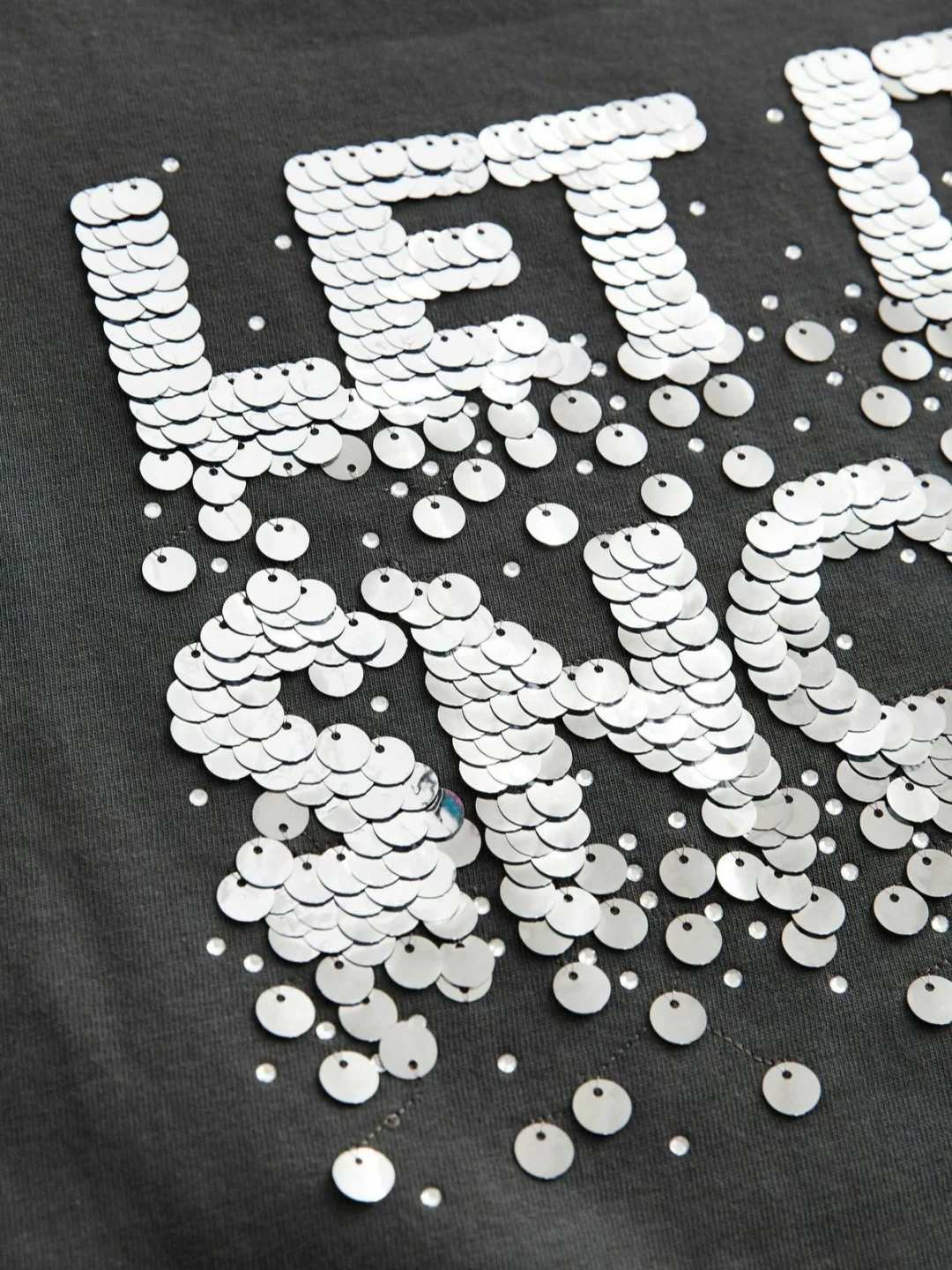
Standard sequin diameters range from 3mm (fine detail, logo work) through 6mm (most common) to 15mm (bold statement pieces). Shapes include round, square, star, heart, and custom die-cut forms for brand-specific motifs.
Color options cover solid Pantone-matched hues, iridescent finishes that shift under light, and metallic gold, silver, or holographic effects. Thread color can match sequins for seamless integration or contrast for graphic punch.
Density and Placement Strategies
Density ranges from sparse accent (logo corner, cuff detail) to full coverage (all-over yoke or sleeve). Sparse layouts add 1–2 days to sampling; full coverage may require reinforced backing and extend sampling by 3–5 days.
Placement options include chest logo (most common), all-over pattern, sleeve stripe, hem band, or custom coordinate mapping from your tech pack. Clear vector artwork or stitch-count specs ensure accurate digitization.
Backing Stabilizers and Stitch Patterns
Knitwear stretch demands tear-away or cut-away stabilizer behind sequin zones to prevent puckering. CENWILD selects stabilizer weight based on fabric gauge and sequin density.
Stitch patterns—chain, moss, or vermicelli—lock sequins while accommodating knit flex. Heavier sequin loads require denser underlay stitching, adding 10–15% to embroidery time but ensuring durability through wash cycles.
6. Quality Benchmarks for Sequin Embroidery on Knitwear
Quality sequin embroidery hinges on attachment security, fabric integrity, and finish consistency. Pre-production sample inspection catches defects before bulk runs, saving brands from costly rejections and customer returns.
Non-Negotiable Quality Markers
Secure sequin attachment means no loose threads after five home washes at 30°C. Even tension across the design prevents puckering or fabric distortion, especially critical on stretch knits. Clean thread trimming eliminates loose ends, while proper backing fabric or stabilizer protects skin from irritation.
Colorfastness ensures sequins and thread retain vibrancy through repeated wear and laundering. CENWILD tests all sequin embroidery samples for wash stability and color retention before approving bulk production.
- No loose sequins or thread tails after five wash cycles
- Zero puckering or fabric wave along embroidered edges
- Backing layer soft against skin, no rough stabilizer edges
- Sequin color matches Pantone reference under daylight and indoor lighting
Sample Inspection Tests
Stretch the embroidered area gently in all directions; stitches should flex without breaking or distorting the knit base. Wash one sample at 30°C with mild detergent, then air-dry and compare sequin count and thread integrity to the unwashed piece.
View the design under angled light to check shimmer consistency — uneven spacing or missing sequins create dead zones. CENWILD provides knit-down samples with actual production yarn and sequin type, ensuring what you approve matches bulk output.
- Stretch test: no thread snaps or sequin pop-off
- Wash test: count sequins before and after, check for color bleed
- Light-angle test: uniform shimmer with no bald patches
Red Flags in Pre-Production Samples
Glue residue on fabric surface indicates shortcuts that fail in laundering. Uneven sequin spacing or misaligned rows signal programming errors or operator inexperience. Sequins that crack, fade, or lose metallic coating after one wash will fail in customer hands, triggering returns and brand-reputation damage.
- Visible glue marks or stiff adhesive patches
- Irregular gaps between sequins or crooked rows
- Cracked, faded, or tarnished sequins post-wash
7. How to Choose a Sequin Embroidery Manufacturer
Vetting a sequin embroidery partner requires evaluating technical capacity, compliance, and service flexibility. The right manufacturer combines machine infrastructure, material inventory, and responsive communication to support both initial launches and sustained growth.
Technical Capabilities and Equipment
Ask how many sequin embroidery heads the factory operates and whether they stock a range of sequin colors and sizes. A well-equipped facility maintains Pantone-matched sequin inventory and can produce knit-down samples within 7–10 days.
Confirm they stock backing materials — stabilizer and topping — suited to different knit gauges, from 3GG to 14GG. Sample turnaround speed and sequin variety signal production readiness.
Certifications and Compliance
Request OEKO-TEX Standard 100 certification for sequins and threads to ensure chemical safety, especially for children’s knitwear. BSCI or WRAP audits verify ethical labor practices.
Compliance documentation protects your brand reputation and smooths customs clearance in regulated markets across the U.S., EU, and U.K.
MOQ, Payment Terms, and Design Support
Confirm minimum order quantities — 100-piece MOQs enable test runs for emerging brands. Ask about deposit structures: initial orders may require 100%, easing to 30–50% for repeat clients.
Check whether the factory offers design consultation, 3D knit programming, and original stitch development to turn sketches or inspiration images into production-ready tech packs.
8. Common Mistakes When Ordering Sequin Embroidery
Even experienced brands make preventable sequin embroidery mistakes that trigger production delays, quality failures, and customer returns. Six recurring pitfalls account for the majority of complaints received by manufacturers like CENWILD over 28 years of knitwear production.
Underestimating Weight Impact on Drape
Dense sequin embroidery can add 80–150 g/m² to a lightweight knit, causing shoulders to sag and hemlines to distort. Consequence: garments lose intended silhouette and fit inconsistently across sizes.
Fix: request a knit-down sample with full sequin placement before bulk production. Adjust base fabric GSM or switch to smaller, lighter sequins if drape suffers.
Skipping Wash Testing
Sequins that survive embroidery may detach after one or two wash cycles if backing thread or adhesive is substandard. Consequence: customer returns spike within weeks of launch.
Fix: specify a minimum three-cycle wash test (40°C gentle, tumble dry low) on pre-production samples and review photographic evidence of sequin retention.
Choosing Incompatible Sequins for Base Fabric
Metal sequins on delicate merino or mohair can snag fibers during wear; rigid PVC sequins crack on high-stretch ribs. Consequence: garment damage and negative reviews.
Fix: match sequin material to fabric stretch and fiber type—PET film for high-stretch knits, lightweight plastic for fine-gauge cashmere.
Ignoring Backing Quality
Thin or missing backing fabric leaves sequin stitches exposed on the garment interior, causing skin irritation and thread breakage. Consequence: quality complaints and reduced wear comfort.
Fix: specify a soft tricot or non-woven backing for all sequin embroidery areas and inspect interior finish on approval samples.
Failing to Specify Thread Color
Default polyester thread may contrast visibly with sequin color, creating a cheap appearance. Consequence: the embroidery looks amateurish under retail lighting.
Fix: provide Pantone or physical thread references matched to sequin hue, or request invisible monofilament thread for multi-color designs.
Not Budgeting for Design Adjustments
Complex sequin patterns often require stitch-density tweaks or repositioning after the first sample to avoid puckering. Consequence: timeline slips and unexpected revision costs.
Fix: allocate two to three weeks and a 10–15% contingency budget for design iteration between initial sample and bulk approval.
9. Pricing and Cost Factors for Sequin Embroidery
Sequin embroidery pricing begins at $3–$8 per garment for 100-piece orders with moderate design density, scaling to $1.50–$4 per piece at 1,000+ units as setup costs amortize. Digitizing fees range from $30 to $150 depending on stitch count and sequin placement complexity; CENWILD includes this in full-service development for orders above 500 pieces.
Cost drivers include sequin grade (PVC vs. PET vs. metallic finishes add $0.20–$0.80 per garment), design complexity (a 5,000-stitch logo costs roughly half that of a 15,000-stitch all-over pattern), and fabric weight — heavier knits like 12GG cable sweaters require reinforced backing and slower machine speeds, adding 15–25% to labor. Multi-head machines deliver the lowest per-piece cost at volume but carry higher setup; hand-sewn work suits ultra-premium capsules under 50 units.
Optimize by consolidating colorways, limiting sequin changes per design, and choosing standard 4 mm or 6 mm sequins over custom shapes.
| Order Quantity | Per-Garment Cost | Setup / Digitizing | Lead Time |
|---|---|---|---|
| 100 pieces | $3.00–$8.00 | $80–$150 | 18–25 days |
| 500 pieces | $2.00–$5.00 | $30–$80 (often waived) | 20–28 days |
| 1,000+ pieces | $1.50–$4.00 | Included | 25–35 days |
10. Steps to Launch Your Sequin Embroidery Knitwear Line
Launching a sequin embroidery knitwear line requires a structured roadmap that balances speed, risk mitigation, and quality. The typical end-to-end timeline from concept to first shipment ranges from 8 to 14 weeks, depending on design complexity and manufacturer responsiveness.
Finalize Design and Create Tech Pack
Prepare a complete tech pack specifying sequin type (flat, cupped, holographic), size (3mm–6mm), placement density, attachment method (chain-stitch or moss-stitch), and base fabric (gauge, yarn blend, weight). Include graded measurements, stitch diagrams, and Pantone references for both yarn and sequins.
Timeline: 1–2 weeks. CENWILD’s design team can convert sketches or reference photos into production-ready specs if you lack in-house pattern expertise.
Request and Evaluate Samples
Submit your tech pack to 2–3 manufacturers and request knit-down samples with actual sequin embroidery. Compare stitch accuracy, sequin retention after light washing, and fabric hand feel.
Timeline: 2–3 weeks per round. Factories with in-house embroidery (like CENWILD) typically deliver faster than those outsourcing decoration.
Conduct Wash and Wear Testing
Run approved samples through 3–5 home wash cycles at 30°C and inspect for sequin loss, thread breakage, and fabric pilling. Test inside-out washing and air-dry only.
Timeline: 1 week. Document any failures and request corrective samples before bulk commitment.
Negotiate MOQ and Payment Terms
Confirm minimum order quantity (CENWILD starts at 100 pieces per style), deposit structure (typically 100% first order, easing to 30% for repeat clients), and payment methods (T/T, PayPal, credit card).
Timeline: 3–5 days. Clarify lead time, shipping terms (FOB vs DDP), and inspection windows before signing.
Place Pilot Order and Inspect Quality
Order your minimum quantity and request pre-shipment photos or third-party inspection. Check sequin alignment, color consistency across pieces, and packaging.
Timeline: 3–5 weeks production plus 1 week QC. Retain 10% balance payment until final approval to maintain leverage.
Scale Production and Plan Reorders
Use sell-through data from your pilot to forecast reorder volumes. Lock in yarn and sequin inventory with your manufacturer to ensure color matching on repeat runs.
Timeline: 2–4 weeks for reorders. Establish a seasonal calendar (Spring/Summer by November, Fall/Winter by May) to align with fashion cycles.
Ready to Add Sequin Embroidery to Your Knitwear?
Partner with CENWILD for custom sequin embroidery on sweaters. 100-piece MOQ, OEM/ODM support, and 28+ years of Dongguan craftsmanship behind every order.