
Cashmere Sweater Manufacturer — Custom Knitwear from 100 Pieces
CENWILD is a trusted cashmere sweater manufacturer in Dongguan, China, offering OEM, ODM, and private label knitwear production with low MOQ, in-house sampling, and 28+ years of expertise serving fashion brands, retailers, and wholesalers worldwide.
Sweater & Knitwear Gallery
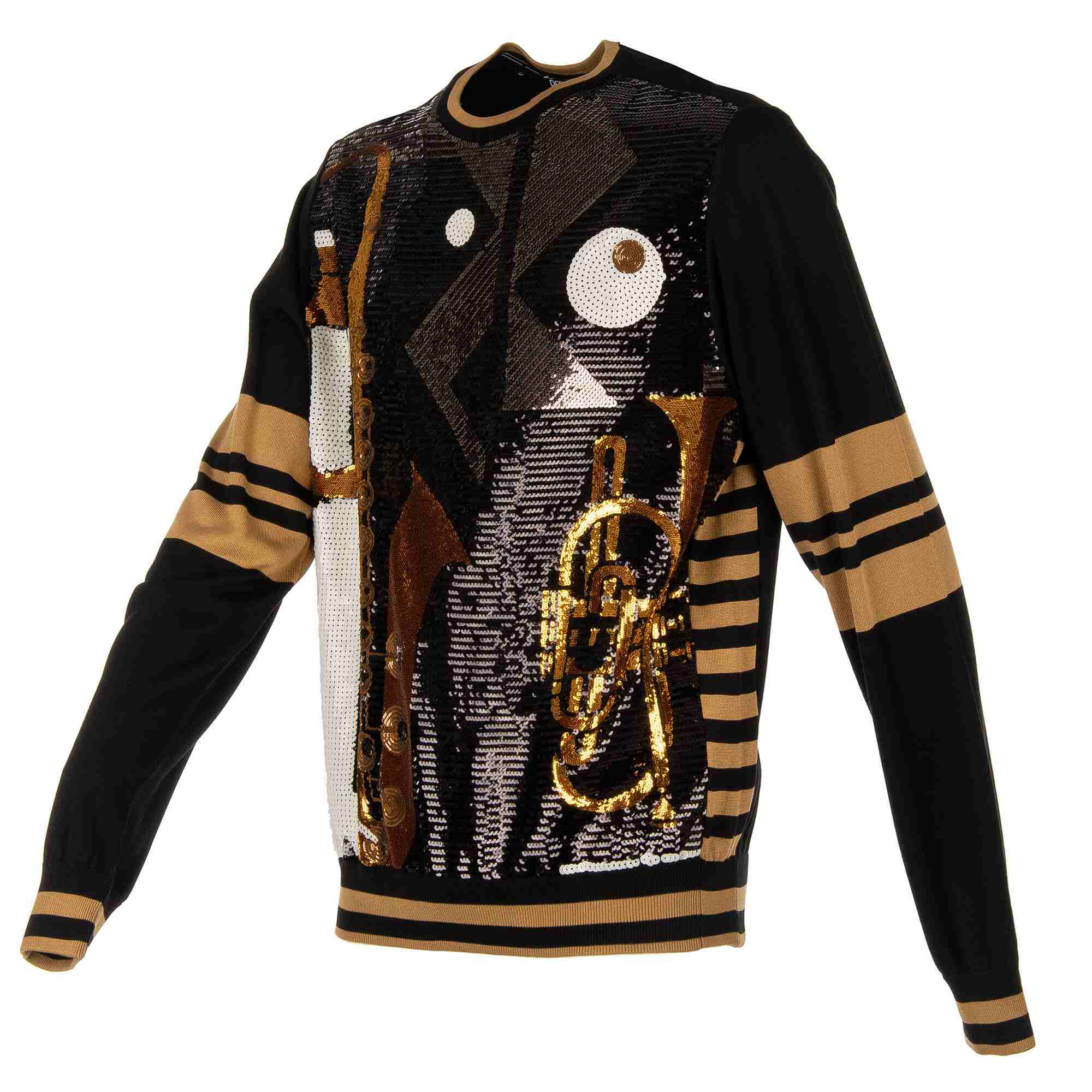
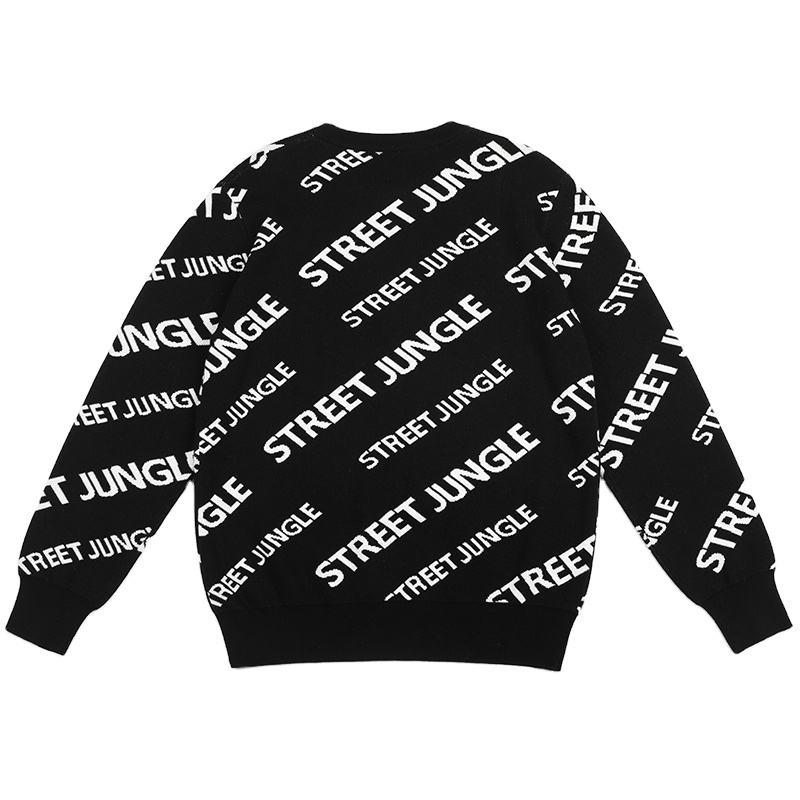
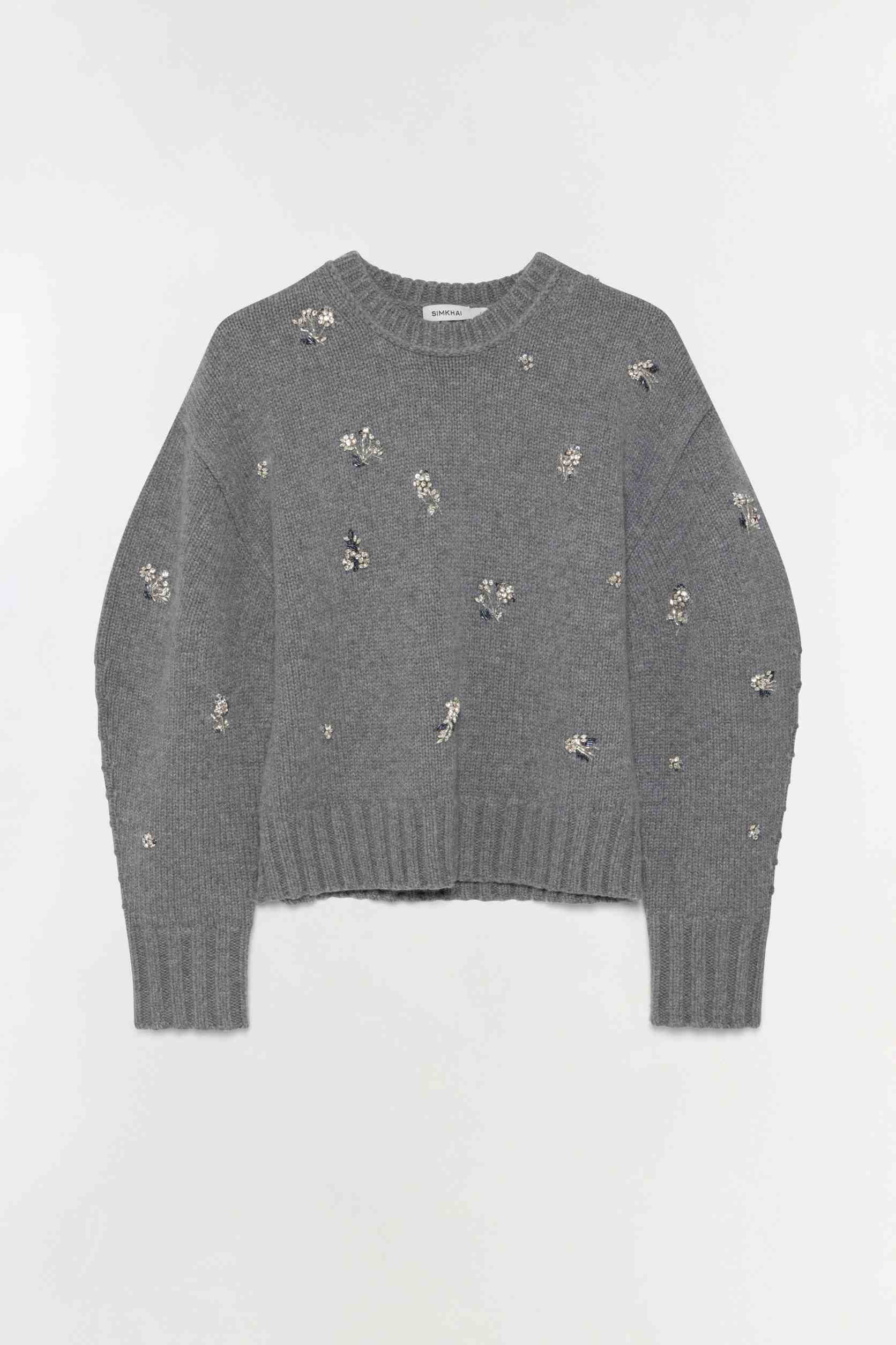
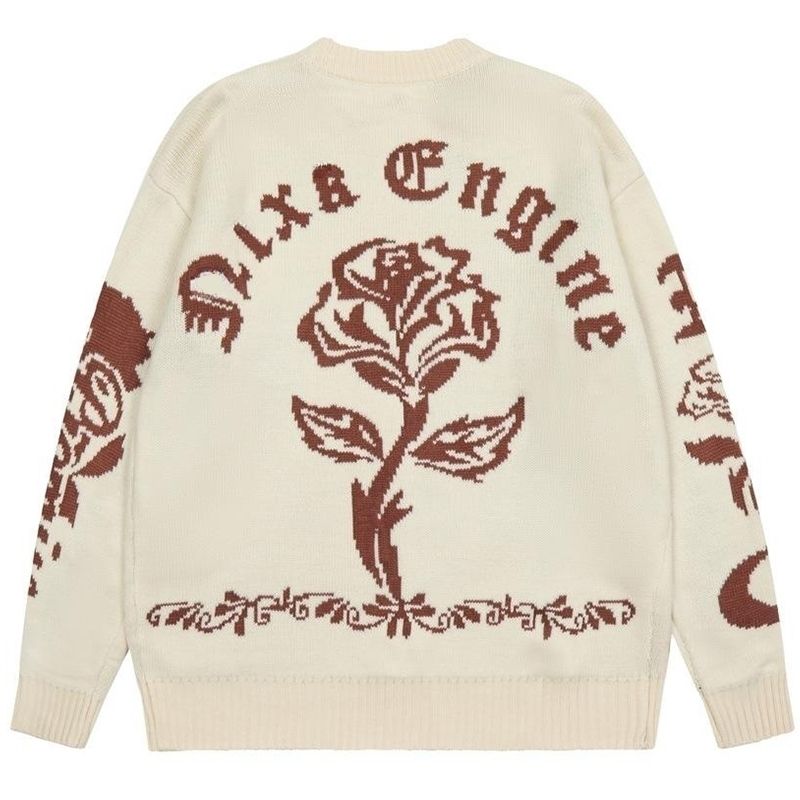
Why Choose CENWILD as Your Cashmere Sweater Manufacturer
Low MOQ from 100 Pieces
Start your cashmere sweater line without massive inventory risk. Flexible production runs designed for emerging brands and independent designers.
28+ Years Dongguan Expertise
Founded in 1998 in Humen, the heart of China’s knitwear industry. Deep manufacturing knowledge refined across nearly three decades.
In-House Knitting & Sampling
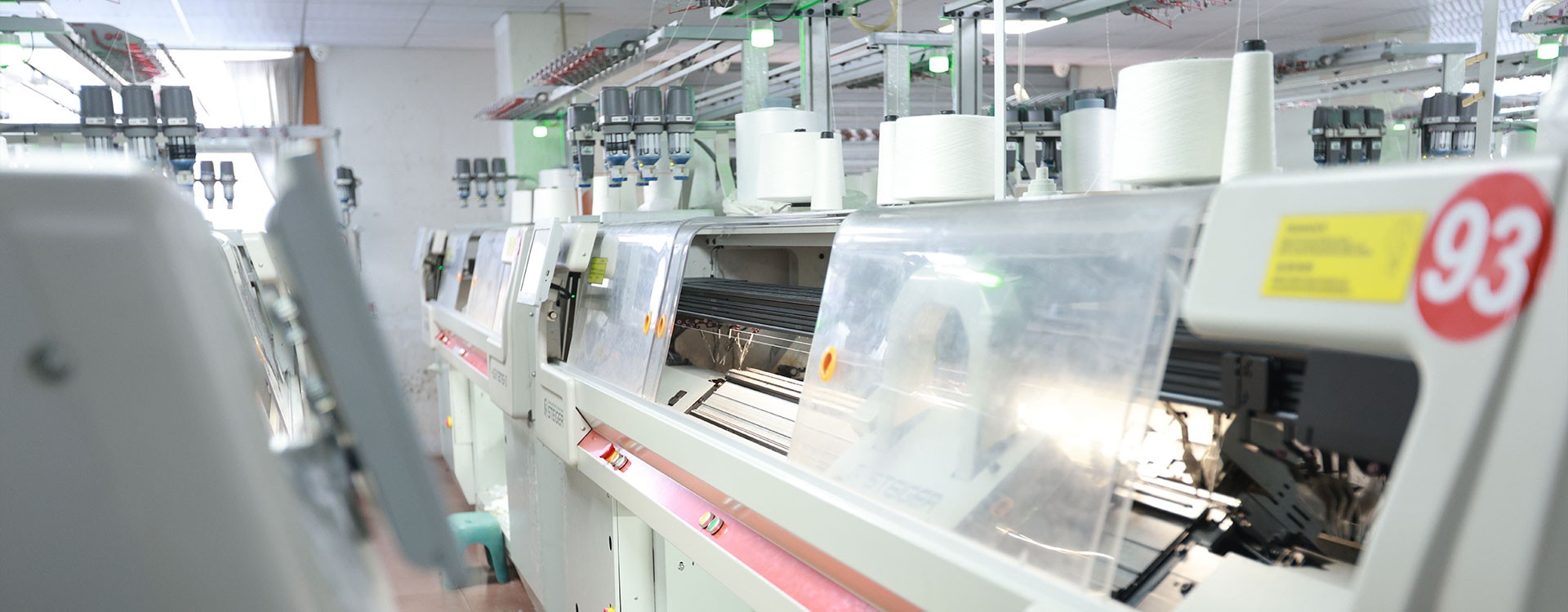
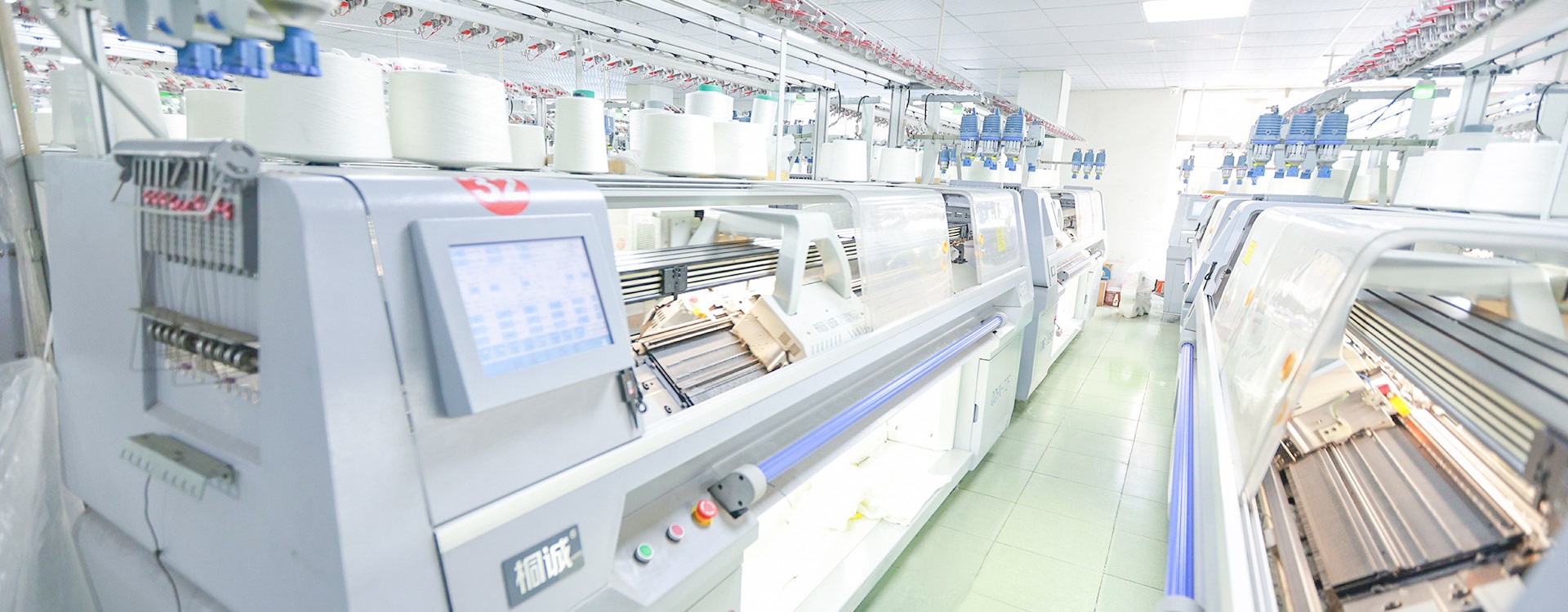
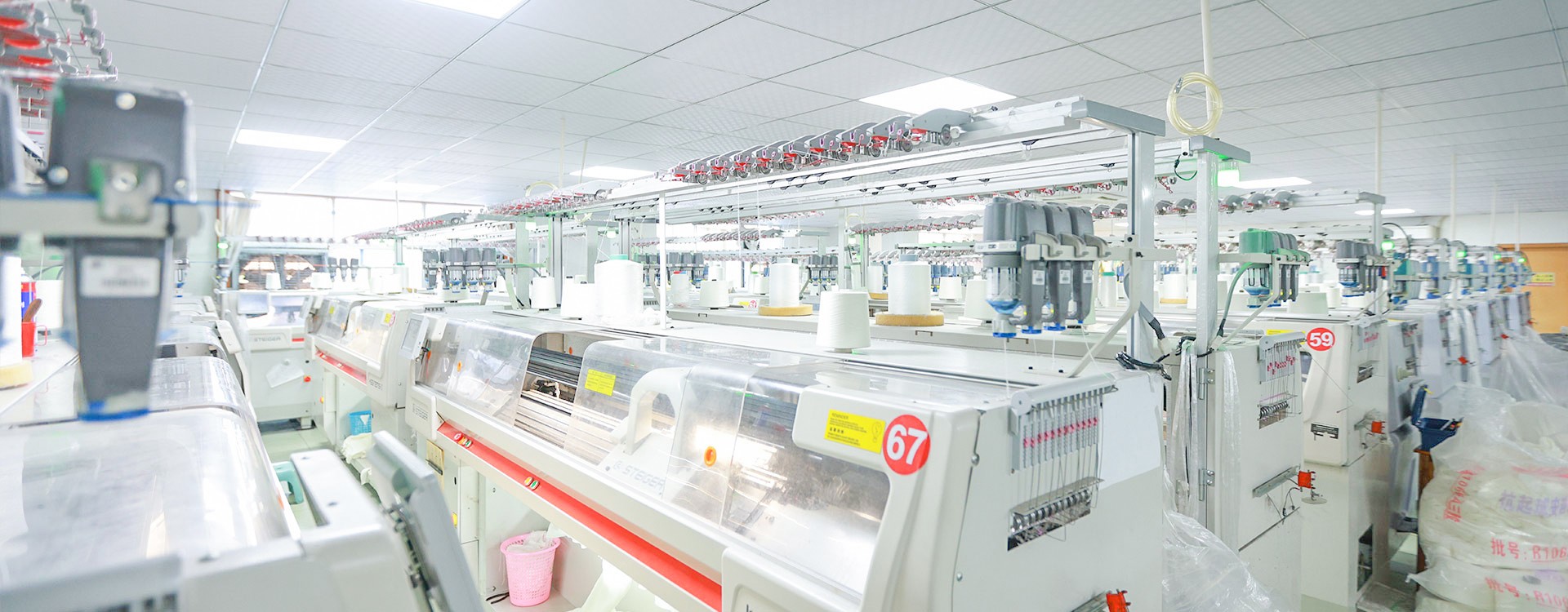
Complete control from yarn to finished garment. 3GG–14GG computerized flat-knitting machines and knit-down sampling under one roof.
Full OEM & ODM Flexibility
Bring your tech pack, a photo, or just an idea. Our design team develops original stitch patterns and production-ready specs.
80,000-Piece Monthly Capacity
Fast turnaround without sacrificing quality. Scalable production backed by over 200 skilled employees and proven workflows.
Trusted by 2,000+ Global Brands
Serving fashion brands, retailers, and wholesalers across the US, Canada, UK, Europe, Australia, Russia, and the Middle East.
Cashmere Product Lines We Manufacture
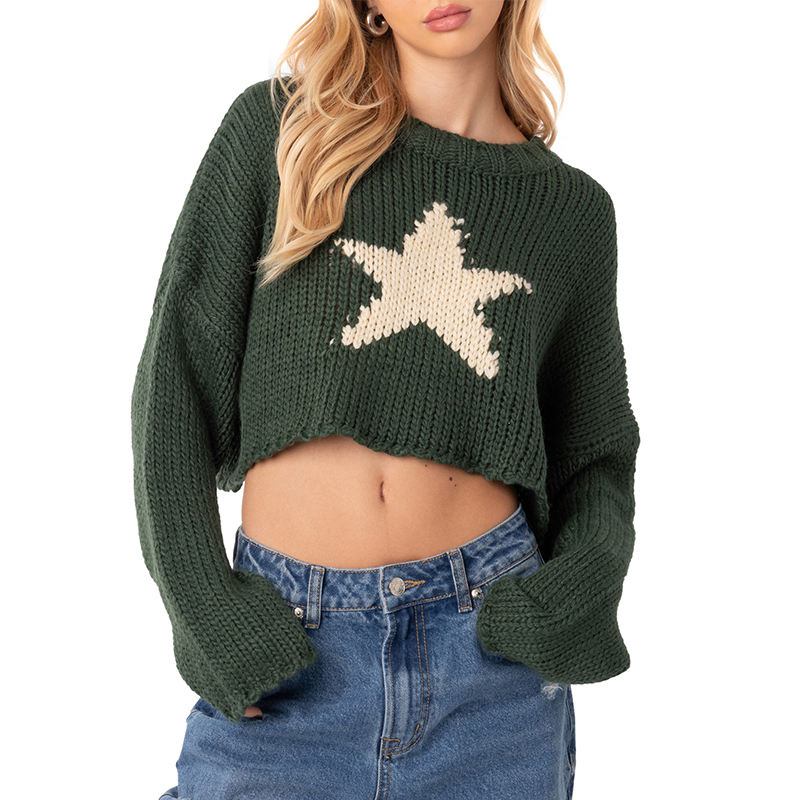
Wholesale Cashmere Sweaters
CENWILD produces wholesale cashmere sweaters in cardigans, pullovers, crewnecks, V-necks, turtlenecks, and sweater vests across 3GG to 14GG gauges. With MOQ from 100 pieces and monthly capacity exceeding 80,000 units, we support retailers, wholesalers, and brands scaling seasonal collections with consistent quality and on-time delivery from our Dongguan facility.
Get a Quote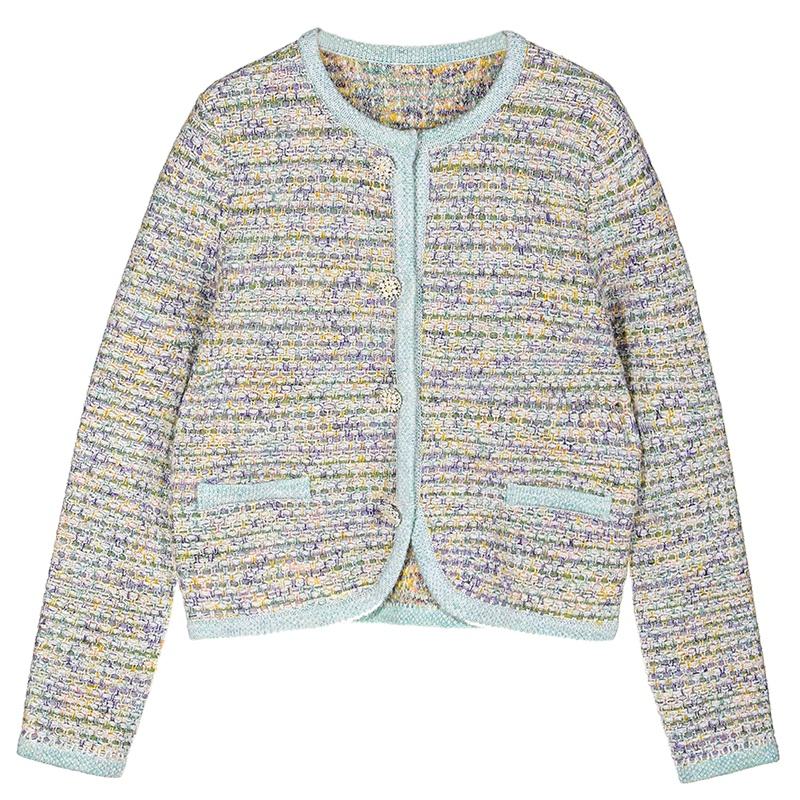
Custom Cashmere Sweater
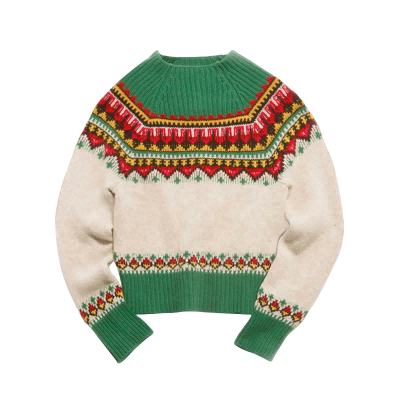
Our custom cashmere sweater service covers design development, stitch programming, and knit-down sampling for original styles. Whether you arrive with a tech pack, reference photo, or concept sketch, our in-house design team engineers fully-fashioned knits, intarsia, jacquard, cable, and pointelle patterns tailored to your brand identity and graded for production.
Get a Quote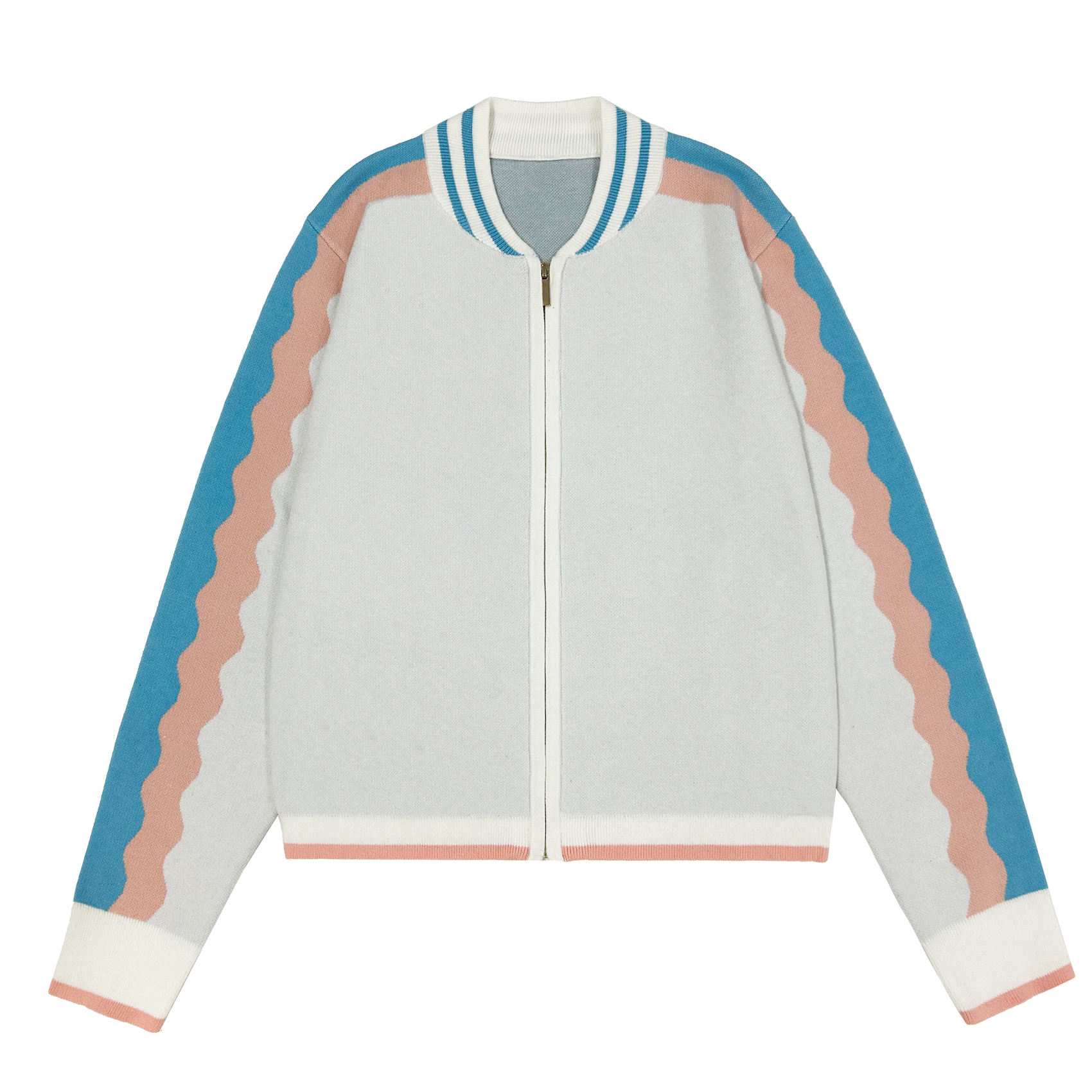
Cashmere Cardigan Manufacturer
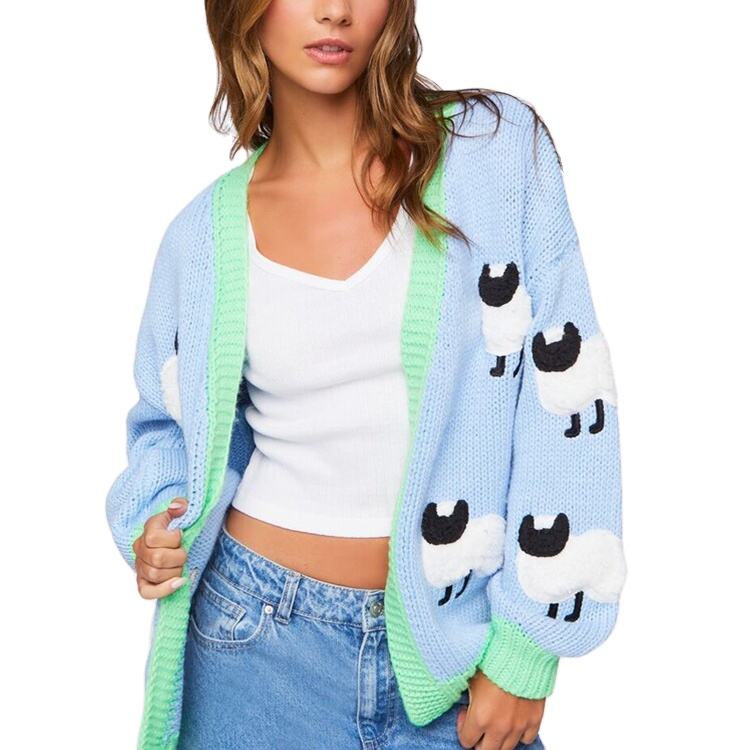
CENWILD manufactures wholesale cashmere cardigans in button-front, open-front, zip, and belted silhouettes for men, women, and children. We handle yarn sourcing, computerized flat-knitting, linking, embroidery, garment washing, and private label packaging. OEM and ODM capabilities let you launch signature custom cardigan styles with as few as 100 pieces per colorway.
Get a Quote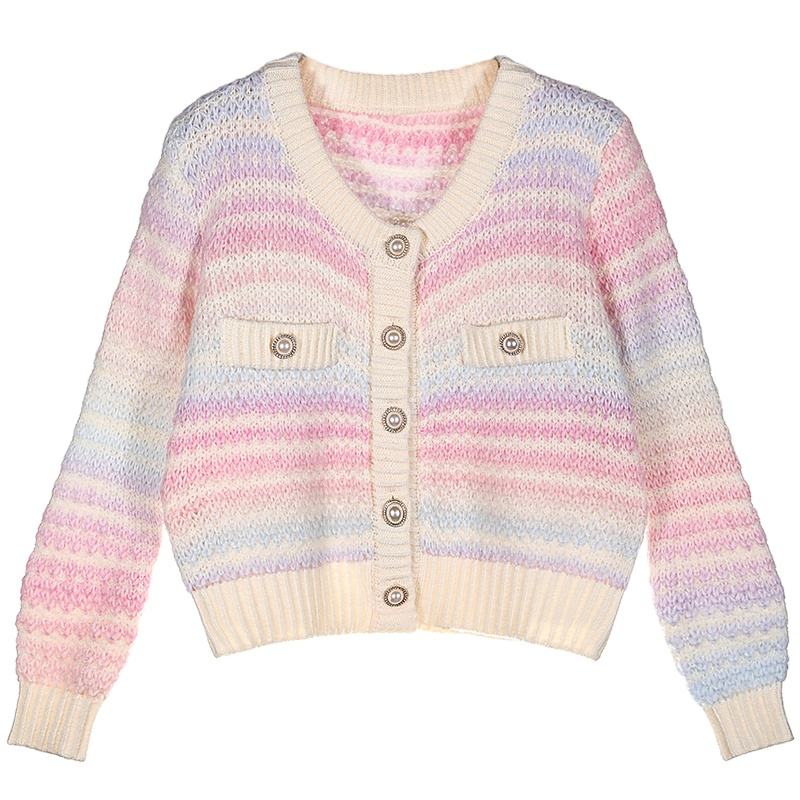
Cashmere Scarves Manufacturer
Beyond sweaters, CENWILD produces cashmere scarves with custom dimensions, fringe finishing, jacquard patterns, and embroidered branding. Leveraging the same 28 years of knitwear expertise and Dongguan supply-chain access, we offer scarf production as a complementary category for brands building cohesive cashmere accessory collections alongside their apparel lines.
Get a Quote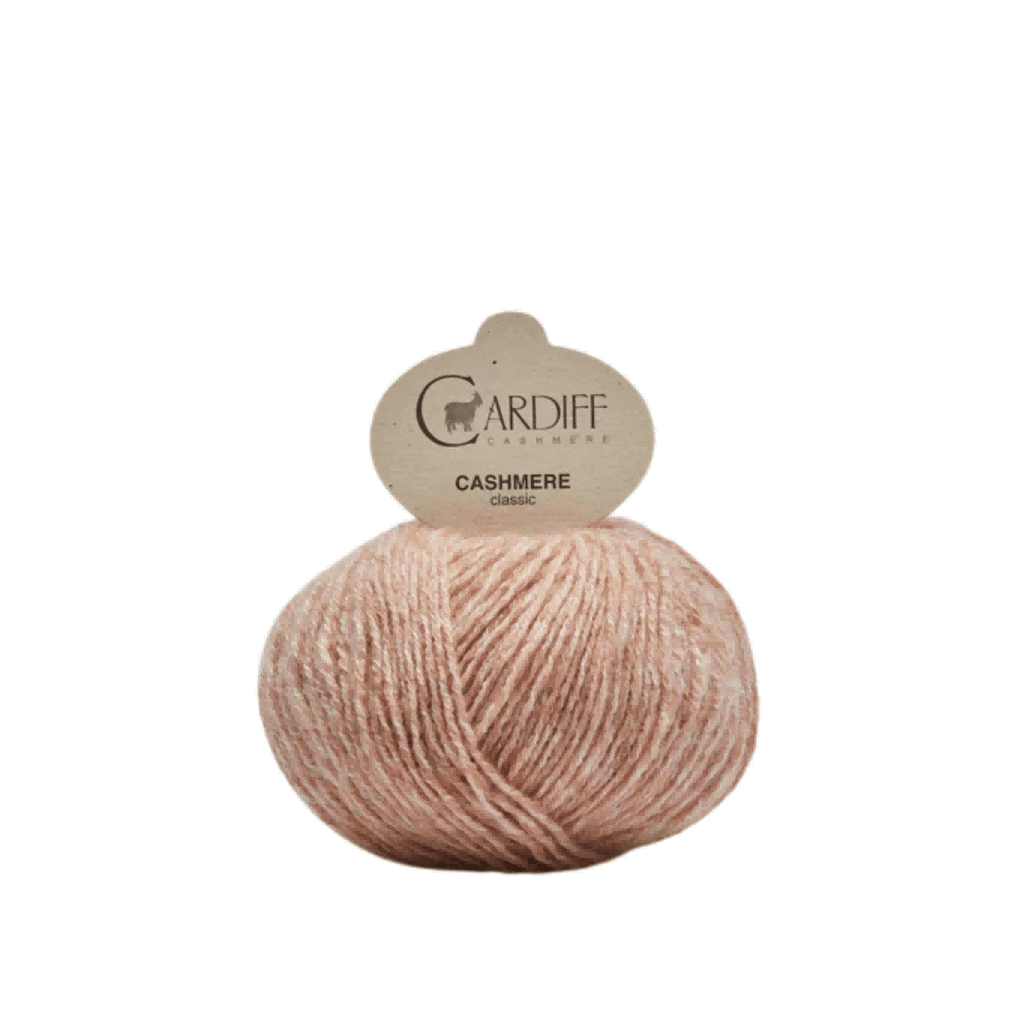
Cashmere Yarn Wholesale
CENWILD sources premium cashmere yarn from Inner Mongolia and other certified mills, available for wholesale purchase or integration into your production orders. We supply 2-ply through 12-ply counts in natural, dyed, and blended compositions, enabling designers and smaller manufacturers to access mill-direct pricing and traceability without intermediary markups.
Get a Quote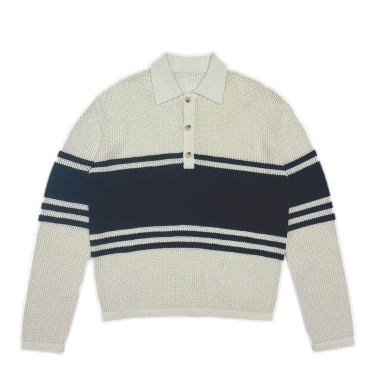
Inner Mongolia Cashmere Manufacturer
Rooted in Dongguan yet connected to Inner Mongolia’s premier cashmere belt, CENWILD bridges raw-fiber origin and finished-garment export. We audit yarn suppliers for fiber length, micron grade, and sustainability certifications, then knit, finish, and ship from our Humen facility—combining Inner Mongolia material heritage with Guangdong manufacturing scale and logistics efficiency.
Get a QuotePremium Fibers & Blends from Your Cashmere Sweater Manufacturer
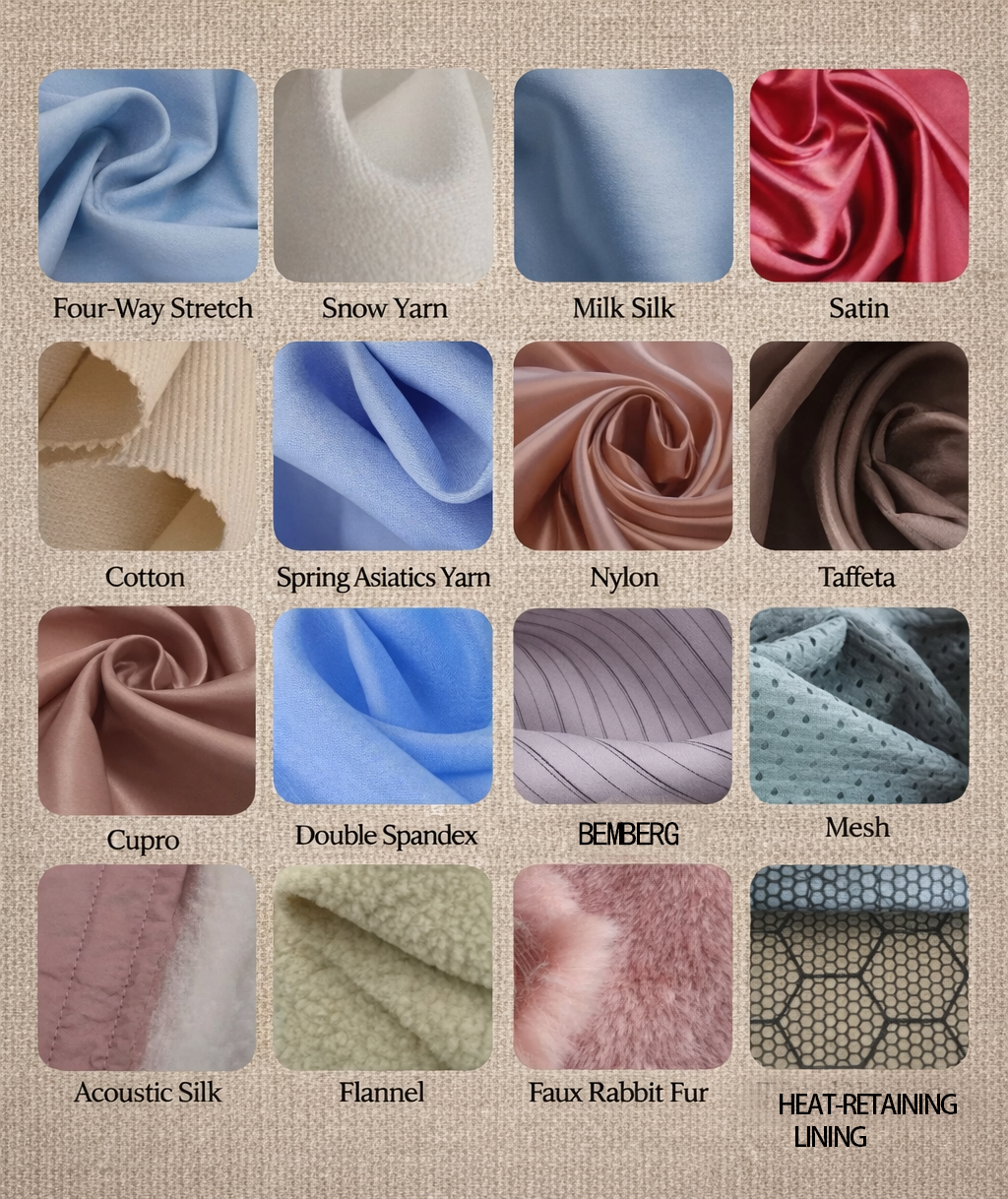
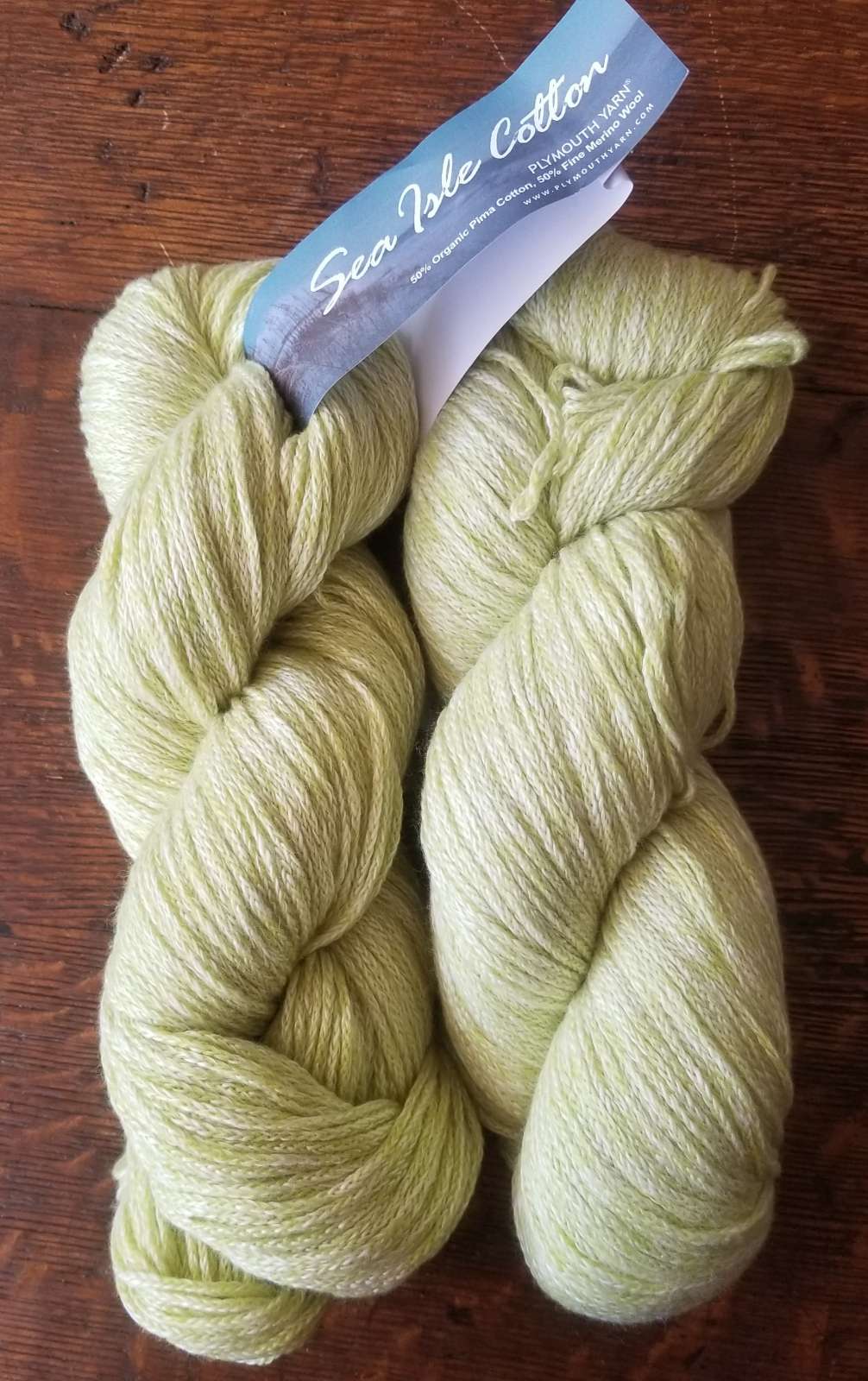
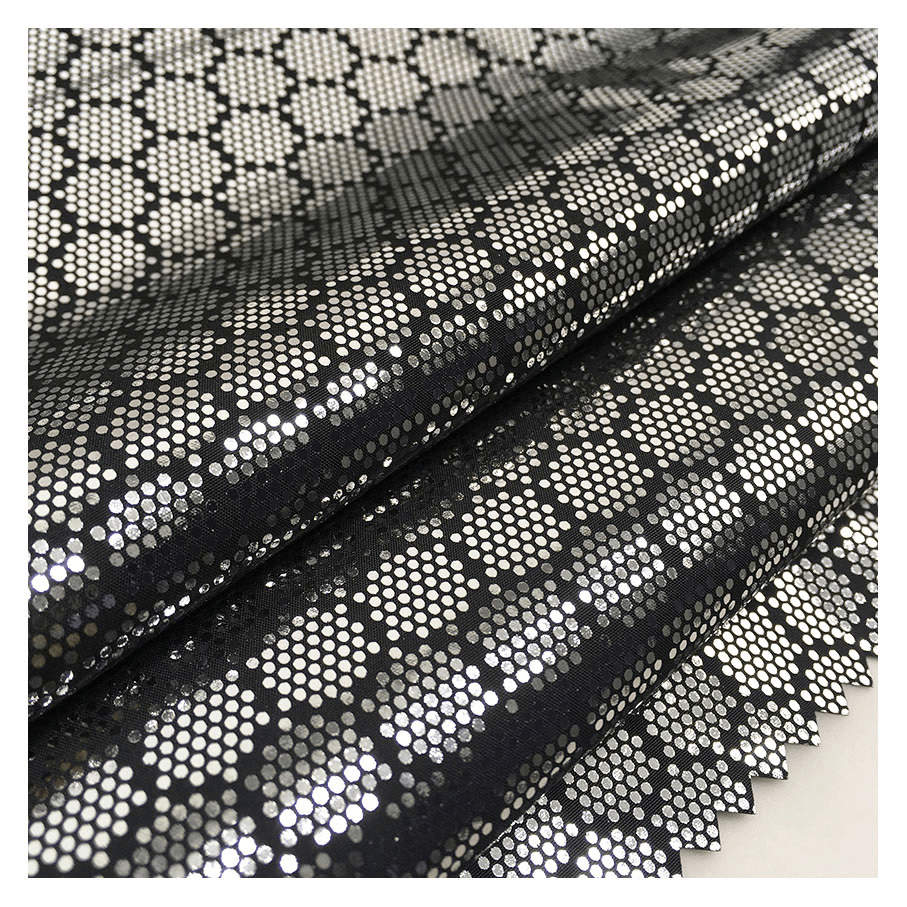
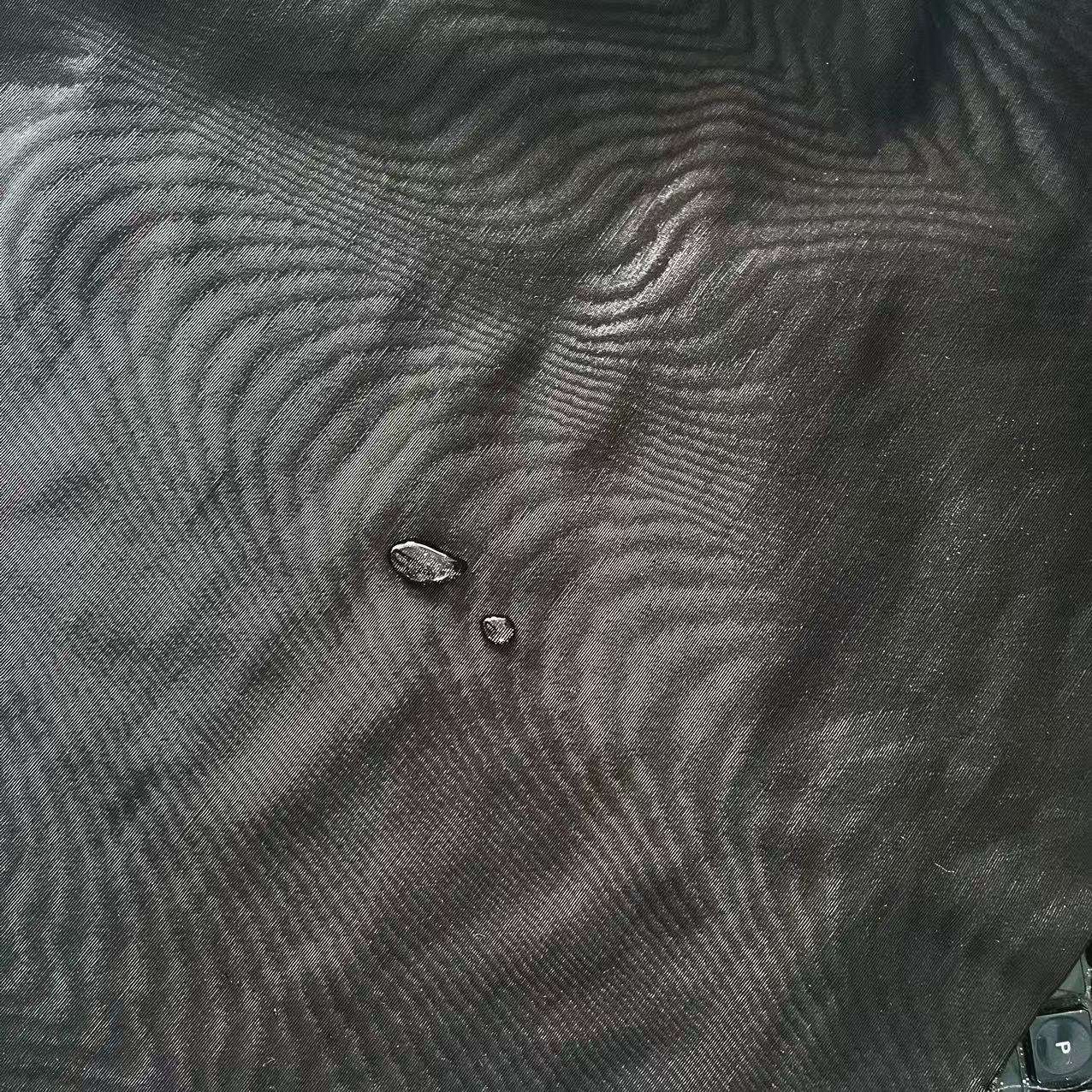
Advanced Knitting Techniques from Your Cashmere Sweater Manufacturer
Decoration & Embellishment Services for Your Cashmere Sweater
Trusted Cashmere Sweater Manufacturer Since 1998
Founded in 1998 in Humen, Dongguan — the heart of China’s knitwear industry — CENWILD began as a small family knitting workshop and has grown into a full-service cashmere sweater manufacturer. Today we operate a 200+ person team, computerized flat-knitting machines across multiple gauges, and deliver over 80,000 pieces monthly to fashion brands worldwide.
Over 28 years we’ve served more than 2,000 brands — from independent designers and influencers to established retailers across North America, Europe, Australia, Russia, and the Middle East. Our OEM, ODM, and private label capabilities, combined with flexible MOQ starting at just 100 pieces, make us the manufacturing backbone for brands at every stage of growth.
We’re guided by four core values: Quality First, Customer Growth, Innovation, and Responsibility. CENWILD isn’t a transactional supplier — we’re your long-term partner in building exceptional knitwear, from the first sketch to final shipment, with in-house design, sampling, production, decoration, and export logistics all under one roof.

Cashmere Sweater Manufacturer with Full In-House Capabilities
Advanced Flat-Knitting Technology
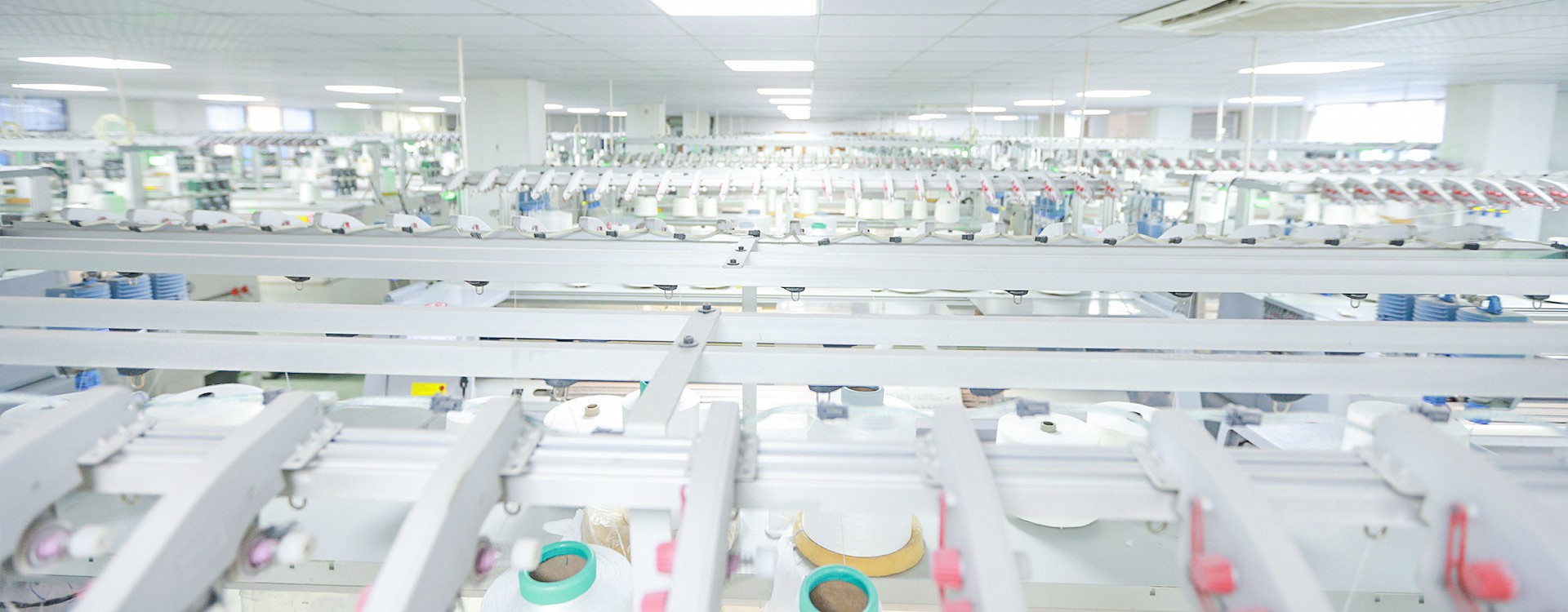
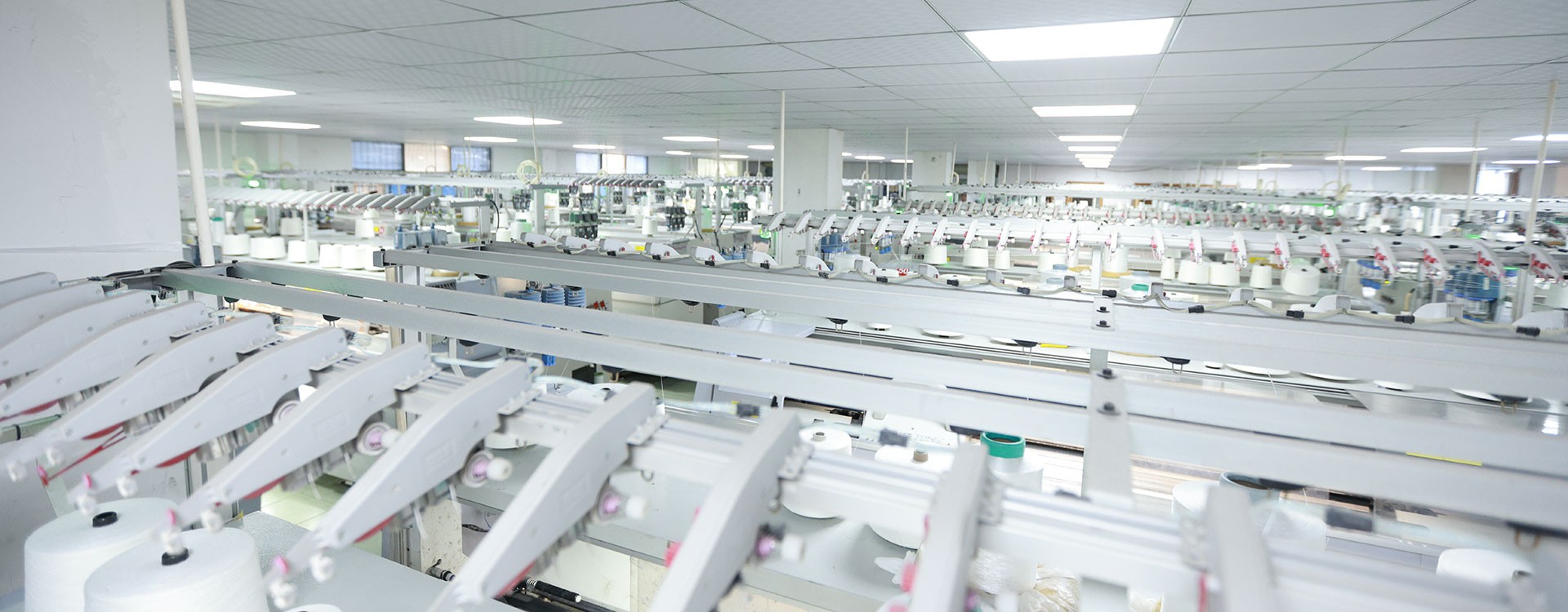
Our factory runs computerized flat-knitting machines across 3GG to 14GG gauges, giving you precise control over weight, drape, and texture for every cashmere sweater style. With over 80,000 pieces monthly capacity, we scale from low-MOQ test orders to full production runs.
- 3GG–14GG gauge range for chunky to ultra-fine cashmere knits
- Computerized machines for intarsia, jacquard, cable, and fully-fashioned techniques
- 80,000+ piece monthly capacity with consistent quality
- In-house 3D knit programming and grading for every size
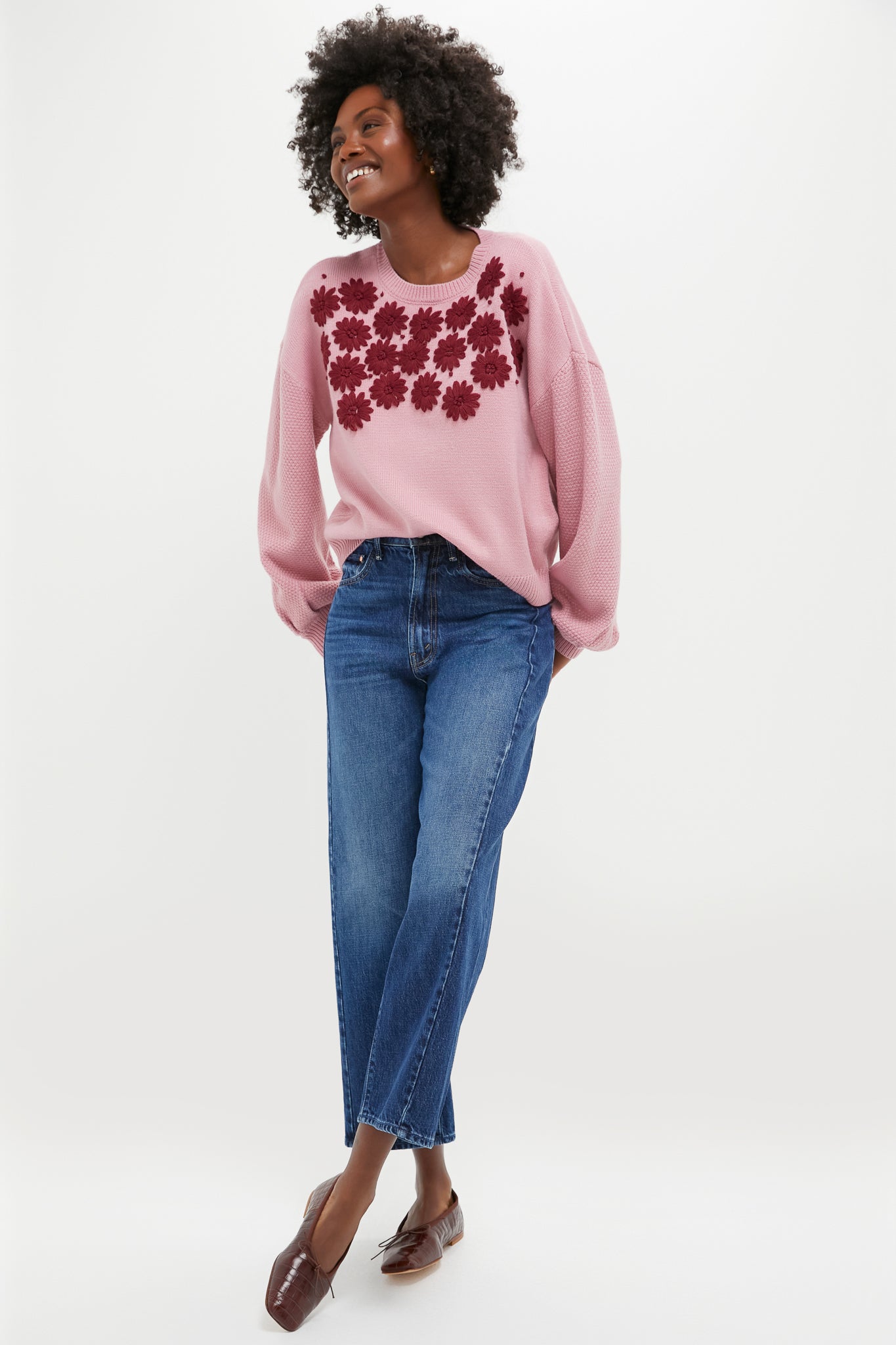
Rapid Sampling & Design Development
From concept to knit-down sample in days, not weeks. Our dedicated design team transforms your sketch, photo, or idea into production-ready tech packs, original stitch patterns, and physical swatches — so you validate fit, hand-feel, and color before committing to bulk.
- Knit-down samples from your tech pack, sketch, or reference image
- Original stitch design and 3D knit programming by our in-house team
- Fast turnaround to accelerate your go-to-market timeline
- Grading and fit adjustments included in development phase
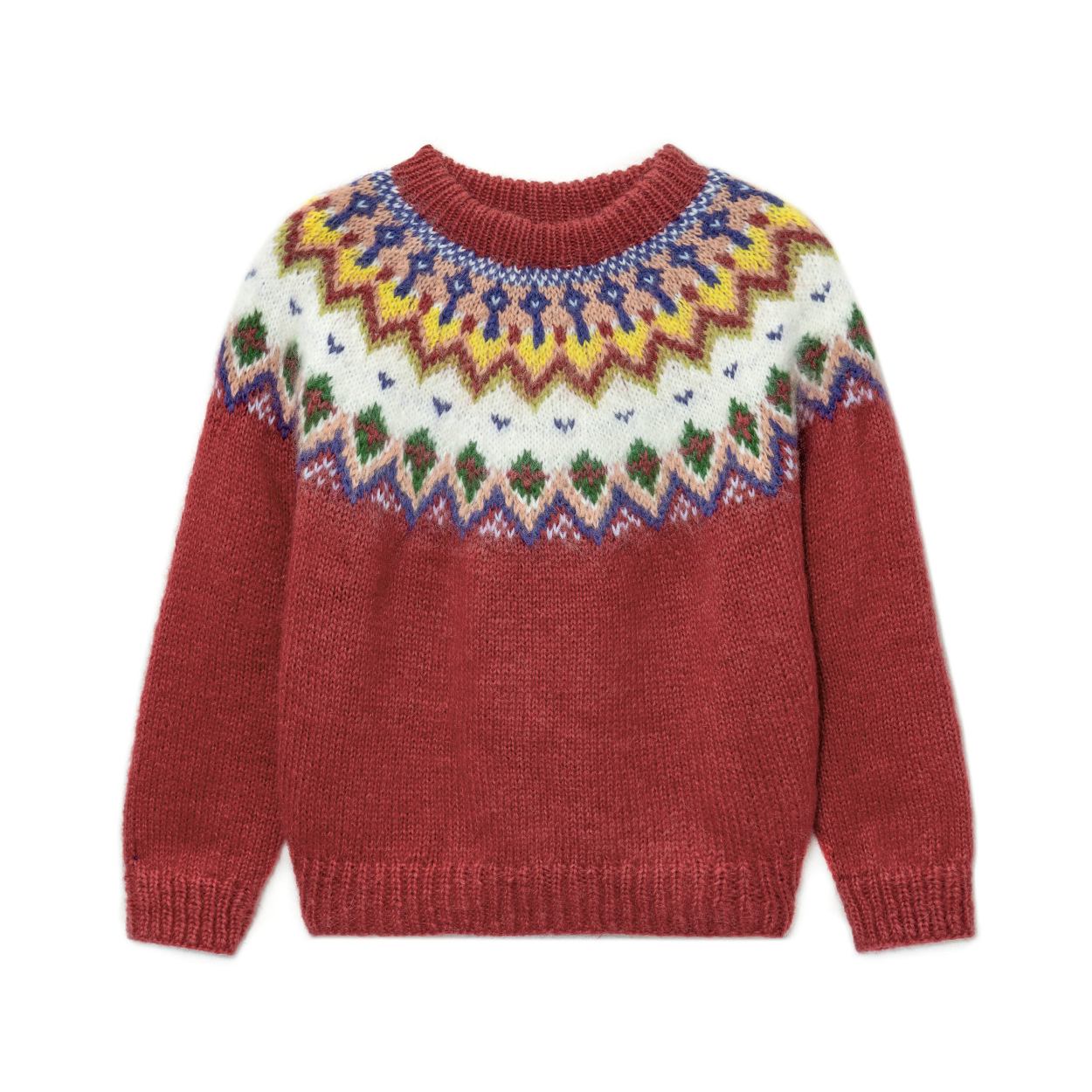
Complete Decoration & Embellishment Suite
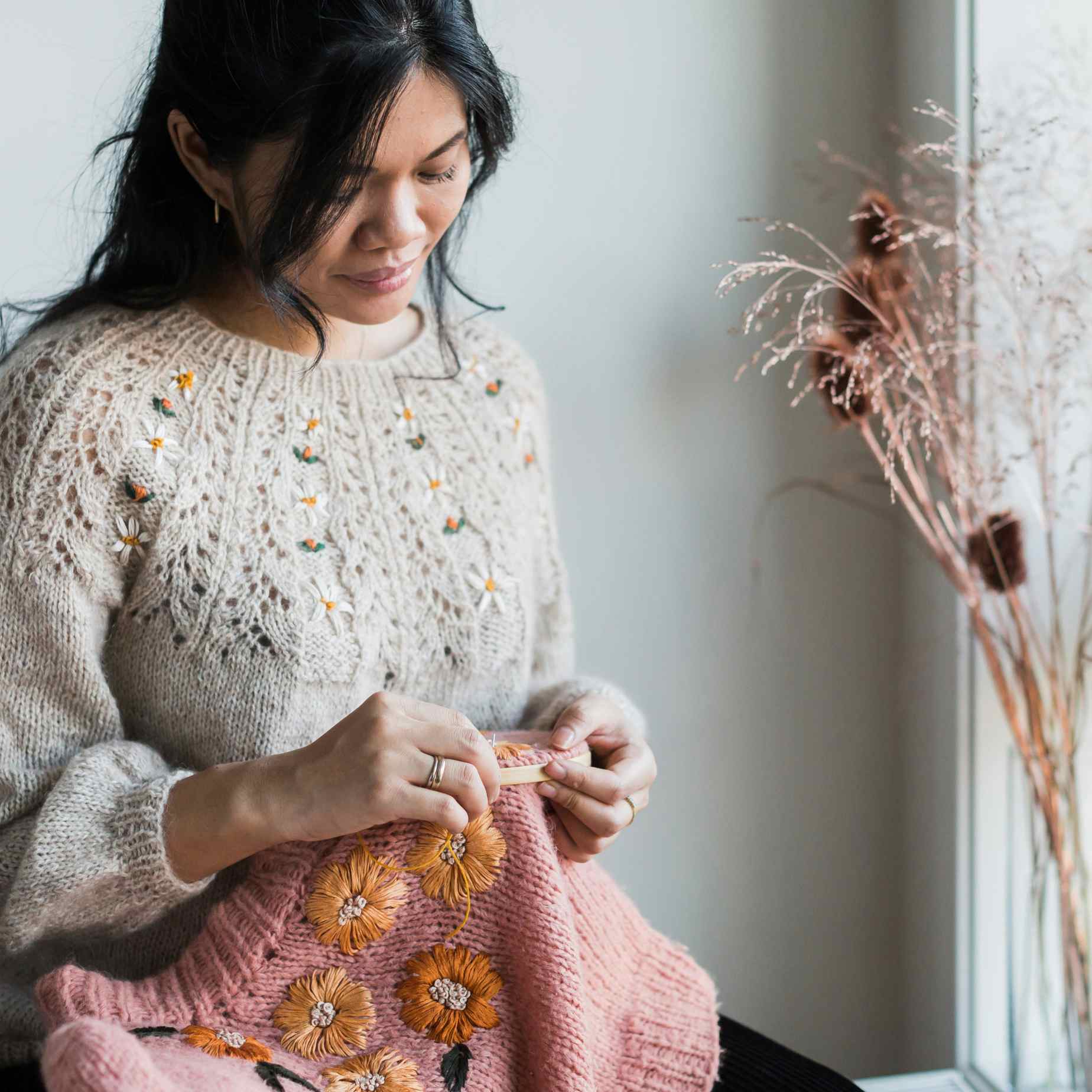
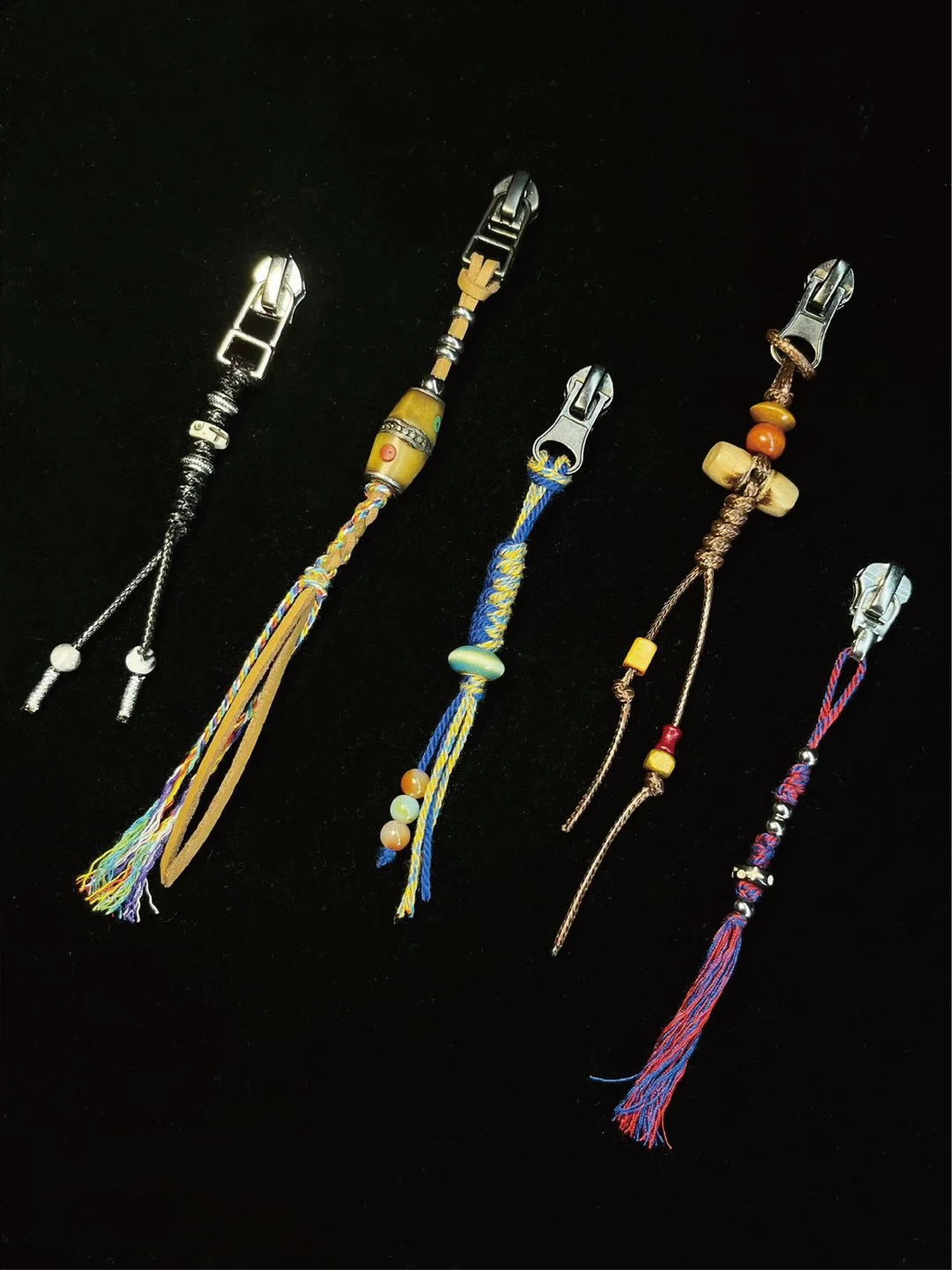
Elevate your cashmere sweaters with embroidery, printing, appliqué, sequins, patches, and custom trims — all executed in-house. Whether you need a subtle logo or bold graphic statement, our decoration capabilities let you differentiate every piece without managing multiple vendors.
- Embroidery: flat, 3D puff, chain-stitch, appliqué, sequin, and logo patches
- Printing: screen, heat transfer, DTF, and sublimation
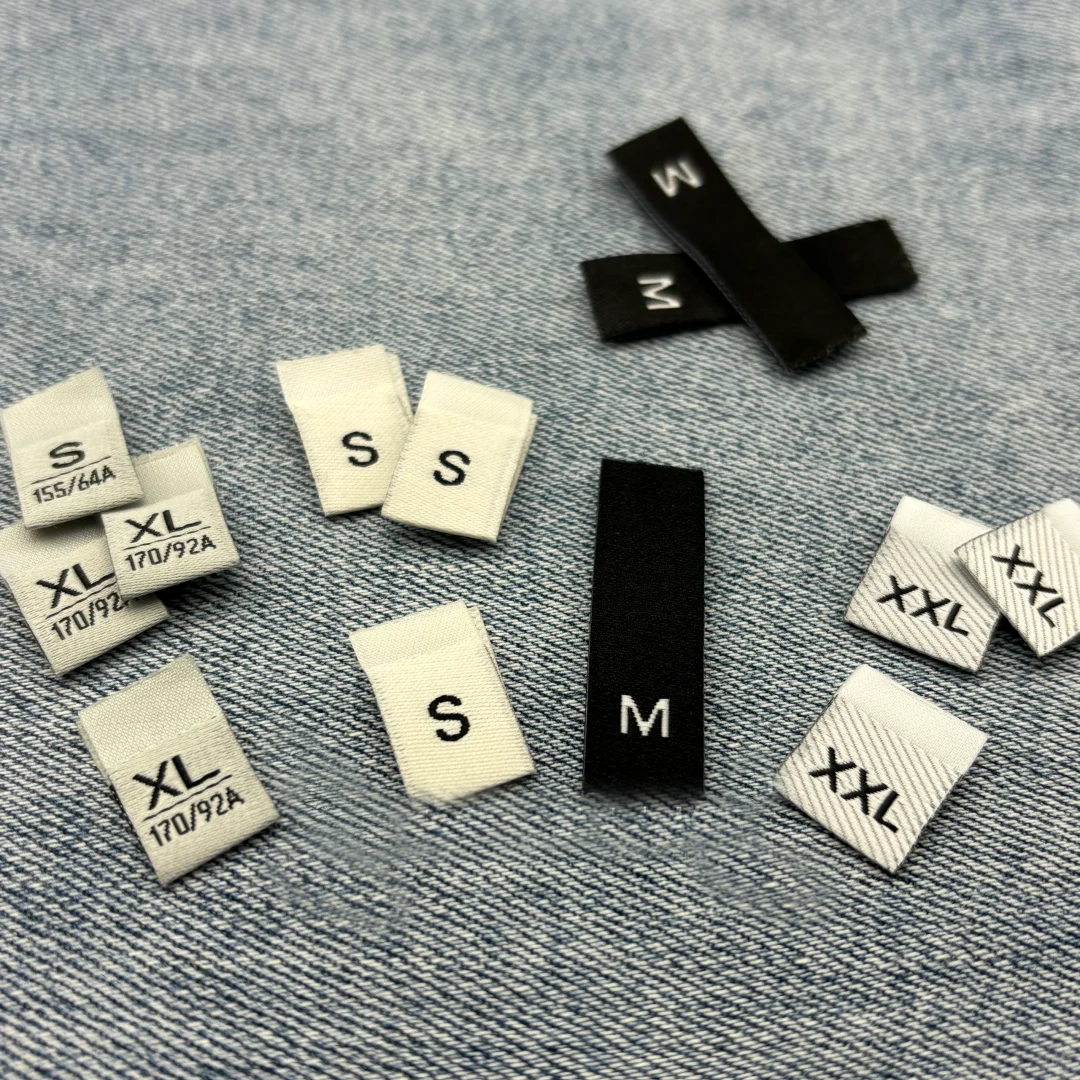
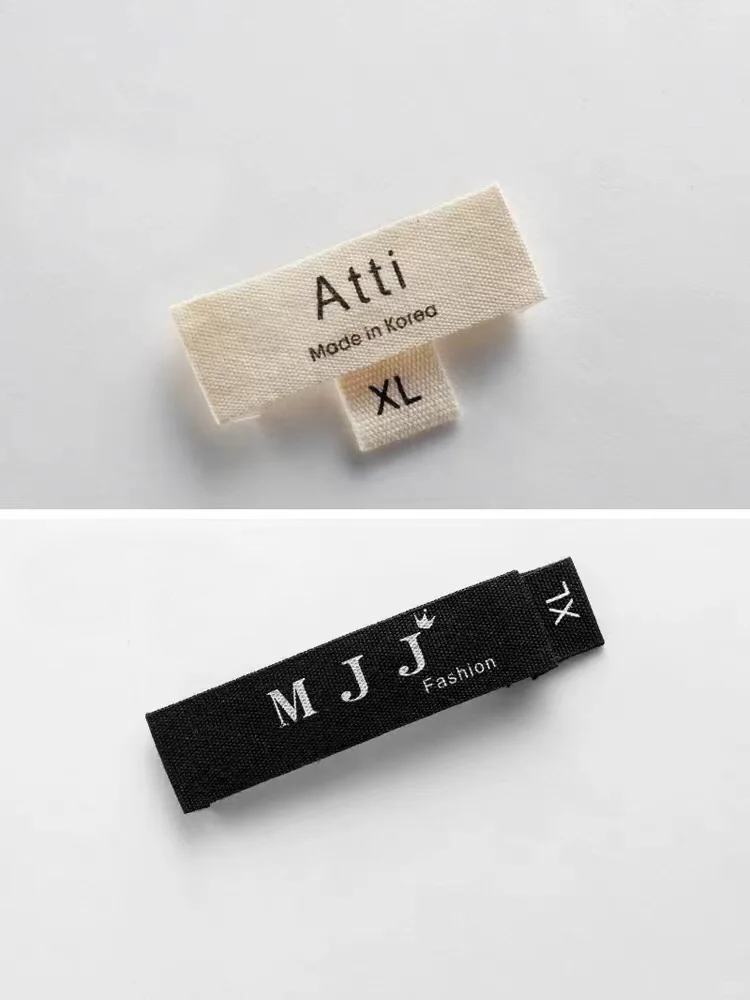
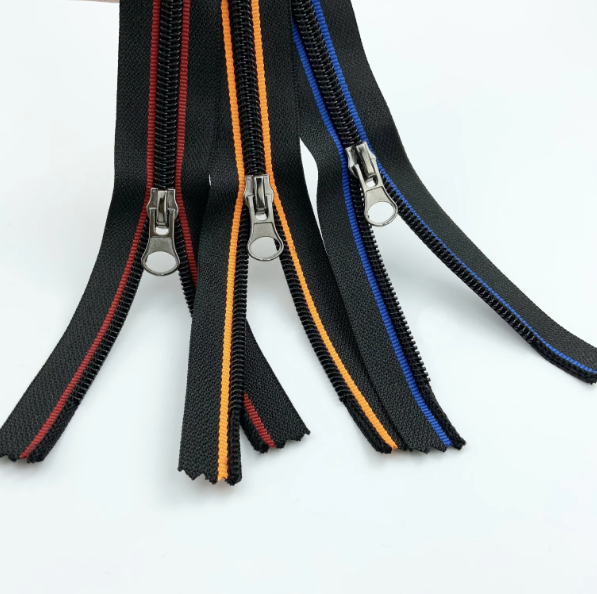
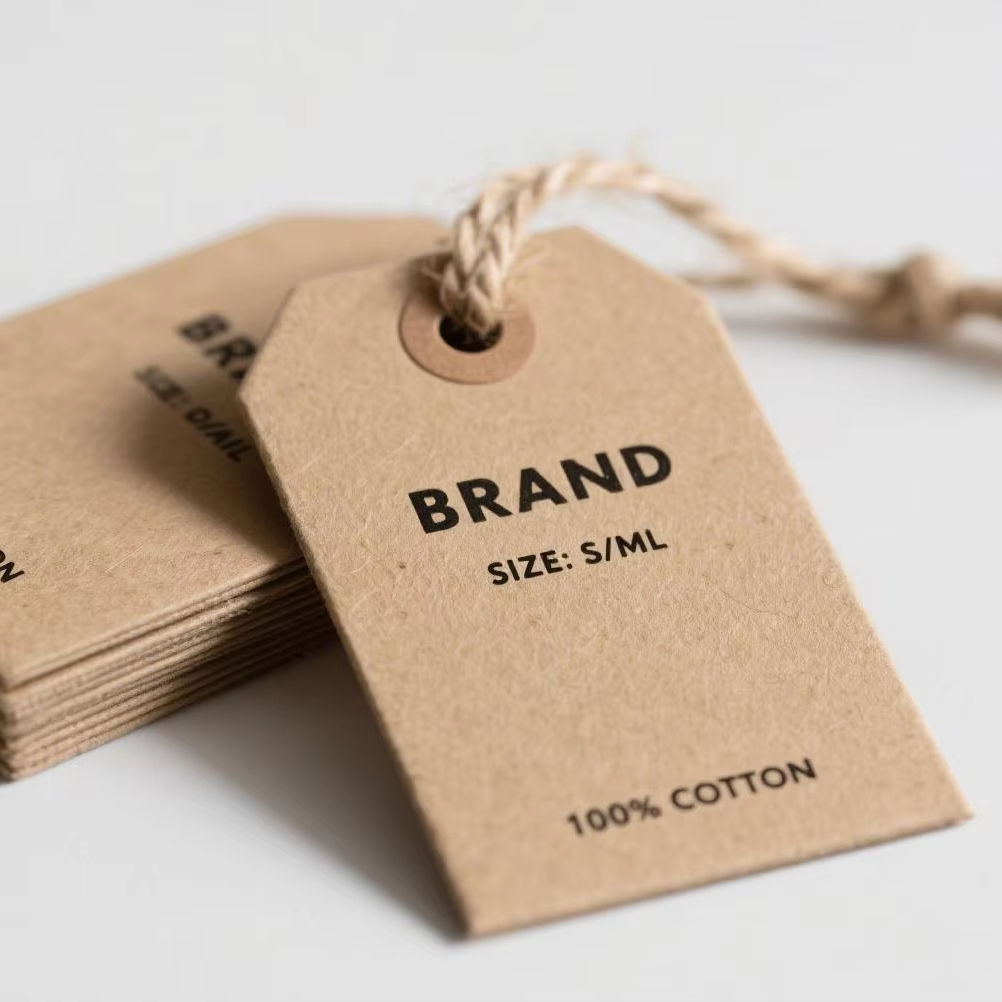
- Custom trims, labels, hangtags, and packaging under one roof
- No outsourcing delays — faster lead times and tighter quality control
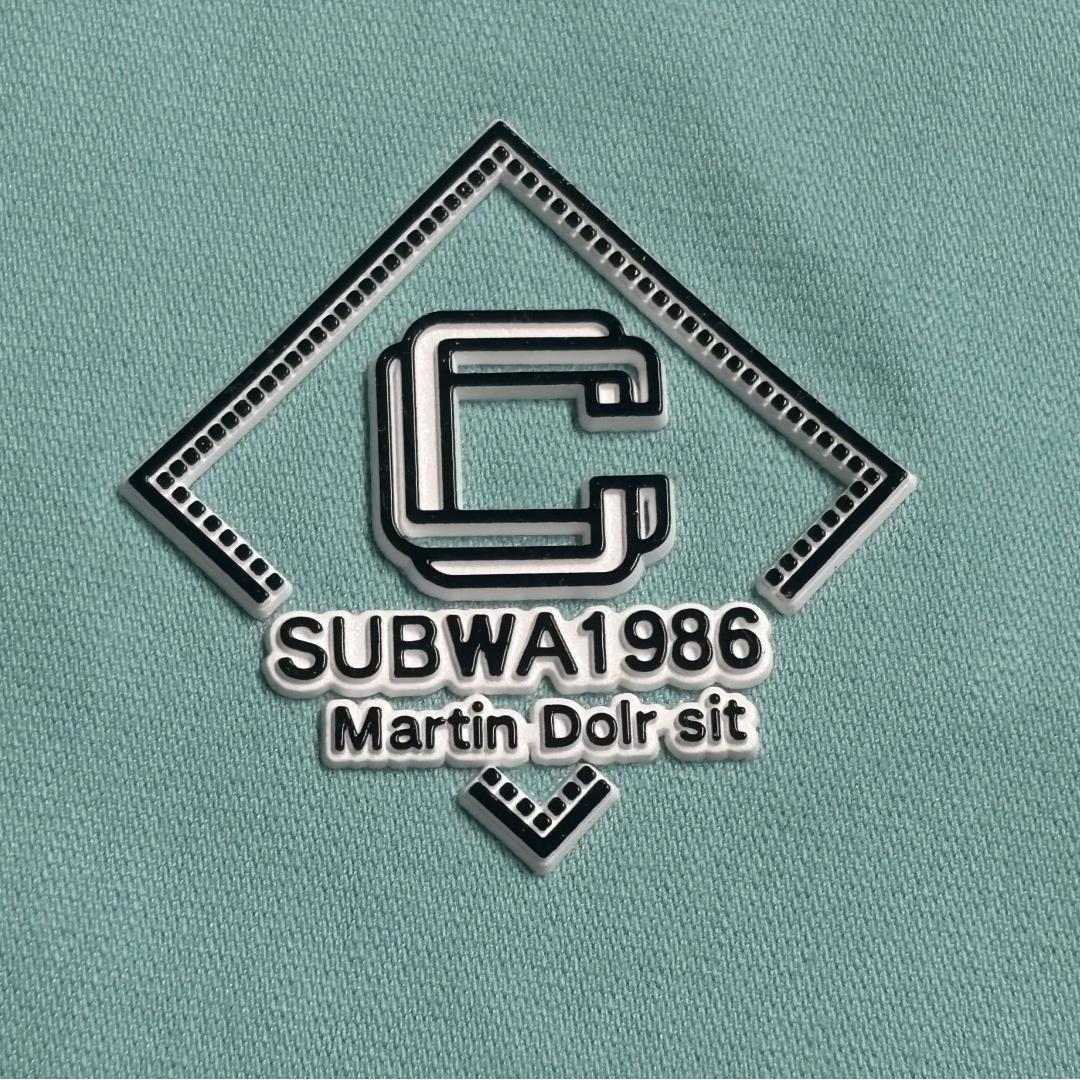
Rigorous Quality Control & Finishing
Every cashmere sweater passes through multi-stage inspection and professional finishing before it ships. Garment washing, anti-pilling treatment, softening, brushing, and garment dye ensure your brand delivers the luxurious hand-feel and durability customers expect from premium knitwear.
- Multi-point quality checks from yarn inspection to final pack-out
- Garment washing, softening, anti-pilling, and brushing services
- Garment dye for custom colorways and seasonal exclusives
- 28+ years of QC expertise across 2,000+ fashion brands
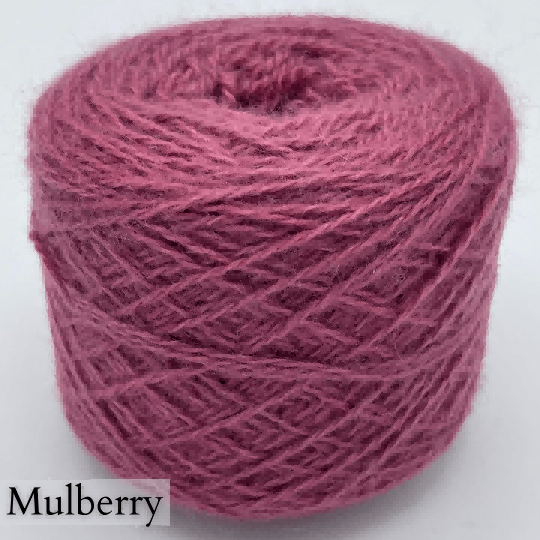
CENWILD vs. Typical Cashmere Sweater Manufacturer
See how our 28 years of experience, flexible terms, and full in-house capabilities set us apart from standard suppliers.
← 左右滑动查看 →
How Our Cashmere Sweater Manufacturer Delivers Your Order
Every project moves through six quality-controlled phases designed to deliver premium cashmere knitwear on time, every time.
Yarn Sourcing & Approval
We source certified cashmere, merino, and specialty yarns from trusted mills, submit swatches for your approval, and lock in color and composition before production begins.
Knit-Down Sampling
Our design team programs your stitch pattern, knits a full prototype sample on our 3GG–14GG machines, and refines fit, gauge, and details until you approve.
Bulk Knitting Production
Computerized flat-knitting machines produce your order with consistent tension and pattern accuracy. Monthly capacity exceeds 80,000 pieces, supporting MOQ from just 100 units.
Decoration & Finishing
Embroidery, printing, garment washing, brushing, and anti-pilling treatments are applied in-house. Every embellishment is quality-checked before the next stage.
Quality Control & Packing
Each garment undergoes multi-point inspection for size, stitch integrity, color match, and finish. Approved pieces are pressed, folded, and packed to your private label specifications.
Export Logistics & Delivery
We handle customs documentation, carton marking, and freight coordination to deliver your cashmere sweaters to the United States, Europe, Australia, or any global destination.
How to Partner with a Cashmere Sweater Manufacturer
From concept to delivery, CENWILD guides you through every stage of custom cashmere production with transparent timelines and collaborative support.
Submit Your Design or Idea
Share your tech pack, sketch, reference photo, or concept. Our team reviews your specifications and confirms feasibility, yarn options, and MOQ requirements.
Receive Proposal and Sample Quote
Within 48 hours, get a detailed design proposal with stitch recommendations, yarn sourcing, costing breakdown, and knit-down sample timeline and pricing.
Approve Knit-Down Samples
Review physical samples knitted in-house on our flat-knitting machines. Request fit, color, or construction adjustments until you approve for bulk production.
Place Your Bulk Order
Confirm quantities, sizes, and colors. Pay your deposit and we schedule production. First orders require full payment; long-term partners qualify for lower deposits.
Production, QC, and Shipment
Your cashmere sweaters move through knitting, linking, washing, quality inspection, decoration, and packaging. Balance payment releases shipment with full export documentation and tracking.
Certifications & Quality Standards from Your Cashmere Sweater Manufacturer

Cashmere Sweater Manufacturer Trusted by Growing Brands
CENWILD helped us launch 5 seasonal cashmere collections in just 6 months. Their 100-piece MOQ let us test designs without overcommitting inventory. Quality and turnaround were exceptional every time.
We scaled from 500 pieces our first year to over 50,000 units across three brands. CENWILD’s in-house sampling and ODM support made expansion seamless. Their team truly understands what growing retailers need.
Switching to CENWILD reduced our sampling costs by 40% and cut lead times by three weeks. Their expertise in cashmere intarsia and jacquard brought our designs to life exactly as envisioned.
Cashmere Sweater Manufacturer — Frequently Asked Questions
What is the minimum order quantity for a cashmere sweater manufacturer like CENWILD?
How long does sampling and bulk production take with a cashmere sweater manufacturer?
Do you charge for samples when working with a cashmere sweater manufacturer?
What payment terms does your cashmere sweater manufacturer offer?
Can a cashmere sweater manufacturer handle international shipping and customs?
How does your cashmere sweater manufacturer protect my designs and intellectual property?
What customization options are available from a cashmere sweater manufacturer?
What quality guarantees does your cashmere sweater manufacturer provide?
Can I visit your cashmere sweater manufacturer facility in China?
The Complete Buyer’s Guide to Choosing a Cashmere Sweater Manufacturer
Navigate the cashmere sourcing landscape with confidence. This guide delivers a proven decision framework, essential supplier criteria, quality benchmarks, and the critical mistakes to avoid when partnering with a cashmere sweater manufacturer.
1. What Is a Cashmere Sweater Manufacturer?
A cashmere sweater manufacturer is a factory that transforms raw cashmere fiber — sourced primarily from Inner Mongolia, Tibet, and Central Asia — into finished knitwear through knitting, linking, washing, and finishing. Full-package producers handle design development, yarn procurement, sampling, production, quality control, decoration, and export logistics under one roof, whereas knitting-only vendors simply execute cut-and-sew or linking tasks without upstream fiber expertise.
Specialized cashmere manufacturers maintain in-house fiber grading labs, controlled washing protocols, and anti-pilling finishing to preserve the 15–19 micron fiber diameter that defines premium cashmere. General knitwear factories typically lack dedicated cashmere washing equipment and may blend grades, risking pilling and inconsistent hand feel across production runs.
Brands choose dedicated cashmere partners for traceability, consistent micron testing, and the ability to scale from 100-piece trial orders to thousands of units while holding tight tolerances on weight per square meter and color matching. CENWILD’s 28 years of experience includes end-to-end cashmere workflows — from fiber selection through garment-dye finishing — ensuring every sweater meets luxury-grade standards.
2. The Evolution of Cashmere Manufacturing
For centuries cashmere production remained a hand-craft centered in Mongolia — where herders combed the soft undercoat of goats each spring — and Scotland, where artisans hand-knit or wove luxury pieces on wooden looms. By the 1970s Italy’s Prato district industrialized the process with semi-automated linking and steam-pressing, establishing Europe’s reputation for high-end finishing.
The 1990s brought computerized flat-bed knitting machines capable of jacquard and intarsia patterns at 3GG to 14GG gauges, slashing lead times from weeks to days. Seamless fully-fashioned construction eliminated side seams and reduced waste, while enzyme treatments and anti-pilling washes improved durability without harsh chemicals.
China’s Yangtze Delta and Pearl River Delta regions — including Dongguan’s Humen township — scaled capacity through the 2000s, combining lower labor costs with investments in Stoll and Shima Seiki machinery. Today China accounts for over 70% of global cashmere knitwear volume, serving fast fashion and emerging brands with MOQs as low as 100 pieces. Italian and Scottish mills retain prestige through heritage branding, hand-finishing, and ultra-fine 2-ply yarns, but command premiums that limit access for independent designers.
3. Types of Cashmere Sweater Manufacturers
Not every cashmere sweater manufacturer operates the same way. Understanding the six core factory types — and their typical minimums, timelines, and pricing — helps you match production partners to your brand stage and order volume.
Full-Package ODM/OEM Factories
These manufacturers handle design, yarn sourcing, sampling, knitting, finishing, and logistics under one roof. MOQ typically ranges from 500–3,000 pieces per style; lead time runs 60–90 days. Unit cost sits mid-range due to economies of scale.
Ideal for established brands with steady reorders and clear tech packs. CENWILD operates in this category, offering full ODM/OEM services with lower 100-piece minimums for emerging labels.
Low-MOQ Flexible Manufacturers
Built for startups, influencers, and test collections, these factories accept orders from 50–300 pieces. Lead times stretch 45–75 days; per-unit costs run 20–40% higher than bulk pricing.
CENWILD’s 100-piece MOQ, PayPal and credit-card payment options, and knit-down sampling serve independent designers launching cashmere lines without warehouse risk.
Luxury Atelier Workshops
Hand-frame knitting and artisan linking define this tier. MOQ can be as low as 12–50 pieces; lead time exceeds 90 days. Pricing doubles or triples mass-production rates.
Suited to ultra-premium brands, limited capsules, and heritage marketing where hand-crafted provenance justifies retail above $800 per sweater.
Vertically Integrated Fiber-to-Garment Operations
These facilities control fiber sorting, spinning, dyeing, knitting, and finishing in-house. MOQ starts at 1,000+ pieces; lead time is 75–100 days. Pricing is competitive at volume, with tighter quality consistency.
Best for brands prioritizing traceability, fiber certification, and long-term supply-chain transparency across multiple seasons.
4. Cashmere Materials and Fiber Grades
Cashmere quality depends on fiber grade, micron diameter, and ply construction. Professional buyers specify these parameters in tech packs to ensure consistent pricing and hand-feel across production runs.
| Grade & Ply | Micron Range | Typical Use | Price Tier |
|---|---|---|---|
| Grade A, 2-ply | 14–16 μm | Luxury lightweight pullovers | Premium |
| Grade A, 3-ply | 14–16 μm | High-end cardigans, turtlenecks | Premium |
| Grade B, 2-ply | 16–17 μm | Mid-range crewnecks, V-necks | Mid |
| Grade C, 2-ply | 17–19 μm | Entry cashmere, blends | Entry |
Fiber Grades and Micron Count
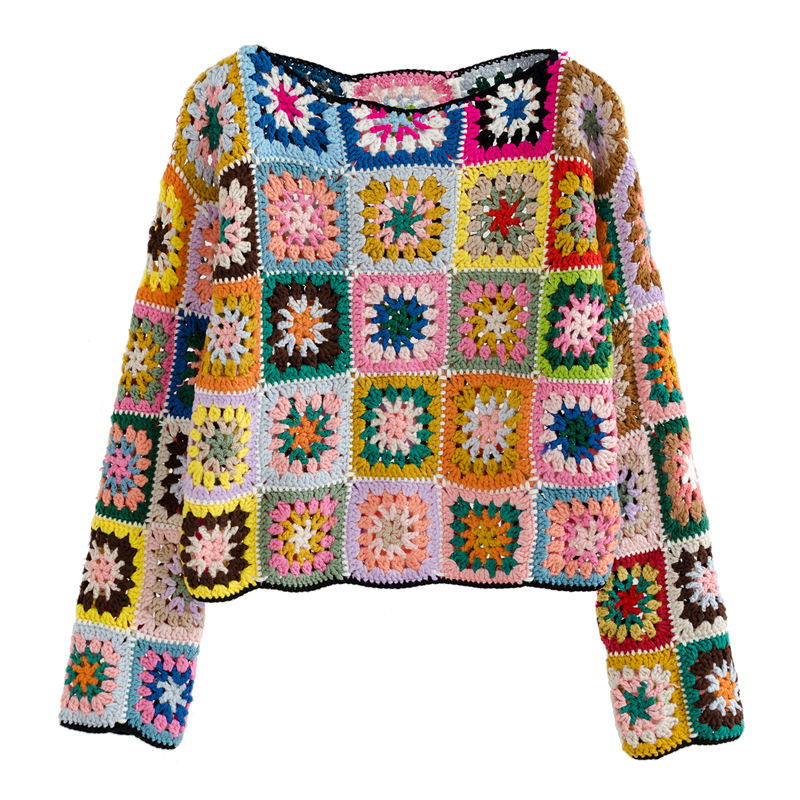
Grade A cashmere measures 14–16 microns with fiber length ≥36 mm; Grade B spans 16–17 microns; Grade C ranges 17–19 microns. Finer microns yield softer hand but higher cost.
Inner Mongolia produces the majority of premium-grade fiber, while Kashmir and Iranian origins command niche premiums. A cashmere sweater manufacturer sources by grade to match your price tier and target market.
Ply Construction
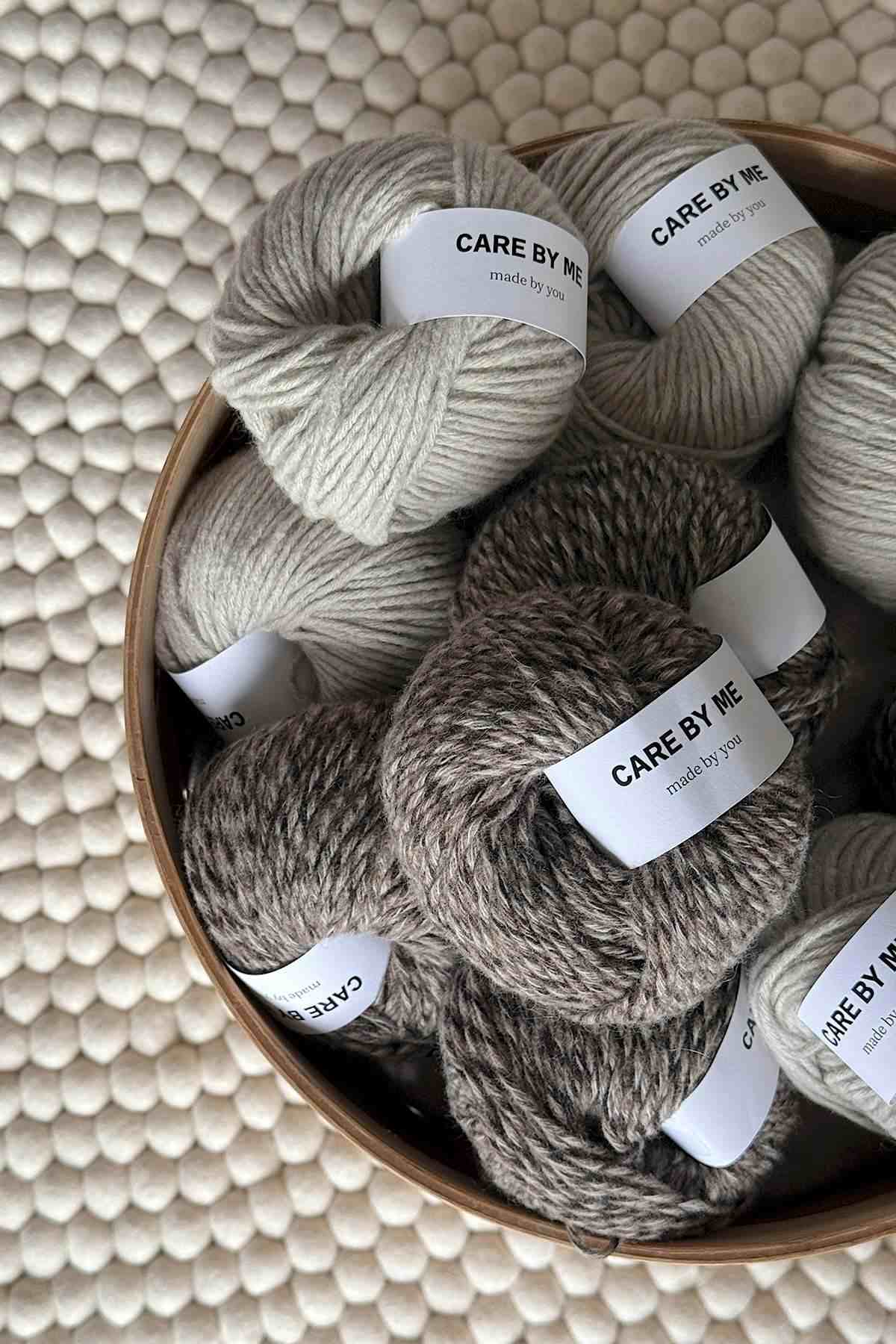
2-ply cashmere balances softness and durability for lightweight layers; 3-ply and 4-ply add structure for outerwear-weight cardigans and coats. Ply count directly affects fabric weight, warmth, and unit cost.
Specify ply in your tech pack alongside gauge (7GG–12GG typical for cashmere) to lock in both drape and budget.
Pure Cashmere vs. Blends
100% cashmere delivers maximum luxury but requires careful finishing to prevent pilling. Blends with 10–30% silk add sheen and reduce cost; wool blends (70/30 cashmere/merino) improve shape retention and lower MOQ thresholds.
Cotton-cashmere blends suit transitional-weight styles. Always declare blend ratios on hang-tags to meet labeling regulations in the US, UK, and EU markets.
5. Customization and Decoration Options for Cashmere Sweaters
A cashmere sweater manufacturer offers decoration techniques that range from knit-structure methods to surface embellishments, each with distinct cost, durability, and lead-time implications. Understanding how each technique affects MOQ and unit price helps brands balance creative vision with production economics.
| Technique | Setup Cost | Durability | Lead-Time Impact | MOQ Impact |
|---|---|---|---|---|
| Jacquard / Intarsia | Low (digital) | Excellent | +3–5 days | None |
| Cable Knit | Low (digital) | Excellent | +2–4 days | None |
| Embroidery | Medium (digitizing) | Very High | +7–10 days | +100 pcs |
| Printing | Medium (screens) | Moderate | +5–7 days | +100 pcs |
Knit-Structure Customization
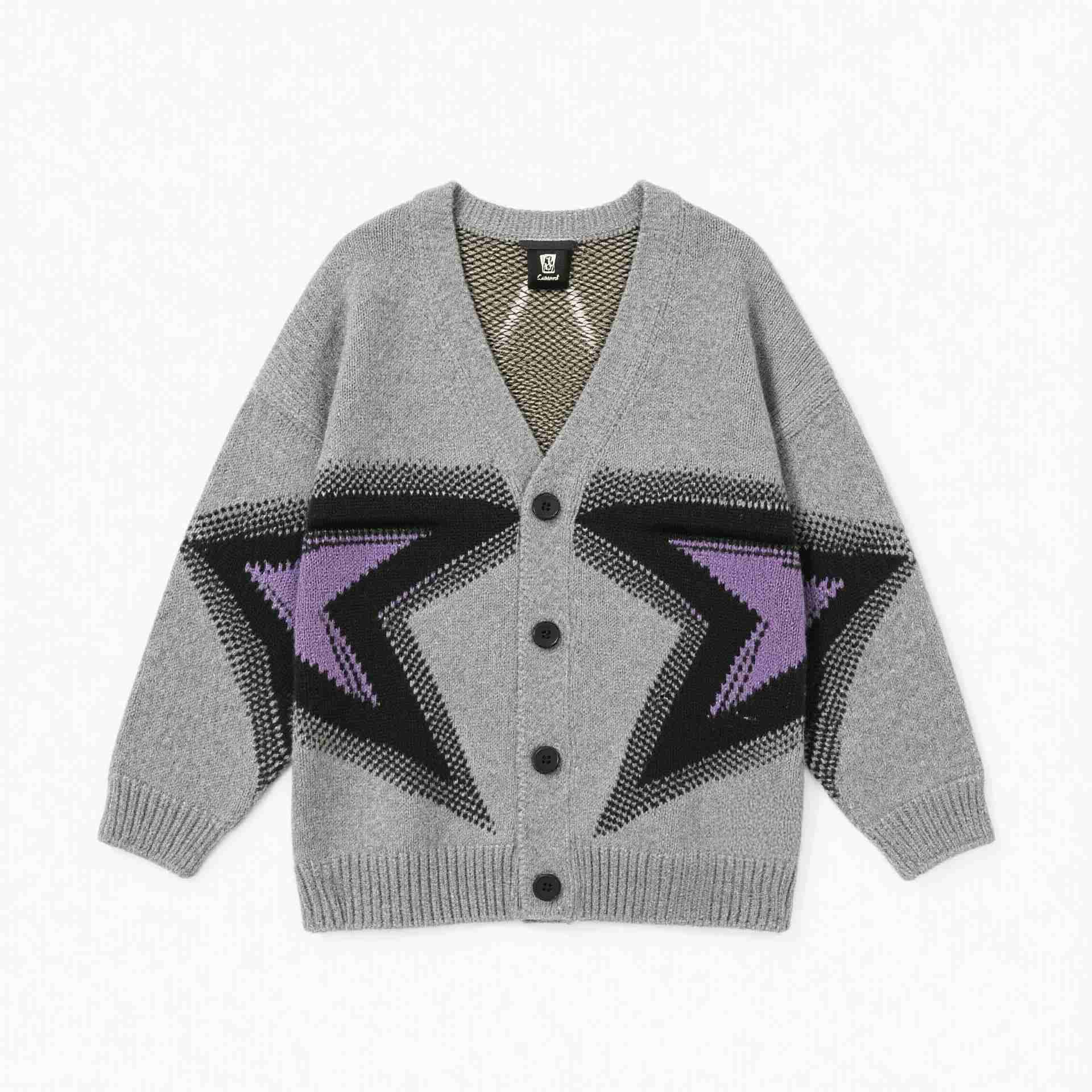
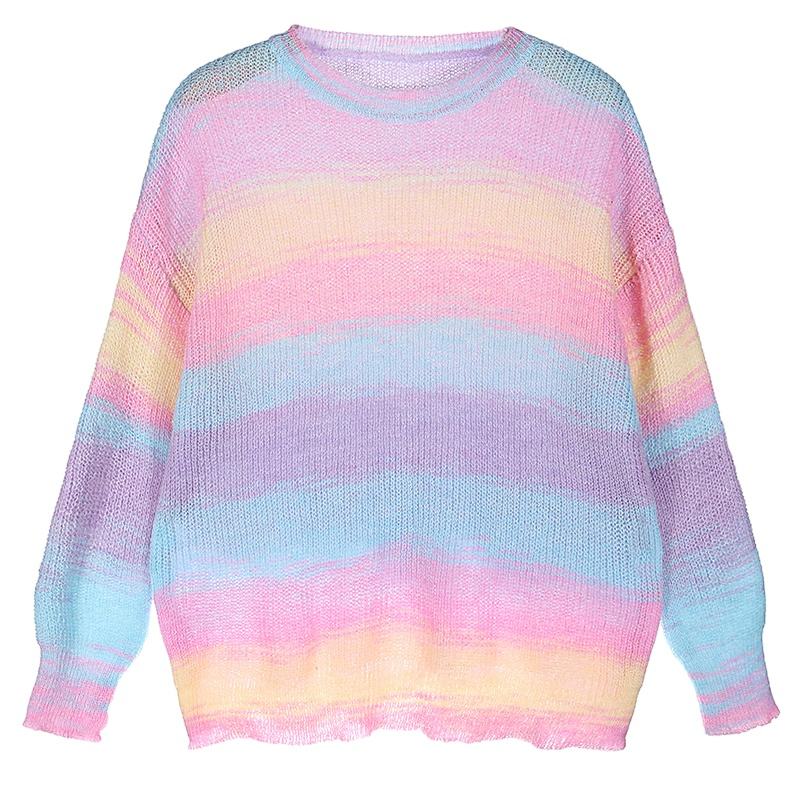
Jacquard, intarsia, and cable patterns are programmed directly into the knitting process. Jacquard creates multicolor designs across the fabric; intarsia builds color-block motifs without floats; cables add three-dimensional texture.
These methods require upfront 3D programming and knit-down sampling but add no post-production steps. MOQ typically remains at base levels (100–200 pieces per colorway) because setup is digital. Unit cost rises modestly—5–15 percent over plain knits—due to slower machine speeds and higher yarn consumption.
Surface Decoration Techniques
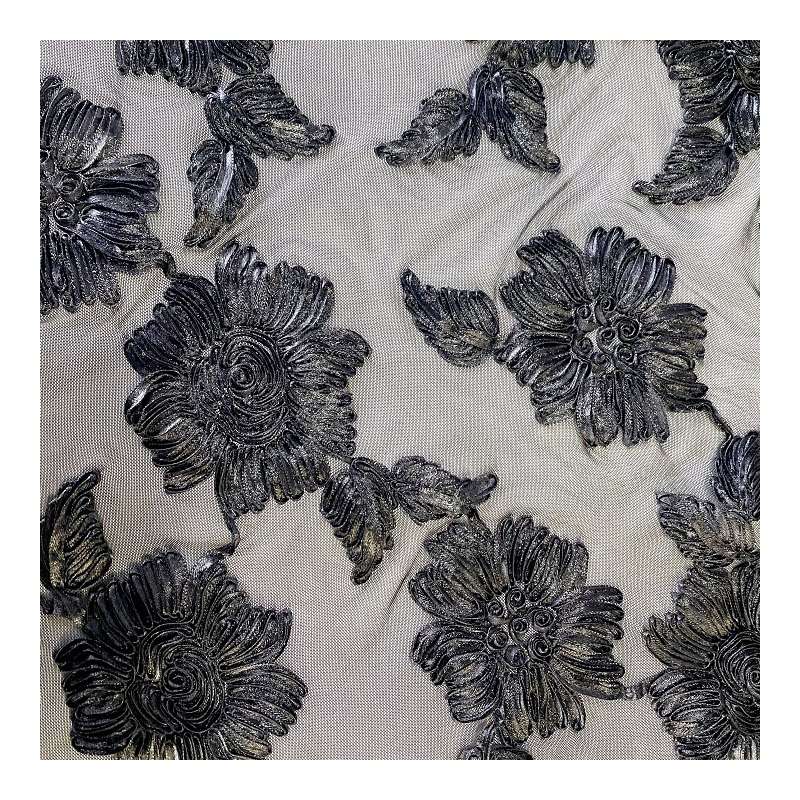
Embroidery (flat, 3D puff, sequin, appliqué) and printing (screen, heat transfer, DTF) are applied after knitting. Embroidery offers premium durability and texture; printing suits photographic or gradient designs.
Setup costs—digitizing for embroidery, screen fees for printing—often require 200–300 piece minimums to amortize. Lead time extends 7–10 days. Unit cost increases 10–25 percent depending on stitch count or print area.
6. Key Quality Indicators in Cashmere Sweater Construction
Auditing cashmere sweater quality requires inspecting five critical construction markers before production scales. Pre-production samples reveal whether a cashmere sweater manufacturer controls stitch consistency, finishing precision, and fiber stability — red flags at this stage predict costly defects in bulk orders.
Stitch Density and Gauge Consistency
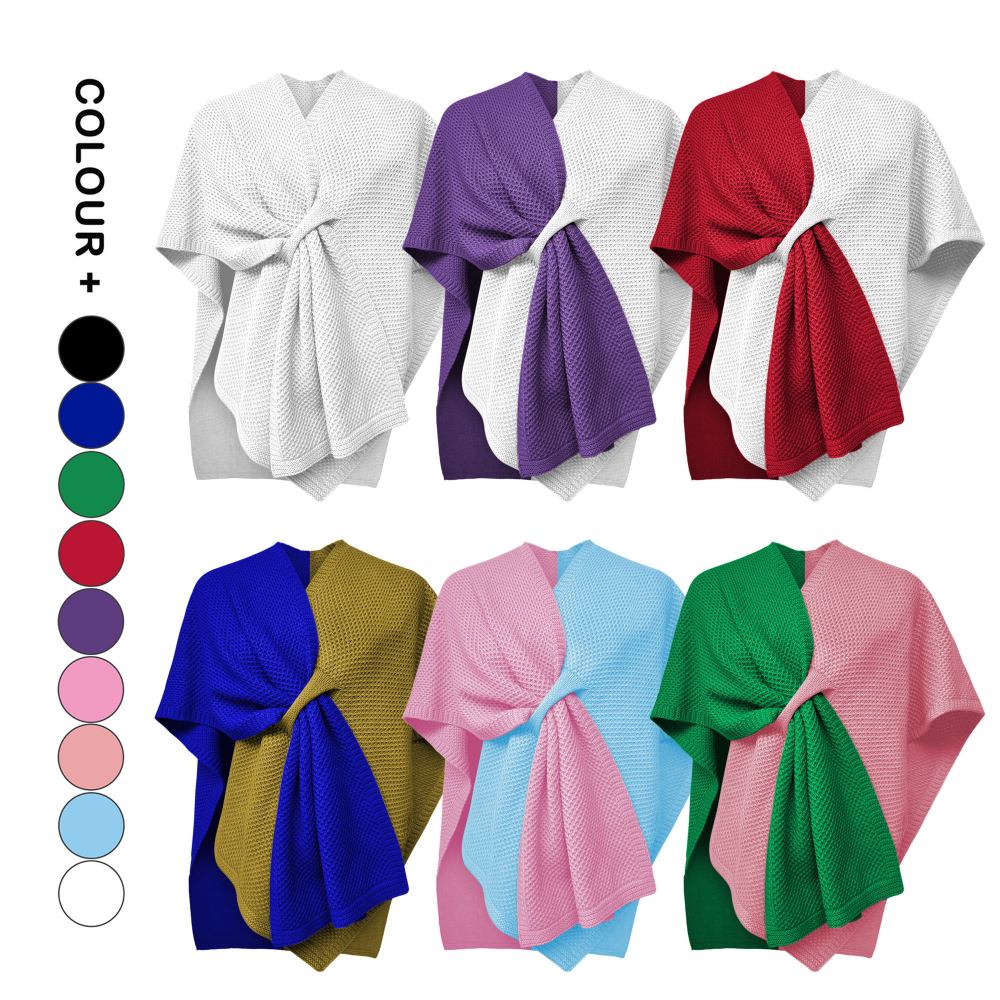
Gauge (stitches per inch) determines fabric weight and drape. Premium cashmere typically runs 12GG–14GG for fine-knit styles, 7GG–9GG for chunky pieces. Inspect samples under light: uneven tension, visible holes, or laddering indicate poor machine calibration or operator skill.
Seam Finishing: Linking vs. Overlock
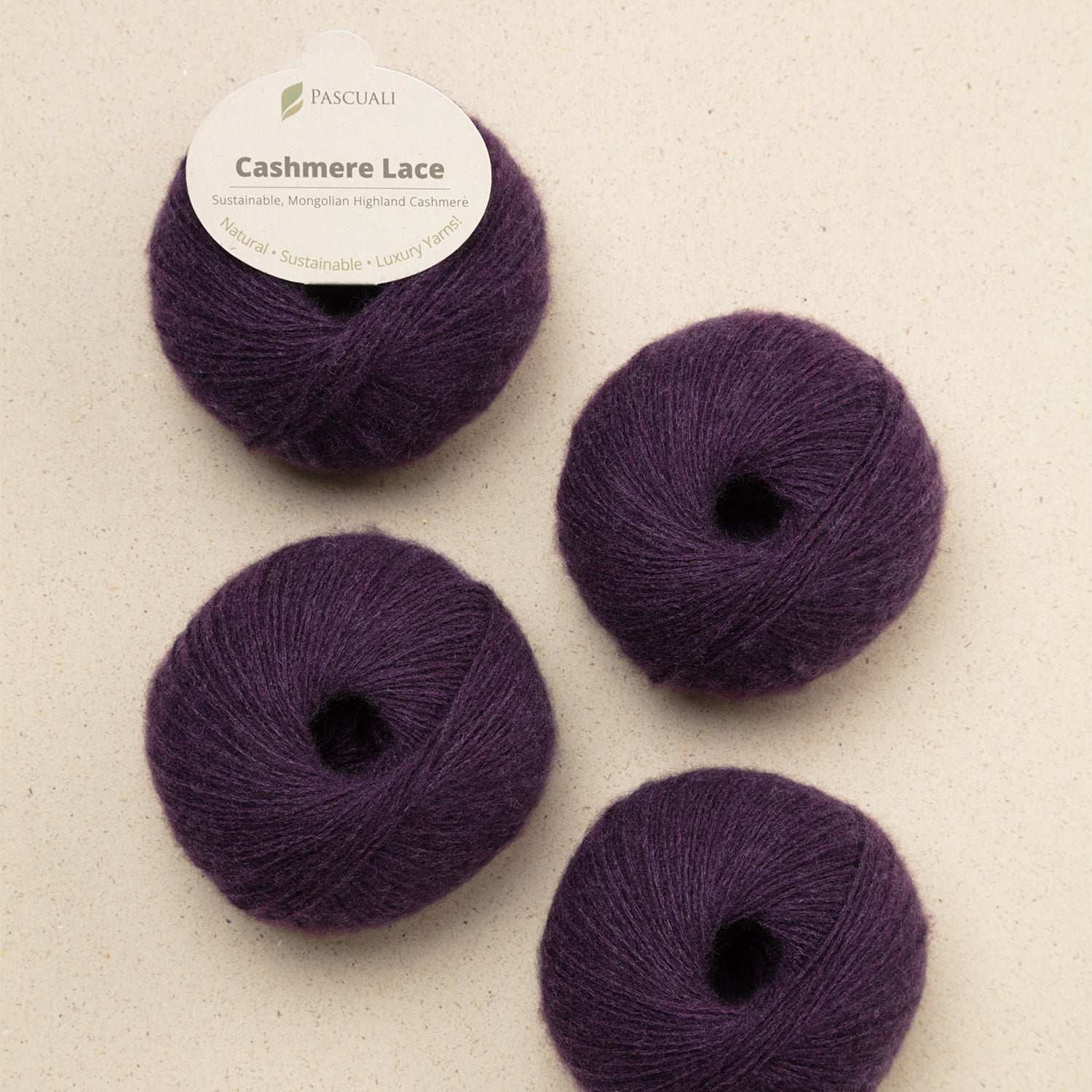
Fully-fashioned cashmere uses linking (loop-to-loop joining) for invisible, flat seams at shoulders and sides. Overlock stitching is cheaper but creates bulk and reduces stretch. Run your finger along inside seams — linking feels smooth, overlock raises a ridge. Low-quality manufacturers substitute overlock to cut costs.
Pilling Resistance and Fiber Length
Rub a sample sleeve against itself 20–30 times. Grade-A cashmere (fiber ≥34 mm) pills minimally; shorter fibers form surface fuzz immediately. Request Martindale abrasion test results (≥20,000 cycles) or conduct a home wash test to verify anti-pilling finishing.
Shape Retention After Washing
Measure garment dimensions, hand-wash in lukewarm water, lay flat to dry, then re-measure. Shrinkage beyond 3–5% or sleeve/hem stretching signals inadequate blocking or low-twist yarn. Reputable factories pre-wash swatches and provide care instructions validated by their own QC team.
Color Fastness and Dye Penetration
Rub a damp white cloth against dark cashmere; any color transfer indicates poor dye fixation. Check inside and outside for uniform saturation — streaks or pale reverse sides reveal rushed dyeing. ISO 105 color-fastness ratings (grade 4–5) are standard for export-quality cashmere sweater manufacturers.
7. How to Choose the Right Cashmere Sweater Manufacturer
Selecting the right cashmere sweater manufacturer requires systematic evaluation across technical capability, ethical alignment, and operational flexibility. A structured decision framework protects both product quality and brand reputation while ensuring scalable partnership.
Certifications and Compliance
Request OEKO-TEX Standard 100 for chemical safety, GRS (Global Recycled Standard) for recycled-fiber claims, and BSCI or WRAP for labor and social compliance. Factories serving U.S. and European markets typically maintain at least one textile-safety and one social-audit certificate.
Verify fiber traceability documentation, especially for premium cashmere grades (14.5–15.5 micron). Reputable manufacturers provide mill certificates and can trace yarn origins to specific regions or cooperatives.
MOQ, Lead Times, and Sampling
Compare minimum order quantities: 100–200 pieces suits emerging brands, while 500+ is standard for established labels. Lead times range from 30 days for stock-yarn styles to 60–75 days for custom-dyed cashmere.
Evaluate sampling policies—knit-down samples cost $80–$150 per colorway and take 10–15 days. Factories offering free or discounted samples for confirmed orders signal partnership intent.
Due Diligence and References
Request client references and verify past projects in your category (luxury, contemporary, or sustainable). Third-party factory audits and lab test reports (pilling resistance, fiber content) provide objective quality benchmarks.
Align manufacturer practices with brand values: ask about wastewater treatment, renewable energy use, and worker welfare programs if sustainability or ethics anchor your positioning.
Communication and Payment Flexibility
Assess English proficiency and response times—professional manufacturers reply within 12–24 hours with detailed answers. Payment terms evolve with trust: expect 100% deposit on first orders, easing to 30–50% for repeat partners, with balance due before shipment.
Multi-channel payment support (T/T, PayPal, credit card) and willingness to discuss milestone schedules indicate operational maturity and client-centric processes.
8. Common Mistakes When Sourcing from a Cashmere Sweater Manufacturer
Even experienced buyers stumble when sourcing cashmere. Five recurring errors derail quality, cost predictability, and brand protection. Recognizing these pitfalls and applying corrective practices ensures your partnership with a cashmere sweater manufacturer delivers consistent results.
Choosing Price Over Fiber Verification
Selecting the lowest quote without lab-testing fiber content often results in blended or synthetic substitutes labeled as pure cashmere. Independent fiber analysis (ASTM D629 or ISO 17751) confirms micron count and purity. CENWILD provides fiber certificates and welcomes third-party testing to validate grade-A cashmere before bulk production.
Skipping Pre-Production Samples
Approving production from photos alone hides gauge inconsistencies, color drift, and hand-feel mismatches. Always order a knit-down sample in your final yarn and stitch. CENWILD ships samples within 7–10 days, allowing you to assess drape, weight, and construction before committing to volume.
Ignoring MOQ Scalability
Locking into a 1,000-piece minimum at launch leaves no room to test new colorways as your brand grows. Partner with manufacturers offering tiered MOQs—CENWILD starts at 100 pieces per style and scales smoothly to multi-thousand runs without retooling fees.
Omitting Wash-Care and Pilling Standards
Vague quality clauses lead to post-sale returns when garments pill excessively or shrink. Specify ASTM D3512 pilling grade (≥3.5) and ISO 6330 shrinkage limits (≤3%) in your purchase order. CENWILD applies anti-pilling enzymes and pre-shrinking washes to meet documented care standards.
Neglecting IP Protection for Proprietary Designs
Sharing custom intarsia patterns or jacquard artwork without a non-disclosure agreement risks copycat production. Require signed NDAs and restrict sample distribution. CENWILD signs confidentiality agreements upfront and archives design files in password-protected systems to safeguard your intellectual property.
9. Steps to Launch Your Cashmere Sweater Line
Launching a cashmere sweater line requires coordinated planning across design, sourcing, production, and logistics. First-time buyers often underestimate lead times: from initial concept to warehouse delivery typically spans 90–120 days. Following a structured roadmap keeps timelines predictable and budgets on track.
Market Research and Niche Identification
Define your target customer, price tier, and differentiation before contacting any cashmere sweater manufacturer. Analyze competitor fiber blends, retail price points, and seasonal gaps.
CENWILD’s design team works with brands at any starting point — a sketch, photo reference, or verbal concept — translating market insights into production-ready tech packs with original stitch patterns and 3D knit programming.
Tech Pack Creation with Fiber Specifications
A complete tech pack lists garment measurements, stitch gauge, cashmere grade (A or B), yarn count, colorways with Pantone codes, and decoration details. Clear fiber specifications prevent costly sample revisions.
Manufacturers use tech packs to generate accurate RFQ pricing and knit-down swatches. CENWILD provides grading, stitch design, and knit programming support to brands lacking in-house technical teams.
Sample Approval and Production Timeline
Expect 10–14 days for a knit-down sample, then 7–10 days per revision cycle. Approve fit, hand-feel, color match, and decoration quality before issuing a production deposit.
CENWILD’s 80,000-piece monthly capacity supports 100-piece MOQ orders with 30–45 day bulk lead times. Payment starts at 100% for first orders, easing to 30% deposit for established partners, with balance due before shipment.
Quality Control and Logistics Coordination
Inline inspection during knitting catches gauge drift and color variation; final AQL 2.5 checks measure, weight, and pill-test every style before packing. Request third-party inspection if needed.
Manufacturers coordinate hang tags, woven labels, care labels, polybags, and carton marking. CENWILD handles export documentation and works with your freight forwarder or arranges FOB/CIF terms, ensuring customs-ready shipments.
10. Pricing and Cost Structure
Cashmere pricing varies by fiber grade, construction complexity, and order volume. A-grade 2-ply cashmere sweaters at 100 units typically range $45–$65 per piece, while luxury 3-ply styles start near $80. Blended cashmere-wool reduces cost by 30–40% without sacrificing all softness.
Hidden costs add 15–25% to the base unit price. Sampling fees run $80–$150 per colorway, custom metal zippers or leather patches carry $200–$500 mold charges, and embroidery digitizing starts at $50 per logo. International shipping (air $6–$9/kg, sea $1.50–$2.50/kg), duties (cashmere often 16–18% in the US and EU), and payment processing (PayPal 3–4%, wire transfer $25–$45 flat) must be budgeted upfront.
Payment terms shift with partnership maturity: first orders require 100% deposit, repeat clients move to 50/50, and stable accounts settle at 30% deposit with balance due before shipment. Lead time shortens as quantity rises and sampling is finalized.
| Quantity Tier | A-Grade 2-Ply ($/unit) | Cashmere Blend ($/unit) | Luxury 3-Ply ($/unit) | Lead Time |
|---|---|---|---|---|
| 100 units | $50–65 | $30–40 | $75–95 | 35–45 days |
| 200 units | $45–58 | $28–36 | $70–88 | 30–40 days |
| 500 units | $40–52 | $25–32 | $65–80 | 28–35 days |
| 1,000+ units | $35–48 | $22–28 | $60–75 | 25–30 days |
Ready to Launch Your Custom Cashmere Sweater Line?
Partner with a trusted cashmere sweater manufacturer serving 2,000+ brands for 28 years. MOQ 100 pieces, fast turnaround, full design support.