
Knitwear Garment Wash & Finishing from 100 Pieces
Transform raw knit into market-ready product with professional knitwear garment wash services—softening, anti-pilling, garment dye, enzyme wash, and brushing. 28+ years of expertise.
Finished Knitwear After Professional Wash & Finishing
Key Advantages of CENWILD’s Knitwear Garment Wash Process
In-House Wash & Finishing Lines
Complete garment wash operations under one roof ensure faster turnaround, tighter quality control, and seamless coordination with knitting and decoration.
Precise Color & Texture Control
Advanced dyeing and washing techniques deliver consistent garment-dyed colors, softening, anti-pilling, and brushing effects across every production run.
Durability & Shrinkage Testing
Pre-production wash samples undergo rigorous testing to verify dimensional stability, colorfastness, and fabric hand before bulk manufacturing begins.
Fast Wash Sample Turnaround
Knit-down samples with garment wash finishing ready in days, not weeks, so you can approve hand-feel and appearance before committing to orders.
Combined Wash & Decoration
Coordinate garment wash with embroidery, printing, and appliqué in a single production flow, reducing lead times and simplifying vendor management.
Consistency Across Bulk Runs
Over 28 years of Dongguan manufacturing experience and documented wash protocols guarantee repeatable results from 100-piece MOQ to tens of thousands.
Wash Types & Finishing Techniques
Garment Wash and Softening
Garment wash and softening treatments enhance the hand-feel of finished knitwear, delivering a relaxed, lived-in texture that improves comfort and drape. Ideal for casual sweaters, vintage-inspired collections, and brands seeking a softer, more approachable finish straight from production.
Get a Quote
Enzyme Wash Anti-Pilling
Enzyme wash anti-pilling processes use controlled bio-enzymes to remove surface fuzz and prevent pilling over time, extending garment durability and maintaining a clean, professional appearance. Essential for high-wear styles like pullovers, cardigans, and knit basics where longevity and fabric clarity matter.
Get a Quote
Garment Dye
Garment dye knitwear is dyed after construction, creating rich, saturated color with subtle tonal variation and a soft, broken-in feel. Perfect for cohesive colorways across complex stitch patterns, small-batch seasonal collections, and brands prioritizing unique depth and character in every piece.
Get a Quote
Brushing and Napping
Brushing and napping raise the fiber surface to create a plush, fuzzy texture with enhanced warmth and a cozy aesthetic. Commonly applied to wool, alpaca, and acrylic blends for fall and winter sweaters, delivering tactile comfort and a premium, luxurious hand-feel.
Get a Quote28+ Years of Knitwear Garment Wash Expertise
Founded in 1998 in Humen, Dongguan — the heart of China’s knitwear manufacturing hub — CENWILD began as a small family knitting workshop and evolved into a comprehensive sweater manufacturer. Early investment in garment wash and finishing facilities allowed us to control every stage of production, from yarn to final washed piece, ensuring consistent quality and finish across every order.
Today our 200+ skilled employees operate advanced knitwear garment wash equipment alongside computerized flat-knitting machines, delivering over 80,000 finished pieces monthly. Our in-house wash facilities handle softening, anti-pilling, garment dye, brushing, and specialized finishing techniques — eliminating third-party delays and quality variability that many brands face when sourcing knitwear.
With 28+ years of Dongguan manufacturing experience and over 2,000 fashion brands, retailers, wholesalers, and independent designers served worldwide, CENWILD offers OEM, ODM, and private label knitwear garment wash services from just 100 pieces. We position ourselves as your long-term manufacturing backbone, combining craft tradition with modern wash technology to deliver the exact hand-feel, texture, and finish your brand demands.
Core Knitwear Garment Wash Techniques & Equipment
Stone & Enzyme Wash Processing
Our industrial stone and enzyme wash systems deliver authentic vintage texture and controlled color fading for cotton, acrylic, and blended knitwear. Each batch is carefully monitored to achieve consistent softness and surface character across your entire production run.
- 200 kg capacity industrial washing machines with programmable cycles
- Compatible with cotton, acrylic, wool blends, and synthetic knitwear
- 3–5 day processing window including drying and quality inspection
- Color-fastness and dimensional stability testing on every batch
Precision Garment Dye Services
Specialized brushing and anti-pilling finishing extends the lifespan and retail appeal of wool, cashmere, alpaca, and synthetic sweaters. CENWILD’s equipment gently raises surface fibers for a premium hand-feel while enzymatic treatments minimize pilling during wear and laundering.
- Reactive, acid, and disperse dye systems for natural and synthetic fibers
- Pantone matching with lab dip approval before bulk dyeing
- MOQ from 100 pieces per color for garment-dyed knitwear
- Pre-treatment and post-wash softening included in every dye cycle
Anti-Pilling & Brushing Treatments
Specialized brushing and anti-pilling finishing extends the lifespan and retail appeal of wool, cashmere, alpaca, and synthetic sweaters. CENWILD’s equipment gently raises surface fibers for a luxurious hand-feel while enzymatic treatments minimize pilling during wear and laundering.
- Rotary brushing machines for raised, peached, or sueded surface effects
- Enzymatic anti-pilling treatment reduces fiber shedding by up to 70%
- Safe for delicate fibers including cashmere, merino, and mohair blends
- Visual and tactile QC checkpoints before final packing
Softening & Hand-Feel Enhancement
Elevate the tactile quality of your knitwear with our range of softening treatments—silicone, bio-based, or mechanical finishing—tailored to fiber type and brand positioning. From buttery cashmere to cozy cotton, we dial in the exact drape and comfort your customers expect.
- Silicone, amino, and plant-based softener formulations available
- Customizable hand-feel from silky-smooth to naturally soft
- Integrated into wash cycles or applied as a standalone finish
- Compliant with OEKO-TEX and brand-specific chemical restrictions
Why Choose CENWILD for Knitwear Garment Wash & Finishing
See how our in-house knitwear garment wash capabilities, 28-year expertise, and low-MOQ flexibility compare to typical alternative suppliers in the market.
← 左右滑动查看 →
Knitwear Garment Wash Production Flow
From pre-wash inspection to final packing, every sweater passes through our proven seven-phase finishing process to ensure softness, durability, and brand-ready quality.
Pre-Wash Inspection & Sorting
Every knitwear piece is inspected for knit defects, stitch integrity, and colorway accuracy before entering the garment wash process. Pieces are sorted by wash type, fiber content, and color family to prevent cross-contamination.
Wash Tank Preparation
Tanks are calibrated for temperature, water level, and chemistry based on the specified wash technique—stone wash, enzyme wash, garment dye, or softening treatment. Fiber-specific detergents and pH balancers are measured and loaded.
Wash Cycle Execution
Knitwear undergoes the programmed wash cycle—stone tumbling for vintage texture, enzyme treatment for anti-pilling, or reactive dye immersion for garment-dyed colorways. Cycle duration and agitation are controlled to preserve stitch structure and hand-feel.
Rinse & Neutralization
Multiple rinse cycles remove residual chemicals, enzymes, dyes, and loose fibers. Neutralizing agents are introduced to stabilize pH, lock color, and prevent future shrinkage or fading during customer wear and care.
Centrifuge & Controlled Drying
Excess water is extracted via industrial centrifuge to reduce drying time and minimize fiber stress. Garments are tumble- or flat-dried under controlled heat and humidity to prevent felting, shrinkage, or distortion of ribbing and cuffs.
Brushing, Softening & Texture Finish
Depending on design requirements, knitwear is brushed to raise surface fibers for a plush hand, treated with fabric softeners for enhanced drape, or steamed to restore shape and eliminate wrinkles before final quality control.
Final QC, Pressing & Packing
Each finished sweater is inspected for pilling, color consistency, dimensional stability, and overall appearance. Approved pieces are pressed, folded to brand specifications, poly-bagged or hang-tagged, and packed for shipment with full traceability documentation.
How to Commission Knitwear Garment Wash for Your Brand
From sample submission to finished production, CENWILD guides you through every step of professional garment washing and finishing for custom knitwear orders starting from just 100 pieces.
Submit Your Knitwear Samples
Send us your knit garments or bulk pieces along with fiber content details, pre-wash condition notes, and any specific color or hand-feel targets you want to achieve.
Specify Wash Type & Requirements
Work with our team to define the exact wash technique—softening, garment dye, anti-pilling, brushing—plus durability targets, shrinkage tolerance, and dye-lot lead times if applicable.
Receive Quote & Wash Sample
We provide a detailed quotation and produce a wash sample for your approval, ensuring the finish matches your brand’s quality and aesthetic standards before bulk production.
Approve Sample & Begin Production
Once you confirm the wash sample, we proceed with bulk knitwear garment wash and finishing, maintaining consistent results across your entire order with rigorous process control.
Quality Control & Shipment
Every finished piece undergoes final QC inspection for color consistency, texture, and durability before secure packaging and export logistics to your destination worldwide.
Customer Testimonials: Knitwear Garment Wash Results
CENWILD’s knitwear garment wash delivered perfect color consistency across 1,200 pieces. The enzyme wash gave our cashmere cardigans the exact soft hand-feel our customers expect, and we hit our fall launch deadline two weeks early.
We used to outsource garment wash separately, which added 12–15 days and extra logistics costs. CENWILD’s in-house knitwear garment wash cut our lead time by nearly two weeks and saved us 18% on finishing expenses per order.
The anti-pilling treatment on our merino pullovers exceeded our durability standards. After 20 home washes, pilling was minimal. CENWILD’s knitwear garment wash process gave us the quality edge we needed to compete at retail.
FAQ: Knitwear Garment Wash & Finishing
What is knitwear garment wash and how does it improve my sweaters?
Which fibers and blends work best with knitwear garment wash techniques?
Can I combine multiple knitwear garment wash treatments on one order?
What is the minimum order quantity for knitwear garment wash-only services?
How do you guarantee color fastness after knitwear garment wash?
What shrinkage tolerance should I expect from knitwear garment wash?
What hand-feel options are available through knitwear garment wash?
What lead time and file requirements apply to knitwear garment wash orders?
What payment terms does CENWILD offer for knitwear garment wash projects?
The Complete Buyer’s Guide to Knitwear Garment Wash & Finishing
Navigate the complexities of knitwear garment wash with confidence. This guide delivers a proven decision framework, supplier evaluation criteria, and the most common mistakes to avoid when sourcing washed and finished sweaters.
1. What Is Knitwear Garment Wash?
Knitwear garment wash is a post-knitting treatment applied to finished sweaters, cardigans, and other knit pieces to soften hand-feel, stabilize dimensions, and create visual effects such as vintage fading, distressed textures, or enzyme-washed finishes. Unlike piece-dyeing (which colors yarn or greige fabric before assembly) or raw finishing (which ships garments as-knit), garment wash processes the complete, sewn piece in industrial washers using controlled water temperature, mechanical action, enzymes, softeners, or abrasives.
Brands specify knitwear garment wash to achieve three outcomes: improved comfort (reduced pilling, softer touch), dimensional consistency (pre-shrinking before the customer wears it), and differentiated aesthetics (lived-in looks that command higher retail margins). A standard enzyme wash cycle can reduce pilling propensity by 30–40 percent compared to untreated knitwear, while garment-dye washes deliver unique color depth impossible with yarn dyeing alone.
When you order garment-washed knitwear, you pay for additional labor, water, chemistry, quality-control time, and the risk of size variation — but you gain market-ready pieces with predictable performance and premium hand-feel straight from the carton.
2. Evolution of Knitwear Garment Wash Techniques
Manual stone-washing emerged in the 1980s for denim, tumbling garments with pumice stones to achieve distressed, lived-in texture. By the mid-1990s enzyme cellulase treatments replaced stones, offering controlled fabric breakdown and softer hand feel — a breakthrough quickly adapted for cotton and cotton-blend knitwear. Consumer demand for vintage aesthetics and tactile comfort pushed manufacturers to refine these processes for delicate knit structures.
Silicone micro-emulsion softeners became standard by the early 2000s, delivering permanent drape and anti-pilling performance without the weight or yellowing of older silicone oils. Ozone bleaching systems entered commercial knitwear garment wash around 2008, cutting water use by up to 60 percent and eliminating chlorine residues while achieving uniform color fade.
Today sustainable low-water and air-dyeing technologies — some using less than 5 liters per kilogram — dominate innovation, driven by brand ESG commitments and tightening wastewater regulations in China’s Guangdong province. CENWILD’s in-house garment wash facilities integrate enzyme bio-polishing, silicone softening, brushing, and garment-dye capabilities to deliver lived-in texture at 100-piece MOQ.
3. Types of Knitwear Garment Wash Processes
Choosing the right knitwear garment wash process defines your product’s hand-feel, color depth, and surface character. Each method employs distinct chemical or mechanical actions suited to specific yarn types and brand aesthetics.
Enzyme Wash
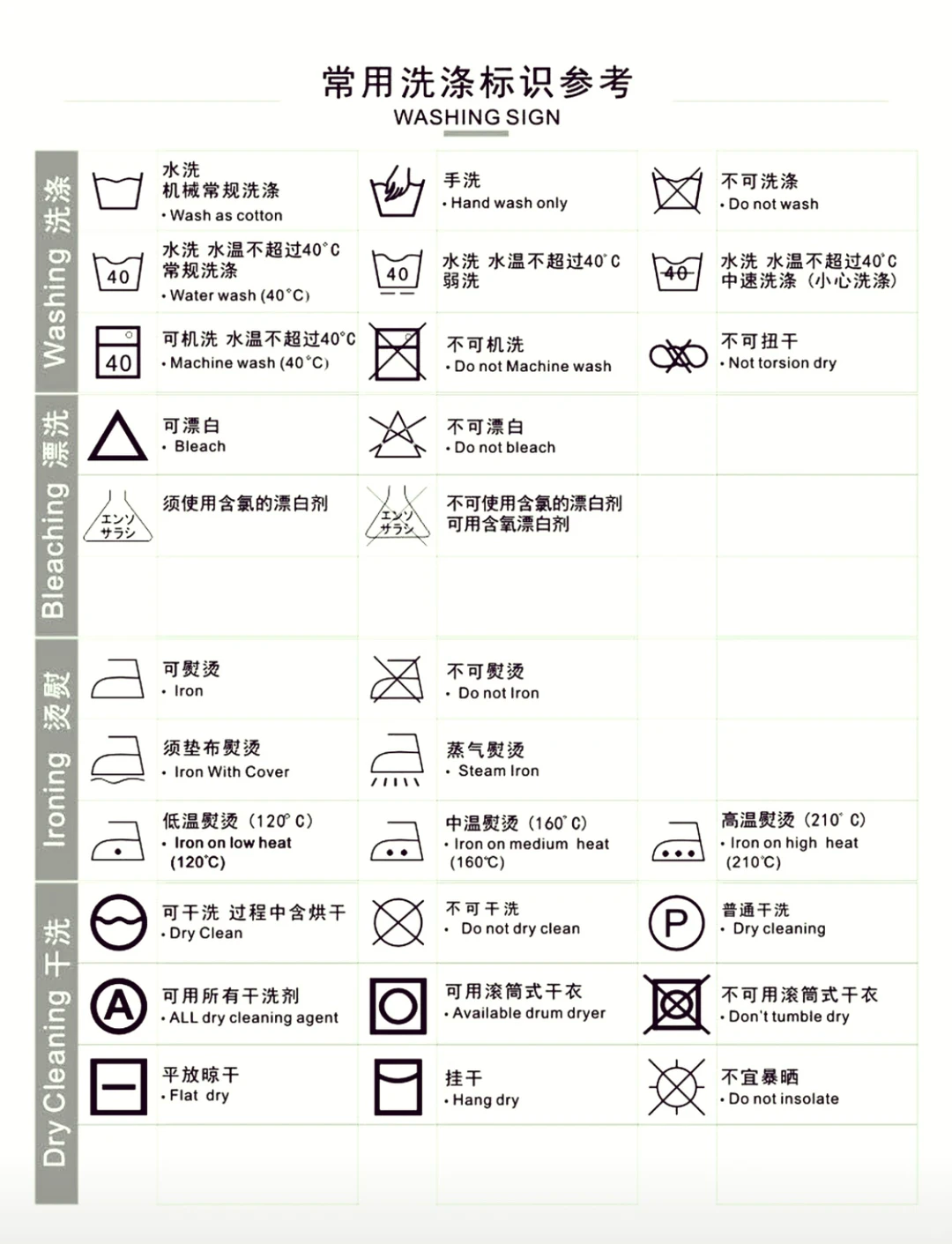
Cellulase enzymes digest surface fibers on cotton and cotton-blend knits, removing fuzz and creating a soft, worn-in feel. The process runs 30–90 minutes at controlled pH and temperature, ideal for casual pullovers and cardigans in ring-spun cotton or cotton-acrylic blends.
Silicone Softening
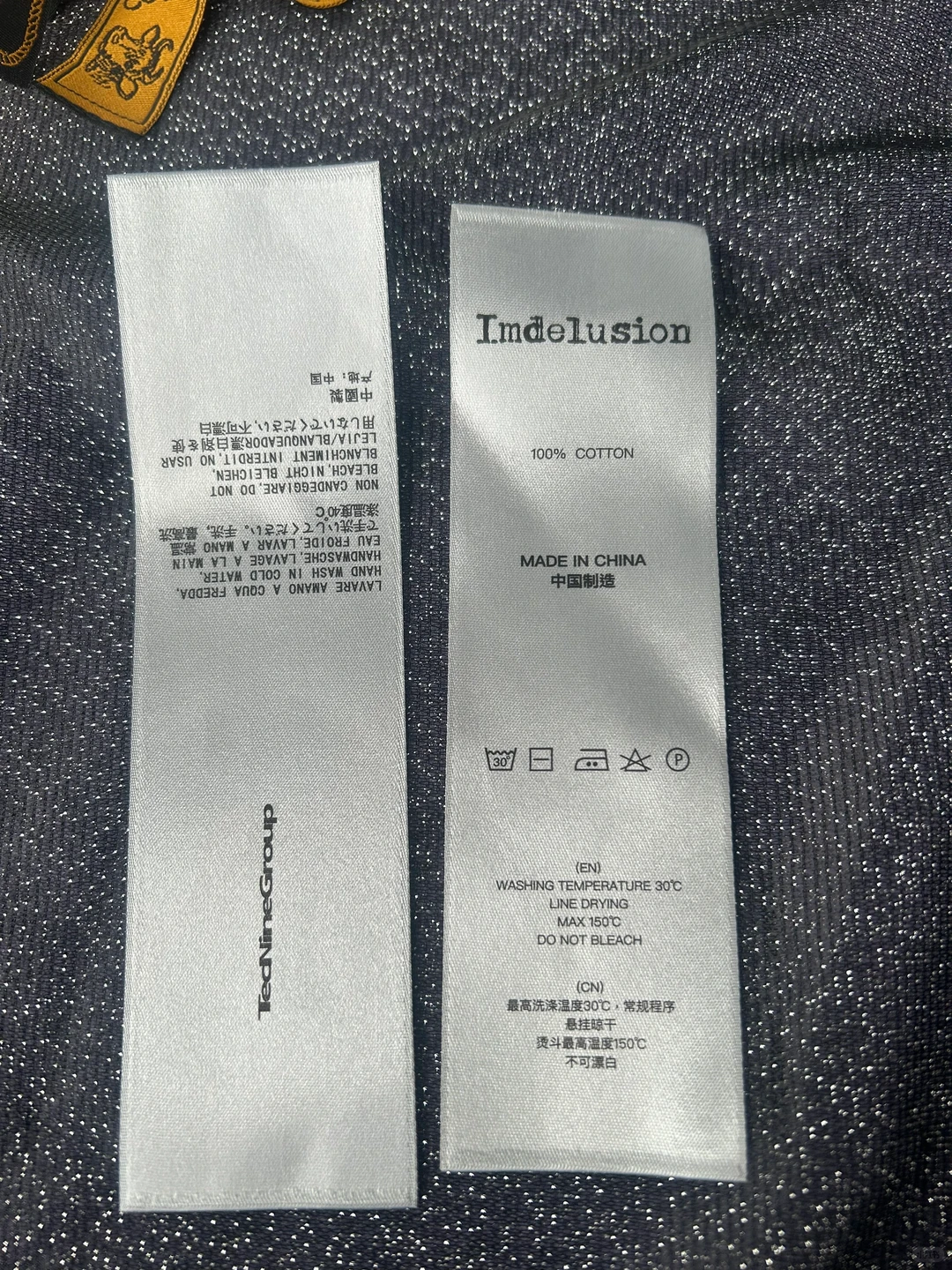
Silicone emulsions coat yarn surfaces to enhance drape and impart a smooth, luxurious hand. This finish works across all fiber types — cashmere, merino, acrylic — and is the go-to for premium sweaters where tactile quality drives purchase decisions.
Garment-Dyed + Washed
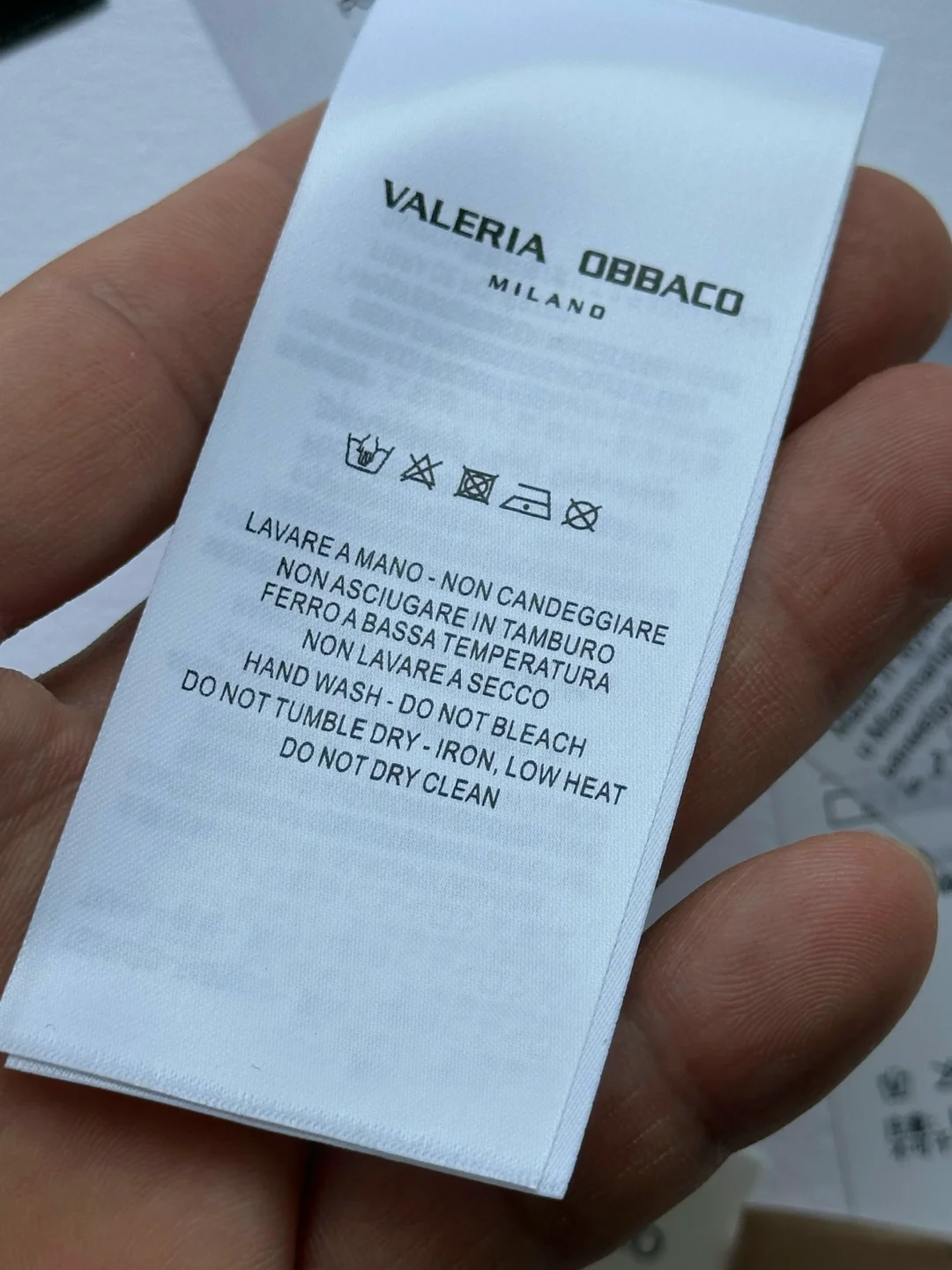
Finished knitwear is dyed in-drum after construction, then washed to lock color and relax tension. The result is rich, even saturation with slight vintage texture, popular in heavyweight cotton and wool cardigans for heritage and streetwear brands.
Eco-Friendly Ozone & Laser Treatments
Ozone gas oxidizes dye molecules without water, while laser ablation selectively fades surfaces. Both reduce chemical use by 60–80 percent and suit sustainability-focused collections in organic cotton, recycled polyester, and Tencel blends.
4. Materials & Fabrics Compatible with Knitwear Garment Wash
Not every fiber reacts identically to knitwear garment wash. Cotton tolerates aggressive mechanical action, while cashmere and alpaca demand enzyme or softener-only cycles to prevent felting. Understanding fiber-specific shrinkage, pilling risk, and color-fastness ensures your wash specification protects hand-feel and dimensional stability.
| Fiber Type | Recommended Wash | Typical Shrinkage % | Hand-Feel Outcome |
|---|---|---|---|
| Cotton / Pima | Stone, enzyme, garment-dye | 2–4% | Soft, broken-in |
| Merino / Lambswool | Enzyme, softener ≤30°C | 3–5% | Lofted, smooth |
| Alpaca | Softener, low agitation | 4–6% | Silky, anti-pill |
| Cashmere | Enzyme or cold softener | 6–10% | Luxurious, delicate |
| Mohair | Light enzyme, brushing | 5–7% | Halo, airy |
| Acrylic / Blends | All processes | <1% | Stable, easy-care |
Cotton & Pima: High Wash Tolerance
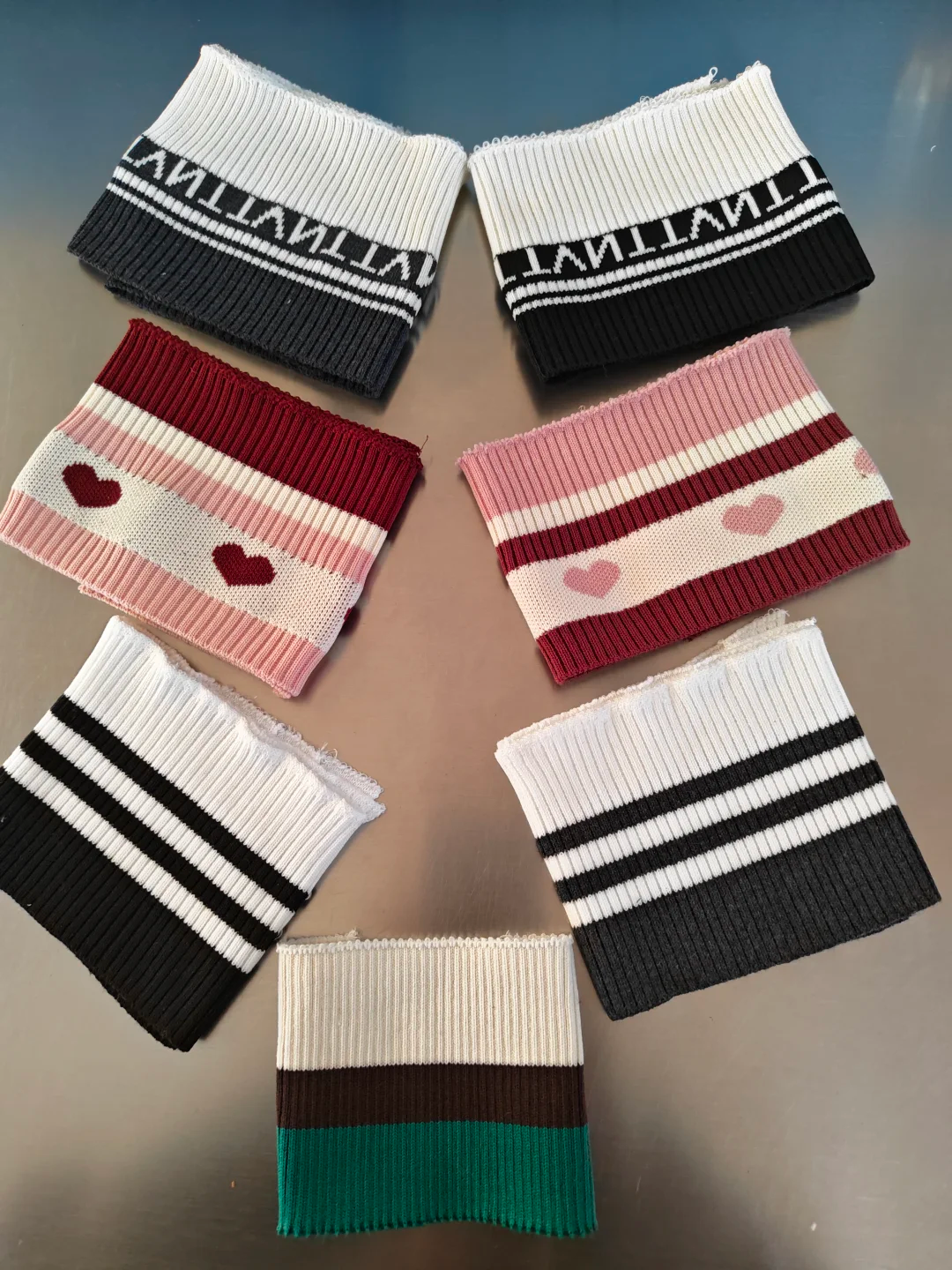
Cotton and Pima accept stone, enzyme, and garment-dye washes with minimal risk. Expect 2–4% relaxation shrinkage in the first cycle, stabilizing after pre-washing. Reactive dyes on cotton offer excellent color-fastness above pH 7, and enzyme washes reduce surface fuzz without compromising tensile strength.
Merino, Lambswool & Alpaca: Controlled Cycles Only
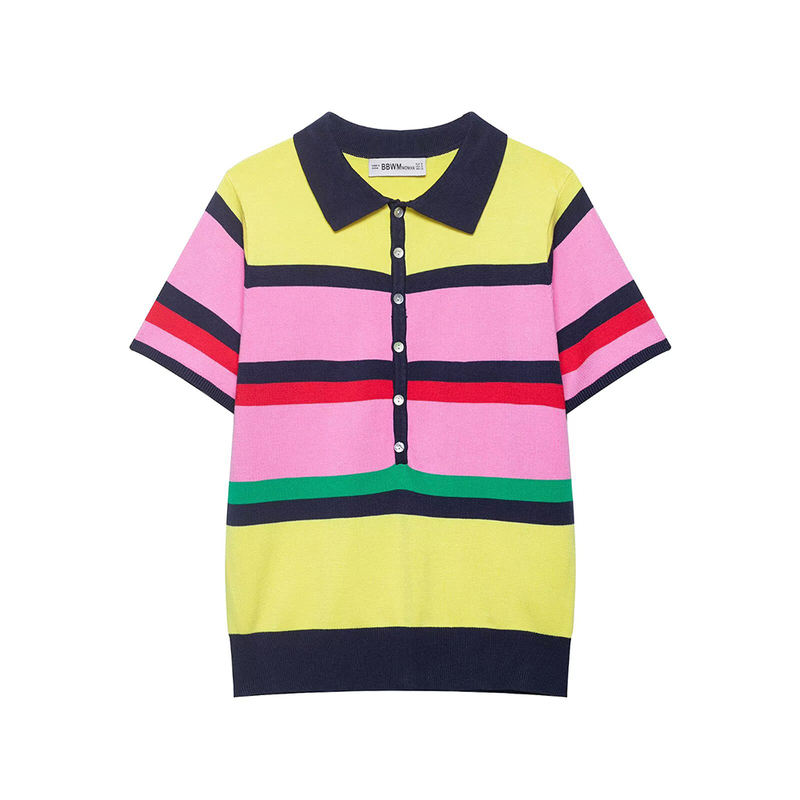
Merino and alpaca are safe under enzyme or softener washes at temperatures below 30°C and low mechanical action. Uncontrolled agitation causes felting and up to 8% shrinkage. CENWILD pre-tests wool samples in pilot drums, adjusting pH and cycle time to preserve loft while achieving the desired hand.
Cashmere & Mohair: Minimal Mechanical Stress
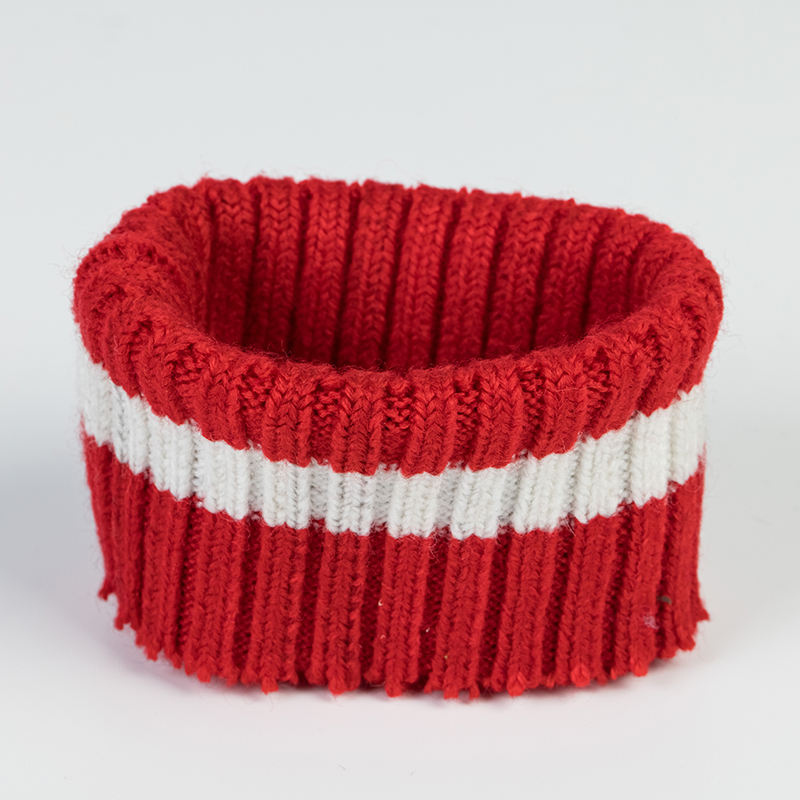
Cashmere requires enzyme-only or cold-water softener washes; stone or heavy tumbling will mat fibers irreversibly. Shrinkage can reach 6–10% if temperature or agitation exceed safe limits. Mohair benefits from light brushing post-wash to lift halo without pilling.
Acrylic & Blends: Versatile & Stable
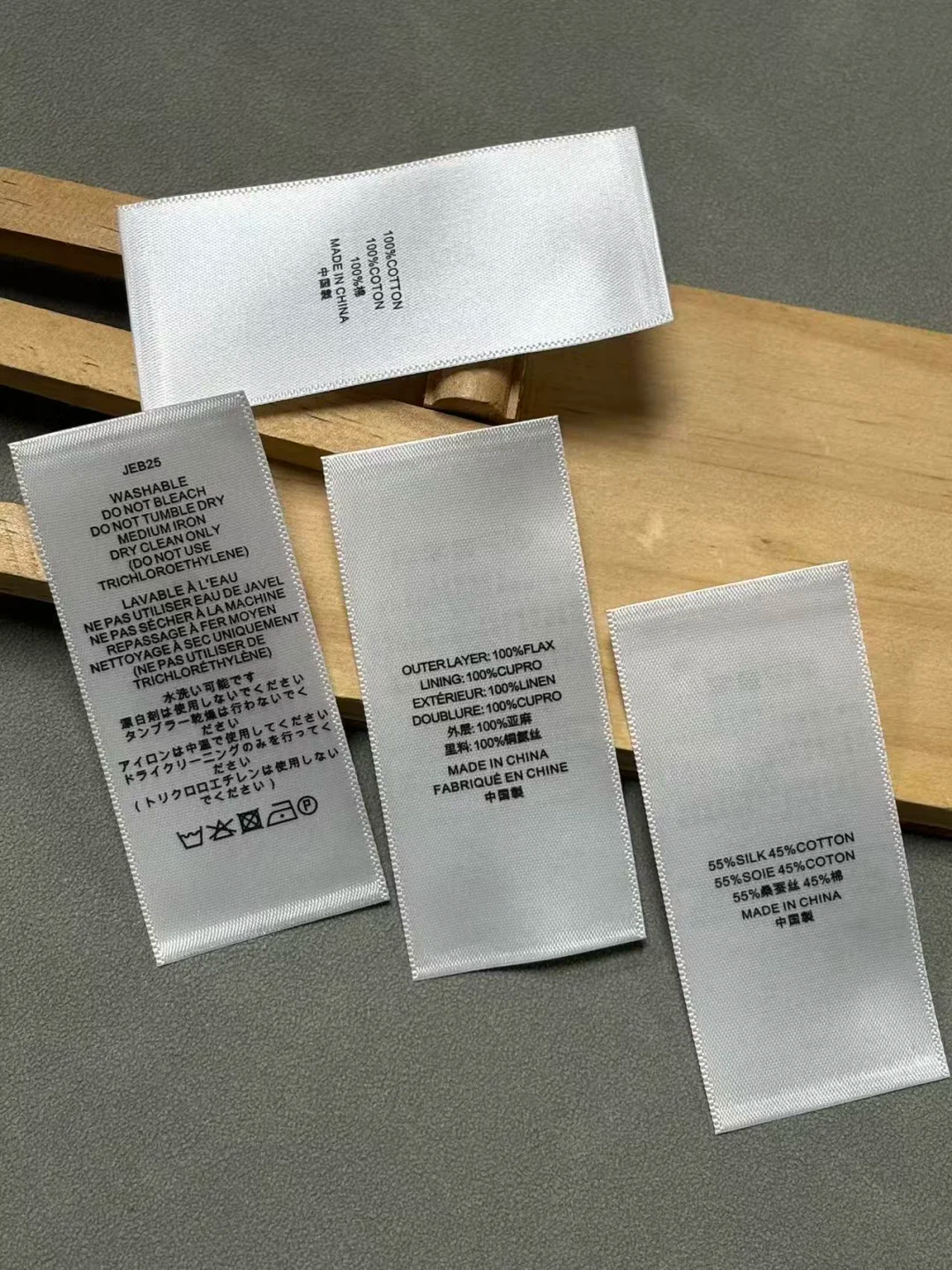
Acrylic resists shrinkage below 1% and accepts garment dye, stone, and enzyme washes. Blends such as 50/50 cotton-acrylic balance wash durability with natural hand-feel. Anti-pilling enzymes work effectively on synthetic fibers, extending garment life without altering drape.
5. Customization & Branding During Knitwear Garment Wash
Knitwear garment wash opens creative paths for color and branding that yarn-dyed or piece-dyed fabrics cannot match. Timing decoration—before or after the wash cycle—determines durability, appearance, and cost.
| Method | Durability (Washes) | Cost Premium (USD/pc) |
|---|---|---|
| Garment dye (full) | 50+ | +0.80–1.20 |
| Localized bleach | 30–40 | +0.50–0.90 |
| Tie-dye / dip-dye | 25–35 | +0.60–1.00 |
| Pre-wash label/patch | 50+ | +0.10–0.15 |
| Post-wash label/patch | 50+ | +0.05–0.10 |
Garment-Dyed Color Matching
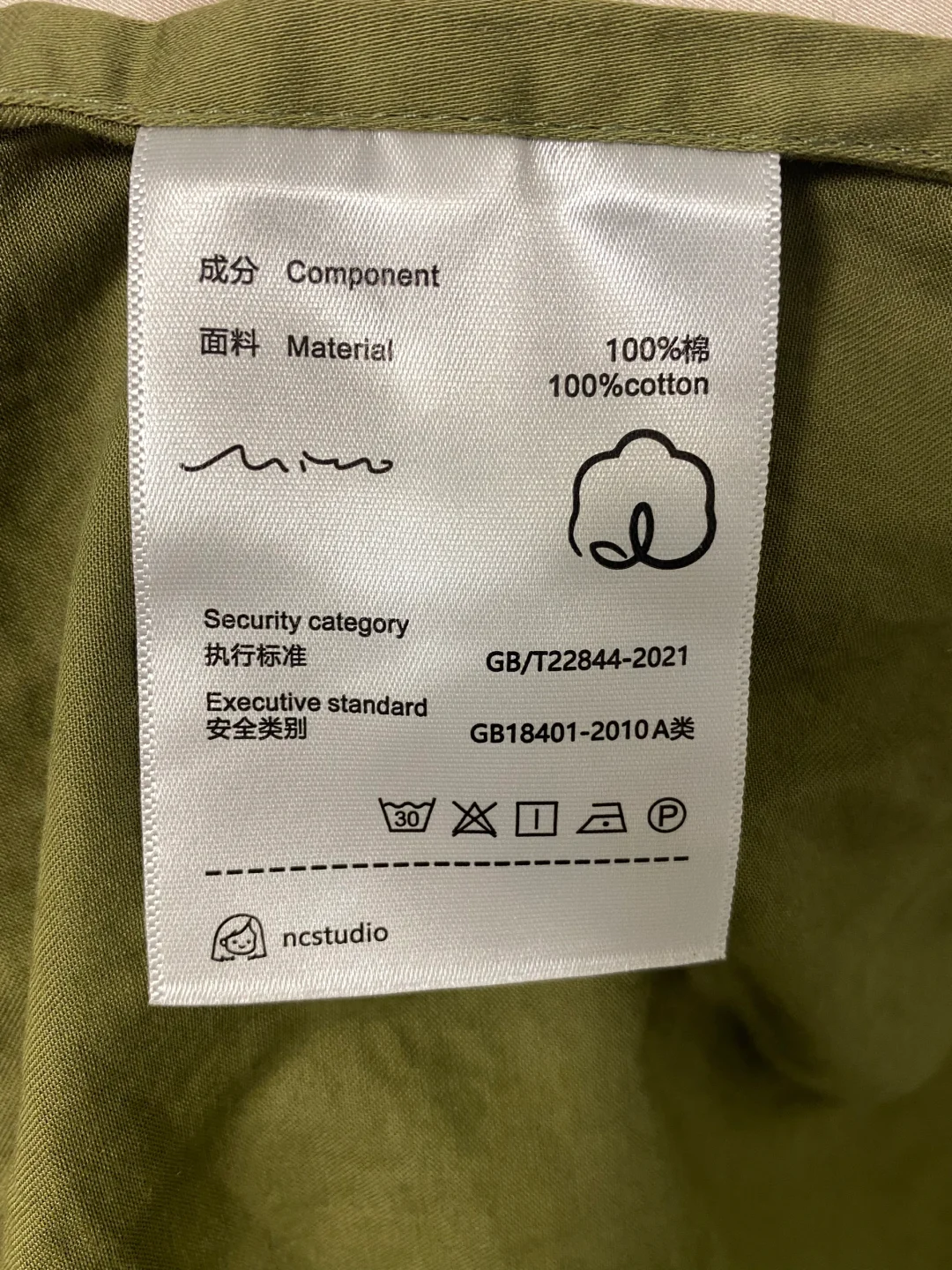
Garment dyeing after knitting lets you dye entire sweaters to precise Pantone references, creating uniform color across body, trims, and seams. CENWILD runs garment-dye cycles for cashmere, merino, cotton, and blends, locking color before softening or anti-pilling washes.
This sequence ensures colorfastness and eliminates the need to pre-dye multiple yarn lots, cutting lead time by 5–7 days and reducing minimum dye-lot waste.
Localized Bleach, Tie-Dye & Dip-Dye Effects
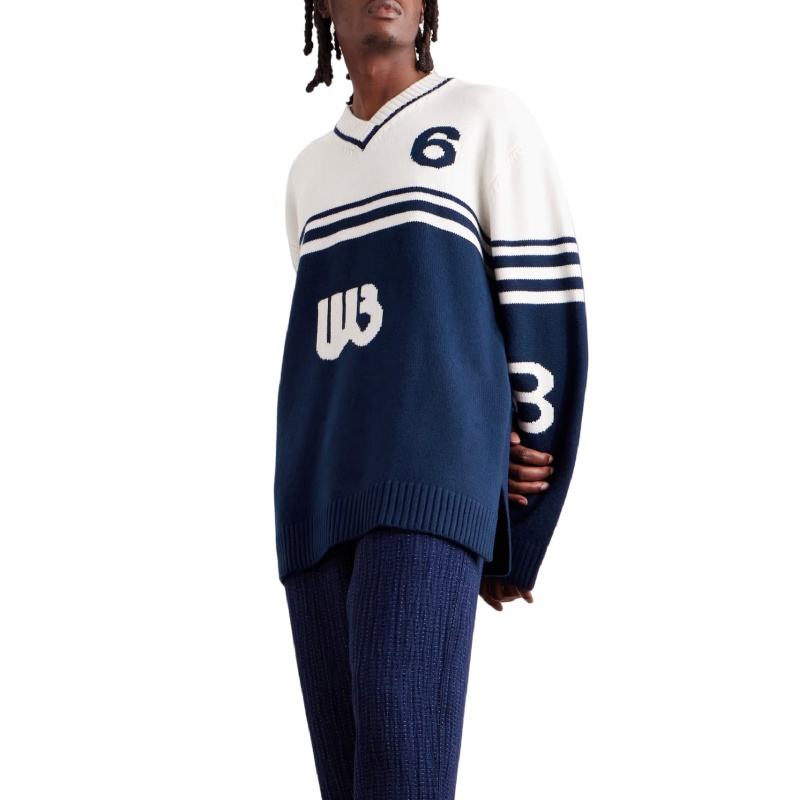
Bleach spray, tie-dye knots, and dip-dye gradients are applied mid-wash cycle to create vintage or artistic finishes. Each technique requires pH-neutral rinse steps to halt chemical action and preserve yarn integrity.
CENWILD’s wash facility handles localized bleach on acrylic and cotton blends, and tie-dye or ombre effects on natural fibers, with sample approval before bulk runs.
Woven Labels & Patches: Pre- or Post-Wash Timing
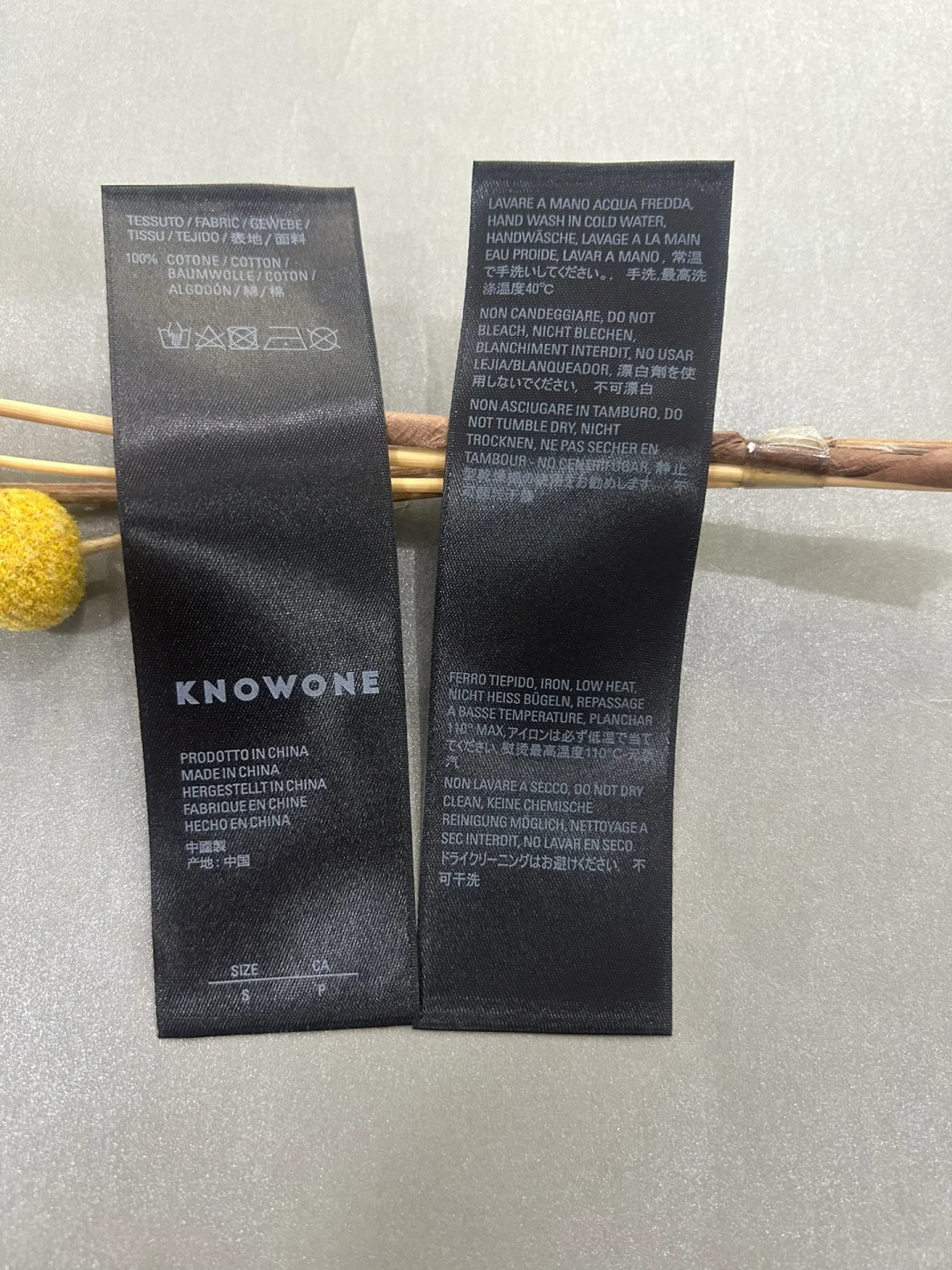
Sew woven labels and embroidered patches before washing if you want a soft, lived-in edge; attach after washing for crisp, flat branding. Pre-wash attachment adds 0.10–0.15 USD per piece but survives enzyme and stone cycles without fraying.
CENWILD recommends heat-sealed woven labels for post-wash application on delicate cashmere and alpaca, preserving hand-feel while meeting brand-identity standards.
6. Quality Control Checkpoints for Knitwear Garment Wash
Effective knitwear garment wash quality control prevents costly chargebacks and protects brand reputation. CENWILD tests five critical checkpoints before shipment, and buyers should embed these tolerances directly into tech packs to ensure consistency across production runs.
Dimensional Stability
Measure chest, length, and sleeve before and after washing; industry-standard tolerance is ±3% for natural fibers, ±2% for synthetics. Record three garments per colorway and size to confirm shrinkage falls within spec.
CENWILD logs pre-wash and post-wash dimensions at every wash trial, ensuring final production matches approved samples and preventing size-run complaints.
Color Consistency & Dye-Lot Control
Batch-to-batch variation must stay within Delta E ≤1.0 under D65 daylight. Compare washed garments against approved lab dips and previous production lots using a spectrophotometer.
Write Pantone or custom dye-lot references into your tech pack, and require the factory to photograph each batch under standardized lighting before packing.
Seam Integrity Post-Tumble
Inspect all linking, overlock, and flatlock seams for puckering, thread breakage, or stitch slippage after tumble cycles. Seam strength should meet ASTM D1683 minimum 35 lbf for knitwear.
CENWILD checks collar, cuff, and shoulder seams on random samples from every 500-piece lot to catch wash-induced stress failures early.
Surface Damage & Pilling Resistance
Grade pilling using ASTM D3512 or ICI box method; acceptable knitwear scores grade 3 or higher. Examine fabric face for snags, pulls, or abrasion marks introduced during wash tumbling.
Chemical Residue Testing
Test finished garments for pH 4.5–7.5 and formaldehyde below 75 ppm (infant) or 300 ppm (adult) per OEKO-TEX Standard 100. Request third-party lab certificates for every new wash recipe or softener change.
7. How to Choose a Knitwear Garment Wash Manufacturer
Choosing the right knitwear garment wash manufacturer determines whether your collection achieves the intended hand-feel, color consistency, and sustainability profile. Evaluating facility ownership, certifications, and technical capacity reveals which partners can scale with your brand.
In-House Versus Subcontracted Wash Facilities
Manufacturers with in-house wash equipment control turnaround time, recipe confidentiality, and batch-to-batch consistency. Subcontracted laundries add 7–14 days to lead time and introduce communication layers that risk color drift.
CENWILD operates dedicated garment-wash lines for softening, anti-pilling, garment dye, and brushing, enabling same-site quality control and faster sampling. Ask suppliers whether wash is performed on-premises or outsourced, and request facility photos showing industrial washers, dryers, and wastewater treatment systems.
Certifications and Wastewater Treatment
OEKO-TEX Standard 100, ZDHC MRSL compliance, and Bluesign certification confirm that dyes, enzymes, and finishing agents meet restricted-substance limits. Wastewater treatment capability — biological treatment tanks, pH neutralization, and sediment filtration — protects both the environment and your brand reputation.
During factory audits, verify discharge permits and ask for third-party test reports on effluent quality. Factories without closed-loop or municipal treatment connections pose regulatory and ethical risks.
Sample Turnaround and MOQ per Recipe
Sample turnaround for knitwear garment wash typically ranges from 5 to 10 days when facilities are in-house. Minimum order quantities per wash recipe vary: 100–200 pieces per colorway is standard for specialized finishes, while enzyme or silicone softening may accept lower thresholds.
CENWILD supports 100-piece MOQ per wash type, allowing emerging brands to test multiple finishes without overcommitting inventory. Confirm whether your supplier charges setup fees for each wash recipe and whether re-orders can reuse the same process parameters.
8. Common Mistakes When Ordering Knitwear Garment Wash
Even experienced buyers make costly errors when ordering knitwear garment wash services. Understanding these pitfalls before production prevents delays, chargebacks, and customer returns.
Approving Fit Before Pre-Shrink Samples
Many brands approve fit on unwashed knits, then discover 3–5 percent shrinkage after garment wash. Cashmere and wool blends can shrink up to 8 percent in hot enzyme or softening washes.
Always request a pre-production sample washed to the final recipe before signing off on grading. CENWILD provides knit-down swatches washed to spec so fit is locked before bulk.
Ignoring Wash-Recipe Documentation
Skipping written wash parameters — temperature, cycle time, chemical dosage — makes repeat orders inconsistent. A 60°C enzyme wash versus 40°C yields different hand-feel and pilling resistance.
Document every recipe with your manufacturer and archive it by style code. Request a signed wash log for each production batch to ensure traceability.
Mixing Incompatible Fibers in One Load
Loading cotton, wool, and acrylic pieces together risks uneven shrinkage and color migration. Wool requires pH-neutral detergent; cotton tolerates alkaline.
Group garments by fiber family and wash separately. Confirm your factory segregates loads by material type to protect quality.
Underestimating Garment-Dye and Wash Lead Time
Garment dyeing plus washing adds 7–10 days to standard knit timelines. Rush orders often skip proper drying or colorfastness curing, causing dye bleed in retail.
Build wash and cure time into your production calendar. CENWILD’s 80,000-piece monthly capacity includes integrated wash scheduling to keep timelines predictable.
Skipping Colorfastness Tests
Omitting AATCC or ISO colorfastness tests before bulk wash leads to shade variation and customer complaints. Dark garment-dyed knits are especially vulnerable to crocking.
Request a wash-fastness report (grade 4 minimum) on pre-production samples. Reputable manufacturers include this in their QC checkpoint documentation.
9. Steps to Launch Your Knitwear Garment Wash Collection
Launching a knitwear garment wash collection requires tight coordination between design intent, yarn selection, wash development, and production timing. CENWILD walks brands through each milestone—from aesthetic definition to bulk shipment—ensuring wash recipes, knit structures, and lead times align before the first production run.
Define Your Aesthetic and Wash Goal
Start by deciding whether you want a vintage distressed hand, a clean softened finish, or a brushed cozy surface. This choice dictates enzyme strength, stone load, and finishing chemistry.
Share mood boards, competitor references, or fabric swatches with your manufacturer. CENWILD’s design team translates visual direction into wash parameters—temperature curves, tumble duration, and anti-pilling treatment—so the final garment matches your brand aesthetic from the first sample.
Select Base Yarns and Knit Structures
Cotton, wool blends, and acrylic each respond differently to garment wash; ring-spun cotton softens beautifully under enzyme wash, while merino requires gentler cycles to prevent felting. Gauge (3GG–14GG) and stitch type—cable, rib, jacquard—also affect shrinkage and texture.
CENWILD’s knit programmers recommend yarn counts and constructions that deliver your target hand-feel after washing, avoiding excessive shrinkage or pilling that would push the piece out of spec.
Develop Wash Recipes with Your Manufacturer
Your manufacturer will prepare 3–5 lab-dip samples using different enzyme concentrations, stone ratios, or softener blends. Each recipe is logged with wash time, water temperature, and chemical dosage for repeatability.
CENWILD runs trial washes on knit-down swatches, measures dimensional change, and photographs the surface before shipping samples for your approval, ensuring the recipe is locked before any bulk knitting begins.
Approve Lab-Dips and Run Pre-Production Trial
Once you select a lab-dip, request a pre-production trial on 10–20 full garments in your size range. This confirms that the wash recipe scales from swatch to bulk and that shrinkage remains consistent across S–XXL.
CENWILD coordinates knitting, washing, and QC inspection within a single 3–4 week window, catching any color migration, seam puckering, or hand-feel variation before committing to the full production order of 100+ pieces.
Finalize Bulk Production and Shipping Timeline
Bulk lead time typically spans 25–35 days: knitting (10–14 days), garment wash and drying (3–5 days), final inspection and packing (3–5 days), plus freight. Build an extra 5–7 days if you add embroidery or custom hang-tags post-wash.
CENWILD provides a production Gantt chart at order confirmation, flagging wash-day milestones so you can coordinate marketing launches, pre-orders, and warehouse receiving without costly air-freight corrections.
10. Pricing & Cost Breakdown for Knitwear Garment Wash
Knitwear garment wash pricing varies by process complexity, order volume, and finish specifications. At CENWILD’s 100-piece minimum order quantity, enzyme wash typically adds $1.80–$2.50 per unit, silicone softening $1.50–$2.20, and garment-dyed finishes $2.80–$4.00, with per-unit costs declining as volume scales to 500 and 1,000+ pieces. Lead time ranges from 5–7 days for standard enzyme or silicone treatments to 10–14 days for garment-dyed runs that require precise color matching and extended drying cycles.
Setup fees for custom wash recipes — unique enzyme blends, proprietary softener ratios, or multi-step sequences — range from $150 to $400 depending on lab trials and sampling rounds. Eco-certified processes using GOTS-approved enzymes or low-water technologies carry a 10–15% surcharge but eliminate compliance risk for brands targeting sustainable retail channels. Payment terms ease from 100% deposit on first orders to 30% for established partners, with balance due before shipment via T/T, PayPal, credit card, or USDT.
| Wash Type | 100 pcs | 500 pcs | 1,000+ pcs | Lead Time (days) |
|---|---|---|---|---|
| Enzyme wash | $1.80–$2.50 | $1.40–$1.90 | $1.10–$1.50 | 5–7 |
| Silicone softening | $1.50–$2.20 | $1.20–$1.70 | $0.90–$1.30 | 5–7 |
| Garment-dyed | $2.80–$4.00 | $2.30–$3.30 | $1.80–$2.60 | 10–14 |
| Eco-certified (GOTS) | +10–15% | +10–15% | +10–15% | +2–3 |
Request Your Knitwear Garment Wash Quote Today
Partner with CENWILD’s 28-year finishing team. Submit your specs for a free sample evaluation, wash consultation, or custom quote—100-piece MOQ.