Custom Knitted Clothing Manufacturers — OEM/ODM, 100-Piece MOQ, 28+ Years
Partner with experienced knitted clothing manufacturers in Dongguan, China. Full-service OEM and ODM knitwear production with flexible MOQ from 100 pieces, in-house sampling, and 28+ years of expertise.
Knitwear & Sweater Gallery
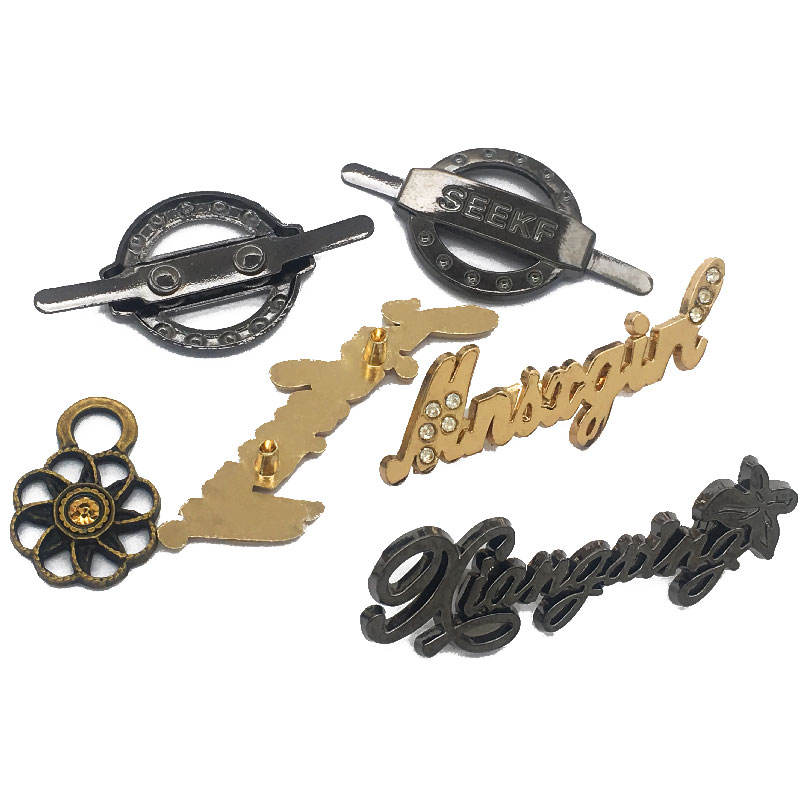
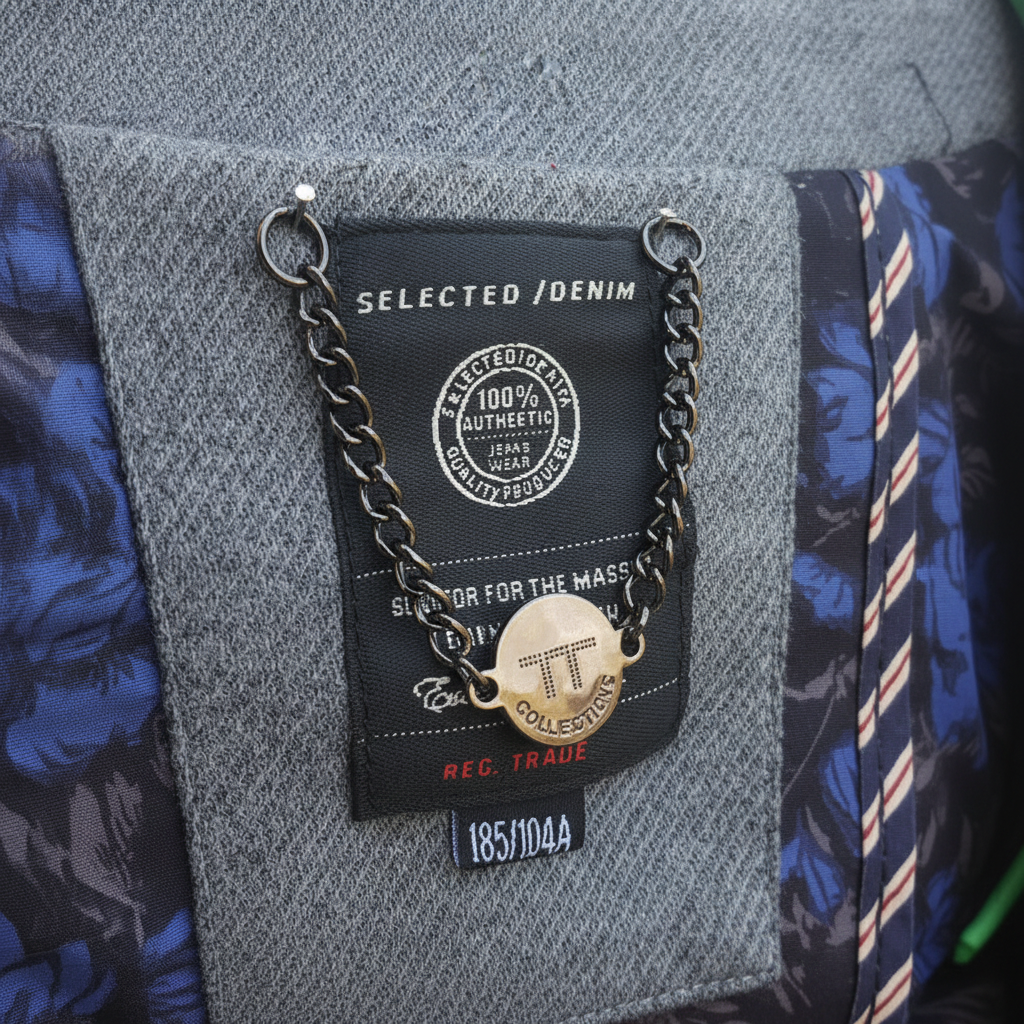
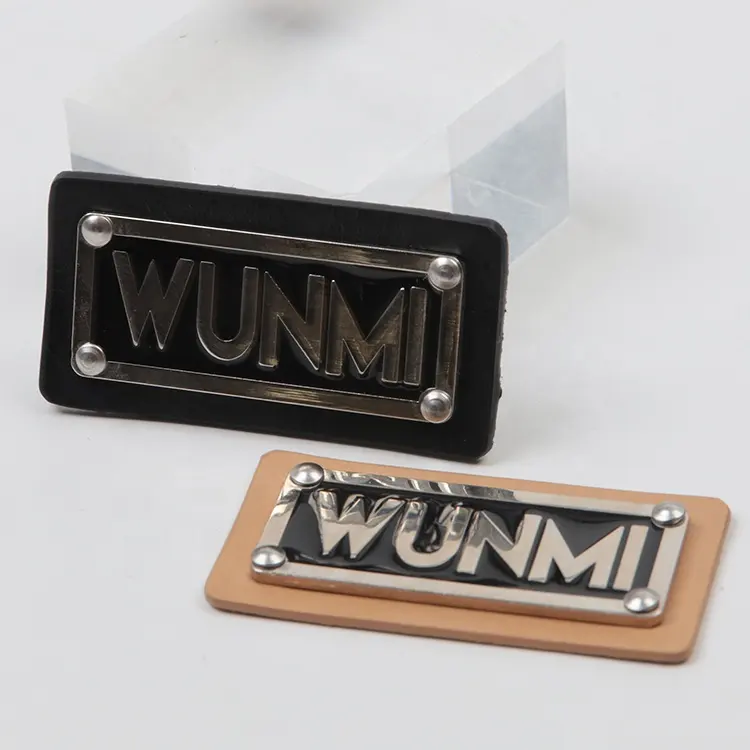
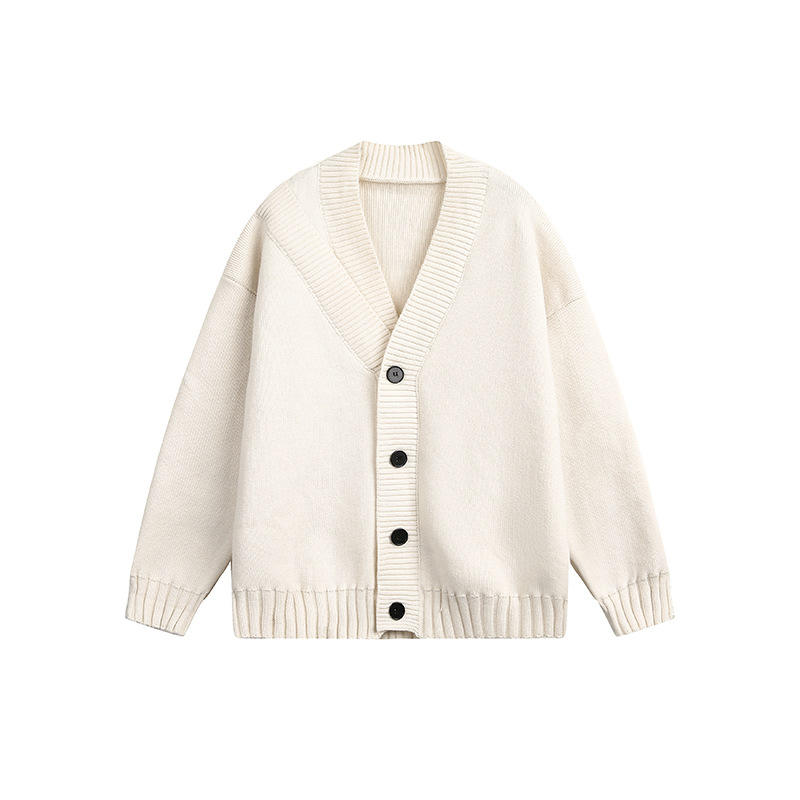
Why Choose CENWILD for Your Custom Knitwear Production
Low MOQ from 100 Pieces
Launch your collection without warehouse risk. We support startups and established brands with flexible minimum order quantities starting at just 100 pieces per style.
Fast In-House Sampling
Receive production-ready knit-down samples quickly. Our in-house design team and computerized flat-knitting machines accelerate your time to market without compromising quality.
Full OEM & ODM Capabilities
From your tech pack to our original designs. We handle complete product development, 3D knit programming, grading, and decoration under one roof in Dongguan.
28+ Years Manufacturing Experience
Founded in 1998 in Humen, Dongguan. Three decades of knitwear craftsmanship serving over 2,000 fashion brands across the United States, Europe, Australia, and beyond.
200+ Skilled Knitting Specialists
Expert team dedicated to quality and precision. Our experienced workforce ensures consistent craftsmanship across intarsia, jacquard, cable knits, embroidery, and garment finishing.
80,000+ Monthly Production Capacity
Scale confidently with proven capacity. Our computerized 3GG to 14GG flat-knitting lines deliver reliable volume for seasonal launches and ongoing replenishment orders.
Knitwear Categories We Manufacture
Custom Sweaters
From crewnecks and V-necks to cable knits and jacquard patterns, CENWILD produces fully customized sweaters in any gauge, yarn, and construction. Whether you bring a tech pack or a sketch, our in-house design team and 3GG–14GG flat-knitting capacity turn your concept into production-ready knitwear with MOQ from 100 pieces.
Get a Quote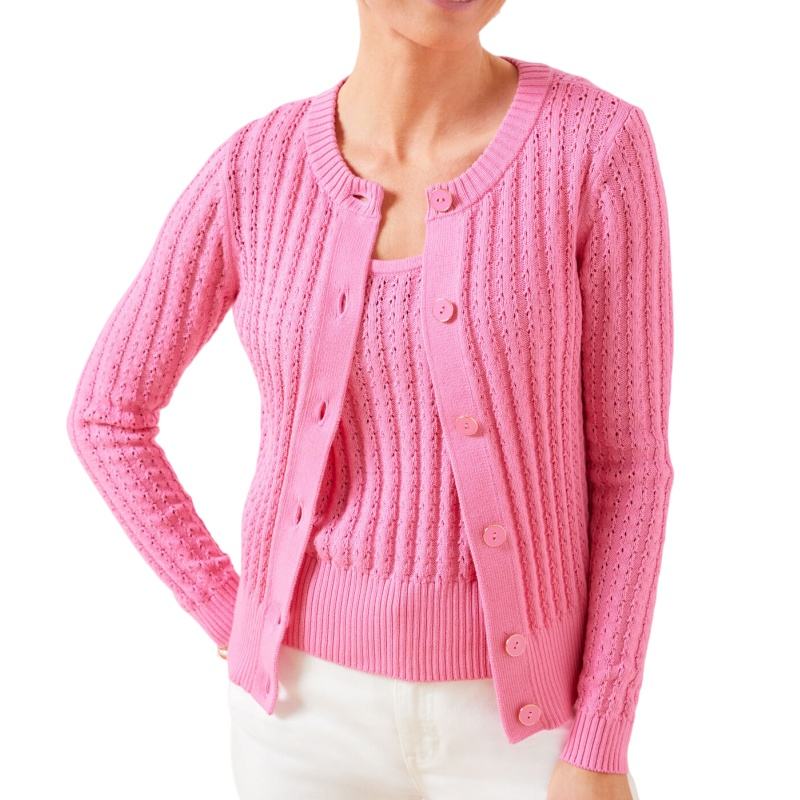
Knit Cardigans
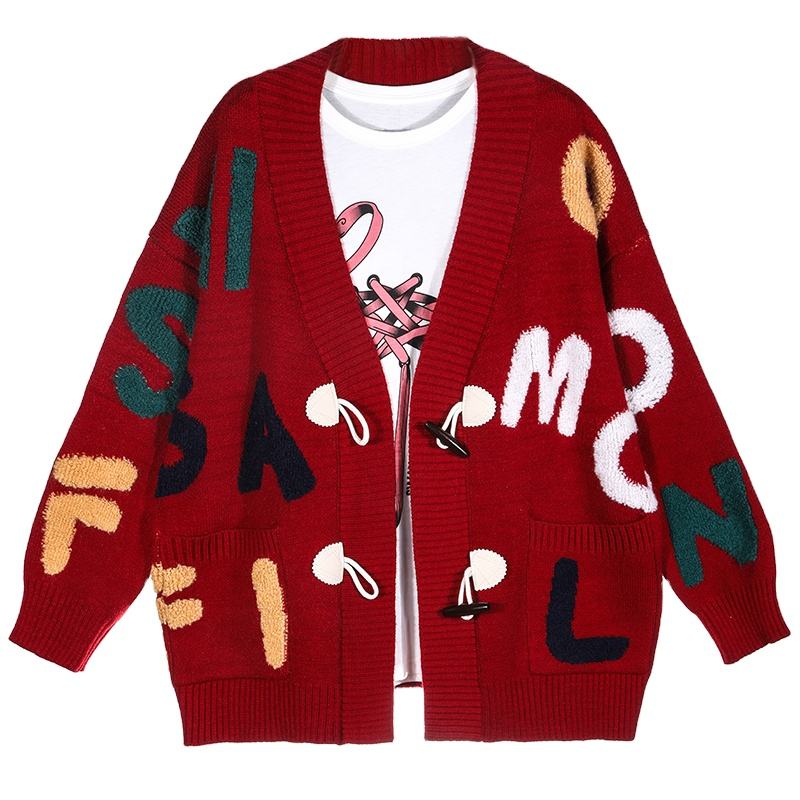
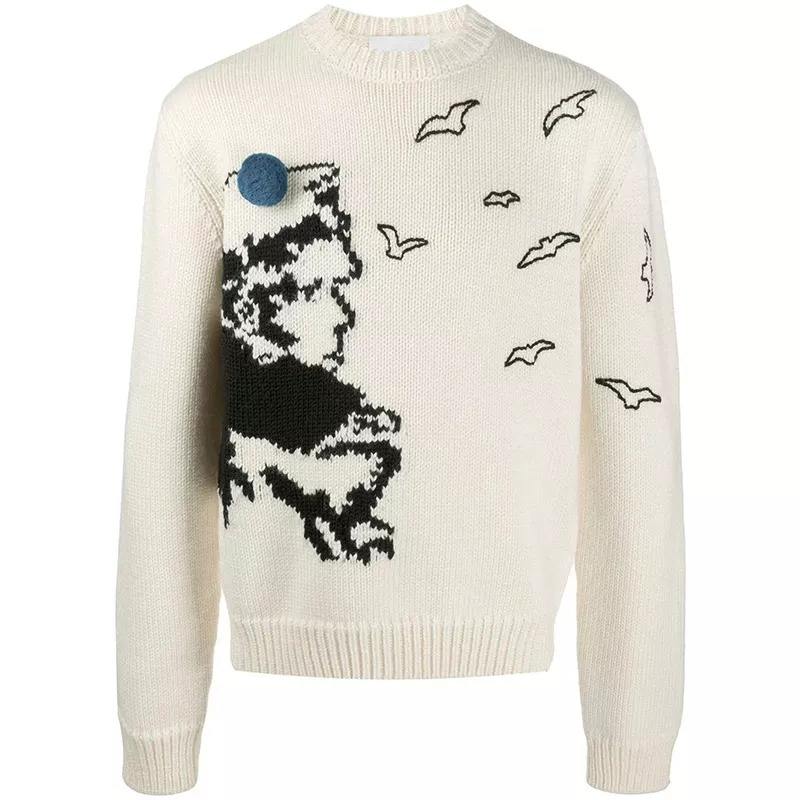
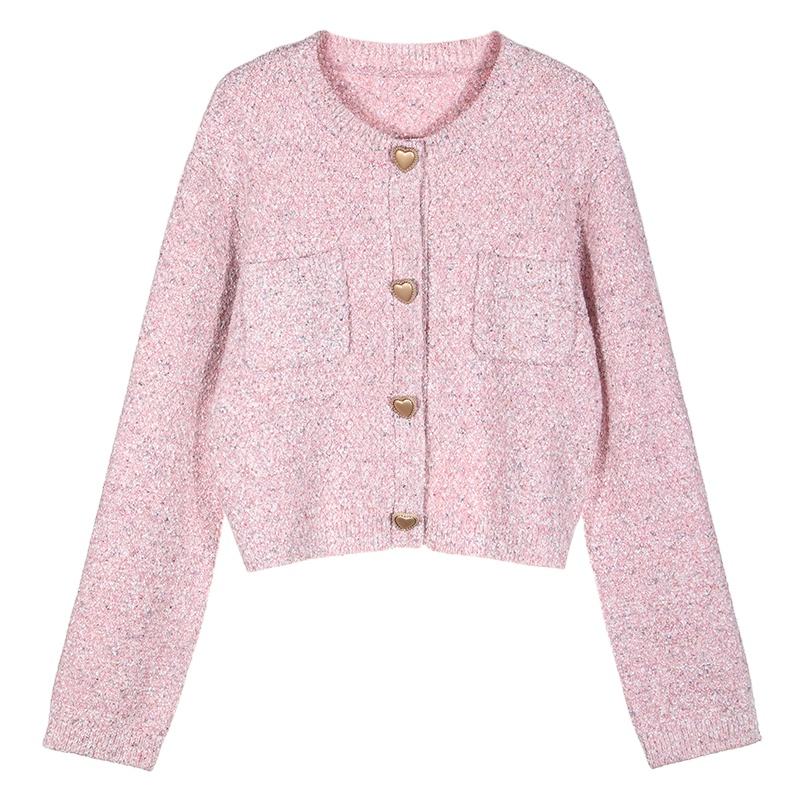
Button-front cardigans in every weight and style—chunky ribbed, fine-gauge merino, oversized boyfriend fits, cropped lengths. We handle intarsia motifs, embroidered patches, custom trims, and garment-dyed finishes. OEM and ODM services support both your designs and our original development for private label collections.
Get a Quote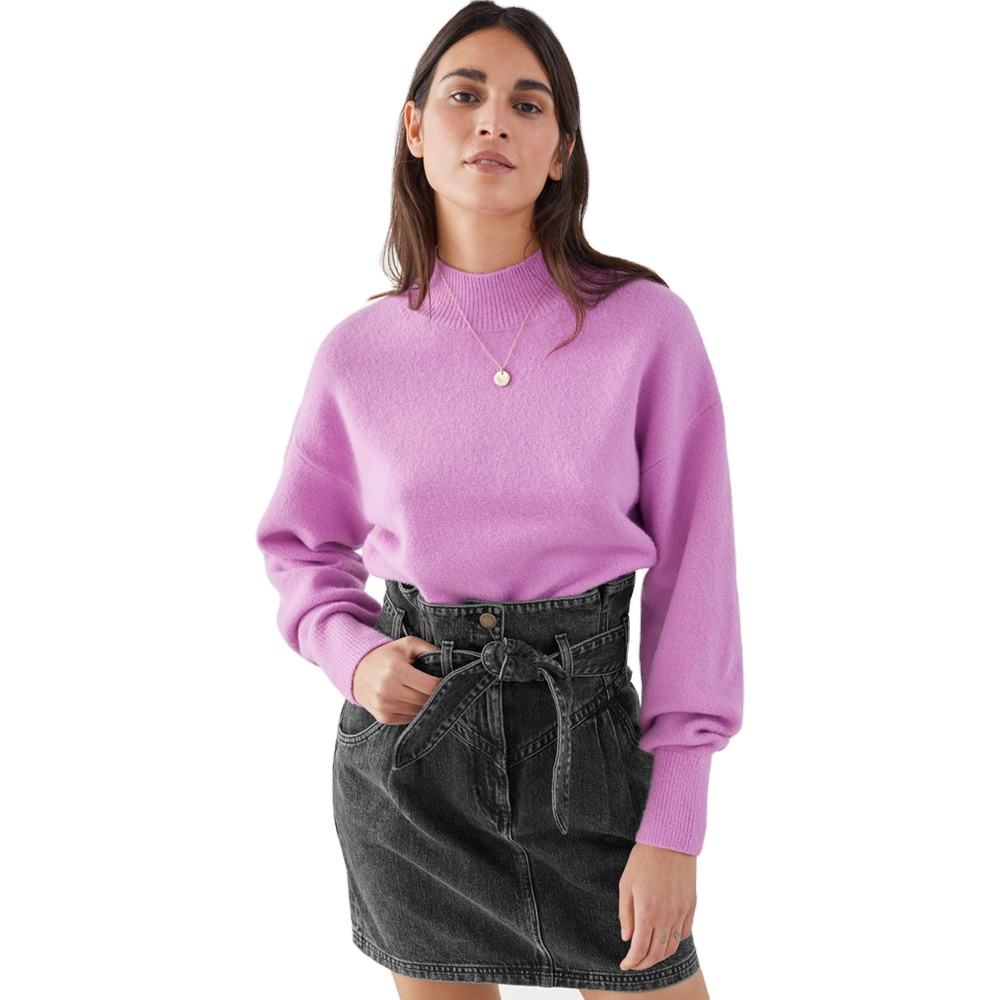
Pullover Sweaters
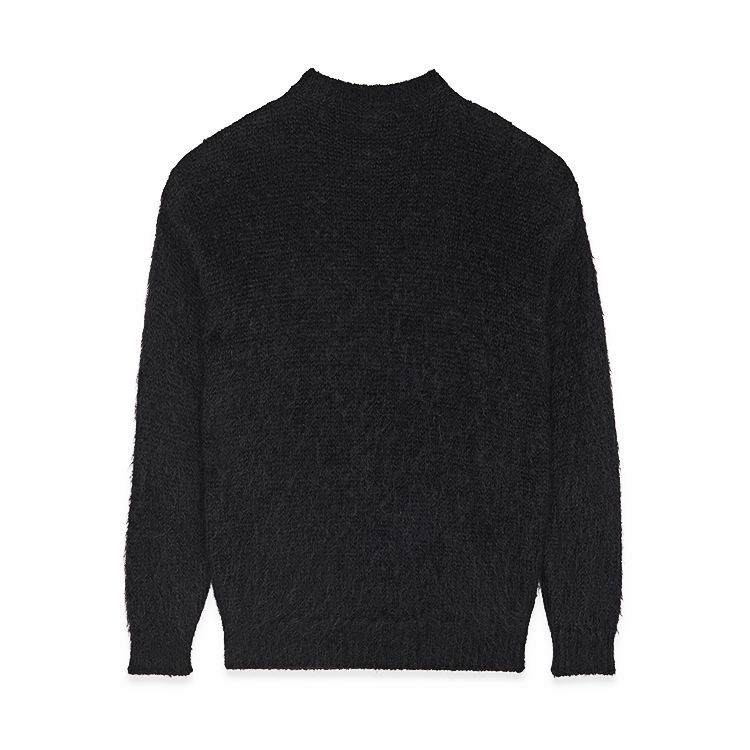
Pullovers remain the backbone of any knitwear line. CENWILD manufactures crewneck, mock neck, and boatneck styles in cashmere, lambswool, cotton, alpaca, and blends. Fully-fashioned shaping, pointelle details, jacquard graphics, and embroidery options let you differentiate every SKU while maintaining consistent quality across production runs.
Get a Quote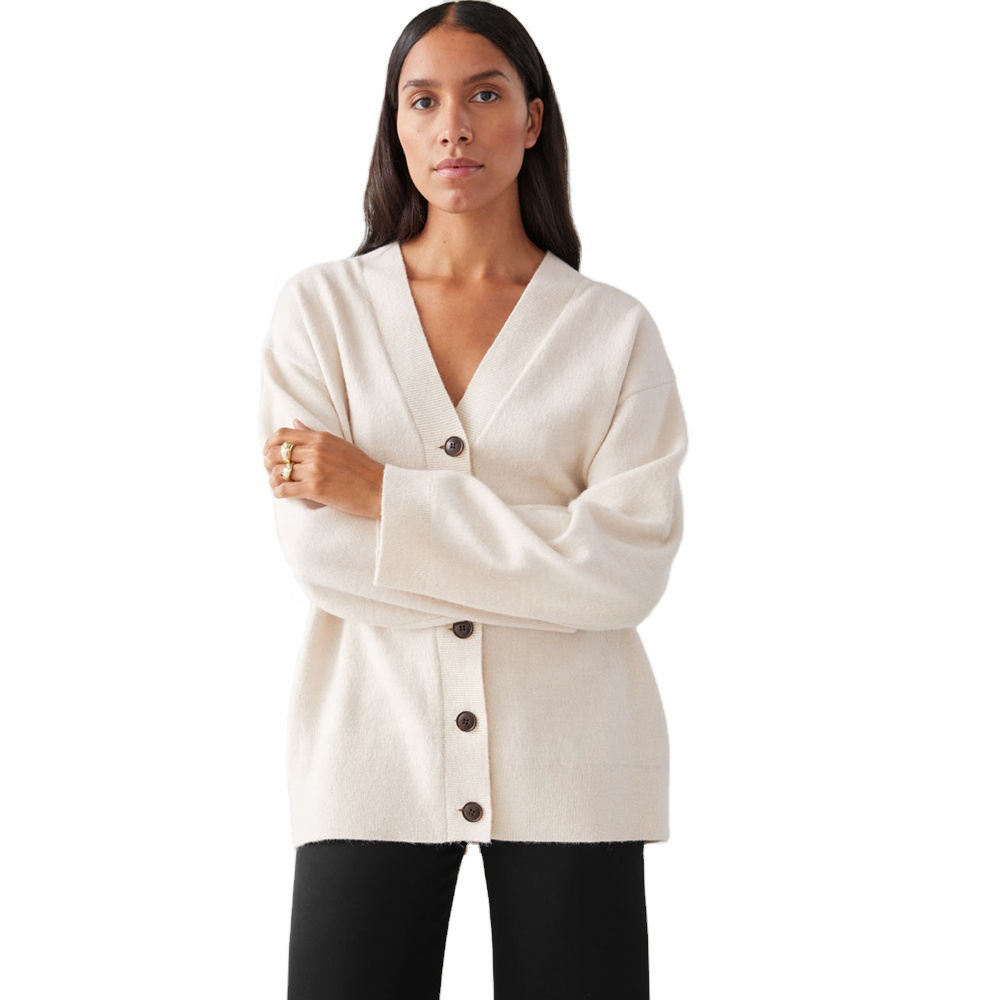
Knit Dresses
Knit dresses require precise grading and drape control. Our team engineers fitted, A-line, and sweater-dress silhouettes in fine to mid-gauge constructions, with rib panels, cable accents, or colorblock intarsia. From mini to midi lengths, we handle yarn selection, knit-down sampling, and full garment finishing to ensure fit and hand meet your standards.
Get a Quote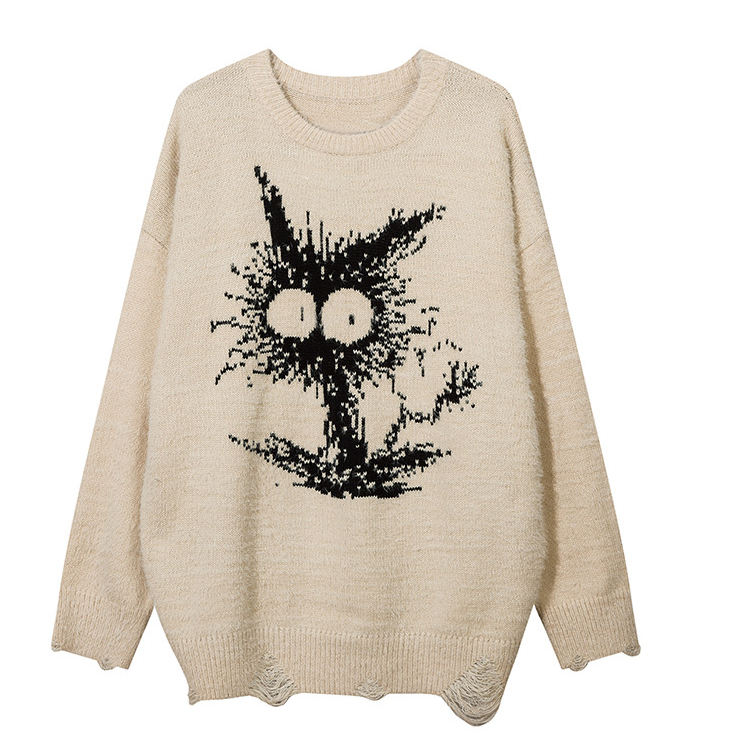
Knit Hoodies
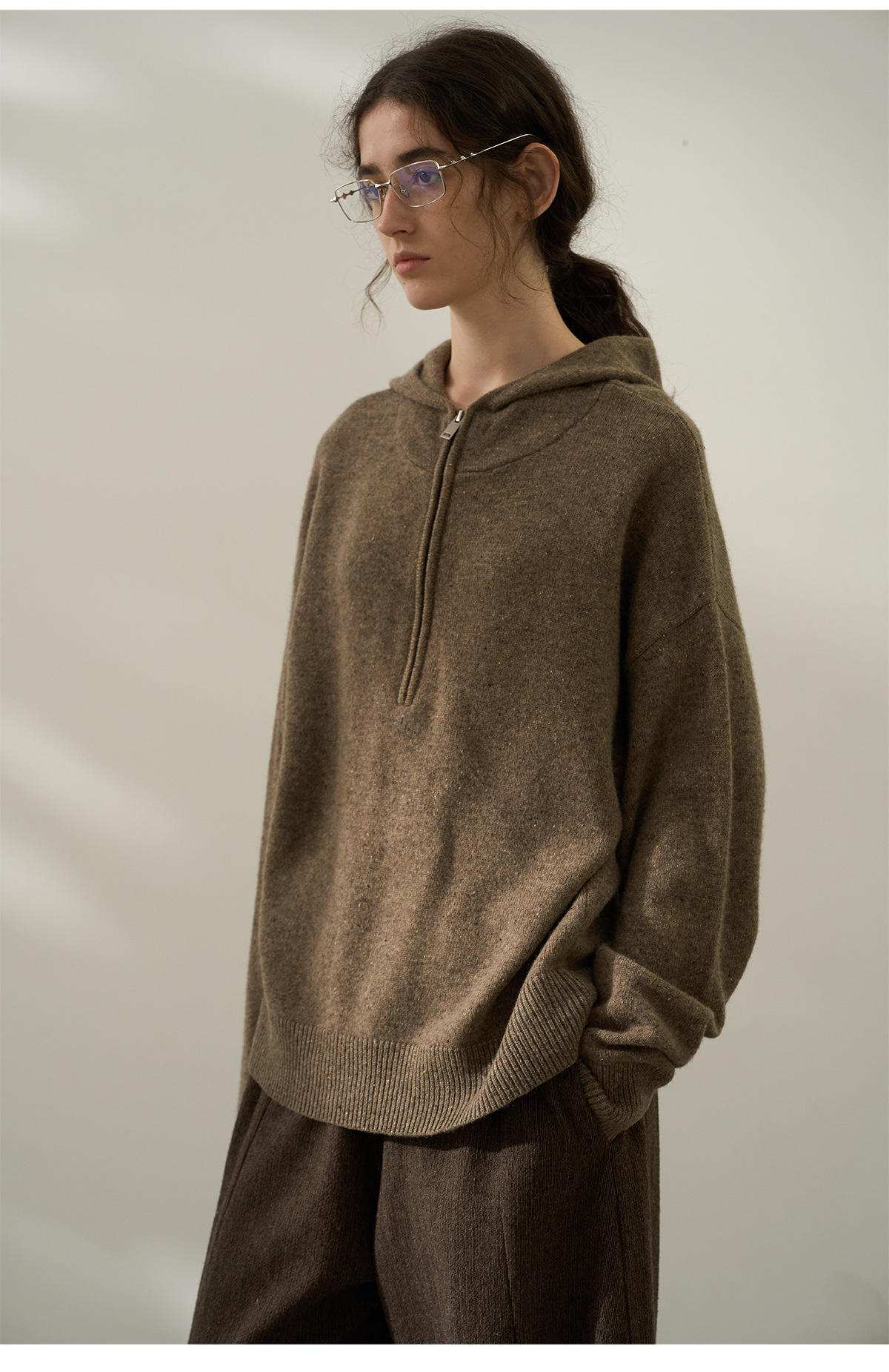
Knit hoodies combine the comfort of fleece with the refinement of sweater construction. CENWILD produces pullover and zip styles in cotton, cotton-cashmere blends, and technical yarns, with options for kangaroo pockets, drawcords, ribbed cuffs, and tonal or contrast stitching. Ideal for athleisure, streetwear, and elevated casual collections.
Get a Quote
Turtleneck Sweaters
Turtlenecks and mock necks in fine merino, cashmere, and cotton blends for layering or standalone statement pieces. We knit slim-fit and relaxed silhouettes across 5GG to 12GG gauges, with options for ribbed collars, side slits, and extended hems. Perfect for minimalist lines and cold-weather capsules with low MOQ flexibility.
Get a Quote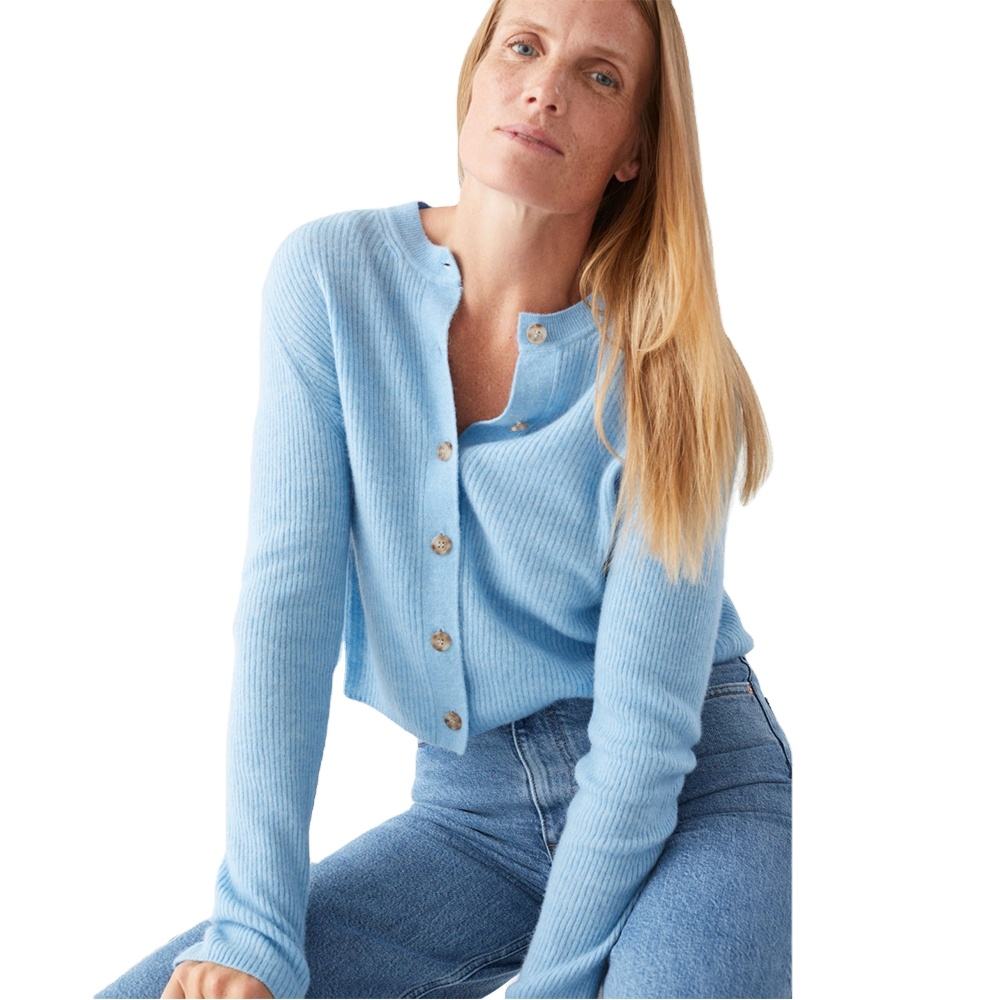
Knit Vests
Sweater vests have returned as wardrobe staples. CENWILD manufactures V-neck, crewneck, and argyle styles in wool, cotton, and acrylic blends, with jacquard patterns, embroidered crests, or clean solid colorways. Fully-fashioned armholes and hem finishes ensure a polished fit for preppy, workwear, and contemporary unisex collections.
Get a Quote
Oversized Knitwear
Oversized silhouettes demand careful pattern engineering to maintain shape without excess bulk. Our design and knitting teams adjust stitch density, sleeve drop, and body length to achieve the intended drape in chunky cables, loose-knit textures, or fine-gauge cocoon styles. Available in all yarn types with MOQ from 100 pieces per colorway.
Get a Quote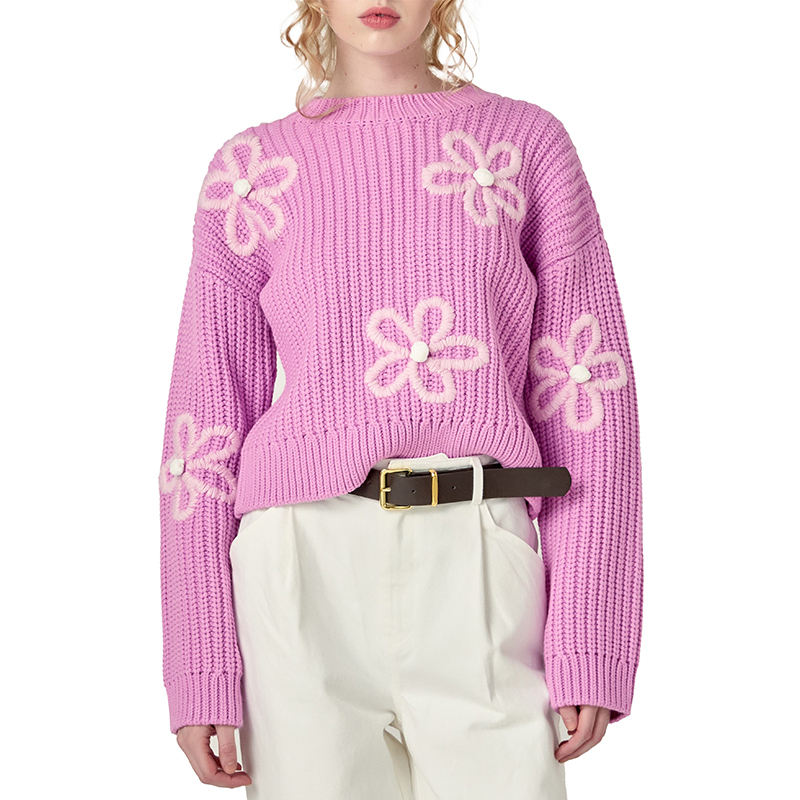
Private Label Knitwear
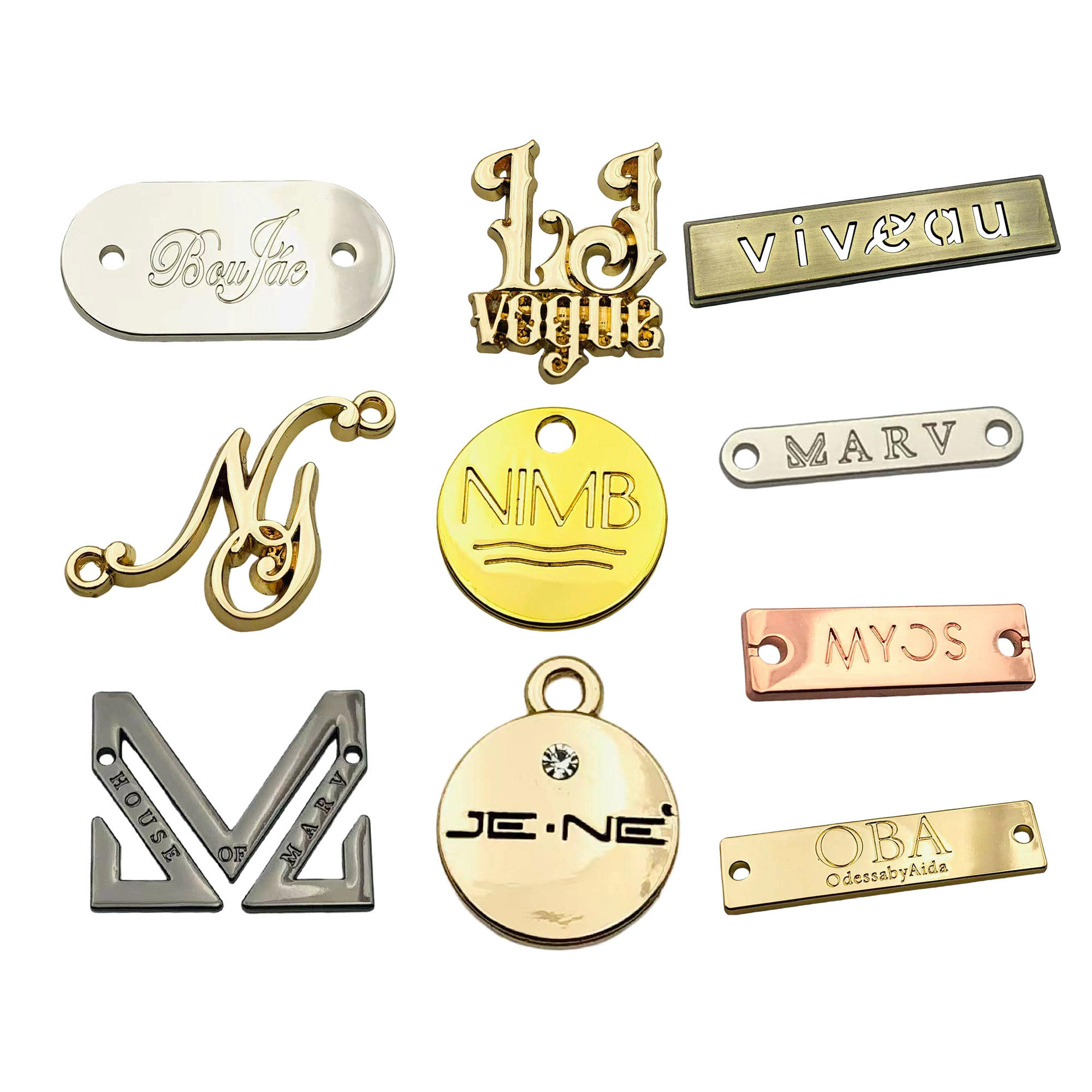
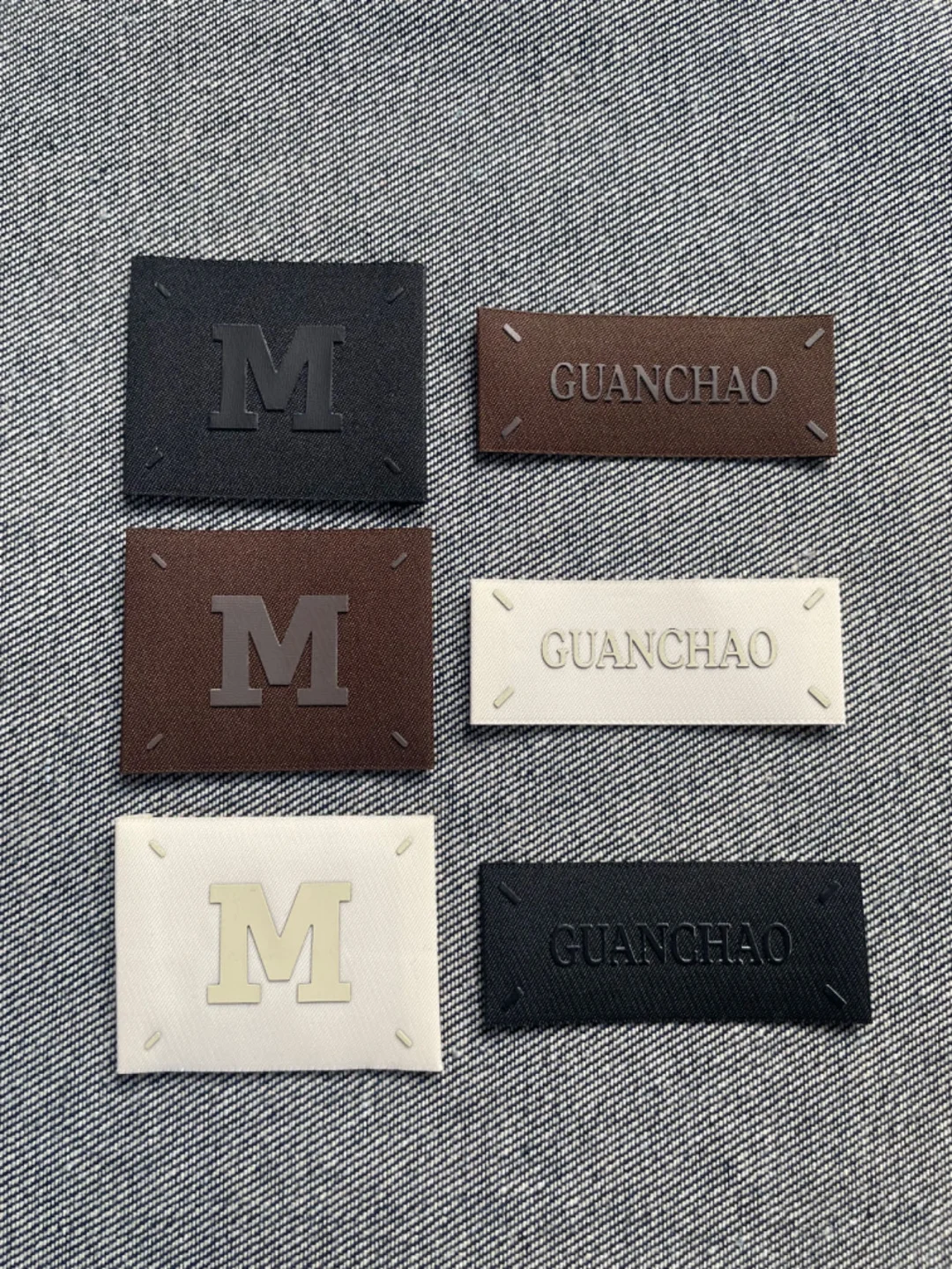
Launch your own branded knitwear line with CENWILD’s private label service. We handle design development, yarn sourcing, sampling, production, custom woven labels, hang tags, and packaging. With 28 years of OEM and ODM experience in Dongguan, we support startups and established brands building long-term sweater collections under their own name.
Get a QuotePremium Yarn & Fiber Materials for Custom Knitwear
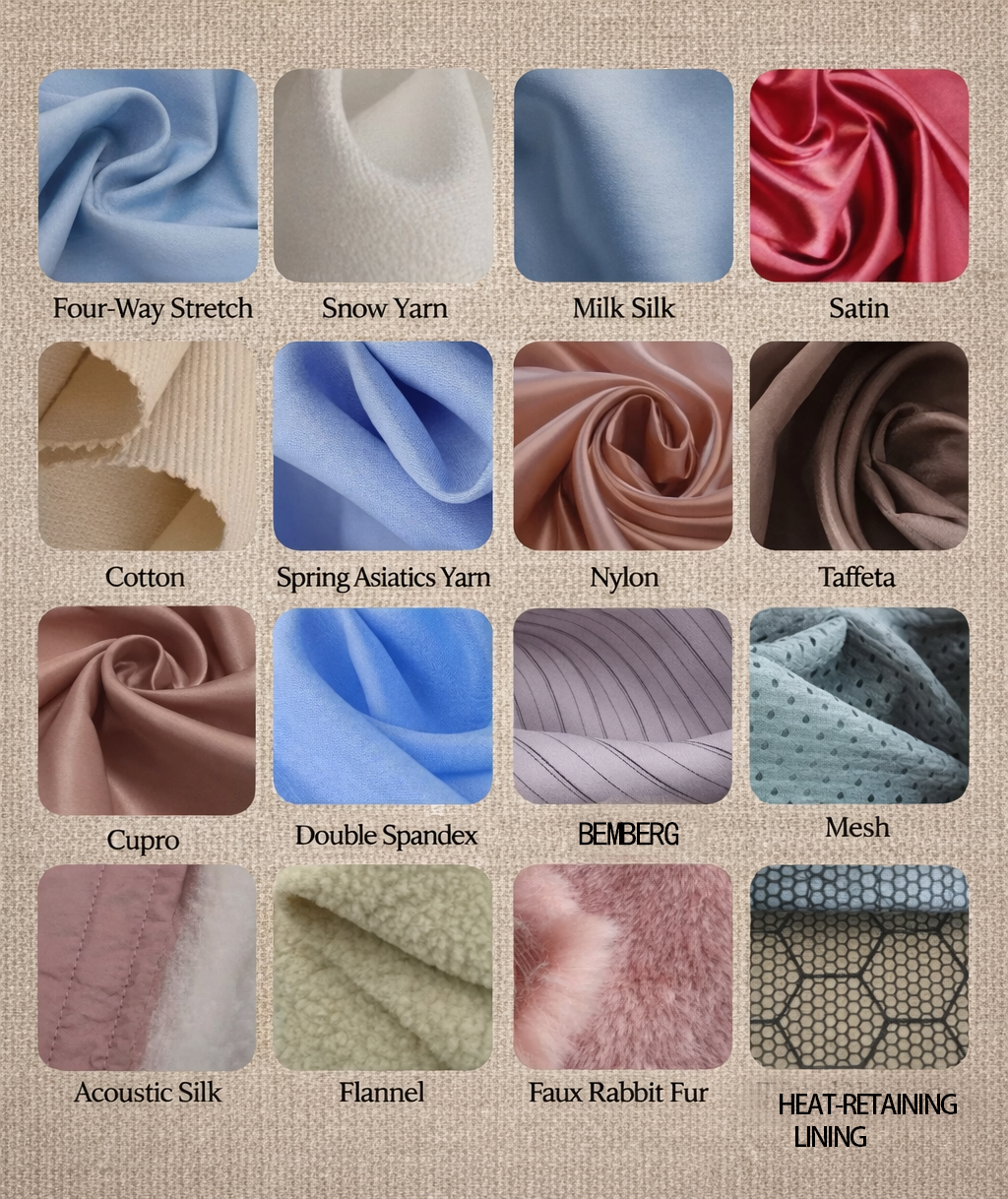
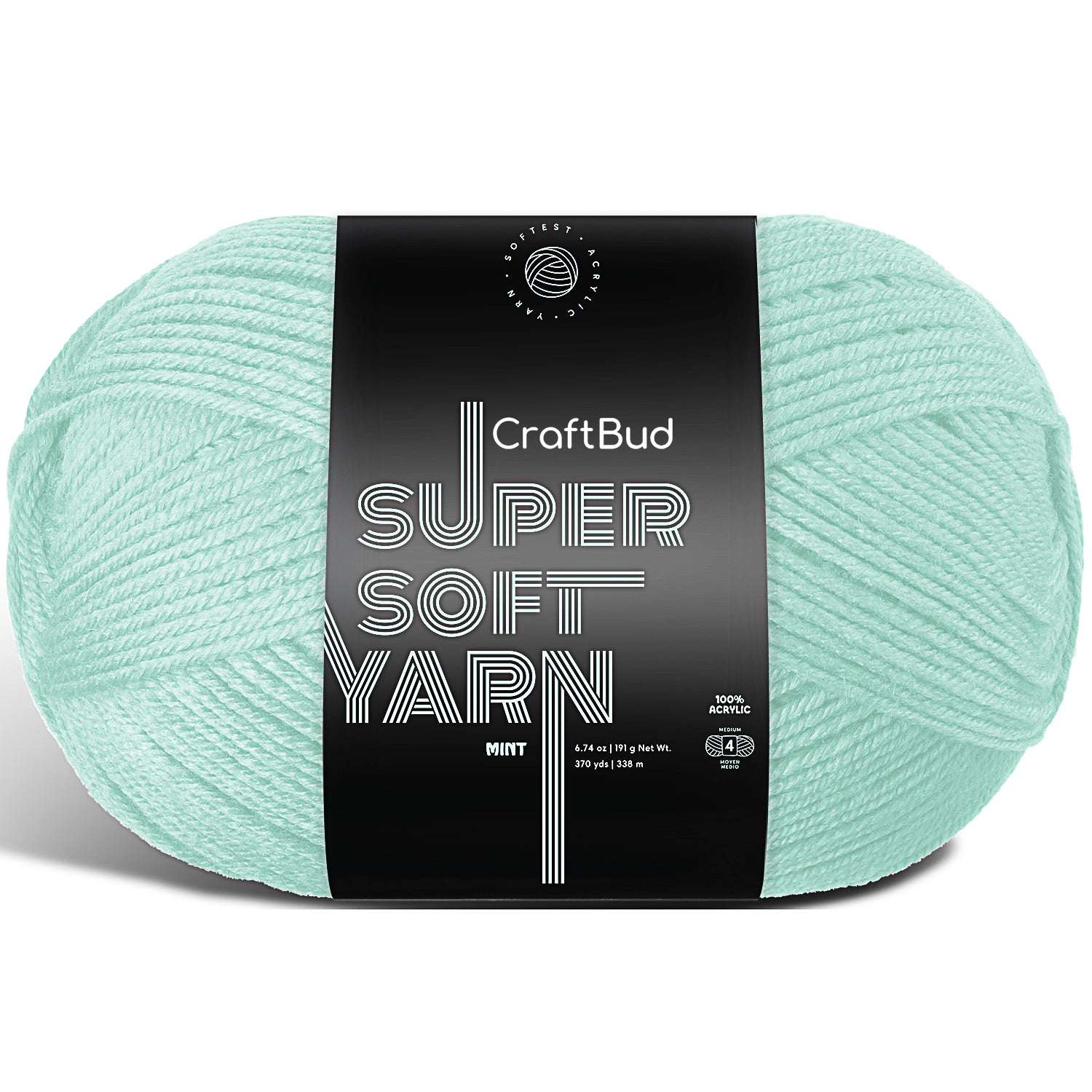
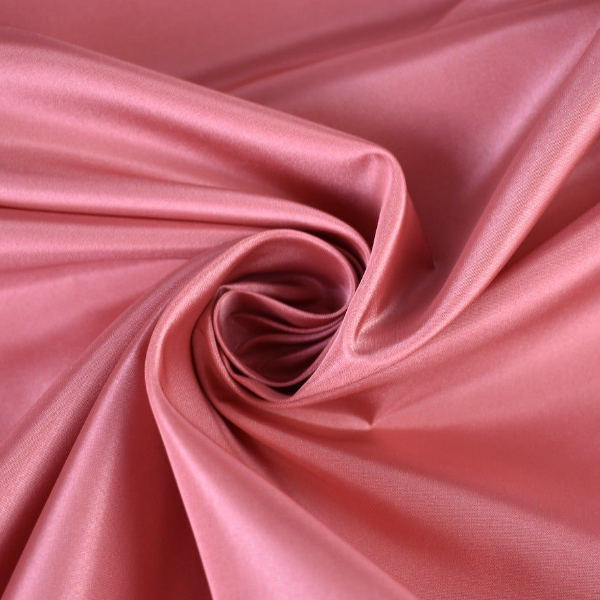
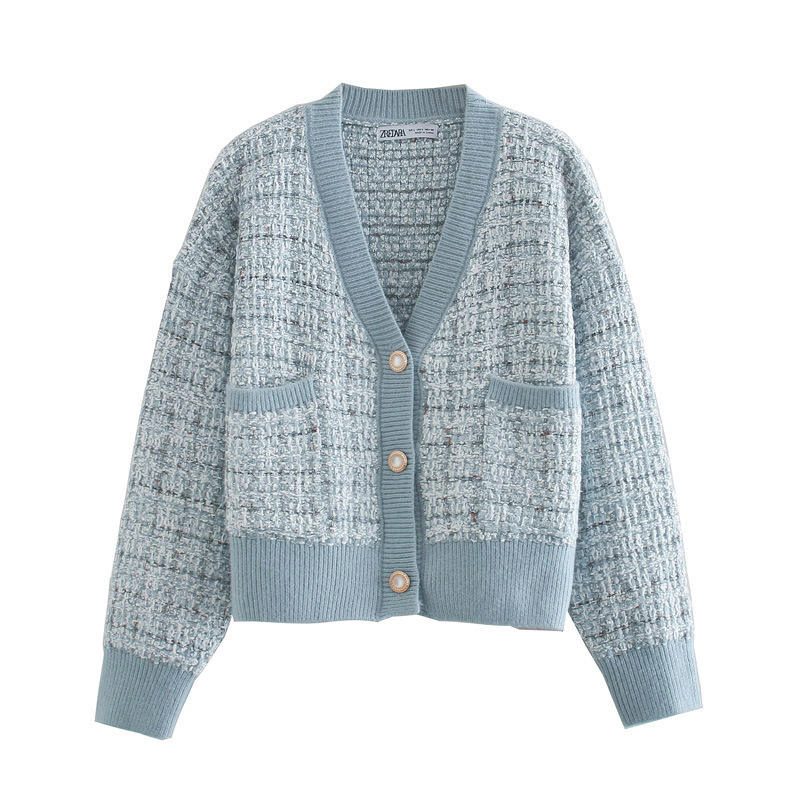
Advanced Knitting & Decoration Techniques
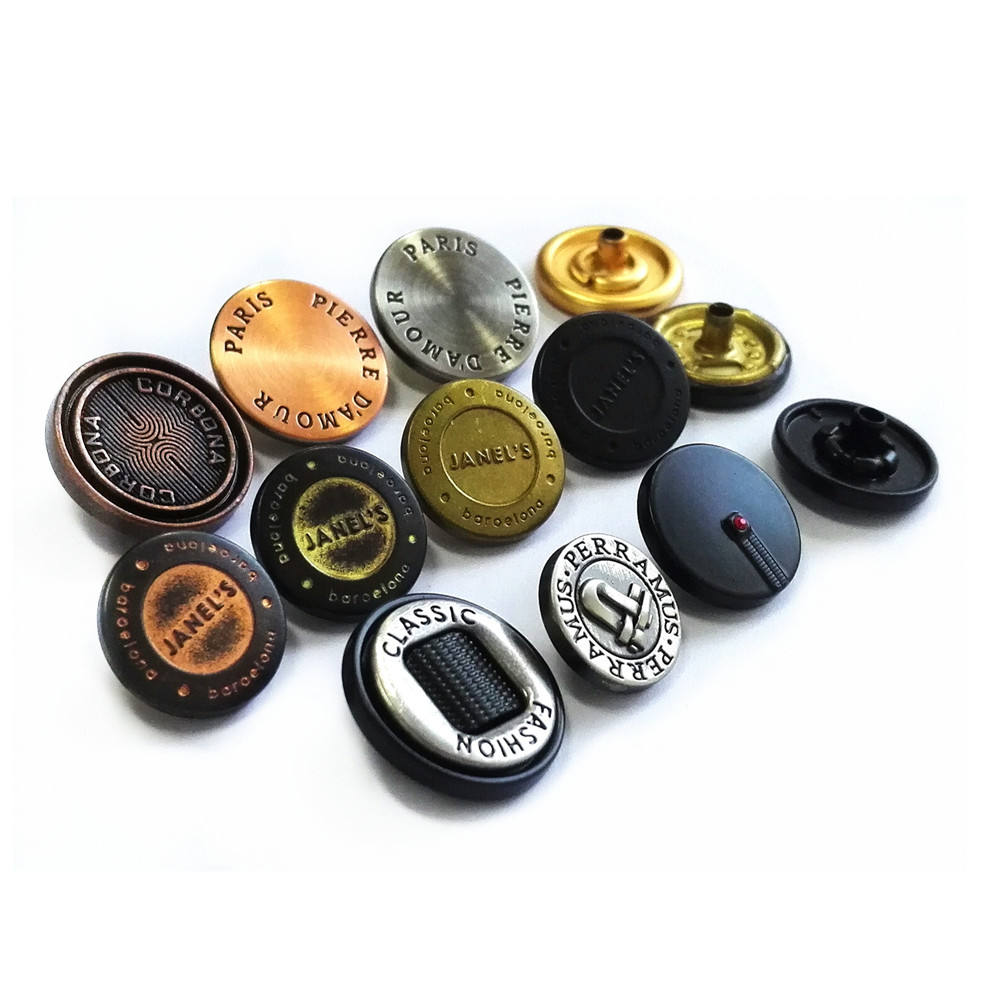
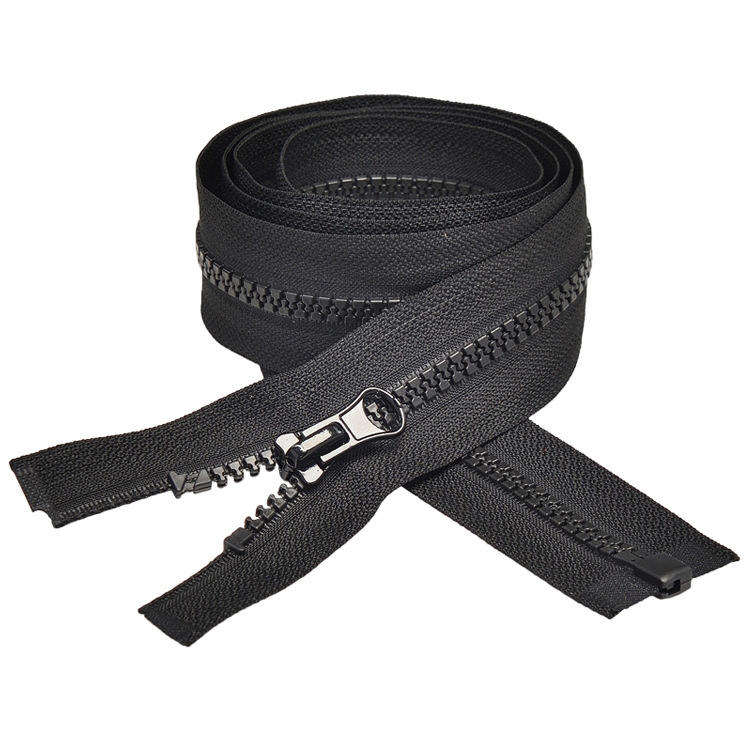
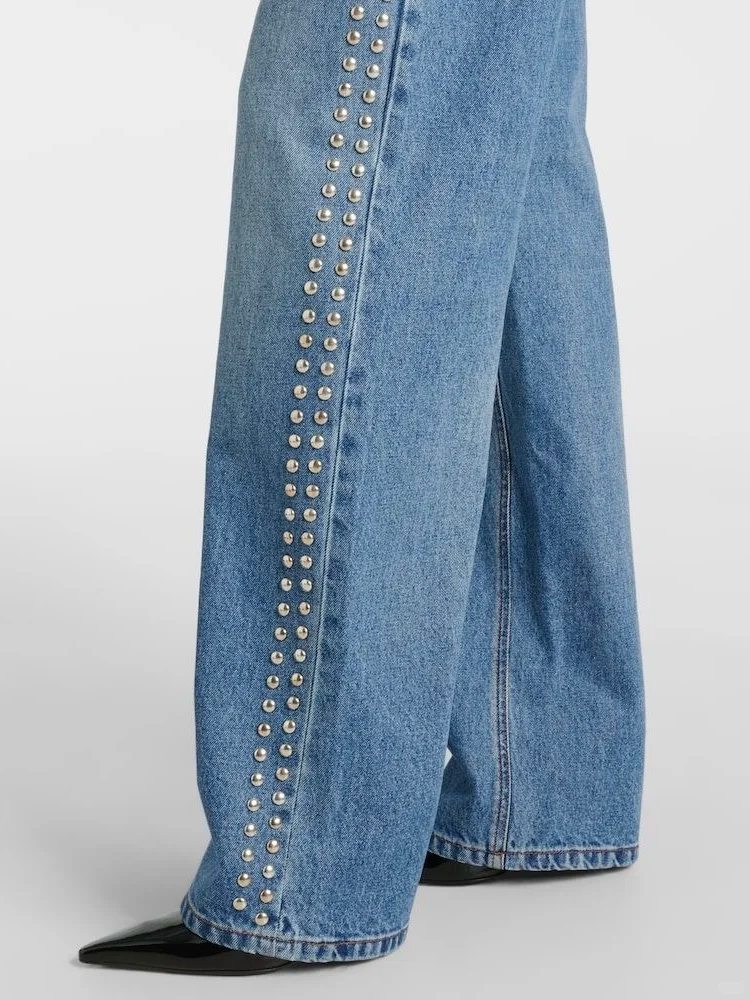
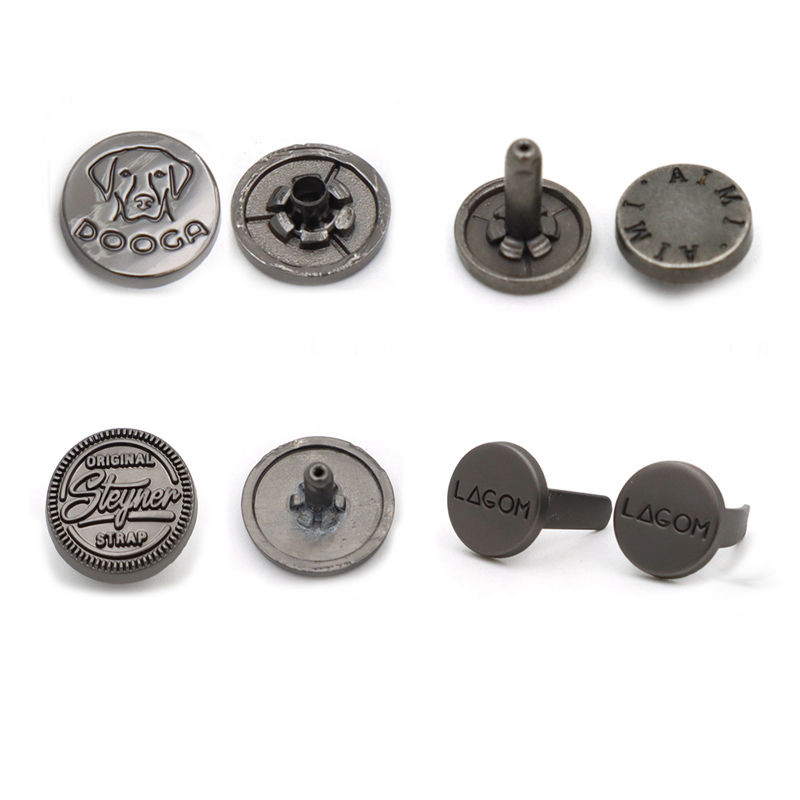
Professional Trims & Accessories for Custom Knitwear
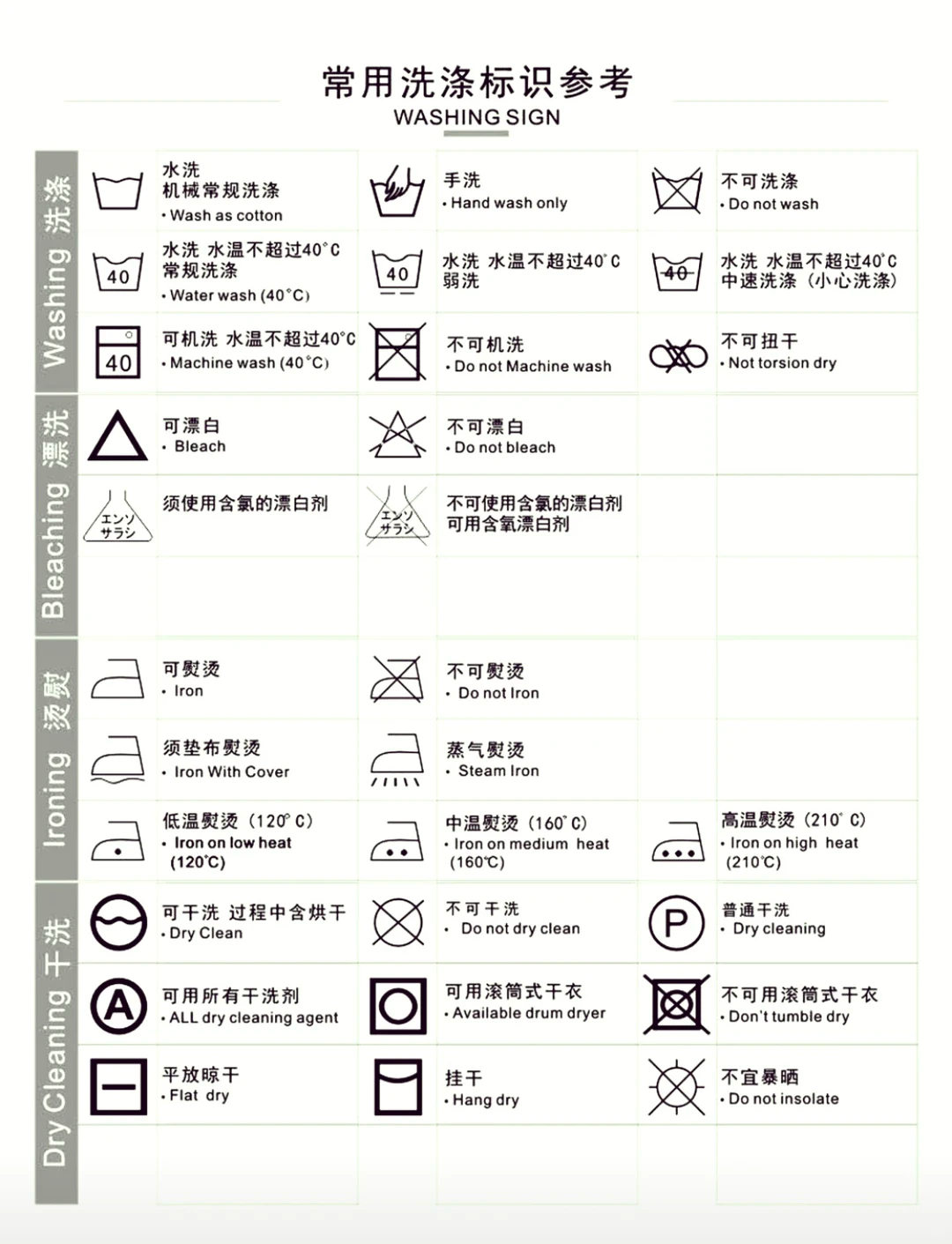
Care Labels
Printed or woven care instruction labels compliant with US, EU, UK, and international textile regulations. Essential for retail readiness, clearly communicating fiber content, washing, drying, and ironing guidelines to end customers.
Drawcords & Tipping
Flat, round, or elastic drawcords with metal or silicone tipping for hoods, hems, and waistbands. Customize color, width, and aglet finish to reinforce brand detail and improve garment fit and comfort.
Knitted Clothing Manufacturers Since 1998
Founded in 1998 in Humen, Dongguan — the heart of China’s most influential knitwear manufacturing region — CENWILD began as a small family knitting and linking workshop. Guided by the values of Quality First, Customer Growth, Innovation, and Responsibility, we’ve grown into a full-service knitted clothing manufacturer serving over 2,000 fashion brands worldwide.
Today our team of 200+ skilled employees operates computerized flat-knitting machines across 3GG–14GG gauges with a monthly capacity exceeding 80,000 pieces. We cover every step from design development and yarn sourcing to knit-down sampling, production, quality control, decoration, packaging, and export logistics — all under one roof in Dongguan.
What sets CENWILD apart is our location advantage, 28+ years of knitwear expertise, and flexible partnership approach. We offer OEM and ODM services with low MOQ from just 100 pieces, supporting fashion brands, retailers, wholesalers, and independent designers across the United States, Canada, Europe, Australia, Russia, and the Middle East.
Core Capabilities That Set Our Knitted Clothing Manufacturers Apart
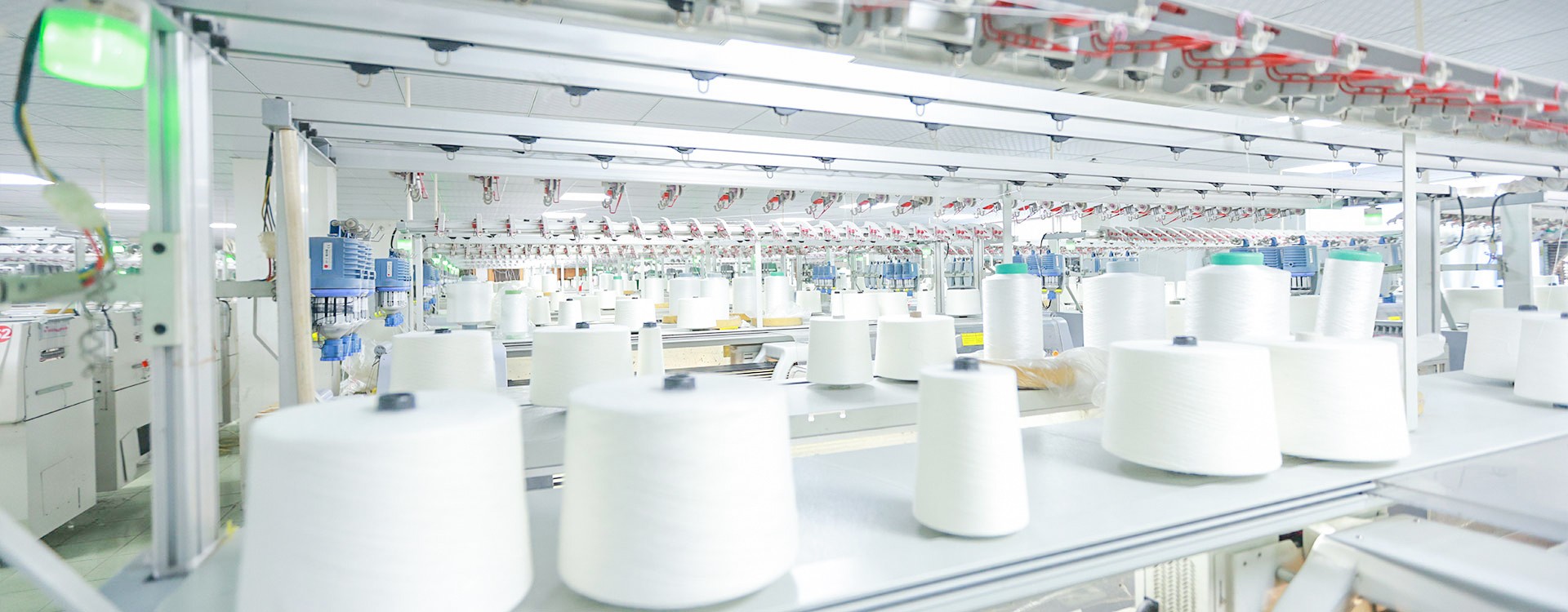
In-House Knitting & Rapid Sampling
Our factory runs computerized flat-knitting machines across 3GG–14GG gauges with over 200 skilled employees. We produce knit-down samples in-house, giving you faster turnaround and tighter control over every stitch before full production begins.
- Full gauge range 3GG–14GG for fine to chunky knits
- Monthly capacity exceeding 80,000 finished pieces
- In-house sampling eliminates third-party delays
- Direct machine programming ensures pattern accuracy
Design & Tech-Pack Development
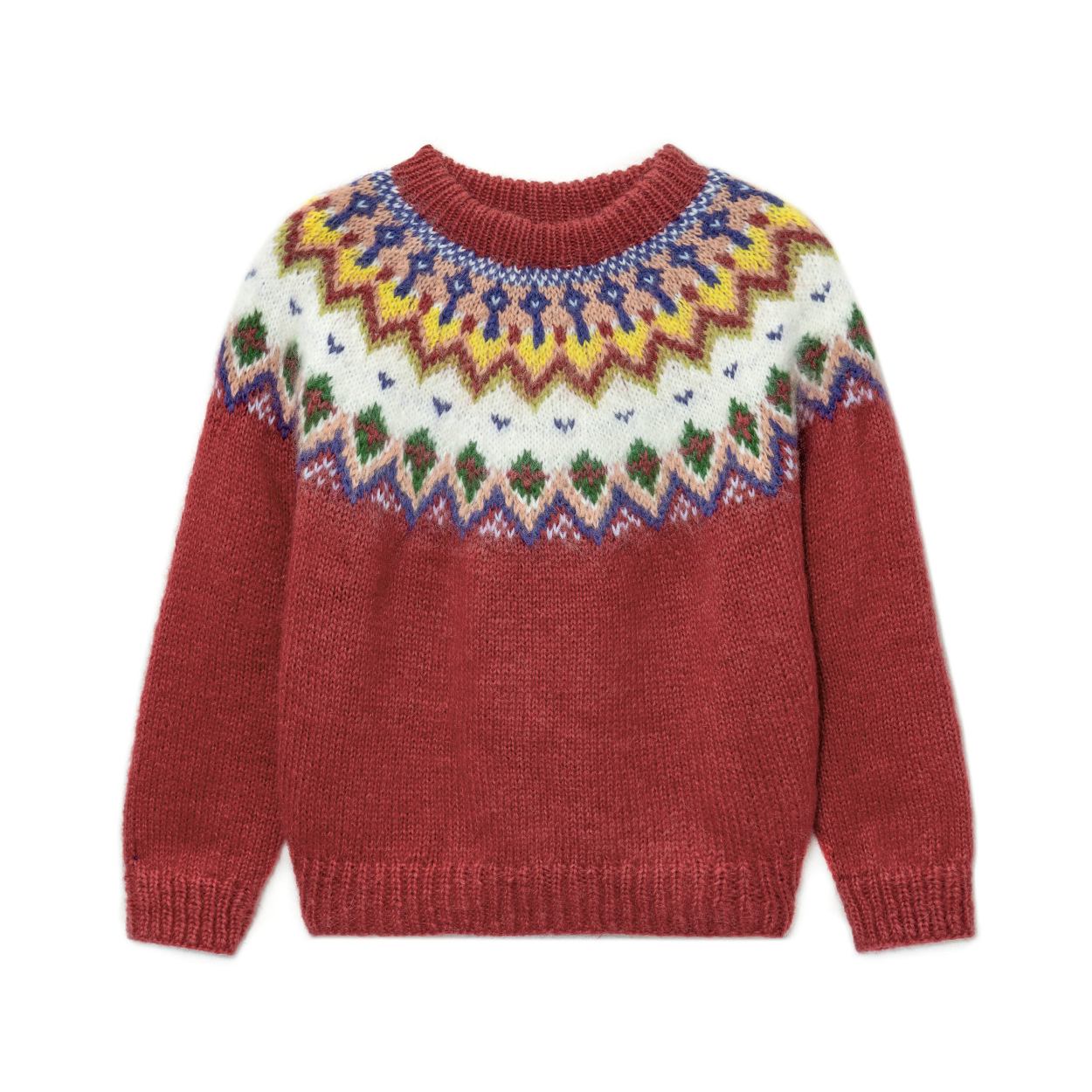
Whether you arrive with a finished tech pack, a sketch, a photo, or just an idea, our dedicated design team transforms your vision into production-ready knitwear with original stitch design, 3D knit programming, grading, and material recommendations.
- Original stitch and pattern design tailored to your brand
- 3D knit programming for complex jacquard and intarsia
- Full grading across men's, women's, and children's sizes
- Knit-down swatches to approve hand-feel and drape
Complete Decoration & Finishing Suite
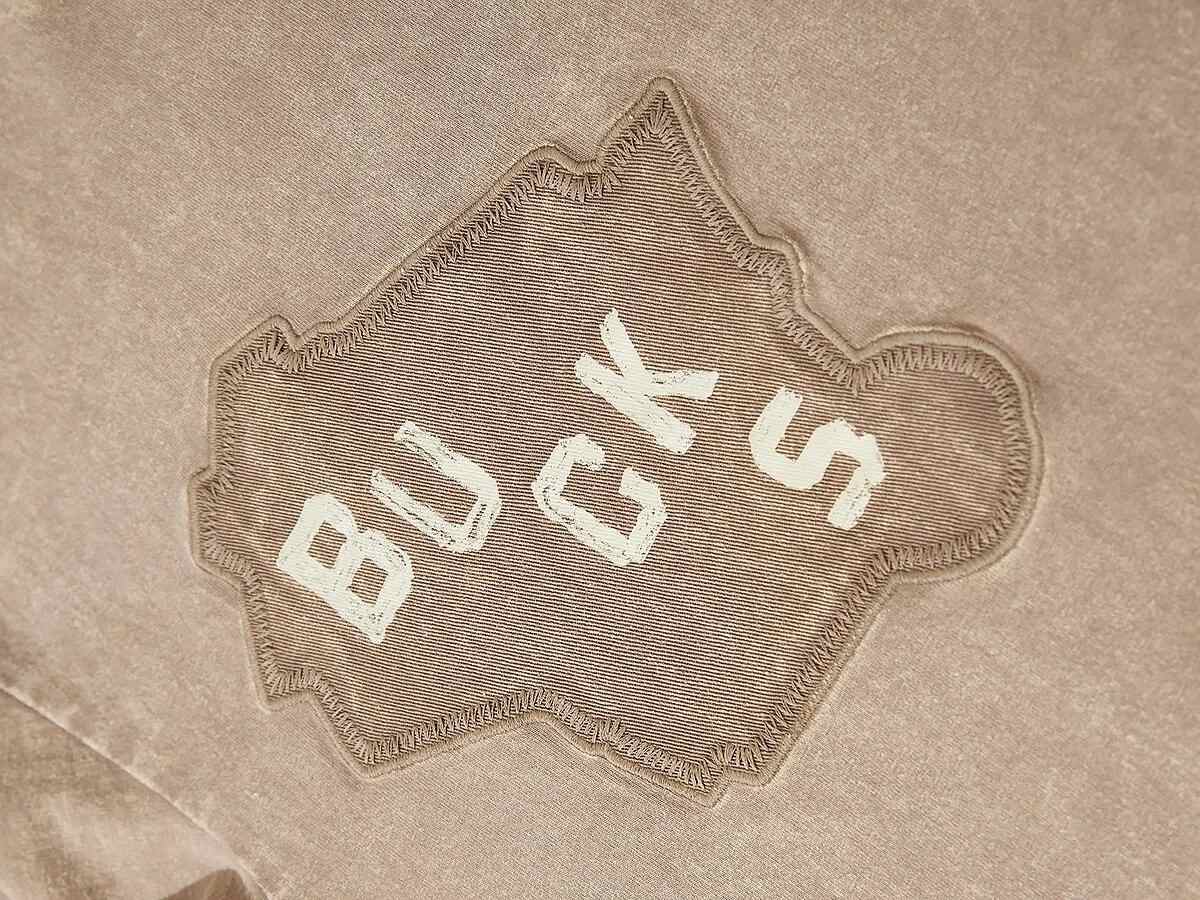
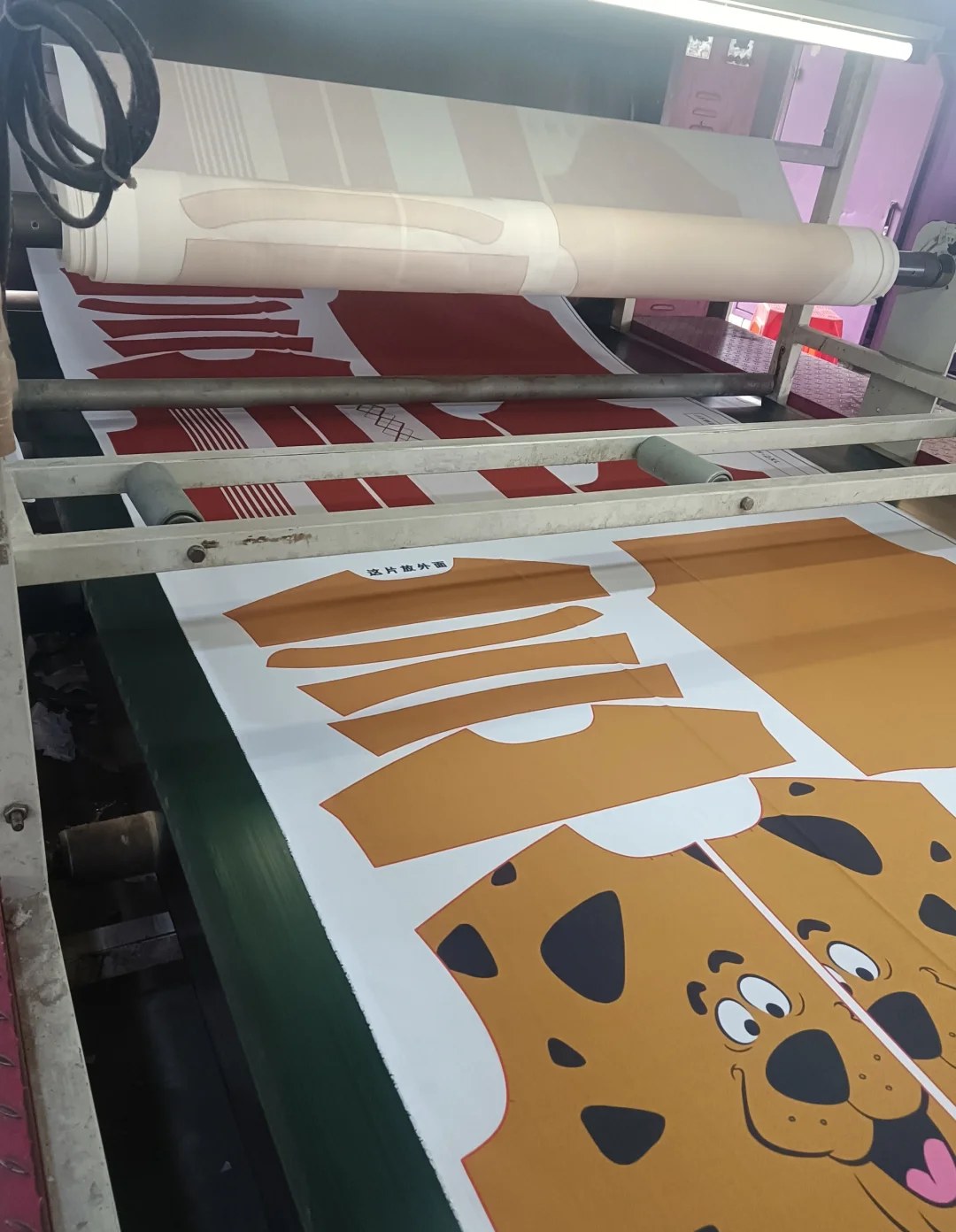
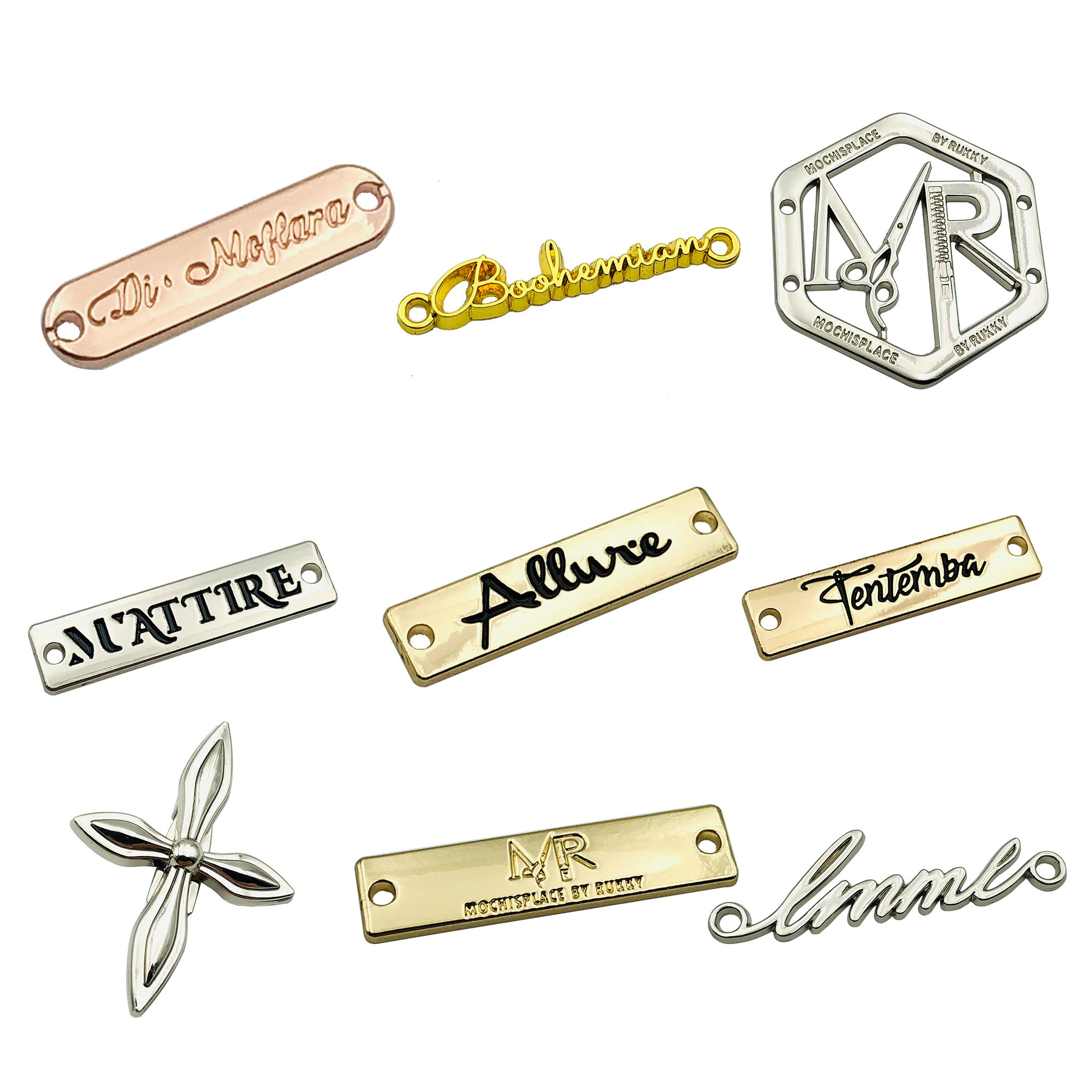
From embroidery (flat, 3D puff, sequin, appliqué, patches) to printing (screen, heat transfer, DTF, sublimation) and garment finishing (softening, anti-pilling, garment dye, brushing), every decoration and wash process runs under one roof.
- Flat, 3D/puff, chain-stitch, sequin, and logo embroidery
- Screen, heat-transfer, DTF, and sublimation printing
- Garment washing: softening, anti-pilling, brushing, dyeing
- Full trims and accessories sourcing and application
Flexible Partnership & Low MOQ
Start with just 100 pieces per style and scale as you grow. We accept T/T, PayPal, credit card, and USDT, with deposit terms easing from 100% on first orders to as low as 30% for long-term partners, plus dedicated account support.
- MOQ from only 100 pieces per colorway or style
- Flexible payment: T/T, PayPal, credit card, USDT, VTB for Russia
- Deposit terms ease as partnership matures (30%–100%)
- Dedicated account manager guides every order
CENWILD vs. Typical Knitted Clothing Manufacturers
We’ve built our factory to solve the real challenges fashion brands face when sourcing custom knitwear. Here’s how CENWILD compares to typical suppliers in the market.
← 左右滑动查看 →
How Knitted Clothing Manufacturers Deliver Your Order
CENWILD’s six-phase production pipeline ensures every custom knitwear order meets your standards — from yarn approval through export, with quality gates at every stage.
Yarn Sourcing & Approval
We source cashmere, merino, cotton, or blended yarns to your specification, submit swatches for approval, and lock in color and hand-feel before production begins.
Knit-Down Sampling & Design
Our design team programs 3D knit files, produces knit-down samples on computerized flat-knitting machines, and refines stitch structure, fit, and details with you.
Production & In-Process QC
Approved samples enter full production across our 3GG–14GG gauge lines. Quality inspectors monitor every batch for gauge consistency, stitch integrity, and color matching.
Finishing, Decoration & Washing
Garments receive embroidery, printing, or applique as specified, then pass through garment washing, softening, anti-pilling, or dyeing to achieve the final texture and appearance.
Final QC & Packing
Each piece undergoes dimensional checks, trim verification, and defect screening. Approved garments are folded, tagged, poly-bagged, and carton-packed to your packing list.
Export Logistics & Shipping
Our export team prepares customs documentation, arranges sea or air freight, and provides tracking so your order arrives on schedule to the US, UK, EU, or beyond.
How to Partner with Knitted Clothing Manufacturers at CENWILD
From your first inquiry to final delivery, our dedicated account team guides you through every step of custom knitwear production with flexibility and transparency.
Submit Your Tech Pack or Brief
Share your design—complete tech pack, sketch, photo, or just an idea. Our team reviews requirements and confirms feasibility within 24 hours.
Receive Quote & Sampling Timeline
Get a detailed quotation covering materials, construction, decoration, and MOQ from 100 pieces, plus sampling lead time and flexible payment terms.
Approve Knit-Down Samples
Review physical samples knitted in-house. Request fit, color, or stitch adjustments until every detail matches your vision and quality standards.
Finalize Bulk Order & Payment
Confirm order quantity, colors, sizes, and delivery date. Payment terms ease with partnership growth—100% first order, down to 30% for long-term clients.
Production & Delivery
Your dedicated account manager oversees knitting, finishing, quality control, and export logistics, keeping you updated until shipment arrives at your door.
Certifications & Compliance from Leading Knitted Clothing Manufacturers

What Brands Say About Working with CENWILD Knitted Clothing Manufacturers
CENWILD reduced our time-to-market by 40% with their fast sampling and in-house knitting capabilities. We launched three seasonal collections in just 18 months, and quality has been consistently excellent across every order.
We scaled from 500 pieces per season to over 50,000 units annually with CENWILD as our manufacturing partner. Their flexible MOQ of 100 pieces let us test designs, and their capacity grew with us seamlessly over five years.
CENWILD has been our trusted knitwear partner for 6+ years across 12 seasonal collections. Their ODM design support and Dongguan expertise helped us cut development costs by 35% while maintaining premium quality for our retail customers.
Frequently Asked Questions About Knitted Clothing Manufacturers
What is the minimum order quantity with knitted clothing manufacturers like CENWILD?
How long does sampling and production take?
Do knitted clothing manufacturers charge for samples, and is the cost refundable?
What payment methods do you accept and what are the deposit terms?
How do knitted clothing manufacturers handle shipping and logistics?
How do you protect my designs and maintain confidentiality?
What customization options are available from knitted clothing manufacturers?
What quality guarantees do you provide?
Can you produce sustainable or eco-friendly knitwear?
The Complete Buyer’s Guide to Knitted Clothing Manufacturers
Navigate the sourcing landscape with confidence. This guide delivers a proven decision framework, essential supplier evaluation criteria, and the critical mistakes to avoid when partnering with knitted clothing manufacturers for your fashion brand.
1. What Are Knitted Clothing Manufacturers?
Knitted clothing manufacturers are specialized factories that produce garments by interlocking loops of yarn using flat-bed or circular knitting machines, rather than weaving warp and weft threads at right angles. This fundamental difference gives knitted fabrics natural stretch, drape, and breathability that woven textiles cannot match. Manufacturers like CENWILD operate computerized flat-knitting machines across 3GG to 14GG gauges, producing everything from fine-gauge cashmere to chunky cable-knit sweaters.
The product scope spans sweaters (cardigans, pullovers, turtlenecks, V-necks), knit dresses, vests, polos, ponchos, activewear, and seasonal pieces such as custom Christmas sweaters. Knitted clothing manufacturers handle the full supply chain: yarn sourcing, stitch programming, knit-down sampling, production, decoration (embroidery, printing), finishing (washing, anti-pilling, garment dye), quality control, and export logistics.
Brands choose knitted garments for their comfort, versatility, and ability to incorporate complex patterns — intarsia, jacquard, cable, pointelle — directly during knitting. A full-service knitted clothing manufacturer transforms a sketch, tech pack, or concept into finished, branded knitwear ready for retail.
2. The Evolution of Knitted Clothing Manufacturing
In 1589 English clergyman William Lee invented the stocking frame, the first knitting machine, accelerating production from hand speeds of roughly 100 stitches per minute to more than 600. By the mid-1800s circular and flat-knitting machines enabled mass production across Europe, particularly in England, Scotland, and Germany.
The 1970s introduced computerized jacquard machines, allowing intricate multi-color patterns and intarsia designs to be programmed digitally rather than punched by hand. Seamless whole-garment knitting emerged in Japan during the 1990s, eliminating cut-and-sew steps and reducing fabric waste by up to 30 percent.
From the 1990s onward, knitted clothing manufacturers migrated from Europe to Asia — especially China’s Guangdong province, home to clusters like Dongguan’s Humen district where CENWILD has operated since 1998. Today’s factories run computerized flat-knitting machines across 3GG to 14GG gauges, integrate recycled and organic yarns, and combine traditional craftsmanship with digital design tools to serve global fashion brands at flexible MOQs.
3. Types of Knitted Clothing Manufacturers
Knitted clothing manufacturers vary widely by specialization, production model, and scale. Understanding these categories helps brands match their product vision, budget, and order volume to the right manufacturing partner.
Full-Package vs. CMT Manufacturers
Full-package manufacturers handle design development, yarn sourcing, sampling, production, decoration, and logistics — ideal for brands without technical teams. CENWILD operates as a full-package partner, supporting clients from sketch to shipment. MOQs typically start at 100–500 pieces per style.
CMT (cut-make-trim) factories require brands to supply all materials and tech packs. They suit experienced brands with established supply chains and lower per-unit costs but demand more internal coordination.
Flat-Knit vs. Circular-Knit Specialists
Flat-knit manufacturers use computerized machines (3GG–14GG) to produce fully-fashioned sweaters, cardigans, and intricate patterns like intarsia and cable. CENWILD runs flat-knit lines across all gauges, serving fashion brands focused on structured knitwear.
Circular-knit specialists produce tubular fabrics for T-shirts, activewear, and seamless garments. These factories excel in high-volume basics but rarely offer the stitch complexity or shaping control needed for premium sweaters.
Vertically Integrated Mills
Vertically integrated mills control yarn spinning, knitting, dyeing, and finishing in-house. They offer shorter lead times, tighter quality control, and lower minimums for stable partners — often 100–300 pieces. CENWILD’s one-stop model covers every stage from yarn to export, reducing handoff delays and ensuring consistency across collections.
4. Materials and Yarn Options for Knitted Garments
Knitted clothing manufacturers work with a wide spectrum of yarn fibers, each offering distinct performance, hand-feel, and price points. Understanding material properties ensures your collection meets both aesthetic goals and budget constraints while aligning with customer expectations for warmth, drape, and care.
| Fiber | Key Characteristics | Price Tier | Best Use Case |
|---|---|---|---|
| Merino Wool | Soft, breathable, elastic | Mid–High | Year-round layering |
| Cashmere | Luxurious, lightweight warmth | Premium | High-end collections |
| Cotton / Pima | Breathable, easy-care | Low–Mid | Spring/summer knits |
| Acrylic | Wool-like, budget-friendly | Low | Volume programs |
| Recycled Polyester | Durable, eco-friendly | Mid | Sustainable lines |
Natural Fibers for Premium Collections
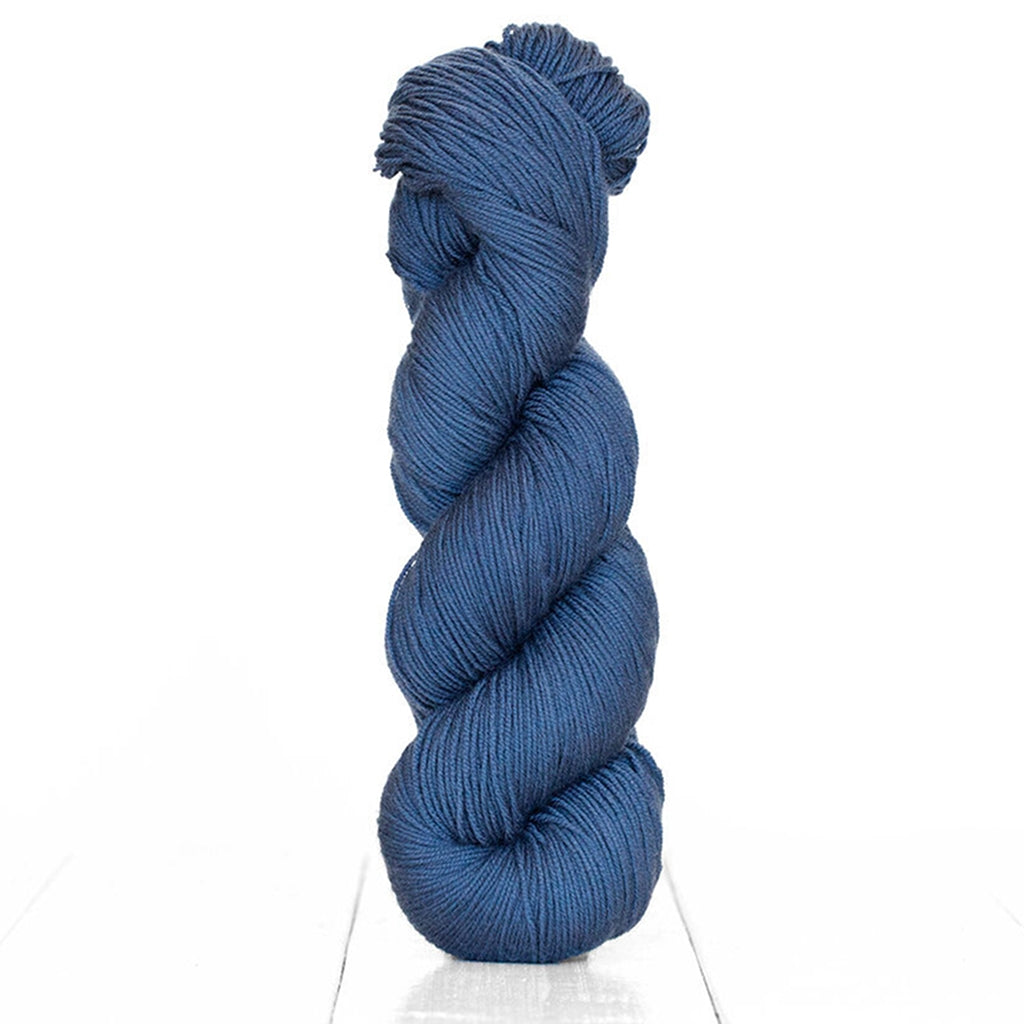
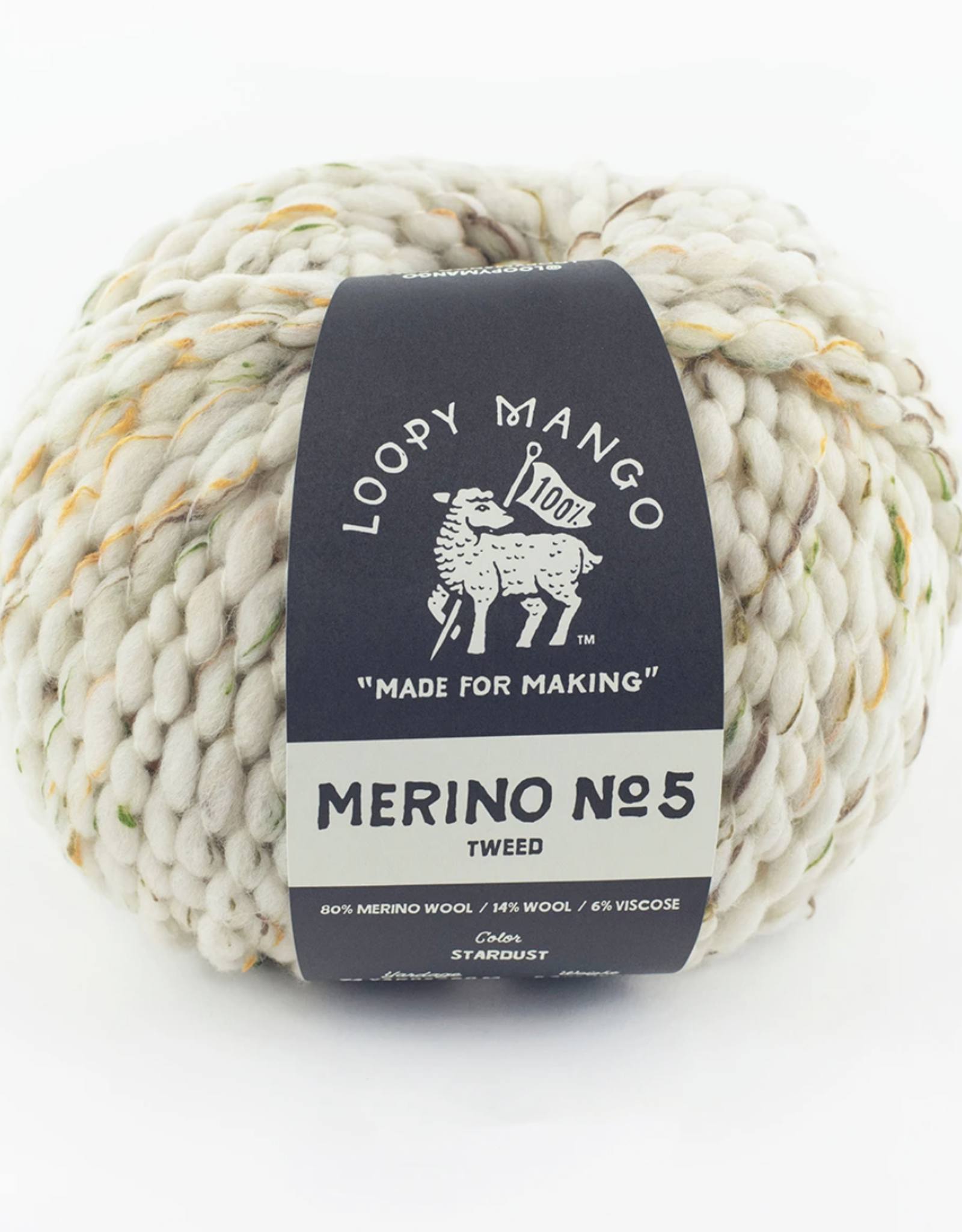
Merino wool delivers exceptional softness, breathability, and natural elasticity, ideal for year-round layering pieces. Cashmere offers unmatched luxury and warmth-to-weight ratio but commands premium pricing. Alpaca provides hypoallergenic warmth with a silky finish, while cotton and Pima cotton yield breathable, easy-care knits suited to spring and summer lines.
Silk blends add luster and drape to evening and special-occasion knitwear. Each natural fiber requires specific knitting parameters and finishing to maximize performance and longevity.
Synthetics and Blends for Performance and Value
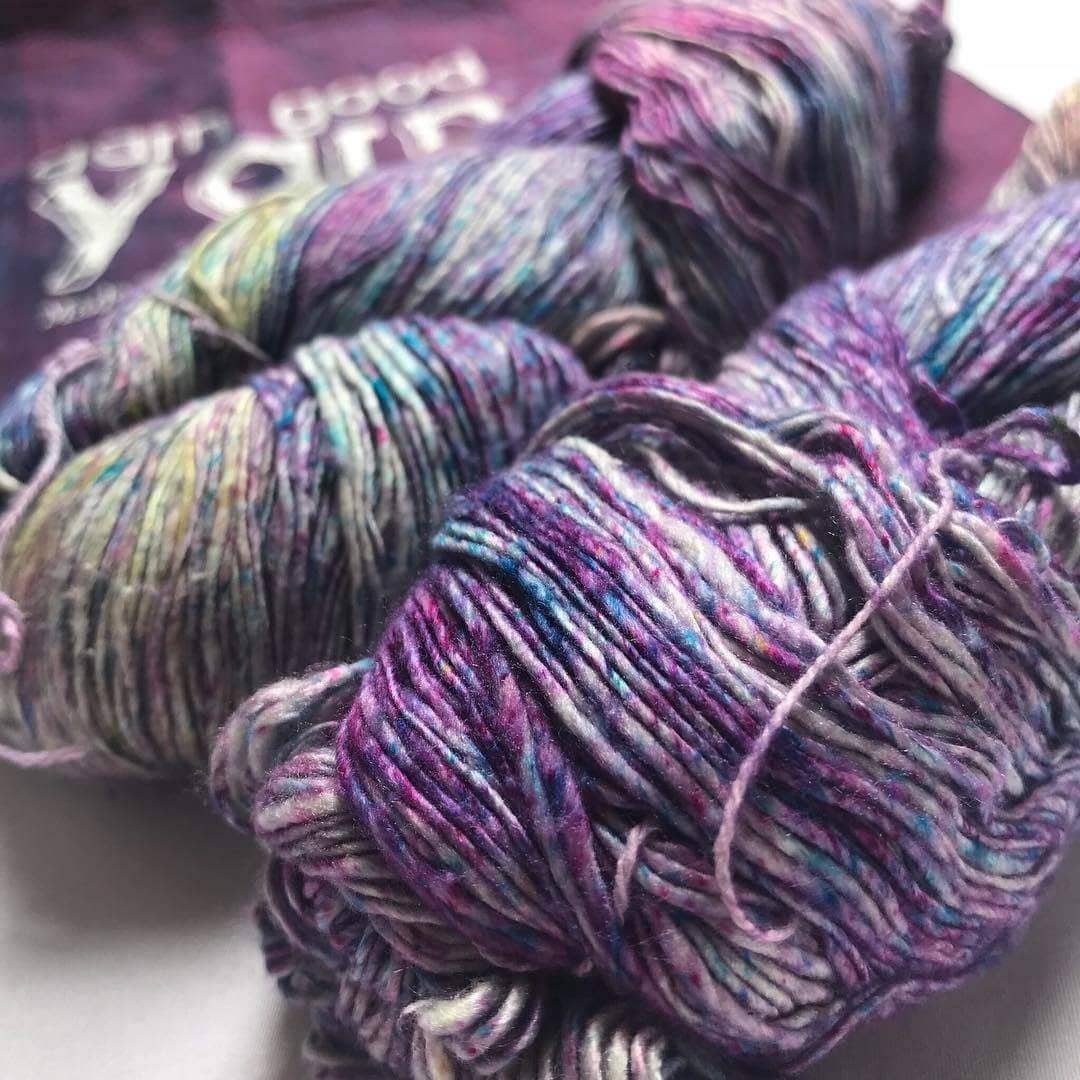
Acrylic delivers wool-like warmth at a fraction of the cost, making it popular for high-volume programs and promotional knitwear. Polyester and nylon add durability, moisture-wicking, and shape retention when blended with natural fibers. Blends such as 80/20 wool-nylon or 50/50 cotton-acrylic balance performance, price, and care convenience for mid-tier collections.
Sustainable and Recycled Options
Organic cotton, certified by GOTS, eliminates pesticides and supports regenerative agriculture. Recycled polyester diverts post-consumer plastic from landfills while maintaining technical performance. Tencel (lyocell) offers a silky, biodegradable alternative derived from sustainably managed forests, appealing to eco-conscious consumers and brands pursuing circular-economy goals.
5. Customization and Decoration Techniques
Professional knitted clothing manufacturers offer a wide array of decoration and structural techniques that transform basic sweaters into signature pieces. Understanding the cost, complexity, and durability of each method helps brands select the right customization for their target market and price point.
| Technique | Setup Cost | Complexity | Durability | Visual Effect |
|---|---|---|---|---|
| Jacquard | Medium | Moderate | Excellent | Multi-color patterns, geometric or pictorial |
| Intarsia | Low–Medium | High (hand-linking) | Excellent | Blocked color motifs, artwork, logos |
| Cable knit | Low | Moderate | Excellent | 3D texture, classic braided relief |
| Pointelle | Low | Low–Moderate | Good | Delicate lace-like eyelets, feminine |
| Embroidery | Medium–High | Moderate | Very Good | Flat, 3D puff, sequin, patches; crisp detail |
| Screen printing | Medium | Low | Good (depends on ink) | Bold graphics, photographic images |
| Heat transfer / DTF | Low–Medium | Low | Moderate | Full-color prints, quick sampling |
6. Quality Indicators in Knitted Clothing Production
Quality in knitwear separates professional knitted clothing manufacturers from low-cost suppliers. Six technical checkpoints reveal whether a factory can deliver garments that survive retail returns and customer expectations.
Gauge and Stitch Density
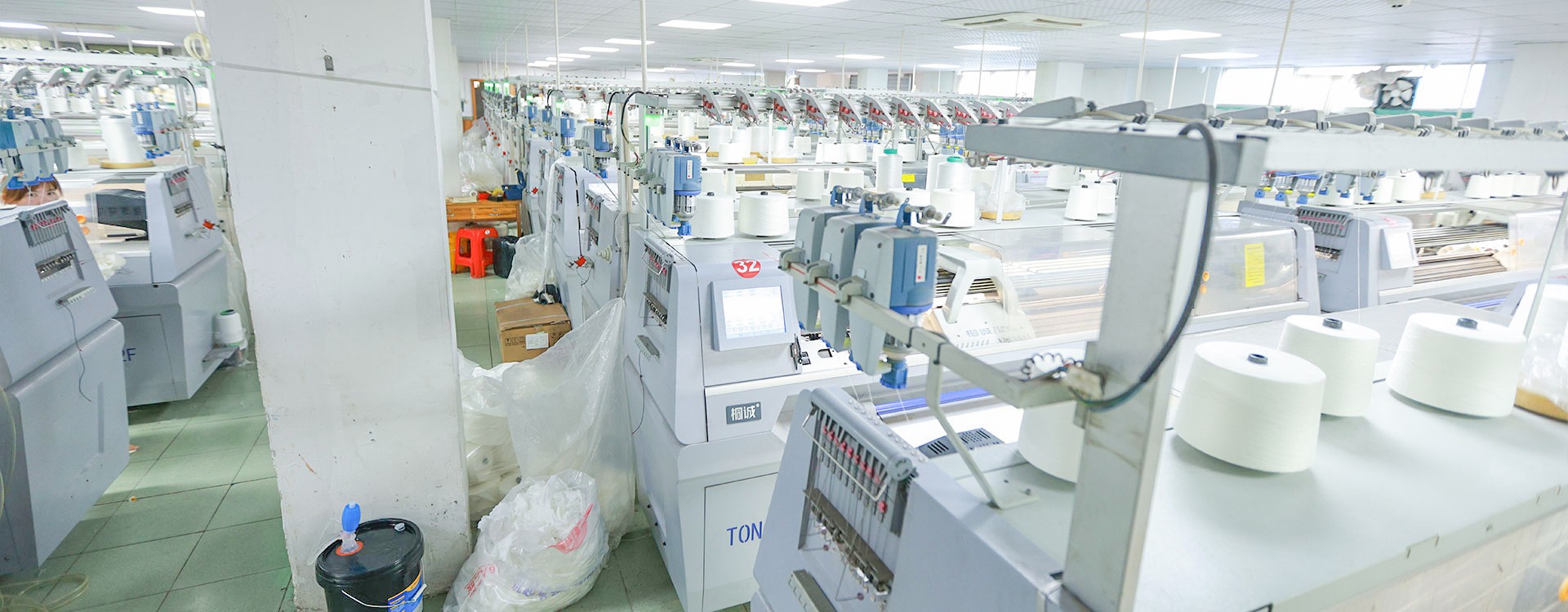
Gauge (measured in GG) defines needle spacing; 3GG produces chunky knits, 12GG–14GG yields fine, dress-weight fabrics. Consistent stitch density across panels prevents puckering and ensures drape. CENWILD runs 3GG–14GG computerized flat-knitting machines, programming each gauge to match yarn weight and design intent.
Seam Finishing: Linking vs. Overlocking
Linking (looping) joins edges stitch-by-stitch for an invisible, flat seam standard in premium knitwear. Overlocking (serging) is faster but creates a visible ridge. Shoulder, side, and sleeve seams should be linked on any garment above mid-tier price points.
Yarn Consistency and Pilling Resistance
Uniform yarn twist and fiber length reduce pilling. Rub a sample sleeve 50 times against itself; excessive fuzz signals low-grade yarn. Anti-pilling finishes and tighter twists extend garment life. Reputable knitted clothing manufacturers source certified yarns and apply post-knit anti-pilling treatments.
Dimensional Stability and Colorfastness
Wash a sample twice at care-label temperature and measure length, width, and sleeve before and after; shrinkage beyond 3–5 percent flags poor yarn relaxation or finishing. Rub a damp white cloth on dark samples to test dye migration. ISO-standard washing and colorfastness (grade 4 minimum) are non-negotiable for retail.
7. How to Choose the Right Knitted Clothing Manufacturers
Selecting knitted clothing manufacturers requires a structured evaluation framework that balances technical capability, financial flexibility, and partnership reliability. The right partner delivers consistent quality, transparent communication, and scalable capacity as your brand grows.
Assess Production Capacity and Lead Times
Monthly capacity reveals whether a factory can scale with your order growth; manufacturers running 80,000+ pieces monthly handle seasonal spikes without compromising deadlines. Lead times typically range 30–60 days for knitwear, depending on gauge complexity and decoration.
Ask for machine counts (3GG–14GG flat-knitting), workforce size, and current utilization rates to gauge availability and flexibility.
Verify Certifications and Compliance
WRAP, BSCI, and GOTS certifications confirm ethical labor practices, environmental standards, and organic material traceability. Factories serving U.S., EU, and U.K. markets typically maintain at least one social-compliance audit.
Request certificate copies and audit dates; certifications older than two years may signal lapsed standards.
Review Portfolio and Client References
A diverse portfolio spanning cardigans, intarsia, jacquard, and embroidered styles demonstrates technical breadth. Manufacturers serving 2,000+ brands across multiple continents bring proven export logistics and quality systems.
Ask for case studies or references in your product category and target market to confirm relevant experience.
Negotiate MOQs and Payment Terms
MOQ starting at 100 pieces per style enables emerging brands to test collections without overstock risk. Payment structures often begin at 100% deposit for first orders, easing to 30–50% for repeat partners, with balance due before shipment.
Flexible payment channels—T/T, PayPal, credit card, USDT—reduce transaction friction and currency-conversion costs.
8. Common Mistakes When Sourcing Knitted Clothing Manufacturers
Even experienced brands stumble when selecting knitted clothing manufacturers. Avoiding these common traps saves time, capital, and brand reputation before the first production run.
Choosing on Price Alone
Selecting the lowest bid often leads to hidden costs: inferior yarn grades, skipped quality checks, or delayed shipments that require expensive air freight. A $2 savings per garment can trigger $5,000 in rework or lost retail windows.
Request itemized quotes that break out yarn, labor, decoration, and QC. Compare total landed cost — including sampling fees, inspection, and logistics — rather than ex-factory price. CENWILD’s transparent pricing shows yarn specifications and process steps so brands understand where every dollar goes.
Ignoring Sample Quality
Approving a sample without measuring gauge consistency, seam strength, or color matching under daylight sets the stage for bulk defects. Production runs magnify every flaw the sample hides.
Inspect knit-down samples for pilling resistance (Martindale ≥20,000 cycles for commercial knitwear), dimensional stability after washing, and stitch definition. Require a pre-production sample from the actual production lot before signing off on bulk manufacturing.
Vague or Incomplete Tech Packs
Submitting sketches without stitch diagrams, yarn weights, or tolerance ranges invites misinterpretation. Factories fill gaps with assumptions that rarely align with brand vision, resulting in costly re-sampling cycles.
Provide finished garment measurements with ±0.5 cm tolerances, Pantone references for yarn and trim, gauge callouts (e.g., 7GG), and construction notes (linking vs overlock). CENWILD’s design team converts rough concepts into production-ready specs, but clarity at intake accelerates every downstream step.
9. Steps to Launch Your Knitwear Brand Successfully
Launching with knitted clothing manufacturers follows a clear sequence from concept to market. Each stage — design, sampling, production, and logistics — builds on the last and requires specific deliverables and checkpoints.
Develop Your Design and Tech Pack
Start with a tech pack that specifies stitch pattern, yarn type, gauge, measurements, and colorways. CENWILD’s design team can convert sketches, photos, or ideas into production-ready specs with 3D knit programming and grading.
A complete tech pack reduces sampling rounds and ensures accurate costing from knitted clothing manufacturers.
Request and Approve Samples
Order knit-down samples to verify fit, hand-feel, and construction before bulk production. Evaluate stitch tension, seam finish, and color match against your standards.
Most manufacturers require 7–14 days for initial samples; plan two rounds to finalize details.
Place Production Order and Inspect
Confirm MOQ (CENWILD starts at 100 pieces per style), lead time (typically 30–45 days), and payment terms. Arrange third-party or in-house inspection before shipment.
Secure quality checkpoints at cutting, linking, and final packing to catch defects early.
Manage Logistics and Plan Reorders
Coordinate FOB, CIF, or DDP terms; prepare customs documentation (commercial invoice, packing list, HS codes). Track shipment and clear goods promptly.
Analyze sell-through data to time reorders and adjust colorways or sizes for the next production cycle.
10. Pricing and Cost Structures Explained
Knitwear pricing comprises five core components: yarn (typically 30–45% of unit cost), labor (20–30%), machine time and setup (10–15%), sampling and design development (flat fee or per-style charge), and logistics including packaging and freight (5–15% depending on destination). A cashmere pullover will cost 3–5× more than an acrylic equivalent at the same quantity due to raw material alone, while intarsia or jacquard patterns add 15–30% over plain knits because of programming and slower machine speeds.
CENWILD starts at 100 pieces per style, a threshold that balances setup amortization with accessible entry for independent designers. At 100 units a mid-weight cotton crewneck may range $18–25, dropping to $12–16 at 500 pieces and $9–13 at 1,000+ as yarn purchasing, knitting setup, and quality-control hours spread across more garments. Lead time shortens with volume: 100-piece orders typically require 25–30 days, while 1,000+ pieces ship in 20–25 days once sampling is approved.
| Quantity Tier | Price per Unit (Cotton Crewneck) | Lead Time (Days) |
|---|---|---|
| 100 pieces | $18–25 | 25–30 |
| 200 pieces | $15–20 | 23–28 |
| 500 pieces | $12–16 | 22–26 |
| 1,000+ pieces | $9–13 | 20–25 |
Partner with Trusted Knitted Clothing Manufacturers
100-piece MOQ, 28+ years of expertise, and full OEM/ODM support. Get your free quote and knit-down sample today.