Lambswool Yarn for Custom Knitwear — Soft, Durable, Production-Ready
Source premium lambswool yarn sweaters, cardigans, and knitwear from 100 pieces. OEM/ODM manufacturing with 28+ years of expertise in Dongguan, China.
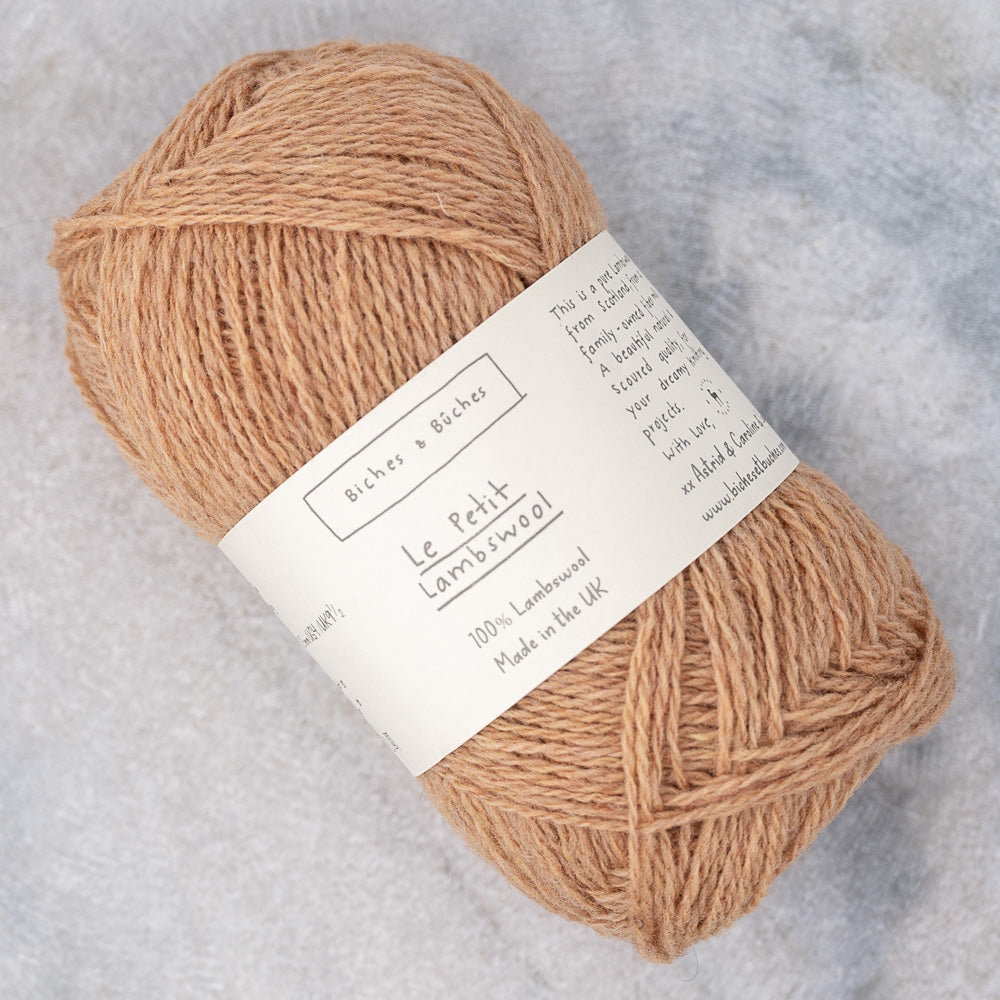
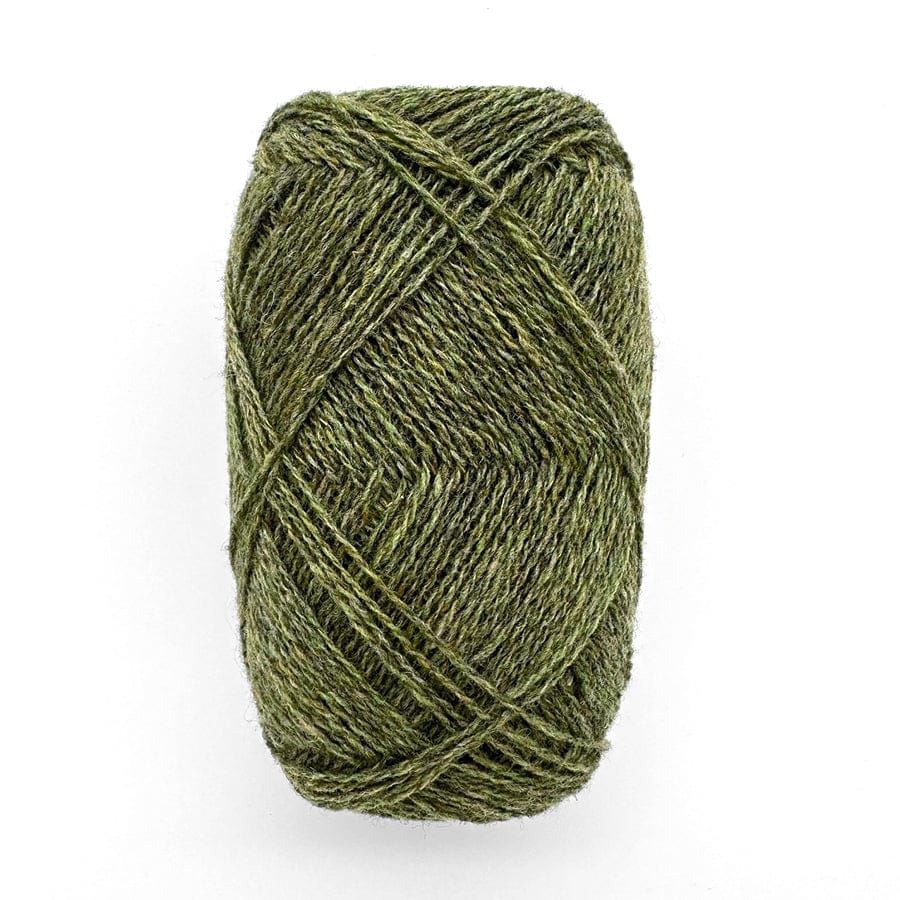
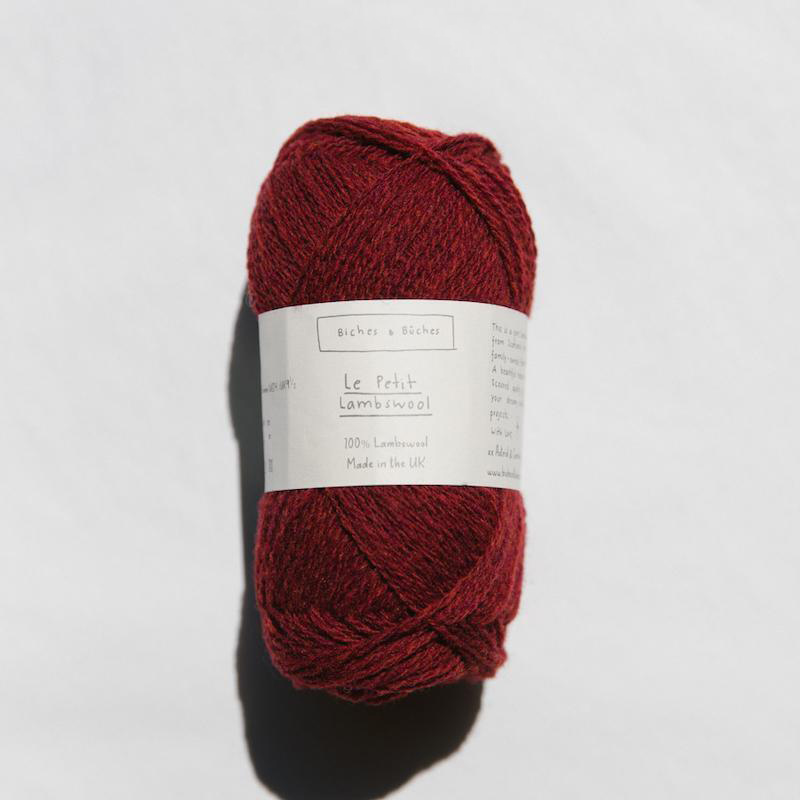
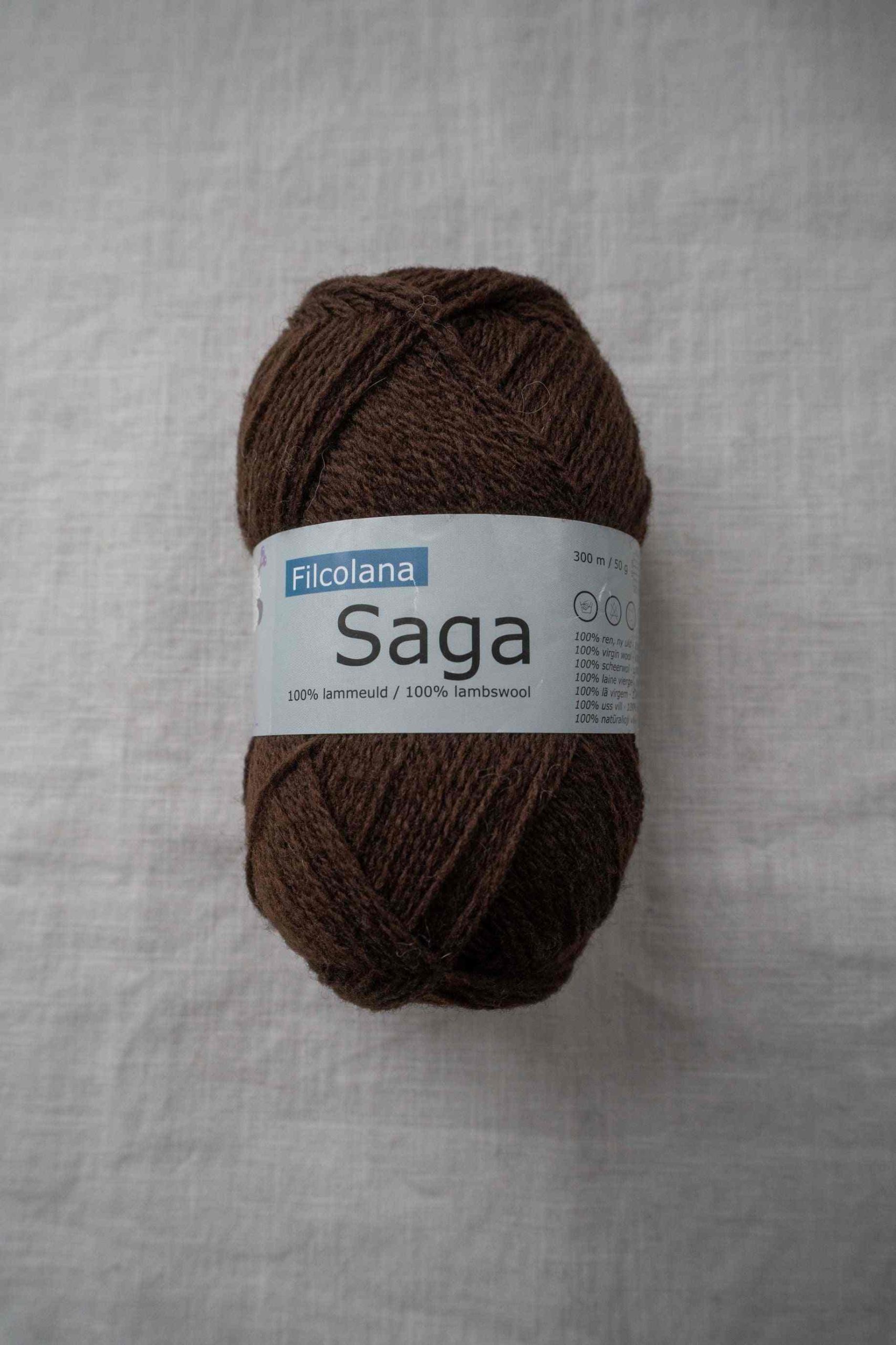
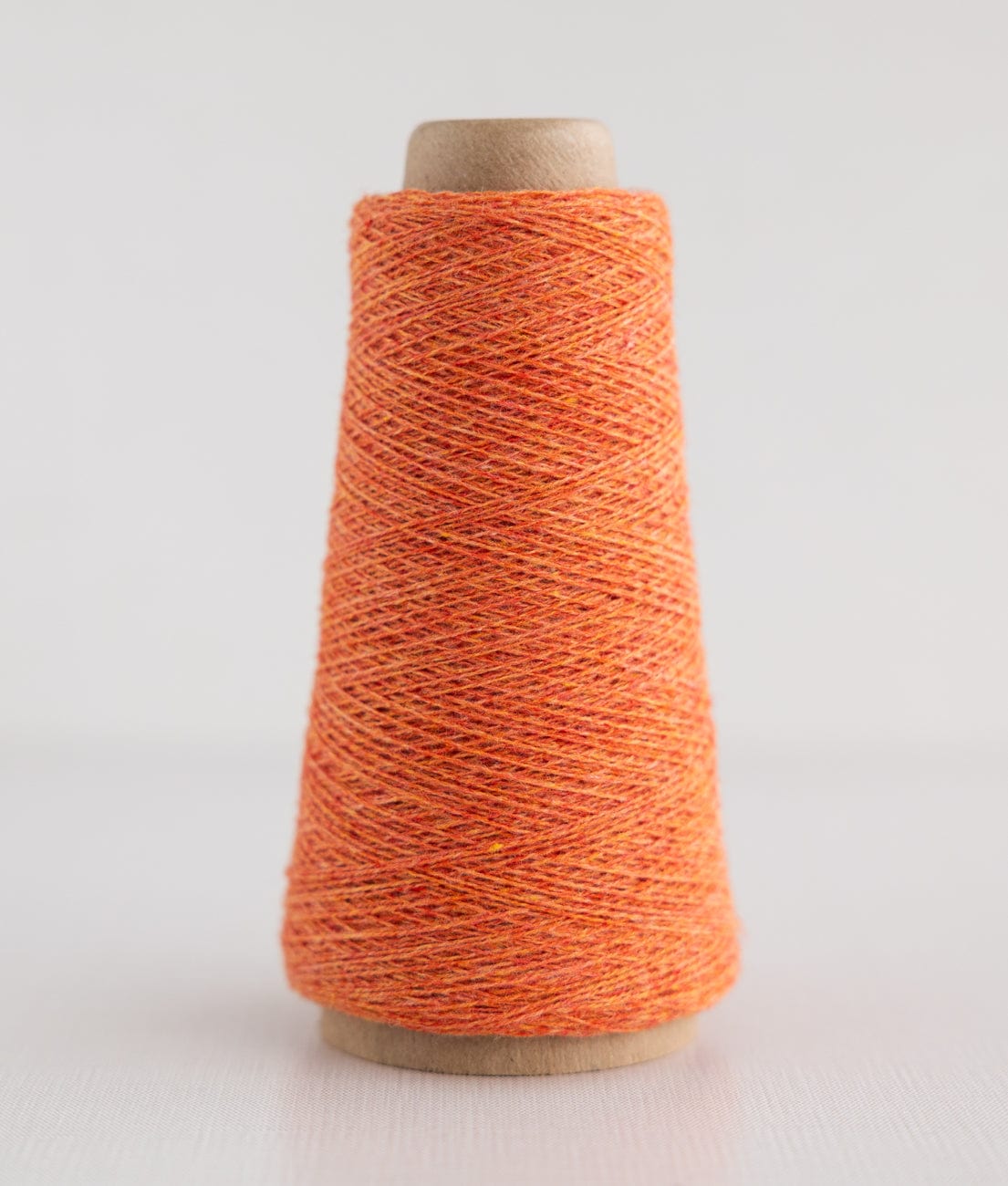
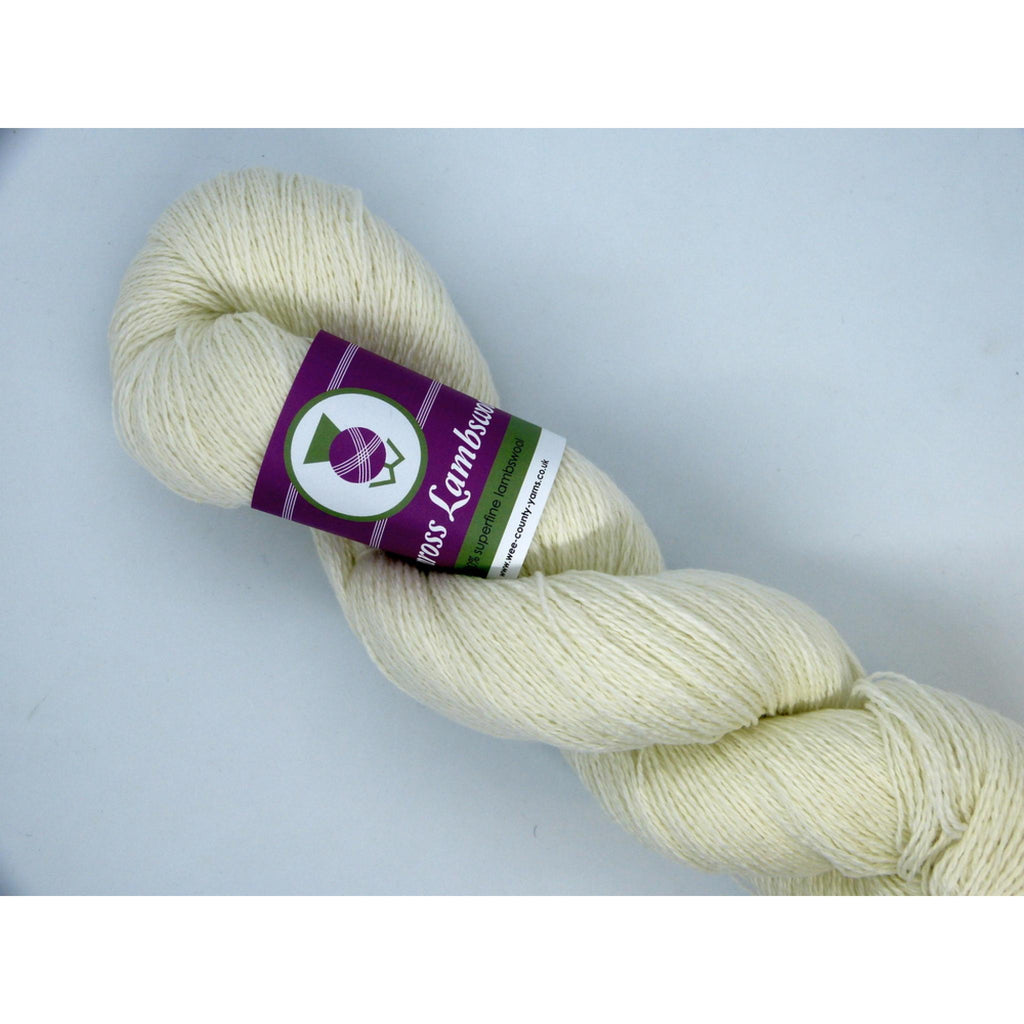
Lambswool Yarn Weights & Finishes
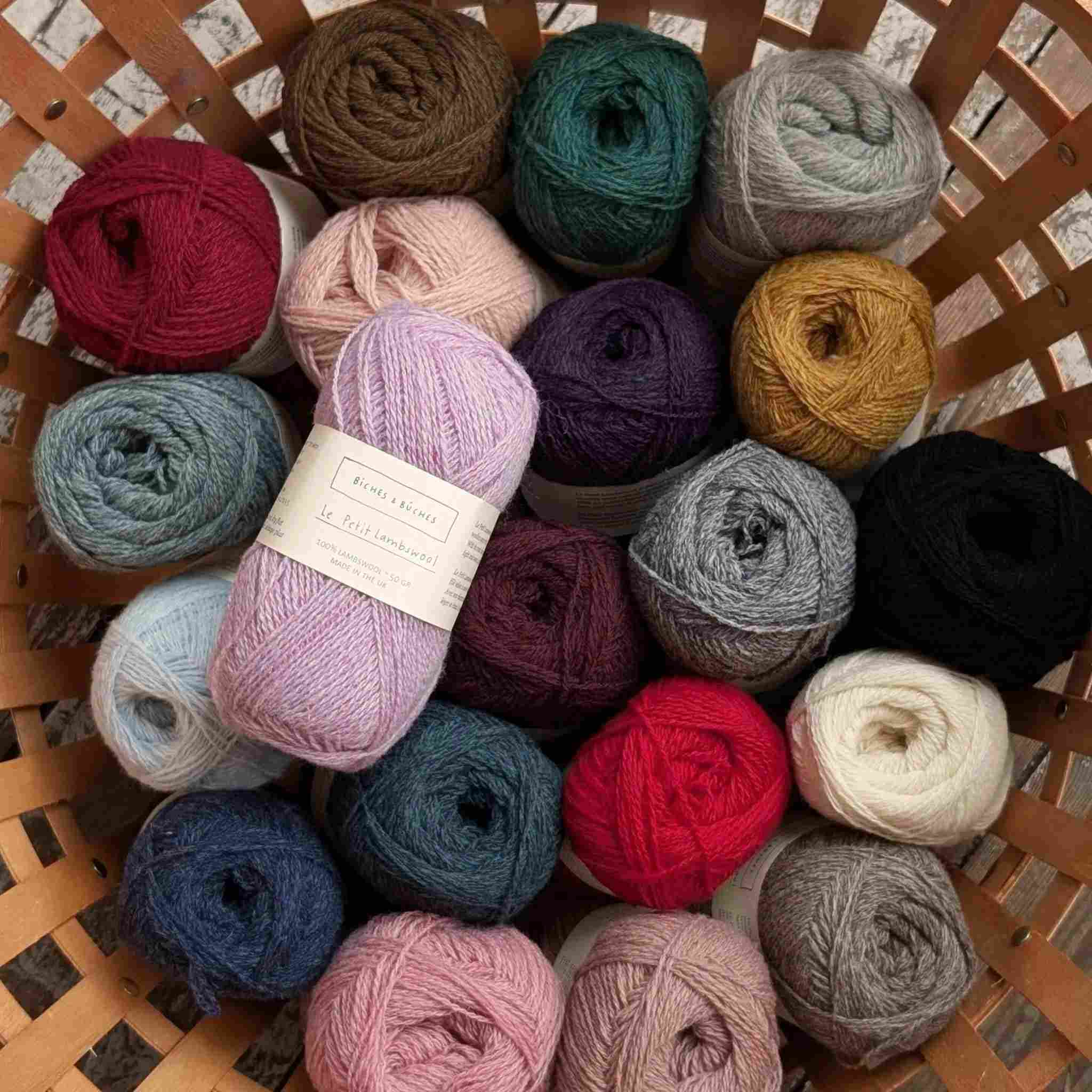
Why Choose Lambswool Yarn for Your Knitwear
Lambswool delivers the softness, durability, and performance fashion brands need in premium custom sweaters — from 100 pieces.
Exceptional Softness & Comfort
Lambswool yarn is finer and softer than standard wool, creating luxurious knitwear that customers want to wear every day.
Natural Temperature Regulation
Breathable fibers keep wearers warm in winter and cool in transitional seasons, perfect for versatile sweater collections.
Durable & Naturally Elastic
Lambswool yarn resists pilling and holds its shape season after season, reducing returns and boosting brand reputation.
Easy Care & Wash Stability
Modern lambswool yarn tolerates gentle machine washing and maintains color and structure, lowering care barriers for customers.
Sustainable & Renewable Fiber
Lambswool is a biodegradable, renewable resource that aligns with eco-conscious brand values and consumer demand.
Takes Dye Beautifully
Lambswool yarn accepts rich, vibrant colors and maintains depth through production, offering designers unlimited creative freedom.
Complementary Yarns & Knitwear Styles
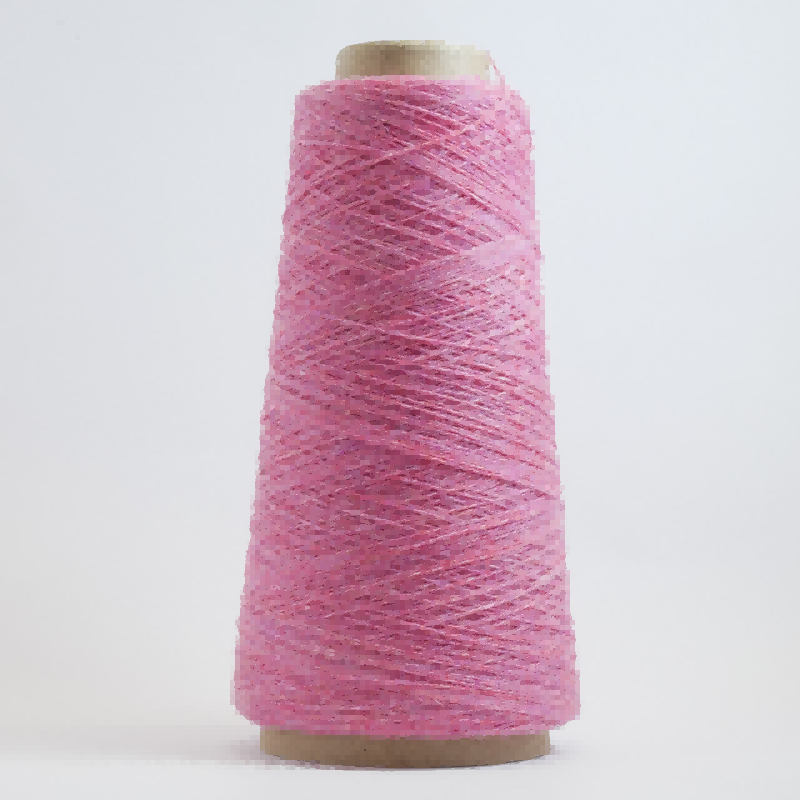
Yarn and Materials
CENWILD sources and knits the full spectrum of knitwear yarn—cashmere, merino wool, lambswool, cotton, Pima, alpaca, mohair, acrylic, and recycled or organic blends—across 3GG to 14GG gauges. Every fiber is selected for quality, performance, and alignment with your brand’s aesthetic and sustainability goals.
Get a Quote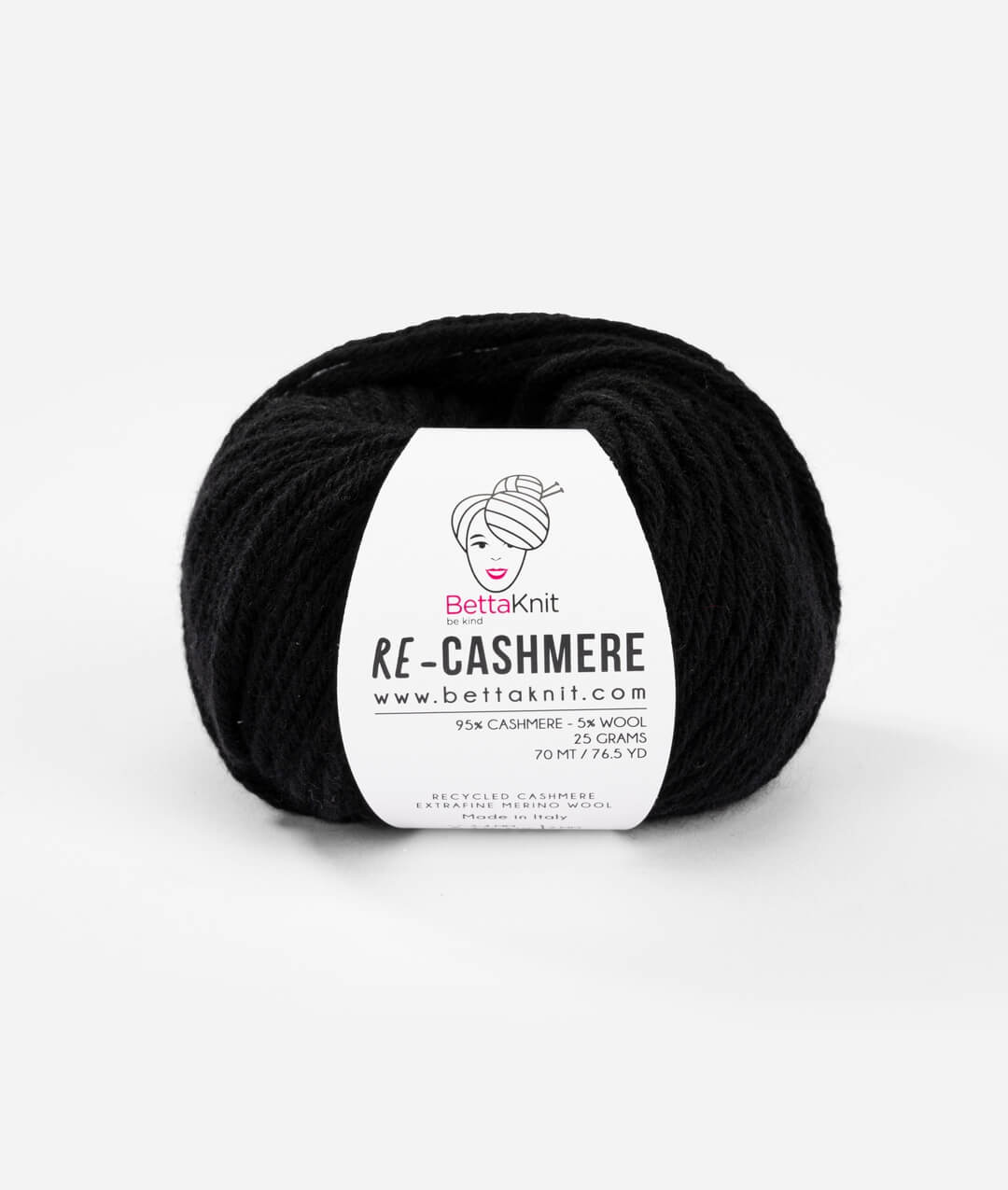
Cashmere Yarn
We offer cashmere yarn wholesale sourcing and in-house knitting for luxury sweater collections. CENWILD works with premium-grade cashmere in pure and blended constructions, delivering the softness and drape discerning customers expect, with MOQ from 100 pieces and full ODM support for private label brands.
Get a Quote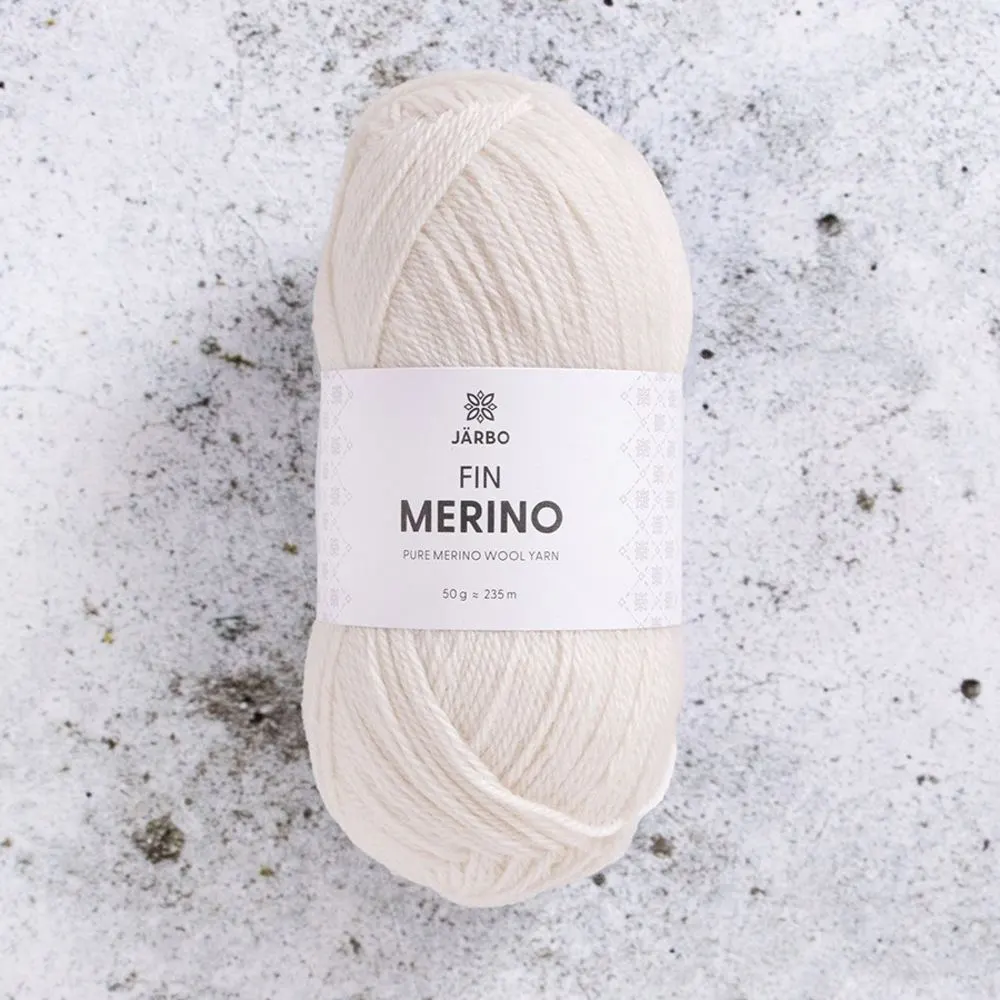
Merino Wool Yarn
Merino wool yarn combines natural breathability, elasticity, and next-to-skin comfort. Our Dongguan facility knits merino in fine and medium gauges for pullovers, cardigans, base layers, and activewear-inspired knitwear, supporting both stock-dyed and garment-dyed finishes to meet your color and hand-feel specifications.
Get a Quote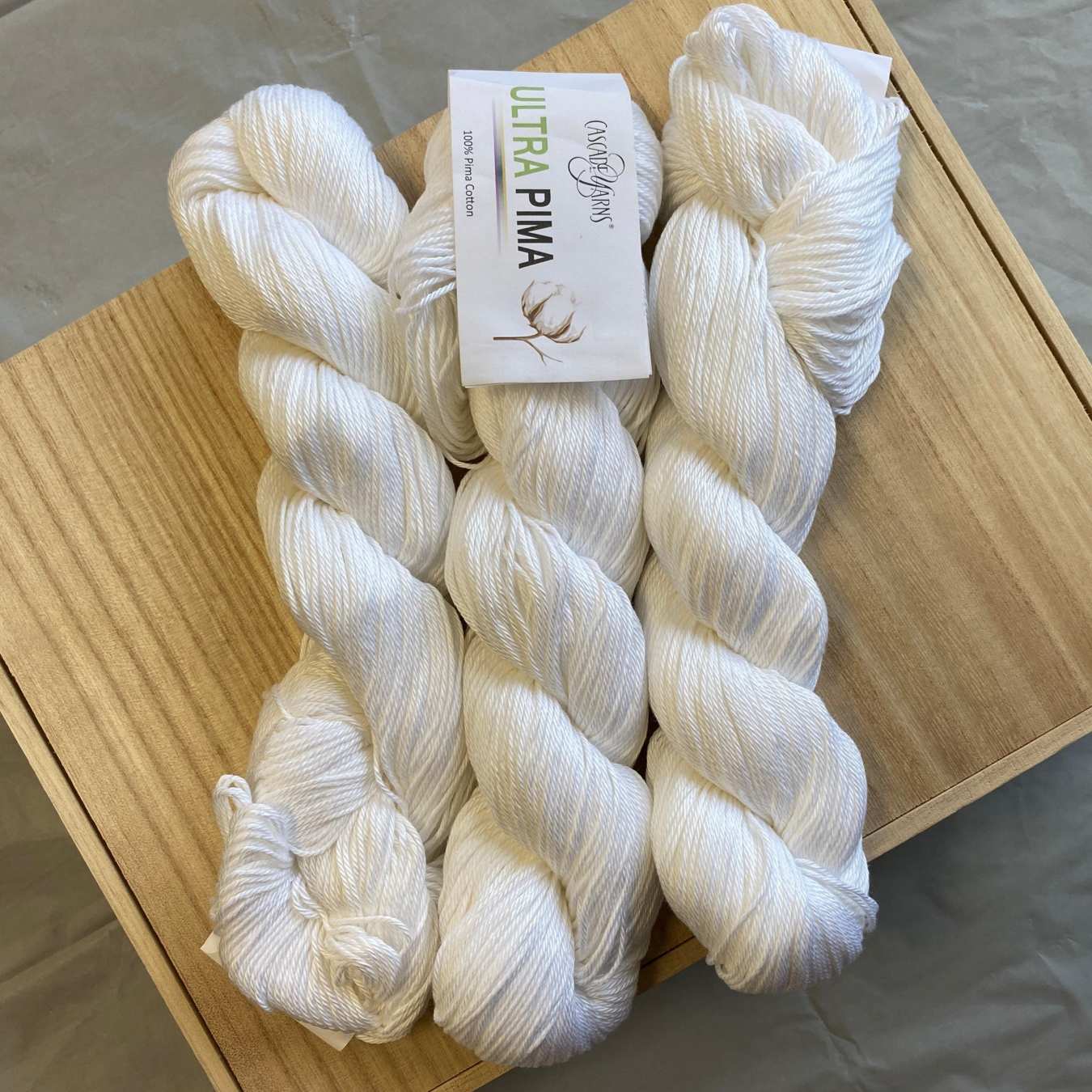
Cotton Pima Yarn
Pima cotton yarn is prized for its extra-long staple, silky luster, and durability. CENWILD knits Pima into lightweight sweaters, knit polos, summer cardigans, and layering pieces that offer breathability and minimal pilling—ideal for warm-weather collections and year-round capsule wardrobes with a refined, natural aesthetic.
Get a Quote
Acrylic Yarn
Acrylic yarn delivers cost-effective performance, vibrant color retention, and easy-care properties for high-volume knitwear programs. We knit acrylic and acrylic blends across all gauges for fashion-forward sweaters, promotional knitwear, college and team apparel, and personalized holiday styles where budget and washability are priorities.
Get a Quote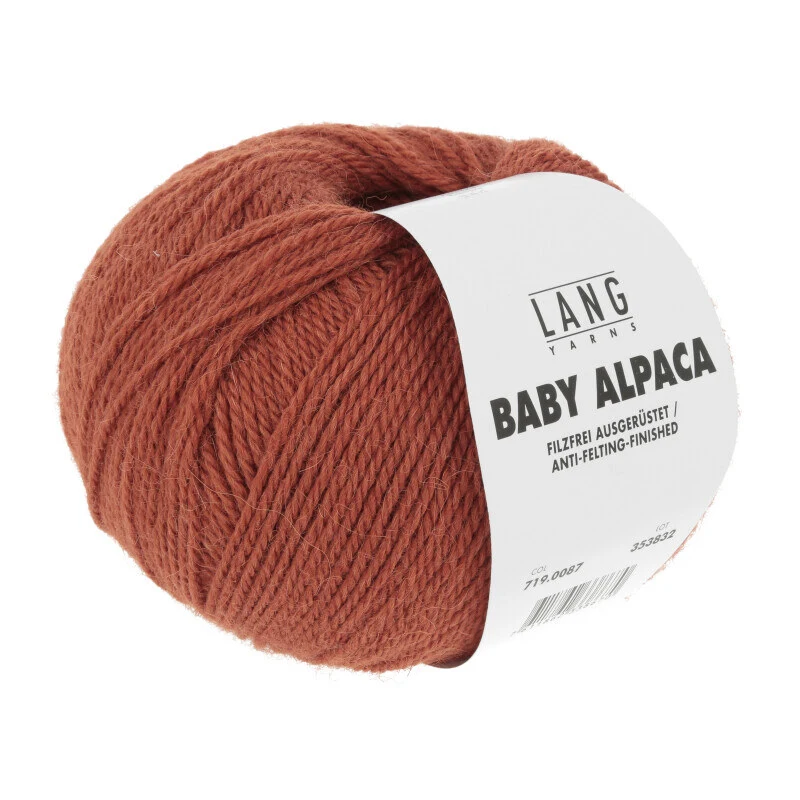
Alpaca Yarn
Alpaca yarn offers exceptional warmth-to-weight ratio, hypoallergenic fiber, and a luxurious hand. CENWILD sources baby alpaca and blended alpaca for premium sweater lines, knitting textures from smooth jersey to cable and rib structures, with full ODM design development and low-MOQ flexibility for independent designers and boutique labels.
Get a Quote
Recycled Organic Yarn
Recycled yarn knitwear is core to our responsibility commitment. CENWILD manufactures sweaters in GRS-certified recycled polyester, regenerated cotton, and post-consumer wool blends, supporting your sustainability narrative with traceable materials, transparent production, and the same quality standards as virgin-fiber programs from 100 pieces and up.
Get a Quote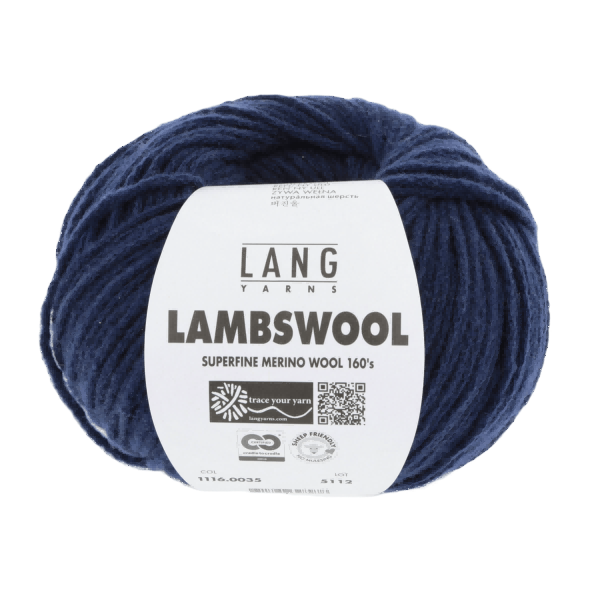
Custom Cardigan
Custom cardigan production spans button-front, zip, open-front, and belted styles in any gauge, yarn, stitch pattern, or decoration. Our ODM team develops original cardigan designs from concept through knit-down sampling, grading, and bulk production, with embroidery, intarsia, jacquard, and trim customization to match your brand identity.
Get a Quote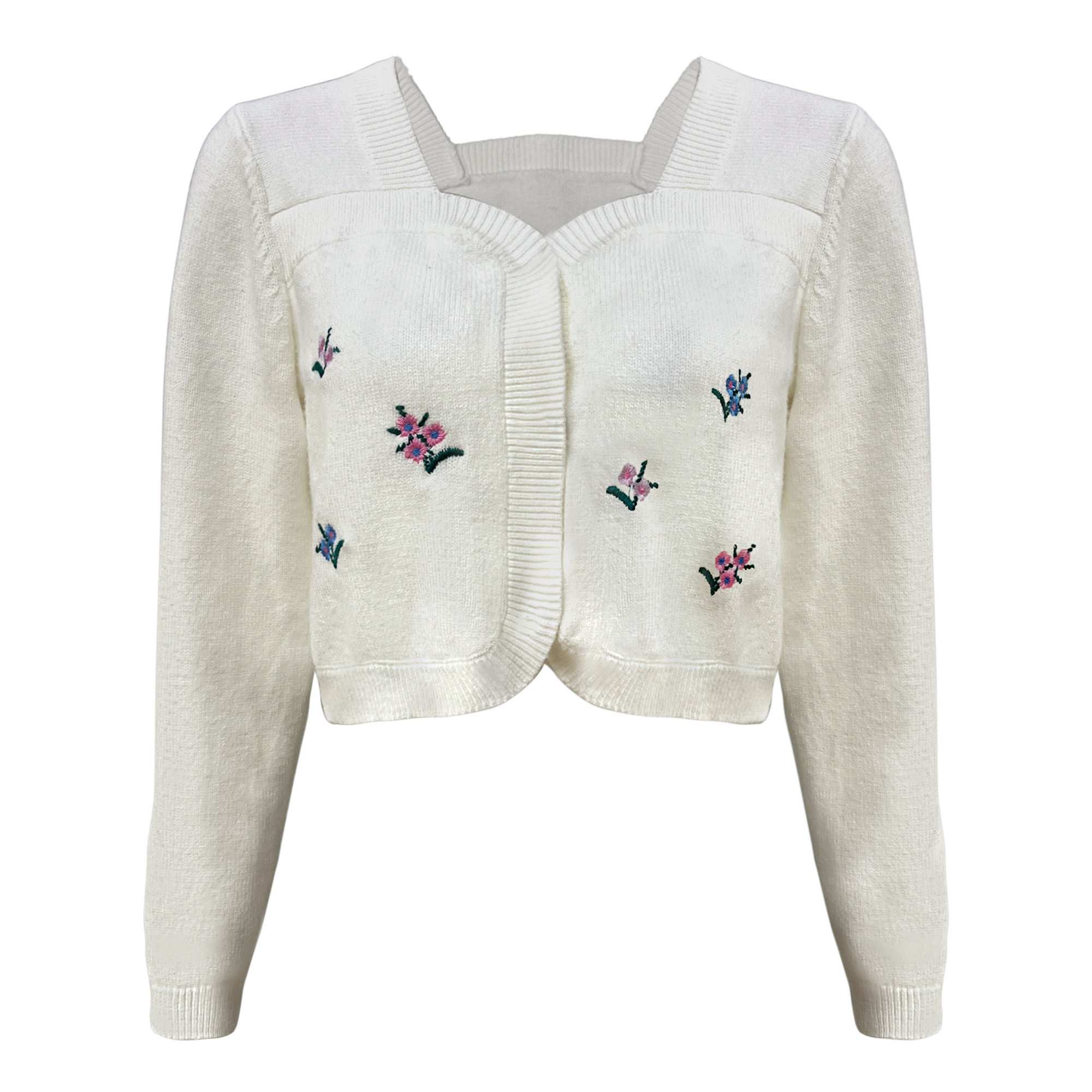
Cardigan Sweater Manufacturer
As a cardigan sweater manufacturer with 28 years in Dongguan, CENWILD produces OEM and private label cardigans for fashion brands, retailers, and wholesalers worldwide. We handle design, yarn sourcing, sampling, knitting, finishing, and export logistics in-house, with monthly capacity over 80,000 pieces and MOQ from 100.
Get a QuoteCENWILD's Lambswool Yarn & Knitwear Expertise
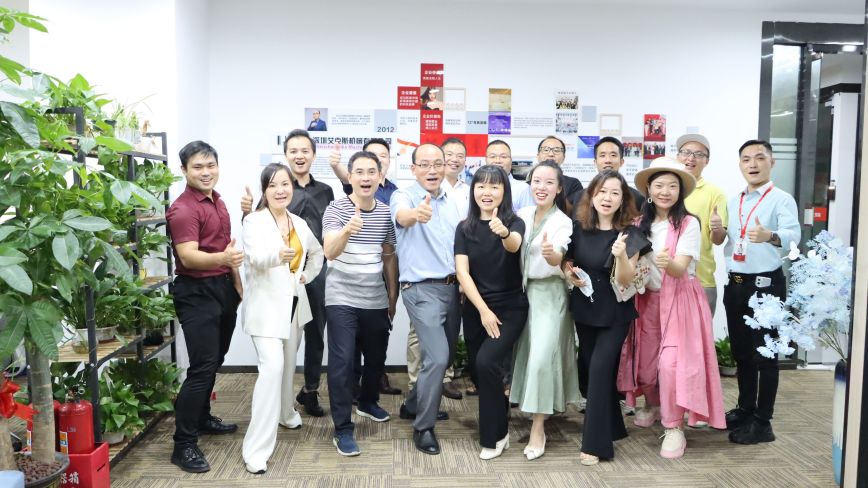
Founded in 1998 in Humen, Dongguan — the heart of China’s knitwear industry — CENWILD has spent over 28 years mastering the sourcing, knitting, and finishing of premium natural fibers including lambswool yarn. What started as a family workshop has grown into a full-service sweater manufacturer serving more than 2,000 fashion brands across North America, Europe, Australia, and beyond.
Our in-house design team, computerized flat-knitting fleet (3GG–14GG), and dedicated sampling studio allow us to translate lambswool yarn into production-ready garments at any scale — from 100-piece capsule collections to monthly runs exceeding 80,000 pieces. We partner with trusted yarn suppliers to ensure consistent softness, durability, and color accuracy across every order, backed by rigorous quality control at every stage.
Whether you arrive with a tech pack, a mood board, or simply an idea, CENWILD delivers OEM, ODM, and private-label lambswool knitwear with the craftsmanship, flexibility, and reliability that growing brands depend on.
Lambswool Yarn Production & Quality Control
Fiber Inspection & Yarn Testing
Every batch of lambswool yarn undergoes rigorous inspection before knitting begins. CENWILD’s quality team verifies fiber grade, micron count, and twist consistency to ensure softness, strength, and uniformity across your entire production run.
- Visual and tactile assessment of fiber length and crimp
- Laboratory testing for tensile strength and elasticity
- Color-fastness verification for dyed lambswool yarns
- Batch documentation and traceability for full transparency
Knit-Down Sampling for Performance Validation
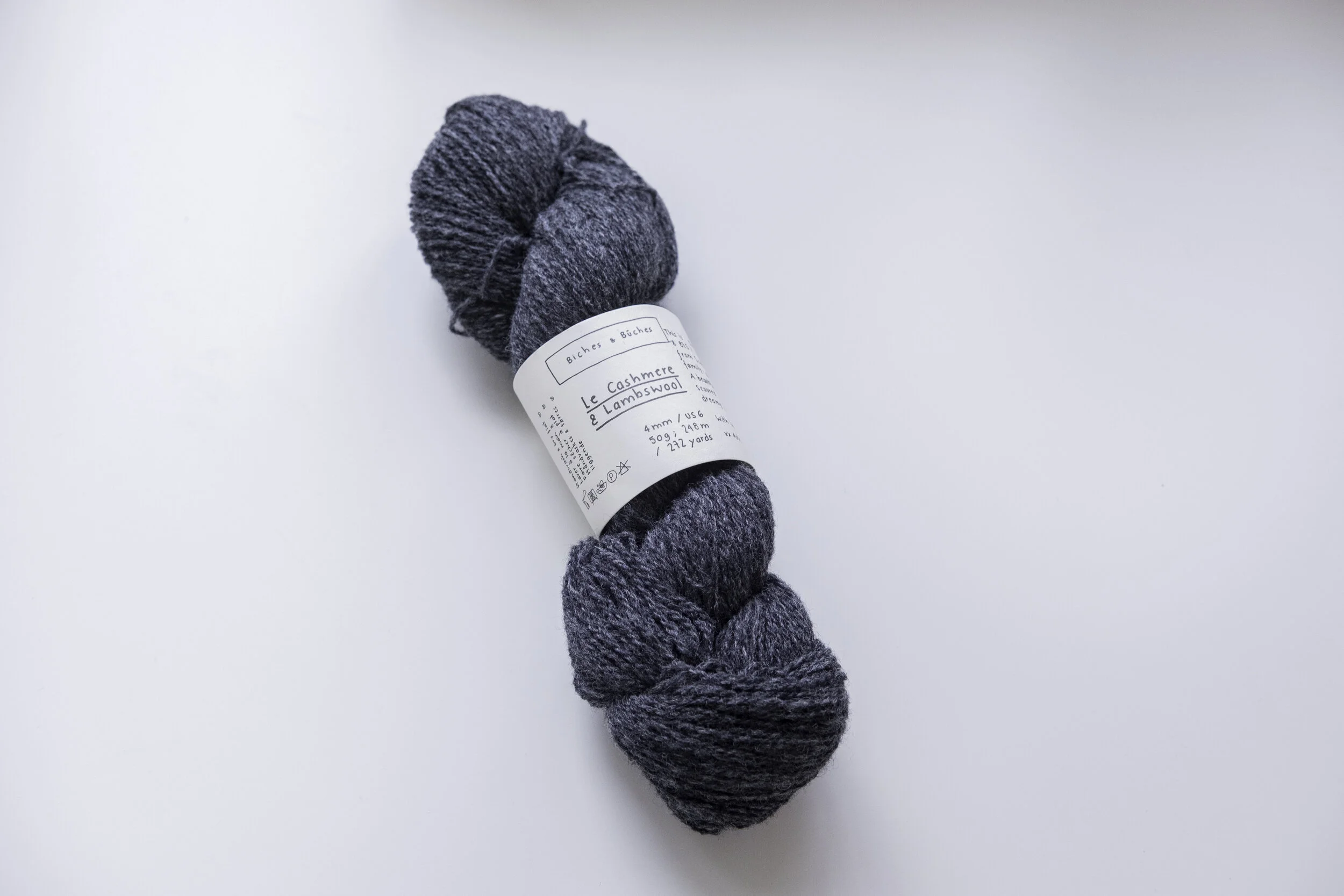
Before full production, CENWILD knits sample swatches using your chosen lambswool yarn at the exact gauge and stitch pattern. This validates hand-feel, drape, and dimensional stability, allowing adjustments before the first 100 pieces roll off the line.
- Gauge calibration across 3GG–14GG flat-knitting machines
- Wash-and-wear testing to predict shrinkage and pilling behavior
- Side-by-side comparison of yarn blends and finishing options
- Client approval before production commitment
Anti-Pilling, Softening & Garment Dye
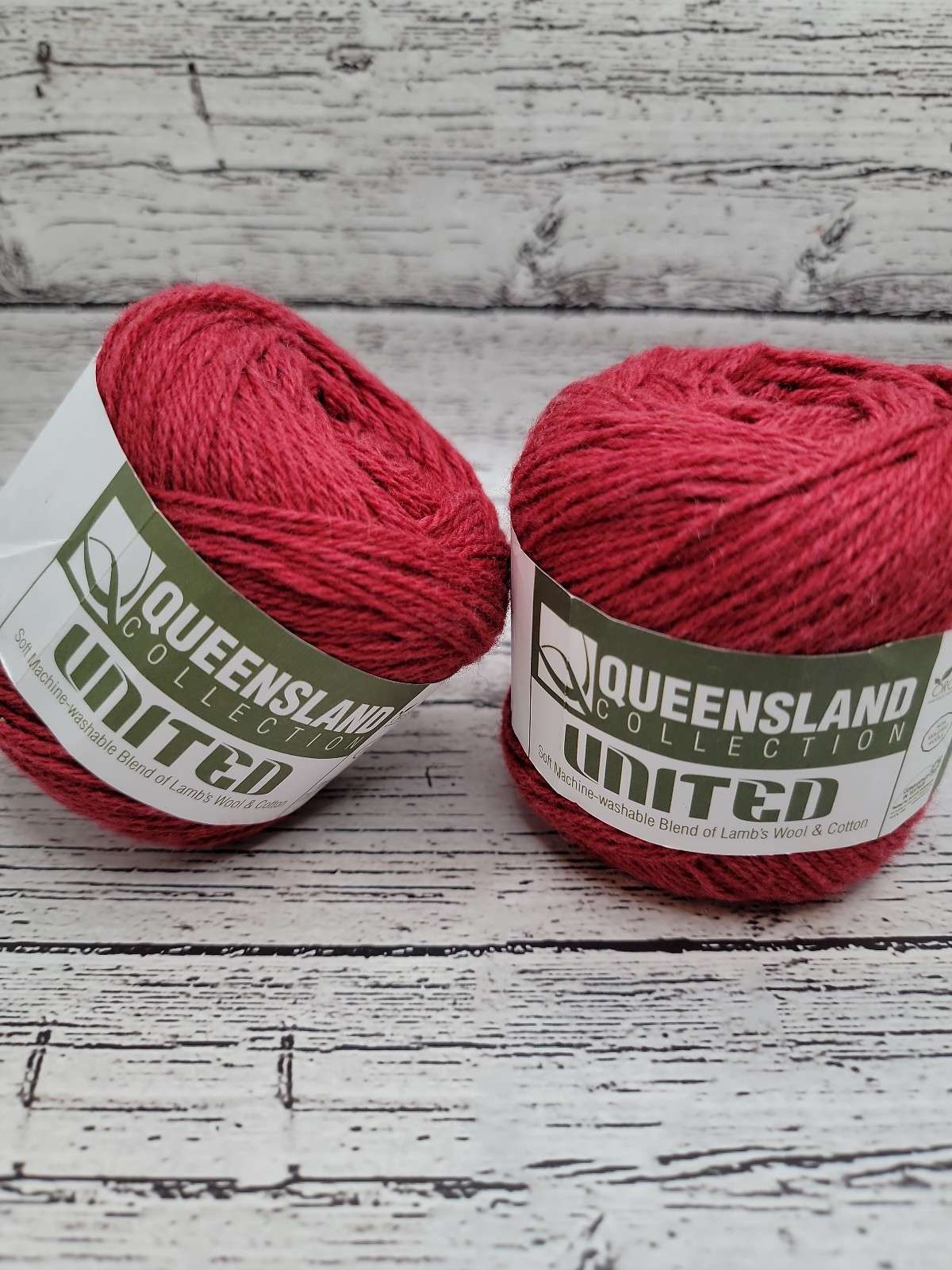
CENWILD’s in-house finishing suite transforms raw lambswool knitwear into retail-ready garments. Anti-pilling treatments extend garment life, enzyme softening enhances comfort, and garment-dye capabilities unlock unique color depth and vintage aesthetics.
- Enzyme and mechanical anti-pilling for long-lasting surface quality
- Bio-polishing and softening washes for luxurious hand-feel
- Garment-dye processing for rich, heathered tones
- Brushing and steaming to highlight lambswool's natural loft
Final QC & Brand Standards Compliance
Every lambswool piece passes through CENWILD’s multi-point quality control before packing. Inspectors verify stitch integrity, measurements, trim placement, and finish quality against your tech pack, ensuring consistency whether you order 100 or 10,000 pieces.
- 100% inline inspection during knitting and linking
- Pre-shipment audit of measurements, weight, and color match
- Compliance documentation for labeling, packaging, and export
- Photo reports and sample approval for peace of mind
Lambswool Yarn vs. Other Premium Fibers
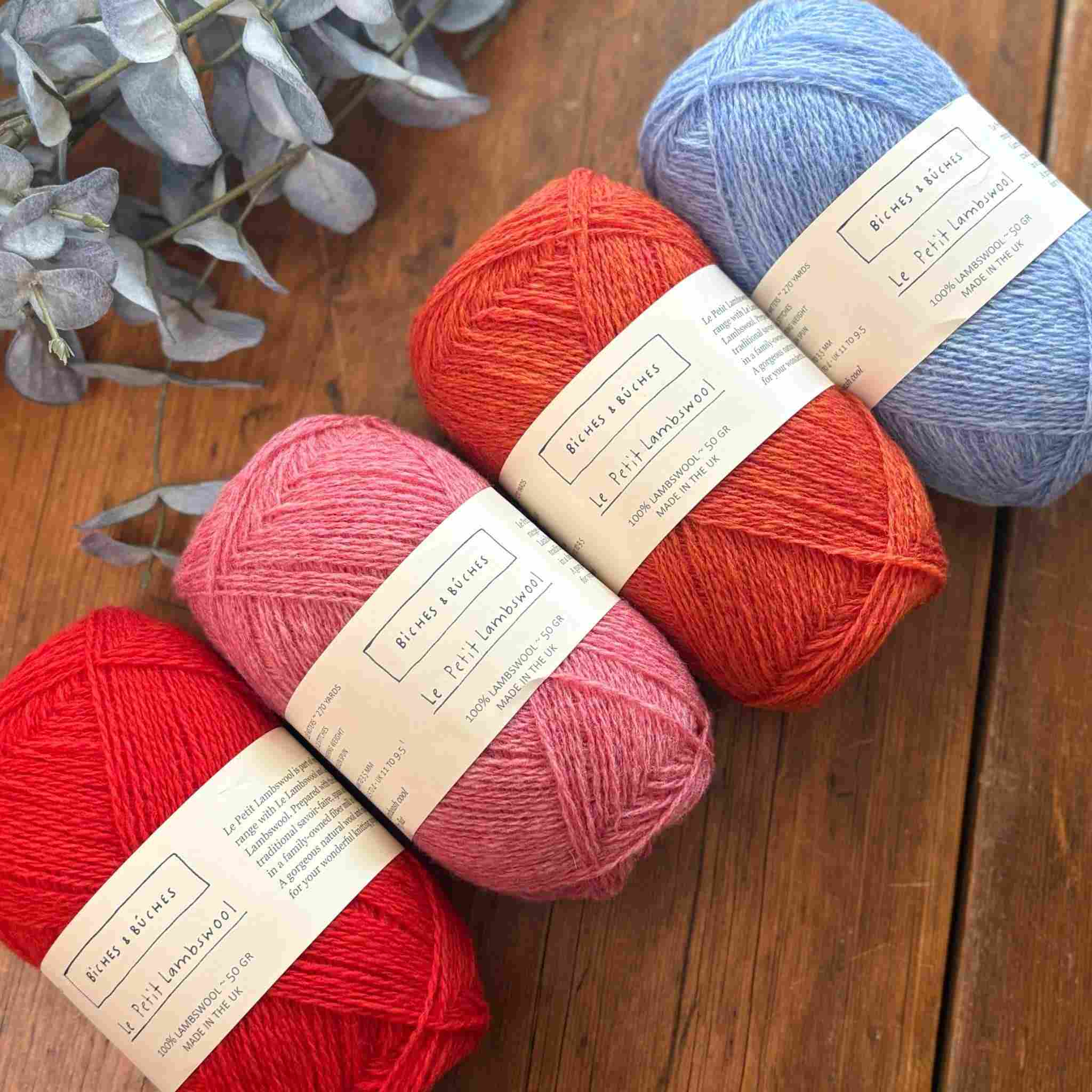
Choose the right natural fiber for your custom knitwear collection. Compare lambswool against merino, cashmere, and alpaca on the attributes that matter most to fashion brands and designers.
← 左右滑动查看 →
How Lambswool Yarn Becomes Custom Knitwear
From fiber selection to finished sweater, CENWILD‘s proven process transforms lambswool yarn into premium knitwear for your brand — with quality control at every phase.
Lambswool Yarn Selection
Choose from 2/26NM to 2/48NM lambswool counts, blends, and dye lots. CENWILD sources premium lambswool yarn from certified mills, verifies fiber content, twist, and color consistency before production begins.
Knit-Down Sampling
Your chosen lambswool yarn is programmed into 3GG–14GG computerized flat-knitting machines. A knit-down swatch confirms stitch definition, gauge, drape, and hand-feel before full production commitment.
Pattern Programming & Grading
Design teams digitize your tech pack into machine-readable programs. Intarsia, jacquard, cable, and ribbed patterns are graded across sizes, ensuring lambswool yarn tension and stitch integrity in every panel.
Full-Scale Knitting Production
Computerized flat-knitting machines produce front, back, and sleeve panels from lambswool yarn. Real-time monitoring tracks tension, dropped stitches, and yarn breakage to maintain consistency across your entire order of 100 pieces or more.
Linking, Assembly & Finishing
Knit panels are linked at seams using specialized equipment that preserves lambswool’s soft hand. Garments undergo washing, softening, anti-pilling treatment, steam blocking, and brushing to enhance the natural warmth and loft of lambswool.
Decoration & Embellishment
Embroidery, screen printing, heat transfer, patches, or sequins are applied to finished lambswool knitwear. Each decoration method is tested on lambswool fabric to ensure adhesion, colorfastness, and no damage to delicate fibers.
Final Quality Control & Export
Every lambswool garment is inspected for stitch accuracy, measurements, color match, and finishing quality. Approved pieces are pressed, folded, poly-bagged, carton-packed, and shipped with full documentation to your destination worldwide.
How to Specify Lambswool Yarn in Your Custom Order
CENWILD guides you through every detail — from fiber weight and blend ratio to color matching and sampling — so your lambswool knitwear meets your exact vision.
Share Your Lambswool Preferences
Tell us your desired lambswool yarn weight, blend ratio, gauge, and any specific finishes. Our team translates your specs into production-ready parameters.
Confirm Color and Finish Details
Provide color references, Pantone codes, or physical swatches. We source matching lambswool yarn and confirm dyeing, brushing, or anti-pilling treatments with you.
Receive Knit-Down Samples
We produce actual knit-down swatches in your chosen lambswool yarn so you can verify hand-feel, drape, color, and finish before bulk production begins.
Approve and Lock Production
Once you approve the lambswool sample, we finalize lead time and MOQ. Your order enters our production schedule with locked yarn specifications and quality benchmarks.
Customer Stories: Lambswool Yarn Success
Our first lambswool yarn collection sold out in 6 weeks. Customers loved the softness and durability. CENWILD’s quality control meant zero returns — we immediately placed a 40% larger reorder.
We switched to lambswool yarn for our private label cardigans and saw a 28% increase in repeat purchases. The hand-feel elevated our brand perception instantly. MOQ of 100 pieces made testing risk-free.
CENWILD’s lambswool yarn sweaters became our top-rated product with 4.8 stars across 200+ reviews. Customers specifically mention the softness and warmth. Production quality has been flawless across three seasonal drops.
Lambswool Yarn FAQs
What makes lambswool yarn softer than regular wool?
Does lambswool yarn pill easily?
Will lambswool yarn shrink after washing?
Can I customize the color of lambswool yarn for my order?
What yarn weights are available in lambswool?
Can lambswool yarn be blended with other fibers?
Is lambswool yarn compatible with intarsia and jacquard techniques?
What file formats do I need to specify lambswool yarn in my tech pack?
Does choosing lambswool yarn affect production lead time?
The Complete Buyer’s Guide to Lambswool Yarn for Custom Knitwear
Navigate sourcing decisions with confidence. This guide walks you through lambswool yarn types, quality benchmarks, supplier selection criteria, customization options, and the most common procurement mistakes to avoid when ordering custom knitwear.
1. What Is Lambswool Yarn?
Lambswool yarn is harvested from the first shearing of young sheep at approximately 6–7 months of age, yielding fibers that measure 27–33 microns in diameter. This initial clip produces wool with naturally tapered, unbroken tips, making lambswool noticeably softer and finer than standard adult wool while remaining more affordable than cashmere (14–19 microns) or fine merino (17–21 microns).
The fiber’s inherent crimp — typically 8–12 waves per inch — creates natural elasticity and loft, allowing knitted garments to retain shape while delivering an excellent warmth-to-weight ratio. Lambswool’s smooth cuticle structure reduces skin irritation, offering hypoallergenic properties that appeal to buyers seeking comfort without the premium cost of cashmere or the delicate care requirements of mohair.
For fashion brands sourcing knitwear, lambswool yarn strikes a practical balance: softer than regular wool, more durable than cashmere, and easier to process than alpaca, all while supporting accessible MOQs and competitive pricing. CENWILD manufactures lambswool knitwear across 3GG–14GG gauges, pairing the fiber’s natural resilience with intarsia, jacquard, and cable techniques to deliver retail-ready cardigans, pullovers, and sweater vests from 100 pieces.
2. The Evolution and History of Lambswool Yarn
Scottish and British textile mills pioneered commercial lambswool yarn production in the 18th century, establishing grading standards based on fiber diameter (typically 27.5–31 microns) and staple length that remain industry benchmarks today. By the 1850s, mechanized spinning replaced hand methods, enabling consistent counts and scalable output that made lambswool accessible beyond luxury markets.
Italy emerged as a premium yarn-spinning hub in the mid-20th century, known for worsted and semi-worsted lambswool yarns prized for color clarity and hand-feel. Chinese mills gained dominance from the 1990s onward, combining competitive pricing with improved quality control; today, regions like Inner Mongolia and Jiangsu supply the majority of lambswool yarn to global knitwear manufacturers, including CENWILD’s network in Dongguan.
Sustainability movements since the 2010s have reshaped sourcing: mulesing-free certifications, organic wool standards (GOTS), and traceability programs now influence mill selection and pricing. Brands increasingly demand documentation proving ethical shearing and chemical-free processing, elevating lambswool yarn from a commodity fiber to a transparent, responsibly sourced material that supports premium positioning.
3. Lambswool Yarn Spin Types and Construction
Lambswool yarn construction directly determines drape, warmth, durability, and knitting gauge. Spin weight, ply count, and twist direction shape every aspect of the finished garment, from delicate layering pieces to chunky outerwear.
Spin Weight and Gauge Compatibility
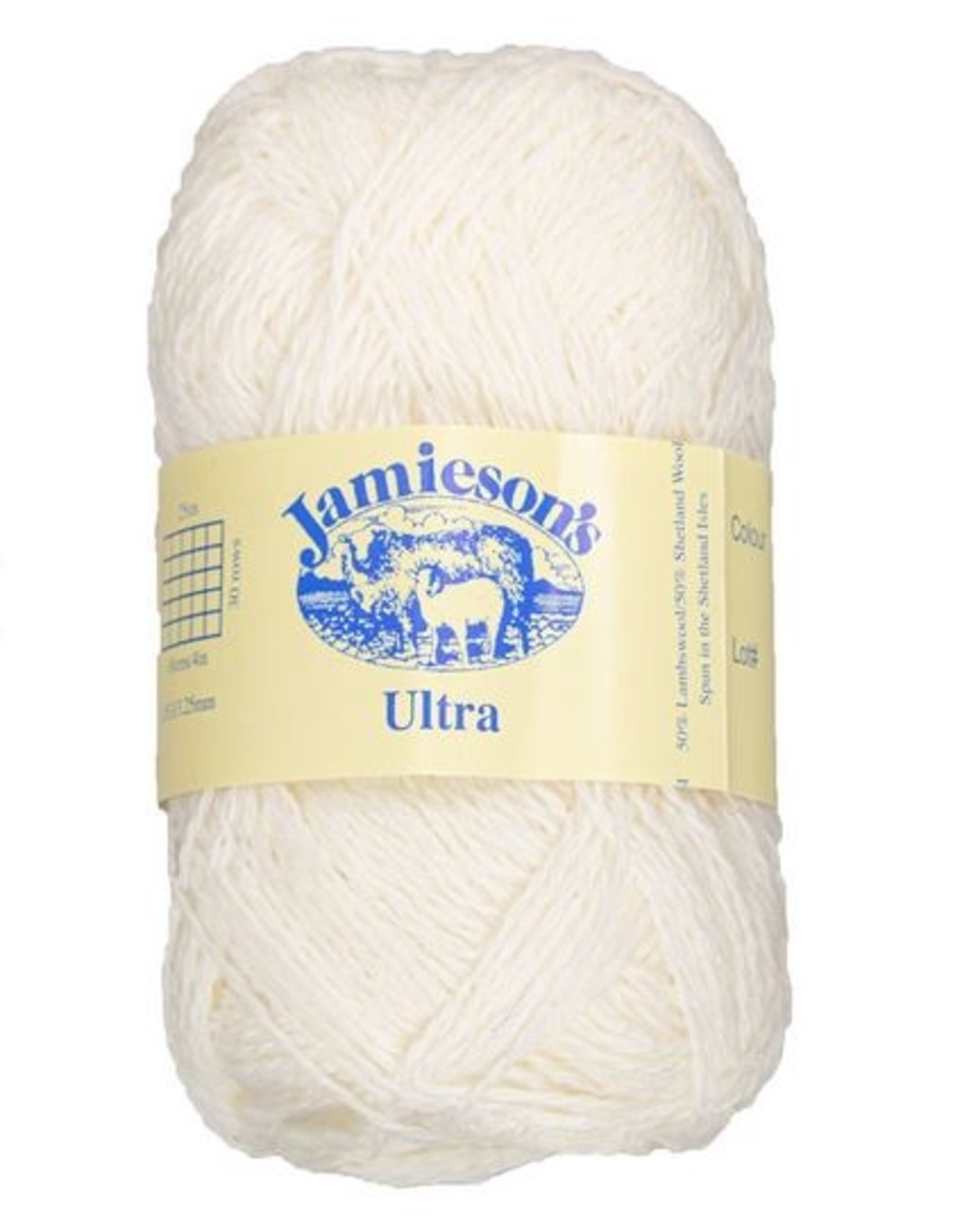
Lace and fingering weights (1–3 ply, 28–32 sts/4 in.) suit fine-gauge cardigans and layering tees on 12GG–14GG machines. DK and worsted weights (4–6 ply, 20–24 sts) drive mid-weight crewnecks and pullovers at 7GG–9GG.
Bulky and super-bulky lambswool (6+ ply, 12–16 sts) anchor chunky cardigans and oversized turtlenecks on 3GG–5GG machines, delivering maximum loft and visual texture for statement outerwear.
Ply Count and Structural Trade-Offs
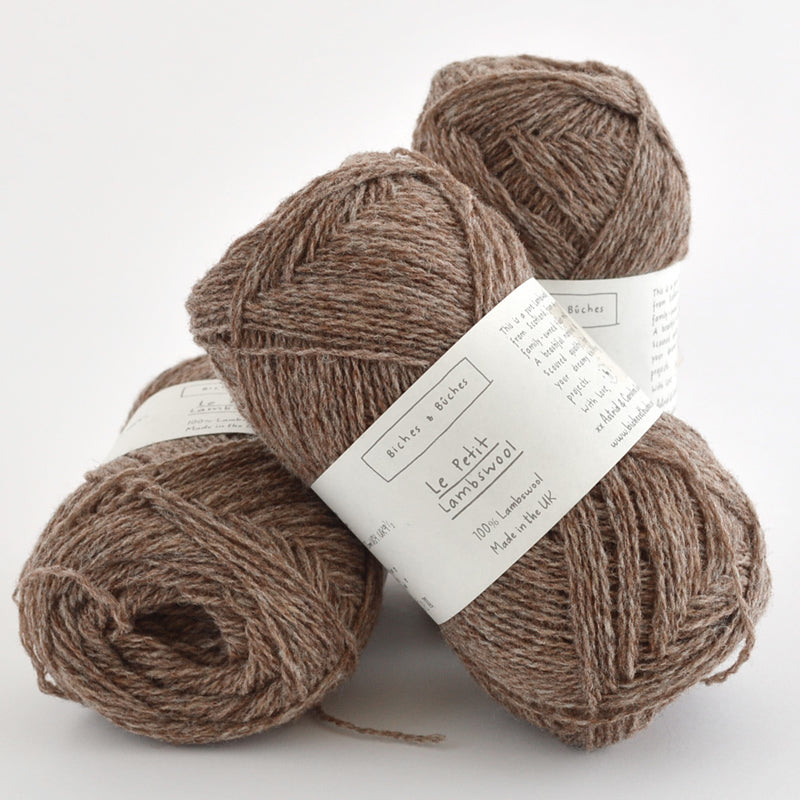
Two-ply lambswool offers softness and drape for lightweight sweaters but pills more readily. Four-ply balances hand-feel with durability, making it the workhorse choice for everyday pullovers and knit polos. Six-ply construction adds resilience and stitch definition, ideal for cable and aran patterns that demand structural integrity over multiple seasons.
Twist Direction and Performance
S-twist (clockwise) and Z-twist (counter-clockwise) lambswool yarns are often plied in opposite directions to lock fibers and reduce bias. High-twist yarns increase abrasion resistance and reduce pilling, suited to high-contact zones like elbows and cuffs. Soft-twist construction maximizes loft and softness, preferred for luxury hand-feel in cashmere-lambswool blends and heirloom-quality cardigans.
4. Lambswool Yarn Materials, Blends, and Fabric Weights
Pure lambswool yarn delivers softness and warmth, but blending with synthetic or natural fibers adds strength, durability, or breathability. Understanding how blend ratios, yarn count (Nm, Ne), gauge (3GG–14GG), and fabric weight (GSM) interact lets you specify the exact hand-feel and performance your collection requires.
| Blend Ratio | Typical Gauge | GSM Range | Best Application |
|---|---|---|---|
| 100% Lambswool | 7GG–12GG | 260–300 | Luxury cardigans, classic crewnecks |
| 80/20 Lambswool-Nylon | 12GG | 280–320 | Durable pullovers, everyday sweaters |
| 70/30 Lambswool-Cotton | 12GG–14GG | 240–280 | Breathable layering pieces, spring knits |
| 60/40 Lambswool-Angora | 7GG–9GG | 220–260 | Ultra-soft turtlenecks, gift sweaters |
| 50/50 Lambswool-Acrylic | 12GG–14GG | 200–240 | Budget-friendly basics, high-volume orders |
5. Customization and Decoration Options for Lambswool Yarn Knitwear
Lambswool yarn accepts a wide range of dyeing, patterning, and embellishment methods, each with distinct cost structures and minimum-order implications. Understanding these options allows you to build brand differentiation while managing setup budgets and per-unit economics.
| Method | Setup Cost | Per-Unit Increment | Durability (Washes) |
|---|---|---|---|
| Jacquard | $0–50 | +8–15 % | 50+ |
| Intarsia | $0–80 | +20–35 % | 50+ |
| Flat Embroidery | $80–150 | +$1.50–4 | 30+ |
| Appliqué / Patches | $120+ | +$2–5 | 30+ |
| Beading / Sequins | $0 | +$5–12 | 20–30 |
Dyeing Methods and Color Matching
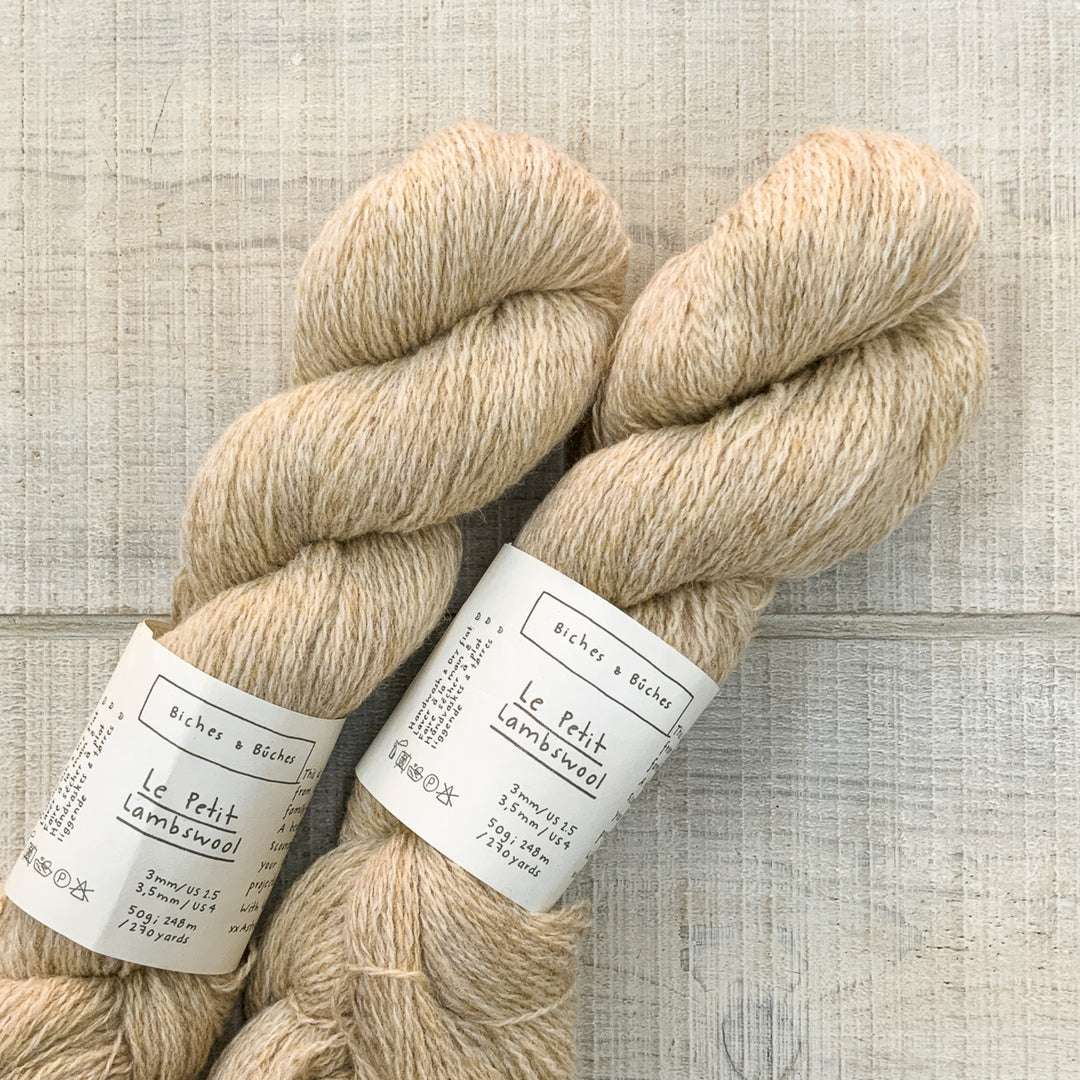
Yarn-dyed lambswool is dyed before knitting, offering superior color consistency and no risk of uneven penetration; it typically requires a 200–300 kg yarn-dye lot minimum. Garment-dyed pieces are knitted in natural or greige yarn then dyed as finished garments, enabling smaller runs (100–200 pieces per color) but with tighter tolerances on shade variation (ΔE ≤ 1.0 for critical matching).
Natural dyes deliver muted, eco-friendly palettes but fade faster and cost 15–30 % more than synthetic reactive or acid dyes, which lock color for 50+ washes and match Pantone libraries within ΔE 0.5.
Pattern Techniques
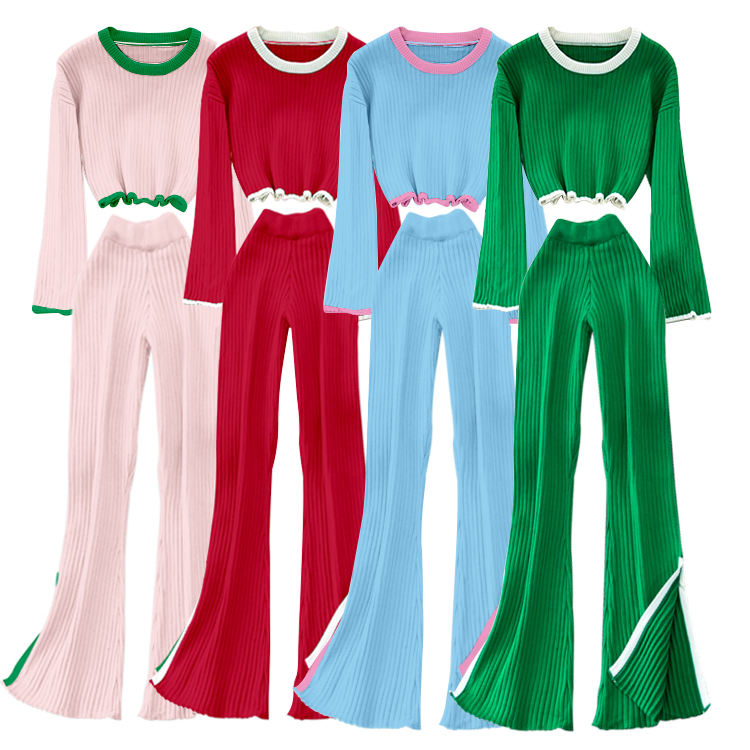
Jacquard uses computerized needle selection for multi-color motifs with minimal setup cost but adds 8–15 % to unit price; intarsia hand-links color blocks for bold graphics at 20–35 % premium and 200-piece minimums. Cable knits require no extra yarn but increase knit time by 10–20 %; Fair Isle stranding works best on 7GG–12GG gauges and raises material cost by 12–18 % due to yarn floats.
Post-Knit Embellishments
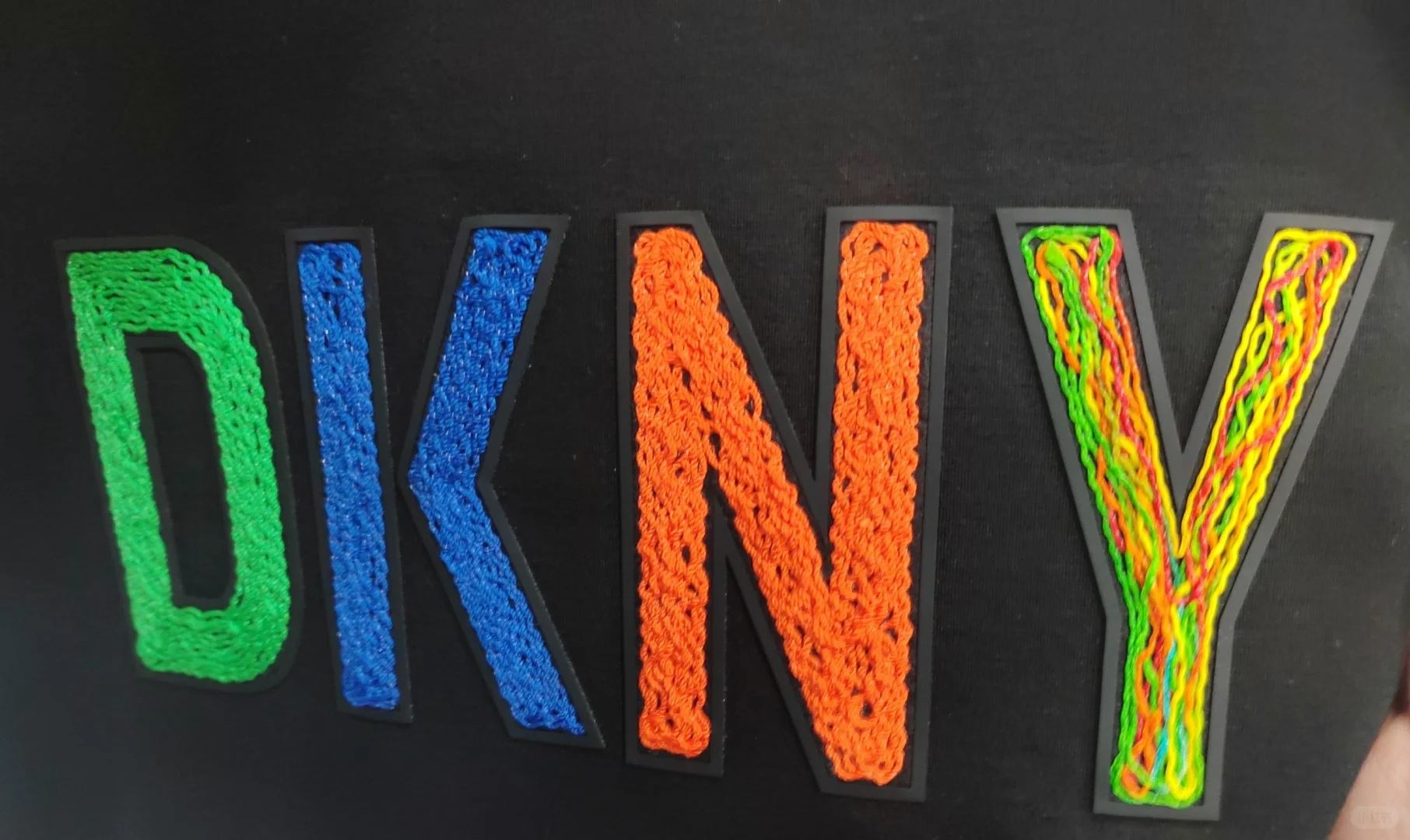
Flat embroidery setup costs $80–150 per design and adds $1.50–4 per garment depending on stitch count; 3D puff and appliqué patches start at $120 setup and $2–5 per piece. Beading and sequins are hand-applied, raising labor cost by $5–12 per garment with 300-piece minimums. All embellishments survive 30+ washes when applied to stabilized lambswool.
6. Quality Standards for Lambswool Yarn and Finished Knitwear
Specifying clear quality benchmarks in your tech pack and supplier contract protects your brand from costly defects and returns. Lambswool yarn and finished knitwear must meet measurable standards for fiber uniformity, structural integrity, and finishing durability.
Fiber Micron Count and Uniformity
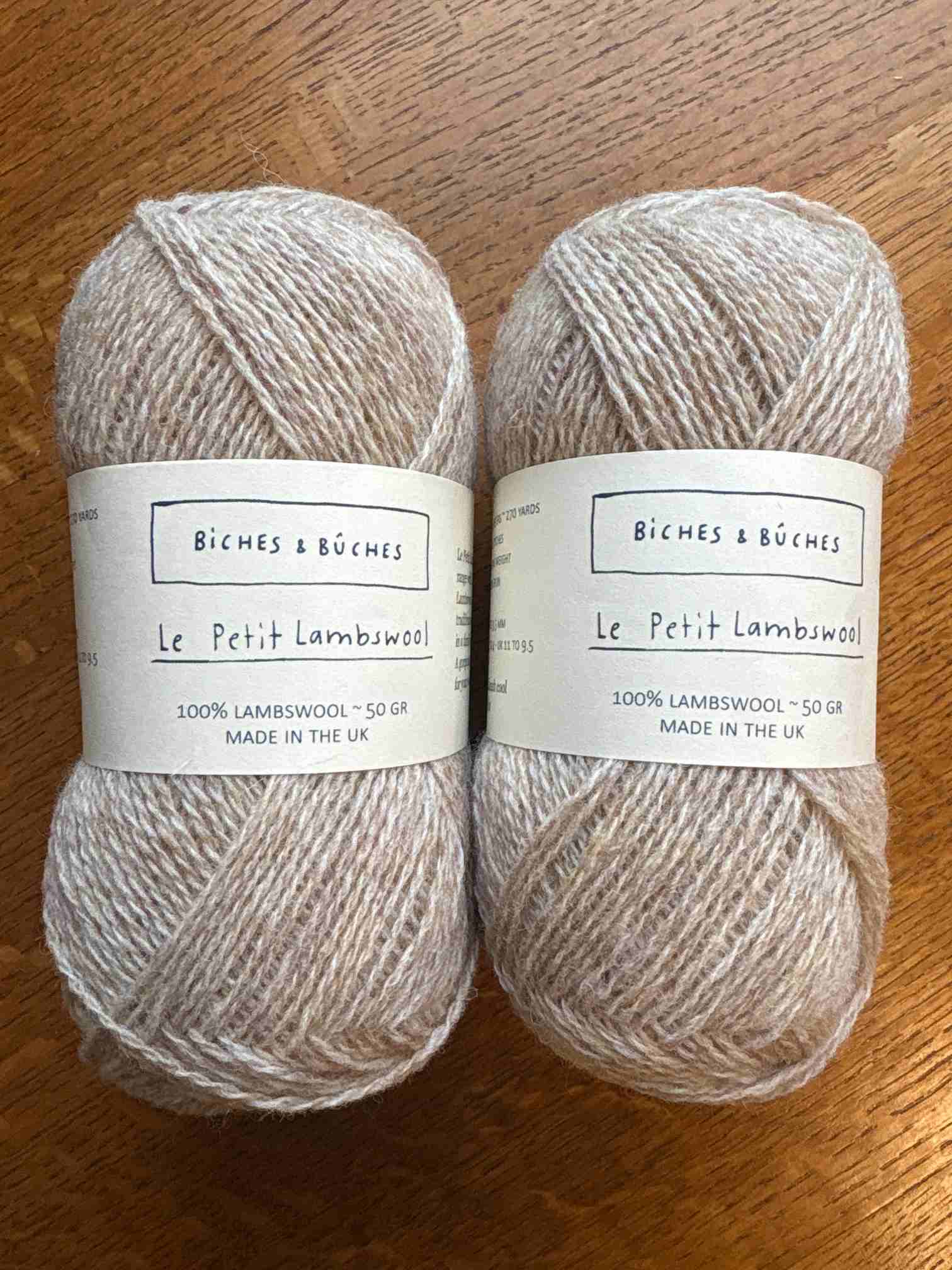
True lambswool measures 24.5–27.5 microns; finer counts feel softer but cost more. Request mill certificates showing average micron and coefficient of variation (CV < 20% indicates good uniformity).
Uneven fiber diameter causes pilling and weak spots. CENWILD sources yarn with documented micron counts to ensure consistent hand-feel across production runs.
Pilling Resistance and Martindale Testing
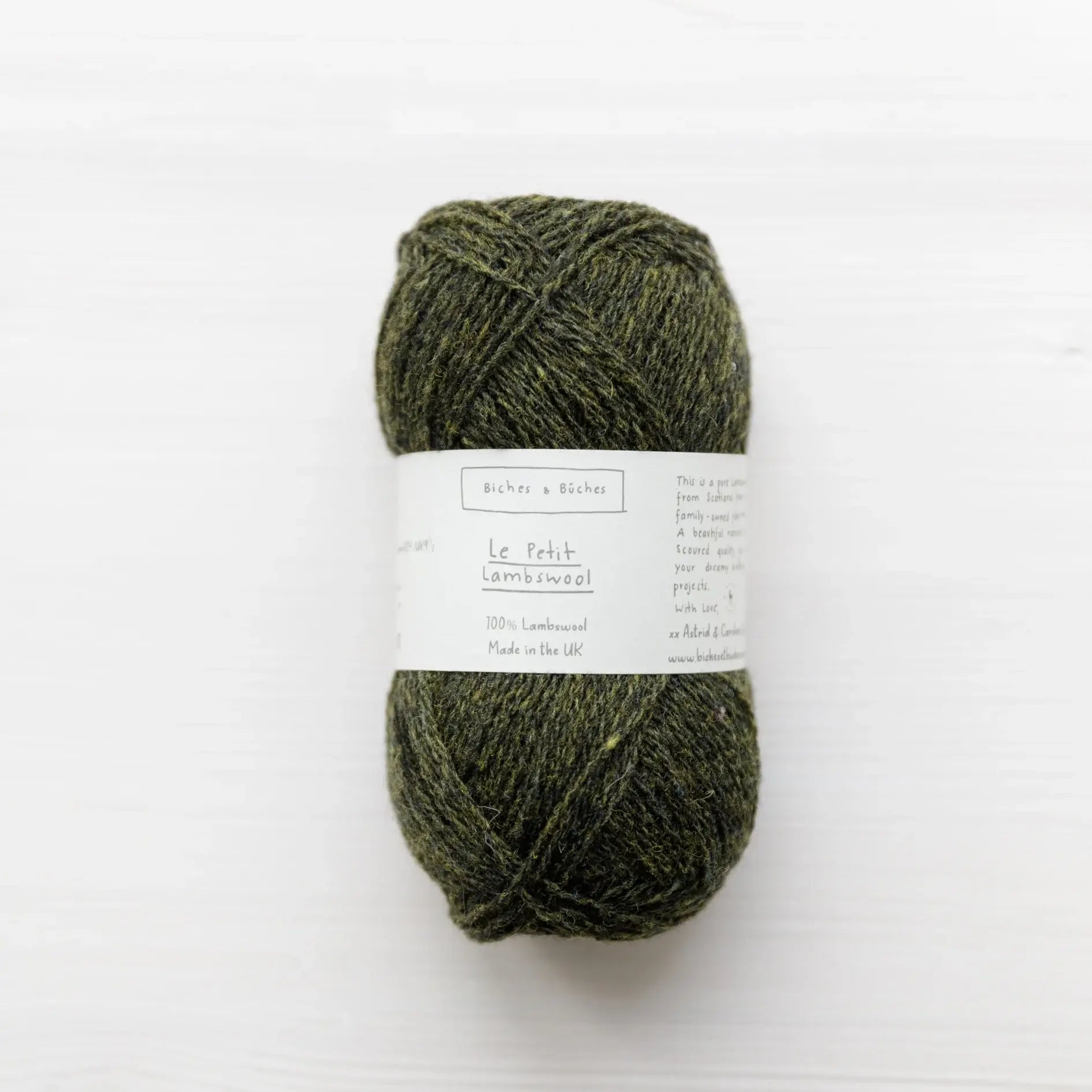
Martindale abrasion tests measure cycles to pilling; quality lambswool knitwear should exceed 20,000 cycles (grade 3–4). Specify this threshold in your tech pack.
Excessive shedding or fuzzing after one wash signals low-twist yarn or short-staple fiber. Lab reports from accredited facilities confirm yarn construction meets your brand’s durability standards.
Colorfastness and ISO 105 Standards
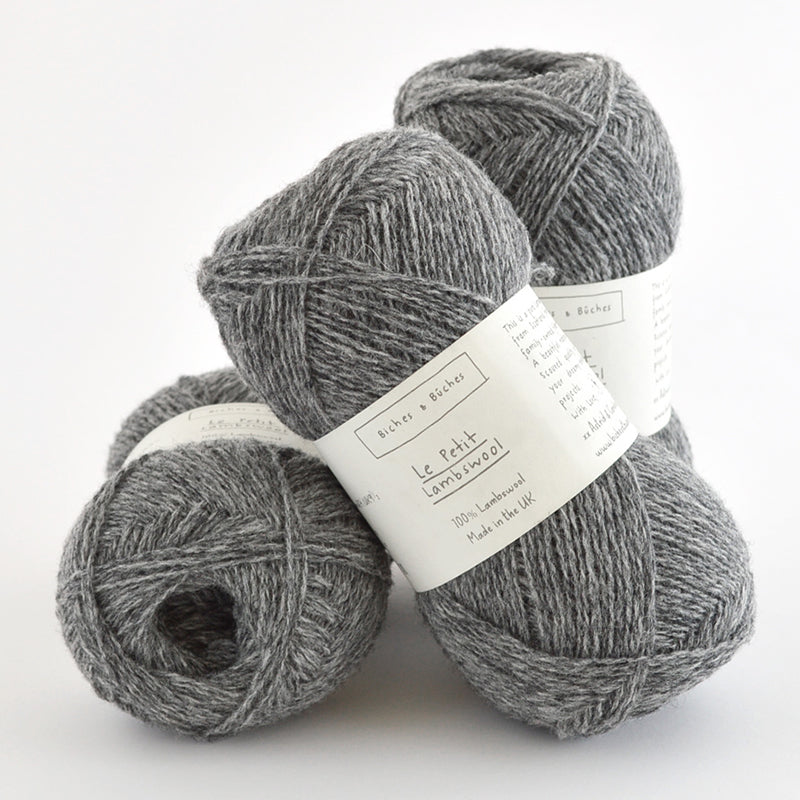
ISO 105-C06 (wash), ISO 105-B02 (light), and ISO 105-E04 (perspiration) ratings of 4 or higher prevent dye bleed and fading. Request certificates before bulk production.
Uneven dyeing—visible streaks or color variation between panels—indicates poor dye-lot control. CENWILD’s quality-control team inspects every garment under standardized lighting to catch dye defects early.
Seam Construction: Linking vs. Overlocking
Fully-fashioned knitwear uses linking (loop-to-loop seams) for flat, invisible joins; overlocking is faster but creates bulkier seams. Specify seam type in your tech pack based on garment style.
Weak selvedges or skipped stitches at seams indicate rushed production. CENWILD’s 3GG–14GG computerized flat-knitting machines and skilled linking operators ensure seam strength matches body fabric across all gauges.
7. How to Choose a Lambswool Yarn Manufacturer or Knitwear Supplier
Selecting a lambswool yarn supplier demands evaluation across sourcing transparency, capacity, compliance, and commercial terms. A factory’s ability to trace fiber origin, manage lead times, and protect your designs determines long-term partnership success.
Yarn Sourcing Transparency and Certifications
Ask whether the factory sources lambswool yarn in-house or from external spinners. Vertical integration (spinning + knitting) shortens lead times but limits fiber variety; specialized knitwear manufacturers typically offer broader yarn libraries.
Request certifications: RWS (Responsible Wool Standard) for animal welfare, GOTS for organic lambswool, and OEKO-TEX for chemical safety. Suppliers should disclose fiber origin — Australia, New Zealand, and the UK remain premium sources.
Production Capacity, MOQ, and Lead Times
Confirm monthly capacity (CENWILD runs 80,000+ pieces) and minimum order quantities. Factories serving independent designers often start at 100–300 pieces per style; wholesalers may require 500+.
Typical sampling takes 2–3 weeks; bulk production spans 4–6 weeks after approval. Payment terms vary: 100% upfront for first orders, easing to 30–50% deposits for repeat clients.
Compliance and IP Protection
Verify social and environmental audits: BSCI, WRAP, or SA8000. These confirm labor standards and factory conditions.
During RFQ, clarify intellectual property terms. Reputable suppliers sign NDAs and will not reproduce your designs for other clients. Ask how samples and tech packs are secured.
8. Common Mistakes Buyers Make When Sourcing Lambswool Yarn Knitwear
Even experienced buyers encounter costly pitfalls when sourcing lambswool yarn knitwear. Understanding these errors before production starts can save weeks of delays, thousands in rework costs, and protect your brand reputation.
Underestimating Shrinkage Allowances
Lambswool yarn can shrink 5–8% if not pre-shrunk or relaxed during finishing. Buyers who skip shrinkage testing often receive garments that measure short after the first wash, triggering returns and chargebacks.
CENWILD applies controlled garment washing and steam relaxation to stabilize dimensions before shipment, but you must specify shrinkage tolerance in your tech pack and request a pre-production sample that undergoes a full wash cycle.
Ignoring Yarn Lot Consistency Across Reorders
Natural lambswool yarn is dyed in batches; dye lots can vary by up to half a shade. Reorders placed months apart may show visible color differences if lot numbers are not tracked.
Always request your manufacturer to reserve yarn from the same dye lot for planned reorders, or accept a lab-dip approval process for each new batch to maintain brand consistency.
Skipping Pre-Production Samples
Proceeding straight to bulk production without a knit-down sample risks discovering gauge, hand-feel, or construction issues only after 500 pieces are finished. A pre-production sample costs under $100 but prevents five-figure mistakes.
CENWILD includes one round of sampling in every new style to confirm stitch structure, yarn count, and garment dimensions before committing machines to full runs.
9. Steps to Launch Your Custom Lambswool Knitwear Brand
Launching a custom lambswool yarn knitwear brand requires a clear roadmap from concept to first shipment. The end-to-end process typically spans 60–90 days once yarn procurement, knitting, finishing, and quality control are factored in.
Market Research and Product Positioning
Define your target customer, price tier, and product mix before contacting manufacturers. Independent designers often start with 2–3 core styles in 3–4 colorways to test market response.
CENWILD’s 100-piece MOQ allows startups to launch a focused capsule without overcommitting inventory or capital.
Develop a Tech Pack
A complete tech pack includes sketches or photos, graded measurements, lambswool yarn weight and ply, stitch gauge, trim details, and decoration placement. CENWILD’s design team can build a production-ready pack from a rough sketch or even a verbal concept, programming 3D knit files and providing knit-down swatches for approval.
Request and Evaluate Samples
Order a knit-down sample to verify yarn hand-feel, gauge, fit, and color before committing to bulk. Evaluate seam quality, trim alignment, and any embroidery or print registration.
CENWILD typically delivers samples within 10–15 days, allowing rapid iteration before the pilot order.
Negotiate MOQs, Pricing, and Payment Terms
First-time buyers at CENWILD start at 100 pieces per style with 100% deposit; stable partners ease to 30% deposit as trust builds. Clarify unit cost, trim upgrades, decoration fees, and packaging options upfront to avoid surprises.
Place a Pilot Order and Inspect Quality
A pilot run of 100–300 pieces tests production consistency and market demand. Specify AQL 2.5 inspection standards for critical defects and arrange third-party or in-house QC before shipment.
CENWILD conducts inline and final inspections, photographing random samples for remote approval when buyers cannot visit the factory.
Logistics, Import Duties, and Go-to-Market
Plan for FOB or CIF terms, HS code classification (typically 6110 for knitwear), and duty rates in your destination market. Budget 7–21 days for ocean freight or 3–5 days for air.
Launch with pre-orders, influencer seeding, or pop-up events to validate pricing and gather testimonials before scaling the next production run.
10. Pricing and Cost Breakdown for Lambswool Yarn Knitwear
CENWILD’s lambswool yarn knitwear pricing begins at 100 pieces — accessible for startups and independent designers — and scales across four volume tiers. FOB unit costs reflect yarn quality (fine-grade lambswool commands a 15–25% premium over standard), gauge complexity (7GG and finer add 10–20% labor), decoration method (intarsia and jacquard are built into the knit; embroidery and printing incur per-piece fees of $0.80–$2.50), and packaging (polybag standard; custom folding, tags, and gift boxes add $0.30–$1.20 per unit).
Setup and sampling fees cover design development, 3D knit programming, and knit-down swatches; these are often credited back on orders exceeding 500 pieces. Lead times compress as order size grows, reflecting batch efficiency and priority scheduling. Payment terms ease with partnership maturity: 100% deposit on first orders, tapering to 30% for established clients, with balance due before shipment.
| Order Quantity | FOB Unit Price (USD) | Setup & Sampling | Lead Time |
|---|---|---|---|
| 100 pcs | $28–$45 | $300–$500 | 35–45 days |
| 500 pcs | $22–$38 | $200–$400 | 30–40 days |
| 1,000 pcs | $18–$32 | $150–$300 | 25–35 days |
| 3,000+ pcs | $15–$28 | Negotiable / credited | 20–30 days |
Start Your Lambswool Yarn Project Today
From 100 pieces. Fast knit-down sampling. 28+ years of custom knitwear expertise in Dongguan, China.