
Custom Knitwear Trims — Precision Finishing for Every Sweater Style
Professional custom knitwear trims from 100 pieces. Fast knit-down samples, OEM/ODM trim production, and complete finishing services from a trusted sweater manufacturer serving fashion brands, retailers, and designers worldwide.
Custom Knitwear Trims in Action
Why Custom Knitwear Trims from CENWILD Stand Out
Precision Gauge Matching
Every trim perfectly matches your garment gauge from 3GG to 14GG, ensuring seamless integration and professional finish across all sweater styles.
In-House Linking & Attachment
Complete trim production and attachment under one roof eliminates coordination delays and guarantees consistent quality throughout your entire knitwear order.
Fast Sample Turnaround
Knit-down trim samples ready in 7–10 days so you can validate fit, finish, and design before committing to full production.
Low MOQ from 100 Pieces
Launch custom trim designs without excessive inventory risk. CENWILD supports emerging brands and test collections with flexible minimum order quantities.
Specialty Finishing Options
Enhance trim durability and hand-feel with softening, anti-pilling treatments, garment dye, and brushing for elevated brand perception and customer satisfaction.
Seamless Full-Garment Integration
Trims are designed, knitted, and finished alongside your sweaters in our Dongguan facility, ensuring color consistency and unified production timelines.
Trims & Finishing Details That Define Your Brand
Every detail matters. CENWILD sources and customizes hardware, labels, and finishing touches to match your design vision and brand identity.
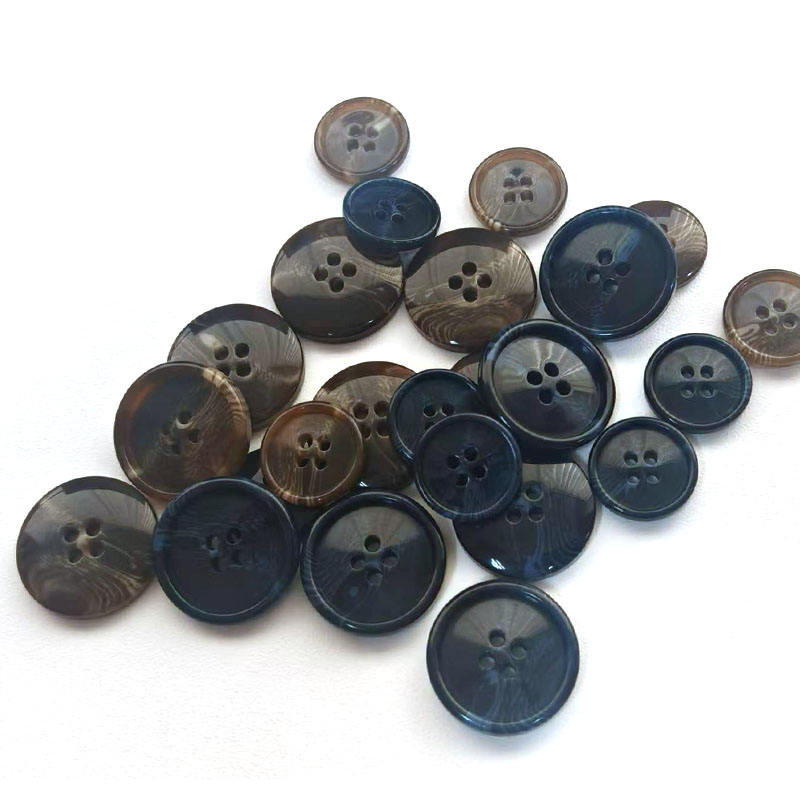
Custom Buttons
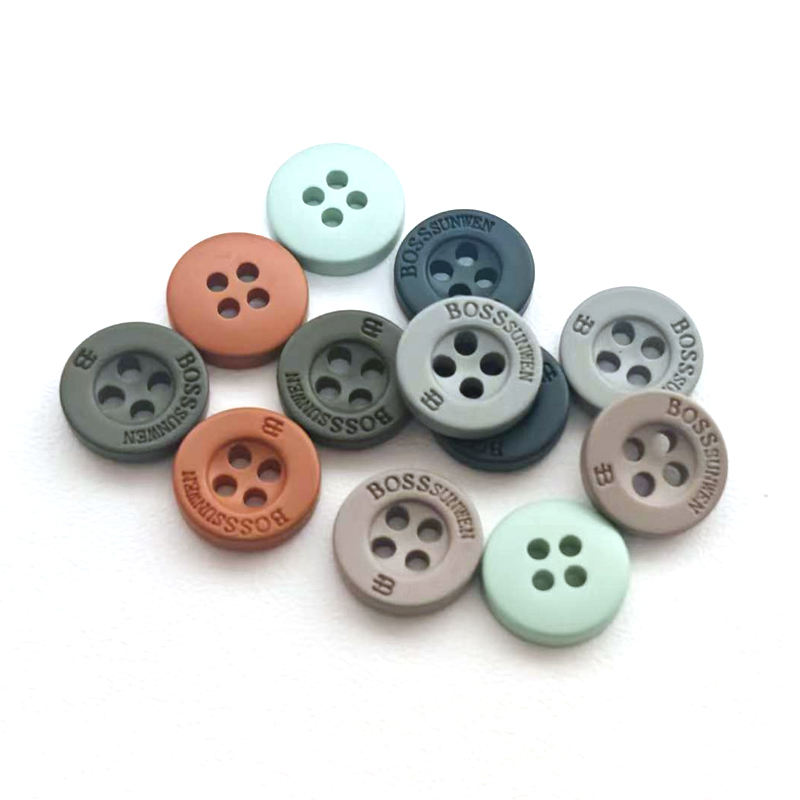
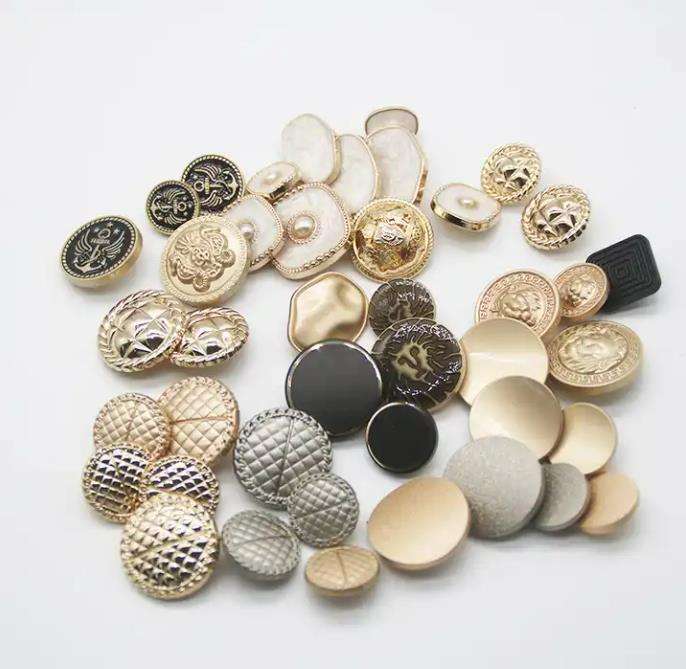
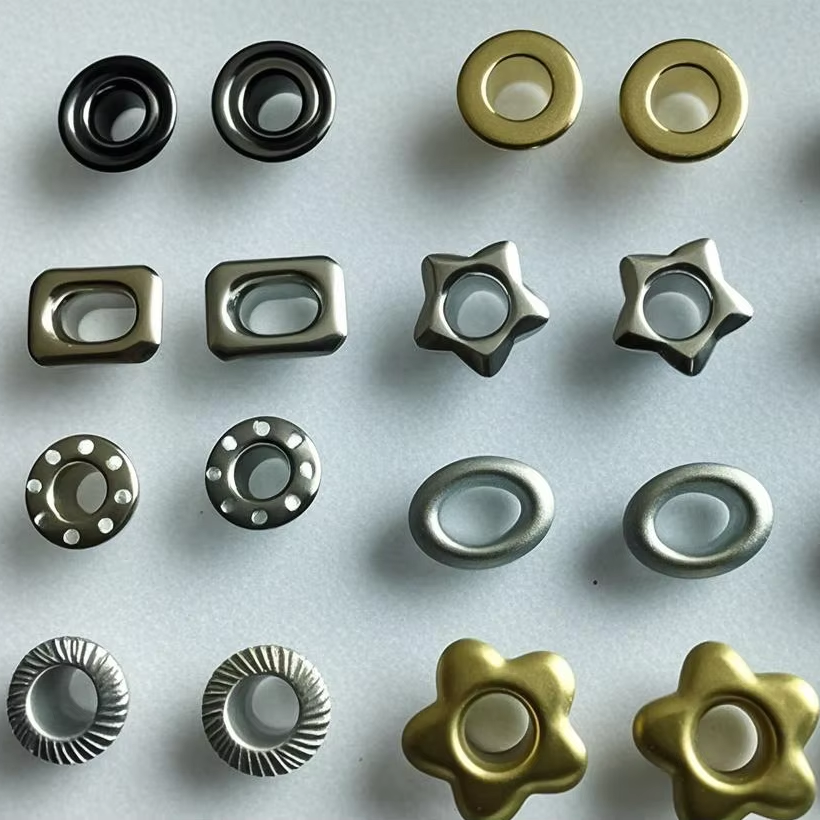
Custom buttons in metal, horn, wood, corozo, resin, or recycled materials. Sourced to match your colorway and engraved or molded with your logo. Ideal for cardigans, plackets, and shoulder details. Available in 2-hole, 4-hole, shank, and snap styles with dye-to-match or contrast finishes.
Get a Quote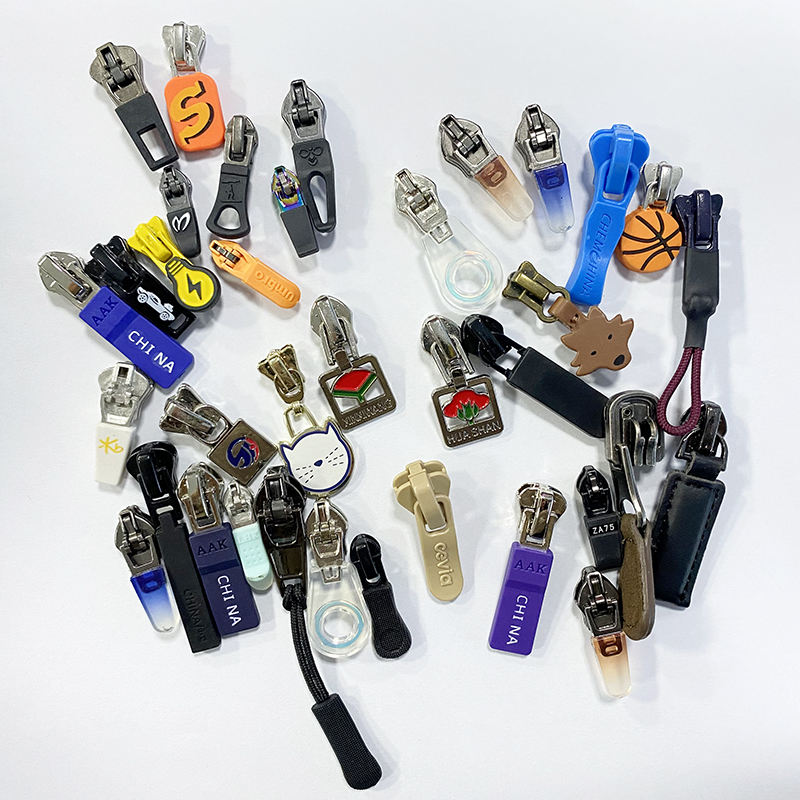
Custom Zippers
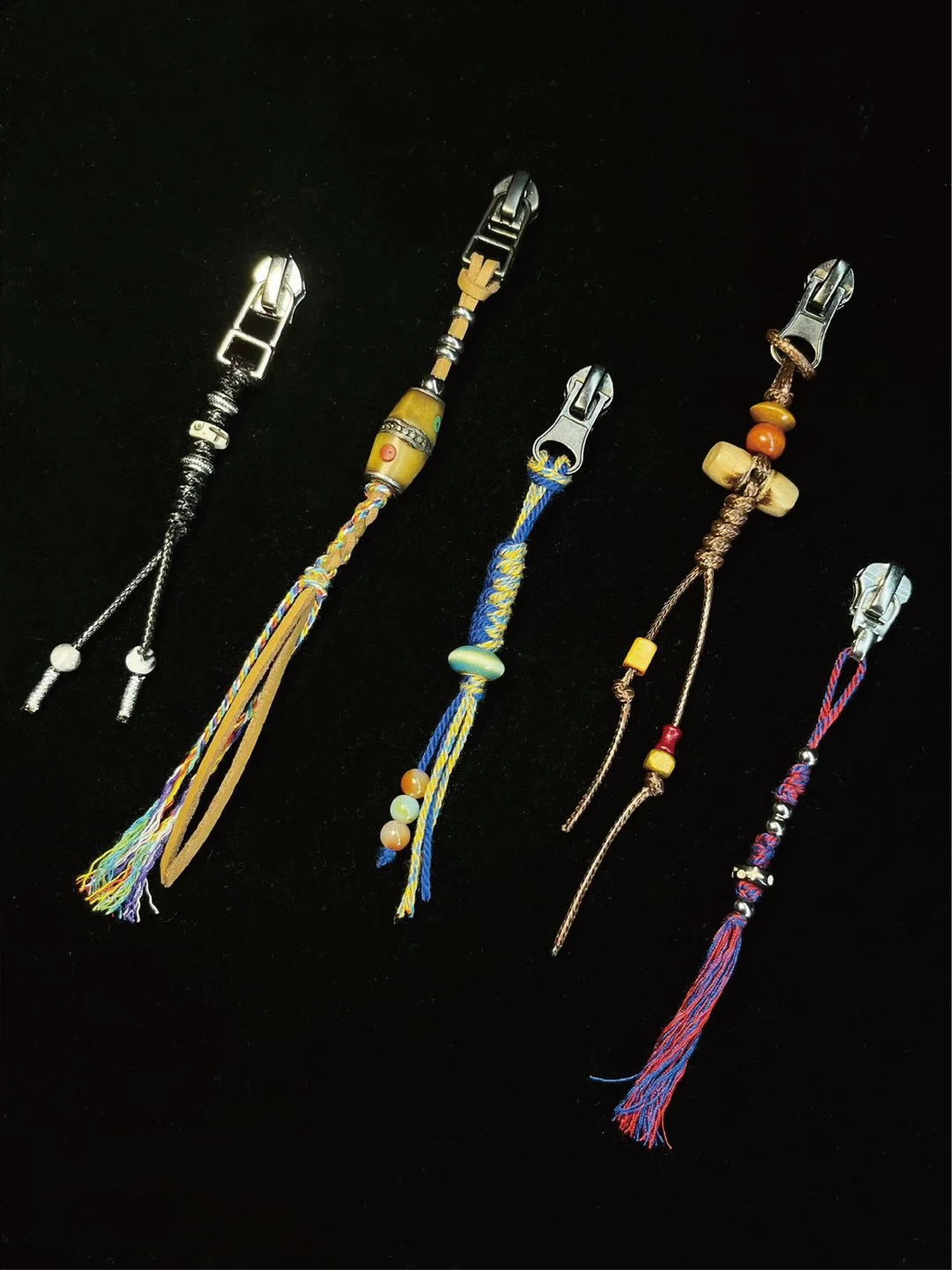
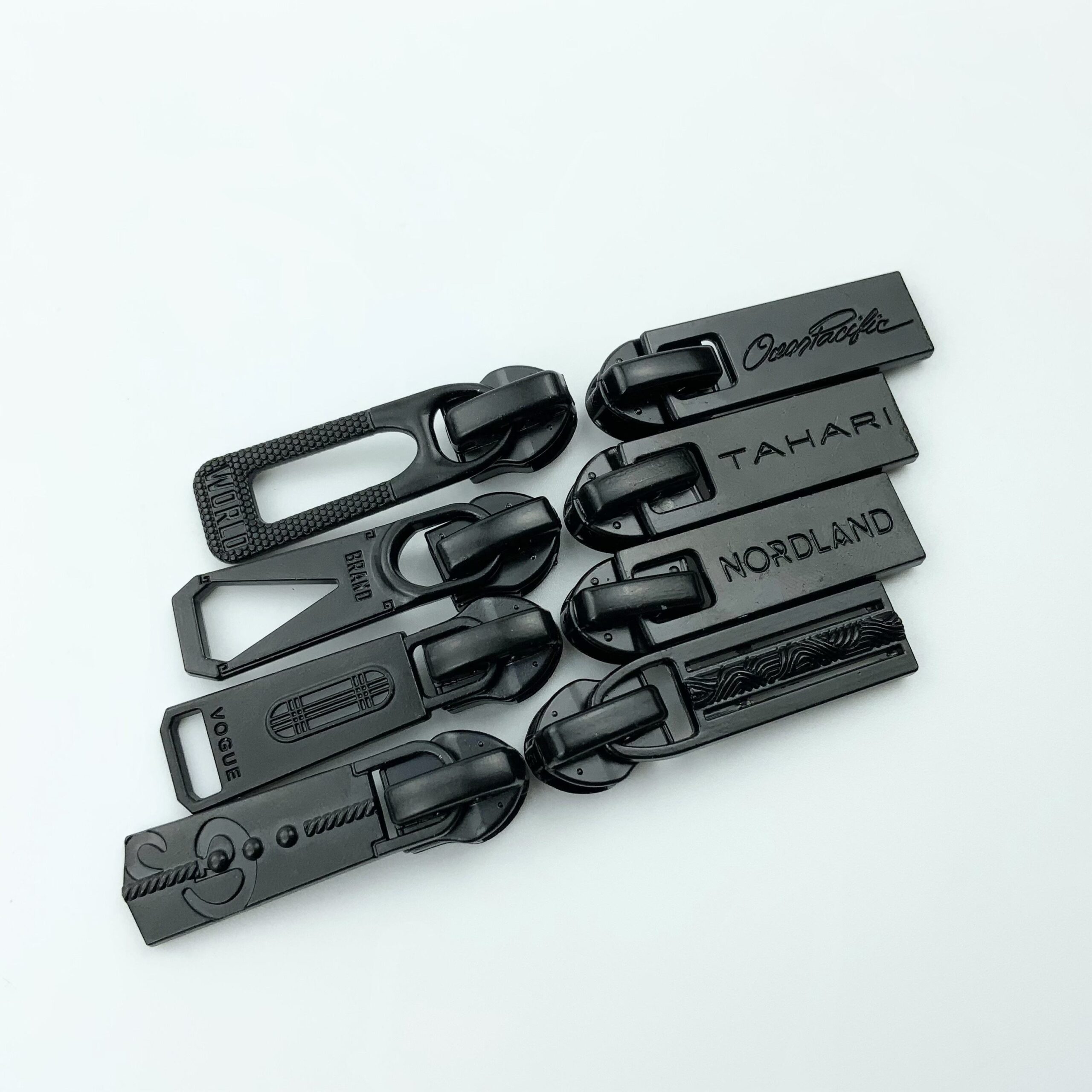
Custom zippers for quarter-zip pullovers, half-zip styles, cardigan fronts, and pocket details. Metal, nylon coil, or invisible options in any length. Pulls can be branded with logo engraving or custom shapes. Color-matched to yarn or offered in contrast metal tones including antique brass, gunmetal, and rose gold.
Get a Quote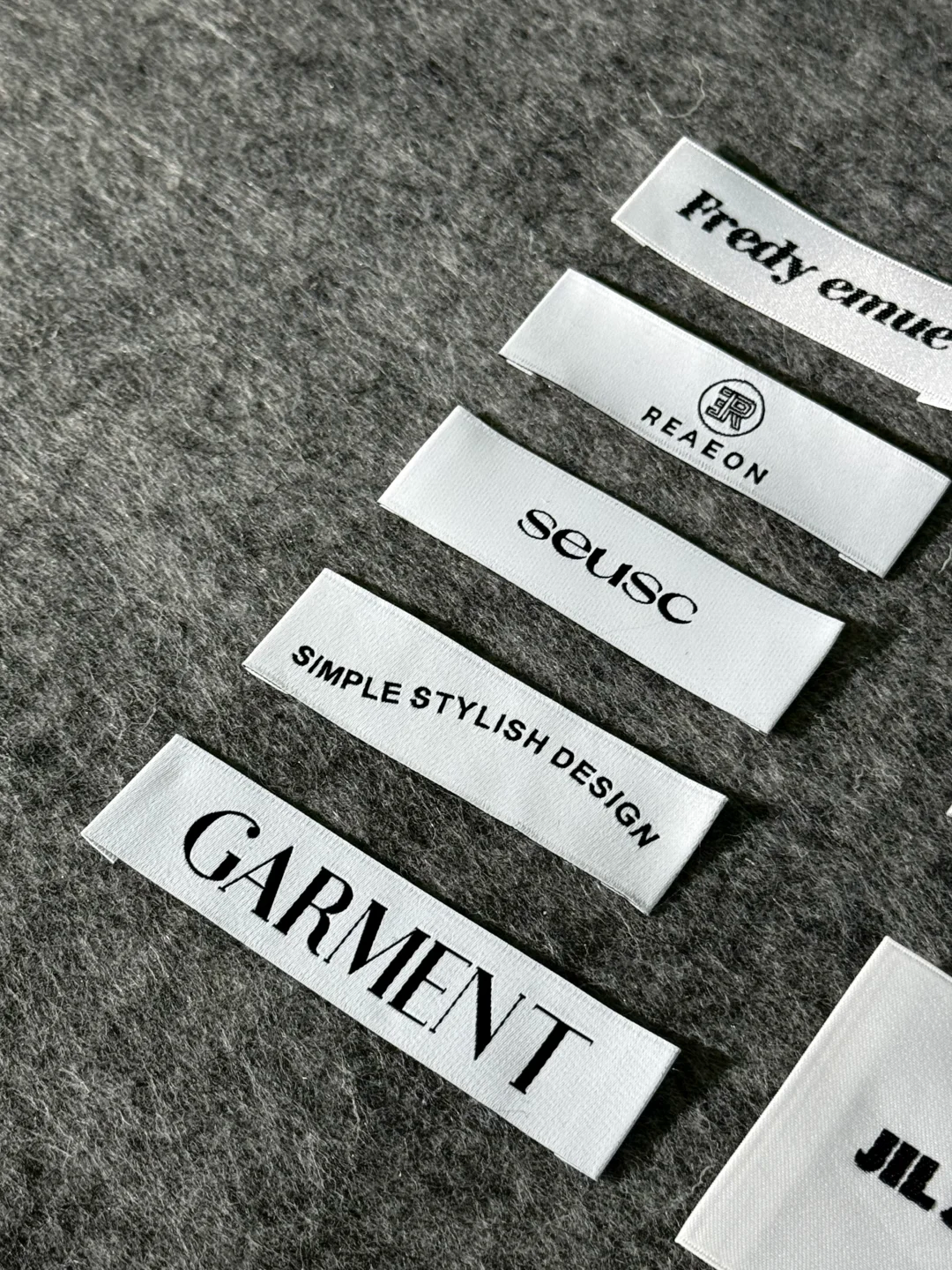
Woven and Leather Labels
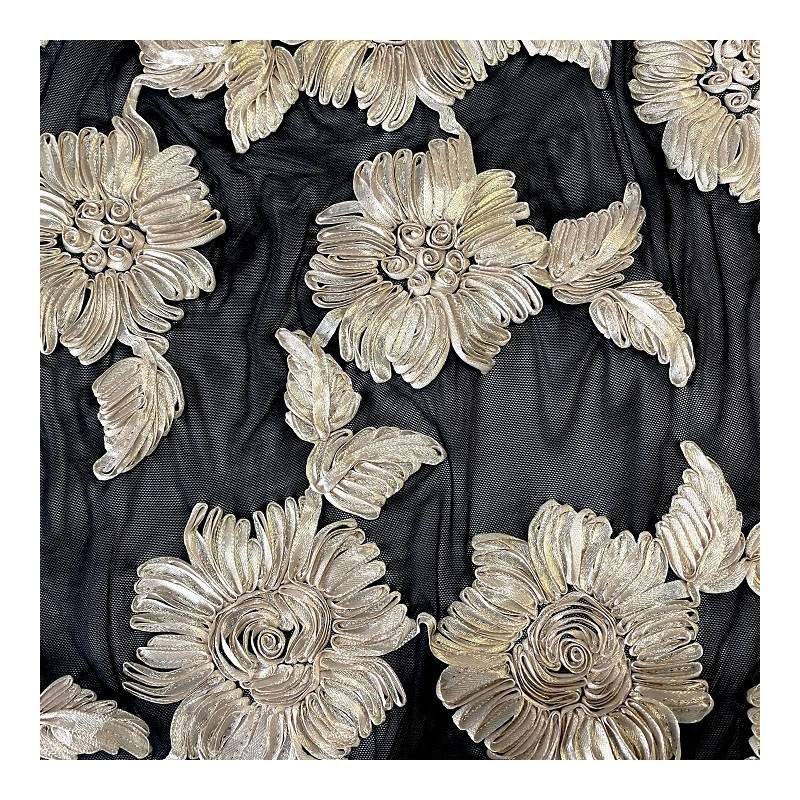
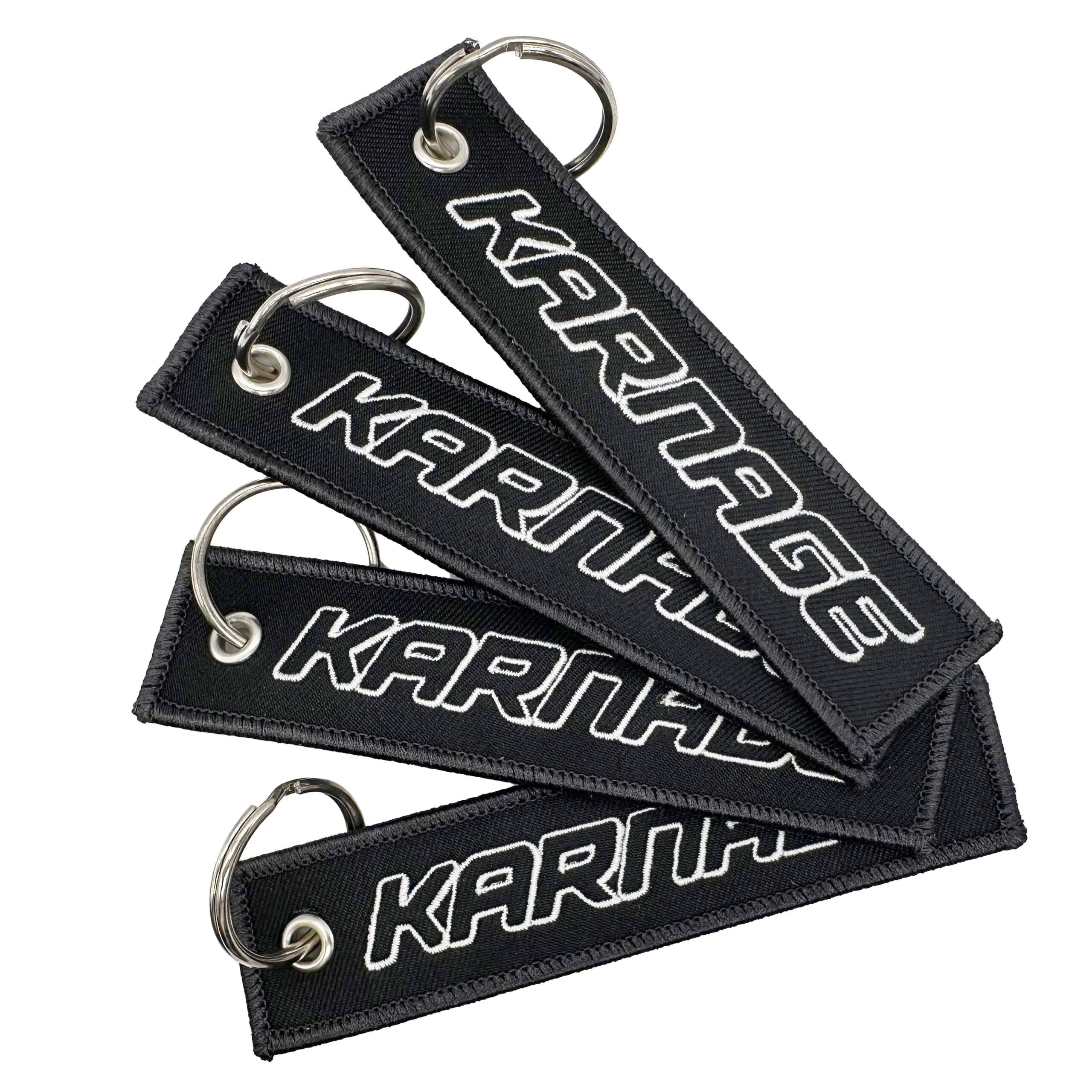
Woven labels, printed satin labels, leather patches, and embossed tags for neck, side seam, or exterior branding. Designed in-house or supplied by you. Woven damask and taffeta options support fine logo detail and washing instructions. Leather patches add premium positioning for heritage and outdoor knitwear collections.
Get a Quote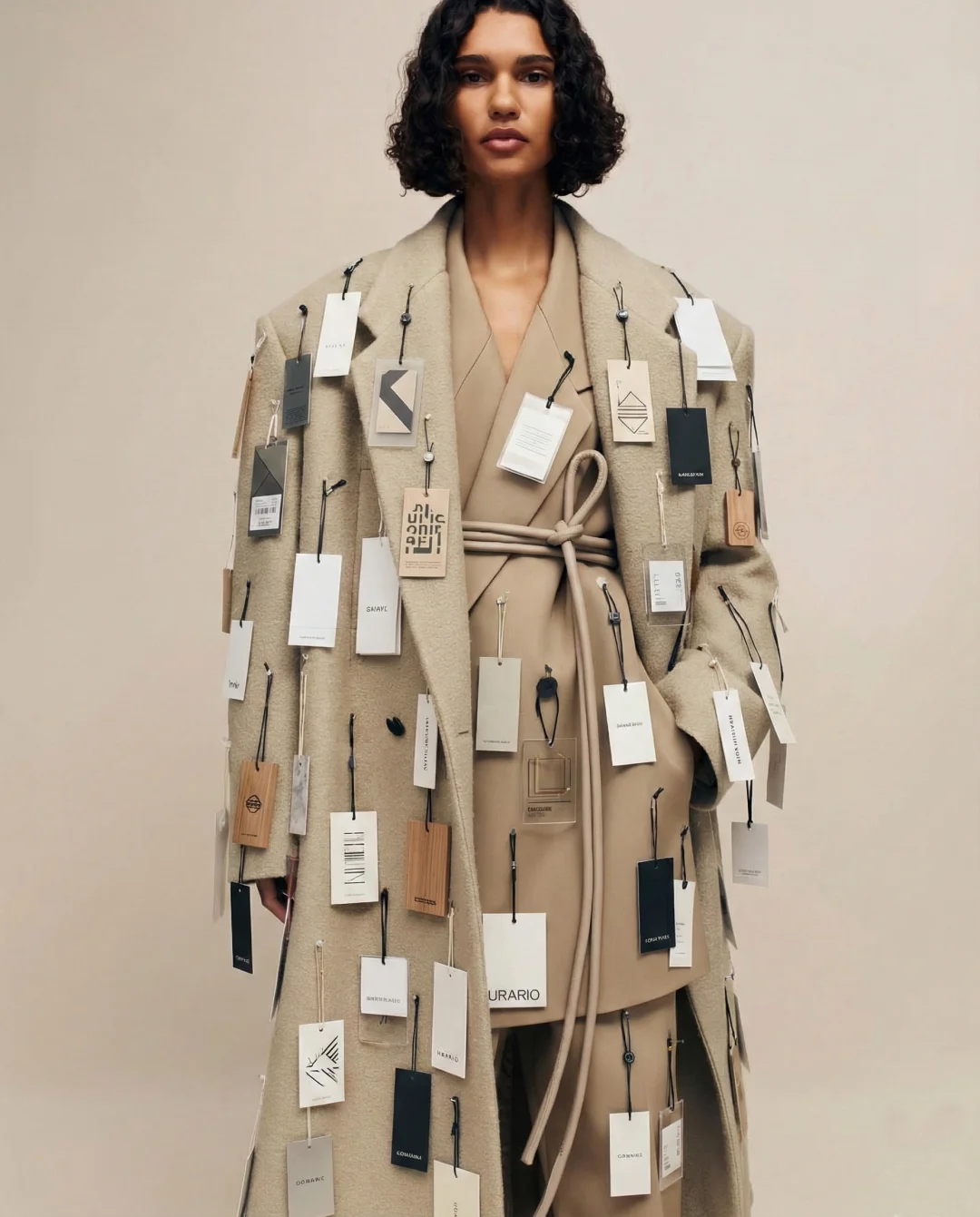
Custom Hang Tags
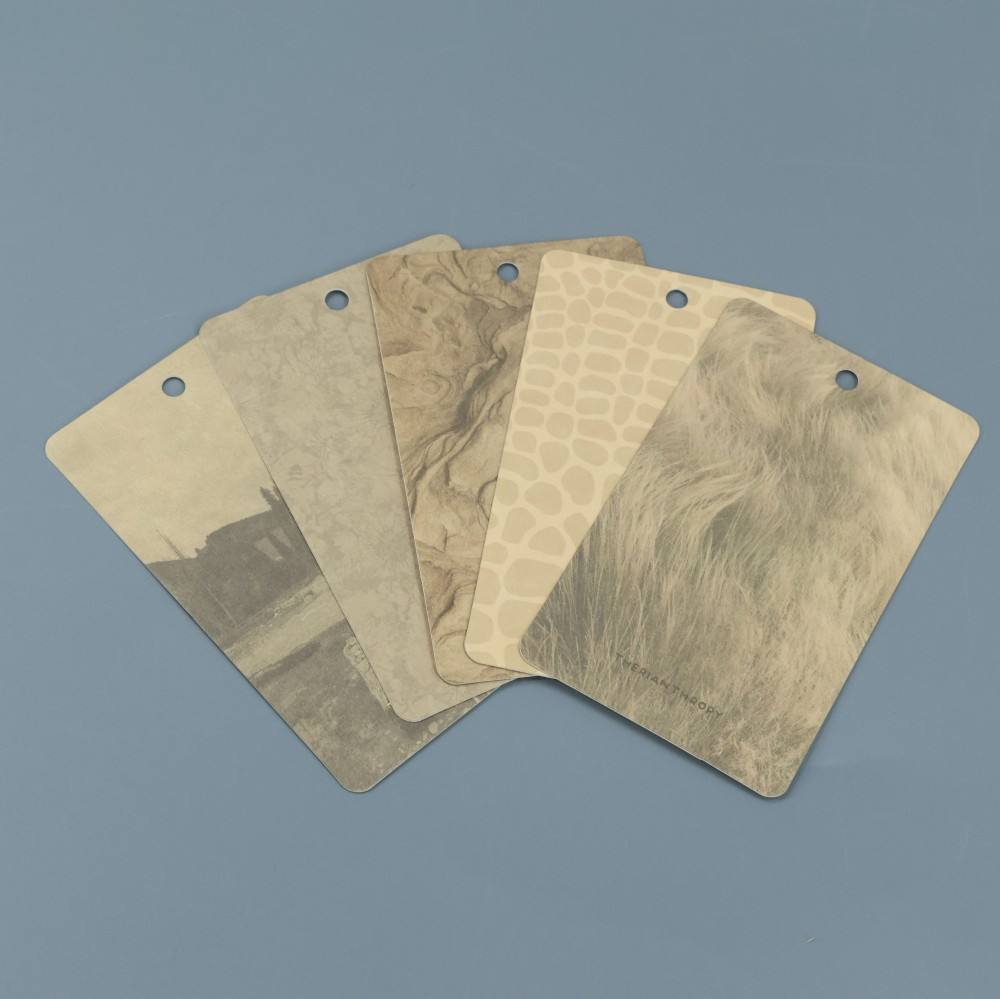
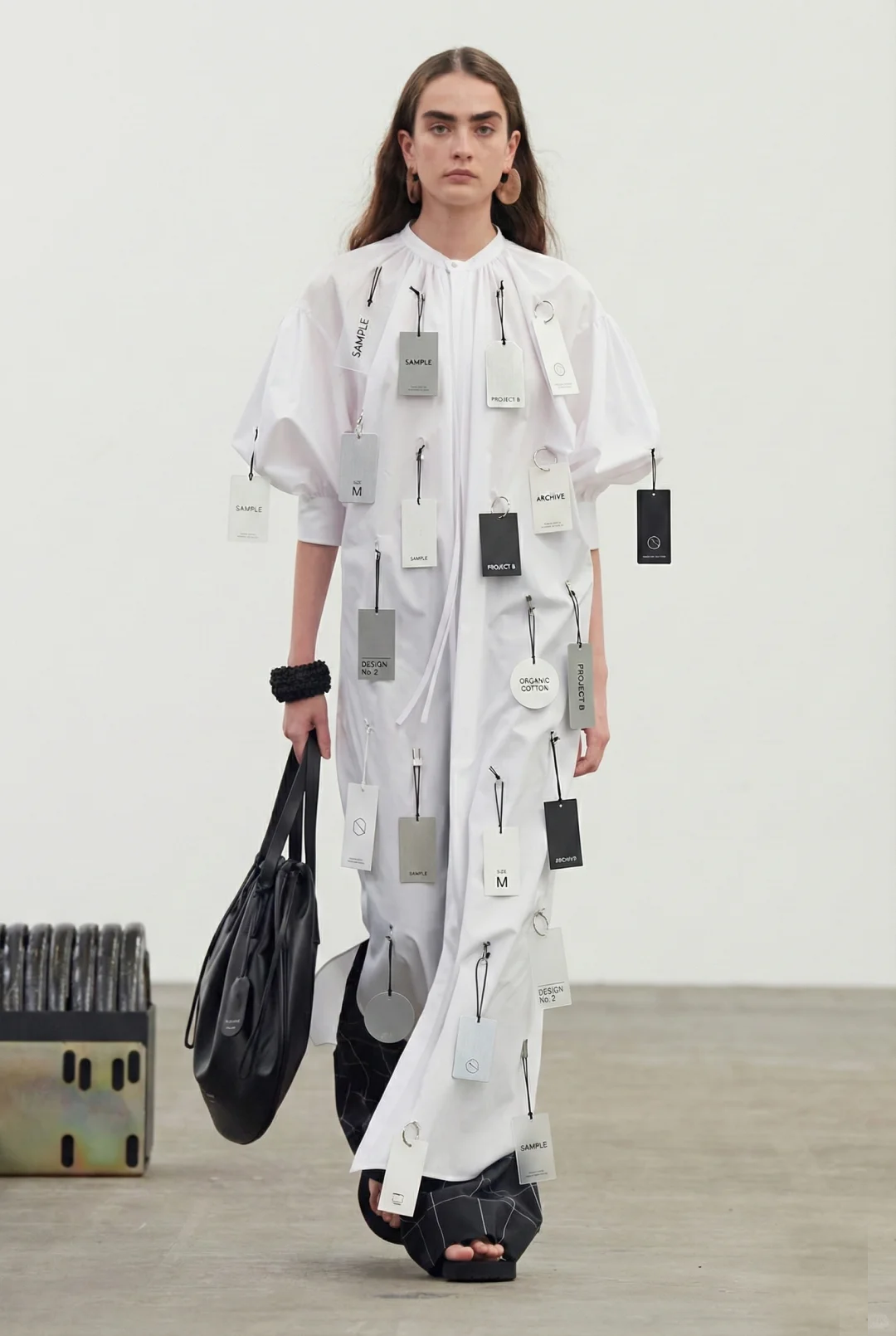
Custom printed or embossed hang tags that communicate your brand story at point of sale. Designed to spec with your logo, care instructions, size, SKU, and QR codes. Available in coated paper, kraft, recycled board, or specialty finishes. Strung with cotton cord, satin ribbon, or plastic fasteners.
Get a Quote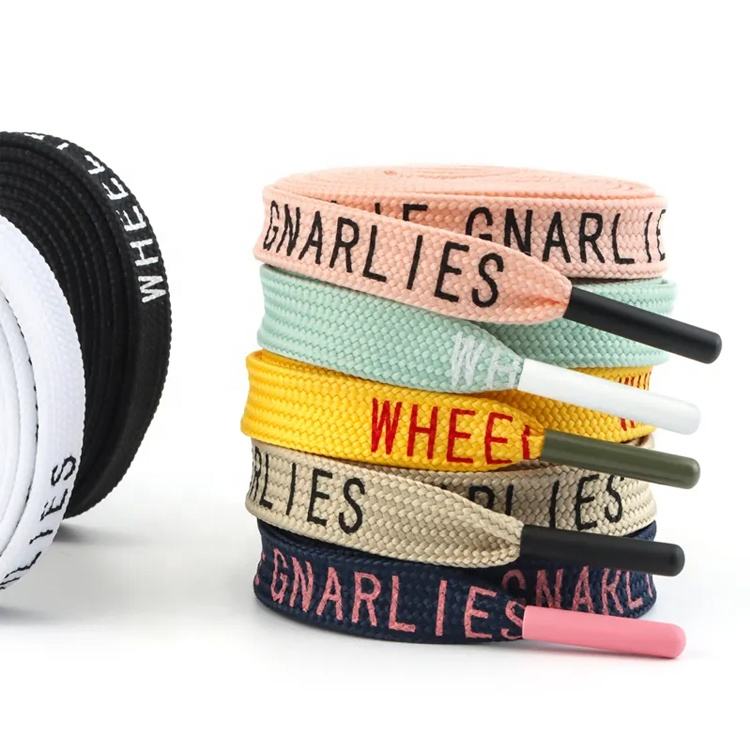
Drawstrings
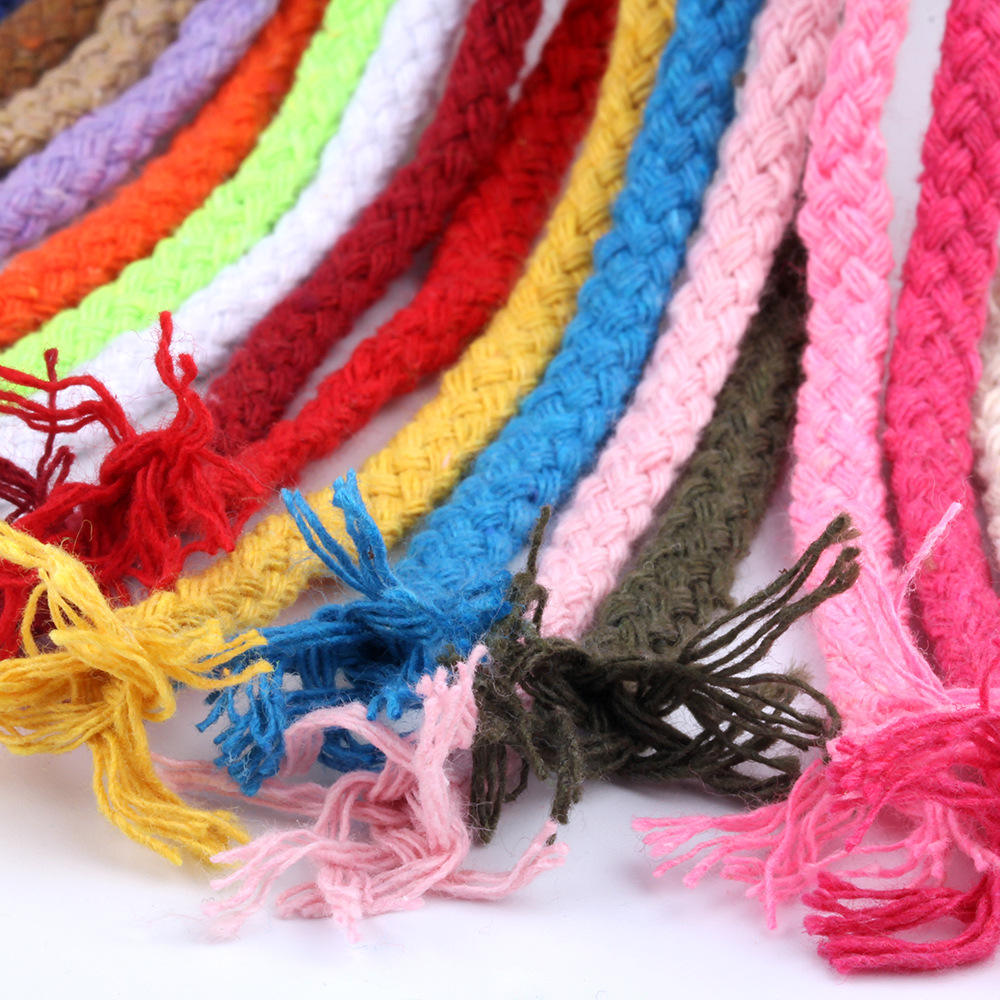
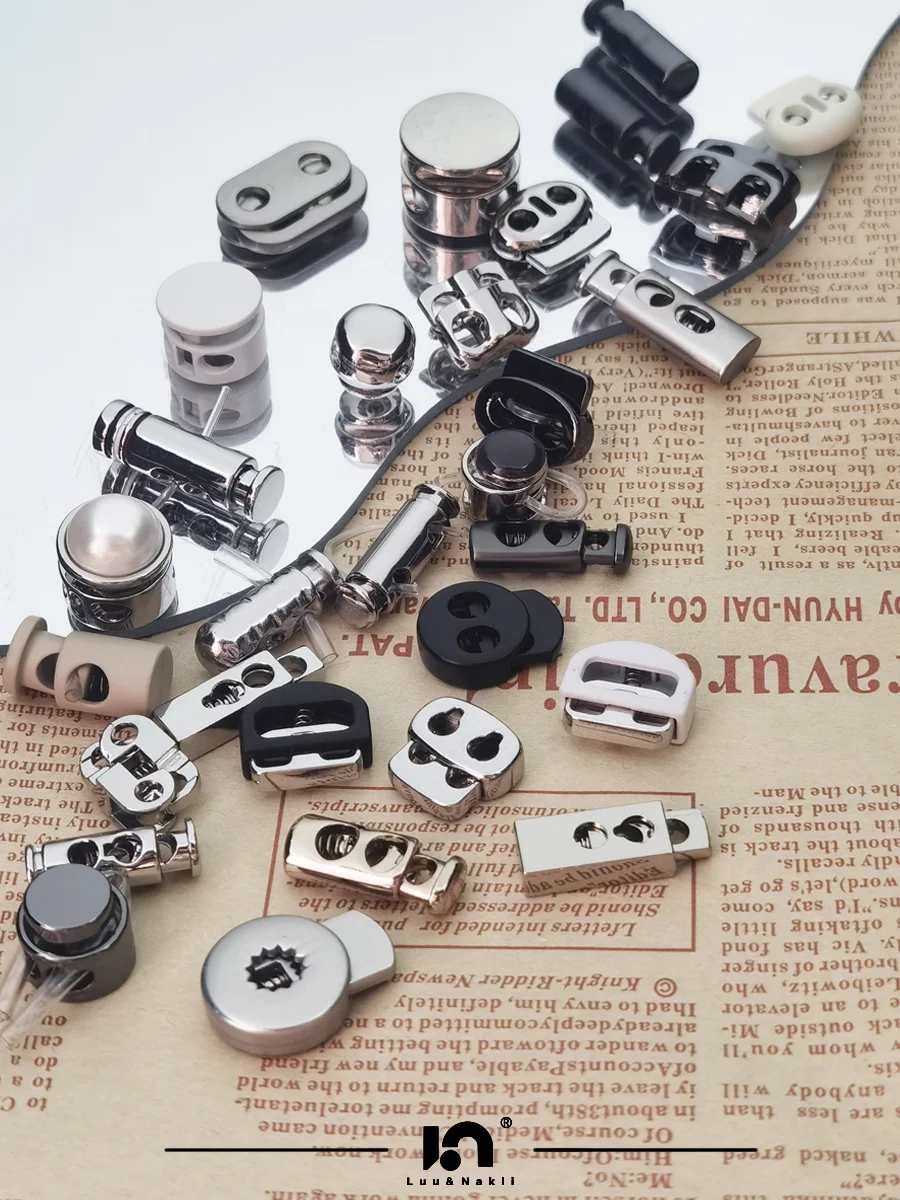
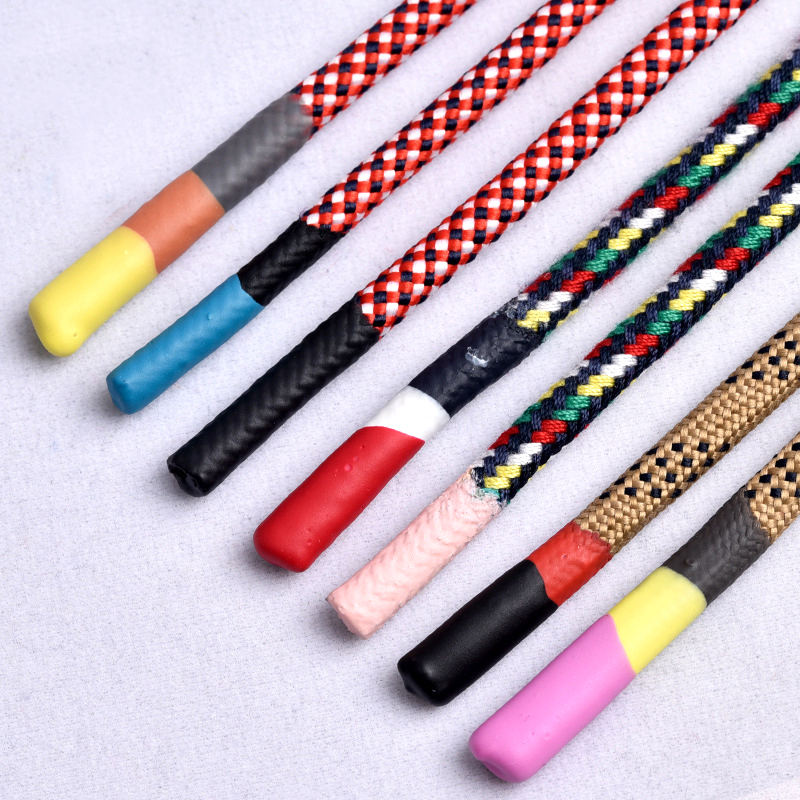
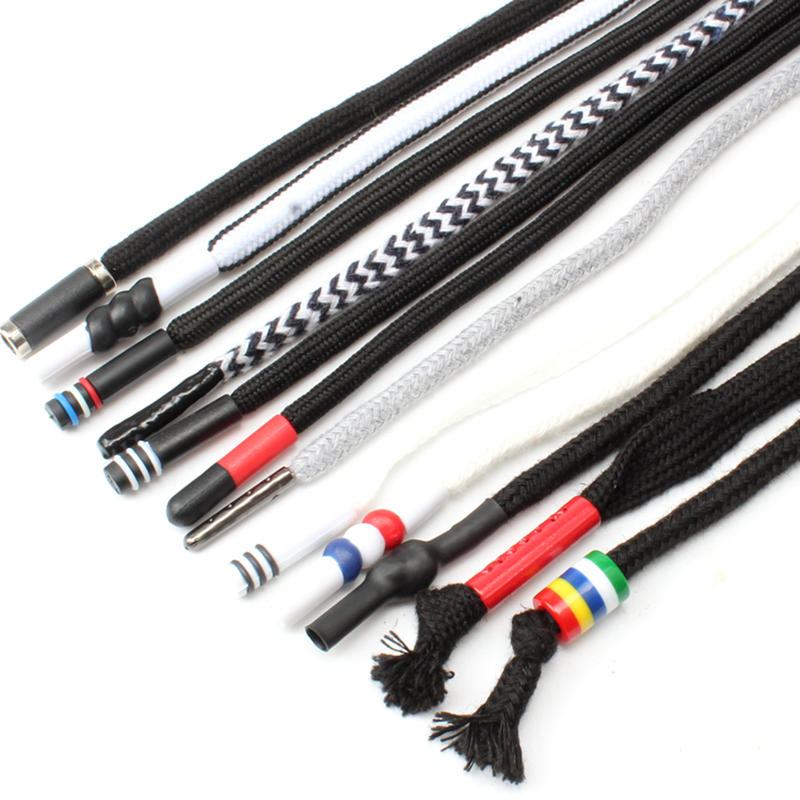
Custom drawstrings and drawcords for hoods, cowl necks, waistbands, and hem channels. Flat braid, round cord, or tubular knit construction in cotton, polyester, or blended yarn. Finished with metal or molded aglets, wooden beads, or knotted ends. Dyed to match your garment or offered in brand signature colors.
Get a Quote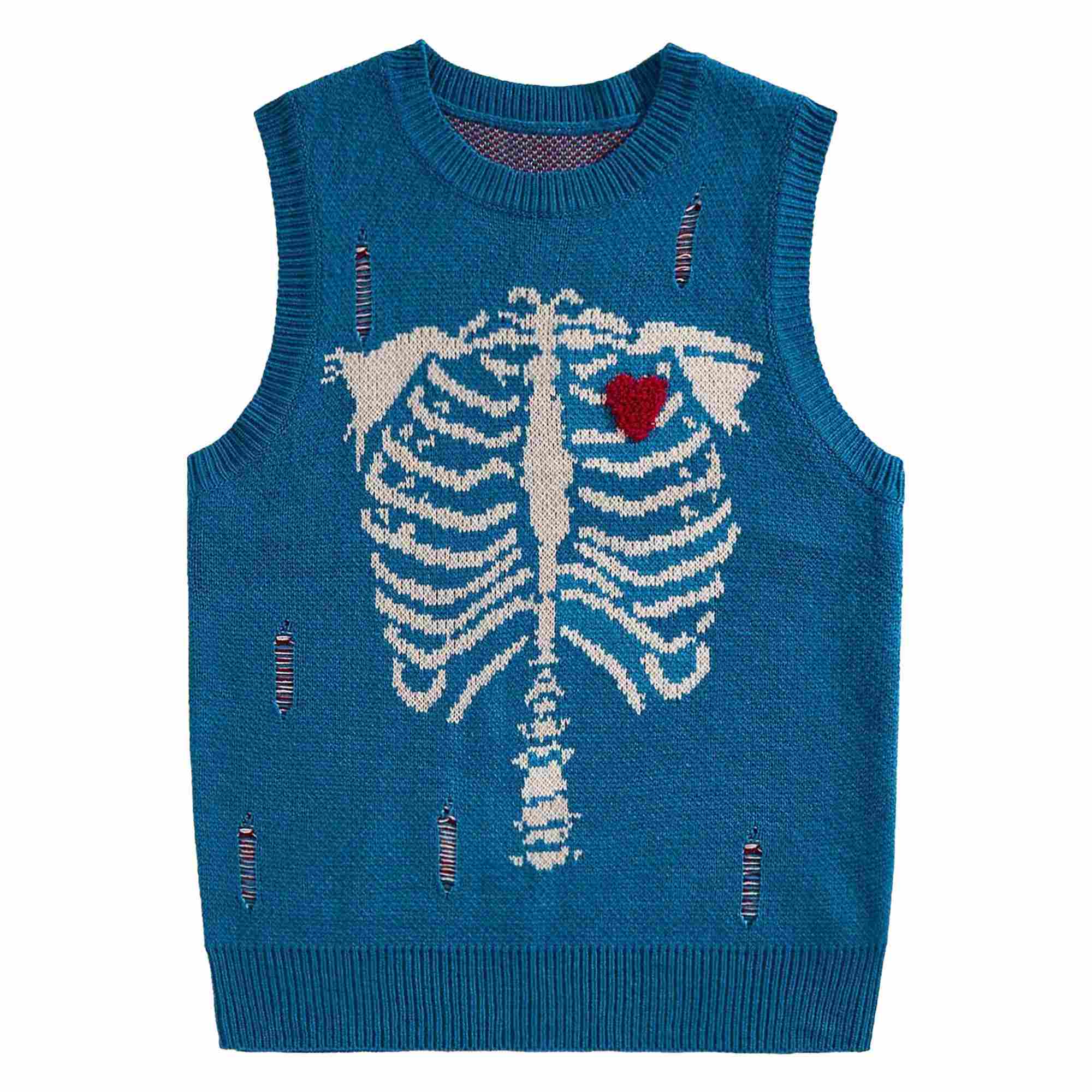
Rib Cuffs and Collars
Rib-knit cuffs, collars, and waistbands in 1×1, 2×2, or waffle structures. Knit in-house on the same gauge as your garment or sourced as pre-made tubular rib. Ensures shape retention and professional finish on pullovers, cardigans, bomber styles, and varsity knits. Can be contrast color or tone-on-tone.
Get a Quote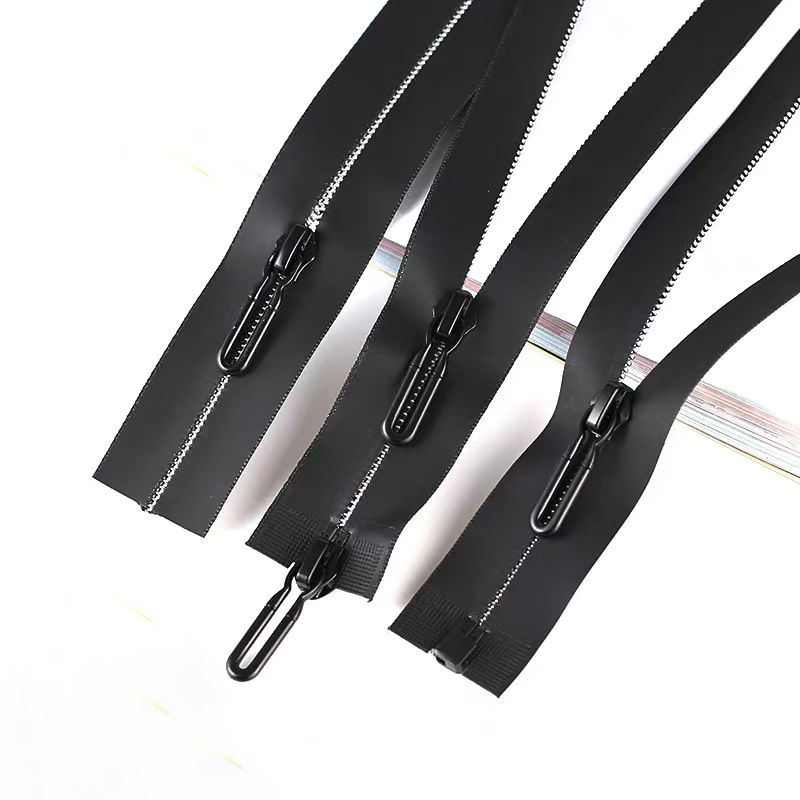
Pom Poms
Custom pom poms for beanies, hoods, drawstring ends, and seasonal sweaters. Real fur, faux fur, or yarn-wrapped styles in any size and color. Can be removable via snap fastener or permanently stitched. Popular for winter collections, Christmas sweaters, and playful brand storytelling pieces.
Get a QuoteAbout CENWILD — Custom Knitwear Trims Experts
Founded in 1998 as a small family knitting and linking workshop in Humen, Dongguan, CENWILD has grown into a full-service knitwear manufacturer specializing in precision custom knitwear trims and finishing. With over 28 years at the heart of China’s most influential knitwear region, we bring unmatched expertise in linking, ribbing, necklines, cuffs, and every detail that defines sweater quality.
Today our 200-plus skilled employees operate computerized flat-knitting machines across 3GG to 14GG gauges, producing more than 80,000 pieces monthly with in-house trim development, knit-down sampling, and finishing. We have partnered with over 2,000 fashion brands worldwide, delivering OEM, ODM, and private label knitwear with MOQ from just 100 pieces.
What sets CENWILD apart is our Dongguan heritage and integrated capabilities as a knitwear manufacturer. From gauge-matched ribbing and fully-fashioned edges to custom appliqué, embroidered patches, and garment-dyed finishes, every trim is crafted in-house to ensure consistency, speed, and the refined details that elevate your custom sweater line.
Deep-Dive: Custom Knitwear Trims Manufacturing Techniques
Linked Trims for Seamless Attachment
CENWILD employs both hand-linking and computerized machine linking to attach collars, cuffs, and waistbands directly to the knit body, eliminating bulky seams and creating a smooth, premium finish that elevates every custom knitwear trim detail.
- Hand-linking for ultra-fine gauge cashmere and delicate merino pieces
- High-speed machine linking for consistent, scalable production runs
- Loop-to-loop construction that matches stitch tension perfectly
- Invisible join that enhances comfort and drape across all garment types
Ribbed Collar & Cuff Knitting Precision
Our in-house flat-knitting machines span 3GG to 14GG gauges, enabling precise rib structures—1×1, 2×2, fisherman, and engineered ribs—that deliver structure, stretch recovery, and visual consistency for every custom knitwear trim specification.
- Gauge-matched ribbing knit on the same machines as the body panels
- Custom rib widths, depths, and elasticity tuned to yarn and style
- Integrated color blocking and stripe patterns within rib structures
- Anti-roll edge programming for collars and cuffs that stay crisp
Pointelle & Cable-Edge Finishing
Beyond standard ribs, CENWILD programs decorative pointelle eyelets, cable twists, and scalloped edges directly into trim panels. These signature finishes add texture and brand differentiation without extra MOQ or lengthy lead times.
- Pointelle lace patterns for feminine necklines and cuff details
- Cable-knit borders that echo the body stitch or stand alone
- Scalloped and picot edges for vintage-inspired or luxury looks
- Fully-fashioned shaping to eliminate cut-and-sew waste on trim pieces
Specialty Garment Treatments for Trims
After knitting and assembly, every custom knitwear trim passes through garment washing and finishing: softening for hand-feel, anti-pilling enzymes, brushing for fleece texture, and dye-to-match services that guarantee perfect color harmony between body and trim.
- Enzyme and mechanical anti-pilling to extend trim durability
- Garment-dye capability for matched tones across multi-material pieces
- Brushing and raising for cozy, fleece-like cuff and collar surfaces
- Final steam-press and inspection to lock in shape and eliminate puckering
CENWILD vs. Typical Trim Suppliers for Custom Knitwear Trims
In-house knitting, linking, and integrated garment production give you faster samples, lower MOQs, and seamless quality control — advantages standalone trim vendors and typical wholesale sweater suppliers simply cannot match.
← 左右滑动查看 →
Custom Knitwear Trims Production Process
From yarn selection to final attachment, every trim is engineered for precision, durability, and seamless integration with your custom cardigan, pullover, or turtleneck sweater design.
Yarn Sourcing & Selection
CENWILD sources premium yarns—cashmere, merino, cotton, acrylic, or blends—matched to your garment’s fiber composition, gauge, and finish requirements for perfect trim harmony.
Knit Design & Gauge Sampling
Our design team programs stitch patterns, rib configurations, and gauge specifications on computerized flat-knitting machines (3GG–14GG), producing knit-down swatches for approval before full production.
Trim Knitting & Fabrication
Approved trims—cuffs, collars, waistbands, plackets—are knitted on precision computerized machines, ensuring consistent tension, stitch definition, and dimensional accuracy across every piece.
Linking & Attachment
Trims are expertly linked or sewn to garment bodies using hand-linking for luxury finishes or machine attachment for scalable production, maintaining clean seams and structural integrity.
Garment Finishing & Treatment
Assembled pieces undergo softening, anti-pilling treatment, garment dyeing, or brushing as specified, ensuring trims and body fabrics achieve uniform hand-feel, color, and performance.
Quality Inspection & Integration Check
Each garment is inspected for trim alignment, elasticity, color match, stitch integrity, and overall finish. Any defects are corrected before proceeding to final quality control.
Final QC & Packing
Completed knitwear passes final quality control, is pressed, folded, and packed to your specifications—polybags, hangers, custom branding—ready for shipment to your warehouse or fulfillment center.
How to Commission Custom Knitwear Trims with CENWILD
From design submission to finished trims, our 28-year sweater manufacturing process ensures precision finishing at every stage — starting from just 100 pieces.
Submit Your Design or Tech Pack
Send your sweater tech pack, sketch, or reference photo with trim specifications including gauge preference, stitch type, and linking or attachment method requirements.
Review Trim Options and Samples
Our design team proposes ribbed, pointelle, cable, or linked trim solutions with matching gauge and material swatches for your approval and testing.
Approve Sample and Production Quote
Evaluate knit-down samples for fit, elasticity, and finish. Confirm pricing, MOQ from 100 pieces, timeline, and deposit terms before bulk production begins.
Bulk Production with Integrated Linking
Your trims are knitted, linked, or attached using computerized flat-knitting across 3GG–14GG gauges, with in-house quality control at every production stage.
Final Inspection and Shipment
Completed trims undergo comprehensive quality inspection for stitch integrity, color consistency, and dimensional accuracy before secure packaging and export to your destination.
Customer Success with Custom Knitwear Trims
CENWILD matched our exact Pantone for ribbed cuffs and collars in just 5 days. Zero trim defects across our 5,000-piece fall collection. The color consistency held perfectly through 20+ wash cycles.
We needed linked pointelle collars for a tight launch window. CENWILD delivered knit-down samples in 7 days, then produced 3,200 pieces with flawless integration into our cardigans. Not a single trim separation reported.
Their custom ribbed trims transformed our sweater line. We achieved 98% durability retention after industrial washing, and the hand-feel stayed soft. CENWILD’s trim expertise gave us a premium finish at our 500-piece MOQ.
Custom Knitwear Trims — Frequently Asked Questions
What is the MOQ for custom knitwear trims?
Can ribbed trims be applied to merino wool cardigans?
What is the maximum gauge for pointelle collars and other custom knitwear trims?
Can custom knitwear trims be dyed to match a custom color?
Is linked trim stronger than sewn trim?
What file or spec requirements do you need for custom knitwear trims?
What is the lead time for custom knitwear trim samples?
Do you offer private label options for garments with custom knitwear trims?
The Complete Buyer’s Guide to Custom Knitwear Trims
Learn how to source high-quality custom knitwear trims for your fashion brand. This guide covers trim types, material selection, quality benchmarks, supplier evaluation criteria, and common sourcing mistakes to help you make confident purchasing decisions.
1. What Are Custom Knitwear Trims?
Custom knitwear trims are the engineered finishing details applied to knitted garments — ribbed cuffs, collars, waistbands, necklines, pocket edges, and decorative bindings — manufactured to a brand’s exact specifications by specialized sweater manufacturers. Unlike stock trims sourced from generic suppliers, custom trims are knitted or constructed in your chosen yarn, gauge, width, stitch pattern, and color to match or contrast with the body fabric.
Functionally, trims provide structural integrity and shape retention: a 2×2 rib cuff recovers elasticity over hundreds of wear cycles, while a reinforced collar maintains neckline definition through garment washing. Aesthetically, they serve as a brand signature — a contrast-tipped polo collar, a logo-jacquard waistband, or a unique pointelle edge instantly differentiates your sweater on the rack.
The distinction matters at scale. Stock trims ship in standard widths and limited colorways, forcing design compromise. Custom-manufactured trims align with your tech pack — enabling proprietary stitch structures, exact Pantone matches, and coordinated texture across an entire knitwear collection.
2. The Evolution of Custom Knitwear Trims in Fashion
Before the 1800s, hand-knitters finished garments with rolled edges, I-cord bindings, and ribbed cuffs to prevent unraveling — purely functional solutions that required hours of manual labor. The Industrial Revolution introduced mechanized circular and flat-bed knitting, enabling factories to produce consistent ribbed trims and tipping stripes at scale by the 1860s.
By the mid-20th century, brands like Pringle of Scotland and John Smedley turned signature tipping — contrasting stripes on collars and cuffs — into heritage identity markers, transforming trims from utility into brand DNA. Computerized flat-knitting arrived in the 1980s with Shima Seiki and Stoll machines, unlocking Jacquard intarsia logos, fully-fashioned seamless edges, and complex multi-color patterns programmed stitch-by-stitch.
Today’s 3GG–14GG computerized systems allow designers to engineer custom knitwear trims as precision branding tools: woven-in care labels, jacquard neck tapes, and pointelle edge details that communicate craftsmanship and exclusivity without aftermarket sewing, cementing trims as core elements of modern knitwear identity.
3. Types of Custom Knitwear Trims
Custom knitwear trims fall into six functional categories, each suited to different garment zones and aesthetic goals. Understanding construction methods and typical applications helps brands specify the right trim for each design detail.
Ribbed Trims: 1×1, 2×2, and Engineered Rib
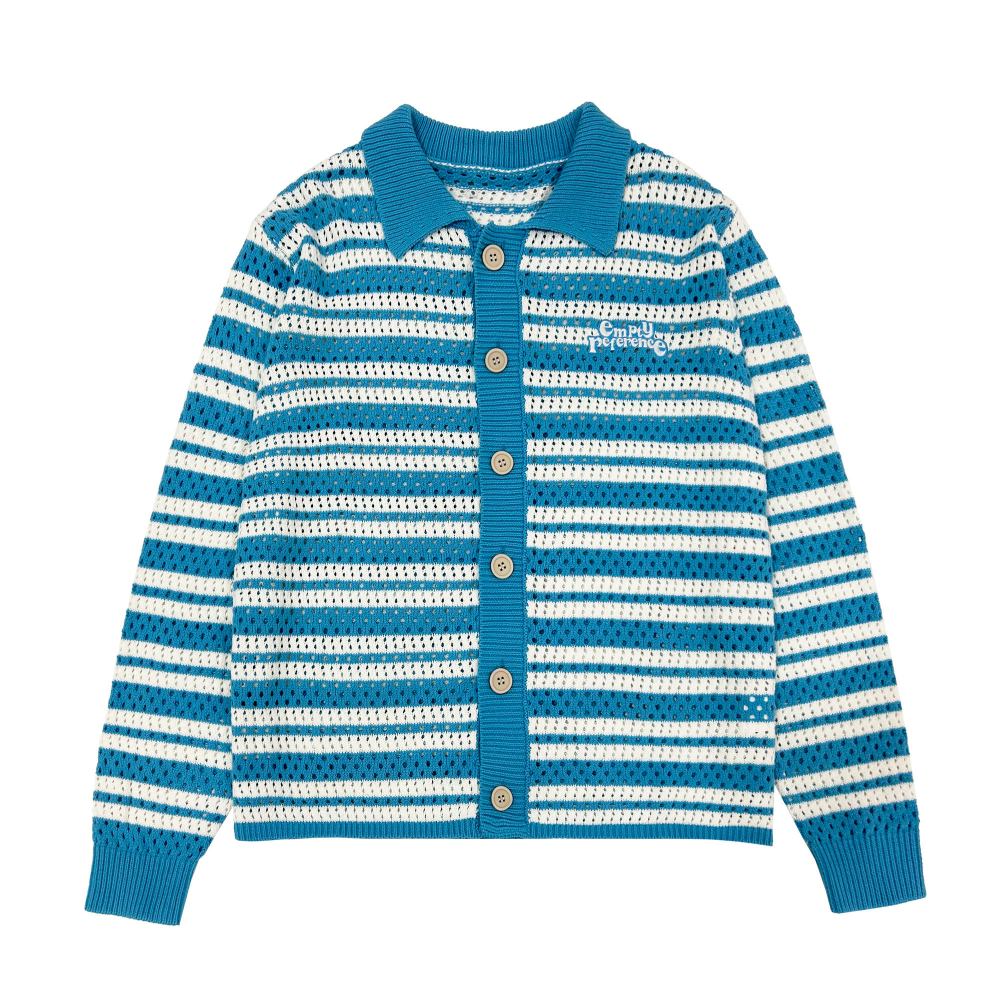
Ribbed trims — alternating knit and purl stitches — provide elasticity and structure at cuffs, hems, and necklines. 1×1 rib offers maximum stretch and recovery; 2×2 rib delivers a chunkier, sportier look with moderate give.
Engineered rib is programmed directly into the garment body during knitting, eliminating seams and reducing bulk. Specify 1×1 for fitted sleeves and crew necks, 2×2 for casual cardigans and athletic styles, and engineered rib when seamless finish is critical.
Tubular Trims
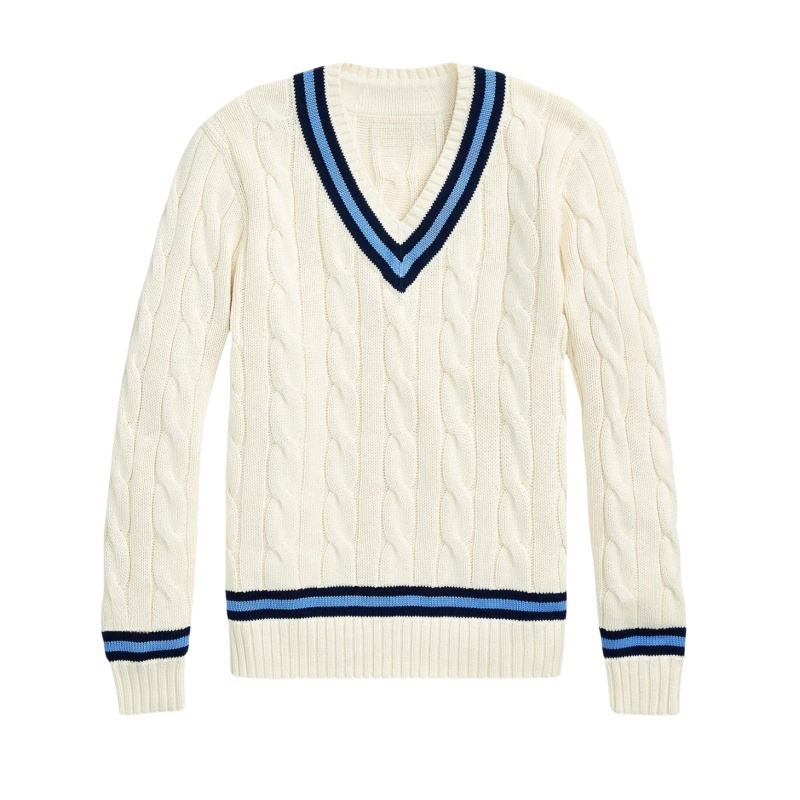
Tubular trims are knit in a continuous round, yielding a double-layer fabric with no side seam. They are sewn onto necklines and armholes where a clean, finished edge is required.
Tubular construction prevents curling and adds durability. Brands use tubular trims on crew necks, V-necks, and pocket welts when a professional, stable finish outweighs the slight added weight.
Flat Knit Trims
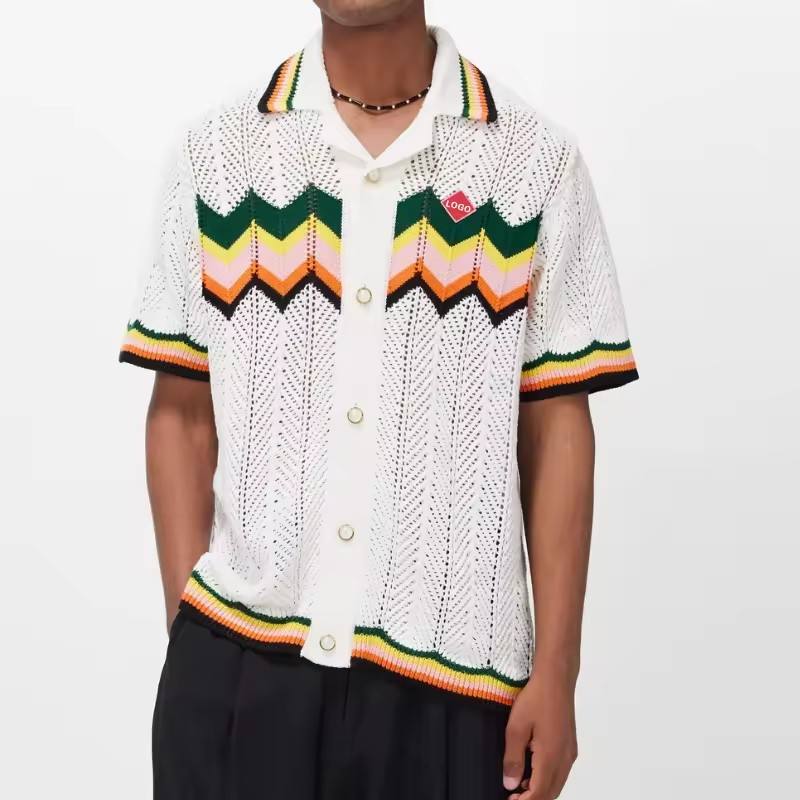
Flat knit trims are produced on the same gauge machines as the garment body, then cut and sewn as separate pieces. They allow complex stitch patterns — cables, pointelle, or textured ribs — that tubular methods cannot achieve.
Specify flat knit trims when decorative detail or pattern continuity across seams is a design priority, accepting the trade-off of visible join lines.
Intarsia and Jacquard Logo Trims
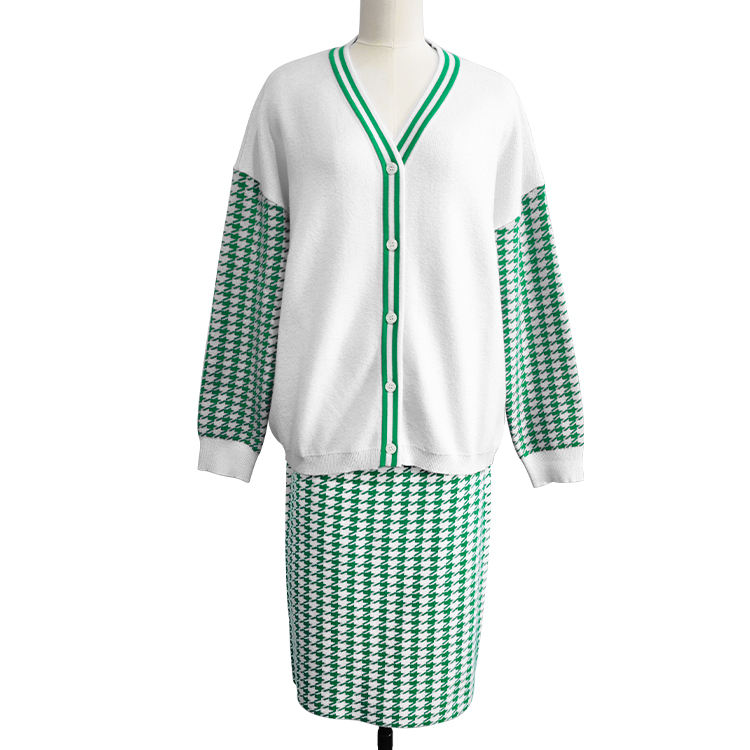
Intarsia and jacquard techniques embed multi-color logos or patterns directly into collar, cuff, or placket trims. Intarsia knits each color block separately with no float yarns; jacquard carries unused colors on the reverse.
Brands specify intarsia logo trims for clean, reversible branding on neckbands and cuffs, and jacquard when cost and speed outweigh the slight bulk of floats on the inside.
4. Materials and Yarn Selection for Custom Knitwear Trims
Fiber selection drives every functional and aesthetic attribute of custom knitwear trims — from elastic recovery and pilling resistance to hand feel and care instructions. CENWILD works with the full spectrum of natural, synthetic, and recycled yarns to match each brand’s positioning and performance requirements.
| Fiber Type | Typical Blend Ratios | Stretch Recovery | Cost Tier | Best Use Case |
|---|---|---|---|---|
| Cotton/Elastane | 95/5–98/2 | Good | Mid | Casual ribbing, everyday cuffs and hems |
| Wool/Nylon | 90/10–95/5 | Excellent | Mid-High | Luxury cuffs, structured collars |
| Cashmere/Silk | 70/30–85/15 | Moderate | Premium | High-end collars, soft bindings |
| Acrylic/Polyester | 80/20–100/0 | Good | Budget | Fast-fashion trims, high-volume basics |
| Merino/Elastane | 97/3–98/2 | Excellent | High | Performance athleisure, active necklines |
| Recycled Cotton/PET | 60/40–70/30 | Moderate | Mid | Sustainable collections, eco-conscious brands |
5. Customization and Decoration Options for Custom Knitwear Trims
Custom knitwear trims offer brands a wide palette of decoration and personalization techniques, each with distinct setup requirements, cost structures, and lead-time implications. Understanding these options ensures you select the method that balances visual impact with production economics.
| Technique | Setup Cost | Per-Unit Cost | Lead Time | Visual Impact |
|---|---|---|---|---|
| Jacquard / Intarsia | Low (programming) | Neutral | +5–7 days | High (woven-in) |
| Embroidery | $30–80 digitizing | +$0.50–2.00 | +3–5 days | Medium–High |
| Contrast Tipping | Minimal | +$0.10–0.30 | +2 days | Medium |
| Dye Matching | $50–150 lab dip | Neutral | +7–10 days | High (cohesion) |
Jacquard Logo Weaving and Intarsia Color Blocking
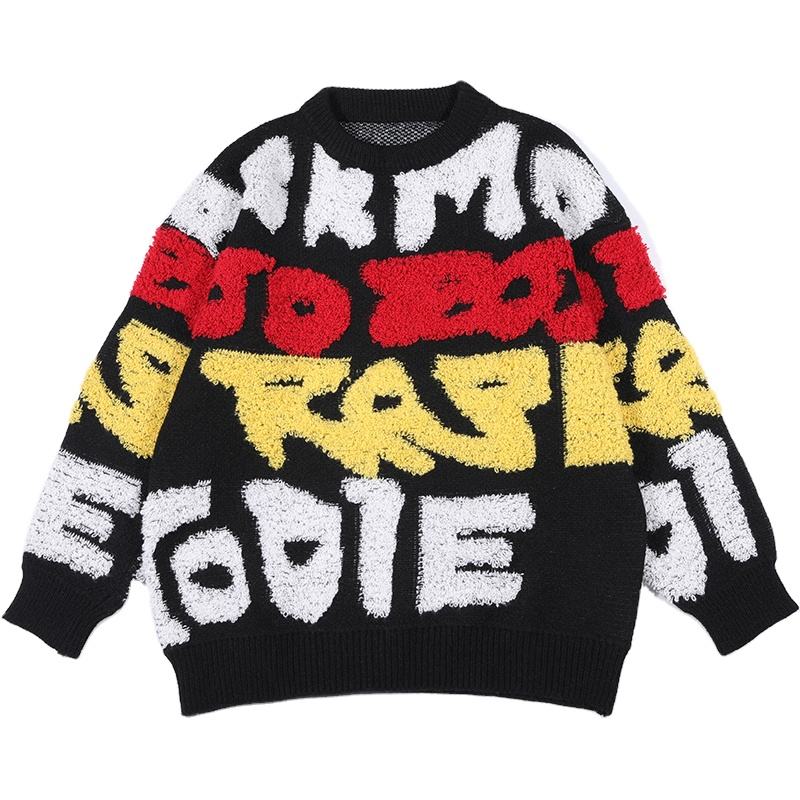
Jacquard and intarsia both knit patterns directly into the trim during production, eliminating the need for secondary decoration. Jacquard uses multiple yarn feeds to create repeating motifs across collars, cuffs, and waistbands, while intarsia builds color-blocked emblems or lettering stitch by stitch.
Setup requires digital pattern programming and test swatches, typically adding 5–7 days to first-sample lead time. MOQ remains unchanged because the technique is built into the knitting process. Per-unit cost is absorbed in yarn and machine time, making it cost-neutral at scale.
Embroidered Emblems and Contrast Tipping
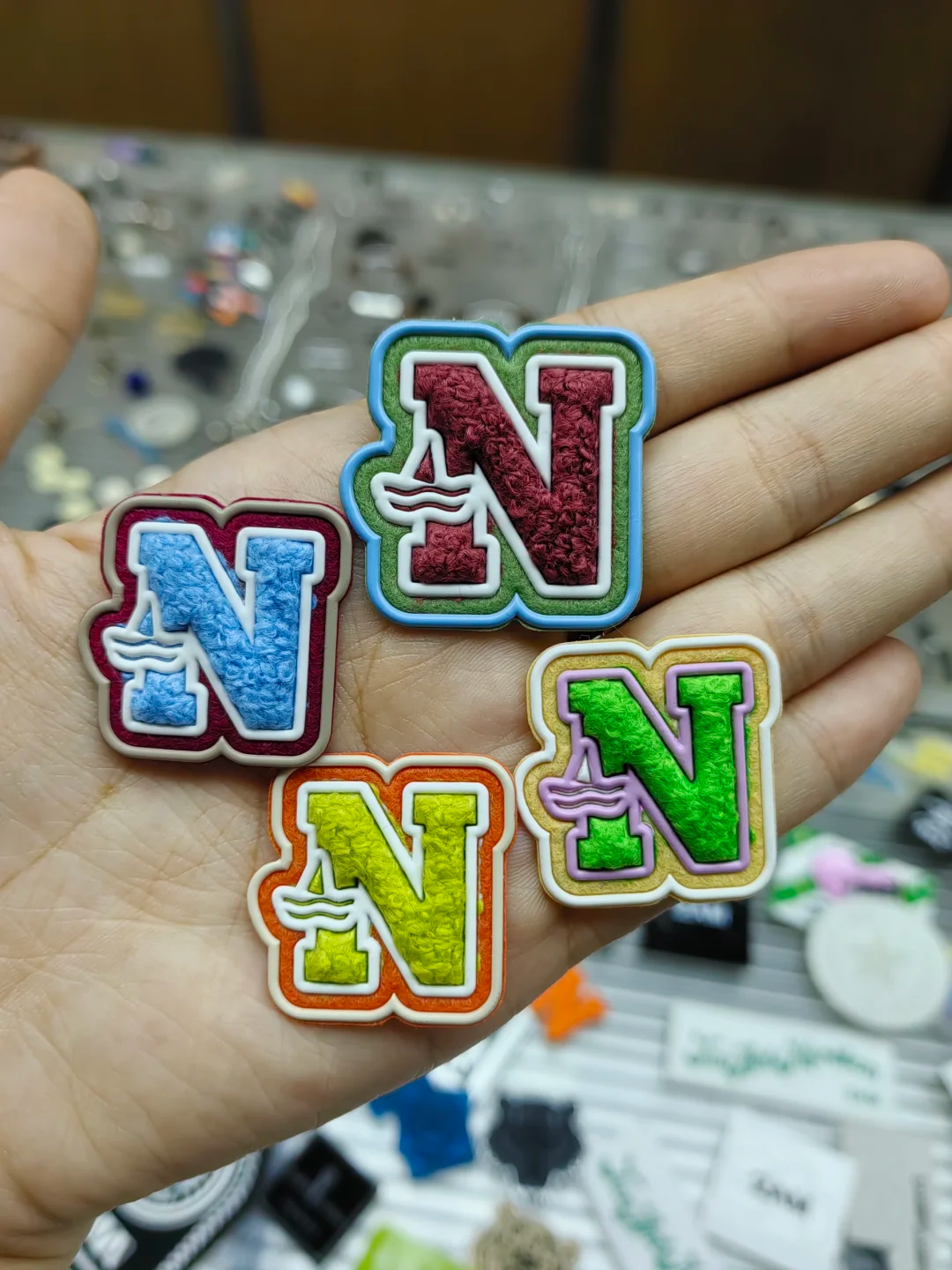
Embroidery applies logos, monograms, or decorative stitching atop finished trims using flat, 3D puff, chain-stitch, or appliqué methods. Contrast tipping — thin stripes along rib edges — is knit in or sewn on as a binding.
Embroidery incurs digitizing fees (typically $30–80 per design) and requires a minimum stitch density to ensure durability on stretch ribs. Lead time adds 3–5 days for sampling. Tipping setup is minimal when knit in, but sewn tipping may require color-matched thread and adds per-unit labor cost.
Custom Gauges, Stripe Patterns, and Dye Matching
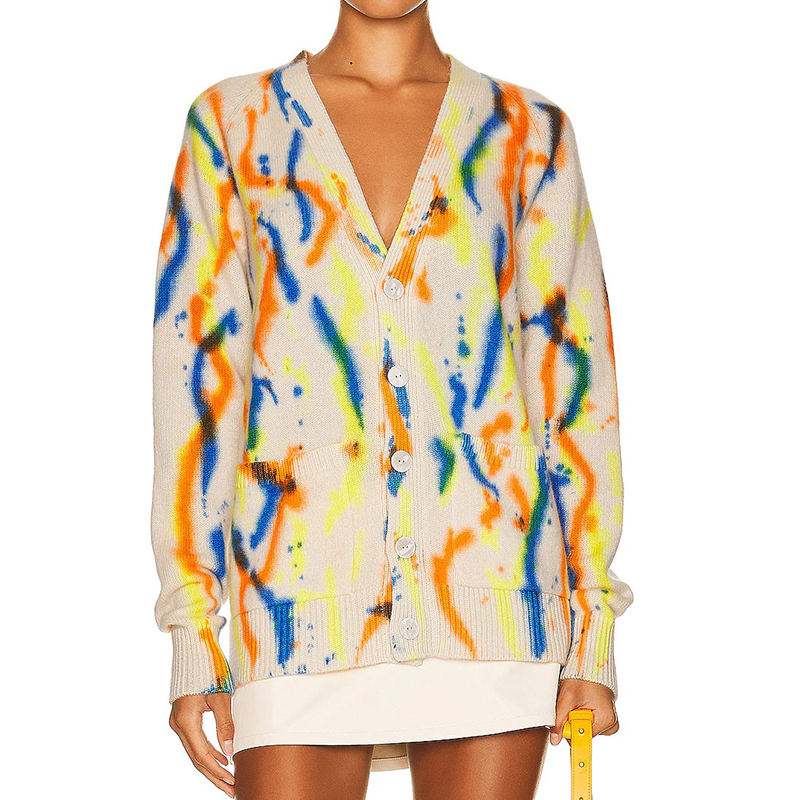
Gauge selection (3GG to 14GG) determines trim thickness and stretch recovery; finer gauges yield softer hand feel but require longer knitting cycles. Stripe patterns use yarn changes mid-course, adding minimal setup but requiring precise color sequencing.
Dye-matching trims to body fabric ensures visual cohesion. Lab dips typically require 7–10 days and a Pantone reference or physical swatch. Heathered or marled yarns complicate matching and may necessitate custom-dyed yarn lots, raising MOQ to 200–300 pieces per colorway.
6. Key Quality Indicators in Custom Knitwear Trims
Trim quality determines whether a sweater holds its shape, color, and structure through wear and laundering. Professional buyers request specific lab tests and knit-down samples to verify that ribbing, cuffs, collars, and plackets match the garment body in durability and recovery.
Stitch Density and Gauge Consistency
Gauge — measured in needles per inch (3GG to 14GG for computerized flat-knitting) — must match between trim and body fabric. Mismatched gauge causes puckering, waviness, or visible seam lines after washing.
Request knit-down swatches showing trim and body side-by-side. Count courses and wales per inch; variance should stay within ±2% across production lots to ensure dimensional harmony.
Elasticity and Recovery After Stretching
Ribbed trims must recover to within 95% of original width after 50 stretch cycles at 30% extension. Poor recovery leads to sagging cuffs and loose necklines within weeks.
Ask for ASTM D2594 stretch and recovery reports, especially for 1×1 or 2×2 rib constructions. Blends with 5–10% spandex or elastane typically outperform 100% natural fibers in recovery performance.
Colorfastness and Dye Lot Matching
Trims and body fabric often come from separate yarn lots. Request ISO 105 colorfastness certificates for washing (C06), rubbing (X12), and light (B02) — minimum grade 4 for commercial garments.
Demand dye-lot batch codes on all trim yarn; visual matching under D65 daylight is standard, but spectrophotometer ΔE readings below 1.0 ensure imperceptible color drift across components.
Dimensional Stability and Pilling Resistance
Wash-test reports (AATCC 135 or ISO 6330) should show shrinkage under 3% in length and width after three home-laundry cycles. Trims that shrink faster than the body create distortion and fit issues.
Pilling resistance (ASTM D3512 Martindale method, minimum grade 3) is critical for high-contact areas like cuffs and hems, especially in wool, cashmere, and acrylic blends.
7. How to Choose a Custom Knitwear Trims Manufacturer
Selecting the right custom knitwear trims manufacturer determines product quality, timeline reliability, and long-term brand growth. Assess production capabilities, quality systems, and partnership flexibility before committing to a supplier.
Production Capacity and MOQ Flexibility
Verify monthly capacity and machine gauge range. Manufacturers running 100+ computerized flat-knitting machines across 3GG–14GG typically handle 80,000+ pieces per month, ensuring scalable production for wholesale sweater orders and private label knitwear programs.
MOQ starting at 100 pieces per style supports emerging brands and test collections, while established suppliers offer deposit flexibility — 100% upfront for first orders, easing to 30% for repeat partners.
Technical Design and Sampling Support
In-house design teams provide gauge recommendations, yarn sourcing, 3D knit programming, and grading from sketch, photo, or tech pack. Knit-down sampling speed (7–14 days) and transparent sample costs indicate technical maturity and responsiveness.
Quality Control and Certifications
Look for structured QC at yarn inspection, knitting, linking, decoration, and final packing stages. OEKO-TEX Standard 100 certifies textile safety; GOTS validates organic fiber traceability. Documented inspection protocols reduce defect rates below 2%.
Lead Times and Communication
Standard production spans 25–45 days post-sample approval; faster turnarounds require higher minimums. Multi-channel communication (email, WhatsApp, WeChat) and same-day response rates signal operational reliability and long-term partnership readiness.
8. Common Mistakes When Sourcing Custom Knitwear Trims
Even experienced buyers make costly errors when sourcing custom knitwear trims. Misaligned specifications, poor coordination between trim and body fabric, and skipped testing steps account for the majority of production delays and quality failures.
Mismatching Trim Gauge to Body Fabric Weight
Pairing a 7GG rib trim with a 12GG fine-gauge sweater body creates visible bulk and distorts necklines. The trim will overpower the garment, pulling seams and preventing the collar from lying flat.
Always match gauge within one to two steps: 12GG bodies pair best with 10GG–12GG trims. CENWILD’s design team reviews tech packs to flag gauge mismatches before sampling begins.
Ignoring Stretch Recovery Specifications
Trims lacking adequate elastane content (typically 2–5%) lose shape after washing, causing cuffs to sag and necklines to stretch. This is especially critical for ribbed collars and waistbands.
Request stretch-recovery test data: trims should return to within 10% of original width after 50 cycles. Specify elastane percentage and recovery targets in your tech pack.
Ordering Trims Without Coordinating Shrinkage Rates
Sourcing trims from a separate vendor without matching shrinkage rates to the body fabric results in puckered seams or wavy hems after the first wash. Cotton trims may shrink 3–5%, while acrylic blends shrink less than 2%.
Conduct pre-production wash tests on trim and body fabric together. CENWILD coordinates yarn sourcing and finishing to ensure uniform shrinkage across all components.
Underestimating Lead Time for Custom Yarn Dyeing
Custom Pantone matches for trims require 10–15 days for yarn dyeing and dye-lot approval, yet buyers often allocate only sample lead time. Rushing dye work leads to off-shade trims that fail brand standards.
Add 14–21 days to your timeline when custom colors are required. Lock in dye lot quantities early to avoid shade variation across production runs.
9. Steps to Launch Your Brand with Custom Knitwear Trims
Launching a knitwear line with custom trims requires a disciplined sequence from concept to reorder. Following these six steps reduces sampling waste, shortens time-to-market, and ensures trim quality matches garment bodies from the first production run.
Define Your Brand Aesthetic and Trim Signature
Identify the trim elements that will become recognizable across your collection: rib-knit cuff widths, collar styles, zipper finishes, or custom woven labels. Document color palettes, preferred yarn blends, and any signature stitch patterns. CENWILD’s design team can translate mood boards or reference photos into technical knit specifications and 3D programming files.
Research and Shortlist Manufacturers
Evaluate factories on gauge range (3GG–14GG for fine to chunky), trim capabilities (intarsia, jacquard, embroidery, custom ribbing), and MOQ flexibility. CENWILD’s 100-piece starting MOQ and knit-down sampling service support early-stage brands. Verify lead times, payment terms, and whether the factory offers one-stop service including trim sourcing and attachment.
Request Strike-Offs and Lab Dips
Order physical swatches of custom knitwear trims in your exact yarn and colorway before committing to full garments. Lab dips confirm dye-lot accuracy against Pantone references; strike-offs validate stitch tension and pattern alignment. Approve these samples in writing to lock specifications for bulk production.
Approve Pre-Production Samples with Trim Attached
Inspect a complete garment with all custom knitwear trims sewn or linked in place. Check seam strength at trim junctions, color matching between body and rib, and dimensional stability after washing. CENWILD provides knit-down samples graded across sizes to confirm fit consistency before the production deposit.
Place Pilot Production and Inspect
Start with a 100–300 piece pilot run to test market response and identify any trim durability issues. Conduct AQL 2.5 inspection in-house or through third-party agencies before shipment. Use findings to refine trim specifications for reorders and scale confidently.
Plan Reorder Timing Based on Lead Times
Factor 25–45 days for knit production plus 7–21 days for shipping when scheduling restocks. Communicate forecasts early; stable partners at CENWILD enjoy reduced deposits (down to 30%) and priority scheduling. Maintain approved strike-offs and tech packs for faster repeat orders.
10. Pricing and Cost Factors for Custom Knitwear Trims
Fiber choice drives the largest cost spread: acrylic and cotton blends typically run 30–50% below merino wool, while cashmere and alpaca can triple unit costs. Trim complexity adds another layer — a plain 1×1 rib collar costs 40–60% less than a jacquard-logo cuff requiring custom programming and setup.
Order volume unlocks steep economies of scale. At 500 pieces, tooling and dye-lot minimums are amortized across fewer units, raising per-piece cost by 50–80% compared to a 3,000-piece run. Custom Pantone matching typically adds a $150–300 setup charge, and knit-down samples range from $30 to $80 per colorway depending on gauge and decoration.
Specialized gauges (12GG or 14GG fine-gauge) and multi-color intarsia or jacquard patterns incur additional programming fees of $100–400 per design. Lead times compress as order size grows: 500-piece runs often require 25–30 days, while 5,000-piece orders benefit from production-line efficiency and ship in 18–22 days.
| Quantity Tier | Basic Trim ($/pc) | Premium Trim ($/pc) | Setup Fee | Lead Time (days) |
|---|---|---|---|---|
| 500 | $2.80–4.50 | $6.00–9.50 | $200–400 | 25–30 |
| 1,000 | $2.20–3.60 | $4.80–7.20 | $150–300 | 22–28 |
| 3,000 | $1.50–2.40 | $3.20–5.00 | $100–200 | 20–25 |
| 5,000+ | $1.10–1.80 | $2.50–3.80 | $50–150 | 18–22 |
Start Your Custom Knitwear Trims Project Today
MOQ from 100 pieces, 7–10 day sampling, and full OEM/ODM support. Share your tech pack, sketch, or idea and we’ll bring it to life.