Merino Wool Yarn for Custom Knitwear from 100 Pieces
Source premium merino wool yarn for your sweater collections with OEM and ODM manufacturing backed by 28+ years of Dongguan knitwear expertise and flexible low-MOQ production.
Merino Wool Yarn Grades & Fiber Blends
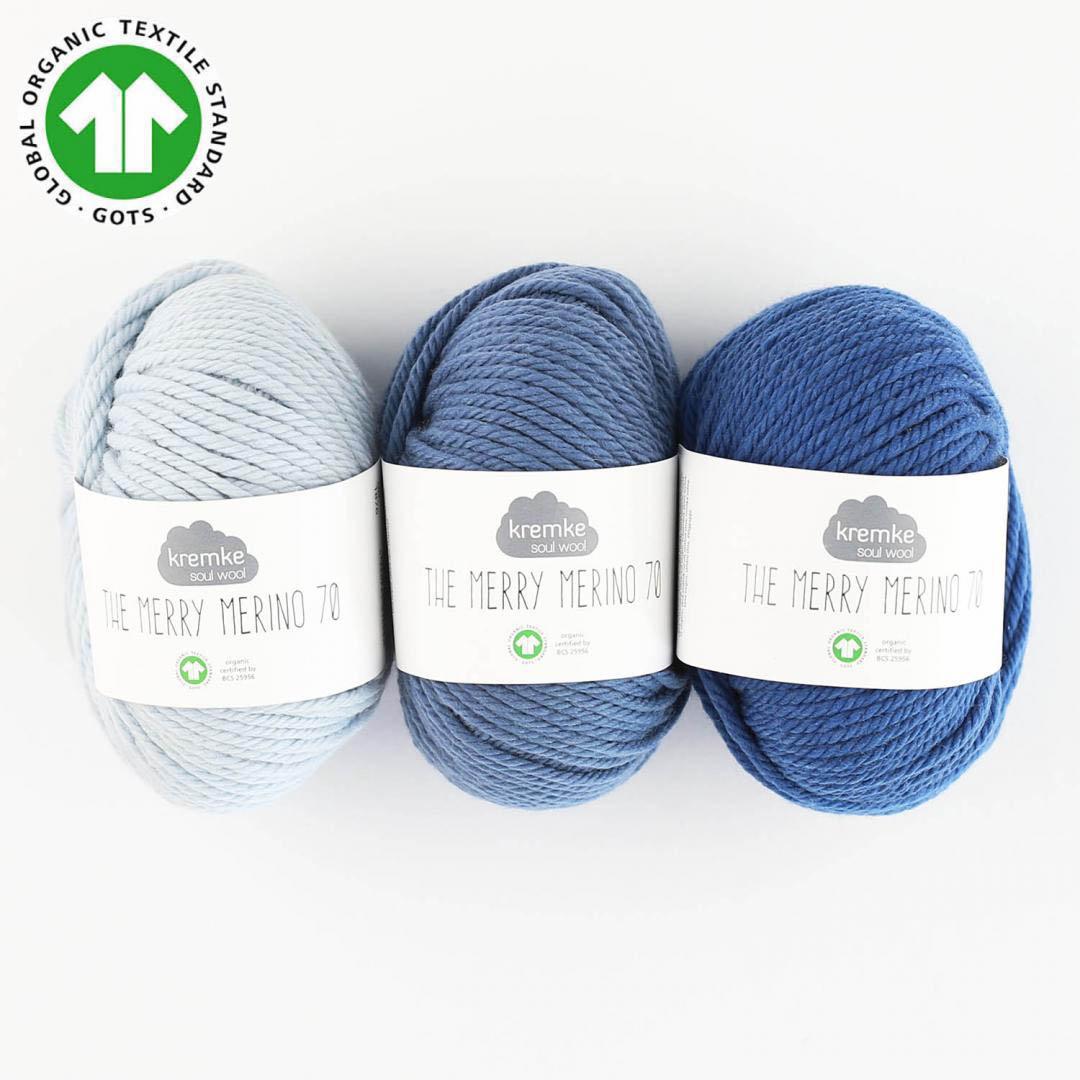
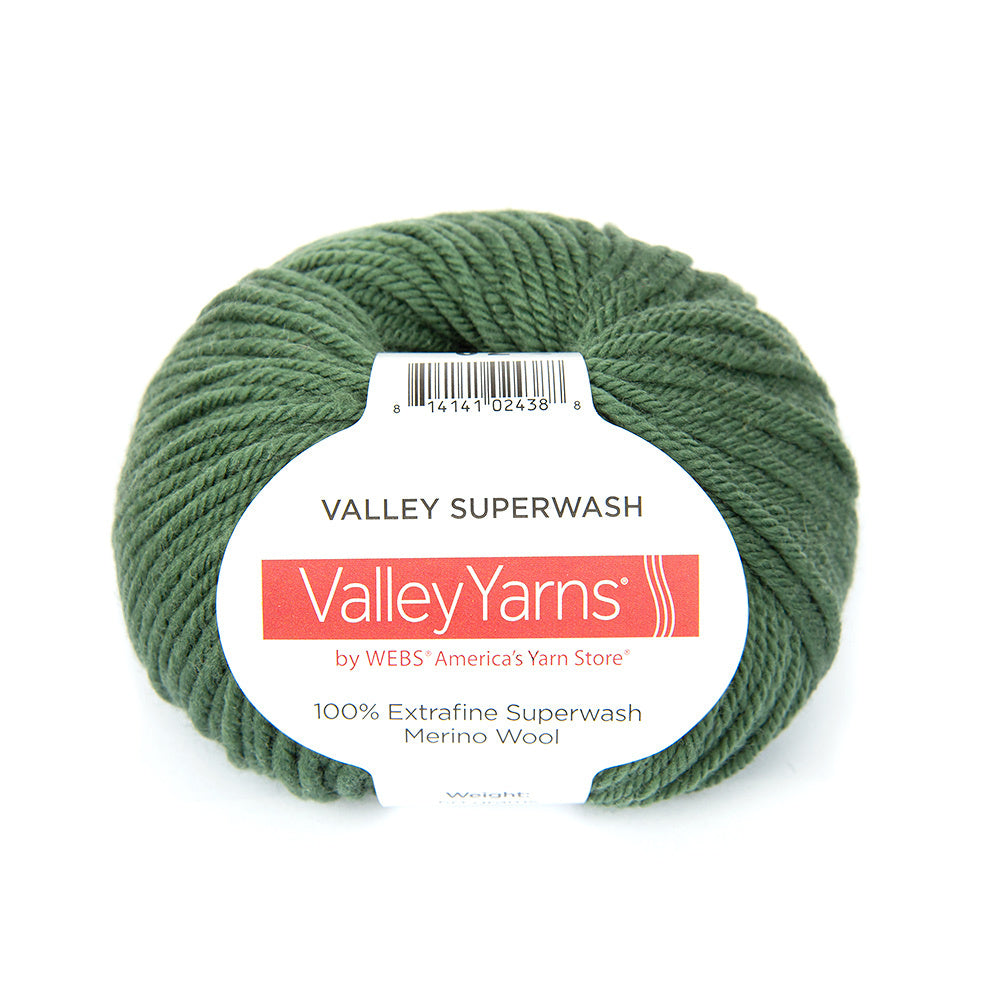
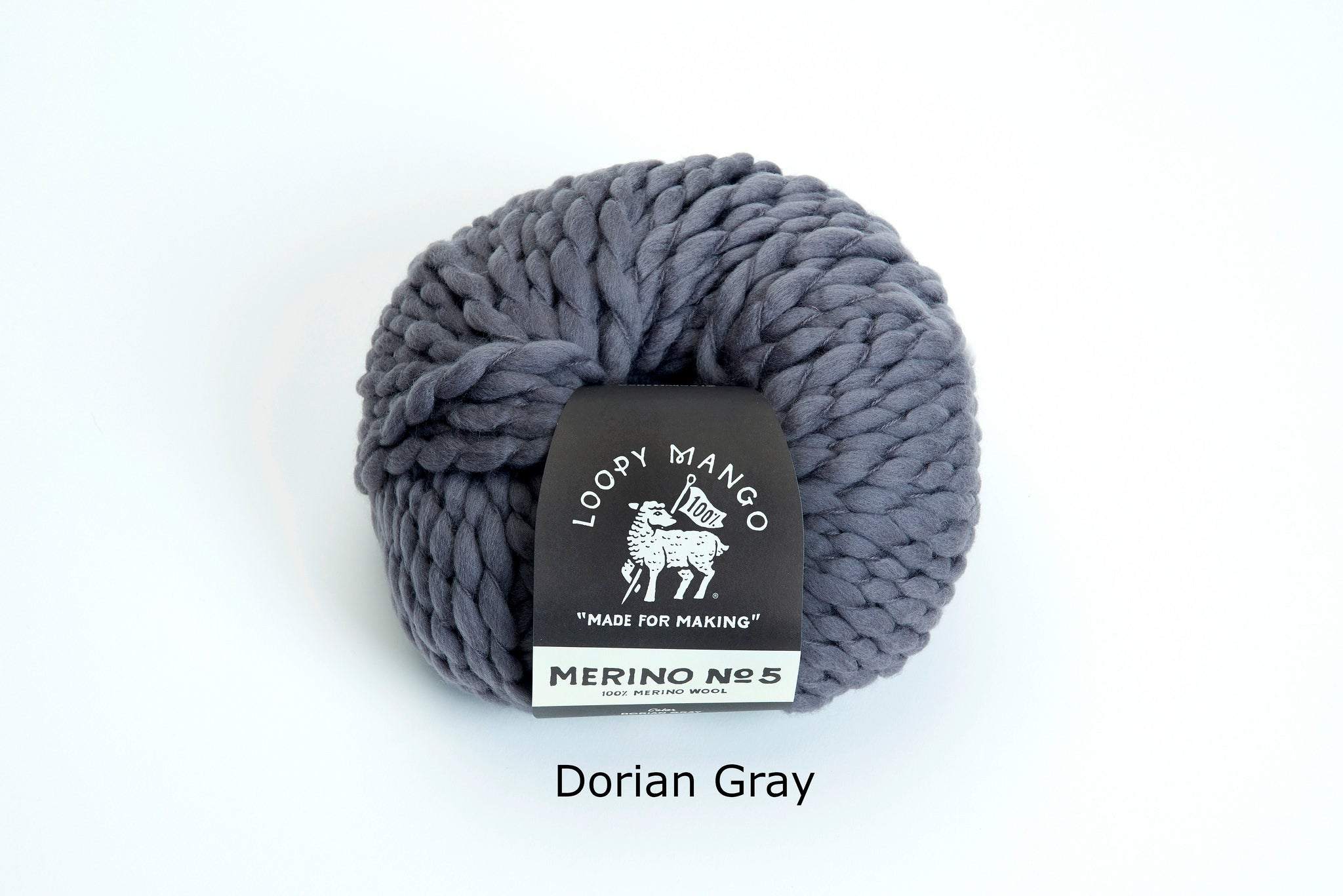
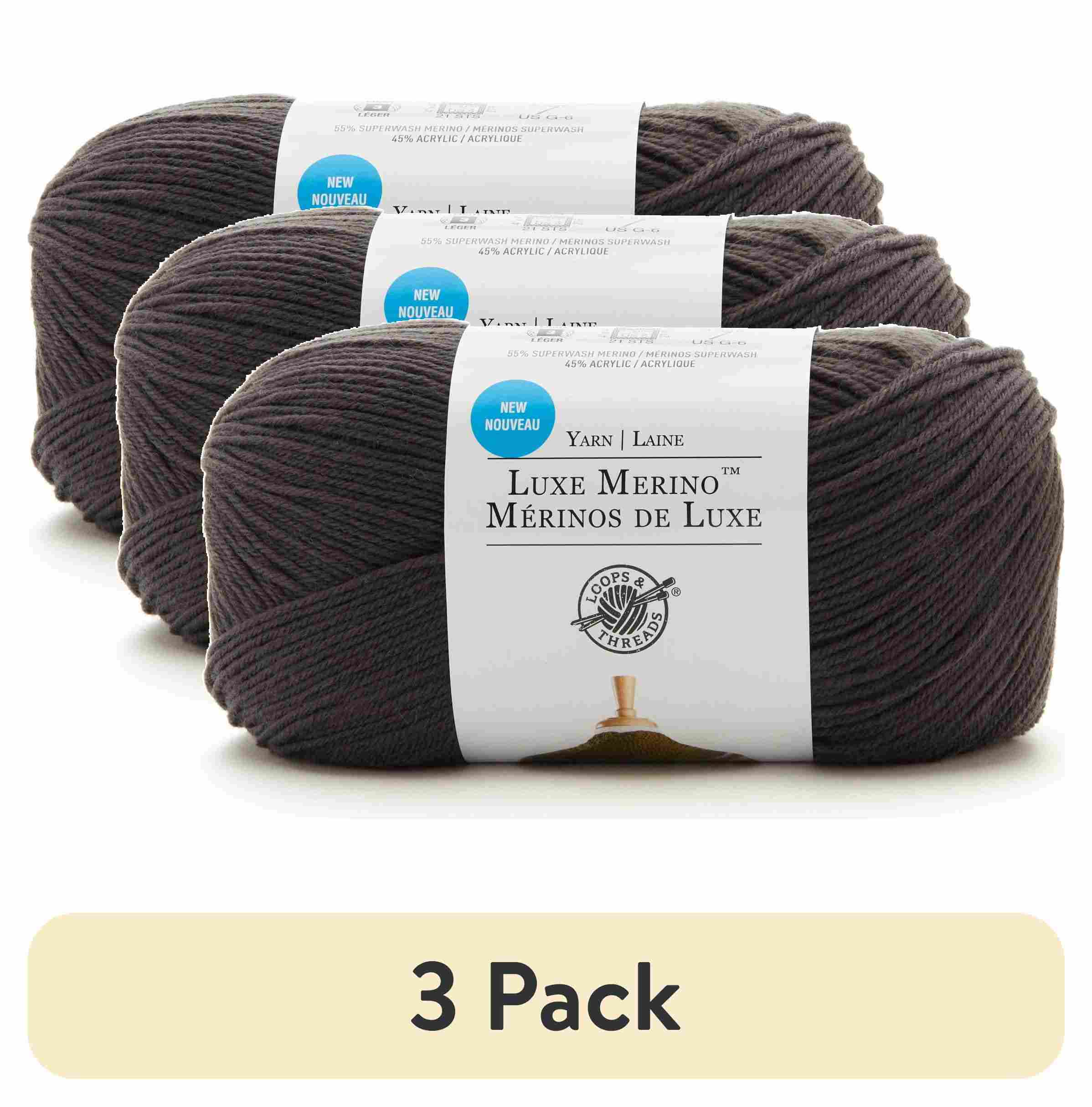
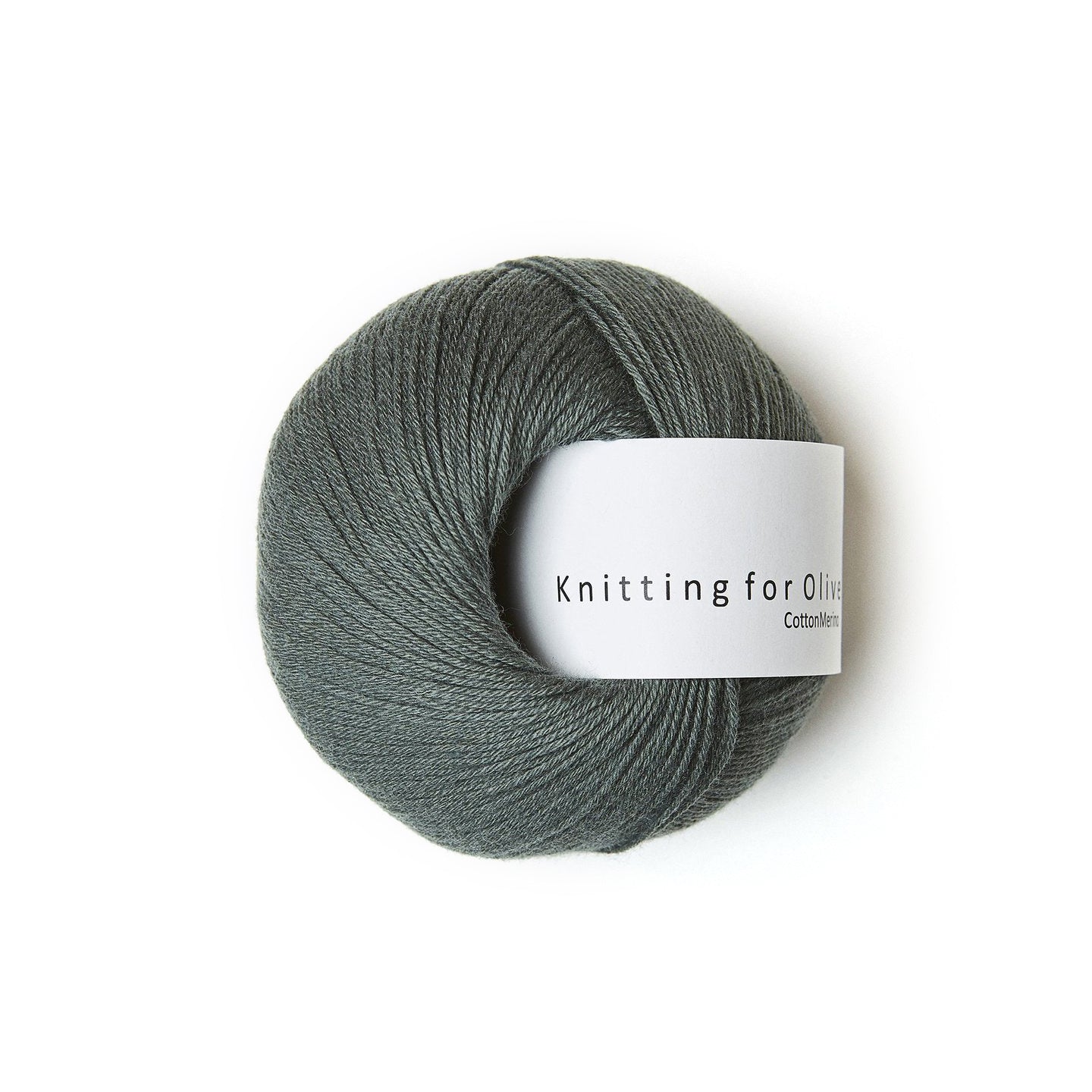
Why Choose Merino Wool Yarn for Your Knitwear
Exceptional Softness & Comfort
Merino wool yarn offers luxurious next-to-skin softness without itch, elevating your brand’s quality perception and customer satisfaction.
Natural Temperature Regulation
Merino fibers breathe and insulate year-round, keeping wearers comfortable in both warm and cold climates without synthetic alternatives.
Superior Durability & Resilience
High-quality merino wool yarn resists pilling and holds shape longer than synthetics, reducing returns and building customer loyalty.
Easy Care & Washability
Modern merino wool yarn treatments support machine washing and quick drying, meeting today’s consumer demand for low-maintenance knitwear.
Sustainable & Biodegradable Fiber
Merino wool yarn is renewable, biodegradable, and naturally odor-resistant, aligning your brand with eco-conscious fashion market trends.
Premium Brand Positioning
Merino wool yarn signals quality and craftsmanship, helping fashion brands command higher price points and attract discerning customers.
Yarn Types & Knitwear We Manufacture
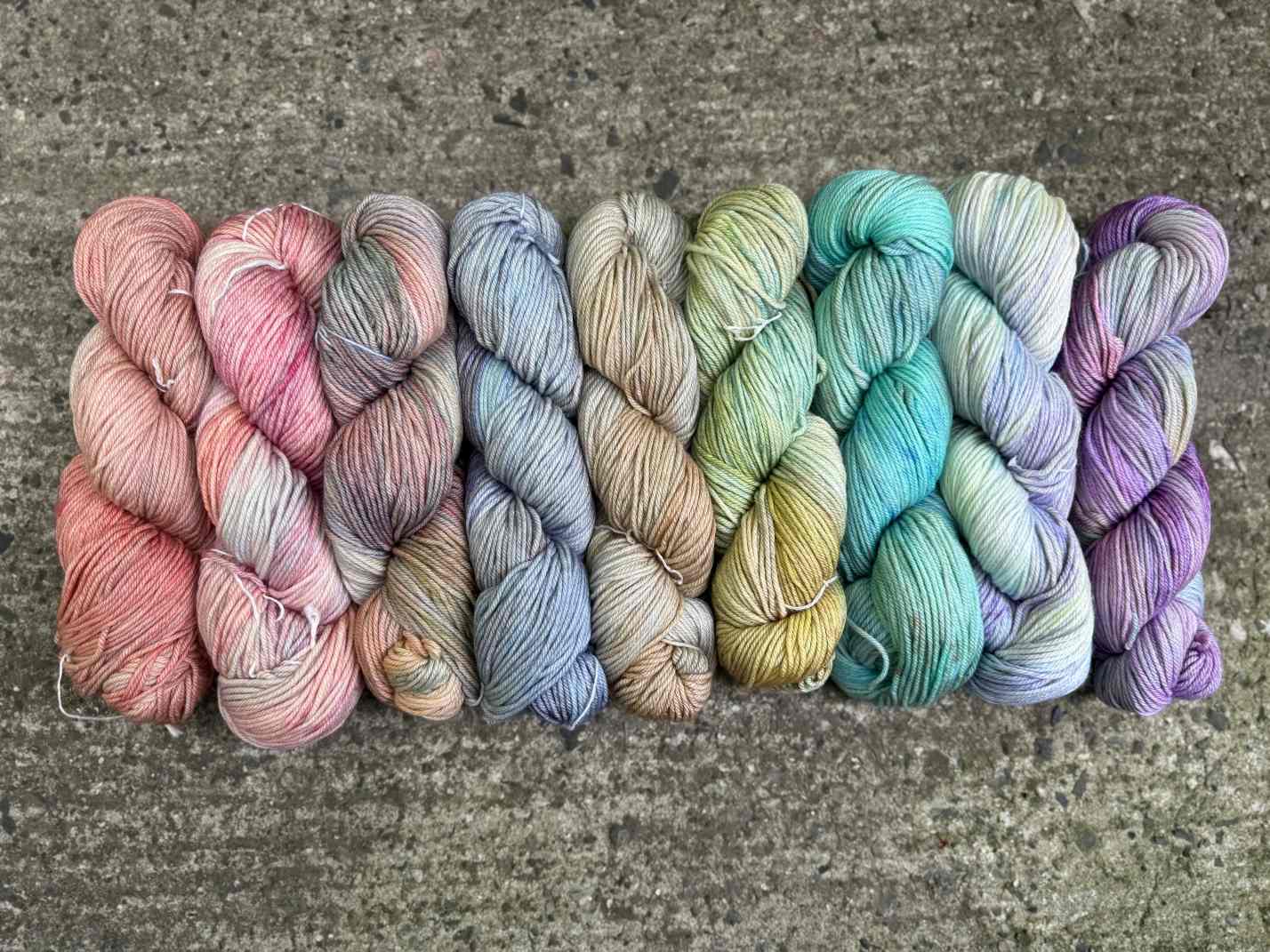
Yarn and Materials
CENWILD sources and knits with a full spectrum of knitwear yarn—cashmere, merino, lambswool, cotton, Pima, alpaca, mohair, acrylic, and recycled or organic blends—across 3GG to 14GG gauges. Every fiber is selected to match your brand’s quality, hand-feel, price point, and sustainability goals, with in-house knit-down sampling to confirm drape and performance before production.
Get a Quote
Cashmere Yarn
Cashmere wholesale sourcing backed by 28 years of supplier relationships in China’s knitwear hub. CENWILD works with pure cashmere and cashmere blends in 2-ply to 12-ply counts, knitting luxury sweaters, cardigans, and accessories with intarsia, jacquard, cable, and fully-fashioned techniques. MOQ from 100 pieces makes premium cashmere accessible to independent designers and growing brands.
Get a Quote
Lambswool
Lambswool yarn delivers softness, warmth, and excellent elasticity for classic and contemporary knitwear. CENWILD knits lambswool pullovers, crewnecks, V-necks, turtlenecks, and sweater vests in solid, marled, and multi-color jacquard constructions. Ideal for fall-winter collections, lambswool pairs well with embroidery, applique, and garment-dye finishing to create signature pieces for your private label line.
Get a Quote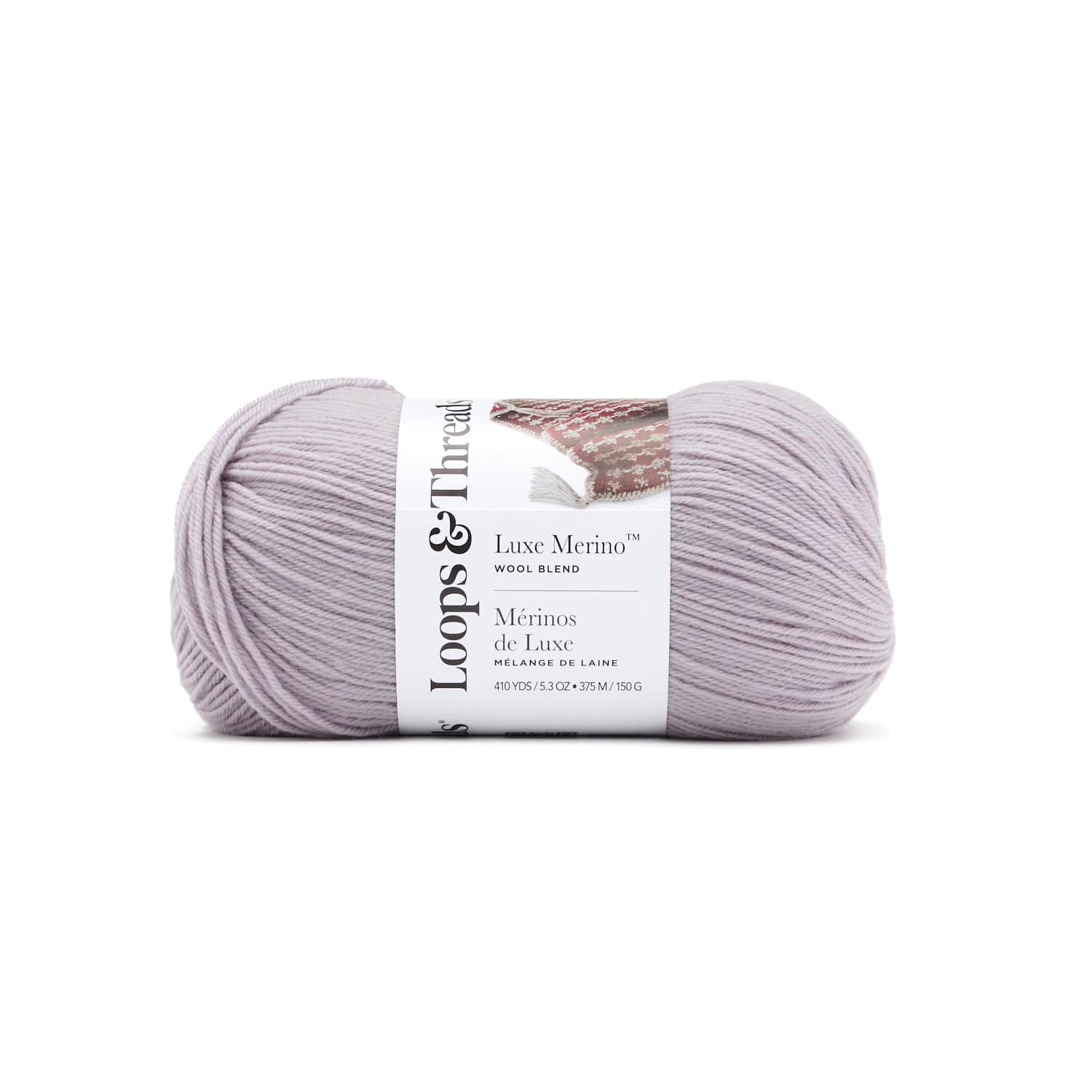
Cotton Pima Yarn
Pima cotton yarn is prized for its extra-long staple, silky hand, and durability. CENWILD manufactures lightweight to midweight cotton knitwear—polos, quarter-zips, knit dresses, summer cardigans, and layering pieces—using Pima and Supima cotton in single jersey, rib, pointelle, and cable stitches. Perfect for spring-summer ranges and year-round basics that require breathability and a refined drape.
Get a Quote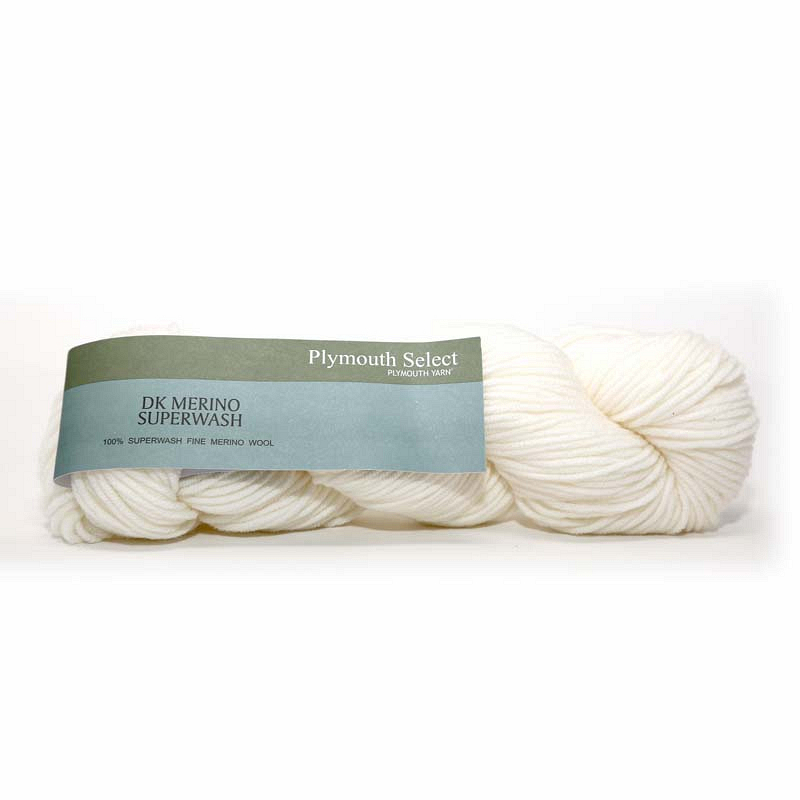
Acrylic Yarn
Acrylic yarn offers vibrant color retention, easy care, and cost efficiency for high-volume knitwear programs. CENWILD knits acrylic and acrylic-blend sweaters, personalized Christmas jumpers, team uniforms, and promotional knitwear with jacquard, intarsia, embroidery, and printing decoration. Low MOQ from 100 pieces and fast turnaround support seasonal launches, influencer collaborations, and retail private label collections.
Get a Quote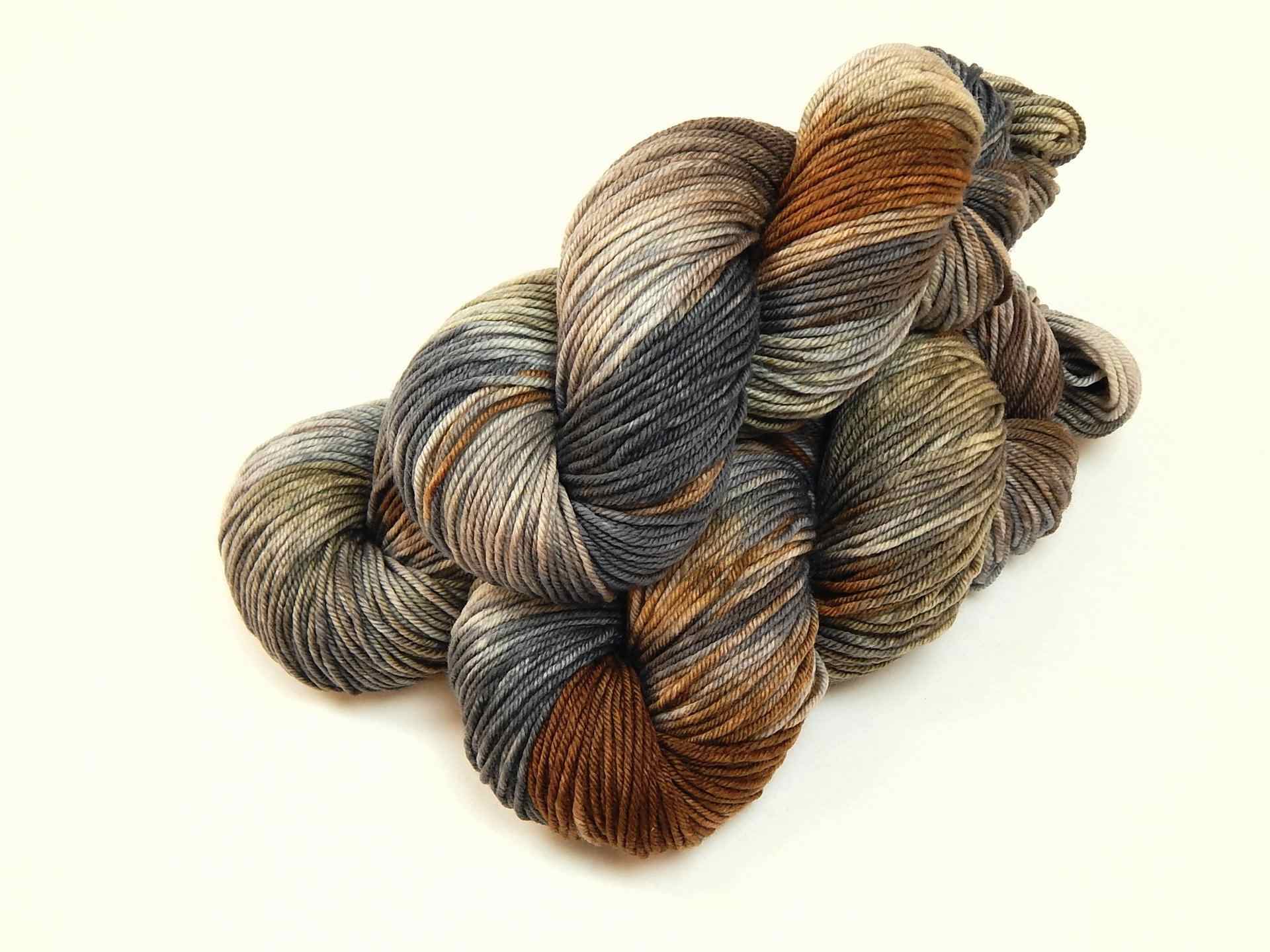
Alpaca Yarn
Alpaca yarn brings unmatched softness, hypoallergenic warmth, and a luxurious halo to premium knitwear. CENWILD sources baby alpaca and alpaca-blend yarns from Peru and knits them into cardigans, pullovers, ponchos, and scarves with cable, rib, and textured stitch patterns. ODM design support and in-house sampling help brands create standout alpaca pieces that justify higher retail price points.
Get a Quote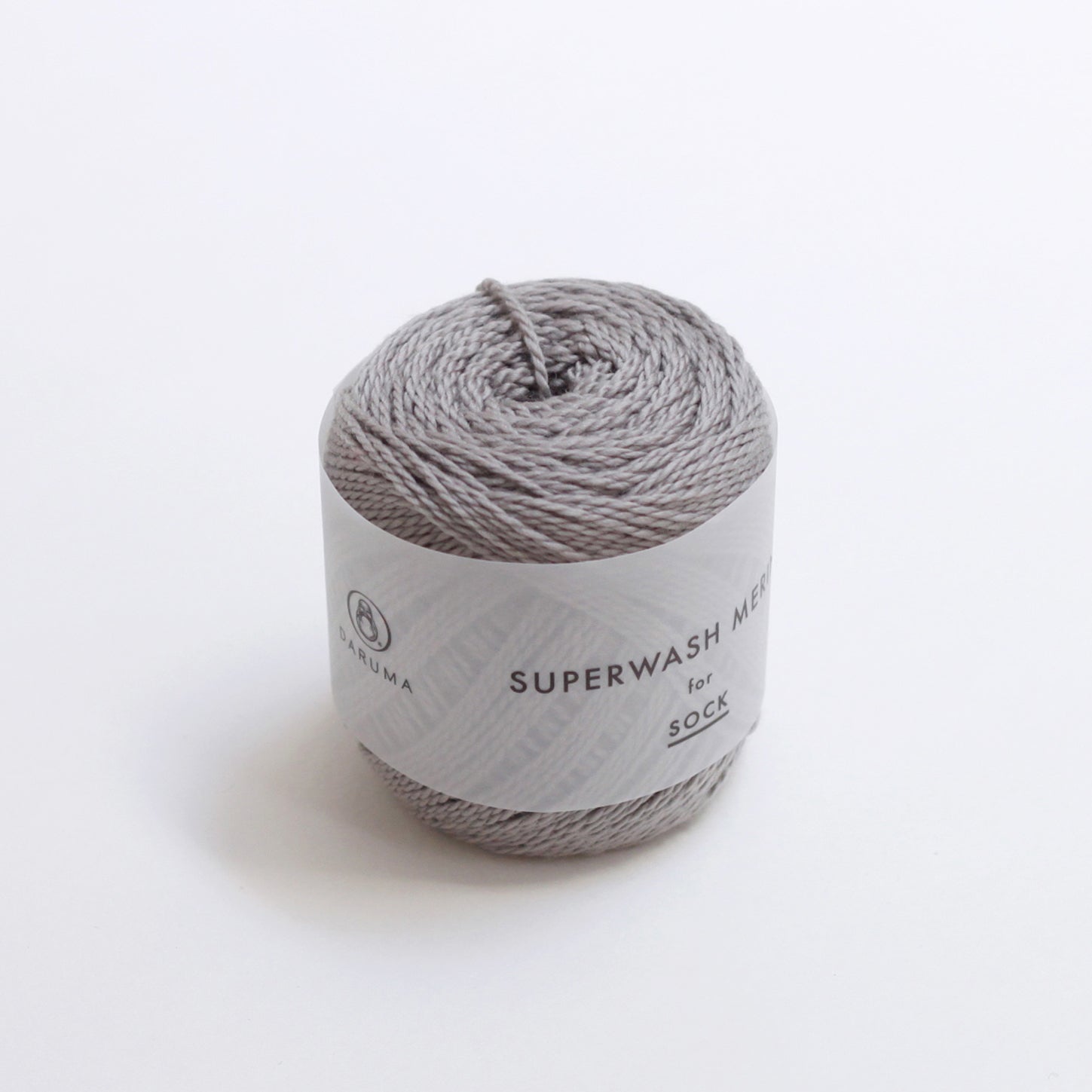
Recycled Organic Yarn
Recycled yarn knitwear meets growing demand for sustainable fashion. CENWILD manufactures sweaters, cardigans, and knit sets using GRS-certified recycled polyester, recycled cotton, and regenerated fibers, combined with organic wool or cotton when specified. Full traceability, low-MOQ flexibility from 100 pieces, and eco-conscious packaging options support brands committed to circular fashion and transparent supply chains.
Get a Quote
Custom Cardigan
Custom cardigan production from concept to finished garment. CENWILD’s ODM and OEM services cover stitch design, 3D knit programming, button and trim sourcing, embroidery, printing, and garment finishing. Whether you supply a tech pack or start with a sketch, our design team develops cardigans in any gauge, fiber, silhouette, and decoration—crewneck, V-neck, shawl collar, oversized, cropped—tailored to your brand identity and target market.
Get a Quote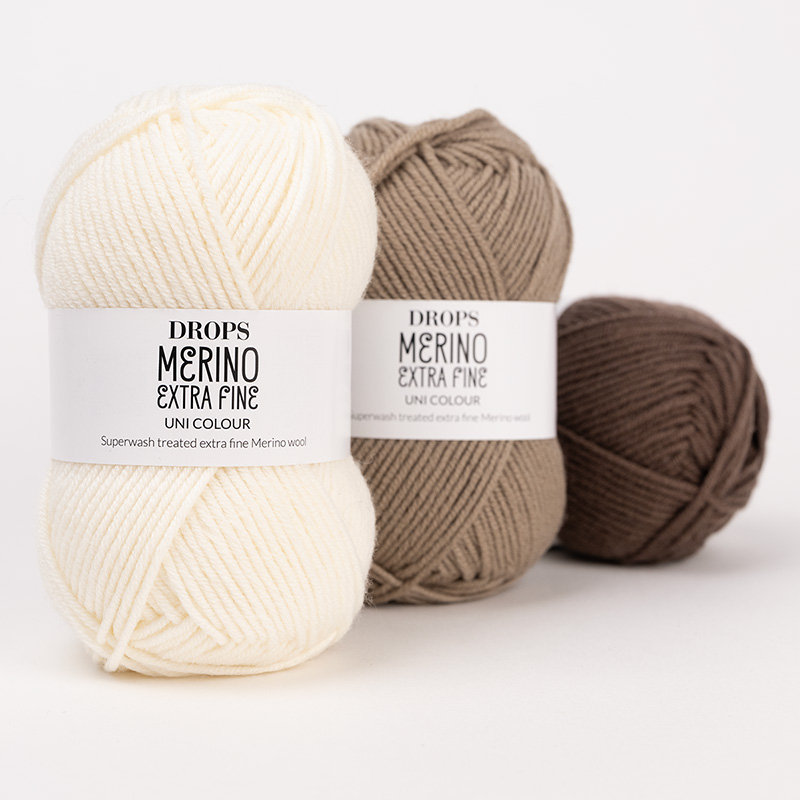
Cardigan Sweater Manufacturer
Cardigan sweater manufacturer with 28 years of Dongguan expertise and monthly capacity exceeding 80,000 pieces. CENWILD runs computerized flat-knitting across 3GG to 14GG, producing men’s, women’s, and children’s cardigans in cashmere, merino, lambswool, cotton, alpaca, acrylic, and blends. Private label and low MOQ from 100 pieces, plus full decoration, QC, packaging, and export logistics under one roof.
Get a QuoteCENWILD's Merino Wool Yarn Expertise
Since 1998, CENWILD has sourced and worked with premium merino wool yarn for over 2,000 fashion brands worldwide. Based in Dongguan’s knitwear heartland, we’ve built deep fiber partnerships across Australia, New Zealand, and South America, ensuring consistent access to 18.5–24.5 micron merino in pure and blended constructions for every season and price point.
Our 200-strong team combines 28 years of merino wool yarn knowledge with full OEM and ODM capability — from fiber selection and knit-down sampling to computerized flat-knitting across 3GG–14GG gauges and finishing. Whether you need superfine merino for luxury cardigans or durable merino blends for activewear, we engineer every stitch for performance, hand-feel, and your brand’s vision.
CENWILD is not a yarn trader or generic supplier. We are your manufacturing backbone — turning merino wool yarn into finished knitwear from just 100 pieces, with private label support, in-house quality control, and the flexibility to grow alongside your brand.
Merino Wool Yarn Quality & Fiber Processing
Micron Count Selection & Fiber Grading
CENWILD sources merino wool yarn in 16.5–23.5 micron grades, from ultrafine to mid-micron, each selected and tested for diameter consistency, staple length, and crimp. Every batch is inspected to ensure uniform softness and drape that meet luxury brand standards for premium knitwear.
- 16.5–19.5 micron ultrafine merino for next-to-skin luxury pieces
- 19.5–21.5 micron fine merino balancing softness and durability
- 21.5–23.5 micron mid-micron merino for structured, long-wearing sweaters
- Fiber diameter verified with lab testing before production approval
Superwash & Anti-Pilling Treatment
For easy-care collections, CENWILD applies superwash chlorination or enzyme treatments that strip the fiber scales, enabling machine washing without felting. Anti-pilling finishes further reduce surface fuzz, ensuring garments retain their smooth appearance through repeated wear and laundering cycles.
- Chlorine-Hercosett or enzyme superwash for machine-washable merino
- Anti-pilling enzyme treatment minimizes surface fiber migration
- Tested to ASTM D3512 pilling resistance grade 3.5–4.5
- Ideal for activewear, everyday cardigans, and children's knitwear
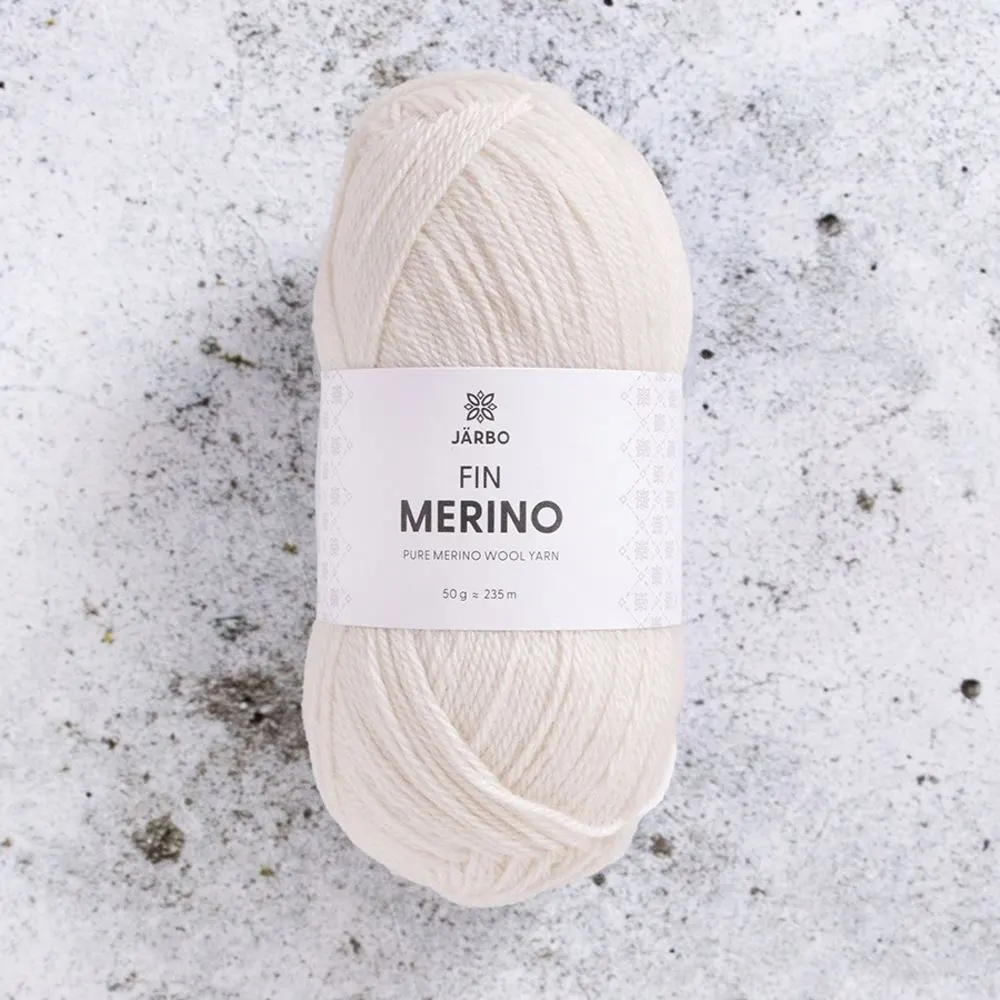
Precision Dyeing & Color Fastness
Merino wool yarn is dyed in temperature-controlled vats using acid or reactive dyes, with pH and time parameters locked to each shade. CENWILD validates every dye lot against approved lab dips and runs fastness tests for wash, light, and perspiration to guarantee consistent, fade-resistant color across production runs.
- Acid and reactive dye systems optimized for protein fibers
- Lab-dip approval before bulk yarn dyeing begins
- ISO 105 color fastness testing: wash grade 4, light grade 4–5
- Pantone and custom color matching for private label collections
Softening, Finishing & Final Inspection
After knitting, merino garments pass through softening baths with silicone or natural conditioners, then controlled tumble or flat drying to set the hand-feel. Each piece is measured, brushed if specified, and inspected under light for pilling, snagging, or dye variation before packing and export.
- Silicone or enzyme softening for luxurious hand-feel
- Garment washing, brushing, or steaming as design requires
- Point-by-point QC: measurements, seams, surface quality, trims
- Final audit ensures every sweater meets your brand's luxury standards
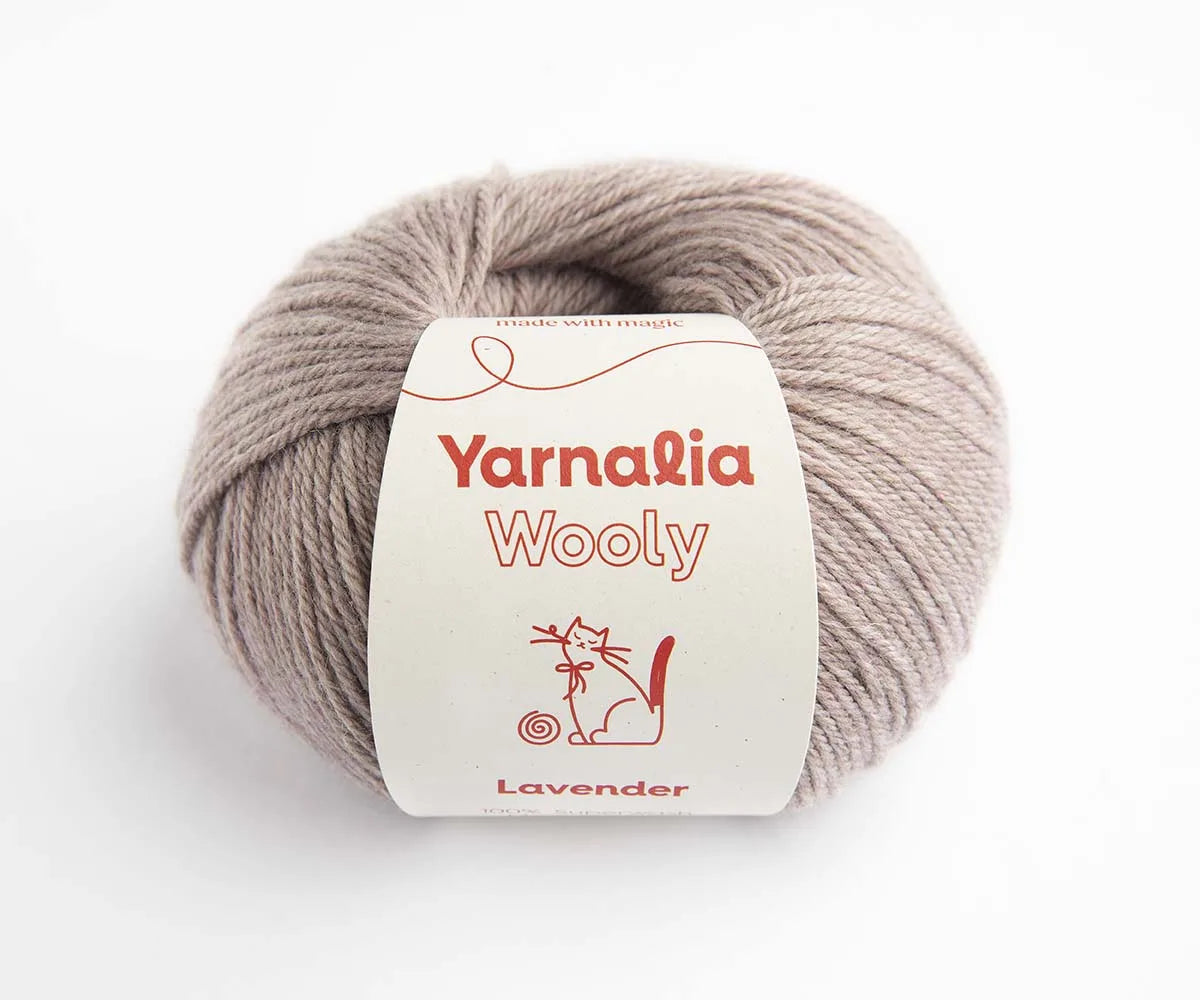
Merino Wool Yarn vs. Other Premium Fibers
Compare merino wool yarn against cashmere, lambswool, alpaca, and acrylic to choose the right fiber for your knitwear collection. Each material offers distinct advantages — here’s how merino stacks up on softness, durability, care, and cost.
← 左右滑动查看 →
Merino Wool Yarn Production & Quality Control
CENWILD‘s rigorous 7-phase process ensures every batch of merino wool yarn meets premium standards before knit-down, protecting your brand’s quality and consistency.
Fiber Sourcing & Inspection
Raw merino wool is sourced from certified mills and inspected for micron count, staple length, crimp uniformity, and color consistency. Only fiber meeting our 28-year quality benchmarks advances to processing.
Scouring & Cleaning
Merino fiber undergoes multi-stage scouring to remove lanolin, dirt, and impurities without damaging the natural crimp. Clean fiber ensures even dye uptake and softness in the finished yarn.
Dyeing & Color Matching
Yarn is dyed in temperature-controlled vats using low-impact or custom Pantone formulas. Lab spectrophotometry confirms color accuracy within Delta E ≤ 1.0 before approval for your knitwear collection.
Spinning & Twist Control
Cleaned merino is carded, combed, and spun to your specified gauge and ply. Twist rate, yarn count, and tensile strength are monitored continuously to ensure uniform knitting performance across production.
Anti-Pilling & Softening Treatment
Spun merino wool yarn receives enzyme or mechanical anti-pilling treatment and optional softening finishes. These processes enhance hand-feel and durability, reducing garment maintenance complaints from end consumers.
Laboratory Testing & Certification
Every yarn lot is tested for pilling resistance, colorfastness, shrinkage, and fiber content. Certificates of compliance are issued for Oeko-Tex, RWS, or client-specific standards before release to knitting.
Warehouse QC & Knit-Down Sampling
Final yarn batches are inspected for cone integrity, weight accuracy, and shade consistency. Representative skeins are knit into swatches on 3GG–14GG machines to validate stitch definition and drape before full production.
How to Specify Merino Wool Yarn in Your Order
CENWILD guides you through every detail of merino wool yarn selection during the sampling phase, ensuring your custom knitwear meets exact fiber, color, and weight specifications from the first piece.
Select Your Yarn Grade
Choose merino wool yarn by micron count—fine, superfine, or ultrafine—or request a blend with cashmere, silk, cotton, or recycled fiber to match your brand positioning.
Confirm Micron Count and Weight
Specify the exact micron range and yarn weight for your knitwear. Our team sources certified merino wool yarn that meets your softness, drape, and durability requirements.
Provide Color and Dye References
Submit Pantone codes, physical swatches, or brand color standards. We match or custom-dye merino wool yarn to your palette during the pre-production sampling phase.
Review Knit-Down Sample Swatches
Approve hand-feel, color accuracy, and stitch appearance on actual merino wool yarn samples knitted in-house before committing to full production runs from 100 pieces.
Integrate into Production Timeline
Yarn sourcing locks in during sampling. Once approved, your merino wool yarn order enters our monthly 80,000-piece capacity schedule with full traceability and quality control.
Customer Success with Merino Knitwear
CENWILD’s merino wool yarn knitwear exceeded expectations. Our first 300-piece order delivered on time with zero defects, and the hand-feel drove a 42% repeat purchase rate from our wholesale accounts.
We needed ultra-soft merino for a capsule collection with only 150 MOQ. CENWILD’s team sourced 18.5-micron Australian merino, delivered knit-down samples in 9 days, and our customers rated the sweaters 4.8 stars.
After three failed suppliers, CENWILD nailed our merino-cashmere blend on the first production run. The color consistency across 600 pieces was flawless, and we’ve since placed four repeat orders in eight months.
FAQ: Merino Wool Yarn for Custom Knitwear
What micron count does CENWILD offer for merino wool yarn?
Can I order superwash merino wool yarn or only untreated fiber?
How does merino wool yarn handle custom color and dye-lot consistency?
Does sourcing merino wool yarn add time to my production lead time?
Is merino wool yarn machine washable or does it require special care?
How do merino blends compare to 100 percent merino wool yarn in performance?
Can CENWILD source certified organic or mulesing-free merino wool yarn?
What knit structures work best with merino wool yarn?
The Complete Buyer’s Guide to Merino Wool Yarn for Custom Knitwear
Navigate the sourcing landscape with confidence. This guide delivers a proven decision framework, essential supplier criteria, quality benchmarks, and the most common mistakes fashion brands make when ordering merino wool yarn—so you avoid costly delays and product failures.
1. What Is Merino Wool Yarn?
Merino wool yarn is spun from the fleece of Merino sheep, a breed originating in Spain and now raised primarily in Australia, New Zealand, and South Africa. Individual Merino fibers measure 15–24 microns in diameter — roughly one-third the thickness of human hair — making them significantly finer than standard wool (typically 25–40 μm) and soft enough to wear directly against skin without irritation.
This fineness unlocks natural performance: merino wool yarn wicks moisture away from the body, regulates temperature across seasons, resists odor, and drapes with a luxurious hand feel that standard wool cannot match. Brands choose merino for sweaters, cardigans, and knit dresses because it delivers the warmth of wool without the itch, appeals to consumers seeking natural fibers, and holds color exceptionally well during dyeing.
Compared to lambswool (softer but less durable), cashmere (finer but costlier), or acrylic (cheaper but synthetic), merino wool yarn strikes a balance of comfort, performance, and price that positions it as the backbone of luxury knitwear collections worldwide.
2. The Evolution of Merino Wool Yarn in Fashion
Merino sheep were first refined in Spain during the 12th century, then introduced to Australia and New Zealand in the 1790s, where selective breeding created finer fleeces ideal for high-grade yarn. By the mid-1800s, Australian growers dominated global supply, and the Southern Hemisphere became the merino heartland. The 1990s brought technical spinning innovations that transformed merino from traditional outerwear into performance baselayers and activewear. Today sustainability certifications — Responsible Wool Standard (RWS) and New Zealand’s ZQ Merino — define sourcing standards, making merino a go-to fiber for brands balancing premium hand-feel, technical function, and transparent supply chains.
3. Types of Merino Wool Yarn
Merino wool yarn is classified by micron count, ply structure, spin method, and blend composition. Understanding these four dimensions ensures you specify the right yarn for drape, durability, hand feel, and end use.
Micron Grade
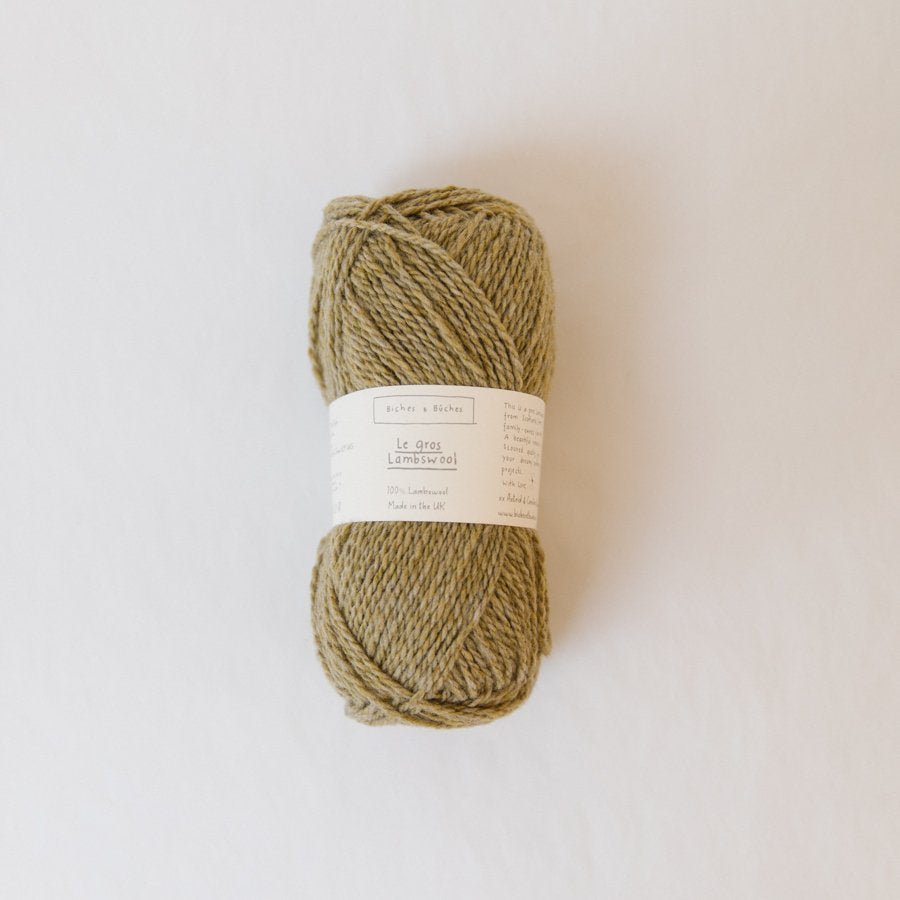
Micron measures fiber diameter: ultrafine (15–17 µm) delivers luxury softness for base layers and next-to-skin wear; superfine (17–19 µm) balances softness and strength for lightweight sweaters; fine (19–21 µm) suits mid-weight pullovers and cardigans; medium (21–24 µm) offers durability for outerwear and heavier knits. Finer microns drape beautifully but cost more and pill faster under friction.
Ply Structure
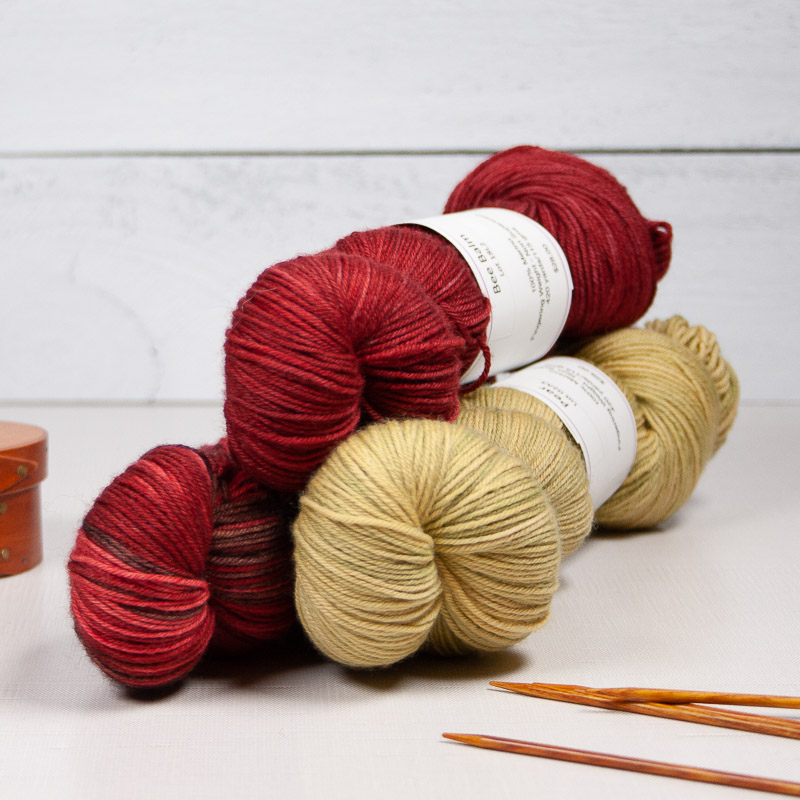
Single-ply drapes softly but pills easily; 2-ply adds strength for everyday sweaters; 3-ply and 4-ply provide structure and longevity for cables, ribs, and high-wear garments. Higher ply counts reduce stretch and increase fabric weight, making them ideal for tailored knitwear and outerwear.
Spin Method
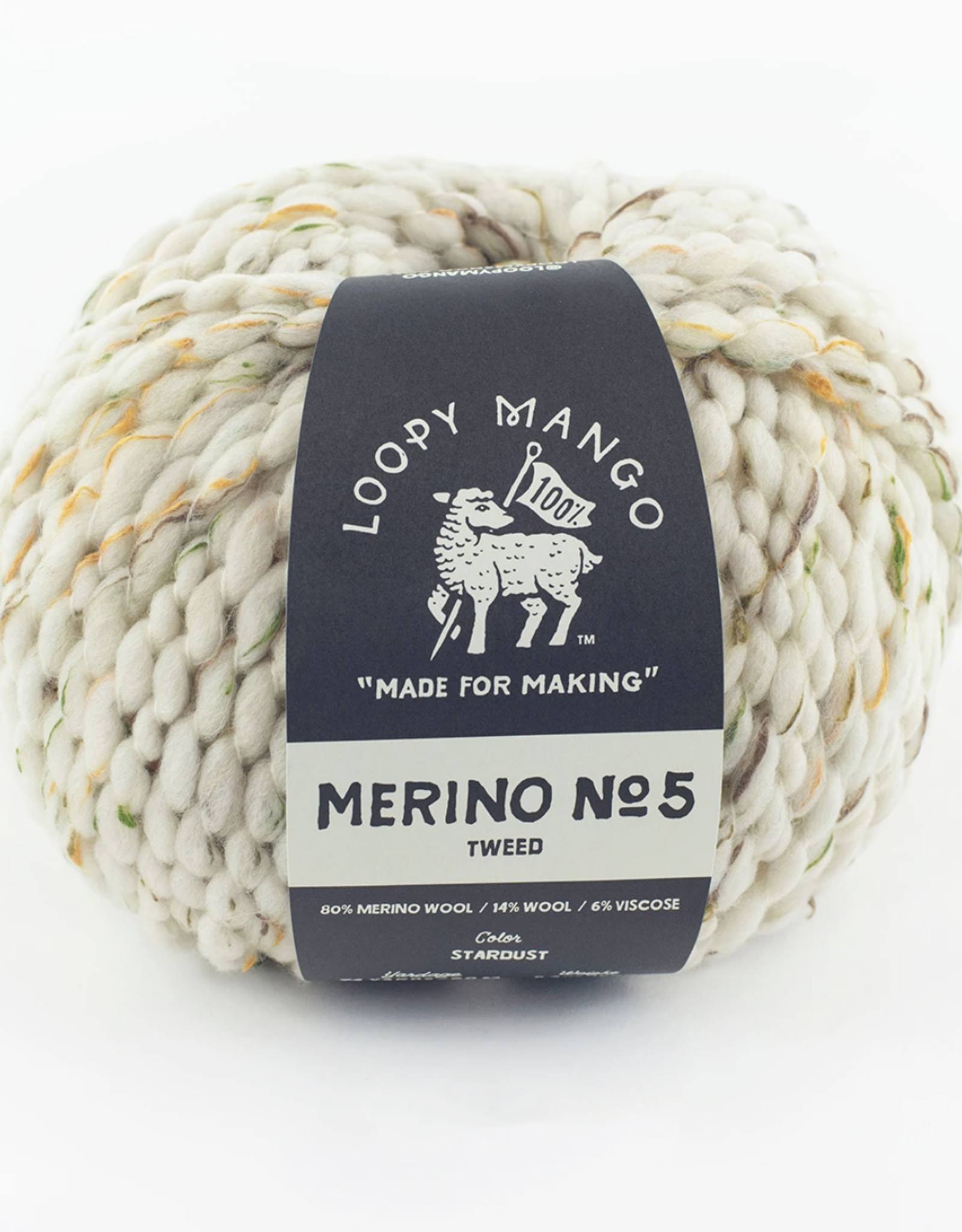
Worsted spinning aligns fibers parallel for a smooth, lustrous, dense yarn suited to fine-gauge flat knits and crisp stitch definition. Woolen spinning traps air for loft, warmth, and a softer hand, ideal for chunky knits and rustic textures.
Blends
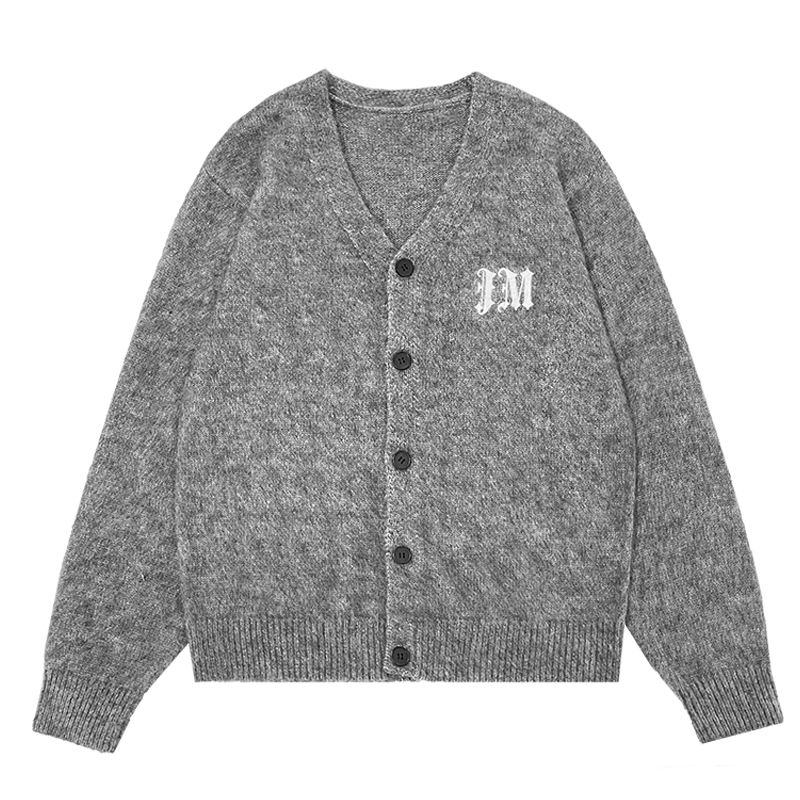
100% merino wool yarn offers pure performance; merino-silk adds sheen and drape for evening wear; merino-cashmere lifts luxury; merino-nylon (typically 10–20% nylon) boosts abrasion resistance for socks, cuffs, and high-use zones without sacrificing breathability.
4. Merino Wool Yarn Materials and Fabric Weights
Yarn weight and construction determine the final fabric’s gauge, drape, and performance. CENWILD’s 3GG–14GG flat-knitting machines translate yarn specifications into fabrics ranging from 180 GSM base layers to 450+ GSM outerwear, ensuring every design intent is met.
| Yarn Weight | Typical Gauge | GSM Range | Recommended Garment Types |
|---|---|---|---|
| Lace / Fingering | 12–14GG | 180–220 | Base layers, summer tees |
| Sport / DK | 7–12GG | 240–300 | Mid-weight sweaters, dresses |
| Worsted | 5–9GG | 320–380 | Classic pullovers, cardigans |
| Bulky / Super-Bulky | 3–5GG | 400–500+ | Chunky outerwear, statement knits |
Yarn Weight Categories and Fabric Gauge
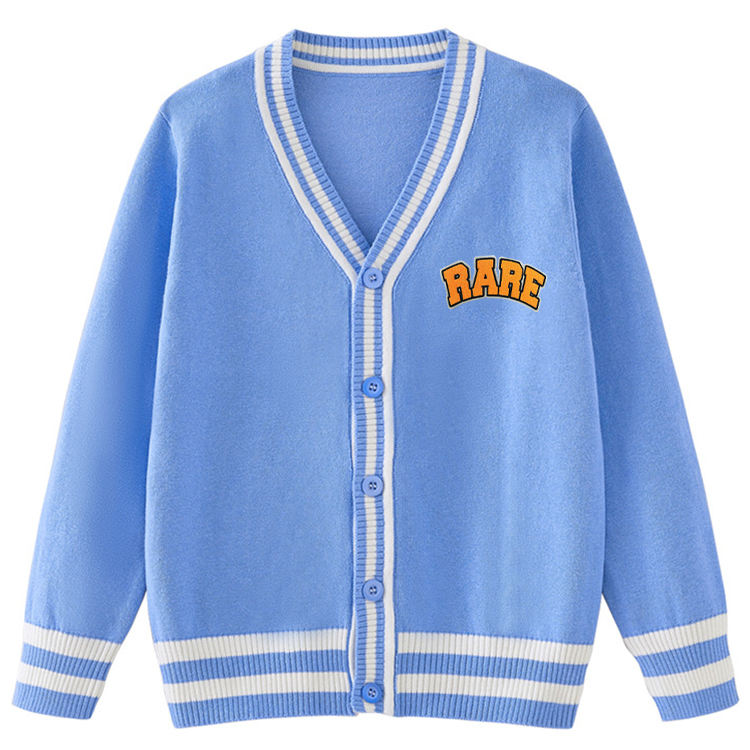
Lace and fingering weights (2-ply, 12–14GG) produce 180–220 GSM fabrics ideal for lightweight base layers and summer knits. Sport and DK weights (3–4-ply, 7–12GG) yield 240–300 GSM mid-weight sweaters with excellent drape.
Worsted weights (4–6-ply, 5–9GG) create 320–380 GSM classic pullovers and cardigans. Bulky and super-bulky yarns (6+ ply, 3–5GG) deliver 400–500+ GSM chunky outerwear and statement pieces with maximum warmth.
Twist and Ply Construction Impact
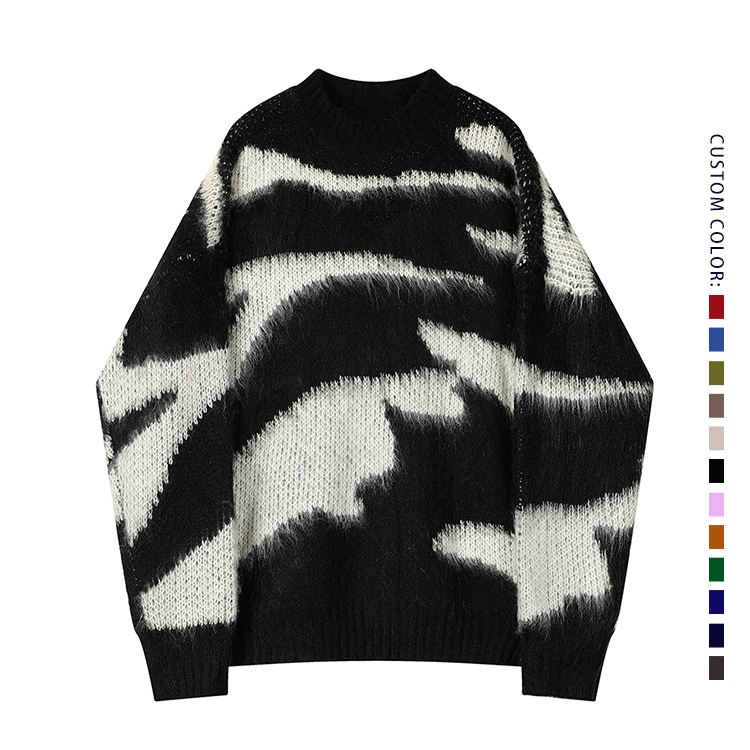
High-twist merino wool yarn (800–1,200 twists per meter) increases elasticity, shape retention, and pilling resistance, critical for garments requiring repeated wear. Low-twist yarns deliver softer hand-feel and loft but pill more readily.
2-ply constructions offer lightness; 4–6-ply structures balance durability and warmth. CENWILD sources yarn with twist profiles matched to garment function, ensuring base layers recover after stretching and outerwear resists abrasion over seasons.
5. Customization Options for Merino Wool Yarn
Merino wool yarn customization allows brands to differentiate their knitwear collections through color, texture, and certified sustainable fibers. Understanding dyeing methods, ply specifications, and eco-certifications helps you balance creative vision with production constraints and cost.
Dyeing Methods and Color-Fastness Standards
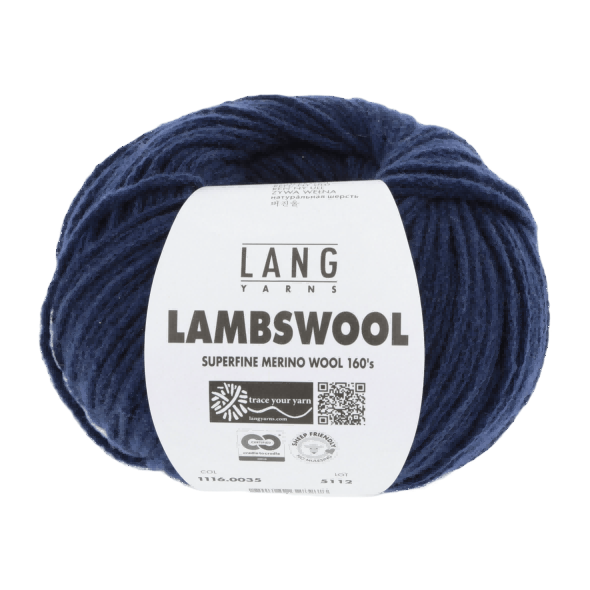
Stock-dyed merino wool yarn uses pre-dyed fiber before spinning, offering faster lead times and lower MOQs (often 100–300 pieces per colorway). Yarn-dyed merino is dyed after spinning, delivering deeper color penetration and superior wash-fastness grades (ISO 105 C06 grade 4–5).
Synthetic acid dyes dominate commercial production for vibrant, repeatable colors; natural dyes (indigo, madder, cochineal) require 500+ piece minimums and add 10–15 days to lead time. CENWILD supports both methods, with Pantone TPX matching standard on yarn-dyed lots above 200 kg.
Custom Ply, Twist, and Heathered Effects
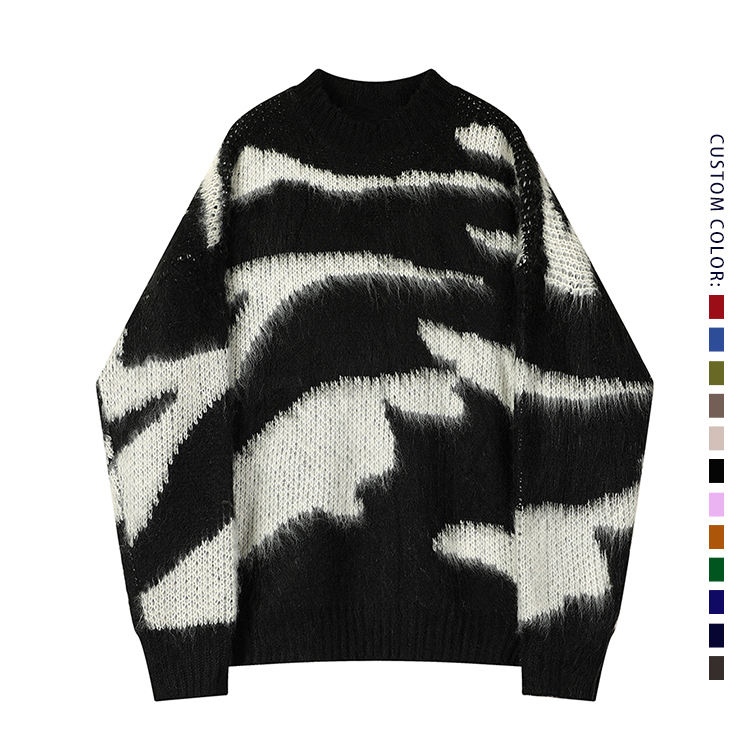
Ply count (2-ply, 3-ply, 4-ply) and twist direction (S-twist, Z-twist) alter drape, elasticity, and stitch definition. Custom ply specifications typically require 300+ piece orders and 2–3 week additional sampling time.
Heathered and marled effects blend two or more fiber colors before spinning, creating depth without jacquard programming. MOQs start at 200 pieces per colorway; lead time adds 7–10 days for custom fiber blending and trial runs.
Eco-Certifications and Their MOQ Impact
GOTS-certified organic merino wool yarn and OEKO-TEX Standard 100 yarns meet strict chemical and traceability standards. GOTS merino typically requires 500–1,000 piece minimums due to segregated supply chains; OEKO-TEX adds modest cost (3–8%) with 200+ piece thresholds.
CENWILD sources certified merino wool yarn from audited mills, providing full documentation for brand compliance. Custom dye lots on certified yarn add 10–20% to base yarn cost and extend lead time by 2–3 weeks.
6. Key Quality Indicators in Merino Wool Yarn
Auditing merino wool yarn quality before production protects your brand from shrinkage, pilling, and inconsistent hand-feel. Six measurable indicators — backed by mill test certificates — separate premium batches from substandard lots and ensure every garment meets your specification.
Micron Consistency and Test Certificates
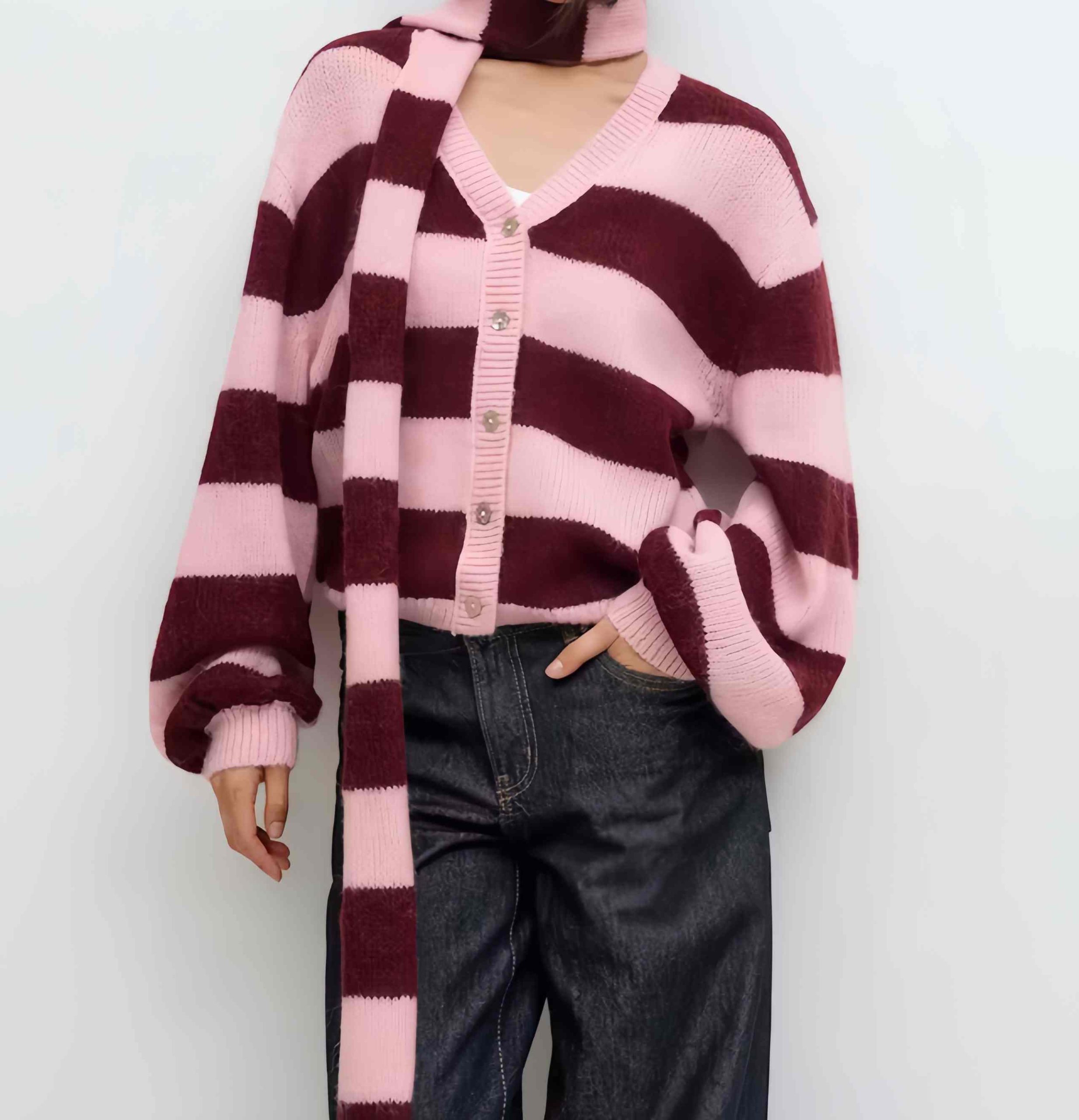
Fiber diameter must stay within ±1 micron of the stated grade. A 19.5-micron yarn labeled ‘superfine’ that tests at 21 microns will feel coarser and pill faster.
Request IWTO or ASTM test certificates from the mill, showing mean fiber diameter and standard deviation. Acceptable tolerance is ≤5% CV for premium merino wool yarn.
Yarn Evenness (CV%) and Tensile Strength
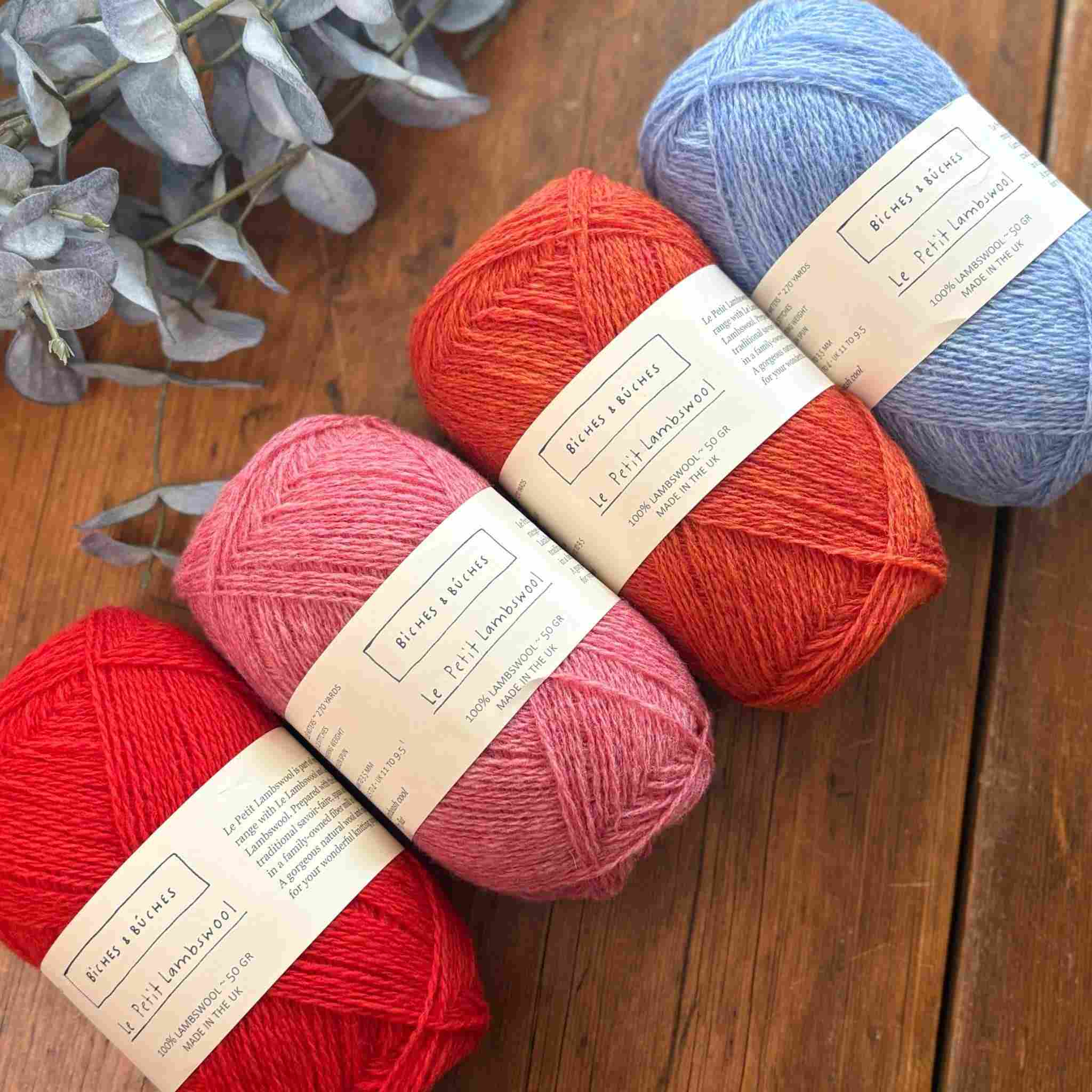
Coefficient of variation below 12% ensures uniform dyeing and minimal slubs. High-quality merino wool yarn typically achieves 10–11% CV.
Tensile strength should exceed 8 cN/tex for single-ply and 12 cN/tex for two-ply constructions, preventing breakage during knitting and wear.
Pilling Resistance and Shrinkage Rate
Martindale abrasion scores above 20,000 cycles indicate low-pilling merino wool yarn suitable for everyday knitwear. Scores below 15,000 cycles signal rapid surface wear.
Shrinkage after washing must remain under 3% in both length and width. Request pre-production wash tests at your specified care instructions to confirm dimensional stability.
7. How to Choose a Merino Wool Yarn Supplier
Selecting the right merino wool yarn supplier requires evaluating both product quality and operational reliability. A structured checklist helps brands compare vendors objectively and avoid costly missteps.
Certifications and Traceability
Request documentation for Responsible Wool Standard (RWS), Bluesign, or GOTS certifications to verify ethical sourcing and environmental compliance. Certified suppliers provide batch traceability, ensuring animal welfare and chemical management meet global standards.
CENWILD sources certified merino wool yarn from audited mills, supporting brands that require third-party validation for retail partners or sustainability reporting.
Production Capacity and MOQ Flexibility
Confirm the supplier’s minimum order quantity aligns with your launch or reorder volume. Mills typically require 500–1,000 kg per dye lot; manufacturers like CENWILD offer finished-garment MOQs from 100 pieces, absorbing yarn procurement complexity.
Ask whether the supplier maintains stock-dyed yarn in core colors or only produces custom lots, as this directly impacts lead time and cash flow.
Sampling, Consistency, and Communication
Request yarn cards or knit-down swatches to assess hand-feel, twist, and color accuracy before committing to bulk. Reliable suppliers provide lot-to-lot consistency reports and maintain open channels for technical questions.
CENWILD’s design team delivers physical swatches within 7–10 days and assigns dedicated account managers to ensure transparent timelines and specification alignment throughout production.
8. Common Mistakes When Sourcing Merino Wool Yarn
Even experienced buyers make costly errors when sourcing merino wool yarn. Understanding these pitfalls — and how to avoid them — protects your brand reputation, production timeline, and margins.
Ignoring Micron Certificates
Accepting yarn without micron certification risks receiving coarse fiber (above 21.5 µm) labeled as ‘superfine’ merino. The consequence is scratchy garments, customer returns, and damaged brand trust.
Always request lab certificates from SGS or Intertek verifying fiber diameter. CENWILD sources certified merino across 15.5–21.5 µm and provides traceability documentation with every yarn lot.
Underestimating Shrinkage and Finishing
Merino wool shrinks 8–12% during washing and finishing. Ordering yarn based on finished garment weight without accounting for shrinkage leads to insufficient material and production delays.
Calculate yarn requirements after knit-down sampling and garment washing. Test swatches through your intended finishing process — softening, anti-pilling treatment, or garment dye — before placing bulk orders.
Choosing Price Over Traceability
Low-cost yarn without origin documentation often contains unknown blends or non-mulesing-free fiber, risking compliance failures in EU and US markets.
Prioritize suppliers who disclose spinning mill, country of origin, and animal-welfare certifications. Transparent sourcing costs 10–15% more but prevents regulatory issues and supports ethical brand positioning.
9. Steps to Launch Your Knitwear Brand with Merino Wool Yarn
Launching a knitwear brand with merino wool yarn requires a structured workflow that balances creative vision with production realities. For independent designers ordering 100–500 pieces, careful timeline and cash-flow planning from concept to market determines success.
Concept and Yarn Selection
Define your collection’s silhouettes, target customer, and price tier before selecting yarn. Merino wool yarn comes in 18.5–24 micron grades; finer counts (18.5–19.5 μm) suit luxury positioning, while 21–24 μm balances cost and performance for accessible price points.
Request yarn swatches and knit-down samples in your chosen gauges (typically 5GG–12GG for merino) to verify hand-feel, drape, and color accuracy. Budget two to three weeks for sampling and approval before moving to prototype development.
Prototype and Fit Testing
Order one to three prototype samples per style to validate fit, stitch construction, and finishing. Full prototypes typically require three to four weeks including revisions.
Test samples on multiple body types within your size range. Adjust armhole depth, body length, and sleeve pitch before finalizing tech packs. Early fit corrections prevent costly production delays and minimize post-production alterations.
Costing and First Order
Request detailed costing that separates yarn, knitting labor, trims, decoration, and packaging. Merino styles at 100-piece MOQ typically land at FOB costs 1.8× to 2.5× higher per unit than 500-piece runs due to setup allocation.
Plan deposit terms: first orders require 100% upfront, easing to 30–50% for repeat production. Balance paid before shipment ensures quality control leverage and protects both parties.
10. Merino Wool Yarn Pricing and Cost Breakdown
Merino wool yarn pricing varies by micron grade, with 18.5–19.5 micron superfine averaging $28–$42 per kilogram, 21.5 micron mid-range at $18–$28 per kg, and 24 micron standard at $12–$20 per kg. Certified organic or mulesing-free merino commands a 15–25% premium over conventional stock.
Custom dyeing adds $1.50–$3.50 per kilogram for Pantone-matched colors, with minimum dye lots typically 50–100 kg depending on the mill. Larger volume tiers unlock progressive discounts: orders above 500 kg often reduce unit cost by 10–15%, while 1,000+ kg contracts can negotiate 20–30% savings and extended payment terms.
Lead times range from 15–25 days for stock shades to 30–45 days for custom colors or blends. Shipping via sea freight averages $0.80–$1.50 per kg to North America or Europe, while express air adds $4–$7 per kg but cuts transit to 5–7 days.
| Quantity Tier (kg) | Price per kg (USD) | Lead Time (days) | Setup / Dye Fee |
|---|---|---|---|
| 50–100 | $28–$42 | 30–45 | $150–$300 |
| 100–500 | $22–$35 | 25–35 | $100–$200 |
| 500–1,000 | $18–$28 | 20–30 | $50–$100 |
| 1,000+ | $12–$22 | 15–25 | Waived |
Start Your Merino Wool Yarn Knitwear Project Today
Request a free knit-down sample, submit your design brief, or get a quote for custom merino wool yarn production — MOQ from just 100 pieces.