
Pima Cotton Yarn for Custom Knitwear Production
Source premium pima cotton yarn for your sweaters and knitwear. Exceptional softness, durability, and breathability — OEM/ODM production from 100 pieces with 28+ years Dongguan expertise.
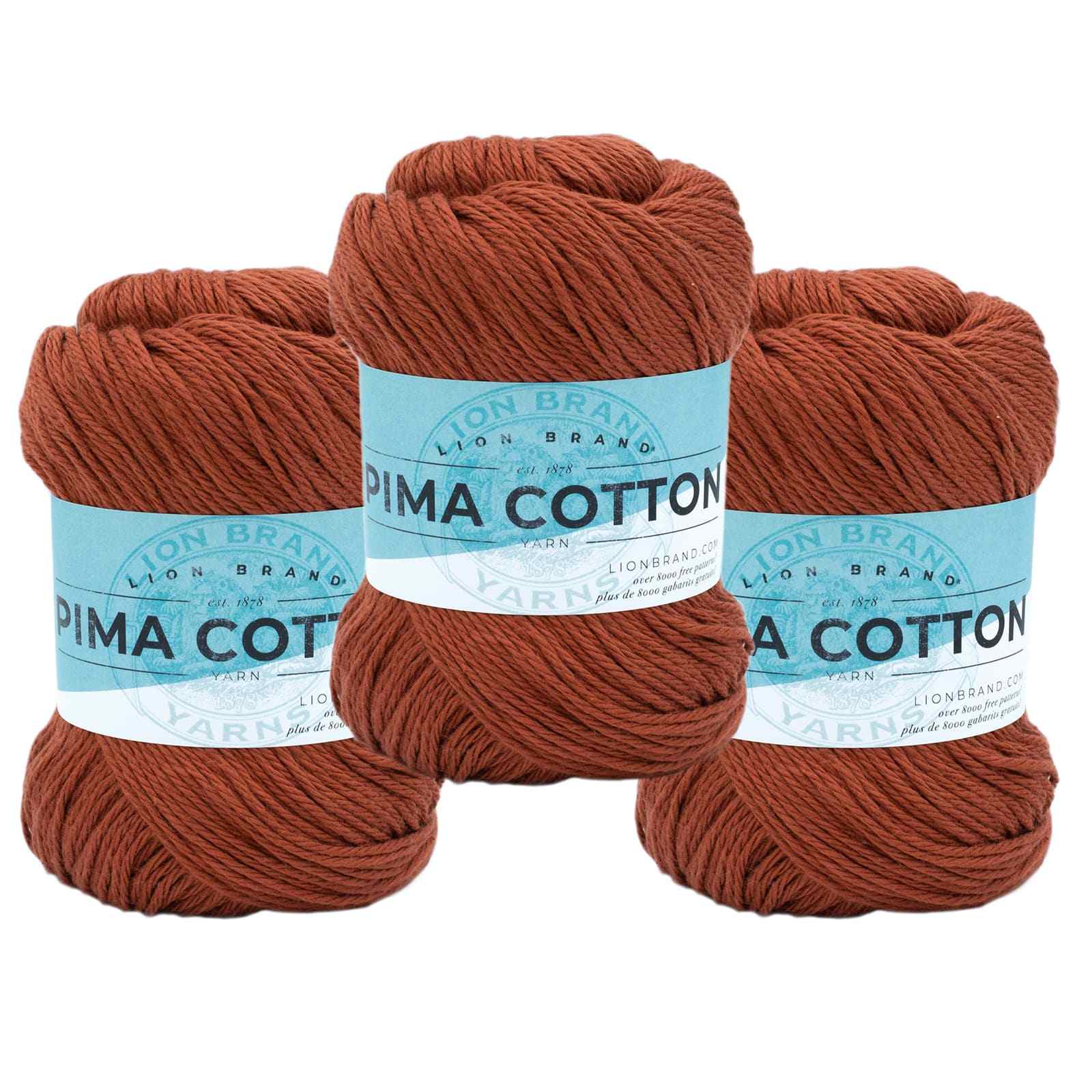
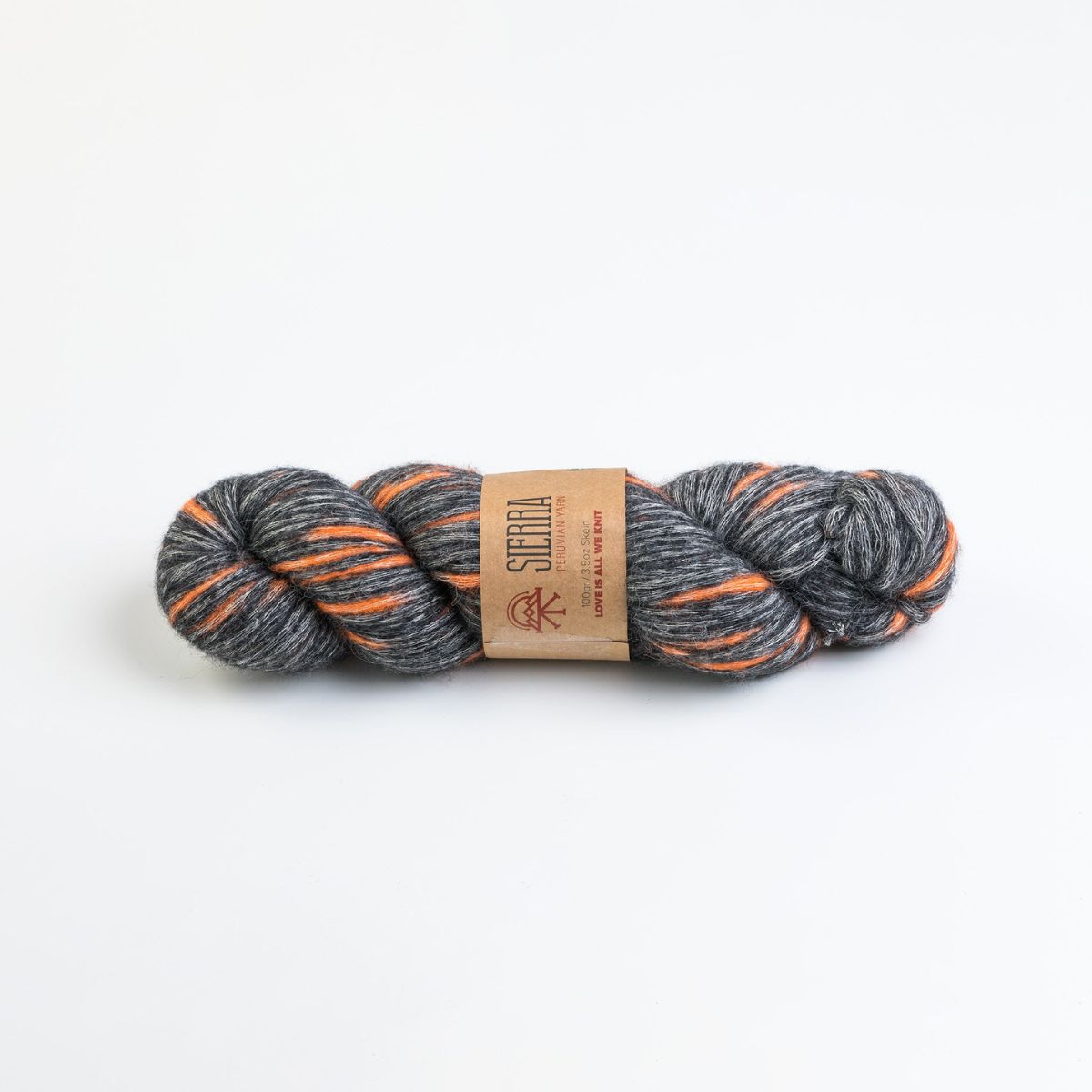
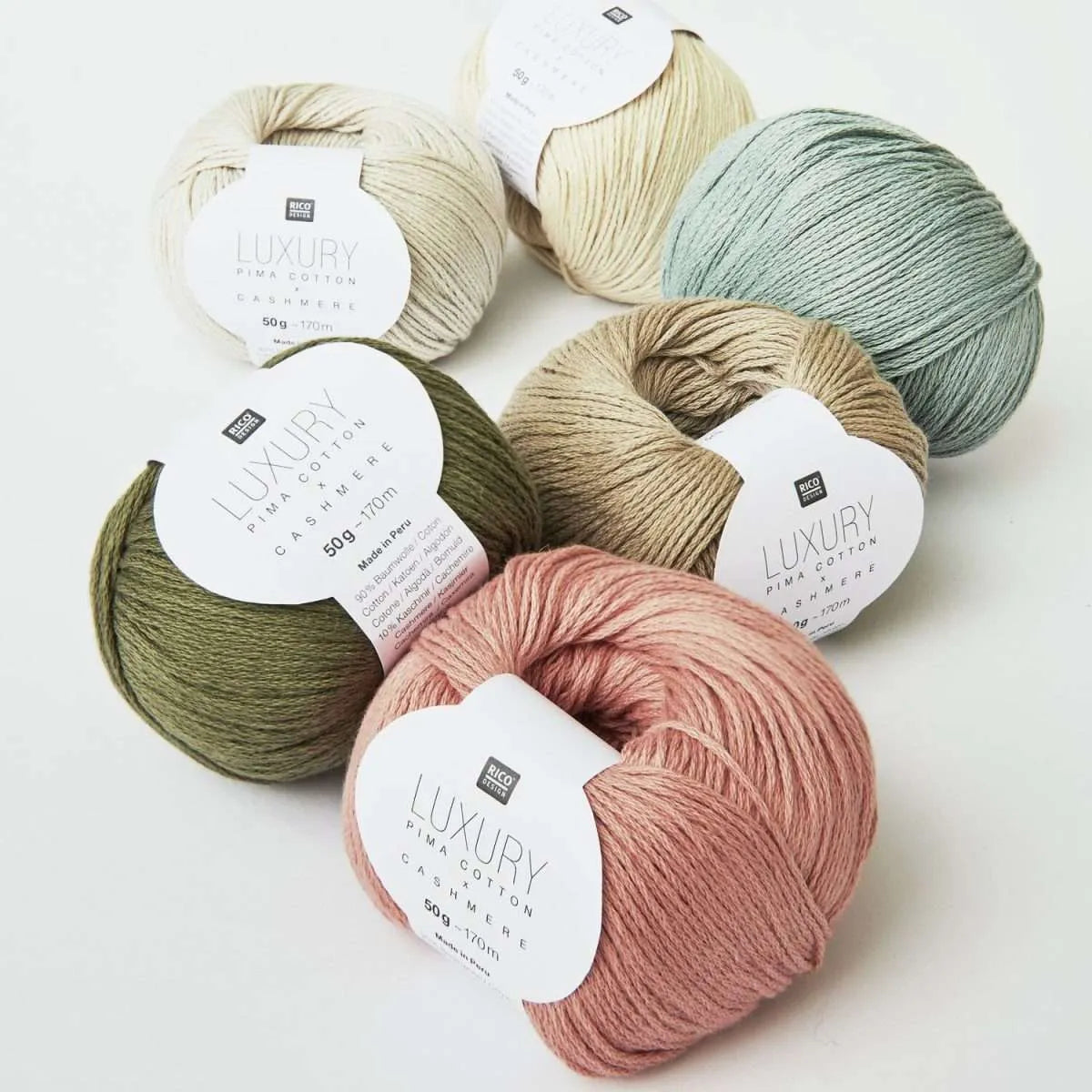
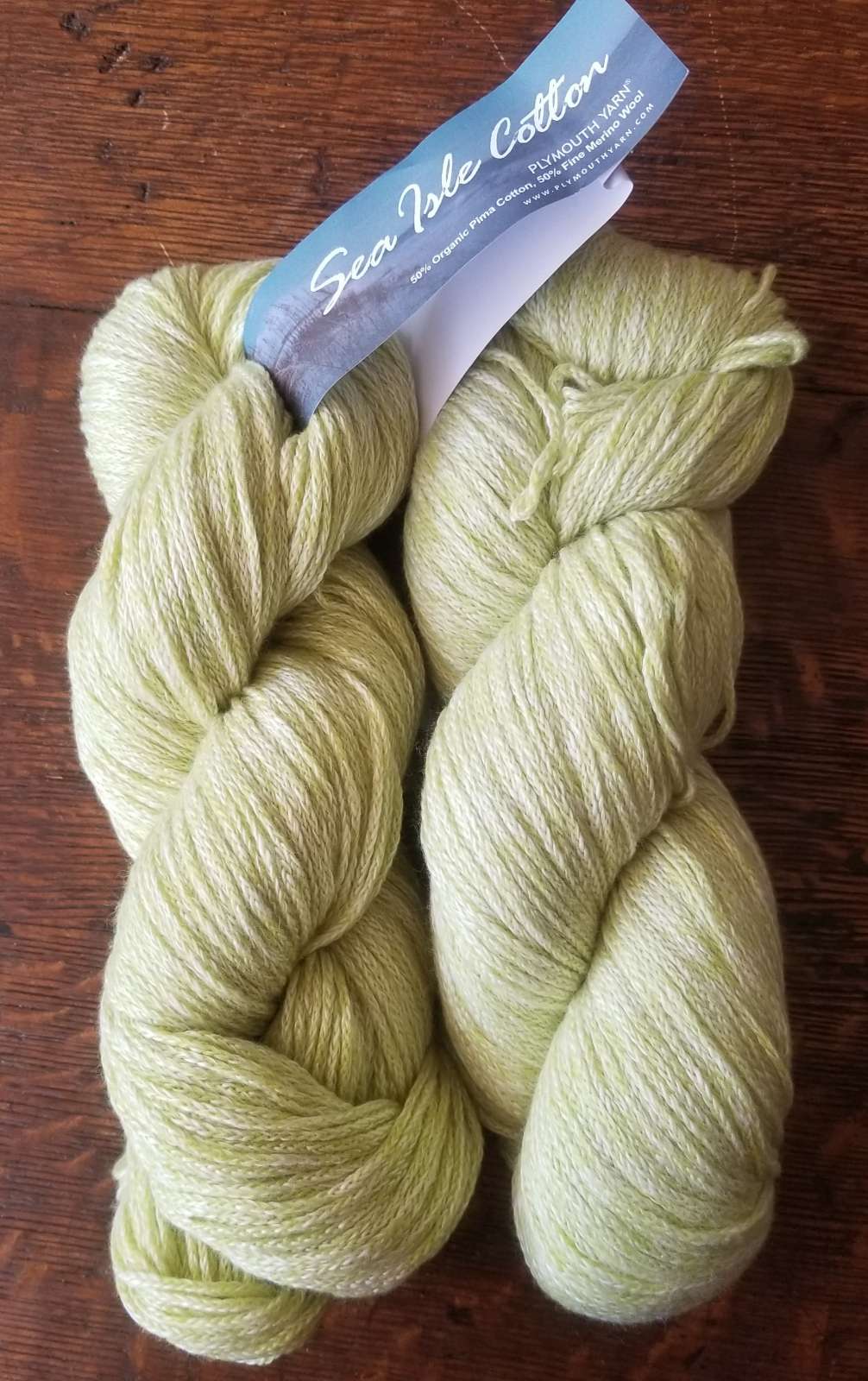
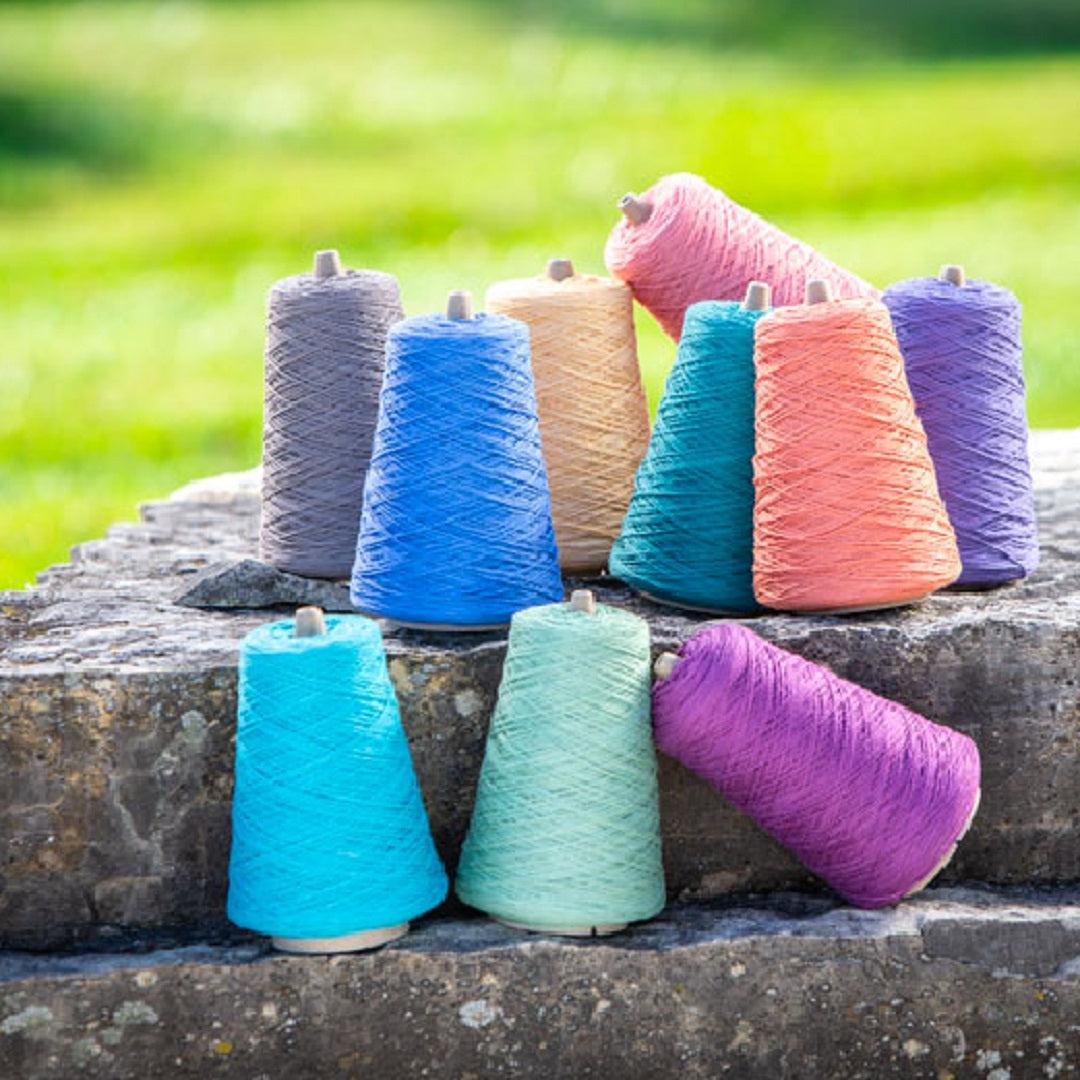
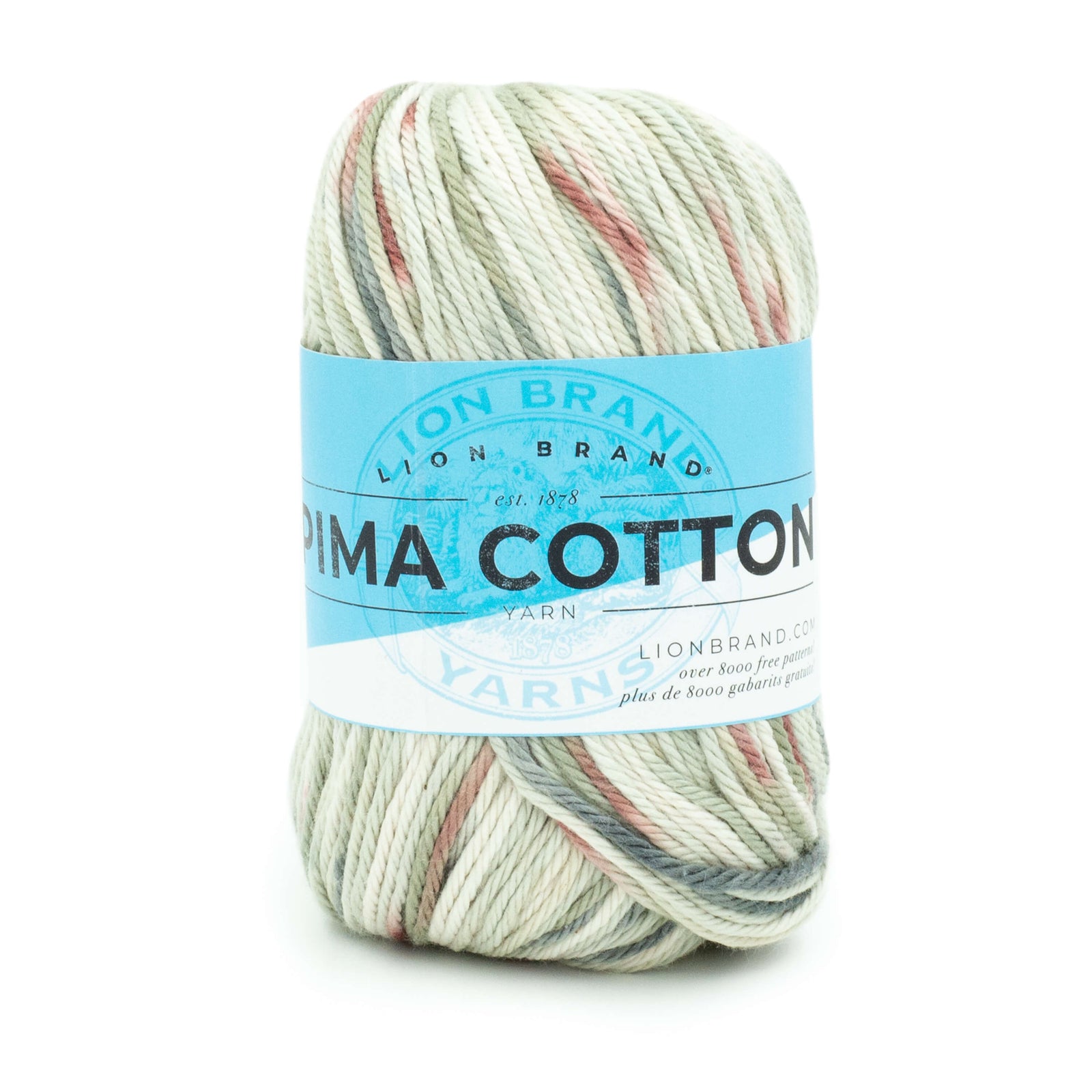
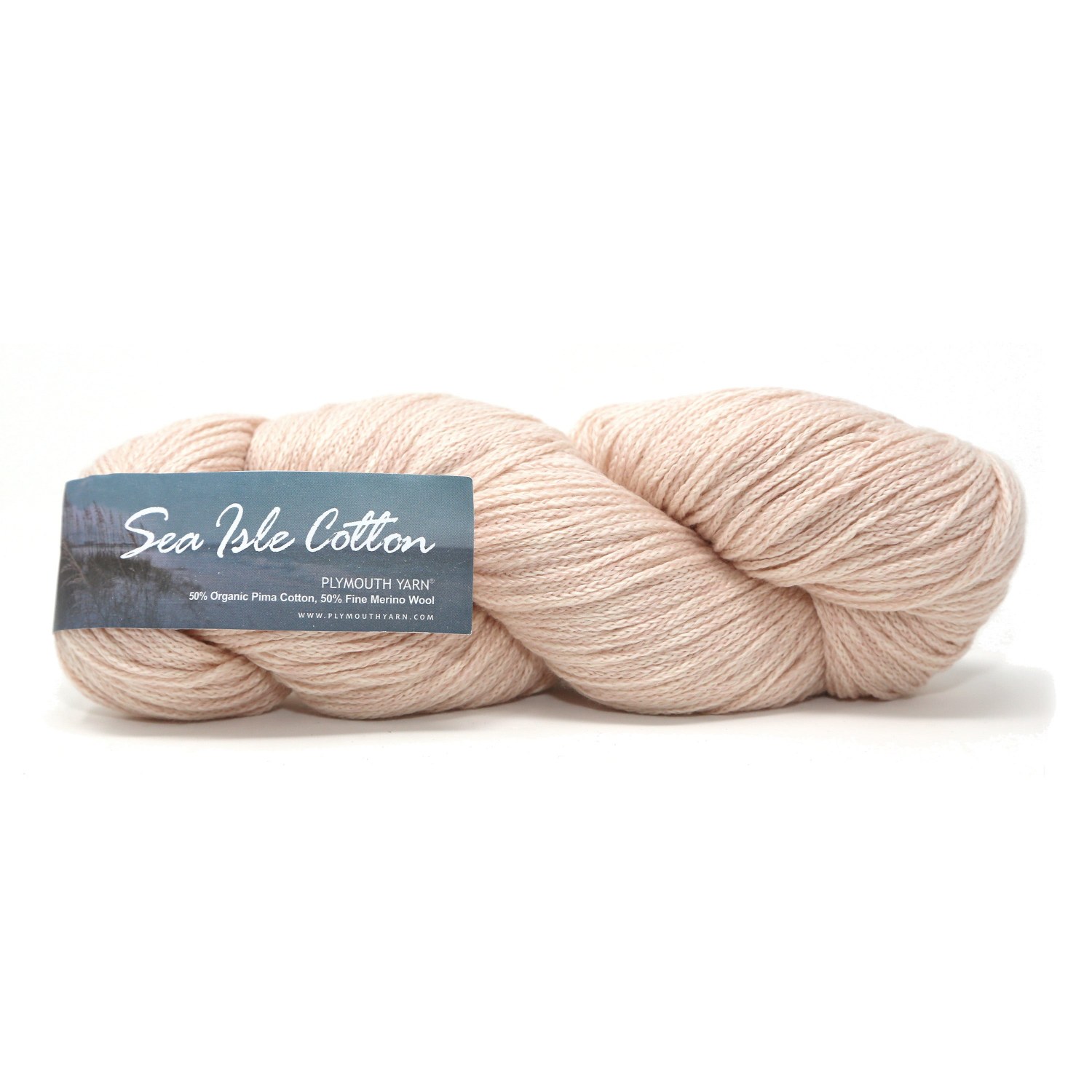
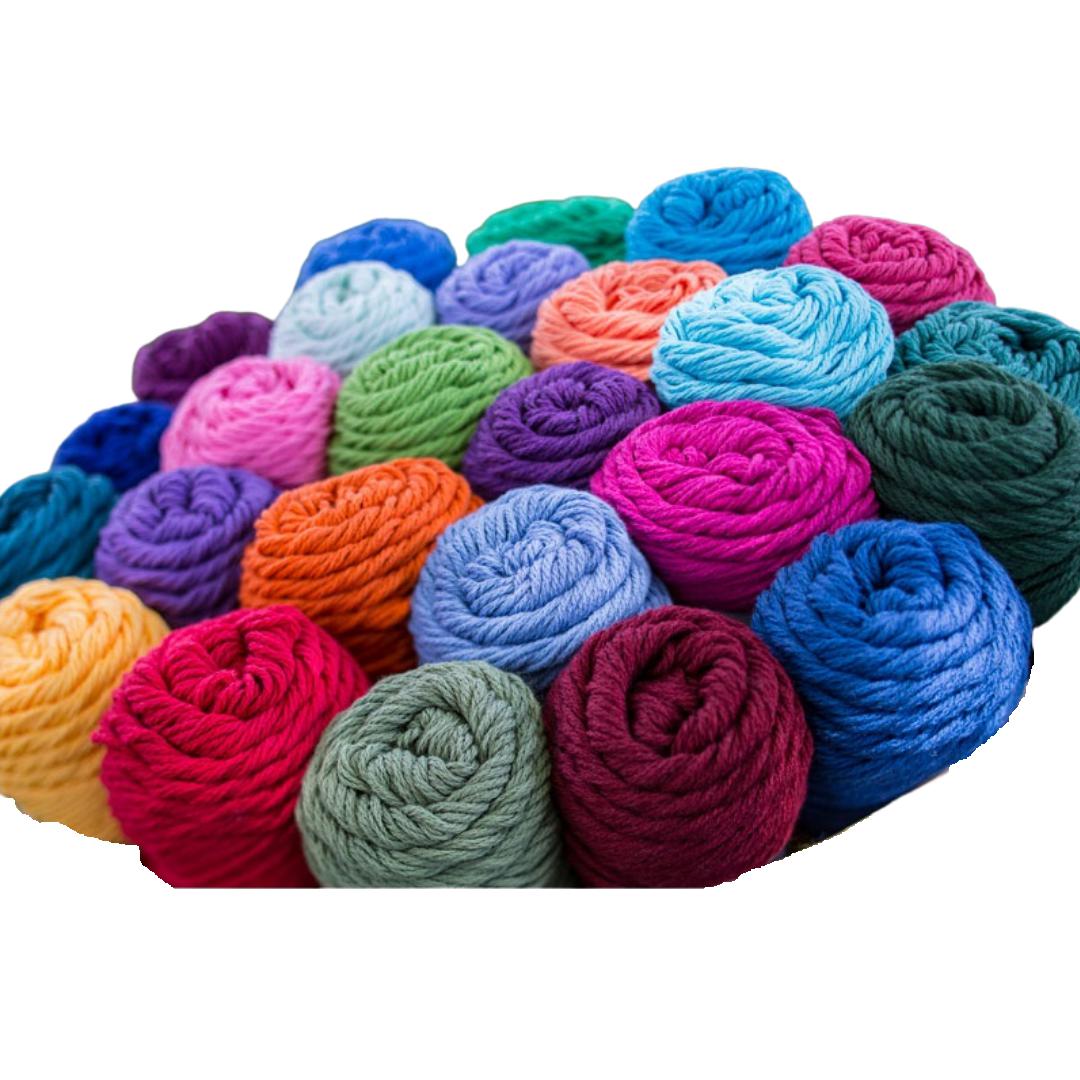
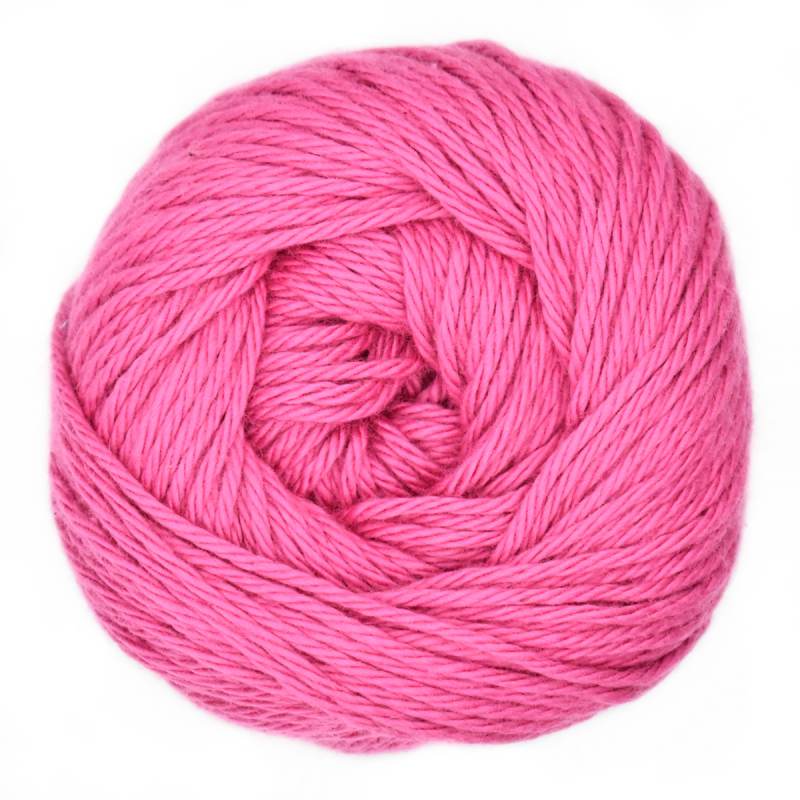
Pima Cotton Yarn Grades & Weights
Why Choose Pima Cotton Yarn for Your Sweaters
Superior Softness & Luxury Feel
Pima cotton yarn delivers exceptional softness and a premium hand-feel that elevates your knitwear above standard cotton alternatives.
Natural Breathability & Comfort
Long staple fibers create breathable, moisture-wicking sweaters that keep wearers comfortable in any season or climate.
Vibrant Color Retention
Pima cotton yarn holds dye beautifully and maintains rich, true colors wash after wash for lasting visual appeal.
Exceptional Wash Durability
Extra-long fibers resist pilling, fading, and shrinkage, ensuring your custom knitwear stays beautiful through countless wears and washes.
Premium Positioning & Value
The luxury reputation of Pima cotton yarn justifies higher retail pricing and strengthens your brand’s premium market positioning.
Sustainable & Natural Fiber
Renewable, biodegradable, and naturally hypoallergenic, Pima cotton yarn appeals to eco-conscious consumers and clean-label brands.
Yarn & Fiber Options for Your Order
Yarn and Materials
CENWILD sources and knits a complete library of knitwear yarns—merino wool, cashmere, lambswool, alpaca, mohair, cotton, Pima, acrylic, and recycled or organic blends—across 3GG to 14GG gauges. Every fiber is matched to your design, budget, and season, with in-house knit-down sampling to confirm hand-feel and drape before production.
View Yarn Library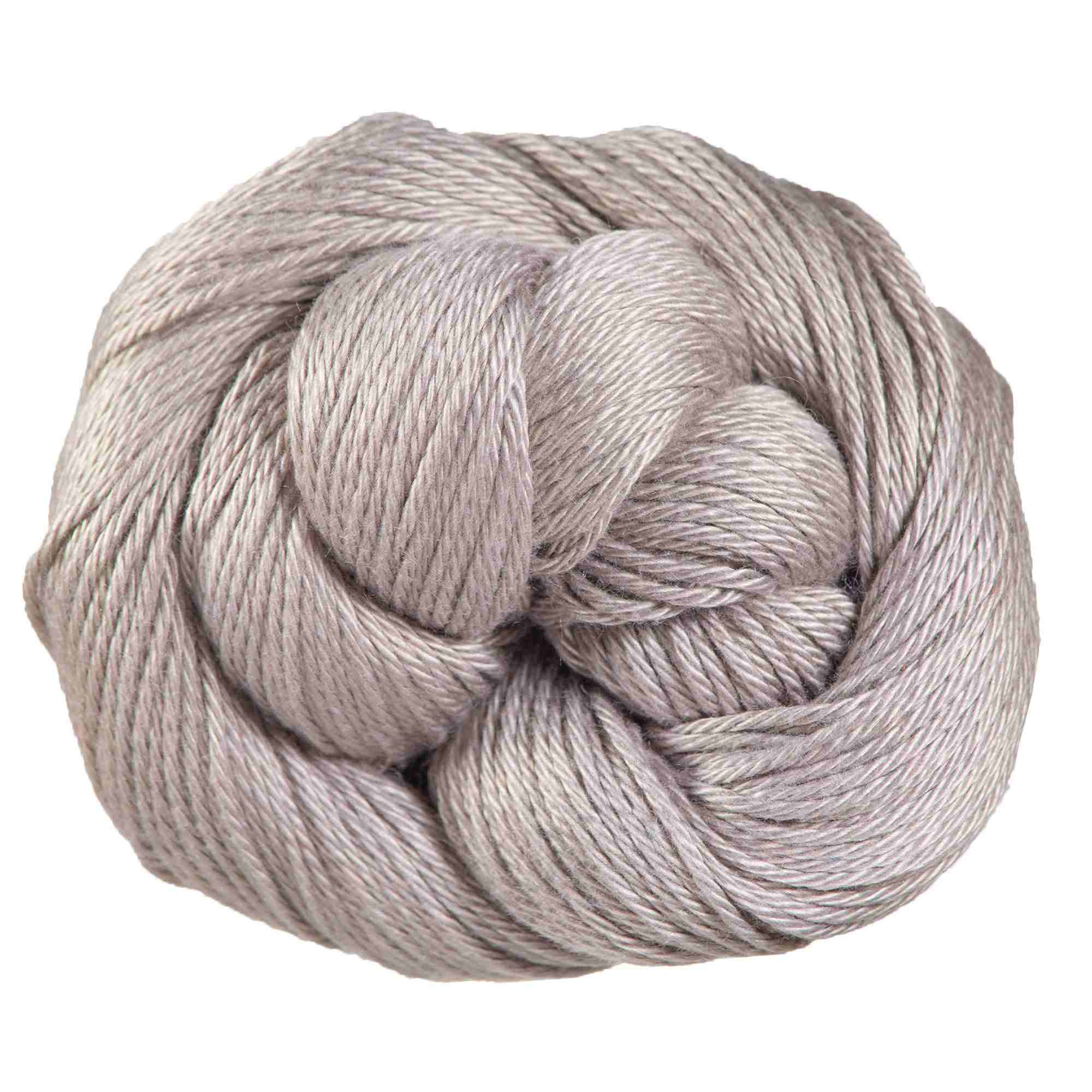
Cashmere Yarn
Produce luxury sweaters with pure cashmere or cashmere-blend yarns sourced for softness, loft, and pilling resistance. CENWILD’s 28 years of knitting experience ensure precise tension control and fully-fashioned shaping for cardigans, pullovers, and turtlenecks that meet the expectations of premium fashion brands and private-label programs.
Get a Quote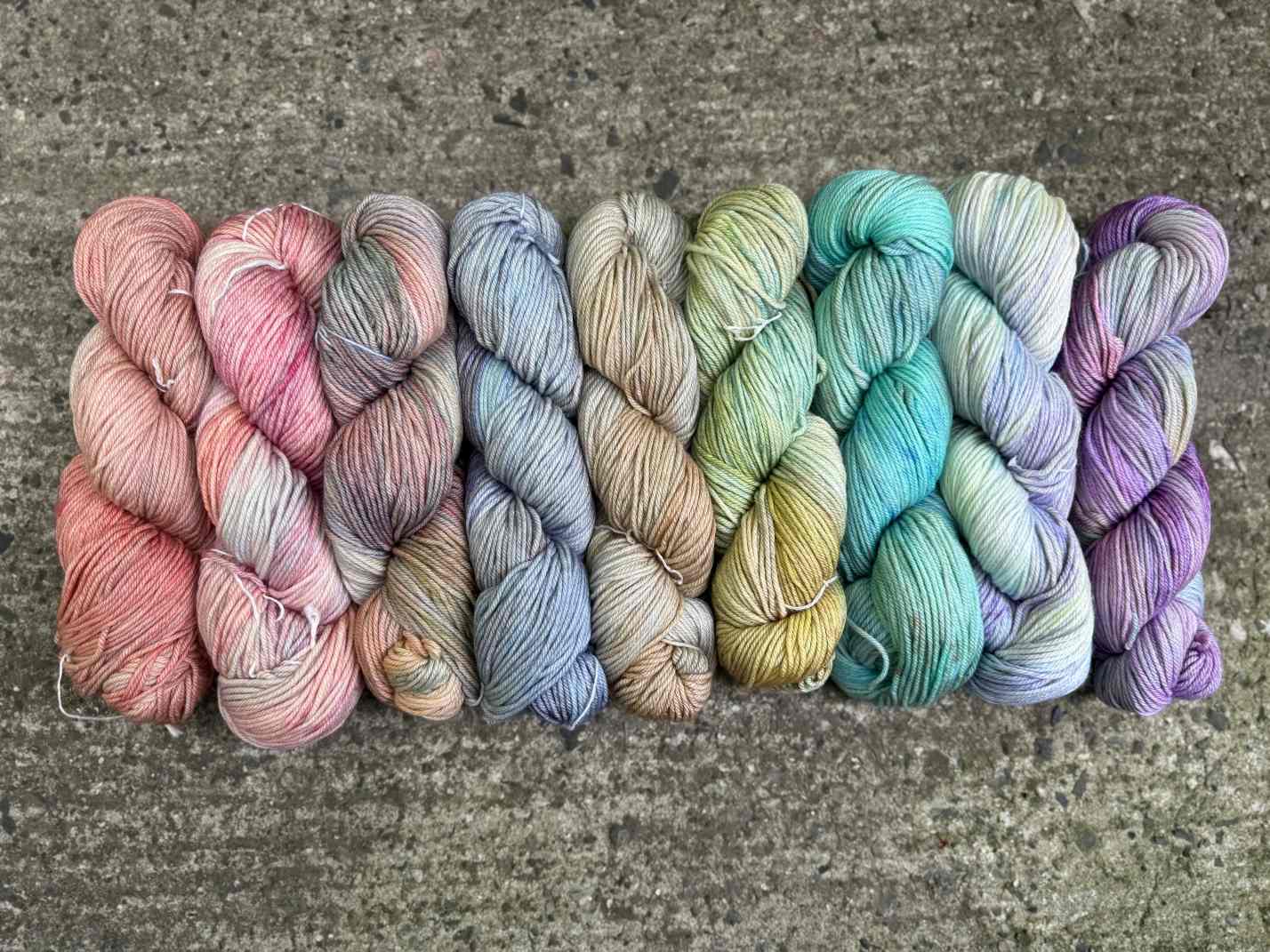
Merino Wool Yarn
Merino wool yarn delivers natural breathability, temperature regulation, and next-to-skin comfort for year-round knitwear. CENWILD knits merino in fine to mid gauges, supports mulesing-free sourcing, and offers cable, ribbed, jacquard, and intarsia structures—ideal for brands targeting performance, athleisure, or classic wardrobe staples with MOQ from 100 pieces.
Get a Quote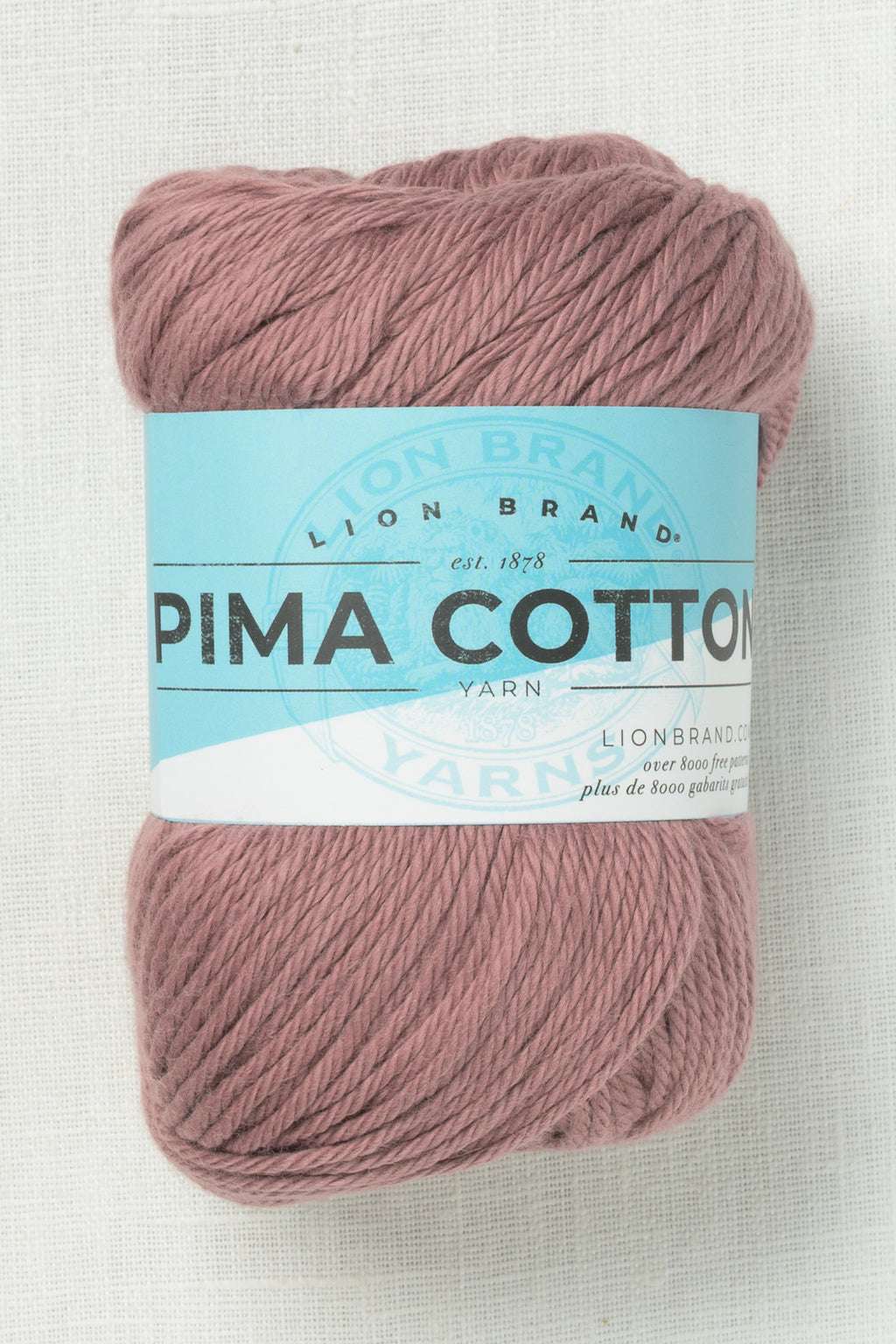
Lambswool
Lambswool provides warmth, elasticity, and a soft handle at an accessible price point. CENWILD manufactures lambswool sweaters in crewnecks, V-necks, quarter-zips, and vests for men, women, and children, with garment-washing and anti-pilling finishes available. Perfect for retailers and wholesalers building volume collections with reliable quality and consistent lead times.
Get a Quote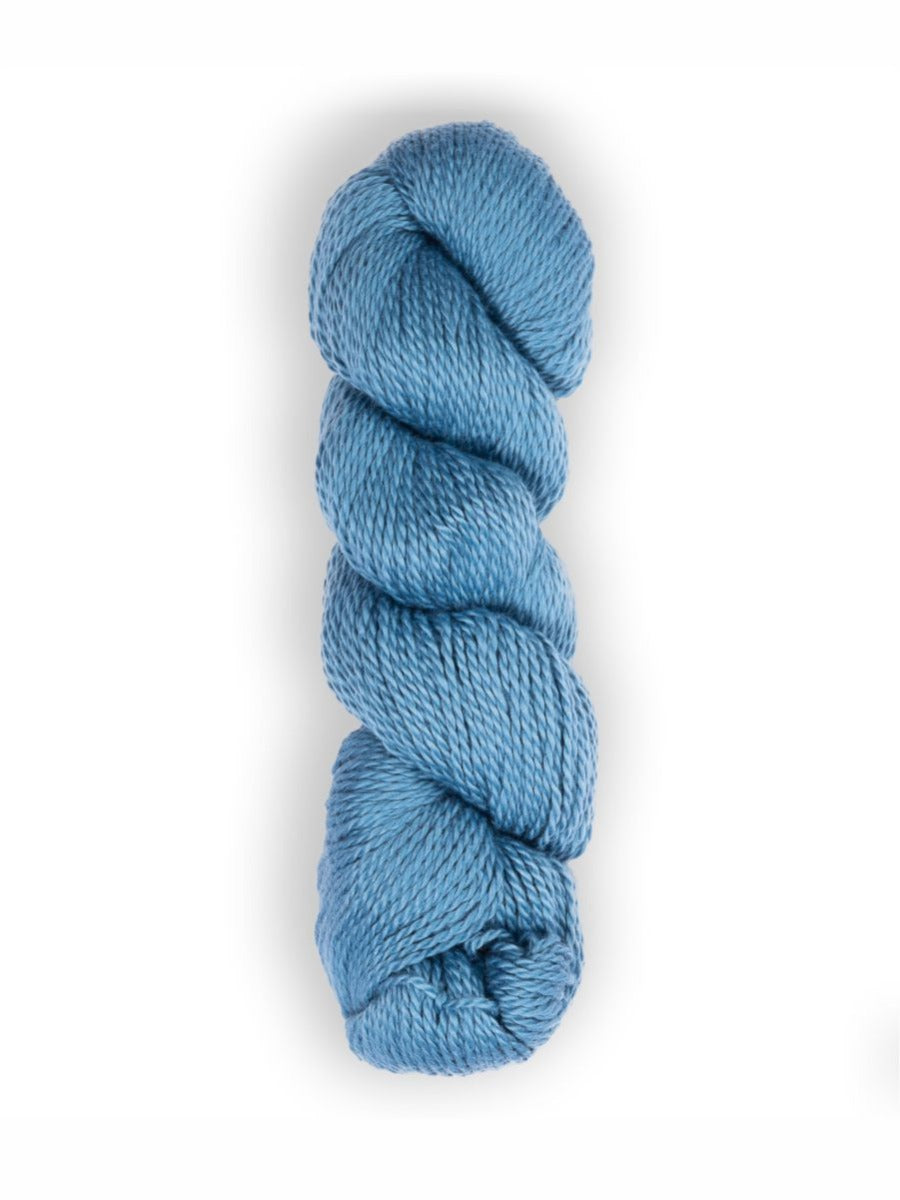
Acrylic Yarn
Acrylic yarn offers color vibrancy, easy care, and budget-friendly scalability for high-volume knitwear orders. CENWILD knits acrylic and acrylic blends across all gauges, with jacquard, intarsia, and embroidery decoration options. Low MOQ of 100 pieces and flexible payment terms make it ideal for startups, influencers, and seasonal campaigns including custom Christmas sweaters.
Get a Quote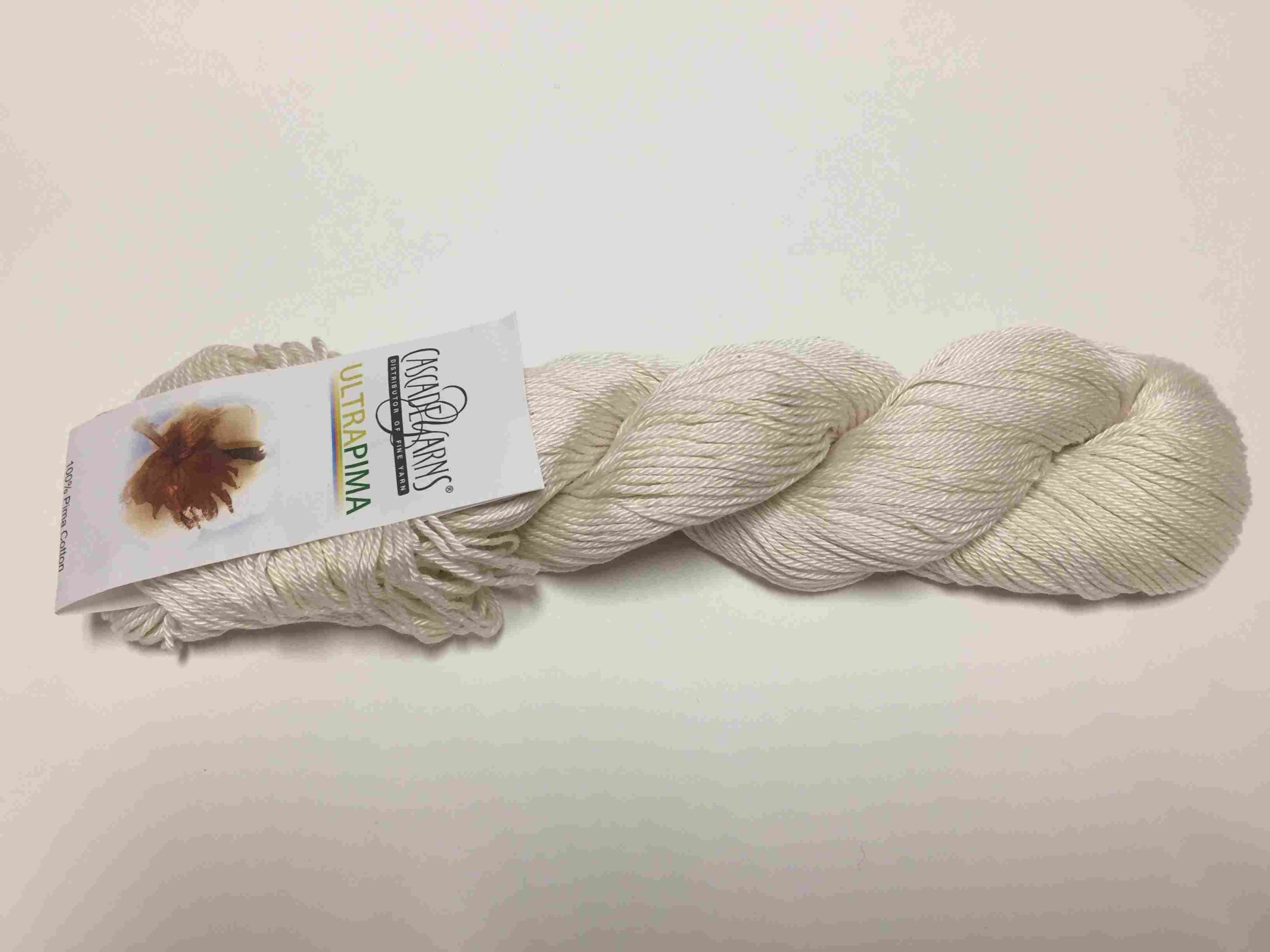
Alpaca Yarn
Alpaca yarn brings exceptional softness, hypoallergenic properties, and thermal insulation without weight. CENWILD works with baby alpaca and alpaca blends to produce refined cardigans, ponchos, and knit dresses. In-house design and 3D knit programming support original stitch patterns, and ODM services help independent designers and boutique brands differentiate their collections.
Get a Quote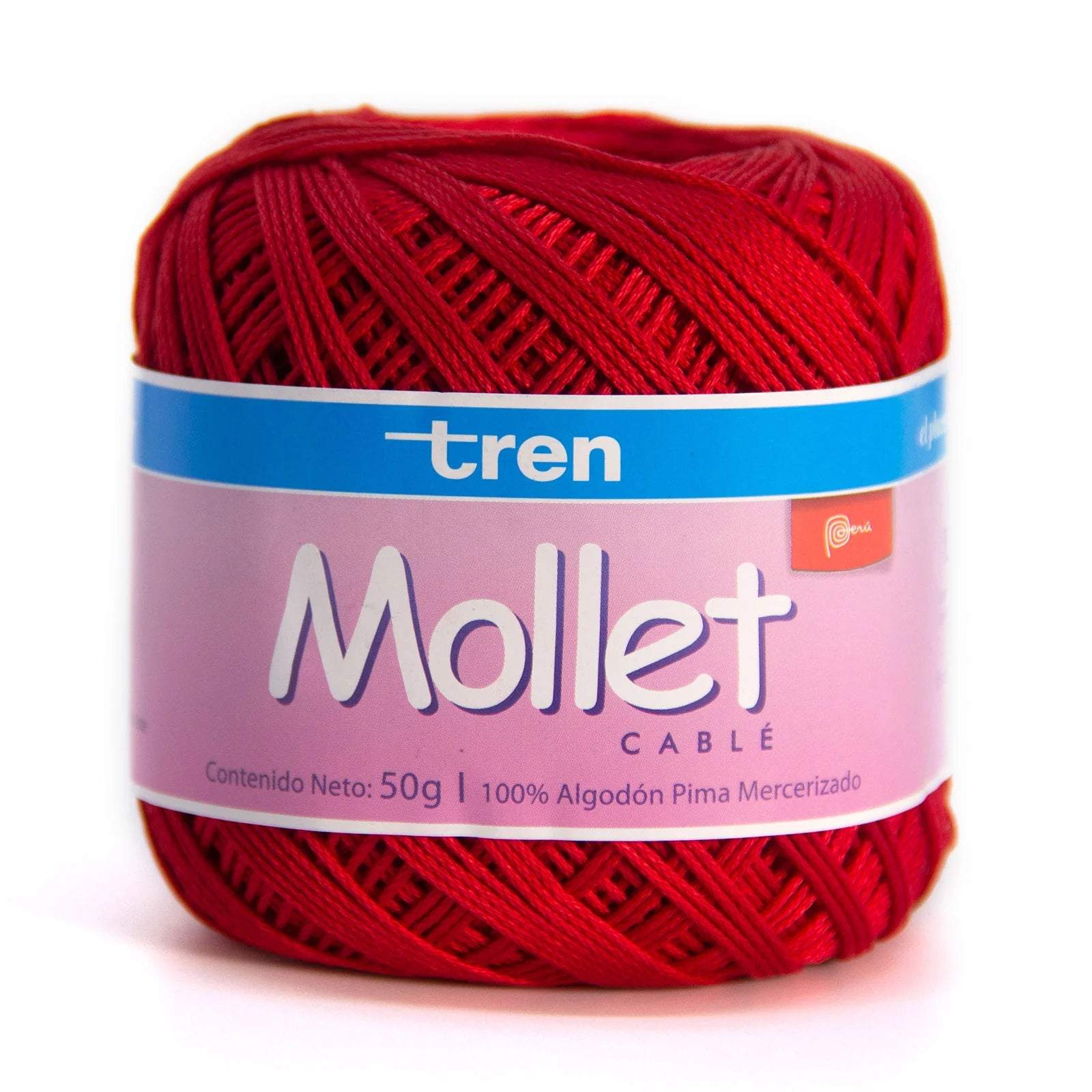
Recycled Organic Yarn
Recycled and organic yarns meet the sustainability goals of conscious fashion brands without compromising quality or design flexibility. CENWILD sources GRS-certified recycled polyester, recycled cotton, and GOTS-traceable organic fibers, and manufactures them with the same OEM and ODM capabilities—cable knits, embroidery, garment dye—backed by transparent sampling and low 100-piece MOQ.
Get a Quote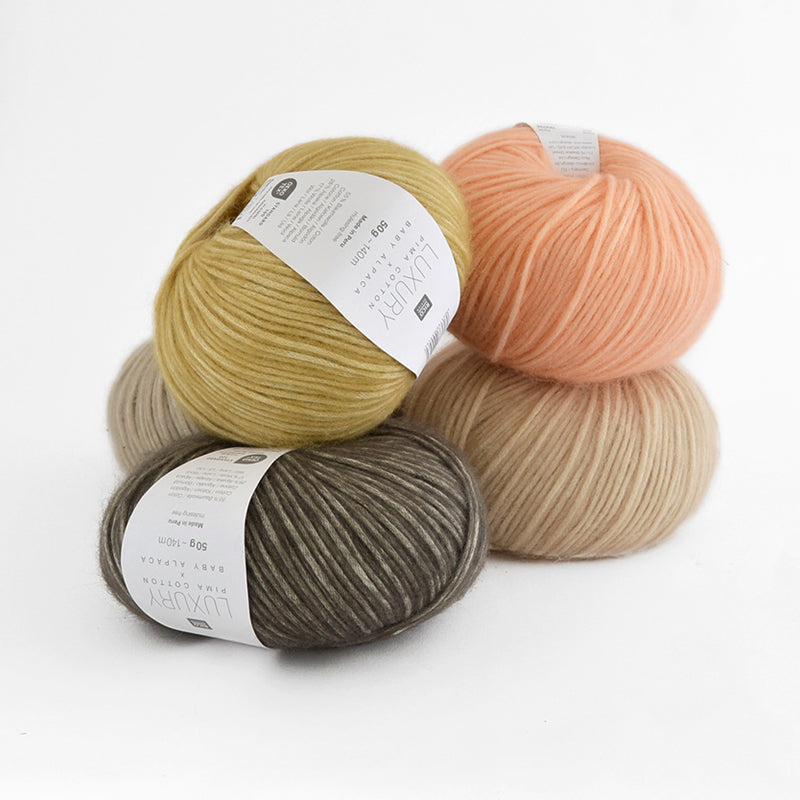
Custom Cardigan
Custom cardigans are designed, sampled, and manufactured in-house with full control over silhouette, stitch structure, button or zipper closure, pocket style, and trim details. CENWILD’s team translates your tech pack, sketch, or concept into knit-down samples and production-ready patterns, supporting private label and branded collections for retailers, designers, and wholesalers across any fiber and gauge.
Get a Quote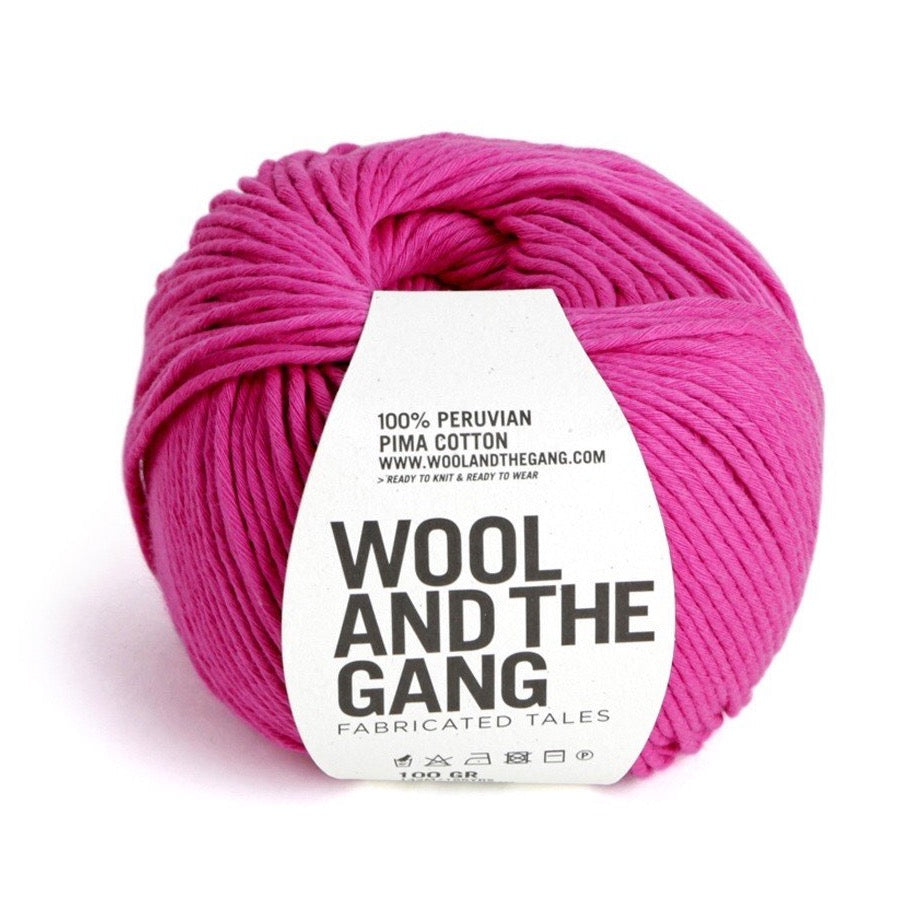
Cardigan Sweater Manufacturer
As a dedicated cardigan sweater manufacturer with over 28 years in Dongguan, CENWILD produces open-front, button-front, and zip cardigans in cashmere, merino, cotton, and blends for men, women, and children. Capabilities include fully-fashioned knitting, intarsia and jacquard patterns, embroidery, garment finishing, and flexible MOQ from 100 pieces—serving fashion brands worldwide with reliable OEM and ODM partnership.
Get a QuotePima Cotton Yarn Sourcing & Expertise
Founded in 1998 in Humen, Dongguan, CENWILD has grown from a family knitting workshop into a full-service knitwear manufacturer with over 28 years of experience sourcing premium fibers including Pima cotton yarn. Our deep relationships with trusted yarn suppliers across China and our in-house sampling capabilities ensure every skein meets the softness, strength, and consistency your brand demands.
Today CENWILD operates computerized flat-knitting machines across 3GG–14GG gauges with a monthly capacity exceeding 80,000 pieces, and has partnered with over 2,000 fashion brands worldwide. Whether you need OEM production, ODM design development, or private label knitwear, our team of 200+ skilled employees delivers luxury-fiber expertise with flexible MOQs starting from just 100 pieces.
What sets CENWILD apart is our commitment to Quality First and Customer Growth. We don’t simply supply sweaters — we become the manufacturing backbone behind your brand, guiding you from yarn selection and knit-down sampling through production, finishing, and export logistics for markets across North America, Europe, Australia, Russia, and beyond.
How CENWILD Controls Pima Cotton Yarn Quality
Supplier Vetting & Fiber Inspection
Every Pima cotton yarn supplier undergoes strict qualification before entering CENWILD’s production chain. Our team inspects fiber certificates, staple-length consistency, and yarn-count accuracy to ensure only authentic extra-long-staple Pima reaches your knitwear.
- Certified Pima cotton fiber sourcing from verified mills
- Staple-length and micronaire testing at intake
- Yarn-count tolerance checks to match tech-pack specifications
- Supplier audits for traceability and sustainability compliance
Dye-Lot Matching & Color Consistency
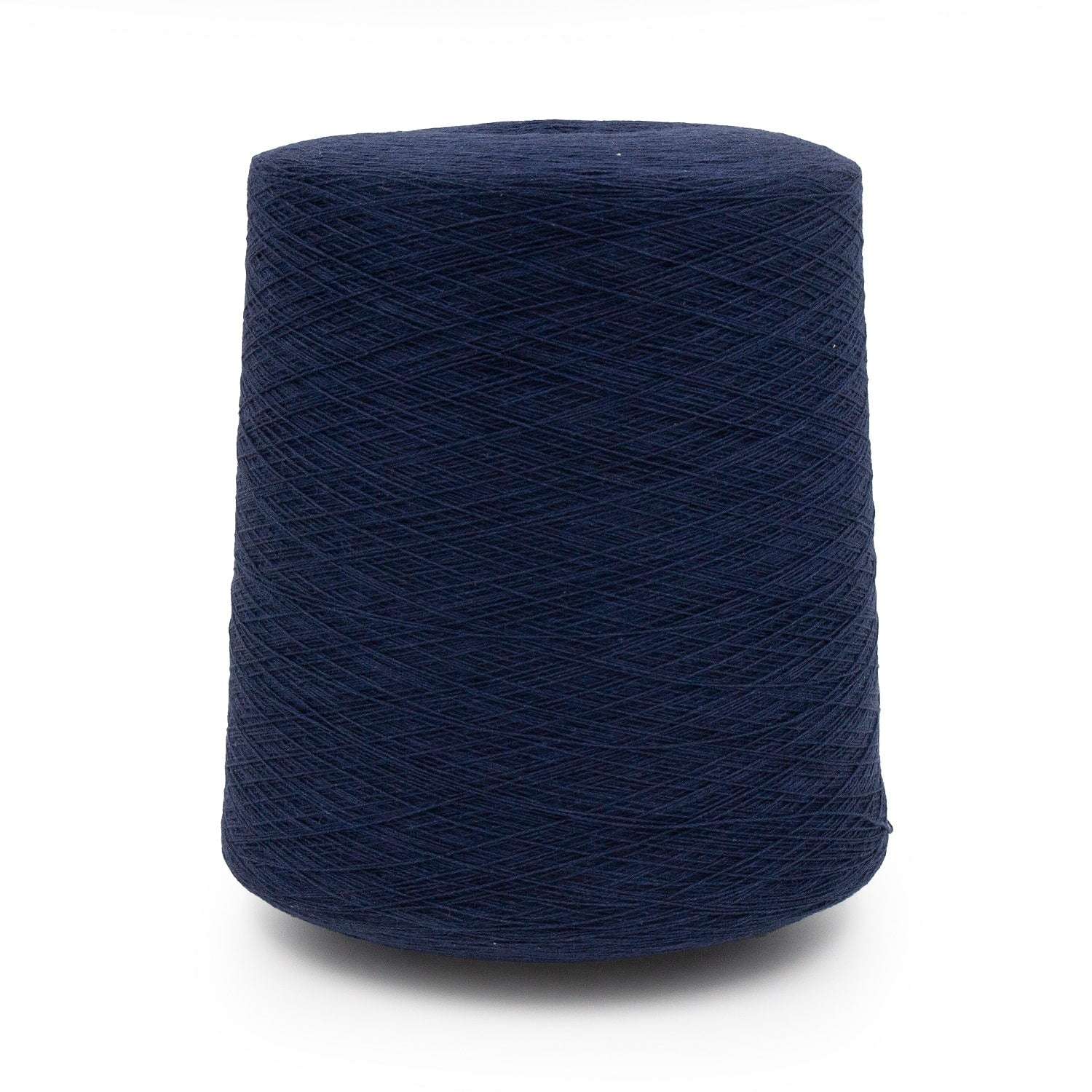
Color variation can derail entire production runs. CENWILD batch-tests every dye lot of Pima cotton yarn against approved lab dips, using spectrophotometer readings and visual assessment under controlled lighting to guarantee shade accuracy across your order.
- Lab-dip approval before bulk yarn dyeing begins
- Spectrophotometer Delta-E measurement for objective color matching
- Controlled D65 lighting booths for visual QC
- Dye-lot tagging and segregation to prevent cross-batch mixing
Knit-Down Testing & Sample Validation
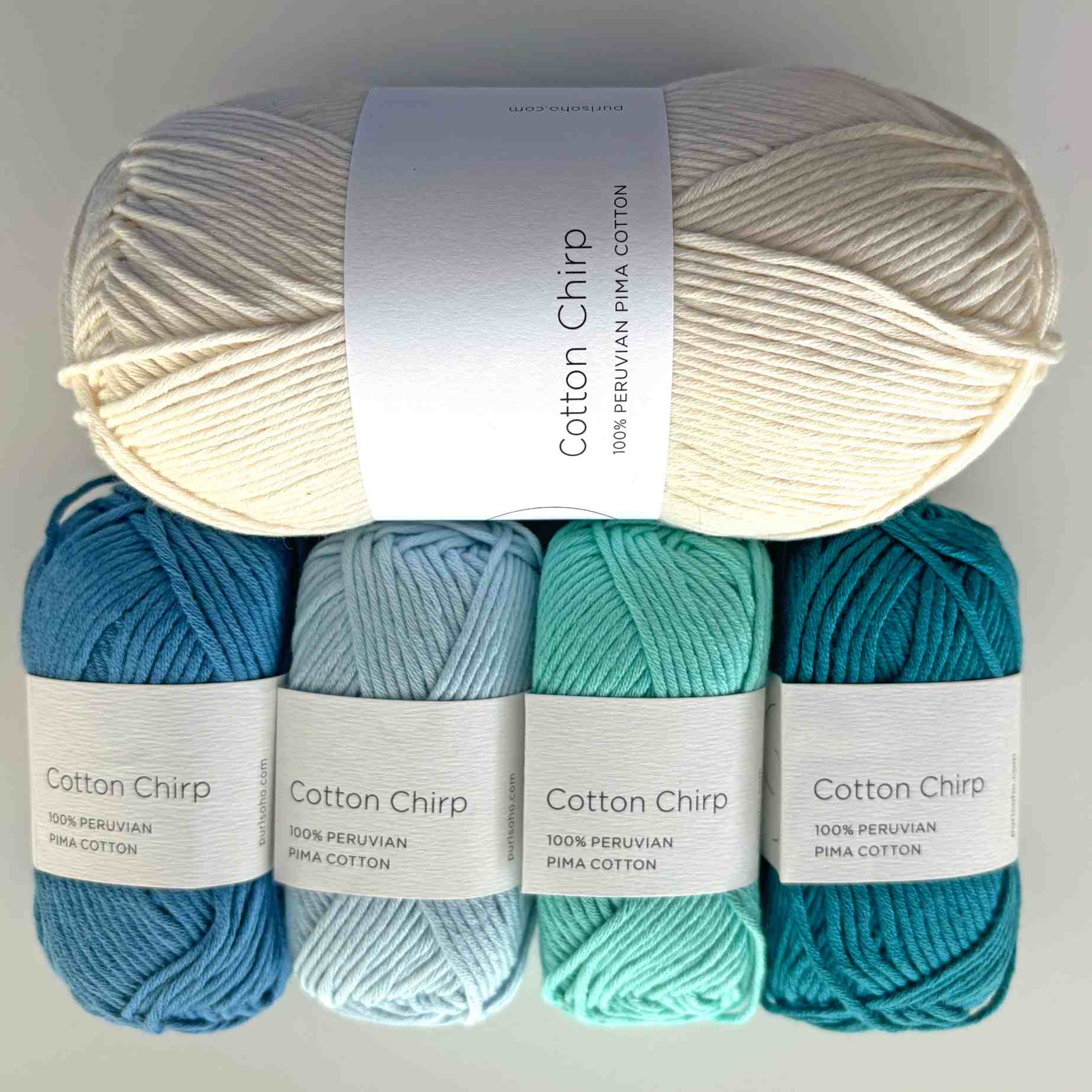
Before committing yarn to full production, CENWILD knits sample swatches on the same gauge and stitch pattern planned for your sweaters. This reveals hand-feel, drape, pilling tendency, and any tension adjustments needed to meet your quality standard.
- Gauge swatches knitted on production machines (3GG–14GG)
- Hand-feel and drape evaluation against approved samples
- Martindale abrasion and pilling tests for durability forecasting
- Stitch-definition and pattern-clarity review for jacquard and intarsia
Wash-Fastness & Shrinkage Validation
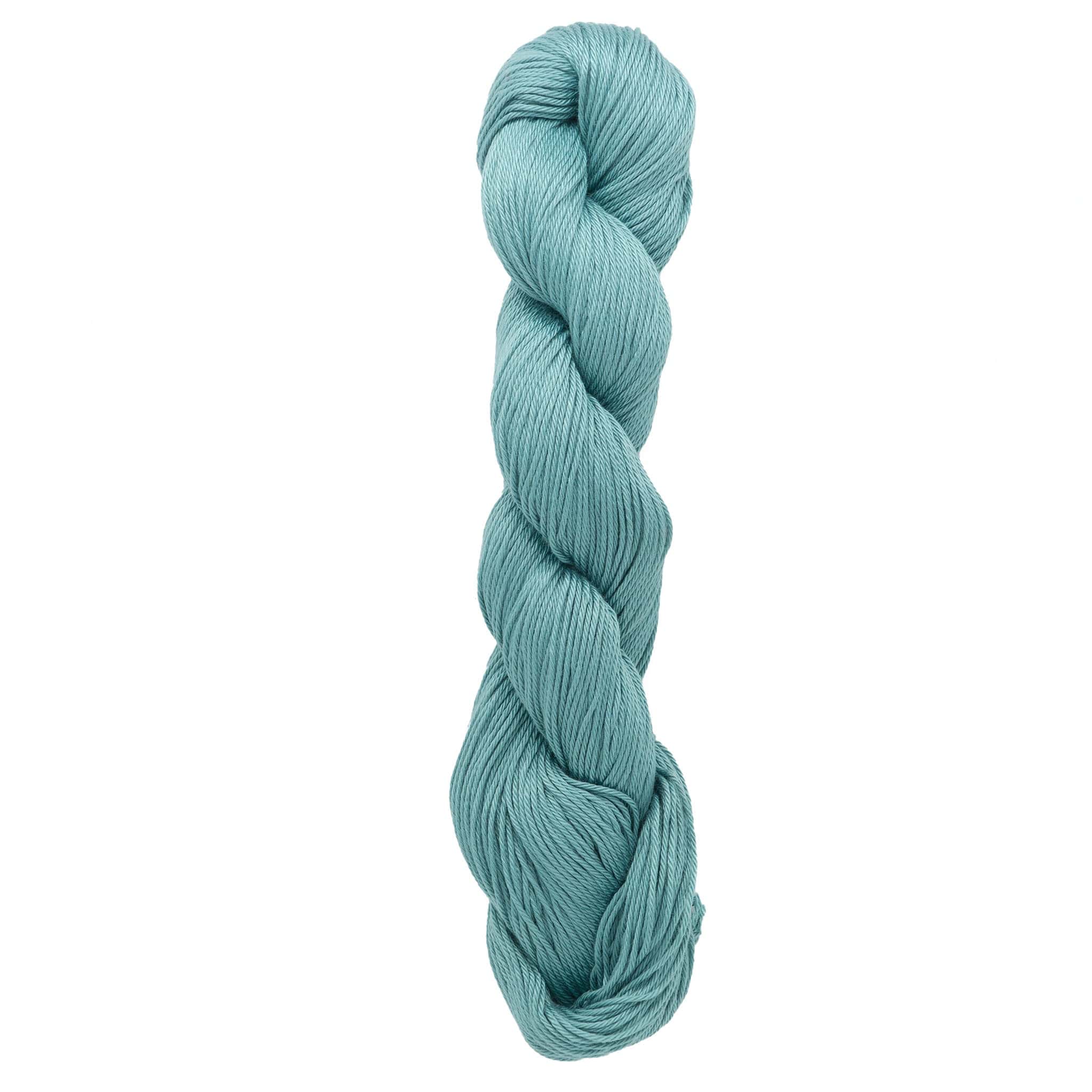
Pima cotton yarn’s performance after laundering defines garment longevity. CENWILD subjects test pieces to multiple wash cycles, measuring shrinkage, color bleeding, and dimensional stability so your customers receive knitwear that holds its shape and shade wear after wear.
- ISO-standard wash testing at specified temperatures
- Dimensional-change measurement in length and width
- Color-fastness grading (wet and dry crocking, perspiration)
- Final approval sign-off before bulk cutting and assembly
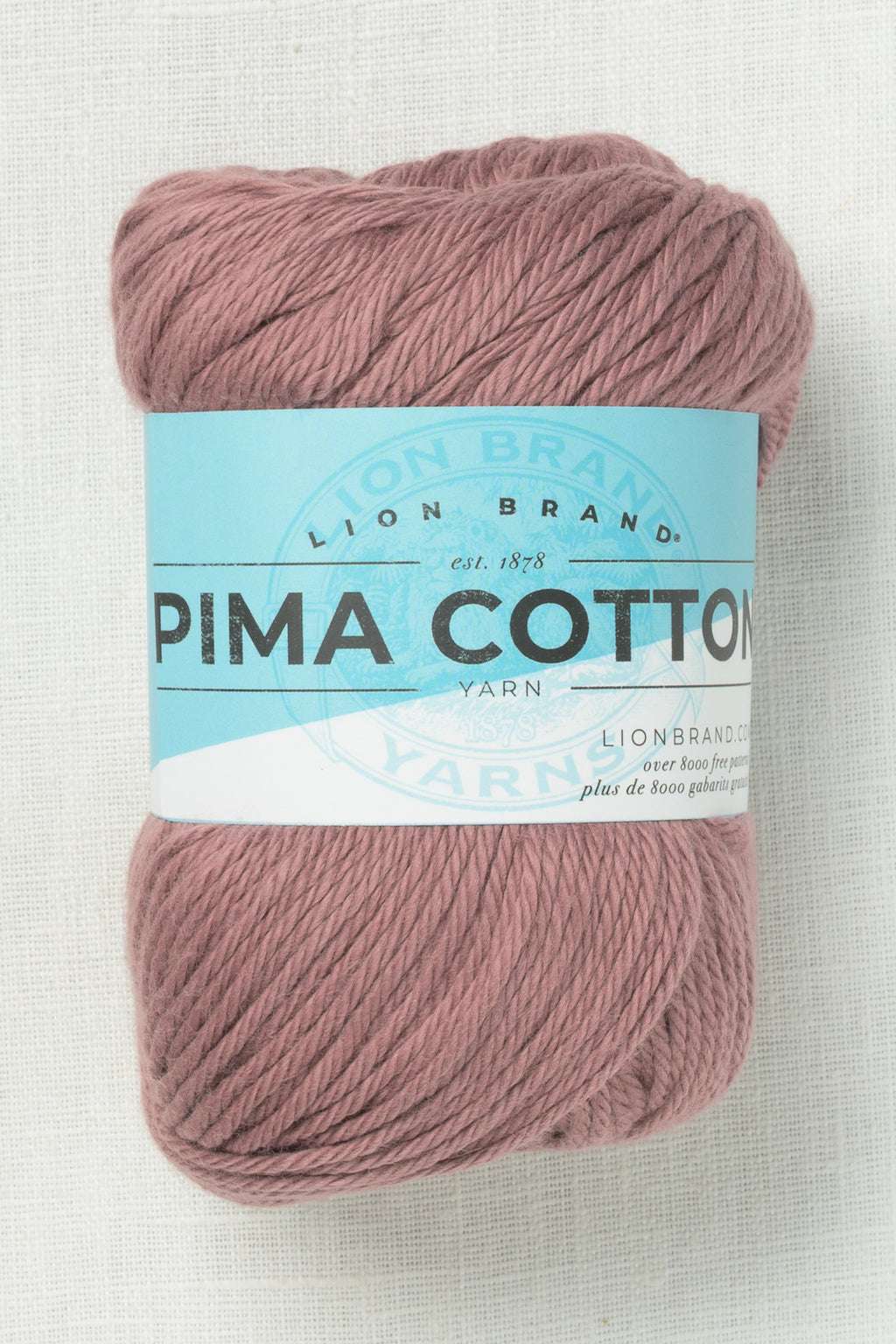
Pima Cotton Yarn vs. Other Fibers
Understanding how Pima cotton yarn compares to standard cotton, merino wool, cashmere, and synthetic blends helps you choose the right fiber for your custom knitwear collection — balancing softness, durability, care, and cost for your brand’s needs.
← 左右滑动查看 →
How Pima Cotton Yarn Becomes Your Custom Sweater
From fiber selection through final inspection, every phase of our Pima cotton yarn knitting process is engineered for quality, consistency, and on-time delivery to fashion brands worldwide.
Yarn Selection & Color Matching
CENWILD sources certified Pima cotton yarn in your chosen count and ply, then dye-matches to your Pantone or physical swatch. Lab-dip approval ensures perfect color before bulk yarn production begins.
Knit Programming & Sampling
Our design team programs your stitch pattern into computerized flat-knitting machines (3GG–14GG), then knits sample panels and full prototypes in Pima cotton yarn for fit, drape, and hand-feel approval.
Bulk Knitting
Once samples are approved, production begins on calibrated flat-bed machines. Each Pima cotton yarn panel is knitted to precise gauge and tension, with real-time monitoring to maintain stitch consistency across every piece.
Linking & Assembly
Knitted panels are linked on semi-automatic or full-fashion machines to create seamless or low-profile seams. Skilled operators ensure alignment and stretch recovery, critical for Pima cotton’s soft, fine structure.
Washing & Finishing
Garments undergo controlled washing, softening, anti-pilling treatment, and steam pressing. This phase stabilizes the Pima cotton yarn fabric, enhances hand-feel, and sets final dimensions before decoration or packaging.
Decoration & Trims
Embroidery, screen printing, heat-transfer logos, patches, or custom labels are applied in-house. Every decoration is tested on Pima cotton yarn swatches to confirm adhesion, washability, and color integrity.
Quality Control & Packaging
Each sweater is inspected under AQL 2.5 standards for knit defects, color variance, measurements, and decoration placement. Approved pieces are folded, poly-bagged, labeled, and carton-packed to your shipping specifications.
Adding Pima Cotton Yarn to Your Knitwear Order
CENWILD guides you through every step of specifying pima cotton yarn for your custom sweater production, from fiber selection to final approval.
Select yarn weight and color
Choose from our range of Pima cotton yarn counts and share your color palette or Pantone references during your initial consultation with our team.
Submit your design specifications
Provide your tech pack, sketch, or concept. Our design team integrates your pima cotton yarn choice into stitch programming and garment construction.
Review knit-down samples
We produce physical swatches and pre-production samples in your selected pima cotton yarn so you can confirm hand-feel, drape, and color before bulk production.
Approve timeline and production
Once samples are signed off, we schedule yarn procurement and knitting. Your order moves into our controlled production workflow with full quality tracking.
Customer Success with Pima Cotton Yarn Knitwear
Our pima cotton yarn sweaters became best-sellers within eight weeks. Customer reviews averaged 4.8 stars, with buyers specifically praising softness and durability. We have reordered three times and expanded the line to twelve SKUs.
Switching to Pima cotton yarn elevated our brand perception immediately. Wholesale buyers noticed the premium hand-feel at our showroom, and we secured orders from four major retailers who cited fabric quality as the deciding factor.
We launched 500 pima cotton cardigans for spring. Return rate was under 2 percent, and 68 percent of customers purchased a second piece within 90 days. CENWILD’s yarn sourcing and knit quality made the difference for our independent label.
Pima Cotton Yarn FAQs
What makes pima cotton yarn different from regular cotton yarn?
Can I customize the color of pima cotton yarn for my sweater order?
What yarn weights are available in pima cotton yarn?
Does pima cotton yarn work well in blended compositions?
What file or specifications do I need to provide for a pima cotton yarn sweater order?
How does pima cotton yarn affect lead time compared to other fibers?
What care instructions should I provide for garments made with pima cotton yarn?
Can pima cotton yarn support intricate design features like intarsia and jacquard patterns?
The Complete Buyer’s Guide to Pima Cotton Yarn for Custom Knitwear
Navigate sourcing decisions with confidence. This guide delivers a proven framework for evaluating pima cotton yarn suppliers, quality benchmarks, customization options, and the critical mistakes that derail first orders—so you launch faster and smarter.
1. What Is Pima Cotton Yarn?
Pima cotton yarn is spun from Gossypium barbadense, a cultivar native to Peru and now grown primarily in the southwestern United States, Peru, and Australia. Its defining characteristic is extra-long staple (ELS) fiber length — 35 millimeters or longer — compared to 22–28 millimeters for standard upland cotton. This extended fiber translates directly into softer hand feel, higher tensile strength, superior luster, and exceptional color retention after repeated washing.
Fashion brands choose pima cotton yarn over regular cotton for knitwear that must hold shape, resist pilling, and maintain vivid dye tones across dozens of wash cycles. A pima-knit sweater typically shows 30–40 percent less strength loss and finer surface texture than upland-cotton equivalents at the same gauge.
Supima® is a registered trademark for American-grown pima cotton certified by the Supima Association; Egyptian cotton refers to ELS varieties of Gossypium barbadense grown in Egypt’s Nile Delta. All three share ELS fiber biology, but origin, certification, and price differ. For knitwear brands, pima cotton yarn delivers luxury-tier performance at a more accessible cost than cashmere or merino, with the durability and washability end consumers expect from cotton.
2. The Evolution of Pima Cotton Yarn in Fashion
Pima cotton traces its roots to indigenous Peruvian cultivation over 5,000 years ago, where extra-long staple varieties thrived in coastal valleys. In the early 1900s, USDA breeding programs crossbred Peruvian seeds with Egyptian stock to create American Pima, commercialized by the 1910s in the irrigated deserts of Arizona, California, New Mexico, and Texas.
The launch of the Supima® trademark in 1954 formalized quality standards for American-grown pima cotton yarn, guaranteeing fiber length above 1.5 inches and strict origin verification. This branding positioned Supima as the premium choice for luxury knitwear, distinguishing it from shorter-staple upland cottons.
Between the 1980s and early 2000s, European and American heritage mills adopted pima cotton yarn for fine-gauge sweaters, valuing its tensile strength, low pilling, and silky hand feel. Brands such as Ralph Lauren and Brooks Brothers integrated Pima into their core knitwear lines, cementing its reputation for durability and comfort.
Today’s sustainability-driven resurgence has renewed demand: pima cotton yarn requires fewer pesticides due to natural pest resistance, and its longevity reduces garment waste. Heritage mills continue to prefer it for fully-fashioned and intarsia sweaters, where fiber consistency and dye uptake are non-negotiable.
3. Types of Pima Cotton Yarn for Knitwear
Pima cotton yarn arrives in six main constructions, each tuned for different garment weights, drape, and surface effects. Understanding fiber preparation and ply structure helps you match yarn type to your collection’s aesthetic and performance goals.
Combed Pima Singles
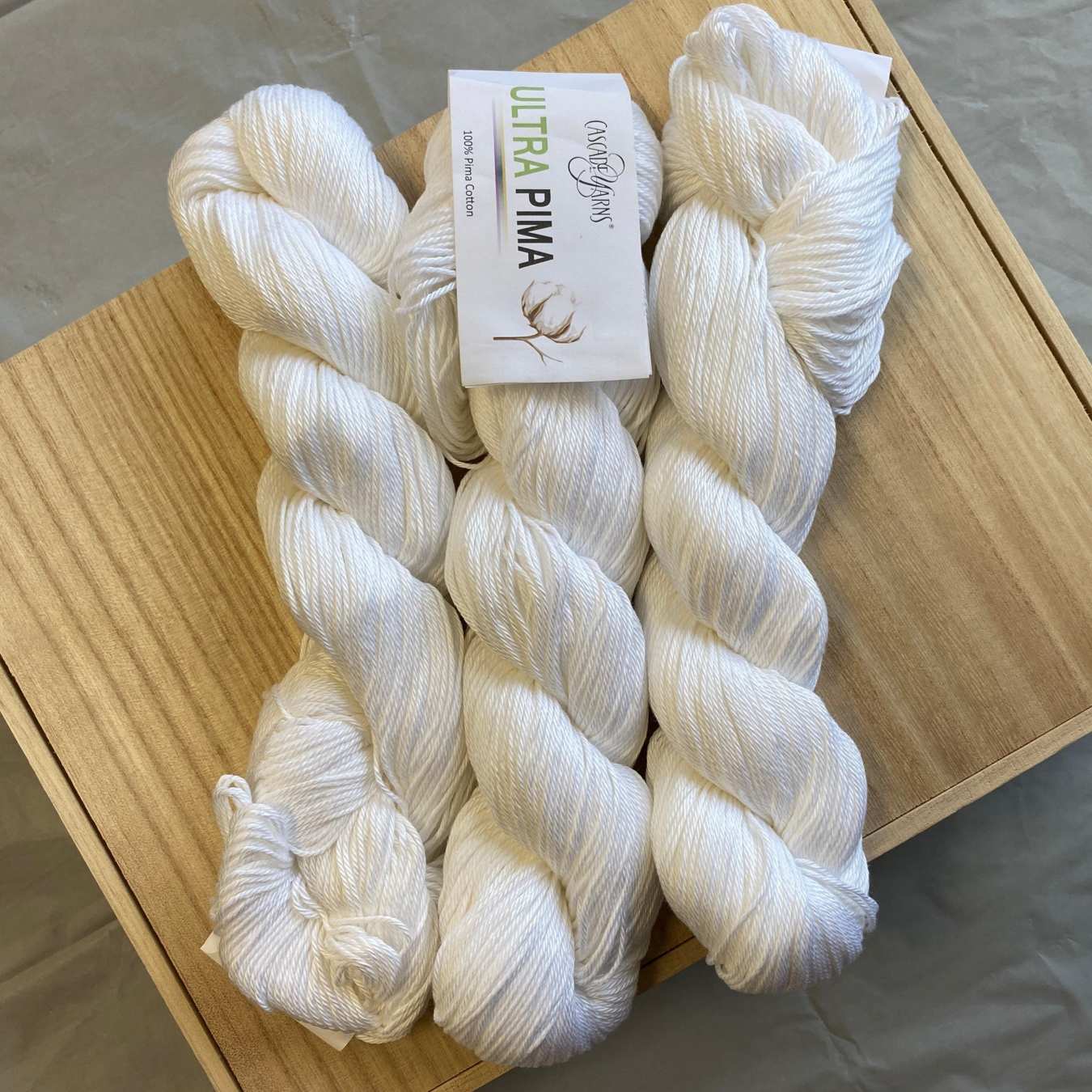
Combed singles remove short fibers before spinning, yielding smooth, lightweight yarn. Typical gauges run 7GG–12GG. The soft hand and clean surface suit fine-gauge cardigans, lightweight pullovers, and layering pieces where drape matters more than structure.
Two-Ply and Multi-Ply Twisted
Two or more singles twisted together increase strength and dimensional stability. Gauges span 5GG–9GG. The denser construction supports cables, ribs, and heavier crewnecks or quarter-zips that hold shape through repeated wear.
Mercerized Pima for Sheen
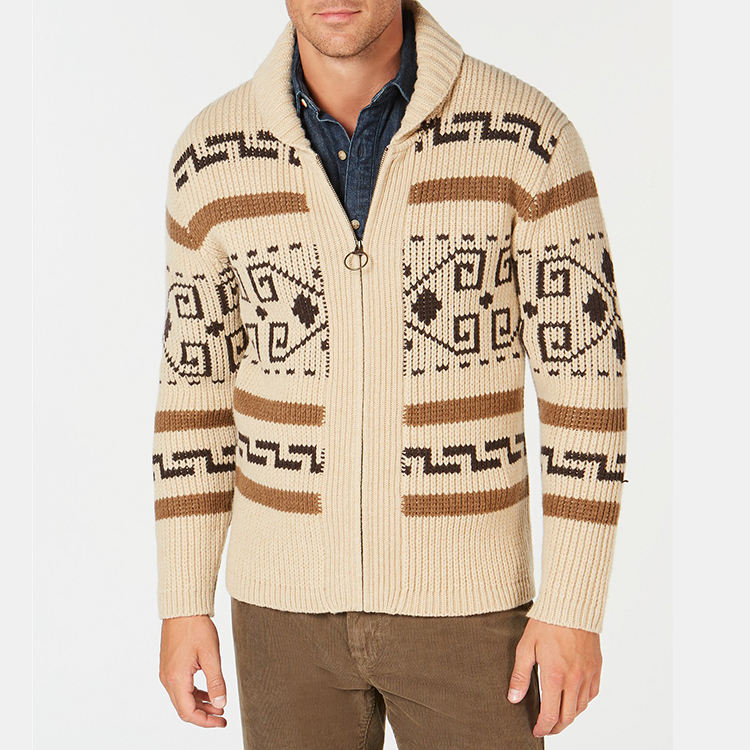
Caustic soda treatment under tension swells fibers, creating a silk-like luster. Gauges range 7GG–12GG. The polished surface elevates knit polos, V-necks, and dressy cardigans where subtle sheen differentiates your brand.
Slub and Textured Pima
Intentional thick-and-thin spinning adds visual texture. Gauges typically 5GG–7GG. The irregular surface creates casual, artisanal appeal in chunky pullovers and oversized sweaters.
Pima Blends
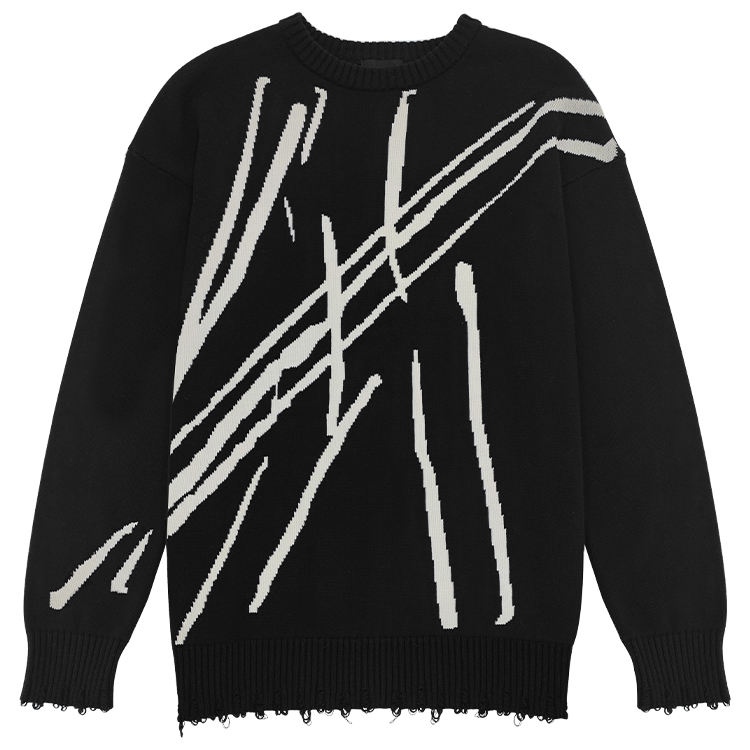
Blending pima with cashmere (10–30%), modal, or elastane (3–5%) balances cost, stretch, and luxury. Gauges adapt to blend ratio, commonly 5GG–9GG. Cashmere blends suit premium cardigans; elastane adds recovery for fitted turtlenecks.
Organic-Certified Pima
GOTS or OCS certification verifies pesticide-free cultivation and controlled processing. Gauges mirror conventional pima, 5GG–12GG. The certification appeals to sustainability-focused brands and commands 15–25% price premiums in retail.
4. Pima Cotton Yarn Weights and Fabric Constructions
Yarn count systems—Nm (metric), Ne (English), and tex—translate fiber fineness into knitwear gauge and fabric weight. CENWILD operates 3GG–14GG machines; finer gauges (12GG–14GG) suit lightweight pima cotton yarn for spring T-shirt sweaters, while mid-gauges (5GG–7GG) handle worsted and DK weights for year-round cardigans and pullovers.
Yarn Weight to Gauge and GSM Mapping
The table below maps standard yarn weights to typical machine gauge, finished fabric GSM, and garment applications. Sport and DK weights (Nm 26–32) knit cleanly on 7GG–12GG machines, yielding 200–280 GSM fabrics ideal for layering pieces. Worsted (Nm 20–26) produces midweight cardigans at 280–350 GSM, while bulky yarns (Nm 10–18) create chunky 400+ GSM statement pullovers on 3GG–5GG equipment.
| Yarn Weight | Nm Range | Typical Gauge | Fabric GSM | Garment Type |
|---|---|---|---|---|
| Fingering | 40–48 | 12GG–14GG | 150–200 | Lightweight tees, summer tops |
| Sport | 32–40 | 10GG–12GG | 200–250 | T-shirt sweaters, fine cardigans |
| DK | 26–32 | 7GG–10GG | 250–280 | Midweight pullovers, layering |
| Worsted | 20–26 | 5GG–7GG | 280–350 | Classic cardigans, crewnecks |
| Bulky | 10–18 | 3GG–5GG | 400+ | Chunky oversized pullovers |
Fabric Construction Notes
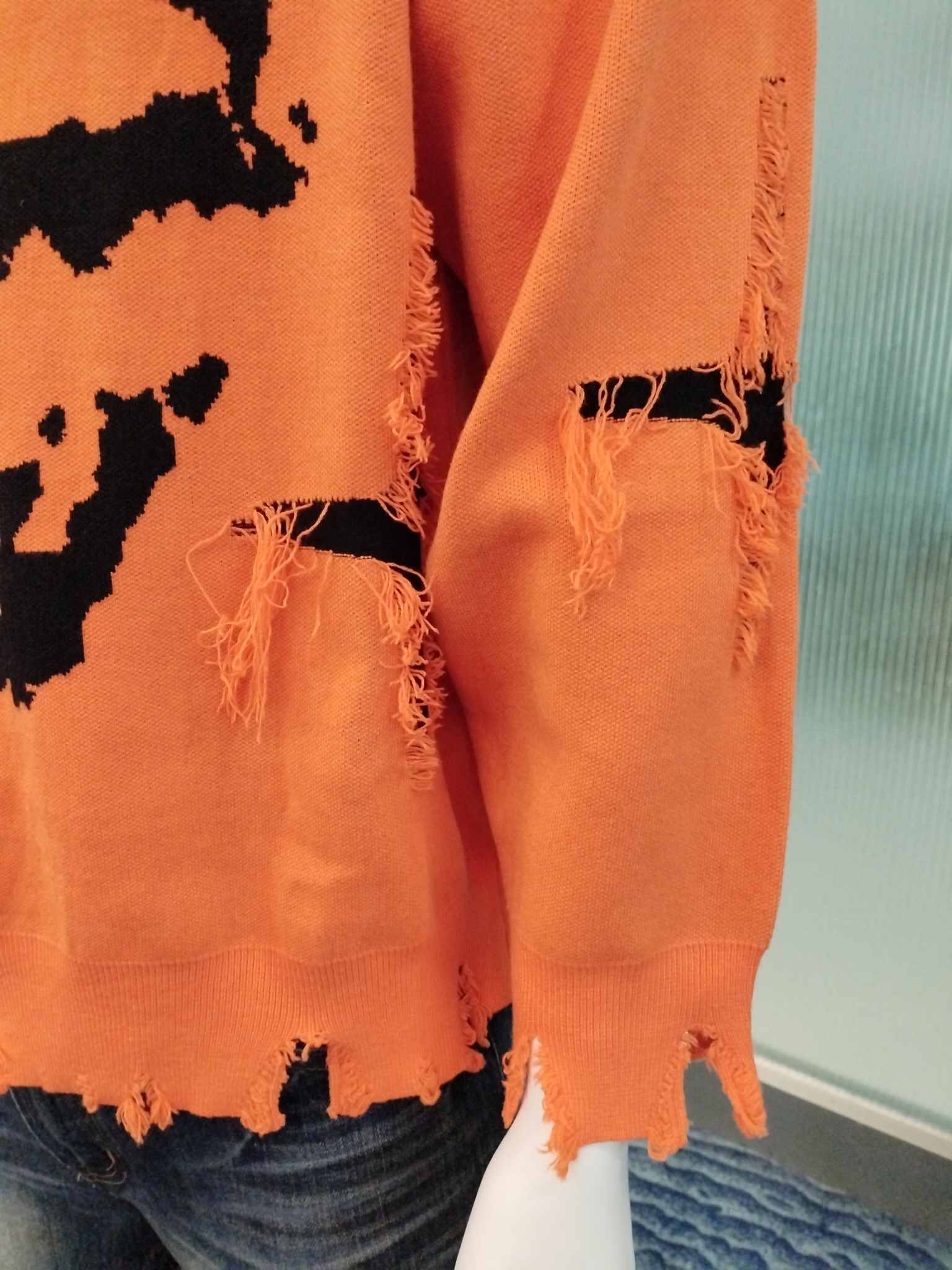
Single-jersey (stockinette) consumes the least yarn and drapes softly, ideal for lightweight pima cotton yarn tees at 180–220 GSM. Rib constructions (1×1, 2×2) double yarn usage and add 30–50 GSM, delivering stretch and structure for cuffs, hems, and body panels. Cable and textured stitches increase GSM by 40–60% over plain knit, creating visual interest and warmth in midweight and chunky garments without changing gauge.
5. Customization and Decoration Options for Pima Cotton Yarn Knitwear
Pima cotton yarn knitwear accepts a wide range of decoration and branding techniques, each with distinct MOQ, cost, and lead-time trade-offs. Understanding these options helps you balance brand identity, budget, and production schedules.
| Technique | Setup Cost | Per-Piece Cost | Durability (Washes) |
|---|---|---|---|
| Yarn-Dyed Color | $0 | $0 | 100+ |
| Garment Dye | $50–$150 | $0.50–$1.50 | 50+ |
| Jacquard/Intarsia | $100–$200 | +10–15% unit | 100+ |
| Flat Embroidery | $30–$80 | $0.50–$3.00 | 50+ |
| Screen Print | $25–$50/color | $0.30–$1.50 | 20–30 |
| Heat Transfer | $10–$20 | $0.40–$1.20 | 20–30 |
Yarn-Dyed vs. Garment-Dyed Color
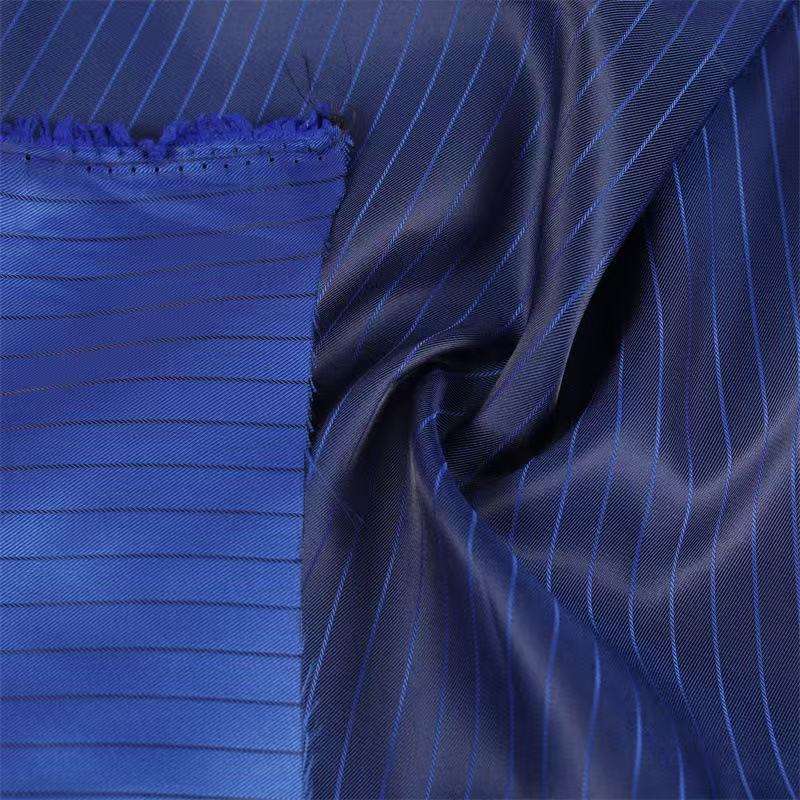
Yarn-dyed pima cotton yarn is dyed before knitting, delivering consistent color penetration and minimal shrinkage. It requires higher MOQ per color (typically 500–1,000 kg) and adds 7–10 days to lead time.
Garment dyeing applies color after knitting, enabling smaller MOQ (100–300 pieces per shade) and softer hand feel but with slight shade variation batch-to-batch. Setup cost is lower, making it ideal for test collections and seasonal capsules.
Jacquard and Intarsia Patterns
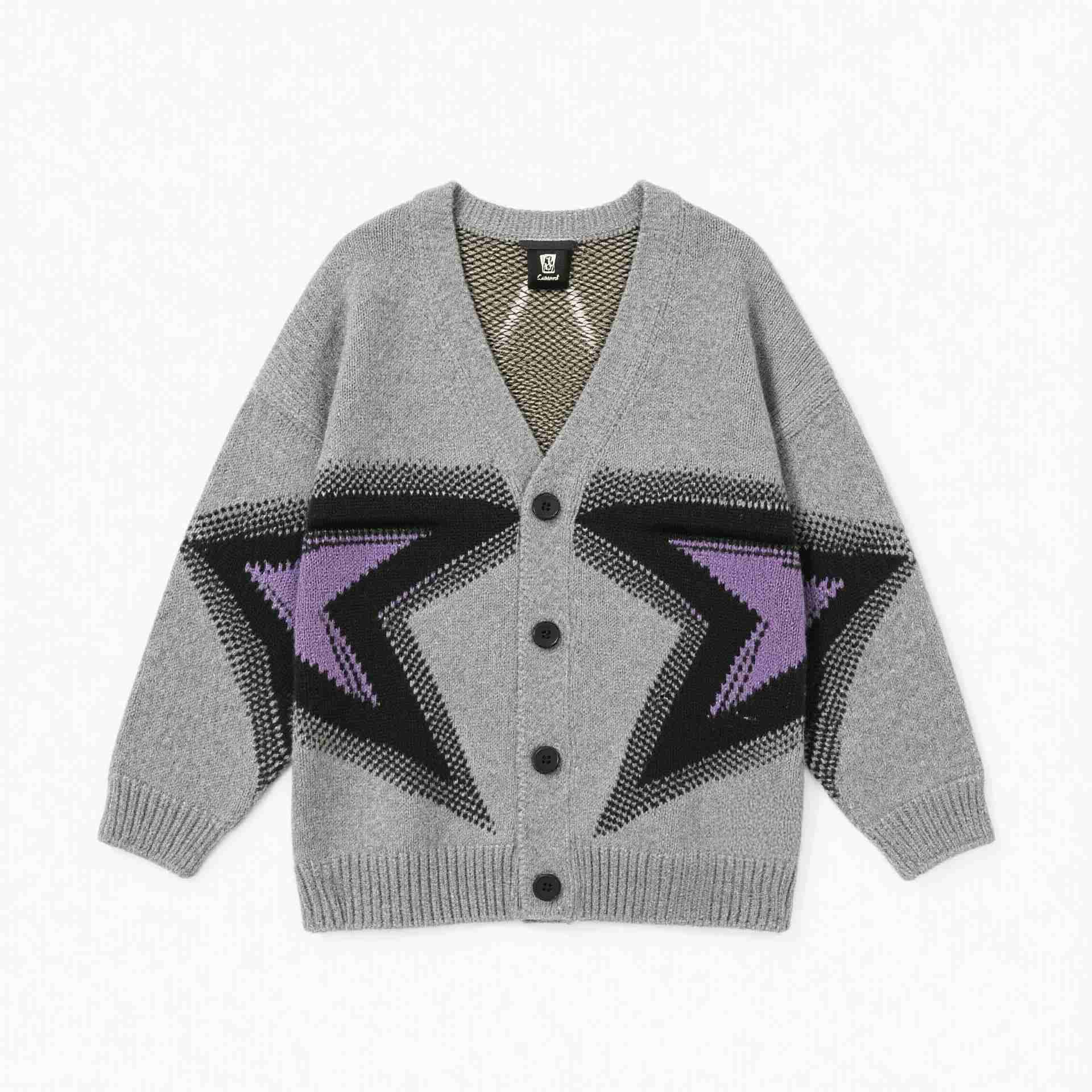
Jacquard and intarsia knit multi-color patterns directly into the fabric. Jacquard uses float stitches on the reverse, suitable for small repeats and text; intarsia knits each color block separately, creating a clean reverse ideal for bold graphics.
Both add 5–7 days to sampling and 10–15% to unit cost. MOQ remains at 100 pieces per design at CENWILD, but complex patterns require 3D programming and knit-down swatches before production.
Embroidery: Flat, 3D Puff, and Appliqué
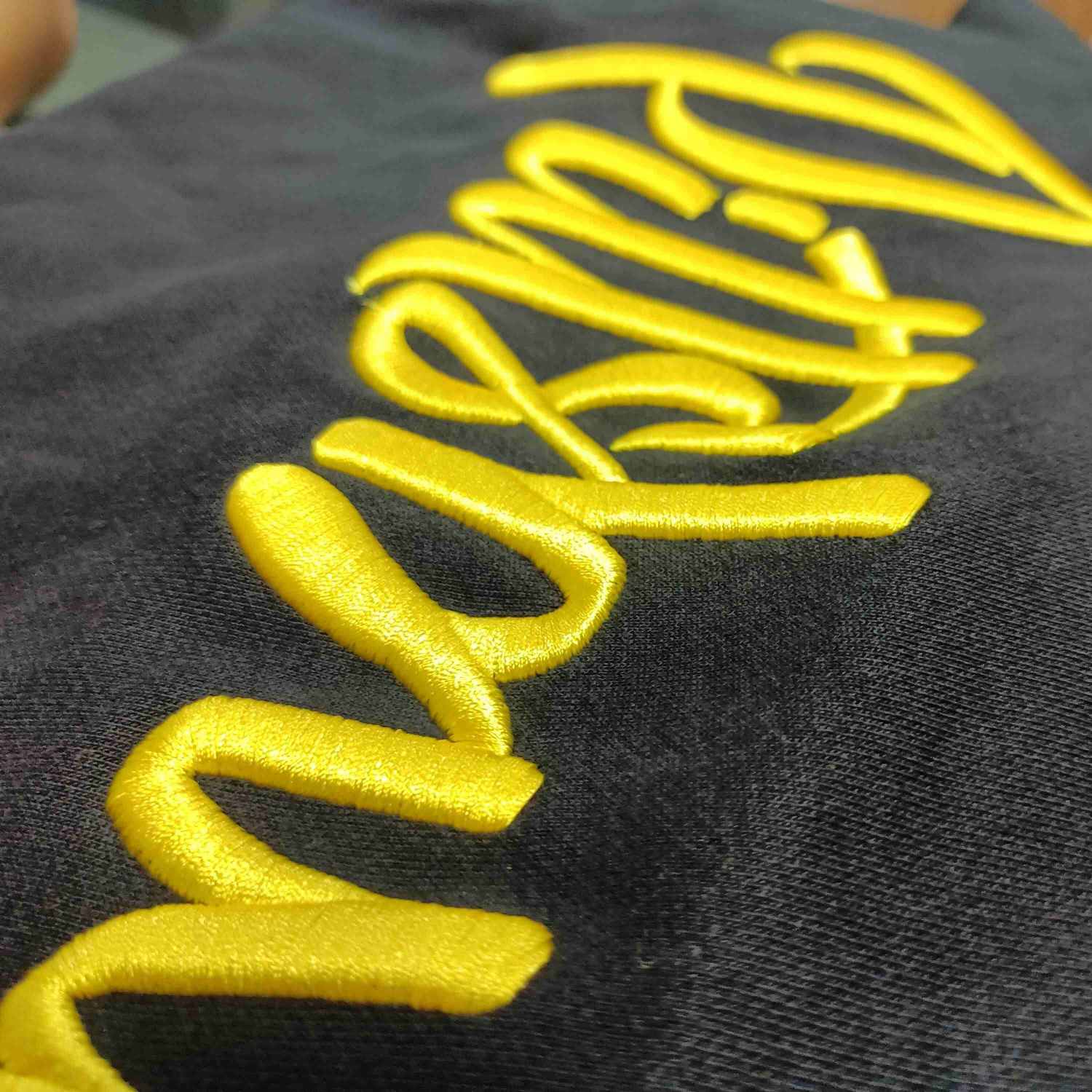
Flat embroidery suits logos up to 100,000 stitches; 3D puff adds foam backing for raised branding; appliqué layers fabric patches for texture. Setup cost ranges $30–$80 per design for digitizing.
Per-piece cost runs $0.50–$3.00 depending on stitch count and thread type. Embroidery adds 2–3 days to production and withstands 50+ washes without fading, making it the most durable decoration on pima cotton yarn knitwear.
Screen Print and Heat Transfer
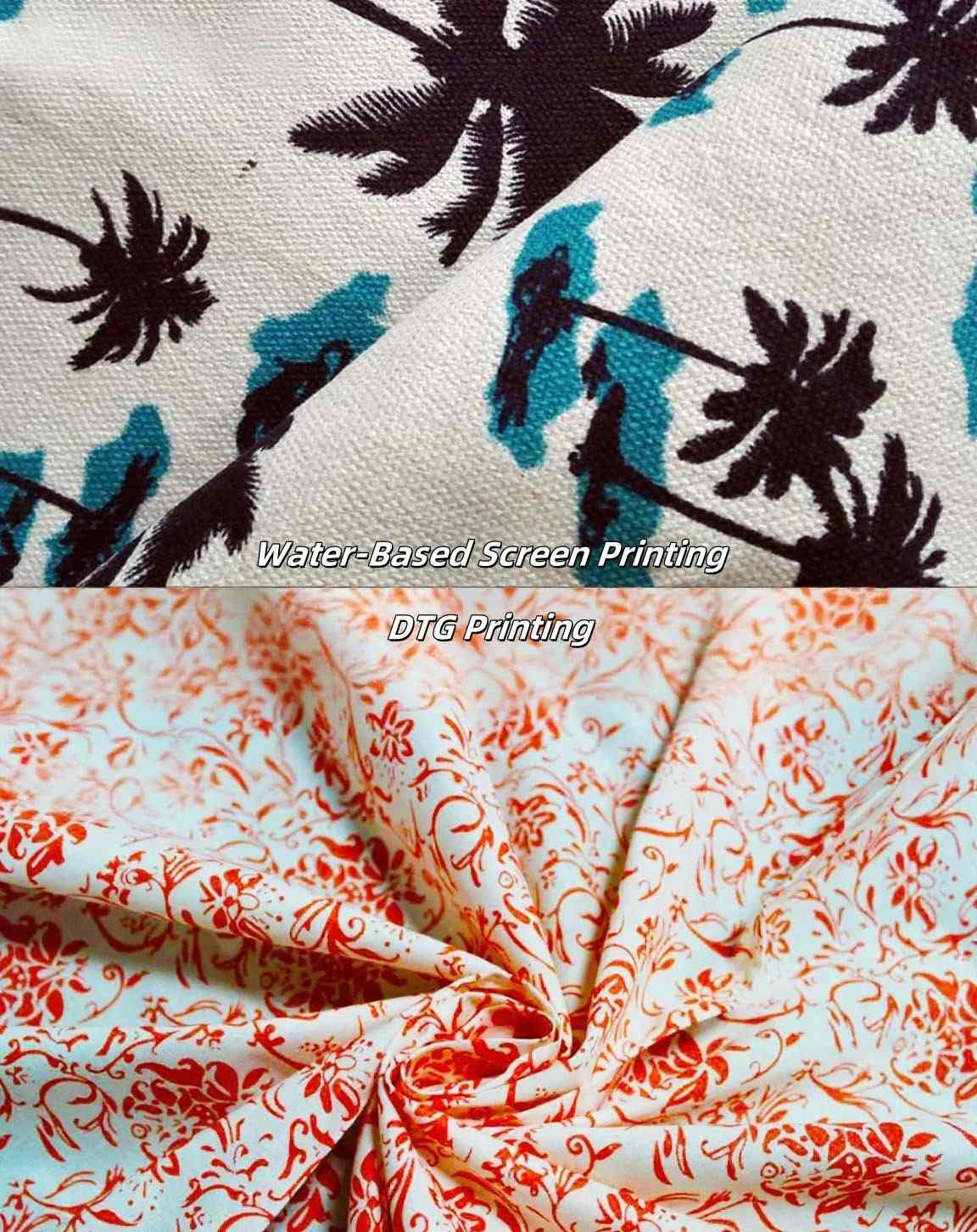
Screen printing applies ink through mesh stencils; setup costs $25–$50 per color screen, with per-piece cost $0.30–$1.50 for 1–4 colors. It suits large flat areas but can stiffen pima cotton yarn’s natural drape.
Heat transfer (DTF, sublimation) requires no screens, lowering setup to $10–$20 per design, ideal for photo-realistic graphics and short runs. Durability is 20–30 washes, less than embroidery but sufficient for seasonal fashion.
Custom Labels, Hang Tags, and Packaging
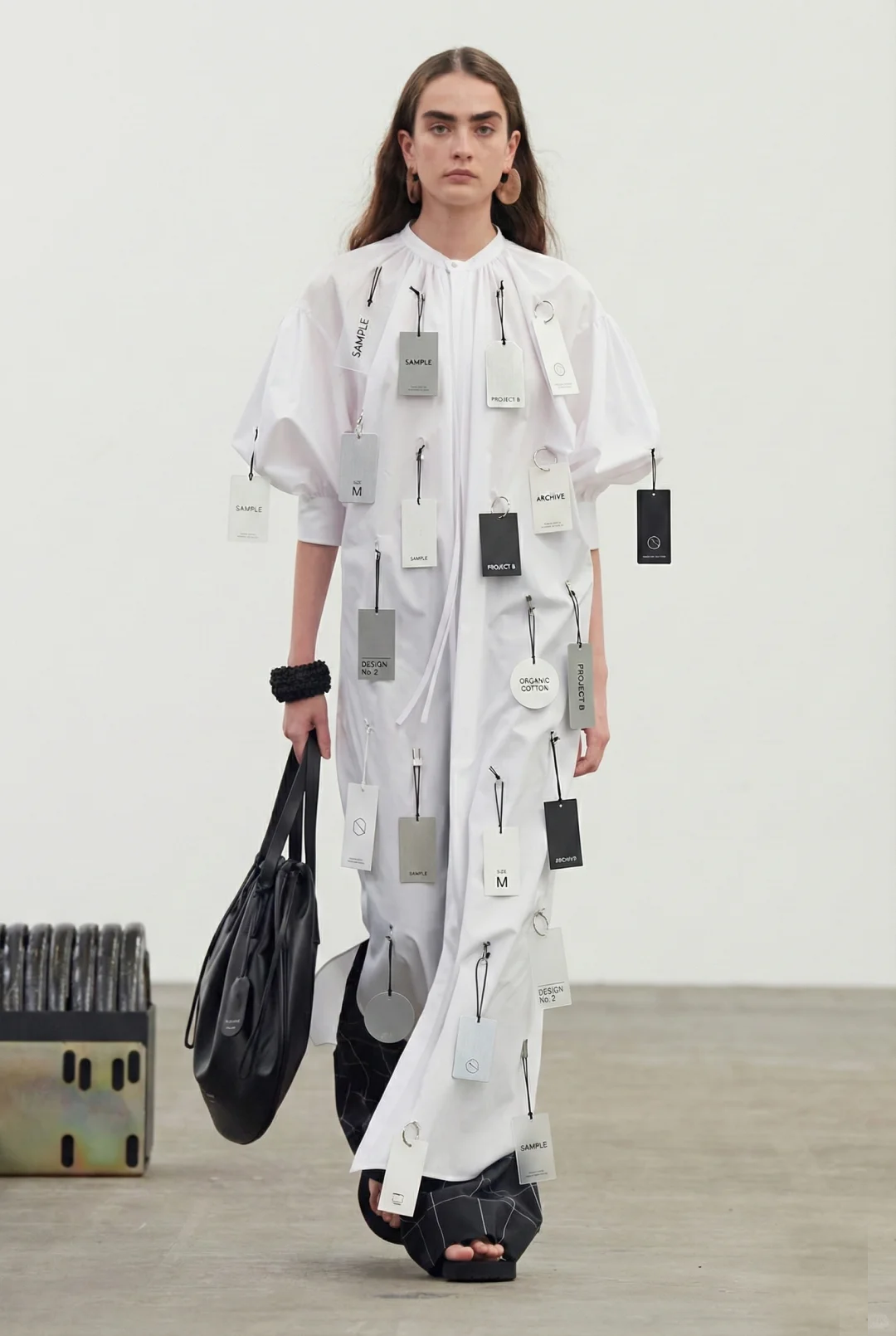
Woven labels, printed care tags, hang tags, and poly bags complete brand identity. Woven labels cost $0.10–$0.40 each with 500–1,000 piece minimums; printed tags start at 100 pieces.
Custom hang tags and packaging add $0.20–$1.00 per unit and 3–5 days lead time. CENWILD coordinates all trim sourcing, ensuring consistent branding across every pima cotton yarn sweater shipment.
6. Key Quality Indicators in Pima Cotton Yarn
Auditing pima cotton yarn quality requires measurable benchmarks across five core indicators. CENWILD tests every batch against ELS fiber standards, twist uniformity, abrasion resistance, colorfastness, and certificate authenticity before production begins.
Staple Length Verification
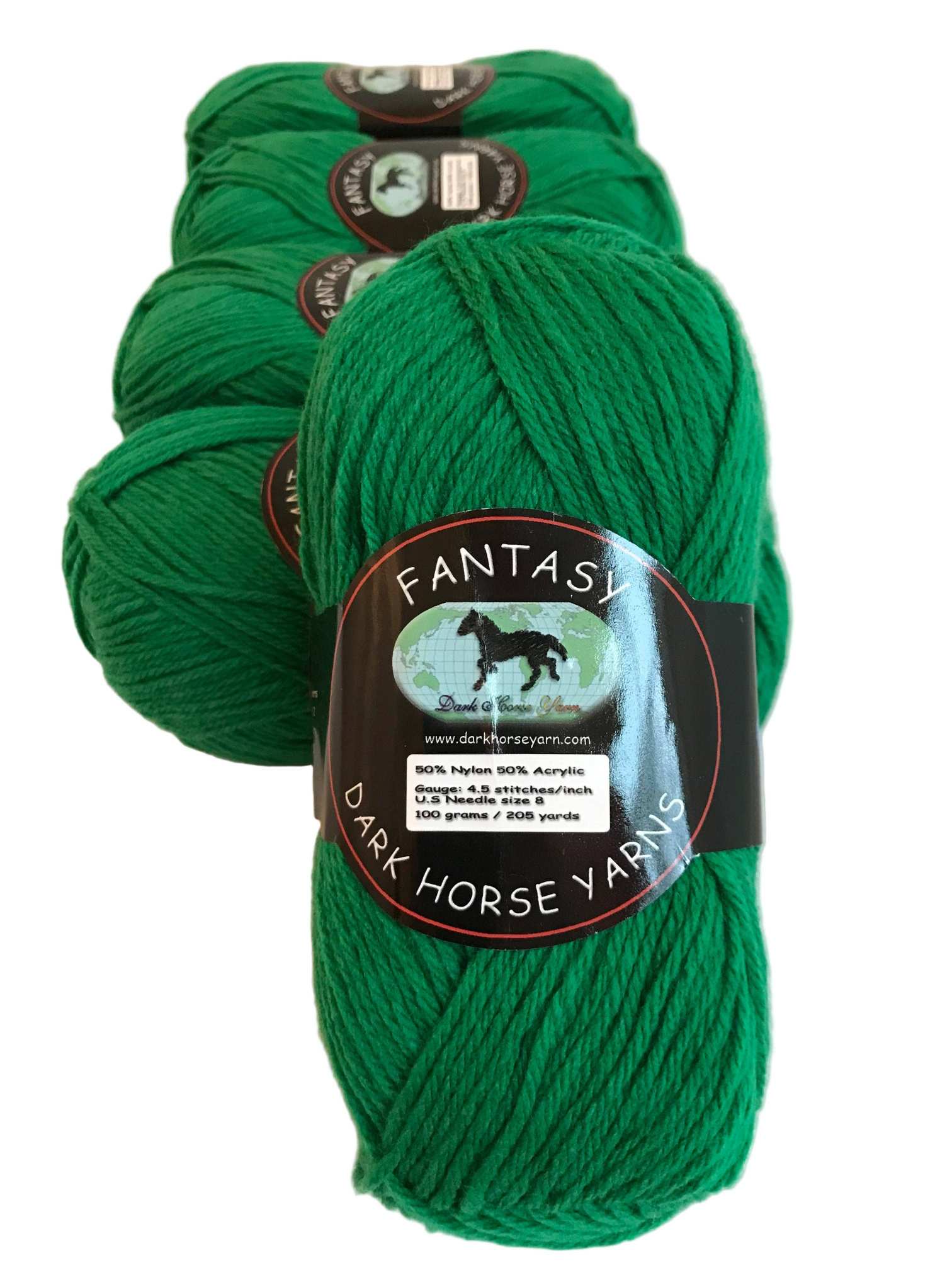
True Pima cotton carries extra-long staple (ELS) fibers measuring ≥35 mm, verified by calipers or fiber-length distribution analysis. Suppliers should provide HVI (High Volume Instrument) reports showing mean length and uniformity index above 82 percent.
CENWILD sources only certified ELS Pima, with lab reports confirming staple length before yarn spinning.
Twist and Evenness
Twist per inch (TPI) governs yarn strength and hand feel; worsted Pima typically runs 18–24 TPI. Uster testing measures coefficient of variation (CV%) — premium pima cotton yarn scores below 12 percent CV, ensuring uniform gauge and minimal slubs.
Pilling Resistance
Martindale abrasion testing rates pilling on a 1–5 scale; high-quality Pima knits score ≥4 after 5,000 cycles. CENWILD specifies anti-pilling finishing for styles requiring extended wear durability.
Colorfastness Standards
ISO 105 tests measure resistance to washing (X12) and light (B02). Premium pima cotton yarn achieves grade 4 or higher in both, preventing fading and dye transfer across production runs.
Certificate Authenticity
Verify Supima® license numbers, GOTS transaction certificates, or OCS scope certificates directly with issuing bodies. CENWILD maintains traceability documentation and shares third-party test reports upon request.
7. How to Choose a Pima Cotton Yarn Manufacturer
Selecting the right manufacturer for pima cotton yarn knitwear requires a structured evaluation across six critical dimensions. Each decision point protects quality, timeline, and budget before you commit.
Verify Yarn Sourcing and Certification
Ask for fiber certificates that prove genuine Pima origin — Supima® for U.S.-grown or Pima Peruano documentation. Blended yarns labeled ‘Pima-like’ lack traceability and softness.
Request a yarn specification sheet showing staple length (≥ 35 mm) and micronaire. Certified suppliers maintain batch records linking each production run to tested fiber lots.
Assess Knitting Capabilities
Confirm the factory operates computerized flat-knitting machines across 3GG–14GG gauges for fine to chunky constructions. Stoll and Shima Seiki machine parks ensure precision intarsia, jacquard, and fully-fashioned techniques.
A monthly capacity above 80,000 pieces signals stable throughput. Ask for gauge-specific sample swatches to validate stitch clarity and hand feel on pima cotton yarn.
Evaluate MOQ and Payment Terms
Custom pima cotton yarn orders typically start at 100–500 pieces per style and color. Factories offering 100-piece MOQs support test launches and seasonal capsules without excess inventory risk.
Payment structures vary: 100% deposit for first orders, easing to 30% for repeat clients, with balance due before shipment. Flexible channels — T/T, PayPal, credit card — improve cash-flow planning.
8. Common Mistakes Buyers Make When Sourcing Pima Cotton Yarn
Even experienced buyers stumble when sourcing pima cotton yarn if they skip verification steps or assume all suppliers share the same standards. Six common mistakes account for most production delays, quality complaints, and margin erosion.
Confusing Pima with Regular Combed Cotton
Many suppliers label standard combed cotton as ‘pima’ without fiber-length proof. True pima measures 34–38 mm staple (ELS), while regular combed cotton stops at 28–32 mm.
Request a fiber-test certificate from the mill before signing. CENWILD sources certified pima and provides lab documentation on request, ensuring you pay for genuine extra-long-staple performance.
Underestimating Shrinkage in First Wash
Raw pima yarn can shrink 5–8 percent lengthwise if not pre-treated. Brands that skip pre-shrunk yarn or garment-wash trials face customer returns when sweaters tighten after laundering.
Always specify pre-shrunk yarn or budget a garment-wash cycle into sampling. CENWILD’s finishing suite includes softening and anti-shrink treatments calibrated to your care-label claims.
Ignoring Yarn Lot Consistency Across Reorders
Dye lots vary between yarn batches; reordering six months later without reserving surplus yarn risks visible shade differences. A single percentage-point shift in twist or dye uptake changes hand-feel and color.
Order 10–15 percent extra yarn on the first run and store it for future reorders, or work with a manufacturer who logs lot numbers and reserves stock for continuity.
9. Steps to Launch Your Pima Cotton Yarn Knitwear Line
Launching a pima cotton yarn knitwear line requires eight tactical phases, from concept to container. CENWILD’s 28-year production system turns sketches or tech packs into finished goods in 45–90 days, starting at just 100 pieces per style.
Define Your Collection and Target Pricing
List every silhouette (crewneck pullover, cardigan, knit polo), colorway count (typically 3–6 per style), and target wholesale price. Calculate your retail multiple — usually 2.2×–2.8× wholesale — to confirm margin after landed cost, decoration, and packaging.
Request Yarn Swatches and Knit-Downs
Ask for physical pima cotton yarn hanks in your planned counts (2/26 NM, 2/48 NM) and 4×4-inch knit-down swatches at your chosen gauge (7GG, 12GG). Evaluate hand-feel, drape, and pilling resistance before committing to bulk yardage.
Approve Lab Dips and Strike-Offs
Submit Pantone TPX references or physical color standards. The mill dyes lab-dip yarn lots; you approve or request adjustments within ΔE < 1.0. Strike-offs are small knit panels in approved yarn, confirming stitch definition and final shade under daylight.
Finalize Tech Packs and Order Pre-Production
Lock measurements (POM), stitch structures (1×1 rib cuffs, cable panels), trims (buttons, zippers, care labels), and decoration placements. CENWILD knits one pre-production sample per style for fit approval before cutting bulk yardage.
Conduct Fit Sessions and Revisions
Try samples on fit models across all size grades (XS–XXL). Mark length adjustments, armhole depth, and neckline width. One revision round is standard; major changes may require a second pre-production at added cost and 7–10 days.
Place Bulk Order and Schedule QC
Confirm quantity by size, deposit terms (100% first order, 30–50% repeat), and lead time (45–60 days for stock yarn, 75–90 for custom dye lots). Schedule AQL 2.5 inspection at 80% completion and final random audit before shipment.
Plan Packaging and Logistics
Specify polybag material (biodegradable PE, recycled content), hang-tags, size stickers, and carton markings. Choose FOB Shenzhen/Guangzhou, air freight (5–7 days), or sea (18–35 days). CENWILD coordinates freight forwarders and provides commercial invoice, packing list, and COO documents.
10. Pricing and Cost Considerations for Pima Cotton Yarn Knitwear
FOB unit prices for pima cotton yarn knitwear scale directly with order volume. At CENWILD’s 100-piece minimum a basic crewneck pullover in 7GG typically ranges $18–$28 FOB, dropping to $12–$18 at 1,000 pieces as setup costs amortize across the run. Lead times compress with repeat orders: first samples require 15–20 days, bulk production 30–45 days for 100–300 pieces, 45–60 days beyond 500 pieces.
Yarn composition drives the base cost. 100% pima cotton sits at the reference price point; a 70% pima / 30% cashmere blend adds 40–60% to yarn cost, while certified organic pima typically carries a 15–25% premium over conventional. Gauge and stitch complexity layer additional cost: 12GG fine-gauge or full jacquard intarsia can add 20–35% over plain 5GG styles.
Trim upgrades — metal zippers, leather patches, custom woven labels — and small dye lots (under 300 pieces per color) each introduce 8–15% increments. Buyers ordering multi-color collections below 200 pieces per SKU should budget for the upper end of each range.
| Quantity Tier | FOB Price per Unit (USD) | Typical Lead Time |
|---|---|---|
| 100 pcs | $18–28 | 30–45 days |
| 300 pcs | $15–22 | 35–50 days |
| 500 pcs | $13–19 | 45–55 days |
| 1,000 pcs | $12–18 | 50–60 days |
| Pima-Cashmere 70/30 | +40–60% yarn cost | Same |
| Organic Pima | +15–25% yarn cost | Same |
Start Your Pima Cotton Yarn Knitwear Project Today
From concept to finished sweater in premium pima cotton yarn — MOQ 100 pieces, fast sampling, and 28+ years Dongguan expertise backing every order.