
Intarsia Knitwear: Multi-Color Patterns, Custom Sweaters from 100 Pieces
CENWILD manufactures custom intarsia knitwear with bold, inlaid color-block designs — OEM and ODM production, private label, low MOQ from just 100 pieces.
Intarsia Knitwear Sample Gallery
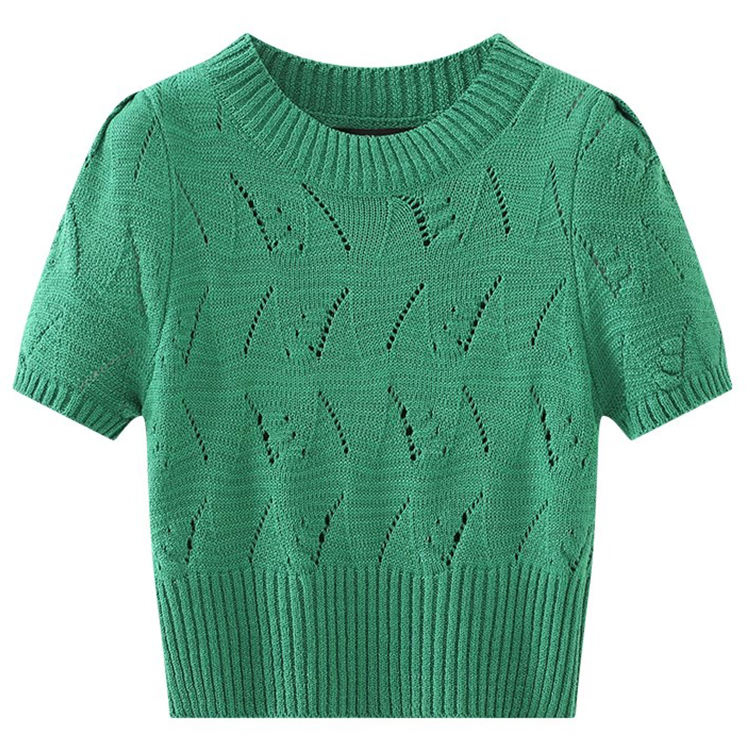
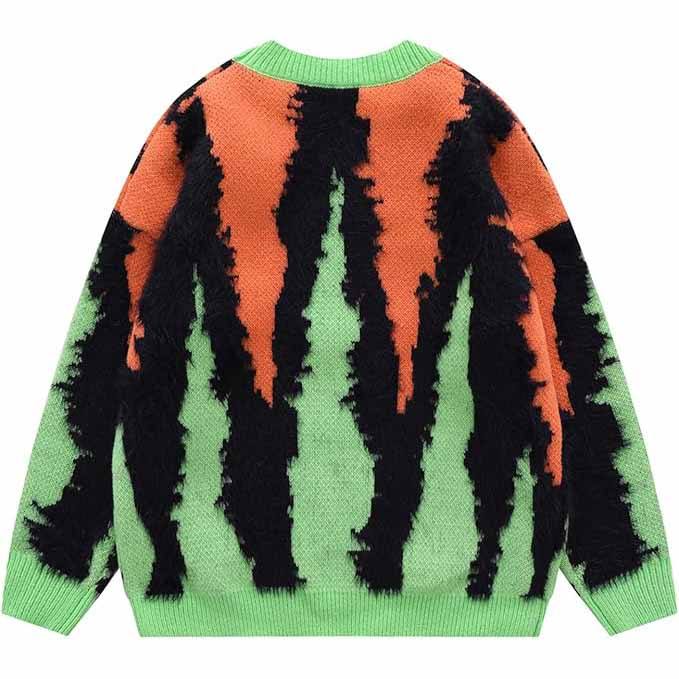
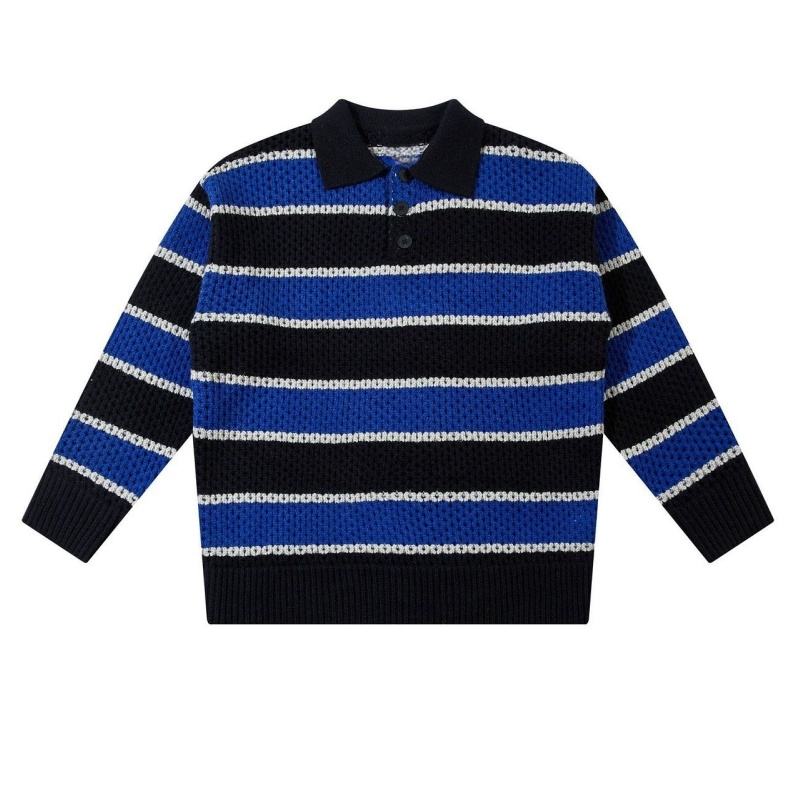
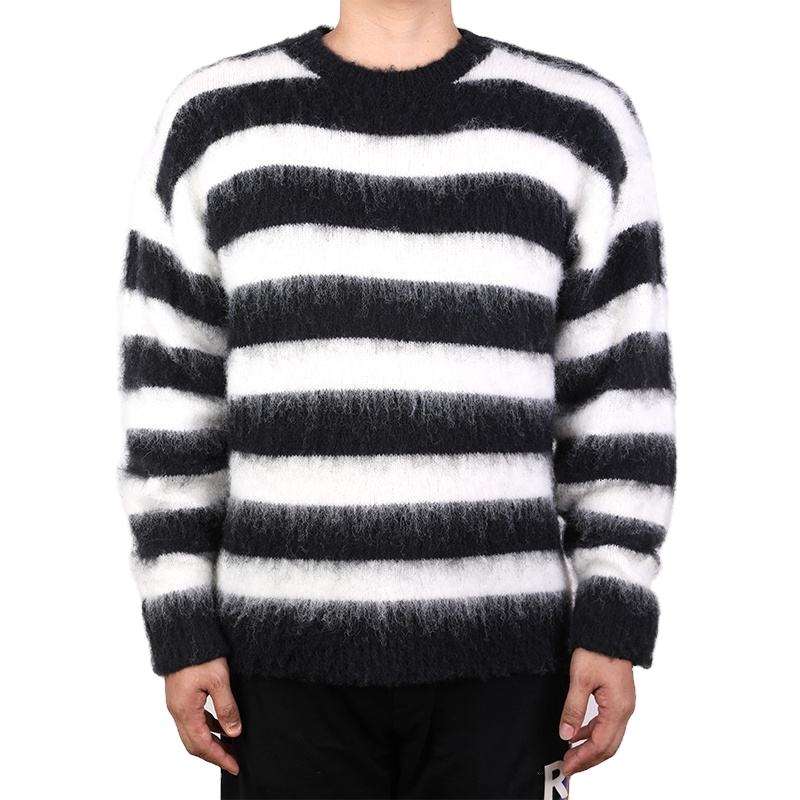
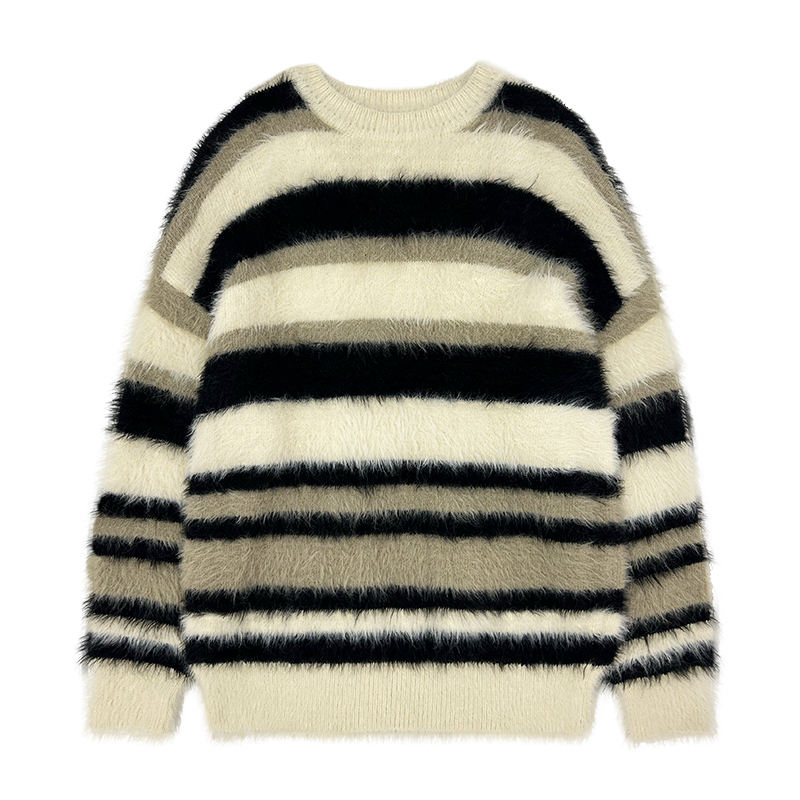
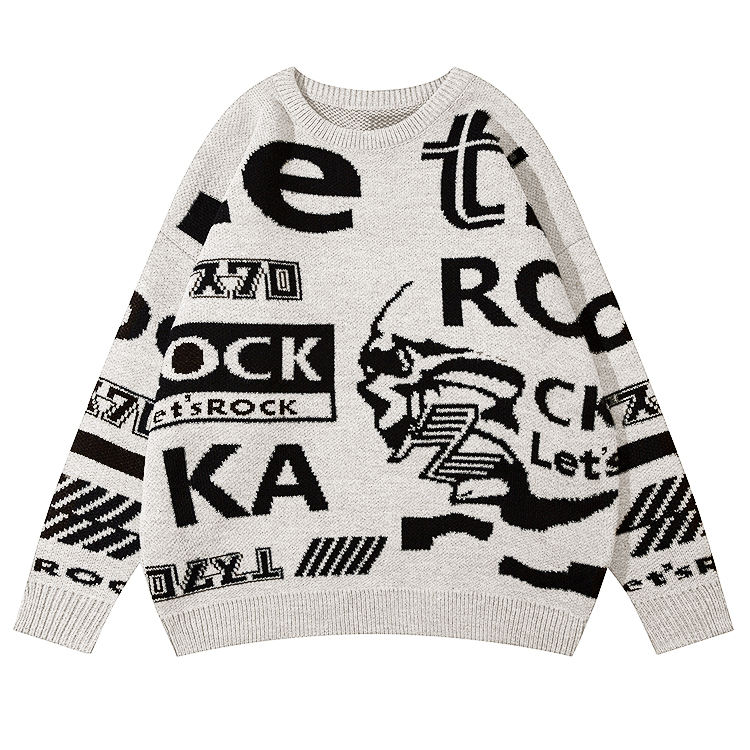
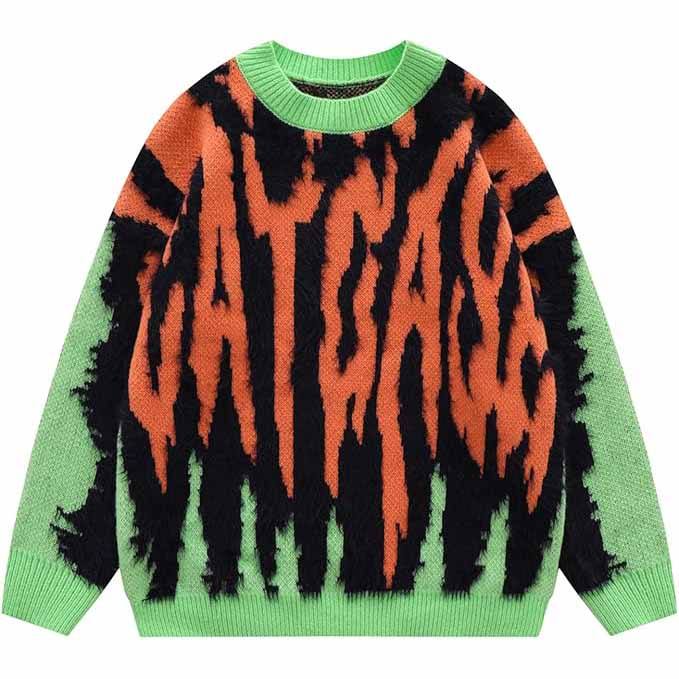

Sample Gallery: Intarsia Knitwear
Multi-Color Without Float Yarns
Each color block is knit independently with separate yarn feeds, eliminating reverse-side floats for a clean, lightweight interior and superior drape.
Seamless Pattern Integration
Geometric motifs, logos, and color-blocked designs are woven directly into the fabric structure, creating permanent, non-applied decoration that never peels or fades.
Balanced Weight and Drape
Unlike jacquard or fair isle, intarsia knitwear maintains single-layer thickness across all pattern areas, ensuring consistent hand-feel and garment performance.
Enhanced Washability and Durability
No trapped floats means fewer snag points and simpler care instructions, making intarsia ideal for retail sweaters that demand long-term wearability.
Fiber and Gauge Flexibility
Intarsia adapts to cashmere, merino, cotton, alpaca, and blends across 3GG to 14GG gauges, supporting both chunky statement pieces and fine-knit designs.
Complex Design Execution
Skilled programming and hand-linking deliver intricate color transitions and custom motifs that elevate brand storytelling and seasonal collections.
Related Knitting Techniques & Capabilities
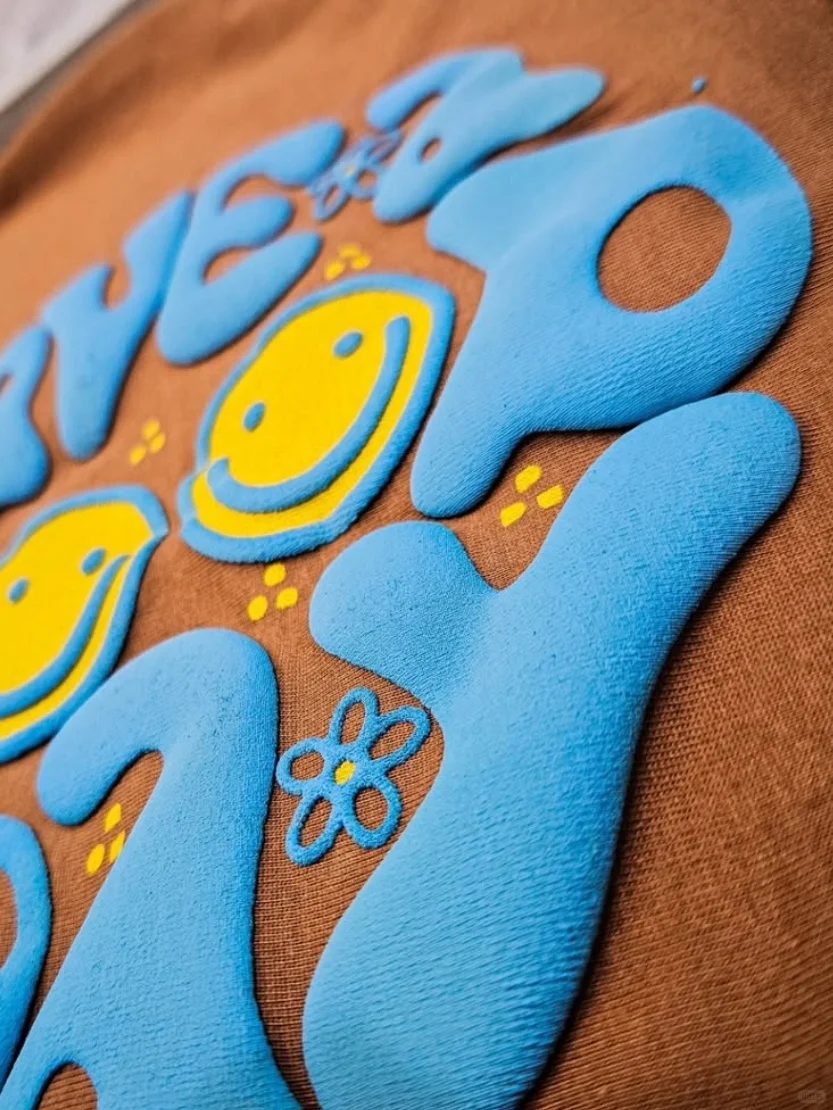
Knitting Techniques
Overview of the core knitting techniques CENWILD masters across 28+ years of manufacturing: intarsia, jacquard, cable, ribbed, pointelle, and fully-fashioned construction. Each method brings distinct visual and structural benefits to custom knitwear, from bold colorwork to textured relief and zero-waste shaping. Our in-house team helps you select the right technique for your design, brand positioning, and production budget.
Get a Quote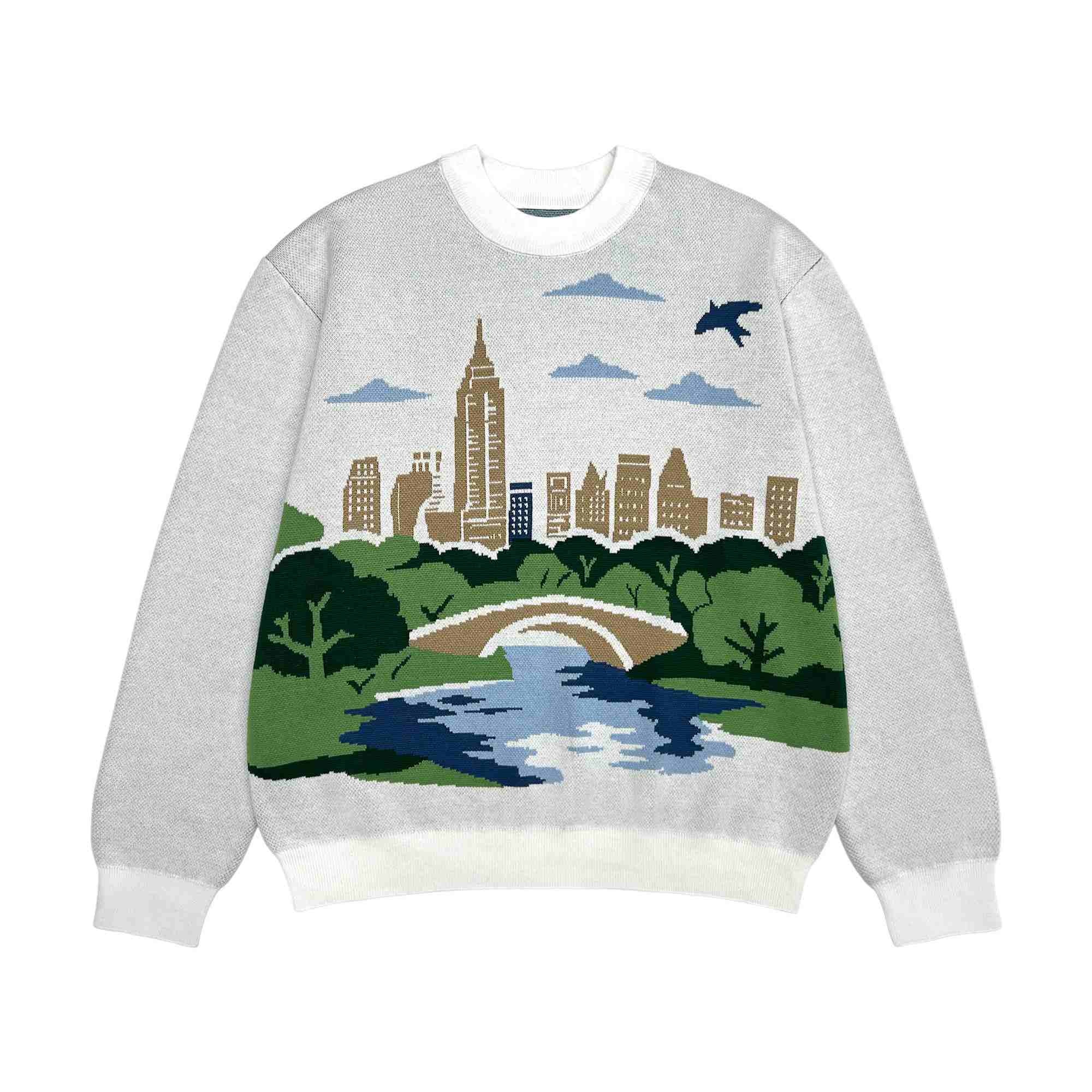
Jacquard Knitting
Jacquard knitting uses a programmed stitch structure to create multi-color patterns across the fabric, ideal for all-over prints, geometric motifs, and repeating logos. Unlike intarsia, jacquard floats yarn on the reverse, adding warmth and weight. CENWILD runs jacquard across 3GG to 14GG gauges with precise tension control, suitable for OEM and private label sweater collections requiring scalable, consistent pattern replication at MOQs from 100 pieces.
Get a Quote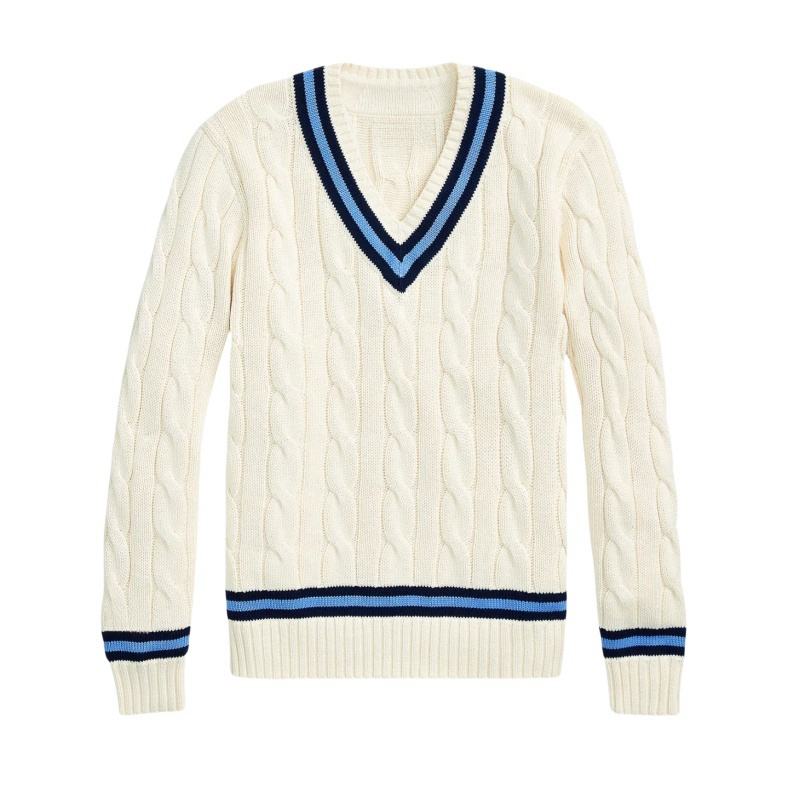
Cable Knit
Cable knit sweaters feature raised, twisted stitch patterns that add three-dimensional texture and heritage appeal. CENWILD manufactures classic Aran cables, fisherman ribs, and modern sculptural knits in wool, cashmere, cotton, and blends. Our computerized flat-knitting machines and skilled linking team ensure clean cable crossings and even tension, supporting both ODM development and tech-pack-based production for brands targeting premium, textured knitwear markets.
Get a Quote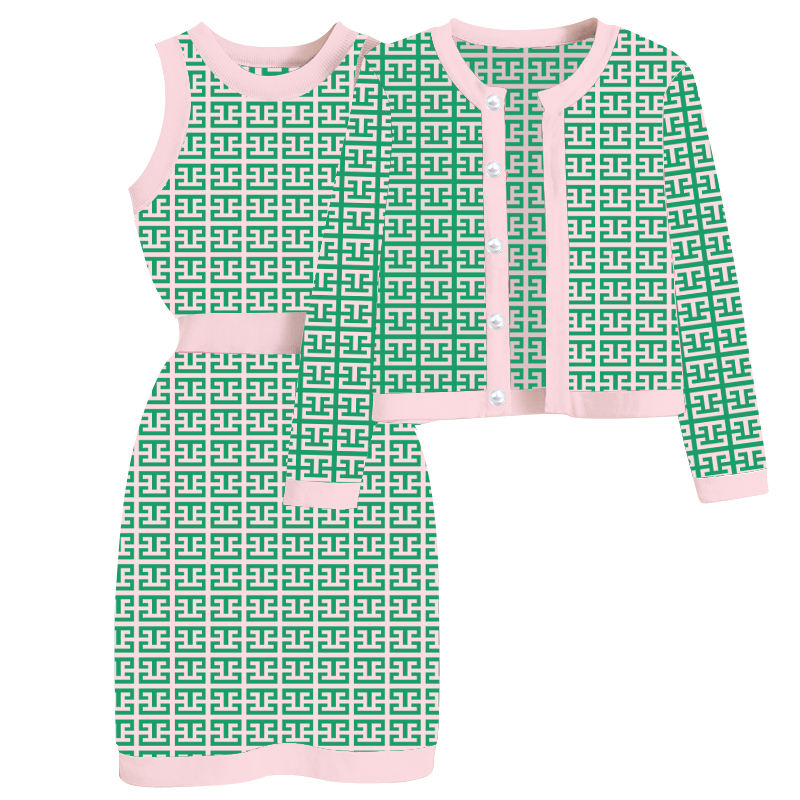
Ribbed Knit
Ribbed knit construction alternates knit and purl stitches to create vertical elasticity and texture, commonly used for cuffs, hems, necklines, and full-garment ribbed sweaters. CENWILD offers 1×1, 2×2, English rib, and custom rib configurations across all gauges. Ribbed knitwear delivers stretch, recovery, and a tailored fit, ideal for form-fitting styles, athleisure crossover, and layering pieces in men’s, women’s, and children’s collections.
Get a Quote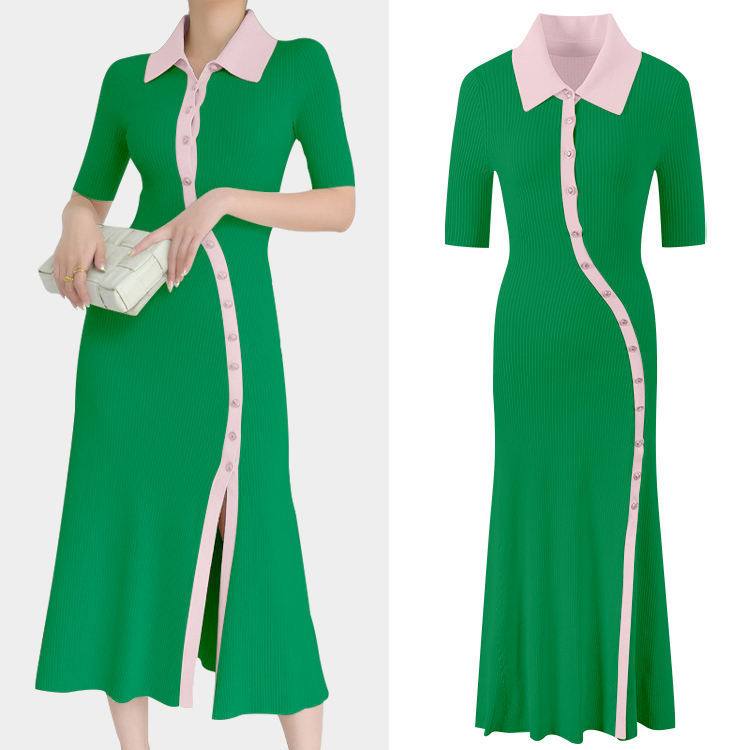
Pointelle Knit
Pointelle knitting produces delicate, lace-like eyelets and openwork patterns through controlled dropped stitches and yarn-over techniques. CENWILD manufactures pointelle sweaters, cardigans, and knit dresses in fine-gauge cotton, linen, silk blends, and lightweight wools for spring/summer and transitional collections. Our design team programs custom pointelle motifs, from subtle geometric perforations to romantic floral lace, with full sampling support and low 100-piece MOQs.
Get a Quote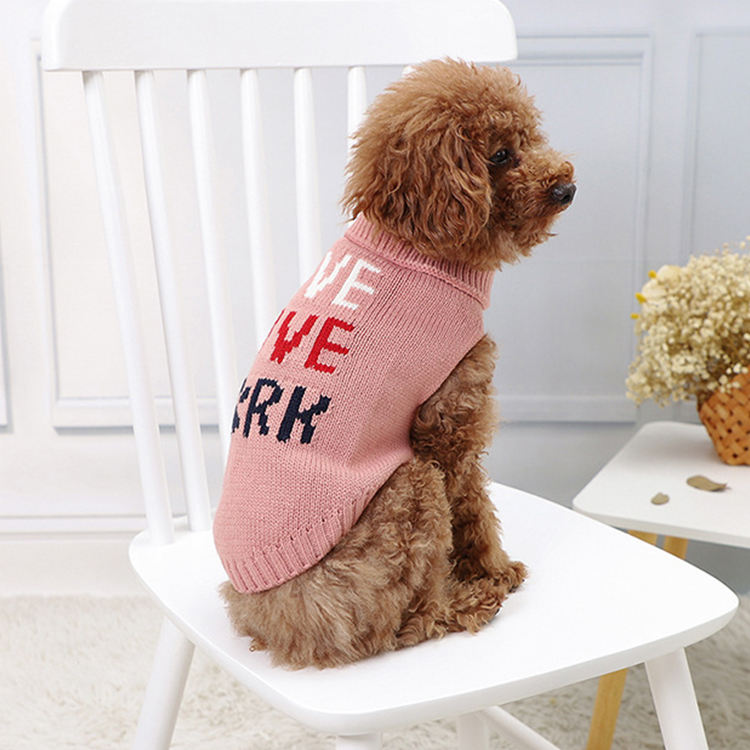
Fully Fashioned Knitting
Fully fashioned knitwear is knit to the precise shape of each garment panel, eliminating fabric waste and creating clean, engineered edges that require minimal seaming. CENWILD’s computerized knitting machines produce fully fashioned sleeves, bodies, and collars with integrated shaping, reducing labor, improving fit consistency, and supporting sustainability goals. This technique is ideal for premium private label lines, technical sportswear, and brands emphasizing responsible manufacturing and supply chain transparency.
Get a Quote
Gauge Options 3GG to 14GG
CENWILD operates computerized flat-knitting machines across 3GG to 14GG gauge range, covering chunky, mid-weight, and fine-gauge knitwear. Coarser gauges deliver bold texture and fast knitting for statement pieces and outerwear; finer gauges produce smooth, lightweight fabrics for layering, luxury sweaters, and intricate patterns. Our gauge flexibility lets you match yarn weight, drape, and visual detail to your target price point, season, and brand aesthetic.
Get a Quote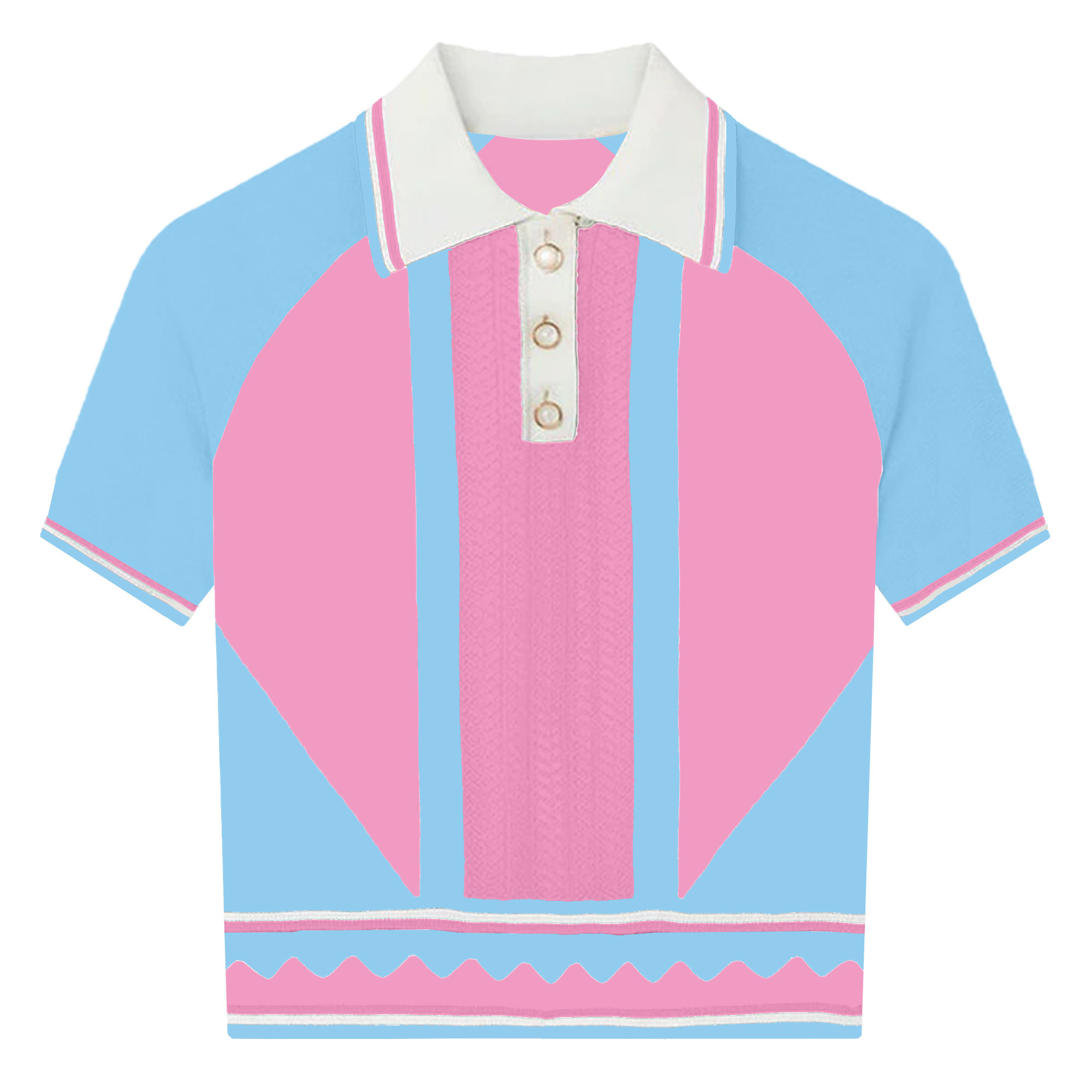
Hand Knit and Crochet
Hand knit and crochet services bring artisan craftsmanship and one-of-a-kind texture to custom sweater collections. CENWILD’s skilled hand-knitting team produces chunky hand-knit cardigans, crochet trims, granny-square panels, and fully crocheted garments in wool, cotton, and novelty yarns. Ideal for limited-edition capsules, influencer collaborations, and heritage-inspired collections, hand techniques pair with our machine knitting and finishing capabilities to deliver hybrid, high-craft knitwear at flexible MOQs.
Get a Quote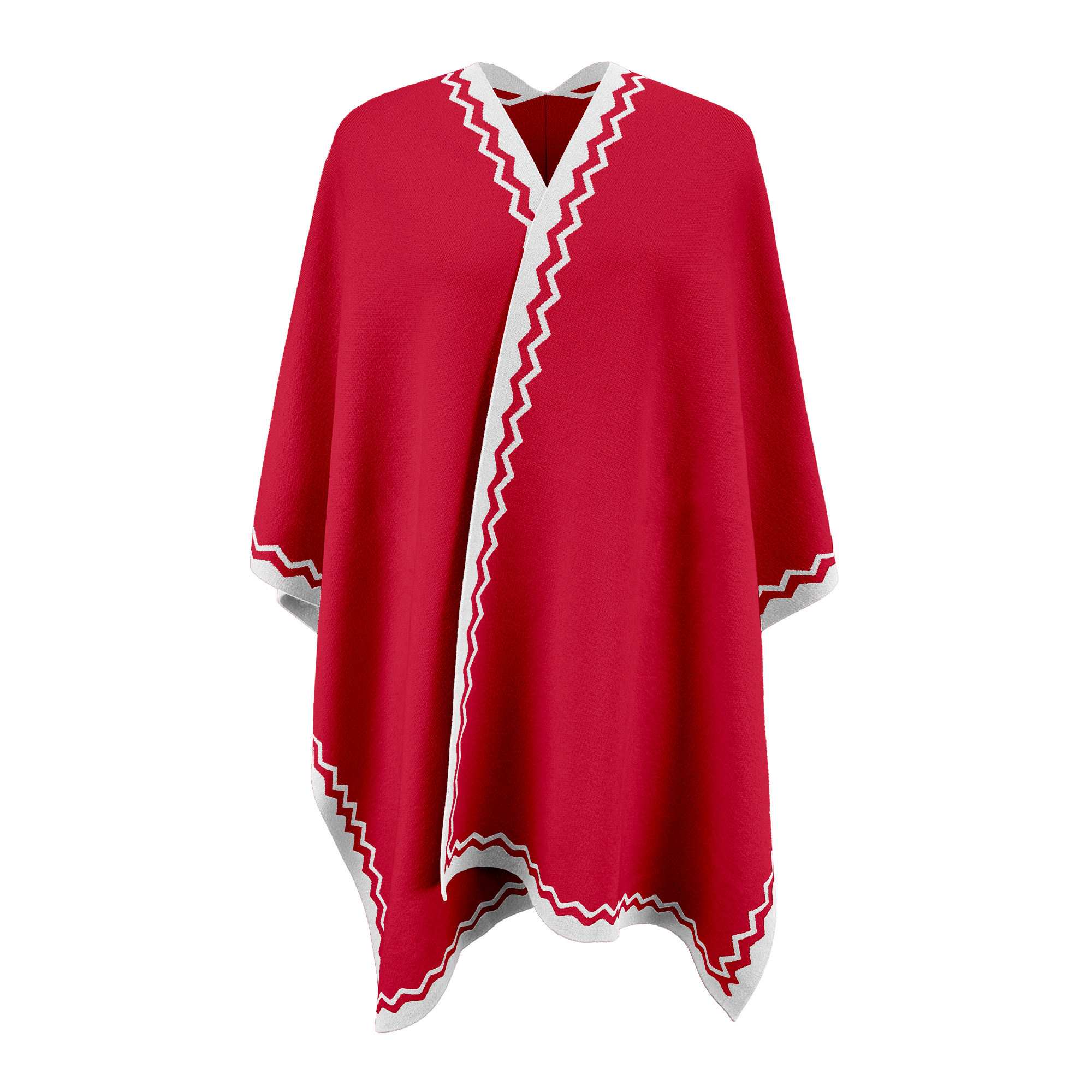
Custom Cardigan
Custom cardigan manufacturing for fashion brands, retailers, and designers seeking OEM, ODM, or private label production. CENWILD produces button-front, zip, open-front, and belted cardigans in every gauge, yarn, and technique—intarsia, jacquard, cable, ribbed, pointelle—with full embroidery, printing, and trim customization. MOQ starts at 100 pieces, with in-house sampling, grading, and knit-down development to bring your cardigan concept from sketch to finished garment.
Get a QuoteCENWILD's Intarsia Knitwear Expertise
Since 1998, CENWILD has refined the art of intarsia knitwear in Dongguan’s knitwear heartland. Our team of over 200 skilled technicians operates computerized flat-knitting machines across 3GG to 14GG gauges, producing intricate multi-color patterns with seamless color blocking and crisp graphic detail that define premium intarsia sweaters.
From bold geometric designs to delicate pictorial motifs, CENWILD’s intarsia knitwear projects span fashion brands, independent designers, and retailers worldwide. Our in-house design team translates concepts into production-ready 3D knit programs, creates knit-down swatches for approval, and guides every intarsia project from yarn selection through final finishing with precision and care.
With OEM, ODM, and private label capabilities, we bring 28+ years of multi-color knit mastery to every order. Whether you need 100 pieces or 10,000, CENWILD delivers intarsia knitwear that combines technical excellence, creative flexibility, and the reliability of a proven manufacturing partner built for your brand’s growth.
Intarsia Knitwear Design & Production Depth
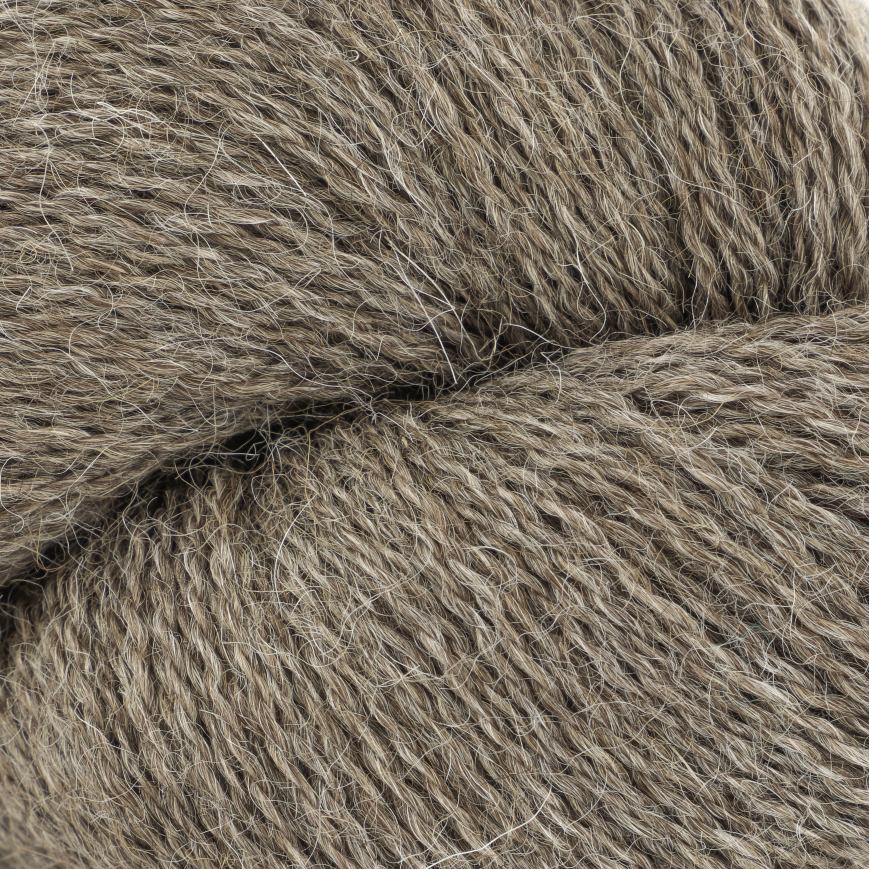
Yarn Selection for Multi-Color Work
Intarsia knitwear demands precise yarn matching across colors to ensure uniform texture, drape, and wash stability. CENWILD sources merino, cashmere, cotton, and blends with identical gauge and twist, so every color block knits seamlessly into your pattern.
- Match fiber content, weight, and twist across every color
- Pre-production swatches confirm dye-lot consistency and hand-feel
- Compatible with natural, synthetic, and recycled yarn blends
- Yarn库 of over 500 base qualities for fast sampling
Machine Programming & Stitch Design
Our 3D knit programmers translate your artwork into machine code, mapping every stitch and color change across 3GG–14GG flat-knitting equipment. Each intarsia block is knit independently, eliminating floats and ensuring clean color transitions on both face and reverse.
- Custom stitch-by-stitch programming for complex graphics and logos
- No yarn floats—each color stops and starts precisely
- Fully-fashioned shaping integrated into the pattern
- Knit-down samples ready in 7–10 days for approval
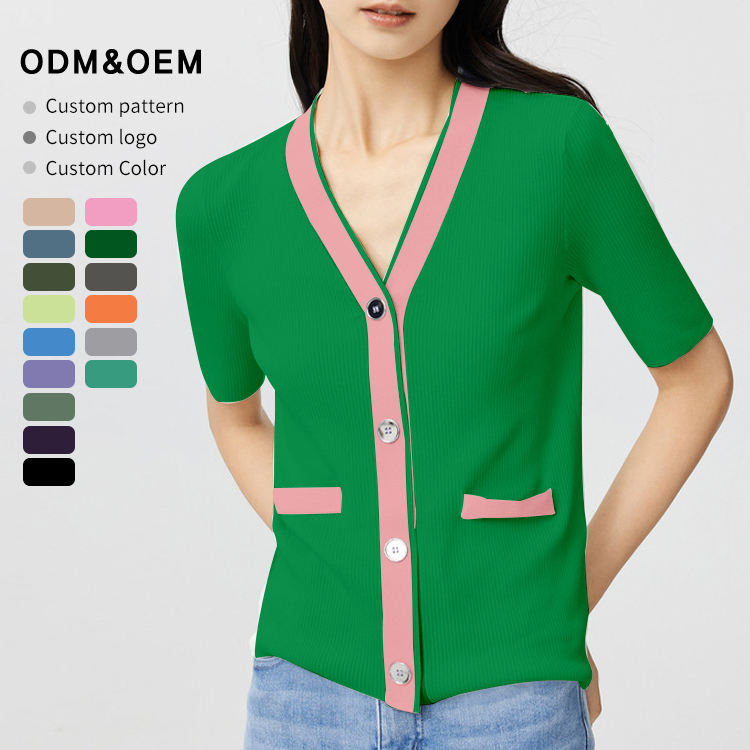
Color Registration & Pattern Alignment
Accurate registration is critical when intarsia patterns span shoulders, side seams, or sleeves. CENWILD’s linking and assembly teams align every panel to within 1–2 courses, preserving graphic integrity across the finished garment and ensuring your design reads clearly.
- Panel-to-panel alignment checked at every seam
- Experienced linking operators trained in pattern matching
- Quality control inspects registration before and after assembly
- Works for logos, geometric blocks, and pictorial intarsia
Finishing & Washing for Pattern Integrity
Post-knit washing, steaming, and anti-pilling treatments are calibrated to preserve intarsia color boundaries and prevent distortion. CENWILD’s garment-finishing protocols lock in shape, soften hand-feel, and ensure your multi-color design stays crisp through retail and customer care.
- Controlled garment wash and steam blocking
- Anti-pilling enzyme treatment without color bleed
- Optional garment dye for tonal backgrounds
- Final press and measurement to spec before packing
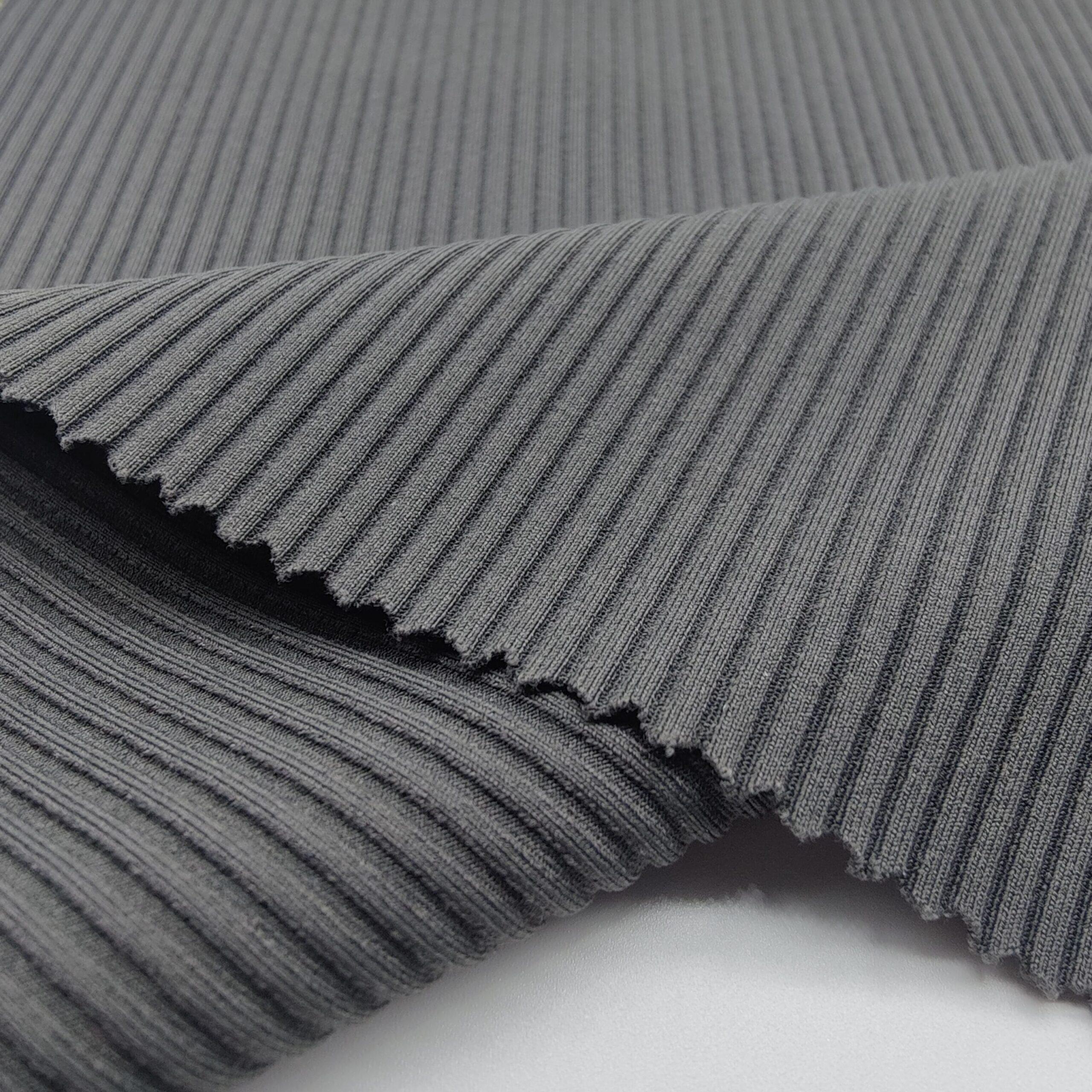
Intarsia Knitwear vs. Jacquard, Fair Isle & Other Techniques
Understanding the key differences between intarsia and other multi-color knitting methods helps you choose the right technique for your design, fabric weight, and production goals.
← 左右滑动查看 →
Intarsia Knitwear Production Process
Seven controlled phases ensure every custom intarsia sweater delivers precise color placement, clean pattern transitions, and consistent quality from 100 pieces to full production runs.
Design & Pattern Programming
Our design team translates your artwork into knit-ready intarsia patterns, programming each color block and transition point for computerized flat-knitting machines.
Yarn Sourcing & Color Matching
We source yarns in your specified fiber and match every color to your palette, ensuring alignment across all intarsia pattern elements.
Knit-Down Sampling
A full intarsia sample is knitted to verify color registration, pattern continuity, gauge accuracy, and overall design integrity before production approval.
Machine Setup & Color Registration
Technicians load yarn carriers, calibrate tension for each color zone, and lock in registration points to prevent shifting or misalignment during knitting.
Production Knitting
Computerized machines knit each intarsia panel with real-time monitoring, ensuring every color change and pattern repeat maintains precision across the entire batch.
Linking & Seaming
Skilled operators link intarsia panels using flatlock or invisible seaming techniques, aligning pattern edges so color blocks flow seamlessly across seams.
Finishing & Quality Control
Each garment undergoes washing, pressing, and final inspection for color consistency, pattern alignment, and overall craftsmanship before packaging and export.
How to Order Custom Intarsia Knitwear
From your design concept to finished sweaters, CENWILD guides you through every step of intarsia production with expert pattern engineering and flexible MOQs starting at just 100 pieces.
Submit Your Design Brief
Share your sketch, photo, tech pack, or concept. Our team assesses pattern complexity, color separation requirements, and yarn compatibility for your intarsia knitwear design.
Review Sampling and Approval
We program your intarsia pattern, source matched yarns, and knit a pre-production sample. You approve colors, fit, pattern placement, and final construction details.
Confirm Production Setup
Once sampling is approved, we schedule machine time, secure yarn inventory, and finalize your order quantity, timeline, and any decoration or finishing requirements.
Receive Quality-Controlled Delivery
Your custom intarsia sweaters undergo full inspection, garment finishing, and packaging before shipment. We coordinate export logistics directly to your destination worldwide.
Customer Success: Intarsia Knitwear Projects
CENWILD delivered 500 intarsia cardigans with 8-color geometric patterns on time for our fall launch. Color accuracy was flawless across every piece, and the pattern complexity exceeded our expectations.
We ordered custom intarsia crewnecks with intricate logo placement. After 20 washes the patterns stayed crisp with zero pilling. Our retail partners reordered twice—sales jumped 34% over previous seasons.
Their design team translated our rough sketch into a production-ready intarsia knit with 6 yarn types. The knit-down sample arrived in 12 days, and the final 300-piece run had zero defects.
Intarsia Knitwear FAQ
What is the minimum order quantity for custom intarsia knitwear?
What fabrics and yarn types work best for intarsia knitwear?
How many colors can I use in an intarsia knitwear design?
Can I combine intarsia knitwear with embroidery or other decoration techniques?
What is the maximum design size for intarsia knitwear patterns?
What lead time should I expect for intarsia knitwear production?
How much does an intarsia knitwear sample cost, and what files do I need to provide?
Is intarsia knitwear durable and machine washable?
What gauge options are available for intarsia knitwear at CENWILD?
The Complete Buyer’s Guide to Intarsia Knitwear for Fashion Brands
Navigate custom intarsia knitwear sourcing with confidence. This guide delivers a proven decision framework, manufacturer selection criteria, material comparisons, and the most common mistakes buyers make—so you can launch premium sweater collections that stand out.
1. What Is Intarsia Knitwear?
Intarsia knitwear is a color-blocking technique that uses separate yarn bobbins for each distinct color area, creating a single-layer fabric with no yarn floats on the reverse. Unlike jacquard or Fair Isle — which carry unused colors across the back, adding weight and bulk — intarsia produces a clean, reversible finish ideal for bold graphics, oversized logos, and geometric patterns. Each color block is knitted independently and joined at the edges, resulting in a smooth, flat surface on both sides.
Fashion brands choose intarsia for its design freedom: there is no practical limit to color-block size, and the absence of floats means the fabric drapes naturally without the stiffness common in multi-color jacquard. This makes intarsia the preferred method for statement pieces — varsity-style lettering, brand mascots, artistic motifs, and color-blocked panels — where visual impact and hand-feel justify premium retail pricing.
CENWILD’s computerized flat-knitting machines across 3GG–14GG gauges execute intarsia programs with precision color transitions, supporting both small-run custom designs from 100 pieces and scalable production for established collections.
2. The Evolution and History of Intarsia Knitwear
The term ‘intarsia’ derives from 15th-century Italian wood inlay — intarsio — where artisans fit contrasting veneers into geometric or pictorial patterns. Knitwear adopted the name in the early 20th century when hand-knitters began using separate yarn blocks to create color motifs without floats, mirroring the inlay principle in fabric.
During the 1920s, Art Deco swept fashion, and intarsia knitwear emerged in geometric sweaters worn by European ski resorts and country clubs. The technique allowed bold, graphic patterns impossible with jacquard’s limited color changes per row. By the 1980s, luxury sportswear brands revived intarsia for oversized logo sweaters and color-blocked pullovers, cementing its association with premium, statement knitwear.
Today’s streetwear and contemporary labels have reignited demand for intarsia knitwear, pairing retro motifs with modern silhouettes. Heritage manufacturers and new-generation designers alike leverage computerized flat-knitting to scale the technique while preserving its artisanal appeal, positioning intarsia as a differentiated, high-perceived-value category in competitive knitwear markets.
3. Types of Intarsia Knitwear and Design Styles
Intarsia knitwear spans a wide spectrum of design complexity, from clean geometric blocks to intricate pictorial scenes. Understanding each category’s production requirements and market positioning helps brands align creative vision with manufacturing feasibility and minimum order commitments.
Color-Block Geometric Patterns
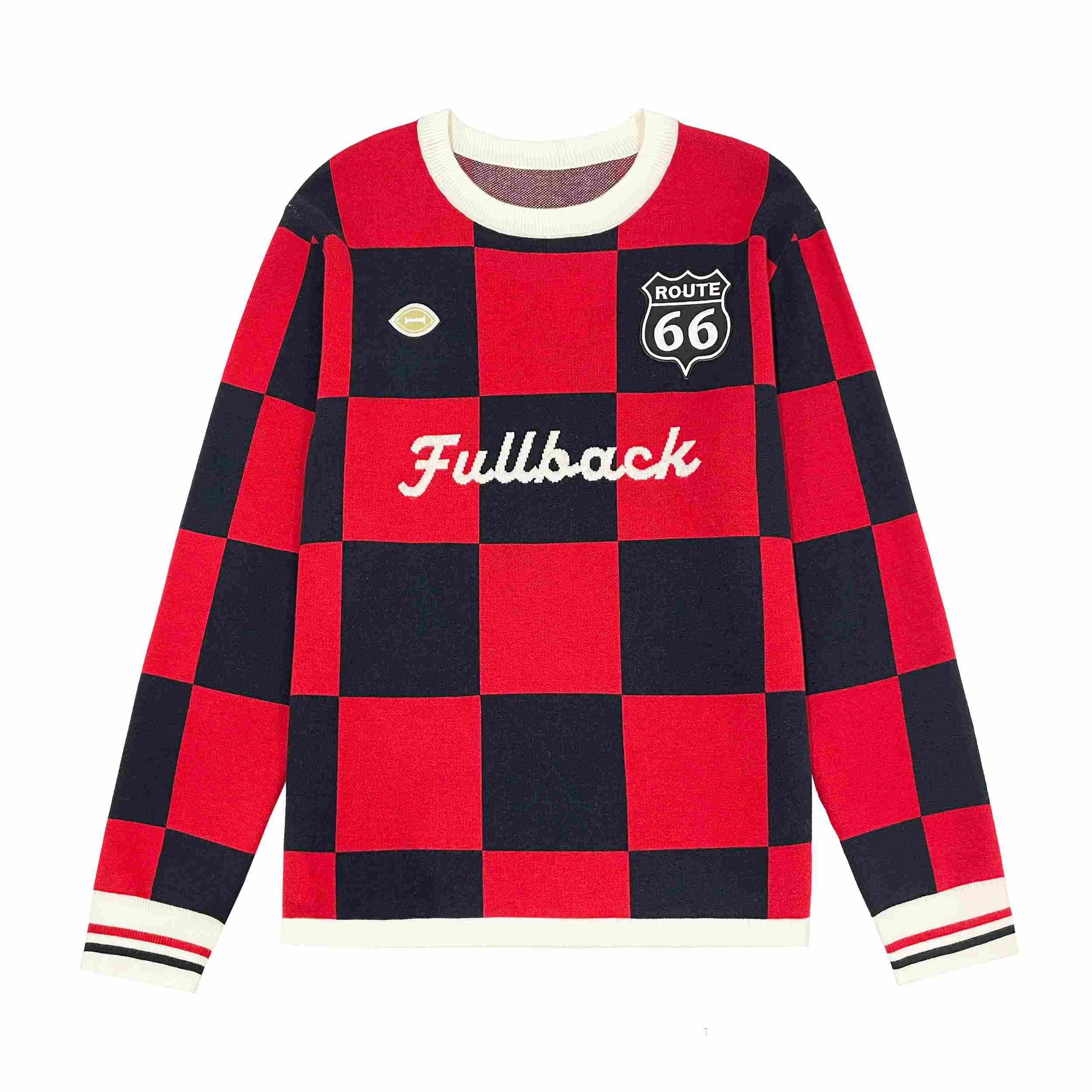
Simple horizontal, vertical, or diagonal color zones require the fewest yarn carriers and shortest programming time. Sportswear and athleisure brands favor this style for bold, modern aesthetics at accessible MOQs — often starting at 100 pieces per colorway.
Production speed is highest in this category, making it ideal for fast-turn capsule collections and test launches.
Pictorial and Graphic Intarsia
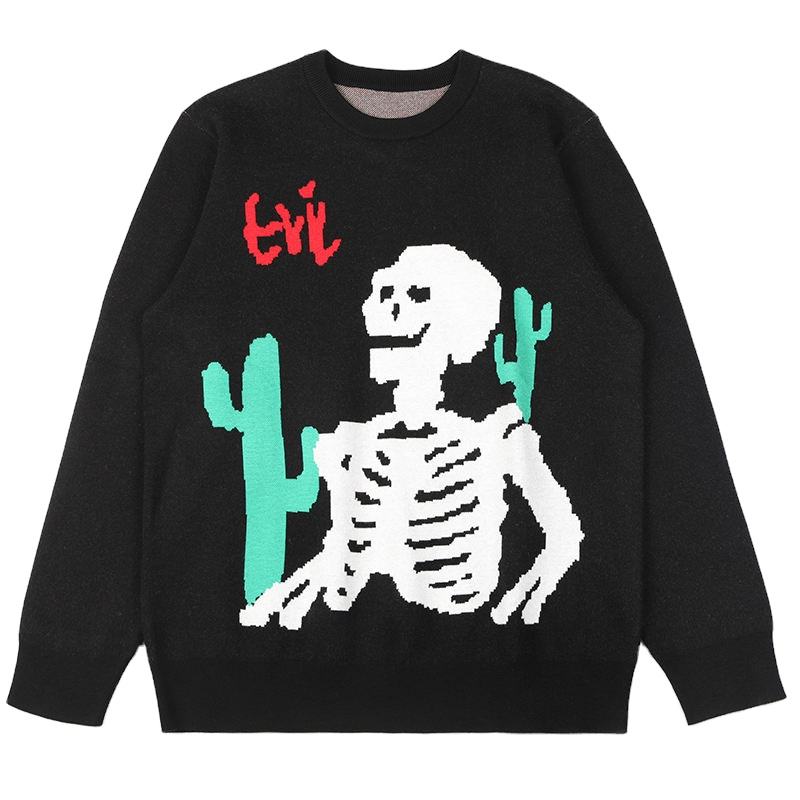
Logos, mascots, landscapes, and character art demand multi-color yarn feeding and precise stitch mapping. Luxury and streetwear labels use pictorial intarsia to create signature statement pieces that command premium retail prices.
Complexity increases lead time by 1–2 weeks and typically requires minimum 200–300 pieces to offset programming and sampling costs.
Argyle and Diamond Motifs
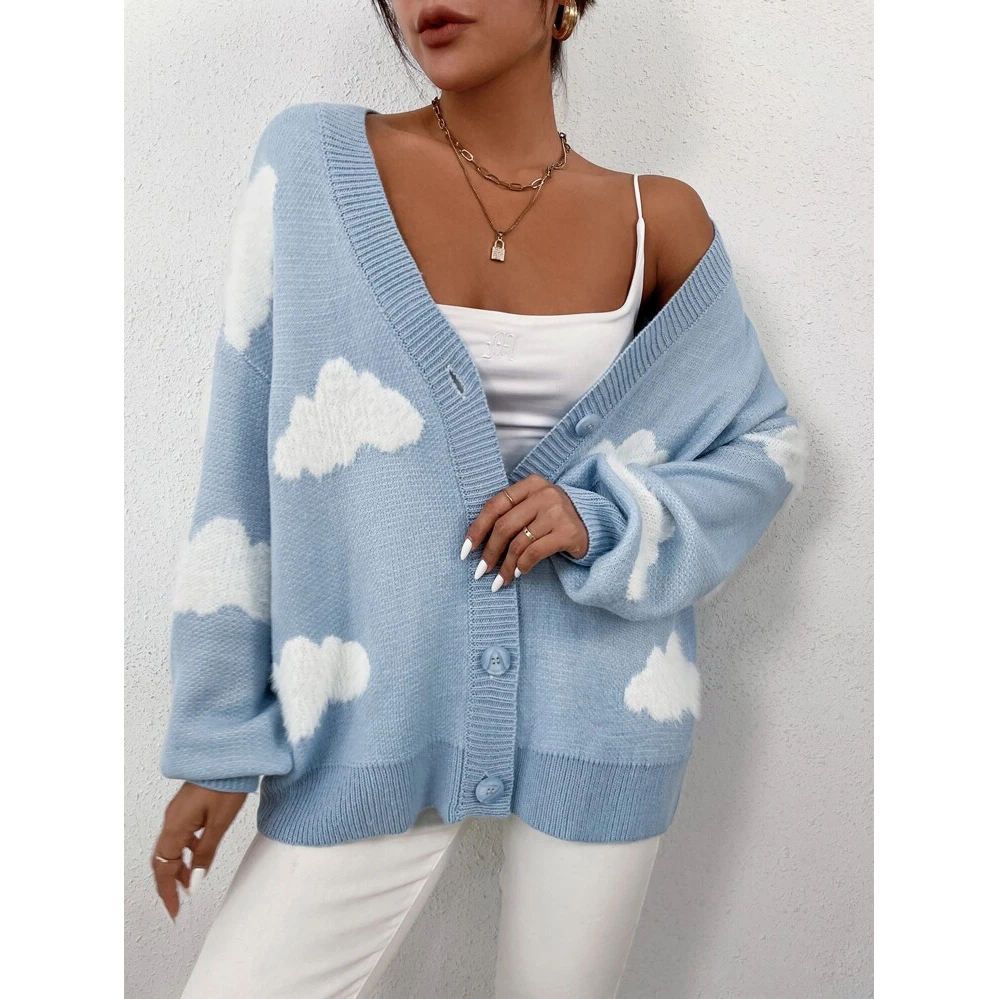
Classic argyle and repeating diamond grids balance tradition with technical efficiency. Preppy, heritage, and golf-inspired collections rely on these patterns for timeless appeal across men’s, women’s, and children’s lines.
Repeating motifs reduce per-piece programming overhead, keeping MOQs near the 100-piece baseline while delivering recognizable, retail-ready designs.
4. Materials and Yarn Choices for Intarsia Knitwear
Yarn selection directly determines color clarity, edge definition, and production cost in intarsia knitwear. Each fiber behaves differently under tension during color-block knitting, influencing both the sharpness of motifs and the final garment price.
| Fiber Type | Weight Range (g/m²) | Durability | Ideal Season | Price Tier |
|---|---|---|---|---|
| Merino Wool | 220–280 | High; pills less than lambswool | Fall/Winter | Mid to High |
| Cashmere Blend (30–50%) | 200–260 | Moderate; requires gentle care | Winter | High |
| Cotton | 240–300 | Very high; machine washable | Spring/Summer | Low to Mid |
| Acrylic | 200–250 | High; resists pilling, color-fast | All-season | Low |
| Recycled Polyester | 210–270 | Very high; moisture-wicking | All-season | Low to Mid |
| Organic Cotton | 240–300 | High; GOTS-certified options | Spring/Summer | Mid |
5. Customization and Branding Options in Intarsia Knitwear
Intarsia knitwear offers fashion brands unmatched customization depth, from knit-in graphics and Pantone-matched color palettes to embroidered logos, woven labels, and branded hang tags. Each option carries distinct lead-time and MOQ implications that shape production schedules and unit economics.
Knit-In Logos and Custom Color Palettes
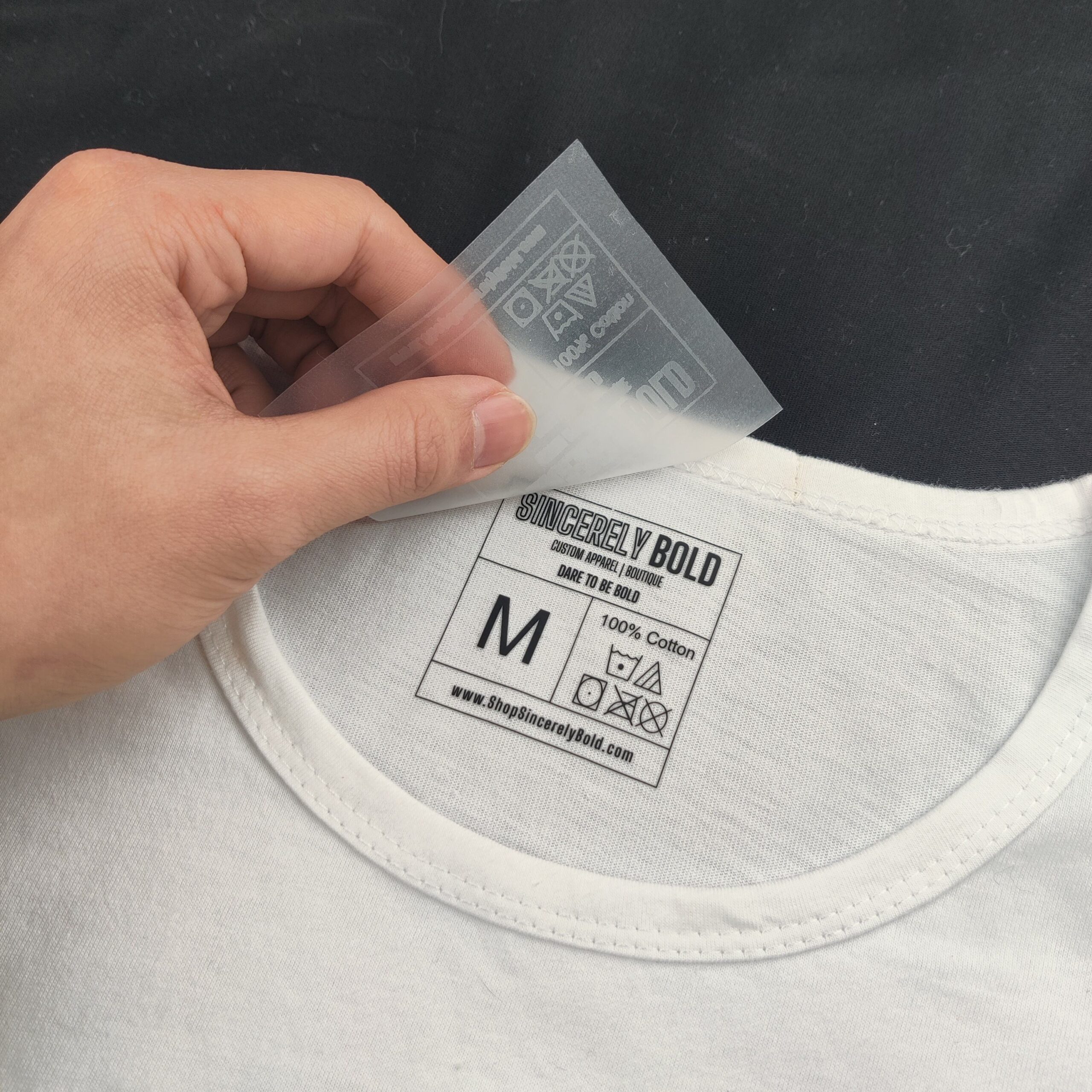
Intarsia allows logos, text, and multi-color patterns to be knitted directly into the fabric during production, eliminating the need for secondary embellishment. CENWILD’s 3GG–14GG computerized flat-knitting machines can render complex graphics in up to 12 colors per design, with Pantone matching available for brand consistency.
Knit-in customization adds 7–10 days to sampling and typically requires MOQ of 100 pieces per colorway. Contrast ribbing, cuffs, and necklines can be specified at no additional minimum, making it ideal for cohesive brand identity across collections.
Logo Placement: Intarsia vs. Embroidery vs. Appliqué
Choosing the right logo technique depends on design complexity, durability needs, and budget. The table below compares lead-time, feel, and typical MOQ impact for each method, helping brands align decoration with their positioning and production timeline.
| Method | Lead-Time | Hand Feel | MOQ Impact |
|---|---|---|---|
| Intarsia | +7–10 days | Flat, soft | 100 pcs/colorway |
| Embroidery | +3–5 days | Raised, textured | 50 pcs (setup fee) |
| Appliqué | +5–7 days | Layered, bold | 100 pcs (cutting die) |
Woven Labels, Hang Tags, and Finishing Touches
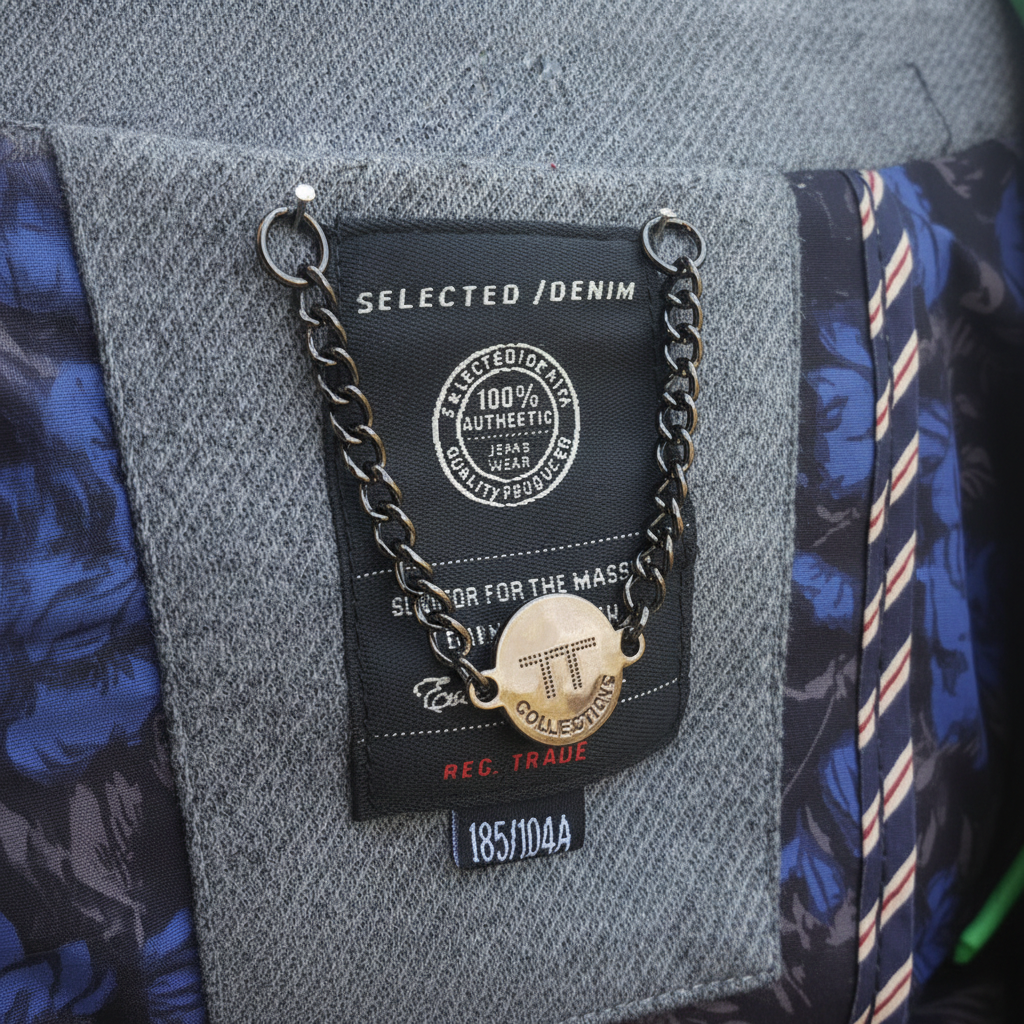
Woven neck labels, care labels, and custom hang tags reinforce brand identity at every touchpoint. CENWILD sources high-density woven labels with MOQ as low as 100 pieces per design, and coordinates hang-tag printing, grommets, and string attachment in-house.
Lead-time for custom labels is 5–7 days; recycled-paper or FSC-certified hang tags add 3–5 days. Coordinating all branding elements under one roof reduces logistics complexity and ensures consistent quality across the final package.
6. Key Quality Indicators in Intarsia Knitwear Construction
Evaluating intarsia knitwear samples requires a trained eye for details invisible in flat sketches. Because each color block is knit separately and joined, construction quality directly affects wearability, wash durability, and customer satisfaction.
Clean Color Transitions and Surface Integrity
Inspect the face of the garment where color blocks meet. High-quality intarsia shows no puckering, gaps, or overlapping yarns at boundaries. Stitch tension must remain uniform across panels; uneven tension creates wavy edges or distorted motifs.
CENWILD’s 3GG–14GG computerized flat-knitting machines maintain consistent loop formation, while experienced technicians monitor real-time tension adjustments to prevent surface defects before they occur.
Reverse-Side Yarn Joins and Floats
Turn the sample inside-out. Yarn tails should be securely woven in or knotted, with no loose ends longer than 1 cm. True intarsia produces minimal floats — unlike jacquard, where unused yarns carry across the back — so any long floats indicate incorrect technique or pattern errors.
Seam Linking: Hand vs. Machine
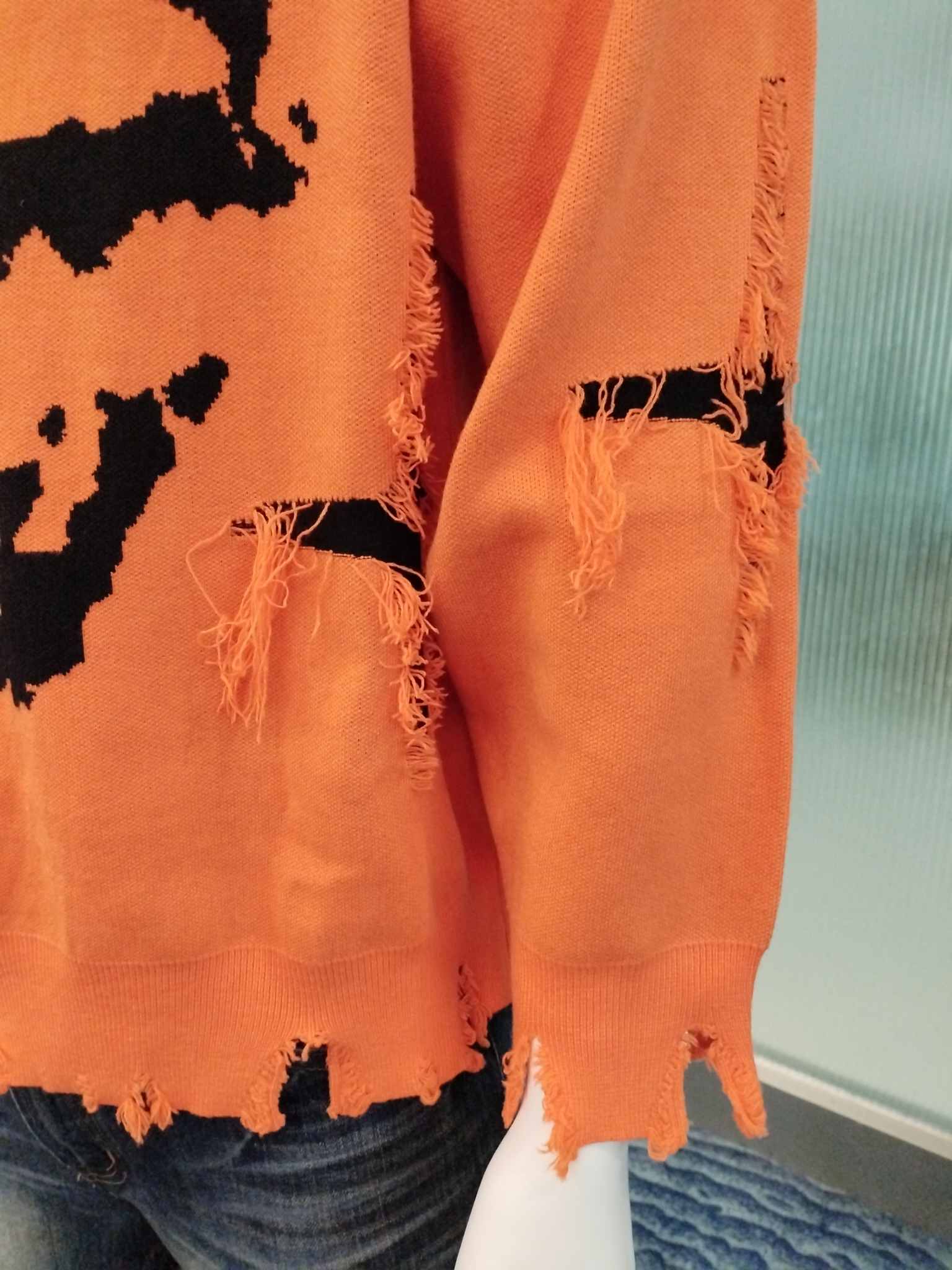
Linking joins knit panels stitch-by-stitch. Hand-linking (common in luxury cashmere) is invisible and flexible but slower; machine linking is faster and consistent for mid-tier volumes. Both should show no ridge or gap when the garment is worn.
CENWILD offers both methods depending on order volume and price point, ensuring seams lie flat and withstand repeated washing without separation.
Dimensional Stability After Washing
Request a pre-production sample washed per care-label instructions. Measure length, width, and motif dimensions before and after. Quality intarsia knitwear shrinks less than 3–5% and retains color-block alignment; poor yarn choice or incorrect finishing causes skewing or felting.
7. How to Choose the Right Intarsia Knitwear Manufacturer
Selecting a factory for intarsia knitwear demands evaluation across production flexibility, technical capability, and transparency. The right partner balances minimum-order thresholds with design support, yarn sourcing, and verifiable quality systems.
Minimum Order Quantity and Sampling
MOQ typically ranges from 50 pieces for boutique manufacturers to 500+ for volume-focused mills. CENWILD starts at 100 pieces per style, accommodating emerging brands and test collections.
Sampling turnaround spans 7–21 days; costs vary from $50 to $200 per knit-down prototype depending on complexity. Confirm whether sample fees are deducted from production orders.
Design Support and Yarn Sourcing
In-house design teams convert sketches, photos, or concepts into production-ready tech packs with 3D knit programming and grading. Ask whether the factory sources certified yarns (organic, recycled, traceable) and provides swatch libraries.
Transparency in yarn origin and mill partnerships signals supply-chain maturity and reduces lead-time risk.
Quality Control and Certifications
Look for documented inspection protocols at yarn intake, post-knit, post-wash, and pre-shipment stages. Compliance certifications — WRAP, BSCI, OEKO-TEX Standard 100 — verify social accountability and chemical safety.
Request audit reports and ask how defect rates are tracked and communicated during production runs.
8. Common Mistakes When Sourcing Intarsia Knitwear
Even experienced buyers stumble when sourcing intarsia knitwear for the first time. Understanding these five pitfalls — and their corrective actions — protects your budget, timeline, and brand reputation.
Underestimating Lead Times
Intarsia knitwear typically requires 12–16 weeks from deposit to shipment, not the 6–8 weeks common for cut-and-sew garments. Complex multi-color designs, yarn dyeing to custom Pantone references, and knit-down sampling add weeks.
Missed launch dates cost revenue and erode retailer trust. Always add a 2–3 week buffer and confirm your manufacturer’s current queue before committing to a delivery date.
Skipping Pre-Production Samples
Approving production from digital mockups alone invites color mismatches, unexpected hand-feel, and proportion errors. A knit-down sample reveals how yarns interact, whether tension is consistent, and if your design translates from screen to garment.
CENWILD provides knit-down swatches and full pre-production samples before bulk orders begin, ensuring every detail matches your vision and preventing costly re-runs.
Ignoring Yarn Shrinkage and Wash Testing
Natural fibers — cashmere, merino, lambswool — can shrink 3–8% after the first wash if not pre-treated. Skipping wash testing means your Medium becomes a Small in the customer’s hands, triggering returns and negative reviews.
Request garment-dyed or pre-washed samples and verify shrinkage rates in writing. CENWILD’s finishing services include anti-pilling, softening, and controlled shrinkage to stabilize dimensions before shipment.
Choosing Overly Complex Designs for First Orders
A 12-color intarsia pattern with cable overlays may look striking, but it multiplies sampling costs, extends lead times, and raises per-piece pricing by 30–50%. First-time buyers often face budget overruns and production delays.
Start with 2–4 color blocks and simpler motifs. Prove the partnership, refine grading, and scale complexity in subsequent seasons when both parties understand workflows and quality benchmarks.
Neglecting Size-Grading Consistency
Intarsia motifs must scale proportionally across XS to XXL, or a chest logo that fits a Medium will distort on larger sizes. Inconsistent grading damages brand credibility and increases return rates.
Provide a detailed tech pack with stitch-by-stitch grading notes, or work with CENWILD’s design team to program 3D knit files that maintain motif integrity across the full size run.
9. Steps to Launch Your Intarsia Knitwear Collection
Launching an intarsia knitwear collection requires careful sequencing of design, sampling, and production milestones. First-time buyers who skip documentation or compress approval timelines often face costly revisions and delayed shipments. A clear roadmap keeps every stakeholder aligned and on schedule.
Concept Development and Mood Boards
Start with a mood board that defines color palettes, motifs, and target customer aesthetic. Share reference images, Pantone codes, and yarn-weight preferences with your manufacturer within the first week.
CENWILD’s design team translates sketches, photos, or even loose ideas into stitch diagrams and 3D knit programming. Early alignment on gauge (typically 7GG or 12GG for intarsia) and yarn blend prevents rework later.
Tech-Pack Creation and Sample Approval
A complete tech pack includes garment measurements, stitch-by-stitch intarsia charts, color codes, trim specifications, and finishing instructions. Allow 7–10 days for knit-down sample production and another 3–5 days for international courier.
Review fit, color accuracy, and motif placement on the first sample. Document every requested change in writing; verbal edits lead to misalignment. Budget two to three sample rounds before final approval.
Bulk Order and Quality Control
Once the sample is signed off, confirm MOQ (100 pieces minimum at CENWILD), payment terms, and lead time — typically 25–35 days for intarsia knitwear. Request in-line and pre-shipment inspection reports covering stitch tension, color match, and trim attachment.
Schedule a final QC check before the balance payment. Clear documentation at every phase minimizes disputes and ensures your collection arrives on time and on brand.
10. Intarsia Knitwear Pricing and Cost Breakdown
CENWILD’s 100-piece minimum order quantity for intarsia knitwear starts at approximately $28–$42 per unit for cotton or acrylic blends, scaling down to $18–$26 at 1,000+ pieces as setup and programming costs amortize across larger runs. Sampling fees typically range from $80 to $150 per colorway, refundable against production orders above 500 pieces.
Yarn choice drives 40–60% of final garment cost. Merino wool averages $12–$18 per kilogram, cashmere blends $45–$85, while cotton sits at $6–$10 and acrylic at $3–$6; a men’s intarsia pullover consuming 0.6–0.8 kg sees material swings of $15–$50 per piece depending on fiber.
Hidden costs include international freight ($1.50–$3.00 per piece air, $0.40–$0.80 sea), import duties (typically 16–27% on knitwear into the U.S. and EU), and payment processing fees. CENWILD accepts T/T, PayPal, credit card, and USDT; first-order deposits start at 100%, easing to 30% for established partners, with balance due before shipment.
| Quantity Tier | Price per Unit (USD) | Sampling Fee (USD) | Lead Time (weeks) |
|---|---|---|---|
| 100 pcs | $28–$42 | $80–$150 | 4–5 |
| 250 pcs | $24–$36 | $80–$150 | 4–6 |
| 500 pcs | $20–$30 | Refundable | 5–6 |
| 1,000+ pcs | $18–$26 | Refundable | 6–7 |
Start Your Intarsia Knitwear Project Today
From 100 pieces, 28-day sampling, and full OEM/ODM support — bring your multi-color designs to life with CENWILD’s expert intarsia knitting.