
Custom Pima Cotton Knitwear — OEM/ODM from 100 Pieces
CENWILD manufactures premium pima cotton knitwear for fashion brands worldwide. Low MOQ, private label, 28+ years of expertise, full in-house production from yarn to shipment.
Pima Cotton Knitwear Collection
Why CENWILD for Pima Cotton Knitwear
Low MOQ from 100 Pieces
Launch your Pima cotton collection without overstock risk. Perfect for startups, independent designers, and test runs with flexible order quantities.
28+ Years Dongguan Manufacturing
Founded in 1998 in Humen, the heart of China’s knitwear hub. Over 200 skilled employees and 2,000+ brands served worldwide.
In-House Design & Sampling
From sketch to knit-down sample, our design team develops original stitch patterns, 3D programming, and production-ready tech packs in-house.
Full OEM & ODM Capabilities
Bring your tech pack or just an idea. We handle yarn sourcing, pattern development, sampling, production, QC, and export logistics.
Flexible Payment Terms
T/T, PayPal, credit card, USDT, and VTB Bank for Russia. Deposit starts at 100% first order, easing to 30% for long-term partners.
Fast Sampling & Production
Computerized flat-knitting machines across 3GG–14GG gauges. Monthly capacity over 80,000 pieces with streamlined quality control and finishing services.
Pima Cotton Knitwear We Manufacture
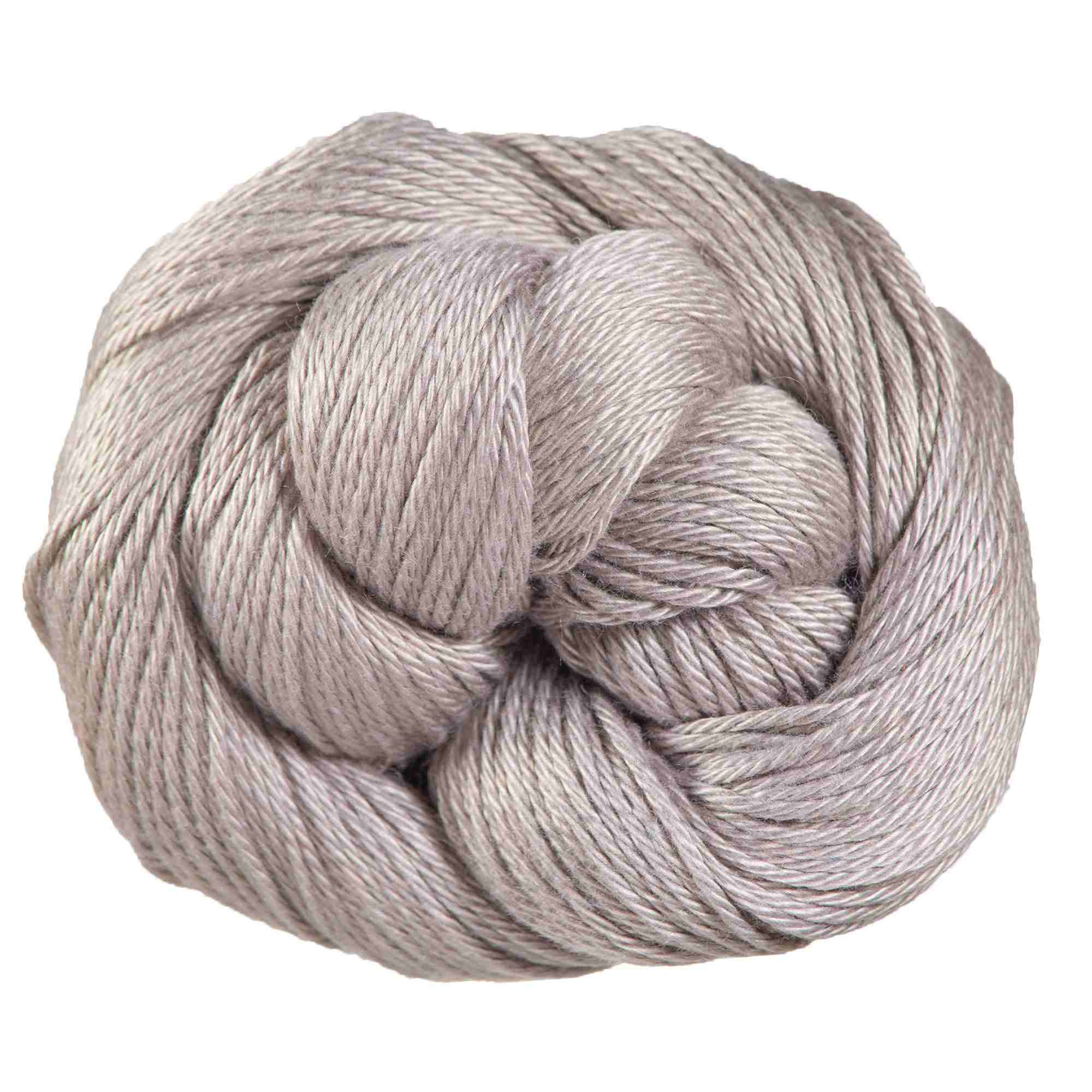
Pima Cotton Sweaters
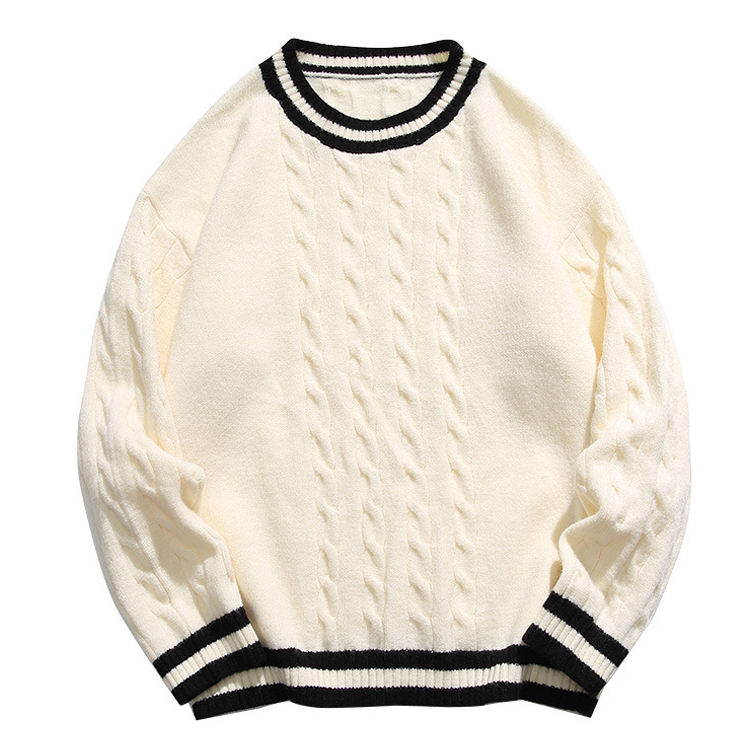
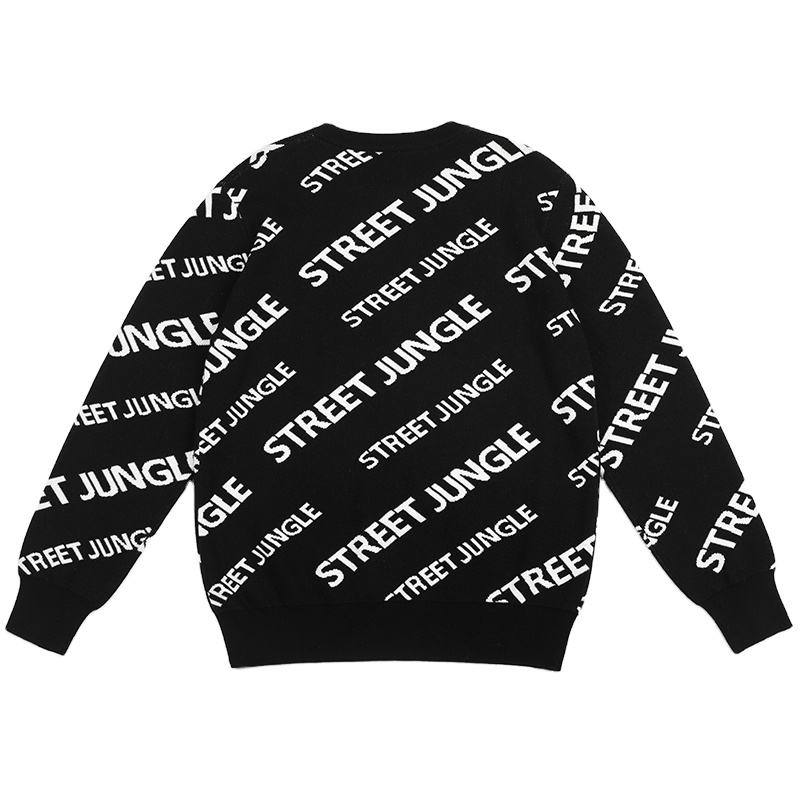
Lightweight, breathable Pima cotton sweaters knit in gauges from 3GG to 14GG. Perfect for spring and summer collections or year-round layering pieces. Available in intarsia, jacquard, cable, and ribbed constructions with custom logo embroidery, printing, and garment finishing. MOQ from 100 pieces per style.
Get a Quote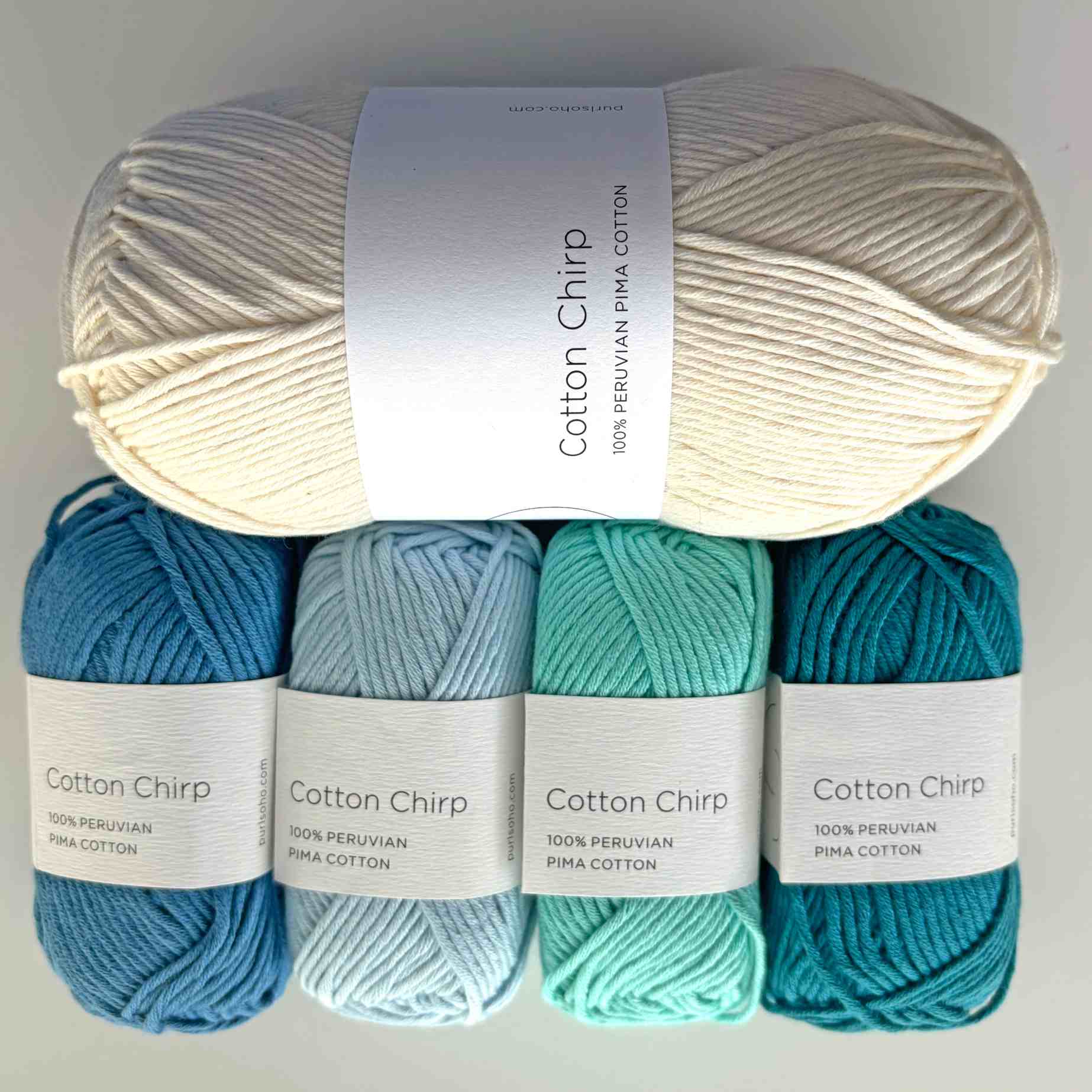
Pima Cotton Cardigans
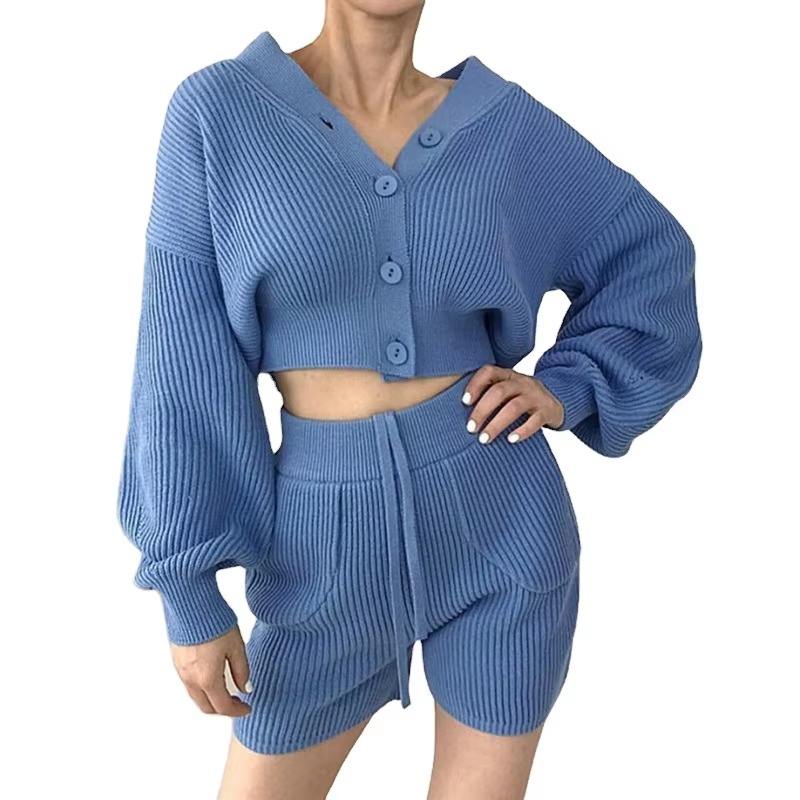
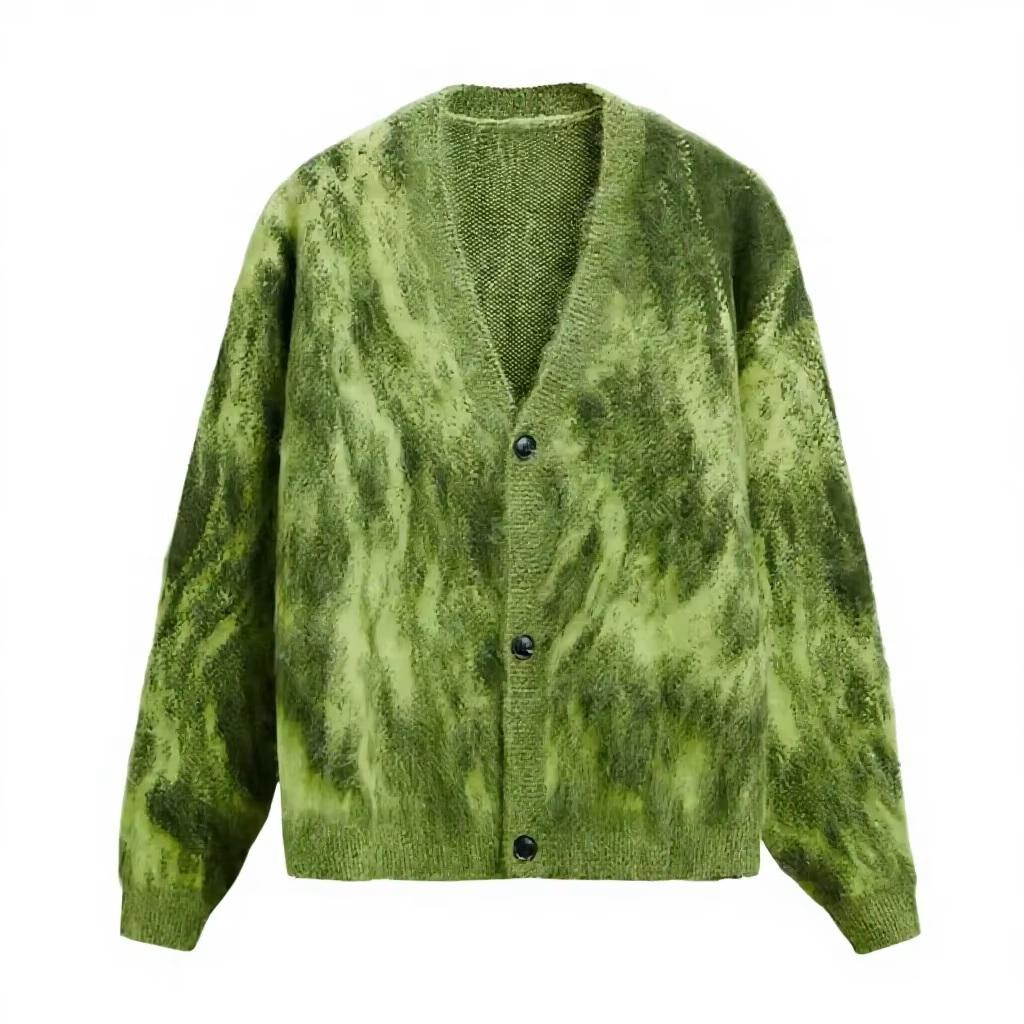
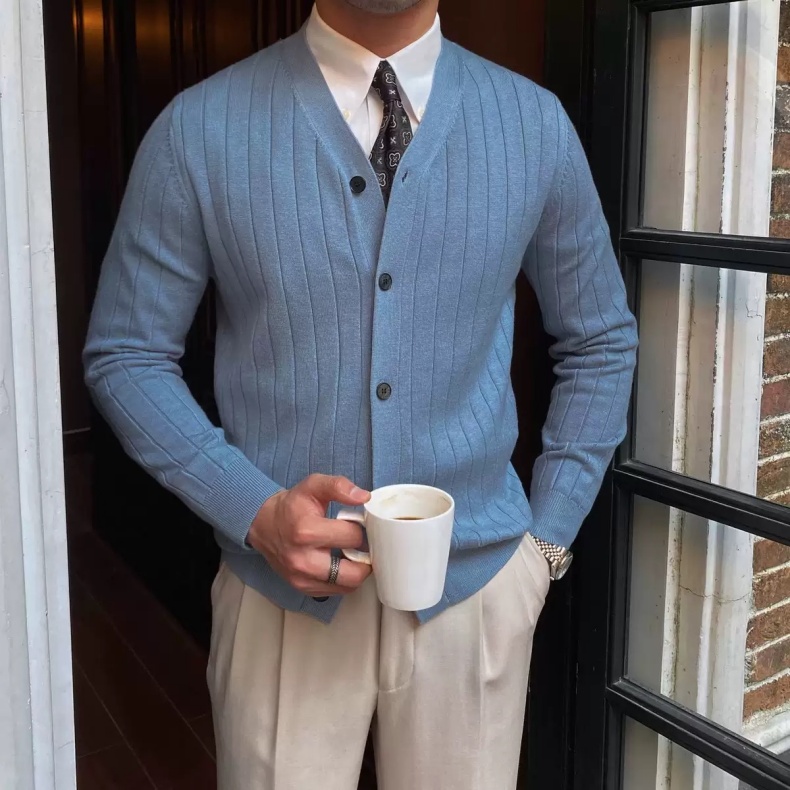
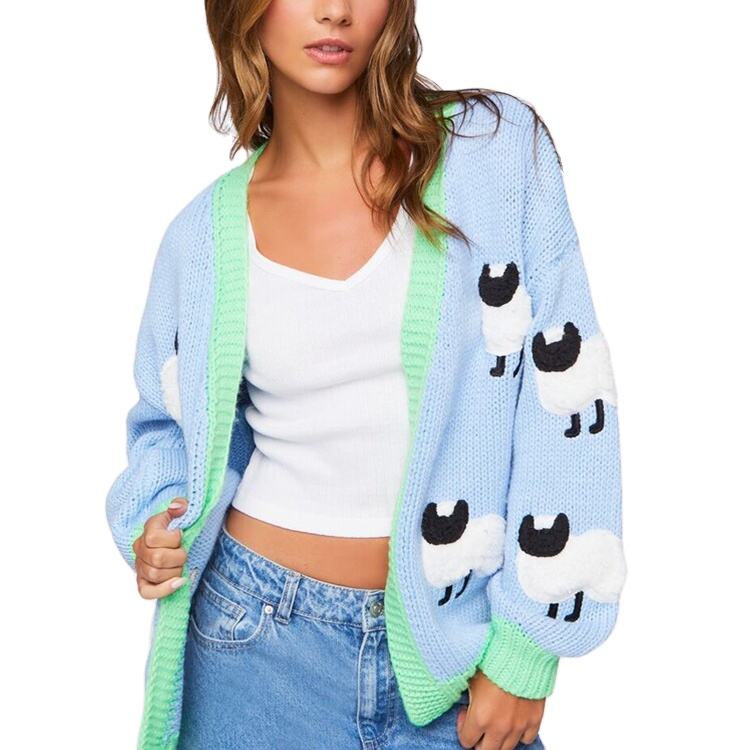
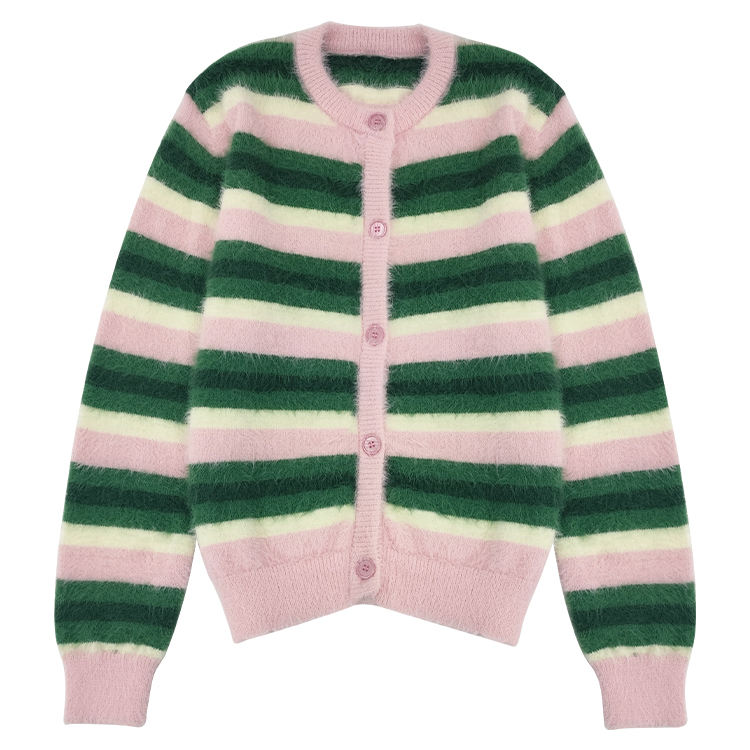
Button-front Pima cotton cardigans in fine to chunky gauges, ideal for versatile wardrobe staples. We produce classic, cropped, oversized, and boyfriend fits with custom stitch patterns, contrast trims, and branded buttons or patches. Full ODM design support from sketch to finished sample.
Get a Quote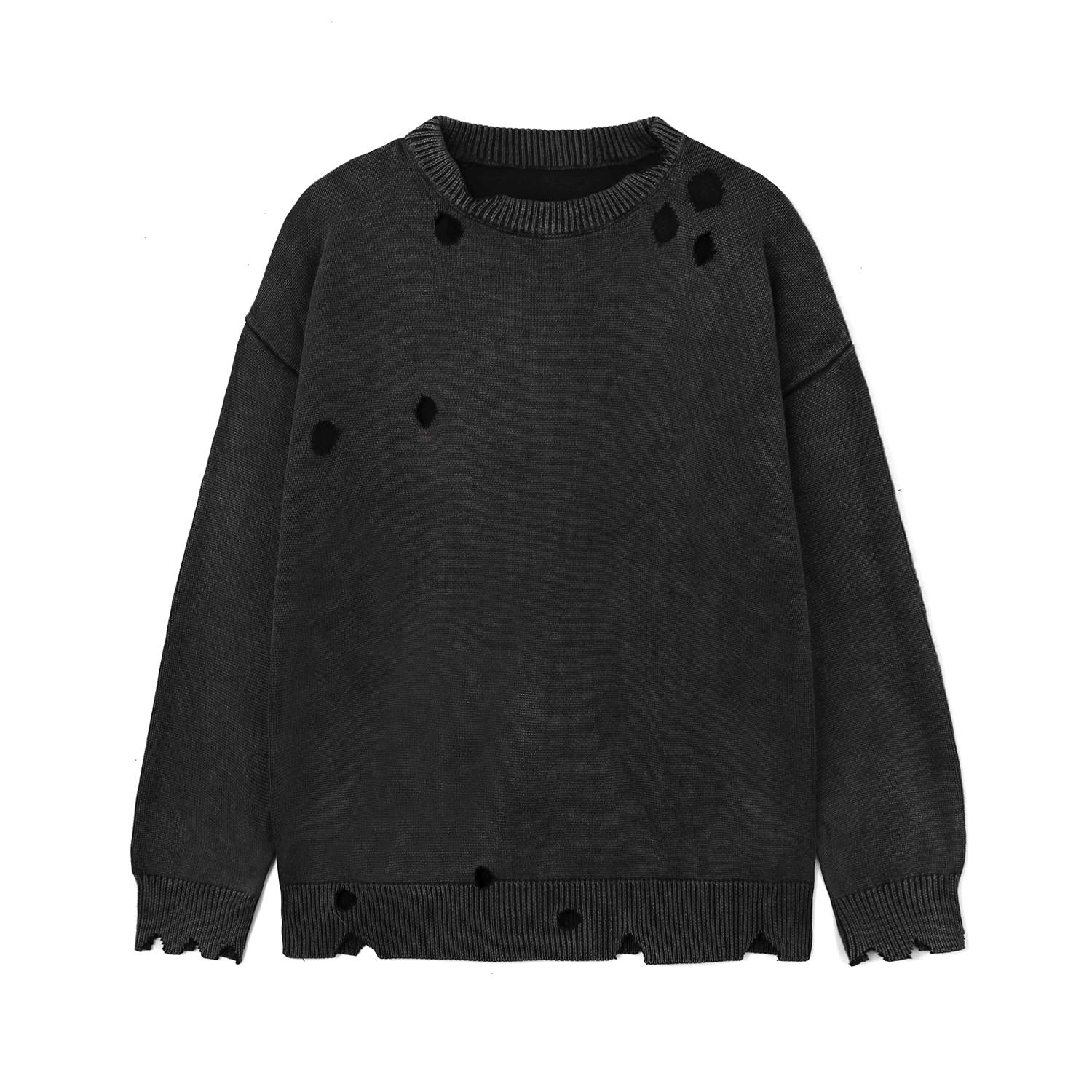
Pima Cotton Pullovers
Crewneck, V-neck, and boatneck Pima cotton pullovers manufactured with fully-fashioned or cut-and-sew techniques. Choose from solid dyed, yarn-dyed stripe, or jacquard patterns. In-house knit-down sampling, grading, and 3D knit programming ensure your design translates perfectly into production-ready knitwear.
Get a Quote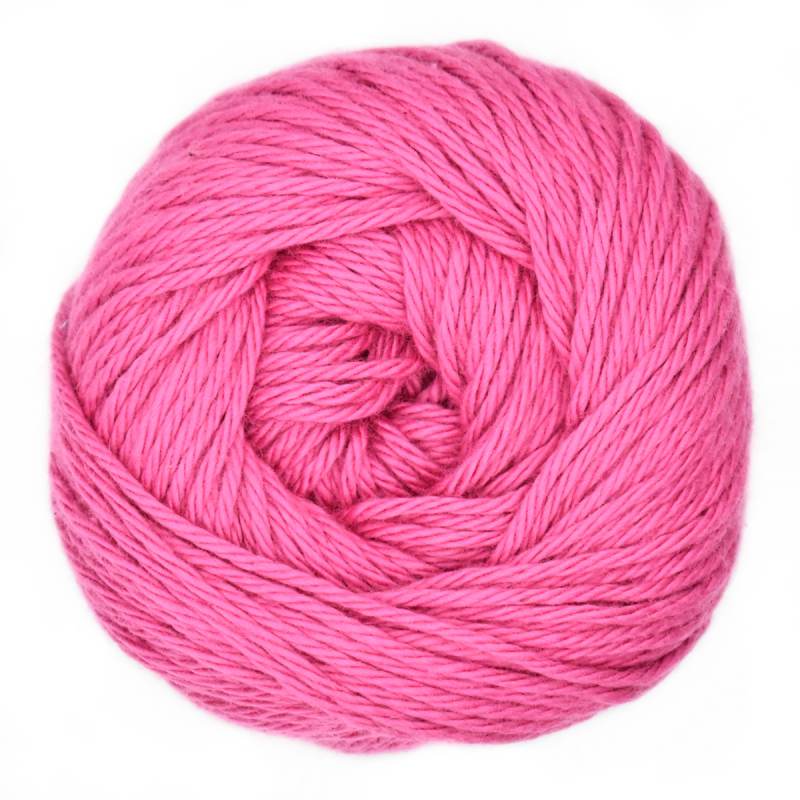
Pima Cotton Hoodies
Knit Pima cotton hoodies combining the softness of premium cotton with the structure of flat-knit construction. Ribbed cuffs, waistband, and hood edge; optional kangaroo pocket, zippers, or drawcords. Suitable for athleisure, streetwear, and contemporary casual brands seeking elevated comfort with low MOQ flexibility.
Get a Quote
Pima Cotton Vests
Sleeveless Pima cotton sweater vests in classic, cropped, or longline silhouettes. Ideal for layering capsules and transitional collections. We manufacture ribbed, cable, pointelle, and jacquard styles with V-neck, crewneck, or mock-neck finishes. Custom color-blocking, embroidery, and private label packaging available.
Get a Quote
Pima Cotton Turtlenecks
High-neck and mock-neck Pima cotton turtlenecks in fine-gauge knits for a refined, luxurious hand feel. Produced as slim-fit, relaxed, or oversized styles with rib or flat-knit collars. Perfect for minimalist and contemporary fashion brands. Full OEM and ODM capabilities with garment dyeing and anti-pilling finishing.
Get a Quote
Pima Cotton Crewnecks
Round-neck Pima cotton crewnecks in single or multi-color yarn-dyed and garment-dyed options. Classic wardrobe essentials for men’s, women’s, and unisex lines. We handle ribbed neck binding, custom fit grading, and decorative techniques including screen printing, heat transfer, DTF, and applique patches.
Get a Quote
Pima Cotton Polo Sweaters
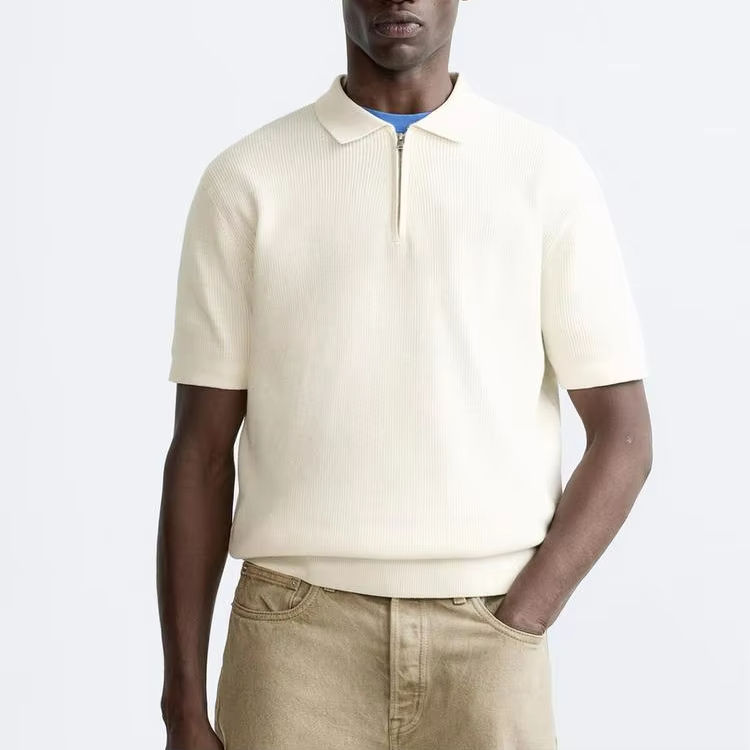
Knit polo sweaters in Pima cotton featuring ribbed collars, plackets, and cuffs with two- to five-button closures. Ideal for smart-casual, resort, and preppy collections. We produce short-sleeve and long-sleeve versions with intarsia stripes, jacquard patterns, or embroidered logos. Low MOQ and private label ready.
Get a Quote
Pima Cotton Zip Knits
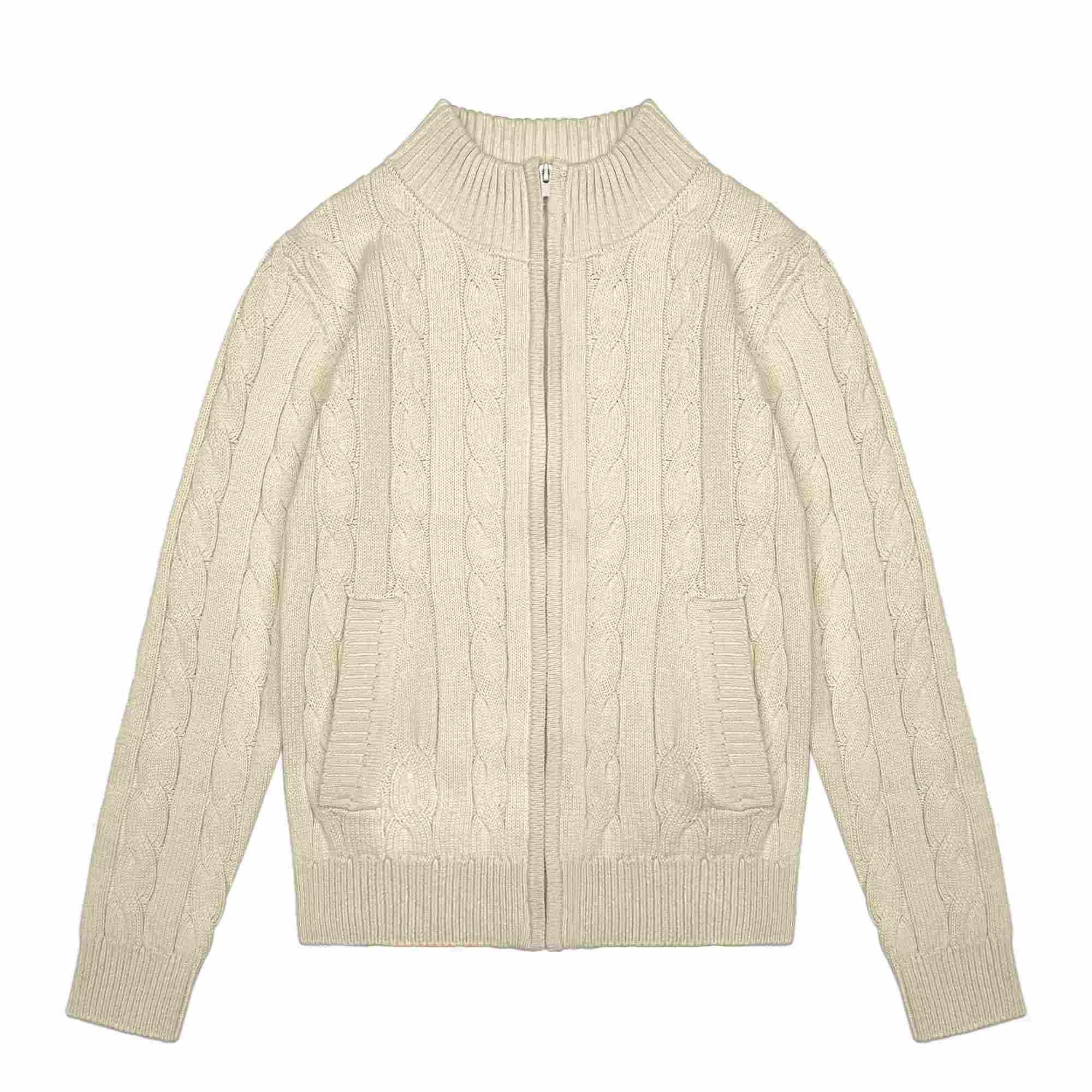
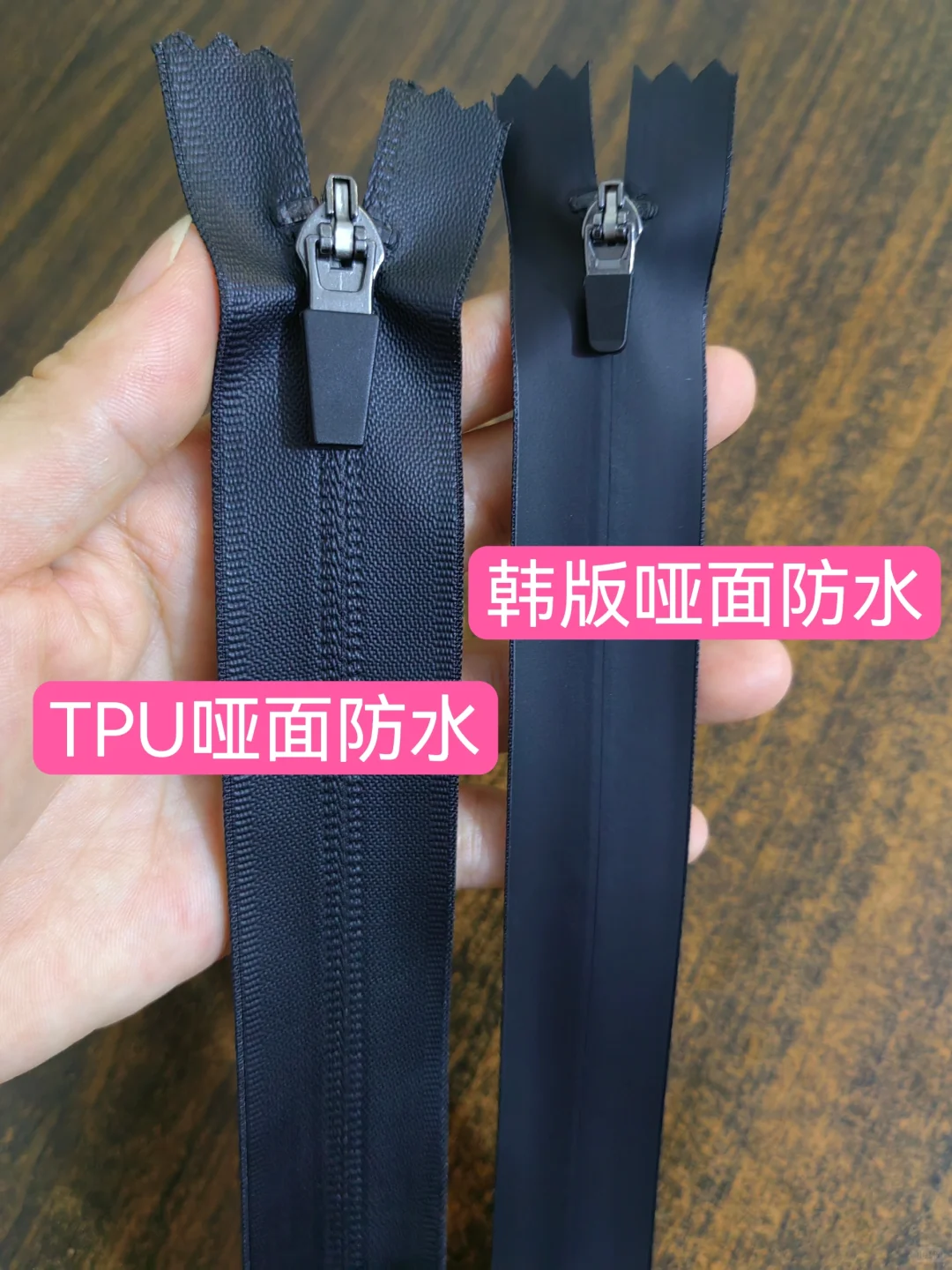
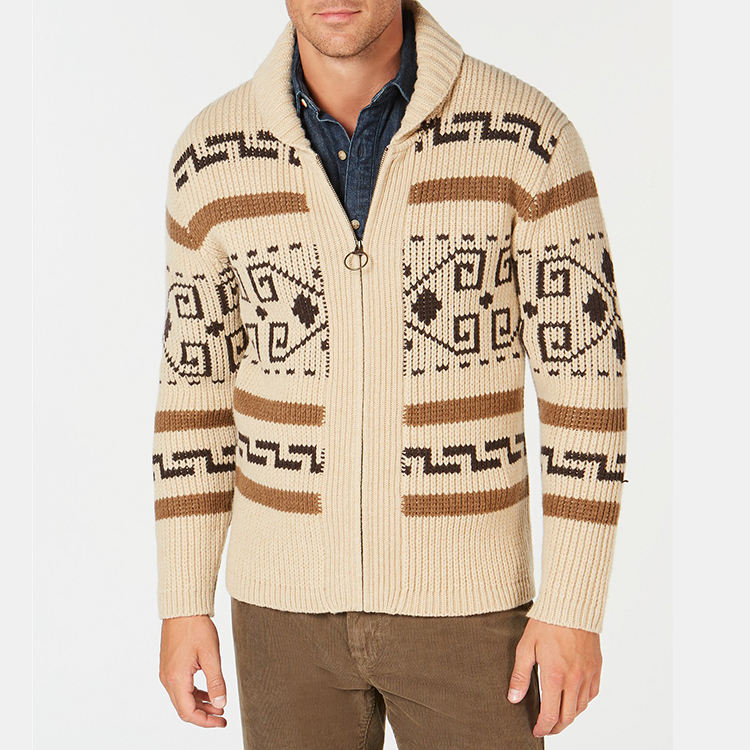
Quarter-zip, half-zip, and full-zip Pima cotton knits with metal or nylon zippers and stand collars or mock necks. Designed for active, outdoor, and lifestyle brands seeking refined knitwear with functional details. Available in ribbed, cable, or smooth flat-knit constructions with custom zipper pulls and interior taping.
Get a QuotePremium Fibers for Pima Cotton Knitwear & Beyond
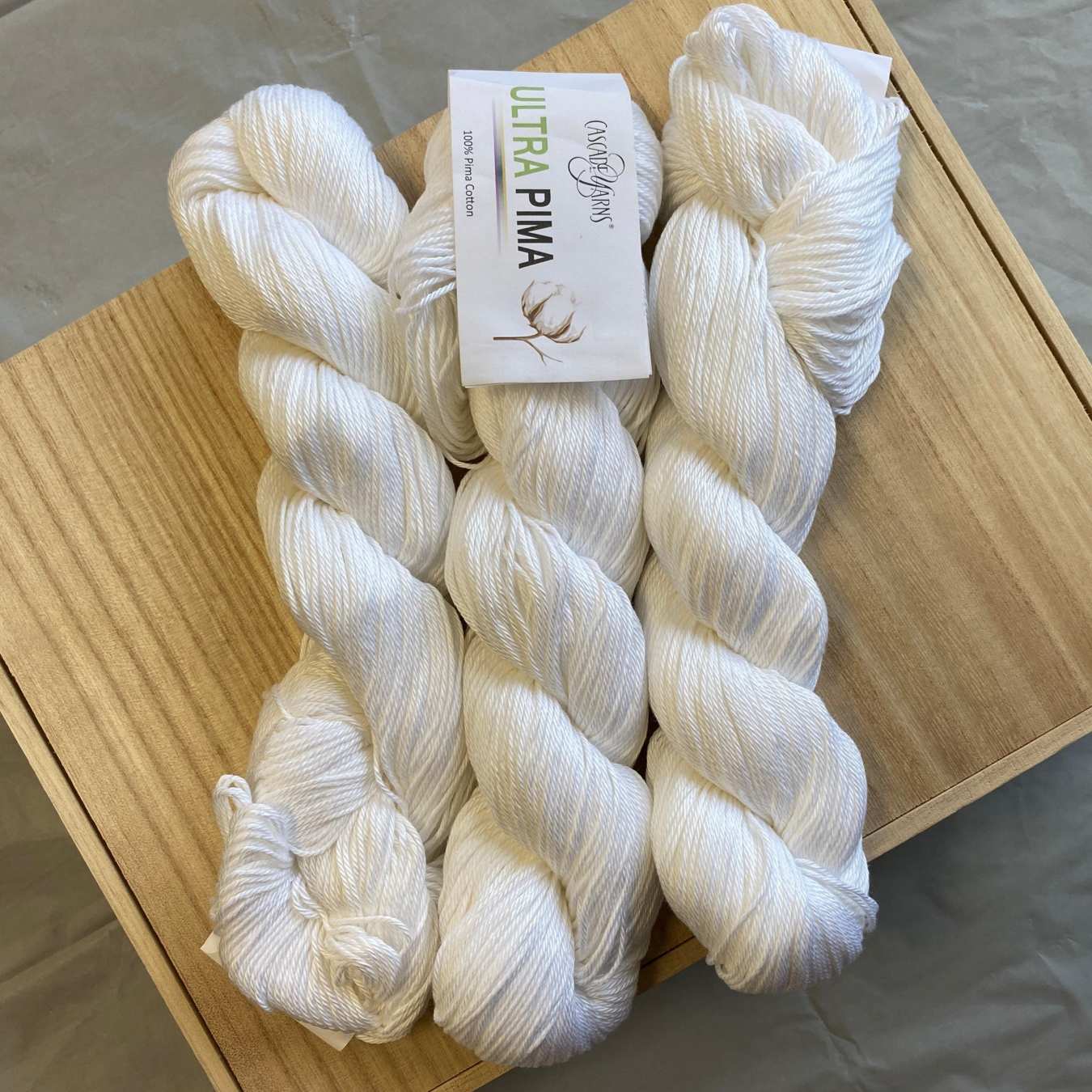
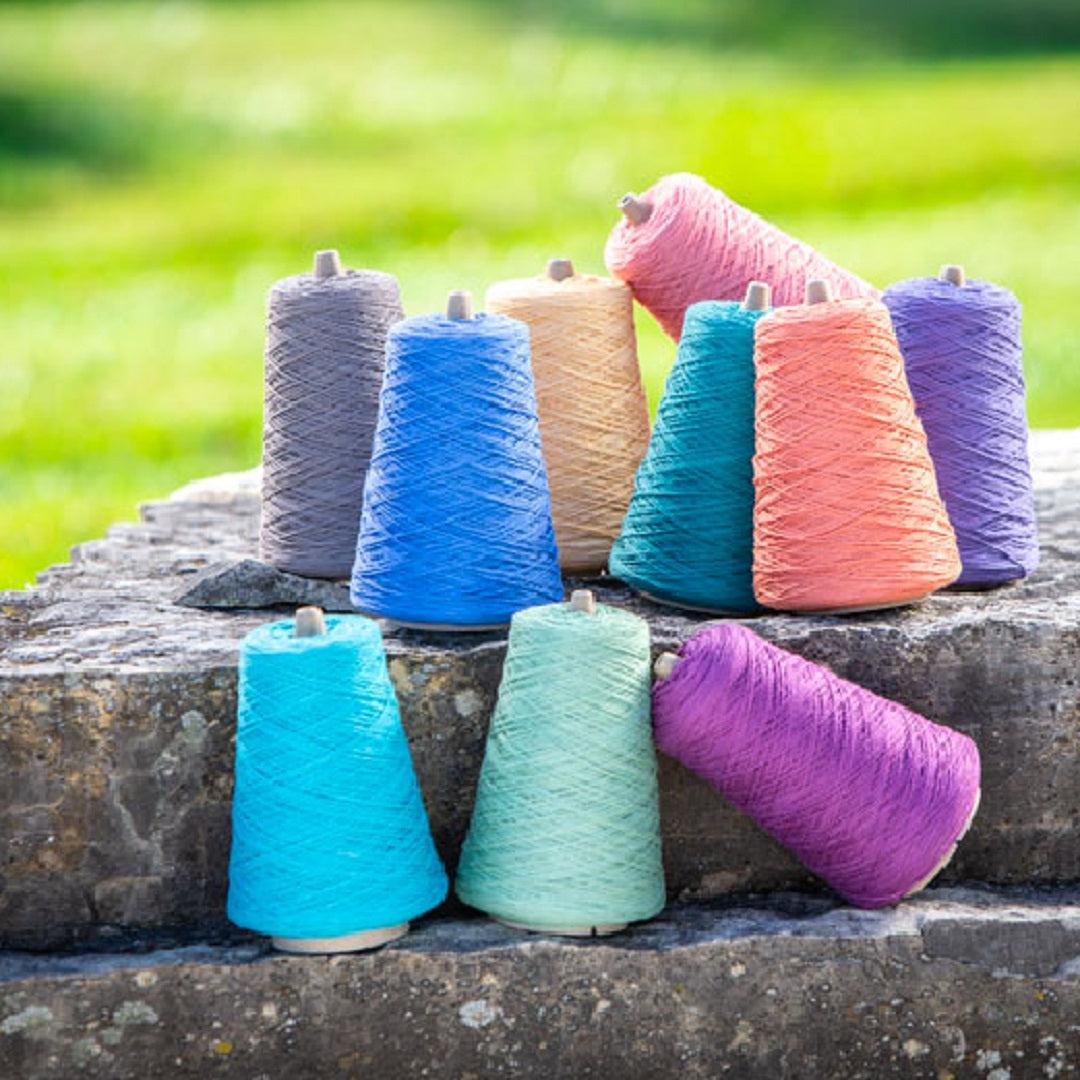
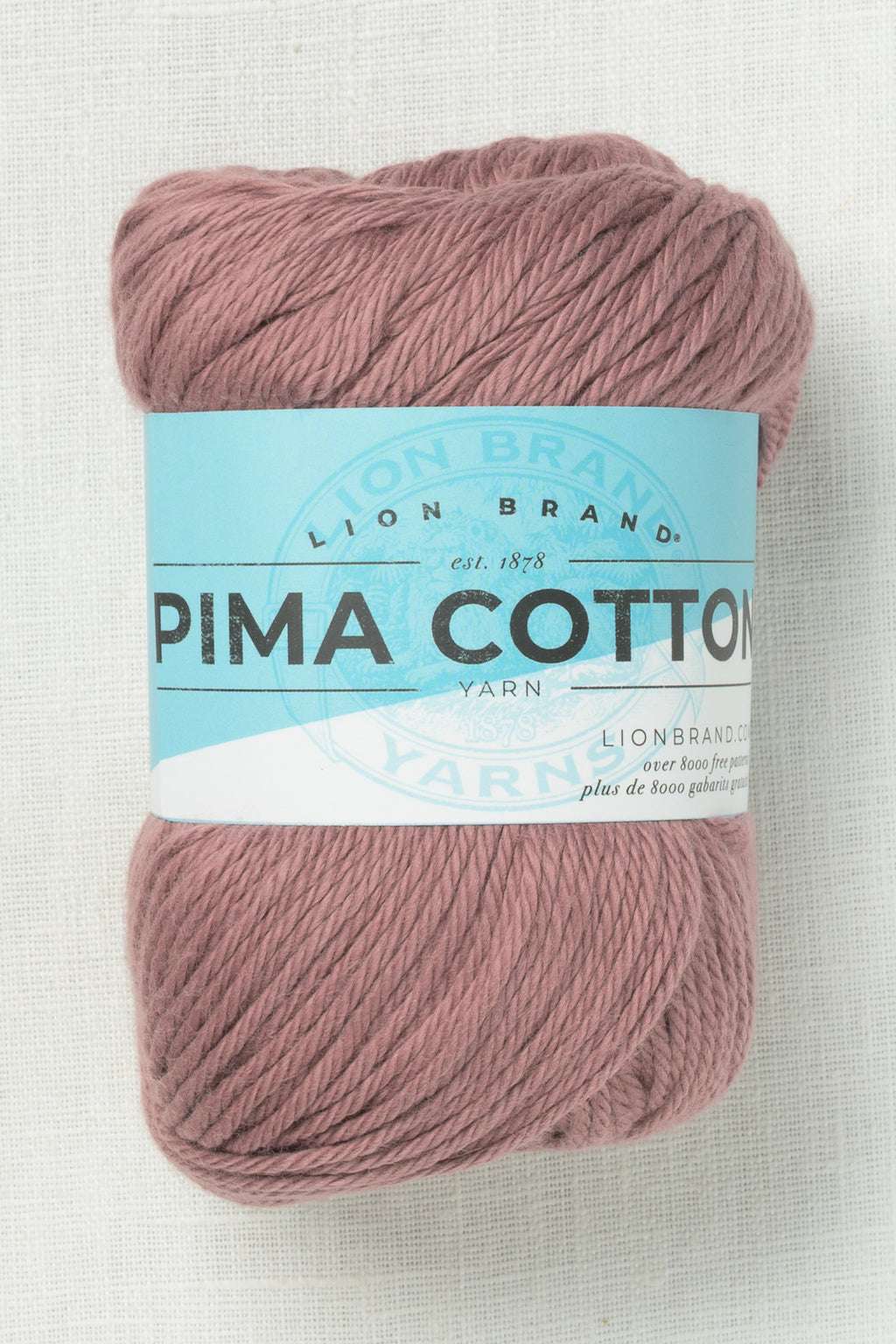
Knitting Techniques & Stitch Designs for Pima Cotton Knitwear
Embroidery, Printing & Finishing for Pima Cotton Knitwear
28 Years Crafting Premium Pima Cotton Knitwear
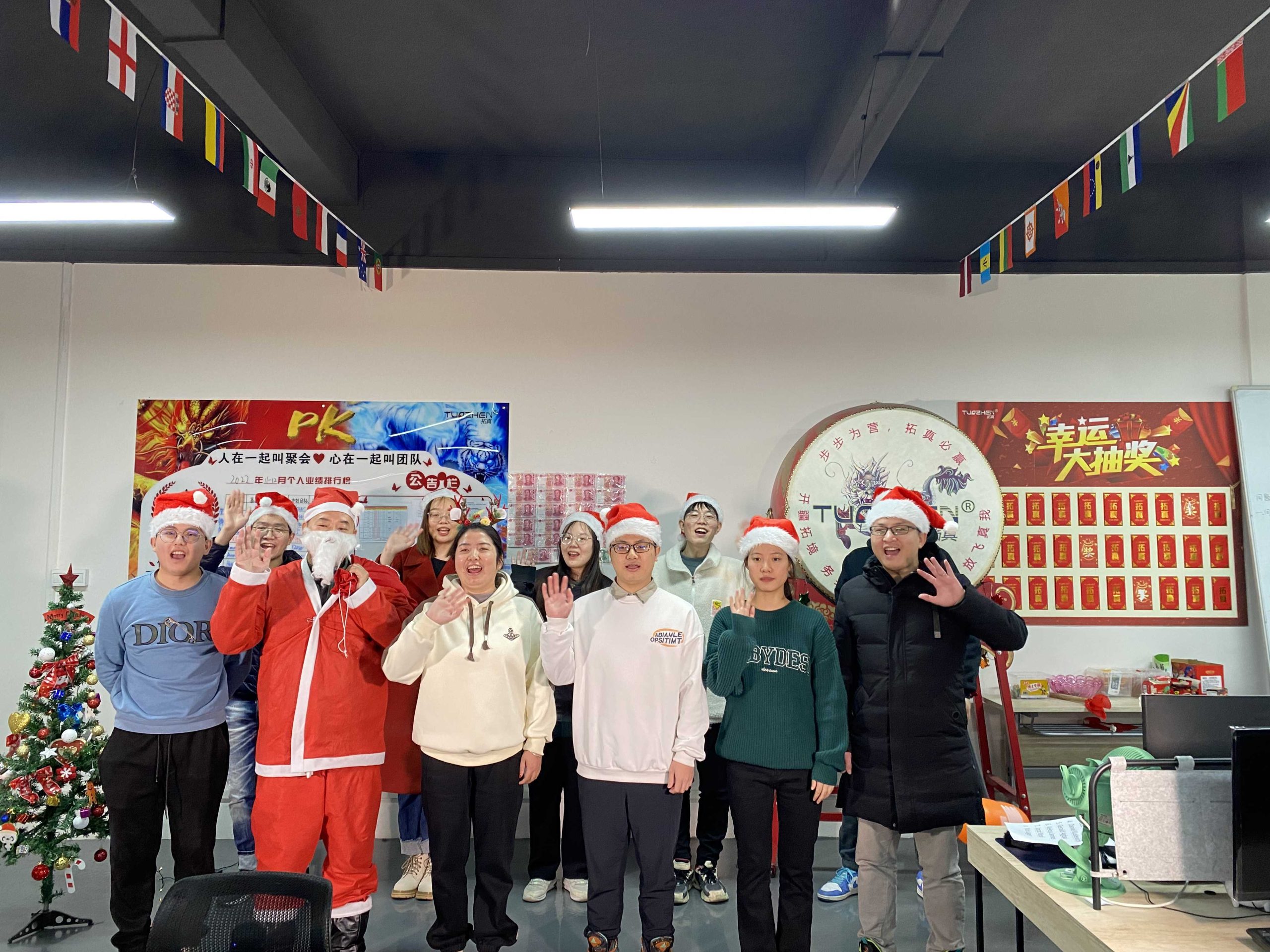
Founded in 1998 in Humen, Dongguan — the heart of China’s knitwear manufacturing hub — CENWILD began as a small family knitting workshop and has grown into a trusted full-service OEM and ODM partner for over 2,000 fashion brands worldwide.
Today our team of 200+ skilled employees operates state-of-the-art computerized flat-knitting machines with a monthly capacity exceeding 80,000 pieces. We serve startups, independent designers, wholesalers, and established labels across North America, Europe, Australia, and beyond with flexible MOQs starting from just 100 pieces.
What sets CENWILD apart is our one-stop approach: in-house design development, yarn sourcing, knit-down sampling, production, quality control, decoration, finishing, and export logistics — all under one roof. We don’t just manufacture pima cotton knitwear; we partner with brands to bring their vision to life, from sketch to shipment.
Our Signature Capabilities in Pima Cotton Knitwear
Custom Knit Design & 3D Programming
Our in-house design team transforms your vision into production-ready Pima cotton knitwear. From sketch to knit-down sample, we handle original stitch design, 3D flat-knitting programming across 3GG–14GG gauges, and full grading for men, women, and children’s styles.
- Original stitch libraries: cable, intarsia, jacquard, pointelle, ribbed, and fully-fashioned techniques
- 3D knit programming on computerized flat-knitting machines for precision and repeatability
- Knit-down sampling service — see and feel your Pima cotton design before production
- Tech-pack development from photos, sketches, or concepts — no finished design required
Fast Sampling & Flexible MOQ
Launch your Pima cotton collection faster with sampling turnaround in 7–14 days and a minimum order quantity starting at just 100 pieces per style. Perfect for independent designers, startups, and brands testing new markets without heavy inventory risk.
- MOQ from 100 pieces per colorway — ideal for capsule collections and market testing
- Knit-down samples ready in 7–14 days to accelerate your development cycle
- Flexible deposit terms: 100% on first order, easing to 30% for long-term partners
- Multiple payment options: T/T, PayPal, credit card, USDT, and VTB Bank for Russia
Full-Service Production & Quality Control
Every Pima cotton sweater passes through our complete one-stop manufacturing line in Dongguan. With over 28 years of experience and 200+ skilled employees, we control yarn sourcing, knitting, linking, washing, embroidery, printing, packaging, and final inspection under one roof.
- Monthly capacity exceeding 80,000 pieces across cardigans, pullovers, vests, dresses, and knit sets
- In-house embroidery (flat, 3D puff, sequin, appliqué), printing (screen, DTF, sublimation), and finishing
- Garment washing and anti-pilling treatments to enhance Pima cotton's natural softness
- Multi-stage QC checkpoints from yarn inspection to pre-shipment audit
Global Logistics & Reliable Delivery
Based in Humen, Dongguan — China’s premier knitwear hub — CENWILD has shipped to over 2,000 fashion brands across the United States, Canada, Europe, Australia, Russia, and the Middle East. We handle export documentation, freight forwarding, and on-time delivery so you can focus on sales.
- Proven export experience to North America, EU, UK, Australia, Russia, and Middle East markets
- Full logistics support: customs documentation, freight quotes, and shipment tracking
- Flexible Incoterms (FOB, CIF, DDP) to match your import preferences
- Consistent lead times and transparent communication throughout production and shipping
CENWILD vs. Standard Pima Cotton Knitwear Suppliers
Evidence-based comparison: see how 28 years of experience, flexible MOQs, and in-house capabilities set CENWILD apart from typical manufacturers.
← 左右滑动查看 →
Our Pima Cotton Knitwear Production Process — From Yarn to Shipment
CENWILD’s 28-year manufacturing expertise ensures every order moves through a proven, quality-first workflow — from yarn sourcing and knit-down sampling to bulk production, finishing, inspection, and export logistics.
Yarn Sourcing & Selection
We source premium Pima cotton and blended yarns from certified mills, matching your specification for gauge, color, hand-feel, and sustainability requirements.
Knit-Down Sampling & Approval
Our in-house design team programs your stitch patterns, knits physical samples on computerized flat-knit machines, and refines fit until you approve production.
Bulk Knitting Production
Over 200 skilled technicians operate 3GG–14GG machines across our Dongguan facility, producing up to 80,000 pieces per month with consistent quality and on-time delivery.
Decoration & Finishing
Embroidery, printing, garment washing, anti-pilling, and softening treatments are applied in-house to elevate your Pima cotton knitwear with brand identity and premium hand-feel.
Quality Control & Inspection
Every garment passes multi-point QC checks for stitch integrity, color match, measurements, and decoration accuracy before moving to packing, ensuring zero defects at delivery.
Packing & Export Logistics
We handle poly-bagging, carton labeling, customs documentation, and freight coordination to your warehouse — complete one-stop service from our factory to your door.
How to Order Custom Pima Cotton Knitwear from CENWILD
From concept to shipment, our streamlined process makes sourcing premium pima cotton knitwear simple — whether you have a finished tech pack or just an idea.
Submit Your Tech Pack or Concept
Send us your design specs, sketches, reference photos, or simply describe your vision. Our team reviews every detail and confirms feasibility within 24 hours.
Receive Your Quote & Sample Timeline
We provide a detailed quotation covering materials, construction, MOQ from 100 pieces, and sampling costs. Approve to move forward with knit-down sample development.
Approve Your Knit-Down Sample
Review fit, stitch quality, and finishing on your physical sample. Request revisions if needed; we refine until you’re completely satisfied with the result.
Confirm Bulk Production Order
Once the sample is approved, finalize quantities, colors, and sizes. Pay your deposit and we schedule your order into our Dongguan production line.
Quality Control & Shipment
Every garment passes rigorous in-house inspection. We handle export documentation and arrange shipping directly to your warehouse or fulfillment partner worldwide.
Certifications & Quality Standards for Pima Cotton Knitwear

Customer Success Stories with Pima Cotton Knitwear
CENWILD delivered our first pima cotton knitwear collection in just 42 days from sample approval. The 100-piece MOQ let us test three colorways without overcommitting inventory. Quality exceeded our expectations.
We saved 28% on production costs by switching to CENWILD for our private label pima cotton cardigans. Their design team turned our rough sketches into perfect tech packs, and consistency across 600 pieces was flawless.
The intarsia detail on our custom pima cotton pullovers came out beautifully. CENWILD’s knit-down samples helped us refine the design before production. We’ve reordered four times in eight months — true manufacturing partner.
Frequently Asked Questions About Pima Cotton Knitwear
What is the minimum order quantity for pima cotton knitwear?
How long does sampling and production take for custom pima cotton knitwear?
Do you charge for pima cotton knitwear samples?
What payment terms does CENWILD offer for knitwear orders?
Can you ship pima cotton knitwear internationally?
How does CENWILD protect my designs and intellectual property?
What customization options are available for pima cotton knitwear?
Can CENWILD manufacture private label pima cotton knitwear for my brand?
The Complete Buyer’s Guide to Pima Cotton Knitwear for Fashion Brands
Navigate the sourcing landscape with confidence. This guide delivers a proven decision framework, essential supplier criteria, quality benchmarks, and the most common mistakes to avoid when ordering pima cotton knitwear for your brand.
1. What Is Pima Cotton Knitwear?
Pima cotton is an extra-long staple (ELS) cotton variety with fibers measuring 34–38 mm — roughly 35–50% longer than the 20–25 mm fibers of standard upland cotton. Grown primarily in Peru, the southwestern United States (Arizona, California, New Mexico), and parts of Australia, Pima represents less than 3% of global cotton production yet commands premium prices for its superior hand and performance.
Pima cotton knitwear refers to knit garments — sweaters, cardigans, crewnecks, V-necks, turtlenecks, knit polos, and lightweight knit T-shirts — constructed from Pima yarn on flat-knitting or circular-knitting machines. The extra-long staple produces yarn with fewer fiber ends, yielding a smoother, softer surface, reduced pilling, and greater tensile strength than regular cotton knits.
Fashion brands choose pima cotton knitwear for three core advantages: exceptional softness that improves with washing, superior color retention across repeated laundering, and durability that extends garment life by 30–50% over standard cotton. These attributes make pima cotton knitwear ideal for elevated basics, luxury casualwear, and year-round layering pieces where comfort and longevity justify the 20–40% material cost premium.
2. Evolution and History of Pima Cotton Knitwear
In 1910, the United States Department of Agriculture introduced Egyptian cotton genetics to the American Southwest, creating what would be named Pima cotton after the Pima Native American tribe who helped cultivate the first crops. The extra-long staple fiber — measuring 34–38 mm versus 22–28 mm for standard upland cotton — immediately set it apart for durability and softness.
By the 1950s luxury American apparel brands began specifying pima cotton knitwear for high-end sportswear and resort collections, recognizing that the longer fibers produced smoother yarns with less pilling and stronger color retention. This period cemented pima cotton as a premium alternative to Sea Island and Egyptian cottons in knit garments.
Modern sustainable farming practices emerged in the 1990s, with growers in Peru, Australia, and the U.S. adopting integrated pest management and reduced-water irrigation. Today pima cotton knitwear represents roughly 8% of global cotton knit production but commands 20–40% price premiums, synonymous with quality in cardigans, polos, and fine-gauge sweaters across fashion brands sourcing from manufacturers like CENWILD.
3. Types of Pima Cotton Knitwear
Pima cotton knitwear spans six core product categories, each defined by gauge, stitch architecture, and seasonal positioning. Understanding construction details helps brands align inventory with target demographics and retail calendars.
Pullovers and Crewneck Sweaters
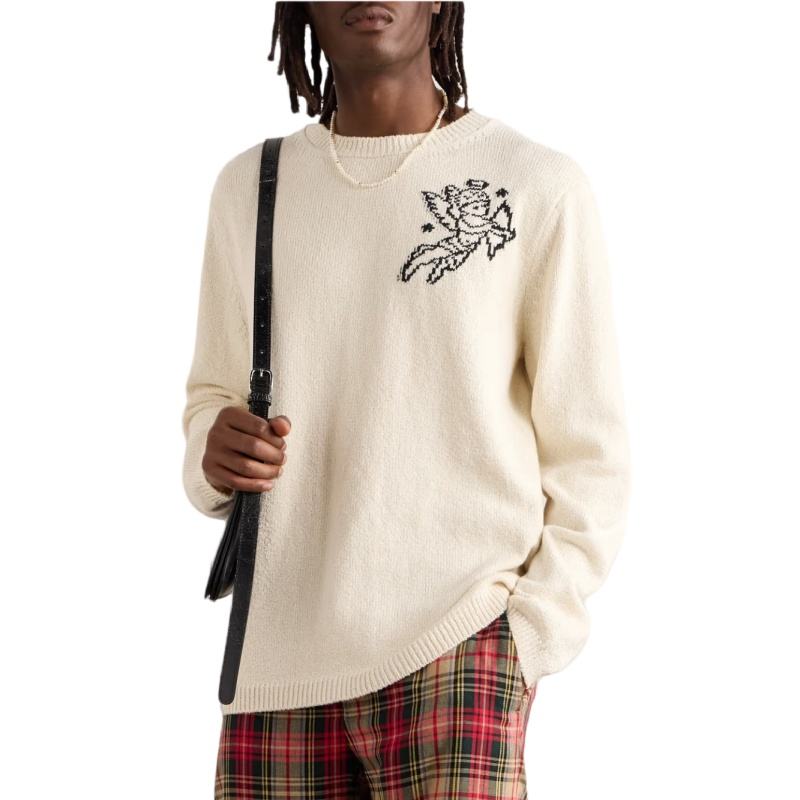
Typically knit at 7GG–12GG on computerized flat-knitting machines, pullovers use jersey, rib, or cable stitches for structure and drape. Fall and winter collections favor heavier gauges (7GG–9GG) in 12–14 oz/yd² fabrics, while spring transitions use 12GG at 8–10 oz/yd².
Crewneck, V-neck, and mock-neck variations dominate menswear and contemporary womenswear, appealing to minimalist and heritage-inspired brands.
Cardigans
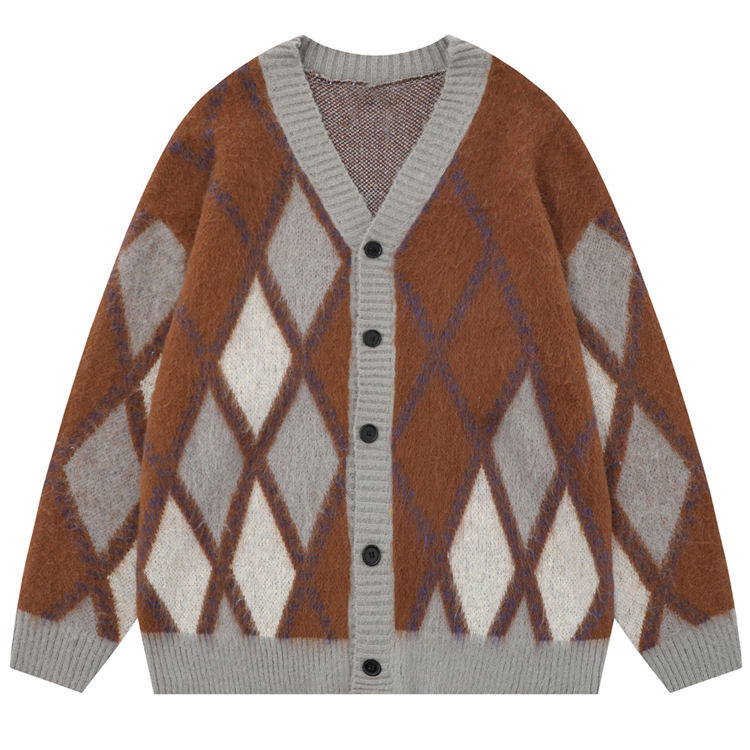
Cardigans share gauge ranges with pullovers but add button or zip plackets, requiring precise edge finishing and trim coordination. Ribbed hems and cuffs stabilize open fronts.
Oversized boyfriend cuts and cropped silhouettes target women’s casual and athleisure segments, while fine-gauge 12GG styles suit business-casual and layering collections.
Polo Shirts
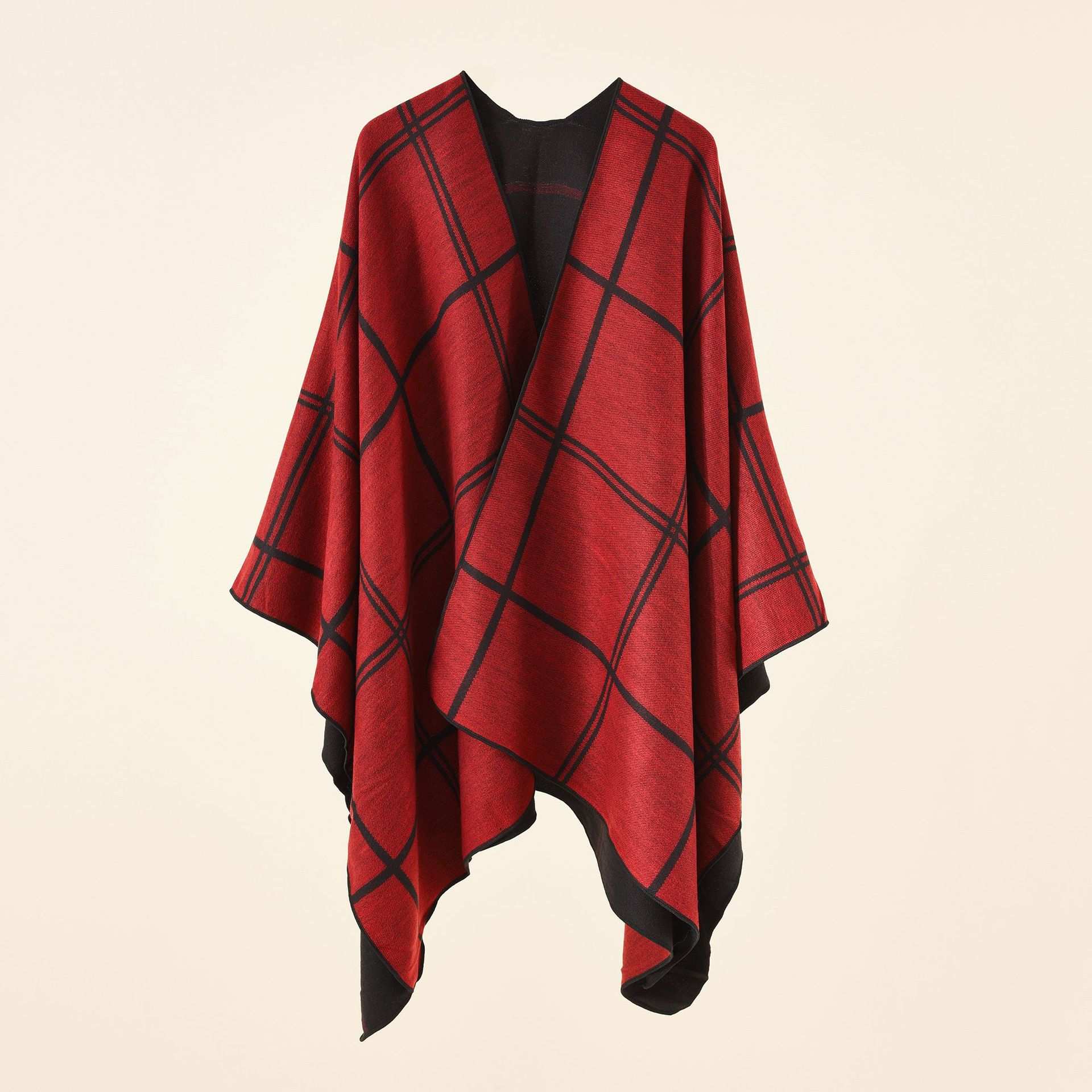
Knit polos use 12GG–14GG fine gauges in piqué or jersey structures, typically 6–8 oz/yd² for breathability. Ribbed collars and cuffs, plus two- to four-button plackets, define the silhouette.
Spring and summer lines position polos in resort, golf, and smart-casual capsules, appealing to premium menswear and unisex brands.
Lightweight Summer Knits
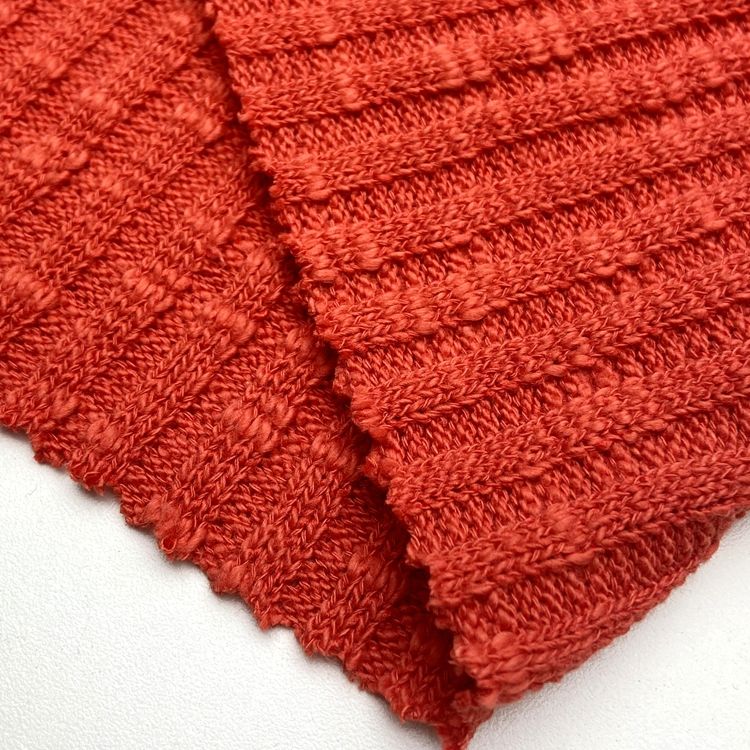
Fine-gauge 12GG–14GG open-stitch constructions—pointelle, mesh, or slub jersey—deliver airflow at 4–6 oz/yd². Tank tops, short-sleeve tees, and drapey tunics dominate.
Womenswear and childrenswear brands use these for vacation, beachwear, and layering pieces in Q2 and Q3 assortments.
4. Materials and Fabric Constructions in Pima Cotton Knitwear
Pima cotton knitwear performance depends on three interrelated variables: fiber blend, knit structure, and fabric weight. Each choice directly impacts drape, stretch, cost, and end-use suitability.
| Fabric Type | Typical GSM | Drape & Stretch | Best Use Case |
|---|---|---|---|
| Lightweight jersey | 180–220 | Fluid drape, minimal stretch | Summer tees, layering pieces |
| Midweight interlock | 240–280 | Structured, moderate recovery | Casual sweaters, polos |
| Heavyweight cable | 300–350 | Dense, low stretch | Winter pullovers, formal knitwear |
100% Pima Versus Pima Blends
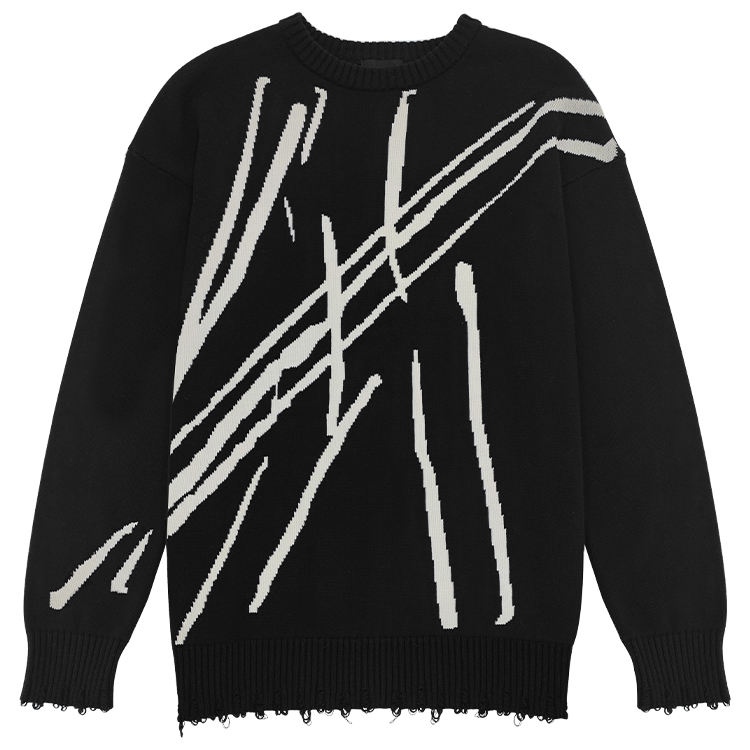
Pure 100% Pima delivers maximum softness, breathability, and luster but minimal recovery. Pima-modal blends (typically 60/40 or 50/50) add silky drape and reduce pilling. Pima-spandex (95/5 or 92/8) introduces stretch for activewear and body-contour styles. Pima-merino wool blends (70/30) combine cotton’s durability with wool’s thermal regulation, raising cost 20–35% but enabling year-round wear.
Knit Structures and Their Characteristics
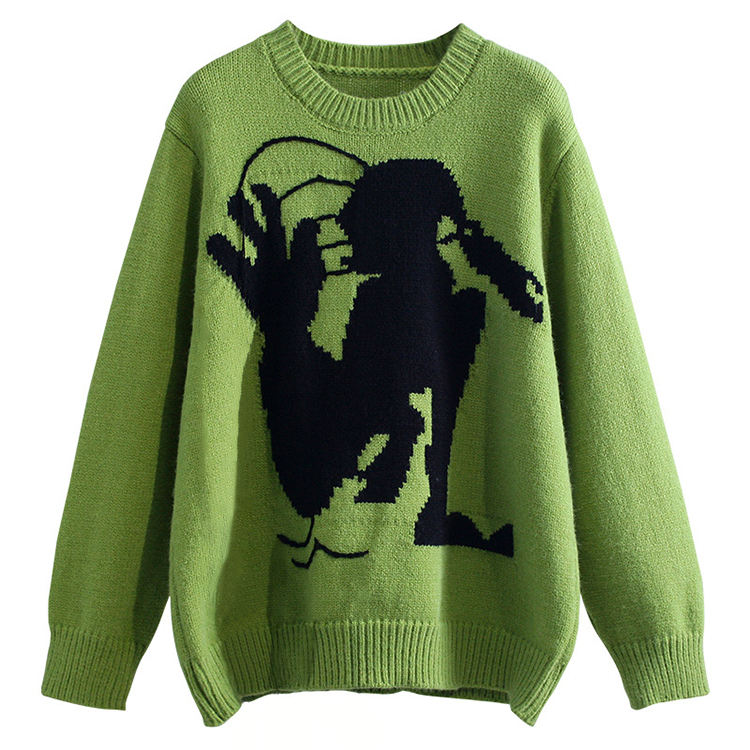
Jersey (single-knit) offers lightweight drape and is the most economical structure. Rib knits (1×1, 2×2) provide bi-directional stretch, ideal for cuffs and fitted styles. Interlock (double-knit) yields stable, opaque fabric with no curl. Cable and jacquard structures add texture and visual interest, increasing knit time and cost by 15–30% but differentiating premium collections.
5. Customization and Decoration Options for Pima Cotton Knitwear
Pima cotton’s smooth, long-staple surface accepts a wide range of decoration techniques, each with distinct setup economics and brand-identity impact. CENWILD offers embroidery, screen printing, heat transfer, jacquard knit-in patterns, and appliqué — suitable for MOQs starting at 100 pieces.
| Method | Setup Cost | Per-Unit Cost | Wash Durability |
|---|---|---|---|
| Embroidery | $15–50 | $0.50–3.00 | 50+ washes |
| Screen Print | $25–75 | $0.30–1.50 | 40+ washes |
| Heat Transfer | $0 | $1–3 | 20–30 washes |
| Jacquard Knit-In | $50–150 | $1–2 | Permanent |
| Appliqué | $0 | $0.80–2.50 | 50+ washes |
Embroidery
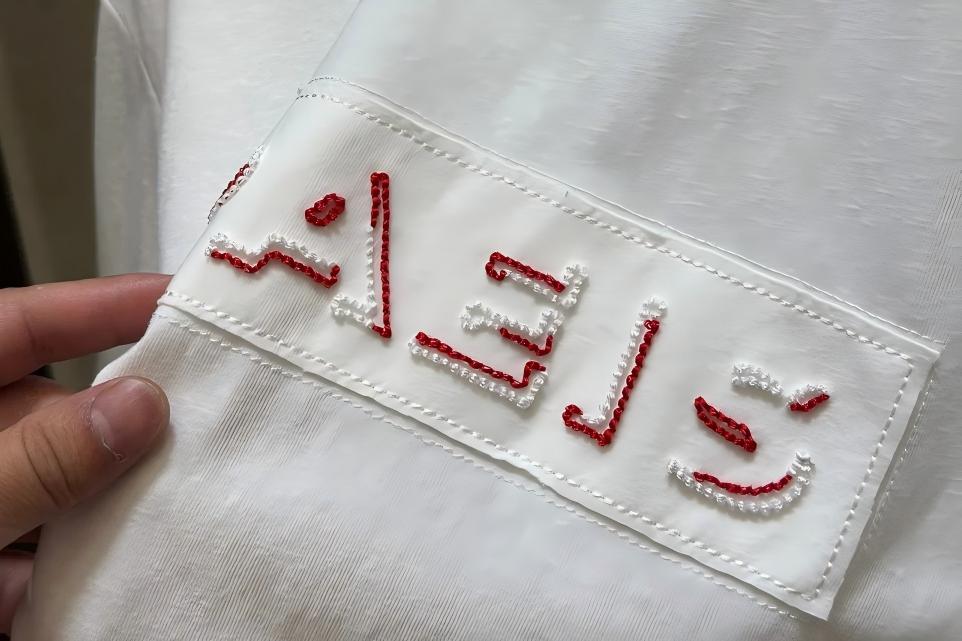
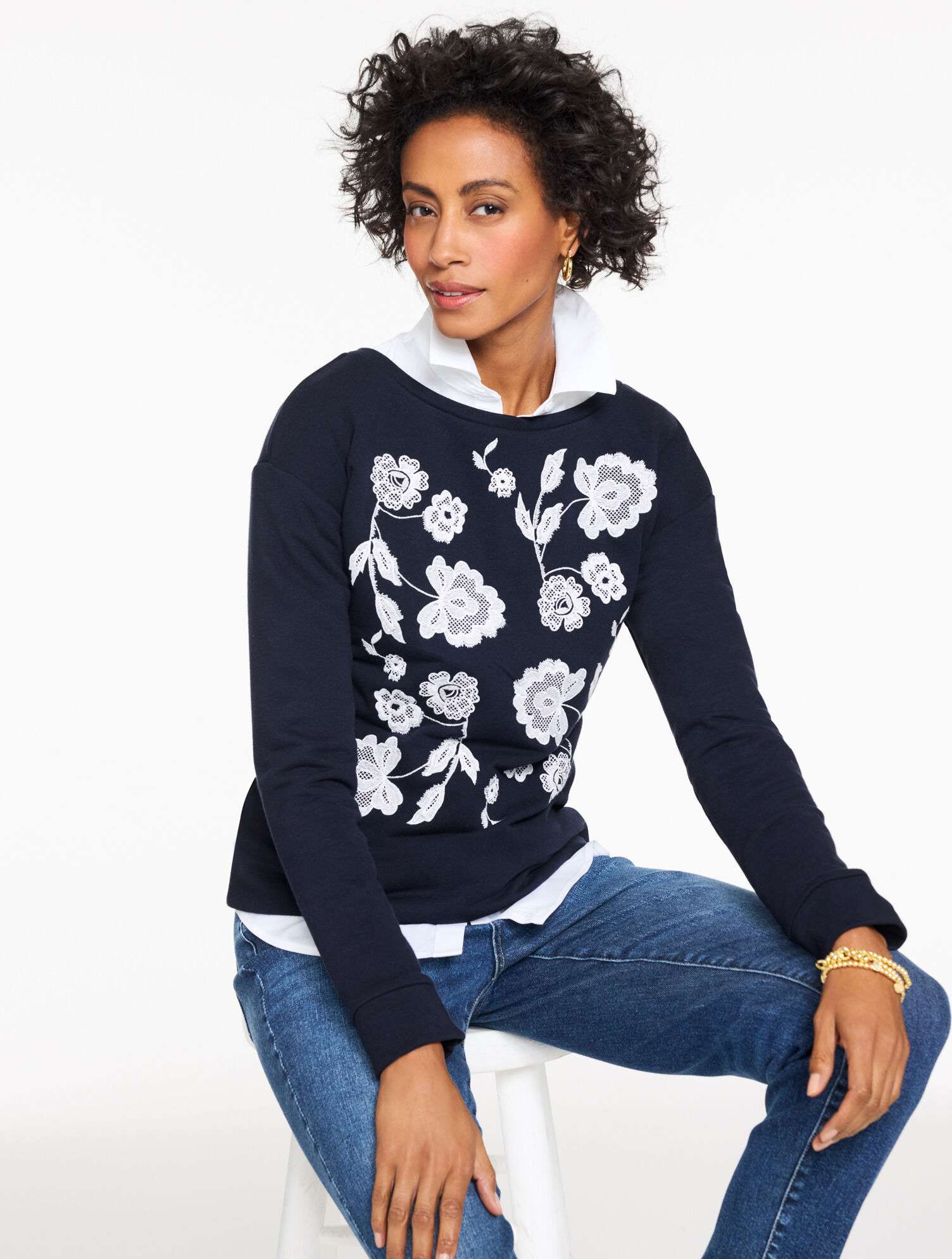
Flat, 3D puff, chain-stitch, appliqué, sequin, and logo embroidery work exceptionally well on pima cotton knitwear due to the fabric’s tight, stable structure. Setup requires digitizing (typically $15–50 per design) but per-piece costs range $0.50–3.00 depending on stitch count.
Embroidery survives 50+ industrial washes without fading, making it ideal for premium branding on chest logos, sleeve badges, and custom patches.
Screen Printing and Heat Transfer
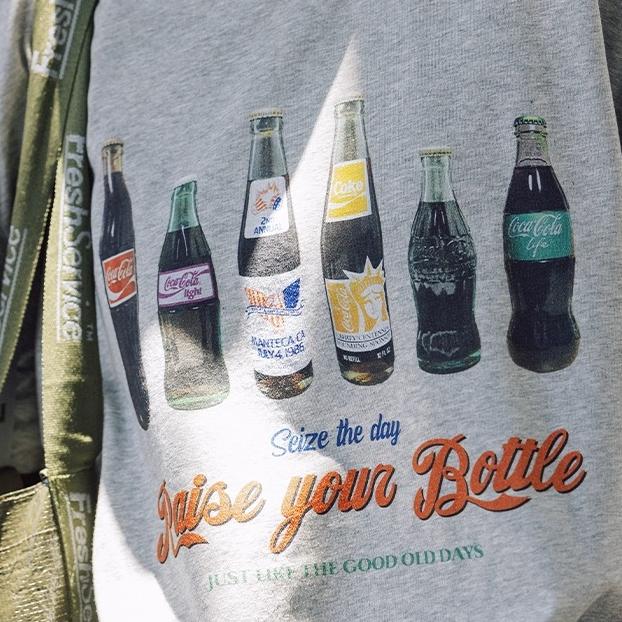
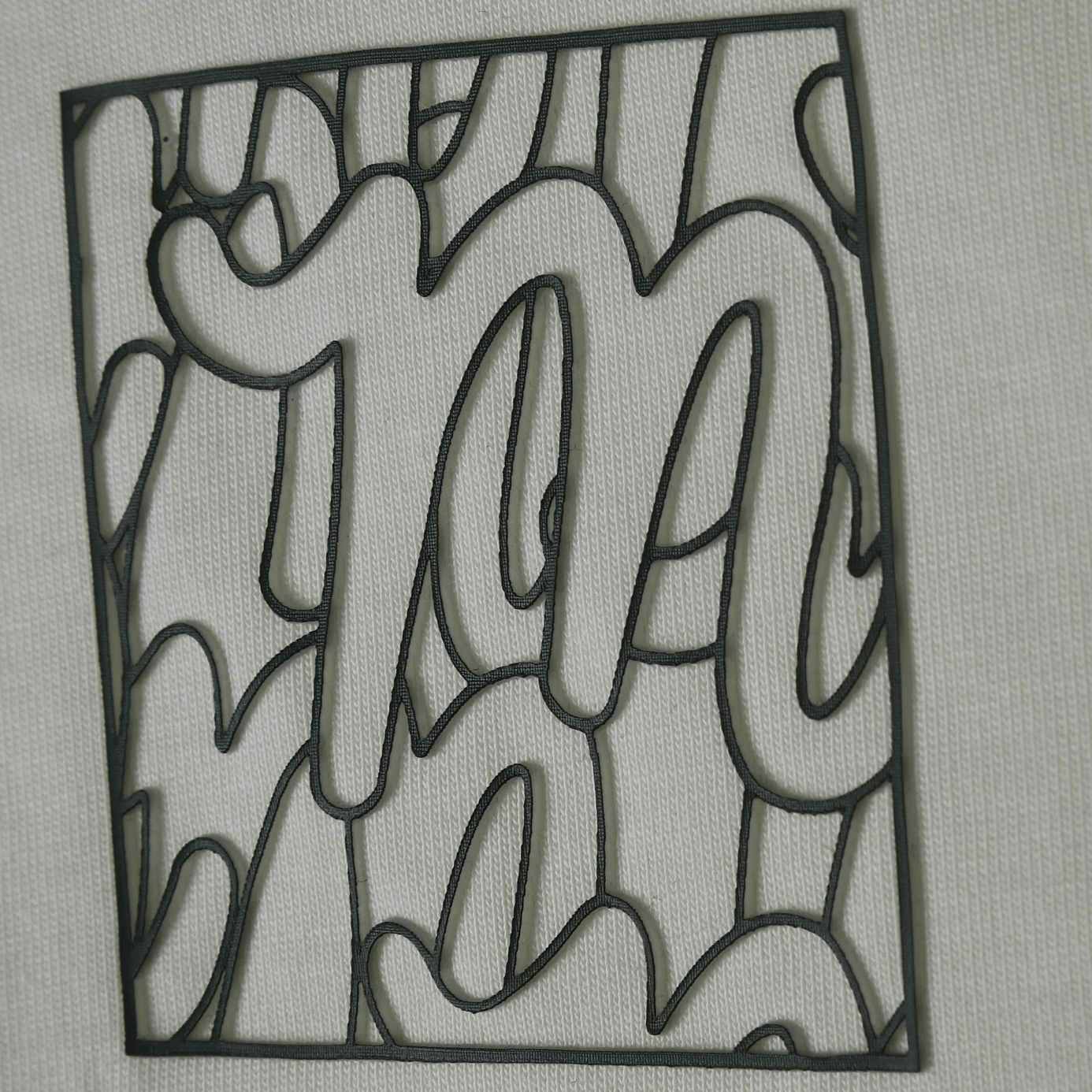
Screen printing suits larger graphics; setup screens cost $25–75 each but per-unit ink runs $0.30–1.50. Heat transfer (including DTF and sublimation) eliminates screens, costs $1–3 per piece, and handles full-color artwork with no MOQ penalty.
Both methods perform well on pima cotton’s smooth hand, though screen prints endure 40+ washes while heat transfers may crack after 20–30 cycles if low-grade film is used.
Jacquard Knit-In Patterns and Appliqué
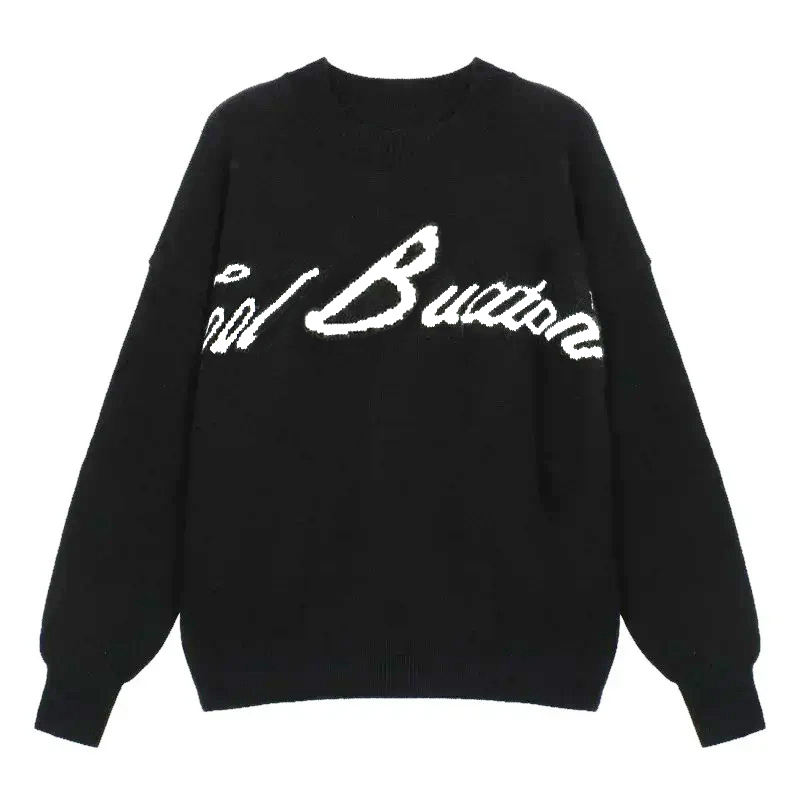
Jacquard integrates color and pattern during knitting, eliminating post-production decoration and offering permanent, wash-proof designs. Programming costs $50–150 per pattern, but per-piece premiums are modest ($1–2) at scale.
Appliqué — fabric shapes sewn or bonded onto the garment — adds texture and dimension, costs $0.80–2.50 per placement, and reinforces brand storytelling through layered materials and contrast stitching.
6. Key Quality Elements in Pima Cotton Knitwear
Evaluating pima cotton knitwear before bulk production requires checking five critical construction and fiber-quality checkpoints. Each element directly affects durability, hand-feel, and customer satisfaction.
Fiber Staple Length Verification
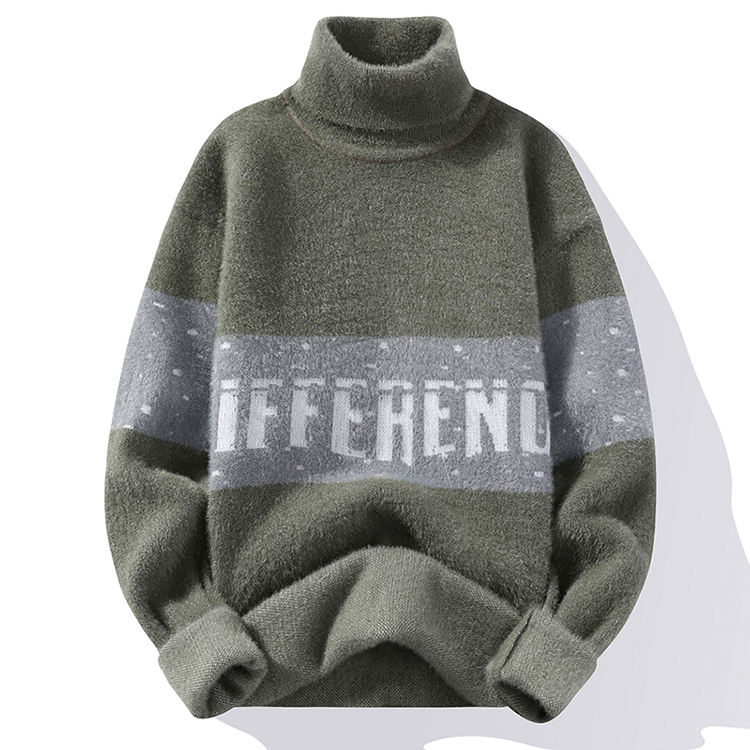
True Pima cotton measures 34–38 mm staple length, compared to 22–28 mm for ordinary upland varieties. Request fiber certificates or third-party lab reports confirming extra-long-staple (ELS) classification.
Red flags include vague ‘cotton blend’ labels, missing origin documentation, or prices significantly below market for genuine Pima yarn.
Yarn Twist and Ply
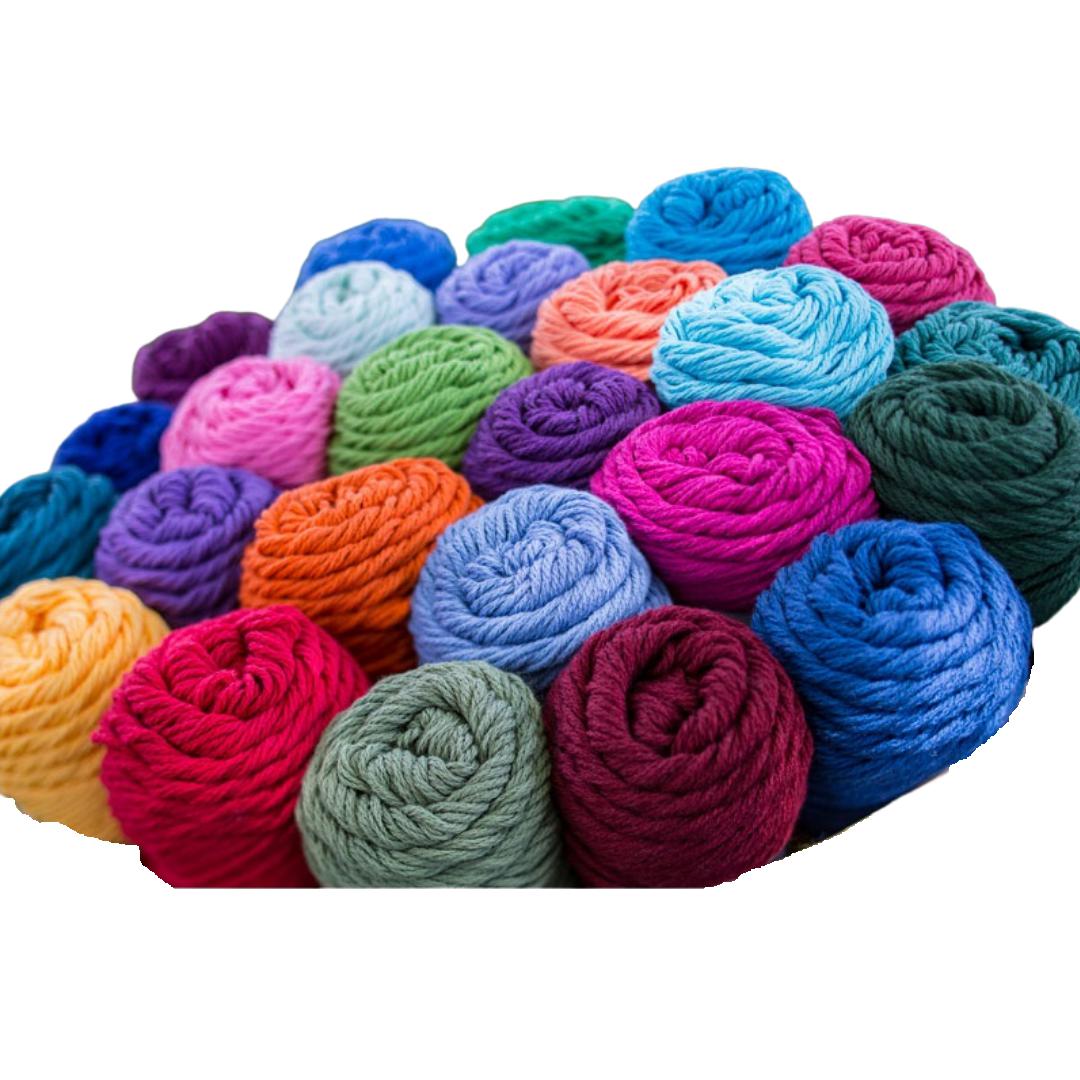
Two-ply yarns offer superior strength and pilling resistance versus single-ply constructions. Inspect yarn twist per inch (TPI): 14–18 TPI for worsted-weight knitwear balances softness and durability.
Single-ply may pill faster and lose shape after washing. Confirm ply count in your tech pack and verify against knit-down samples under magnification.
Seam Type and Stitch Density
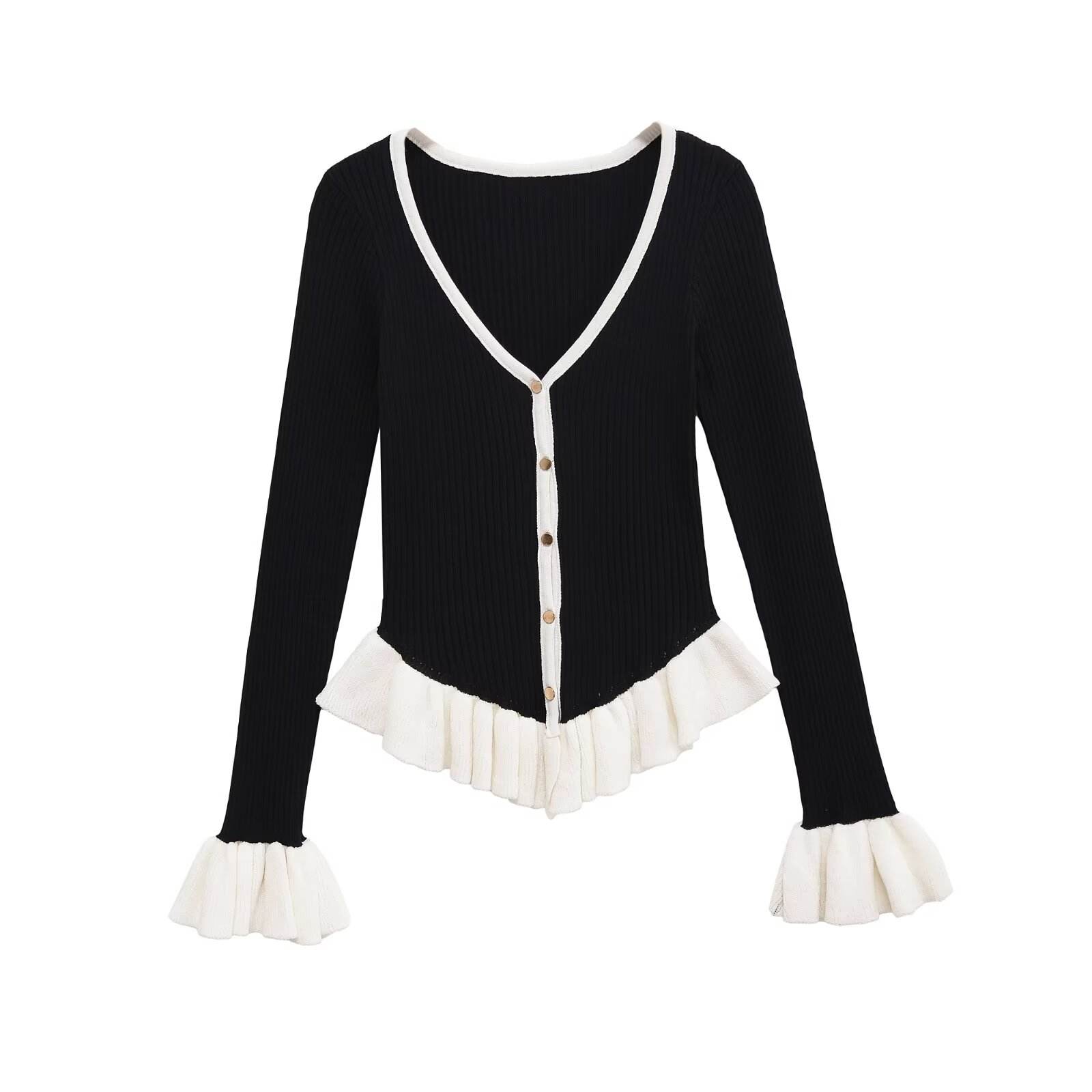
Overlock or flatlock seams prevent unraveling; stitch density of 12–16 stitches per inch ensures structural integrity without stiffness. Check seam allowances are consistent and thread matches yarn fiber content.
Poor seam finish—skipped stitches, loose thread ends, or mismatched tension—signals inadequate quality control.
Pilling Resistance Testing
Request Martindale abrasion test results: grade 3–4 (ISO 12945-2) is acceptable for premium pima cotton knitwear. Samples should survive 5,000+ cycles with minimal surface fuzzing.
Reject samples showing heavy pilling after one wash cycle or low-grade results, indicating inferior yarn quality or incorrect finishing.
Colorfastness Standards
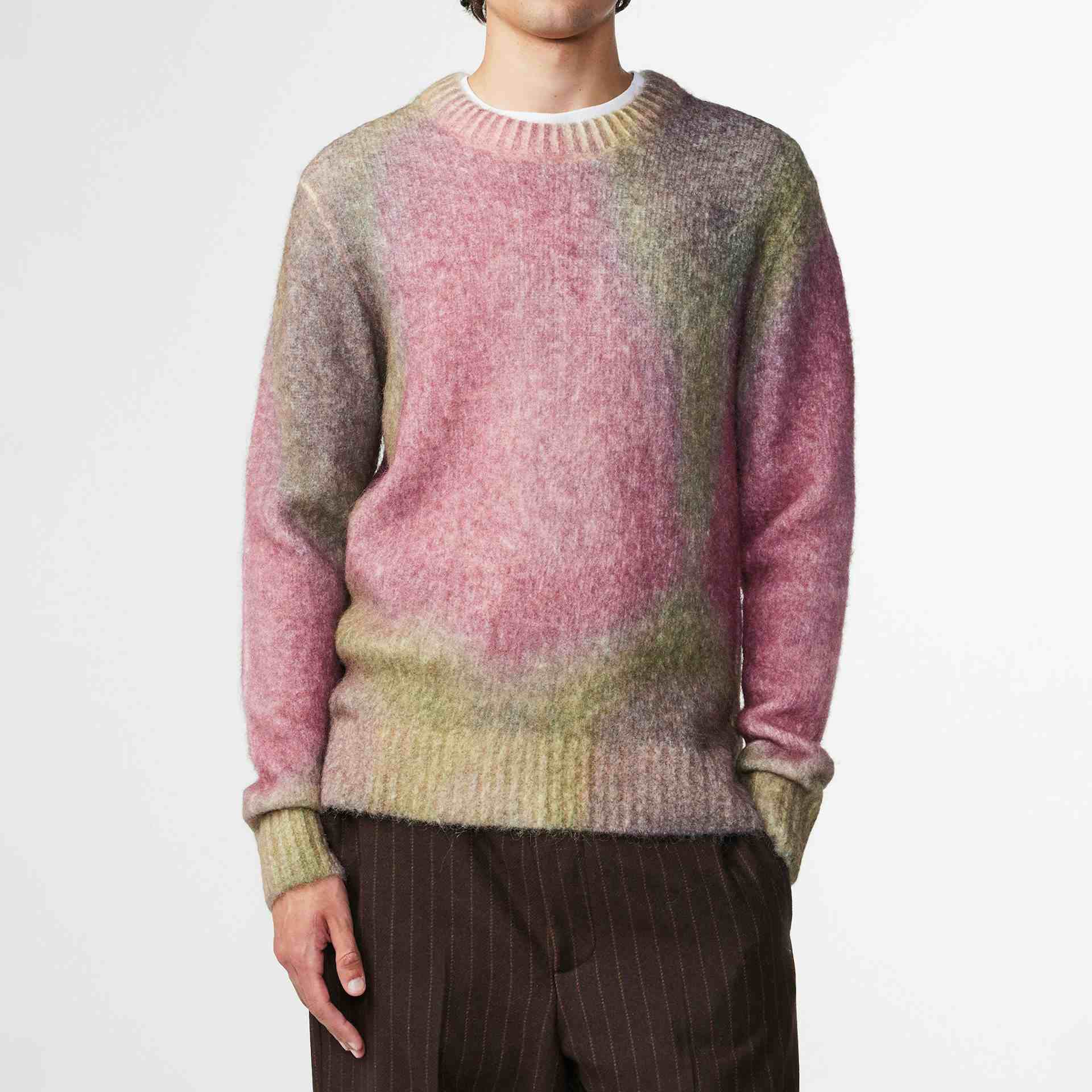
Demand AATCC 61 (washing) and AATCC 8 (crocking) reports with grade 4 minimum. Garment-dyed or reactive-dyed Pima should retain color through 20+ home launderings without bleeding or fading.
Test by rubbing a damp white cloth on dark samples; any visible transfer indicates poor dye fixation and future customer returns.
7. How to Choose a Pima Cotton Knitwear Manufacturer
Selecting a manufacturer for pima cotton knitwear requires evaluating five criteria that directly affect quality, timeline, and brand credibility. Each criterion carries benchmarks that separate agile partners from rigid suppliers.
Certifications and Fiber Transparency
Ask for GOTS, OEKO-TEX Standard 100, or BCI certification documentation before signing. Certified mills trace fiber origin and chemical use; uncertified suppliers often blend shorter-staple cotton without disclosure.
Request yarn test reports showing staple length ≥ 35 mm and micronaire 3.5–4.5 for genuine Pima. Transparent manufacturers provide mill invoices or third-party lab results within 48 hours.
Minimum Order Quantity Flexibility
MOQ benchmarks range from 500–1,000 pieces per style at traditional mills to 100–300 pieces at flexible partners like CENWILD. Lower MOQ enables startups to test colorways and fits without excess inventory risk.
Confirm whether MOQ applies per style, per color, or per size run. Per-style MOQ offers the most flexibility for multi-SKU launches.
Sampling Turnaround and Iteration Cycles
Standard knit-down sampling takes 7–14 days; factories with in-house design teams and 3D knit programming deliver in 5–7 days. Budget two to three iteration rounds before bulk production.
Ask if sampling fees are credited against production orders and whether digital mock-ups are available before physical samples to reduce cycle time.
Production Capacity and Lead Times
Monthly capacity above 50,000 pieces signals reliable scaling; smaller workshops may delay reorders. Typical lead times run 35–45 days ex-factory for pima cotton knitwear after sample approval.
Verify machine gauge range (3GG–14GG) to ensure the factory can handle fine-gauge Pima styles. Overseas manufacturers in Dongguan or Jiangsu offer 20–30% cost savings versus domestic, offsetting longer shipping.
8. Common Mistakes When Sourcing Pima Cotton Knitwear
Even experienced buyers stumble when sourcing pima cotton knitwear, often due to assumptions rather than verification. Avoiding these five pitfalls saves time, budget, and brand reputation.
Assuming All ‘Pima’ Labels Are Authentic
Not every supplier claiming ‘Pima cotton’ delivers the genuine extra-long-staple fiber. Without traceability documentation — mill certificates, yarn lot numbers, or third-party testing — brands risk receiving standard short-staple cotton relabeled for premium pricing.
Always request yarn supplier details and batch certificates before production. CENWILD provides full yarn traceability from certified mills, ensuring the softness and durability that define real pima cotton knitwear.
Skipping Pre-Production Samples
Approving production based on photos or verbal descriptions often results in color mismatches, incorrect stitch density, or poor fit. A knit-down sample reveals actual hand-feel, drape, and gauge before committing to bulk orders.
Insist on physical samples in your target colorways and sizes. CENWILD’s knit-down sampling process catches construction issues early, preventing costly remakes.
Underestimating Shrinkage and Care Instructions
Pima cotton can shrink 3–5% in length if not pre-washed or stabilized. Buyers who ignore wash testing face customer returns when garments no longer fit after the first laundry cycle.
Specify garment-wash or steam-press finishing and request shrinkage test reports. CENWILD applies anti-shrink treatments and validates dimensional stability before shipment.
Choosing the Wrong GSM for Target Season
A 180 GSM pima cotton sweater suits spring layering but feels too light for winter retail. Conversely, 320 GSM styles overheat in transitional seasons, leading to unsold inventory.
Match fabric weight to your sales calendar: 160–220 GSM for spring/summer, 240–320 GSM for fall/winter. CENWILD’s design team recommends gauge and GSM combinations aligned with regional climates.
Neglecting MOQ Negotiations
Assuming MOQ is fixed often leaves smaller brands paying higher per-piece costs or ordering excess stock. Many manufacturers, including CENWILD, offer flexible minimums — starting at 100 pieces — and negotiate color or style splits for growing brands.
Discuss order structure upfront: total quantity, color breakdown, and future reorder terms. Long-term partners at CENWILD benefit from reduced deposits and priority scheduling.
9. Steps to Launch Your Pima Cotton Knitwear Brand
Launching a pima cotton knitwear brand requires a structured roadmap that balances product development, budgeting, and market timing. CENWILD’s flexible 100-piece MOQ and full design support enable new brands to test collections without overcommitting capital or inventory.
Define Target Audience and Price Point
Identify your customer demographic, preferred retail price, and channel (DTC, wholesale, or hybrid). A $60–$80 retail sweater typically requires a $15–$20 FOB cost, leaving margin for branding and fulfillment.
Allocate 1–2 weeks for market research and competitor analysis. Document fabric preferences, fit expectations, and seasonal buying windows to guide every downstream decision.
Select Product Mix and Fabric Specs
Choose 3–5 core styles (e.g., crewneck, cardigan, V-neck) in complementary gauges and weights. Specify Pima cotton content (100% or blends), yarn count, and gauge (7GG or 12GG for classic hand-feel).
Share inspiration images or tech packs with CENWILD’s design team. Expect 3–5 days for initial stitch recommendations and yarn sourcing.
Request and Evaluate Samples
Order knit-down samples to assess hand-feel, drape, and construction quality. Budget $50–$150 per sample and 10–15 days for production and courier delivery.
Check stitch tension, seam finish, and color accuracy against Pantone references. Approve or iterate; most brands finalize samples in one to two rounds.
Finalize Branding and Packaging
Design woven labels, hang tags, and poly-bag or folded-box packaging. CENWILD coordinates embroidery digitization, label weaving, and trim sourcing as part of one-stop service.
Allow 7–10 days for label production and 2–3 days for mock-up approval. Lock artwork before bulk production to avoid reprints and delays.
Place Pilot Order and Plan Marketing
Start with 100–300 pieces per colorway to validate demand. Production lead time runs 25–35 days; add 5–7 days for ocean freight or 3–5 for air.
Schedule product photography, influencer seeding, and pre-launch email campaigns to align with delivery. Reserve 20–30% of landed cost for initial marketing spend.
10. Pricing and Cost Breakdown for Pima Cotton Knitwear
Pima cotton knitwear pricing starts at 100-piece MOQ with unit costs ranging from $18–$35 depending on gauge, stitch complexity, and yarn grade. A standard crewneck pullover in 7GG single-jersey Pima typically costs $22–$28 per piece at 300 units, while cable or jacquard designs add $3–$6 per garment. Sampling fees run $80–$150 per colorway and are often credited back after the production order is confirmed.
Lead time averages 25–35 days for orders under 500 pieces, shortening to 20–28 days at 1,000+ units as knitting efficiency improves. Decoration methods carry distinct cost structures: embroidery setup is $40–$80 with a $1.50–$3.00 per-piece run charge, screen printing costs $30–$60 setup plus $0.80–$1.50 per print, and jacquard intarsia incurs no separate setup but raises the base garment price by $4–$7 due to programming and yarn changes.
Key cost drivers include certified Pima yarn (adds 15–25% over standard cotton), fully-fashioned shaping, multi-color intarsia, and finishing treatments like garment wash or anti-pilling.
| Quantity Tier | Price per Unit (USD) | Sampling Fee | Lead Time (days) |
|---|---|---|---|
| 100 pieces | $28–$35 | $80–$150 | 30–35 |
| 300 pieces | $22–$28 | Credited after order | 25–30 |
| 500 pieces | $20–$25 | Credited after order | 22–28 |
| 1,000+ pieces | $18–$23 | Credited after order | 20–25 |
Ready to Source Your Pima Cotton Knitwear?
Start with just 100 pieces. Get knit-down samples fast. Work with a manufacturer that grows with your brand.