
Custom Cashmere Shawl Manufacturing — OEM/ODM from 100 Pieces
Premium cashmere shawls and custom knitwear crafted to your design. 28+ years as a trusted sweater manufacturer in Dongguan, private label production, in-house knitting, and flexible MOQ starting at just 100 pieces.
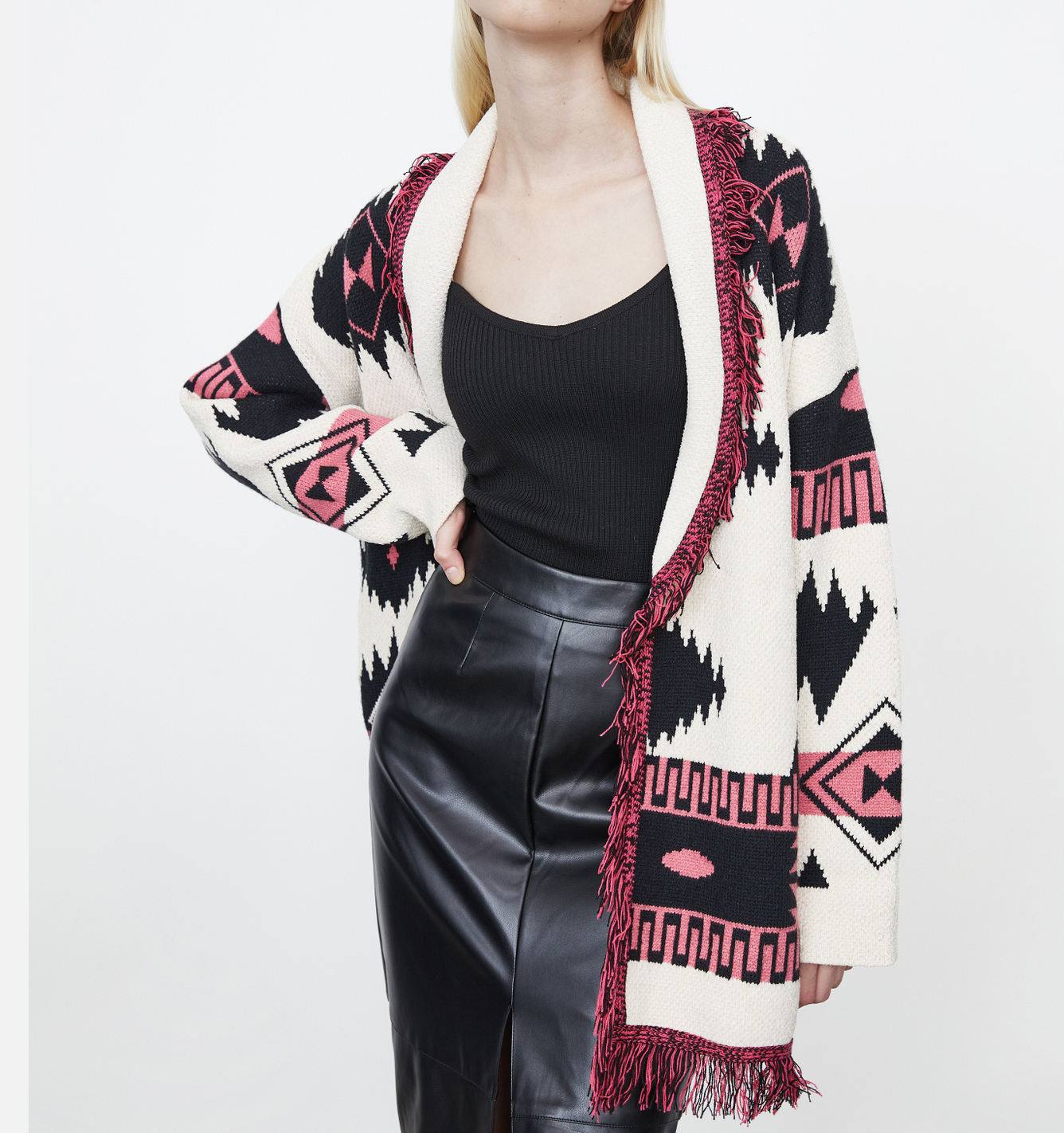
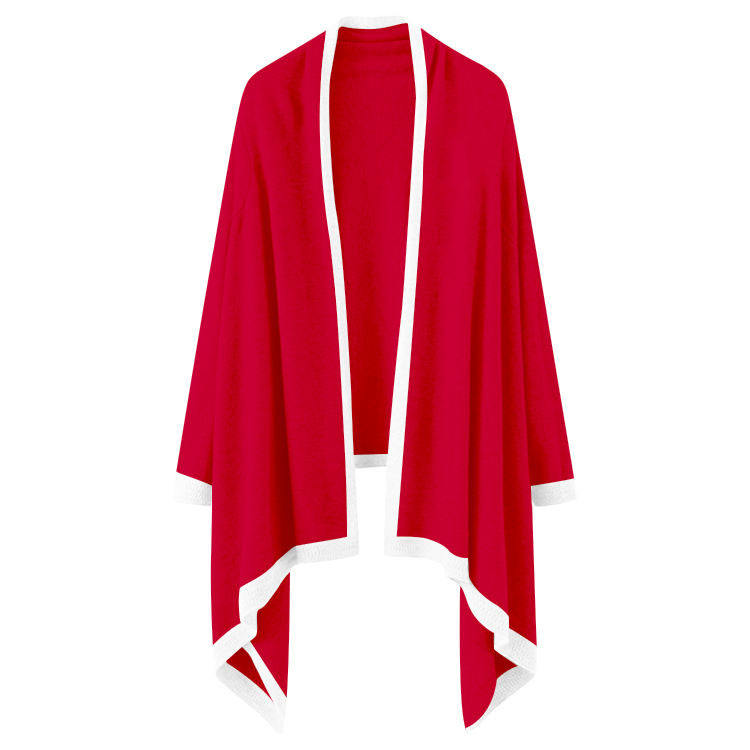
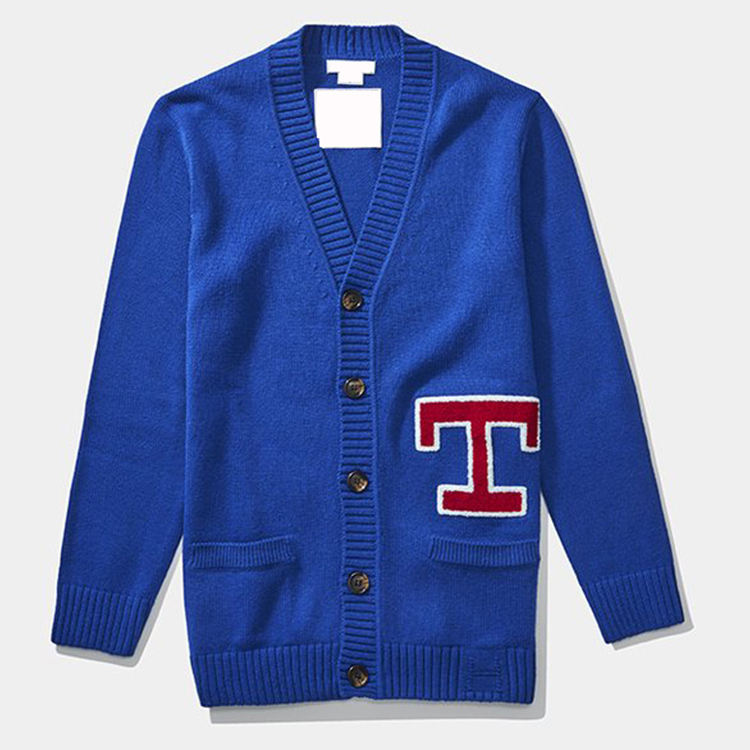
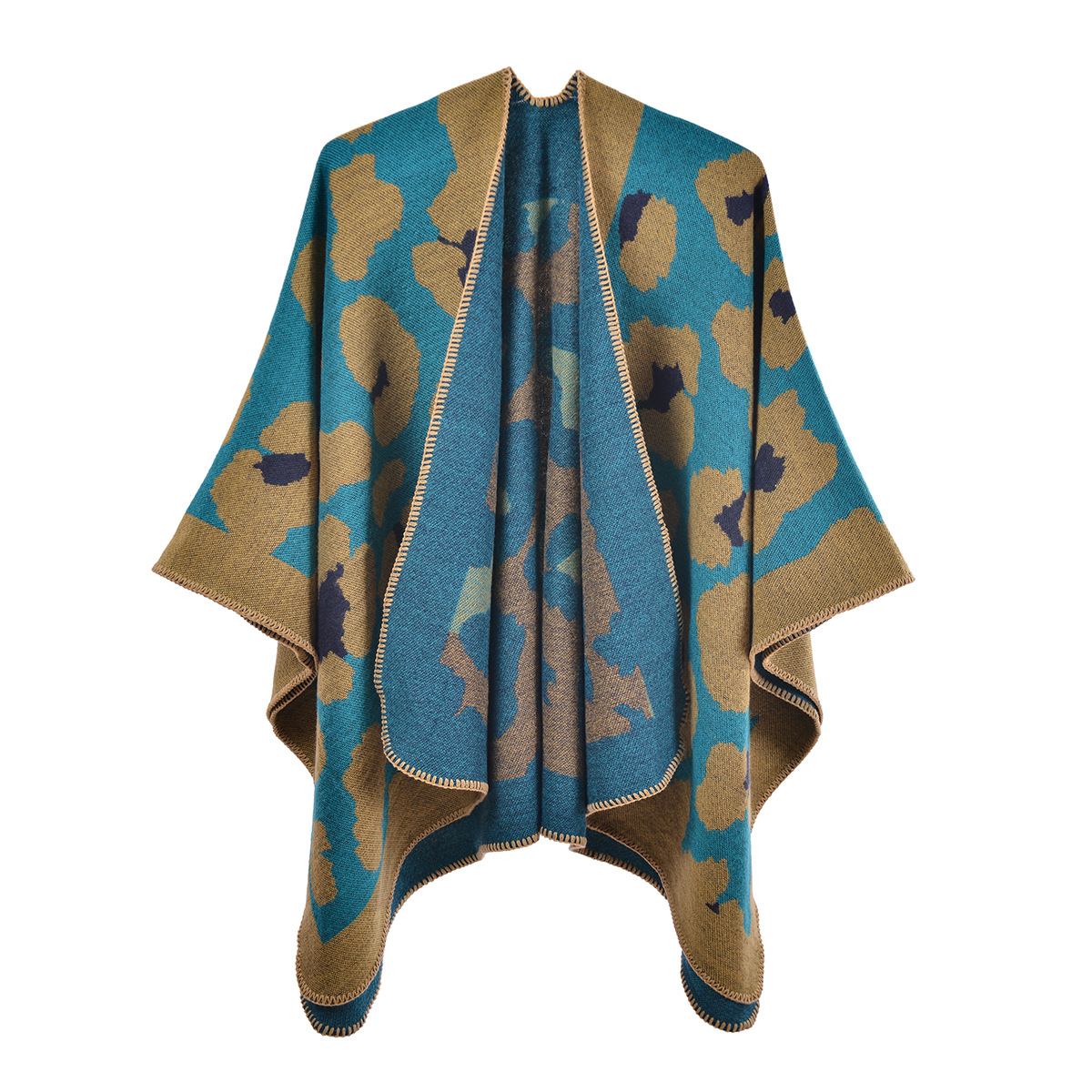
Cashmere Shawl Styles & Samples

Why CENWILD for Your Cashmere Shawl Order
Low MOQ from 100 Pieces
Launch your cashmere shawl collection without inventory risk. We support startups and established brands with flexible minimum order quantities starting at just 100 pieces.
28+ Years Dongguan Heritage
Founded in 1998 in Humen, Dongguan’s knitwear capital. Over 200 skilled employees and 2,000+ fashion brands trust our proven cashmere shawl manufacturing expertise.
In-House Knitting & Sampling
Computerized flat-knit machines across 3GG to 14GG gauges. Full knit-down sampling, grading, and quality control under one roof for faster, reliable cashmere production.
Full Design Support
Bring a sketch, photo, or idea. Our design team creates tech packs, original stitch patterns, 3D knit programming, and production-ready samples for your brand.
Flexible Payment Terms
PayPal, credit card, T/T, USDT, and VTB Bank for Russia. Deposits ease from 100% to 30% as partnership grows, with balance paid before shipment.
OEM & ODM Capabilities
Private label or full custom development for sweaters, cardigans, and knitwear. We handle yarn sourcing, intarsia, jacquard, embroidery, printing, washing, trims, packaging, and export logistics for your cashmere shawls and custom sweater collections.
Cashmere Shawl Styles & Custom Options
Pure Cashmere Shawls
100% pure cashmere shawls knitted in 3GG to 12GG gauges for ultimate softness and warmth. CENWILD sources premium-grade cashmere yarn and produces wraps, stoles, and traditional shawl silhouettes with fully-fashioned edges, cable, ribbed, or plain knit structures. MOQ from 100 pieces with in-house sampling and grading.
Get a Quote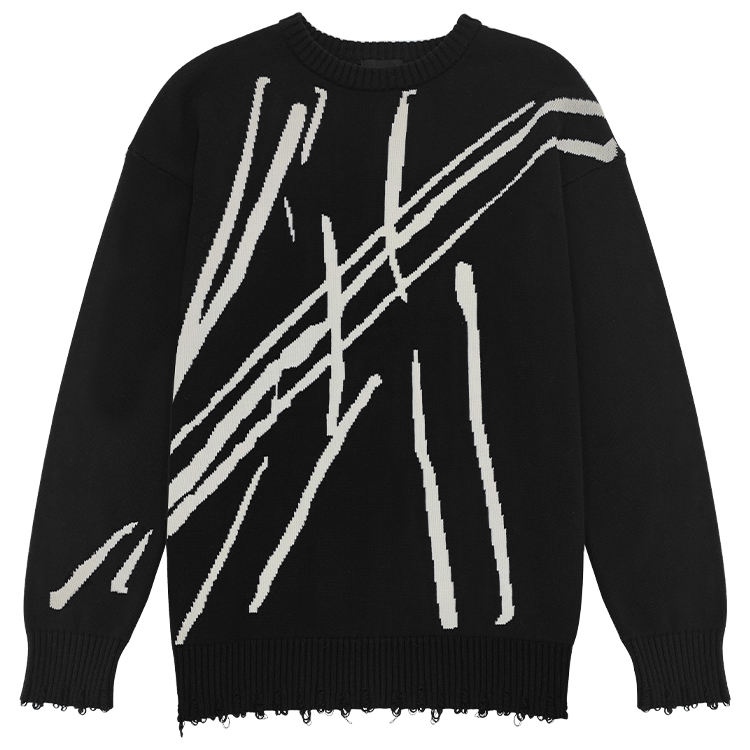
Cashmere Blend Shawls
Cashmere-blend shawls combining cashmere with merino wool, silk, cotton, or modal for balanced luxury, durability, and price. Ideal for brands targeting accessible luxury or seasonal collections. CENWILD knits blends across multiple gauges and offers jacquard, intarsia, and textured stitch options with full ODM design support.
Get a Quote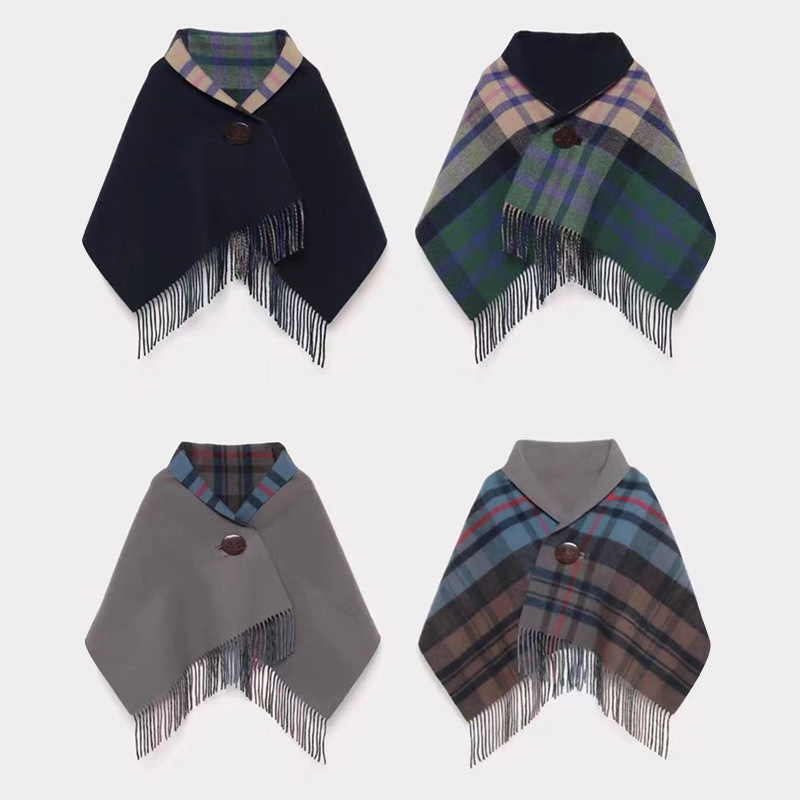
Oversized Cashmere Wraps
Extra-large cashmere wraps and blanket shawls engineered for drape and coverage. Produced on wide-gauge machines up to 14GG with seamless or linked construction. Popular for travel, evening wear, and capsule collections. CENWILD manages oversized grading, weight optimization, and garment finishing including anti-pilling and softening treatments.
Get a QuoteCashmere Pashmina Shawls
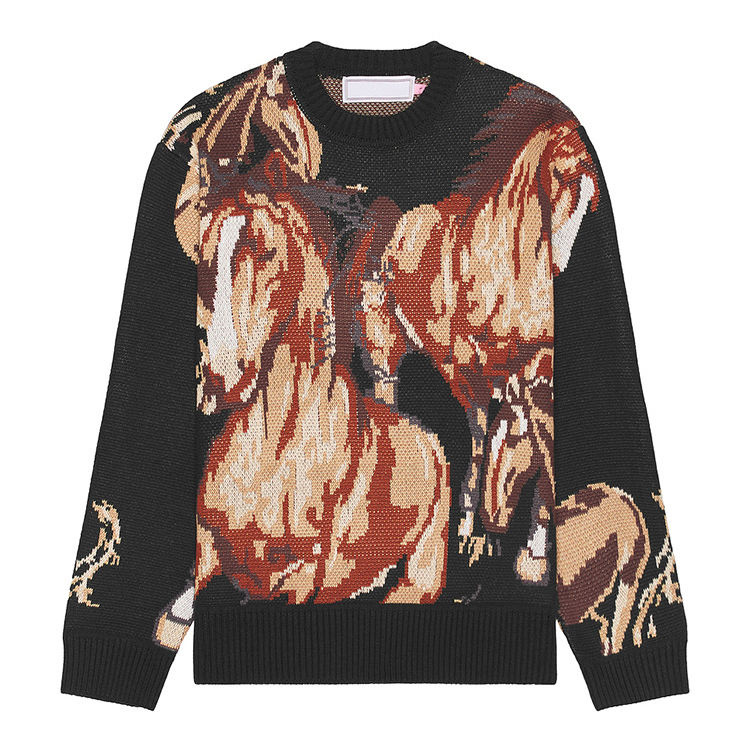
Fine-gauge cashmere pashmina shawls knitted in lightweight, breathable constructions for year-round wear. CENWILD replicates traditional pashmina hand-feel using advanced flat-knitting and yarn-twisting techniques. Available in solid, ombre, or jacquard patterns with fringed or hemmed edges. Private label and custom colorways supported from 100 pieces.
Get a QuotePrinted Cashmere Shawls
Cashmere shawls decorated with screen printing, heat transfer, DTF, or sublimation for brand graphics, seasonal artwork, or custom patterns. CENWILD coordinates knitting and print decoration in-house to ensure color consistency, placement accuracy, and soft hand-feel. Suitable for collaborations, limited editions, and influencer capsules.
Get a QuoteEmbroidered Cashmere Shawls
Embroidered cashmere shawls featuring flat embroidery, 3D puff, chain-stitch, sequin, applique, or logo patches. CENWILD’s decoration workshop handles intricate motifs, monograms, and brand insignia directly on finished shawls or during assembly. Embroidery placement, thread matching, and sample approval included in ODM development from concept to production.
Get a QuoteFringed Cashmere Shawls
Cashmere shawls finished with hand-knotted, twisted, or machine-applied fringe in matching or contrast yarn. Fringe length, density, and style customized per design. CENWILD integrates fringe application into the linking and finishing workflow, ensuring secure attachment and consistent drape. Available across all gauges and cashmere blends.
Get a QuoteReversible Cashmere Shawls
Double-layer or two-tone reversible cashmere shawls knitted with intarsia, jacquard, or contrast color blocking. Each side offers a distinct look while maintaining warmth and structure. CENWILD programs reversible patterns on computerized flat-knitting machines and links edges for a clean, fully-fashioned finish. Design flexibility supported through knit-down sampling.
Get a Quote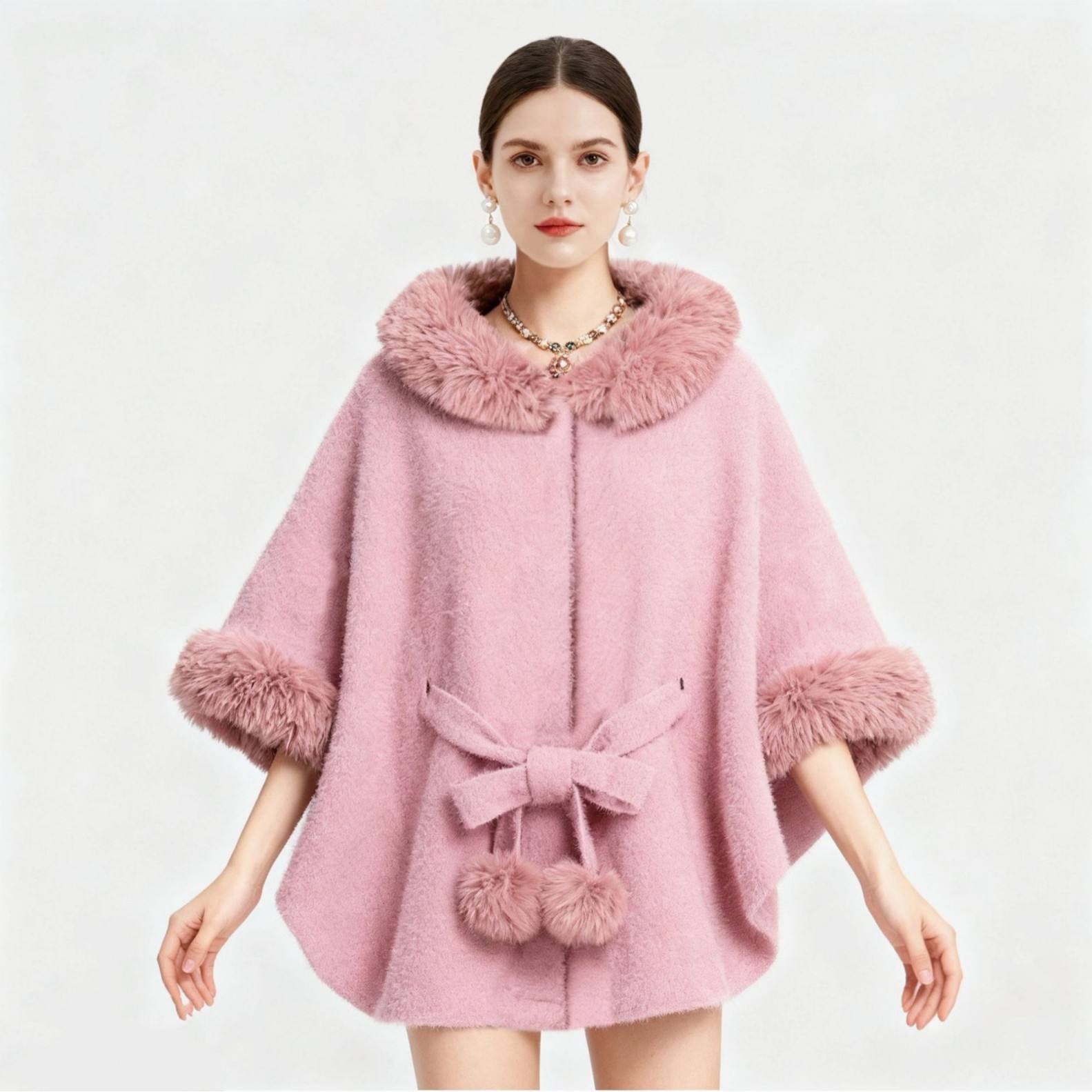
Custom Logo Shawls
Cashmere shawls customized with woven labels, embroidered logos, jacquard brand names, or printed insignia for corporate gifts, retail private label, or influencer merchandise. CENWILD produces logo shawls from 100 pieces with full packaging, hangtag, and trim coordination. Supports T/T, PayPal, and flexible deposit terms for repeat partners.
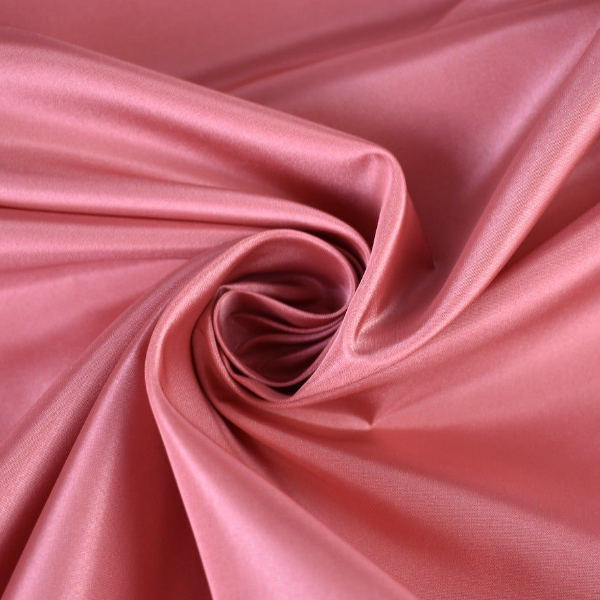
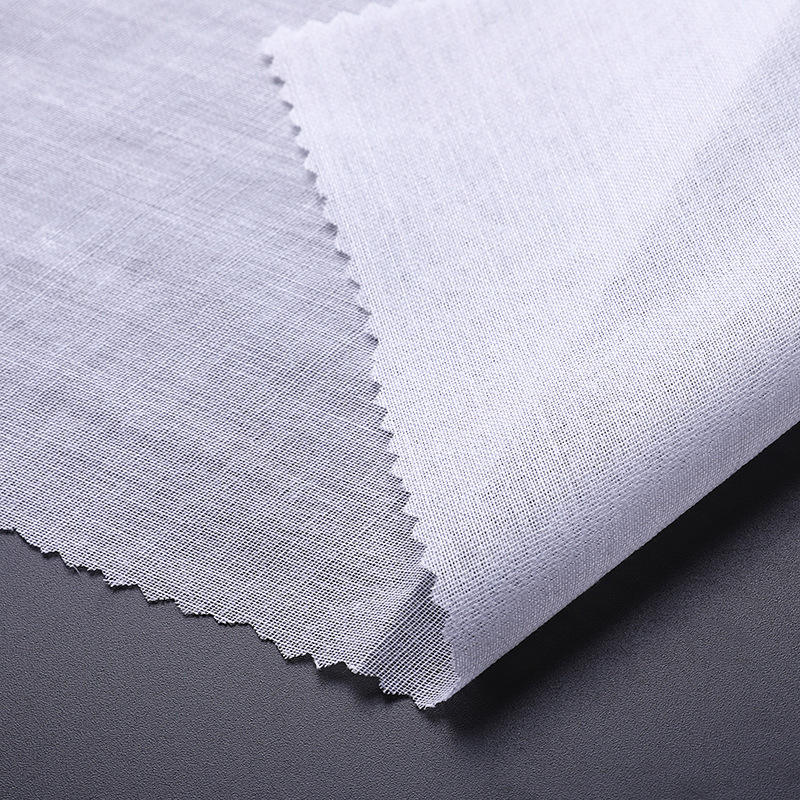
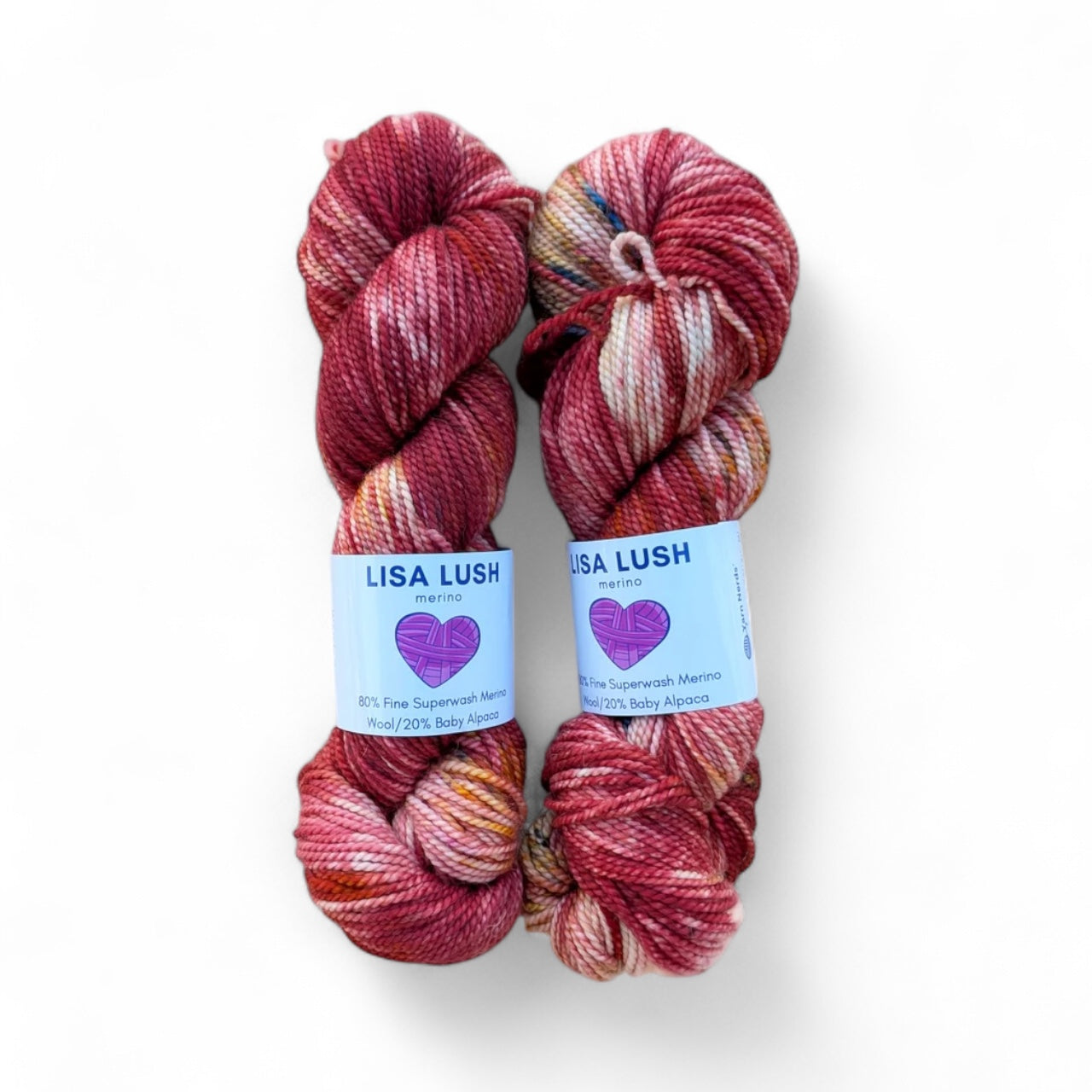
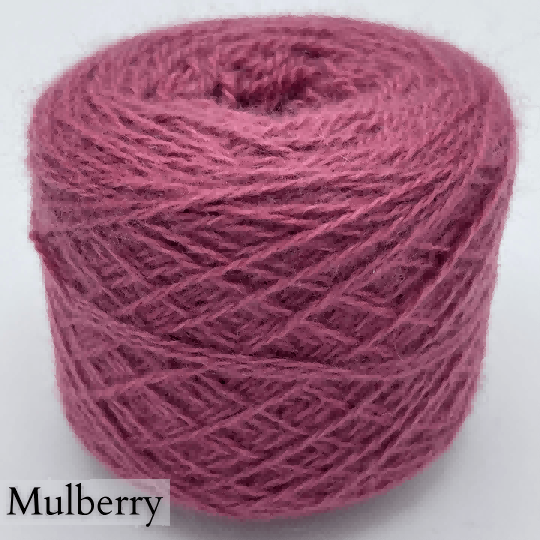
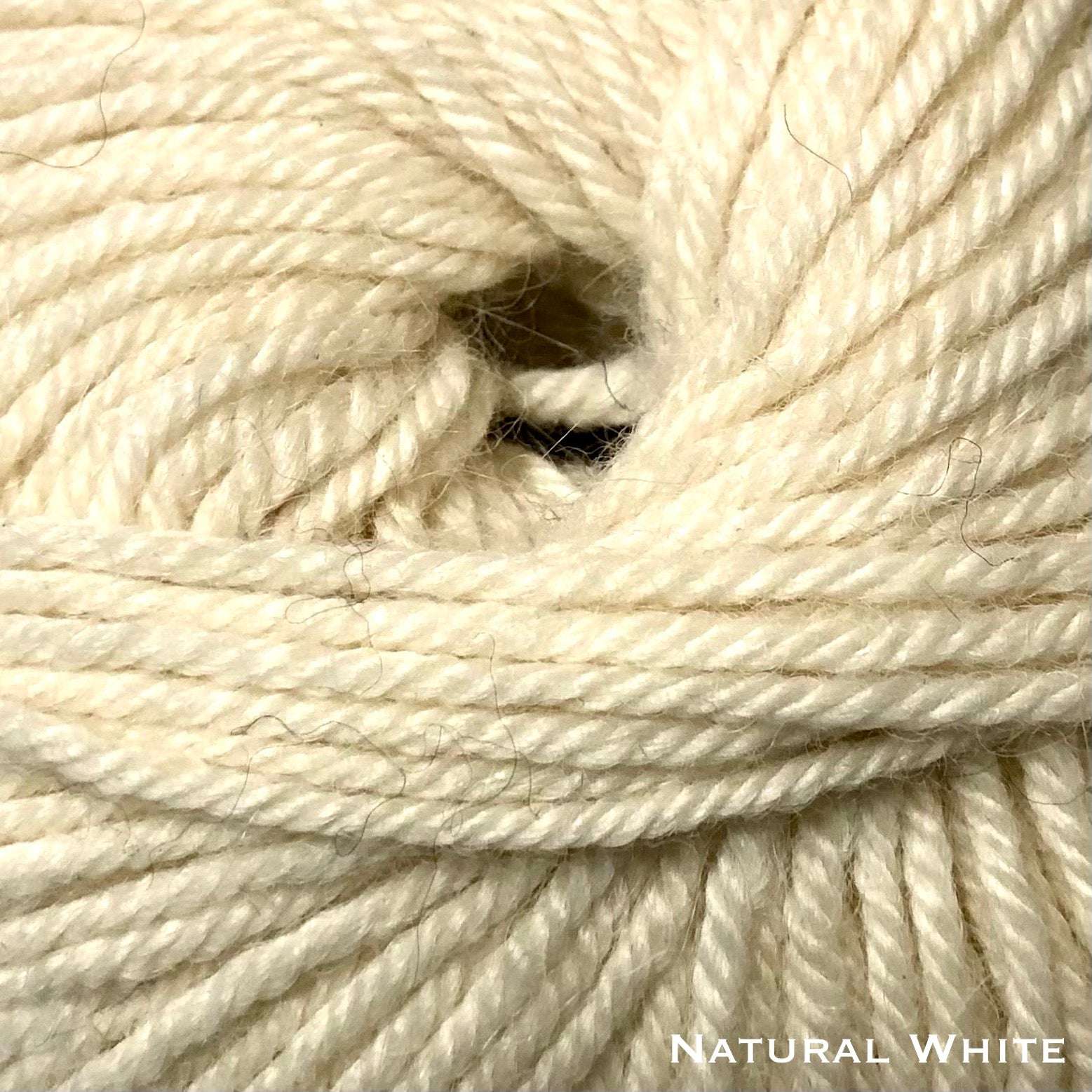
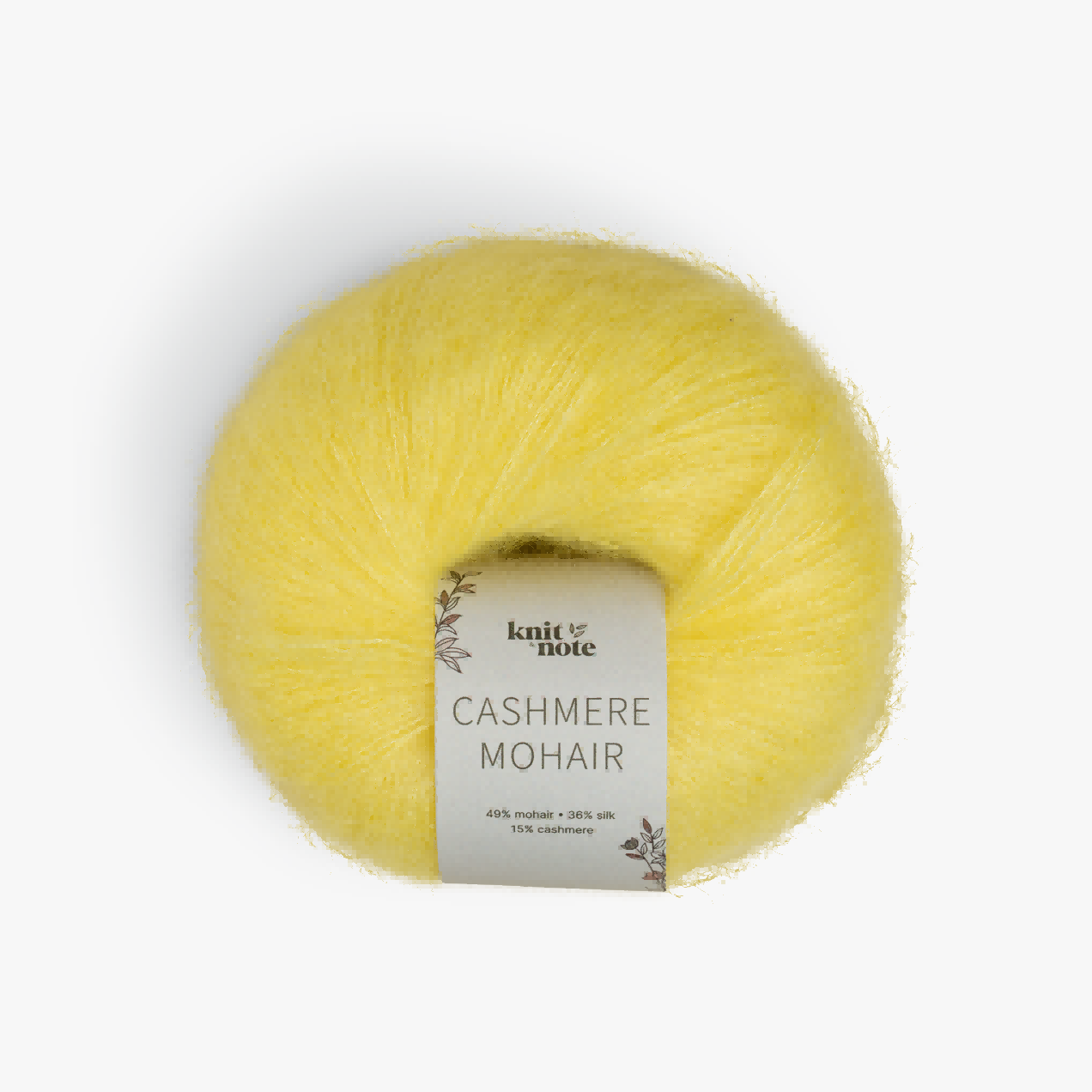
Get a QuotePremium Fibers for Your Cashmere Shawl
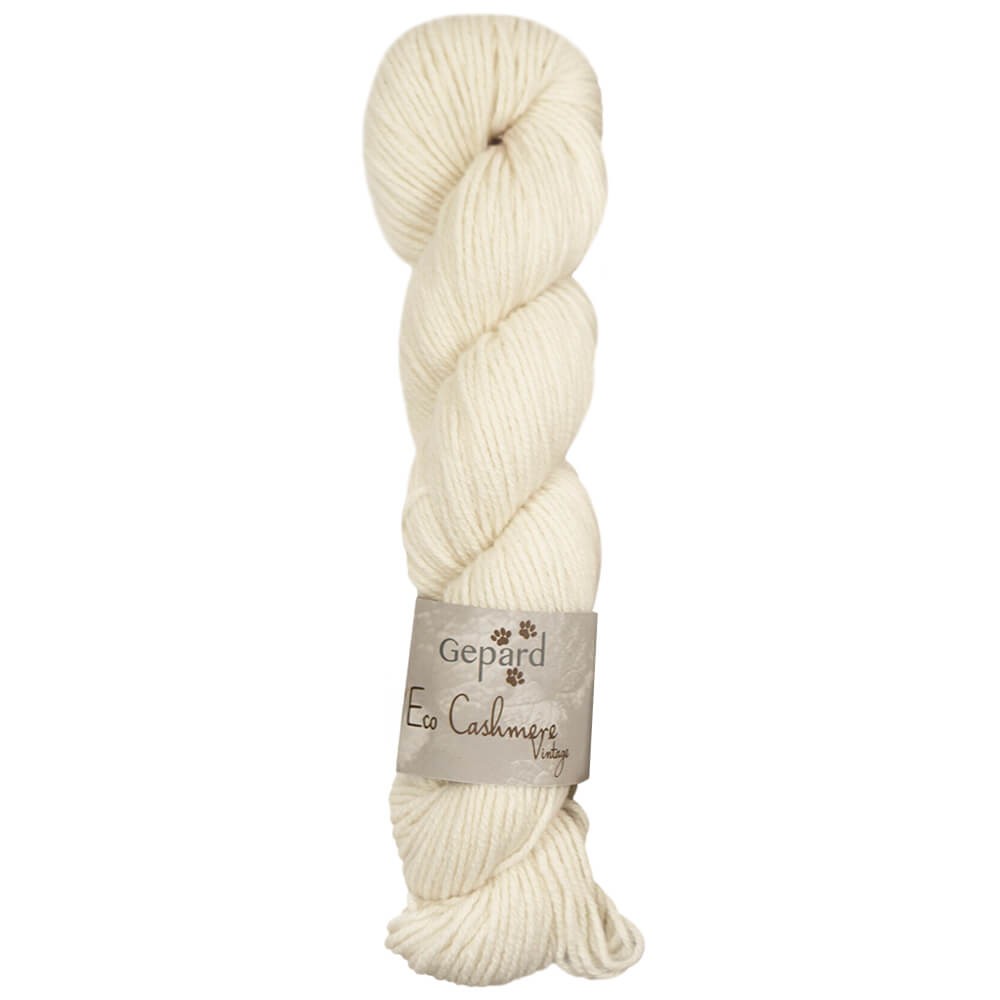
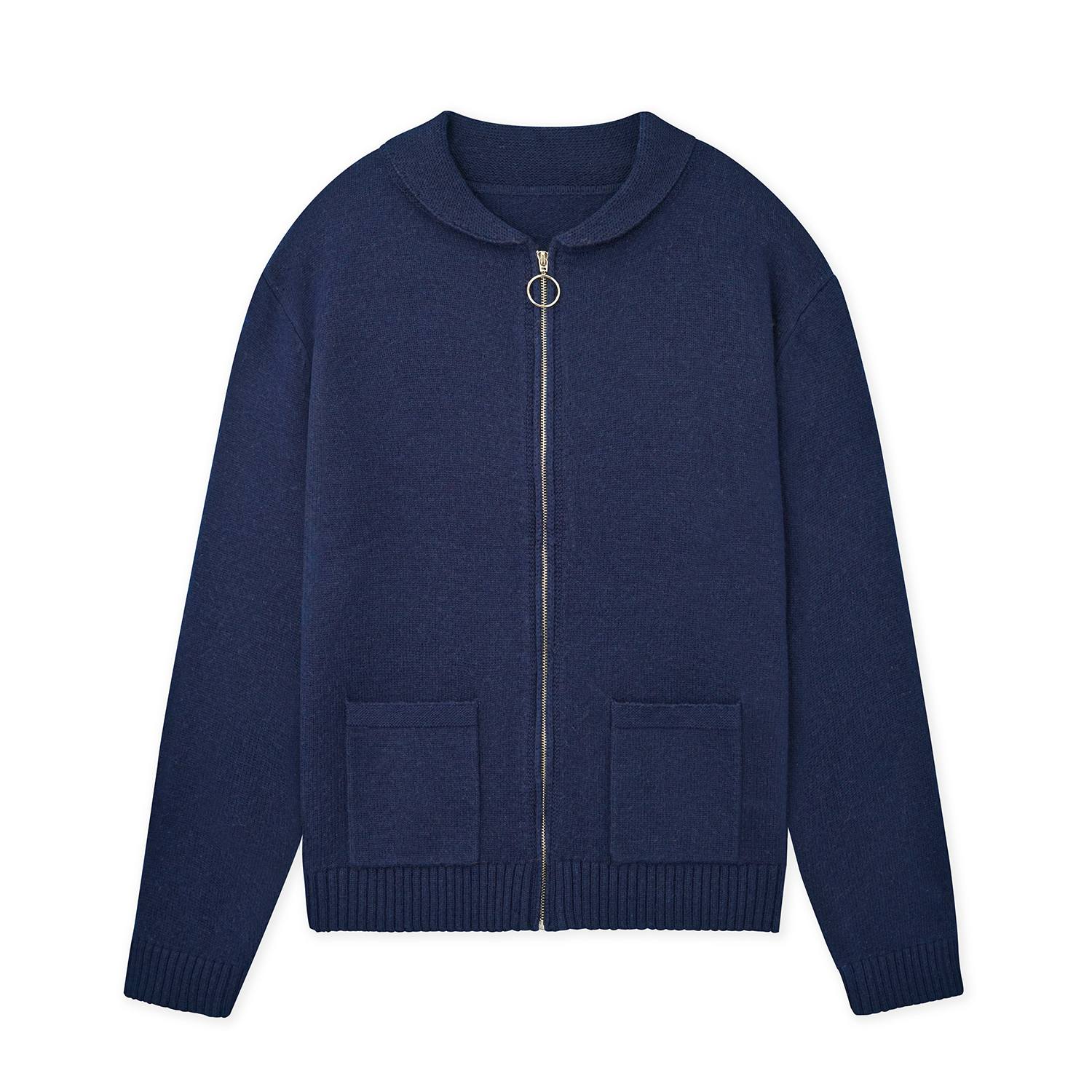
Knitting & Finishing Techniques for Cashmere Shawls
Trims & Embellishments for Custom Cashmere Shawls
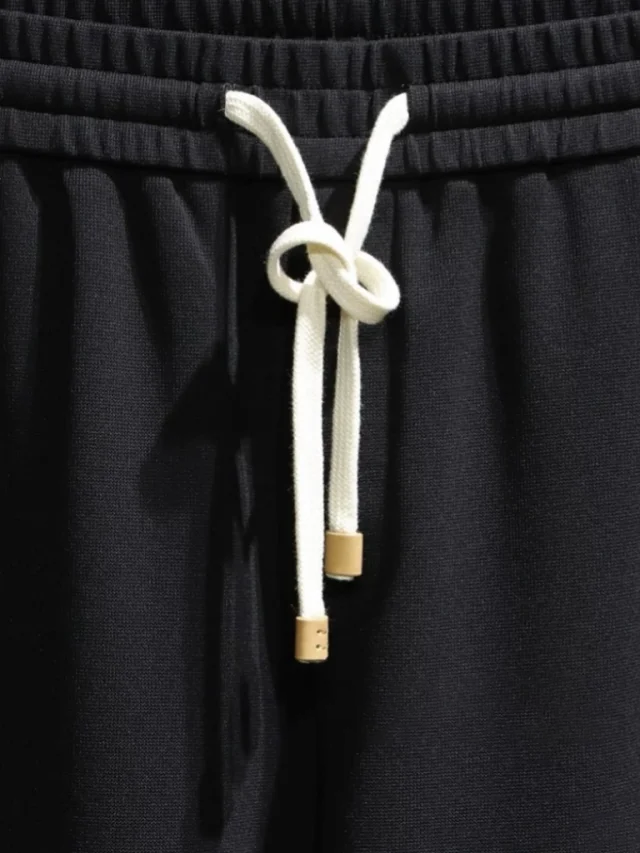
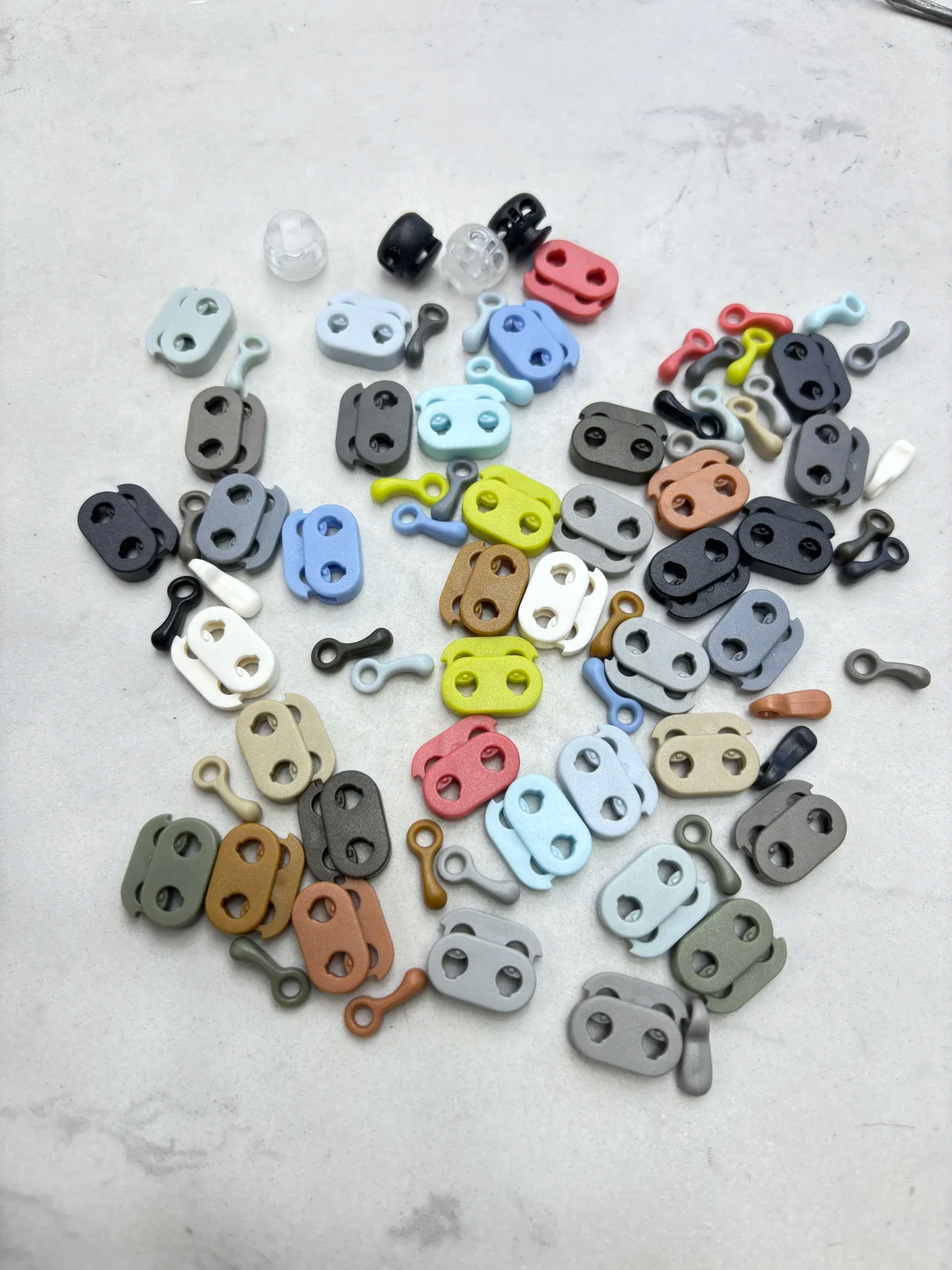
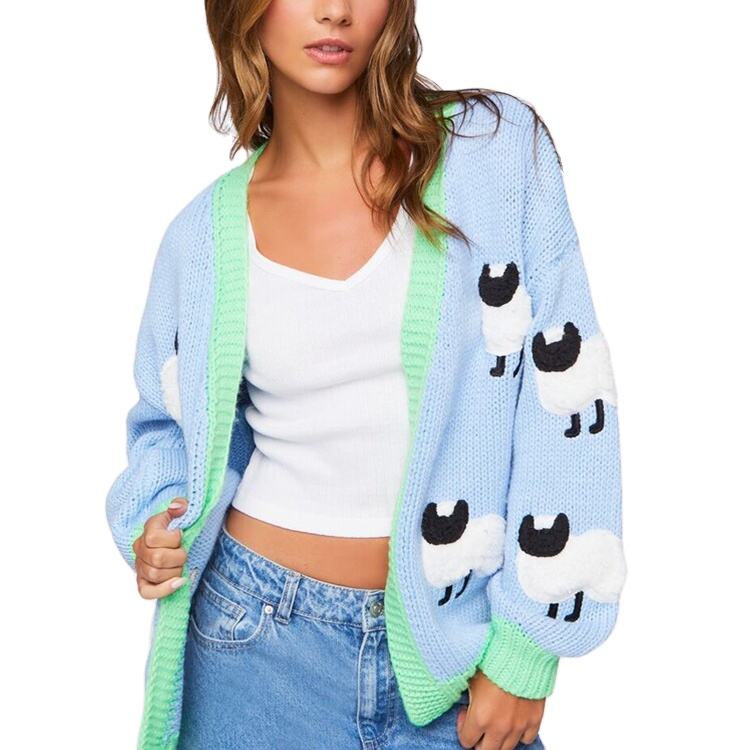
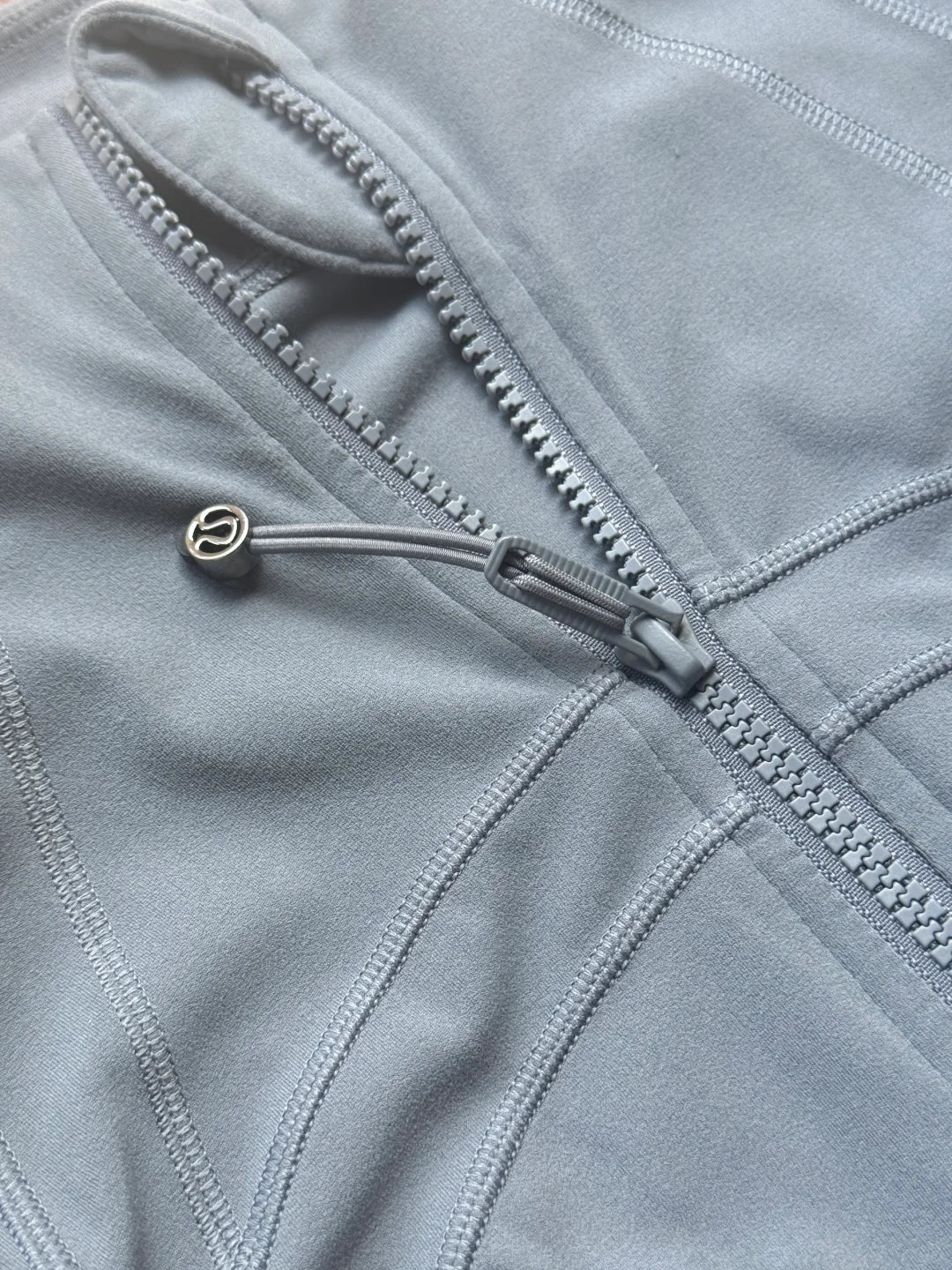
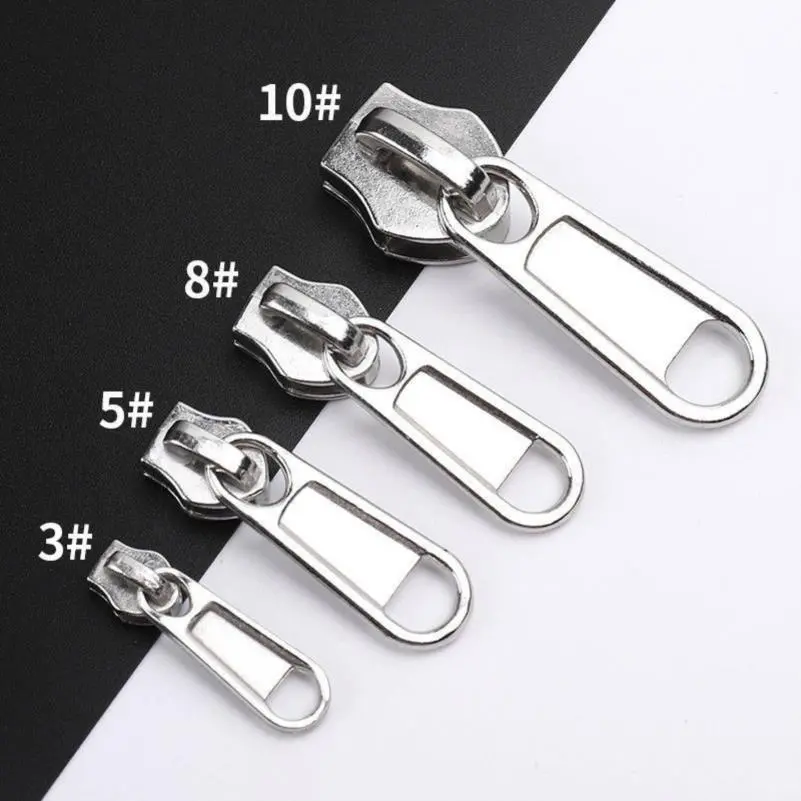
Fringe & Edge Treatments
Hand-knotted fringe, twisted tassels, rolled hems, or blanket-stitch edging. These finishing details define the silhouette of your cashmere shawl and deliver a luxurious, polished look straight from production.
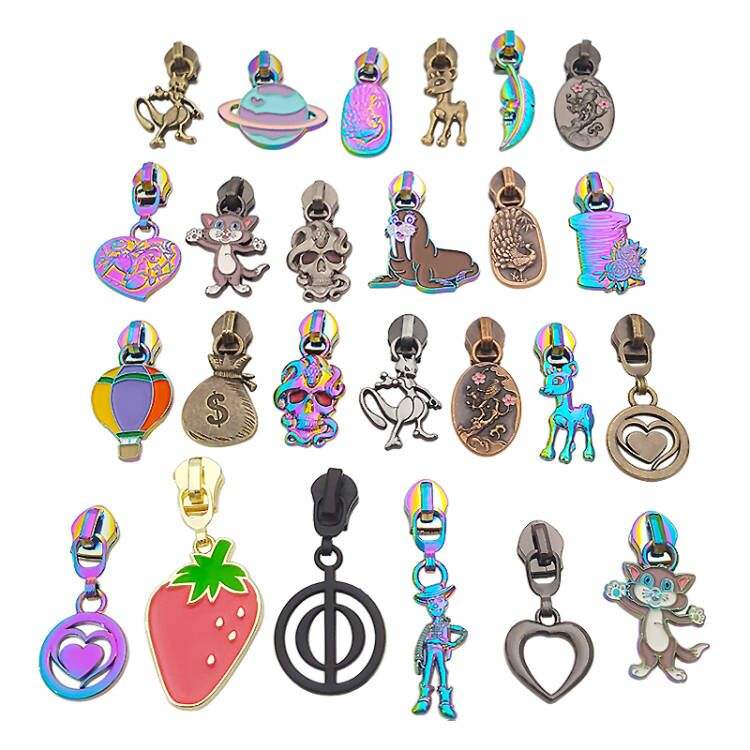
Sequins & Beading
Sequin embroidery, beadwork, or rhinestone embellishment for evening and occasion cashmere shawls. Applied by machine or hand to create shimmering accents that catch light and elevate retail value.
About CENWILD: 28+ Years of Knitwear Mastery
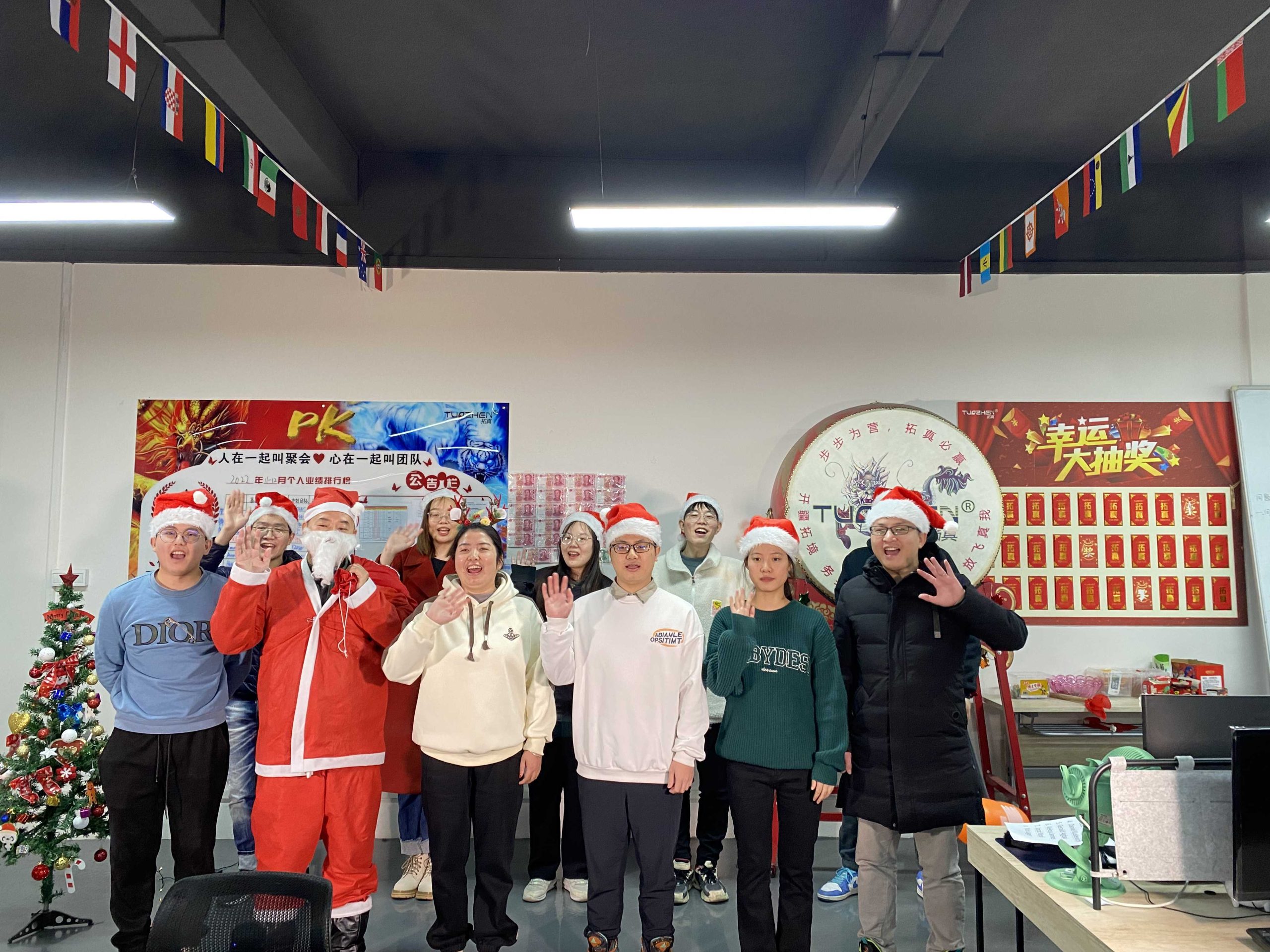
Founded in 1998 in Humen, Dongguan — the heart of China’s premier knitwear manufacturing region — CENWILD began as a small family knitting workshop and has grown into a full-service cashmere shawl and knitwear manufacturer. Today we serve over 2,000 fashion brands worldwide with OEM, ODM, and private label production.
With more than 200 skilled employees and a monthly production capacity exceeding 80,000 pieces, CENWILD operates computerized flat-knitting machines across 3GG–14GG gauges. Our one-stop service covers design development, yarn sourcing, knit-down sampling, in-house production, quality control, decoration, finishing, packaging, and export logistics — all under one roof.
What sets us apart is our commitment to flexible partnership: MOQ starts from just 100 pieces for cashmere shawls, wholesale sweaters, and custom cardigans. Payment options include T/T, PayPal, and credit card, and our experienced design team transforms your ideas into production-ready knitwear. We are not just a supplier — we are the manufacturing backbone behind growing fashion brands.
Our Core Capabilities in Cashmere Shawl Production
In-House Knitting: 3GG–14GG Gauge Precision
CENWILD operates computerized flat-knitting machines across the full 3GG–14GG gauge range, ensuring every cashmere shawl meets your exact weight, drape, and texture specifications. Our 200+ skilled operators deliver consistent quality at scale.
- 3GG–14GG gauge coverage for fine to chunky cashmere weights
- Monthly capacity exceeding 80,000 knitted pieces
- Fully-fashioned, intarsia, jacquard, cable, and pointelle techniques
- Real-time production tracking and quality checkpoints
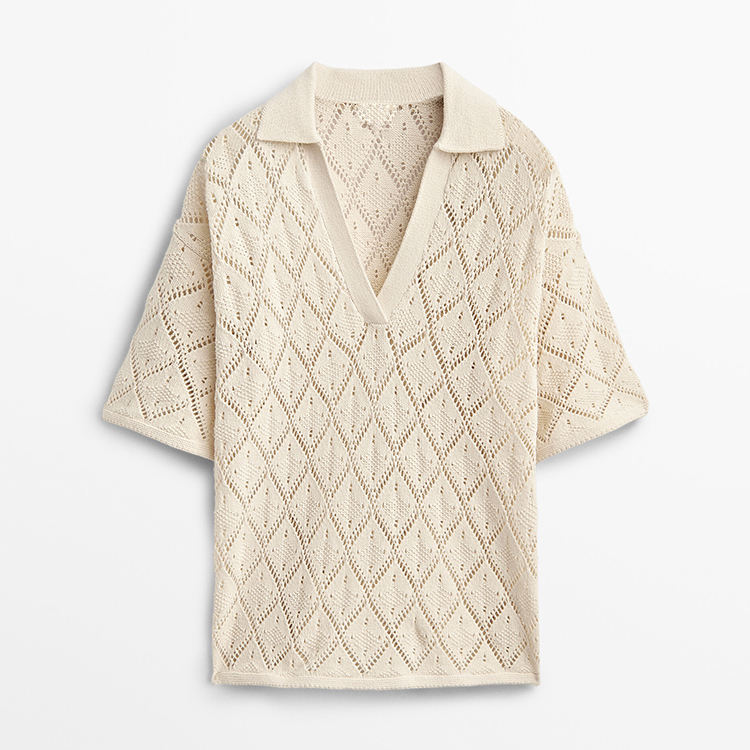
Design & Sampling: Tech Pack to Knit-Down in 7 Days
Our in-house design team transforms your vision—whether a detailed tech pack, reference photo, or rough sketch—into production-ready cashmere shawl samples. Expect original stitch programming, grading, and physical knit-downs within one week.
- Original stitch design and 3D knit programming expertise
- Knit-down swatches and pre-production samples in 7 days
- Full grading and pattern development for all sizes
- Design consultation from concept to final approval
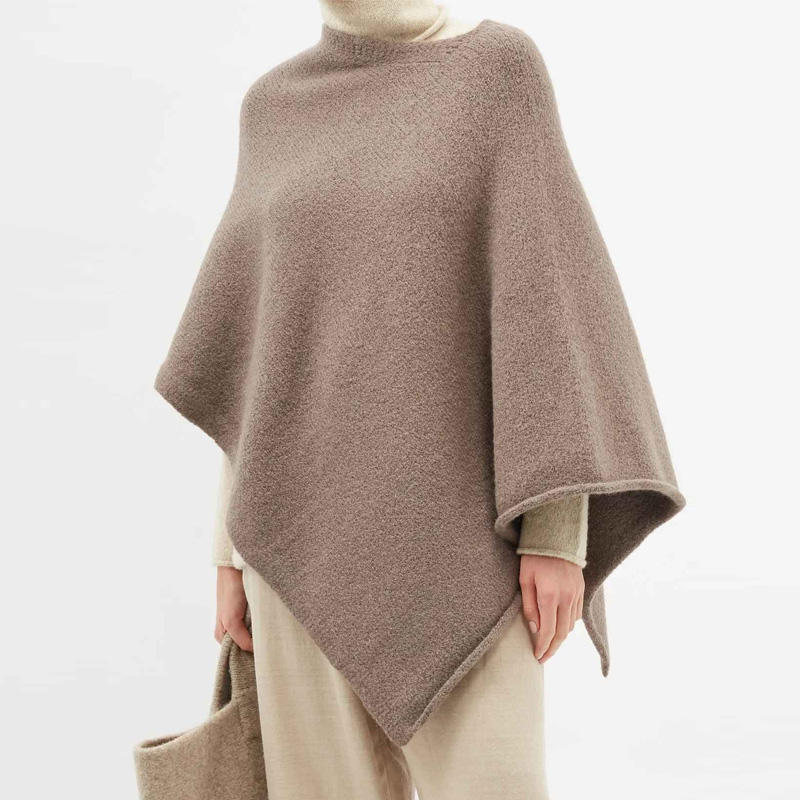
Rigorous Quality Control at Every Stage
Quality First is more than a slogan at CENWILD. Every cashmere shawl undergoes multi-point inspection—from yarn receipt and knitting through linking, washing, finishing, and final packaging—so your brand receives only flawless inventory.
- Incoming yarn inspection for fiber content and consistency
- In-line knitting checks to catch defects early
- Post-wash dimensional stability and anti-pilling tests
- Final audit before packaging and export shipment

Flexible Private Label & Low-MOQ Partnership
Start your cashmere shawl line with just 100 pieces. CENWILD supports private label branding, custom hang tags, woven labels, and packaging—plus flexible payment terms that ease as your partnership grows, making premium cashmere accessible to emerging brands.
- MOQ from only 100 pieces per style
- Private label: custom woven labels, hang tags, poly bags, cartons
- Deposit starts at 100% (first order), easing to 30% for long-term partners
- T/T, PayPal, credit card, USDT, and VTB Bank for Russia
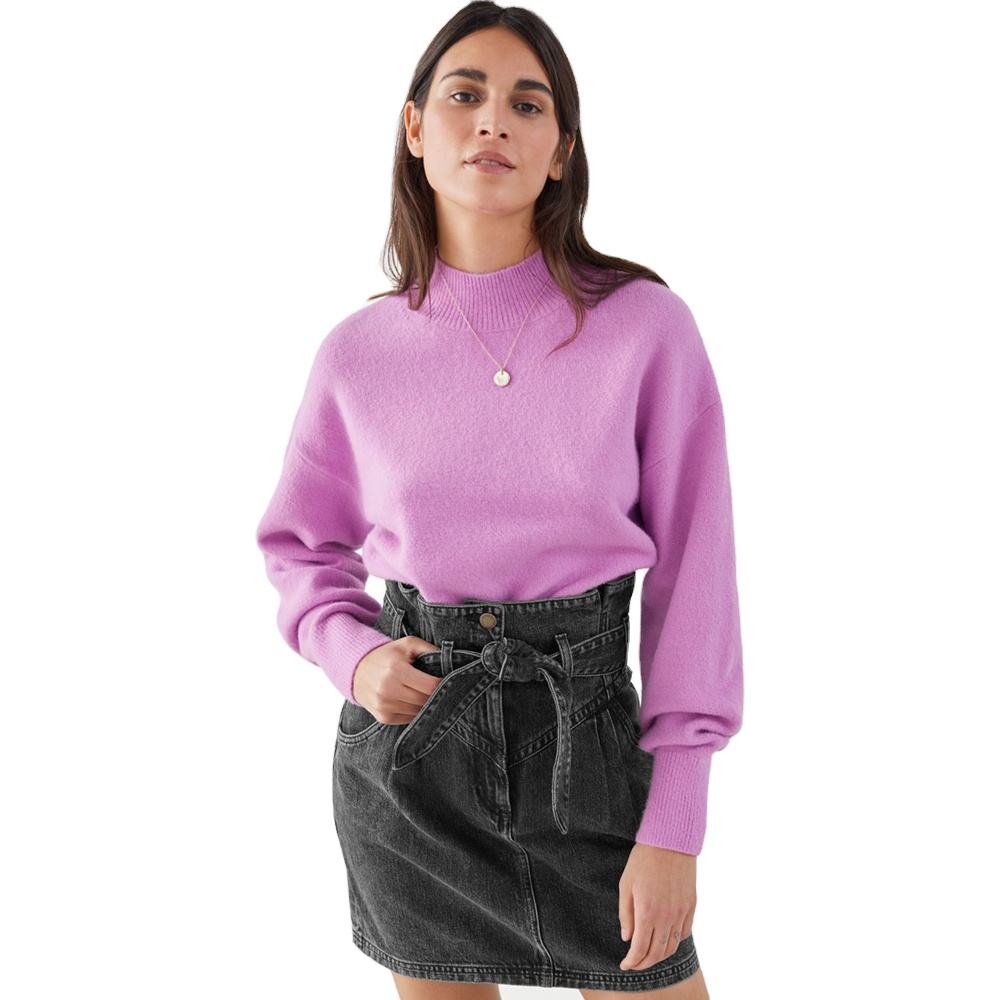
CENWILD vs. Typical Cashmere Shawl Suppliers
Evidence-based advantages that help fashion brands, retailers, and designers launch faster, order smarter, and grow with confidence.
← 左右滑动查看 →
Our Cashmere Shawl Production Process
From premium yarn sourcing to final export, every cashmere shawl passes through six rigorous phases backed by 28+ years of Dongguan manufacturing expertise.
Yarn Sourcing & Inspection
We select premium cashmere and wool blends, verify fiber quality, and conduct lab tests to ensure softness, strength, and color consistency for your shawl.
Knit-Down Sampling & Approval
Our in-house design team programs 3GG–14GG flat-knitting machines, produces physical samples with your chosen stitch, and refines until you approve every detail.
Bulk Production
Approved samples move to our production floor where over 200 skilled employees operate computerized knitting equipment with a monthly capacity exceeding 80,000 pieces.
Quality Control & Inspection
Every cashmere shawl undergoes multi-point QC checks for gauge accuracy, stitch integrity, color match, and measurements before advancing to finishing.
Finishing & Embellishment
Garment washing, anti-pilling treatment, embroidery, printing, or custom trims are applied in-house to meet your brand’s exact specifications and aesthetic.
Packaging & Export Logistics
Finished shawls are packed to your requirements, labeled for retail or wholesale, and shipped globally with full export documentation and tracking support.
How to Order Your Custom Cashmere Shawl
From initial inquiry to finished goods, CENWILD makes custom cashmere shawl production straightforward. Follow these five simple steps to bring your design to life with our 28+ years of manufacturing expertise.
Submit Your Design or Brief
Send us your tech pack, sketch, photo reference, or simply describe your vision. Our design team will clarify specifications and confirm yarn, gauge, and decoration details.
Receive Quote and Sample Timeline
Within 24 hours, we provide a detailed quotation covering unit price, sampling cost, MOQ from 100 pieces, payment terms, and estimated production lead time.
Approve Your Knit-Down Sample
We knit a production-ready sample using your chosen cashmere yarn and finishing. Review fit, texture, and craftsmanship before committing to bulk production.
Confirm Order and Begin Production
Once the sample is approved and deposit is received, we schedule your order on our flat-knitting machines and begin full-scale manufacturing with strict quality control.
Final Inspection and Shipment
Every cashmere shawl passes multi-point QC inspection, professional packaging, and export documentation. We coordinate logistics and deliver to your warehouse or fulfillment center.
Quality Certifications for Cashmere Shawl Production
Why Fashion Brands Trust CENWILD for Cashmere Shawl Production
CENWILD helped us launch our private-label cashmere shawl collection in just 7 weeks. Their sampling speed and attention to detail made our first 500-piece order seamless. We’ve since scaled to 2,000 units per season.
Switching to CENWILD reduced our per-unit cost by 22% without compromising quality. Their low MOQ of 100 pieces let us test three colorways before committing to larger production. Game-changer for our boutique.
We needed custom intarsia borders on pure cashmere shawls. CENWILD’s knitting team nailed the pattern on the first sample. Production quality stayed consistent across 1,200 pieces, and shipping was on time to meet our holiday deadline.
Cashmere Shawl FAQ: MOQ, Sampling, Lead Times & More
What is the minimum order quantity for cashmere shawls?
How much does a cashmere shawl sample cost and how long does it take?
What is the production lead time for custom cashmere shawls?
Do you offer private label cashmere shawl manufacturing?
Can you handle design changes during cashmere shawl production?
What are your payment terms for cashmere shawl orders?
How do you protect my cashmere shawl designs and intellectual property?
Can CENWILD produce cashmere shawls in custom colors and patterns?
The Complete Buyer’s Guide to Sourcing Premium Cashmere Shawls for Your Brand
Navigate the complexities of cashmere shawl sourcing with confidence. This guide delivers a proven decision framework, critical supplier evaluation criteria, quality benchmarks, customization options, and the most common procurement mistakes fashion brands must avoid when partnering with manufacturers.
1. What Is a Cashmere Shawl?
Cashmere shawls are woven or knitted accessories made from the ultra-fine undercoat of cashmere goats, measuring 14–19 microns in diameter — roughly one-sixth the thickness of human hair. This fineness delivers exceptional warmth-to-weight ratio: a 200-gram cashmere shawl provides insulation comparable to a 600-gram wool scarf. Standard dimensions run 70×200 cm, though luxury and bridal collections often specify 100×200 cm or larger wraps.
Fashion brands source cashmere shawls for four primary channels: luxury accessories (department stores, boutiques), bridal and eveningwear (wraps, stoles), corporate and promotional gifts (logo embroidery on solid or jacquard grounds), and resort or travel collections (packable, lightweight layering). CENWILD supports all four with MOQ from 100 pieces and full decoration capabilities.
Cashmere shawls differ from pashmina wraps in fiber certification — true pashmina is Himalayan cashmere graded below 16 microns — and from wool scarves in price positioning: cashmere typically retails 3–5× higher due to limited annual yield per goat (150 grams) and labor-intensive dehairing. Buyers prioritize micron count, ply construction, and country of origin when evaluating suppliers.
2. The Evolution and Heritage of Cashmere Shawls
Cashmere shawl production began in the Kashmir Valley during the 15th century, where artisans hand-combed fine undercoat from Himalayan goats and wove it into lightweight, warm wraps prized by Mughal nobility. By the late 1700s these shawls reached European courts, and during the Napoleonic era (1799–1815) Empress Joséphine’s collection of more than 400 pieces sparked continent-wide demand that transformed the cashmere shawl into a symbol of status and refinement.
Scottish mills in Paisley responded in the 1820s by mechanizing jacquard weaving and adapting traditional boteh motifs, making cashmere-blend shawls accessible to a broader market while establishing quality benchmarks for fiber length, twist, and finishing that persist today. Modern luxury brands now emphasize traceable sourcing from Mongolia and Inner Mongolia, certified sustainable combing practices, and heritage craft techniques to differentiate collections in a crowded market.
For fashion brands, provenance storytelling—linking fiber origin, historical motifs, and artisan partnerships—builds customer trust, justifies premium pricing, and strengthens brand identity in an era where transparency drives purchase decisions.
3. Types of Cashmere Shawl by Construction and Style
Cashmere shawl construction directly determines drape, weight, and end-use. Buyers typically choose among four core categories, each serving distinct price tiers and customer segments.
Plain-Knit Lightweight Shawls
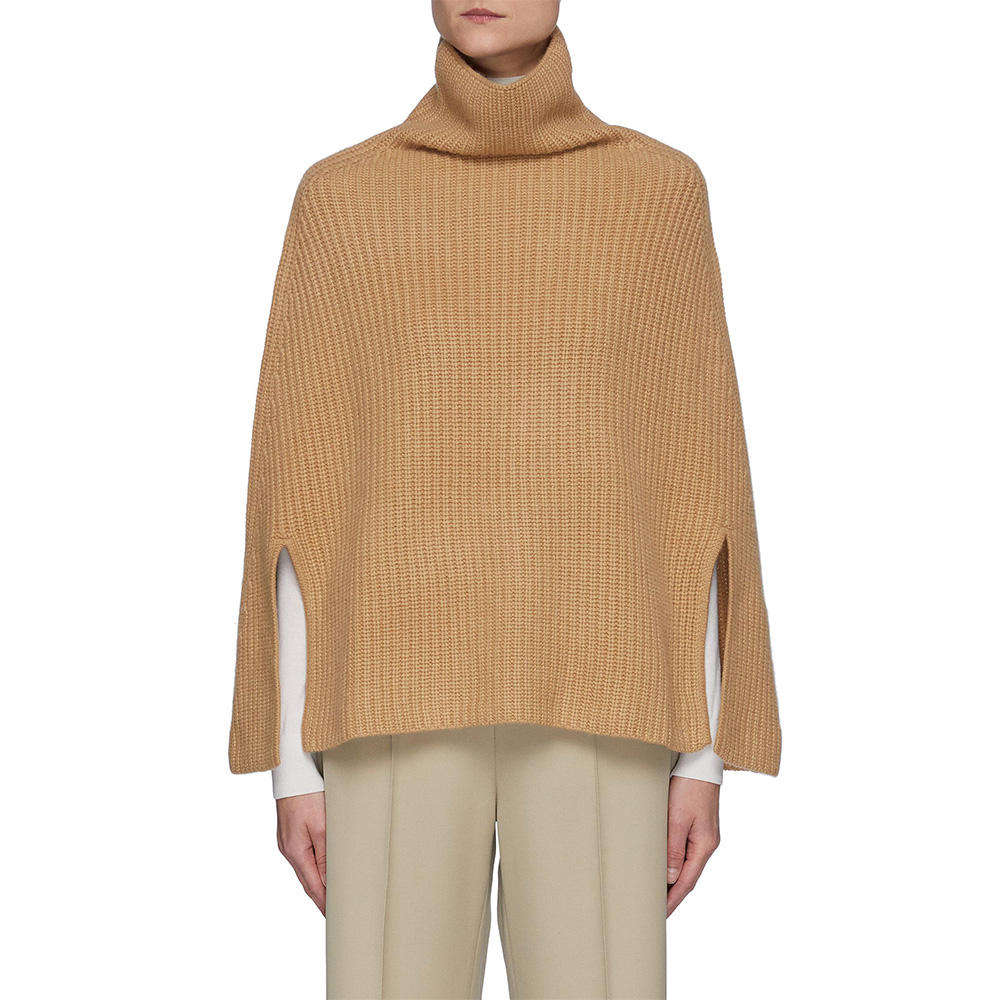
Produced on 7GG–12GG flat-knitting machines, plain-knit cashmere shawls weigh 100–150 g and deliver soft, fluid drape ideal for layering. Their simplicity suits resort wear, travel accessories, and corporate gifting where subtle elegance is paramount.
Ribbed and Cable-Knit Textured Shawls
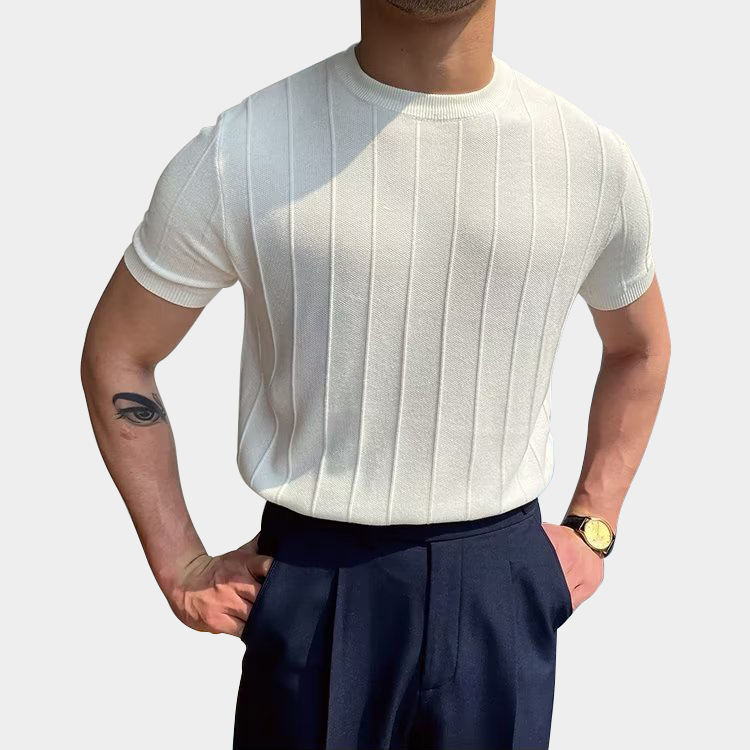
Ribbed or cable structures knit at 3GG–7GG add visual interest and elasticity, typically weighing 180–250 g. The denser gauge provides warmth without bulk, making them suitable for autumn and winter collections targeting premium retail and bridal markets.
Woven Pashmina-Style Shawls
Woven rather than knit, pashmina-style shawls use fine cashmere yarns in twill or plain weaves, yielding crisp hand-feel and 120–200 g weights. They appeal to heritage-focused brands and luxury gifting segments seeking traditional craftsmanship.
Blended Cashmere-Silk Hybrids
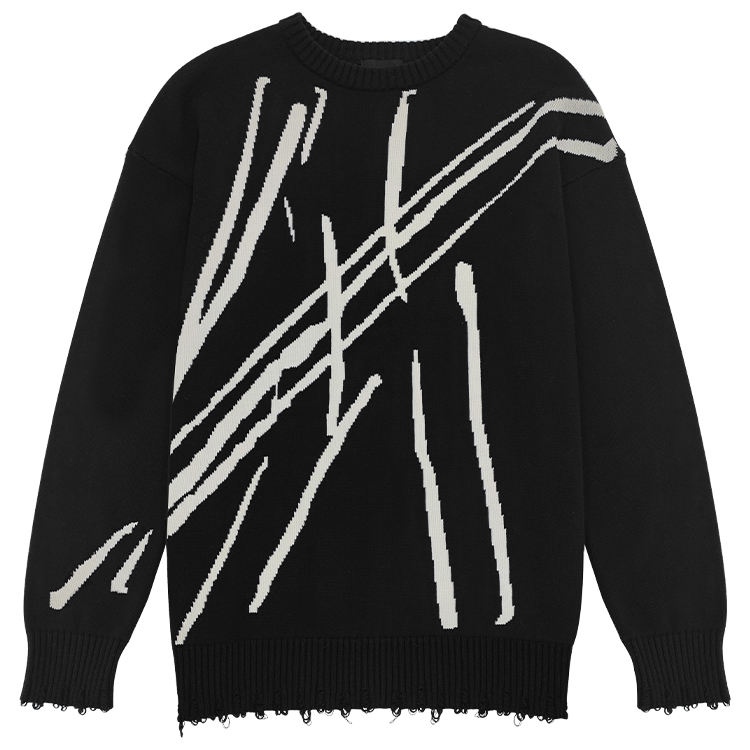
Blending 70% cashmere with 30% silk reduces cost while adding sheen and strength. These hybrids weigh 140–220 g, drape beautifully, and target mid-tier brands balancing luxury perception with accessible pricing for resort and evening wear.
4. Cashmere Shawl Materials, Fiber Grades, and Fabric Specifications
Cashmere shawl quality begins at the fiber level, where micron diameter and staple length determine softness, durability, and price. Understanding the grade hierarchy and yarn-count specifications lets you match material costs to your collection positioning and margin targets.
| Fiber Grade | Micron Range | Yarn Count Example | Typical Use | Relative Cost |
|---|---|---|---|---|
| Grade A | 14–15.5 μm | 2/48 Nm | Luxury evening shawls, gift collections | High |
| Grade B | 15.5–17 μm | 2/26 Nm / 2/48 Nm | Mid-tier everyday wraps, branded retail | Medium |
| Grade C | 17–19 μm | 2/26 Nm | Entry-level warmth, promotional bundles | Low |
Fiber Grade Hierarchy and Micron Count
Grade A cashmere measures 14–15.5 microns with the longest staple, delivering exceptional softness and minimal pilling; it commands premium pricing. Grade B fibers span 15.5–17 microns, balancing luxury hand-feel with moderate cost — ideal for mid-tier collections. Grade C (17–19 microns) offers warmth at entry-level price points but shows faster pilling and coarser texture.
Finer microns yield softer drape and better pilling resistance because shorter, thinner fibers interlock more tightly during spinning. CENWILD sources across all three grades, enabling brands to calibrate fiber choice against retail positioning and margin requirements.
Yarn Count and Fabric Weight
Common cashmere shawl yarn counts include 2/26 Nm (heavier, opaque, warm) and 2/48 Nm (finer, semi-transparent, lightweight). The numerator indicates plies; the denominator shows length per weight — higher numbers mean finer yarn. A 2/26 Nm shawl typically weighs 180–220 g/m², suitable for autumn and winter, while 2/48 Nm yields 80–120 g/m² for year-round layering or evening wear.
CENWILD’s 3GG–14GG gauge range accommodates both weights, with finer gauges (12GG, 14GG) producing the delicate hand required for lightweight cashmere shawls without compromising structural integrity.
5. Customization and Decoration Options for Cashmere Shawls
A cashmere shawl becomes a signature piece when decoration aligns with brand identity and production economics. CENWILD offers jacquard weaving, embroidery, printing, hand-finishing, and custom dyeing — each with distinct cost structures, durability profiles, and weight compatibility.
| Technique | Setup Cost | Per-Unit Cost | Wash Durability | Best For |
|---|---|---|---|---|
| Jacquard woven logo | Medium (knit program) | Low | Excellent | Lightweight to midweight shawls |
| Embroidery (flat, 3D, chain-stitch) | Low (digitizing) | Medium | Very good | All weights; logos, monograms |
| Screen printing | Low (screen fee) | Low | Good (depends on ink) | Midweight; bold graphics |
| Digital/DTF printing | None | Medium | Good | Complex patterns, photo-real art |
| Hand-painted artisan finish | None | High | Fair (hand-wash) | Luxury one-offs, small batches |
| Fringe & tassel treatments | None | Low to medium | Excellent | Traditional, bohemian styles |
| Pantone custom dye matching | Low (dye lab) | Low | Excellent | Brand color consistency |
6. Key Quality Indicators in Cashmere Shawl Manufacturing
Auditing cashmere shawl samples and factory capabilities requires systematic testing across fiber quality, construction consistency, and finishing standards. Professional buyers rely on measurable benchmarks — micron counts, tension uniformity, and ISO-certified colorfastness — to separate premium manufacturing from substandard output.
Fiber Testing and Raw Material Verification
True cashmere measures 14–19 microns in diameter; fibers above 19 microns indicate blended or inferior grades. Staple length should exceed 34 mm for strength and reduced pilling.
Reputable manufacturers like CENWILD provide fiber certificates from third-party labs confirming micron count and origin. Request documentation before bulk production to avoid undisclosed wool or synthetic blends.
Knitting Tension and Gauge Consistency
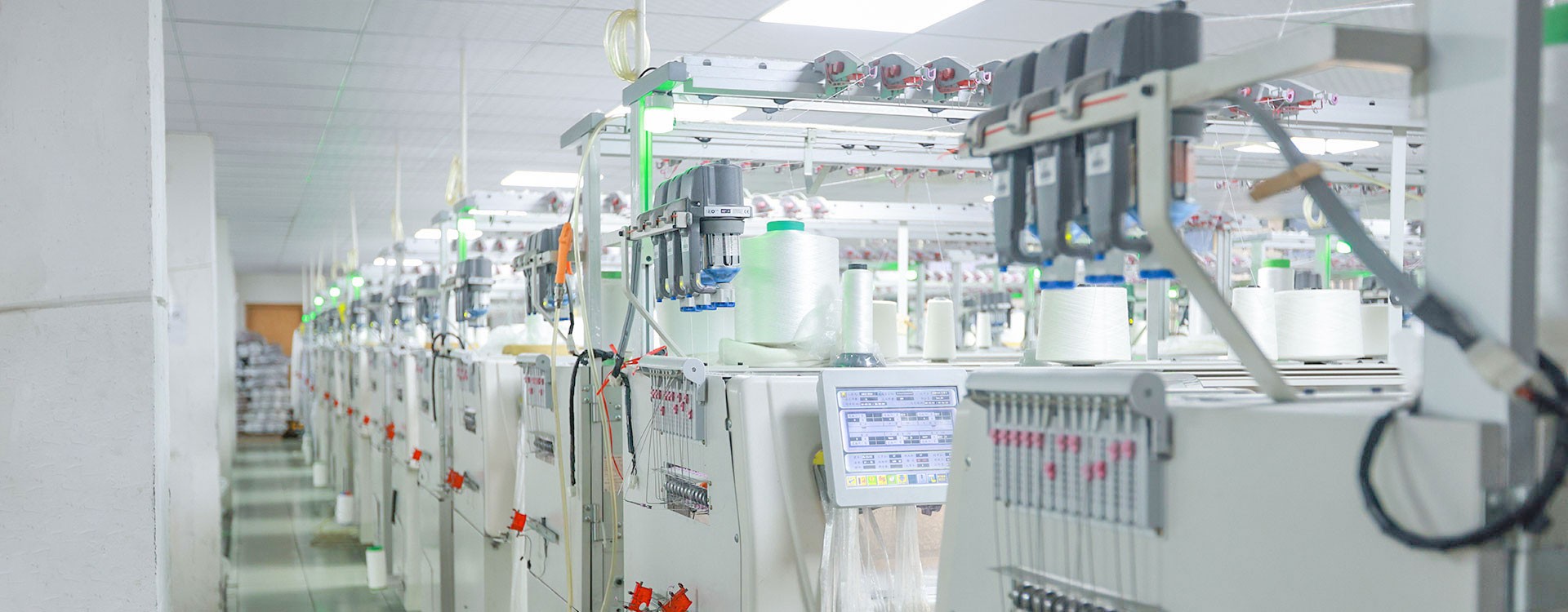
Uneven gauge — visible as wavy edges or irregular stitch density — signals poorly calibrated machines or rushed production. Run your hand across the shawl surface; premium work feels uniform without thick or thin zones.
CENWILD’s computerized flat-knitting machines across 3GG–14GG gauges ensure repeatable tension, critical for matching dye lots and drape across large orders.
Edge Finishing and Seam Quality
Rolled hems and fringed edges must lie flat without puckering. Inspect stitch count per inch along borders; inconsistent spacing indicates manual errors.
Fully-fashioned edges — knit as part of the panel rather than sewn — eliminate bulk and improve durability, a hallmark of CENWILD’s precision knit-down process.
Pilling Resistance and Martindale Testing
The Martindale abrasion test measures cycles before visible pilling; quality cashmere shawls exceed 20,000 rubs. Shorter fibers or low-twist yarns pill within hundreds of cycles.
Request Martindale reports during sampling. CENWILD’s anti-pilling finishing treatments and controlled yarn twist reduce surface fiber migration, extending garment life.
Colorfastness Standards and Dye Lot Control
ISO 105 tests assess fade resistance to light, washing, and perspiration; grades below 4 indicate dyes that bleed or fade quickly. Inconsistent dye lots — visible as color variation between pieces — disrupt retail presentation.
CENWILD’s garment-dye and batch-tracking systems ensure uniform shade across production runs, with ISO 105 compliance documented in pre-production approvals.
Red Flags During Sample Approval
Harsh chemical odors suggest residual processing agents or poor washing. Excessive shedding beyond initial loose fibers points to short staple length or inadequate yarn twist. Inspect for these defects before deposit.
CENWILD’s quality-control checkpoints — from yarn inspection to final garment washing — catch defects early, protecting your brand reputation and minimizing costly rework.
7. How to Choose the Right Cashmere Shawl Manufacturer
Selecting a cashmere shawl manufacturer requires balancing cost, quality, and operational flexibility. Buyers should evaluate suppliers against certifications, minimum quantities, lead times, and communication standards to ensure a partnership that scales with their brand.
Certifications and Traceability
OEKO-TEX Standard 100 confirms the absence of harmful substances in finished textiles, while GRS (Global Recycled Standard) verifies recycled cashmere content and chain-of-custody. Request copies of current certificates and traceability documentation that links fiber origin to finished goods.
Suppliers should provide fiber test reports (micron count, staple length) and yarn batch records. This transparency protects brand reputation and supports sustainability claims in consumer-facing marketing.
MOQ, Sampling, and Lead Times
Typical cashmere shawl MOQs range from 50 to 200 pieces per color, though some manufacturers offer 100-piece entry points. Sampling turnaround averages 7–14 days; production lead times span 30–60 days depending on gauge complexity and decoration.
Confirm whether MOQ applies per style, per colorway, or per order total. Clarify sampling costs, whether they are deductible from bulk orders, and the number of revision rounds included before additional charges apply.
Payment Terms and Communication
First-order deposits typically require 100% upfront or 50–70% deposit with balance before shipment. Established partners may negotiate 30% deposits as trust builds. Verify accepted payment methods—T/T, PayPal, credit card, or regional channels like VTB Bank for Russian buyers.
Responsiveness during inquiry and sampling phases predicts production-stage communication. Expect replies within 24 hours and regular photo or video updates during manufacturing to catch issues early.
8. Common Mistakes When Sourcing Cashmere Shawls
Even experienced buyers make costly errors when sourcing cashmere shawls. Understanding these pitfalls — and how to avoid them — protects both brand reputation and margins.
Choosing Suppliers on Price Alone
A $15 cashmere shawl quote versus $45 often signals fiber substitution or heavy blending with synthetics or inferior wool. Without lab testing, brands risk customer complaints and returns when ‘cashmere’ pills heavily or lacks warmth.
Request fiber-content certificates and third-party test reports before committing. CENWILD provides transparent material breakdowns and supports independent testing to verify cashmere purity and micron count.
Skipping Pre-Production Samples
Approving production from photos alone leads to color mismatches, incorrect drape, or flawed stitch density. A knit-down sample reveals how yarn, gauge, and finishing interact in the final piece.
Always order and approve a physical pre-production sample. CENWILD’s knit-down sampling process ensures colors, dimensions, and hand-feel match specifications before bulk runs begin.
Underestimating Custom Dye Lead Times
Custom Pantone dye lots for cashmere yarn add 15–25 days to timelines, yet many buyers budget only for knitting and finishing. Missing this window delays launch dates and inventory availability.
Build dye-lot lead time into your production calendar and confirm MOQ per color with your manufacturer early in the planning phase.
9. Steps to Launch Your Cashmere Shawl Collection
Launching a cashmere shawl collection requires coordinated planning across design, manufacturing, and logistics. A typical first order spans 90–120 days from concept to delivery, with each milestone building on the last.
Define Target Customer and Price Positioning
Identify your end-user demographic, retail price point, and margin structure before contacting manufacturers. A $150 retail shawl typically requires a landed cost under $50, guiding fiber grade and construction choices.
CENWILD’s 100-piece MOQ supports test launches for independent designers and influencers without tying up capital in untested SKUs.
Select Fiber Grade and Construction Type
Choose between 15.5–16.5 micron grade-A cashmere for luxury positioning or 17–19 micron blends for accessible price tiers. Decide on fully-fashioned flat-knit or cut-and-sew construction based on drape and finishing requirements.
Request knit-down swatches in your selected gauge (typically 7GG–12GG for shawls) to confirm hand feel and weight before committing to full samples.
Request Samples and Approve Lab Dips
Submit a tech pack, reference image, or concept sketch; CENWILD’s design team programs 3D knit files and produces initial samples within 15–20 days. Evaluate drape, stitch definition, and finishing quality against your brand standards.
Approve lab dips for each colorway using Pantone references, then confirm strike-offs on production yarn lots to ensure batch consistency before bulk orders begin.
Schedule Production and Quality Inspections
Lock production slots 30 days ahead during peak seasons (August–October for fall/winter). CENWILD’s monthly capacity of 80,000+ pieces supports both small launches and scaled reorders.
Arrange AQL 2.5 inspections before shipment; defect tolerances of 2.5% ensure retail-ready quality and minimize chargebacks from wholesale partners or e-commerce platforms.
10. Cashmere Shawl Pricing and Cost Breakdown
Raw cashmere fiber prices fluctuate between $80 and $120 per kilogram depending on grade, origin, and seasonal harvest yields. A typical cashmere shawl uses 200–300 grams of fiber, so material cost alone ranges from $16 to $36 per piece before spinning, dyeing, knitting, and finishing labor.
CENWILD’s FOB pricing reflects the full production chain: yarn preparation and dyeing, flat-knitting or weaving on 5GG–7GG machines, linking, washing, anti-pilling treatment, quality inspection, folding, and export-ready packaging. Decoration — embroidery logos, jacquard patterns, or custom fringe — adds $2 to $8 per piece depending on stitch count and coverage.
Lead time shortens with volume: 50-piece orders typically require 25–30 days, while 1,000-piece runs benefit from optimized scheduling and complete within 20–25 days. Freight and duty are buyer-paid; air shipment to North America or Europe adds approximately $4–$8 per shawl, sea freight $1–$2.
| Quantity Tier | FOB Unit Price (USD) | Lead Time (days) | Decoration Adder |
|---|---|---|---|
| 50 pcs | $45–$65 | 25–30 | +$2–$8/pc |
| 100 pcs | $40–$58 | 22–28 | +$2–$8/pc |
| 500 pcs | $35–$50 | 20–25 | +$2–$6/pc |
| 1,000 pcs | $32–$45 | 20–25 | +$2–$5/pc |
Ready to Source Your Cashmere Shawl? Start Today
100-piece MOQ, 7-day sampling, and 28+ years of Dongguan expertise. Partner with CENWILD and bring your vision to life.