Knit Dress Manufacturer — Custom Production from 100 Pieces
Professional knit dress and custom sweater manufacturer with 28+ years of Dongguan expertise. OEM, ODM, and private label knitwear with in-house sampling, design support, and flexible MOQ starting at just 100 pieces.
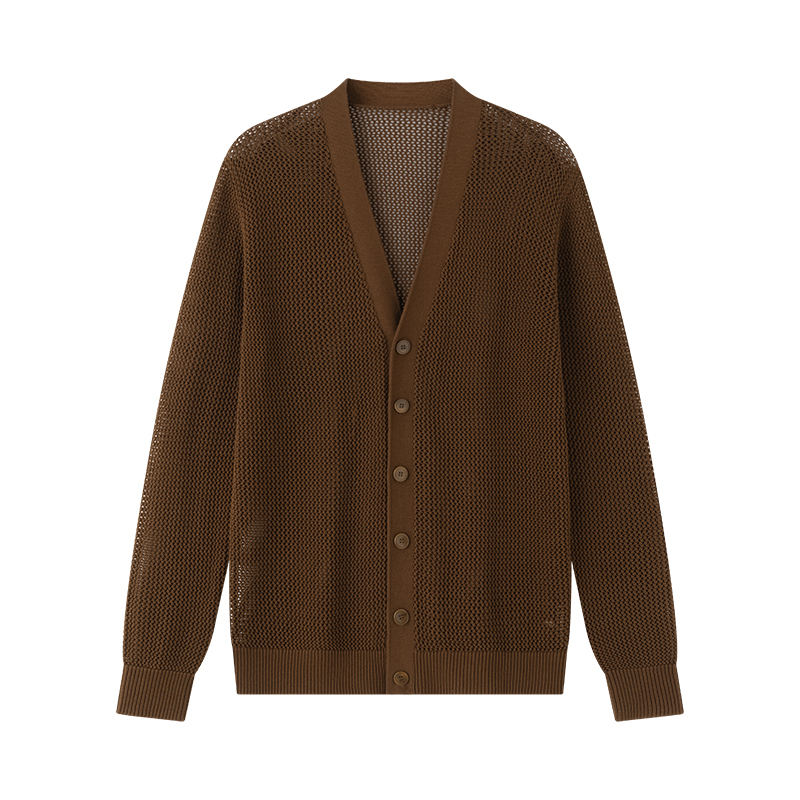
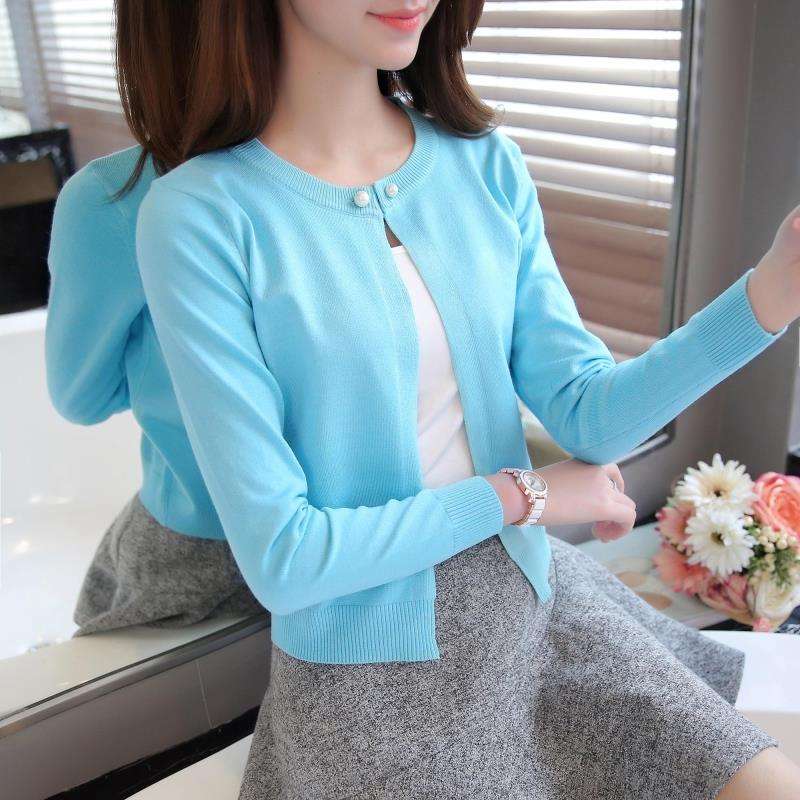
Featured Knit Dress & Sweater Styles
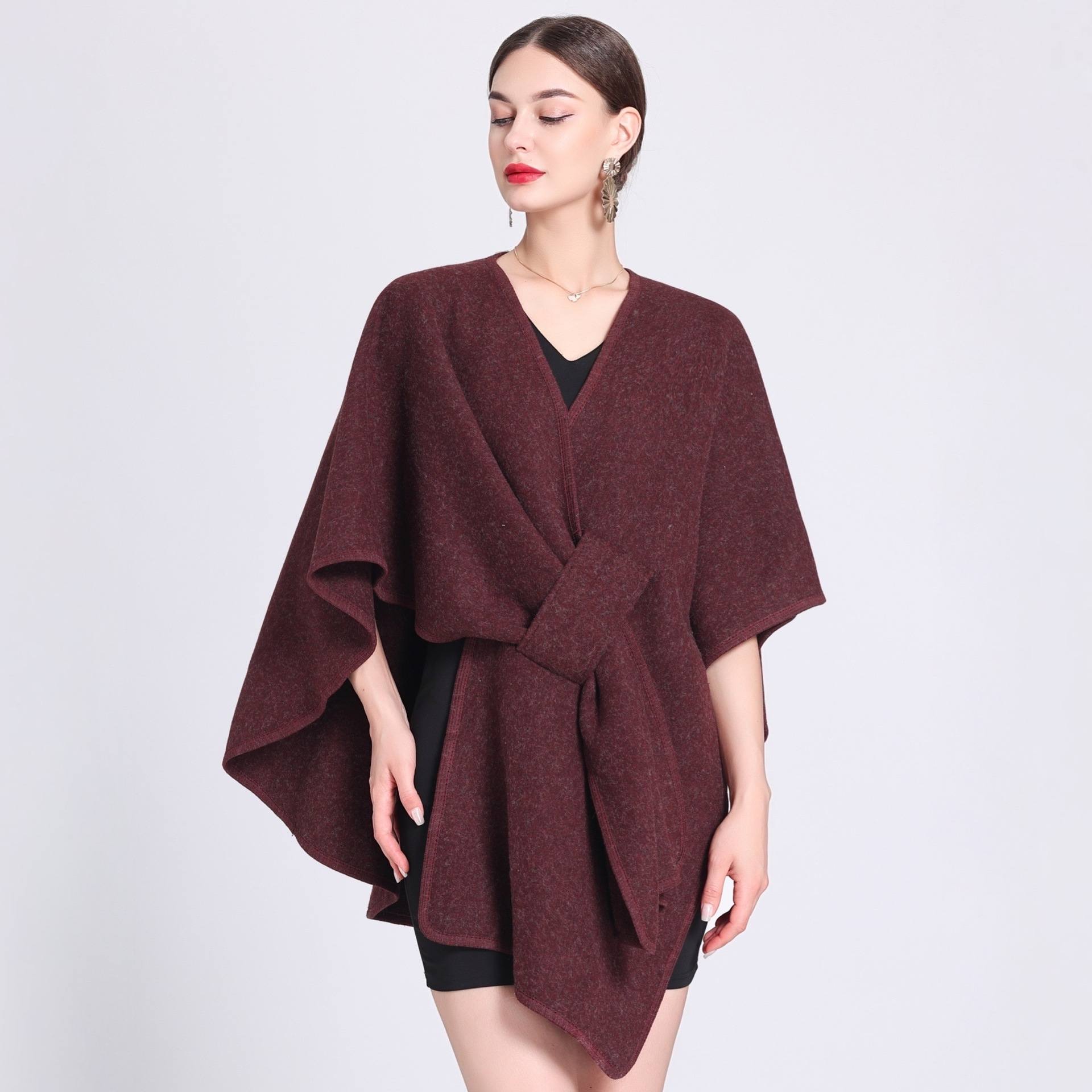
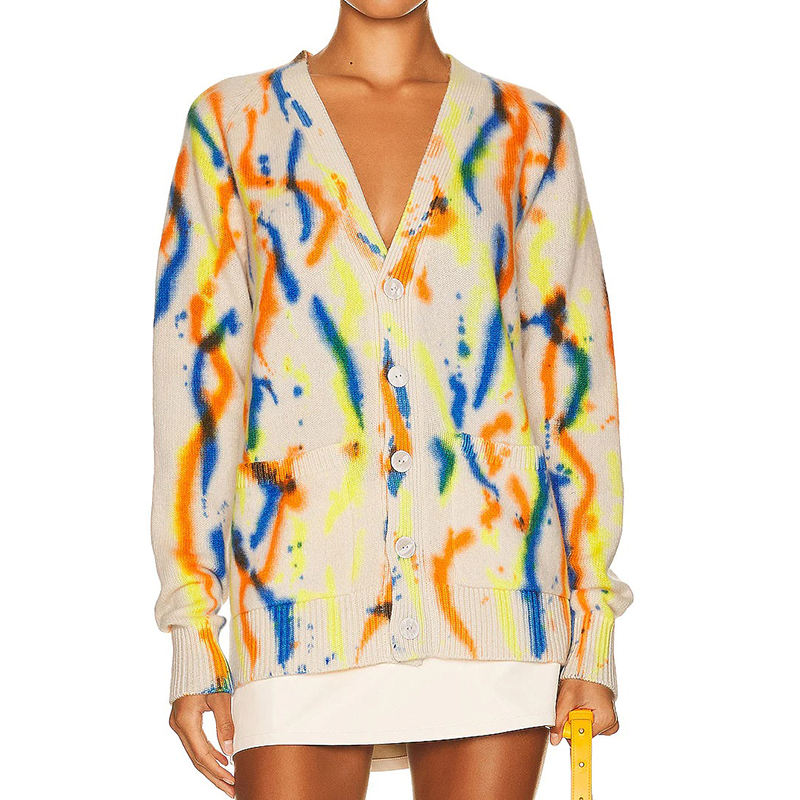
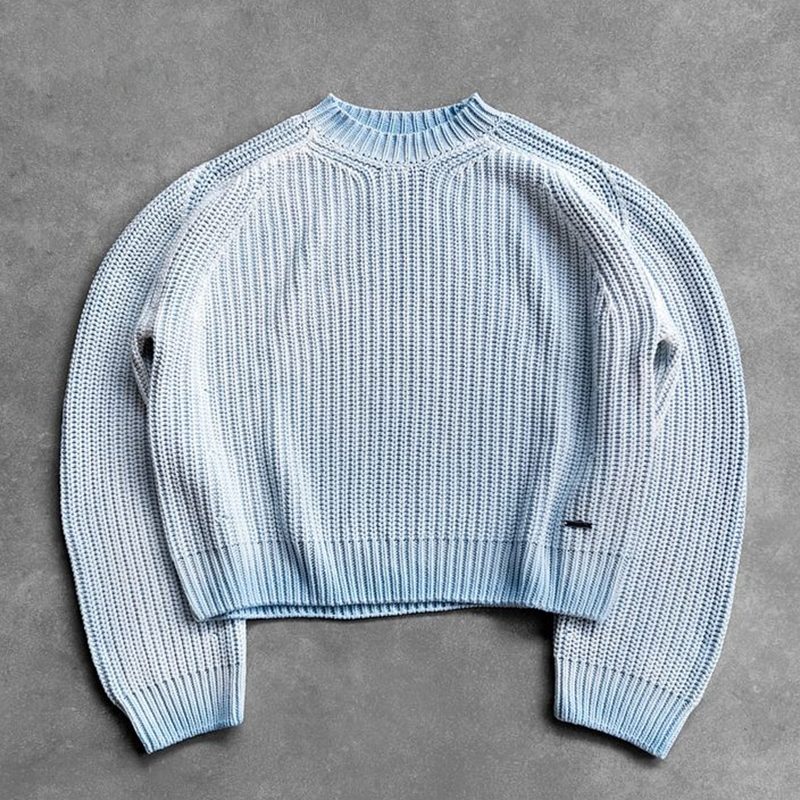
Why CENWILD Is Your Trusted Knitwear Manufacturing Partner
Low MOQ from 100 Pieces
Launch your knit dress collection without massive inventory risk. We support startups, designers, and brands with flexible minimums starting at just 100 pieces.
28+ Years Manufacturing Experience
Since 1998 in Dongguan’s knitwear heartland, CENWILD has refined every step of sweater and knit dress production for over 2,000 global fashion brands.
Full OEM & ODM Capabilities
Whether you bring a tech pack or just an idea, our in-house design team develops original patterns, stitches, and knit-down samples to match your vision.
In-House Knitting & Sampling
Computerized flat-knitting machines across 3GG to 14GG gauges, plus on-site sampling, decoration, and quality control ensure speed, precision, and consistency throughout production.
Proven Global Brand Track Record
Trusted by retailers, wholesalers, and independent designers across the US, Canada, UK, Europe, Australia, Russia, and the Middle East for private label knitwear.
Fast Turnaround & Flexibility
Monthly capacity exceeding 80,000 pieces, streamlined workflows, and a dedicated team of 200+ ensure your knit dress orders ship on time, every time.
Knit Dress & Knitwear Categories
From classic sweater dresses to custom cardigans and fashion-forward silhouettes, CENWILD manufactures the full spectrum of knit dress and knitwear styles with OEM and ODM flexibility.
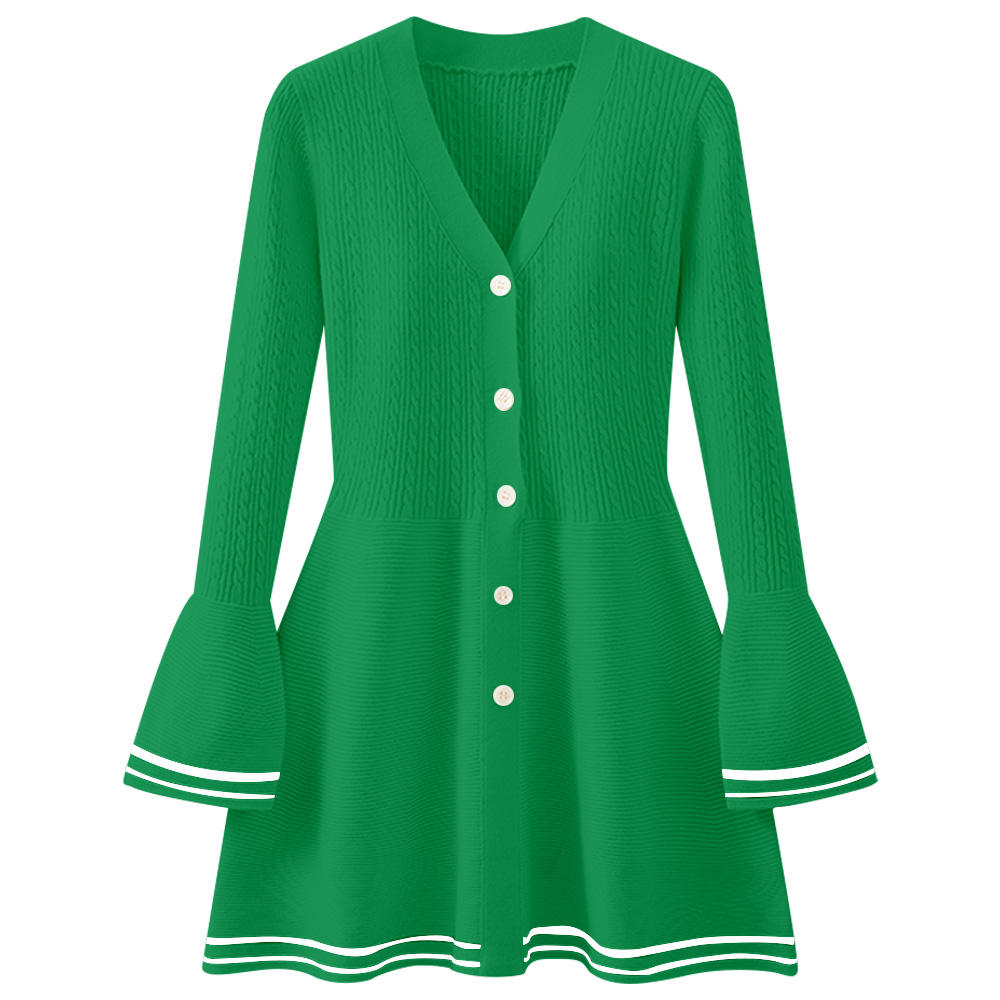
Sweater Dresses
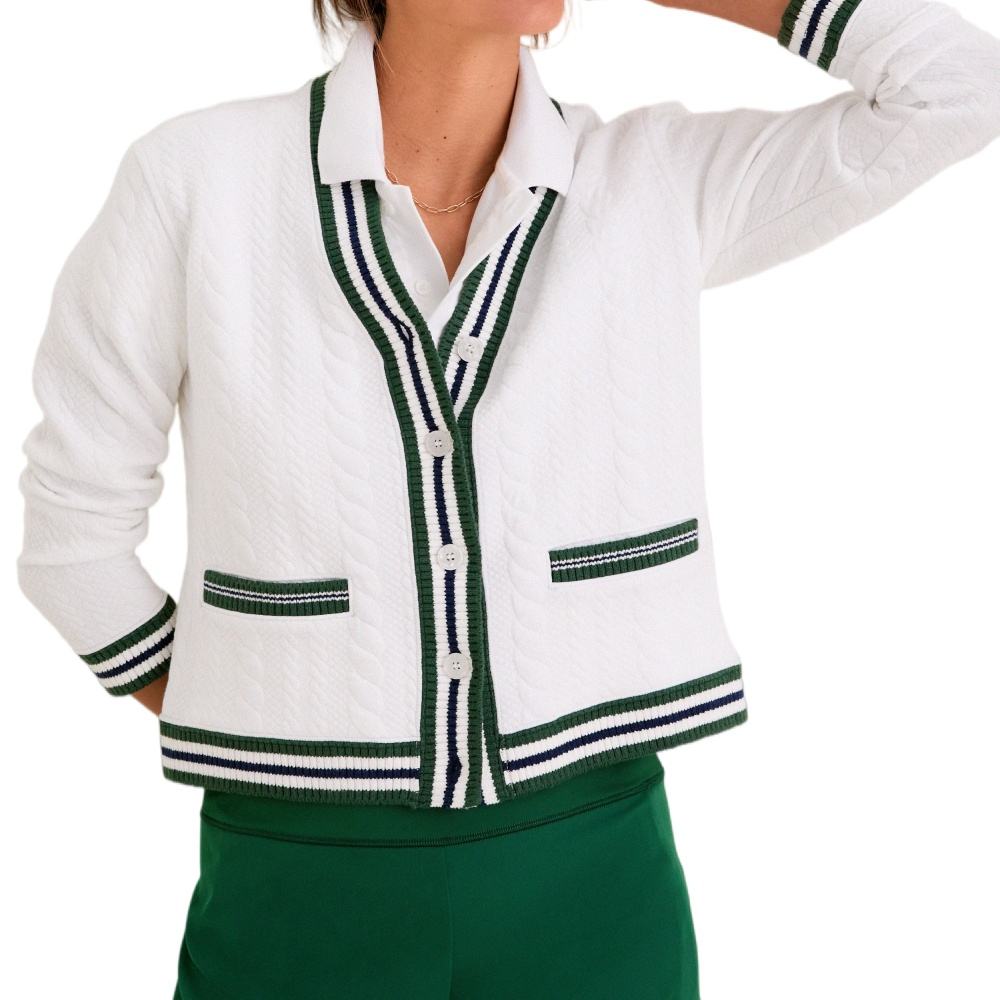
Classic sweater dresses in pullover and cardigan silhouettes, knitted in merino, cashmere, cotton, or blended yarns across 3GG–14GG gauges. Ideal for brands building seasonal collections with cable, ribbed, jacquard, or intarsia detail. MOQ from 100 pieces with full in-house sampling and grading.
Get a Quote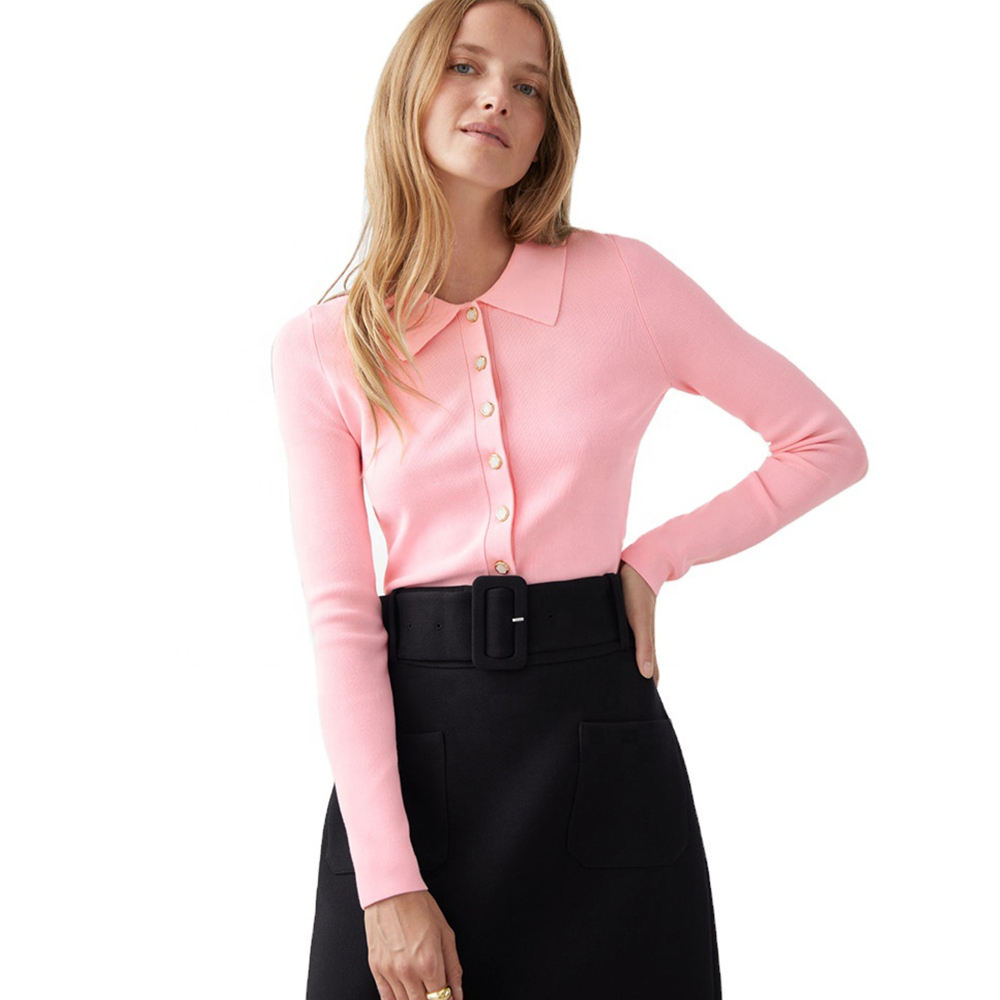
Bodycon Knit Dresses
Figure-hugging bodycon knit dresses engineered with fine-gauge stretch yarns and fully-fashioned shaping for clean, seamless lines. Available in rib, pointelle, or flat knit structures with optional waist definition, side panels, and garment-dye finishing for contemporary womenswear brands.
Get a Quote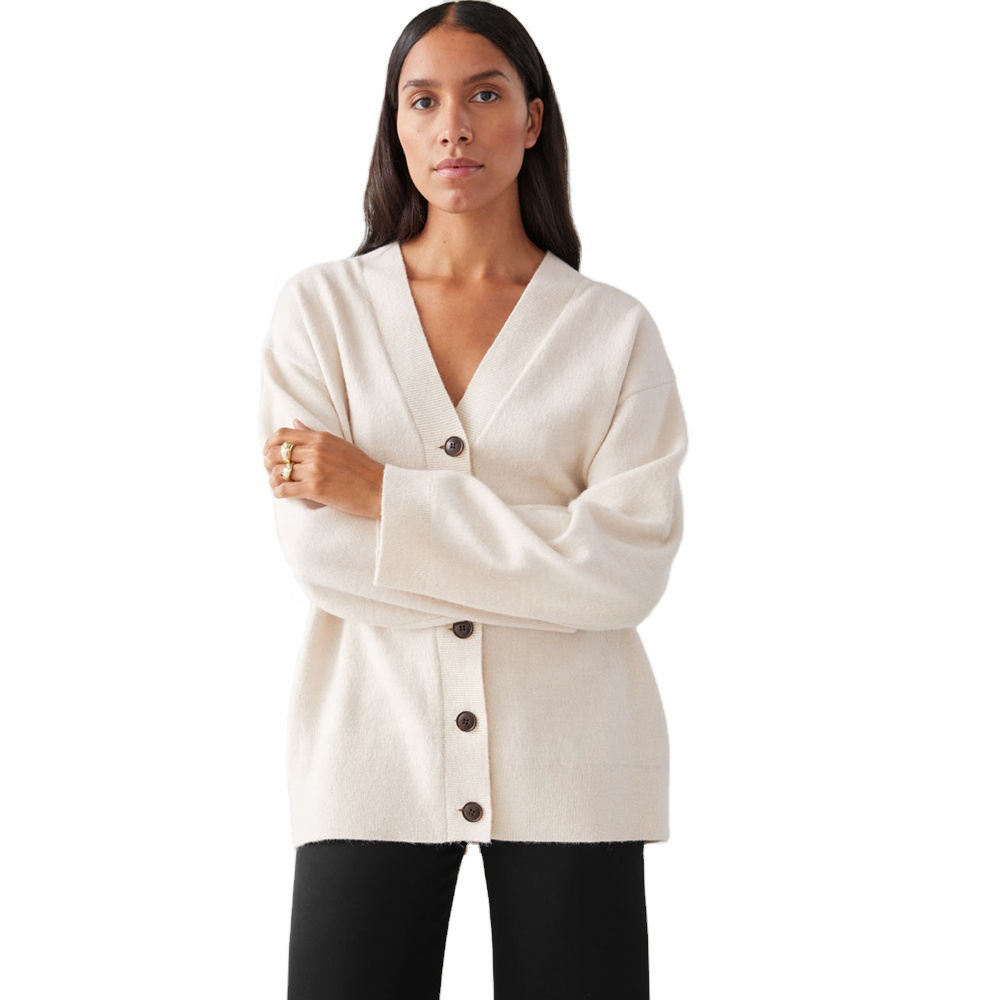
Midi Knit Dresses
Mid-calf and knee-length midi knit dresses in relaxed or tailored fits, suitable for casual and smart-casual collections. Produced in wool, cotton, acrylic, or sustainable blends with ribbed hems, A-line shaping, and decorative options including embroidery, applique, and screen print.
Get a Quote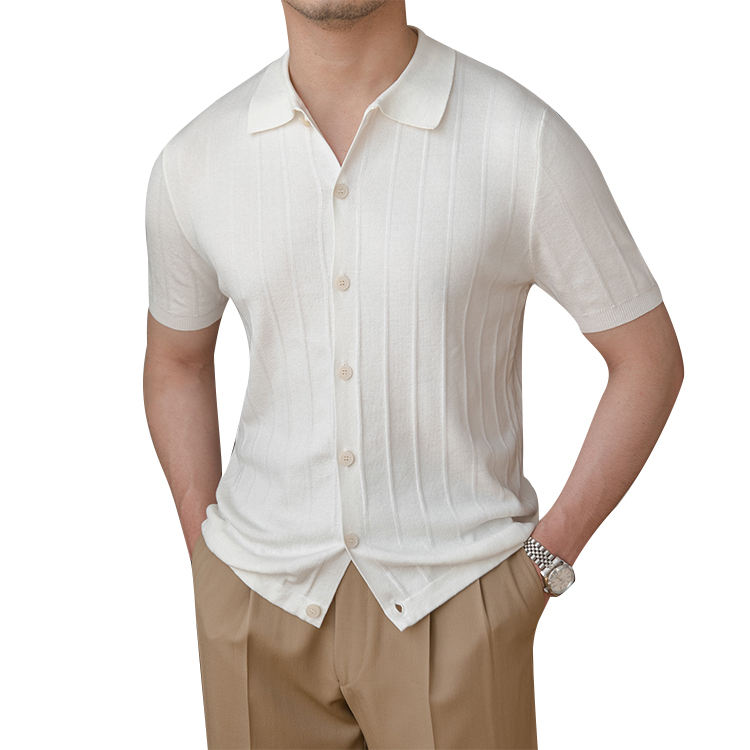
Maxi Knit Dresses
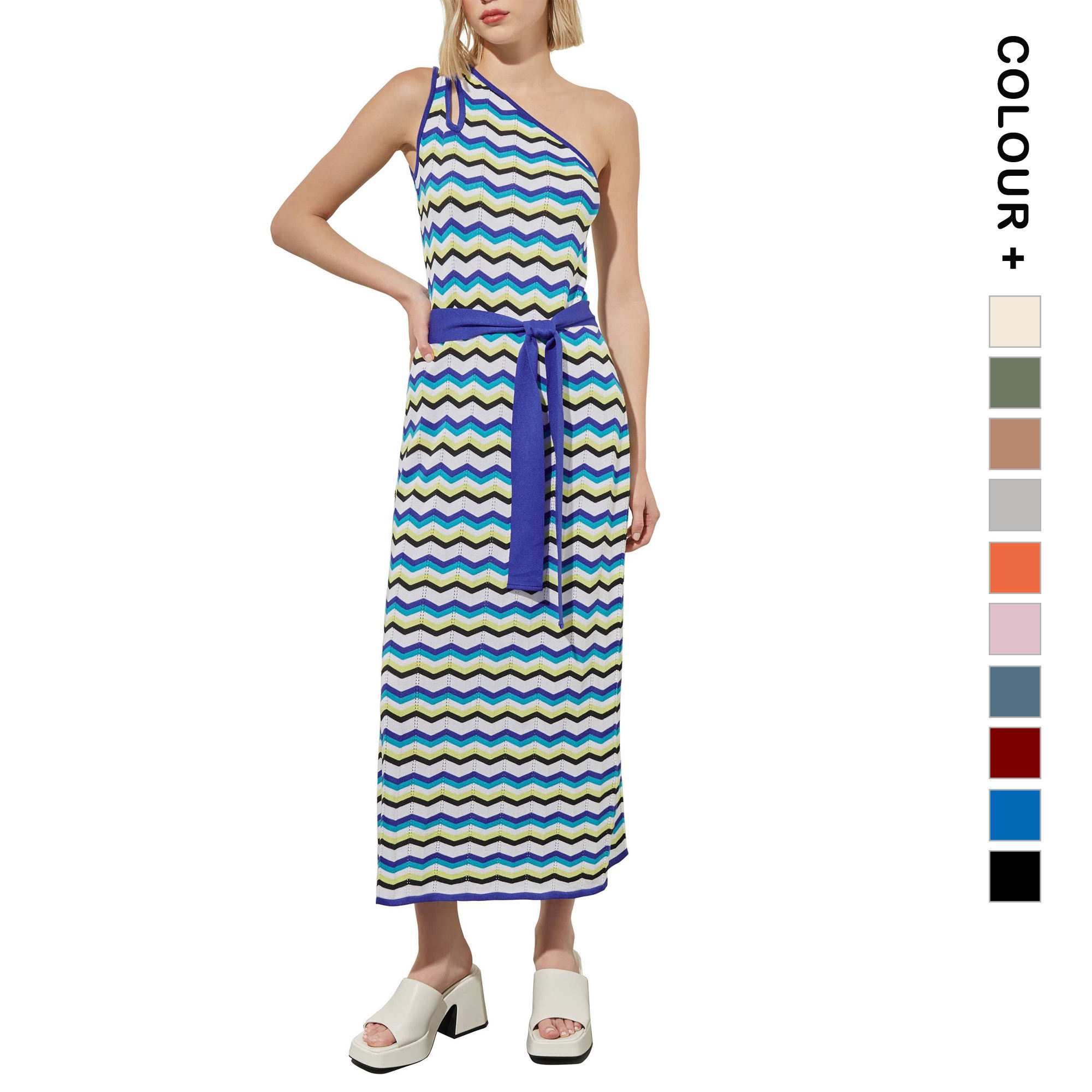
Floor-length and ankle-grazing maxi knit dresses for resort, evening, and modest fashion lines. Knitted in lightweight cotton, linen blends, or soft acrylic with side slits, tie waists, and tonal or contrast stripe patterns. Full ODM design support from sketch to finished garment.
Get a Quote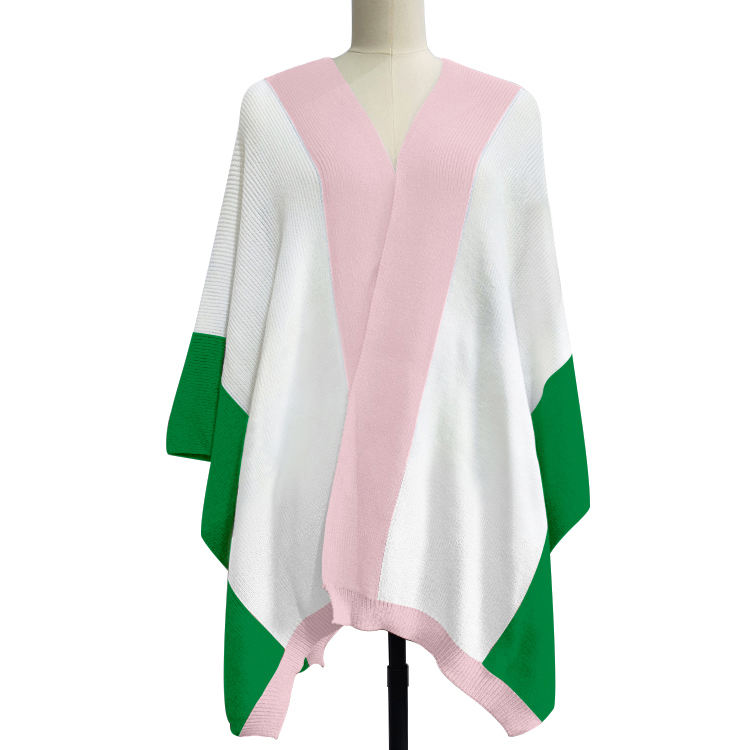
Turtleneck Knit Dresses
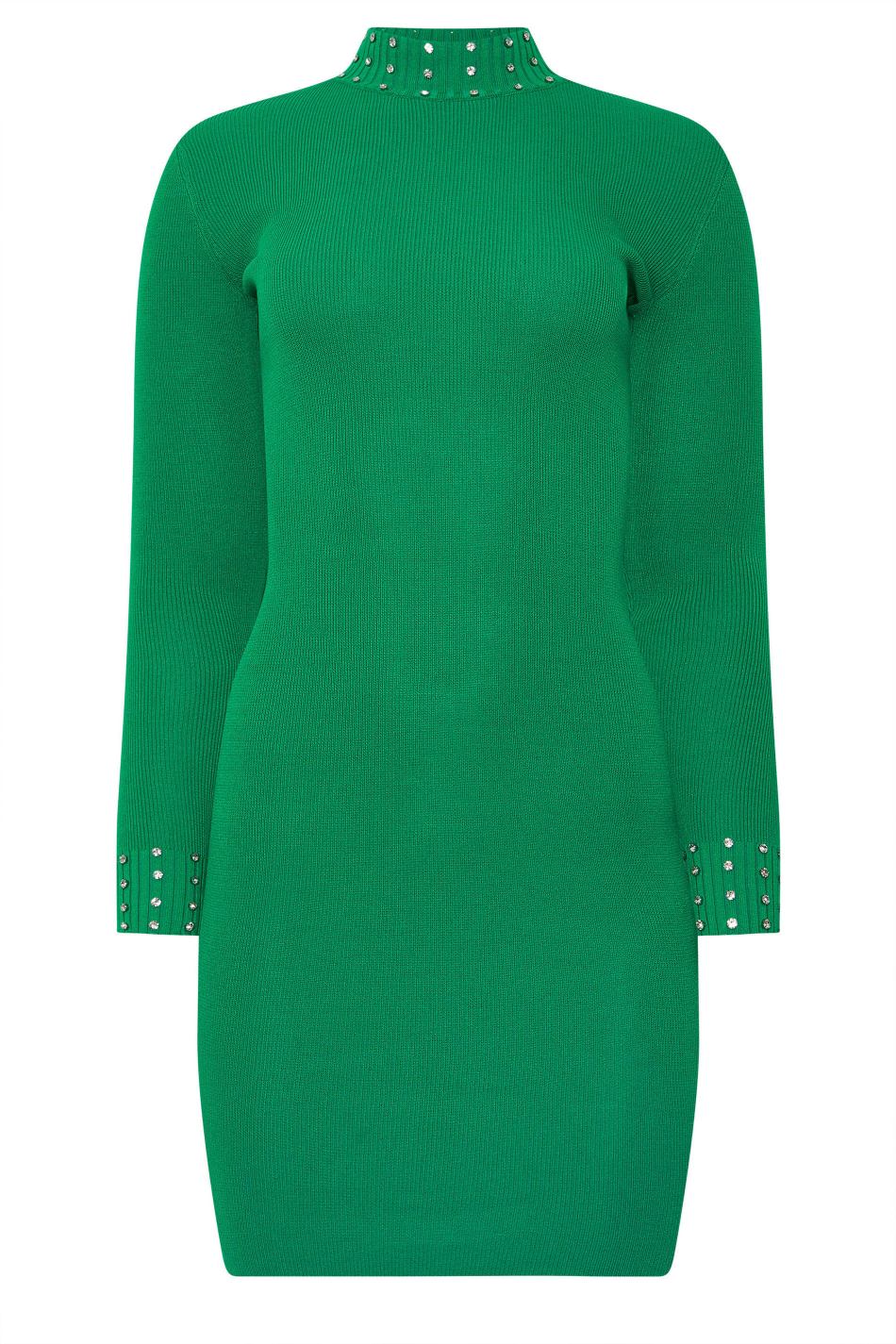
High-neck turtleneck knit dresses in pullover or zip styles, manufactured in fine merino, cashmere, lambswool, or chunky cable constructions. Available in mini, midi, and maxi lengths with ribbed collars, long or three-quarter sleeves, and custom logo embroidery or woven labels.
Get a Quote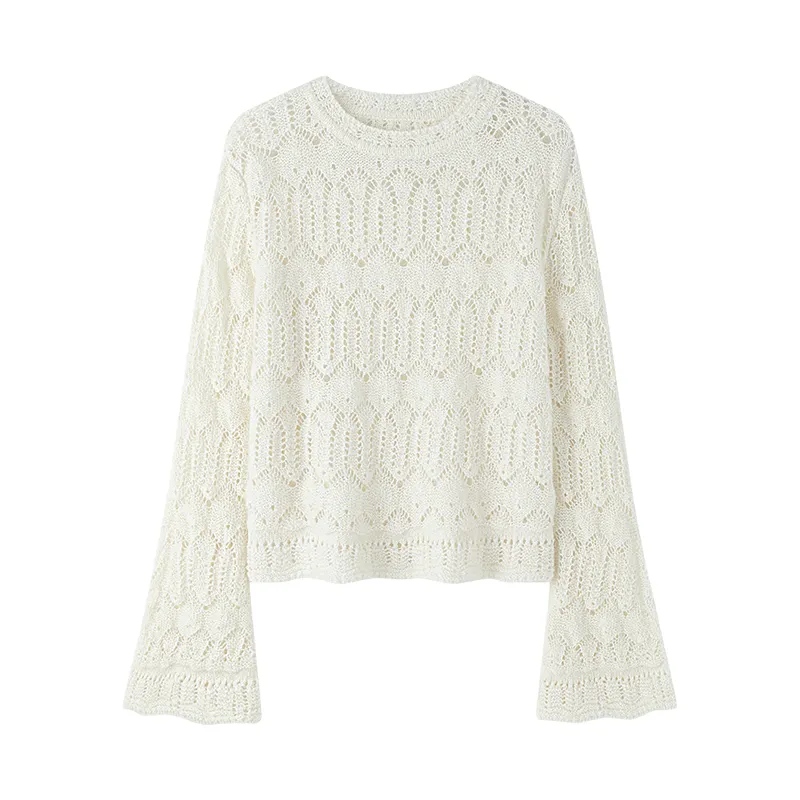
Ribbed Knit Dresses
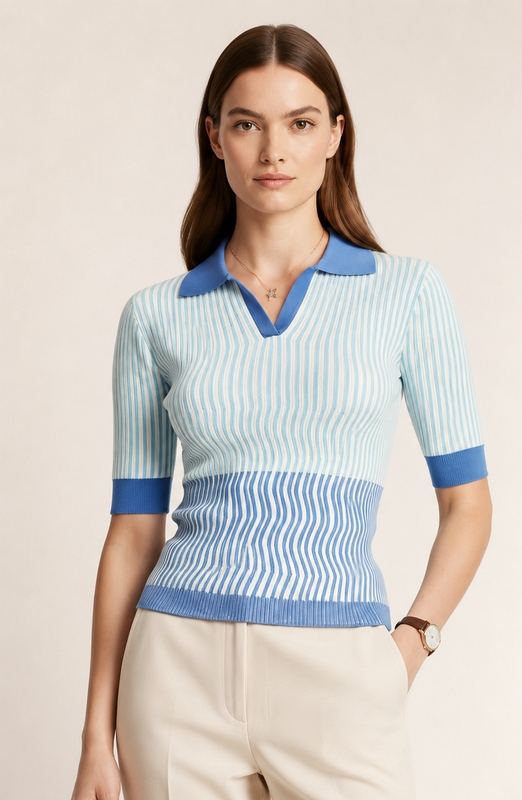
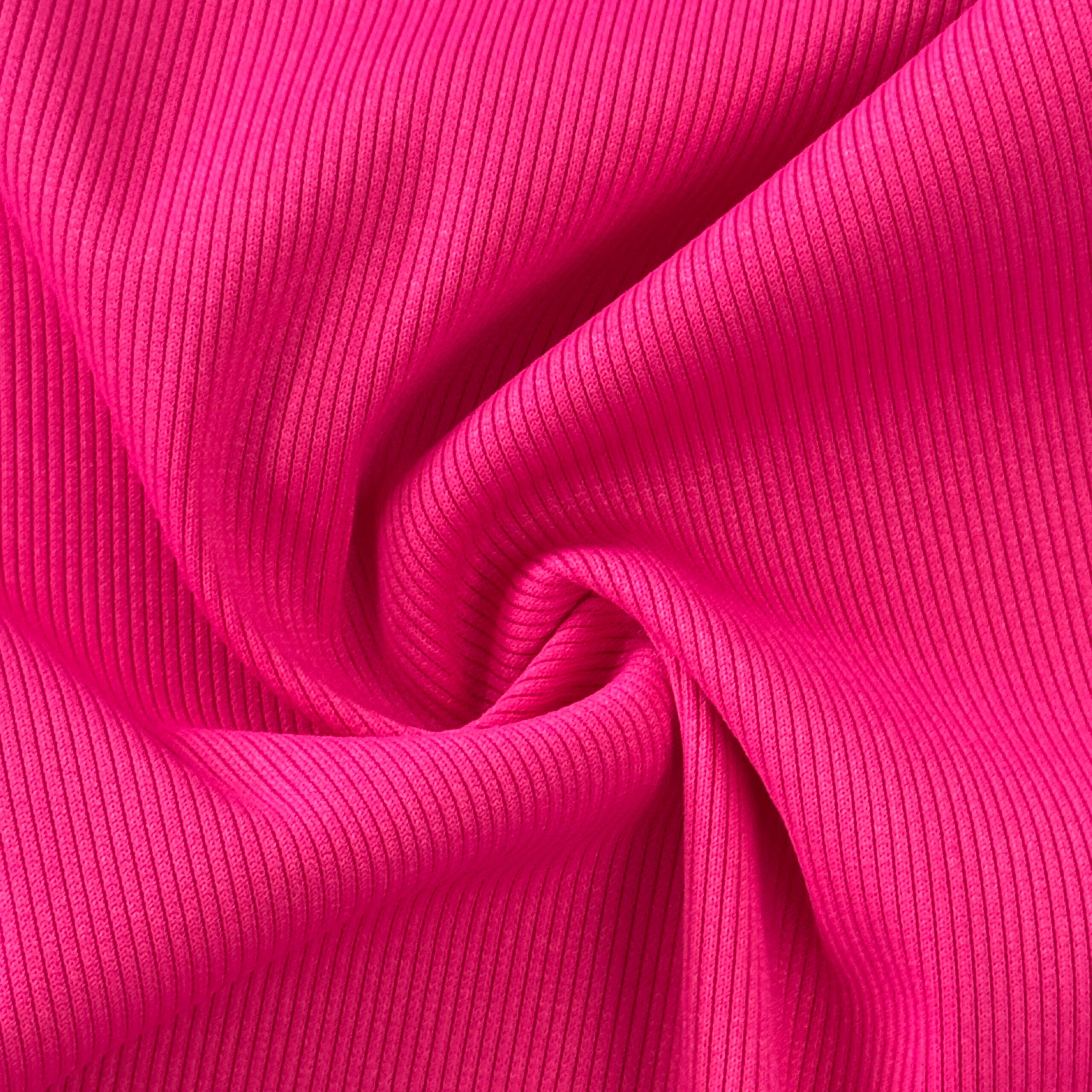
Vertical or horizontal ribbed knit dresses offering stretch, texture, and structure. Engineered in 1×1, 2×2, or wide rib across cotton, wool, or recycled yarn blends. Ideal for bodycon, midi, and oversized silhouettes with clean finishing and anti-pilling treatment as standard.
Get a Quote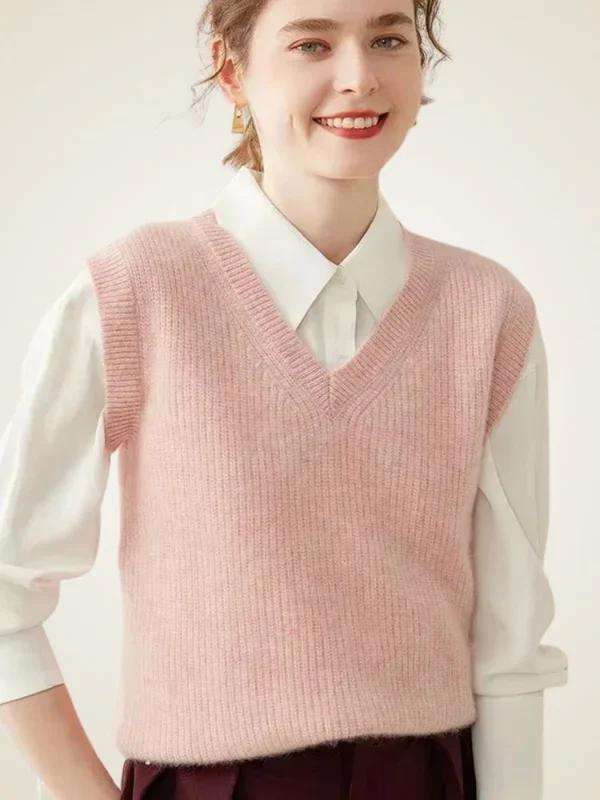
Cable Knit Dresses
Traditional cable knit dresses featuring hand-programmed stitch patterns—twisted cables, braids, honeycomb, and Aran motifs. Knitted in chunky or medium-gauge wool, alpaca, or acrylic for heritage and contemporary brands. Full knit-down sampling and 3D programming included in ODM service.
Get a Quote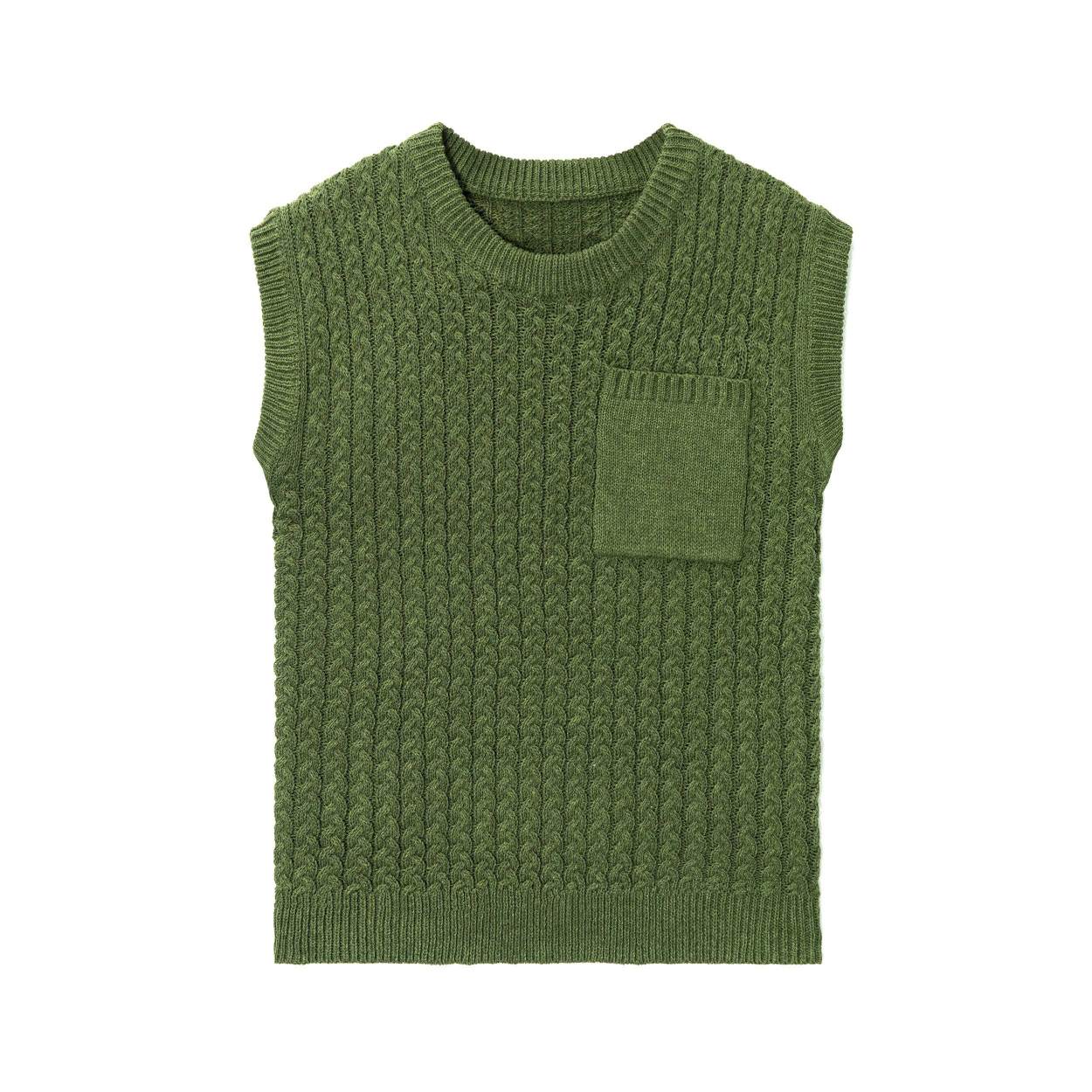
Sleeveless Knit Dresses
Sleeveless knit dresses and knit jumper styles in scoop, V-neck, or high-neck cuts. Produced in lightweight cotton, linen, or fine-gauge wool for layering or standalone summer pieces. Offered with ribbed armholes, side splits, and optional contrast tipping or jacquard bands.
Get a Quote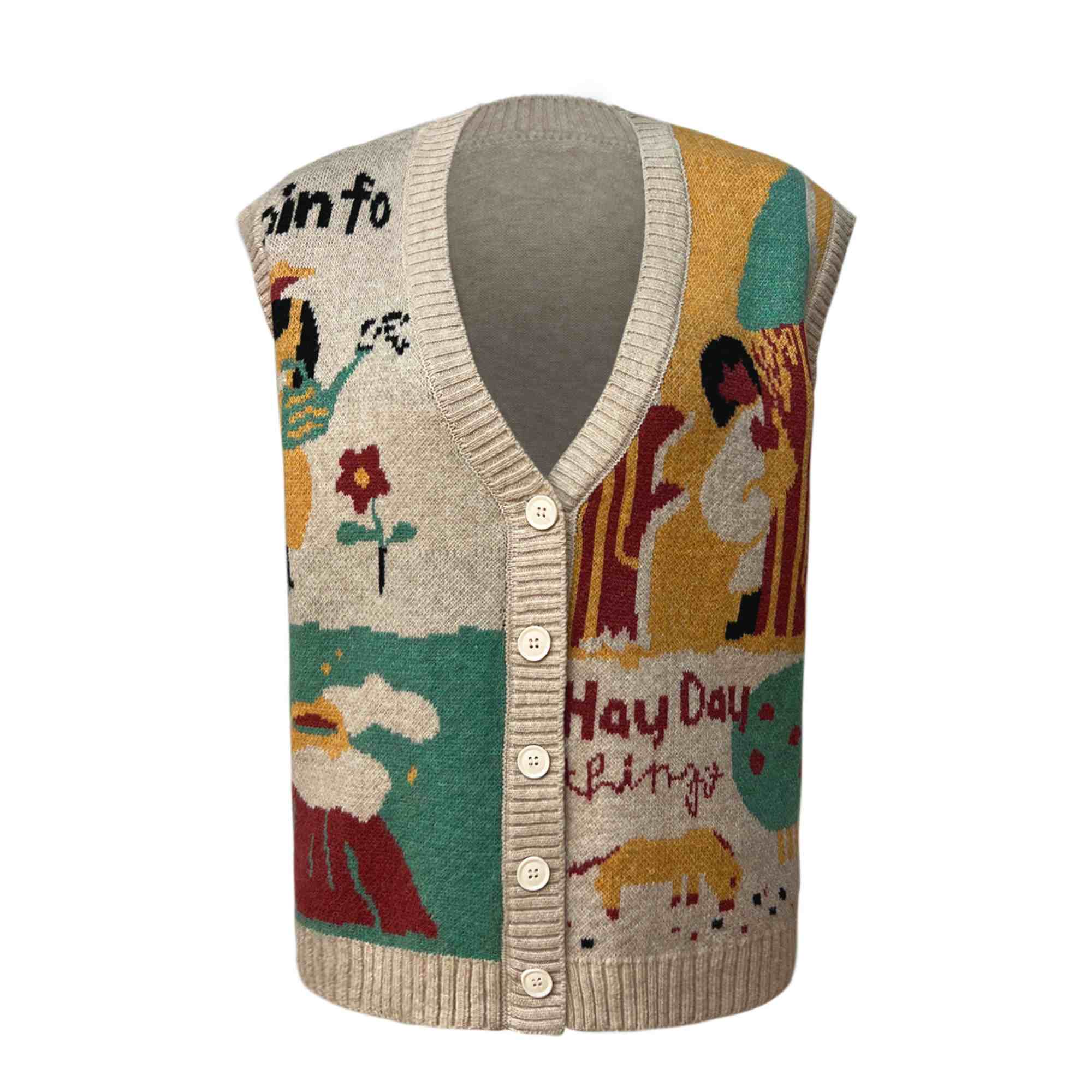
Oversized Knit Dresses
Relaxed-fit oversized knit dresses in drop-shoulder, boxy, or cocoon silhouettes. Manufactured in soft merino, brushed acrylic, or chunky cotton blends with ribbed cuffs, patch pockets, and tonal or multicolor intarsia graphics. Perfect for streetwear and contemporary fashion brands seeking statement knitwear.
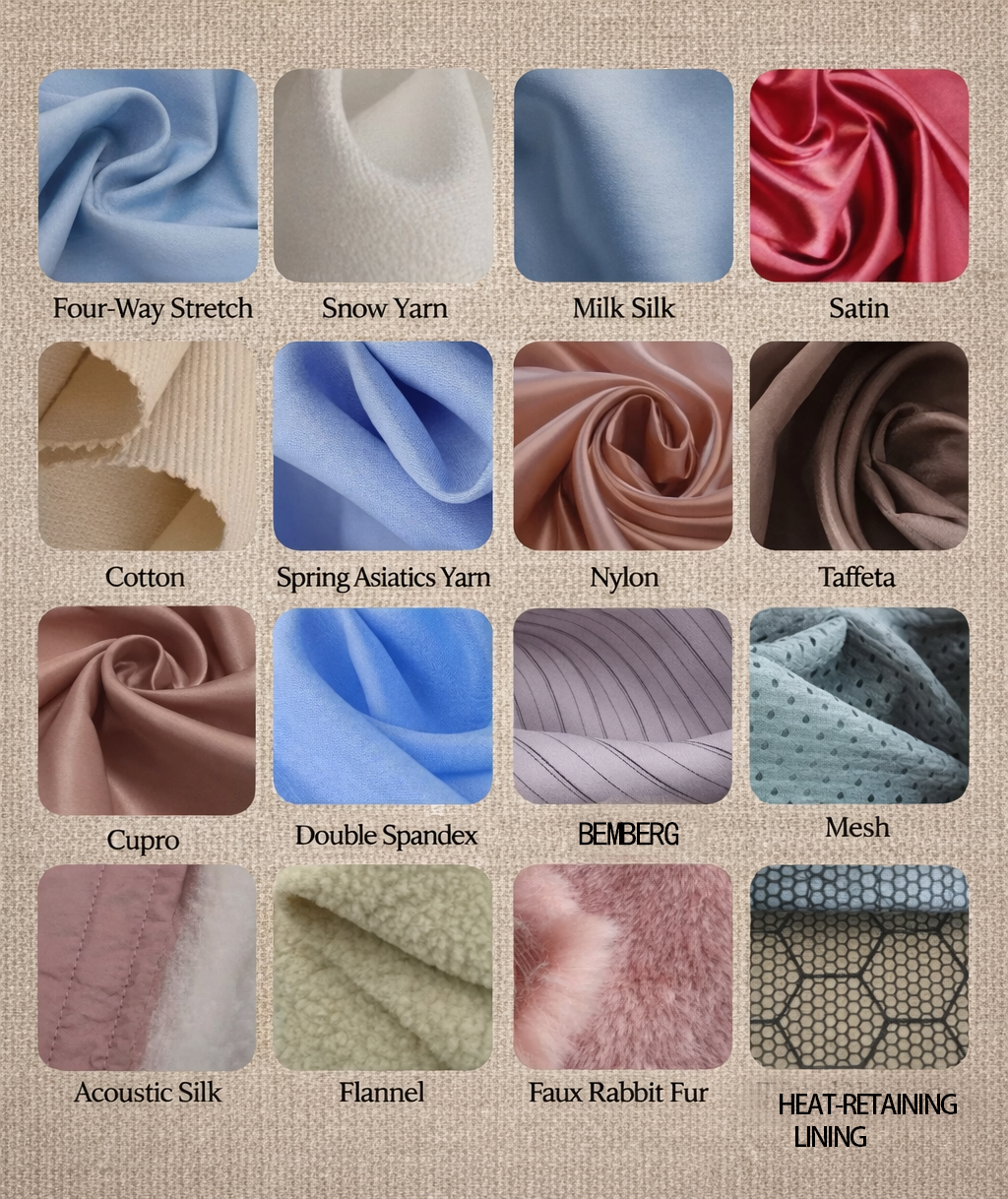
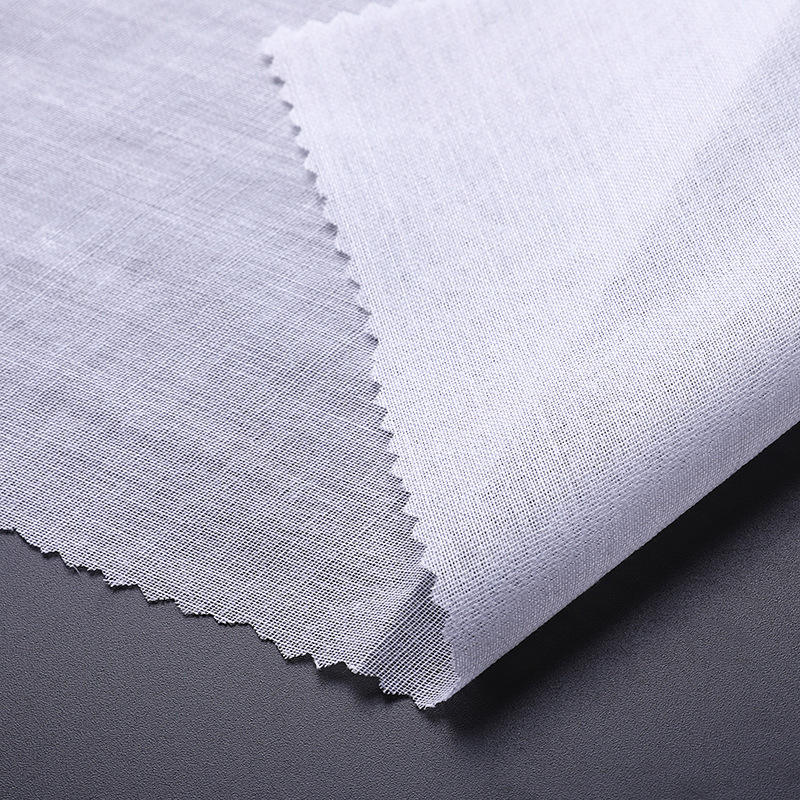
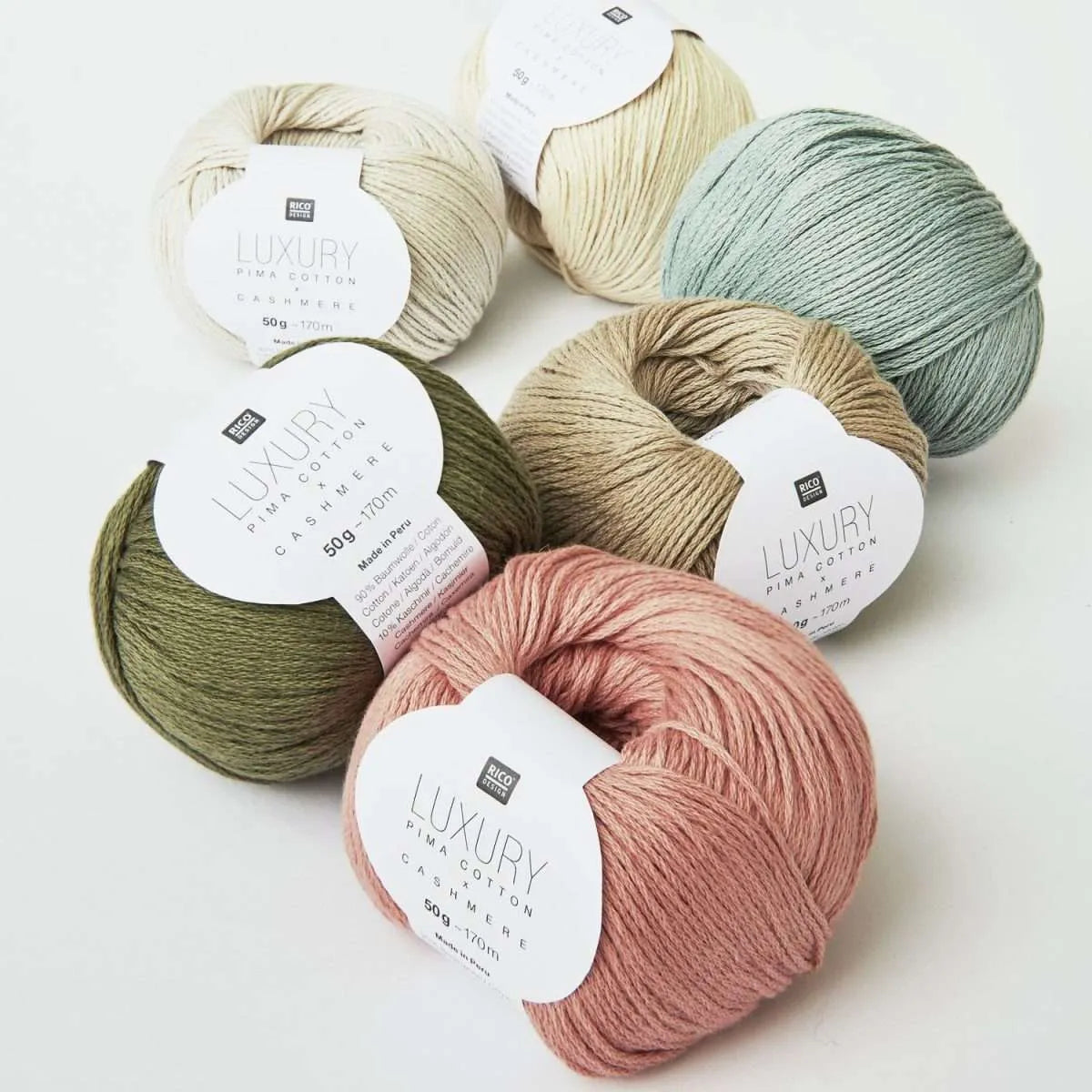
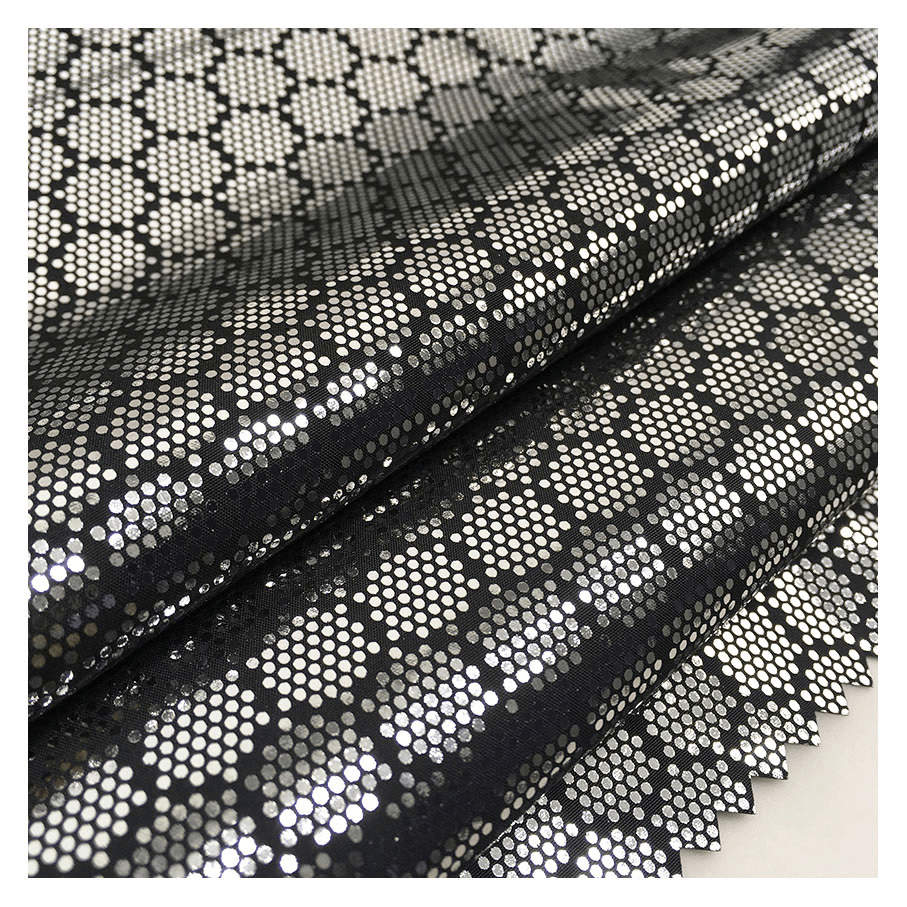
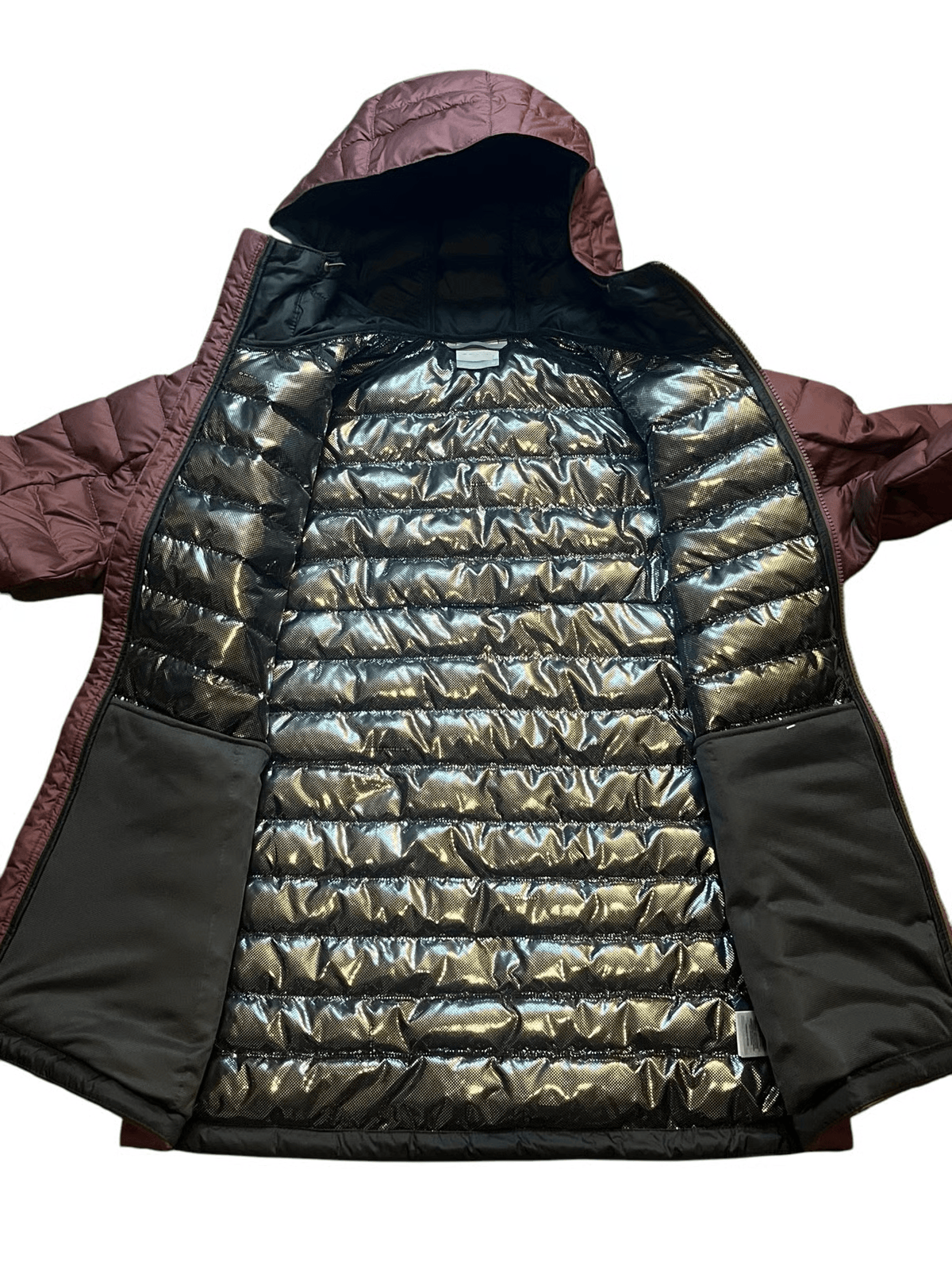
Get a QuotePremium Yarn & Fiber Options from Your Knit Dress Manufacturer
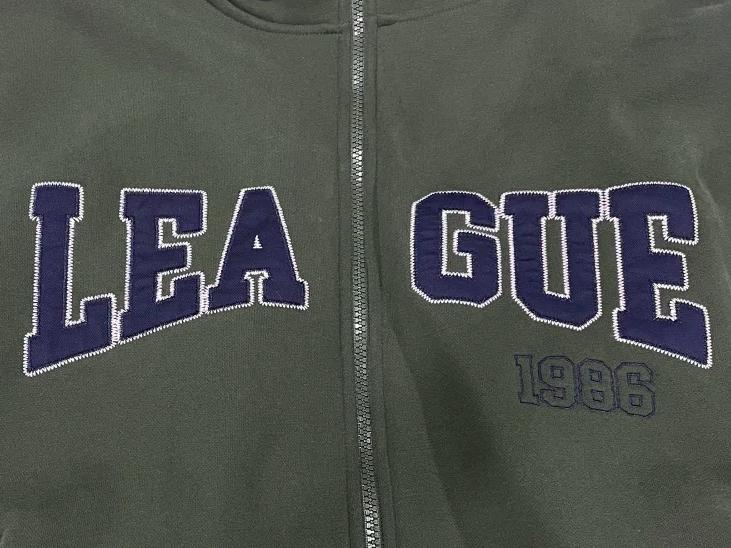
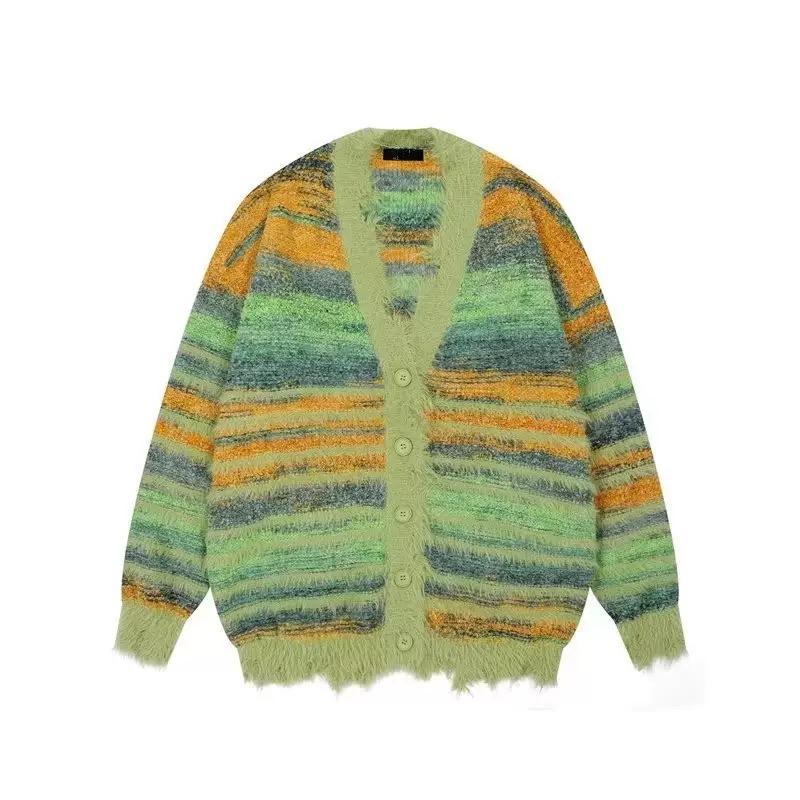
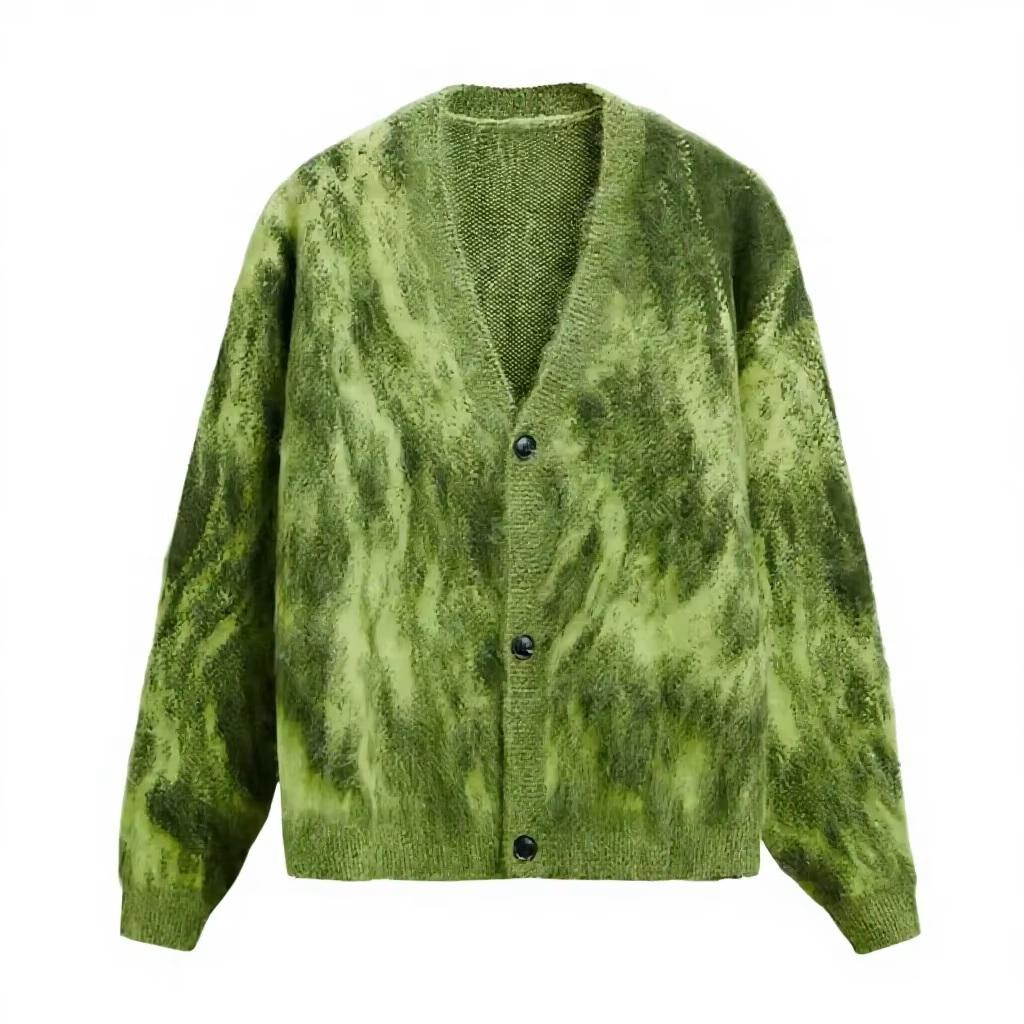
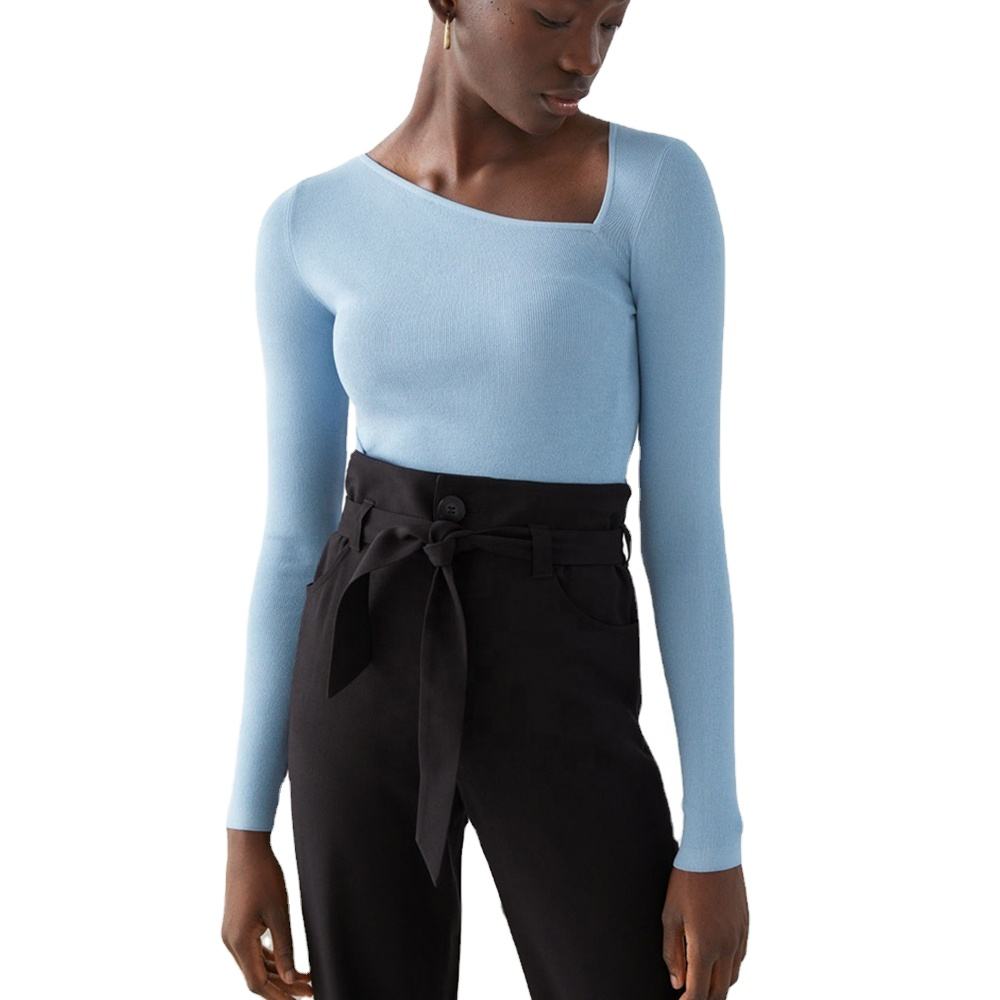
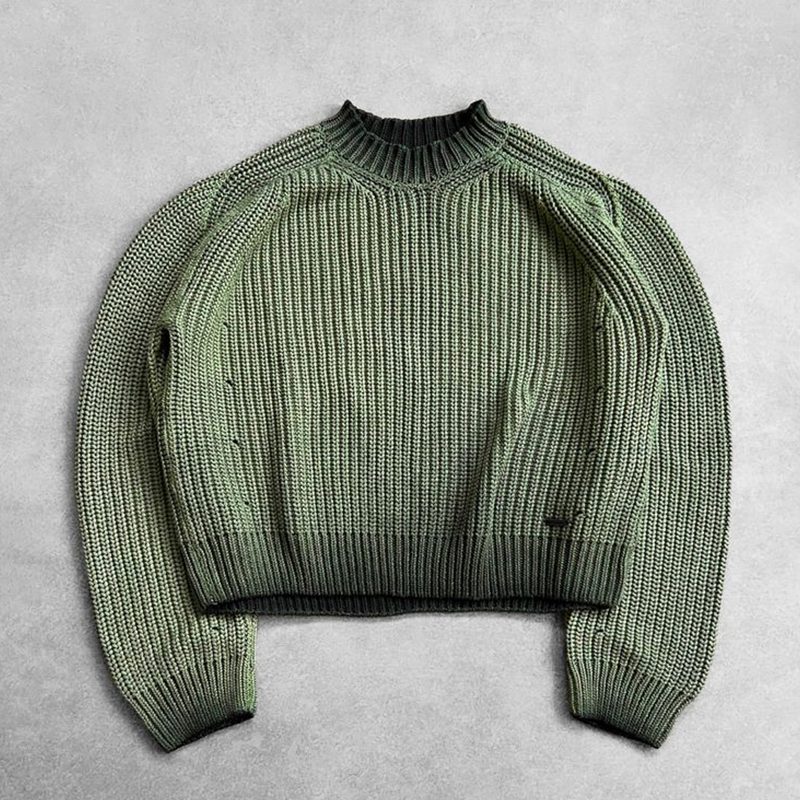
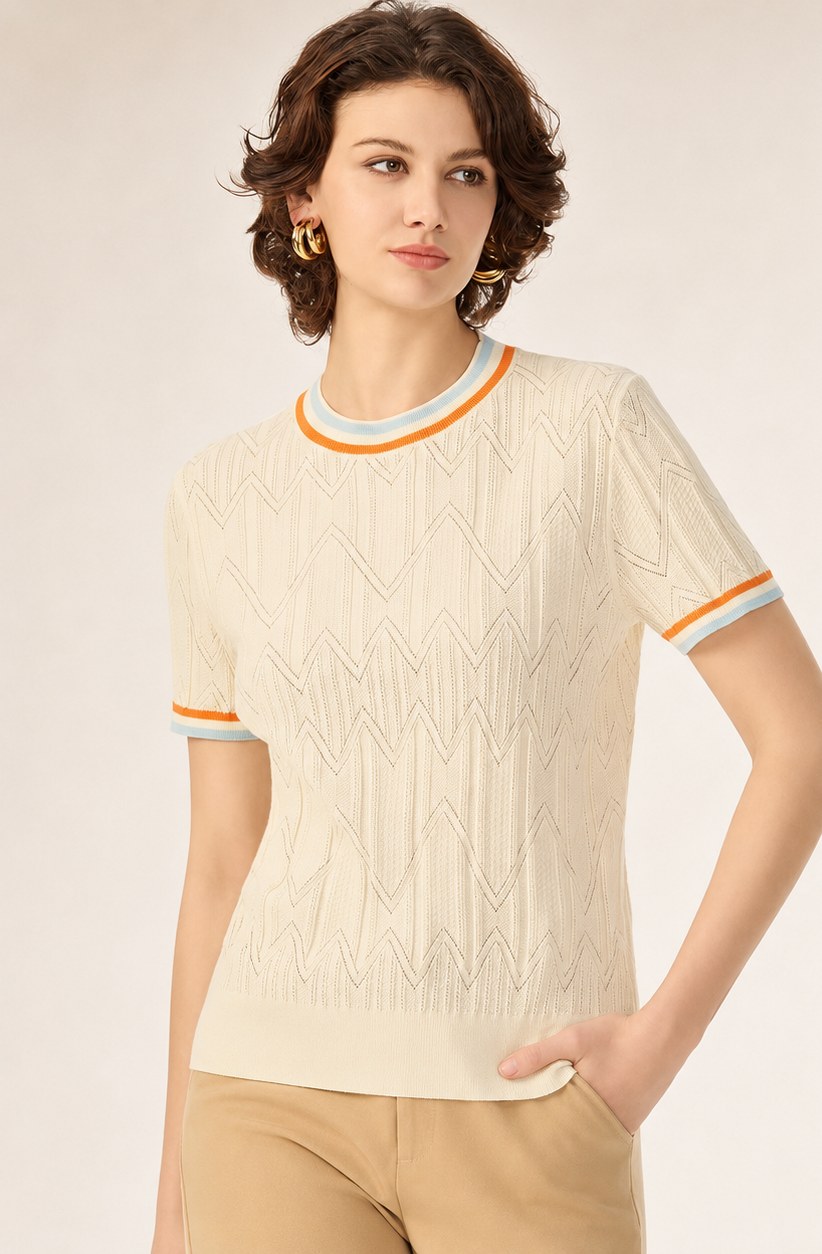
Advanced Knitting & Decoration Techniques for Knit Dresses and Custom Knitwear
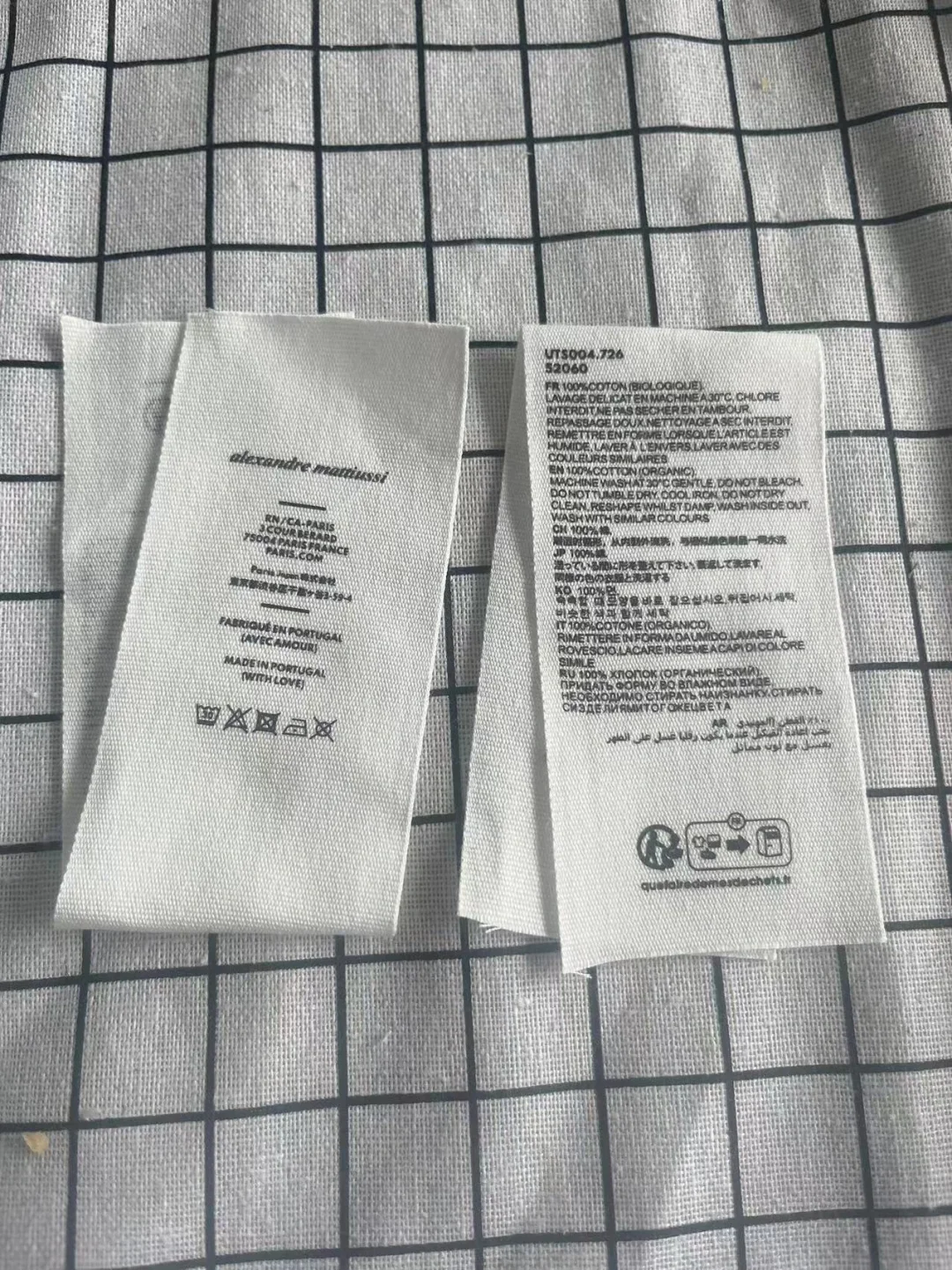
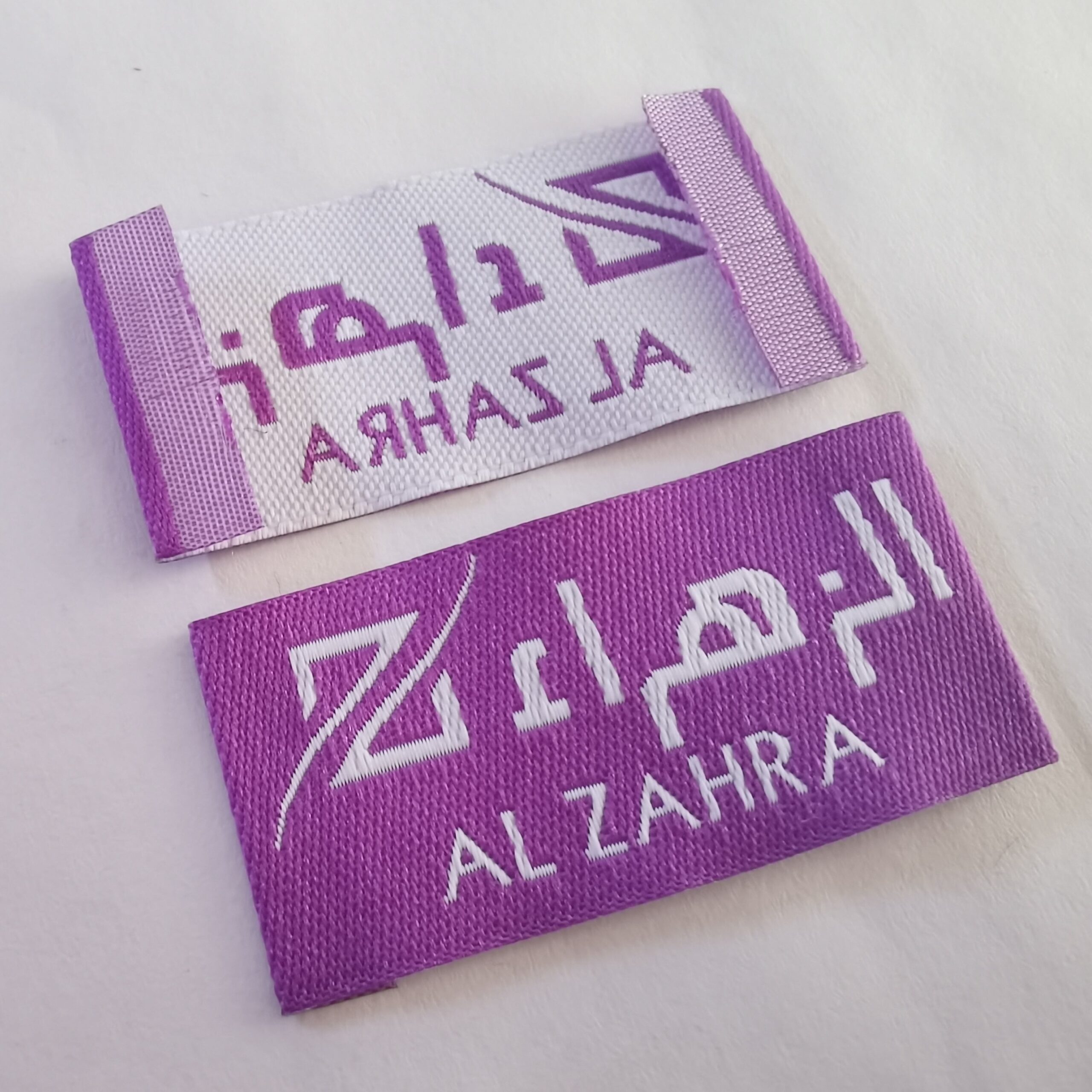
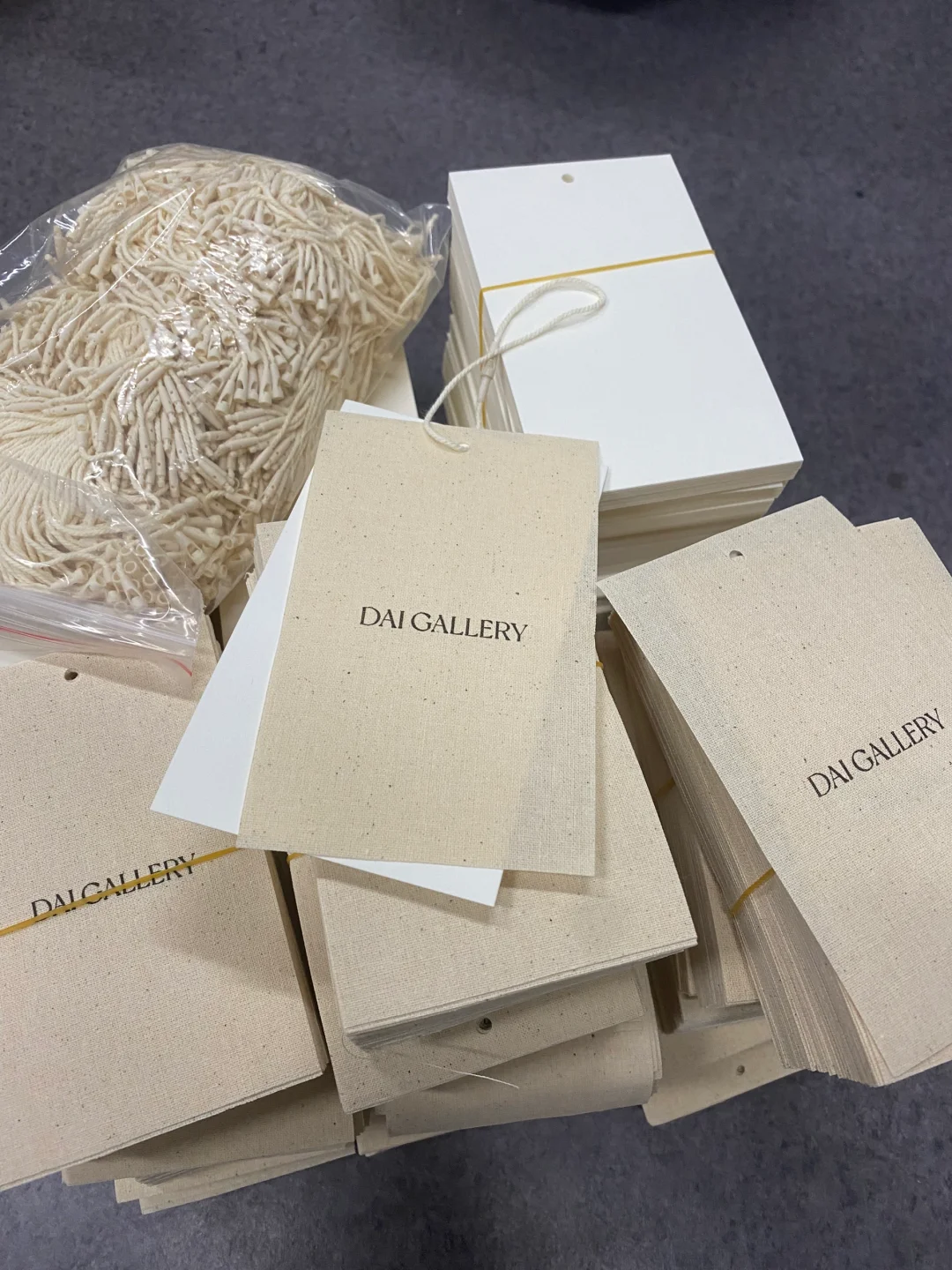
Trims, Labels & Accessories for Your Knit Dress
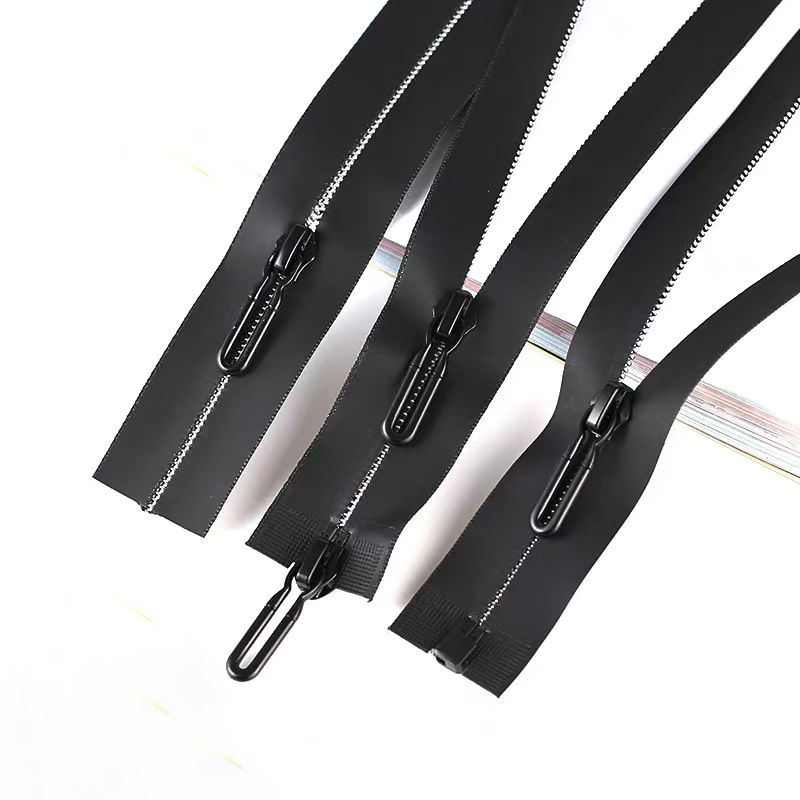
Drawcords & Tipping
Flat or round drawcords with metal, plastic, or custom-branded aglets for waistbands, hoods, and necklines. Add functional adjustability and a polished, athletic, or casual aesthetic to knit dresses.
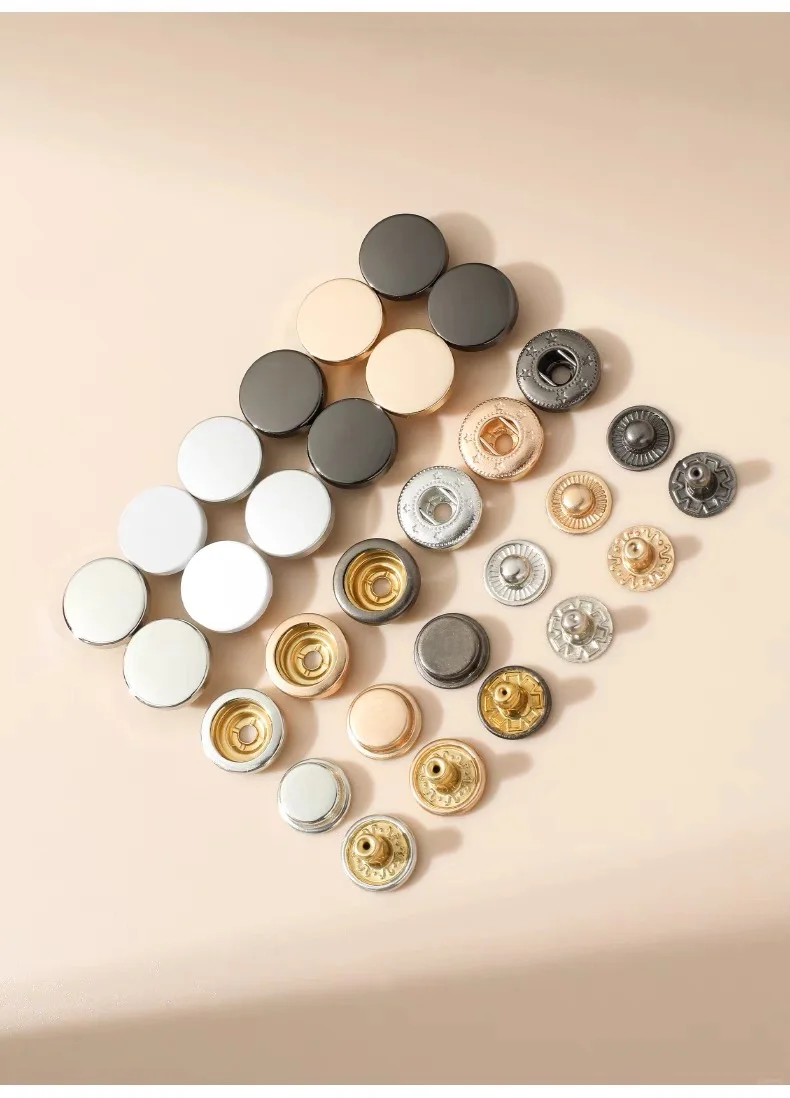
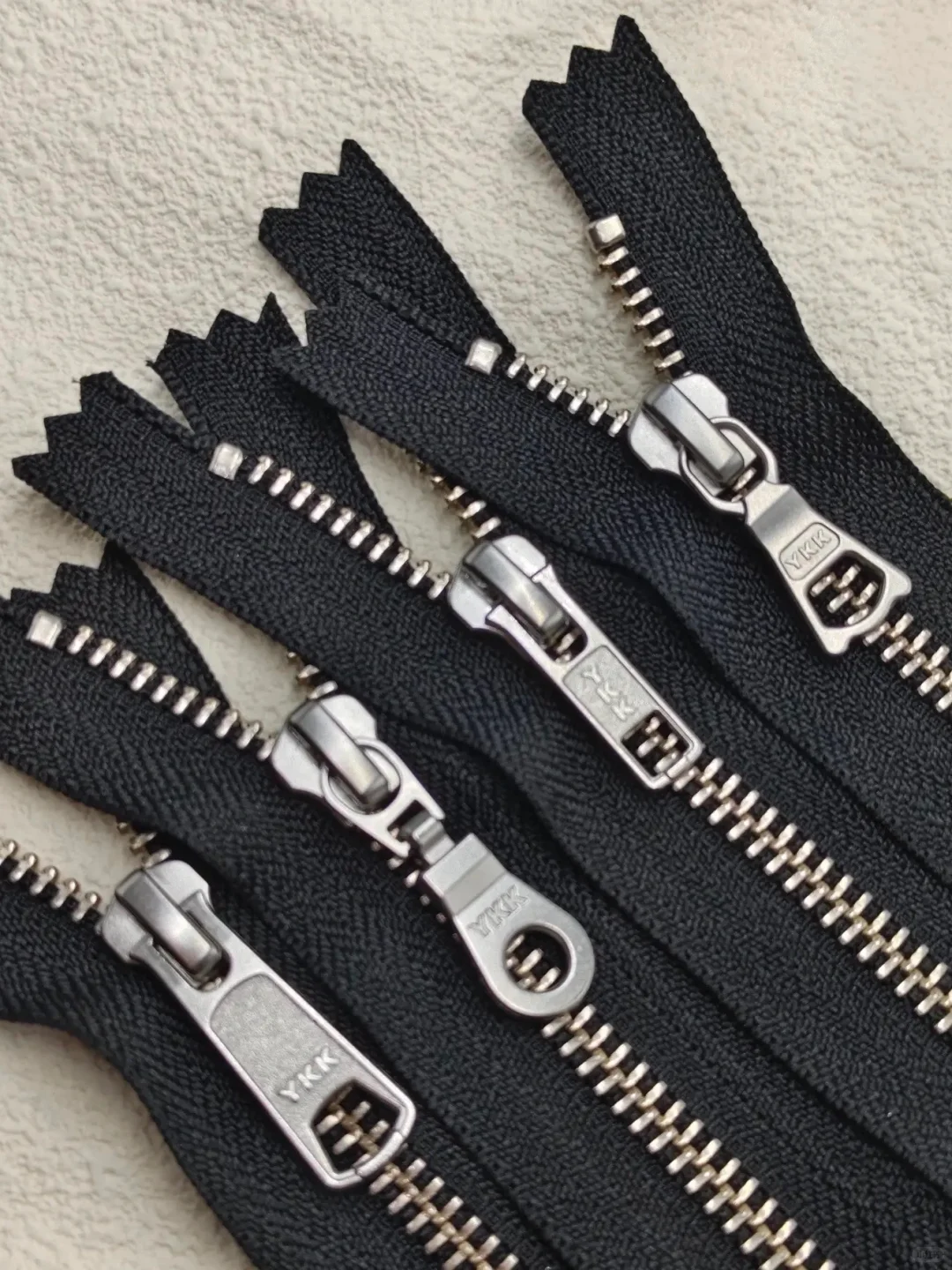
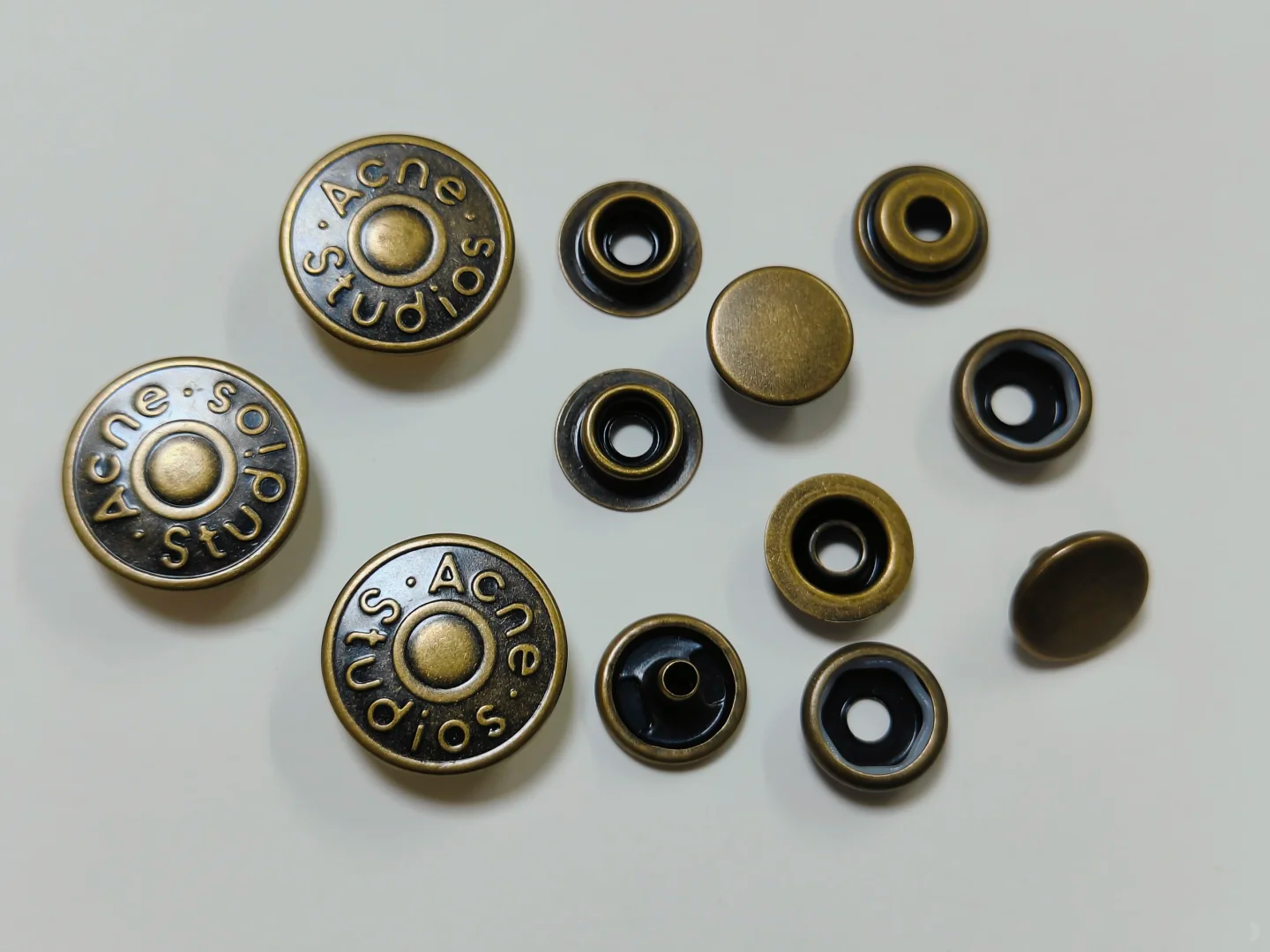
Shell & Wood Buttons
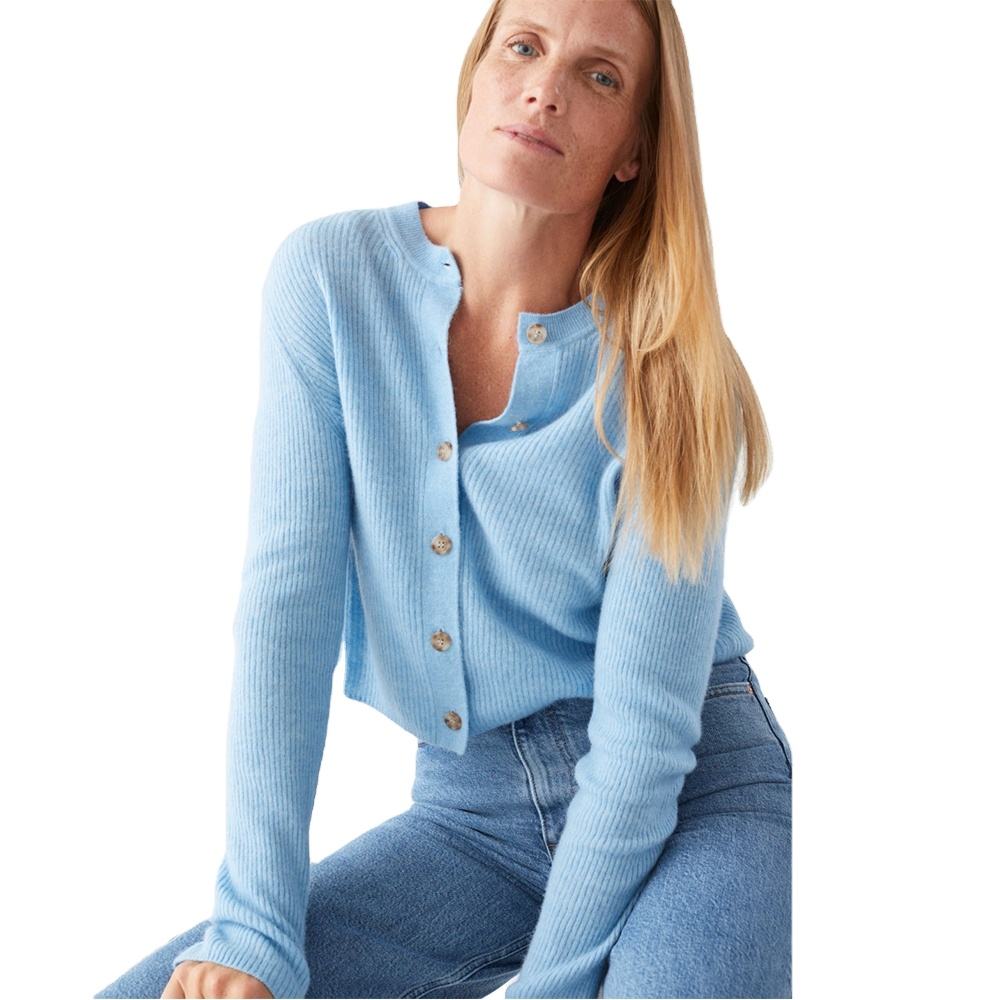
Natural shell, wood, corozo, or metal buttons in any size, finish, or engraving. Elevate the tactile quality and visual appeal of cardigans, button-front knit dresses, and sweater details.
Your Trusted Knit Dress Manufacturer Since 1998
Founded in 1998 in Humen, Dongguan — the heart of China’s knitwear industry — CENWILD began as a small family knitting workshop and has grown into a full-service knit dress manufacturer serving over 2,000 fashion brands worldwide. Today our team of 200+ skilled employees operates advanced computerized flat-knitting machines with a monthly capacity exceeding 80,000 pieces.
We specialize in OEM, ODM, and private label production for brands, retailers, wholesalers, and independent designers across North America, Europe, Australia, and beyond. From knit dresses and custom sweaters to wholesale knitwear and seasonal collections, we handle everything in-house: design development, yarn sourcing, knit-down sampling, production, decoration, quality control, packaging, and export logistics.
Guided by our core values of Quality First, Customer Growth, Innovation, and Responsibility, CENWILD is more than a supplier — we are the manufacturing backbone behind growing fashion brands. With flexible MOQs starting from just 100 pieces and 28+ years of expertise, we turn your vision into premium knitwear ready for the global market.
Sweater & Knitwear Manufacturing Capabilities That Scale With You
In-House Knitting Across All Gauges
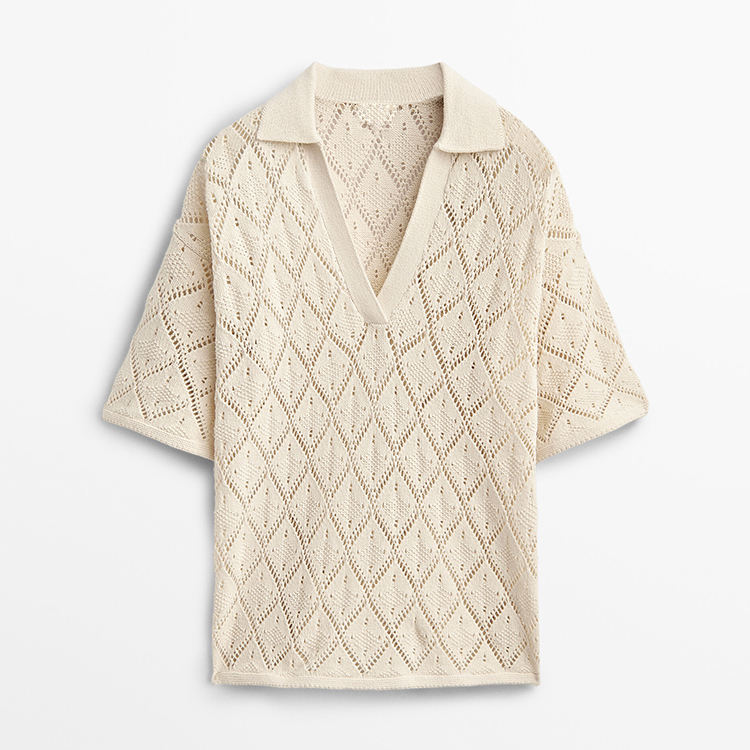
Our factory runs computerized flat-knitting machines from 3GG to 14GG, giving you complete flexibility in fabric weight, texture, and stitch complexity. Whether you need chunky knit dresses or fine-gauge jersey styles, we produce everything under one roof with a monthly capacity exceeding 80,000 pieces.
- 3GG–14GG gauge range for chunky to fine-gauge knits
- 80,000+ piece monthly capacity
- Intarsia, jacquard, cable, ribbed, and pointelle techniques
- Fully-fashioned knitting for zero-waste production
Design & Sampling in 28 Days
From tech pack to finished knit-down sample, our in-house design team delivers production-ready prototypes in just four weeks. We support clients at every stage — whether you arrive with complete specs, reference images, or only a concept — and develop original stitch patterns, 3D knit programming, and grading.
- Tech pack to knit-down sample in 28 days
- Original stitch design and 3D knit programming
- Full grading and pattern development
- Support from concept to production-ready spec
Complete Decoration & Finishing Suite
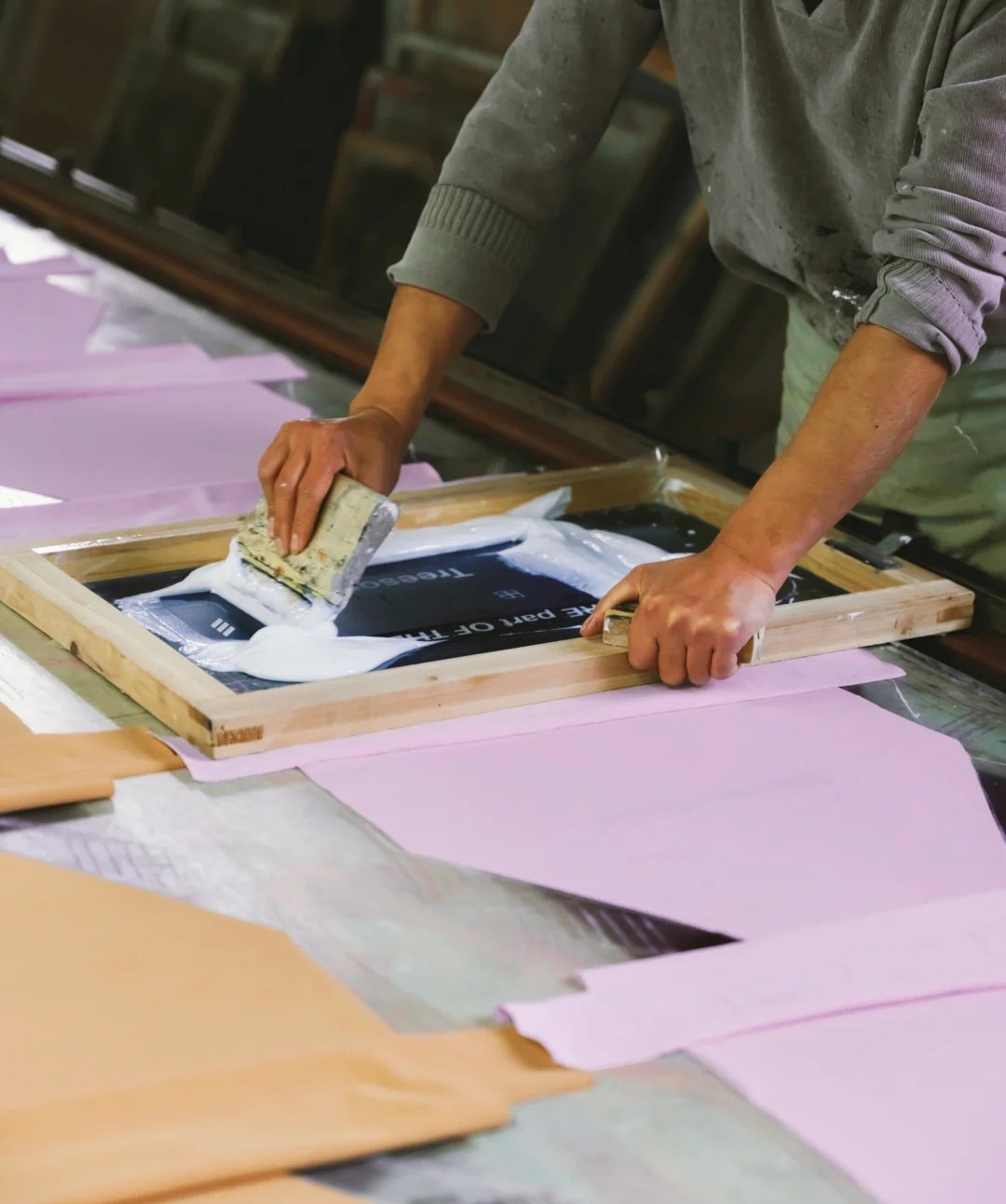
Elevate your knit dress designs with embroidery (flat, 3D puff, sequin, appliqué), printing (screen, heat transfer, DTF, sublimation), and garment finishing (softening, anti-pilling, garment dye, brushing). Every decoration method is executed in-house, ensuring consistent quality and faster turnaround without third-party delays.
- Flat, 3D/puff, chain-stitch, sequin, and patch embroidery
- Screen, heat transfer, DTF, and sublimation printing
- Garment washing, dyeing, softening, and anti-pilling
- All decoration handled in-house for speed and quality
Quality Control & Export Logistics
Every knit dress passes through multi-stage inspection — from yarn receipt and in-line production checks to final AQL audit and pre-shipment review. Our dedicated export team manages documentation, customs clearance, and freight forwarding to the US, Canada, UK, Europe, Australia, Russia, and the Middle East.
- Multi-stage QC from yarn to final AQL audit
- Dedicated export logistics and customs support
- Shipping to North America, Europe, Australia, Russia, Middle East
- Full traceability and transparent communication
Why Choose CENWILD as Your Knit Dress Manufacturer
See how our 28 years of experience, flexible minimums, and full-service capabilities set us apart from typical suppliers.
← 左右滑动查看 →
How to Partner with a Custom Knitwear Manufacturer
CENWILD delivers full transparency across every stage of your custom knit dress order, from initial inquiry to final export. Our proven 28-year workflow ensures quality, speed, and confidence at every milestone.
Inquiry & Tech Pack Review
Submit your design, sketch, or tech pack. Our team evaluates yarn, gauge, stitch patterns, and trims, then confirms MOQ, pricing, and timeline within 24 hours.
Sampling & Approval
We knit your first sample using production-grade yarn and techniques. Revisions are made until you approve fit, color, and finish—typically completed within 28 days.
Bulk Production Launch
Upon deposit and approved sample, we schedule flat-knitting machines, source bulk yarn, and begin full-scale manufacturing with real-time progress updates to your team.
Quality Control & Finishing
Every knit dress undergoes multi-point inspection, garment washing, anti-pilling treatment, pressing, and final QC before moving to packing—ensuring zero defects reach your customers.
Packing & Labeling
We apply your hang tags, care labels, size stickers, and branded poly bags, then pack cartons to your specification for retail-ready delivery or warehouse distribution.
Export Logistics & Delivery
CENWILD coordinates freight forwarding, customs documentation, and door-to-door shipping. You receive tracking details and commercial invoices for seamless import clearance worldwide.
How to Partner with a Knit Dress Manufacturer
From your first inquiry to final shipment, CENWILD makes custom knit dress production simple and transparent. Start with as few as 100 pieces.
Submit Your Design Brief
Share your tech pack, sketch, photo, or idea. Our design team reviews your vision and confirms fabric, gauge, decoration, and MOQ requirements.
Receive Quote & Sampling Timeline
Within 24–48 hours, you’ll get a detailed quotation and timeline. Approve the quote to begin knit-down sample development (typically 28 days).
Approve Your Samples
Review fit, stitch, color, and finish on your physical samples. Request revisions if needed, then sign off to move into bulk production.
Place Your Bulk Order
Confirm your order quantity, colorways, and sizes. Pay your deposit and we schedule production, keeping you updated at every milestone.
Production, QC & Shipment
Your knit dresses are manufactured, inspected under strict quality control, packed to your specifications, and shipped directly to your destination.
Certified Knit Dress Manufacturer You Can Trust

Trusted Knitwear Manufacturer for Growing Fashion Brands
CENWILD helped us scale our knit dress line from 500 units to over 5,000 pieces in just six months. Their flexible MOQ and consistent quality made growth seamless.
We launched our entire fall knit dress collection in eight weeks thanks to their in-house sampling and fast turnaround. The design team brought our sketches to life perfectly.
Switching to CENWILD reduced our sampling costs by 42% while improving quality. Their ODM support and knit-down prototyping saved us months of back-and-forth with other suppliers.
Knit Dress & Custom Sweater Manufacturing: Frequently Asked Questions
What is the minimum order quantity for custom knitwear and knit dresses at CENWILD?
How long does sampling take when working with your knit dress manufacturer?
Does CENWILD offer design support for custom sweaters and knit dresses?
What payment terms does your knit dress manufacturer accept?
Can CENWILD handle rush orders for knit dresses?
How does CENWILD protect intellectual property and design confidentiality?
What types of knit dresses can your manufacturer produce?
Does CENWILD offer OEM and ODM services for knit dress production?
The Complete Buyer’s Guide to Choosing the Right Knitwear Manufacturer
Navigate the sourcing landscape with confidence. This guide delivers a proven decision framework, essential supplier evaluation criteria, and the most common mistakes fashion brands make when selecting a sweater manufacturer—so you can launch faster and avoid costly missteps.
1. What Is a Knit Dress Manufacturer?
A knit dress manufacturer produces finished garments by constructing fabric directly from yarn using computerized flat-knitting machines or circular knitting equipment, then shaping, linking, and finishing each piece. Unlike woven fabrics—which interlace warp and weft threads on a loom—knit construction forms interlocking loops that stretch naturally in multiple directions, offering superior drape, comfort, and body-conforming fit for dresses.
Specialized knit dress manufacturers operate under two primary models: OEM (Original Equipment Manufacturing), where the brand supplies complete tech packs and specifications, and ODM (Original Design Manufacturing), where the factory contributes design concepts, stitch development, and 3D knit programming. Typical services span yarn sourcing, knit-down sampling, full production runs, quality control, decoration (embroidery, printing, appliqué), garment washing, and export logistics.
Brands choose dedicated knit dress manufacturers over general cut-and-sew factories because knitting requires distinct machinery (3GG–14GG gauge flat-bed systems), specialized technicians who program jacquard and intarsia patterns, and expertise in fully-fashioned shaping that minimizes seams and waste—capabilities rarely found in woven-garment facilities.
2. Evolution of Knit Dress Manufacturing
Hand-knitting dominated garment production until the 1589 invention of the stocking frame, but industrial knit dress manufacturing truly began with Jacquard looms in the early 1800s, enabling complex pattern weaving that later translated into jacquard knitting technology. By the mid-20th century, flat-bed and circular knitting machines automated production at scale, yet MOQs remained in the thousands and sampling took weeks.
The 1980s brought computerized knitting systems that allowed programmable stitch control, reducing setup waste and opening the door to smaller production runs. CENWILD adopted computerized flat-knitting across 3GG–14GG gauges, cutting sample lead times and enabling brands to test designs with lower financial risk.
Seamless knitting technology emerged in the 2000s, eliminating side seams and reducing labor costs, while sustainable yarn innovations — recycled polyester, Tencel, organic cotton — reshaped material sourcing. Today, digital 3D knit programming and on-demand sampling let independent designers launch knit dress collections with MOQs as low as 100 pieces, a threshold unimaginable two decades ago.
3. Types of Knit Dress Manufacturers
Not every knit dress manufacturer operates the same way. Machine type, production scale, and service model define who can deliver your design, at what volume, and with which construction techniques.
Flat-Bed Knitting Specialists
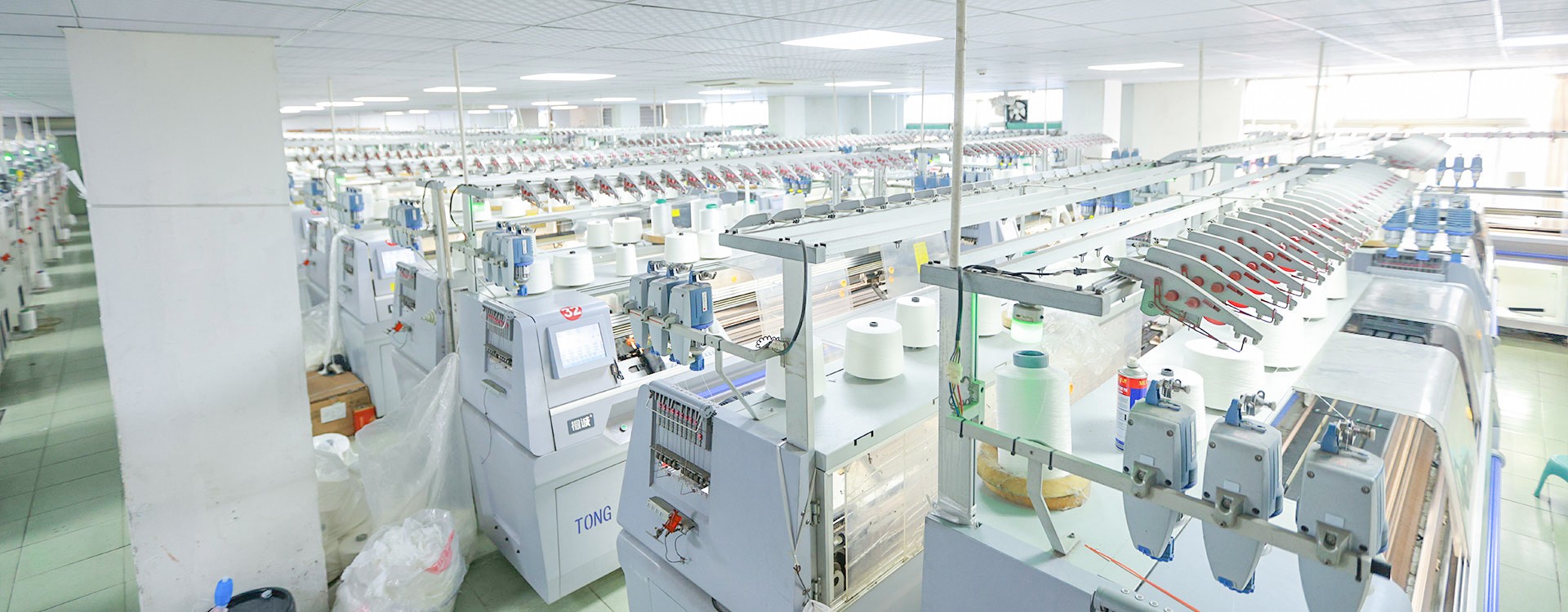
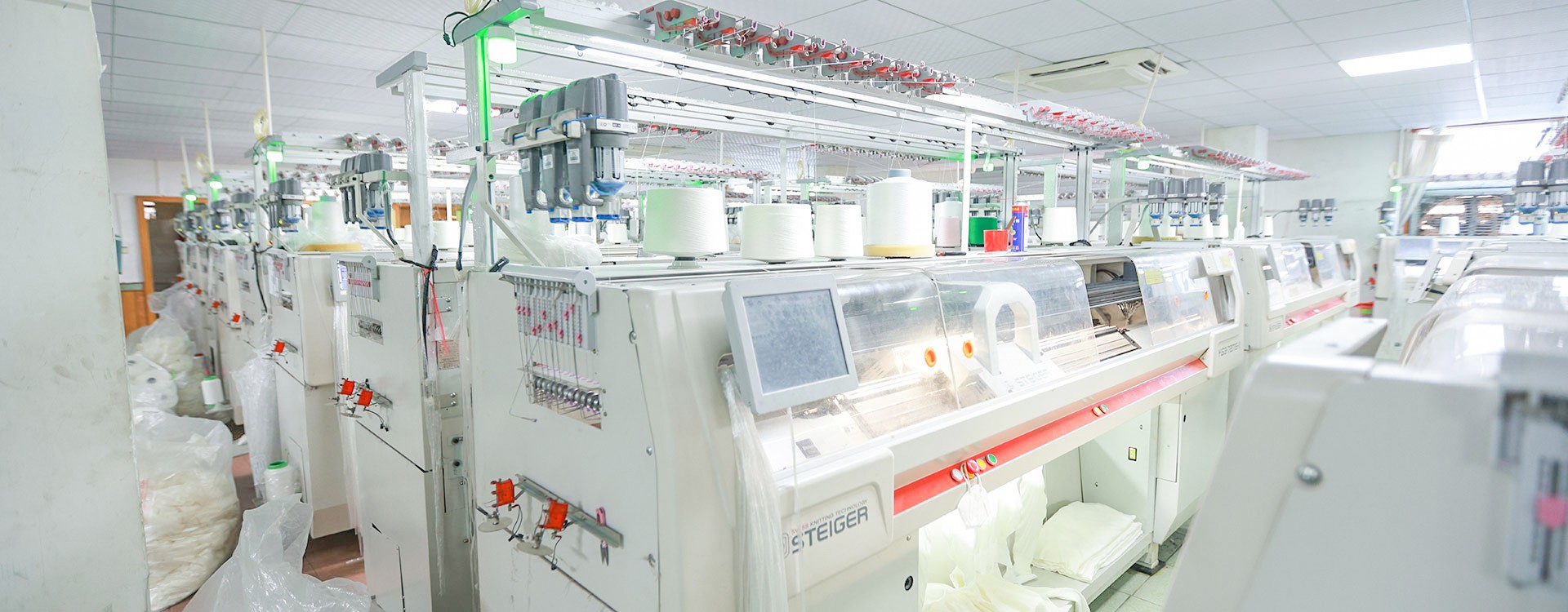
Flat-bed machines (3GG–14GG) produce fully-fashioned panels with intarsia, jacquard, cable, and pointelle structures. MOQ typically starts at 100–300 pieces per style, making them ideal for independent designers and startups testing new silhouettes.
CENWILD runs computerized flat-knitting across gauges, enabling low-MOQ runs with complex stitch patterns and minimal fabric waste.
Circular Knitting Factories
Circular mills knit jersey, rib, and interlock fabrics in continuous tubes, then cut and sew garments (CMT). Monthly capacity often exceeds 100,000 pieces, suited to established brands placing repeat orders of basic knit dresses at lower per-unit cost.
Full-Package vs. CMT Providers
Full-package manufacturers handle design, yarn sourcing, sampling, production, decoration, QC, and export logistics. CMT (cut-make-trim) shops require you to supply fabric and trims. Startups benefit from full-package partners; high-volume brands may split sourcing to control costs.
CENWILD operates as a one-stop full-package knit dress manufacturer, supporting clients from concept sketch to finished shipment.
4. Materials and Yarn Options for Knit Dresses
Yarn choice defines the drape, hand-feel, seasonality, and price of every knit dress. A professional knit dress manufacturer stocks natural fibers, synthetics, and blends to meet diverse brand positioning and care requirements.
| Fiber | Weight (GSM) | Best Use | Cost Level |
|---|---|---|---|
| Cotton | 160–280 | Casual, activewear | Low–Mid |
| Merino Wool | 200–320 | Transitional, winter | Mid–High |
| Cashmere | 180–260 | Evening, premium | High |
| Acrylic | 180–300 | Mass-market casual | Low |
| Viscose Blend | 150–240 | Casual, work-dress | Low–Mid |
| Organic Cotton | 160–280 | Eco casual | Mid |
| Tencel | 140–220 | Eco evening, casual | Mid–High |
Natural Fibers
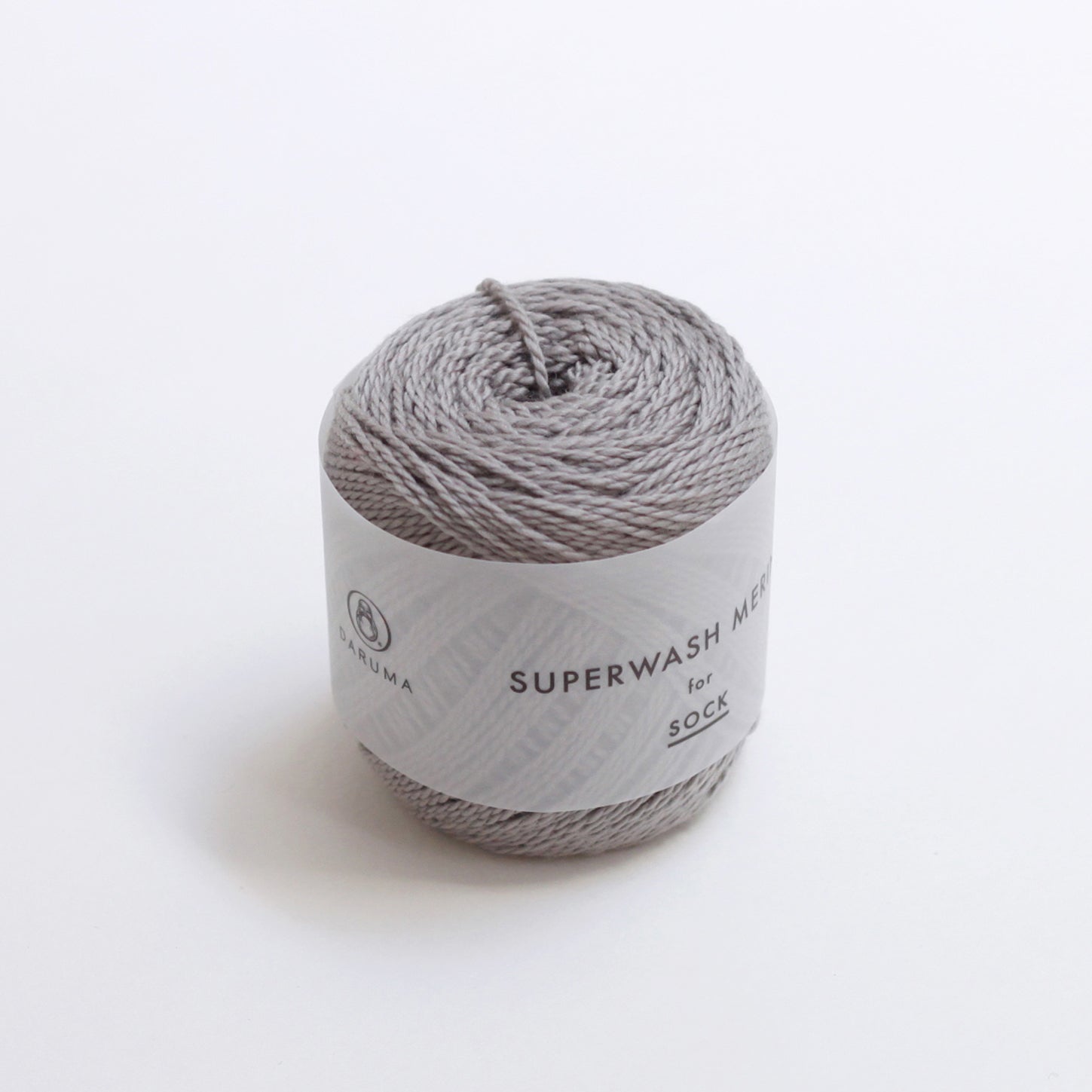
Cotton (160–280 GSM) delivers breathability and easy care, ideal for casual and activewear knit dresses. Merino wool (200–320 GSM) offers temperature regulation and natural stretch for transitional and winter styles. Cashmere (180–260 GSM) provides ultra-soft luxury hand-feel for evening and premium collections, while alpaca and mohair add warmth and texture.
Synthetics and Blends
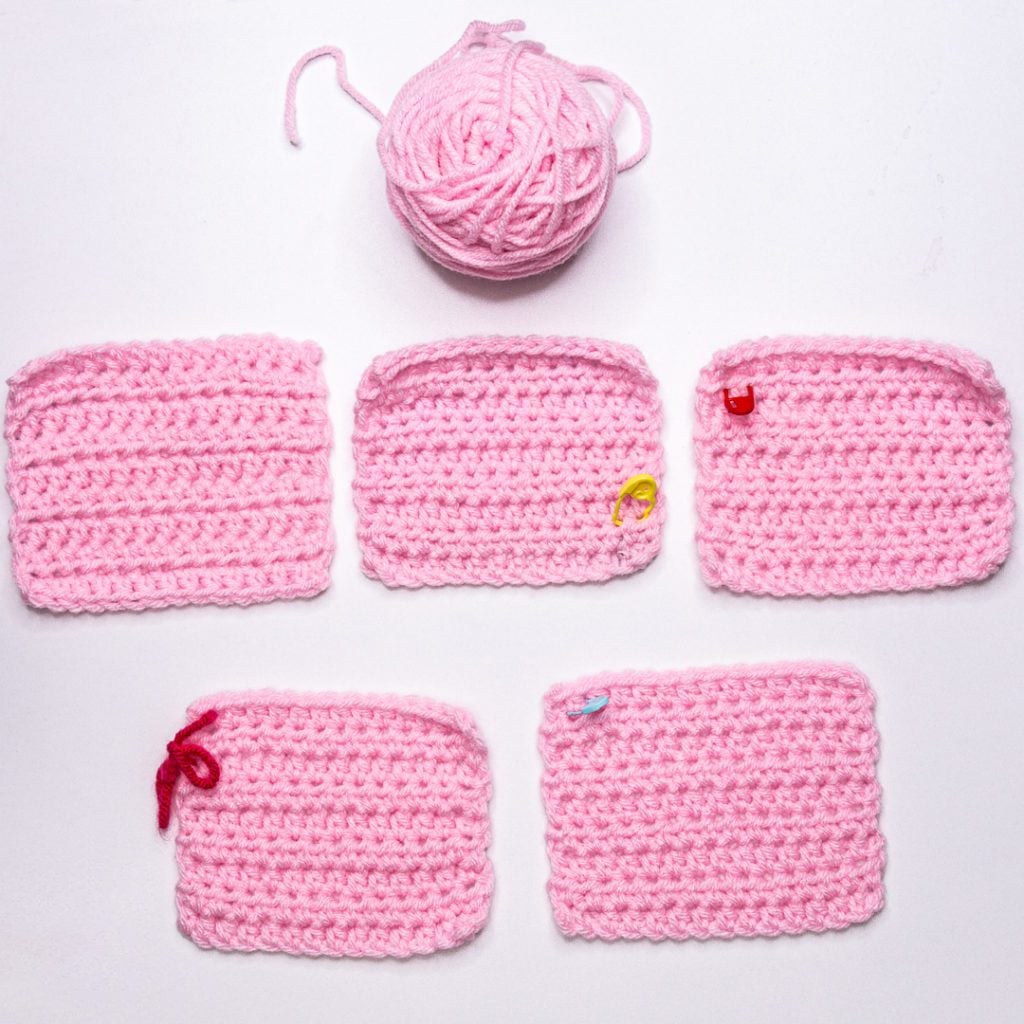
Acrylic (180–300 GSM) mimics wool at lower cost, machine-washable and color-fast for mass-market lines. Polyester and viscose blends (150–240 GSM) enhance drape and reduce wrinkling in casual and work-dress categories. Cotton-acrylic and wool-nylon blends balance performance, price, and care convenience.
Sustainable Alternatives and Certifications
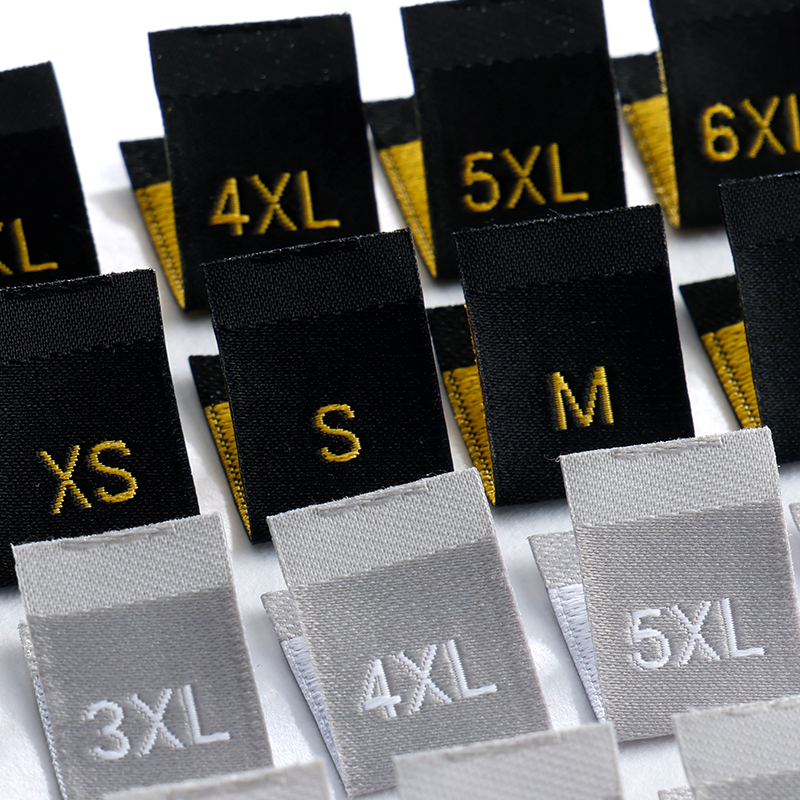
Organic cotton, recycled polyester, recycled nylon, and Tencel (lyocell) meet growing eco-conscious demand. GOTS certification verifies organic fiber content and ethical processing; OEKO-TEX Standard 100 ensures yarns are free from harmful substances. Leading knit dress manufacturers maintain certified supply chains to support brand sustainability claims.
5. Customization and Decoration Techniques
A knit dress manufacturer can integrate custom branding and embellishments either during the knitting process itself or through post-production decoration. In-knit techniques such as jacquard and intarsia require programming before production, while embroidery, appliqué, and heat-transfer labels are applied after garment assembly.
| Technique | Setup Cost | Per-Unit Cost | Durability | Minimum Order |
|---|---|---|---|---|
| Jacquard | $0 (programming only) | $2–5 | High | 100 pcs |
| Intarsia | $0 (programming only) | $3–8 | High | 100 pcs |
| Embroidery | $30–100 | $0.50–3 | Very High | 100 pcs |
| Heat Transfer | $20–50 | $0.30–1 | Medium | 100 pcs |
| Woven Patch | $50–80 | $0.80–2 | Very High | 200 pcs |
In-Knit Structural Techniques
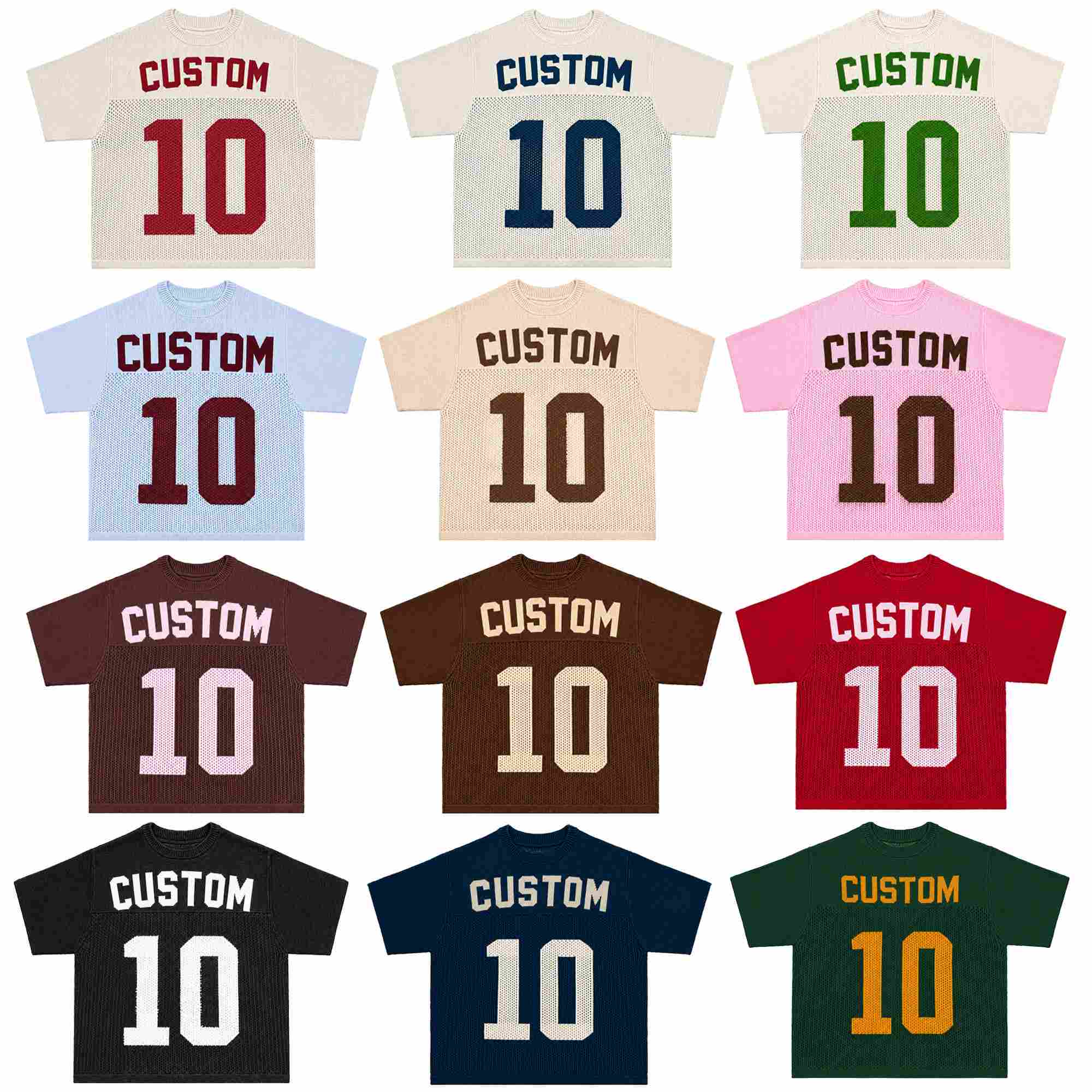
Jacquard patterns use multiple yarn feeds to create intricate multi-color designs directly in the fabric, ideal for logos or repeating motifs with no setup tooling but higher per-piece yarn cost. Intarsia color-blocking knits isolated color zones without floats on the reverse, requiring skilled hand-linking and typically adding $3–8 per piece. Cable, rib, and pointelle textures are programmed into the knit structure, adding visual depth with minimal cost impact once the 3D pattern is developed.
Post-Production Decoration
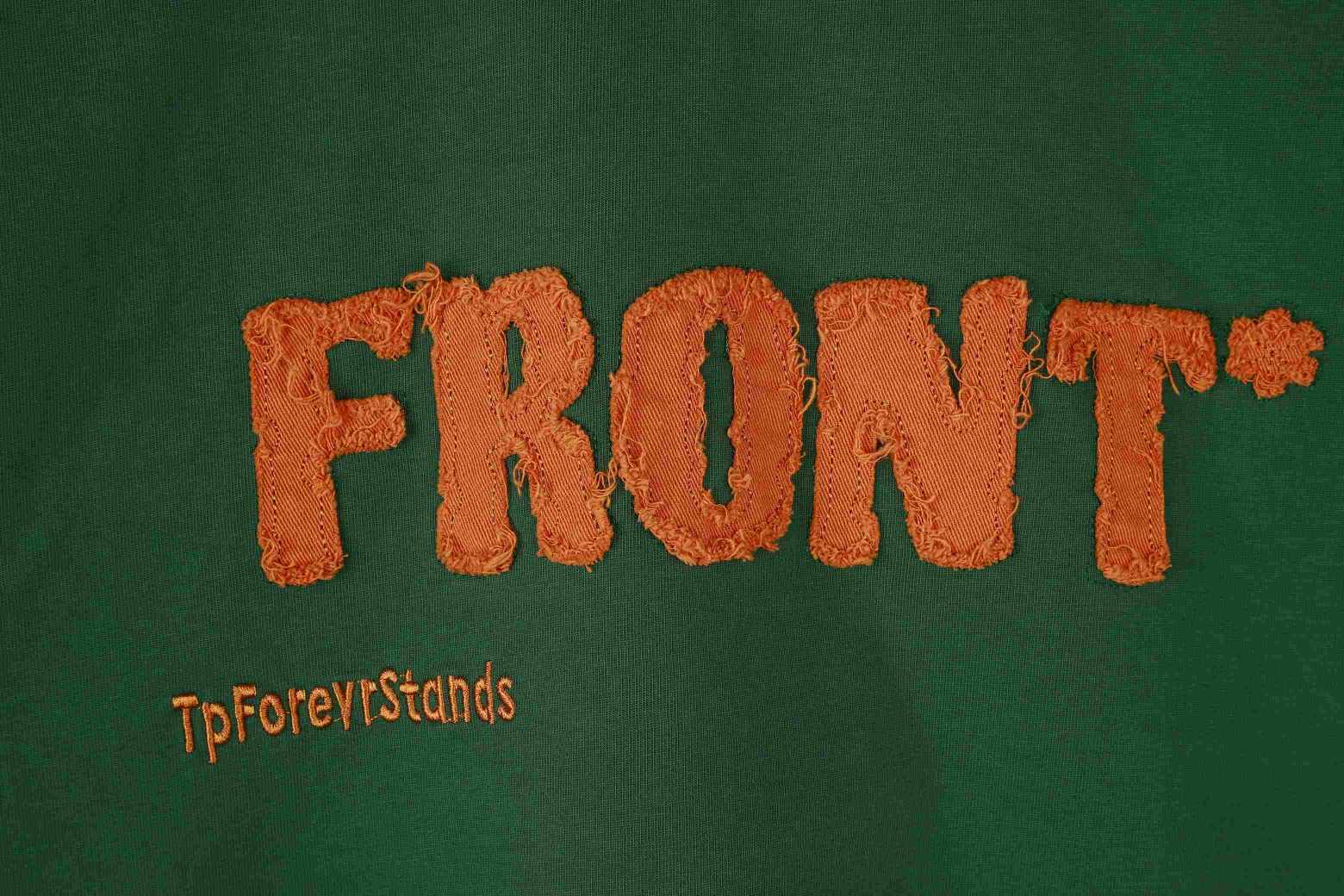
Embroidery (flat, 3D puff, chain-stitch, sequin, appliqué) requires digitizing artwork into stitch files, with setup fees of $30–100 per design and per-piece costs of $0.50–3.00 depending on stitch count. Heat-transfer labels and screen printing carry lower setup costs ($20–50) and faster turnaround, suitable for internal branding or care labels. Woven patches and beading add premium tactile detail, with MOQs often starting at 100–200 pieces per colorway to justify setup.
6. Key Quality Indicators in Knit Dress Construction
Professional knit dress manufacturing hinges on measurable quality benchmarks. Buyers should verify stitch density, seam integrity, finishing details, and fabric performance through both visual inspection and standardized lab reports before approving bulk production.
- Stitch density and gauge consistency: Confirm the garment matches the tech pack’s specified gauge (e.g., 7GG, 12GG) and that stitch count per inch remains uniform across panels.
- Seam strength: Inspect overlock seams for stretch garments and flatlock for lightweight or athletic styles; request ASTM D1683 seam-slippage and breaking-strength tests.
- Neckline and hem finishing: Check ribbing elasticity, binding width, and stitch alignment; poorly finished edges unravel or lose shape after washing.
- Dimensional stability: Request ISO 6330 or AATCC 135 shrinkage reports; quality knit dress manufacturers pre-wash samples to verify less than 3% shrinkage.
- Pilling resistance: Ask for ASTM D3512 or ISO 12945 pilling grades; merino and cashmere blends should score grade 3 or higher.
- Colorfastness: Verify AATCC 61 (washing) and AATCC 16 (light) ratings of 4–5 to prevent fading and dye transfer.
- Fit grading accuracy: Compare a full size run against your tech pack’s measurements; deviations beyond ±0.5 cm indicate inconsistent pattern grading.
7. How to Choose the Right Knit Dress Manufacturer
Selecting a knit dress manufacturer requires a structured evaluation framework that balances technical capability, service flexibility, and partnership reliability. Six core checkpoints separate professional factories from unreliable vendors and protect your collection timeline and budget.
Verify Machine Capabilities and Capacity
Confirm gauge range (3GG–14GG covers fine cashmere to chunky styles), monthly capacity (80,000+ pieces signals scale), and whether the factory owns or subcontracts machines. Request machine lists and recent production photos to verify in-house control.
Request Sample Portfolios and Client References
Ask for knit dress samples in your target yarn and stitch complexity. Factories serving 2,000+ brands typically provide reference lists; contact two or three to verify lead-time accuracy and communication quality.
Assess MOQ Flexibility and Sampling Turnaround
Startups need 100–300-piece MOQs; established manufacturers offering 100-piece minimums enable test launches. Confirm knit-down sample lead time (7–14 days is standard) and whether sampling fees credit toward production.
Evaluate Communication and Design Support
Professional factories provide dedicated account managers, 3D knit programming, grading, and tech-pack development. Poor English documentation, slow email response (>24 hours), or refusal of video calls are red flags signaling service gaps.
Check Certifications and Compare Terms
ISO 9001, SA8000, OEKO-TEX, or GOTS certifications confirm quality and compliance systems. Compare lead times (45–60 days post-approval), payment terms (30–50% deposit for repeat clients), and whether the factory offers PayPal or credit-card options alongside T/T. Avoid suppliers with vague pricing, no factory-tour policy, or requests for full payment upfront.
8. Common Mistakes When Sourcing a Knit Dress Manufacturer
Even experienced buyers stumble on predictable pitfalls when selecting a knit dress manufacturer. Understanding these mistakes before signing a contract saves months of rework, unexpected costs, and compromised quality.
Choosing Solely on Price
A $12 ex-factory quote may hide yarn substitutions, skipped washing steps, or minimal QC. Brands chasing the lowest bid often face 15–25% rejection rates at final inspection, erasing any savings.
Request itemized costing that separates yarn, knitting, finishing, and decoration. Compare apples to apples: identical yarn counts, stitch density, and trims across all bids.
Ignoring Sampling Fees and Revision Limits
Many manufacturers charge $80–$150 per knit-down sample and cap free revisions at two rounds. Brands that skip this conversation face surprise invoices after the third fit adjustment.
Clarify sample costs, turnaround (typically 7–10 days), and revision policy in writing before submitting your first tech pack.
Underestimating Yarn Lead Times
Specialty fibers — cashmere, alpaca, organic cotton — require 3–5 weeks’ procurement before knitting begins. Brands assuming a 30-day total lead time miss retail windows.
Add yarn lead time to production schedules. For tight deadlines, ask if the factory stocks your preferred base yarns in-house.
Skipping Pre-Production Meetings
A 30-minute video call to review graded specs, colorways, and trim placements prevents 80% of mid-production disputes. Brands that rely solely on email often discover misaligned expectations at bulk inspection.
Schedule a pre-production meeting after sample approval. Walk through every detail on the approved sample with your account manager and technical team.
9. Steps to Launch Your Knit Dress Collection
Launching a knit dress collection with a knit dress manufacturer follows eight sequential steps, typically spanning 8–12 weeks from concept to warehouse. Understanding each milestone and the documents required — purchase order, proforma invoice, packing list — keeps timelines on track and avoids costly delays.
Concept and Design Development
Share sketches, reference images, or a brief with your manufacturer’s design team. CENWILD turns rough ideas into technical stitch patterns, 3D knit programming, and grading. This phase produces initial artwork and construction notes, usually within 3–5 business days.
Yarn and Color Selection
Choose fiber (cashmere, merino, cotton, acrylic blends) and gauge (5GG–12GG typical for dresses). Request yarn swatches and Pantone-matched color lab dips. Finalize yarn suppliers and confirm lead times; natural fibers may add 1–2 weeks to the schedule.
Tech Pack and Sampling
Lock measurements, stitch details, trims, and decoration into a tech pack. The factory knits a prototype sample for fit and appearance approval. Budget 7–10 days per sample round; two rounds are common before sign-off.
Production Order and Deposit
Issue a purchase order specifying SKU, quantity (100-piece MOQ at CENWILD), delivery date, and Incoterms. The manufacturer returns a proforma invoice. First-time clients pay 100% upfront; established partners may pay 30–50% deposit, balance before shipment.
Quality Control and Shipping
In-line QC checks gauge, dimensions, and decoration at mid-production; final AQL inspection occurs before packing. Manufacturer prepares commercial invoice, packing list, and arranges freight. Plan 2–6 weeks for ocean shipping, 3–7 days air, plus customs clearance.
10. Pricing and Cost Structure for Knit Dress Manufacturing
Knit dress unit costs range from $12 to $45 depending on yarn composition, gauge, and decoration. Cashmere and merino wool blends add 40–60% over acrylic or cotton bases, while intarsia or jacquard patterns increase knitting time by 25–35%. Embroidery, sequin appliqué, and garment-dye finishing each add $2–$6 per piece.
MOQ tiers directly affect pricing: orders below 100 pieces carry setup premiums, while volumes above 500 unlock bulk yarn discounts and lower per-unit costs. Lead times compress as order size grows, from 5–6 weeks for 50-piece trials to 3–4 weeks for repeat 1,000-piece runs.
Payment terms at professional knit dress manufacturers typically require a 30% deposit on first orders, easing to 30% for established partners, with the balance due before shipment. Freight is quoted FOB Shenzhen or DDP to your warehouse; DDP includes customs clearance and delivery but adds 8–12% to landed cost.
| Order Quantity (pcs) | Unit Price Range (USD) | Sampling Cost (USD) | Lead Time (weeks) |
|---|---|---|---|
| 50–100 | $28–$45 | $80–$150 per style | 5–6 |
| 200–300 | $22–$35 | $60–$100 per style | 4–5 |
| 500–700 | $16–$28 | $50–$80 per style | 3–4 |
| 1,000+ | $12–$22 | Waived or $30–$50 | 3–4 |
Ready to Partner with Your Knit Dress Manufacturer?
Low MOQ from 100 pieces, fast knit-down sampling, full OEM/ODM flexibility, and 28+ years of proven expertise in Dongguan.