
Premium Alpaca Sweater Manufacturer — OEM/ODM from 100 Pieces
Trusted alpaca sweater manufacturer with 28+ years in Dongguan. Custom knitwear production, private label, low MOQ, and full in-house sampling for fashion brands worldwide.
Alpaca Knitwear Gallery
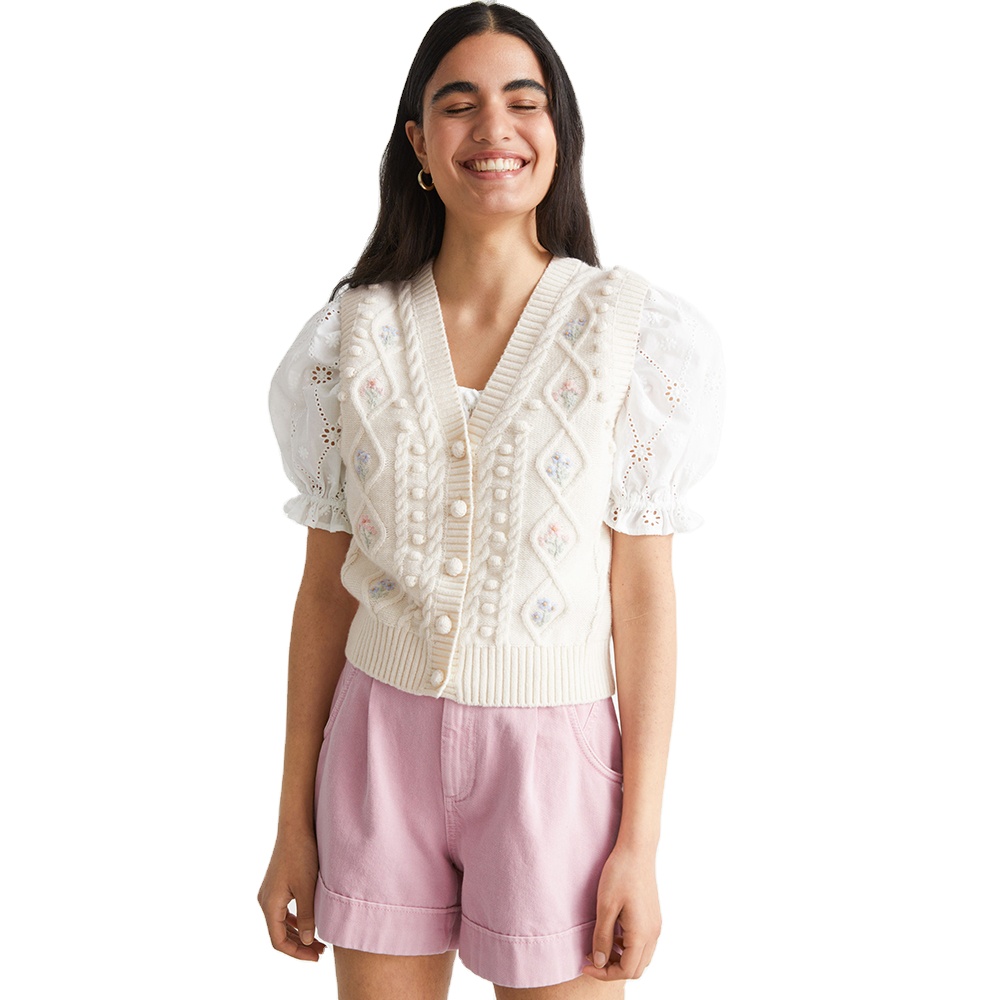
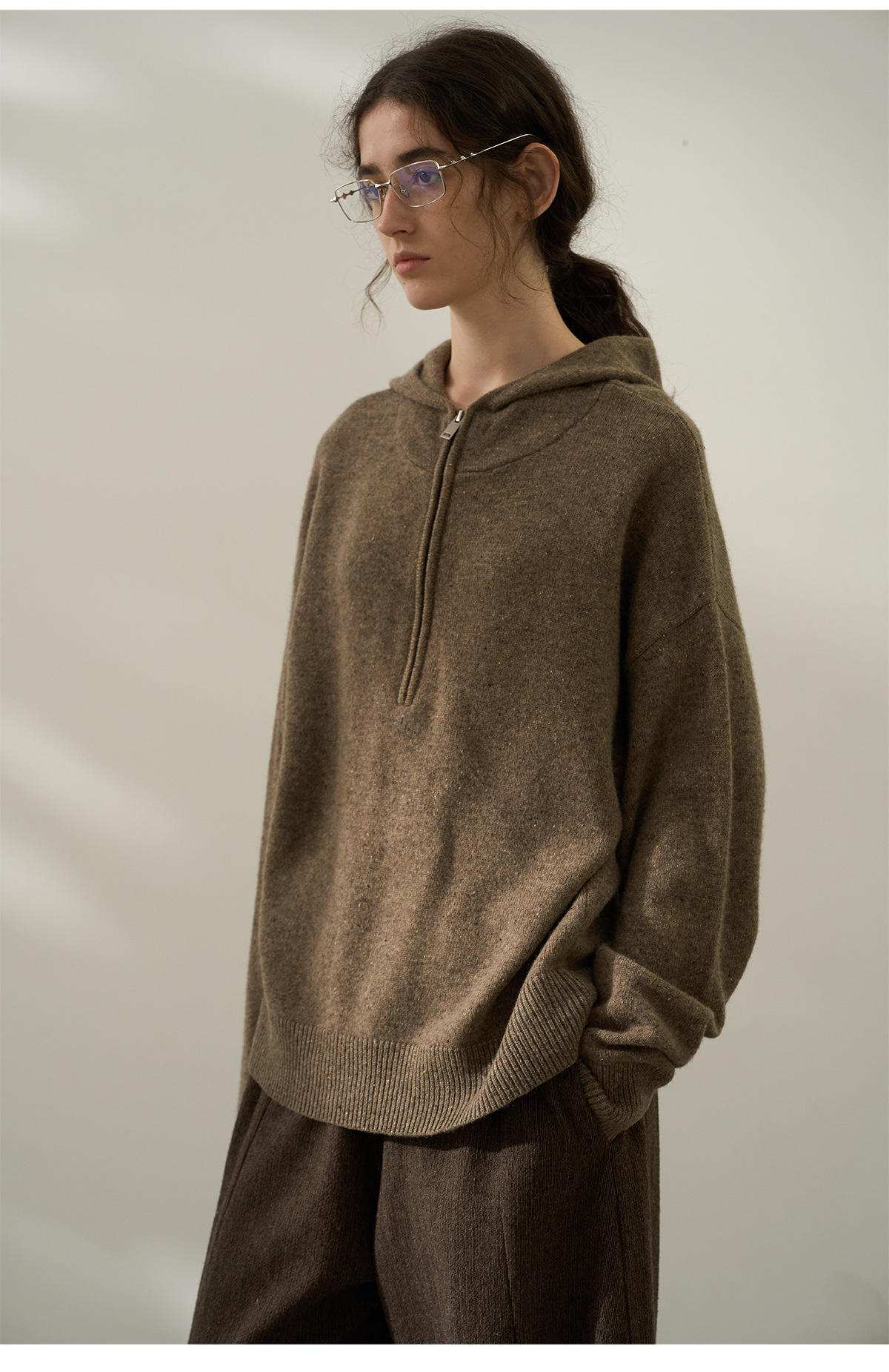
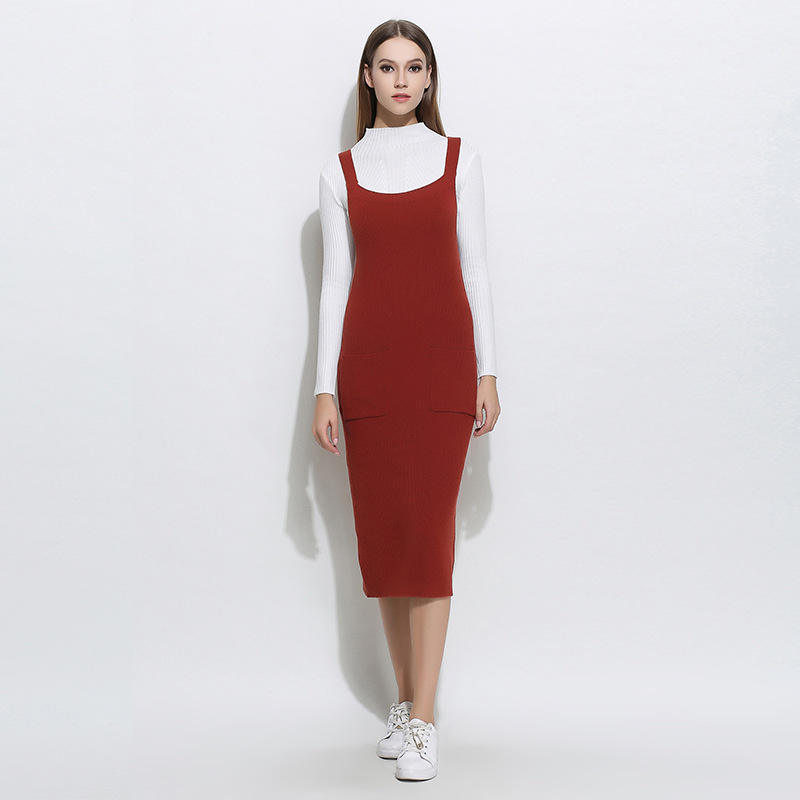
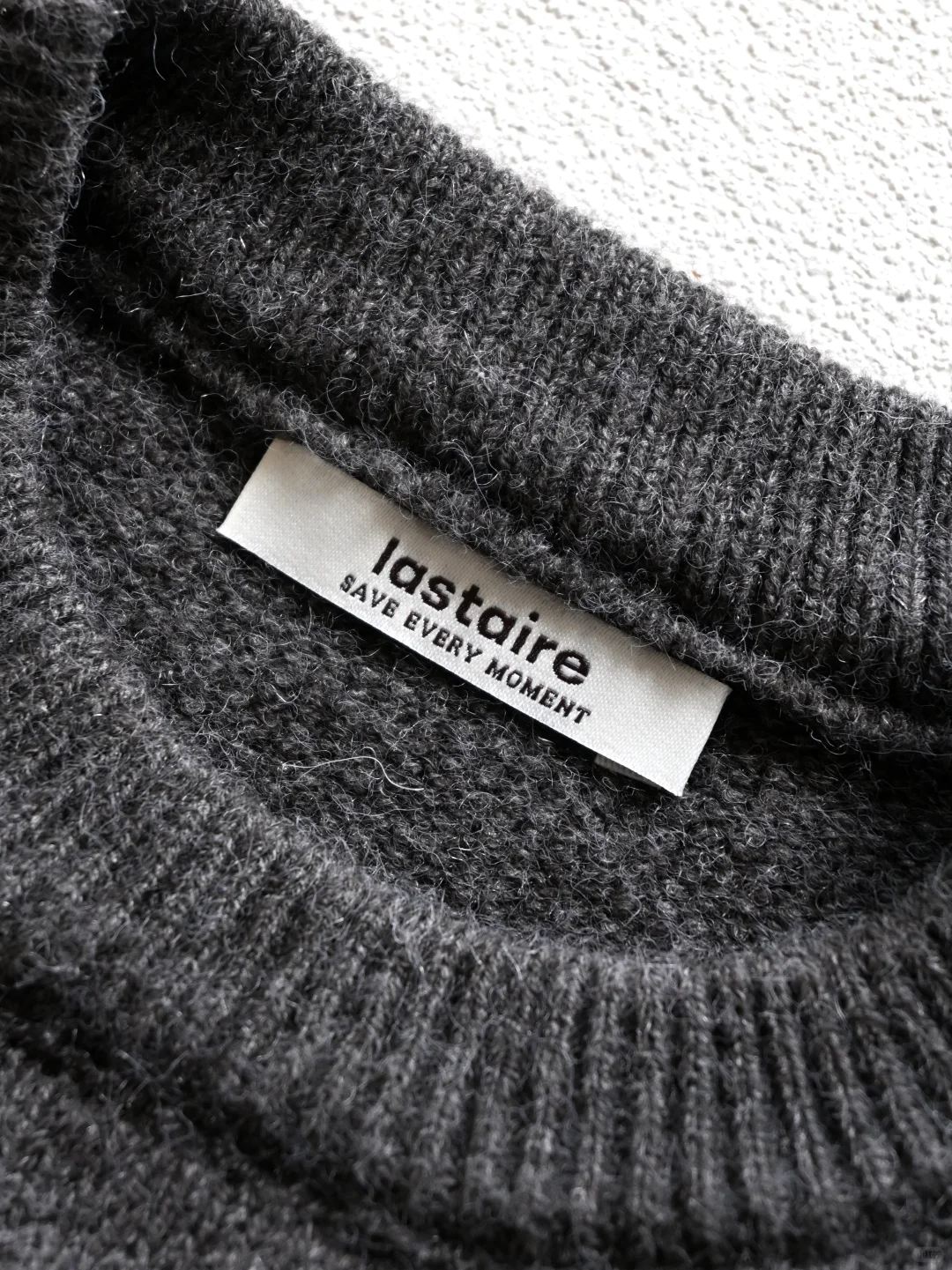
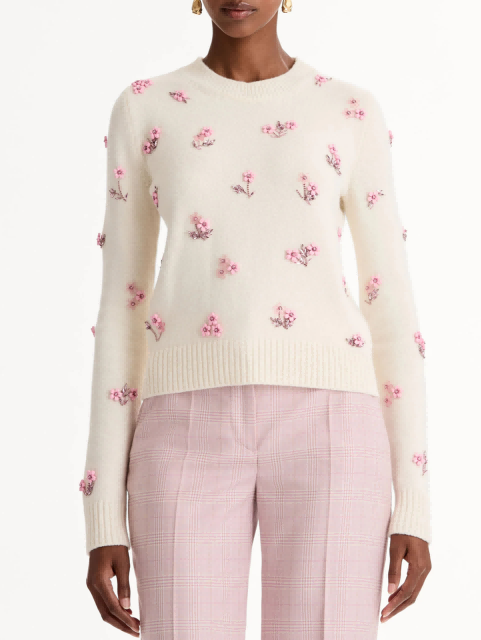
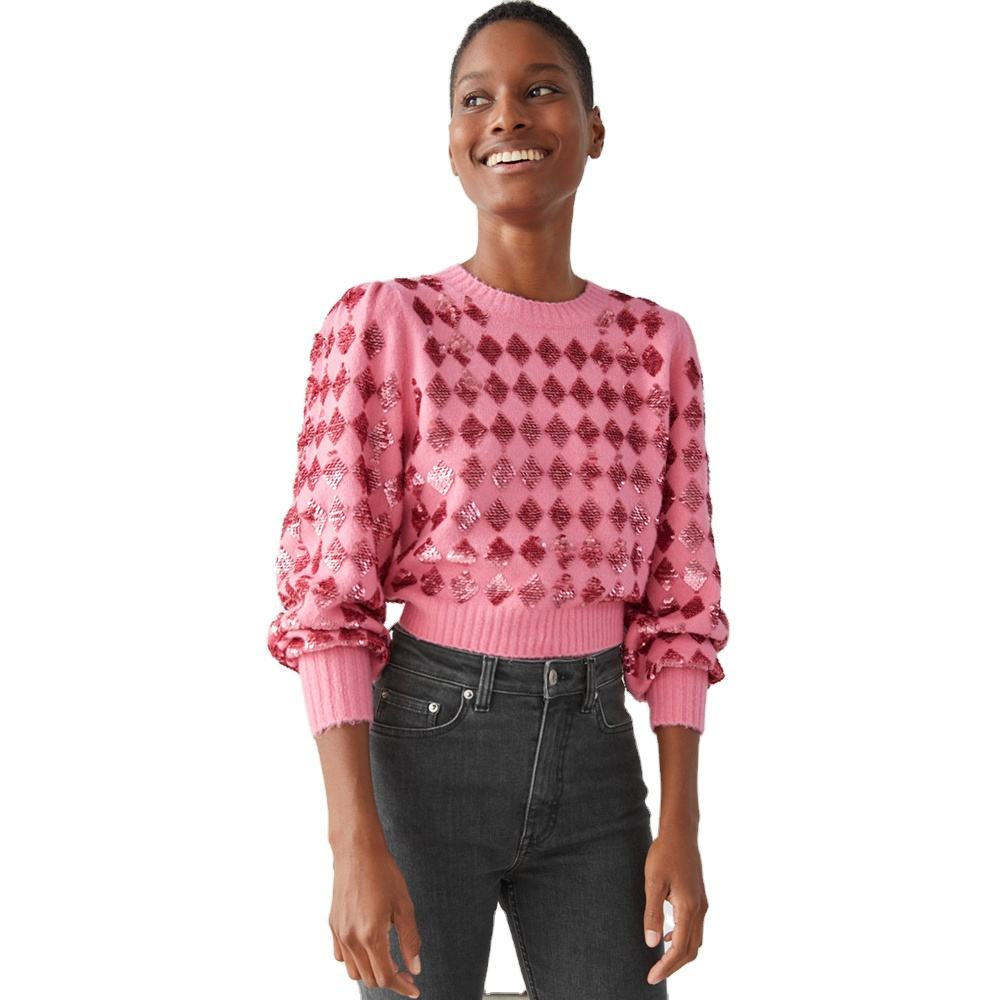
Why CENWILD Is Your Trusted Alpaca Sweater Manufacturer
28+ Years Dongguan Experience
Founded in 1998 in Humen, Dongguan — China’s premier knitwear hub — with over 200 skilled employees and proven expertise in alpaca fiber processing.
Low MOQ from 100 Pieces
Launch your alpaca sweater line without massive inventory risk. Perfect for independent designers, startups, and test collections.
In-House Knitting & Sampling
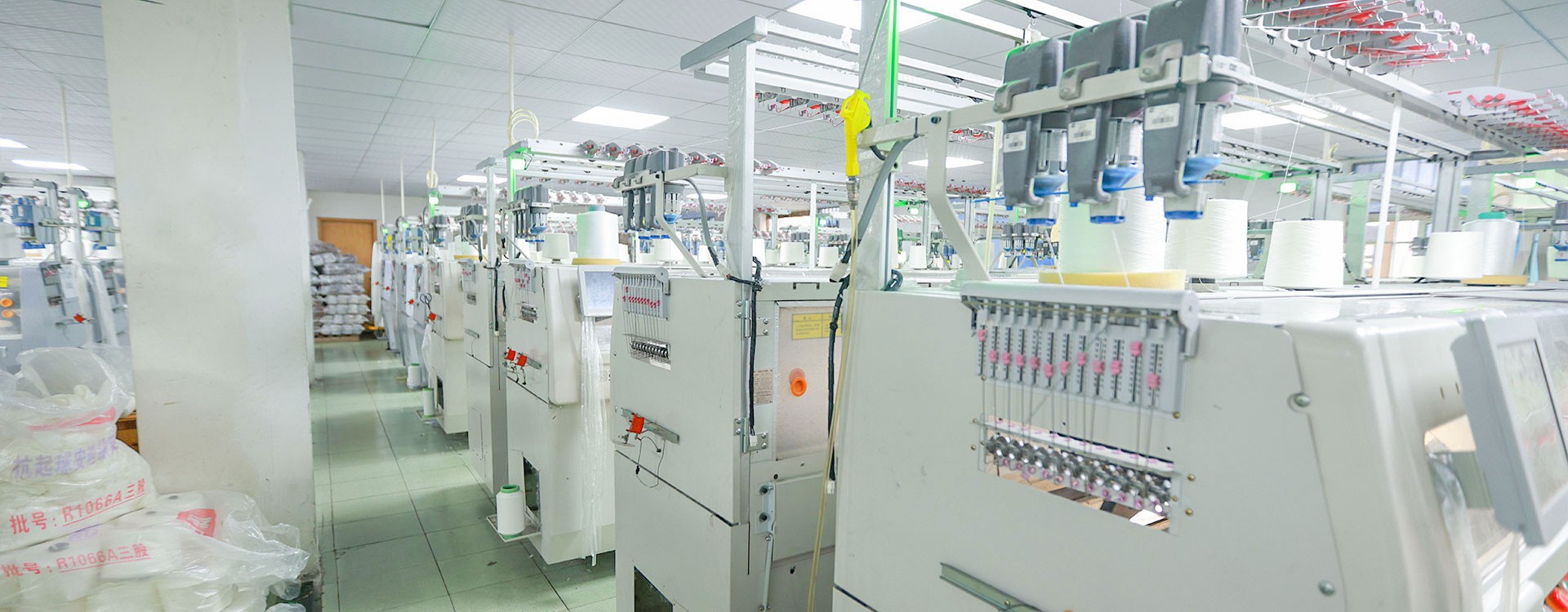
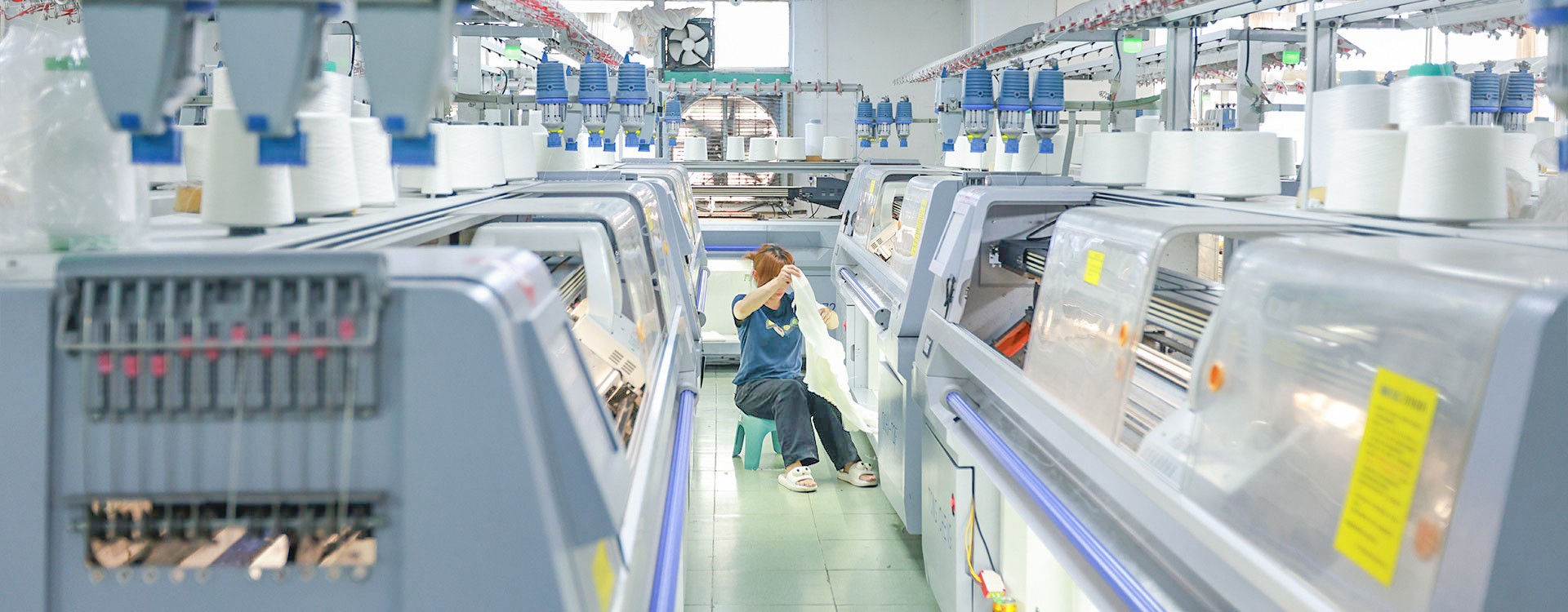
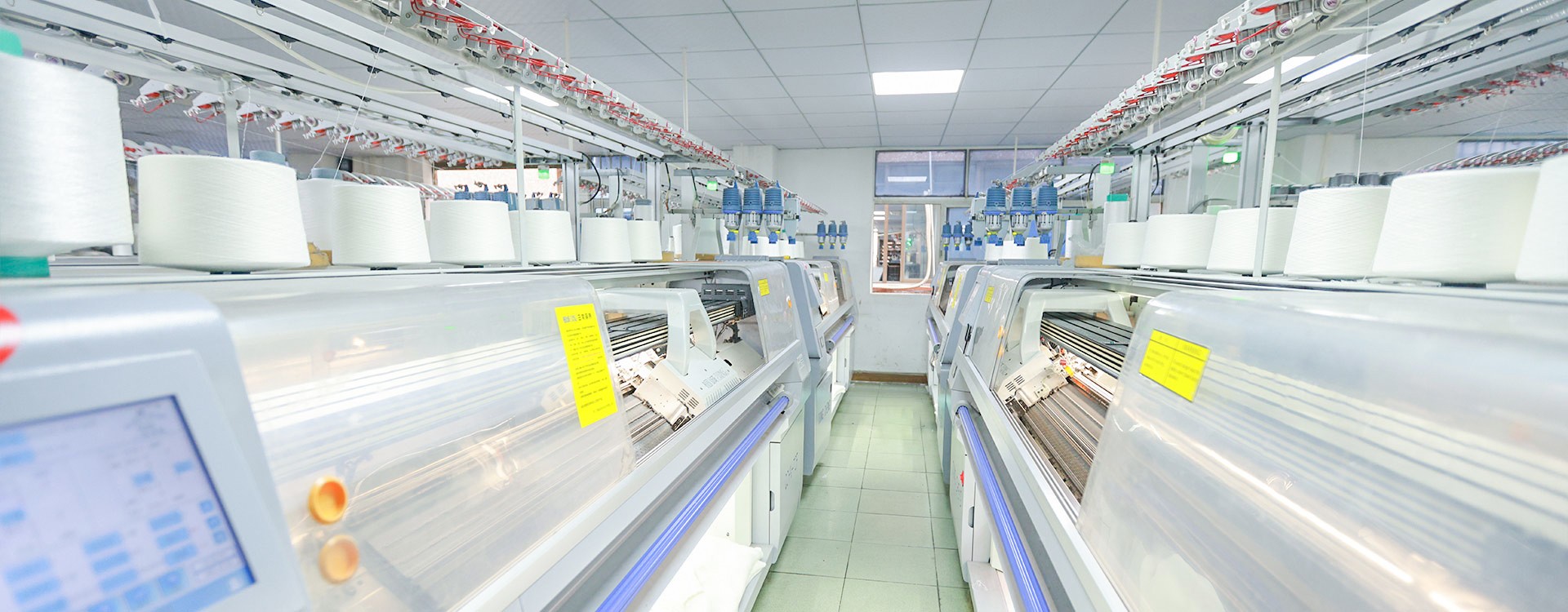
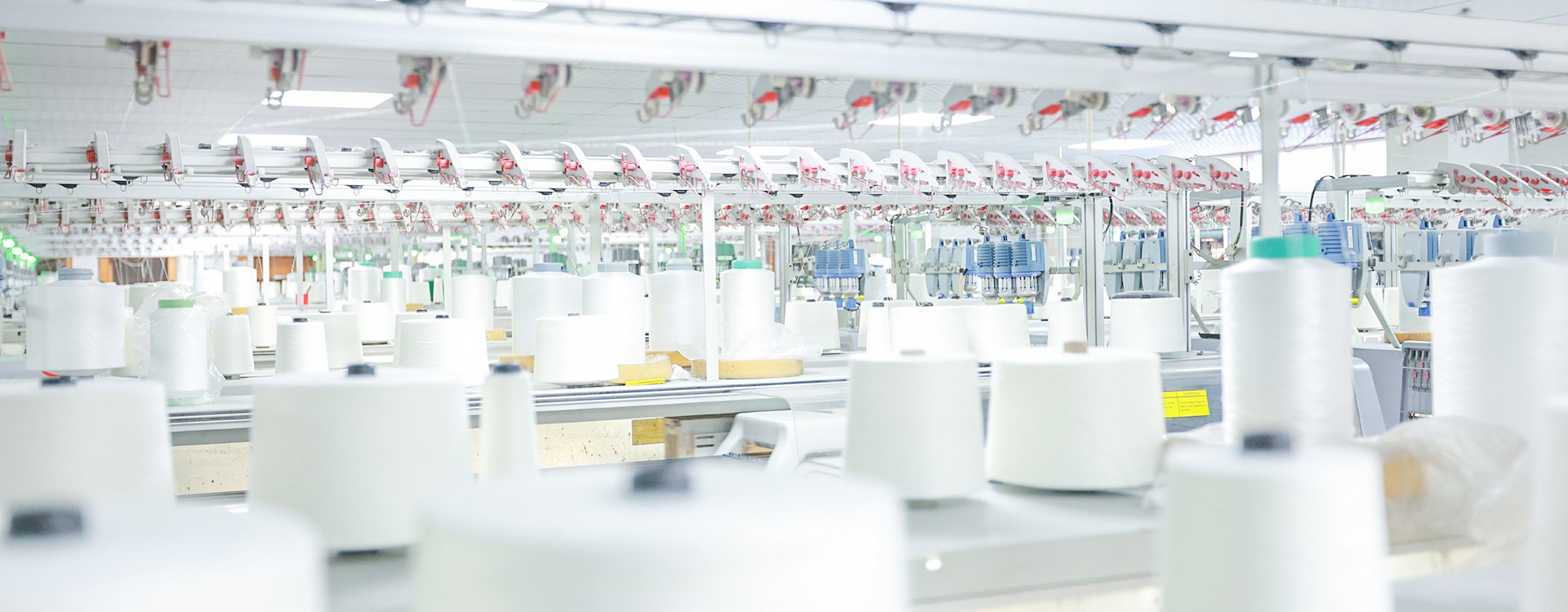
Full control over alpaca knit quality with computerized flat-knitting machines across 3GG–14GG gauges and rapid knit-down sampling.
OEM & ODM Flexibility
Bring your tech pack or start with a sketch. Our design team develops original alpaca sweater styles from concept to production-ready.
80,000+ Piece Monthly Capacity
Scale confidently with proven production capacity. We support both small-batch launches and high-volume reorders for growing brands.
2,000+ Brands Served Worldwide
Trusted by fashion brands, retailers, and designers across the US, Canada, UK, Europe, Australia, Russia, and the Middle East.
Sweater Categories We Manufacture
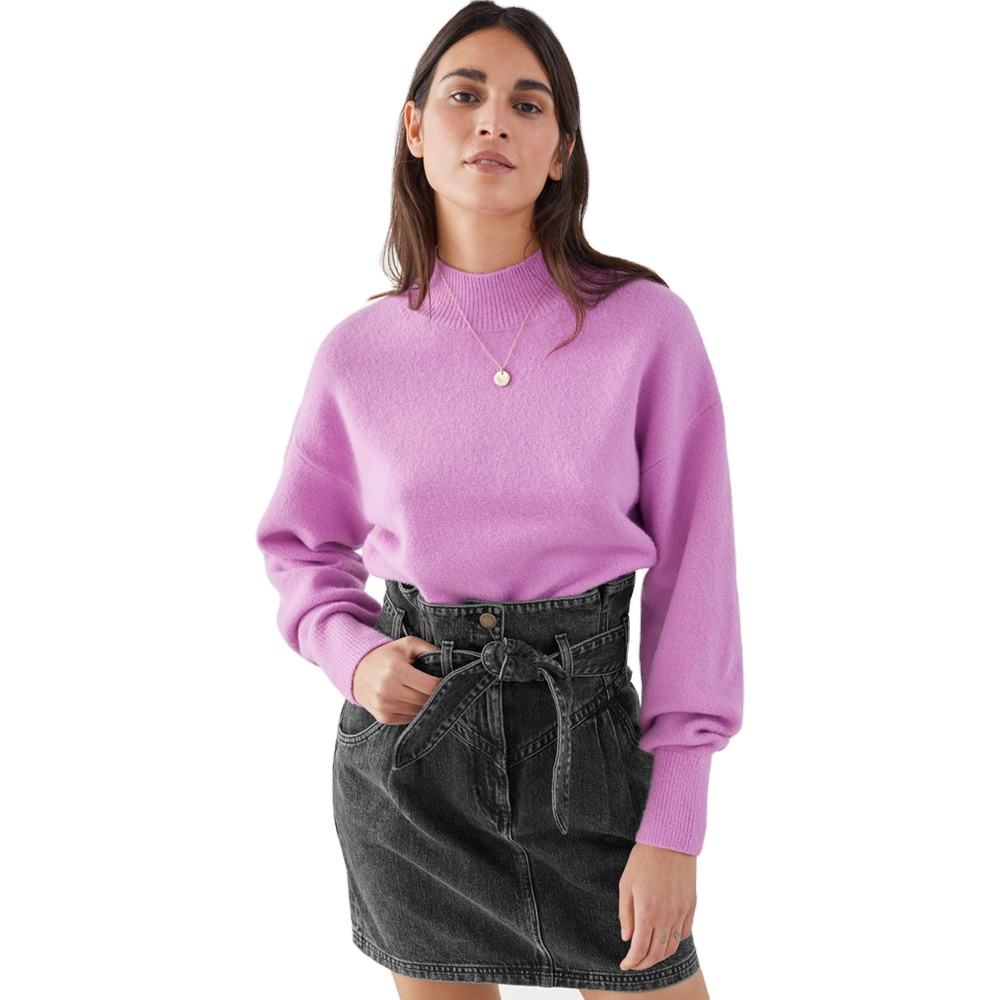
Mohair Sweater Manufacturer
CENWILD produces mohair sweaters across all gauges and constructions—from brushed mohair blends with soft hand-feel to structured jacquard and intarsia patterns. Our 28+ years of yarn sourcing expertise ensures stable supply and consistent quality, whether you need lightweight spring pieces or chunky cold-weather styles. MOQ starts at 100 pieces with full ODM and private label support.
Get a Quote
Acrylic Sweater Manufacturer
Our acrylic sweater manufacturing delivers cost-effective knitwear without compromising finish or durability. We work with premium acrylic yarns and blends across cardigans, pullovers, and seasonal styles, offering anti-pilling treatments, garment washing, and decorative techniques including embroidery and printing. Ideal for brands targeting accessible price points with reliable production timelines and low minimum orders.
Get a QuotePremium Fibers Your Alpaca Sweater Manufacturer Works With
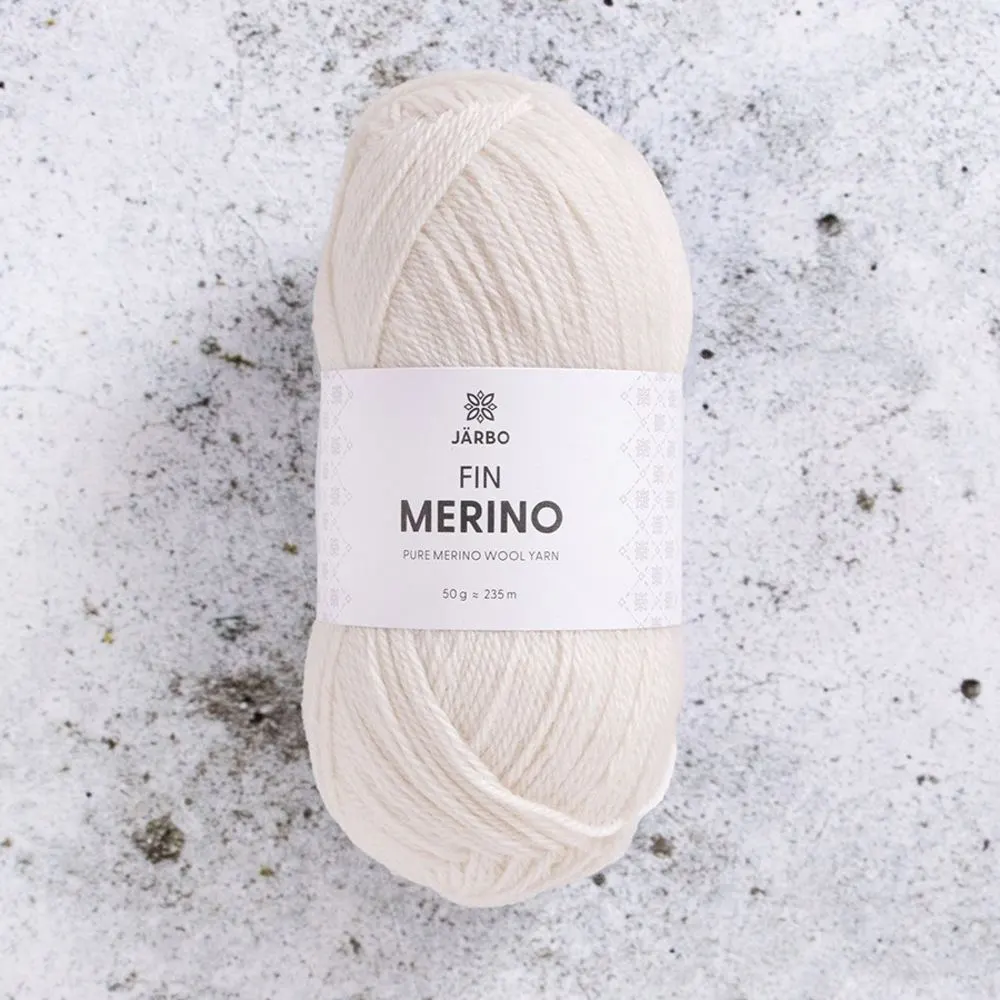
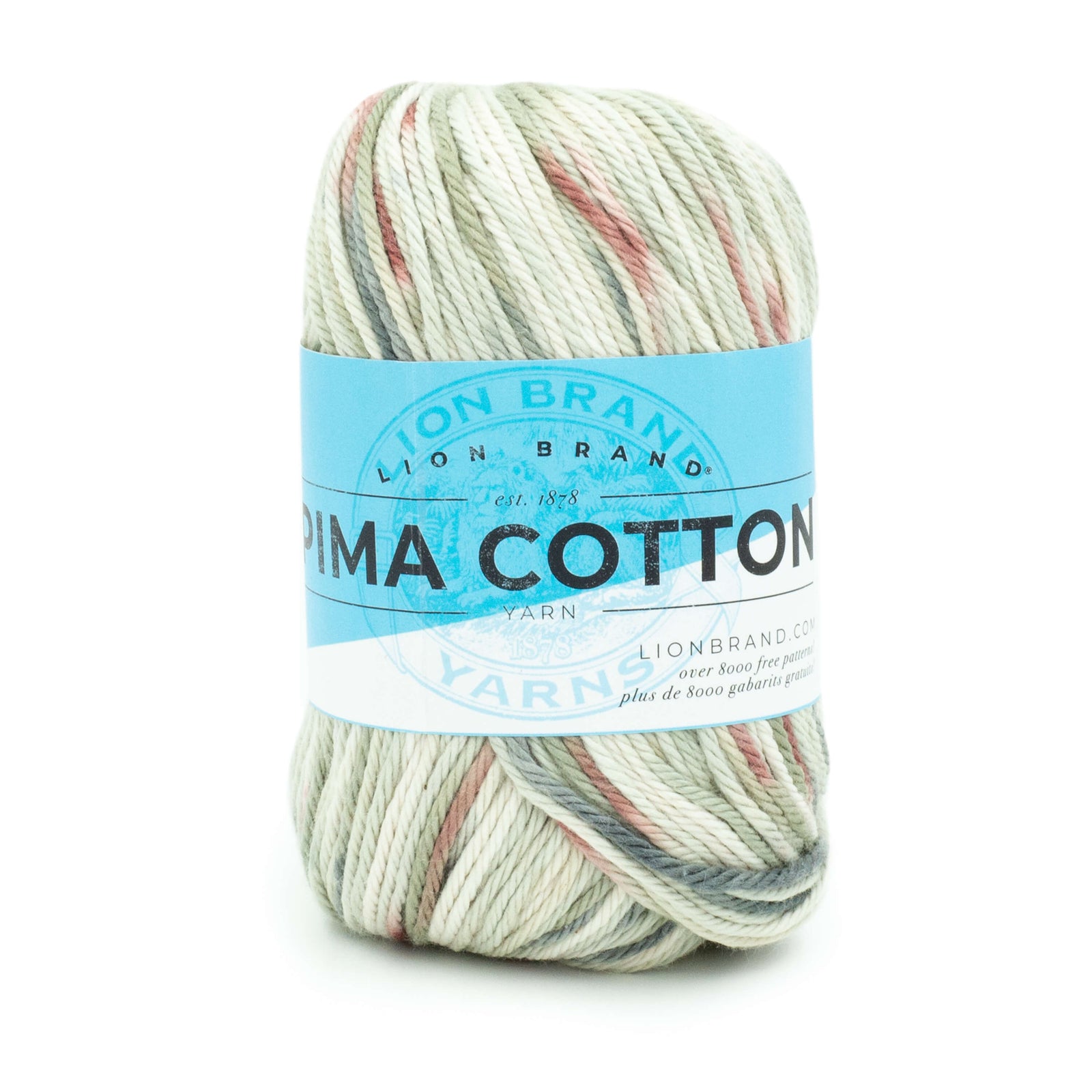
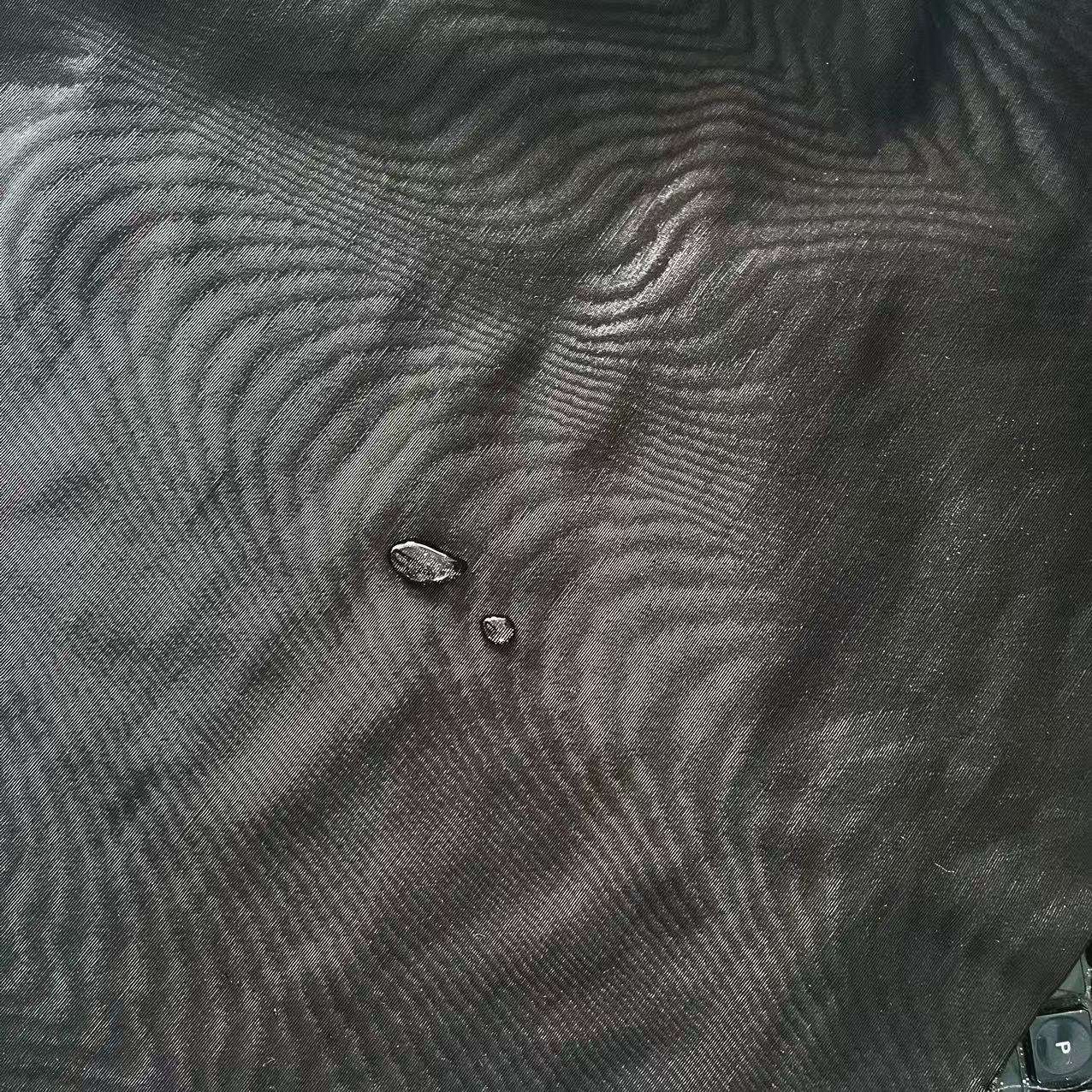
Mohair Blends
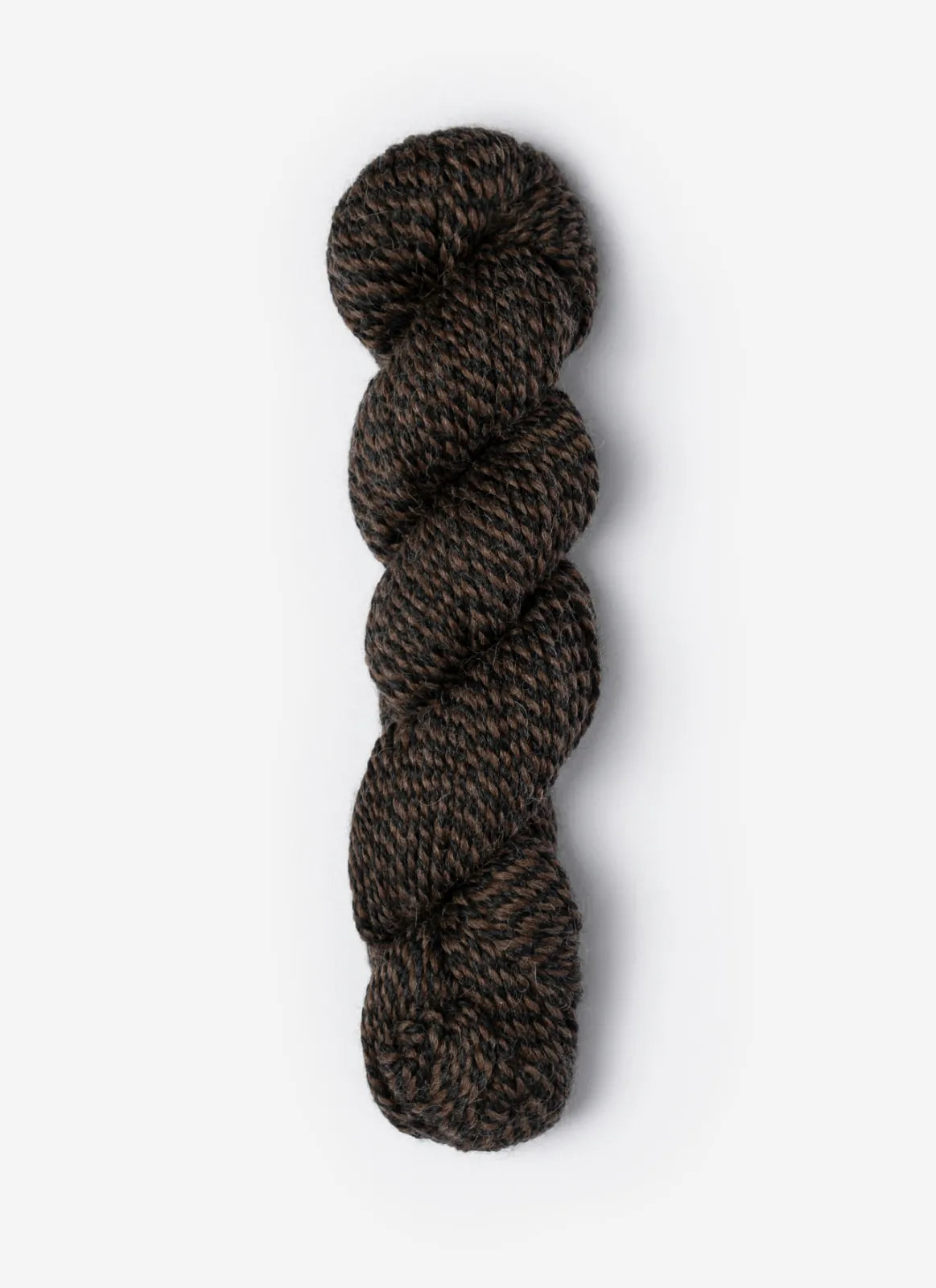
Lustrous, durable fiber with a distinctive halo effect and excellent dye uptake. Perfect for textured knits, fashion-forward pieces, and cozy winter sweaters. Adds warmth and visual interest to any design.
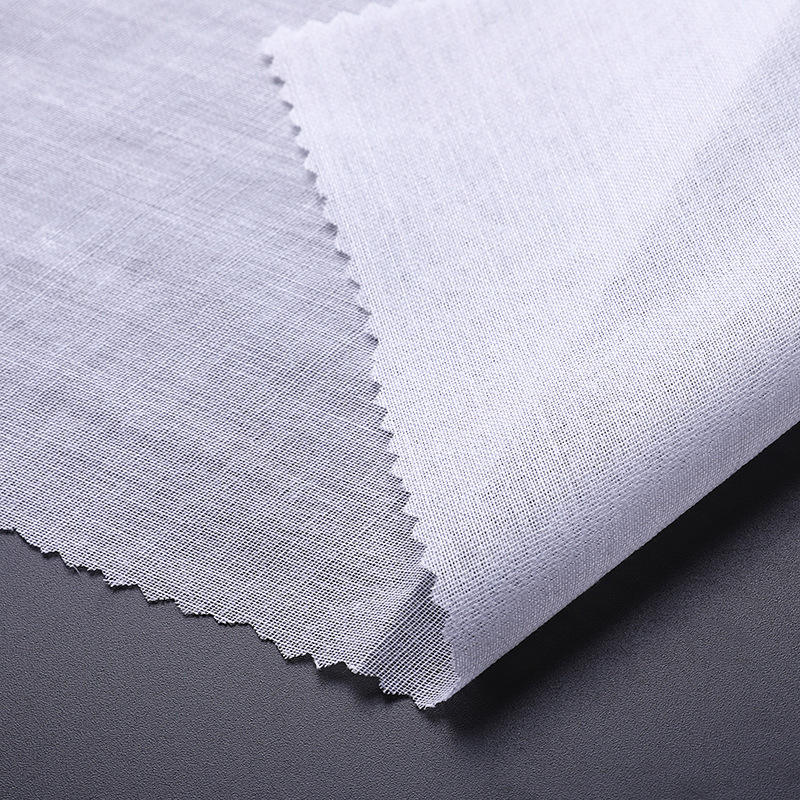
Knitting & Finishing Techniques From Your Alpaca Sweater Manufacturer
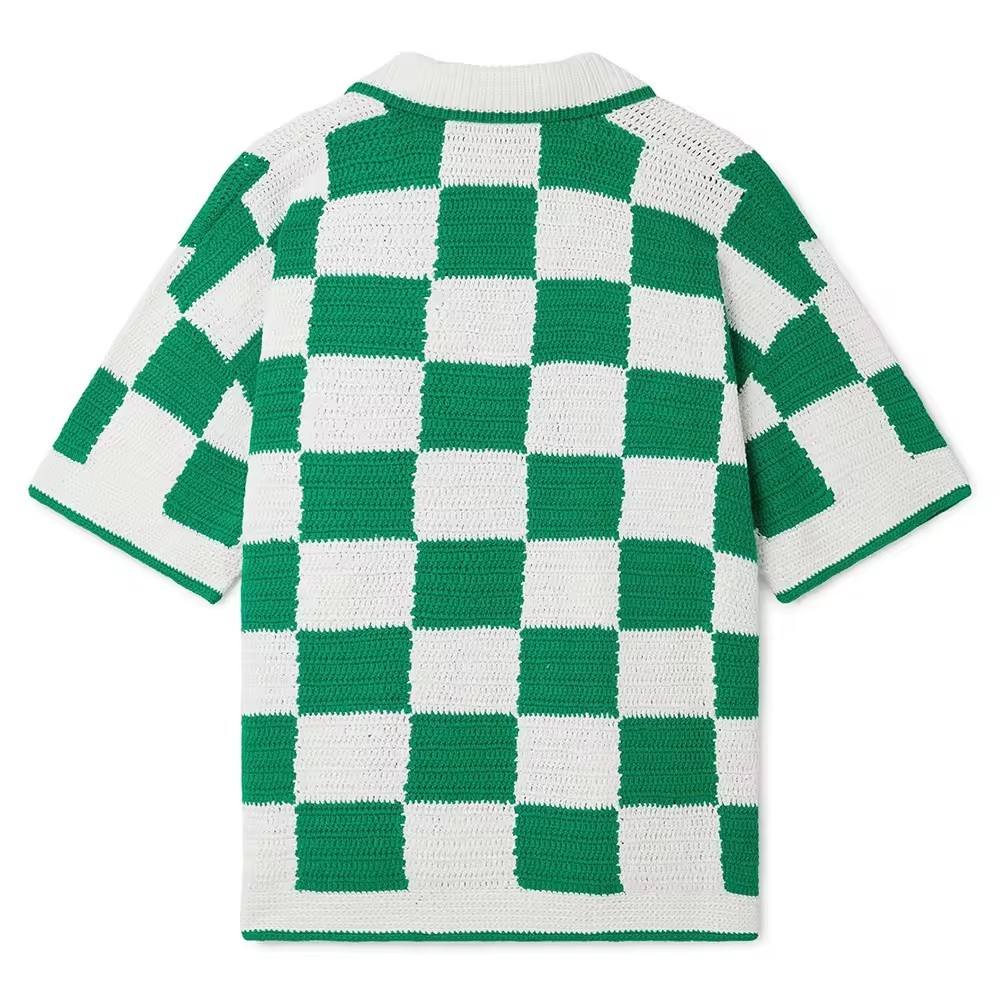
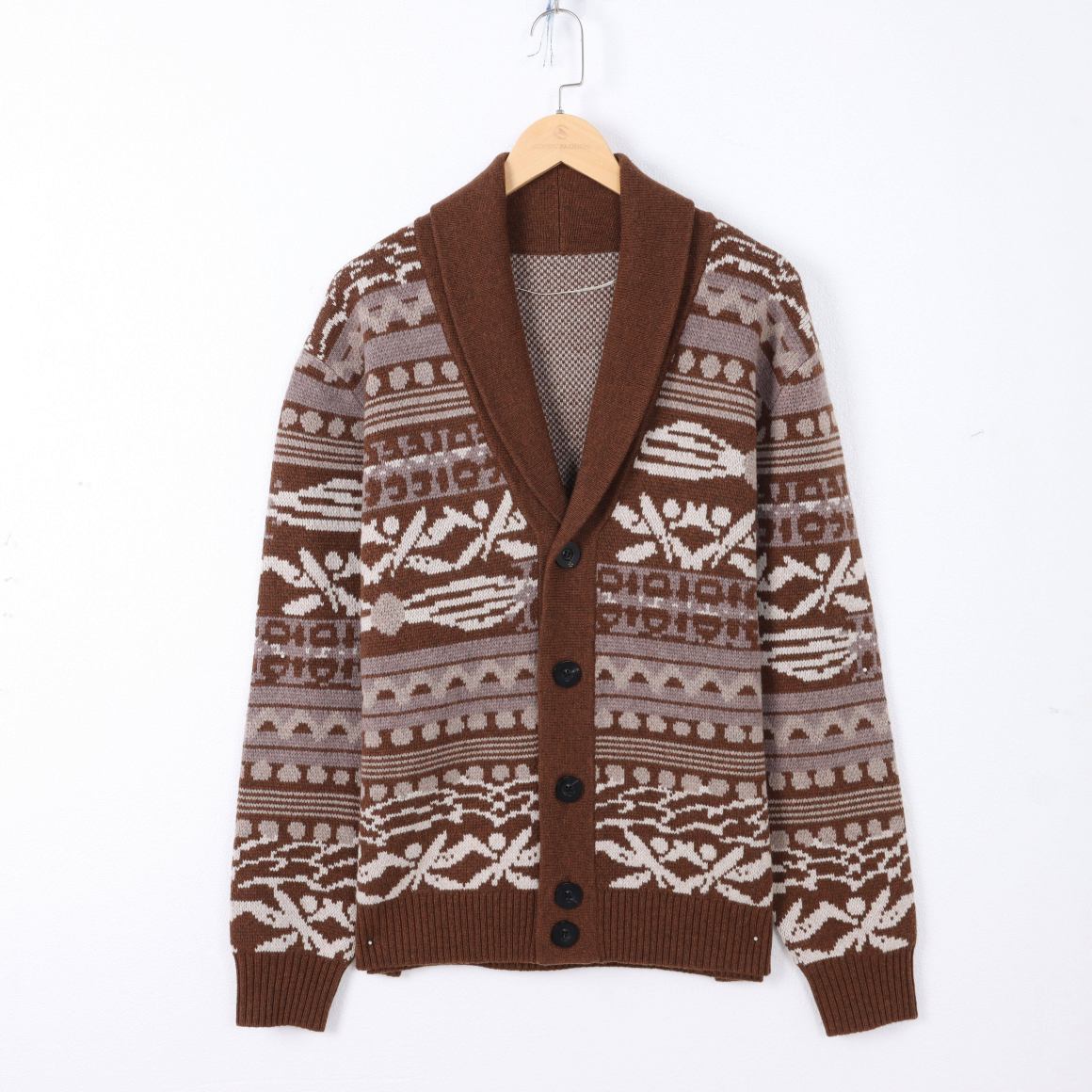
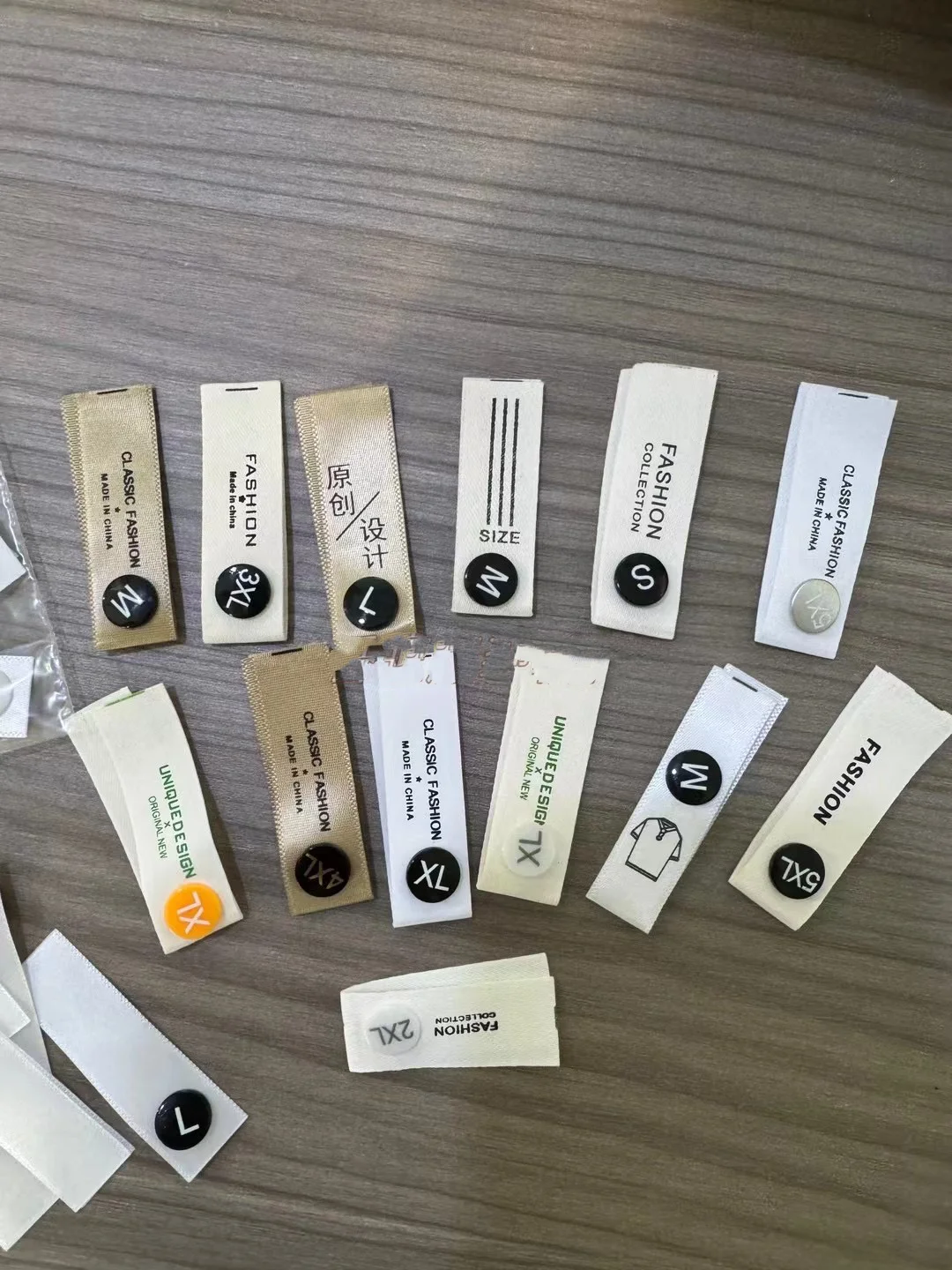
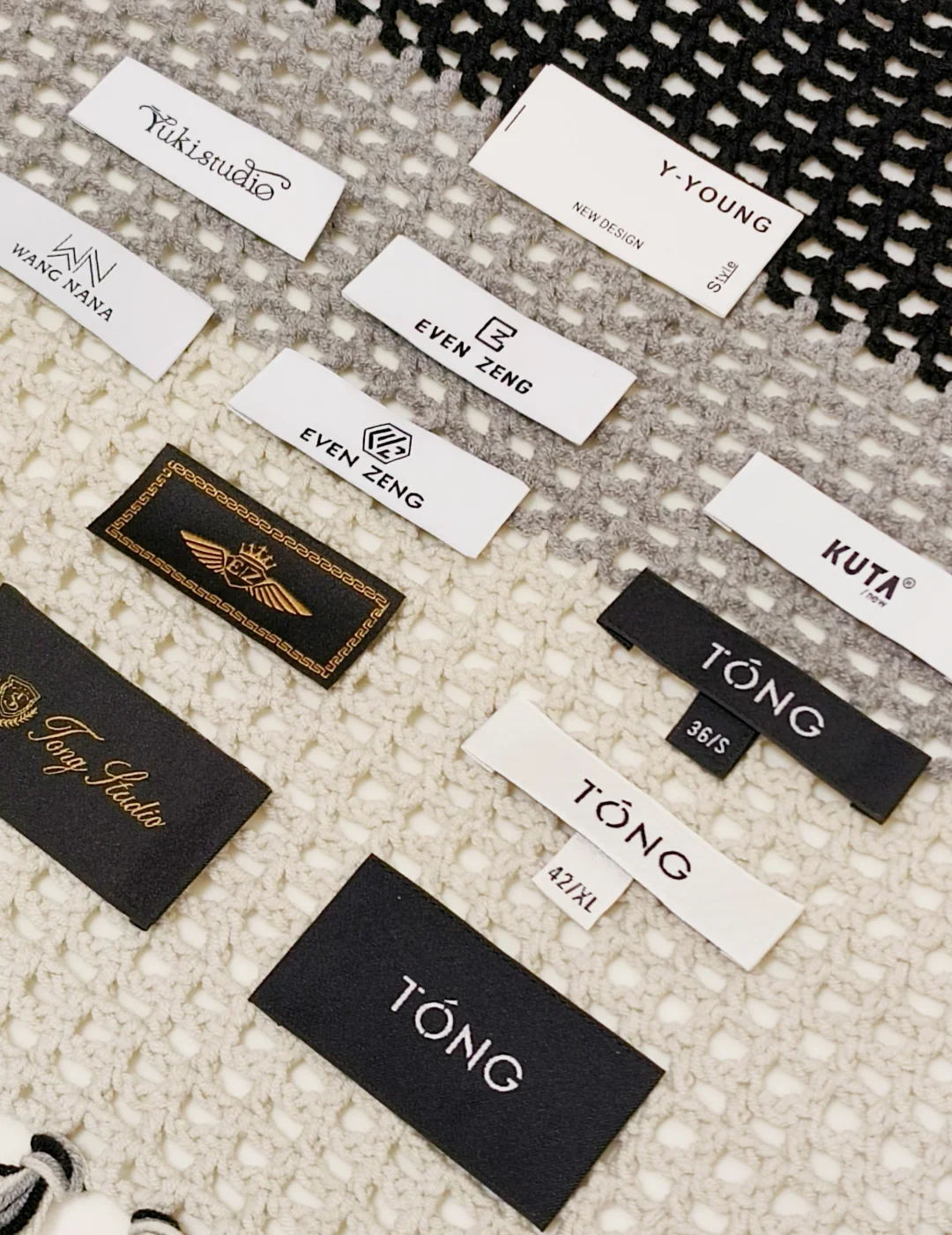
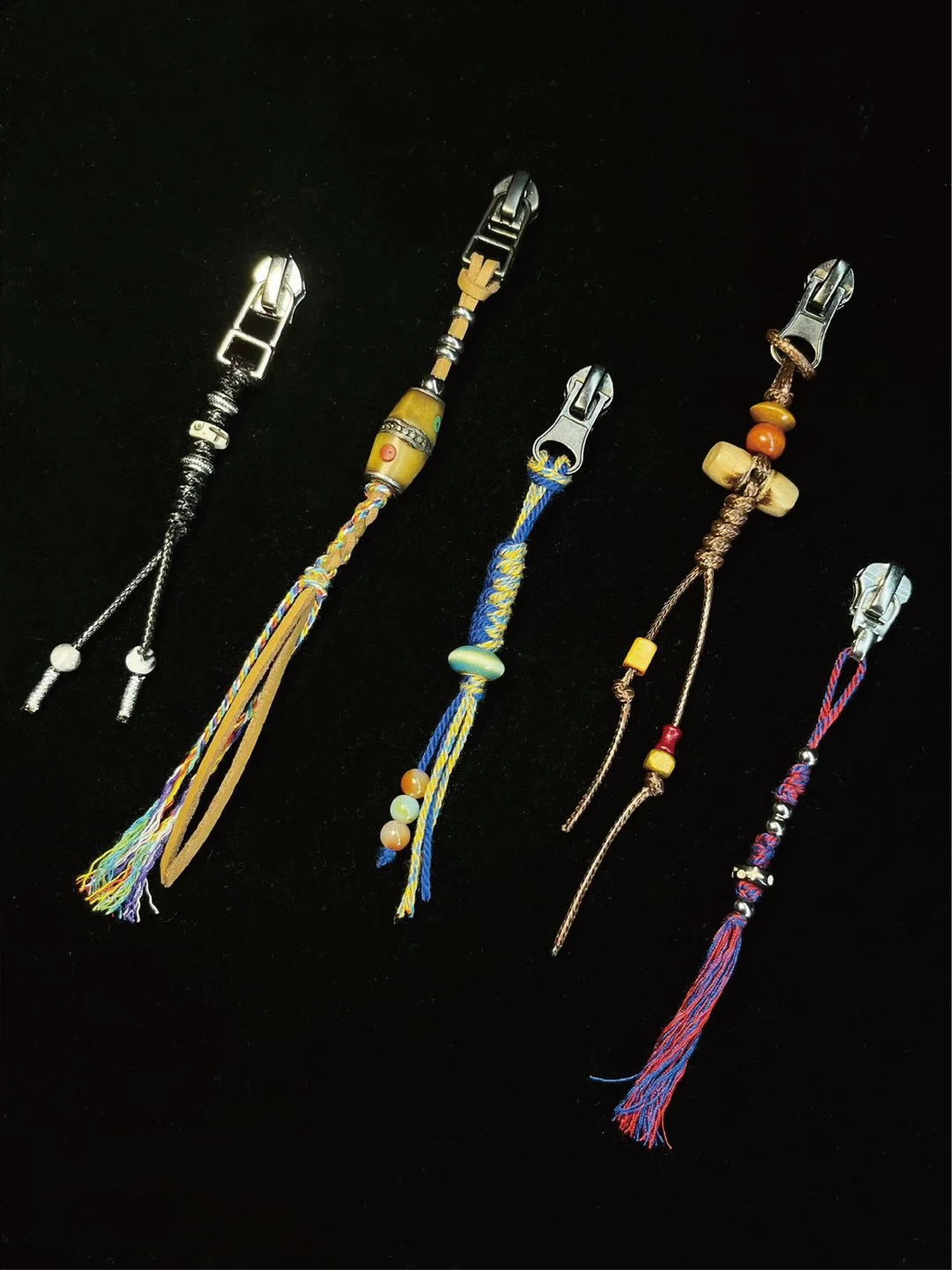
Decoration & Trim Options for Your Alpaca Sweater Manufacturer Needs
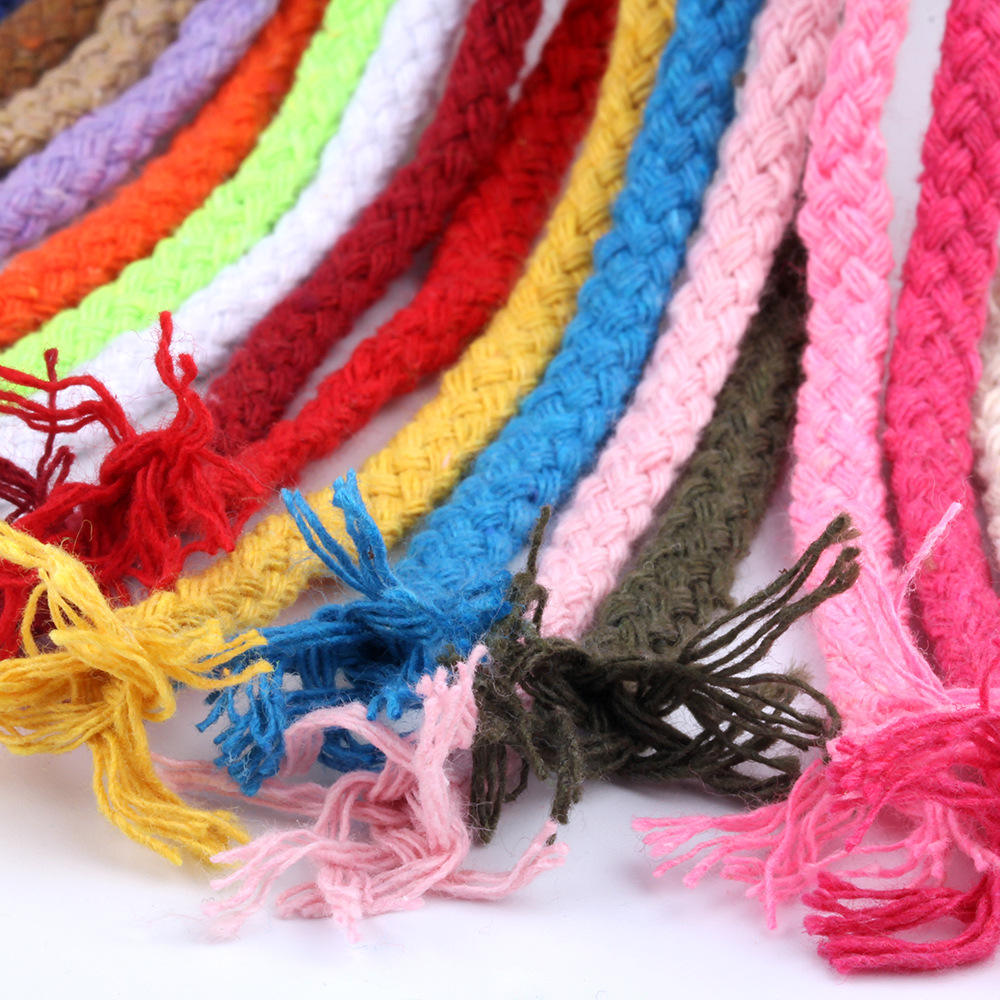
Drawcords & Tipping
Round, flat, and custom-dyed drawcords with metal or plastic aglets, plus tipping on collars and cuffs to add functional detail and sporty or heritage styling to alpaca pieces.
Your Trusted Alpaca Sweater Manufacturer Since 1998
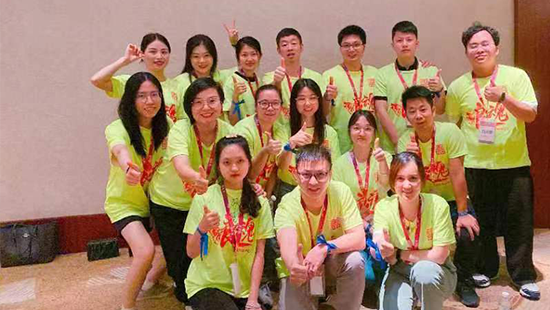
Founded in 1998 in Humen, Dongguan — the heart of China’s premier knitwear region — CENWILD began as a small family knitting and linking workshop. Over 28 years we have grown into a full-service alpaca sweater manufacturer with more than 200 skilled employees, state-of-the-art computerized flat-knitting machines, and a monthly production capacity exceeding 80,000 pieces.
Today CENWILD serves over 2,000 fashion brands worldwide, offering OEM, ODM, and private label production with MOQ starting from just 100 pieces. Our in-house capabilities span design development, yarn sourcing, knit-down sampling, production, quality control, decoration, packaging, and export logistics — all under one roof in Dongguan.
Guided by our core values of Quality First and Customer Growth, we position ourselves not as a simple supplier but as the long-term manufacturing backbone behind growing fashion brands. Whether you arrive with a finished tech pack or only an idea, our dedicated design team and decades of craftsmanship turn your vision into production-ready alpaca knitwear.
Core Capabilities of Your Alpaca Sweater Manufacturer
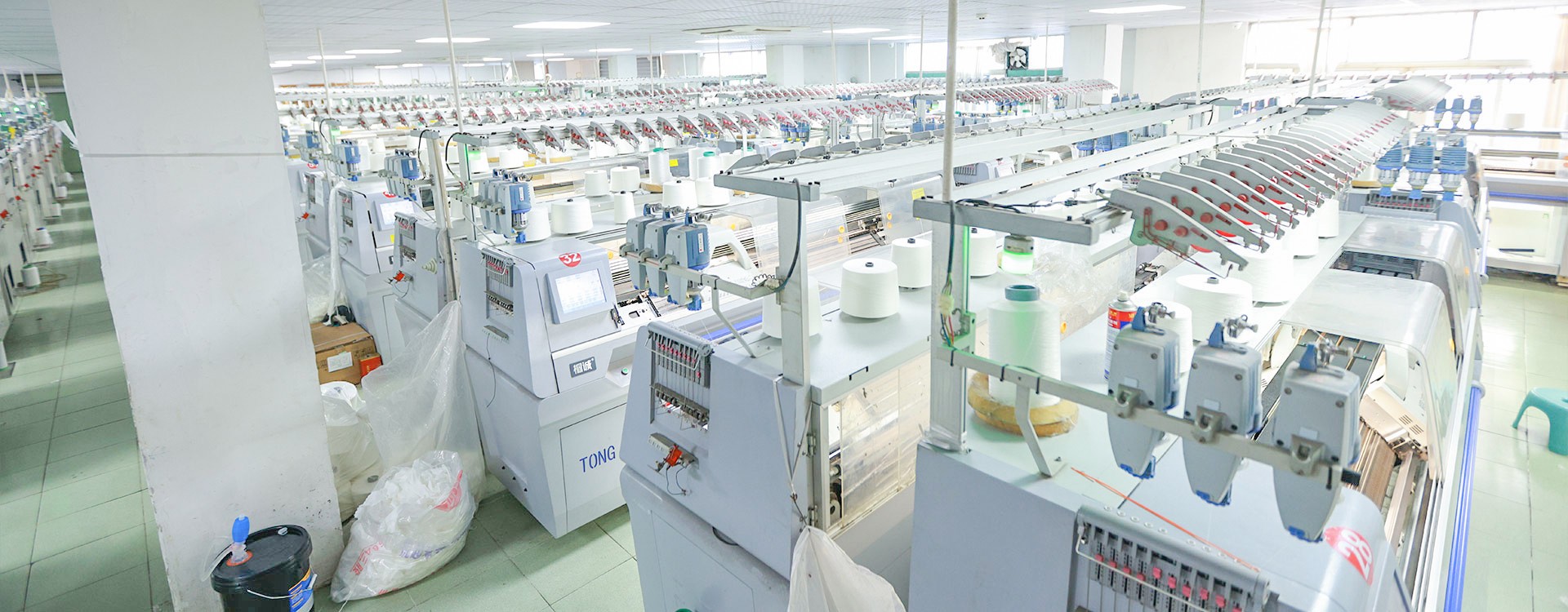
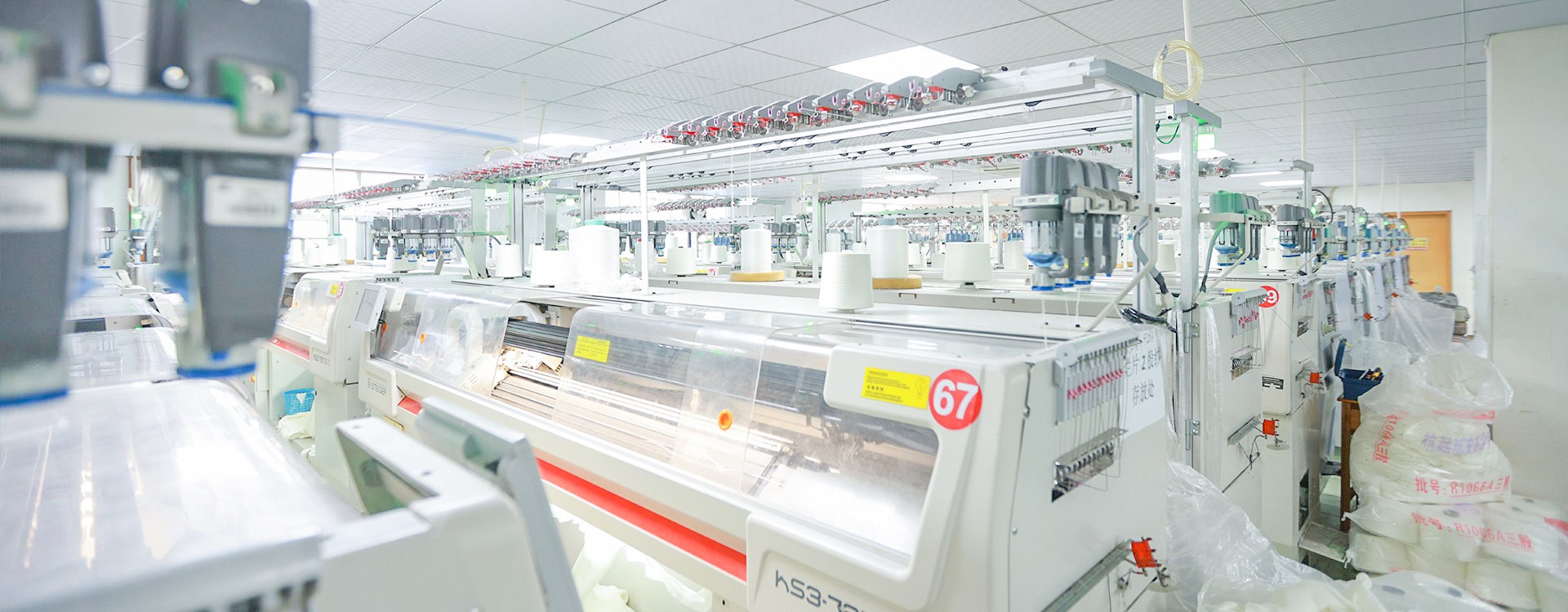
In-House Flat-Knitting Across 3GG–14GG Gauges
CENWILD operates computerized flat-knitting machines spanning 3GG to 14GG gauges, enabling us to produce everything from chunky, textured alpaca cardigans to fine-gauge luxury pieces. Our 80,000-piece monthly capacity ensures your alpaca sweater orders scale smoothly from sampling to full production runs.
- 3GG–14GG gauge range for chunky to fine alpaca knits
- 80,000+ pieces monthly capacity
- Intarsia, jacquard, cable, and fully-fashioned techniques
- Consistent stitch quality across all gauges
Design Development & Knit-Down Sampling
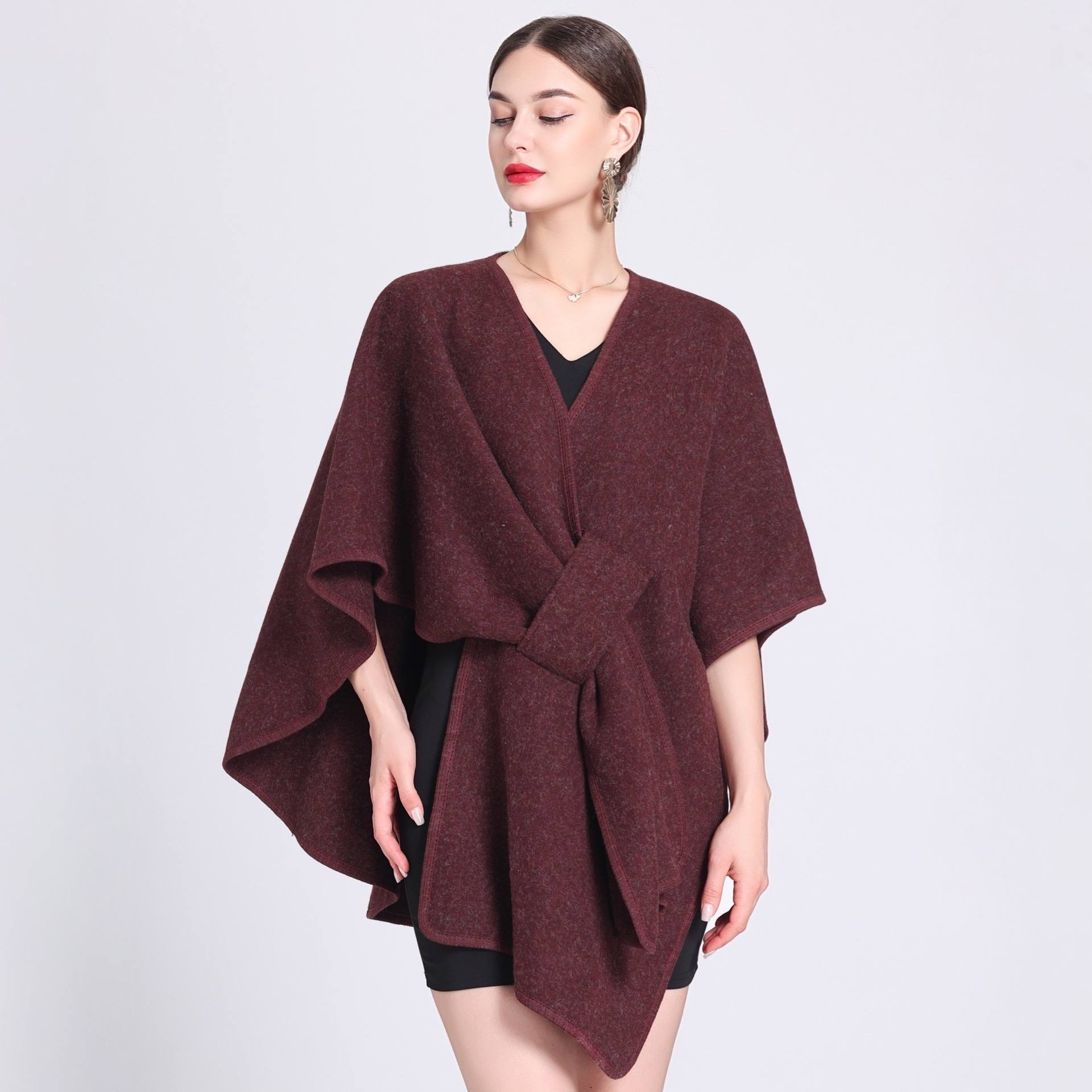
Our dedicated design team transforms your vision into production-ready alpaca knitwear. Whether you arrive with a tech pack, a sketch, or just an idea, we handle original stitch design, 3D knit programming, grading, and physical knit-down swatches to perfect every detail before bulk production begins.
- Original stitch and pattern design for alpaca fibers
- 3D knit programming and grading services
- Physical knit-down swatches for approval
- Support from concept to tech-pack finalization
Rigorous Quality Control & Finishing
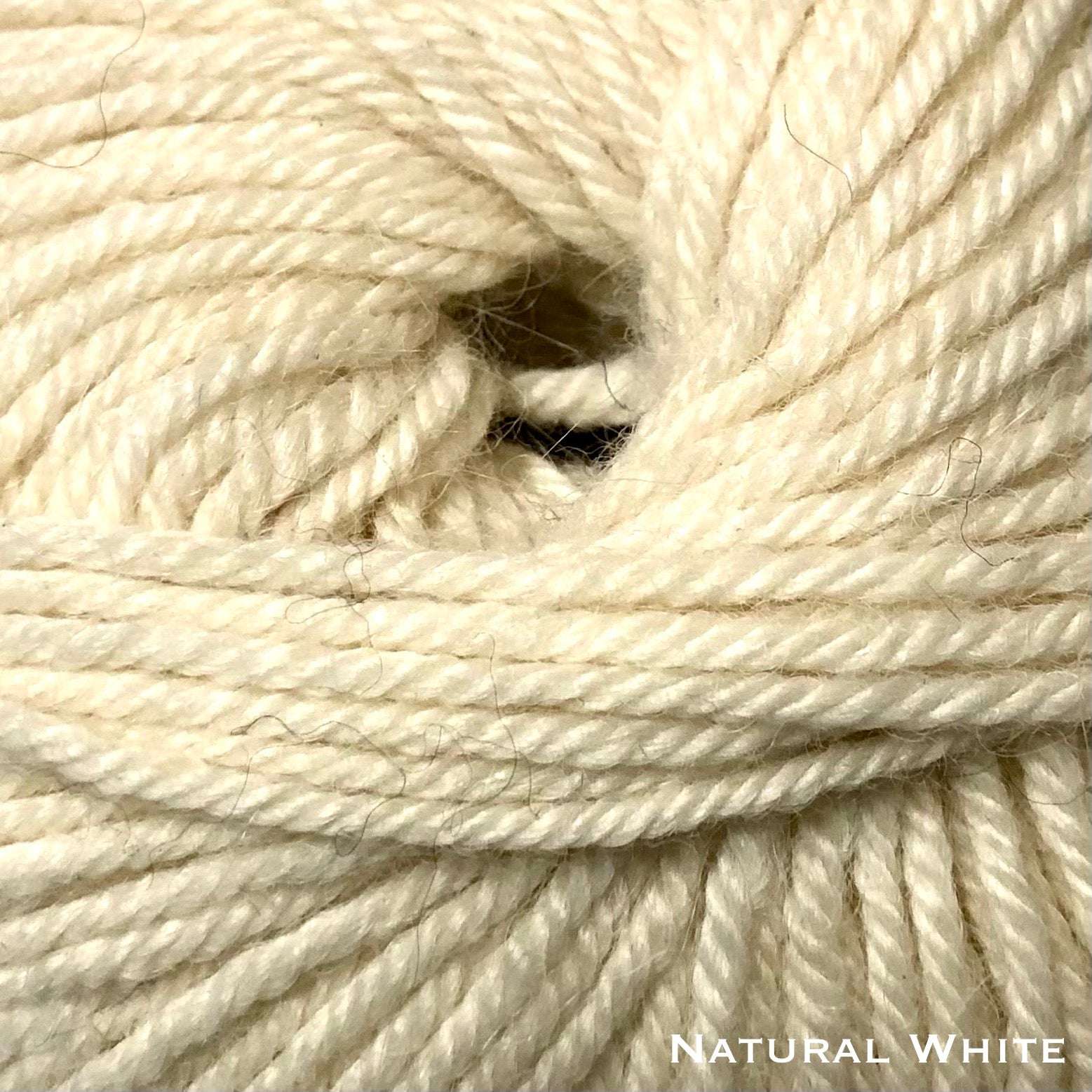
Every alpaca sweater passes through multi-stage inspection: yarn receiving, in-line knitting checks, pre-wash audits, post-finishing review, and final packing verification. Our garment finishing services—softening, anti-pilling treatment, garment dye, and brushing—enhance the natural luxury of alpaca while ensuring durability and consistent hand-feel.
- Five-stage quality inspection process
- Garment washing: softening, anti-pilling, dye, brushing
- Specialized care for delicate alpaca fibers
- Final audit before shipment
Seamless Export Logistics & Documentation
With 28 years of international shipping experience, CENWILD manages all export documentation, customs compliance, and freight coordination to deliver your alpaca sweaters on time. We serve brands across North America, Europe, Australia, Russia, and the Middle East with transparent tracking and reliable lead times.
- Full export documentation and customs support
- Shipping to US, Canada, UK, EU, Australia, Russia, Middle East
- Transparent tracking and lead-time management
- 28+ years of reliable international logistics
CENWILD vs. Typical Alpaca Sweater Manufacturer
See how our 28+ years of experience, flexible terms, and in-house capabilities give your brand the edge it needs to launch faster and scale smarter.
← 左右滑动查看 →
From Concept to Shipment — Our Alpaca Sweater Manufacturer Workflow
Every alpaca sweater order follows a transparent, quality-controlled process from yarn selection through export. Here’s how CENWILD manages your production from start to finish.
Yarn Sourcing & Selection
We source premium alpaca fiber and blends from certified suppliers, matching your quality and budget requirements with full traceability and fiber testing.
Design & Sampling
Our design team develops tech packs, stitch patterns, and 3D knit programming, then produces knit-down samples for your approval before production begins.
Knit-Down Production
Computerized flat-knitting machines across 3GG–14GG gauges knit your alpaca sweaters to specification, with real-time quality checks at every panel.
Linking & Assembly
Skilled technicians link seams, attach collars, cuffs, and trims, then conduct inline inspections to ensure construction integrity and dimensional accuracy.
Finishing & Quality Control
Garments undergo washing, softening, anti-pilling treatment, pressing, and final QC inspection against your approved sample and tech pack standards.
Packaging & Export Logistics
Each piece is folded, tagged, and packed per your branding guidelines, then consolidated for shipment with full documentation and freight coordination to your destination.
How to Partner With Your Alpaca Sweater Manufacturer
From first contact to finished goods, CENWILD makes custom alpaca knitwear production transparent, fast, and fully supported at every step.
Submit Your Tech Pack or Brief
Share your design specs, sketches, or even just an idea. Our team reviews your requirements and confirms feasibility within 24 hours.
Receive Quote and Free Sample
Get a detailed quotation with pricing, timeline, and MOQ. Approve a knit-down sample to confirm yarn, gauge, and construction before production.
Approve Production and Pay Deposit
Sign off on the approved sample. Submit your deposit to lock in materials and production slots with flexible payment terms.
Bulk Manufacturing Begins
Your order enters our Dongguan facility. Track progress through knitting, linking, washing, decoration, and finishing with regular photo updates.
Quality Check and Final Inspection
Every alpaca sweater undergoes multi-point QC for sizing, stitching, color, and finishing before packing. Third-party inspections are welcome anytime.
Shipment and Delivery Coordination
Complete balance payment and receive full export documentation. We arrange freight or work with your forwarder to deliver on schedule.
Certified Alpaca Sweater Manufacturer — Quality & Compliance You Can Trust

What Our Clients Say About Our Alpaca Sweater Manufacturer Services
CENWILD’s 100-piece MOQ let us test our alpaca cardigan line without huge risk. We sold out in 6 weeks and reordered 500 pieces. Their sampling speed gave us a 3-week head start over competitors.
We needed custom alpaca-merino blend sweaters with intricate jacquard patterns. CENWILD’s design team translated our sketches into perfect knit-down samples in 12 days. The quality exceeded our luxury retail standards, and cost came in 18% under budget.
After working with three other manufacturers, CENWILD finally delivered the softness and fit consistency we needed across 4 alpaca styles. Their 28 years of experience shows in every detail. We’ve placed 7 orders in 14 months.
Alpaca Sweater Manufacturer — Frequently Asked Questions
What is the minimum order quantity for an alpaca sweater manufacturer like CENWILD?
How long does it take to receive samples and complete bulk production?
Does your alpaca sweater manufacturer charge for samples?
What payment methods does CENWILD accept as an alpaca sweater manufacturer?
Can you ship alpaca sweaters internationally, and what are the shipping options?
How does your alpaca sweater manufacturer protect my designs and intellectual property?
Do you offer design support if I only have a concept or photo?
Why choose CENWILD over other alpaca sweater manufacturers?
The Complete Buyer’s Guide to Choosing the Right Alpaca Sweater Manufacturer
Navigate the alpaca knitwear sourcing landscape with confidence. This guide delivers a proven decision framework, essential supplier evaluation criteria, and the most common mistakes fashion brands make when selecting an alpaca sweater manufacturer.
1. What Is an Alpaca Sweater Manufacturer?
An alpaca sweater manufacturer is a knitwear factory equipped to process alpaca fiber — a hollow, protein-based fiber that is 3–5 times warmer than sheep wool yet weighs 30% less. Unlike general sweater facilities that run cotton or acrylic on standard tension settings, specialized alpaca producers calibrate computerized flat-knitting machines (typically 5GG–12GG) to handle alpaca’s low elasticity and slippery hand, adjusting carriage speed, stitch density, and yarn tension to prevent snagging and pilling.
Alpaca fiber requires controlled humidity (50–60%) during knitting and linking to avoid static and breakage, and finishing steps — softening washes, anti-pilling enzyme treatments, and careful steam-blocking — differ markedly from synthetic blends. Brands sourcing alpaca knitwear prioritize manufacturers with yarn-sourcing relationships in Peru or China, grading expertise (Royal, Baby, Superfine), and experience blending alpaca with merino, silk, or recycled nylon to balance cost, durability, and luxury positioning.
Choosing a dedicated alpaca sweater manufacturer ensures fewer defects, consistent hand-feel across production runs, and technical support for stitch design that showcases alpaca’s natural drape and luster.
2. The Evolution of Alpaca Sweater Manufacturing
For over 5,000 years alpaca fiber was hand-knit by Andean communities in Peru and Bolivia, where cottage-scale artisans produced small-batch garments using traditional drop-spindle yarn and manual linking. By the 1980s Peruvian cooperatives began exporting alpaca knitwear to North American and European boutiques, but production remained fragmented and lead times stretched beyond 90 days.
The 1990s marked a geographic pivot as Asian manufacturers — particularly in China — integrated alpaca into computerized flat-knitting lines running 3GG to 14GG gauges. Factories in Dongguan and other hubs adopted CAD knit programming, seamless fully-fashioned construction, and centralized yarn-sourcing networks that reduced MOQs from 500+ pieces per style to as low as 100 and cut lead times to 30–45 days.
Since 2015 the alpaca sweater manufacturer category has grown at double-digit rates, driven by consumer demand for sustainable luxury fibers and transparent supply chains. Brands now leverage Asian production infrastructure to deliver alpaca cardigans, pullovers, and knit sets with embroidery, intarsia, and garment-dye finishes at price points accessible beyond heritage luxury labels.
3. Types of Alpaca Sweater Manufacturer Production Models
Alpaca sweater manufacturers operate under four distinct production models, each serving different buyer needs and order scales. Understanding these categories helps brands match their stage and resources to the right manufacturing partner.
Full-Package Manufacturers
Full-package providers handle design development, yarn sourcing, sampling, production, quality control, and export logistics. MOQ typically starts at 100–300 pieces per style, with 45–75 day lead times. Startups and independent designers benefit most, gaining access to design support and streamlined coordination without managing multiple vendors.
CMT Operators
Cut-make-trim factories require buyers to supply alpaca yarn and finished tech packs. MOQ often drops to 50–150 pieces, lead times compress to 30–45 days, but buyers assume yarn procurement risk and quality variability. Established brands with existing yarn relationships and technical teams find the best value here.
Vertically Integrated Mills
Mills with in-house alpaca spinning and dyeing offer the tightest fiber traceability and custom yarn development. MOQ climbs to 500+ pieces per colorway, lead times extend to 60–90 days, and premium brands prioritizing sustainability certifications and unique yarn blends gain the most advantage.
4. Alpaca Fiber Grades and Fabric Construction
Alpaca fiber is graded by micron diameter, and each grade dictates softness, drape, and retail positioning. CENWILD operates flat-knitting machines from 3GG to 14GG, enabling precise construction for every fiber grade and garment style.
| Fiber Grade | Micron Range | Gauge | Typical Garment | Price Tier |
|---|---|---|---|---|
| Royal Alpaca | <19 µm | 12–14GG | Luxury cardigan, fine pullover | Premium |
| Baby Alpaca | 19–22.5 µm | 7–12GG | Premium sweater, turtleneck | Mid-to-High |
| Superfine | 22.5–25.5 µm | 5–9GG | Mid-tier pullover, vest | Mid |
| Medium | 25.5–30 µm | 3–7GG | Structured cardigan, outerwear | Entry-to-Mid |
| Strong/Coarse | >30 µm | 3–5GG | Rugged accessory, industrial knit | Entry |
Alpaca Fiber Grade Hierarchy
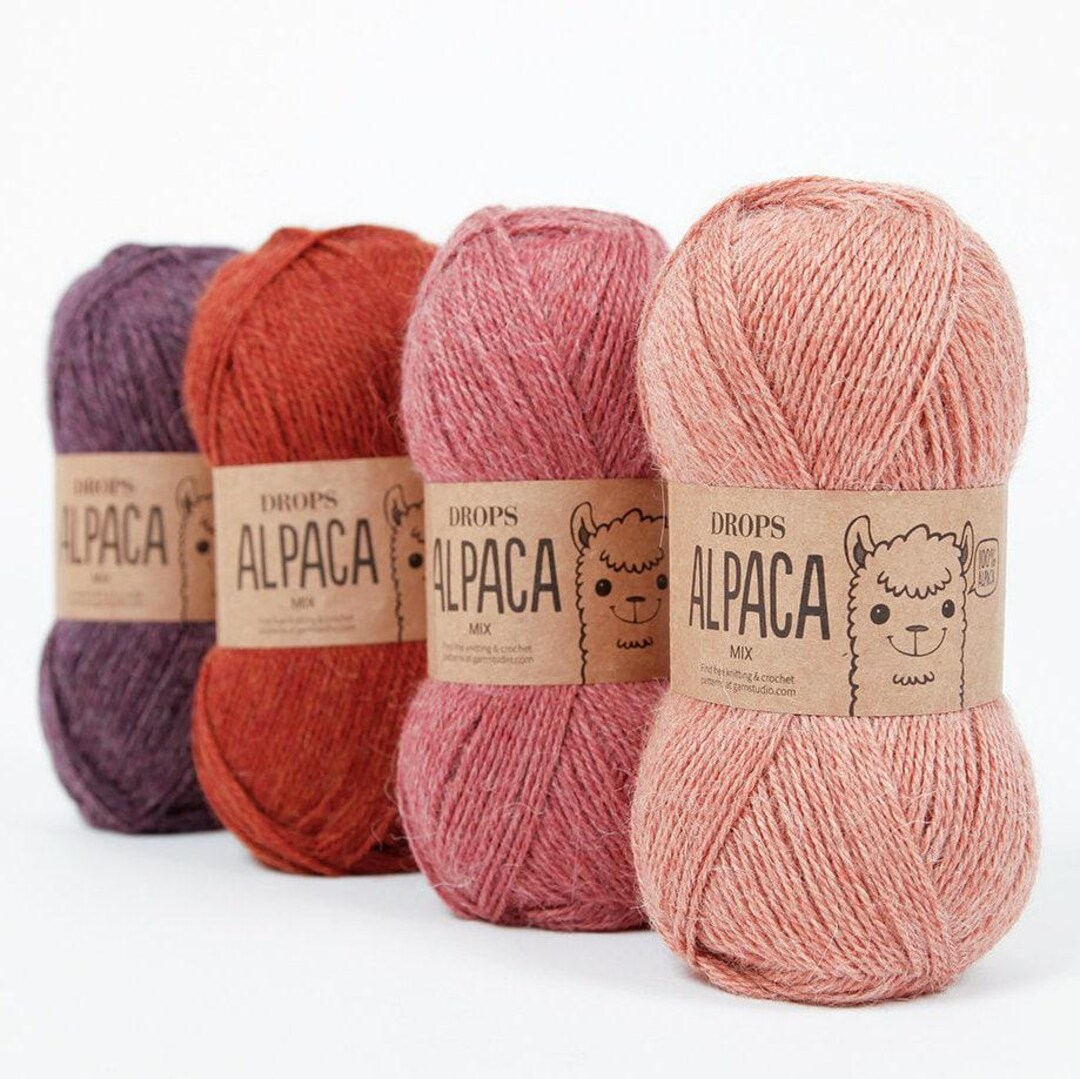
Royal Alpaca (under 19 microns) delivers cashmere-level softness for luxury cardigans and fine-gauge pullovers. Baby Alpaca (19–22.5 microns) balances softness and durability, ideal for premium sweaters. Superfine (22.5–25.5 microns) suits mid-tier knitwear, Medium (25.5–30 microns) works for structured outerwear, and Strong/Coarse (above 30 microns) is reserved for rugged accessories and industrial knits.
CENWILD sources each grade to match your brand’s price tier and hand-feel requirements.
Knit Structures and Gauge Ranges
Jersey (single-knit) offers lightweight drape at 12GG–14GG for fine Baby Alpaca tees. Rib (1×1, 2×2) adds stretch and structure at 7GG–12GG for cuffs and hems. Cable and pointelle require 5GG–9GG for bold texture. Intarsia and jacquard enable multicolor patterns across 5GG–12GG, programmed on CENWILD’s computerized flat-knit lines for repeatable precision.
5. Customization and Decoration Options for Alpaca Sweaters
Alpaca fiber’s unique structure — hollow core, low lanolin, and fine scales — shapes every decoration choice. Yarn-dyed alpaca offers richer saturation but requires minimum 200–300 kg per color, while garment dyeing accepts smaller lots yet shows uneven uptake on blends.
Yarn-Dyed vs. Piece-Dyed Color Options
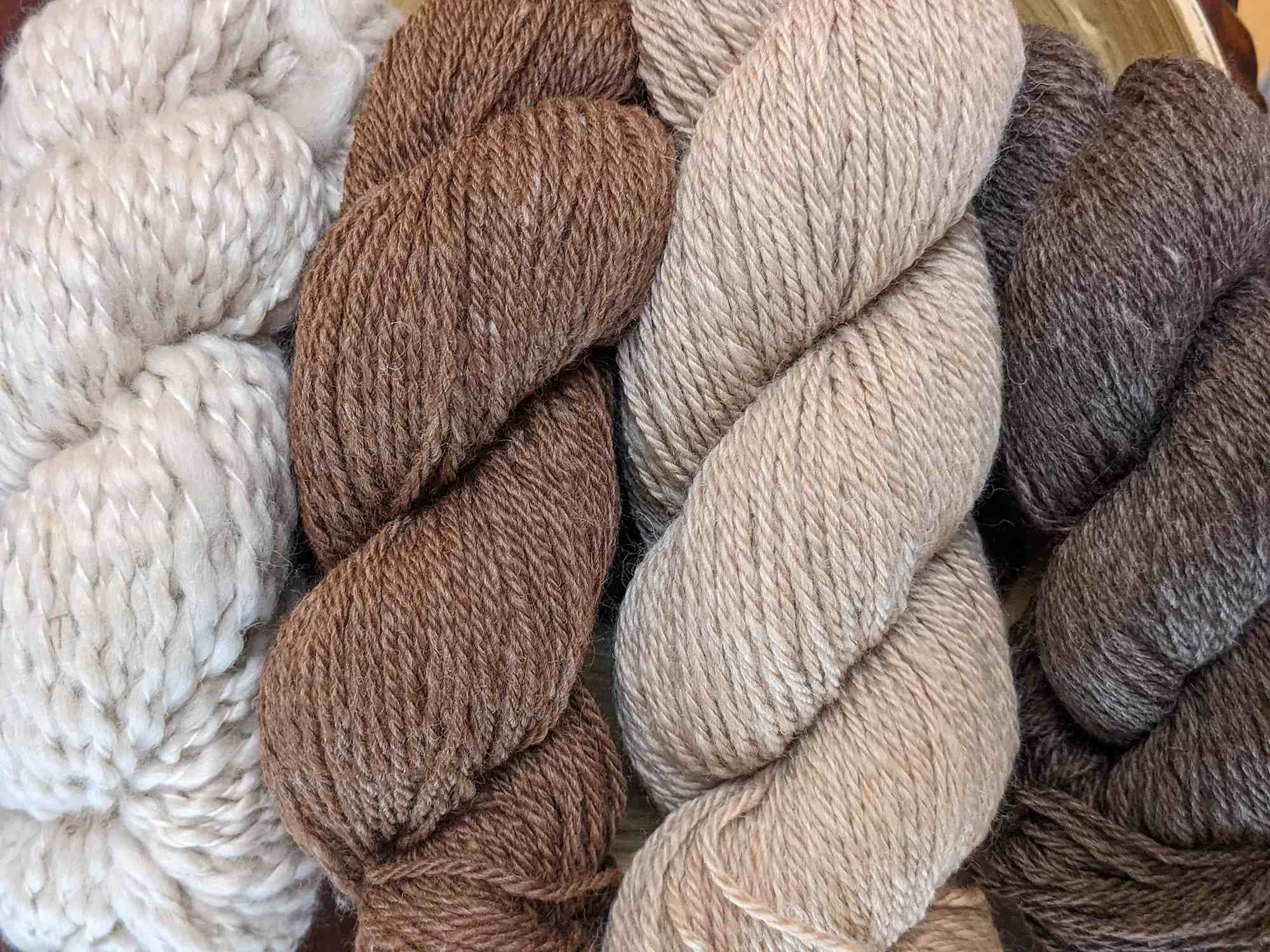
Yarn-dyed alpaca delivers consistent, fade-resistant color because dye penetrates the fiber before knitting, but MOQ typically jumps to 500–1,000 pieces per shade. Piece-dyeing (garment dye) lowers MOQ to 100–200 pieces and enables seasonal palette pivots, yet alpaca’s low dye-site count can yield pastel results even with saturated formulas.
CENWILD coordinates yarn suppliers for custom Pantone matching and maintains stock-service yarns in 20+ neutrals to accelerate sampling without upcharge.
Jacquard and Intarsia Pattern Work
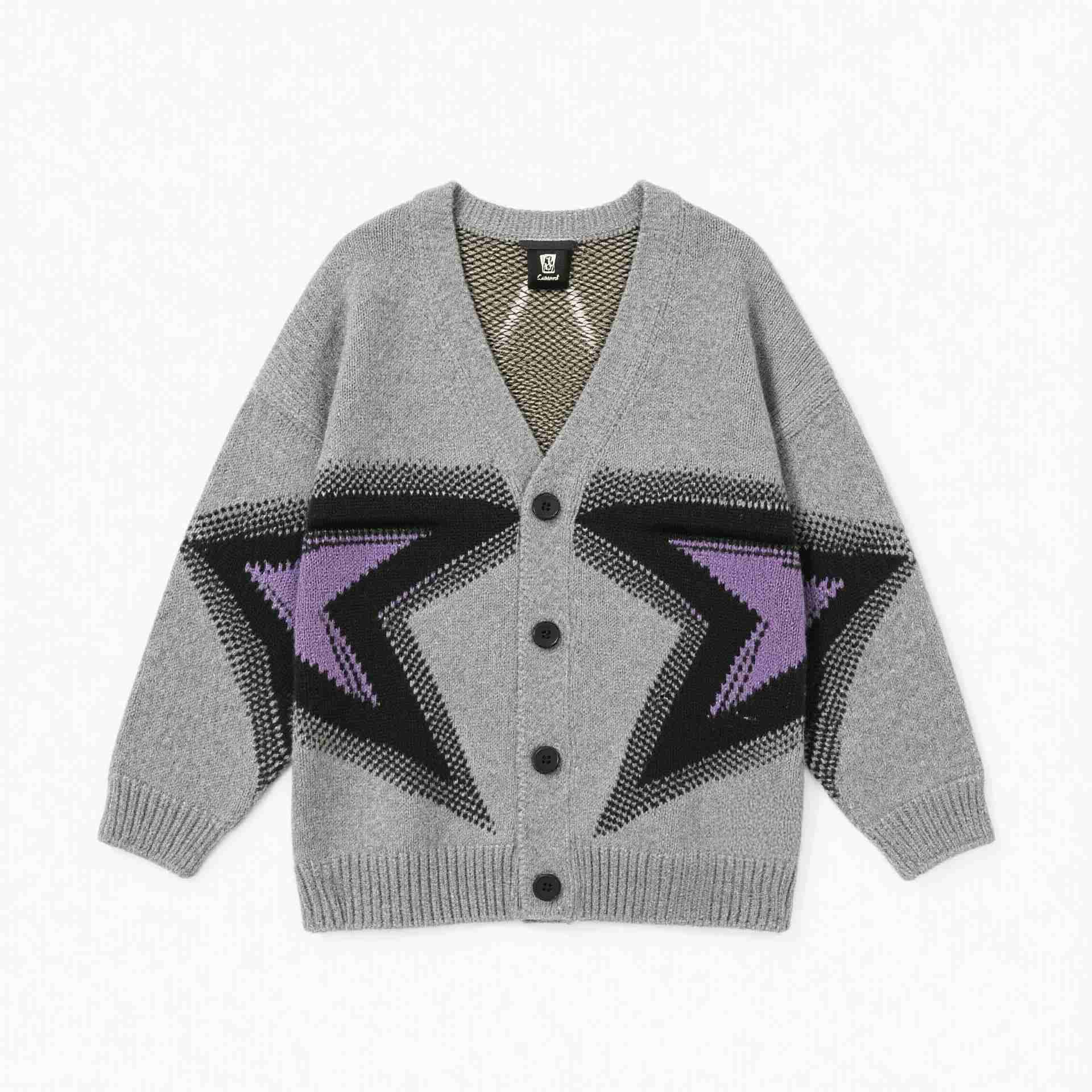
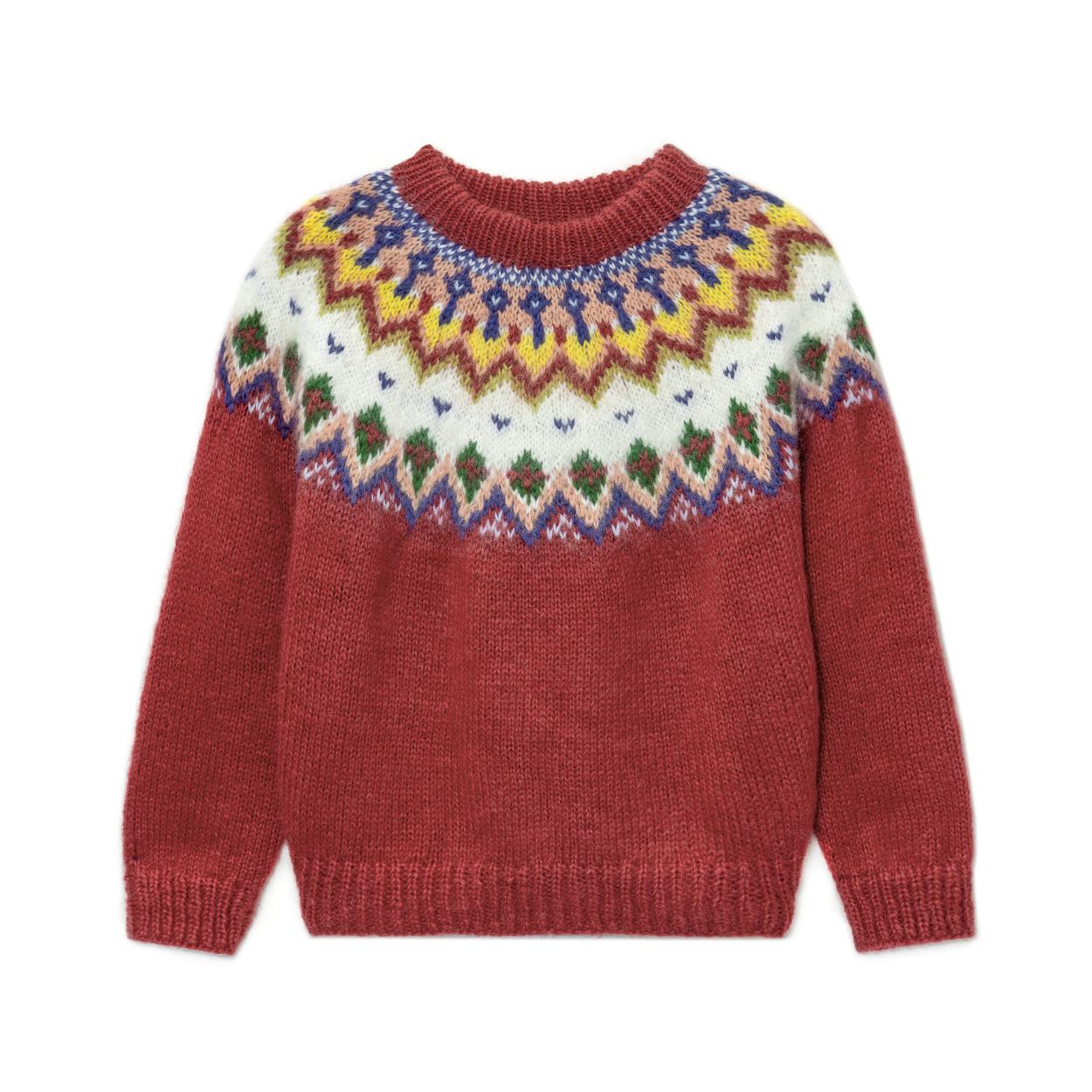
Jacquard uses programmed needle selection to float unused yarns behind the design, ideal for geometric or Fair Isle motifs; intarsia knits each color block separately with no floats, yielding a single-layer, reversible fabric. Both techniques add 15–25% to base knitting cost and require tech-pack color maps at 1:1 scale.
Alpaca’s halo can blur fine details below 5 mm, so CENWILD recommends testing critical logos as knit-down swatches before committing to full production.
Embroidery, Appliqué, and Beading
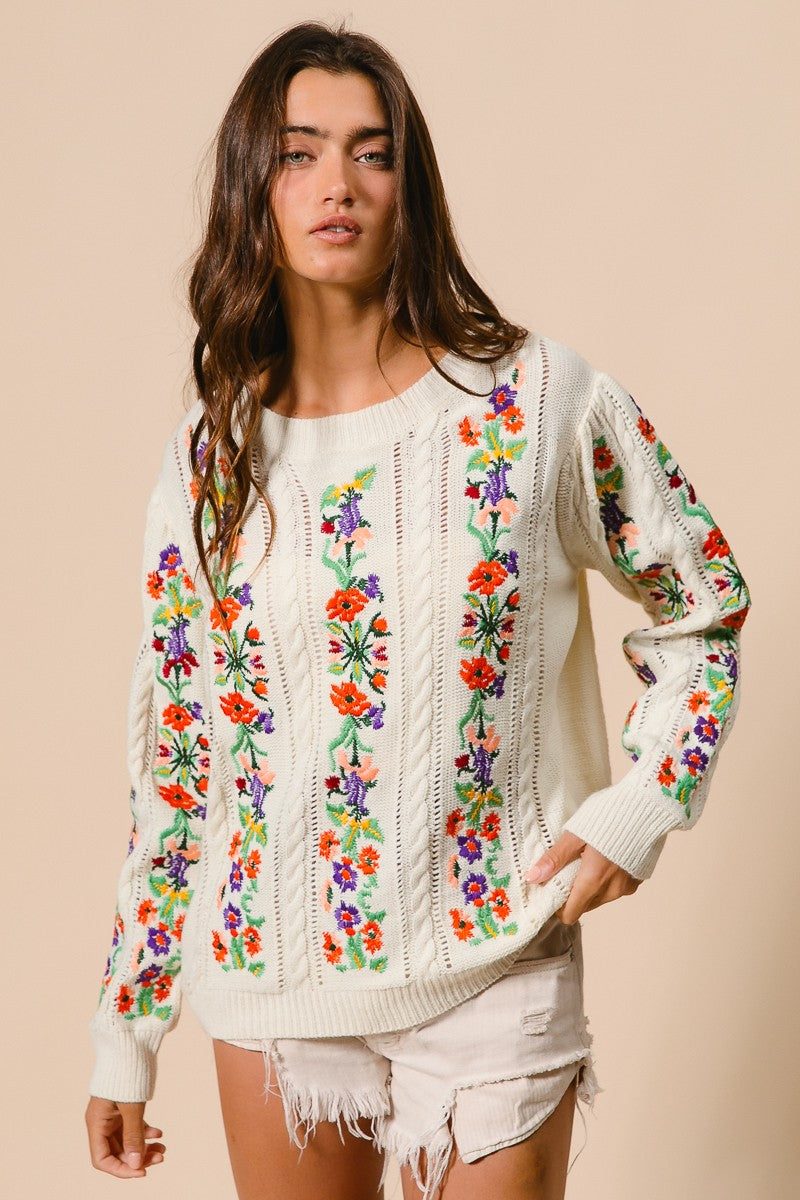
Machine embroidery on alpaca demands reduced tension and water-soluble stabilizer to prevent fiber compression; typical upcharge is $0.80–$2.50 per 10,000-stitch logo. Hand embroidery and appliqué start at $3–$8 per motif with 300-piece minimums. Beading and sequin work require reinforced backing and add $1.50–$5 per garment, depending on density.
CENWILD’s in-house embroidery workshop digitizes artwork, runs test hoopings, and applies chain-stitch, 3D puff, and patch techniques without outsourcing delays.
Custom Trims: Zippers, Buttons, and Labels
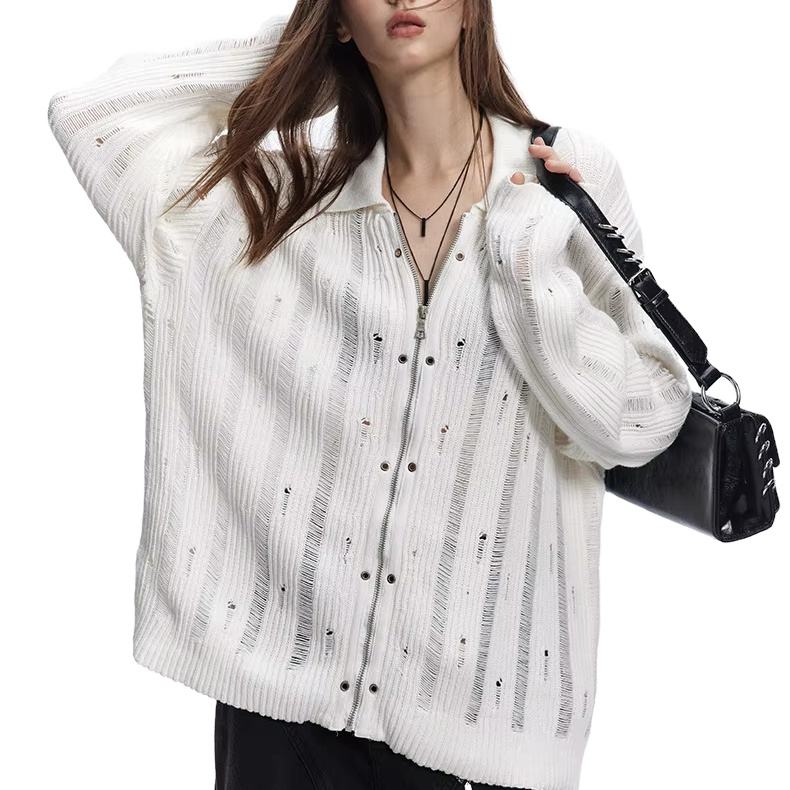
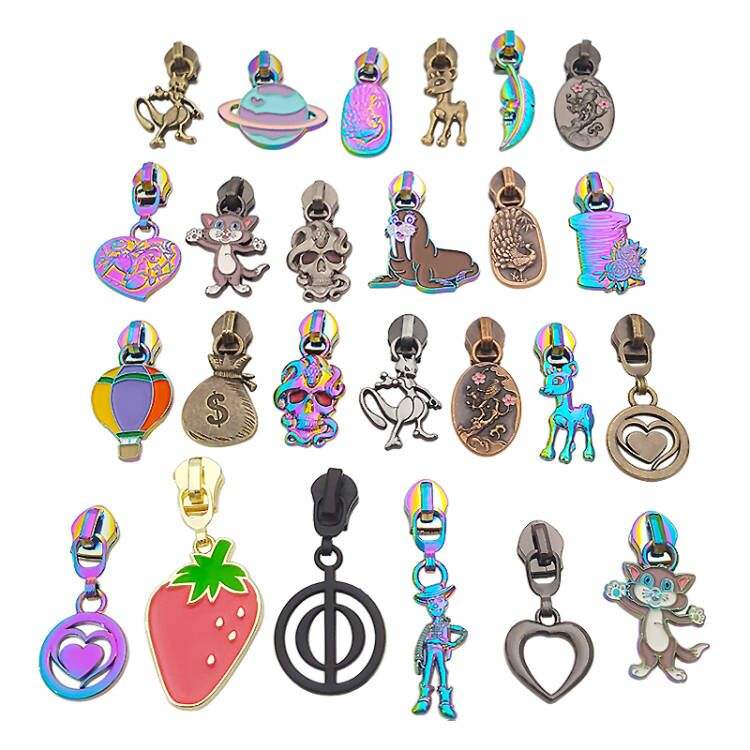
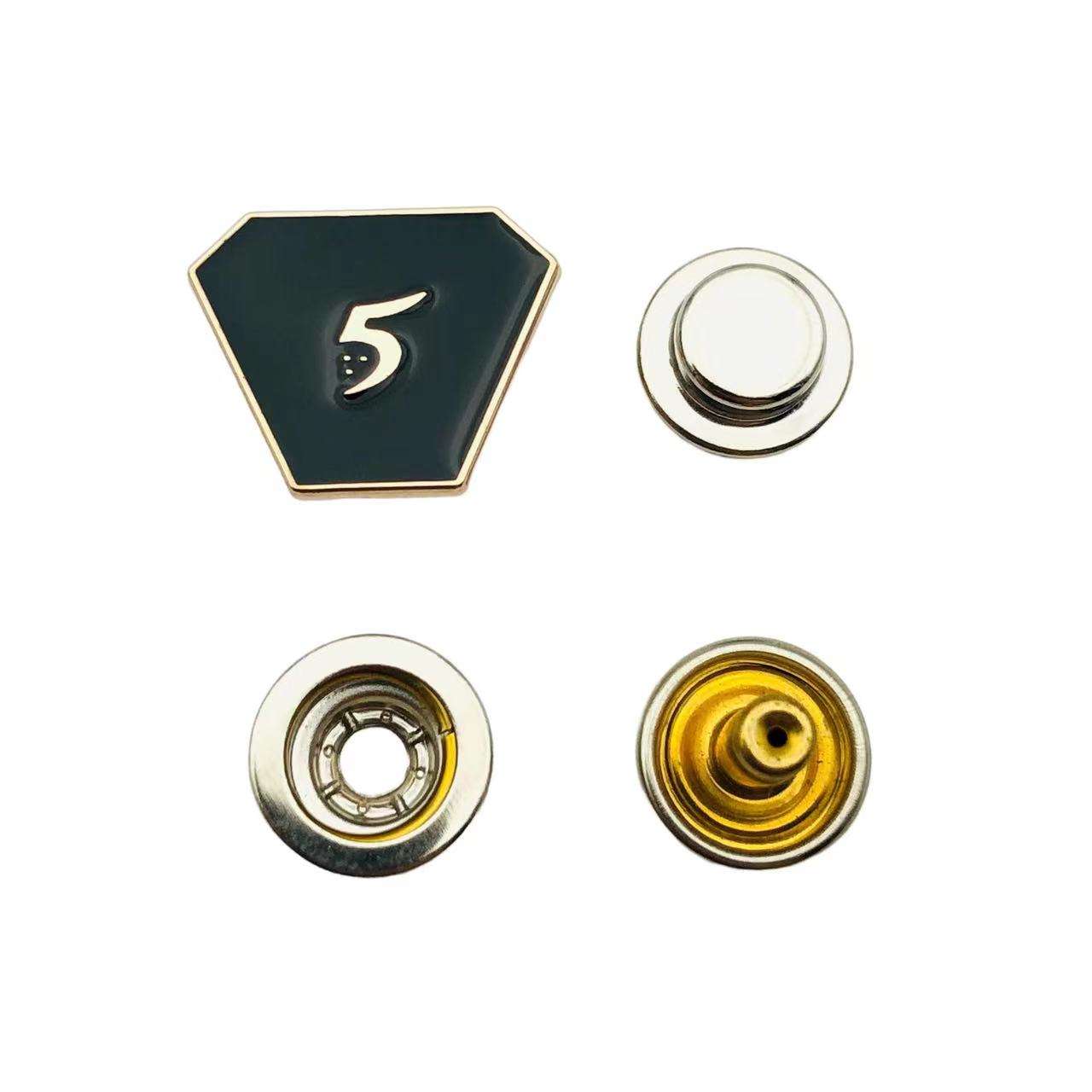
YKK metal zippers add $1.20–$2.80; coil zippers $0.60–$1.50. Custom-engraved buttons (horn, corozo, metal) range $0.15–$0.80 each with 1,000-piece minimums. Woven labels cost $0.05–$0.25; printed care labels $0.02–$0.08.
CENWILD sources trims from Dongguan’s accessory hub, offers sample cards for approval, and sews branded labels at neckline, side seam, or pocket positions per tech pack.
6. Key Quality Indicators When Evaluating an Alpaca Sweater Manufacturer
Quality control separates a reliable alpaca sweater manufacturer from a supplier who merely sources yarn. Before committing to production, audit samples against measurable benchmarks: fiber composition, construction integrity, and finishing standards.
Fiber Purity and Certification
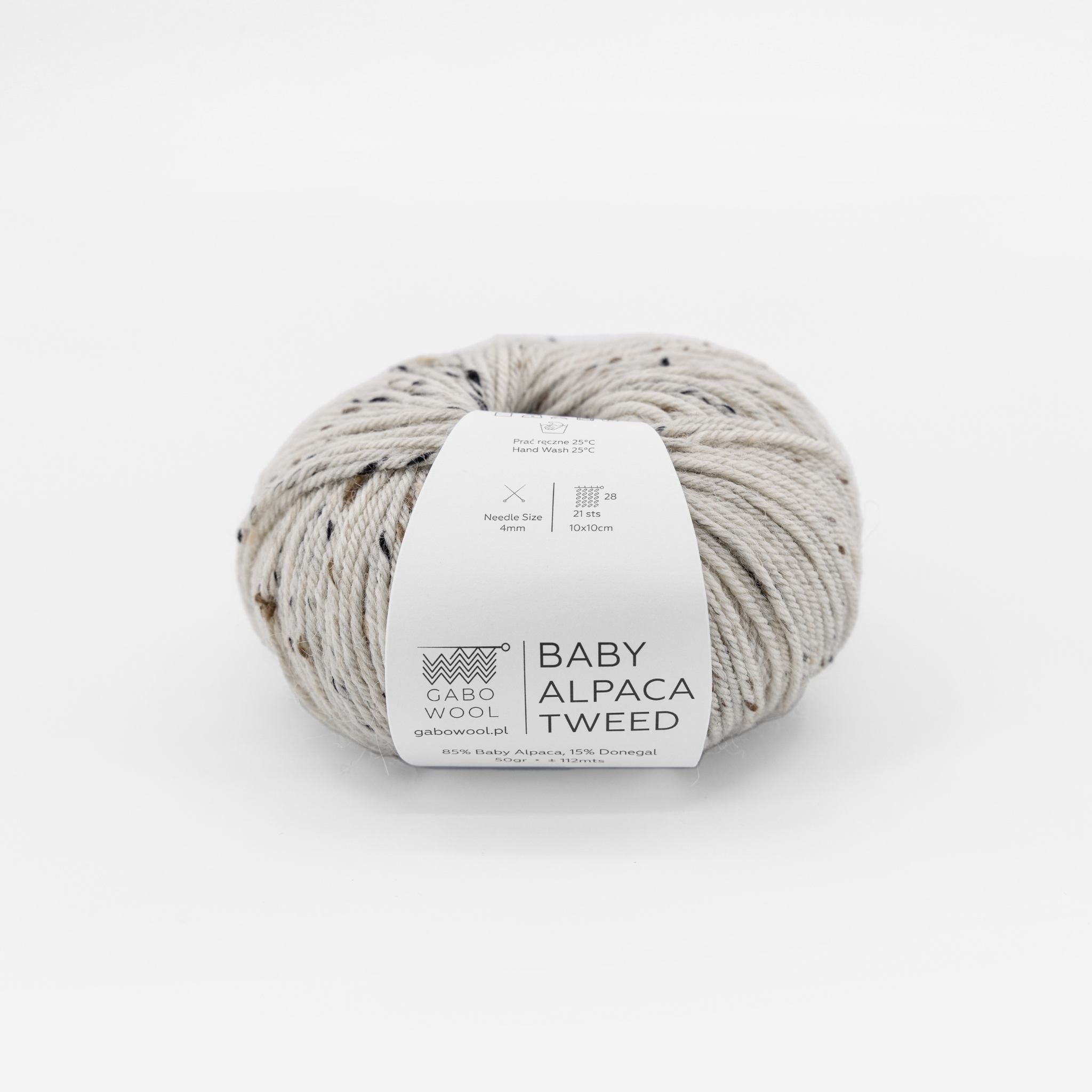
Request lab test reports confirming alpaca fiber content, especially for blends marketed as ‘alpaca.’ OEKO-TEX Standard 100 certification verifies freedom from harmful chemicals. Traceability documentation — farm origin, micron count (Royal alpaca ≤19μm, Baby alpaca 19–22μm) — ensures transparency and supports premium positioning.
Pilling Resistance and Dimensional Stability
Martindale abrasion tests above 20,000 cycles indicate low pilling risk. Wash a sample garment at 30°C and lay flat to dry; measure length, width, and sleeve before and after. Shrinkage beyond 3–5% signals poor yarn pre-treatment or unstable knit tension.
Seam and Finishing Quality
Inspect armhole and shoulder seams: fully-fashioned linking (loop-to-loop) lies flat and stretches with the garment, while overlocking creates a visible ridge and can pucker. Pull seams gently; thread should not snap or unravel. Check cuff and hem ribbing for consistent tension and recovery.
Red Flags in Sample Audits
Uneven gauge — visible holes or tight patches — indicates inconsistent machine calibration. Excessive shedding after light brushing suggests short-staple or low-grade fiber. A harsh, scratchy hand feel often reveals coarse alpaca (>30μm) mislabeled as baby alpaca, or synthetic blends masquerading as pure fiber.
7. How to Choose the Best Alpaca Sweater Manufacturer for Your Brand
Selecting the right alpaca sweater manufacturer requires matching your collection’s technical needs to a factory’s proven capabilities. A systematic vetting process ensures you partner with a supplier who can scale with your brand while maintaining fiber quality and delivery reliability.
Define Fiber Grade and Style Complexity
Identify whether your designs require baby alpaca (18–22 microns), superfine (22–25 microns), or standard grades, and confirm the factory sources authentic fiber with traceable origins. Complex cable, intarsia, or jacquard patterns demand computerized flat-knitting across 3GG–14GG gauges and experienced programmers.
Ask: ‘Do you provide fiber certificates?’ and ‘Which gauges do you run for alpaca blends?’
Match MOQ to Your Order Volume
Startups and independent designers typically need 100–300 pieces per style; established brands order 500–2,000+. Verify the factory’s stated minimum aligns with your budget and inventory strategy, and confirm whether MOQ applies per colorway or per design.
Ask: ‘What is your MOQ for alpaca styles, and does it increase for multi-color jacquard?’
Assess Sampling Speed and Production Capacity
Knit-down sampling for alpaca typically takes 7–14 days; bulk production spans 30–45 days depending on order size and season. Confirm monthly capacity (CENWILD produces 80,000+ pieces) and ask about lead-time extensions during October–January peak.
Ask: ‘What is your current lead time, and do you charge for the first sample?’
8. Common Mistakes Buyers Make When Sourcing from an Alpaca Sweater Manufacturer
Even experienced buyers stumble when sourcing alpaca knitwear, often because they apply cotton or synthetic sourcing logic to a luxury natural fiber. Mistakes in fiber specification, timeline planning, and quality validation can trigger costly returns, reputational damage, and strained manufacturer relationships.
Assuming All ‘Alpaca’ Is Equal
Alpaca fiber ranges from 18-micron baby alpaca to 32-micron adult grades; ignoring micron specifications leads to scratchy garments and customer complaints. Always request fiber certification and micron count in your tech pack.
CENWILD sources graded alpaca and blends, ensuring each order matches the softness tier your brand promises.
Underestimating Lead Times for Fiber Procurement
Pure alpaca yarn procurement adds 2–4 weeks versus stock cotton or acrylic. Buyers who skip this buffer miss launch windows and incur air-freight penalties.
Confirm yarn availability before finalizing delivery dates; CENWILD’s design team flags extended-lead fibers during sampling.
Skipping Pre-Production Samples
Approving production from photos alone hides stitch density, hand-feel, and drape issues. A knit-down sample reveals shrinkage, pilling tendency, and true color under natural light.
CENWILD provides full knit-down samples with wash testing before bulk orders begin.
Neglecting Shrinkage and Care Testing
Alpaca can shrink 5–8% if washed improperly; failing to test and print accurate care labels triggers returns. Specify wash method, temperature, and dry-flat instructions in your purchase order.
CENWILD conducts garment-wash trials and advises on labeling to protect both brand and end-user satisfaction.
9. Steps to Launch Your Alpaca Knitwear Collection
Launching an alpaca knitwear collection requires a structured workflow from concept to delivery. Working with an experienced alpaca sweater manufacturer streamlines each phase and reduces costly rework.
Concept and Tech Pack Development
Start with mood boards, sketches, or reference images; your manufacturer’s design team translates these into technical specifications. Alpaca-specific callouts include fiber grade (baby, superfine, or blend ratio), gauge (typically 5GG–12GG for alpaca), stitch construction (cable, rib, jacquard), and any intarsia or embroidery.
A complete tech pack lists measurements, colorways, trim details, and finishing requirements. First-time buyers benefit from knit-down swatches to confirm hand-feel and drape before sampling.
Sample Approval and Iteration
Initial samples arrive in 10–15 days; review fit, stitch definition, and alpaca fiber consistency. Most collections require one to two revision cycles, adding 7–10 days each.
Approve final samples in writing, locking in all specifications for bulk production. This stage prevents miscommunication on fiber blend or decoration placement.
Bulk Order and Quality Checkpoints
Place your bulk order with a deposit (100% first-time, 30–50% for returning clients). Production spans 25–35 days depending on volume and decoration complexity.
Inline inspections at 30% and 70% completion catch gauge drift or color variance early. Final AQL inspection before shipment ensures every piece meets your standard.
Packaging and Logistics
Confirm polybag specs, hangtags, and carton markings two weeks before shipment. Alpaca garments benefit from individual folding to preserve loft.
Shipping by sea takes 20–40 days; air freight 5–7 days for urgent launches. Request commercial invoice, packing list, and certificate of origin in advance for smooth customs clearance.
10. Pricing and Cost Breakdown for Alpaca Sweater Manufacturing
Alpaca sweater FOB pricing ranges from $28–$85 per unit depending on fiber grade, gauge, and construction complexity. Baby Alpaca (18–22 microns) commands a 35–50% premium over Superfine Alpaca (22–25 microns), while cable or jacquard knits add $6–$12 per piece compared to plain jersey.
MOQ starts at 100 pieces per style with unit costs decreasing 12–18% at 500-unit tiers and another 8–10% beyond 1,000 pieces. Lead times compress as volume grows: 100-piece orders typically require 35–42 days, while 1,000+ orders complete in 28–32 days due to production efficiency.
Sampling fees run $80–$150 per knit-down prototype and are credited back after the first production order. Decoration adds $2.50–$8.00 per unit: embroidery (flat, 3D, appliqué), screen printing, and garment-dye finishing each carry distinct setup and per-piece costs that scale with order quantity.
| Quantity Tier | Price per Unit (FOB) | Lead Time |
|---|---|---|
| 100 pieces | $48–$85 | 35–42 days |
| 500 pieces | $38–$68 | 30–38 days |
| 1,000 pieces | $32–$58 | 28–32 days |
| 2,500+ pieces | $28–$52 | 28–30 days |
Ready to Launch Your Alpaca Sweater Line?
Partner with a trusted alpaca sweater manufacturer. Low MOQ from 100 pieces, expert design support, and 28+ years of proven experience.