Recycled Yarn Knitwear — Sustainable Custom Sweaters for Your Brand
CENWILD manufactures premium recycled yarn knitwear with OEM/ODM service, private label options, and MOQ from 100 pieces — adding environmental credibility to your collection.
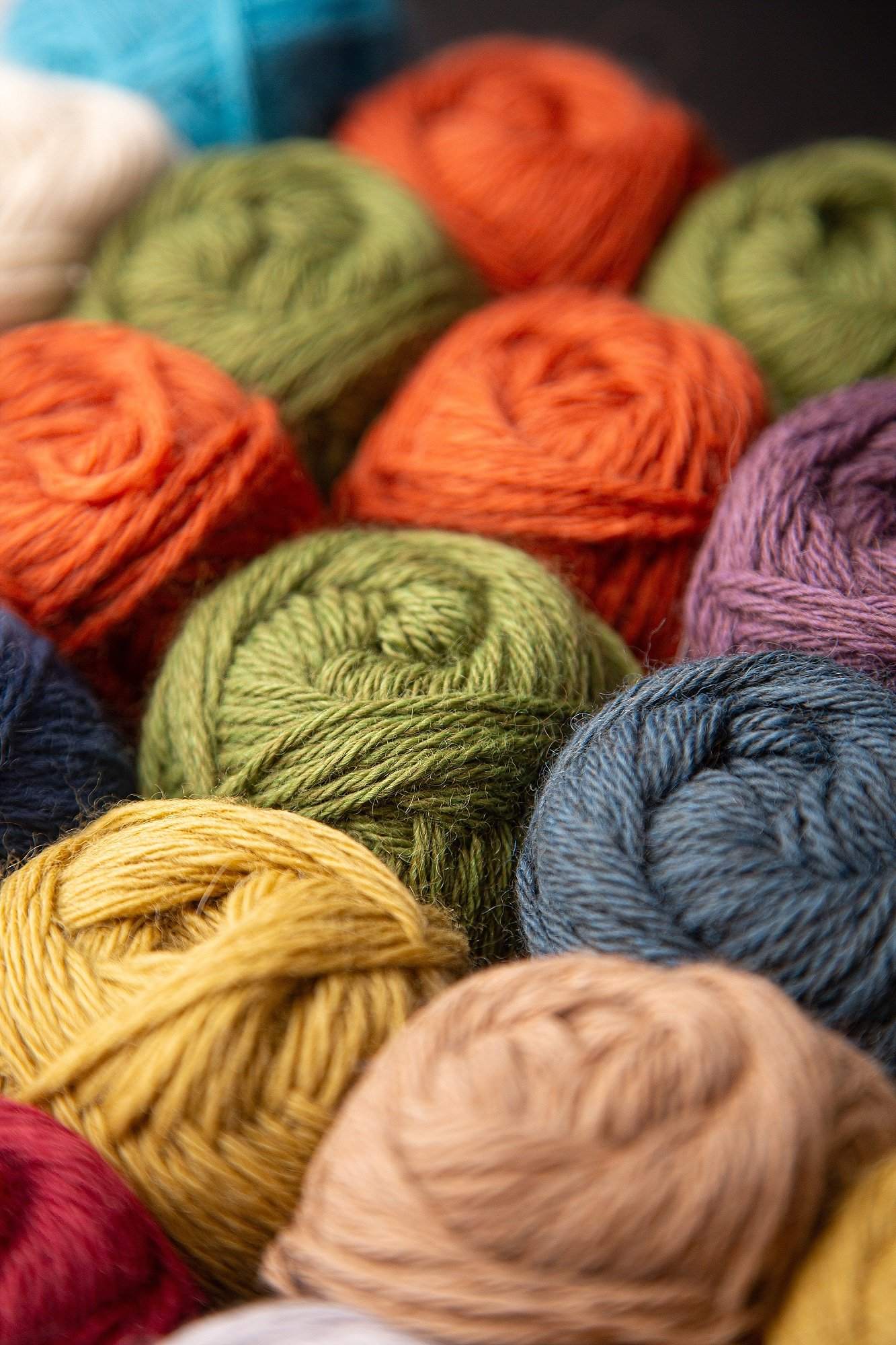
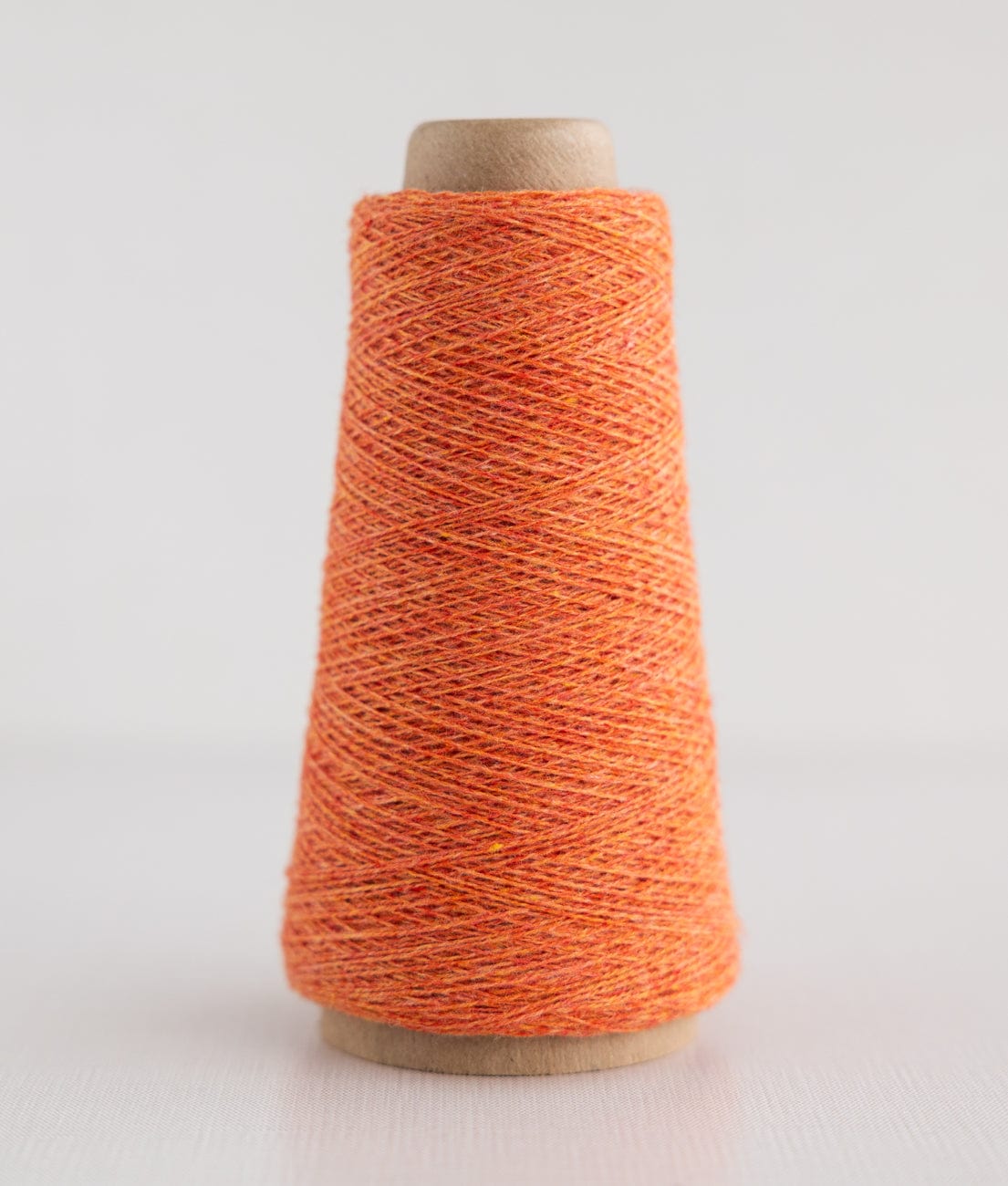
Recycled Yarn Knitwear Styles & Fiber Blends
Why Choose Recycled Yarn Knitwear
Lower Environmental Impact
Recycled yarn knitwear reduces textile waste and carbon footprint by repurposing post-consumer and post-industrial fibers into premium sweaters.
Stronger Brand Storytelling
Appeal to eco-conscious consumers with transparent sustainability credentials that differentiate your label in competitive retail markets.
Quality Parity with Virgin Fiber
Advanced recycling technology delivers softness, durability, and performance matching traditional cashmere, merino, and cotton.
Full Customization Range
Choose any color, weight, gauge, and stitch pattern. MOQ from 100 pieces for cardigans, pullovers, vests, and knit dresses.
Expert Fiber Sourcing
28 years of Dongguan manufacturing experience ensures certified recycled yarn sourcing and rigorous quality control at every stage.
Proven Knit Engineering
In-house 3D programming, knit-down sampling, and flat-knitting across 3GG to 14GG gauges guarantee production-ready designs.
Explore Our Full Yarn & Knitwear Range
Yarn and Materials
CENWILD sources and knits with a comprehensive library of natural, synthetic, and blended yarns tailored to your brand’s performance, aesthetic, and price point. From luxury fibers to sustainable alternatives, our 28+ years of supplier relationships in Dongguan ensure consistent quality, color matching, and on-time delivery for every knitwear project, whether OEM, ODM, or private label.
Get a Quote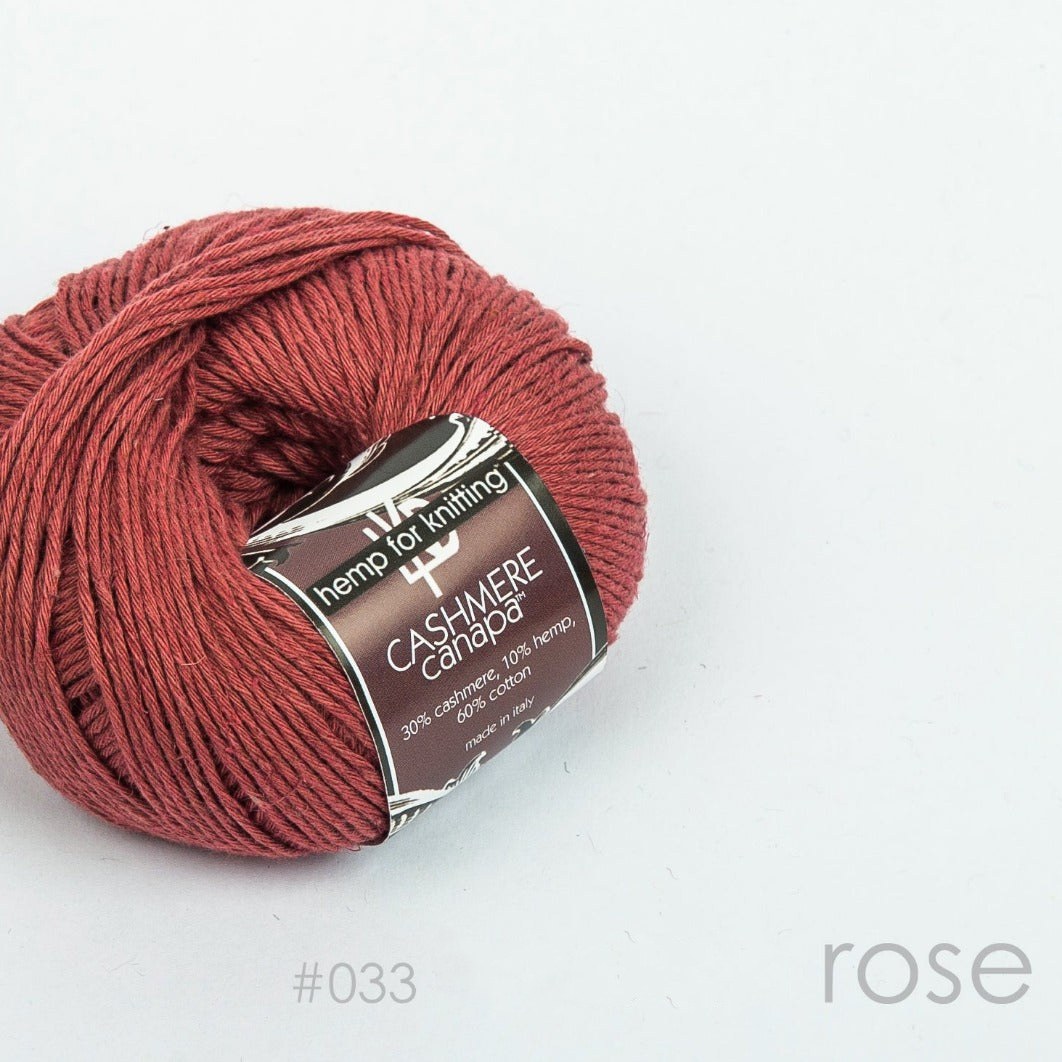
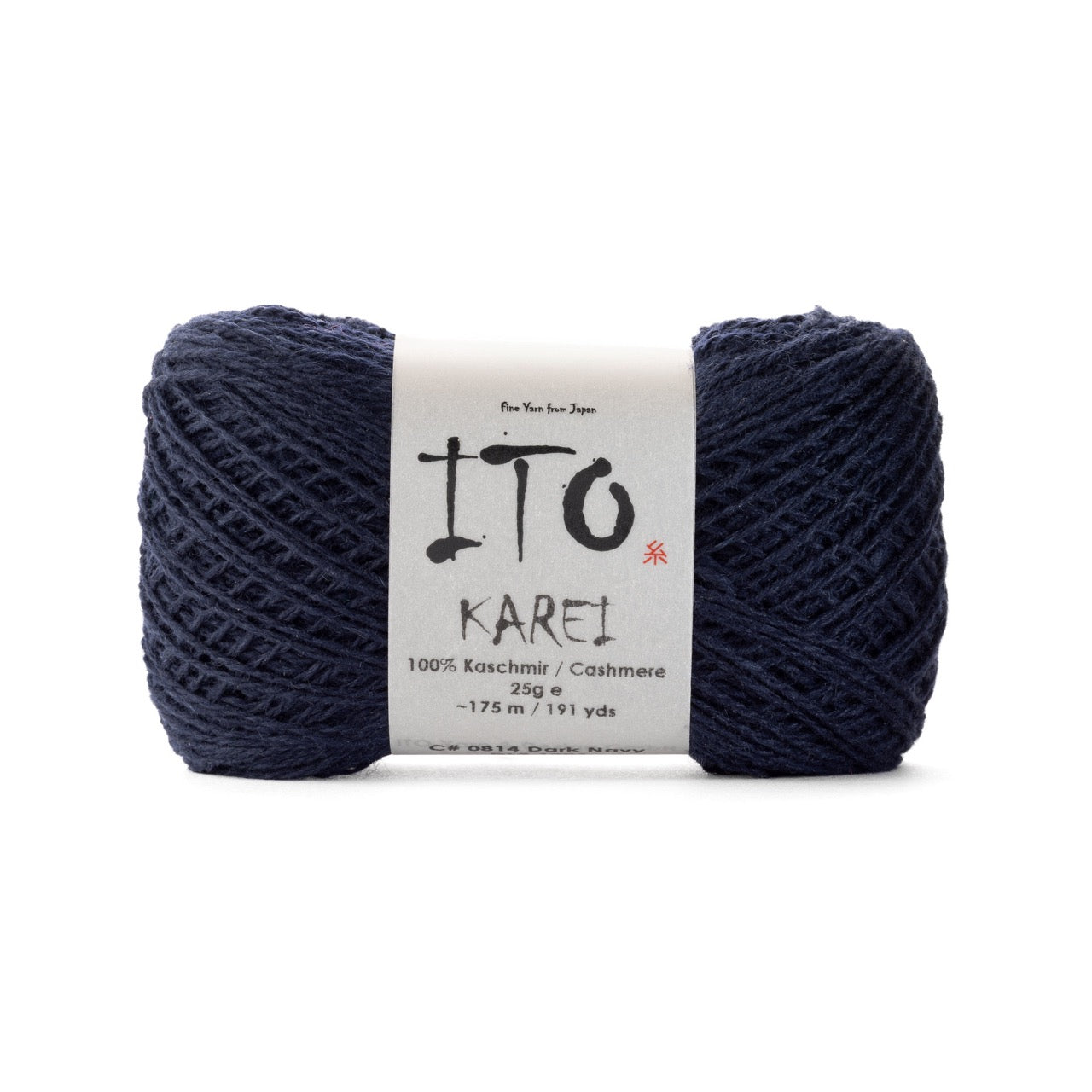
Cashmere Yarn
We manufacture sweaters, cardigans, and knitwear in pure cashmere and cashmere blends sourced from certified mills. Ideal for luxury brands and premium collections, our cashmere yarn capabilities include 2-ply to 4-ply weights across 5GG to 12GG gauges, with MOQ from 100 pieces. Full intarsia, jacquard, cable, and embroidery decoration available in-house.
Get a Quote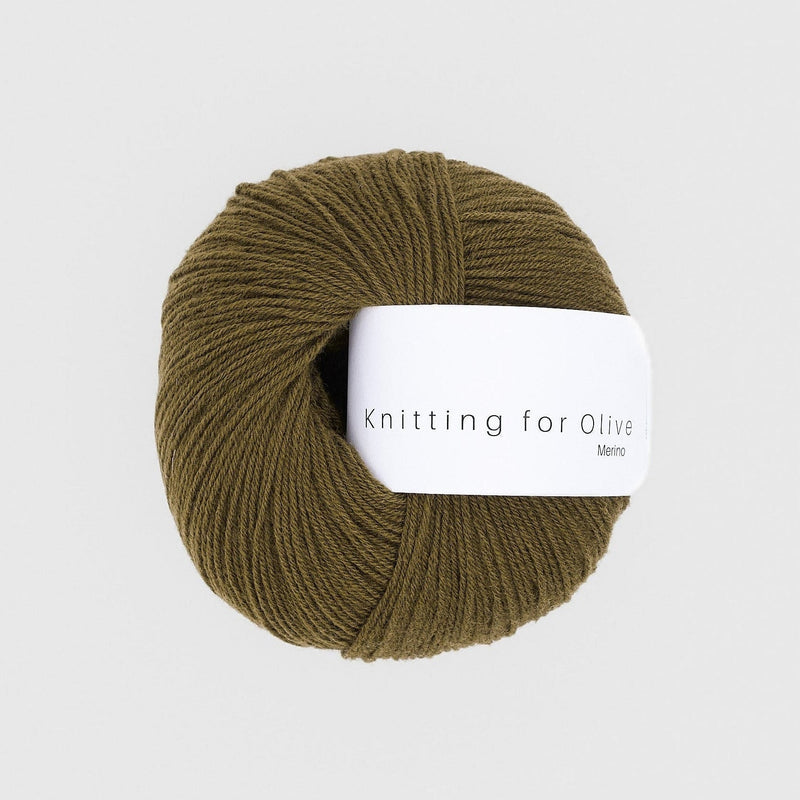
Merino Wool Yarn
Merino wool yarn is a versatile, breathable choice for year-round knitwear. CENWILD knits merino pullovers, turtlenecks, crewnecks, and layering pieces for men, women, and children in fine to mid gauges. We support anti-pilling finishing, garment dyeing, and custom stitch programming to bring your merino designs from concept to finished garment with full ODM support.
Get a Quote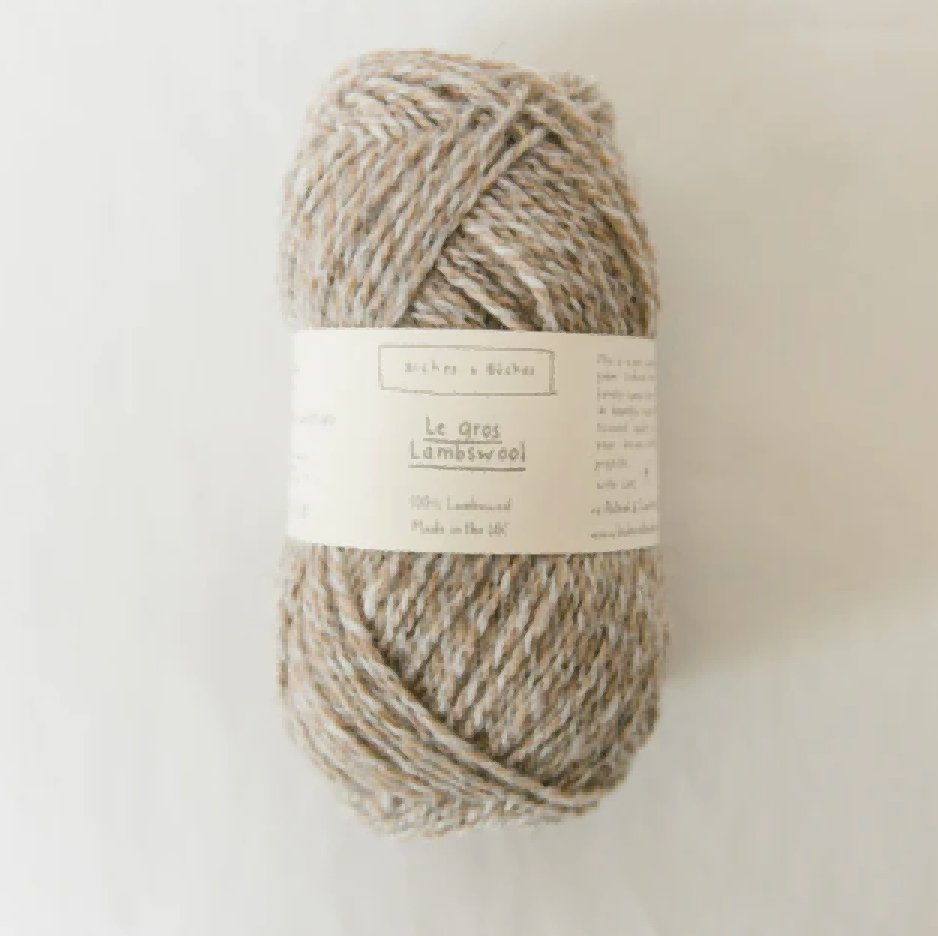
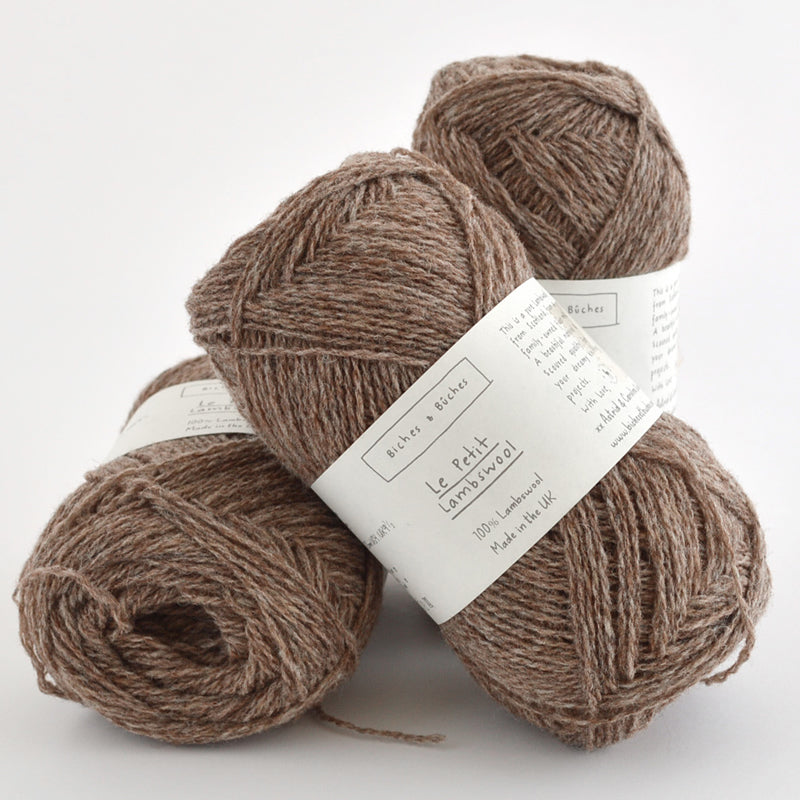
Lambswool
Lambswool delivers softness, warmth, and durability at an accessible price. Our Dongguan facility produces lambswool sweaters, vests, and knit sets using computerized flat-knitting machines from 3GG to 12GG. Whether you need classic cable-knit styles or contemporary jacquard patterns, CENWILD handles sampling, grading, production, and QC under one roof with low 100-piece minimums.
Get a Quote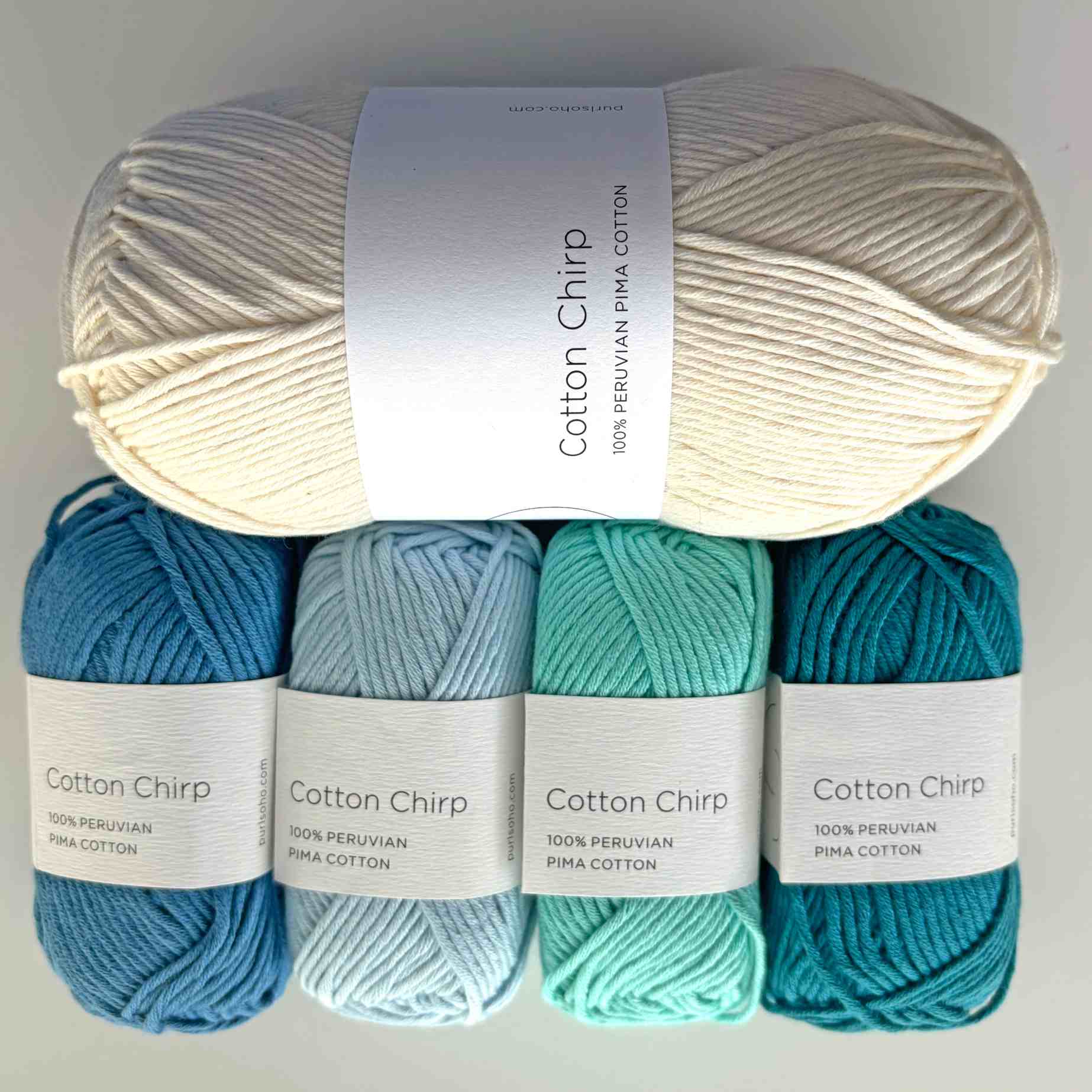
Cotton Pima Yarn
Pima cotton yarn offers superior length, strength, and luster for lightweight, breathable knitwear. CENWILD manufactures Pima cotton sweaters, polos, and knit dresses ideal for spring, summer, and resort collections. Our in-house design team programs stitch structures—pointelle, rib, open-knit—and applies screen printing, embroidery, or heat-transfer decoration to match your tech pack or original concept.
Get a Quote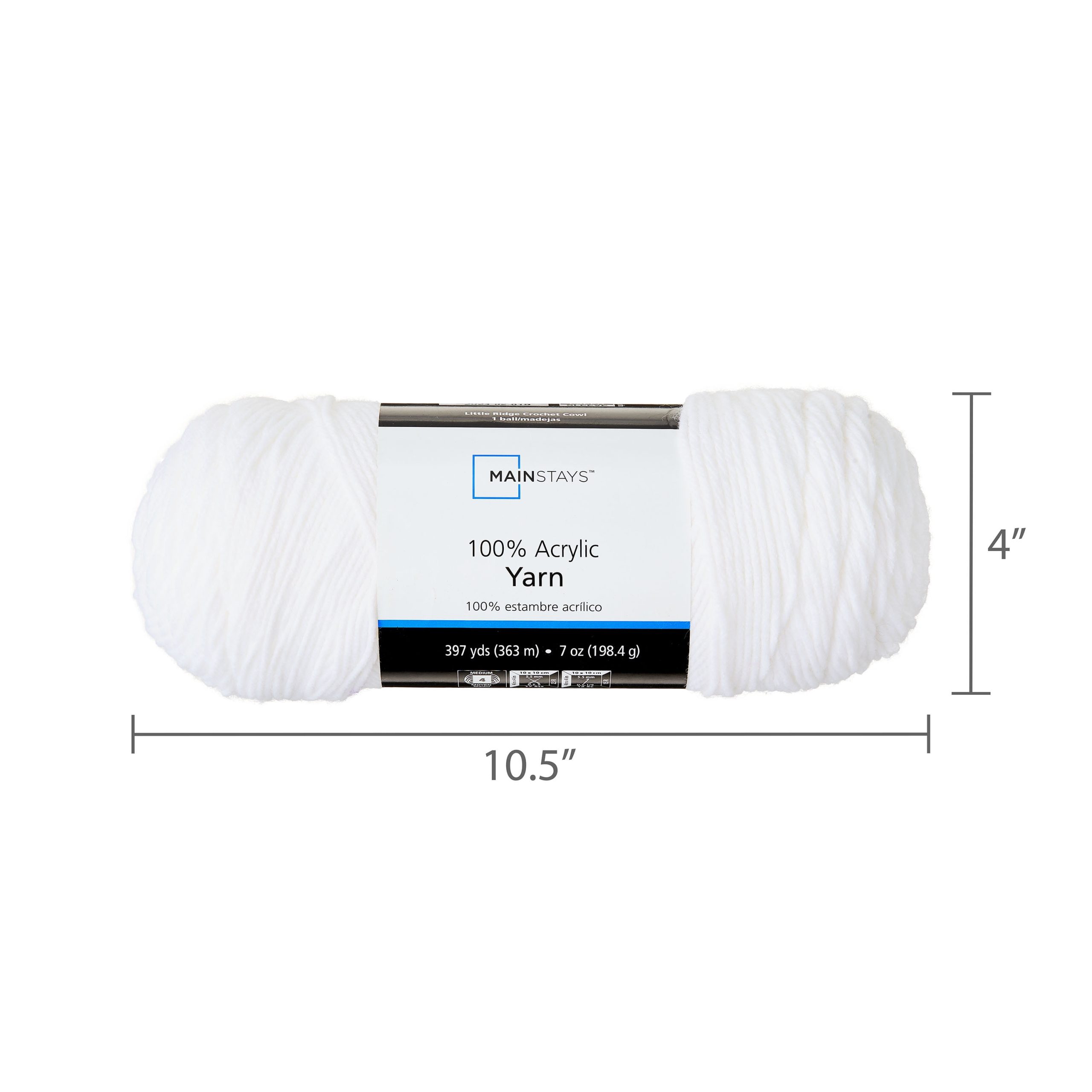
Acrylic Yarn
Acrylic yarn provides cost-effective color vibrancy, easy care, and consistent performance across high-volume orders. We knit acrylic sweaters, cardigans, and seasonal styles—including custom Christmas sweaters—for retailers, wholesalers, and influencer brands. With monthly capacity exceeding 80,000 pieces and MOQ from just 100, CENWILD scales with your growth while maintaining tight quality control and on-budget pricing.
Get a Quote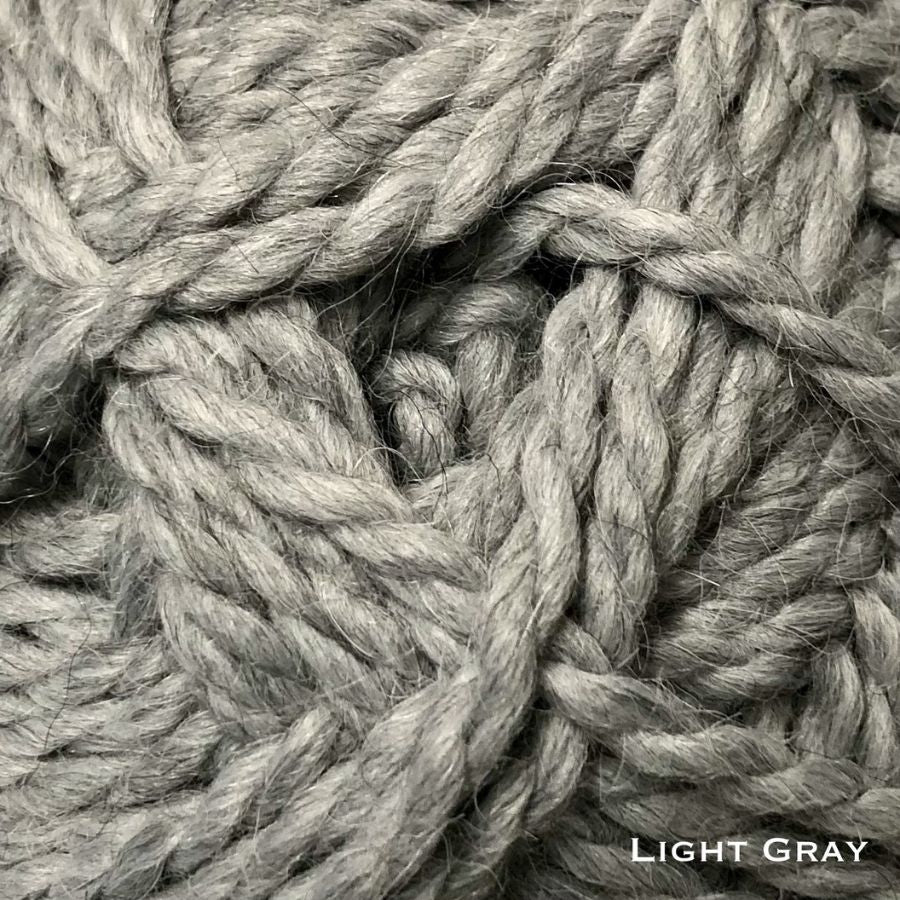
Alpaca Yarn
Alpaca yarn brings exceptional warmth, hypoallergenic softness, and a refined hand feel to premium knitwear. CENWILD manufactures alpaca and alpaca-blend sweaters, ponchos, and layering pieces using advanced flat-knitting and fully-fashioned techniques. Our ODM service includes original stitch design, 3D knit programming, and knit-down sampling to ensure your alpaca collection meets luxury standards from prototype to bulk shipment.
Get a Quote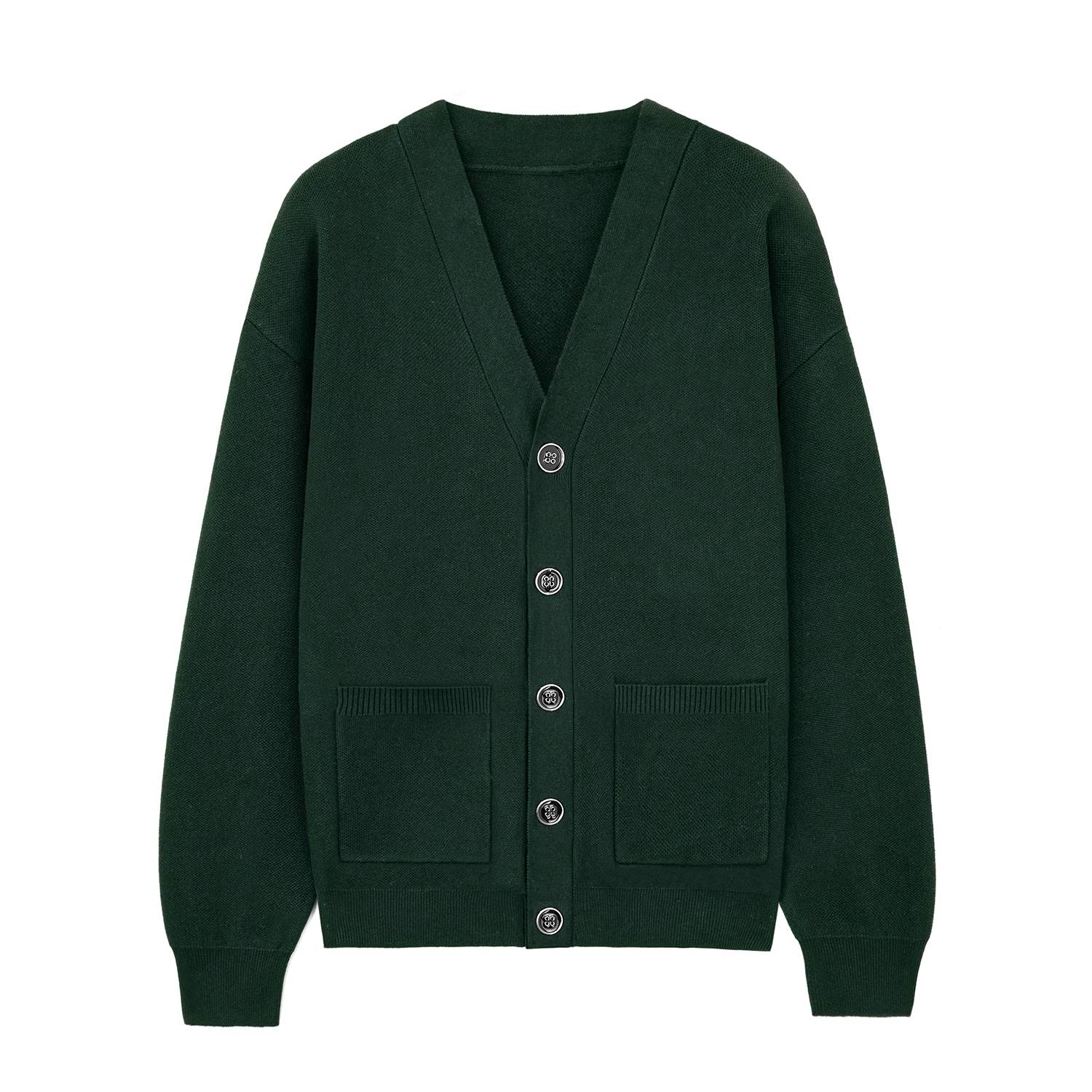
Custom Cardigan
From classic button-front styles to contemporary oversized and cropped silhouettes, CENWILD produces custom cardigans in any yarn, gauge, stitch pattern, and decoration your brand requires. Our OEM and private-label cardigan service covers tech-pack execution, original design development, embroidery, printing, trims, and packaging—all managed in-house in Dongguan with MOQ starting at 100 pieces and flexible payment terms.
Get a Quote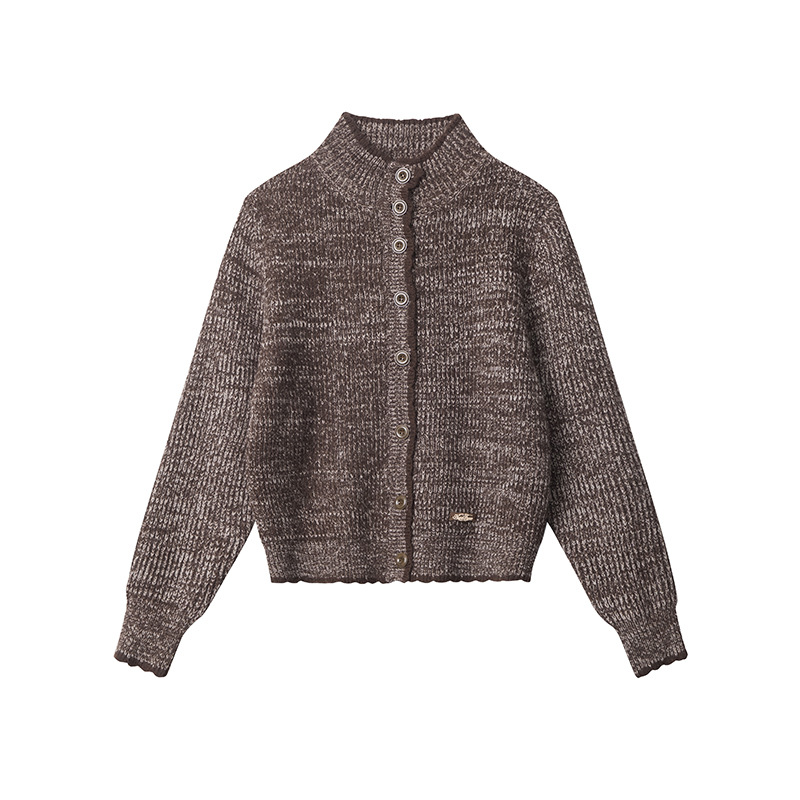
Cardigan Sweater Manufacturer
As a dedicated cardigan sweater manufacturer with over 28 years in Humen, Dongguan, CENWILD operates a complete production line: design, yarn sourcing, computerized knitting across 3GG to 14GG, linking, washing, decoration, QC, and export. We serve fashion brands, independent designers, and wholesalers worldwide, delivering cardigans in cashmere, merino, cotton, acrylic, and blended yarns with full ODM support and scalable capacity for long-term partnership.
Get a QuoteCENWILD's Recycled Yarn Knitwear Expertise
Founded in 1998 in Humen, Dongguan — China’s premier knitwear manufacturing hub — CENWILD has spent over 28 years helping fashion brands worldwide bring sweater collections to life. Today our team of 200+ skilled employees produces recycled yarn knitwear alongside cashmere, merino, cotton, and every other fiber, using the same rigorous quality controls and full OEM/ODM capabilities.
Our 80,000-piece monthly capacity and computerized flat-knitting machines across 3GG–14GG gauges turn recycled fibers into cardigans, pullovers, turtlenecks, sweater vests, and more — with intarsia, jacquard, cable, and fully-fashioned techniques. From concept and yarn sourcing to knit-down sampling, production, embroidery, washing, and export logistics, CENWILD is your one-stop recycled yarn knitwear manufacturer.
We’ve partnered with over 2,000 fashion brands, retailers, wholesalers, and independent designers across North America, Europe, Australia, Russia, and the Middle East. With MOQ starting at just 100 pieces and flexible private label services, CENWILD supports brands at every stage — from startups testing sustainable collections to established labels scaling recycled yarn knitwear production.
Recycled Yarn Knitwear Engineering & Sourcing
Fiber Authentication & Traceability
Every recycled yarn knitwear order begins with certified fiber verification. CENWILD sources GRS-certified recycled polyester, cotton, and wool, validating origin documentation and blend ratios before yarn spinning to ensure your sustainable claims are backed by transparent, auditable supply chains.
- GRS and RCS certification verification for all recycled fiber batches
- Supplier traceability reports documenting post-consumer and post-industrial content
- Third-party lab testing for fiber composition and blend accuracy
- Chain-of-custody documentation included with every production order
Yarn Weight & Gauge Optimization
Recycled fibers behave differently than virgin materials. CENWILD’s 28+ years of knitting experience guides precise yarn count selection and gauge matching across 3GG to 14GG flat-knitting machines, ensuring recycled yarn knitwear achieves the hand feel, drape, and durability your brand requires.
- Custom yarn weight calibration for recycled cotton, polyester, wool, and blends
- Gauge testing from 3GG (chunky) to 14GG (fine) for optimal fabric structure
- Tension and stitch density adjustments to compensate for fiber variability
- In-house knit-down samples before full production to validate performance
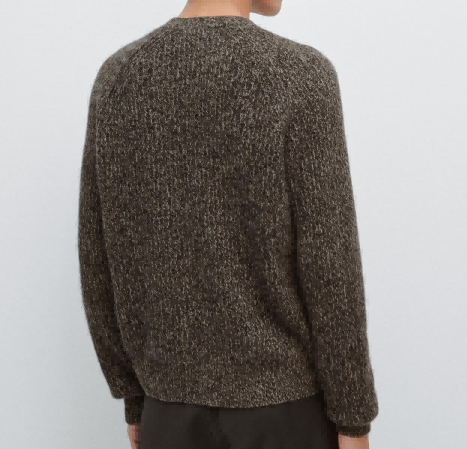
Blending Ratios & Performance Testing
Pure recycled fiber isn’t always the answer. CENWILD engineers custom blends—recycled cotton with organic cotton, recycled polyester with virgin for strength, or recycled wool with acrylic for cost control—then tests pilling resistance, colorfastness, dimensional stability, and wash performance before committing to production.
- Custom blend formulations balancing sustainability, cost, and garment performance
- Martindale abrasion and pilling tests for recycled yarn knitwear durability
- Colorfastness to washing, light, and perspiration per ISO standards
- Shrinkage and stretch recovery testing after multiple wash cycles
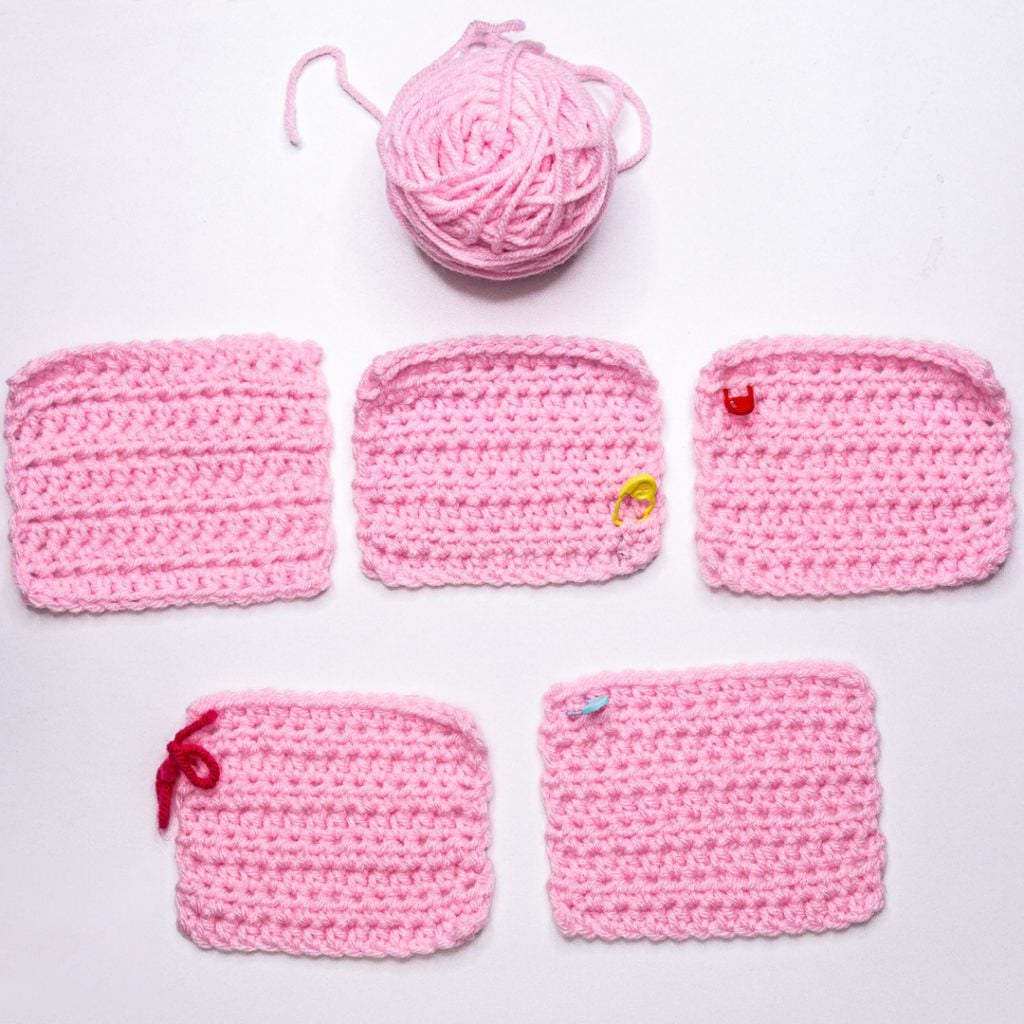
Knit-Down Prototyping & Quality Lock-In
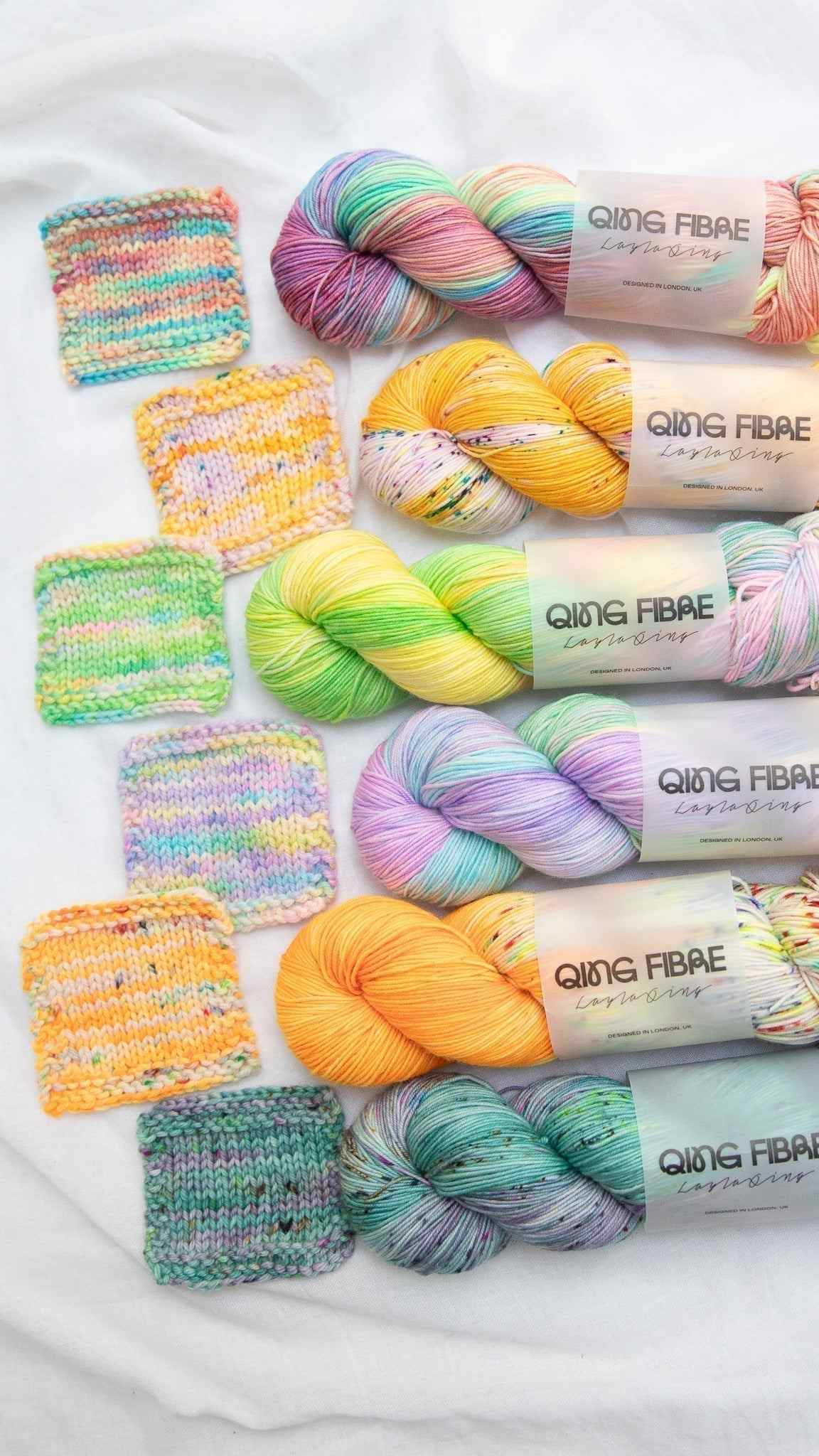
Before your recycled yarn knitwear enters production, CENWILD knits a full prototype using your chosen recycled fiber, stitch pattern, and gauge. This knit-down sample locks in hand feel, stitch definition, color accuracy, and finishing behavior—eliminating costly surprises and ensuring consistency across all 100+ pieces.
- Full garment prototypes knitted on production machines, not lab samples
- Side-by-side comparison with virgin fiber benchmarks if requested
- Wash and finishing trials to confirm shrinkage, softness, and anti-pilling results
- Approved sample becomes the quality standard for your production run
Recycled Yarn Knitwear vs. Virgin Fiber & Organic Alternatives
Understanding the trade-offs between recycled yarn knitwear and traditional virgin or organic fibers helps you select the right material story for your brand’s values, budget, and customer expectations.
← 左右滑动查看 →
Recycled Yarn Knitwear Production Process
CENWILD’s 7-phase quality-controlled workflow ensures every recycled yarn knitwear piece meets fiber integrity, color consistency, and durability standards from sourcing through final packaging.
Fiber Sourcing & Authentication
Recycled fibers are sourced from certified suppliers and authenticated for origin, composition, and mechanical integrity. Each batch is traced to ensure compliance with GRS or equivalent sustainability standards before yarn production begins.
Yarn Blending & Testing
Recycled fibers are blended with virgin or other sustainable materials as specified. Lab testing validates tensile strength, dye affinity, and consistency to prevent irregularities in knitting and finishing stages.
Knit-Down Sampling
A production-ready sample is knitted on the target gauge to validate stitch definition, color accuracy, and hand feel. Shrinkage and pilling propensity are assessed before bulk knitting approval.
Computerized Knitting (3GG–14GG)
Approved recycled yarn is knitted on CENWILD’s flat-knitting machines across 3GG to 14GG gauges. Real-time monitoring ensures tension consistency and minimizes waste, critical for recycled fiber stability.
Linking & Seaming
Knitted panels are linked and seamed using techniques suited to recycled yarn characteristics. Operators adjust tension and stitch type to preserve fiber integrity and prevent stretching or distortion.
Garment Finishing & Wash-Testing
Pieces undergo softening, anti-pilling treatment, and controlled garment washing. Recycled yarn knitwear is wash-tested to confirm dimensional stability, color fastness, and surface quality meet brand specifications.
Quality Control & Packaging
Final inspection checks stitch uniformity, seam strength, fiber shedding, and labeling accuracy. Each garment is individually folded, poly-bagged or boxed per brand requirements, and prepared for export shipment.
How to Add Recycled Yarn Knitwear to Your Order
CENWILD makes it easy to integrate sustainable recycled yarn knitwear into your collection. Follow these four steps to source custom sweaters with recycled fibers alongside your main production run.
Submit Your Design Brief
Share your sweater style, stitch pattern, and recycled fiber preferences—post-consumer cotton, rPET, or recycled wool blends. Our design team reviews your brief within 24 hours.
Confirm Fiber Sourcing & Quote
CENWILD sources certified recycled yarns from trusted mills, confirms availability, and provides a detailed quote. Recycled yarn knitwear shares your main order’s MOQ from 100 pieces.
Approve Knit-Down Sample
We produce a physical knit-down sample using your chosen recycled yarn. Review hand-feel, gauge, and color match before approving for full production runs.
Production Run Alongside Main Order
Your recycled yarn knitwear enters production on our computerized flat-knitting machines, synchronized with your main collection to meet unified lead-time and shipping schedules.
Recycled Yarn Knitwear Success
Launching our recycled yarn knitwear line with CENWILD differentiated us in a crowded market. We saw a 34% increase in repeat customers among eco-conscious buyers within six months and secured three major retail accounts.
CENWILD delivered 1,200 pieces of recycled cotton-blend cardigans on time for our fall launch, despite our tight timeline. The quality matched our virgin-fiber styles, and our sustainability story drove a 22% lift in online conversions.
We’ve reordered our recycled cashmere pullovers four times since our first 300-piece run. CENWILD’s sourcing expertise and consistent knit quality gave us the confidence to build an entire sustainable capsule around recycled yarn knitwear.
Recycled Yarn Knitwear FAQ
What is recycled yarn knitwear and how is it different from conventional knitwear?
Can I customize the color and weight of recycled yarn knitwear?
What files or specifications do I need to order recycled yarn knitwear?
Does using recycled yarn affect the lead time for knitwear production?
How durable is recycled yarn knitwear compared to virgin fiber sweaters?
What certifications are available for recycled yarn knitwear?
Can I add embroidery or printing to recycled yarn knitwear?
What wash-care instructions should I provide for recycled yarn knitwear?
The Complete Buyer’s Guide to Recycled Yarn Knitwear for Fashion Brands
Navigate the sustainable knitwear landscape with confidence. This guide delivers a proven decision framework, essential supplier criteria, material comparisons, and the critical mistakes to avoid when sourcing recycled yarn knitwear for your brand.
1. What Is Recycled Yarn Knitwear?
Recycled yarn knitwear consists of sweaters, cardigans, and other knit garments constructed from yarns spun from pre-consumer waste (cutting scraps, overruns, defective fibers from mills) or post-consumer waste (used clothing, discarded textiles, PET bottles). Unlike virgin yarn knitwear that relies on newly extracted cotton, wool, or petroleum-based synthetics, recycled yarn diverts waste from landfills and reduces water, energy, and raw-material demand by 20–70 percent depending on fiber type and processing route.
Recycled yarn knitwear differs fundamentally from woven recycled fabrics: knitting interlocks loops of yarn on computerized flat-bed machines (3GG–14GG gauges), enabling stretch, drape, and fully-fashioned shaping impossible in woven construction. Fashion brands adopt recycled yarn knitwear to meet consumer expectations (73 percent of global shoppers now consider sustainability when purchasing, McKinsey 2023), comply with Extended Producer Responsibility regulations in the EU and California, and differentiate collections with certified circularity.
True sustainability hinges on transparency: credible recycled yarn knitwear carries third-party certifications such as Global Recycled Standard (GRS) or Recycled Claim Standard (RCS), tracing fiber origin and verifying recycled content—absent documentation, claims risk greenwashing.
2. The Evolution of Recycled Yarn Knitwear
In 19th-century Yorkshire, ‘shoddy’ mills mechanically shredded wool rags into fibers for reknitting — the first industrial-scale textile recycling. By the 1990s Patagonia introduced recycled-polyester fleece from post-consumer PET bottles, proving that recycled yarn knitwear could match virgin performance while diverting waste from landfills.
The 2000s saw rPET adoption accelerate: mechanical recycling converted clear bottles into stable polyester staple, expanding color palettes beyond gray melange as dyeing techniques improved. Simultaneously, chemical recycling emerged to depolymerize PET and regenerate virgin-grade chips, enabling brighter hues and finer gauges across 3GG–14GG flat-knit machines.
Recent innovations target cotton (mechanical fiber reclamation and chemical dissolution) and wool (Carbonized fiber recovery), raising recycled-content blends above 50% without sacrificing hand-feel or pilling resistance. The EU Green Deal’s 2030 textile-waste mandates and California SB 707 recycled-content requirements are driving annual market growth above 8%, making recycled yarn knitwear a compliance asset and a consumer expectation for fashion brands worldwide.
3. Types of Recycled Yarn Knitwear
Recycled yarn knitwear spans six major fiber families, each with distinct sourcing, performance, and certification paths. Understanding these categories helps buyers match material properties to garment function and brand positioning.
rPET Knitwear from Plastic Bottles
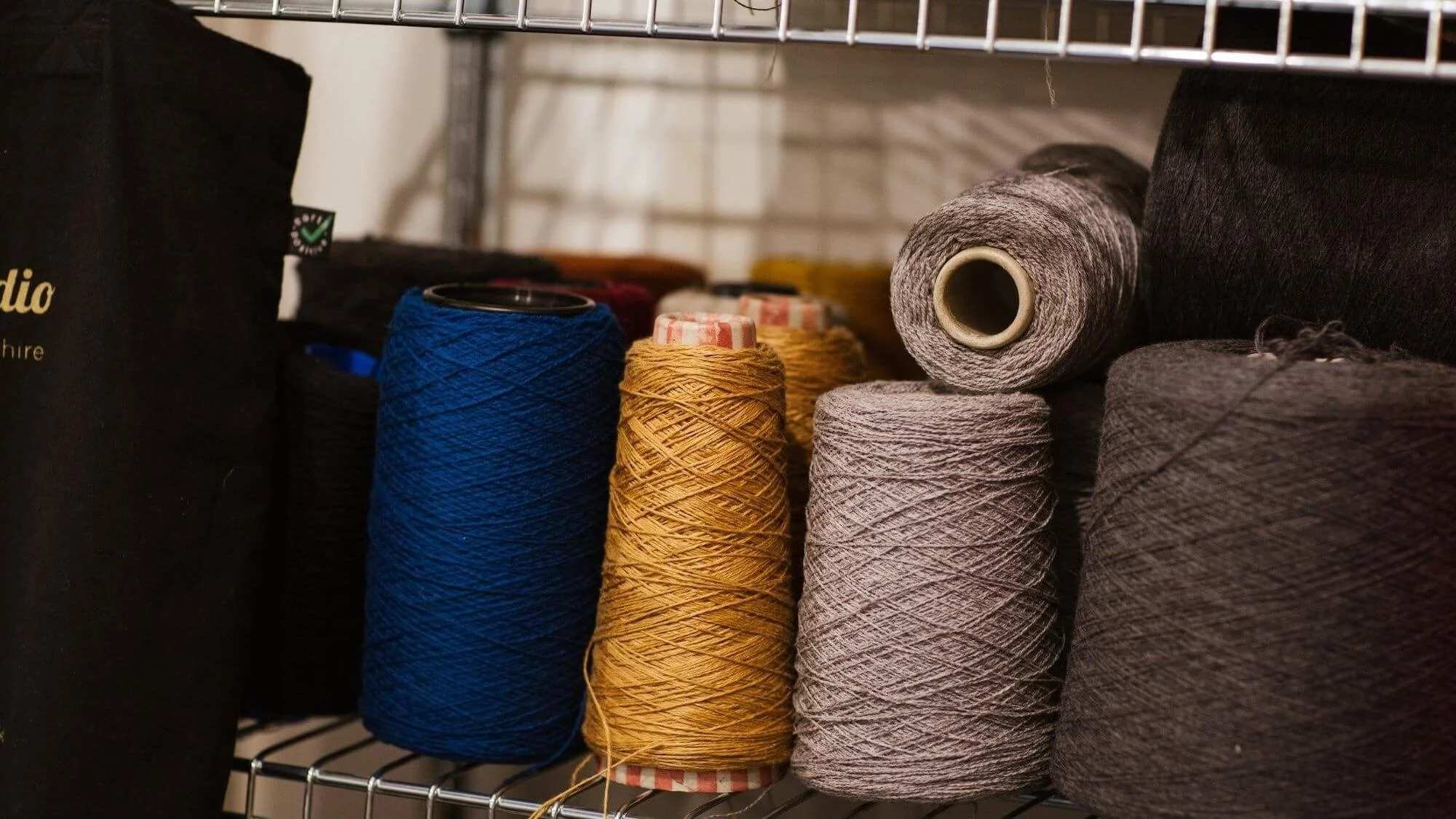
Post-consumer PET bottles are cleaned, chipped, melted, and extruded into polyester fiber. Typical hand-feel is smooth and moisture-wicking, similar to virgin polyester. GRS certification tracks bottle-to-yarn traceability.
Best for activewear sweaters, quarter-zips, and lightweight pullovers where durability and quick-dry properties matter.
Mechanically Recycled Cotton
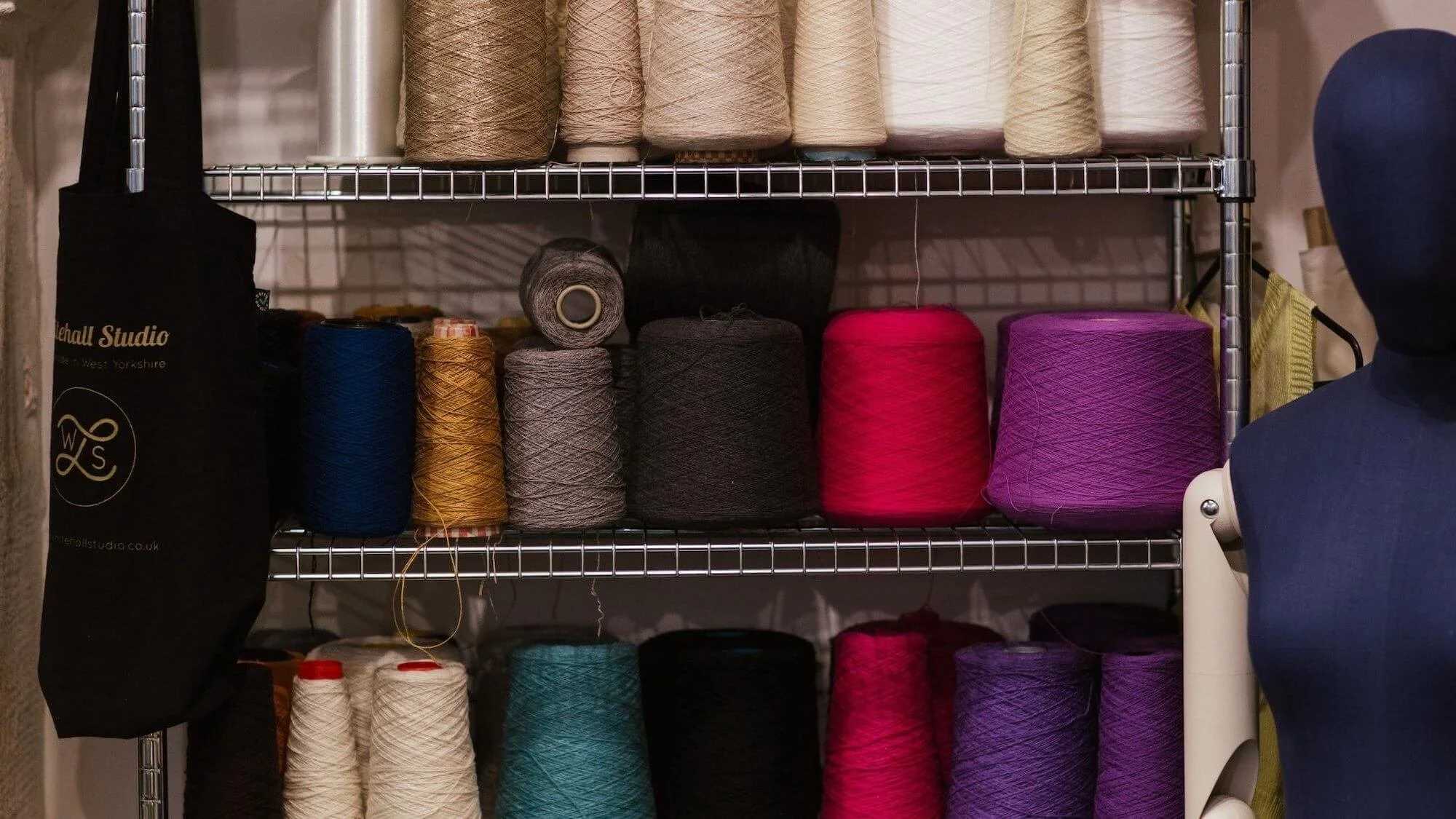
Pre-consumer cutting scraps and post-consumer garments are shredded, carded, and re-spun without chemical dissolution. Hand-feel is softer and slightly shorter-staple than virgin cotton. RCS or GRS apply depending on waste stream.
Ideal for casual crewnecks, cardigans, and everyday sweaters where natural comfort outweighs technical performance.
Chemically Recycled Polyester and Nylon
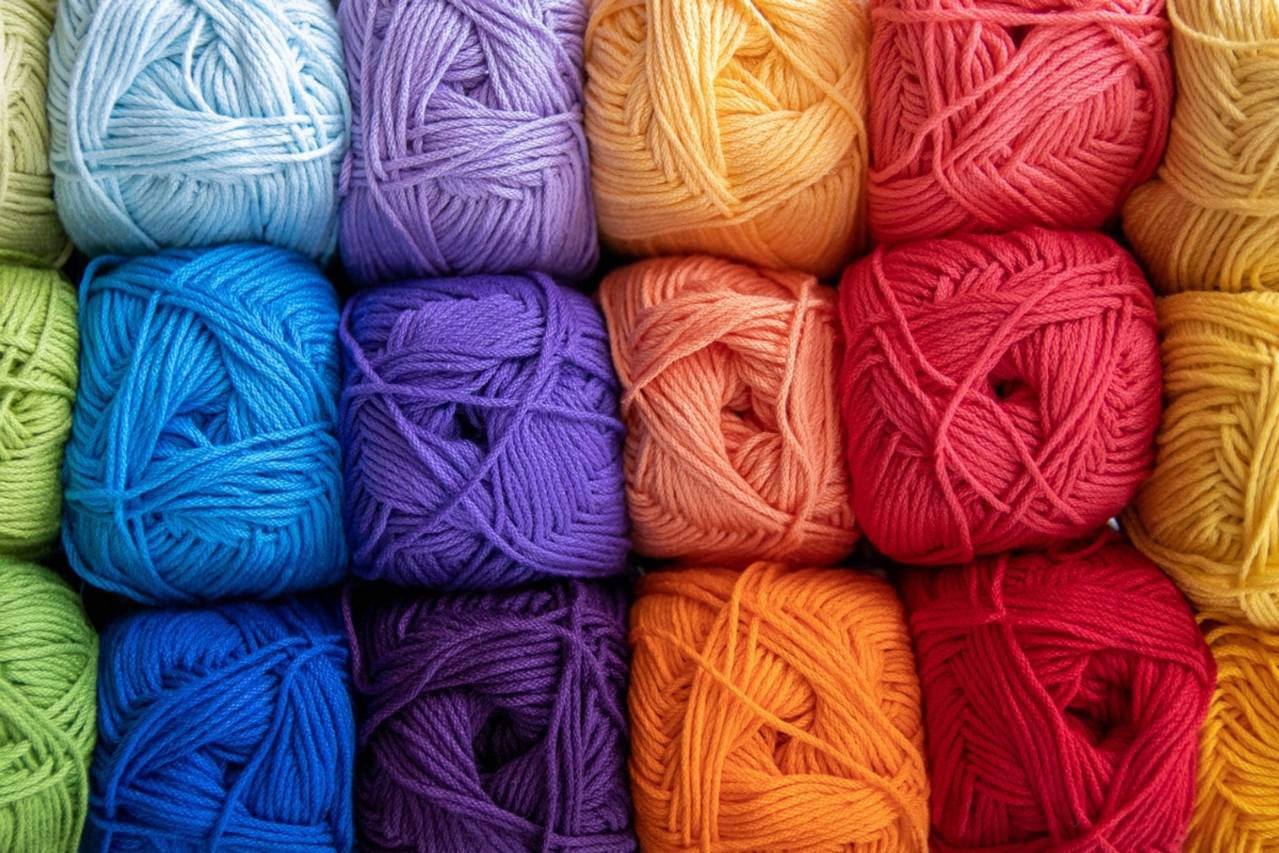
Depolymerization breaks used textiles back to monomers, yielding fiber quality identical to virgin. Hand-feel and strength match new yarn. GRS certification is standard.
Suited to premium sweaters, turtlenecks, and knit dresses where fiber length and uniformity are critical.
Recycled Wool from Pre-Consumer Scraps
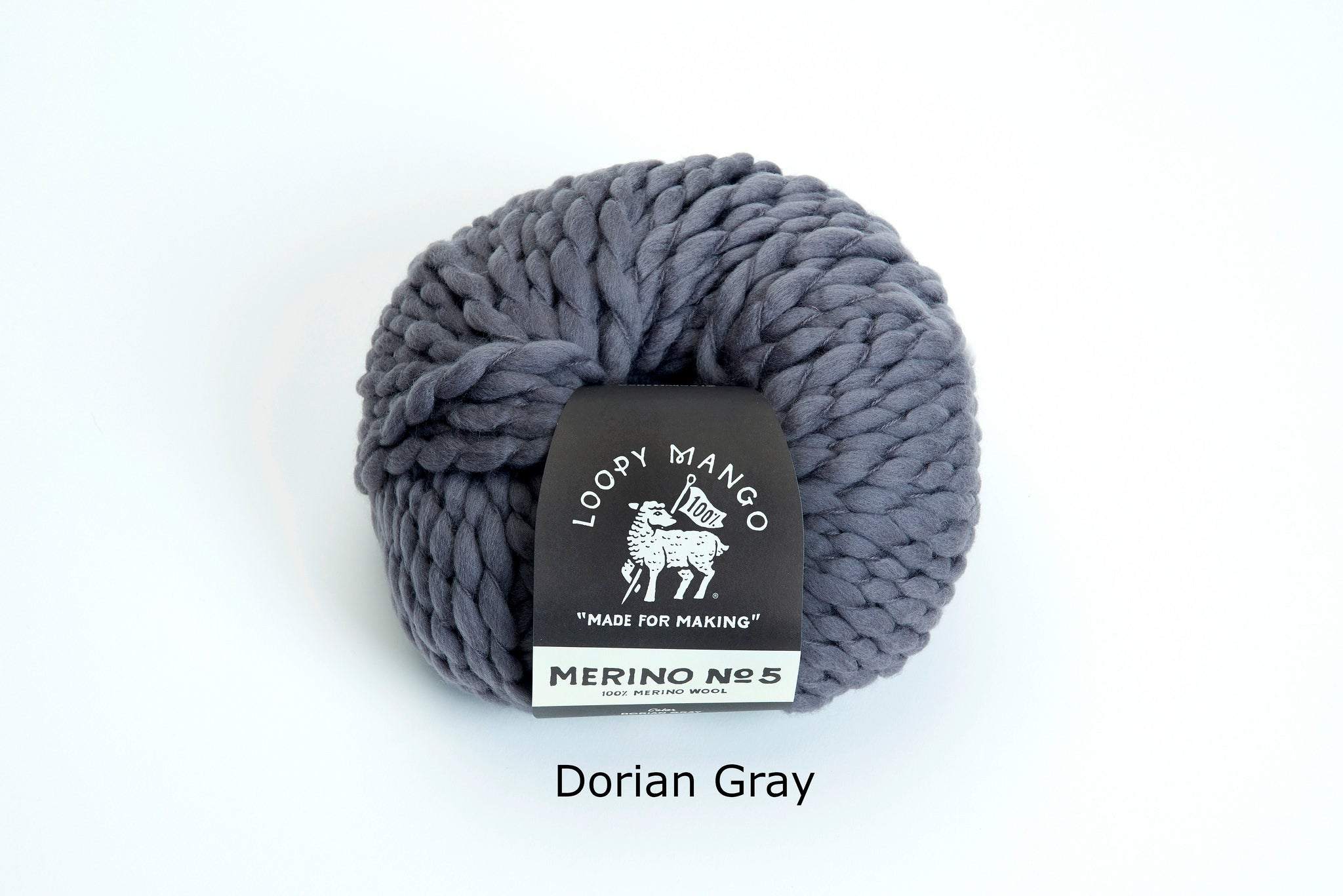
Cutting-room waste and mill ends are mechanically pulled and re-spun, often blended with virgin wool for strength. Hand-feel remains warm and breathable. GRS tracks material origin.
Perfect for classic pullovers, cable-knit sweaters, and winter-weight cardigans.
Blended Recycled Yarns
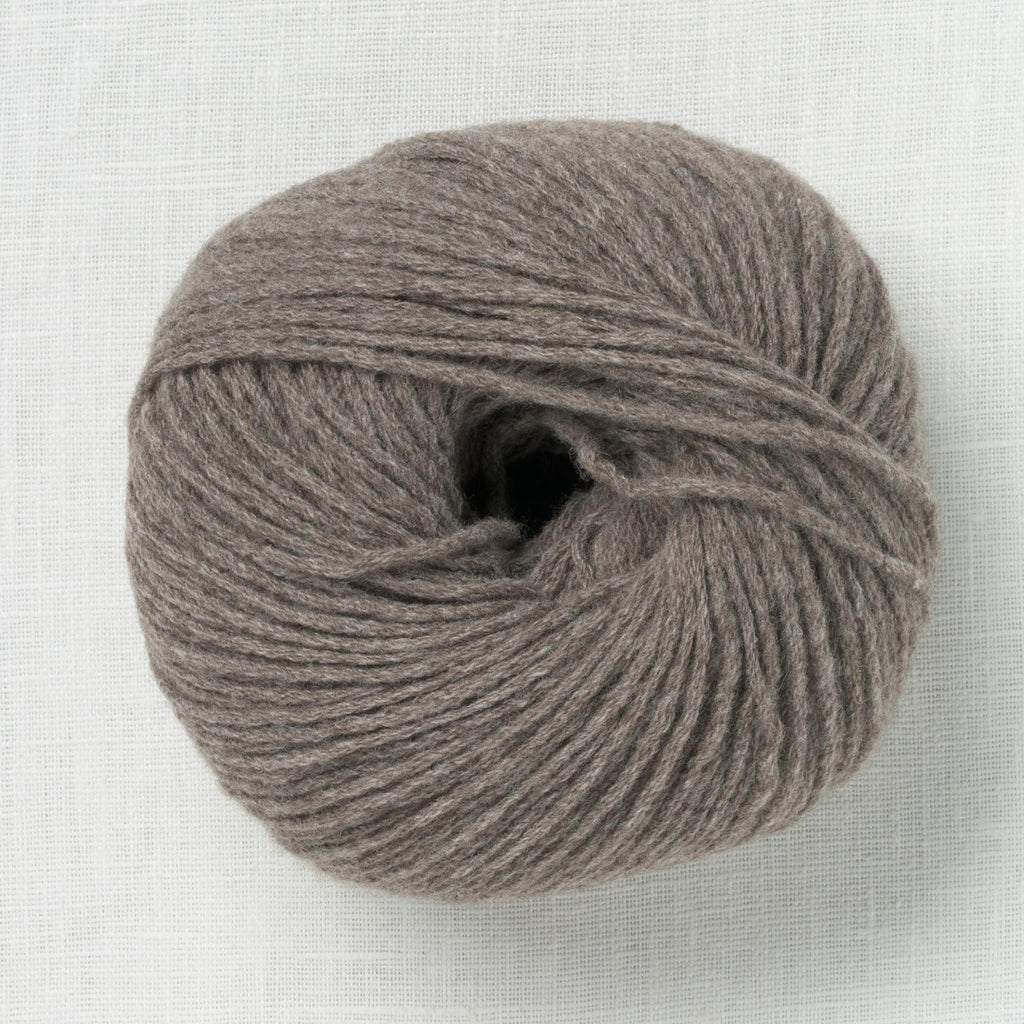
Combinations such as rPET plus organic cotton or recycled wool plus recycled nylon balance sustainability with performance. Hand-feel varies by blend ratio. Both GRS and GOTS may apply if organic content exceeds thresholds.
Versatile across sweaters, hoodies, and knit sets where brands want multi-fiber storytelling.
Ocean Plastic Knitwear
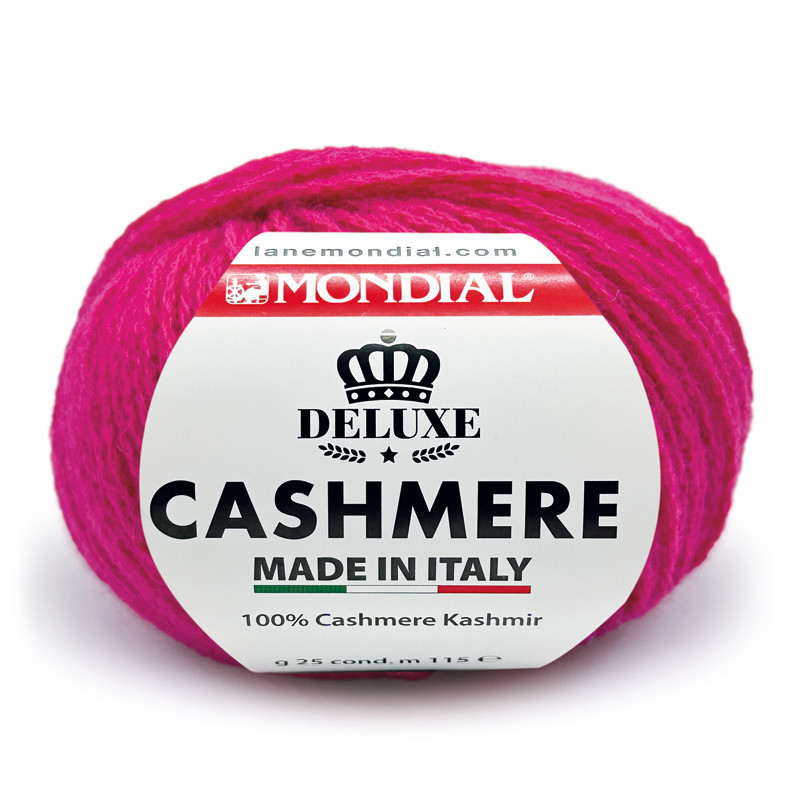
Marine and coastal plastic waste is collected, sorted, and processed into polyester yarn. Hand-feel mirrors standard rPET but carries stronger environmental narrative. OceanCycle or similar third-party verification is typical.
High-impact choice for brand storytelling in activewear sweaters, quarter-zips, and limited-edition capsules.
4. Materials and Fabrics in Recycled Yarn Knitwear
Recycled yarn knitwear spans the same fabric constructions as virgin fibers — single-jersey, rib, fleece, jacquard, and cable — but requires careful pairing of fiber blend, GSM, and end use. CENWILD knits recycled yarns across 3GG–14GG gauges, ensuring each construction meets durability and hand-feel standards.
| Fiber Type | Recycling Method | Typical GSM Range | Durability | Care Requirements | Best Use Cases |
|---|---|---|---|---|---|
| 100% rPET | Post-consumer bottles | 160–240 | High pilling resistance | Machine wash cold, tumble low | Activewear, tees, lightweight pullovers |
| rPET/Cotton Blend | Mechanical recycling | 200–280 | Moderate, softens over time | Warm wash, hang dry preferred | Casual sweaters, hoodies, everyday wear |
| Recycled Wool/Nylon | Garment shredding + re-spin | 280–400 | Excellent, minimal pilling | Hand wash or dry clean | Premium cardigans, heritage knits, outerwear |
Common Fabric Constructions in Recycled Yarn
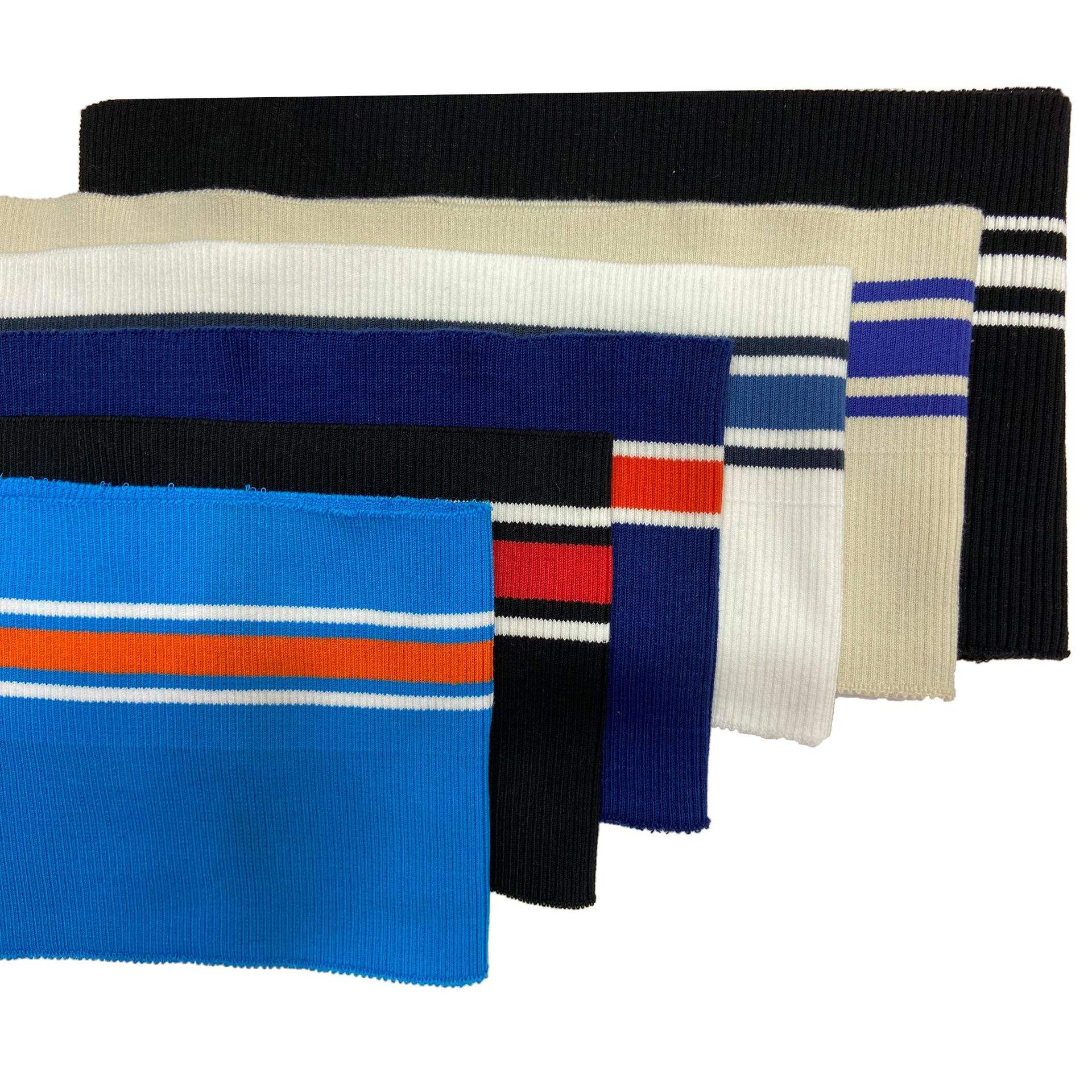
Single-jersey delivers lightweight drape for T-shirts and layering pieces, typically 180–220 GSM. Rib knits (1×1, 2×2) add stretch and recovery for cuffs, hems, and body-hugging silhouettes at 240–280 GSM.
Jacquard and intarsia enable multi-color patterns without waste, ideal for storytelling designs. Cable knits bring texture and warmth at 300–400 GSM, popular in recycled wool blends for heritage-style cardigans and pullovers.
Fiber Blend Comparison and Performance
Blend choice dictates performance, care, and market positioning. GRS-certified suppliers verify chain-of-custody from post-consumer waste to finished yarn, while OEKO-TEX Standard 100 confirms chemical safety. Always request mill certificates and transaction certificates (TC) to validate recycled content claims.
5. Customization and Decoration Options for Recycled Yarn Knitwear
Recycled yarn knitwear offers extensive customization, but brands must navigate color-matching constraints and choose decoration methods that align with sustainability goals. CENWILD supports yarn-dyed, piece-dyed, jacquard, intarsia, embroidery, printing, and branded packaging from 100-piece orders.
| Technique | Setup Cost | MOQ Impact | Durability | Sustainability |
|---|---|---|---|---|
| Jacquard/Intarsia | Moderate | None (knit-in) | Excellent | Zero waste, no chemicals |
| Embroidery | Low–Moderate | +0–50 pcs | High | Water-based threads available |
| Screen Print | Low | +50–100 pcs | Moderate | Eco inks; curing energy |
| Heat Transfer | Very Low | +0 pcs | Moderate | PVC-free films preferred |
Yarn-Dyed vs. Piece-Dyed Color Options
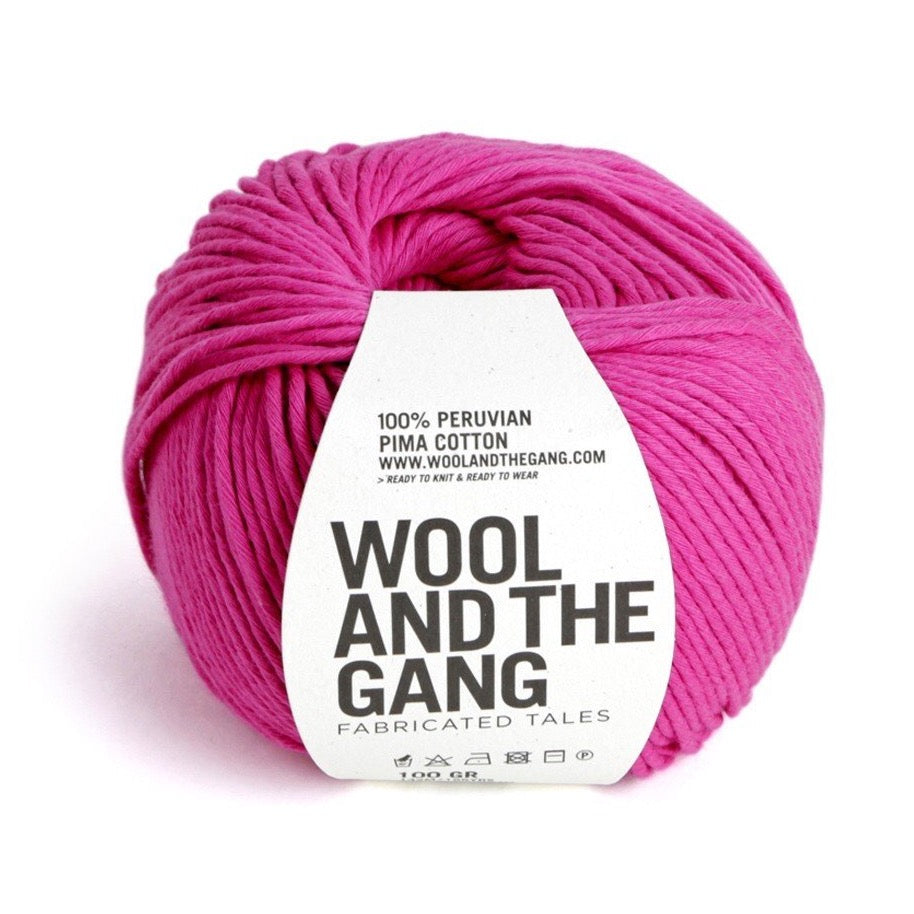
Yarn-dyed recycled fibers are colored before knitting, offering superior colorfastness but limited palette availability—many recycled suppliers stock 10–20 core shades. Piece dyeing (garment dye) expands the range but can yield slight batch variation due to inconsistent fiber composition in post-consumer blends.
CENWILD recommends yarn-dyed for consistent Pantone matching and piece-dyed for seasonal capsules where slight tonal shifts add character.
Jacquard and Intarsia Patterns
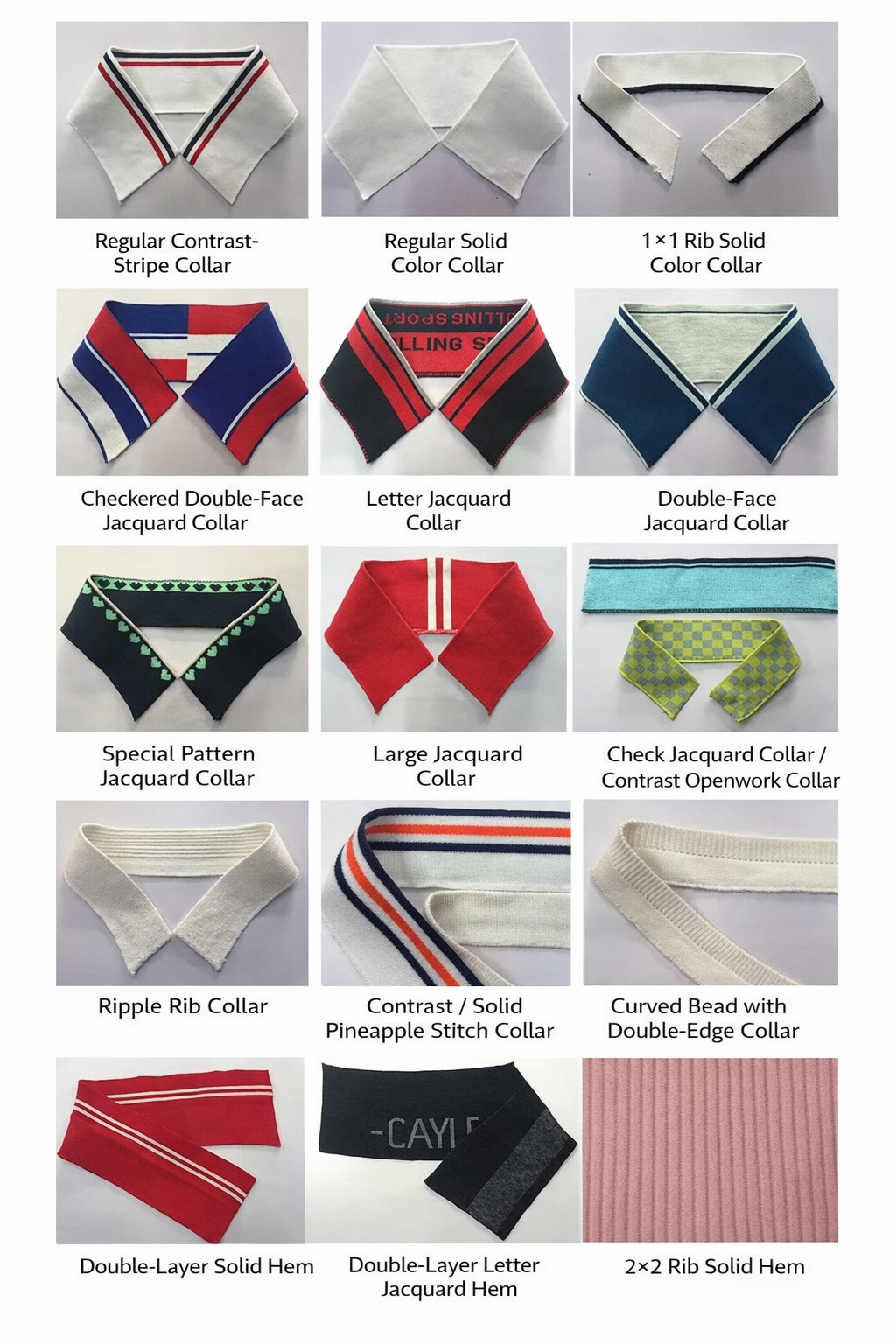
Jacquard and intarsia techniques weave multi-color designs directly into the knit structure, eliminating surface decoration and maximizing durability. Both methods work seamlessly with recycled yarns on 3GG–14GG gauges, ideal for logos, geometric motifs, and custom Christmas sweaters.
CENWILD’s 3D knit programming translates artwork into machine-ready patterns, with knit-down swatches confirming color placement before bulk production.
Embroidery, Appliqué, and Surface Decoration
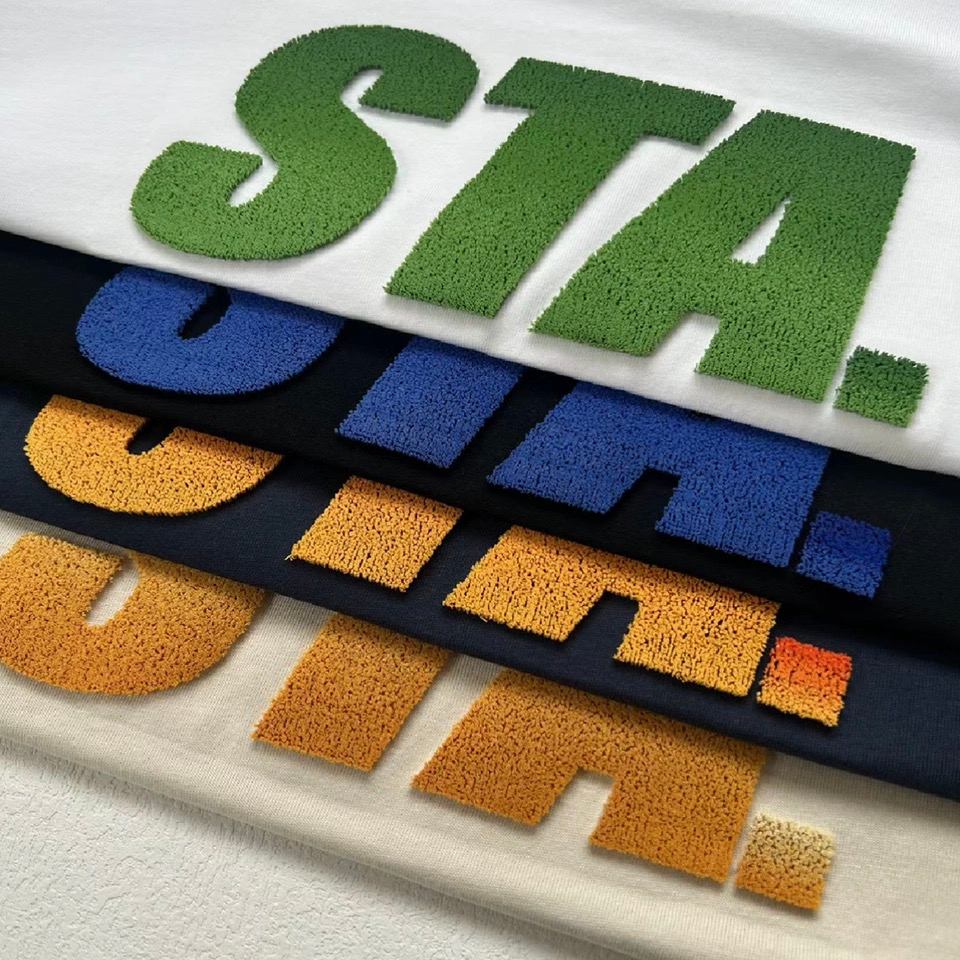
Flat, 3D puff, chain-stitch, sequin, and appliqué embroidery add texture and branding to recycled yarn knitwear. CENWILD applies these techniques post-knit, using water-based threads and backing to maintain eco-credentials.
Screen printing and heat transfers (DTF, sublimation) require eco-friendly, phthalate-free inks; setup costs are lower than embroidery but durability is moderate—best for limited-edition graphics.
Custom Labels, Hang Tags, and Packaging
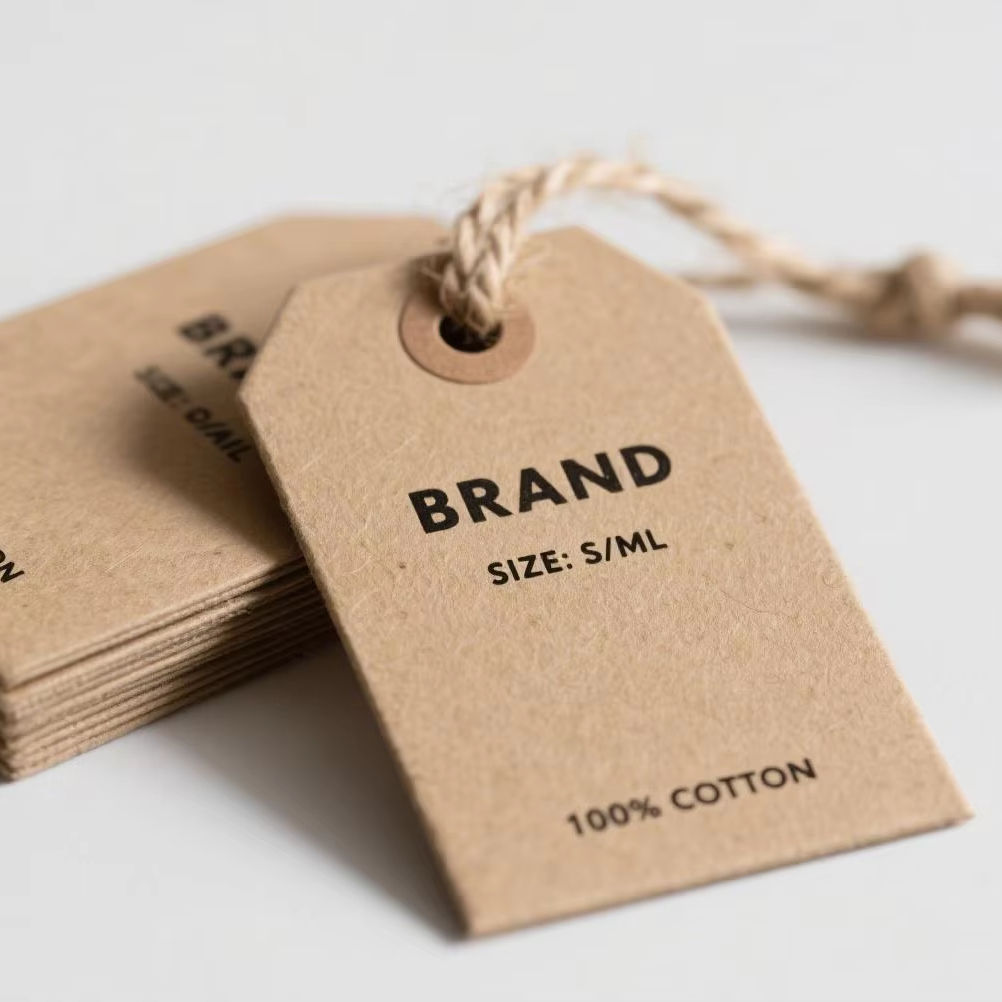
Branded woven labels, printed care tags, recycled-paper hang tags, and compostable poly bags complete the unboxing experience. CENWILD sources FSC-certified cardboard, soy-based inks, and organic cotton labels to reinforce sustainability messaging from 100-piece runs.
6. Key Quality Elements in Recycled Yarn Knitwear
Recycled yarn knitwear demands stricter inspection than virgin-fiber garments because post-consumer and pre-consumer fibers introduce natural variability in staple length and dye uptake. CENWILD’s QC protocols address six critical checkpoints before any recycled-yarn order ships.
Yarn Consistency and Pilling Resistance
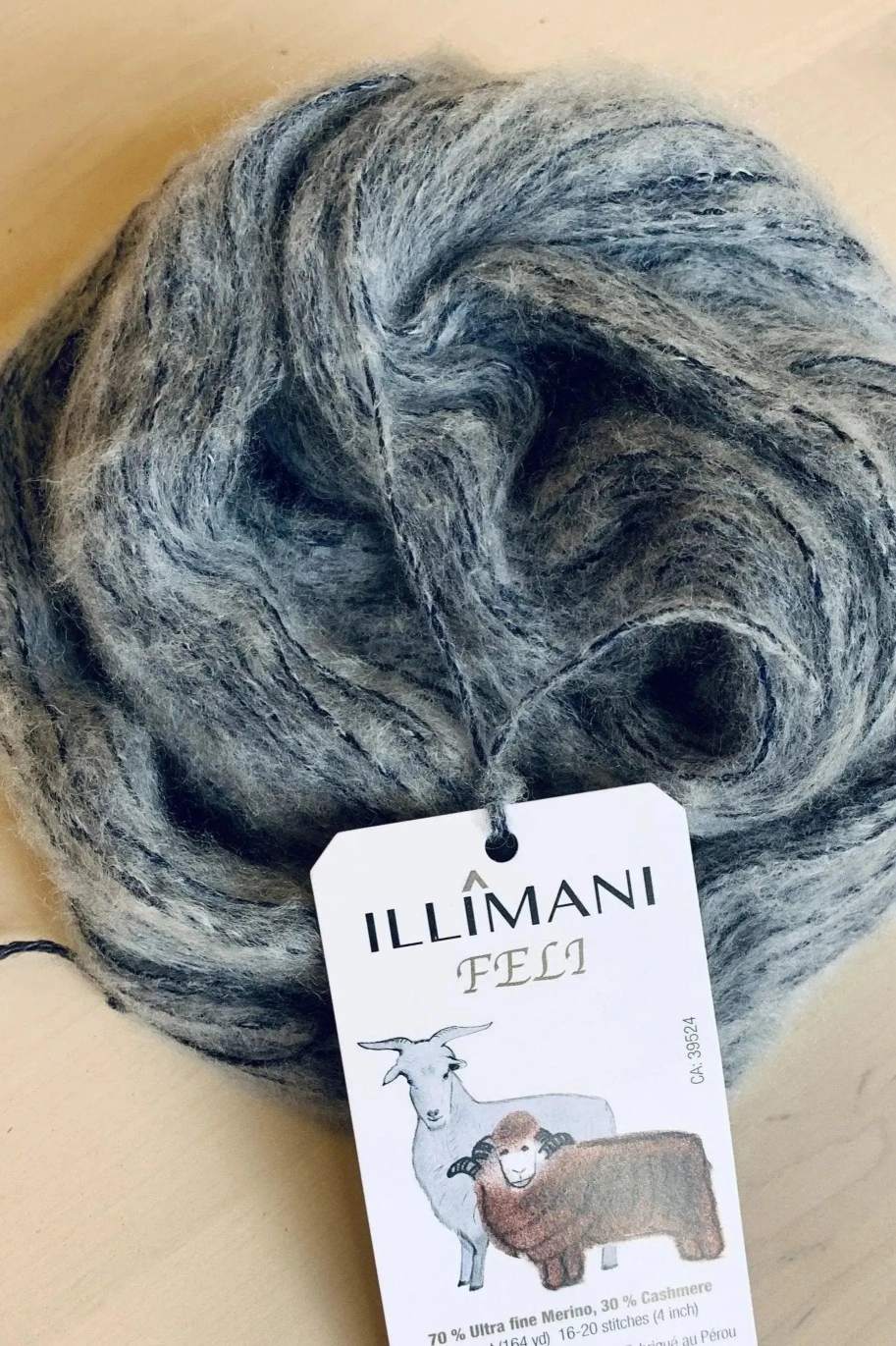
Recycled fibers vary in staple length; shorter fibers pill faster. Inspect yarn twist (tight Z-twist reduces shedding) and run the Martindale abrasion test — recycled cotton should exceed 15,000 cycles, recycled polyester 25,000+. Red flag: visible slubs or thick-thin sections in the knit face signal inconsistent carding.
Stitch Density and Gauge Uniformity
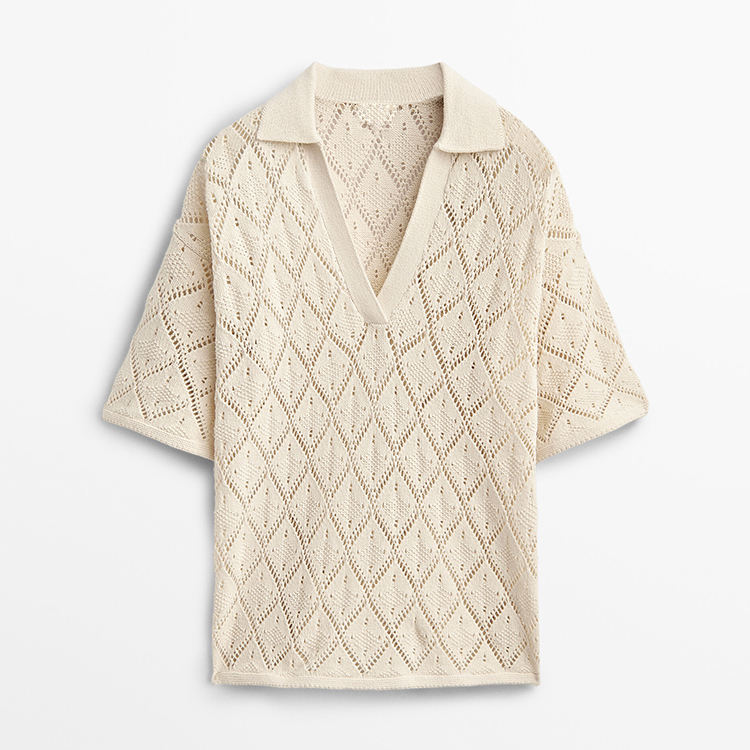
Gauge inconsistency causes wavy hems and twisted seams. Verify stitch count per inch matches the tech pack (e.g., 12GG = ~24 wales × 32 courses per inch). Use a pick glass to check for dropped stitches or tension variations. Red flag: visible horizontal lines or ‘banding’ across panels.
Seam Construction Quality
Linking (loop-to-loop) creates invisible, flat seams ideal for recycled cashmere and merino; overlocking is faster but bulkier. Inspect shoulder and side seams under tension — linked seams should show no thread, overlock stitches must be 12–14 per inch. Red flag: puckering or skipped stitches at stress points.
Dimensional Stability After Washing
Recycled fibers can shrink unevenly. Request wash-test reports per AATCC 135 (3–5 cycles, tumble dry low). Acceptable shrinkage: ≤3% length, ≤2% width. Red flag: garment twists >2° after drying or loses shape when hung wet.
Colorfastness and Dye Migration
Recycled fibers absorb dye inconsistently; check ISO 105-C06 (wash fastness grade ≥4) and ISO 105-E04 (perspiration grade ≥4). Run a white-cloth rub test on dark panels. Red flag: color bleeding onto trim, uneven tone between body and sleeves, or fading after one wash.
Certification Authenticity
GRS (Global Recycled Standard) requires chain-of-custody documentation with a unique transaction certificate (TC) number traceable to the certifying body (Control Union, ICEA, etc.). Verify the TC matches your order PO and covers the exact yarn lot. Red flag: missing TC number, expired certificate, or supplier unable to provide the full audit trail.
7. How to Choose a Recycled Yarn Knitwear Manufacturer
Selecting the right partner for recycled yarn knitwear requires verifying both sustainability credentials and manufacturing capability. Ask for third-party certifications, review MOQ flexibility, and assess technical depth before committing.
Certification Verification and Traceability
Request current GRS (Global Recycled Standard) or RCS (Recycled Claim Standard) certificates that prove chain-of-custody for post-consumer or pre-consumer fibers. OEKO-TEX Standard 100 confirms chemical safety. Ask for batch traceability documentation linking your order to certified yarn lots — transparent suppliers maintain digital records from fiber bale to finished garment.
Minimum Order Quantities and Sampling
MOQ typically ranges from 300 to 1,000 pieces per colorway at most mills; CENWILD’s 100-piece minimum lowers entry barriers for independent designers and test collections. Confirm knit-down sampling lead time (7–10 days is standard) and whether the factory programs 3D virtual samples before physical prototypes to save iteration cycles.
Technical Capabilities and Quality Systems
Verify gauge range (3GG–14GG covers chunky to fine knits) and pattern complexity — intarsia, jacquard, and cable require advanced programming. During vetting calls, ask how the factory manages color consistency across recycled-fiber batches and what inline inspection checkpoints exist before final QC.
8. Common Mistakes When Sourcing Recycled Yarn Knitwear
Even experienced buyers stumble when sourcing recycled yarn knitwear. Six recurring pitfalls can derail timelines, inflate costs, and damage brand credibility. Recognizing these mistakes early protects both your supply chain and your sustainability narrative.
Trusting Unverified Recycled Claims
Greenwashing is rampant: suppliers may label any yarn ‘recycled’ without GRS, RCS, or OEKO-TEX certification. Always request third-party certificates and mill traceability documents before committing. CENWILD provides GRS-certified yarn options and full chain-of-custody records to ensure claims stand up to customer scrutiny.
Ignoring Fiber Blend Trade-Offs
A 70% recycled polyester / 30% virgin cotton blend behaves differently from 100% recycled cotton—pilling, shrinkage, and care instructions shift. Confirm blend ratios, request knit-down swatches, and update care labels accordingly to avoid post-launch returns.
Underestimating Color and Dye Limitations
Recycled fibers often arrive pre-dyed, limiting Pantone matching and requiring larger minimum dye lots for custom shades. Plan your palette early, accept slight batch variance, or choose stock-dyed recycled yarns to stay on schedule and budget.
Skipping Pre-Production Samples
Rushing straight to bulk production saves two weeks but risks discovering fit, hand-feel, or color mismatches in 5,000 units. Always approve a full pre-production sample with final yarn, gauge, and trims—CENWILD’s 100-piece MOQ lets you test the market before scaling.
Neglecting End-of-Life Recyclability
Using recycled yarn is only half the circle; blended fibers, metal zippers, and sewn-in labels can render garments non-recyclable. Design for disassembly—mono-material construction, removable trims—and communicate take-back or repair programs to close the loop.
Choosing Price Over Certification
The cheapest quote often hides uncertified yarn, substandard dyeing, or poor labor practices. Verify factory audits (BSCI, WRAP), yarn certificates, and sample quality. Long-term partnership with a transparent manufacturer like CENWILD protects margin and reputation alike.
9. Steps to Launch Your Recycled Yarn Knitwear Brand
Launching a recycled yarn knitwear brand requires a clear roadmap from concept to market. CENWILD has guided over 2,000 brands through this process, from startups with 100-piece MOQs to established labels scaling sustainable collections. Follow these six steps to move efficiently from idea to first shipment.
Define Your Sustainability Story and Audience
Identify your target customer — eco-conscious millennials, premium athleisure buyers, or corporate uniform programs — and craft a clear sustainability narrative. Specify which recycled content claim you will make: GRS-certified post-consumer, pre-consumer textile waste, or blended recycled fibers.
Startups typically target niche audiences with 3–5 SKUs; established brands expand existing lines with recycled variants. Document your story early; it drives fiber selection, certification needs, and marketing messaging.
Select Fiber Type and Fabric Weight
Choose recycled polyester (moisture-wicking, 180–280 GSM), recycled cotton (soft, 240–320 GSM), or recycled wool blends (warm, 300–400 GSM) based on your collection’s season and price point. CENWILD offers GRS-certified yarn in 3GG–14GG gauges for weights from lightweight spring knits to heavy winter pullovers.
Match gauge to garment style: 5GG–7GG for chunky cardigans, 12GG–14GG for fine-gauge crewnecks. Request yarn swatches to confirm hand-feel and drape before committing to full tech packs.
Develop Tech Packs with Fit and Construction Specs
Provide or co-develop tech packs that include measurement charts (chest, length, sleeve), stitch type (jersey, rib, cable), seam construction (fully fashioned or cut-and-sew), and trim details (zippers, buttons, labels). CENWILD’s design team converts sketches or reference images into production-ready specs with 3D knit programming and grading.
Include wash-care instructions and any required certifications (GRS, OEKO-TEX) in your pack. Clear specs reduce sample revisions and speed up the 2–3 week sampling cycle.
Request and Evaluate Samples from Certified Manufacturers
Order knit-down samples to verify fit, fabric quality, and decoration accuracy. Check GRS or RCS certificates, test colorfastness, pilling resistance (grade 3–4 minimum), and dimensional stability after wash. CENWILD provides samples within 15–20 days and holds certificates for all recycled yarn lots.
Startups should budget $50–150 per sample style; established brands often negotiate sample fees credited against production orders. Approve samples in writing before advancing to bulk production.
Finalize Pricing, MOQ, and Production Timeline
Negotiate FOB pricing (typically $8–25 per piece for recycled yarn knitwear, depending on gauge and decoration), confirm MOQ (CENWILD starts at 100 pieces per style, 50 per color for reorders), and lock in lead times (45–60 days for first orders, 30–40 days for repeats).
Startups pay 100% deposit on first orders, easing to 30% for stable long-term partners; balance is due before shipment. Plan 90–120 days from design kickoff to warehouse delivery, including sampling, production, and ocean freight.
Plan Marketing Around Certifications and Transparency
Highlight GRS or RCS certification numbers, recycled-content percentages, and supply-chain traceability in product descriptions, hang tags, and social media. Use behind-the-scenes content — yarn sourcing, knitting footage, quality checks — to build trust with eco-conscious buyers.
Established brands integrate sustainability reports and carbon-footprint data; startups focus on storytelling via Instagram, email, and packaging inserts. Transparency drives repeat purchases and word-of-mouth in the sustainable fashion community.
10. Pricing and Cost Breakdown for Recycled Yarn Knitwear
Recycled yarn knitwear typically costs 10–30% more than virgin-fiber equivalents due to collection, sorting, and reprocessing premiums, though economies of scale begin at 1,000 pieces when knitting setup is amortized across the run. Fiber choice drives the widest price variance: recycled polyester (rPET) adds modest cost, while recycled cashmere or wool blends command significantly higher unit prices.
Decoration complexity, certification premiums (GRS, OEKO-TEX), and shipping method further influence landed cost. Sampling fees — typically $80–150 per colorway — are often credited back on orders above 500 pieces, and setup charges decrease as order quantity rises.
CENWILD’s 100-piece MOQ enables emerging brands to test recycled yarn knitwear collections without prohibitive upfront investment, while stable partners benefit from deposit terms as low as 30% and volume pricing that narrows the gap between recycled and conventional yarns.
| Garment Type | 100 pcs (USD) | 500 pcs (USD) | 1,000 pcs (USD) | 2,500+ pcs (USD) | Lead Time (weeks) |
|---|---|---|---|---|---|
| Basic crewneck sweater (rPET blend) | $22–28 | $18–24 | $16–21 | $14–19 | 4–5 |
| Jacquard pullover (recycled wool) | $32–42 | $28–36 | $25–32 | $22–28 | 5–6 |
| Heavyweight hoodie (recycled cotton) | $28–36 | $24–30 | $21–27 | $18–24 | 5–6 |
Start Your Recycled Yarn Knitwear Collection Today
Partner with CENWILD for custom sustainable sweaters. Low MOQ from 100 pieces, OEM/ODM flexibility, and 28+ years of knitwear expertise.