
Brushed Knit Fabric — Soft, Luxurious Sweaters from 100 Pieces
CENWILD manufactures custom brushed knit sweaters with OEM and ODM services. Low MOQ, in-house finishing, and 28+ years of expertise in Dongguan, China.
Brushed Knit Sweater & Cardigan Samples

What Makes Brushed Knit Special
Exceptionally Soft Hand-Feel
Brushed knit fabric delivers a plush, cloud-like texture that elevates comfort and appeals to premium, quality-conscious consumers.
Superior Thermal Insulation
The raised fiber surface traps warm air close to the skin, making brushed knit ideal for autumn and winter collections.
Luxurious Visual Appeal
Brushing creates a subtle halo and refined sheen that positions your sweaters as high-end, designer-quality knitwear pieces.
Reduced Pilling & Durability
Our controlled brushing process removes loose fibers upfront, minimizing pilling and extending garment lifespan for customer satisfaction.
Premium Positioning Power
Brushed knit commands higher retail price points by delivering the tactile luxury today’s fashion brands and consumers expect.
Versatile Across Yarn Types
CENWILD applies brushed finishing to cashmere, merino, lambswool, alpaca, cotton, and blends—tailored to your brand vision.
Related Knitwear Techniques & Products
Washing and Finishing
Full-service garment washing and finishing for knitwear including softening, anti-pilling enzyme treatment, brushing, and garment dyeing. CENWILD processes sweaters in-house to deliver the exact hand feel, surface texture, and color your brand requires before packaging and shipment.
Get a Quote
Garment Wash and Softening
Post-knit garment wash processes that soften fibers, relax fabrics, and improve wearing comfort. Applied to cardigans, pullovers, and knit sets in cotton, wool blends, cashmere, and acrylic. Available from 100-piece MOQ with full quality control at our Dongguan facility.
Get a QuoteEnzyme Wash Anti-Pilling
Enzyme wash treatment that reduces pilling and extends the commercial lifespan of wool, cashmere, and blended knitwear. CENWILD applies controlled enzyme finishing to sweaters, vests, and dresses, ensuring garments maintain a clean surface through repeated wear and washing.
Get a Quote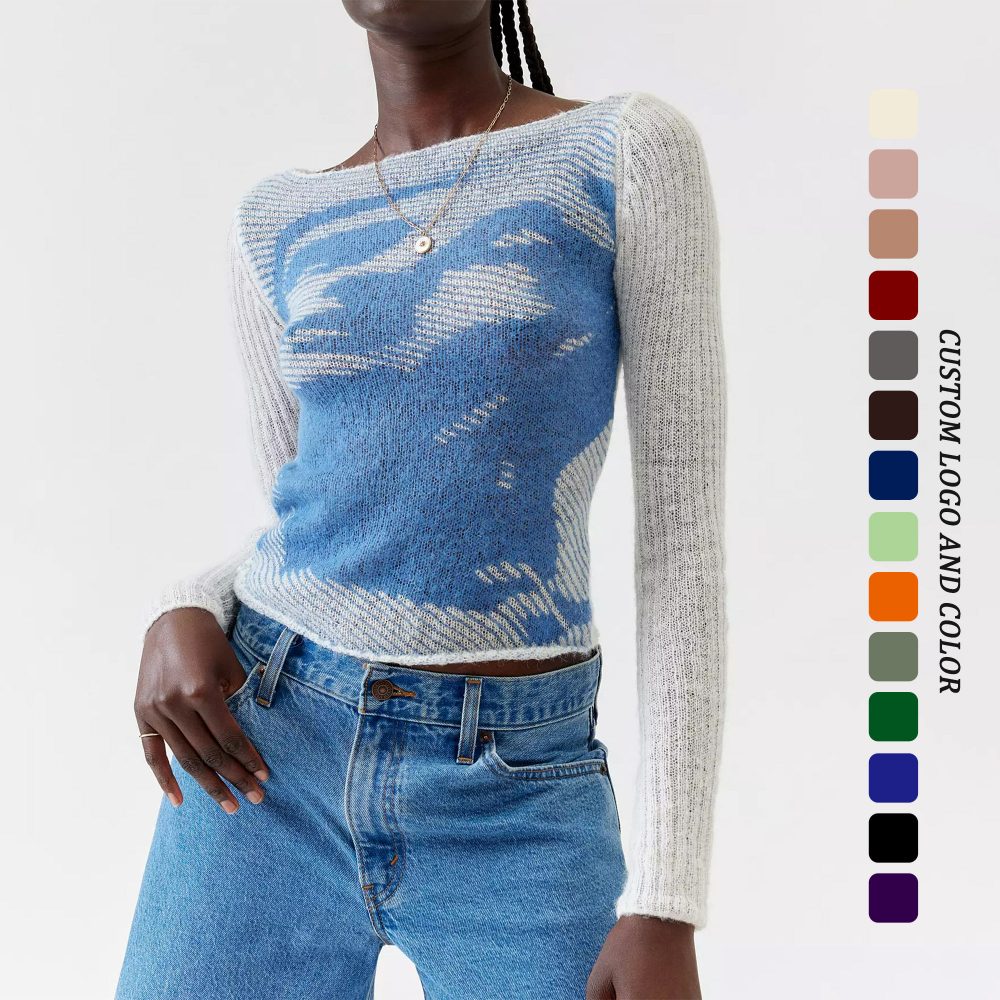
Garment Dye
Garment dye service for knitwear allowing late-stage color customization and richer, vintage-washed tones. Suitable for cardigans, pullovers, and sweater vests in natural fibers. Dye lots coordinated with your production schedule, supported by 28 years of finishing expertise in Dongguan.
Get a Quote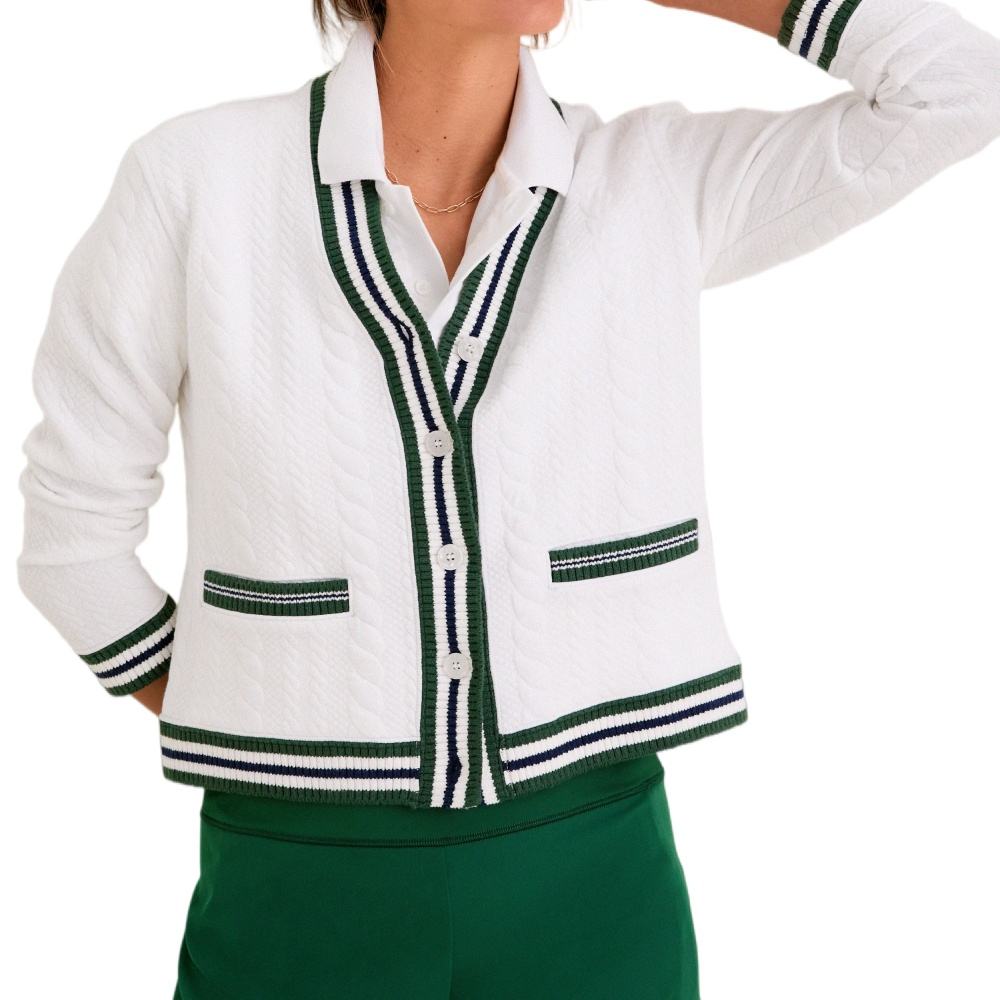
Custom Cardigan
Custom cardigan production from concept to finished garment. CENWILD knits cardigans in any gauge, stitch pattern, yarn blend, and decoration—intarsia, jacquard, embroidery, or print—with design support, knit-down sampling, and MOQ from 100 pieces for independent designers and fashion brands.
Get a Quote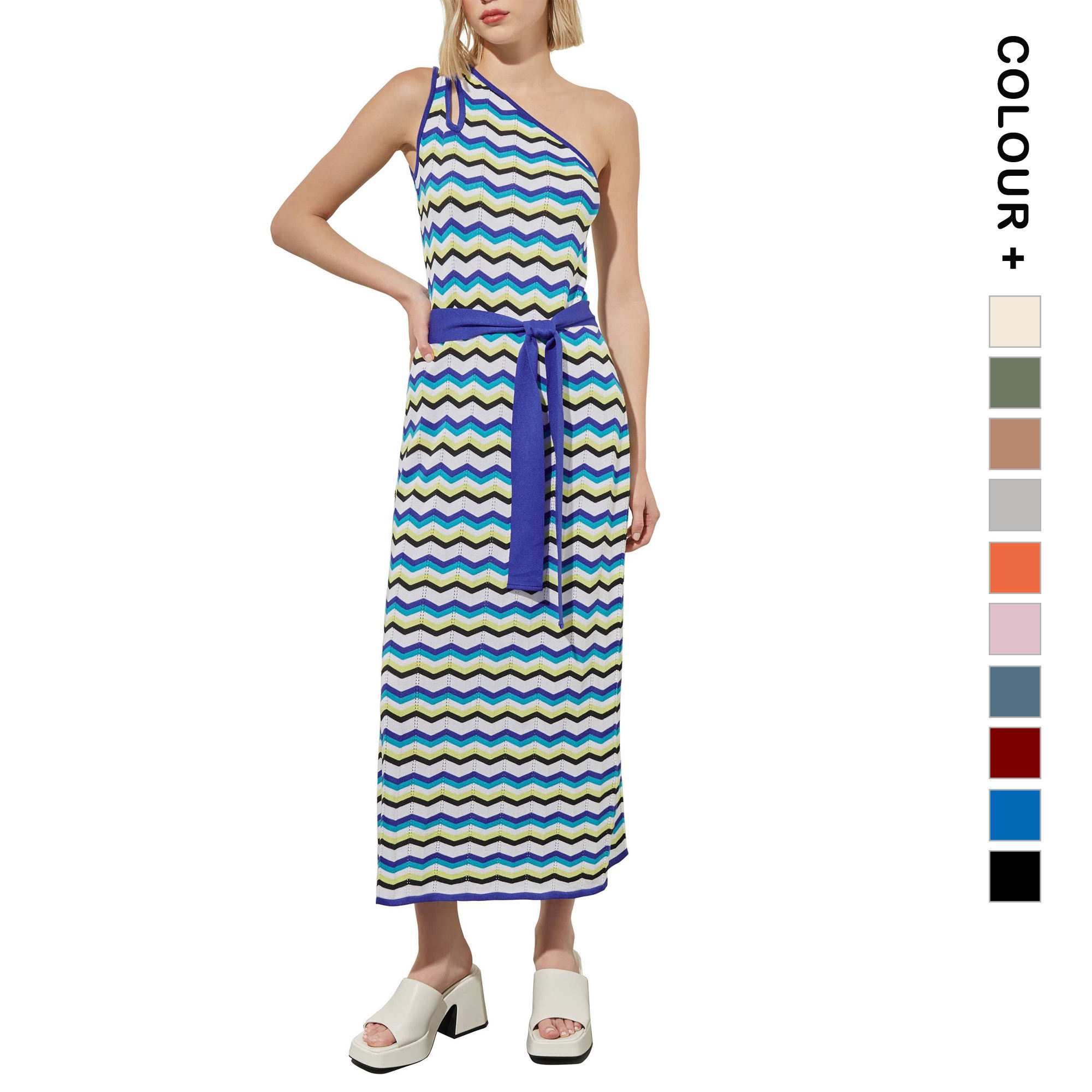
Cardigan Sweater Manufacturer
OEM and ODM cardigan sweater manufacturing for brands, retailers, and wholesalers worldwide. Full capabilities include flat-knitting across 3GG to 14GG, in-house sampling, yarn sourcing, embroidery, garment wash, and private label packaging. Monthly capacity exceeds 80,000 pieces from our Humen, Dongguan factory.
Get a Quote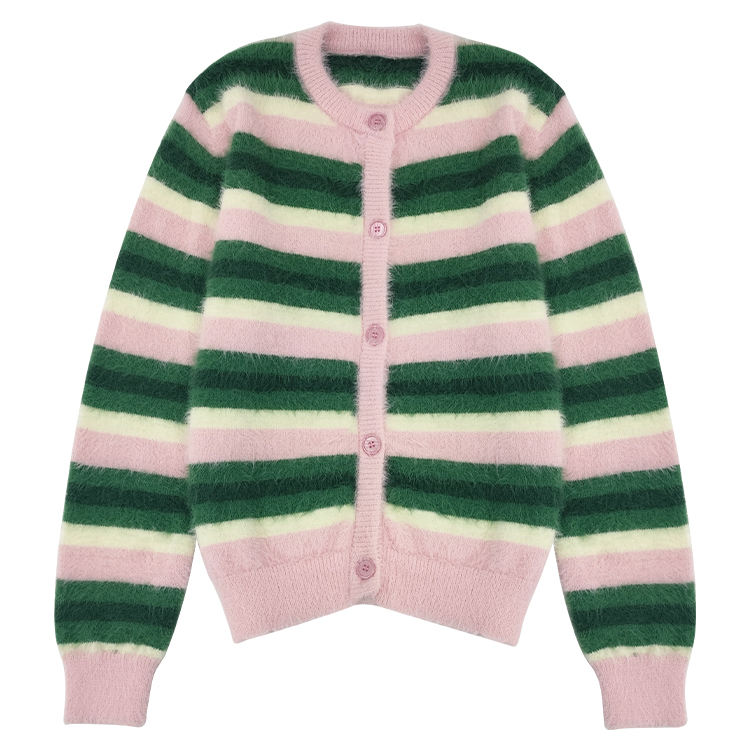
Wholesale Cardigan Sweaters
Wholesale cardigan sweater production for retailers and resellers seeking reliable supply at flexible minimums. CENWILD manufactures cardigans in cashmere, merino, cotton, acrylic, and blends with consistent quality, repeat-order pricing, and scalable volume. Serving over 2,000 brands since 1998.
Get a Quote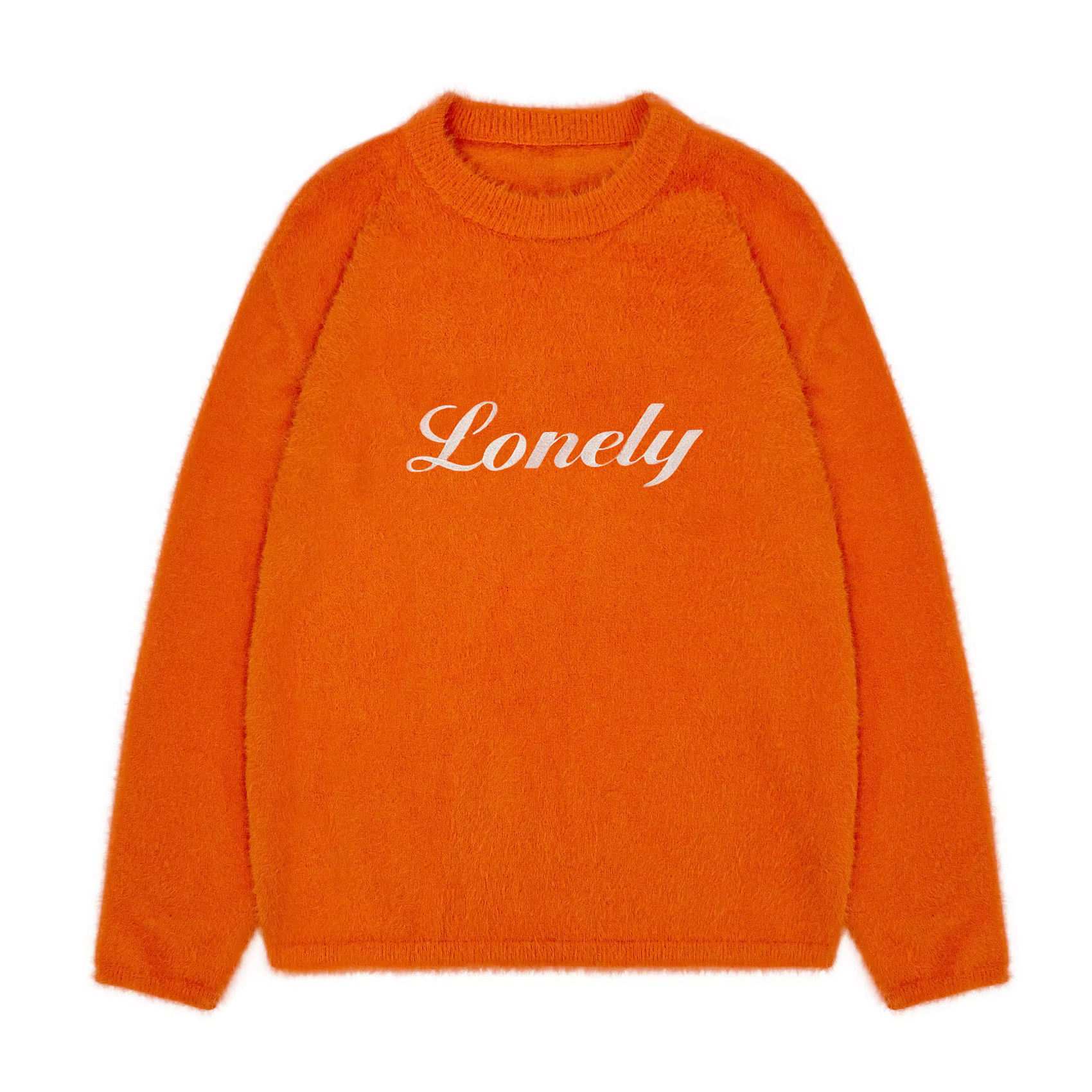
Brushed Fleece Sweaters
Brushed fleece sweaters with soft, raised interior texture for warmth and comfort. Knit in cotton, poly-cotton, or wool blends and brushed in-house. Ideal for casual pullovers, hoodies, and sweatshirt-style knitwear. Available with custom embroidery, printing, and garment dye finishing.
Get a Quote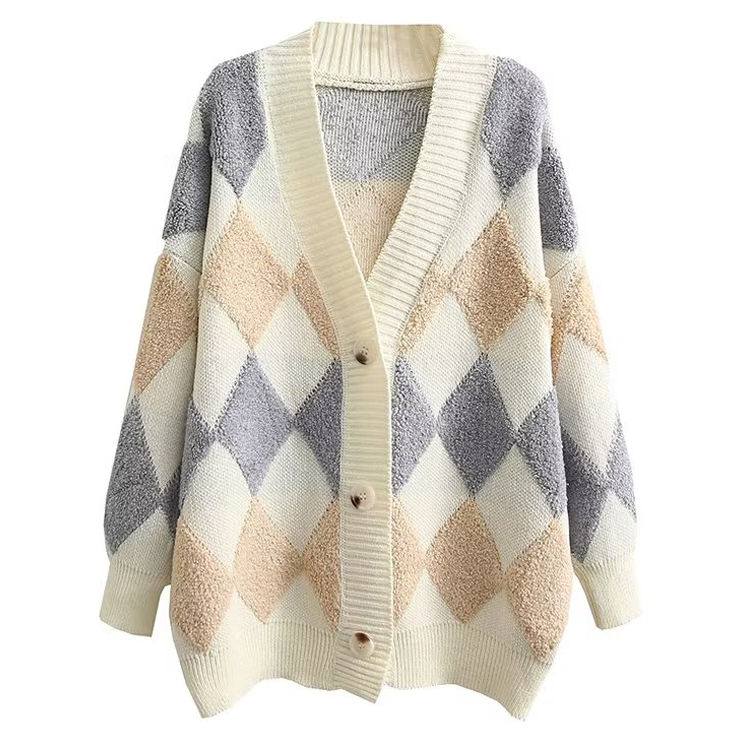
Brushed Knit Cardigans
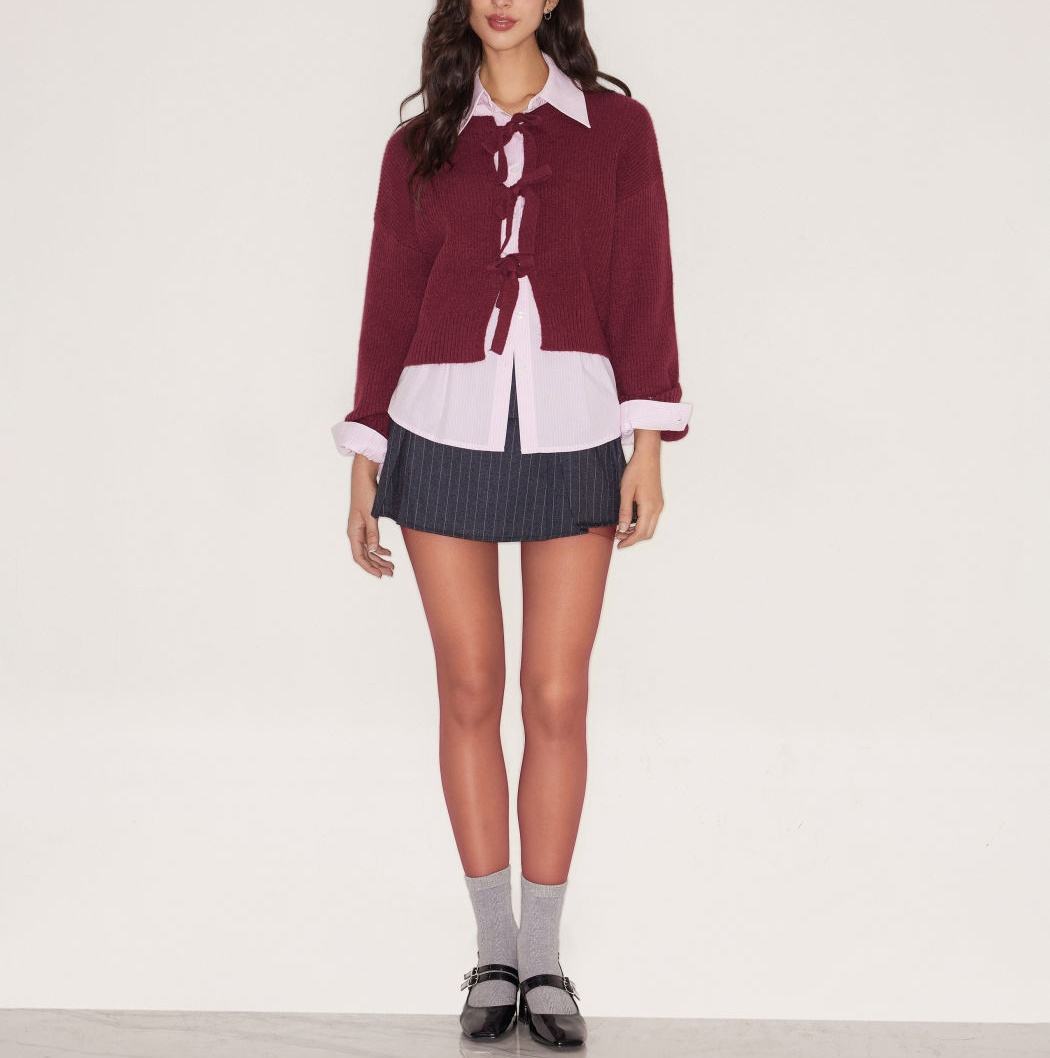
Brushed knit cardigans combining the structure of flat-knit sweaters with the plush hand feel of brushed finishing. Manufactured in wool, cashmere, alpaca, or synthetic blends with cable, rib, or jacquard patterns. Full ODM design support and low MOQ from CENWILD’s Dongguan knitwear facility.
Get a QuoteCENWILD's Brushed Knit Expertise
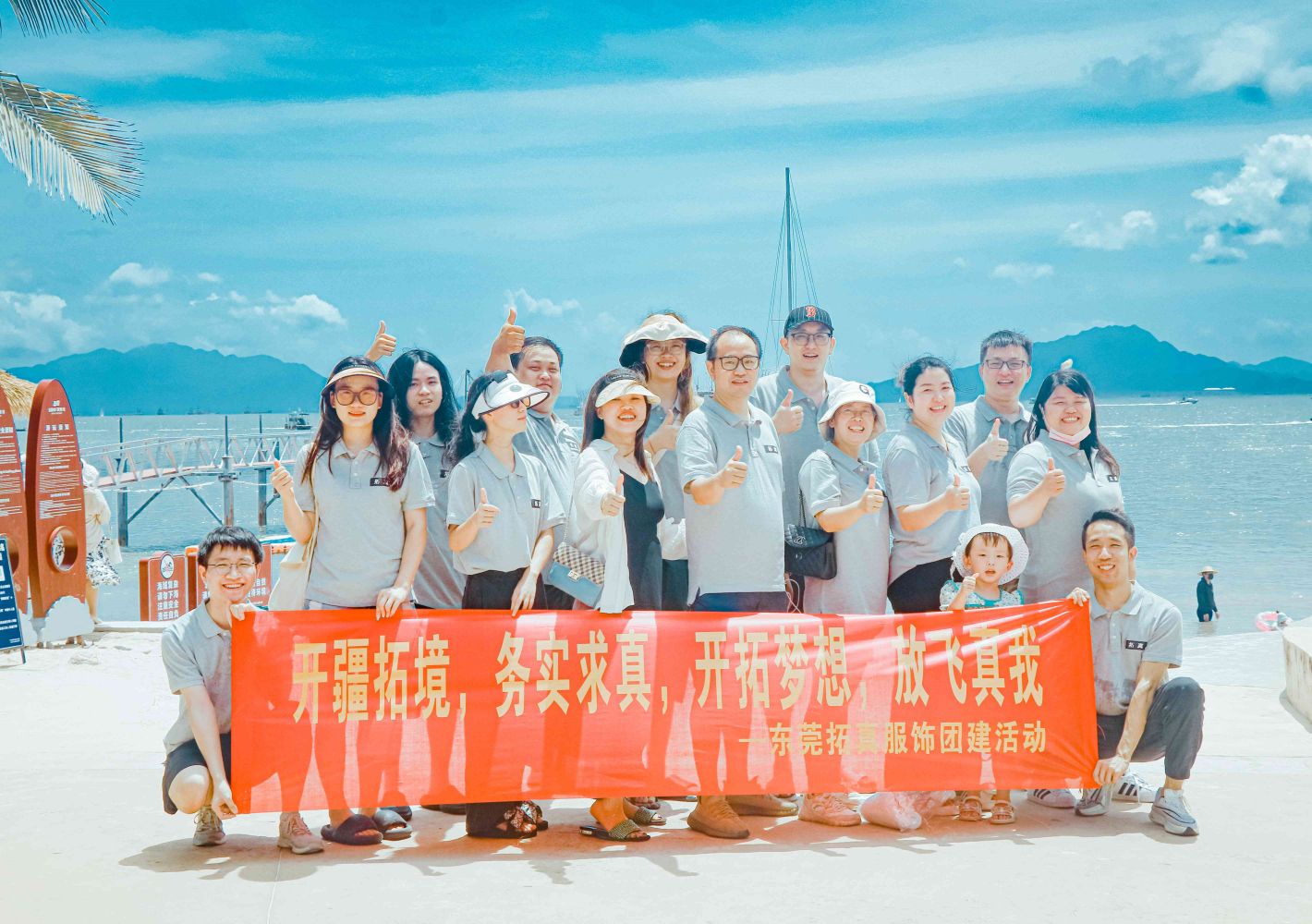
Since 1998, CENWILD has refined the art of brushed knit finishing in Dongguan’s knitwear heartland. Our dedicated brushing and garment-finishing workshop handles every fiber blend — cashmere, merino, alpaca, cotton, and acrylic — delivering the signature soft, plush surface that defines premium brushed knit sweaters. Over 28 years we have produced millions of brushed pieces for brands across North America, Europe, and beyond.
We control every stage in-house: knitting on computerized flat-knit machines from 3GG to 14GG, precision brushing with calibrated roller equipment, anti-pilling treatment, and rigorous quality checks that ensure consistent hand-feel across every batch. Whether you need brushed cardigans, pullovers, or knit sets, our monthly capacity of 80,000-plus pieces and low 100-piece MOQ make us the manufacturing backbone for emerging and established fashion brands alike.
CENWILD’s brushed knit experience is built on innovation and partnership. Our design team programs custom stitch structures optimized for brushing, sources specialty yarns, and produces knit-down swatches so you see and feel the exact finish before production. Quality First and Customer Growth guide every order — from your first 100 pieces to recurring seasonal collections.
The Brushed Knit Finishing Process
Fiber Selection and Knit Construction
The foundation of superior brushed knit begins with yarn choice and knit architecture. CENWILD’s 28+ years of experience guide fiber blending, gauge selection, and stitch density to ensure the base fabric has enough surface fiber to brush without compromising structural integrity or pilling resistance.
- Yarn blends optimized for brushing—merino, lambswool, cotton, alpaca, or acrylic with controlled staple length
- Gauge and stitch-type calibrated to balance surface nap with garment stability
- Pre-production knit-down swatches tested for brushability and hand-feel before full runs
Pre-Brushing Preparation and Washing
Before brushing machinery touches the fabric, garments undergo controlled washing and relaxation cycles. This step removes knitting oils, stabilizes dimensions, and opens fiber ends, creating the ideal surface for uniform nap development while preventing uneven texture or shrinkage during later wear.
- Garment washing with softening agents to relax fibers and prepare for brushing
- Temperature and agitation carefully controlled to avoid felting or distortion
- Anti-pilling pre-treatment applied when specified for long-lasting softness
- Dimensional stability locked in before mechanical brushing begins
Brush Machinery Settings and Nap Development
CENWILD’s brushing equipment uses rotating cylinders covered in fine wire or carbon brushes to gently raise fiber ends from the knit surface. Technicians adjust speed, pressure, and pass count to achieve the exact nap height and density your brand requires—from subtle peach-skin softness to deep plush finishes.
- Multi-pass brushing with adjustable roller speed and contact pressure for precise nap control
- Separate settings for face, back, or double-sided brushing depending on design intent
- Real-time hand-feel checks between passes to prevent over-brushing and fiber damage

Post-Brushing Quality Control and Finishing
After brushing, every garment is inspected for uniform nap distribution, color consistency, and absence of pulls or thin spots. Final anti-pilling treatments, steam pressing, and softness verification ensure your brushed knit sweaters deliver the luxurious hand-feel customers expect, wash after wash.
- Visual and tactile inspection under controlled lighting to verify even nap across panels and seams
- Pilling-resistance testing and optional enzyme or shearing treatments for durability
- Steam finishing to set the nap and restore garment shape before packaging
- Hand-feel benchmarking against approved samples to maintain consistency across production runs

Brushed Knit vs. Other Knitwear Finishes
Choose the right finishing technique for your collection. Brushed knit delivers exceptional softness and warmth, but each process serves different design goals and performance needs.
← 左右滑动查看 →
Brushed Knit Production Workflow
Every brushed knit sweater from CENWILD follows a rigorous six-phase process designed to deliver the soft, luxurious hand feel your brand demands — from yarn selection through final quality control.
Yarn Sourcing & Compatibility
Select fiber blends optimized for brushing — lambswool, merino, alpaca, mohair, or acrylic — and verify twist, ply, and staple length to ensure successful nap development without excessive pilling.
Knit-Down Sampling & Programming
Program 3GG–14GG flat-knitting machines for your stitch structure, knit sample swatches, and test-brush to confirm gauge stability, loop integrity, and desired surface texture before full production.
Knitting & Linking
Knit all panels using computerized flat-knitting equipment, then link seams by hand or machine to preserve fabric softness and minimize bulk, preparing garments for the brushing stage.
Brushing & Finishing
Apply controlled mechanical brushing to raise fiber ends, creating the signature soft nap. Adjust brush tension, drum speed, and pass count by fiber type to achieve uniform hand feel without damaging the knit structure.
Anti-Pilling & Garment Wash
Conduct enzyme or mechanical anti-pilling treatments, followed by garment washing, softening, and steam finishing to stabilize dimensions, enhance drape, and ensure long-lasting wearability of the brushed surface.
QC & Packaging
Inspect every piece for consistent nap density, color uniformity, seam quality, and dimensional accuracy. Package to your brand specifications and prepare for export — ready to ship from Dongguan.
How to Order Custom Brushed Knit Sweaters
From concept to delivery, CENWILD makes commissioning brushed knit knitwear straightforward — with OEM/ODM support, low MOQ from 100 pieces, and flexible payment terms for brands at every stage.
Submit Your Design or Idea
Share your tech pack, sketch, reference photo, or concept. Our design team helps refine stitch patterns, yarn selection, and brushed finish details for your custom brushed knit sweaters.
Approve Your Knit-Down Sample
We produce a full knit-down sample with brushed finishing in your chosen yarn and gauge. Review fit, texture, and quality before committing to bulk production.
Confirm Order and Pay Deposit
Lock in your order with flexible deposit terms: 100% for first orders, easing to 30% for long-term partners. MOQ starts at just 100 pieces per style.
Production and Quality Control
Your brushed knit sweaters are knitted, linked, finished with garment brushing, and inspected under strict quality protocols across our Dongguan facility with 28+ years of experience.
Final Payment and Shipment
Settle the balance before shipment via T/T, PayPal, credit card, or USDT. We handle export logistics and deliver your finished brushed knit knitwear worldwide.
Customer Stories: Brushed Knit Success
Our first 200-piece brushed knit cardigan order exceeded every expectation. Customers loved the softness, and after 15 washes the fabric still felt luxurious. CENWILD delivered on time and the MOQ flexibility let us test the market perfectly.
We launched a 500-piece brushed knit sweater collection for fall and sold out in three weeks. The finishing quality was flawless, pilling resistance impressed our retailers, and CENWILD’s sampling process helped us nail the hand-feel before production.
CENWILD’s brushed knit expertise transformed our holiday line. The 300-piece order arrived two days early, the cashmere-blend finish was incredibly soft, and our influencer partners gave it a 4.9-star average. We’ve already placed our second order.
Brushed Knit FAQs
What is the minimum order quantity for brushed knit sweaters?
Which fibers work best for brushed knit fabric?
Does brushed knit fabric pill easily after washing?
Can I combine brushed knit with intarsia or jacquard patterns?
Can embroidery or patches be added to brushed knit sweaters?
What is the lead time for custom brushed knit production?
How much does a brushed knit sample cost?
What art files do I need to provide for brushed knit sweaters?
Is brushed knit fabric machine washable and durable?
The Complete Buyer’s Guide to Brushed Knit Fabric for Custom Sweaters
Navigate the sourcing landscape with confidence. This guide delivers a proven decision framework, manufacturer selection criteria, material comparisons, and the most common mistakes fashion buyers make when ordering brushed knit—so you can launch faster and avoid costly errors.
1. What Is Brushed Knit Fabric?
Brushed knit is a knitted textile mechanically treated with rotating steel or carbon brushes to lift surface fibers, creating a soft, fuzzy face that delivers warmth without adding bulk. The brushing process — typically performed after knitting and washing — raises the fiber ends on one or both sides, transforming a smooth fabric into a plush, matte-finish textile with a hand-feel closer to flannel than traditional knitwear.
Fashion brands select brushed knit for its cozy aesthetic and enhanced insulation: the raised fibers trap air pockets that improve thermal performance by 15–25 percent compared to unbrushed constructions of the same weight. Unlike fleece, which is knit into loops then sheared, brushed knit retains the drape and structure of a flat or rib knit while adding tactile softness.
CENWILD’s garment-finishing workshop runs dedicated brushing cylinders calibrated for cotton, wool, cashmere, and acrylic blends, ensuring consistent nap height and anti-pilling treatment across every production run from 100 pieces upward.
2. The Evolution of Brushed Knit in Fashion
Industrial wool flannel brushing emerged in the 1850s in British and Scottish mills, mechanizing the raising of fiber ends to trap warmth and soften hand-feel for workwear and military uniforms. By the 1970s polyester fleece transformed the category: Malden Mills introduced Polartec in 1979, proving synthetic brushed knit could deliver warmth at a fraction of wool’s weight, and outdoor brands rapidly scaled adoption.
The 2010s saw brushed cotton and modal blends surge in athleisure and loungewear as consumers prioritized next-to-skin softness and breathability over pure performance. Brands shifted to French terry and loop-back jersey with mechanical or enzymatic brushing, meeting demand for sustainable fiber content — organic cotton, recycled polyester, and Tencel became standard callouts by 2018.
Today oversized silhouettes, dropped shoulders, and earth tones (oatmeal, sage, terracotta) dominate brushed knit collections. CENWILD’s 28 years of finishing expertise supports garment-dye brushing, anti-pilling enzyme washes, and custom softness levels across cashmere, merino, cotton, and recycled blends, enabling brands to align tactile quality with current sustainability narratives.
3. Types of Brushed Knit Fabric
Brushed knit fabric spans multiple construction methods, each delivering distinct weight, drape, and thermal properties. Understanding these categories helps you match fabric type to garment function and target price point.
Single-Jersey Brushed
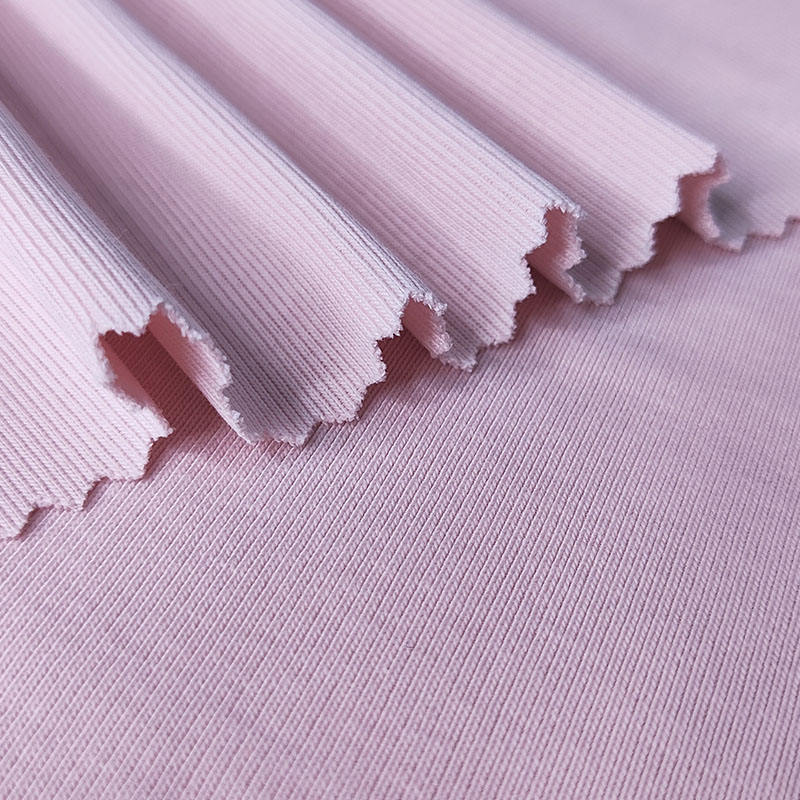
Single-jersey brushed knit features a plain-knit face and a lightly napped reverse, typically 180–220 GSM. The one-sided brushing creates soft hand-feel without adding bulk, preserving drape for fitted silhouettes.
Ideal for lightweight cardigans, layering tees, and knit tops where movement and breathability matter more than insulation.
French Terry Brushed
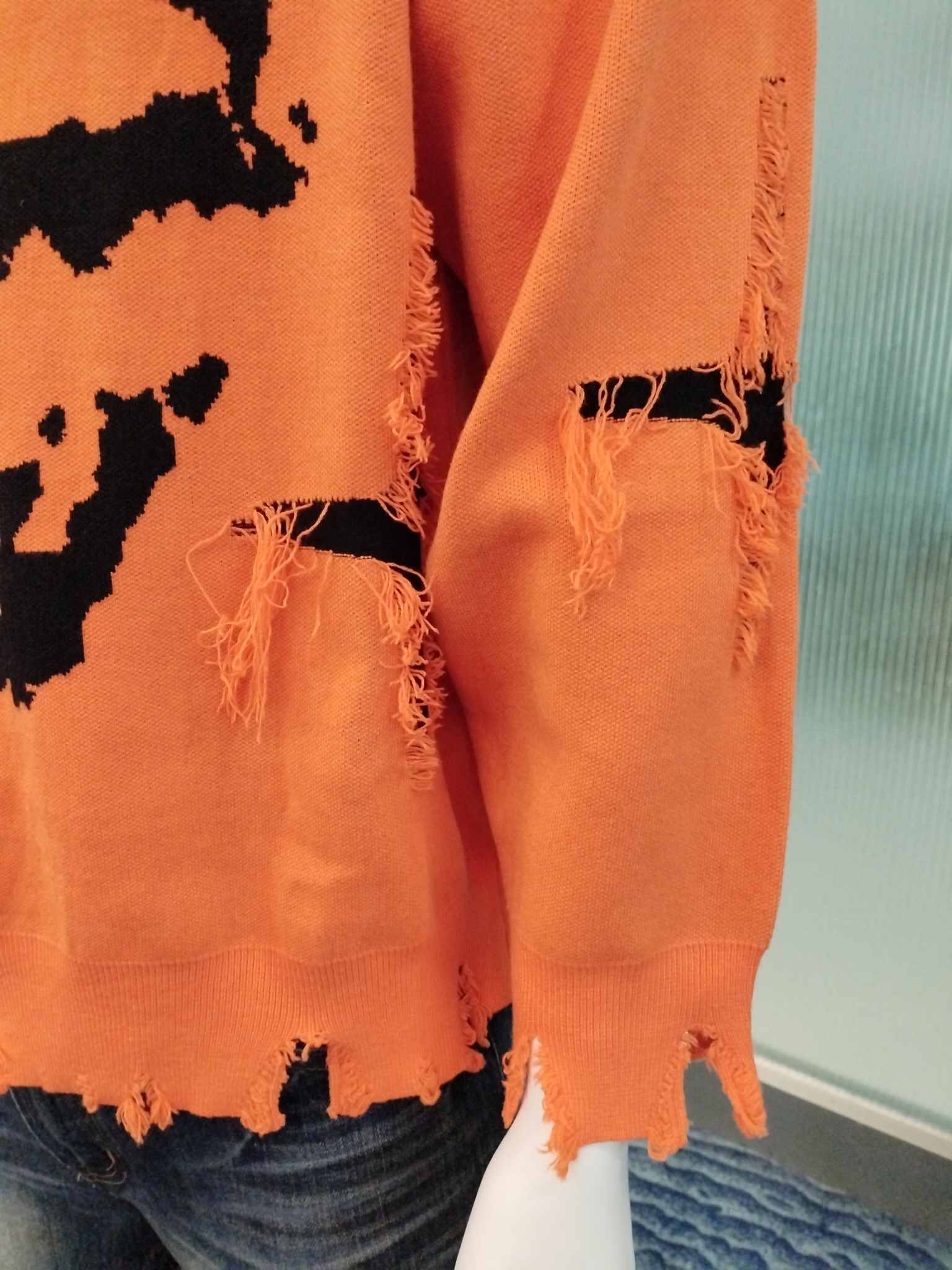
French terry starts with looped yarns on the interior; brushing raises those loops into a soft fleece while leaving the outer face smooth, yielding 240–280 GSM mid-weight fabric.
Commonly used in hoodies, sweatshirts, and athleisure pullovers where a clean exterior and cozy interior are both priorities.
Fleece-Back Brushed
Fleece-back construction uses high-loop knitting on the reverse, then aggressive brushing to produce a dense, insulating nap at 280–350 GSM. The result is maximum warmth with minimal weight.
Preferred for winter hoodies, joggers, and outdoor knitwear where thermal retention drives design.
Double-Brushed
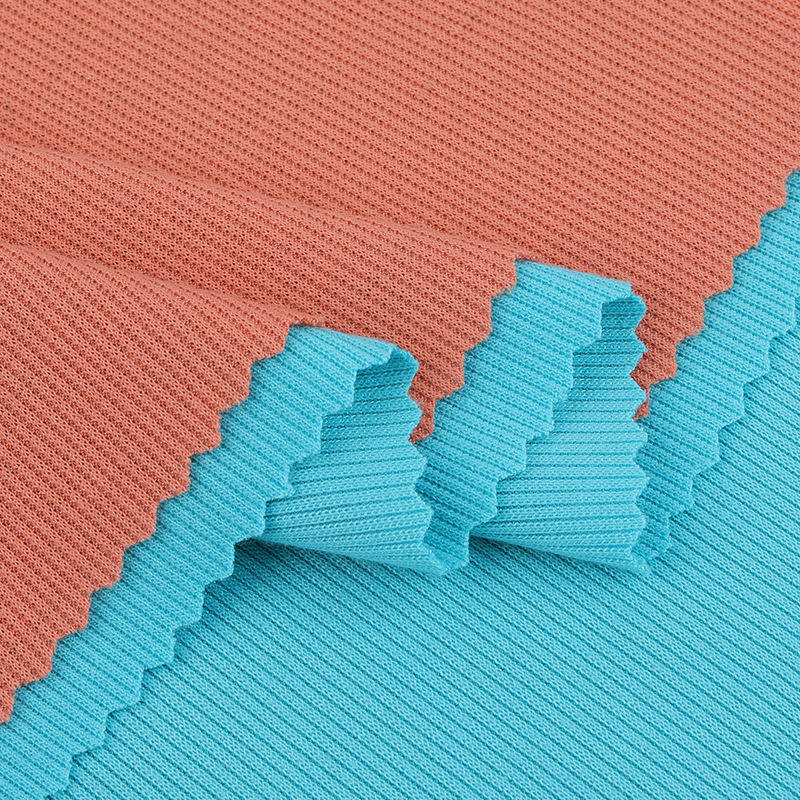
Both fabric faces are brushed to yield ultra-soft, plush hand-feel on both sides, typically 260–320 GSM. Double-brushing sacrifices some structure for comfort, reducing crisp drape.
Suited to loungewear sets, sleep tees, and premium casual cardigans where tactile luxury justifies the trade-off.
4. Materials and Fiber Blends for Brushed Knit
Fiber choice determines the hand, durability, and cost structure of every brushed knit garment. CENWILD works with cotton, polyester, modal, rayon, wool, and strategic blends — each delivering distinct softness, pilling resistance, moisture behavior, and price points that shape both the brushed texture and long-term performance.
| Fiber/Blend | Softness & Texture | Durability & Pilling | Moisture & Shrinkage | Dyeability | Relative Cost |
|---|---|---|---|---|---|
| Cotton | Soft, natural hand | Moderate; pills over time | Absorbs well; 3–5% shrinkage | Excellent | Mid |
| Polyester | Smooth, synthetic | High; resists pilling | Wicks moisture; minimal shrink | Good with disperse dyes | Low |
| Modal | Very soft, silky | Moderate; prone to pilling | Highly absorbent; low shrink | Excellent | Mid-High |
| Rayon | Soft, drapes well | Low; weak when wet | Absorbs; 5–8% shrinkage | Excellent | Low-Mid |
| Wool | Warm, plush | Moderate; felts if agitated | Absorbs; can shrink/felt | Excellent natural affinity | High |
| Cotton-Poly | Balanced comfort | High; blend reduces pilling | Moderate wicking; <3% shrink | Very good | Low-Mid |
| Modal-Cotton | Enhanced softness | Moderate | High absorbency; low shrink | Excellent | Mid |
| Wool-Nylon | Warm, reinforced | High; nylon adds strength | Moderate; controlled shrink | Good | Mid-High |
5. Customization and Decoration Options for Brushed Knit
Brushed knit’s raised nap introduces unique challenges and opportunities for decoration. Each technique demands specific handling to preserve the fabric’s soft hand while ensuring artwork durability through repeated laundering.
| Technique | Setup Cost | Durability | MOQ | Design Limits |
|---|---|---|---|---|
| Embroidery | Medium ($50–150) | Excellent | 100 pcs | Dense nap requires tear-away stabilizer; fine detail obscured by pile |
| Screen Printing | Low ($30–80) | Fair | 200+ pcs | Ink adhesion weak on fuzzy surface; best on low-nap zones |
| Heat Transfer | Low ($20–50) | Good | 50 pcs | Vinyl lifts at edges; sublimation works only on polyester brushed knit |
| Appliqué | Medium ($40–100) | Excellent | 100 pcs | Stitching through nap; bulky on lightweight fabrics |
| Woven Labels | Low ($15–40) | Excellent | 100 pcs | Sewing through pile may flatten texture locally |
| Jacquard/Intarsia | High ($200+) | Permanent | 300+ pcs | Knit-in patterns; no post-production; design locked at sampling |
6. Key Quality Indicators in Brushed Knit Construction
Assessing brushed knit quality before production protects your brand reputation and minimizes returns. Six measurable indicators separate factory-grade fabric from garments that satisfy end customers over repeated wear and wash cycles.
GSM and Stitch Density
Brushed knit typically ranges 200–350 GSM; lighter weights suit layering pieces, heavier constructions deliver outerwear warmth. Stitch density — measured in wales (vertical) and courses (horizontal) per inch — determines fabric stability. A 12-gauge sweater averages 18–22 wales and 26–30 courses per inch.
Higher density resists sagging and holds shape through laundering. Request swatches with your target gauge and verify counts under a pick glass before approving bulk yardage.
Brushing Uniformity and Pilling Resistance
Uniform nap without bald patches or streaks indicates controlled brushing. Inspect samples under raking light to reveal inconsistencies. Pilling grade is tested via Martindale abrasion (ISO 12945-2); quality brushed knit scores grade 3–4 after 5,000 cycles.
CENWILD applies anti-pilling finishing to extend garment life. Specify minimum pilling grades in your tech pack to align factory QC with customer expectations.
Colorfastness and Dimensional Stability
ISO 105 colorfastness tests measure resistance to washing, rubbing, and light; garments should achieve grade 4 or higher to prevent dye transfer. Dimensional stability after three home washes should stay within ±3% lengthwise and ±5% widthwise.
Seam strength, tested by pulling until failure, must exceed 20 lbs for necklines and shoulders. Request lab reports for every dye lot and pre-production sample to confirm specs before scaling to full MOQ.
7. How to Choose a Brushed Knit Manufacturer
Choosing the right brushed knit manufacturer determines whether your collection ships on time, meets quality standards, and scales profitably. Evaluate partners across six core criteria to avoid costly delays and quality failures.
Minimum Order Quantity and Flexibility
Custom brushed knit orders typically start at 100–500 pieces per style. CENWILD sets MOQ at 100 pieces, enabling emerging brands and influencers to test designs without warehouse risk. Confirm whether the factory charges setup fees separately or absorbs them into unit cost.
Lead Time for Sampling and Bulk
Sampling takes 7–14 days; bulk production runs 30–45 days after approval. Factories with in-house yarn inventory and knit-down capabilities shorten turnaround. Ask for a written production timeline before depositing.
Fabric Sourcing Transparency
Verify whether the manufacturer owns spinning mills or sources from third-party suppliers. In-house or direct mill partnerships ensure faster dye-lot matching and fiber traceability. Request yarn specifications and country of origin for every blend.
Customization Capabilities
Top manufacturers offer Pantone dye matching, jacquard and intarsia programming, and garment-dye or brushing finishes. CENWILD operates 3GG–14GG flat-knit machines and provides original stitch design. Confirm pattern-knitting limits and decoration methods before committing.
Quality Control Processes
Look for AQL 2.5 inspection standards and pre-shipment reports with photos. Factories should measure pilling resistance, shrinkage, and colorfast grades. Red flag: no mention of QC checkpoints or refusal to share test reports.
Communication and Red Flags
Responsive factories reply within 24 hours and provide samples before quoting final pricing. Avoid suppliers who refuse samples, offer vague lead times, or lack OEKO-TEX, BSCI, or WRAP certifications.
8. Common Mistakes When Sourcing Brushed Knit
Sourcing brushed knit requires attention to details that differ from standard jersey or rib fabrics. Five common mistakes can derail fit, durability, and decoration quality — each avoidable with clear specifications and pre-production testing.
Ignoring Shrinkage Allowances
Brushed knit can shrink 3–8% in length and 2–5% in width during the first wash, especially cotton or wool blends. Skipping pre-shrinking or failing to add shrinkage allowance to pattern dimensions results in garments that fit perfectly off the line but run small after customer laundering.
Request fabric relaxation or compacting before cutting, and always grade patterns with documented shrinkage rates for your specific yarn and brushing intensity.
Underestimating Pilling in Low-Quality Blends
Acrylic-heavy or short-staple fiber blends pill rapidly under the friction of brushing and wear. Pilling accelerates on brushed surfaces because loose fiber ends are already raised.
Specify ring-spun or combed yarns, test Martindale abrasion ratings above 20,000 cycles, and request lab pilling grades (grade 4 or higher) before committing to bulk orders.
Choosing Incompatible Decoration Methods
Heavy embroidery can compress or mat the nap, while heat-transfer films may not adhere uniformly to uneven brushed surfaces. Screen printing requires adjusted ink viscosity to prevent bleed into the pile.
Discuss decoration early with your manufacturer, request strike-offs on actual brushed swatches, and consider appliqué or woven patches for dimensional logos.
Skipping Wash Testing Before Bulk
A single pre-production wash test reveals shrinkage, color fastness, pilling, and nap retention. Skipping this step means discovering problems only after 5,000 pieces are dyed and finished.
Always order knit-down samples, wash them per care-label instructions, measure before and after, and photograph any defects before approving production.
Neglecting to Specify Brushing Intensity
Light brushing (single pass) yields a subtle hand-feel; heavy napping (multiple passes or raised on both sides) creates plush texture but reduces fabric strength and increases pilling risk. Leaving intensity undefined results in inconsistent hand-feel across production runs.
Define brushing as ‘light single-face,’ ‘medium double-pass,’ or ‘heavy plush,’ request a reference swatch with your target nap height, and lock the specification into your tech pack.
9. Steps to Launch Your Brushed Knit Sweater Line
Launching a brushed knit sweater line requires a clear roadmap that balances creative vision with manufacturing realities. The process from concept to finished inventory typically spans 8–12 weeks, with defined checkpoints for budget, quality, and timeline control.
Define Target Market and Design Aesthetic
Identify your customer demographic, price tier, and seasonal launch window before contacting manufacturers. A clear design brief — including silhouette, gauge preference (5GG–12GG for brushed knit), and fiber choice (cotton, wool, or blends) — accelerates sampling and reduces revision cycles.
Request Fabric Swatches and Strike-Offs
Order physical swatches in your chosen fibers and brushing levels to evaluate hand-feel, pilling resistance, and color depth. Strike-offs confirm Pantone accuracy and brushing finish. Expect 7–10 days for swatch delivery; this step prevents costly bulk mismatches.
Approve Tech Pack and Fit Sample
Submit or co-develop a tech pack with measurements, stitch details, and trim specs. The manufacturer knits a fit sample in 2–3 weeks. Approve fit, brushing texture, and construction before bulk; changes after this stage add 1–2 weeks and re-sampling fees.
Negotiate Pricing and Payment Terms
Confirm unit cost, MOQ (100–300 pieces for brushed knit), and deposit structure. First orders typically require 50–100% upfront; repeat clients may negotiate 30% deposit with balance before shipment. Lock currency and lead time in a written purchase order.
Place Bulk Order with Production Timeline
Production runs 4–6 weeks after deposit and final approvals. Factories schedule knitting, brushing, garment wash, and finishing in sequence. Request weekly progress photos and confirm packaging and labeling specs to avoid last-minute delays.
Conduct Final QC and Arrange Logistics
Perform on-site or third-party inspection before shipment: check measurements, brushing uniformity, seam strength, and pilling. Arrange sea freight (30–45 days) or air (5–7 days). Balance cost against launch deadlines and cash-flow requirements.
10. Pricing and Cost Breakdown for Brushed Knit Orders
Brushed knit pricing follows clear quantity tiers, with unit costs dropping 30–45% as order volume scales from CENWILD’s 100-piece minimum to 1,000+ pieces. A 100-piece run in cotton-polyester blend typically ranges $18–$28 per unit, while 1,000 pieces of the same garment fall to $12–$18, reflecting economies in yarn procurement, machine setup, and labor allocation.
Fiber blend and GSM drive the widest cost variance: cashmere or merino wool adds $8–$15 per piece over acrylic; heavyweight 320 GSM brushed fleece costs 20–30% more than 240 GSM mid-weight. Decoration complexity layers additional expense — basic embroidery runs $1.50–$3 per placement, jacquard or intarsia knit-in patterns add $2–$5, and garment-dye finishing contributes $1–$2 per unit.
Lead time compresses with higher volume and simpler construction: 100-piece orders in stock yarns ship in 25–30 days, while 1,000+ pieces or custom-dyed fibers extend to 35–45 days. Sampling fees ($80–$150 per colorway) are credited back on production orders above 500 pieces.
| Quantity Tier | Unit Cost (USD) | Lead Time (days) | Setup & Sampling |
|---|---|---|---|
| 100 pcs | $18–28 | 25–30 | $80–150 (credited ≥500) |
| 250 pcs | $15–24 | 28–35 | $80–150 (credited ≥500) |
| 500 pcs | $13–20 | 30–38 | Credited to production |
| 1,000+ pcs | $12–18 | 35–45 | Credited to production |
Start Your Brushed Knit Project Today
28+ years of expertise, 100-piece MOQ, and fast sampling. Share your idea and we’ll bring your custom brushed knit sweaters to life.