Knitwear Yarn & Custom Sweater Manufacturing — 100-Piece MOQ, OEM/ODM Ready
Source premium knitwear yarn and manufacture custom sweaters with CENWILD. OEM/ODM production, private label services, and low MOQ from 100 pieces for fashion brands worldwide.
Finished Knitwear Samples Across Styles & Yarn Types
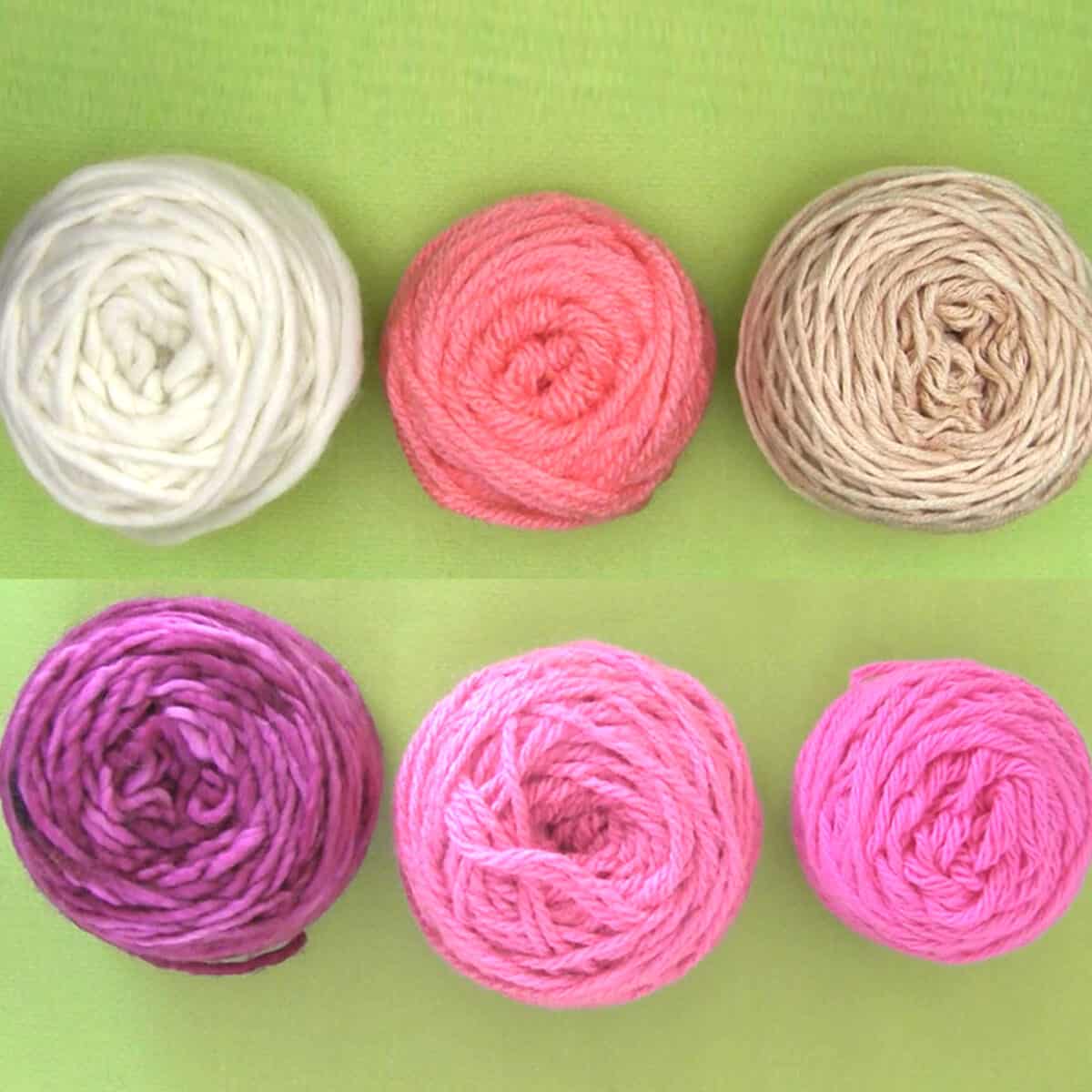
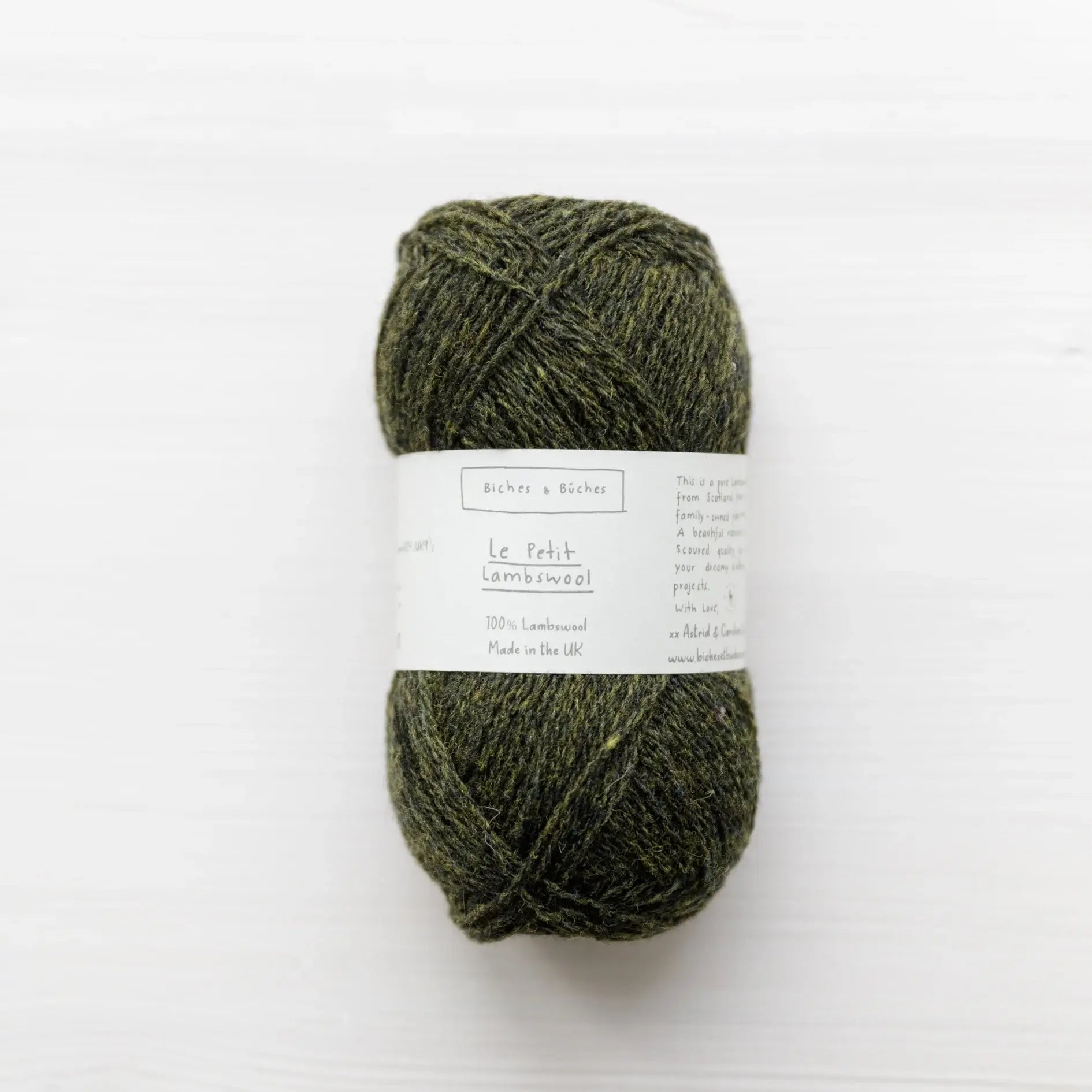
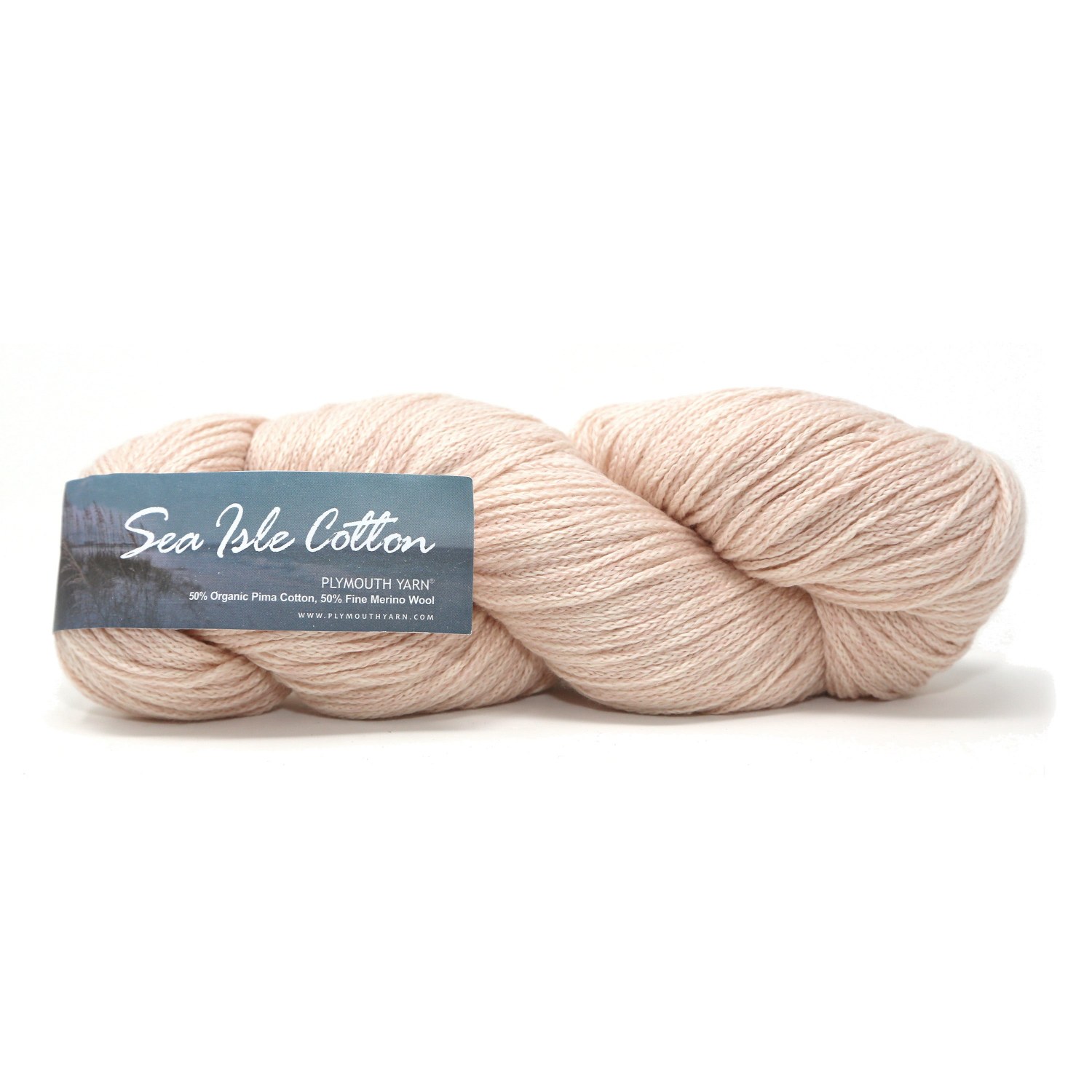
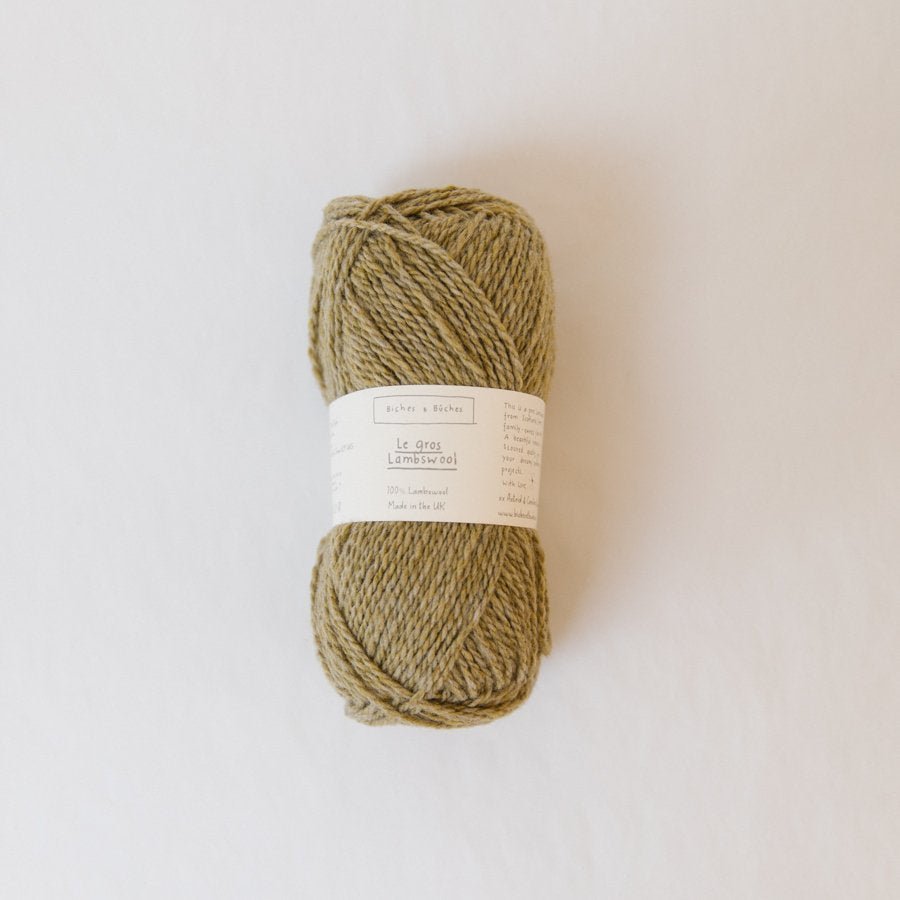
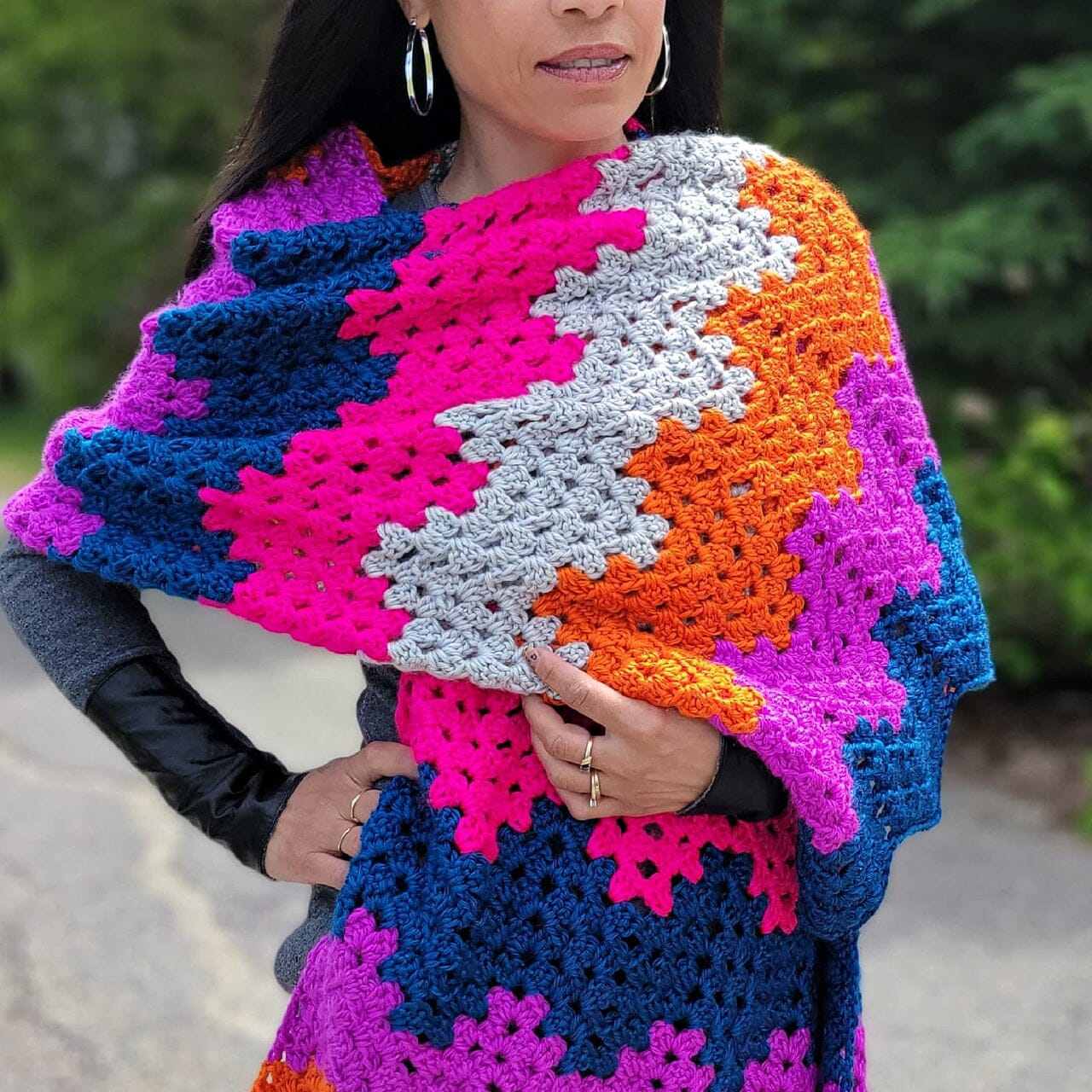
Why Knitwear Yarn Quality Matters
From cashmere and merino to recycled blends — see the quality and craftsmanship behind every custom sweater we produce.
Fiber-Blend Expertise
Source and blend cashmere, merino, cotton, alpaca, mohair, and recycled fibers tailored to your design, performance, and budget requirements.
Fast In-House Sampling
Knit-down swatches and prototype sweaters in-house with 3D programming and original stitch design, speeding your time to market.
3GG–14GG Computerized Precision
Flat-knitting machines across all gauges deliver consistent stitch quality, intricate jacquard, intarsia, cable, and fully-fashioned construction.
Full Yarn Traceability
Track every lot from certified mills through our quality-control process, ensuring transparency and compliance for global fashion brands.
Advanced Garment Finishing
Softening, anti-pilling treatment, garment dye, and brushing transform raw knitwear yarn into premium, retail-ready sweaters.
Low MOQ from 100 Pieces
Launch capsule collections and test new yarn blends without the financial risk of high minimums or inflexible production schedules.
Yarn Types & Knit Techniques We Master
Cashmere Yarn
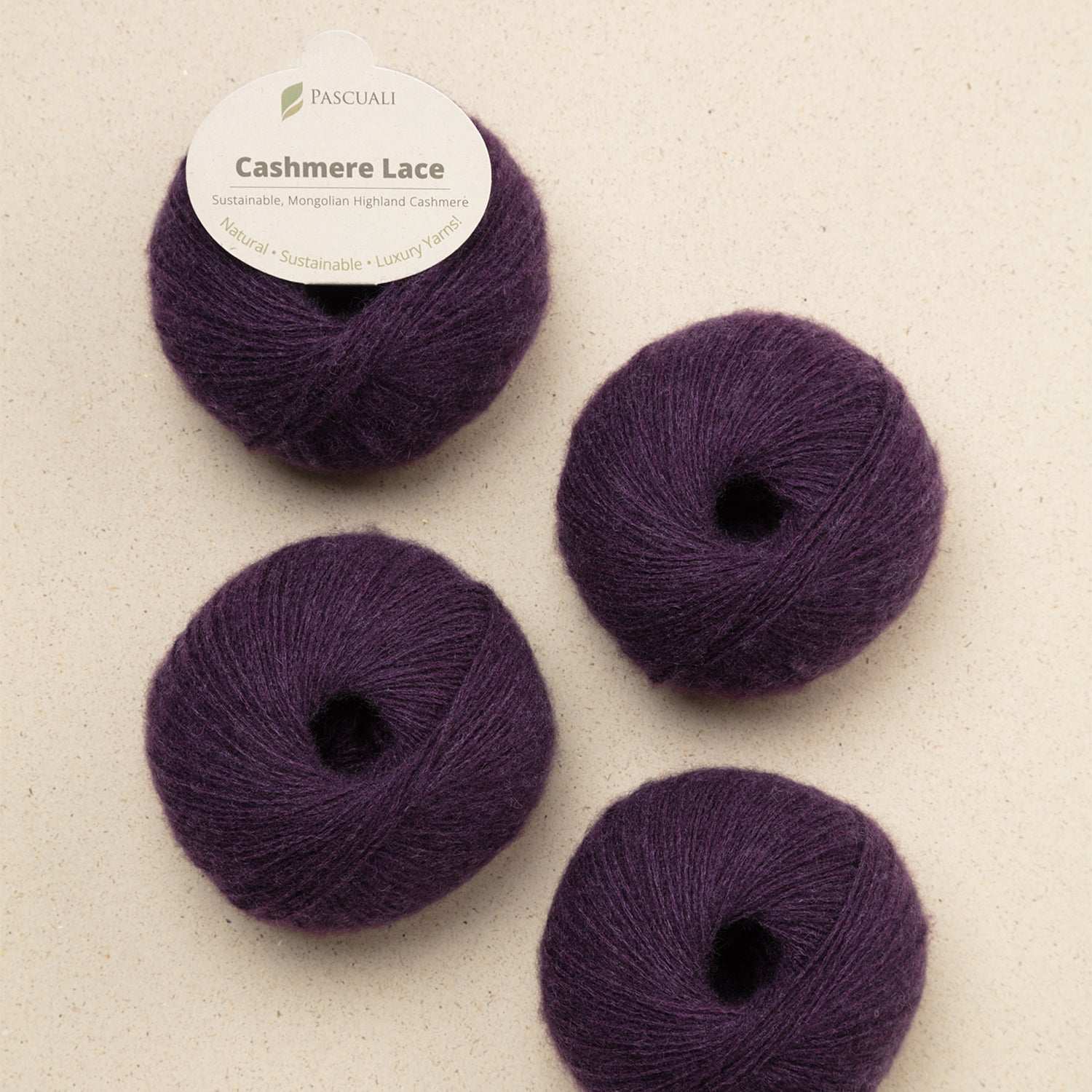
Cashmere yarn delivers unmatched softness and warmth for luxury knitwear collections. We source premium cashmere and cashmere blends from certified suppliers, ideal for high-end cardigans, pullovers, turtleneck sweaters, and sweater sets. MOQ from 100 pieces allows independent designers and boutique brands to access wholesale cashmere without prohibitive minimums.
Get a Quote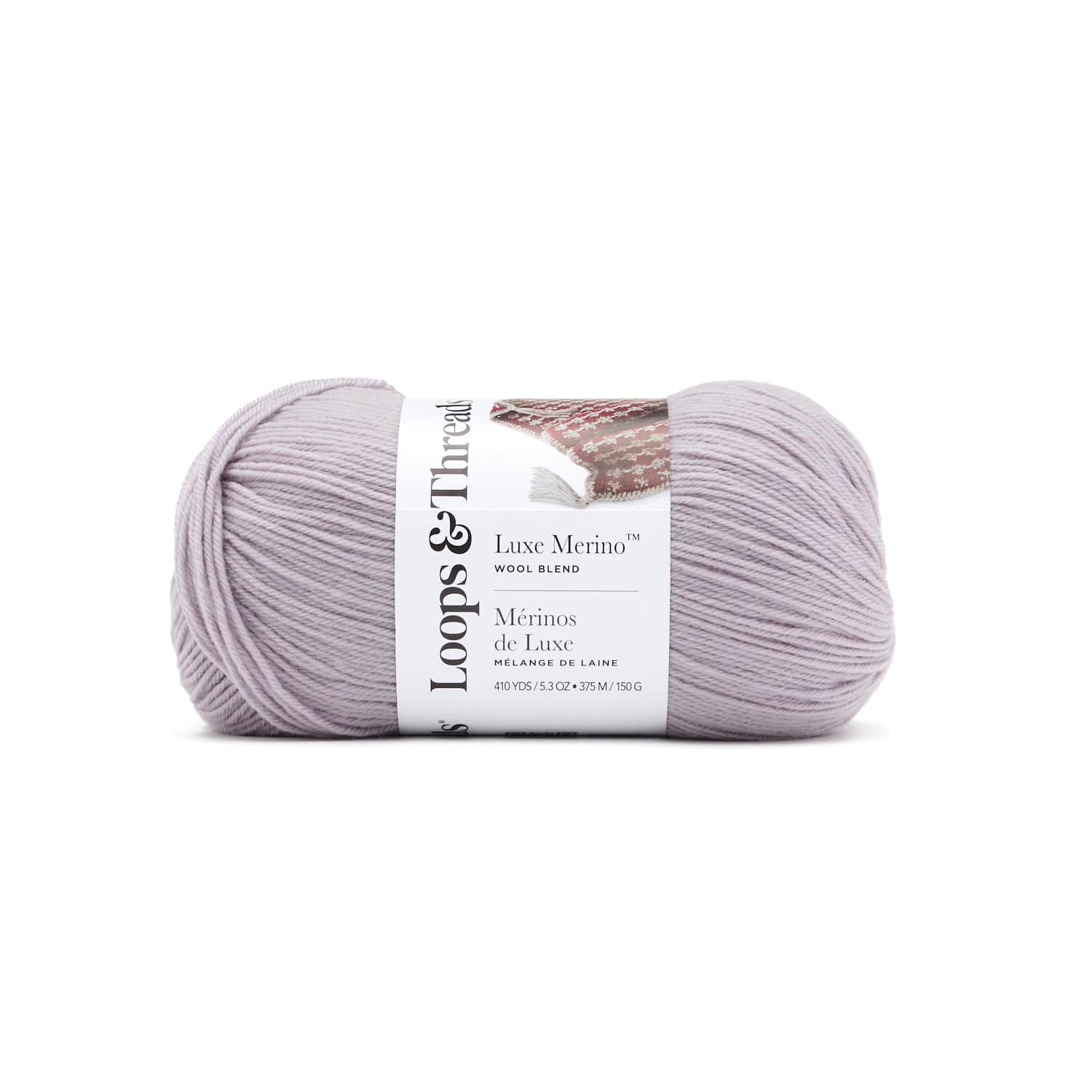
Merino Wool Yarn
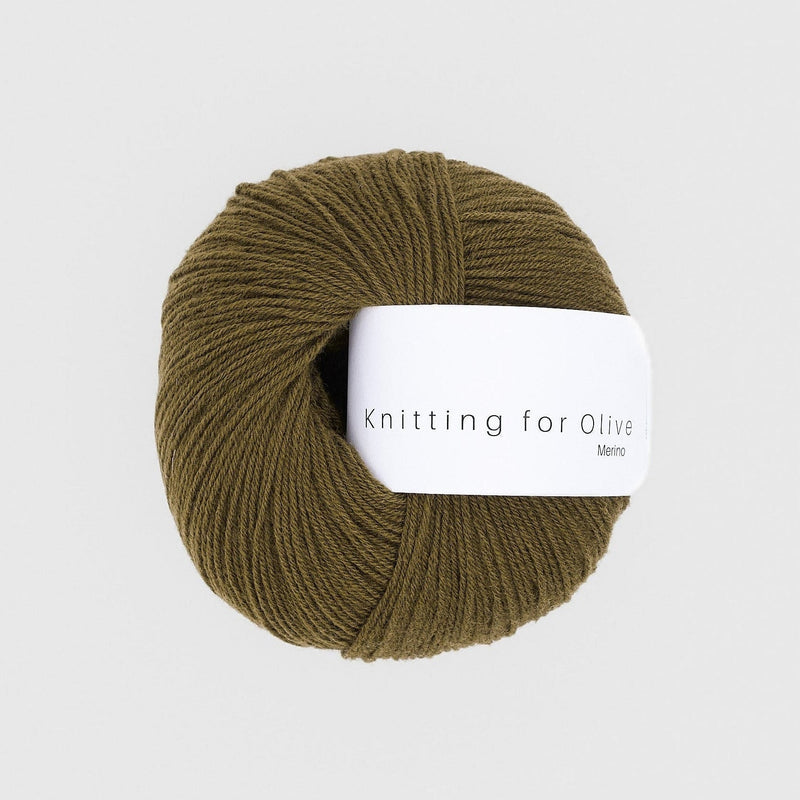
Merino wool yarn offers exceptional breathability, moisture-wicking, and natural elasticity. Perfect for year-round knitwear, merino works beautifully in fine-gauge knits, cable sweaters, and activewear-inspired pieces. Our 28+ years of experience ensure consistent hand-feel and colorfastness across production runs for retailers and private label clients.
Get a Quote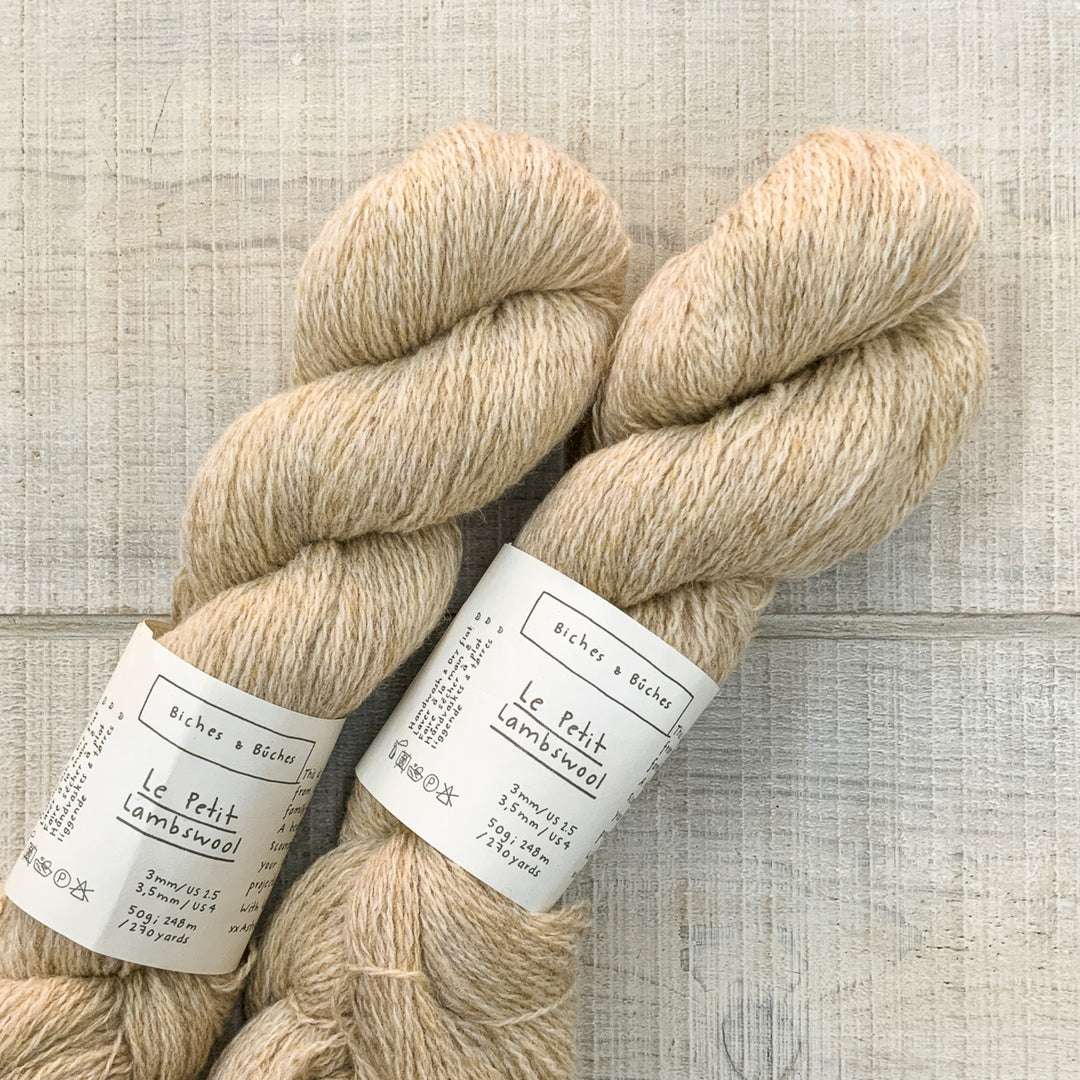
Lambswool
Lambswool yarn combines softness with durability and warmth, making it a versatile choice for classic crewnecks, V-necks, and seasonal knitwear. We knit lambswool in gauges from 3GG to 14GG, supporting both chunky textures and refined finishes. Ideal for brands seeking accessible luxury at competitive MOQs.
Get a Quote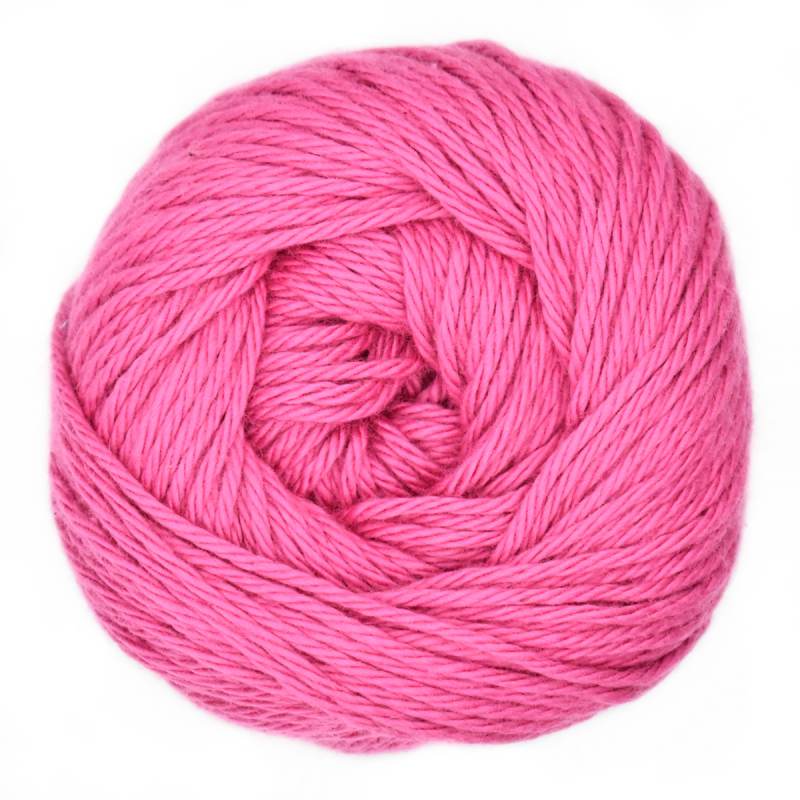
Cotton Pima Yarn
Pima cotton yarn is prized for its extra-long staple fiber, delivering a silky hand, excellent drape, and superior color retention. We use Pima and supima cotton for lightweight sweaters, knit polos, summer cardigans, and layering pieces. Perfect for brands targeting breathable, skin-friendly knitwear with a polished aesthetic.
Get a Quote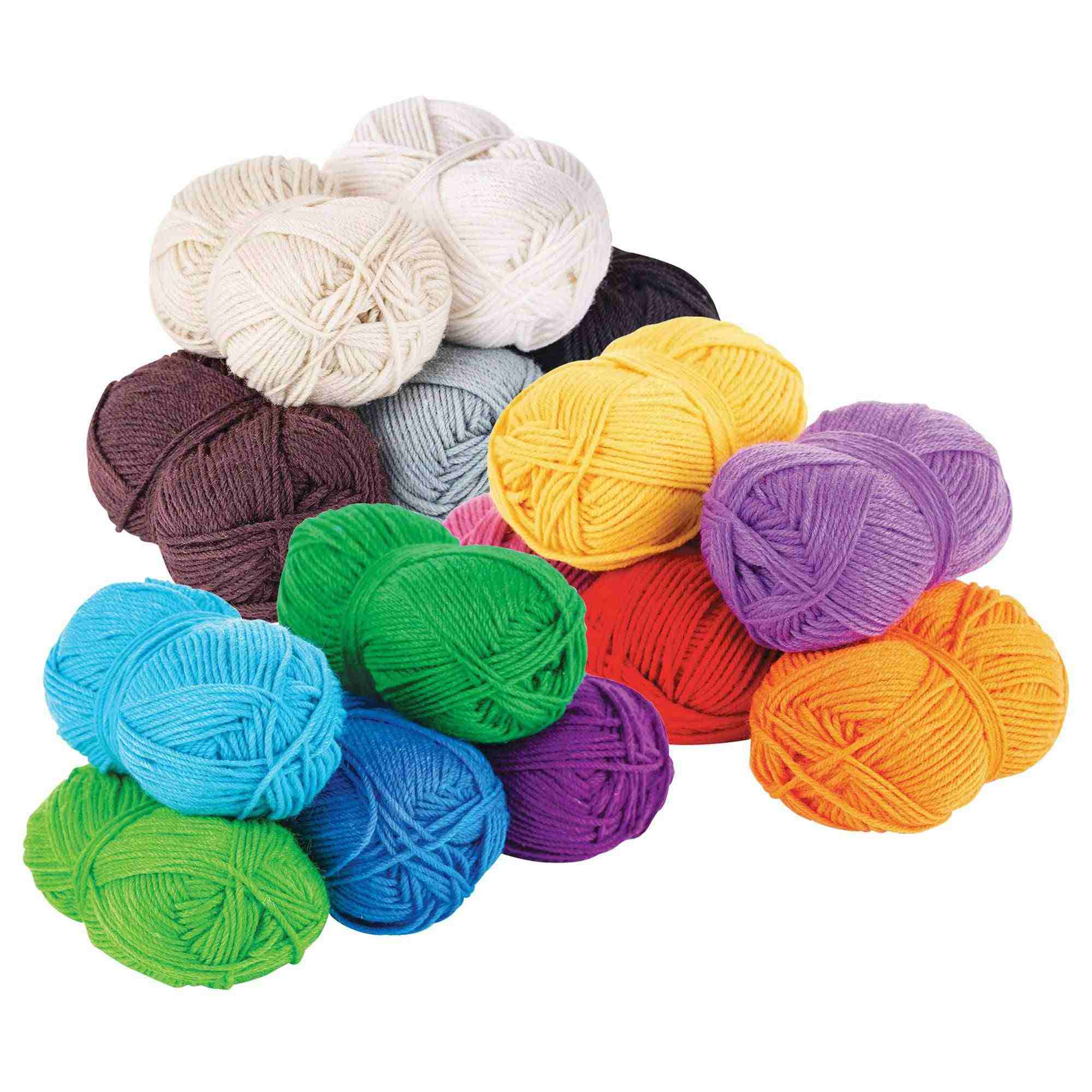
Acrylic Yarn
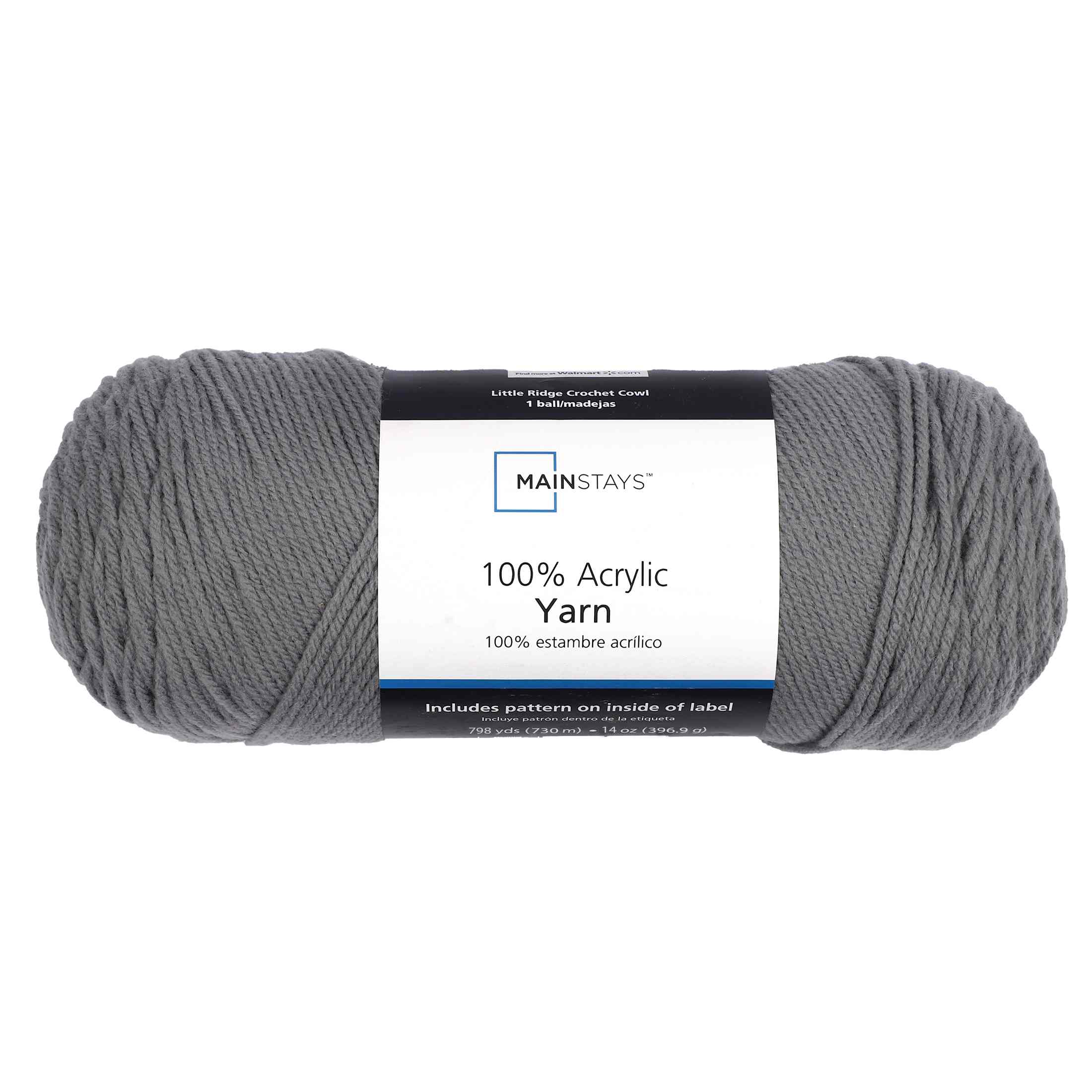
Acrylic yarn provides cost-effective versatility, vibrant color options, and easy-care performance. Our acrylic and acrylic-blend knits are popular for high-volume orders, promotional knitwear, personalized Christmas sweaters, and fast-fashion collections. In-house finishing ensures soft hand-feel and anti-pilling treatments to elevate quality beyond commodity standards.
Get a Quote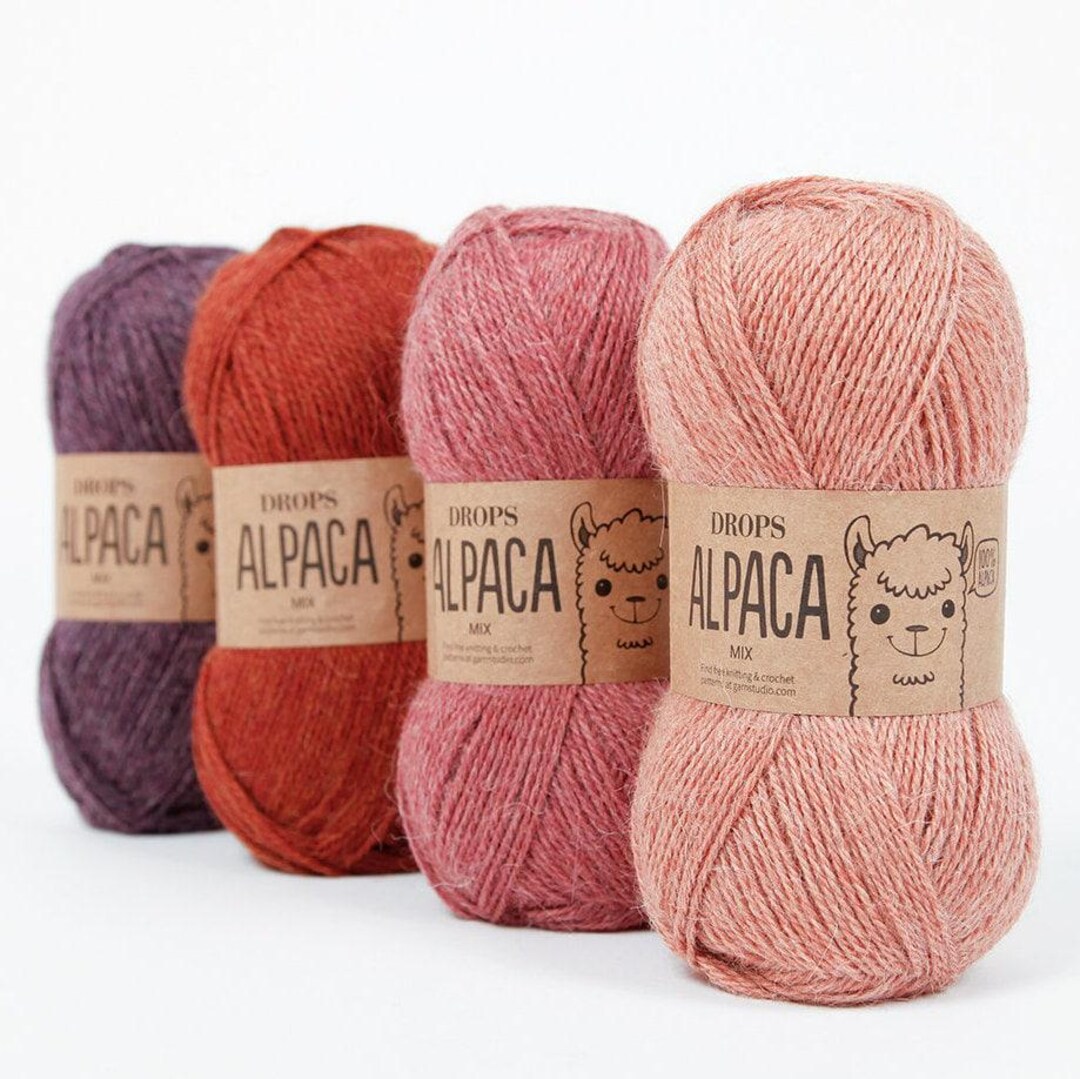
Alpaca Yarn
Alpaca yarn offers a unique combination of warmth, hypoallergenic properties, and luxurious luster. We knit alpaca and alpaca blends for statement pieces, outerwear-weight cardigans, and artisan-inspired collections. Our ODM team can develop custom stitch patterns and textures that showcase alpaca’s natural drape and depth.
Get a Quote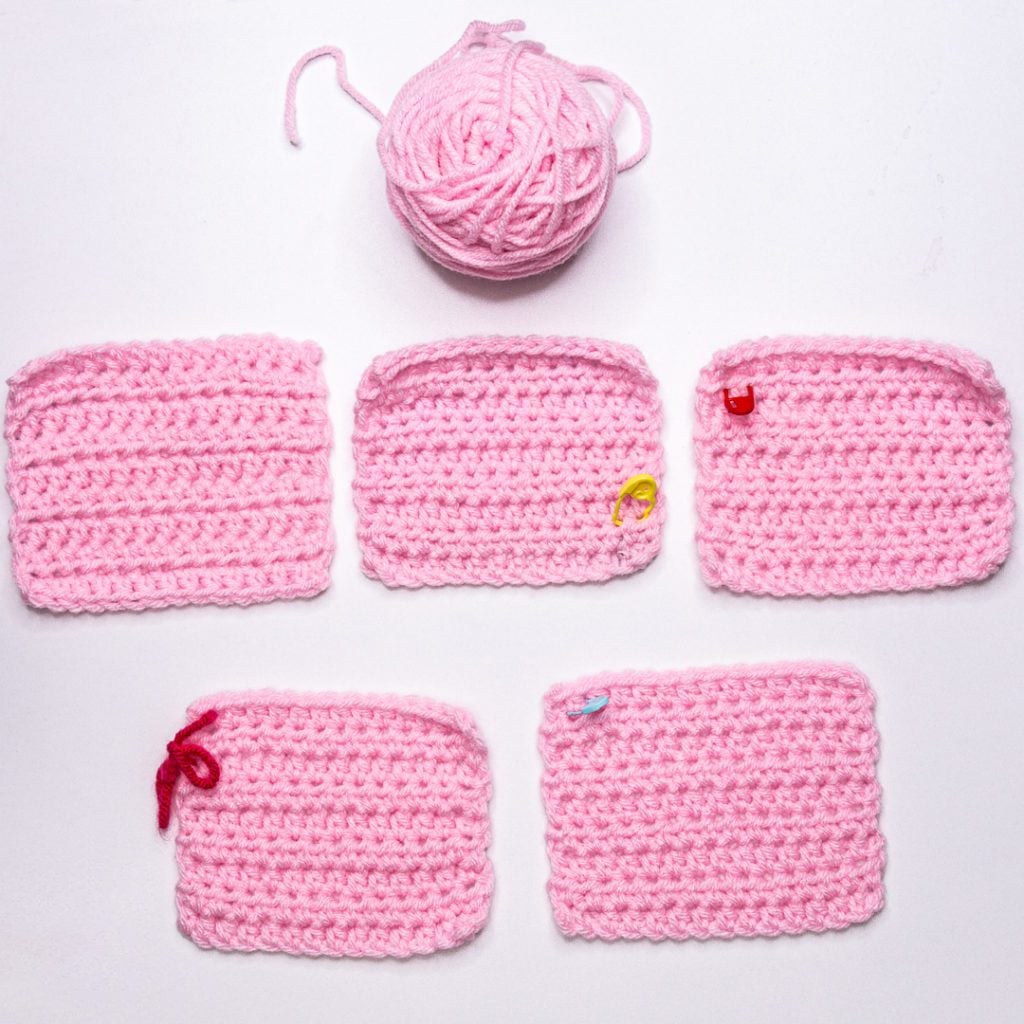
Recycled Organic Yarn
Recycled and organic yarn options support sustainable fashion initiatives without compromising quality or design. We source GRS-certified recycled fibers and GOTS-approved organic cotton and wool, enabling brands to launch eco-conscious knitwear lines. Our low MOQ from 100 pieces makes responsible sourcing accessible to emerging and established labels alike.
Get a Quote28 Years Mastering Knitwear Yarn & Sweater Manufacturing
Founded in 1998 as a family knitting workshop in Humen, Dongguan — the heart of China’s knitwear manufacturing region — CENWILD has grown into a full-service OEM and ODM sweater manufacturer serving over 2,000 fashion brands worldwide. Today our team of 200+ skilled employees operates computerized flat-knitting machines across 3GG–14GG gauges, producing more than 80,000 pieces monthly for brands, retailers, and independent designers across North America, Europe, Australia, Russia, and the Middle East.
What sets CENWILD apart is our commitment to knitwear yarn quality and design partnership. We source premium fibers — cashmere, merino wool, lambswool, alpaca, mohair, cotton, Pima, and recycled blends — and pair them with in-house knit programming, original stitch design, and knit-down sampling. Whether you arrive with a finished tech pack or just an idea, our dedicated design team turns concepts into production-ready knitwear with craftsmanship spanning intarsia, jacquard, cable, and fully-fashioned techniques.
With flexible MOQ starting from just 100 pieces, private label capabilities, and 28+ years of Dongguan manufacturing experience, CENWILD is built to be the long-term production backbone behind growing fashion brands. We don’t just manufacture sweaters — we help you bring your vision to life with quality-first execution and end-to-end support.
Signature Knitwear Yarn Techniques & Production Depth
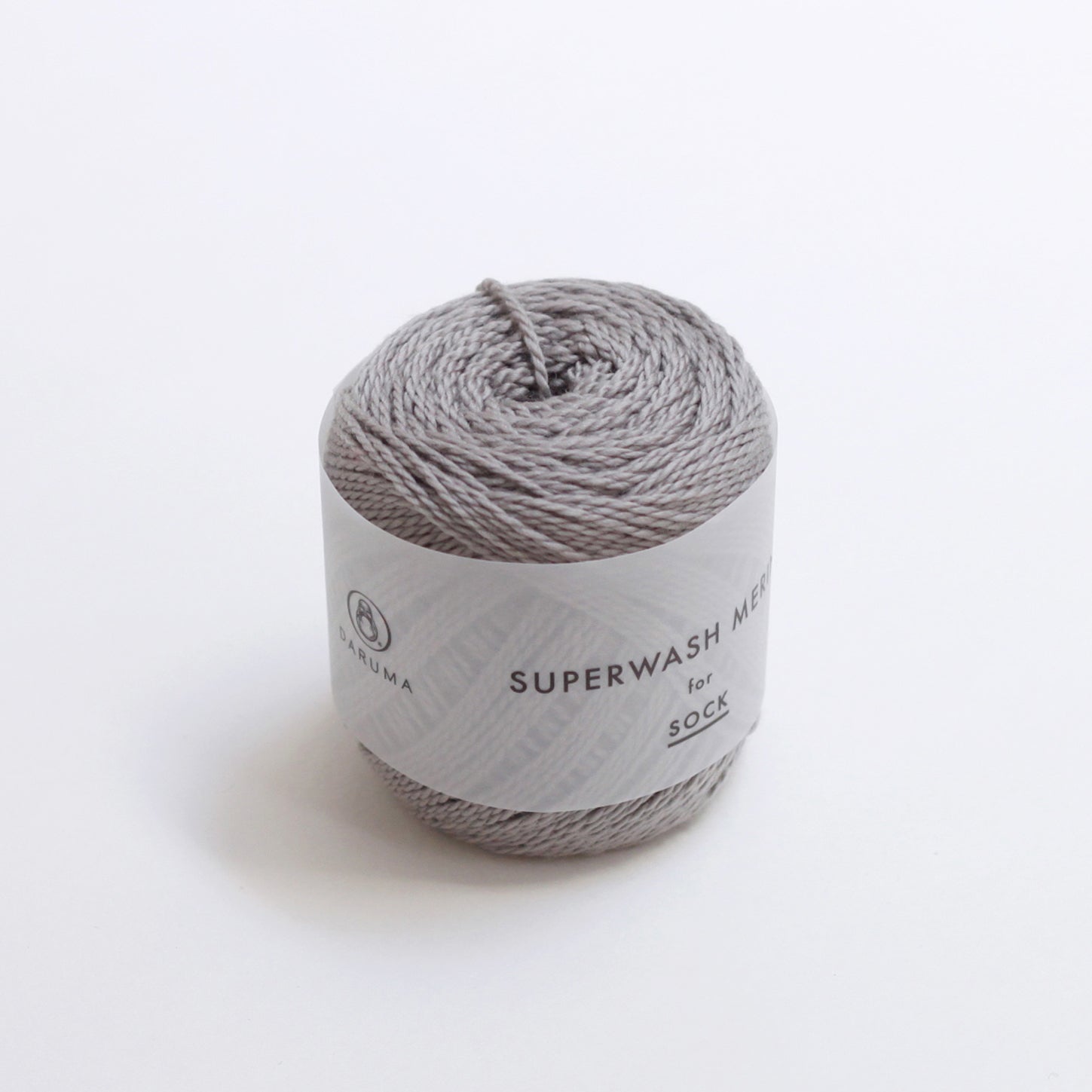
Fiber Sourcing & Custom Yarn Blending
CENWILD sources premium knitwear yarn from trusted mills across China and globally—cashmere, merino, alpaca, cotton, mohair, and recycled blends. Our 28+ years of supplier relationships ensure consistent quality, competitive pricing, and the flexibility to blend fibers to your exact specifications.
- Direct relationships with certified yarn mills for cashmere, merino, alpaca, cotton, and sustainable fibers
- Custom yarn blending to achieve target hand-feel, drape, weight, and price point
- Full traceability and quality testing before knitting begins
- Volume purchasing power passed on to brands at every order size
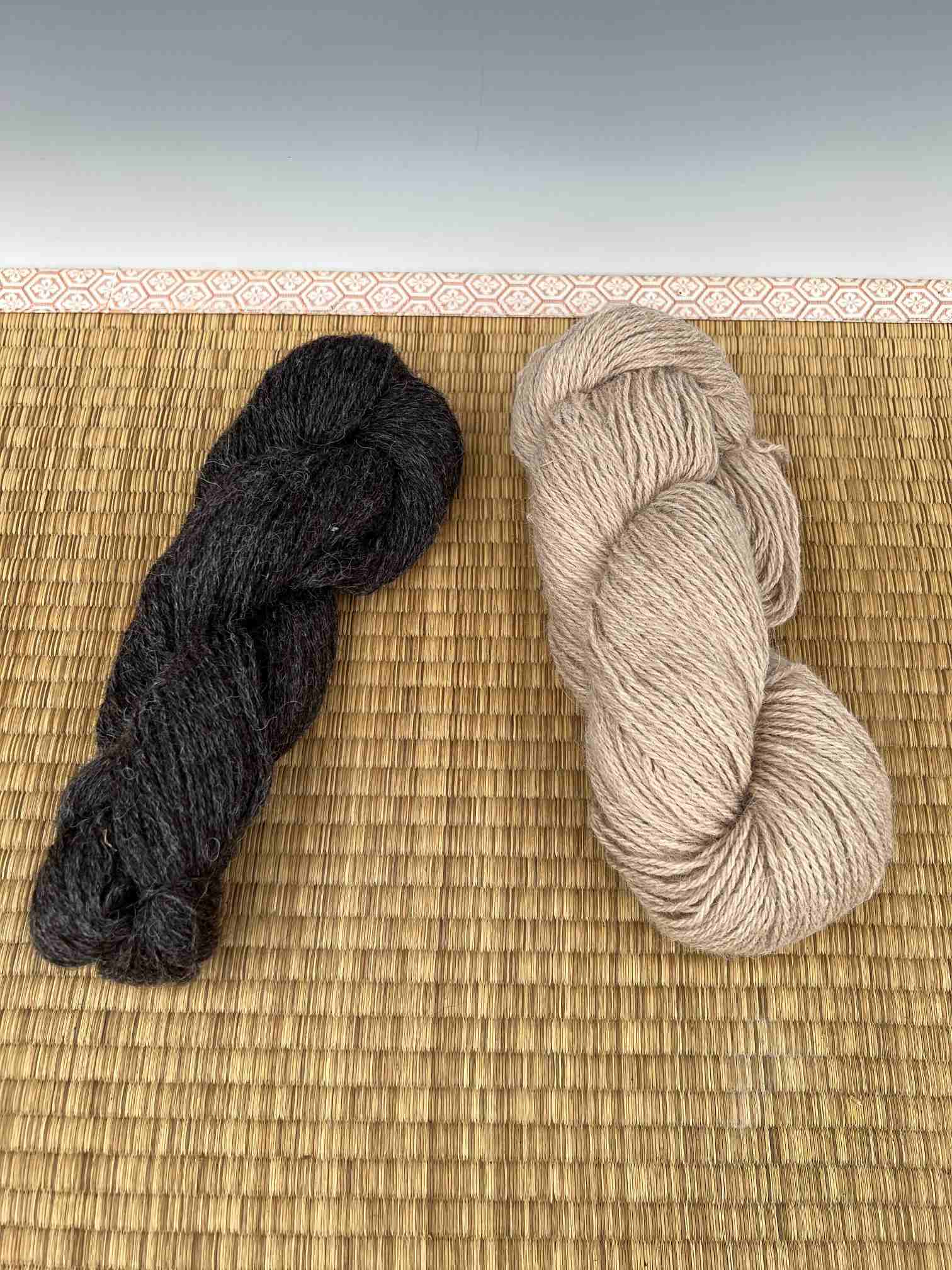
Computerized Knit-Down Sampling & Programming
Before full production, CENWILD programs your design into our 3GG–14GG flat-knitting machines and produces physical knit-down samples. This ensures stitch structure, gauge, pattern placement, and knitwear yarn performance are validated before committing to bulk orders.
- 3D knit programming for intarsia, jacquard, cable, pointelle, and fully-fashioned styles
- Physical knit-down swatches in your chosen knitwear yarn and gauge
- Pattern grading and fit adjustment before production
- Rapid sampling turnaround to keep your launch schedule on track
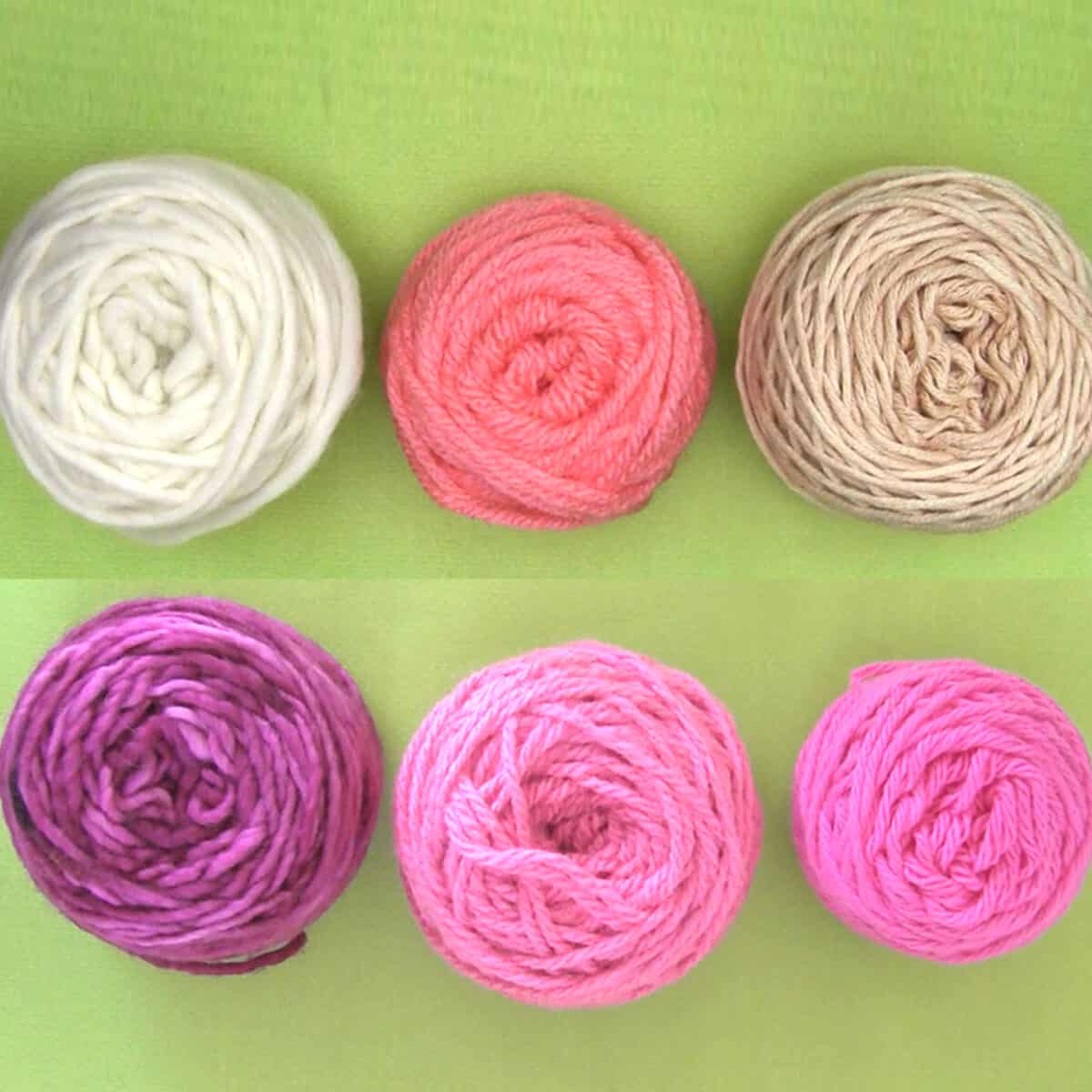
Intarsia, Jacquard & Advanced Stitch Techniques
Our in-house design and technical team programs complex stitch patterns directly into computerized machines. Whether you need bold intarsia graphics, multi-color jacquard motifs, or textured cable and rib combinations, CENWILD translates artwork into knit-ready files with precision.
- Intarsia for large color-block logos, graphics, and custom artwork
- Jacquard patterning for repeating motifs, Fair Isle, and detailed designs
- Cable, rib, pointelle, and mixed-stitch textures in a single garment
- Original stitch design support from concept sketch to finished knit
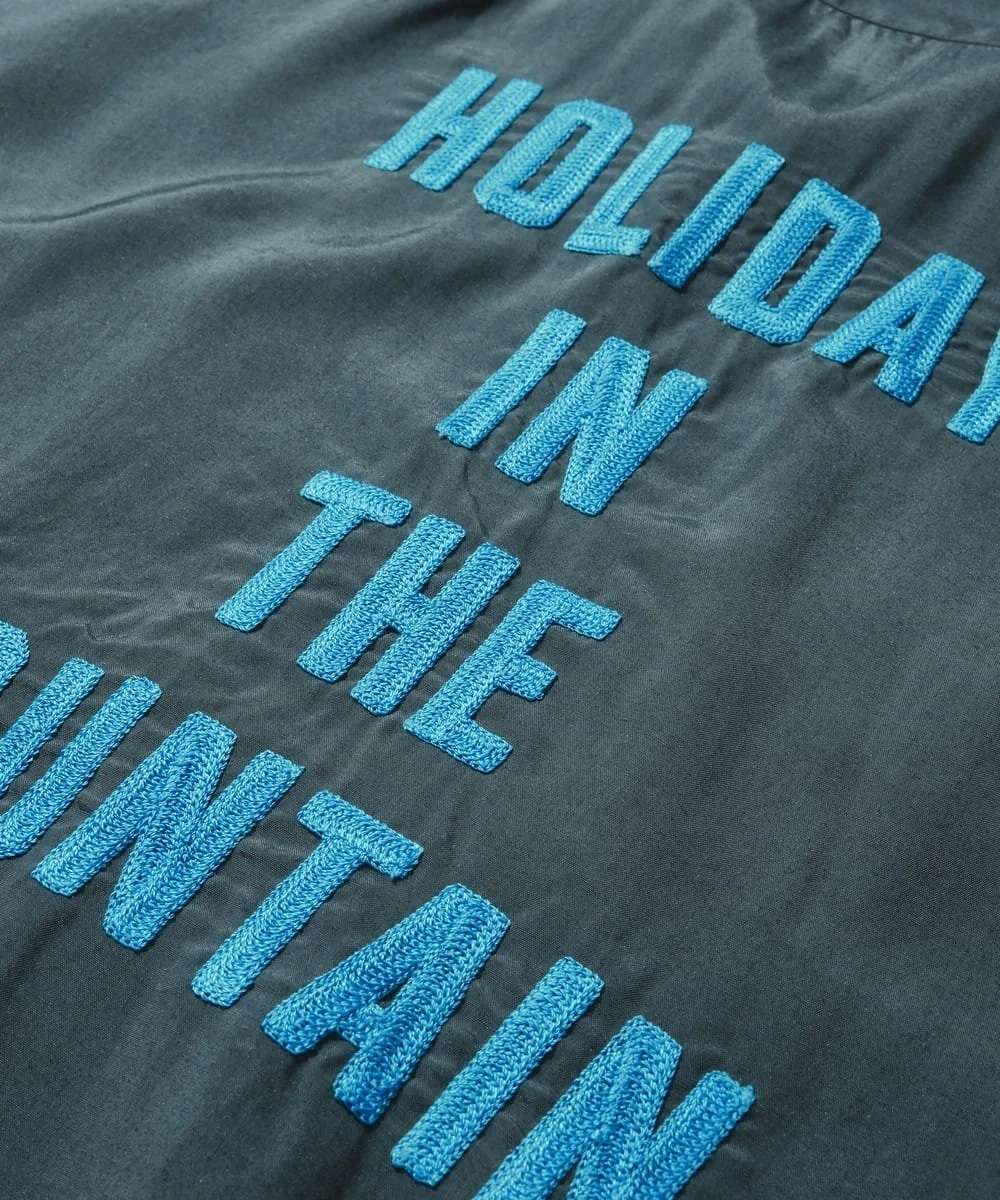
Garment Finishing, Washing & Decoration Integration
After knitting, CENWILD applies garment washing, softening, anti-pilling treatments, and garment dyeing to enhance knitwear yarn hand-feel and longevity. We also integrate embroidery, screen printing, heat transfer, patches, and sequins—all under one roof for streamlined quality control.
- Garment washing and softening for premium hand-feel and reduced shrinkage
- Anti-pilling and brushing treatments to extend garment life
- In-house embroidery (flat, 3D puff, chain-stitch, sequin, applique) and printing (screen, DTF, sublimation)
- Single-source accountability from knitwear yarn to finished, decorated, and packaged sweater
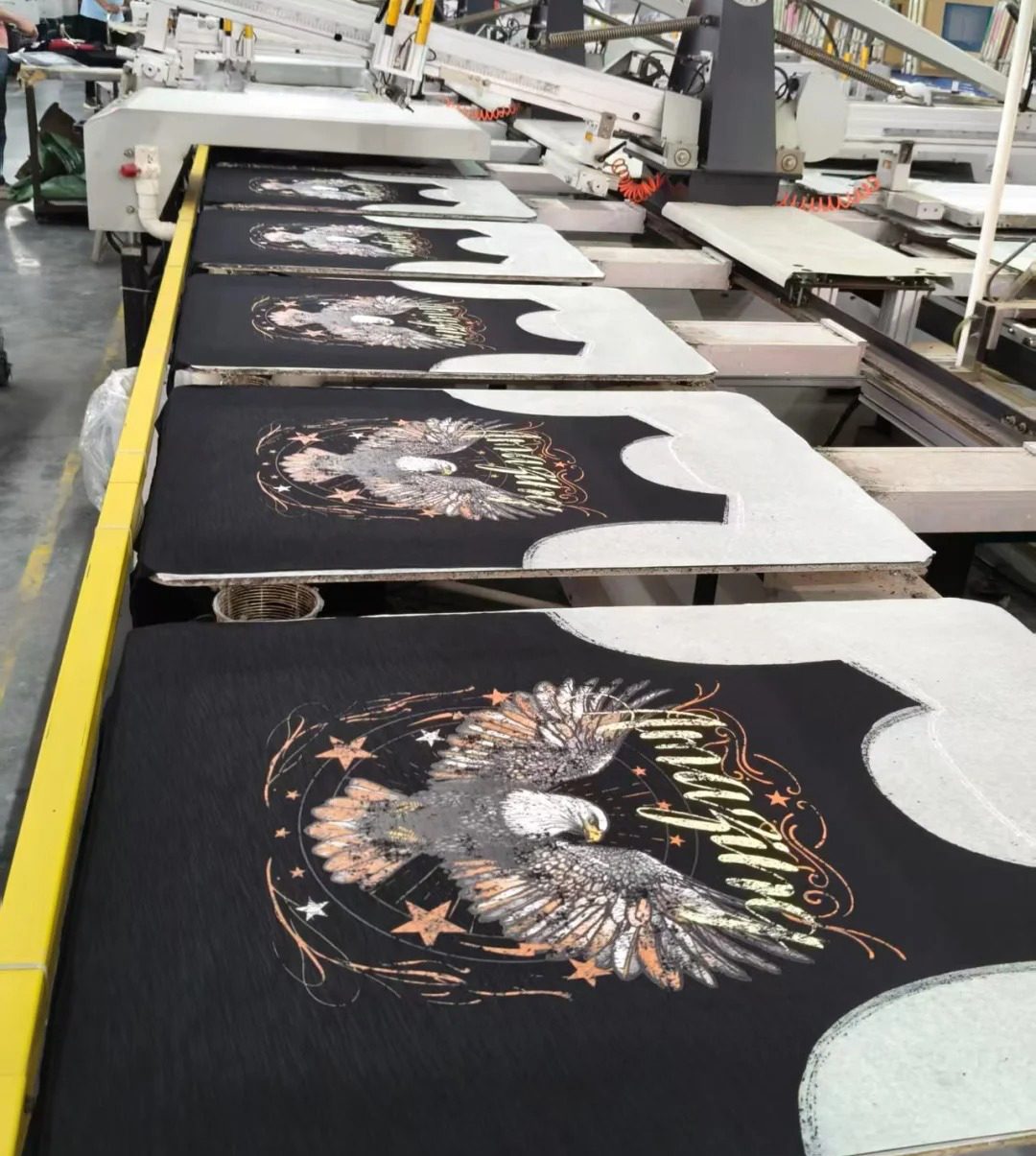
CENWILD vs. Typical Knitwear Yarn Suppliers
28 years of proven delivery, certified fibers, and in-house design support — see what sets our knitwear yarn production apart from generic suppliers.
← 左右滑动查看 →
Knitwear Yarn Production Process — From Fiber to Finished Sweater
CENWILD’s end-to-end manufacturing workflow ensures every knitwear yarn selection is tested, knitted, and finished to your exact specifications — with full transparency from sourcing through export.
Yarn Sourcing & Testing
We source premium knitwear yarn — cashmere, merino, cotton, alpaca, recycled blends — and test each lot for gauge compatibility, hand feel, and colorfastness before production begins.
Design & Tech Pack Development
Our in-house design team translates your concept into production-ready tech packs, 3D knit programming, and original stitch patterns tailored to your chosen knitwear yarn.
Knit-Down Sampling
We knit physical samples on 3GG–14GG computerized flat-knitting machines, validating fit, gauge, and yarn performance before committing to full production runs from 100 pieces.
Production Knitting
With monthly capacity exceeding 80,000 pieces, our 200+ skilled operators knit your order using the approved knitwear yarn, maintaining consistent tension and stitch quality throughout.
Linking, Seaming & Assembly
Knit panels are linked or seamed using precision equipment and hand-finishing techniques, ensuring clean joins and structural integrity across every garment silhouette.
Garment Finishing & Washing
Each piece undergoes softening, anti-pilling treatment, garment dyeing, or brushing as specified, enhancing the natural qualities of your selected knitwear yarn and ensuring retail-ready hand feel.
Decoration & Embellishment
We apply embroidery, screen printing, heat transfer, sequins, patches, or appliqué — all coordinated with your knitwear yarn palette to reinforce brand identity and design detail.
Quality Control & Packing
Every sweater is inspected for stitch integrity, yarn consistency, and finish quality, then packed to your retail or wholesale specifications and prepared for export logistics worldwide.
How to Commission Custom Knitwear Yarn & Sweater Production
CENWILD’s streamlined process takes you from concept to finished knitwear with full design support, fast sampling, and rigorous quality control at every stage.
Submit Your Design Brief
Share your tech pack, sketch, photo, or idea. We accept PDF, AI, JPG, and Excel formats and provide full design development support if needed.
Receive Yarn Samples & Knit-Downs
Our team sources premium knitwear yarn options and produces knit-down swatches so you can evaluate stitch, hand-feel, and color before committing to production.
Approve Sample & Confirm Quote
Review your physical sweater sample, finalize specifications, and receive a transparent quote based on your order quantity—starting from just 100 pieces.
Production Begins with In-Process QC
Your knitwear enters our Dongguan facility where computerized flat-knitting machines and skilled artisans bring your design to life under continuous quality inspection.
Final Inspection & Delivery
Every garment passes final QC checks before secure packaging and export. We handle logistics so your custom knitwear arrives ready for your brand.
Customer Success Stories — Brands Trust CENWILD’s Knitwear Yarn Quality
CENWILD’s knitwear yarn color matching was 98% accurate on our first sampling round. Their merino blend held up through our entire wash testing protocol, and we scaled from 100 to 800 pieces in just three months.
The 100-piece MOQ let us test four different knitwear yarn blends without overcommitting inventory. Sampling turnaround was 12 days, and fiber durability exceeded our premium retail standards. Now they’re our exclusive sweater partner.
We needed consistent knitwear yarn quality across six seasonal drops. CENWILD’s cashmere-cotton blend maintained the same hand feel and pilling resistance every reorder. Their in-house knitting eliminated the usual supplier coordination headaches.
Knitwear Yarn & Custom Sweater Production — Frequently Asked Questions
What knitwear yarn types and fiber blends can CENWILD source for my custom sweaters?
What is the minimum order quantity for custom knitwear yarn sweater production?
Which knit gauges and stitch techniques does CENWILD support with knitwear yarn?
How much does knit-down sampling cost, and what is the turnaround time?
Can I use embroidery or printing decoration on knitwear yarn sweaters?
How does CENWILD ensure color fastness and care performance of knitwear yarn?
What design files or specifications do I need to start knitwear yarn production?
What is the typical lead time from order confirmation to shipment for knitwear yarn sweaters?
The Complete Buyer’s Guide to Knitwear Yarn for Fashion Brands
Navigate yarn selection with confidence. This guide delivers a proven decision framework, essential supplier criteria, material comparisons, and the most common sourcing mistakes fashion brands make when choosing knitwear yarn.
1. What Is Knitwear Yarn?
Knitwear yarn is a continuous strand of textile fiber engineered specifically for loop-based knitting construction, whether on hand needles or industrial flat-knitting machines across 3GG–14GG gauges. Unlike weaving yarn, which relies on high twist and tensile strength to withstand loom tension, knitwear yarn carries 15–30% less twist per inch, preserving the natural loft, elasticity, and stretch recovery essential for interlocking loops in cardigans, pullovers, and sweater vests.
This lower twist allows knitwear yarn to conform to the knit stitch without breaking, delivering the soft hand, drape, and breathability buyers expect in cashmere, merino wool, cotton, and acrylic blends. A yarn’s fiber content, ply structure, and twist direction directly govern the final garment’s weight, pilling resistance, and dimensional stability after washing — factors that determine whether a sweater holds its shape season after season.
Choosing knitwear yarn over general-purpose or weaving yarn ensures compatibility with computerized knitting programs, minimizes fabric defects such as laddering or uneven tension, and unlocks design techniques including intarsia, jacquard, cable, and fully-fashioned construction that define modern sweater manufacturing.
2. Evolution and History of Knitwear Yarn
Hand-spun wool and linen dominated knitwear production until the late 18th century, when mechanized spinning frames in England and Scotland multiplied yarn output by over 100× and introduced consistent twist and ply. Industrial ring-spinning by the 1830s enabled finer gauges and repeatable quality, laying the foundation for factory-scale knitwear manufacturing.
The 1938 invention of nylon and the 1941 commercialization of acrylic brought the first high-performance synthetics — moisture-wicking, pill-resistant, and price-stable — allowing brands to blend natural fibers with engineered properties. By the 1980s computerized flat-knitting machines could read programmed stitch patterns directly from yarn specifications, making blend consistency and dye-lot repeatability non-negotiable.
Today’s sourcing landscape reflects these advances: buyers expect traceable fiber content, certified dye processes (OEKO-TEX), lot-to-lot color matching within ΔE < 1.0, and blend ratios stable across reorders. At CENWILD, 28 years of yarn-sourcing partnerships and in-house quality control ensure every skein meets the precision standards that modern knitting technology and brand reputation demand.
3. Types of Knitwear Yarn by Construction
Knitwear yarn construction determines texture, drape, and the final garment’s visual impact. Understanding each construction type helps fashion brands align yarn choice with design intent, gauge capabilities, and retail positioning.
Single-Ply and Multi-Ply
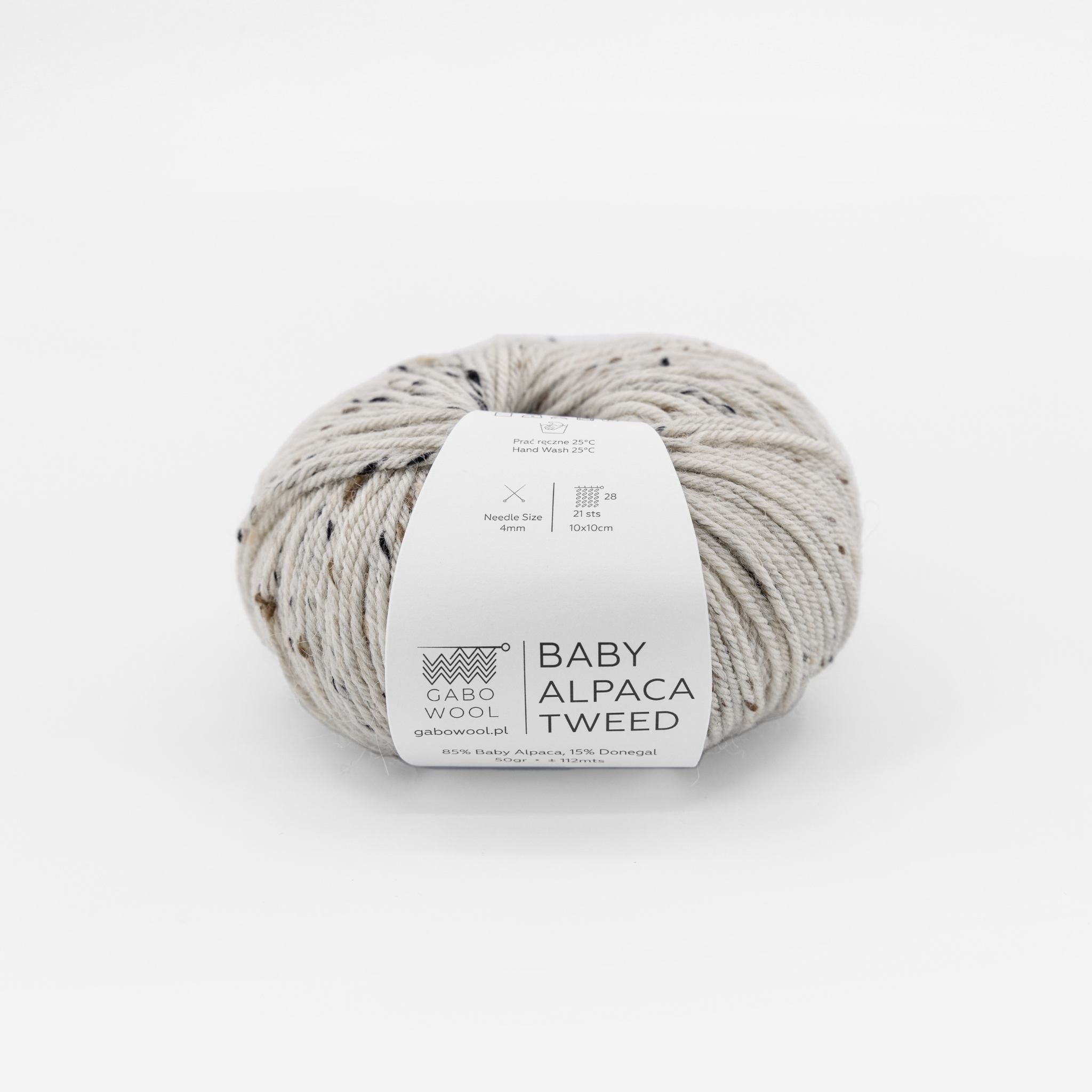
Single-ply yarns consist of one twisted strand, offering a lightweight, smooth finish ideal for fine-gauge 12GG–14GG knits. Multi-ply yarns combine two or more plies for strength, elasticity, and richer color depth, commonly used in 3GG–7GG sweaters.
Multi-ply constructions suit cardigans, pullovers, and crewnecks where durability and body are priorities. CENWILD’s 3GG–14GG machine range accommodates both, enabling brands to specify ply count based on target weight and hand-feel.
Slub and Boucle
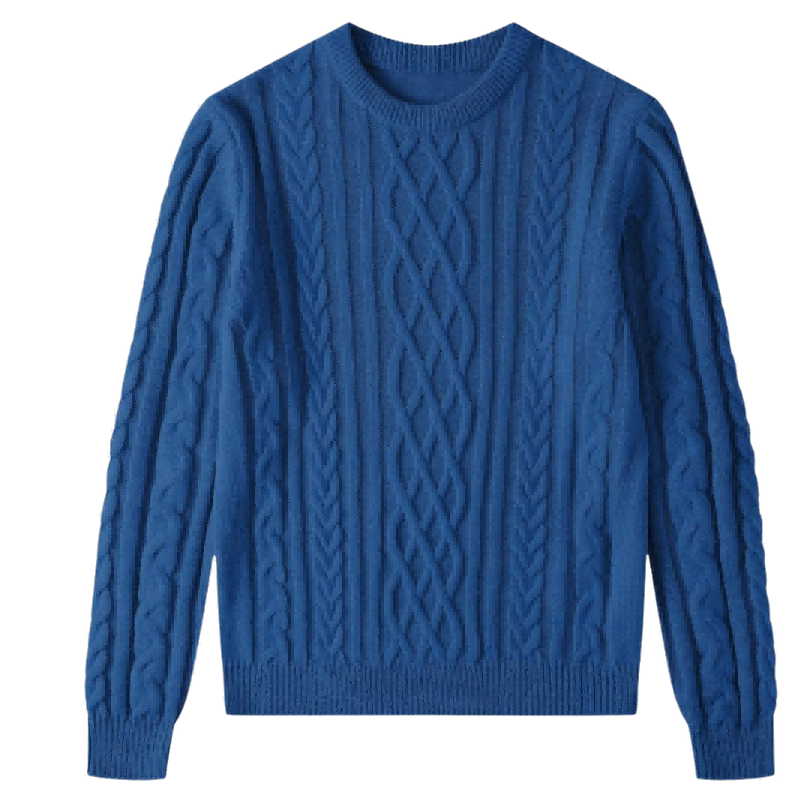
Slub yarns feature intentional thick-and-thin irregularities that create textured, artisanal surfaces popular in contemporary knitwear. Boucle yarns loop back on themselves, producing a nubby, three-dimensional effect suited to statement pieces and outerwear.
Both work best at mid-gauges (5GG–7GG) and pair well with oversized silhouettes, knit sets, and seasonal collections targeting premium price points.
Chenille and Cabled
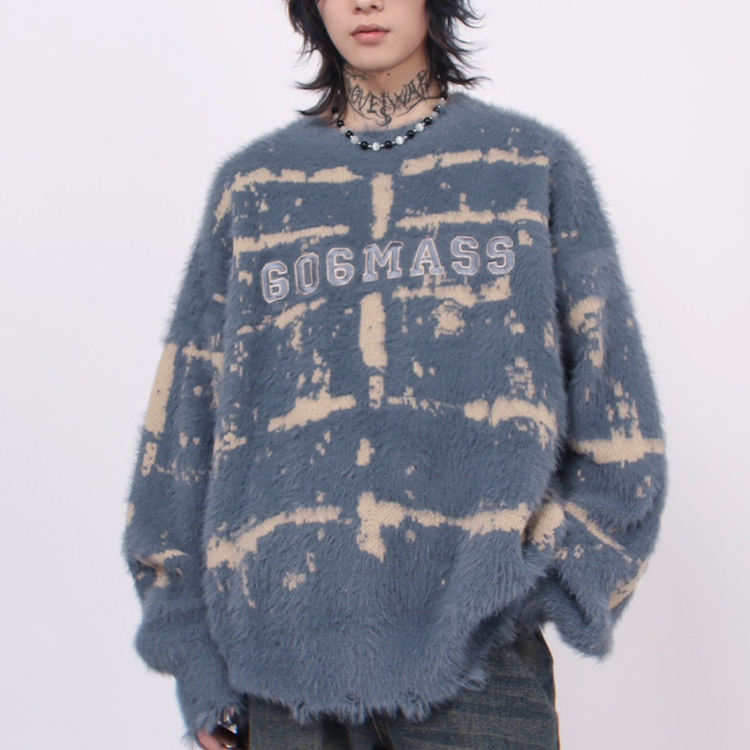
Chenille yarn wraps short fibers around a core, delivering plush, velvet-like softness ideal for luxury sweaters and knit dresses. Cabled yarns twist multiple plies into rope-like structures, enhancing stitch definition in cable and aran patterns.
Chenille requires careful tension control; CENWILD’s experienced operators ensure consistent gauge and minimize snagging. Cabled yarns excel in classic turtlenecks and heritage-inspired designs where texture is the hero.
4. Knitwear Yarn Materials and Fiber Blends
Choosing the right knitwear yarn determines hand-feel, care instructions, price point, and seasonal appeal. CENWILD sources cashmere, merino wool, lambswool, cotton, Pima, alpaca, mohair, acrylic, and recycled or organic blends to match every brand positioning and customer base.
| Fiber Type | Hand-Feel & Properties | Care | Cost Tier | Best Season | Common Blends |
|---|---|---|---|---|---|
| Cashmere | Ultra-soft, lightweight, luxurious drape | Dry-clean or hand-wash | Premium | Fall/Winter | 10–30% cashmere + wool |
| Merino Wool | Soft, breathable, moisture-wicking | Machine-wash (gentle) | Mid-High | Year-round | 100% or + nylon |
| Lambswool | Warm, resilient, slight crimp | Hand-wash or dry-clean | Mid | Fall/Winter | 100% or + acrylic |
| Cotton | Breathable, hypoallergenic, crisp | Machine-wash | Low-Mid | Spring/Summer | 100% or + linen |
| Pima Cotton | Extra-long staple, silky, durable | Machine-wash | Mid | Spring/Summer | 100% or + modal |
| Alpaca | Silky, hypoallergenic, warm | Dry-clean or hand-wash | Mid-High | Fall/Winter | 50–70% alpaca + wool |
| Mohair | Fluffy, lustrous, insulating | Dry-clean | Mid-High | Fall/Winter | 30–50% mohair + wool |
| Acrylic | Affordable, easy-care, colorfast | Machine-wash | Low | Year-round | 100% or + wool |
| Nylon / Polyester | Durable, quick-dry, stretch | Machine-wash | Low | Year-round | 10–20% + wool or cotton |
5. Customization Options for Knitwear Yarn
Knitwear yarn customization transforms stock fibers into brand-signature materials. Dye methods, twist profiles, and finishing treatments each carry distinct MOQ thresholds and lead-time implications that shape both cost and creative flexibility.
Yarn-Dyed vs. Piece-Dyed Methods
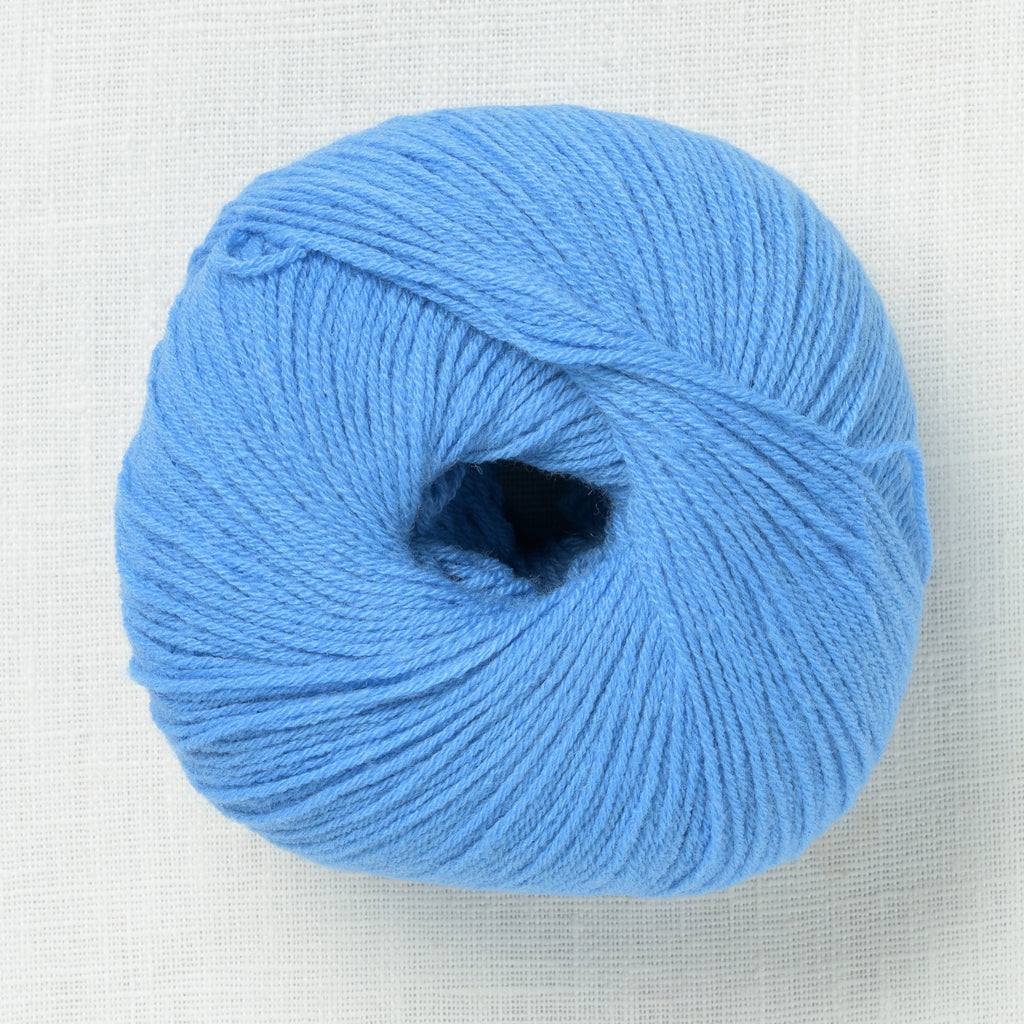
Yarn-dyed processes color fiber before knitting, delivering richer hue saturation and better colorfastness. Piece-dyeing applies color to finished garments, lowering MOQ to as few as 100 pieces per colorway and shortening lead time by 7–10 days.
CENWILD supports both routes: yarn-dyed for premium collections requiring deep, even tones, and piece-dyed for fast-turn capsules or test colorways with minimal inventory risk.
Pantone Matching and Lab Dips
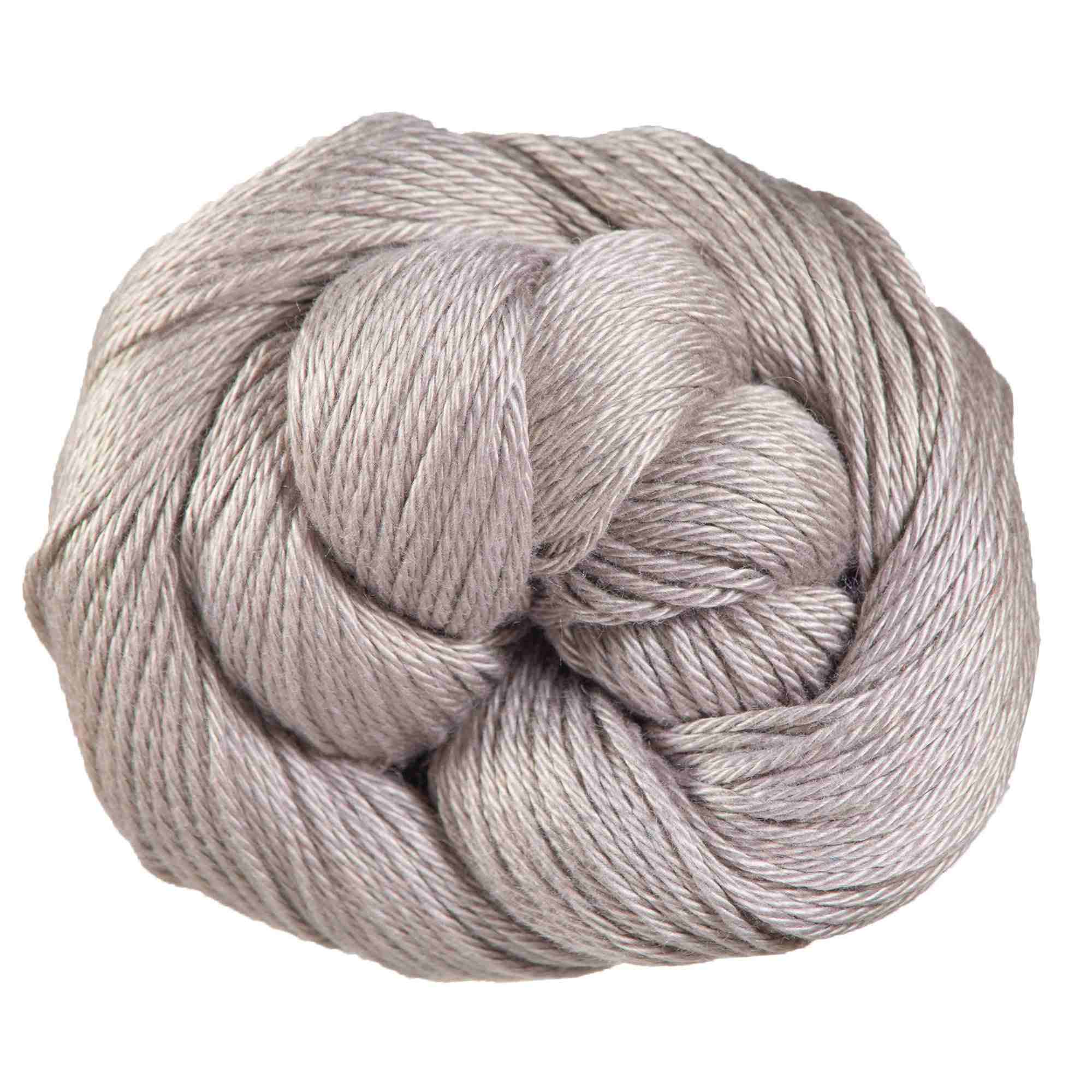
Pantone TPX or TCX references ensure repeatable color across production runs. CENWILD’s dye lab produces physical lab dips within 5–7 days, iterating until the swatch matches the target under D65 daylight standards.
Most custom color matching requires a 300-piece minimum per shade when yarn-dyed; piece-dyed matching drops that floor to 100 pieces, ideal for emerging brands testing seasonal palettes.
Twist Variations and Ply Structure
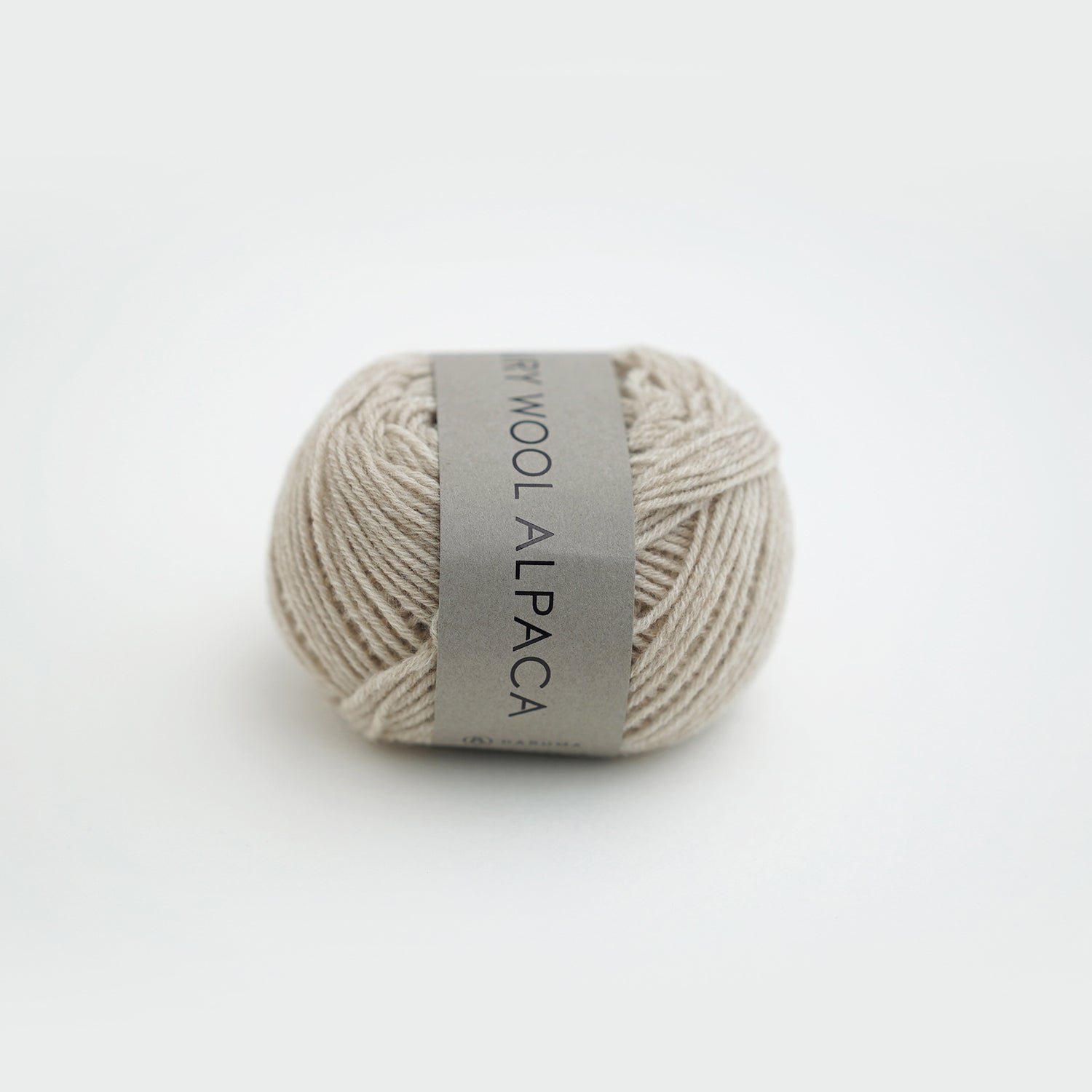
Single-ply yarns drape softly but pill more readily; two-ply and three-ply constructions add durability and stitch definition. High-twist yarns create crisp, lightweight fabrics; low-twist yields loft and warmth.
CENWILD’s yarn-sourcing team adjusts twist per inch (TPI) and ply count to meet hand-feel and performance targets, with no MOQ premium when selecting from pre-qualified mill partners.
Special Finishes and Treatments
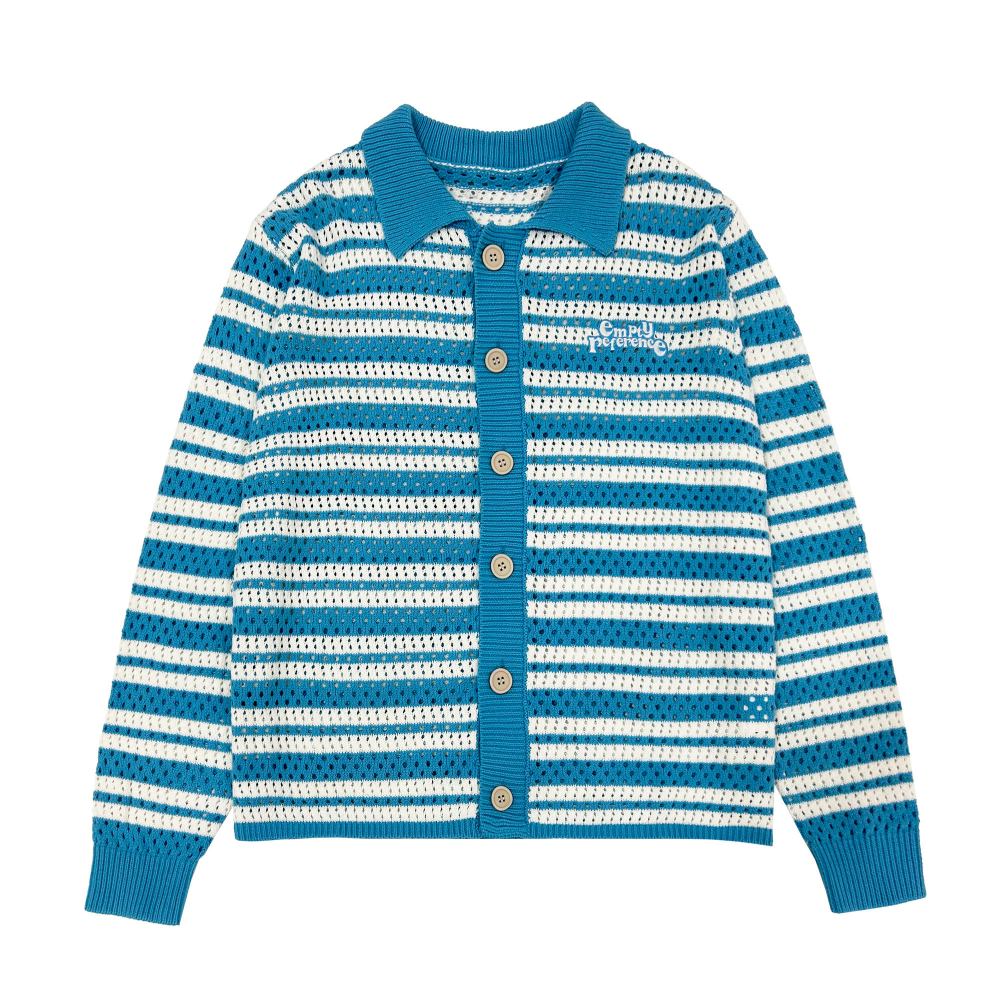
Mercerization adds luster and dye affinity to cotton knitwear yarn; brushing raises a soft surface nap; anti-pilling enzymes reduce fuzz over wear cycles. Each finish adds 3–5 days to production and typically incurs a 10–15 percent upcharge.
CENWILD applies garment-level finishing in-house, ensuring consistent quality control from knitting through final softening washes and anti-pilling treatments before packaging.
6. Key Quality Indicators in Knitwear Yarn
Six measurable indicators separate production-grade knitwear yarn from material that triggers defects and returns. Fashion brands sourcing from China should request third-party lab reports covering ASTM D1776, ISO 105, and ISO 5077 standards before approving bulk orders.
Yarn Count Consistency and Tensile Strength
Count deviation beyond ±3% causes gauge shifts across production runs, resulting in garment sizing errors. Reputable mills test tensile strength per ASTM D2256, with minimum breaking tenacity of 2.5 cN/dtex for worsted wool and 3.0 cN/dtex for cotton.
CENWILD verifies yarn count on every incoming lot using optical measurement and physical weighing to prevent knitting defects before production starts.
Pilling Resistance and Colorfastness
ISO 12945-2 Martindale abrasion testing rates pilling from grade 1 (severe) to 5 (none); specify grade 4 minimum for commercial knitwear. Colorfastness to washing (ISO 105-C06) and light (ISO 105-B02) should reach grade 4 to prevent customer complaints.
Request certificates before sampling; suppliers unable to provide lab reports within 48 hours typically lack quality infrastructure.
Shrinkage Tolerance and Batch Variance
AATCC 135 dimensional-change testing measures shrinkage after three wash cycles; knitwear yarn should stay within ±3% lengthwise and ±2% widthwise. Batch-to-batch color variance (ΔE) must not exceed 0.8 under D65 illuminant to avoid visible shade differences in finished garments.
CENWILD archives dye-lot samples for 12 months, enabling precise color matching for reorders and minimizing waste from rejected batches.
7. How to Choose a Knitwear Yarn Supplier
Selecting a knitwear yarn supplier is a strategic decision that impacts quality, lead times, and cost structure. Understanding supplier types and vetting criteria ensures you partner with a manufacturer aligned with your brand’s scale and values.
Supplier Types: Mills, Traders, and Integrated Manufacturers
Yarn mills specialize in spinning raw fiber but rarely handle garment production. Trading companies source from multiple mills and offer variety but add margin layers and communication delays.
Vertically integrated knitwear manufacturers like CENWILD control yarn sourcing, knitting, finishing, and export under one roof, reducing lead times by 15–30% and simplifying quality accountability. This model suits brands needing end-to-end traceability and flexible MOQs starting at 100 pieces.
Certifications and Compliance
Request OEKO-TEX Standard 100 for chemical safety, GOTS for organic fibers, and GRS for recycled content claims. These certifications confirm third-party testing and are essential for retail compliance in North America and Europe.
Ask suppliers for current certificate numbers and scope; expired or generic documents signal weak quality systems.
Vetting Process: Yarn Cards and Strike-Offs
Request yarn cards showing fiber content, twist, gauge compatibility, and color range. Strike-offs—small knit swatches in your chosen yarn and stitch—reveal hand feel, drape, and pilling tendency before committing to bulk.
Reputable suppliers provide strike-offs within 7–10 days and welcome detailed technical questions on shrinkage, dye-lot variation, and finishing behavior.
8. Common Mistakes When Sourcing Knitwear Yarn
Even experienced buyers make costly errors when selecting knitwear yarn. Understanding these pitfalls — and the corrective steps — protects lead times, budgets, and brand reputation across every production cycle.
Ignoring Gauge Compatibility
Specifying yarn without confirming gauge match to your knitting equipment causes uneven fabric density and wasted samples. A 3GG machine cannot achieve the fine hand of 12GG yarn.
Always cross-reference yarn weight (NM, Nm) with machine gauge before ordering. CENWILD’s design team verifies compatibility across 3GG–14GG and provides knit-down swatches to confirm stitch definition before bulk production.
Skipping Wash and Durability Tests
Approving yarn on visual appeal alone hides shrinkage, pilling, and color bleeding that surface after the first consumer wash. Anti-pilling treatments and garment finishing are essential for longevity.
Request lab wash reports (AATCC or ISO standards) and physical samples after softening, brushing, or garment-dye processes to ensure the finished hand meets retail expectations.
Choosing Yarn Solely on Price
The lowest-cost yarn often uses shorter staple fibers or higher twist, leading to pilling, breakage, and customer returns that eclipse any initial savings.
Balance cost with fiber quality, twist consistency, and supplier track record. CENWILD sources premium cashmere, merino, and Pima cotton with transparent pricing, ensuring durability that protects brand equity over multiple seasons.
9. Steps to Launch Your Knitwear Brand with the Right Yarn
Launching a knitwear brand requires a structured approach to yarn selection, sampling, and production planning. A clear roadmap from concept to first shipment typically spans 12–16 weeks, depending on customization depth and order complexity.
Define Brand Aesthetic and Target Customer
Start by mapping your brand positioning: premium cashmere for luxury markets, organic cotton for eco-conscious buyers, or acrylic blends for accessible price points. This foundation dictates fiber choice, gauge range (3GG–14GG), and decoration techniques.
Identify your core customer’s climate, lifestyle, and price sensitivity to narrow yarn weight, hand-feel, and care requirements before requesting samples.
Select Fiber and Request Knit-Down Samples
Choose knitwear yarn based on performance and cost: merino wool for softness, alpaca for warmth, or recycled polyester for sustainability credentials. Request knit-down swatches in your target gauge to evaluate drape, pilling resistance, and color uptake.
CENWILD provides complimentary knit-down sampling with original stitch programming, enabling brands to test intarsia, jacquard, or cable patterns before committing to a pilot order.
Finalize Color Palette and Negotiate Terms
Lock in 6–12 core colors using Pantone references or physical yarn cards to ensure dye-lot consistency. Confirm MOQ (CENWILD starts at 100 pieces per style), deposit structure (100% first order, scaling to 30% for repeat partners), and lead time (typically 45–60 days post-approval).
Secure payment terms—T/T, PayPal, or USDT—and request a pre-production sample to validate fit, construction, and finishing before bulk production begins.
10. Knitwear Yarn Pricing and Cost Factors
Knitwear yarn pricing varies by fiber composition, yarn count, dyeing method, and order volume. Natural luxury fibers — cashmere, merino, alpaca — command 3–10× the cost of acrylic or cotton blends, while finer counts (2/26Nm, 2/48Nm) add 15–30% over standard 2/12Nm worsted due to longer spinning and tighter twist control. Custom-dyed lots incur minimum dye-batch charges (typically 50–100 kg per shade), whereas stock-dyed yarns ship within one to two weeks at lower per-kilogram rates.
Order quantity drives unit economics: below 100 kg buyers pay spot prices and absorb setup overhead, whereas 500+ kg orders unlock mill-direct pricing and negotiated lead times. CENWILD sources knitwear yarn across all tiers, passing economies of scale directly to clients while maintaining traceability from spinning mill to finished garment. Payment terms and freight (FOB, CIF, DDP) further influence landed cost; consolidating yarn procurement with sweater production under one partner reduces double handling and financing cycles by 20–40%.
| Order Quantity (kg) | Fiber Type | Approx. Cost ($/kg) | Lead Time (weeks) |
|---|---|---|---|
| 50–100 | Acrylic / Cotton blend | 4–7 | 2–3 |
| 100–300 | Merino wool / Lambswool | 18–35 | 3–5 |
| 300–500 | Cashmere blend (30%) | 45–80 | 5–7 |
| 500+ | Alpaca / Mohair blend | 30–60 | 4–6 |
| 500+ | Organic cotton / Recycled poly | 8–15 | 3–4 |
Ready to Source Premium Knitwear Yarn? Get Your Quote Today
CENWILD’s design team is ready to support your project from fiber selection to finished sweater. Start with 100 pieces.