Custom Knitwear Manufacturer — OEM, ODM & Private Label Sweaters
Professional sweater manufacturer in Dongguan, China with 28+ years of experience. Custom knitwear production from 100-piece MOQ for fashion brands, retailers, and independent designers worldwide.
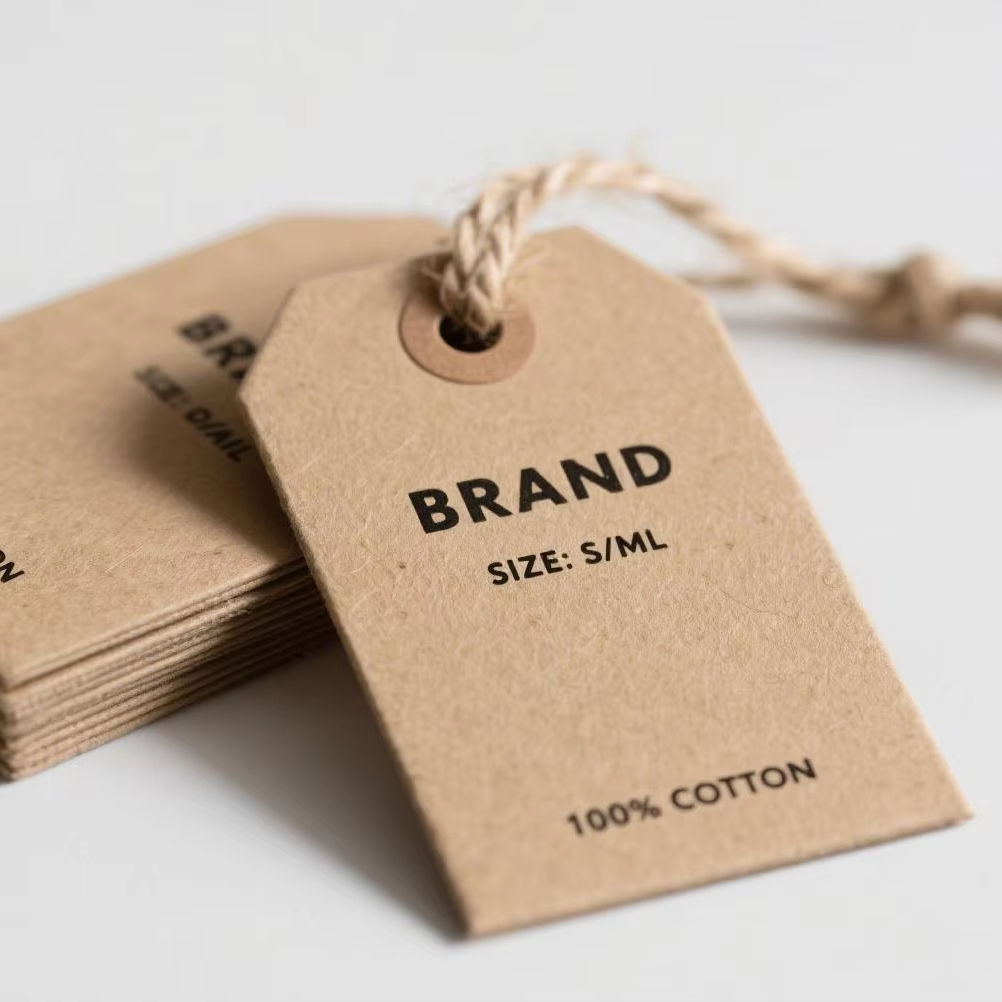
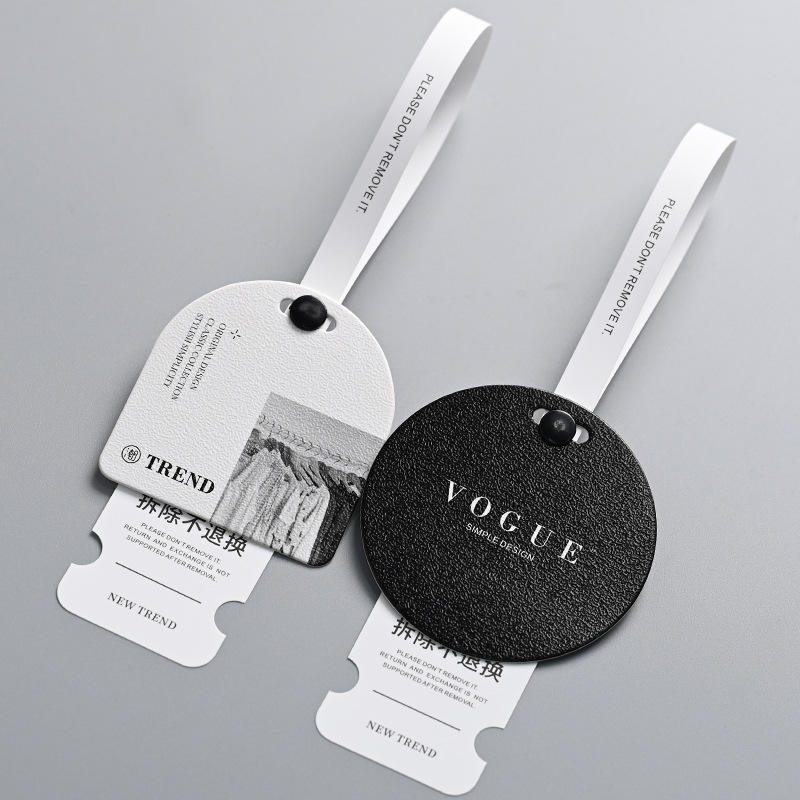
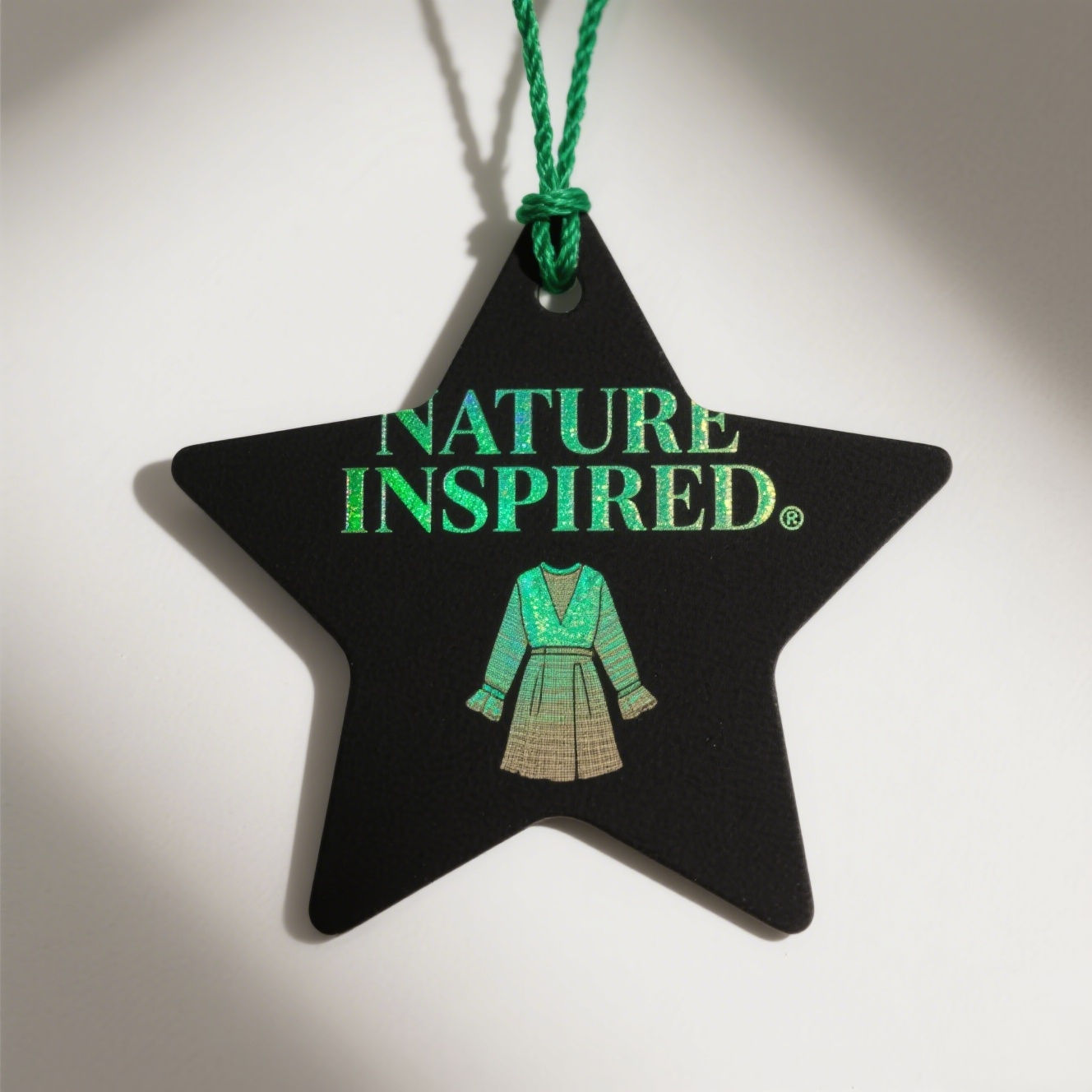
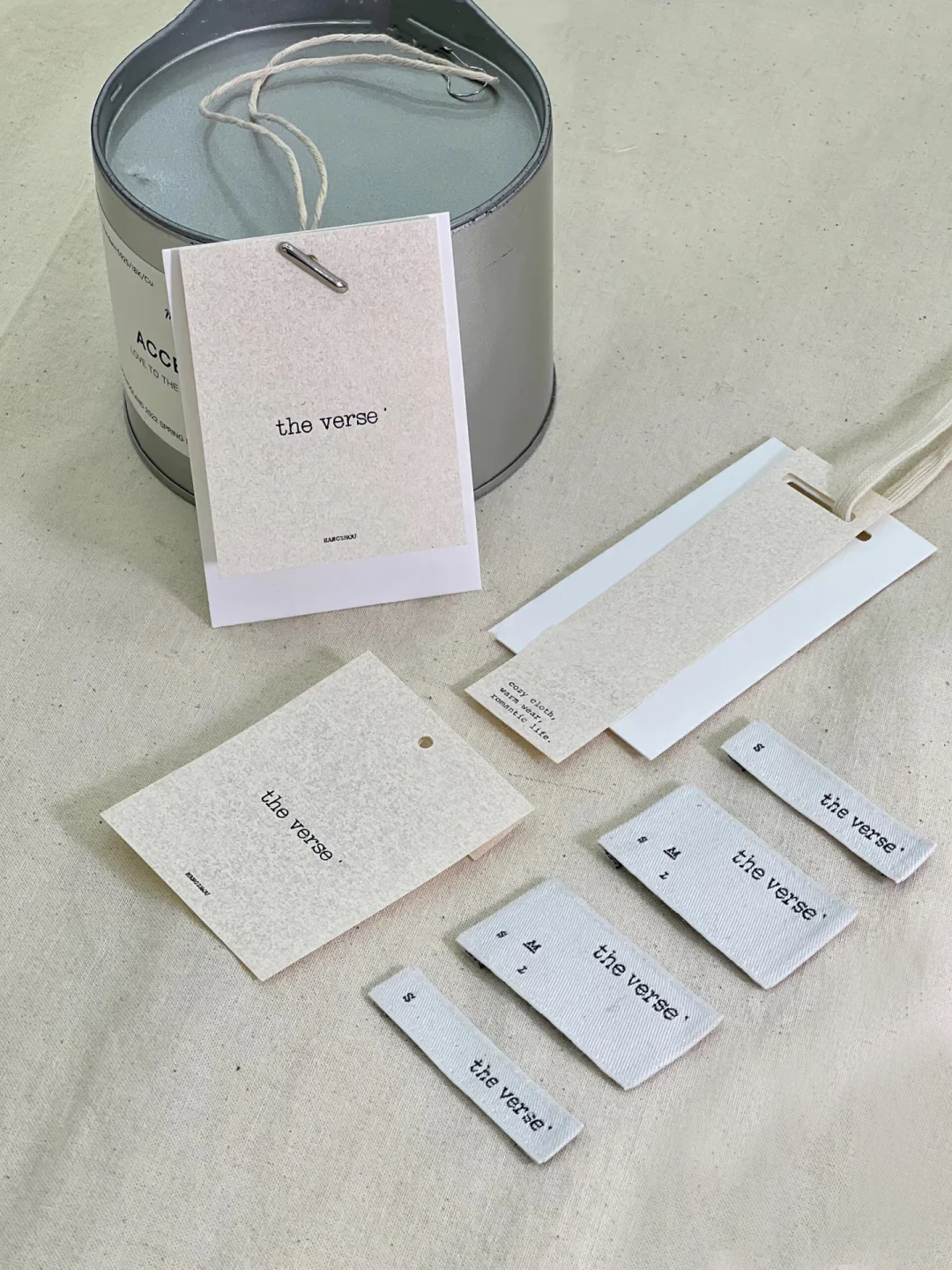
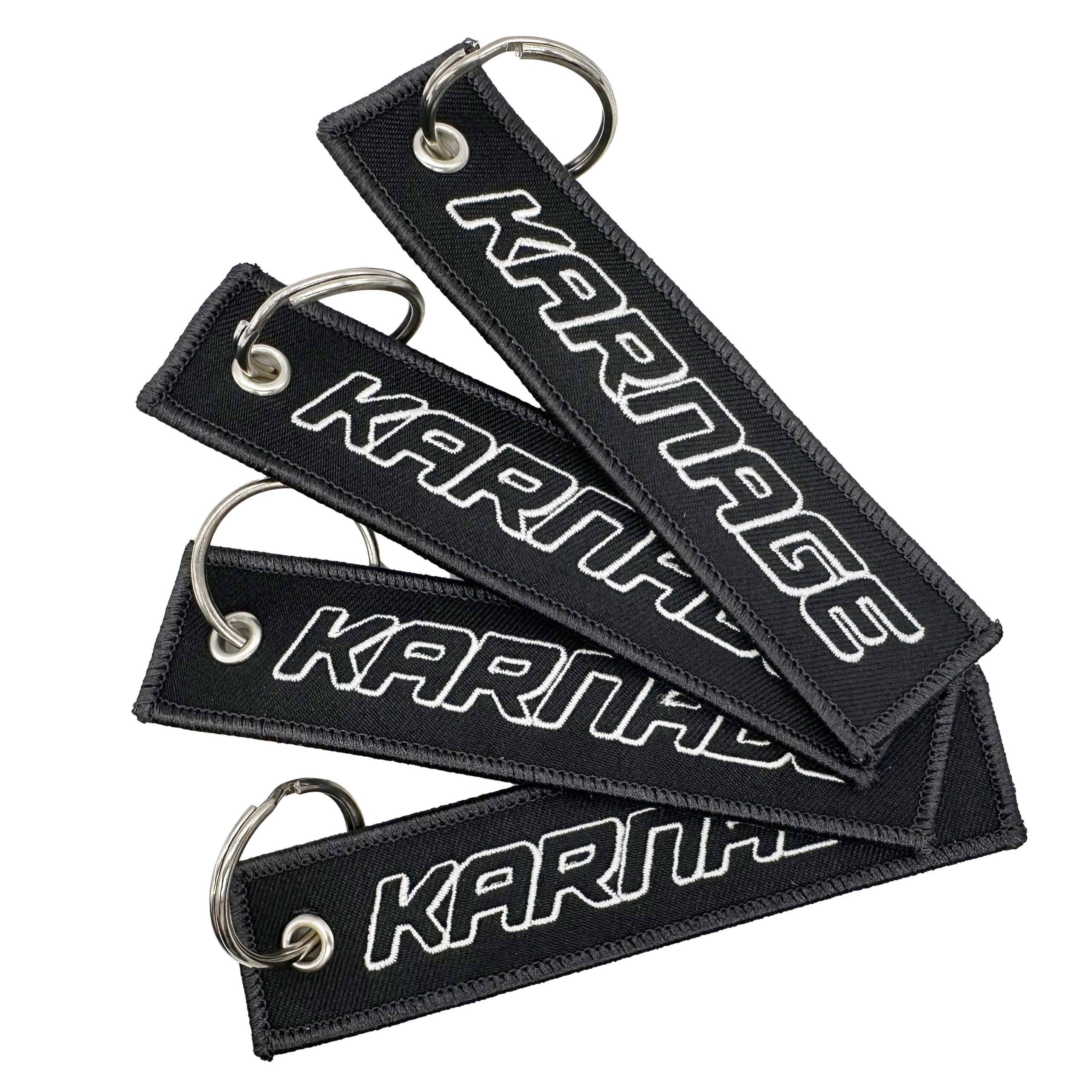
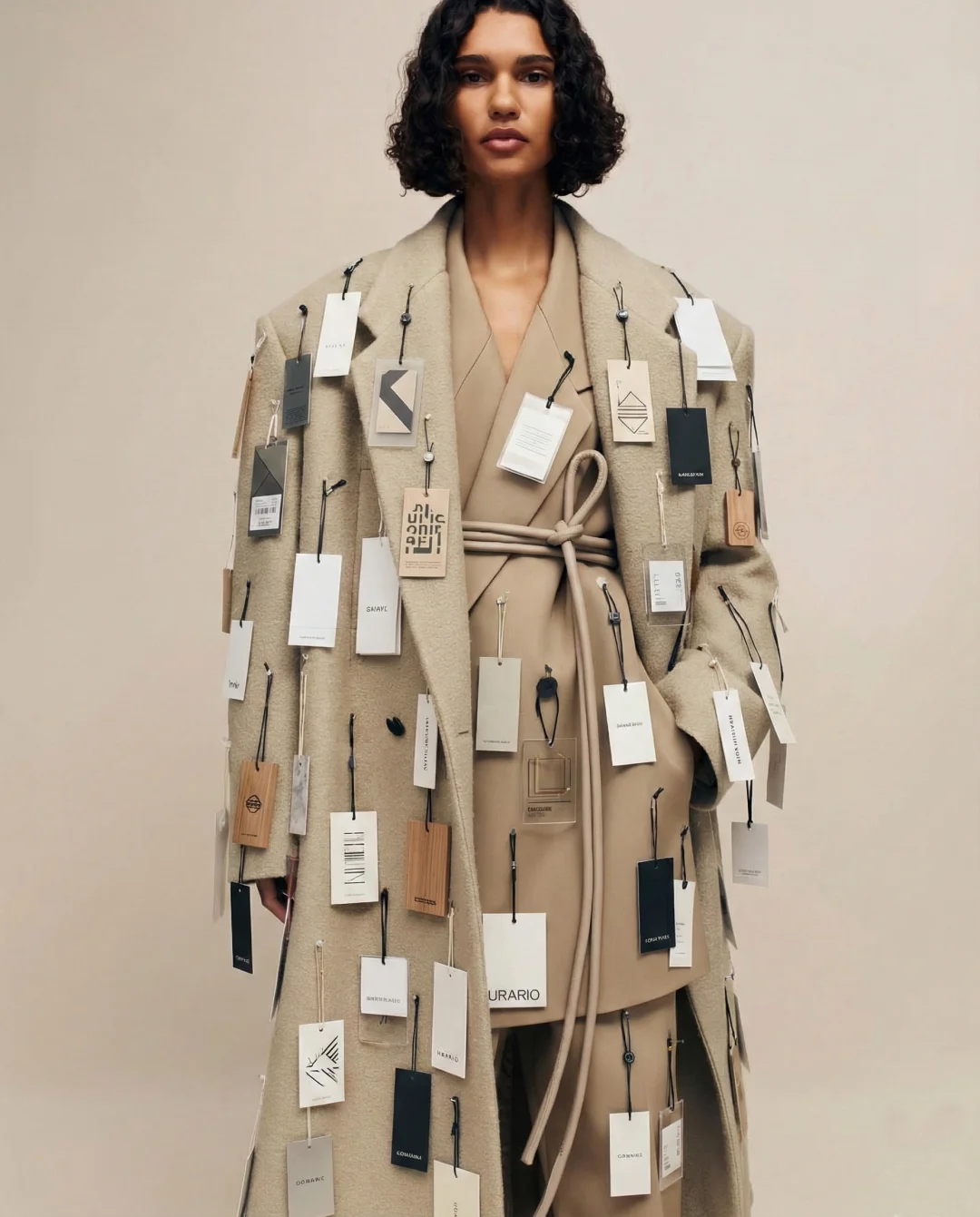
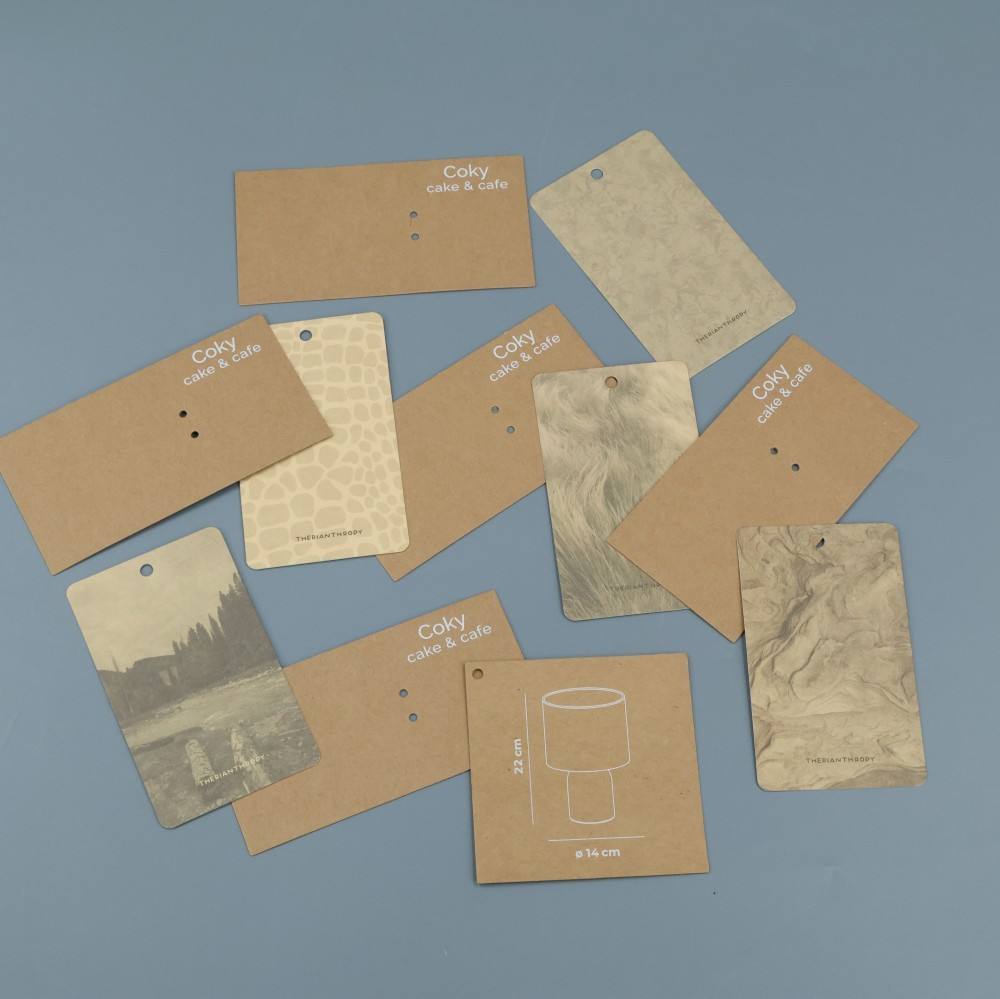
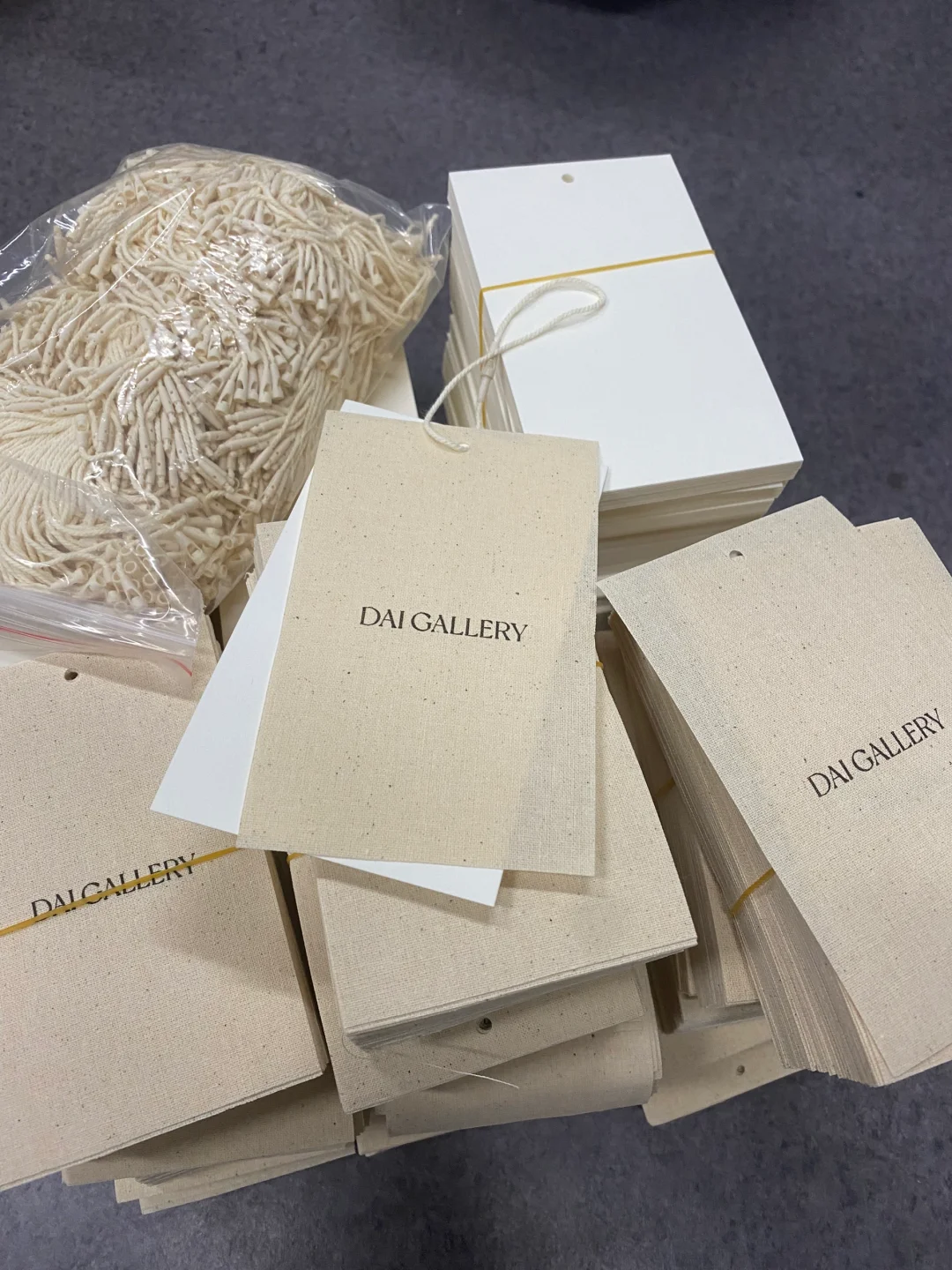
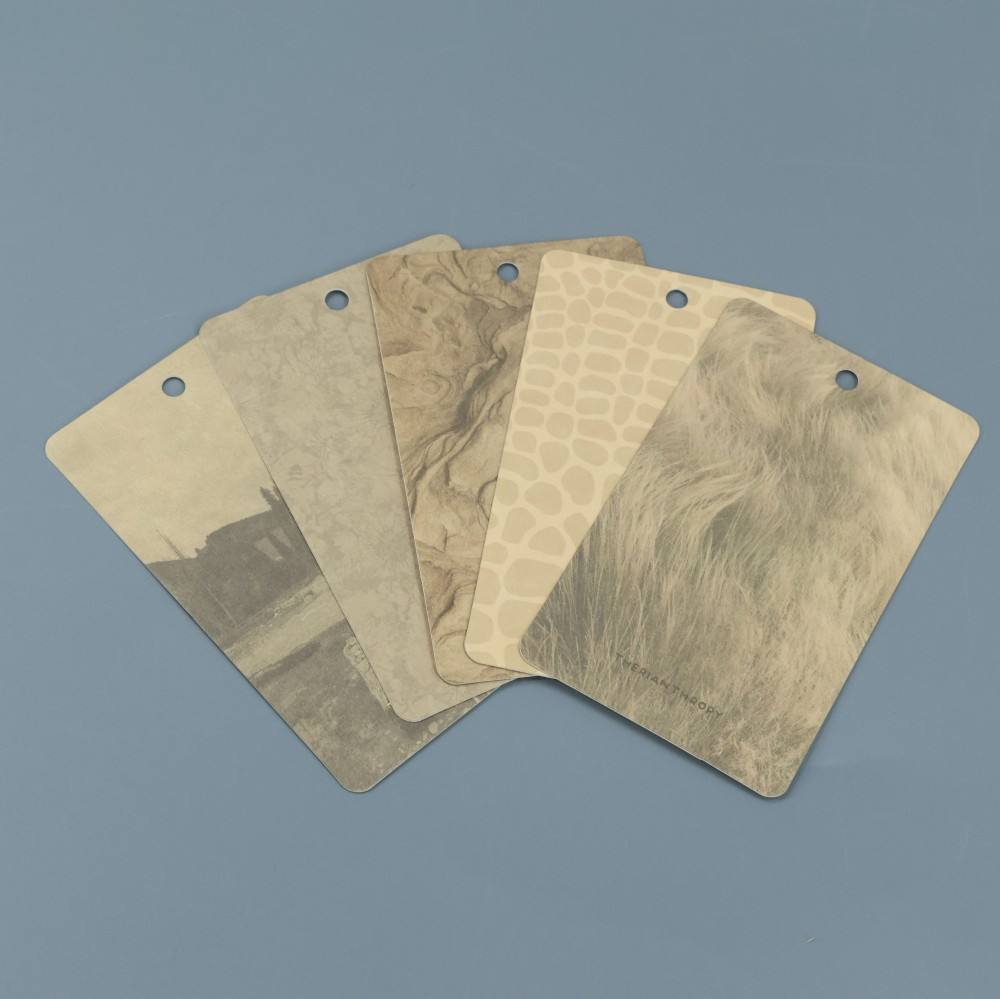
Custom Hang Tag Styles & Materials
Why Partner with CENWILD for Custom Knitwear
Full OEM & ODM Capabilities
From tech pack to finished garment, CENWILD handles design development, yarn sourcing, knit-down sampling, production, decoration, and export logistics — all under one roof in Dongguan.
Elevated Perceived Quality
Professional hang tags signal premium craftsmanship, helping your knitwear command higher price points and stronger brand positioning in retail.
Retail-Ready Presentation
Arrive at stores or customers with polished, shelf-ready garments that require zero additional prep before display or sale.
Total Customization Flexibility
Choose materials, shapes, finishes, printing techniques, and attachment methods to perfectly match your brand aesthetic and product line.
Wash-Cycle Durability
High-quality custom hang tags withstand handling and washing, ensuring care instructions and branding remain legible through the supply chain.
Flexible MOQ from 100 Pieces
Launch your brand or test new styles with low-risk production runs starting at just 100 pieces per design. No large inventory commitment required — ideal for startups, independent designers, and seasonal collections.
Complete Your Knitwear with Custom Trims & Accessories
Trims and Accessories
From buttons and zippers to woven labels and drawstrings, CENWILD sources and applies the full range of custom knitwear trims in-house. Our 28+ years of manufacturing experience ensures every detail matches your brand’s quality standards, with coordinated sourcing that simplifies your supply chain and keeps MOQ flexible from 100 pieces.
Get a Quote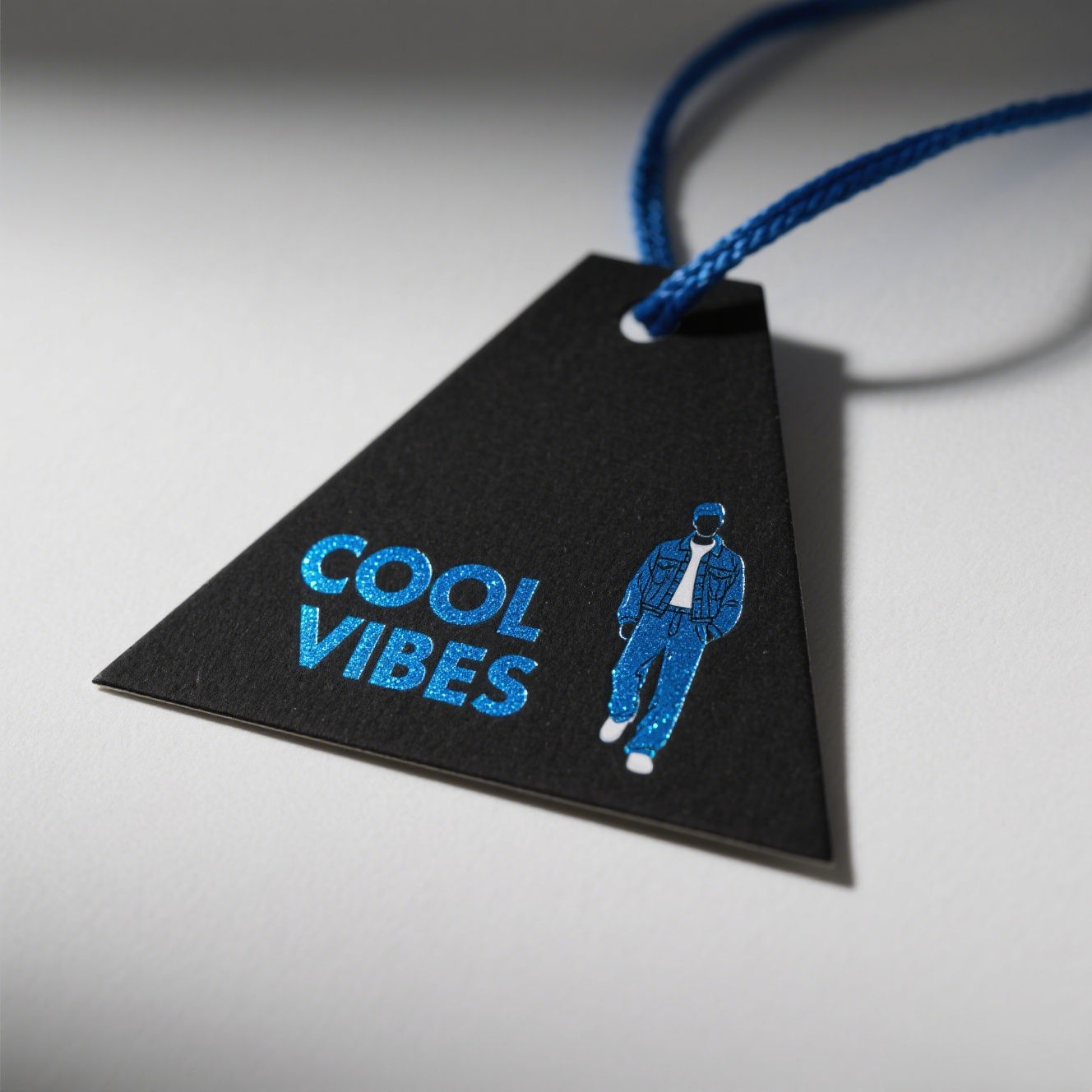
Custom Buttons
Choose from horn, corozo, resin, metal, or wood buttons custom-dyed or engraved to your specifications. We match button style, size, and finish to your cardigan, polo, or placket design, then sew them on with reinforced stitching. Custom buttons ship integrated into your finished knitwear, eliminating separate vendor coordination.
Get a Quote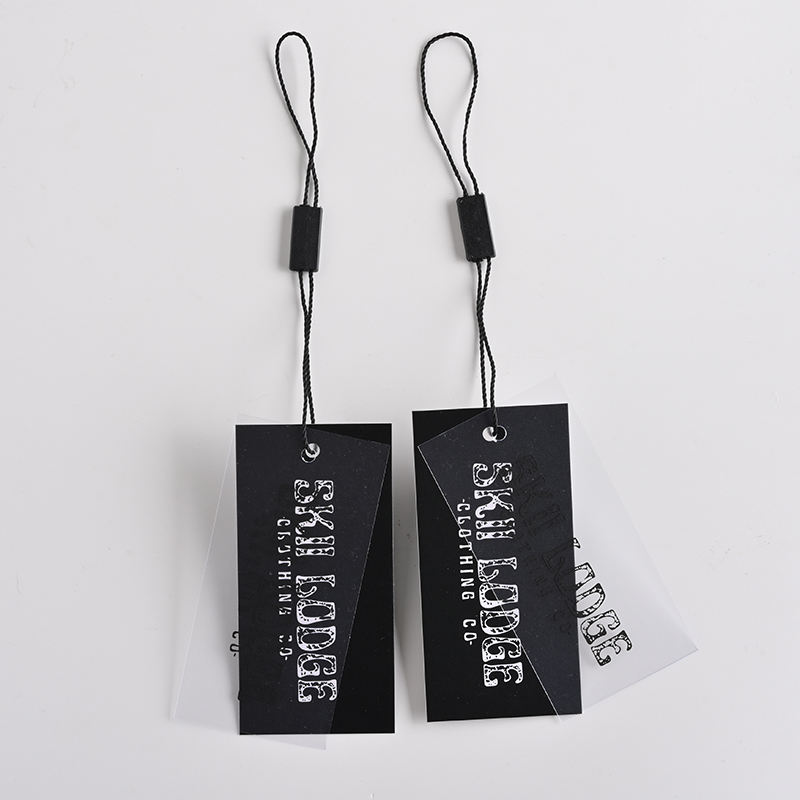
Custom Zippers
CENWILD supplies and installs metal, nylon, or invisible zippers for quarter-zip pullovers, half-zip styles, cardigan fronts, and pocket details. All zippers are pre-tested for smooth operation and colorfastness, then sewn with precision linking or overlock to maintain the stretch and drape of your knit garments.
Get a Quote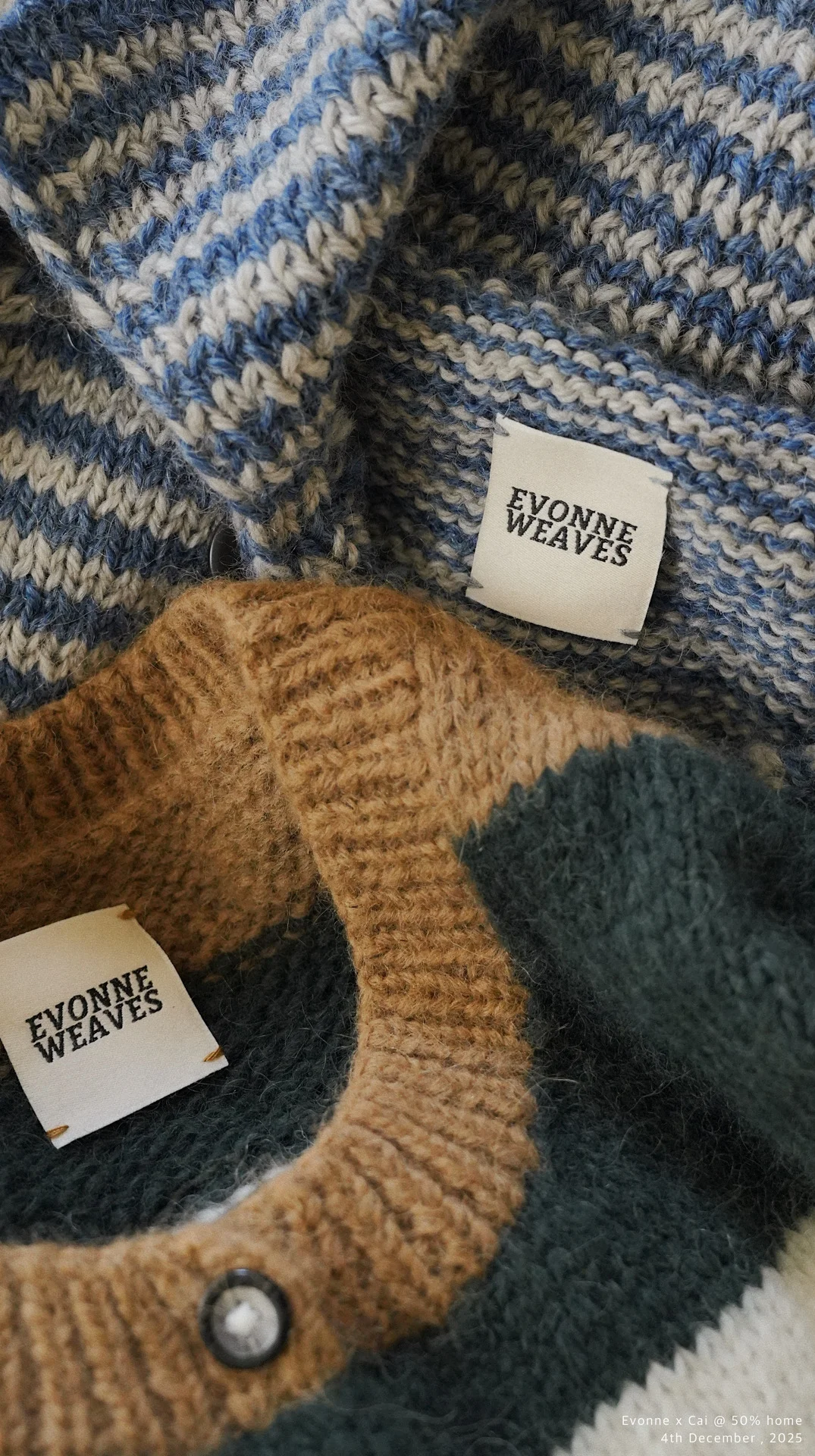
Woven and Leather Labels
Add your brand identity with custom woven labels, printed care labels, or genuine leather patches. We handle label sourcing, artwork setup, and attachment by sewing, heat-seal, or transfer—positioned at the neckline, side seam, or hem. Every label meets international care-symbol and fiber-content regulations for your target markets.
Get a Quote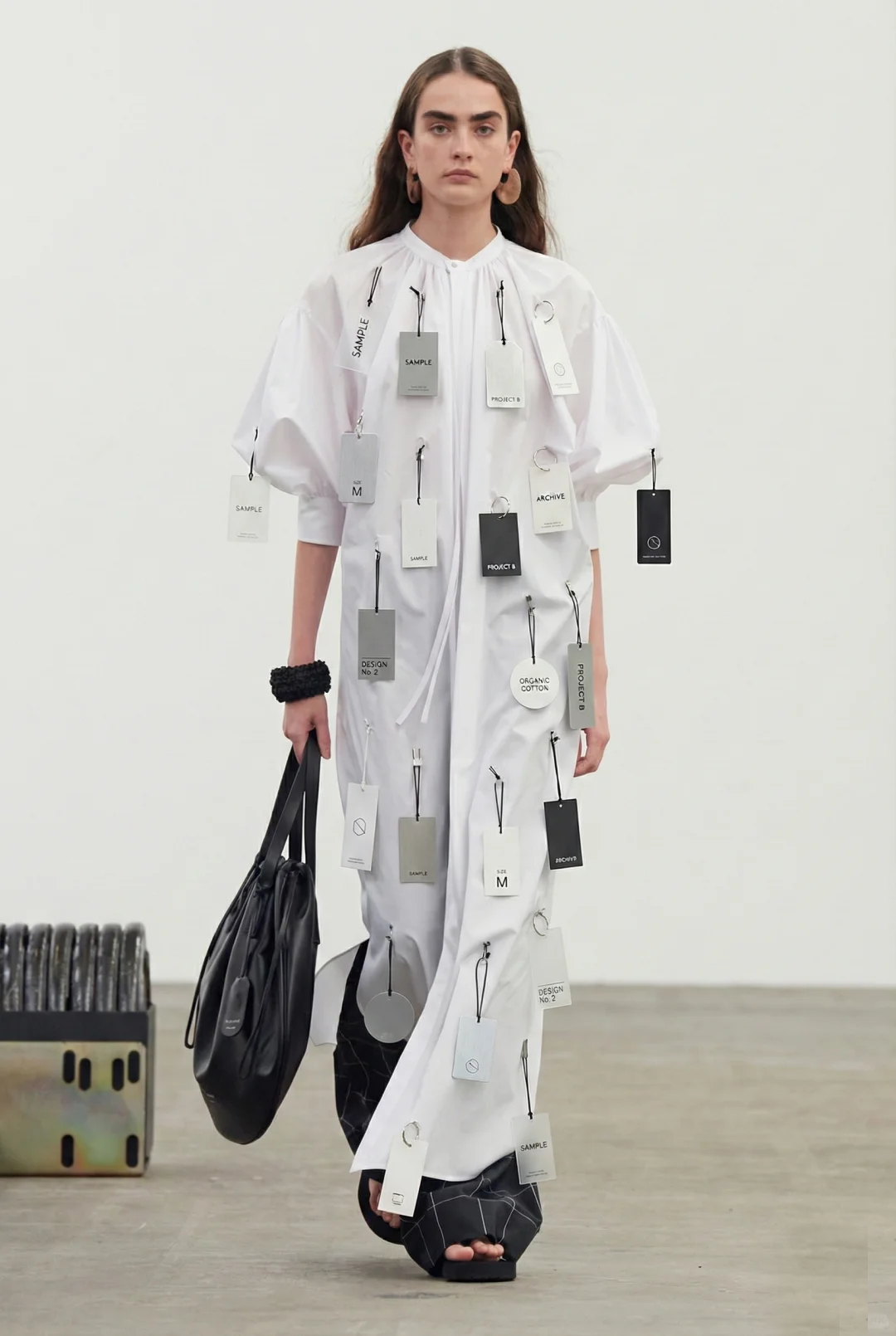
Drawstrings
Specify flat, round, or tubular drawstrings in cotton, polyester, or blended cord, finished with metal or plastic aglets and your brand’s custom colorway. Ideal for hoodie necklines, kangaroo pockets, and adjustable waistbands on knit joggers or lounge sets. CENWILD threads and secures drawstrings during garment assembly.
Get a Quote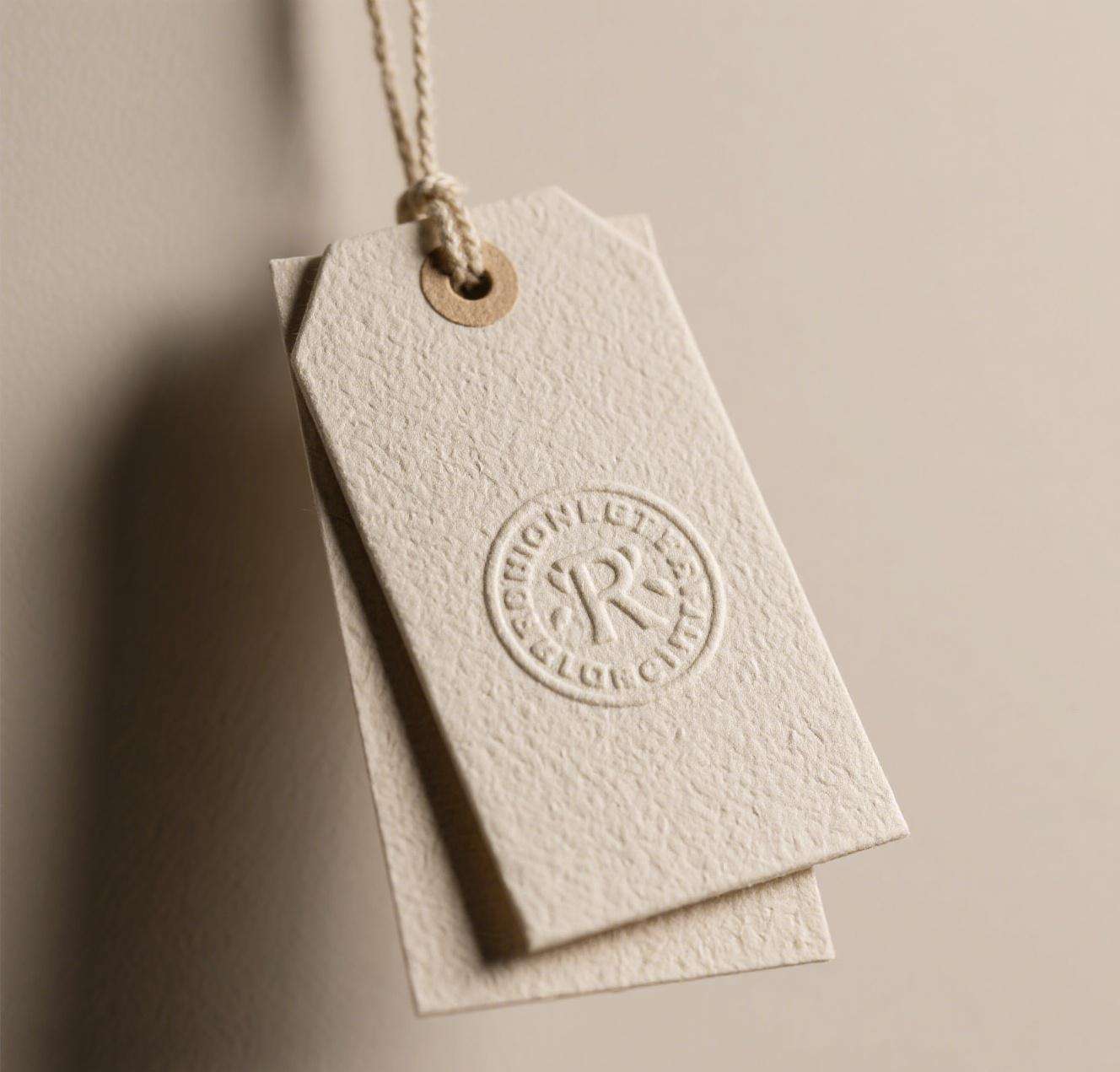
Rib Cuffs and Collars
Our in-house knitting machines produce matching or contrast rib cuffs, collars, and waistbands in 1×1, 2×2, or engineered rib structures. Ribs are knit in the same or complementary yarn as your sweater body, then linked or sewn with fully-fashioned edges to ensure stretch recovery and a polished finish across all sizes.
Get a Quote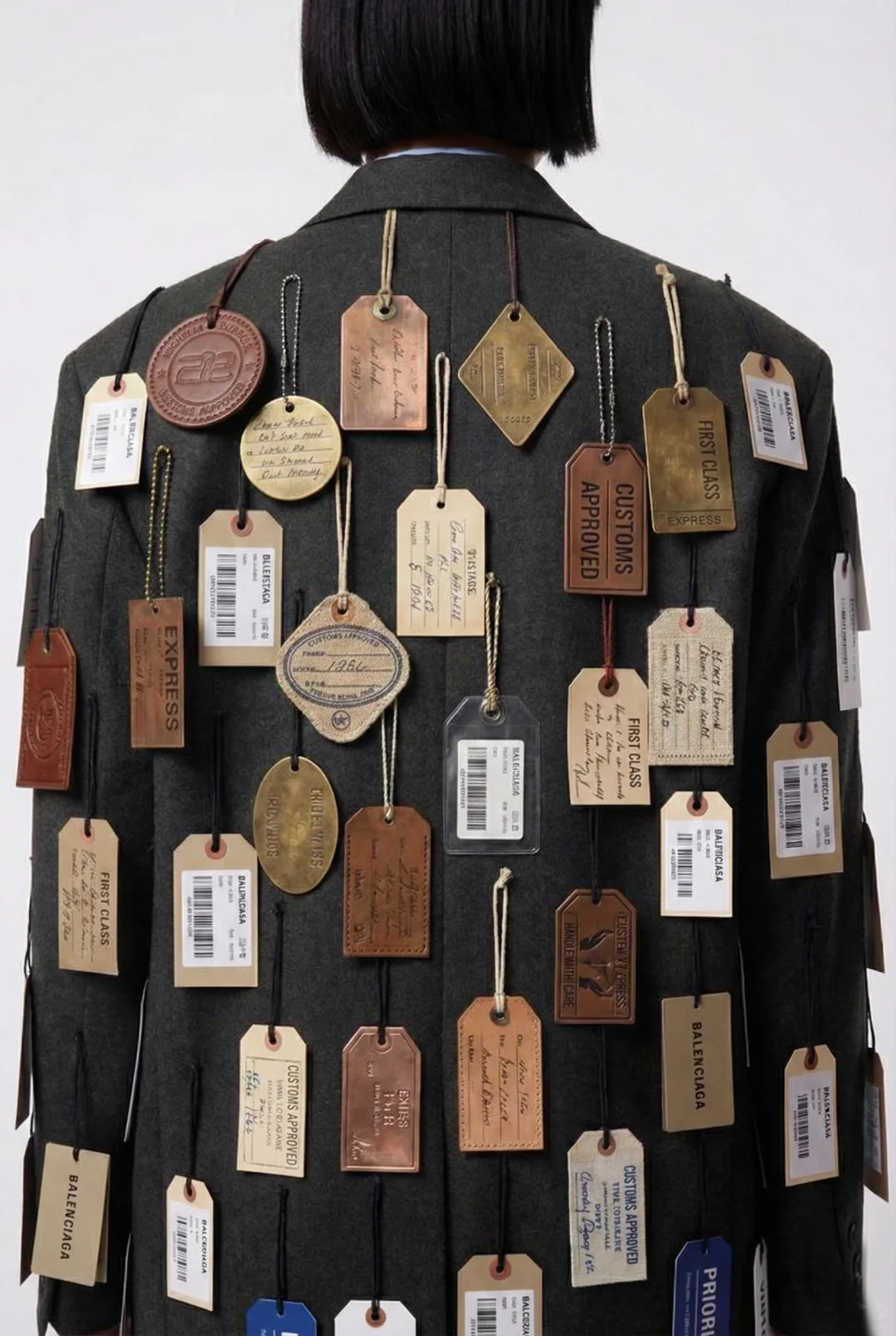
Pom Poms
Add playful or premium detail with custom pom poms in faux fur, yarn-wrapped, or genuine fur styles. Available in any size and color to match or accent your beanie, scarf, or cardigan tie. CENWILD attaches pom poms securely by hand or snap fastener, and can coordinate pom pom material with your main garment yarn.
Get a Quote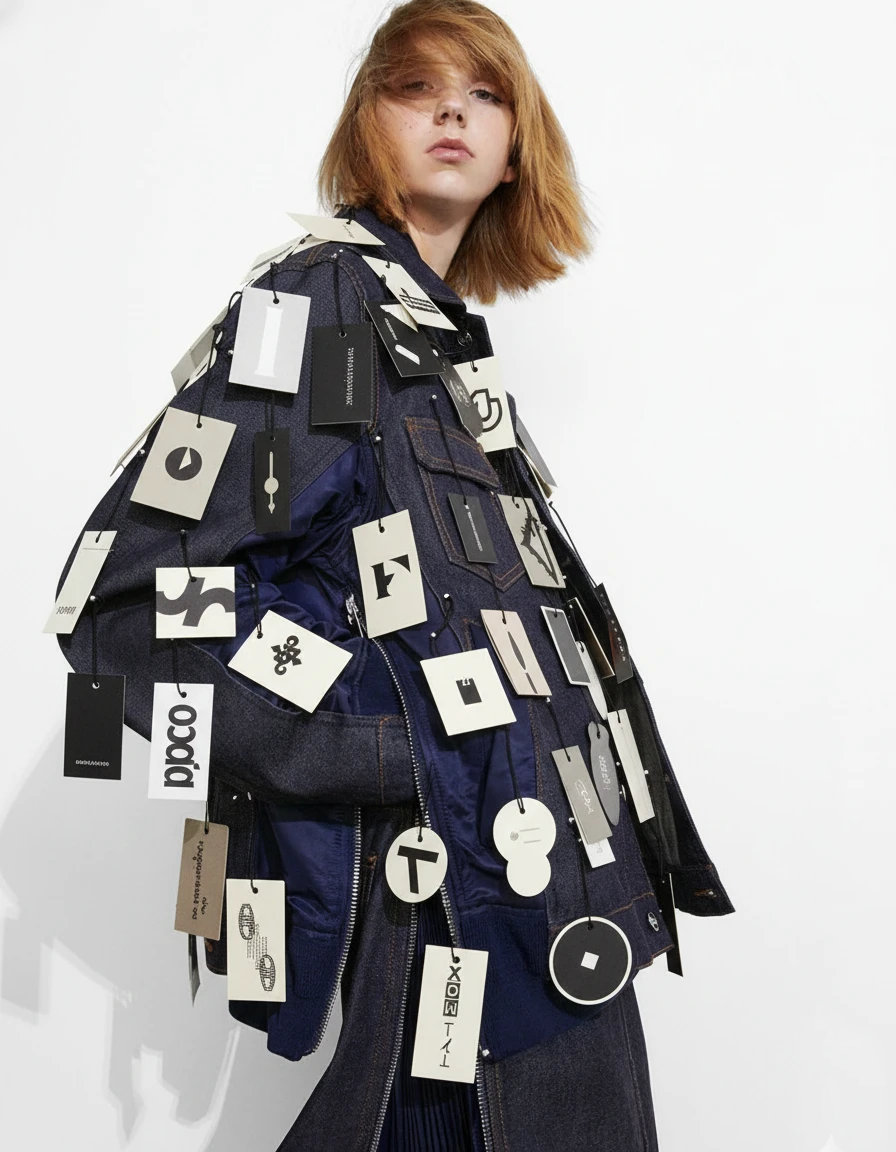
Custom Cardigan
Design and manufacture custom cardigans in any gauge from 3GG to 14GG, with button, zip, or open-front closures. CENWILD’s ODM and OEM capabilities cover classic, oversized, cropped, and longline silhouettes in cashmere, merino, cotton, or blended yarns. Intarsia, jacquard, cable, and embroidery options available, MOQ 100 pieces.
Get a Quote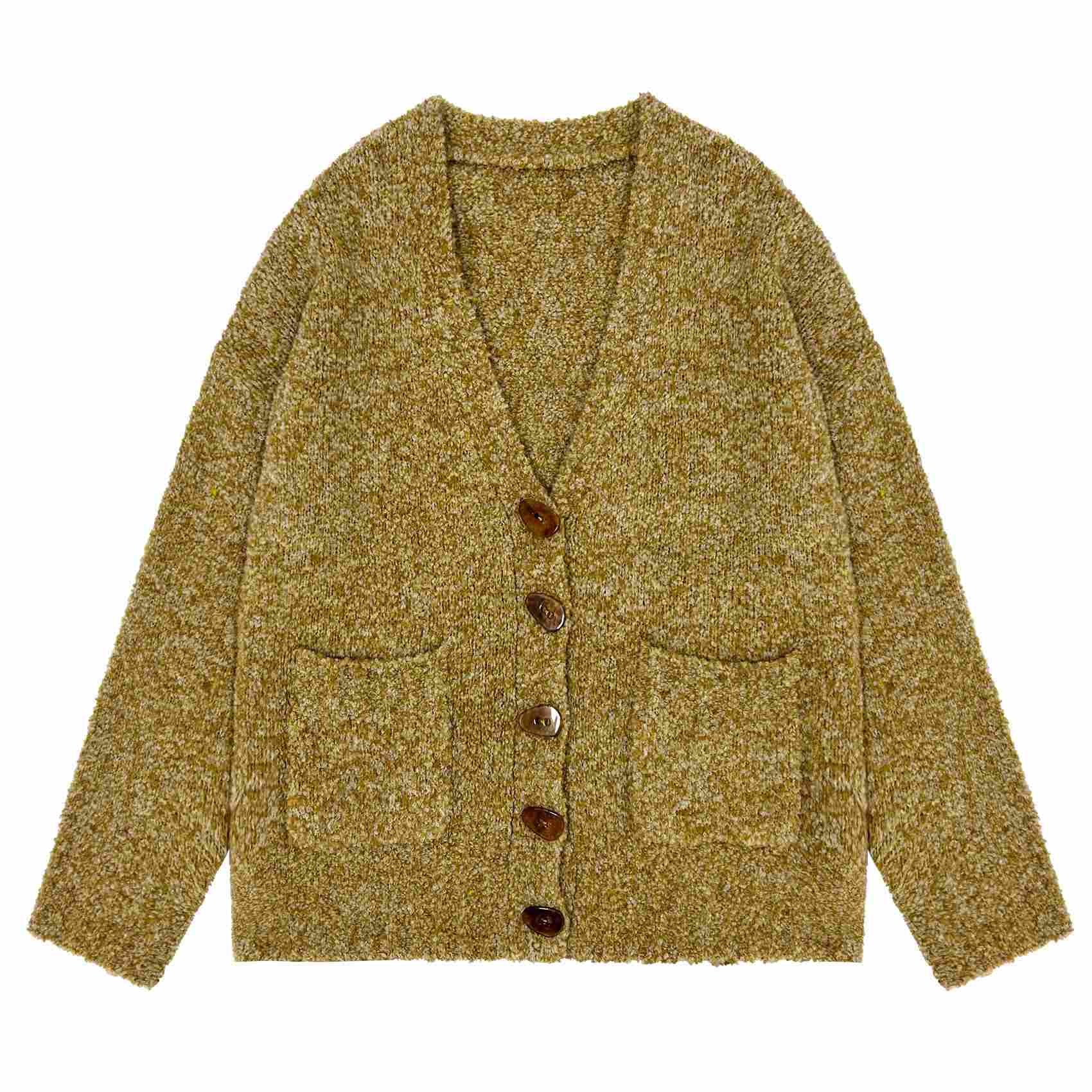
Cardigan Sweater Manufacturer
As a dedicated cardigan sweater manufacturer since 1998, CENWILD produces men’s, women’s, and children’s cardigans for fashion brands worldwide. Our Dongguan facility handles design development, knit-down sampling, full production, and decoration in-house. Private label and low-MOQ programs support startups, independent designers, and established retailers alike.
Get a Quote28+ Years of Trim & Accessory Expertise
Founded in 1998 in Humen, Dongguan — China’s knitwear capital — CENWILD began as a family knitting workshop and evolved into a full-service sweater manufacturer. Today we operate over 200 skilled employees and produce custom hang tags, labels, patches, and decorative trims as part of our integrated one-stop production for fashion brands worldwide.
Our in-house capabilities span embroidery, printing, garment finishing, and accessory fabrication — all under one roof. From design development to final packaging, we control every detail of your knitwear order, including custom hang tags that match your brand identity. With flexible MOQs starting from just 100 pieces, we support independent designers, retailers, and global labels across North America, Europe, Australia, and beyond.
What sets CENWILD apart is our commitment to partnership, not just production. We bring nearly three decades of manufacturing experience, advanced equipment across 3GG–14GG flat-knitting machines, and a dedicated design team ready to turn your concepts into finished products — complete with custom hang tags and trims that elevate your brand presentation.
Custom Hang Tag Production & Finishing
Design Digitization & Material Selection
Every custom hang tag begins with precision artwork preparation and cardstock choice. Our design team digitizes your logo, brand colors, and graphics to production-ready files, then matches your tag to premium cardstock weights from 300gsm to 600gsm in coated, uncoated, kraft, or specialty finishes.
- Vector conversion and color-matching to Pantone or CMYK standards
- Cardstock library: coated art paper, kraft, recycled, textured, and metallic options
- Material recommendations based on garment type and brand positioning
- Pre-production digital proofs for approval before printing
Printing & Die-Cutting Precision
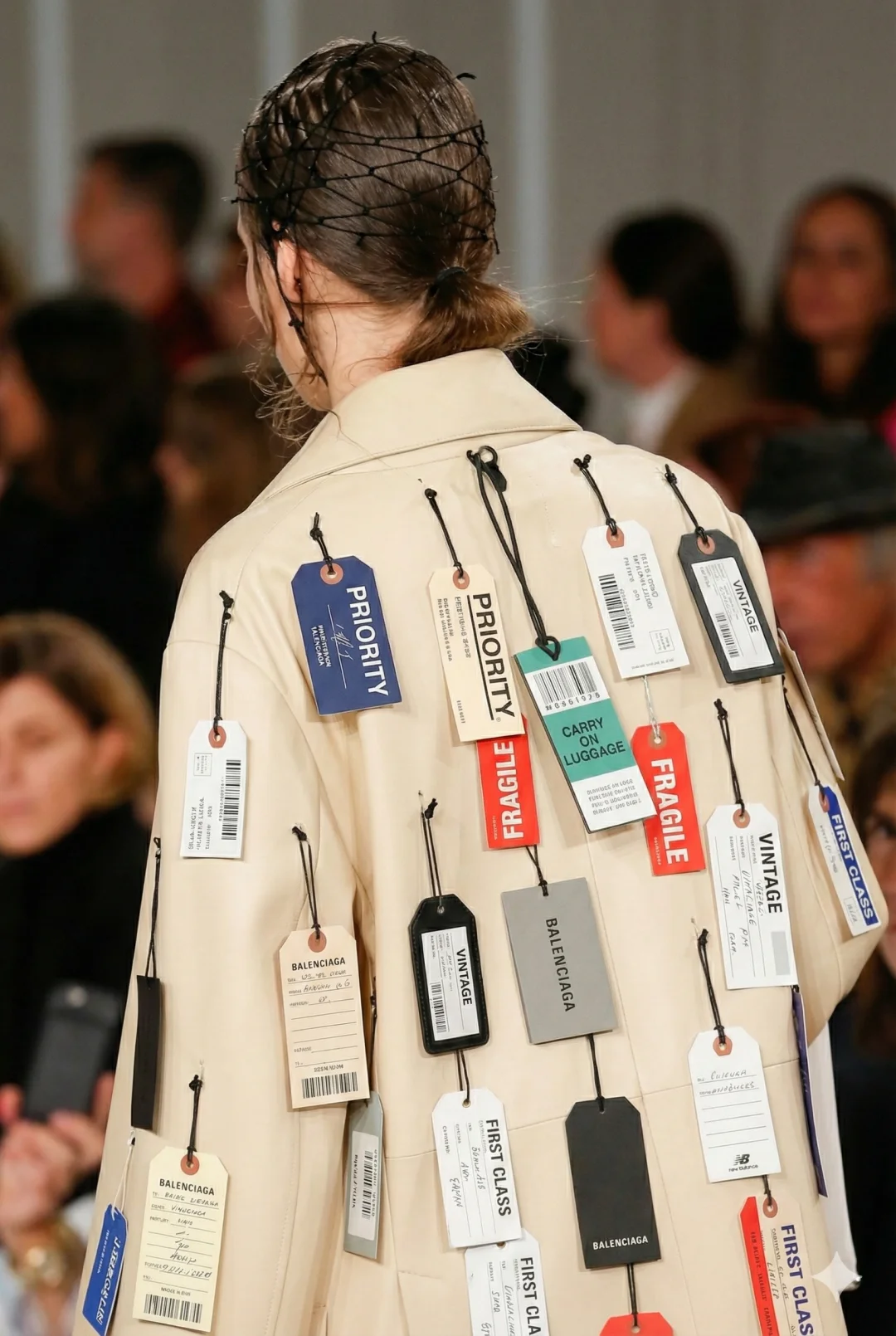
CENWILD applies offset, digital, foil-stamping, or embossed printing to bring your hang tag design to life, followed by precision die-cutting to any shape. Our in-house tooling ensures sharp edges, consistent dimensions, and repeatable quality across thousands of tags per production run.
- Offset printing for large runs with rich, saturated color
- Foil stamping in gold, silver, rose gold, holographic, and custom metallics
- Custom die shapes: rounded corners, circles, ovals, house shapes, or brand silhouettes
- Tight tolerances ±0.5mm for uniform tag appearance
Edge Finishing & Attachment Hardware
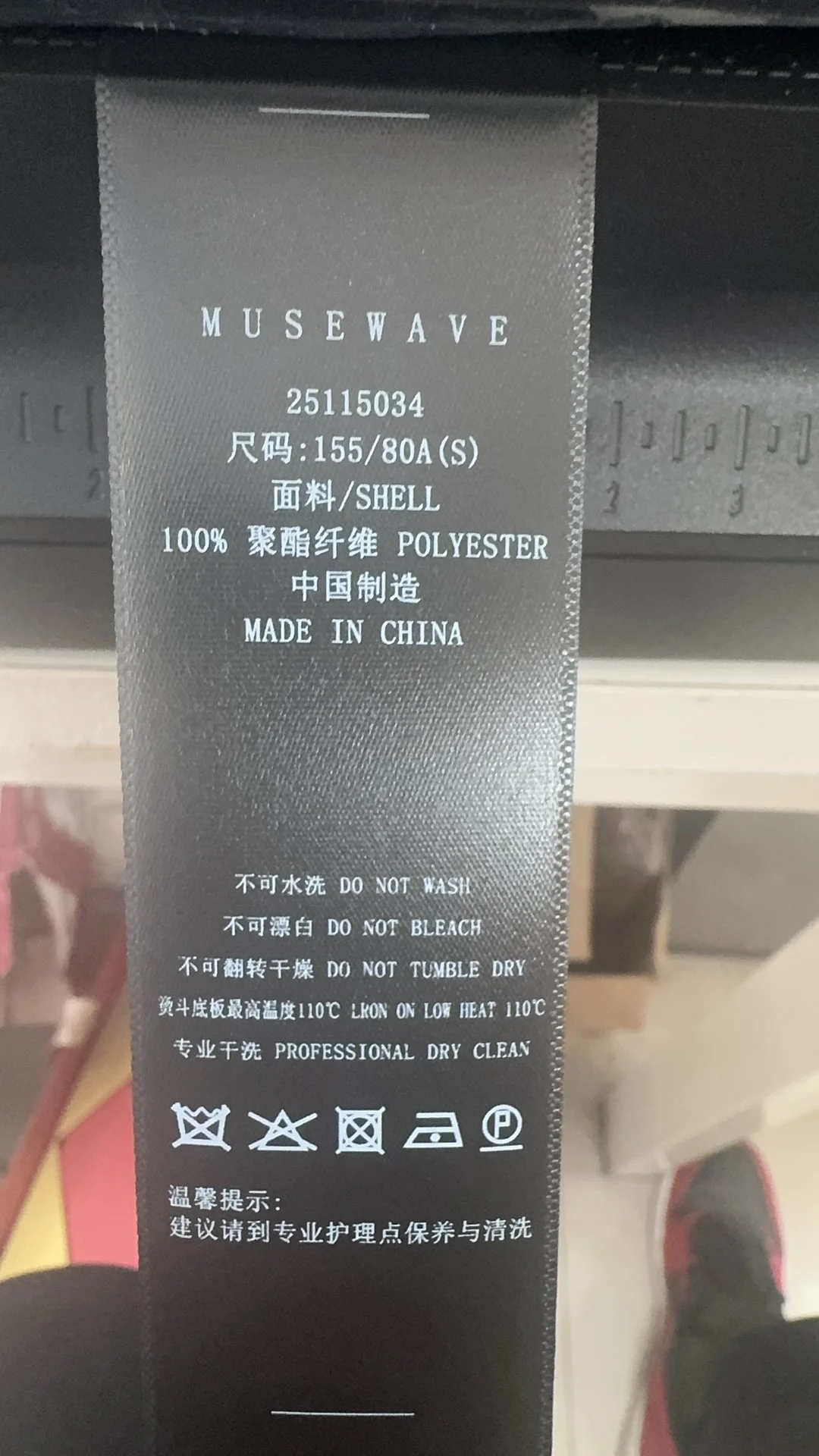
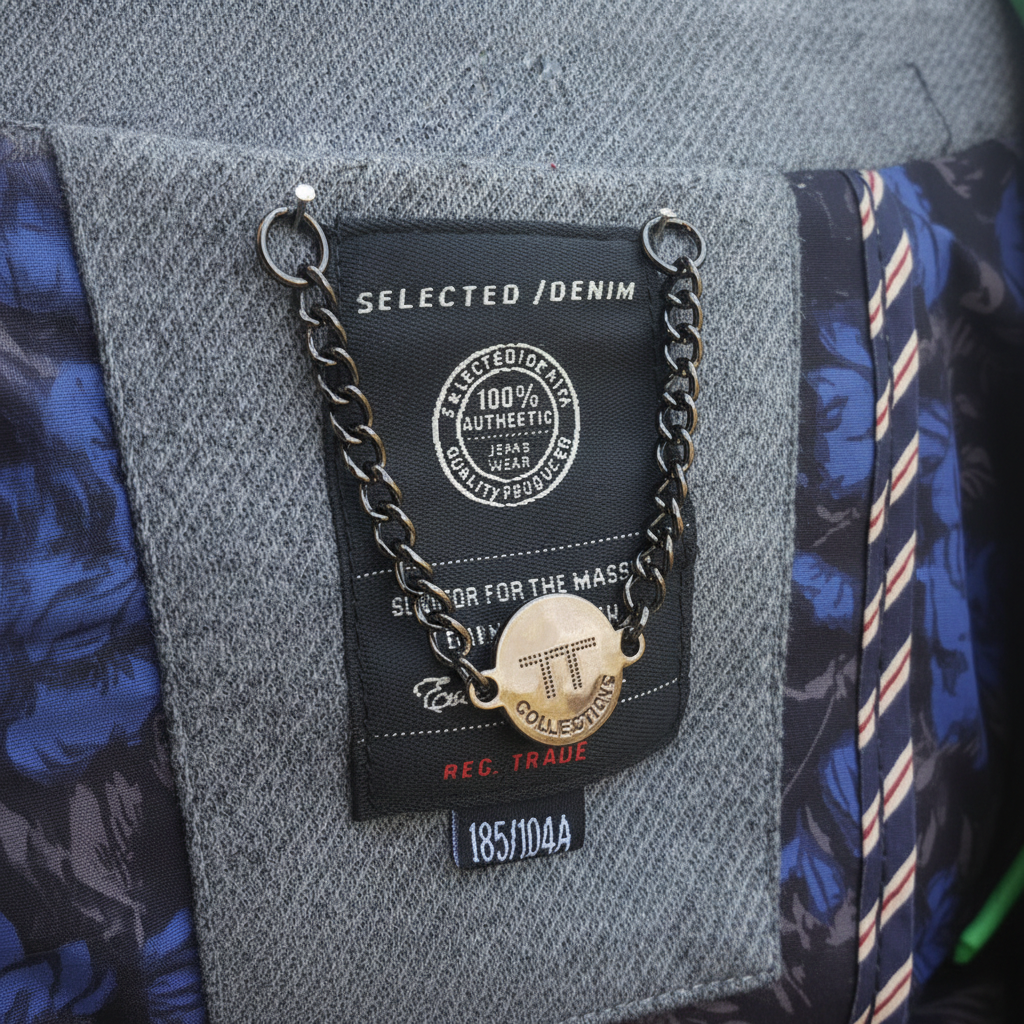
After cutting, each custom hang tag receives edge finishing—smoothing, beveling, or color-edging—then hole-punching and hardware attachment. We offer reinforced eyelets, pre-tied strings in cotton, satin, or elastic, and safety-pin or barbell fasteners to match your knitwear’s aesthetic and retail requirements.
- Edge options: smooth-cut, painted edges, or metallic gilding
- Eyelet reinforcement in brass, nickel, or black oxide
- String materials: waxed cotton, satin ribbon, elastic loop, jute, or custom-dyed cord
- Barbell or safety-pin fasteners for easy retail attachment and removal
Quality Inspection & Packaging
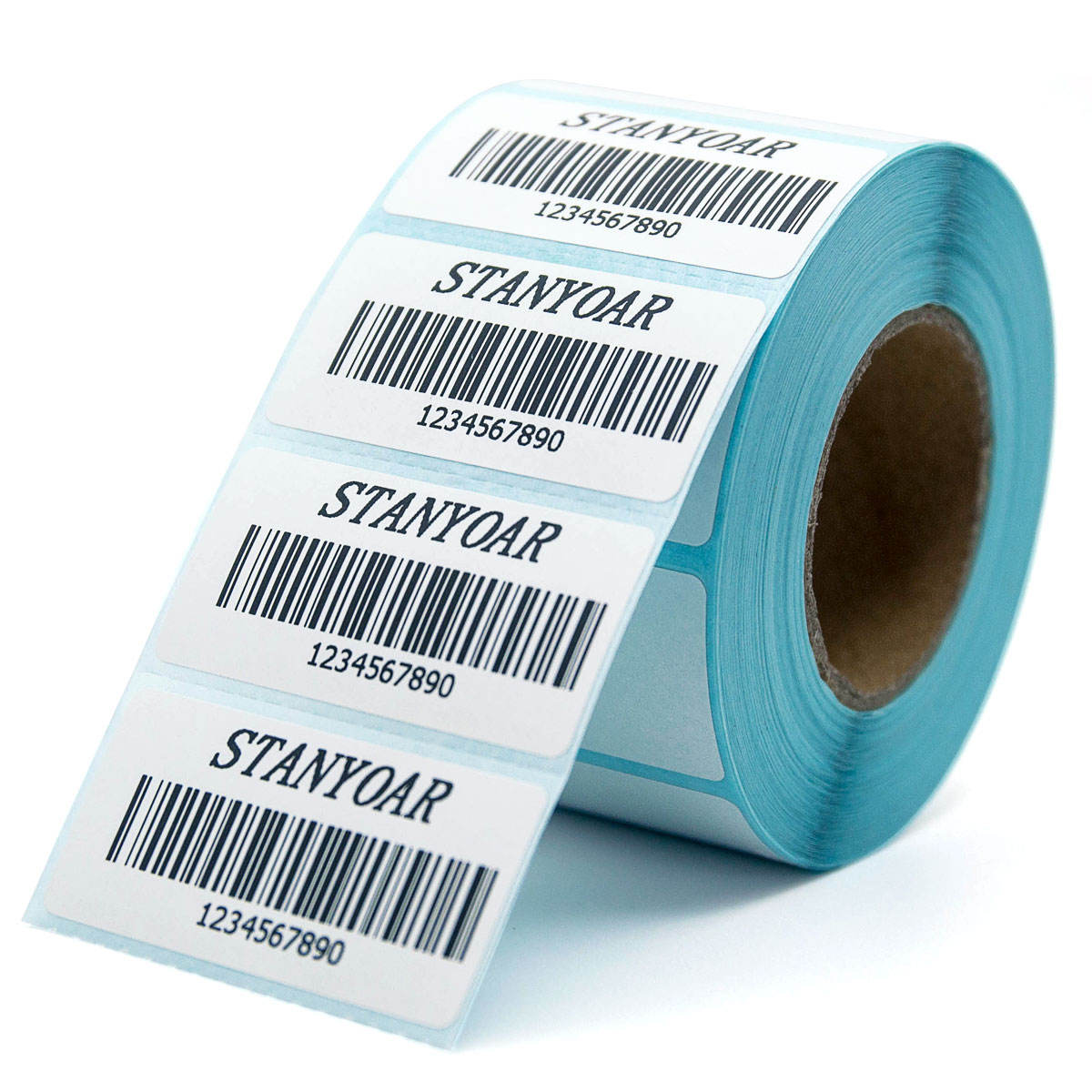
Before shipment, every batch of custom hang tags passes multi-point quality control: print clarity, color accuracy, die-cut edges, eyelet security, and string attachment strength. Tags are counted, bundled by SKU or size, and packaged to arrive ready for your garment finishing line or warehouse.
- 100% visual inspection for print defects, color drift, and edge burrs
- Pull-test on eyelets and strings to prevent detachment in transit or retail
- Bundling by quantity, SKU, or size for streamlined garment tagging
- Protective poly bags or cartons to prevent scuffing and moisture damage
Custom Hang Tags vs. Woven Labels
Both options brand your knitwear, but each serves a different purpose. Here’s how custom hang tags compare to woven labels when you need to make a first impression.
← 左右滑动查看 →
How We Produce Custom Hang Tags
From artwork approval to final packaging, our 28-year Dongguan facility ensures every custom hang tag meets brand standards with precision and speed.
Phase 1: Artwork Review
Your logo, brand colors, and design are digitized and converted to print-ready files. We confirm dimensions, paper stock, finish options, and attachment method before moving to production.
Phase 2: Material Sourcing
Premium cardstock, specialty paper, or recycled substrates are sourced from certified suppliers. Matching strings, eyelets, safety pins, or plastic fasteners are prepared alongside your chosen material.
Phase 3: Printing & Color Matching
Offset, digital, or screen printing applies your design with Pantone-matched inks. Foil stamping, embossing, spot UV, or matte lamination is added at this stage for premium finishes.
Phase 4: Die-Cutting & Shaping
Custom dies cut hang tags to your exact shape and size. Standard rectangles, rounded corners, or fully custom silhouettes are trimmed cleanly with tight tolerances and smooth edges.
Phase 5: Finishing & Assembly
Eyelets are punched and reinforced, strings or elastic loops are threaded and knotted, and any additional layers or inserts are assembled. Surface protection films are applied if specified.
Phase 6: Quality Control
Every batch is inspected for color accuracy, print clarity, die-cut precision, and attachment integrity. Tags are checked against approved samples, and any defects are removed before packing.
Phase 7: Packaging & Dispatch
Finished custom hang tags are counted, bundled per your instructions, and packed in protective cartons. They ship with your knitwear order or separately, ready to attach on arrival.
Adding Custom Hang Tags to Your Order
Integrate branded hang tags seamlessly into your knitwear production with our streamlined four-step process — from artwork to finished garments.
Submit Your Artwork and Specifications
Share your hang tag design, dimensions, material preferences, and quantity. Our team reviews your files and confirms production feasibility within 24 hours.
Confirm Placement and Attachment Method
Choose where your custom hang tags will be attached — neckline, side seam, or sleeve — and select string, safety pin, or plastic fastener attachment.
Integrate Into Your Production Timeline
We synchronize hang tag production with your knitwear order schedule, ensuring tags arrive at our facility ready for attachment before final quality inspection.
Ship Together With Your Knitwear
Finished garments leave our Dongguan facility with custom hang tags professionally attached, packed to your specifications, and ready for retail or distribution.
Frequently Asked Questions About Custom Knitwear Manufacturing
CENWILD’s custom hang tags transformed our retail presentation. Our boutique partners reported a 32% increase in perceived value, and customers now keep the tags as keepsakes. The quality matches our premium knitwear perfectly.
We launched with just 150 pieces and needed hang tags that felt luxury without the luxury price. CENWILD delivered embossed tags with metallic foil in 9 days. Our Shopify conversion rate jumped 18% after adding them.
As a wholesaler supplying 40+ retailers, consistent branding is critical. CENWILD’s custom hang tags with QR codes reduced our customer service inquiries by 24% and strengthened our private label positioning across all channels.
The Complete Buyer’s Guide to Sourcing Custom Knitwear from China
What customization options are available for custom hang tags?
Do I need to provide vector files for custom hang tags?
How long does it take to produce custom hang tags?
Are custom hang tags durable and washable?
Can I order custom hang tags for an existing inventory of sweaters?
What is the minimum order quantity for custom hang tags?
Which other trims pair well with custom hang tags?
Can custom hang tags include QR codes or variable data?
Start Your Custom Knitwear Production Today
Partner with a trusted sweater manufacturer. 28+ years of experience, flexible MOQ from 100 pieces, and full OEM/ODM support for fashion brands worldwide.
1. What Are Custom Hang Tags?
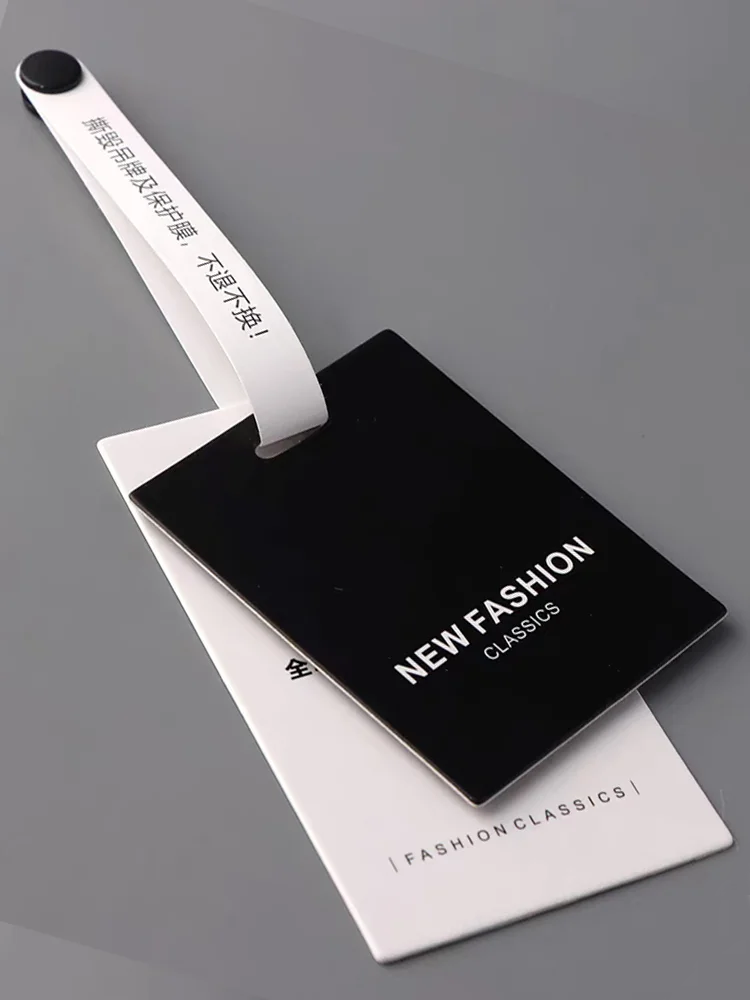
Custom hang tags are branded cardstock or specialty-material labels attached to garments, typically through a loop, string, or safety pin at the neckline or side seam. Unlike woven labels — which are sewn permanently into the garment — hang tags are removable and serve as the customer’s first tactile brand interaction before purchase. Swing tickets, a related term common in UK retail, often refer to perforated or multi-part hang tags that combine pricing and brand messaging on a single piece.
The core functions of custom hang tags span brand identification (logo, wordmark, tagline), product information (fiber content, style number, SKU), pricing (retail and promotional), care instructions, and brand storytelling (origin, sustainability credentials, designer notes). Fashion brands, independent designers, and wholesalers invest in custom hang tags because they transform a regulatory necessity into a brand-experience touchpoint: a well-designed tag reinforces positioning, communicates quality, and increases perceived value at point of sale.
CENWILD offers coordinated custom hang tags alongside every knitwear order, ensuring consistent branding from fiber to final package.
2. The Evolution of Custom Hang Tags in Fashion
Hang tags originated in the early 20th century as simple paper price markers attached with string, carrying only SKU numbers and retail prices. By the 1980s luxury houses began embossing logos and using coated cardstock, transforming tags into silent brand ambassadors that communicated quality before a garment left the rack.
The 2010s saw Instagram and unboxing culture redefine custom hang tags as content-worthy touchpoints. Brands adopted foil stamping, debossing, die-cut shapes, and textured substrates — kraft, cotton rag, even wood veneer — turning tags into keepsakes customers photographed and shared. Influencers spotlighted packaging details, and tags became integral to the first-impression experience.
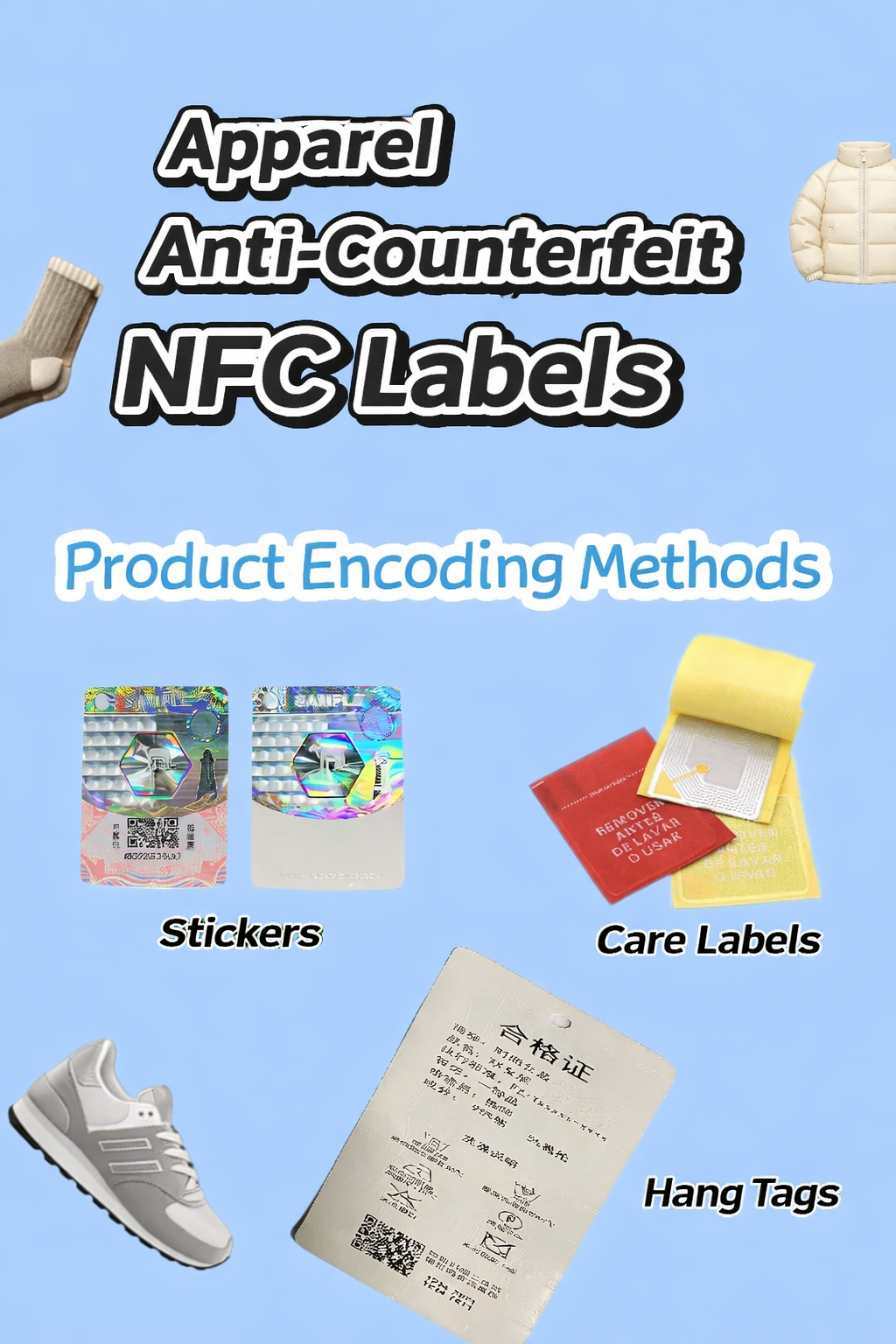
Today’s custom hang tags embed technology and sustainability in equal measure. QR codes link to styling videos or digital product passports, while NFC chips enable authentication and resale tracking. Recycled paperboard, seed-paper tags that grow into herbs, and soy-based inks answer consumer demand for eco-responsibility. Minimalist aesthetics — blind debossing, single Pantone hits, natural fiber cords — now signal premium positioning as effectively as metallic foils once did.
3. Types of Custom Hang Tags
Custom hang tags fall into six major structural categories, each offering distinct visual impact, cost profiles, and brand-storytelling capacity. Understanding these types helps fashion brands align tag architecture with product positioning and budget.
Folded Hang Tags
Bi-fold and tri-fold tags multiply print area without increasing material cost significantly. Folded formats suit brands that need care instructions, size charts, or brand stories inside while keeping the front clean. Startups and independent designers favor bi-folds for affordable storytelling; premium knitwear labels use tri-folds for seasonal lookbooks.
Single-Panel Tags
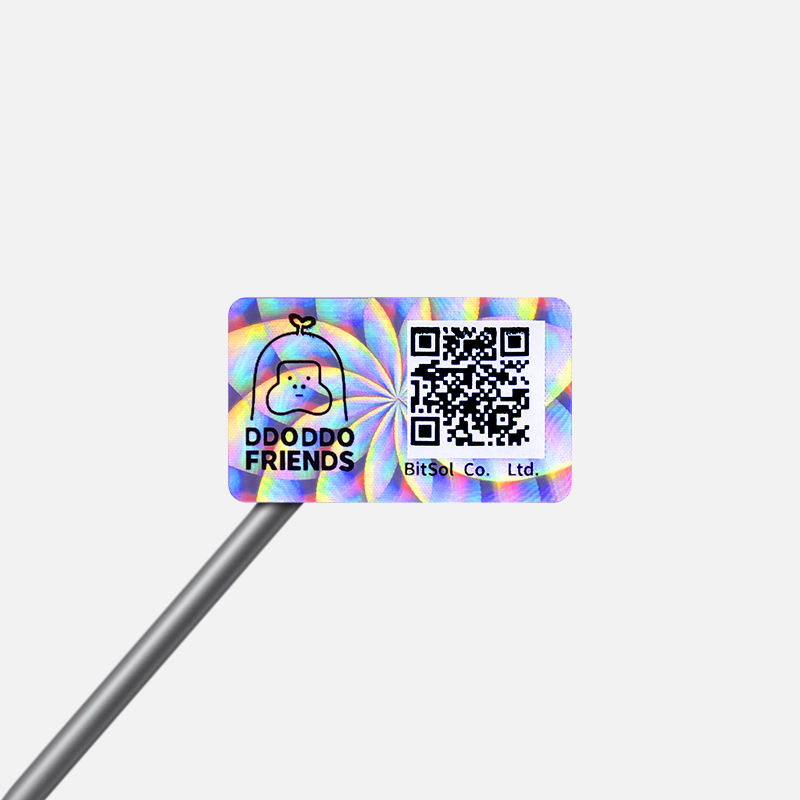
The most economical format, single-panel tags print on one or both sides of flat cardstock. Wholesalers and high-volume retailers prefer them for speed and cost efficiency. Visual impact relies entirely on print quality and finish; lamination or foil can elevate perceived value without structural complexity.
Booklet Tags
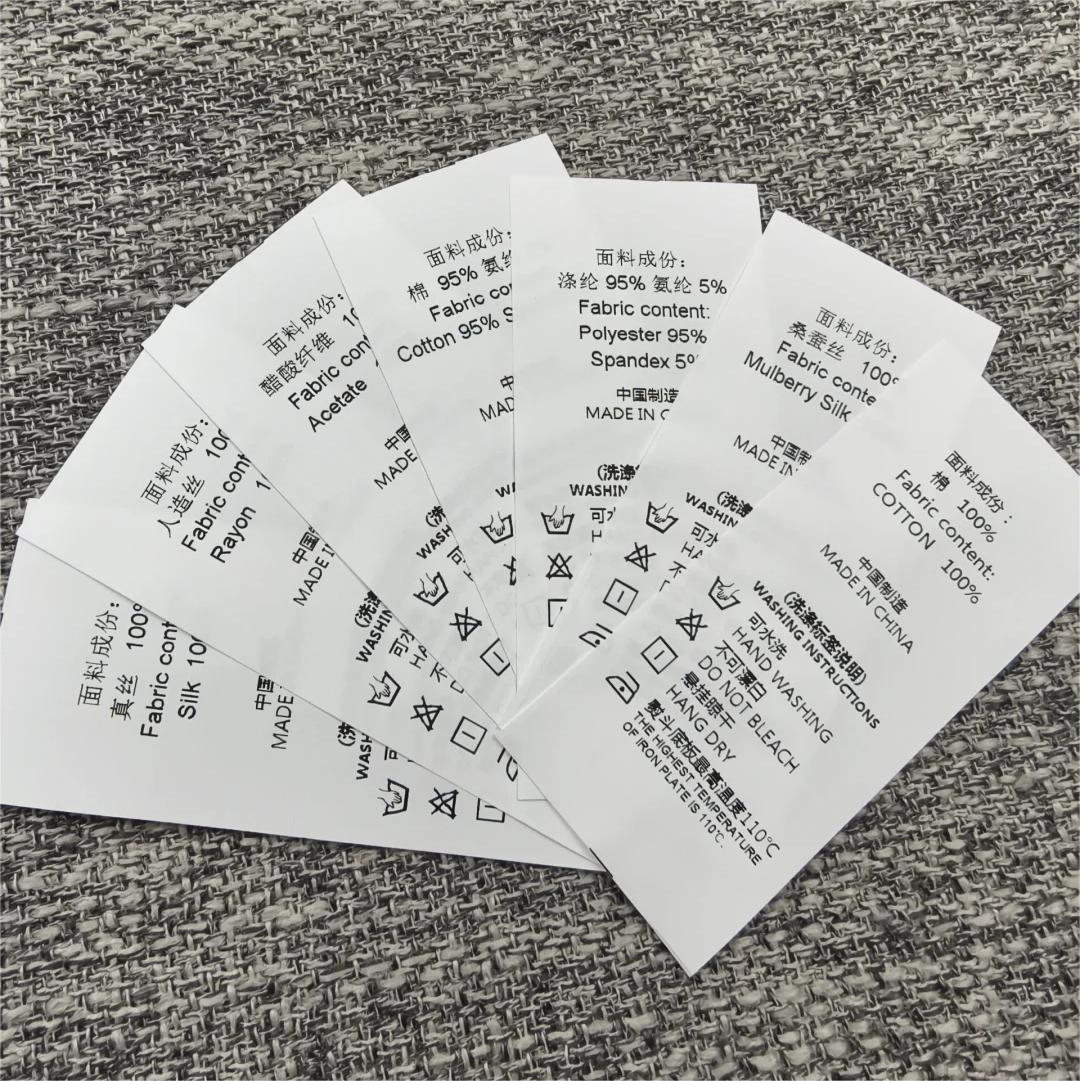
Multi-page booklet tags bind several leaves, ideal for storytelling-driven brands or limited-edition knitwear collections. Luxury and heritage labels use booklets to showcase craftsmanship narratives, fiber sourcing, or artist collaborations. Unit cost is highest, justifying retail price points above mid-tier.
Shaped and Die-Cut Tags
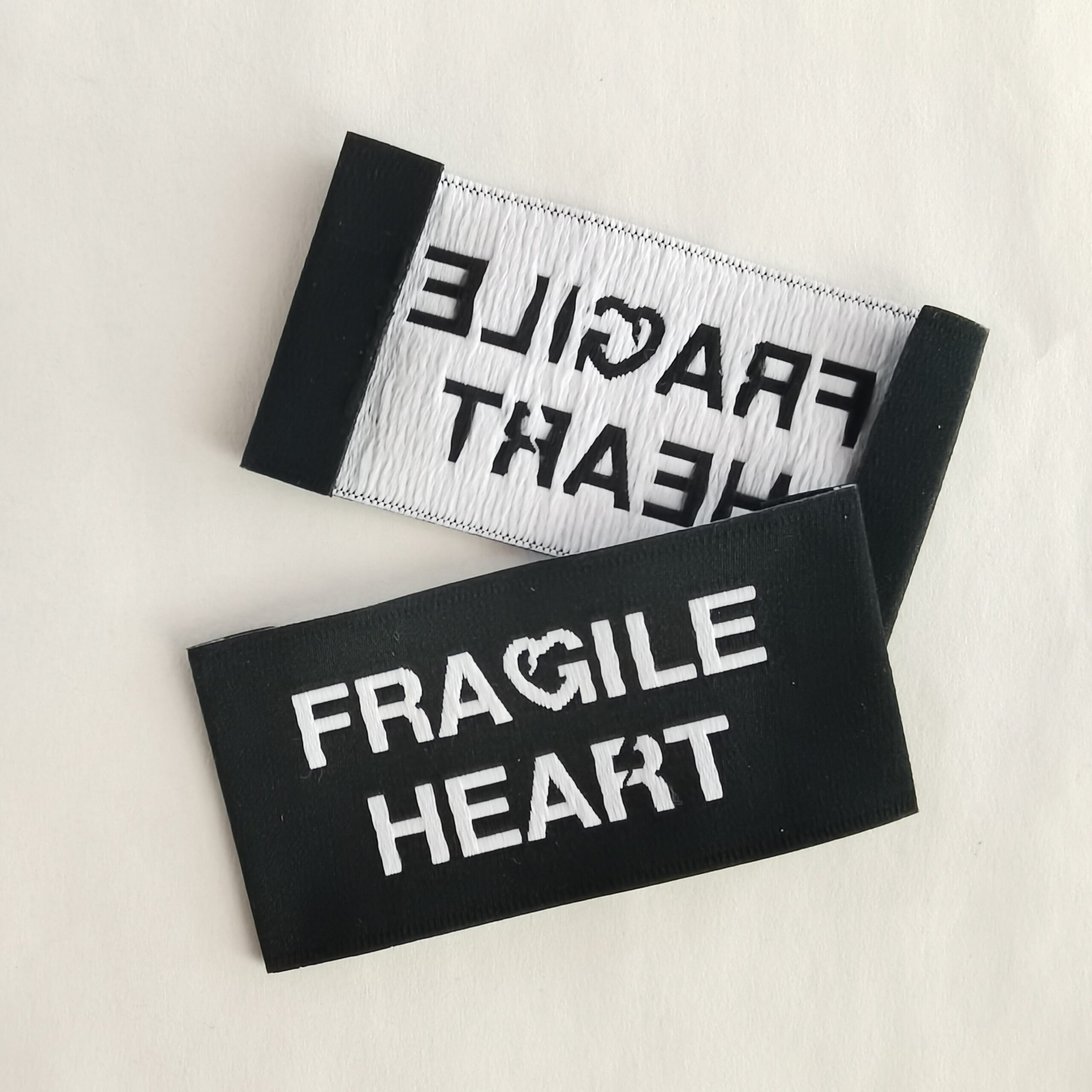
Custom silhouettes — circles, hexagons, garment outlines — differentiate brands on retail racks. Die-cutting adds tooling cost but delivers memorable shelf presence. Fashion-forward and influencer-backed labels invest in shaped tags to reinforce visual identity and social-media shareability.
Multi-Part Perforated Tags
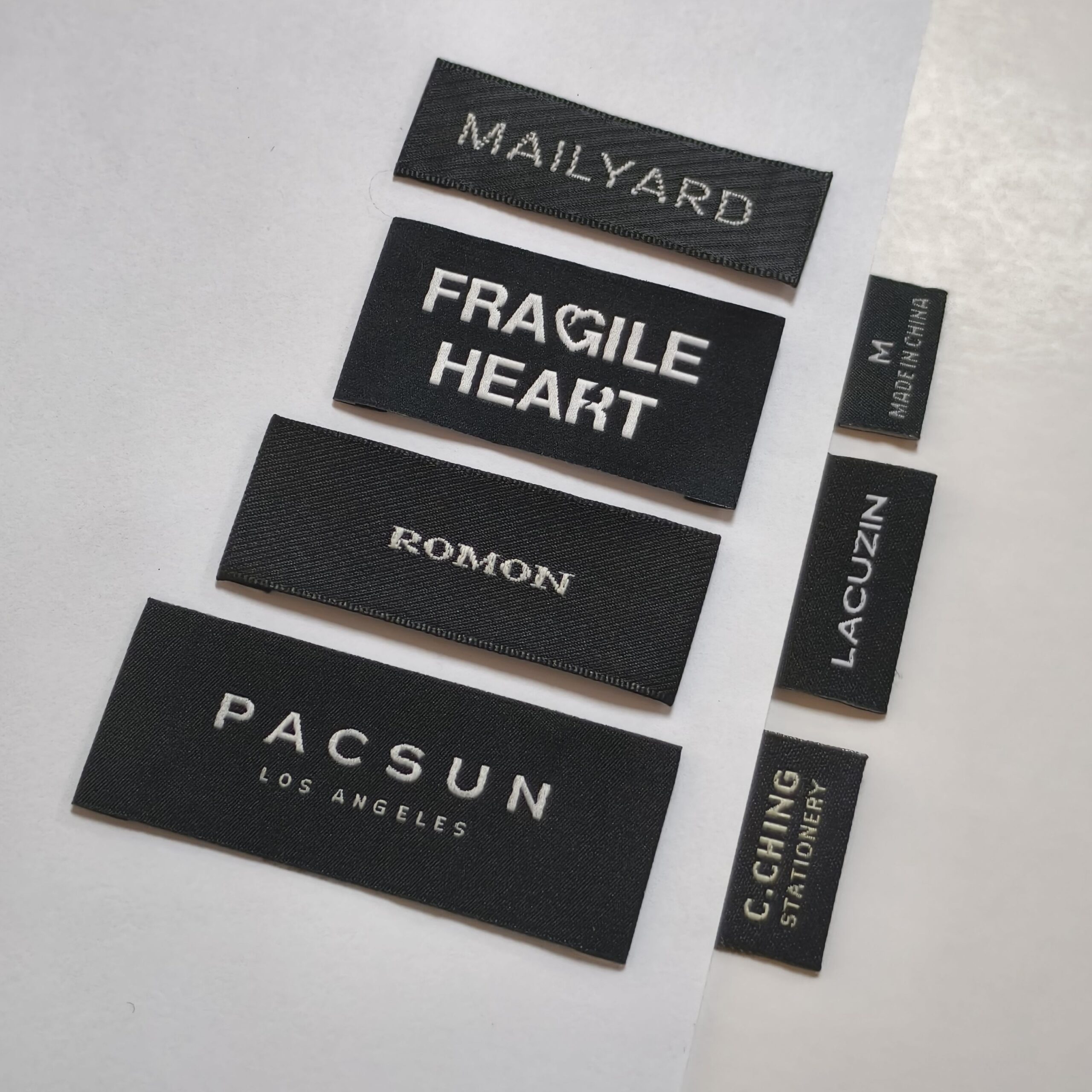
Perforated sections separate into loyalty cards, discount coupons, or care-instruction keepers. Direct-to-consumer knitwear brands use them to drive repeat purchases and email capture. Tooling and assembly add 15–30 percent to single-panel costs but improve customer lifetime value.
Specialty Material Tags
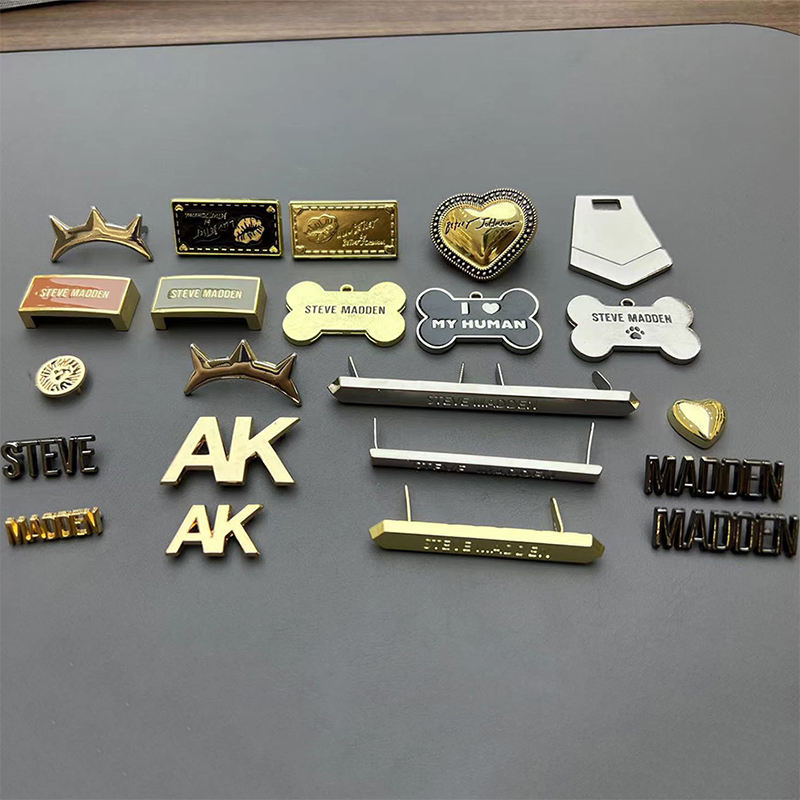
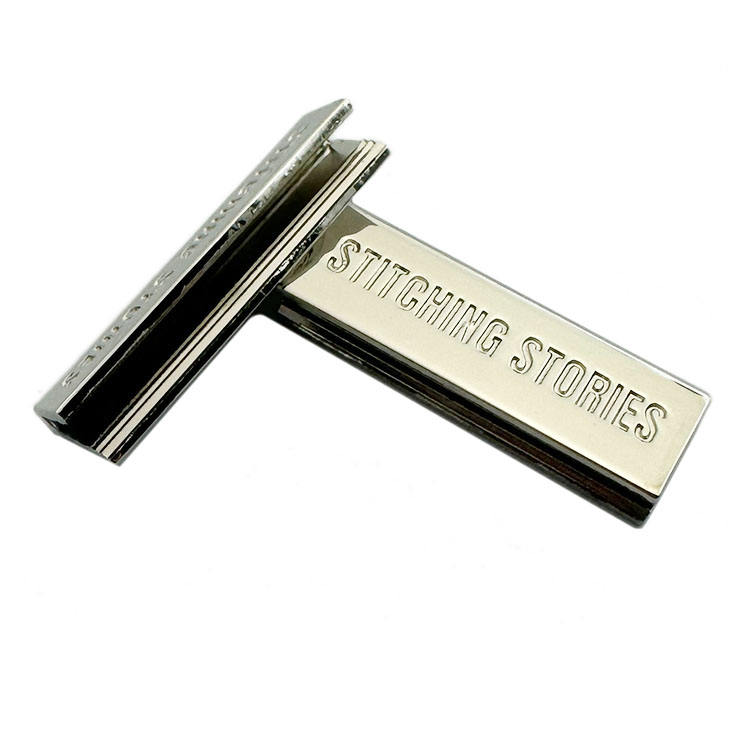
Metal, leather, wood, and woven-fabric tags signal premium positioning and tactile luxury. Cashmere and merino wool brands attach leather or metal tags to justify higher price points and enhance unboxing experience. Per-unit cost runs two to five times paper equivalents, limiting use to hero SKUs or capsule collections.
4. Materials and Substrates for Custom Hang Tags
Material selection directly impacts brand perception, durability, and cost. Paper stocks dominate the custom hang tags market, ranging from 250gsm uncoated kraft for minimalist brands to 450gsm coated cardstock for luxury labels. Specialty substrates — cotton paper, linen, textured finishes — and alternative materials like metal, wood, acrylic, leather, and fabric offer differentiation for premium positioning.
| Material Type | Weight/Thickness | Durability | Cost Tier | Best Use Case |
|---|---|---|---|---|
| Kraft paper | 250–350gsm | Moderate | Low | Eco-conscious, casual brands |
| Coated cardstock | 300–450gsm | High | Medium | Mid-tier fashion, vibrant printing |
| Uncoated cardstock | 280–400gsm | Moderate | Low–Medium | Minimalist, letterpress designs |
| Cotton/linen paper | 300–400gsm | High | High | Luxury knitwear, premium feel |
| Recycled stock | 250–350gsm | Moderate | Medium | Sustainable collections |
| Metal (aluminum) | 0.3–0.5mm | Very high | High | High-end accessories, reusable |
| Wood veneer | 0.5–1mm | Moderate | High | Artisan, heritage brands |
| Fabric (woven) | 1–2mm | High | Medium–High | Knitwear lines, tactile branding |
5. Customization and Decoration Options for Custom Hang Tags
Fashion brands can elevate custom hang tags through a wide range of decoration techniques, each offering distinct visual impact, cost structures, and MOQ suitability. Matching technique to production scale and brand aesthetic ensures both budget efficiency and shelf appeal.
| Technique | Visual Effect | Setup Cost | Per-Unit Cost | Best MOQ Range |
|---|---|---|---|---|
| Offset printing | Sharp multi-color graphics | High | Low | 1,000+ |
| Digital printing | Full-color, photo-quality | Low | Moderate | 100–500 |
| Screen printing | Bold, opaque colors | Moderate | Low | 500+ |
| Foil stamping (hot/cold) | Metallic shine, luxury finish | Moderate–High | Moderate | 500+ |
| Embossing/Debossing | Tactile raised/recessed detail | High | Moderate | 1,000+ |
| UV spot coating | Glossy highlight areas | Low–Moderate | Low | 500+ |
| Die-cutting | Custom shapes, unique edges | Moderate | Low | 500+ |
| Laser engraving | Etched, natural texture | Low | Moderate–High | 100–500 |
| Letterpress | Deep impression, artisan feel | High | High | 500+ |
6. Key Quality Elements in Custom Hang Tags
Professional hang tags are inspected for six construction and print details before production approval. Paper weight, registration accuracy, color fidelity, edge finish, hole reinforcement, and fastener quality separate amateur from factory-grade output.
Paper Weight and Finish Consistency
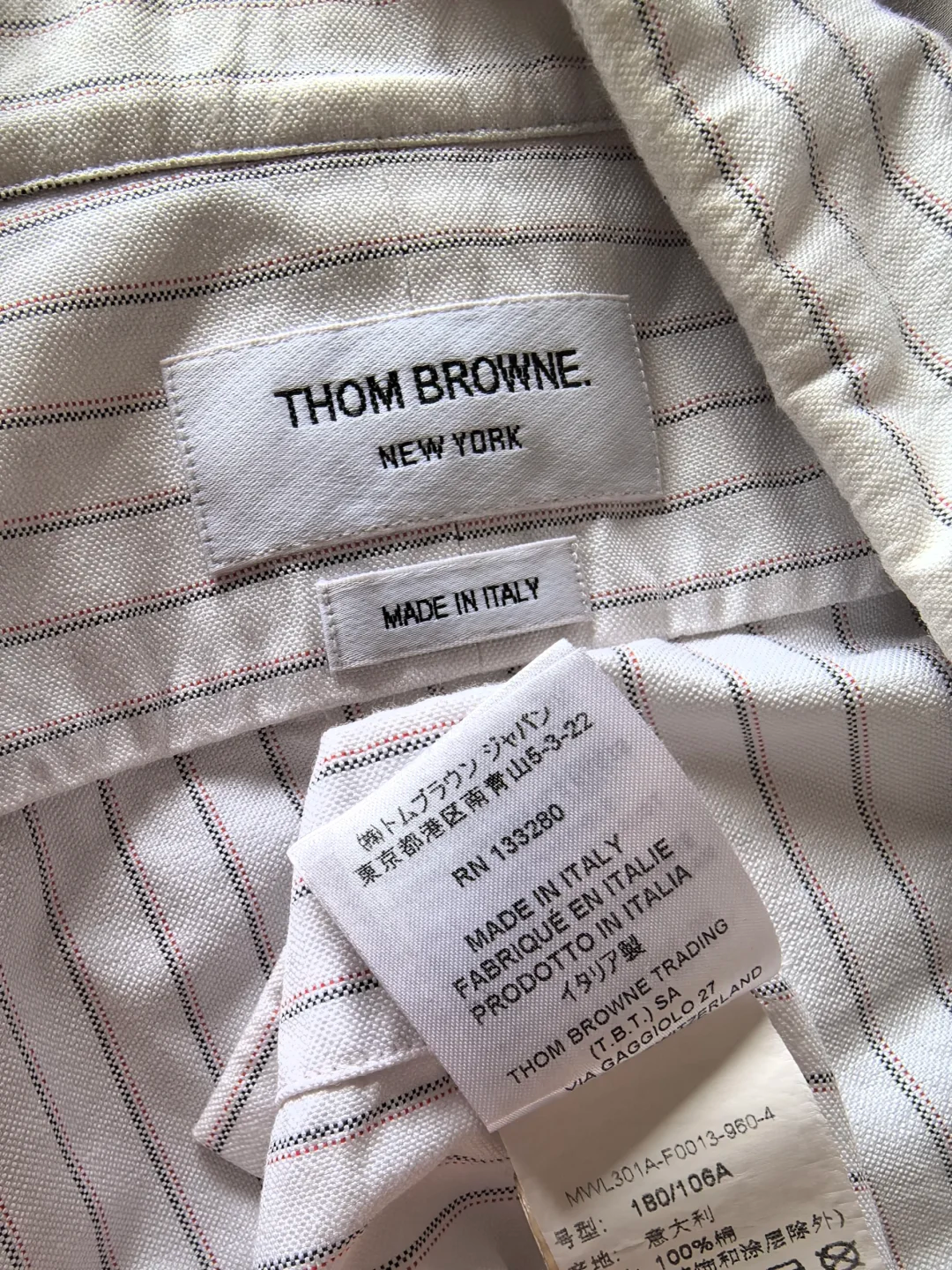
Premium hang tags use 300–400 GSM coated stock; anything below 250 GSM feels flimsy and curls during shipping. Matte, gloss, and uncoated finishes must show uniform coating without streaks or bubbles.
Run your thumb across the surface: high-quality lamination bonds evenly, while budget tags show delamination at corners or peel under fingernail pressure.
Print Registration and Color Matching
Pantone spot colors deliver consistent brand identity across batches; CMYK process printing costs less but varies ±5% between runs. Check that text and graphics align within 0.5 mm — misregistration appears as color halos around edges.
Request strike-off proofs under daylight (D65) lighting to approve color before full production, especially for logo Pantone matches.
Edge Finishing and Hole Reinforcement
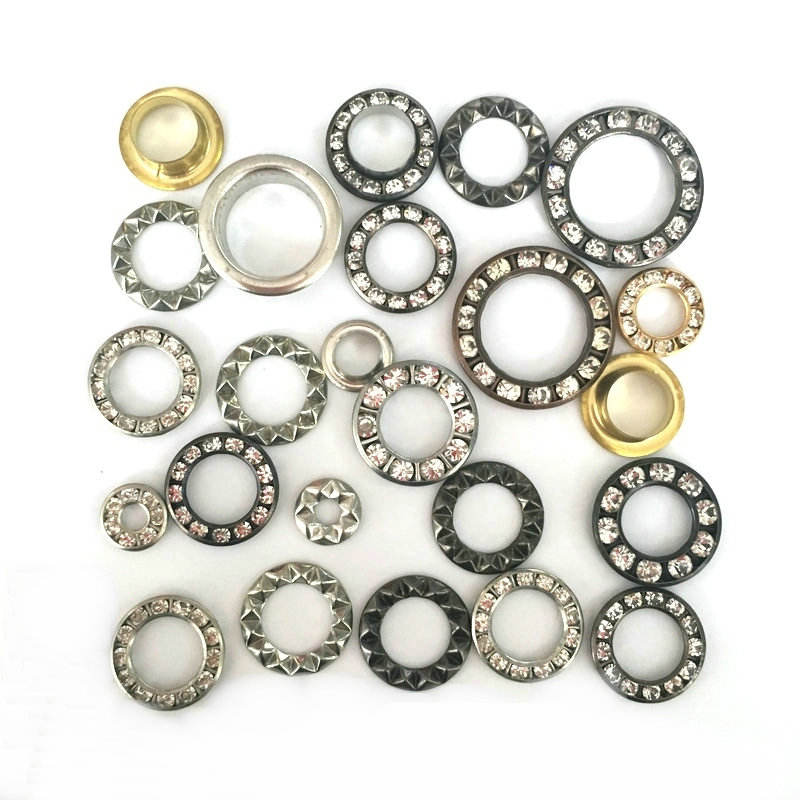
Die-cut edges should be clean without fiber ‘fuzz’; rounded corners (3 mm radius) resist dog-earing better than sharp 90° cuts. Grommets and metal eyelets reinforce holes for heavy garments; plastic eyelets suit lightweight knits and reduce cost.
Acceptable production tolerance: hole placement ±1 mm, no tearing around punched openings in a 1,000-piece run.
7. How to Choose a Custom Hang Tags Manufacturer
Vetting a hang tag supplier requires the same rigor you apply to your garment manufacturer. The right partner balances flexibility, speed, and transparency — especially critical when tags must align with knitwear launches on tight seasonal calendars.
MOQ and Scalability
Reliable suppliers offer MOQs from 100–500 pieces per design, matching startup and test-run budgets. Confirm they can scale to 5,000+ units without retooling fees as your brand grows.
Red flag: rigid 10,000-piece minimums signal inflexibility for emerging labels.
Sample Turnaround and Prototyping
Expect physical samples within 3–7 days for paper tags, 7–10 days for specialty finishes (foil, embossing, die-cut). Suppliers who skip physical proofs often deliver color mismatches or incorrect dieline execution.
Request knit-down or printed samples before committing to production — digital mockups alone are insufficient.
Certifications and Material Transparency
Ask for FSC chain-of-custody certificates for paper, GOTS or GRS documentation for recycled content, and OEKO-TEX compliance for any textile components. Vague ‘eco-friendly’ claims without third-party verification are a red flag.
8. Common Mistakes When Ordering Custom Hang Tags
Even experienced buyers stumble on custom hang tags when they overlook production realities. Six common pitfalls account for most delays, quality mismatches, and wasted budget — each preventable with a simple checklist.
Wrong Paper Weight for Product Category
Lightweight 250 gsm tags bend and tear on heavy knitwear; 400+ gsm stock feels stiff on delicate cashmere. Match substrate weight to garment heft and brand positioning.
Request a physical swatch pack showing 250, 300, 350, and 400 gsm before finalizing your order.
Skipping Physical Color Proofs
Screen colors shift 15–30 percent under different lighting. Pantone references printed on uncoated stock appear duller than gloss-coated samples.
Always approve a printed proof under daylight before production, especially for logo colors and seasonal palettes.
Ignoring String Compatibility
Thick waxed cord snags fine-gauge knits; elastic loops pull through lightweight eyelets. Verify attachment hardware matches garment construction.
Specify eyelet diameter, string material, and knot type in your tech pack to avoid garment damage during tagging.
Underestimating Specialty Finish Lead Times
Foil stamping, embossing, and die-cutting add 7–14 days beyond standard turnaround. Rush orders for decorated tags often miss ship windows.
Plan 21–28 days total for custom hang tags with specialty finishes; place seasonal orders 60 days ahead of peak.
Missing Sustainability Certifications
Consumers in the US, UK, and EU increasingly expect FSC or recycled-content labels. Uncertified tags can trigger returns or brand criticism.
Request FSC-certified stock and water-based inks upfront; confirm certifications appear on proofs before bulk production.
9. Steps to Launch Your Brand with Custom Hang Tags
Launching a fashion brand with custom hang tags requires a structured workflow that balances creative vision with production realities. First-time buyers benefit from a step-by-step approach that minimizes risk and ensures consistency across every garment.
Define Brand Identity and Tag Messaging
Before contacting suppliers, lock down your logo, brand colors (Pantone references), and the core message each tag must communicate — price, care, origin, or story. Tags are a physical brand touchpoint; inconsistent messaging weakens perceived quality and dilutes positioning.
Select Materials Aligned with Positioning
Match substrate to brand tier: 300–400 GSM coated art paper for accessible lines, 600 GSM uncoated or textured stock for premium, recycled kraft for eco-conscious. Pair finishes — spot UV, foil, embossing — with your price point to maintain margin integrity.
Request Samples and Approve Pre-Production Proofs
Source quotes from 2–3 manufacturers, request physical samples to verify print registration, die-cut accuracy, and attachment hardware. Finalize artwork with 3 mm bleed and 5 mm safe zones, then approve a pre-production proof before committing to a pilot order of 500–1,000 pieces.
10. Pricing and Cost Considerations
Custom hang tags pricing follows volume tiers, material choice, and decoration complexity. At 100 pieces — CENWILD’s minimum order quantity — expect $0.80–$1.50 per tag for coated paperboard with single-color printing; 500-piece orders drop to $0.40–$0.70, while 1,000-piece runs reach $0.25–$0.50, and 5,000-piece volumes fall to $0.15–$0.30 per unit depending on substrate weight and finish.
Setup fees typically range from $50 to $150 per design for die-cutting custom shapes, foil stamping, or embossing dies. Multi-finish tags — combining foil, spot UV, and embossing — can add $0.10–$0.30 per unit and require longer lead times of 12–18 days versus 7–10 days for standard printed tags.
Material upgrades affect base cost: kraft paperboard sits at the lower end, while 350 GSM coated stock, textured linen, or recycled cotton paper adds 20–40 percent to unit price. Brands ordering repeat runs avoid repeat setup charges, making long-term partnerships more cost-efficient.
| Quantity Tier | Price per Unit (USD) | Setup Fee | Lead Time |
|---|---|---|---|
| 100 pcs | $0.80–$1.50 | $50–$150 | 7–10 days |
| 500 pcs | $0.40–$0.70 | $50–$150 | 7–10 days |
| 1,000 pcs | $0.25–$0.50 | $50–$150 | 10–12 days |
| 5,000 pcs | $0.15–$0.30 | $50–$150 (waived for repeat) | 12–15 days |
Add Custom Hang Tags to Your Next Production Run
Start from just 100 pieces with fast sampling and in-house production. Elevate your knitwear with professional hang tags that complete your brand story.