Alpaca Yarn for Premium Custom Knitwear
Source alpaca yarn through CENWILD‘s OEM and ODM knitwear production. Low MOQ from 100 pieces, in-house sampling, 28+ years manufacturing expertise in Dongguan.
Alpaca Yarn Blends & Weight Options
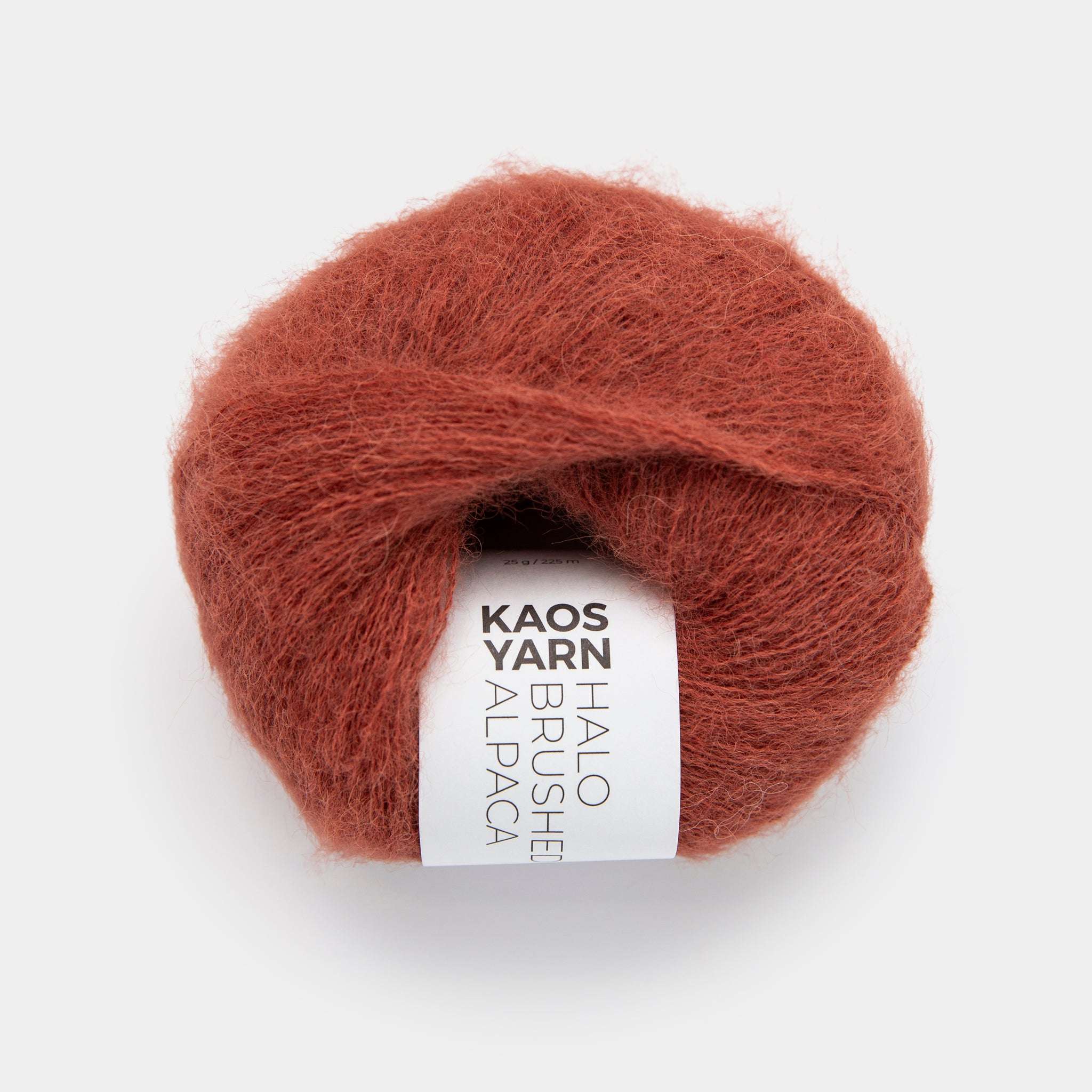
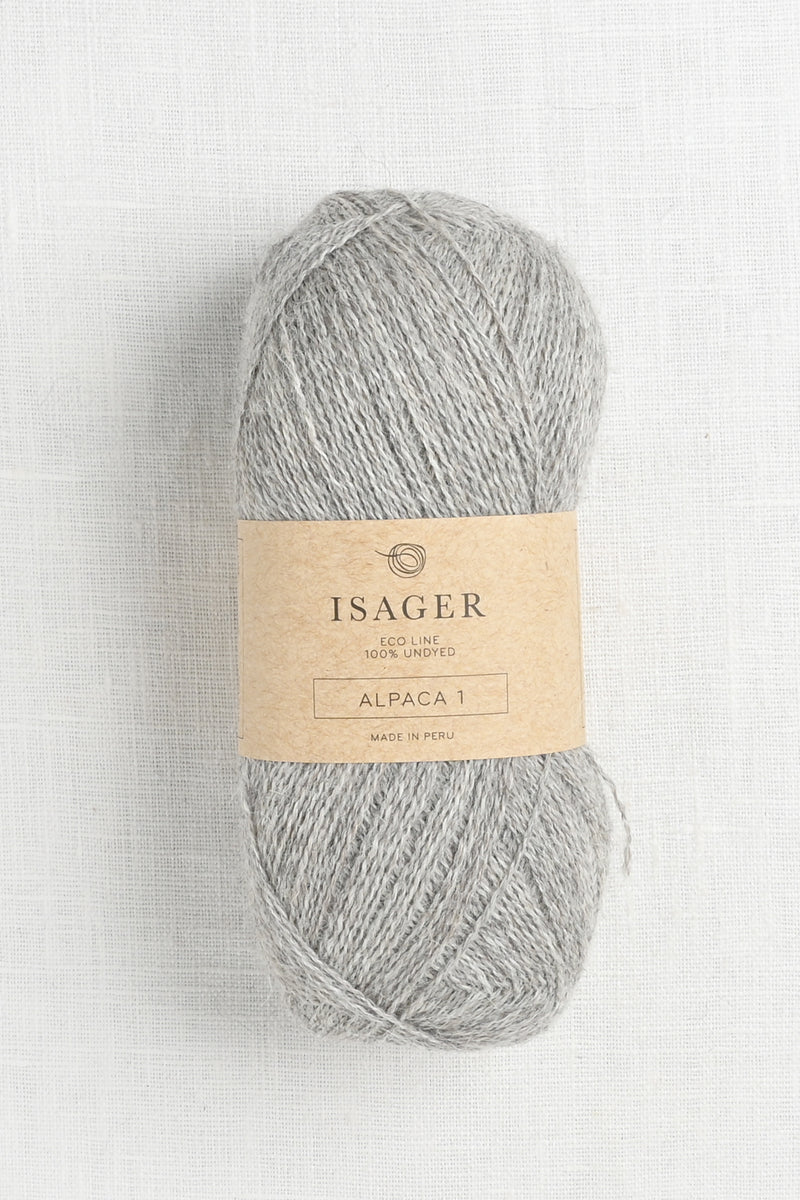
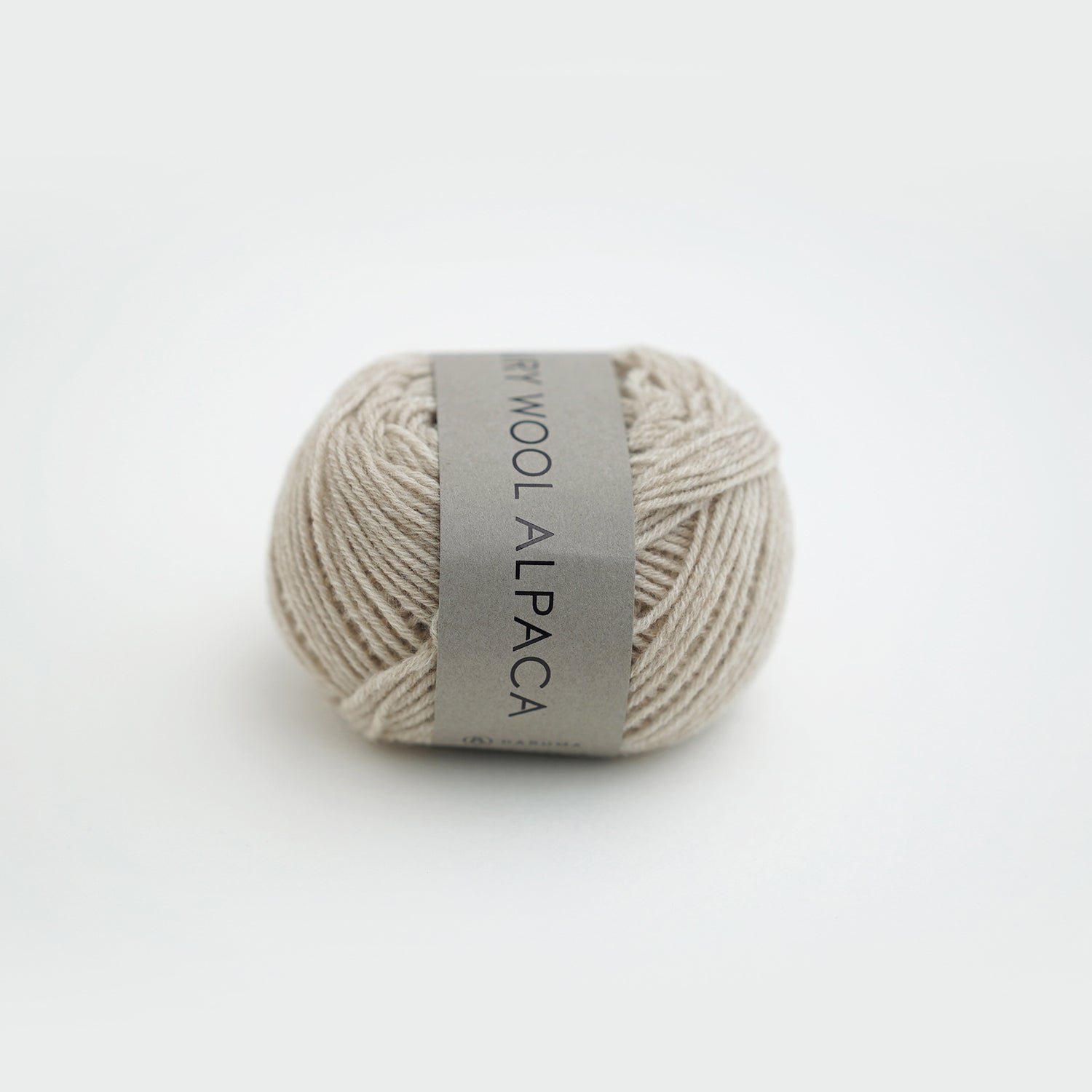
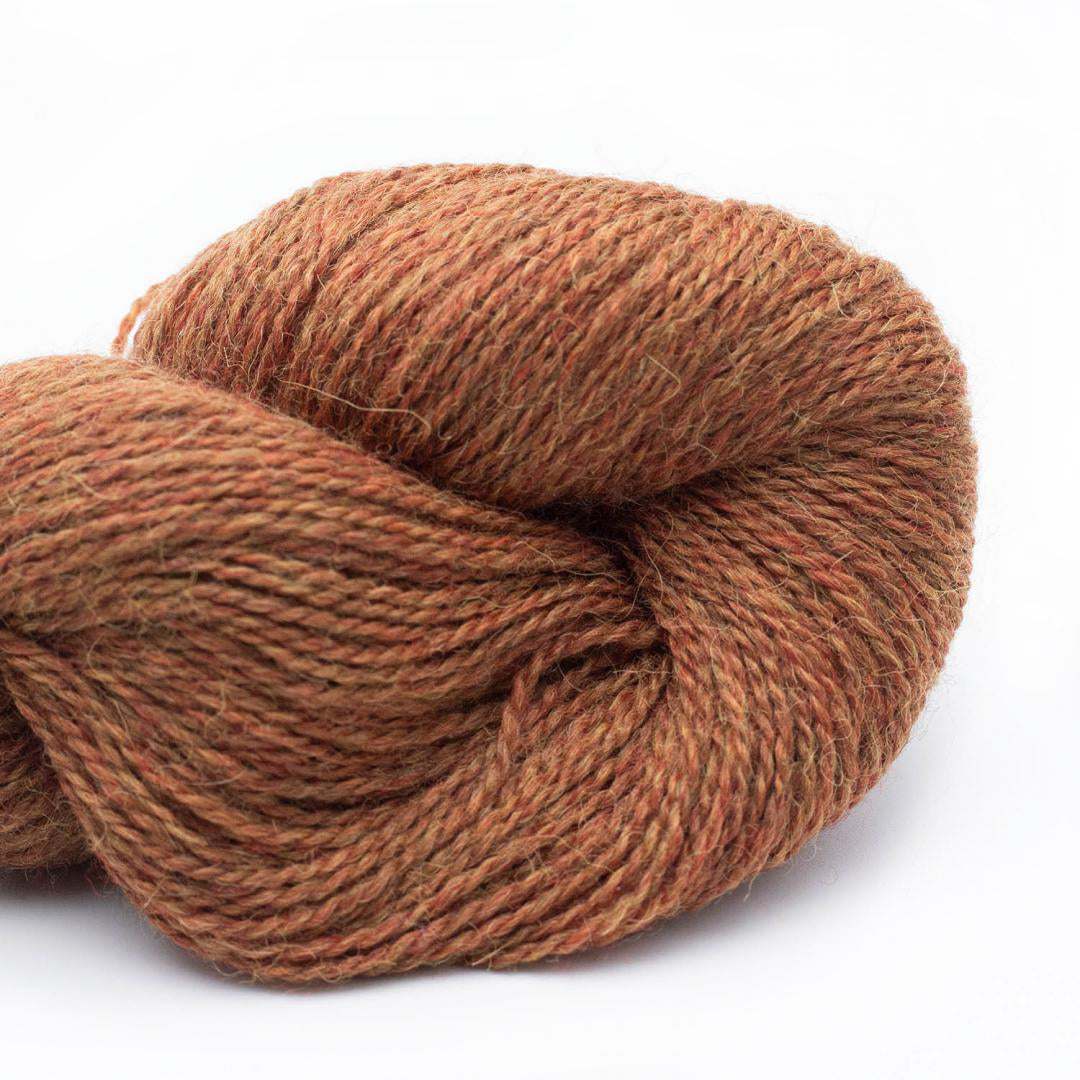
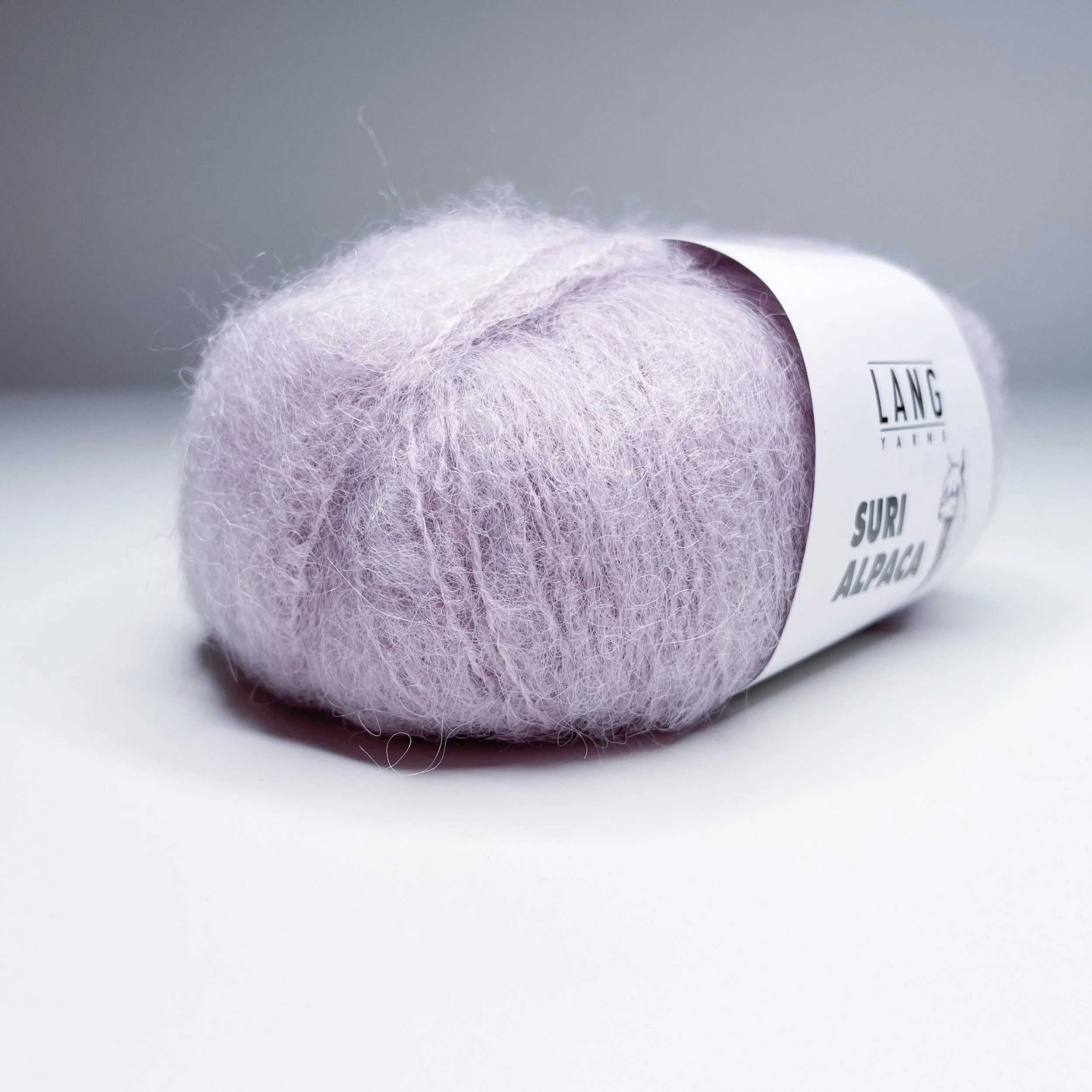
Why Choose Alpaca Yarn for Your Knitwear
Alpaca yarn delivers luxury performance that elevates brand perception and keeps customers coming back. CENWILD turns these natural advantages into production-ready custom sweaters with MOQ from 100 pieces.
Soft & Hypoallergenic Comfort
Alpaca yarn contains no lanolin, making it naturally hypoallergenic and gentle on sensitive skin while delivering cloud-soft hand feel.
Superior Warmth-to-Weight Ratio
Hollow alpaca fibers trap heat more efficiently than wool, offering exceptional warmth without bulk—perfect for lightweight luxury knitwear.
Natural Luster & Drape
Alpaca yarn’s silky sheen and elegant drape create premium visual appeal that photographs beautifully and commands higher retail prices.
Durable & Long-Lasting
Alpaca fibers resist pilling and wear better than standard wool, ensuring your custom sweaters maintain their quality through seasons of use.
Sustainable & Eco-Friendly
Alpaca yarn is biodegradable and sourced from animals with minimal environmental impact, aligning your brand with conscious consumer values.
Versatile Dyeing & Blending
Alpaca yarn accepts dye beautifully and blends seamlessly with merino, cashmere, or cotton for custom color palettes and performance.
Alpaca Yarn & Related Fiber Options
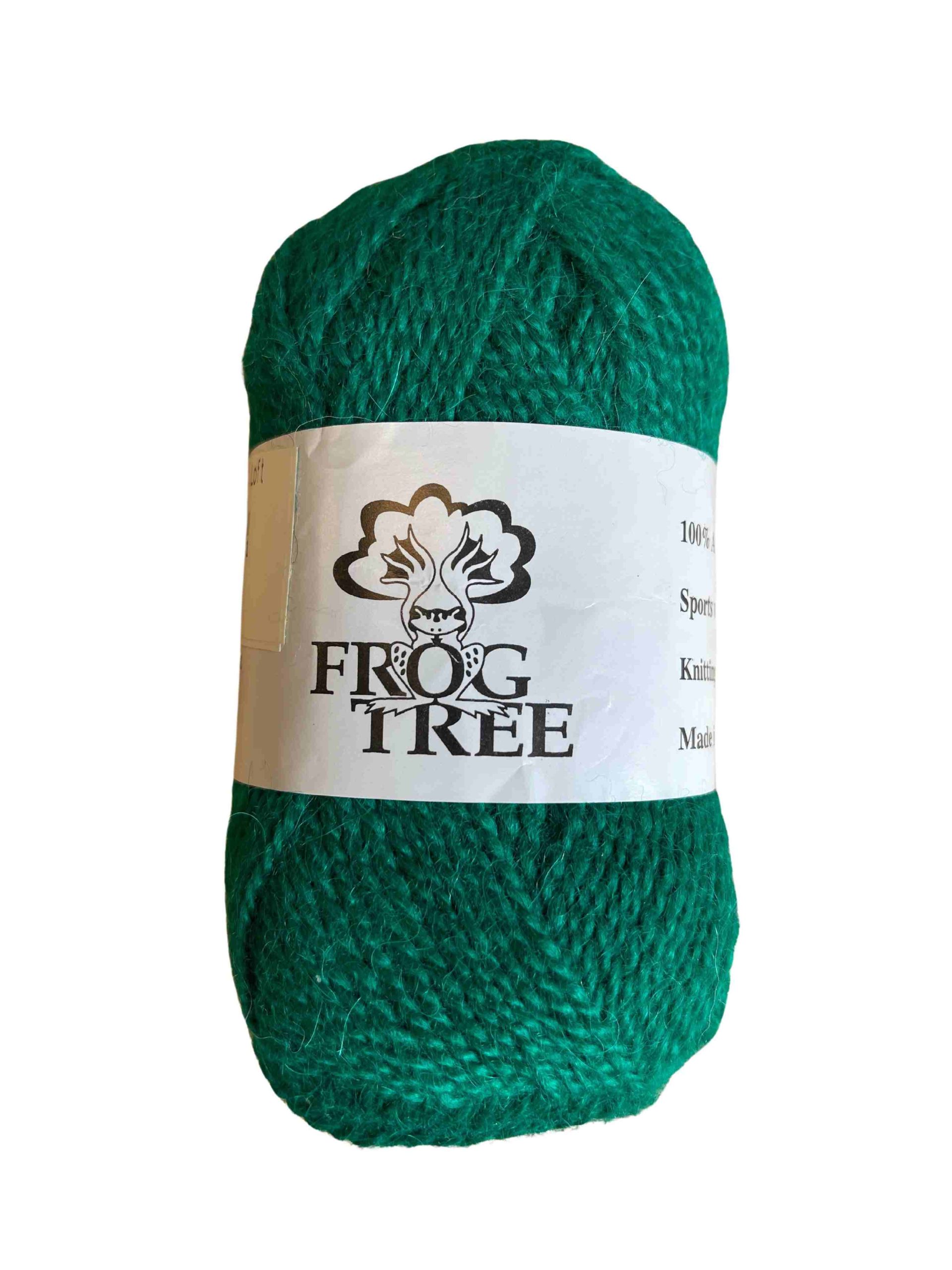
Yarn and Materials
CENWILD sources and knits a comprehensive range of knitwear yarn — cashmere, merino wool, lambswool, cotton, Pima, alpaca, mohair, acrylic, and recycled or organic blends — across 3GG to 14GG gauges. Every fiber is selected to match your brand’s quality, price point, and sustainability goals, with in-house sampling to confirm hand-feel and performance before production.
Get a Quote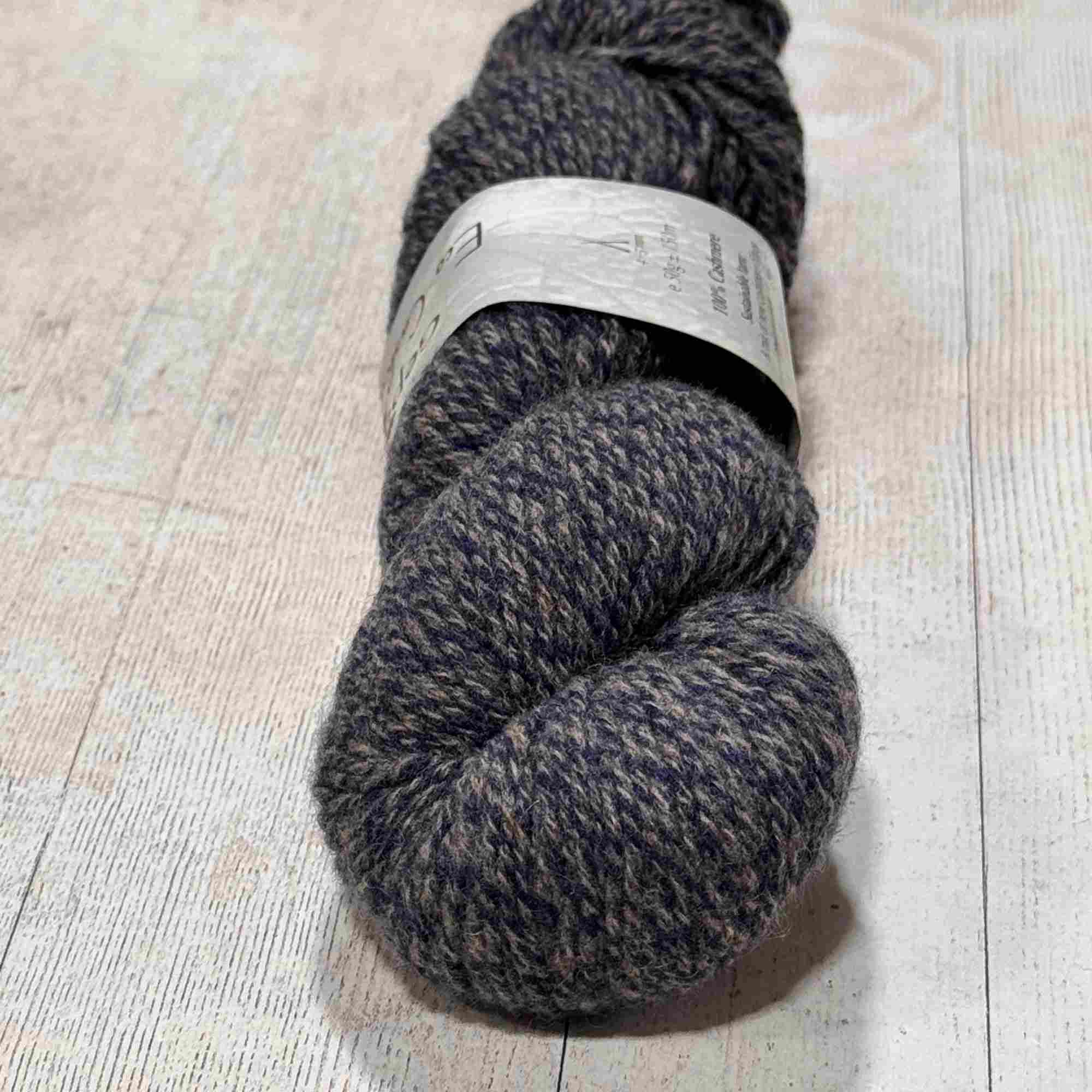
Cashmere Yarn
CENWILD sources and knits a comprehensive range of knitwear materials — cashmere, merino wool, lambswool, cotton, Pima, alpaca, mohair, acrylic, and recycled or organic blends — across 3GG to 14GG gauges. Every fiber is selected to match your brand’s quality, price point, and sustainability goals, with in-house sampling to confirm hand-feel and performance before production.
Get a Quote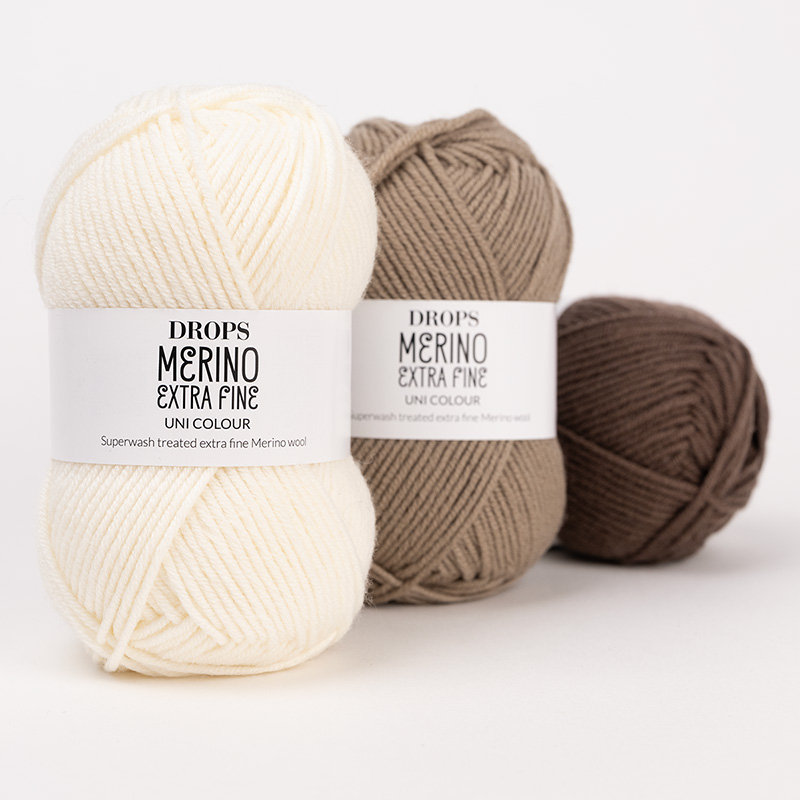
Merino Wool Yarn
Merino wool yarn is a versatile, breathable choice for year-round knitwear. CENWILD knits merino in superfine counts for lightweight layers or heavier plies for structured pullovers and cardigans. We support Australian, New Zealand, and Italian merino sources, and can combine merino with nylon, silk, or cashmere to balance softness, durability, and price for your private label collection.
Get a Quote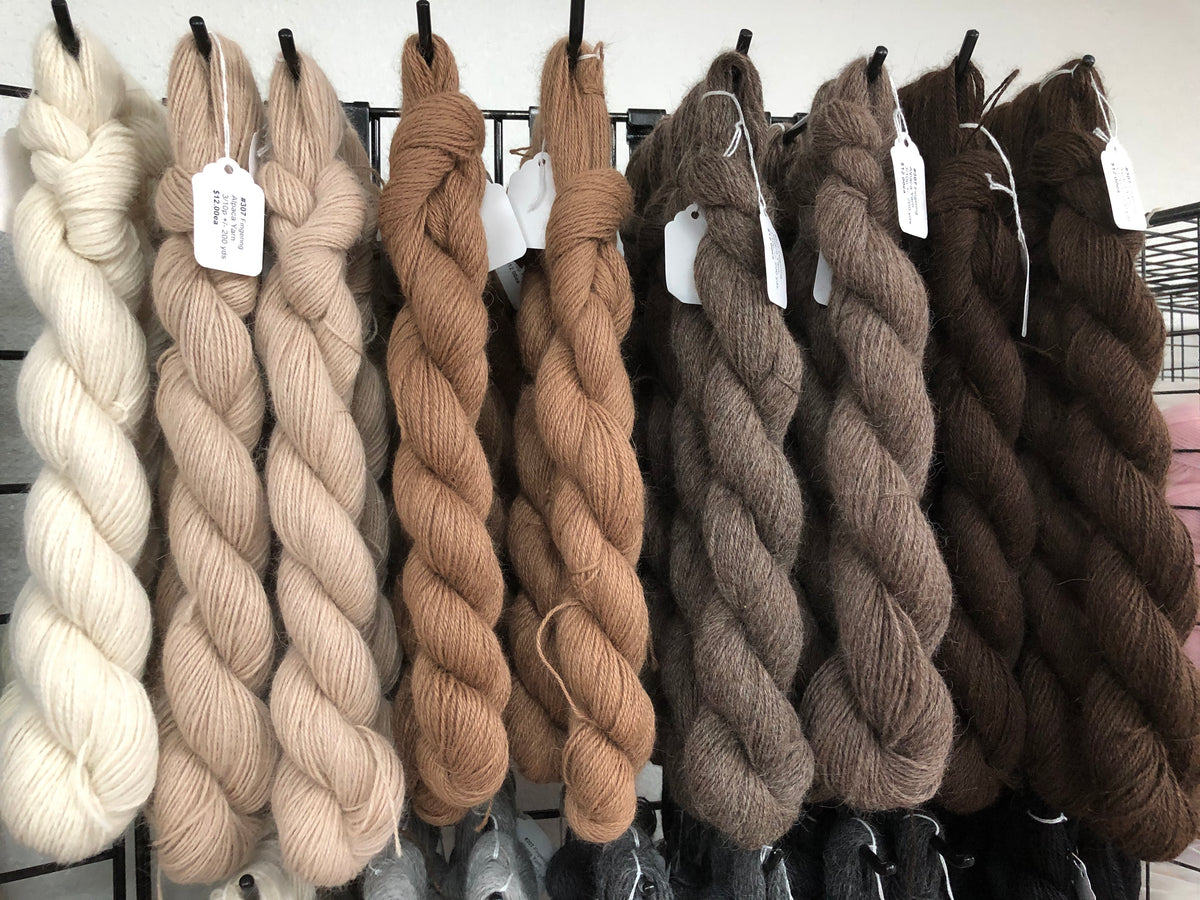
Lambswool
Lambswool yarn delivers warmth, elasticity, and a soft finish ideal for classic crewnecks, cable-knit sweaters, and seasonal styles. CENWILD works with lambswool from the first shearing, ensuring finer fiber and reduced prickle. Available in solid dye, heather melange, or blended with acrylic for accessible price points, lambswool suits both heritage and contemporary brand aesthetics.
Get a Quote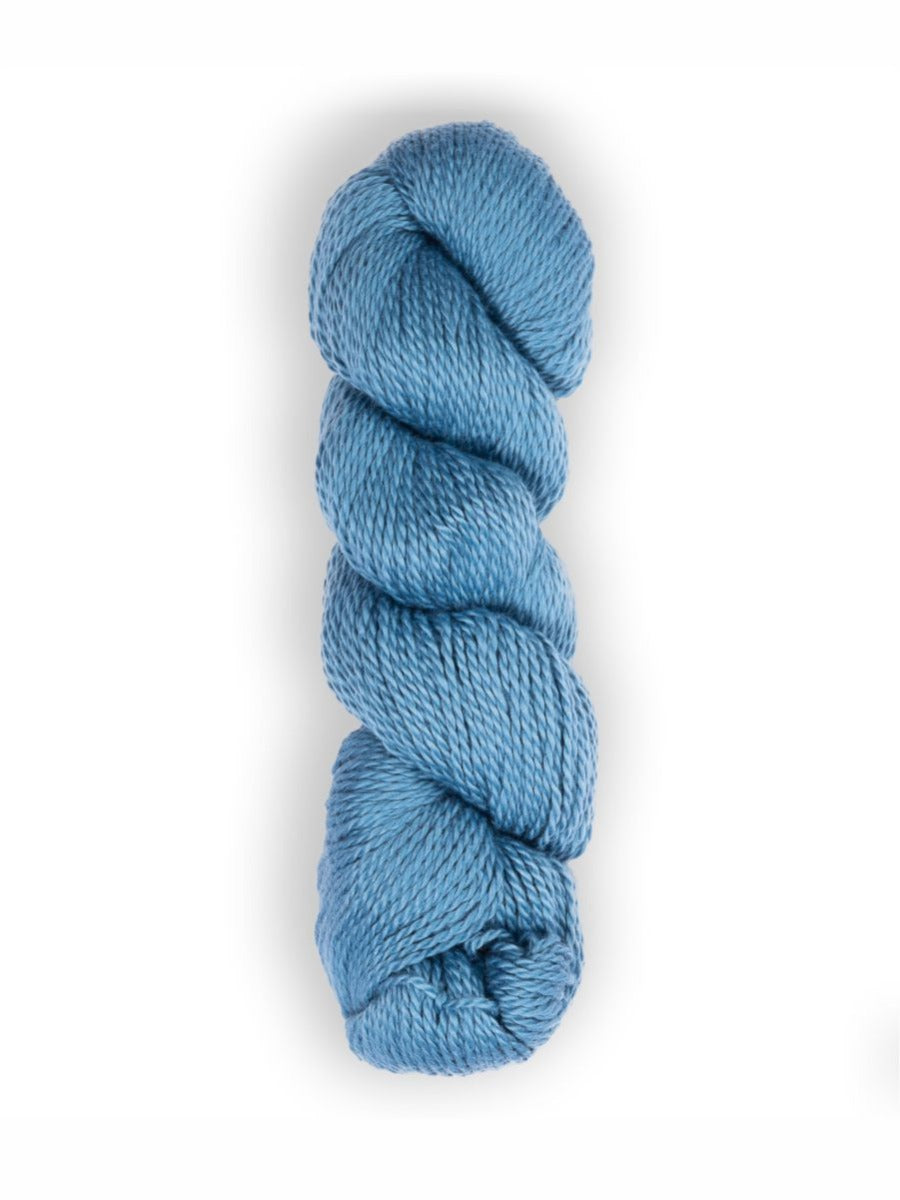
Cotton Pima Yarn
Pima cotton yarn is prized for its extra-long staple, superior strength, and silk-like luster. CENWILD knits Pima cotton sweaters, polos, and summer-weight cardigans with excellent shape retention and minimal pilling. Ideal for brands targeting premium casual or resort collections, Pima can be knitted solo or blended with modal, linen, or recycled polyester for enhanced drape and sustainability credentials.
Get a Quote
Acrylic Yarn
Acrylic yarn offers cost-effective performance, vibrant color retention, and easy care — ideal for high-volume programs, promotional knitwear, or accessible fashion lines. CENWILD’s acrylic sweaters replicate wool-like textures through advanced knitting and finishing, and can be blended with natural fibers to balance price and hand-feel. MOQ from 100 pieces makes acrylic a flexible entry point for emerging brands.
Get a Quote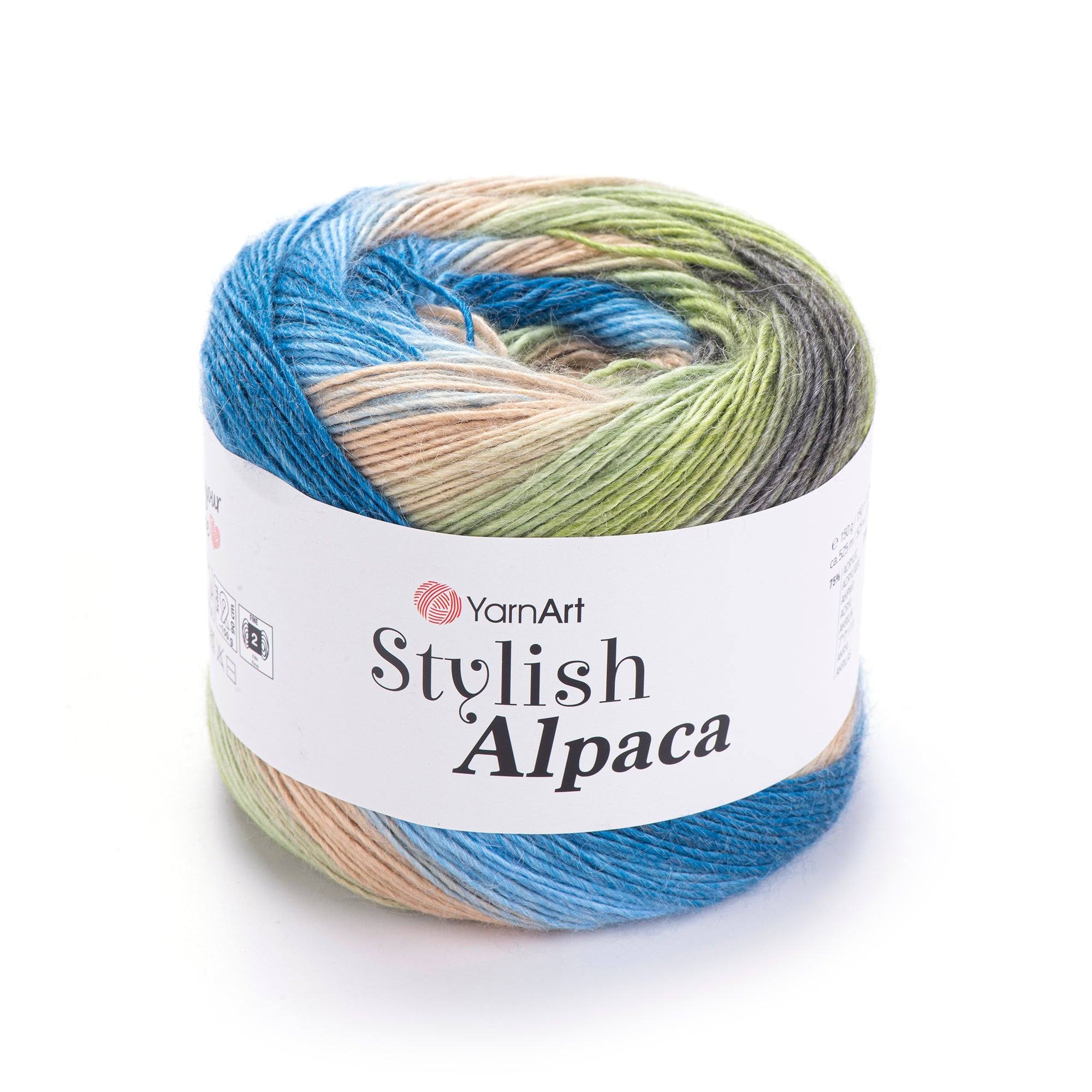
Recycled Organic Yarn
Recycled yarn knitwear supports circular fashion goals without compromising quality. CENWILD manufactures sweaters from GRS-certified recycled polyester, recycled cotton, and regenerated cashmere, paired with organic wool or cotton when desired. Our design team optimizes stitch structure and finishing to ensure recycled-fiber garments match the look, feel, and durability your brand promises to conscious consumers.
Get a Quote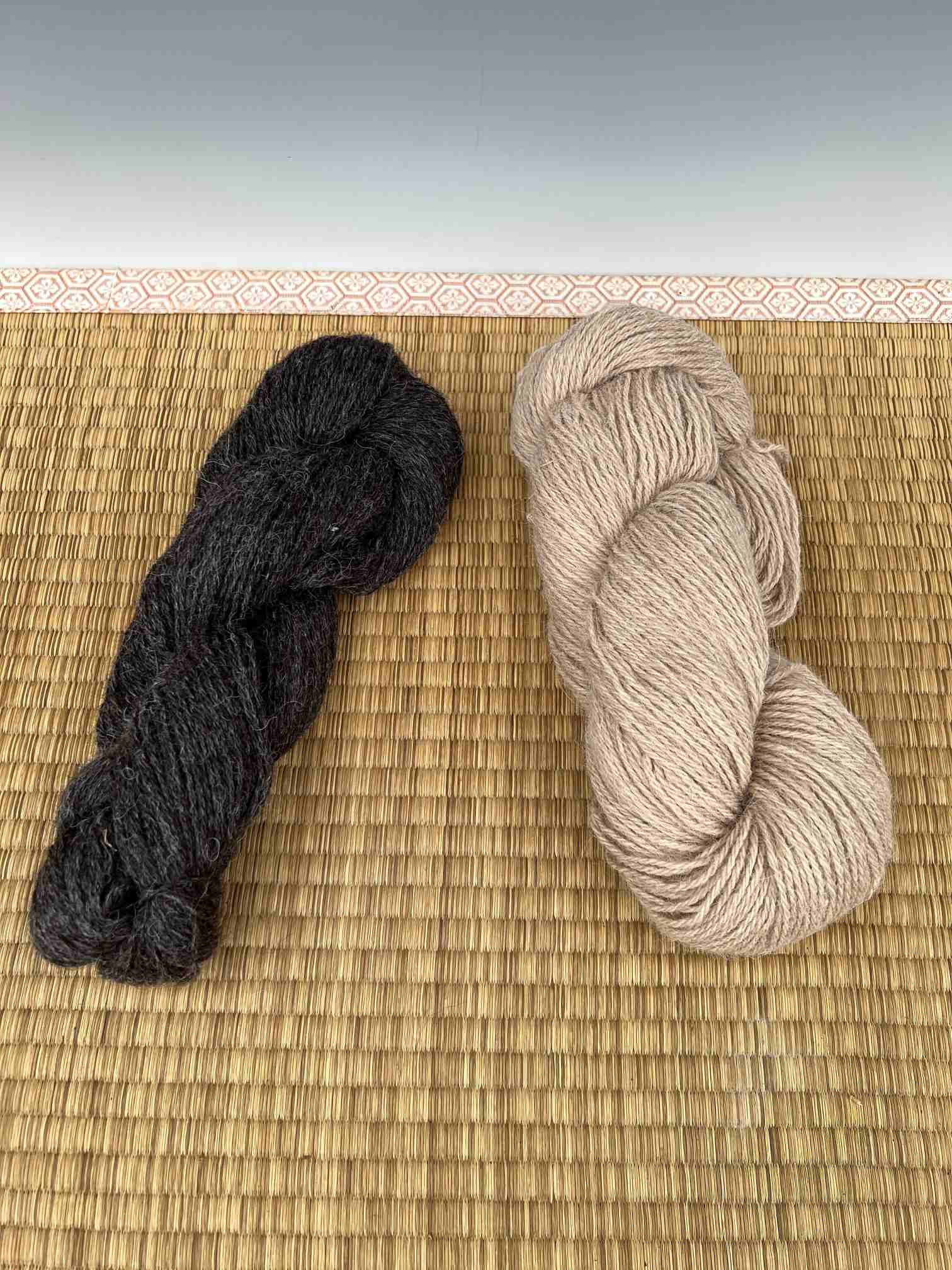
Custom Cardigan
A custom cardigan program at CENWILD means full control over silhouette, button style, pocket placement, collar shape, stitch pattern, and trim details. From classic V-neck and shawl-collar styles to oversized boyfriend cuts and cropped lengths, our ODM and OEM capabilities turn your sketch, tech pack, or reference image into a production-ready cardigan with knit-down sampling and 3D programming.
Get a Quote
Cardigan Sweater Manufacturer
As a dedicated cardigan sweater manufacturer with over 28 years in Dongguan, CENWILD produces button-front, zip, and open cardigans for men, women, and children across all fibers and gauges. Our one-stop service covers yarn sourcing, intarsia and jacquard knitting, embroidery, garment wash, quality inspection, and export logistics — so you receive finished, packaged cardigans ready for your sales channel.
Get a QuoteCENWILD's Alpaca Yarn Sourcing & Expertise
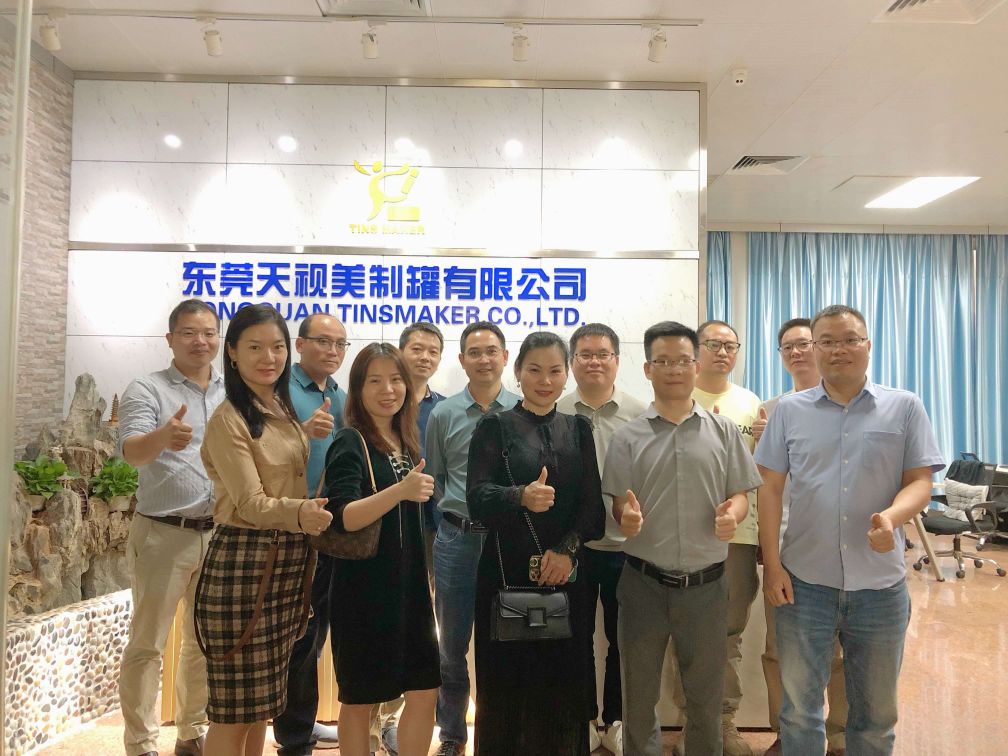
Since 1998, CENWILD has built deep supplier relationships across Peru, Bolivia, and China to source premium alpaca yarn in every weight and blend. Our 28+ years of Dongguan manufacturing experience means we understand exactly how alpaca fiber behaves during knitting, finishing, and wear — and we translate that knowledge into faster sampling and smoother production for your custom knitwear.
With in-house yarn procurement, quality testing, and knit-down sampling under one roof, we eliminate the delays and miscommunication that plague multi-vendor projects. Whether you need 100% baby alpaca, alpaca-merino blends, or alpaca-cotton for spring collections, our team sources, tests, and programs every yarn to your exact specifications before the first piece is knitted.
Over 2,000 fashion brands have trusted CENWILD to deliver alpaca yarn knitwear that meets their quality standards and production timelines. From independent designers launching their first alpaca collection to established labels scaling private-label programs, our OEM and ODM capabilities ensure your alpaca yarn project is backed by proven expertise, flexible MOQs from 100 pieces, and a partner invested in your growth.
Alpaca Yarn Production & Quality Control
Sourcing & Testing Premium Alpaca Yarn
Every alpaca yarn batch is sourced from certified suppliers and tested for fiber quality, micron count, and blend consistency before entering production. CENWILD validates tensile strength, twist uniformity, and color fastness to ensure your custom knitwear meets luxury standards from the first stitch.
- Certified alpaca fiber suppliers with traceability
- Lab testing for micron count, strength, and dye stability
- Batch-to-batch consistency checks across all weights
- Pre-production approval samples for every yarn lot
Knit-Down Sampling for Gauge Precision
Before full production begins, CENWILD produces knit-down swatches on the exact gauge and machine settings planned for your order. This stage locks in stitch density, drape, and hand-feel, ensuring alpaca yarn performs consistently across all sizes and colorways in your collection.
- Knit-down samples on 3GG–14GG computerized flat-knit machines
- Gauge calibration to match your tech pack specifications
- Stitch structure testing for intarsia, jacquard, and cable patterns
- Client approval before scaling to full production runs
Finishing Techniques That Preserve Luxury
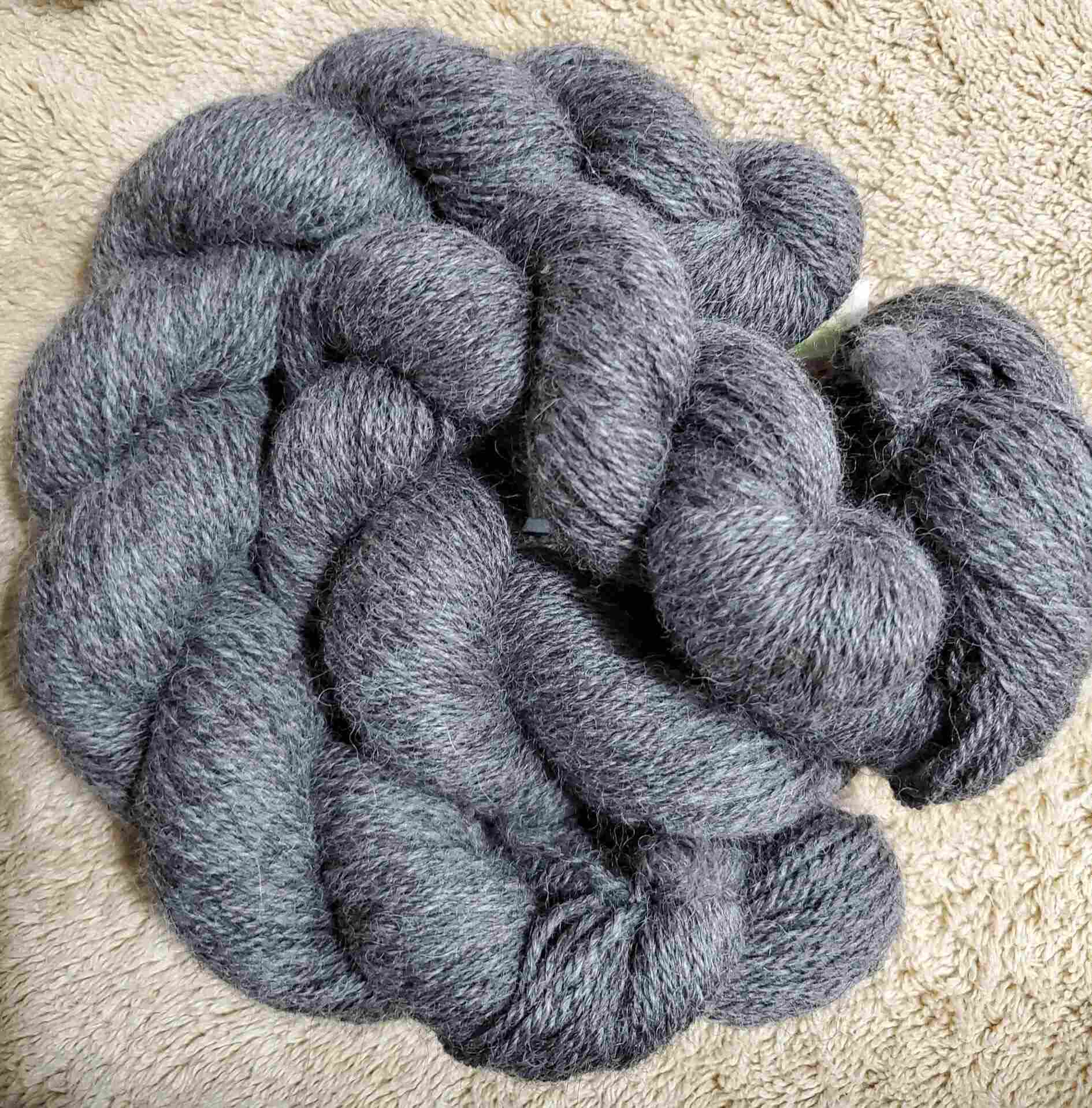
Alpaca yarn’s natural softness and luster require specialized finishing. CENWILD applies anti-pilling treatments, gentle softening washes, and controlled brushing to enhance texture without compromising fiber integrity. Each garment is inspected under consistent lighting to confirm color uniformity and surface quality.
- Anti-pilling enzyme treatments tailored to alpaca blends
- Low-tension garment washing to preserve fiber alignment
- Controlled brushing for enhanced hand-feel and halo effect
- Final inspection for pilling, shedding, and finish consistency
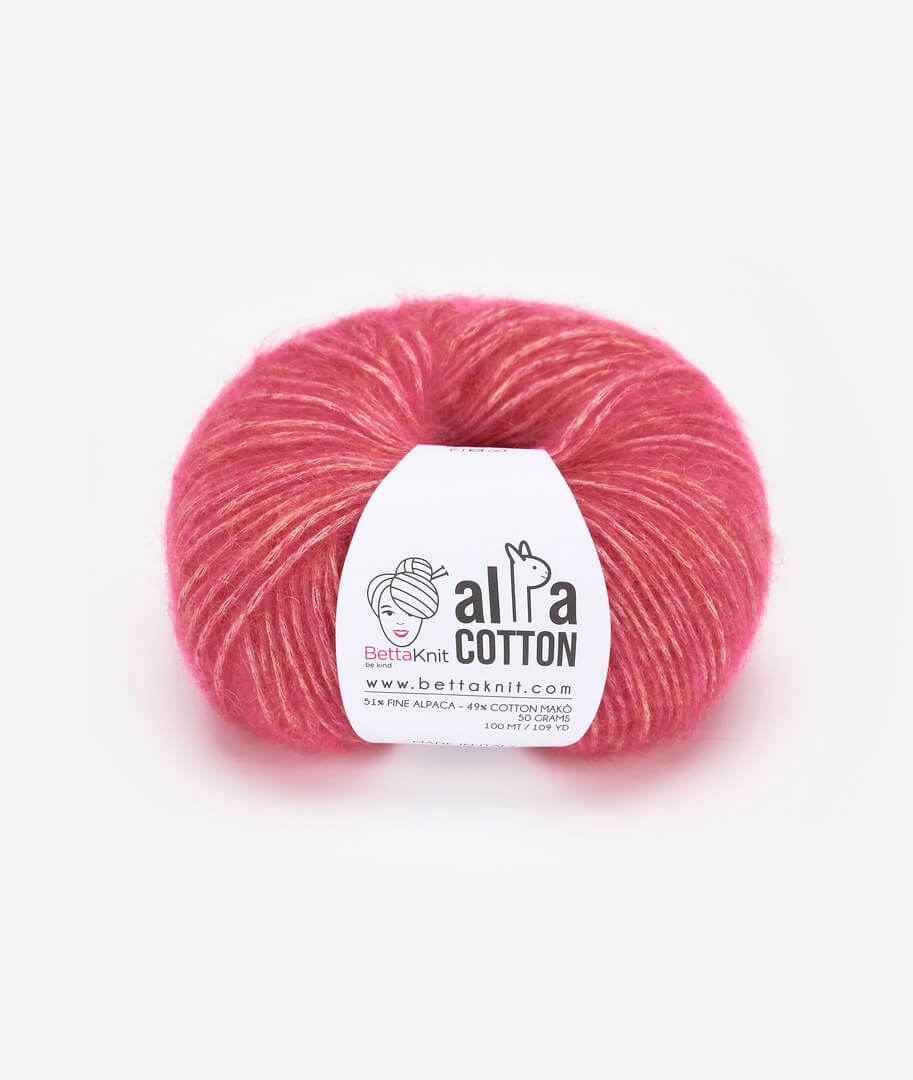
In-House Quality Assurance Every Step
From yarn receipt through final packaging, every alpaca knitwear piece passes multiple checkpoints managed by CENWILD’s 200+ person team in Dongguan. Dimensional accuracy, seam integrity, and trim placement are verified against your approved samples, ensuring zero compromise on the luxury your brand promises.
- Multi-stage QC from yarn intake to final garment inspection
- Dimensional checks against graded spec sheets for all sizes
- Seam strength testing and linking quality verification
- Photo documentation and pre-shipment approval for every order
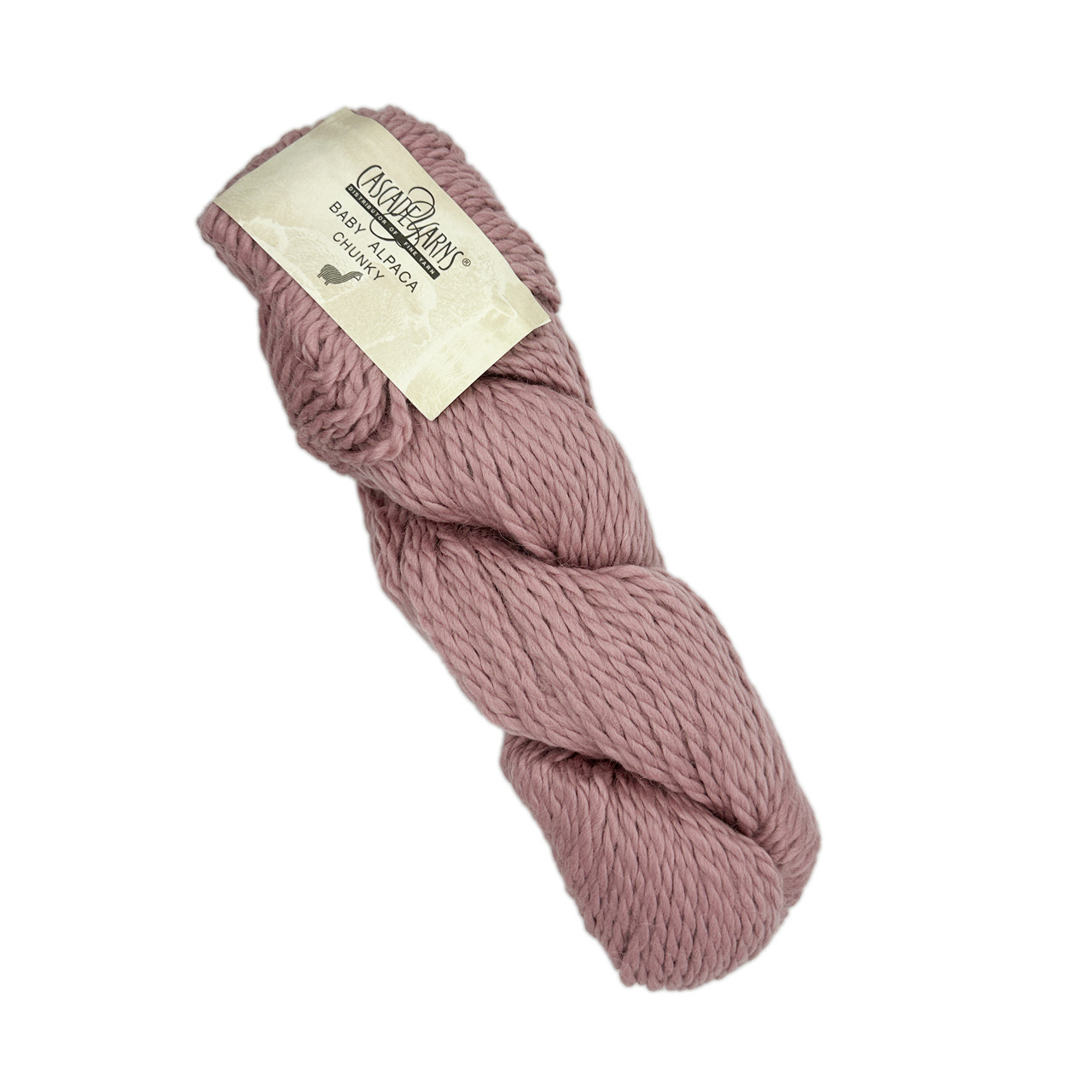
Alpaca Yarn vs. Other Premium Fibers
How alpaca yarn compares to merino wool, cashmere, and blended fibers across the attributes that matter most for custom knitwear production.
← 左右滑动查看 →
How Alpaca Yarn Becomes Your Custom Knitwear
From fiber selection through final finishing, CENWILD’s 28-year expertise guides your alpaca yarn knitwear through every quality checkpoint — with transparency at each handoff point.
Alpaca Yarn Sourcing & Selection
CENWILD sources premium alpaca yarn in baby, superfine, and blended weights. Fiber certificates, color-matching, and MOQ-friendly lot sizes are confirmed before production begins.
Knit-Down Swatch & Approval
Your alpaca yarn is knit into swatches on 3GG–14GG computerized flat-knitting machines. Stitch structure, hand-feel, drape, and gauge are tested and approved by your team.
Bulk Knitting Production
Approved alpaca yarn knitwear enters full production. Each panel is knitted to specification, with real-time tension monitoring and inline quality checks to ensure consistency across all 100+ pieces.
Linking & Assembly
Skilled technicians link knitted alpaca yarn panels using precision linking machines. Seams are inspected for smooth joins, minimal bulk, and alignment with your brand’s finishing standards.
Garment Finishing & Washing
Alpaca yarn garments are softened, anti-pilling treated, brushed, or garment-dyed as specified. Finishing enhances the natural loft and softness while locking in dimensional stability.
Decoration & Embellishment
Embroidery, patches, screen printing, or heat-transfer logos are applied. Each decoration method is tested on alpaca yarn samples to ensure adhesion, stretch compatibility, and wash durability.
Final QC & Export Packaging
Every alpaca yarn piece undergoes AQL-standard inspection for stitch integrity, measurements, and decoration placement. Approved garments are individually folded, poly-bagged, labeled, and carton-packed for shipment.
How to Add Alpaca Yarn to Your Custom Order
CENWILD makes specifying alpaca yarn for your knitwear simple, from fiber blend selection through sample approval and full production integration.
Choose Your Alpaca Fiber Type
Select pure alpaca yarn or a custom blend with merino, cashmere, cotton, or acrylic to balance softness, durability, and budget for your knitwear collection.
Specify Weight and Gauge
Define yarn weight and knit gauge from 3GG to 14GG to match your design vision, season, and garment structure with CENWILD’s in-house knitting expertise.
Confirm Color and Dye Requirements
Provide Pantone references, physical swatches, or custom dye lots. CENWILD sources and dyes alpaca yarn to exact brand color standards before production begins.
Approve Your Knit-Down Sample
Review a physical knit-down sample featuring your chosen alpaca yarn, stitch pattern, and construction. Adjustments are made until the sample meets your approval.
Integrate with Full Garment Brief
Your approved alpaca yarn specification merges seamlessly into the complete production tech pack, ensuring consistency across your custom knitwear order from 100 pieces up.
Brands Trusting Alpaca Yarn from CENWILD
Our alpaca yarn sweater line sold out in 6 weeks — 40% faster than wool. Customers loved the softness and kept asking when we’d restock. CENWILD delivered 300 pieces on time with zero quality issues.
We switched to alpaca yarn blends for our private label collection and saw a 28% increase in repeat orders. CENWILD’s sampling process made it easy to test weights and confirm hand feel before production.
CENWILD sourced premium alpaca yarn for our luxury cardigan launch with only 150-piece MOQ. The finished garments elevated our brand positioning, and we received the best customer feedback in three years.
Alpaca Yarn FAQs
Can I customize the color of alpaca yarn for my knitwear order?
What blend ratios are available with alpaca yarn?
Is alpaca yarn hypoallergenic for sensitive skin?
Does alpaca yarn pill easily compared to other fibers?
What file formats and specs do you need for an alpaca yarn sweater?
How does using alpaca yarn affect lead time for custom knitwear?
Can alpaca yarn sweaters be machine washed?
Is embroidery or printing compatible with alpaca yarn knitwear?
The Complete Buyer’s Guide to Alpaca Yarn for Custom Knitwear
Navigate sourcing decisions with confidence. This guide delivers a proven framework for evaluating alpaca yarn suppliers, understanding quality benchmarks, comparing fiber types and blends, and avoiding the costly mistakes that derail custom knitwear projects.
1. What Is Alpaca Yarn?
Alpaca yarn is a natural protein fiber harvested from two breeds: Huacaya alpacas, which produce dense, crimped fleece accounting for roughly 90% of global supply, and Suri alpacas, whose lustrous, straight locks yield a silkier, more limited fiber. Both breeds are shorn annually in the Andes, primarily across Peru, Bolivia, and Chile.
Alpaca fiber measures 18–30 microns depending on grade, delivering a warmth-to-weight ratio approximately 3× higher than sheep’s wool while remaining lighter and less bulky. Because alpacas do not produce lanolin, the yarn is naturally hypoallergenic and less prone to the itchiness common in traditional wool, making it ideal for sensitive-skin collections and luxury positioning.
Fashion brands choose alpaca yarn for its combination of thermal performance, drape, and minimal pilling. When CENWILD sources alpaca for OEM knitwear — cardigans, pullovers, or knit dresses — clients gain a fiber that elevates perceived value, supports premium retail pricing, and differentiates collections in crowded markets without sacrificing wearability or care simplicity.
2. Evolution and History of Alpaca Yarn
Alpaca fiber has been harvested in the Peruvian and Bolivian highlands for over 6,000 years, where indigenous communities developed hand-spinning and weaving techniques that preserved the natural crimp and loft of the fleece. Traditional methods yielded small batches of yarn prized by Andean artisans, but limited global reach until the late 20th century.
Industrial milling infrastructure emerged in the 1980s and 1990s as Peruvian cooperatives and international textile mills installed worsted and woolen spinning systems capable of processing alpaca at commercial scale. This shift enabled alpaca yarn to enter European and North American fashion supply chains, initially positioned alongside cashmere and merino as a luxury natural fiber with superior warmth-to-weight ratio and hypoallergenic properties.
By the 2010s, ethical sourcing and traceability narratives accelerated adoption among premium knitwear brands seeking alternatives to conventional wool. Today alpaca yarn commands a premium retail positioning due to its Andean provenance, lower environmental footprint (alpacas graze without damaging root systems), and the fiber’s inherent softness and thermal regulation, making it a strategic choice for brands targeting conscious consumers and luxury segments.
3. Types of Alpaca Yarn
Alpaca yarn arrives in multiple fiber grades, breed types, ply structures, and weight categories. Understanding these classifications ensures you match yarn specifications to garment performance and price targets.
Fiber Grade: Baby Alpaca vs. Adult Alpaca
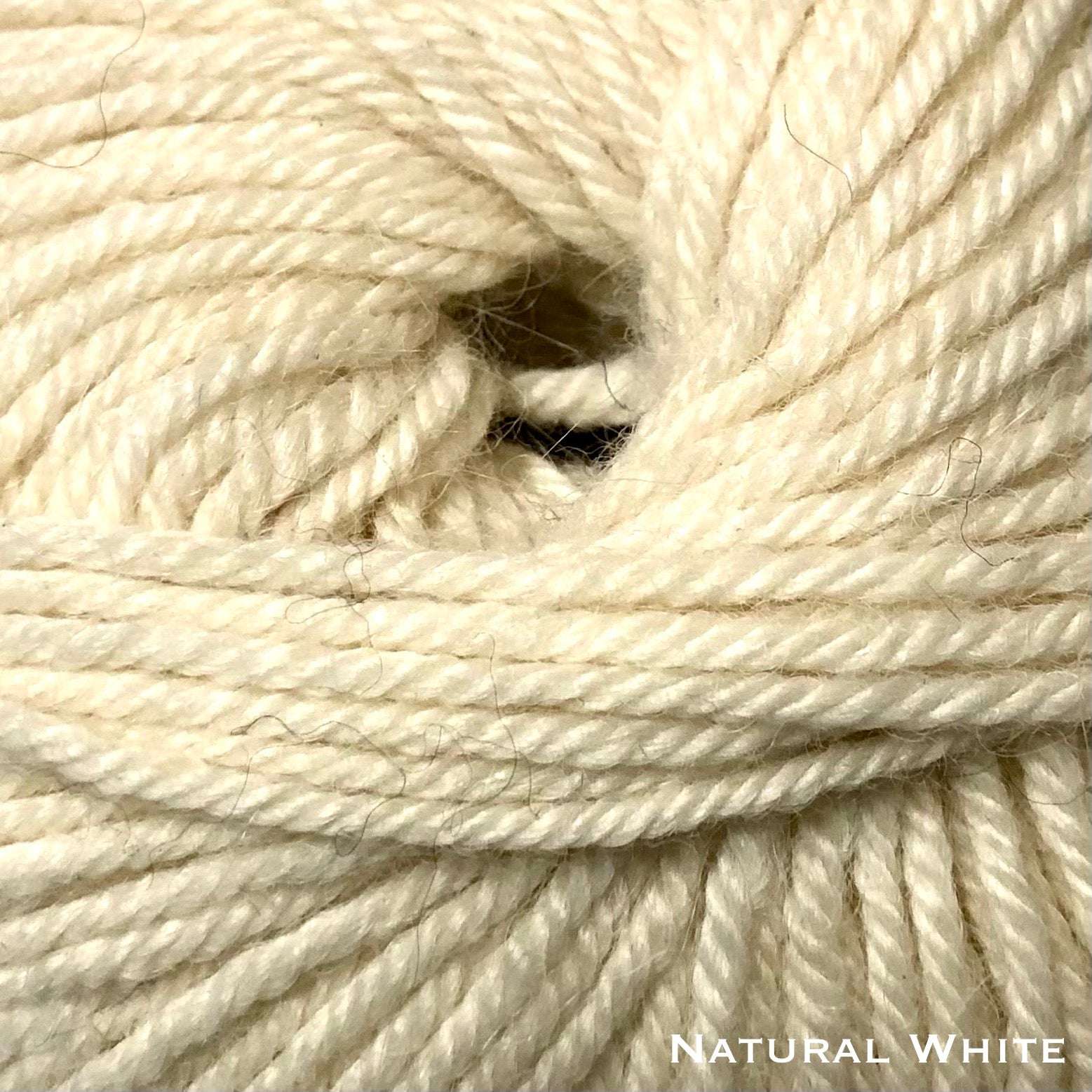
Baby Alpaca measures ≤23 microns and delivers the softest hand, ideal for next-to-skin sweaters, cardigans, and luxury scarves. Superfine or Adult Alpaca runs 23–26 microns, offering excellent warmth at a lower price point for pullovers and outerwear.
Neither grade comes exclusively from young animals; micron count depends on shearing location and individual fiber diameter.
Breed Structure: Huacaya vs. Suri
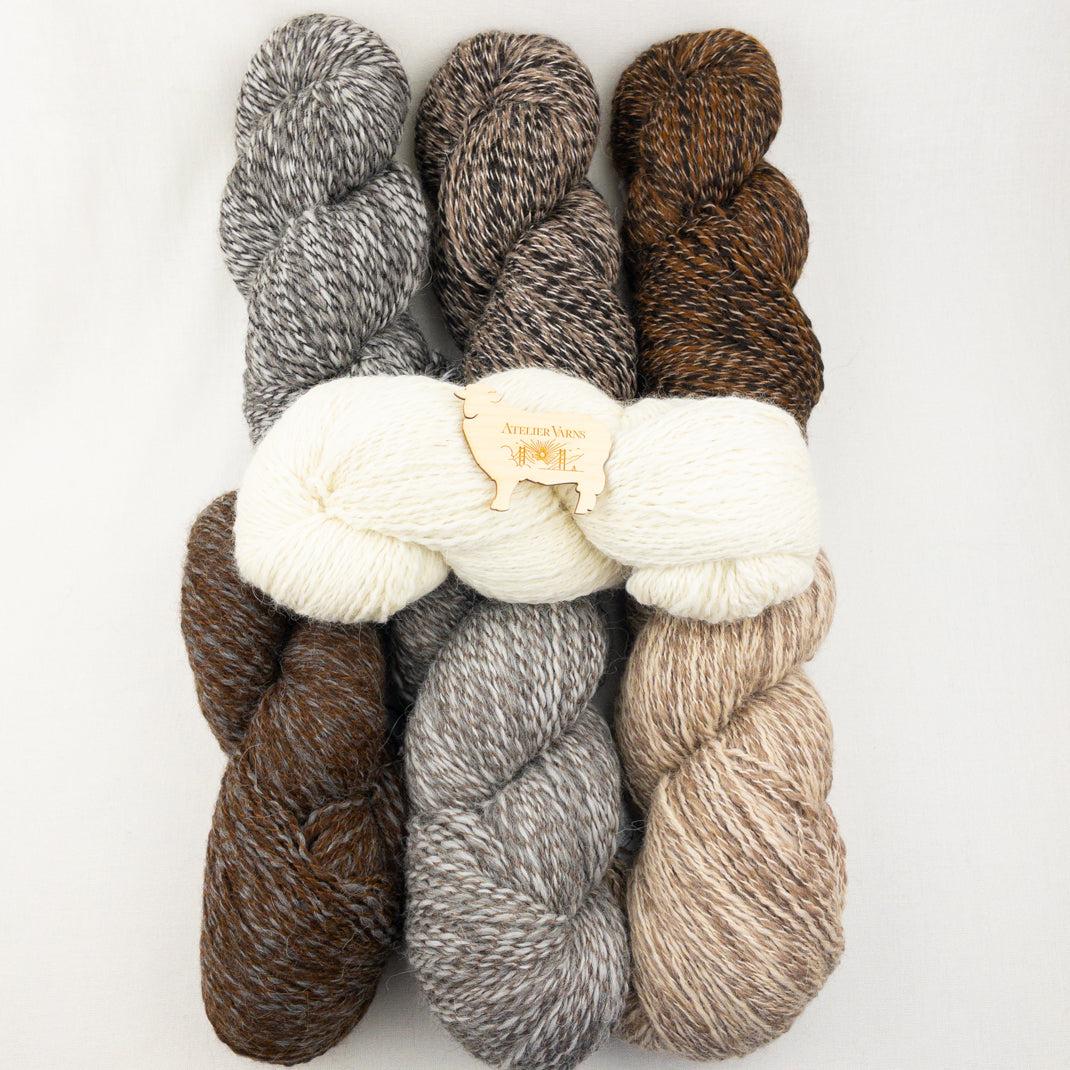
Huacaya fiber grows crimped and fluffy, accounting for roughly 90% of global alpaca yarn; it traps air well and suits classic knitwear. Suri fiber hangs straight and silky, producing a lustrous drape preferred for evening wear and fine-gauge knits.
Most manufacturers stock Huacaya by default; Suri requires advance notice and typically carries a 15–25% premium.
Ply and Weight Categories
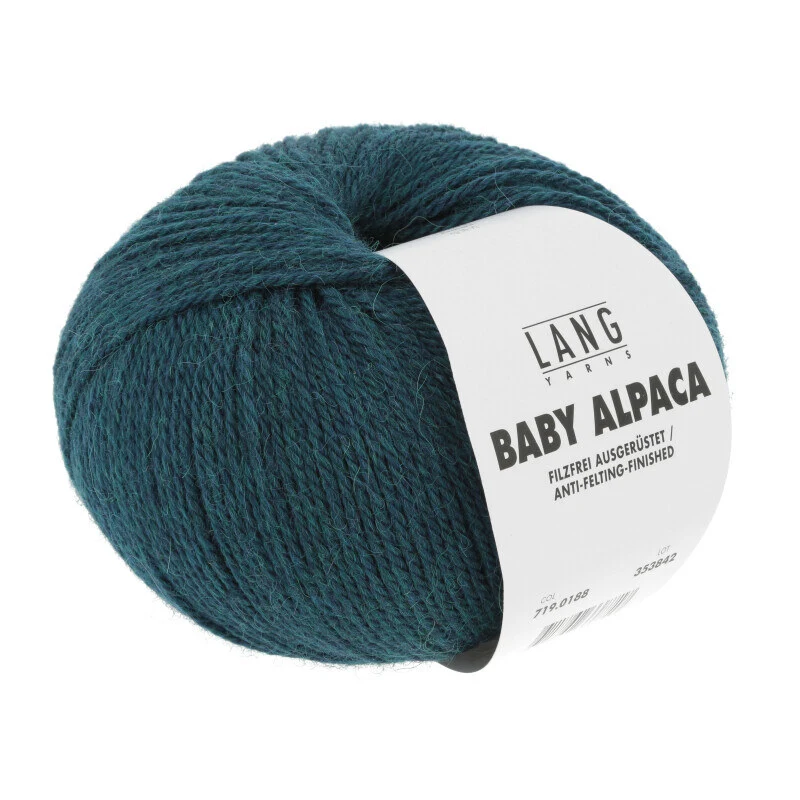
Single-ply alpaca yarn works for lace and lightweight scarves; 2-ply and 3-ply constructions add strength for sweaters and cardigans. Standard weights range from lace (≤800 m/100 g) through fingering, DK, worsted, to bulky (≤120 m/100 g), with heavier weights shortening knit time and suiting chunky turtlenecks or outerwear.
4. Alpaca Yarn Blends and Fabric Compositions
Alpaca fiber rarely appears alone in commercial knitwear; blending optimizes cost, performance, and care. Each composition shifts drape, pilling resistance, washability, and price — choices that directly affect your brand positioning and customer satisfaction.
| Blend Composition | Key Benefits | Typical Applications | Relative Price |
|---|---|---|---|
| 100% Alpaca | Maximum warmth, ultra-soft hand, natural luster | Luxury cardigans, turtlenecks, statement pieces | High |
| Alpaca-Merino (50/50–70/30) | Balanced softness, elasticity, easier care, lower pilling | Pullovers, sweater vests, everyday knitwear | Medium-High |
| Alpaca-Silk (70/30–80/20) | Exceptional drape, sheen, breathability, lightweight | Knit dresses, fine-gauge V-necks, spring layers | High |
| Alpaca-Cotton (50/50–60/40) | Machine-washable, breathable, reduced cost, seasonal versatility | Crewnecks, knit polos, transitional collections | Medium |
| Alpaca-Acrylic (30/70–50/50) | Budget-friendly, shape retention, easy care, color vibrancy | Volume orders, promotional sweaters, entry-level lines | Low-Medium |
5. Customization and Decoration Options for Alpaca Yarn
Alpaca yarn accepts a wide range of dyeing, texture, pattern, and embellishment techniques that let fashion brands create distinctive, branded knitwear. Understanding each method’s compatibility with alpaca fiber — and the MOQ implications — ensures you maximize differentiation without inflating costs.
Dyeing and Color Customization
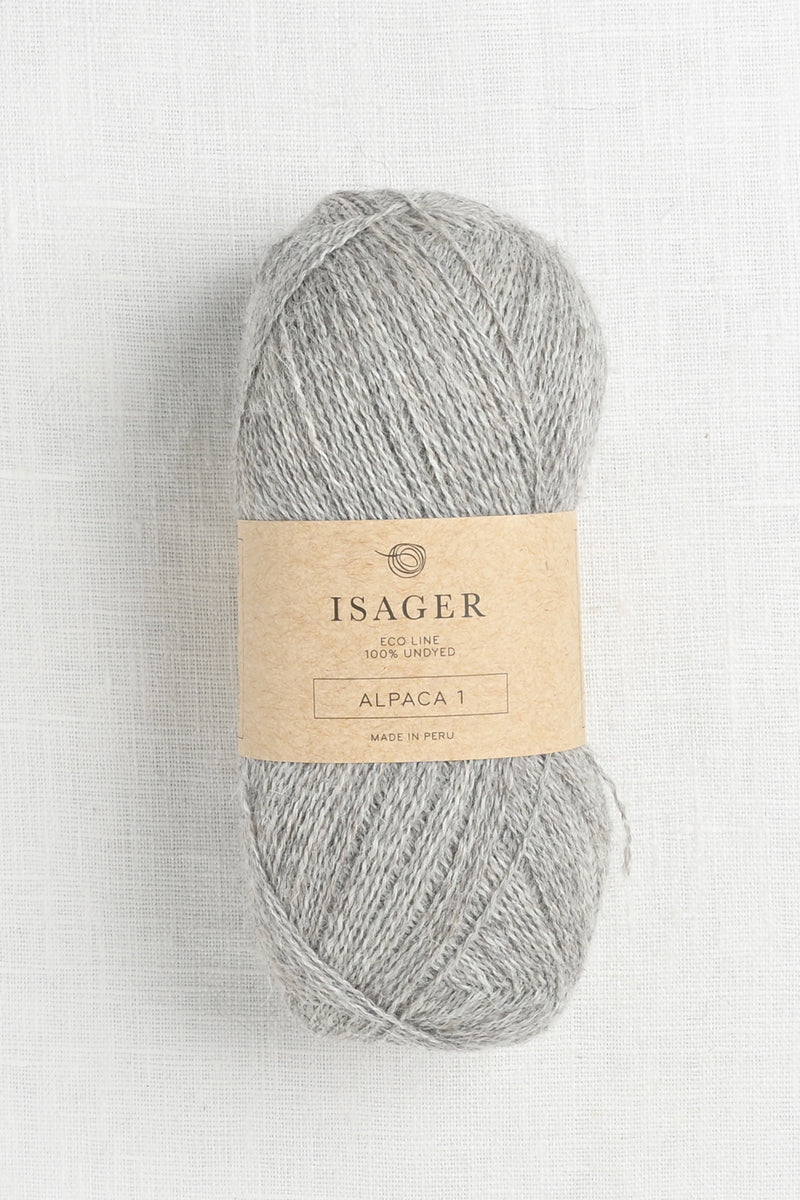
Alpaca fiber takes both acid-based synthetic dyes and natural plant extracts, though synthetic dyes deliver superior color-fastness and batch consistency. Custom Pantone matching typically requires a minimum 100–200 kg yarn lot per shade; smaller runs may accept stock-dyed yarns.
Garment dyeing — dyeing finished knitwear rather than yarn — offers lower color MOQs (often 100 pieces per shade) and softer hand-feel but may cause slight dimensional variation. Always request dye-lot codes and light-fastness ratings (ISO 105-B02 grade 4 or higher) to ensure retail durability.
Texture Treatments
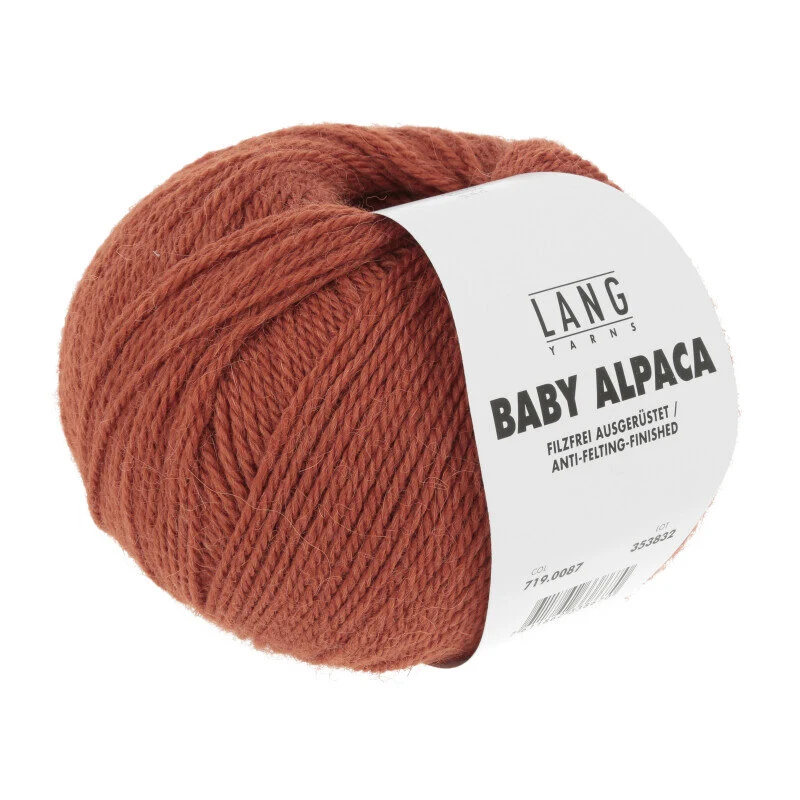
Brushing raises the alpaca fiber surface to amplify halo and softness, popular in luxury cardigans and pullovers. Controlled felting tightens the knit structure for wind resistance and a denser hand, suited to outerwear-weight pieces.
Both treatments are post-knit finishing steps with negligible MOQ impact but require clear specifications — brush intensity (light, medium, heavy) and felting shrinkage percentage — in your tech pack.
Pattern Knitting Techniques
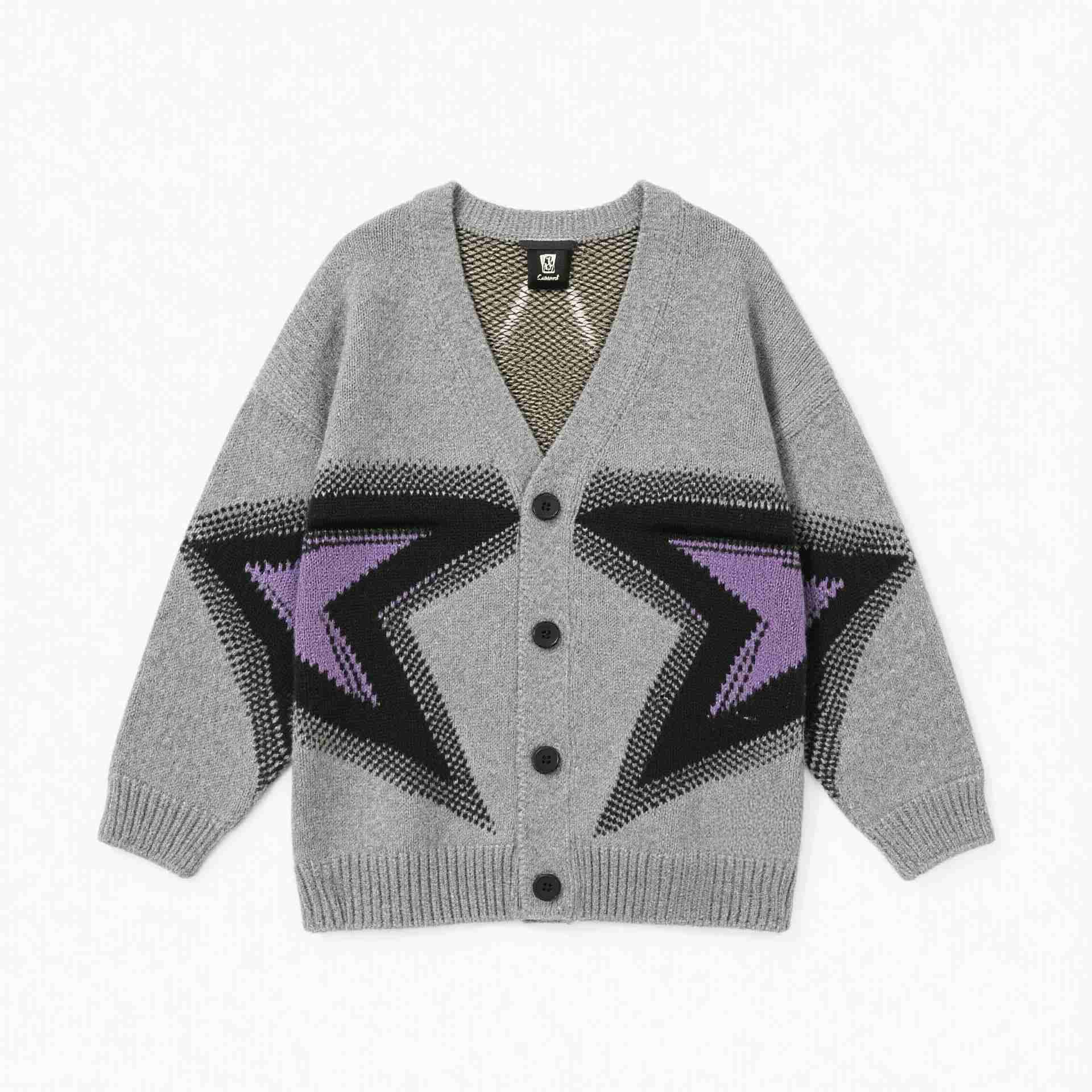
Jacquard, intarsia, and cable knits are programmed directly into flat-knitting machines at 3GG–14GG gauges. Jacquard floats yarn on the reverse for multi-color geometric or fair-isle patterns; intarsia knits each color block separately for clean, float-free designs ideal for logos and artwork.
Cable and rib structures add three-dimensional texture with no color changes. All three techniques incur no MOQ premium beyond the base 100-piece order but do extend knit-down sampling time by one to two days.
Embellishment Compatibility
Alpaca knitwear accepts flat embroidery, 3D puff, chain-stitch, appliqué, sequin, and woven patches for branding. Because alpaca is softer than wool, use tear-away or water-soluble stabilizer and reduce machine speed to prevent puckering.
Screen printing, heat transfer, and DTF (direct-to-film) work on tighter-gauge alpaca knits (12GG and finer); looser gauges may require a bonded underlayer. Embellishment MOQs mirror garment MOQs — typically 100 pieces per design — with setup fees of 50–150 USD per screen or digitized embroidery file.
6. Key Quality Elements in Alpaca Yarn Sourcing
Premium alpaca yarn demands rigorous quality benchmarks. Buyers must verify micron consistency, fiber strength, and ethical sourcing to avoid costly production failures and brand-reputation risks.
Micron Grade and Fiber Consistency
Royal alpaca measures 18–19 microns, baby alpaca 19–22 microns, and adult alpaca 22–30 microns. Request a fiber-diameter histogram from every yarn lot to confirm grade uniformity; a ±2-micron variance signals commodity blending.
CENWILD sources alpaca yarn from certified mills that batch-test each shipment, ensuring consistent hand-feel and pill resistance across production runs.
Tensile Strength and Twist Uniformity
Alpaca fiber averages 50–60 cN/tex tensile strength, higher than merino. Uneven twist or low-twist plies cause pilling and seam failure during knitting.
Audit yarn samples under tension and inspect for slubs or thick-thin sections. CENWILD’s knit-down swatches reveal real-world performance before full production.
Guard-Hair Removal and Ethical Certifications
Guard hairs — coarse, straight fibers — create surface prickle and reduce luxury appeal. Premium mills de-hair mechanically to below 1% by weight.
Look for Responsible Alpaca Standard or equivalent traceability documents. CENWILD partners with mills that provide shearing-welfare records and fiber-origin certificates on request.
7. How to Choose an Alpaca Yarn Manufacturer or Supplier
Selecting the right alpaca yarn partner requires evaluating both technical capability and commercial flexibility. Manufacturers range from vertically integrated mills to brokers, and understanding each supplier’s structure, certifications, and service model ensures alignment with your brand’s quality standards and order volume.
Certifications and Compliance
Look for OEKO-TEX Standard 100 for chemical safety and GOTS certification if sourcing organic alpaca yarn. These third-party audits confirm fiber traceability and environmental standards.
Ask suppliers to provide current certificates and test reports before sampling.
MOQ, Lead Times, and Sampling
Minimum order quantities for alpaca yarn typically start at 50–100 kg per color for stock-dyed and 200–500 kg for custom dyeing. Lead times range from 2–4 weeks for stock to 6–8 weeks for custom runs.
Confirm whether the supplier offers knit-down swatches or hank samples, and clarify sampling fees and refund policies.
Key Questions During RFQ
Request fiber origin (Peru, Bolivia, or domestic), micron count, and blend ratios. Confirm payment terms — many suppliers require 50–100% deposit for first orders, easing to 30% for repeat clients.
Ask about quality guarantees, defect replacement policies, and whether yarn is stocked or spun to order.
8. Common Mistakes Buyers Make When Sourcing Alpaca Yarn
Even experienced buyers stumble when sourcing alpaca yarn for the first time. Understanding these common pitfalls saves time, budget, and brand reputation before production begins.
Confusing Baby Alpaca with Age
Baby alpaca refers to fiber fineness — typically under 23 microns — not the age of the animal. Many buyers mistakenly believe it comes from young alpacas, but the term describes the softest grade from the first shearing or the finest fleece sections of adult animals. Always verify micron count on your specification sheet rather than relying on grade names alone.
Ignoring Pilling in Pure Alpaca
100% alpaca yarn lacks the crimp of wool, making it prone to surface pilling under friction. Buyers who skip wash and wear testing often discover excessive fuzz after the first production run. Blending 20–30% merino or nylon significantly improves durability without sacrificing hand feel.
Skipping Dye-Lot and Wash Tests
Alpaca fiber absorbs dye differently than wool, and natural color variation between batches creates visible streaks in finished garments. Order dyed yarn from a single lot and request pre-production wash tests to confirm colorfastness and shrinkage before committing to full yardage.
9. Steps to Launch Your Custom Knitwear Brand with Alpaca Yarn
Launching a knitwear brand with alpaca yarn requires a clear roadmap that addresses fiber-specific sourcing, production logistics, and market positioning. Each step — from market research through scaling — must account for alpaca’s premium price point, care requirements, and luxury appeal.
Market Research and Positioning
Define your target customer segment — luxury athleisure, sustainable fashion, or outdoor performance — and validate willingness to pay alpaca’s 20–40% premium over merino. Study competitor pricing, fabric weights (180–320 GSM for sweaters), and seasonal demand patterns.
Position alpaca’s hypoallergenic, thermal, and eco-friendly properties as core brand differentiators, especially for customers seeking cruelty-free or low-impact fibers.
Select Yarn Type and Blend
Choose between 100% baby alpaca (ultra-soft, premium price), Huacaya alpaca (volume and warmth), or blends with merino, silk, or recycled nylon for durability or cost balance. Specify micron count (18–23μ baby, 23–27μ adult) and ply (2/26 Nm to 2/48 Nm).
Work with your manufacturer to source certified or traceable alpaca if sustainability claims are central to your brand story.
Partner with a Knitting Manufacturer
Select a factory with computerized flat-knitting capability (7GG–12GG for alpaca), yarn sourcing networks in Peru or China, and low-MOQ flexibility (100–300 pieces per style). Verify experience with delicate animal fibers and finishing techniques that preserve alpaca’s loft and hand feel.
CENWILD offers alpaca yarn sourcing, knit-down sampling, and full decoration services with MOQ from 100 pieces, supporting startups and independent designers.
Create Tech Packs and Order Samples
Prepare detailed tech packs specifying stitch type (cable, rib, pointelle), gauge, measurements, and care instructions (hand wash or gentle machine, lay flat to dry). Request knit-down swatches to confirm drape, stretch recovery, and pilling resistance before committing to full samples.
Budget 2–3 weeks for sampling and 1–2 revision rounds; alpaca’s elasticity and shrinkage behavior differ from cotton or acrylic.
Costing, Pricing, and Care Labeling
Factor alpaca yarn cost (typically 1.5–2× merino), knitting labor, embellishments, and finishing into your landed cost. Apply a 2.5–4× retail markup for luxury positioning. Include fiber-content labels (ASTM D7641 or equivalent) and care symbols (ISO 3758) that specify gentle wash and no tumble-dry to protect alpaca fibers.
Plan hangtags highlighting alpaca’s thermal regulation, hypoallergenic properties, and origin story to justify premium pricing.
10. Pricing and Cost Considerations for Alpaca Yarn
Alpaca yarn pricing varies by fiber grade and order volume. Baby Alpaca — the finest and softest — commands a premium, while blends with wool or acrylic reduce cost per kilogram by 30–50% depending on the ratio. Superfine Alpaca sits between the two, balancing luxury hand-feel and accessible pricing.
Custom dyeing adds $2–5 per kilogram in setup and processing, with lead time extending 7–10 days for color matching and dye-lot approval. Larger orders (500 kg and above) often absorb setup into the unit price, while smaller runs carry the surcharge separately. Blend ratios directly affect price: a 70/30 alpaca-merino costs roughly 40% less than 100% alpaca yarn, yet retains warmth and drape.
Lead times compress as order size grows. A 50 kg trial may require 25–30 days from yarn sourcing through quality control, whereas 1,000+ kg orders with pre-approved yarn can ship in 18–22 days once dyeing and spinning schedules align.
| Quantity Tier (kg) | Baby Alpaca ($/kg) | Superfine Alpaca ($/kg) | 50/50 Alpaca Blend ($/kg) | Typical Lead Time |
|---|---|---|---|---|
| 50–199 | $48–58 | $38–46 | $22–28 | 25–30 days |
| 200–499 | $44–54 | $34–42 | $20–26 | 22–28 days |
| 500–999 | $40–50 | $30–38 | $18–24 | 20–25 days |
| 1,000+ | $36–46 | $26–34 | $16–22 | 18–22 days |
Start Your Alpaca Yarn Custom Knitwear Project
Partner with a 28-year Dongguan manufacturer for premium alpaca yarn sweaters — OEM, ODM, and private label from just 100 pieces.