
3D Puff Embroidery Sweater — Raised, Textured Custom Knitwear
Elevate your brand with custom 3D puff embroidery sweaters. Bold, dimensional logos and designs. OEM/ODM production, MOQ 100 pieces, 28+ years manufacturing expertise.
3D Puff Embroidery Sweater Samples
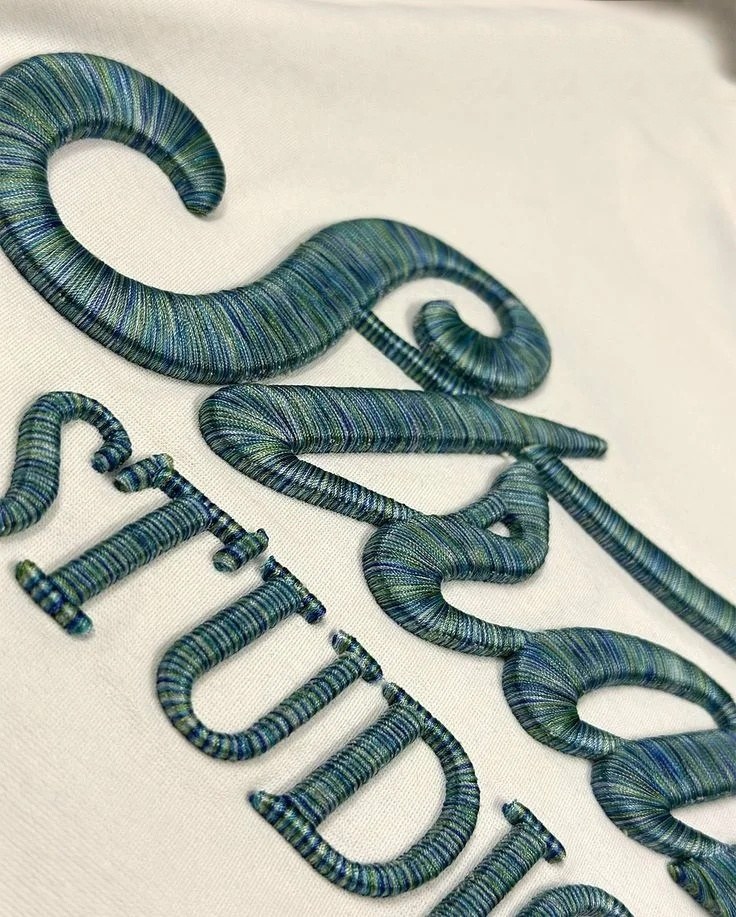
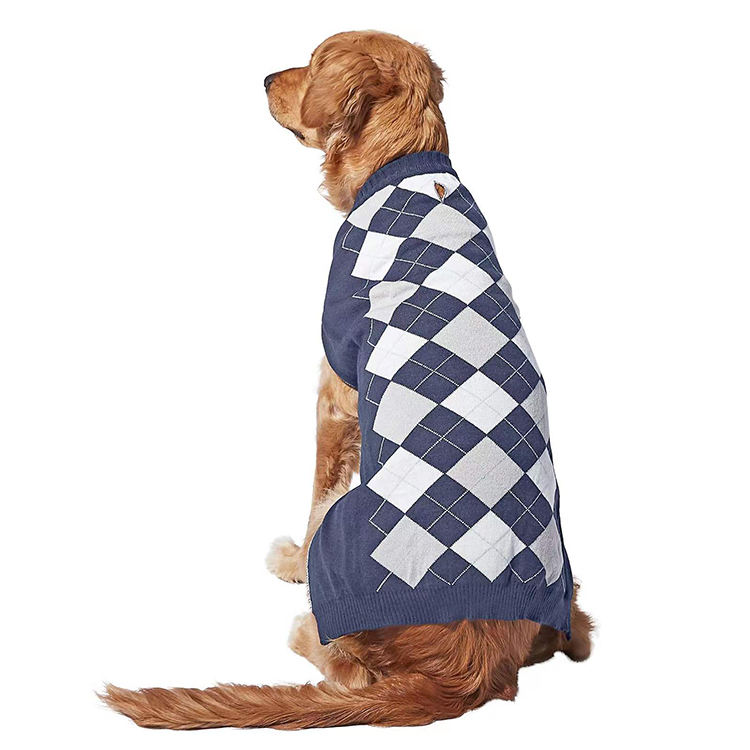
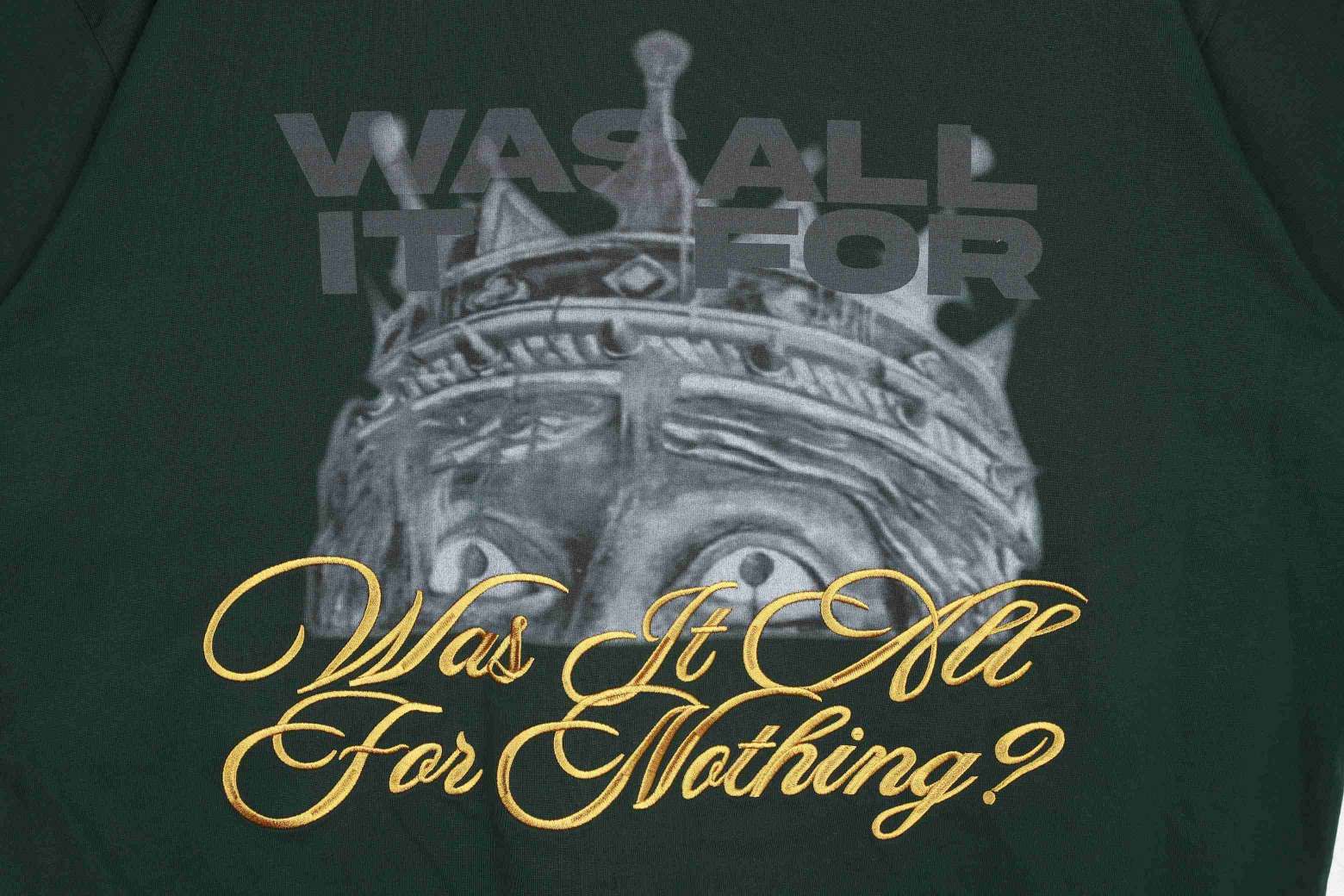
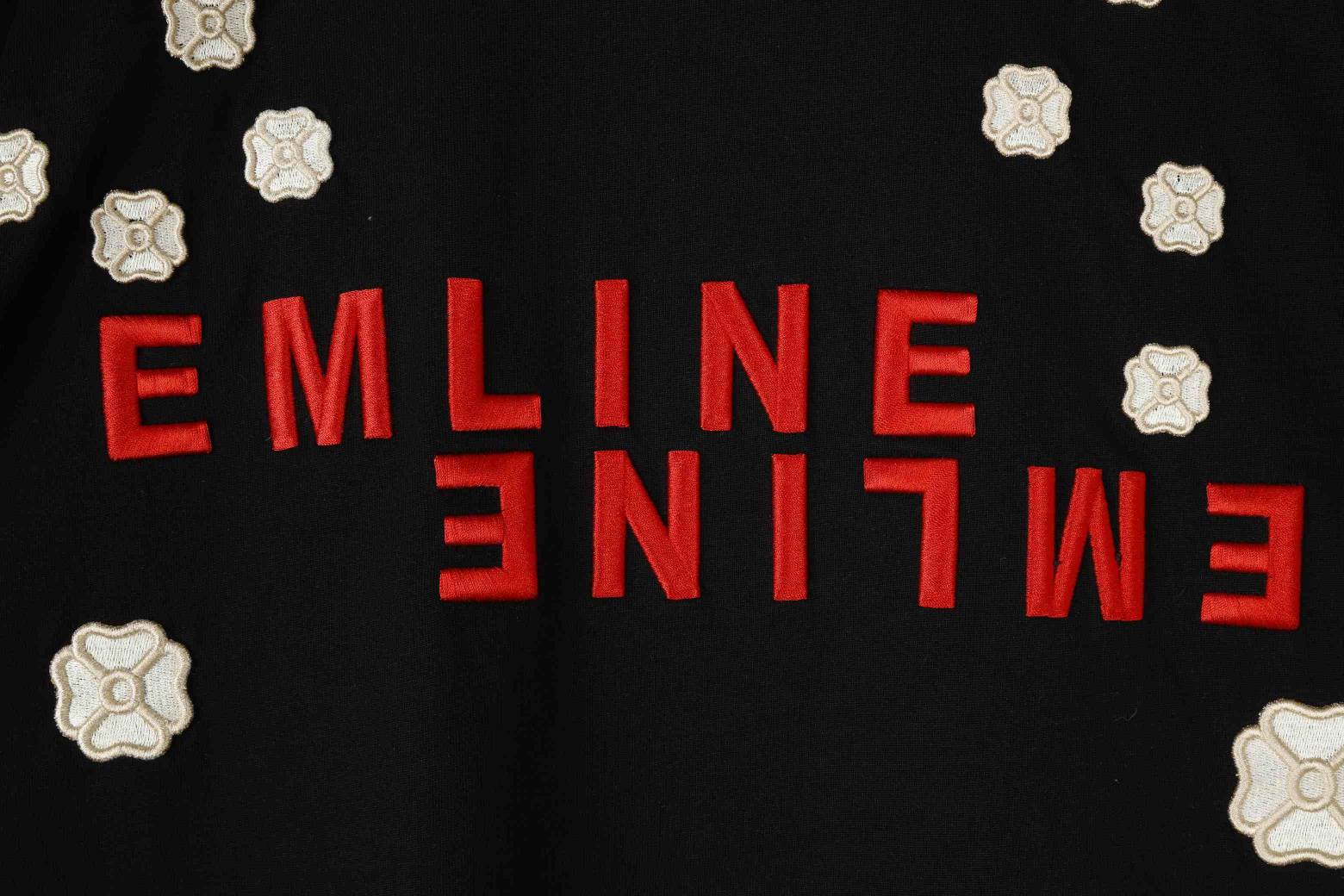
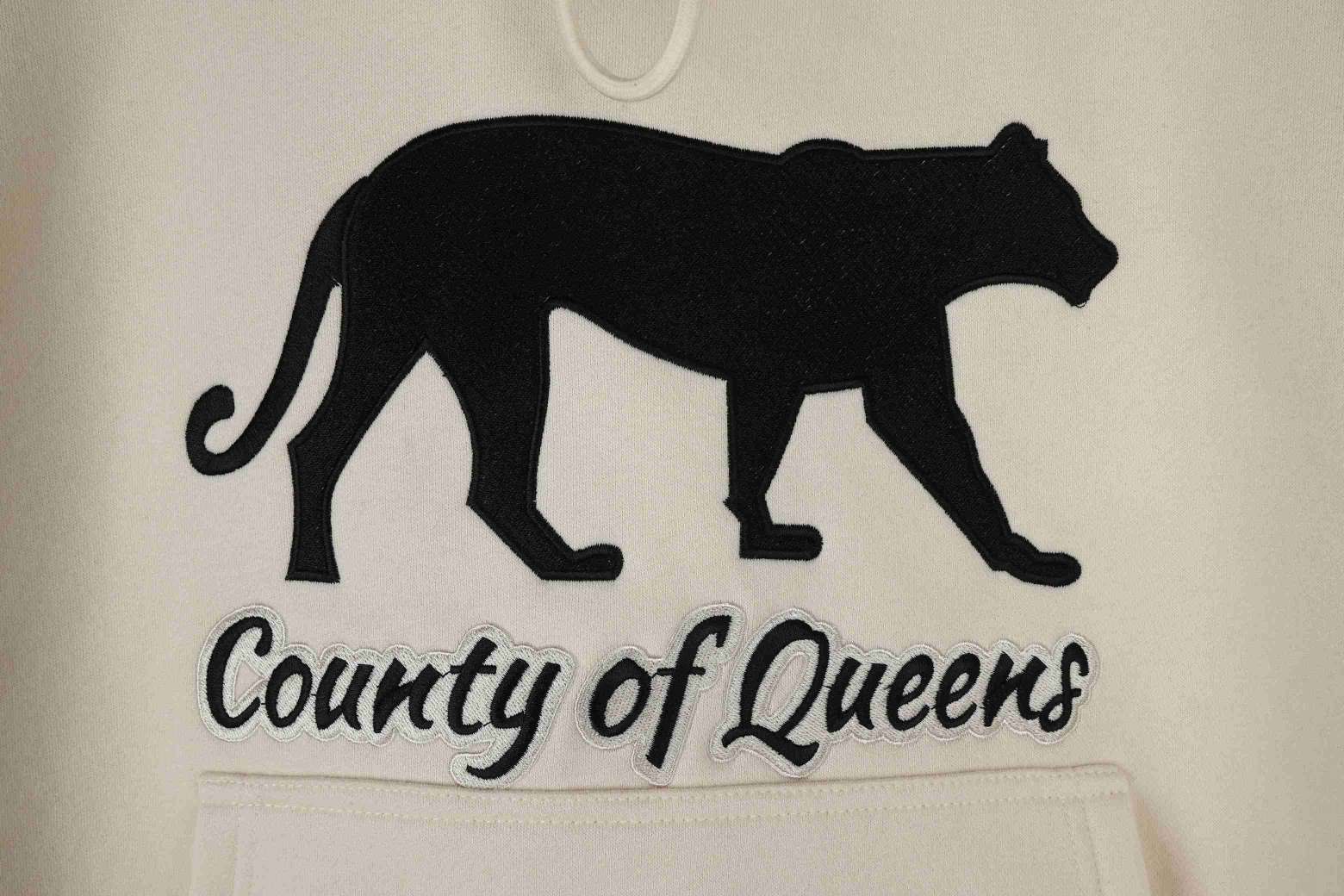
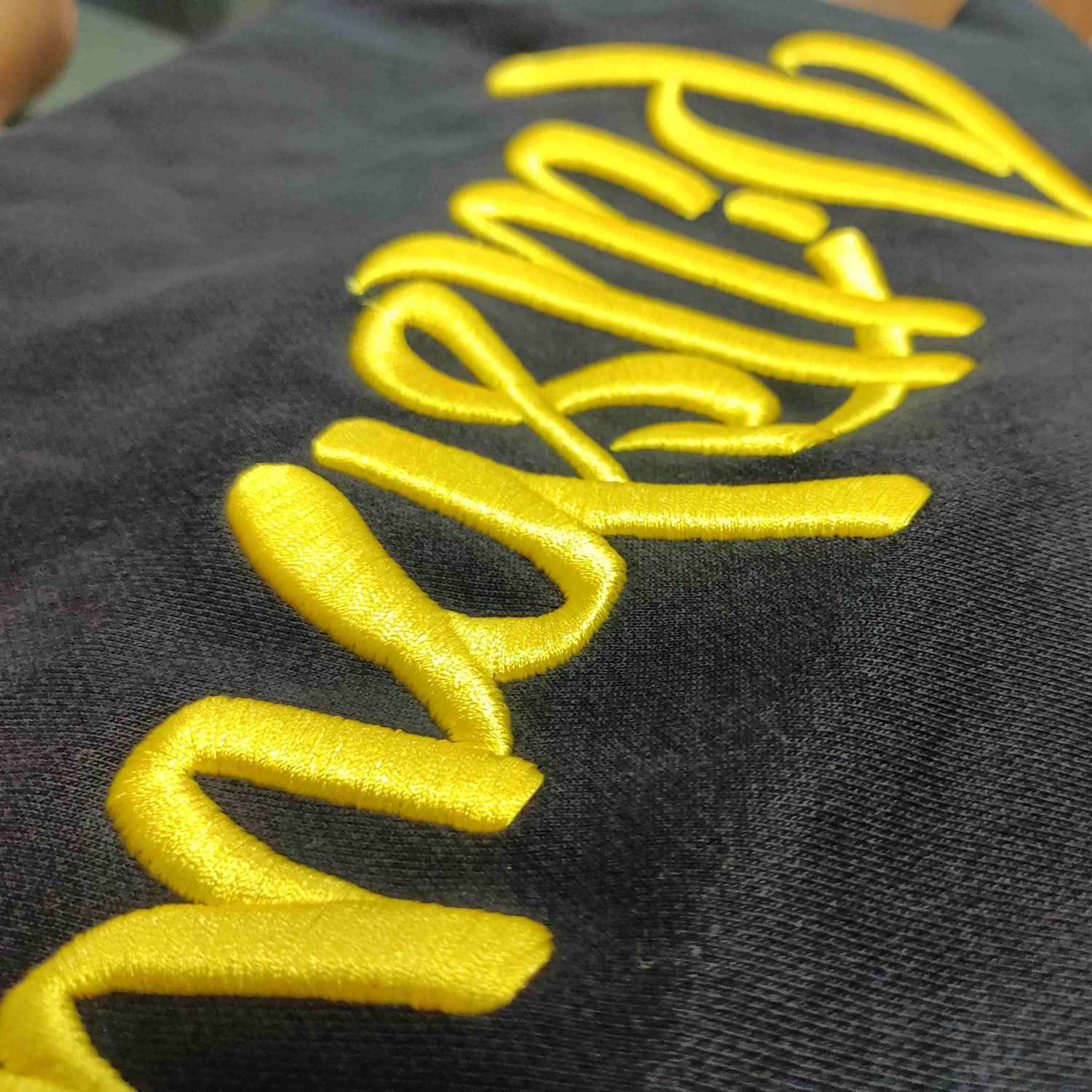
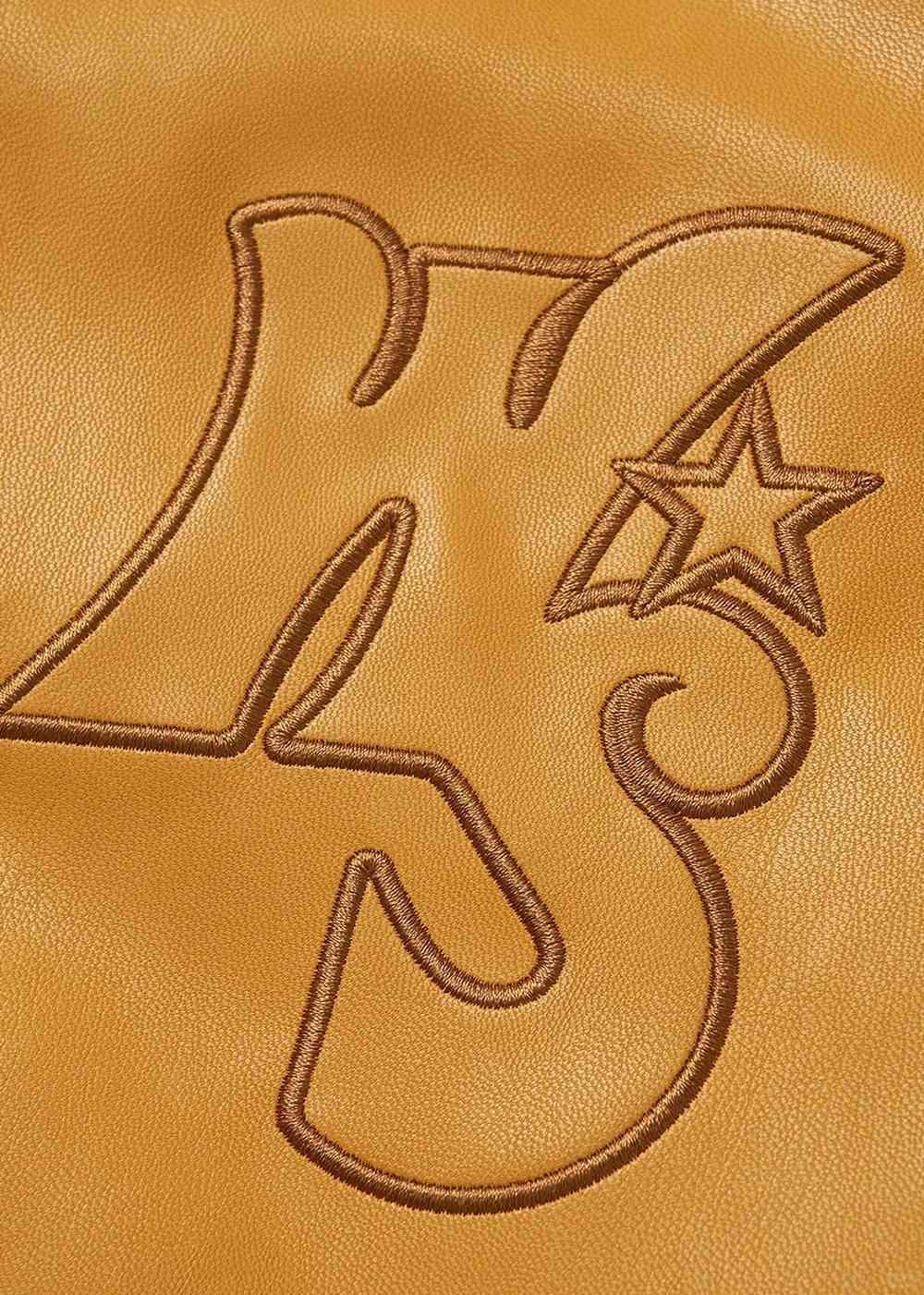
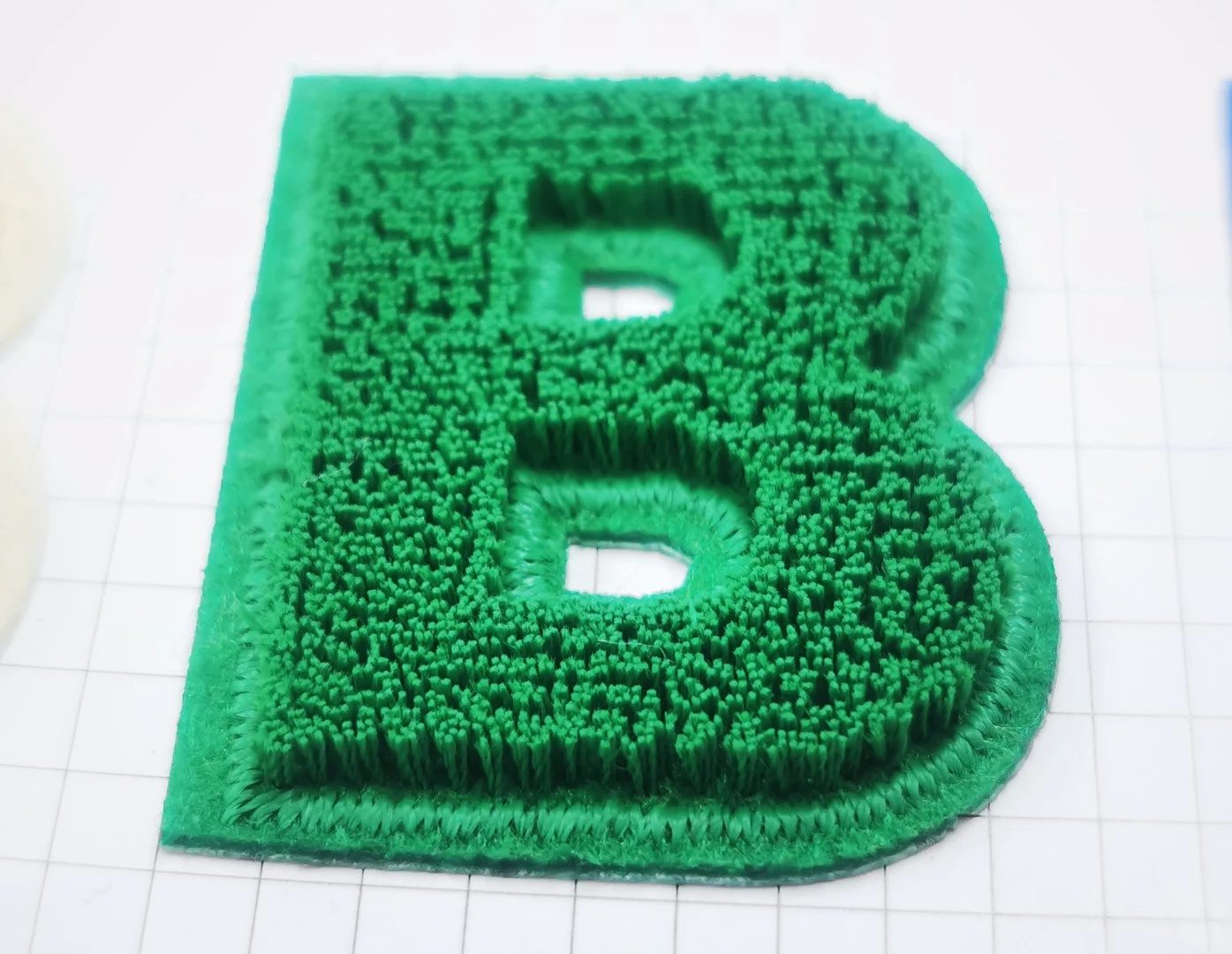
What Makes 3D Puff Embroidery Sweaters Distinctive
Raised Tactile Texture
Foam backing beneath the thread creates a soft, dimensional surface that stands out to the touch and elevates brand logos.
Bold Visual Impact
Three-dimensional relief adds depth and shadow, making designs more eye-catching than flat embroidery on any knitwear silhouette.
Thread Durability
High-quality polyester or rayon threads lock securely over foam, ensuring colors and shapes resist fading through wash and wear.
Design Flexibility
Works seamlessly with intarsia, jacquard, cable, and ribbed knits, adding dimension to logos, lettering, and custom graphics.
Premium Brand Perception
The textured finish signals craftsmanship and attention to detail, helping your sweater stand out in competitive retail markets.
Low MOQ from 100 Pieces
CENWILD’s in-house embroidery setup supports 3D puff embroidery sweater production starting at just 100 units per design.
Related Embroidery & Decoration Techniques
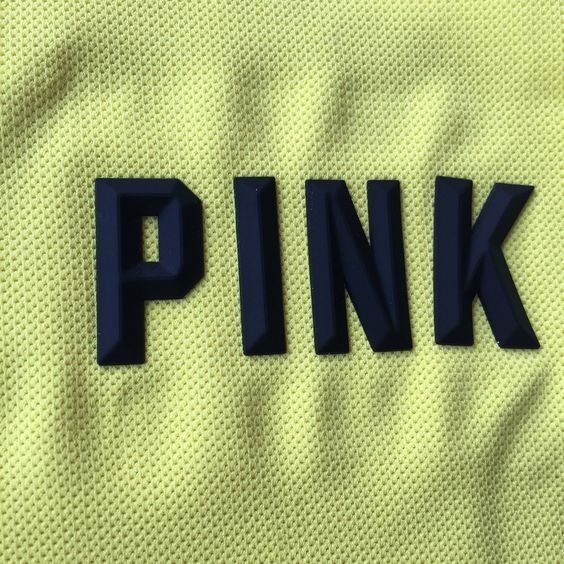
Embroidery on Knitwear
CENWILD’s custom sweater embroidery service covers flat, 3D puff, chain-stitch, appliqué, sequin, and patch decoration across all knitwear styles. Our in-house embroidery workshop handles logo placement, monograms, graphics, and full-panel designs on cashmere, merino, cotton, and blended knits with precise thread tension and hoop control for stretch fabrics.
Get a Quote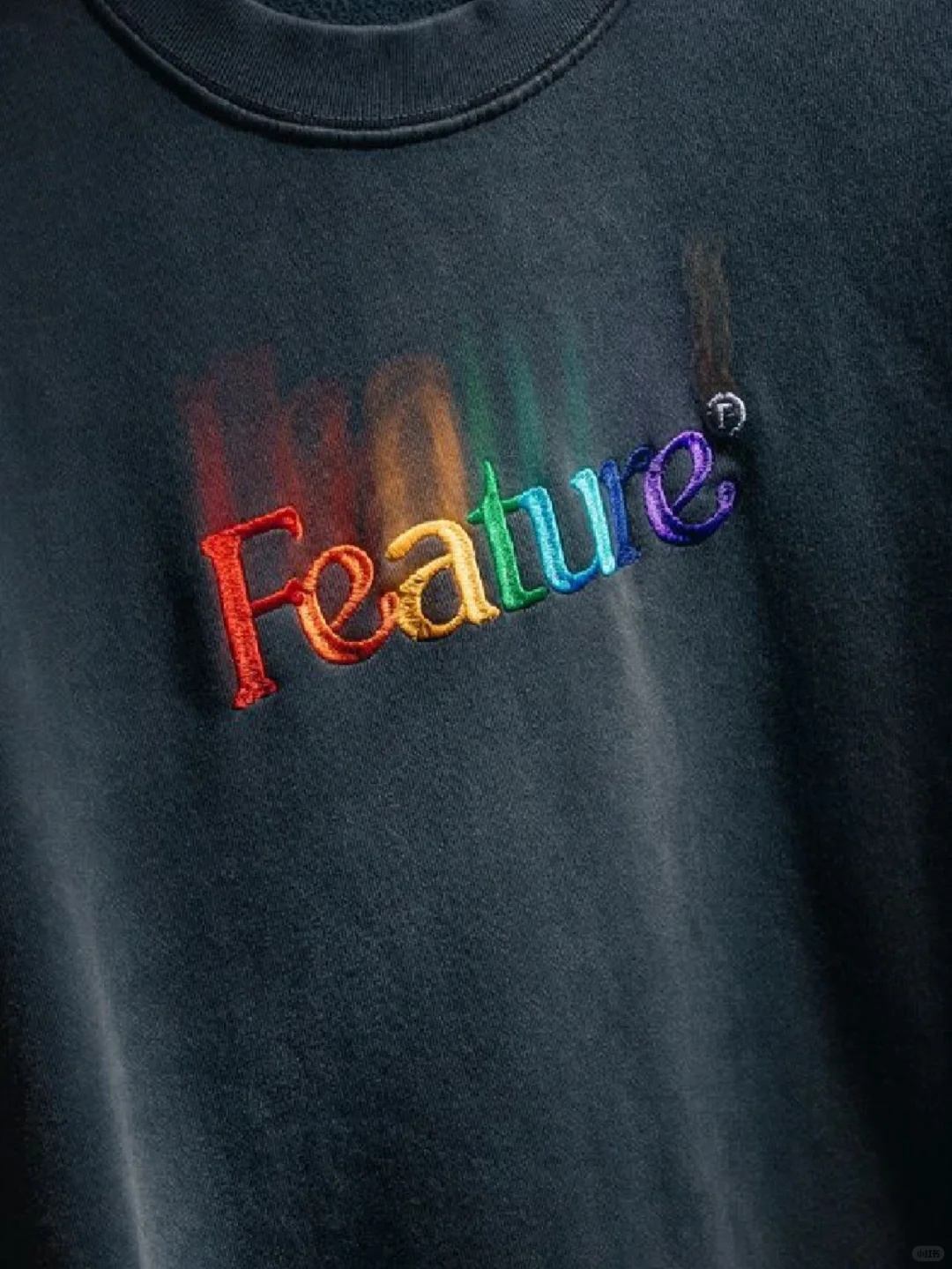
Flat Embroidery
Flat embroidery sweater decoration delivers clean, professional logo and text placement on chest, sleeve, and back panels. We digitize artwork, program stitch density for knit substrates, and execute multi-color designs with minimal puckering. Ideal for branded corporate knitwear, team uniforms, and retail collections requiring durable, wash-fast embroidery.
Get a Quote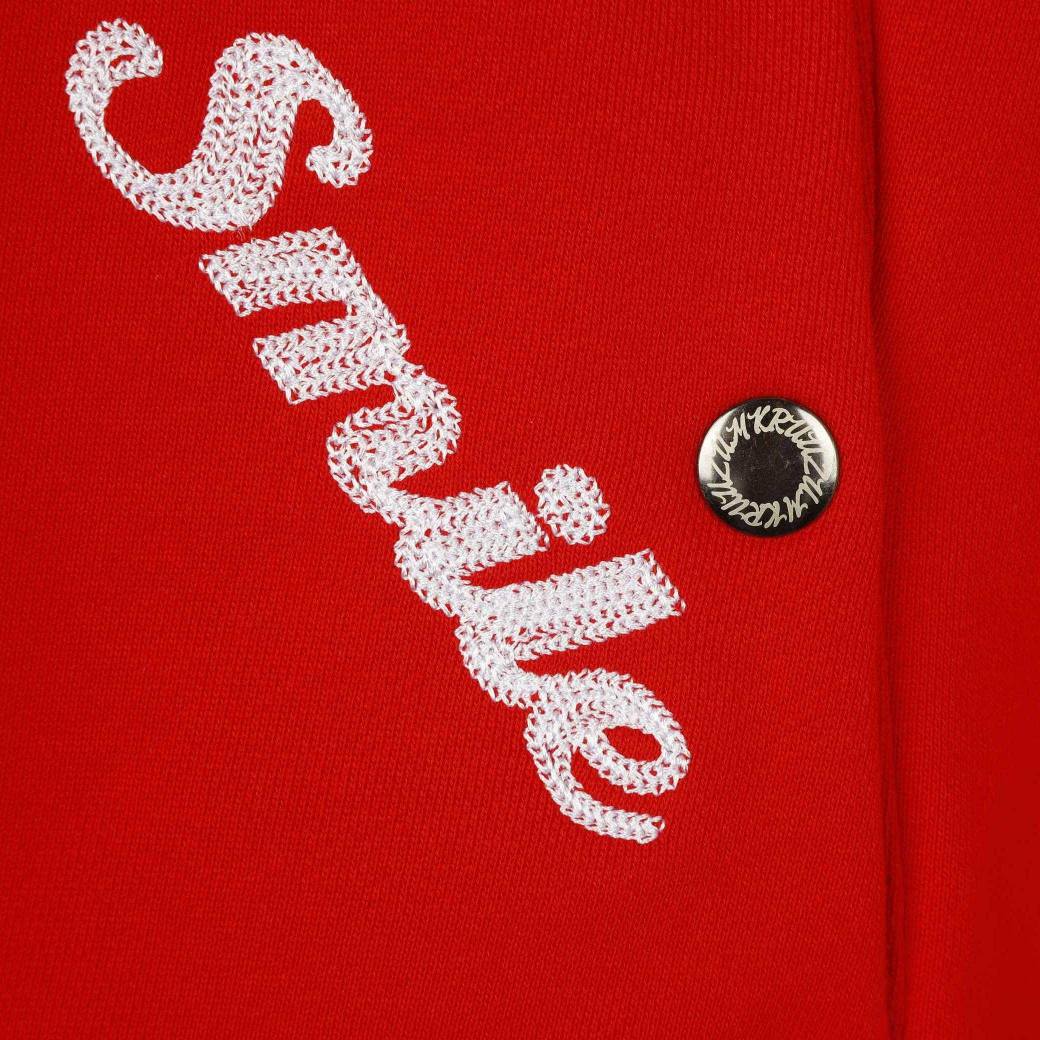
Chain Stitch Embroidery
Chain stitch embroidery adds a vintage, hand-crafted aesthetic to sweaters and cardigans with continuous looped stitching. Popular for retro varsity lettering, decorative borders, and artisan-style graphics on pullovers and knit jackets. Our chain-stitch heads handle fine-gauge and mid-gauge knits without distortion, suitable for heritage and streetwear brands.
Get a Quote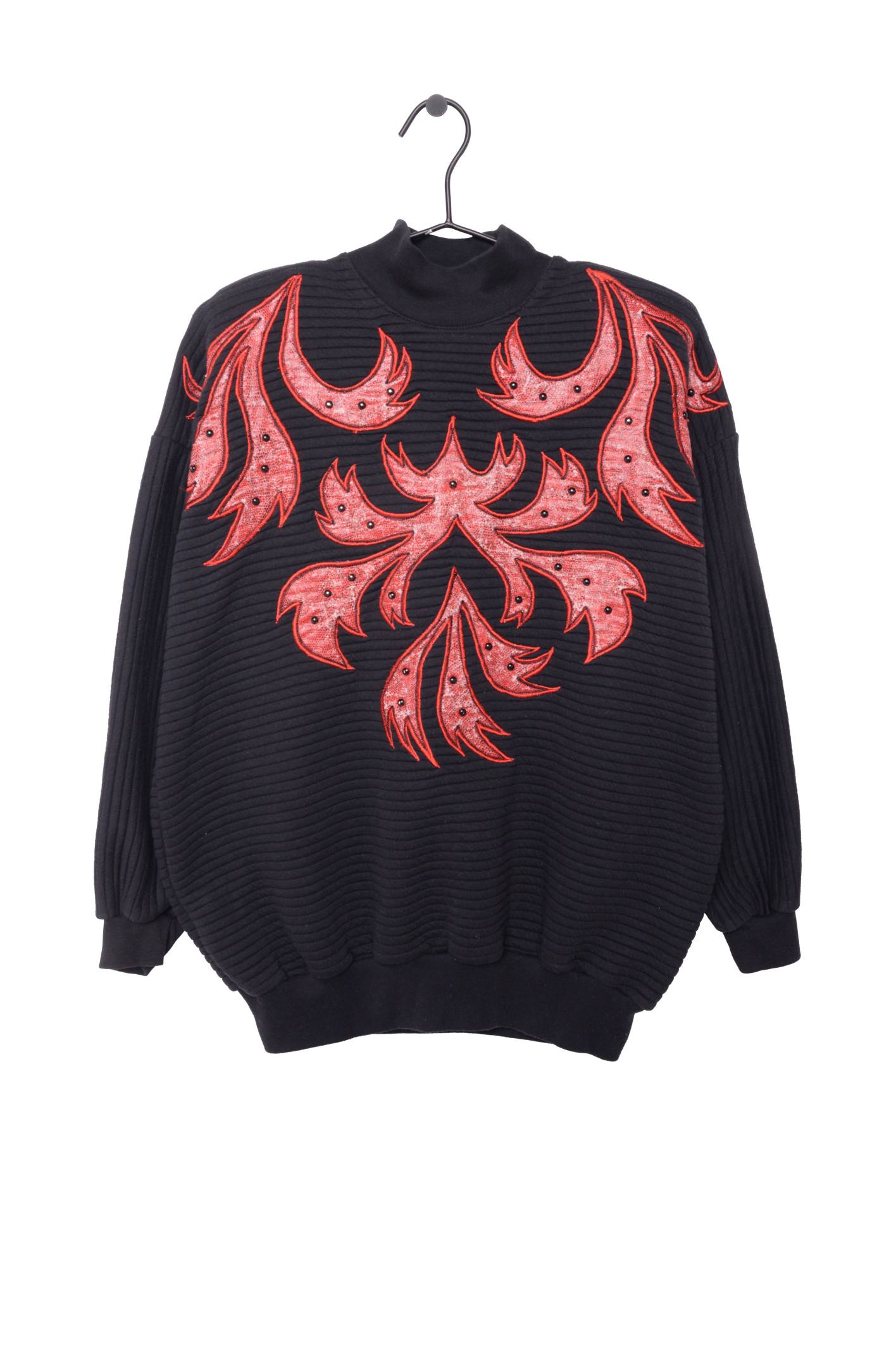
Applique Embroidery
Appliqué embroidery sweater techniques layer fabric, felt, or chenille patches onto knitwear, secured by satin or zigzag stitch. We cut custom shapes, position appliqués, and embroider borders for dimensional logos, varsity letters, and decorative motifs. Combines texture and color depth, especially effective on college-style cardigans and children’s knitwear.
Get a Quote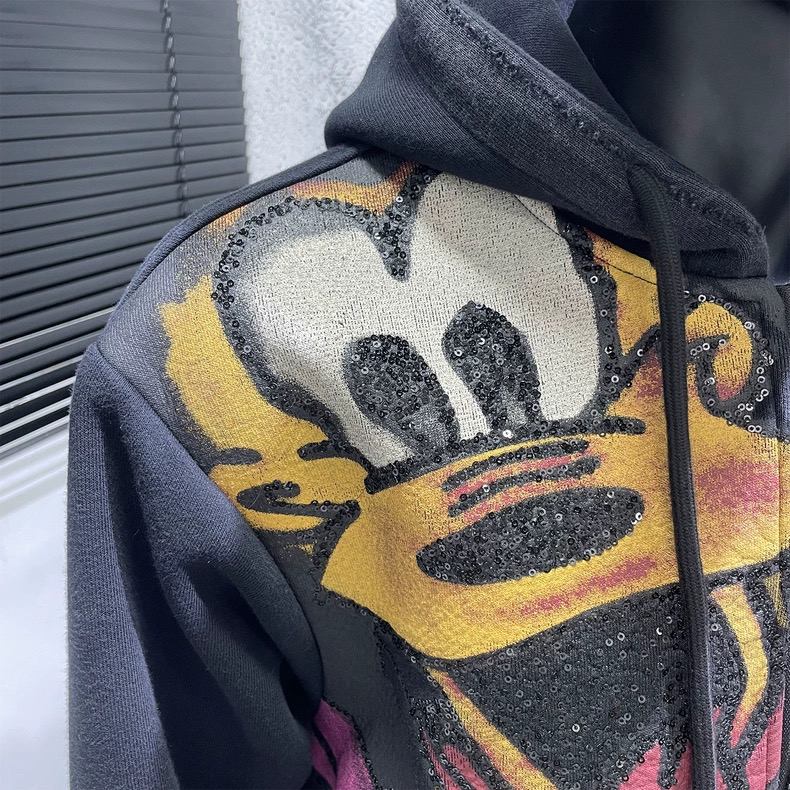
Sequin Embroidery
Sequin embroidery integrates metallic or iridescent sequins into sweater designs for evening wear, holiday collections, and statement pieces. Our machines stitch sequins individually or in continuous runs, combined with thread embroidery for logos, graphics, or all-over sparkle. Compatible with fine and mid-gauge knits; popular for custom Christmas sweaters and party knitwear.
Get a Quote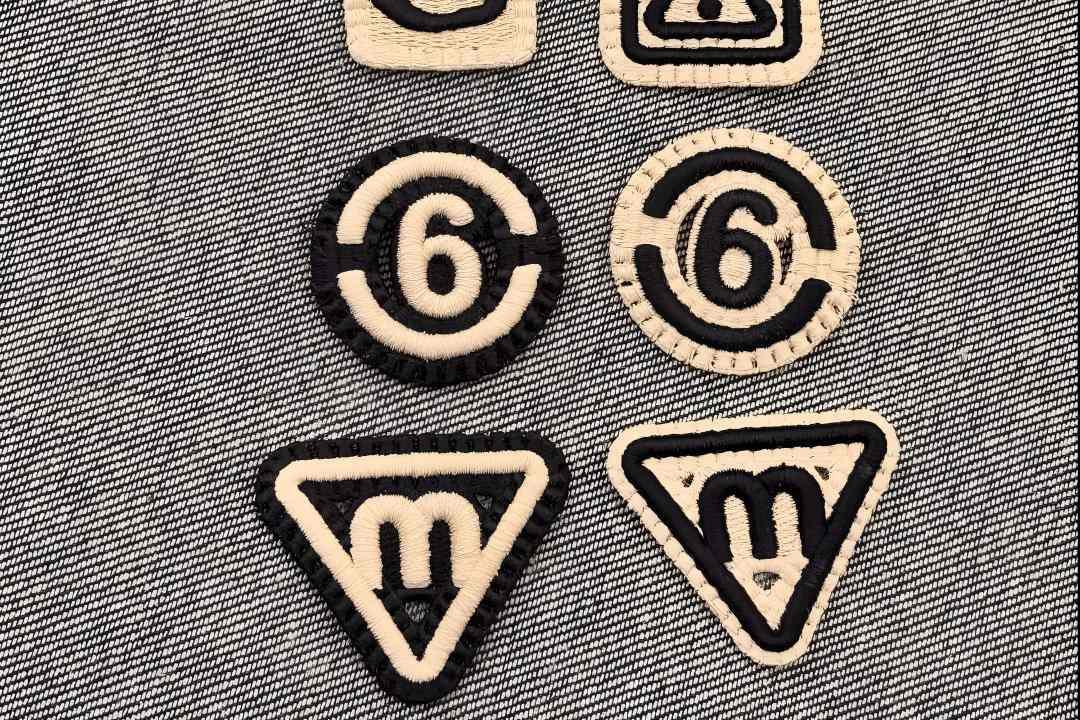
Custom Embroidered Patches
Custom embroidered patches are woven or embroidered separately, then heat-sealed or sewn onto sweaters, cardigans, and pullovers. We produce chenille, woven damask, and traditional embroidered patches in any shape, with merrowed or laser-cut edges. Ideal for brand labels, limited-edition collaborations, team insignia, and removable decoration on private-label knitwear.
Get a Quote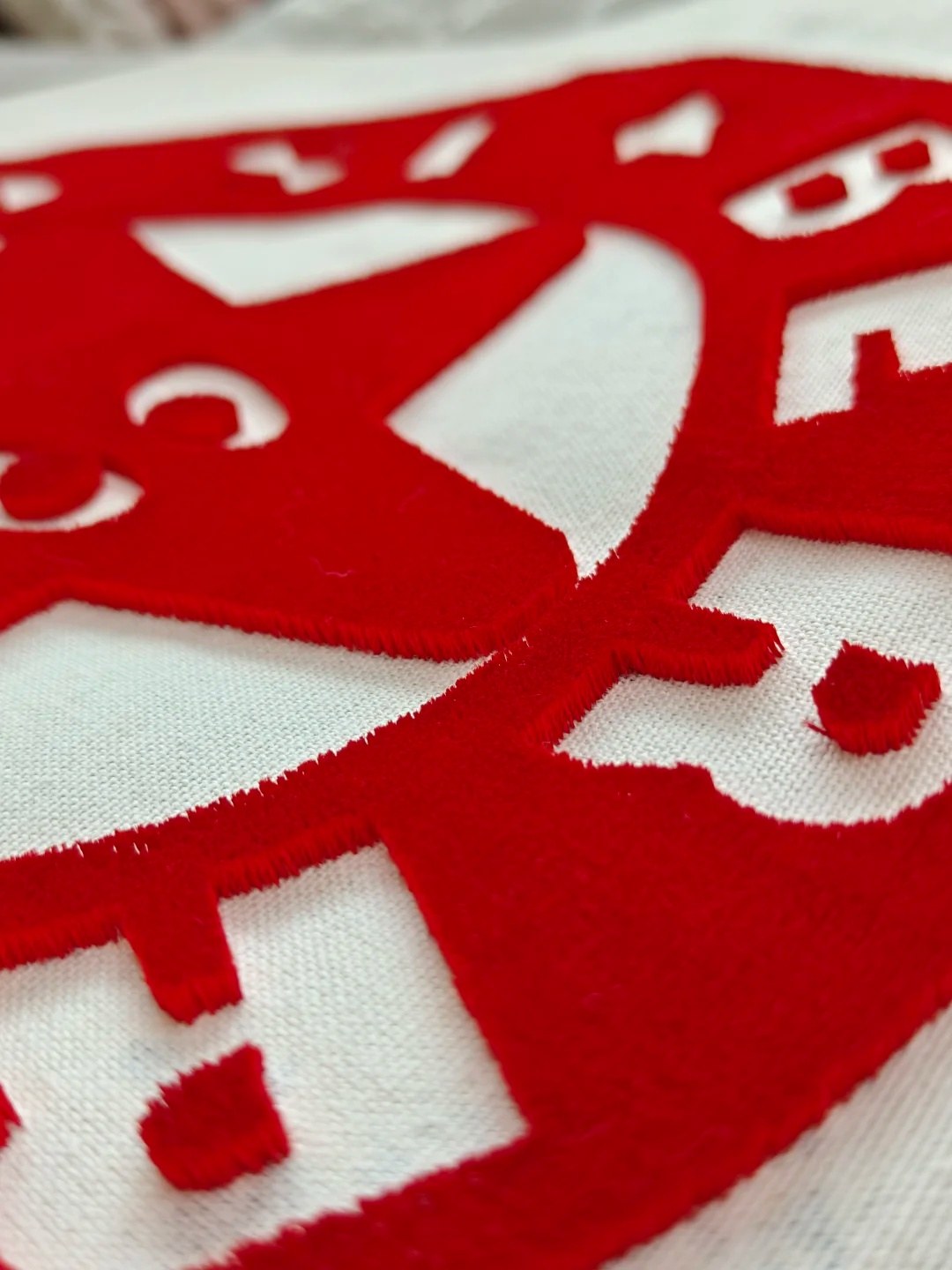
Logo Embroidery on Knit
Custom logo sweater production at CENWILD supports embroidered, intarsia-knit, jacquard, and printed logo placement across all sweater styles. We digitize vector files, knit or embroider logos during production, and ensure color matching and placement accuracy. MOQ from 100 pieces; suitable for corporate gifts, promotional knitwear, retail branding, and influencer merchandise.
Get a Quote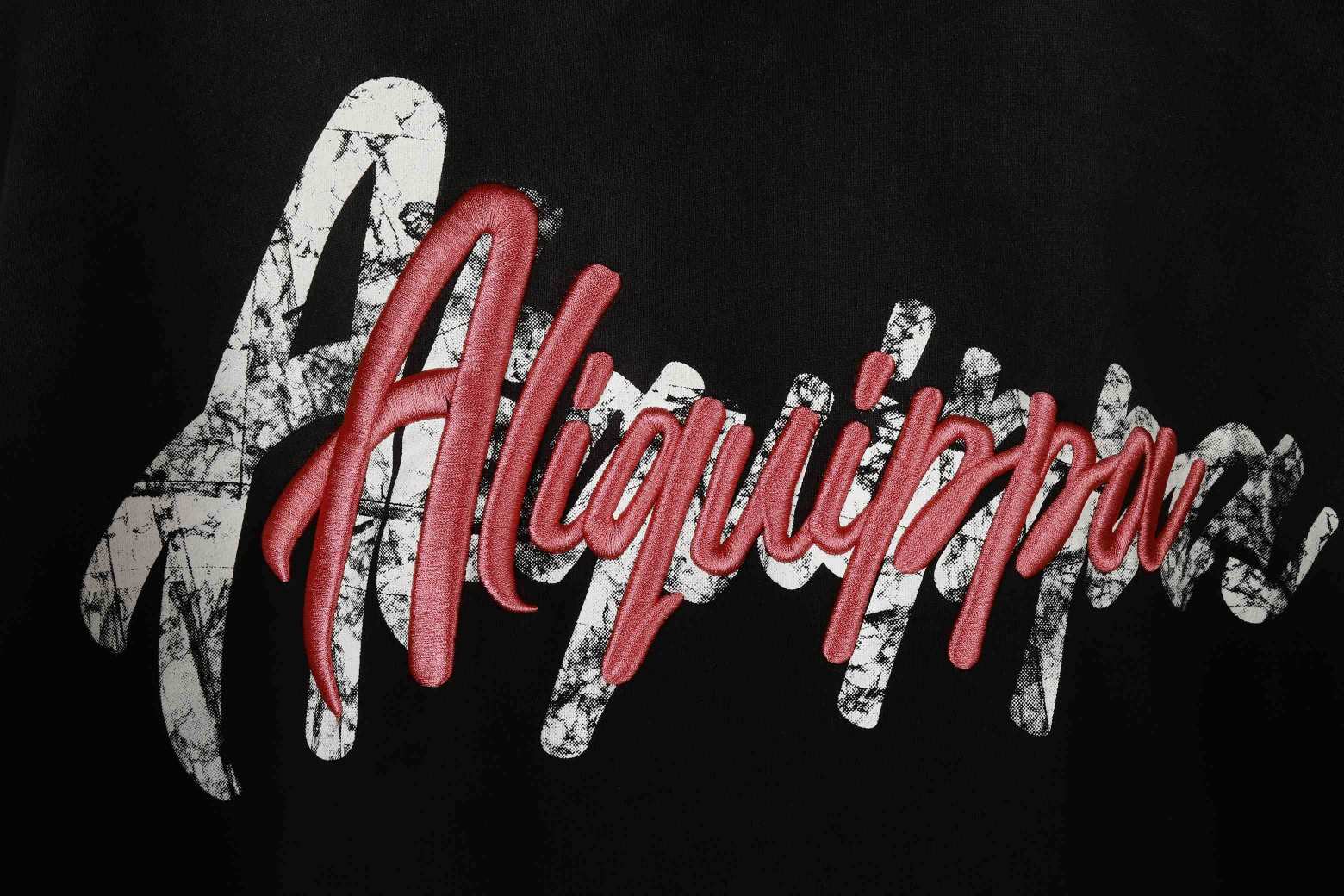
Custom Cardigan
Custom cardigan manufacturing includes button-front, zip, open-front, and shawl-collar styles in any gauge, yarn, and decoration method. CENWILD knits cardigans from concept or tech pack, with options for embroidery, intarsia, jacquard, pockets, and custom trims. Serving independent designers, fashion brands, and retailers with MOQ from 100 pieces and full ODM design support.
Get a Quote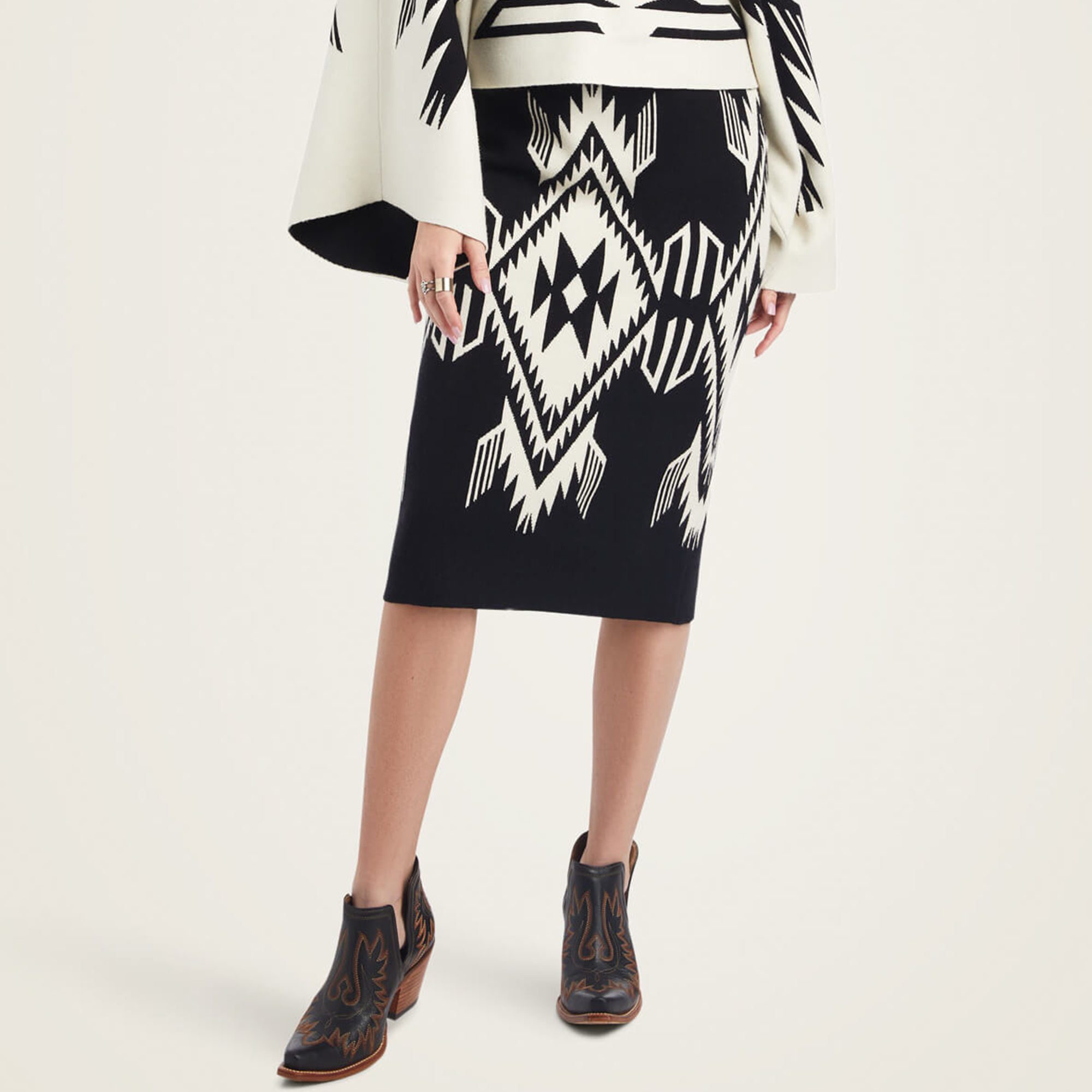
Cardigan Sweater Manufacturer
As a cardigan sweater manufacturer with over 28 years in Dongguan, CENWILD produces OEM and private-label cardigans in cashmere, merino, cotton, and blended yarns across 3GG to 14GG gauges. We handle sampling, knitting, linking, embroidery, washing, and packaging in-house. Monthly capacity exceeds 80,000 pieces; flexible MOQ and payment terms for brands worldwide.
Get a QuoteCENWILD's 3D Puff Embroidery Sweater Expertise
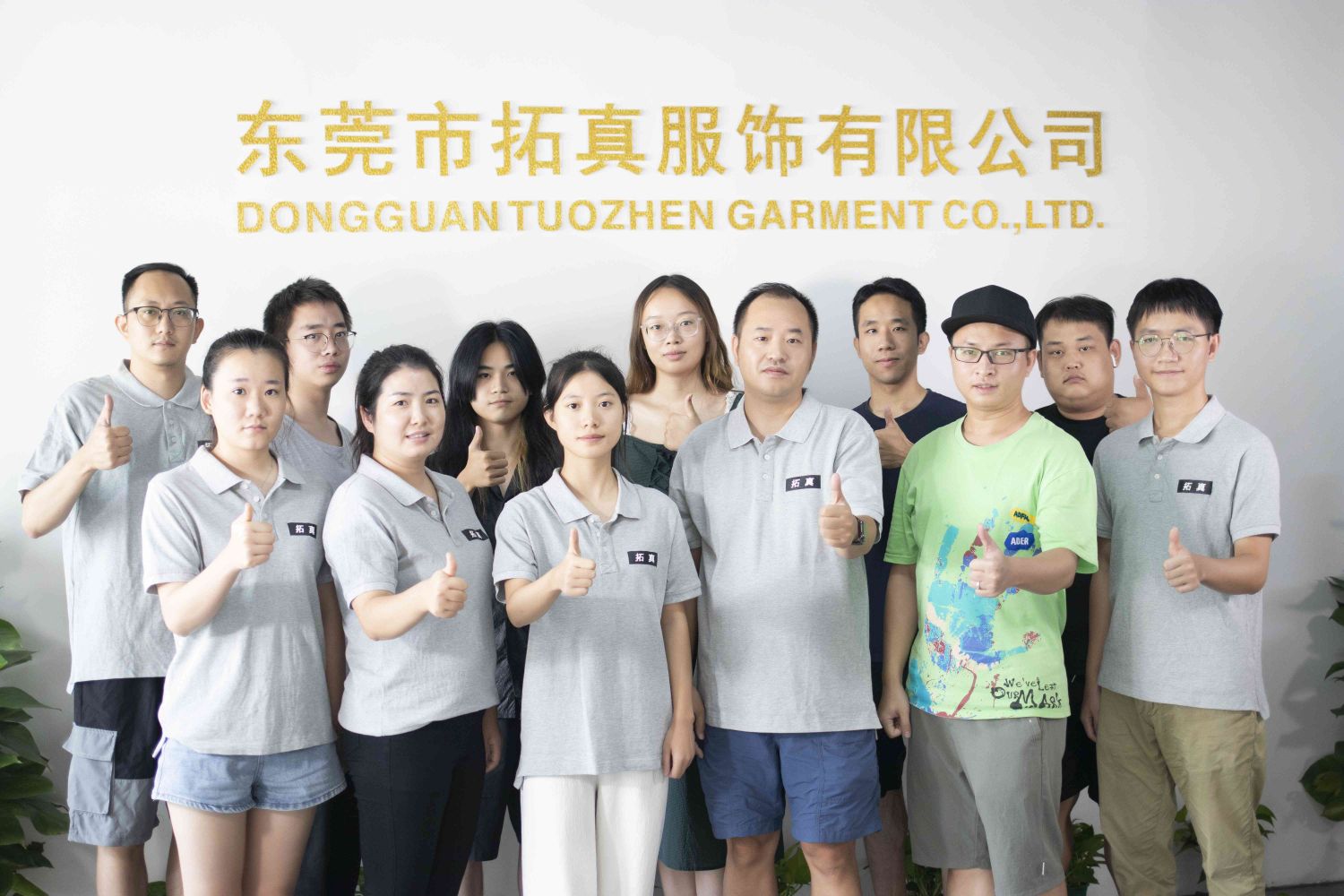
Since 1998, CENWILD has refined every aspect of custom knitwear manufacturing in Dongguan, China — including advanced embroidery techniques like 3D puff embroidery. Our in-house decoration workshop houses multi-head embroidery machines capable of flat, 3D puff, chain-stitch, appliqué, sequin, and patch work, all backed by skilled technicians who understand how raised foam embroidery interacts with knit fabrics.
We’ve produced 3D puff embroidery sweaters for over 2,000 fashion brands worldwide, from independent designers launching bold streetwear lines to established retailers seeking signature logo treatments. Every 3D puff embroidery sweater passes through rigorous quality checks — foam height consistency, stitch density, color matching, and wash durability — ensuring your raised designs retain their dimension and impact through wear and care.
Whether you need OEM production from your tech pack or ODM development starting with a sketch, CENWILD delivers end-to-end 3D puff embroidery sweater manufacturing with MOQ from just 100 pieces. Our decades of knitwear experience, combined with dedicated sampling and decoration capabilities, make us the manufacturing partner behind growing brands across the United States, Europe, Canada, Australia, and beyond.
3D Puff Embroidery Sweater: Technique & Quality Control
Foam Underlay Selection & Placement
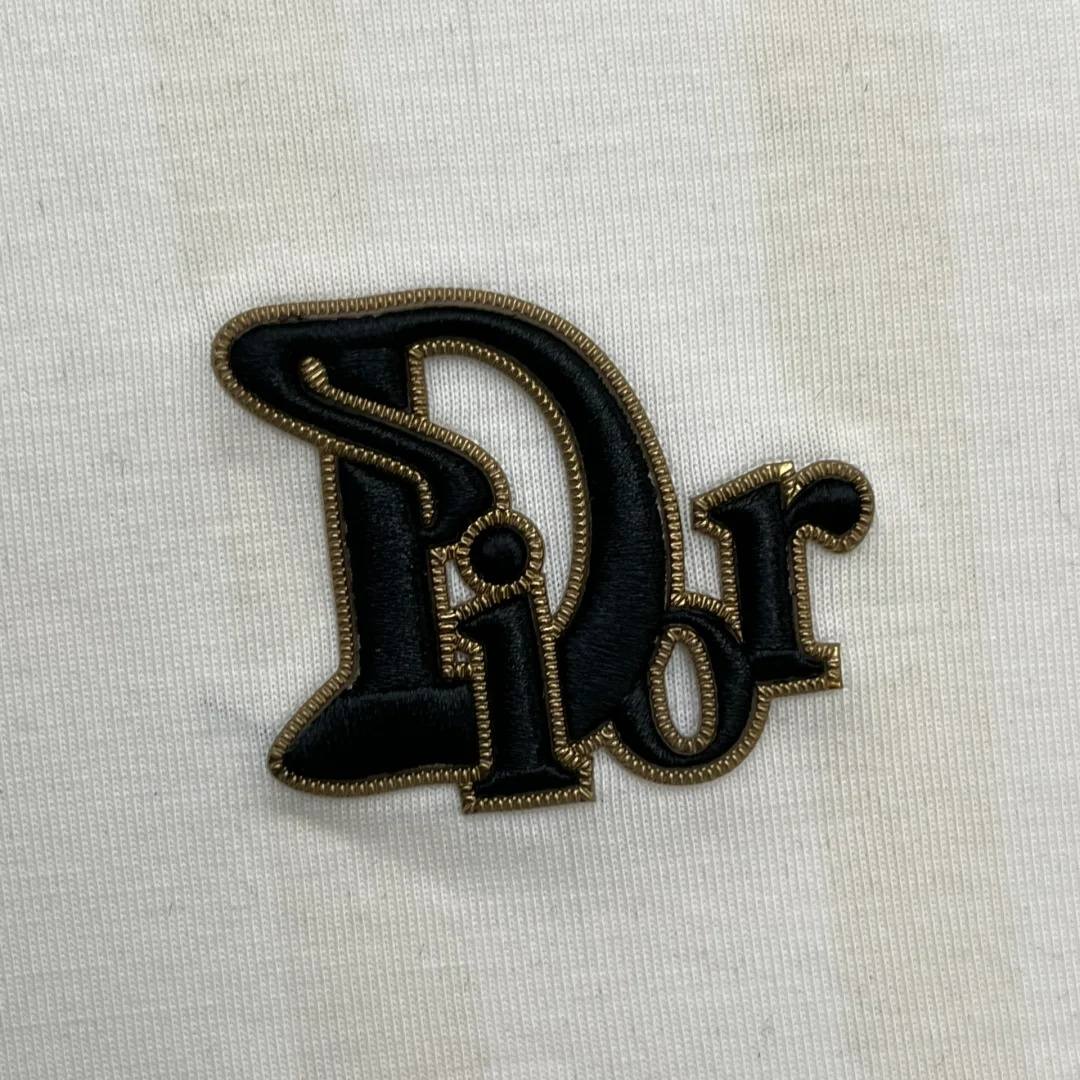
The foundation of every 3D puff embroidery sweater begins with precision foam underlay. CENWILD selects EVA foam thickness—2mm, 3mm, or 4mm—based on design height requirements, then laser-cuts each piece to match your artwork exactly before placement beneath the embroidery field.
- Foam density matched to knit fabric weight and stretch to prevent distortion
- Laser-cut templates ensure repeatable placement across production runs
- Heat-resistant foam grades withstand curing temperatures without shrinkage
- Custom foam color options available to enhance or contrast thread palette
Thread Tension & Stitch Density Calibration
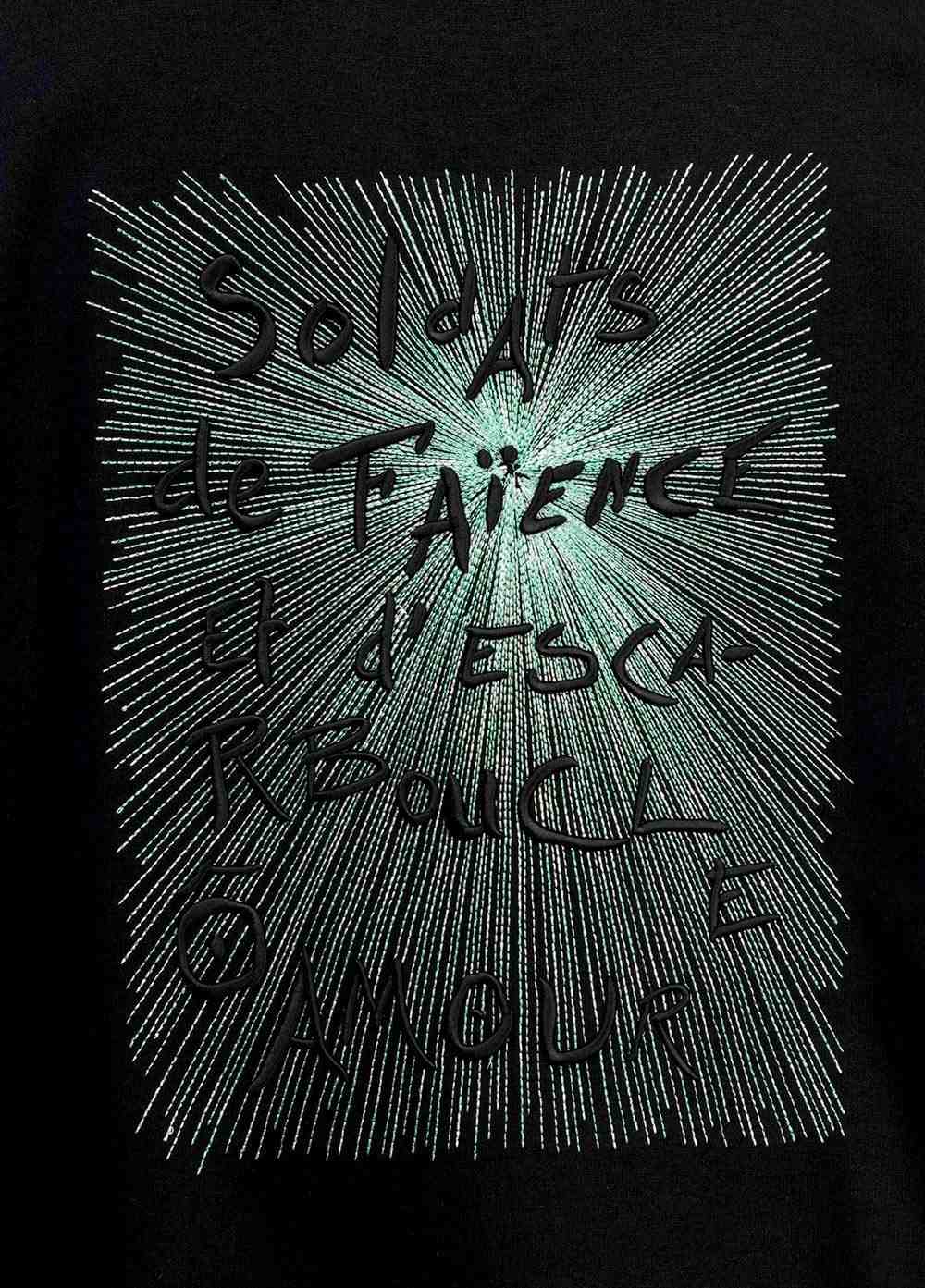
Achieving uniform puff height across a 3D puff embroidery sweater demands calibrated tension and stitch programming. Our embroidery technicians adjust upper and bobbin thread tension, stitch density, and pull compensation on every design to account for knitwear stretch and foam compression.
- Pre-production test runs on matching yarn gauge and stitch structure
- Stitch density optimized to compress foam evenly without over-penetration
- Thread tension balanced to prevent puckering on delicate knit substrates
- Digital embroidery files programmed with underlay stitches for fabric stabilization
Heat Curing & Dimensional Stability
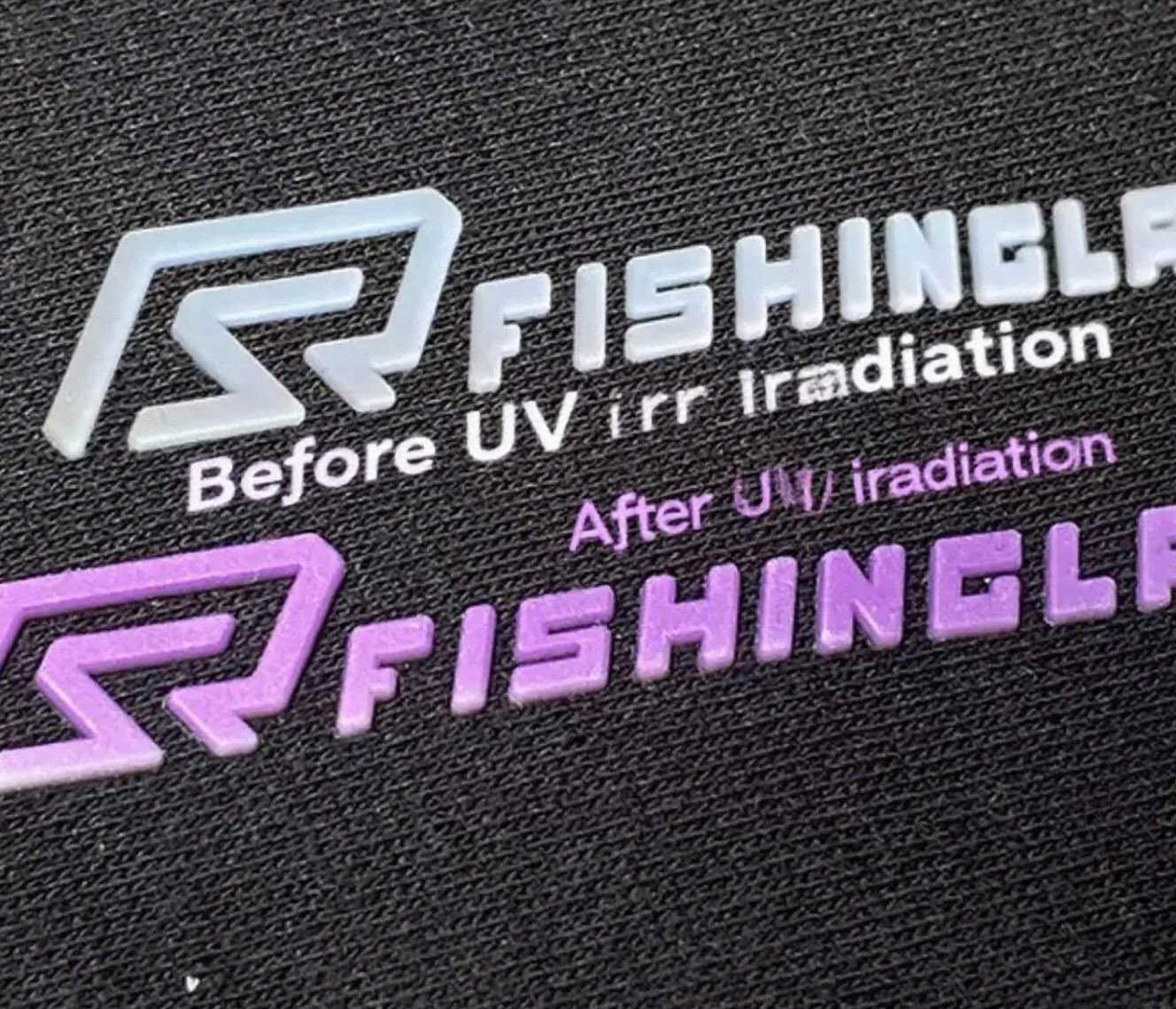
After stitching, each 3D puff embroidery sweater enters a controlled heat-curing cycle. CENWILD applies precise temperature and dwell time to expand the foam, lock the raised profile, and bond the embroidery permanently—without scorching yarn or altering knit hand-feel.
- Temperature profiling tailored to yarn fiber content (wool, cotton, acrylic blends)
- Timed heat exposure ensures full foam expansion and thread adhesion
- Post-cure inspection verifies uniform puff height and edge definition
- Cooling protocol prevents foam collapse and maintains dimensional accuracy
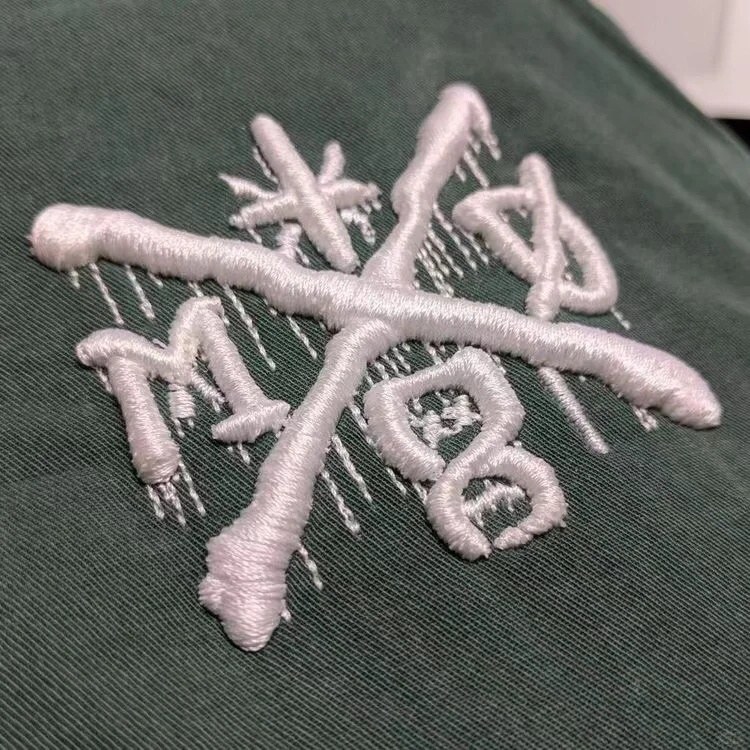
Durability Testing & Wash Fastness
Before bulk production, CENWILD subjects 3D puff embroidery sweater samples to accelerated wash and abrasion testing. We verify that foam remains intact, thread color holds fast, and puff height retention meets commercial laundering standards over repeated cycles.
- ISO-compliant wash testing at 30°C, 40°C, and tumble-dry conditions
- Abrasion resistance measured using Martindale method on high-contact zones
- Colorfastness graded against gray-scale standards for thread and yarn
- Documented test reports provided with pre-production samples for client approval
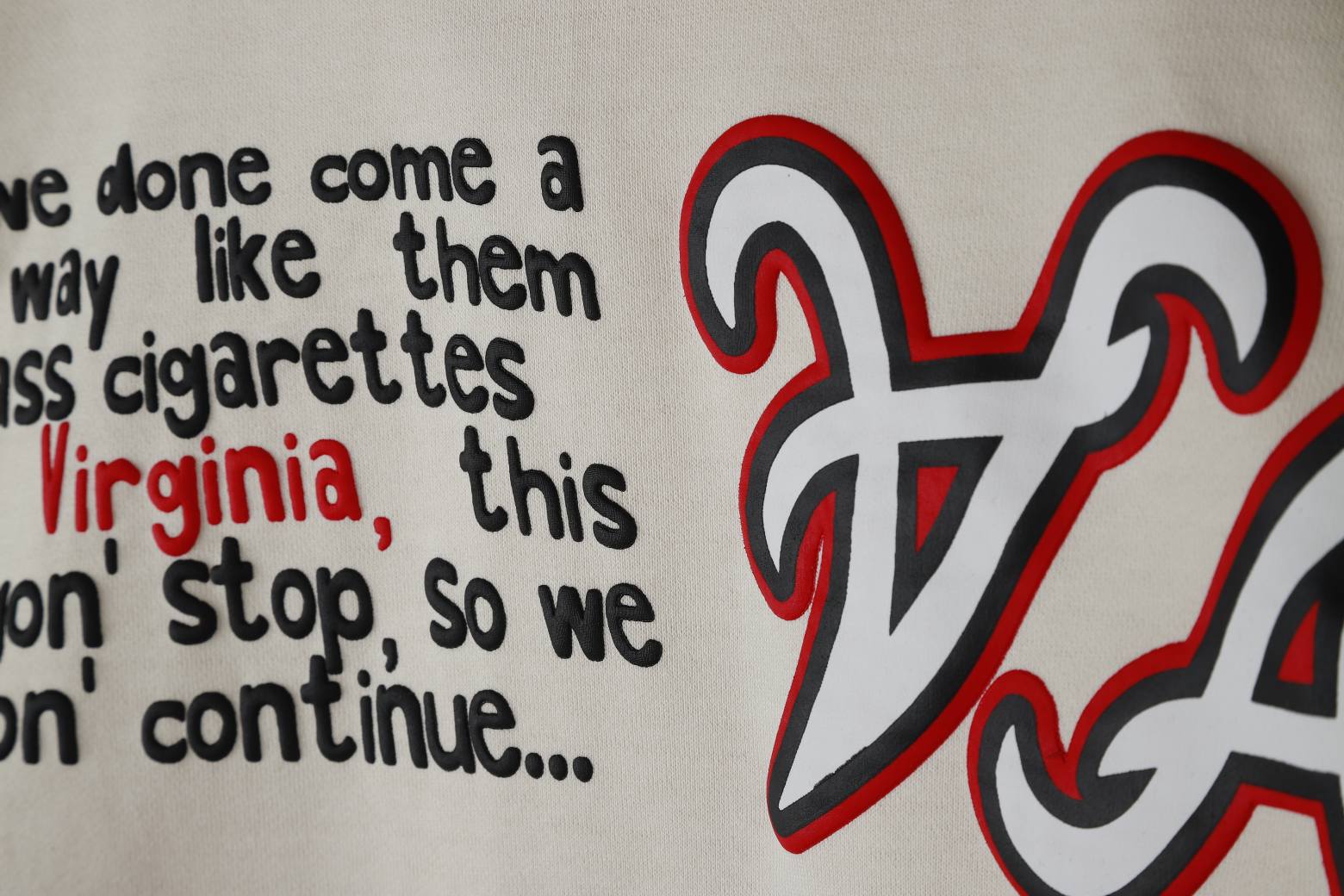
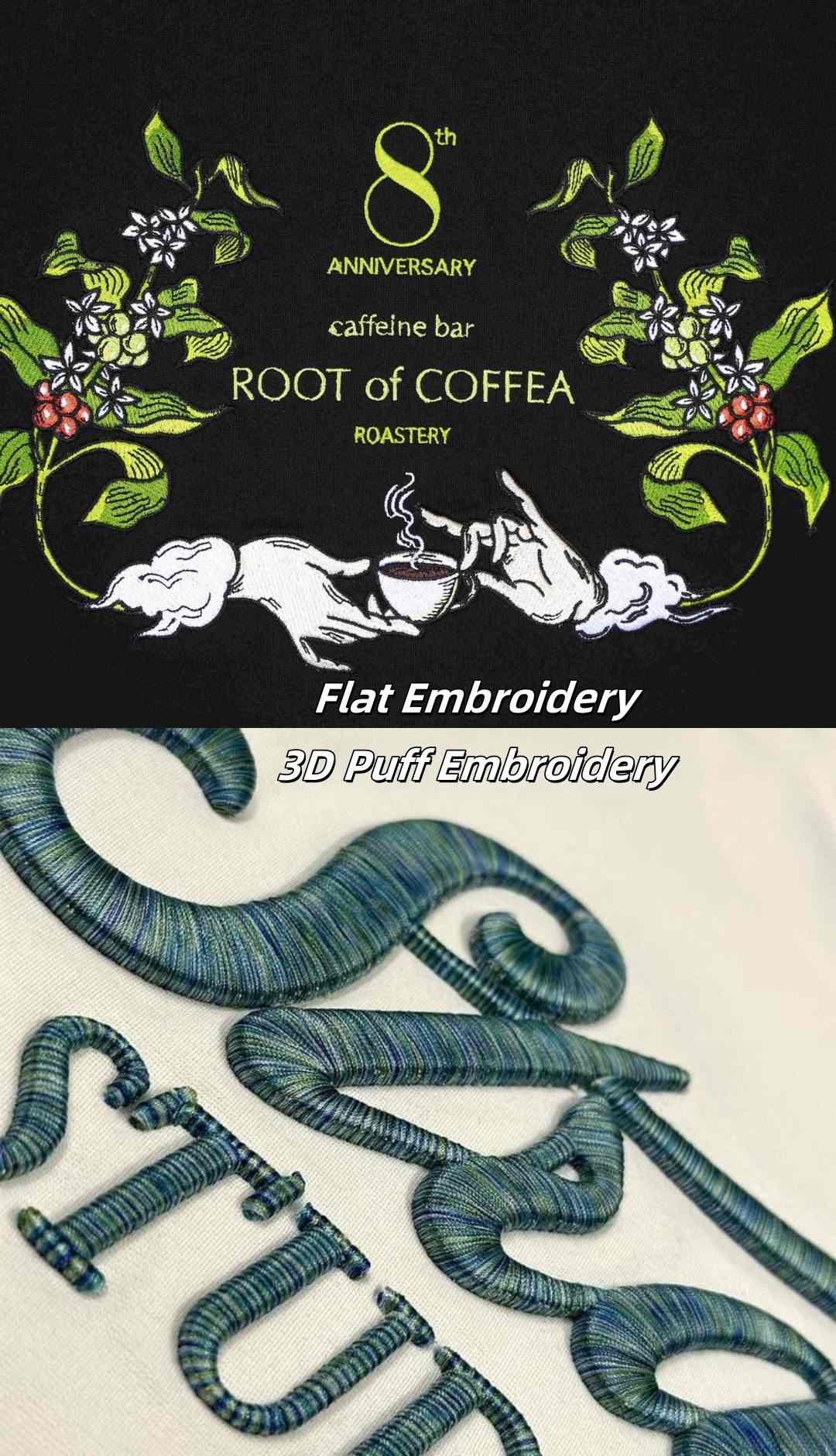
3D Puff Embroidery Sweater vs. Flat Embroidery
Understanding the key differences helps you choose the right decoration technique for your custom knitwear. CENWILD offers both 3D puff and flat embroidery in-house, with expert guidance on which method—or combination—best serves your design, fabric, and brand positioning.
← 左右滑动查看 →
3D Puff Embroidery Sweater Production Process
Every 3D puff embroidery sweater from CENWILD follows a precision six-phase workflow that ensures consistent foam height, stitch integrity, and dimensional stability across your entire order.
Design Digitization & Setup
Your artwork is converted into embroidery-ready files with stitch density, underlay, and foam-height parameters programmed to match your desired 3D puff effect and sweater fabric weight.
Foam Selection & Cutting
Special closed-cell foam sheets are selected by thickness and cut to match each embroidery area, ensuring uniform puff height and clean edge definition on the finished sweater.
Foam Placement & Stitching
Foam is positioned over the knit fabric and secured with a precise stitch sequence that penetrates both foam and sweater base, locking the design before heat activation.
Heat Curing & Expansion
Stitched sweaters pass through controlled heat treatment, causing the foam to expand and rise, creating the signature three-dimensional puff embroidery texture and volume.
Trimming & Finishing
Excess foam backing is carefully trimmed away, edges are cleaned, and each 3D puff embroidery sweater is brushed and inspected for stitch consistency and surface smoothness.
Quality Inspection & Packaging
Final QC checks puff height uniformity, stitch tension, colorfastness, and overall garment integrity before your custom 3D puff embroidery sweaters are folded, bagged, and prepared for shipment.
How to Order Custom 3D Puff Embroidery Sweaters
From design concept to finished production, CENWILD guides you through every step of creating raised, textured embroidery on knitwear with a low MOQ of just 100 pieces.
Submit Your Design & Specifications
Share your artwork, logo, or sketch along with preferred sweater style, yarn, and placement. Vector files (AI, EPS, PDF) ensure the cleanest 3D puff embroidery digitization.
Receive Digitized File & Quote
Our embroidery team digitizes your design for 3D puff foam underlay, confirms stitch count, thread colors, and provides a detailed quotation including sampling and production timelines.
Approve Your Pre-Production Sample
We knit and embroider a physical sample on your chosen fabric. Review height, texture, color match, and placement before committing to full production of your 3D puff embroidery sweater.
Confirm Order & Begin Production
Once you approve the sample, place your order from 100 pieces. CENWILD’s 28-year manufacturing experience ensures consistent quality, on-time delivery, and full export support.
Customer Success: 3D Puff Embroidery Sweater Orders
CENWILD delivered our 3D puff embroidery sweater collection with perfect logo height and texture. Zero defects across 500 pieces, and our customers love the premium raised detail. Repeat order already placed.
The 3D puff embroidery on our holiday sweaters exceeded expectations. Designs stayed crisp through washing, delivery was two days early, and the MOQ of 150 pieces fit our launch budget perfectly.
We needed bold, raised logos for our streetwear line. CENWILD’s sampling accuracy was 98% on first attempt, production turnaround was 28 days, and the puff embroidery durability has been flawless after six months.
FAQ: 3D Puff Embroidery Sweater Production
What is the minimum order quantity for a 3D puff embroidery sweater?
Which sweater fabrics work best with 3D puff embroidery?
What is the maximum design size for 3D puff embroidery on sweaters?
Can I combine 3D puff embroidery with other decoration techniques on the same sweater?
How durable is 3D puff embroidery on sweaters after washing?
What lead time should I expect for custom 3D puff embroidery sweater production?
What artwork file format do you need for 3D puff embroidery?
How much does a 3D puff embroidery sweater sample cost?
Can 3D puff embroidery sweaters be produced in multiple colorways?
The Complete Buyer’s Guide to 3D Puff Embroidery Sweater for Fashion Brands
Navigate sourcing decisions with confidence. This guide delivers a proven decision framework, essential supplier criteria, material comparisons, customization options, and the most common mistakes buyers make when ordering 3D puff embroidery sweaters.
1. What Is a 3D Puff Embroidery Sweater?
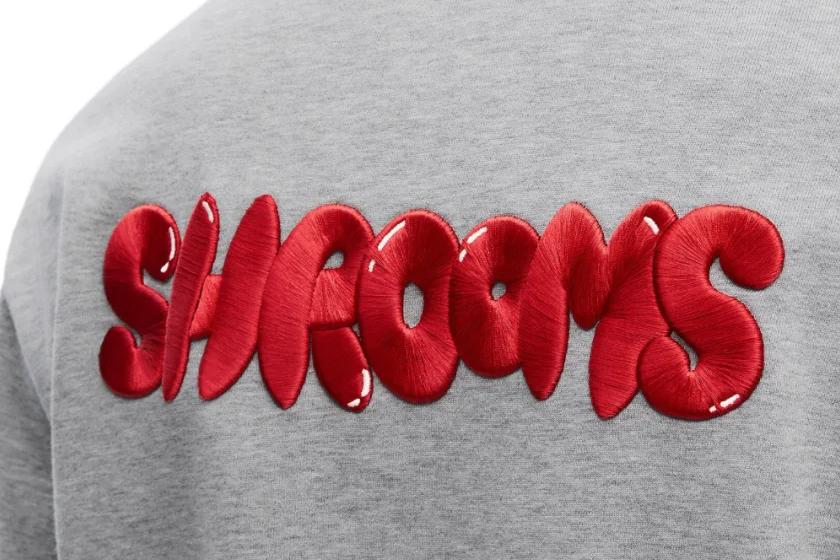
A 3d puff embroidery sweater is a knit garment decorated with raised, three-dimensional embroidery achieved by stitching over a foam underlay that expands under heat, creating logos, graphics, or text that stand 2–4 mm above the fabric surface. Unlike standard flat embroidery, which lies flush with the knit, puff embroidery delivers tactile depth and bold visual impact that photographs and retails exceptionally well.
The foam sheet — typically polyurethane or EVA, 2–3 mm thick before expansion — is placed between the backing stabilizer and the needle path. After stitching, heat from the embroidery machine or a press causes the foam to puff, locking the raised shape permanently. The technique works across cotton, acrylic, wool, and blended sweaters in gauges from 3GG to 14GG.
Streetwear brands, athleisure labels, and influencer merchandise lines favor 3d puff embroidery sweaters because the dimensional logos mimic high-end varsity and heritage sportswear at accessible price points. The texture elevates perceived value, differentiates SKUs in crowded online catalogs, and drives social-media engagement through close-up detail shots.
2. Evolution and History of 3D Puff Embroidery in Knitwear
Puff embroidery emerged in the early 1980s on varsity jackets and athletic caps, where polyurethane foam underlays created raised lettering that could withstand repeated washing. By the mid-1990s major sportswear brands adopted the technique for team logos, driving refinements in closed-cell foam density and heat resistance that reduced cracking and flattening after 50+ laundry cycles.
The shift from headwear to knitwear accelerated after 2015, when streetwear labels began layering 3D puff logos onto fleece hoodies and crewneck sweaters to differentiate custom drops. Advances in water-soluble stabilizers and multi-needle embroidery machines enabled precise registration on stretch knit fabrics, solving the puckering issues that had previously limited puff work to woven twill.
Today the 3D puff embroidery sweater anchors custom apparel lines because it delivers tactile brand presence at accessible minimums — many manufacturers including CENWILD offer puff decoration from 100 pieces — while foam material costs remain under $0.15 per logo at production scale, making it a high-margin differentiation tool for emerging and established labels alike.
3. Types of 3D Puff Embroidery Sweaters
The 3d puff embroidery sweater category spans five core silhouettes, each suited to different placements, fabric weights, and customer segments. Matching garment type to your brand aesthetic and target market determines both decoration success and sell-through.
Crewneck Sweaters
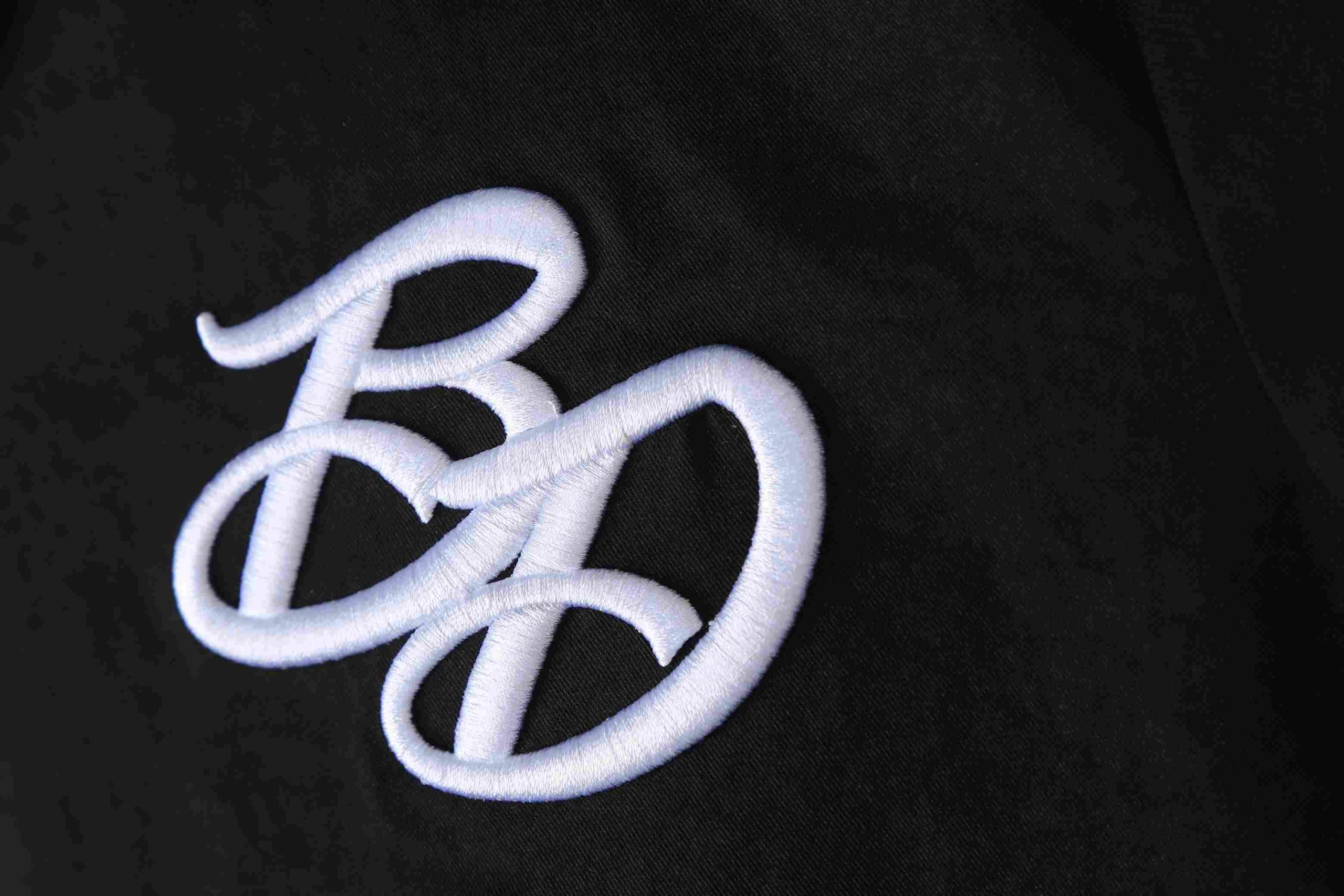
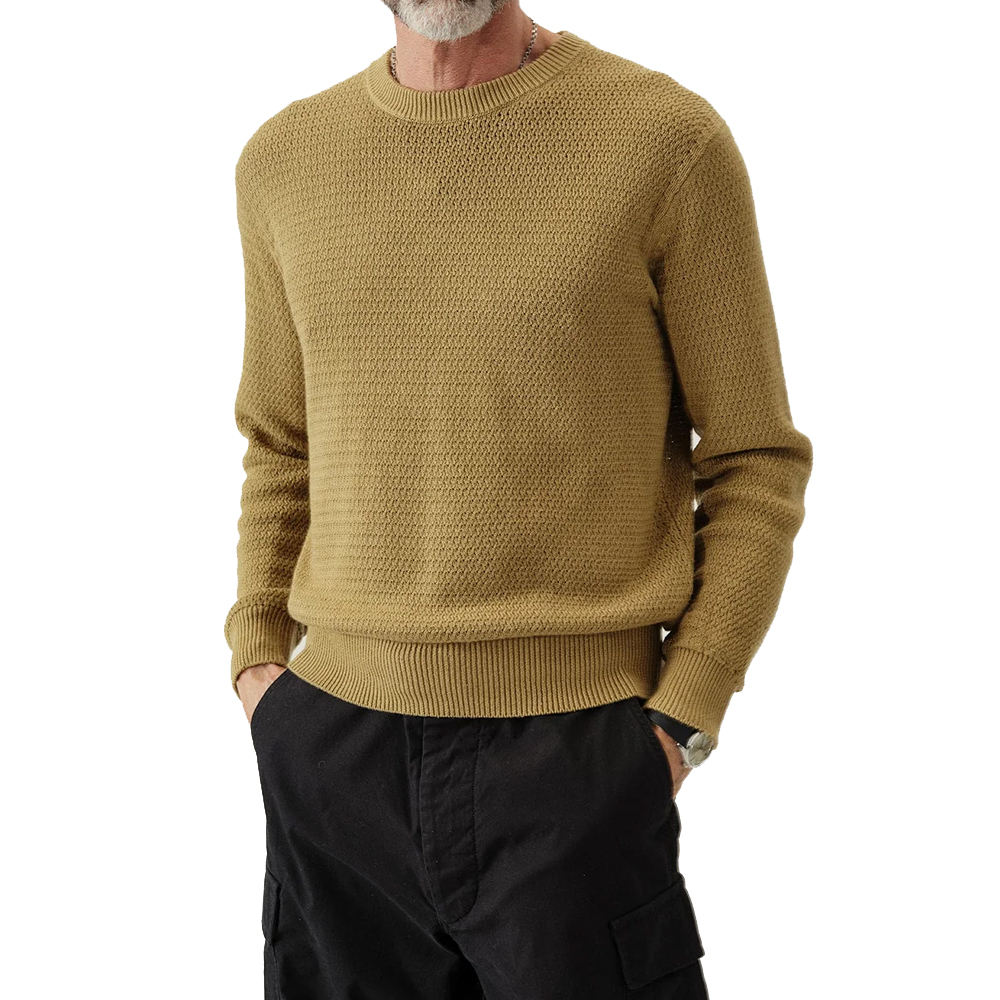
Crewneck pullovers accept puff embroidery on the chest (left or center), upper sleeves, and full back. Typical weights range 280–350 GSM in fine-gauge knits (7GG–12GG). This silhouette fits minimalist, heritage, and casualwear brands targeting everyday layering.
Pullover Hoodies
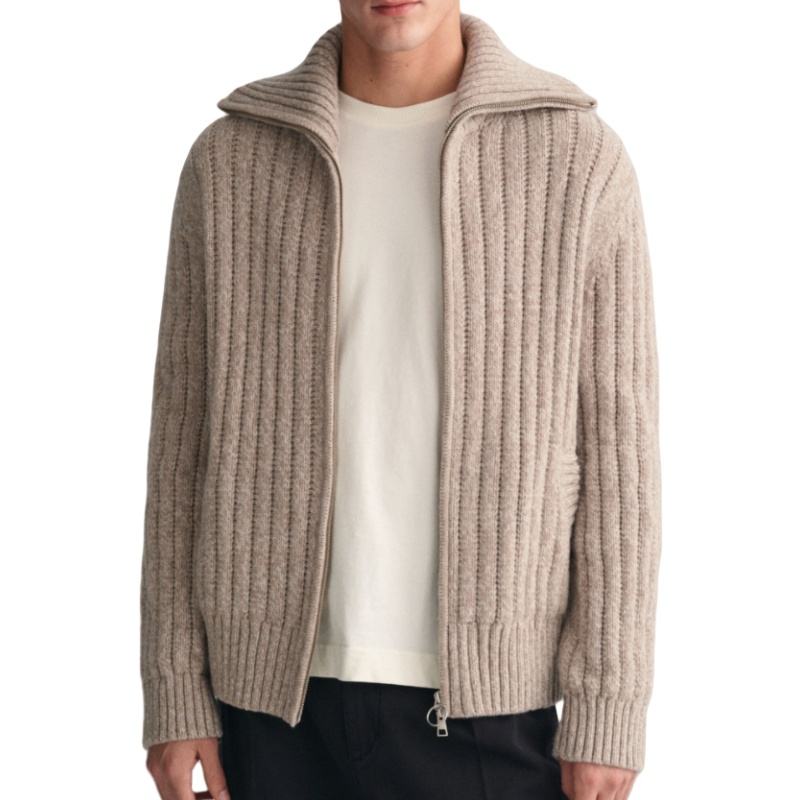
Pullover hoodies pair heavier fleece-backed knits (300–400 GSM) with large-format puff logos across the chest or back. Hood lining and kangaroo pocket edges frame the design. Ideal for athleisure, campus, and youth streetwear collections.
Zip Hoodies and Half-Zip Styles
Full-zip and quarter-zip hoodies place puff embroidery on the left chest, upper back yoke, or sleeves to avoid zipper interference. Weights of 320–380 GSM suit activewear and outdoor-inspired lines. Half-zip styles appeal to golf, resort, and smart-casual buyers.
Cardigans
Cardigan silhouettes limit puff placement to the upper back, sleeves, or small left-chest motifs due to button plackets. Lighter gauges (9GG–14GG, 240–300 GSM) work best. Target preppy, workwear, and layering-focused fashion brands.
Oversized and Streetwear Styles
Oversized fits (drop shoulders, extended body length) showcase oversized puff graphics on the back or wraparound chest. Heavier knits (350–450 GSM) in 3GG–5GG gauges support bold, high-stitch-count designs. Core audience: Gen Z, influencer collaborations, and hype-driven drops.
4. Materials and Fabrics for 3D Puff Embroidery Sweaters
Successful 3D puff embroidery requires a stable base fabric, the right foam insert, and compatible thread. Choosing materials that balance structure, durability, and cost determines both the final appearance and the longevity of the raised design.
| Fabric Type | GSM Range | Durability | Cost Tier | Best Use Case |
|---|---|---|---|---|
| Cotton fleece | 280–320 | Moderate | Mid | Casual sweaters, hoodies |
| Cotton-poly blend | 300–350 | High | Mid-Low | High-volume retail |
| French terry | 260–300 | Moderate | Low-Mid | Lightweight fashion pieces |
| Heavyweight knit | 350–400 | Very High | High | Premium, complex designs |
Base Knit Fabrics for Puff Embroidery
Cotton fleece (280–320 GSM) offers softness and dimensional stability, making it ideal for casual sweaters and hoodies. Cotton-polyester blends (300–350 GSM) add durability and reduce shrinkage, suited for high-volume retail orders. French terry (260–300 GSM) provides a lighter hand feel but requires careful hooping to prevent distortion. Heavyweight knits above 350 GSM deliver maximum stability for complex puff designs but increase per-piece cost.
Foam Materials: Polyethylene vs. EVA
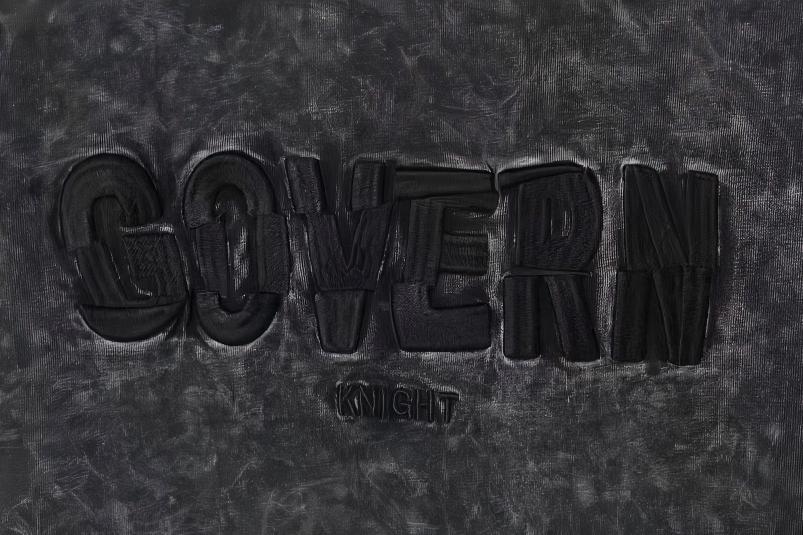
Polyethylene foam (2–3 mm) is the industry standard for 3D puff embroidery, offering consistent lift and clean burn-away under heat. EVA foam (ethylene-vinyl acetate) provides a softer, more flexible finish but can be harder to source and slightly more expensive. Both types require precise density matching to the thread count and stitch pattern to avoid collapse or puckering.
Thread Choices: Polyester vs. Rayon
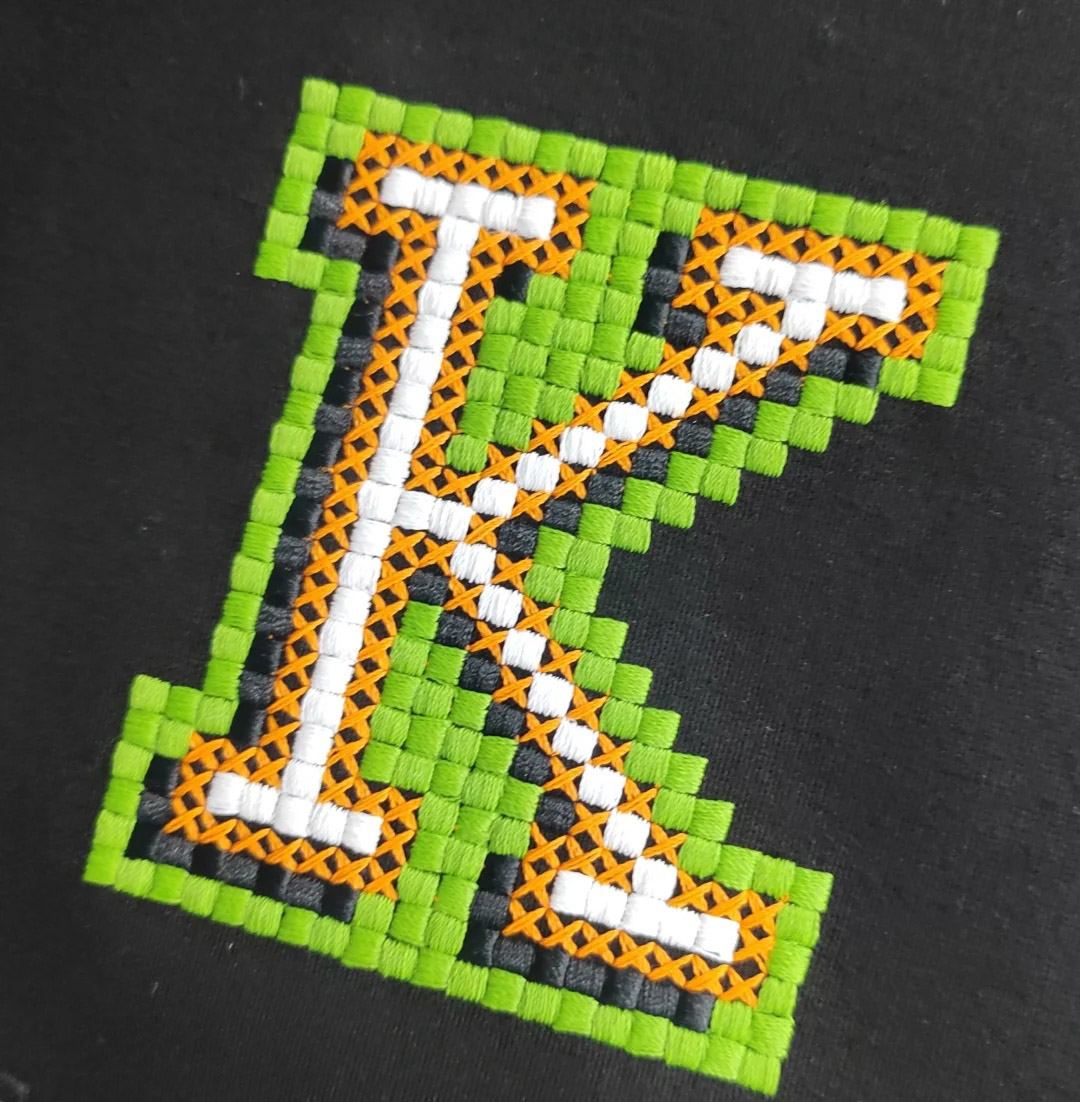
Polyester thread dominates puff embroidery for its tensile strength, colorfastness, and resistance to washing and UV exposure. Rayon thread delivers higher sheen and richer color depth but is less durable and prone to fading, limiting its use to premium or fashion-forward runs. CENWILD stocks both options and can match Pantone references for brand consistency.
5. Customization and Decoration Options for 3D Puff Embroidery Sweaters
A 3D puff embroidery sweater offers far more than raised stitching — it’s a canvas for brand identity, seasonal campaigns, and limited drops. CENWILD’s decoration capabilities span puff complexity, Pantone-matched threads, strategic placement, and hybrid techniques that combine embroidery with printing or appliqué.
| Technique | Cost per Piece | Wash Durability | Visual Impact |
|---|---|---|---|
| 3D Puff Embroidery | $2.50–$6.00 | 50+ washes | High dimension |
| Flat Embroidery | $1.50–$3.50 | 100+ washes | Classic, crisp |
| Screen Printing | $0.80–$2.00 | 30–50 washes | Bold color blocks |
| Heat Transfer (DTF) | $1.20–$2.80 | 20–40 washes | Photo-realistic detail |
Design Complexity and Stitch Count
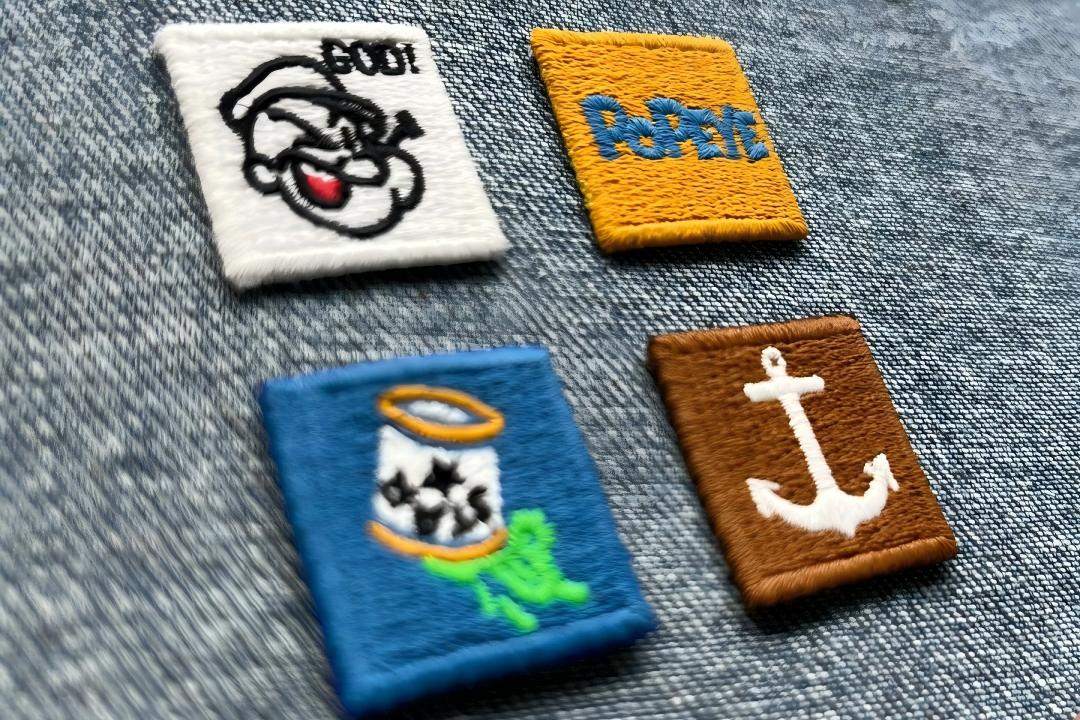
Simple text logos typically run 2,000–5,000 stitches and suit left-chest branding. Multi-color graphics or mascots can exceed 15,000 stitches, requiring precise digitizing and longer machine time.
CENWILD’s design team digitizes artwork into production-ready embroidery files, optimizing stitch density to prevent foam collapse while maintaining crisp edges. Complex gradients or fine serif fonts often require flat underlay beneath puff foam.
Color Matching and Thread Options
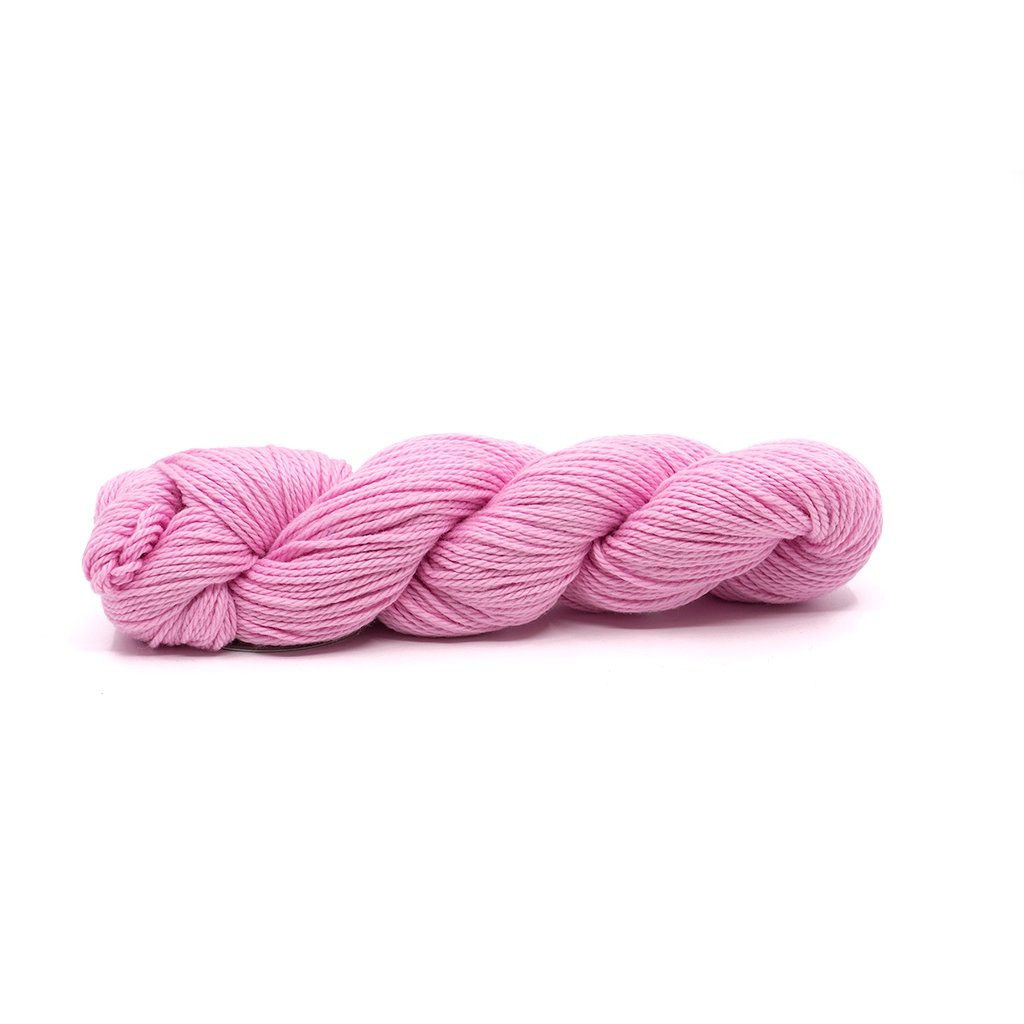
Pantone matching ensures brand-color accuracy across polyester, rayon, or metallic threads. Rayon delivers high sheen; polyester resists fading and withstands repeated washing.
CENWILD stocks over 200 thread colors and sources custom dye-lots for orders above 500 pieces. Metallic and glow-in-the-dark threads add premium appeal but increase per-piece cost by 8–12%.
Placement Strategies
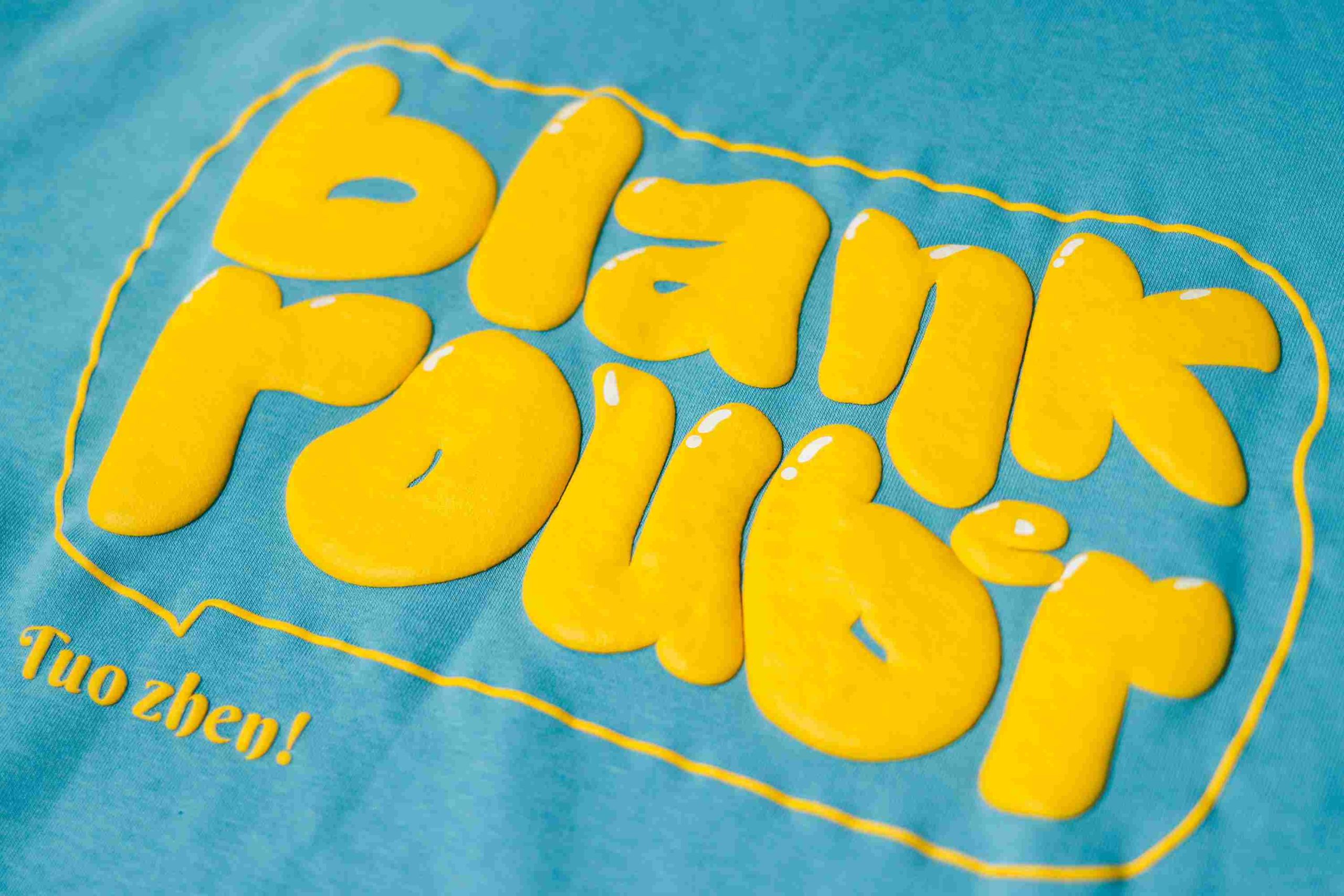
Left chest (8–10 cm) remains the industry standard for corporate and retail branding. Center chest and oversized back placements (up to 30 cm wide) suit streetwear and statement pieces. Sleeve hits and hem corner logos differentiate limited editions without overwhelming the silhouette.
Hybrid Decoration Techniques
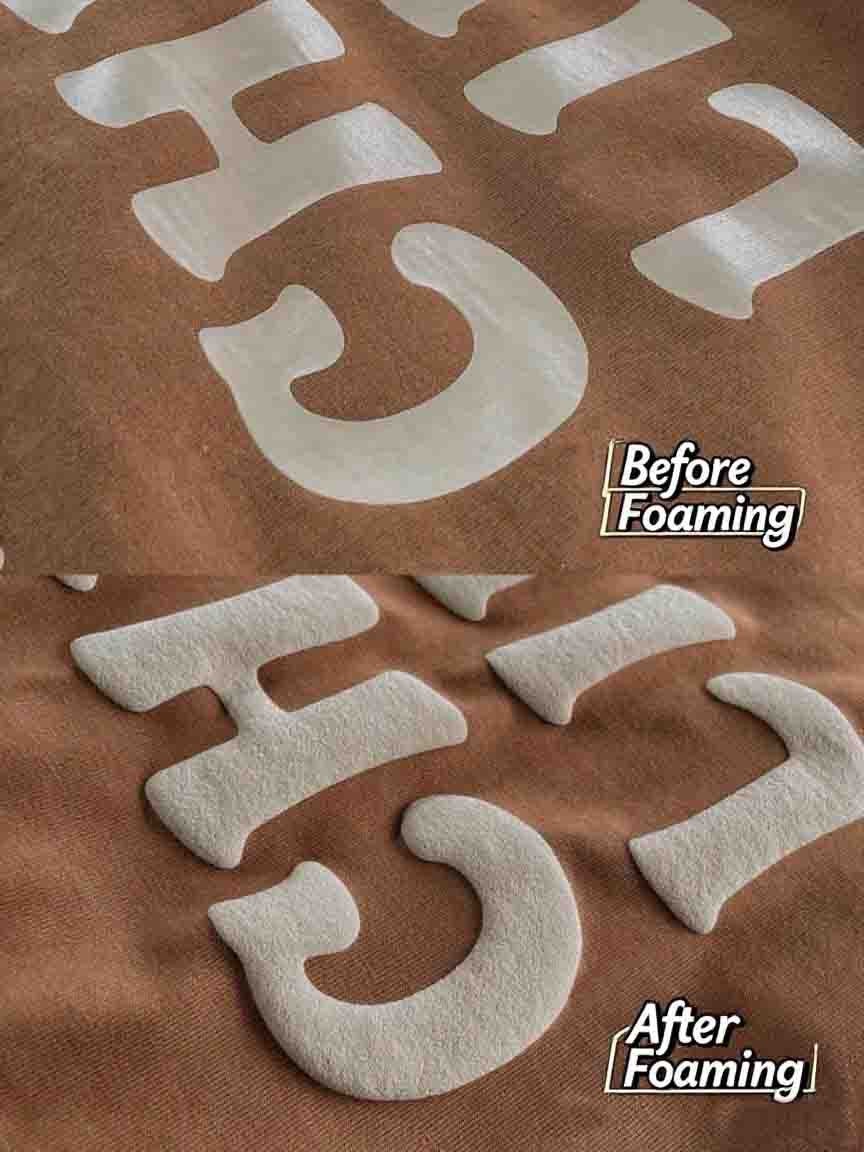
Combining 3D puff with flat embroidery creates depth contrast — puff for the logo fill, flat chain-stitch for outlines. Screen printing or heat-transfer graphics on sleeves or back panels complement chest puff without competing textures.
CENWILD integrates sequin accents, chenille patches, and appliqué within the same production run, enabling multi-technique storytelling at MOQs as low as 100 pieces per colorway.
6. Key Quality Indicators in 3D Puff Embroidery Sweater Construction
Premium 3d puff embroidery sweater quality hinges on five measurable construction standards. Buyers who inspect samples against these criteria reduce defect rates by 60–80% in bulk production.
Embroidery Stitch Density and Coverage
Minimum stitch density of 5,000 stitches per square inch ensures the foam stays locked in place through 50+ wash cycles. Lower density allows foam to shift or detach. Check that underlay stitches fully anchor the foam before the top satin layer is applied.
Foam Thickness and Consistency
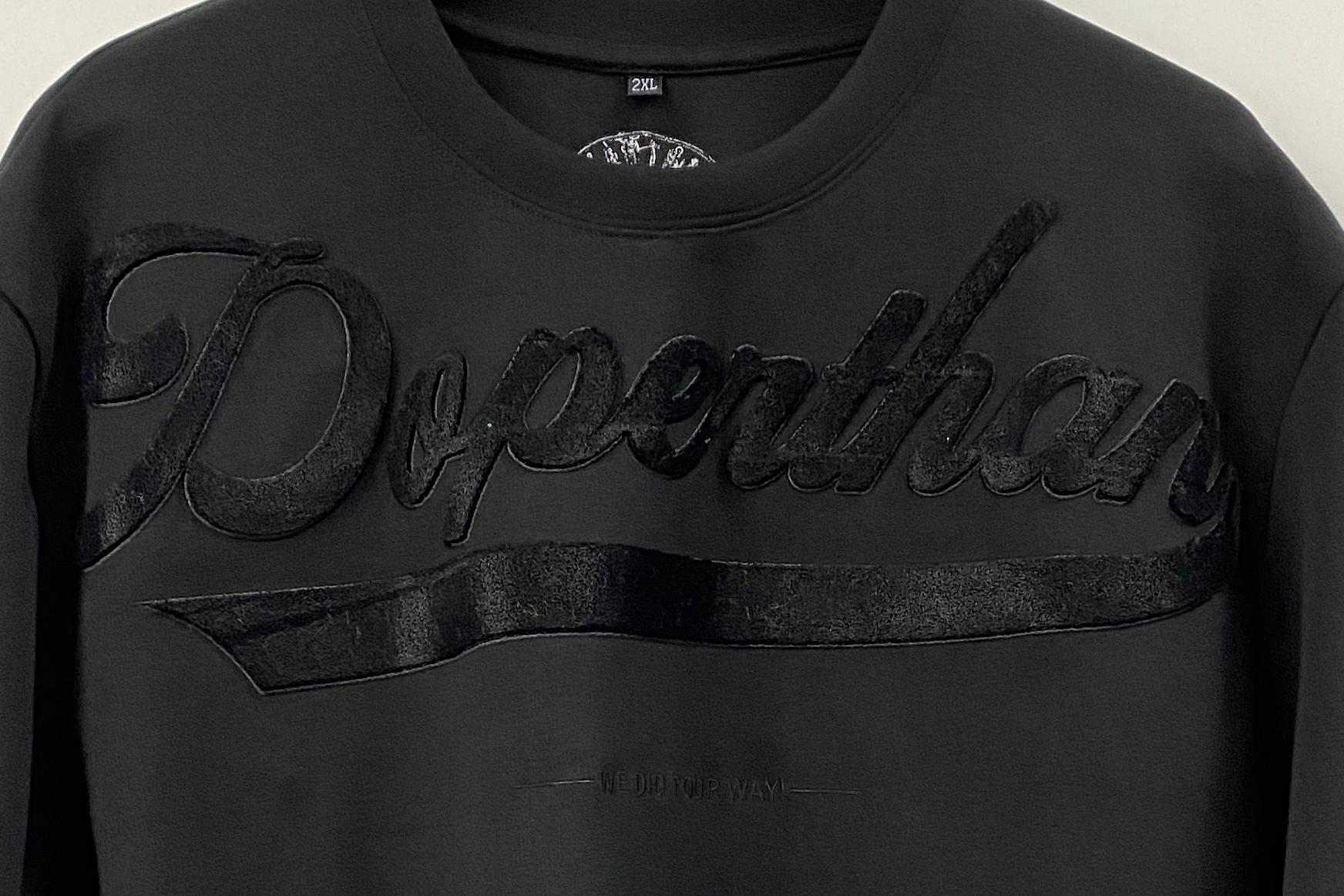
Premium puff uses 2–3 mm EVA foam with uniform cell structure. Inconsistent foam creates uneven lift and collapses after washing. Run your finger across the design; high-quality foam rebounds immediately and shows no visible gaps between stitches.
Seam Construction Standards
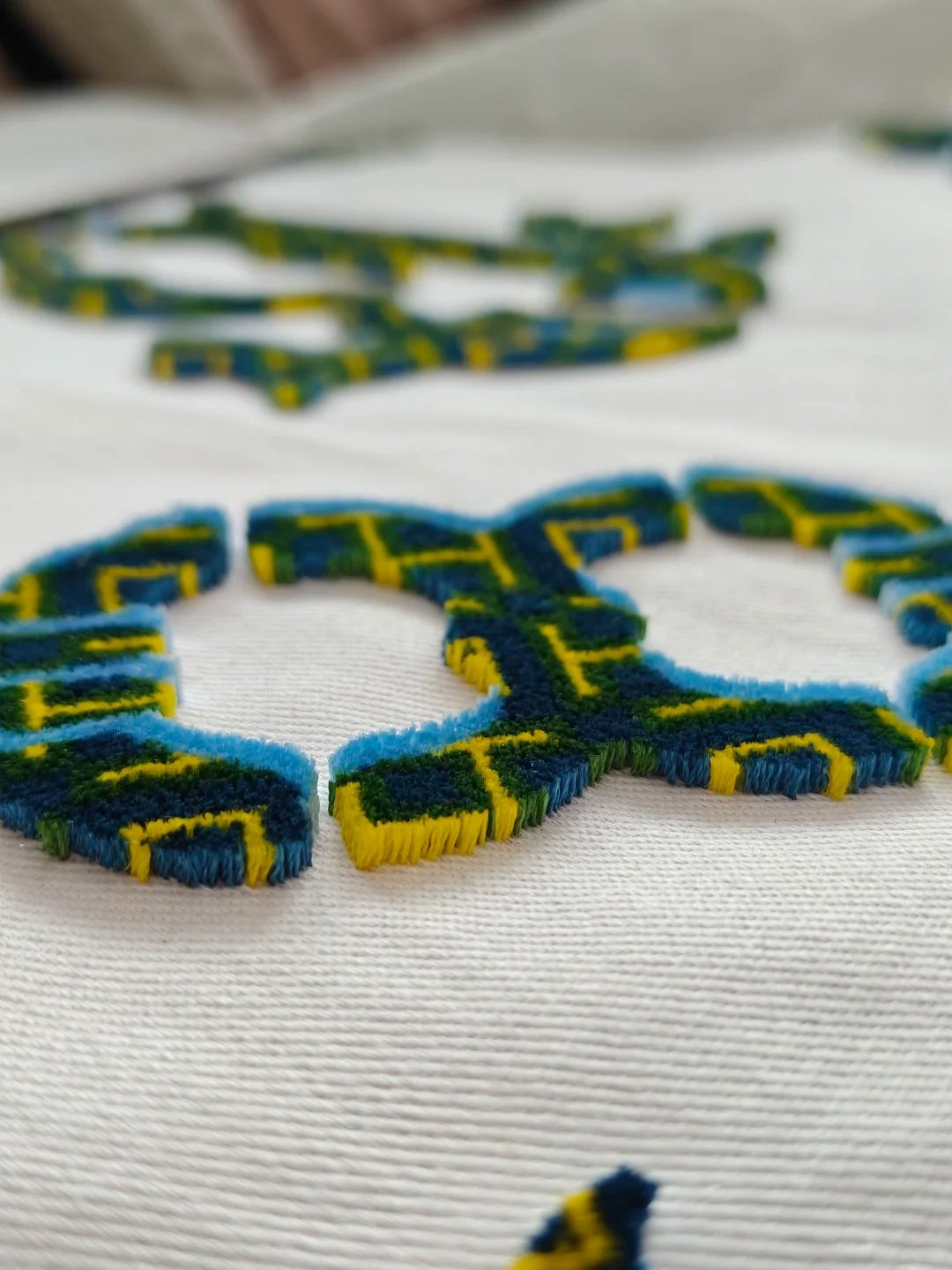
Flatlock seams lie flat and prevent irritation at shoulders and sides; overlock seams are acceptable for non-contact areas. Inspect that embroidery placement avoids seam lines by at least 15 mm to prevent thread breakage during linking or sewing.
Fabric Pilling Resistance and Colorfastness
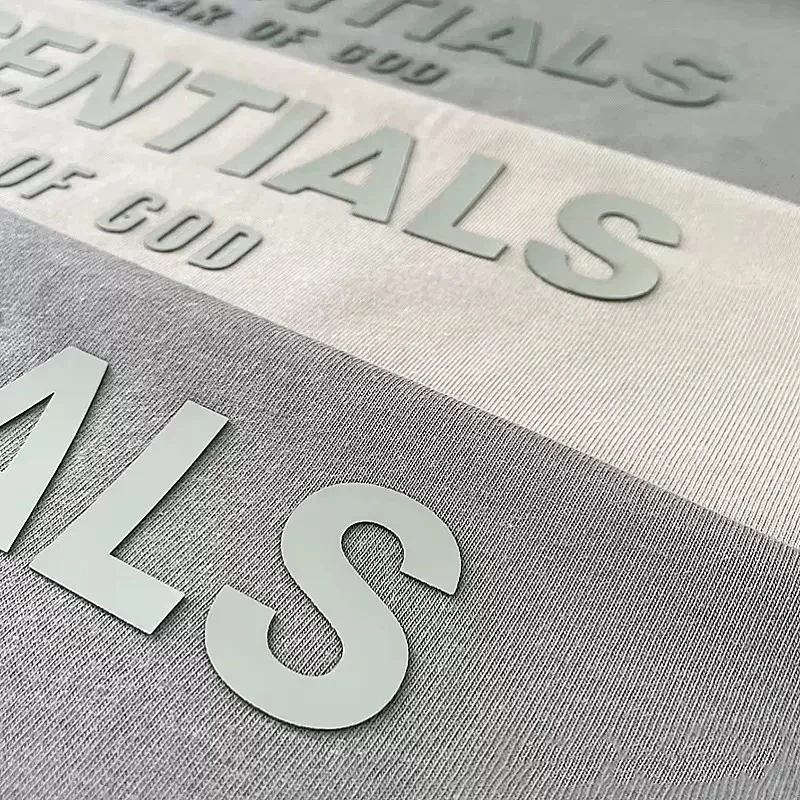
Test fabric against a Grade 4 pilling standard (Martindale or ICI box method). Rub the sweater body with a contrasting cloth; premium knits shed fewer than 10 fibers. Colorfastness to washing should meet ISO 105-C06 Grade 4 minimum to prevent dye migration onto the embroidery.
7. How to Choose the Right 3D Puff Embroidery Sweater Manufacturer
Vetting a 3D puff embroidery sweater manufacturer requires a scorecard approach that balances technical capability, commercial flexibility, and long-term reliability. The right partner combines multi-head embroidery equipment, transparent MOQ policies, recognized certifications, and responsive communication to turn your design into scalable production.
MOQ and Pricing Transparency
Typical MOQ ranges span 100–500 pieces per style; CENWILD starts at 100 pieces to support emerging brands. Transparent suppliers quote FOB pricing that breaks out knit base cost, embroidery setup, foam material, and trim charges separately.
Deposit terms often begin at 100% for first orders, easing to 30–50% for repeat clients, with balance due before shipment. Payment flexibility—T/T, PayPal, credit card, USDT—signals a factory accustomed to international partnerships.
Production Capacity and Lead Times
Ask monthly output (80,000+ pieces indicates scale) and machine gauge range (3GG–14GG covers fine to chunky). Lead times typically run 4–8 weeks from approved sample to shipment.
Multi-head embroidery machines (6–12 heads) deliver faster decoration than single-head setups, critical for orders above 300 pieces. Verify whether sampling and bulk production occur in-house or require subcontracting, which adds risk and delay.
Quality Certifications and Compliance
OEKO-TEX Standard 100 confirms textile safety; BSCI or WRAP audits verify ethical labor practices. Certifications matter most for brands entering EU, US, or Australian retail channels with strict compliance gates.
Request current certificates and ask how often audits renew. Factories that publish certifications openly demonstrate accountability and reduce your due-diligence burden.
Sampling Process and Iteration
A robust sampling workflow includes knit-down swatches, strike-offs for embroidery placement, and a full pre-production sample with final foam height and thread tension. Expect 7–14 days per sample round.
Clarify revision limits, sample costs (often $50–150 per piece, sometimes credited against bulk orders), and whether 3D design files or stitch programming are included. Fast, accurate sampling predicts smooth bulk production.
Post-Sale Support and Communication
Responsiveness within 24 hours, availability across time zones, and dedicated account contacts reduce friction. Post-shipment support—reorder simplicity, quality issue resolution, and design iteration—builds long-term value.
Test communication early: suppliers who answer technical questions with specifics (stitch count, foam density, yarn blend) rather than generic reassurances are more likely to deliver on promises.
8. Common Mistakes Buyers Make When Ordering 3D Puff Embroidery Sweaters
Even experienced buyers stumble when ordering 3d puff embroidery sweaters. Small oversights in fabric choice, file preparation, or timeline planning cascade into production delays, quality failures, and budget overruns that could have been avoided with upfront diligence.
Choosing Fabric Too Lightweight for Puff Embroidery
Fabrics below 220 GSM lack the structural integrity to anchor foam-backed stitches. The weight of puff embroidery pulls thin knits out of shape, creating puckering around logos and distorting ribbing.
CENWILD recommends 260–320 GSM cotton or cotton-blend bases for standard puff work. Heavier cashmere or wool blends above 300 GSM support larger puff areas without sagging. Always request a knit-down swatch with embroidery applied before committing to production.
Ignoring Stitch Density Specifications
Puff embroidery requires lower stitch density than flat work — typically 3.5–4.5 stitches per millimeter — to allow foam expansion. Buyers who submit flat-embroidery digitized files see foam crushed under excessive stitches, losing the 3D effect entirely.
Provide your manufacturer with clear density specs or request re-digitization for puff. CENWILD’s embroidery team adjusts underlay, density, and stitch direction during sampling to ensure foam lifts cleanly and holds shape through washing.
Skipping Pre-Production Samples
Approving production from digital mockups alone is the fastest route to costly remakes. Puff height, foam color bleed-through, and fabric hand cannot be judged on screen.
Always order a physical knit-down sample with final yarn, embroidery placement, and foam thickness. CENWILD produces samples within 7–10 days, letting you test wash durability and fit before the full run begins.
Submitting Unclear Artwork Files
Raster files (JPEG, PNG) pixelate during digitization, forcing guesswork on edge details and stitch paths. Vector formats — AI, EPS, PDF with outlines — preserve clean lines and scale infinitely.
Provide vector artwork with Pantone or thread-color callouts. If only raster files exist, send the highest resolution available (minimum 300 DPI) and clarify which areas receive puff treatment versus flat stitching.
Underestimating Lead Times and Wash Testing
Standard knitwear runs take 25–35 days; adding puff embroidery extends timelines by 5–7 days for digitization, sampling, and decoration. Buyers who skip wash testing discover foam cracking or logo shrinkage only after goods land.
Build 10–14 extra days into your calendar for sample approval and at least three wash cycles at 30–40°C. CENWILD includes garment finishing and anti-pilling treatments to ensure embroidery withstands 20+ home washes without degradation.
9. Steps to Launch Your Brand with 3D Puff Embroidery Sweaters
Launching a 3d puff embroidery sweater line requires structured planning from concept to shelf. CENWILD’s 100-piece MOQ lets emerging brands test designs without tying up capital in excess inventory.
Market Research and Concept Development
Define your target demographic — age, price tolerance, and style preferences — before sketching designs. A streetwear brand targeting Gen Z will choose bold oversized logos, while a boutique childrenswear label may favor playful mascot motifs.
CENWILD’s design team translates rough sketches or reference images into production-ready tech packs, including stitch programming and placement grids.
Artwork Preparation
Supply vector files (AI, EPS, or high-resolution PDF) with clean outlines; puff embroidery requires defined edges to contain foam. Specify thread colors by Pantone reference to ensure brand consistency across reorders.
CENWILD reviews artwork for stitch density and underlay compatibility, flagging fine details that may collapse under foam before sampling begins.
Sampling and Approval
Request a knit-down sample with actual puff embroidery on your chosen yarn and gauge. Check logo height, foam firmness, and color match under daylight before approving pre-production.
CENWILD typically delivers samples within 7–10 days, allowing two rounds of revisions to perfect placement and thread tension.
Bulk Order Placement
Confirm size breakdown, packaging spec, and delivery terms in a signed purchase order. CENWILD accepts 100% deposit on first orders, easing to 30% for repeat clients, with balance due before shipment.
Production lead time averages 25–35 days depending on gauge complexity and decoration count.
Quality Inspection and Go-to-Market
Conduct pre-shipment inspection or request photo reports covering measurements, embroidery clarity, and packing. Plan your launch calendar around lead time plus 15–25 days ocean freight or 5–7 days air.
CENWILD provides commercial invoices, packing lists, and certificates of origin to streamline customs clearance in North America, Europe, and Australia.
10. Pricing and Cost Breakdown for 3D Puff Embroidery Sweaters
CENWILD’s 3d puff embroidery sweater pricing starts at a 100-piece MOQ, with unit costs declining across quantity tiers as setup and labor are amortized over larger runs. A mid-weight cotton or acrylic pullover with a single-location 3D puff logo (5,000–8,000 stitches, two to three colors) typically ranges from $18–$25 per unit at 100 pieces, dropping to $12–$16 at 1,000 pieces, depending on yarn choice and embroidery complexity.
Embroidery setup fees cover digitizing, color matching, and first-sample approval; CENWILD charges a one-time setup of $50–$150 per design, waived on repeat orders. Lead time stretches from 25–30 days for initial orders (including knit-down sampling and approval) to 18–22 days for reorders with confirmed specs.
Pricing variables include fabric weight (heavier gauges and premium fibers like merino or cashmere add $3–$8 per piece), stitch count (dense 3D puff designs over 10,000 stitches incur surcharges of $1–$3), color count beyond three ($0.50–$1 per additional thread), and secondary decoration such as screen printing or appliqué patches ($1–$4 per location).
| Quantity Tier (pcs) | Unit Price (USD) | Embroidery Setup | Lead Time (days) |
|---|---|---|---|
| 100 | $18–$25 | $50–$150 (one-time) | 25–30 |
| 300 | $15–$20 | Included on reorders | 22–28 |
| 500 | $13–$18 | Included on reorders | 20–25 |
| 1,000+ | $12–$16 | Included on reorders | 18–22 |
Ready to Order Your 3D Puff Embroidery Sweater?
Low MOQ from 100 pieces, 28+ years of expertise, and in-house embroidery. Send your artwork today for a free quote.