
Chain Stitch Embroidery for Custom Sweaters & Knitwear
Add distinctive texture and dimension to your knitwear with chain stitch embroidery. 28+ years of expertise, flexible MOQ from 100 pieces, OEM/ODM production in Dongguan.
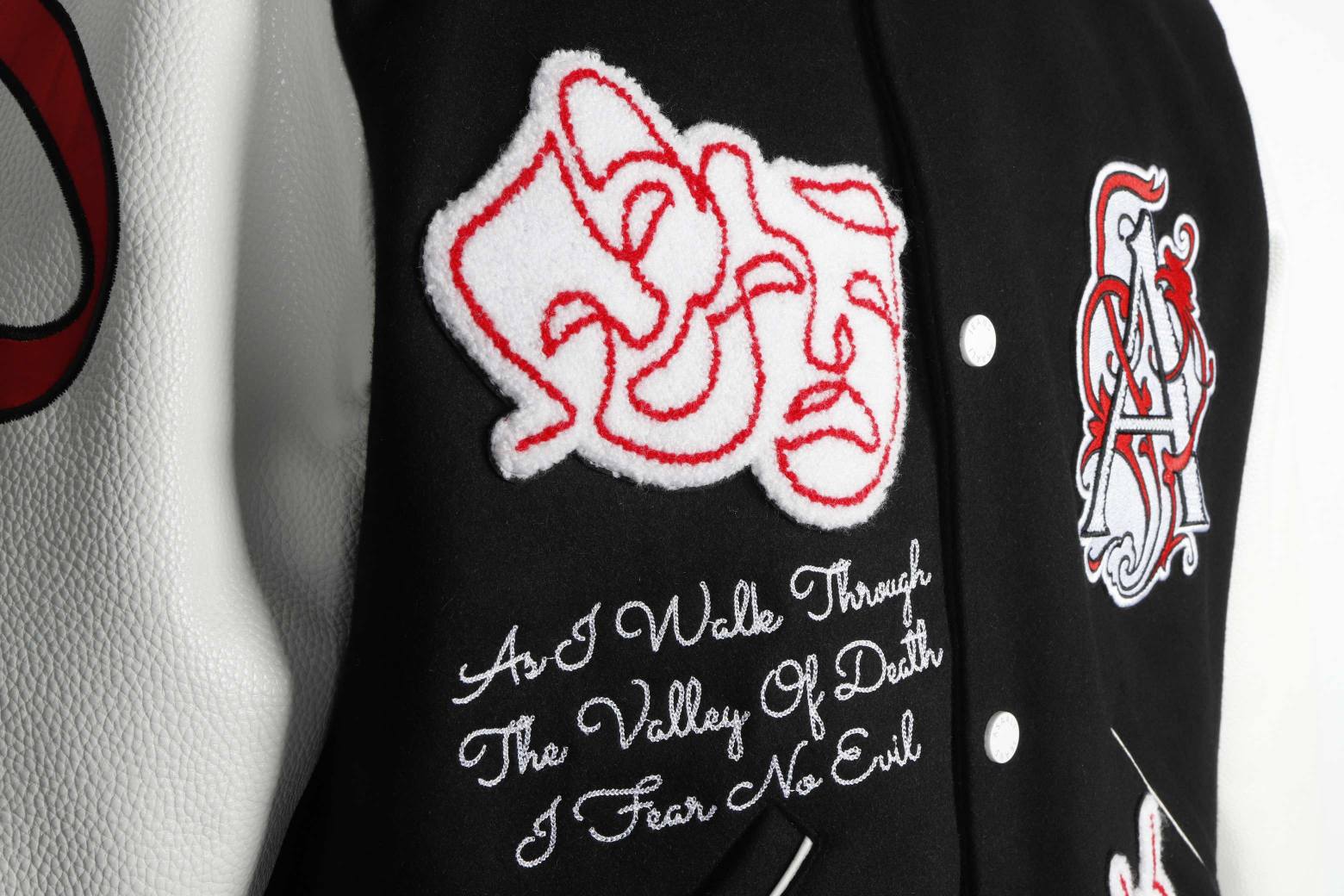
Chain Stitch Embroidery Samples & Finished Pieces
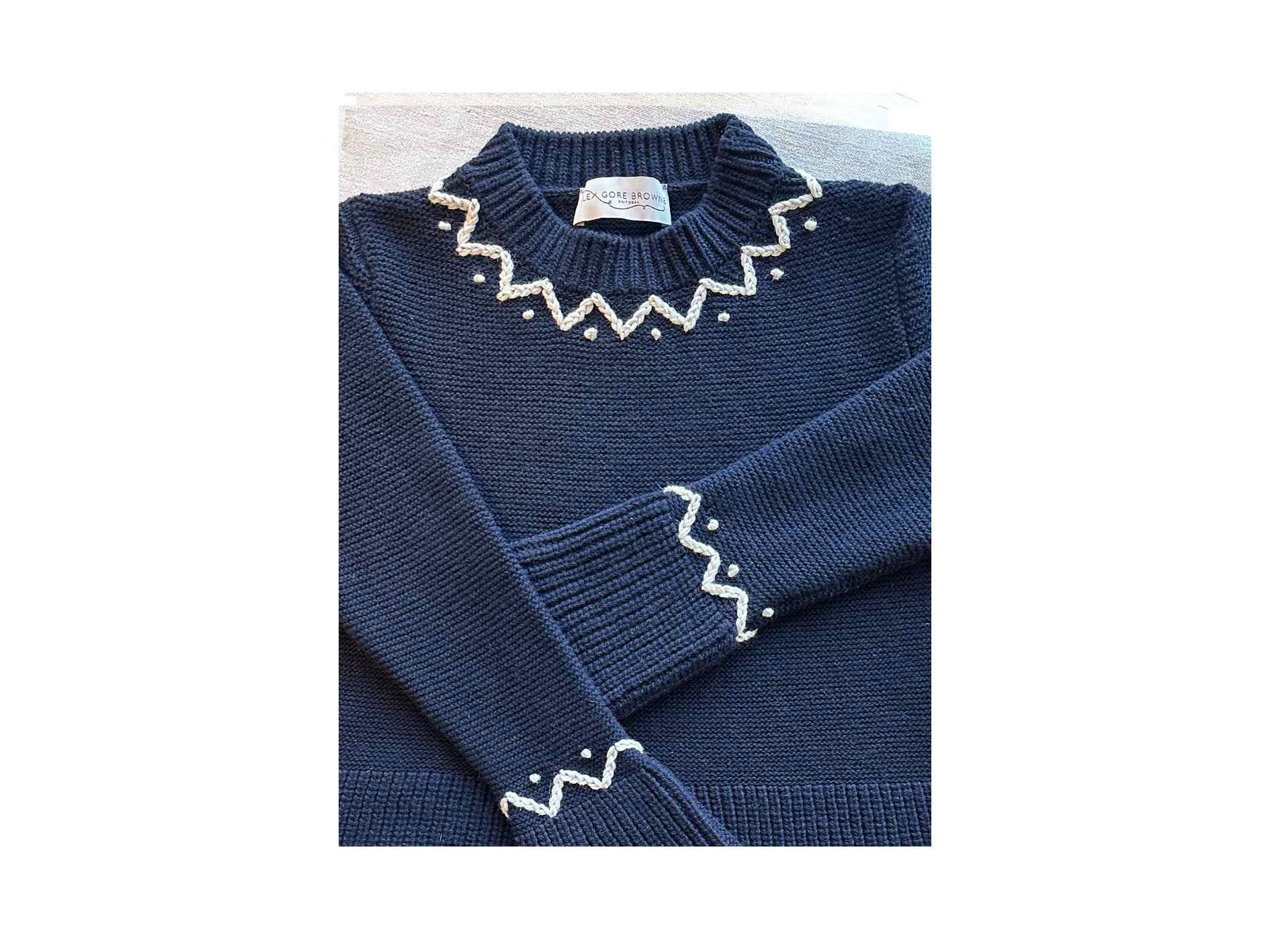
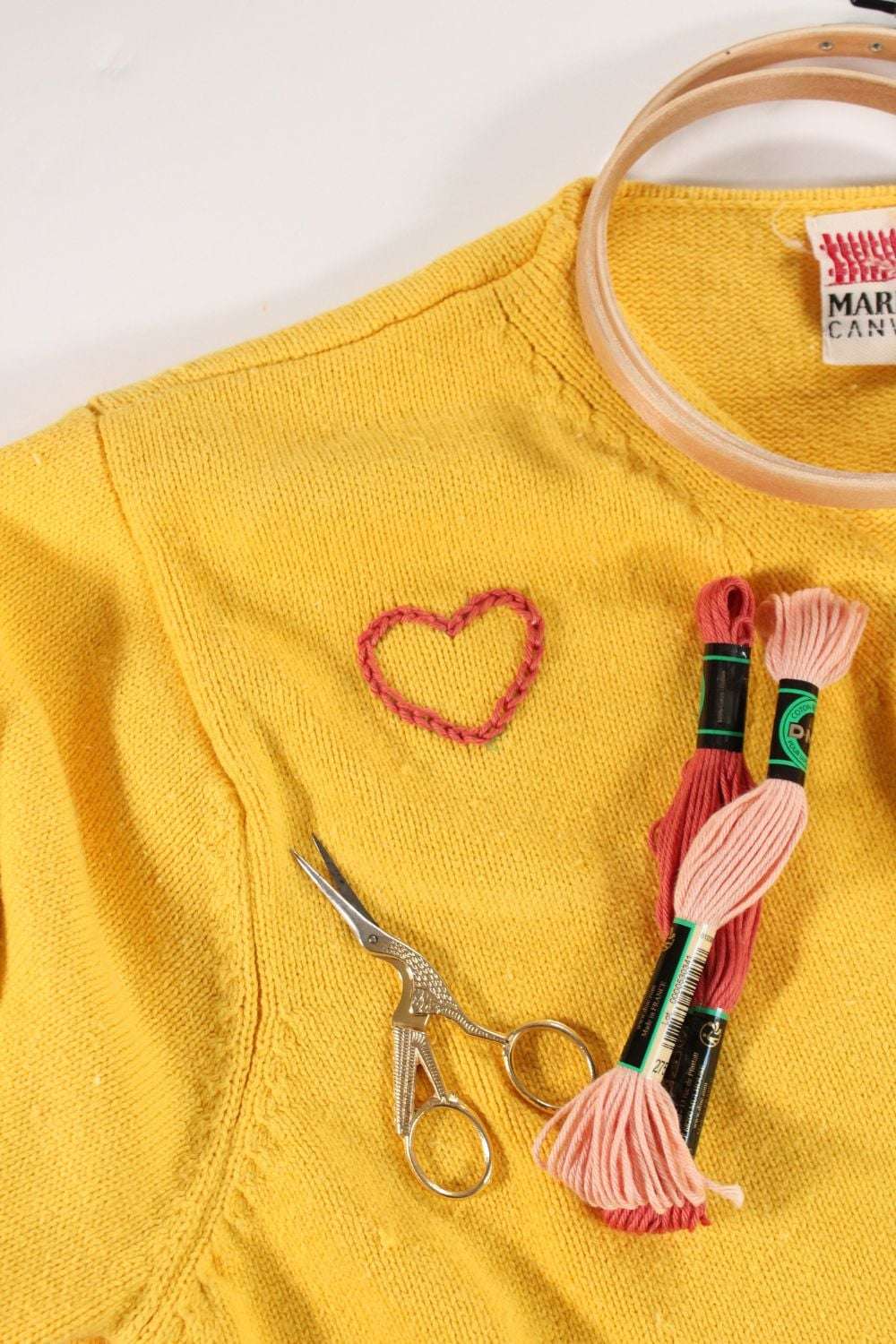
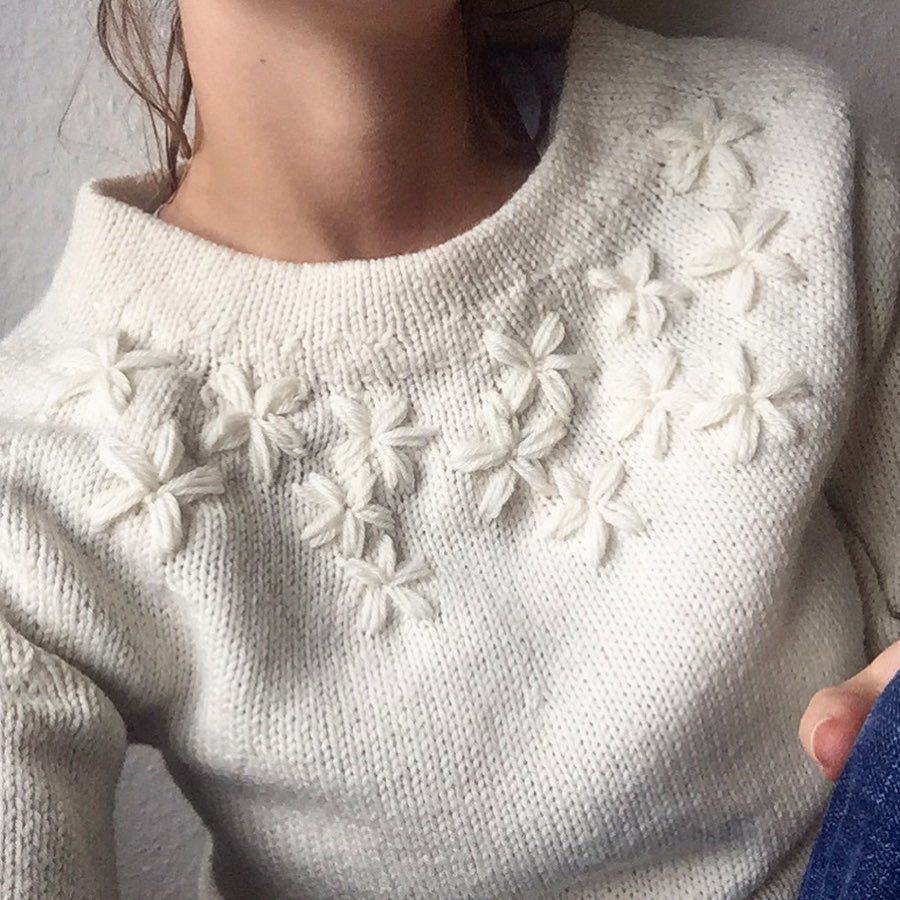
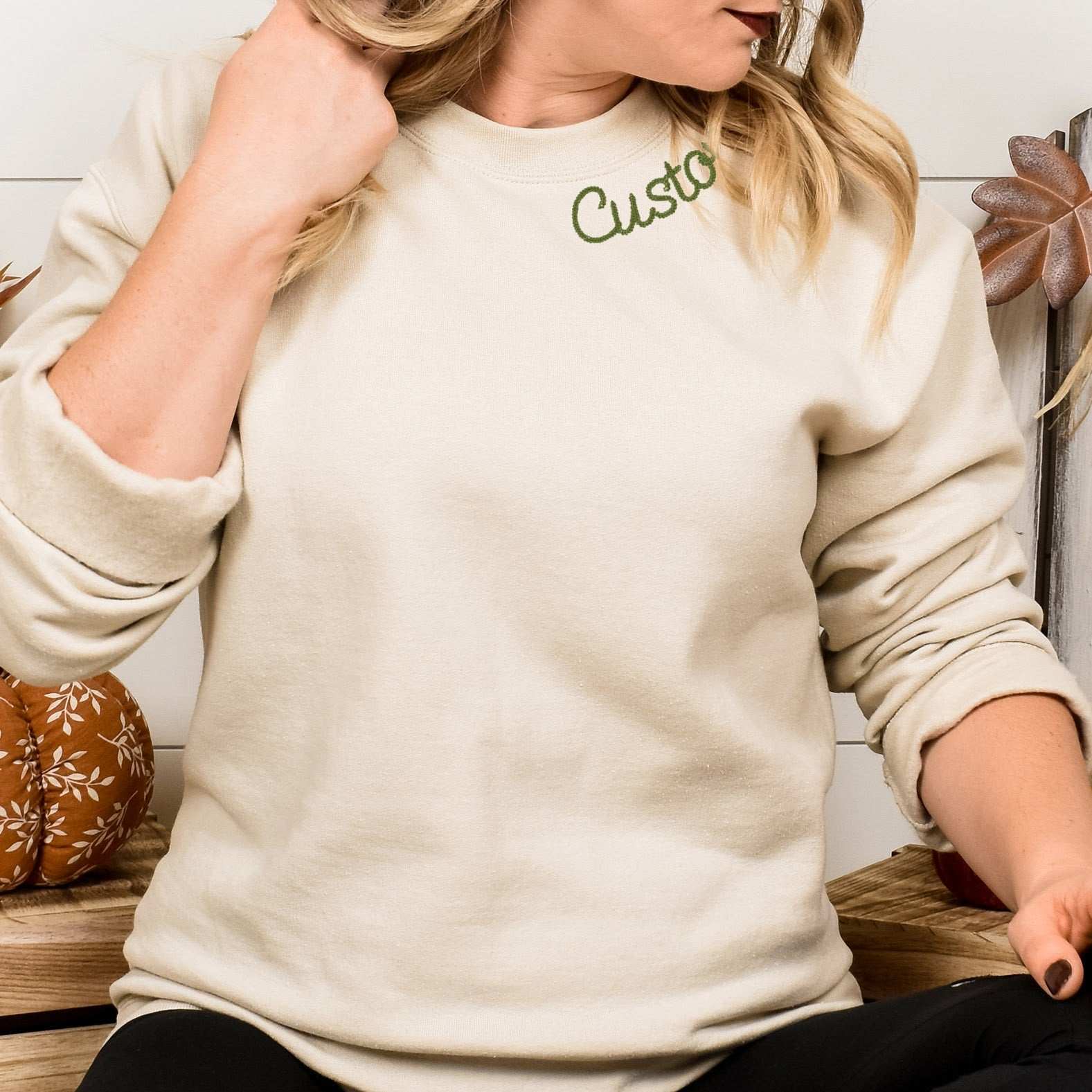
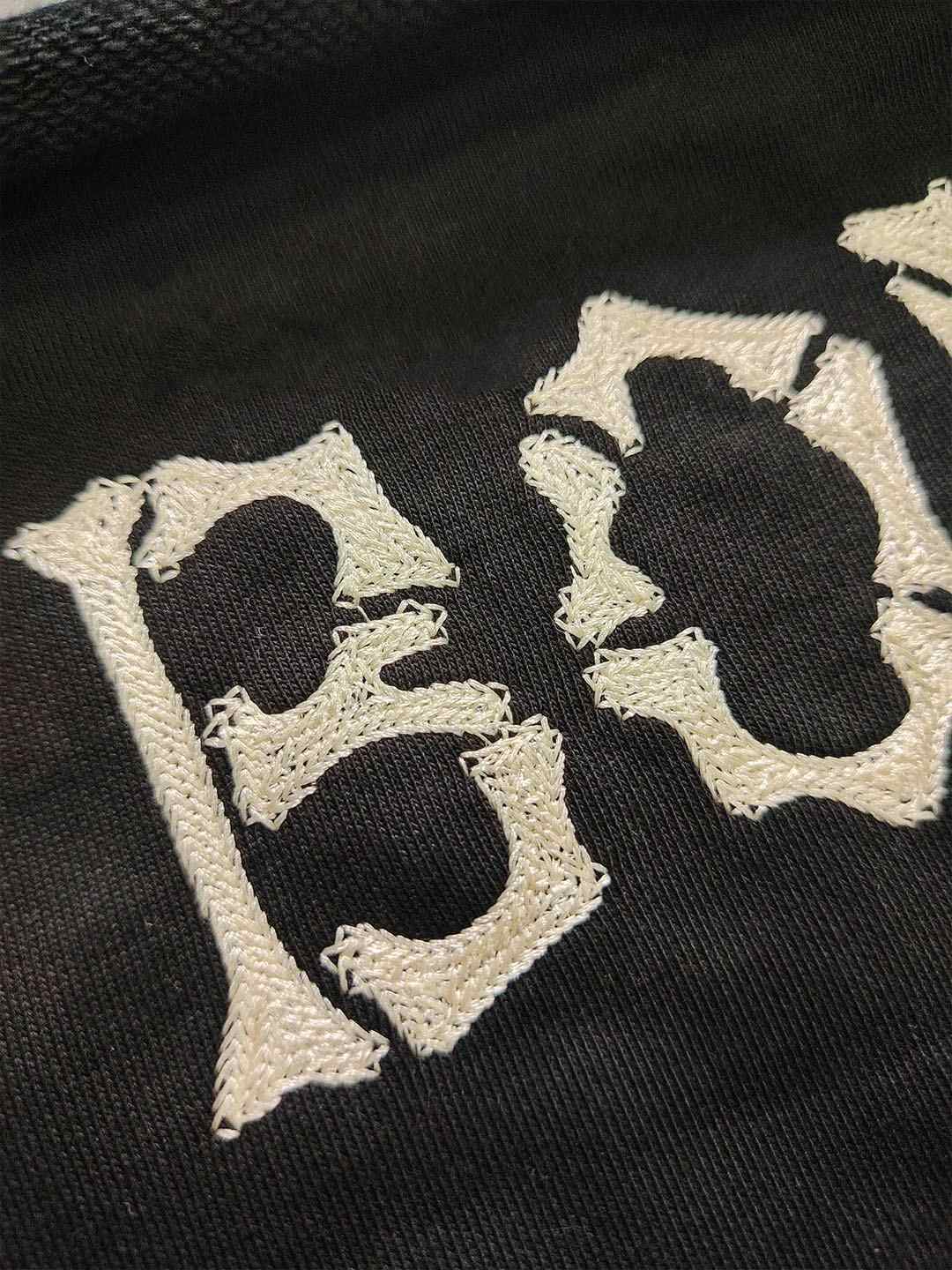
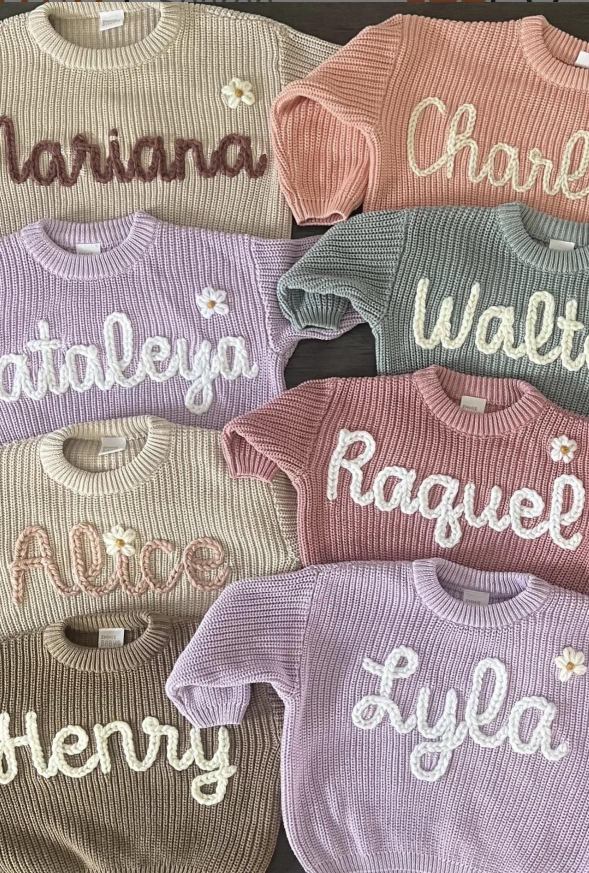
What Makes Chain Stitch Embroidery Distinctive
Interlocking Loop Texture
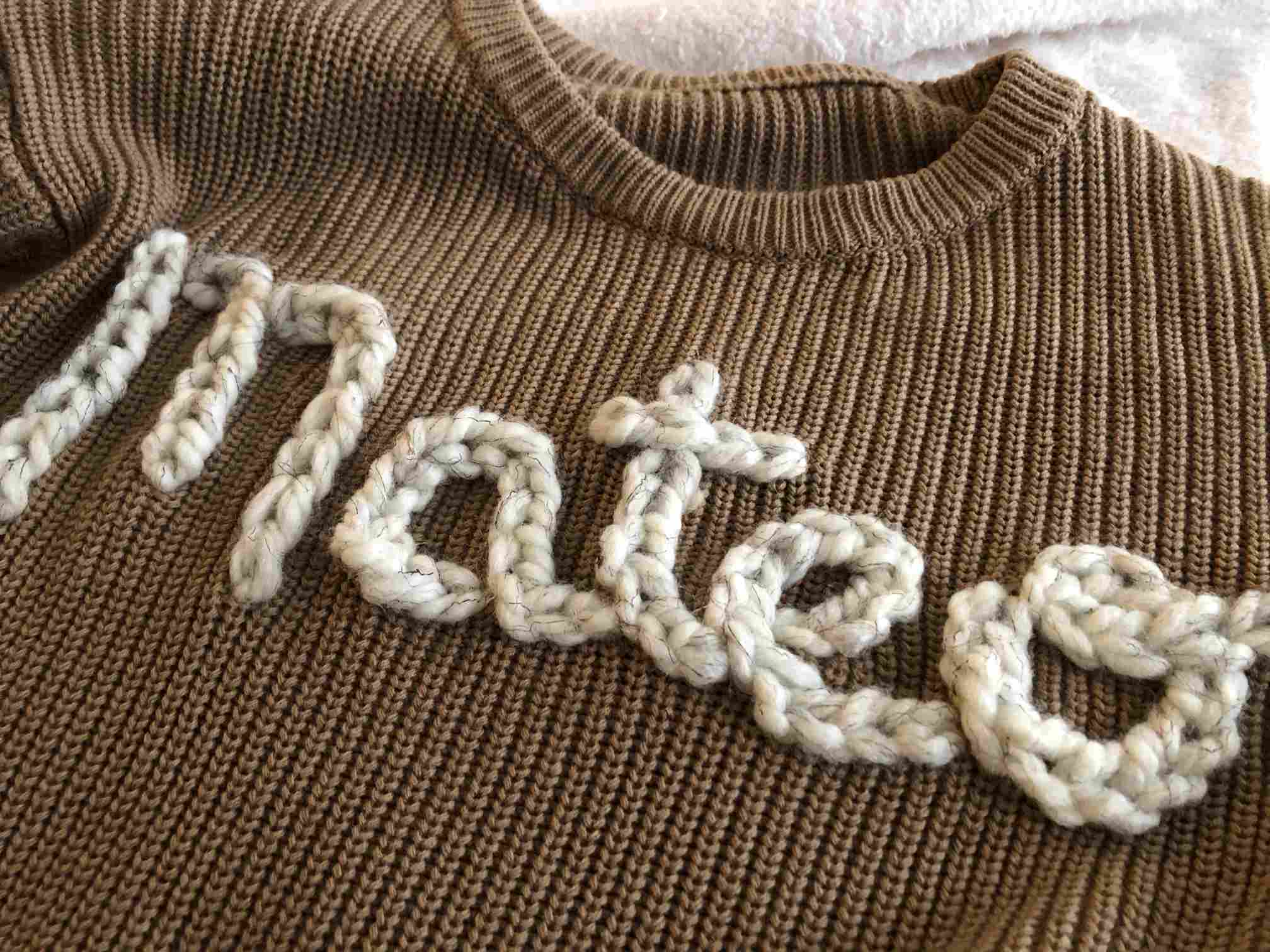
Each stitch forms a continuous chain that creates a tactile, raised surface distinct from flat embroidery’s smooth finish.
Dimensional Raised Effect
Loops sit above the fabric, delivering subtle depth and shadow without the bulk of 3D puff embroidery.
Multi-Color Versatility
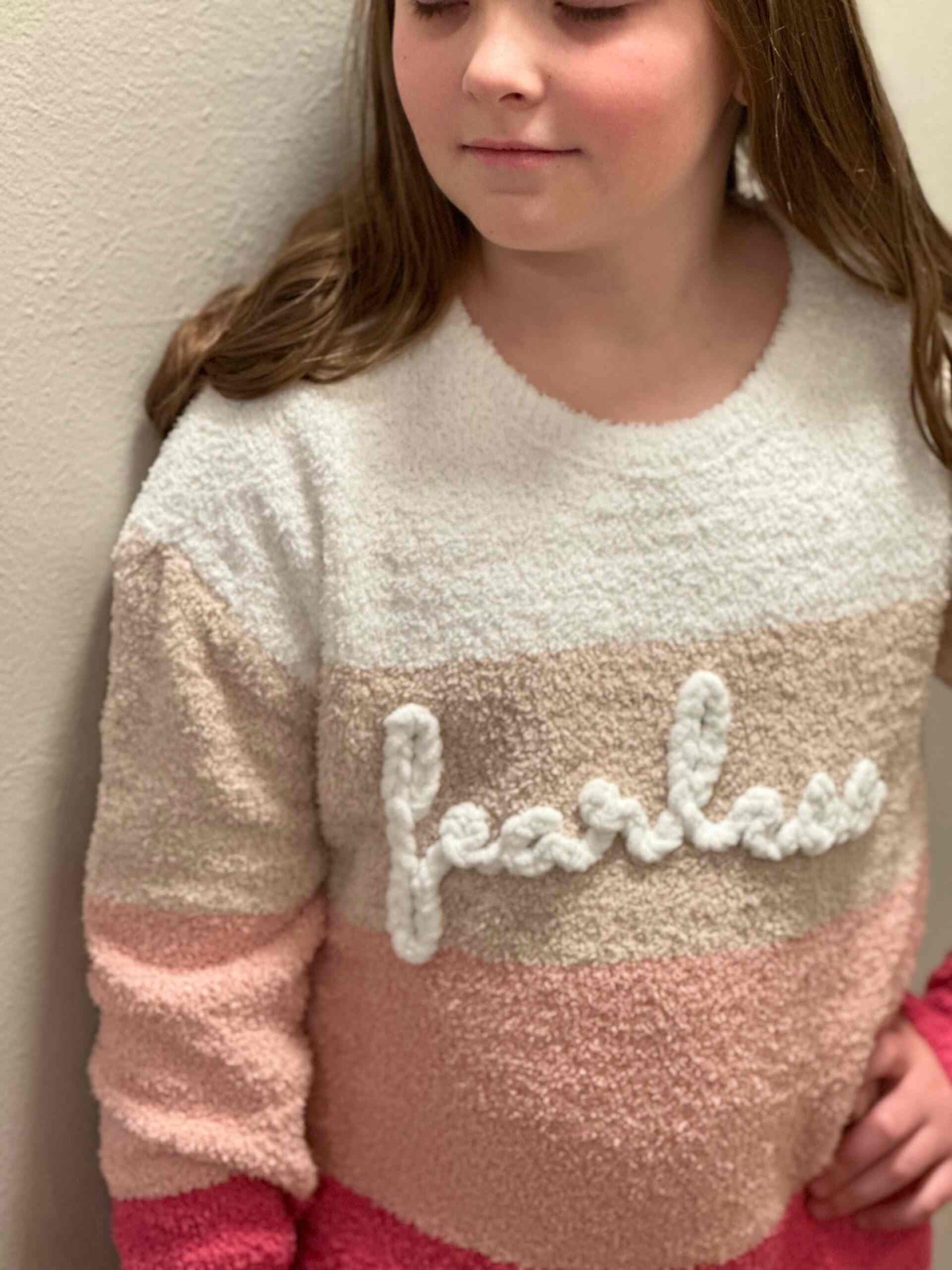
Thread changes flow seamlessly within the chain, perfect for script, logos, and gradient designs on knitwear.
Ideal for Knit Fabrics
The flexible loop structure moves with stretch, preventing puckering on sweaters, cardigans, and knit polos.
Durable and Wash-Safe
Interlocked stitches resist fraying and hold fast through garment washing, softening, and anti-pilling treatments.
Vintage Aesthetic Appeal
Chain stitch delivers a heritage, artisan look favored by independent designers and fashion brands seeking character.
Related Embroidery Techniques & Knitwear Pages
Embroidery on Knitwear
CENWILD offers comprehensive custom sweater embroidery across all knitwear styles, combining flat, 3D puff, chain-stitch, appliqué, sequin, and patch embroidery with in-house knitting. Our Dongguan facility integrates embroidery into OEM and ODM workflows, ensuring decoration aligns with yarn, gauge, and garment structure from sampling through production.
Get a Quote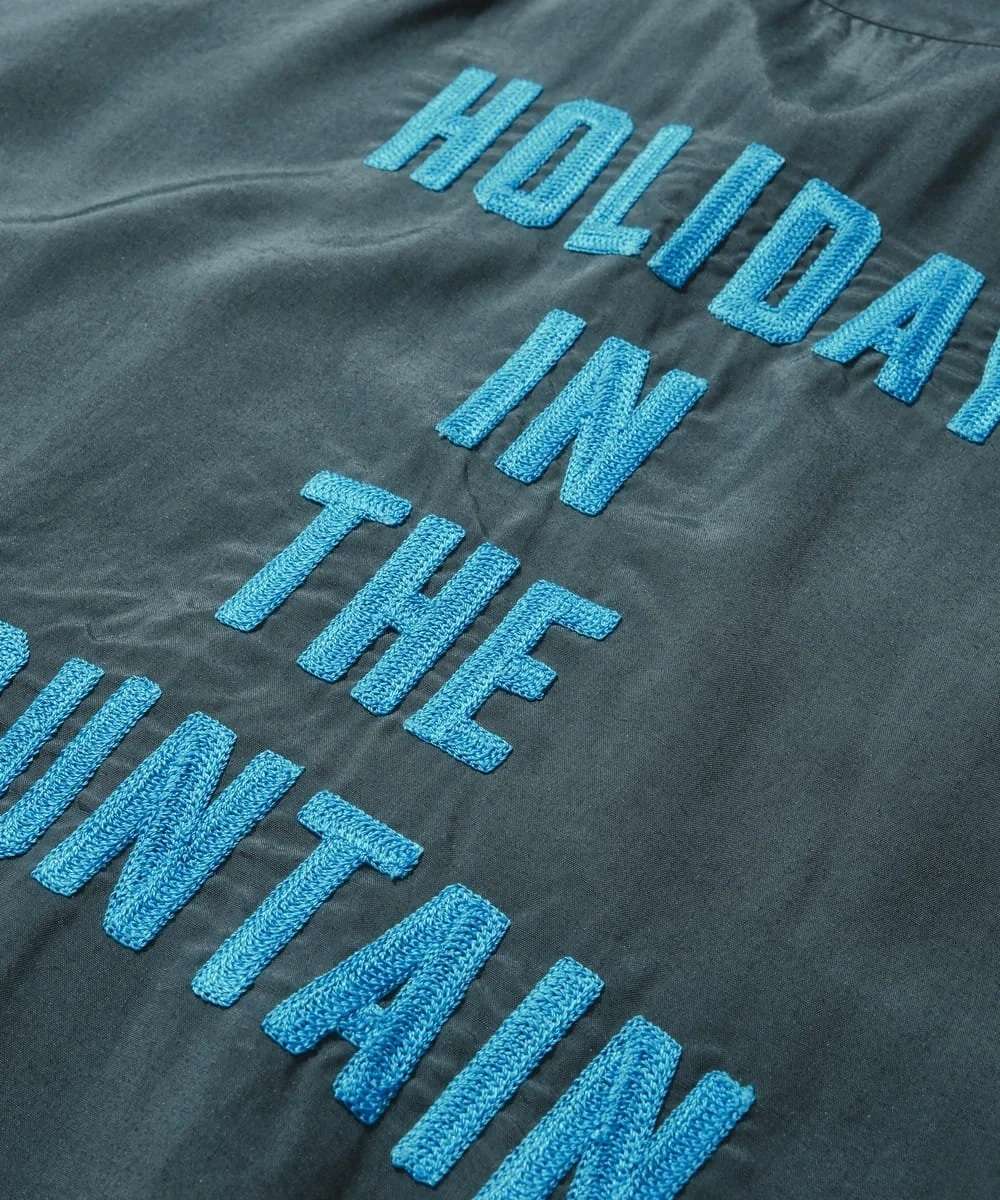
Flat Embroidery
Flat embroidery delivers clean, professional branding and graphics on sweaters without added dimension. CENWILD’s flat embroidery sweater service handles logos, text, and intricate artwork on any knit gauge or yarn type, with thread-color matching, density control, and stabilizer selection tailored to stretch fabrics and low-MOQ private label runs.
Get a Quote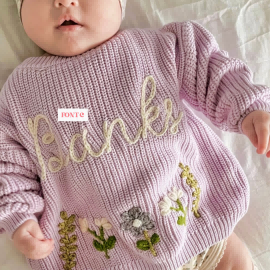
3D Puff Embroidery
3D puff embroidery adds raised, tactile dimension to sweater graphics using foam underlays beneath stitching. Our 3D puff embroidery sweater capability suits bold logos, varsity lettering, and streetwear designs on cotton, acrylic, and wool blends, programmed to balance relief height with knitwear flexibility across cardigans, pullovers, and hoodies.
Get a Quote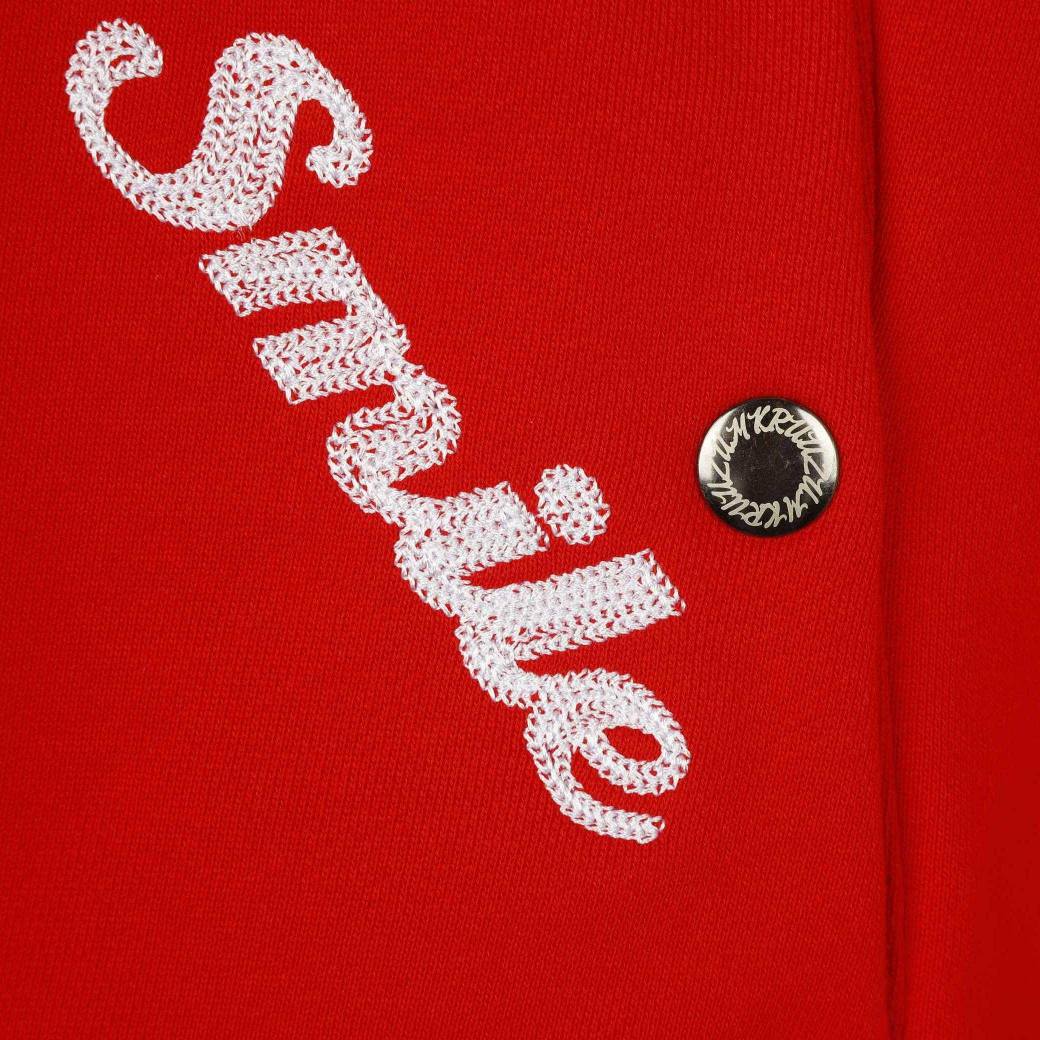
Applique Embroidery
Appliqué embroidery layers fabric shapes—felt, chenille, twill, or knit—onto sweaters, then locks edges with satin or zigzag stitching for a premium, textured finish. CENWILD’s appliqué embroidery sweater service supports collegiate patches, monograms, and custom motifs, ideal for varsity styles, children’s knitwear, and limited-edition collections from 100 pieces.
Get a Quote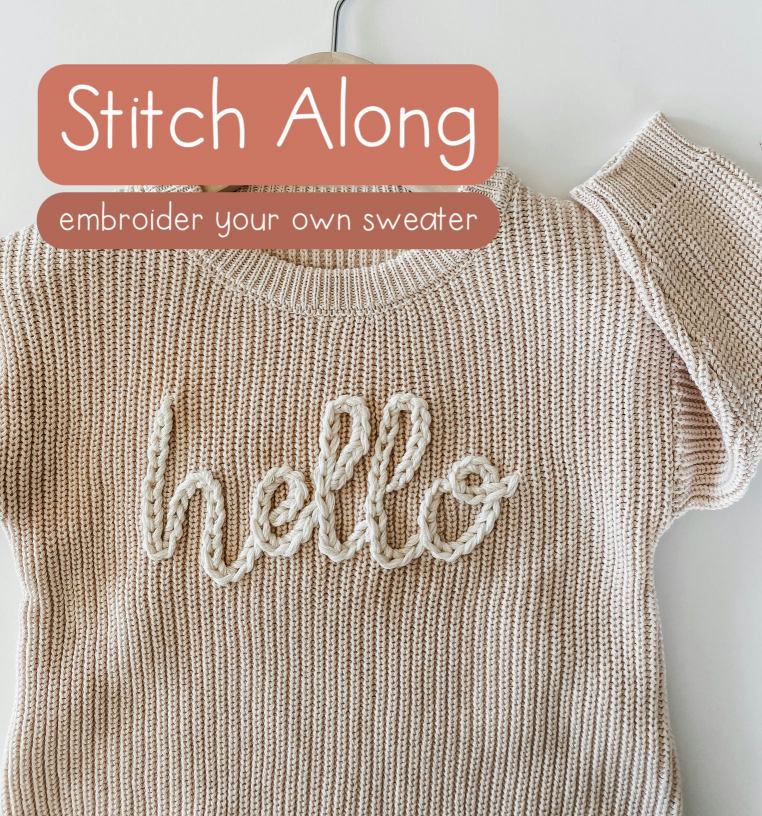
Sequin Embroidery
Sequin embroidery stitches individual sequins or sequin-tape onto knitwear for shimmer and movement. CENWILD integrates sequin embroidery into sweater production with thread-color coordination, pattern programming, and secure attachment methods that withstand washing, serving holiday collections, evening wear, and influencer capsules seeking standout decoration on pullovers and knit dresses.
Get a Quote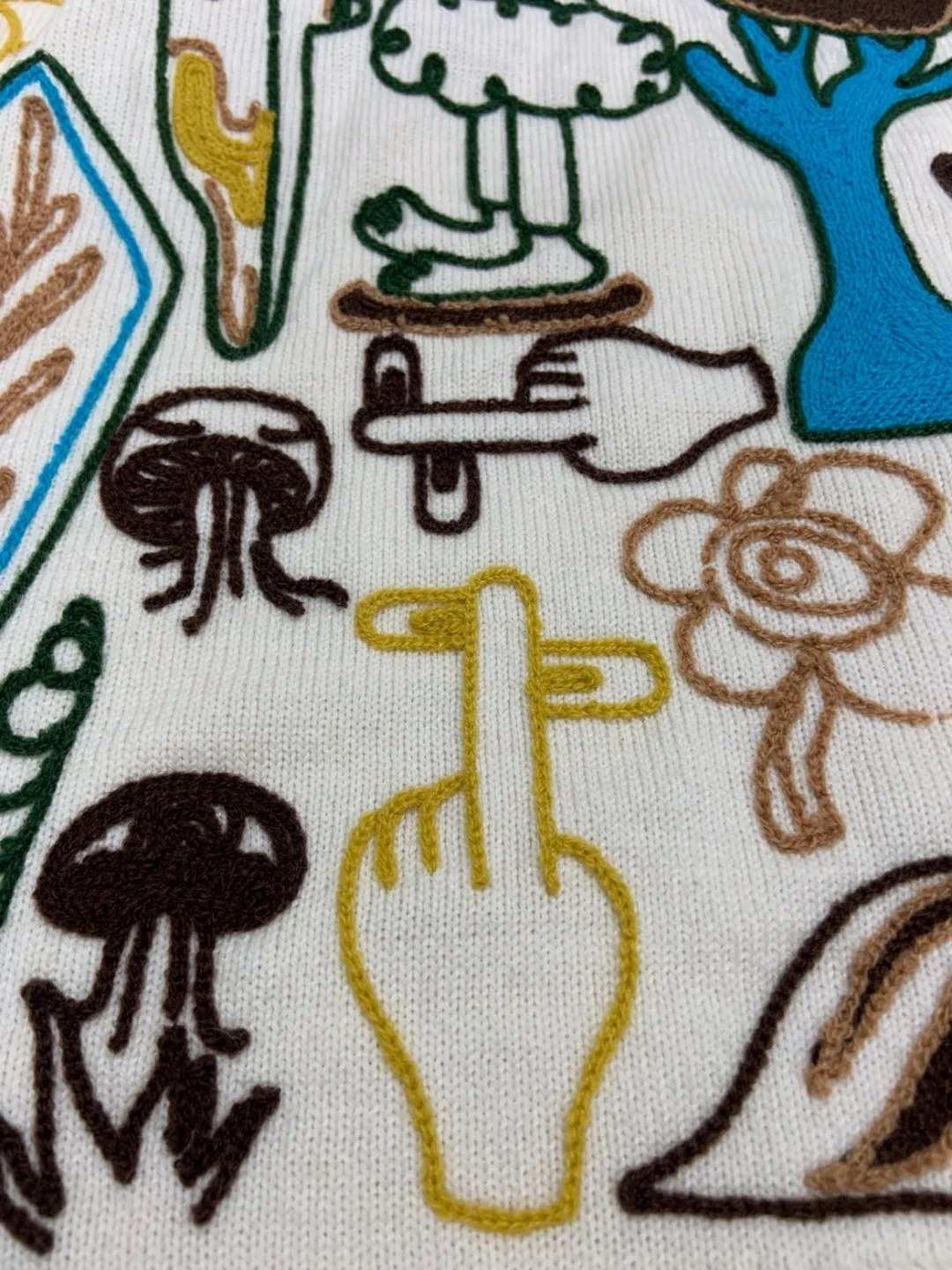
Custom Embroidered Patches
Custom embroidered patches are sewn or heat-sealed onto sweaters as removable or permanent branding elements. CENWILD produces custom embroidered patches in-house—woven or embroidered, with merrowed or laser-cut edges—and applies them during garment assembly, offering brands modular decoration, easy reorders, and co-branding flexibility across wholesale and private label knitwear.
Get a Quote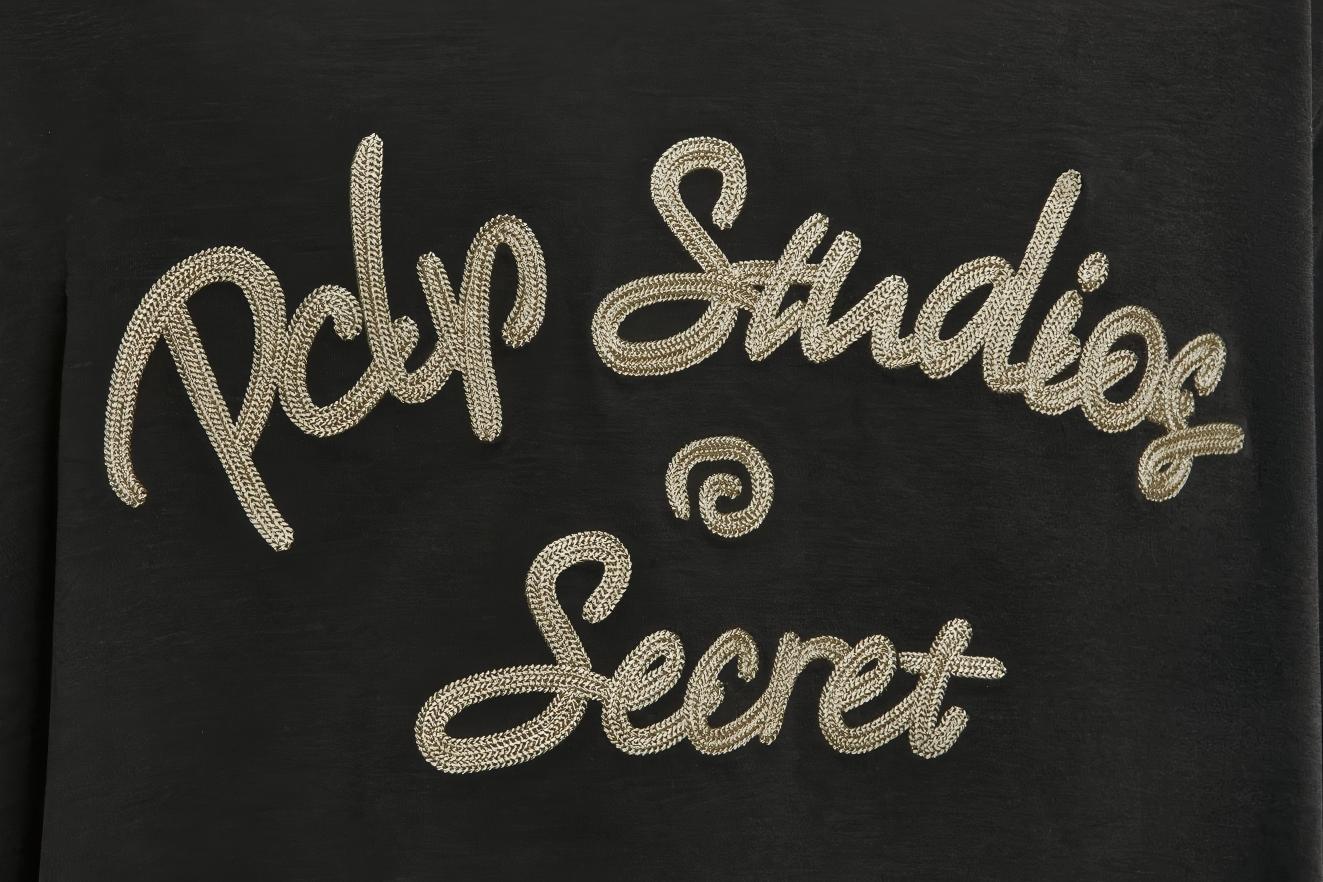
Logo Embroidery on Knit
Logo embroidery on knit translates brand identity into thread on cardigans, pullovers, and sweater vests with precision digitizing and stitch-type selection. Our custom logo sweater service manages thread sourcing, placement mockups, and production embroidery at any scale, supporting startups and established labels with MOQs from 100 pieces and full integration into CENWILD’s 28-year Dongguan knitwear manufacturing.
Get a Quote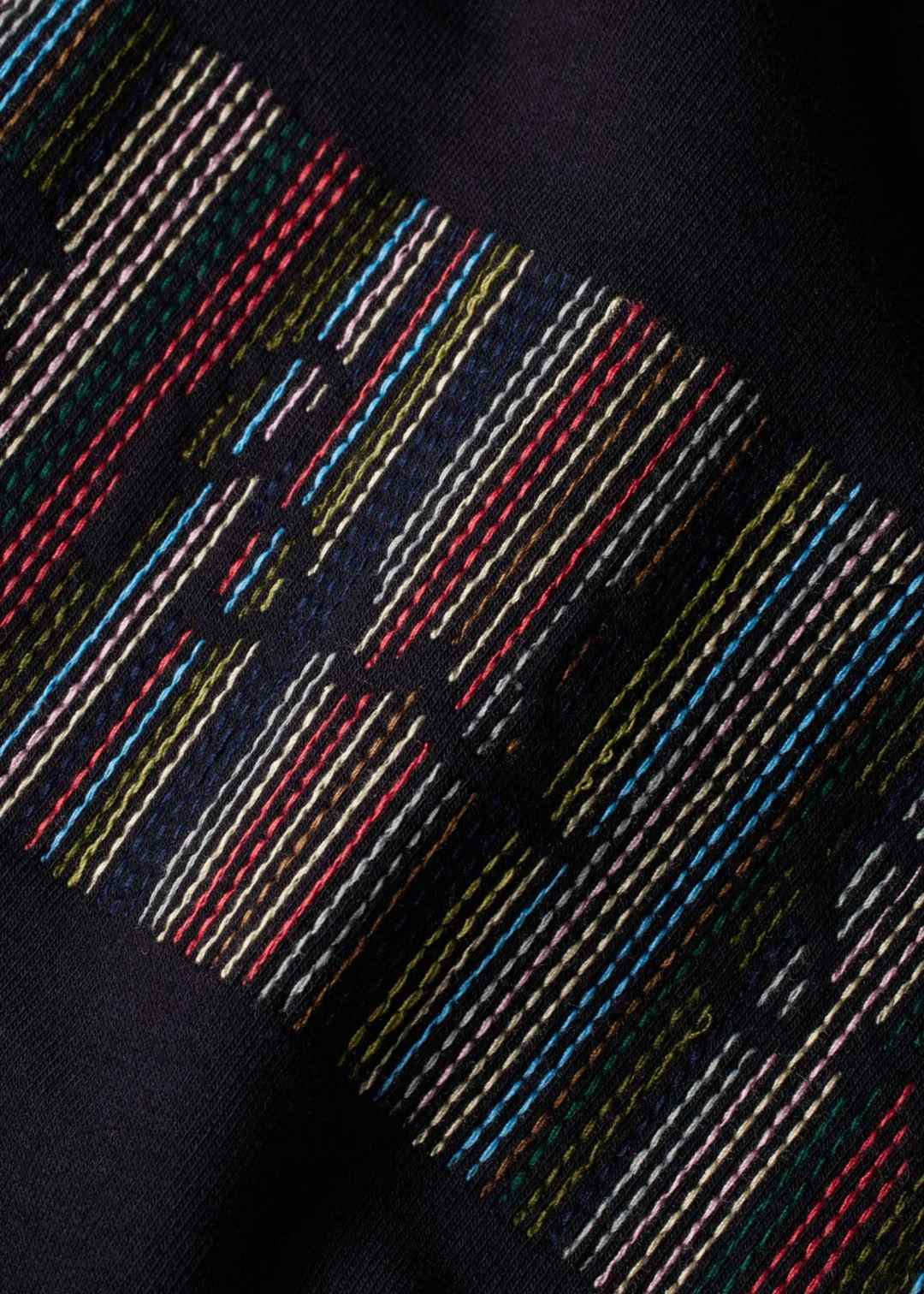
Custom Cardigan
Custom cardigans are knit to order in any gauge, yarn, stitch pattern, and decoration, from classic button-fronts to oversized, cropped, or zip styles. CENWILD’s custom cardigan manufacturing covers design development, knit-down sampling, full-package production, and embroidery or printing, serving fashion brands, retailers, and designers with OEM, ODM, and private label partnership from 100-piece MOQs.
Get a Quote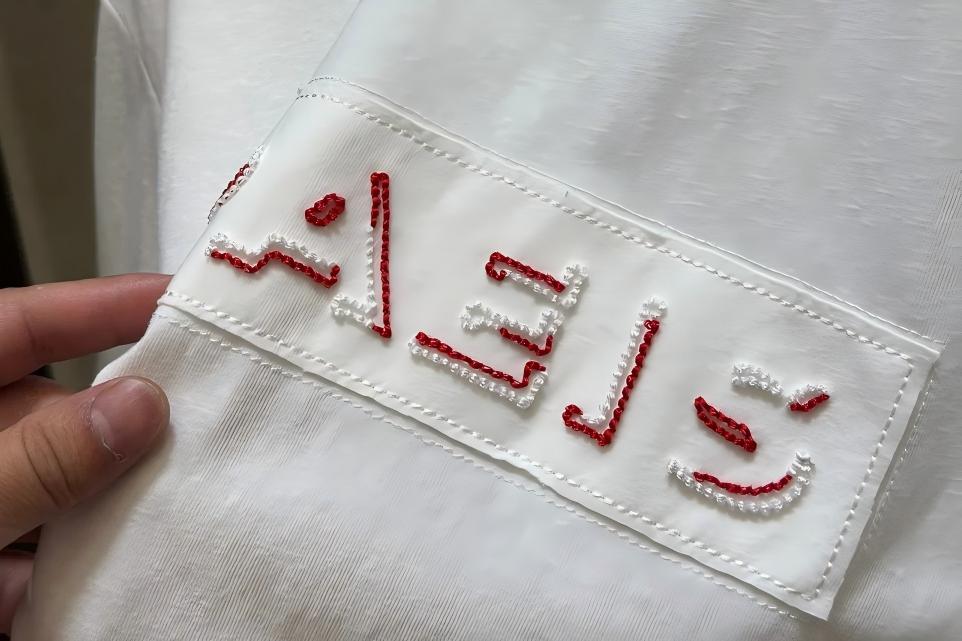
Cardigan Sweater Manufacturer
As a cardigan sweater manufacturer with over 28 years in Dongguan, CENWILD operates computerized flat-knitting lines across 3GG to 14GG gauges and monthly capacity exceeding 80,000 pieces. We produce cardigans in cashmere, merino, cotton, and blends for men, women, and children, offering OEM and ODM services, in-house sampling, embroidery, washing, and export logistics for global brands.
Get a QuoteCENWILD's Chain Stitch Embroidery Expertise
Since 1998, CENWILD has refined chain stitch embroidery as a signature decoration method for custom knitwear. Our Dongguan facility houses dedicated chain stitch machines and trained embroidery artisans who understand how this classic rope-like stitch enhances sweaters, cardigans, and knit dresses with texture, dimension, and vintage-inspired character that flat embroidery simply cannot replicate.
Over 28 years we have applied chain stitch embroidery to thousands of knitwear projects—from bold chenille varsity letters on college sweaters to delicate monograms on cashmere cardigans and intricate floral motifs on women’s pullovers. Every piece is quality-checked to ensure stitch consistency, proper tension on knit fabrics, and durability through washing and wear.
Whether you need 100 pieces or 10,000, CENWILD’s OEM and ODM capabilities pair low-MOQ flexibility with the precision and scale of an established manufacturer. Our in-house sampling, yarn sourcing, and decoration teams work together to deliver chain stitch embroidery that elevates your brand’s knitwear from concept to finished garment.
Chain Stitch Embroidery Production & Technical Details
Loop Formation & Thread Tension Control
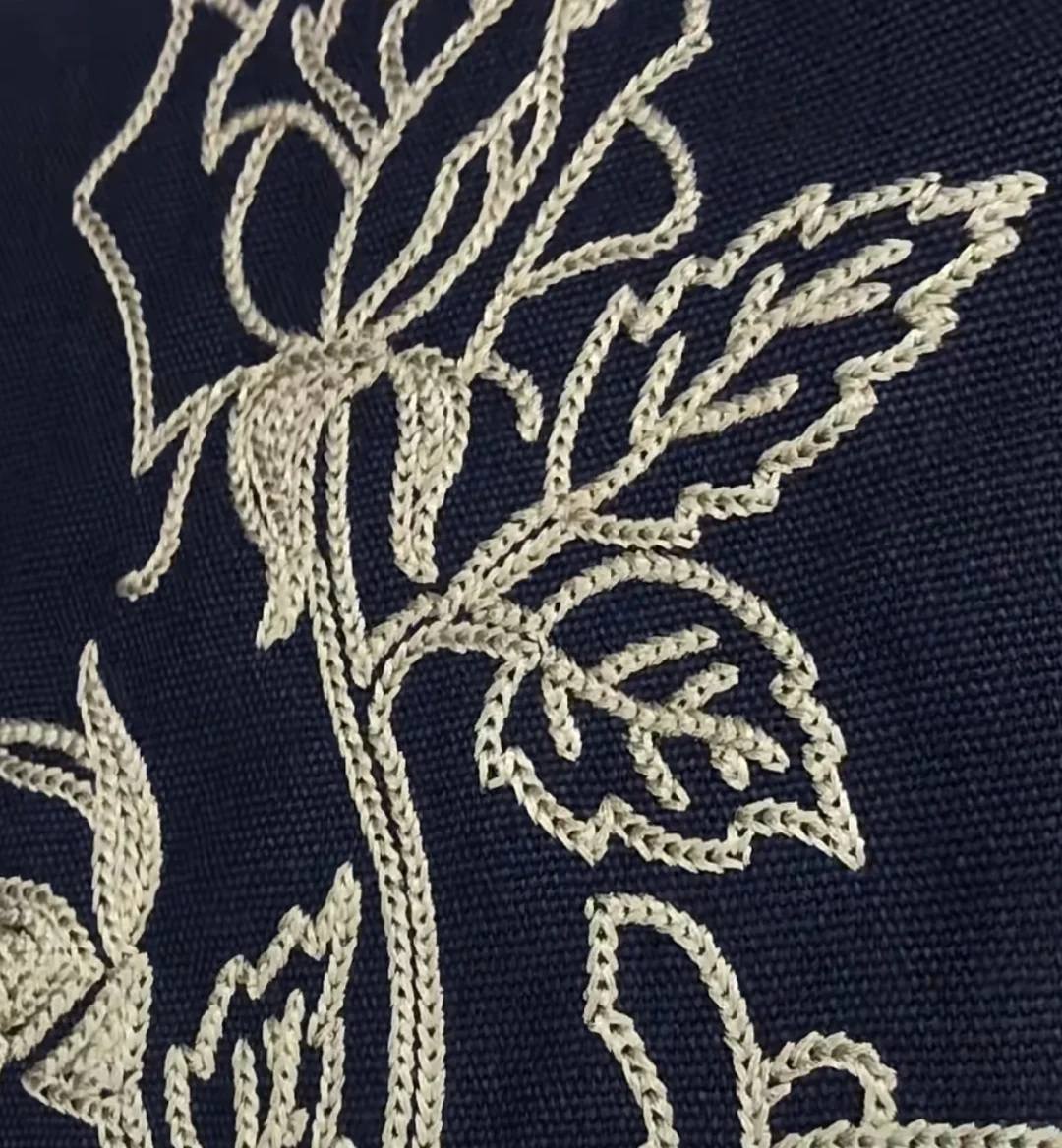
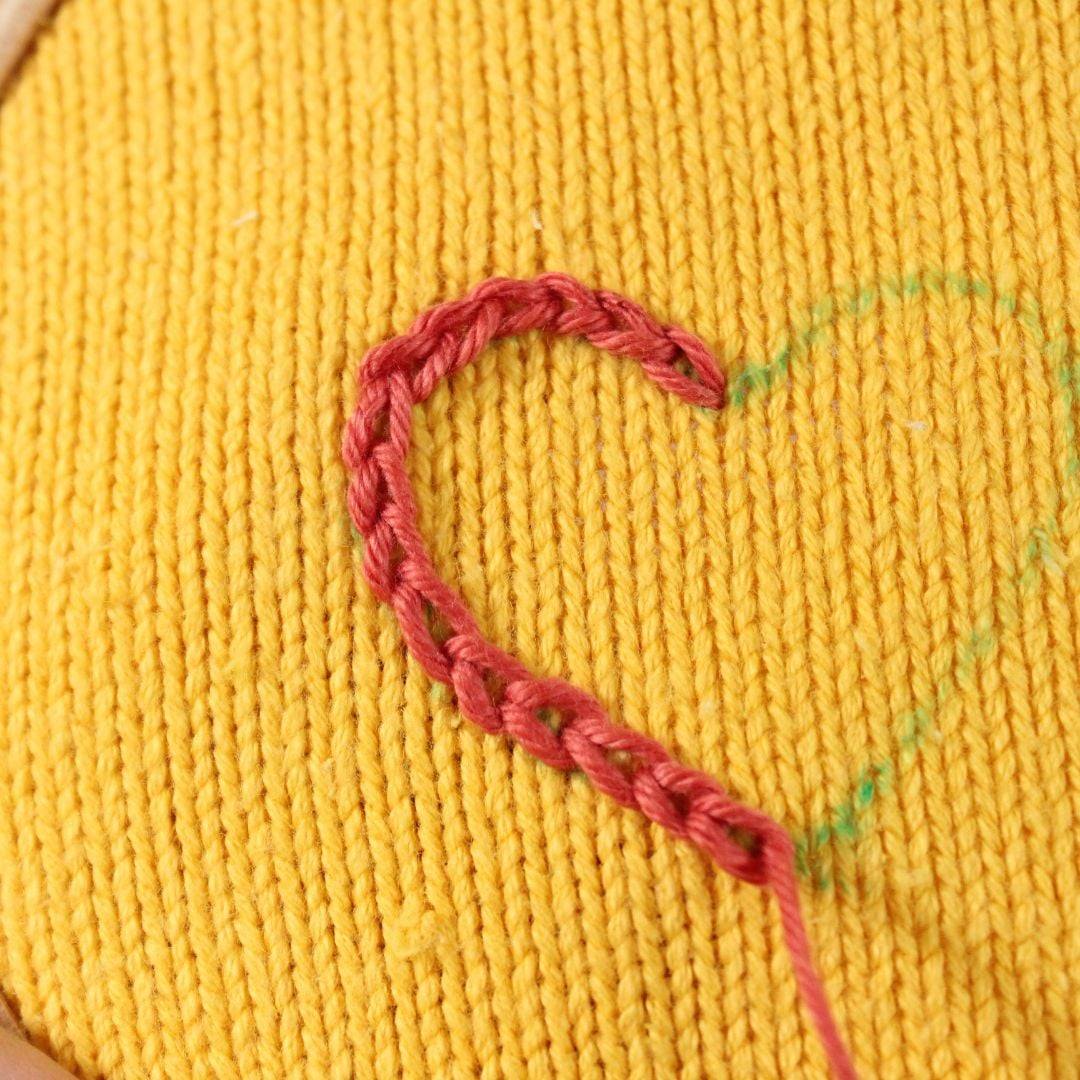
Chain stitch embroidery creates a continuous looped line on the fabric surface, with each stitch interlocking through the previous loop. CENWILD’s technicians calibrate thread tension and needle speed to ensure uniform loop size, preventing puckering or thread breakage across delicate knitwear.
- Single-thread loop structure forms the signature raised, rope-like texture
- Precise tension settings prevent distortion on stretch fabrics and fine-gauge knits
- Adjustable stitch length from 2mm to 12mm for varied visual effects
- Real-time monitoring ensures consistency across production runs of 100+ pieces
Stitch Density & Pattern Programming
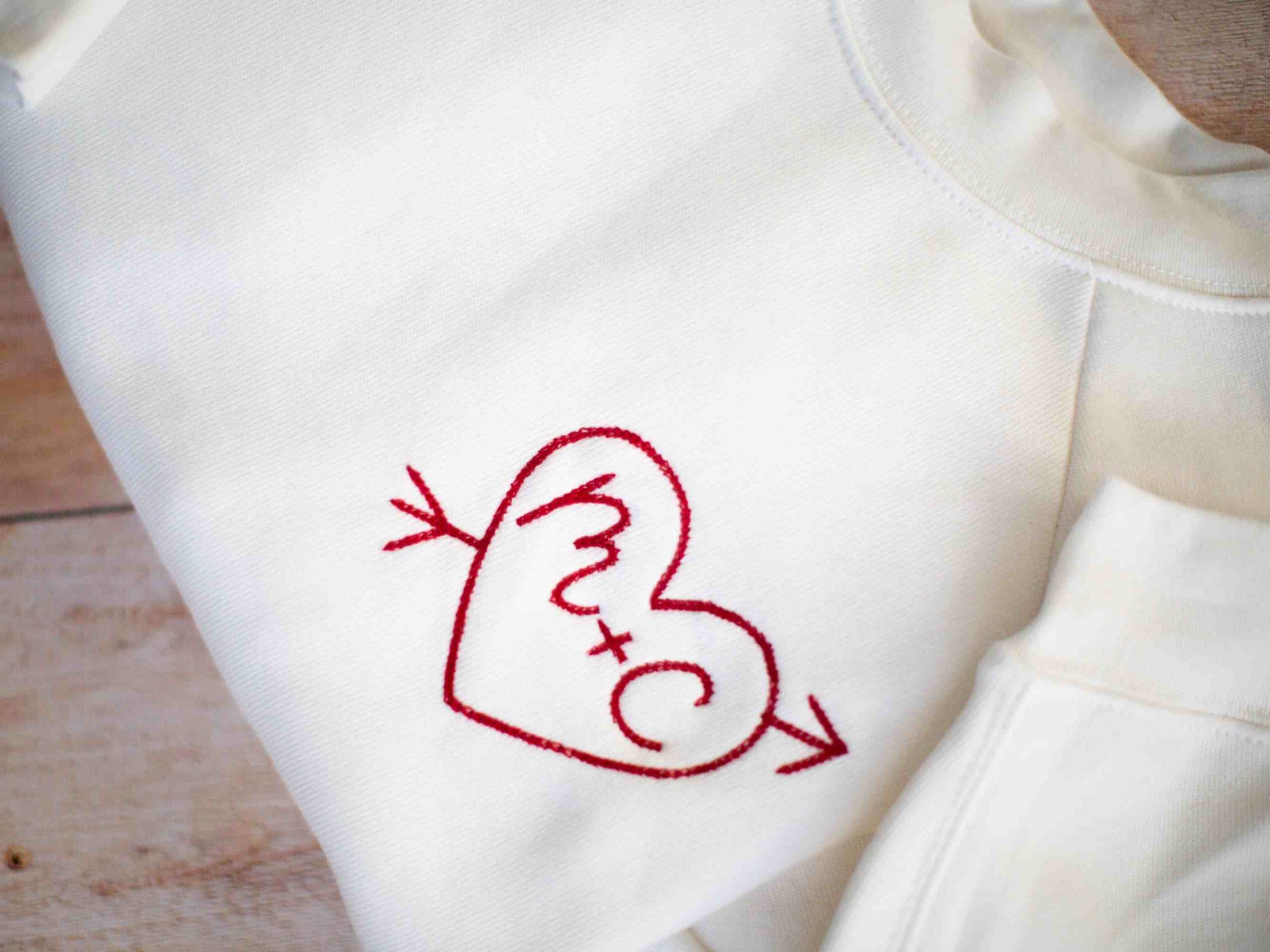
Stitch density determines the boldness and coverage of chain stitch embroidery. Our digitizing team programs every design with optimized density values, balancing visual impact against fabric weight and stretch recovery to maintain the drape and comfort of your custom knitwear.
- Density calibrated per yarn type: cashmere, merino, cotton, and acrylic blends
- CAD digitizing translates artwork into machine-readable stitch paths
- Variable density zones within a single design for dimensional effects
- Test stitchouts on actual production yarn before bulk manufacturing
Fabric Compatibility with Knit Structures
Chain stitch embroidery works beautifully on knitwear when fabric preparation and hooping techniques match the knit structure. CENWILD stabilizes stretch zones with water-soluble backing, adjusts needle types for different gauges, and tests each sample to ensure embroidery moves naturally with the garment.
- Compatible with 3GG–14GG flat-knit sweaters, cardigans, and knit dresses
- Stabilizer selection prevents distortion on ribbed cuffs, collars, and hems
- Specialized needles and thread weights for fine cashmere and chunky wool
- Pre-production sampling confirms stitch integrity through wash and wear cycles
Curing, Setting & Long-Term Durability
After chain stitch embroidery is complete, CENWILD applies heat-setting or steam-pressing to lock thread position and remove hoop marks. We conduct wash tests and abrasion trials to verify colorfastness, thread security, and stitch retention, ensuring your branded knitwear maintains its premium appearance season after season.
- Heat-setting stabilizes embroidery and restores knit elasticity
- Wash testing to AATCC standards confirms thread lock and color retention
- Anti-pilling and softening finishes applied post-embroidery as needed
- Quality inspection at every stage from digitizing through final packaging
Chain Stitch Embroidery vs. Flat Embroidery
Understanding the key differences helps you choose the right embellishment technique for your custom knitwear collection.
← 左右滑动查看 →
Chain Stitch Embroidery Production Process
CENWILD‘s six-phase workflow ensures every chain stitch embroidery detail on your custom knitwear meets brand standards, from digitization through final quality control.
Design Digitization & Setup
Your artwork is converted into machine-readable embroidery files, with stitch density, direction, and underlay optimized for chain stitch embroidery on knit fabrics.
Thread Selection & Color Matching
We source polyester, rayon, or specialty threads that match your Pantone references, ensuring colorfastness and sheen consistency across your order.
Machine Setup & Tension Calibration
Chain stitch heads are threaded and tensioned specifically for knitwear stretch, with hooping techniques that prevent fabric distortion during embroidery.
Embroidery Execution
Your design is stitched using chain stitch embroidery machines, monitored in real time for thread breaks, registration accuracy, and uniform stitch formation.
In-Line Quality Inspection
Each embroidered piece is checked for stitch density, thread tension, pattern alignment, and fabric integrity before moving to finishing.
Trimming & Final Finishing
Loose threads are trimmed, backing stabilizer is removed if needed, and garments are steamed or pressed to restore knit drape and texture.
How to Order Custom Chain Stitch Embroidery Knitwear
From your first inquiry to finished sweaters shipped to your door, CENWILD guides you through every step—starting from just 100 pieces with flexible payment terms and full sampling support.
Submit Your Design & Requirements
Share your artwork, logo, or reference images along with garment style, yarn preference, and order quantity. Our team reviews feasibility and provides a detailed quotation within 24 hours.
Approve Knit-Down Sample with Embroidery
We produce a full production-standard sample featuring your chain stitch embroidery. Review fit, yarn hand-feel, stitch detail, and embroidery placement before committing to bulk production.
Confirm Order & Payment Terms
Lock in your 100-piece minimum order with an initial deposit—100% for first orders, easing to 30% for returning partners. Balance is due before shipment, via T/T, PayPal, or card.
Track Production & Quality Control
Your knitwear enters our Dongguan facility for knitting, linking, embroidery, washing, and finishing. Our QC team inspects every piece against your approved sample and tech pack specifications.
Receive Packaged & Shipped Goods
Finished sweaters are packed to your branding requirements and shipped via your chosen logistics partner. You receive full documentation, tracking, and post-delivery support from our export team.
Customer Success Stories: Chain Stitch Embroidery Knitwear
CENWILD’s chain stitch embroidery on our wool cardigans held up perfectly after 15 wash cycles. The stitch definition stayed crisp and the thread color didn’t fade. Our customers love the vintage look.
We needed chain stitch logo embroidery on 300 merino crewnecks with a tight deadline. CENWILD delivered knit-down samples in 8 days and hit our shipment date two days early. Flawless execution.
The design accuracy was incredible. Our intricate chain stitch pattern matched the tech pack exactly, down to the 2mm spacing. Working with CENWILD’s embroidery team saved us three rounds of revisions.
Chain Stitch Embroidery FAQ
What is the minimum order quantity for chain stitch embroidery on knitwear?
What fabrics and knit types work best with chain stitch embroidery?
How many colors can I use in a chain stitch embroidery design?
What is the maximum design size for chain stitch embroidery on sweaters?
Can chain stitch embroidery be combined with other decoration techniques?
How durable is chain stitch embroidery after washing?
What file format do you need for chain stitch embroidery artwork?
What is the lead time and sampling cost for chain stitch embroidery knitwear?
Is chain stitch embroidery more expensive than flat embroidery on sweaters?
The Complete Buyer’s Guide to Chain Stitch Embroidery for Custom Knitwear
Navigate sourcing decisions with confidence. This guide delivers a proven framework for evaluating chain stitch embroidery suppliers, quality benchmarks, customization options, and the critical mistakes that derail first-time buyers.
1. What Is Chain Stitch Embroidery?
Chain stitch embroidery forms a continuous line of looped thread in which each stitch pulls through the previous loop, creating a rope-like, raised texture that stands visibly above the fabric surface. Unlike lock stitch — which interlocks an upper thread with a bobbin thread on the underside — chain stitch uses a single needle and looper system, producing a uniform chain on the face and a straight line of thread on the back.
This looped structure delivers three advantages for custom knitwear: the stitches stretch with the knit fabric, preventing puckering during wear; the raised profile catches light and adds dimensional contrast ideal for logos, lettering, and decorative borders; and the technique works cleanly on heavier gauges (3GG to 14GG) without distorting cable, rib, or jacquard patterns.
CENWILD applies chain stitch embroidery alongside flat, 3D puff, applique, sequin, and patch decoration, enabling fashion brands to layer texture and branding across cardigans, pullovers, sweater vests, and knit sets with a minimum order quantity of just 100 pieces per style.
2. The Evolution and History of Chain Stitch Embroidery
Chain stitch embroidery dates back more than 2,500 years, with examples discovered in ancient Chinese silk textiles, Indian saris, and Persian tapestries. Hand artisans looped thread through fabric to create flexible, decorative lines that moved with the garment — a critical advantage for early knitwear and draped clothing.
The 1828 invention of the first chain stitch sewing machine by Josué Heilmann in France marked the shift from craft to industrial scale. By the 1850s factories in Europe and North America adopted powered chain stitch machines for garment seaming and decorative work, cutting labor time by 80 percent while preserving the stitch’s signature stretch and texture.
Modern computerized chain stitch machines — widely adopted in knitwear manufacturing hubs like Dongguan since the 1990s — run multi-head embroidery at speeds exceeding 1,000 stitches per minute with digital pattern precision. This heritage of hand-craft flexibility combined with industrial repeatability ensures that chain stitch embroidery on custom sweaters today delivers both artisan character and scalable quality for fashion brands at any order volume.
3. Types of Chain Stitch Embroidery Techniques
Chain stitch embroidery encompasses several distinct techniques, each producing unique textures and visual effects on knitwear. Understanding the structural differences and typical applications helps fashion brands select the right variant for logos, borders, and decorative panels.
Basic Chain Stitch
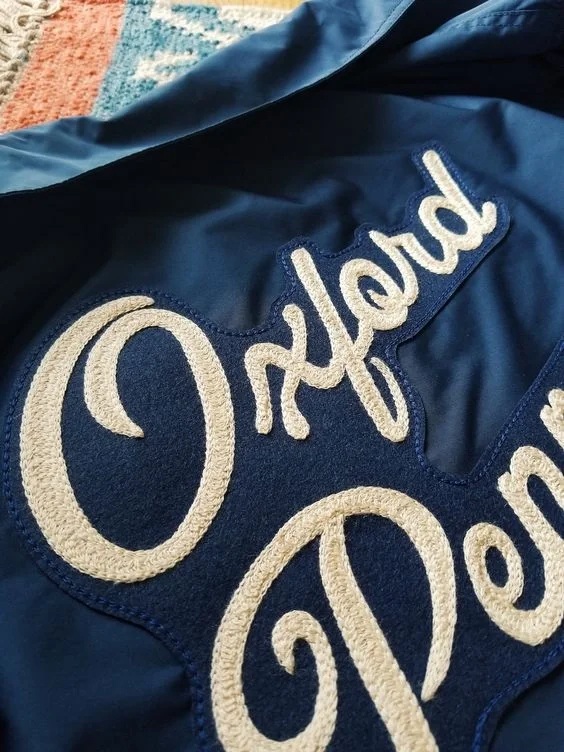
The foundational loop-through-loop structure creates a continuous line resembling a metal chain. Machine execution delivers consistent 3–5 mm stitch length at speeds up to 1,000 stitches per minute, ideal for bold lettering and outline work on sweaters and cardigans.
Hand execution offers variable tension for artistic flourishes but requires 10–15× longer production time. CENWILD’s computerized chain-stitch heads handle intricate logo paths and multi-color thread changes without manual intervention.
Cable Chain and Zigzag Chain
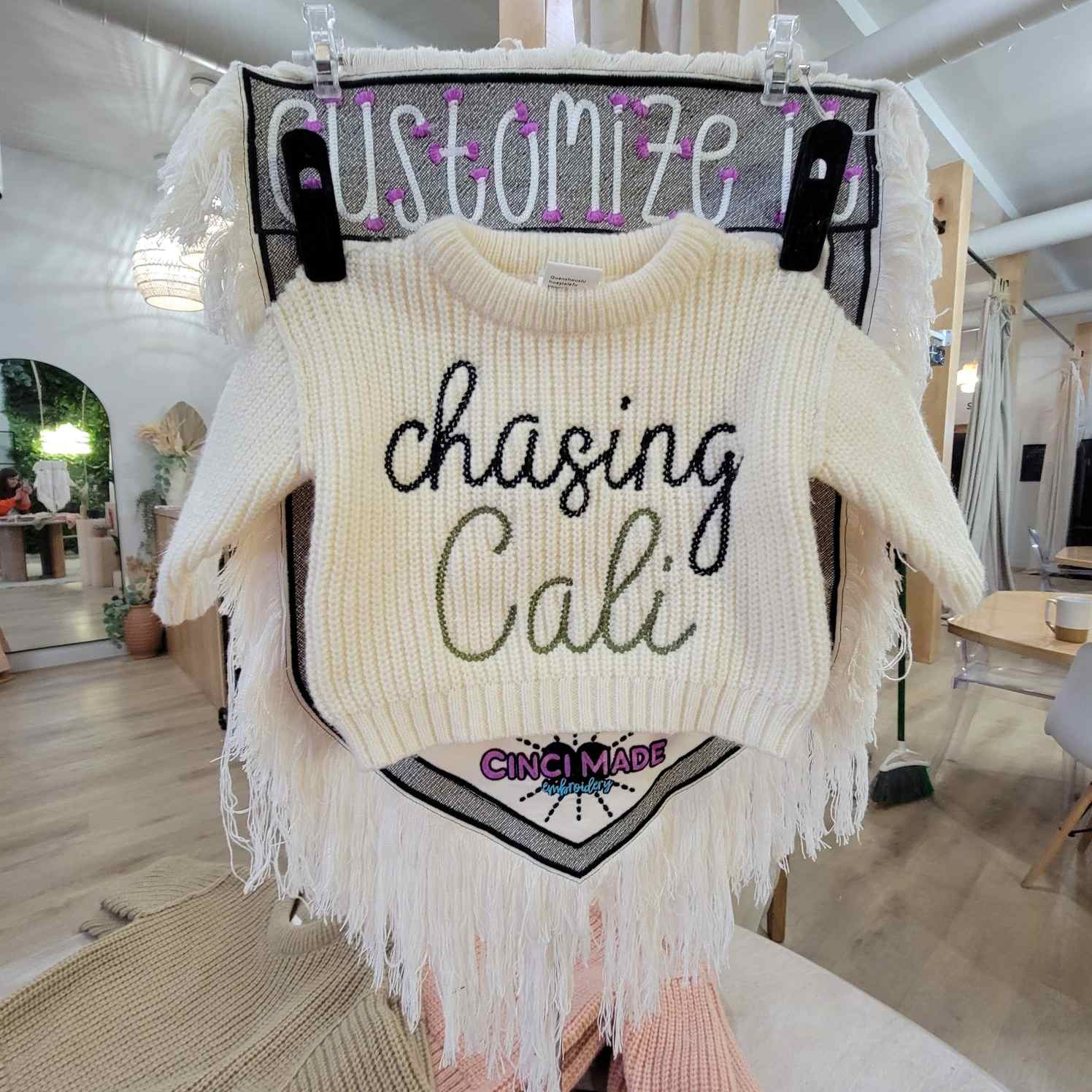
Cable chain interlocks two parallel threads for a braided, rope-like appearance, adding dimensional texture to necklines and cuffs. Zigzag chain alternates stitch direction at 30–45° angles, producing a herringbone effect popular for decorative borders on knit dresses and sweater vests.
Both variants require specialized machine cams or manual needle manipulation, extending setup time by 20–30% but delivering premium visual impact.
Moss Stitch Variant
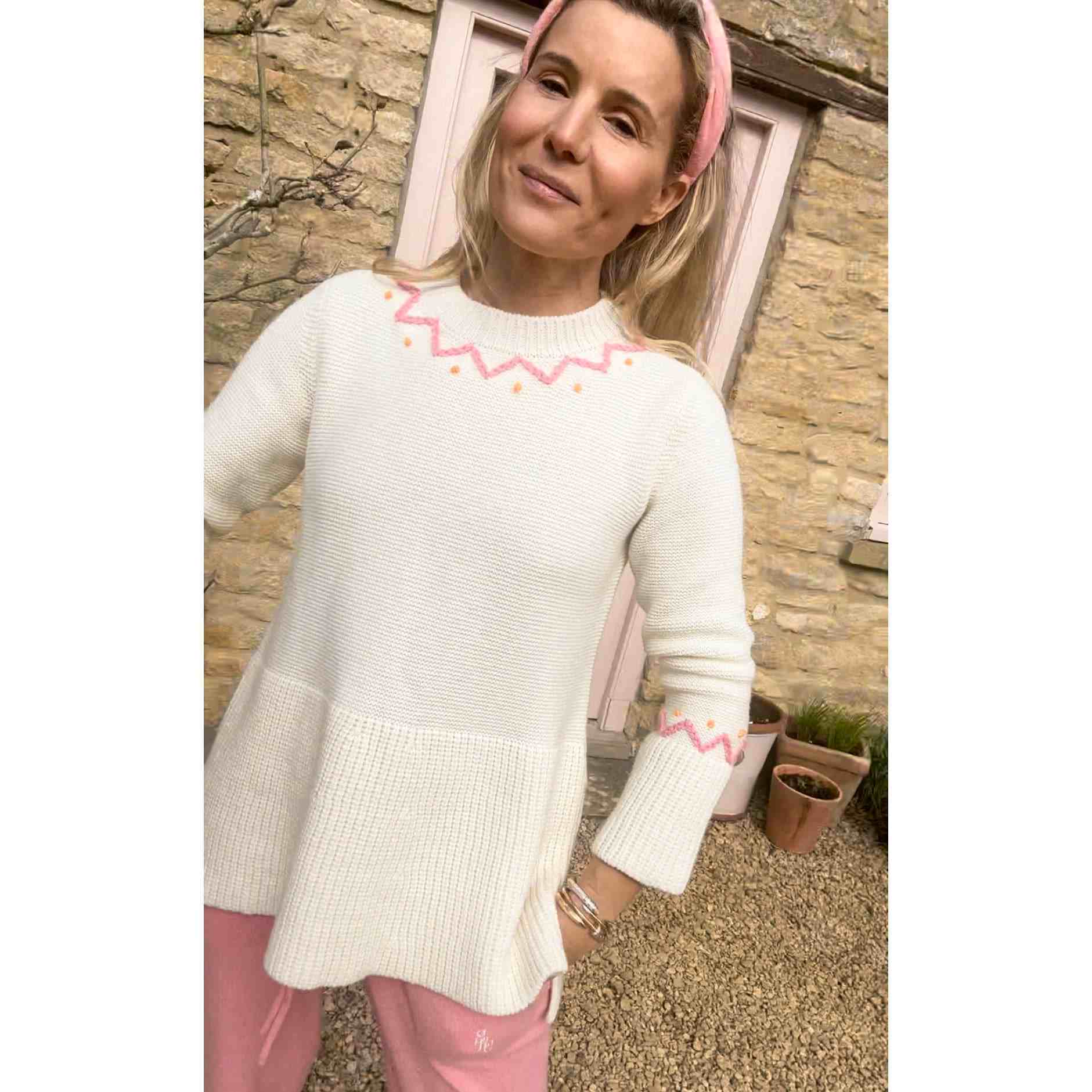
Moss stitch (also called seed stitch in embroidery) layers short chain segments in alternating directions, creating a textured, stippled surface. Common for filling large decorative panels on pullovers and ponchos, it diffuses light and adds tactile interest without heavy thread buildup.
4. Materials and Fabrics for Chain Stitch Embroidery
Chain stitch embroidery performance depends on base fabric weight, fiber content, and thread compatibility. Cotton, wool, acrylic, and blends each respond differently to needle penetration, stitch tension, and laundering.
| Fabric Type | GSM Range | Thread Compatibility | Recommended Use |
|---|---|---|---|
| Cotton knit | 180–300 | Polyester, rayon | Casual sweaters, logo placement |
| Wool / merino | 220–350 | Polyester, metallic | Premium cardigans, branding |
| Acrylic blend | 200–280 | Polyester | High-volume runs, budget lines |
Base Fabric and GSM Ranges
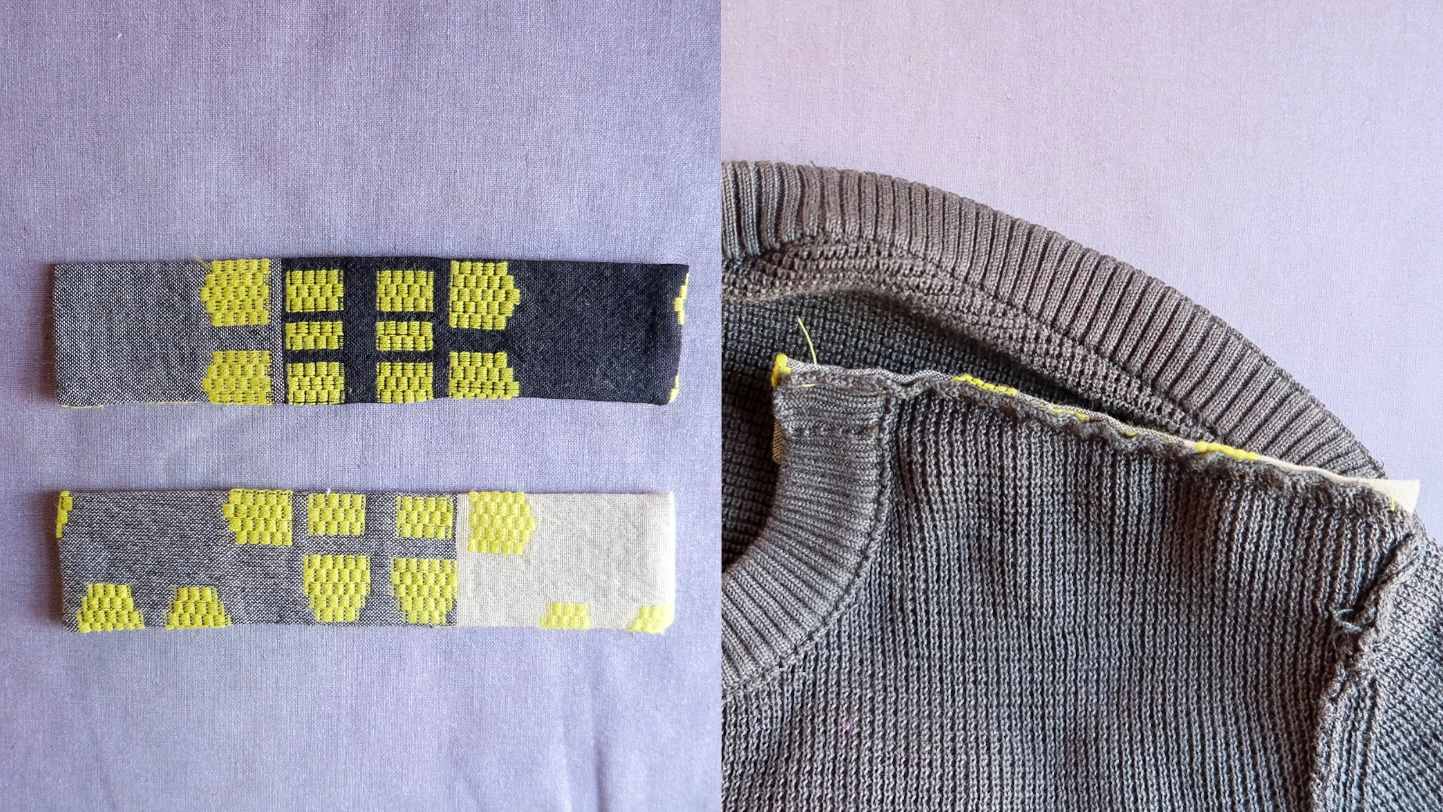
Cotton knits from 180–300 GSM offer stable stitch formation with minimal puckering. Merino and lambswool sweaters at 220–350 GSM hold chain stitch embroidery cleanly when pre-stabilized. Acrylic and acrylic-blend fabrics at 200–280 GSM resist shrinkage but require backing to prevent loop distortion during high-speed runs.
Thread Types and Stitch Definition
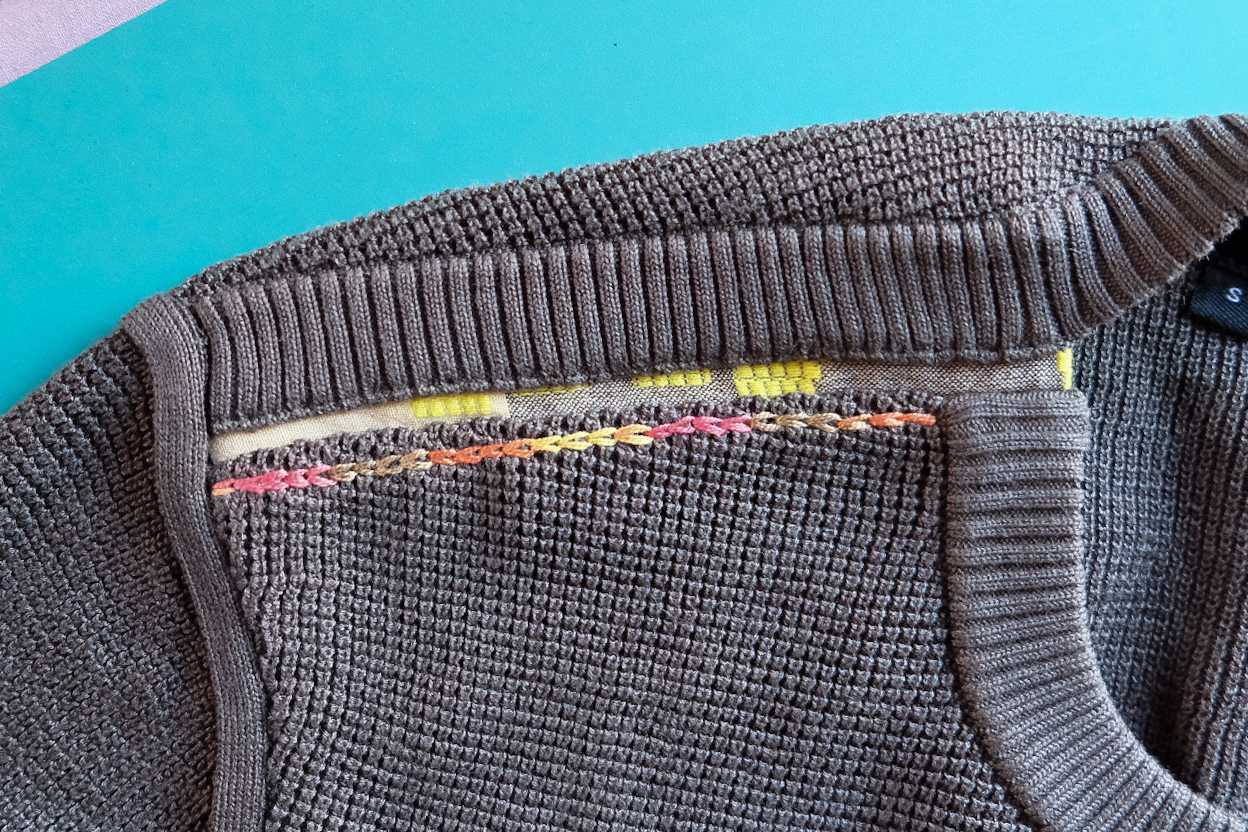
Polyester thread delivers wash-fast color and tensile strength across all fabric weights. Rayon thread adds sheen and drape for logo work on lightweight knits but fades faster under UV. Metallic threads require slower machine speed and heavier needles to prevent breakage. Thread weight from 30 wt (thick, bold lines) to 60 wt (fine detail) directly controls stitch visibility and texture.
5. Customization and Decoration Options with Chain Stitch Embroidery
Chain stitch embroidery unlocks a wide range of design possibilities for custom knitwear, from simple monograms to complex graphic panels. Understanding color matching, file formats, and how chain stitch layers with other techniques helps brands maximize visual impact and production efficiency.
| Technique | Cost per Piece | Design Complexity | Visual Impact |
|---|---|---|---|
| Chain Stitch Embroidery | Medium | High detail, curves, text | Raised texture, premium feel |
| Jacquard Knit | Low (woven in) | Moderate, color-block patterns | Flat, integrated design |
| Intarsia Knit | Low (knitted) | High, pictorial motifs | Flat, seamless color blocks |
Design Applications and Placement Options
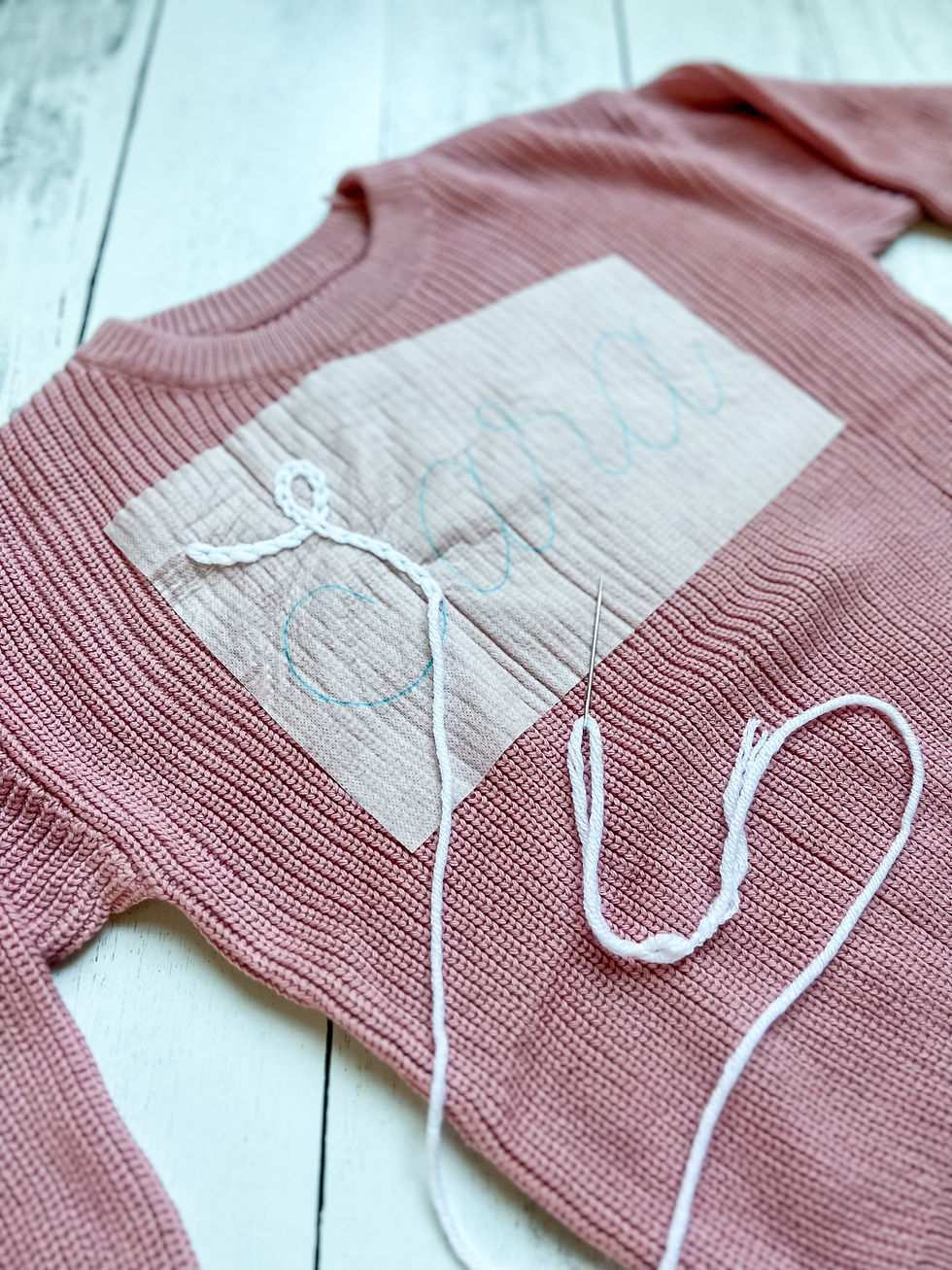
Chain stitch embroidery adapts to monograms, brand logos, decorative text, border trims, and all-over graphic panels. Placement flexibility includes chest logos, sleeve patches, back yokes, hems, and necklines.
CENWILD’s design team converts sketches, photos, or tech packs into production-ready embroidery files, offering original stitch programming and placement guidance for any knitwear silhouette.
Color Matching and Thread Libraries
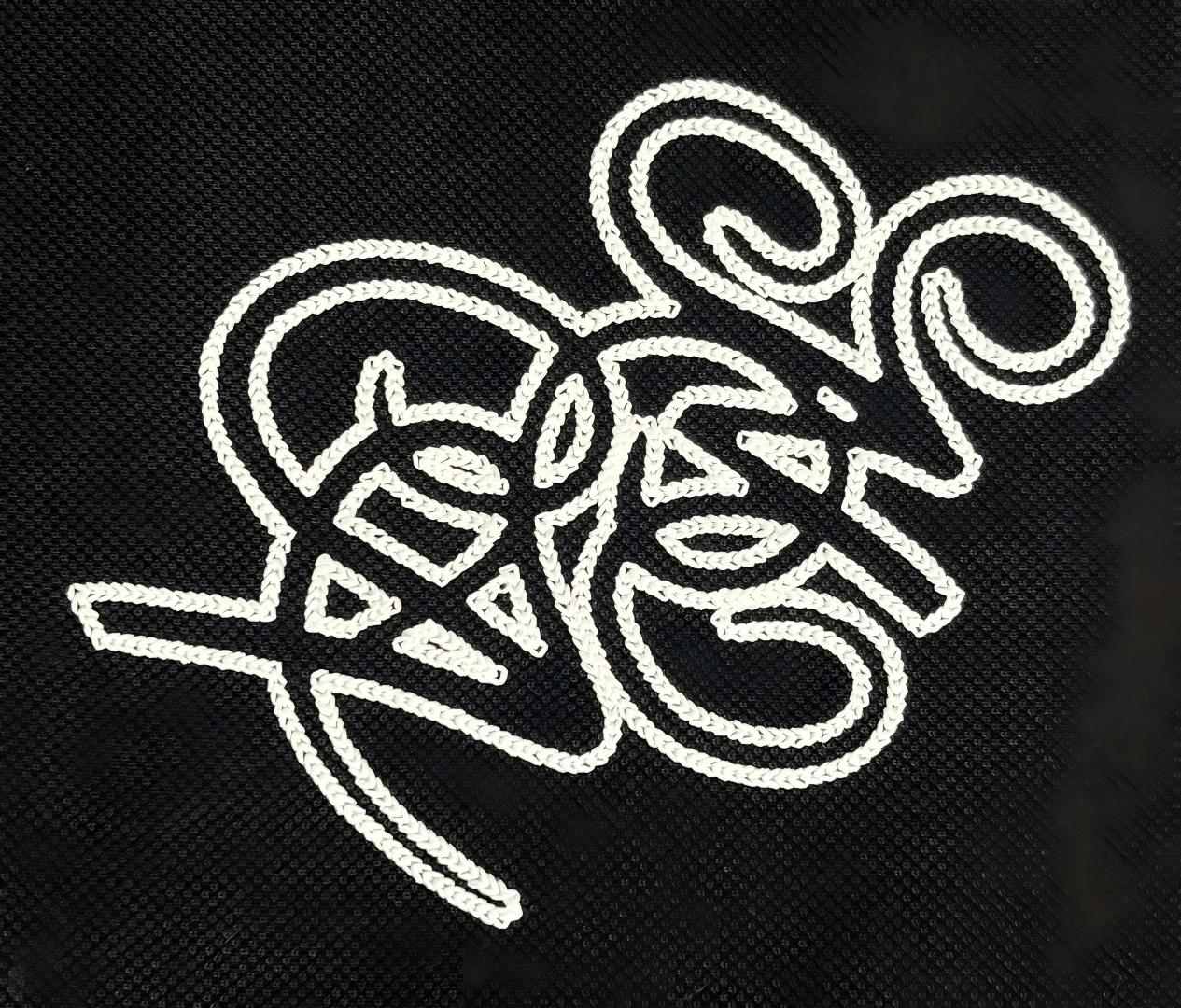
Pantone thread matching ensures brand-color accuracy across production runs. Thread libraries typically offer 300–500 standard shades, with custom dyeing available for unique palettes.
CENWILD sources embroidery threads in polyester, rayon, and metallic finishes, matching client Pantone references or physical swatches to maintain consistent branding.
File Formats and Digitization
Chain stitch machines read DST, PES, and Tajima formats. Vector artwork (AI, EPS, PDF) digitizes into stitch files with density, underlay, and pull-compensation settings.
CENWILD’s in-house digitizers optimize files for knit substrates, preventing puckering and ensuring clean stitch-out on sweaters, cardigans, and knit dresses.
Layering with Other Decoration Techniques
Chain stitch embroidery combines with appliqué patches, sequins, beading, and heat-transfer prints for multi-dimensional effects. Layering requires sequencing: appliqué first, then embroidery, finally beading or sequins.
CENWILD coordinates embroidery, appliqué, sequin, and patch decoration in-house, streamlining production timelines and quality control for complex custom knitwear.
6. Key Quality Elements in Chain Stitch Embroidery
Chain stitch embroidery quality separates professional-grade knitwear from defective goods. Buyers must inspect five construction benchmarks before approving production: stitch tension, thread integrity, fabric stability, backing quality, and colorfastness.
Stitch Tension and Loop Consistency
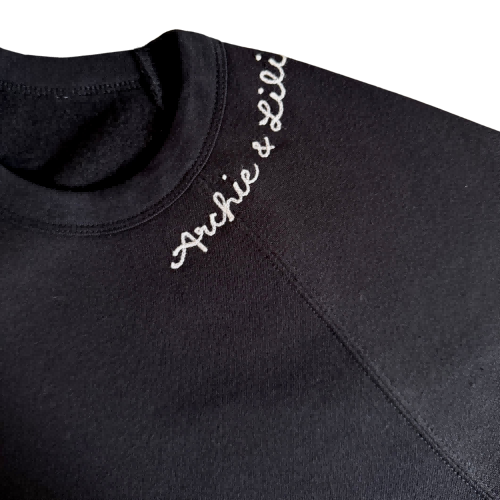
Uniform tension across every chain loop ensures flat, smooth embroidery. Poor calibration produces loose loops that snag or tight stitches that pucker the knit base.
CENWILD’s operators check tension at the start of every run and adjust needle depth and thread feed for each yarn weight. Loose or skipped stitches indicate worn machine parts or insufficient operator skill.
Backing and Stabilizer Selection
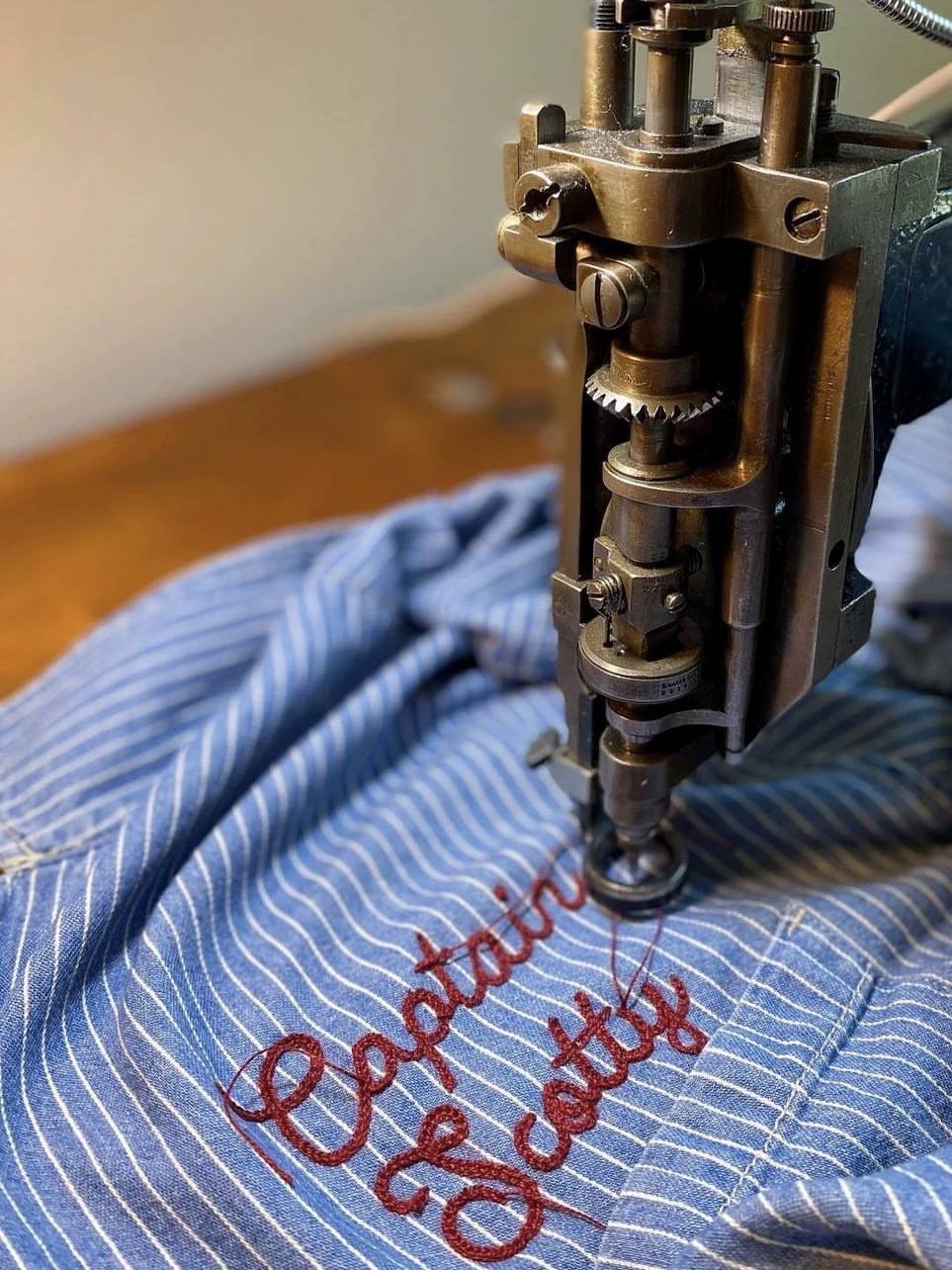
Tear-away or cut-away stabilizers prevent fabric distortion during stitching. Lightweight knits require cut-away backing; heavier gauges tolerate tear-away.
Insufficient stabilizer causes puckering and wave distortion that cannot be corrected post-production. CENWILD matches stabilizer weight to fabric gauge and stitch density for every order.
Thread Quality and Colorfastness
Polyester and rayon threads dominate chain stitch work; polyester resists fading through 50+ washes, rayon offers sheen but fades faster.
Thread breakage during production signals low-grade yarn or incorrect needle size. CENWILD sources ISO-certified threads and runs colorfastness tests to AATCC standards before bulk production.
7. How to Choose a Chain Stitch Embroidery Manufacturer
Selecting the right chain stitch embroidery partner determines both the quality of your finished knitwear and the speed at which you can scale. Evaluate suppliers on equipment, flexibility, process transparency, and compliance before committing to production.
Machine Capabilities and Capacity
Ask how many chain-stitch heads the factory runs, typical stitch speed (600–1,200 stitches per minute is standard), and whether they handle multi-color work in one pass. CENWILD’s embroidery workshop supports flat, 3D puff, chain-stitch, appliqué, sequin, and patch embroidery with monthly capacity exceeding 80,000 pieces.
Confirm gauge compatibility if embroidering on fine-gauge knitwear (12GG or 14GG) to avoid fabric distortion.
MOQ, Sampling, and Lead Times
MOQ for chain stitch embroidery often ranges from 300 to 1,000 pieces per design at traditional factories. CENWILD starts at 100 pieces per style, with knit-down sampling available before bulk.
Typical sampling takes 7–14 days; production lead time runs 25–45 days depending on order size and decoration complexity. Confirm whether sample costs are refundable and whether the factory provides digital mock-ups.
Certifications, Communication, and Red Flags
Look for OEKO-TEX Standard 100 (yarn and thread safety), ISO 9001 (quality management), and BSCI or WRAP audits. Verify IP protection clauses in your contract.
Red flags include refusal to provide samples, vague per-piece pricing, and reluctance to share machine specs or factory photos. During RFQ, ask for stitch-count estimates, thread-brand options (Madeira, Gunold), and whether they digitize artwork in-house.
8. Common Mistakes Buyers Make with Chain Stitch Embroidery
Even experienced buyers stumble on chain stitch embroidery details that derail timelines and budgets. CENWILD’s production team sees five recurring pitfalls — each preventable with upfront specification and sample approval.
Choosing the Wrong Stitch Density for Fabric Weight
Dense chain stitch embroidery on lightweight knits causes puckering and distortion; the fabric cannot support the thread weight. Conversely, sparse stitching on heavy-gauge sweaters looks thin and unfinished.
Always match stitch density to fabric GSM: fine-gauge 5GG–7GG knits need 4–5 mm spacing, while chunky 3GG pieces tolerate tighter 3 mm runs. Request a knit-down swatch with embroidery before full production.
Ignoring Wash Testing
Chain stitch embroidery uses looped thread on the reverse, which can unravel or bleed dye if thread quality is poor. Skipping wash tests risks color transfer onto garment fabric and loop distortion after the first customer wash.
CENWILD runs standard wash cycles on all embroidered samples, checking colorfastness and stitch integrity before bulk orders ship.
Skipping Sample Approval and Underestimating Digitizing Costs
Custom logos require digitizing — converting artwork into machine-readable stitch paths. Buyers who skip sample approval often face production delays when final pieces reveal spacing or scale errors. Digitizing typically adds 50–150 USD per design.
Always approve a physical sample. CENWILD includes one round of digitizing and sampling in the development phase for orders above 500 pieces.
9. Steps to Launch Your Custom Knitwear Brand with Chain Stitch Embroidery
Launching a knitwear line with chain stitch embroidery requires a clear roadmap from concept to delivery. CENWILD’s 100-piece MOQ and 28 years of manufacturing experience support first-time buyers through each milestone, turning sketches or tech packs into finished garments within 8–12 weeks.
Concept and Design Brief
Start with a design brief that specifies garment type (pullover, cardigan, vest), yarn composition (cashmere, merino, cotton blends), gauge (3GG–14GG), and embroidery placement. CENWILD’s design team translates photos, sketches, or finished tech packs into production-ready specifications.
First-time buyers often submit mood boards or competitor samples; the team responds within 48 hours with stitch recommendations, yarn swatches, and digitized chain stitch embroidery artwork for approval.
Sample Order and Pre-Production Approval
Order a knit-down sample to verify fit, yarn hand-feel, and chain stitch embroidery quality; turnaround is typically 10–14 days. Review stitch tension, thread color matching (Pantone or physical swatch), and embroidery density before approving pre-production.
CENWILD requires 100% deposit on first orders, easing to 30% for repeat partners; balance is due before shipment. Budget $15–$45 per sample depending on yarn and decoration complexity.
Bulk Order and Quality Control
Confirm quantities, colorways, and size runs; production lead time is 30–45 days for 100–500 pieces, 45–60 days for larger runs. CENWILD conducts in-line and final AQL 2.5 inspections, checking embroidery registration, seam strength, and garment measurements against approved samples.
Scale to repeat orders by locking yarn lots and embroidery digitization files; MOQ flexibility and payment terms improve as partnership matures, supporting seasonal launches and influencer capsules.
10. Pricing and Cost Factors for Chain Stitch Embroidery
Chain stitch embroidery pricing varies by order volume, stitch density, and thread specification. At 100-piece MOQ typical setup fees range from $50–150 for digitizing and machine programming, while per-garment decoration costs run $2.50–6.00 depending on design complexity. Orders of 500 pieces reduce unit costs to $1.80–4.20, and 1,000+ pieces drop to $1.20–3.00 as setup amortizes across larger runs.
Four cost drivers dominate: stitch count (designs over 15,000 stitches add 20–40% to labor time), thread type (rayon and polyester are standard; metallic or variegated threads add $0.30–0.80 per piece), fabric structure (looped or textured knits require topping and slower speeds), and sourcing region (China-based manufacturers like CENWILD offer 25–50% lower all-in costs than domestic decoration shops). Lead time shortens with volume—100 pieces typically ship in 18–25 days, 500 in 20–28 days, 1,000+ in 25–35 days.
Negotiate setup waivers and deposit reductions after your first order; stable partners often move from 100% upfront to 30–50% deposits on repeat programs.
| Quantity Tier | Setup / Digitizing | Cost per Garment | Lead Time (days) |
|---|---|---|---|
| 100 pieces | $50–150 | $2.50–6.00 | 18–25 |
| 500 pieces | $50–150 | $1.80–4.20 | 20–28 |
| 1,000+ pieces | $50–150 (often waived) | $1.20–3.00 | 25–35 |
Start Your Chain Stitch Embroidery Project Today
From 100 pieces. Submit your design brief or request a free chain stitch sample swatch. Fast turnaround, 28+ years of craftsmanship.