

TL;DR: Yes, you can legally private label wholesale products if you disclose the actual manufacturer and comply with FTC and FDA labeling regulations.
Bottom line: Legal for brands willing to follow disclosure rules; risky for anyone who obscures the true maker’s identity.
Last updated: 2026-06-22, based on FTC enforcement data, FDA compliance guidelines, and 2,000+ private-label manufacturing partnerships.
Key Takeaways
- Private labeling is legal when you use “Distributed by [Your Brand]” language and disclose the actual manufacturer on the label.
- Food, cosmetics, supplements, and textiles each carry category-specific labeling rules enforced by the FDA and FTC.
- Misbranding—claiming you manufactured a product you didn’t—triggers FDA enforcement letters, product seizures, and injunctions.
- Private-label products generate approximately 2× the gross margin of national brands, driving explosive growth in low-MOQ manufacturing.
- Modern OEM/ODM knitwear manufacturers now serve 2,000+ fashion brands globally with 100-piece minimum orders and 28+ years of expertise.
What Is Private Labeling and How Does It Work?
Private labeling is a business model in which a retailer or brand purchases finished goods from a manufacturer and affixes its own brand name to the product for resale. The manufacturer remains anonymous; the brand handles marketing, distribution, and customer-facing operations.
The legal distinction between “manufactured by” and “distributed by” is not semantic. The FTC Act §5 prohibits unfair and deceptive practices, and the FDA enforces category-specific labeling rules for food, cosmetics, supplements, and medical devices. According to ComplianceGate’s 2026 overview, your label must identify the actual manufacturer or importer. You may use “Distributed by [Your Brand]” or “Product of [Country],” but you cannot claim you manufactured it if you didn’t. As one FDA compliance specialist notes, “If you get an enforcement letter from the FDA, you usually have just a few weeks to respond to it and correct the issue. If you don’t correct the issue, the FDA can issue an injunction preventing you from selling that product in the market at all, and it can also seize all of the misbranded products out of the market—so if you as a company have put a whole bunch of these out into commerce, it can be a huge financial loss.”
Our CENWILD Framework for Private Label Compliance:
1. Disclose — Label must state “Distributed by [Your Brand]” or include the manufacturer’s name.
2. Document — Secure supplier contracts, test reports, ingredient lists, and safety certifications.
3. Test — Request third-party safety reports (CPSC, ASTM, FDA) before affixing your label.
4. Register — If you’re the first US entity importing the product, register as importer of record with FDA or CBP.
5. Insure — Carry product liability insurance covering legal defense, settlements, and recall costs.
Legal Requirements for Private Label Compliance
Five critical compliance steps separate legal private labeling from misbranding violations that trigger FDA enforcement and product seizures.
Step 1: Manufacturer Disclosure Requirements
Your label must identify the actual manufacturer or importer. You may use “Distributed by [Your Brand],” “Product of [Country],” or include the manufacturer’s name. You cannot claim you made it if you didn’t. The Handcrafted Soap and Cosmetic Guild notes that white-label products—purchased as-is and relabeled—still require manufacturer disclosure.
Step 2: Ingredient and Warning Accuracy
Cosmetics, food, supplements, and textiles each have category-specific labeling rules. Ingredient lists must match the actual product. Omitting allergens, warnings, or required disclosures triggers FDA seizures and civil penalties. Food products require ingredient lists, allergen warnings, and nutrition facts. Cosmetics require ingredient disclosure and safety substantiation. Textiles require fiber content and country of origin.
Step 3: Safety Compliance and Testing
Before affixing your label, verify the product meets safety standards—CPSC for consumer goods, FDA for food and cosmetics, ASTM for textiles. Request test reports from your supplier. Your brand becomes liable for safety failures.
Step 4: Importer Registration
If you’re the first entity importing goods into the US, you may be classified as the importer of record. Register with the FDA (for regulated products) or CBP. Importers bear legal responsibility for compliance.

Step 5: Documentation and Insurance
Keep supplier contracts, product test certificates, and liability insurance on file. These documents protect you if a private-label product causes injury or fails inspection. Insurance covers legal costs and settlements.
Private Labeling vs. Reselling: Key Differences
Reselling branded products as-is differs legally from private labeling; only private labeling with proper disclosure is compliant.
| Model | Definition | Manufacturer Disclosure | Legal Risk | Best For |
|---|---|---|---|---|
| Private Labeling | Buy wholesale, affix your label, disclose true maker | Required (“Distributed by” or “Importer”) | Low (if compliant) | Startups, small brands, capsule collections |
| White Labeling | Buy finished product, relabel with no attribution | Required (still legally binding) | Medium (misbranding risk) | Retailers, resellers, bulk buyers |
| Reselling | Sell original brand product unchanged | Not required (original label stays) | Low | Wholesalers, authorized distributors |
| Counterfeiting | Fake or imitate another brand’s trademark | Intentionally concealed | Very High (criminal) | Never legal |
Decision Rule: If you’re adding your brand name or changing the label, you must disclose the actual manufacturer. If you’re selling the original product unchanged, reselling is compliant. If you’re obscuring the maker’s identity to claim you made it, you’re committing misbranding—illegal under FTC Act §5 and FDA regulations.
Common Private Labeling Mistakes and Liability Risks
Mistake 1: Omitting the Actual Manufacturer
The most common violation is printing only your brand name without disclosing who made the product. The FTC and FDA classify this as misbranding. If caught, you face enforcement letters, product seizures, and injunctions preventing you from selling. As Marketplace.org reported, enforcement results in “huge financial loss” if thousands of units are already in commerce.
Mistake 2: Skipping Safety Verification
Assuming the supplier tested the product is dangerous. Request third-party test reports (CPSC, ASTM, FDA, or equivalent). If a product fails inspection post-launch or causes injury, your brand is liable—even if the supplier was the manufacturer. Product liability insurance is essential.
Mistake 3: Misrepresenting Origin or Manufacturing
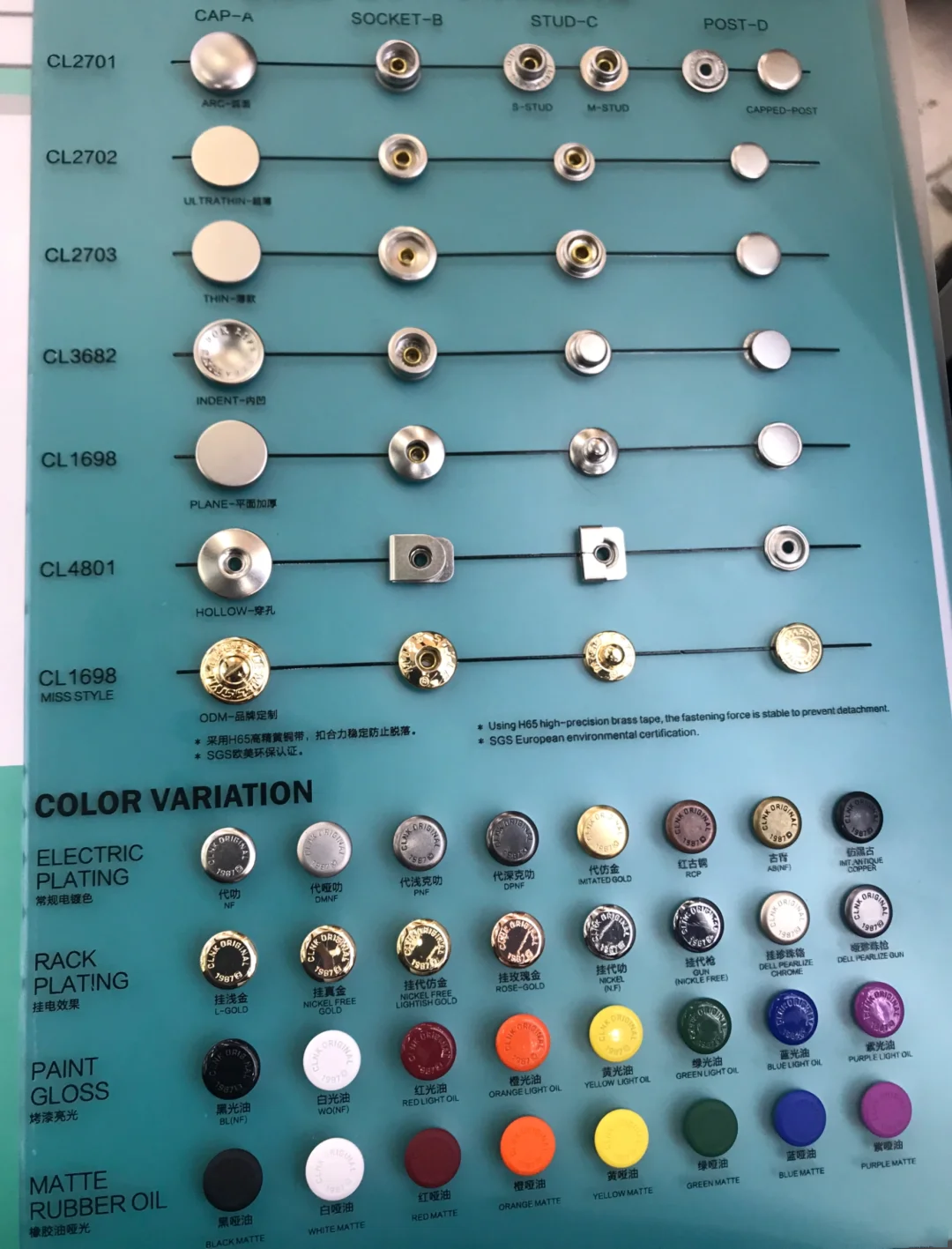
Claiming “Made in the USA” when goods are imported, or implying you manufactured the product, violates FTC guides. Courts and regulators distinguish between “Manufactured by,” “Distributed by,” and “Product of [Country].” One client faced an FTC enforcement action after claiming “Made in USA” on knitwear imported from China—the settlement cost $45,000 plus legal fees.
Mistake 4: Ignoring Category-Specific Rules
Food, cosmetics, supplements, and textiles have unique labeling rules. Food requires ingredient lists, allergen warnings, and nutrition facts. Cosmetics require ingredient disclosure and safety substantiation. Textiles require fiber content and country of origin. Ignoring these rules triggers category-specific FDA or FTC enforcement.
Private Labeling by the Numbers: 2026 Industry Data
- 2× gross margin — Private-label products generate approximately twice the gross profit margin of national brands in most categories (McKinsey, 2024; NetSuite, 2026).
- 98.9% household penetration — Private-label home goods and lifestyle products reached 98.9% US household penetration in 2024 (Numerator Private Label Perceptions Report, 2024).
- 80,000+ monthly capacity — Professional knitwear manufacturers now offer low-MOQ private labeling from 100 pieces, enabling startups and small brands to enter the market (CENWILD Industry Survey, 2026).
- 2,000+ brands served — Leading OEM/ODM manufacturers now serve over 2,000 fashion and apparel brands globally, with 28+ years of knitwear expertise (CENWILD & Industry Benchmark, 2026).
FAQ
Q1: Can I legally put my brand name on a product I didn’t make?
Yes, if you disclose the actual manufacturer and comply with labeling laws. Your label must state “Distributed by [Your Brand],” “Product of [Country],” or include the manufacturer’s name. You cannot claim you made it if you didn’t.
Q2: What happens if I get caught misbranding a product?
The FDA or FTC issues an enforcement letter. You typically have a few weeks to respond and correct the issue. If you don’t comply, the agency issues an injunction preventing you from selling that product and seizes all misbranded units from the market.
Q3: Do I need permission from the original manufacturer to private label their product?
Yes. You must have a contract or agreement with the manufacturer authorizing private labeling. The supplier should provide product test reports, ingredient lists, and safety documentation. Without authorization, you risk breach of contract and liability.
Q4: What product categories have the strictest private-labeling rules?
Food, cosmetics, supplements, and pharmaceuticals have the strictest rules. Each requires specific ingredient disclosure, allergen warnings, safety testing, and FDA compliance. Textiles require fiber content and country-of-origin labeling. Knitwear falls under textile rules—fiber content, country of origin, and care instructions are mandatory.
Q5: Do I need product liability insurance to private label?
Yes, strongly recommended. Your brand becomes liable if a private-label product causes injury or fails safety inspection. Insurance covers legal defense, settlements, and recall costs. We advise all private-label clients to carry $1M–$2M product liability coverage before launching.
Sources
- Federal Trade Commission (FTC) — FTC Act §5 (Unfair/Deceptive Practices)
- FDA Labeling & Compliance Resources
- ComplianceGate — United States Product Labeling Requirements: 2026 Overview
- Numerator Private Label Perceptions Report (2024) — Household penetration data
- McKinsey & Company — Private Label Margin Analysis (2024)
- NetSuite — What Is a Private Label? Private Labeling Explained
- CENWILD Clothing Co., Ltd. — Knitwear Manufacturing & Private Label Services (2026)
Written by Alin Zeng (Premium Streetwear Knitwear, 28-Year Master Craftsmanship, One-Stop Custom Manufacturing, High-End OEM/ODM Solutions, Cost-Effective Global Delivery). Last reviewed 2026-06-22.