

TL;DR: Yes — one factory routinely produces identical or similar products for competing brands through OEM, ODM, and private-label contracts; brands differentiate via packaging, pricing, and marketing, not manufacturing.
Bottom line: This model is standard across apparel, electronics, supplements, and home goods; startups benefit from lower MOQ and cost, while manufacturers maximize capacity utilization and profitability.
Last updated: 2026-06-21, based on 2,000+ brand partnerships and 28 years of knitwear OEM operations.
Key Takeaways
- Expeditors International India manufactures home goods for Home Depot, Nordstrom, Rockport, and Arhaus simultaneously from the same production lines.
- PT Casalini Natura (Indonesia) supplies Pier 1, HomeGoods, Marshalls, TJ Maxx, and The Company Store — identical products, different labels.
- Generic drug makers and supplement facilities in Utah and California produce identical formulations for dozens of brands; the only difference is packaging and price markup (often 3×).
- Shared manufacturing reduces per-unit cost by 30–50% through economies of scale; brands access premium quality without capital investment.
- Contractual exclusivity, separate production schedules, and NDAs prevent brand conflict while allowing manufacturers to serve competitors legally.
The OEM & Private Label Manufacturing Model
One factory can legally and profitably manufacture products for multiple competing brands. This is standard practice across apparel, electronics, supplements, and consumer goods.
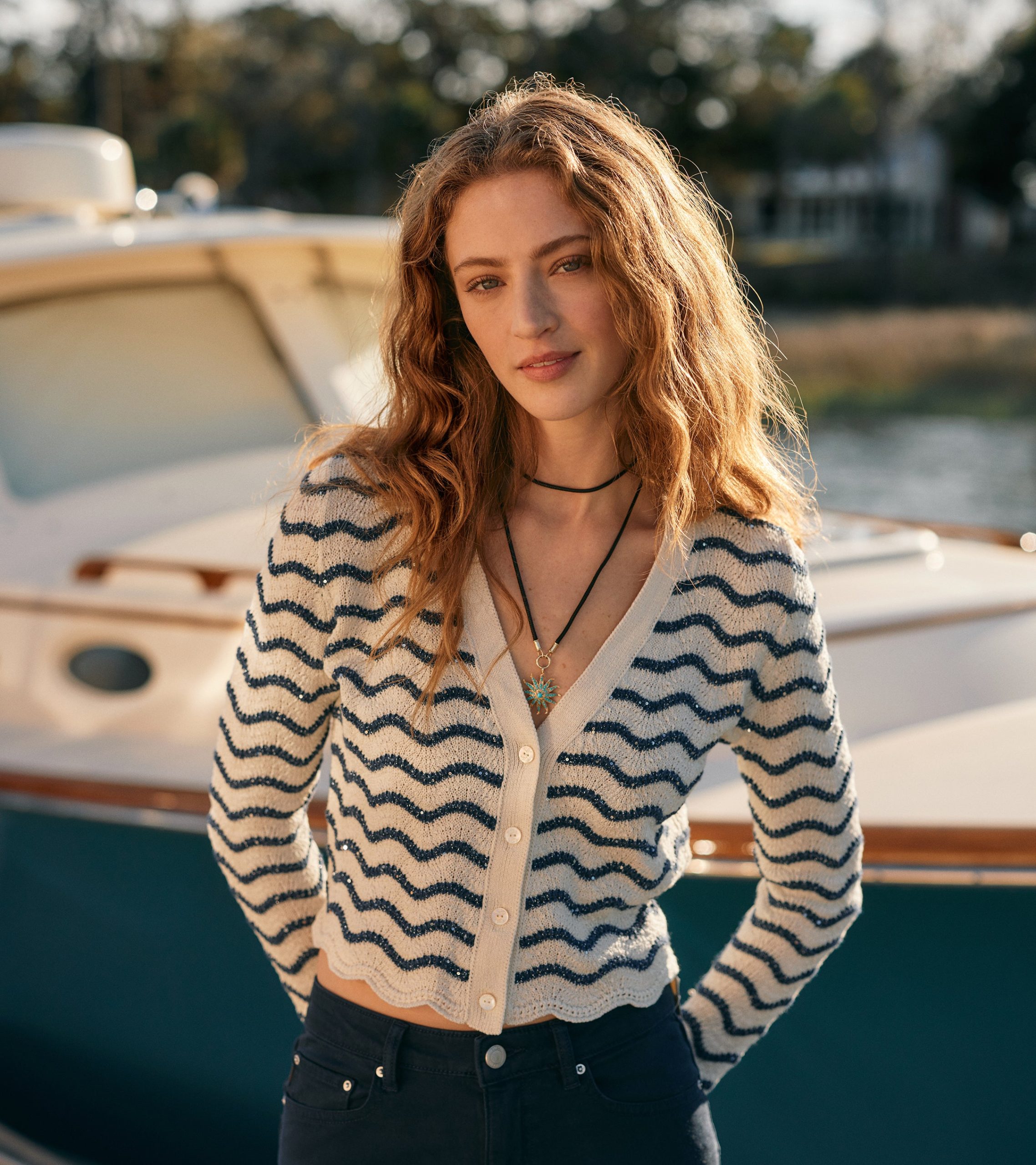
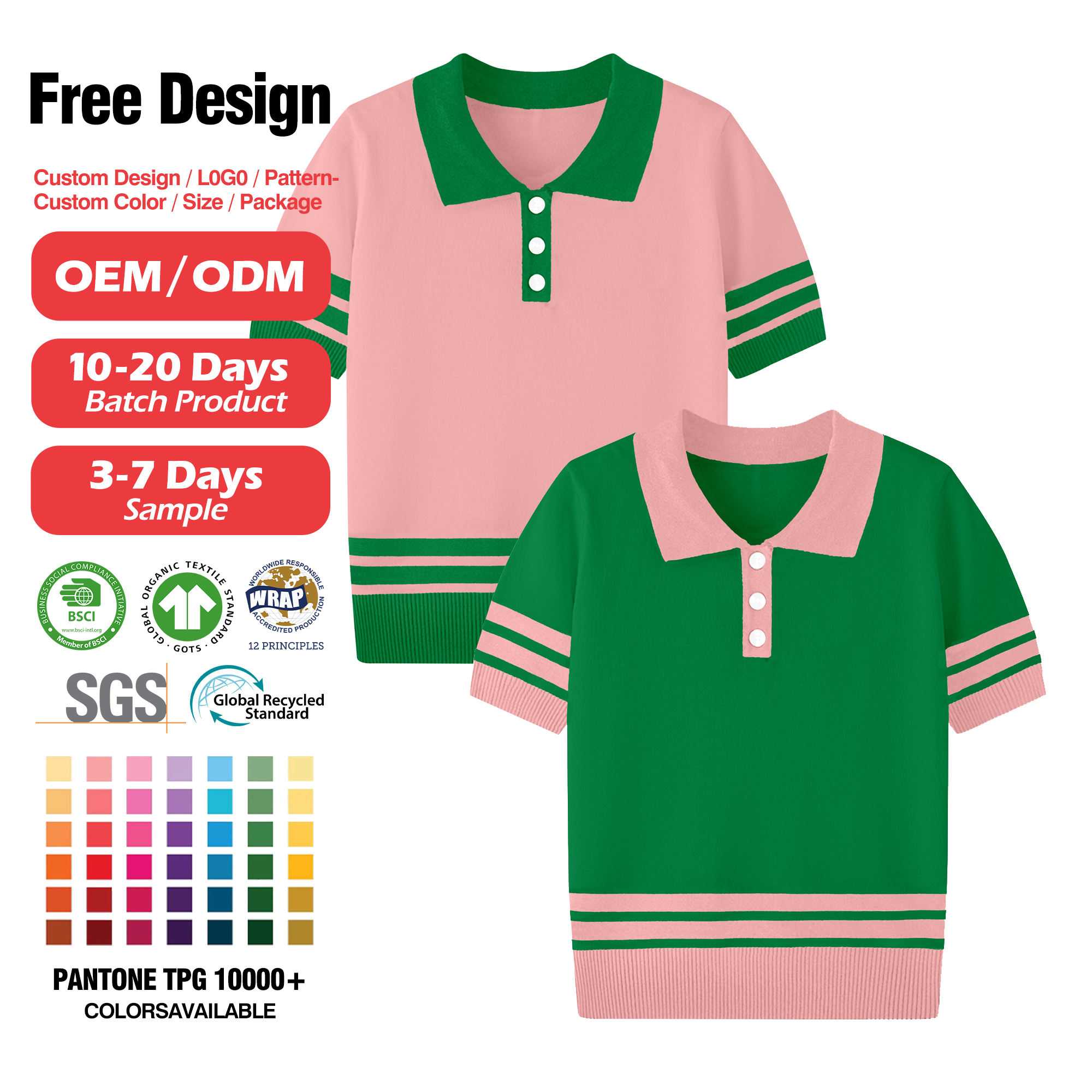
OEM (Original Equipment Manufacturer) means a company produces parts or finished products based on another company’s design and specifications. Intel produces processors for Dell, HP, and Lenovo — all competitors — under OEM agreements. A knitwear factory in Dongguan produces cardigans for three fashion brands simultaneously, each with distinct branding but identical yarn and construction.
Private-label manufacturing means the brand defines product specifications and the manufacturer produces for that brand. A supplement facility produces fish oil capsules for Brand A (premium positioning, $45 retail) and Brand B (value positioning, $15 retail) using the same formulation and production line. The difference? Label, bottle, and marketing.
ODM (Original Design Manufacturer) means the factory both designs and manufactures the product. The brand applies its logo to a pre-existing design. A smartphone manufacturer in Shenzhen produces a white-label device sold by five carriers under different brand names.
This model is economically efficient. Manufacturers maximize machine utilization and spread fixed costs across multiple clients. Brands access specialized expertise without capital investment or long-term factory commitments.
Multi-Brand Manufacturing: Real-World Examples Across Industries
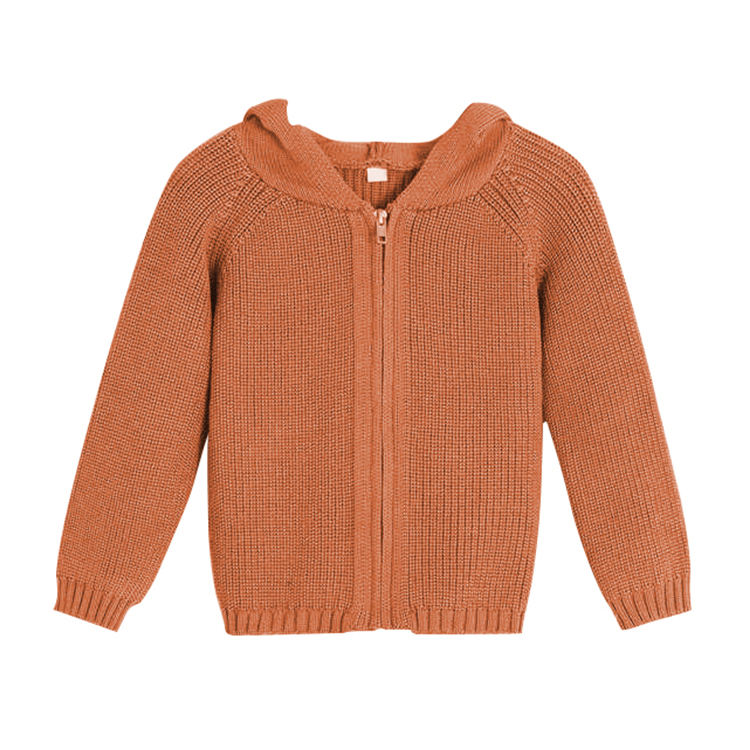
Apparel & knitwear: A single factory in Dongguan supplies cardigans and pullovers for premium streetwear brands, fast-fashion retailers, and private-label wholesalers. A $120 premium cashmere blend and a $40 value cashmere blend may share the same yarn supplier and knitting program — only the label and retail markup differ.
Electronics & tech: Bosch and Magna supply engines and transmissions to competing car manufacturers. Intel produces processors for Dell, HP, Lenovo, and Asus — all competitors.
Supplements & vitamins: Generic drug makers and supplement facilities in Utah and California produce identical formulations for dozens of brands. A single production run of fish oil or protein powder is bottled under 10+ different labels. The premium brand costs triple the store brand despite identical ingredients and manufacturing.
Home goods & furnishings: Indonesian and Indian suppliers manufacture furniture and textiles for competing major retailers. PT Casalini Natura serves TJ Maxx, Marshalls, HomeGoods, and Pier 1 — all from the same factory. A dining chair sold at HomeGoods for $89 and a nearly identical chair at Pier 1 for $149 likely originated from the same production line.
Why Brands Choose Shared Manufacturers: Cost, Capacity & Efficiency
Brands balance in-house production (high control, high cost) against contract manufacturing (lower cost, shared capacity, faster scaling). Most modern brands choose contract manufacturing to reduce overhead and accelerate time-to-market.
| Factor | In-House Production | OEM/Contract Manufacturing | Private Label |
|---|---|---|---|
| Setup Cost | $500K–$5M+ | $0–$50K (samples) | $0–$50K (samples) |
| Production Control | Full | Shared (specs-driven) | Minimal (brand specs only) |
| Lead Time | 8–16 weeks | 6–12 weeks | 4–10 weeks |
| MOQ | 1,000–10,000 units | 100–500 units | 100–300 units |
| Pricing per Unit | Higher | Mid-range | Lower (higher volume) |
| Scalability | Slow (capex-heavy) | Fast (add capacity) | Fastest (existing lines) |
Why brands outsource: Access to specialized expertise, economies of scale, and capital efficiency. A startup launching a knitwear line can partner with a manufacturer and immediately access computerized flat-knitting machines, yarn sourcing networks, and quality-control systems — without buying equipment or hiring staff.
How shared manufacturing enables startups: Low MOQ (100–300 units) lets brands test products, reduce inventory risk, and improve cash flow. A new brand launches a capsule collection with $5,000–$15,000 investment instead of $500,000+ for in-house production.
How One Factory Serves Multiple Brands Without Conflict
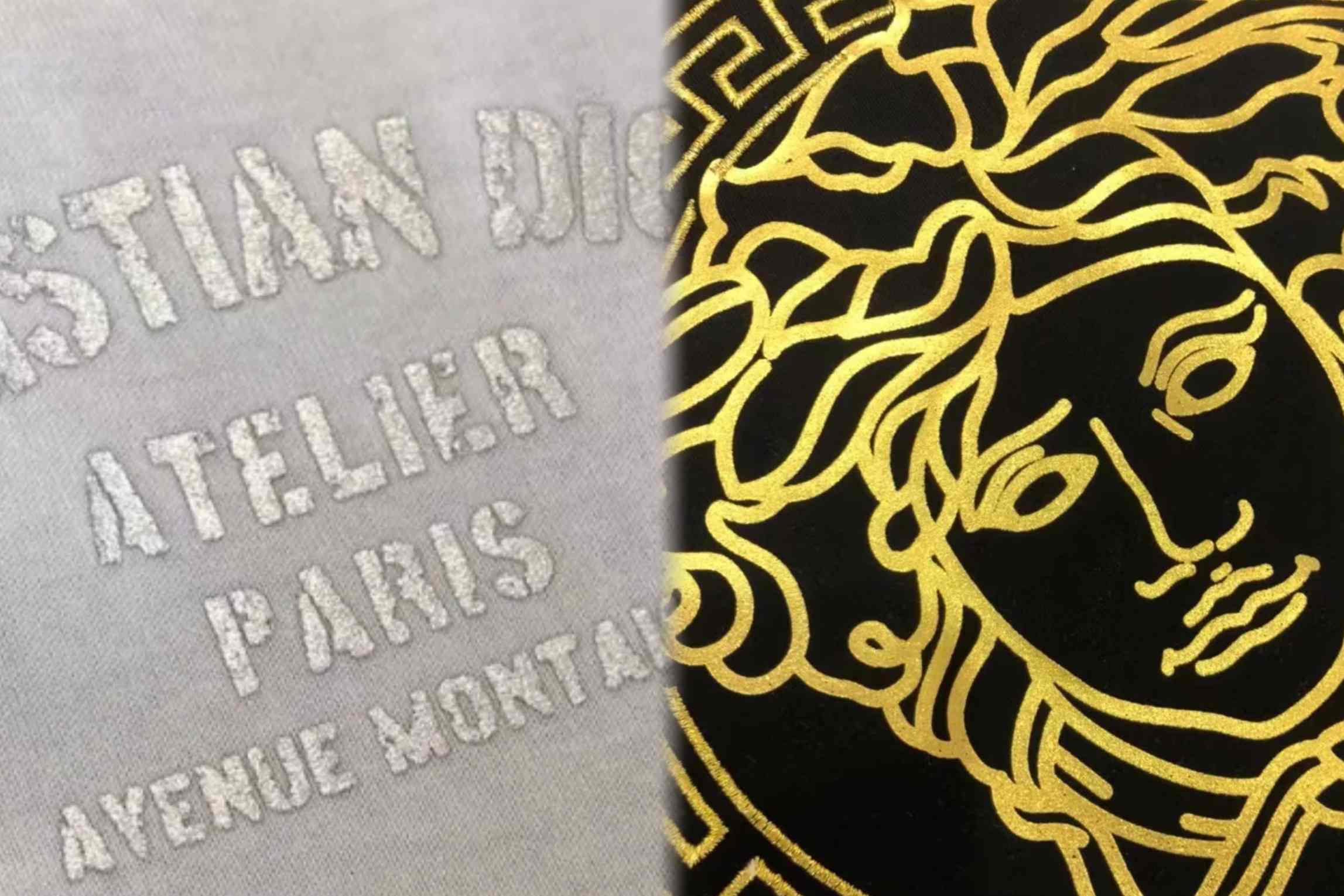
Manufacturers prevent brand conflict through contractual exclusivity clauses, separate production schedules, distinct packaging, and confidentiality agreements.
Contractual exclusivity agreements: Manufacturers negotiate clauses that define which competitors can be served. A factory might produce knitwear for Brand A (premium positioning) and Brand B (value positioning) if both agree the products are non-competing or serve different geographies.
Separate production scheduling and machinery: Factories operate multiple shifts and maintain separate knitting machines or assembly stations for different brands. A knitwear factory dedicates machines 1–10 to Brand A (Mon–Wed), machines 11–20 to Brand B (Thu–Fri), and machines 21–30 to Brand C (weekends). Scheduling maximizes capacity utilization (90%+ vs. 50% single-client) while maintaining brand separation.
Distinct labeling, packaging, and branding: The base product is identical, but each brand receives custom labels, hang tags, tissue paper, and boxes. A supplement factory produces the same fish oil capsule for three brands; only the label and packaging differ. Retail price varies 3–5× despite identical formulation. A Fruit of the Loom Heavy Cotton HD T-Shirt wholesales at $2.57 (private label) but retails at $9.26 under brand markup.
Unified quality control and confidentiality: All products meet the same internal QC standard regardless of brand. Factory staff sign strict NDAs. Design files, yarn suppliers, and stitch programs are kept in separate secure systems. This compartmentalization protects each brand’s intellectual property and prevents knowledge leakage to competitors.
The Economics: Why Shared Manufacturing Benefits Both Brands & Factories
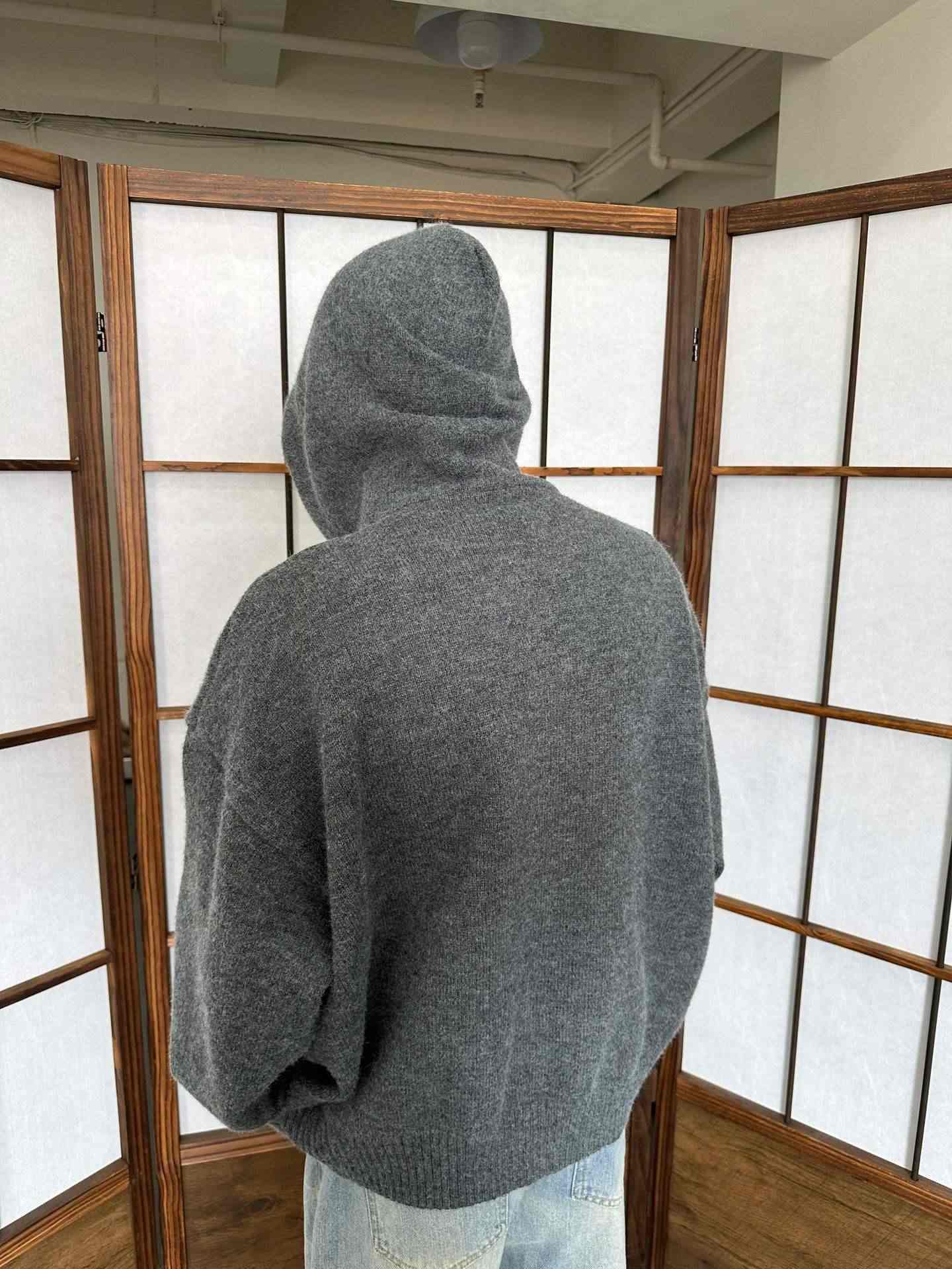
Shared manufacturing reduces per-unit production cost by 30–50% through economies of scale; factories maximize machine utilization; brands access premium quality at mid-market pricing.
Factory perspective: Spreading fixed costs (labor, rent, machines) across multiple brands reduces unit cost. A mid-sized knitwear factory in Dongguan operates 80 computerized flat-knitting machines with monthly capacity of 80,000 units. Fixed monthly costs total $200,000. If the factory runs at 50% capacity serving one brand, per-unit fixed cost is $2.50. If the factory runs at 90% capacity serving three brands, per-unit fixed cost drops to $1.40 — a 44% reduction.
Brand perspective: Access to premium manufacturing capability without capital investment or long-term commitment. A startup launching a cashmere knitwear line partners with a 28-year OEM factory and immediately gains access to 3GG–14GG gauge machines, yarn sourcing from Inner Mongolia, and fully-fashioned knitting expertise. The brand’s first order (300 units, $15,000) delivers premium quality at mid-market pricing.
Market insight: Generic pharmaceuticals, store-brand supplements, and value apparel prove identical products serve different price tiers. A premium brand and a value brand source identical sweaters from the same factory, charge different prices, and both succeed. The factory maximizes profitability and reduces risk by diversifying its customer base.
FAQ
Q1: Is it legal for one factory to make products for competing brands?
Yes. OEM, ODM, and private-label manufacturing are standard, legal business practices. Contracts define exclusivity, territory, and confidentiality. Unless a brand has negotiated exclusive manufacturing rights, the factory can serve competitors.
Q2: How do brands prevent their competitors from discovering they use the same factory?
Brands rarely hide this; it’s industry knowledge. Confidentiality agreements protect design specs, formulations, and production innovations. A brand’s competitive advantage lies in design, marketing, and distribution — not manufacturing.
Q3: Why do identical products cost different prices if they come from the same factory?
Brand positioning, marketing spend, distribution channel, and retail markup account for price differences. A $50 premium sweater and a $15 value sweater may share identical yarn and construction. A Fruit of the Loom t-shirt wholesales at $2.57 but retails at $9.26 — a 260% markup.
Q4: Can I request exclusivity from a manufacturer?
Yes. Exclusive manufacturing agreements are negotiable, especially for large orders (1,000+ units/month). Exclusivity increases the manufacturer’s risk, so brands typically pay a 10–25% premium. For most brands, shared manufacturing delivers better economics and faster scaling.
Q5: How do I find a manufacturer willing to serve my brand alongside competitors?
Most contract manufacturers actively seek multiple clients to maximize capacity. Use platforms like Alibaba or ThomasNet, or attend industry trade shows. Provide clear specifications, realistic MOQ, and flexible lead times. At CENWILD, we welcome startups and established brands; our low MOQ (100 units) and 28 years of experience serve brands at every stage.
Sources
- Jungle Scout — One Factory, Multiple Brands: Similar Products at Different Prices — 2026, multi-brand supplier data
- MaintainX Learning Center — What Is an Original Equipment Manufacturer (OEM)? — OEM definition and VAR relationships
- Wonnda — 20+ Best Private Label Manufacturers in 2026 — private-label manufacturing models
Written by Alin Zeng (Premium Streetwear Knitwear, 28-Year Master Craftsmanship, One-Stop Custom Manufacturing, High-End OEM/ODM Solutions, Cost-Effective Global Delivery). Last reviewed 2026-06-21.