

TL;DR: Purchasing women’s clothing from China requires identifying verified suppliers in manufacturing clusters, confirming MOQ and pricing, developing samples, arranging deposits (50–100% upfront), monitoring production with quality control, conducting final inspections, and managing customs clearance and shipping logistics.
Bottom line: This process works for startups testing 100-piece capsules, wholesalers scaling to thousands, and established brands seeking cost-effective manufacturing—but demands careful supplier vetting and import compliance.
Last updated: 2026-06-24, based on 28 years of knitwear manufacturing experience and 2,000+ brand partnerships across US, EU, and Asia-Pacific markets.
Key Takeaways
- Supplier clusters matter: Dongguan, Zhejiang, and Fujian provinces concentrate 70% of China’s garment manufacturing capacity, offering faster turnaround and better pricing than isolated factories.
- MOQ flexibility exists: Low-MOQ suppliers accept 50–200 pieces per style at 20–30% premium over bulk rates—ideal for design testing before committing to large runs.
- Deposit structures evolve: First orders require 100% prepayment; by the third order, established buyers negotiate 30–50% deposits with balance due before shipment.
- Lead times span 30–90 days: Simple designs (basic knits, tees) ship in 30–45 days; complex items (jacquard, embroidery, custom finishes) take 50–90 days plus 7–14 days for sampling.
- Quality control is multi-stage: Yarn testing, in-line knitting checks, measurement verification (±1–2 cm tolerance), pilling resistance tests (Grade 3–4 minimum), and final audits prevent costly defects.
Supplier Selection & Verification
What is the process for purchasing women’s clothing from China? It begins with identifying manufacturers in established production clusters, verifying certifications and capacity, and assessing communication quality before committing to orders.
Dongguan (Guangdong Province) specializes in knitwear and sweaters, with over 200 mills and finishing facilities within a 50-kilometer radius. Zhejiang Province dominates dresses, blouses, and woven garments. Fujian and Jiangsu handle sportswear and outerwear. Suppliers in these clusters deliver better quality and faster turnaround because yarn mills, dyehouses, and trim suppliers operate nearby.
Start your search on Alibaba, Made-in-China, or Global Sources, filtering by “women’s clothing manufacturer,” “OEM,” and “private label.” Cross-reference profiles with ISO 9001, BSCI, or SEDEX certifications. Request client references from 3–5 existing customers and verify production capacity by asking monthly output, employee count, and lead-time consistency over the past six months.
Our CENWILD Supplier Framework:
- Cluster proximity check — Verify location within a recognized garment cluster; request factory address and Google Maps confirmation.
- Certification stack — ISO 9001 (quality management), BSCI or SEDEX (social compliance), Oeko-Tex (textile safety).
- Reference validation — Contact 3 existing clients; ask about defect rates, lead-time accuracy, and communication responsiveness.
- Capacity assessment — Request monthly output figures, machinery list, and employee headcount.
- Communication test — Evaluate English proficiency, response time (<24 hours), and willingness to video-call or share factory tours.
Request a factory video tour or arrange third-party inspection (SGS, Intertek, HQTS) before placing bulk orders. Evaluate their willingness to work with your MOQ, design flexibility, and payment terms. Clothing Imports from China: Unleash Your Business Success confirms that suppliers in established clusters offer competitive pricing and reliable turnaround.
MOQ, Pricing & Deposit Structure
Women’s clothing suppliers in China typically offer MOQs ranging from 50–500 pieces per style, with deposit structures that evolve as your partnership grows—first orders require 100% prepayment, while repeat buyers negotiate 30–50% deposits.
| Factor | Startup/Low MOQ | Mid-Volume | High Volume |
|---|---|---|---|
| MOQ (pieces/style) | 50–100 | 300–1000 | 2000+ |
| 1st Order Deposit | 100% prepay | 70–80% | 50–70% |
| 2nd+ Order Deposit | 70% | 50% | 30–50% |
| Unit Price ($/piece) | $8–15 | $5–10 | $3–7 |
| Lead Time | 45–60 days | 30–45 days | 20–30 days |
If testing a new design, prioritize low-MOQ suppliers (100–200 pieces) even if unit costs run 20–30% higher. The payoff: reduced inventory risk and faster market feedback. As order volume grows, negotiate tiered pricing and deposit reductions.
Always use escrow or third-party payment services—Alibaba Trade Assurance, PayPal, Wise—for first orders to protect against non-delivery or quality failure. Bank transfer (T/T) becomes standard for bulk orders once trust is established. Some suppliers accept credit cards (Visa/Mastercard), USDT (crypto), or region-specific methods like VTB Bank for Russian clients.
Sampling, Design & Development
Successful women’s clothing sourcing requires a structured sampling phase—tech pack development, fit approval, and pre-production samples—before committing to bulk production, typically spanning 14–28 days across 2–3 revision rounds.
Step 1: Submit Design & Tech Pack
Provide a tech pack (measurements, fabric specs, construction details, trim placement) or a photo/sketch of your design. Include size range (XS–XL or custom), target price point, and any special finishes (embroidery, washing, printing).
Step 2: Receive Initial Samples
Expect samples within 7–14 days. Knit-down samples test yarn quality and stitch structure; proto samples are near-production quality. Evaluate fit accuracy, seam strength, fabric hand-feel, and color match. China Women’s Clothing Manufacturer reports 7-day sample lead times for standard designs, with bulk capacity exceeding 3 million pieces monthly.
Step 3: Iterate & Refine
Provide feedback on fit, yarn, color, or construction. Manufacturers typically allow 2–3 revision rounds at no charge. Each iteration takes 5–7 days.
Step 4: Approve Pre-Production Sample (PPS)
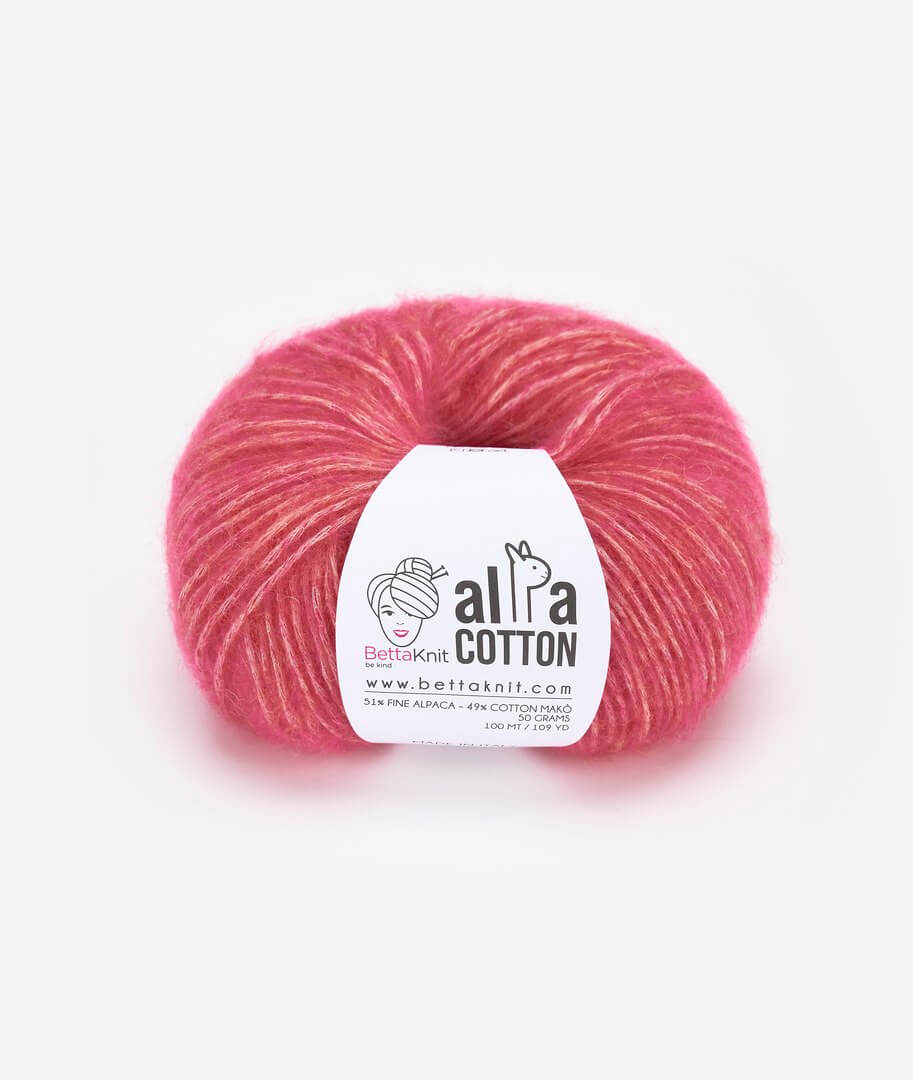
Once satisfied, request a PPS—a bulk-production sample using the final yarn lot, trim, and construction method. Approve the PPS in writing before bulk production begins.
Production Monitoring & Quality Control
Women’s clothing manufacturers in China employ multi-stage quality inspections—yarn testing, in-line knitting checks, garment measurements, pilling tests, and final audits—to maintain consistency and reduce defect rates below 2% for critical issues.
Key QC Metrics:
- Measurement tolerance: ±1–2 cm on chest, length, sleeve; ±0.5 cm on critical seams
- Pilling resistance: Grade 3–4 minimum (12-cycle Martindale test)
- Seam strength: ≥8 kg tensile strength; no thread breakage on stress test
- Yarn inspection: Fiber content verification, color matching within ΔE ≤1.0
- In-line defect rate: <2% critical defects (holes, stains, misalignment)
- Lead time for bulk: 30–60 days post-deposit; expedited orders add 15–25% premium
Request weekly production updates and photos showing knitting progress, linking quality, washing results, and final pressing. Many suppliers offer third-party inspection (Intertek, SGS, HQTS) at $400–800 per shipment—recommended for orders exceeding 5,000 pieces. Establish a defect threshold: typically <1% for critical defects, <3% for minor issues.
Shipping, Customs & Logistics
Shipping women’s clothing from China involves choosing between air (fast, expensive), sea (slow, economical), or express courier—plus navigating tariffs, labeling, and customs clearance in your destination country.
Shipping Options:
- Air freight: 5–10 days; $4–8/kg; ideal for rush orders or samples.
- Sea freight (LCL): 15–30 days; $1–2/kg; cost-effective for 1–5 tons.
- Sea freight (FCL): 20–35 days; $0.80–1.50/kg; economical for 15+ tons.
- Express courier (DHL/FedEx): 3–7 days; $6–12/kg; best for samples under 100 kg.
Tariff codes for women’s clothing range from HS 6204 (trousers/skirts) to 6105 (shirts/blouses). Duties in the US (OTEXA, MFN rates) typically run 16–25%; EU (TARIC) 12–17%; UK (post-Brexit) 16–22%. Confirm landed cost (product + freight + duties + broker fees) before finalizing orders. Work with a customs broker for first shipments; they typically charge $200–500 per shipment and handle documentation, duty calculations, and clearance.
Ensure all labels comply with destination country regulations: fiber content percentage, country of origin (“Made in China”), and care instructions. Request packing lists, commercial invoices, and certificates of origin from the supplier.
FAQ
Q1: What is the typical lead time for a women’s clothing order from China?
Simple designs (basic tees, cardigans) take 30–45 days; intricate designs (jacquard, embroidery) take 50–90 days. Add 7–14 days for sampling and 5–10 days for shipping. Plan 3–4 months from initial inquiry to delivery for first-time orders.
Q2: Can I order a small quantity (50–100 pieces) from a Chinese manufacturer?
Yes. Many OEM factories specialize in low-MOQ production (50–200 pieces per style). Expect 20–30% higher unit costs than bulk orders, ideal for testing designs or launching capsule collections. Suppliers in Dongguan and Zhejiang commonly accept low-MOQ orders with 100% prepayment.
Q3: How do I protect myself from payment fraud or non-delivery?
Use escrow services (Alibaba Trade Assurance), PayPal, or third-party payment platforms for first orders. Arrange 50–70% deposit with balance due before shipment. Request factory inspection photos and weekly production updates. Consider third-party quality inspections (SGS, Intertek, HQTS) for orders exceeding $10,000.
Q4: What payment methods do Chinese manufacturers accept?
Bank transfer (T/T) is standard for bulk orders. PayPal, credit card (Visa/Mastercard), and escrow services work for samples and smaller orders. Some suppliers accept crypto (USDT) or region-specific methods (VTB Bank for Russia). Established buyers often secure 30–50% deposits by the third order.
Q5: Do I need import licenses or customs documentation?
Most countries allow personal/business imports of apparel without special licenses, but you must declare goods at customs and pay applicable tariffs (US: 16–25%; EU: 12–17%; UK: 16–22%). Hire a customs broker for first shipments; they handle documentation, duty calculations, and clearance, typically charging $200–500 per shipment.
Sources
- Clothing Imports from China: Unleash Your Business Success — Jing Sourcing, 2026 — supplier cluster data and MOQ guidelines
- China Women’s Clothing Manufacturer — Jiaxin Silk, 2026 — sample lead times and production capacity
- 8 Trendy wholesale clothing vendors in China — Trendsi, 2026 — manufacturer selection and private label production
- Alibaba.com — Global supplier directory and trade platform
- Made-in-China.com — Manufacturer and supplier listings
- BSCI Certification — Business Social Compliance Initiative standards
Written by Alin Zeng (Premium Streetwear Knitwear, 28-Year Master Craftsmanship, One-Stop Custom Manufacturing, High-End OEM/ODM Solutions, Cost-Effective Global Delivery). Last reviewed 2026-06-24.