
TL;DR: Making custom sweaters involves choosing a production method (hand-knit, digital machine, or manufacturer partnership), creating a detailed tech pack with measurements and stitch specifications, selecting yarn and gauge, sampling for fit approval, then producing your final garments—timeline runs 6-8 weeks for first orders starting at 100-piece MOQs.
Bottom line: This guide serves fashion brands, independent designers, and makers ready to move beyond mass-produced knitwear—whether you’re launching a 100-piece capsule or hand-knitting a single artisanal piece.
Last updated: 2026-06-22, based on 28 years of knitwear manufacturing data, 2,000+ brand partnerships, and current industry production standards.
Key Takeaways
- 100 pieces is the standard minimum order quantity for custom sweater production with manufacturers in 2026, down from 500+ a decade ago
- 3-4 weeks covers bulk production after sample approval; total concept-to-shipment timeline averages 6-8 weeks for new clients
- $5-$50 per unit spans the cost range—hand-knit artisanal sweaters command $50-$200+, while OEM production at scale drops to $5-$20
- 96 DPI is the required resolution for print files on knitwear (not the standard 300 DPI used for wovens), due to yarn texture and stitch structure
- Tech pack completeness determines production success—gauge specification, graded measurements, stitch diagrams, and yarn fiber content are non-negotiable
What Is a Custom Sweater & How Does the Process Work?
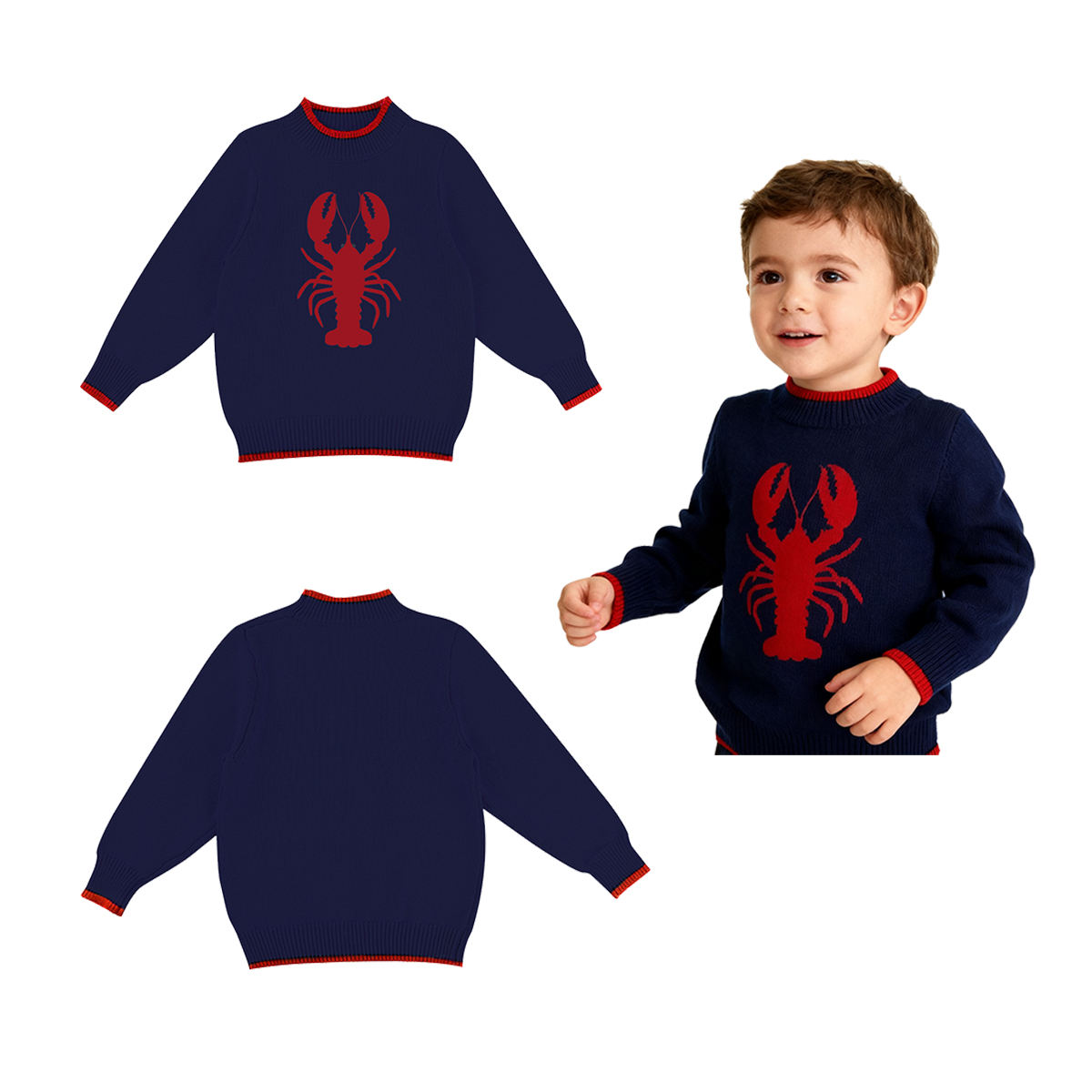
A custom sweater is a knitwear garment designed and produced to your exact specifications—yarn type, stitch pattern, fit, color, embellishment—using hand-knitting, computerized flat-knitting machines, or manufacturing partnerships.
Making custom sweaters splits into two pathways: DIY production (hand-knitting or personal knitting machines for 1-50 pieces) or partnering with knitwear manufacturers (100+ piece runs with full OEM/ODM support). Hand-knitting a single sweater takes weeks and costs $50-$200 in materials alone. Ordering 100 pieces from a Dongguan-based manufacturer runs $5-$20 per unit and ships in 3-4 weeks after sampling.
Modern flat-knitting technology—specifically computerized machines operating across 3GG to 14GG gauge ranges—enables low-MOQ production that was impossible before 2015. Brands now launch with 100-piece capsules, test market response, then scale to 500-1,000 units within six months. Tin Can Knits’ sweater design framework walks through concept development for hand-knitters, while Knitwise’s KOD platform demonstrates how digital tools eliminate minimums entirely for jacquard patterns.
If you need 1-10 pieces and have 4-8 weeks, hand-knitting or small-batch services work. For 50-200 pieces with a 6-8 week timeline, seek a manufacturer offering low-MOQ runs. Beyond 500 pieces, full OEM partnerships deliver the lowest per-unit cost and highest capacity.
5 Critical Mistakes to Avoid When Making Custom Sweaters
Mistake 1: Choosing yarn gauge without testing
Gauge determines stitch density, drape, and final dimensions. A 7GG (seven stitches per inch) sweater in merino wool drapes differently than the same pattern in 12GG cotton. Skipping a knit-down swatch means you won’t catch stretch issues, pilling tendencies, or color shifts after washing until 100 pieces arrive. Swatch approval before programming bulk catches 80% of potential fit disasters.
Mistake 2: Skipping the sample phase entirely
First-time brands often push straight to bulk to save $150-$300 on sampling. Then the neckline sits two inches too high, or the sleeve length runs short across all sizes. Sampling costs 10-15% of your first order but prevents 100% loss on unsellable inventory. Request a pre-production sample (SMS) that matches your exact yarn, gauge, and decoration before committing to bulk knitting.
Mistake 3: Setting unrealistic production timelines
“I need 200 sweaters in two weeks” is the most common request manufacturers decline. Realistic lead times: 1-2 weeks for knit-down sampling, 3-5 days for client approval and revisions, 3-4 weeks for bulk knitting and finishing, 5-7 days for decoration (embroidery, print, washing), and 3-5 days for final QC and packing. Total: 6-8 weeks for first orders. Established clients with saved patterns cut 1-2 weeks.
Mistake 4: Ignoring sizing and grading systems
A tech pack that lists “small, medium, large” without measurements is useless. Knitwear grading requires chest width, body length, shoulder width, sleeve length, and hem circumference for every size. A 2-inch error in chest width makes the difference between a relaxed fit and a returned order. Provide a fit sample or detailed flat measurements; manufacturers can’t guess your brand’s fit DNA.
Mistake 5: Underestimating decoration complexity
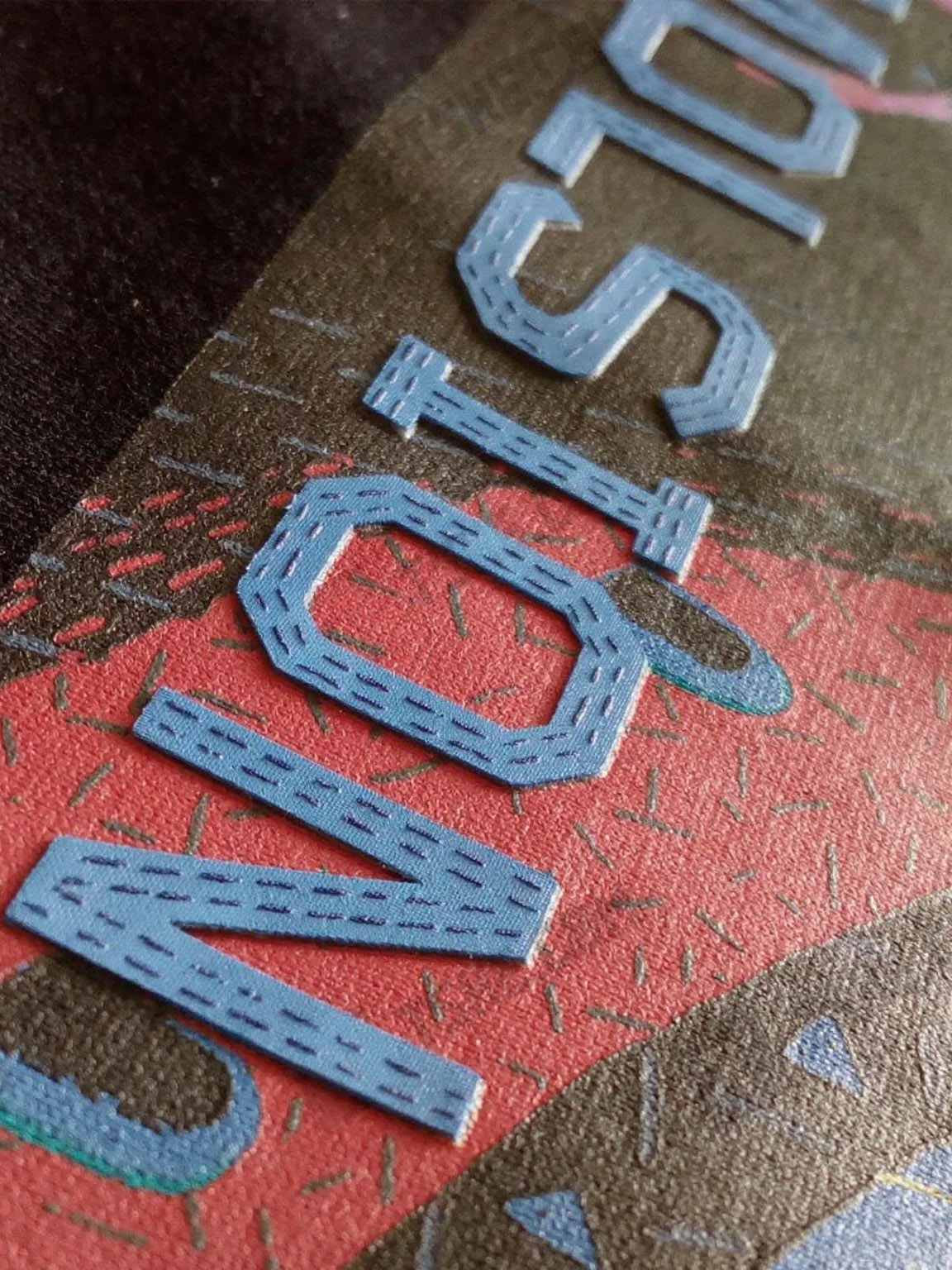
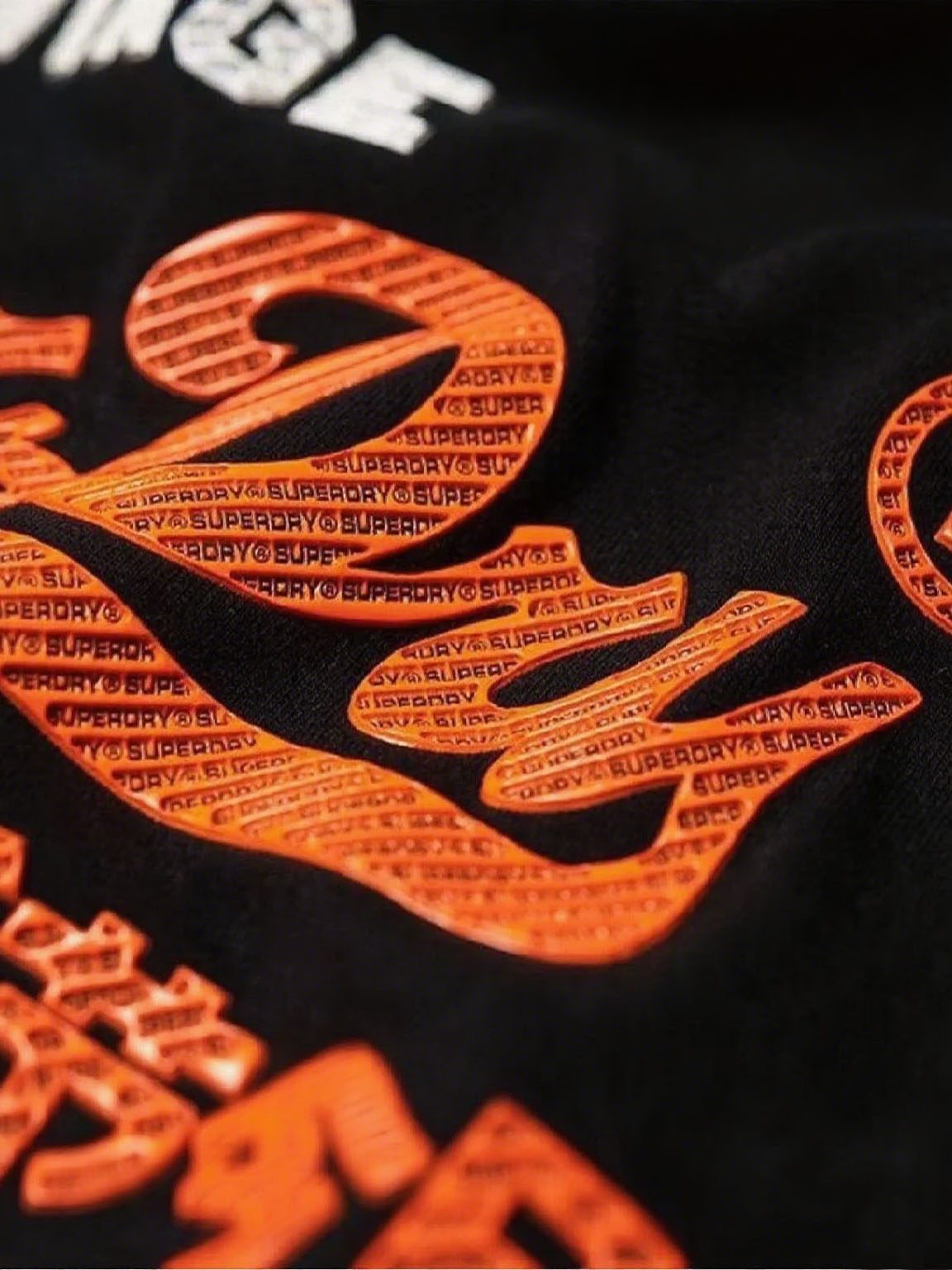
Adding embroidery requires different needle settings for 7GG versus 12GG gauge, or screen printing on ribbed knit causes ink cracking if the mesh count is wrong. Decoration adds $2-$8 per unit and 5-10 days to lead time. Specify placement, thread color matching (PMS codes), and provide high-resolution artwork—96 DPI for knitwear, not 300 DPI—to avoid delays and re-sampling costs.
Custom Sweater Methods: Hand-Knit vs. Digital Machines vs. Manufacturing
Choose between hand-knitting (artisanal, slow, limited scale), computerized flat-knitting machines (faster, consistent, 100+ piece MOQ), or outsourcing to a Sweater Manufacturer (lowest per-unit cost, highest capacity, global reach).
| Method | Speed | Cost/Unit | MOQ | Customization | Best For |
|---|---|---|---|---|---|
| Hand-Knitting | Slow (weeks–months per piece) | High ($50–$200+) | 1 piece | Unlimited | Artisanal, one-of-a-kind, gifts |
| Flat-Knitting Machines | Medium (days–weeks) | Medium ($15–$50) | 50–100 pieces | Stitch patterns, intarsia, jacquard | Small brands, capsule collections |
| OEM/ODM Manufacturer | Fast (2–4 weeks bulk) | Low ($5–$20) | 100+ pieces | Full range + embroidery/print | Startups, growing labels, wholesale |
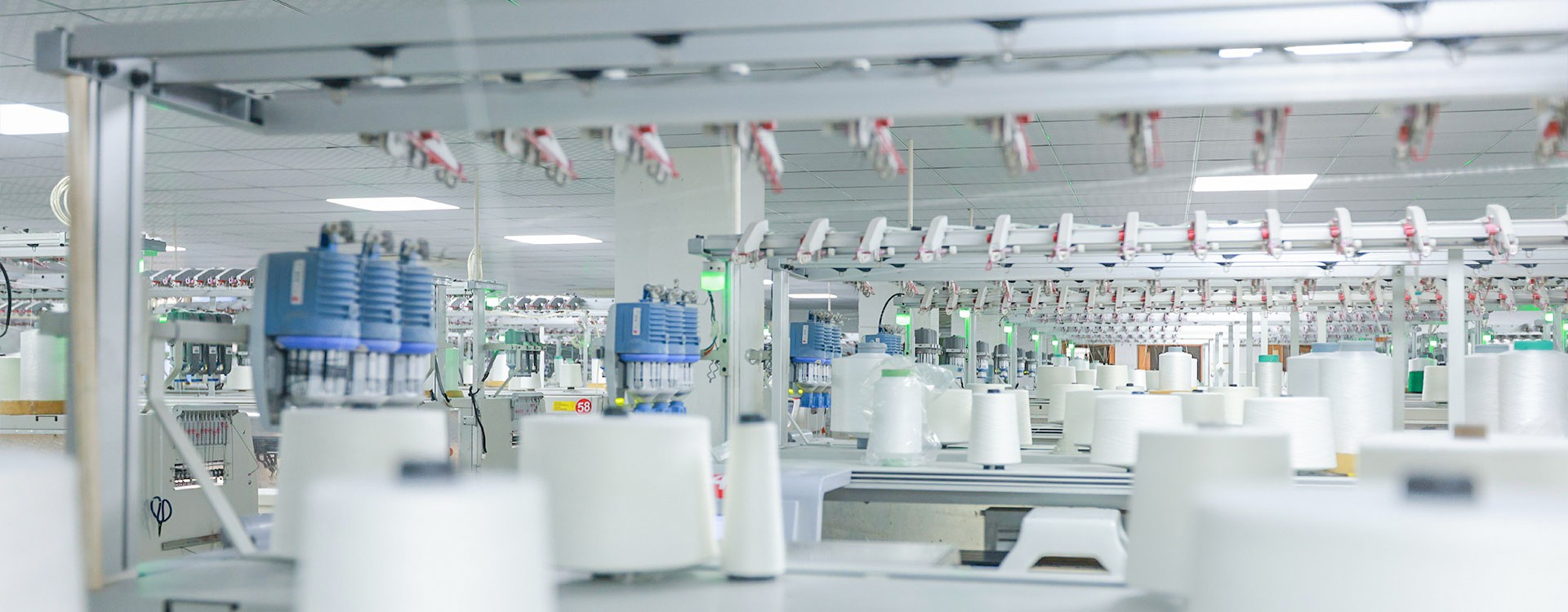
Hand-knitting delivers unmatched customization but takes 40-80 hours per sweater and costs $50-$200 in materials alone before labor. Computerized flat-knitting machines cut production to days, maintain consistency across 50-100 pieces, and support intarsia, jacquard, and cable patterns. OEM/ODM manufacturers absorb setup costs across larger runs, driving per-unit prices to $5-$20 for 100+ pieces. They handle yarn sourcing, knit-down sampling, bulk production, decoration, and QC under one roof.
Design & Technical Specifications: From Concept to Tech Pack
Your tech pack is the contract between design intent and factory floor. It must specify: garment silhouette (pullover, cardigan, vest), graded sizes with flat measurements for every dimension, gauge selection (3GG for chunky knits, 12GG for fine merino), yarn fiber content and weight, stitch diagrams for patterns (intarsia charts, cable instructions), trim details (buttons, zippers, ribbing specs), and finishing steps (garment wash, enzyme treatment, brushing).
What a tech pack contains: Start with silhouette sketches—front, back, and side views with callouts for stitch changes, colorblocking, and decoration placement. Add a measurement spec sheet: chest width (pit-to-pit), body length (high point shoulder to hem), shoulder width, sleeve length (center back neck to cuff), and hem circumference, graded across your size range (XS–XL or custom). Specify gauge in stitches-per-inch and rows-per-inch; this determines yarn consumption and knitting time. Include yarn details: fiber blend (80% merino / 20% nylon), yarn weight (sport, DK, worsted), and color codes (Pantone or supplier reference).
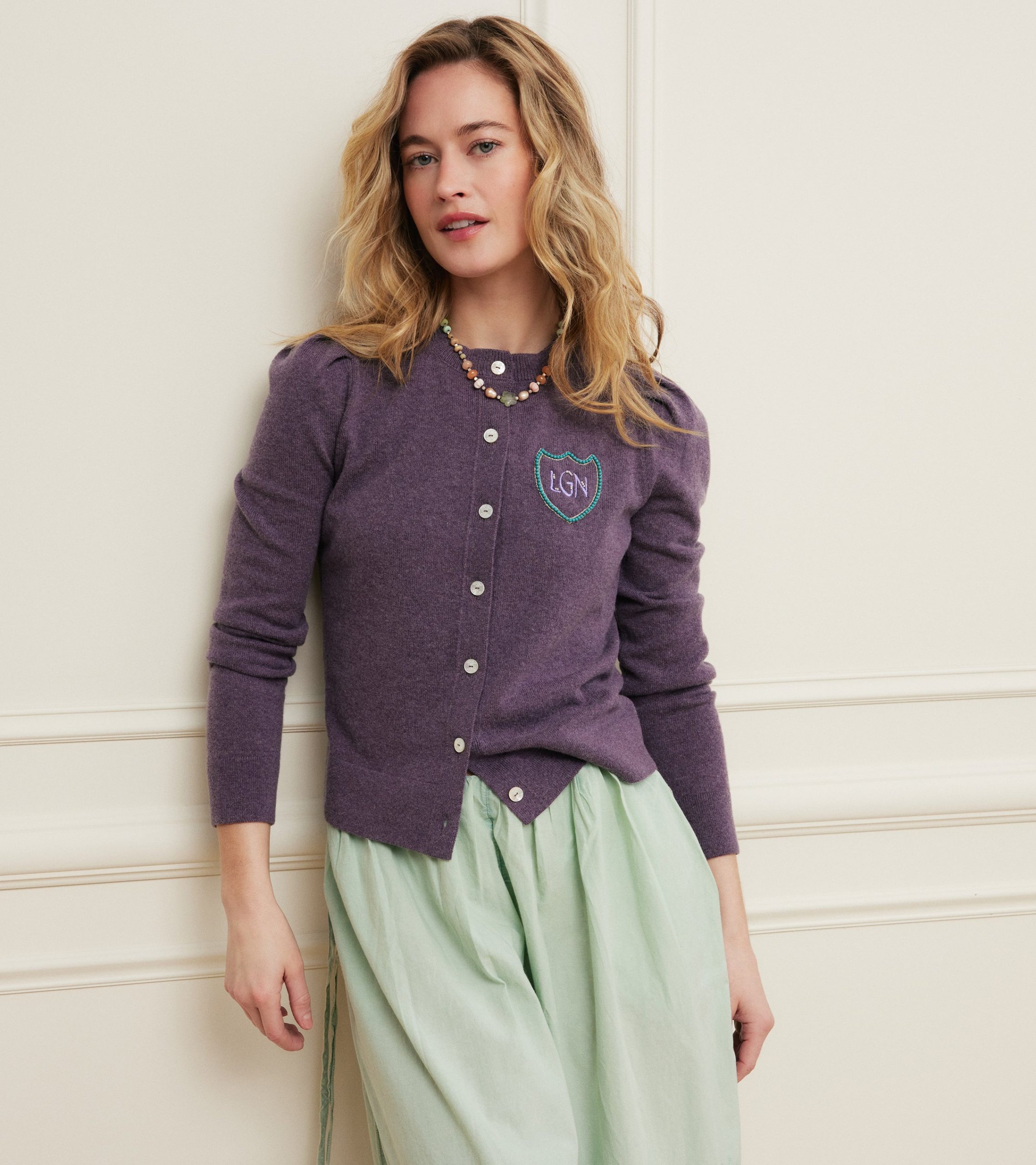
Gauge selection: 3GG–5GG produces chunky, textured knits ideal for oversized fits and bold cables. 7GG–9GG covers mid-weight sweaters with balanced drape and stitch definition. 12GG–14GG delivers fine-gauge knitwear for lightweight layering and intricate jacquard. Intarsia (color-blocked patterns with separate yarn feeds) works across all gauges but adds knitting time. Jacquard (fair-isle, two-color stranded knitting) creates all-over patterns and runs faster on computerized machines.
Yarn and material selection: Merino wool offers softness and temperature regulation at $8-$15 per kilogram. Cashmere commands $40-$80 per kilogram and targets luxury positioning. Cotton and cotton blends cost $4-$8 per kilogram, suit spring/summer collections, and appeal to vegan customers. Acrylic blends drop costs to $3-$5 per kilogram while improving wash-and-wear performance. Sustainable options—recycled polyester, organic cotton, Tencel—add $2-$5 per kilogram but support ESG branding.
Embellishment planning: Embroidery on knitwear requires stabilizer backing (tear-away or water-soluble) to prevent puckering; budget $2-$5 per placement. Screen printing works on finer gauges (9GG+) with low-bleed inks and 96 DPI artwork. Heat transfer and DTF (direct-to-film) suit small runs and full-color graphics but cost $3-$6 per print. Garment washing—enzyme wash for anti-pilling, garment dye for vintage effects, brushing for fleece hand—adds $1-$3 per unit and 3-5 days to lead time.
Custom Sweater Production by the Numbers (2026)
- $65 billion — global knitwear market value (Statista, 2026)
- 2,000+ — fashion brands served annually by leading custom knitwear manufacturers
- 100 pieces — minimum order quantity for custom sweater production (industry standard, 2026)
- 3-4 weeks — average lead time for bulk knitwear production (CENWILD, 2026)
- 80,000+ — monthly knitwear production capacity for mid-scale manufacturers
- $5-$50 — typical cost per unit range (depends on yarn, complexity, volume)
- 28+ years — average tenure of established knitwear manufacturers in China’s Dongguan region
A decade ago, 500-piece minimums and 12-week lead times locked out independent designers. Today, 100-piece runs let brands test products, reduce inventory risk, and iterate based on real sales data. For a comprehensive overview of your options, explore Top Custom Sweater Providers Compared: Features & Pricing to compare leading manufacturers and their service models.
FAQ
Q1: What’s the minimum order quantity for custom sweaters?
Most manufacturers accept MOQs starting from 100 pieces per style and color. Some offer lower minimums (50-75 pieces) for simple designs or established clients. The 100-piece threshold reflects setup costs for programming flat-knitting machines, yarn sourcing, and quality control.
Q2: How long does it take to produce custom sweaters in bulk?
Bulk production typically takes 3-4 weeks after approval of samples and final tech pack. Sampling adds 1-2 weeks. Total timeline from concept to shipment is usually 6-8 weeks for first orders. Re-orders with saved patterns cut 1-2 weeks.
Q3: Can I add logos, embroidery, or prints to custom sweaters?
Yes. Embroidery, screen printing, heat transfer, and DTF are all common. Embroidery works best on finer gauges (7GG-12GG) and requires stabilizer backing. Printing requires 96 DPI for knitwear. Costs: embroidery $2-$5 per logo, screen printing $1.50-$4, heat transfer $3-$6.
Q4: What yarn should I choose for a custom sweater?
Yarn choice depends on target price, feel, durability, and season. Merino wool and cotton are versatile; cashmere and alpaca command premium prices; acrylic blends offer affordability. Merino wool suits year-round wear and accepts dye well, but pills faster than nylon blends. Cashmere delivers luxury hand-feel and commands 3x retail markups.
Q5: How do I ensure my custom sweater fits correctly?
Provide a detailed tech pack with graded sizes (XS-XL or custom ranges), take accurate measurements from a fit sample, and request a pre-production sample before bulk knitting. Measure pit-to-pit chest width, high-point shoulder to hem length, shoulder width, and sleeve length from center back neck to cuff. Add 1-2 inches ease for relaxed fits, zero ease for slim fits.
Sources
- Tin Can Knits — Developing Your Custom Sweater Concept
- Knitwise — Design Your Own Sweater Guide
- Printful Academy — Knitwear Design Tips
- CENWILD
Written by Alin Zeng (Premium Streetwear Knitwear, 28-Year Master Craftsmanship, One-Stop Custom Manufacturing, High-End OEM/ODM Solutions, Cost-Effective Global Delivery). Last reviewed 2026-06-22.