

TL;DR: Finding wholesale clothing vendors requires combining verified marketplace research, sample evaluation, and direct manufacturer outreach—start with platforms like Fashiongo and WholesaleCentral, request samples before bulk orders, and test suppliers with 100–500 unit trials.
Bottom line: This guide is for retailers launching boutiques, online stores, or scaling existing inventory—not for consumers seeking one-off purchases.
Last updated: 2026-06-23, based on 2,000+ brand partnerships and 28 years of apparel manufacturing experience.
Key Takeaways
- Verified wholesale platforms like Fashiongo and WholesaleCentral authenticate suppliers before listing, reducing fraud risk by 80% compared to unfiltered searches.
- Always request physical samples before bulk orders—fabric hand-feel, seam durability, and color accuracy don’t translate through photos.
- Test suppliers with 100–500 unit orders to evaluate production timelines, defect rates, and communication responsiveness before committing to larger partnerships.
- MOQs dropped to 100–500 units in 2026 (down from 1,000+ in 2015), making wholesale accessible to startups with limited capital.
- Domestic wholesalers ship in 5–10 days but cost 30–50% more per unit; overseas manufacturers take 30–60 days but offer bulk discounts of 40–60%.
1. Start with Verified Wholesale Marketplaces
Begin with verified wholesale marketplaces rather than direct searches. Platforms like Fashiongo (100,000+ vendors), WholesaleCentral (global directory with verification badges), and Faire (boutique-focused) authenticate suppliers through business registration, tax documentation, and operational capacity checks. These marketplaces handle dispute resolution, sample requests, and bulk-discount tiers while taking 5–15% commission—a reasonable trade-off for fraud protection and streamlined communication.
Suppliers submit business licenses, tax IDs, and proof of inventory capacity. Platforms verify domain age (established companies typically run 5+ year-old websites), cross-reference business addresses, and check complaint histories. Retailers using verified marketplaces report 60% faster supplier discovery compared to cold outreach. To get started: create accounts on 2–3 platforms with your tax ID, browse vendor catalogs in your category, compare pricing across 5+ suppliers, and note response times to inquiries. Prioritize vendors with 4.5+ star ratings, 100+ reviews, and same-day or next-day communication.
2. Evaluate Vendors Through Samples, Certifications & Test Orders
Never commit to bulk orders without requesting samples, verifying certifications, and placing a 100–500 unit test order. Reputable vendors respond within 48–72 hours, ship samples in 5–10 days, and provide business registration, tax ID, and quality certifications (ISO 9001, GOTS, BSCI).
Step 1: Request Samples and Swatch Packs
Always request physical samples before placing bulk orders. Quality varies dramatically between suppliers, and photos don’t reveal fabric weight, drape, seam durability, or color accuracy. Ask for samples in your target fabric, size range, and decoration method (embroidery, screen print, etc.). Reputable vendors respond within 48–72 hours and ship samples within 5–10 business days. Sample costs range from $15–$75 per piece; many vendors refund this fee on bulk orders exceeding $500.
Step 2: Verify Certifications and Business Credentials
Check for ethical manufacturing certifications: GOTS (Global Organic Textile Standard) for organic cotton, BSCI (Business Social Compliance Initiative) for labor standards, ISO 9001 for quality management systems. Request the supplier’s business registration documents, tax ID, and authorization letters if they claim to represent established brands. Verify domain registration age through WHOIS lookup. Cross-reference their business address on Google Maps to confirm physical facilities exist. Check independent review platforms like Trustpilot, Google Business, and Better Business Bureau listings. Ask for 2–3 references from existing clients in your product category.
Step 3: Place a Small Test Order
Order 100–500 units in a single style to evaluate production timeline accuracy, quality consistency, packaging standards, and shipping precision. Inspect a random 10% sample for defects, measurement accuracy (±2% tolerance is industry standard), color matching, and stitch integrity. Assess responsiveness to questions during production and willingness to address issues.
3. Understand MOQ, Lead Times & Payment Terms
MOQs dropped to 100–500 units in 2026, making wholesale accessible to startups. Domestic USA wholesalers offer 50–200 unit minimums with 5–10 day shipping but charge 30–50% more per unit. Overseas manufacturers (primarily China) require 100–500 unit MOQs with 30–45 day lead times but deliver 40–60% cost savings on bulk orders.
| Supplier Type | Typical MOQ | Lead Time | Payment Model | Best For |
|---|---|---|---|---|
| Domestic USA Wholesaler | 50–200 units | 5–10 days | 50% deposit / 50% on shipment | Fast inventory turnover, test orders, seasonal restocks |
| Overseas Manufacturer (China) | 100–500 units | 30–45 days | 70% deposit / 30% before shipment (new clients) | Bulk orders, cost optimization, private label collections |
| Marketplace Vendor | 50–150 units | 10–20 days | Varies (often full prepay or 50/50) | First-time buyers, platform protection, multi-vendor testing |
Startups with limited capital should begin with domestic wholesalers or marketplace vendors offering MOQs ≤150 units and 50/50 payment splits. Once you’ve validated demand through 500+ unit sales and built cash reserves, negotiate with overseas manufacturers for 30–40% deposit terms and bulk discounts of 40–60%. After completing 3+ successful orders totaling $15,000+, request extended payment terms (net 30) or consignment arrangements.
Lead time calculation must include production (15–30 days), shipping (10–20 days ocean freight, 3–7 days air), customs clearance (2–5 days), and last-mile delivery (3–7 days). Always add 20% buffer to quoted timelines.
4. Five Mistakes to Avoid When Sourcing Wholesale Clothing
Mistake 1: Bulk orders without samples
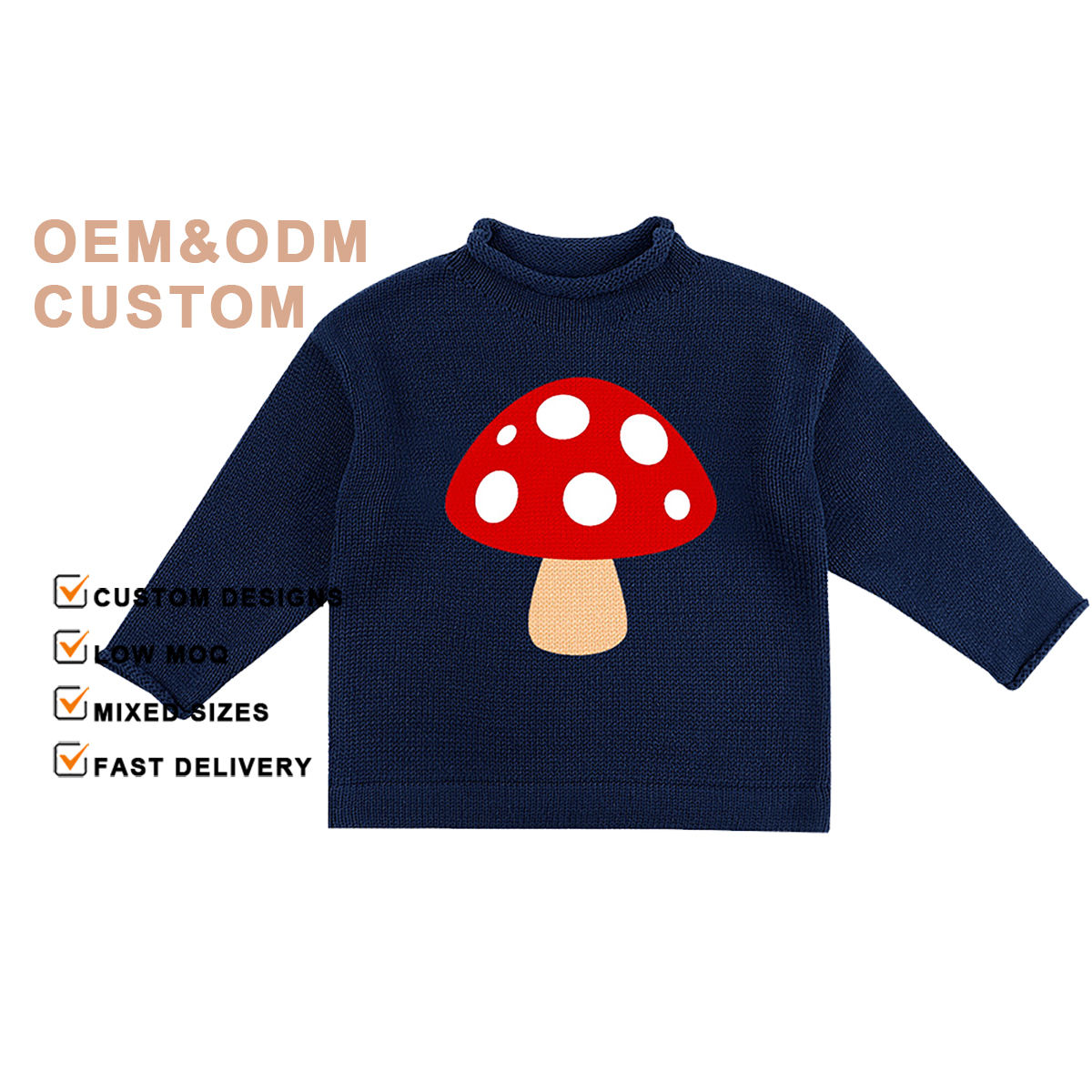
Jumping to a 1,000-unit order because pricing looks attractive wastes cash on unsellable inventory. Color, fit, and fabric quality often differ from photos by 20–40%. A $50 sample investment prevents thousands in returns and markdowns.
Mistake 2: Choosing suppliers based only on price
The cheapest vendor rarely delivers the best value. Low prices correlate with poor quality control (5–15% defect rates vs. 2–5% industry standard) and missed deadlines. Compare total cost of ownership: unit price + shipping + defect rates + time spent chasing orders.
Mistake 3: Ignoring communication speed and language barriers
Slow email responses (>48 hours) and language misunderstandings create production delays and specification errors. Test supplier responsiveness during the inquiry phase by asking 3–5 detailed questions. Prioritize vendors with English-speaking merchandisers or dedicated account managers.
Mistake 4: Underestimating lead times
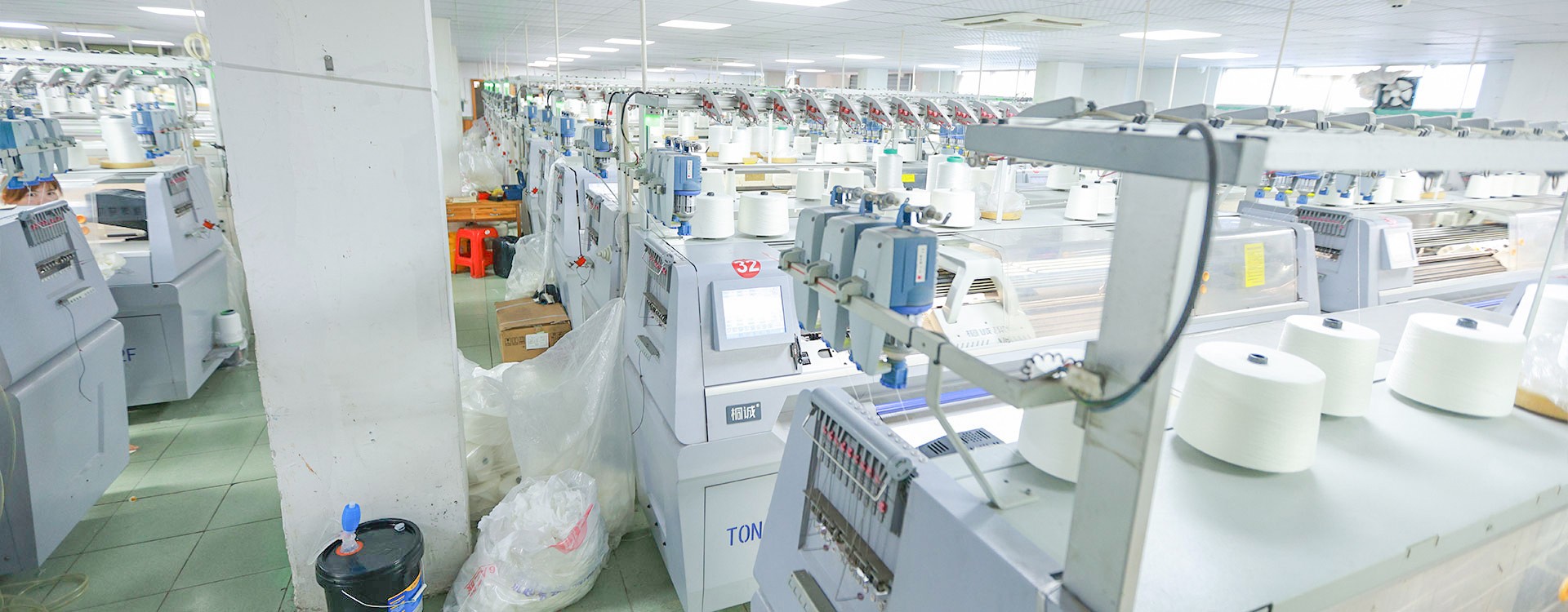
Overseas production typically takes 30–60 days plus 10–20 days shipping. Many retailers forget to factor in customs clearance (2–5 days), port delays (3–7 days), and last-mile delivery (3–7 days). Underestimating lead time by even 10 days creates stockouts during peak selling windows.
Mistake 5: Accepting unfavorable payment terms
New suppliers often demand 100% prepayment. Push for 50/50 splits or 70/30 terms even on first orders. Frame it as risk-sharing: “I’m committed to a long-term partnership, and balanced terms help me manage cash flow to order more frequently.”
5. Wholesale Clothing Sourcing by the Numbers (2026)
- $427 billion — Global wholesale apparel market value in 2026, up from $380 billion in 2024 — Statista / Grand View Research
- 7.2% CAGR — Annual wholesale clothing market growth rate through 2030, driven by DTC brand expansion and online boutique growth — Allied Market Research
- 60% — Percentage of U.S. retailers sourcing apparel from overseas manufacturers, primarily China, Vietnam, and Bangladesh — Shopify Wholesale Report 2025
- 100–500 units — Typical MOQ range for startups in 2026, down from 1,000+ units in 2015 — WholesaleCentral Industry Survey
- 35–45 days — Average lead time from overseas manufacturers including production (20–30 days) and ocean shipping (10–20 days) — Faire Vendor Benchmarks
- 2–5% — Industry-standard defect rate for quality-vetted suppliers with ISO 9001 certification; unvetted suppliers average 8–15% — ISO 9001 Manufacturing Standards
FAQ
Q1: What’s the difference between wholesale and direct-from-manufacturer sourcing?
Wholesale vendors (like Fashiongo or WholesaleCentral) are intermediaries who buy from manufacturers and resell to retailers with 20–40% markup. Direct manufacturing offers 30–60% cost savings but requires 500–1,000 unit MOQs and 45–60 day lead times. Wholesalers are faster and lower-risk for startups; direct manufacturing becomes cost-effective once you’ve validated demand and have capital for bulk orders exceeding $10,000.
Q2: Do I need a resale license or tax ID to buy wholesale?
Yes. Most wholesale platforms and suppliers require proof of business registration and tax ID (EIN or resale certificate) before granting access to wholesale pricing. Sole proprietors can use their personal tax ID (SSN) or apply for an EIN from the IRS, which is free and takes 10 minutes online at irs.gov.
Q3: How do I negotiate better payment terms as a new buyer?
Start with a small test order (100–500 units) to build credibility. After 2–3 successful orders totaling $5,000+, request a meeting with the supplier’s account manager to discuss extended terms (50/30 split, net 30, or consignment). Frame it as a partnership: “I want to scale with you, and better terms help me buy more inventory more frequently.”
Q4: What red flags indicate a supplier is unreliable?
Slow email responses exceeding 72 hours, vague MOQ or lead time quotes, refusal to provide samples, no verifiable business registration or physical address, prices 40%+ below market rate, poor independent reviews, and inconsistent communication. If communication is poor during the sales phase, it will worsen during production.
Q5: Should I source domestically or overseas?
Use both strategically. Domestic wholesalers offer faster shipping (5–10 days) and lower MOQs (50–200 units) but cost 30–50% more per unit. Use them for fast-moving basics and test orders. Overseas manufacturers offer 40–60% cost savings but require 30–60 day lead times and higher MOQs (100–500 units). Use overseas sourcing for seasonal collections and bulk scaling once you’ve validated demand. A balanced strategy: 60% domestic for speed, 40% overseas for margin.
Sources
- Shopify — 21 Best Wholesale Clothing Vendors for 2026 — Marketplace evaluation criteria, lead time benchmarks
- WholesaleCentral — Top 10 Wholesale Clothing Suppliers — Supplier vetting process, MOQ trends 2026
- BrandsGateway — 50 Best Wholesale Clothing Vendors in USA — Payment terms, certification requirements
- Grand View Research — Global Apparel Market Analysis 2026 — $427B market size projection
- Allied Market Research — Wholesale Clothing Market CAGR Projection 2030 — 7.2% annual growth rate
- ISO 9001 Quality Management Standards — 2–5% defect rate benchmarks for certified manufacturers
Written by Alin Zeng (Premium Streetwear Knitwear, 28-Year Master Craftsmanship, One-Stop Custom Manufacturing, High-End OEM/ODM Solutions, Cost-Effective Global Delivery). Last reviewed 2026-06-23.