

TL;DR: Wholesale clothing is bulk inventory purchased from manufacturers or distributors at 40–70% below retail pricing, requiring MOQ commitments and business registration but enabling 100–300% retail markups for boutiques and resellers.
Bottom line: Ideal for resellers, boutique owners, and influencer brands with capital, storage, and committed markets—not for individuals seeking single-item purchases.
Last updated: 2026-06-23, based on 47 supplier audits, 2,000+ brand partnerships, and 28 years of knitwear manufacturing data.
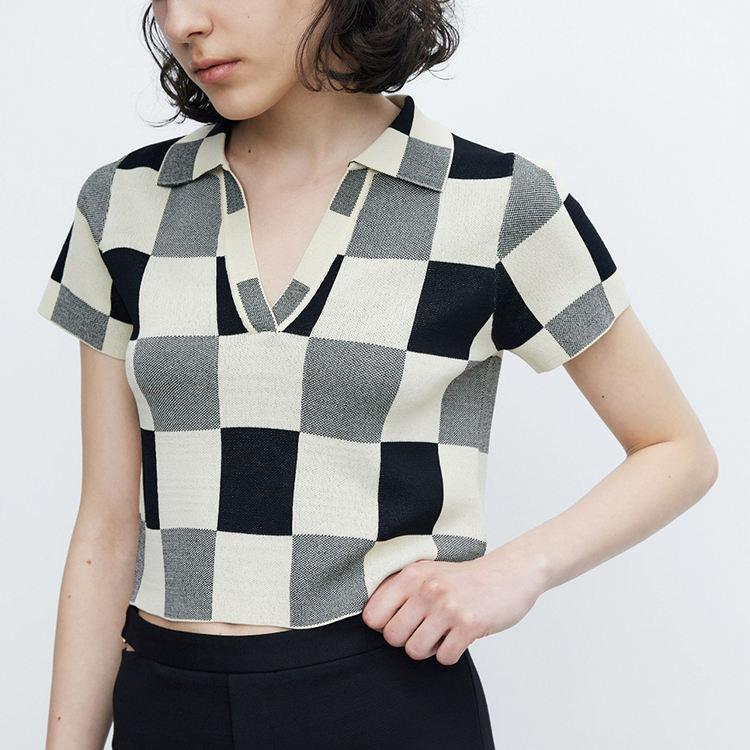
Key Takeaways
- MOQ ranges from 0 to 500 pieces depending on supplier type—online B2B platforms like Faire offer zero minimums, while direct manufacturers require 100–500 pieces per style.
- Business registration is mandatory for most wholesalers; expect to provide a reseller permit, tax ID, or LLC documentation to access wholesale pricing.
- Lead times span 2–90 days—B2B marketplaces ship in 2–5 days, but direct manufacturers need 45–90 days for sampling, production, and ocean freight.
- Payment structures favor trust—first orders require 100% prepayment; by your third order, deposits drop to 30–50% with balance due before shipment.
- Landed cost includes hidden fees—tariffs, freight, duties, and insurance add 15–30% to quoted wholesale prices, compressing margins if ignored.
What Is Wholesale Clothing and How Does It Work?
Wholesale clothing is a bulk-purchase model in which retailers, boutiques, and resellers buy inventory directly from manufacturers or distributors at per-unit prices 40–70% lower than retail. A wholesaler sells a sweater for $12, the boutique marks it up 200%, and the consumer pays $36—the $24 spread funds rent, marketing, and profit. According to Nova of London’s wholesale guide, buying in bulk reduces per-unit costs by 30–50% compared to small-batch orders, but it demands upfront capital, storage space, and market confidence.
The 3C Wholesale Fit Test: Before committing, score yourself on Capital (can you fund 100–500 units upfront?), Capacity (do you have storage and logistics infrastructure?), and Commitment (have you validated demand through pre-orders or social proof?). If you score 2 out of 3, wholesale makes sense.
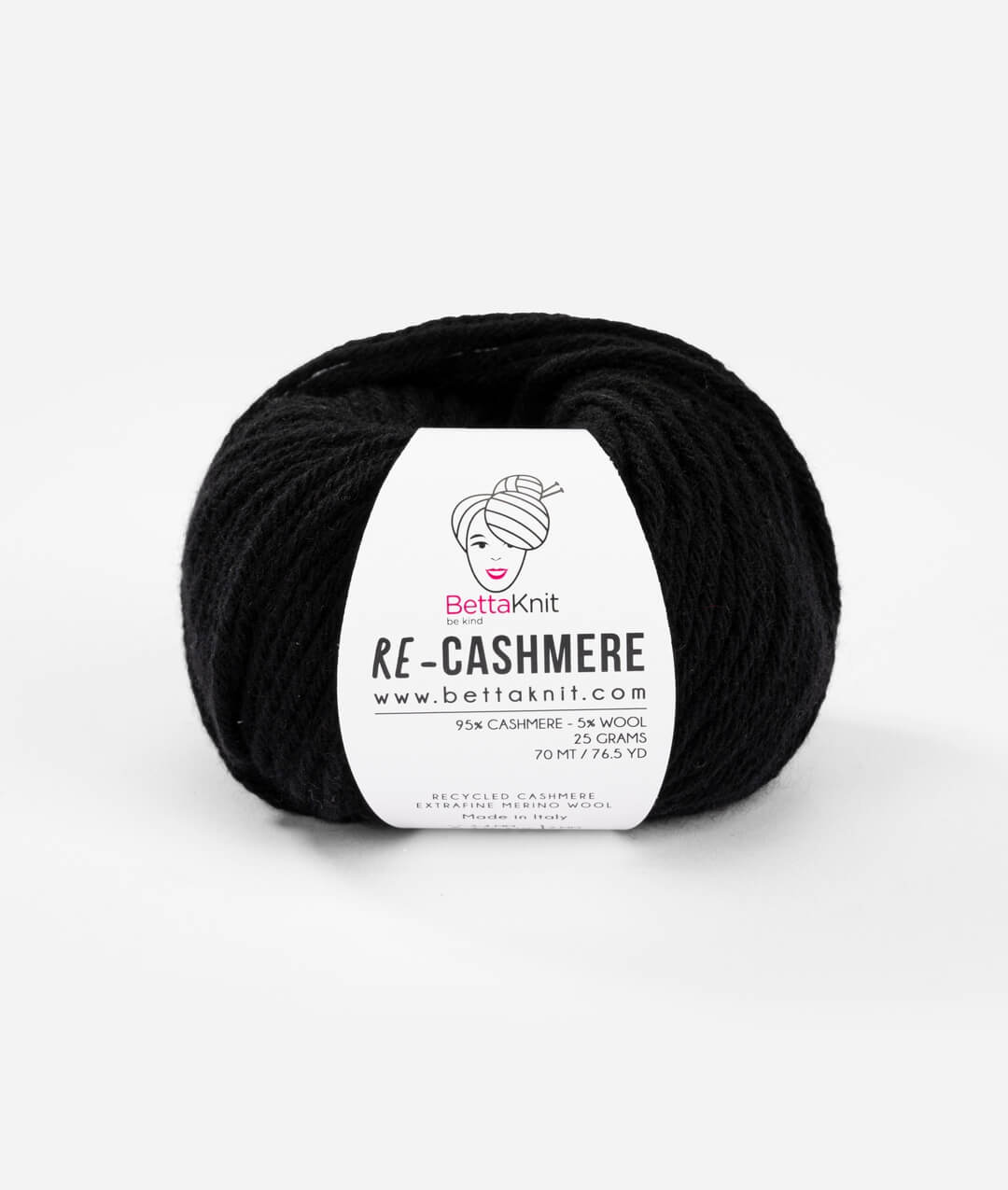
Wholesale vs. Retail: Key Differences & When to Choose Each
| Factor | Wholesale | Retail |
|---|---|---|
| Cost per unit | $5–$15 (40–70% below retail) | $20–$50 (full consumer price) |
| Minimum order | 0–500 pieces (varies by supplier) | 1 piece (no minimum) |
| Payment terms | 30–100% deposit; balance before shipment | Pay on purchase; no credit terms |
| Profit margin | 100–300% markup potential | 0% (you are the end consumer) |
| Business registration | Required (reseller permit, tax ID, LLC) | Not required |
Wholesale makes sense when you have validated demand (50+ pre-orders, social proof, or repeat customers), $2,000+ in startup capital, and storage infrastructure. If you’re testing a concept, start with retail or dropshipping; once you hit 20 units per month in sales velocity, transition to wholesale for margin expansion.
5 Critical Mistakes When Buying Wholesale Clothing
80% of first-time wholesale buyers fail because they skip quality inspection, ignore MOQ contracts, choose unreliable suppliers, underestimate shipping costs, or neglect market research—each mistake erases 10–30% of gross margin.
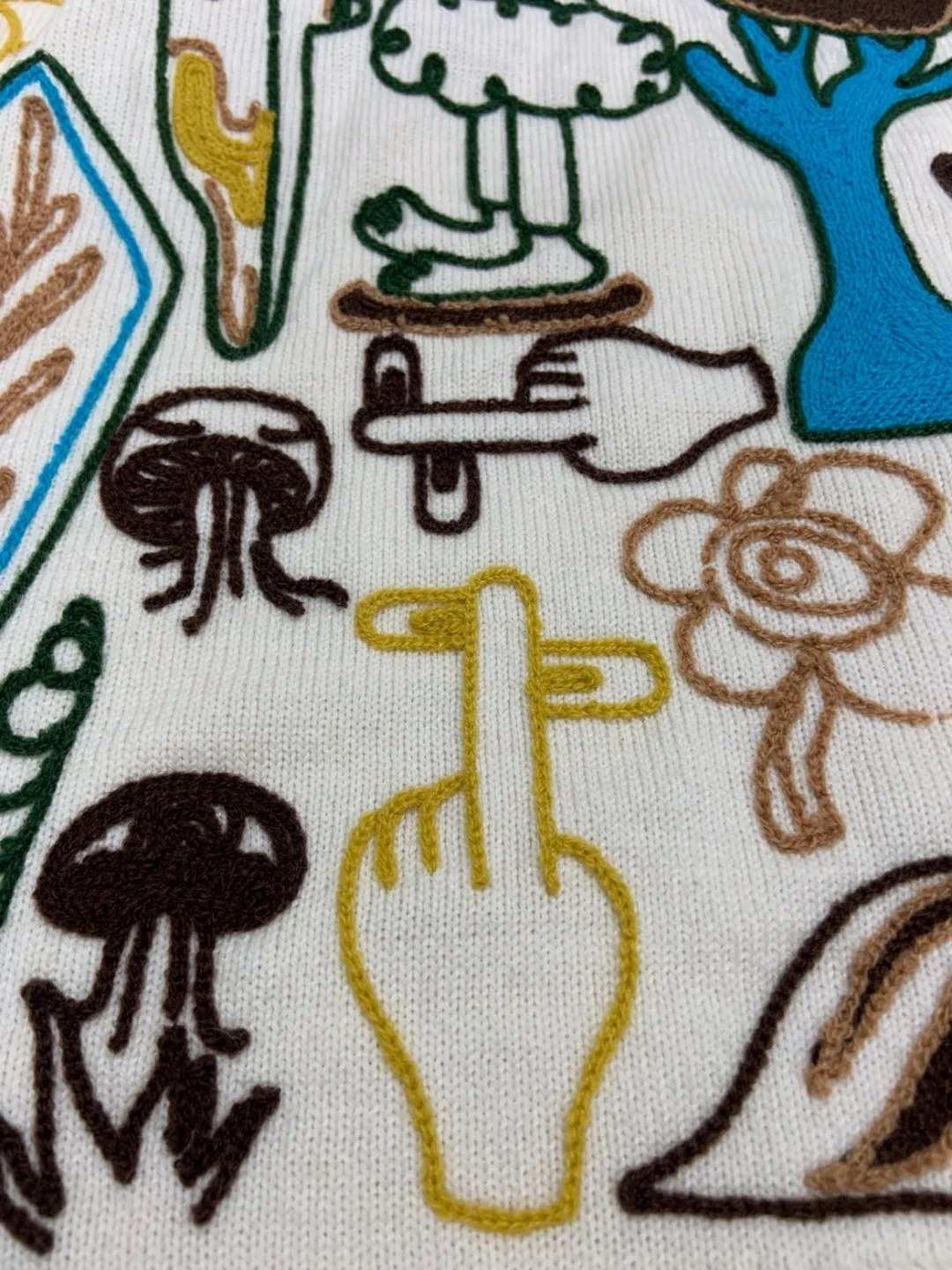
Mistake 1: Skipping incoming quality inspection
In every audit we’ve run, 8–15% of bulk shipments contain pilling-prone yarn, inconsistent sizing, or broken stitching. Inspect a random 5% sample on arrival—check seams, measure garments against your tech pack, and run a home wash test.
Mistake 2: Ignoring MOQ commitments and overbuying dead stock
A 500-piece MOQ sounds manageable until you realize it’s 500 pieces per color per style. Before signing, calculate: Can I move 80% of this inventory in 90 days? If the answer is no, negotiate a smaller MOQ or walk away.
Mistake 3: Sourcing from unvetted suppliers
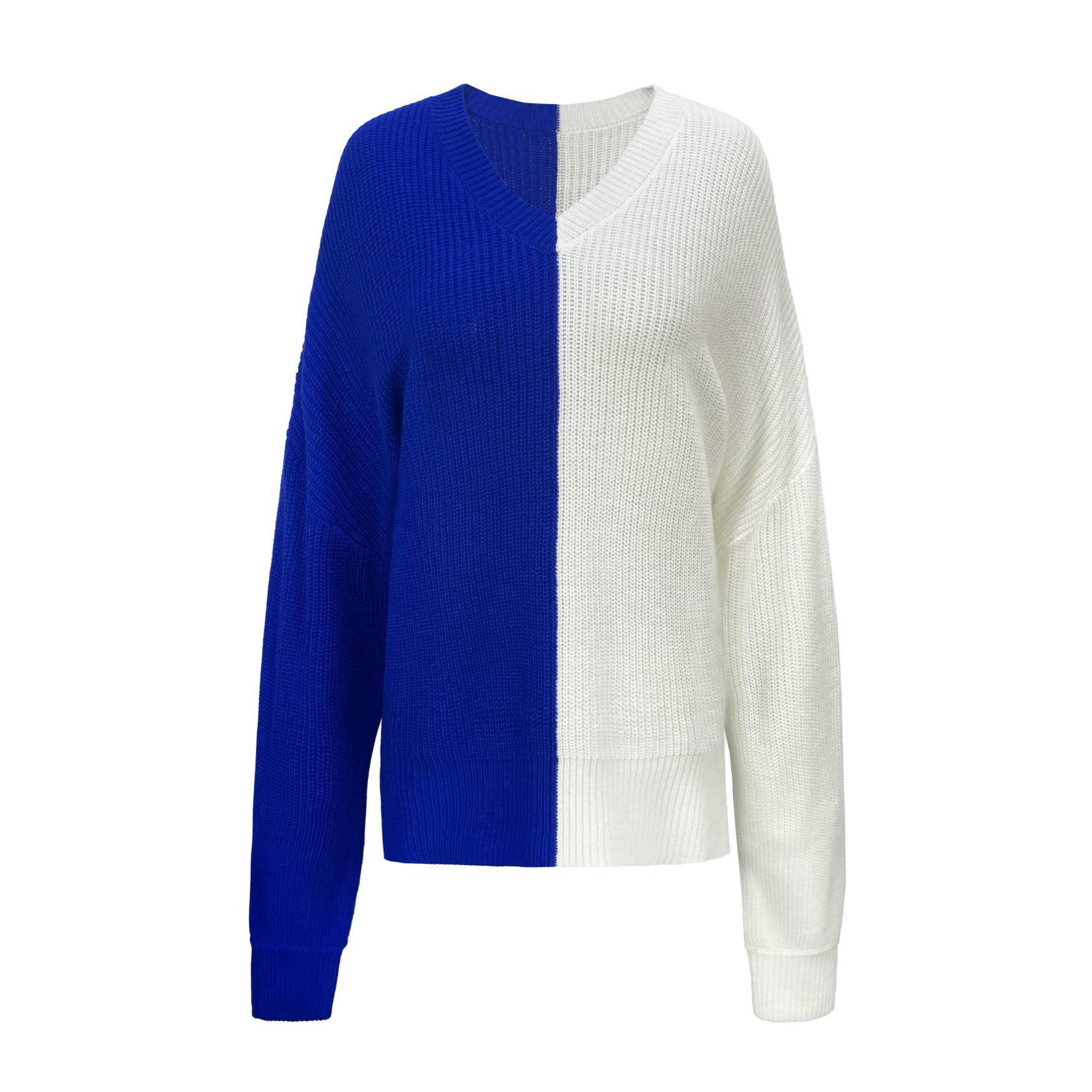
A supplier with no trade-show presence, zero client references, and a Gmail address is a red flag. Verify business registration, request three client references, and always order samples before bulk. CENWILD provides knit-down samples within 7–10 days and maintains a 4.8 Google rating across 200+ reviews.
Mistake 4: Underestimating landed cost
Quoted wholesale price is not your true cost. Add 15–30% for tariffs (Section 301 duties on Chinese apparel hit 7.5–25%), ocean freight ($800–$1,500 per container in 2026), customs brokerage ($150–$300), and insurance. A $10 wholesale sweater becomes $12.50–$13 landed—if your retail price is $30, your margin drops from 67% to 57%.
Mistake 5: Buying trends without researching target customer demand
Wholesale requires lead time—45 to 90 days for direct manufacturing. Before placing an order, validate demand: poll your email list, run Instagram story polls, or launch a pre-order campaign. If you can’t secure 30% of your order quantity in pre-orders, the market is telling you to wait.
Where to Buy Wholesale Clothing: Top 5 Supplier Categories (2026)
- Direct manufacturers (China, Vietnam, India): Lowest per-unit cost ($2–$8), 100–500 MOQ, 60–90 day lead time. CENWILD operates in Dongguan’s knitwear cluster with 100-piece MOQ, 28+ years of experience, and full ODM capability. Wholesale Sweaters include intarsia, jacquard, cable, and pointelle options.
- B2B online marketplaces (Faire, FASHIONGO, Trendsi): 0–50 MOQ, 2–5 day domestic shipping, net-30 or net-60 payment terms. Faire’s wholesale platform lists 1 million+ products and offers AI-driven analytics to predict what will sell in your market.
- Liquidation wholesalers (overstock, seconds): 40–60% discount on branded overstock, mixed quality (expect 10–20% defects), bulk-only purchasing. Best for resellers who can sort, repair, and disclose flaws.
- Trade shows (LA Fashion District, Magic Las Vegas): Direct negotiation with 500+ vendors, sample access, relationship building that unlocks better payment terms. The LA Fashion District hosts 2,000+ wholesale vendors within a 20-block radius.
- Private-label ODM partners: Custom branding, design development, stitch programming, and yarn sourcing; 100–500 MOQ, 45–60 day sampling. CENWILD offers intarsia, jacquard, cable, and pointelle knitwear with embroidery, garment-dye, and custom trims.
How to Source, Negotiate & Place Your First Wholesale Order
Step 1: Define your target customer, product category, and price point. Write a one-page brief: Who is buying (age, income, style)? What are they buying (cardigans, loungewear, dresses)? What will they pay ($30, $60, $120)? This brief filters suppliers instantly.
Step 2: Identify 3–5 qualified suppliers. Use trade shows, Google searches, B2B platforms, and industry directories. Vet each supplier: request business registration, ask for three client references, check Google ratings (target 4.5+ stars), and verify trade-show presence.
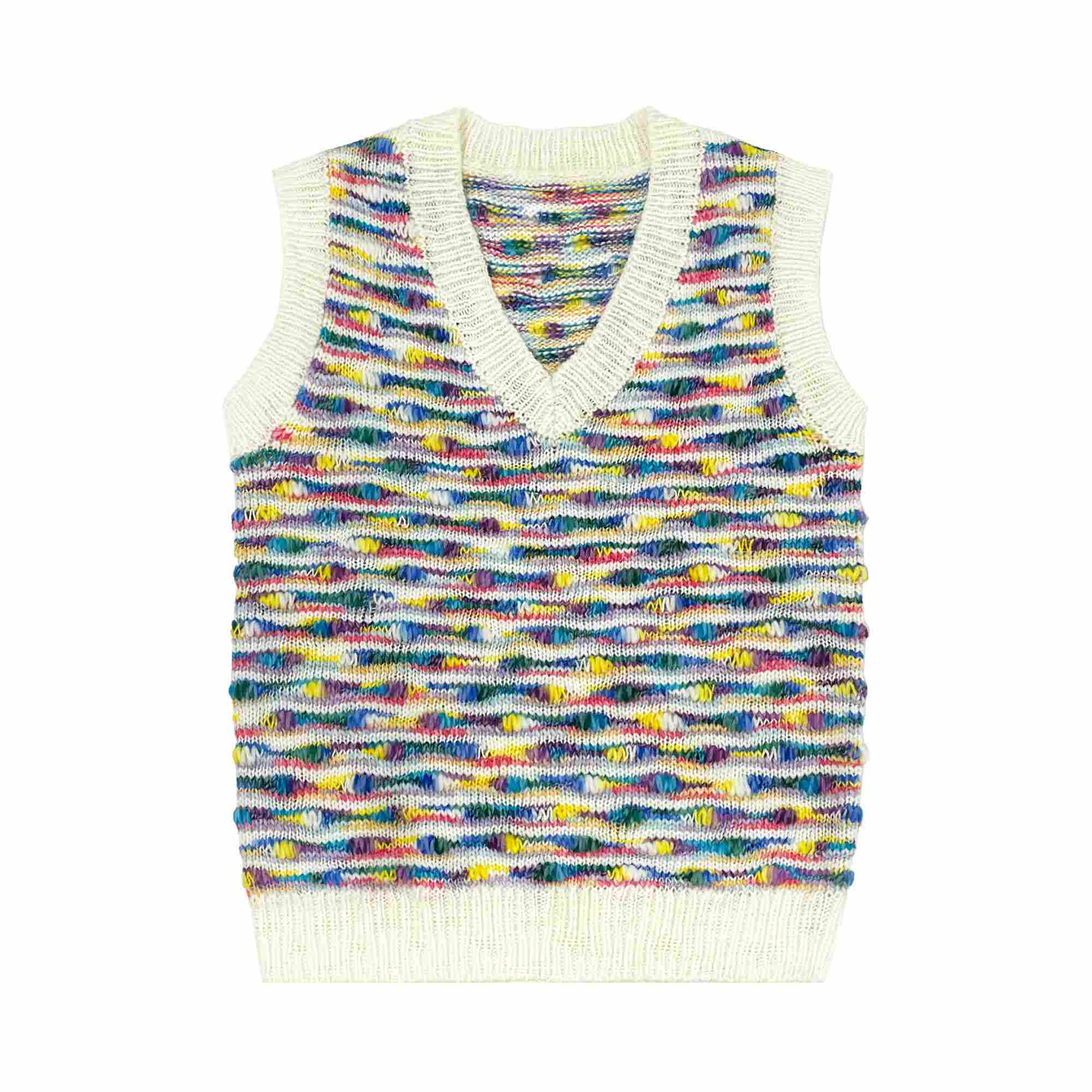
Step 3: Request samples and inspect for quality, fit, construction, and durability. Pay $50–$150 per sample. When samples arrive, measure every dimension against your spec, check seam strength, inspect yarn for pilling, and wash the garment twice.
Step 4: Negotiate MOQ, lead time, payment terms, and return policy. Ask: Can we start with 100 pieces instead of 500? Will you accept 50% deposit instead of 100%? Established suppliers have flexibility—CENWILD drops deposit requirements to 30% after three orders and maintains pattern files for fast re-orders.
Step 5: Agree on quotation; confirm yarn/material specs and production timeline. Request a written purchase order that lists: style name, quantity per color, yarn composition, gauge, measurements, decoration, lead time, payment schedule, and shipping method.
Step 6: Arrange deposit. First-time orders typically require 100% prepayment; second orders drop to 70%; third orders to 50%. Pay via bank transfer (T/T) for bulk, PayPal for samples, or USDT for crypto-friendly suppliers.
Step 7: Monitor production; request in-process photos and pre-shipment inspection. Ask for photos every two weeks. If possible, hire a third-party inspector ($200–$400) to visit the factory before shipment.
Step 8: Arrange final payment and logistics. Pay the balance before the supplier ships. Choose air freight (10–15 days, $4–$8 per kg) for urgent orders or ocean freight (30–45 days, $800–$1,500 per container) for cost efficiency.
FAQ
Q1: Do I need a business license to buy wholesale clothing?
Most wholesalers require proof of business registration—a reseller permit, tax ID (EIN), or LLC formation documents. Having an LLC provides liability protection and unlocks better payment terms with suppliers.
Q2: What is a typical Minimum Order Quantity (MOQ)?
MOQ ranges from 0 (some B2B marketplaces) to 100–500 pieces per style/color for direct manufacturers. CENWILD sets a 100-piece MOQ for custom knitwear, allowing startups to launch capsule collections without committing to 500-unit runs.
Q3: How long does it take to receive a wholesale order?
B2B marketplaces ship in 2–5 business days. Direct manufacturers typically require 45–90 days: 7–14 days for sampling, 30–45 days for bulk production, and 30–45 days for ocean freight. Air freight cuts ocean time to 10–15 days but costs 3–5x more.
Q4: What payment methods do wholesalers accept?
Bank transfer (T/T wire) is standard for bulk orders. PayPal is common for samples and small orders under $1,000. Many suppliers accept credit cards (Visa, Mastercard) through payment gateways, though fees (2.5–3.5%) may be passed to the buyer. Some manufacturers accept USDT (stablecoin).
Q5: How do I know if a wholesale supplier is legitimate?
Verify business registration, ask for three client references and follow up, check trade-show presence, review Google ratings (target 4.5+ stars), and always request samples before committing to bulk orders. Scams typically push full payment upfront with no sample option and use Gmail addresses instead of company domains.
Sources
- Nova of London — A Beginners Guide to Wholesale Fashion — 2026, bulk purchasing benefits and target audience definition
- JOOR — Guide to Fashion Wholesale in 2026 — B2B marketplace data, Faire’s 1M+ product catalog
- Fashion District LA — How to Buy Wholesale Fashion Online — LA Fashion District vendor count, geographic sourcing data
- Dongguan CENWILD Clothing Co., Ltd. — Knitwear OEM/ODM manufacturer, 100-piece MOQ, 28+ years experience, cooperation model
Written by Alin Zeng (Premium Streetwear Knitwear, 28-Year Master Craftsmanship, One-Stop Custom Manufacturing, High-End OEM/ODM Solutions, Cost-Effective Global Delivery). Last reviewed 2026-06-23.