

TL;DR: Fashion retailers like Lulus, Nastygal, and Urban Behaviour source private label clothing from OEM/ODM manufacturers across China, Southeast Asia, Los Angeles, and New York—controlling branding and margins without owning factories.
Bottom line: For fast-fashion brands scaling inventory quickly, private label manufacturing offers speed, control, and cost efficiency; for boutiques needing 50-unit runs, it’s often impractical.
Last updated: 2026-06-23, based on 28 years of knitwear manufacturing experience and 2,000+ brand partnerships.
Key Takeaways
- 60% of global private label apparel is manufactured in China, driven by established supply chains and yarn infrastructure (Fabriclore, 2026)
- 100-piece MOQ is the industry standard for fast-fashion brands working with mid-tier manufacturers (Sewport, 2025)
- 8–16 week lead time typical from design approval to finished inventory
- OEM vs. ODM models blend throughout a brand’s lifecycle: OEM for core basics with full control, ODM for seasonal trend testing
- China dominates knitwear, Los Angeles specializes in denim and cut-sew, New York focuses on premium and rush orders
What Is Private Label Clothing Manufacturing?
Private label clothing manufacturing is a production model where third-party factories produce garments that retailers sell under their own brand names, enabling fast-fashion companies to control margins and differentiation without owning factories.
Private label differs from wholesale and white label. Wholesale involves buying pre-branded goods from a distributor. White label offers fully generic products that multiple retailers can rebrand. Private label sits between them: the retailer commissions custom designs, controls specifications, and owns exclusive rights to the finished product.
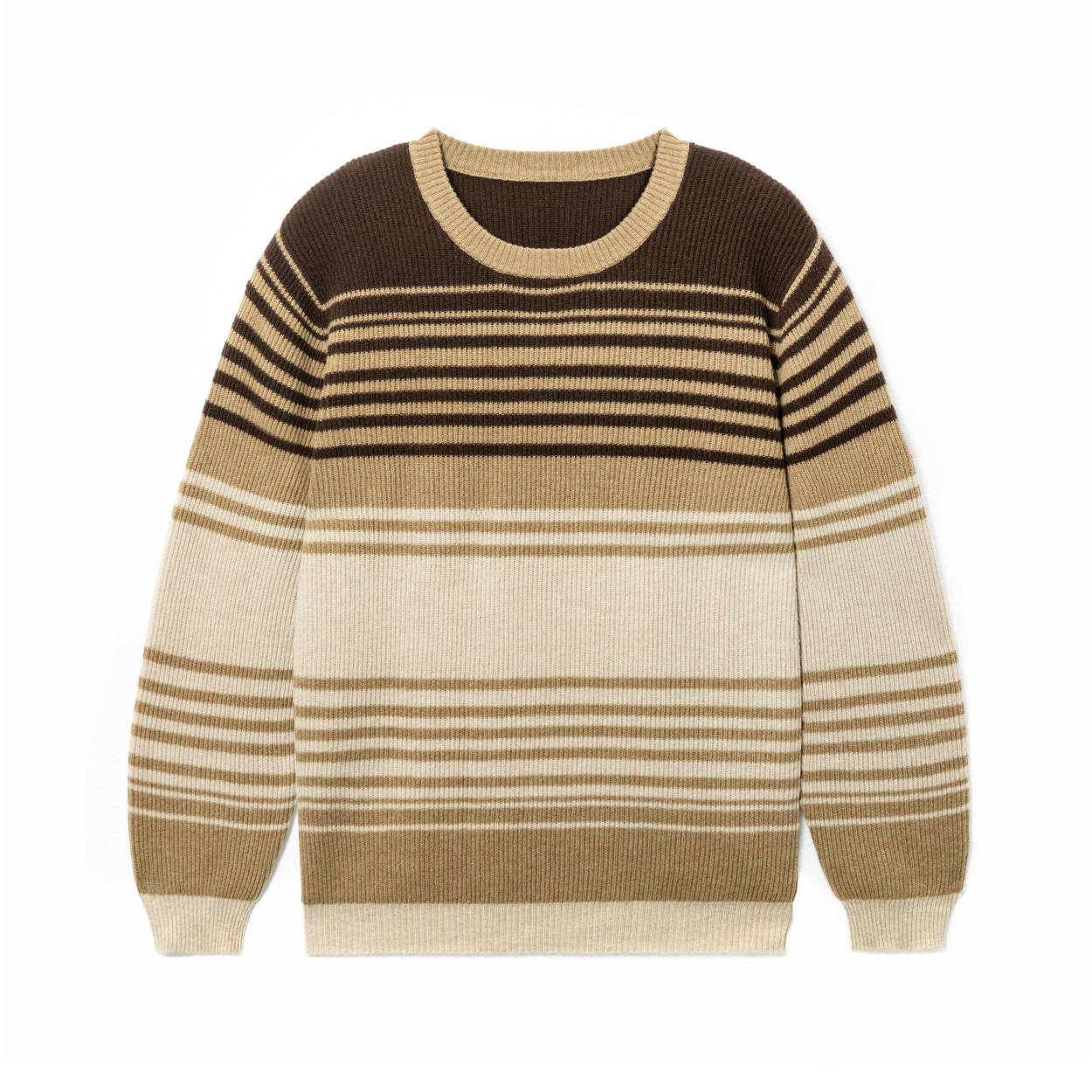
Fashion retailers like Lulus, Nastygal, and Urban Behaviour adopt private label for three reasons: control (dictating fabric weight, stitch patterns, trim details, and fit), margins (eliminating the wholesaler’s markup—a $12 sweater sells at $48 retail versus $18 wholesale), and speed-to-market (8 weeks from sketch to bulk shipment during peak season).
Success requires three elements: design clarity (tech packs with measurements and stitch diagrams), material traceability (yarn sourcing from named mills), and phased scaling (100-piece test runs before 5,000-unit reorders).
Global Private Label Supply Chain: Asia, LA & Beyond
Fashion brands source private label inventory from four primary regions—China, Southeast Asia, Los Angeles, and New York—each offering distinct cost, speed, and specialization profiles.
| Region | Unit Cost | MOQ | Lead Time | Specialization |
|---|---|---|---|---|
| China (Dongguan, Guangzhou) | $8–$15 | 100–500 pcs | 6–10 weeks | Knitwear, sweaters, technical fabrics, computerized flat-knitting |
| Southeast Asia (Vietnam, Bangladesh) | $6–$12 | 500–1,000 pcs | 8–12 weeks | Cut-and-sew basics, woven tops, activewear, high-volume runs |
| Los Angeles (Downtown Garment District) | $18–$35 | 50–200 pcs | 2–4 weeks | Denim, cut-and-sew, quick-turn sampling, premium finishes |
| New York (Garment District) | $25–$50 | 25–100 pcs | 1–3 weeks | Premium construction, rush orders, designer collaboration, technical outerwear |
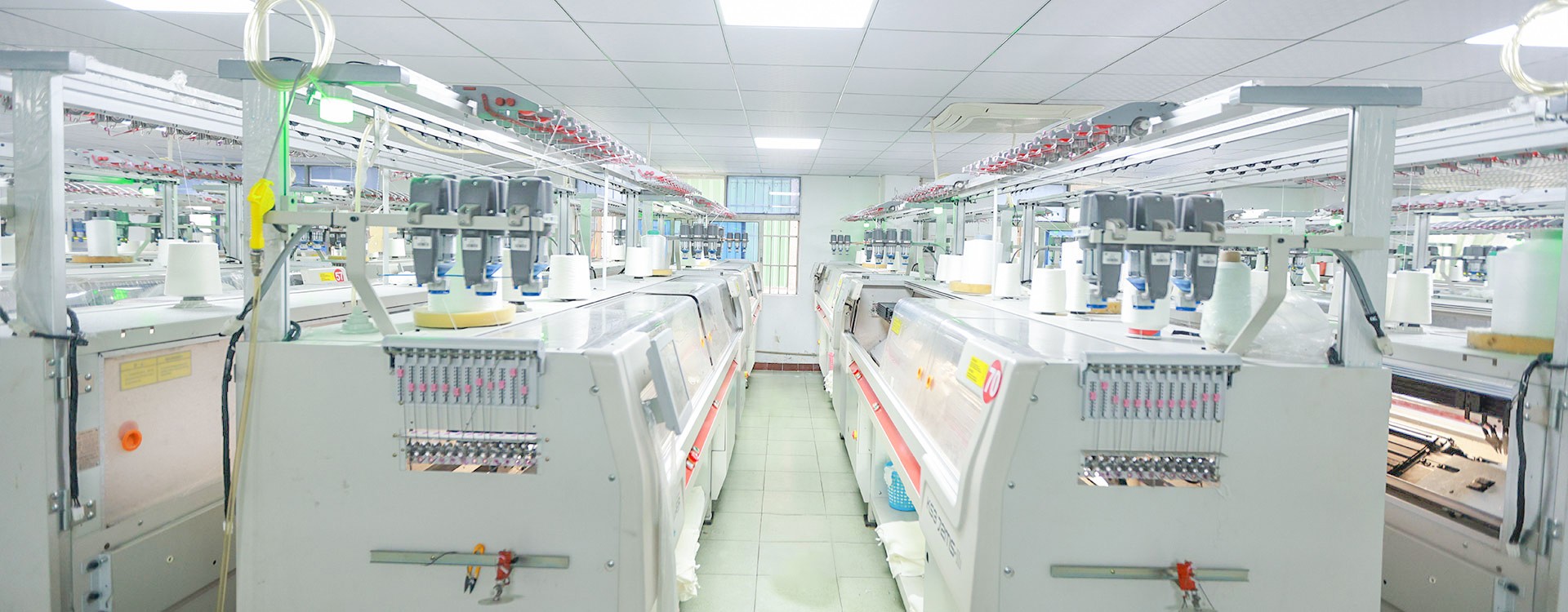
China’s knitwear advantage. Dongguan and surrounding towns house spinning mills, yarn traders, computerized knitting factories, and washing houses within a 30-kilometer radius. A cashmere cardigan sources yarn from a mill 15 minutes away; linking happens in-house; washing and anti-pilling treatment occur at a partner facility. That density cuts lead time and cost. A Los Angeles manufacturer sourcing the same cashmere yarn pays 22% more and waits 3 weeks for ocean freight.
Southeast Asia’s volume play. Vietnam and Bangladesh win high-volume woven basics because labor costs run 15–20% below China and governments offer export incentives. Vietnam’s free-trade agreements with the EU and US reduce tariffs, making it attractive for brands shipping 10,000+ units per style.
LA and New York for speed and premium. Los Angeles’ 2–4 week lead time lets brands react to trends or restock bestsellers mid-season. New York’s strength is technical construction and designer collaboration: tailored blazers, leather jackets, couture finishes.
How Brands Partner with OEM & ODM Manufacturers
OEM (Original Equipment Manufacturer) produces to brand specifications; ODM (Original Design Manufacturer) designs and produces. Fast-fashion retailers blend both to balance speed and cost.
OEM model: the brand provides a complete tech pack—measurements, stitch diagrams, yarn specifications, trim details—and the manufacturer executes. Lulus uses OEM for core cardigans and bodysuits that anchor their catalog year-round; the tech pack stays identical, only colorways rotate. The payoff is predictable cost and zero design drift.
ODM model: the manufacturer designs the garment based on your brief and you approve samples before bulk production. ODM shines when testing seasonal trends or launching a new category without hiring designers. Nastygal’s fall 2025 knitwear drop leaned heavily on ODM—12 styles developed in 6 weeks.
Hybrid approach: most retailers use OEM for core basics and ODM for seasonal trends. Brands order 1,000 units of an OEM crewneck (proven seller) alongside 200 units each of 4 ODM cable-knit styles (testing market response).
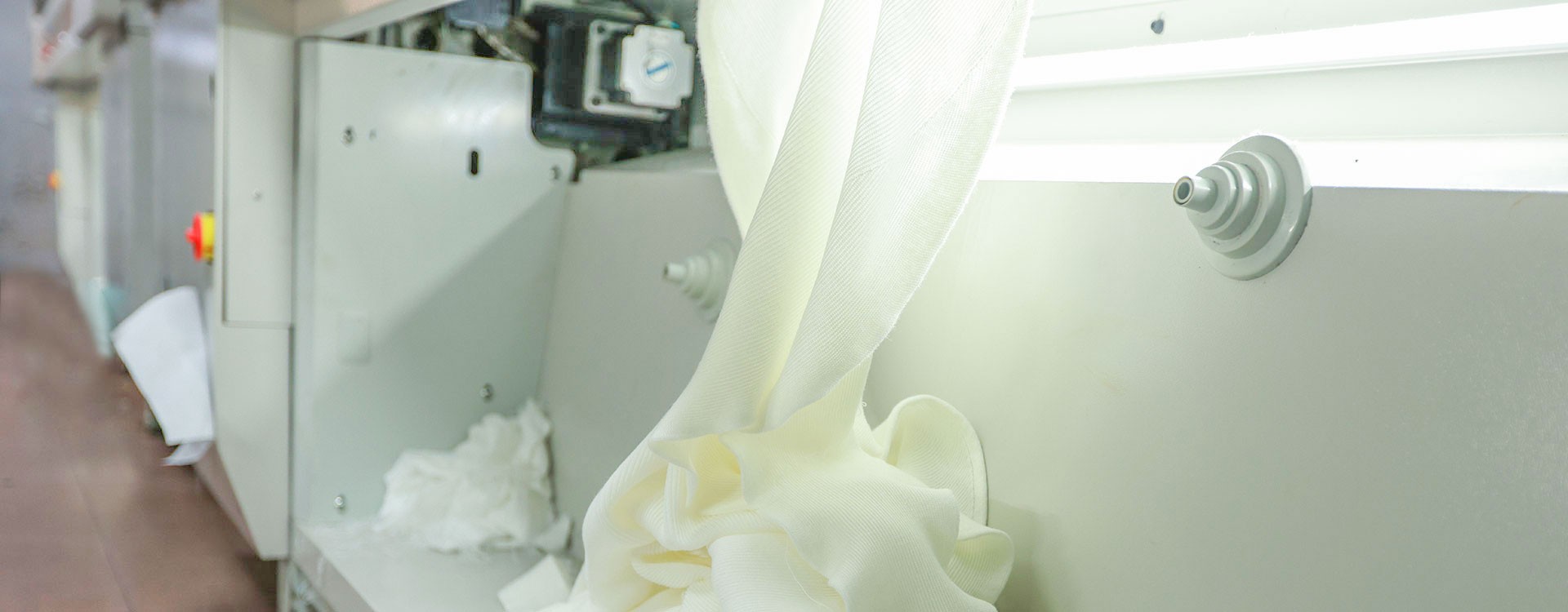
Deposit and payment terms follow a trust-building curve. First-time clients pay 100% upfront. Second order drops to 70% deposit, 30% balance before shipment. After 1 year and stable cooperation (3+ orders), deposit adjusts to 30%. Clients reaching 5+ years and $500K+ in cumulative orders negotiate 20% deposit terms. Payment methods include T/T bank transfer, PayPal, credit card, USDT, and VTB Bank.
5 Critical Steps in Private Label Production
1. Design & Tech-Pack Development — Retailer submits a sketch or reference garment. The manufacturer converts it into a production-ready tech pack: measurements, stitch patterns, yarn gauge, trims, and grading rules. Timeline: 5–10 business days.
2. Yarn & Material Sourcing — The manufacturer recommends yarn suppliers and provides knit-down swatches for approval. A 70% merino / 30% nylon blend feels softer than 100% acrylic but costs $4 more per garment. Swatches arrive in 5–7 days; approval adds 3–5 days.
3. Sampling & Fit Testing — Proto or SMS (sales sample) is produced; the retailer approves fit, measurements, yarn, embroidery/print, and wash results. Timeline: 2–4 weeks typical. Sampling is non-negotiable.
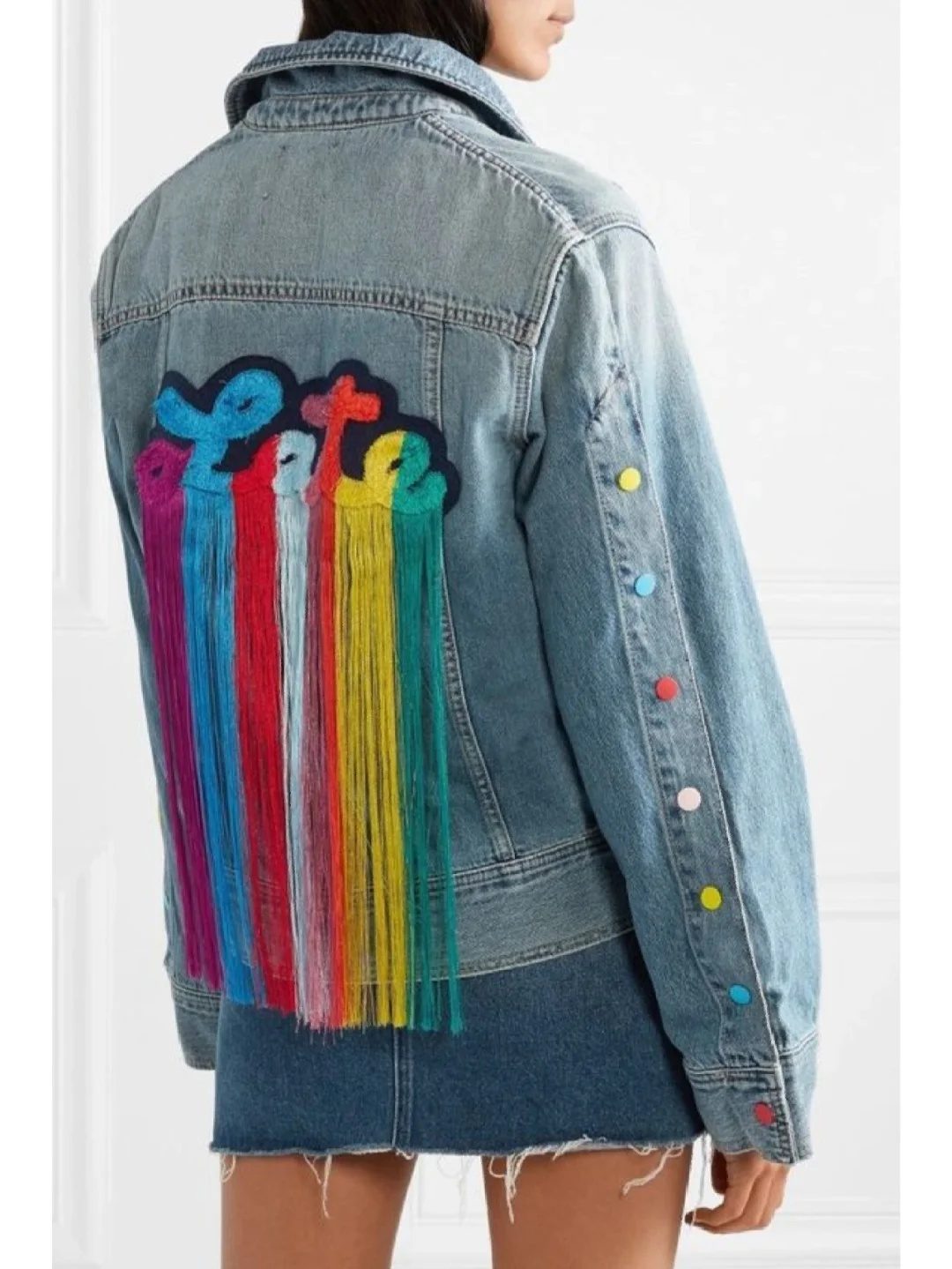
4. Bulk Production & QC — Bulk knitting begins on computerized flat-knitting machines. In-line quality checks run throughout: yarn inspection, stitch consistency, measurements, pilling tests, embroidery QC. Lead time: 4–8 weeks depending on MOQ and complexity.
5. Finishing, Decoration & Shipment — Washing, softening, garment dye, embroidery/printing, labeling, hang tags, and packaging. Final inspection checks measurements, verifies trims, and confirms carton counts. Shipment via air (7–10 days, $4–$6/kg), sea (25–35 days, $0.80–$1.20/kg), or express (3–5 days, $8–$12/kg).
Private Label Sourcing by the Numbers (2026)
- 60% of global private label apparel manufactured in China — Fabriclore, 2026
- 80,000+ monthly knitwear capacity typical for mid-tier manufacturers — CENWILD, 2026
- 100-piece MOQ industry standard for fast-fashion brands — Sewport, 2025
- 4–8 week bulk production lead time average (China/Southeast Asia) — Apparel Industry Report, 2026
- $12–$18 unit cost for mid-weight knitwear (cashmere blends, cable-knit construction, embroidery) — CENWILD internal data, 2026
The most successful fashion companies combine wholesale and private label strategies: wholesale for fast inventory turns and private label for margin expansion and brand identity. CENWILD specializes in helping brands navigate these sourcing decisions with 28 years of manufacturing expertise.
FAQ
Q1: Do Lulus, Nastygal, and Urban Behaviour manufacture their own clothing?
No. All three outsource production to private label manufacturers and wholesalers. Lulus sources primarily from Los Angeles, China, and Guatemala; Nastygal blends UK and Asian suppliers; Urban Behaviour works with Canadian and offshore manufacturers.
Q2: What’s the minimum order quantity for private label clothing?
Industry standard is 100–500 pieces per style/color. Startups often negotiate lower MOQs (50–100 units). Established brands typically order 1,000–5,000 units per SKU to capture volume discounts.
Q3: How long does it take to go from design to finished inventory?
8–16 weeks typical: design/tech-pack (1–2 weeks) → material sourcing (2–3 weeks) → sampling (2–4 weeks) → bulk production (4–8 weeks) → finishing and shipment (1–2 weeks). Rush orders compress to 6–8 weeks but incur 15–25% premium costs.
Q4: Why do brands choose China for private label manufacturing?
China—especially Dongguan, Guangzhou, and Shenzhen—dominates due to established supply chains, yarn mills, computerized knitting infrastructure, skilled labor, and competitive pricing. Ninety percent of raw materials originate in Asia regardless of where assembly occurs.
Q5: Can private label manufacturers help with design if I don’t have a tech pack?
Yes. ODM (Original Design Manufacturer) partners provide full design services—stitch design, pattern development, size grading, and fabric recommendations. Brands have launched from mood boards and Instagram screenshots, converting rough concepts into production-ready tech packs in 7–10 days.
Sources
- Fabriclore — 10 Best Private Label Clothing Manufacturers & Suppliers — 2026, 60% China manufacturing share
- Sewport — Private Label Clothing Manufacturing — 2025, 100-piece MOQ standard
- Dongguan CENWILD Clothing Co., Ltd. — 2026, 80,000+ monthly capacity, 28-year knitwear expertise
- Apparel Industry Report — 2026, global manufacturing lead times and sourcing trends
Written by Alin Zeng (Premium Streetwear Knitwear, 28-Year Master Craftsmanship, One-Stop Custom Manufacturing, High-End OEM/ODM Solutions, Cost-Effective Global Delivery). Last reviewed 2026-06-23.