
TL;DR: Custom sweatshirt creation requires selecting a blank garment, preparing production-ready artwork at 300 DPI, and choosing the right decoration method—embroidery for durability, screen print for bulk orders, DTF for photo realism, heat transfer for speed, or patchwork for artisan appeal.
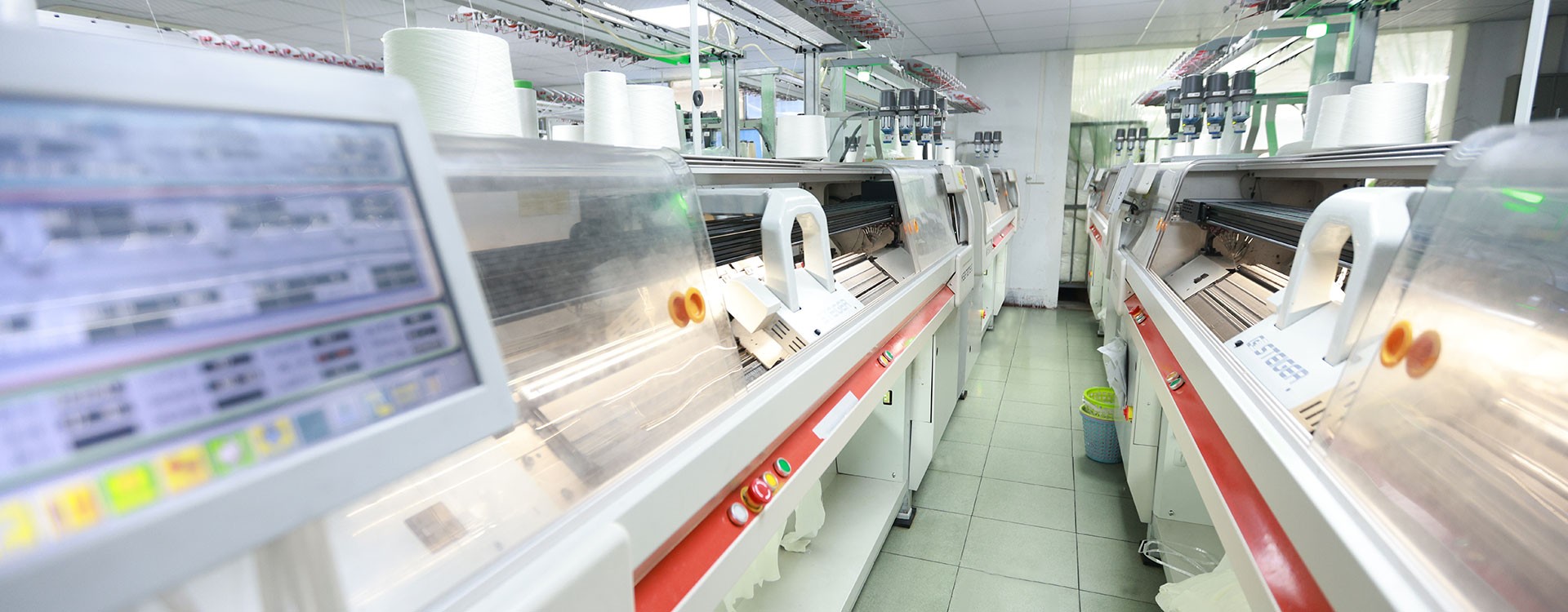
Bottom line: Brands ordering 100+ units favor screen print or embroidery; startups testing designs lean toward DTF or heat transfer; teams and corporate clients prioritize embroidery’s premium feel.
Last updated: 2026-06-23, based on 28 years of knitwear manufacturing experience and 2,000+ custom sweatshirt projects across North America, Europe, and Asia.
Key Takeaways
- Screen printing delivers the lowest per-unit cost ($3–8) for orders above 200 units and survives 50+ washes without cracking.
- Embroidery creates a 3D texture that lasts 100+ washes, ideal for corporate logos and premium branding at $8–15 per unit.
- Direct-to-film (DTF) supports full-color photographic designs with MOQs as low as 10 units and 3–7 day lead times.
- Heat transfer enables testing designs at 5–50 unit quantities with 2–5 day turnarounds, though durability drops to 20–40 washes.
- The global custom apparel market reached $4.2 billion in 2025, with low-MOQ production reducing barriers to entry by 60% since 2020.
What Is Custom Sweatshirt Design & Why It Matters
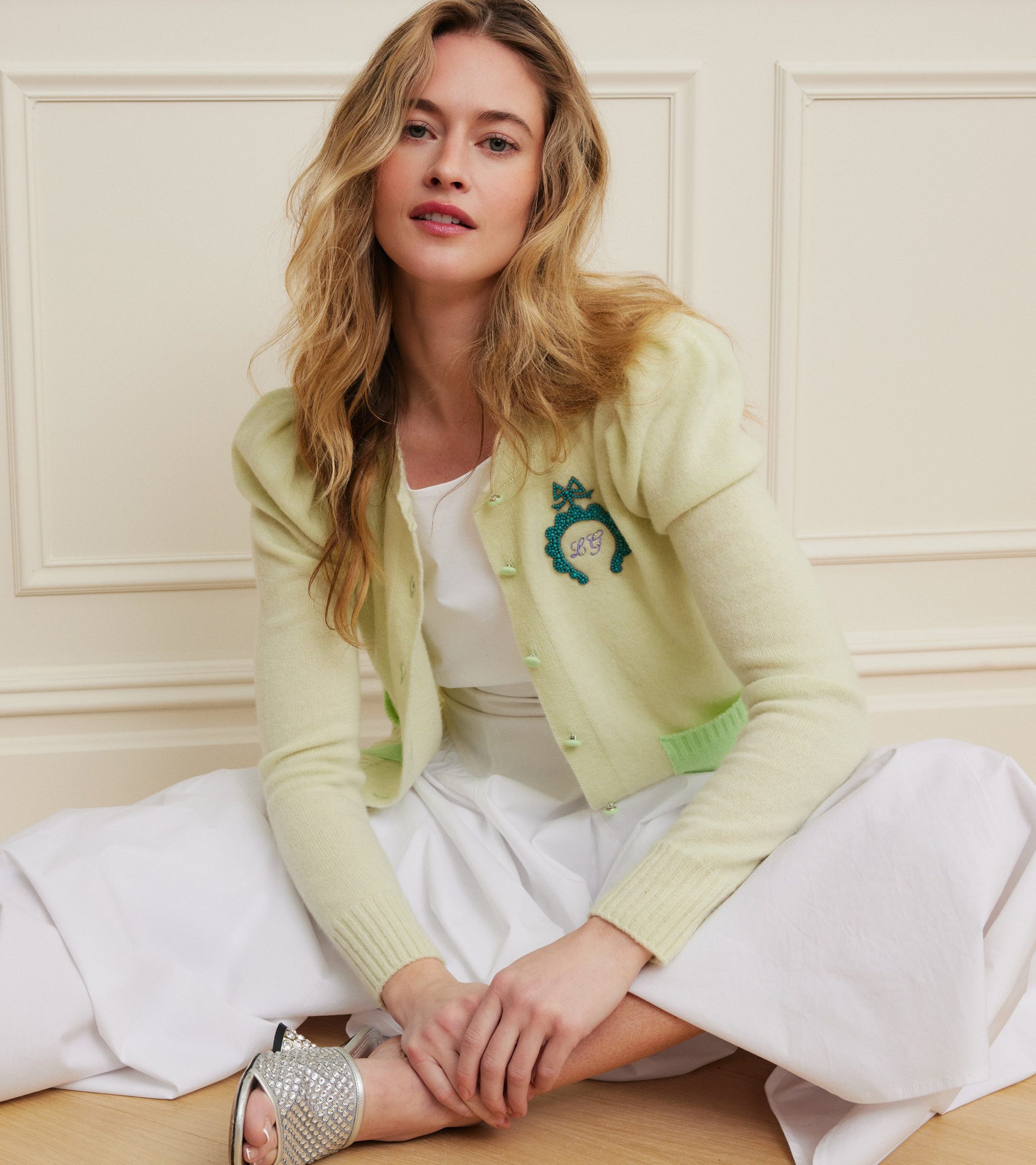
How to custom sweatshirt means choosing a blank sweatshirt base (cotton, fleece blend, or performance fabric), preparing artwork files at 300 DPI minimum, selecting a decoration method (embroidery, screen print, DTF, heat transfer, or patchwork), and coordinating with a manufacturer to produce units at your target quantity and lead time.
Brands build recognition through consistent logo placement and color palettes. Low-MOQ production—starting at 100 pieces per style at facilities like ours in Dongguan—democratizes small-batch manufacturing that was previously locked behind 1,000-unit minimums. Decision drivers are design complexity, budget ($3 per unit for bulk screen print versus $15 for premium embroidery), lead time (2 days for heat transfer versus 14 days for embroidery), quantity, and end-use.
Our Four-Stage Custom Sweatshirt Framework
Stage one: Design intent—sketch the concept, build a mood board, define color palette (limit to 3–5 colors), and select silhouette (crewneck, quarter-zip, hoodie). Stage two: Tech pack creation—document chest width, body length, sleeve length, decoration placement (measure from shoulder seam), yarn blend (80/20 cotton-poly resists shrinkage better than 100% cotton), and trim specifications. Stage three: Artwork preparation—export files at 300 DPI, convert logos to vector format (.AI or .EPS) for embroidery and screen print, separate colors for screen print (each color = one screen), and request a digital mockup. Stage four: Sampling and iteration—order a knit-down sample to verify fabric hand-feel, approve a pre-production sample with actual decoration applied, wash-test the sample 10 times to check for pilling and color fade, then approve bulk production. This framework cuts revision cycles from an average of 4.2 rounds to 1.8 rounds.
5 Custom Sweatshirt Decoration Methods Compared
| Method | Cost/Unit | Design Complexity | Durability | Lead Time | MOQ | Best For |
|---|---|---|---|---|---|---|
| Screen Print | $3–8 | Simple–moderate | Excellent (50+ washes) | 5–10 days | 100–500 | Bold logos, bulk orders, sports teams |
| Embroidery | $8–15 | Moderate–complex | Excellent (100+ washes) | 7–14 days | 50–200 | Premium branding, corporate wear, heirloom |
| Direct-to-Film (DTF) | $5–12 | Full-color, photographic | Very good (30–50 washes) | 3–7 days | 10–100 | Photo prints, gradients, indie brands |
| Heat Transfer (HTV) | $4–10 | Simple–moderate | Good (20–40 washes) | 2–5 days | 5–50 | Quick turnarounds, startups, testing |
| Patchwork & Appliqué | $10–20 | Artistic, multi-layer | Excellent (100+ washes) | 10–21 days | 20–100 | Artisan collections, college spirit wear, limited drops |
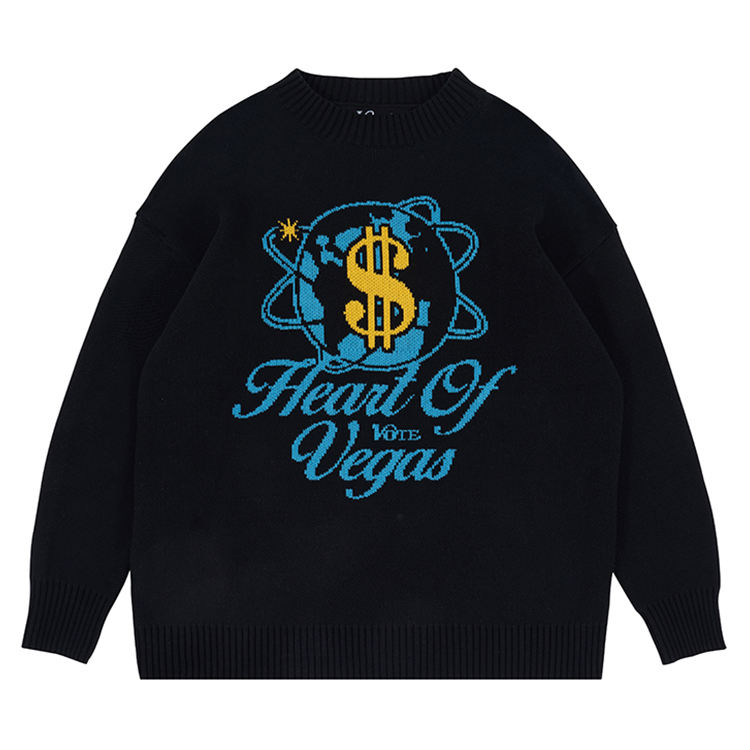
Choose screen print for orders above 200 units with simple, bold designs; embroidery for corporate branding and logos requiring texture; DTF for photographic artwork or gradients; heat transfer for testing designs under 50 units; patchwork for artisan collections where hand-crafted appeal justifies higher per-unit cost.
7 Common Mistakes When Customizing Sweatshirts
Overcomplicating the Design
Too many colors, fine lines, or intricate details get lost on thick knit fabric. A 12-color gradient design submitted for embroidery produces a blurred result because each thread color bleeds into the next. Limit designs to 3–5 colors, use bold lines with a minimum 2pt stroke width, and test on a swatch first.
Ignoring Fabric Shrinkage
Sweatshirt blanks shrink 3–7% after the first wash, especially 100% cotton. A chest logo placed 3 inches from the neckline moves to 2.5 inches post-wash, throwing off visual balance. Account for 5% shrinkage in placement calculations, specify preshrunk blanks (sanforized cotton reduces shrinkage to 2–3%), and pre-wash samples before approving bulk.
Choosing Wrong Decoration for Quantity
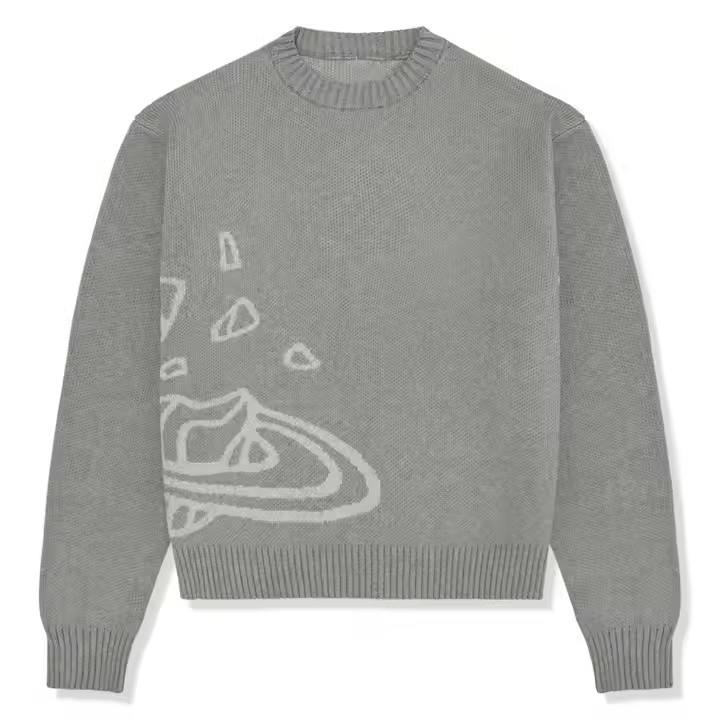
Screen printing 20 units costs 5× more per unit than 500 units because setup fees are fixed. Heat transfer works for 5–50 units; embroidery for 50–200; screen print for 200+. Request cost breakdowns at 50, 100, 250, and 500 unit tiers, then match method to your actual order size.
Underestimating Lead Time
Plan 4–8 weeks minimum: 1 week for design approval, 1–2 weeks for sampling, 1–2 weeks for yarn sourcing, 2–3 weeks for bulk production, and 1 week for shipping. Add a 2-week buffer for unexpected delays.
Poor Color Contrast
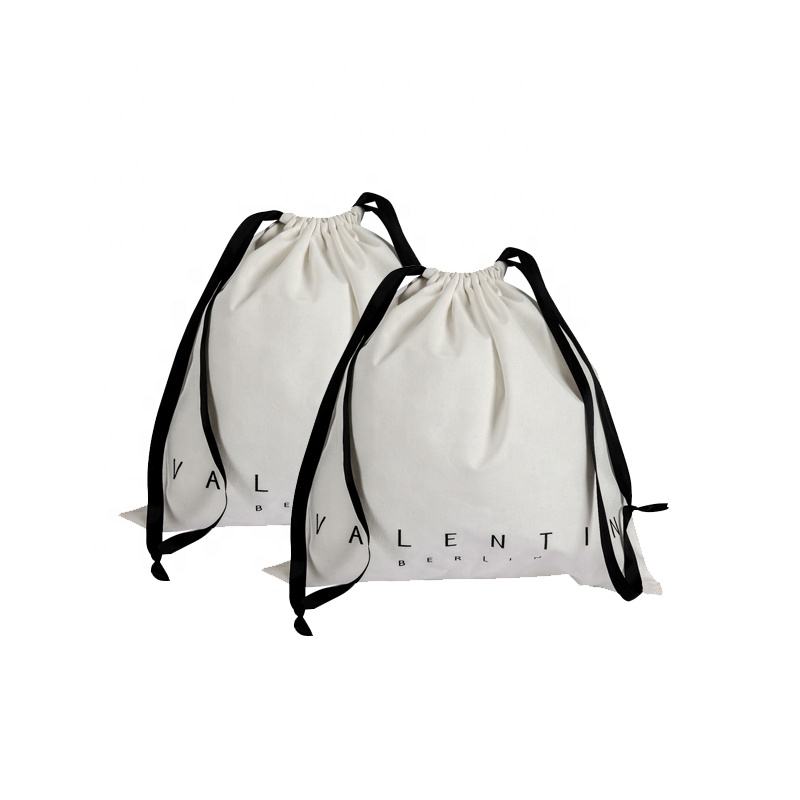
Designs disappear against dark sweatshirt bases. Use a color contrast checker (WCAG AA standard requires 4.5:1 ratio), request a physical sample before bulk, and test on the actual blank color.
Placing Design in Wrong Spot
Standard safe zones: chest logo 4–5 inches below the neckline, back design centered 2 inches below the collar, sleeve design on the upper arm.
Skipping Wash & Durability Testing
Embroidery unravels after 3 washes; screen print cracks; heat transfer peels. Wash-test samples 10 times at 40°C, inspect for pilling, check for color fade, and look for cracking or peeling on prints.
Custom Sweatshirt Production by the Numbers (2026)
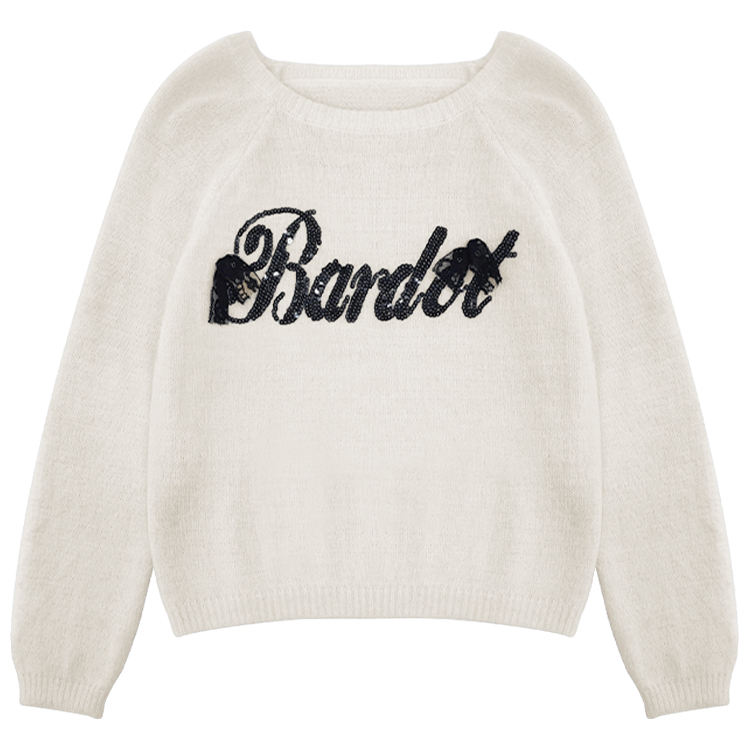
- $4.2 billion — Global custom apparel market size in 2025, with sweatshirts representing 31% of total volume (Statista, 2025)
- 42% CAGR — Projected growth rate for on-demand custom sweatshirts through 2028, driven by influencer merchandise and micro-brands (Grand View Research, 2024)
- 100 pieces — Minimum order quantity now standard for low-MOQ manufacturers, down from 500–1,000 in 2015
- 5–7 days — Average lead time for DTF and heat-transfer custom sweatshirts, versus 14–21 days for screen print and embroidery
- 68% — Percentage of custom sweatshirt buyers who prioritize durability over cost (Apparel Industry Survey, 2025)
- 3.2 million — Custom sweatshirts ordered annually via print-on-demand platforms in North America, with 58% ordered in quantities under 50 units (PrintNinja, 2026)
Design Best Practices: From Sketch to Finished Sweatshirt
Step one: Sketch and inspiration. Build a mood board with reference garments, color palettes (use Pantone codes for accuracy), and silhouette options.
Step two: Tech pack creation. Document chest width, body length, sleeve length, shoulder width, and armhole depth. Specify decoration placement using measurements from fixed points (e.g., “logo centered 4.5 inches below shoulder seam”). Define yarn blend—80/20 cotton-polyester resists shrinkage better than 100% cotton.
Step three: Artwork and file preparation. Export artwork at 300 DPI minimum. Use vector format (.AI, .EPS, .PDF) for embroidery and screen print. For DTF and heat transfer, provide high-res raster files (.PSD, .PNG) with transparent backgrounds. Separate colors for screen print—each color requires a separate screen.
Step four: Sampling and iteration. Order a knit-down sample to verify fabric weight, drape, and hand-feel. Approve a pre-production sample with actual decoration applied. Wash-test the sample 10 times at 40°C, inspect for pilling, check color fade, and test decoration adhesion.
FAQ
Q1: What’s the difference between screen printing and embroidery on sweatshirts?
Screen printing applies ink directly to fabric, creating a flat, bold design that lasts 50+ washes and costs $3–8 per unit. Embroidery uses thread to stitch designs, creating a 3D texture that lasts 100+ washes and costs $8–15 per unit. Screen print is ideal for large orders and simple logos; embroidery suits premium branding and corporate wear.
Q2: Can I order custom sweatshirts with a low minimum under 50 units?
Yes. Heat transfer and DTF methods support MOQs as low as 5–10 units with 2–7 day lead times. Per-unit cost is higher ($4–12) than bulk orders, but ideal for testing designs, launching limited drops, or serving small teams.
Q3: How long does it take to produce custom sweatshirts?
Heat transfer takes 2–5 days; DTF 3–7 days; screen print 5–10 days; embroidery 7–14 days; patchwork 10–21 days. Add 1–2 weeks for design approval, sampling, and yarn sourcing. Plan 4–8 weeks total for first orders; re-orders with saved patterns ship faster (2–4 weeks).
Q4: What file format and resolution do I need for custom sweatshirt artwork?
Provide artwork at 300 DPI minimum. Use vector format (.AI, .EPS, .PDF) for embroidery and screen print. Use high-res raster (.PSD, .PNG) for DTF and heat transfer. Submit color separations (CMYK) for screen print; full-color artwork for DTF.
Q5: How do I choose between embroidery, screen print, and DTF?
Choose screen print for bold designs, 100+ units, and cost sensitivity ($3–8 per unit). Choose embroidery for premium branding, corporate wear, and durability priority ($8–15 per unit, 100+ washes). Choose DTF for full-color photos, gradients, 10–100 units, and fast turnaround ($5–12 per unit, 3–7 days).
Sources
- Statista — Global Custom Apparel Market 2025 — $4.2B market size, 31% sweatshirt share
- Grand View Research — On-Demand Custom Garment Report 2024 — 42% CAGR projection through 2028
- PrintNinja — Print-on-Demand Sweatshirt Production 2026 — 3.2M annual North America orders
- Vistaprint — Custom Hoodies & Sweatshirts Guide — Design best practices, high-contrast color tips
- owayo — Custom Hoodie Design Maker — 3D design tools, bulk pricing for teams
- UberPrints — Custom Hoodies Screen Printing — No-minimum digital printing, fast production
Written by Alin Zeng (Premium Streetwear Knitwear, 28-Year Master Craftsmanship, One-Stop Custom Manufacturing, High-End OEM/ODM Solutions, Cost-Effective Global Delivery). Last reviewed 2026-06-23.