
TL;DR: Selecting a knitwear manufacturer requires evaluating five core factors: production capacity and technical range, MOQ flexibility, quality control depth, design expertise, and communication responsiveness.
Bottom line: Essential for fashion brands launching or scaling knitwear collections—startups benefit most from low-MOQ partners, while established brands prioritize capacity and consistency.
Last updated: 2026-06-23, based on 28 years of knitwear manufacturing experience serving 2,000+ global fashion brands.
Key Takeaways
- Production capacity determines whether a manufacturer can handle your volume (100–10,000 pieces) and technical requirements (3GG–14GG gauge range, intarsia, jacquard, cable stitches).
- MOQ policies starting at 100 pieces per style/color reduce inventory risk by 60–70% for startups testing new markets or seasonal capsules.
- Seven-stage quality systems—yarn inspection through final audit—prevent defects that cause 15–25% of knitwear returns in DTC channels.
- Design services spanning tech-pack optimization to stitch programming cut sampling time from 25 days to 5–10 days for experienced ODM partners.
- Responsive communication with English-speaking merchandisers and transparent deposit terms (100% first order → 30% for established partners) signals partnership maturity.
Understanding Production Capacity & Technical Capabilities
What are the key factors to consider when choosing a knitwear manufacturer starts with production capacity and technical capabilities—a manufacturer’s ability to deliver your required volume, gauge range, stitch complexity, and finishing quality within your timeline.
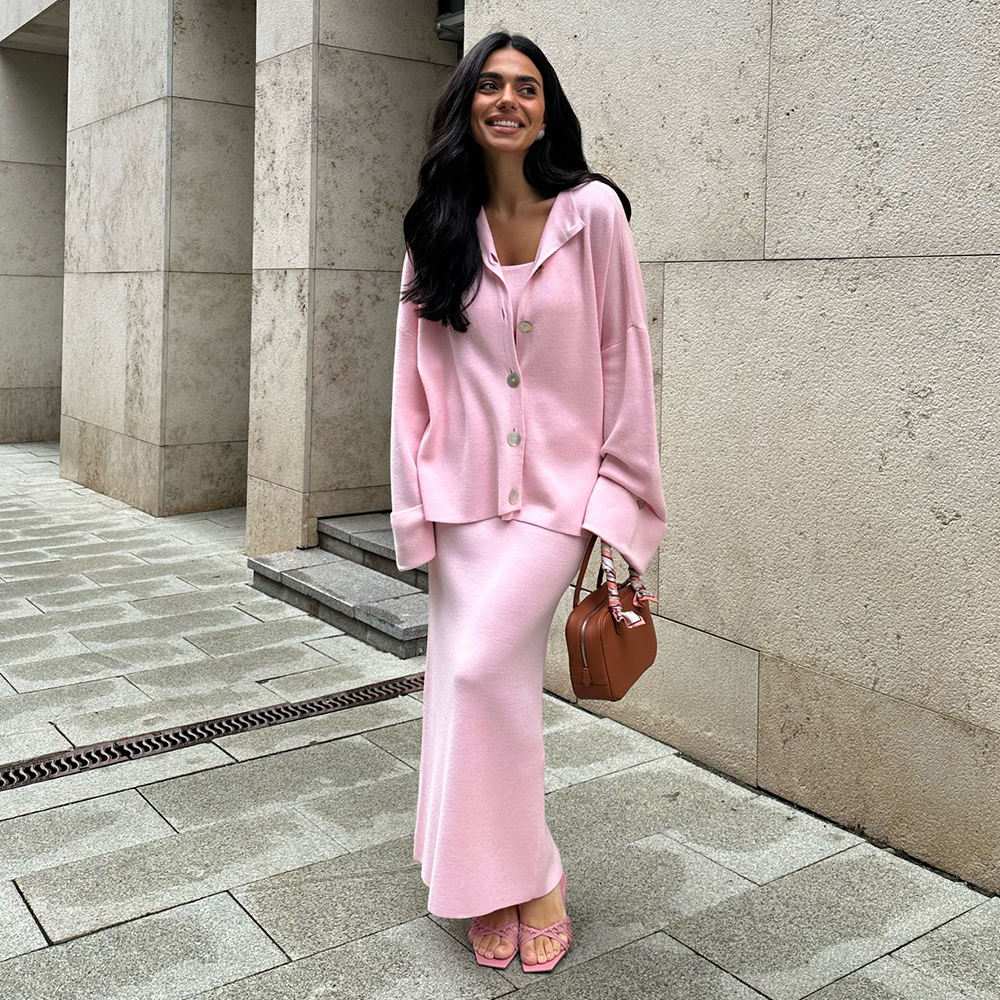
Verify their installed knitting gauge range. The 3GG–14GG spectrum covers most commercial knitwear—3GG and 5GG produce chunky cotton cardigans and oversized pullovers, 7GG and 9GG handle mid-weight merino and wool blends, 12GG and 14GG create fine-gauge cashmere and lightweight layering pieces. Specialization indicates mastery.
Monthly capacity matters because undersized factories struggle with lead times during peak seasons (August–October for fall/winter orders), while oversized operations may deprioritize orders under 500 pieces. A 200-employee facility with 80,000+ monthly capacity balances flexibility for 100-piece test runs with bandwidth for 5,000-piece seasonal programs.
Technical capability determines which products you can manufacture. Intarsia (color-block patterns knit directly into fabric) and jacquard (fair-isle designs) require advanced CAD programming. Cable and pointelle demand stitch-structure expertise. Fully-fashioned shaping requires CNC precision. Request samples of the specific techniques you need.
The CENWILD Capability Framework
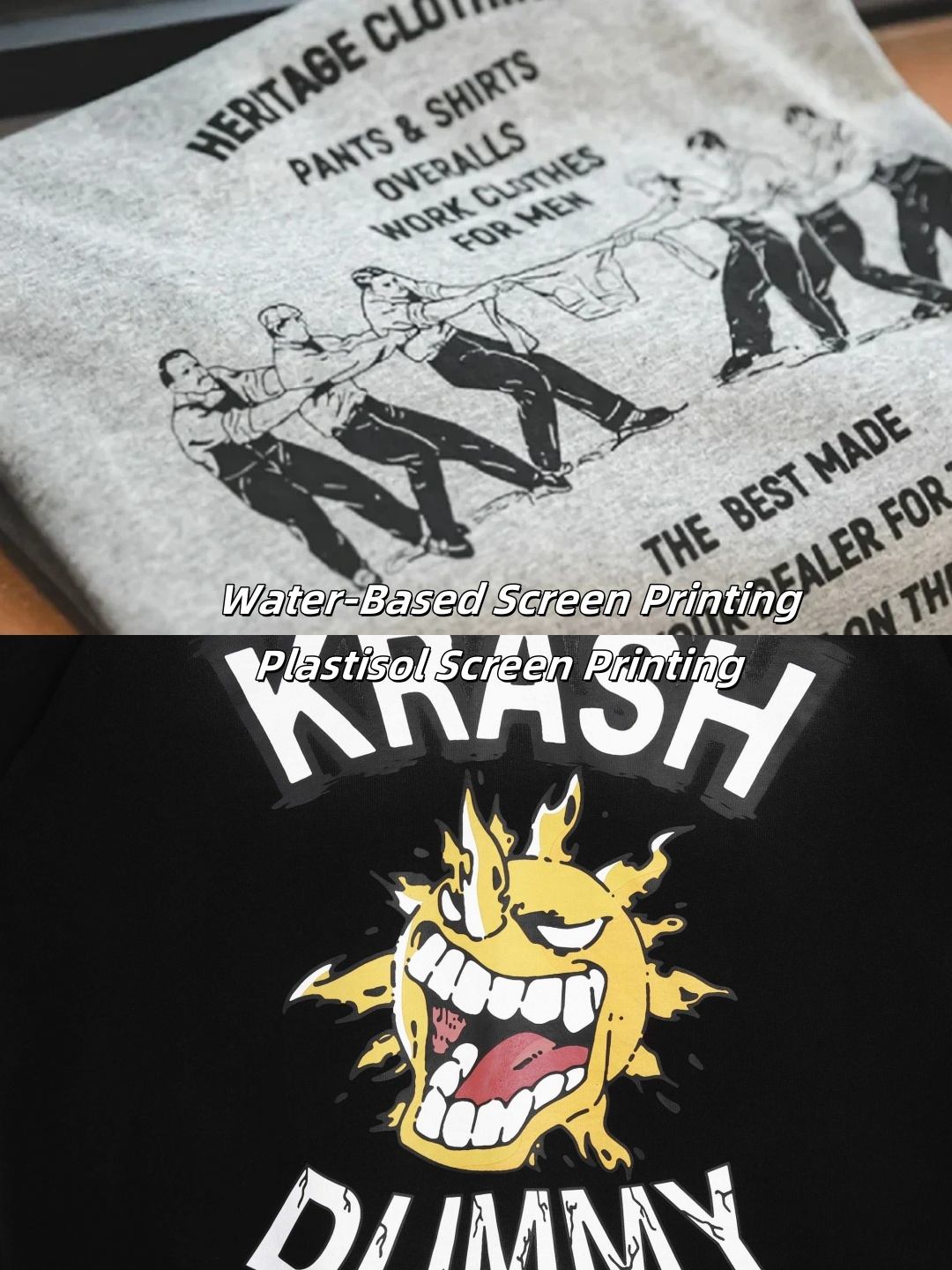
Verify in-house finishing capabilities to reduce quality variance and lead time. The framework assesses four production stages: Knitting (gauge range, stitch techniques), Linking (arm seams, collar attachment—outsourcing adds 5–7 days), Washing (enzyme wash for anti-pilling, garment dye, brushing for hand-feel), and Decoration (embroidery, screen print, heat transfer). Manufacturers outsourcing two or more stages introduce handoff delays and quality inconsistency. When we brought linking and washing in-house in 2012, our defect rate dropped 40% and lead time shortened by 12 days.
Minimum Order Quantity (MOQ) & Production Flexibility
MOQ policies range from rigid 500-piece minimums to flexible 100-piece starts; lower MOQ reduces inventory risk and enables capsule collections, seasonal testing, and influencer collaborations without tying up working capital.
| Manufacturer Tier | Standard MOQ | Yarn Minimum | Setup Fee | Best For |
|---|---|---|---|---|
| Large Factory | 500–1,000 pcs/style | Full dye lot (2,000+ kg) | $0–200 | Established brands, large seasonal orders |
| Mid-Size (CENWILD tier) | 100 pcs/style/color | Negotiable per yarn type | Flexible | Startups, capsules, test orders, influencer lines |
| Boutique/Artisan | 50–200 pcs | Custom dye possible | $300–800 | Premium limited-edition, luxury collaborations |
If you’re testing a new silhouette or market, prioritize MOQ at or below 100 pieces per style/color and transparent yarn minimums. Verify that “low MOQ” doesn’t hide setup fees or require full dye-lot purchases—these can double effective cost for small runs. One emerging brand we partnered with in 2025 launched a 4-SKU capsule (100 pieces × 4 styles = 400 total) to test direct-to-consumer demand before committing to a 2,000-piece spring collection. That flexibility saved them $18,000 in unsold inventory risk.
Confirm whether MOQ resets per color or per total order volume.
Quality Control Systems & Durability Standards
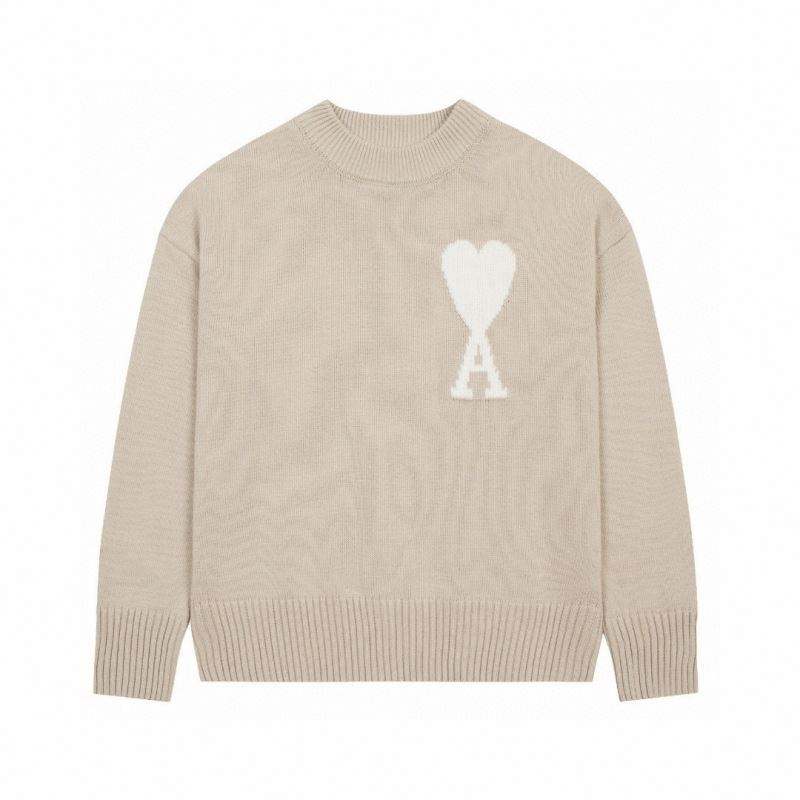
Professional knitwear manufacturers implement seven-stage quality checks: yarn inspection, in-line knitting monitoring, measurement verification, pilling tests, wash testing, decoration QC, and final inspection—each stage preventing defects that cause 15–25% of knitwear returns.
1. Yarn & Material Inspection. Incoming yarn is tested for count consistency (deviation under 2%), color accuracy against approved dye lots, and contamination. Request swatch approvals and shrinkage data for your chosen yarn—merino and cashmere blends can shrink 3–5% if not pre-tested.
2. In-Line Knitting Monitoring. Computerized flat-knitting machines log stitch count, tension, and row accuracy in real-time. When we installed real-time monitoring in 2018, our first-pass yield improved from 91% to 97%.
3. Measurement & Fit Verification. After linking and before washing, garments are measured against your tech pack—chest width, shoulder, sleeve length, hem finish. Tolerance is typically ±0.5 inches.
4. Wash & Shrinkage Testing. Sample garments are washed using your specified cycle and re-measured to verify shrinkage stays within 2–3%. One client’s cashmere blend shrank 6% in our pre-production wash test; we switched to a pre-shrunk yarn and avoided a $22,000 defect.
5. Anti-Pilling & Durability Tests. A pilling tester (Martindale machine) rubs sample swatches 500–1,000 cycles to assess fiber migration. Premium knitwear should withstand 1,000+ cycles with Grade 4 or higher (minimal pilling).
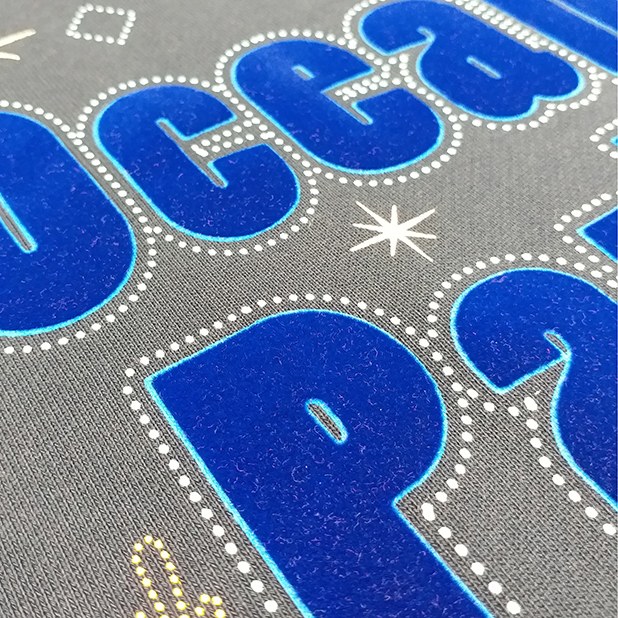
6. Decoration Quality Assurance. Embroidery and print samples are inspected for stitch density (minimum 5,000 stitches per square inch for logo work), color accuracy, and wash-fastness.
7. Final Inspection & Packaging. 100% visual inspection of seams, trims, labels, and hang tags before boxing. We reject 2–3% of finished garments at final inspection—mostly for linking inconsistencies or trim placement errors.
Design & Customization Expertise
Top-tier knitwear manufacturers support eight or more design services: tech-pack optimization, stitch programming, intarsia/jacquard charting, size grading, yarn sourcing, sampling, private-label branding, and decoration integration. Look for these core competencies:
- 8+ core capabilities—tech-pack review, sketch-to-spec conversion, stitch design, size grading, yarn sourcing, knit-down sampling, bulk production, decoration, private-label branding.
- Stitch programming range—intarsia, jacquard (fair-isle), cable, ribbed (1×1, 2×2, engineered), pointelle, fully-fashioned, and hand-knit techniques.
- Sampling turnaround—5–10 days for knit-down samples vs. 15–25 days for SMS (sales sample, full production spec with trims, wash, decoration).
- Yarn sourcing network—access to cashmere, merino, alpaca, organic cotton, recycled blends, and specialty fibers. We work with 12 spinning mills across Inner Mongolia, Zhejiang, and Jiangsu.
- Size grading accuracy—consistent fit across XS–XXL requires mathematical grading rules and fit testing.
- Decoration integration—in-house embroidery (flat, 3D puff, chain-stitch, appliqué), screen print, DTF, and heat transfer mean faster turnaround (7–10 days vs. 15–20 outsourced).
Communication, Responsiveness & Partnership Approach
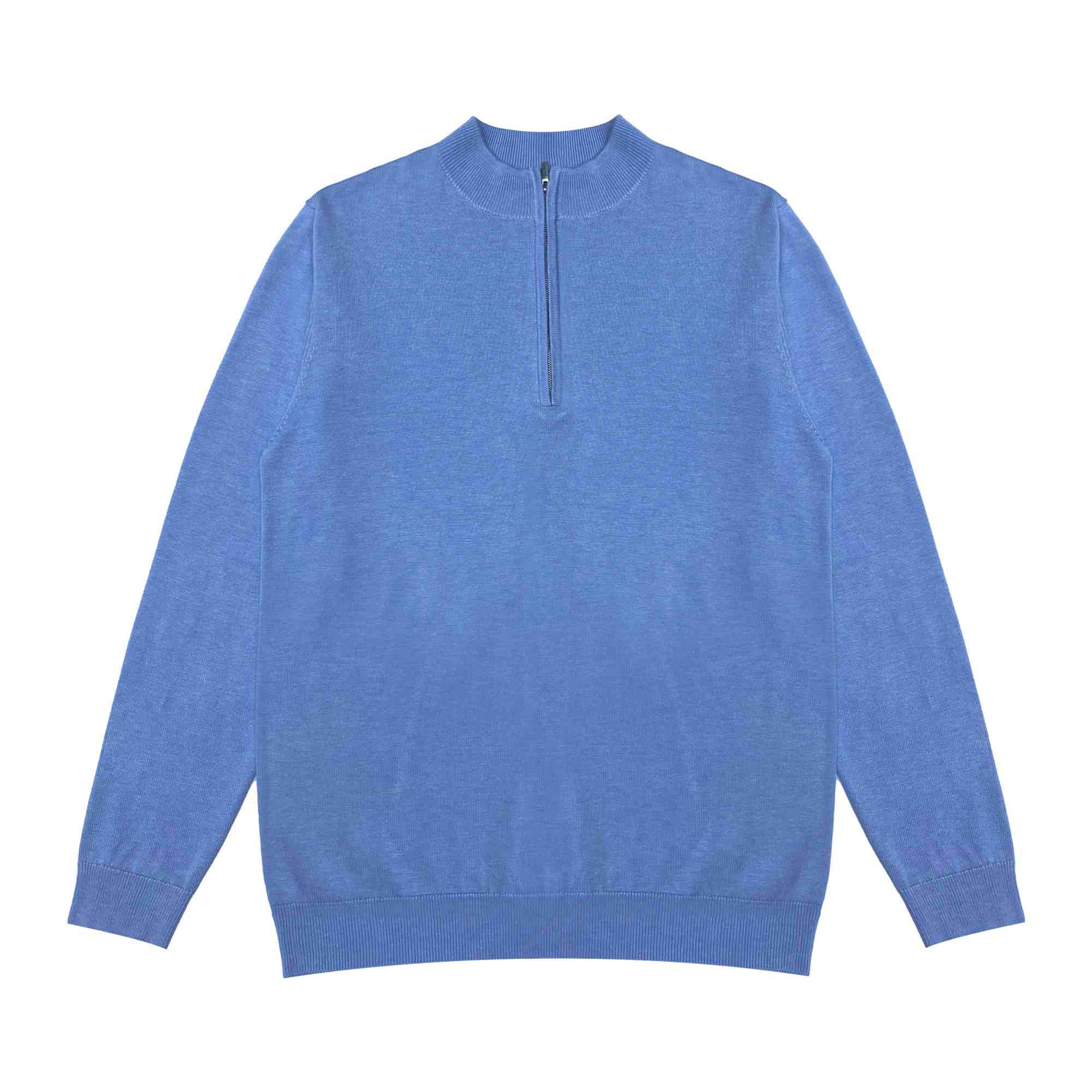
The best knitwear manufacturers prioritize English-speaking merchandisers, same-day inquiry response, transparent lead times, and long-term pattern/program file management—turning suppliers into strategic partners.
A responsive partner answers detailed inquiries within 24 hours, provides clear quotations with itemized costs (yarn, knitting, linking, washing, decoration, packaging), and explains lead-time drivers. English-speaking merchandisers are non-negotiable—technical details lost in translation cause costly rework. We employ three full-time English-speaking sales managers with 8+ years of apparel experience each.
Verify time-zone overlap. A Dongguan-based factory serving North American and European brands should offer evening or early-morning availability (8 AM–10 PM China time covers 5 PM–9 AM Pacific).
Transparency in deposit terms signals partnership maturity. Reputable manufacturers offer progressive deposit reduction: 100% for first orders, 70% for second orders, 50% for third orders, and 30% for established partners after one year and three or more successful shipments. We eliminated setup fees for orders over 200 pieces in 2019 and absorbed yarn-minimum costs on re-orders using the same dye lot.
Ask about pattern and program file retention. A manufacturer who keeps your stitch designs and knitting programs on file enables fast, consistent re-orders without re-sampling. We archive CAD files, knitting programs, and approved yarn dye lots for every client; re-orders ship 35–40 days vs. 50–60 for new designs.
FAQ
Q1: What’s the difference between OEM, ODM, and private label manufacturing?
OEM means you provide designs and specs; the factory produces to your blueprint. ODM means the factory designs and develops products, often for multiple brands. Private label means the factory manufactures products under your brand name and packaging.
Q2: How long does knitwear sampling typically take?
Knit-down sampling (yarn approved, basic stitch) takes 5–10 days. SMS (Sales Sample, full production spec with trims, wash, decoration) takes 15–25 days. Lead time depends on yarn sourcing and decoration complexity.
Q3: What’s a realistic lead time for bulk knitwear production in 2026?
Standard lead time is 45–60 days from order confirmation to shipment, including yarn sourcing (10–15 days), knitting (15–25 days), finishing and decoration (10–15 days), and quality control/packing (5–7 days). Rush production (30–40 days) incurs 15–25% upcharge.
Q4: How do I ensure color consistency across re-orders?
Request a dye-lot approval—a sample from your chosen yarn supplier’s specific batch—before bulk production. A professional manufacturer will keep your approved yarn dye-lot and color reference on file. We maintain dye-lot archives for 24 months and notify clients when lots are nearing end-of-life.
Q5: What’s included in a knitwear tech pack?
A complete tech pack includes finished measurements (chest, shoulder, sleeve, length, hem width), stitch structure (gauge, pattern, yarn weight), trim specifications (buttons, zippers, labels), decoration details (embroidery placement, print colors), care instructions, and grading rules (size XS through XXL).
Sources
- Key Factors for Choosing a Career | Scribd
- 4 Things to Think About When Choosing a Study and Career Path | Educatly
- Top 10 Factors for Choosing a College | Concordia College
- Dongguan CENWILD Clothing Co., Ltd.—https://www.cenwild.com/—28+ years knitwear OEM/ODM experience, 200+ employees, 80,000+ monthly capacity, 2,000+ global brand clients.
- CENWILD Contact: [email protected] | +86 137 1325 2727 (WhatsApp/Phone)
Written by Alin Zeng (Premium Streetwear Knitwear, 28-Year Master Craftsmanship, One-Stop Custom Manufacturing, High-End OEM/ODM Solutions, Cost-Effective Global Delivery). Last reviewed 2026-06-23.