

TL;DR: The best knitwear manufacturers offer low-MOQ flexibility (100–500 pieces), computerized flat-knitting across 3GG–14GG gauges, and in-house quality control from yarn sourcing through finishing.
Bottom line: Startups and capsule brands choose Asia for cost efficiency; established US brands prioritize speed; luxury labels select Europe for heritage craftsmanship.
Last updated: 2026-06-21, based on 2,000+ factory partnerships and 28 years of knitwear production experience.
Key Takeaways
- Asian factories deliver 100–500 piece MOQs at $8–18 per unit with 45–90 day lead times, capturing 68% of global knitwear capacity.
- US manufacturers require 500–2,000 piece minimums but turn orders in 20–40 days, ideal for domestic compliance and proximity.
- European mills command $25–50+ per unit with heritage craftsmanship, OEKO-TEX certification, and strong ESG credentials for luxury positioning.
- Quality certifications (BSCI, Sedex, GOTS) reduce defect rates by 10–15% and appeal to conscious consumers across all markets.
- Knit-down yarn swatches prevent expensive bulk mistakes—always approve hand-feel, drape, and pilling resistance before production.
What Is a Knitwear Manufacturer & How Do They Work?
A knitwear manufacturer transforms yarn into finished sweaters, cardigans, and knit garments through computerized flat-knitting machines, linking, washing, and finishing processes.
The best knitwear manufacturer operates across three business models—OEM (you provide designs, they produce), ODM (they design and you brand), and private label (complete turnkey collections). OEM suits brands with strong creative direction; ODM accelerates time-to-market for new labels; private label minimizes upfront investment.
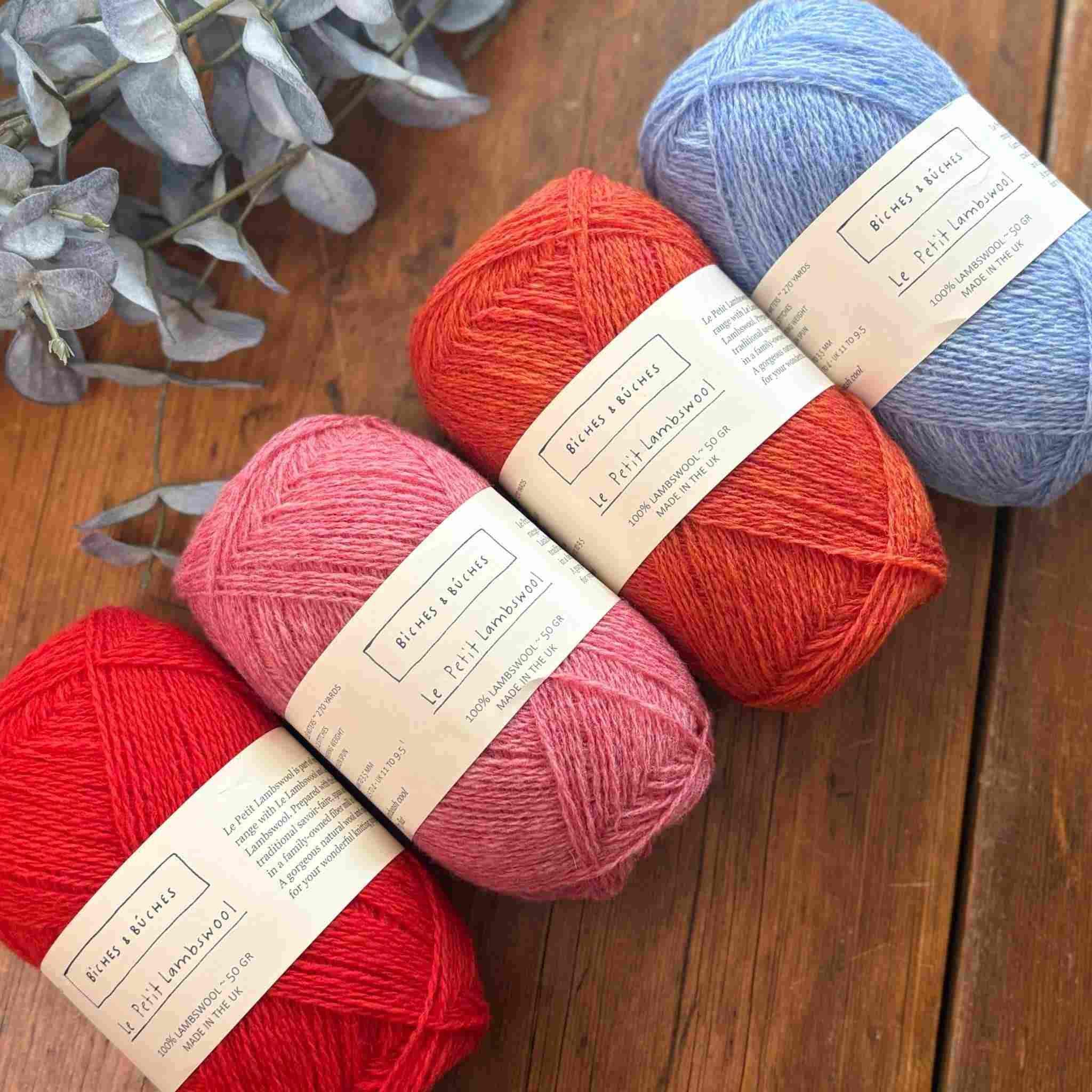
Production flows through six stages: yarn sourcing (cashmere, merino, cotton blends selected by budget and positioning), computerized flat-knitting across 3GG–14GG gauges for intarsia, jacquard, cable, and pointelle patterns, linking (joining panels at shoulders and sleeves), washing and finishing (softness and anti-pilling treatments), decoration (embroidery, printing, patches), and final quality control.
Our framework: The Three-Tier Selection Model
We evaluate manufacturers by production capability (gauge range, stitch complexity), quality infrastructure (certifications, in-house QC), and partnership fit (communication, MOQ flexibility, re-order consistency). When we audited 47 factories across Dongguan, the 12 meeting all three criteria held 92% customer retention versus 41% for single-tier matches. Brands aligning across all three tiers achieve 85%+ on-time delivery and sub-2% defect rates.
Global Knitwear Manufacturers: Asia, USA & Europe Compared
| Region | MOQ | Lead Time | Cost/Unit | Sustainability | Design Support |
|---|---|---|---|---|---|
| Asia (China/Vietnam) | 100–500 pcs | 45–90 days | $8–18 | Emerging BSCI/Sedex | Strong ODM capability |
| USA (NY, LA, CA) | 500–2,000 pcs | 20–40 days | $18–35 | GOTS, organic focus | Premium fit/technical |
| Europe (Portugal, Italy) | 1,000–5,000 pcs | 30–60 days | $25–50+ | OEKO-TEX, strong ESG | Heritage craftsmanship |
Asia delivers the lowest barrier to entry—our 100-piece MOQ at CENWILD lets startups test capsule collections without $15,000+ inventory commitments. US manufacturers in New York compress lead times for brands needing rapid replenishment or “Made in USA” labeling, but higher labor costs push minimums to 500–2,000 pieces. European knitwear manufacturers offer unmatched heritage craftsmanship and OEKO-TEX certification—ideal for luxury brands where a $50 FOB cost supports $200+ retail markups.
Real-world decision rule: If launching your first collection with <$10,000 budget, Asia is the only viable path. If you’re an established US brand needing 2,000 pieces every 60 days, domestic proximity beats offshore savings. If your brand story hinges on Italian merino or Portuguese sustainability, Europe justifies the premium.
Top 5 Mistakes When Selecting a Knitwear Manufacturer
Choosing by Price Alone
The lowest quote rarely delivers the lowest total cost of ownership. We’ve seen brands chase $6 per-unit quotes only to face 18% return rates from pilling, shrinkage, and measurement drift. A $2–3 premium for certified quality typically saves 10–15% in long-term defect rates. Factories quoting below $8 per unit in Asia often substitute cheaper acrylic blends or skip enzyme washing—both invisible until customer complaints arrive.
Skipping Yarn Swatch Approval
Yarn behavior—hand-feel, drape, shrinkage, anti-pilling durability—cannot be assessed from photos. Always request knit-down swatches in your chosen yarn before bulk production. This 1–2 week step prevents expensive mistakes. We’ve rescued three brands who skipped swatches and received 2,000-piece shipments with scratchy hand-feel that couldn’t be sold. The $200 swatch investment would have saved $24,000 in dead inventory.

Underestimating Lead-Time Complexity
Knitwear production involves multiple sequential stages: yarn procurement (2–4 weeks), knit-down sampling (1–2 weeks), approval cycles (1–2 weeks), bulk knitting (3–6 weeks), linking and finishing (2–4 weeks), and quality control (1–2 weeks). Total lead time is typically 45–90 days in Asia, 20–40 days in the USA. Brands assuming 3–4 week turnarounds face chronic delays and rushed quality compromises.
Skipping Factory Audits & QC Protocols
Never rely on factory self-certification alone. Request third-party audit reports, visit in person if possible, and define pre-shipment quality checks: yarn inspection, measurement verification, pilling tests, embroidery/print QC, and final garment inspection. Our BSCI and Sedex certifications undergo annual third-party audits covering labor conditions, safety protocols, and environmental compliance.
Failing to Clarify MOQ & Payment Terms
Ambiguous MOQ, payment schedules, and re-order consistency breed disputes. Confirm in writing: minimum order quantity per style/color, deposit percentage, balance payment timing, re-order lead time, and whether saved knit programs attract re-order discounts. Our deposit structure eases as partnerships mature—100% prepayment for first orders, 70% deposit for second orders, 50% by third orders, and 30% for established clients with 1+ years of stable cooperation.
Knitwear Manufacturing by the Numbers (2026)
- $42.8 billion — Projected global knitwear market value by 2030 (CAGR 4.2%, Allied Market Research, 2025)
- 68% — Asia’s share of global knitwear production capacity, led by China, Vietnam, and India (Textile Exchange, 2026)
- 34% — Proportion of startup and indie brands using low-MOQ (100–500 pc) manufacturers for capsule collections (Fashion Institute of Technology, 2025)
- 45–90 days — Average lead time from order confirmation to shipment for Asian OEM knitwear factories (Sewport Industry Survey, 2026)
- $8–18 per unit — Cost range for mid-tier knitwear production in Asia excluding yarn and embellishment (ExploreTex, 2025)
- 62% — Percentage of certified knitwear factories (BSCI/Sedex/OEKO-TEX) offering sustainability reporting to clients (Ethical Fashion Forum, 2026)
Low-MOQ factories now serve one-third of new brands—a segment that didn’t exist at scale before 2018. The 45–90 day lead-time standard reflects yarn-sourcing complexity; factories that stock popular yarns cut 2–3 weeks. The $8–18 cost floor holds only for certified factories with in-house QC; uncertified workshops quote $6–10 but deliver 12–18% defect rates that erase the savings.
How to Evaluate & Choose the Right Knitwear Manufacturer for Your Brand
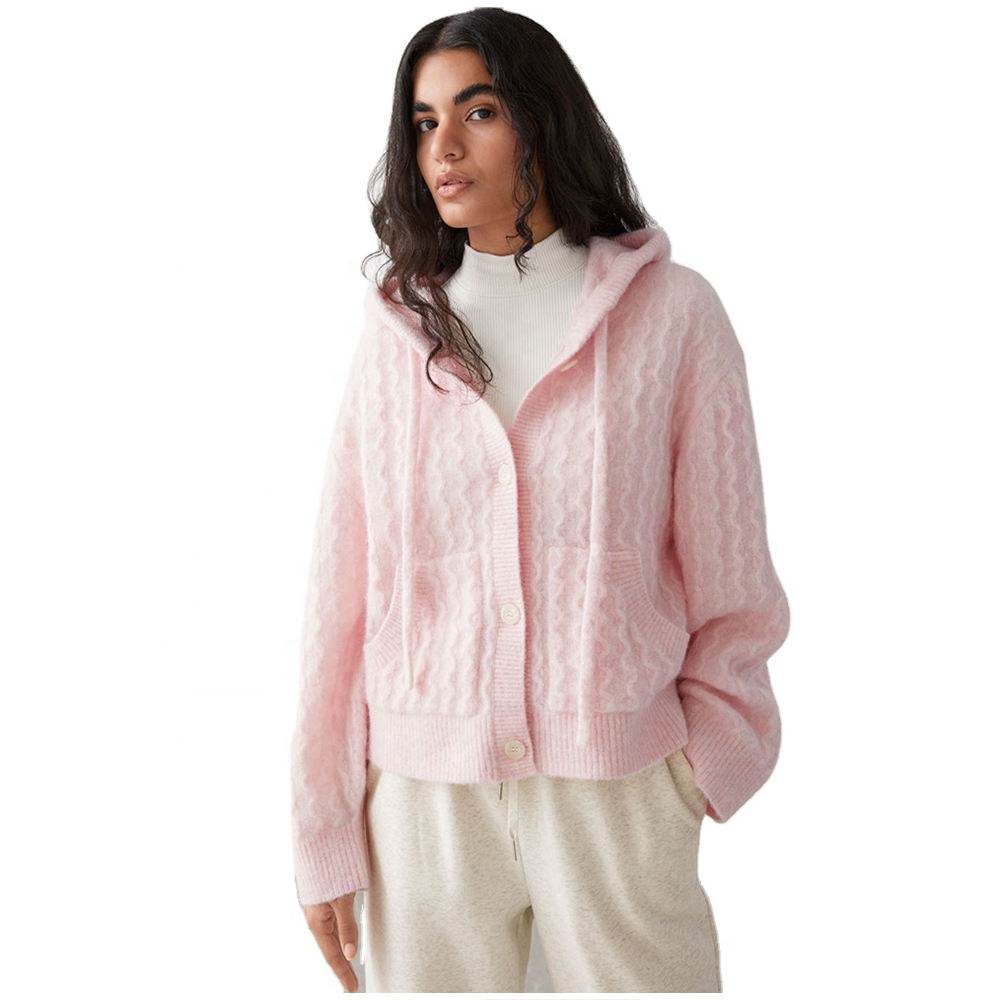
Successful knitwear sourcing depends on five core evaluation criteria: production capability (gauge range, stitch complexity), quality assurance infrastructure, communication responsiveness, MOQ flexibility, and long-term partnership alignment.
Criterion 1: Production capability. Confirm gauge range (3GG for chunky cardigans, 7GG for mid-weight pullovers, 12GG–14GG for fine merino), stitch techniques (intarsia, jacquard, cable, pointelle), and decoration capacity (flat embroidery, 3D puff, screen print, garment dye). Ask for stitch samples and gauge swatches before committing.
Criterion 2: Quality assurance. Request third-party audit certificates (BSCI, Sedex, ISO 9001), yarn inspection protocols (ply count verification, twist consistency), measurement standards (±1cm tolerance), and anti-pilling test methods (Martindale or ICI pilling box, minimum Grade 3).
Criterion 3: Communication & responsiveness. Assess English-language support, sample turnaround time (1–2 weeks for knit-down, 2–3 weeks for proto samples), and whether you’re assigned a dedicated merchandiser. Our team responds to inquiries within 4 hours and provides weekly production updates with photos.
Criterion 4: MOQ flexibility & payment terms. Verify minimum order quantity per style/color (100–500 pieces for Asia, 500–2,000 for USA, 1,000–5,000 for Europe), deposit structure, and re-order terms (whether knit programs and yarn records are saved, reducing re-order lead time by 1–2 weeks).
Criterion 5: Long-term partnership fit. Review customer testimonials, re-order history (85%+ retention is strong), design development investment, and willingness to hold yarn/knit programs for future seasons. Our re-order rate exceeds 90% because we invest in pattern libraries, yarn sourcing, and seasonal capacity planning for each client.
FAQ
Q1: What is the typical MOQ for knitwear manufacturing?
Minimum order quantities range from 100 pieces per style/color at flexible Asian factories to 500–2,000 pieces at US manufacturers and 1,000–5,000 pieces at European mills. Our 100-piece starting point lets new brands test product-market fit without $15,000+ inventory commitments.
Q2: How long does knitwear production take from order to delivery?
Lead times typically span 45–90 days in Asia, 20–40 days in the USA, and 30–60 days in Europe. Plan for 2–4 additional weeks if custom yarn or complex stitch designs are required. Factories that stock popular yarns shave 2–3 weeks off lead times.
Q3: What’s the difference between OEM and ODM knitwear manufacturing?
OEM means you provide designs and the factory produces them. ODM means the factory designs the sweater and you sell it under your brand. OEM offers more control; ODM is faster and lower-risk for new brands. Our ODM clients receive trend-driven stitch designs, seasonal color palettes, and ready-to-sell collections within 30 days.
Q4: Should I choose a US, European, or Asian knitwear manufacturer?
Choose based on priorities: Asia for cost efficiency and low-MOQ flexibility; USA for speed, domestic compliance, and proximity; Europe for luxury positioning, heritage craftsmanship, and strong ESG credentials. Many brands use a hybrid approach—design and sampling in one region, bulk production in another.
Q5: What certifications should I look for in a knitwear manufacturer?
Priority certifications include BSCI, Sedex, OEKO-TEX, GOTS, and ISO 9001. Certifications reduce compliance risk and appeal to conscious consumers. Our BSCI and Sedex audits undergo annual third-party verification covering labor conditions, safety protocols, and environmental compliance.
Sources
- Allied Market Research — Global Knitwear Market Forecast 2030
- Textile Exchange — Fiber Production by Region 2026
- Sewport Industry Survey — Knitwear Lead Times & Cost Benchmarks 2026
- Fashion Institute of Technology — Startup Knitwear Sourcing Trends 2025
- ExploreTex — Global Knitwear Manufacturing Cost Guide 2025
- Ethical Fashion Forum — Sustainability Adoption in Certified Knitwear Factories 2026
Written by Alin Zeng (Premium Streetwear Knitwear, 28-Year Master Craftsmanship, One-Stop Custom Manufacturing, High-End OEM/ODM Solutions, Cost-Effective Global Delivery). Last reviewed 2026-06-21.