

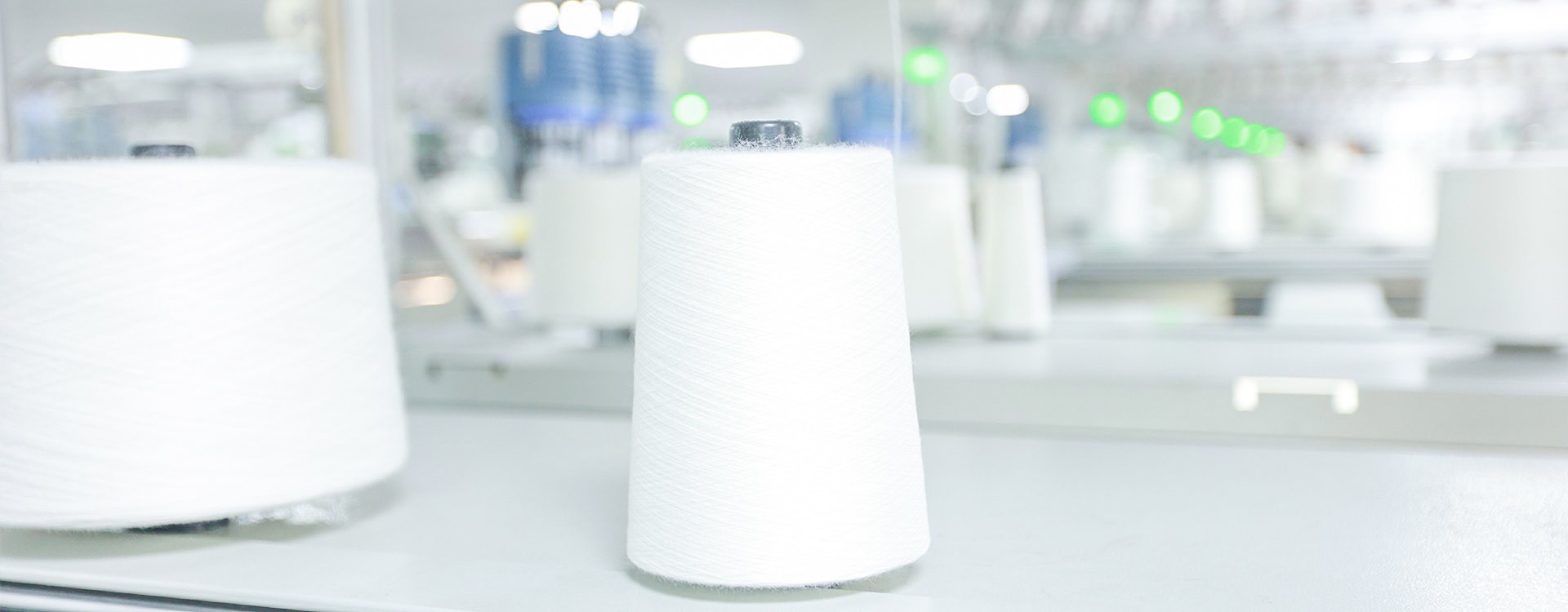
TL;DR: Knitted fabric manufacturing transforms yarn into finished textile through five interconnected stages—yarn selection, machine knitting, greige formation, wet processing, and quality control—using computerized equipment across 3GG–14GG gauges.
Bottom line: This guide is for fashion brands, startup founders, independent designers, and sourcing managers who need to understand the complete knitwear production chain before placing orders or building supplier partnerships.
Last updated: 2026-06-21, based on 28 years of knitwear manufacturing experience and over 2,000 brand partnerships.
Key Takeaways
- Yarn quality determines final fabric performance—fiber choice, weight, and elasticity must align with machine gauge and stitch structure before production begins.
- Circular knitting delivers high-speed volume for basics; flatbed machines enable complex patterns like intarsia and jacquard for premium cardigans.
- Greige fabric requires controlled wet processing—scouring, dyeing, enzyme washing, and compaction—to achieve target color, hand-feel, and dimensional stability.
- In-line quality checks at every stage (yarn inspection, machine monitoring, shrinkage testing, pilling resistance) prevent costly defects and ensure consistency.
- Modern manufacturers offer low-MOQ production starting from 100 pieces per style, enabling startups to test products without committing to large bulk orders.
Yarn Selection and Material Sourcing
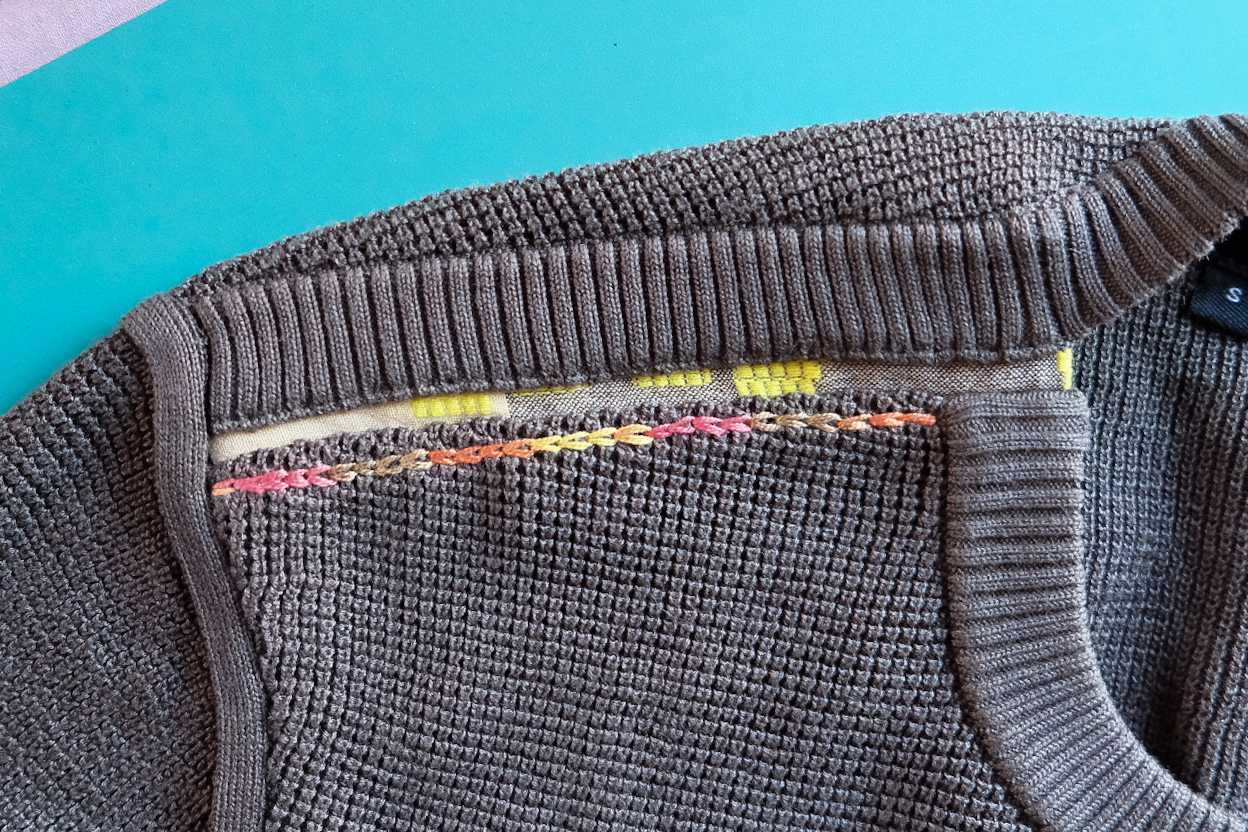
Yarn selection determines every downstream outcome—machine speed, stitch formation, final hand-feel, and durability. Manufacturers source fibers ranging from 100% cotton and Pima cotton for breathability, to merino wool and lambswool for warmth, to specialized blends combining cashmere, alpaca, or acrylic for specific functional goals. The yarn’s weight (measured in gauge or denier) and fiber composition directly influence needle selection, tension settings, and stitch structure.
Before committing to bulk production, manufacturers produce knit-down swatches—small fabric samples knitted from the chosen yarn at the target gauge and stitch structure. These swatches are tested for color accuracy, pilling resistance, shrinkage, and hand-feel, ensuring the yarn meets both brand standards and end-consumer expectations. This sampling phase prevents production errors and guarantees consistency across orders.
Our Yarn Sourcing Framework:
- Fiber Performance Mapping — Match fiber properties (staple length, twist, elasticity) to product requirements (drape, warmth, durability).
- Gauge Compatibility Testing — Verify yarn weight works with target machine gauge (3GG–14GG range) through knit-down samples.
- Cost-Performance Balance — Evaluate price per kilogram against final fabric quality, pilling resistance, and wash durability.
- Supply Chain Verification — Confirm spinning mill capacity, lead times, and traceability for consistent re-orders.
Knitting Machine Types and Processes
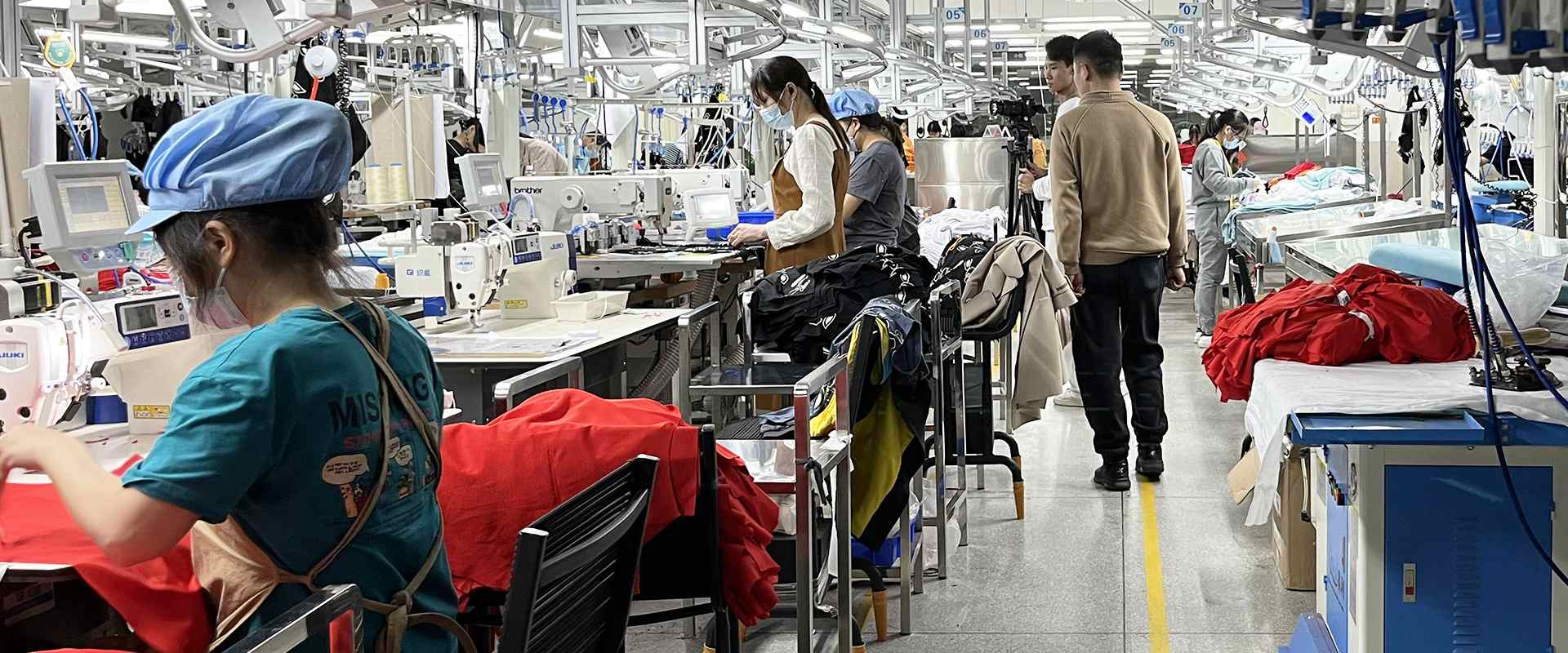
Circular knitting delivers continuous tubular fabric at very high speeds, ideal for basic jerseys and t-shirts. Flatbed knitting produces flat sheets or shaped pieces row-by-row, enabling complex patterns like intarsia and jacquard for premium cardigans. Fully-fashioned machines create shaped garment pieces (armholes, shoulders) with minimal seaming. Complete-garment knitting produces finished items with zero seams, though at slower speeds.
| Machine Type | Production Speed | Best For | Gauge Range | Output Format |
|---|---|---|---|---|
| Circular Knitting | Very high (continuous) | T-shirts, basic jerseys, tube fabrics | 3GG–14GG | Tubular fabric rolls |
| Flatbed Knitting | Medium (row-by-row) | Cardigans, structured pullovers, complex patterns | 3GG–14GG | Flat fabric sheets; shaped pieces |
| Fully-Fashioned | Medium–slow | Premium sweaters with shaped armholes, shoulders | 7GG–14GG | Complete garment pieces (minimal seaming) |
| Complete-Garment | Slow–medium | Seamless finished garments (socks, gloves) | 3GG–12GG | Finished garments (zero seams) |
Choose circular knitting for high-volume basics and cost efficiency—they deliver the lowest unit cost per meter. Select flatbed for branded cardigans and intarsia/jacquard designs where pattern complexity justifies slower speed. According to CottonWorks™, circular weft knitting machines produce fabric continuously at speeds exceeding 1,000 courses per minute, while flatbed machines operate at 200–400 courses per minute but offer superior pattern versatility.
Knitting Techniques and Stitch Structures
Modern knitwear combines five core stitch families—jersey, rib, cable, jacquard, and pointelle—to achieve specific performance and aesthetic goals.
Jersey Knitting — The foundational stitch structure creates a smooth, flat face and textured back through consistent interlooping. It is the most common single-knit fabric used for basic tees, pullovers, and layering pieces.
Rib Knitting (1×1, 2×2, Engineered) — Vertical columns of alternating knit and purl stitches create high elasticity and recovery, making rib essential for fitted cuffs, waistbands, and necklines. A 2×2 rib offers more structure than 1×1, while engineered ribs transition from tight to loose within a single garment section.
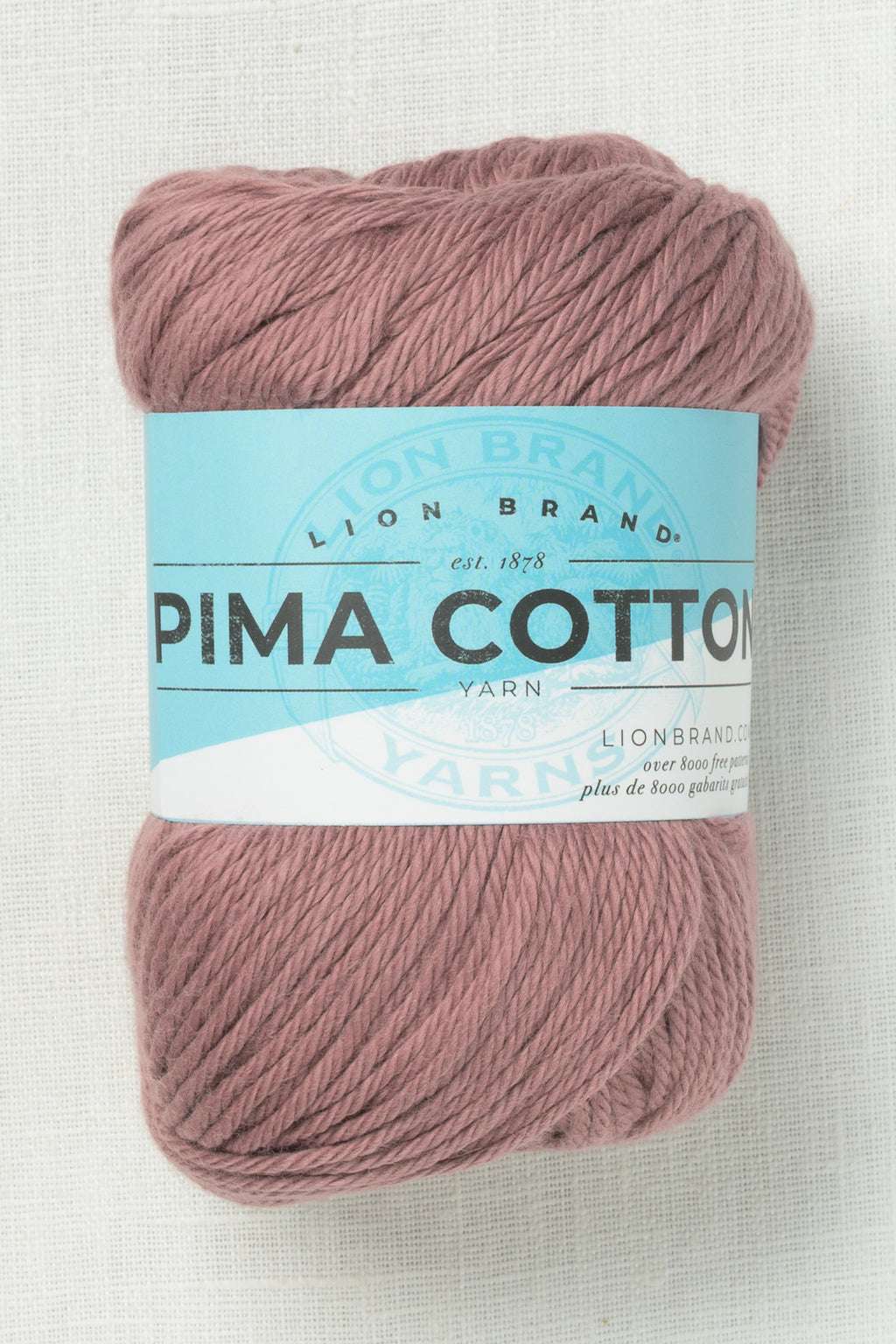
Cable and Textured Knits — Twisted stitches (cables) and dimensional structures (fleece, terry, velour) add visual depth and tactile interest. Three-thread fleece provides warmth without excessive weight; terry creates a towel-like texture for loungewear.
Jacquard and Intarsia — Multi-color designs using either electronic jacquard (color changes within a row) or intarsia (separate yarns for different color blocks). Jacquard is faster and more common; intarsia requires precise yarn management but allows unlimited color combinations. Electronic jacquard machines execute complex patterns programmed via CAD software.
Pointelle and Open-Work — Deliberate eyelets and lace-like structures created by increases and decreases, used for breathable summer knits and decorative details.
Greige Fabric Processing and Wet Finishing
Greige fabric is the raw, unfinished knitted textile that emerges directly from the knitting machine. At this stage, the fabric contains oils, sizing residues, and impurities from yarn production and knitting. To transform greige into a wearable product, manufacturers subject it to controlled wet processing.
The first step is scouring, which removes oils and sizing using warm water, alkali, and detergents. Next comes dyeing, where the fabric is immersed in dye baths at precise temperatures and pH levels to achieve the target color. For cotton and natural fibers, this typically occurs at 80–95°C; for synthetics, temperatures may be lower. Enzyme washing (cellulase treatment) softens the fabric and reduces pilling by gently breaking down fiber surface fuzz. Compaction, often using steam and pressure, stabilizes dimensions and locks in shrinkage so the final garment maintains consistent fit through multiple home washes.
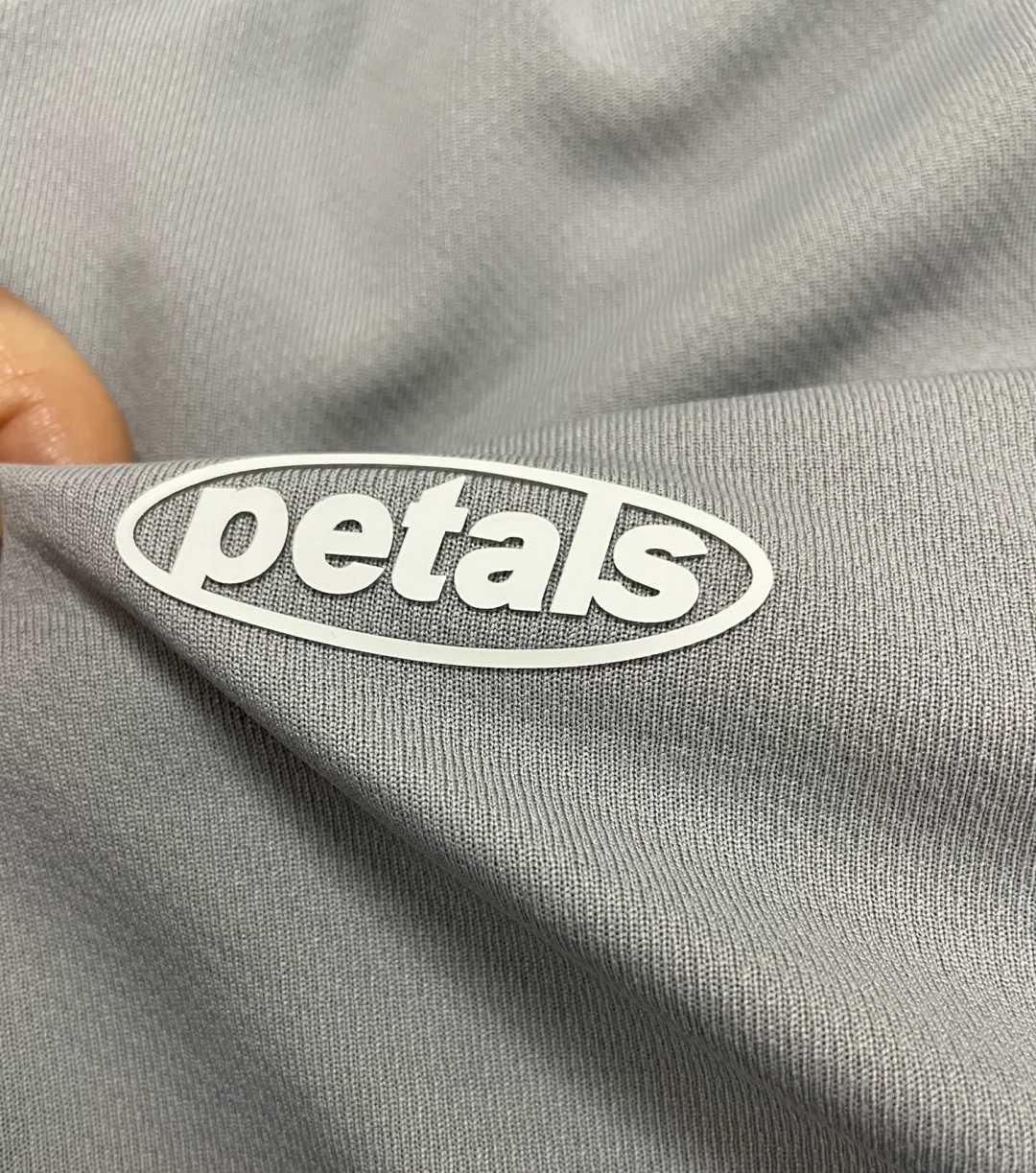
Additional finishing treatments include garment dye (dyeing the finished garment rather than greige fabric), brushing or napping (raising the fiber surface for softness), and anti-pilling treatments. Manufacturers measure shrinkage, test color fastness (resistance to fading), and verify hand-feel before releasing finished fabric to the next production stage.
Our Wet Processing Framework:
- Scouring & Pre-Treatment — Remove oils, sizing, and contaminants using alkali and detergent at controlled temperatures.
- Dyeing & Color Matching — Achieve target color through precise dye bath temperature, pH, and time control; verify against approved lab dips.
- Enzyme Washing & Anti-Pilling — Apply cellulase treatment to soften fabric and reduce surface fuzz; test pilling resistance via Martindale abrasion.
- Compaction & Dimensional Stabilization — Use steam and pressure to lock in shrinkage and ensure consistent fit after consumer washing.
Quality Control and Production Monitoring
Modern knitwear manufacturers employ quality checks at every stage to maintain consistency and prevent costly defects.
Yarn Incoming Inspection — Every yarn lot is verified for denier (weight per unit length), color consistency, and contamination before loading into machine creels.
In-Line Machine Monitoring — Computerized knitting machines detect dropped stitches, tension irregularities, and needle breaks in real-time. Operators halt production immediately when defects are sensed.
Measurement Verification — Each fabric roll is measured for width (±2 cm tolerance), length, and weight. Samples are cut and tested for shrinkage at 40°C and 60°C wash temperatures to ensure the finished garment will fit consistently after consumer washing.
Pilling Resistance Testing — Fabric samples undergo Martindale abrasion testing (typically 10,000–20,000 cycles) to measure pilling propensity.
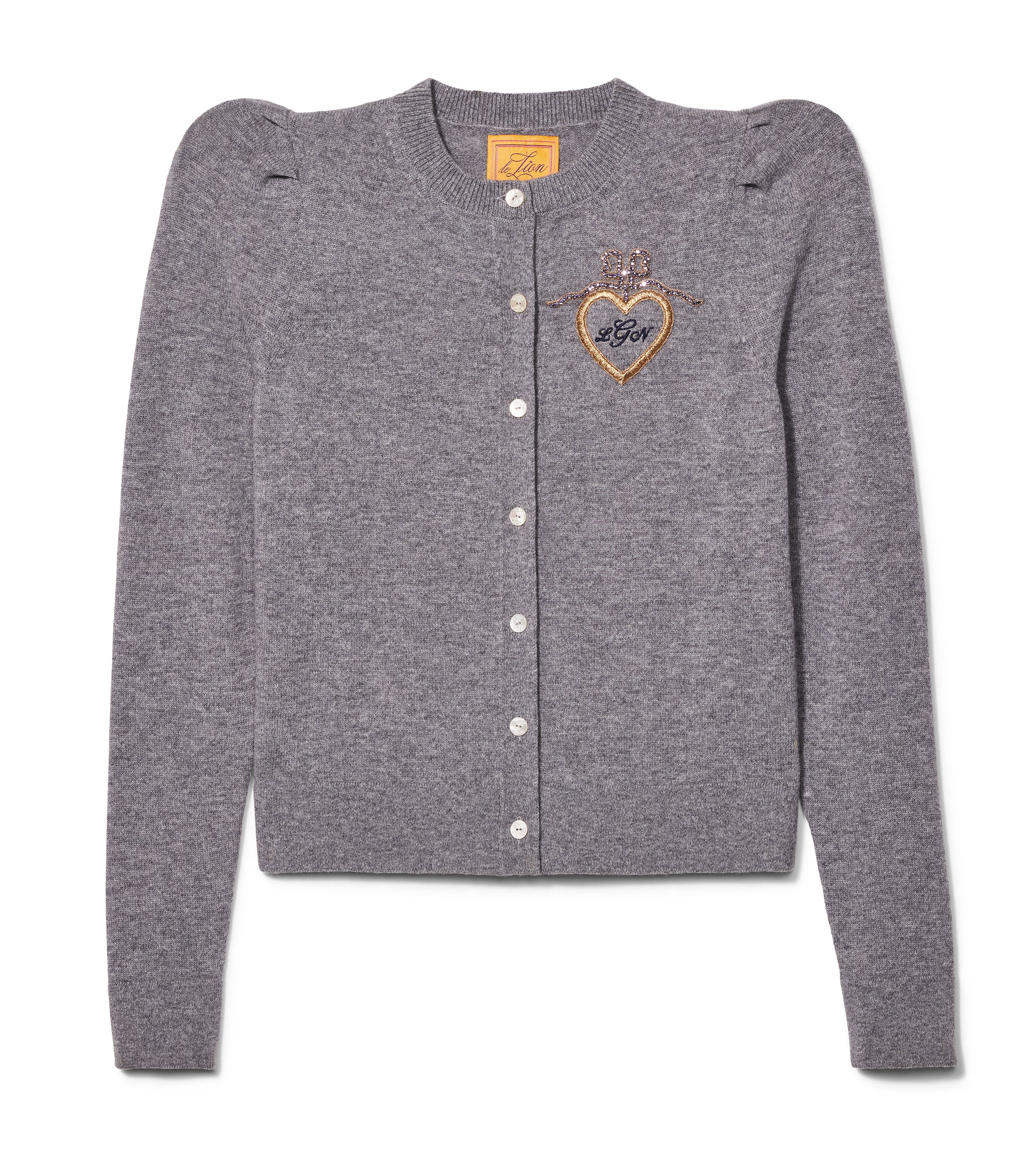
Final Inspection — Finished garments are visually inspected for seam strength, embroidery/print registration, color uniformity, and packaging accuracy. A sample from each production batch is randomly selected for detailed measurement and wash testing.
Color Fastness Verification — Finished fabric is tested for resistance to fading under UV exposure, washing, and perspiration. Color fastness ratings (typically Grade 4 or higher) are verified before bulk shipment.
Whether you’re launching a new collection or scaling production, partnering with an experienced knitwear manufacturer ensures that every stage—from yarn sourcing through final quality verification—meets your brand’s performance and aesthetic standards.
FAQ
Q1: What is the difference between weft and warp knitting?
Weft knitting feeds yarn horizontally across needles on circular or flatbed machines, creating loops that run vertically and horizontally. Warp knitting feeds multiple yarns vertically in a zigzag pattern, producing fabrics like tricot. Weft knitting is used for finished garments; warp knitting is more common in industrial textiles and lingerie.
Q2: How long does the knitted fabric manufacturing process take?
A simple jersey knit can be produced in 4–6 weeks from order confirmation (including sampling, production, washing, and finishing). Complex jacquard or intarsia designs may require 8–12 weeks. Rush orders can be expedited to 2–3 weeks with premium pricing.
Q3: What causes pilling in knitted fabric, and how can it be prevented?
Pilling occurs when short fibers break loose from the yarn surface during wear and friction. Prevention strategies include: selecting high-quality yarn with longer staple fibers, applying anti-pilling chemical treatments during wet processing, using Martindale abrasion testing to verify durability, and choosing fiber blends (merino/nylon, cotton/polyester) that resist pilling better than 100% natural fibers.
Q4: Can knitted fabric be produced in small quantities?
Yes. Modern manufacturers offer low-MOQ production starting from 100 pieces per style and color. This allows startups and independent designers to test products and launch capsule collections without committing to large bulk orders. Sampling is available at even smaller quantities (10–50 pieces).
Q5: What is the most sustainable yarn option for knitted fabric production?
Sustainable options include organic cotton (pesticide-free cultivation), recycled polyester and wool (diverted from landfills), Tencel/Lyocell (from sustainably managed forests), and regenerated fibers. Manufacturers increasingly blend sustainable yarns with performance fibers to balance environmental impact with durability and cost.
Sources
- Jersan Knitted Fabric and Garment Supplier — How to Manufacture Knitted Fabric
- ScienceDirect Topics — Knitted Fabric
- CottonWorks™ — Knit Machinery: Flat, Circular, and Seamless
- Knit Fabric Manufacturing Process (SlideShare)
Written by Alin Zeng (Premium Streetwear Knitwear, 28-Year Master Craftsmanship, One-Stop Custom Manufacturing, High-End OEM/ODM Solutions, Cost-Effective Global Delivery). Last reviewed 2026-06-21.