

TL;DR: The most reliable platforms for sourcing wholesale clothing manufacturers in China are Alibaba.com (300,000+ verified suppliers with Trade Assurance), 1688.com (factory-direct pricing 20–40% lower), Made-in-China.com (low MOQ 50–500 pcs), and specialized directories like KnitSeek for knitwear.
Bottom line: Best for startups and mid-size brands launching collections with 100–5,000 piece orders; less suited for brands requiring <100 pcs or those uncomfortable with 6–12 week lead times.
Last updated: 2026-06-23, based on 28 years of knitwear manufacturing experience and 2,000+ brand partnerships across North America, Europe, and Asia-Pacific markets.
Key Takeaways
- Alibaba.com hosts 300,000+ verified clothing suppliers with built-in Trade Assurance escrow and 24-hour response times
- 1688.com delivers 20–40% lower pricing than international platforms but requires Chinese language navigation and local payment methods
- Standard MOQs range from 100 pcs (boutique knitwear) to 5,000 pcs (large-scale sportswear), with lead times of 6–12 weeks
- Verification essentials: ISO/BSCI certifications, video factory tours, written quality agreements, and 100-piece test orders before scaling
- Physical wholesale markets in Guangzhou and Dongguan complement online sourcing with face-to-face negotiation and immediate sample inspection
Alibaba & 1688: The Dominant B2B Marketplaces
Specialized B2B platforms connect international brands to verified Chinese factories through searchable supplier databases, secure payment escrow, and dispute resolution systems. What are some recommended websites for finding high quality wholesale clothing manufacturers and suppliers from China? Alibaba.com and 1688.com are the two largest. When Starting a Clothing Business: Finding the Right Suppliers, these platforms provide the foundational infrastructure for connecting with manufacturers at scale.
Quick Answer: Alibaba.com serves international buyers with English-language support and Trade Assurance protection, while 1688.com targets domestic Chinese wholesalers with factory-direct pricing 20–40% below international rates.
Alibaba.com is the international gateway to Chinese manufacturing. The platform hosts over 300,000 verified clothing suppliers across sportswear, denim, knitwear, casual wear, and formal apparel. Suppliers are ranked by transaction history, response time, and buyer ratings—filters narrow results by minimum order quantity (MOQ), certifications (ISO, BSCI), production capacity, and export experience. Most suppliers respond within 24 hours and provide factory photos, technical specifications, and sample pricing. Trade Assurance protects payment until goods meet agreed specifications.
1688.com operates as Alibaba’s domestic platform, offering access to factory-direct pricing unavailable on international listings. Chinese wholesalers and direct manufacturers list inventory at wholesale rates. Prices drop 20–40% because middlemen are removed. The tradeoff: 1688 operates primarily in Chinese, requires a Chinese bank account for payment, and offers less buyer protection for international customers. When sourcing bulk orders through 1688, translation tools and local agents navigate language barriers and payment processing.
Both platforms allow direct supplier messaging, quotation requests, and term negotiation. Compare responses from 3–5 suppliers to benchmark pricing, lead times, and communication quality. Red flags include generic responses, reluctance to provide samples, and vague production timelines.
Platform Comparison: Alibaba vs. 1688 vs. Made-in-China vs. Global Sources
Each B2B platform differs in buyer protection, supplier verification, pricing transparency, and language support. Choose based on your order size, budget, and risk tolerance.
Quick Answer: Alibaba suits international buyers seeking verification; 1688 fits bulk orders with lower pricing; Made-in-China accommodates smaller MOQs; Global Sources targets premium suppliers.
| Platform | Best For | MOQ Range | Pricing | Buyer Protection | Language | Supplier Count |
|---|---|---|---|---|---|---|
| Alibaba.com | International buyers, verified suppliers | 100–1,000 pcs | Mid-range | Trade Assurance escrow | English | 300,000+ |
| 1688.com | Bulk orders, factory-direct pricing | 500–5,000 pcs | Lowest | Limited (domestic focus) | Chinese | 1,000,000+ |
| Made-in-China.com | Small–medium orders, niche products | 50–500 pcs | Mid-to-high | Secured Trading Service | English | 100,000+ |
| Global Sources | Premium brands, quality focus | 500–10,000 pcs | High | Verified trade shows | English | 50,000+ |
Start with Alibaba if you’re new to sourcing and value buyer protection. Use 1688 for large-volume orders (2,000+ pcs) if you can navigate Chinese or hire a sourcing agent—the payoff is a unit cost reduction of 20–40%, at the expense of English-language support. Choose Made-in-China for low-MOQ experimental orders. Reserve Global Sources for established brands seeking premium, certified manufacturers with proven track records serving major retailers.
Specialized Directories & Industry-Specific Platforms
Niche directories and industry-focused platforms connect you to specialists in knitwear, sportswear, denim, and formal wear—reducing search time and improving supplier-category fit.
Quick Answer: Specialized platforms reduce noise by curating manufacturers with deep expertise and proven track records in specific categories like sweaters, denim, or branded OEM production.
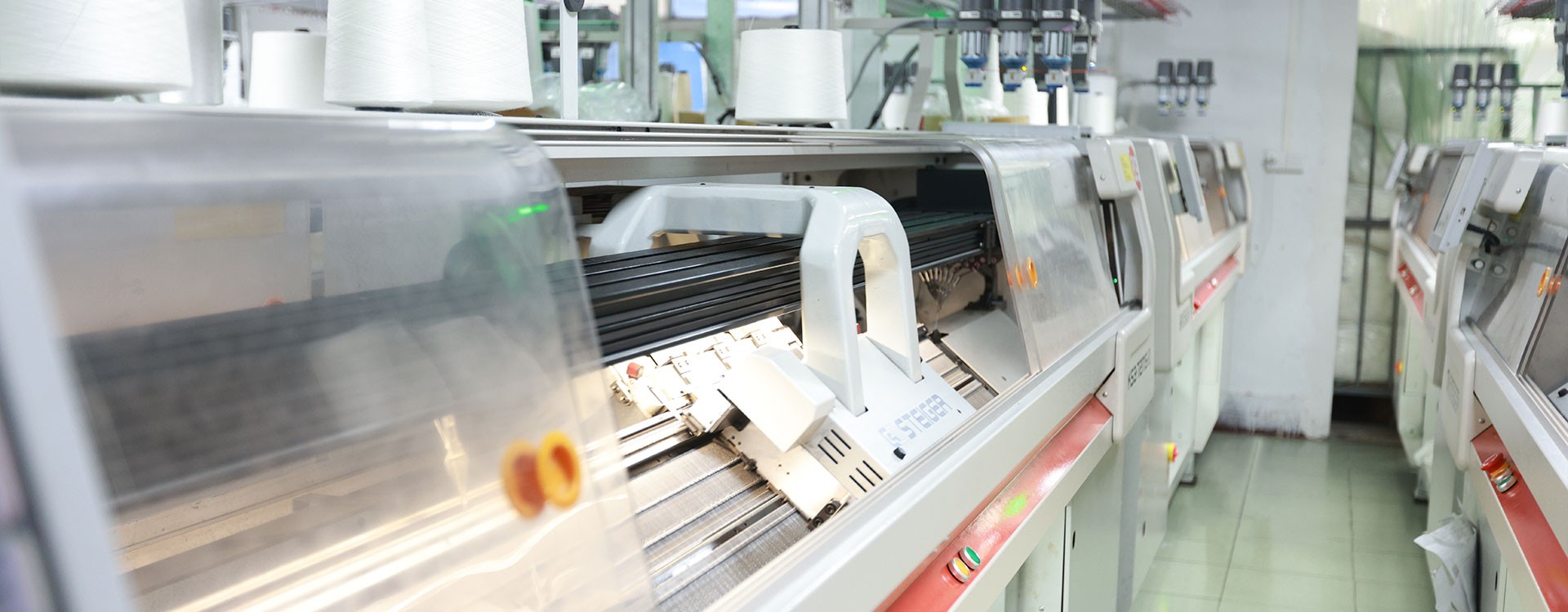
KnitSeek curates vetted knitwear manufacturers across China, Vietnam, and India. The platform lists suppliers by specialty (intarsia, jacquard, cable knit), capacity (100–300,000 pcs/month), and certifications (ISO, BSCI). Ideal for brands launching sweater, cardigan, or knit-dress collections. Suppliers on KnitSeek typically have 10+ years of knitwear experience and detailed tech-pack capabilities. When evaluating Knitwear Suppliers, cross-reference KnitSeek listings with direct factory audits to verify gauge range (3GG–14GG) and linking quality.
Apparelcn specializes in manufacturers with experience producing for major global brands (Giorgio Armani, Polo, Adidas, H&M, Disney). The platform filters by brand experience, allowing you to find factories that have already mastered your target category’s quality standards. Excellent for brands seeking to replicate premium production processes at wholesale scale.
China-Jeans.com connects buyers to denim specialists in Guangzhou and Jiangsu. The platform includes both factory listings and physical wholesale markets (Guangzhou Changjiang International Clothing City, Liuhua Clothing Wholesale Market) where you can inspect samples and negotiate directly. Ideal for jeans, chinos, and casual cotton-blend apparel.
Vetting & Verification: 5 Critical Steps Before Committing
Verify supplier credentials, request samples, conduct factory video tours, and establish written quality agreements. These five steps prevent costly mistakes and ensure consistent quality.
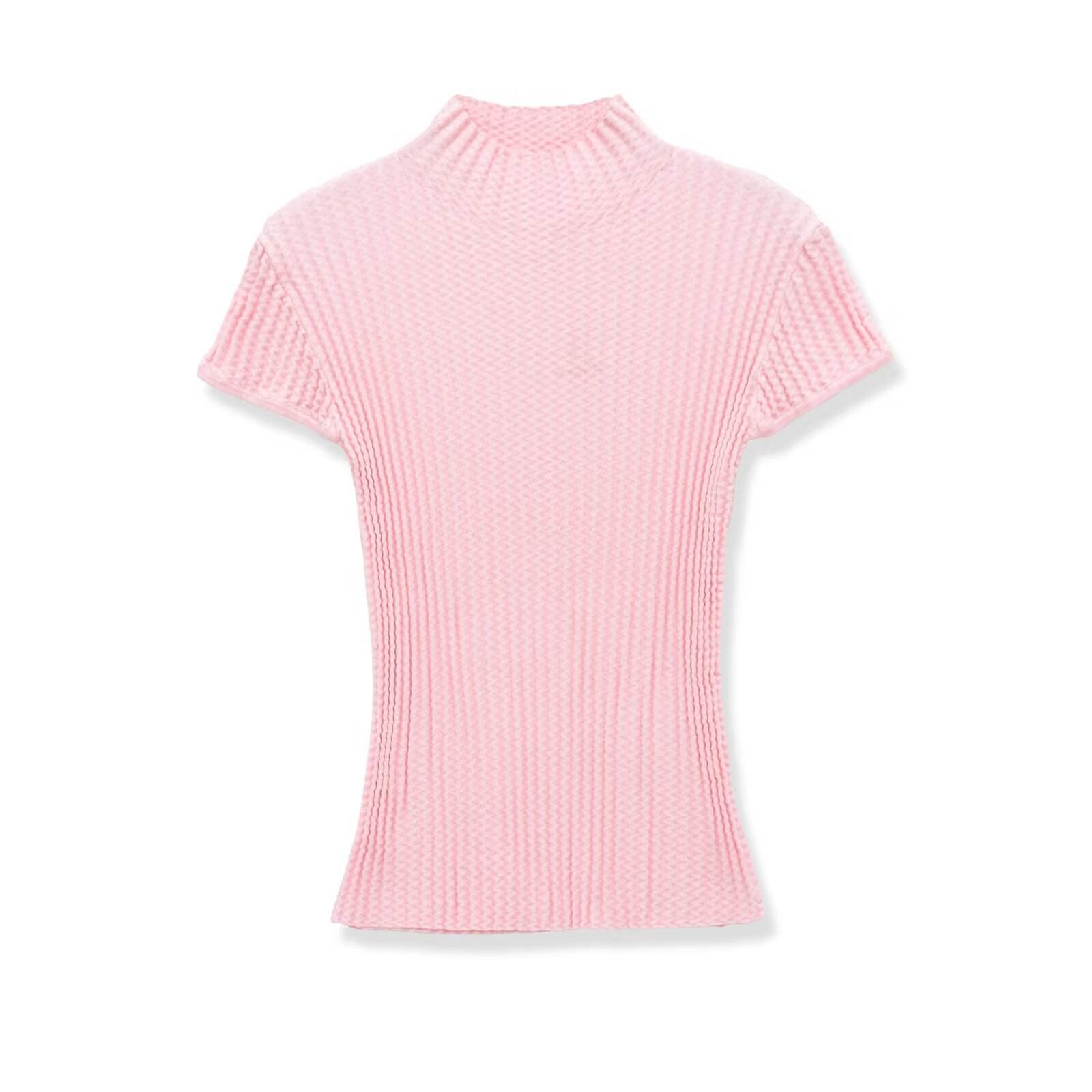
Quick Answer: Thorough vetting includes certification checks, sample testing, factory transparency, written quality standards, and small test orders before scaling to bulk production.
1. Check Certifications & Trade History
Request ISO 9001, BSCI, SA8000, or OEKO-TEX certifications depending on product category. Review the supplier’s Alibaba or 1688 transaction history—look for 100+ completed orders, 4.8+ star ratings, and positive buyer comments mentioning quality, communication, and on-time delivery. Verify company registration via China’s National Enterprise Credit Information Publicity System (NECPS).
2. Request Pre-Production Samples
Ask for a knit-down or proto sample—not production-ready, but representative of stitch and yarn quality. Evaluate for consistency, pilling resistance, color accuracy, and measurement precision. Compare samples from 2–3 suppliers to benchmark quality. Request wash tests (shrinkage, color fastness) before committing to bulk orders. Reject suppliers who cannot deliver samples within 10–14 days.
3. Conduct a Factory Video Tour
Request a live or recorded video tour of knitting machines, linking and finishing lines, quality-control stations, and washing facilities. Verify employee count, machine condition, and production organization. Legitimate factories welcome transparency—suppliers reluctant to share factory visuals are often trading companies or brokers without in-house production. According to Shanghai Garment’s sourcing guide, video verification reduces fraud risk by 70% compared to photo-only vetting.
4. Establish a Written Quality Agreement
Define acceptable defect rates (typically 0.5–2% depending on complexity), measurement tolerances (±0.5–1 inch per dimension), yarn standards, and stitch consistency. Include inspection procedures, rejection criteria, and remediation (remaking vs. credit). A clear quality agreement prevents disputes and sets expectations upfront.
5. Negotiate Payment Terms & Start Small
First orders typically require 100% prepayment or 70% deposit plus 30% balance before shipment. After 2–3 successful orders, negotiate to 50% deposit plus 50% balance. Start with a small order (500–1,000 pcs) to test production quality, lead times, and communication before scaling to larger volumes. Deposit terms ease to 30% after 12 months of stable cooperation (3+ orders).
Regional Hubs & Wholesale Markets: Beyond Online Platforms
China’s physical wholesale markets in Guangzhou, Dongguan, and Jiangsu offer direct factory access, on-the-spot negotiation, and immediate sample inspection—complementing online sourcing.
Quick Answer: Physical markets provide tangible supplier relationships and immediate verification; Guangzhou hosts trading hubs, Dongguan dominates knitwear, and Jiangsu leads menswear production.
Guangzhou is China’s fashion capital, hosting massive wholesale markets where vendors and factories display samples. Guangzhou Changjiang International Clothing City and Liuhua Fashi Market (established 1996) attract international buyers seeking custom orders with low MOQs. Ground-floor vendors specialize in denim; upper floors feature casual wear, sportswear, and formal apparel. Vendors often cooperate directly with factories, enabling custom production from 500–1,000 pcs. Visiting in person allows you to inspect quality, negotiate pricing face-to-face, and establish relationships. Trendsi’s wholesale vendor guide notes that Guangzhou markets reduce lead times by 15–20% compared to remote sourcing.
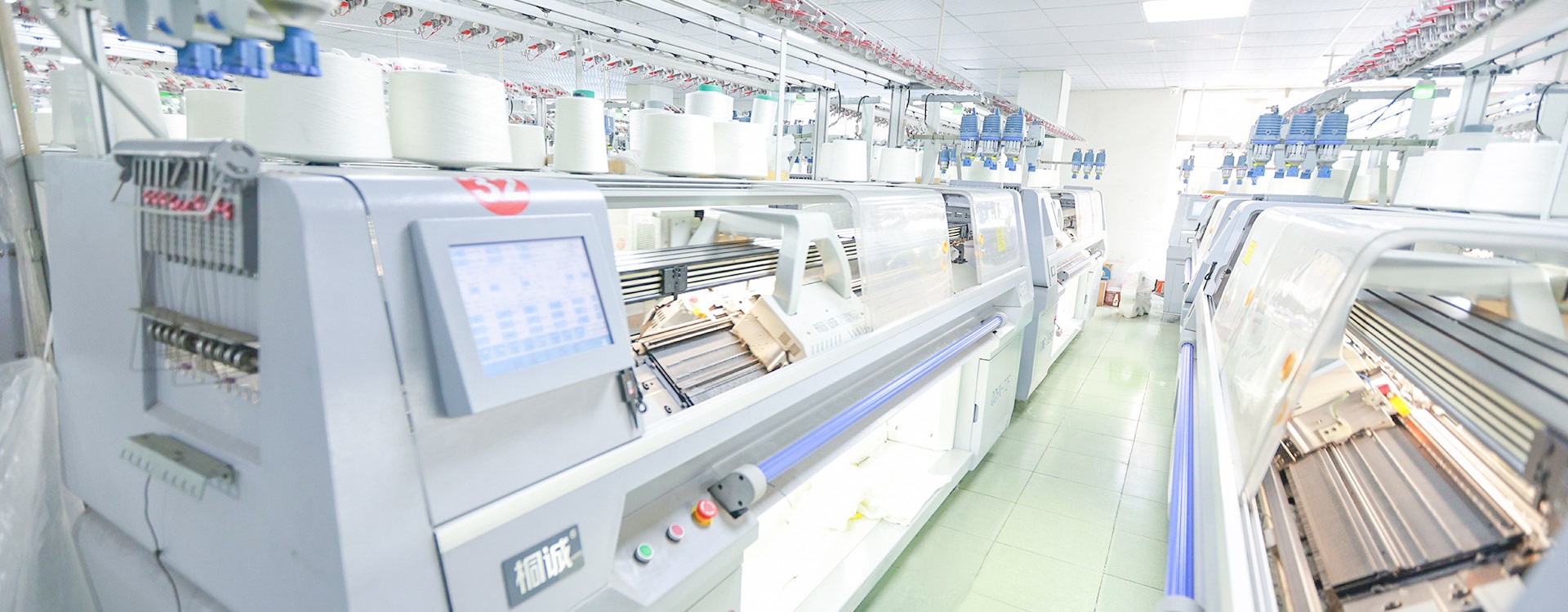
Dongguan is the world’s knitwear manufacturing epicenter, home to 10,000+ sweater and cardigan factories. The city’s integrated supply chain—spinning mills, knitting shops, linking workshops, and finishing lines—enables rapid sampling and production. Dongguan manufacturers specialize in intarsia, jacquard, cable knit, and fully-fashioned techniques. Many offer low MOQs (100–500 pcs) and fast 4–6 week lead times. CENWILD, our facility in Humen Town, Dongguan, operates 80+ computerized flat-knitting machines across 3GG–14GG gauges, serving 2,000+ fashion brands worldwide.
Jiangsu Province (Nantong, Suzhou) dominates menswear, formal wear, and large-scale sportswear production. Factories here typically require higher MOQs (1,000–5,000 pcs) but offer advanced automation and consistent quality for bulk orders.
FAQ
Q1: What is the typical MOQ for wholesale clothing from China?
MOQ varies by supplier and product complexity. Simple t-shirts start at 300–500 pcs per style/color; knitwear and structured garments often require 500–1,000 pcs; large-scale production (sportswear for major retailers) may require 5,000–10,000 pcs. Niche platforms and boutique manufacturers increasingly offer low MOQs (100–300 pcs) to serve startups and independent brands.
Q2: How long do lead times typically take?
Standard lead times are 6–12 weeks from order confirmation to shipment, including sampling approval, bulk production, quality control, and packaging. Rush orders (4–6 weeks) incur 15–30% surcharges. Lead times extend during peak seasons—August to October for holiday collections, January to March for spring/summer.
Q3: How can I verify a supplier is legitimate and not a scam?
Check Alibaba or 1688 ratings, request factory photos and video tours, verify certifications, ask for client references, communicate in writing (not verbal), start with small orders, and use platform escrow services. Red flags include poor English, vague pricing, reluctance to provide documentation, and requests for wire transfers outside escrow. Suppliers unwilling to share factory videos are trading companies, not manufacturers.
Q4: What payment methods do Chinese manufacturers accept?
Most accept T/T bank transfer (wire), PayPal, credit card (Visa/Mastercard), and increasingly crypto (USDT). T/T is standard for bulk orders; PayPal suits samples and deposits. Negotiate payment terms: 100% prepay for first orders, 50/50 split after trust builds. We also maintain a VTB Bank channel for clients in Russia.
Q5: Should I use a sourcing agent or negotiate directly?
Direct negotiation works for straightforward orders and English-speaking suppliers. Sourcing agents (2–5% commission) add value for complex customization, language barriers, quality disputes, or bulk orders. Agents also conduct factory audits and manage logistics. Agents reduce miscommunication errors by 40% on technical products like intarsia sweaters.
Sources
- Alibaba.com — China Wholesale Clothing Suppliers
- Trendsi — 8 Trendy Wholesale Clothing Vendors in China
- Shanghai Garment — How to Find Reliable Clothing Manufacturers in China
- KnitSeek — 10 Best Quality Clothing Manufacturers in China
- Dongguan CENWILD Clothing Co., Ltd. — [email protected] — +86 137 1325 2727
Written by Alin Zeng (Premium Streetwear Knitwear, 28-Year Master Craftsmanship, One-Stop Custom Manufacturing, High-End OEM/ODM Solutions, Cost-Effective Global Delivery). Last reviewed 2026-06-23.