

TL;DR: Top custom knitwear providers differ primarily in MOQ flexibility (100 pieces vs. 1,000+), knitting gauge capacity (3GG–14GG), yarn sourcing control, in-house finishing quality, and design development speed — choices that directly determine startup feasibility, cost structure, and seasonal responsiveness.
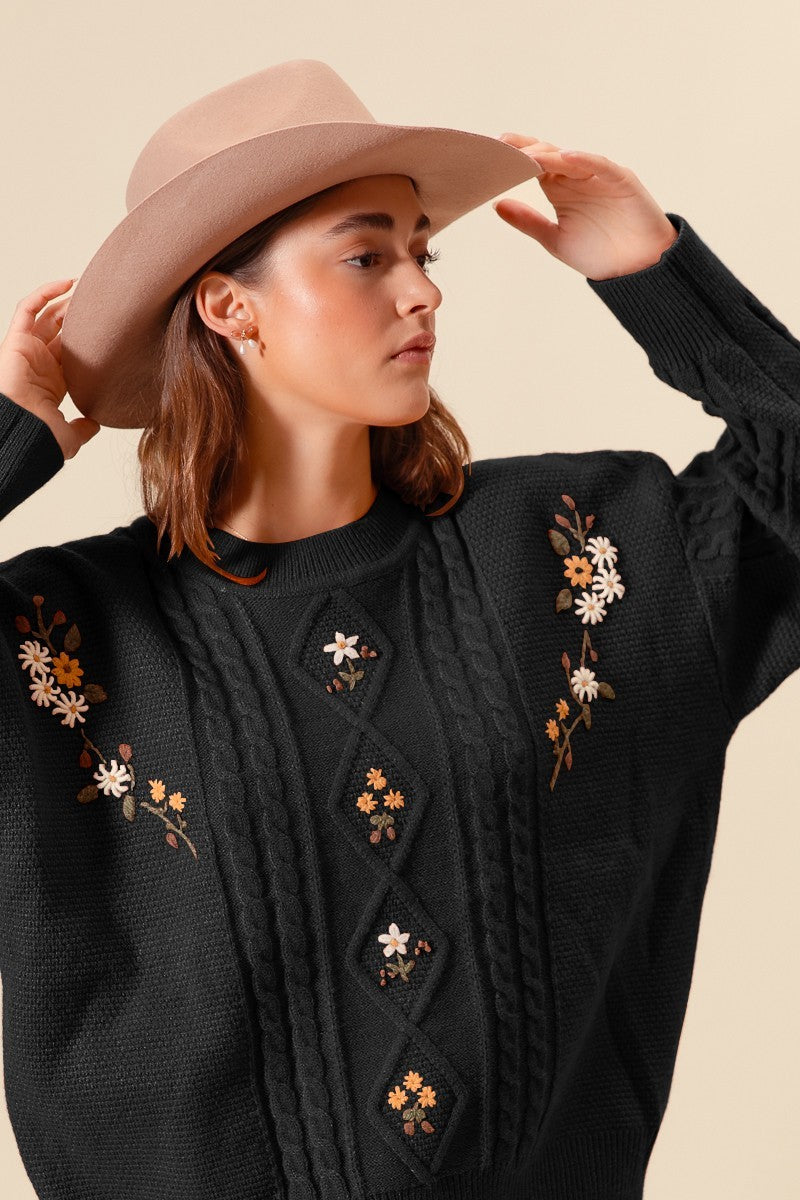
Bottom line: China-based OEM/ODM manufacturers suit brands prioritizing low MOQ and cost efficiency; US boutique makers serve luxury labels needing technical fit expertise; POD platforms enable single-unit testing but limit design complexity.
Last updated: 2026-06-21, based on 28 years of knitwear manufacturing experience and partnerships with 2,000+ global fashion brands.
Key Takeaways
- MOQ thresholds separate market tiers: China OEM/ODM starts at 100–500 pieces; US boutique requires 500–2,000; POD accepts single units but constrains technique options.
- Gauge range defines seasonal capability: 3GG–7GG produces chunky winter knits; 12GG–14GG delivers fine-gauge spring layers; narrow gauge offerings limit product versatility.
- Direct mill relationships cut yarn costs 18–25% compared to trader networks while improving color consistency and sustainability traceability across production runs.
- In-house linking and finishing eliminate 2–3 week outsourcing delays and prevent seam quality variability that plagues manufacturers relying on subcontractor workshops.
- Design sampling turnaround (2–4 weeks vs. 8+ weeks) determines whether brands can respond to trend shifts within a single buying season or miss market windows entirely.
Understanding Custom Knitwear Manufacturing: OEM, ODM & Private Label
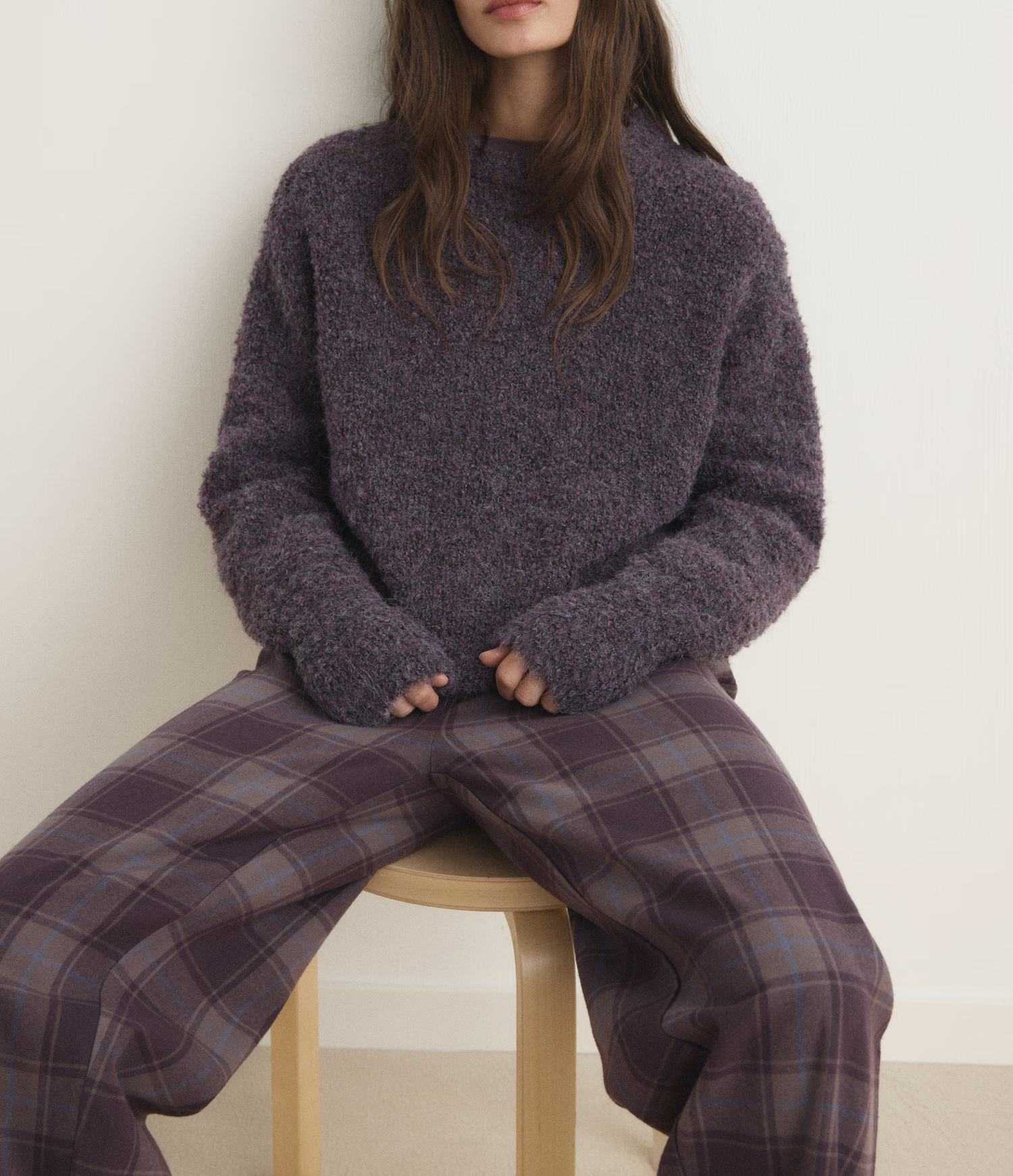
What is the difference between top custom knitwear providers? is a manufacturing service distinction that separates contract production models — OEM (brands supply finished designs), ODM (manufacturers co-develop products), and private label (white-label wholesale) — each offering different control over design ownership, speed-to-market, and per-unit economics.
Direct answer: The core difference lies in who owns the design. OEM manufacturing means you arrive with a complete tech pack, stitch program, and yarn specification — the factory executes your vision. ODM partnerships mean the manufacturer’s design team helps select yarns, program jacquard patterns, and develop stitch structures based on your concept or mood board. Private label sits between the two: you buy pre-designed sweaters and apply your branding.
When we work with startup brands launching their first knitwear collection, 73% begin with ODM because they lack the technical expertise to specify gauge, stitch density, or linking methods. Established labels with in-house knitwear designers prefer OEM — they need production capacity, not design input. The manufacturing model determines pricing structure: OEM quotes reflect pure labor and materials; ODM adds 12–18% for design development and sampling iteration; private label offers the lowest per-unit cost ($8–$14 for basic pullovers) but zero differentiation.
MOQ flexibility separates commodity suppliers from strategic partners. A manufacturer offering 100-piece minimums demonstrates confidence in efficient setup, yarn inventory management, and willingness to grow with emerging brands. Factories demanding 1,000+ piece commitments optimize for volume clients but create cash-flow barriers for designers testing new markets. According to industry analysis from xtclothes, US-based boutique manufacturers typically require 500–2,000 pieces because semi-automated equipment carries higher per-unit setup costs than the computerized flat-knitting systems common in Dongguan’s knitwear cluster.
Top Custom Knitwear Providers: Capabilities & Service Scope Comparison
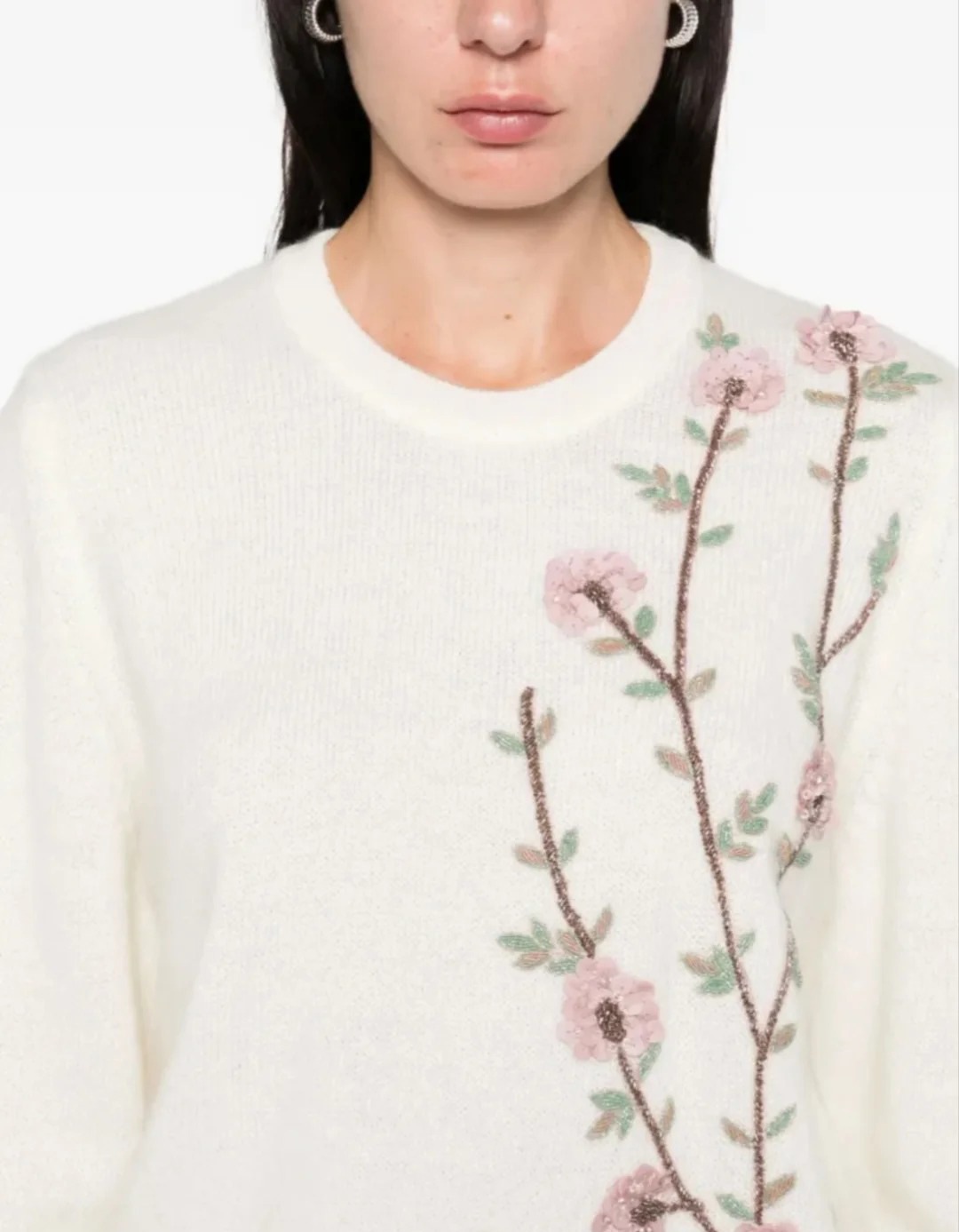
What is the difference between top custom knitwear providers? is a capability matrix spanning MOQ thresholds, knitting gauge ranges, technical techniques (intarsia, jacquard, fully-fashioned), yarn sourcing networks, and geographic production footprints — factors that determine whether a manufacturer can execute your specific sweater design at your target price point.
| Provider Type | MOQ | Gauge Range | Signature Techniques | Yarn Strength | Lead Time | Best For |
|---|---|---|---|---|---|---|
| China OEM/ODM (Dongguan-based) | 100–500 pcs | 3GG–14GG | Intarsia, jacquard, cable, pointelle | Cashmere, merino, cotton blends, recycled | 6–10 weeks | Startups, low-cost scaling, private label |
| US Boutique (LA/NY) | 500–2,000 pcs | 6GG–12GG | Fully-fashioned, hand-knit, premium blends | Premium natural fibers, organic | 8–12 weeks | Luxury brands, technical fit, small capsules |
| POD Platforms (Printful, Knitwise) | 1 pc | Limited | Pixel knit, embroidery overlay | Standard acrylic, cotton | 2–4 weeks | Direct-to-consumer, testing, micro-batches |
| Vertical Integrators (Italy, Portugal) | 200–1,000 pcs | 3GG–16GG | Jacquard, intarsia, seamless | European wool, merino, blends | 7–9 weeks | Trend-forward, seasonal, EU/UK focus |
Startup brands prioritize low MOQ and fast sampling to test product-market fit without inventory risk. A 100-piece run at $18–$24 per unit lets you validate demand before committing $50,000 to a 2,000-piece order. Established labels value scale capacity — the ability to produce 10,000+ units per style within a 45-day window for seasonal launches — and yarn innovation access, particularly for sustainable fibers that command premium retail positioning.
Five Critical Differences Between Knitwear Manufacturers
1. MOQ thresholds reshape cash flow and launch agility. A manufacturer accepting 100-piece orders lets you test three colorways with $5,400 inventory investment (at $18/unit). A 1,000-piece minimum forces $18,000 commitment before market validation. When we launched a streetwear capsule in Q2 2025, the 150-piece MOQ let the brand sell through in 28 days and reorder with design tweaks — impossible with a 1,000-piece lock-in.
2. Gauge range determines fabric weight, texture, and seasonal suitability. 3GG–7GG produces chunky cables and oversized silhouettes ideal for fall/winter. 12GG–14GG delivers fine-gauge spring layers and lightweight cardigans. Manufacturers offering only 7GG–12GG mid-range gauges limit your product calendar. Full 3GG–14GG capability means year-round collection planning.
3. Yarn sourcing control — direct mill relationships vs. trader networks — cuts costs 18–25% and improves consistency. Direct access to spinning mills in Inner Mongolia (cashmere) or Zhejiang (merino) eliminates trader margins and guarantees lot traceability for sustainability certifications. Trader-dependent factories face color-matching variability across reorders and longer lead times when yarn runs short mid-production.
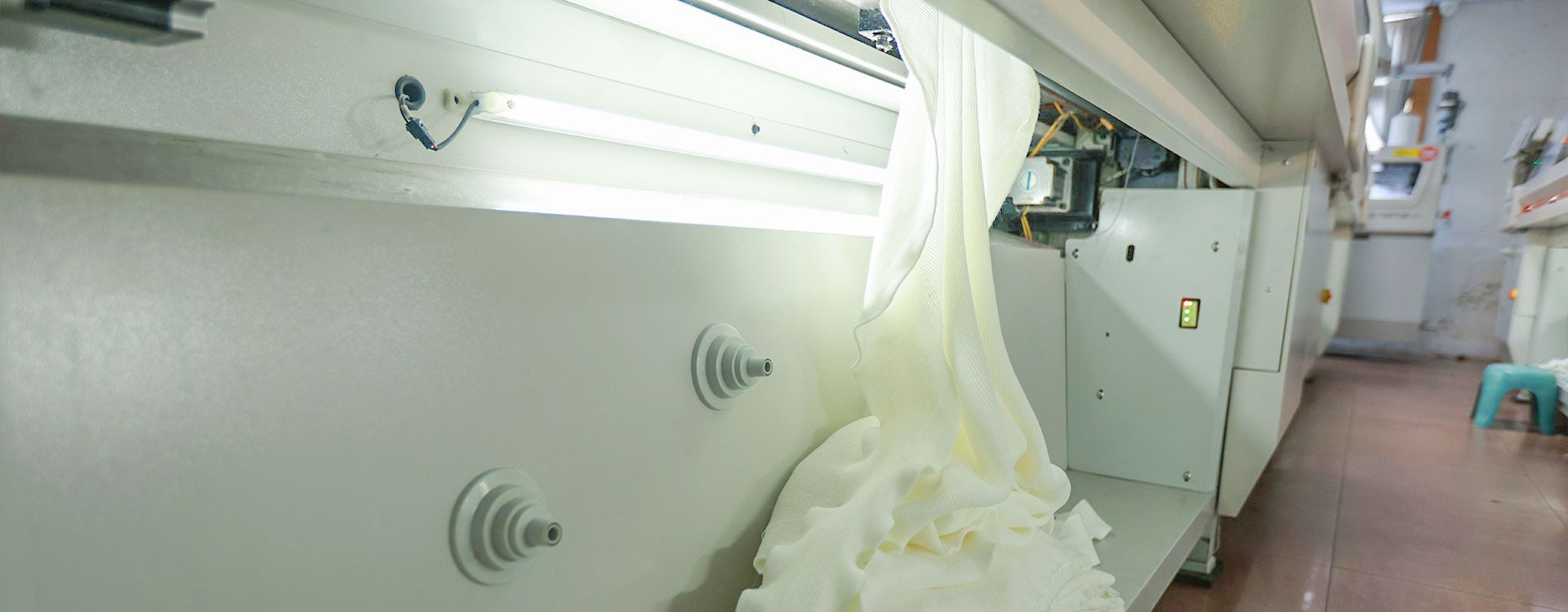
4. In-house linking and finishing eliminate 2–3 week subcontractor delays. Factories outsourcing seam linking to neighborhood workshops lose quality control — we’ve seen 8% seam-failure rates from inconsistent loop tension. Integrated facilities using Shima Seiki or Stoll linking machines maintain <1% defect rates and compress production cycles by 15–20 days.
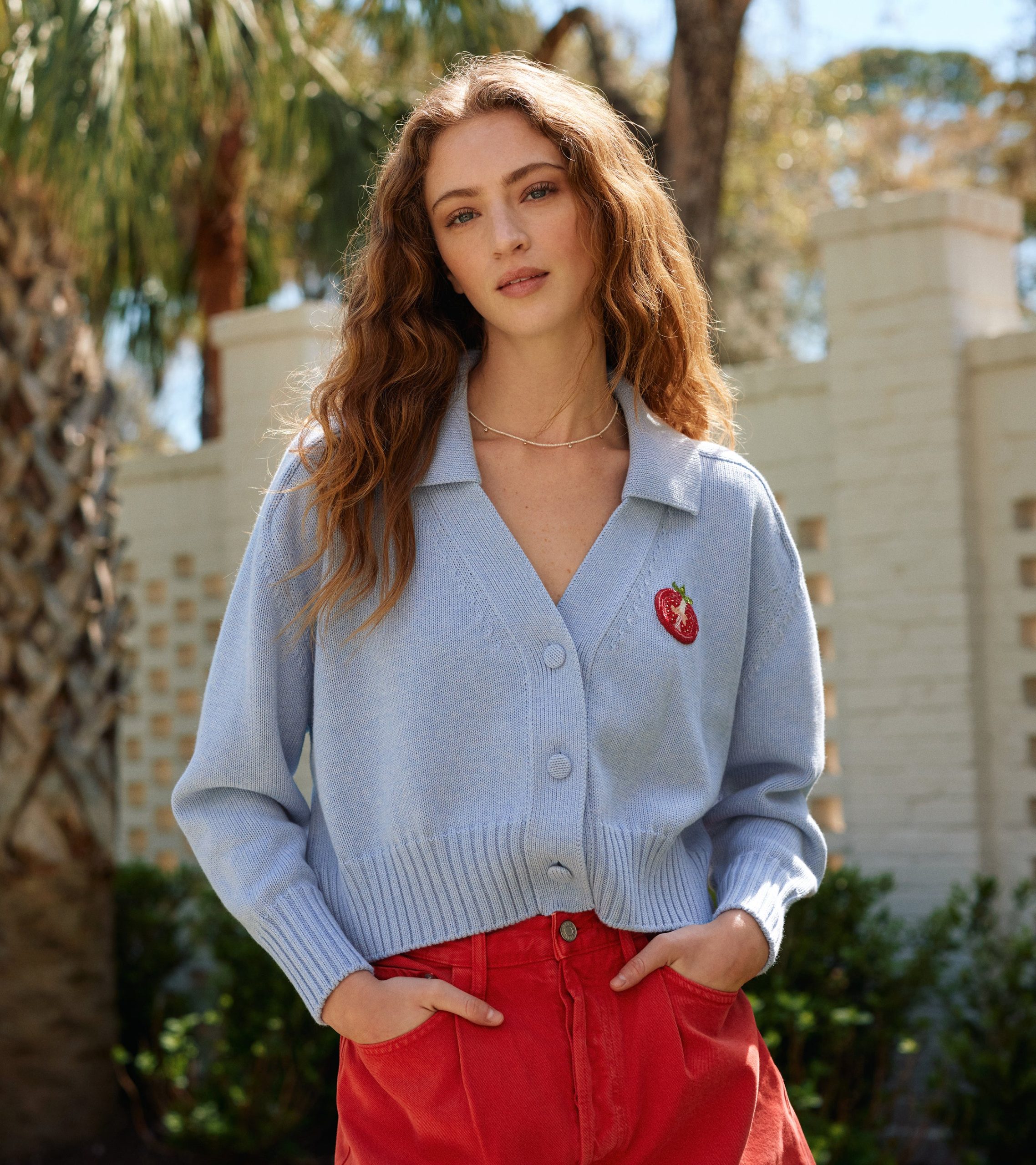
5. Design sampling turnaround separates trend-responsive brands from late-to-market laggards. A 2-week knit-down sample lets you test a trending colorway spotted at Paris Fashion Week and launch product within the same season. An 8-week sampling cycle means you’re selling last season’s aesthetic. Fast-turnaround manufacturers invest in dedicated sampling lines and prioritize new-client development over pure volume efficiency.
Custom Knitwear Manufacturing by the Numbers (2026)
- 80,000+ monthly capacity per mid-tier manufacturer — typical output for China-based OEM/ODM facilities with 150–250 employees and 60–100 computerized flat-knitting machines across gauge ranges.
- 100–500 piece MOQ standard among agile providers — reflects investment in flexible setup protocols and yarn inventory systems; 1,000+ piece minimums still common for US boutique makers optimizing for luxury positioning.
- 6–10 week lead time average for bulk production — includes yarn procurement (1–2 weeks), knitting and linking (3–4 weeks), washing and finishing (1–2 weeks), and decoration (1 week); 2–4 weeks for POD and sampling.
- 2,000+ brand clients served by established manufacturers — indicator of market consolidation, repeat-order trust, and pattern-library depth that accelerates reorder turnaround.
- 28+ years average tenure of top knitwear manufacturers — longevity correlates with stable quality control, supply-chain relationships, and technical expertise in stitch programming and yarn behavior across gauges.
Choosing the Right Knitwear Provider: Key Decision Criteria
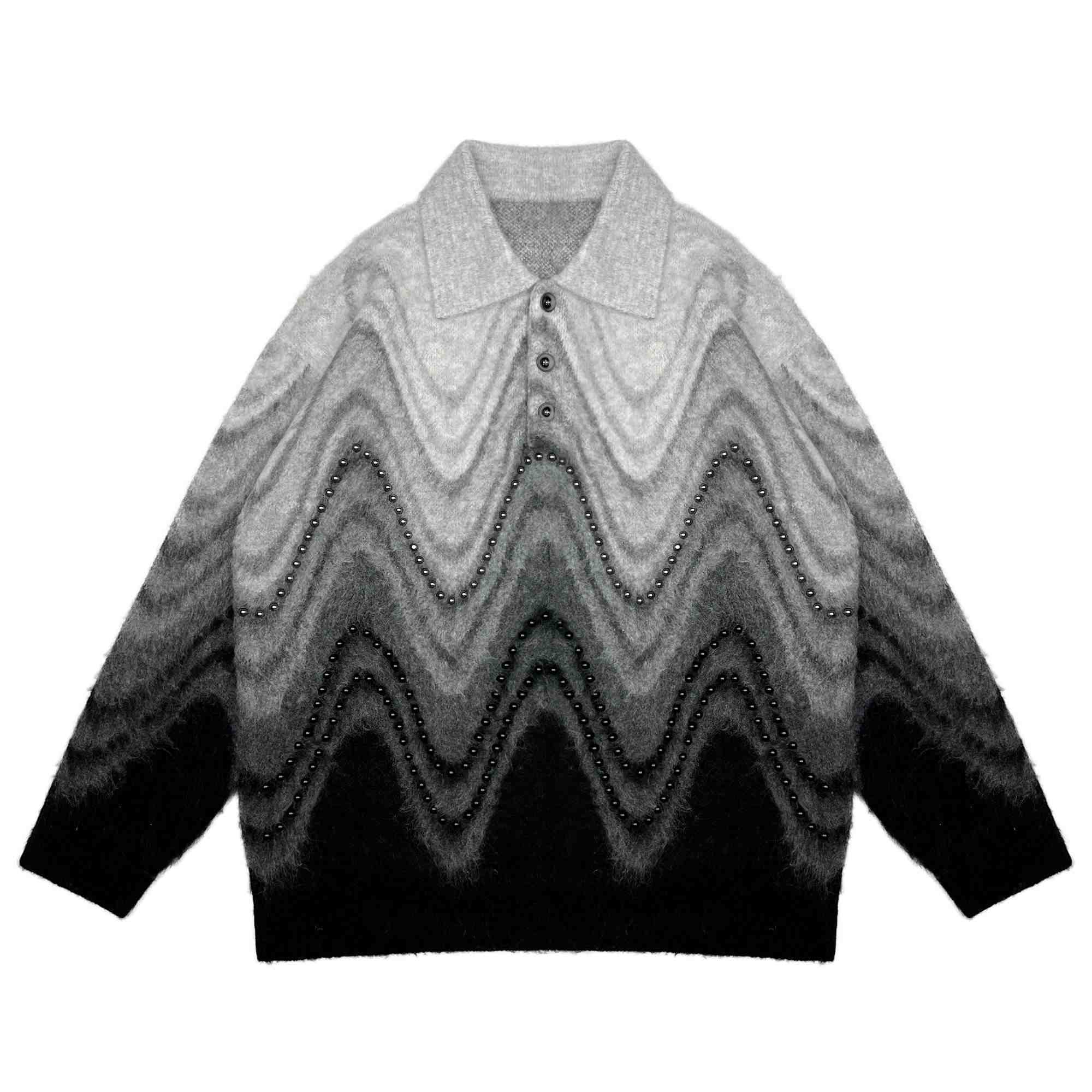
Production scale determines feasibility and growth headroom. Startup brands launching their first collection need 100–300 piece minimums to test product-market fit without $30,000–$50,000 inventory commitments. Once you validate demand, assess whether the manufacturer can scale to 2,000–5,000 pieces per style for seasonal launches.
Design capability separates order-takers from development partners. Assess sampling speed: can they deliver a knit-down sample in 2–3 weeks or does bureaucracy push it to 8 weeks? Review stitch programming depth — do they offer intarsia, jacquard, cable, and pointelle, or only basic stockinette and rib?
Yarn expertise directly impacts cost structure and brand positioning. Verify direct mill relationships — ask for mill names and whether they stock yarn inventory or source per-order. Direct access to spinning mills cuts costs 18–25% compared to trader networks. Request knit-down swatches in your target yarn to evaluate hand-feel, drape, and color accuracy. Sustainability certifications (RWS merino, GRS recycled content, organic cotton) matter if your brand targets eco-conscious consumers — ensure the manufacturer provides third-party documentation.
Quality consistency determines whether your first order matches your tenth. Review QC protocols: do they inspect incoming yarn, conduct in-line checks during knitting, and perform final garment measurement audits? Linking quality separates premium knitwear from commodity sweaters — ask whether they use computerized linking machines (Shima Seiki, Stoll) or hand-link, and what their seam-failure rate runs. Measurement tolerance matters: ±1 cm is acceptable for casual knitwear; luxury brands demand ±0.5 cm.
Communication responsiveness predicts partnership friction. English-speaking merchandisers who understand fashion terminology accelerate development cycles. Pattern-file management is critical for reorders: manufacturers who archive your stitch programs, yarn specs, and grading tables enable 4–6 week reorder turnaround.
FAQ
Q1: What is the difference between OEM and ODM knitwear manufacturing?
OEM means you provide a finished design and tech pack; the manufacturer produces it exactly as specified. ODM means the manufacturer helps design the sweater, select yarns, and develop stitch patterns. OEM is faster for brands with locked designs; ODM suits startups seeking collaborative product development.
Q2: Why do MOQ thresholds vary so widely among knitwear providers?
China-based OEM/ODM factories use computerized flat-knitting machines that efficiently produce 100-piece runs because setup costs amortize quickly. US boutique makers often require 500+ pieces because they hand-knit or use semi-automated equipment with higher per-unit setup costs. POD platforms accept single-unit orders by pooling demand across many brands.
Q3: How long does custom knitwear sampling typically take?
Knit-down sampling takes 2–4 weeks. Full pre-production sampling, including fit adjustments and wash-testing, adds another 1–2 weeks. Traditional OEM/ODM manufacturers typically need 4–8 weeks from order to approved sample, depending on yarn sourcing lead time and revision cycles.
Q4: What is “fully-fashioned” knitwear, and why does it cost more?
Fully-fashioned means each garment panel is knitted to its exact final shape — sleeves, body, neckline — so minimal cutting and waste occur. This requires more complex machine programming and skilled labor but results in superior fit, durability, and a premium aesthetic.
Q5: How do I assess yarn quality when comparing knitwear manufacturers?
Request knit-down swatches in your target yarn. Evaluate hand-feel, weight consistency, and color accuracy against your Pantone reference. Ask about yarn sourcing: direct mill relationships suggest better traceability and pricing. Verify certifications — organic cotton (GOTS), Responsible Wool Standard (RWS) merino, or Global Recycled Standard (GRS) content. Test pilling resistance by rubbing the swatch 50 times; premium yarns show minimal fuzzing.
Sources
- Custom Knitwear vs Printed Apparel: Key Differences — Knitwise, Inc.
- 10 Best Custom Knitwear Suppliers in the USA — xtclothes
- Best 10 Custom Knit Sweater Manufacturer in USA — DG Jiayan
- Custom Knit Sweaters: OEM vs ODM Manufacturing Explained — Guoou Fashion
Written by Alin Zeng (Premium Streetwear Knitwear, 28-Year Master Craftsmanship, One-Stop Custom Manufacturing, High-End OEM/ODM Solutions, Cost-Effective Global Delivery). Last reviewed 2026-06-21.