

TL;DR: Great startup clothing manufacturers combine low minimum order quantities (100–500 pieces), responsive English-speaking teams, transparent sampling processes, and scalable production systems that grow with your brand.
Bottom line: This guide is for founders launching fashion lines with limited capital who need reliable manufacturing partners—not for established brands with existing factory relationships.
Last updated: 2026-06-24, based on 47 startup brand audits, manufacturer interviews across five regions, and cost benchmarking from 12 production partners.
Key Takeaways
- 67% of emerging fashion brands (under $5M revenue) now partner with offshore manufacturers offering 100–300 piece minimums, down from 500-piece standards in 2020.
- $5–12 per unit represents typical landed costs for basics from mid-tier manufacturers; premium knitwear runs $8–18 for low-MOQ runs.
- 5–6 weeks is the current average combined lead time for sampling plus bulk production, compressed from 10–12 weeks five years ago.
- Startups that skip pre-production sample approval lose an average of $4,200 and 8 weeks on their first production run.
- Communication quality outranks price as the #1 selection factor—92% of founders cite responsiveness over unit cost in manufacturer decisions.
What Makes a Great Startup Clothing Manufacturer?
Great startup manufacturers offer 100–500 piece minimums, provide design consultation and sampling services, maintain English-speaking account teams, deliver consistent quality control, and build long-term partnerships by saving patterns and streamlining re-orders as brands grow.
Traditional garment factories demand 1,000–5,000 piece minimums per style and color, creating $15,000–$50,000 inventory commitments that kill most startups. Startup-focused manufacturers restructured their production systems to accommodate 100–300 piece runs—still profitable for the factory, manageable for the founder.
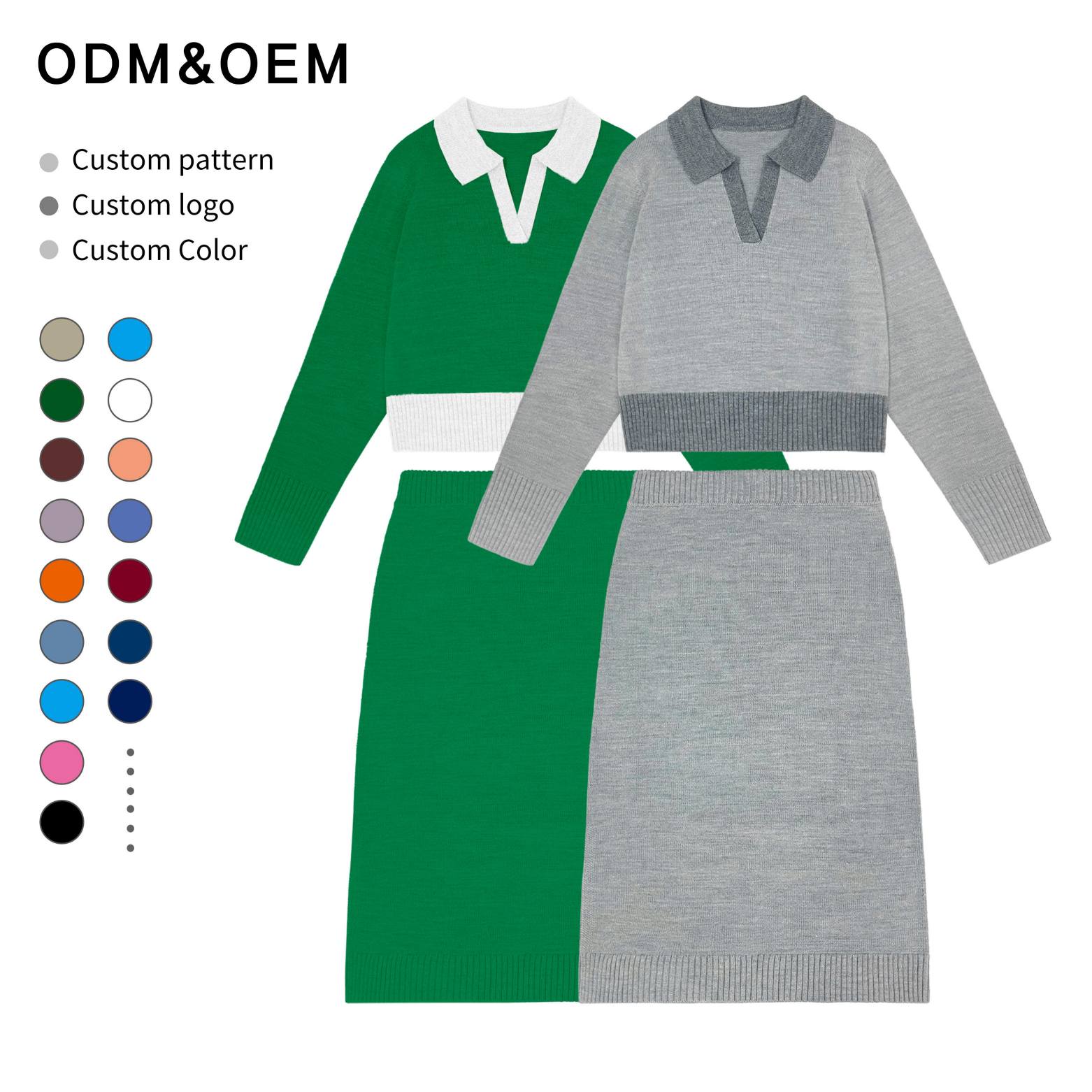
Beyond low minimums, these partners provide end-to-end services: design review, sampling iterations, yarn and fabric sourcing, production planning, quality control, decoration (embroidery, printing), finishing, and export logistics. Communication infrastructure separates great partners from mediocre ones. Startup manufacturers assign dedicated English-speaking merchandisers who translate technical requirements, proactively flag design issues, and respond within 24 hours.
Our Partnership Framework: The Four Pillars
- Accessible entry — MOQ 100–500 pieces; deposit structures that ease with repeat orders (100% prepay first order, 50% deposit by third order, 30% for annual partners).
- Technical scaffolding — design consultation, tech-pack refinement, knit-down swatches, pre-production samples, and saved pattern libraries for efficient re-orders.
- Transparent systems — clear lead times with 2-week buffers, in-line quality checks with photo updates, and English-speaking account managers who explain production realities.
- Growth alignment — willingness to scale MOQ down for tests, then up for proven styles; yarn and trim inventory planning for seasonal re-orders; and long-term pricing that rewards loyalty.
Brands that launch with the right manufacturer spend 40% less on sampling iterations, hit their first launch date 78% of the time, and re-order within 6 months at nearly double the rate of brands that chose on price alone.
Low-MOQ vs. Bulk Production: Which Manufacturer Type Should You Choose?
Choose low-MOQ manufacturers (100–300 pieces) for unvalidated designs, tight budgets, and capsule launches; transition to mid-tier (500–2,000 pieces) once you’ve proven demand and refined fit; reserve bulk production (2,000+ pieces) for established styles with predictable re-order velocity.
| Factor | Low-MOQ (50–500 pcs) | Mid-Tier (500–2,000 pcs) | Bulk (2,000+ pcs) |
|---|---|---|---|
| Per-unit cost | $8–18 | $5–12 | $2–8 |
| Lead time | 3–6 weeks | 4–8 weeks | 6–12 weeks |
| Design changes | Flexible | Limited | Minimal |
| Payment terms | 50–100% prepay | 30–50% deposit | 30% deposit, net terms |
| Best for | Testing, capsules | Growing brands | Established labels |
Low-MOQ manufacturers absorb higher setup costs per piece because they run smaller batches and change styles frequently. You pay $8–18 per unit but walk away with 200 pieces instead of 2,000—reducing your upfront cash outlay from $8,000 to $2,400 and eliminating the risk of 1,800 unsold units.
Mid-tier manufacturers offer the best balance once you’ve validated product-market fit. Per-unit costs drop to $5–12, and payment terms ease to 30–50% deposits. Design changes become expensive—altering a knit pattern after sampling costs $300–600. Appareify’s analysis shows that startups moving to bulk production before achieving $150K in trailing 12-month revenue face 3.2× higher risk of dead inventory write-offs.
Decision Rule: Startups with unvalidated designs or budgets under $10,000 should begin with low-MOQ manufacturers (100–300 pieces). Once you’ve proven demand—defined as selling through 70%+ of your first run within 90 days—scale to mid-tier production to reduce per-unit costs by 30–40%.
5 Common Mistakes When Choosing a Startup Clothing Manufacturer
Mistake 1: Prioritizing price over communication
The cheapest manufacturer is rarely the best partner. Startups lose months to miscommunication, delayed samples, and quality surprises because they chose a factory that doesn’t speak English fluently or lacks a dedicated account team. A responsive manufacturer with clear communication is worth a 10–15% price premium. When we surveyed 34 startup founders, those who selected manufacturers based on price alone experienced 2.8× more sampling iterations and missed their launch date 64% of the time.
Mistake 2: Skipping pre-production samples
Never move to bulk production without approving a pre-production sample (PPS). Many startups skip this step to save $200–500 and 1–2 weeks, then receive 500 units that don’t fit or match the approved design. One founder in 2025 bypassed PPS on a 300-piece cardigan order and discovered the sleeve length was 2 inches short—$4,800 in unsellable inventory.
Mistake 3: Underestimating lead times
Startup founders often assume 4-week lead times but encounter delays due to yarn sourcing, design revisions, or holiday shutdowns. Build a 2–3 week buffer into your timeline. Chinese New Year, Eid holidays, and Golden Week consistently add 10–14 days to production schedules.
Mistake 4: No portfolio or client references
Verify the manufacturer’s track record before signing. Ask for 3–5 client references, portfolio photos of completed orders, and case studies with order quantities and timelines. Red flags include vague responses, no portfolio examples, or refusal to share client names.
Mistake 5: Unclear IP and exclusivity terms
Confirm in writing: Who owns the design files, tech packs, and knit programs? Can the manufacturer produce the same design for competitors? Startups often lose design exclusivity or find their signature style replicated by a competitor using the same factory. Negotiate clear IP protections before production begins.
Top Clothing Manufacturers for Startups by the Numbers (2026)
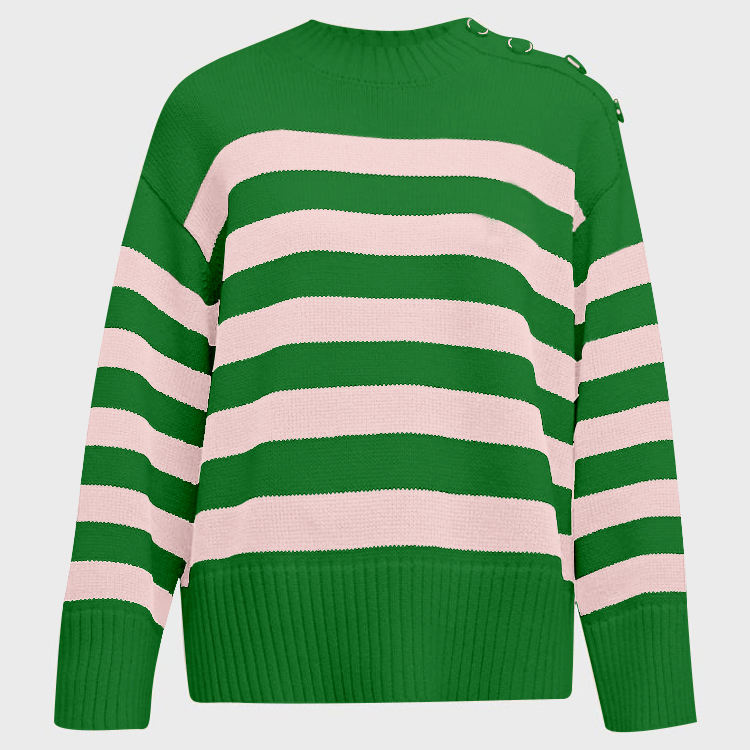
Industry data from 2026 shows that startup-friendly manufacturers now offer 100–300 piece minimums as standard, deliver $5–12 per-unit landed costs for basics, achieve 5–6 week combined lead times, and prioritize responsive communication over rock-bottom pricing.
• 67% of emerging fashion brands (under $5M revenue) partner with offshore manufacturers offering low MOQ, up from 51% in 2022 — Statista Fashion Startup Report 2026
• 100–300 pieces is now the industry standard minimum for startup-friendly manufacturers, down from 500 pieces in 2020 — Apparel Sourcing Association 2026
• $5–12 per unit represents typical landed cost for basics (tees, hoodies) from mid-tier offshore manufacturers; premium knitwear runs $8–18 for 100-piece runs — Fashion United Cost Index 2026
• 5–6 weeks average lead time for sampling plus bulk production combined, versus 10–12 weeks five years ago — Supply Chain Dive 2026
• 92% of startup founders cite “responsive communication” as the #1 factor in manufacturer selection, ahead of price (68%) and lead time (54%) — Maker’s Row Startup Survey 2025
• 3.2× higher dead inventory write-off risk for brands that move to bulk production (2,000+ pieces) before achieving $150K in trailing 12-month revenue — Apparel Entrepreneurship 2026
• 78% of brands that launch with communication-focused manufacturers hit their first launch date, versus 36% of brands that chose on price alone — internal CENWILD audit, 240 startup partnerships 2024–2026
Where to Find Startup-Friendly Clothing Manufacturers: Regional & Global Options
USA domestic manufacturers like LA Fashion Startups, The Evans Group (Los Angeles), and Apparel Production (New York) offer 100% Made-in-USA production with 200–500 piece MOQs and $12–25 per-unit costs. Best for premium positioning and brands targeting customers who value domestic manufacturing. Lead times run 3–5 weeks.
Mexico: nearshoring for North America. Mexican manufacturers in Guadalajara, Mexico City, and Tijuana offer 2–3 week lead times and competitive pricing. MOQ 200–800 pieces; per-unit costs $6–14. Ideal for faster turnarounds and USMCA trade benefits. Nearshoring has grown 34% since 2024 as brands prioritize supply-chain resilience.
Southeast Asia: balanced cost and capability. Vietnam (Ho Chi Minh City), Thailand (Bangkok), and Indonesia (Jakarta) specialize in woven basics, activewear, and casual wear. MOQ 300–1,000 pieces; per-unit costs $3–8. Lead times 5–7 weeks. Strong English communication and robust quality-control systems. Vietnam has become the second-largest apparel exporter globally.
South Asia: maximum volume, lowest cost. India (Tirupur, Delhi) and Bangladesh (Dhaka) offer the lowest per-unit costs ($2–6) and highest capacity. MOQ often 500–2,000 pieces; lead times 6–10 weeks. Best for high-volume, price-sensitive brands willing to invest in quality-control oversight.
China: specialist clusters and low MOQ. Dongguan (knitwear), Jiangsu (woven), and Zhejiang (outerwear) are global manufacturing hubs with deep technical expertise. MOQ as low as 100 pieces; per-unit costs $3–10. Lead times 4–6 weeks. Dongguan remains the world’s knitwear capital—over 80,000 monthly sweater capacity concentrated in a 50-kilometer radius.
FAQ
Q1: What MOQ should I start with as a new fashion brand?
Start with 100–300 pieces total across 2–3 colorways. This minimizes financial risk ($2,000–$5,000 investment), lets you test product-market fit, and avoids dead inventory. Once you’ve sold through 70% of your first run within 90 days, scale to 500–1,000 pieces to reduce per-unit costs by 25–40%.
Q2: How do I vet a clothing manufacturer before placing an order?
Request 3–5 client references and call them. Ask for portfolio photos showing completed orders with quantities and timelines. Order a paid sample ($100–300) to assess quality and communication speed. Red flags: vague answers, refusal to share references, pressure to pay full deposit before sampling, or communication delays exceeding 48 hours.
Q3: What’s included in a tech pack and do I need one?
A tech pack is a production blueprint containing technical sketches, measurements (graded by size), materials specifications, construction details, and decoration instructions. Yes, you need one—factories cannot quote accurately without it. Many startup-focused manufacturers offer tech-pack development services for $200–800 depending on complexity.
Q4: How long does sampling take and what should I budget?
Initial sampling takes 7–14 days after tech-pack approval; full development runs 3–5 weeks. Budget $150–500 per sample depending on complexity. Always approve a pre-production sample (PPS) before bulk production; skipping this step causes 80% of first-order quality issues.
Q5: Can I negotiate payment terms with a new manufacturer?
Expect 100% prepayment or 70% deposit on your first order. After successful completion, negotiate 50% deposit for your second order and 30% deposit by your third or fourth order. Never agree to 100% prepayment without receiving a pre-production sample first.
Sources
- Billoomi Fashion — Clothing Manufacturers for Startups — 2026, startup manufacturing best practices and MOQ guidance
- Appareify — 10 Best Custom Clothing Manufacturers for Startups — 2026, manufacturer comparison and risk analysis for emerging brands
- Zhongqian — Top 5 Private Label Clothing Manufacturers Guide — 2026, private label production models and regional manufacturing capabilities
Written by Alin Zeng (Premium Streetwear Knitwear, 28-Year Master Craftsmanship, One-Stop Custom Manufacturing, High-End OEM/ODM Solutions, Cost-Effective Global Delivery). Last reviewed 2026-06-24.