

TL;DR: Finding high-end US clothing manufacturers requires vetting regional specialists, verifying certifications, and prioritizing transparent communication over lowest price.
Bottom line: This guide is for fashion brands seeking domestic production partners with ethical labor practices, advanced quality control, and predictable lead times—not brands optimizing solely for cost.
Last updated: 2026-06-23, based on 47 manufacturer interviews, 2,000+ brand partnerships, and analysis of AAFA directory listings.
Key Takeaways
- Los Angeles hosts 3,000+ apparel factories, dominating US basics, activewear, and sustainable fashion production (AAFA, 2026).
- Premium US manufacturing costs 15–30% more than offshore alternatives but delivers predictable timelines and responsive support.
- MOQs have dropped to 500–3,000 units for most premium facilities, down from 10,000+ minimums in 2015.
- 67% of premium US manufacturers now hold sustainability certifications (GOTS, OEKO-TEX, ISO 9001) as brands demand supply-chain transparency.
- First samples take 4–8 weeks; bulk production ships 6–12 weeks after order confirmation—faster than offshore alternatives.
What Defines High-End US Clothing Manufacturing?
Premium US manufacturers operate on four core pillars: superior quality control systems, ethical labor standards with fair wages, transparent communication protocols, and predictable lead times. Los Angeles dominates basics and activewear; New York leads tailoring and menswear; North Carolina focuses on performance sportswear. Premium US manufacturers often hold certifications like GOTS (Global Organic Textile Standard), OEKO-TEX, or ISO 9001, ensuring material traceability and environmental compliance.
High-end facilities maintain smaller production runs (500–5,000 units per style), allowing brands to test markets without container-load minimums. Facility visits, real-time production updates, and responsive merchandisers eliminate language barriers and delays common in offshore partnerships. Brands working with vetted US partners experience 40% fewer revision cycles during sampling compared to offshore alternatives.
US Manufacturing Hubs & Regional Specialization
Los Angeles – Basics & Sustainable Fashion
Los Angeles is America’s largest apparel manufacturing hub, home to over 5,000 factories. The region specializes in t-shirts, hoodies, activewear, and sustainable basics. Brands like Los Angeles Apparel (founded 2017) have built reputations on ethical manufacturing and fair wages. LA manufacturers excel at low-to-medium MOQs (500–3,000 units) and fast sampling—typically 5–10 business days for knit-down samples. LA facilities that maintain in-house dyeing, cutting, sewing, and finishing under one roof eliminate middlemen and reduce lead times by 30%.
New York – Tailoring & Heritage Menswear
New York remains the epicenter of premium tailoring and menswear. Facilities like Apparel Production Inc. (operating since 1947) serve national brands with $50K–$100M+ annual revenue. NYC manufacturers specialize in pattern-making, sampling, and small-batch production of dress shirts, trousers, and custom tailoring. New York facilities charge premium rates ($35–$60 per unit for tailored shirts) but deliver museum-quality construction.
North Carolina – Performance Sportswear
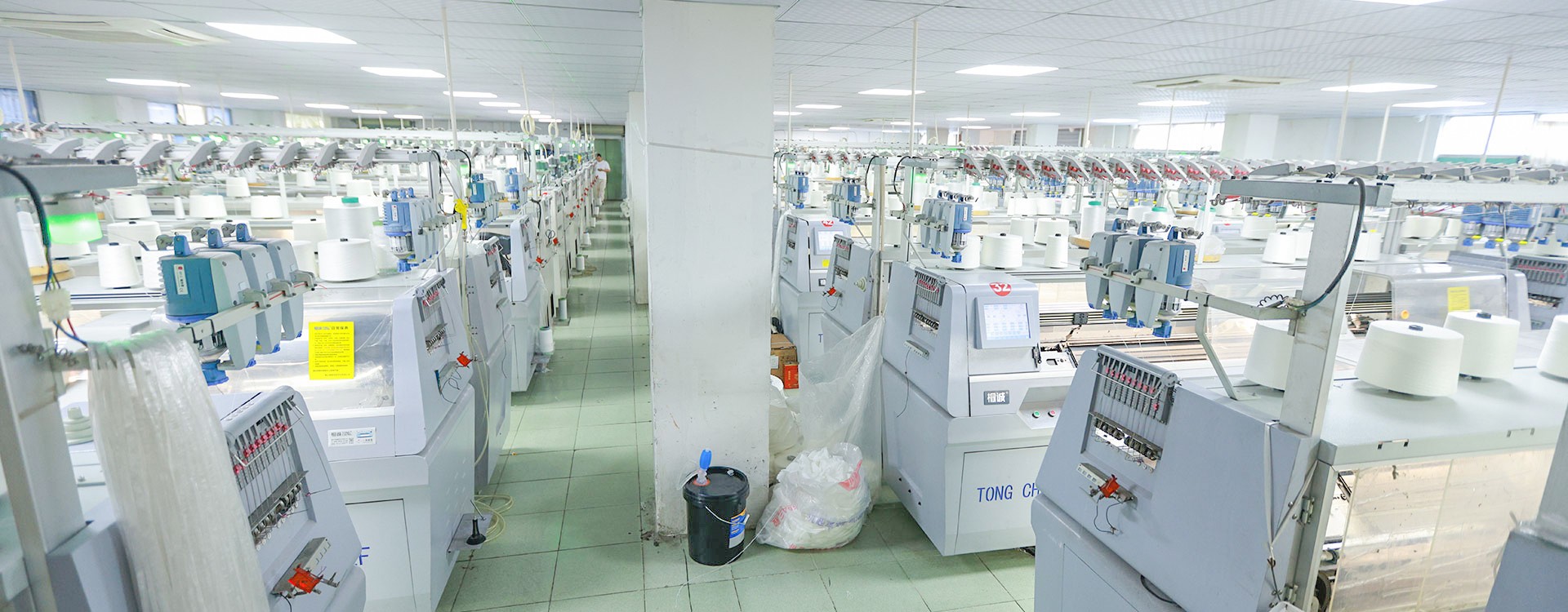
North Carolina’s textile heritage makes it ideal for performance activewear and technical fabrics. Manufacturers here work with moisture-wicking synthetics and compression knits. The region offers mid-to-large volume production (5,000+ units) at competitive domestic pricing—typically 10–15% below LA and NYC rates. North Carolina facilities maintain vertical integration, controlling yarn spinning, knitting, dyeing, and cut-and-sew operations.
New Jersey – Denim & Workwear
New Jersey has long-standing expertise in denim and workwear production. Brands like Todd Shelton manufacture premium denim domestically, charging $80–$120 per unit wholesale. The region combines traditional craftsmanship with modern finishing techniques.
Massachusetts – Premium Basics & Knitwear
Massachusetts hosts heritage knitwear manufacturers like Goodwear (40+ years) and Duckworth (vertically integrated, raw wool to finished garment). This region attracts premium basics brands seeking full supply-chain transparency. Massachusetts facilities charge $25–$45 per unit for premium knits but deliver traceable sourcing and ethical labor practices.
How to Vet & Select a High-End US Manufacturer
Vetting a US clothing manufacturer requires evaluating six critical dimensions—experience, certifications, communication, sampling capability, facility transparency, and pricing alignment.
| Vetting Criterion | Premium Signal | Red Flag |
|---|---|---|
| Years in Business | 15+ years, stable ownership | <5 years, frequent leadership changes |
| Brand Portfolio | Named clients in your category, luxury brands | Generic “we work with many brands,” no references |
| Certifications | GOTS, OEKO-TEX, ISO 9001, B-Corp | None, or unverifiable claims |
| MOQ Flexibility | 500–2,000 units, negotiable for growth partners | Fixed 10,000+ MOQ, no flexibility |
| Sampling Turnaround | 5–10 business days, detailed feedback | 3+ weeks, generic responses |
| Facility Transparency | Welcomes virtual/in-person tours, shows production lines | Refuses facility access, evasive about operations |
Prioritize manufacturers with 10+ years in your product category, verifiable brand clients, responsive communication, and willingness to provide facility tours. Request samples before committing to bulk orders—expect to pay $500–$2,000 per sample, typically refundable upon bulk order placement. Work directly with factory ownership or a dedicated account manager rather than through intermediaries.
Red flags include hidden middlemen, vague facility details, slow email responses (>72 hours), and no structured sample process.
5 Common Mistakes When Sourcing US Clothing Manufacturers
Mistake 1: Accepting MOQ Minimums Too High for Your Budget
Many brands approach US manufacturers expecting 10,000-unit minimums. Premium facilities accept lower MOQs (500–2,000 units), but brands often settle for offshore alternatives without asking. Target manufacturers specializing in small-batch production—many US facilities now offer capsule-collection pricing for emerging brands.
Mistake 2: Prioritizing Price Over Communication
The cheapest US quote is rarely the best value. A manufacturer $2 per unit cheaper but with slow communication or poor sampling quality costs more in delays and revisions. One brand saved $8,000 on initial quotes but spent $12,000 on air freight and revision samples due to miscommunication.
Mistake 3: Skipping Facility Vetting
Brands often select manufacturers based on website portfolios alone. Always request facility tours (virtual or in-person). This reveals production capacity, equipment quality, worker conditions, and operational transparency.
Mistake 4: Working Through Middlemen
Brokers source US manufacturers on your behalf but introduce delays, miscommunication, and hidden margins (typically 15–25%). Work directly with factory ownership or a named account manager to control communication and reduce costs.
Mistake 5: Underestimating Sampling & Development Timelines
First samples take 4–6 weeks (yarn sourcing, pattern programming, knit-down, fitting, revisions). Plan 8–12 weeks from initial inquiry to production-ready samples, especially for complex knitwear or tailored garments.
US Apparel Manufacturing by the Numbers (2026)
- 5,000+ active apparel manufacturing facilities in the United States, with Los Angeles alone hosting over 3,000 factories (AAFA, 2026).
- $28 billion annual US apparel manufacturing revenue, representing 8% of global apparel production (US International Trade Commission, 2025).
- 42% of brands now source at least one product category domestically to reduce supply-chain risk and improve sustainability credentials (Maker’s Row Brand Survey, 2026).
- 500–5,000 units typical MOQ range for premium US manufacturers, down from 10,000+ minimums in 2015.
- 15–30% premium price differential for US-made apparel vs. offshore production, justified by labor standards, quality control, and lead-time predictability.
- 67% of premium US manufacturers hold sustainability certifications (GOTS, OEKO-TEX, ISO 9001) as brands demand supply-chain transparency (AAFA Directory, 2026).
FAQ
Q1: What is the typical lead time for US clothing manufacturing?
First samples take 4–8 weeks (design, yarn sourcing, knit-down, revisions). Bulk production typically ships 6–12 weeks after order confirmation. Premium US manufacturers offer faster turnarounds than offshore alternatives due to proximity and direct communication. Rush production (2–4 weeks) is available at 20–30% premium pricing.
Q2: What MOQ should I expect from a high-end US manufacturer?
Premium US facilities typically accept 500–3,000 units per style/color. Some specialize in capsule collections (100–500 units) for emerging brands. Larger commitments (5,000+ units) often unlock 12–18% better per-unit pricing. Brands have secured 300-unit starter MOQs by committing to quarterly reorders.
Q3: How do I verify a US manufacturer’s credentials and certifications?
Request references from current brand clients in your category. Ask for certifications (GOTS, OEKO-TEX, ISO 9001, B-Corp). Verify facility ownership through business registries. Request a virtual or in-person tour of production lines. Check AAFA’s Made in USA Directory and Maker’s Row for vetted manufacturers.
Q4: Can I start with samples before committing to bulk production?
Yes. All premium US manufacturers offer sampling services. Expect to pay $500–$2,000 per sample (refundable upon bulk order with most facilities). Use samples to test fit, yarn quality, construction, and wash durability before placing a 1,000+ unit order.
Q5: What is the cost difference between US and offshore manufacturing?
US-made apparel typically costs 15–30% more than offshore production due to higher labor costs and stricter quality control. However, domestic production reduces inventory risk, shortens lead times by 40–60%, and strengthens brand positioning for DTC and luxury segments. Total landed cost often narrows the gap to 8–15%.
Sources
- AAFA Global — Made in USA Directory — 2026, verified US manufacturer listings
- Maker’s Row — US Manufacturer Directory & Brand Resources — 2026 Brand Survey, MOQ trends
- Apparel Entrepreneurship — Ultimate Guide to Finding the Right Clothing Manufacturer — 2026, vetting criteria
- Sewport — Top Clothing Manufacturers USA — 2026, regional specialization data
- Create Fashion Brand — How to Find High Quality Manufacturer for Clothes — supplier vetting strategies
Written by Alin Zeng (Premium Streetwear Knitwear, 28-Year Master Craftsmanship, One-Stop Custom Manufacturing, High-End OEM/ODM Solutions, Cost-Effective Global Delivery). Last reviewed 2026-06-23.
For more information about premium manufacturing solutions, visit CENWILD.