Sweater Custom Print — Low MOQ from 100 Pieces
Professional sweater custom print with screen, heat transfer, DTF and sublimation. 28+ years Dongguan knitwear manufacturer expertise serving fashion brands, retailers and designers worldwide.
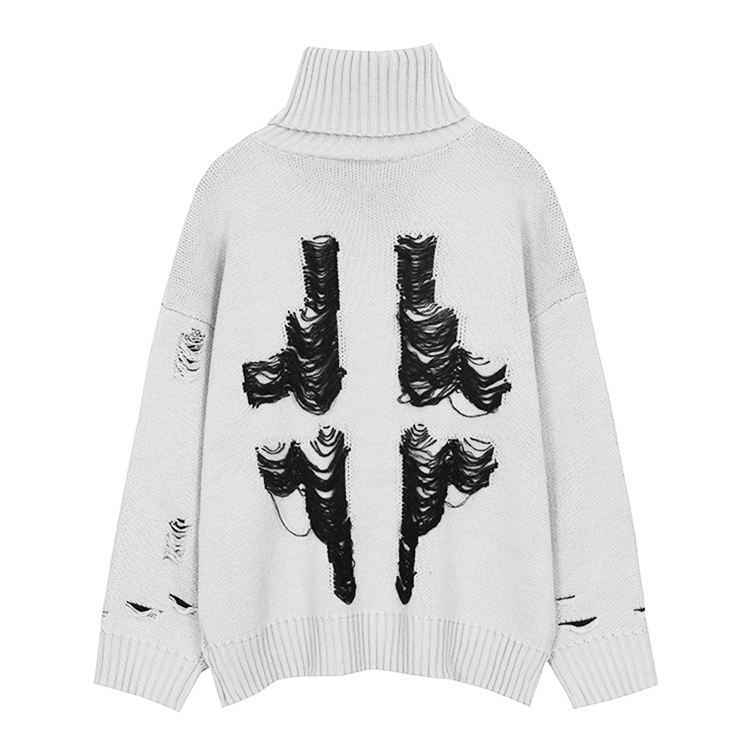
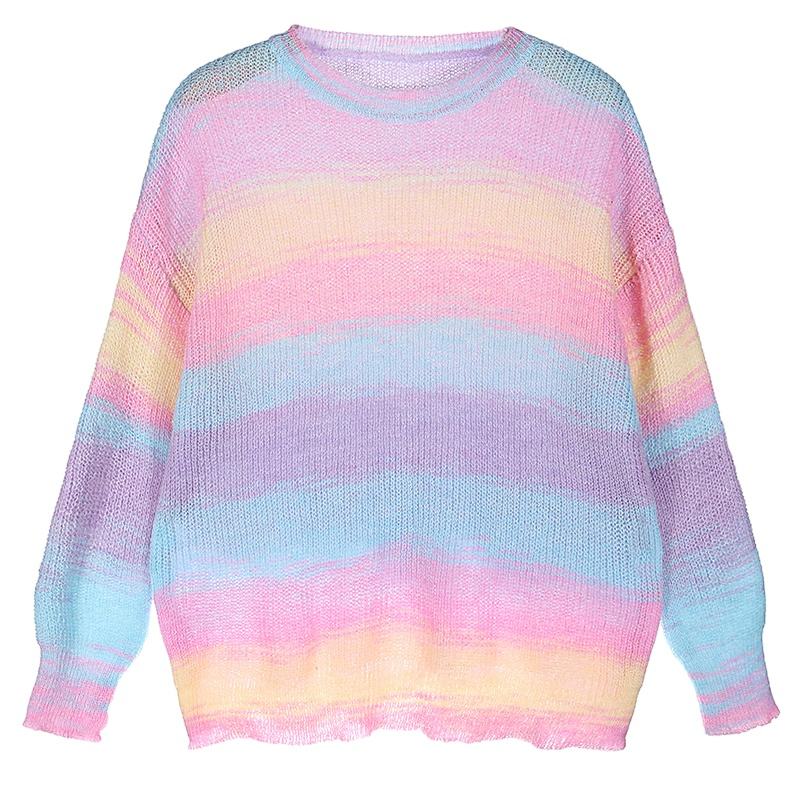
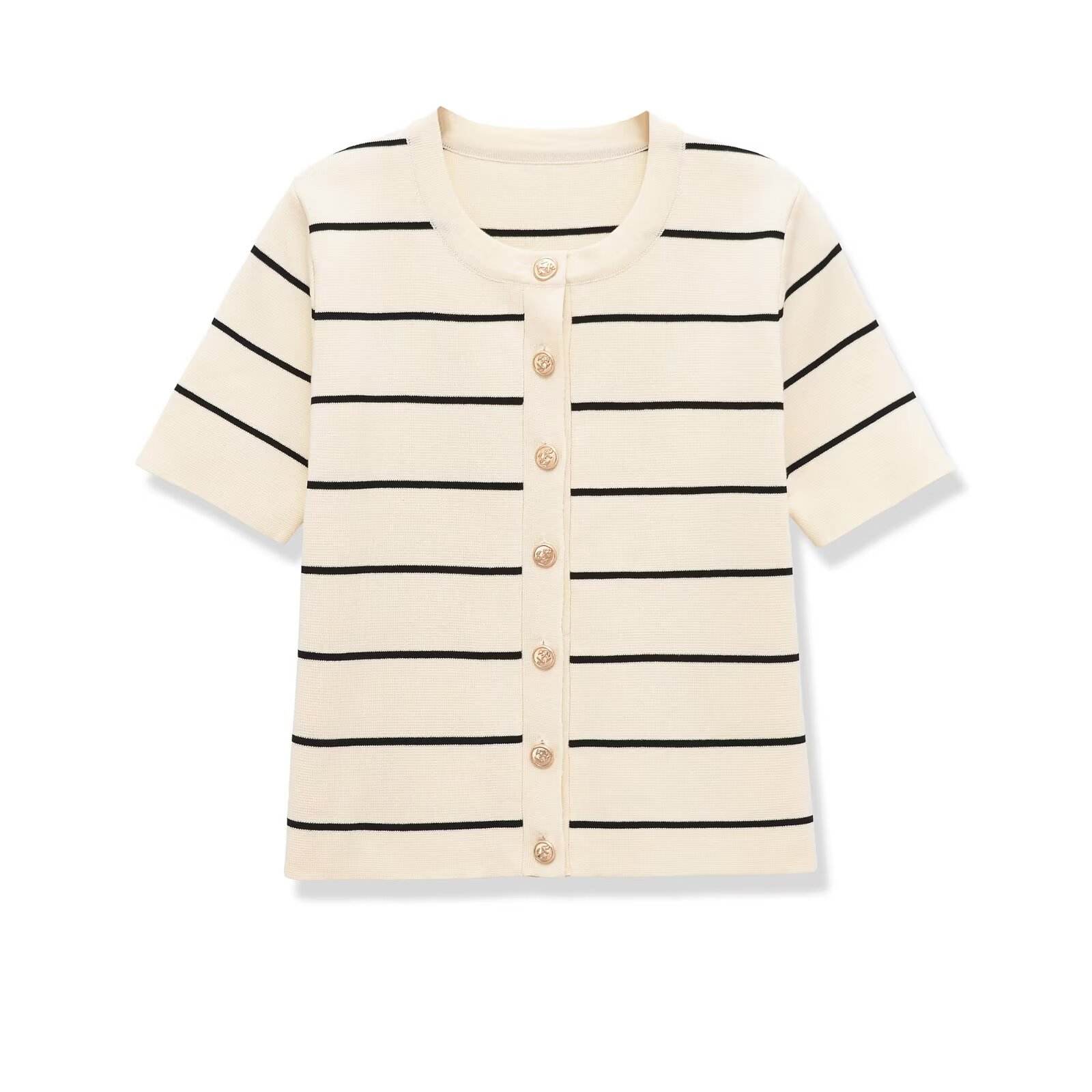
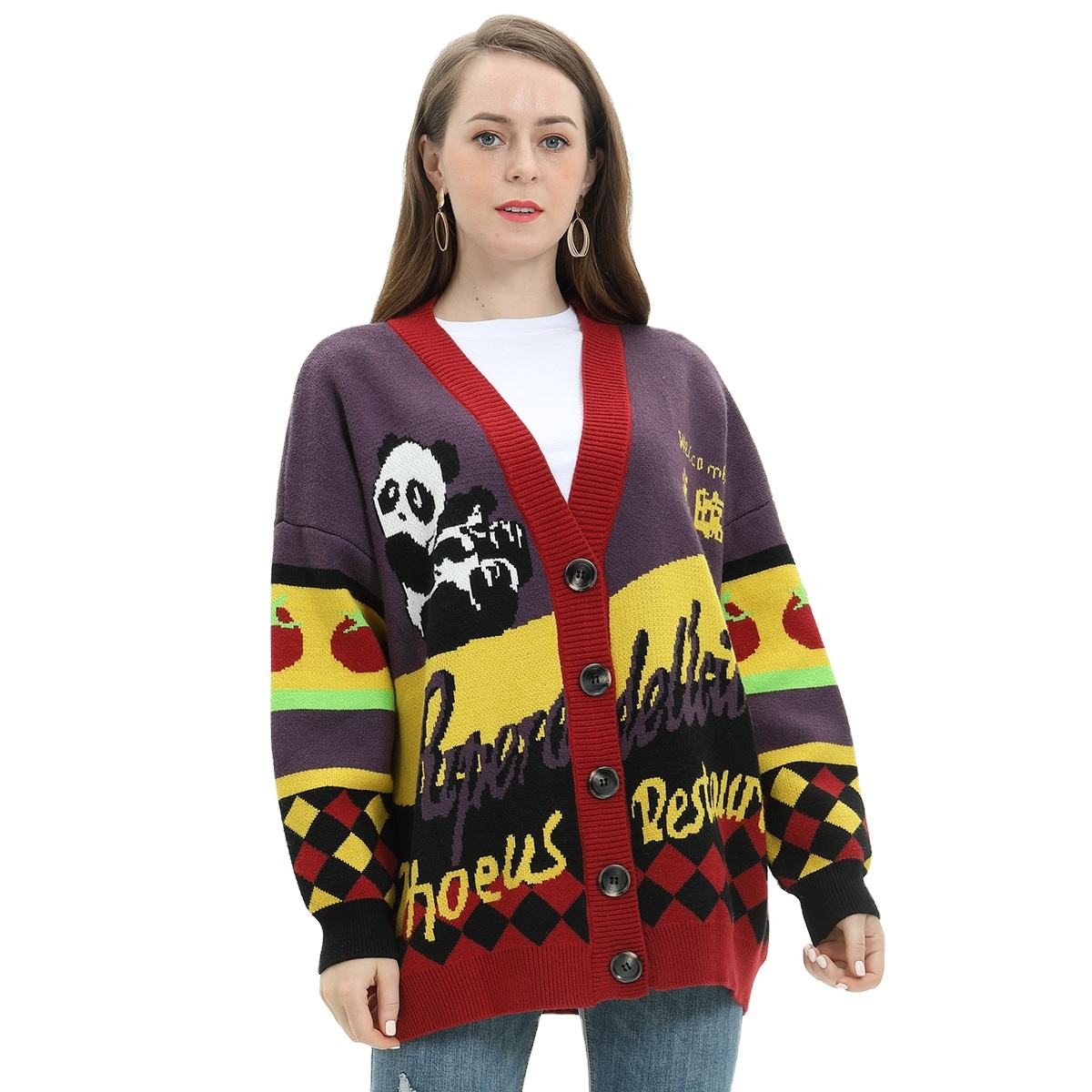
Sweater Custom Print Samples & Finished Products
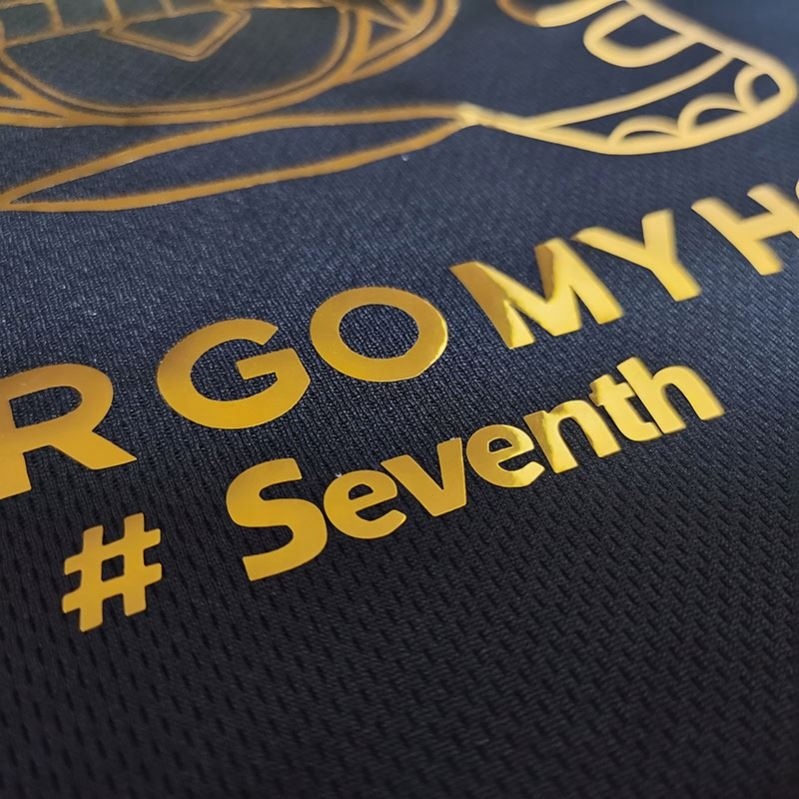
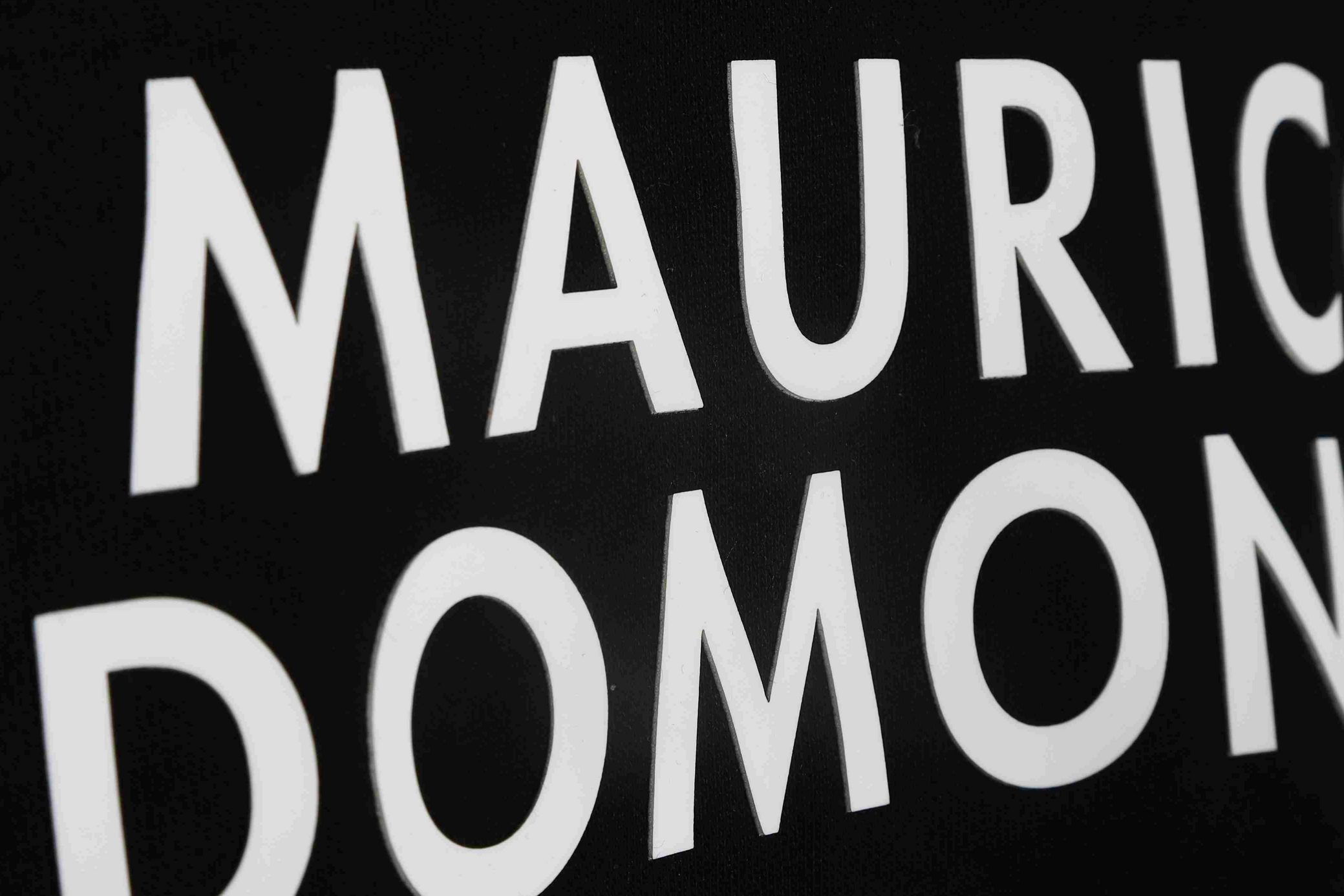
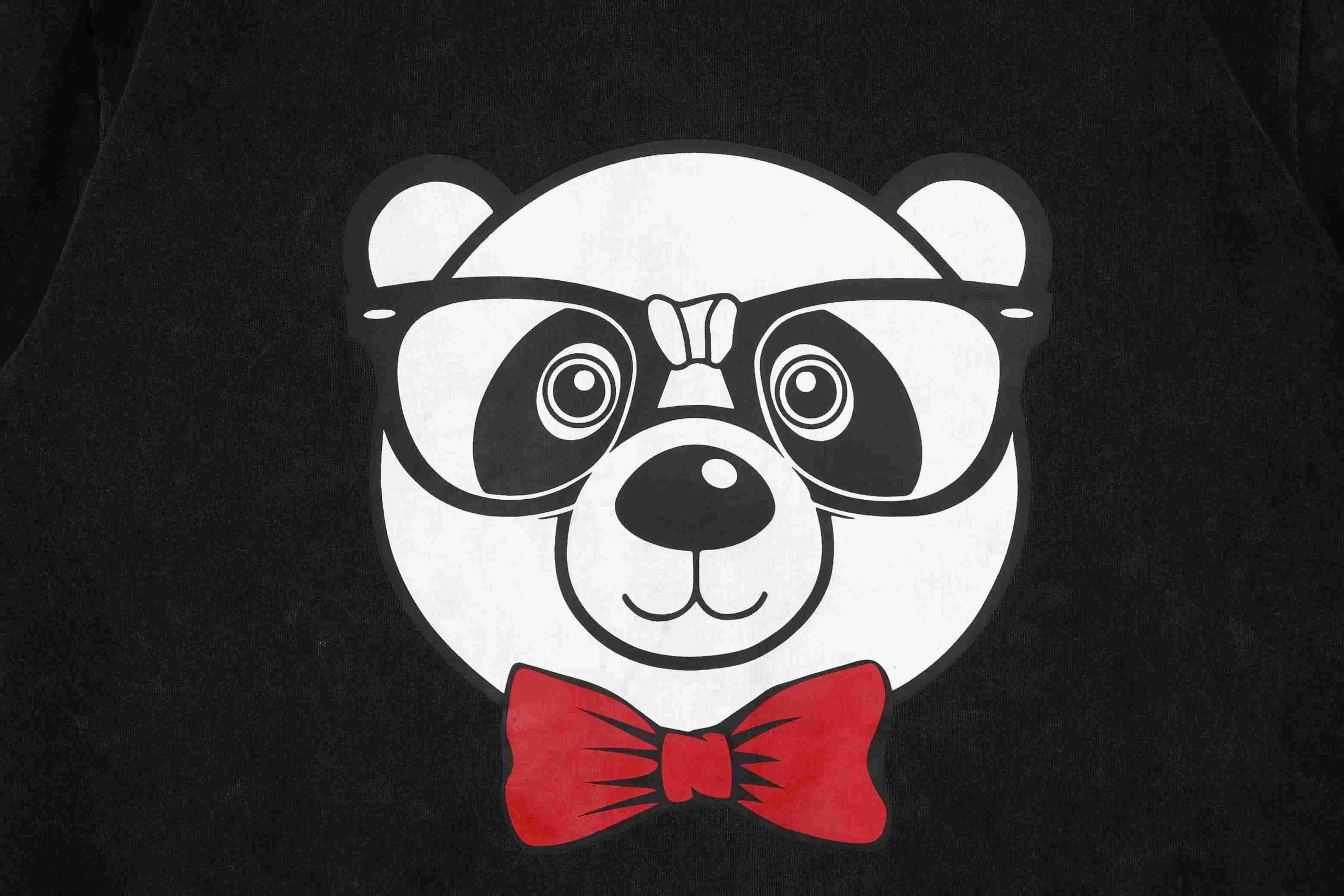
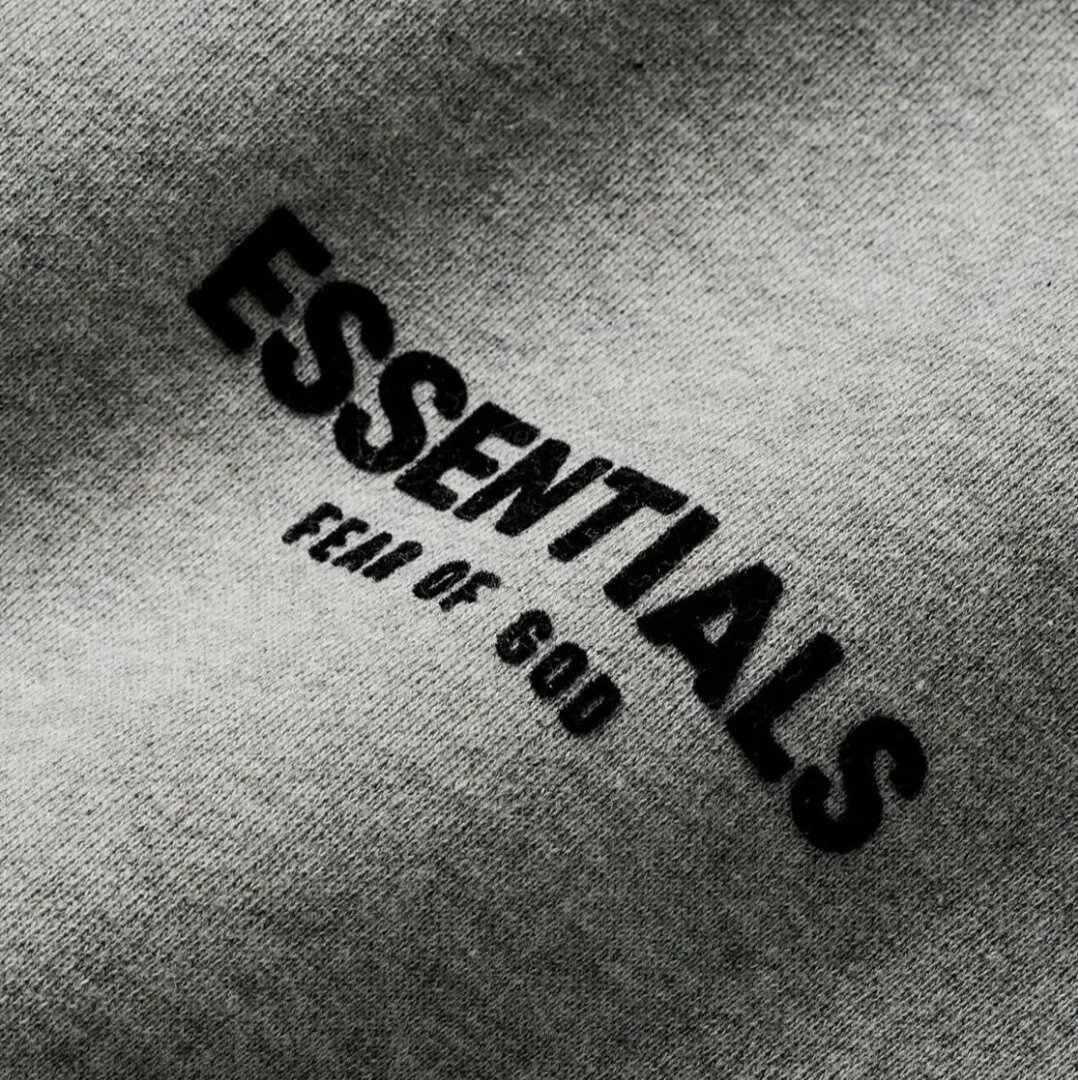
Why Sweater Custom Print at CENWILD Stands Out
Knit & Print Under One Roof
In-house knitting and printing integration ensures faster turnaround, tighter quality control, and seamless coordination from yarn to finished graphic.
Low MOQ from 100 Pieces
Launch sweater custom print projects without massive inventory risk. Perfect for independent designers, influencers, emerging fashion brands, and private label knitwear startups.
Four Print Methods Available
Screen, heat transfer, DTF, and sublimation printing in-house. We match the right technique to your design, fabric, and durability needs.
Fast Sampling Turnaround
Knit-down samples with custom print applied in 7–10 days. Review color accuracy, hand feel, and wash durability before production begins.
Pantone Color Matching
Precise color matching to your brand guidelines. Every sweater custom print run is calibrated to meet your exact color specifications.
Wash & Durability Testing
All printed sweaters undergo multi-cycle wash testing to verify print adhesion, color fastness, and fabric integrity before shipment.
Sweater Print Methods & Decoration Techniques
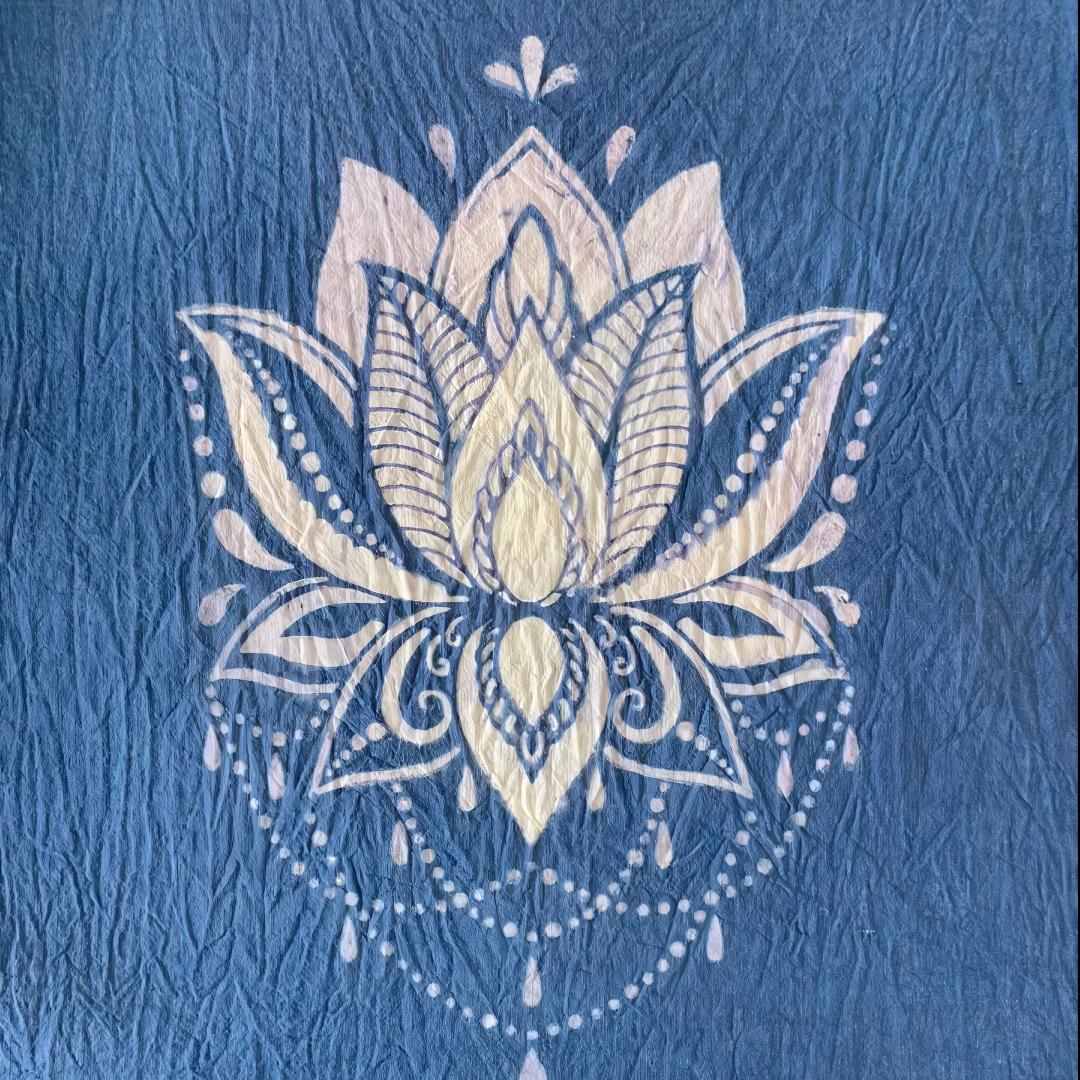
Screen Print on Knit
Screen printing delivers bold, opaque graphics and logos on knitwear with excellent wash durability. Ideal for simple to mid-complexity designs with spot colors, this proven method works across cotton, blends, and wool sweaters. CENWILD handles multi-color registration and specialty inks in-house for consistent, vibrant results at any order size.
Get a Quote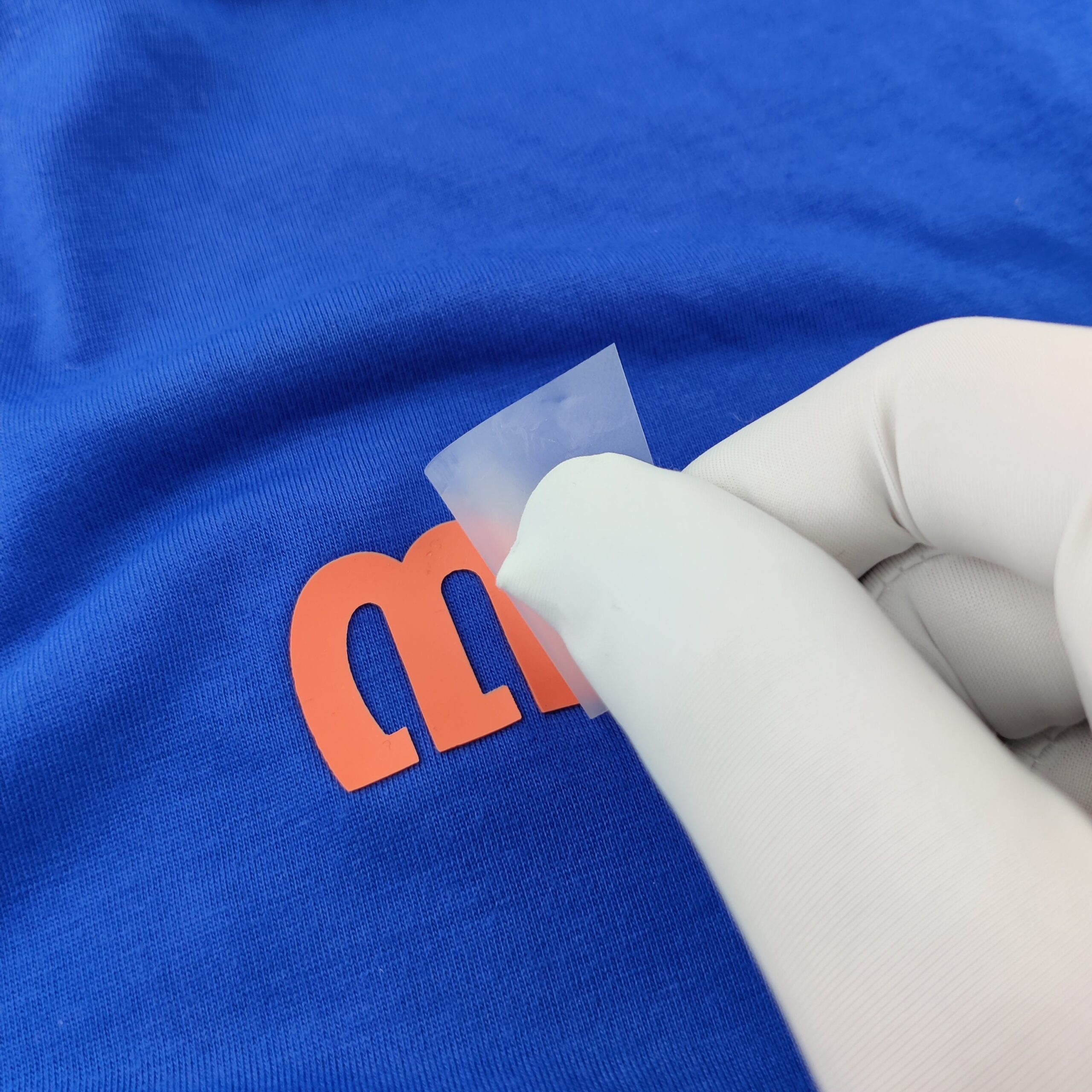
Heat Transfer Print
Heat transfer printing applies full-color artwork, gradients, and photographic images onto sweaters using heat-activated vinyl or transfer paper. Perfect for detailed designs, small runs, and personalized pieces where setup cost must stay low. Durable on most knit fabrics, though care instructions should be followed to maximize longevity.
Get a Quote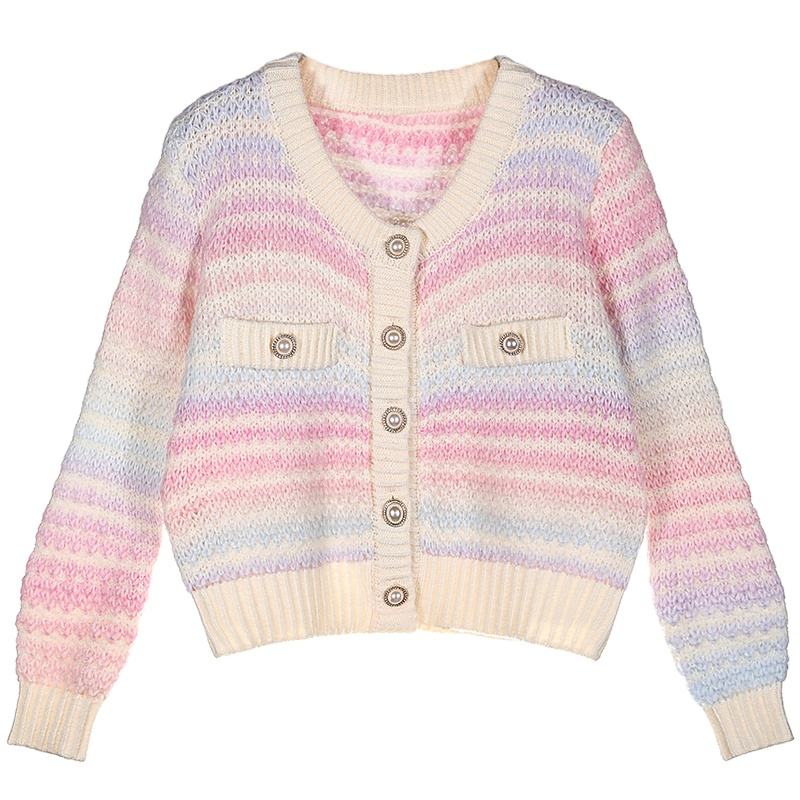
DTF Printing on Knit
Direct-to-film printing combines the color range of digital printing with the durability of screen print. DTF transfers adhere cleanly to textured knit surfaces, reproduce fine detail and gradients, and survive repeated washing. A versatile choice for complex artwork, low MOQs, and brands seeking high-quality custom print on sweaters without film setup delays.
Get a Quote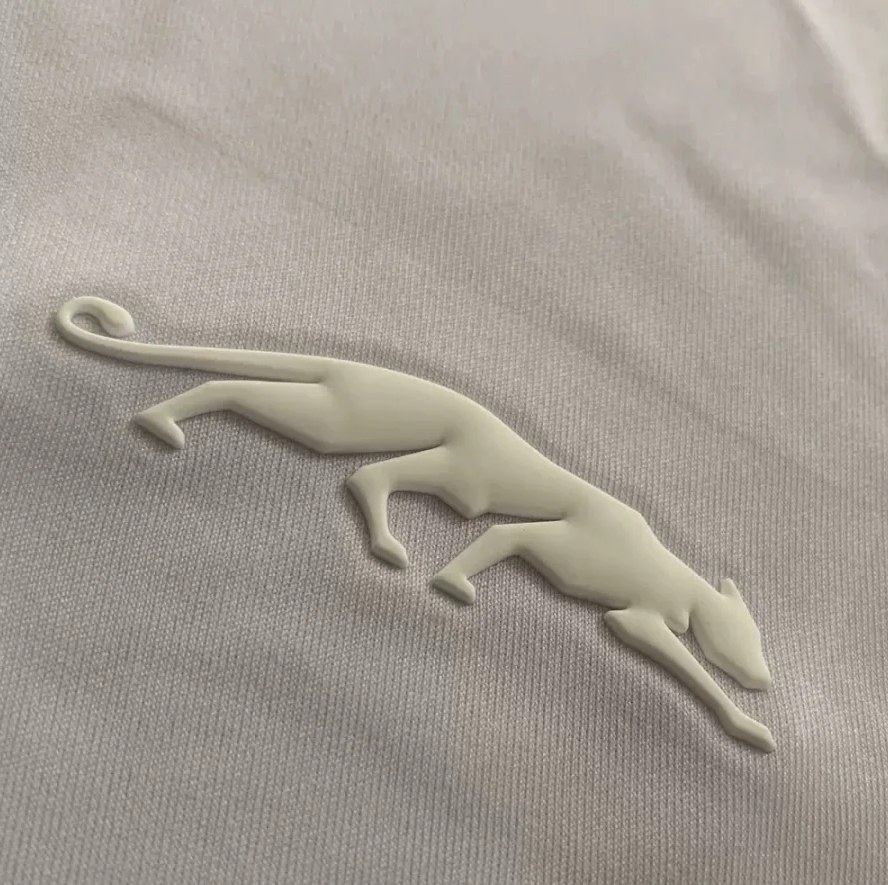
Sublimation Print
Sublimation printing infuses dye directly into synthetic fibers, creating permanent, full-color graphics that will not crack, peel, or fade. Best suited to polyester and high-synthetic-content knits, sublimation supports photorealistic images, all-over patterns, and unlimited color palettes. Not compatible with natural fibers such as cotton or wool.
Get a Quote28+ Years Perfecting Sweater Custom Print
Founded in 1998 in Humen, Dongguan — the heart of China’s knitwear manufacturing hub — CENWILD began as a small family knitting and linking workshop. Over 28 years we evolved into a full-service OEM and ODM sweater manufacturer, integrating knitting, sampling, sweater custom print decoration, quality control, and export logistics under one roof. Today our 200+ skilled employees produce over 80,000 pieces monthly for fashion brands, retailers, and designers worldwide.
What sets CENWILD apart is our seamless integration of computerized flat-knitting and in-house custom print capabilities — screen printing, heat transfer, DTF, and sublimation — all supported by a dedicated design team that transforms your concept into production-ready knitwear. Whether you arrive with a finished tech pack or just an idea, we deliver sweater custom print solutions from MOQ 100 pieces with the craftsmanship and reliability of a partner invested in your brand’s growth.
Since 1998 we have served over 2,000 fashion brands across the United States, Canada, Europe, Australia, Russia, and the Middle East. Guided by Quality First, Customer Growth, Innovation, and Responsibility, CENWILD is not a supplier — we are the manufacturing backbone behind your custom knitwear vision.
Core Sweater Custom Print Capabilities & Equipment
Screen Printing for Knitwear
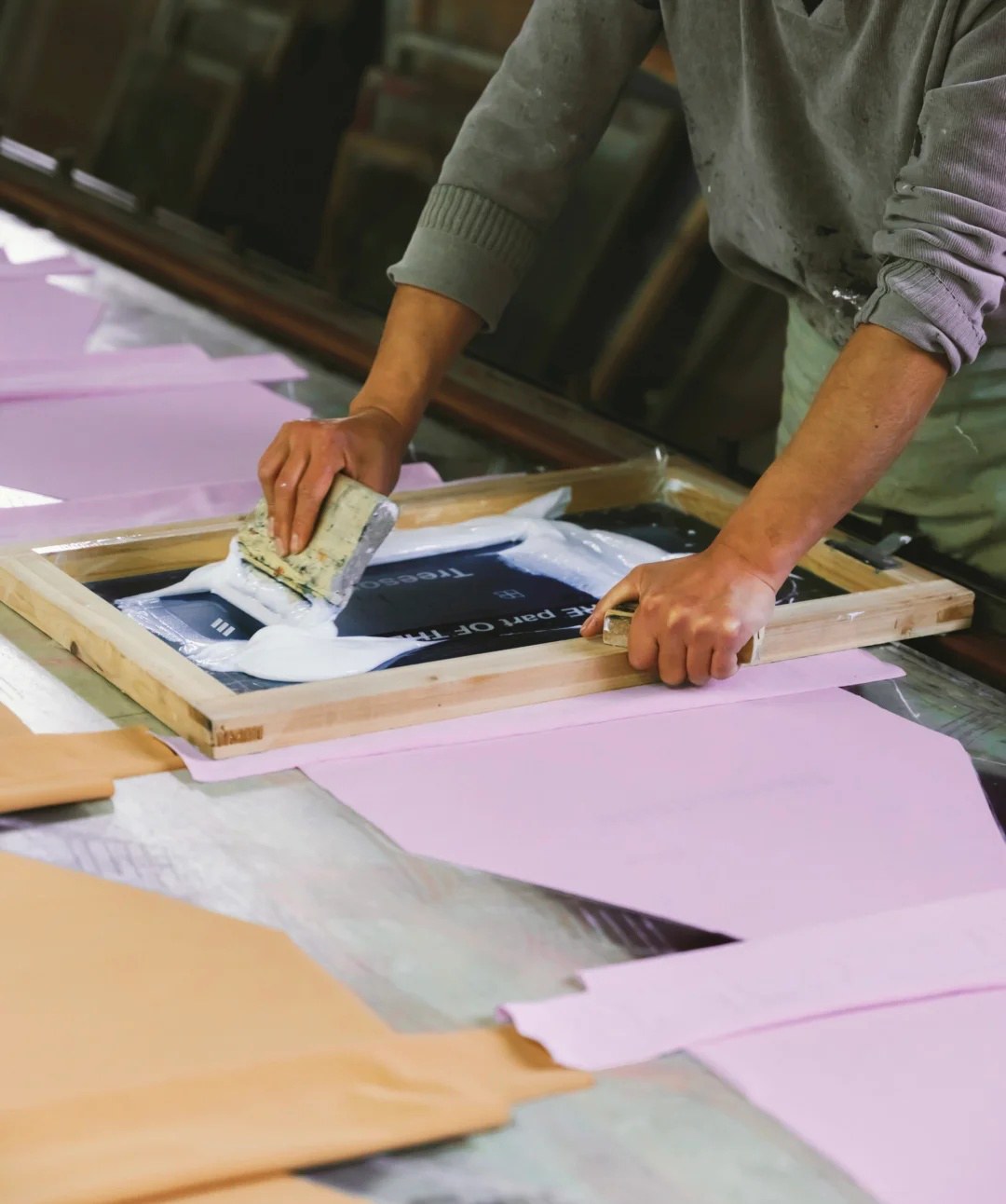
Our rotary and flatbed screen-printing stations deliver sharp, durable graphics on every sweater custom print order. We match plastisol and water-based inks to fabric weight, cure profiles to yarn blend, and support up to 12-color separations for bold branding and wholesale knitwear decoration.
- Plastisol inks for high-opacity logos; water-based for soft-hand vintage effects
- Temperature-controlled curing tunnels calibrated for wool, cotton, acrylic, and blends
- Up to 12-color registration on computerized carousel presses
- Pre-production strike-offs to confirm color match and wash durability
Heat Transfer & Sublimation
Heat-transfer vinyl and dye-sublimation systems let us apply intricate patterns, photographic detail, and metallic finishes without heavy ink deposits. Ideal for lightweight knits, polyester blends, and small-run personalization in your sweater custom print collection.
- Traditional heat-transfer vinyl (HTV) for names, numbers, and single-color graphics
- Dye-sublimation for full-color, all-over patterns on polyester and poly-blend sweaters
- Pneumatic heat presses with digital time and pressure control
- Peel-test validation before bulk production to ensure adhesion and stretch compatibility
DTF Direct-to-Film Printing
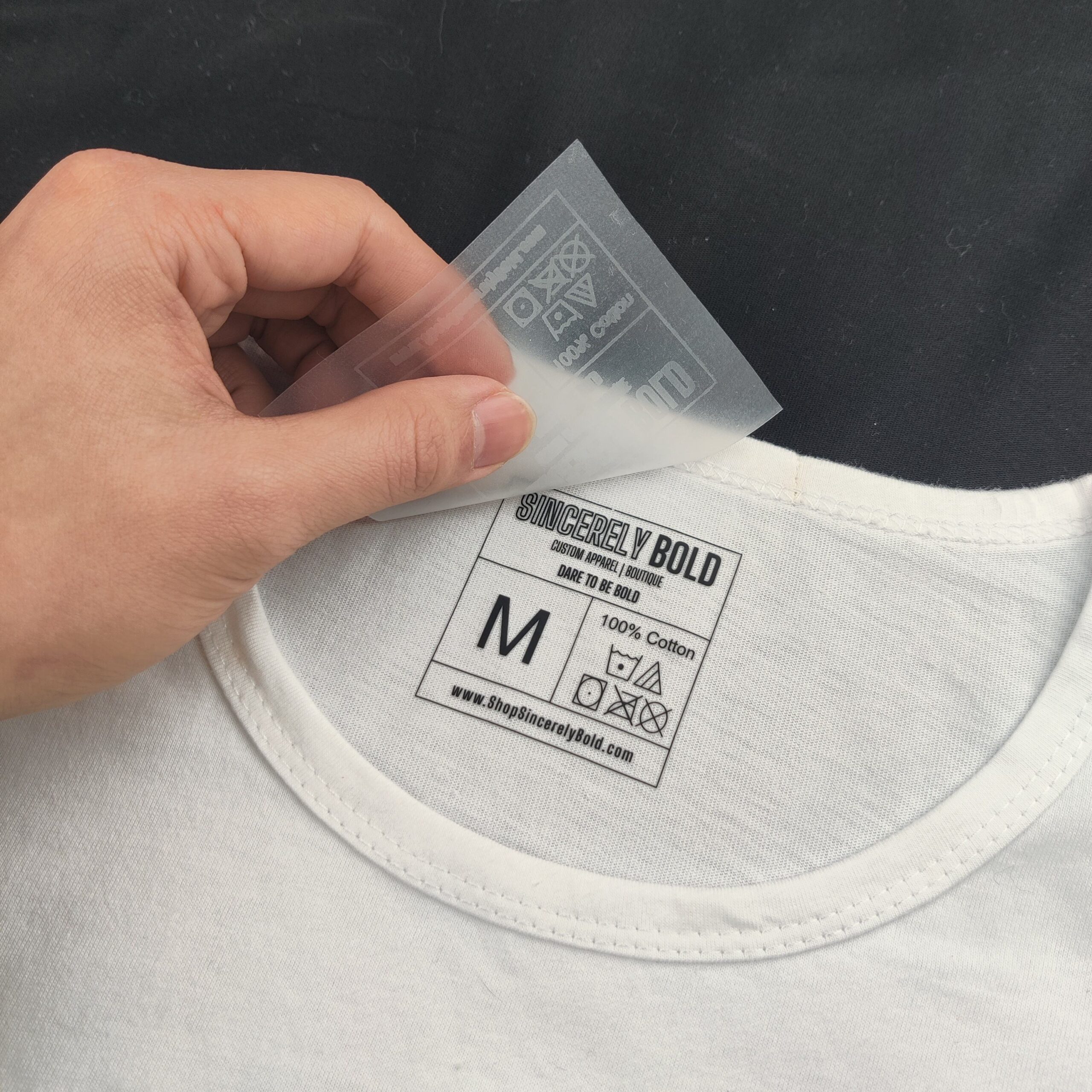
Direct-to-film technology unlocks photorealistic, multi-color designs on any yarn composition. Our DTF workflow prints onto transfer film, applies hot-melt adhesive powder, then heat-presses the graphic — delivering vibrant sweater custom print detail with minimal setup cost.
- CMYK + white ink for full-spectrum color and opacity on dark garments
- Compatible with cotton, wool, acrylic, cashmere, and technical blends
- No color-count limits or screen fees — perfect for complex artwork and low MOQ
- Soft, flexible finish that moves with knit fabric and withstands repeated washing
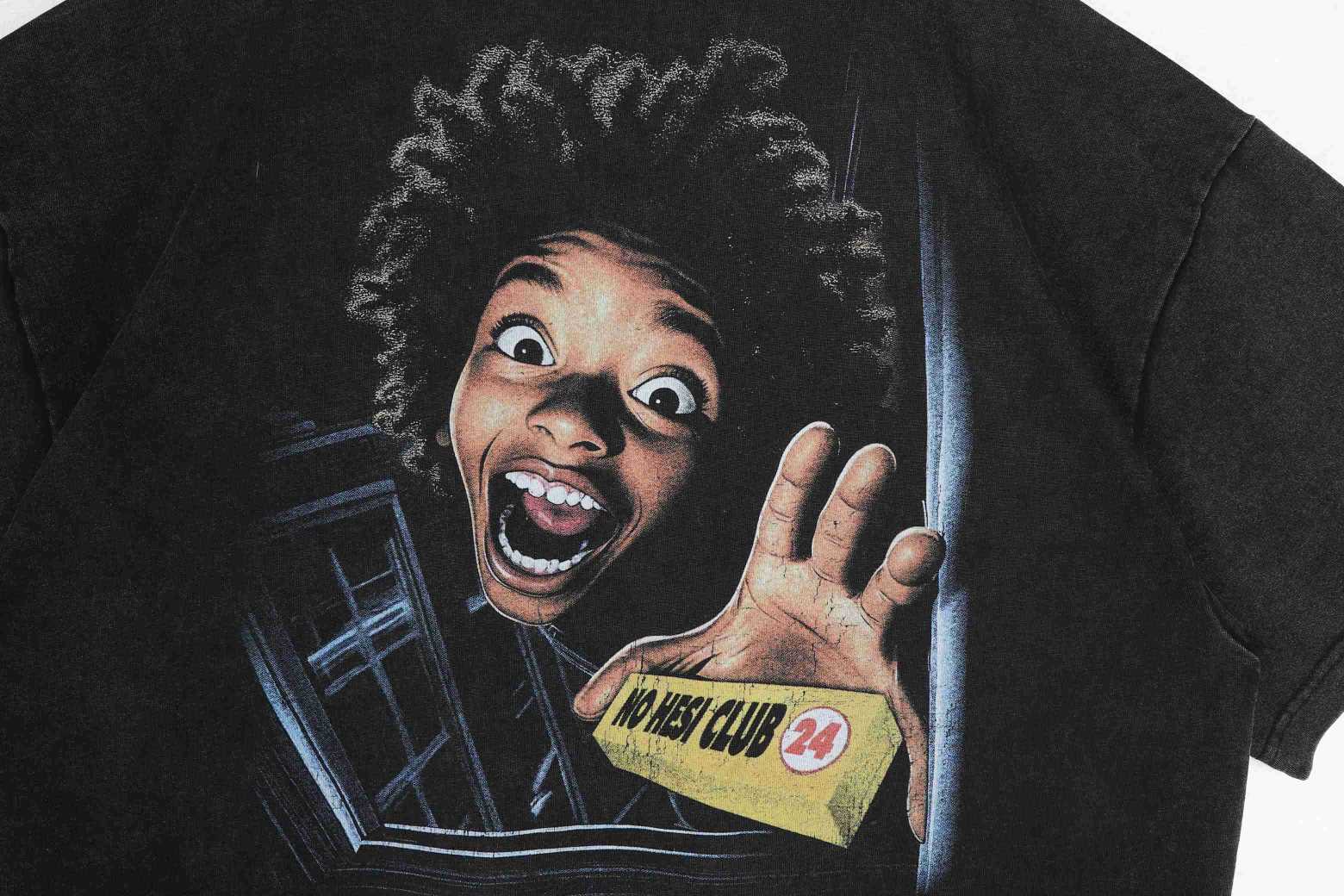
Embroidery Integration with Print
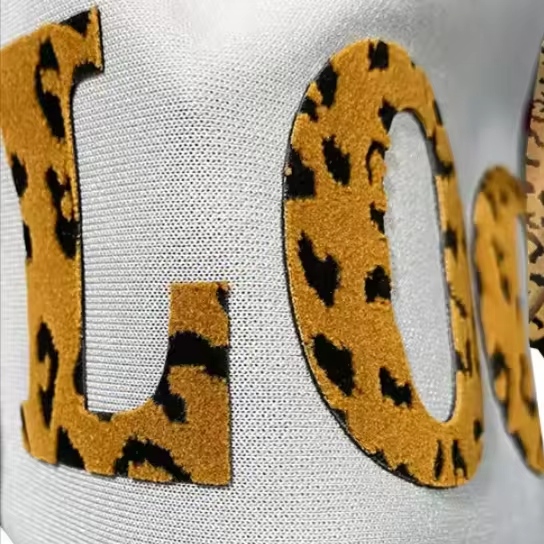
Combine flat embroidery, 3D puff, chain-stitch, sequins, and appliqué with any print method to add texture and dimension. Our in-house embroidery department coordinates thread color, stitch density, and placement with your sweater custom print artwork for a cohesive finish.
- Flat, 3D/puff, chain-stitch, appliqué, sequin, and patch embroidery on multi-head machines
- Thread libraries spanning polyester, rayon, metallic, and glow-in-the-dark options
- Pre-digitization and hoop tests to prevent puckering on knit substrates
- Single-setup production when layering embroidery over or alongside screen, heat-transfer, or DTF prints
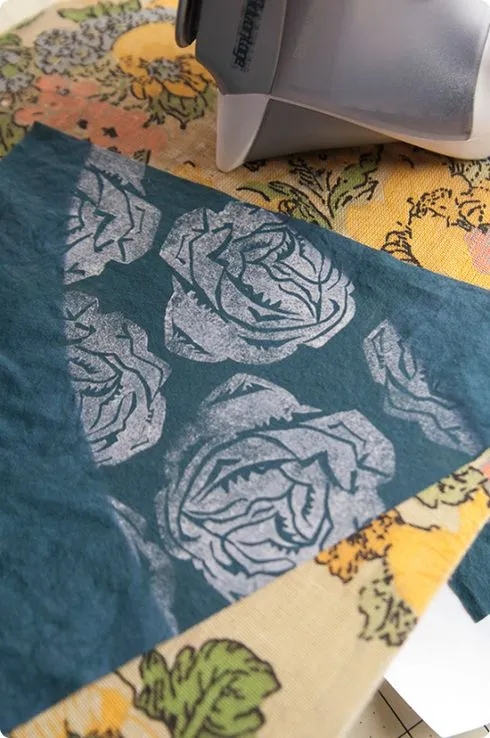
CENWILD vs. Typical Sweater Custom Print Suppliers
When you need sweater custom print with full manufacturing control, CENWILD delivers integrated knitting, printing, and design support that print-only vendors and high-MOQ factories simply cannot match.
← 左右滑动查看 →
Sweater Custom Print Production Workflow
From artwork approval to finished garment, every sweater custom print order follows a proven seven-phase process refined over 28+ years of OEM and ODM manufacturing in Dongguan.
Design & Artwork Approval
Submit your print artwork, logo, or graphic. Our design team reviews file resolution, color separation, and placement on the sweater style, then sends a digital mockup for your final approval before sampling.
Knit Sampling & Fit
We produce a knit-down sample of your sweater base using in-house flat-knitting machines across 3GG–14GG gauges. Fit, stitch structure, and yarn are confirmed before any print application begins.
Print Method Selection
Together we finalize the best technique for your design—screen print for bold graphics, heat transfer or DTF for intricate detail, or sublimation for all-over patterns—balancing durability, feel, and cost.
Bulk Knit Production
Your approved sweater bodies enter full production. Our 200+ team members and computerized knitting equipment deliver up to 80,000 pieces per month, with MOQ starting from just 100 pieces per colorway.
Print Application & Decoration
Finished knit panels or garments move to our decoration workshop where screen, heat transfer, DTF, or sublimation prints are precisely applied. Embroidery, patches, or sequins can be added at this stage.
Curing, Finishing & Washing
Printed sweaters undergo curing to lock ink adhesion, followed by garment washing, softening, anti-pilling treatment, or brushing as specified. Each piece is steamed, shaped, and prepared for inspection.
Quality Check & Shipment
Every sweater custom print garment passes through multi-point quality control—print clarity, color match, stitching, sizing—then is folded, poly-bagged, carton-packed with your private label, and shipped to your destination worldwide.
How to Commission Sweater Custom Print with CENWILD
From artwork submission to finished sweater custom print production, our streamlined OEM and ODM workflow ensures precision, quality, and fast turnaround for orders starting from just 100 pieces.
Submit Your Design Brief
Share your tech pack, artwork, or design concept with yarn preferences and colorways. Vector files work best for screen printing; high-resolution formats suit DTF and heat transfer.
Receive Quote and Print Sample
Within 7 to 14 days, CENWILD delivers a detailed quotation alongside a knit-down sample showcasing your sweater custom print artwork, colors, and fabric hand-feel.
Approve Sample and Finalize Order
Review fit, print quality, and color standards. Once approved, confirm your bulk quantity, payment terms, and production timeline to lock in your private label order.
Enter Full Production Run
Our Dongguan facility begins manufacturing with computerized flat-knitting machines and in-house printing lines, maintaining strict adherence to your approved sample and specifications throughout.
Quality Inspection and Delivery
Every sweater undergoes final quality control before secure packaging and export. Your finished sweater custom print order ships on schedule, ready for retail or wholesale distribution.
Sweater Custom Print Success Stories
CENWILD delivered 500 custom-printed crew necks in just 4 weeks with perfect color match on our brand logo. Their in-house printing eliminated the usual back-and-forth with third-party vendors. Truly seamless.
The low MOQ of 100 pieces allowed us to test three new sweater custom print designs without overstock risk. Sales data from that test run shaped our entire fall collection. Game-changer for emerging brands.
Combining knit production and heat-transfer printing under one roof saved us nearly 3 weeks versus outsourcing separately. CENWILD’s quality control caught a print alignment issue before shipping—saved us thousands in returns.
Sweater Custom Print — Frequently Asked Questions
What is the minimum order quantity for sweater custom print at CENWILD?
Can I combine screen print with embroidery on the same sweater custom print order?
Which fabrics work best for heat transfer on sweater custom print?
What is the maximum color count for screen print on sweater custom print orders?
What are the minimum and maximum design sizes for sweater custom print?
Do I need to supply vector files for sweater custom print, or can you work with photos?
What is the typical lead time for a sweater custom print order from sampling to delivery?
How durable is the print on sweater custom print garments after washing?
Does CENWILD source the yarn, or do I need to supply materials for sweater custom print?
The Complete Buyer’s Guide to Sweater Custom Print for Fashion Brands
Navigate the world of custom-printed knitwear with confidence. This guide delivers a proven decision framework, essential supplier criteria, and the most common mistakes to avoid when sourcing sweater custom print for your brand or retail collection.
1. What Is Sweater Custom Print?
Sweater custom print is the process of applying graphics, logos, or patterns onto finished knitted garments using screen printing, heat transfer, DTF (direct-to-film), or sublimation techniques. Unlike jacquard or intarsia — which knit color directly into the fabric structure during production — printing adds design layers after the sweater is knitted and assembled. This fundamental difference means printing can reproduce photographic detail, gradients, and unlimited colors without the gauge or yarn-count constraints of knit-in patterns.
Setup costs for sweater custom print typically run 40–60% lower than jacquard programming and sampling, because no custom knit patterns or multi-yarn setups are required. Brands gain flexibility: a single base sweater style in one solid color can carry dozens of print variations without retooling machines. Turnaround from approved artwork to finished samples averages 7–10 days, compared to 14–21 days for jacquard knit-downs.
The trade-off is durability and hand-feel. Jacquard and intarsia patterns are permanent and breathe with the fabric; prints may crack, fade, or stiffen depending on technique and washing. For high-detail graphics, small runs, or rapid seasonal drops, printing wins. For heritage patterns, texture, and longevity, knit-in methods remain superior.
2. Evolution of Custom Print Technology in Knitwear
In the 1980s screen printing dominated custom graphics on fleece and heavyweight knits, but traditional plastisol inks cracked on stretch fabrics and required 500–1,000-piece minimums that locked out smaller brands. Water-based inks emerged in the mid-1990s, offering softer hand-feel and better wash durability on cotton sweaters, while discharge printing allowed eco-friendly color removal on dark garments without heavy ink layers.
Digital direct-to-garment (DTG) technology arrived in the early 2000s but remained slow and costly until inkjet head improvements around 2010 enabled full-color photographic prints with no screen setup. Dye-sublimation gained traction for polyester-blend knitwear after 2012, transferring vibrant, permanent graphics under heat and pressure.
These digital breakthroughs slashed MOQs from four-figure runs to 100–200 pieces by 2015, cutting lead times from eight weeks to two or three. Independent designers and influencers could finally test sweater custom print collections without warehouse-scale inventory, transforming knitwear decoration from a mass-market tool into an accessible brand-building asset.
3. Types of Sweater Custom Print Techniques
Choosing the right sweater custom print method depends on design complexity, fabric type, order volume, and durability requirements. Screen printing, DTG, heat transfer, and sublimation each offer distinct advantages in ink chemistry, color range, hand feel, and minimum order quantity.
Screen Printing
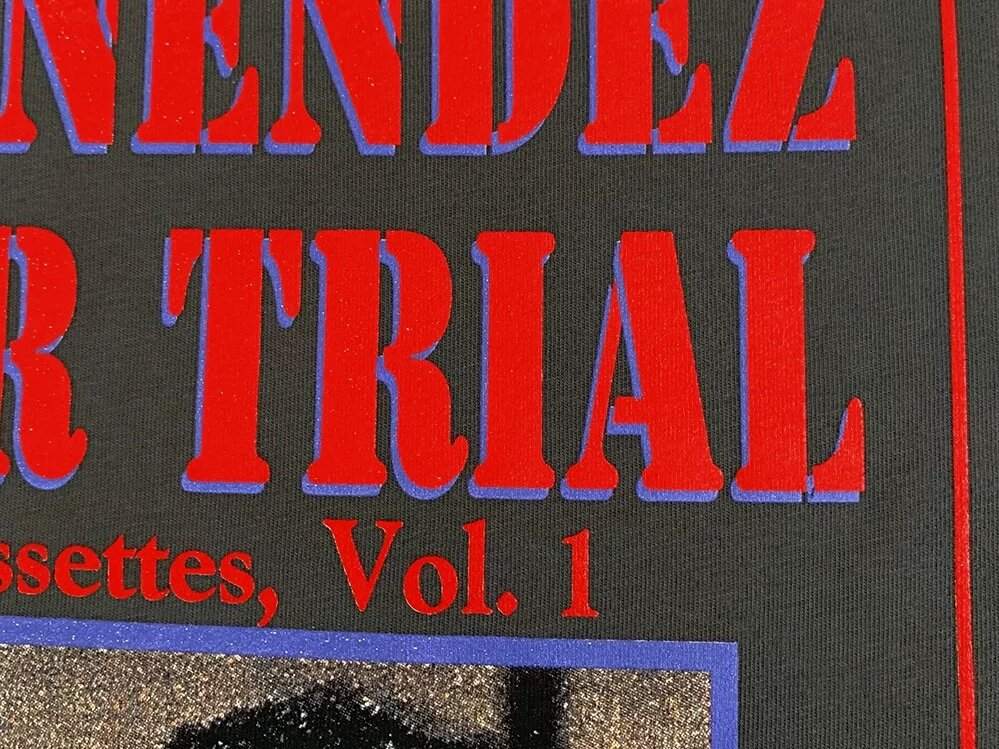
Plastisol or water-based inks are pressed through mesh screens, one per color. Cotton, cotton-poly blends, and stable knits accept screen printing best; loose or high-stretch fabrics may distort registration.
Color count is limited by setup cost—typically 1–6 spot colors—making it ideal for bold logos and simple graphics on wholesale sweaters and private label knitwear. Plastisol sits atop the fabric with a slightly raised hand; water-based inks penetrate for a softer feel. Wash durability exceeds 50 cycles when properly cured. MOQ starts around 100–300 pieces to justify screen preparation.
Direct-to-Garment (DTG)
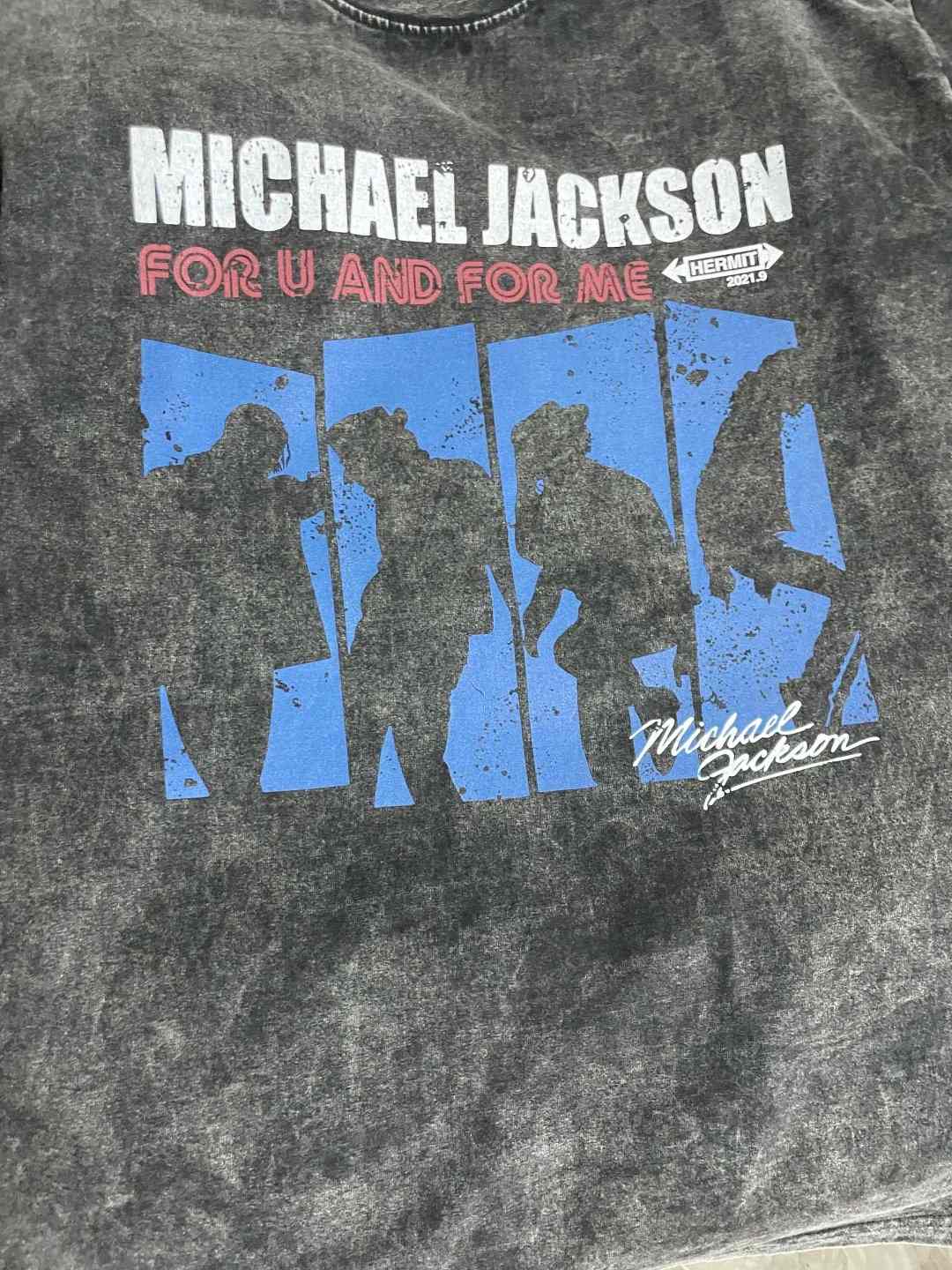
Water-based pigment inks jet directly onto fabric, similar to desktop printing. DTG works best on cotton and cotton-rich blends; synthetic and dark knits require heavy pretreatment that stiffens hand feel.
Full-color photographic designs and gradients print without setup fees, making DTG economical for orders as low as 10–50 pieces. The print lies flat with minimal hand, but wash fastness drops after 20–30 cycles on synthetics. DTG suits sample runs and complex artwork at low volume.
Heat Transfer Vinyl and DTF
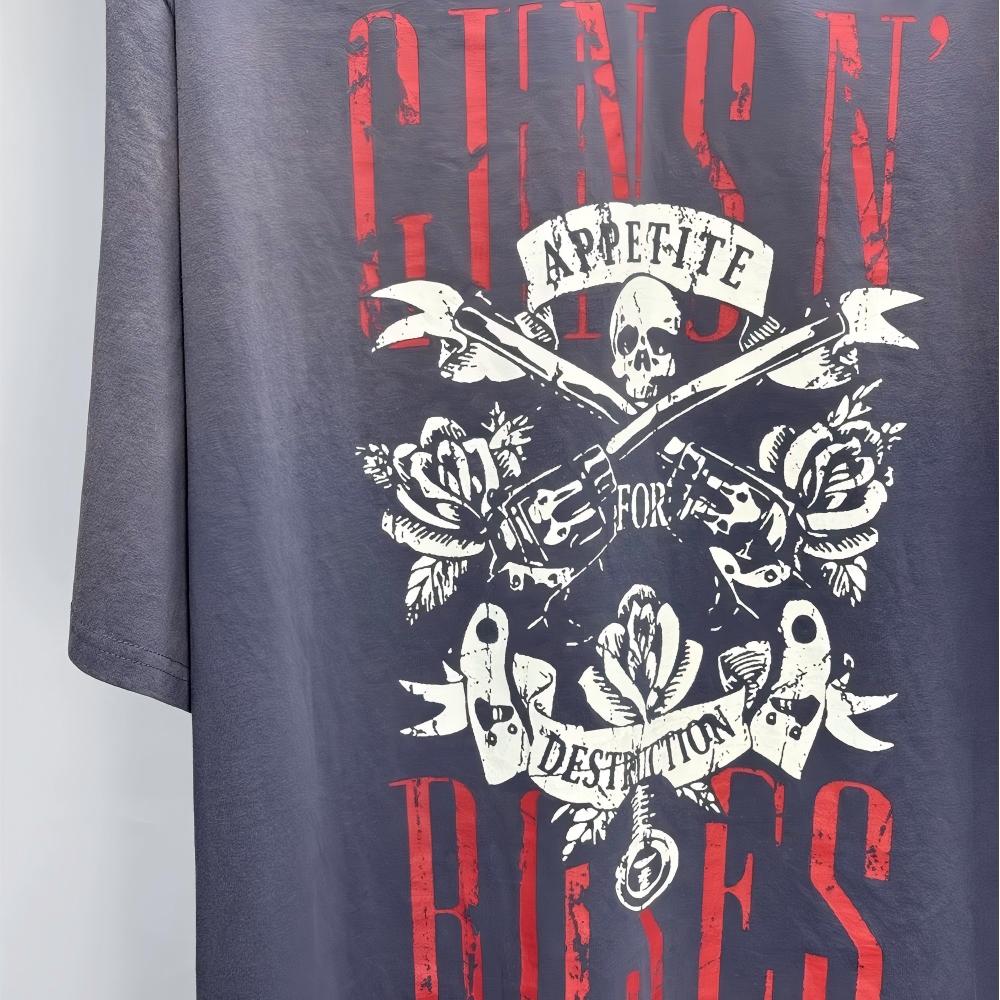
Heat transfer vinyl (HTV) and direct-to-film (DTF) apply pre-printed or cut designs under heat and pressure. Both adhere to cotton, polyester, and blends, though HTV may peel on high-pile knits.
HTV is limited to solid colors or simple layers; DTF supports full-color detail. Both leave a rubbery, raised hand. Wash durability ranges from 15–25 cycles before cracking. MOQ is flexible—1 to 100 pieces—ideal for personalized or on-demand production.
Sublimation
Dye-sublimation converts solid dye into gas that bonds with polyester fibers under heat. It works only on 100% polyester or poly-coated substrates; natural fibers will not hold the dye.
Unlimited colors and photographic detail are possible with zero hand feel—the dye becomes part of the fiber. Wash durability is permanent, exceeding 100 cycles. Sublimation requires polyester knits and suits all-over prints and technical sportswear, with MOQ from 50–200 pieces depending on setup.
4. Materials and Fabrics for Sweater Custom Print
Fabric selection determines print quality, durability, and end-use performance. Understanding fiber content, weight, and construction ensures your sweater custom print project delivers the vibrancy and wash fastness buyers expect.
| Fabric Type | GSM Range | Compatible Print Methods | Typical Use Case |
|---|---|---|---|
| 100% Polyester | 200–280 | Sublimation, heat transfer | Activewear, photo-print fashion |
| Cotton-Poly Blend | 240–320 | Screen, DTF, heat transfer | Loungewear, everyday sweaters |
| 100% Cotton | 260–340 | Screen, DTF | Premium casual, eco-conscious lines |
| Merino / Wool Blends | 280–360 | Low-temp screen, specialty ink | Luxury knitwear, winter collections |
GSM and Fabric Weight Impact
GSM (grams per square meter) measures knit density and directly affects print adhesion, drape, and hand feel. Lightweight knits (180–220 GSM) suit fashion layering pieces and offer soft drape but require careful ink control to prevent strike-through. Midweight fabrics (240–320 GSM) balance structure with comfort, ideal for everyday sweaters and most print methods. Heavyweight bases (340+ GSM) provide excellent opacity and durability for outerwear and bold graphics but may reduce flexibility in finer gauge work.
Fiber Content and Print Performance
100% polyester bases deliver the brightest sublimation results, locking dye at the molecular level for photographic detail and permanent wash fastness. Cotton and cotton-poly blends (50/50 to 80/20) accept screen print, DTF, and heat transfer with superior breathability, though color vibrancy decreases as cotton percentage rises. Merino wool and cashmere blends require low-temperature methods and specialty inks to preserve fiber integrity, offering luxury hand feel with moderate print contrast.
5. Customization and Decoration Options Beyond Print
Sweater custom print delivers graphic impact, but layering embroidery, appliqué, or specialty finishes elevates perceived value and opens premium positioning. CENWILD combines print techniques with embroidery overlays, sequin work, puff ink, foil accents, and glow-in-the-dark effects to meet diverse brand aesthetics.
| Decoration Method | Setup Cost (USD) | Per-Piece Cost (USD) | Durability (Washes) |
|---|---|---|---|
| Flat Embroidery | $50–150 | $1–3 | 50+ |
| 3D Puff Embroidery | $80–150 | $2–4 | 50+ |
| Sequin / Appliqué | $60–120 | $1.50–3 | 30–40 |
| Puff Ink Print | $30–80 | $0.50–2 | 25–35 |
| Foil Transfer | $40–100 | $0.80–2.50 | 20–30 |
| Glow-in-the-Dark Ink | $50–90 | $1–2 | 15–25 |
Embroidery Overlays on Printed Sweaters
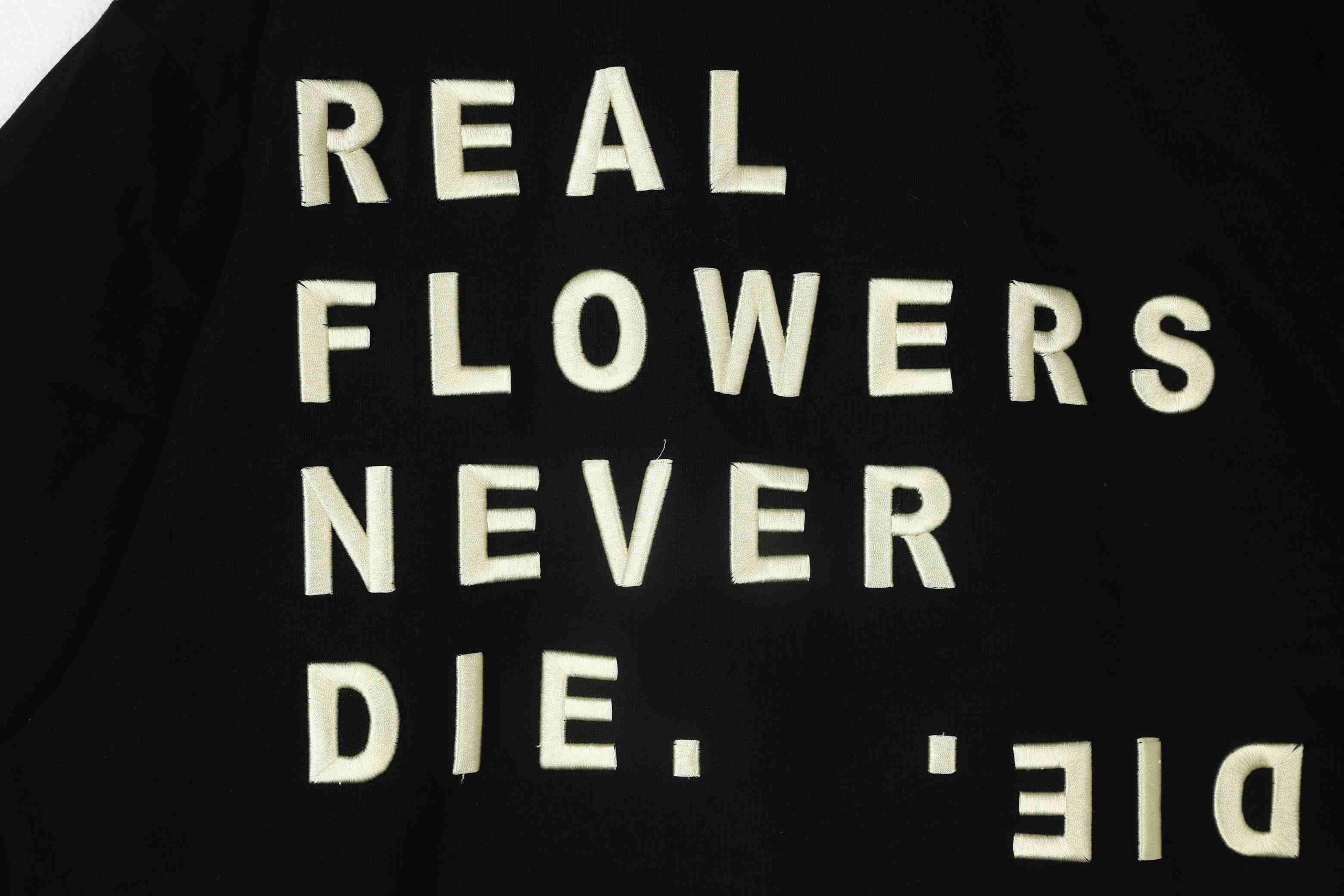
Flat embroidery, 3D puff, chain-stitch, and appliqué patches add texture that print alone cannot achieve. Combining sweater custom print for large graphics with embroidered logos or monograms creates a two-tier visual hierarchy — print for storytelling, embroidery for brand mark durability.
Setup costs run $50–150 per embroidery head depending on stitch count; per-piece costs add $1–3. Lead time increases one to two days. Embroidery survives 50+ industrial washes without fading, ideal for premium lines.
Appliqué, Sequin, and Patch Decoration
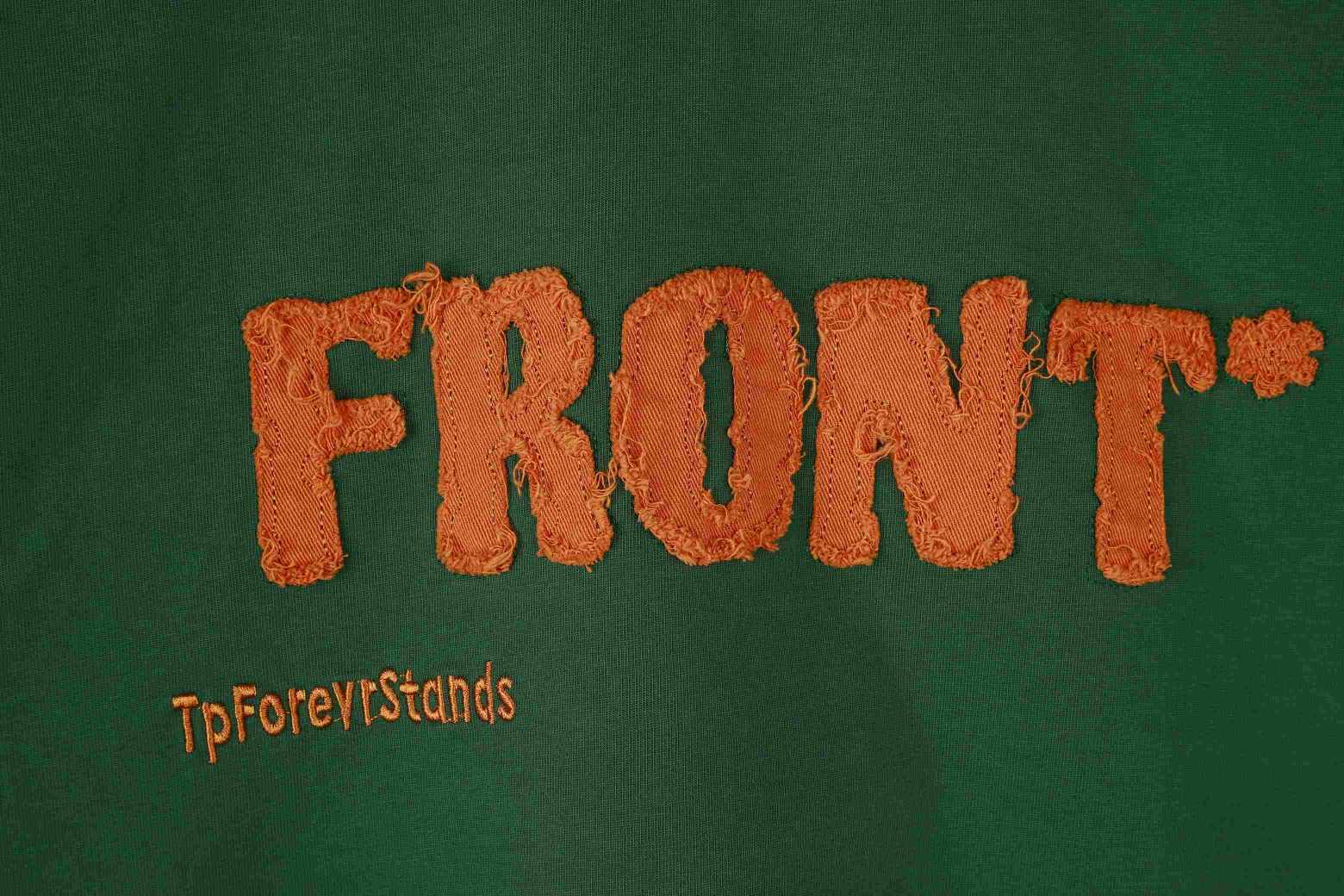
Chenille patches, sequin motifs, and fabric appliqué deliver tactile interest. CENWILD applies these via computerized embroidery machines or heat-press for speed. Appliqué works well on sleeves, chest panels, or back yokes where print coverage is limited by knit stretch.
Specialty Inks and Finishes
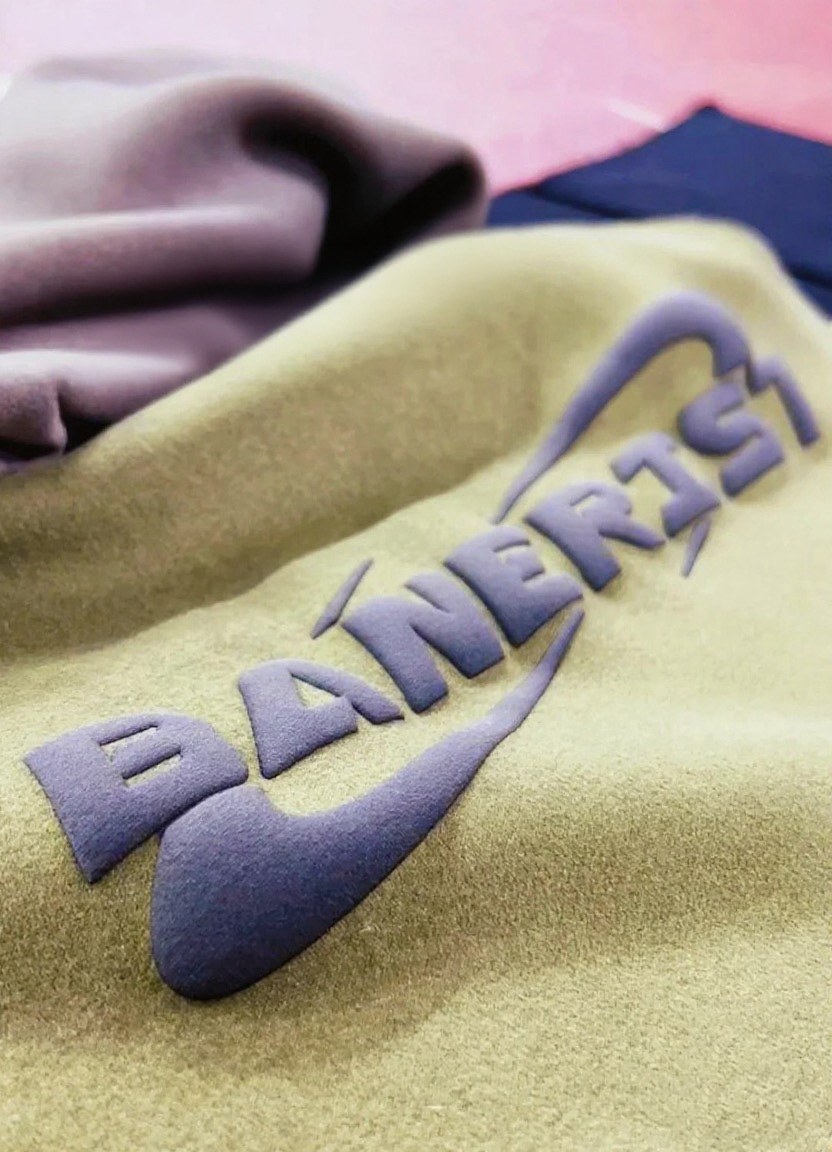
Puff ink creates raised, three-dimensional print areas; foil transfers add metallic shine; glow-in-the-dark pigments activate under UV or darkness. Each finish requires dedicated screens or transfer films, adding $30–80 setup and $0.50–2 per piece. Visual impact justifies the premium for limited-edition drops and influencer collaborations.
6. Key Quality Elements in Sweater Custom Print Production
Sweater custom print quality depends on five non-negotiable checkpoints: print registration accuracy, color consistency across batches, ink cure temperature, seam strength, and fabric pre-shrinking. CENWILD enforces pre-production samples, in-line inspection, and final AQL 2.5 standards to prevent cracking, fading, and pilling before shipment.
Print Registration and Color Consistency
Registration accuracy within ±1 mm ensures multi-color designs align without ghosting or overlap. Color consistency across production batches requires Pantone-matched ink formulas and controlled lighting at 5000K during inspection.
CENWILD tests every batch against approved lab dips and maintains color deviation below ΔE 2.0. Buyers should demand strike-off samples from each dye lot to verify hue, especially for brand Pantone colors or gradient prints.
Ink Cure and Fabric Pre-Treatment
Ink cure temperature between 160–180°C for plastisol and 120–140°C for water-based inks locks print durability. Under-curing causes cracking after three washes; over-curing scorches fibers and yellows light fabrics.
Fabric pre-shrinking through steam or hot-wash cycles before printing prevents post-decoration dimensional shift. CENWILD pre-treats all knit panels to stabilize shrinkage below 3% in length and width, ensuring print placement remains accurate through garment life.
Sample Inspection and QC Protocols
Pre-production samples reveal print adhesion, hand-feel, and wash fastness before bulk orders. Buyers should request samples washed five times at 40°C to check for cracking, fading, and pilling rated against AATCC standards.
In-line inspection at 25%, 50%, and 100% production milestones catches defects early. Final AQL 2.5 inspection limits critical defects to zero and major defects to 2.5% per hundred pieces, the industry standard for export knitwear.
7. How to Choose a Sweater Custom Print Manufacturer
Selecting the right sweater custom print partner determines speed, cost, and quality outcomes for your collection. A structured evaluation framework ensures alignment on capacity, flexibility, and technical capability before you commit.
Production Capacity and MOQ Flexibility
Manufacturers typically set MOQ from 100 to 1,000 pieces per design. CENWILD starts at 100 pieces, enabling independent designers, small brands, and private label sweater startups to test styles without overstock risk.
Monthly capacity above 80,000 pieces signals the infrastructure to scale with your growth. Confirm lead times: 25–35 days for full-package overseas production, 7–14 days for domestic quick-turn print-only services.
Certifications and Design Support
OEKO-TEX Standard 100 certifies textile safety; GOTS covers organic fiber traceability. Ask whether the factory employs in-house designers who translate sketches or mood boards into knit-down samples and tech packs.
A dedicated design team reduces iteration cycles and file-preparation errors, especially for intarsia or jacquard patterns that require 3D knit programming.
Essential RFQ Questions
Before issuing a purchase order, confirm: ‘Do you offer pre-production sampling?’, ‘What file formats do you accept (AI, PDF, PNG)?’, and ‘Can you handle Pantone matching for brand colors?’ Clarify payment terms — T/T, PayPal, credit card, or USDT — and deposit structure, which often eases from 100% to 30% as partnership matures.
8. Common Mistakes When Ordering Sweater Custom Print
Even experienced buyers make costly errors in sweater custom print orders. Missteps in artwork preparation, fabric handling, and approval workflows can add weeks to production and thousands to budgets. Understanding these pitfalls before your first deposit protects both timeline and margin.
Submitting Low-Resolution Artwork
Print-ready files require 300 DPI minimum at full print size; screen printing and DTF need vector formats (AI, EPS, PDF) to scale cleanly across 3GG to 14GG knit gauges. Raster JPEGs below 150 DPI produce pixelated prints, rejected samples, and 7–10 day redraw cycles.
CENWILD’s design team converts sketches and photos into production vectors, but advance vector submission eliminates revision loops. Always export text as outlines and confirm Pantone or CMYK values in writing before sampling.
Ignoring Fabric Shrinkage and Pre-Treatment
Cotton and wool blends shrink 3–5% after garment washing; printing on un-shrunk blanks causes cracked graphics and misaligned placement. Pre-shrunk, finished blanks cost 8–12% more but guarantee print durability through 30+ wash cycles.
Request garment-dyed or pre-washed bases when ordering sweater custom print with tight registration. CENWILD applies anti-pilling and softening treatments before decoration to lock dimensions and prevent post-wash distortion.
Skipping Sample Approval and Written Sign-Off
Bulk production begins only after written sample approval; verbal or email ‘looks good’ creates disputes over color matching and stitch density. A knit-down sample with actual yarn, print technique, and finishing reveals true hand-feel and drape that 3D renders cannot.
CENWILD requires signed approval on samples showing final print placement, colorway, and wash result. This workflow prevents costly remakes and protects both deposit and delivery schedule for orders starting at 100 pieces per style.
9. Steps to Launch Your Brand with Sweater Custom Print
Launching a fashion brand with sweater custom print requires a methodical approach from concept to market. A clear roadmap ensures you build scalable supply chains, control quality, and position your brand for growth from the first 100-piece run.
Concept and Design Development
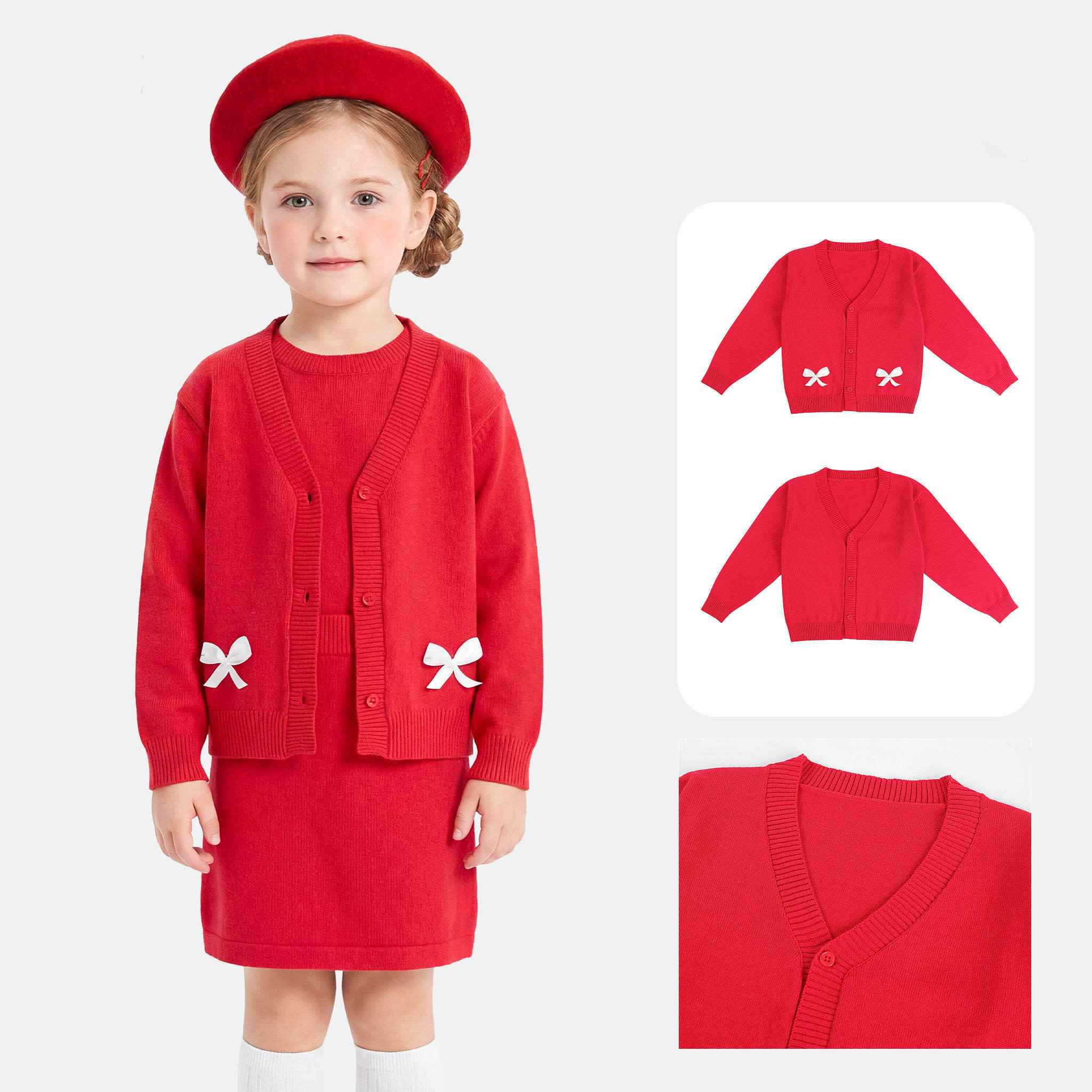
Start with a defined brand story and target customer. Sketch or reference your vision — graphic themes, colorways, silhouettes — then work with a design team to translate ideas into knit-compatible artwork and stitch structures.
Custom print enables limited drops and narrative-driven graphics that differentiate emerging brands. Plan 2–4 hero designs per season to test market response before scaling.
Tech Pack and Supplier Vetting
Finalize measurements, yarn specs, print technique (screen, DTF, heat transfer), and decoration placement in a tech pack. Share it with 3–5 manufacturers; compare MOQ (100–500 pieces), lead times (30–45 days), and knit-down sampling capability.
Verify production capacity, decoration in-house vs outsourced, and payment flexibility. Request references and past samples to confirm print durability and color accuracy.
Sampling and First Production Run
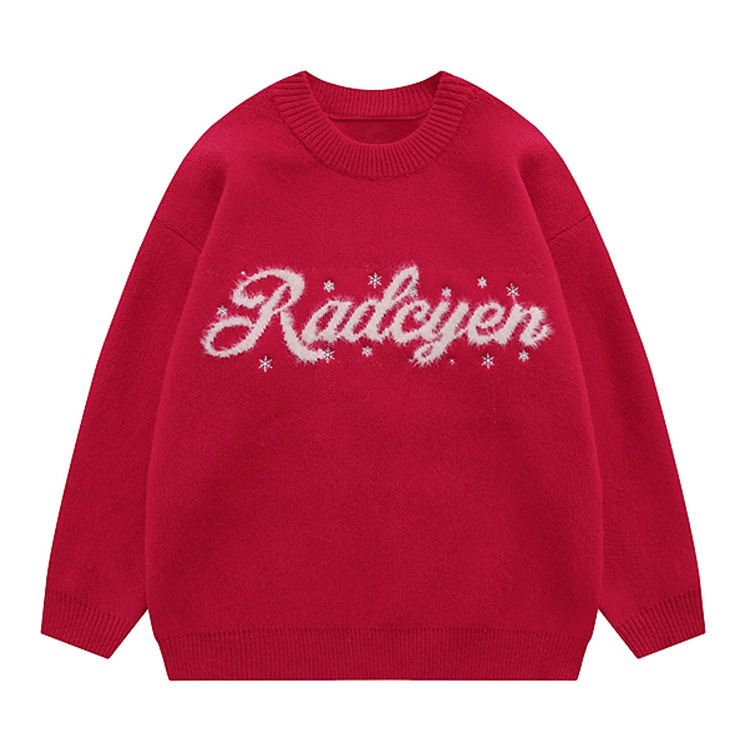
Order knit-down samples to validate fit, hand-feel, and print adhesion before committing to bulk. Adjust grading, yarn weight, or print method based on physical prototypes.
Launch with 100–500 pieces to minimize risk while ensuring enough stock for marketing and reorders. Scalable MOQ partnerships let you grow order size as demand proves out.
Quality Inspection and Launch Marketing
Inspect the first shipment for print registration, color match to Pantone or approved strike-off, seam integrity, and packaging consistency. Document any defects and establish a quality checklist for future runs.
Leverage the custom print story in launch campaigns: behind-the-scenes design process, limited-edition messaging, and influencer seeding. Build email lists and social proof before inventory arrives to ensure day-one sell-through.
10. Pricing and Cost Breakdown for Sweater Custom Print
A 100-piece sweater custom print order typically ranges from $18–$32 per unit depending on yarn, gauge, and decoration complexity, while 1,000-piece runs drop to $12–$18 per unit through economies of scale. Setup fees for screen printing start at $50–$150 per color separation, DTF (direct-to-film) runs $30–$80 per design, and sublimation requires $100–$200 for full-panel artwork digitization.
Hidden costs include knit-down sampling ($80–$150 per colorway), Pantone color matching ($20–$40 per custom dye lot), and international freight — sea shipment for 500 sweaters averages $300–$600, air express $800–$1,500. First-order budgets should allocate 15–20% above unit cost for sampling, revisions, and logistics.
Payment terms at CENWILD start at 100% deposit for new clients, easing to 30% deposit for established partners, with balance due before shipment. PayPal, T/T, credit card, and USDT are accepted.
| Quantity Tier | Unit Cost (USD) | Setup Fee | Lead Time |
|---|---|---|---|
| 100 pcs | $18–32 | $150–300 | 25–30 days |
| 250 pcs | $15–26 | $150–300 | 30–35 days |
| 500 pcs | $13–22 | $100–250 | 35–40 days |
| 1,000+ pcs | $12–18 | $80–200 | 40–50 days |
Ready to Launch Your Sweater Custom Print?
Send your design brief and yarn preferences today for a free quote, 7–14 day sampling, and 28+ years of manufacturing expertise backing every order.