

TL;DR: Relabeling wholesale clothing means removing original manufacturer tags and replacing them with your custom brand labels—a cost-effective way to launch or scale a fashion brand without owning a factory.
Bottom line: Ideal for startups, boutique owners, and independent designers who need branded inventory fast without 500+ unit factory minimums; not suitable for brands requiring unique silhouettes or proprietary fabrics.
Last updated: 2026-06-22, based on 28 years of knitwear manufacturing experience, 2,000+ brand partnerships, and current FTC compliance requirements.
Key Takeaways
- Legal foundation: Relabeling is legal under white-label agreements with verified suppliers; verify trademark rights before adopting your brand name to avoid $43,792+ FTC fines per violation.
- Supplier types: Bella+Canvas, Next Level, and AS Colour design tear-away labels specifically for relabeling; avoid trademarked branded items (Nike, Adidas) without written permission.
- Process timeline: Label design and production takes 7–14 days, garment sourcing 5–21 days, removal and attachment 2–7 days—total 3–6 weeks from order to finished inventory.
- Cost structure: Budget $6.25–20 per unit (wholesale garment $5–15 + custom label $0.50–2.50 + labor $0.75–2.50); for 100 units expect $625–2,000 total investment.
- MOQ reality: Most blank apparel wholesalers start at 50–100 units; private-label manufacturers require 300–500 units; liquidation wholesalers offer no minimums but zero customization.
What Is Relabeling and How Does It Work?
How to purchase wholesale clothing and relabel it with my brand is a private-label strategy that transforms pre-made wholesale garments into branded retail inventory by replacing manufacturer tags with custom labels, enabling fashion entrepreneurs to build professional collections without factory ownership.
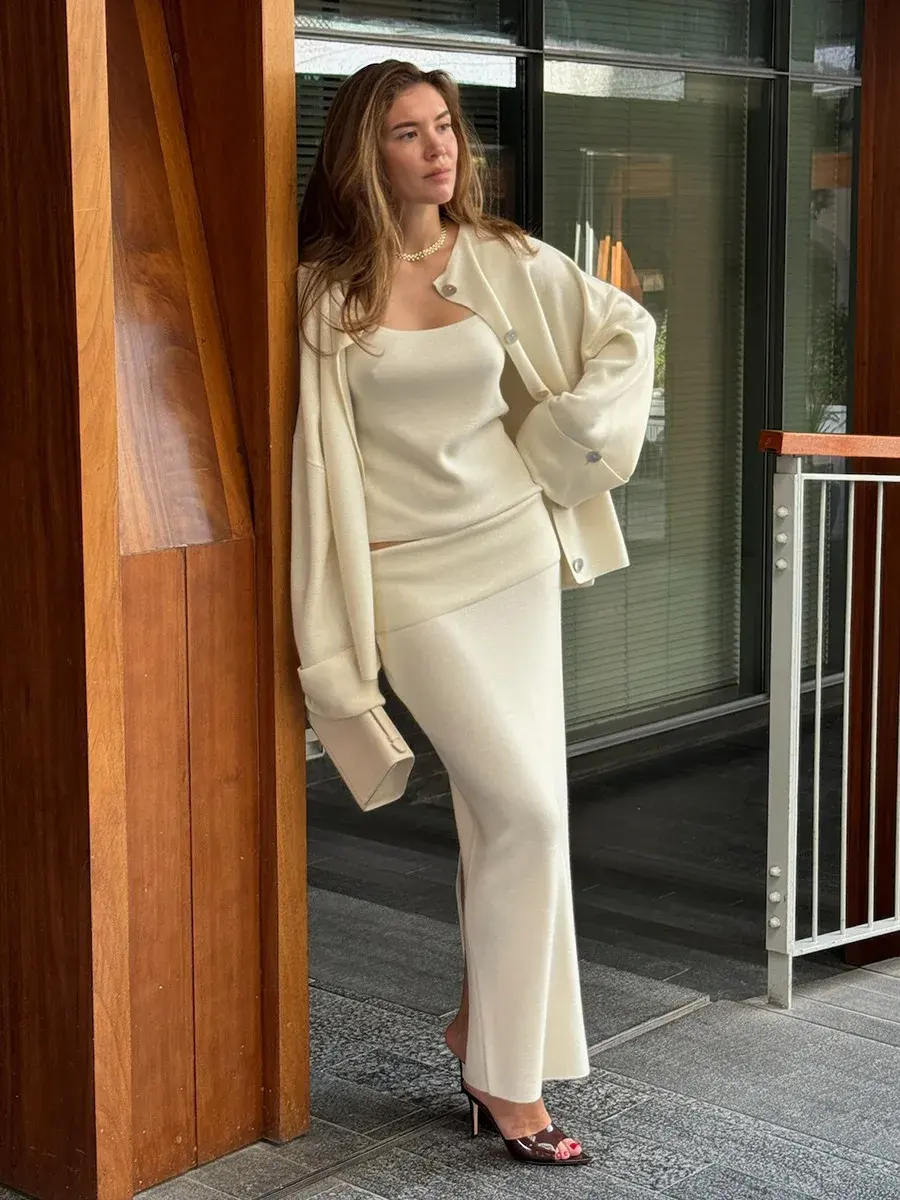
Relabeling is the process of purchasing wholesale clothing items and replacing the original manufacturer’s tag with your own custom-branded label. A $5–12 wholesale blank t-shirt becomes a $25–50 retail item once branded and marketed through your channels.
The relabeling workflow follows three core steps. First, you design and produce custom labels featuring your brand name, logo, size information, care instructions, and country of origin. These labels can be woven (premium, durable, $0.80–2.50 per unit for small runs) or printed ($0.20–0.80 per unit, faster turnaround). Second, you carefully unstitch the original manufacturer’s tag from each garment using a seam ripper or tag removal tool. Third, you attach your custom label by hand-stitching or using a specialized label-attachment machine, ensuring secure, professional placement at the neckline or side seam.
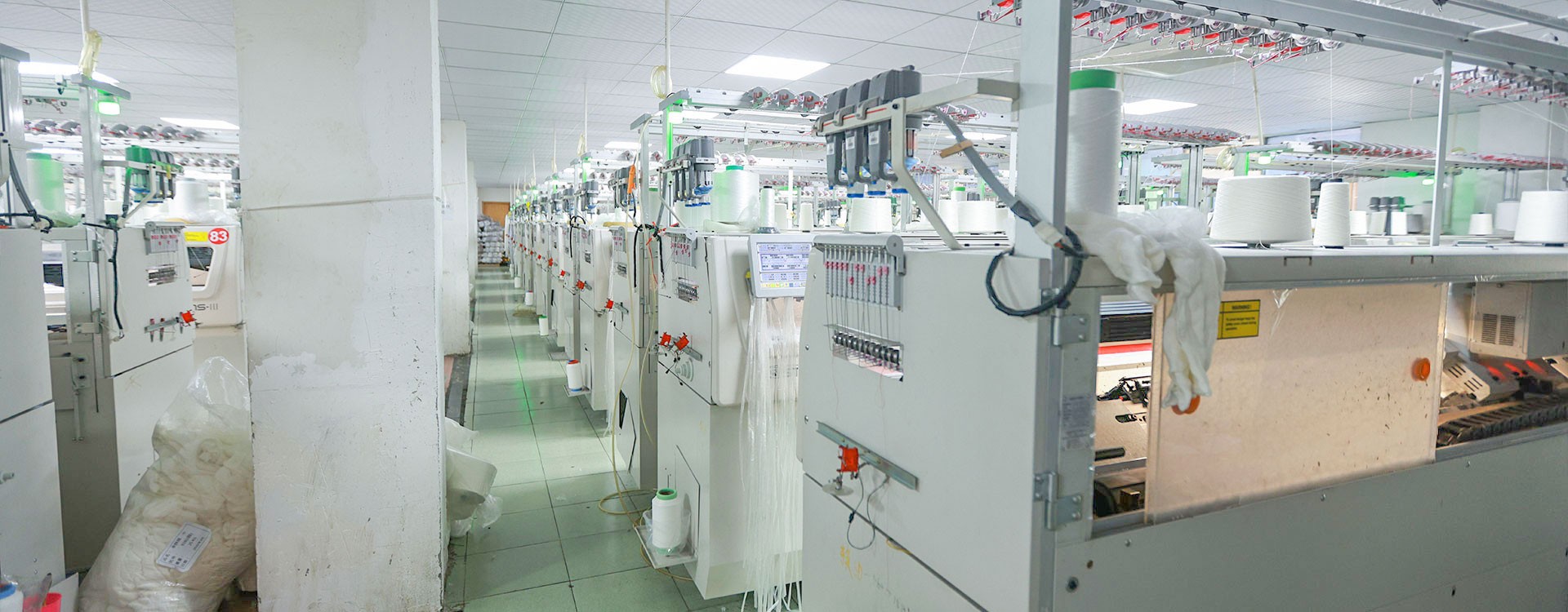
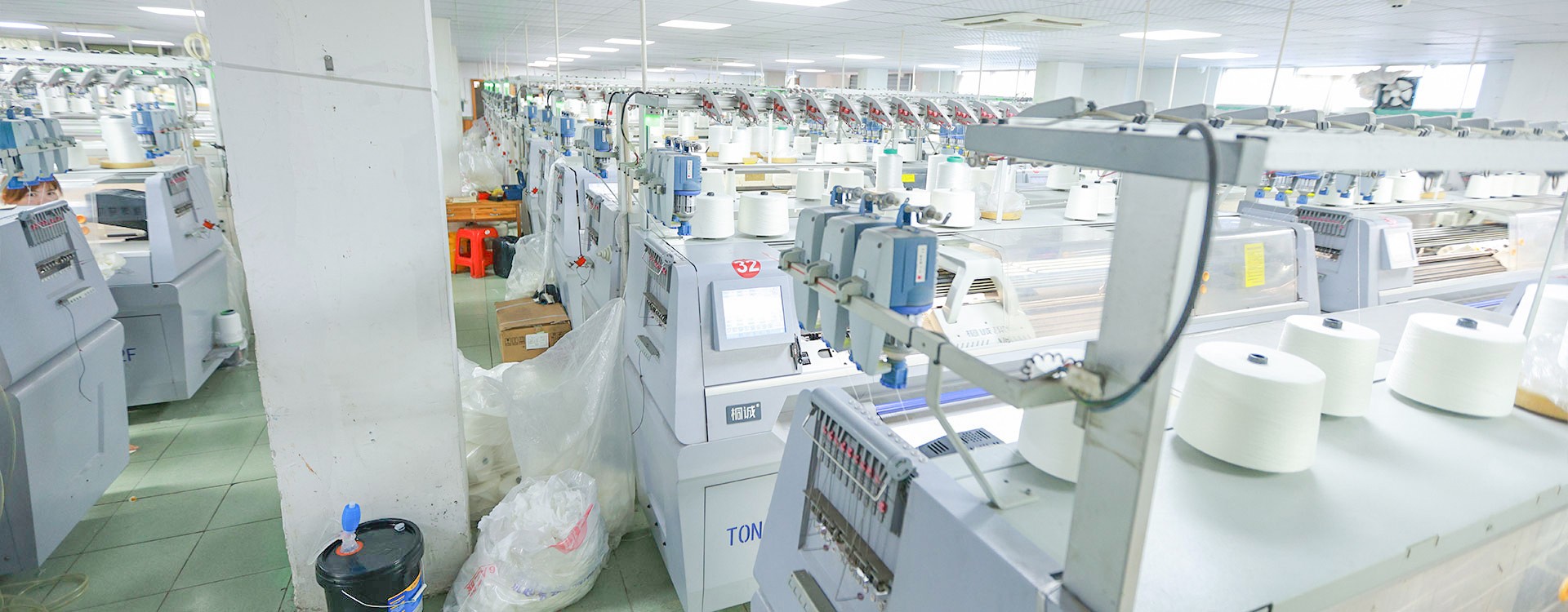
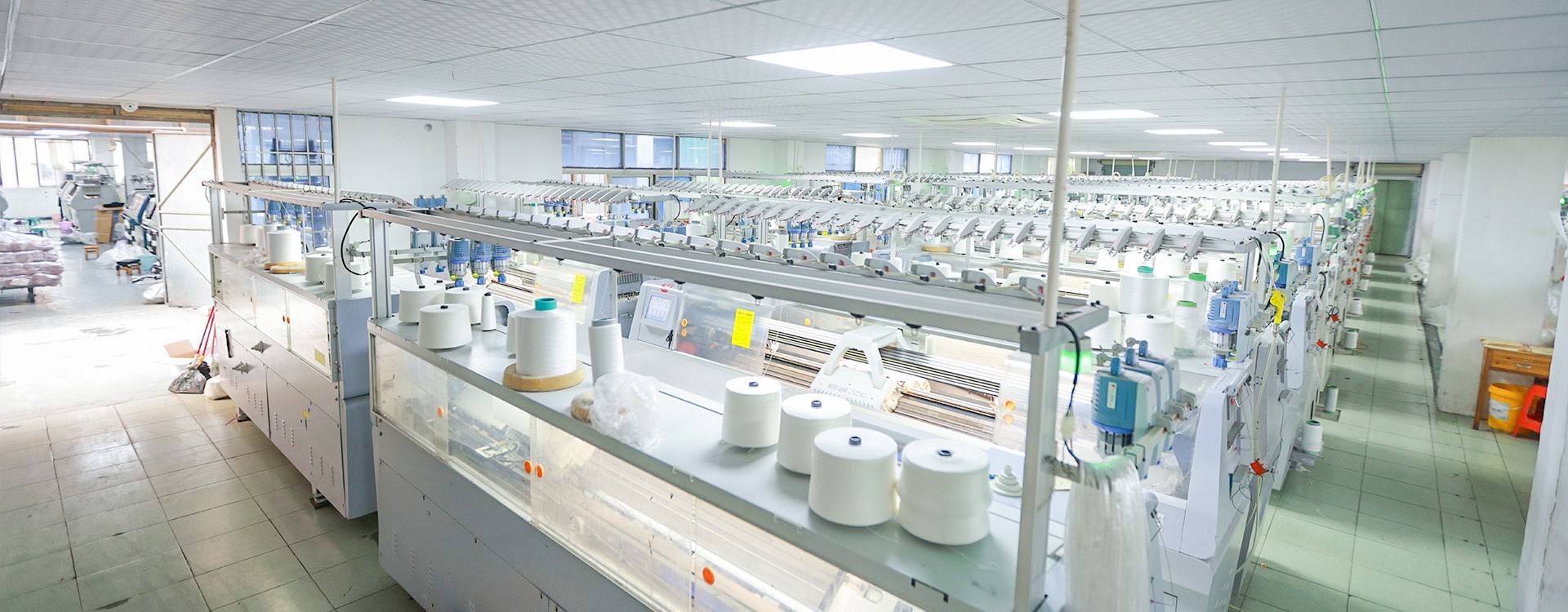
Traditional private-label manufacturing requires 300–500 unit minimums and 8–12 week lead times. Relabeling lets you test 50–100 units in 3–6 weeks. When we work with startup brands at CENWILD, relabeling serves as the bridge strategy—brands test market fit with relabeled basics, then graduate to full Private Label Knitwear once they validate demand and can commit to larger production runs.
Private Label vs. White Label vs. Relabeling: Key Differences
How to purchase wholesale clothing and relabel it with my brand sits between three distinct business models—private label, white label, and pure relabeling—each with different production control, cost structures, and legal implications.
| Model | Production | Customization | MOQ | Lead Time | Cost/Unit | Best For |
|---|---|---|---|---|---|---|
| Relabeling | Pre-made blanks + label swap | Label + optional print/embroidery | 50–100 | 1–2 weeks | $2–8 (label) + garment cost | Fast launches, low budget, test collections |
| Private Label | Factory produces to your spec | Full design, fabric, color, fit | 300–500 | 6–12 weeks | $8–25 (depends on spec) | Established brands, unique silhouettes, retail presence |
| White Label | Factory produces generic, you brand | Label + packaging + branding | 500–1,000 | 8–12 weeks | $6–20 (depends on spec) | B2B resellers, wholesale distributors, private equity |
Choose relabeling if you prioritize speed, minimal upfront cost, and testing market fit with 50–200 units. Choose private label if you want unique designs and full control over construction—this is where CENWILD’s 28 years of knitwear expertise comes in, handling yarn sourcing, stitch programming, and fully-fashioned construction for brands ready to scale.
Finding and Vetting Wholesale Clothing Suppliers
How to purchase wholesale clothing and relabel it with my brand depends entirely on sourcing from suppliers who explicitly permit relabeling—the most common failure point is choosing the wrong supplier type, leading to trademark violations and garments that can’t be relabeled.
1. Sourcing from Branded Retailers Instead of Blank Wholesalers
Many relabelers mistakenly purchase from branded retailers (Nike, Adidas, H&M) expecting to relabel freely. This is illegal—you cannot remove a trademarked brand label and replace it with your own without infringing trademark rights. Instead, source from blank apparel wholesalers like Bella+Canvas, Next Level, AS Colour, Royal Apparel, and Gildan. These suppliers explicitly design garments for relabeling and provide tear-away labels that simplify the process. Verify supplier legitimacy by checking industry certifications, customer reviews, and requesting sample orders before committing to bulk quantities.
2. Skipping Supplier Vetting and Quality Checks
Never place a large order without inspecting samples first. Request a sample pack (5–10 units) from your chosen supplier and evaluate fit, fabric weight, shrinkage, pilling, and seam strength. Ask about their quality-control process, return policy, and communication responsiveness. In our 28 years of manufacturing, we’ve seen brands lose $5,000–15,000 on first orders because they skipped the sample stage.
3. Ignoring MOQ Escalation and Hidden Fees
Wholesalers often quote low MOQs (50 units) to attract inquiries, then reveal hidden fees: label-removal surcharges, decoration setup costs, or packaging fees. Request an all-inclusive quote that itemizes every cost. Clarify whether the quoted price includes label removal and what happens if you need urgent reorders. At CENWILD, we start new clients at 100% prepayment for the first order, then move to 50% deposit by the third order once trust is established.
4. Choosing Suppliers Without Relabeling-Friendly Design
Not all wholesale garments are designed for easy relabeling. Brands with reinforced, multi-stitched labels or integrated branding are difficult and expensive to remove. Prioritize suppliers offering tear-away labels or single-stitch construction that simplifies removal. Ask directly: “Are your garments designed for relabeling?” and request photos of the label construction. Suppliers like Royal Apparel and knitwear specialists explicitly support private-label and relabeling workflows.
The Relabeling Process: Step-by-Step Execution
How to purchase wholesale clothing and relabel it with my brand takes 5–7 business days from label design to finished inventory, requiring minimal tools and can be done in-house or outsourced to a labeling service for $0.25–1.00 per garment.
Step 1: Design and Order Custom Labels
Your label is your brand’s first impression. Design labels that include your brand name, logo, size, material content, care instructions, and country of origin—all required by FTC regulations. Choose between woven labels (premium, durable, $0.80–2.50 per unit for small runs) or printed labels ($0.20–0.80 per unit, faster turnaround). Order 10–20% extra to account for defects and future reorders. Lead time is typically 5–10 days from design approval.
Step 2–3: Receive, Inspect, and Remove Original Labels
Upon delivery, inspect 5–10% of your order for fit, color, and fabric quality. Use a seam ripper to carefully cut the stitching holding the original label in place. Work slowly to avoid damaging the garment. If labels are heat-fused or heavily stitched, consider outsourcing this step to a labeling service. This is the most labor-intensive stage—budget 3–5 minutes per garment if doing it yourself.
Step 4–6: Attach, Decorate, and Finalize
Hand-stitch your custom label using a needle and thread, ensuring secure placement at the neckline or side seam. Alternatively, use a portable label-attachment machine (industrial sewing machine, ~$500–2,000 investment) if scaling to 500+ units monthly. After labeling, add optional embroidery, screen print, or heat-transfer decoration if your brand requires it. Conduct a final quality check—verify label placement, stitch integrity, and overall appearance—then fold, bag, and prepare for shipment.
Legal Requirements and Compliance for Relabeled Clothing
How to purchase wholesale clothing and relabel it with my brand is legal, but only if you comply with FTC labeling regulations, trademark law, and country-of-origin requirements—violations result in fines up to $43,792 per violation (FTC, 2026).
FTC Textile Rule compliance: All garments must display fiber content (e.g., “100% Cotton”), care instructions (wash temperature, dry-clean symbol), and manufacturer name/address. Non-compliance fines start at $43,792 per violation, and the FTC actively monitors online retailers.
Trademark clearance: Before adopting your brand name, conduct a trademark search via USPTO.gov (USA) or WIPO (international). Relabeling trademarked garments (Nike, Adidas) without permission is trademark infringement. Verify your supplier holds rights to sell the blank garment.
Country-of-origin labeling: Labels must state where the garment was made (e.g., “Made in China,” “Made in Vietnam”). This is required by US Customs and FTC regulations and builds consumer trust.
White-label agreement: Document your relabeling relationship with your supplier in a written agreement confirming you have the right to remove original labels and apply your own. This protects both parties legally and clarifies liability if quality issues arise.
Private-label market legitimacy: The US private-label clothing market reached $199 billion in 2023, representing 17.7% of retail—demonstrating that relabeling and private-label business models are legally recognized and widely practiced (Statista, 2024).
FAQ
Q1: Can I relabel any wholesale clothing I purchase?
No. You can only relabel garments purchased under a white-label or private-label agreement with the supplier, or blank apparel explicitly designed for relabeling (Bella+Canvas, Next Level, etc.). Relabeling trademarked branded items (Nike, Adidas) without permission is trademark infringement and illegal.
Q2: How much does it cost to relabel 100 garments?
Costs vary: wholesale garment ($5–15), custom label ($0.50–2.50), label removal labor ($0.25–1.00), label attachment ($0.50–1.50). Total per unit: $6.25–20. For 100 units: $625–2,000 depending on garment type and labor model.
Q3: Can I do relabeling myself or should I outsource?
For small batches (under 500 units), hand-stitching is feasible and keeps costs low—budget 5–7 minutes per garment. For larger volumes, outsource to a labeling service or invest in a label-attachment machine (~$500–2,000). Many suppliers offer in-house relabeling services for 10–50 cents per garment, which becomes cost-effective above 300 units.
Q4: What happens if my custom labels have a typo or design error?
Order a small test batch (100–200 labels) before committing to 1,000+. Most label suppliers offer free revisions before production. If errors occur post-production, reorder corrected labels and budget for the cost—typically $50–150 for a 100-unit reprint.
Q5: How long does the entire relabeling process take?
Label design and production: 7–14 days. Garment sourcing: 5–21 days. Label removal and attachment: 2–7 days. Total: 3–6 weeks from order to finished inventory. Rush orders can compress this to 2–3 weeks but expect 20–30% cost premiums.
Sources
- Relabeling and Label Laws — Full Press Apparel — 2026, FTC compliance requirements and fine structures
- Can I Put My Own Label in Wholesale Clothing? — Nova of London — 2026, UK wholesale relabeling practices
- What is Private Label Clothing — Trendsi — 2024, $199B US private-label market data
- Private Label Your Brands — Apliiq Inc — 2026, tear-away label suppliers and relabeling-friendly brands
Written by Alin Zeng (Premium Streetwear Knitwear, 28-Year Master Craftsmanship, One-Stop Custom Manufacturing, High-End OEM/ODM Solutions, Cost-Effective Global Delivery). Last reviewed 2026-06-22.