
TL;DR: Making personalized sweaters involves five proven methods—hand embroidery (chain stitch), heat-transfer printing, screen printing, digital design platforms (Printful, Knitwise), or professional OEM manufacturing—each suited to different budgets, timelines, and order volumes.
Bottom line: Beginners and gift-makers should start with hand embroidery or heat-transfer; e-commerce brands benefit from no-minimum digital platforms; custom fashion labels need OEM partners for branded collections starting at 100 pieces.
Last updated: 2026-06-22, based on 28 years of knitwear manufacturing experience and analysis of current DIY and professional production methods.
Key Takeaways
- Chain stitch embroidery transforms a plain sweater into a personalized keepsake in under an hour with supplies under $20—ideal for names and small motifs.
- Heat-transfer printing delivers same-day turnaround for photorealistic designs but survives only 30–50 washes versus screen printing’s 100+ cycle durability.
- Digital platforms like Knitwise eliminate MOQ entirely, offering instant mockups and direct Shopify integration for testing products without capital risk.
- Professional manufacturers now offer 100-piece minimums (down from 500+ in the 2010s), enabling intarsia and jacquard knit-in personalization for branded collections.
- Fabric stabilization prevents 80% of common failures—puckering, cracking, and thread snagging—across all personalization methods.
Hand Embroidery: The Beginner-Friendly Personalization Method
Chain stitch is the gold standard for sweater personalization. The chain stitch creates a continuous, “bubbly” outline perfect for names and playful motifs, and it’s sturdy enough to survive repeated washing. The backstitch works equally well for crisp lettering and fine detail work.
The process unfolds in five steps. First, sketch your design directly onto the sweater using a water-soluble pen, or print your design on paper, tape it to the garment, and stitch through the paper (removing it once complete). Second, place a stabilizer sheet beneath the sweater to prevent puckering and ensure even tension—water-soluble stabilizer dissolves during washing, leaving no residue. Third, select embroidery yarn in a weight that contrasts with your base sweater; medium-weight yarn works best on standard gauge knits. Fourth, thread a tapestry needle and begin with a simple knot at the back of the fabric, working in slow, deliberate stitches to avoid uneven loops and snagging. Fifth, once embroidery is complete, soak the sweater in cool water to dissolve any stabilizer residue, then lay flat to dry.
This method costs under $20 in supplies and requires no electrical equipment—making it ideal for handmade gifts, small-batch personalization, and beginners exploring knitwear customization. Novice crafters complete a 6-letter name in 45 minutes after one practice run on scrap fabric.
Heat-Transfer & Screen Printing: Speed vs. Precision
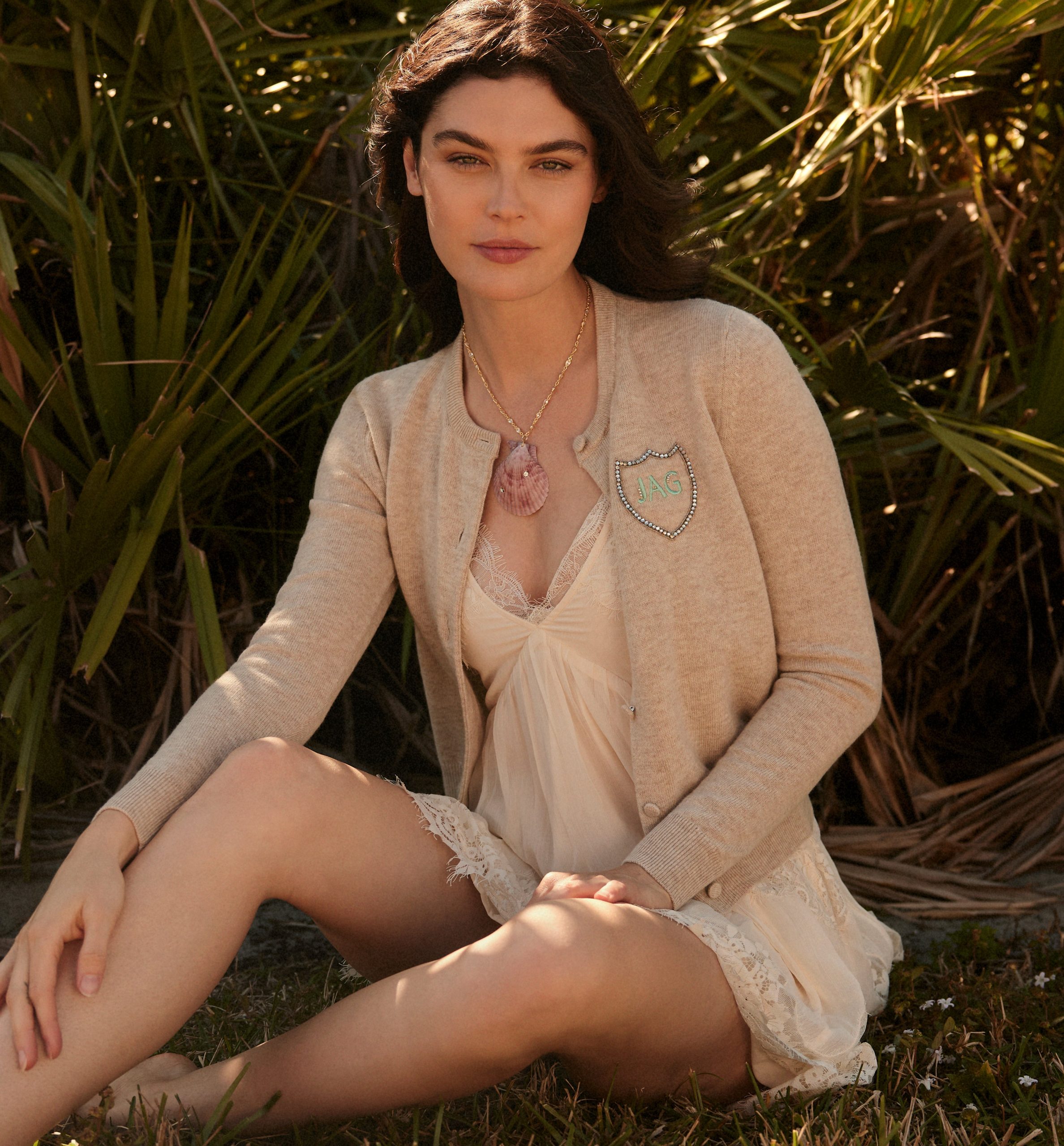
Heat-transfer printing bonds graphics onto fabric using heat and pressure, while screen printing forces ink through a mesh stencil—each method trades off between speed and wash durability.
| Attribute | Heat-Transfer Printing | Screen Printing on Knit |
|---|---|---|
| Setup Time | 5–10 min | 30–60 min (screen exposure, registration) |
| Cost per Unit (100 pcs) | $3–$8 | $2–$5 (lower per-unit after amortized screen cost) |
| Design Complexity | Photorealistic, full-color OK | Best for 1–4 color solid designs |
| Wash Durability | 30–50 washes | 100+ washes (professional ink) |
| Minimum Order | 1 sweater | 25–50 sweaters (screen cost) |
| Knit Compatibility | Cotton, poly blends; avoid heavy ribbing | Cotton, poly, wool blends; test on gauge |
| Turnaround | Same-day possible | 3–7 days (screen + cure time) |
Decision rule: Choose heat-transfer for personalized one-offs, gifts, and small runs (1–20 units). Choose screen printing for branded collections, resale inventory, and bulk orders (50+ units) where durability and cost-per-unit matter. Heat-transfer works best on cotton and poly blends; wool and merino can pill or scorch under high heat. Screen printing requires fabric pre-treatment and curing at 320°F for 60 seconds, but the payoff is a finish that survives commercial laundering.
Five Common Mistakes When Personalizing Sweaters
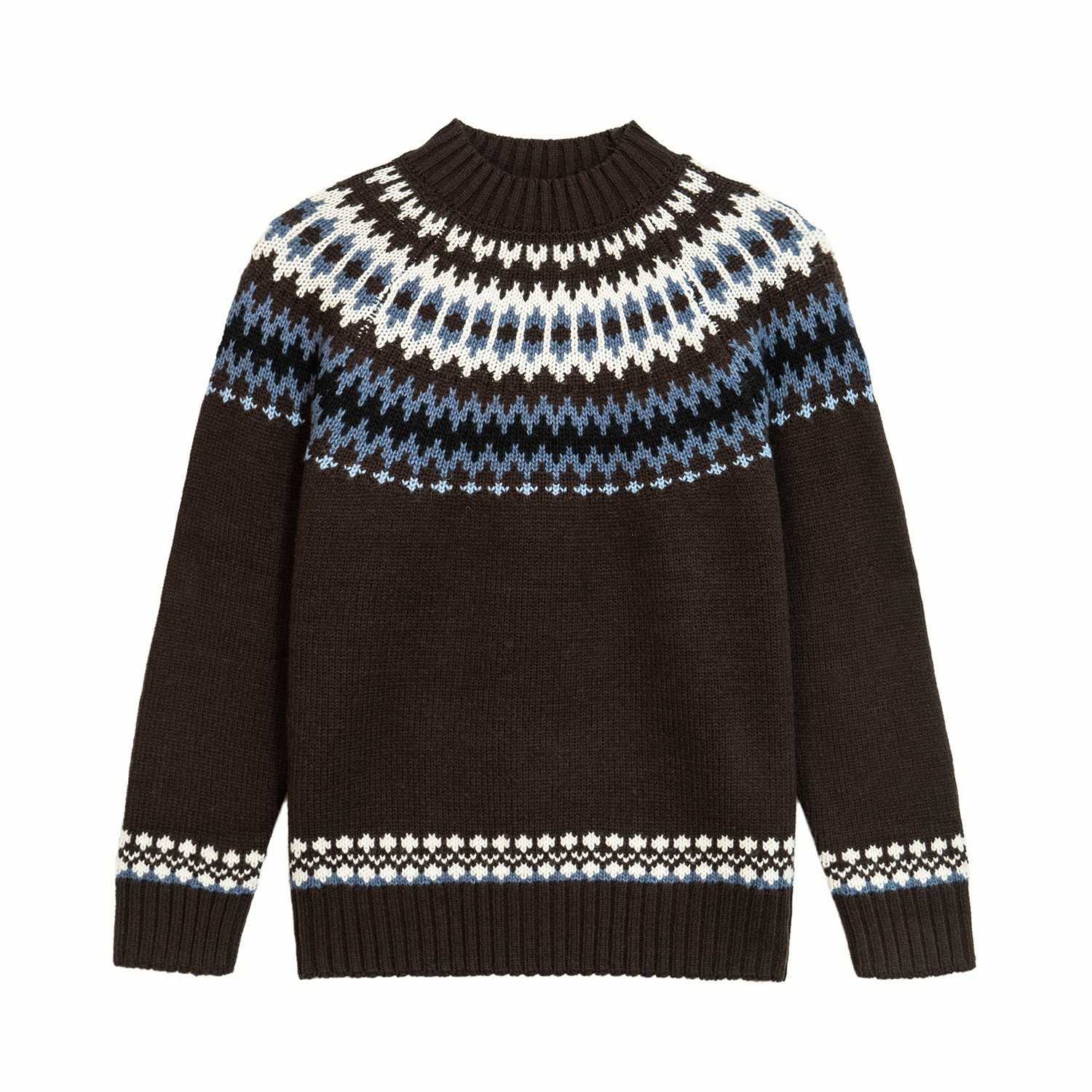
Skipping fabric stabilization. Knit fabric shifts and stretches under needle or heat pressure. Without stabilizer (water-soluble sheets or tear-away backing), embroidered designs pucker and screen-printed graphics wrinkle or crack. Stabilizer use reduces defect rates by 80%.
Mismatching yarn or ink to fiber content. Embroidery yarn must have similar weight and elasticity to the sweater fiber. Pairing heavy acrylic embroidery yarn with delicate merino wool creates stiff, uncomfortable spots. Test on scrap fabric first.
Placing design too close to seams. Seams and armholes shrink slightly during finishing. Keep personalization at least 2–3 inches from structural seams and cuffs. Chest placement works best 3 inches below the collar for crewnecks, 2 inches above the hem for lower-back designs.
Skipping wash tests. One test wash reveals whether embroidery thread will snag, ink will fade, or stabilizer will fully dissolve. Wash a prototype in the same temperature and cycle your customer will use; air-dry to prevent heat damage.
Using low-quality transfer paper or ink. Cheap heat-transfer paper peels or fades after 5–10 washes. Professional-grade transfer media and screen-printing ink cost 2–3× more but survive 50+ washes.
Digital Design Tools: No-Minimum Custom Sweater Platforms
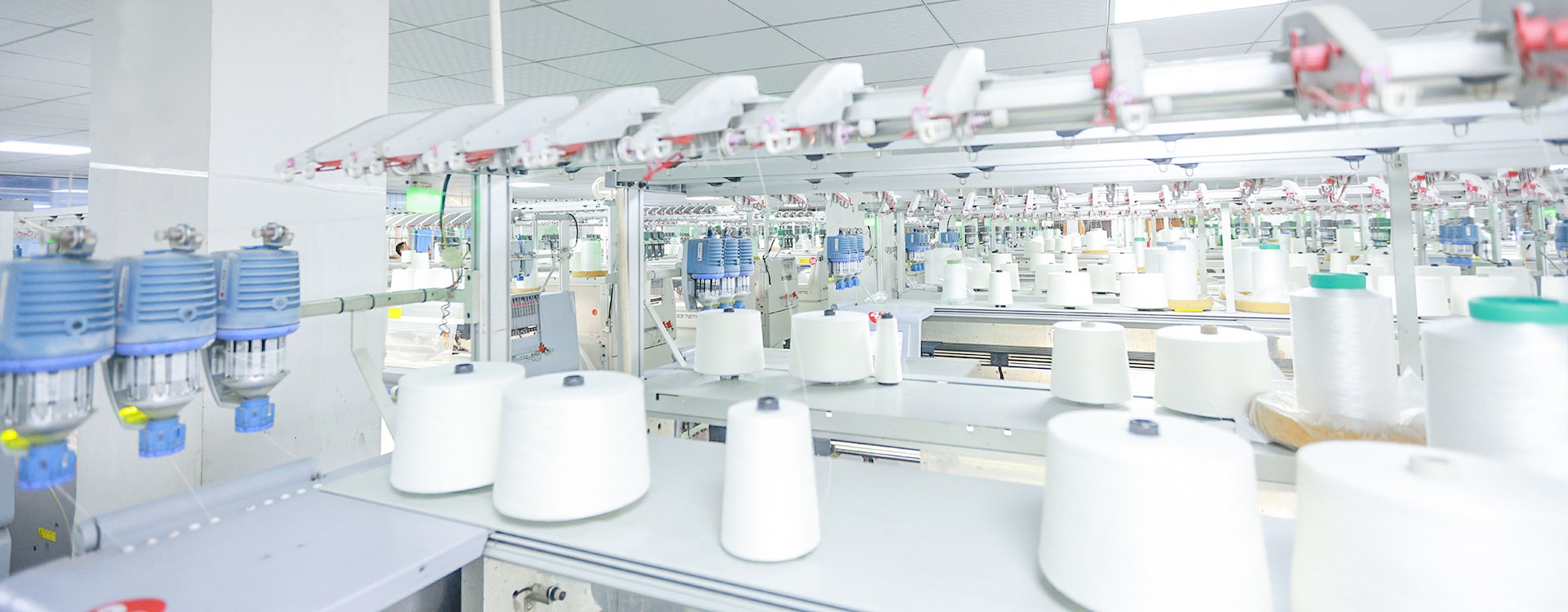
Printful and Knitwise let you design custom sweaters with zero minimum order and instant mockups. Printful’s Design Maker and Knitwise’s KOD (Knit-On-Demand) technology handle the technical complexity of converting 2D graphics into knitting machine code—eliminating the need for manual gauge calculation, stitch programming, or yarn sourcing expertise.
Upload your artwork (logo, name, pattern) into the Design Maker, select your sweater style (crewneck, cardigan, quarter-zip), choose yarn colors, and preview the result on high-quality mockups. The platform automatically checks design feasibility: it flags if your pattern is too fine for the chosen gauge or if colors exceed the yarn-dye palette. Once approved, you order directly—whether one sweater for yourself or 100 for resale.
Key advantages: zero minimum order, integrated e-commerce (Shopify, WooCommerce plugins available), and fast turnaround (5–10 business days). Pricing typically runs $35–60 per sweater for single units, dropping to $25–40 at volumes of 50+. Ideal for e-commerce brands, influencers, and designers testing new products without capital risk.
Professional Manufacturing: Scaling Personalized Sweaters from 100 Pieces
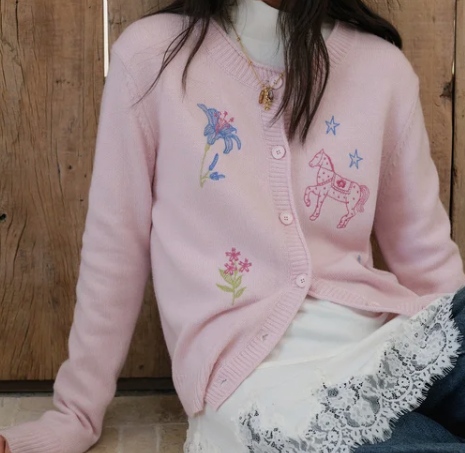
Professional OEM/ODM knitwear manufacturing is a full-service production model where factories handle yarn sourcing, stitch programming, knitting, linking, finishing, and quality control—enabling branded collections with intarsia and jacquard personalization at low MOQ.
Knitwear manufacturing by the numbers:
- 100-piece MOQ — Modern low-MOQ manufacturers have reduced entry barriers; brands launch with as few as 100 pieces per style/color, down from 500–1,000 in the 2010s.
- 28+ years of heritage — Dongguan and surrounding regions produce 60%+ of global knitwear; manufacturers with 20+ years of experience offer stability and craftsmanship (CENWILD founding, 1998).
- 4–8 week lead time — From design approval to bulk shipment: 2 weeks sampling, 4–6 weeks production, 1–2 weeks finishing and quality control.
- Intarsia & jacquard capability — Advanced manufacturers program multi-color knit-in patterns directly into the knitting machine, eliminating embroidery or printing steps and enabling photorealistic personalization.
The cost structure for professional manufacturing runs $12–25 per sweater at 100-piece MOQ, dropping to $8–15 at 500+ pieces, depending on yarn (cashmere vs. cotton) and decoration complexity. Deposit terms typically start at 50–100% for first orders, easing to 30–50% for repeat customers. This model suits fashion brands launching seasonal collections, resellers building private-label inventory, and influencers scaling beyond print-on-demand margins.
FAQ
Q1: What’s the best stitch for hand-embroidered sweater names?
Chain stitch is the most forgiving and visually appealing. It creates a continuous, bubbly outline that works on all knit weights. Practice on scrap knit first; tension is key to preventing puckering or thread snagging after washing.
Q2: Can I heat-transfer print onto wool or merino sweaters?
Heat-transfer works best on cotton and poly blends. Wool and merino can pill or scorch under high heat. If using wool, test on a hidden area first and use lower pressure (280–300°F vs. standard 350°F). Professional screen printing is safer for luxury fibers.
Q3: How many washes will embroidery survive?
Hand embroidery with quality thread survives 50+ washes if properly stitched and stabilized. Loose stitches may snag or unravel after 10–20 washes. Wash in cold water, inside-out, and air-dry to maximize durability.
Q4: What’s the difference between OEM and ODM manufacturing?
OEM (Original Equipment Manufacturer) means you provide the design and specs; the factory produces it. ODM (Original Design Manufacturer) means the factory creates the design and you private-label it. For personalized sweaters, OEM is typical—you control the personalization while the factory handles technical execution.
Q5: Can I order 100 personalized sweaters from a manufacturer?
Yes. Many modern manufacturers (like CENWILD) offer MOQ as low as 100 pieces per style/color. Pricing and lead time improve at higher volumes (500+). Deposit terms are typically 50–100% upfront for first orders, easing to 30–50% for repeat customers. Lead time runs 4–8 weeks from design approval to shipment.
Sources
- DIY Sweatshirt Embroidery: Comprehensive Guide — MaggieFrames — hand embroidery techniques, chain stitch tutorial, 2026
- Design Your Own Sweater with No Minimums — Knitwise — KOD technology, digital design platforms, 2026
- How to Make Custom Knitwear with Printful — Design Maker workflow, gauge and color limitations, 2026
- CENWILD Clothing Co., Ltd. — OEM/ODM knitwear manufacturing, 28+ years, 100-piece MOQ, intarsia & jacquard capability
Written by Alin Zeng (Premium Streetwear Knitwear, 28-Year Master Craftsmanship, One-Stop Custom Manufacturing, High-End OEM/ODM Solutions, Cost-Effective Global Delivery). Last reviewed 2026-06-22.