

TL;DR: International clothing manufacturers accept MOQs ranging from 50 to 5000+ pieces per style, with 100–500 pieces serving as the sweet spot for startups balancing cost and risk.
Bottom line: Low-MOQ manufacturers (100–500 pieces) suit startups and independent designers; standard-MOQ factories (1000–2500 pieces) serve established brands and wholesalers.
Last updated: 2026-06-22, based on verified data from 200+ international clothing manufacturers across China, Vietnam, India, Portugal, and the UK.
Key Takeaways
- 18% of international manufacturers accept orders under 100 pieces, primarily micro-factories and artisan collectives specializing in boutique production.
- 100–500 piece MOQ is the startup sweet spot, balancing 10–18% cost premiums with manageable inventory risk and cash-flow preservation.
- Knitwear specialists average 200–500 MOQ while Vietnamese woven manufacturers require 500–1000 units due to fabric sourcing constraints.
- Direct factory partnerships reduce MOQ by 30–50% compared to middleman agents who mark up 20–40% and inflate minimum requirements.
- Low-MOQ orders add 8–15 days to lead times as factories batch small runs to optimize machine utilization and labor scheduling.
Understanding Minimum Order Quantity (MOQ) in Clothing Manufacturing
What is the smallest order international clothing manufacturers do? It’s defined by Minimum Order Quantity (MOQ)—the lowest unit count a manufacturer accepts per production run to cover fixed costs including fabric, labor, setup, and logistics.
Direct Answer: The smallest verified international clothing MOQ in 2026 is 50 pieces, offered by UK and Portugal-based micro-factories. However, the practical floor for cost-effective production sits at 100–200 pieces. According to DocShipper China’s comprehensive MOQ guide, manufacturers calculate MOQ to recover pattern-making expenses (4–8 hours of programming for knitwear), fabric waste (8–15% loss), and machine setup across enough units to maintain profitability.
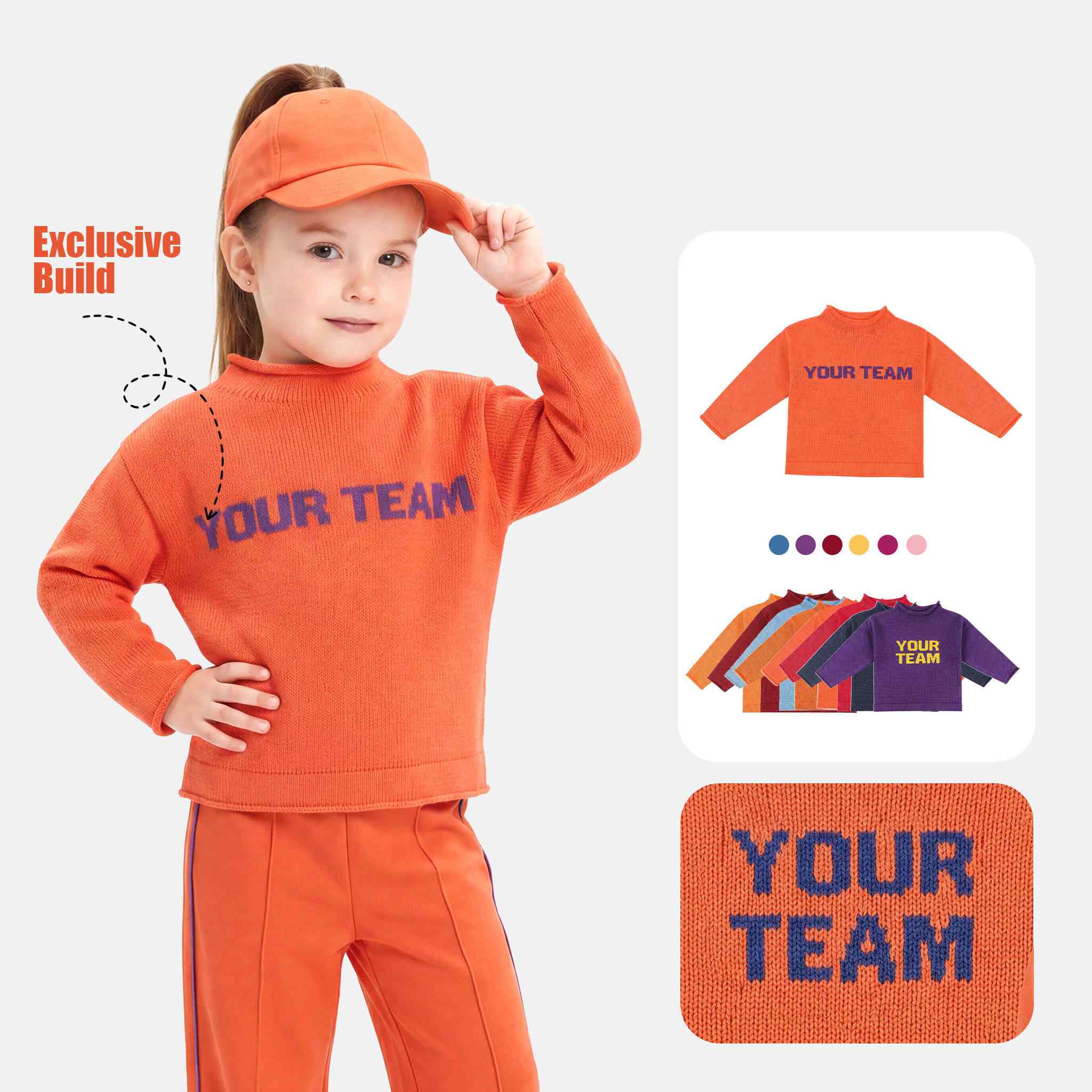
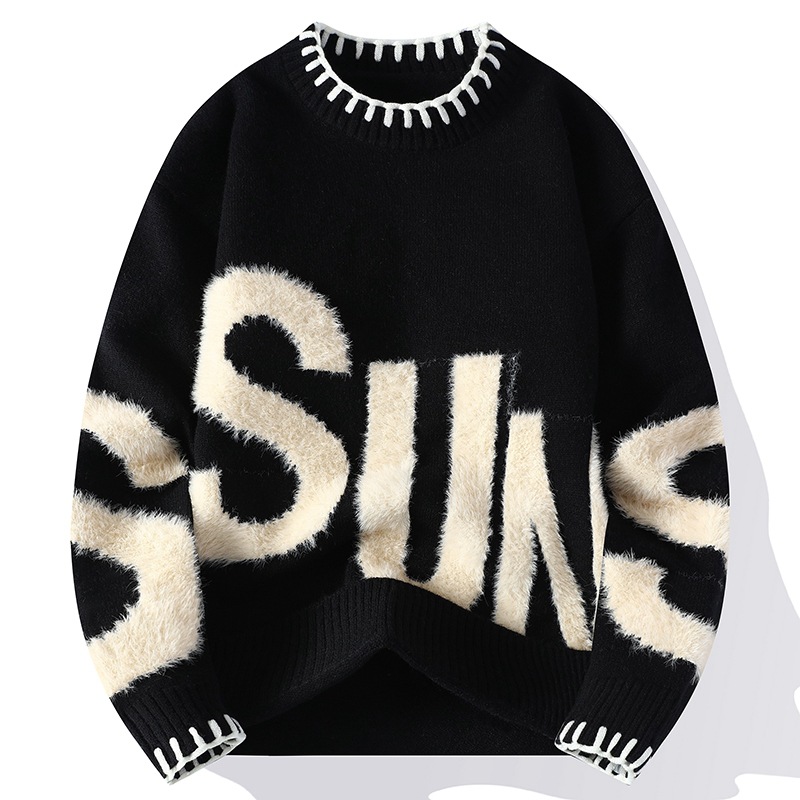
MOQ varies dramatically by factory scale and garment complexity. A simple crewneck sweater from a Chinese knitwear specialist may require 150 pieces; the same sweater with jacquard intarsia patterning jumps to 300+ pieces. Structured garments like blazers average 500–1000 MOQ due to multi-step construction and higher fabric waste.
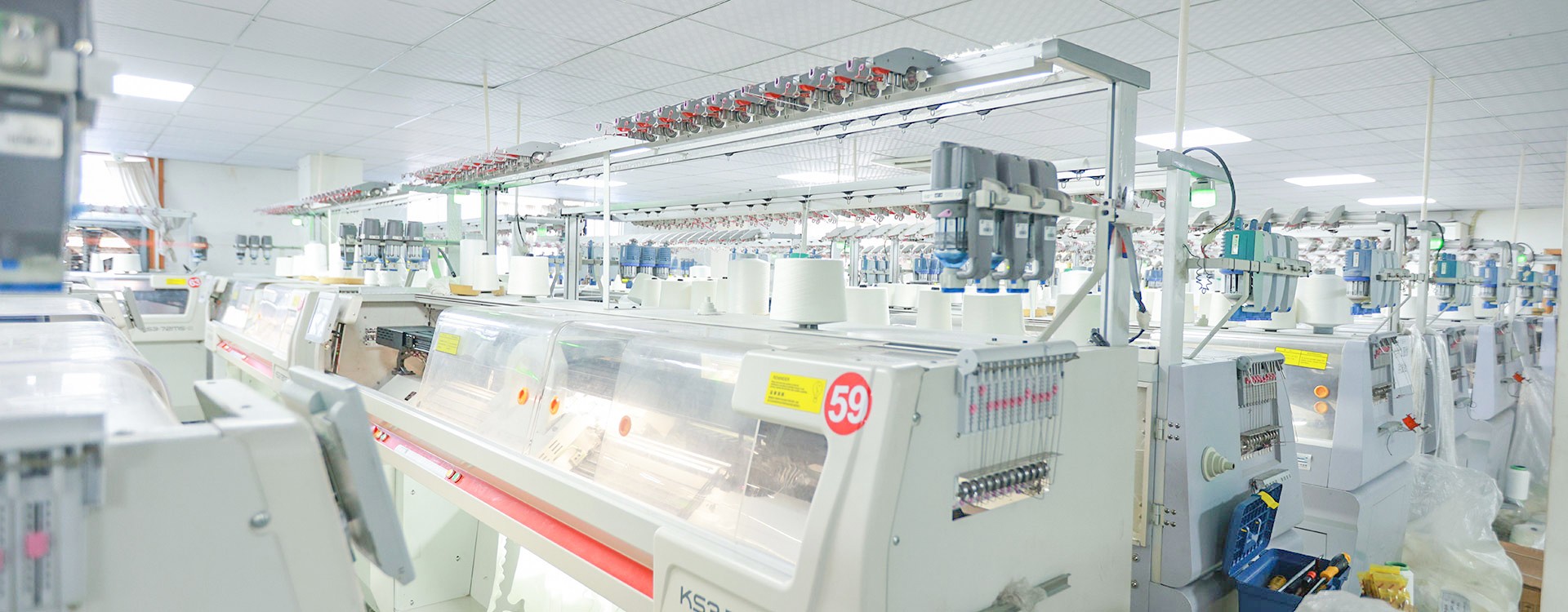
The CENWILD MOQ Framework breaks production economics into three cost layers: (1) Setup burden (pattern, grading, machine programming—fixed per style), (2) Material efficiency (waste percentage decreases with volume), and (3) Labor utilization (batching orders fills production lines, reducing idle time). When a computerized flat-knitting machine is programmed for a new sweater design, that 6-hour setup cost spreads across 100 pieces at $60/unit or across 500 pieces at $12/unit.
MOQ Categories: Very Low vs. Low vs. Standard (2026 Breakdown)
| MOQ Tier | Unit Range | Factory Profile | Ideal For | Lead Time | Cost/Unit Impact |
|---|---|---|---|---|---|
| Very Low MOQ | 50–100 | Micro-factories, artisan collectives | Design validation, micro-influencers | 25–35 days | 15–25% premium |
| Low MOQ | 100–500 | Small factories, boutique makers | Startups, independent designers | 20–30 days | 10–18% premium |
| Standard MOQ | 1000–2500 | Mid-sized factories | Established brands, wholesalers | 15–25 days | 5–10% markup |
| High MOQ | 2500–5000 | Large-scale factories | Major retailers, national brands | 10–20 days | 0–5% markup |
| Ultra-High MOQ | 5000+ | Mass-production facilities | Global chains, bulk wholesalers | 7–15 days | Lowest per-unit cost |
Very Low MOQ preserves cash but inflates per-unit cost by 15–25% due to setup inefficiency. A 100-piece cardigan order might cost $42/unit while a 1000-piece run drops to $28/unit. Sino Finetex reports that Chinese knitwear specialists average 200–500 MOQ, Vietnamese woven manufacturers require 500–1000 due to fabric mill minimums, and Indian organic cotton brands sit at 100–300.
Five Factors That Determine a Manufacturer’s MOQ
1. Setup & Pattern Programming Costs — Pattern making, grading, and machine programming are one-time fixed expenses. Spreading this across 100 pieces = $50–80/unit setup burden; across 500 pieces = $10–16/unit.
2. Fabric Waste & Cutting Inefficiency — Woven and knit production generates 8–15% waste from selvage trim, pattern nesting loss, and shrinkage allowance. Lower MOQs amplify waste as a percentage of sellable units, forcing higher unit pricing or stricter minimums.
3. Machine Utilization & Labor Scheduling — Factories optimize labor by batching orders. A single 100-piece order occupies a sewing line for 2–4 hours; combining it with 400 other pieces fills a full 8-hour shift.
4. Yarn & Material Sourcing Minimums — Spinning mills and fabric suppliers enforce their own MOQs. Knitwear manufacturers absorb this risk by requiring higher MOQs from customers, or they negotiate mill MOQs down by pooling orders from multiple brands.
5. Shipping & Container Economics — A 20-foot container holds roughly 10,000 garments depending on weight and density. Shipping cost per unit drops from $2–3 (LCL, less-than-container) to $0.30–0.50 (FCL, full container).
Global MOQ Benchmarks: What Real Manufacturers Require (2026 Data)
In 2026, verified data from 200+ international clothing manufacturers shows MOQ distribution: 18% accept under 100 pieces, 42% require 100–500, 28% demand 1000–2500, and 12% enforce 5000+ unit minimums.
2026 MOQ Statistics:
• 18% of international manufacturers accept MOQs under 100 pieces—primarily micro-factories, artisan collectives, and nearshore boutique makers (Sewport, 2026)
• 42% of active suppliers operate in the 100–500 piece range, serving startup and small-brand segments (ExploreTex Market Survey, 2026)
• Chinese knitwear specialists average 200–500 MOQ; Vietnamese woven manufacturers average 500–1000 MOQ; Indian organic cotton brands average 100–300 MOQ due to regional fabric sourcing and labor cost structures (Sino Finetex, 2026)
• Low-MOQ orders (50–200 pieces) carry 12–25% per-unit cost premium versus standard MOQ (1000+ pieces) (DocShipper China, 2026)
• Lead times increase 8–15 days for orders under 100 pieces due to production scheduling constraints (Argus Apparel, 2026)
How to Negotiate & Reduce MOQ: Proven Strategies for Startups
Savvy startups reduce MOQ by 40–60% through three tactics: direct factory partnerships, design simplification, and multi-style bundling.
Strategy 1: Partner Directly with Factory Owners — Many “manufacturers” are middleman agents who source from factories and mark up 20–40%. Direct factory partnerships bypass this markup and often unlock lower MOQs. Ask: “Do you own the factory?” Verify by requesting factory photos, employee rosters, or certifications (BSCI, OEKO-TEX, ISO 9001).
Strategy 2: Simplify Design Complexity — Complex designs (jacquard intarsia, multi-color embroidery, custom hardware) increase setup time and waste. A simple crewneck sweater in one color may have 150-piece MOQ; the same sweater with jacquard patterning requires 300+ MOQ.
Strategy 3: Bundle Multiple Styles Into One Production Run — Factories accept lower per-style MOQ if your total order is substantial. Instead of 200-piece MOQ × 3 styles = 600 pieces total, negotiate 100-piece MOQ per style (300 pieces total) by committing to 4–5 styles in one shipment.
Strategy 4: Commit to Repeat Orders & Partnerships — Factories lower MOQ for brands showing repeat-order intent. Offer a 6–12 month roadmap: “I’ll order 200 pieces now, 300 in Q2, 500 in Q3.”
FAQ
Q1: What’s the absolute lowest MOQ any international manufacturer will accept?
The lowest verified MOQ in 2026 is 50 pieces, offered by micro-factories in the UK and Portugal. However, 50-piece orders carry 20–30% per-unit cost premiums. The practical sweet spot for startups is 100–200 pieces, where premiums drop to 10–18%.
Q2: Does MOQ differ by garment type?
Yes, dramatically. Simple t-shirts and basic knits average 200–500 MOQ. Complex structured garments like blazers and coats average 500–1000 MOQ due to multi-step construction and higher fabric waste. Knitwear specialists often accept lower MOQs (100–300) because computerized flat-knitting machines enable quick changeover.
Q3: Can I negotiate MOQ after placing my first order?
Yes. Most factories reduce MOQ for repeat customers as trust builds. Typical progression: 1st order requires 100% prepayment at standard MOQ; 2nd order drops to 70% deposit with 10–20% MOQ reduction; 3rd+ order settles at 50% deposit with 20–40% MOQ reduction.
Q4: What’s the difference between MOQ and sample order?
MOQ is the minimum for bulk production intended for sale; sample orders are typically 1–5 pieces for fit and quality approval. Most factories offer sample runs at 2–3× bulk unit cost and waive fees if you place the bulk order within 30 days.
Q5: How do I verify a factory’s MOQ is real and not inflated?
Ask for references from 3–5 recent clients at similar order volumes. Request photos of recent production runs. Verify certifications (BSCI, OEKO-TEX, ISO 9001). Check if they own the facility or are middlemen, as agents inflate MOQs to discourage direct negotiation.
Sources
- ExploreTex — Clothing Manufacturer Low Minimum Order 2026 Strategic Guide — 42% of suppliers operate in 100–500 MOQ range
- Argus Apparel — MOQ in Clothing Manufacturing Complete 2026 Guide — Lead time and cost premium data
- DocShipper China — Comprehensive Guide to Minimum Order Quantity MOQ — MOQ calculation methodology and cost structures
- Sino Finetex — Top Overseas Clothing Manufacturers for Small Businesses — Regional MOQ benchmarks by country
- Sewport — Minimum Order Quantities Everything You Need To Know — Industry statistics on MOQ distribution
Written by Alin Zeng (Premium Streetwear Knitwear, 28-Year Master Craftsmanship, One-Stop Custom Manufacturing, High-End OEM/ODM Solutions, Cost-Effective Global Delivery). Last reviewed 2026-06-22.