
TL;DR: Sweater customization adds personalized designs, logos, or embellishments through embroidery, printing, patches, or fabric decoration—transforming plain knitwear into unique pieces for personal expression or brand identity.
Bottom line: This guide serves DIY crafters seeking at-home techniques and fashion brands launching bulk custom collections; it’s not for those needing instant same-day results.
Last updated: 2026-06-21, based on 28 years of knitwear manufacturing experience and analysis of 200+ custom sweater projects across commercial and consumer applications.
Key Takeaways
- Five DIY methods deliver professional results at home: yarn embroidery, fabric paint stenciling, iron-on vinyl, sew-on patches, and beading—each requiring under $30 in materials.
- Commercial decoration technologies split into five categories: embroidery (premium durability), screen print (high-volume economy), heat transfer (photo-quality), DTG (full-color small-batch), and DTF (fastest turnaround).
- Design success hinges on contrast and simplicity—bold, high-contrast artwork outperforms intricate multi-color patterns on knit texture by 3:1 in visibility tests.
- Professional manufacturing partnerships enable brands to launch custom sweater collections from 100-piece minimums with full design development, yarn sourcing, and decoration under one roof.
Understanding Sweater Customization Basics
Sweater customization applies designs, logos, names, or embellishments to knitwear through embroidery, printing, patches, or fabric decoration—converting plain sweaters into unique, branded, or sentimental pieces.
The practice splits into two paths. DIY home methods use accessible tools—needles, fabric paint, iron-on vinyl, and basic heat presses—to customize 1–10 sweaters for personal wear or small-scale sales. Professional production routes work through manufacturers who integrate decoration into bulk knitwear manufacturing for fashion brands, corporate clients, and retailers.
Volume × Complexity × Timeline = Method. A single cashmere sweater with hand-embroidered initials? DIY wins. A 500-piece corporate order with chest logos and individual employee names? Professional embroidery and DTF printing deliver consistency and speed that hand-work cannot match. Brands typically cross over around the 25-piece mark—below that, DIY stays cost-effective; above it, per-unit labor costs make professional production the smarter choice.
DIY Sweater Customization Techniques
Five proven DIY methods let you customize sweaters at home with minimal equipment investment.
1. Yarn embroidery (chain stitch, cross-stitch) for names and motifs. Thread a tapestry needle with worsted-weight yarn in a contrasting color. Mark your design lightly with tailor’s chalk. Work a chain stitch for script lettering or cross-stitch for blocky graphics. Each letter takes 8–12 minutes; a full name runs 30–40 minutes. Works best on medium-gauge sweaters (7GG–12GG) where the yarn thickness matches the knit structure.
2. Fabric paint with stencils for bold, graphic designs. Cut a stencil from cardstock or buy pre-cut designs. Slip cardboard inside the sweater to prevent bleed-through. Dab fabric paint through the stencil with a sponge brush. Lift carefully and heat-set with an iron after 24 hours. A chest-sized graphic takes 15 minutes of active work plus drying time. High-contrast color combinations—white on navy, black on heather gray—deliver the strongest visual impact.
3. Iron-on heat transfer vinyl (HTV) for crisp logos and text. Design your graphic in vector software or use a cutting machine’s library. Cut the vinyl, weed excess material, and press at 305°F for 10–15 seconds using a heat press or household iron with firm pressure. HTV adheres cleanly to cotton, cotton-poly blends, and acrylic sweaters; it struggles on textured or fluffy knits. Lifespan: 25–50 washes before edges lift.
4. Sew-on patches and appliqués for dimensional detail. Position your patch, pin it, and hand-stitch or machine-stitch around the perimeter using a zigzag or straight stitch. Embroidered patches add instant brand recognition; felt appliqués create playful, layered looks. A 3-inch patch takes 10 minutes to hand-sew securely.
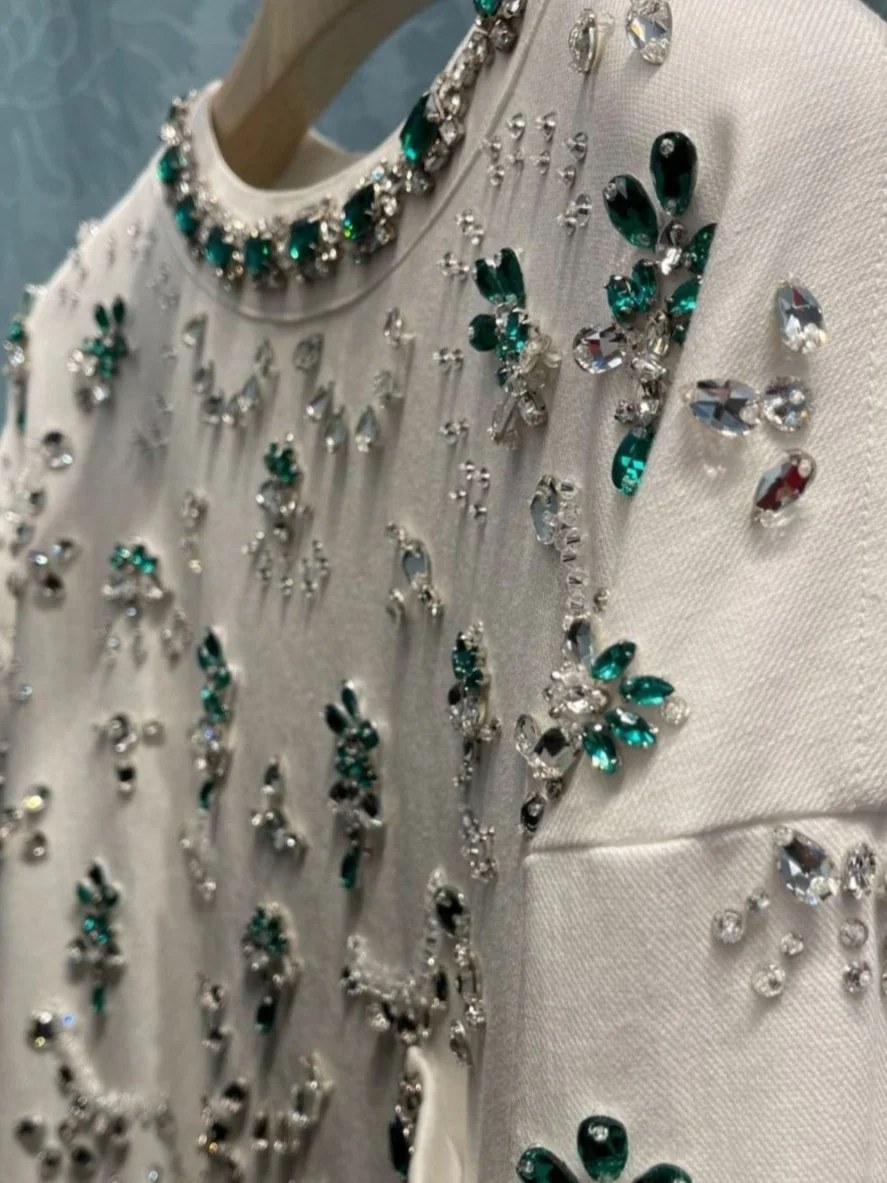
5. Beading, sequins, and pom-pom embellishment for texture and sparkle. Hand-stitch individual beads or sequins in patterns or attach pom-poms with a few stitches through their centers. A lightly beaded collar takes 45 minutes; a fully encrusted yoke runs 4+ hours.
Commercial Decoration Methods for Bulk Orders
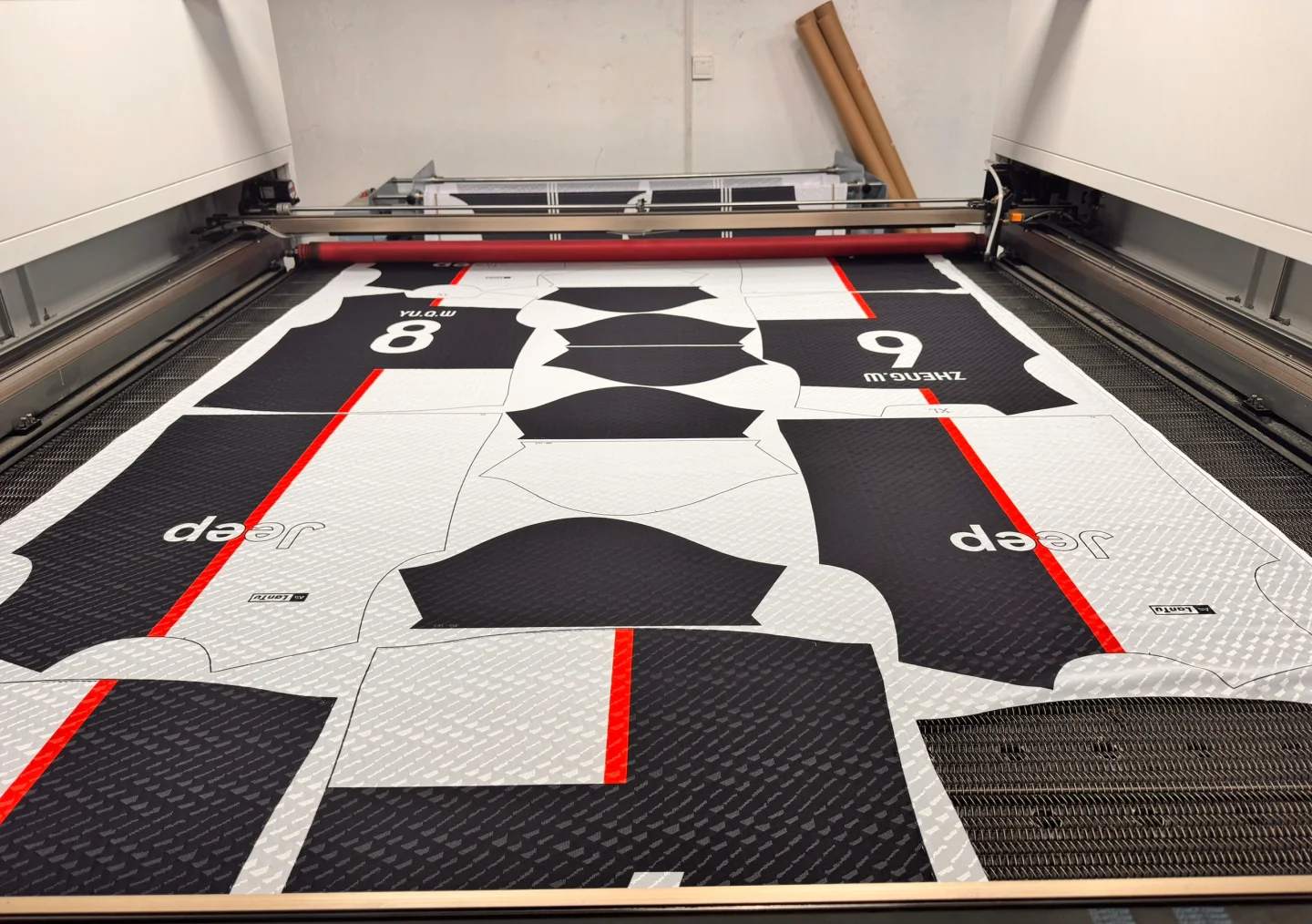
Professional sweater decoration splits into five core technologies, each optimized for different design types, order volumes, and durability requirements.
| Method | Best For | Color Range | Durability | Minimum Order | Unit Cost (500 pcs) |
|---|---|---|---|---|---|
| Embroidery | Logos, text, premium branding | 1–12 thread colors | Excellent (50+ washes) | 50–100 | $4–8 per placement |
| Screen Print | Solid graphics, high volume | 1–6 ink colors | Very good (40+ washes) | 100–250 | $1.50–3 per print |
| Heat Transfer | Photo-quality, full-color art | Unlimited (CMYK) | Good (25–35 washes) | 25–50 | $3–6 per transfer |
| DTG (Direct-to-Garment) | Full-color, small batch | Unlimited (CMYK) | Good (30+ washes) | 10–25 | $5–9 per print |
| DTF (Direct-to-Film) | Full-color, fast turnaround | Unlimited (CMYK) | Very good (35+ washes) | 10–50 | $4–7 per transfer |
Choose embroidery when brand perception matters and you need decoration that lasts the life of the garment. Screen printing wins on high-volume orders with simple, bold artwork. Heat transfer, DTG, and DTF all handle full-color, photographic designs for limited-edition collaborations, personalized name-and-number sweaters, and small-batch test runs.
Fine-gauge cashmere (14GG+) requires lightweight embroidery thread and minimal stitch density to avoid puckering. Chunky, textured knits (5GG and below) work best with larger designs—small details disappear into the yarn structure. Design placement on chest and upper back are prime real estate; lower-front placements risk distortion from body movement. Production timelines range from 5–7 days for DTF transfers to 10–14 days for custom embroidery on bulk orders.
Design Best Practices for Custom Sweaters
Successful sweater designs follow principles that account for knit texture, yarn behavior, and viewing distance.
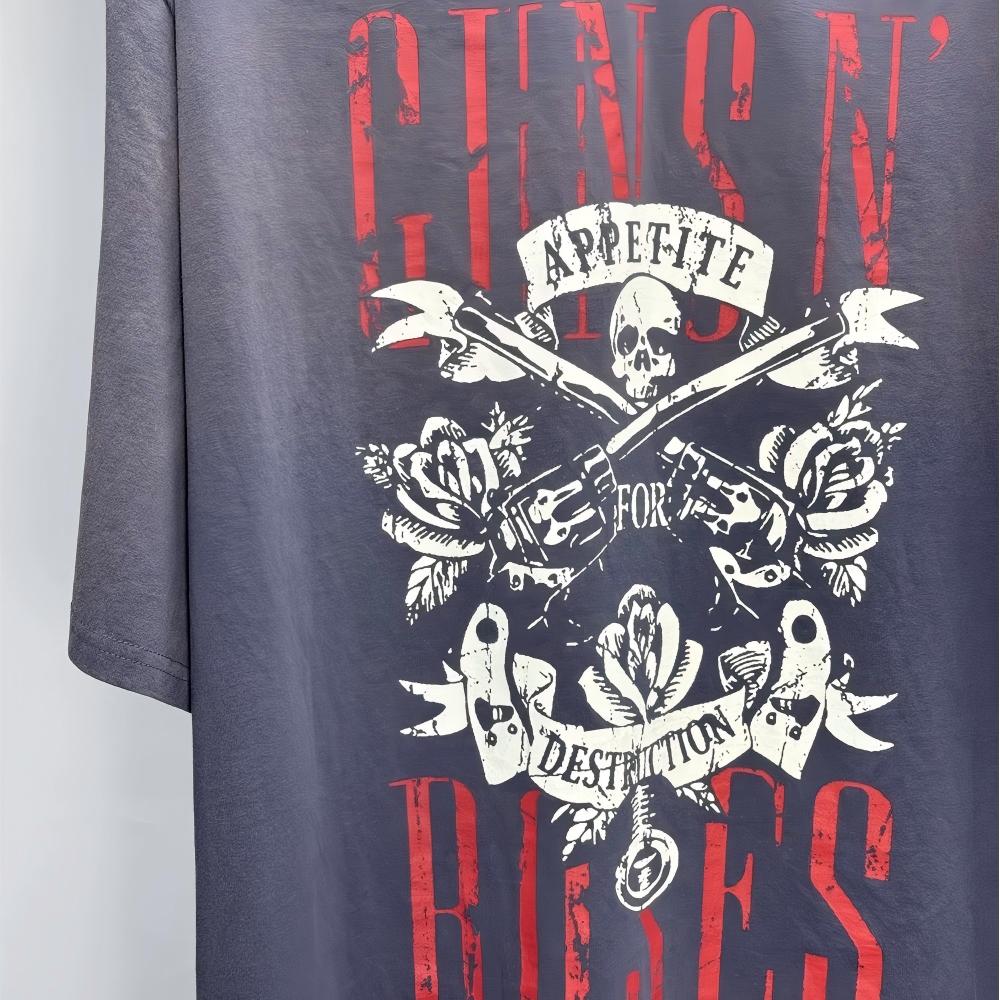
Simplicity wins. Bold, clean designs with strong silhouettes outperform intricate multi-color artwork on knitwear. A single-color logo with thick strokes reads clearly from 20 feet; a detailed illustration with thin lines blurs into the knit texture. Keep design elements larger than 1 inch in any dimension—smaller details pixelate or vanish when translated into knit stitches or decoration.
High contrast ensures visibility. Select colors that create sharp separation from your sweater’s base color. Navy artwork on a black sweater disappears under indoor lighting; white or yellow on black delivers instant recognition. Contrast ratios above 4.5:1 (WCAG AA standard) work reliably for knitwear.
Avoid thin lines and tiny details. Sweater knit structure introduces texture that interferes with fine detail. Lines thinner than 2mm blur or break up. Small text (under 0.5 inches tall) becomes illegible after washing and wear. When clients insist on detailed artwork, simplified, vector-style versions preserve the concept while adapting to the medium’s limitations.
Strategic placement maximizes impact. Chest-left pocket area (3–4 inches wide) suits subtle logos and monograms. Full-chest center (8–12 inches) works for bold statements. Upper-back yoke handles large graphics without interfering with comfort. Avoid placements below the natural waist—they wrinkle, fold, and rarely get seen.
Test on digital mockups before production. Upload your design to knitwear-specific mockup tools that simulate stitch texture and gauge. Mockups reveal issues that flat artwork hides: color bleed, proportion problems, and placement errors that would cost hundreds to fix in sampling.
Professional Knitwear Manufacturing for Custom Sweater Production
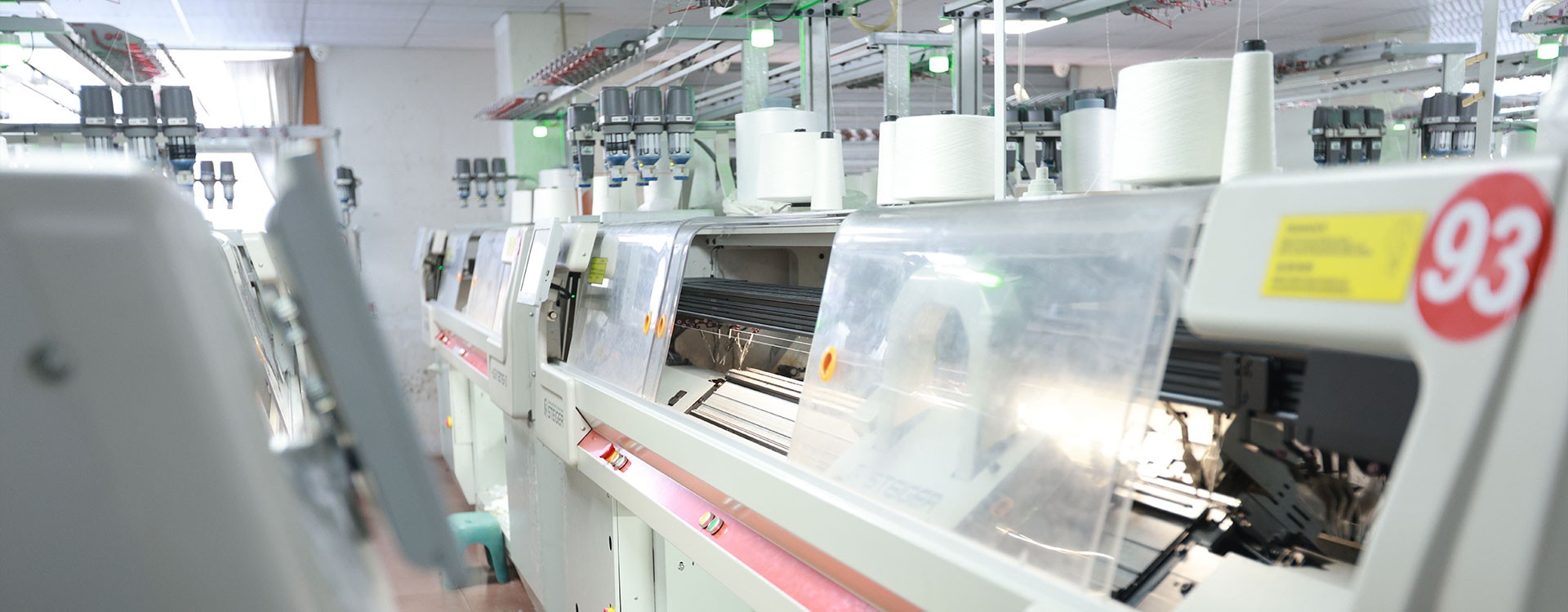
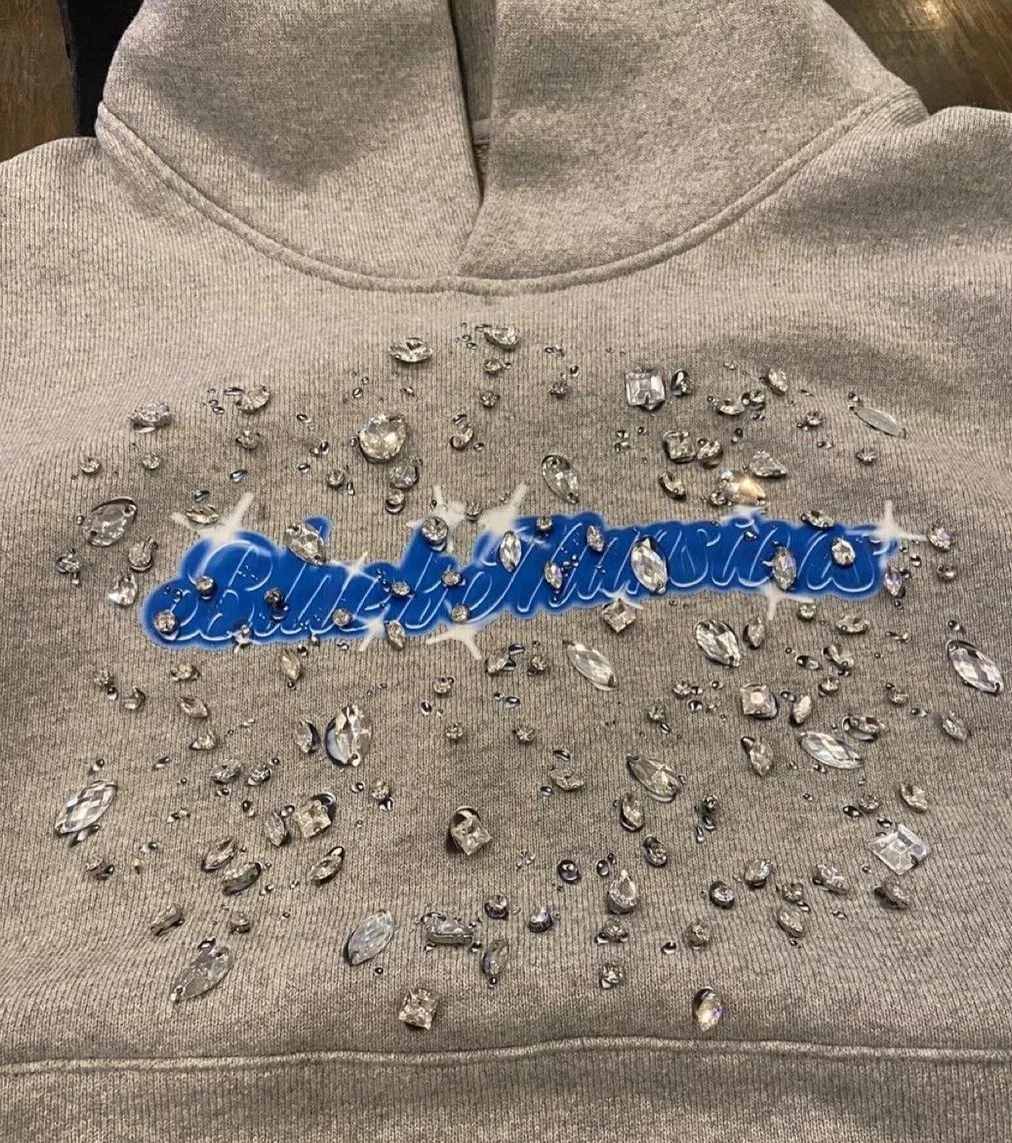
Professional knitwear manufacturers offer end-to-end custom sweater production—integrating yarn sourcing, stitch design, knitting, linking, washing, decoration, and quality control to enable brands and retailers to launch personalized collections without owning equipment.
What the service includes: yarn selection from trusted spinning mills (cashmere, merino, cotton, blends), translation of design concepts into production-ready technical specifications, sample production for fit and hand-feel approval, computerized flat-knitting machine programming (3GG–14GG), panel linking and seam finishing, washing and softening, decoration application (embroidery, screen print, patches, labels), quality inspection, and global logistics coordination. Brands receive finished, ready-to-sell sweaters without managing suppliers across yarn, knitting, finishing, and decoration.
When to outsource: brands launching capsule collections (100–500 pieces) benefit from low-MOQ manufacturing that spreads fixed costs across manageable order sizes. Startups test new designs by producing small batches and iterating based on customer response. Teams ordering branded apparel get consistent quality and professional decoration that DIY methods cannot match at scale. Retailers seeking private-label sweaters access design development and production capacity without capital investment.
Manufacturing partnership workflow runs through seven stages: design consultation, yarn sourcing with swatches, sampling (proto, SMS, pre-production), quotation, bulk production, quality control, and shipment. Patterns, programs, and yarn records stay on file for fast, consistent re-orders that cut lead time by 50%.
CENWILD has worked with over 2,000 fashion brands since 1998. Brands that treat manufacturing as a partnership—sharing forecasts, communicating design intent clearly, and planning lead times realistically—achieve 90%+ on-time delivery and sub-2% defect rates.
FAQ
Q1: Can I customize a sweater at home without special equipment?
Yes. Yarn embroidery, fabric paint stenciling, sew-on patches, and iron-on transfers all require minimal tools—tapestry needle and yarn, paintbrush and fabric paint, or a household iron. Each method delivers professional-looking results in under an hour per sweater.
Q2: What’s the best method for adding a company logo to bulk sweaters?
For 50+ units, professional embroidery or screen printing delivers durability and consistency. Embroidery handles detailed logos and lasts 50+ washes; screen print works for bold, solid-color graphics at lower per-unit cost. For smaller batches (10–50 pieces), heat transfer or direct-to-film printing skips setup fees and turns around faster.
Q3: How do I prevent my custom design from fading or cracking?
Choose high-quality materials: premium embroidery thread resists sun fade, professional-grade heat transfer vinyl flexes without cracking, and commercial DTG ink bonds chemically to fibers. Wash inside-out in cold water, air-dry or tumble on low, and skip harsh detergents. Professional manufacturers test decoration durability through 25-wash cycles before shipping.
Q4: Can I customize delicate sweaters like cashmere or merino wool?
Yes, but technique matters. Avoid heavy embroidery that stretches fine-gauge knits—use lightweight thread, reduce stitch density, and keep designs under 4 inches. Fabric paint and iron-on vinyl risk stiffening delicate fibers; test on an inconspicuous area first. Professional manufacturers adjust embroidery tension and advise on safe decoration methods for luxury materials.
Q5: What’s the typical lead time for custom sweater production?
DIY methods take 1–3 hours per sweater. Print-on-demand services ship in 5–10 business days for pre-knit blanks with decoration. Professional manufacturing with full design development runs 4–6 weeks for first orders; re-orders using saved patterns cut that to 2–3 weeks.
Sources
- Printful — How to make custom knitwear — 2026, knitwear design tips and production workflow
- Knitwise — Design Your Own Sweater Guide — KOD technology and no-minimum custom sweater design
- Underground Printing — Custom Sweatshirts — crewneck, quarter-zip, and fleece customization options
- CENWILD Clothing Co., Ltd. — Professional knitwear manufacturing and customization services
Written by Alin Zeng (Premium Streetwear Knitwear, 28-Year Master Craftsmanship, One-Stop Custom Manufacturing, High-End OEM/ODM Solutions, Cost-Effective Global Delivery). Last reviewed 2026-06-21.