
TL;DR: Custom sweater options span three manufacturing models (OEM, ODM, private label), six core styles (pullovers, cardigans, quarter-zips), five yarn tiers (cashmere to acrylic), and four decoration methods (embroidery, screen print, DTF, washing) — each combination serves distinct brand positioning, budget, and MOQ requirements.
Bottom line: Startups with clear design vision benefit from OEM + low MOQ (100–200 units) + merino or cotton blends; established brands prioritize ODM speed-to-market or private-label volume efficiency; luxury positioning demands cashmere + embroidery + fully-fashioned construction.
Last updated: 2026-06-22, based on 28 years of knitwear manufacturing experience across 2,000+ brand partnerships and direct factory operations in Dongguan, China’s largest knitwear production hub.
Key Takeaways
- OEM manufacturing (you design, factory produces) starts at 100-piece MOQ and suits brands with established design language; ODM (factory designs for you) cuts sampling time by 40% but limits design ownership.
- Pullovers cost 15–25% less than cardigans due to simpler construction and no zipper/button sourcing — crewnecks dominate corporate gifting and casual wear segments.
- Merino wool ($35–70/piece) and cotton blends ($25–50/piece) deliver the best cost-to-luxury ratio for first custom sweater orders; cashmere ($80–150/piece) suits premium DTC brands.
- Embroidery adds 30–60% to base cost but lasts the garment lifetime — essential for corporate wear, luxury brands, and professional positioning where durability justifies premium.
- Gauge selection (7GG–12GG for most commercial sweaters) directly impacts drape, hand-feel, and decoration compatibility — finer gauges (12GG–14GG) suit lightweight layers; chunkier gauges (5GG–7GG) create statement pieces.
Understanding Custom Sweater Manufacturing Models
Custom sweater manufacturing operates through three core models — OEM (Original Equipment Manufacturer), ODM (Original Design Manufacturer), and private label — each differing in design ownership, cost structure, timeline, and brand control.
OEM production means you provide complete design specifications — tech packs, measurements, stitch patterns, yarn selection — and the factory executes to your exact blueprint. MOQ typically starts at 100–200 pieces per style/color. Lead time: 7–14 days sampling, 30–45 days bulk production.
ODM production shifts design responsibility to the factory. You describe your target market, price point, and aesthetic direction; the factory’s development team creates stitch patterns, selects yarn, and produces samples for your approval. ODM cuts sampling time by 40% and suits startups without design resources.
Private label combines factory-designed sweaters with your branding — labels, hang tags, packaging. It’s the fastest path to market and lowest per-unit cost ($12–40), ideal for wholesalers and volume-focused brands.
Startups typically begin with OEM (100–300 units) to test product-market fit, then scale into ODM or private label once demand stabilizes.
Sweater Styles & Construction Options
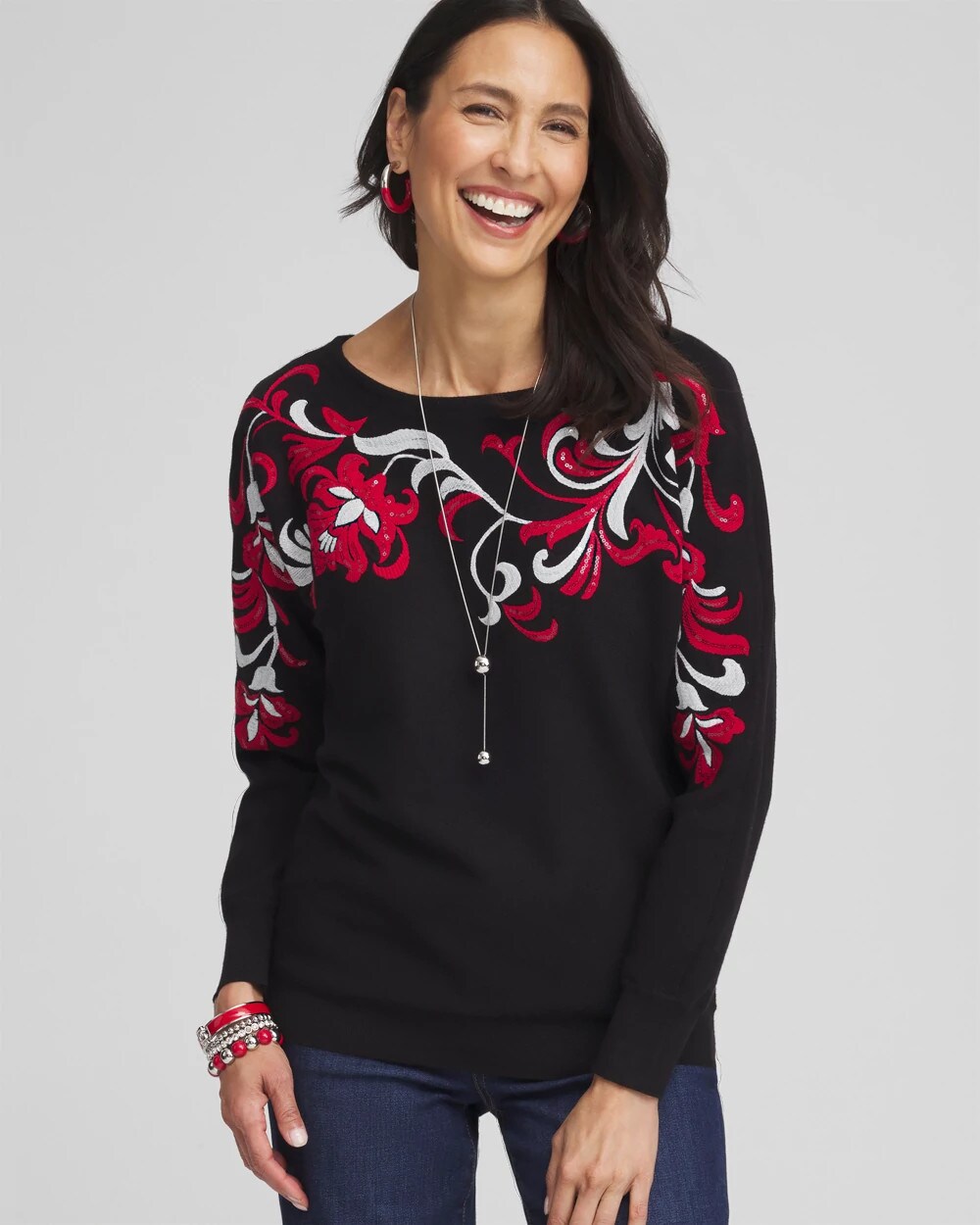
The six most popular custom sweater styles — pullovers, cardigans, quarter-zips, turtlenecks, vests, and knit dresses — each offer distinct design and decoration advantages.
Pullovers: Crewneck, V-Neck & Mock Neck
The most affordable and highest-volume custom sweater option. Pullovers lack zippers and complex closures, reducing per-unit cost by 15–25% compared to cardigans. Crewneck pullovers dominate casual wear and corporate gifting; V-necks add sophistication for upscale brands; mock necks bridge casual and athletic aesthetics. Gauge range 7GG–12GG suits most pullovers.
Cardigans: Button-Front & Zip-Up
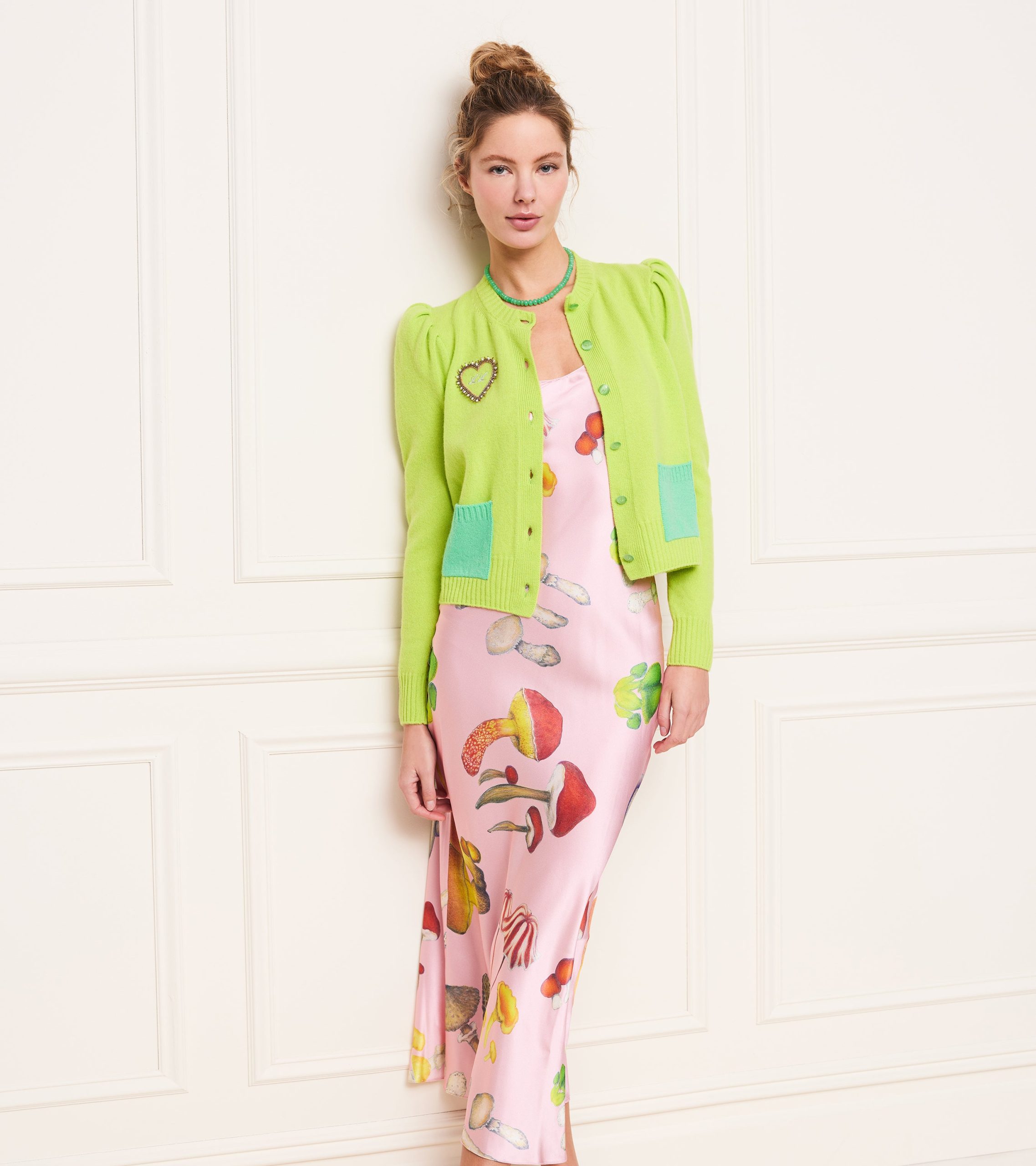
Cardigans command premium pricing (20–40% higher than pullovers) due to button/zipper sourcing and fitting complexity. Button cardigans convey heritage and luxury; zip cardigans appeal to technical and athleisure segments. MOQ for cardigans often starts at 200 units (vs. 100 for pullovers) because factories batch-order matching buttons and zippers to minimize waste.
Layering & Specialty Styles
Quarter-zips and half-zips serve the athleisure and corporate segments; turtlenecks and mock necks peak in fall/winter seasons; vests and sweater dresses expand product range for direct-to-consumer brands. Quarter-zips are the fastest-growing segment for professional settings due to their versatile layering and clean embroidery placement.
Construction Methods & Gauge Selection
Fully-fashioned knitwear (shaped during knitting) offers superior fit and luxury positioning but requires higher MOQ (typically 300+ units). Cut-and-sew (knit flat, cut to shape, linked) is faster and suits lower MOQ (100–200 units). Gauge — measured in stitches per 1.5 inches — ranges from 3GG (bulky) to 14GG (fine). Most commercial custom sweaters use 7GG–12GG for balanced drape, durability, and decoration compatibility.
Yarn & Material Selection for Custom Sweaters
Yarn choice — cashmere, merino, cotton, blends — determines sweater hand-feel, durability, price point, and care requirements.
| Yarn Type | Price Tier | Luxury Positioning | Durability | Care Complexity | Best For |
|---|---|---|---|---|---|
| Cashmere | Premium ($80–150/pc) | Highest | Excellent (5+ years) | High (hand wash, storage) | Luxury brands, gift market |
| Merino Wool | Mid-Premium ($35–70/pc) | High | Excellent (4–6 years) | Moderate (machine wash) | Contemporary, outdoor brands |
| Cotton & Pima | Mid ($25–50/pc) | Moderate | Good (2–4 years) | Low (machine wash) | Summer, everyday basics |
| Acrylic & Blends | Budget ($12–30/pc) | Low–Moderate | Fair (1–3 years) | Very Low (easy care) | Corporate gifting, volume |
Luxury and gift-focused brands achieve cashmere or merino positioning that commands 2–3× retail markups, while corporate buyers land at acrylic blends with the lowest unit cost ($12–30). Contemporary and outdoor brands cluster around merino wool ($35–70) for its breathability, durability, and machine-wash convenience.
Request knit-down swatches (small fabric samples knitted at production gauge) before bulk orders to verify hand-feel, drape, and color accuracy.
Decoration Techniques: Embroidery, Printing & Finishing
Custom sweater decoration — embroidery, screen print, DTF, and garment wash — accounts for 20–40% of final cost and directly impacts brand perception and durability.
- Embroidery adds 30–60% to base cost but conveys premium brand positioning and lasts the garment lifetime — ideal for logos, corporate wear, and luxury brands. Flat embroidery suits text and simple logos; 3D puff embroidery creates raised effects; chain-stitch embroidery delivers vintage athletic aesthetics. Embroidery performs best on 7GG–10GG gauges.
- Screen printing on knit costs 15–25% less than embroidery and suits high-volume orders (500+ units). Durability = 30–50 washes with proper curing.
- DTF (direct-to-film) printing enables photorealistic, full-color designs at 20–35% cost premium over screen print; gaining adoption for indie brands and limited runs (100–300 units). Durability = 50+ washes with proper curing.
- Garment washing (enzyme wash, brushing, softening) adds 10–20% to cost but dramatically improves hand-feel and perceived quality — essential for premium cashmere and merino.
Brands prioritizing longevity and professional positioning choose embroidery despite the 30–60% cost jump; brands optimizing for volume choose screen print; brands needing photorealistic designs choose DTF.
Choosing a Custom Sweater Manufacturing Partner
Evaluating a custom sweater manufacturer requires assessing MOQ flexibility, sampling speed, communication quality, yarn sourcing capability, and long-term partnership stability — not price alone.
| Criterion | What to Assess | Red Flag | Green Flag |
|---|---|---|---|
| MOQ Flexibility | Minimum order quantity per style/color | MOQ >500 units; inflexible | MOQ 100–200; willing to negotiate |
| Sampling Speed | Time to knit-down & approval sample | >4 weeks; no tracking | 7–14 days; transparent timeline |
| Quality Control | In-house knitting, linking, washing QC | Outsourced QC; no specs | Full in-house; measurement/pilling standards |
| Yarn Sourcing | Access to premium yarn; traceability | Limited yarn options | 10+ yarn options; mill certifications |
| Communication | English-speaking, responsive merchandiser | Delayed replies (>48 hrs) | <24 hr response; proactive updates |
Startups and capsule collections (100–500 units) should prioritize low MOQ, fast sampling (7–14 days), and responsive communication over lowest price. A factory that replies within 24 hours and provides itemized quotes demonstrates operational maturity and reduces miscommunication risk.
Established brands (500+ units, repeat orders) should prioritize quality consistency, yarn sourcing stability, and long-term partnership terms. Request incoming yarn inspection reports, measurement tolerance specs (±1–2 cm is standard), and pilling-resistance test results.
The biggest mistake: choosing a partner solely on price. A $5/unit savings on a 200-piece order ($1,000 total) evaporates instantly if the factory ships late, uses off-spec yarn, or ghosts you during QC disputes. Structure a trial order (100–200 units, one style) to assess fit quality, yarn accuracy, decoration execution, and communication responsiveness before committing to larger production.
FAQ
Q1: What is the difference between OEM and ODM custom sweater manufacturing?
OEM means you provide the design and specifications; the factory produces to your exact tech pack. ODM means the factory designs the sweater for you, reducing your design workload but giving you less control over differentiation. OEM suits brands with clear design vision; ODM suits startups seeking faster time-to-market (40% faster sampling).
Q2: What is the typical MOQ for a custom sweater order?
Most manufacturers accept MOQ starting at 100–200 pieces per style/color. Some offer lower MOQ (50–100) for premium yarn or established clients, while cardigans and specialty styles often require 200–300 units due to trim sourcing. Higher MOQ (500+) unlocks volume discounts of 10–20%.
Q3: How long does it take to produce a custom sweater order?
Sampling: 7–14 days. Bulk production: 30–45 days (knitting 2–3 weeks, decoration 1–2 weeks, finishing/QC 1 week). Shipping: 7–30 days depending on air/sea. Total lead time: 45–90 days from order confirmation.
Q4: What yarn should I choose for my first custom sweater line?
Merino wool ($35–70/piece) or cotton blends ($25–50/piece) offer the best balance of cost, luxury positioning, and durability for first orders. Cashmere suits premium brands with established customers; acrylic blends suit corporate/high-volume segments. Always request knit-down swatches before committing to bulk production.
Sources
- Bolt Printing — How to Pick the Best Custom Sweaters — pullover vs. cardigan construction and cost benchmarks
- Underground Shirts — Custom Sweatshirts Guide — crewneck popularity data for university and corporate segments
- Imprint Engine — Best Custom Hoodies for Corporate Gifting — quarter-zip adoption trends in professional settings, 2026
Written by Alin Zeng (Premium Streetwear Knitwear, 28-Year Master Craftsmanship, One-Stop Custom Manufacturing, High-End OEM/ODM Solutions, Cost-Effective Global Delivery). Last reviewed 2026-06-22.