

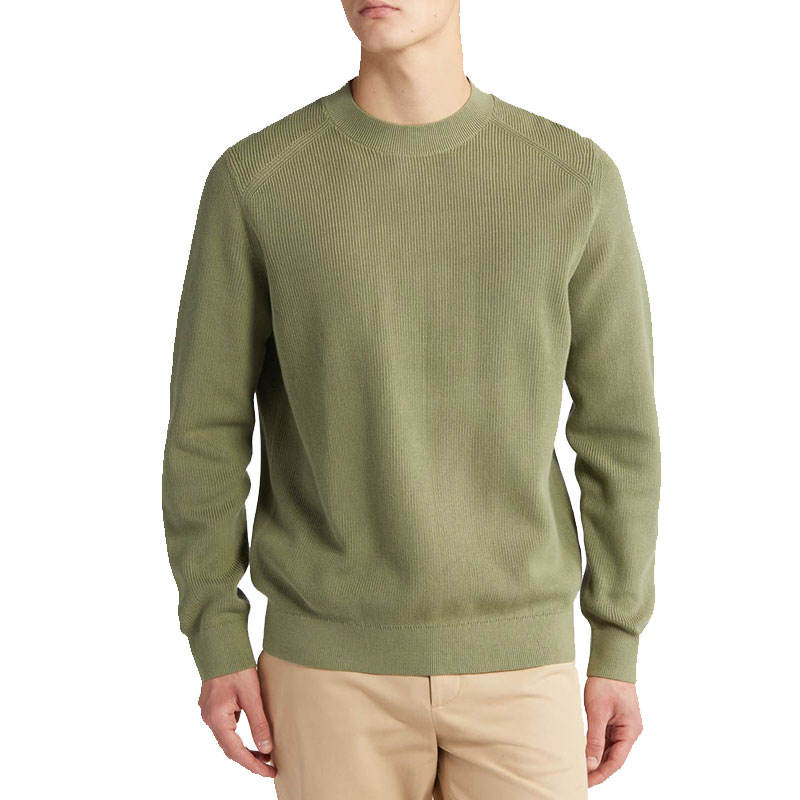
TL;DR: The knitwear production process transforms raw yarn into finished garments through yarn preparation, computerized panel knitting, linking, washing, finishing, and quality inspection—each stage requiring precision equipment and skilled labor.
Bottom line: Essential for fashion brands, designers, and startups launching sweater collections; less relevant for brands outsourcing without production oversight.
Last updated: 2026-06-22, based on 28 years of manufacturing experience and data from 2,000+ brand partnerships.
Key Takeaways
- Yarn preparation accounts for 15–20% of total production time, including winding, tension testing, and lubrication to prevent machine breakage during high-speed knitting.
- Fully-fashioned knitting produces zero fabric waste—panels emerge shaped from computerized flat-knitting machines (3GG–14GG gauges) without cutting, preserving elasticity and creating premium aesthetics.
- Linking preserves knitwear integrity by hand or machine-stitching panels together, maintaining stretch properties that cut-and-sew methods destroy.
- Enzyme washing reduces pilling by 40–60% in wool and cashmere blends, transforming stiff raw knitwear into soft, consumer-ready garments.
- Quality control occurs at five checkpoints—yarn inspection, in-line knitting checks, linking verification, post-wash measurement, and final visual inspection—keeping defect rates below 2%.
Yarn Selection & Preparation: The Foundation of Quality Knitwear
The knitwear production process is a multi-stage manufacturing system that converts raw fiber into finished garments through controlled knitting, assembly, and finishing operations, with each stage building on the precision of the last.
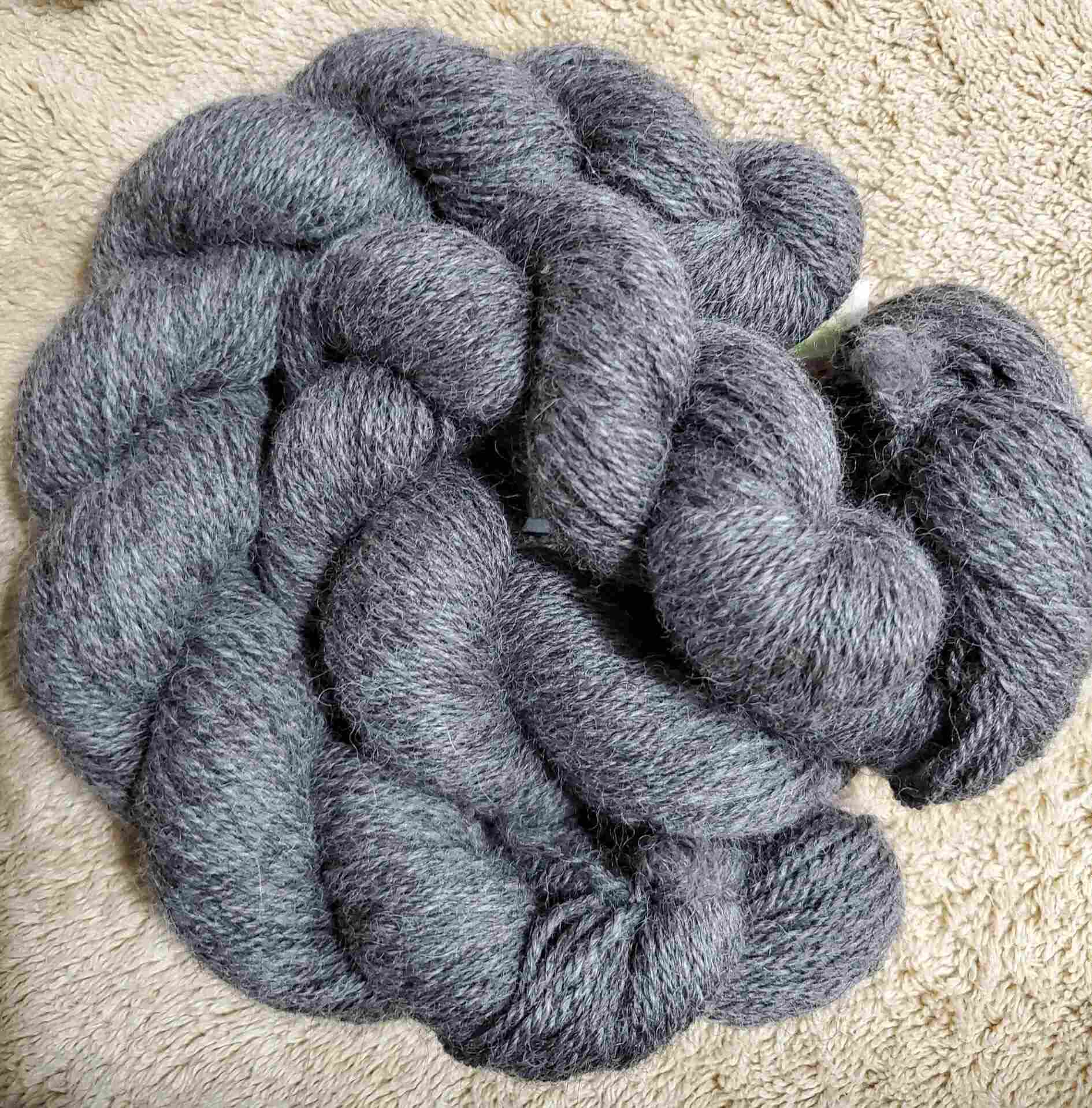
The process begins with fiber selection. Manufacturers choose merino wool for breathability, cashmere for luxury softness, cotton for durability, or synthetic blends to balance cost with performance. Each fiber dictates the garment’s thermal properties, hand-feel, and price point. Once selected, fiber is spun into yarn at specialized mills where thickness (measured in gauge), twist, and texture are controlled to specification.
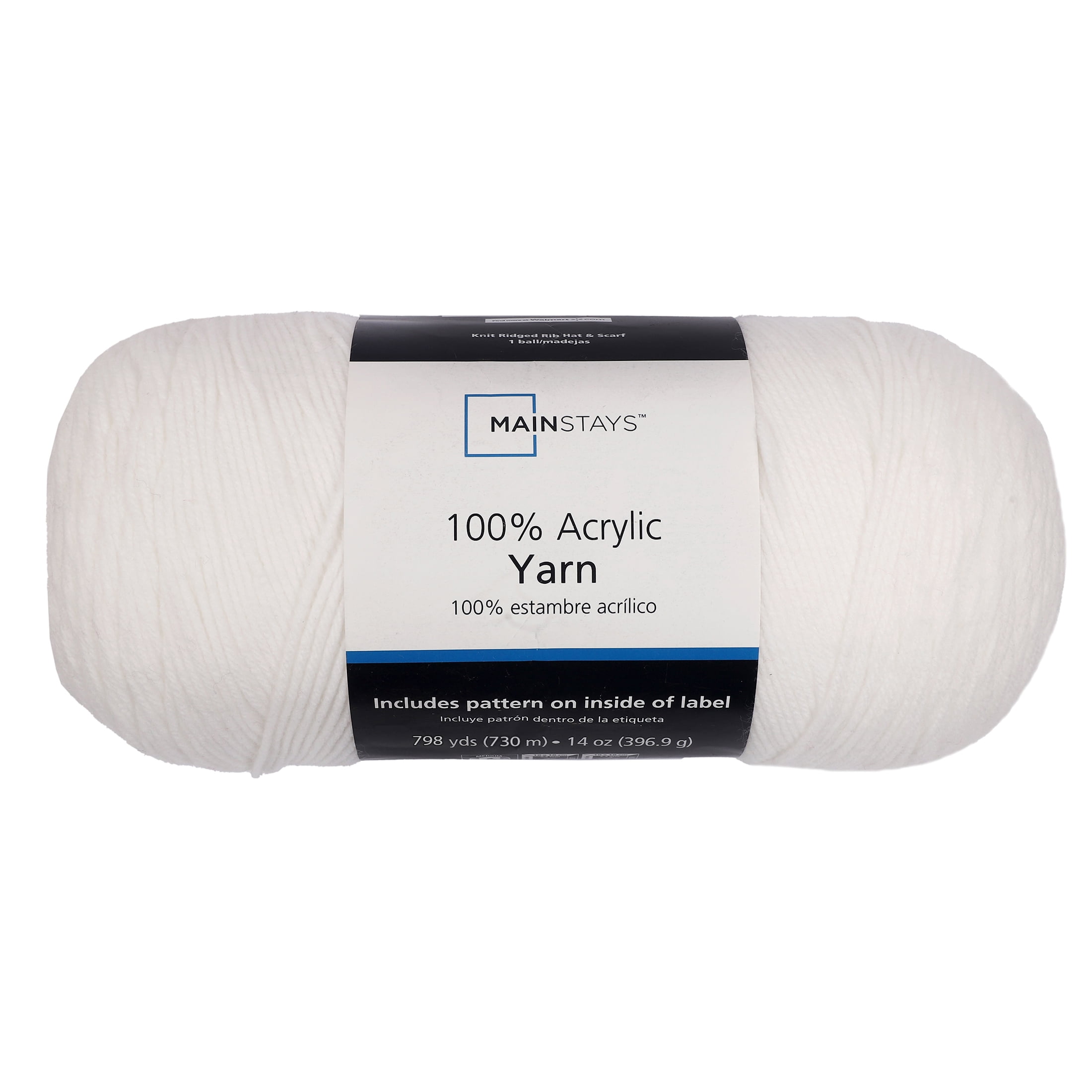
Before knitting, yarn is wound onto industrial cones—large spools that feed computerized knitting machines. This winding step is critical. Uneven tension during cone-to-cone winding creates weak points that snap during high-speed production. Technicians apply light wax or oil lubrication to reduce friction and prevent yarn breakage. Pre-dyeing yarn at this stage ensures color consistency across thousands of units. Tension is tested on sample machines to confirm the yarn will knit evenly without distortion.
The CENWILD yarn-prep framework follows three checkpoints: (1) incoming fiber inspection for strength and purity, (2) cone-winding tension calibration to ±3% tolerance, and (3) pre-knit lubrication application at 0.5–1.0% yarn weight. This preparation phase—often invisible to buyers—prevents defects and ensures uniform stitch quality across 80,000+ monthly units. Skip it, and you’ll see broken needles, uneven gauge, and color variation that kills retail presentation.
Yarn sourcing determines lead time. Specialty fibers like cashmere or alpaca require 4–6 weeks from order to delivery; cotton and acrylic blends arrive in 2–3 weeks. When launching seasonal collections, yarn procurement begins 8–10 weeks before production to avoid delays. According to CottonWorks’ sweater manufacturing guide, yarn preparation and selection directly impact both production efficiency and final garment quality.
Panel Knitting: Transforming Yarn into Shaped Fabric
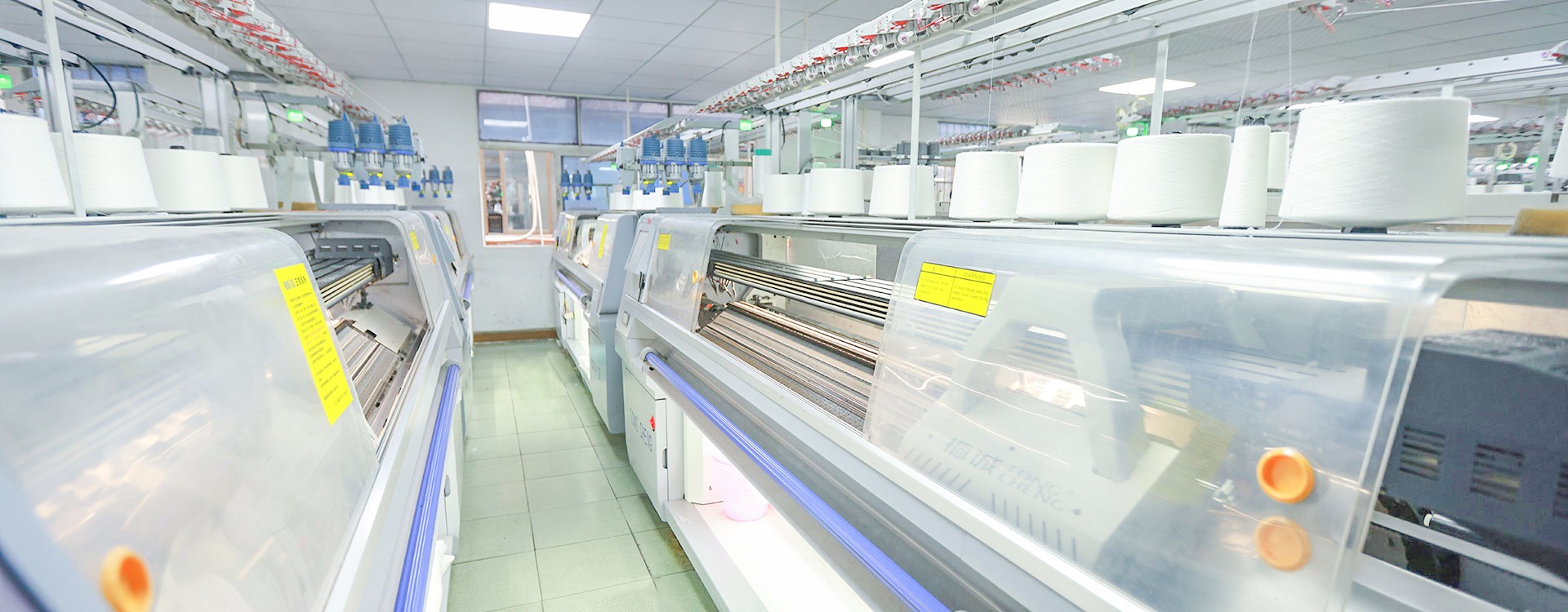
Panel knitting is the stage where yarn becomes recognizable garment components. Computerized flat-knitting machines—Shima Seiki, Stoll, or equivalent models—create individual panels (front body, back body, left sleeve, right sleeve, collar) in one continuous operation, with shaping built directly into the knit structure.
Machine Setup & Design Programming
Knitting begins with loading the design file into the machine’s control system. Technicians thread colored yarns onto the machine’s needle beds, matching the design specification exactly. Each yarn color is positioned so the machine can access it during knitting. Modern machines use jacquard or intarsia systems to create complex color patterns without manual intervention. Setup typically takes 2–4 hours for intricate designs with multiple colors or stitch techniques. The machine reads the design file line by line, translating it into needle movements that form loops, transfer stitches, and shape edges.
Gauge Selection & Knit Structure
Gauge—measured in needles per inch—determines fabric weight, drape, and texture. Heavy sweaters use 3–6GG machines; mid-weight uses 7–10GG; fine, luxury knitwear uses 12–14GG. Gauge dictates machine speed: finer gauges knit slower but produce softer, more detailed fabrics. A 3GG machine knits a panel in 15–20 minutes; a 14GG machine requires 40–60 minutes for the same panel. The choice of gauge directly impacts production timeline and yarn cost—finer gauges consume more yarn per square inch.
In fully-fashioned knitwear, body, sleeves, and collar are shaped directly on the machine using widening and narrowing techniques. Nothing is cut away; edges emerge finished from the machine. This method produces clean armholes and necklines, reduces waste to near zero, and creates the premium aesthetic that distinguishes high-end knitwear from budget basics. Each panel is knitted as a complete, shaped piece—ready for linking without trimming or cutting. A Knitwear Manufacturer using fully-fashioned techniques produces garments with superior elasticity and seamless construction, as detailed in How to Manufacture Knitted Fabric: Complete Guide.
Linking & Assembly: Joining Panels into Garments
Linking is the stage where individual panels become a complete garment. Precise stitching preserves elasticity and creates seamless, professional construction superior to cut-and-sew methods.
| Method | Process | Elasticity | Cost | Best For |
|---|---|---|---|---|
| Linking | Hand or machine stitching of shaped panels using specialized needles | Preserved; seams stretch with fabric | Higher labor | Premium knitwear, cardigans, fully-fashioned |
| Cut-and-Sew | Knit large fabric sheets; cut pattern pieces; sew seams | Reduced; rigid seams | Lower labor | Budget basics, high-volume basics |
| Whole-Garment | Entire sweater knit on one machine without assembly | Maximum; no seams | Highest machine cost | Luxury, seamless pieces |
Linking joins knit panels while maintaining fabric elasticity. Skilled linking operators use specialized sewing machines or hand-link using crochet hooks to interlock loops from adjacent panels. The linking seam is nearly invisible and stretches with the garment—critical for knitwear that must move with the body. Panels are linked in sequence: side seams first, then sleeves to armholes, then collar to neckline. Each seam is inspected for tension and stitch consistency before moving to the next stage.
Linking operators require 6–8 weeks of training before they work on production orders. The skill lies in matching stitch tension so the seam neither puckers nor gaps. Hand-linking—still used for ultra-premium cashmere and luxury pieces—takes 45–60 minutes per garment. Machine linking reduces time to 15–20 minutes but requires constant tension adjustment. This precision assembly is why linked knitwear commands 30–50% higher retail prices than cut-and-sew equivalents.
Washing, Finishing & Quality Control
Washing and finishing transform raw linked knitwear into soft, durable, consumer-ready garments. Enzyme treatment, garment dyeing, anti-pilling processes, and multi-stage quality inspection make knitwear retail-ready.
After linking, garments enter industrial washing machines. Raw linked knitwear is stiff and unfinished; washing relaxes fibers and improves hand-feel. Garments are tumbled with mild detergent, enzymes (to relax fibers and improve softness), and softening agents. Temperature and agitation are carefully controlled to prevent shrinkage or distortion. Enzyme wash reduces pilling—a critical step for wool and cashmere blends prone to surface fuzz. Enzyme treatment breaks down weak fiber ends, reducing pilling by 40–60% compared to untreated garments.
Finishing follows washing. Garments may be brushed (to raise surface fibers for softness), napped (to create a velvety texture), or heat-set (to stabilize dimensions and improve shape retention). Garment dyeing—dyeing finished garments rather than yarn—is common for solid colors, allowing manufacturers to dye to order and reduce inventory risk. Final pressing shapes the garment and sets seams. Each piece is steamed and pressed on specialized forms that replicate body contours.
The five-stage quality control system catches defects before they reach customers: (1) yarn inspection on arrival—strength, color, and thickness verification; (2) in-line knitting checks—every 50th panel inspected for gauge consistency and stitch errors; (3) linking verification—seam tension and alignment checks; (4) post-wash measurement—chest, length, sleeve dimensions verified against tech pack; (5) final visual inspection—pilling, snags, embroidery placement, and trim attachment. Only garments meeting specification proceed to packaging. This system keeps defect rates below 2%, matching the industry benchmark for certified manufacturers.
Decoration, Packaging & Export: The Final Mile
Embroidery, printing, labeling, and careful packaging protect knitwear quality during global shipment and ensure brand presentation at retail. Decoration happens after washing and finishing to avoid damage during wet processing.
• 80,000+ monthly knitwear units can be produced by a mid-sized factory, supporting global brand orders — CENWILD Capacity Benchmark, 2026
• 3–5 embroidery stitches per garment are typical for logo placement, with 3D puff embroidery adding 15–20% to labor cost — Industry Standard, 2026
• 2–3 weeks lead time from order confirmation to shipment for standard production; rush orders add 20–30% premium — Typical Dongguan Factory Timeline
• 100-piece minimum order enables startups and small brands to test designs without excess inventory — CENWILD MOQ Policy, 2026
• 98%+ quality pass rate is standard for certified knitwear manufacturers using in-line and final inspection protocols — Quality Control Benchmark, 2026
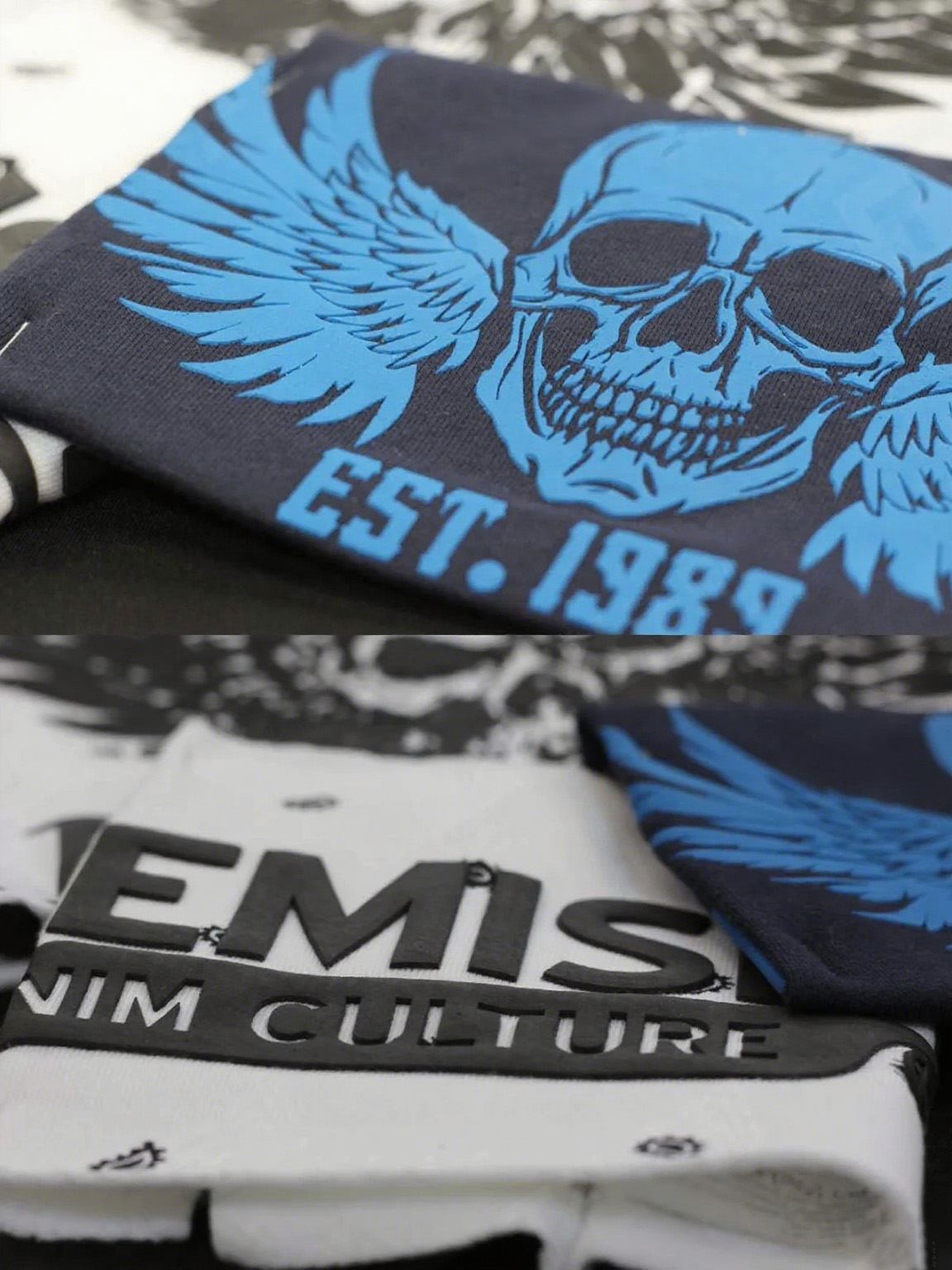
Embroidery is applied using computerized multi-head machines. Flat embroidery, 3D puff, chain-stitch, and appliqué techniques add branding and decorative elements. Screen printing and heat transfer are used for larger graphics, though knitwear’s textured surface requires specialized inks and pressure settings to prevent cracking. Custom labels, hang tags, and care instructions are attached during final assembly. Garments are folded, bagged in polybags with silica gel packets to control moisture, and packed in export cartons with size and color breakdowns clearly marked. Shipment occurs via air freight (7–10 days), sea freight (25–35 days), or express courier (3–5 days) depending on urgency and budget. Export documentation—commercial invoice, packing list, certificate of origin—is prepared for customs clearance. CENWILD manages end-to-end logistics to ensure garments arrive retail-ready and on schedule.
FAQ
Q1: How long does the entire knitwear production process take?
Standard production from order confirmation to shipment typically takes 4–6 weeks, depending on design complexity, yarn availability, and order volume. Sampling takes 1–2 weeks; bulk production takes 2–4 weeks. Rush orders are available at a 20–30% premium, reducing lead time to 3–4 weeks total.
Q2: What is the difference between fully-fashioned and cut-and-sew knitwear?
Fully-fashioned knitwear is shaped directly on the knitting machine; panels emerge finished with no waste. Cut-and-sew knits are produced on large flat sheets, then pattern pieces are cut and sewn together. Fully-fashioned offers superior elasticity, cleaner seams, and premium aesthetics; cut-and-sew is faster and cheaper for basic styles.
Q3: Can I order small quantities of custom knitwear?
Yes. Most professional knitwear manufacturers, including CENWILD, offer low MOQs starting from 100 pieces per style/color. This allows brands to test designs, launch capsule collections, and reduce inventory risk without committing to large production runs.
Q4: What yarn types are best for different knitwear applications?
Merino wool is ideal for breathable, temperature-regulating sweaters; cashmere for luxury pieces; cotton for summer knitwear; alpaca for ultra-soft textures; blends balance cost and performance. Your manufacturer can recommend yarns based on your garment type, budget, and target market—we source from trusted spinning mills across China.
Q5: How is quality controlled during knitwear production?
Quality control occurs at multiple stages: yarn inspection on arrival, in-line checks during knitting and linking, measurement verification after washing, pilling tests, and final visual inspection before packaging. Defect rates below 2% are standard for certified manufacturers using systematic inspection protocols.
Sources
- Sweater Manufacturing Process Flow Chart — Scribd
- Sweater Manufacturing Basics — CottonWorks by Cotton Incorporated
- Knitwear Production Process Overview — HD Merino
- Fully Fashioned Knitwear Production Process — Scribd
- Custom Knitwear Production Time — Knitwise, Inc.
Written by Alin Zeng (Premium Streetwear Knitwear, 28-Year Master Craftsmanship, One-Stop Custom Manufacturing, High-End OEM/ODM Solutions, Cost-Effective Global Delivery). Last reviewed 2026-06-22.