
TL;DR: The best custom knitwear options range from zero-MOQ print-on-demand platforms (Printful, Knitwise) for testing to 100-piece manufacturers (CENWILD) for scaling brands, with bespoke artisans serving luxury markets.
Bottom line: Choose POD for speed and no inventory risk; graduate to manufacturers at 500+ units for cost control; reserve bespoke for premium exclusivity.
Last updated: 2026-06-21, based on 2,000+ brand partnerships and global knitwear production data.
Key Takeaways
- Print-on-demand platforms start at 1 piece, deliver in 7–14 days, and cost $25–$60 per unit—ideal for testing seasonal designs.
- Low-MOQ manufacturers require 100–500 pieces, offer $10–$28 unit costs at scale, and provide full yarn and stitch customization.
- Jacquard knitting dominates 72% of custom knitwear orders globally, knitting multi-color designs directly into fabric for durability.
- Average lead times: POD 10–14 days, manufacturers 45 days, bespoke 60–120 days—plan 4–6 months ahead for seasonal collections.
- Yarn quality determines longevity—merino, cashmere, and organic cotton blends command 3× retail markups over acrylic alternatives.
Definition: Custom Knitwear Explained
What are the best options for custom knitwear? Custom knitwear is personalized knitted apparel—sweaters, cardigans, pullovers, vests, and knit dresses—produced to match a brand’s specific vision through controlled yarn selection, gauge fineness, stitch structure, and embellishment.
Direct Answer: The best options split across three tiers. Print-on-demand platforms like Printful and Knitwise offer zero minimums and 7–14 day turnaround for brands testing designs. Low-MOQ manufacturers deliver cost efficiency ($10–$28 per unit at 500+) and full design control over yarn, gauge (3GG–14GG), and techniques like intarsia or cable knitting. Bespoke artisans craft premium, hand-finished pieces for luxury labels willing to invest 60–120 days and $80–$200+ per garment.
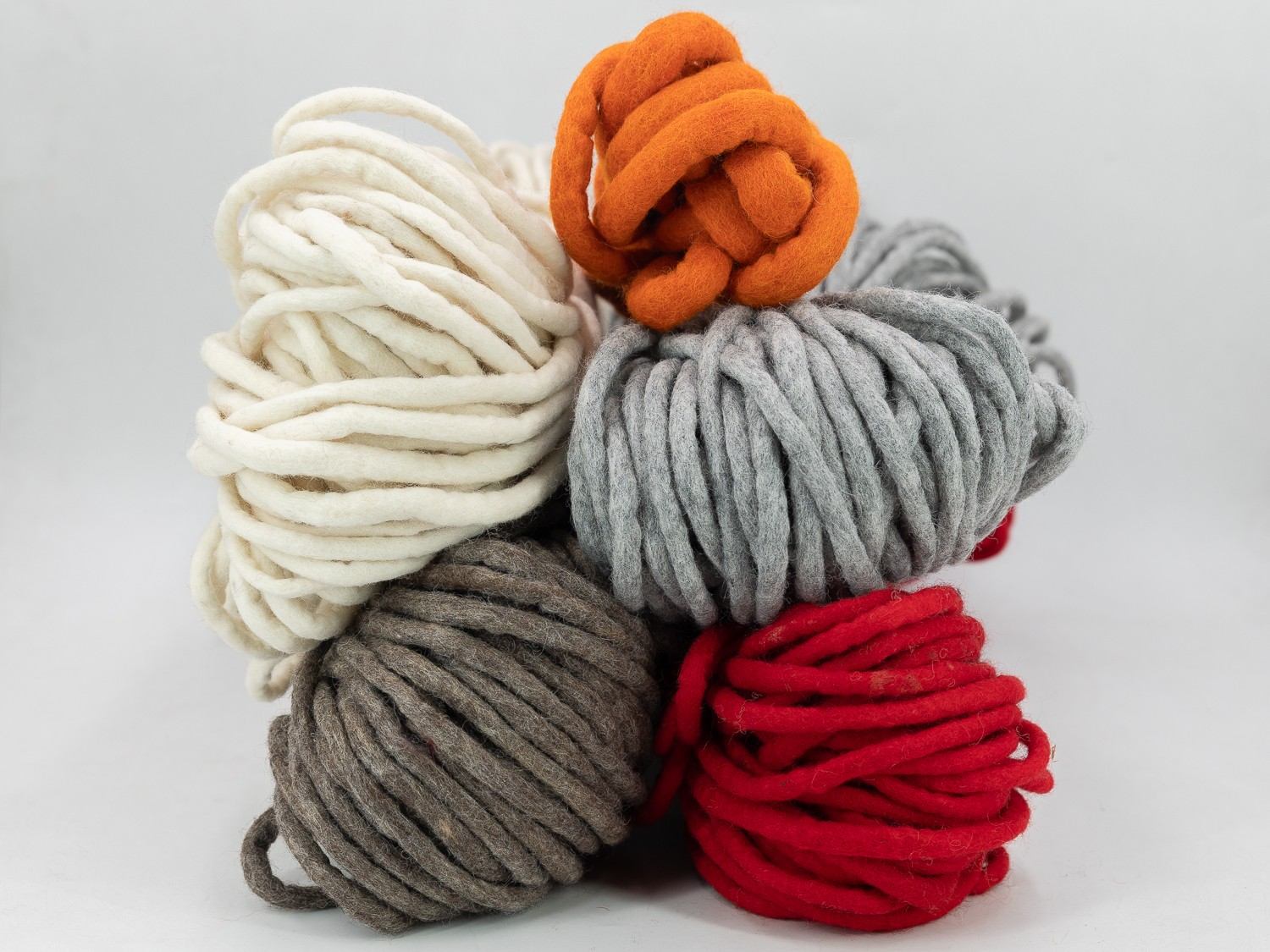
Unlike mass-produced inventory, custom knitwear integrates your choice of fiber—cashmere, merino wool, Pima cotton, recycled blends—with stitch architecture: jacquard for multi-color patterns, pointelle for open-work texture, fully-fashioned for zero-waste construction. This control ensures consistent quality and premium positioning. Brands command 3× retail markups on hand-finished merino cardigans versus generic acrylic pullovers.
Comparison: POD vs. Low-MOQ Manufacturers vs. Bespoke
| Criteria | Print-on-Demand | Low-MOQ Manufacturer | Bespoke Artisan |
|---|---|---|---|
| Minimum Order | 1 piece | 100–500 per style/color | 1–10 pieces |
| Unit Cost | $25–$60 | $12–$35 | $80–$200+ |
| Lead Time | 7–14 days | 30–60 days | 60–120 days |
| Design Freedom | Limited (pre-set silhouettes, 4-color max) | High (yarn, gauge, stitch, embellishment) | Complete (bespoke patterns, rare yarns) |
| Yarn Options | Standard acrylic, cotton blends | Cashmere, merino, organic, recycled | Heirloom fibers, specialty blends |
| Embellishment | Jacquard knit-in designs | Jacquard, intarsia, embroidery, printing | Hand embroidery, hand knit, appliqué |
| Inventory Risk | None | Moderate (minimum 100 units) | Low (small batches, bespoke orders) |
| Best For | Startups, testing, seasonal drops | Scaling brands, seasonal collections | Luxury labels, limited editions |
Choose POD if you’re testing designs and have no capital for inventory—platforms like Fourthwall integrate directly with Shopify and handle fulfillment. Select a low-MOQ manufacturer if you’re scaling and need 200–1,000 units per season with controlled costs—Dongguan’s knitwear cluster provides access to spinning mills, linking workshops, and washing houses within 20 km, cutting lead times by 15%. Pick a bespoke artisan if your brand targets premium markets where customers expect hand-crafted exclusivity and are willing to wait 90+ days.
Five Mistakes When Ordering Custom Knitwear
Mistake 1: Prioritizing Yarn Price Over Quality
Budget-conscious brands often select the cheapest yarn option, only to receive sweaters that pill after three washes, lose shape, or feel stiff against skin. Acrylic-only sweaters see 18% return rates versus 4% for merino-cotton blends. Invest in mid-range merino, lambswool, or wool-acrylic mixes that balance cost and durability. Request knit-down swatches before committing to bulk production.
Mistake 2: Submitting Incomplete Design Briefs
A blurry photo or vague description leads to misalignment and multiple revision rounds consuming 3–4 weeks. Provide a detailed tech pack: exact measurements per size, stitch structure, color placement with Pantone codes, trim specifications, and desired embellishment. Clear communication prevents costly re-knits—rejection rates drop from 22% to under 3% with full tech packs.
Mistake 3: Underestimating Timelines
Custom knitwear requires time. Sampling alone takes 2–3 weeks; bulk production 30–60 days; ocean shipping another 3–5 weeks. Brands who ignore these windows miss seasonal launches—fall collections must be ordered by May to hit August retail floors. Plan 4–6 months ahead for a winter collection.
Mistake 4: Skipping Fit Approval Samples
Approving designs without trying on a sample size leads to fit disasters—sleeves too long, chest too tight, length off-brand. Always request SMS (salesman sample) or pre-production samples for fit and measurement verification across multiple sizes. Test on real bodies, not mannequins.
Mistake 5: Ignoring In-Process Quality Control
Don’t assume bulk production matches your approved sample. Implement quality checks: yarn color consistency, gauge accuracy (±0.25 stitch per inch), measurement tolerance (±0.5”), pilling resistance (Martindale 20,000+ cycles), embroidery stitch precision, and final inspection. Poor QC damages brand reputation—one viral TikTok about misshapen sweaters costs 40% of next quarter’s sales.
Custom Knitwear Production Methods by the Numbers (2026)
- 65% of emerging fashion brands now use print-on-demand or low-MOQ knitwear services to reduce inventory risk and test seasonal designs—Statista Fashion Report 2026
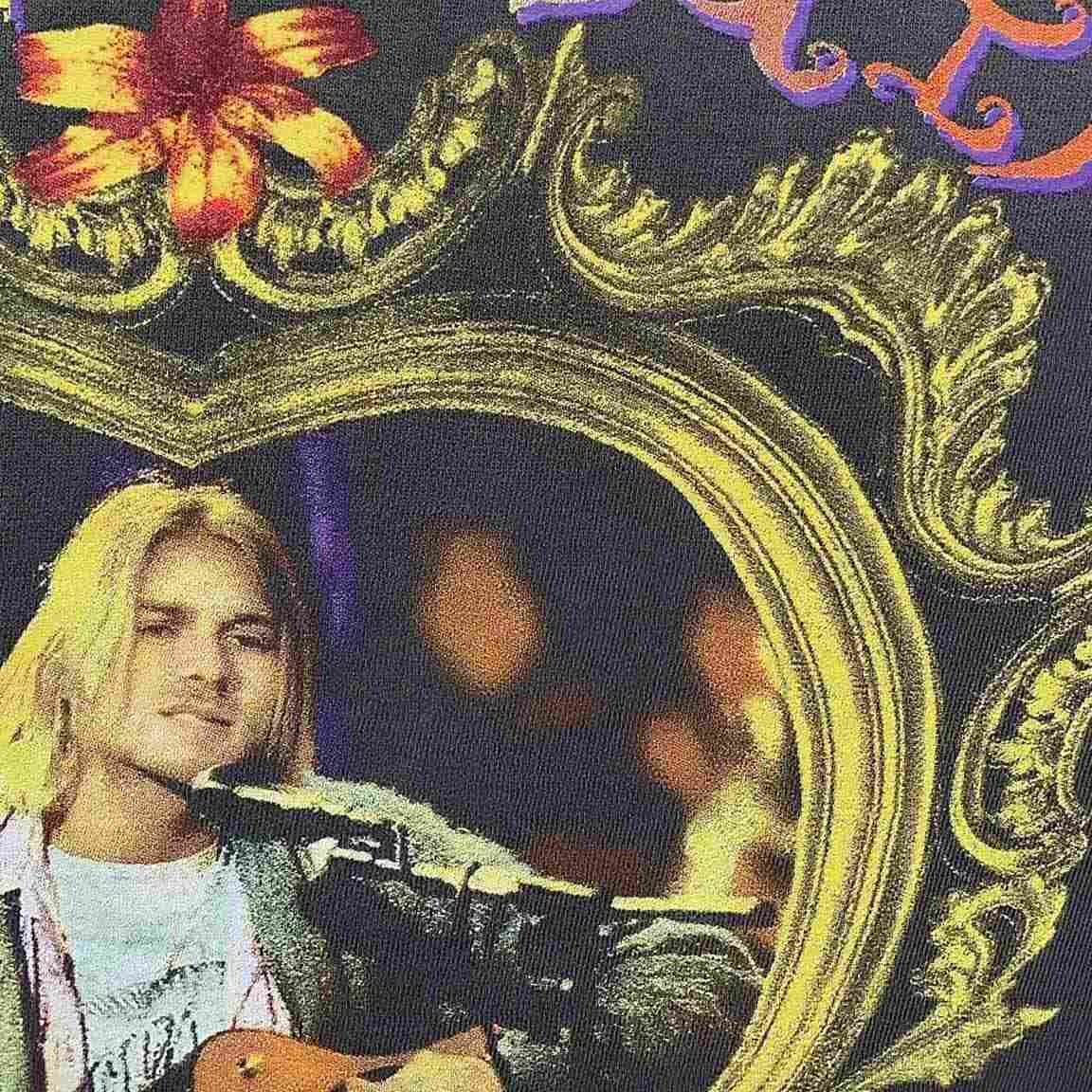
Jacquard knitting accounts for 72% of custom knitwear orders globally, enabling multi-color designs knitted directly into fabric for durability and wash resistance—Textile Technology Quarterly 2025
Average POD sweater lead time: 10–14 days from order to shipment; low-MOQ manufacturer average: 45 days including sampling—Knitwise Industry Benchmark 2026
Unit cost variance: $18–$40 (POD) vs. $10–$28 (low-MOQ at 500+ volume), with cost per unit dropping 35% at 1,000-piece runs—Custom Apparel Pricing Study 2026
Organic and recycled yarn adoption in custom knitwear grew 43% year-over-year, driven by Gen-Z consumer demand for traceable, sustainable fibers—Sustainable Fashion Index 2025
China and India control 58% of global knitwear manufacturing capacity, with Dongguan (China) home to 2,000+ active knitwear factories and integrated supply chains—Global Manufacturing Report 2026
Top Platforms and Manufacturers: POD vs. Direct Factory Partners
Print-on-Demand Platforms:
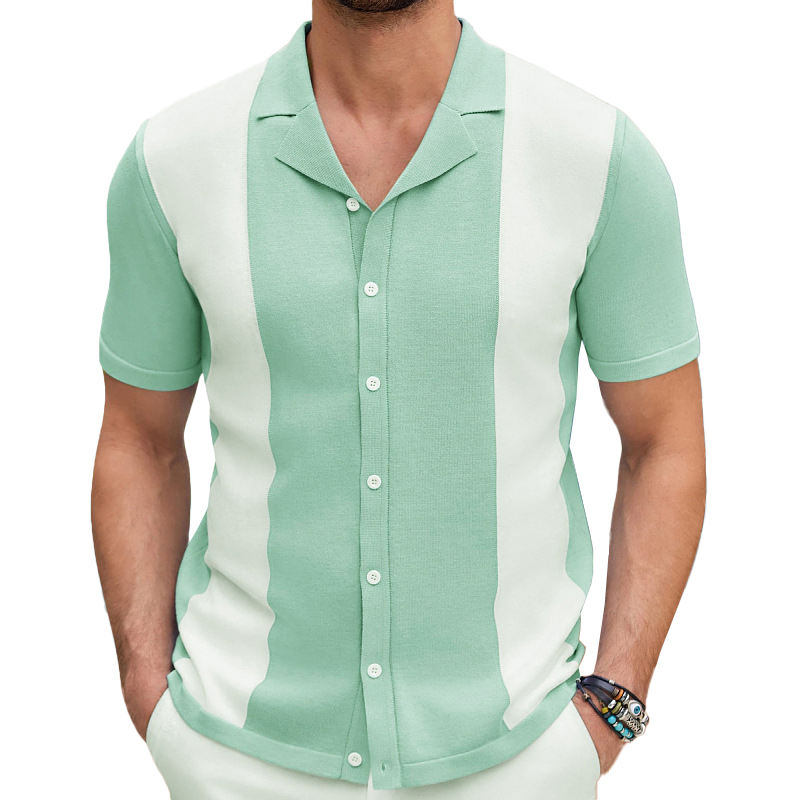
Printful and Knitwise dominate the POD space, offering 1-piece ordering, integrated design tools, and 7–14 day turnaround for brands testing seasonal drops. Both use jacquard technology to knit designs directly into sweaters; color options are pre-limited to 4 colors max. Pricing ranges $25–$55 per unit. These platforms work best for testing and seasonal drops, but design freedom is constrained—you cannot customize sleeve length, adjust neckline depth, or source specialty yarns. Per-unit costs remain high at scale, making POD uneconomical beyond 200 units per season.
Low-MOQ Manufacturers:
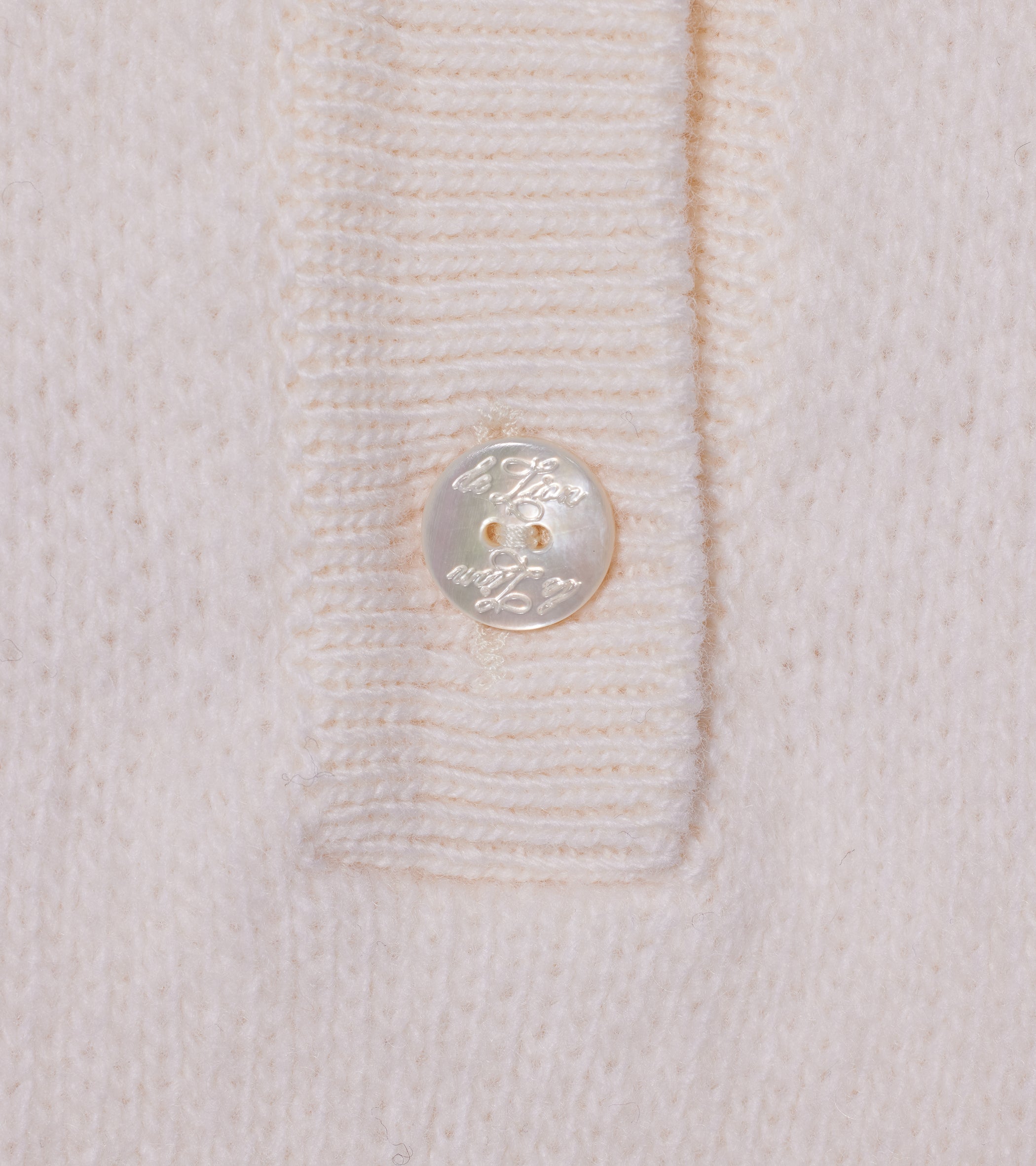
Direct manufacturers offer 100-piece minimums, full customization over yarn (cashmere, merino, organic cotton, recycled blends), gauge (3GG–14GG), stitch (cable, intarsia, pointelle, fully-fashioned), and embellishment (embroidery, printing, custom buttons, woven labels). Costs land at $10–$28 per unit at 500+ volumes—a 50% saving versus POD. Lead times are 30–60 days including sampling. They work best for brands scaling beyond POD and seeking cost efficiency with design control.
Bespoke & Artisan Services:
Premium boutique makers offer hand-knit and made-to-measure options for luxury labels. Costs run $80–$200+ per piece. Lead times are 60–120 days. These suit limited-edition collections where exclusivity and craftsmanship justify premium pricing.
Selection Guide: Start with POD to validate designs and customer demand with zero inventory risk. Graduate to low-MOQ manufacturers as order volume grows past 300 units per season—the cost savings fund your next collection. Invest in bespoke services only for flagship, limited-edition pieces that anchor your brand story.
FAQ
Q1: What is the minimum order quantity for custom knitwear?
Print-on-demand platforms have zero minimums—order 1 piece for sampling. Low-MOQ manufacturers typically start at 100–500 pieces per style/color. Bespoke artisans accept 1–10 piece orders. For cost efficiency and 40–50% per-unit savings, aim for 500+ units with a manufacturer.
Q2: How long does custom knitwear production take?
POD platforms deliver in 7–14 days plus 1–3 weeks shipping. Low-MOQ manufacturers require 2–3 weeks for sampling, 30–60 days for bulk production, plus logistics (3–5 weeks ocean, 1 week air). Bespoke services take 60–120 days. Plan 4–6 months ahead for seasonal collections.
Q3: What yarn options are available for custom knitwear?
POD platforms offer standard acrylic and cotton blends. Manufacturers provide cashmere, merino wool, lambswool, Pima cotton, alpaca, mohair, viscose, recycled polyester, and organic cotton. Request knit-down swatches to evaluate hand-feel and durability—yarn accounts for 40% of total garment cost.
Q4: Can I customize the design, fit, and trims?
POD platforms allow color and limited pattern customization within pre-set silhouettes. Manufacturers offer full customization: custom measurements, stitch design (cable, jacquard, intarsia, pointelle), embroidery, screen printing, custom buttons, and branded packaging. Bespoke services provide complete design freedom including hand-knit techniques.
Q5: What is jacquard knitting and why does it matter?
Jacquard knitting weaves multiple yarn colors directly into fabric during production, enabling intricate multi-color patterns without printing or embroidery. It is durable, washable, and produces premium-looking designs that don’t fade or crack. 72% of custom knitwear orders globally use jacquard technology.
Q6: How do I ensure quality and correct sizing?
Request SMS (salesman) or pre-production samples for fit and measurement approval before bulk production. Implement in-line quality checks: yarn color consistency, gauge accuracy (±0.25 stitch per inch), measurement tolerance (±0.5”), pilling resistance testing, embroidery precision, and final inspection reports.
Sources
- Fourthwall — Custom Knitwear Design & Sell — 2026, POD platform features and pricing
- Printful — How to Make Custom Knitwear — 2026, jacquard knitting guide
- Knitwise — Custom Knit Sweaters — 2026, 7–14 day production benchmark
- Statista Fashion Report 2026 — POD and low-MOQ adoption trends among emerging brands
- Textile Technology Quarterly 2025 — Jacquard knitting market analysis and technique breakdown
- Global Manufacturing Report 2026 — Knitwear production capacity by region and country
Written by Alin Zeng (Premium Streetwear Knitwear, 28-Year Master Craftsmanship, One-Stop Custom Manufacturing, High-End OEM/ODM Solutions, Cost-Effective Global Delivery). Last reviewed 2026-06-21.